World
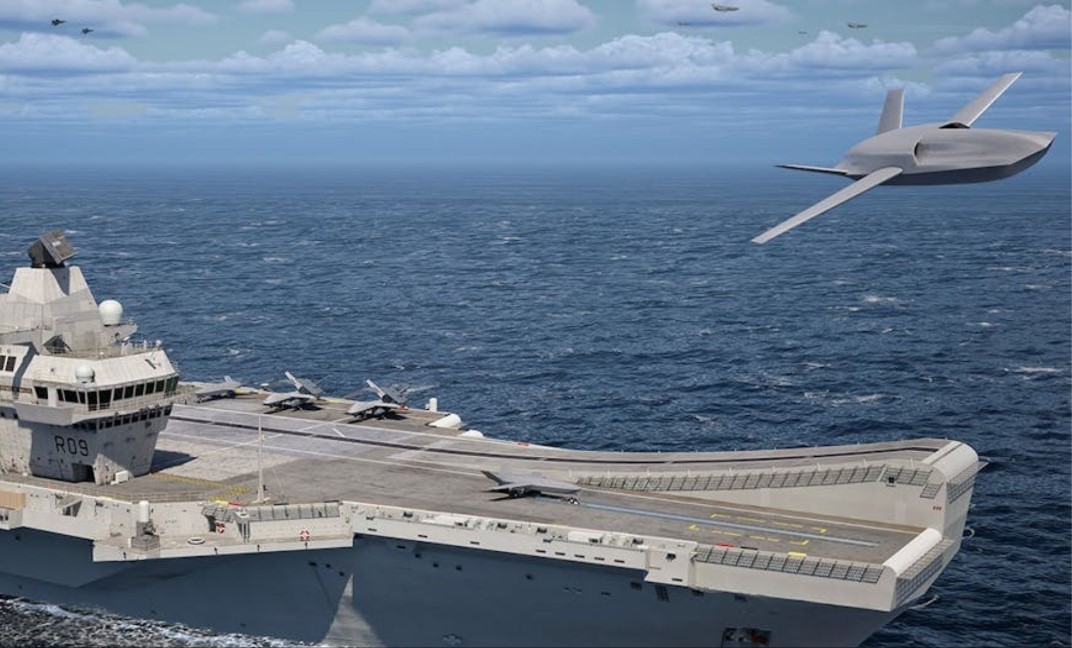
General Atomics Aeronautical Systems, Inc. (GA-ASI) is pushing the boundaries of unmanned aerial vehicles (UAVs) with the introduction of their latest innovation: the Gambit 5. This new drone, designed to operate from aircraft carriers, represents a significant leap forward in UAV technology and naval aviation.The Gambit 5 is part of a broader suite of autonomous combat aircraft developed by GA-ASI under the Gambit series. These drones are built around a common technology core known as the "Gambit Core," which serves as the foundation for various mission-specific variants. The Gambit 5, however, stands out because it’s specifically tailored for carrier operations—a demanding environment that requires specialized design features.To meet the challenges of carrier takeoff and landing, the Gambit 5 incorporates a reinforced airframe and enhanced landing gear. These modifications ensure the drone can withstand the rigors of catapult launches and arrested recoveries, both essential for carrier-based aircraft. Additionally, the drone integrates a precision landing system, further ensuring its reliability in the complex environment of an aircraft carrier.The concept of the Gambit 5 was publicly showcased at the Farnborough International Airshow in 2024, where GA-ASI emphasized its potential to transform naval operations. The drone’s design builds on the company's extensive experience with previous UAVs, such as the MQ-20 Avenger, which has logged over 37,000 flight hours since its introduction.GA-ASI's history with carrier-capable UAVs is not new. The company previously participated in the U.S. Navy's Unmanned Carrier-Launched Airborne Surveillance and Strike (UCLASS) program and the subsequent MQ-25 Stingray project. Although these programs didn’t result in a carrier-based drone for GA-ASI, they provided valuable insights that have now been applied to the Gambit 5.One of the most intriguing aspects of the Gambit 5 is its potential to operate in collaboration with other unmanned and manned aircraft. GA-ASI envisions a future where drones like the Gambit 5 could work alongside manned aircraft and other UAVs, such as the MQ-9B STOL, in coordinated operations. This concept could revolutionize naval warfare by allowing for more flexible and responsive force projection.Despite its advanced design and promising capabilities, the Gambit 5 remains in the conceptual phase. GA-ASI has not yet committed to building a prototype, but the company is confident in its ability to adapt the existing modular systems from other projects to create a carrier-capable drone. The company's involvement in various autonomy programs, including the U.S. Air Force’s Skyborg initiative, further supports the idea that the Gambit 5 could become a reality without reinventing the wheel.International interest in the Gambit 5 is already growing, with potential partners from the U.S., U.K., Australia, and Japan expressing curiosity about how this carrier-capable drone could fit into their naval strategies. As discussions progress, the Gambit 5 could become a key player in the next generation of naval aviation, blending advanced autonomy with the demands of carrier operations.In conclusion, the Gambit 5 represents a bold step forward in the evolution of UAVs, combining General Atomics' deep expertise with new innovations to create a drone capable of operating from the deck of an aircraft carrier. While still in its early stages, the Gambit 5 has the potential to reshape the future of naval warfare, making it a development to watch closely.
Read More → Posted on 2024-08-09 15:03:07
World
Russia has declared a federal emergency in the Kursk region, a border area now facing an intense assault from Ukrainian forces. The situation, which escalated dramatically over the past few days, marks one of the most significant and daring offensives by Ukraine since the war began. The surprise attack has left the region in turmoil and prompted a swift response from Moscow.The declaration of a federal emergency in Kursk is a rare move, typically reserved for disasters with large-scale impacts. According to Russian law, such a declaration is made when there are more than 500 victims or when damage exceeds 500 million rubles (about $6 million). In Kursk, the situation has become dire enough to meet these criteria. The acting governor of Kursk, Alexei Smirnov, acknowledged the severity of the situation, noting that the operational landscape remains challenging. Thousands of residents have been evacuated from their homes, with the last official count at 3,000, as social services and civic associations scramble to provide aid.The Ukrainian incursion into Kursk, which lies about 500 kilometers southwest of Moscow, appears to have taken Russian forces by surprise. Reports suggest that Ukrainian troops have advanced as far as 35 kilometers beyond the border, exploiting a lack of coherent Russian defenses. The Institute for the Study of War, a U.S.-based think tank, highlighted the rapid Ukrainian advance and the apparent disarray within Russian ranks. The surprise nature of the attack suggests that Ukrainian forces had carefully planned the operation, aiming to strike deep into Russian territory.While the exact goals of the Ukrainian operation remain unclear, it has sent shockwaves through Russia. Myhailo Podolyak, a top adviser to Ukrainian President Volodymyr Zelenskyy, hinted that these border region attacks could be part of a broader strategy to bring the war closer to Russian soil, forcing Moscow to reconsider its position. Podolyak also suggested that such operations could strengthen Ukraine's negotiating position if peace talks were to resume.As the situation in Kursk deteriorates, Russia has continued its own aggressive tactics. On Friday, a Russian missile struck a shopping mall in Kostiantynivka, a town in Ukraine's eastern Donetsk region. The attack, which occurred late in the morning, killed at least nine people and injured 26 others. Thick black smoke billowed from the site, a grim reminder of the ongoing brutality of the conflict. The mall, located in a residential area, was packed with civilians, prompting Donetsk regional head Vadym Filashkin to denounce the strike as a targeted act of terror.In response to the Ukrainian incursion, the Russian military has launched airstrikes, artillery barrages, and ground operations to repel the attack. However, these efforts have not yet succeeded in halting the Ukrainian advance. The Russian Defense Ministry stated that the military "continues to repel the attempted invasion," but the lack of clear progress suggests that the situation remains fluid and unpredictable.Meanwhile, Ukraine has intensified its strategy of targeting Russian rear areas with long-range drones. On Thursday night, Ukrainian drones struck Russia's Lipetsk region, located about 300 kilometers from the Ukraine border. The drones targeted a military airfield, reportedly hitting a base for fighter jets and helicopters. The strike, confirmed by Ukraine's Army General Staff, also destroyed a stockpile of more than 700 powerful glide bombs. The Russian Defense Ministry claimed to have shot down 75 Ukrainian drones during the night, including 19 over Lipetsk, but the damage to the airfield was already done.As the conflict continues to escalate, the situation in Kursk serves as a stark reminder of how the war is evolving. What was once a conflict largely confined to Ukrainian territory is now creeping into Russia, challenging Moscow's ability to protect its borders and maintain control over the narrative of the war. With both sides showing no signs of backing down, the future remains uncertain, and the stakes are higher than ever.
Read More → Posted on 2024-08-09 14:50:43
World
In the fast-evolving landscape of military technology, Israel's Epsilor Electric Fuel Ltd. has taken a significant leap forward with the unveiling of its new Military High Voltage Battery System. This innovation, grounded in the company's widely respected NATO-standard 6T battery, is set to redefine how power is managed in defense systems, vehicles, and forward operating bases.The heart of this breakthrough lies in the system's ability to connect multiple 6T batteries in a series, creating a high-voltage power source with dramatically increased capacity. This approach is not just about linking batteries together—it's about integrating them into a unified system controlled by a sophisticated High Voltage Battery Management System (BMS). This BMS monitors and optimizes the performance of each individual battery in the series, ensuring that the overall system delivers reliable and consistent power, even in the most demanding conditions.Epsilor’s innovation is particularly timely given the growing demand for robust energy solutions in modern military operations. Defense vehicles, especially those that are hybrid or fully electric, require more power than ever before. Traditional power sources are often inadequate, prompting the need for new technologies like Epsilor's system that can meet these rigorous requirements.This new high-voltage system is expected to be a game-changer for military operations, offering a combination of high energy capacity, reliability, and safety. Epsilor's approach also addresses the critical issue of mobility; the system is designed to be air-transportable, making it ideal for rapid deployment in various operational theaters.The company plans to showcase this cutting-edge technology at the upcoming Ground Vehicle Systems Engineering & Technology Symposium in Michigan from August 13 to 15. This event, which draws industry leaders and military experts, will provide a platform for Epsilor to demonstrate the capabilities of its high-voltage system alongside its US affiliate, UEC Electronics.In addition to the high-voltage system, Epsilor will also be introducing the COMBATT ELI-52526-GM, a new NATO-standard 6T battery specifically engineered for defense vehicles. This battery is not only revolutionary in its own right, boasting an unmatched energy capacity of 4,400Wh/175Ah, but it also sets a new industry benchmark. Engineered according to US Army standards, it holds six times more energy than traditional lead-acid batteries of comparable weight and 50% more than any other 6T Li-Ion battery currently on the market.The COMBATT battery is an international version of a model undergoing rigorous testing by the US Army’s Ground Vehicle Systems Center. These tests, adhering to MIL-PRF-32565C standards, include challenges such as bullet penetration and extreme temperature performance, ensuring the battery's reliability under the harshest conditions. This focus on durability and performance makes the COMBATT battery a crucial component in the ongoing modernization of defense vehicles, tactical energy storage systems, and ground military robotics.Ronen Badichi, President and General Manager of Epsilor, expressed pride in the company’s achievements, noting that their new 6T products have overcome significant technical challenges. The development of a robust mechanical solution has addressed common safety concerns associated with Li-Ion batteries, and the integration of these batteries into a high-voltage solution fills a critical gap in defense applications.Epsilor’s latest innovations are not just about meeting current military needs but are also paving the way for future advancements in defense technology. The combination of high-voltage systems and advanced 6T batteries is expected to play a pivotal role in the next generation of military energy solutions, providing the power and reliability that modern defense operations demand.
Read More → Posted on 2024-08-09 14:47:29
World
Turkey has taken a significant step forward in fortifying its national defense with the unveiling of its ambitious "Steel Dome" air defense system. Announced by Haluk Gorgun, the president of the Presidency of Defence Industries (SSB), this project reflects Turkey's determination to build a robust, self-reliant defense infrastructure. The "Steel Dome" is set to be a comprehensive shield, integrating various air defense systems, sensors, and weapons into a unified network capable of responding to threats across multiple altitudes and distances.The initiative, which involves major state-owned defense companies such as Aselsan, Roketsan, and MKE, along with the public research group Tubitak Sage, is seen as a natural progression in Turkey's growing defense capabilities. Over the years, Turkey has been steadily developing its own air defense systems, such as the Hisar and Siper, and the "Steel Dome" appears to be the culmination of these efforts.Turkey's move to develop the "Steel Dome" comes at a time when the nation is gaining prominence as a defense exporter, particularly in the field of unmanned aerial vehicles (drones). This development is in line with President Recep Tayyip Erdogan's vision of a strong and self-sufficient defense industry. The "Steel Dome" is not just about defense; it represents Turkey's broader ambition to position itself as a key player on the global stage in defense technology.According to reports from Turkish public television TRT Haber, the "Steel Dome" is envisioned as an all-encompassing air defense network capable of addressing threats from low to high altitudes, as well as from short to long distances. However, details about the specific technologies and capabilities involved remain under wraps, reflecting the project's strategic importance.In recent years, Turkey has been increasingly focused on developing its own defense systems rather than relying on foreign suppliers. The "Steel Dome" project is another step in this direction, demonstrating Turkey's commitment to securing its airspace with homegrown technology. This initiative also underscores Turkey's broader geopolitical strategy, as the nation seeks to enhance its defense capabilities amid a rapidly changing security landscape in the region.The "Steel Dome" project is still in its early stages, and much remains to be revealed about its full scope and capabilities. However, one thing is clear: Turkey is serious about protecting its skies and is willing to invest in the technology and infrastructure needed to do so. As this project develops, it will be a key indicator of Turkey's future role in global defense and security.
Read More → Posted on 2024-08-09 14:03:37
World
In a significant move reflecting the escalating tensions in the Middle East, advanced American F-22 stealth warplanes have arrived in the region. This deployment underscores the United States' efforts to strengthen its military presence as it braces for potential retaliation from Iran following recent events that have sharply increased the risk of broader regional conflict.The arrival of these F-22s, considered among the most advanced fighter jets in the world, is part of a broader strategy by the United States to enhance its force posture in the Middle East. The deployment comes in the wake of a series of incidents that have raised alarms about the possibility of a full-blown confrontation between Iran, its proxies, and other regional actors.Last week, US Defense Secretary Lloyd Austin ordered the deployment of additional military assets to the region, including warships and fighter squadrons. This decision was likely influenced by intelligence and ongoing assessments that pointed to an increased risk of escalation following recent developments.A key factor in this rising tension is the recent series of killings of top figures associated with Hamas and Hezbollah, which Israel has been either directly blamed for or has claimed responsibility for. These targeted strikes have been among the most severe in a pattern of retaliatory attacks that have significantly heightened the threat of a regional war spilling over from the ongoing Gaza conflict. Iran, which has long been a supporter of both Hamas and Hezbollah, is expected to respond forcefully to these actions. The US military's preparation for such a scenario involves not just bolstering its presence but also ensuring that it has the capability to respond quickly and effectively to any threats posed by Iran or its allied militias in the region.The F-22 Raptors, with their advanced stealth capabilities, are seen as a critical component of this deterrence strategy. Their deployment sends a clear message to Tehran that the United States is not only prepared to defend its interests in the region but also ready to take decisive action if necessary.The situation remains fluid, with tensions running high following a recent rocket attack in Iraq that injured seven American personnel. The attack was attributed to an Iran-backed militia, further highlighting the volatile environment in which US forces are currently operating.As the United States continues to adjust its military posture in the Middle East, the presence of F-22 stealth fighters serves as both a deterrent and a reminder of the US commitment to maintaining stability in a region that is once again on the brink of a significant escalation.
Read More → Posted on 2024-08-09 14:00:03
World
In a development that could have far-reaching implications for the already volatile Middle East, reports have surfaced suggesting that Pakistan may be considering supplying Iran with its Shaheen-III medium-range ballistic missiles. This potential move comes amidst escalating tensions between Iran and Israel, and if realized, could significantly alter the balance of power in the region.According to sources cited by the Israeli daily *Jerusalem Post*, discussions about this possible missile transfer reportedly took place during a recent meeting of the Organization of the Islamic Cooperation (OIC). The idea that Pakistan, a nuclear-armed state with a well-developed missile program, might provide such advanced weaponry to Iran has raised alarms in both Israel and the United States.The Shaheen-III missile, with its range of up to 2,750 kilometers, is capable of striking targets deep within Israel, making it a potent tool in Iran’s arsenal if the conflict with Israel intensifies. This missile’s range also puts other key US allies in the region, such as Saudi Arabia and the Gulf States, within striking distance, further complicating the geopolitical landscape.The United States has expressed its awareness of these reports, with White House Press Secretary Karine Jean-Pierre reiterating the administration’s strong support for Israel and its defense needs. While there has been no official confirmation from Islamabad about the missile transfer, the very possibility has led to heightened scrutiny of Pakistan’s foreign policy decisions.Pakistan’s involvement with Iran in this context is further complicated by recent events that have already strained its relations with the United States. A Pakistani man, Asif Raza Merchant, was recently arrested in connection with a plot to assassinate former US President Donald Trump, allegedly at the behest of Iranian operatives. This incident has only added to the tensions between Washington and Islamabad, with the US warning of potential sanctions against Pakistan for any actions that could support Iran’s military capabilities.The geopolitical stakes were underscored by the recent attendance of Pakistan’s Deputy Prime Minister and Foreign Minister, Ishaq Dar, at an OIC meeting in Jeddah. The meeting, which was called by Iran, focused on the bloc’s response to the assassination of Hamas leader Ismail Haniyeh, an event that has further inflamed the already volatile situation between Israel and Iran.Pakistan’s ties with Iran have been under scrutiny for some time, especially in light of recent diplomatic engagements, including Dar’s attendance at the inauguration of Iranian President Masoud Pezeshkian. These interactions suggest a deepening relationship between the two countries, which could have significant consequences for regional stability if they translate into military cooperation.For the United States and its allies, the potential missile transfer represents a significant escalation that could lead to increased pressure on Pakistan, including the possibility of sanctions. Washington has already made it clear that any move to bolster Iran’s military capabilities would not be taken lightly, and the risk of further isolating Pakistan on the global stage is a real concern.In conclusion, while the reports of Pakistan supplying Shaheen-III missiles to Iran remain unconfirmed, the very discussion of such a possibility has sent ripples through the international community. The potential for increased tensions and the risk of a broader conflict in the Middle East underscore the delicate nature of the current geopolitical environment. As events continue to unfold, all eyes will be on Pakistan’s next moves and the broader implications for peace and stability in the region.
Read More → Posted on 2024-08-08 16:24:51
World
Israel's conflict with Hamas has taken a dangerous turn as the war enters its 11th month. The Israeli government has vowed to eliminate Yahya Sinwar, the newly appointed leader of Hamas, who is believed to be the mastermind behind the brutal October 7 attack on Israel. This shift in leadership within Hamas signals an escalation in the already intense and devastating conflict that has drawn in multiple regional players and claimed thousands of lives.Yahya Sinwar, a figure with a notorious reputation, was chosen to lead Hamas following the assassination of his predecessor, Ismail Haniyeh, in Tehran. Sinwar's appointment comes at a time when Israel is bracing for potential retaliation from Iran, a key backer of Hamas. Israeli Prime Minister Benjamin Netanyahu made it clear that the country is determined to defend itself, both offensively and defensively. His resolve was echoed by Israel's Army Chief, Lieutenant General Herzi Halevi, who pledged to hunt down Sinwar and force Hamas to find yet another leader.Sinwar has been the leader of Hamas in Gaza since 2017, but his influence has grown significantly, especially after the October 7 attack, which resulted in the deaths of nearly 1,200 people in Israel, most of them civilians. The attack is considered the deadliest in Israel's history and has only deepened the hostilities between the two sides. Sinwar has not been seen since the attack, leading many to believe he is in hiding, as Israel intensifies its efforts to locate him.The appointment of Sinwar is seen by many as a message from Hamas that the group will continue its militant resistance against Israel. Analysts believe that Sinwar is even less likely than his predecessor to agree to a ceasefire, given his close ties to Tehran and his hardline stance. This development has cast a shadow over any hopes for peace, with US Secretary of State Antony Blinken emphasizing that the possibility of a ceasefire now lies in Sinwar's hands.The situation has also raised concerns among civilians on both sides. In Gaza, there is unease about Sinwar's leadership, with many fearing that negotiations for peace will become even more difficult. In Israel, there is a growing anxiety that Hamas, under Sinwar's leadership, will continue its violent approach, further complicating any efforts to resolve the conflict.The conflict has not only affected Gaza and Israel but has also drawn in regional allies like Hezbollah, the Lebanese militant group allied with Hamas. Hezbollah has vowed to avenge the deaths of its military commander, Fuad Shukr, and Ismail Haniyeh, both of whom were killed in Israeli strikes. The group’s leader, Hassan Nasrallah, has promised retaliation, raising fears of a broader regional conflict.The international community, particularly the United States, has urged restraint on both sides. President Joe Biden and other world leaders have been in constant communication with regional leaders, trying to prevent the conflict from escalating further. Despite these efforts, the situation remains tense, with both Israel and Iran showing no signs of backing down.The war has created a dire humanitarian crisis in Gaza, where almost all of the 2.4 million residents have been displaced and are facing severe food shortages. Israel’s military campaign has been relentless, leading to a staggering death toll in Gaza, with over 39,000 people killed, according to Hamas-run health authorities. The situation has been further aggravated by comments from Israel’s far-right Finance Minister Bezalel Smotrich, who suggested that it might be justified to starve Gaza’s population to free the hostages taken during the October 7 attack. These remarks have drawn sharp criticism from the international community, with the European Union and other countries condemning them as inhumane.As the conflict drags on, the prospects for peace seem increasingly distant. With Sinwar now at the helm of Hamas, the likelihood of a ceasefire has dimmed, and the risk of a wider regional war looms large. The international community remains on high alert, hoping to prevent further bloodshed in a conflict that has already caused unimaginable suffering on both sides.
Read More → Posted on 2024-08-08 16:21:22
World
In an effort to maintain secure and efficient communication within its weapons and ammunition production centers, the UK is exploring a cutting-edge technology known as Light Fidelity (Li-Fi). This initiative, spearheaded by the British Defence Equipment & Support (DE&S) agency, represents a significant step forward in ensuring that critical military operations can continue smoothly even in environments where traditional Wi-Fi connectivity is either unavailable or poses a security risk.Li-Fi is a wireless communication technology that uses visible light, infrared, or ultraviolet waves to transmit data between devices. Unlike Wi-Fi, which relies on radio waves, Li-Fi offers a radio frequency-free solution, making it ideal for use in sensitive military environments where the transmission of radio signals could interfere with complex armaments and shells. The potential for Li-Fi to provide stable, high-speed data transmission in these environments has made it a game-changer for the UK’s defense sector.The DE&S is currently conducting evaluations of Li-Fi’s applications and accessibility at the Defence Munitions Gosport in Portsmouth. This site is a key facility for the assembly, integration, testing, and storage of weapons and ammunition. The absence of reliable connectivity in such specialized areas can significantly disrupt core activities, making the introduction of Li-Fi a potentially transformative development.To bring this technology to life, the DE&S is collaborating with several key partners, including the agency’s Weapons Operating Center and Digital arms, the UK Strategic Command Defence Digital, and local companies Consolite Technology and Centiant International. These partnerships are critical to ensuring that Li-Fi is not only implemented effectively but also tailored to meet the specific needs of military production environments.The benefits of Li-Fi in these settings are numerous. For one, it enhances productivity by enabling seamless online access to technical documentation, test plans, and operation notes. This is particularly important in facilities where real-time information sharing and collaboration between teams are essential for efficient operations. Additionally, Li-Fi’s ability to function without radio frequencies means it can be used safely in environments where traditional Wi-Fi would be too risky due to the presence of explosive materials.Tom Brickell, Innovation Architect at UK Strategic Command Defence Digital, highlighted the impact of Li-Fi, stating, “The lack of connectivity in specialist areas at Defence Munitions sites can significantly disrupt core activity, so being able to bring new optical wireless communications technologies like Li-Fi to complex environments has been a real game changer.”Moreover, Li-Fi offers enhanced cybersecurity protection, a critical consideration in military contexts. According to Nick Rice, CEO of Consolite Technology, “Li-Fi provides data where increased cyber security protection is desirable, and typically much faster data, more than 10 times the sort of speeds we see in our homes.” This increased speed and security make Li-Fi a highly attractive option for the UK’s defense sector.The DE&S plans to conclude its Li-Fi tests later this year. The data collected from these tests will be crucial in informing future investments in this technology, potentially leading to widespread adoption across the UK’s weapons and ammunition production facilities.As the UK continues to innovate in the defense sector, Li-Fi represents a promising solution to some of the most pressing challenges faced by military production environments. By providing a secure, fast, and reliable alternative to Wi-Fi, Li-Fi could become a cornerstone of the UK’s efforts to maintain its technological edge in the defense industry.
Read More → Posted on 2024-08-08 16:03:49
World
BlueHalo, a key player in modern defense technology, is making waves with its Freedom Eagle-1 (FE-1) missile, part of a broader effort to tackle the growing threat of unmanned aerial systems (UAS). As drones increasingly challenge traditional defense mechanisms, the need for advanced countermeasures has become urgent. BlueHalo's FE-1 missile, designed to counter a wide range of UAS threats, has recently passed critical development milestones, positioning it as a front-runner in the next generation of Counter-Unmanned Aerial Systems (C-UAS).The development of the FE-1 is part of the U.S. Army's initiative to stay ahead in the rapidly evolving domain of drone warfare. In June, BlueHalo was selected as one of the two companies to advance in the U.S. Army’s Next-Generation C-UAS Missile (NGCM) program. This selection followed rigorous evaluations, where BlueHalo demonstrated the FE-1’s capabilities through a series of successful tests, including the firing of its dual-thrust solid rocket motor. This is a significant achievement, as it indicates the missile’s readiness for deployment and the company’s ability to reduce technical and scheduling risks in fast-paced defense projects.The FE-1 is designed to address the limitations of current C-UAS systems, offering enhanced lethality and range against larger UAS targets, particularly those classified as Group 3 UAS, which include drones weighing up to 1,320 pounds. The missile is not just about raw power; it also integrates smoothly with existing command and control systems, making it a versatile addition to any defense setup. This seamless integration is crucial for modern warfare, where the ability to quickly adapt and respond to threats is vital.BlueHalo’s approach to developing the FE-1 involved significant early investments, which allowed the company to reach advanced stages of development ahead of schedule. This proactive strategy reflects BlueHalo’s commitment to innovation and its understanding of the urgent need for effective C-UAS solutions. According to Jonathan Moneymaker, BlueHalo's CEO, the company’s forward-thinking investments have placed it in a strong position to outpace emerging threats, while also contributing to a more resilient national security infrastructure by expanding the solid rocket motor industrial base.The FE-1 is part of a broader suite of C-UAS solutions offered by BlueHalo, which includes the LOCUST Directed Energy Laser Weapon System. The LOCUST system is already operational and has proven its ability to detect, track, and neutralize various aerial threats using high-energy laser technology. The addition of the FE-1 missile to this lineup provides a comprehensive, layered defense system that combines kinetic and directed energy capabilities.BlueHalo's leadership team, including Jimmy Jenkins, President of the BlueHalo Armed Forces Portfolio, and James Batt, Chief Growth Officer, emphasize that the FE-1 is designed to evolve alongside emerging threats. The missile's advanced capabilities, such as increased range and rapid launch features, ensure that it remains effective as drone technology continues to advance.As drone warfare becomes an increasingly critical aspect of global defense, the development of next-generation C-UAS systems like the FE-1 is essential. BlueHalo’s successful progress with the FE-1 missile demonstrates not only the company’s technical prowess but also its strategic foresight in addressing one of the most pressing challenges in modern warfare.
Read More → Posted on 2024-08-08 15:45:00
World
In a move reflecting growing concerns over escalating tensions in the Middle East, the UK and Egypt have issued urgent advisories to their airlines, urging them to avoid flying through Iranian and Lebanese airspace. This precaution comes on the heels of heightened fears that the region could be on the brink of a broader military conflict, following the recent targeted killings of senior figures in militant groups Hamas and Hezbollah.The UK's directive was released shortly after Egypt instructed its airlines to steer clear of Iranian airspace for a specified three-hour window early Thursday morning. This coordinated cautionary stance underscores the gravity of the situation, as airlines globally reassess their flight paths to sidestep potentially dangerous areas. Notably, many airlines have already taken measures to cancel flights to Israel and Lebanon altogether.The aviation industry is no stranger to the hazards of flying over conflict zones. The tragic downing of Malaysia Airlines flight MH17 over Ukraine in 2014, which resulted in the deaths of all 298 people on board, serves as a somber reminder of the risks involved. This incident led to a global reassessment of flight safety protocols over war-torn regions, a practice that remains crucial as tensions flare in the Middle East.Major airlines have quickly responded to the evolving security situation. United Airlines, based in the U.S., confirmed on Wednesday that its flights to Tel Aviv, which had been halted since July 31, would remain suspended until further notice. Delta Air Lines, another major U.S. carrier, has similarly paused its New York to Tel Aviv route through the end of August, reflecting a cautious approach in response to the volatile environment.British airlines are currently not operating flights to Lebanon, according to data from Flightradar24, a flight-tracking service. Meanwhile, Singapore Airlines proactively ceased using Iranian airspace last Friday, opting for alternative routes in the interest of passenger and crew safety. Egypt’s civil aviation authority has been particularly vigilant. In addition to the advisory issued on Wednesday, which mandates avoiding Iranian airspace, Egypt had already restricted its airlines from flying over the region. The latest notice applies to all Egyptian carriers, including smaller charter operators, and specifies that no flight plans will be accepted for the three-hour period when Iran is scheduled to conduct military exercises. The decision follows a communication from Iranian authorities, who warned of these exercises, prompting Egypt’s precautionary measures.This latest escalation is reminiscent of past incidents in the region, such as the 2020 tragedy when Iranian air defense units mistakenly shot down Ukrainian International Airlines flight PS752, killing all 176 passengers and crew. This incident occurred amid heightened tensions between Iran and the United States, illustrating the dangers posed by operating flights in conflict zones.Further compounding the sense of urgency, Jordanian authorities have advised airlines to carry additional fuel when landing at its airports, anticipating possible delays or rerouting. Earlier this year, Jordan, along with other neighboring countries, temporarily closed its airspace due to aerial attacks on Israel, signaling the ever-present risks in the region.As the situation remains fluid, airlines and governments are closely monitoring developments, prioritizing the safety of passengers and crew while navigating the complex dynamics of Middle Eastern airspace.
Read More → Posted on 2024-08-08 15:37:20
World
The United States Air Force has taken a significant step forward in enhancing the firepower of its B-1B Lancer bombers with the recent testing of Boeing’s Load Adaptable Modular (LAM) weapons pylon. This reconfigurable pylon, which allows the B-1B to carry a wider and heavier range of weapons, represents a crucial development in the aircraft's evolution, especially given its transition to a conventional weapons role.The B-1B, initially designed with a nuclear mission in mind, saw a fundamental shift in its purpose after the 1994 Strategic Arms Reduction Treaty. Following this, between 2007 and 2011, the aircraft was physically converted to focus solely on conventional warfare, stripping it of its nuclear capabilities. This shift meant that while the B-1B lost its nuclear deterrent role, it opened up new avenues for enhancing its conventional weapons capacity—a gap that the LAM pylon is poised to fill.The LAM pylon, developed by Boeing with a blend of its own resources and additional congressional funding, is a versatile piece of equipment. It has already been tested with a 2,000-pound GBU-31 bomb and is capable of carrying much heavier munitions, including the 5,000-pound GBU-72 Joint Direct Attack Munition, a formidable advanced penetrator. According to Boeing, the pylon’s design can even accommodate weapons as heavy as 7,500 pounds.This increase in payload capacity is no small feat. With the LAM pylons, a B-1B could potentially carry up to 24 Hypersonic Attack Cruise Missiles internally, with an additional 12 on the pylons. Theoretically, this configuration could also allow for the carriage of 36 AGM-158 Joint Air-to-Surface Standoff Missiles (JASSMs) or an equal number of Long-Range Anti-Ship Missiles (LRASMs), vastly expanding the bomber's strike capabilities.The LAM pylon isn't just about carrying more weight; it's about versatility. The pylon’s adjustable mounts and attach points can be modified on the flightline, allowing for a seamless transition between different types of weapons. This adaptability makes the B-1B a much more flexible platform, capable of taking on a variety of missions with minimal downtime for reconfiguration.Interestingly, the development of the LAM pylon has also positioned the B-1B as a potential testbed for hypersonic weapons—a role currently held by the B-52 bomber. With the B-52 fleet undergoing significant modernization, including the testing of the hypersonic AGM-183 Air-launched Rapid Response Weapon, the Air Force faces challenges in balancing this test role with the B-52’s primary mission. Boeing’s director of bomber programs, Jennifer Wong, highlighted last year that the B-1B, with its newly enhanced capabilities, could step in to fill this gap, allowing the Air Force to continue its hypersonic testing without compromising the B-52’s operational readiness.The implications of these developments are far-reaching. As the Air Force continues to explore and expand its arsenal of advanced weaponry, the B-1B, with its newly tested LAM pylon, is poised to play a pivotal role. This could also signal a broader trend within the military towards more modular and adaptable systems, capable of quickly evolving to meet the demands of modern warfare.By enhancing the B-1B’s capabilities, the Air Force not only ensures that this aging bomber remains relevant but also sets the stage for its potential role in testing the next generation of hypersonic weapons. As the dynamics of global conflict continue to shift, innovations like the LAM pylon will be key in maintaining the United States' strategic edge.
Read More → Posted on 2024-08-08 15:29:02
World
In a significant development amid Bangladesh's ongoing political turbulence, over 2,400 political prisoners, including key leaders of the Bangladesh Nationalist Party (BNP) and Jamaat-e-Islami, have been granted bail. This move comes in the wake of recent violence that erupted following student protests and other politically charged events in the country. The bail approvals, which were reported by local media on Wednesday, mark a critical moment in the country's complex political landscape.The individuals who have been granted bail include several prominent figures, highlighting the breadth and depth of the political unrest. Among them are Amir Khasru Mahmud Chowdhury, a standing committee member of the BNP; Ruhul Kabir Rizvi, the Senior Joint Secretary General of the BNP; Mia Golam Porwar, Secretary General of Jamaat-e-Islami; Andaleeve Rahman Partho, Chairman of the Bangladesh Jatiyo Party (Manju); and Nurul Haque Nur, a former vice-president of the Dhaka University Central Students' Union (Ducsu). These leaders were among those arrested and charged with various offenses, including rioting, illegal gatherings, assaults on law enforcement, arson, and property damage. Notably, some were also implicated in more severe cases, including at least 15 murder charges and two cases filed under the Cyber Security Act for allegedly spreading false information on social media.The bail decisions were made by the Chief Metropolitan Magistrate's Court of Dhaka, which saw a surge in activity as defense lawyers rushed to file petitions. Between July 17 and August 4, a steady stream of political detainees was brought before the court, with hearings for bail applications expedited in light of the political nature of the cases. The expedited hearings followed the resignation of Prime Minister Sheikh Hasina and the announcement of an interim government, which has only intensified the already volatile political environment.The rush to secure bail for political prisoners led to long lines of lawyers at court booths, eager to purchase bail bonds and file applications. This rush was a direct response to a decision made during a morning meeting at the district judge's court, where it was agreed that all political detainees should be granted bail as quickly as possible.This wave of bail approvals is seen as a reflection of the broader political reformation taking place in Bangladesh. With the country in a state of flux, the release of these political figures could have significant implications for the future, particularly as the interim government navigates the challenges of restoring order and stability.As the situation continues to evolve, the granting of bail to these 2,400 individuals will likely be remembered as a pivotal moment in Bangladesh's ongoing political saga, highlighting the deep divisions and the complex interplay of power within the nation.
Read More → Posted on 2024-08-08 15:21:52
World
In a plot that seems to have leapt from the pages of a spy thriller, a Pakistani citizen, Asif Raza Merchant, has been charged with conspiring to assassinate former US President and current Republican presidential candidate, Donald Trump. The charges were announced by US Attorney General Merrick Garland, although Trump was not explicitly named in the initial statement. Garland emphasized the ongoing efforts of the Justice Department to counteract Iran’s retaliatory measures against American officials involved in the 2020 killing of Iranian General Qassem Soleimani.Trump, who authorized the drone strike that killed Soleimani, has since been a prominent target for retaliatory plots. The recent arrest of Merchant underscores the persistent threat posed by these international tensions.Merchant, a 46-year-old Pakistani national with familial ties in both Pakistan and Iran, was apprehended following an intricate scheme involving burglary, protests, and ultimately, assassination. The Federal Bureau of Investigation (FBI) uncovered the plot, which involved Merchant recruiting what he believed were professional killers. In reality, these individuals were undercover FBI agents.According to court documents filed in Brooklyn, New York, Merchant’s plan involved a series of coded operations. He used terms like "tee-shirt" for protests, "flannel shirt" for document theft, "fleece jacket" for assassination, and "yarn-dye" for meetings with his supposed hitmen. This complex code system was part of his attempt to orchestrate the plot discreetly.Merchant first arrived in the United States in April after a period spent in Iran. His journey into criminal conspiracy began when he contacted an individual he believed could assist in his plans. This person, however, reported the contact to law enforcement, becoming a confidential informant.By mid-June, Merchant had met with undercover officers in New York, outlining his plan to steal documents, incite protests, and kill a “political person.” He insisted that the assassination be carried out after he left the country, specifically targeting the last week of August or the first week of September. To demonstrate his commitment, Merchant made a down payment of $5,000 to the undercover agents, believing he had secured their cooperation.The plot’s complexity and its orchestration with elements of international intrigue highlight the ongoing dangers faced by American political figures. FBI Chief Christopher Wray described the plot as a classic example of Iranian strategy, emphasizing the broader geopolitical implications of the case.The arrest comes on the heels of another recent threat against a prominent political figure. Less than a month before Merchant's arrest, an assassination attempt on Trump in Butler, Pennsylvania, failed. Although this earlier attempt was attributed to a lone wolf with no known connections to Merchant or any organization, it underscores the persistent risks of political violence in the US.Political violence remains a significant concern, with threats extending beyond Trump. Recently, a man in Virginia was arrested for threatening to kill Democratic Vice President Kamala Harris. The man, Frank Lucio Carillo, had posted violent threats on a right-wing social media site, expressing his intent to harm Harris, President Joe Biden, and FBI Chief Wray.Merchant’s arrest on July 12, as he prepared to flee the country, marked the culmination of a meticulously planned but ultimately foiled assassination plot. His elaborate scheme, reliance on coded language, and attempt to recruit undercover agents highlight the multifaceted threats faced by public officials in the current geopolitical climate.As the investigation continues, the case of Asif Raza Merchant serves as a stark reminder of the ongoing risks and the critical importance of vigilant law enforcement efforts to safeguard democracy and public safety in the United States.
Read More → Posted on 2024-08-07 14:52:31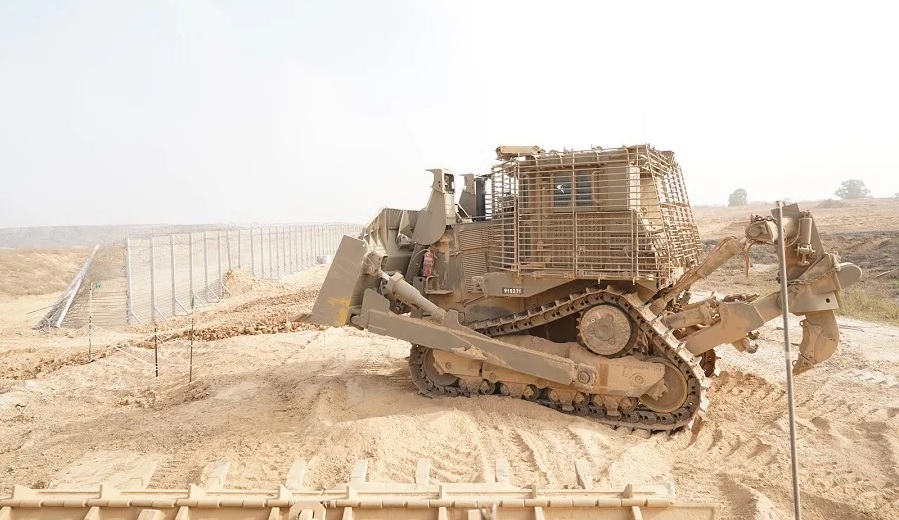
World
In the relentless struggle against terrorism, the Israel Defence Forces (IDF) have recently enhanced their use of remote-controlled ground systems to tackle the evolving threats in Gaza. Central to this effort is the deployment of upgraded remote-controlled D-9 bulldozers, crucial for clearing roads of hidden explosives and dismantling the extensive network of terror tunnels known as "Metro City" constructed by Hamas.The urgency for these advanced remote systems grew as Hamas intensified their use of anti-tank weapons and buried explosives along key routes used by Israeli forces. The surprise and frequency of these attacks necessitated a swift and effective response. The IDF's solution lies in the innovative use of D-9 bulldozers, which are remotely operated to safely plough through surfaces and reveal concealed threats, ensuring safer passage for troops.These D-9 bulldozers are part of a broader strategy to employ decommissioned military equipment in new, strategic roles. The IDF also plans to repurpose old M-113 personnel carriers, which have minimal protection, for remote-controlled logistic convoys. While currently operated by human personnel, the long-term vision is to equip these vehicles with autonomous capabilities, enhancing their operational efficiency and reducing risks to soldiers.The development of these remote-controlled systems has been a gradual process, but the outbreak of war on October 7 accelerated their deployment. Now, these remote-controlled D-9s are effectively operating in the combat zones of Gaza. Meanwhile, the M-113 carriers are undergoing rigorous testing in Israel's military training areas to prepare them for their new remote-controlled roles.According to sources within the Israeli defence industry, the focus is on ensuring the safety and reliability of these systems. Special simulators, creating "digital twins" of actual combat environments, are used to test the autonomous capabilities of the D-9 and M-113 platforms. These simulators mimic complex combat scenarios, allowing the IDF to assess how these systems would perform autonomously and ensure they can handle the unpredictable nature of warfare.The ultimate goal is to transition these platforms to full autonomy, but only when it's proven safe and effective. This cautious approach underscores the IDF's commitment to prioritizing the safety of their soldiers while integrating cutting-edge technology into their operations.As the conflict in Gaza continues, the IDF's advancements in remote-controlled ground systems highlight a significant shift in military strategy. These technologies not only enhance the effectiveness of operations but also aim to reduce the human cost of conflict by leveraging innovation and automation.
Read More → Posted on 2024-08-07 14:49:45
World
The political landscape of Bangladesh has been thrown into turmoil as mobs opposed to the now-deposed leader Sheikh Hasina wreak havoc across the nation. The unrest, initially ignited by student-led protests against the country's quota system, has escalated into a widespread movement marked by violence and chaos. Among the primary targets of this turmoil are the country's Hindu minority, who are facing brutal attacks on their temples, homes, and leaders.In addition to attacking facilities and leaders associated with Hasina's Bangladesh Awami League (BAL), these mobs have unleashed a wave of violence against Hindu communities. Reports have surfaced of Hindu temples being desecrated, homes being vandalized, and individuals being targeted. The situation has become so dire that even student activists, who were instrumental in the protests against Hasina, have raised alarms about the persecution of Hindus.The intensity of the violence is starkly illustrated by the tragic deaths of two Hindu councillors. Haradhan Roy, a member of the Parshuram Thana Awami League in Rangpur district, was shot dead on Sunday. On the same day, another councillor, Kajal Roy, was killed in the same city. Haradhan's nephew also fell victim to the mob's fury, as reported by CNN-News 18. These killings are part of a broader pattern of targeted attacks against Hindus, highlighting the precarious situation of this minority group in the midst of the country's political upheaval.Religious centers have not been spared in the violence. The International Society for Krishna Consciousness (ISKCON) center and several temples dedicated to the goddess Kali have been attacked. Yudhistir Govinda Das, ISKCON's India spokesperson, reported that their center was set on fire and the deities were desecrated. Despite the destruction, three individuals managed to escape and survive the attack. In Noakhali district, mobs have been reported attacking Hindu homes, with footage showing attempts to break into and vandalize properties.The violence has not gone unnoticed by the international community. Student leader Prapti Taposhi, who played a significant role in the protests against Hasina, has voiced concerns about the ongoing violence against Hindus. In an interview with DW News, Taposhi emphasized that the ousting of Hasina is only a partial success as long as the violence against minorities continues. She criticized the military, which is currently in control of the country, for its failure to protect Hindu communities and labeled their response as "inept."The call to arms by anti-Hasina forces has exacerbated the situation, urging those opposed to her to take to the streets with sticks and weapons. This has only intensified the attacks on minorities, raising fears of a potential increase in overt violence and systemic persecution. Bangladesh has a troubling history of attacks on minority Hindus, particularly during religious festivals, but the recent developments suggest a significant escalation in both the frequency and severity of these incidents.Under Hasina's leadership, there were efforts to contain extremist violence against minorities. However, her departure and the ascension of forces aligned with the pro-Pakistan Bangladesh Nationalist Party (BNP) and Islamist Jamaat-e-Islami, backed by the military, have led to a resurgence of extremist activities. The future looks increasingly uncertain for the Hindu minority in Bangladesh, as the political and social fabric of the nation continues to unravel.In the midst of this chaos, the plight of Bangladesh's Hindu minority serves as a stark reminder of the dangers posed by political instability and extremist violence. The international community watches with growing concern as the situation unfolds, hoping for a resolution that will bring peace and protection to all of Bangladesh's citizens, regardless of their religious affiliation.
Read More → Posted on 2024-08-07 14:38:11Search
Top Trending in 24 Hours
-
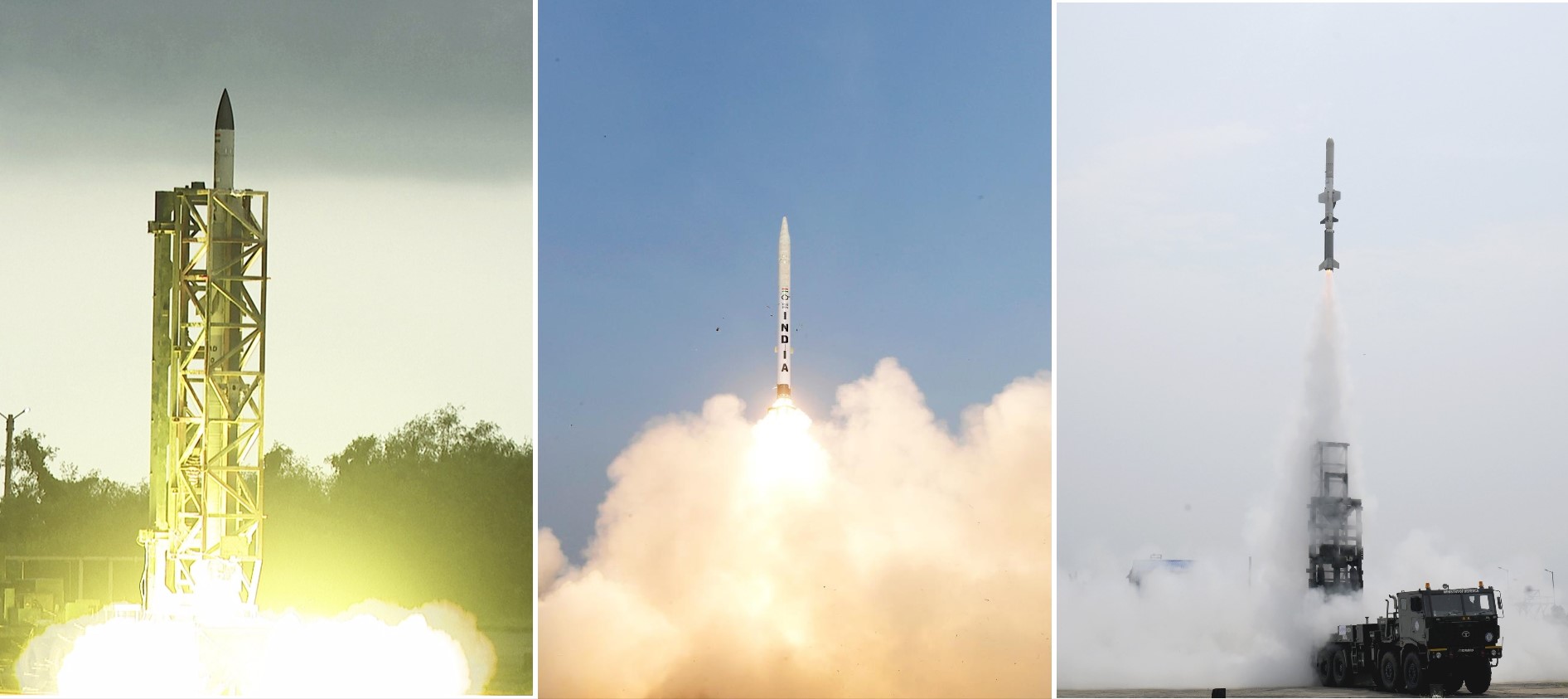 India Successfully Conducts AD-1, AD-2 Interceptor Tests and Maiden NASM-MR Flight Trial
-
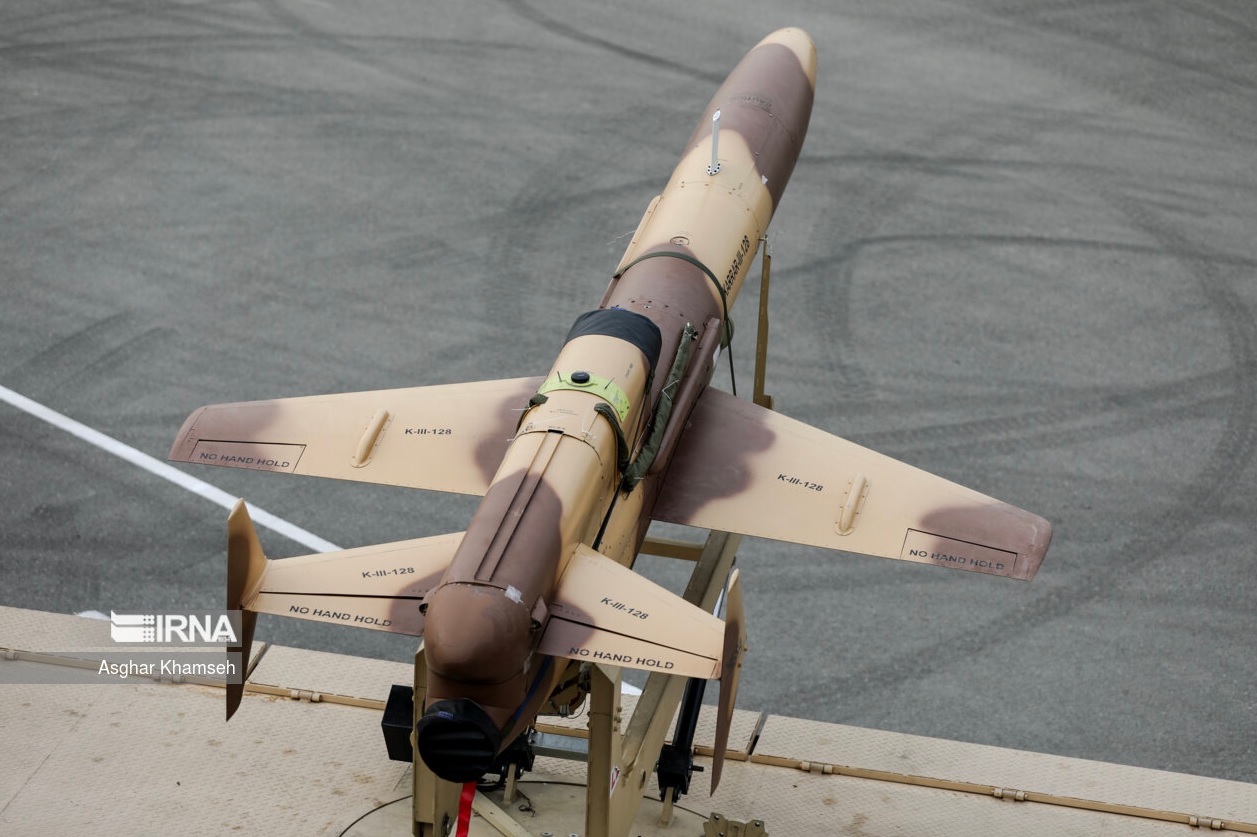 Russia Launches 1,400 Jet-Powered Drones in 2026 as Strike Tactics Evolve to Challenge Ukraine's Air Defenses
-
 U.S Navy Orders 50 Blackbeard Hypersonic Missiles in New $23.4 Million Contract
-
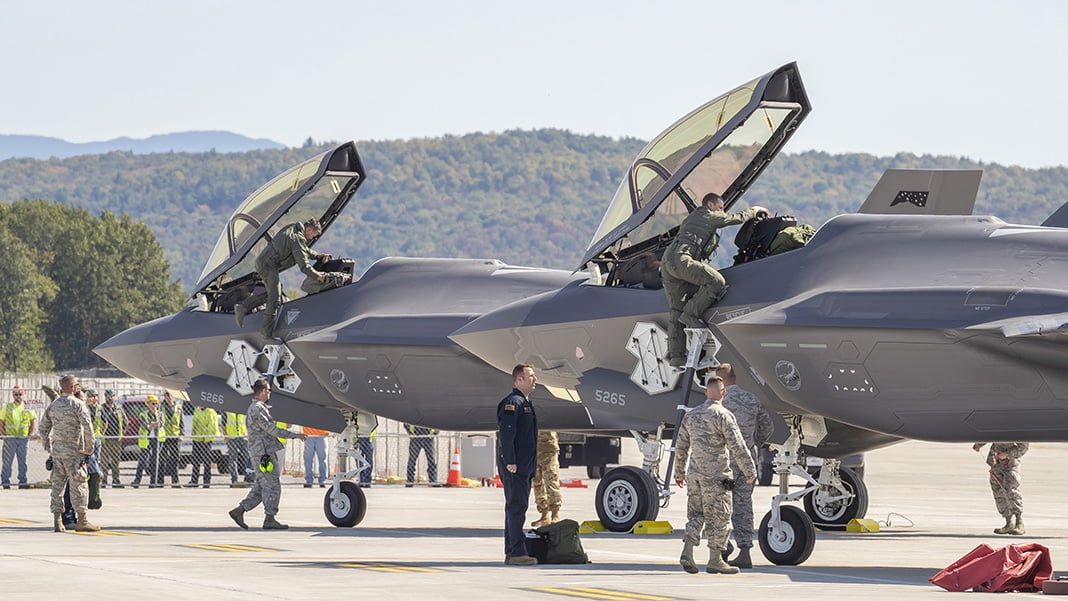 F-35 Fleet Readiness Falls to 25% Amid Parts Shortages and Software Delays: GAO Report
-
 U.S. Approves $1.98 Billion Sale of Anduril AI-Powered Counter-Drone Systems to Kuwait
-
 UAE Denies Reports of Releasing Up to $20 Billion in Funds to Iran Amid Regional De-Escalation Efforts
-
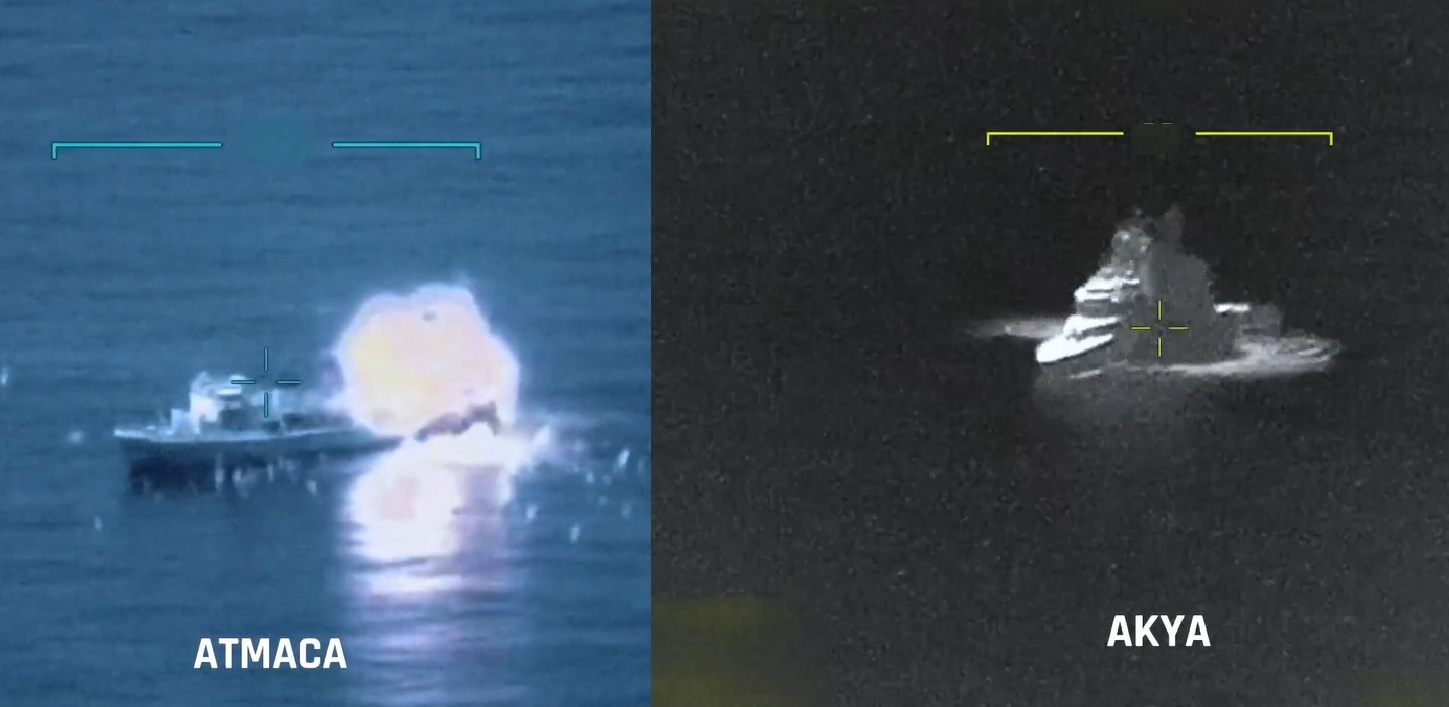 Turkey Navy Successfully Tests AKYA Torpedo and ATMACA Missile During Major Denizkurdu-II Naval Exercise
-
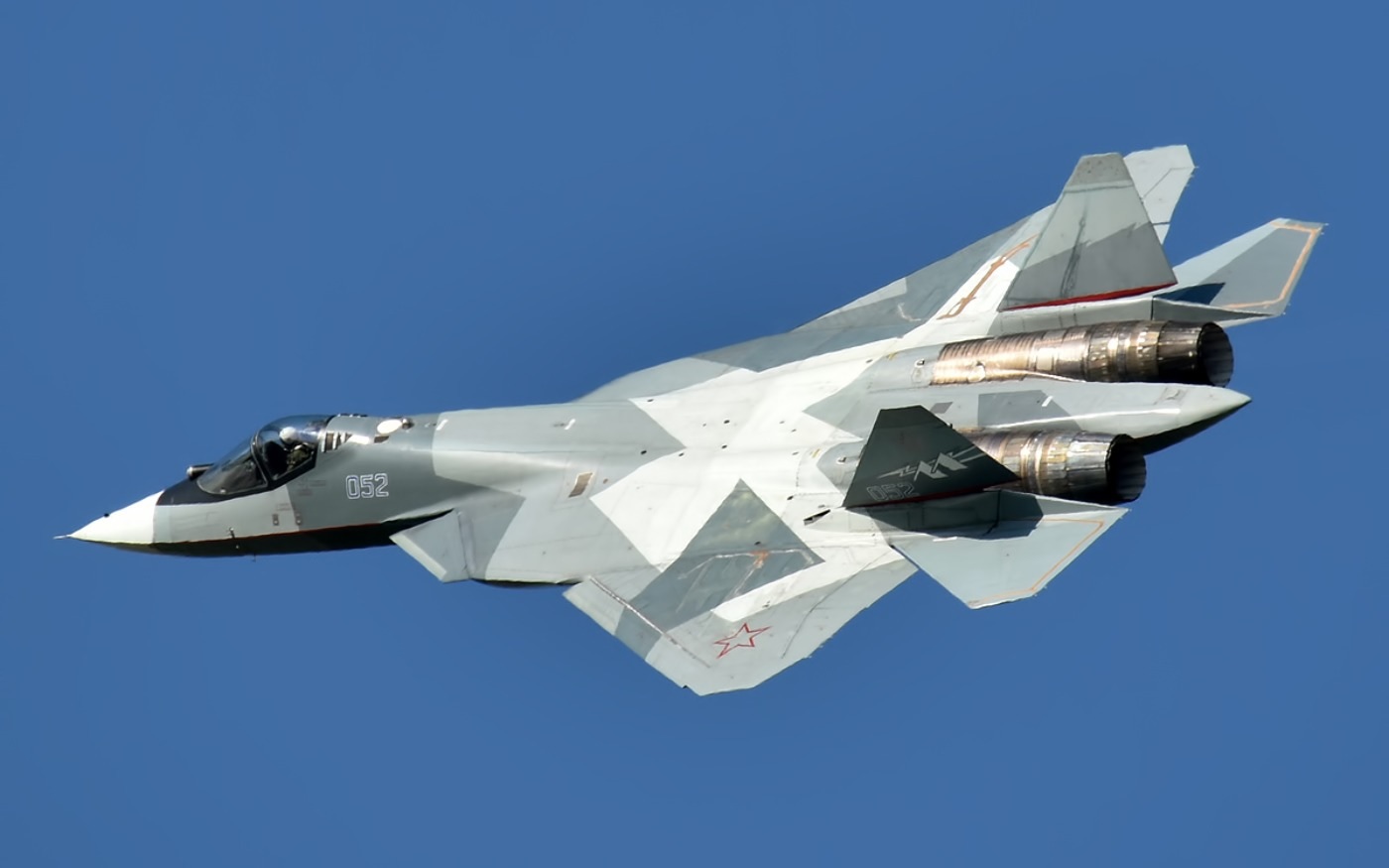 Russian Analysts Debate Su-57 Capabilities After Putin Calls Fighter Superior to F-35
Top Trending in 4 Days
-
 Iranian Media Leaks 14-Point U.S.-Iran Peace Framework Amid Ongoing Negotiations
-
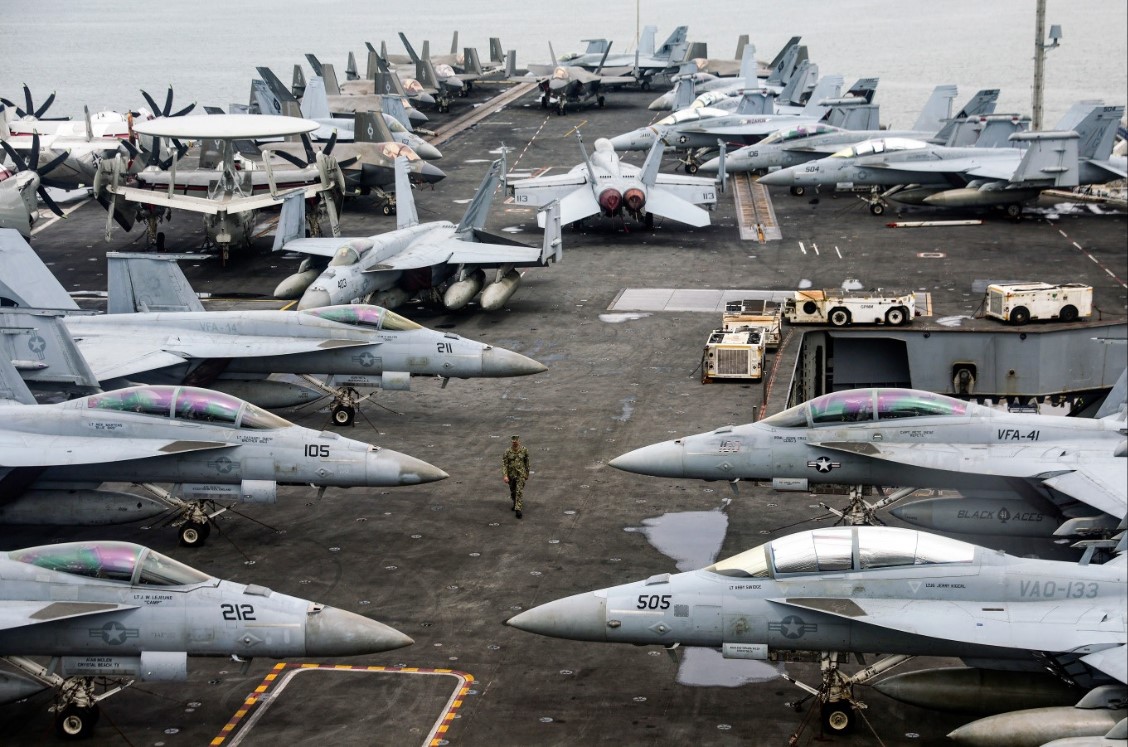 US Plans Significant Reduction of Fighter Jets and Warships for NATO Operations in Europe
-
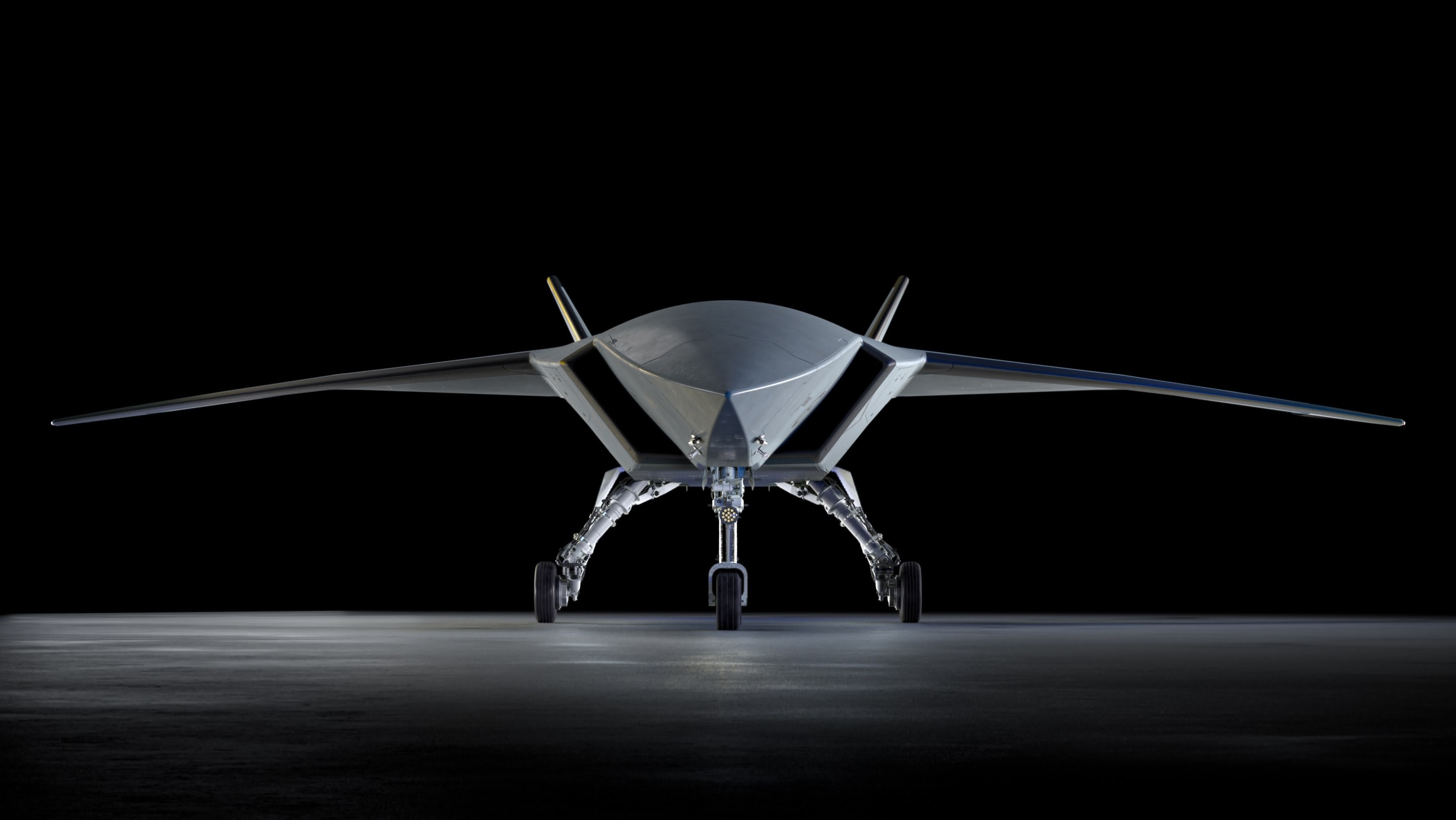 Boeing Introduces New MQ-28 Ghost Bat Upgrades with Increased Range, Payload and Weapons Capacity at ILA Berlin 2026
-
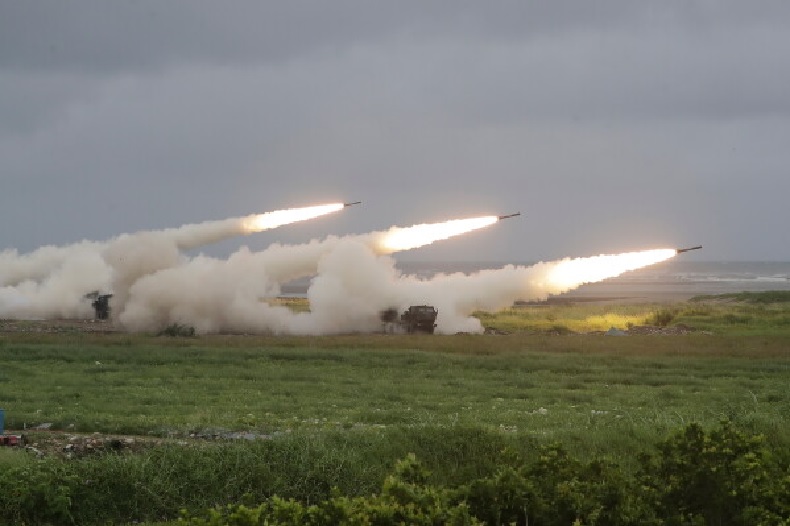 Taiwan Conducts First Live-Fire of HIMARS Rockets From West Coast During Invasion Defense Drill
-
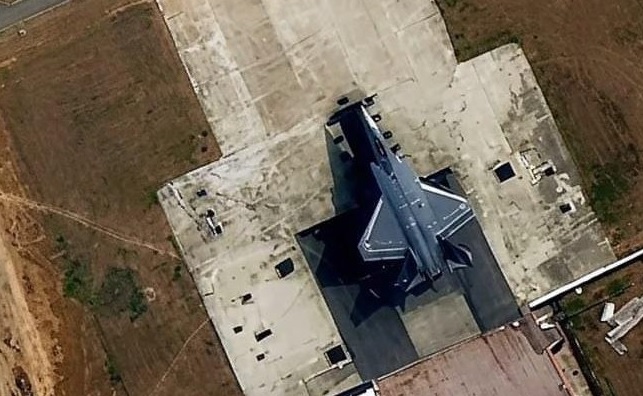 AMCA Airframe Spotted at DRDO’s ORANGE Facility for Radar Cross-Section Testing
-
 Diehl Defence Unveils IRIS-T Armed Cobra 600 Air Defense Drone at ILA Berlin 2026
-
 Russian Defense Firm ZALA Unveils KAMA Unmanned Surface Vessel Family at FLOT-2026 Naval Exhibition
-
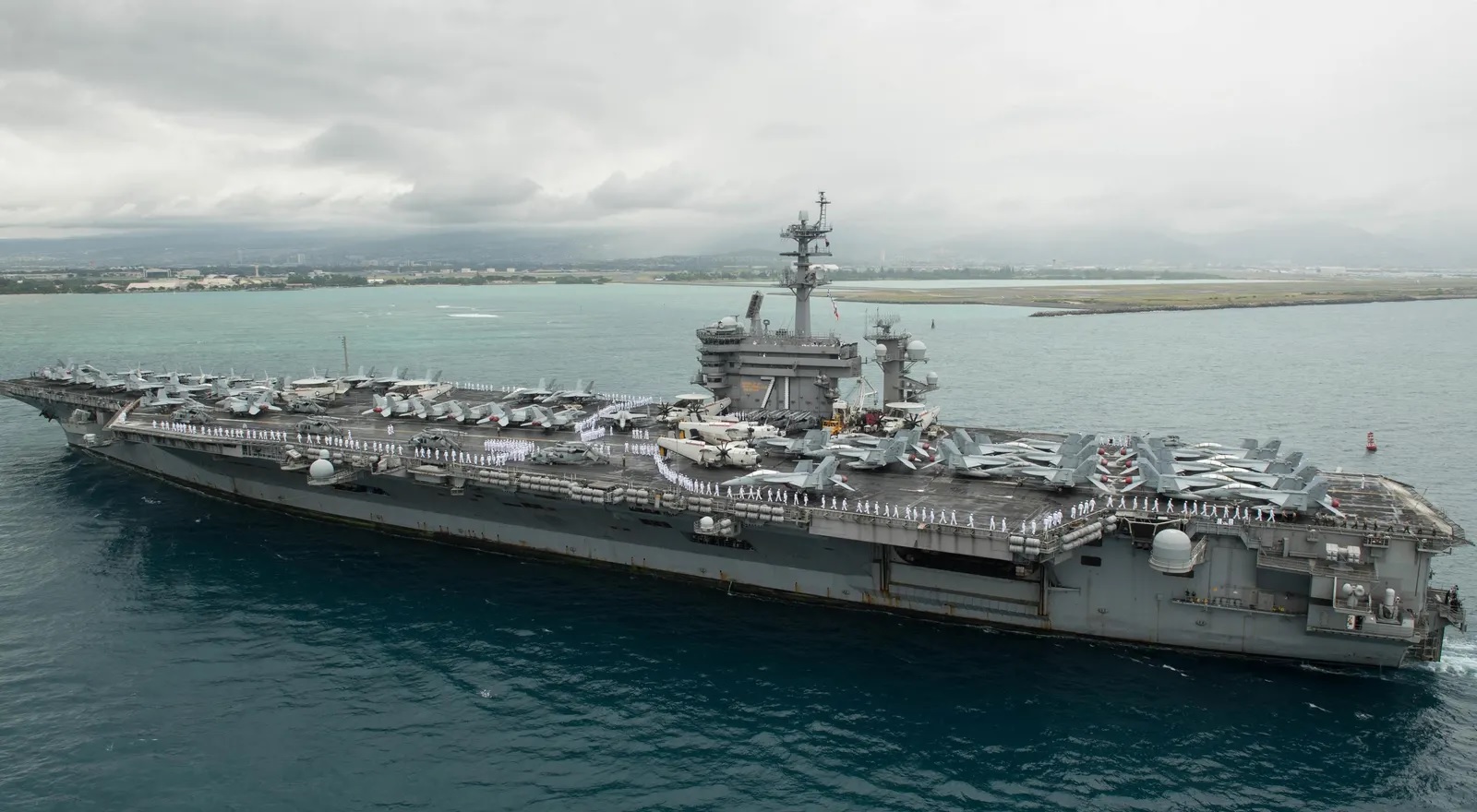 U.S Aircraft Carrier USS Theodore Roosevelt Departs San Diego for Major RIMPAC 2026 Naval Exercise