World
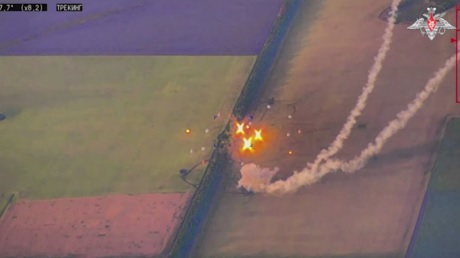
In a significant escalation of the ongoing conflict in Ukraine, Russia’s Ministry of Defense has announced that its missiles have obliterated two U.S.-supplied Patriot air defense batteries and a German-made IRIS-T launcher in two separate Ukrainian regions. The videos released by Moscow on Friday showcase what it claims to be the precision strikes, delivered via advanced Iskander-M missiles, on these air defense systems, highlighting the vulnerability of these high-tech assets in the battlefield.The Strikes in DetailThe first of the Russian Defense Ministry’s videos reveals the destruction of two Patriot launchers and an AN/MPQ-65 radar station positioned in a field near Lyubimovka in Ukraine’s Dnepropetrovsk Region. Footage captured by a reconnaissance drone shows the area being struck by cluster munitions fired from an Iskander-M missile. A dramatic explosion follows, with the radar station and the two launchers reportedly rendered “completely destroyed,” according to Moscow’s statement.In another video, also reportedly filmed in the Dnepropetrovsk Region near Zhelobok, three more Patriot launchers and another AN/MPQ-65 radar are targeted. One of the launchers is seen firing two missiles before an Iskander strike scatters cluster bombs across the field. The Russian Defense Ministry asserts that two of the launchers and the radar were completely obliterated.A third video shows a German IRIS-T air defense system and a TRML-4D radar vehicle positioned near Sennoe in Ukraine’s Sumy Region. The footage captures the moment an Iskander-M missile strikes the location, again leading to significant damage. All three strikes were reportedly captured by reconnaissance drones operating deep within Ukrainian territory, seemingly without encountering any resistance. The Patriot System: Once Hailed as the Gold Standard in Air DefenseThe Patriot air defense system, developed by the U.S. defense contractor Raytheon, has long been touted as one of the most formidable systems in the West, particularly since its high-profile use in the 1991 Gulf War. Its specifications indicate the ability to intercept targets at ranges up to 160 kilometers and altitudes of up to 24 kilometers. Each battery typically includes several launchers, a radar vehicle, a power supply unit, and is operated by a crew of up to 90 personnel.Despite this reputation, the recent strikes have cast doubts on the system's effectiveness when faced with modern, high-speed missile threats like Russia’s Iskander-M. The Iskander-M, a short-range ballistic missile system, is known for its maneuverability and ability to deliver various types of warheads, including cluster munitions.Impact on Ukraine’s Air Defense CapabilitiesThe destruction of these advanced air defense systems represents a significant setback for Ukraine, which has relied heavily on Western-supplied equipment to counter Russian airstrikes. The U.S., along with its allies, responded to Ukrainian President Vladimir Zelensky’s requests for bolstered air defenses by supplying systems like the Patriot and IRIS-T. However, these latest events suggest that even the most advanced systems may struggle against the relentless barrage of Russian missile technology.The situation continues to underscore the escalating intensity of the conflict, with advanced weapons systems now facing off in a high-stakes contest of technology and strategy. As the war drags on, the effectiveness and survivability of such systems will remain under intense scrutiny, shaping future military aid and defense strategies in the region.
Read More → Posted on 2024-08-18 14:55:38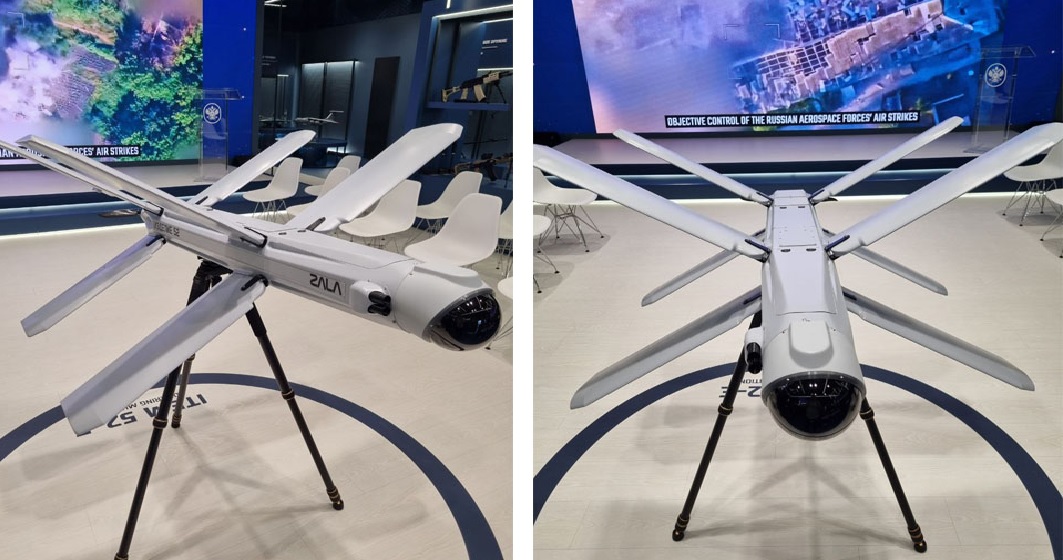
World
At the ARMY 2024 International Fair in Moscow, Zala Aero, a leading Russian defense company under the Kalashnikov Group, revealed its latest innovation—the Lancet-E loitering munition system. This new system is an evolution of Zala Aero’s well-established Lancet series, which has already proven its effectiveness in real-world combat scenarios, particularly during the ongoing Russo-Ukrainian conflict. The Lancet-E aims to offer an even more advanced solution for precision strikes, solidifying Zala Aero’s standing in the global defense market.Advanced Technology for Modern WarfareThe Lancet-E system represents a significant upgrade in Zala Aero’s loitering munitions technology. At its core, the system includes the Z-16-E UAV, a versatile drone designed for battlefield surveillance, reconnaissance, and target identification. The intelligence gathered by the Z-16-E is transmitted to a control center, where operators can decide on the precise deployment of loitering munitions against critical enemy positions.Flexible Payloads for Different MissionsThe Lancet-E system offers two different guided munition carriers: the “Izdeliye 51-E” and the “Izdeliye 52-E.” These carriers are engineered to handle different mission profiles with variations in payload, range, and maximum takeoff weight. The Izdeliye 51-E is optimized for lighter, high-speed attacks, while the Izdeliye 52-E is designed for heavier payloads and extended operational range. This versatility allows the Lancet-E system to adapt to diverse battlefield conditions and mission requirements, making it a highly flexible asset for any military force.Proven Effectiveness and Growing Global InterestZala Aero’s Lancet series has gained considerable attention due to its extensive use by the Russian Armed Forces. These "kamikaze drones" have been instrumental in targeting armored vehicles, air defense systems, and critical infrastructure. The Lancet-E’s success on the battlefield has sparked significant interest from international military clients, who are eager to explore its potential in their own defense strategies.International Market PotentialBy unveiling the Lancet-E at ARMY 2024, Zala Aero aims to capture the attention of global defense buyers, positioning itself as a major player in the international market for loitering munitions. The system’s proven track record and technological advancements make it a compelling choice for nations seeking cutting-edge solutions for modern warfare.The introduction of the Lancet-E loitering munition system marks a new chapter in Zala Aero’s development of precision strike technology. With its enhanced capabilities, adaptability, and battle-proven effectiveness, the Lancet-E is set to become a key tool in modern military operations, offering a powerful combination of surveillance, reconnaissance, and targeted strikes.This latest innovation underscores Zala Aero’s commitment to advancing military technology and highlights the growing significance of loitering munitions in global defense strategies.
Read More → Posted on 2024-08-18 14:41:21
World
In a fresh wave of accusations, Russia claimed that Ukraine is plotting to stage a "provocation" by attacking a nuclear plant in Russia's western Kursk region. The Russian Defense Ministry suggested that Ukrainian forces, which had recently launched incursions in the area, were planning to strike the facility and blame Moscow for the incident. Kyiv, however, has dismissed these claims as baseless propaganda.The allegations, reported by the Interfax news agency, were linked to Ukrainian operations in the Kursk region, which began on August 6. These incursions are part of Ukraine's broader efforts to shift the dynamics of the ongoing conflict that erupted with Russia’s invasion in 2022. Despite the seriousness of the claims, Russia has yet to provide concrete evidence supporting its accusations.Ukraine was quick to deny the allegations, labeling them as “insane” propaganda. Ukrainian Foreign Ministry spokesperson Heorhii Tykhyi took to social media platform X (formerly Twitter), stating, “We officially refute these false claims. Ukraine has no intention or ability to take any such actions.” Kyiv’s response highlights its stance that Russia’s claims are attempts to manipulate public perception and justify potential retaliatory actions.Russia’s state nuclear energy company, Rosatom, which also manages the Zaporizhzhia nuclear power plant in southeastern Ukraine, echoed the accusations. Rosatom suggested that Kyiv poses a threat to both the Kursk and Zaporizhzhia facilities, though it did not offer any verifiable evidence. The head of Rosatom, Alexei Likhachev, reportedly discussed the situation with International Atomic Energy Agency (IAEA) Director General Rafael Grossi and extended an invitation for him to visit the Kursk plant to assess the security risks.The Kursk nuclear plant remains under Russian control, and Moscow’s defense ministry has vowed a severe response should any attack occur. Russian officials warned that such an incident could lead to widespread contamination in the surrounding region, further intensifying the stakes.This back-and-forth between Russia and Ukraine comes amid broader concerns over nuclear safety in the conflict. Both nations have previously accused each other of attempting to sabotage operations at the Zaporizhzhia plant, Europe’s largest nuclear facility. Although the plant is currently shut down, it still requires external power to maintain the cooling systems for its nuclear material and prevent a catastrophic meltdown.As the war continues to unfold, this latest episode underscores the growing fears over the potential use of nuclear facilities as leverage in the conflict. The international community remains on high alert as tensions rise between the two nations, and all eyes are now on the IAEA’s response to these developments.
Read More → Posted on 2024-08-17 17:15:02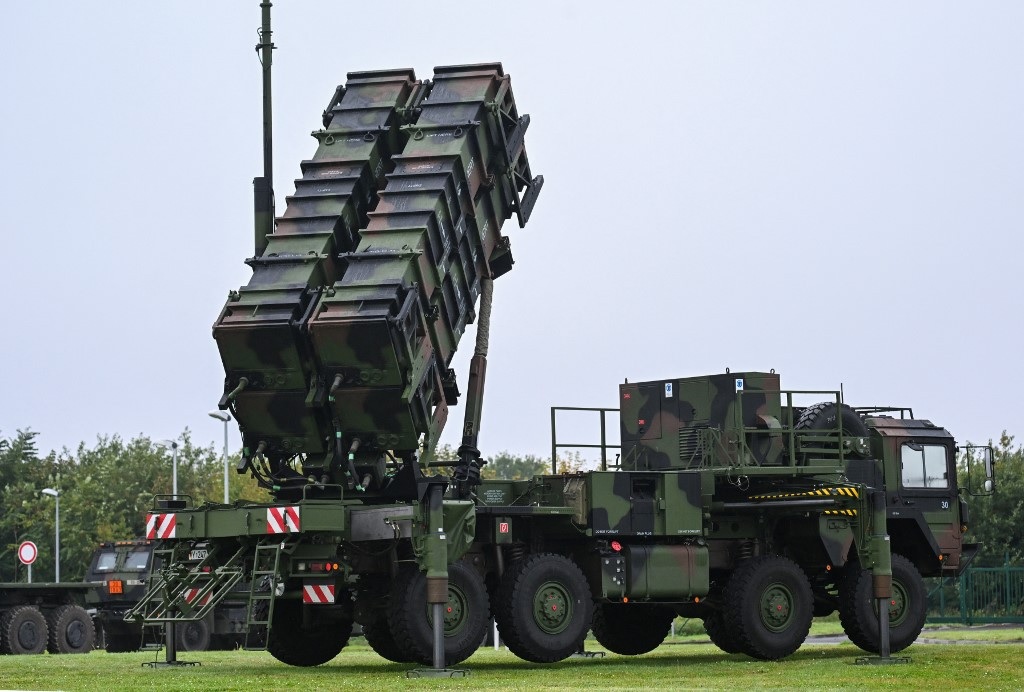
World
The United States has greenlit a $5 billion sale of Patriot missiles to Germany, reinforcing NATO's collective defense in the face of evolving threats. The deal, which includes up to 600 Patriot Advanced Capability-3 (PAC-3) Missile Segment Enhancement (MSE) missiles, was approved by the U.S. State Department, marking a significant upgrade in Germany’s air defense capabilities.The Defense Security Cooperation Agency (DSCA) officially notified Congress of the transaction, which is still awaiting final legislative approval. The proposed sale aims to enhance Germany’s defense capabilities, aligning with broader U.S. strategic interests in Europe. According to a statement from the DSCA, the sale will “improve Germany’s capability to meet current and future threats and increase the defensive capabilities of its military.” Moreover, it will bolster Germany’s interoperability with both U.S. and NATO forces, contributing to regional security and stability.The PAC-3 MSE missiles are among the most advanced in the Patriot missile family. They are designed to intercept tactical ballistic missiles, cruise missiles, and advanced aircraft at greater distances and altitudes than earlier versions. The MSE variant features enhanced guidance, improved propulsion, and upgraded maneuverability, allowing it to counter increasingly sophisticated threats. The system is known for its “hit-to-kill” capability, where the missile directly strikes its target, rather than relying on a proximity explosion.Germany’s decision to acquire these missiles comes after it donated several Patriot systems to Ukraine. As the conflict in Ukraine escalated following Russia’s invasion in 2022, Germany stepped up its military support, becoming one of Kyiv’s primary defense suppliers after the United States. The donated Patriots have played a crucial role in helping Ukraine defend against persistent Russian missile and drone attacks aimed at critical infrastructure.Berlin’s pivot toward a more active defense role has been notable. Historically known for its cautious military stance, Germany has shifted gears in response to the Ukraine conflict, prioritizing both national and NATO defense. The acquisition of additional PAC-3 MSE missiles aligns with this new strategic direction and underscores the importance of modern air defense systems in the current European security landscape.The Patriot missile system has been a cornerstone of NATO’s integrated air and missile defense strategy. With this sale, Germany not only enhances its territorial defense but also strengthens NATO’s overall deterrence posture. The deal reflects the growing demand for advanced air defense solutions among NATO members, as they adapt to a more complex and volatile security environment.While Congress is expected to approve the sale, it highlights the continuing U.S. commitment to its European allies and the importance of collective defense in a rapidly changing world.
Read More → Posted on 2024-08-16 16:11:16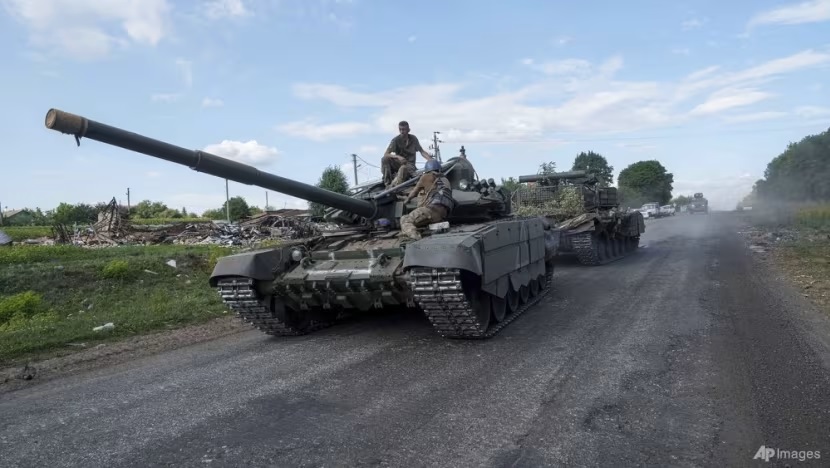
World
In a significant escalation in the ongoing conflict, Ukraine has deployed UK-donated Challenger 2 tanks during an incursion into Russia’s Kursk region, according to recent British media reports. This marks the first time these tanks, supplied by the UK as part of its military aid to Ukraine, have been used in active combat on Russian soil. The operation, which began on August 6, is one of the most aggressive cross-border offensives since the war began, highlighting Ukraine’s determination to strike deep into Russian territory.The Strategic DeploymentThe deployment of Challenger 2 tanks in this offensive underscores the growing intensity of the conflict and Ukraine’s willingness to leverage advanced Western weaponry in its operations. Although British outlets such as Sky News have reported on the tanks’ involvement, the exact number used remains undisclosed. The UK Ministry of Defence has refrained from commenting on the specific weaponry being employed by Ukraine in this operation, though it emphasized that no restrictions prevent Ukraine from conducting operations within Russian territory when defending against Russia’s aggression.Legal Basis and International LawThe UK’s stance aligns with international law under Article 51 of the United Nations Charter, which affirms Ukraine’s right to self-defense against Russia’s illegal invasion. As part of the donation agreement, the UK indicated that its supplied military equipment could be used in compliance with international law, implicitly allowing operations beyond Ukraine’s borders if necessary to protect its sovereignty. The Ministry of Defence confirmed that UK policy on supporting Ukraine remains unchanged despite this offensive.Course of the OffensiveUkraine’s bold move into Russia’s Kursk region involves not just tanks but also troops and other armored vehicles. Ukrainian forces have reportedly captured several villages in what has been described as the most extensive cross-border attack against Russia since World War II. This development has prompted Moscow to reinforce its defenses in the neighboring Belgorod region, indicating a heightened state of alert within Russia’s border areas.Background on UK Military SupportThe UK has been one of Ukraine’s most steadfast supporters since Russia launched its full-scale invasion over two years ago. Among the key military assets provided are the long-range Storm Shadow cruise missiles and a squadron of 14 Challenger 2 tanks, which were delivered early in 2023. Former UK Defence Minister Ben Wallace had previously granted Ukraine permission to target Russian infrastructure and logistics with UK-supplied weapons, except for certain restrictions placed on the use of the Storm Shadow missiles. Wallace’s stance reflected the broader UK policy that it is "perfectly legitimate" for Ukraine to use gifted arms to strike targets within Russia, provided they are critical to disrupting Moscow’s invasion plans.Continued UK CommitmentThe UK’s new Defence Secretary, John Healey, who took office following Labour’s victory in recent elections, has reiterated the UK’s unwavering support for Ukraine. Healey emphasized his commitment to increasing the supply of vital military aid to Kyiv, stating that Britain remains "united for Ukraine." This assurance of continued assistance signals that more advanced weaponry could be on the way, further bolstering Ukraine’s capacity to launch strategic operations like the current incursion.Tactical Significance and Future ImplicationsThe use of Challenger 2 tanks in Russian territory demonstrates a shift in the conflict dynamics, with Ukraine showing it is capable of mounting offensives that directly challenge Russia’s ability to secure its borders. The ongoing offensive could serve as a test of both the durability and combat effectiveness of the Challenger 2 tanks under real-world battlefield conditions. As the situation evolves, it may influence both Ukrainian and Western strategies for sustaining pressure on Russian forces.With Ukraine continuing to assert its right to reclaim occupied territories, and Russia ramping up its defenses, the conflict remains highly unpredictable, setting the stage for potential new confrontations that could redefine the nature of the war.
Read More → Posted on 2024-08-16 16:07:07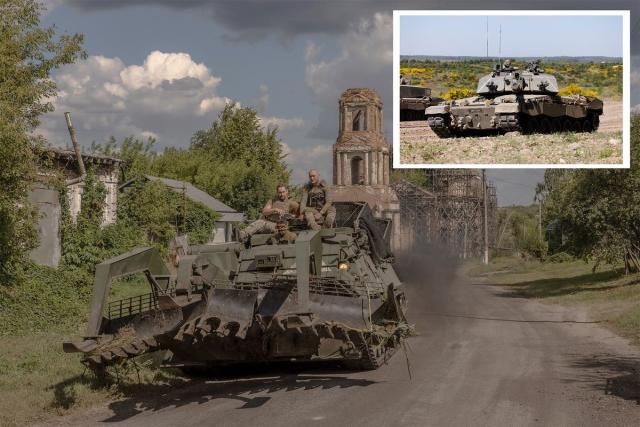
World
Ukrainian President Volodymyr Zelenskyy made a bold announcement on Thursday, stating that Ukrainian troops now control the Russian town of Sudzha, located in the Kursk region. If confirmed, this marks a significant milestone in Ukraine's counteroffensive, with Sudzha being the largest settlement reportedly seized by Ukrainian forces since the war began.Strategic Importance of SudzhaSudzha, a town with a prewar population of around 5,000 people, plays a vital role in Russia's natural gas supply to Europe. The town houses a key measuring station that monitors the flow of gas from West Siberian fields through pipelines crossing into Ukraine. These pipelines account for about 3% of Europe’s gas imports, underscoring the strategic importance of this location.Despite the Ukrainian takeover, there has been no indication of disruptions in the gas flow through Sudzha. This suggests that operations at the gas facility remain unaffected by the current conflict. However, the situation remains fluid, with potential risks of escalation that could impact Europe's energy supply.Military Developments and ReactionsZelenskyy also mentioned that a Ukrainian military commander's office is being established in Sudzha, though he did not elaborate on its specific functions. The claim has yet to be independently verified, and Russia has not issued an official response to the takeover. Earlier on Thursday, Russia’s defense ministry claimed that its forces had successfully blocked Ukrainian attempts to capture other nearby settlements, indicating ongoing clashes in the region.In a related development, Kursk’s acting governor, Alexei Smirnov, ordered the evacuation of the Glushkovo district, located about 45 kilometers northwest of Sudzha. This evacuation order reflects growing concerns over Kyiv's unexpected advances into Russian territory, which have persisted for two weeks.Drone Strikes and Air Base DamageAs tensions rise, satellite imagery from Wednesday has revealed significant damage to Russian air bases following Ukrainian drone attacks. Analysis of images from Planet Labs PBC shows that two hangars at the Borisoglebsk Air Base were hit, with debris scattered around. The extent of the damage to the fighter jets stationed there remains unclear. Additionally, at Savasleika Air Base, a burn mark was observed on the apron, though no major damage was noted to aircraft.These drone strikes are part of Ukraine’s broader strategy of targeting Russian military infrastructure, aiming to weaken Moscow’s ability to launch counterattacks.What’s Next?As Ukrainian forces push deeper into Russian territory, the situation is likely to intensify further. The control of Sudzha could symbolize a turning point, though it remains to be seen how long Kyiv can hold the town and whether it will impact the broader dynamics of the conflict. With both sides engaged in active operations, the region remains volatile, with potential implications for both military and energy stability.The coming days will reveal more about the significance of this move and how it might reshape the conflict between Russia and Ukraine.
Read More → Posted on 2024-08-16 16:01:56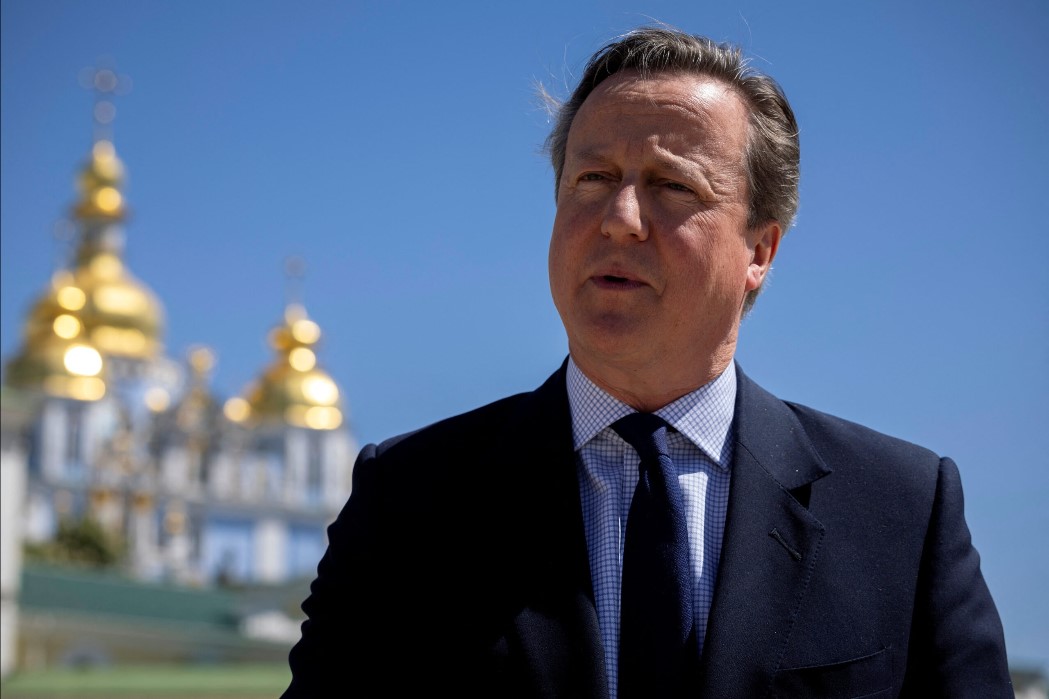
World
Britain has recently announced that Ukraine is permitted to use British-donated weapons within Russian territory. This decision marks a significant shift in the terms of military aid provided by the UK. The British Ministry of Defence clarified on Thursday that while Ukraine can deploy weapons such as tanks and anti-tank missiles inside Russia, the use of long-range Storm Shadow missiles remains restricted to within Ukraine’s internationally recognized borders.In recent weeks, Ukraine has launched some of the largest foreign operations on Russian soil since World War II. The goal of these operations, according to Ukrainian officials, is to create a buffer zone to shield their population from further attacks. This strategic move has been described as a "major provocation" by Russian President Vladimir Putin.The decision aligns with statements made by former British Foreign Secretary David Cameron, who in May asserted Ukraine's right to utilize British-provided weapons to target sites within Russia. However, until now, the specifics of using these weapons by Ukrainian ground forces on Russian soil had not been officially confirmed by the British government.A spokesperson for the Ministry of Defence emphasized that Ukraine has a legitimate right to self-defense against Russia’s illegal attacks and that this right includes conducting operations inside Russia. The UK has made it clear that while equipment may be used in line with international law, the use of long-range Storm Shadow missiles is strictly limited.Since August 6, Ukraine has reportedly reclaimed over 1,000 square kilometers (about 390 square miles) of Russian territory, deploying British-supplied Challenger 2 tanks in their operations. Although the Ministry of Defence has not confirmed the specific use of these tanks inside Russia, it is acknowledged that they are part of the broader military assistance provided to Ukraine.Britain has committed approximately £7.6 billion ($9.77 billion) in military aid to Ukraine since Russia's invasion began in February 2022. This aid package includes 14 main battle tanks, armored vehicles, ammunition, air defense systems, electronic warfare equipment, and artillery. Despite this extensive support, the UK, along with other Western nations, has thus far refrained from allowing the use of long-range weapons due to concerns over escalating the conflict.Ukrainian President Volodymyr Zelenskiy has continued to press Western allies to enable long-range missile strikes into Russia, reflecting ongoing tensions and the strategic complexity of the conflict.
Read More → Posted on 2024-08-15 15:18:46
World
The United States has expressed support for India’s ongoing diplomatic efforts to mediate peace in the Russia-Ukraine conflict. During a recent press briefing, Vedant Patel, Deputy Spokesperson for the U.S. State Department, acknowledged India’s engagement in addressing the war and highlighted its potential role in bringing the warring sides closer to peace. Patel emphasized that the U.S. is open to India’s involvement, particularly in efforts focused on achieving a just and lasting peace in line with Ukraine's sovereignty and territorial integrity.The remarks came in response to inquiries about Indian Prime Minister Narendra Modi’s possible visit to Ukraine later this month. Though the Indian government has yet to officially confirm the visit, speculations suggest that Modi may travel to Poland and Ukraine from August 21 to 23, aiming to foster discussions that could lead to de-escalation in the conflict. Patel refrained from commenting on the specifics of Modi’s travel plans but reiterated the United States' willingness to collaborate with India on diplomatic solutions related to the war.The U.S. has maintained a consistent stance that any resolution must respect Ukraine’s territorial integrity. This aligns with India’s more nuanced approach, which advocates for dialogue and peace while balancing relationships with both Moscow and Kyiv. India's position is unique; it is one of the few global powers maintaining a working relationship with Russia despite international sanctions and condemnation, while also engaging diplomatically with Ukraine and the West.India’s growing involvement in conflict mediation reflects its broader ambitions on the global stage. Prime Minister Modi has called for peace and dialogue in various international forums, including at the G20 and United Nations. As a country that holds strategic relationships with both Russia and the West, India’s role as a mediator could add a valuable dimension to ongoing efforts to resolve the crisis. The global community, including the U.S., seems increasingly interested in how India’s diplomatic clout could be leveraged to bridge gaps between opposing sides.India’s potential diplomatic mission underscores its balancing act in global geopolitics. If Modi’s visit to Ukraine materializes, it would mark a significant step in India’s foreign policy, signaling a readiness to take on a more assertive role in global conflict resolution.The coming weeks may reveal more details about India’s approach and whether its efforts can pave the way toward meaningful dialogue between Russia and Ukraine. For now, both Washington and Kyiv appear open to India’s engagement, offering a glimmer of hope in a conflict that has dragged on with devastating consequences for both nations.
Read More → Posted on 2024-08-15 15:12:11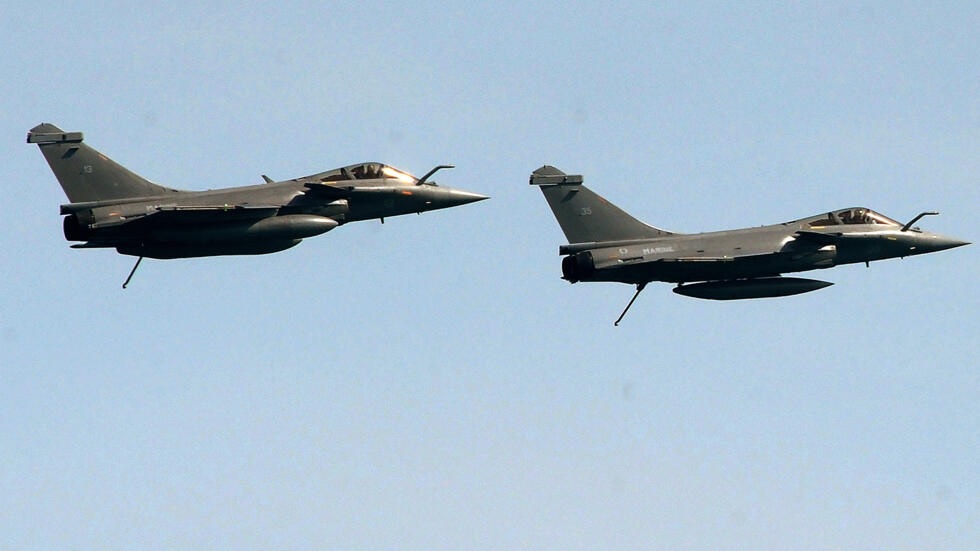
World
In a rare and tragic incident, two French pilots lost their lives after their Rafale fighter jets collided mid-air during a training exercise over northeastern France. The crash, which occurred near Colombey-les-Belles on Wednesday, sent shockwaves across the nation and raised questions about the safety of one of the world’s most advanced fighter aircraft.The accident, involving two Rafale jets, claimed the lives of Captain Sebastien Mabire and Lieutenant Matthis Laurens. President Emmanuel Macron expressed his condolences, stating, “The nation shares the grief of their families and brothers in arms at airbase 113 in Saint-Dizier.” He described the incident as a painful loss for France’s military community.Reports indicate that one of the pilots managed to eject from the aircraft and was found safe. However, the other jet carrying an instructor and a student pilot was initially missing, sparking a desperate search that eventually ended in the discovery of both pilots, who sadly did not survive.The cause of the mid-air collision remains unclear. Local authorities have confirmed that an investigation is underway to determine what led to the tragic accident. Patrice Bonneaux, the deputy mayor of Colombey-les-Belles, described hearing a loud, percussive noise that was distinctly different from the typical sonic boom of a fighter jet. "I assumed that two planes had collided, but we didn’t believe it," he said.The Rafale Fighter Jet: A Multi-Role PowerhouseThe Dassault Rafale is a highly versatile, multi-role fighter jet capable of performing various missions, including air-to-air combat, ground and sea strikes, reconnaissance, and nuclear deterrence. It is regarded as one of the most advanced and reliable aircraft in the world, making this incident particularly unusual.Rafale jets have become a cornerstone of France's defense capabilities and a major export success for the French arms industry. Countries like India, Egypt, Greece, Indonesia, Croatia, Qatar, and the United Arab Emirates have added the Rafale to their arsenals. France itself has ordered more than 230 units since the jet entered service.Despite its cutting-edge technology and global popularity, accidents involving the Rafale are rare. Before this week’s crash, there had been only a few notable incidents. In 2007, a Rafale crashed near Neuvic in southwestern France after the pilot became disoriented. In 2009, two Rafales collided near the coast of Perpignan, leading to the death of one pilot. Given this track record, the latest collision has raised concerns and will be closely examined by experts.France's Defense Strategy and Rafale’s RoleThis tragic accident comes as France intensifies its focus on defense production and innovation. With European defense needs growing due to the ongoing conflict in Ukraine, President Macron has been pushing for faster production rates and enhanced technological advancements in military equipment. Earlier this year, France ordered 42 additional Rafales, with deliveries set to begin in 2027.The Rafale’s role in the French military is significant, and its performance has consistently proven its worth in various international operations. However, this incident serves as a somber reminder that even the most advanced systems can be susceptible to human error or unforeseen technical issues.As France mourns the loss of its two pilots, the investigation’s findings will be crucial in determining how to prevent such tragedies in the future while continuing to rely on the Rafale as a key element of national defense.
Read More → Posted on 2024-08-15 14:58:45
World
Clavister, a prominent Swedish cybersecurity firm known for its expertise in mission-critical applications, has landed a significant order from a major European defence contractor. The deal, valued at approximately SEK 5 million, involves software licenses for Clavister’s advanced CyberArmour suite, a key component in the company’s AI-powered firewall product line specifically designed for the defence sector.Clavister CyberArmour is an AI-enhanced firewall solution tailored to meet the stringent security demands of modern defence systems. It is highly versatile, available either as a turnkey product or as pure software, depending on the specific hardware requirements of the customer. This adaptability makes it an attractive option for large-scale defence applications, such as its use in BAE Systems Hägglunds’ CV90 family of Infantry Fighting Vehicles (IFVs). These vehicles, widely recognized for their cutting-edge design and battlefield effectiveness, rely on robust cybersecurity measures to protect sensitive data and communications systems, making Clavister CyberArmour a crucial component.The recent order will see Clavister’s software integrated into a defence system produced in Southern Europe, with delivery scheduled to commence in the third quarter of 2024. While the exact nature of the system remains confidential, the customer is described as the largest manufacturer of its kind in Europe, operating across multiple nations. This partnership underscores the growing trust in Clavister’s cybersecurity solutions within the European defence sector.Clavister’s CEO, John Vestberg, expressed pride in the continued adoption of CyberArmour across various defence platforms. "We are proud to see more defence systems benefiting from using Clavister CyberArmour," said Vestberg. "We look forward to a fruitful collaboration with the customer and envision this to be a long-term partnership where more of the customer’s systems can be equipped with our technology."Founded over two decades ago and headquartered in Örnsköldsvik, Sweden, Clavister has built a strong reputation in the cybersecurity industry. The company was among the pioneers in developing one of the first firewalls and has since expanded its portfolio to include a range of adaptive and robust cybersecurity solutions. Clavister’s products are deployed in over 100 countries, serving critical sectors such as public services, energy, telecommunications, and defence.As cybersecurity threats become increasingly sophisticated, the demand for advanced protection in defence systems is more critical than ever. Clavister’s innovative solutions, like CyberArmour, are at the forefront of this effort, providing essential security for some of the most advanced and sensitive defence technologies in the world.
Read More → Posted on 2024-08-13 14:17:17
World
In a daring and unexpected move, Ukraine's military has seized control of at least 800 square kilometers of territory in Russia’s western Kursk region, marking the most significant cross-border offensive on Russian soil since World War II. This operation, which began last Tuesday, represents a bold escalation in the ongoing conflict and a striking demonstration of Ukraine’s growing military capabilities.Ukraine's Surprise Offensive in KurskThe offensive into Russia's Kursk region caught many by surprise, as Kyiv’s forces managed to capture over two dozen settlements in just a few days. This aggressive maneuver was aimed at securing areas from which the Russian military had been launching attacks on Ukraine's Sumy region. Ukrainian military chief Oleksandr Syrsky briefed President Volodymyr Zelensky on Monday, revealing that Ukrainian troops now control approximately 1,000 square kilometers of Russian territory, a figure that significantly surpasses initial estimates.Strategic Significance of the Kursk OffensiveThe captured territory in Kursk is of considerable strategic importance. Kursk, located in western Russia, has been a launching ground for Russian military operations against Ukraine. By seizing control of this area, Ukraine has not only disrupted Russian military logistics but also sent a powerful message to Moscow about its capability to strike deep into Russian territory.The Institute for the Study of War (ISW), a respected Washington, D.C.-based research group, has been closely monitoring and providing updates on this development. According to ISW, Ukraine's success in this operation has been bolstered by its improved military strategies, including the use of advanced weaponry supplied by Western allies.Russian Response and EvacuationsIn response to Ukraine’s advances, Russian President Vladimir Putin ordered his military to “dislodge” the Ukrainian forces from the captured territories. The situation has led to the evacuation of over 120,000 people from the affected areas in Kursk, as the Russian military intensifies efforts to regain control.Despite these efforts, Ukrainian forces continue their offensive operations, maintaining their hold on the captured regions. President Zelensky, in his evening address to the nation, emphasized that this operation was “purely a security issue,” aimed at neutralizing the threat posed by Russian forces to Ukraine’s border regions.The Broader ImplicationsThis bold move by Ukraine marks a significant shift in the dynamics of the conflict, indicating that Kyiv is not only focused on defending its territory but is also willing to take the fight into Russia when necessary. The capture of such a large swath of Russian territory is likely to have far-reaching consequences, potentially altering the course of the war and affecting the political and military strategies of both nations.As the situation develops, the international community watches closely, recognizing that this unprecedented offensive could either lead to further escalations or open new avenues for negotiation. For now, Ukraine's control of these territories stands as a testament to its resolve and military prowess in the face of a formidable adversary.
Read More → Posted on 2024-08-13 14:06:48
World
In a rare and significant development within Pakistan’s military circles, Lt. General (retd) Faiz Hameed, the former Director General of Inter-Services Intelligence (ISI), has been taken into custody by the Pakistan Army. This move comes as court martial proceedings are set to begin against him, marking an unprecedented step against a figure once considered one of the most powerful in the country.The charges against Faiz Hameed stem from his alleged involvement in the Top City Housing Society case, a high-profile legal battle that has garnered significant attention. According to the Inter-Services Public Relations (ISPR), the Pakistan Army initiated a detailed inquiry into Hameed’s actions following directives from the Supreme Court of Pakistan. The inquiry found that Hameed, during his tenure as ISI chief, allegedly misused his authority to exert influence in the Top City case.The ISPR’s statement highlighted that the former ISI chief is also being probed for multiple violations of the Pakistan Army Act after his retirement. These violations have prompted the initiation of a Field General Court Martial, a severe disciplinary measure reserved for cases of significant misconduct within the military.The Top City case, which has now led to Hameed’s fall from grace, began when Moeez Ahmed Khan, the owner of the housing society, filed a petition in the Supreme Court. The petition, submitted in November 2023, accused Faiz Hameed of orchestrating a raid on his house through ISI officials, during which large amounts of gold, diamonds, and cash were allegedly seized. Khan claimed that this raid was conducted at the behest of Hameed, who was then the ISI chief.The Supreme Court, taking serious note of these allegations, ordered the Attorney General to engage with relevant authorities, leading to the military’s inquiry into Hameed’s conduct. The ISPR has confirmed that, following the inquiry, the Pakistan Army found sufficient evidence to initiate disciplinary action under the Pakistan Army Act.Faiz Hameed’s career has been marked by controversy and influence. He played a pivotal role in several key events, including the Faizabad dharna and efforts to secure an extension for former Army Chief General (retd) Qamar Javed Bajwa. Hameed’s proximity to former Prime Minister Imran Khan and his ambitions to become the Army chief have long made him a central figure in Pakistan’s power dynamics. However, these same factors may have contributed to the stringent actions now being taken against him.The case against Faiz Hameed is not just about the Top City Housing Society. It also reflects broader concerns within the military establishment about the misuse of power and authority. The court martial proceedings, expected to begin soon, will likely shed more light on the extent of Hameed’s alleged misconduct and its implications for Pakistan’s military and political landscape.This is the first formal inquiry and legal action against Hameed by the Pakistan Army, and it signals a significant shift in how the military deals with high-ranking officials who step out of line. The outcome of this case could set a precedent for future accountability within the armed forces.
Read More → Posted on 2024-08-13 14:05:12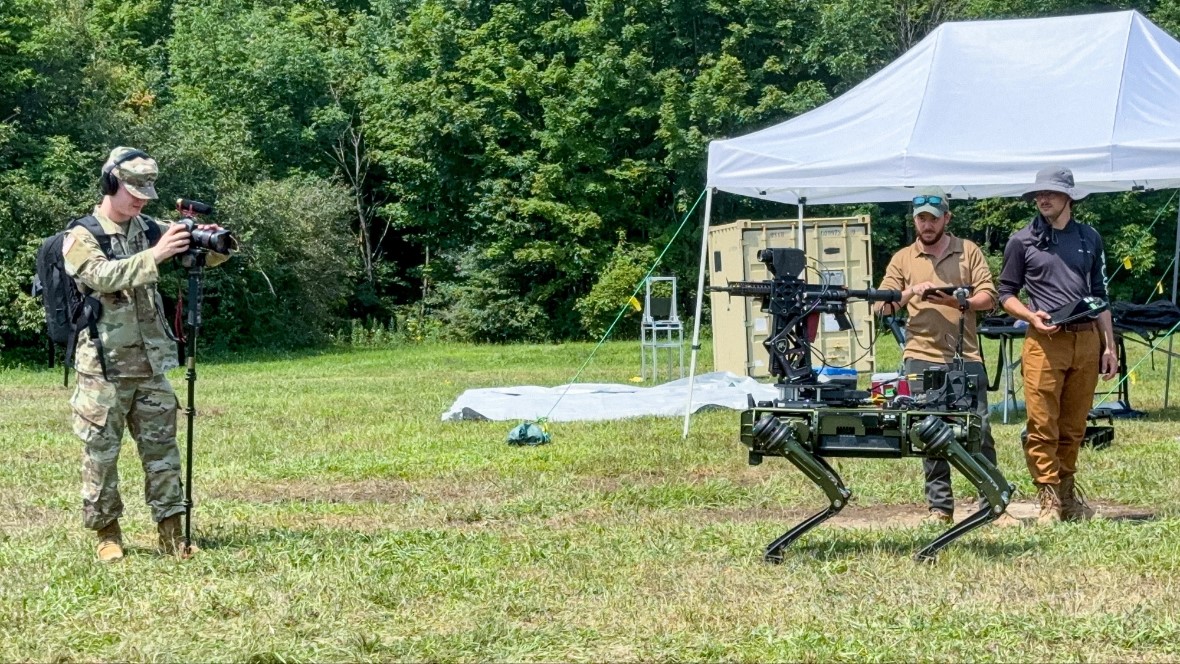
World
In a significant leap forward in military technology, the U.S. Army recently showcased a rifle-toting robot dog during Operation Hard Kill at Fort Drum, New York. This quadruped unmanned ground vehicle (Q-UGV), developed by Ghost Robotics, is not just a display of advanced robotics but a glimpse into the future of warfare.Ghost Robotics’ Vision 60: A New Breed of SoldierThe American Q-UGV, known as the Vision 60, is a mid-sized, all-weather unmanned ground vehicle (UGV) equipped with an AR-15-type rifle. Mounted on a small turret atop its front end, the weapon is designed to engage targets autonomously, powered by artificial intelligence (AI). The rifle is complemented by a relatively large objective lens and an electro-optical targeting system, allowing the robot dog to accurately identify and engage targets.Additionally, the Vision 60 is equipped with a laser aiming device on its side and a high-performance camera, similar to a GoPro, on its rear. This setup enables it to capture and analyze real-time battlefield data, enhancing its operational efficiency. The robot's primary mission is to act as an anti-drone system, detecting and neutralizing hostile unmanned aerial vehicles (UAVs).Operation Hard Kill: A Showcase of Autonomous PrecisionDuring Operation Hard Kill, the Vision 60 demonstrated its capability to autonomously maneuver and engage targets. Weighing just 112 pounds (51 kilograms), the robot dog can reach speeds of up to 3 meters per second (approximately 10 feet per second) and operate for up to 3 hours. Its AI-enabled system allows it to function in various terrains and weather conditions, making it a versatile asset for military operations.Representatives from the U.S. Army and its industry partners closely monitored the robot’s performance, particularly its targeting accuracy. The data collected during the demonstration will likely inform future developments in autonomous weapon systems.China’s Technological RivalryThe U.S. Army’s unveiling comes on the heels of China’s own demonstration of a weapon-carrying robot dog. During a joint military exercise with Cambodia, a Chinese four-legged robot showcased its abilities, including walking, hopping, lying down, and even leading infantry units in simulated combat scenarios. The robot’s agility and functionality immediately raised concerns among American lawmakers, prompting calls for the Pentagon to assess the implications of such technologies in future conflicts. 🇨🇳 PLA showcased two robot dogs — including one with a QBZ-95 assault rifle mounted on its back — during the 15-day China-Cambodia Golden Dragon 2024 joint military exercises that began on May 16. pic.twitter.com/b75K26BWzo— Byron Wan (@Byron_Wan) May 27, 2024 The Future of WarfareAs military technology continues to evolve, the introduction of armed robot dogs like the Vision 60 represents a significant shift in how wars might be fought. These AI-enabled machines are designed to reach areas inaccessible to traditional ground vehicles, reducing the risk to human soldiers and potentially changing the dynamics of battlefield engagements.With both the U.S. and China pushing the boundaries of robotic warfare, the world is witnessing the dawn of a new era in military technology, where machines not only support but actively participate in combat. The future of warfare is rapidly approaching, and it seems increasingly likely that it will be fought not just by soldiers but by robots as well.
Read More → Posted on 2024-08-12 15:45:56
World
In a dramatic escalation of the ongoing conflict between Russia and Ukraine, Russian President Vladimir Putin has labeled the recent Ukrainian incursion into Russia’s Kursk region as a deliberate attempt by Kyiv to halt Moscow's eastern offensive in Ukraine's Donbas region. This surprise attack, which began on August 6, has forced more than 100,000 civilians to flee and has put significant pressure on the Kremlin.Putin, speaking at a meeting with top security and defense officials, asserted that the Ukrainian action is part of a broader strategy to enhance Ukraine's negotiating position in potential future peace talks. He suggested that the attack aimed to stir domestic unrest within Russia but claimed it had not succeeded. According to Putin, the attack has instead resulted in a surge of volunteers joining the Russian military.The Ukrainian forces reportedly advanced 12 kilometers (7.5 miles) into Russian territory across a 40-kilometer (25-mile) front, capturing control over 28 settlements. The attack has resulted in the deaths of 12 civilians and injuries to 121 others, including 10 children. About 121,000 people have been evacuated or have fled the conflict zones independently. The Governor of Kursk, Alexei Smirnov, also noted the challenge of tracking Ukrainian diversionary units, some of which are using fake Russian IDs.The incursion has been a considerable blow to Putin's narrative that the war has minimally affected life in Russia. The attack, described as the most significant on Russian soil since World War II, has exposed weaknesses in Russia’s defense preparedness and has intensified scrutiny of the Kremlin’s military strategy. The conflict has seen heightened public and political discourse, with retired General Andrei Gurulev criticizing the military's failure to secure the border effectively.In response, Russian forces, supported by air and artillery, have repelled several Ukrainian attacks and conducted strikes against Ukrainian positions near the border. Despite this, the incursion has challenged the Kremlin's operational and strategic assumptions, leading to increased speculation about the need for Russia to bolster its military presence along the border.The Ukrainian operation, carried out with considerable secrecy, has fueled discussions about the involvement of Western weaponry. While there are reports of U.S. Bradley and German Marder armored vehicles being used, the exact details remain unclear. Ukrainian forces have previously used Western-supplied weapons for strikes within Russia, raising concerns about escalating tensions between Russia and NATO.As the conflict continues, analysts from organizations such as the Institute for the Study of War suggest that the situation could compel Russia to deploy additional military resources, further intensifying the ongoing struggle.This incursion has not only impacted the immediate security situation but also has significant implications for future diplomatic and military developments in the region.
Read More → Posted on 2024-08-12 15:43:01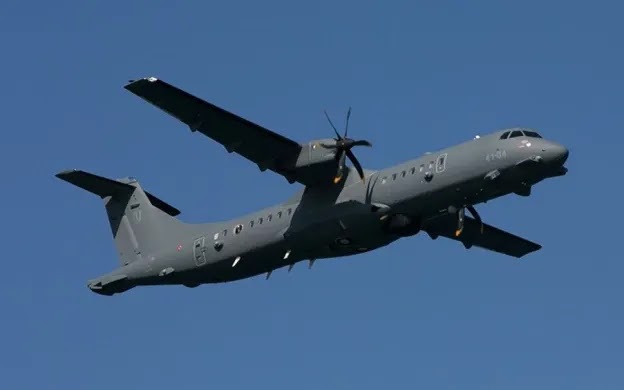
World
The Philippine Air Force is set to enhance its maritime surveillance capabilities with the acquisition of two advanced long-range patrol aircraft (LRPA) from Israel’s Elbit Systems. This significant $114 million deal, first disclosed by the Israeli defense company in July 2023, marks a strategic move by the Philippines to bolster its monitoring of the vast archipelago, particularly in the contested South China Sea, where tensions with China have been escalating.The acquisition was confirmed by the Israeli Ambassador to the Philippines, Ilan Fluss, who revealed that the first of these two aircraft is scheduled to arrive in the Philippines next year. While the exact delivery date of the second aircraft remains undisclosed, the deployment of these aircraft is expected to significantly enhance the Philippine Air Force's operational reach and effectiveness in maritime patrol missions.Advanced Capabilities and TechnologyThe LRPA is based on the ATR 72-600, a regional aircraft known for its reliability and performance in various environments. However, these aircraft will not be ordinary passenger planes. They will be outfitted with a sophisticated mission suite that transforms them into formidable surveillance platforms. The suite includes a mission management system that integrates various onboard sensors and systems to provide a comprehensive picture of the operational environment.Key features of the LRPAs include advanced electro-optics for day and night surveillance, powerful maritime patrol radars capable of detecting and tracking vessels over long distances, and signals intelligence systems designed to intercept and analyze electronic emissions. These capabilities will enable the Philippine Air Force to conduct more effective maritime patrols, monitor territorial waters, and respond swiftly to any incursions or threats.Strategic ImplicationsThis acquisition comes at a critical time for the Philippines, as the country faces increasing challenges in asserting its territorial claims in the South China Sea. The advanced surveillance capabilities of these LRPAs will provide the Philippine military with a more robust tool for monitoring and protecting its maritime interests. The aircraft’s long-range capabilities will allow for extended patrols over the expansive waters of the archipelago, enhancing situational awareness and deterrence.While specific details of other integrated systems on these aircraft have not been disclosed, likely due to security concerns, the Philippine Air Force’s move to acquire such advanced technology underscores its commitment to modernizing its defense capabilities. The partnership with Elbit Systems, known for its cutting-edge defense solutions, also highlights the growing defense ties between the Philippines and Israel.A Step Forward in Defense ModernizationThis acquisition is part of the broader effort by the Philippines to modernize its military forces, a program that has gained urgency due to the increasing geopolitical tensions in the region. By investing in advanced patrol aircraft, the Philippines is not only enhancing its military capabilities but also sending a clear signal of its intent to protect its national interests.Elbit Systems, with its extensive experience and technological expertise, is proud to support this modernization effort. As stated by Yoram Shmuely, a senior manager at Elbit Systems, the contract to supply these LRPAs extends the range of platforms and solutions the company offers, leveraging their vast operational experience and in-house technologies.The arrival of these aircraft will undoubtedly mark a significant milestone in the Philippines' defense modernization journey, providing the country with a critical asset in its efforts to secure its maritime borders and maintain peace and stability in the region.
Read More → Posted on 2024-08-12 15:25:12Search
Top Trending in 24 Hours
-
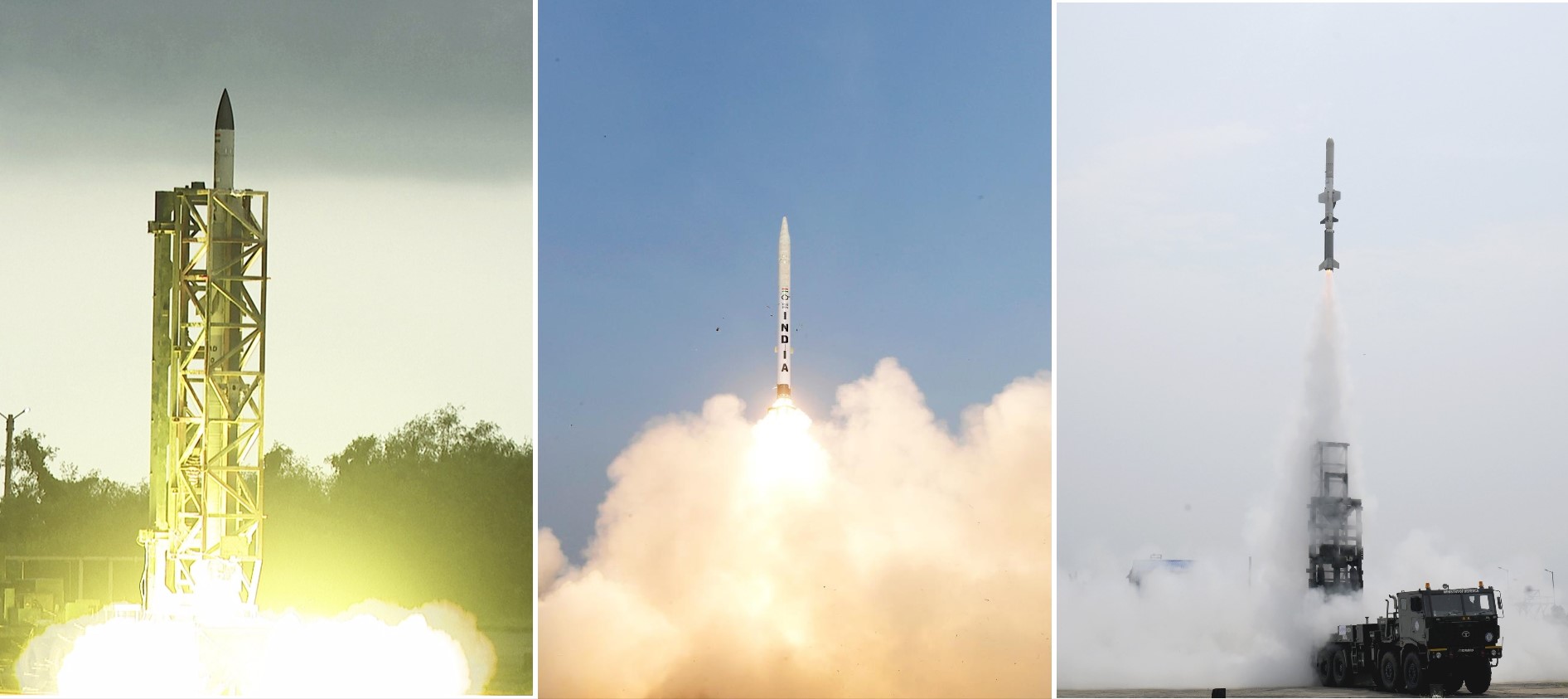 India Successfully Conducts AD-1, AD-2 Interceptor Tests and Maiden NASM-MR Flight Trial
-
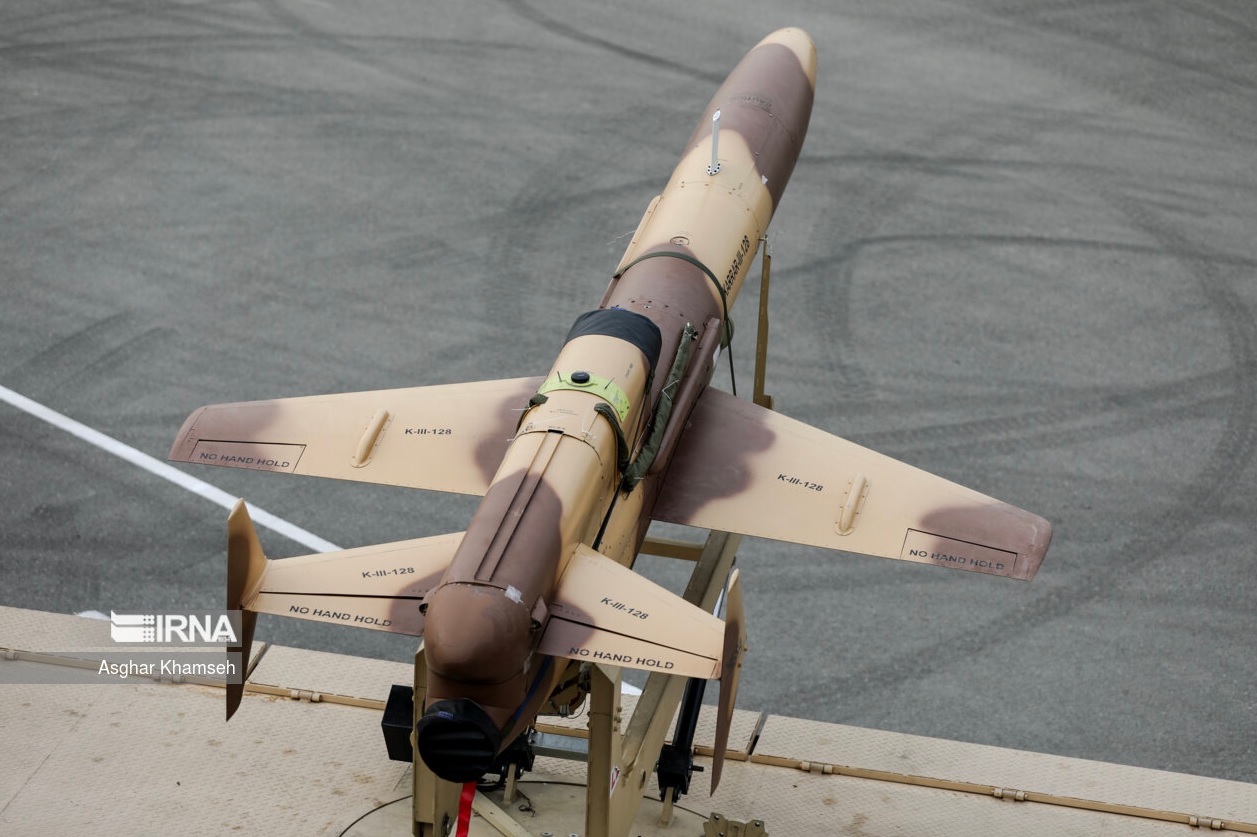 Russia Launches 1,400 Jet-Powered Drones in 2026 as Strike Tactics Evolve to Challenge Ukraine's Air Defenses
-
 U.S Navy Orders 50 Blackbeard Hypersonic Missiles in New $23.4 Million Contract
-
 F-35 Fleet Readiness Falls to 25% Amid Parts Shortages and Software Delays: GAO Report
-
 U.S. Approves $1.98 Billion Sale of Anduril AI-Powered Counter-Drone Systems to Kuwait
-
 UAE Denies Reports of Releasing Up to $20 Billion in Funds to Iran Amid Regional De-Escalation Efforts
-
 Turkey Navy Successfully Tests AKYA Torpedo and ATMACA Missile During Major Denizkurdu-II Naval Exercise
-
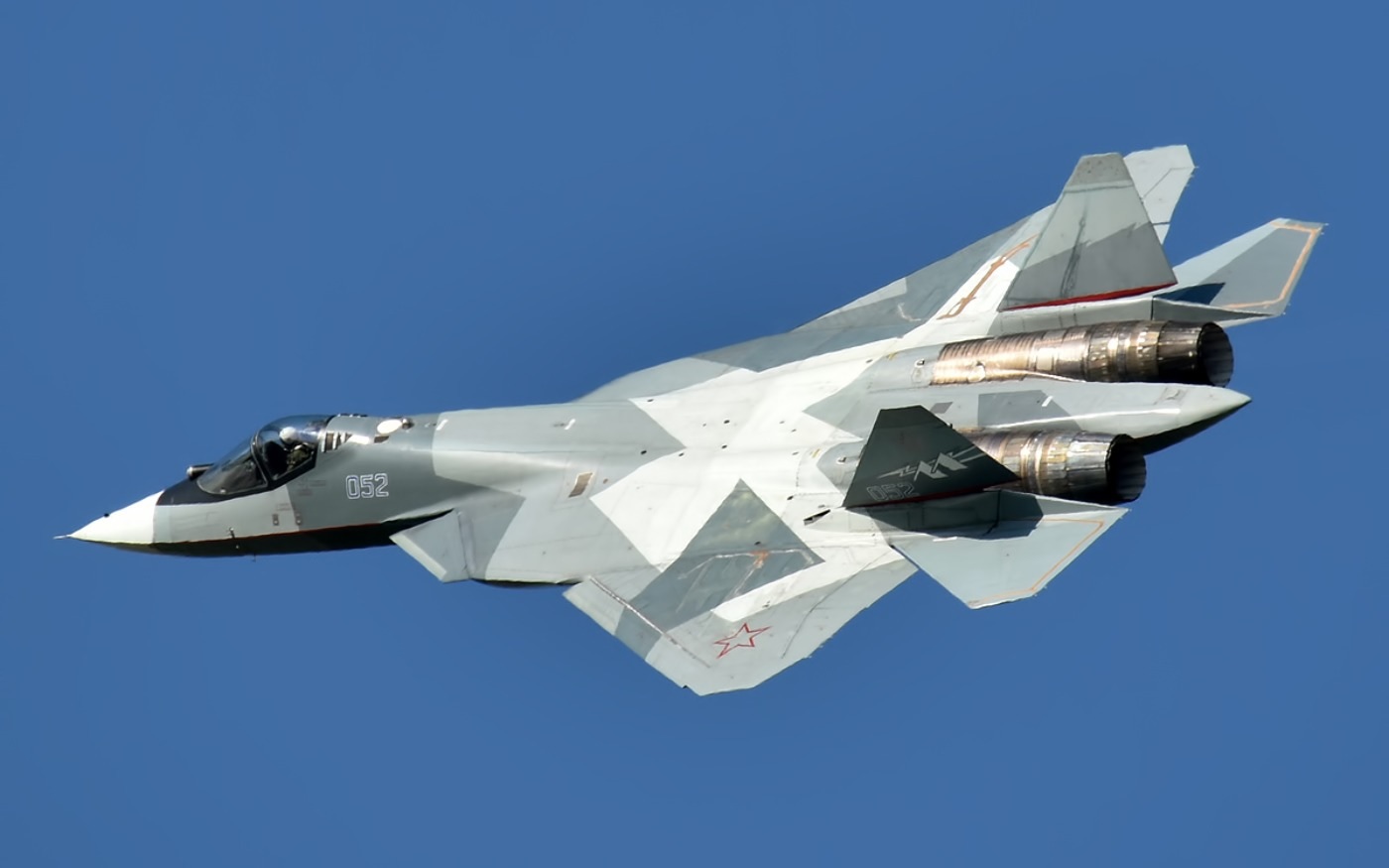 Russian Analysts Debate Su-57 Capabilities After Putin Calls Fighter Superior to F-35
Top Trending in 4 Days
-
 Iranian Media Leaks 14-Point U.S.-Iran Peace Framework Amid Ongoing Negotiations
-
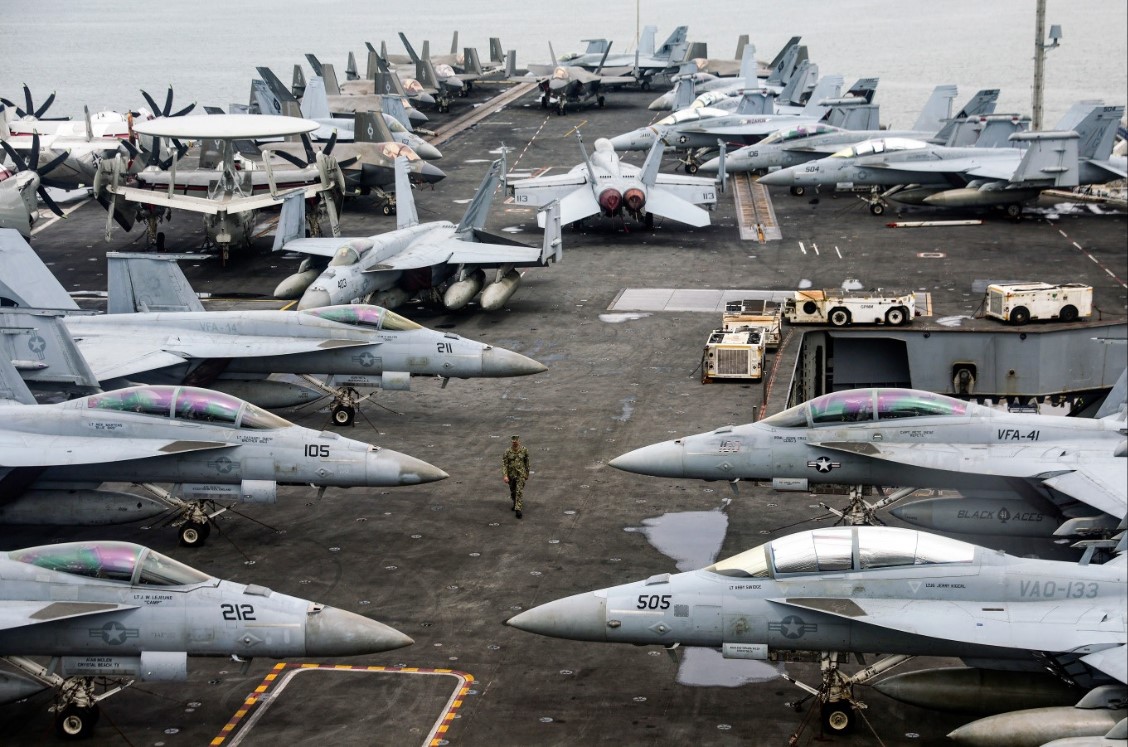 US Plans Significant Reduction of Fighter Jets and Warships for NATO Operations in Europe
-
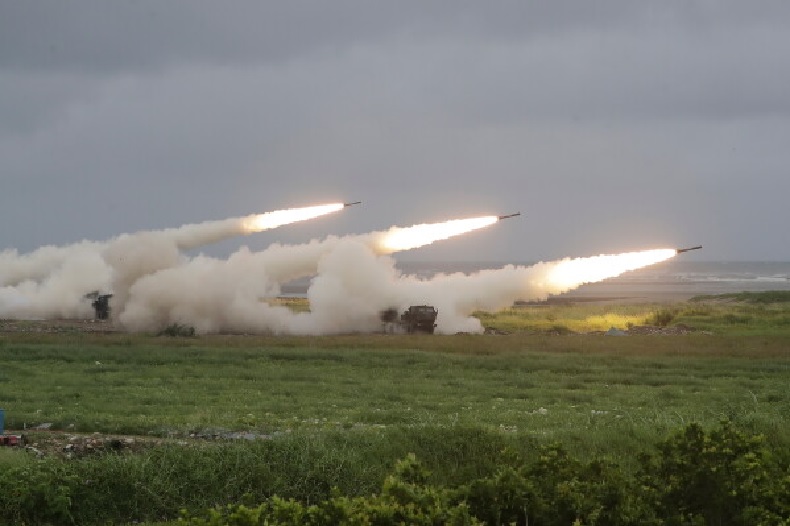 Taiwan Conducts First Live-Fire of HIMARS Rockets From West Coast During Invasion Defense Drill
-
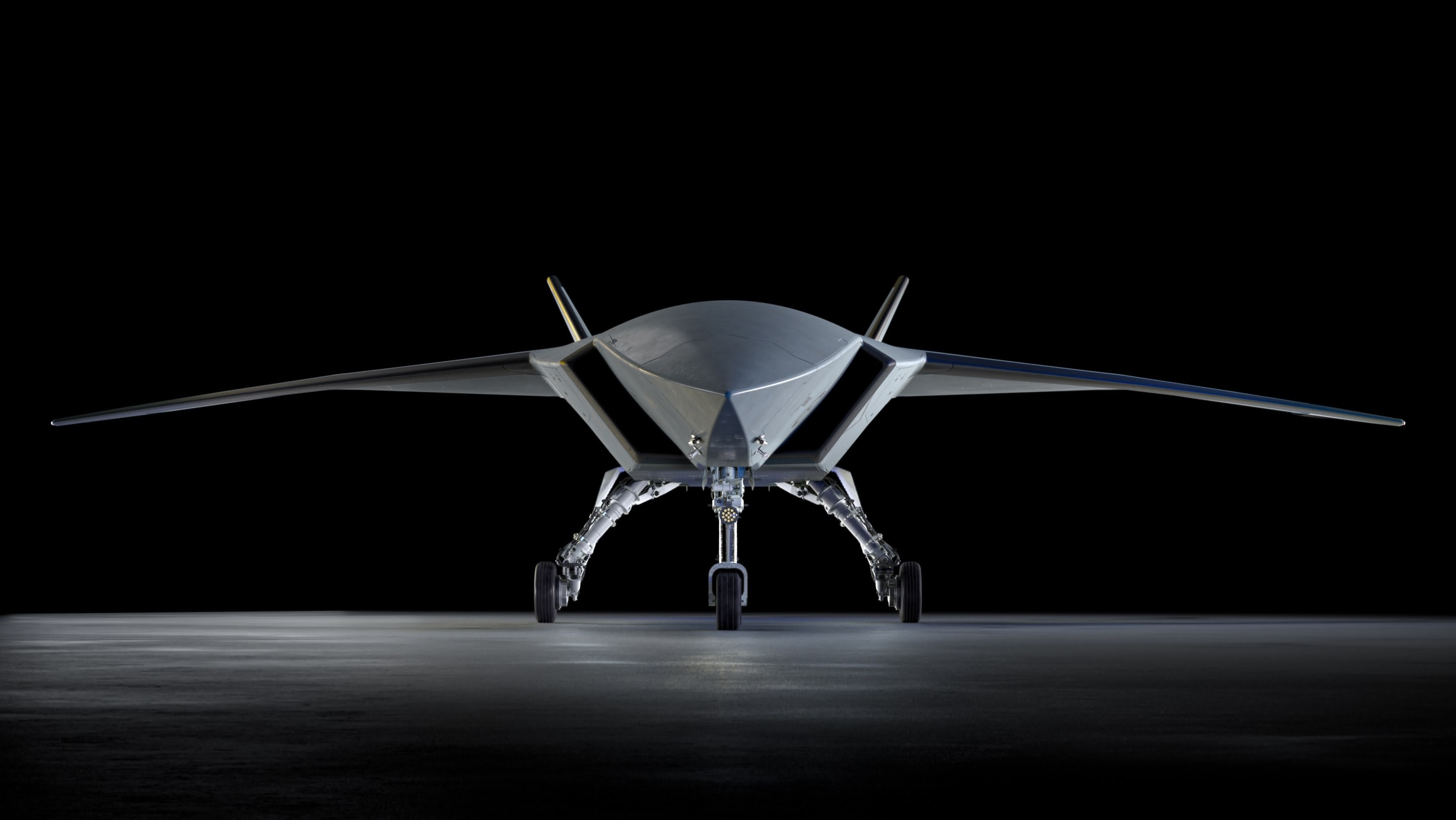 Boeing Introduces New MQ-28 Ghost Bat Upgrades with Increased Range, Payload and Weapons Capacity at ILA Berlin 2026
-
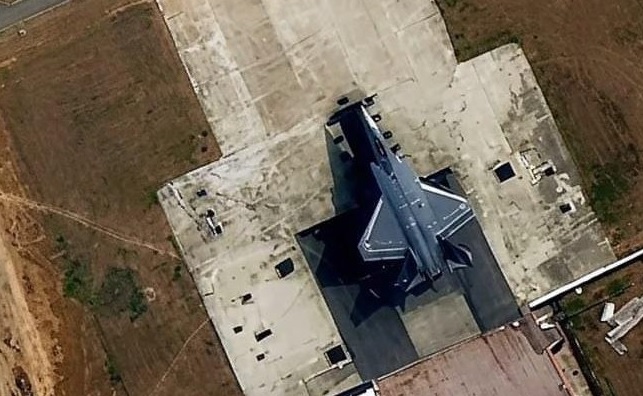 AMCA Airframe Spotted at DRDO’s ORANGE Facility for Radar Cross-Section Testing
-
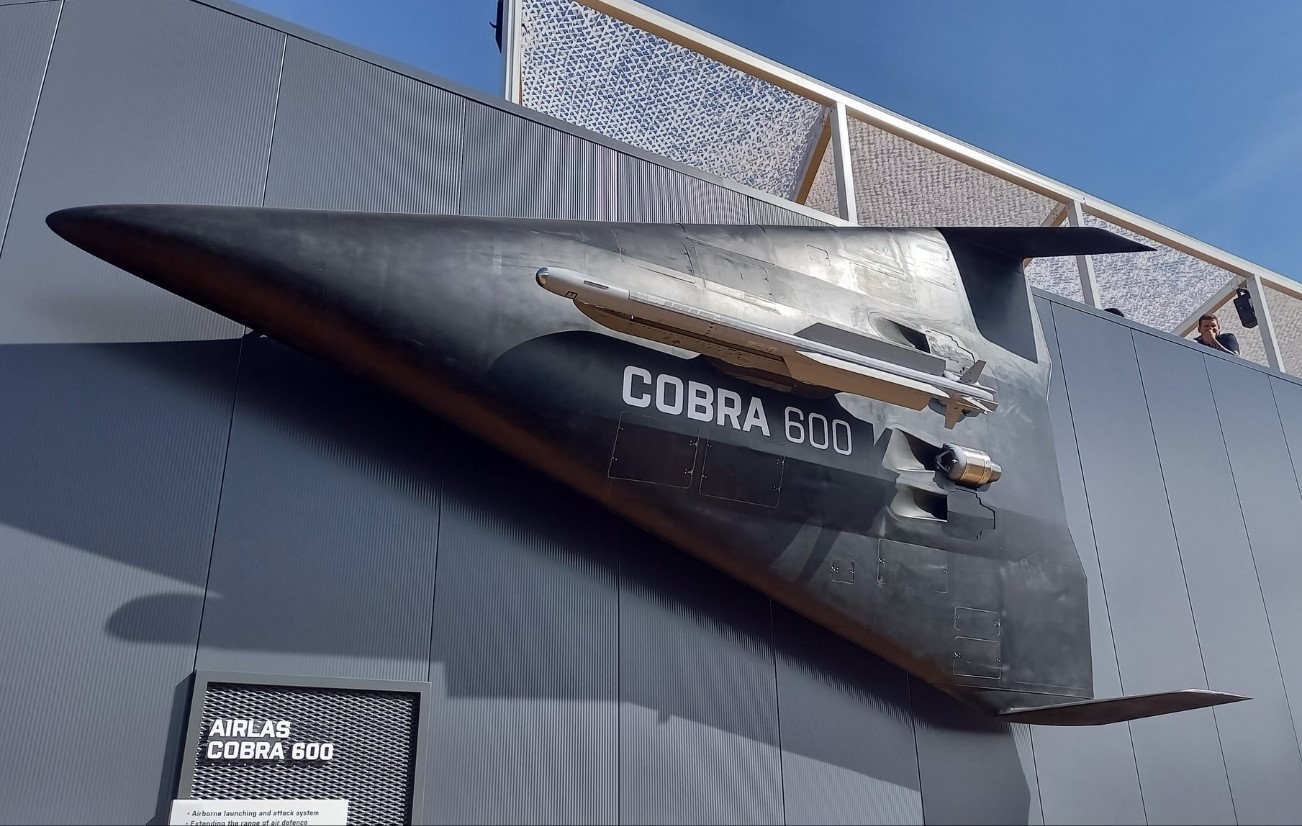 Diehl Defence Unveils IRIS-T Armed Cobra 600 Air Defense Drone at ILA Berlin 2026
-
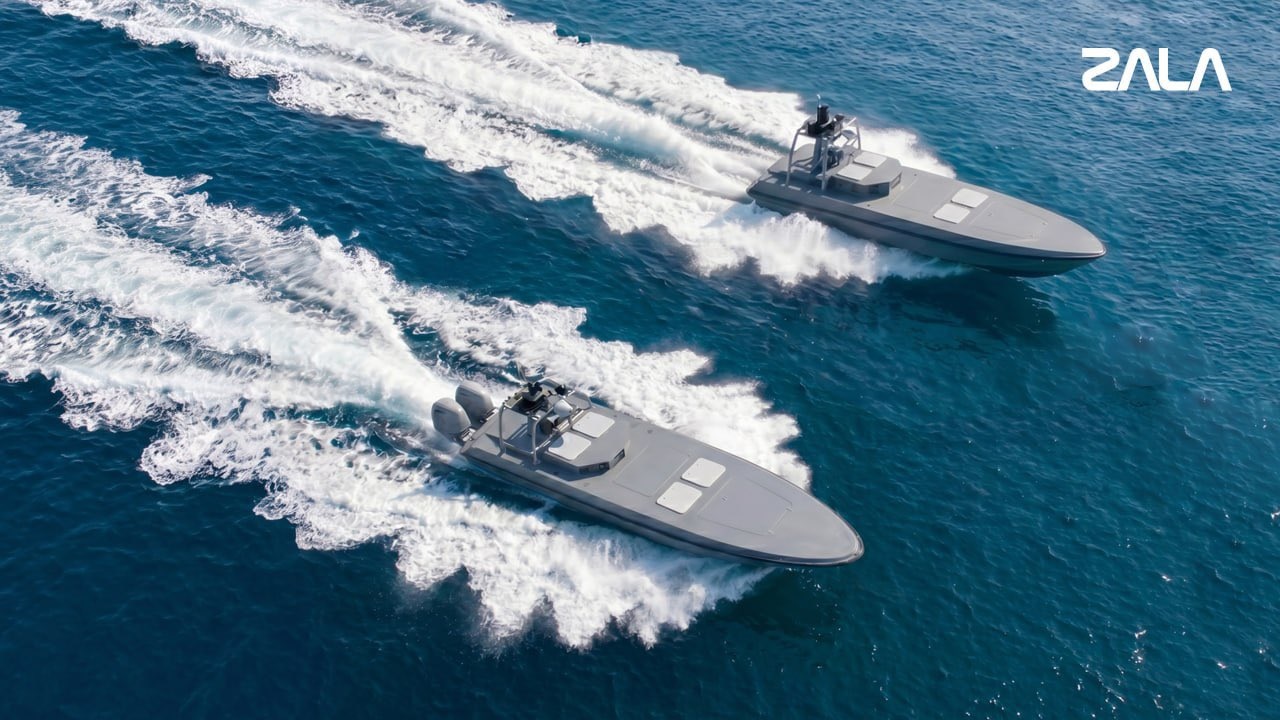 Russian Defense Firm ZALA Unveils KAMA Unmanned Surface Vessel Family at FLOT-2026 Naval Exhibition
-
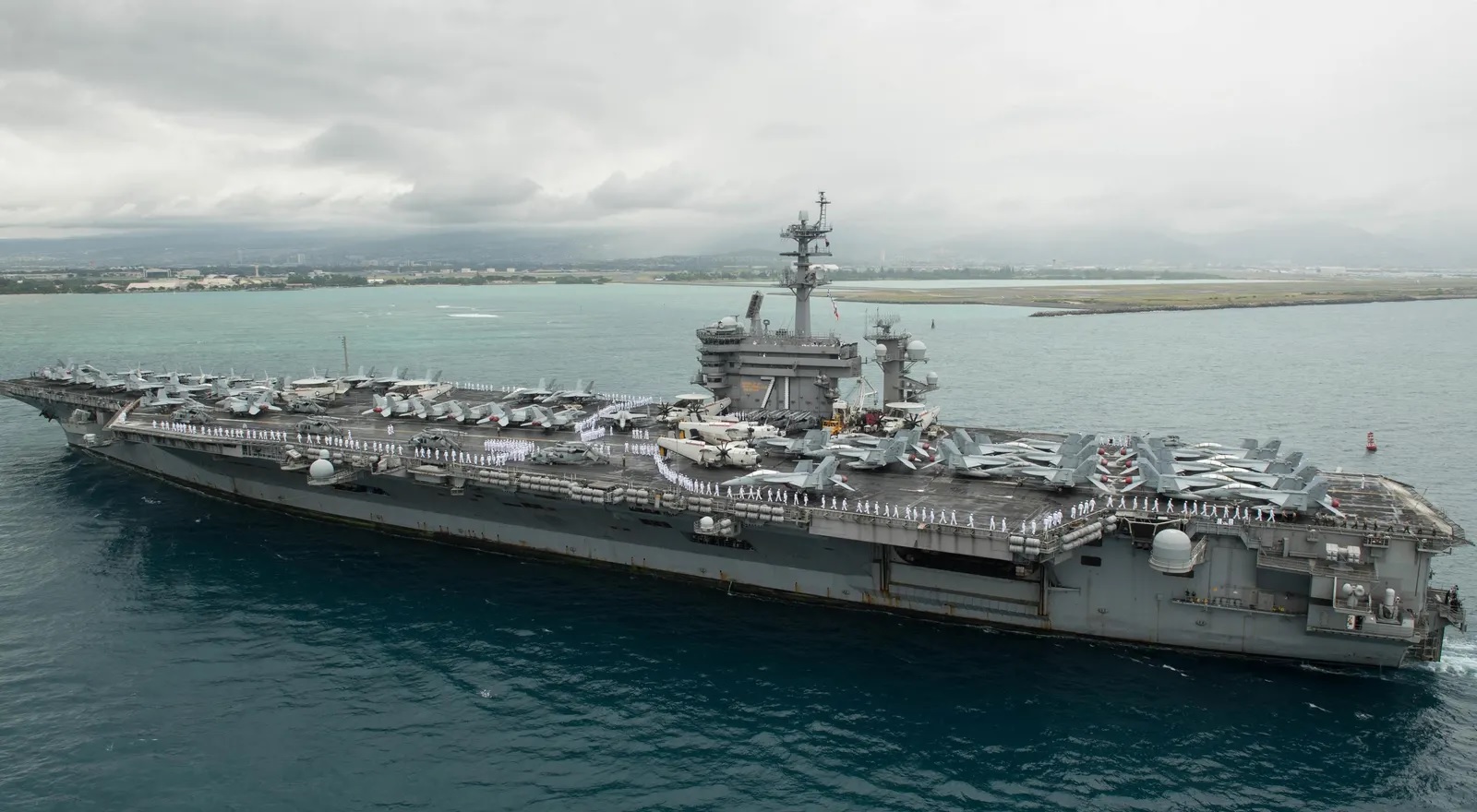 U.S Aircraft Carrier USS Theodore Roosevelt Departs San Diego for Major RIMPAC 2026 Naval Exercise