
World
Israel's defense landscape has taken a significant leap forward with the successful testing of the Barak MX air defense system, equipped with the LRAD long-range interceptor. This achievement, a collaborative effort between the Israel Defence Forces (IDF) Navy, the Directorate of Defence Research and Development (DDR&D) at the Israeli Ministry of Defence, and Israel Aerospace Industries (IAI), underscores a new era of maritime defense capabilities for the nation.The test was meticulously planned and executed, involving the launch of a precise rocket aimed at a designated target, simulating a high-value strategic asset at sea. The Barak MX air defense system, a key feature of the Sa’ar 6-class missile ships, sprang into action. It successfully detected, tracked, and classified the incoming rocket as a threat, leading to its interception and destruction. This exercise not only highlighted the system’s operational readiness but also demonstrated its efficacy in a real-world combat scenario.The Sa’ar 6-class missile ships, which have recently been declared operational, are outfitted with an advanced air defense system. This system includes both hard and soft defense mechanisms designed to counter a broad spectrum of threats. Central to this defensive shield is the Barak MX, a state-of-the-art system developed by IAI. It boasts advanced radar technology capable of identifying and intercepting a diverse range of threats, including aircraft, unmanned aerial vehicles (UAVs), cruise missiles, ballistic threats, and coastal dangers.The successful deployment of the LRAD interceptor is a significant milestone for the IDF Navy. It enhances the Navy’s defensive and offensive capabilities, ensuring maritime superiority and the protection of vital maritime assets against threats from both near and far. This test underscores Israel’s commitment to maintaining a robust and technologically advanced defense infrastructure.The Barak MX air defense system is not just a defensive measure; it is a strategic asset that provides Israel with a significant edge in ensuring the security of its maritime borders. The system’s integration into the Sa’ar 6-class missile ships symbolizes a leap forward in naval warfare capabilities, reinforcing the Navy's ability to protect the nation’s interests in increasingly complex and hostile environments.This development is particularly crucial given the evolving nature of maritime threats. As adversaries develop more sophisticated offensive capabilities, the need for advanced defense systems like the Barak MX becomes ever more critical. The successful test of the LRAD interceptor within this system marks a pivotal moment, showcasing Israel’s technological prowess and its proactive stance in safeguarding its sovereignty.In conclusion, the Barak MX air defense system's successful test with the LRAD long-range interceptor signifies a major advancement in Israel’s defense capabilities. It highlights the collaborative efforts of the IDF Navy, DDR&D, and IAI in pushing the boundaries of defense technology, ensuring that Israel remains at the forefront of maritime defense.
Read More → Posted on 2024-08-03 15:27:07
World
In a significant development reported by Pakistani national media channel "BOL News," it has been claimed that Pakistan Air Force (PAF) pilots have commenced training on the Chinese J-31 stealth jets in China. This news comes amidst Pakistan's broader strategic move to enhance its aerial capabilities with cutting-edge technology.The J-31, also known as the FC-31, is a fifth-generation stealth fighter jet developed by the Aviation Industry Corporation of China (AVIC). This single-seat, twin-engine aircraft boasts advanced stealth capabilities and is often compared to the US F-35 in terms of its combat prowess. The J-31's stealth features enable it to detect adversaries and launch attacks before being detected, giving it a significant tactical advantage in air combat scenarios.Pakistan recently announced its plans to procure the J-31, a decision that experts believe will not only bolster the PAF's operational capabilities but also strengthen military ties between Pakistan and China. This acquisition marks a strategic shift for Pakistan, potentially opening international markets for the Chinese-built aircraft and highlighting the collaborative benefits for both nations.Air Force Chief Marshal Zaheer Ahmad Babar Saidu highlighted the significance of this acquisition during a ceremony on January 2, where new equipment, including the J-10C Firebird fighters, was presented to the PAF. Saidu indicated that the FC-31 would be integrated into the PAF's fleet in the near future, although specific details regarding the number of aircraft and the exact timeline remain undisclosed.The implications of this purchase on Pakistan's military dynamics, especially concerning its relationship with India, are still uncertain. Justin Bronk, an aviation expert at the Royal United Services Institute in London, expressed caution, noting the vagueness surrounding the capabilities and delivery timelines of the J-31. He emphasized that it is challenging to predict the impact of this acquisition on the military balance in the region at this stage.The PAF views the induction of a fifth-generation stealth fighter aircraft as a critical milestone in its strategic evolution. This move underscores Pakistan's commitment to modernizing its air force and maintaining a robust defense posture. Earlier reports had already indicated Pakistan's interest in the FC-31, affirming its intention to stay at the forefront of aerial warfare technology.Wei Dongxu, a Beijing-based military expert, highlighted the J-31's comprehensive air combat capabilities, suggesting that it might be superior to its American counterpart in certain aspects. The aircraft's stealth advantages and powerful combat features are expected to provide the PAF with a significant edge in potential conflicts.As Pakistan pilots undergo training on the J-31, this development marks a new chapter in the country's defense strategy, showcasing its efforts to enhance its air force capabilities through international partnerships and advanced technology.
Read More → Posted on 2024-08-03 15:18:04
World
In the realm of strategic military aviation, Russia's newest venture, the PAK-DA "Poslannik," stands out as a groundbreaking development. Emerging detailed information on July 31, 2024, sheds light on this next-generation stealth bomber, designed to redefine the landscape of long-range, high-capacity aerial warfare. Despite facing significant hurdles and skepticism during its development, recent updates offer a comprehensive view of the PAK-DA's technological prowess and strategic significance.The PAK-DA Poslannik is crafted as a long-range, stealth strategic bomber with an impressive projected range of 12,000 kilometers (7,500 miles). With a payload capacity of 30 tons—potentially reaching 35 tons according to some sources—it can carry an arsenal of both conventional and nuclear weapons, as well as advanced hypersonic missiles. This formidable payload and range are indicative of its role in bolstering Russia's strategic deterrence capabilities.The aircraft's journey has been marked by both progress and delays. During a meeting with students at KNITU-KAI named after A.N. Tupolev on June 20, 2024, Konstantin Timofeev, the Managing Director of JSC Tupolev, confirmed ongoing progress, albeit at a slower pace. Initially projected for its maiden flight in 2024, the PAK-DA's first flight has now been postponed to 2025, with serial production anticipated to commence in 2027.The PAK-DA, standing for "Promising Aviation Complex for Long-Range Aviation" in Russian (Perspektivnyi aviatsionnyi kompleks dal'ney aviatsii), is described as a sixth-generation bomber. This classification encompasses advanced technologies such as stealth, internal weapon bays, and supersonic flight capabilities without afterburners. While laser weapons for air combat remain underdeveloped, the aircraft boasts network-centric warfare capabilities and potential for unmanned operations, reflecting advancements in automation and control systems.Developed by Tupolev for the Long-Range Aviation branch of the Russian Aerospace Forces, the PAK-DA project involves several key manufacturers, including the Kazan Aircraft Production Association, Novosibirsk Aircraft Production Association Plant, and Beriev. This new bomber is set to complement and eventually replace the aging Tupolev Tu-95 Bear and Tu-160. Its codename, "Poslannik" or "Envoy," signifies its role in Russia's strategic air command.The origins of the PAK-DA project date back to the late 1990s, with formal requirements issued by the Russian Air Force in December 2007. Financing for the program began in 2008, leading to the selection of a subsonic flying wing design emphasizing stealth technology by 2013. This design phase concluded in April 2014, paving the way for prototype construction at the KAPO plant in Kazan. The advanced stage of the project is evidenced by the initiation of a specialized development and testing facility at the Kazan plant in 2023.However, the development of the PAK-DA has not been without challenges. Engine issues and resource diversion to the Ukraine conflict have caused significant delays. Initially set for demonstration in 2023, the bomber's readiness has now been pushed to 2027. These delays pose a strategic risk for Russia as other superpowers, such as China with its H-20 and the US with its B-21 Raider, advance their own stealth bomber programs.Despite these setbacks, the PAK-DA is on a trajectory toward operational readiness. Russian sources report that several prototypes are in production, with the first flight expected between late 2024 and early 2025. In the interim, Russia has upgraded its Tu-160 "White Swan" bombers to fulfill mission-critical roles, although these do not match the capabilities of fifth-generation aircraft.The PAK-DA's technical specifications are impressive: a maximum take-off weight of 145 tons, a cruising speed of 800 kilometers per hour, and an operational ceiling of up to 20,000 meters. The bomber is manned by a crew of four and features advanced armament capabilities, including up to 12 Kh-BD cruise missiles with a range of 6,500 kilometers, Kh-555, Kh-101/102, and potentially the Kh-47 Kinzhal and future Kh-95 hypersonic missiles with a range exceeding 5,000 kilometers. Notably, the PAK-DA will include air-to-air missiles, enhancing its survivability and operational flexibility by allowing it to operate independently without the need for fighter escorts.Engine development for the PAK-DA initially considered an analogue of the Kuznetsov NK-65 turbofan engine but has settled on the NK32-02, an afterburner engine with a thrust of 24 tons, already in use on the Tu-160M2. This decision underscores a pragmatic approach to enable 30-hour nonstop flights while carrying a nuclear payload, withstanding temperatures ranging from minus 60°C to plus 50°C, and ensuring a service life between 12 and 21 years.The design of the PAK-DA draws inspiration from the B-2 Spirit, the United States' strategic bomber known for its stealth features rather than high speed. Critics argue that Russia is emulating the B-2's "flying wing" configuration, which eschews traditional aircraft structures in favor of complex flight control computers and low Radar Cross Section (RCS) design. This stealth-focused approach, coupled with radar-absorbing materials, allows the PAK-DA to infiltrate airspace undetected by radar, deliver its payload, and return to base.As the PAK-DA project progresses, it symbolizes Russia's commitment to maintaining a robust strategic air command. Despite the challenges and delays, the PAK-DA "Poslannik" is poised to become a cornerstone of Russia's aerial deterrence strategy, equipped with the latest in stealth technology and advanced weaponry.
Read More → Posted on 2024-08-03 15:11:47
World
In November 2023, a fatal crash involving a V-22 Osprey off the coast of Japan tragically claimed the lives of all eight crew members aboard. An investigation by the US Air Force has concluded that the crash was partially due to the pilot's decision to continue flying despite repeated mechanical warnings. The incident began with the Osprey's pilot, Major Jeff Hoernemann, making the critical choice to continue the mission despite multiple warnings indicating a mechanical failure in the aircraft's proprotor gearbox. This gearbox is crucial as it transmits the engine's power to the Osprey's masts and rotor blades. The initial warning, known as a "left-hand proprotor gearbox (PRGB) chip burn" alert, was received immediately after takeoff. Service regulations dictate that pilots should land as soon as possible if this warning is received three times during a flight. However, Major Hoernemann and his crew received at least five such warnings before the crash occurred.The investigation found that several cracks were present in a crucial component of the gearbox, a toothed piece called a pinion gear. This component's failure likely played a significant role in the accident. Despite these warnings, the crew continued their mission with limited discussion about diverting or landing. They did not consider rendezvousing with a maintenance crew, referred to as G23 in the report, which could have potentially addressed the issue.When the third warning indicated that they should "land as soon as practical," the aircraft was only 10 miles (16 kilometers) from an airfield. However, Hoernemann chose to continue the 300-nautical-mile (555-kilometer) flight, looking for secondary indications of the problem but finding none. He directed his co-pilot to keep monitoring the situation instead of opting for an immediate landing.Investigators noted that the pilot's decision-making was a causal factor in the crash. Lt. Gen. Michael Conley, the lead investigator, emphasized that this does not imply blame or liability but highlights the circumstances that led to the tragic incident. Conley suggested that Hoernemann might have been balancing split priorities, including his leadership role in the military exercise they were participating in and the months of planning that had gone into it.The V-22 Osprey, known for its unique tiltrotor design, combines the functionality of a helicopter with the speed and range of a fixed-wing aircraft. However, it has been subject to scrutiny and controversy due to its complex mechanics and a history of accidents. This crash has reignited discussions about the safety protocols and decision-making processes involved in operating such sophisticated military equipment.This incident underscores the critical importance of adhering to safety warnings and regulations, especially in the demanding environments that military operations often entail. The US Air Force continues to review and refine its procedures to prevent such tragedies in the future.
Read More → Posted on 2024-08-02 15:35:46
World
In a remarkable milestone for telecommunications, a consortium of UK companies has completed successful flight trials for an advanced airborne 5G connectivity system. This innovative technology, designed to provide wide-scale, high-performance 5G coverage from the sky, was integrated into a Britten-Norman Islander aircraft and underwent a series of demonstration flights, showcasing its potential to revolutionize global communication.Stratospheric Platforms Limited (SPL), a leader in Non-Terrestrial Networks telecoms development, spearheaded the project. SPL has been at the forefront of creating airborne antennas capable of delivering reliable 5G connectivity. This technology holds significant promise for rapidly restoring communication networks in the aftermath of major disasters, such as earthquakes or tsunamis, where traditional infrastructure may be compromised.On July 18, 2024, the project team hosted distinguished guests, including potential customers and investors, at Britten-Norman’s Solent Airport maintenance facility. These guests observed the installation of a large 5G phased array antenna under real flight conditions. The trials, managed by Britten-Norman’s Flight Test Organisation, focused on evaluating the aircraft’s performance and handling with the installed antenna, ensuring safe operation under both normal and emergency scenarios. Successful completion of these trials is crucial for full system certification, which will enable integration with terrestrial telecom networks and provide connection speeds of up to 200 Mbps over areas as large as 15,000 square kilometers.The chosen aircraft for this groundbreaking project was the BN2T-4S Islander, a turboprop variant known for its robust design, all-weather capabilities, and exceptional endurance. Its modular design makes it an ideal platform for integrating large mission systems while retaining the flexibility to switch roles for different tasks.The next phase of the project will involve demonstrating the technology by connecting it to a private UK-based national 5G telecommunications network. This endeavor represents a significant leap forward in airborne telecommunications, bringing the vision of reliable, high-speed 5G connectivity from the sky closer to reality.Richard Deakin, CEO of Stratospheric Platforms Limited, expressed his enthusiasm for the project, stating, “Stratospheric Platforms is dedicated to creating pioneering solutions that transform the connectivity landscape. Our commitment to delivering high-altitude, zero-carbon, long-endurance communication platforms will revolutionize how the world stays connected, especially in remote and underserved regions. Today’s flight test is an important step in the continuing validation of our technology breakthroughs.”Dr. Garnet Ridgway, Head of Flight Dynamics at Britten-Norman, also highlighted the collaborative effort behind the project, saying, “This project demonstrates the full capabilities of both Britten-Norman as an accomplished trials organisation and the turboprop Islander as a highly capable trials aircraft. Working closely with our partners, the project includes contributions from our design, manufacture, MRO, flight test, and flight operations teams. The huge potential of SPL’s system and the collaborative nature of the team made this project particularly exciting.”As the project progresses, the successful flight trials mark a crucial step in realizing the vision of widespread 5G connectivity delivered from the skies, promising unprecedented opportunities for global communication and a more connected world.
Read More → Posted on 2024-08-02 15:33:42
World
The US Air Force is testing the innovative BlackFly electric vertical takeoff and landing (eVTOL) aircraft in Ohio under the Agility Prime program. This initiative, spearheaded by the Air Force Research Laboratory and AFWERX, aims to explore and develop new aerial mobility solutions for various military missions.The trials are being conducted at the Springfield-Beckley Airport, where the single-seater BlackFly is undergoing rigorous testing in different unmanned scenarios. One key aspect of these tests is the integration of a remote-controlled mobile power station developed by Indiana-based DANNAR. This power station provides the necessary juice for the eVTOL's flight operations and recharges the aircraft between missions.During the trials, the BlackFly has been tested for reconnaissance missions over designated targets. Each flight lasts about 20 minutes before the aircraft requires a full recharge. The DANNAR station’s 120-volt outlets are used for flight operations, while the 240-volt outlets handle the recharging process. The teams are closely monitoring the charging intervals and preparation times to ensure the aircraft can be quickly turned around for subsequent flights.AFWERX Flight Test Engineer Josh Lane emphasized that the tests are not only about assessing the flying capabilities of the BlackFly but also evaluating the supporting infrastructure. This includes electric charging systems like the DANNAR battery energy storage system and portable chargers from the original equipment manufacturers. The goal is to understand the overall flight operations within the context of Air Force and other stakeholder concepts of employment.The Springfield-Beckley tests are being conducted in collaboration with Virginia-based defense contractor Modern Technology Solutions Inc. (MTSI). Alongside the BlackFly, Agility Prime is also assessing other commercial eVTOLs, such as Pyka’s Pelican Cargo, Pipistrel’s Velis Electro, and BETA’s ALIA. The evaluation of these aircraft is expected to continue until mid-September to gather all necessary data for potential government acquisition.Agility Prime Acting Branch Chief Jacob Wilson explained that the program is exploring a range of military-type use cases, from logistics and material transport to emergency response and intelligence, surveillance, and reconnaissance missions. The ultimate aim is to accelerate the commercial adoption of these innovations in the US, ensuring a robust industrial base and transitioning the most suitable technologies to military use.The BlackFly, developed by Pivotal, is a compact eVTOL aircraft measuring 13.5 feet in length with a wingspan of 13.7 feet. It has a gross weight of 563 pounds and is powered by eight 42-horsepower engine motors and 3-foot two-bladed propellers. This setup allows the BlackFly to achieve a top speed of 70 knots (80 mph) and a range of 35 nautical miles (40 miles). It can also ascend at a rate of 1,000 feet per minute.Pivotal secured a two-year contract in March, granting the company access to test facilities, resources, and multiple sites under restricted airspace. This agreement followed the delivery of BlackFly systems and corresponding flight simulators to MTSI for Agility Prime evaluations.The US Air Force's ongoing tests of the BlackFly and other eVTOL aircraft are part of a broader effort to harness cutting-edge technology for future military applications. As these evaluations continue, the Air Force aims to pave the way for new, versatile aerial mobility systems that can support a wide range of mission requirements.By focusing on these emerging technologies, the Agility Prime program seeks to enhance the Air Force's operational capabilities and maintain its technological edge in an increasingly competitive global landscape.
Read More → Posted on 2024-08-02 15:27:07
World
Indra, a prominent Spanish defense technology company, has taken a significant step forward in military vehicle innovation with the launch of a state-of-the-art laboratory dedicated to the Spanish Army’s 8×8 Dragon armored vehicle. This new research facility is set to play a crucial role in refining and advancing the vehicle's newly developed mission system, known as Maestre.The primary objective of this advanced laboratory is to facilitate the development, evolution, and training associated with the Maestre mission system. The lab replicates the vehicle and its operating environment, providing a realistic and controlled setting for comprehensive testing and improvement. This means that every aspect of the Dragon vehicle's mission system can be thoroughly evaluated and optimized before being deployed in the field.One of the standout features of the laboratory is its ability to support training, maintenance, and testing on various configurations of the Dragon wheeled and tracked vehicles. This versatility ensures that the mission system can be adapted and fine-tuned for different operational scenarios. Additionally, the lab will study the interoperability of these vehicles with new sensors, enhancing their capabilities and effectiveness in diverse combat environments.The laboratory is equipped with transportable working positions that allow the simulated management of the mission system by a driver, vehicle commander, or gunner. These working positions are designed for easy transportation via containers or shelters, enabling rapid deployment to any chosen army unit. This mobility ensures that training and development can occur wherever it is most needed, providing flexibility and responsiveness to the Spanish Army.According to Vigara Zaera, head of Ground Mission Systems at Indra, this laboratory represents a significant leap in the digitization of military vehicles. "With this laboratory and the work we have conducted in recent years with the Ministry of Defense, we are globally at the forefront in the digitization of military vehicles," Zaera stated. The facility will allow for the continuous update of both the Dragon vehicle and the Maestre system throughout their lifecycle, providing a familiarization environment prior to training on the actual simulators and vehicles.The Maestre mission system itself is a comprehensive control hub for the vehicle’s subsystems. It oversees weapons controls, warning systems, self-protection mechanisms, situational awareness tools, communications, navigation systems, and the battlefield management system. By collecting and processing all relevant information, Maestre presents an integrated image to the crew, enabling informed and swift decision-making. This capability significantly enhances vehicle safety, survivability, fire effectiveness, and collaborative combat capability.In summary, Indra's launch of this advanced laboratory marks a pivotal development in military vehicle technology. By providing a dedicated space for the refinement and training of the Dragon vehicle’s mission system, Indra is ensuring that the Spanish Army remains at the cutting edge of defense capabilities. This initiative not only boosts the performance and reliability of the Dragon vehicles but also reinforces Spain’s position as a leader in military innovation.
Read More → Posted on 2024-08-02 15:22:03
World
Ultra Maritime has made headlines with its recent $49 million contract from the U.S. Navy, marking a significant step in advancing maritime defense. This agreement, awarded as a Sole Sourced Firm Fixed Price contract, focuses on the AN/SSQ-62G Sonobuoy Low Rate Initial Production (LRIP). The funding supports a range of activities, including annual training, peacetime operations, and crucial testing expenditures.The contract is designed to ensure that the Navy maintains a robust inventory of these advanced sonobuoys, which are essential for major combat operations and aligned with the naval munitions requirements process. Ultra Maritime's role is critical as it stands as the sole provider of the Q-62 and Q-53 sonobuoys, which are pivotal in modern anti-submarine warfare.Ed Cook, Vice President and General Manager of Ultra Maritime U.S., highlighted the company's dedication to enhancing maritime security. "Ensuring the safety of our sailors and maintaining a robust deterrent against our adversaries is paramount in today’s maritime landscape. We are honored to play a pivotal role in advancing anti-submarine warfare capabilities for the U.S. Navy and our allied nations," Cook stated.Ultra Maritime’s commitment extends beyond just providing these sonobuoys. The company’s industry-leading production capabilities are backed by the largest investment in its history, aimed at streamlining production and ensuring the reliable delivery of the latest generation of sonobuoys. This investment underscores Ultra Maritime’s dedication to meeting the growing global demand for advanced anti-submarine warfare tools.The new generation of sonobuoys represents a significant leap in technology and efficiency, enhancing the company’s ability to supply allied countries consistently. By upgrading its technology and improving its supply chain, Ultra Maritime is well-positioned to support both current and future naval defense needs worldwide. This contract is not just a win for Ultra Maritime but a crucial development for global maritime security, reflecting the ongoing commitment to safeguarding international waters and reinforcing defense operations.
Read More → Posted on 2024-08-01 16:17:45
World
Pakistan's Air Force is facing a critical challenge as financial constraints threaten to ground its fleet of F-16 fighter jets. This predicament arises from the country’s ongoing economic difficulties, which have significantly impacted its defense capabilities.The Mirage Rebuild Factory (MRF), which is responsible for maintaining these American-made aircraft, has issued a dire warning. The factory's operations are being severely hampered by an overdue payment of $682,000 to the US Foreign Military Sales (FMS) program. This overdue payment has already led to the suspension of essential spare parts deliveries, putting the operational readiness of the fleet at risk.The F-16s are a cornerstone of Pakistan's air defense strategy. Their importance was underscored during the aerial engagement with India following the Balakot airstrike in 2019. Acquired in the early 1980s, Pakistan's fleet of F-16s has been periodically upgraded through the FMS program to keep pace with modern warfare requirements. An American technical security team stationed at Pakistani air bases oversees the proper use and maintenance of these jets, ensuring their operational integrity.In 2022, the United States provided $450 million in aid to upgrade Pakistan's F-16 fleet. This move, while beneficial to Pakistan, was met with opposition from India. The aid was perceived as a strategic gesture by the US amidst its complex and often strained relations with Pakistan.This situation with the F-16 fleet is symptomatic of broader issues within Pakistan's military and economic policies. The inability to meet financial obligations not only jeopardizes the air force's operational readiness but also raises concerns about Pakistan’s defense preparedness in the region. As the country grapples with this crisis, its relationships with major powers like the US, China, and Russia will be put to the test.Pakistan's ability to navigate these intricate diplomatic relationships while addressing its internal financial woes will be crucial in determining the future of its air force capabilities. The outcome of this situation will have significant implications for Pakistan's defense strategy and its geopolitical standing in South Asia.
Read More → Posted on 2024-08-01 16:11:46
World
In a bold and defiant statement, the Kremlin announced on Thursday that Russian forces are prepared to shoot down any U.S.-built F-16 fighter jets that are sent to Ukraine. This declaration comes amidst the ongoing conflict, as Ukraine recently received its first shipment of the long-awaited jets. These aircraft, equipped with a 20mm cannon and capable of carrying a variety of bombs, rockets, and missiles, have been eagerly anticipated by Kyiv’s forces.Kremlin spokesman Dmitry Peskov addressed the media regarding the arrival of the F-16s, confidently stating that the Russian military is ready to counter this new threat. "If I'm not mistaken, rewards for Russian forces to shoot them down have already been offered," Peskov remarked, underscoring Russia’s readiness to neutralize the new additions to Ukraine's arsenal.Despite the advanced capabilities of the F-16s, Peskov downplayed their potential impact on the battlefield. He argued that these fighter jets would not serve as a "magic pill" for Ukraine’s military efforts. Instead, he predicted that the number of these planes would gradually dwindle as they are targeted and destroyed by Russian forces. "These planes will appear and gradually their number will decrease; they will be shot down and destroyed," he asserted.The Kremlin’s stance reflects a broader skepticism regarding the effectiveness of Western military support for Ukraine. Peskov emphasized that the delivery of F-16s would not significantly alter the dynamics of the conflict. "These deliveries will not be able to significantly influence the dynamics of events at the front," he said, reaffirming Russia’s confidence in its military strategy and capabilities.This development comes as the international community continues to closely monitor the conflict between Russia and Ukraine. The introduction of F-16 fighter jets into the fray adds a new dimension to the ongoing war, highlighting the escalating military support from Western nations to Ukraine. However, the Kremlin’s unwavering stance suggests that Russia remains undeterred and ready to counter any new threats posed by these advanced aircraft.The situation remains fluid, with both sides preparing for the implications of these new military assets on the battlefield. As the conflict continues to unfold, the international community watches with bated breath, awaiting the next moves in this high-stakes confrontation.
Read More → Posted on 2024-08-01 16:06:22
World
In the ever-evolving landscape of modern warfare, drone technology has emerged as a pivotal factor, shaping strategies and outcomes on the battlefield. An Israeli company, Smart Drones, has taken a significant step forward by developing an exact copy of the Russian Lancet drone, a kamikaze unmanned aerial vehicle (UAV) renowned for its effectiveness in Ukraine. This move is part of a broader effort to provide advanced training and defense solutions to European countries, preparing them to counter potential drone threats.Smart Drones, a technology services company certified by the Israeli Civil Aviation Authority, specializes in creating unmanned aerial systems (UAS) that mimic enemy UAVs. Their latest achievement, a precise replica of the Russian Lancet drone, is designed to help European nations enhance their air defense capabilities. The Lancet drone has been responsible for numerous confirmed strikes on Ukrainian military equipment, proving its efficiency in targeting high-value assets situated far from the frontline.The company’s COO, Dudi Ohayon, highlighted the significance of this development. "The heavy use of the Russian Lancet in Ukraine brought some European countries to ask for our services to prepare their air defense systems for the potential threat," said Ohayon. He further explained that Smart Drones offers tailor-made UAV solutions, including loitering munitions and kamikaze drones, to meet the specific needs of their clients.Smart Drones’ offerings are part of their "Red Squadron" services, which simulate the most advanced armed drones manufactured by Russia and Iran. These services are particularly valuable as they allow for realistic training and testing of defensive systems under conditions that closely resemble actual combat scenarios. Among their repertoire is an exact copy of the Iranian Shahed 136 armed UAV, which has seen action in Ukraine and Lebanon, particularly by Hezbollah.The increased use of drones in conflicts around the world has spurred a high demand for effective defensive systems. European countries, in particular, are keen to bolster their defenses against potential UAV threats from adversaries. Smart Drones provides the ultimate targets necessary for the development and testing of these systems, ensuring they are robust and effective in real-world situations.Smart Drones’ innovations extend beyond replicating enemy drones. The company is at the forefront of the BVLOS (Beyond Visual Line of Sight) development process, which is crucial for challenging detection, interception, and missile defense engagement. This capability is essential for modern air defense systems, enabling them to detect and neutralize threats from a distance.By manufacturing exact copies of drones like the Russian Lancet and the Iranian Shahed 136, Smart Drones plays a crucial role in the development of advanced defense strategies. Their work not only enhances the readiness of air defense systems but also provides valuable insights into the capabilities and tactics of potential adversaries. As drone warfare continues to evolve, companies like Smart Drones are indispensable in ensuring that nations are prepared for the challenges ahead.In conclusion, Smart Drones' development of a replica Russian Lancet drone represents a significant advancement in defensive technology. By offering realistic training scenarios and cutting-edge UAV solutions, they are helping European countries strengthen their air defenses against emerging threats. This initiative underscores the growing importance of drone technology in modern warfare and the need for continuous innovation in defense strategies.
Read More → Posted on 2024-08-01 15:56:17
World
In the arid, rugged terrain of Balochistan, a region already fraught with challenges, the situation has deteriorated to a critical point. Recent events have cast a harsh light on the plight of the Baloch people, who have long been under the heavy hand of Pakistani defense forces. The latest crackdown unfolded as the Baloch community gathered for the Baloch National Gathering, a peaceful assembly intended to hold the Pakistani government and its military accountable for alleged human rights abuses.The Baloch Yakjehti Committee (BYC) issued a poignant statement detailing the grim reality on the ground. The internet has been completely shut down in Gwadar and large parts of Makuran for the past 48 hours, with phone networks cut off since the previous evening. An undeclared curfew has been imposed, leaving Gwadar and surrounding areas isolated. No one is allowed to enter or leave, effectively turning the region into a lockdown zone.The oppressive measures taken by the Pakistani military have escalated significantly. A caravan of thousands, including women and children, set off from Quetta towards Gwadar. Their journey was fraught with obstacles as they faced multiple roadblocks set up by the military and Frontier Corps. Despite these challenges, the caravan reached Mastung, only to be met with direct gunfire from the military. Fourteen participants were injured, with three critically hurt and now receiving treatment at the Quetta Trauma Centre. The military's assault didn't stop there—they burst the tires of the convoy's vehicles and shattered windows with gunfire, leaving the caravan immobilized and vulnerable.Currently, the caravan holds a peaceful sit-in in Mastung, a stark contrast to the violence they have endured. The BYC has condemned these actions, highlighting that peaceful activists have been forcibly disappeared, raided, and booked in false cases in an attempt to sabotage the Baloch National Gathering. The BYC's call to action extends beyond Pakistan's borders. They urge international media to break their silence and cover the atrocities unfolding in Balochistan. The BYC's statement is a scathing critique of the global journalistic community, accusing them of criminal silence and failing to uphold journalistic values and principles. They appeal for coverage of the war-like conditions, the curfew in Gwadar, and the severe oppression by the Pakistani state.Despite these severe human rights violations, the international media has largely ignored the violence in Balochistan. The Baloch people continue to suffer in a media blackout, their cries for help unheard on the global stage. The world’s indifference is a heavy burden, one that allows such brutality to persist unchecked.In the face of such adversity, the resilience of the Baloch people shines through. Their determination to gather peacefully and demand accountability, even under the threat of violence, is a testament to their strength. As the global community remains largely silent, the situation in Balochistan serves as a stark reminder of the importance of media coverage in bringing human rights abuses to light and holding perpetrators accountable.
Read More → Posted on 2024-08-01 15:50:14
World
In a significant gesture of support, Quantum Systems, Europe’s leading innovator in dual-use drone-robotics, has donated 100 state-of-the-art mapping drones to Ukraine. This donation, aimed at aiding the country in its reconstruction and recovery efforts, was handed over to the Mayor of Kyiv, Vitali Klitschko, by Quantum Systems' CEO and founder, Florian Seibel. The donation is facilitated by the German charitable foundation, #WeAreAllUkrainians gemeinnützige GmbH, which is forwarding the Trinity drones to the State Border Guard Services of Ukraine.The Quantum Systems Trinity drones are a technological marvel, equipped with a 61 Megapixel Sony RGB camera designed for precise mapping and surveying. These drones will play a crucial role in environmental damage assessment, battle damage assessment, and the surveying and mapping of critical infrastructure and terrain. The high-resolution data and information provided by these drones will support Ukraine in its reconstruction and recovery efforts, as well as in delivering humanitarian relief.The first shipment, which arrived on July 30th, included 28 Trinity drones, with the remaining deliveries expected to be completed by the end of the year. Quantum Systems LLC in Ukraine will provide on-ground support, including repair and maintenance services for these drones. Additionally, Quantum Systems’ Service, Support, Training & Logistics Center (SSTLC) will train operators from the State Border Guard Services of Ukraine, ensuring they can effectively utilize the advanced capabilities of the Trinity drones.Sven Kruck, Managing Director of Quantum Systems, emphasized the company’s commitment to Ukraine, stating, “We will not only send our Trinity drones but true to our motto ‘deliver, support, integrate’, we will support their operation with repair and maintenance at our facilities in-country and we will train the operators of the Ukraine Border Guard. We are committed to Ukraine in its struggle for independence and beyond.”Quantum Systems is renowned for its development, design, and production of small Unmanned Aerial Systems (sUAS). Their range of electric vertical take-off and landing (eVTOL) sUAS are built for maximum range and versatility, providing operators with a seamless user experience. By integrating cutting-edge software capabilities like edge computing and real-time AI-powered data processing, Quantum Systems is creating next-generation UAS for clients in defense, security, and the public sector.This donation not only showcases Quantum Systems' technological prowess but also highlights the company's dedication to humanitarian efforts and international solidarity. As Ukraine continues to face immense challenges, the support from Quantum Systems and other international partners will be instrumental in its journey towards recovery and rebuilding.By providing these advanced drones and the necessary training and maintenance support, Quantum Systems is ensuring that Ukraine has the tools and expertise needed to navigate the complex process of reconstruction. This initiative is a testament to the power of technology and international cooperation in addressing some of the most pressing global challenges.
Read More → Posted on 2024-07-31 15:44:09
World
The Pentagon’s reluctance to fully disclose the challenges and progress in its hypersonic weapons development is posing significant risks to the program, according to a comprehensive study by the US Government Accountability Office (GAO). Despite billions of dollars already spent, the military has yet to field its first operational hypersonic weapons, raising concerns about the program's future.The GAO's report highlights that while the Department of Defense (DoD) provides some information to lawmakers, it falls short of comprehensive reporting to Congress on its progress and risk management efforts. This lack of detailed communication leaves lawmakers with an incomplete understanding of the program’s challenges and the costs associated with addressing them.The GAO stressed the importance of transparent and thorough reporting to enable proper oversight and informed decision-making by Congress. Without this, the fragmented perspective on the risks identified by the DoD and the actions taken to mitigate them could hinder the program’s success.The hypersonic weapons program is a critical initiative for the US military, with the Army, Navy, and Air Force each pursuing their own projects. These efforts are seen as essential to rival the hypersonic capabilities being developed by China and Russia. However, the program has faced numerous setbacks.The Army’s long-range hypersonic weapon, developed by Lockheed Martin, was initially scheduled for delivery in 2023 but has been delayed to at least late 2024 due to unspecified issues. These problems led to the cancellation of hypersonic weapon testing for the third time in September 2023.The Air Force is also in the midst of a five-year prototyping phase for its rapid response weapon, designed to be launched from a fighter jet and travel at speeds exceeding Mach 5. Meanwhile, the Navy’s Conventional Prompt Strike hypersonic weapon program, along with the Army’s project, has a projected combined cost of $40.3 billion. The GAO warns that these costs could rise if the Pentagon fails to provide a full assessment of the difficulties and challenges its hypersonic programs are encountering.The GAO's findings underscore the critical need for the Pentagon to enhance its transparency and communication regarding the hypersonic weapons development program. By providing comprehensive and detailed information, the DoD can ensure that Congress is better equipped to oversee and support this crucial defense initiative.For the US to maintain its competitive edge in hypersonic technology, addressing these transparency issues is paramount. Only through clear and thorough reporting can the Pentagon hope to navigate the complexities and challenges of developing these advanced weapons systems and ultimately achieve its strategic objectives.
Read More → Posted on 2024-07-31 15:41:59
World
In a region often fraught with tension, Israel's Defence Minister Yoav Gallant emphasized a delicate balance between caution and preparedness. On Wednesday, Gallant articulated Israel's stance of not seeking to escalate conflicts while simultaneously preparing for any potential scenarios. His comments followed an Israeli attack on a Hezbollah commander in Beirut, which marked a significant development in the ongoing regional tensions.During his visit, Gallant engaged with air defence officers, lauding their efforts in the overnight operation that targeted a top Hezbollah commander. This commander, according to Israel, was responsible for a recent rocket attack that tragically killed 12 children and teenagers in the Israeli-occupied Golan Heights. The operation, described by Gallant as "focused, high quality and contained," underscored Israel's capability to conduct precise military actions while avoiding broader escalation.Gallant's visit and remarks highlight a critical aspect of Israel's defense strategy: the need to be vigilant and prepared for all possible scenarios. "We don't want war, but we are preparing for all possibilities, and that means you must be prepared as needed, and we will do our job at all the levels above you," Gallant stated. This approach reflects Israel's broader strategy of maintaining a strong defensive posture without actively seeking conflict.The context of Gallant's statements is crucial, especially given the complexities of Israel's security environment. Hezbollah, an Iran-backed militant group based in Lebanon, has been a longstanding adversary of Israel. The group's activities, including the recent rocket attack, have often sparked significant military responses from Israel. Gallant's praise for the recent operation in Beirut indicates a continued commitment to countering such threats while striving to avoid a full-scale war.Internationally, Gallant's comments can be seen as a reassurance to both allies and adversaries. By emphasizing a preference for peace but also demonstrating readiness, Israel aims to deter potential aggression while reassuring its citizens and international partners of its defensive capabilities. The nuanced stance also serves to communicate to Hezbollah and Iran that while Israel prefers stability, it is fully prepared to respond decisively to any threats.In summary, Defence Minister Yoav Gallant's recent statements reflect a strategic balance that Israel seeks to maintain: a preference for peace and stability, coupled with robust preparedness for any eventualities. As tensions in the region persist, this balanced approach is critical for navigating the complexities of Israel's security landscape.
Read More → Posted on 2024-07-31 15:34:11Search
Top Trending in 24 Hours
-
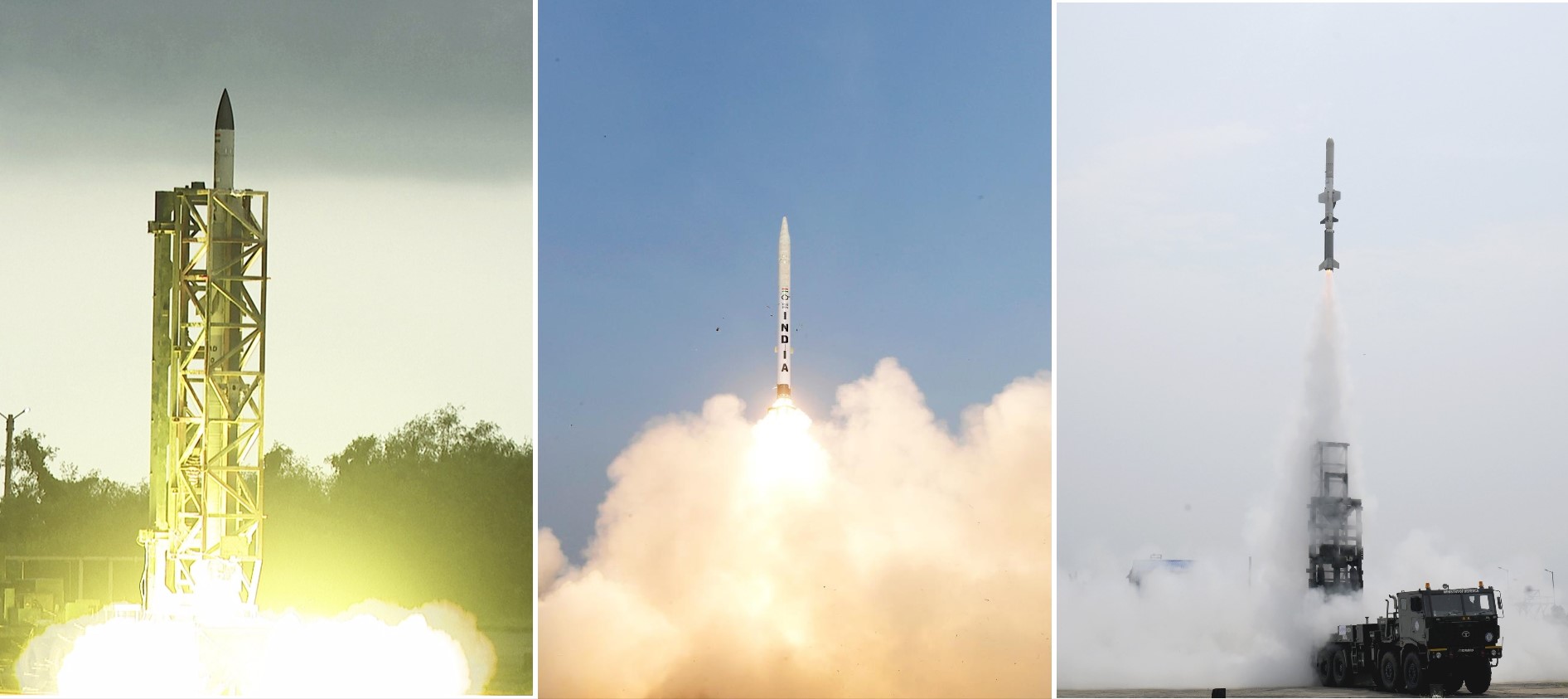 India Successfully Conducts AD-1, AD-2 Interceptor Tests and Maiden NASM-MR Flight Trial
-
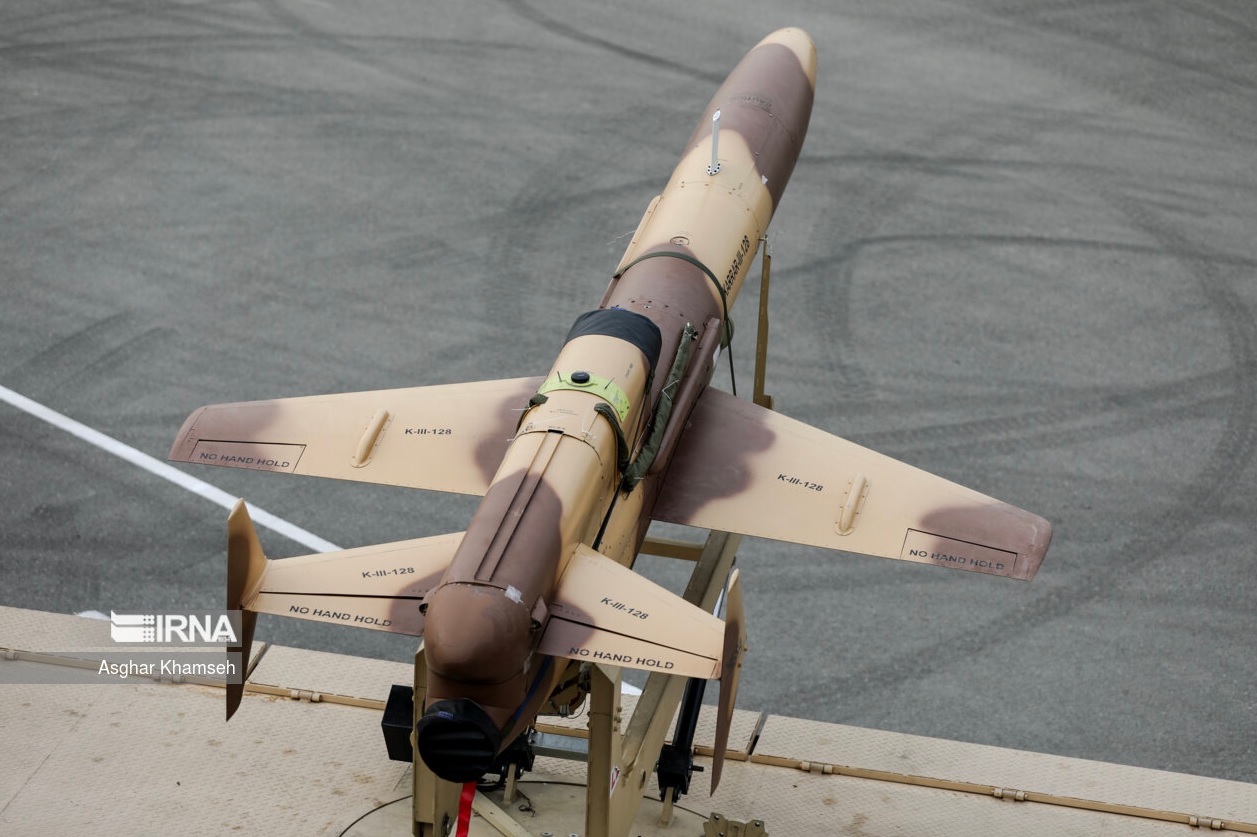 Russia Launches 1,400 Jet-Powered Drones in 2026 as Strike Tactics Evolve to Challenge Ukraine's Air Defenses
-
 U.S Navy Orders 50 Blackbeard Hypersonic Missiles in New $23.4 Million Contract
-
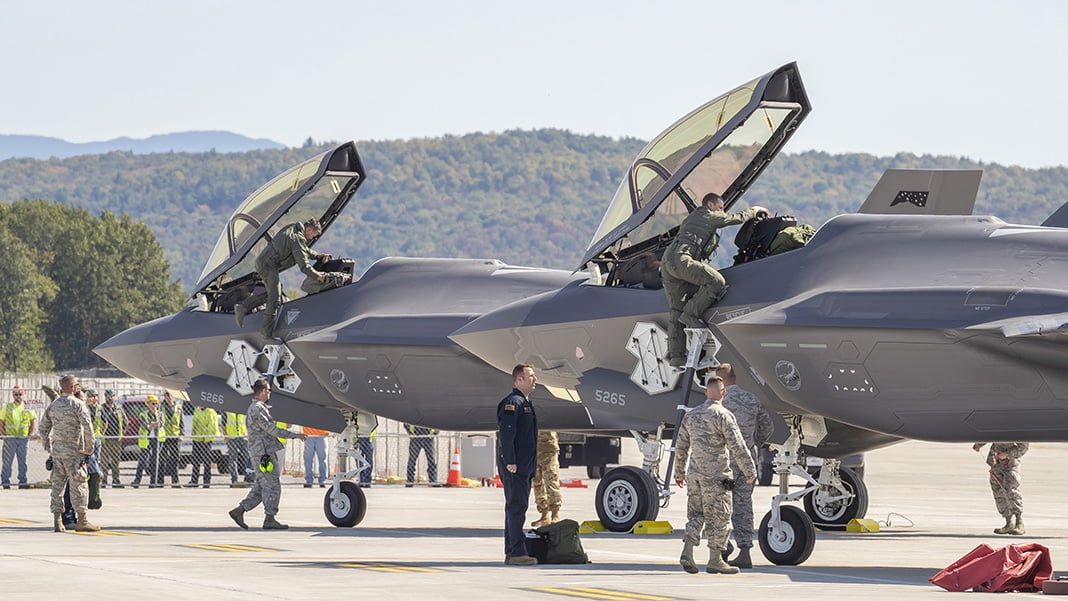 F-35 Fleet Readiness Falls to 25% Amid Parts Shortages and Software Delays: GAO Report
-
 UAE Denies Reports of Releasing Up to $20 Billion in Funds to Iran Amid Regional De-Escalation Efforts
-
 U.S. Approves $1.98 Billion Sale of Anduril AI-Powered Counter-Drone Systems to Kuwait
-
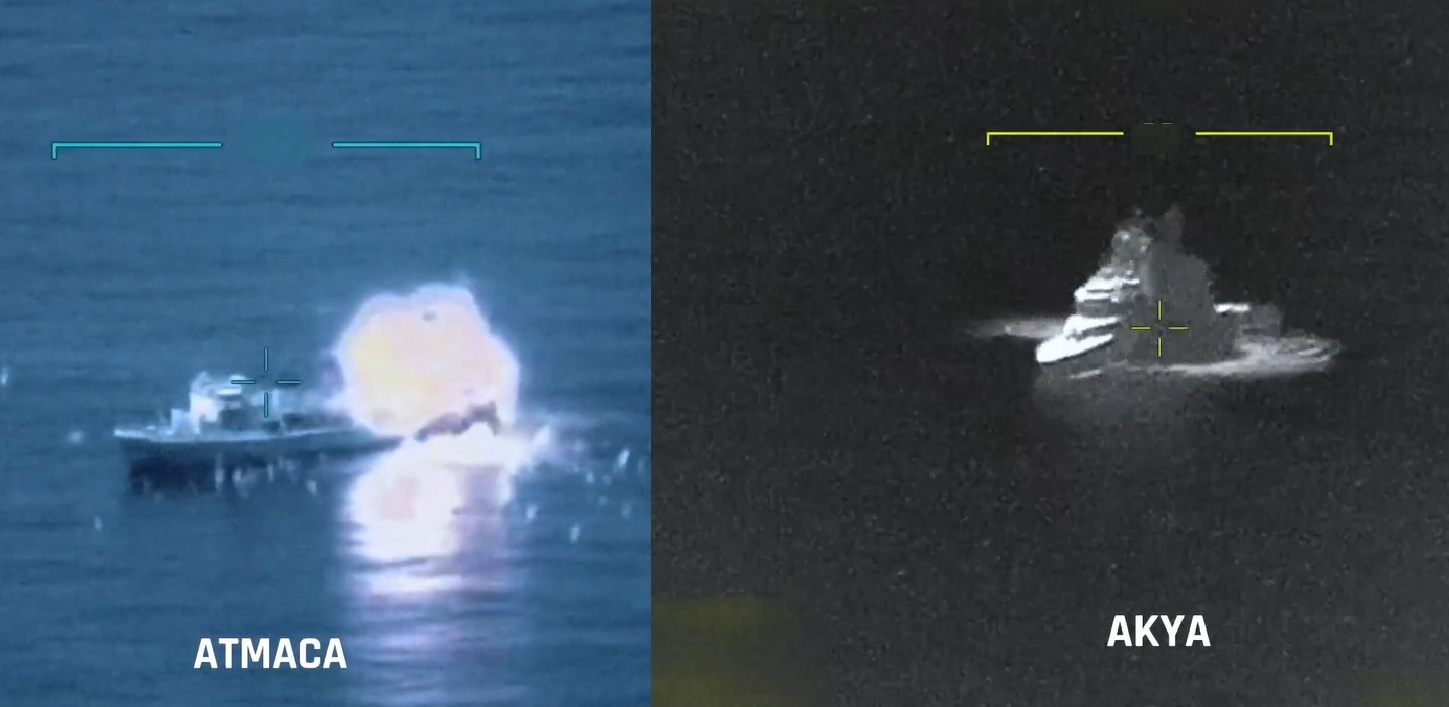 Turkey Navy Successfully Tests AKYA Torpedo and ATMACA Missile During Major Denizkurdu-II Naval Exercise
-
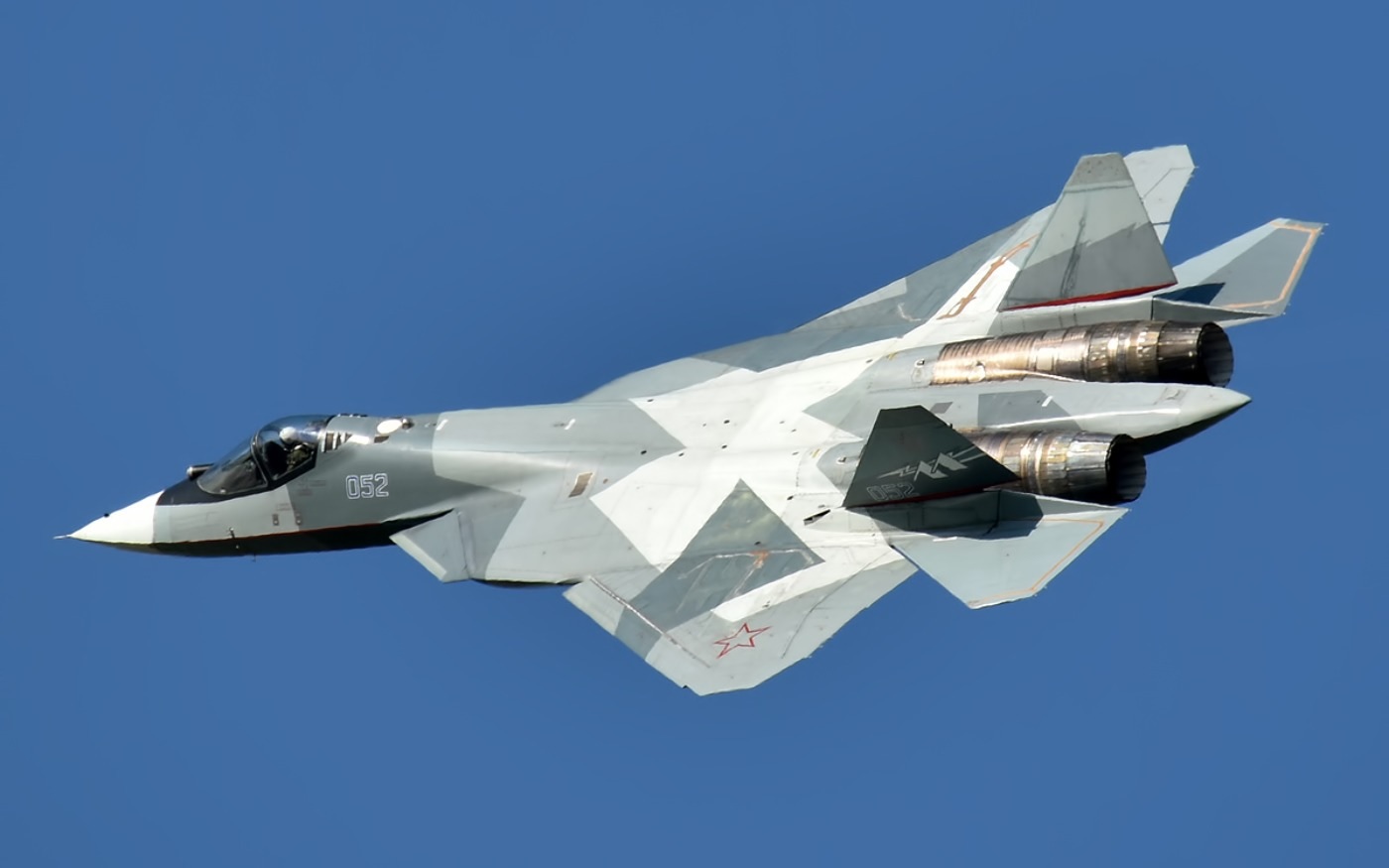 Russian Analysts Debate Su-57 Capabilities After Putin Calls Fighter Superior to F-35
Top Trending in 4 Days
-
 Boeing Introduces New MQ-28 Ghost Bat Upgrades with Increased Range, Payload and Weapons Capacity at ILA Berlin 2026
-
 US Plans Significant Reduction of Fighter Jets and Warships for NATO Operations in Europe
-
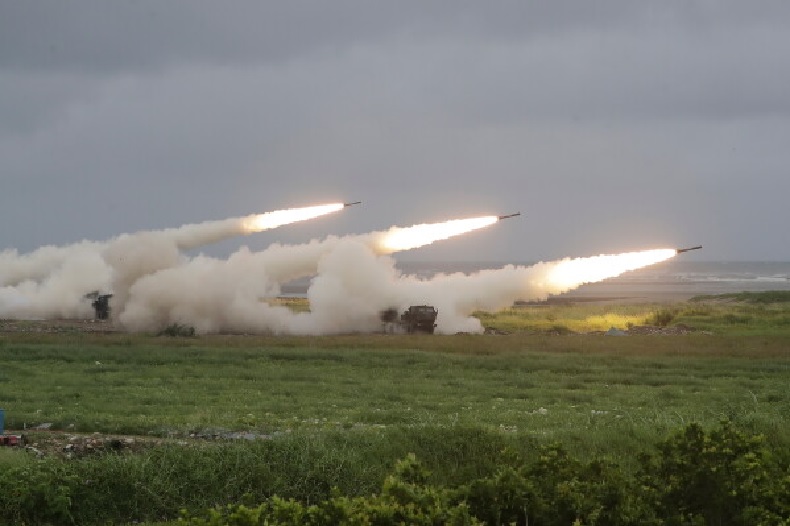 Taiwan Conducts First Live-Fire of HIMARS Rockets From West Coast During Invasion Defense Drill
-
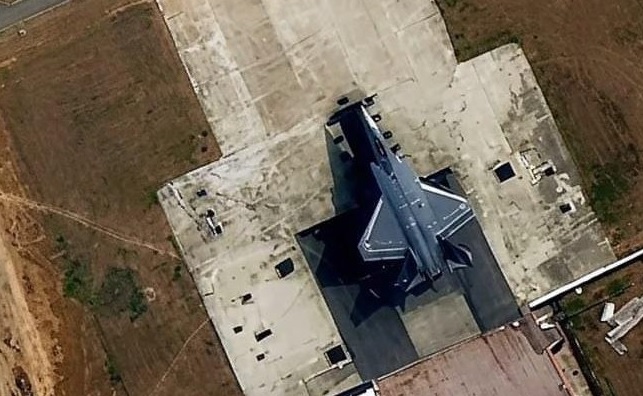 AMCA Airframe Spotted at DRDO’s ORANGE Facility for Radar Cross-Section Testing
-
 Iranian Media Leaks 14-Point U.S.-Iran Peace Framework Amid Ongoing Negotiations
-
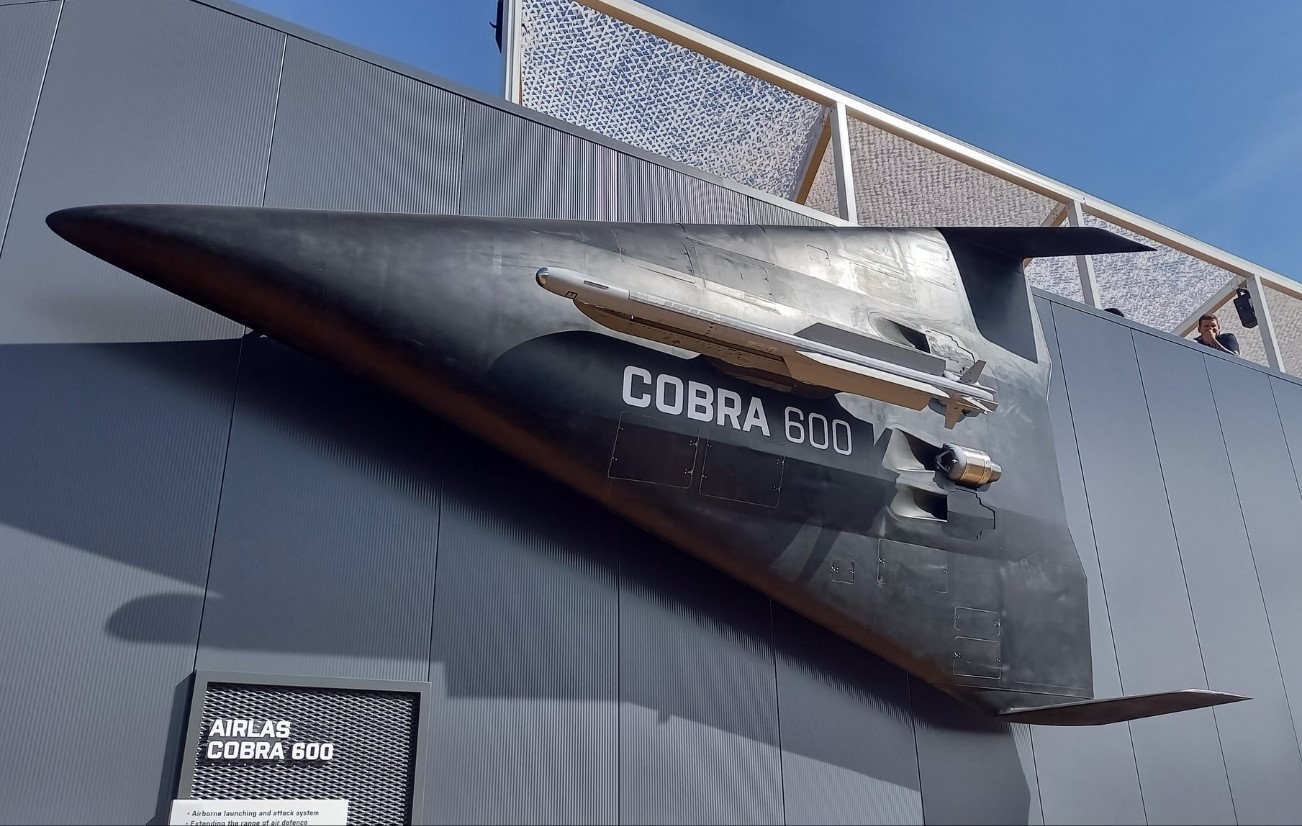 Diehl Defence Unveils IRIS-T Armed Cobra 600 Air Defense Drone at ILA Berlin 2026
-
 Russian Defense Firm ZALA Unveils KAMA Unmanned Surface Vessel Family at FLOT-2026 Naval Exhibition
-
 U.S Aircraft Carrier USS Theodore Roosevelt Departs San Diego for Major RIMPAC 2026 Naval Exercise