
World
In a significant leap toward the future of naval aviation, Shield AI, a California-based defense technology company, has partnered with the US Navy to demonstrate an artificial intelligence-enabled pilot system using the Kratos BQM-177A subsonic aerial target. This collaboration aims to enhance autonomous systems that could play a pivotal role in future unmanned operations.The BQM-177A, a subsonic aerial target designed primarily for the US Navy's anti-ship missile defense systems, was chosen for this trial due to its relatively low unit cost and flight hour expense. This made it an ideal candidate for rapid testing and development of Shield AI's proprietary software, "Hivemind." This AI-driven system is designed to control unmanned aerial vehicles (UAVs) with a high degree of autonomy, potentially reducing the need for human intervention in complex or dangerous scenarios.During the trial, data was collected from both simulation-based and real-world tests. The focus was on creating a "comprehensive and continuous feedback loop" that would help fine-tune the AI systems. This feedback loop is crucial in ensuring that the AI can make decisions that are not only accurate but also adaptable to changing conditions in real-time, a necessity for any operational deployment in future naval aviation.The BQM-177A itself is a versatile platform, capable of simulating various threats to naval forces. It can replicate anti-ship cruise missiles and other potential dangers, making it an invaluable tool for training and development. The recent test, facilitated under a contract awarded to Shield AI in March, was conducted in partnership with the US Navy's Strike Planning and Execution program (PMA-281) and Aerial Targets program (PMA-208). The success of this test lays the groundwork for further trials and developments.The trial's success is seen as a foundational step in integrating AI into naval aviation. Capt. Jerick Black, Program Manager for PMA-281, emphasized that this effort not only validates the current technology but also offers a scalable solution that could benefit the entire naval aviation community. The initiative ensures that the US Navy remains at the forefront of technological innovation, especially in developing autonomous systems that could redefine the future of warfare.Looking ahead, another technical demonstration is scheduled for late 2025, which is expected to further advance the AI piloting concept. This upcoming trial will likely build on the insights gained from the recent BQM-177A test, pushing the boundaries of what autonomous systems can achieve in a military context.Shield AI's work with the BQM-177A is part of a broader portfolio of autonomy projects with the US Department of Defense. The company recently demonstrated its Hivemind software on two Kratos MQM-178 Firejet aircraft, showcasing the system's ability to operate multiple UAVs autonomously. Additionally, Shield AI secured a $198.1 million contract to supply V-BAT vertical takeoff and landing systems to the US Coast Guard, highlighting the versatility and growing demand for their AI-driven solutions.In another significant development, Shield AI teamed up with the US Air Force to test the swarming capability of three V-BATs in a wildfire surveillance scenario, further demonstrating the potential of AI in managing complex tasks. The company also revealed a collaboration with Kratos to integrate their AI pilot with the XQ-58 Valkyrie, an unmanned aerial system designed for combat scenarios, intended for use by US and allied forces.These developments underscore the growing importance of AI in modern military operations. As Shield AI continues to refine its technology, the possibilities for AI-driven unmanned systems in naval and aerial warfare seem almost limitless. The recent tests with the BQM-177A are just the beginning of what could be a revolutionary shift in how the military approaches aerial combat and surveillance.
Read More → Posted on 2024-08-29 14:01:22
World
Ukraine's military has made significant strides in the ongoing conflict, with General Oleksandr Syrskyi, the head of Ukraine's army, announcing that Ukrainian forces have taken control of nearly 500 square miles (around 1,300 square kilometers) of Russia's Kursk region. The operation, which began three weeks ago, marks one of the most substantial cross-border incursions by Ukrainian forces since the start of the war. This unexpected advance has drawn global attention, intensifying concerns over regional stability and the broader risks of escalation.The Kursk operation is not just a strategic victory for Ukraine but a psychological one as well, forcing Russia to divert troops and resources from other critical fronts. According to Syrskyi, Ukraine’s success in this region is forcing Russia to thin its defenses elsewhere. “They are attempting to establish a ring of defense around our offensive forces and are preparing for counterattacks,” Syrskyi remarked. The Ukrainian general’s statements, which include the capture of 594 Russian soldiers, have yet to be independently verified but reflect the high stakes and fluid nature of this conflict.One of the most pressing concerns arising from the fighting in the Kursk region is its proximity to critical infrastructure, particularly the Kursk Nuclear Power Plant. International Atomic Energy Agency (IAEA) chief Rafael Grossi, who visited the plant recently, highlighted the growing risks. “There is now a genuine danger of a nuclear incident here,” Grossi stated, citing several drone attacks on the plant’s facilities. While Grossi emphasized that the plant is still operating "in a mode very close to normal," the potential for catastrophic consequences remains a concern as combat rages nearby.The Ukrainian offensive in Kursk has caused widespread disruption, with reports indicating that around 130,000 civilians have been evacuated from the region. Despite this, Ukrainian President Volodymyr Zelenskyy has denied that Russia is pulling significant forces from other vital battle zones, particularly the Donetsk region in eastern Ukraine. Instead, he claimed that Ukraine’s advance in Kursk is hampering Russian efforts to capture territory in the neighboring Sumy and Kharkiv regions, crucial areas that have seen intense fighting since the beginning of the war.Russia, however, disputes Ukraine's narrative. The Russian Defense Ministry claims that Ukrainian forces have suffered heavy casualties, with approximately 6,600 troops killed or wounded and more than 70 tanks destroyed. These figures remain unverified, but they illustrate the high cost of this latest phase of the conflict.Ukraine’s military successes come as the country endures a renewed wave of Russian missile and drone attacks. In the past two days alone, Russia has launched a barrage of strikes targeting energy infrastructure across Ukraine. Ukrainian officials reported that Monday’s attacks involved over 100 missiles and an equivalent number of drones. The strikes left several regions, including Kyiv, struggling with power outages and damaged energy facilities. Zelenskyy has condemned these attacks as "crimes against humanity" and has reiterated calls for Western allies to provide long-range weaponry capable of striking targets deep inside Russia.The international response has been swift, with President Joe Biden calling the Russian attacks "outrageous" and emphasizing that the U.S. is prioritizing air defense systems for Ukraine. In addition, efforts are underway to provide Ukraine with critical energy equipment to repair its infrastructure. Meanwhile, Russian officials maintain that their strikes are aimed at disabling military-industrial sites supporting Ukraine’s war effort.The conflict’s escalation into the Kursk region has raised the stakes for both sides, introducing new uncertainties in a war that continues to defy predictions. As the situation evolves, the world watches closely, with concerns that the battle over Kursk could have far-reaching consequences, both militarily and diplomatically.
Read More → Posted on 2024-08-27 15:45:12
World
In a groundbreaking demonstration, a Cessna 208B utility aircraft recently completed a 3,900-mile (6,276 kilometers) autonomous flight as part of a US Air Force experiment. The operation was a key element of the Agile Flag military exercise, allowing the aircraft to showcase an advanced autonomy system developed by Joby Aviation. This achievement not only marks a significant leap in unmanned aviation but also hints at a future where automated cargo delivery becomes a standard in military operations.The Cessna 208B, a single-engine aircraft widely known for its rugged design and versatility, embarked on this extensive journey across various military installations and public airports in California and Nevada. What made this mission truly remarkable was the aircraft's ability to autonomously taxi, take off, and land at nine different locations, including some it had never visited before. Despite the fully autonomous operation, a safety pilot was on board, monitoring the system, while the entire mission was supervised remotely using just a laptop and a satellite communication terminal small enough to fit into a backpack.This demonstration aligns with the US Air Force’s broader strategy of optimizing its cargo operations. By using autonomous aircraft like the Cessna 208B for smaller, less critical deliveries, the Air Force can reserve its larger cargo planes for missions that demand significant transport capacity, such as moving heavy parts or engines. As Col. Max Bremer from the US Air Force’s Air Mobility Command noted, this approach will enhance overall fleet efficiency, allowing key assets to be allocated more strategically.Joby Aviation’s autonomy system is at the core of this capability. Known for its expertise in electric vertical takeoff and landing (eVTOL) aircraft, Joby adapted its technology for conventional fixed-wing platforms like the Cessna 208B. The system’s ability to manage rapid and long-range cargo resupply was previously tested in January, when the same aircraft autonomously completed a 2,800-mile (4,506 kilometers) mission. This latest demonstration, however, expands both the range and complexity of operations, reinforcing the system’s potential in future military logistics.Maxime Gariel, who leads autonomy efforts at Joby Aviation, highlighted the significance of this milestone, stating, “This successful demonstration shows how our autonomous system can support rapid, long-range resupply missions. We’re excited to continue our partnership with the US Air Force as we refine the technology for even greater automation or full autonomy in diverse operational scenarios.”As the military increasingly looks toward unmanned systems for logistics and supply chain management, the success of the Cessna 208B demo signals a shift towards greater reliance on automation. While the focus currently remains on small-scale cargo operations, the broader implications of this technology could revolutionize how military and even commercial aviation manage transport and resupply in the years to come.
Read More → Posted on 2024-08-27 15:32:25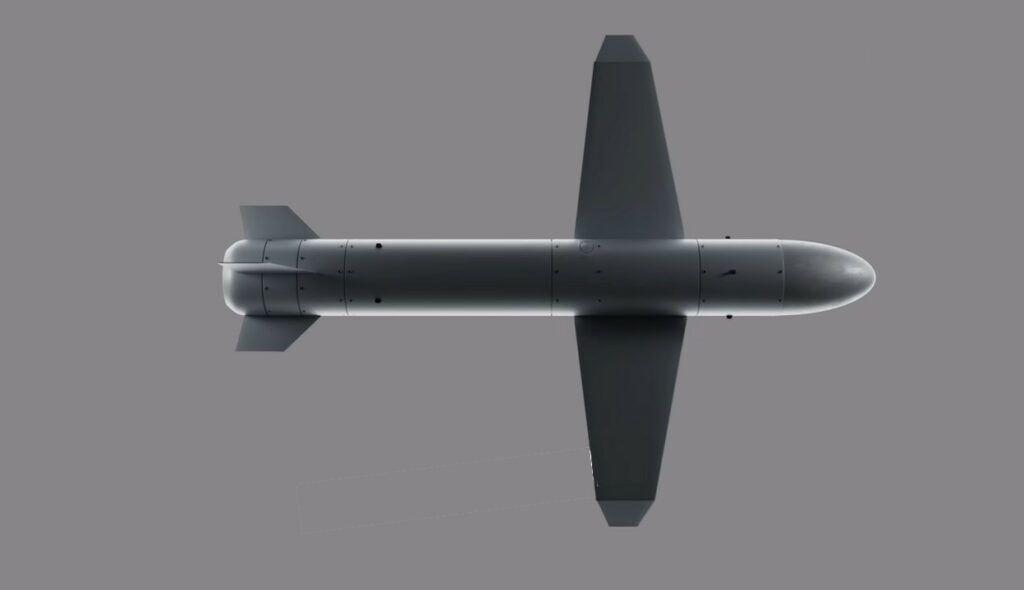
World
Ukraine has introduced a significant addition to its arsenal with the unveiling of the ‘Palianytsia’ rocket drone—a symbol of resistance and an innovation in long-range warfare. Named after a traditional Ukrainian bread, which also serves as a cultural emblem difficult for Russians to pronounce correctly, the drone has become both a tool of defense and a powerful statement of Ukrainian identity.Developed as a response to Russia's aerial superiority, the Palianytsia rocket drone is a fusion of drone and missile technologies. The Ukrainian military spent a year and a half perfecting this system, prioritizing an effective countermeasure that could bypass conventional air defense systems and strike targets deep inside Russian territory.The drone features a micro-turbojet engine that generates 43 kilograms (95 pounds) of thrust, enabling it to travel long distances with precision. Unlike traditional drones, the Palianytsia is equipped with a 20-kilogram (44-pound) blast fragmentation warhead, a payload capacity comparable to that of an AIM-120 AMRAAM missile. The warhead is designed to maximize damage on impact, making it ideal for targeting critical Russian military installations.In terms of design, the Palianytsia resembles a conventional rocket more than a drone, with a streamlined central body, forward-positioned wings, and a detachable tail section. This aerodynamic structure allows it to maintain stability and speed while flying autonomously to its target. The drone is launched from a ground platform, which adds flexibility in deployment across various terrains.One of the key features of the Palianytsia is its cost-effectiveness. In contrast to other advanced missile systems, this rocket drone is cheaper to produce and operate, allowing Ukraine to deploy it in larger numbers without the financial strain typically associated with high-end weaponry. This efficiency is crucial given the prolonged nature of the conflict and the need for sustainable defense strategies.The drone's first operational strike was announced by President Volodymyr Zelensky during his Independence Day speech on August 24, 2024. He revealed that the Palianytsia had successfully hit a Russian military facility in occupied territory, marking its combat debut. Although details of the strike remain limited, Zelensky emphasized that this new weapon class represents a critical shift in Ukraine's ability to retaliate against Russian aggression, particularly given the hesitance of some international allies to support strikes within Russian borders.Zelensky described the Palianytsia as “an absolutely new class of weapon” and a “new method of retaliating against the aggressor.” The development of this rocket drone underscores Ukraine’s determination to innovate under pressure and address the challenges posed by a technologically superior adversary. As Russia continues its offensive, the introduction of the Palianytsia signals a strategic evolution in how Ukraine plans to defend its sovereignty and push back against occupying forces.The symbolic importance of the name, combined with the advanced capabilities of the drone, highlights how Ukraine is blending cultural identity with technological advancements in its fight for survival. As the conflict continues, the Palianytsia could play a pivotal role in shaping the future of Ukrainian resistance and defense, demonstrating that even in the face of adversity, innovation and resilience can tip the scales in warfare.
Read More → Posted on 2024-08-27 15:25:46
World
North Korean leader Kim Jong Un recently supervised tests of the country’s latest development in unmanned aerial technology: "suicide drones." During a visit to the Drone Institute of North Korea’s Academy of Defence Sciences, Kim observed the drones in action, watching as they successfully targeted and destroyed mock enemy tanks and other targets. The tests demonstrated the drones’ capability to follow preset flight paths and accurately strike designated objectives.Kim Jong Un’s emphasis was on advancing the technology further, particularly in integrating artificial intelligence into these drones. His call for innovation highlights a push towards producing more sophisticated loitering munitions. These weapons, known as suicide drones, are designed to loiter over a battlefield until a target is detected, after which they dive and detonate on impact. Such technology has gained prominence in recent conflicts, notably in Ukraine and the Middle East.State media released photos showcasing at least four different types of North Korean suicide drones. Some of these drones were equipped with small rocket engines for launch, transitioning to propeller-driven flight once airborne. The images revealed various designs, hinting at advanced development and diversification of drone capabilities.The similarities between North Korean drones and those used by Russia and Iran, such as the ZALA Lancet and Iranian-designed Shahed, have drawn attention. South Korea’s Joint Chiefs of Staff have noted these similarities and suggested that further analysis is needed to determine the extent of any technological exchanges or improvements influenced by collaborations with Russia and Iran. North Korea's military ties with Russia and Iran are well-documented, with a history of arms cooperation. The recent unveiling of these drones marks the first public demonstration of such technology by Pyongyang. This development comes against a backdrop of heightened regional tension, including a recent incident where North Korean drones breached South Korean airspace.In response, South Korea is accelerating its defense measures. The country plans to deploy laser weapons capable of intercepting and destroying incoming drones, marking it as a pioneering move in anti-drone technology. Additionally, anti-aircraft systems are being installed on rooftops of high-rise buildings in Seoul to bolster defenses.As North Korea and the U.S. continue their military activities, including joint exercises focused on countering drone threats, the implications of these new drone capabilities are closely watched. The evolving situation underscores the increasing role of advanced unmanned systems in modern warfare.
Read More → Posted on 2024-08-26 16:01:51
World
In a significant escalation, Russian forces launched one of their largest coordinated assaults on Ukraine, bombarding cities across the country with more than 100 missiles and approximately 100 attack drones. Ukrainian President Volodymyr Zelensky described the attack in a video message, highlighting the scale of the onslaught. "It was one of the largest strikes—a combined one," Zelensky said, specifying that various types of missiles and Iranian-made Shahed drones were deployed in the early Monday morning attack.The assault, which struck multiple Ukrainian cities including Kyiv, Kharkiv, Odesa, and Vinnytsia, triggered air raid sirens nationwide just before dawn. Residents in the capital city of Kyiv woke up to explosions and subsequent power outages. Mayor Vitali Klitschko reported that several districts were left without electricity, while the right bank of the city experienced water supply issues. The attack also hit residential areas, including an apartment block in Lutsk, resulting in the death of one person, according to local authorities.The Ukrainian Air Force initially detected 11 Russian bomber aircraft in action, alongside numerous kamikaze drones targeting Ukrainian cities. Shortly afterward, another six bombers were reported in the air, launching waves of missiles. The Ukrainian defense systems responded, but the intensity and scale of the assault underscored the evolving nature of the conflict, with Russia increasing the tempo of such large-scale coordinated attacks.Cities far beyond the front lines, like Dnipro, Zaporizhzhia, and Kryvyi Rih, also experienced explosions, demonstrating the wide reach of Russia’s latest offensive. The mayor of Kharkiv, Ihor Terekhov, confirmed explosions in the city, further amplifying fears among civilians. In a separate incident, in the eastern Donetsk region, a hotel in Kramatorsk was struck overnight by a Russian missile, wounding two journalists and leaving a third missing. The journalists were identified as British, American, and Ukrainian nationals.On the other side of the border, the conflict’s reach has also expanded into Russian territory. In the Belgorod region, a Ukrainian strike killed five people and injured 13, including three minors, according to Regional Governor Vyacheslav Gladkov. The attack targeted the settlement of Rakitnoye, reflecting Kyiv’s intensified strategy of launching strikes inside Russian territory, a tactic that has become more frequent since Ukraine’s surprise ground offensive in Russia’s Kursk region two weeks ago.As Ukraine braces for further escalations, the ramifications of this major attack remain uncertain. Zelensky’s address hinted at a resolve to withstand these continuous waves of assault, as Ukraine continues to fight back against Russia’s multi-pronged strategy that blends missile strikes, drone swarms, and incursions into Ukrainian territory. While the situation remains fluid, the scale of this attack signals a significant development in the ongoing conflict, with broader implications for the region and the international community.
Read More → Posted on 2024-08-26 15:58:37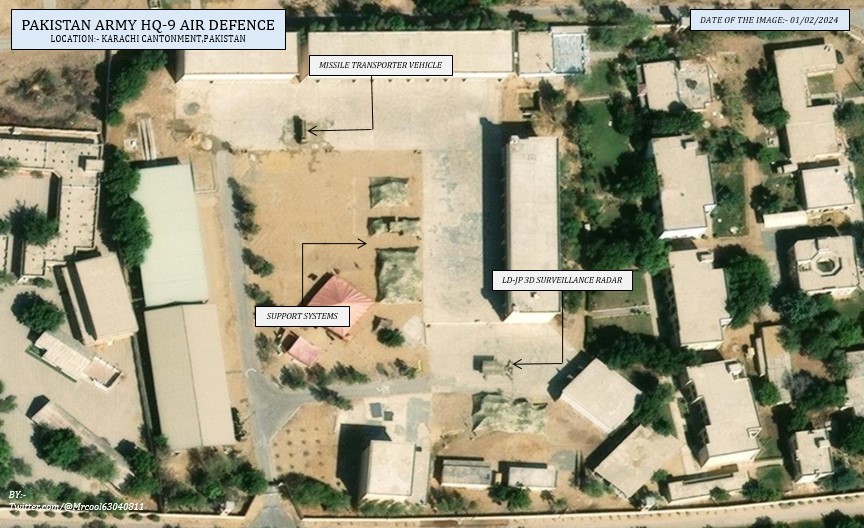
World
The Pakistan Army has strategically enhanced its air defense network by deploying the Chinese-made HQ-9 air defense system at the Karachi Cantonment. Recent satellite imagery has confirmed the presence of this advanced missile system, which signals a significant upgrade in Pakistan’s ability to protect key economic and military assets. Given Karachi’s status as a vital commercial hub and its proximity to the Arabian Sea, the move underscores Pakistan’s intention to secure its most critical infrastructure against evolving aerial threats.The HQ-9 is a versatile high-to-medium altitude air defense system, boasting a range of approximately 125 kilometers. It offers comprehensive protection by detecting, tracking, and intercepting aerial threats like enemy aircraft, cruise missiles, and other high-speed airborne targets. With its ability to engage multiple targets simultaneously, the HQ-9 adds a new layer of robustness to Pakistan’s defense posture. The deployment in Karachi is particularly significant, as it shields one of the country’s busiest cities, its seaports, and other strategic installations from potential air strikes or drone incursions.Inducted into the Pakistan Army in 2021, the HQ-9 system is part of Pakistan's broader strategy to counter regional challenges, especially given the shifting dynamics in South Asia. Its deployment at Karachi Cantonment reflects the country’s proactive stance on securing its airspace. The system's long-range engagement capability allows early detection and interception, minimizing the risk of damage to vital assets. In modern warfare, where the speed and accuracy of missile systems can dictate the outcome of conflicts, the HQ-9 gives Pakistan a decisive edge in defending its key territories.The HQ-9 is modeled after Russia’s S-300 system but incorporates Chinese innovations, making it a formidable platform with a highly automated command-and-control system. It can guide missiles toward targets at various altitudes, ensuring comprehensive air coverage. The deployment of this advanced air defense system at Karachi’s cantonment is more than just a defensive move; it also serves as a signal to regional adversaries that Pakistan is prepared to respond to any potential threats with advanced, reliable systems.Pakistan’s decision to position the HQ-9 at this critical location is indicative of its long-term defense objectives. As Karachi remains a focal point for economic activity and military operations, this move reinforces the importance of air superiority and protection in safeguarding national interests.
Read More → Posted on 2024-08-26 15:40:12
World
In recent months, the geopolitical landscape of South Asia has become a focal point of global attention. Bangladesh, often seen as a quiet player in international politics, has emerged as a strategic battleground for major powers, particularly the United States. A recent article by the U.S. Naval Institute sheds light on why Bangladesh is so critical to U.S. interests, especially amidst the rising influence of China in the Indo-Pacific.The Coup and the Alleged U.S. InvolvementThe political turmoil in Bangladesh, marked by Prime Minister Sheikh Hasina’s abrupt departure following a coup, has raised eyebrows globally. Hasina alleged that she was offered a hassle-free re-election if she allowed a foreign country to establish an airbase in Bangladesh. While she did not explicitly name the country, many speculated she was referring to the United States. This speculation gained traction when Hasina suggested that her refusal to sell St. Martin’s Island for military purposes led to her ouster. Despite Hasina’s claims, the U.S. has vehemently denied any involvement in her removal or the subsequent unrest.However, the underlying tension highlights a deeper narrative: the U.S.’s strategic interest in Bangladesh. Hasina’s government had strained relations with the U.S., particularly due to concerns over election fairness and governance. The U.S., as Bangladesh’s largest trading partner, had even imposed visa restrictions on several Bangladeshi officials, signaling its dissatisfaction with Hasina’s leadership.Why Bangladesh Matters to the U.S.Beyond the immediate political crisis, Bangladesh’s location and resources are of immense value to U.S. strategic goals in the Indo-Pacific. The U.S. Naval Institute’s article, authored by Bangladeshi scholars, reveals that Bangladesh’s geographic position at the top of the Bay of Bengal makes it a potential logistics hub for the U.S. Navy. With China expanding its footprint in the region through initiatives like the China-Myanmar Economic Corridor (CMEC) and its influence over key maritime routes like the Malacca Strait, the U.S. sees Bangladesh as a counterbalance.The article notes that the Bay of Bengal is vital to China’s economic lifeline. In any potential conflict, controlling or monitoring this region would provide the U.S. a strategic upper hand. Bangladesh’s proximity to key shipping lanes and its growing naval capabilities make it a desirable partner for the U.S. Navy.The Potential for U.S. Naval Bases in BangladeshThe U.S. currently lacks a strong naval presence in the Bay of Bengal. According to the U.S. Naval Institute article, Bangladesh’s naval bases could serve as critical logistics hubs and safe harbors for U.S. operations in the event of a conflict. One of the key areas of interest is the Matarbari deep-sea port in Cox’s Bazar, which is being developed with Japanese assistance. Japan, a close U.S. ally, could facilitate cooperation between Bangladesh and the U.S., enabling American forces to use this port for military purposes. Such a base would be crucial in monitoring and potentially blockading Chinese shipments that attempt to bypass the Malacca Strait.Additionally, the article argues that Bangladesh’s navy could be a valuable partner in enforcing the rules-based order that the U.S. champions in the Indo-Pacific. While Bangladesh has procured submarines from China, largely due to the lack of Western financing and technology, the article suggests that with proper support, Bangladesh could be persuaded to shift towards Western military platforms.Intelligence and Surveillance AdvantagesAnother significant point made in the article is Bangladesh’s potential role in enhancing U.S. intelligence, surveillance, and reconnaissance (ISR) capabilities in the region. With its strategic vantage points, Bangladesh could provide long-range ISR advantages, particularly over China’s activities in the Bay of Bengal and beyond.The recent political crisis in Bangladesh underscores the complex interplay between global powers vying for influence in South Asia. While the U.S. denies involvement in the coup against Hasina, the strategic importance of Bangladesh is undeniable. As the Indo-Pacific continues to be a critical theater for global competition, Bangladesh’s role in this evolving narrative is becoming increasingly crucial. For the U.S., securing a reliable partnership with Bangladesh could be a game-changer in its broader strategy to counter China’s influence in the region. The stakes are high, and the outcome of this geopolitical contest will have far-reaching implications for the balance of power in Asia.This evolving scenario highlights why Bangladesh is now firmly on Washington’s radar as a key ally, not just in regional stability, but in the larger Indo-Pacific strategy.
Read More → Posted on 2024-08-25 15:43:01
World
BAE Systems is taking a significant leap forward in the development of next-generation drones designed to redefine modern warfare. As global conflicts grow more sophisticated and contested environments become the new norm, the need for advanced autonomous systems has become more critical than ever. In this evolving landscape, BAE Systems’ latest innovations aim to bridge the gap between crewed and uncrewed operations, offering enhanced operational flexibility and bolstered combat mass.At the core of BAE Systems' efforts is the creation of Autonomous Collaborative Platforms (ACPs). These are uncrewed air systems (UAS) that are engineered to operate both independently and in tandem with manned platforms. The technology behind ACPs is rooted in goal-based autonomy, enabling these drones to adapt to dynamic scenarios, whether it be in surveillance or direct combat. This dual capability is crucial for modern militaries looking to optimize their resources while ensuring they can respond swiftly and decisively to threats.BAE Systems has segmented its UAS offerings into different tiers based on operational needs and affordability. Tier 1 focuses on “disposable” drones that can be deployed in high-risk environments without significant concern for losses. These are ideal for missions where expendability is key, such as decoy operations or saturating enemy defenses. On the other hand, Tier 2 introduces “attritable” assets that offer a balance between cost-effectiveness and capability. These systems are designed for repeated use, providing durability while still being replaceable when necessary.One of the standout aspects of BAE Systems’ approach is their emphasis on modularity and scalability. This design philosophy allows military forces to integrate these UAS into existing combat frameworks, ensuring seamless cooperation with both current and future crewed aircraft. The company envisions a future where these autonomous systems not only complement manned operations but also enhance decision-making speed and overall mission effectiveness.Driving this innovation is FalconWorks, BAE Systems’ dedicated R&D division within its Air sector. Collaborating with specialized partners like Prismatic Ltd and Malloy Aeronautics, FalconWorks is pushing the boundaries of autonomous technologies. These collaborations are also aligned with the UK Ministry of Defence’s Defence Drone Strategy, which outlines the importance of uncrewed systems in maintaining national security.BAE Systems’ new drone initiatives underscore their 30-year legacy of advancing autonomous capabilities. The focus is not just on creating drones that meet today’s needs but on envisioning how warfare will evolve in the coming decades. By investing in cutting-edge technologies, secure data management, and enhancing connectivity, BAE Systems is laying the groundwork for a battlespace where rapid decision-making and seamless integration are paramount.The development of these next-gen drones marks a strategic shift towards more agile, affordable, and scalable solutions for modern militaries. Whether providing critical surveillance, serving as force multipliers in combat, or being deployed for specialized missions, BAE Systems’ uncrewed air systems are set to play a crucial role in the future of warfare.
Read More → Posted on 2024-08-24 15:07:05
World
The Chinese Navy has embarked on a noteworthy technological leap with the installation of a laser-based direct energy weapon (DEW) on a Type 071 amphibious transport dock (LPD). This recent development marks a significant advancement in China's naval capabilities, although official statements or media coverage on the project are still pending.Recent images, first circulated on Chinese social media platforms, reveal the Type 071 Simingshan (hull number 986) undergoing a major modification. This amphibious transport dock, stationed at the new Chinese amphibious base in Shanghai, has been fitted with a laser turret. The turret is mounted on an extended raised platform at the forward superstructure of the ship, positioned behind the existing 76 mm H/PJ-26 main gun and ahead of the bridge.The laser weapon system, featuring a retractable protective cupola, resembles various international laser weapon programs. For instance, its design bears similarities to the US Navy's AN/SEQ-3 LaWS (Laser Weapon System), which was briefly installed on the USS Dewey in 2012. This resemblance extends to the AN/SEQ-4 ODIN Optical Dazzling Interdictor and the Northrop Grumman-developed LWSD (Laser Weapon System Demonstrator), which have been tested on various naval vessels including the USS Portland (LPD-27).China's foray into laser weapons is not entirely new, but it has largely been confined to ground-based systems and experimental projects. The Type 072III LST Haiyangshan, for instance, previously showcased a rail gun, highlighting China's interest in cutting-edge weaponry. However, the current installation on the Type 071 represents a dedicated effort towards integrating a hard-kill laser system.Details about the laser's power output or technical specifications remain scarce. Higher-powered laser weapons typically exceed 100 kW, but initial testing models may operate at lower power levels. The Type 071 LPD provides a suitable platform for such a system, given its ample space and weight capacity. The ship's design allows for relatively straightforward modifications to accommodate the laser weapon, and its power generation capabilities are adequate to support this advanced technology.Interestingly, the Type 071 LPD, unlike newer designs such as the Type 075 LHD, lacks missile-based self-defense systems. It relies primarily on the H/PJ-13 30 mm close-in weapon systems (CIWS) and heavy machine guns for defense. The integration of a high-powered laser could potentially fill the gap in close-range defense, offering enhanced protection against aerial and missile threats.This testing phase underscores China's approach to naval innovation, where significant advancements often remain under wraps until third-party sources bring them to light. As more information becomes available, the implications of this new laser system for China's naval strategy and capabilities will become clearer.
Read More → Posted on 2024-08-23 15:56:54
World
MSI Defense Solutions has made a significant advancement in defense technology with the delivery of the first 70mm-centric Counter-Uncrewed Aerial Systems (UAS) for the U.S. Army. This delivery includes six state-of-the-art EAGLS™ (Electronic Advanced Ground Launcher System) units, marking a crucial step in bolstering the Army's capabilities against evolving UAS threats.Awarded through the Rapid Acquisition Authority (RAA), the contract with the Naval Air Systems Command (NAVAIR) also encompasses engineering and maintenance support, underscoring the commitment to comprehensive operational readiness. This initiative aims to enhance the Army's defense against emerging and persistent UAS threats faced by forward-deployed forces.As UAS technology grows in complexity and prevalence, the need for more versatile and effective countermeasures has become paramount. The EAGLS Counter-UAS system is designed to meet these demands. It offers a flexible, cost-effective solution that can be deployed in various environments, whether mobile or stationary, and is compatible with multiple platforms.Nguyen Trinh, CEO of MSI Defense Solutions, expressed pride in the achievement, stating, “We are incredibly honored to receive this award for our EAGLS, as we know it will save lives and protect critical infrastructure. This recognition is a testament to the unwavering commitment and expertise of our team, who continuously strive for excellence in everything they do.”The EAGLS system stands out for its advanced technology and adaptability, making it a valuable asset in modern defense operations. As the U.S. Army integrates these systems, it enhances its ability to respond effectively to the growing UAS threat landscape.
Read More → Posted on 2024-08-23 15:49:38
World
In a significant development on the eastern front, Ukrainian forces have reported regaining control of territory in the Kharkiv region, an area that saw substantial Russian advances earlier this year. According to a statement from Ukraine’s 3rd Separate Assault Brigade, Ukrainian troops have recaptured nearly two square kilometers (around three-quarters of a square mile) of land that had been under Russian control.The timing and scale of this counteroffensive remain somewhat unclear, leaving the full impact on the battlefield uncertain. This move is part of a broader shift in momentum for Ukraine, which has recently made headlines with several strategic maneuvers. On August 6, Ukrainian forces launched a surprise offensive into Russia's Kursk region, marking an escalation in their approach. Additionally, a drone strike in Russia's Volgograd region caused significant damage to an airbase reportedly housing glide bombs used in the conflict.The Ukrainian counteroffensive in Kharkiv is coupled with a heightened drone war that has targeted Russian military and fuel facilities, leading to substantial fires deep within Russia. These actions come amid a renewed push by Kyiv to alter the dynamics of the war, which has seen a prolonged stalemate in several regions.This resurgence in Kharkiv is being closely watched for its potential implications. Ukrainian President Volodymyr Zelenskyy's meeting with Indian Prime Minister Narendra Modi, who has maintained a balanced stance between Russia and Ukraine, is particularly notable. Modi’s visit could influence diplomatic efforts aimed at peace negotiations.However, the Ukrainian incursions into Russian territory have highlighted both opportunities and risks. While they expose vulnerabilities within Russian defenses, they also stretch Ukrainian forces further along the extensive frontline. This expansion might impact Ukraine's ability to reinforce its defenses in other critical areas, such as Donetsk, where Russian advances have been more consistent.Overall, Ukraine's recent successes have invigorated national morale and shifted the strategic landscape, even as the conflict continues to evolve with new challenges and opportunities for both sides.
Read More → Posted on 2024-08-23 15:46:50
World
In a significant turn of events, Bangladesh’s interim government has officially revoked the diplomatic passport of former Prime Minister Sheikh Hasina, escalating the ongoing political tension between Dhaka and New Delhi. The decision, made on Thursday, has sparked concerns over Hasina’s future, as she currently resides in India after fleeing Bangladesh earlier this month.Sheikh Hasina, who led Bangladesh as prime minister until recently, was forced out of office following a massive student-led uprising on August 5. Facing intense political pressure and unrest, she sought refuge in India, where she has now spent over 18 days. However, the revocation of her diplomatic passport has thrown her future into uncertainty, with the possibility of extradition looming.Hasina’s situation is further complicated by the diplomatic implications of her stay in India. According to Indian visa rules, Bangladeshi citizens holding diplomatic passports are typically allowed to enter and remain in India without a visa for up to 45 days. With her diplomatic passport now canceled, Hasina’s visa-free status is in jeopardy, raising the prospect of legal actions, including potential extradition requests from Bangladesh.The former prime minister faces 51 charges back home, including 42 for murder, as well as accusations of corruption and abuse of power. The legal foundation for any extradition request lies in the bilateral treaty between Bangladesh and India, initially signed in 2013 and later amended in 2016. The treaty allows extradition unless the crime in question is considered “political” in nature. However, murder and certain other serious offenses are explicitly excluded from this political exemption. Despite this, the decision to extradite Hasina remains far from straightforward.Indian and Bangladeshi diplomatic circles are abuzz with speculation about how the situation will unfold. Former Indian diplomats with experience in Bangladesh have emphasized that any decision regarding Hasina’s extradition will ultimately be a political one, shaped by the broader strategic relationship between the two nations. An unnamed former Indian High Commissioner to Bangladesh noted that while legal frameworks exist, the larger question revolves around the economic and geopolitical ties between India and Bangladesh. For New Delhi, maintaining stability in its relationship with Dhaka, regardless of who is in power, is likely to be a key consideration.Professor Sreeradha Dutta, an expert in international affairs at India’s OP Jindal Global University, echoed these concerns, pointing out that the extradition process could become entangled in a lengthy judicial battle. She also questioned whether Bangladesh’s revocation of Hasina’s passport would hold any real significance for India. Given that Hasina is being pursued by a government hostile to her, her situation might be viewed as political persecution, which could influence India’s response. “India has a history of protecting its allies,” Professor Dutta remarked, hinting at the delicate balancing act New Delhi faces.The debate over Hasina’s status is not just a legal issue but also a diplomatic dilemma. An Indian diplomat who previously served in Dhaka highlighted that India must carefully navigate its relationship with the current Bangladeshi administration while also considering the long-standing ties with Sheikh Hasina, who has been a crucial ally in the past.For now, Hasina’s stay in India continues under a cloud of uncertainty. When asked about her status, Indian External Affairs Ministry Spokesperson Randhir Jaiswal confirmed that her entry into India was granted on short notice. He also noted that consular discussions regarding extradition and related matters are ongoing, with more updates expected in the coming days.As Bangladesh’s political landscape remains volatile, the revocation of Hasina’s passport signals a deepening rift in the country’s governance and leaves open the question of whether she will eventually face extradition or be granted asylum. For India, balancing this diplomatic tightrope will require a careful assessment of its strategic interests in the region.
Read More → Posted on 2024-08-23 15:44:02
World
The U.S. Army is making strides in modern warfare technology with the recent testing of a new robotic system specifically designed to combat chemical and biological threats on the battlefield. This advanced platform, known as the Autonomous Equipment Decontamination System (AEDS), represents a significant leap forward in ensuring the safety of military personnel while maintaining the operational readiness of their vehicles.Traditionally, decontaminating military vehicles exposed to hazardous substances has been a labor-intensive and dangerous process. Large teams of soldiers in full protective gear would meticulously clean each vehicle, a task that could take hours and expose them to severe risks. Even a small leak or exposure during this process could have dire consequences, potentially leading to contamination and serious health issues for those involved.The AEDS aims to revolutionize this process by removing the need for direct human involvement. Equipped with sophisticated sensors and a camera system, this robotic platform is capable of scanning the entire surface of a contaminated vehicle to identify areas that require decontamination. Once these hotspots are detected, the system relays the data to operators who can remain at a safe distance, far from the hazardous environment.One of the key features of the AEDS is its robotic manipulator arm, which is designed to precisely target and cleanse contaminated areas using a specialized spray. This arm can reach even the most challenging spots on a vehicle, ensuring a thorough decontamination process. The automation of this task not only reduces the risk to human life but also significantly speeds up the cleaning process, allowing vehicles to return to service more quickly.During a recent four-day trial, soldiers had the opportunity to familiarize themselves with the AEDS and provide valuable feedback to its developers. This hands-on experience was crucial for the system’s improvement, as soldiers identified areas where the technology could be enhanced. For instance, some operators suggested refining the robot's navigation capabilities to better handle the complex shapes and hard-to-reach surfaces found on military vehicles.Additionally, the trial highlighted the importance of a user-friendly interface. Soldiers recommended adding features such as a right-click functionality on the computer interface, which would provide more control during the decontamination process. They also proposed the inclusion of a manual override for the applicator arm, ensuring that any areas missed by the autonomous system could still be addressed.Specialist Yaleidi Escalera, one of the soldiers involved in the trial, emphasized the significance of this new technology: "This system takes us away from the threat completely, and its buttons and controls are easy to use. We are the ones who will be using it in the fight, so it feels good to be able to tell the technology developers exactly what we need now."The collaborative approach between the soldiers and the technology developers was a key aspect of this trial. For many soldiers, this was their first opportunity to engage directly with the people responsible for designing the equipment they use in the field. Sergeant First Class Joseph Bennett expressed his enthusiasm about this interaction: "We usually never get a chance to meet the people designing the instruments we’re using as soldiers. So getting to experience the brain behind the equipment was exciting. They’re coming to us and asking, ‘Is this what you really want,’ and we get to tell them what we think."The feedback gathered from this trial is set to play a crucial role in the ongoing development of the AEDS. As the U.S. Army continues to refine this groundbreaking technology, it is clear that the Autonomous Equipment Decontamination System has the potential to become a vital tool in safeguarding soldiers from the dangers of chemical and biological warfare, all while enhancing the efficiency of military operations.
Read More → Posted on 2024-08-23 15:39:43
World
Turkey’s Anka-III stealth drone, developed by Turkish Aerospace Industries (TAI), continues to make significant progress in its journey toward operational deployment. In a recent flight test, the drone achieved a key milestone by successfully retracting its landing gear mid-air, a feature crucial for optimizing stealth and aerodynamics during missions. This marks a notable advancement in the Anka-III's development, bringing it closer to full-rate production and eventual deployment.The Anka-III first took to the skies in December 2023, during a maiden flight that lasted an impressive one hour and ten minutes. Since then, the platform has undergone a series of rigorous tests to refine its performance and ensure it meets operational standards. Initially, the drone's landing gear remained exposed during flights, but this latest test demonstrates a pivotal upgrade as the gear now retracts, enhancing the drone’s stealth profile and reducing drag, both critical for high-stakes missions.A Leap in Technology and CapabilityThe Anka-III represents a significant leap in Turkey’s unmanned aerial vehicle (UAV) technology, integrating some of the most sophisticated systems available today. The twin-engine platform is equipped with advanced avionics and an autopilot system that enables it to operate in complex environments with high precision. Its electro-optical/infrared camera system, coupled with synthetic aperture radar, allows the drone to conduct surveillance and reconnaissance missions even in adverse weather conditions. This makes the Anka-III a versatile asset in both day and night operations, providing real-time intelligence and targeting data in difficult terrains and under challenging conditions.One of the standout features of the Anka-III is its stealth capability. Designed with reduced radar cross-section, the drone is engineered to be less detectable by enemy radar systems. This stealthy design, combined with retractable landing gear and low-drag aerodynamics, ensures that the Anka-III can approach and engage targets with minimal risk of detection. The platform is also capable of flying at higher altitudes and speeds compared to its predecessors, expanding its operational envelope.Combat-Ready and VersatileIn addition to its reconnaissance and intelligence-gathering roles, the Anka-III is designed to be a formidable combat platform. The drone can be armed with a variety of munitions, ranging from precision-guided bombs to laser-guided rockets, giving it the flexibility to engage different types of targets. This makes it suitable for a wide array of missions, including air-to-ground strikes, suppression of enemy air defenses, and close air support. Turkey’s defense industry has invested heavily in making the Anka-III a multipurpose tool that can operate independently or in coordination with manned aircraft. Its ability to carry out both ISR (intelligence, surveillance, and reconnaissance) and strike missions enhances Turkey’s strategic capabilities, especially in contested environments.Future OutlookWith each successful test, the Anka-III is inching closer to full-scale production and deployment. According to TAI’s statement, the drone is "counting the days" until it is ready to secure the country’s borders. As Turkey continues to advance its indigenous defense capabilities, the Anka-III stands out as a key asset that could redefine how the nation approaches modern warfare.The recent landing gear milestone is just one of many steps as the platform evolves. Once fully operational, the Anka-III will likely play a critical role in Turkey’s defense strategy, contributing to both domestic security and international operations.The Anka-III’s success reflects Turkey’s growing ambition to be a leader in UAV technology, rivaling some of the world’s most advanced drone programs. As it continues to undergo further enhancements and testing, the Anka-III is expected to be a game-changer for Turkey’s military capabilities.
Read More → Posted on 2024-08-23 15:31:27Search
Top Trending in 24 Hours
-
 India Successfully Conducts AD-1, AD-2 Interceptor Tests and Maiden NASM-MR Flight Trial
-
 Russia Launches 1,400 Jet-Powered Drones in 2026 as Strike Tactics Evolve to Challenge Ukraine's Air Defenses
-
 U.S Navy Orders 50 Blackbeard Hypersonic Missiles in New $23.4 Million Contract
-
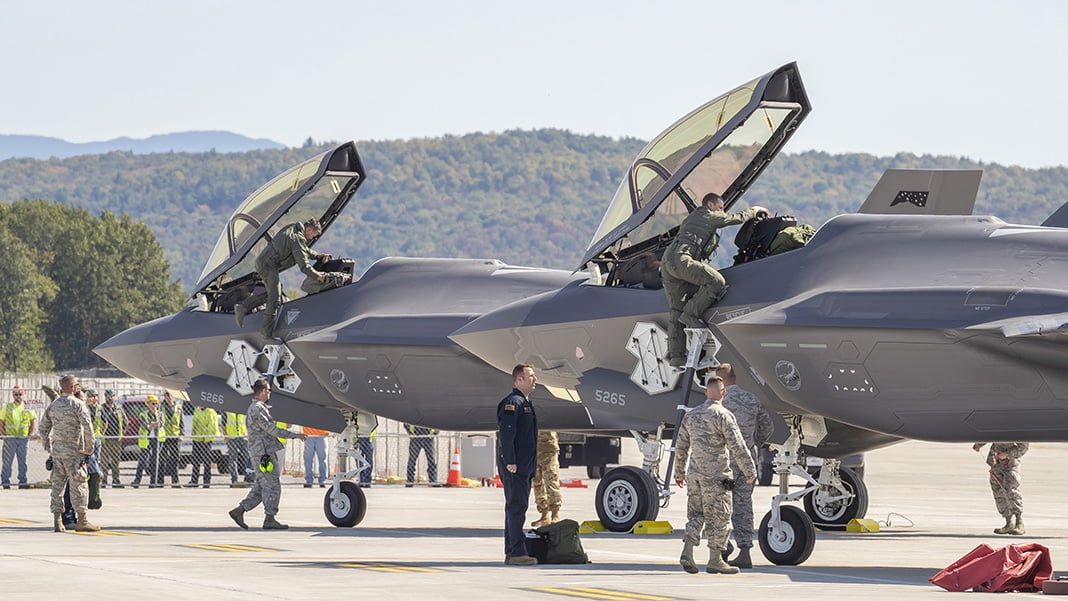 F-35 Fleet Readiness Falls to 25% Amid Parts Shortages and Software Delays: GAO Report
-
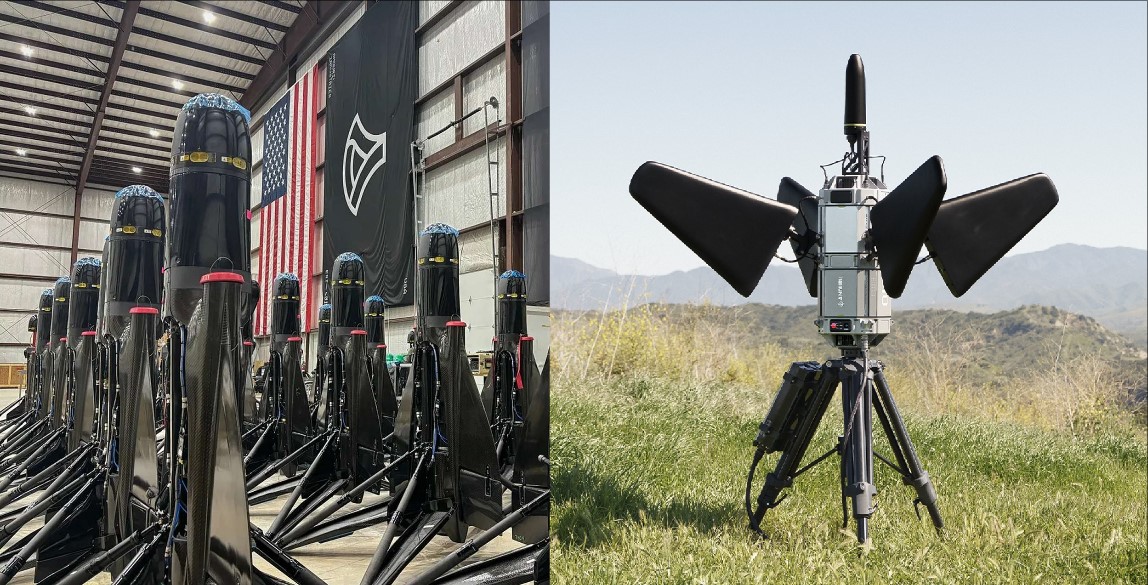 U.S. Approves $1.98 Billion Sale of Anduril AI-Powered Counter-Drone Systems to Kuwait
-
 UAE Denies Reports of Releasing Up to $20 Billion in Funds to Iran Amid Regional De-Escalation Efforts
-
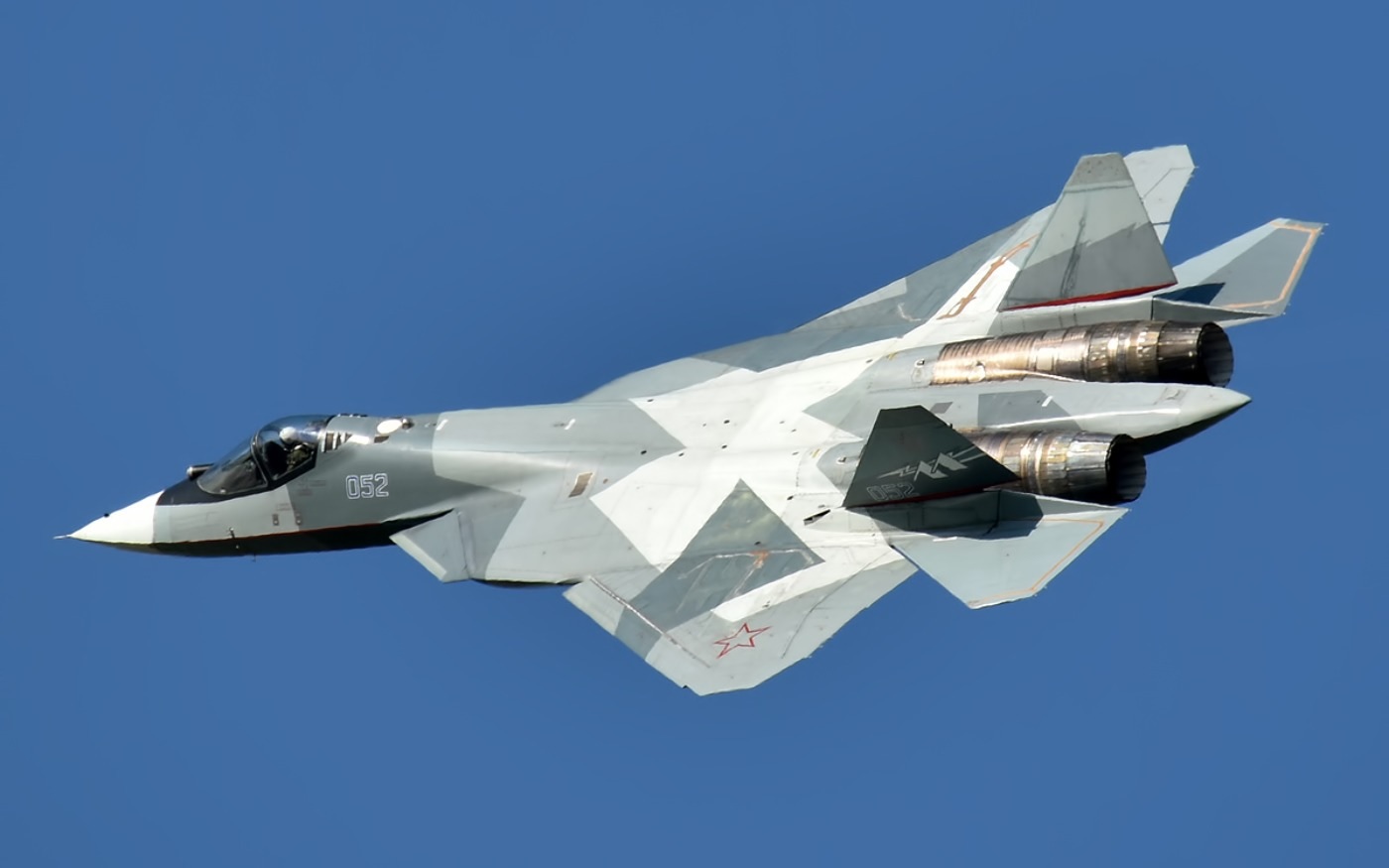 Russian Analysts Debate Su-57 Capabilities After Putin Calls Fighter Superior to F-35
-
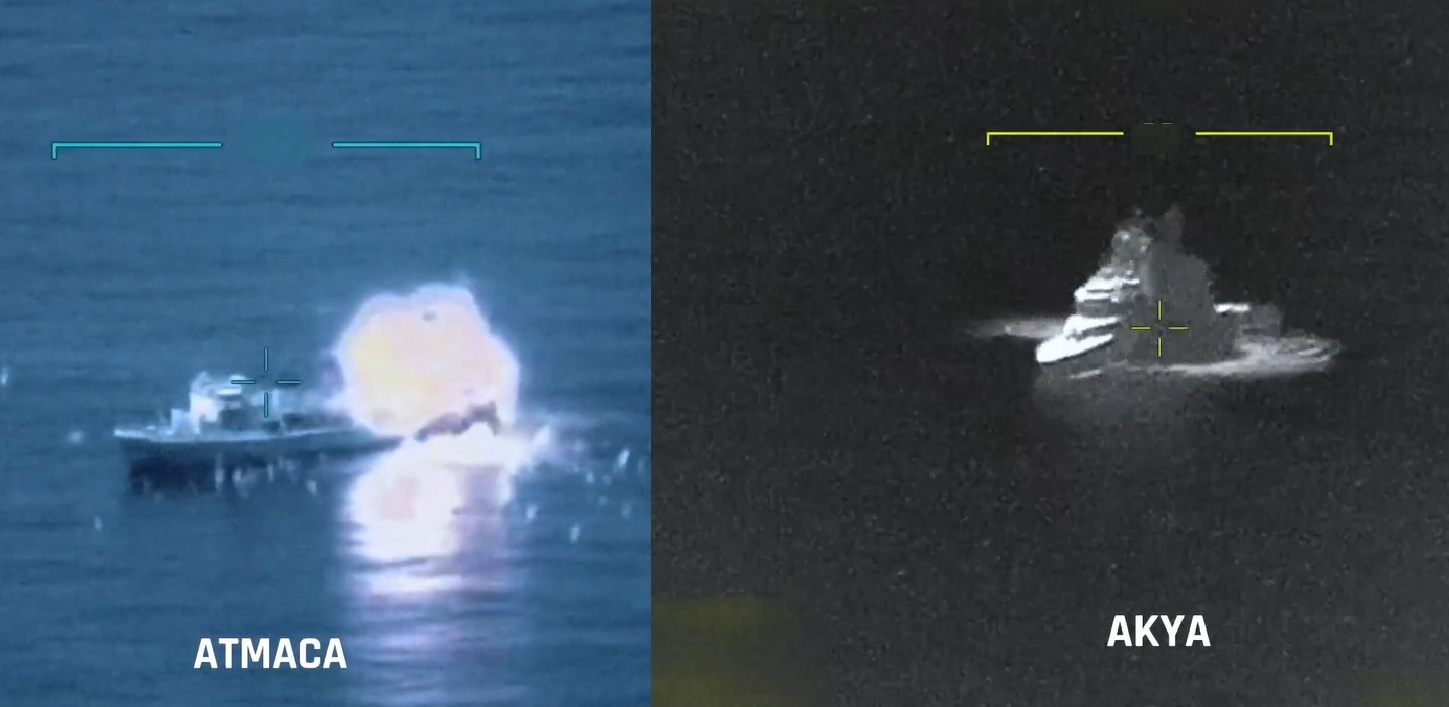 Turkey Navy Successfully Tests AKYA Torpedo and ATMACA Missile During Major Denizkurdu-II Naval Exercise
Top Trending in 4 Days
-
 Iranian Media Leaks 14-Point U.S.-Iran Peace Framework Amid Ongoing Negotiations
-
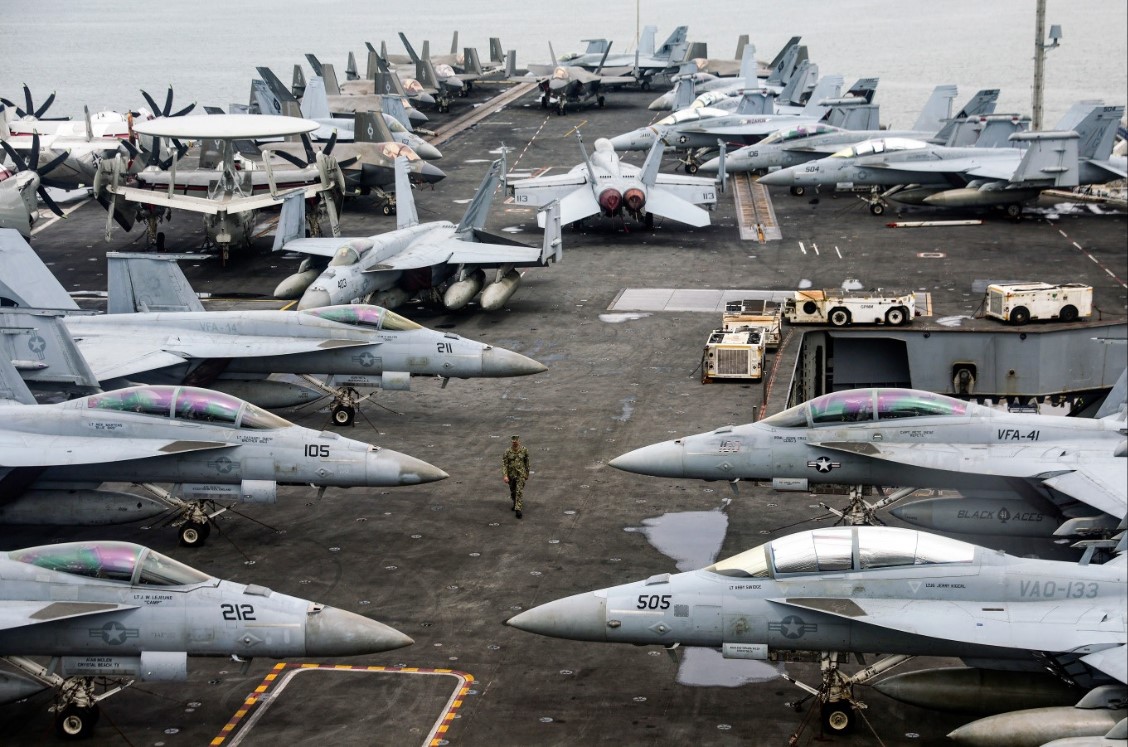 US Plans Significant Reduction of Fighter Jets and Warships for NATO Operations in Europe
-
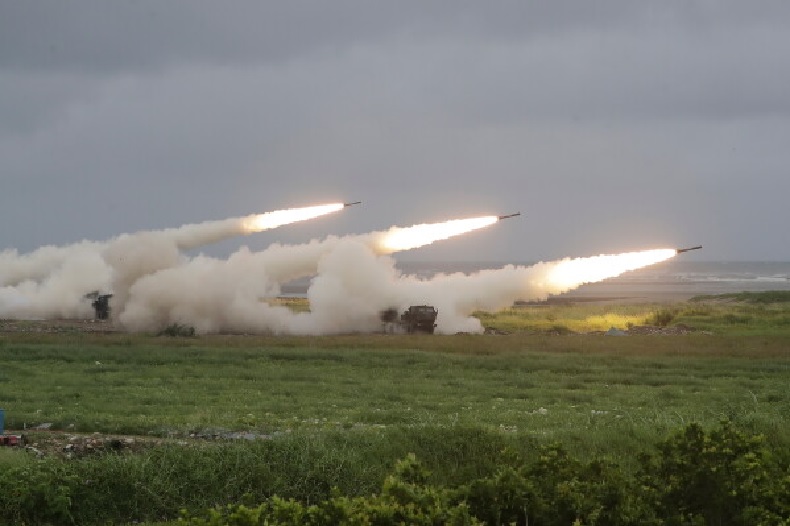 Taiwan Conducts First Live-Fire of HIMARS Rockets From West Coast During Invasion Defense Drill
-
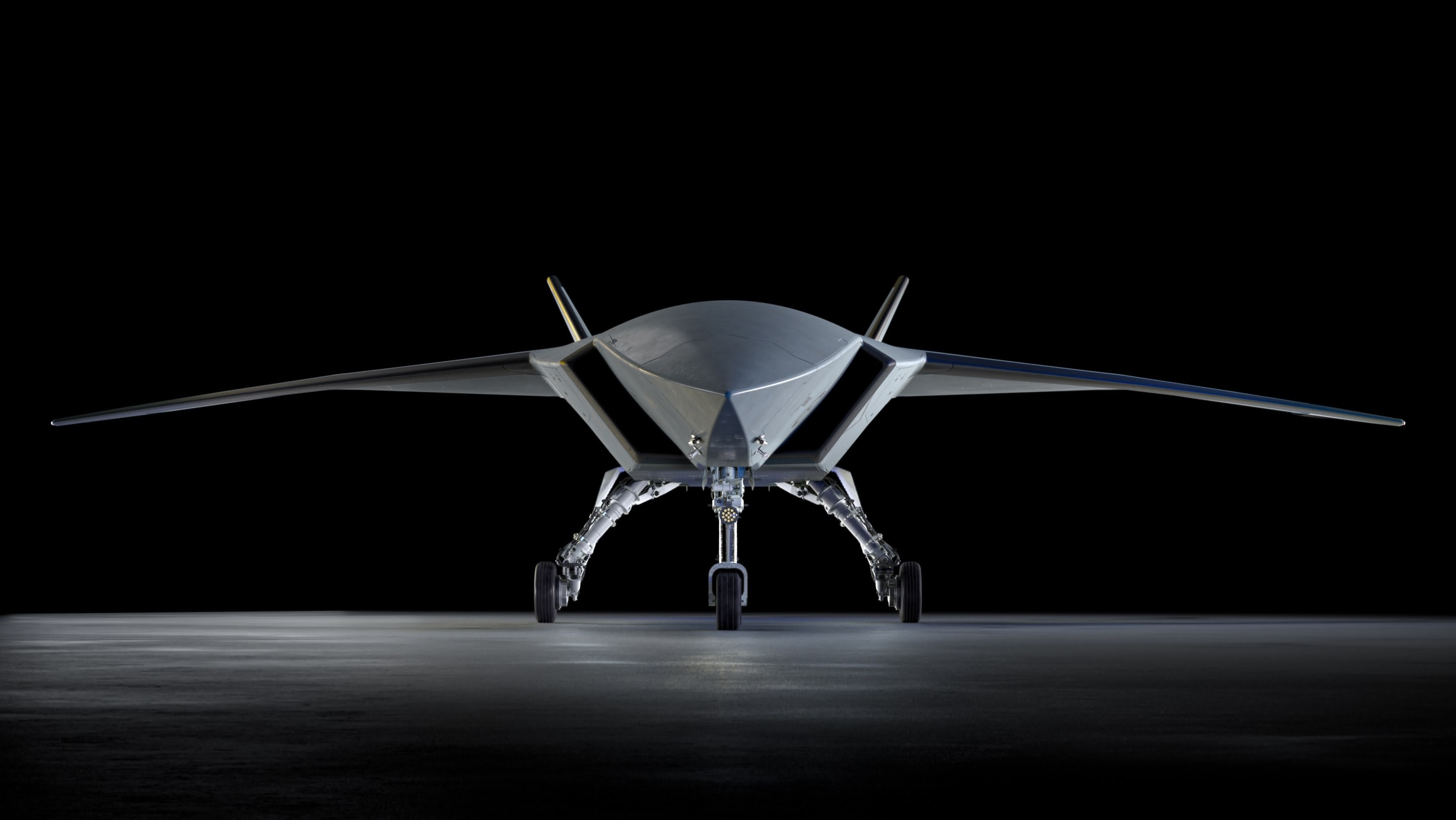 Boeing Introduces New MQ-28 Ghost Bat Upgrades with Increased Range, Payload and Weapons Capacity at ILA Berlin 2026
-
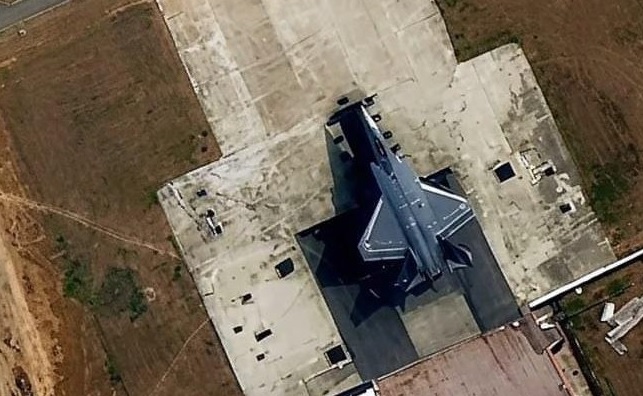 AMCA Airframe Spotted at DRDO’s ORANGE Facility for Radar Cross-Section Testing
-
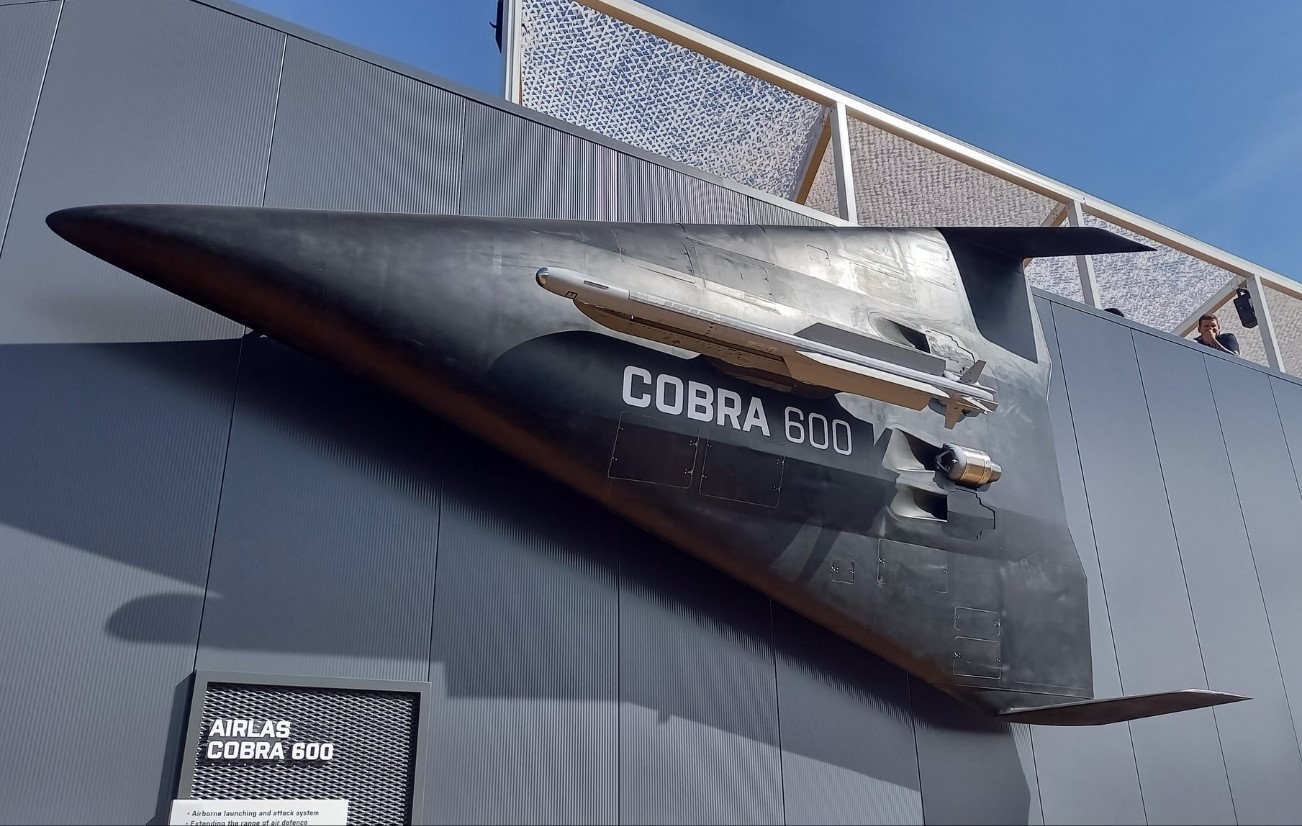 Diehl Defence Unveils IRIS-T Armed Cobra 600 Air Defense Drone at ILA Berlin 2026
-
 Russian Defense Firm ZALA Unveils KAMA Unmanned Surface Vessel Family at FLOT-2026 Naval Exhibition
-
 U.S Aircraft Carrier USS Theodore Roosevelt Departs San Diego for Major RIMPAC 2026 Naval Exercise