World
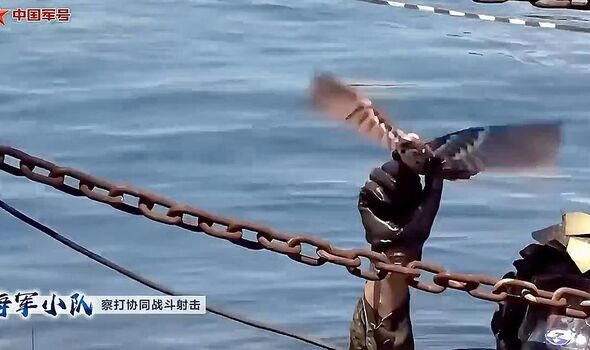
In a remarkable display of innovation, China has unveiled new military spy drones that mimic the appearance and behavior of birds. These biomimetic drones, designed to resemble small birds like the Eurasian tree sparrow, were showcased during the anniversary of the People’s Liberation Army (PLA), highlighting their potential in surveillance and reconnaissance missions.These drones, known as ornithopters, replicate the wing-flapping motion of birds, making them nearly indistinguishable from real birds at a distance. This design not only enhances their ability to blend into natural environments but also significantly reduces the chances of detection. Videos from the event showed a PLA Sea Commando releasing a sparrow-like drone from the water, which then flew around, flapping its wings just like a real bird. Another clip demonstrated a larger drone resembling a raven or hawk, further showcasing the variety of sizes and applications for these devices.While the specific technical details of these drones remain classified, general capabilities of ornithopters include carrying small, advanced sensors for effective surveillance. These sensors can provide real-time intelligence on enemy positions and movements. Additionally, the drones can be equipped with micro-warheads, making them capable of striking targets, particularly those hidden or in cover. However, due to their limited range and endurance, these drones are primarily suited for short-range reconnaissance missions.The introduction of these avian-inspired drones highlights China's ongoing commitment to advancing its military technology. The realistic design of these unmanned aerial vehicles (UAVs) offers extensive military potential by leveraging their ability to blend in with the environment, thereby reducing the likelihood of detection. The technology has already garnered attention internationally, with The Kyiv Post acknowledging the drone's potential, especially in conflict zones like Ukraine, where distinguishing them from real birds poses a significant challenge.China's exploration into biomimetic military assets is not entirely new. In 2021, the South China Morning Post showcased a "robo-fish," an underwater drone designed to mimic the movements of a real fish. This device demonstrated potential for underwater surveillance, further illustrating China's interest in developing innovative surveillance technologies that draw inspiration from nature.This development comes amid broader efforts to reform and enhance military research and development in China. The Defence Research and Development Organisation (DRDO) of India, for example, has been suggested to undergo certain reforms to overhaul its functioning. A committee headed by Dr. Vijaya Raghavan recommended these reforms, which include enhancing research staff capacity and increasing budget allocations for various research projects.The advancements in China's military drone technology reflect a significant leap forward in surveillance capabilities. The use of biomimetic designs demonstrates a sophisticated approach to military innovation, blending advanced technology with natural camouflage to create effective and covert surveillance tools. As these technologies continue to evolve, they are likely to play an increasingly crucial role in modern warfare and intelligence operations.
Read More → Posted on 2024-08-07 14:30:22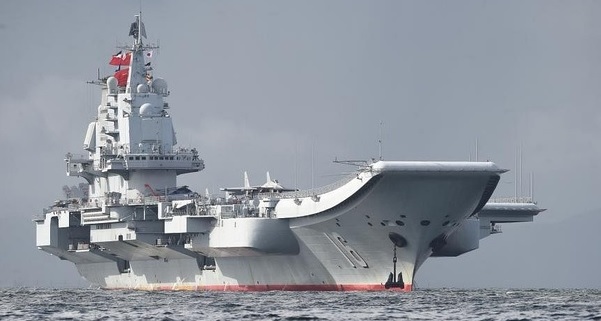
World
China's naval power is rapidly expanding, setting ambitious goals that could soon challenge the United States' dominance on the seas. The People’s Liberation Army Navy (PLAN) is building vessels at an astonishing rate, far outpacing any other nation. While the sheer number of ships does not necessarily equate to naval superiority, it does signal China's growing maritime capabilities and strategic ambitions.Thomas Shugart, Adjunct Senior Fellow for the Defense Program at the Center for a New American Security, highlighted the scale of China’s shipbuilding efforts. Using satellite imagery, Shugart revealed that China is constructing nuclear-powered submarines at Huludao and advanced destroyers at Dalian Shipyard. This impressive production line also includes corvettes, frigates, and potentially a new aircraft carrier at Shanghai's Jiangmen Shipyard.Shugart expressed concerns about China's approach, noting that while the country aims to defend its regional waters and secure its position in the Pacific, it does so in a coercive manner that could drive conflict with other nations. Beijing’s strategy involves using its naval power to assert control over contested waters and intimidate neighboring countries, leading to increased tensions in the region.Emma Salisbury, a Seapower Research Fellow at the Council on Geostrategy in the UK, underscored the significance of China’s naval buildup. She described the PLAN as "arguably the second most-capable blue-water navy, after that of the United States," and noted China's goal to transform its military into a world-class force by 2049. This ambition involves gaining control over critical areas within the First Island Chain, which includes Taiwan, the Senkaku Islands, and the Spratly Islands.China’s maritime strategy extends beyond the PLAN. The China Coast Guard, the largest maritime law enforcement fleet globally, and the maritime militia play crucial roles in regional disputes. These forces, often interwoven with civilian vessels, enhance China’s ability to project power and influence in contested waters.The dual-use nature of China’s shipyards, where civilian and military vessels are constructed side by side, provides a strategic advantage. Western companies, indirectly funding these shipyards, contribute to China’s shipbuilding efficiency. This integrated approach enables China to swiftly switch production from civilian to military vessels, bolstering its naval capabilities.China's expanding naval power poses challenges for the United States and its allies. While the US Navy (USN) remains the most powerful in the world, China's rapid shipbuilding and modernization efforts are closing the gap. Shugart suggested that the US might need to consider building naval hulls in allied countries like Japan or South Korea if it cannot enhance its shipbuilding capacity.China's lack of traditional allies contrasts with the extensive network of partners supporting the USN. Countries like Japan and South Korea provide critical bases and logistical support, while NATO navies can help free up American ships for the Indo-Pacific region. However, China is developing strategic relationships, as evidenced by its presence at the Ream Naval Base in Cambodia.Submarines are a key area of focus for China. While there are qualitative differences between Chinese and American submarines, the future Type 095 class could narrow this gap. Shugart highlighted the strategic use of submarines, noting that China might use them to blockade Taiwan, target American aircraft carriers, or launch cruise missiles against Guam and Hawaii.China’s involvement in anti-piracy operations in the Gulf of Aden is not purely altruistic. These missions serve as a training ground for blue-water operations, providing Chinese officers with valuable experience and testing logistical lines. However, China’s promises to protect international shipping have been questioned, particularly in light of recent Houthi attacks in the Red Sea.As China continues to expand its naval capabilities, the world watches closely. The PLAN’s growth reflects broader geopolitical shifts and raises critical questions about the future balance of power on the seas. Whether this naval buildup leads to increased cooperation or heightened conflict remains to be seen.
Read More → Posted on 2024-08-06 16:44:34
World
BAE Systems has secured a significant $48 million contract from the Air Force Research Laboratory (AFRL) to advance the Insight system, a cutting-edge Intelligence, Surveillance, and Reconnaissance (ISR) exploitation and resource management platform. This contract is aimed at addressing current gaps in military intelligence analysis by leveraging advanced technologies such as predictive analytics, machine learning, and automation.The Insight system stands out due to its multi-intelligence signal processing, domain analysis multi-level fusion, and sophisticated predictive analytics. These features are crucial for modern military operations, where real-time data and precise intelligence are paramount. One of the pivotal aspects of this contract involves the integration of Insight with airborne applications, notably the Resolute Sentry. This integration aims to provide real-time multi-domain battlespace awareness, particularly in highly contested environments.Meg Redlin, the product line director for Mission Systems at BAE Systems, emphasized the importance of this award. "This latest Insight award demonstrates the confidence the government has in BAE Systems’ ability to deliver complex solutions to tough operational and intelligence challenges," she stated. Redlin also highlighted the collaboration with BAE Systems’ FAST Labs research and development organization, which plays a critical role in developing and transitioning new technologies.The project will see the maturation of Insight system components to meet operational requirements through various enhancements. This includes the integration with both developmental and operational systems and conducting demonstrations to explore transition opportunities. The work will primarily take place in San Diego, with distributed engineering teams across the United States contributing to the effort.A significant portion of the contract will focus on developing techniques for generating threat course of action scores from multiple sensors, domains, and information types. This involves extensive modeling, simulation, algorithm development, assessment, and demonstrations. The aim is to create a robust system capable of delivering actionable intelligence in real-time.BAE Systems’ work on the Insight Integration program builds upon previous contracts and efforts. The technology at the core of Insight was initially developed by FAST Labs™, BAE Systems’ innovative research and development division. This new contract represents a continuation and expansion of these efforts, promising to deliver enhanced intelligence capabilities to support the U.S. military.In a world where rapid and accurate intelligence can make the difference between success and failure, BAE Systems’ work on the Insight system is set to provide a significant boost to military intelligence analysis capabilities. This advancement is not only a testament to the company's expertise but also a crucial step in ensuring that the military can meet the complex challenges of modern warfare.
Read More → Posted on 2024-08-06 16:34:43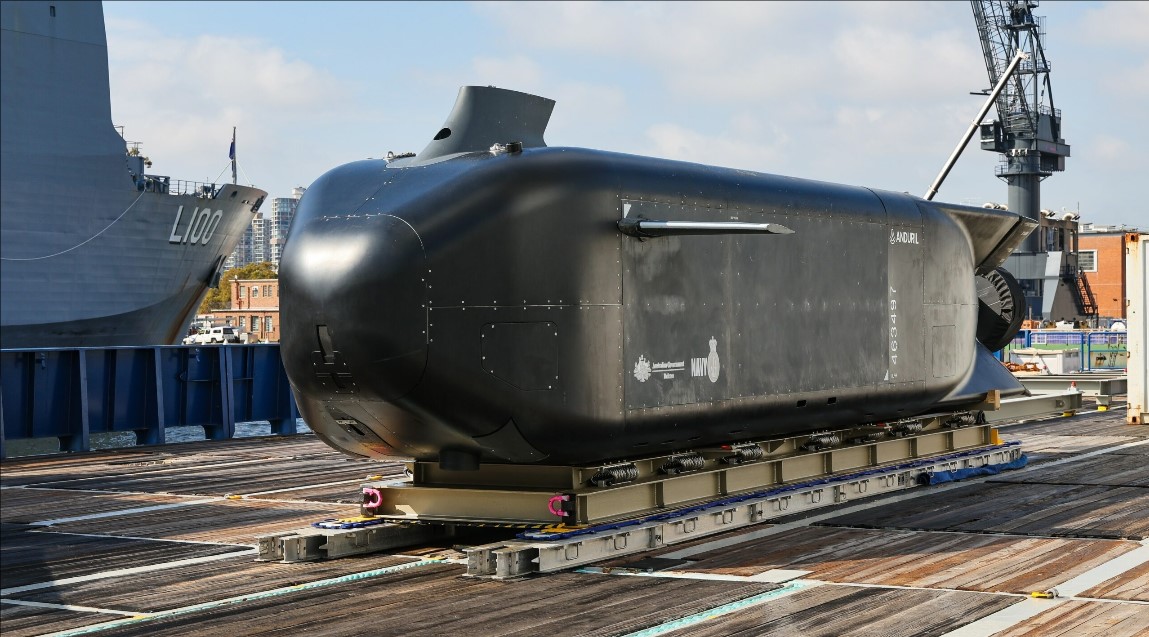
World
In a significant step forward for Australia's naval capabilities, Canberra has partnered with Anduril Industries to co-fund the early production of the Ghost Shark autonomous submarine. This collaboration aims to expedite the development and deployment of these cutting-edge vessels, which promise to enhance the Royal Australian Navy's operational range and effectiveness in undersea missions.The agreement, which infuses 40.2 million Australian dollars ($26 million) from both the government and Anduril, is designed to transition the Ghost Shark from prototype to production. This financial boost is not just about creating a new class of submarines; it's about establishing the necessary local manufacturing infrastructure to support this ambitious project. By the end of 2025, the first production variant of the Ghost Shark is expected to roll out from this facility, which will also be equipped to produce additional configurations for international military and commercial clients.This initiative is part of a broader strategy to strengthen Australia's defense industry. The Australian Department of Defence highlighted in its press release that this new agreement increases the government’s total investment in the Ghost Shark project to 90.1 million AUD ($58.4 million). This substantial funding reflects a commitment to developing sovereign capabilities and enhancing the nation's defense posture.The Ghost Shark project is a clear example of how the Albanese Government is fostering partnerships with industry to accelerate the delivery of sophisticated defense technologies. According to Australian Defence Industry Minister Pat Conroy, "The Ghost Shark early works contract provides a clear example of how the Albanese Government is working with Australian industry to accelerate the delivery of cutting-edge sovereign capability." This approach incentivizes industry to make significant capital investments, scales industrial capacity, and injects more investment and jobs into the Australian economy.The Ghost Shark initiative aims to deliver long-range, autonomous undersea vehicles capable of intelligence, surveillance, reconnaissance, and strike missions. Although specific details about the system's capabilities remain under wraps, it is known that the design will feature an extra-large autonomous undersea vehicle (XL-AUV). This aligns with modern military trends focusing on unmanned systems that offer flexibility and reduced risk for personnel.Anduril Industries has been at the forefront of this innovative program since May 2022, when they were awarded the contract to develop three initial prototypes. Just seven months later, the early prototype model was unveiled for evaluation. By April 2024, Anduril launched the first prototype unit, marking a significant milestone in the project’s timeline.This rapid development underscores the potential of the Ghost Shark program to revolutionize undersea warfare and surveillance. With the establishment of the local manufacturing facility, Australia is poised to become a leader in autonomous submarine technology, capable of meeting both national and international demands.In summary, the co-funding agreement between Australia and Anduril Industries to expedite the Ghost Shark submarine drone production is a strategic move to bolster the country's defense capabilities. It exemplifies how government-industry collaboration can drive technological advancements and economic growth, positioning Australia at the cutting edge of autonomous undersea vehicle development.
Read More → Posted on 2024-08-06 16:27:34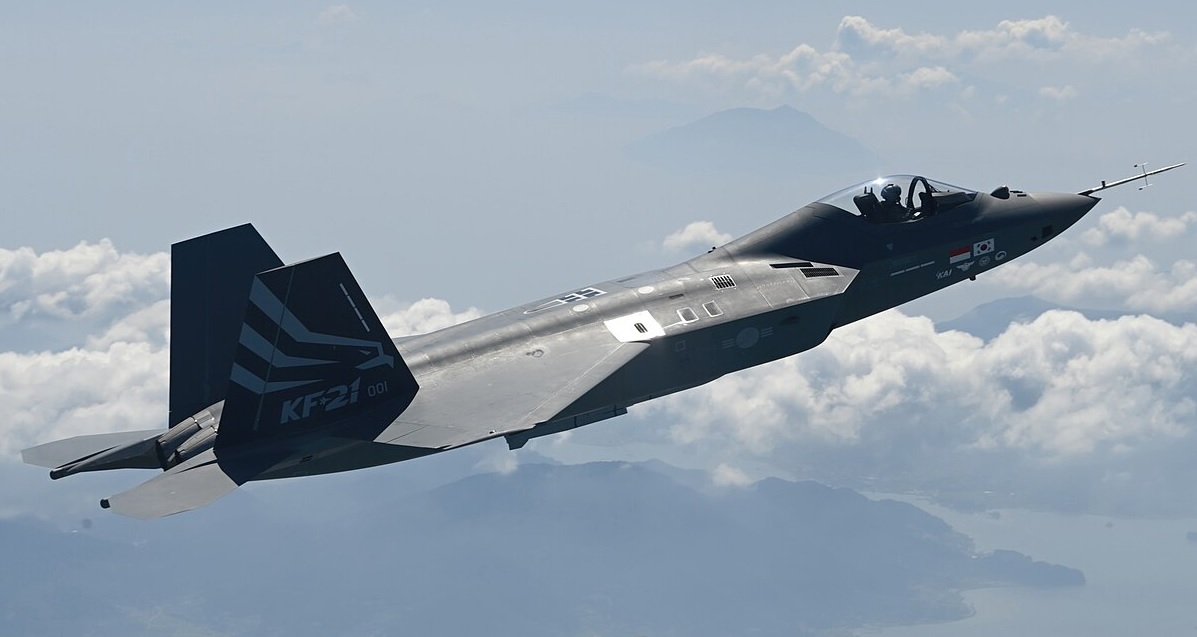
World
South Korea has taken a significant step in bolstering its defense capabilities with the initiation of production for the KF-21 'Boramae' fighter jet. Announced by South Korea's Defense Acquisition Program Administration (DAPA), the KF-21 marks a milestone in the nation's quest for self-reliance in the defense sector.On July 10th, the first KF-21 production model was meticulously assembled at Korea Aerospace Industries' (KAI) Sacheon facility. This advanced manufacturing process is enhanced by automated equipment, a move aimed at boosting production efficiency and accuracy. The automated system is expected to reduce production times and enhance the potential for export, marking a strategic advancement for South Korea’s aerospace industry.KAI, the country’s premier aerospace manufacturer, secured a substantial contract worth approximately $1.41 billion in June. This contract involves the production of an initial batch of 20 KF-21s by 2027. The Republic of Korea Air Force (RoKAF) is set to receive the first of these advanced aircraft in late 2026, with the long-term goal of producing a total of 120 jets by 2032. This ambitious production phase, scheduled from 2026 to 2032, highlights South Korea’s commitment to strengthening its air defense capabilities.The KF-21, also known by its moniker 'Boramae' (which translates to "hawk" in Korean), is designed to be a game-changer for the South Korean Air Force. Boasting cutting-edge technology, the Boramae is set to enhance the nation's aerial defense with superior performance and advanced capabilities. Before reaching this production milestone, six KF-21 prototypes underwent rigorous flight and armament tests to ensure they met the highest standards of operational readiness.The KF-21 program represents a monumental effort involving the collaboration of around 700 local companies. This not only underscores South Korea's drive to fortify its defense industry but also contributes significantly to economic growth and technological advancement. The local collaboration is expected to yield innovations and developments that will benefit the broader aerospace sector in South Korea.The journey to the KF-21’s production phase has been marked by a series of strategic decisions aimed at fostering a robust domestic defense sector. By focusing on self-reliance and technological advancement, South Korea is positioning itself as a formidable player in the global aerospace industry. The KF-21 Boramae is more than just a fighter jet; it symbolizes South Korea's determination to advance its defense capabilities through indigenous innovation and collaboration.
Read More → Posted on 2024-08-06 16:22:27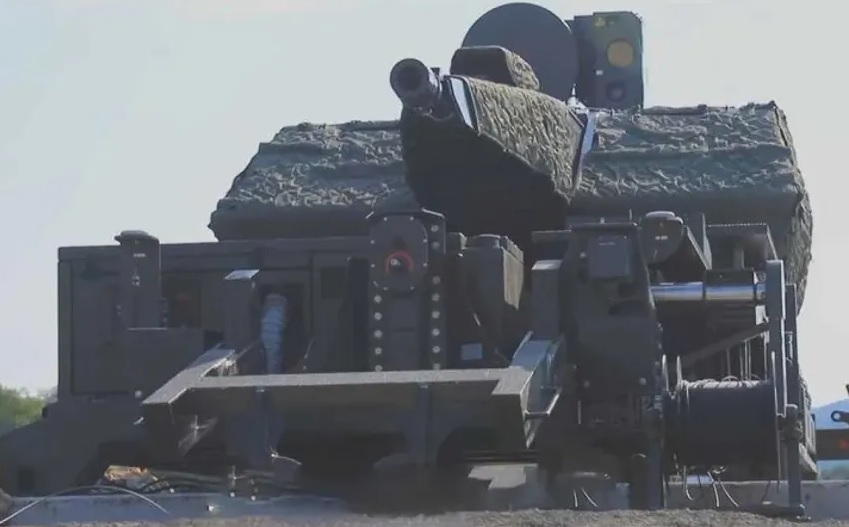
World
Ukraine’s Air Force has recently taken a significant step in enhancing its defensive capabilities by deploying advanced German-made Skynex air defense systems. This development was unveiled in an official video released by the Ukrainian Air Force on a day of national celebration, showcasing the country’s commitment to protecting its critical infrastructure and airfields amid ongoing Russian missile and drone attacks.The Skynex system, a cutting-edge innovation from Rheinmetall Air Defence, represents a substantial upgrade in Ukraine's air defense arsenal. Introduced in 2021, the Skynex system is designed for object air defense, focusing on stationary protection of key sites such as airfields and essential infrastructure. This is particularly crucial for Ukraine as it faces relentless threats from various aerial attacks.A Skynex battery comprises four 35mm gun mounts, each equipped with its own radar station and an advanced optical system for target detection and engagement. This configuration ensures high accuracy against small and fast-moving targets, making it an effective tool in countering the types of missile and drone threats that Ukraine frequently encounters. The system also includes a central control post and a radar station for initial target detection and gun guidance, providing a comprehensive defensive shield.The need for advanced air defense systems in Ukraine has been pressing, given the intensity of the conflict with Russia. Ukrainian officials have been vocal about their requirements for modern defense technologies from their allies. The Skynex system is one of the latest additions to Ukraine's defense strategy, delivered as part of a broader military aid package from Germany. In 2022, Rheinmetall announced the production of two Skynex batteries for an unnamed European country, with funding sourced from the German Federal Government. It was later revealed that these batteries, valued at €182 million, were destined for Ukraine. The delivery of these systems in early 2024 marked a critical enhancement to Ukraine’s defensive measures, providing a robust response capability against aerial threats.The deployment of the Skynex system underscores the international support Ukraine has garnered in its defense efforts. The system's advanced technology and strategic importance highlight a significant leap in Ukraine's ability to safeguard its skies and vital infrastructure. As the conflict persists, such advancements are crucial in ensuring the resilience and protection of Ukraine's national assets.In summary, the introduction of the Skynex air defense systems by Ukraine's Air Force represents a pivotal development in the ongoing conflict. These advanced systems not only bolster Ukraine's defensive posture but also signify the crucial role of international military aid in supporting Ukraine's sovereignty and security.
Read More → Posted on 2024-08-06 16:18:41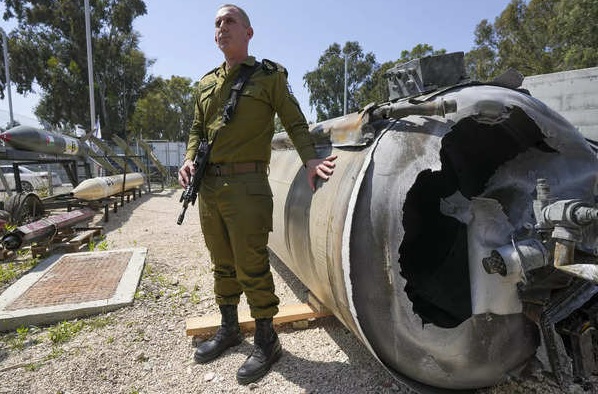
World
In a dire plea for peace, the United Nations High Commissioner for Human Rights, Volker Turk, has called for urgent action to de-escalate the escalating conflict in the Middle East. Turk's call comes amidst growing fears that the ongoing Gaza war could spiral into a wider regional conflict."I am deeply worried about the rising risk of a wider conflict in the Middle East and plead with all parties, along with those states with influence, to act urgently to de-escalate what has become a very precarious situation," Turk said in a statement on Monday.The situation in the region has been deteriorating rapidly. Last week, the political leader of Hamas, Ismail Haniyeh, was killed in Tehran, prompting Iran to declare its "legal right to punish" Israel for the act. Although Israel has not officially commented on the assassination, it did admit to a strike in Beirut that resulted in the death of Hezbollah military chief Fuad Shukr. This incident has further fueled tensions, with daily exchanges of cross-border fire between Israel and Hezbollah in Lebanon becoming the norm.The conflict in Gaza, which began after Hamas's attacks on October 7, has already caused immense suffering. Civilians, particularly women and children, have borne the brunt of the violence. "Already, over the past 10 months, civilians -- mostly women and children -- have endured unbearable pain and suffering as a result of the bombs and guns," Turk lamented.The international community is particularly concerned about the potential involvement of Iran, a known backer of both Hezbollah and Hamas. If Iran were to join the conflict directly, it could lead to a much broader and more devastating war in the region. "Everything, and I mean everything, must be done to avoid this situation spiralling further into an abyss that will only have even more terrible consequences for civilians," Turk urged. His statement underscores the critical need for immediate diplomatic efforts to prevent further escalation and protect innocent lives caught in the crossfire.The call for de-escalation is not just about preventing a regional war; it's about saving lives and averting a humanitarian catastrophe. The international community must heed Turk's plea and work collectively to bring an end to the violence, ensuring a more stable and peaceful future for the Middle East.
Read More → Posted on 2024-08-05 15:59:48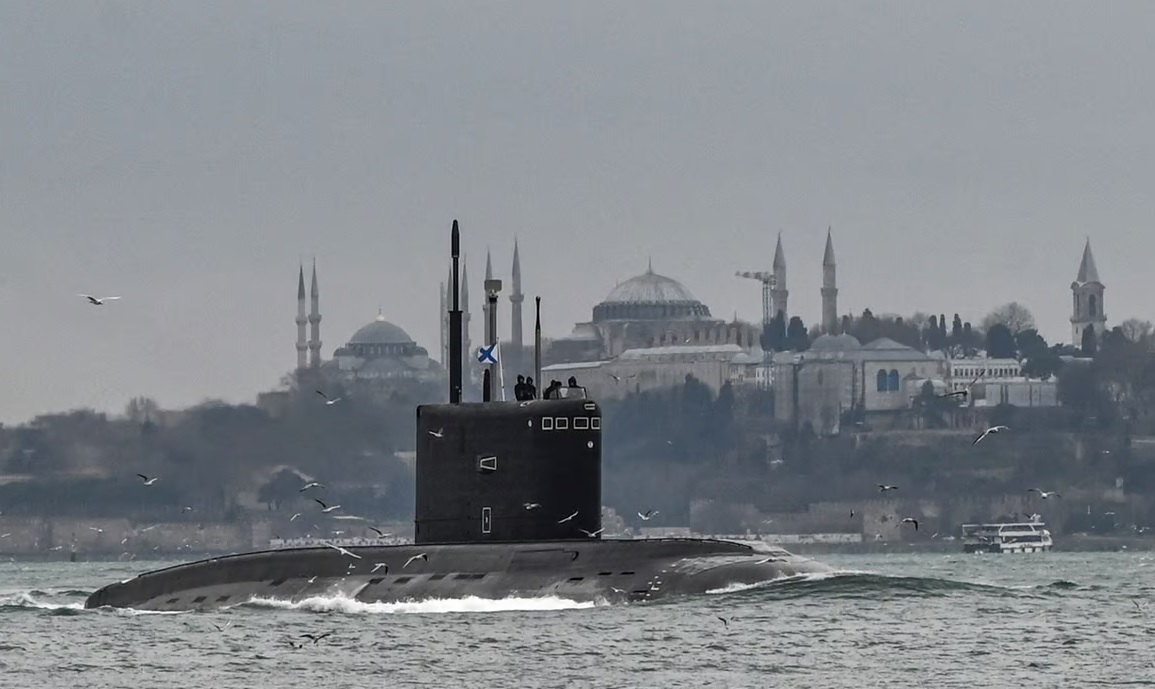
World
In a bold and strategic move, the Armed Forces of Ukraine launched a successful strike against a Russian submarine and significantly damaged an air defense system in Crimea. This operation, announced by the General Staff of the Armed Forces of Ukraine via Facebook, marks another intense episode in the ongoing conflict between Ukraine and Russia.The attack took place in Sevastopol, a crucial port for the Russian Black Sea fleet. The Ukrainian forces targeted the 'Rostov-on-Don,' a Kilo-class attack submarine. This vessel had already endured significant damage from a Ukrainian missile strike in September 2023 and was undergoing repairs in Sevastopol harbor. The recent strike proved fatal, sinking the submarine and sending a clear message about the vulnerability of Russian naval assets in the Black Sea.“The destruction of ‘Rostov-on-Don’ once again proves that there is no safe place for the Russian fleet in the Ukrainian territorial waters of the Black Sea,” stated the Ukrainian military. This victory not only boosts Ukrainian morale but also underscores the strategic importance of maintaining pressure on Russian naval operations in the region.The Ukrainian offensive did not stop at the submarine. In a coordinated effort, Ukrainian forces also targeted and inflicted severe damage on four launchers of the S-400 “Triumph” air defense system. This system, known for its advanced capabilities, represents a significant component of Russia's military defense infrastructure in Crimea. The ability to damage such a sophisticated system highlights the increasing precision and effectiveness of Ukrainian military operations.These developments come amid heightened tensions and ongoing military engagements between Ukraine and Russia, particularly in Crimea, a region of immense strategic importance. Crimea has been a flashpoint since its annexation by Russia in 2014, and both sides have continued to engage in military maneuvers to assert control over the area.The success of these strikes by Ukrainian forces is a testament to their resilience and growing capability to challenge Russian military assets. It also signals to the international community the ongoing volatility and the high stakes of the conflict in the Black Sea region.The destruction of the 'Rostov-on-Don' and the damage to the S-400 launchers will likely have significant implications for Russian naval operations and defense strategies in Crimea. As the conflict persists, the region remains a critical battleground, with each side vying for strategic advantage. These events further emphasize the complexities of the Ukraine-Russia conflict and the continual shifts in military dynamics that shape the region's future.
Read More → Posted on 2024-08-04 15:53:13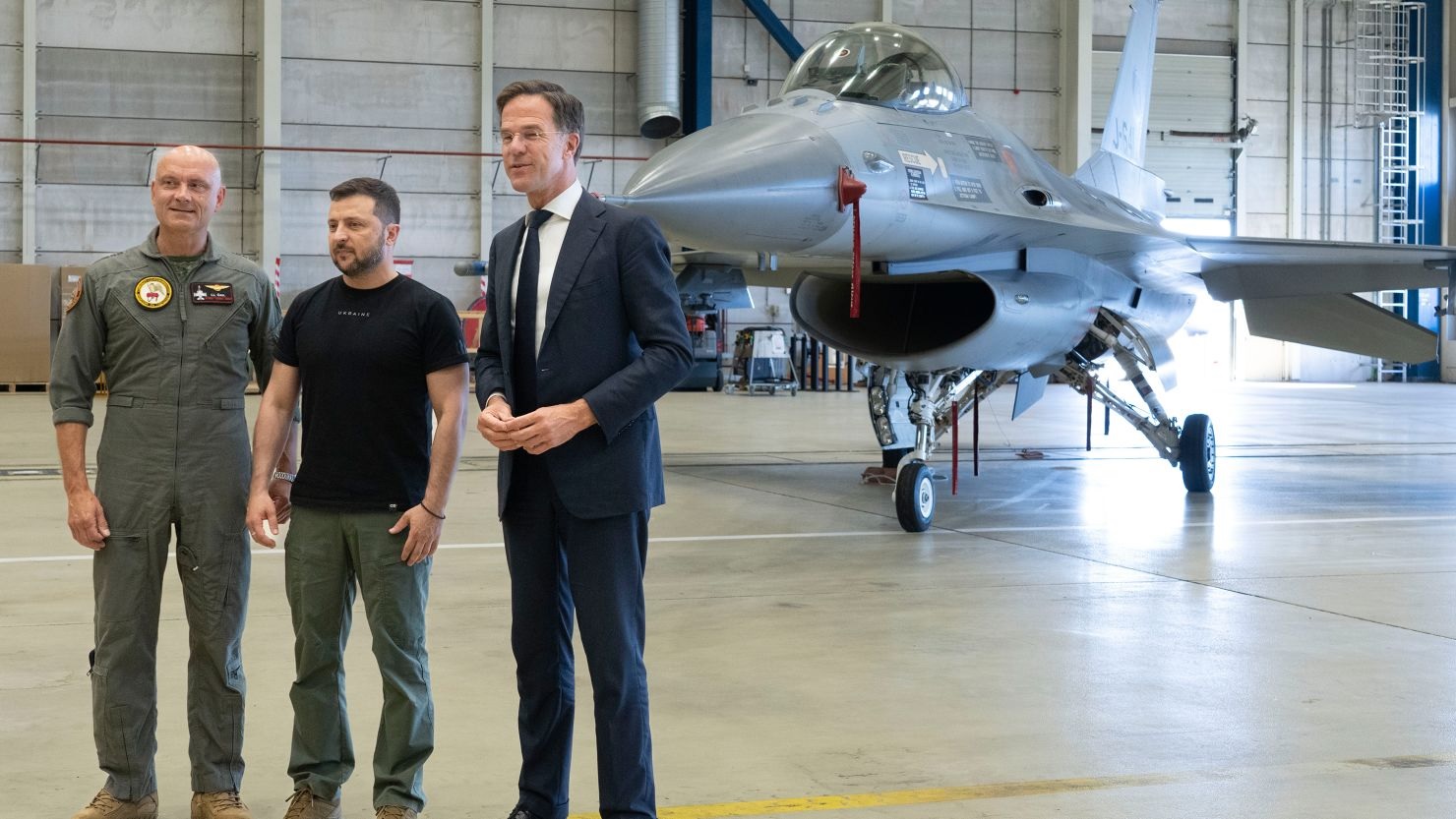
World
Ukraine has taken a significant step forward in its defense capabilities with the deployment of F-16 fighter jets, President Volodymyr Zelenskiy announced on Sunday. This marks the arrival of the U.S.-made aircraft more than 29 months after Russia's invasion, a moment long anticipated by the Ukrainian government and its military.Standing proudly at an airbase flanked by two of these advanced jets, with two more soaring overhead, Zelenskiy declared, "F-16s are in Ukraine. We did it. I am proud of our guys who are mastering these jets and have already started using them for our country." The location of the announcement was kept confidential for security reasons.The F-16s, built by Lockheed Martin, have been on Ukraine's wish list for a long time. Known for their destructive power, these jets come equipped with a 20mm cannon and can carry an array of bombs, rockets, and missiles. Their global availability and versatility make them a game-changer in modern aerial combat. However, it remains unclear how many of these jets are currently operational in Ukraine and what immediate impact they will have on the battlefield.Russia has been acutely aware of Ukraine's acquisition of these jets and has targeted bases that might house them, vowing to shoot them down to prevent them from influencing the war's dynamics. Despite these threats, Zelenskiy's announcement signals a major boost to Ukraine's air defense capabilities, which have previously relied on an aging fleet of Soviet-era warplanes, often outgunned by Russia's more advanced and numerous fleet.The arrival of the F-16s symbolizes a new phase in Ukraine's military strategy. "This is the new stage of development of the air force of Ukraine's armed forces," Zelenskiy stated. He emphasized the importance of this transition to Western combat aviation standards, achieved through relentless diplomacy and countless meetings. "We often heard 'it is impossible' as an answer but we still made our ambition, our defensive need, possible," he added.However, Zelenskiy acknowledged that Ukraine still faces challenges. There are not yet enough trained pilots or jets to fully leverage the F-16s' capabilities. "The positive thing is that we are expecting additional F-16s ... many guys are now training," he said, highlighting the need for Kyiv's allies to expand training programs for both pilots and engineering teams.Beyond the deployment of F-16s, Zelenskiy is also looking to bolster Ukraine's defenses through international cooperation. He plans to use platforms like the Ukraine-NATO Council to lobby neighboring countries to help intercept Russian missiles. "This is another tool, and I want to try it, so that NATO countries can talk to Ukraine about the possibility of a small coalition of neighboring countries shooting down enemy missiles," he said, acknowledging the difficulty of such decisions due to fears of excessive escalation among Ukraine's partners.As Ukraine integrates these new jets into its military operations, the hope is that they will significantly enhance the nation's defensive and offensive capabilities. The deployment of F-16s represents not just a tactical upgrade, but also a symbol of Ukraine's resilience and determination in the face of ongoing aggression.
Read More → Posted on 2024-08-04 15:47:48
World
The typically quiet suburb of Surrey, British Columbia, was rocked by a shocking act of violence when Rahat Rao, a Canadian-Pakistani man suspected of being an agent for Pakistan's Inter-Services Intelligence (ISI), was set on fire in his office. The brutal attack occurred amidst ongoing investigations into Rao's alleged involvement in the murder of Khalistani separatist leader Hardeep Singh Nijjar, further straining the already tense relations between India and Canada.Rao, who operated a forex business, was reportedly approached by an unidentified individual under the pretense of conducting a currency exchange. Without warning, the attacker doused Rao in a flammable liquid and set him ablaze before fleeing the scene. Rao sustained severe burns and was rushed to the hospital, where he remains in critical condition.This violent incident adds another layer of complexity to the murder investigation of Hardeep Singh Nijjar, who was gunned down outside a Sikh temple in Surrey earlier this year. The murder has been a flashpoint in the diplomatic tug-of-war between India and Canada. Canadian Prime Minister Justin Trudeau suggested possible involvement of Indian agents in Nijjar’s assassination, an accusation that India has strongly denied.Canadian authorities, including the Royal Canadian Mounted Police (RCMP), had previously searched Rao's office and questioned him extensively about his connections to Nijjar. Sources indicate that Rao, along with another individual named Tariq Kiyani, are suspected ISI operatives. They are alleged to have facilitated the activities of wanted terrorists from India and are believed to have played roles in Nijjar's death, possibly driven by the control over lucrative drug and immigration networks.The attack on Rao is seen as a retaliatory act or a warning, highlighting the dangerous and clandestine nature of the ongoing geopolitical struggle. As law enforcement agencies delve deeper into the case, they are not only unraveling the web of suspected espionage but also confronting the broader implications for national security and international diplomacy.The violent assault on Rao is a stark reminder of the perilous undercurrents in the India-Canada relationship, particularly surrounding issues of terrorism and espionage. The RCMP is actively pursuing leads in both the attack on Rao and the murder of Nijjar, aiming to bring the perpetrators to justice and mitigate further violence.As investigations continue, the incident underscores the need for increased vigilance and cooperation among international law enforcement agencies to address the complex threats posed by state-sponsored espionage and terrorism. The diplomatic community watches closely, aware that the outcomes of these investigations could have far-reaching consequences for international relations and security.
Read More → Posted on 2024-08-04 15:42:19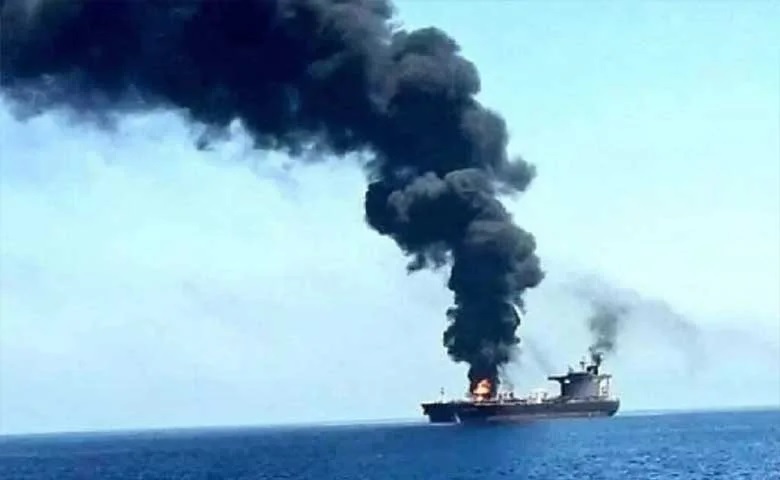
World
In a concerning resurgence of hostilities, Yemen's Houthi rebels launched a missile attack on a Liberian-flagged container ship in the Gulf of Aden. This strike marks the first such incident in two weeks following a period of relative calm. The targeted vessel, the Groton, sustained minor damage in the attack but was able to continue its journey without any injuries to its crew.The attack occurred about 225 kilometers southeast of Aden, an area familiar with Houthi aggression. The missile struck the Groton just above the waterline, causing only minor damage. This incident, however, is part of a broader pattern of attacks by the Houthis on commercial shipping in the region. Since November, these assaults have significantly disrupted the flow of goods through the Red Sea corridor, a vital trade route connecting Asia and the Middle East to Europe via the Suez Canal.Brig. Gen. Yahya Saree, a Houthi military spokesman, claimed responsibility for the attack. In a prerecorded statement, Saree justified the attack by citing the Groton's association with other vessels that had recently made port calls in Israel. The Houthis have previously declared that their attacks are aimed at ships linked to Israel, the United States, or Britain, purportedly to force an end to the ongoing Israel-Hamas conflict in Gaza. Despite these claims, many of the ships targeted have had little to no connection to the war, indicating a broader strategy of regional disruption.The Houthis' pause in attacks had been uncharacteristic, especially given the ongoing geopolitical tensions. This lull followed Israeli airstrikes on Houthi positions, which were a direct response to a Houthi missile attack on Tel Aviv that resulted in casualties. The recent assassination of Hamas leader Ismail Haniyeh in Iran, a key supporter of the Houthis, has further fueled fears of an escalating regional conflict. This assassination has led to increased military posturing, including the U.S. moving additional fighter jets to the Middle East and maintaining a strong naval presence in the region.In addition to the missile attack on the Groton, the Houthis claimed to have downed a U.S. MQ-9 Reaper drone over Saada province. While no evidence was provided to support this claim, it highlights the ongoing tensions and the persistent threat posed by the Houthis to both military and civilian assets in the region.The Groton had set sail from Fujairah in the United Arab Emirates and was en route to Jeddah, Saudi Arabia, when it was attacked. The ship's Greek management company has not commented on the incident. The Joint Maritime Information Center, which oversees multinational naval operations in the area, confirmed the attack and assured that all crew members were safe. The center noted that the Groton had diverted to a nearby port for further assessment and safety.Since the start of their campaign, the Houthis have targeted over 70 vessels with missiles and drones, resulting in the deaths of four sailors and the sinking of two ships. These attacks have not only caused loss of life and property but have also heightened the risks for commercial shipping in one of the world's busiest maritime corridors.The geopolitical landscape remains tense, with the U.S. and its allies maintaining a vigilant watch over the region. The resumption of Houthi attacks serves as a stark reminder of the fragility of maritime security in the Gulf of Aden and the broader Red Sea area. As the conflict in Yemen continues to spill over into international waters, the global community remains on edge, awaiting further developments that could impact regional stability and global trade.In the meantime, the international shipping community is likely to exercise increased caution while transiting through these waters, as the risk of further Houthi attacks remains ever-present.
Read More → Posted on 2024-08-04 15:38:48
World
The assassination of Hamas leader Ismail Haniyeh has sent shockwaves through the geopolitical landscape, with new details emerging that paint a picture of a meticulously planned operation. Contrary to initial reports by Iranian sources claiming Haniyeh was killed in a pre-dawn airstrike, recent evidence suggests a different narrative. It appears that the Israeli intelligence agency Mossad recruited members of the Iranian Revolutionary Guards to plant a bomb in Haniyeh’s temporary residence in Tehran.The New York Times, Axios, and the Wall Street Journal have all reported that Haniyeh was killed by a bomb planted in his apartment weeks, if not months, before his arrival. Haniyeh was in Iran for the inauguration of President-elect Masoud Pezeshkian. This event followed the mysterious death of former Iranian President Ebrahim Raisi, who died in a helicopter crash earlier in the year, an incident many suspect was orchestrated by Israel.According to The Telegraph, the plan to assassinate Haniyeh was set in motion shortly after Raisi's death. Initially, the operation was scheduled to take place during Raisi’s funeral in May, but it was called off due to the large crowd, which increased the risk of failure. Instead, two agents planted explosive devices in three rooms of an Islamic Revolutionary Guard Corps (IRGC) guesthouse in northern Tehran, where Haniyeh was expected to stay. CCTV footage obtained by Iranian officials shows the agents moving stealthily through the building, placing the bombs within minutes.The bombs were detonated remotely from abroad. Officials with access to the footage have stated with near certainty that Mossad employed agents from the Ansar al-Mahdi protection unit, a division of the IRGC responsible for protecting high-ranking officials, to carry out the assassination.This revelation has heightened tensions in the already volatile region, raising questions about the extent of Mossad's reach and its ability to infiltrate one of Iran's most secure units. The use of Iranian nationals in the assassination plot also underscores the complex and shadowy nature of international espionage and political assassinations.As the investigation continues, these developments are likely to have significant implications for Iranian-Israeli relations and the broader Middle East. The intricate planning and execution of the operation demonstrate the lengths to which intelligence agencies will go to achieve their objectives, and the assassination of Haniyeh is a stark reminder of the perilous world of international politics and covert operations.
Read More → Posted on 2024-08-04 15:37:20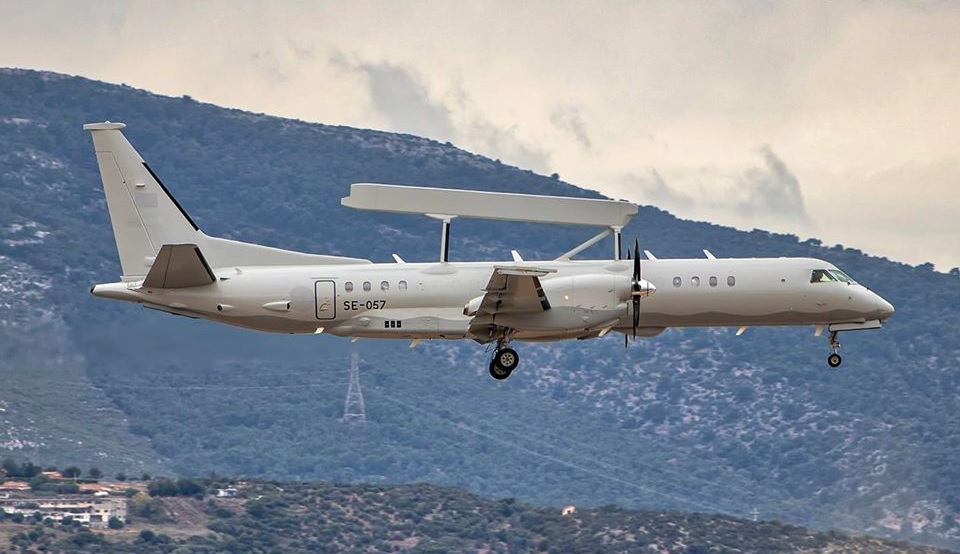
World
Early this morning, the Pakistan Air Force (PAF) welcomed the latest addition to its fleet of Airborne Early Warning and Control (AEW&C) aircraft equipped with Erieye radar from the Swedish aerospace and defense company Saab. This new delivery, which arrived at Minhas Air Base, marks the ninth Erieye AEW&C aircraft to join Pakistan's growing aerial surveillance and control capabilities.Pakistan's journey with the Erieye AEW&C aircraft began in 2006 when the country placed an initial order for six units. However, following a devastating earthquake that year, the order was reduced to four. Despite this setback, the PAF continued to enhance its fleet, with additional orders placed in 2017 and 2020. The recent arrival underscores Pakistan's commitment to strengthening its airborne surveillance capabilities amidst regional tensions and competition, particularly with India.The Erieye AEW&C, mounted on the Saab 2000 twin turboprop aircraft, is renowned for its versatility and advanced technological features. The system is equipped with an Active Electronically Scanned Array (AESA) radar operating on the S-Band frequency, allowing for exceptional situational awareness, border surveillance, and search and rescue missions. The radar system can identify friendly or hostile targets, facilitating complex operations and ensuring precise data relay through advanced data link communication systems. The Saab 2000 AEW&C aircraft is also outfitted with multi-role mission consoles and electronic intelligence (ELINT) capabilities, enhancing its operational effectiveness. With a maximum endurance of 9.5 hours, a range of 2000 nautical miles, a cruising speed of 340 knots, and a service ceiling of 30,000 feet, the aircraft is designed to perform long-duration missions across vast distances.In the context of regional dynamics, Pakistan's efforts to upgrade its aerial capabilities are part of a broader strategy to maintain a competitive edge. In 2021, the PAF ordered 25 J-10C fighter jets from China, with the first batch arriving in March 2022. Additionally, Pakistan employs the Chinese-made ZDK-03 AEW&C system, further diversifying its surveillance and control assets.The latest Erieye AEW&C aircraft not only enhances Pakistan's defense posture but also reinforces its commitment to leveraging advanced technology for national security. As the PAF continues to expand and modernize its fleet, the addition of this sophisticated aircraft will play a crucial role in maintaining vigilance and ensuring robust aerial defense capabilities.
Read More → Posted on 2024-08-04 15:33:15
World
In a shocking turn of events, Iran's Revolutionary Guards announced that Ismail Haniyeh, the leader of the Palestinian militant group Hamas, was killed in Tehran by a short-range projectile. The projectile, equipped with a warhead weighing around 7 kilograms, struck its target on Wednesday, raising fears of escalating conflict in the region.Haniyeh's assassination has intensified tensions between Iran and Israel, already strained by ongoing hostilities in Gaza and Lebanon. Iran has accused Israel of orchestrating the attack, particularly significant given Haniyeh's recent presence at the inauguration of Iran's new president. This claim comes as Israeli officials have remained silent and have not acknowledged any involvement in the incident.The Revolutionary Guards have vowed severe revenge against those they hold responsible. Their statement not only condemns the "terrorist Zionist regime" of Israel but also implicates the "criminal U.S. government" in supporting the attack. Iranian media reported that the strike occurred in a northern suburb of Tehran, a city now mourning the loss of a key militant leader.Following the attack, Haniyeh was buried in Qatar, where he had been based. The incident has further complicated an already volatile situation, with many fearing that the death of such a prominent figure could ignite a broader conflict.As Iran and Hamas seek justice for Haniyeh’s death, the international community watches closely, wary of the potential for increased violence in an already troubled region.
Read More → Posted on 2024-08-03 15:52:00
World
The United States is taking decisive action to reinforce its military presence in the Middle East, deploying additional fighter jets and Navy warships in response to escalating tensions between Iran and Israel. This move follows threats from Iran and its allies, Hamas and Hezbollah, amid ongoing conflict in the region.The Pentagon announced on Friday that Defense Secretary Lloyd Austin has approved the deployment of Navy cruisers and destroyers capable of intercepting ballistic missiles to both the Middle East and Europe. Additionally, an extra squadron of fighter jets will be sent to bolster defenses in the region. These measures are part of a broader strategy to enhance U.S. force protection, support Israel's defense, and prepare for various contingencies.This escalation comes in the wake of the assassination of Ismail Haniyeh, a senior Hamas leader, in Tehran. Iran has vowed retaliation for Haniyeh’s death, which it attributes to Israel. Although Israel has not claimed responsibility for the killing, the incident is the latest in a series of targeted attacks on senior Hamas figures as the conflict in Gaza approaches its eleventh month.The U.S. military's increased presence aims to deter further aggression from Iran and its proxies. The deployment includes replacing the USS Theodore Roosevelt carrier strike group with the USS Abraham Lincoln carrier strike group, ensuring continued American naval power in the region. This move also coincides with heightened vigilance following an Iranian drone and missile attack on Israeli territory on April 13, which was largely thwarted by Israeli defenses with U.S. support.The potential threat from Hezbollah in Lebanon adds another layer of complexity. Hezbollah's vast arsenal and proximity to Israel pose significant challenges to intercepting drones and missiles. This situation underscores the importance of the U.S.'s bolstered defenses to protect both American and Israeli interests.President Joe Biden has been in close communication with Israeli Prime Minister Benjamin Netanyahu, discussing the new U.S. military deployments to support Israel. The White House emphasized that these measures aim to protect against missile and drone threats.Despite the military buildup, Pentagon spokesperson Sabrina Singh expressed hope that escalation is not inevitable. She stressed the importance of diplomatic efforts and the possibility of a ceasefire. Indeed, an Israeli delegation is set to travel to Cairo for negotiations aimed at reaching a ceasefire and securing the release of hostages, as confirmed by Netanyahu's office.The situation remains tense as the international community watches closely. The U.S. is making clear its commitment to defending its allies and maintaining stability in the Middle East, even as it navigates the complexities of the region's shifting dynamics.
Read More → Posted on 2024-08-03 15:45:39Search
Top Trending in 24 Hours
-
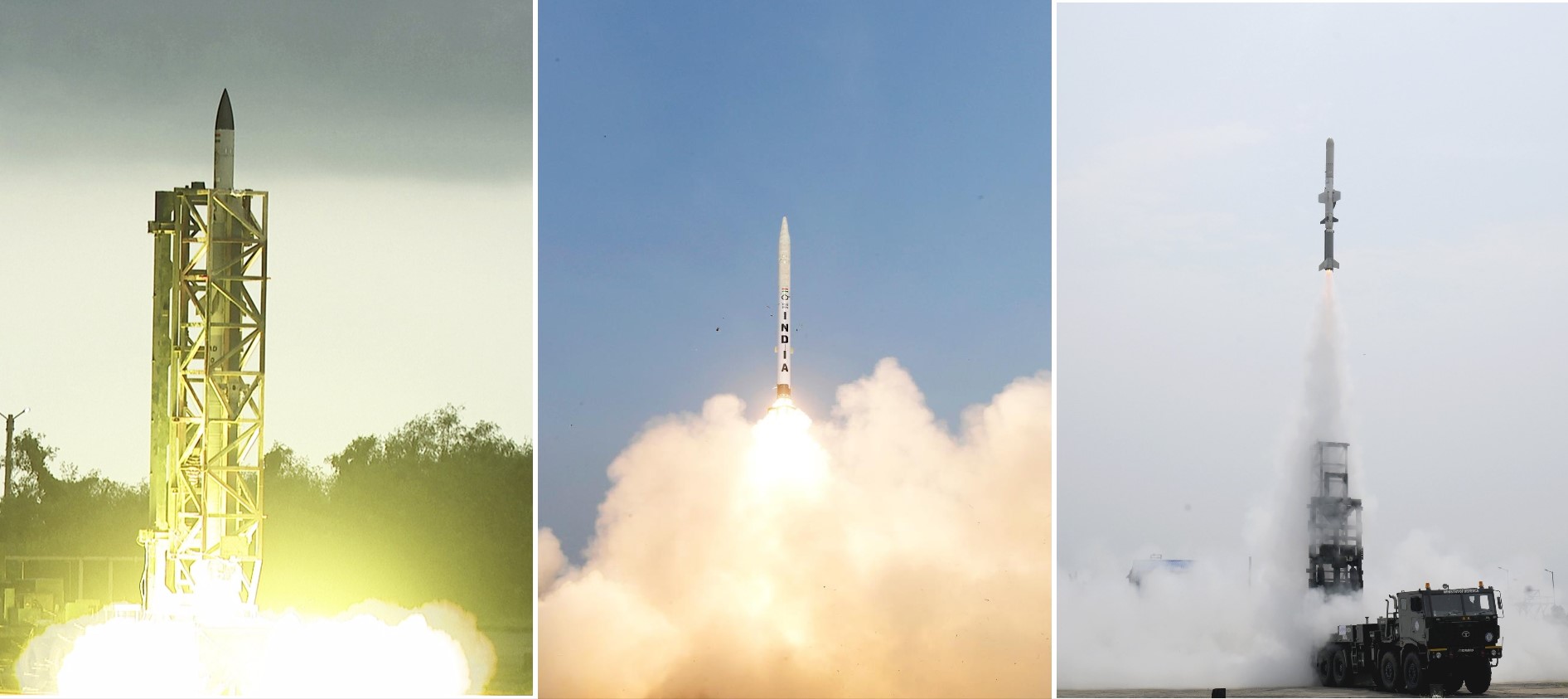 India Successfully Conducts AD-1, AD-2 Interceptor Tests and Maiden NASM-MR Flight Trial
-
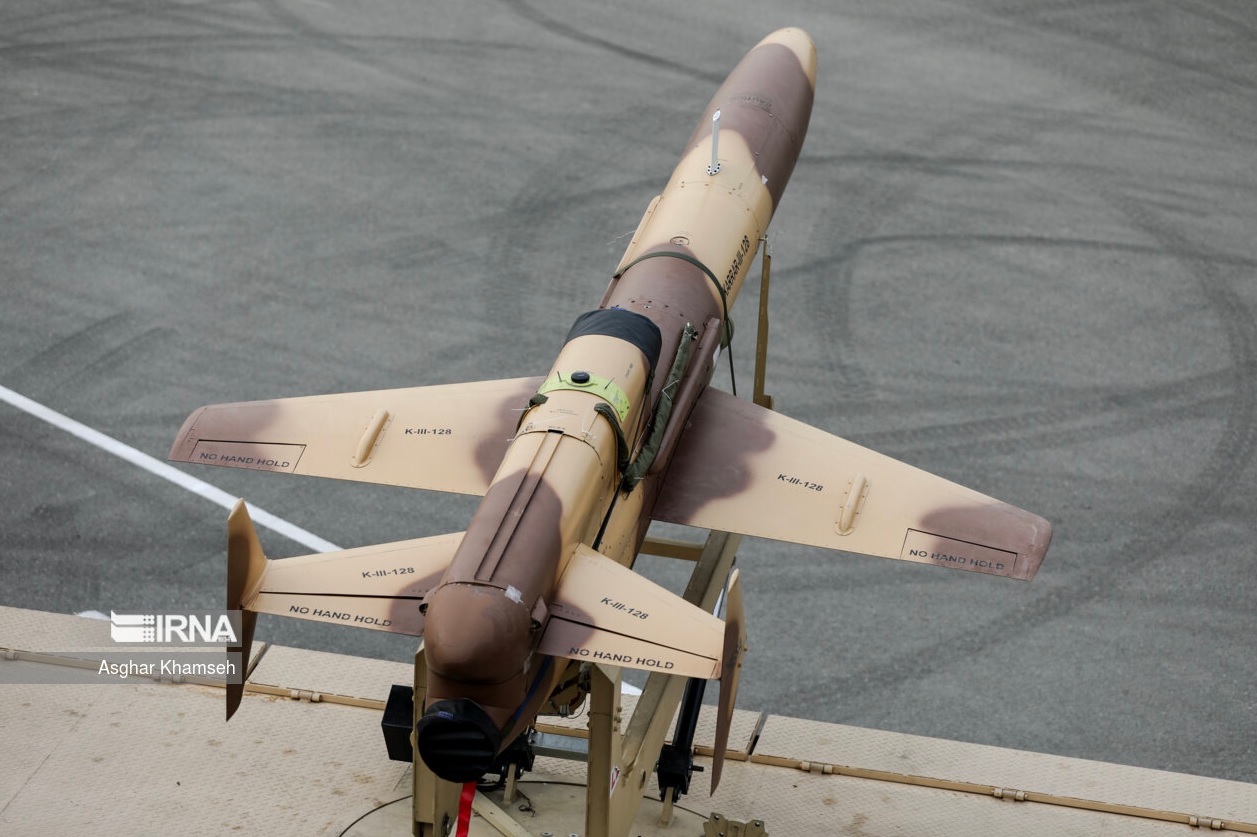 Russia Launches 1,400 Jet-Powered Drones in 2026 as Strike Tactics Evolve to Challenge Ukraine's Air Defenses
-
 U.S Navy Orders 50 Blackbeard Hypersonic Missiles in New $23.4 Million Contract
-
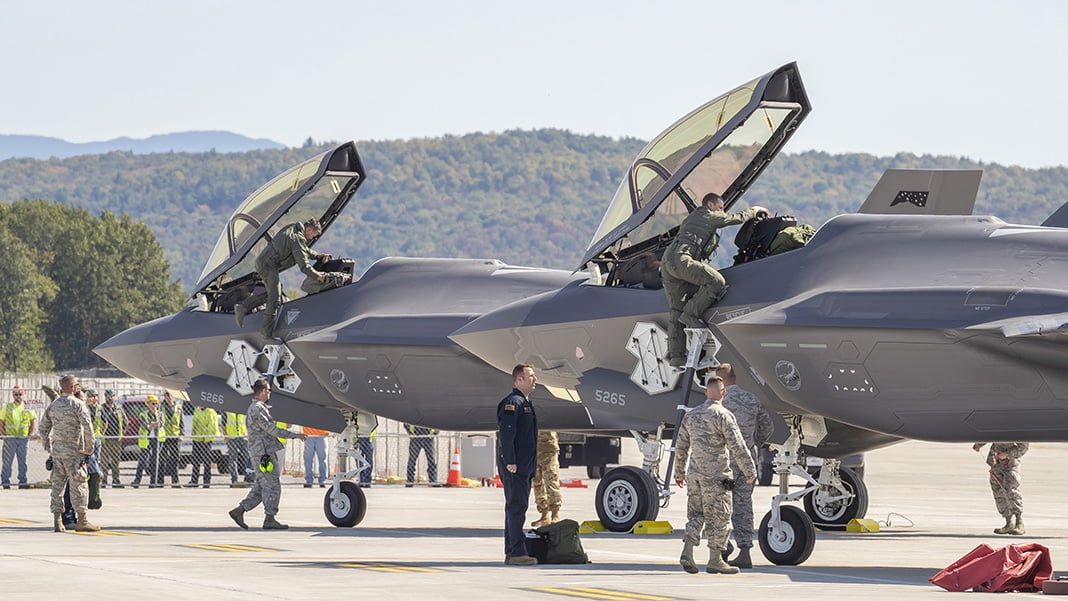 F-35 Fleet Readiness Falls to 25% Amid Parts Shortages and Software Delays: GAO Report
-
 UAE Denies Reports of Releasing Up to $20 Billion in Funds to Iran Amid Regional De-Escalation Efforts
-
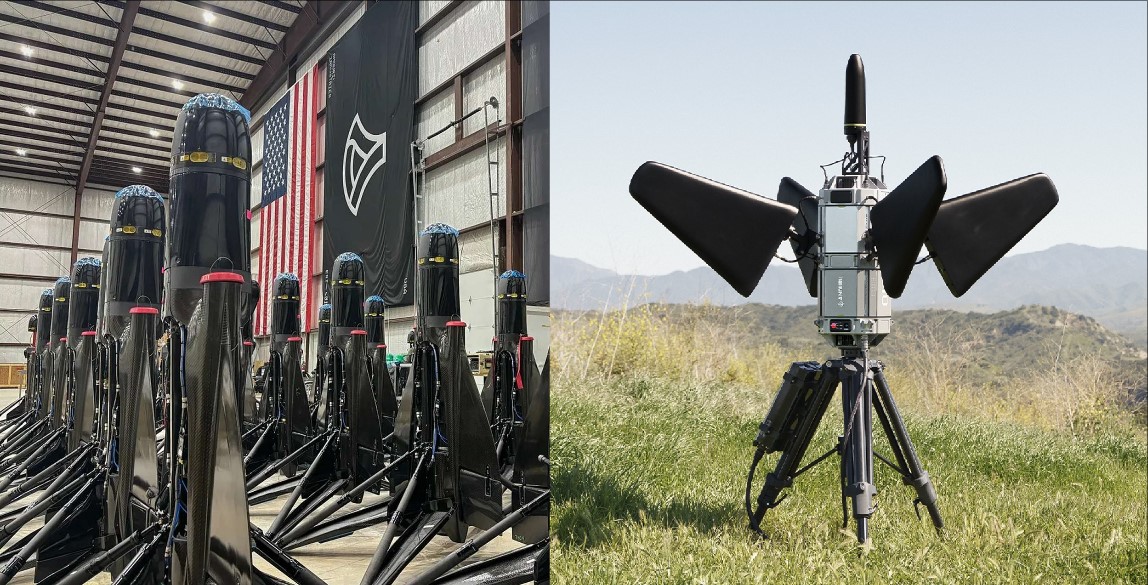 U.S. Approves $1.98 Billion Sale of Anduril AI-Powered Counter-Drone Systems to Kuwait
-
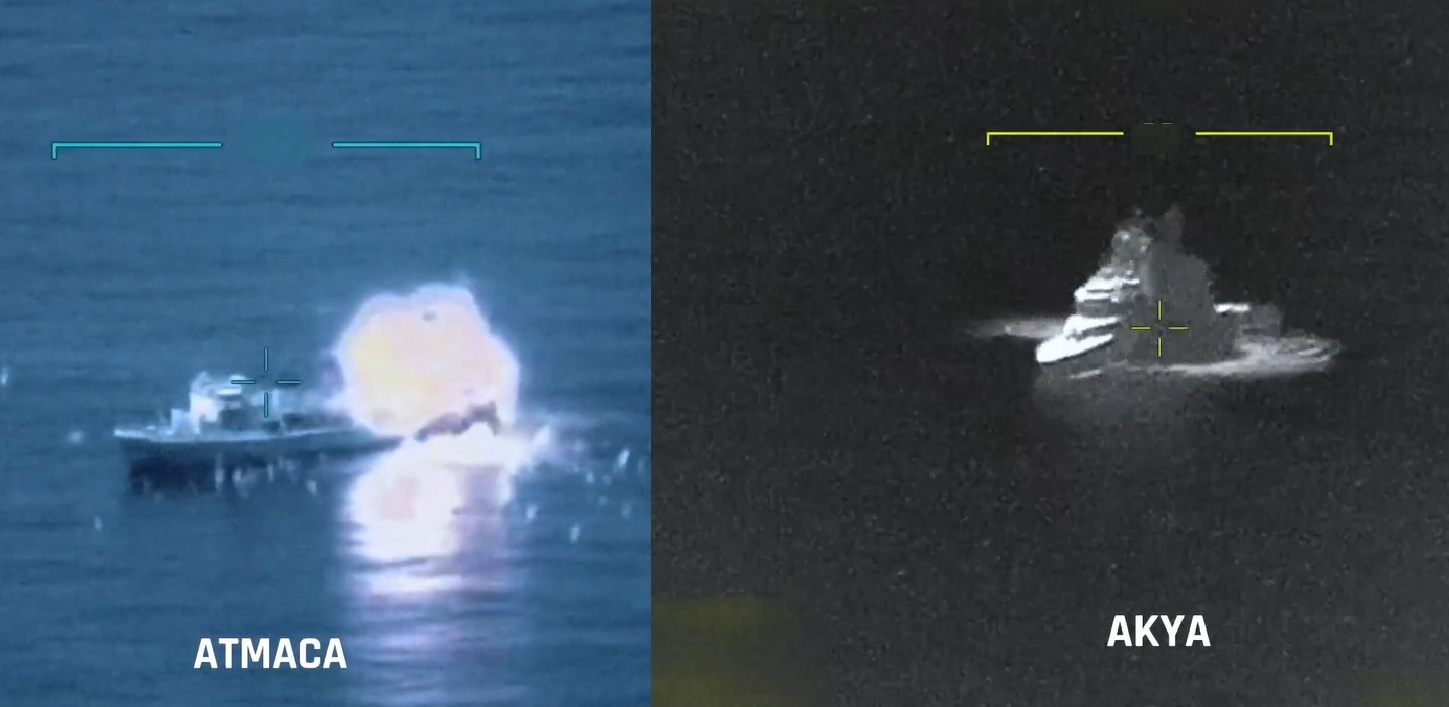 Turkey Navy Successfully Tests AKYA Torpedo and ATMACA Missile During Major Denizkurdu-II Naval Exercise
-
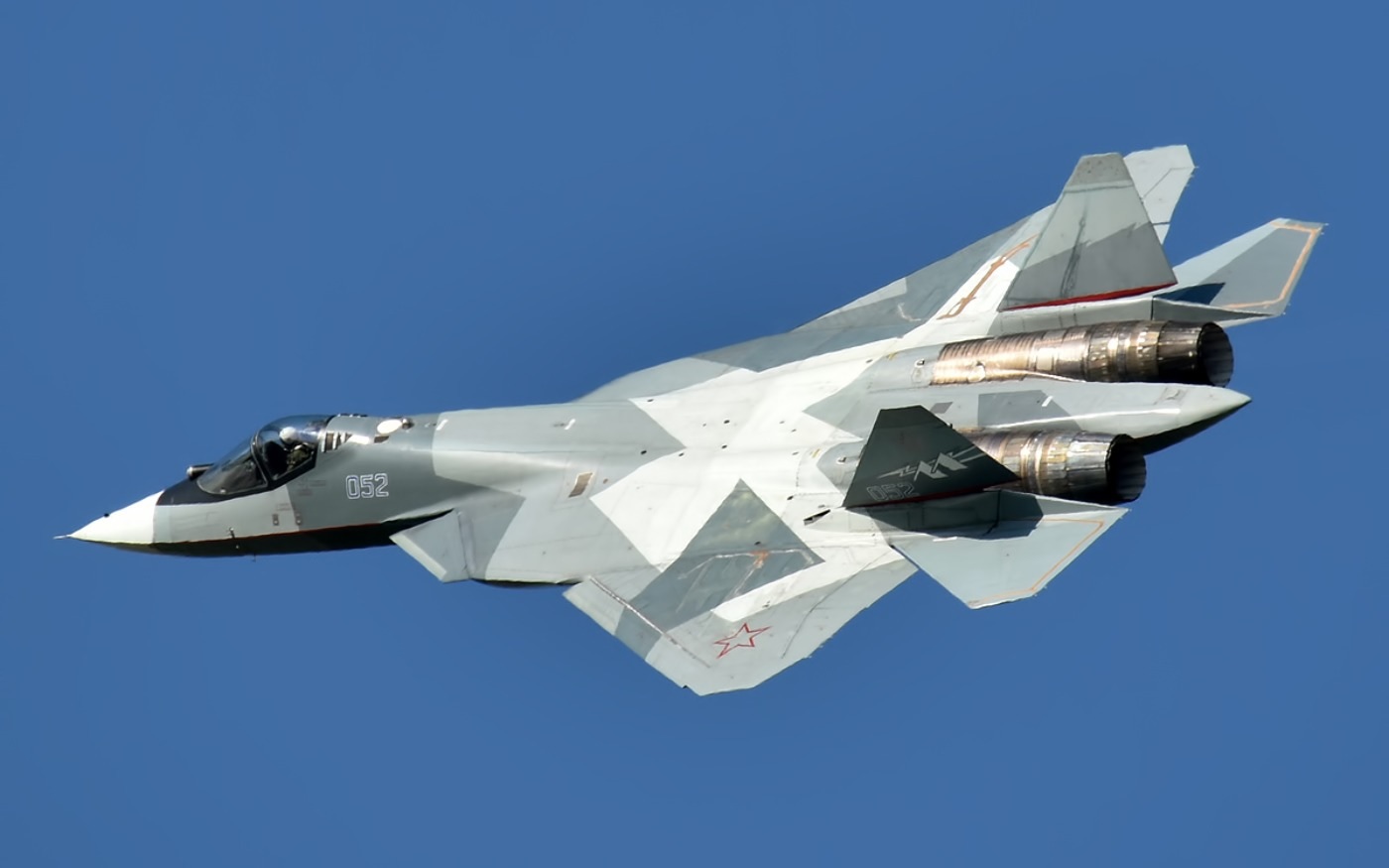 Russian Analysts Debate Su-57 Capabilities After Putin Calls Fighter Superior to F-35
Top Trending in 4 Days
-
 Boeing Introduces New MQ-28 Ghost Bat Upgrades with Increased Range, Payload and Weapons Capacity at ILA Berlin 2026
-
 Taiwan Conducts First Live-Fire of HIMARS Rockets From West Coast During Invasion Defense Drill
-
 US Plans Significant Reduction of Fighter Jets and Warships for NATO Operations in Europe
-
 AMCA Airframe Spotted at DRDO’s ORANGE Facility for Radar Cross-Section Testing
-
 Iranian Media Leaks 14-Point U.S.-Iran Peace Framework Amid Ongoing Negotiations
-
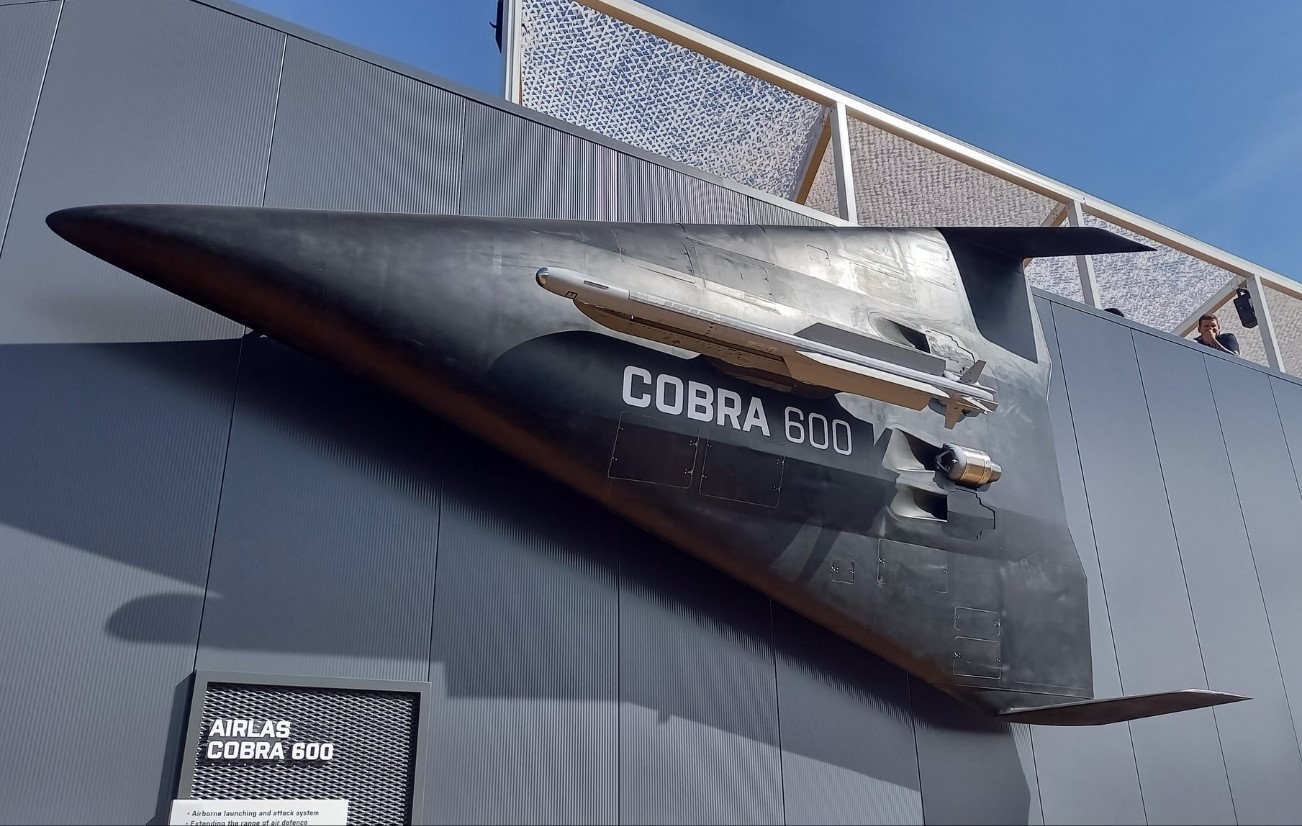 Diehl Defence Unveils IRIS-T Armed Cobra 600 Air Defense Drone at ILA Berlin 2026
-
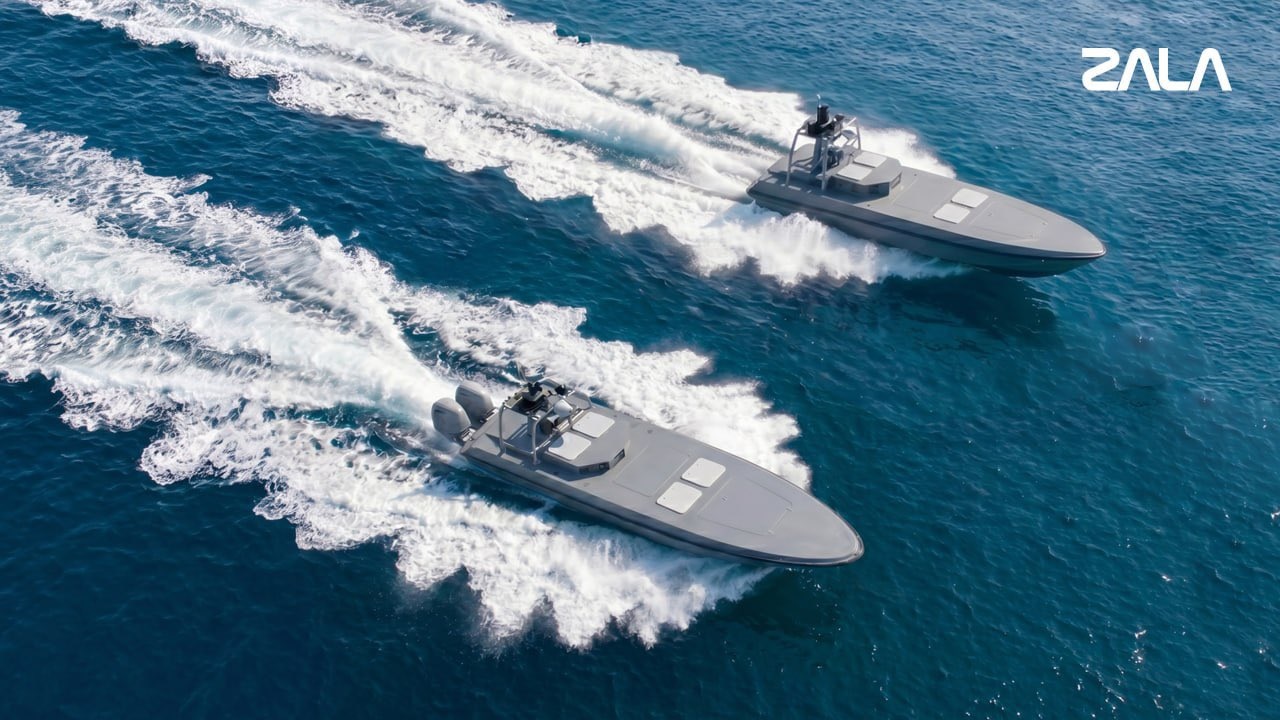 Russian Defense Firm ZALA Unveils KAMA Unmanned Surface Vessel Family at FLOT-2026 Naval Exhibition
-
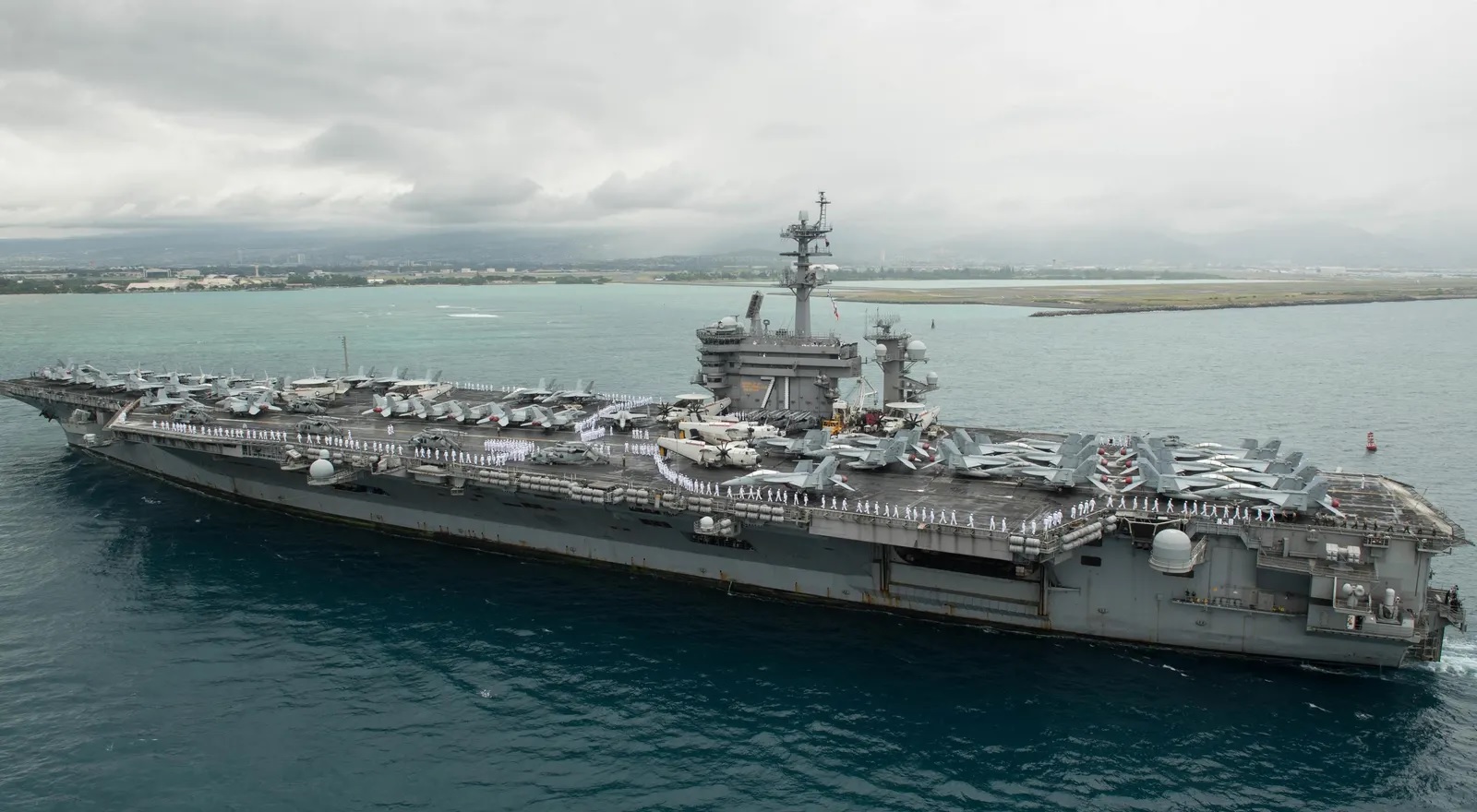 U.S Aircraft Carrier USS Theodore Roosevelt Departs San Diego for Major RIMPAC 2026 Naval Exercise