
World
The ongoing conflict between Russia and Ukraine has highlighted a significant issue within Moscow’s military—its cumbersome and overlapping command structures. According to a recent report by the Institute for the Study of War (ISW), Russia’s response to Ukrainian incursions into its border regions has been hampered by a dysfunctional command and control system, causing internal friction and confusion among its forces.The ISW, a DC-based think tank, pointed out that Ukraine’s successful advances into Russia’s Kursk region have exposed the cracks in the Kremlin’s military organization. Russian forces have struggled to contain these incursions, largely due to the convoluted structure of their command, where multiple layers of authority overlap, leading to poor coordination and inefficiency.In response to the Ukrainian offensive, Russian Defense Minister Andrei Belousov appointed Deputy Minister Yunus-Bek Yevkurov as the deputy head of a coordinating council responsible for managing the military’s actions in the Kursk, Belgorod, and Bryansk regions. In addition to Yevkurov’s role, five other officials were assigned to address specific aspects of the operation, including logistics, military-technical support, evacuations, and medical care. Despite these efforts, the ISW noted that the involvement of so many figures in overlapping roles only adds to the confusion, creating more challenges for an already strained military command.The ISW report emphasized that the Russian defense ministry’s inability to streamline its operations with an effective joint command structure is impeding its ability to mount a cohesive defense. The creation of three separate groups focused on protecting civilians from drone strikes and other attacks in these regions further complicates the situation. According to ISW, such a redundant setup increases the likelihood of miscommunication and delays in decision-making, undermining the effectiveness of Russia’s defensive strategy.Meanwhile, Ukraine continues to gain ground in its campaign. Ukrainian forces reportedly advanced over 28 kilometers (17.4 miles) into Russia’s Kursk region, capturing more than 1,263 square kilometers (488 square miles) of Russian territory and taking control of 93 settlements. Despite the visible dysfunction within Russia’s military leadership, Ukrainian military intelligence remains cautious. The deputy head of Ukraine’s military intelligence agency (GRU), Vadym Skibitsky, confirmed that Russia is preparing a counter-response. “The operation is ongoing. Russia is planning a response. There are plans, we know about them. Our government and military leadership know about them so they can continue [the operation] and disrupt the [Russian] plans,” Skibitsky said.Russia’s military struggles underscore a larger issue of governance and coordination within its defense apparatus. As Ukrainian forces press forward, the cracks in Russia’s command structure become increasingly evident. While Moscow’s plans for a counter-response are in motion, the effectiveness of these efforts remains questionable given the current state of their internal coordination. The ISW’s assessment suggests that unless Russia can address these systemic issues, it may continue to face significant setbacks in its ongoing conflict with Ukraine.
Read More → Posted on 2024-08-22 15:15:43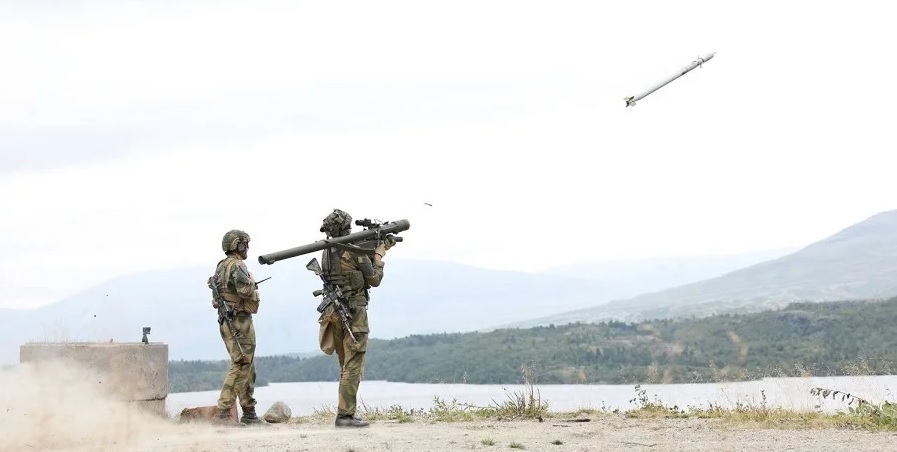
World
The Norwegian Armed Forces recently carried out the first live-fire test of their Piorun man-portable air defence system, marking a significant milestone in strengthening the country’s air defence capabilities. The test took place in Norway's northern region near the Russian border, underscoring the strategic importance of the area in Norway's defence planning.The Piorun system, known for its precision and user-friendly design, is intended to counter low-flying threats like enemy helicopters and drones. During the test, soldiers from Norway’s newly formed air defence unit, BLV, launched a Piorun missile into the sky. While specifics about the target and missile performance remain undisclosed, the Norwegian military’s confidence in the system was evident. The trial is viewed as a critical step in refining Norway's layered air defence strategy, particularly in contested airspaces where such systems provide a crucial line of protection.The Piorun, an advanced version of Poland’s Grom MANPADS, is built for easy deployment and effectiveness in the field. Its fire-and-forget capability allows soldiers to engage targets without needing continuous guidance, minimizing their exposure to counterattacks. The missile can hit targets up to 6.5 kilometers away and at altitudes of up to 4 kilometers, making it highly effective in neutralizing aerial threats. These capabilities are particularly valuable in Norway's harsh northern regions, where rapid response and mobility are essential.Norway began receiving these systems in December 2023, with the first deployments concentrated in the northern Finnmark region. Given the region's proximity to Russia, enhancing air defence is a priority, and the Piorun fits seamlessly into this strategy. Colonel Jørn Qviller, Commander of the Finnmark Land Defence, highlighted the strategic implications of the Piorun’s presence: "For the enemy, this means they must deal with such a threat. They have to fly higher, take longer routes, or they may even avoid entering Norwegian airspace altogether."The Piorun’s portability and ease of operation are key assets, allowing a single soldier to effectively operate the system. This versatility, combined with its infrared-guided targeting, makes it a powerful addition to Norway’s growing defence infrastructure. As the Piorun systems continue to be distributed across various military divisions, Norway is poised to bolster its air defence against increasingly sophisticated threats.The successful live-fire test not only demonstrates the system’s effectiveness but also signals Norway’s readiness to deter any hostile incursions in its northern territories. As tensions in the region remain a concern, the Piorun system’s introduction provides a renewed sense of security for the nation.
Read More → Posted on 2024-08-22 14:55:28
World
Recent statements by Shafiqur Rahman, the leader of Bangladesh Jamaat-e-Islami (BJI), advocating for the implementation of Sharia law in Bangladesh have sparked alarm among experts and scholars who fear that the country could be following a dangerous path similar to Pakistan. Rahman, who was arrested in December 2022 and released in March 2023, has reignited concerns over the potential erosion of secular values in Bangladesh—a nation that was founded on principles of pluralism and secularism by Sheikh Mujibur Rahman, following its liberation from Pakistan in 1971.Rahman’s remarks come at a time when Bangladesh is already witnessing escalating violence and unrest, particularly targeting religious minorities, including Hindus. The turmoil has surged in the wake of former Prime Minister Sheikh Hasina’s resignation on August 5. Although the newly appointed interim government led by Muhammad Yunus has vowed to control the situation, atrocities against minorities have continued, casting a shadow over Bangladesh’s future direction.The fear among analysts is that Rahman’s push for Sharia will embolden extremist elements in Bangladesh who are gaining strength amid the current instability. Defence experts and scholars argue that the imposition of Sharia, particularly the strict interpretation supported by Jamaat-e-Islami, could lead to widespread anarchy, economic decline, and a shift towards an environment mirroring the instability of Pakistan and Afghanistan. According to Qamar Agha, a prominent defence analyst, foreign investors could pull out if such a law is enforced, while Bangladesh’s Sufi-oriented society would likely resist the rigid interpretation of Sharia being promoted by Jamaat.The prospect of Sharia implementation also raises concerns about the status of Bangladesh’s Hindu minority, which constitutes around eight percent of the population. Analysts warn that they could be relegated to second-class citizenship, much like minorities in Pakistan. The repercussions of such a shift would be felt across the region, especially in India, which shares a long border with Bangladesh. Regional stability could be threatened as new extremist groups emerge, and India’s significant investments in Bangladesh might be jeopardized.The situation is further complicated by the support the interim government reportedly enjoys from the United States, making international pressure critical in preventing any radical shift. Scholars like Mufti Shamoon Qasmi emphasize that the growing violence and targeting of minorities contradict the principles of Islam and Bangladesh’s founding values. He asserts that Bangladesh’s independence from Pakistan, achieved with substantial help from India, was meant to liberate the people from oppression, not lead them into another cycle of extremism and religious intolerance.The response from within Bangladesh will be crucial. Former Jammu and Kashmir police chief Shesh Paul Vaid stresses that the people of Bangladesh must decide whether they want to embrace a future defined by extremism, similar to Afghanistan, or continue on their path toward development and secularism. He warns that the rights of 1.5 crore (15 million) minorities could be severely curtailed under Sharia, potentially leading to further divisions within the country.Bangladesh’s founding identity as a secular state is now under threat from forces seeking to reshape it along more radical lines. As Muslim scholar Mufti Wajahat Qasmi points out, Bangladesh was not created on the basis of Islam but as a secular nation that accommodated people of various faiths. The current debate over Sharia law challenges the very principles that guided its formation, and the outcome of this struggle will have significant implications for the region’s stability and the future of secular governance in South Asia.
Read More → Posted on 2024-08-22 14:52:59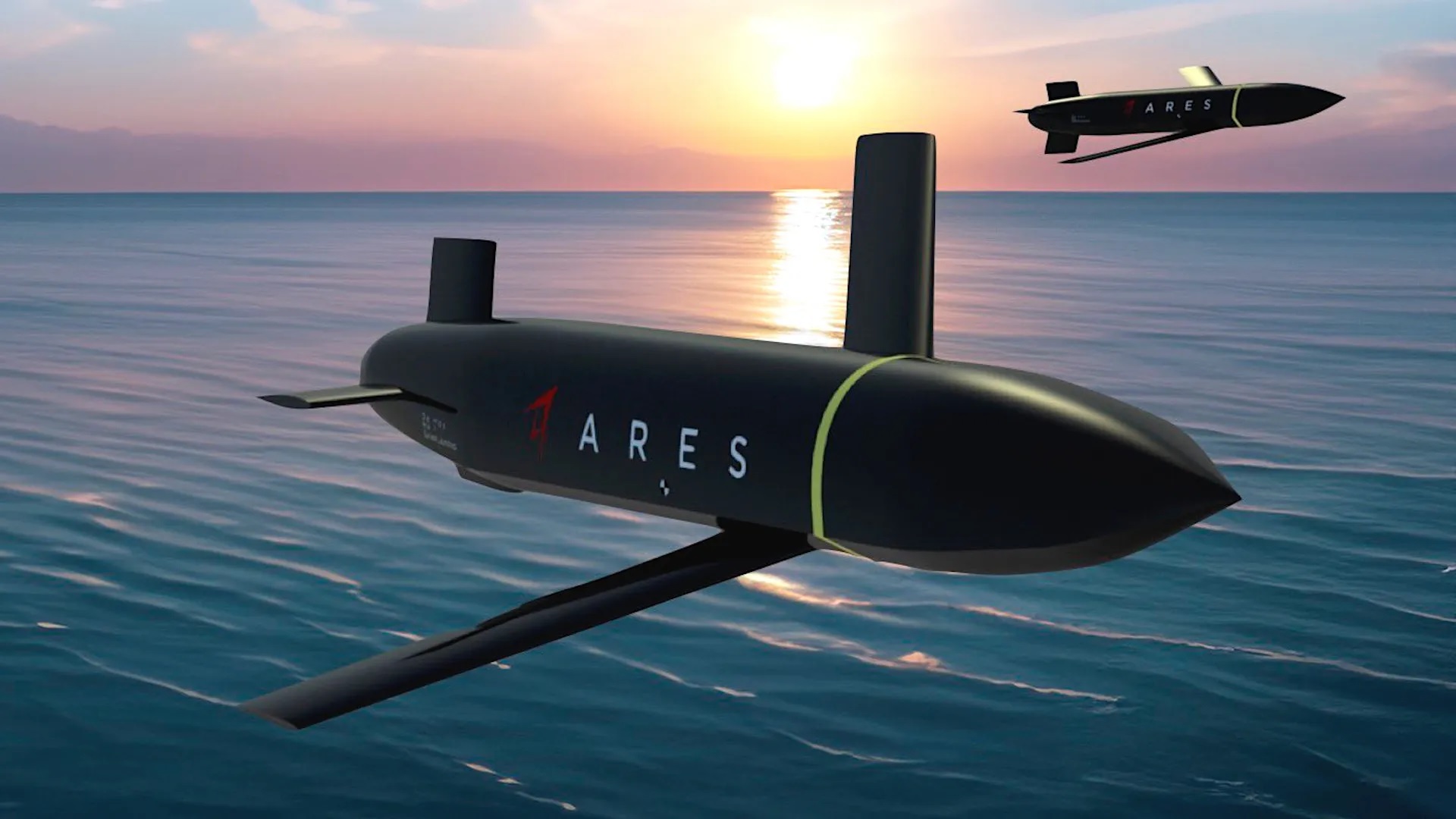
World
Ares Industries, a promising American defense startup, has made headlines with the successful flight-test of its innovative anti-ship cruise missile. The company, which was only established 11 weeks ago, has developed a weapon that could reshape the landscape of modern naval warfare. The missile, designed to be 10 times smaller and cheaper than current systems, is part of a bold effort to address the US military's growing need for cost-effective munitions.The current stockpile of US anti-ship cruise missiles, such as the widely used Harpoon, typically weighs around 3,000 pounds (1,360 kilograms) and comes with a hefty price tag of approximately $3 million. These large missiles were originally developed to take down heavily armored warships like destroyers. However, in today’s changing combat environment, where smaller frigates and unmanned surface vessels are increasingly part of naval fleets, spending millions on each missile strike is no longer sustainable. Ares Industries aims to offer a more pragmatic solution.The new missile weighs just 300 pounds (136 kilograms) and costs around $300,000, offering a far more economical option. Despite its reduced size, the missile retains the ability to engage targets over long distances, making it versatile for a variety of mission profiles. Whether launched from land or sea, the weapon is compatible with existing military launch platforms, which means it can be easily integrated into the US Navy’s and allied forces’ arsenals.Y Combinator, a major investor in Ares Industries, has lauded the project as a much-needed departure from the traditional defense manufacturing model. According to Y Combinator Management, the high cost of current missile systems has left the US military in a difficult position. With global demand for advanced weaponry on the rise, major defense contractors have expanded operations, driving up production costs. As a result, the US armed forces are increasingly forced to choose between quality and quantity when it comes to munitions procurement.Jared Friedman, founder of Ares Industries, has been vocal about the strategic thinking behind the new missile. In a post on X (formerly Twitter), Friedman highlighted that conventional anti-ship missiles are oversized and overkill for modern naval threats like small frigates and unmanned drone ships. “It makes no sense to take out a $200K drone ship with a $3M missile,” Friedman emphasized, underlining the need for a smaller, more affordable option.While the initial focus is on ground and ship-launched versions, Ares Industries is already exploring the possibility of developing an air-launched variant. This would likely feature extended ranges and customizable payloads, broadening the missile’s utility across different branches of the armed forces. If all goes according to plan, the first deliveries of this advanced missile are expected by mid-2025, providing the US military with a new tool for maintaining maritime superiority.Ares Industries’ new cruise missile is not just a technological innovation—it’s a strategic shift that could redefine how military planners think about cost-effective warfare in an increasingly complex global environment. By offering a missile that is both affordable and capable, Ares Industries might be setting a new standard for the future of defense systems.
Read More → Posted on 2024-08-22 14:50:21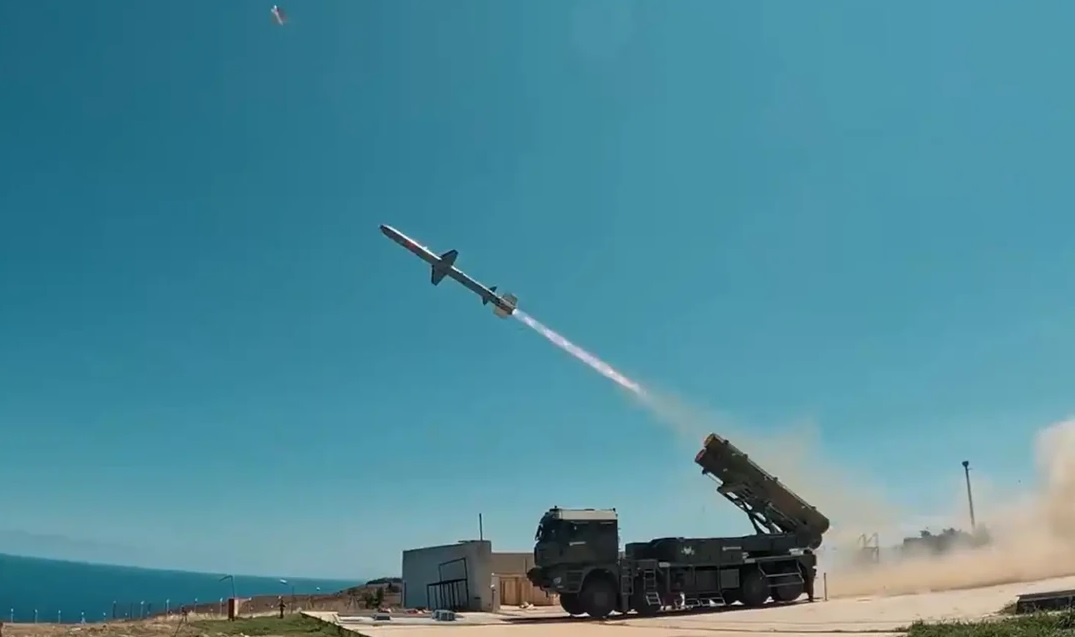
World
In a significant advancement for Turkish defense technology, Roketsan has successfully tested its Atmaca UM cruise missile, a long-range variant of the previously developed Atmaca anti-ship missile. This pivotal test, conducted at the company's facility on Türkiye's Sinop peninsula along the Black Sea, demonstrates Turkey’s growing capabilities in missile technology.The Atmaca UM, previously known as the Atmaca Kara, is designed to target strategic land-based objectives. Unlike its predecessor, which was primarily an anti-ship missile, the Atmaca UM is tailored for precision strikes against ground targets. The test was prominently showcased in a video released by Roketsan, highlighting the missile being launched from a mobile platform and successfully hitting a target on a floating platform. While the exact distance of the test was not disclosed, the successful strike underscores the missile’s enhanced performance.One of the key upgrades of the Atmaca UM over the original Atmaca is its increased range. The Atmaca UM boasts a range of up to 280 kilometers, a notable improvement from the Atmaca’s range of approximately 220 kilometers. This extended reach allows for greater flexibility in operational planning and strike capabilities. Furthermore, the Atmaca UM is equipped with an advanced imaging infrared (IIR) seeker, which provides superior terminal guidance compared to the active radar seeker of earlier models. This upgrade enhances the missile’s accuracy and resistance to electronic countermeasures.Haluk Görgün, the Secretary of Turkish Defence Industries, commended Roketsan for this achievement, emphasizing the missile’s robustness against jamming and its precision in hitting high-value targets. This development not only strengthens Türkiye's defense arsenal but also marks a crucial step in the nation’s efforts to enhance its strategic strike capabilities.
Read More → Posted on 2024-08-21 15:37:10
World
In a significant escalation of regional tensions, Israel conducted an airstrike in southern Lebanon on Wednesday, killing Khalil Maqdah, a senior militant from Fatah’s armed wing. The strike targeted the militant near Sidon, sparking accusations from the Palestinian movement that Israel is aiming to ignite a broader regional conflict.Fatah, a Palestinian organization based in the Israeli-occupied West Bank and led by President Mahmoud Abbas, responded with strong condemnation. The movement claims that this targeted assassination signals Israel's intention to fuel unrest across the Middle East. Tawfiq Tirawy, a member of Fatah’s central committee, declared, "The assassination of a Fatah official is further proof that Israel wants to ignite a full-scale war in the region."The Target and Strategic ImplicationsThe Israeli military confirmed that it was targeting Khalil Maqdah, the brother of Mounir Maqdah, a key figure in the Lebanese branch of Fatah’s armed wing. Both brothers were accused by Israel of coordinating attacks and smuggling weapons into the West Bank with the support of Iran’s Revolutionary Guards. This is the first strike against a senior Fatah member in more than ten months of cross-border tensions between Israel and Lebanon’s Hezbollah following the outbreak of the Gaza war.The timing of this strike is critical, coming just hours after U.S. Secretary of State Antony Blinken wrapped up his Middle East tour, which aimed at brokering a ceasefire in the ongoing Israel-Hamas conflict in Gaza. Blinken left the region without securing a deal, appealing to Hamas to accept a U.S.-backed truce proposal while expressing frustration over Israeli Prime Minister Benjamin Netanyahu's stance on Gaza's future.Stalled Ceasefire Talks and Rising TensionsThe ceasefire talks hit a stumbling block over Israel’s insistence on maintaining control of the Philadelphi Corridor, the border area between Gaza and Egypt. This corridor, currently under Israeli control, is strategically vital as it is a known route for weapon smuggling through tunnels. Netanyahu’s firm stance has reportedly caused friction between Israel and the United States, with a senior U.S. official criticizing Netanyahu’s “maximalist statements” as counterproductive.Hamas expressed willingness to reach a ceasefire but accused Israel of introducing new demands that complicate the talks. Meanwhile, the situation on the ground remains dire, with Gaza continuing to suffer from relentless airstrikes. Israeli forces reported striking around 30 targets across Gaza, resulting in the deaths of dozens of militants, according to the military.Regional Ripple EffectsThe conflict's regional impact is increasingly evident, with skirmishes between Israeli forces and Hezbollah along the Israel-Lebanon border occurring almost daily. Lebanon's health ministry reported that recent Israeli strikes in the eastern region killed one person and injured 20 others, heightening fears of a broader conflict. The situation became more volatile after Hamas's political leader, Ismail Haniyeh, was killed in Tehran, with Iran vowing retaliation but exercising restraint amid heightened U.S. military presence in the region.The conflict also extended to the Red Sea, where a merchant vessel was hit by three projectiles off Yemen, raising concerns about international shipping routes. The attack, although unclaimed, is suspected to be linked to Yemen's Iran-backed Houthi movement, which has been ramping up attacks as a show of support for Gaza.Hostages and Humanitarian CrisisThe hostage situation continues to be a major sticking point in the negotiations. Israel and Hamas blame each other for delays in agreeing to a truce that would free hostages and allow humanitarian aid into Gaza. The Israeli public has been vocal in demanding a ceasefire to bring home hostages, but Netanyahu’s government remains cautious about any deal that might be seen as capitulating to Hamas.In Gaza, the humanitarian situation is increasingly dire. The UN has described the strip as a death trap for its 2.4 million residents, with no safe place amid the ongoing bombardment. The latest figures from Gaza’s health ministry indicate over 40,000 Palestinians have been killed since the conflict began, although the division between civilian and militant casualties remains unclear.As the situation continues to spiral, the international community’s hopes for a ceasefire are dimming, while the prospect of a broader regional war looms ominously over the Middle East.This conflict underscores the fragility of regional stability and highlights the complexity of achieving peace when entrenched interests and deep-seated grievances remain unresolved.
Read More → Posted on 2024-08-21 15:29:47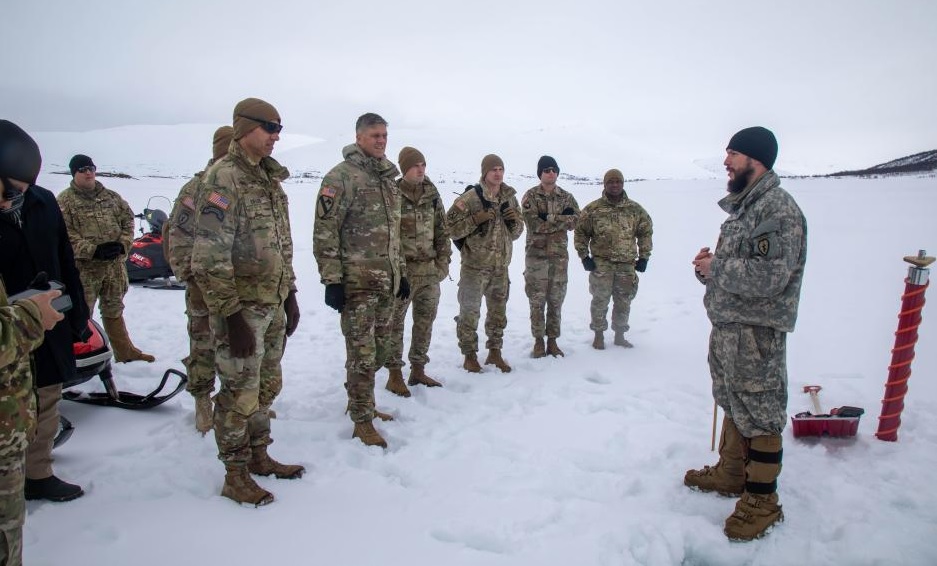
World
In response to growing security concerns in the Arctic, the US Army has activated a specialized aviation command to enhance its operational capabilities in the strategically crucial region. The newly formed Arctic Aviation Command, stationed at Fort Wainwright, Alaska, is a key component of the US military’s evolving posture in the Arctic, an area where global tensions are increasingly evident.Strengthening Arctic DefenseThe Arctic Aviation Command will be home to two active-duty battalions from the 25th and 52nd Aviation Regiments, both of which were previously under the command of Joint Base Lewis-McChord in Washington and Fort Shafter in Hawaii. These units have now been reassigned to report exclusively to the new local command in Alaska, allowing for more direct coordination and responsiveness to the unique challenges presented by the Arctic environment.Colonel Russ Vanderlugt, who heads the new command, emphasized the significance of maintaining a robust presence in the region, stating, “The Arctic is obviously a strategically important region for the US. You have to be in the Arctic to understand the Arctic.”Addressing Emerging ThreatsThe creation of this command comes amid increased military activity by Russia and China in the Arctic. In July, American and Canadian warplanes intercepted two Russian and two Chinese bombers near Alaska, which led to a joint patrol by Moscow and Beijing over the North Pacific. Although both nations claimed they stayed within international airspace, the incident underscored the heightened tensions in the region.The US Department of Defense has raised concerns over the growing cooperation between Russia and China in the Arctic, both militarily and commercially. Deputy Secretary of Defense Kathleen Hicks highlighted this collaboration, noting, “We’ve seen growing cooperation between [China] and Russia in the Arctic commercially, with [China] being a major funder of Russian energy exploitation in the Arctic.”Enhancing Capabilities in the ArcticWith the establishment of the Arctic Aviation Command, the US Army aims to better position itself to respond to the unique challenges of the region. By having its leadership and key resources stationed directly in Alaska, the Army can enhance its training programs, streamline support for Arctic operations, and improve overall readiness.The presence of this command will also facilitate the deployment of specialized equipment suited to the harsh Arctic conditions, ensuring that US forces are well-prepared for any contingencies that may arise in the region. As global interest in the Arctic continues to grow, the activation of this command represents a critical step in bolstering US defense capabilities in one of the world’s most strategically important and increasingly contested areas.
Read More → Posted on 2024-08-21 15:20:47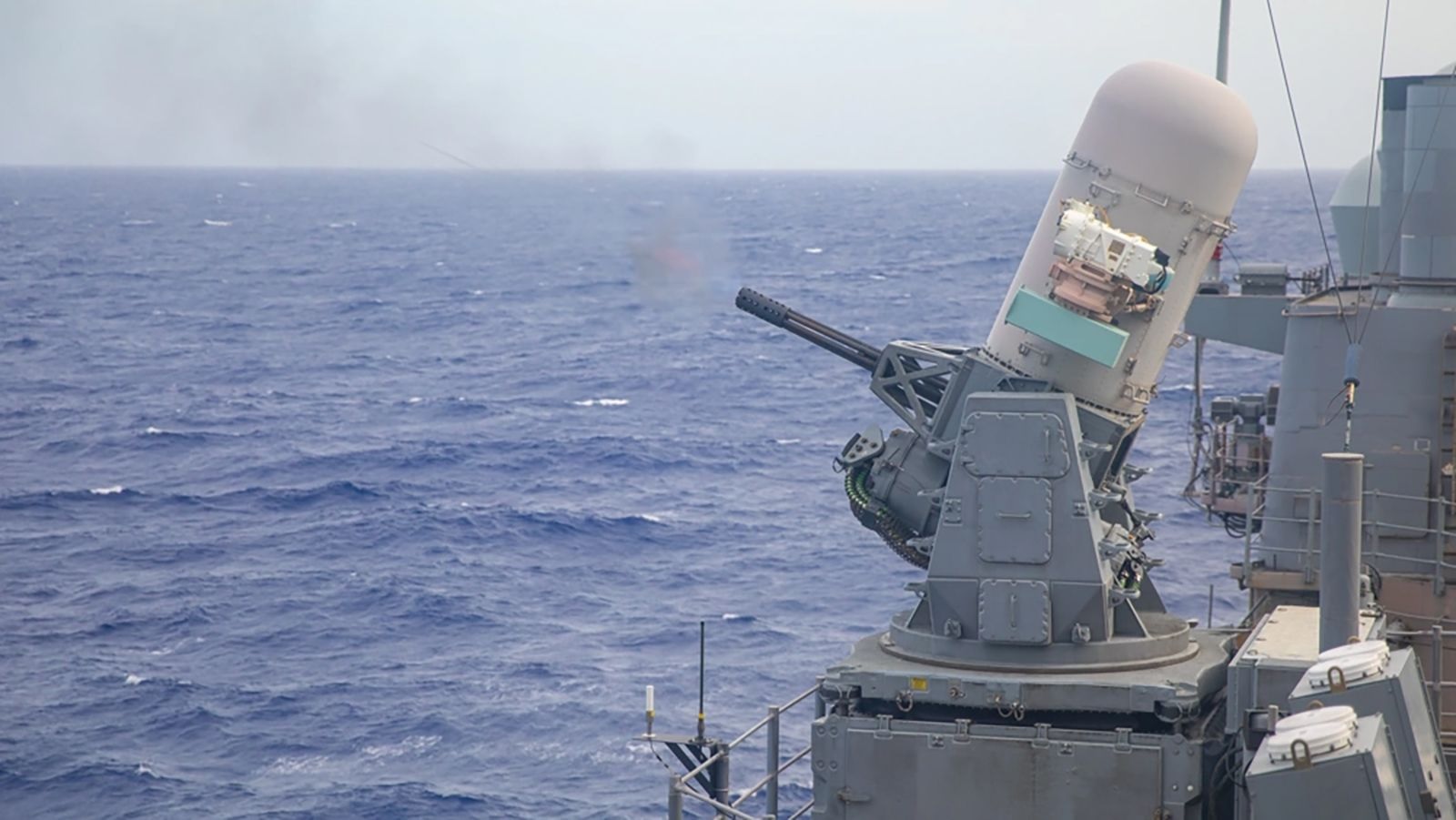
Taiwan Navy Enhances Warships with Upgraded Phalanx Close-In Weapons Amid Growing Threats from China
World
The Taiwanese Navy is taking decisive steps to upgrade its maritime defense by installing the latest variant of the Phalanx Close-In Weapon System (CIWS) on its primary surface combatants. This move is seen as a crucial enhancement in the face of growing tensions with China, which has increased its naval activities around the island.Upgrading Naval DefenseAmong the warships receiving the upgraded Phalanx Block 1B system are Taiwan’s Keelung-class destroyers, Tuo Chiang-class corvettes, and Kang Ding-class frigates. The Block 1B variant offers a substantial improvement in defensive capability, featuring a stabilized electro-optic sensor that enables better engagement against asymmetric threats like high-speed boats, drones, and low-flying aircraft. The system is capable of firing up to 4,500 rounds per minute, making it an effective countermeasure against incoming missiles and other close-range threats that may slip past the ship’s primary defenses.In addition to these installations, Taiwan is upgrading eight Block 1A CIWS units in the US, which are expected to be delivered by next year. These upgraded systems will be integrated into the navy’s newer platforms, including the Yushan-class landing platform docks and next-generation light frigates currently under construction.Strengthening the "Last Line of Defense"The Phalanx CIWS is often referred to as a ship’s “last line of defense” because it is the final barrier against incoming threats that get too close for longer-range interceptors. Its rapid-fire capability and quick response time are vital for neutralizing high-speed missiles or other threats in close proximity. The upgraded Block 1B version brings a significant advantage by enhancing targeting precision and extending the range of engagement, making it a key element in Taiwan’s strategy to counter potential attacks.Earlier this year, the importance of CIWS was underscored in the Red Sea when a Houthi missile was intercepted just one nautical mile away from a US warship. This incident highlighted the critical role that close-in weapons play in modern naval combat, where milliseconds can make the difference between survival and disaster.Preparing for Potential ConflictThe decision to invest in these upgrades comes as Taiwan faces increasing pressure from China, which has been conducting frequent military drills near the island. Many analysts believe these activities are rehearsals for a possible blockade or amphibious assault on Taiwan. In response, Taiwan has been enhancing its naval capabilities, including conducting exercises focused on repelling amphibious landings by the People’s Liberation Army (PLA).With a reported budget of over 10 billion New Taiwan dollars (approximately $313 million), these upgrades are part of Taiwan’s broader strategy to fortify its defenses against a possible Chinese invasion. The deployment of the advanced Phalanx CIWS systems is just one element of Taiwan’s effort to ensure its naval forces remain capable of defending the island nation in a worst-case scenario.ConclusionTaiwan’s move to bolster its naval capabilities with these advanced close-in weapons systems reflects the island’s growing concern over China’s aggressive posture. The enhanced Phalanx Block 1B systems provide a critical edge in protecting Taiwan’s warships and ensuring they can effectively respond to various threats. As Taiwan continues to modernize its military assets, these upgrades are a clear signal of its determination to defend its sovereignty in increasingly challenging geopolitical conditions.
Read More → Posted on 2024-08-20 16:20:16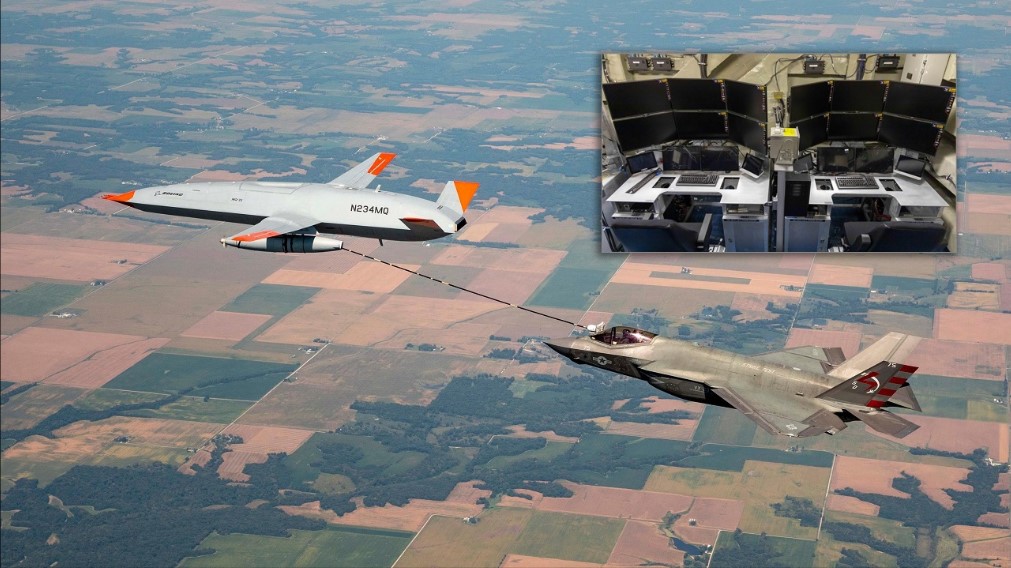
World
The US Navy has achieved a significant milestone by installing the world’s first carrier-based drone control center aboard the USS George HW Bush (CVN 77). This cutting-edge development represents a major step in integrating unmanned systems into carrier operations, starting with the control of the future MQ-25 Stingray uncrewed air refuelers.The new Unmanned Air Warfare Center (UAWC) is a specialized facility where air vehicle pilots will manage drone operations. Initially, the center will control the MQ-25 Stingray, which is designed to provide aerial refueling to enhance the range and endurance of manned aircraft. Eventually, the UAWC will be capable of managing future carrier-based unmanned platforms like the Collaborative Combat Aircraft (CCA), designed for various combat missions.Expanding Capabilities Across Carrier FleetsThe US Navy’s long-term vision includes outfitting all Nimitz and Ford-class nuclear-powered aircraft carriers with UAWCs. This system is expected to redefine how the Navy integrates unmanned aerial vehicles (UAVs) into its carrier strike groups.Captain Daniel Fucito, Unmanned Carrier Aviation Program Manager, emphasized the significance of this development, stating, "CVN 77’s UAWC lays the foundation for how the US Navy will operate and control unmanned aircraft, and perhaps other unmanned vehicles, with UMCS (Unmanned Carrier Aviation Mission Control System)."Advanced Technology and IntegrationThe heart of the UAWC’s capabilities lies in the Unmanned Carrier Aviation Mission Control System (UMCS), a complex network of software and hardware. The UMCS is a system-of-systems that includes the MD-5E Ground Control Station, ship and shore-based infrastructure modifications, and integration with command, control, communications, computers, and intelligence (C4I) systems. Developed by Lockheed Martin’s Skunk Works, the MD-5E Ground Control Station is central to this capability, offering multi-domain combat system integration and cutting-edge technology for mission execution.The UAWC’s advanced systems allow for seamless control and command of unmanned platforms, ensuring operational efficiency and mission success. The center’s capability extends beyond the control of UAVs, with potential future applications for managing various unmanned vehicles.Preparing for Operational TestingThe development and installation of the UAWC involved years of coordination, integrating it into the ship’s operational schedule and multiple ship availability periods. The first significant test of the UAWC’s operational networks is planned for early next year. This follows initial testing in January, conducted with a simulated Ground Control Station aboard the USS Abraham Lincoln (CVN 72).The upcoming trials will mark the first time that air vehicle pilots from Unmanned Carrier-Launched Multi-Role Squadron 10 will operate the MD-5E from an aircraft carrier. During the tests, pilots will use actual GCS hardware and software aboard the USS George HW Bush to communicate with a simulated air vehicle in a lab at the Naval Air Station Patuxent River.A New Era in Carrier OperationsThe UAWC’s installation marks a pivotal moment in the evolution of carrier operations. As the US Navy continues to push the boundaries of unmanned aviation, this system sets the stage for more autonomous capabilities in future naval warfare. By integrating the UAWC across its carrier fleet, the Navy is enhancing its ability to maintain operational superiority in an increasingly complex and contested maritime environment.This significant advancement underscores the Navy’s commitment to leveraging cutting-edge technology to ensure readiness and adaptability in future conflicts.
Read More → Posted on 2024-08-20 16:07:05
World
The U.S. State Department has approved the sale of 5,832 Northrop Grumman M1156 Precision Guidance Kits (PGKs) to Denmark in a deal valued at approximately $85 million. The package includes a range of logistical and program support services such as compatibility testing, firing tables, technical assistance, and equipment training, aimed at improving Denmark’s military precision capabilities.The M1156 PGK transforms conventional unguided 155mm artillery rounds into GPS-guided munitions, boosting accuracy by more than five times. This technology is critical in modern warfare, where precision is key to neutralizing threats while minimizing collateral damage. The sale is intended to enhance Denmark's ability to address current and emerging security challenges, allowing its brigades to increase their first-strike accuracy in various operational environments.Northrop Grumman, the principal contractor for the sale, has developed the PGK to offer reliability even in contested environments. To counter adversaries' GPS jamming tactics, Northrop Grumman partnered with CAES in 2023 to incorporate advanced M-Code GPS antennae into the PGKs. This upgrade allows the kit to operate effectively even in GPS-degraded or denied conditions.The latest version of the kit, known as the PGK-Extended Range (PGK-ER), extends its usability to more advanced artillery systems, including future 58-caliber cannons currently under development by the U.S. Army. The PGK-ER offers enhanced performance, making it adaptable for both current and next-generation artillery platforms.This sale underscores Denmark’s commitment to modernizing its defense capabilities. As regional and global security dynamics evolve, precision-guided systems like the M1156 PGK are becoming increasingly vital for NATO allies, ensuring their forces can respond swiftly and accurately to emerging threats.The Defense Security Cooperation Agency emphasized that the sale will significantly enhance Denmark's operational effectiveness, contributing to the collective security of NATO while maintaining regional stability. Contract negotiations will determine any offsets linked to the deal, shaping the final terms of the agreement.
Read More → Posted on 2024-08-19 16:16:33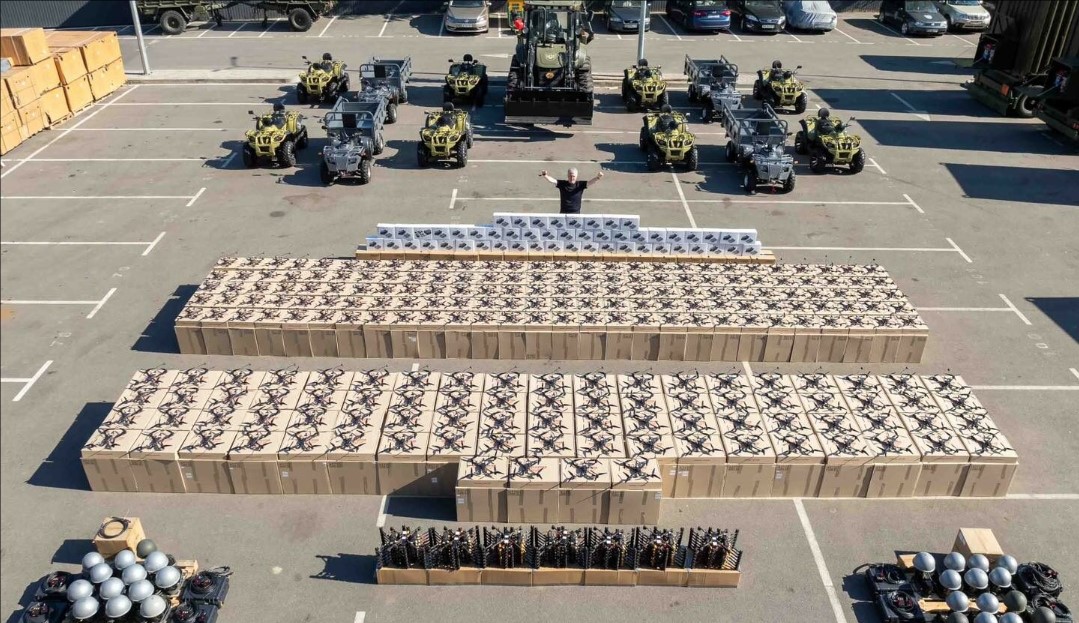
World
Ukraine has received a significant boost in its cross-border operations against Russia with the delivery of a range of advanced equipment, including all-terrain vehicles (ATVs), drones, and electronic warfare (EW) systems. Former Ukrainian president and current parliament member Petro Poroshenko handed over the large batch of volunteer aid to Ukrainian Defense Forces operating inside Russia’s Kursk region, aiming to strengthen their ongoing incursion.Key Equipment DeliveredThe aid package includes an impressive array of technology designed to enhance the effectiveness of Ukrainian forces:1,205 First-Person View (FPV) Attack Drones: These drones provide real-time video feedback, allowing operators to engage targets with precision. The FPV drones are expected to play a critical role in disrupting Russian positions.DJI Mavic Drones: A total of 68 DJI Mavic drones—51 daytime and 17 nighttime versions—were delivered. These commercially available drones have become vital in surveillance and targeting operations due to their adaptability and ease of use.Shatro 50-1M Electronic Warfare Systems: Nine Shatro 50-1M systems were included to protect Ukrainian troops from Russian kamikaze drones. These systems create a protective dome of radio frequency interference with a radius of up to 250 meters (820 feet) by emitting 50 watts of power. This capability disrupts enemy drone communications and guidance systems, increasing the survivability of Ukrainian forces.Twelve ATVs: The donated ATVs are intended for assault troops and can be used for rapid deployment, reconnaissance, and the evacuation of wounded soldiers from conflict zones.Additional Support Equipment: Ukrainian units also received a new excavator, a Foden truck, and makeshift shower facilities, enhancing their logistical capabilities during extended operations.Strategic Importance of the Kursk IncursionThe equipment was sent to support Ukrainian forces engaged in a surprise offensive in the Kursk region of western Russia. This incursion, launched earlier in August, has been marked by the effective use of drones and jamming devices, which allowed Kyiv’s forces to disrupt Russian surveillance systems and push forward into enemy-held territory. According to the Institute for the Study of War, Ukraine managed to capture over 800 square kilometers (308 square miles) and gain control of several Russian towns within a week of launching the operation.President Volodymyr Zelenskyy emphasized that this offensive aims to create a "buffer zone" to prevent further Russian strikes against Ukraine. The focus remains on sustaining pressure in border regions, with Ukrainian forces looking to secure additional gains in the coming weeks.Poroshenko’s Call for Continued SupportPoroshenko, who played a key role in organizing the aid, stressed the importance of continued support for Ukraine’s frontline troops. He reiterated that while the specifics of ongoing operations cannot be disclosed, the supply of necessary equipment remains a priority. "All this equipment will do its job for the advancement of our troops," he stated, highlighting the critical nature of this aid for Ukraine’s broader war effort.As Ukraine continues to engage Russian forces across the border, the delivery of these drones, ATVs, and electronic warfare systems underscores Kyiv’s commitment to maintaining momentum and advancing its strategic objectives.
Read More → Posted on 2024-08-19 15:59:50
World
Two German warships, the frigate Baden-Wuerttemberg and the replenishment ship *Frankfurt am Main*, are awaiting orders from Berlin that could see them become the first German naval vessels in decades to sail through the sensitive Taiwan Strait. The potential passage, expected to take place next month, highlights Germany's growing role in the Indo-Pacific and could inflame tensions with Beijing, which claims sovereignty over the strait.Rear Admiral Axel Schulz, the commander of the naval task group, confirmed that no final decision has been made yet, as weather conditions will also be considered. If approved, it would mark Germany’s first transit through the strait since 2002, joining a growing list of nations like the United States, Canada, and others that have recently sent warships through the region to assert their stance on international maritime freedom.The Taiwan Strait, a narrow 180-kilometer-wide waterway, lies between China and the self-governed island of Taiwan. Beijing insists the strait falls under its jurisdiction, while Taiwan, supported by the U.S. and its allies, maintains that it is an international waterway, allowing free passage under international law."We are showing our flag here to demonstrate our commitment to our partners and friends, to the rules-based order, peaceful resolution of territorial disputes, and free, secure shipping lanes," Schulz stated, emphasizing that the mission is not meant to provoke but to uphold these principles.Before considering the passage, the German task group will visit Tokyo and then make stops in South Korea and the Philippines. They are also scheduled to participate in joint exercises involving several regional and Western powers, including France, Japan, the United States, and others. These drills underscore the increasing international focus on security and stability in the Indo-Pacific as concerns grow over Beijing’s assertive actions, including its military activities around Taiwan.Germany’s decision to increase its naval presence in the region is part of a broader shift seen among Western nations in recent years. In 2021, a German warship sailed through the South China Sea for the first time in nearly 20 years, signaling Berlin’s intent to play a more active role in ensuring the rules-based order in Asia.Despite the potential geopolitical ramifications, Admiral Schulz downplayed the security risks, describing the strait as a "normal passage" similar to navigating the English Channel. Still, he expects close monitoring by Chinese forces, possibly including navy, coastguard, or maritime militia vessels, which is standard practice in the area.The increasing frequency of foreign naval operations in the Taiwan Strait, especially by the U.S., has consistently drawn sharp reactions from Beijing, which accuses such missions of undermining regional peace. Germany's balanced trade relationships with both China and Taiwan add another layer of complexity, making this a significant diplomatic and strategic decision for Berlin.As the world watches, the next steps in Germany’s evolving Indo-Pacific strategy will be closely scrutinized, especially given the growing competition between global powers in the region.
Read More → Posted on 2024-08-19 15:55:56
World
The UK Ministry of Defence has successfully launched its first dedicated military satellite, marking a significant leap in the country’s defense capabilities. Named “Tyche,” the satellite was sent into orbit aboard SpaceX’s Falcon 9 rocket from Vandenberg Space Force Base in California. This advanced space asset is set to enhance the UK’s intelligence, surveillance, and reconnaissance (ISR) operations, offering vital support for both military and governmental initiatives.Tyche: A New Era in UK Space DefenseTyche, operated by the UK Space Command, is designed to capture high-resolution daytime imagery and videos of the Earth’s surface. Weighing 150 kilograms (about 330 pounds) and roughly the size of a washing machine, the satellite will play a crucial role in monitoring potential adversaries, gathering strategic intelligence, and supporting broader national security objectives. Additionally, it is expected to contribute to non-military missions such as tracking natural disasters and assessing the effects of climate change globally.Paul Russell from Defence Equipment & Support (DE&S) emphasized the importance of this milestone, stating, “To see Tyche – the first of a new generation of UK military capabilities – delivered into orbit is an incredibly proud moment and a tribute to everyone’s commitment to this key project.”Details of the Tyche Satellite ProgramTyche is part of a 22-million-pound ($29-million) initiative between the UK’s DE&S and Surrey Satellite Technology Limited, a company based in Guildford. The satellite is designed for a five-year mission in Low Earth Orbit (LEO), where it will provide timely and critical space-based imagery. The launch comes in the wake of increased recognition of the importance of space-based military assets, particularly highlighted during Russia’s ongoing invasion of Ukraine. The conflict has underscored the strategic advantages provided by space surveillance, prompting the UK to invest in such capabilities.Defense Procurement Minister Maria Eagle remarked, “Tyche will provide essential intelligence for military operations as well as supporting wider tasks across government.” She also noted that the launch demonstrates the UK’s commitment to embracing innovation in defense technologies.A Key Step Toward Future Military Space CapabilitiesThe Tyche satellite not only boosts the UK’s defense ISR capabilities but also represents the country’s broader ambitions in space. As global powers increasingly rely on space assets for military and security purposes, the UK’s entry into this domain underscores its determination to remain at the forefront of modern defense technologies. Tyche’s successful launch and early signal confirmation mark the beginning of a new chapter for the UK’s space defense strategy.
Read More → Posted on 2024-08-19 15:49:24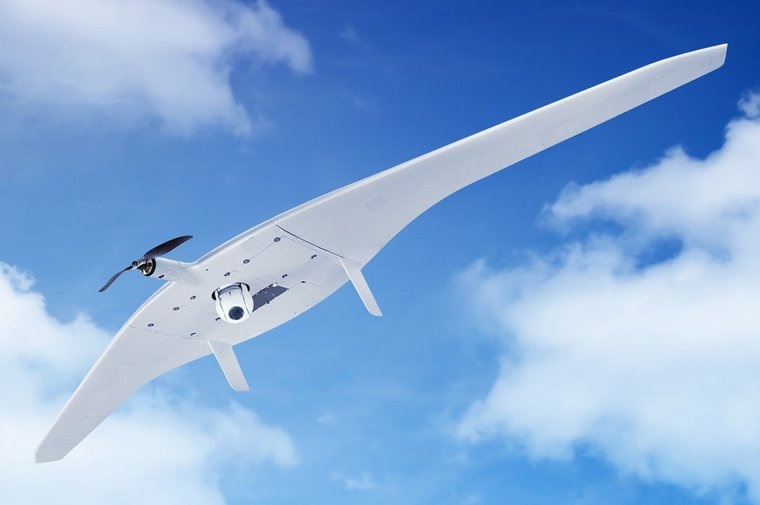
World
Pakistan has taken a significant step in enhancing its surveillance and reconnaissance capabilities with the acquisition of the advanced Supercam S350 drones from Russia. This move underscores the country's commitment to strengthening its aerial monitoring assets for both military and civilian applications. With these state-of-the-art unmanned aerial vehicles (UAVs), Pakistan gains a versatile tool designed to meet the diverse needs of modern-day surveillance and monitoring tasks.The Supercam S350 is a highly capable Russian-made UAV known for its extensive flight endurance, advanced data transmission range, and high-speed operations. One of its standout features is its impressive seven-hour flight time, allowing it to perform prolonged surveillance missions without frequent interruptions. The drone’s robust data transmission system, which extends up to 100 kilometers, ensures that real-time information is relayed swiftly and accurately to command centers, providing crucial situational awareness in dynamic scenarios.In terms of speed, the Supercam S350 can reach up to 120 kilometers per hour, enabling it to cover vast areas rapidly. This capability is particularly beneficial for border patrol, crisis management, and other time-sensitive operations. Equipped with a sophisticated optical system, the drone is capable of capturing high-resolution images and videos, even under challenging environmental conditions. The versatility of the Supercam S350 is evident in its wide range of payload options, which can include thermal imaging devices, radiation detectors, gas analyzers, and laser scanners. This modular design allows the UAV to adapt to a variety of missions, from disaster response to environmental monitoring and infrastructure inspections.The drone’s adaptability extends beyond military applications. Its capabilities make it a valuable asset for civilian purposes as well, such as disaster management, border security, and facility monitoring. With a 4.5-hour flight duration dedicated to civilian tasks, the Supercam S350 ensures reliable performance in diverse scenarios.Another key feature of the Supercam S350 is its modular construction using composite materials. This design enables quick assembly and easy maintenance, ensuring operational efficiency. The drone’s flexible configuration is supported by interchangeable payloads and a unified gyro-stabilized gimbal system, allowing seamless switching between mission-specific equipment. Additionally, the wing panels are designed to detach safely during landing, minimizing the risk of damage and prolonging the UAV’s operational lifespan.The procurement of the Supercam S350 drones marks a strategic investment for Pakistan, enhancing its aerial monitoring and reconnaissance capabilities. Whether for military surveillance, environmental monitoring, or disaster management, these advanced UAVs position Pakistan to better manage security challenges and optimize civilian operations. The Supercam S350’s sophisticated features and versatile applications make it a critical asset in Pakistan’s growing drone fleet.
Read More → Posted on 2024-08-18 15:00:36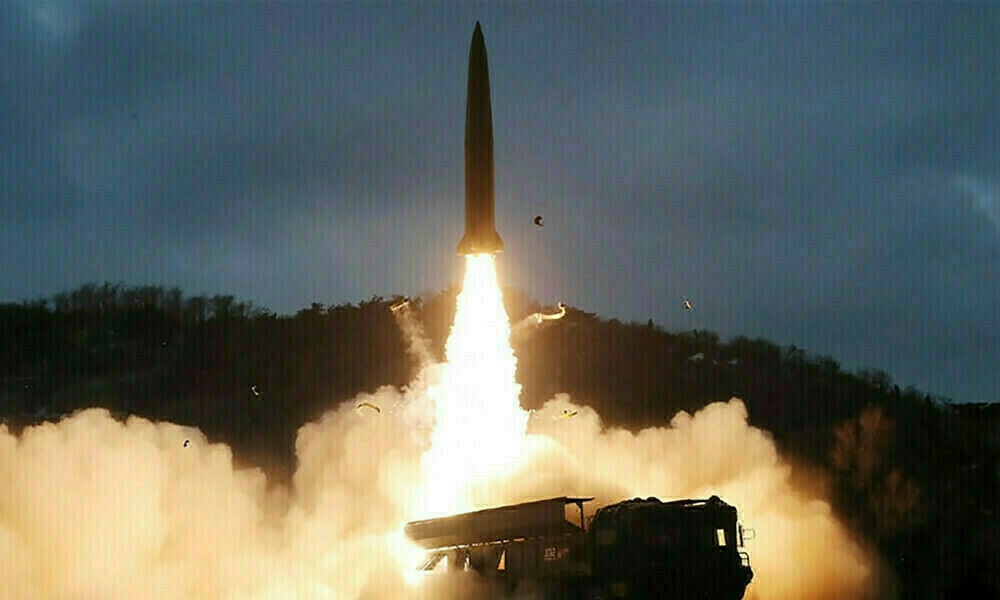
World
In what has become a recurring threat this month, Russia launched its third ballistic missile strike on Kyiv in August, marking another attempt to target Ukraine's capital. According to the Kyiv military administration, the missile attack took place early on Sunday, and all incoming air weapons were reportedly intercepted and destroyed before reaching the city. This attack follows a concerning pattern, as the previous strikes also occurred exactly six days apart.Serhiy Popko, head of Kyiv’s military administration, took to Telegram to confirm the details. He stated, “This is already the third ballistic strike on the capital in August, with exact intervals of six days between each attack.” Popko also suggested that the missiles used in these attacks might have been supplied by North Korea, adding a new layer of geopolitical complexity to the ongoing conflict.The attack wasn’t limited to ballistic missiles alone. Ukrainian air defense units also managed to destroy several drones launched by Russia in tandem with the missile assault. Although the precise scale of the attack remains unclear, initial reports indicate that there were no immediate casualties or significant damage.Reuters, which has been closely monitoring the situation, noted that while they couldn’t independently verify the exact type of missiles used, witnesses in Kyiv reported hearing loud blasts that resembled the sounds of air defense systems in action. As the situation unfolded, fresh air raid alerts were issued for Kyiv and surrounding regions, indicating the potential threat of additional missiles.While the ballistic missile strikes seem to have been neutralized by Ukraine’s defense systems, the persistent nature of these attacks highlights the ongoing tension and volatility in the region. Ukrainian authorities remain on high alert as the possibility of further strikes looms.As the conflict between Russia and Ukraine drags on, the repeated targeting of Kyiv underscores Russia’s determination to weaken Ukraine’s defensive capabilities while testing the resilience of its air defense systems. With reports suggesting North Korean involvement in supplying ballistic missiles, the international dimension of this war continues to widen, drawing in actors from beyond the immediate conflict zone.Despite the intensity of these repeated strikes, Ukraine’s ability to intercept the missiles reflects the growing sophistication of its defense strategies, even as it faces relentless pressure from Russian forces. As both sides continue to adapt and evolve their tactics, Kyiv remains a focal point of this conflict, bearing the brunt of these high-stakes confrontations.
Read More → Posted on 2024-08-18 14:58:03Search
Top Trending in 24 Hours
-
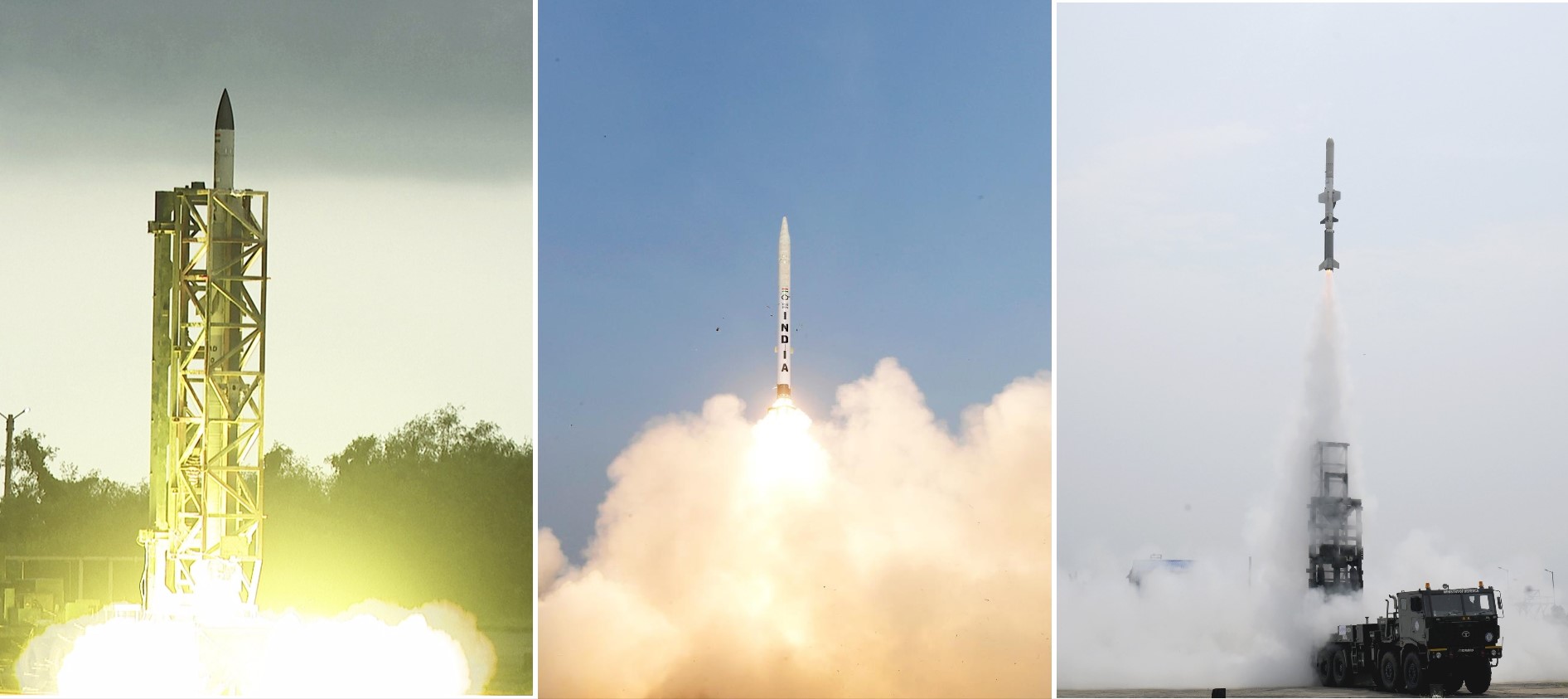 India Successfully Conducts AD-1, AD-2 Interceptor Tests and Maiden NASM-MR Flight Trial
-
 U.S Navy Orders 50 Blackbeard Hypersonic Missiles in New $23.4 Million Contract
-
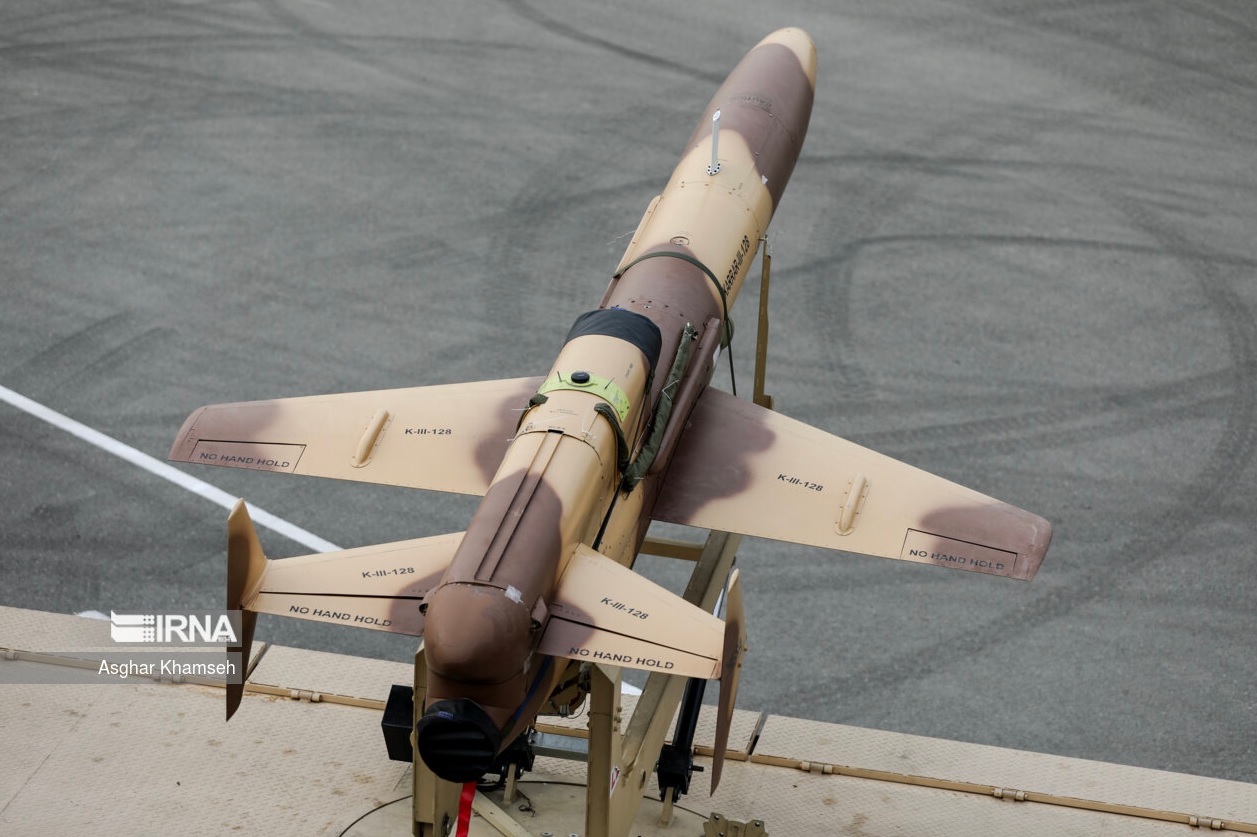 Russia Launches 1,400 Jet-Powered Drones in 2026 as Strike Tactics Evolve to Challenge Ukraine's Air Defenses
-
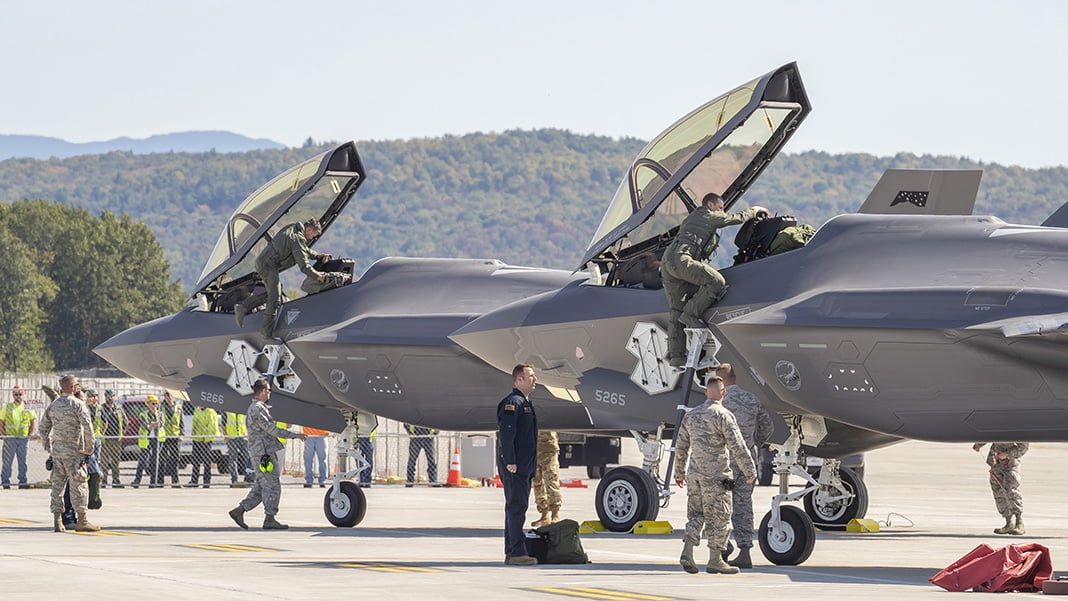 F-35 Fleet Readiness Falls to 25% Amid Parts Shortages and Software Delays: GAO Report
-
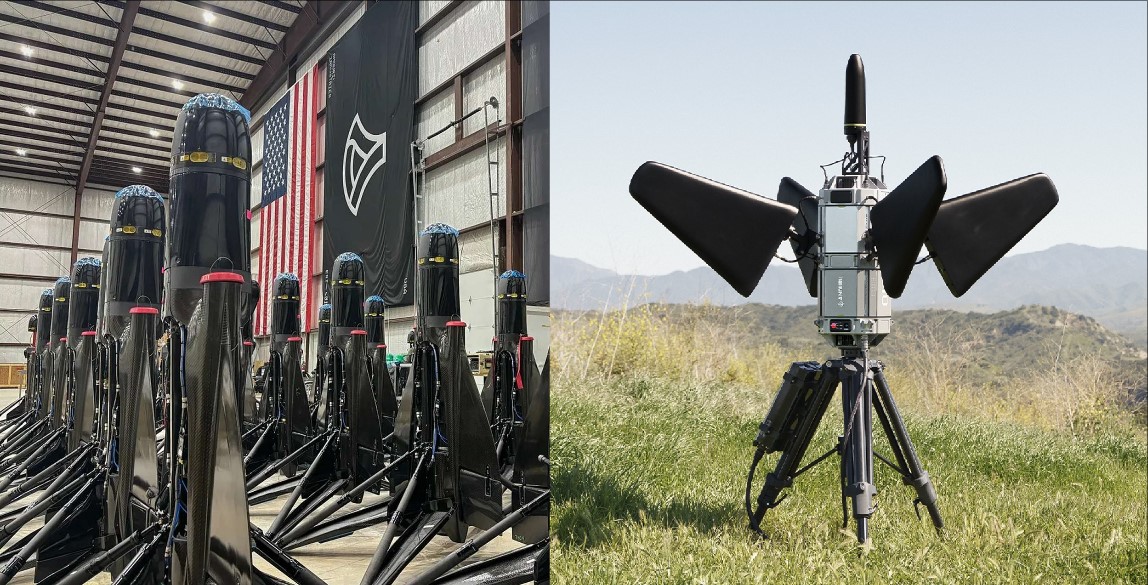 U.S. Approves $1.98 Billion Sale of Anduril AI-Powered Counter-Drone Systems to Kuwait
-
 UAE Denies Reports of Releasing Up to $20 Billion in Funds to Iran Amid Regional De-Escalation Efforts
-
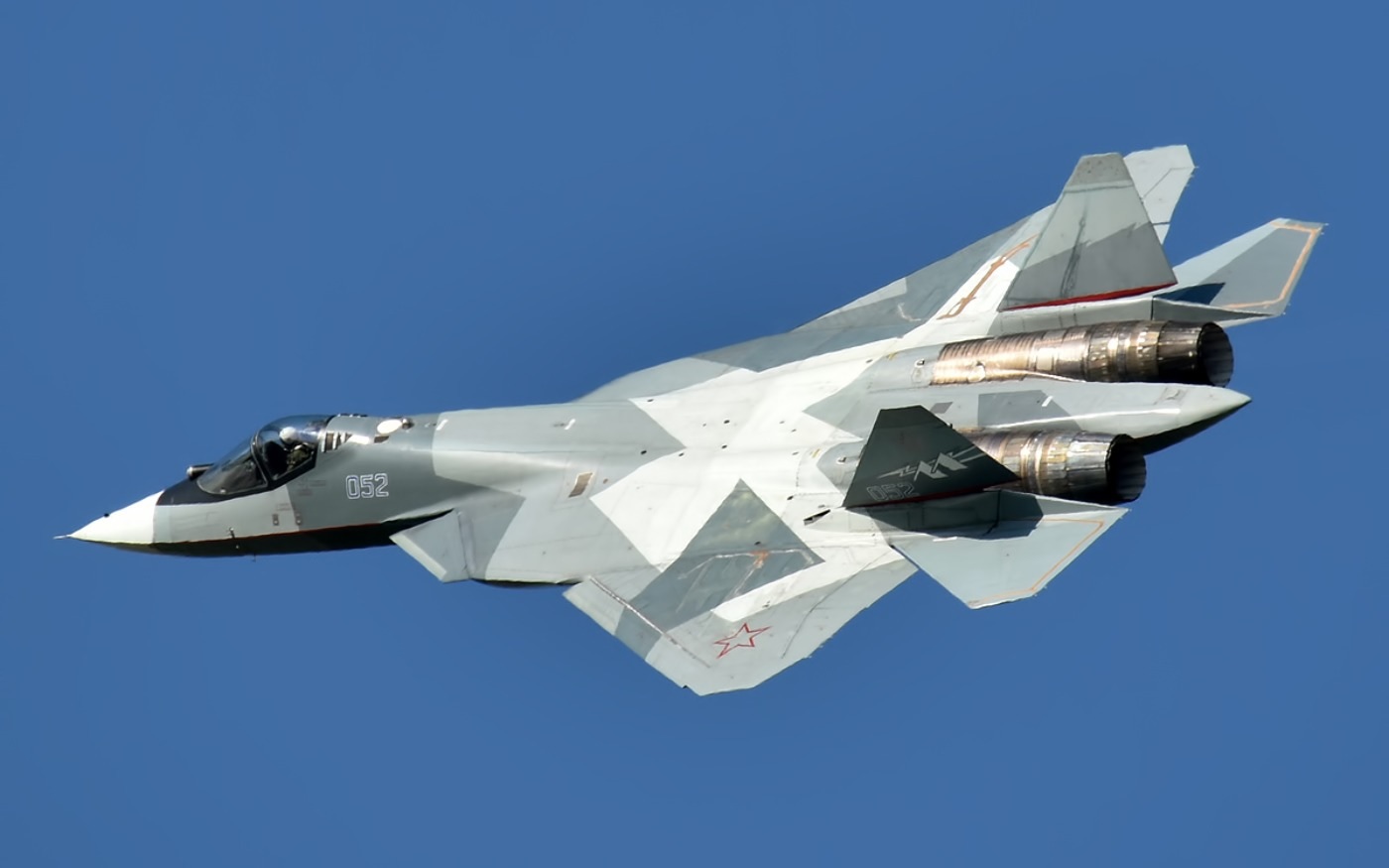 Russian Analysts Debate Su-57 Capabilities After Putin Calls Fighter Superior to F-35
-
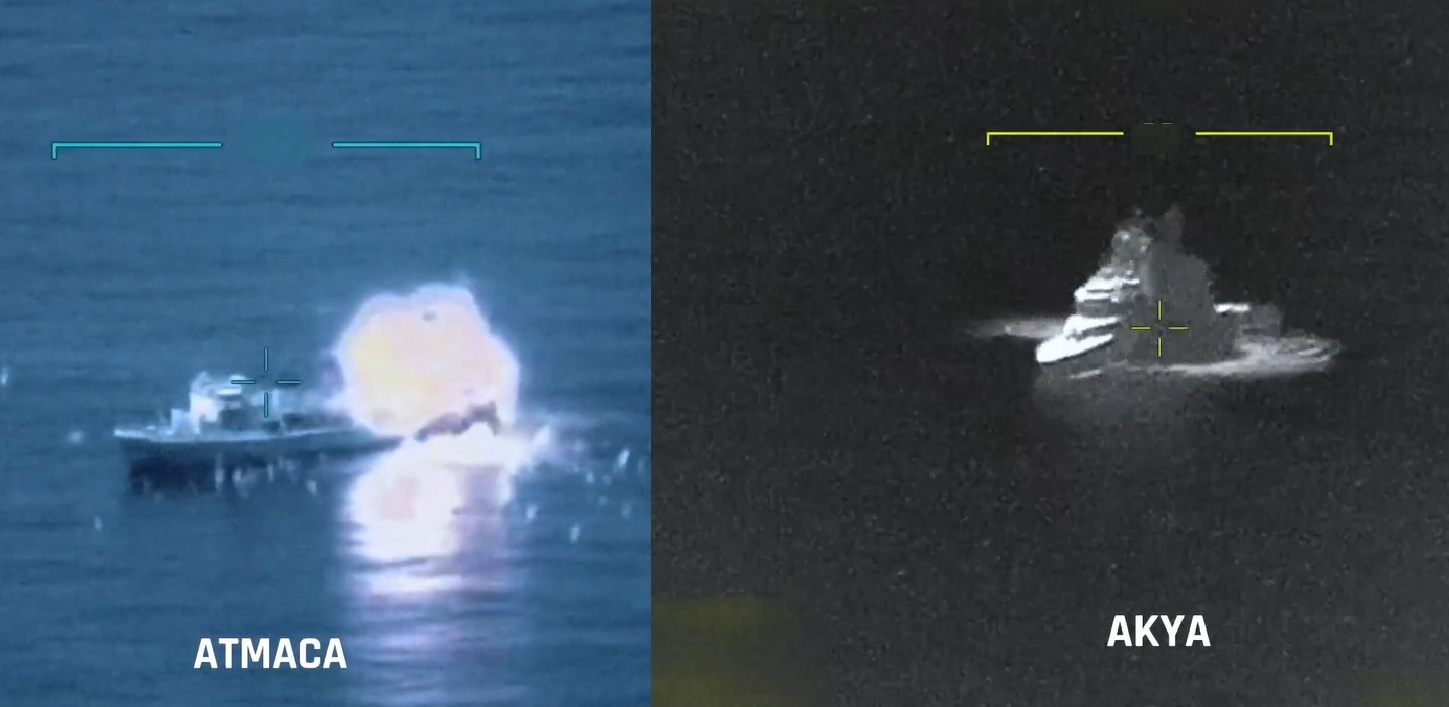 Turkey Navy Successfully Tests AKYA Torpedo and ATMACA Missile During Major Denizkurdu-II Naval Exercise
Top Trending in 4 Days
-
 Iranian Media Leaks 14-Point U.S.-Iran Peace Framework Amid Ongoing Negotiations
-
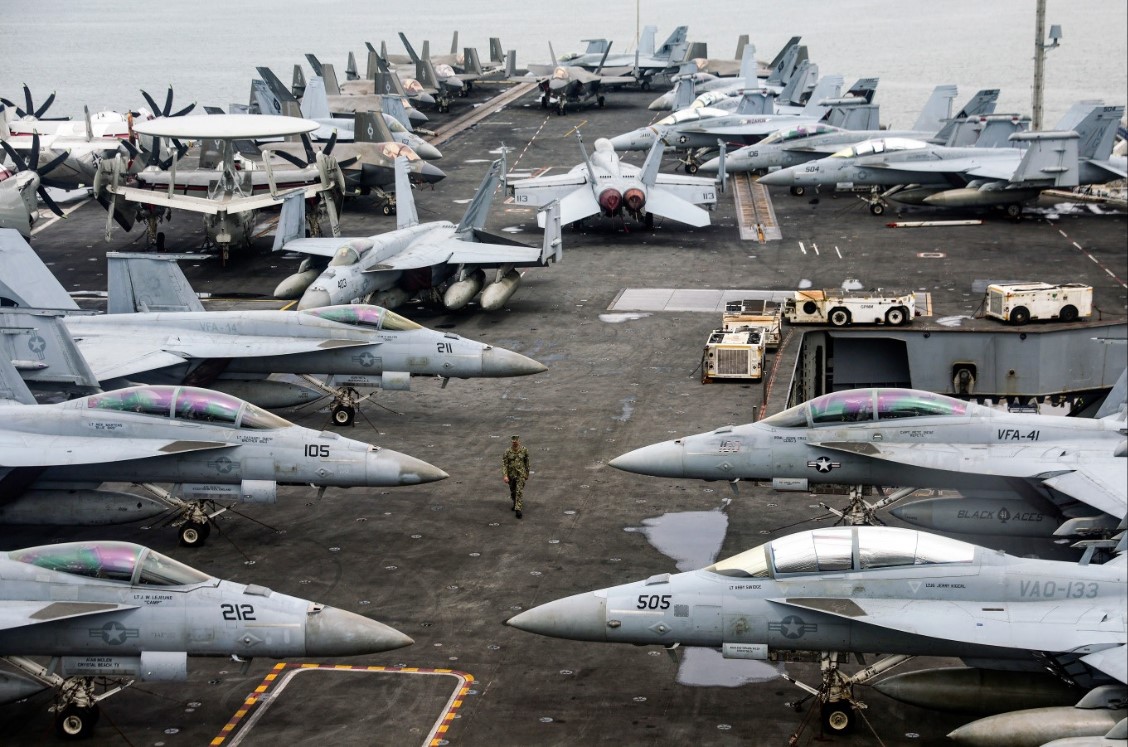 US Plans Significant Reduction of Fighter Jets and Warships for NATO Operations in Europe
-
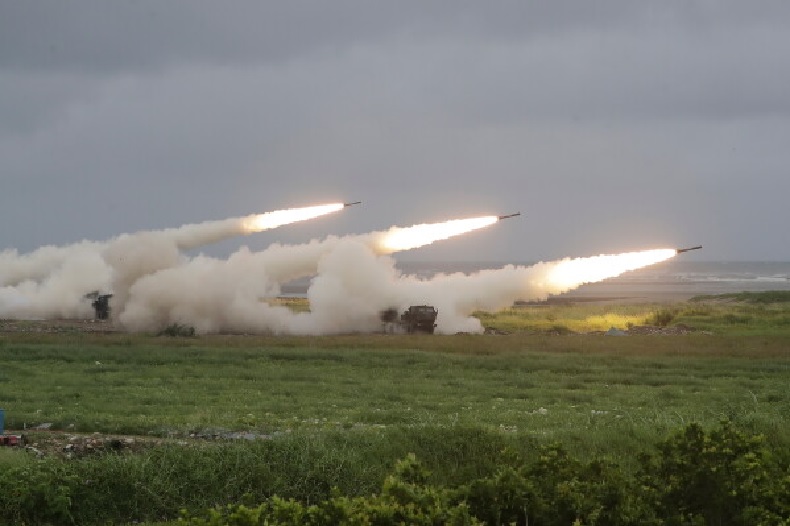 Taiwan Conducts First Live-Fire of HIMARS Rockets From West Coast During Invasion Defense Drill
-
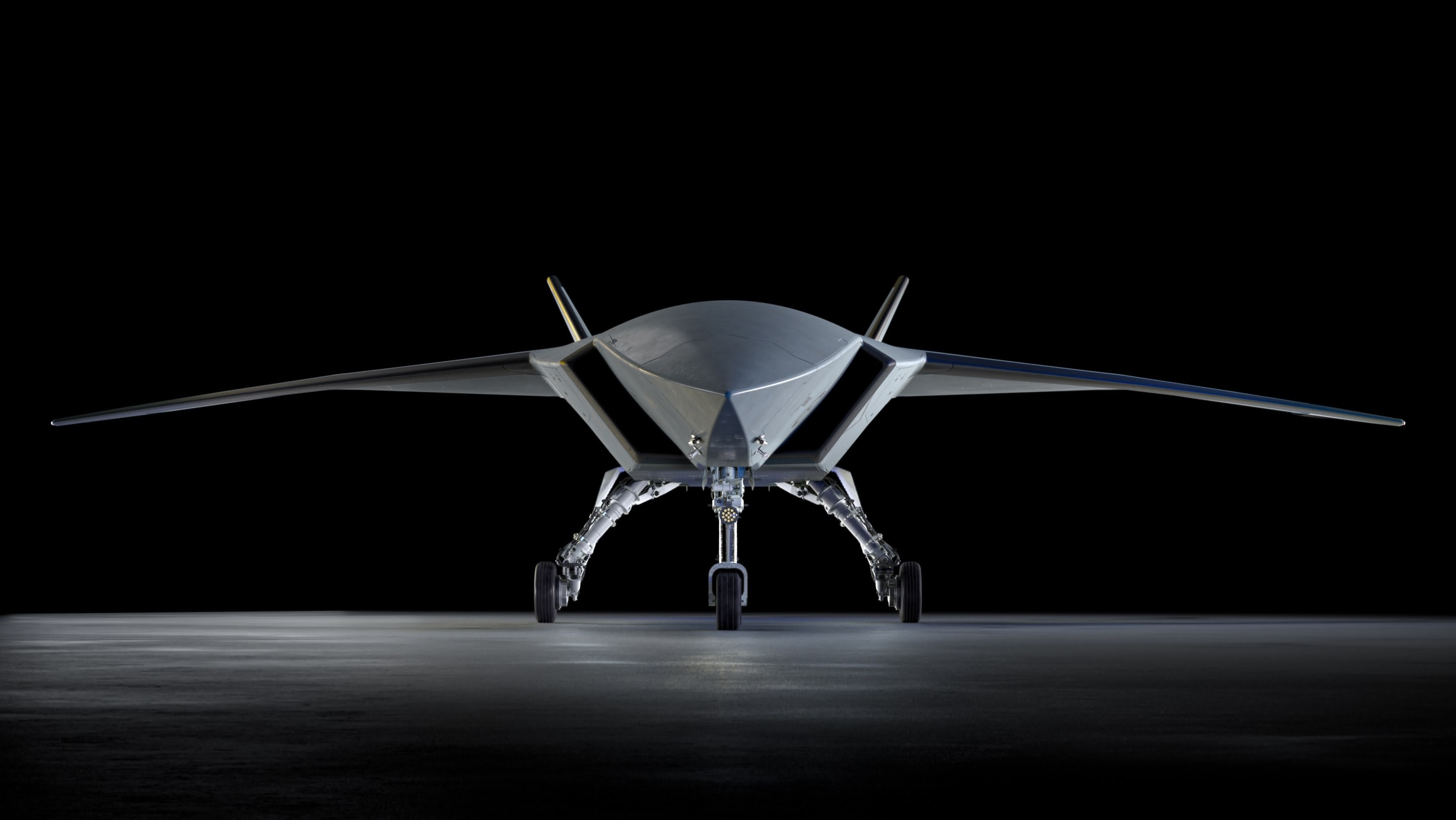 Boeing Introduces New MQ-28 Ghost Bat Upgrades with Increased Range, Payload and Weapons Capacity at ILA Berlin 2026
-
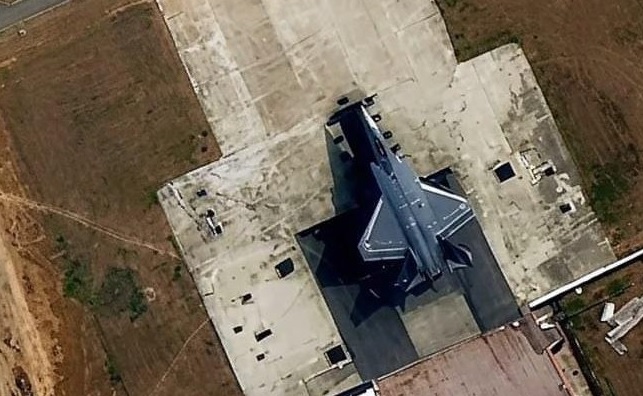 AMCA Airframe Spotted at DRDO’s ORANGE Facility for Radar Cross-Section Testing
-
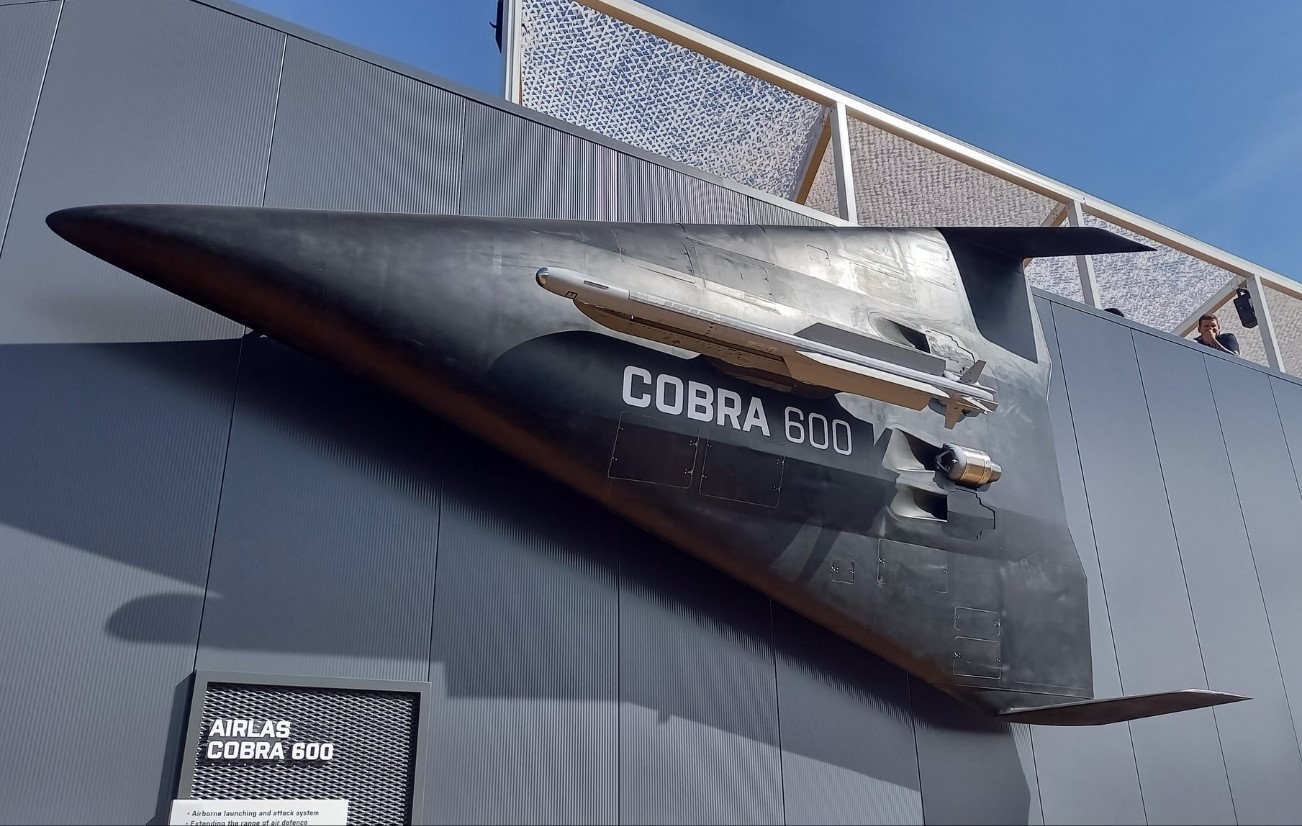 Diehl Defence Unveils IRIS-T Armed Cobra 600 Air Defense Drone at ILA Berlin 2026
-
 Russian Defense Firm ZALA Unveils KAMA Unmanned Surface Vessel Family at FLOT-2026 Naval Exhibition
-
 U.S Aircraft Carrier USS Theodore Roosevelt Departs San Diego for Major RIMPAC 2026 Naval Exercise