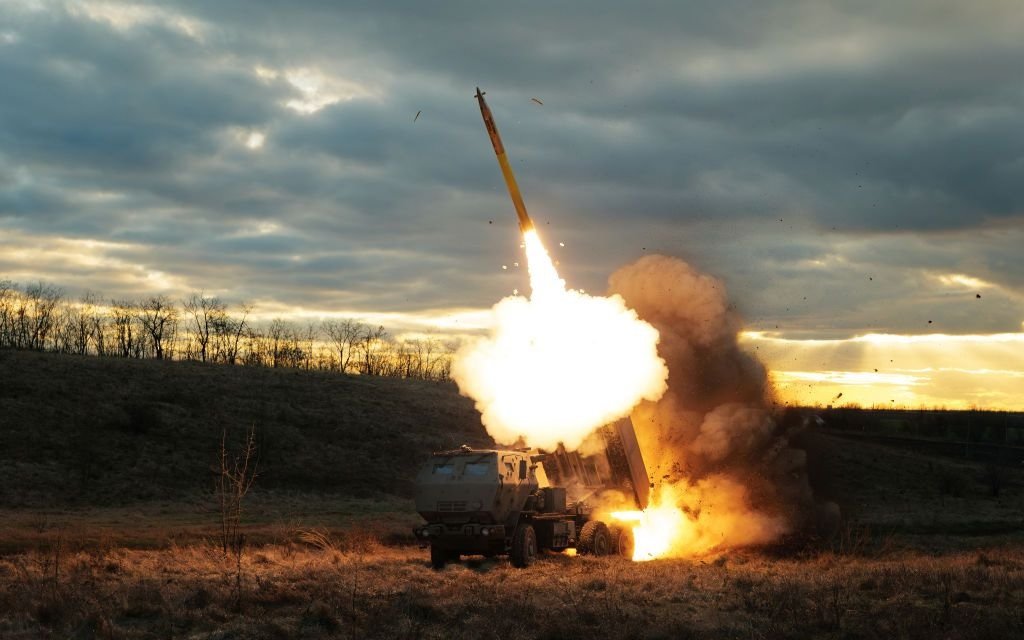
In a significant development on the eastern front, Ukrainian forces have reported regaining control of territory in the Kharkiv region, an area that saw substantial Russian advances earlier this year. According to a statement from Ukraine’s 3rd Separate Assault Brigade, Ukrainian troops have recaptured nearly two square kilometers (around three-quarters of a square mile) of land that had been under Russian control.
The timing and scale of this counteroffensive remain somewhat unclear, leaving the full impact on the battlefield uncertain. This move is part of a broader shift in momentum for Ukraine, which has recently made headlines with several strategic maneuvers. On August 6, Ukrainian forces launched a surprise offensive into Russia's Kursk region, marking an escalation in their approach. Additionally, a drone strike in Russia's Volgograd region caused significant damage to an airbase reportedly housing glide bombs used in the conflict.
The Ukrainian counteroffensive in Kharkiv is coupled with a heightened drone war that has targeted Russian military and fuel facilities, leading to substantial fires deep within Russia. These actions come amid a renewed push by Kyiv to alter the dynamics of the war, which has seen a prolonged stalemate in several regions.
This resurgence in Kharkiv is being closely watched for its potential implications. Ukrainian President Volodymyr Zelenskyy's meeting with Indian Prime Minister Narendra Modi, who has maintained a balanced stance between Russia and Ukraine, is particularly notable. Modi’s visit could influence diplomatic efforts aimed at peace negotiations.
However, the Ukrainian incursions into Russian territory have highlighted both opportunities and risks. While they expose vulnerabilities within Russian defenses, they also stretch Ukrainian forces further along the extensive frontline. This expansion might impact Ukraine's ability to reinforce its defenses in other critical areas, such as Donetsk, where Russian advances have been more consistent.
Overall, Ukraine's recent successes have invigorated national morale and shifted the strategic landscape, even as the conflict continues to evolve with new challenges and opportunities for both sides.
——— End of Article ———