World
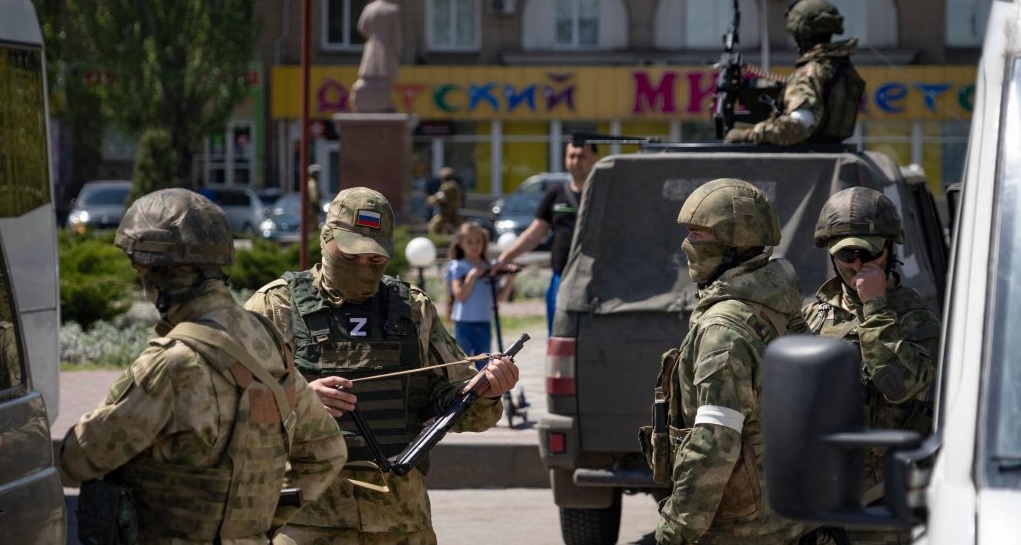
In a grim revelation, more than 66,000 Russian soldiers have reportedly died in the ongoing war in Ukraine, according to estimates from Mediazona, an independent Russian news outlet. This staggering figure highlights the intense and deadly nature of a conflict that Russia officially refers to as a "special military operation."Mediazona, in collaboration with the BBC's Russian Service, has been meticulously compiling a list of confirmed soldier deaths, drawing on open-source data from official reports, media accounts, and satellite images of cemeteries. This list, which includes names of the deceased, is an attempt to provide a more accurate picture of the human cost of the war, which has often been downplayed or obscured by official Russian channels.As of August 30, Mediazona has identified 66,471 Russian soldiers who have been killed in Ukraine. This marks a significant increase of over 4,600 names in just the past four weeks, a surge that the organization attributes not to recent battlefield developments, but rather to a backlog of death reports that are only now being confirmed.The distribution of these casualties is not uniform across Russia. The southern republic of Bashkortostan, which has a significant Muslim population, has suffered the highest number of deaths, with 2,578 confirmed fatalities. The dead also span a wide range of ages, but the most represented age group is 33-35 years, accounting for nearly 6,900 deaths.One of the more disturbing aspects of this report is the high number of prisoners among the dead. More than 12,000 of those killed were inmates who had been promised freedom in exchange for fighting on the front lines. However, Mediazona notes that the recruitment of prisoners has slowed recently, suggesting a possible shift in Russian military tactics or a waning pool of willing participants.Despite these figures, the true death toll is likely higher. Mediazona and the BBC rely on publicly available information, which means many deaths go unrecorded, particularly in regions with limited media coverage or where families may be reluctant to report the loss of a loved one.The Russian government has been notably silent on the issue of military casualties. The last official figure provided by the Russian Ministry of Defense was in September 2022, when it reported 5,937 soldiers killed—a number that contrasts starkly with the independent estimates. Even as the war drags on, Russian President Vladimir Putin has maintained that nearly 700,000 Russian soldiers are actively engaged in Ukraine, a figure that underscores the scale of Russia's military commitment to the conflict.In contrast, Ukrainian President Volodymyr Zelensky has stated that 31,000 Ukrainian soldiers have died since the war began, a number that reflects the heavy toll the conflict has taken on both sides.The ongoing investigation by Mediazona and the BBC serves as a sobering reminder of the war's devastating human cost. As the conflict continues with no end in sight, the number of casualties is likely to keep rising, further deepening the tragedy of this war.
Read More → Posted on 2024-08-31 15:34:50
World
In a decisive move to combat the growing menace of cybercrime, India is launching a dedicated Cyber Commando force. This elite unit, consisting of 350 highly trained personnel, is being established as part of a broader strategy to safeguard the nation’s digital infrastructure. With cybercrime losses in India estimated to reach ₹7,488 crore this year alone, the formation of this specialized force marks a significant step towards bolstering the country’s cybersecurity defenses.The Cyber Commando unit will draw its ranks from various state police forces, with members undergoing rigorous training at some of India’s premier institutions. These include the Indian Institutes of Technology (IITs), Indian Institutes of Information Technology (IIITs), and the Sardar Vallabhbhai Patel National Police Academy. The curriculum will cover advanced topics such as digital forensics, cyber threat intelligence, and defensive and offensive cyber operations. This is to ensure that these commandos are not only capable of responding to cyberattacks but also proactive in preventing them.The force is set to be officially commissioned next month, with a launch event planned for September 10th, where Union Home Minister Amit Shah is expected to interact with the newly inducted commandos. This initiative is part of the Ministry of Home Affairs' (MHA) 100-day action plan, underscoring the urgency with which the government is addressing cyber threats.The formation of the Cyber Commando force comes at a time when India is witnessing an unprecedented surge in cybercrime. According to recent data from the MHA, cybercriminals have stolen ₹7,488.6 crore from Indian citizens in 2023 alone. The states of Maharashtra and Telangana have been particularly affected, with losses exceeding ₹990.7 crore and ₹759.1 crore, respectively. These figures highlight the pressing need for a dedicated force that can tackle these sophisticated and evolving threats.In addition to the Cyber Commando force, the MHA is rolling out several other initiatives aimed at enhancing the country’s cyber defenses. These include the Samanvaya Joint Management Information System and the Cyber Fraud Mitigation Centre (CFMC). These platforms are designed to improve coordination between various agencies and provide real-time responses to cyber threats.The establishment of the Cyber Commando force is not just about responding to immediate threats. It’s also about preparing India for the future. As the country continues its digital transformation, the risks associated with cyber vulnerabilities will only increase. By investing in specialized training and cutting-edge technology, the government is positioning India to confront these challenges head-on.The Cyber Commando force will serve as a national resource, ready to defend the country’s critical information and communication technology (ICT) infrastructure. Their mission will include not just responding to cyberattacks but also conducting in-depth investigations into cybercrimes, ensuring that perpetrators are brought to justice.As India takes these bold steps to secure its digital future, the message is clear: the government is fully committed to protecting its citizens and businesses from the growing threat of cybercrime. The launch of the Cyber Commando force is a significant milestone in this ongoing effort, signaling a new era of enhanced cybersecurity in India.
Read More → Posted on 2024-08-31 15:32:56
World
In a startling revelation, former US National Security Advisor Lt. Gen. H.R. McMaster has pulled back the curtain on Pakistan's Inter-Services Intelligence (ISI) and its deep-rooted connections with terrorist organizations. McMaster's insights, detailed in his latest book *At War with Ourselves: My Tour of Duty in the Trump White House*, offer a sobering look at the challenges he faced during his tenure, particularly in curbing the flow of US aid to Pakistan, a country he describes as complicit in harboring and supporting terrorists.Under the Trump administration, a key priority was to halt all security aid to Pakistan until it ceased providing safe havens for terrorist groups operating in Afghanistan and beyond. President Donald Trump was vocal in his disdain for the perceived duplicity of Pakistan, famously tweeting on New Year's Day that the United States had been "foolishly" giving Pakistan billions in aid, only to receive "lies & deceit" in return.Despite Trump's clear directives, McMaster encountered significant resistance from within the US government. Both the State Department and the Pentagon were hesitant to cut off aid, fearing potential repercussions. One of the most striking examples of this internal struggle occurred when then-Defense Secretary Jim Mattis planned to deliver a military aid package to Islamabad, including over $150 million worth of armored vehicles. This move was in direct contradiction to the South Asia strategy Trump had approved, which called for a suspension of all aid except in very limited circumstances.McMaster recounts how he had to intervene personally to stop the aid package from being delivered. He convened a high-level meeting that included Mattis, CIA Deputy Director Gina Haspel, and other senior officials to underscore the importance of adhering to the president's policy. The discussion highlighted the deep-seated concerns within the administration about Pakistan's ongoing support for terrorist organizations, which were not only undermining US efforts in Afghanistan but also posing a direct threat to American and coalition forces.The ISI's involvement with terrorist groups was further exposed during a hostage crisis in Pakistan, which McMaster cites as undeniable proof of the agency's complicity. The timing of Pakistan’s actions, such as the release of Hafiz Saeed—the mastermind behind the 2008 Mumbai attacks—on the eve of Mattis’s visit to Islamabad, seemed almost calculated to mock US efforts to curb terrorism. This blatant disregard for international norms and US demands only served to reinforce the perception that Pakistan, and particularly its intelligence agency, was playing a double game.Despite these revelations, McMaster found it difficult to get the State Department and the Pentagon to fully comply with Trump’s directives. The internal resistance was so strong that it became a significant obstacle to implementing the administration’s broader South Asia strategy, which aimed to recalibrate the US-Pakistan relationship in light of the latter’s duplicitous actions.McMaster's book provides a candid account of the bureaucratic inertia that often stymied efforts to hold Pakistan accountable. His experience highlights the complexities of foreign policy, where even clear directives from the highest levels of government can be undermined by competing interests and concerns about unintended consequences.The former NSA’s revelations about Pakistan’s ISI are a stark reminder of the challenges the US has faced in its fight against terrorism. While the Trump administration may have been more vocal and decisive in its approach, the struggle to hold Pakistan accountable for its actions remains a contentious issue that continues to shape US foreign policy in the region.
Read More → Posted on 2024-08-31 15:28:15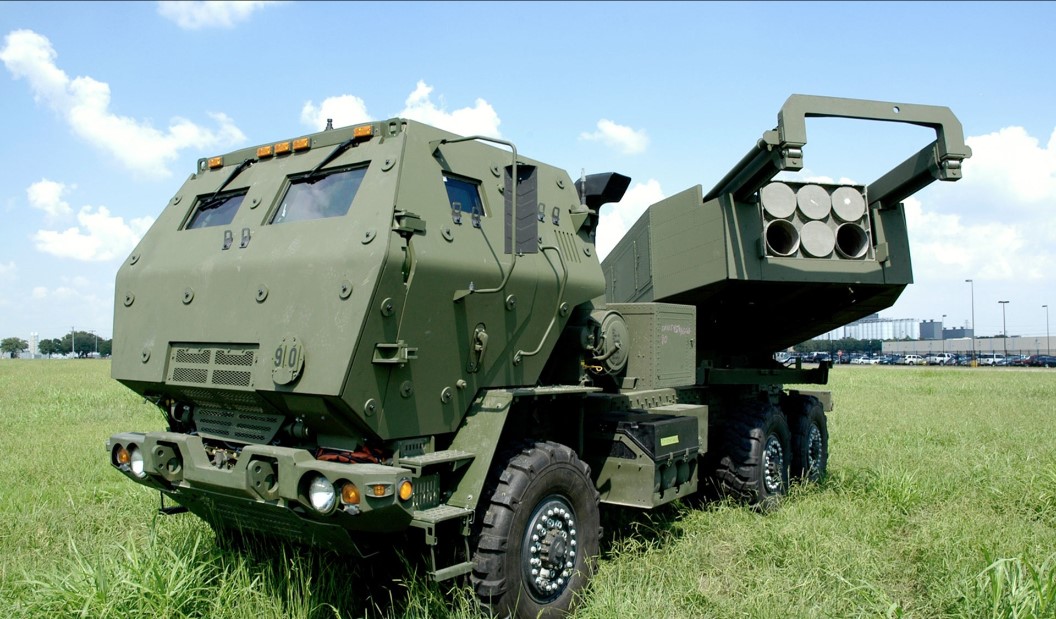
World
The United States has given the green light for the sale of M142 High Mobility Artillery Rocket Systems (HIMARS) to Croatia, marking a significant development in the defense relationship between the two nations. The deal, valued at an estimated $390 million, underscores Croatia's commitment to enhancing its military capabilities amidst rising security concerns in Europe.The HIMARS system, produced by Lockheed Martin, is a highly versatile and mobile rocket artillery system that has gained a reputation for its effectiveness in modern warfare. The sale to Croatia includes eight HIMARS launchers, which are capable of firing a variety of munitions, including the M30A2 and M31A2 guided artillery rockets. These rockets are designed for precision strikes, making them ideal for targeting enemy positions with minimal collateral damage.The M142 HIMARS is known for its rapid deployment and accuracy, features that are crucial for modern battlefield scenarios. The system can launch multiple rockets in quick succession and then relocate swiftly, making it difficult for adversaries to counterattack. The M30A2 and M31A2 rockets, included in the package, are particularly notable for their advanced guidance systems, which ensure high accuracy over long distances. These rockets have been used effectively in various conflicts, demonstrating their reliability and precision.In addition to the hardware, the package also includes a comprehensive suite of equipment, training, and logistical support. This ensures that the Croatian Armed Forces will be fully equipped to operate and maintain the HIMARS systems effectively. The training component is essential, as it will provide Croatian military personnel with the skills needed to maximize the system's capabilities in both offensive and defensive operations.This sale is not just about hardware; it's about enhancing Croatia's overall defense posture. As a NATO member, Croatia's acquisition of HIMARS aligns with broader alliance efforts to bolster deterrence and defense capabilities in Europe, particularly in the face of growing regional tensions. The HIMARS system will significantly enhance Croatia's artillery capabilities, providing a flexible and powerful tool for responding to a wide range of threats.Lockheed Martin, one of the world's leading defense contractors, will be the primary supplier for this deal. The company's track record with the HIMARS system has been proven in various military engagements, and its role in this sale reaffirms its position as a key partner in international defense. The deal is expected to strengthen the strategic partnership between the United States and Croatia, as well as contribute to regional stability by enhancing the defensive capabilities of a key NATO ally.In summary, the US approval of the HIMARS sale to Croatia represents a significant step forward in the country's military modernization efforts. With advanced rocket artillery systems like HIMARS, Croatia is better equipped to face the challenges of modern warfare, while also reinforcing its role within NATO. This deal not only enhances Croatia's defense capabilities but also underscores the importance of US-Croatian military cooperation in maintaining security in the region.
Read More → Posted on 2024-08-31 15:25:36
World
In a recent and significant exchange, Pakistan Prime Minister Shehbaz Sharif held a meeting with Professor Muhammad Yunus, the Chief Advisor of Bangladesh's interim government, recognizing and applauding his remarkable contributions to the socio-economic fabric of Bangladesh. This interaction, which took place on August 30, underscores the respect and admiration Sharif holds for Yunus, particularly in light of the challenging circumstances currently facing Bangladesh.In a post shared on social media platform X, Sharif expressed his heartfelt sentiments, saying, "I spoke with Professor Muhammad Yunus, Chief Adviser, Government of the People's Republic of Bangladesh, this morning." He further elaborated on his conversation with Yunus, offering congratulations on Yunus’s new role while lauding his extensive work in improving Bangladesh’s socio-economic conditions. Muhammad Yunus, a Nobel laureate and globally renowned economist, has long been celebrated for his pioneering work in microfinance, which has lifted millions out of poverty in Bangladesh. His efforts have not only earned him international recognition but also positioned him as a key figure in Bangladesh's socio-economic development. His leadership in the interim government, especially during these trying times, seems to have further solidified his reputation as a visionary committed to the welfare of his people.Sharif's praise comes at a particularly tumultuous time for Bangladesh. The country has been grappling with political instability following the resignation of former Prime Minister Sheikh Hasina on August 5. The resignation, which was spurred by intense student-led protests that evolved into a broader anti-government movement, has left Bangladesh in a state of uncertainty. The interim government, led by Yunus and backed by the Bangladesh Army, has been working to restore order amidst widespread lawlessness and violence, which has included targeted attacks on minority communities, particularly Hindus.In their discussion, Sharif also extended his sympathies to Yunus regarding the devastating floods that have recently struck Bangladesh. The floods have exacerbated the country's already fragile state, with large swathes of the population affected, particularly in the eastern regions bordering India. The Ministry of External Affairs (MEA) of India clarified that the opening of the Dumbur dam upstream of the Gumti River in Tripura was not responsible for the flooding in Bangladesh, attributing the deluge to unusually heavy rains in the region.Despite the challenges, the meeting between Sharif and Yunus signals a willingness on both sides to strengthen bilateral ties. Sharif noted the deep historical, cultural, and religious connections between Pakistan and Bangladesh, expressing his eagerness to build closer cooperation between the two nations. This move could mark a new chapter in Pakistan-Bangladesh relations, potentially paving the way for enhanced collaboration in various sectors, including trade, education, and disaster management.The conversation between Sharif and Yunus, while focused on immediate concerns, also hinted at a broader, long-term vision for regional stability and prosperity. As Bangladesh navigates through its current crisis, the support and solidarity extended by neighboring nations like Pakistan could play a crucial role in shaping the country's future trajectory.
Read More → Posted on 2024-08-31 15:23:04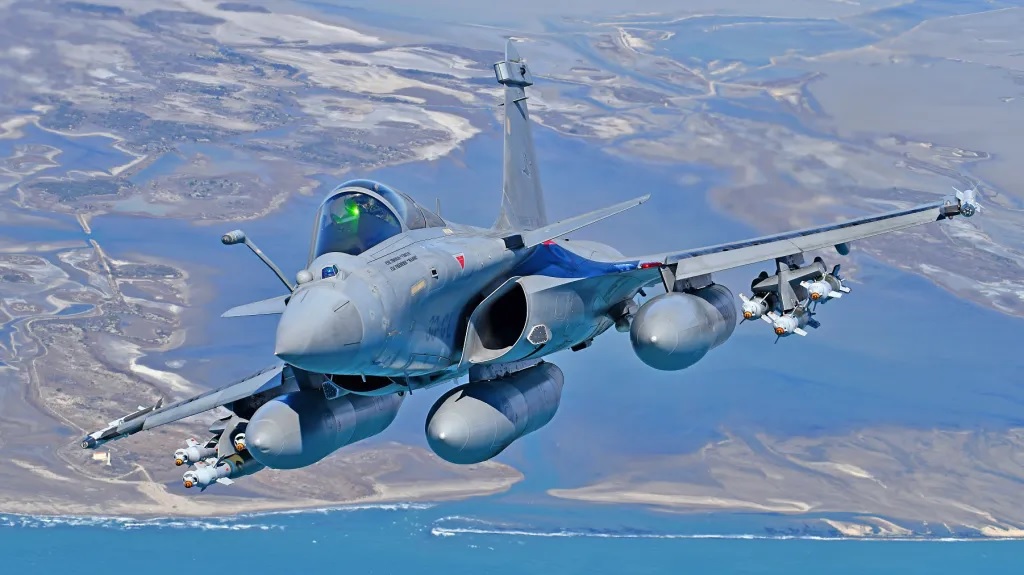
World
Serbia has reached a historic agreement with France's Dassault Aviation to acquire 12 Rafale fighter jets in a deal valued at EUR 2.7 billion. This significant contract, finalized in Belgrade and endorsed by French President Emmanuel Macron and Serbian President Aleksandar Vučić, represents Serbia's largest weapons purchase since it gained independence in 2006. It also marks a pivotal moment in Serbia’s defence and political strategy.The agreement, signed by Serbia’s Defence Minister Bratislav Gašić and Dassault Aviation CEO Éric Trappier, includes not only the advanced Rafale aircraft but also a comprehensive support package. This package encompasses logistics, spare engines, and essential parts, aiming to boost the operational capabilities of the Serbian Air Force and Air Defence systems.President Vučić has expressed strong support for the deal, noting that the arrival of these cutting-edge aircraft will substantially enhance Serbia's military capabilities. He also highlighted the symbolic value of joining the "Rafale club," a select group of nations that operate these sophisticated multi-role fighter jets.The acquisition signals a significant shift in Serbia's defence policy. Historically reliant on Soviet-era technology and Russian military equipment, Serbia's move towards Western defense systems marks a new strategic alignment. This purchase, which also includes future payments of EUR 421 million in 2024 and 2025, reflects Serbia's commitment to modernizing its military despite its relatively modest defense budget, which is approximately 2% of its GDP.President Macron emphasized the strategic depth of this deal, reinforcing the strengthening ties between France and Serbia. He framed the purchase as a step towards a long-term alliance, noting its alignment with Serbia’s aspirations for a strong, democratic role within the European Union.As Serbia phases out its aging fleet, the Rafale jets will replace its old Soviet-era aircraft, enhancing its air force's capabilities with some of the most advanced technology available. The deal also reassures that Serbia will not transfer Rafale technology to Russia, addressing concerns about Serbia’s historical ties with Moscow.This landmark agreement not only signifies a strategic pivot for Serbia but also underscores the growing military cooperation between Serbia and Western nations, marking a new chapter in the country's defence history.
Read More → Posted on 2024-08-30 15:45:27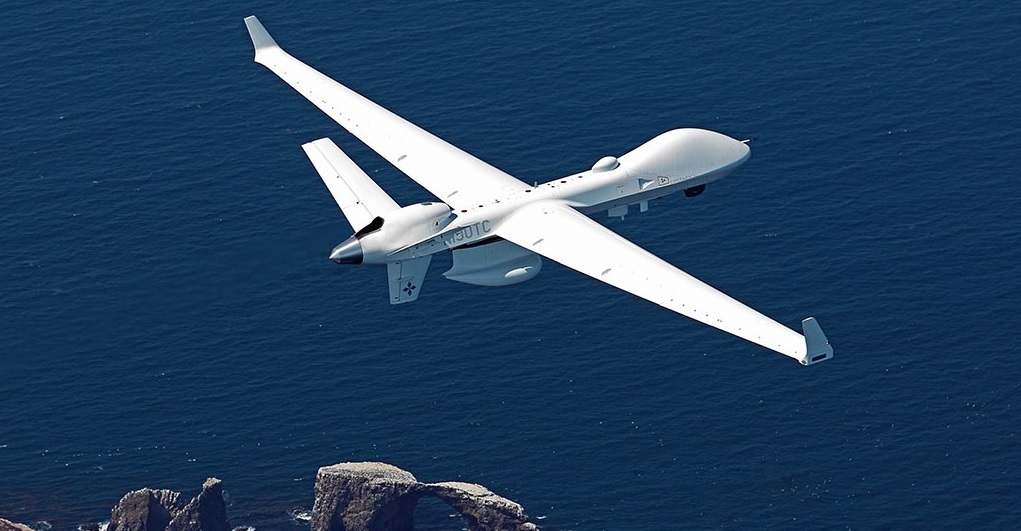
World
At the Exercise Rim of the Pacific (RIMPAC) 2024, RTX showcased the impressive capabilities of its SeaVue multi-role radar, mounted on an MQ-9B SeaGuardian drone. The demonstration highlighted SeaVue's long-range target detection prowess, setting a new standard for maritime surveillance and target acquisition.During the exercise, the SeaVue radar effectively monitored and tracked multiple targets from an extended range. The real-time data captured by the radar was transmitted to an F/A-18 Super Hornet, which utilized this information to engage a decommissioned amphibious assault ship with a Long-Range Anti-Ship Missile (LRASM). This successful engagement underscored the radar’s ability to provide precise targeting data essential for effective weapons deployment.Bryan Rosselli, President of RTX Advanced Solutions, emphasized that the demonstration showcased SeaVue's capability to deliver high-fidelity targeting data, crucial for accurate weapons engagement. He noted that this capability not only enhances situational awareness in operational environments but also supports quicker decision-making and more efficient kill chains.SeaVue radar is described as a modern, software-defined system offering all-weather surveillance capabilities. Its superior multi-mission performance is suited for both crewed and uncrewed platforms. The radar’s design includes features that allow it to quickly identify even small targets at long distances and high altitudes. Additionally, its modular and scalable architecture ensures that future upgrades can be incorporated without the need for hardware changes.In addition to combat applications, SeaVue is versatile enough to support search and rescue operations, disaster response, and maritime law enforcement missions. This demonstration at RIMPAC reaffirms SeaVue's role as a cutting-edge solution in maritime radar technology, poised to enhance various mission profiles with its advanced capabilities.
Read More → Posted on 2024-08-30 15:42:51
World
The Japanese Ministry of Defense (MoD) has made its largest defense budget request in history, seeking $59.1 billion (8.5 trillion yen) for the fiscal year 2025, which begins in April. This unprecedented budget is a clear signal of Japan's intent to bolster its military capabilities amid growing security concerns in the region, particularly in response to rising military threats from China, North Korea, and Russia.A significant portion of the budget is dedicated to enhancing Japan's maritime defenses, with a special focus on the construction of three new multirole frigates, known as "New FFMs." The MoD has allocated approximately $2.2 billion (314 billion yen) for these ships, marking an ambitious leap in Japan's naval procurement strategy. Typically, the MoD has budgeted for the construction of two frigates per year, but the decision to fund three in a single year underscores the urgency of strengthening Japan's maritime forces.The New FFMs are set to surpass the capabilities of the existing Mogami-class frigates, currently in service with the Japan Maritime Self-Defense Force (JMSDF). With a standard displacement of 4,800 tons, these new frigates will be larger and more heavily armed than their predecessors, which have a displacement of 3,900 tons. Despite their increased size, the crew complement for the New FFMs will remain at 90, similar to the Mogami-class, thanks to advancements in automation and design efficiency.The New FFMs will feature enhanced operational capabilities, including the ability to carry longer-range missiles, improved anti-submarine warfare systems, and upgraded sensors for various maritime operations. Notably, these frigates will be equipped with an improved version of the Type 12 Surface-to-Ship Missile (SSM) and a new ship-to-air guided missile, enhancing their offensive and defensive reach. With these upgrades, the New FFMs are expected to operate closer to missile frigates (FFGs) in terms of capability, positioning Japan's navy as a formidable force in regional waters.Beyond the frigate program, the MoD's budget request also includes significant investments in other key areas of maritime defense. For instance, $558.5 million (80.8 billion yen) has been earmarked for the development and testing of two new Aegis system-equipped vessels (ASEVs). These ships, which are designed as an alternative to the canceled Aegis Ashore ballistic missile defense system, will be significantly larger and more advanced than Japan's current Maya-class Aegis destroyers. The ASEVs are expected to play a crucial role in Japan's integrated air and missile defense (IAMD) system.Another notable allocation is the $12.4 million (1.8 billion yen) set aside for the continued modification of the Izumo-class helicopter carrier, JS Izumo. This project aims to transform the ship into an aircraft carrier capable of deploying F-35B fighter jets, thereby significantly enhancing Japan's power projection capabilities, particularly in response to China's expanding naval presence in the Pacific.The MoD is also focusing on strengthening Japan's logistical and transport capabilities. A budget of $140.5 million (21.1 billion yen) has been requested to acquire new transport vessels, which are crucial for ensuring the mobility and readiness of Japan's Self-Defense Forces, especially in the remote Nansei island chain.Furthermore, Japan is advancing its underwater warfare capabilities with a $20.8 million (3 billion yen) request to develop a new submarine-launched missile, set to be deployed on the latest Taigei-class submarines. This missile, designed for both anti-ship and land-attack roles, represents a significant step forward in Japan's stand-off defense strategy.In addition to these programs, the MoD's budget request includes funds for acquiring ship-based unmanned aerial vehicles (UAVs), researching vertical launch systems for submarines, and developing high-power laser systems for shipboard defense against drones and other small threats. These initiatives reflect Japan's commitment to maintaining technological superiority in an increasingly contested maritime environment.Japan's defense budget request for FY 2025 is not just a reflection of current security challenges but also a clear indicator of the nation's strategic direction in the coming years. By investing heavily in advanced naval platforms, missile defense systems, and cutting-edge technologies, Japan is positioning itself to respond effectively to the complex and evolving threats in the Indo-Pacific region.
Read More → Posted on 2024-08-30 15:32:01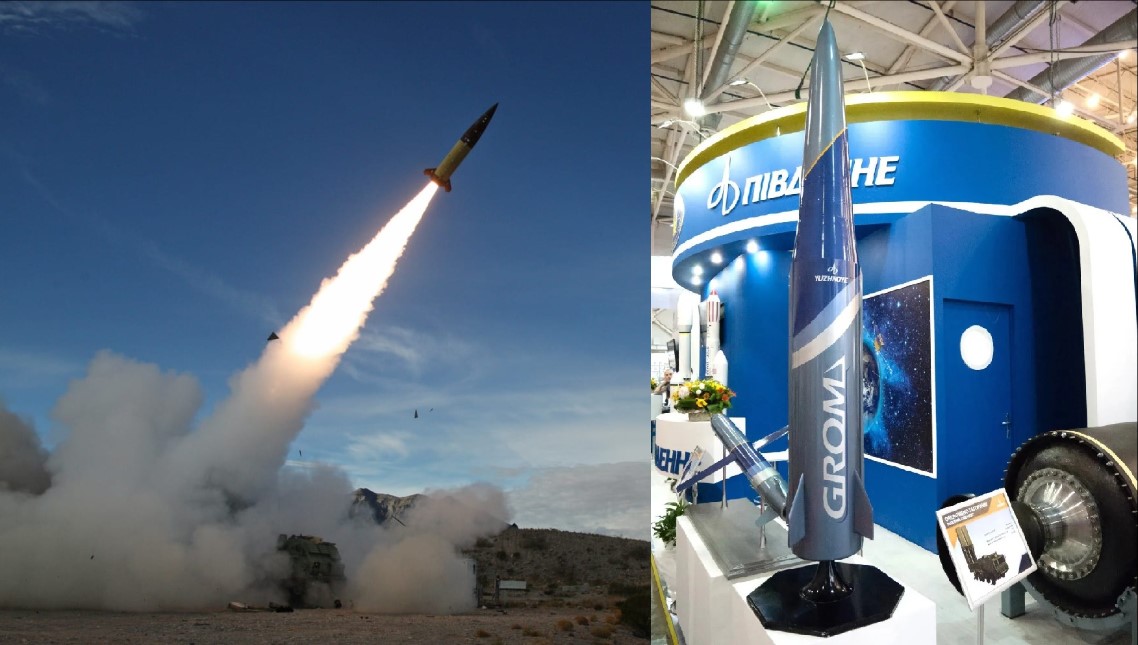
World
Ukraine has made remarkable strides in its domestic ballistic missile program, as President Volodymyr Zelensky announced during the Ukraine 2024: Independence Forum. While details remain closely guarded, the development appears to focus on the Grom-2 short-range ballistic missile, also known as Sapsan, a project that has been in the works for several years. This marks a significant step forward in Ukraine's defense capabilities, especially as the country seeks to enhance its long-range strike options amidst ongoing tensions with Russia.The Grom-2 missile project, led by the Yuzhnoye Design Bureau, has been a key focus of Ukraine's defense industry since at least 2014, with initial concepts dating back to 2007. Saudi Arabia has reportedly provided partial funding, reflecting its interest in advanced Ukrainian weaponry. The missile is often compared to Russia’s Iskander missile, both in terms of design and capabilities. The Grom-2 is expected to have a range between 300 and 500 kilometers, though some reports speculate it could reach up to 700 kilometers under certain conditions. This extended range could provide Ukraine with a powerful tool for deterring and responding to regional threats.What makes the Grom-2 particularly formidable is its ability to carry a conventional warhead weighing approximately 480 kilograms. This payload, combined with the missile's range, positions it as a significant asset in Ukraine's defense strategy. The missile has reportedly undergone successful testing, though specifics about the tests remain undisclosed. These tests are likely a crucial part of Ukraine's broader efforts to develop long-range weaponry, including both ballistic and cruise missiles.Ukraine’s push to develop its own long-range missiles is driven in part by the limitations imposed by its Western partners. Currently, Western-supplied long-range weapons come with restrictions that prevent Ukraine from using them against targets within Russian territory. This has led Kyiv to invest in its indigenous missile programs, allowing greater operational flexibility and independence. Last year, the Ukrainian Ministry of Defence revealed plans to initiate the production of domestic weaponry with ranges exceeding 1,000 kilometers. However, until now, only select Ukrainian strike drones have achieved such capabilities.Beyond the Grom-2, Ukraine has been advancing its cruise missile capabilities as well. The Neptune anti-ship missile, initially designed for maritime targets, has been successfully adapted for land-attack missions. Additionally, the Korshun-2 cruise missile, under development since at least 2014, draws inspiration from the Soviet-era Kh-55 missile, further expanding Ukraine's arsenal of long-range precision weapons.The development of these advanced missile systems marks a turning point for Ukraine’s defense posture. As the country continues to face significant security challenges, particularly from Russia, having a robust, domestically-produced missile capability is crucial for maintaining deterrence and ensuring national security. The Grom-2 missile, with its impressive range and payload capacity, could soon become a cornerstone of Ukraine’s defensive strategy, offering a credible threat to adversaries and solidifying Ukraine's position as a self-reliant military power.
Read More → Posted on 2024-08-30 15:23:01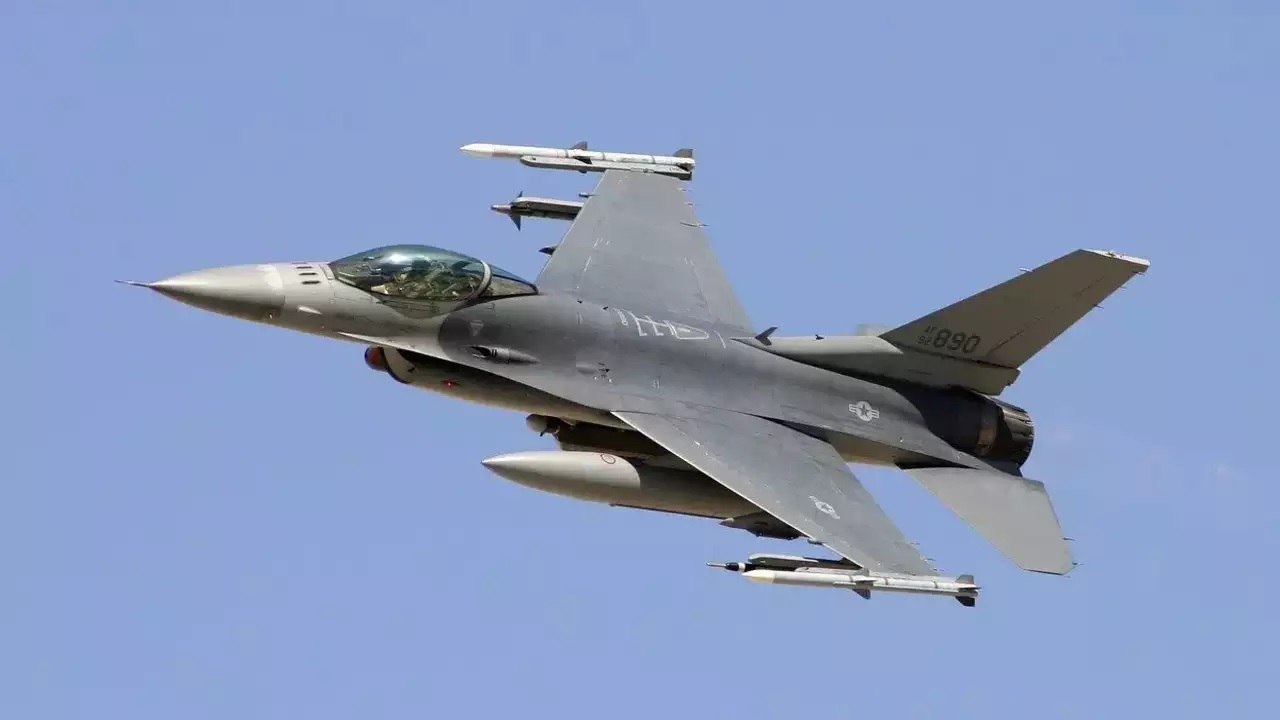
World
In a tragic turn of events, one of Ukraine's most esteemed pilots, Oleksiy Mes, known by his call sign "Moonfish," lost his life when a US-made F-16 fighter jet crashed amid a massive Russian aerial assault. The incident, which occurred on Monday, came as Russia launched a large-scale attack involving over 200 missiles and drones, marking one of the most intense assaults since the conflict began.Oleksiy Mes was an ace pilot, celebrated for his skill and bravery in defending Ukrainian skies against Russian aggression. His death has sent shockwaves through Ukraine, dealing a significant blow to the morale of the Ukrainian Air Force and the broader defense community. The loss is particularly poignant given the significance of the F-16 fighter jets, which only recently arrived in Ukraine, marking a crucial upgrade in the country's air defense capabilities.The crash, which is the first reported loss of an F-16 in Ukraine, has raised questions and concerns. Initial reports suggest that the crash was not due to Russian fire, and Ukrainian defense officials have stated that pilot error is not believed to be the cause. This leaves open the possibility of mechanical failure, although the exact cause is still under investigation. The Ukrainian Defence Ministry has announced that international experts will be invited to participate in the probe, reflecting the importance of this incident on both a national and international scale.The F-16s, which began operations in Ukraine in early August, represent a significant leap in the nation's ability to counter Russian aerial attacks. These jets, equipped with advanced radar and weaponry systems, are capable of performing a wide range of missions, from air superiority to ground attack, and are known for their versatility and effectiveness in combat. The introduction of these aircraft was seen as a game-changer for Ukraine, providing a much-needed boost to its air defense capabilities in the face of relentless Russian missile and drone strikes.On the day of the crash, Russia unleashed one of its most devastating attacks on Ukraine, targeting critical infrastructure, including energy facilities, which resulted in widespread power outages and disruptions to water supplies. Despite the onslaught, Ukraine's air defenses managed to intercept and destroy a significant portion of the incoming missiles and drones, with Air Force Commander Mykola Oleshchuk reporting that 102 out of 127 missiles and 99 out of 109 drones were successfully shot down.This recent attack is part of a broader strategy by Russia to cripple Ukraine's energy infrastructure as winter approaches, aiming to weaken the country's resolve and destabilize its civilian population. The intensity and frequency of these attacks have escalated in recent weeks, underscoring the ongoing and brutal nature of the conflict.As the investigation into the F-16 crash continues, Ukraine mourns the loss of Oleksiy Mes, a hero who embodied the spirit and resilience of the Ukrainian people. His death is a stark reminder of the immense sacrifices being made in this conflict and the ongoing challenges Ukraine faces in defending its sovereignty.The loss of such a skilled pilot and a cutting-edge aircraft underscores the high stakes of this war and the critical importance of continued international support for Ukraine's defense efforts. As Ukraine moves forward, the memory of "Moonfish" will undoubtedly inspire future generations of pilots and soldiers committed to defending their homeland.
Read More → Posted on 2024-08-30 15:15:44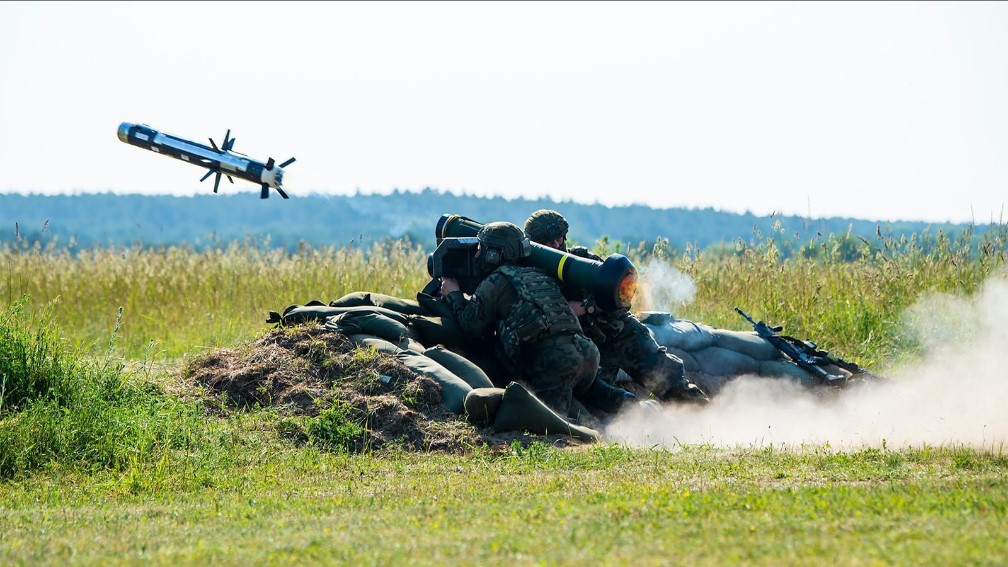
World
In a significant move to strengthen its anti-armor capabilities, the U.S. Army has placed an additional $1.3 billion order for Javelin missiles. This order marks the first follow-up to a colossal $7.2 billion deal signed in May 2023 with defense giants Lockheed Martin and Raytheon, underscoring the critical role that Javelin missiles play in modern warfare.The Javelin missile, renowned for its versatility and effectiveness, is a shoulder-fired weapon designed to neutralize tanks and other heavily armored targets. Its fire-and-forget capability allows operators to lock onto targets and then immediately relocate or take cover, a feature that has proven invaluable in combat scenarios. This missile system has been battle-tested in several major conflicts, including the Iraq War and the ongoing conflict in Ukraine, where its effectiveness against Russian armored vehicles has been widely reported.The additional order from the U.S. Army highlights the ongoing need for advanced anti-armor solutions as geopolitical tensions continue to rise. Andy Amaro, president of the Javelin Joint Venture (JJV), emphasized the importance of this weapon system in global defense strategies. "Through this contract, we will continue to produce and deliver this needed capability to support global ground forces in their efforts to protect and defend their interests and sovereignty," Amaro stated, reflecting the high regard in which the Javelin is held within military circles.Lockheed Martin and Raytheon have been ramping up production of the Javelin missile in response to increasing global demand, particularly in light of the Ukraine conflict. In 2022, Lockheed Martin increased production by 15%, reaching an annual output of 2,400 missiles. However, with the new order and the rising need for advanced weaponry, the production rate is set to nearly double, with a goal of producing 3,960 Javelins annually by 2026. This ambitious production increase is being facilitated by the introduction of new manufacturing tools, enhanced testing equipment, and stronger partnerships with suppliers.The Javelin missile’s fire-and-forget technology, coupled with its proven track record in combat, makes it a critical asset for modern militaries. It can engage targets beyond the line of sight, giving ground forces a significant tactical advantage. The missile’s infrared guidance system allows it to strike precisely at weak points in enemy armor, a feature that has contributed to its reputation as the most effective anti-armor weapon available today.This latest order reinforces the U.S. Army's commitment to maintaining a robust and ready defense posture in an increasingly unpredictable global landscape. Dave Pantano, vice president of JJV, highlighted the importance of staying ahead of potential threats. "The mission-focused capabilities of the Javelin missiles allow military customers to stay ahead of ready in defending against threats," Pantano noted, emphasizing the strategic advantage that the Javelin system provides to its users.As the world continues to face evolving security challenges, the U.S. Army's investment in the Javelin missile system is a clear signal of its dedication to maintaining a technological edge on the battlefield. The increased production and continued innovation in this field will ensure that the Javelin remains a cornerstone of anti-armor warfare for years to come.
Read More → Posted on 2024-08-30 15:10:49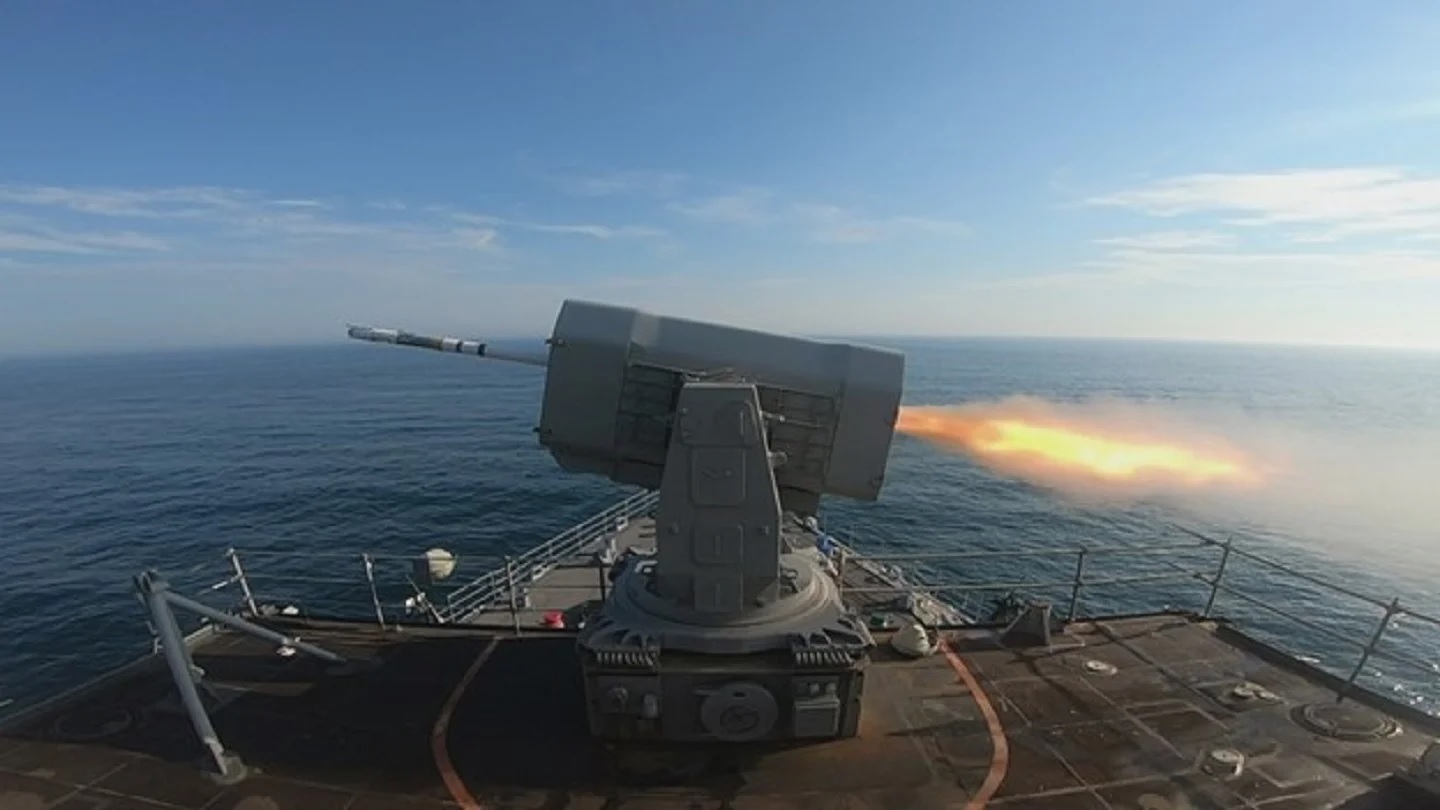
World
The U.S. government has approved a significant arms deal with Turkey, authorizing the sale of RIM-116 Rolling Airframe Missiles (RAM) to bolster the Turkish Navy's defense capabilities. Valued at $90 million, this Foreign Military Sale (FMS) includes an impressive array of missile systems and support equipment, marking a notable enhancement in Turkey's naval defense arsenal.The sale encompasses 94 Mk 44 MOD 4 RAM Guided Missile Round Packs, three Mk 47 MOD 9 telemeter missiles, and one blast test vehicle. This package will also cover the necessary transportation and storage containers and provide technical data from the U.S. Navy’s RAM Program Office. These components are essential for the Turkish Navy’s ADA-class corvettes, which will deploy the RAM system as part of their point defense strategy.Originally, the RAM system was intended for installation on Turkey’s I-class frigates. However, following U.S. sanctions, Turkey adapted its defense approach. The indigenous Gökdeniz 35-mm close-in weapon system (CIWS) was mounted on the TCG Istanbul instead. The RAM system's deployment will now enhance the ADA-class corvettes, which are crucial to Turkey's naval defense network.The RAM guided missile system is renowned for its rapid response and versatility. It is a supersonic, lightweight, and fire-and-forget weapon, designed to protect ships from anti-ship missiles, helicopters, aircraft, and surface threats. The system uses the AIM-9 Sidewinder air-to-air missile airframe, with advanced features including a laser-pulsing proximity fuze and an infrared seeker adapted from the FIM-92 Stinger missile.In terms of specifications, the RIM-116 measures 2.82 meters in length and has a diameter of 127 millimeters. It weighs 73.5 kilograms and has an effective range of 5.4 nautical miles. The missile is equipped with a 10-kilogram high-explosive blast fragmentation warhead and utilizes solid propellant for propulsion. Its guidance system combines passive radar and infrared technology, ensuring high accuracy and effectiveness against multiple simultaneous threats.While the Turkish Navy is enhancing its defense capabilities with the RAM system, it is also developing indigenous solutions. Aselsan's Göksur and Roketsan's Levent point defense missile systems are in the works, with trials expected to commence soon. These systems aim to address the evolving threats faced by Turkish surface combatants and complement the capabilities provided by the new RAM missiles.This arms deal underscores the ongoing strategic partnership between the U.S. and Turkey and highlights Turkey's commitment to strengthening its naval defense infrastructure with advanced technology.
Read More → Posted on 2024-08-29 15:03:11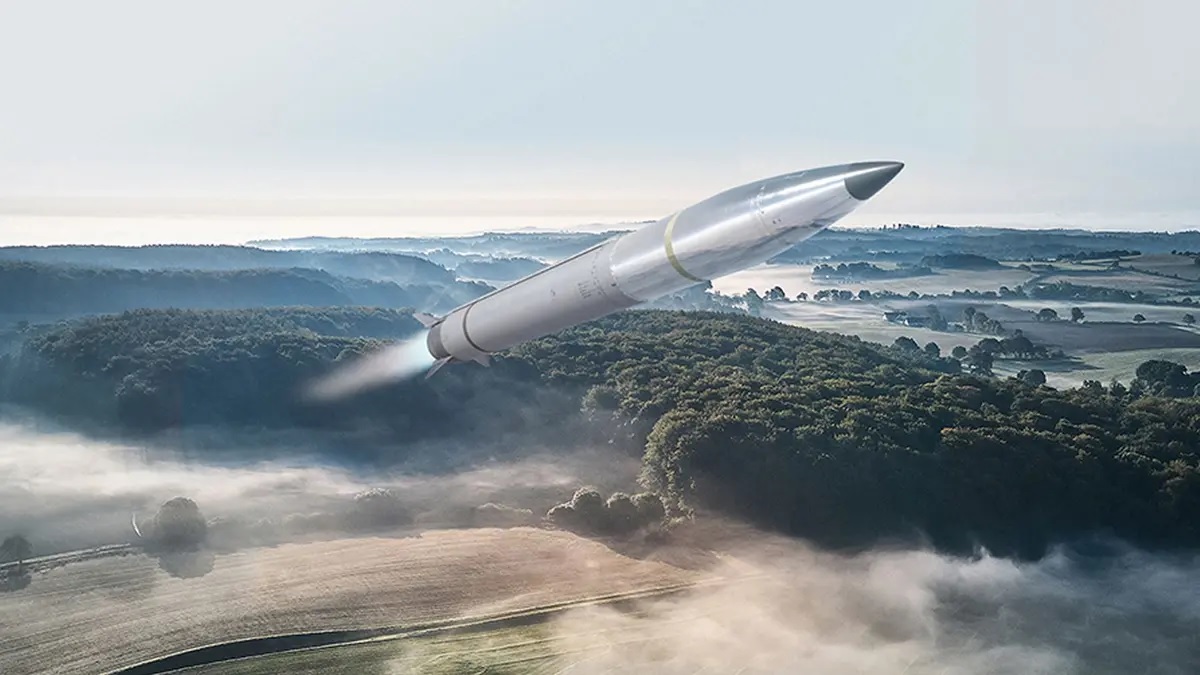
World
Recently, a significant development unfolded regarding Norway’s defense procurement. The U.S. government has turned down Norway’s request to buy two advanced missile systems: the Precision Strike Missiles (PrSM) and Extended Range GMLRS missiles, both produced by Lockheed Martin. This decision marks a notable setback for Norway's plans to enhance its military capabilities.In a related move, Norway's request for Lockheed Martin’s M142 HIMARS rocket launchers was approved by the U.S. Department of State on August 9. This deal, under the Foreign Military Sales (FMS) programme, includes 16 HIMARS launchers and a comprehensive ammunition package valued at up to USD 580 million. The package comprises 15 sets of M30A2 and M31A2 rockets, along with 100 M57 ATACMS tactical missiles. Additionally, it covers training rounds, diagnostic equipment, maintenance tools, and logistical support.However, Norway’s interest extended beyond just the HIMARS systems. The country had also sought to acquire PrSMs, which boast an impressive range of up to 499 kilometers, and ER GMLRS missiles, capable of reaching up to 150 kilometers. These missile systems are known for their precision and extended range, which would have significantly bolstered Norway’s long-range strike capabilities. Unfortunately, the U.S. government has yet to approve these sales, leaving Norway's ability to enhance its missile inventory in question.The decision has cast uncertainty over whether Norway will continue with its HIMARS purchase or explore alternatives offered by other defense contractors. As the situation evolves, it will be interesting to see how Norway adjusts its defense strategy in light of these developments.
Read More → Posted on 2024-08-29 15:00:04
World
Taiwan’s recent military exercise, known as the Sky Horse drills, has brought to light significant concerns regarding the performance of US-supplied anti-tank weapons. During the exercise, the Taiwanese military fired seventeen BGM-71 TOW 2A missiles, but only seven of these hit their intended targets. This disappointing result has prompted a re-evaluation of the weapon system's effectiveness in combat scenarios.The BGM-71 TOW (Tube-launched, Optically-tracked, Wire-guided) missile system is a cornerstone of anti-tank warfare, renowned for its long service history and deployment in various conflicts worldwide. The TOW 2A variant, used by Taiwan in this exercise, is equipped with a tandem warhead designed to defeat modern armored threats, including those with reactive armor. Despite its advanced design, the recent exercise highlighted a troubling accuracy issue that could impact Taiwan’s defense strategy, especially as tensions in the region remain high.The Ministry of National Defense (MND) was quick to clarify that the exercise aimed to familiarize soldiers with the weapon system rather than test the missiles' performance. However, the low success rate of the TOW missiles has not gone unnoticed. The ministry has announced plans to hold an evaluation meeting to discuss the possible causes behind the poor performance and to determine whether the issue lies with the missiles themselves, the training of the operators, or a combination of both.One of the primary concerns raised was the potential failure of the munitions. According to Major General Liu Sheen-mo, some missiles failed to acquire targets properly, while others dropped prematurely, suggesting that munition failure might have played a role in the exercise's outcome. This raises questions about the reliability of the TOW 2A missiles, especially as Taiwan awaits the delivery of 1,700 TOW 2B missiles, a more advanced variant expected by the end of the year. The TOW 2B is designed to attack armored vehicles from above, where their armor is weakest, and its effectiveness will be critical in ensuring Taiwan’s defensive capabilities.Another factor that might have contributed to the low accuracy is the operators' familiarity with the system. Lt. Gen. Chen Chien-Yi, the Army Chief of Staff, noted that more than half of the soldiers participating in the drills had never operated the anti-tank missiles before. This inexperience could have led to mishandling or errors in the launch process, further reducing the success rate. Chen expressed hope that experienced military personnel would mentor their less experienced counterparts, ensuring better handling of the weapon system in future exercises.Despite the disappointing results, the MND assured that no soldiers would be penalized for the weapon system’s performance during the exercise. The focus now shifts to understanding the root causes of the issues observed and making necessary adjustments before the new batch of missiles arrives. Taiwan’s military is keen on maintaining a robust defense posture, and ensuring the reliability of its weapon systems is a crucial part of that strategy.As Taiwan continues to bolster its defenses amid increasing regional tensions, the reliability of its military hardware is of paramount importance. The upcoming evaluation meeting will be a critical step in addressing the shortcomings observed during the Sky Horse drills and ensuring that Taiwan’s armed forces are fully prepared for any potential threat.
Read More → Posted on 2024-08-29 14:18:20
World
Slovakia is making a significant leap in its air defence capabilities with the recent approval to purchase six mobile air defence systems from Israel. This decision, backed by a financial commitment of EUR 554.3 million, reflects the country’s growing focus on securing its airspace amidst evolving regional security challenges. Although the official announcement did not specify the exact system being acquired, it is widely believed that Slovakia will be enhancing its defence arsenal with the Israeli Barak MX mobile medium-range air defence system, developed by Israel Aerospace Industries (IAI).The Barak MX system is a versatile and highly advanced air defence platform, designed to counter a wide spectrum of aerial threats, including aircraft, helicopters, drones, and missiles. What sets the Barak MX apart is its modularity and adaptability, allowing it to be integrated into various operational environments, whether on land or at sea. This makes it an ideal choice for Slovakia as it looks to replace its ageing defence systems.Currently, Slovakia relies on the medium-range 2K12 KUB system, a Soviet-era technology that has served the country for decades but is now outdated and at the end of its operational life. The introduction of the Barak MX system will mark a significant upgrade, bringing Slovakia’s air defence capabilities in line with modern standards.The Barak MX system is equipped with advanced radar and missile technology, providing enhanced accuracy and range. It can detect and engage multiple targets simultaneously, offering robust protection against saturation attacks. Additionally, the system’s open architecture allows for seamless integration with existing defence infrastructure, ensuring a smooth transition from the old to the new system.This move comes after a controversial decision by a previous Slovak government to donate the country’s S-300 air defence system to Ukraine. While this gesture was intended to support Ukraine in its ongoing conflict, it left Slovakia with a critical gap in its national defence. The current administration has been vocal in its criticism of this decision, arguing that it compromised the country’s ability to protect its own airspace. The acquisition of the Barak MX systems is seen as a strategic move to not only fill this gap but to significantly bolster Slovakia’s air defence capabilities.In summary, Slovakia’s decision to invest in the Israeli Barak MX air defence system represents a crucial step towards modernizing its military infrastructure. With the integration of this state-of-the-art system, Slovakia is poised to enhance its national security and maintain a robust defence posture in the region.
Read More → Posted on 2024-08-29 14:15:57Search
Top Trending in 24 Hours
-
 India Successfully Conducts AD-1, AD-2 Interceptor Tests and Maiden NASM-MR Flight Trial
-
 Russia Launches 1,400 Jet-Powered Drones in 2026 as Strike Tactics Evolve to Challenge Ukraine's Air Defenses
-
 U.S Navy Orders 50 Blackbeard Hypersonic Missiles in New $23.4 Million Contract
-
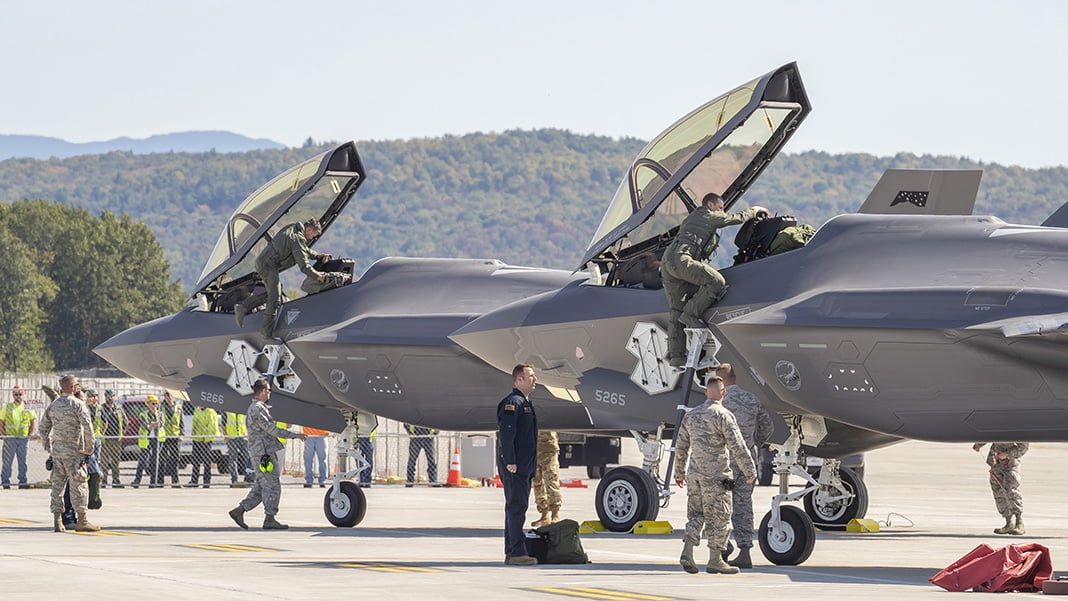 F-35 Fleet Readiness Falls to 25% Amid Parts Shortages and Software Delays: GAO Report
-
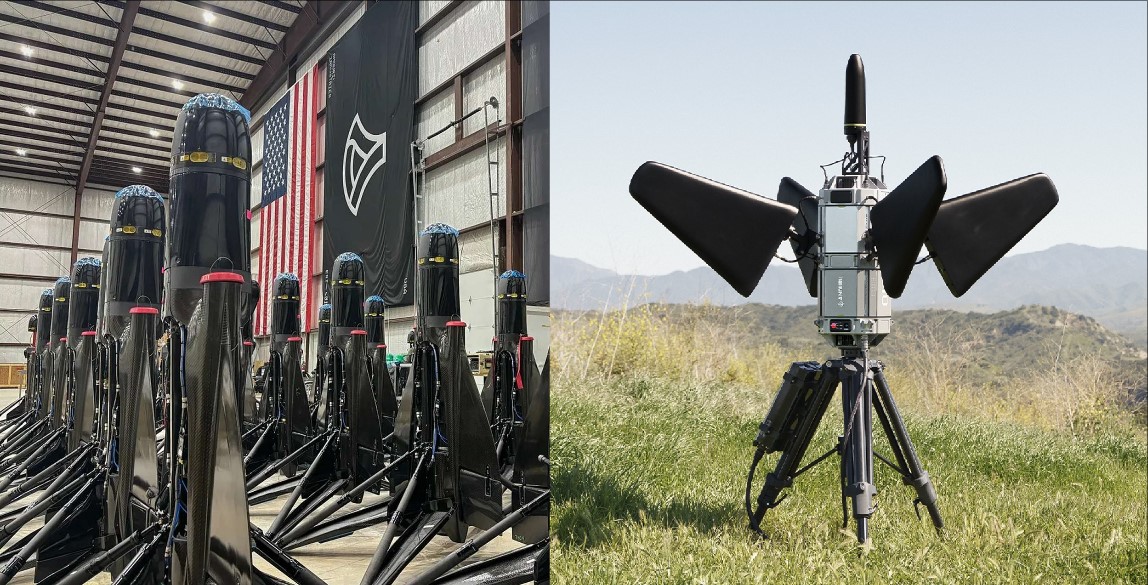 U.S. Approves $1.98 Billion Sale of Anduril AI-Powered Counter-Drone Systems to Kuwait
-
 UAE Denies Reports of Releasing Up to $20 Billion in Funds to Iran Amid Regional De-Escalation Efforts
-
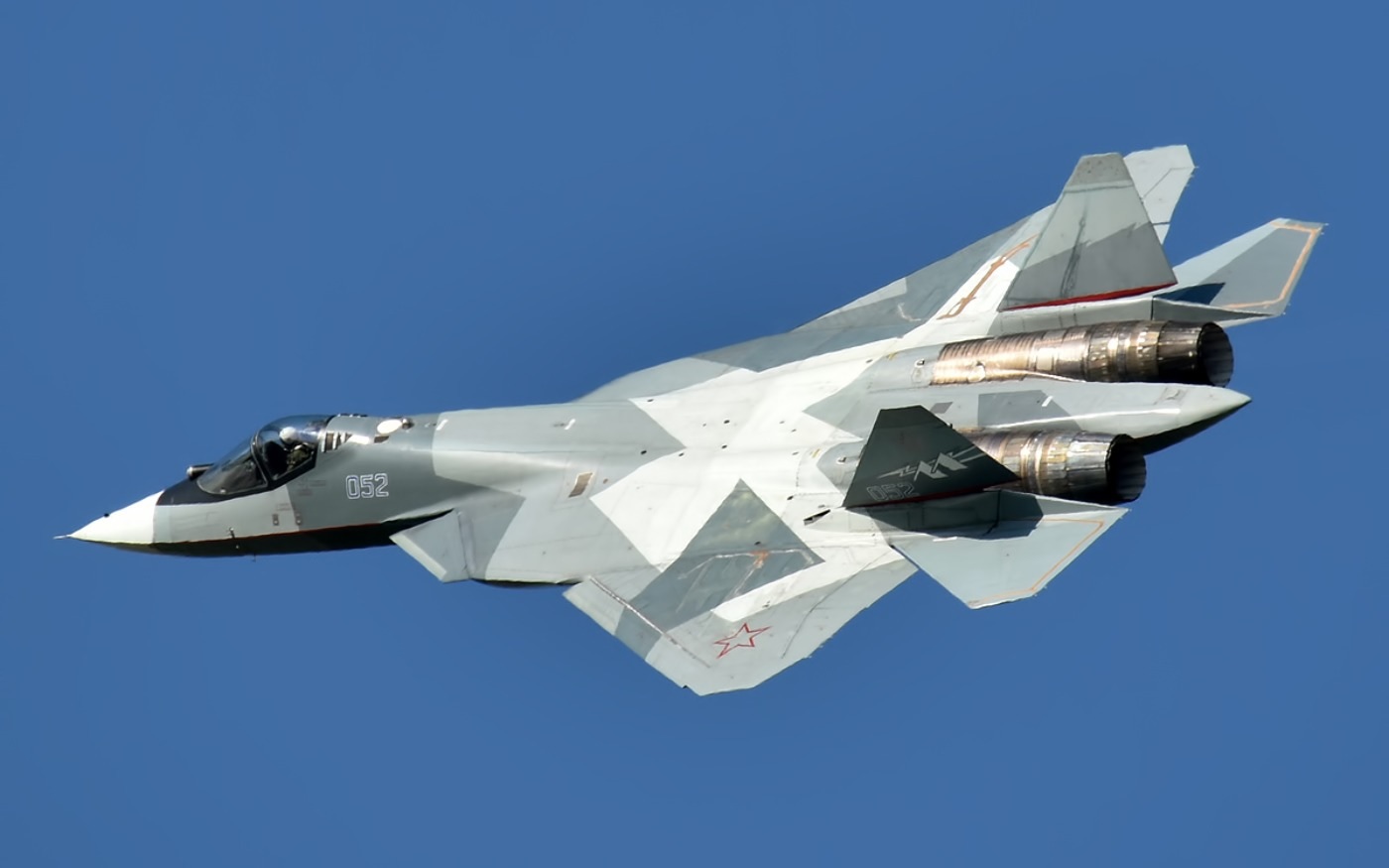 Russian Analysts Debate Su-57 Capabilities After Putin Calls Fighter Superior to F-35
-
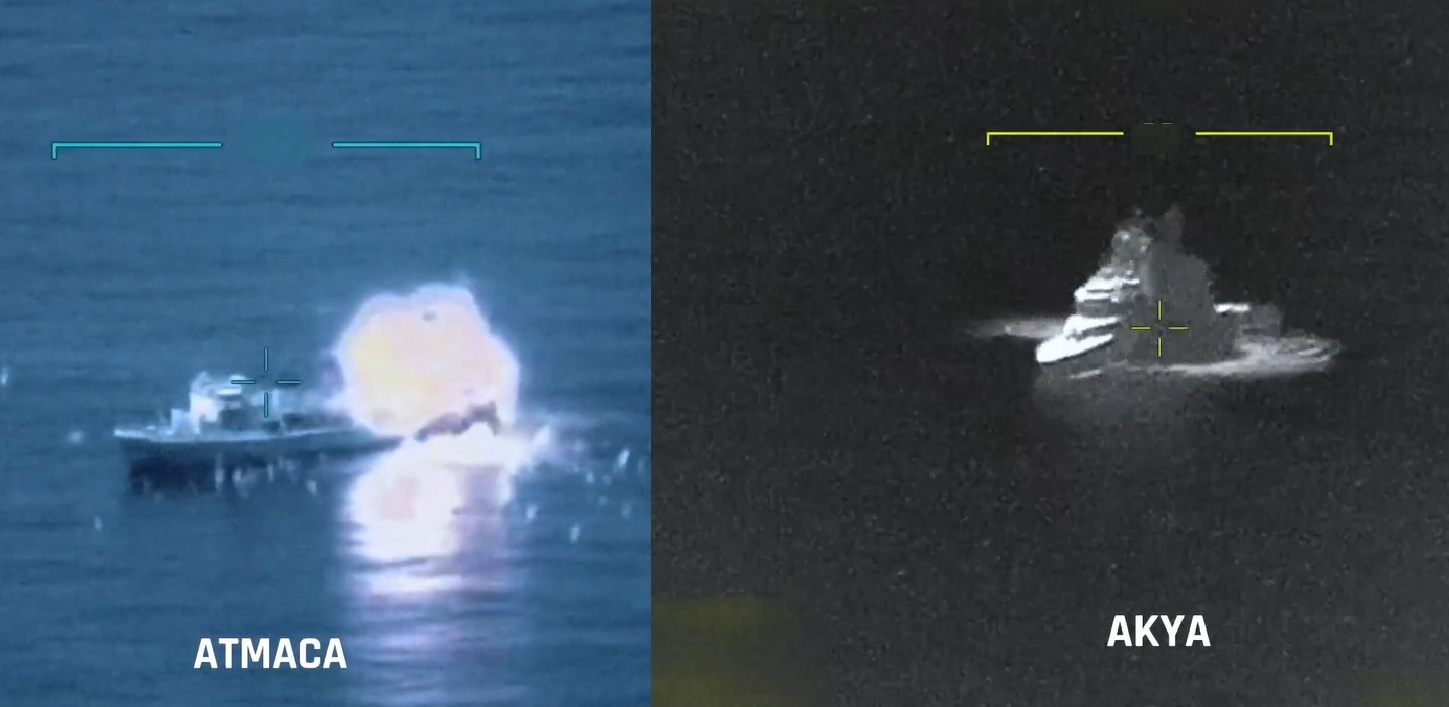 Turkey Navy Successfully Tests AKYA Torpedo and ATMACA Missile During Major Denizkurdu-II Naval Exercise
Top Trending in 4 Days
-
 Iranian Media Leaks 14-Point U.S.-Iran Peace Framework Amid Ongoing Negotiations
-
 US Plans Significant Reduction of Fighter Jets and Warships for NATO Operations in Europe
-
 Taiwan Conducts First Live-Fire of HIMARS Rockets From West Coast During Invasion Defense Drill
-
 Boeing Introduces New MQ-28 Ghost Bat Upgrades with Increased Range, Payload and Weapons Capacity at ILA Berlin 2026
-
 AMCA Airframe Spotted at DRDO’s ORANGE Facility for Radar Cross-Section Testing
-
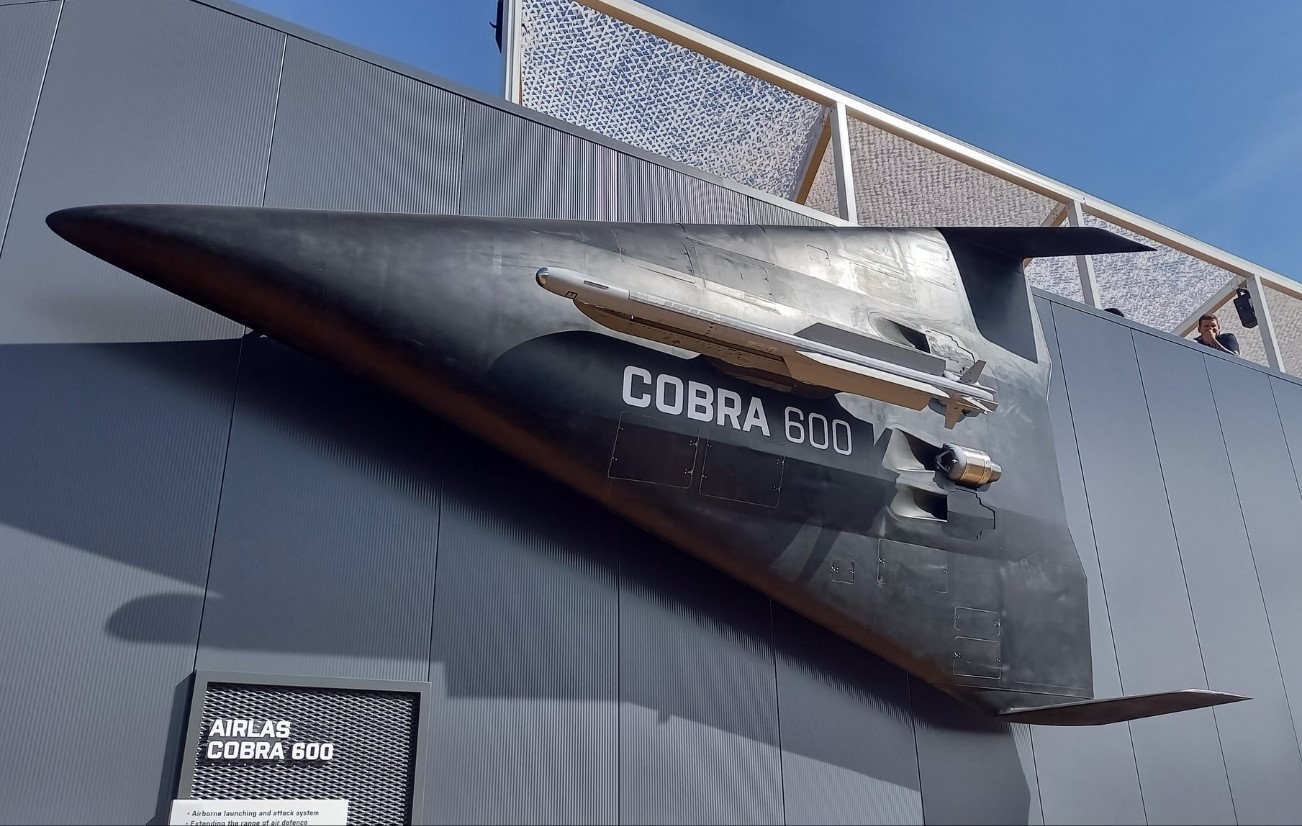 Diehl Defence Unveils IRIS-T Armed Cobra 600 Air Defense Drone at ILA Berlin 2026
-
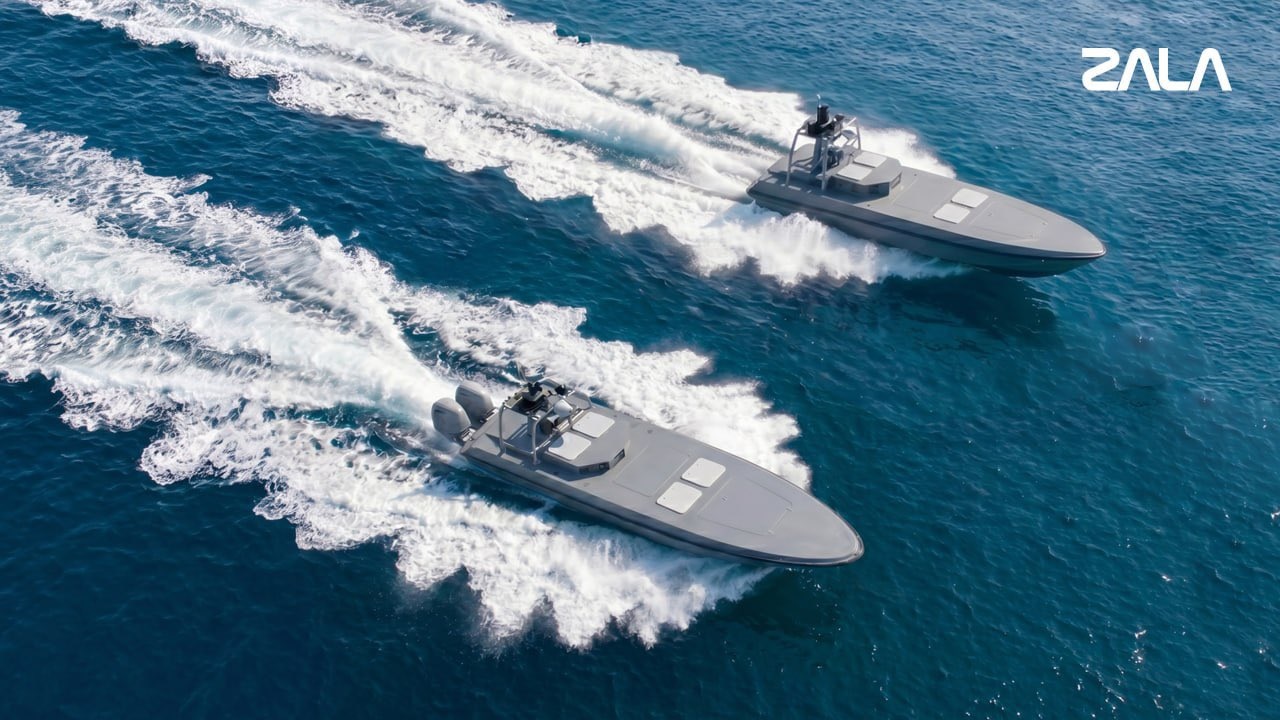 Russian Defense Firm ZALA Unveils KAMA Unmanned Surface Vessel Family at FLOT-2026 Naval Exhibition
-
 U.S Aircraft Carrier USS Theodore Roosevelt Departs San Diego for Major RIMPAC 2026 Naval Exercise