World
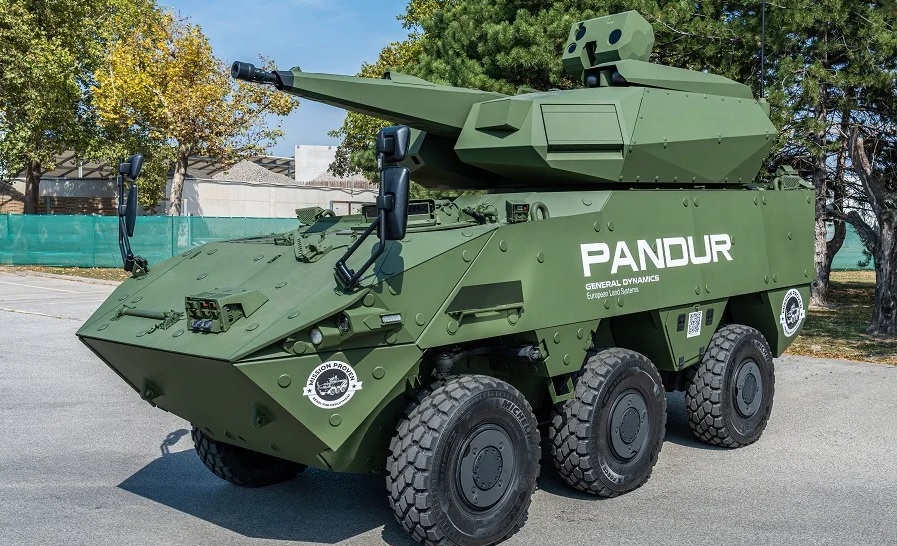
General Dynamics European Land Systems-Steyr (GDELS-Steyr) is set to introduce an impressive new variant of its Pandur 6x6 Evo wheeled armored vehicle at the AIRPOWER24 airshow in Zeltweg, Styria, on September 6th and 7th, 2024. This latest iteration of the Pandur Evo is equipped with the Skyranger 30 turret, a significant upgrade that further underscores the vehicle’s versatility and adaptability in modern military operations.The Pandur Evo has been a cornerstone of the Austrian Armed Forces since its introduction as a personnel carrier in 2018. Its robust design and flexibility have made it a reliable asset across various mission profiles. Earlier this year, Austria commissioned an additional 225 Pandur vehicles in twelve different configurations, ranging from medical evacuation (MEDEVAC) and command and control to anti-tank, reconnaissance, and electronic warfare roles. The Skyranger 30 variant, specifically tailored for short-range air defense (SHORAD), adds a crucial new dimension to the Pandur’s capabilities.At the heart of this new variant is the unmanned Skyranger 30 turret. This advanced system is built on the proven Pandur platform, powered by a 455-horsepower engine that ensures the vehicle's mobility remains uncompromised, even with the added weight of the new turret. The Skyranger 30 is armed with a 30mm x 173 revolver cannon capable of firing airburst ammunition, which is highly effective against aerial threats such as drones and low-flying aircraft. Complementing the cannon are two Mistral guided missile launchers, providing the vehicle with potent air defense capabilities.The Skyranger 30 turret is not just about firepower; it also boasts a sophisticated sensor suite. This includes a radar system and an electro-optical sensor package with TV and infrared cameras, alongside a laser rangefinder. These sensors work together to provide comprehensive surveillance and tracking capabilities, ensuring that the Pandur Evo can detect, track, and engage threats with high precision. The vehicle’s interior houses two control consoles for the weapon system, along with advanced fire control computers, allowing the crew to operate the turret with efficiency and accuracy.One of the standout features of the Pandur Evo with the Skyranger 30 turret is its role in convoy protection. The vehicle is designed to shield infantry forces from a range of aerial threats, both manned and unmanned. This aligns with the Austrian Army’s “defend-the-defender” strategy, which emphasizes protecting troops as they carry out their missions. The vehicle’s modular design also means it can be adapted for other roles, making it a highly valuable asset on the battlefield.The AIRPOWER24 airshow, Europe’s largest military airshow and the biggest event for the Austrian Armed Forces this year, serves as the perfect venue for showcasing the Pandur Evo with the Skyranger 30 turret. The event is expected to draw around 300,000 visitors and feature 200 civil and military aircraft from 20 countries. In addition to the aerial displays, the event will also include demonstrations of the Army’s land capabilities and an international technology and business exhibition.The introduction of the Pandur Evo with the Skyranger 30 turret represents a significant advancement in mobile air defense technology. By integrating cutting-edge firepower, advanced sensors, and the proven mobility of the Pandur platform, GDELS-Steyr has created a vehicle that is well-equipped to meet the challenges of modern warfare. This new variant is not just a testament to the modularity of the Pandur Evo but also a clear indication of the future direction of military vehicle development.
Read More → Posted on 2024-09-04 15:38:29
World
Azerbaijan is making significant strides in modernizing its air force, with a focus on equipping its newly acquired JF-17 Thunder fighter jets with advanced Turkish-made missiles. This move, aimed at bolstering the combat capabilities of its air force, is part of a broader $1.6-billion deal with Pakistan for 24 JF-17 Thunder fighters in the latest Block III configuration.The JF-17 Thunder, a joint product of Pakistan Aeronautical Complex and China’s Chengdu Aircraft Industry Corp, is a versatile, lightweight fighter jet capable of a wide range of missions, from air-to-air combat to reconnaissance and close air support. The Block III variant, which Azerbaijan will soon receive, comes with significant upgrades, including an advanced active electronically scanned array (AESA) radar, improved avionics, and enhanced weaponry. This upgrade allows the aircraft to reach speeds exceeding Mach 2, making it a formidable asset in Azerbaijan’s defense arsenal.A key component of Azerbaijan's plan to enhance the JF-17’s lethality is the integration of Turkish Bozdoğan and Gökdoğan missiles. These state-of-the-art missiles, developed by Turkey's TÜBİTAK SAGE, are designed to provide the JF-17 with a significant edge in air-to-air combat.The Bozdoğan missile, intended for short-range engagements, has a range of up to 25 kilometers (about 15 miles). It is equipped with a powerful fragmentation warhead and an infrared guidance system, making it highly effective in close combat situations. This missile is particularly valuable for dogfights, where quick and precise strikes are crucial.On the other hand, the Gökdoğan missile is designed for medium-range engagements, capable of hitting targets up to 65 kilometers (about 40 miles) away. It utilizes an advanced active radar guidance system, allowing it to intercept targets beyond visual range with high accuracy. This missile significantly enhances the JF-17's ability to engage threats at a distance, providing Azerbaijan with a broader tactical reach.In addition to these missiles, the JF-17s are also being outfitted with an advanced avionics suite from Ankara, further enhancing their operational effectiveness. This suite will likely include advanced targeting systems, electronic warfare capabilities, and improved communication systems, all of which are essential for modern air combat.The decision to integrate these Turkish missiles into the JF-17 fleet not only enhances Azerbaijan’s air combat capabilities but also strengthens its defense ties with Turkey, a key regional ally. The combination of the JF-17's advanced features and the cutting-edge technology of the Bozdoğan and Gökdoğan missiles will make Azerbaijan’s air force a more formidable player in the region.Initial deliveries of the JF-17 Thunder fighters are expected to begin next year, with the full order likely to be completed by 2027. As Azerbaijan continues to modernize its military, the integration of these advanced systems marks a significant step forward in its efforts to ensure its airspace's security and maintain a strategic edge in the region.
Read More → Posted on 2024-09-04 15:34:12
World
China is making significant inroads into the global defense market, particularly in the Middle East, where the demand for cutting-edge military technology is on the rise. A prime example of this strategic push is the promotion of the OW5-A50 laser weapon system by China North Industries Corporation (NORINCO), one of the country's leading defense manufacturers. This state-of-the-art laser system has been showcased at major defense exhibitions across the Middle East, including in Saudi Arabia, Qatar, and Egypt, signaling China's ambitions to become a key player in the region's defense sector.The OW5-A50 laser weapon system represents a leap forward in air defense technology, specifically designed to counter modern threats that are increasingly difficult to manage with traditional systems. The system's primary focus is on neutralizing what military experts term as “low, slow, and small” aerial threats—these include drones, unmanned aerial vehicles (UAVs), and other small, low-altitude flying objects that have become common in asymmetric warfare. This capability is particularly relevant in the Middle East, where such threats are frequently encountered due to the region's complex security landscape.At its core, the OW5-A50 is a mobile, self-contained unit, which sets it apart from many traditional air defense systems that require extensive support infrastructure. The system is built on a vehicle platform that integrates all the necessary components for autonomous operation. The launcher and landing system are centrally located on the vehicle, flanked by a presumed battery unit at the front, and a command and control center at the rear, enclosed in a glass-fronted compartment. This integrated design allows the system to be rapidly deployed and operational with minimal setup time, making it highly effective in fast-paced combat situations.One of the most notable features of the OW5-A50 is its mobile launch capability, which suggests that the system is equipped with its own power supply and command facilities, eliminating the need for external support vehicles. This high level of integration not only enhances the system's mobility but also its combat readiness, allowing for quick responses to emerging threats in the field. NORINCO's spokesperson highlighted this advantage at the Egypt International Air Show 2024, emphasizing the system's ability to provide reliable protection against the increasingly prevalent aerial threats in modern warfare.China's decision to aggressively market the OW5-A50 in the Middle East is part of a broader strategy to expand its influence in international defense markets. The Middle East, with its unique security challenges and increasing focus on advanced defense technologies, represents a lucrative market for China. By offering innovative and effective solutions like the OW5-A50, China aims to position itself as a reliable partner for countries in the region seeking to enhance their defense capabilities.The OW5-A50's introduction to the Middle Eastern market is not just about selling a product; it is a strategic move by China to establish a foothold in a region that has traditionally been dominated by Western defense suppliers. With its advanced features and tailored capabilities, the OW5-A50 laser weapon system is likely to attract significant interest from Middle Eastern countries looking to bolster their air defense systems. As China continues to showcase its military technology in the region, the OW5-A50 could become a cornerstone of China's expanding influence in the global defense market.
Read More → Posted on 2024-09-04 15:31:33
World
Japan is on the brink of a groundbreaking advancement in energy technology with Helical Fusion's ambitious plan to launch the world’s first steady-state nuclear fusion reactor. This pioneering project, known as HESTIA, is set to mark a new era in energy production, offering a cleaner and virtually inexhaustible power source.Slated for a 2034 launch, the HESTIA reactor aims to become a model of steady-state fusion technology. Unlike traditional fusion reactors that operate in pulsed modes, HESTIA will employ a helical magnetic configuration, designed to maintain continuous fusion reactions. This approach promises a stable generation capacity between 50 and 100 megawatts, with the potential to operate non-stop for extended periods, potentially up to a year.The reactor’s design leverages a unique helical magnetic field to contain and stabilize the plasma, which is crucial for achieving sustained fusion. This technique contrasts with other fusion methods that rely on intermittent energy bursts. The steady-state operation could mark a significant milestone in fusion research, offering a more reliable and efficient means of energy production.Helical Fusion's initial focus will be on constructing and testing a prototype reactor. This prototype will serve as a proving ground for the technology, setting the stage for the full-scale HESTIA reactor in the 2040s. The successful demonstration of this technology could not only advance Japan's energy sector but also bolster its position from an energy importer to a self-sufficient energy producer. Moreover, it could open doors for energy exports, enhancing Japan’s energy security and economic prospects.The potential impact of this project extends beyond Japan. If HESTIA proves successful, it could redefine global energy production, offering a clean, sustainable alternative to fossil fuels. This development would address pressing climate change issues and reshape the energy landscape on an international scale.As Japan prepares to embark on this transformative journey, the world watches closely. The successful realization of the HESTIA reactor could usher in a new era of energy, paving the way for a more sustainable future.
Read More → Posted on 2024-09-03 15:14:21
World
Turkish defense giant ASELSAN is gearing up to make a significant impact at the Egypt International Airshow 2024, set to take place from September 3 to 5 in El Alamain. This event, which attracts major players from the defense, space, and commercial aviation sectors, will see ASELSAN presenting a wide array of its latest innovations, marking its debut at this prestigious show.ASELSAN’s presence at Booth No. F35 will be hard to miss, as the company brings forward some of its most advanced technologies to date. Known for its expertise in electronic systems, ASELSAN has meticulously prepared to showcase products that cater to a variety of defense and civilian needs. Among the star attractions are the TOLUN Guided Munition and the GÖZDE Guidance Kit, both of which represent the cutting edge of precision-guided weaponry. These systems are designed to enhance the accuracy and effectiveness of military operations, reflecting ASELSAN’s commitment to providing reliable solutions for modern warfare.Another highlight will be the ASELFLIR-500 electro-optical system, a sophisticated surveillance and targeting technology that integrates high-resolution imaging with advanced tracking capabilities. This system is crucial for reconnaissance missions, offering real-time data that enhances situational awareness for military personnel. It’s part of ASELSAN’s broader effort to improve battlefield intelligence through technological innovation.The company will also introduce components from Türkiye’s newly launched STEEL DOME defense system. This system is designed to offer robust protection against aerial threats, showcasing ASELSAN’s role in bolstering air defense capabilities. The STEEL DOME’s integration of advanced radar and interception technologies underscores ASELSAN’s leadership in electronic warfare and defense systems.ASELSAN President and CEO, Ahmet Akyol, emphasized the significance of the company’s participation in the airshow. He stated, “With our best-in-class products and advanced technologies, we are ready to welcome leaders, pioneers, and customers from nations worldwide across multiple domains here in Egypt. As a trusted partner for armed forces in the Middle East and Africa, we deliver unique and reliable solutions to our users. To ensure this, we challenge our engineering teams every day to foster revolutionizing technology.”Founded in 1975, ASELSAN has grown into Türkiye’s leading defense company, renowned for its advanced electronic systems that serve both military and industrial customers. The company’s portfolio extends beyond defense into civilian industries such as transportation, security, energy, automation, and healthcare. Ranked as the 42nd largest defense company globally by Defense News, ASELSAN continues to expand its international footprint, supported by a skilled workforce of over 11,000 employees.At the Egypt International Airshow, ASELSAN’s debut marks not just a showcase of products, but also a strategic move to strengthen its presence in the Middle East and Africa. The event is expected to provide a platform for ASELSAN to demonstrate its capabilities to a global audience, reinforcing its position as a key player in the global defense industry. As the airshow unfolds, ASELSAN will be at the forefront, illustrating how its innovations are shaping the future of defense technology.
Read More → Posted on 2024-09-03 14:51:26
World
In a defiant speech, Russian President Vladimir Putin declared that Ukraine's surprise incursion into Russia's Kursk region would not hinder Moscow's ongoing military operations in eastern Ukraine. Speaking to a group of school children in Siberia, Putin emphasized that Kyiv's actions would not achieve their intended goal of stalling the Russian advance in the Donbas region.On August 6, Ukrainian forces made an unexpected foray into the Kursk region, a move that has reportedly displaced around 130,000 people and left Kyiv in control of parts of this Russian border area. The incursion marks a significant escalation in the conflict, as it represents a rare instance of Ukrainian forces carrying out an operation on Russian soil.Despite the disruption caused by the incursion, Putin made it clear that Moscow's focus remains on its eastern offensive. "Their calculation was to stop our offensive actions in key parts of the Donbas. The result is known... They did not achieve stopping our advance in the Donbas," Putin said. He reiterated that, while the situation in Kursk has been challenging, it has not deterred Russian forces from making progress in Ukraine.Putin's response to the Kursk incursion marked a shift in his rhetoric. Initially describing the situation as an "evolving" issue, he has now taken a more resolute tone, referring to the Ukrainian forces involved as "bandits" who must be dealt with. "We have to, of course, deal with these bandits that entered the territory of the Russian Federation, specifically the Kursk region, attempting to destabilize the situation in the border areas," Putin asserted.The incursion has placed additional pressure on Moscow, which has been forced to balance its military commitments in Ukraine with the need to secure its own borders. Despite this, Putin claimed that Russian forces are advancing in the Donbas at a pace not seen for some time. This statement reflects Moscow's determination to continue its campaign in Ukraine, even as it faces challenges on multiple fronts.Kyiv's rationale for the incursion appears to be strategic. By stretching Russian forces across a broader front, Ukraine hopes to weaken Moscow's grip on the occupied territories in eastern Ukraine. However, Putin's remarks suggest that, at least for now, Moscow remains committed to its primary objective: securing its gains in the Donbas.As the conflict drags on, both sides are likely to continue adapting their strategies in response to evolving circumstances on the ground. The Kursk incursion is just the latest twist in a war that shows no signs of abating, with both Russia and Ukraine digging in for a prolonged struggle.
Read More → Posted on 2024-09-02 13:41:33
World
In response to growing concerns over China’s military activities, Taiwan is ramping up its defense capabilities by purchasing over 1,000 additional Stinger missiles. This acquisition underscores Taiwan's urgent need to bolster its defensive arsenal as tensions with China continue to rise.The Stinger missile, a lightweight and portable air-defense system, is renowned for its effectiveness in targeting low-flying aircraft, helicopters, and drones. Taiwan's Ministry of National Defence (MND) has recognized the increasing threat posed by China's advanced aerial capabilities, prompting the move to significantly expand its inventory of these missiles.Taiwan's relationship with the Stinger missile isn't new. The Army and Navy have previously procured 500 Stinger missiles, with the Army ordering 250 in 2019 and the Navy acquiring another 250 back in 2015. However, as China's military presence intensifies, particularly in the Taiwan Strait, the island's defenses require substantial reinforcement. The Taiwanese Army has placed an order for an additional 1,985 Stinger missiles from the United States, a deal valued at approximately NT$55.54 billion. This order represents a significant investment in Taiwan's defensive infrastructure, aimed at enhancing its ability to deter and respond to potential air threats.According to the MND's 2025 budget report, the Army’s procurement will include 549 launch systems and an equal number of Identification Friend or Foe (IFF) systems, crucial for preventing friendly fire incidents. These missiles are expected to be delivered in batches, with the final delivery slated for 2031.The Navy, too, is not left out of this strategic upgrade. It plans to acquire 45 man-portable Stinger missiles, 15 launch systems, and 15 IFF devices, also with an expected delivery by 2031. However, there has been no official comment from the military on whether these new Navy acquisitions are separate from the Army's larger procurement plan.The urgency of these purchases is further highlighted by Taiwan’s ongoing struggle with delays in arms deliveries from the United States. Since 2019, Taiwan has faced significant challenges in obtaining the weapons it needs, with several key shipments being delayed. These delays have frustrated Taiwan's efforts to keep pace with China’s growing military power, particularly in the realm of air defense.To address these concerns, Taiwan's Navy has actively urged the U.S. to expedite the delivery of the 250 Stinger missiles already on order, sending multiple requests since March of this year. This push for faster deliveries reflects Taiwan’s strategic emphasis on enhancing its short-range air defense capabilities in the face of a potential Chinese assault.The decision to purchase these additional Stinger missiles was initially discussed under the administration of former President Tsai Ing-wen. Her government recognized the need to prepare for more intensive air defense training and live-fire exercises, particularly as Taiwan extended its mandatory conscription service to one year. The increased duration of service is part of a broader effort to ensure that Taiwan's military is adequately prepared to defend the island against any aggression.In conclusion, Taiwan’s decision to acquire over 1,000 additional Stinger missiles is a clear signal of its determination to strengthen its defenses against an increasingly assertive China. The move reflects Taiwan's recognition of the growing aerial threat and its commitment to ensuring that its military forces are well-equipped to protect its sovereignty.
Read More → Posted on 2024-09-02 13:37:29
World
On August 29, 2024, Northrop Grumman’s 437 Vanguard Jet, a cutting-edge technology demonstrator, soared into the skies for the first time. This successful maiden flight marks a significant milestone for the aerospace giant, showcasing the capabilities of its fully integrated digital engineering ecosystem. Developed by Northrop Grumman's subsidiary, Scaled Composites, the 437 Vanguard Jet embodies a new era of aircraft design and production.The journey of the 437 Vanguard Jet began within Northrop Grumman’s advanced digital ecosystem, a highly collaborative virtual environment that connects the company’s engineers, customers, and suppliers. This digital landscape allowed for the seamless design, analysis, and construction of the jet’s wings—a process that traditionally involves significant time and resources. By leveraging this ecosystem, Northrop Grumman was able to minimize engineering rework to less than one percent, a stark contrast to the 15-20% typically seen with conventional methods. This efficiency not only accelerates the development process but also substantially reduces costs, offering a glimpse into the future of aircraft production.One of the standout features of this project is the use of high-fidelity digital models that serve as a "single source of truth." These models, rigorously validated, reduce the need for extensive ground and flight testing, streamlining the certification process for future aircraft. The implications are profound—less testing means faster, more cost-effective development, which is critical in an industry where time is money.The digital engineering approach demonstrated with the 437 Vanguard Jet isn’t just about efficiency; it’s about precision. Northrop Grumman utilized advanced manufacturing techniques, such as plasma arc energy deposition, to create a titanium structural bracket for the jet. This innovative additive manufacturing method, believed to be a first in the defense industry, highlights the potential of combining digital design with cutting-edge production technologies. The result is improved first-time quality and reduced manufacturing rework, ensuring that the 437 Vanguard Jet meets the highest standards of performance and safety.Northrop Grumman’s Digital Pathfinder project, which guided the development of the 437 Vanguard Jet, is a testament to the company’s commitment to innovation. By fostering a fully connected digital thread, engineers and stakeholders can anticipate and address challenges early in the process, improving overall program performance. This approach not only enhances the current project but also sets the stage for future endeavors, including the development of next-generation aircraft like the B-21 Raider.As Northrop Grumman continues to refine its digital tools and capabilities, the success of the 437 Vanguard Jet’s first flight underscores the potential of digital engineering to revolutionize aerospace development. The company’s ability to connect and protect through innovative solutions is pushing the boundaries of what’s possible, not just in aviation but across the entire spectrum of aerospace and defense technologies.
Read More → Posted on 2024-09-02 13:35:50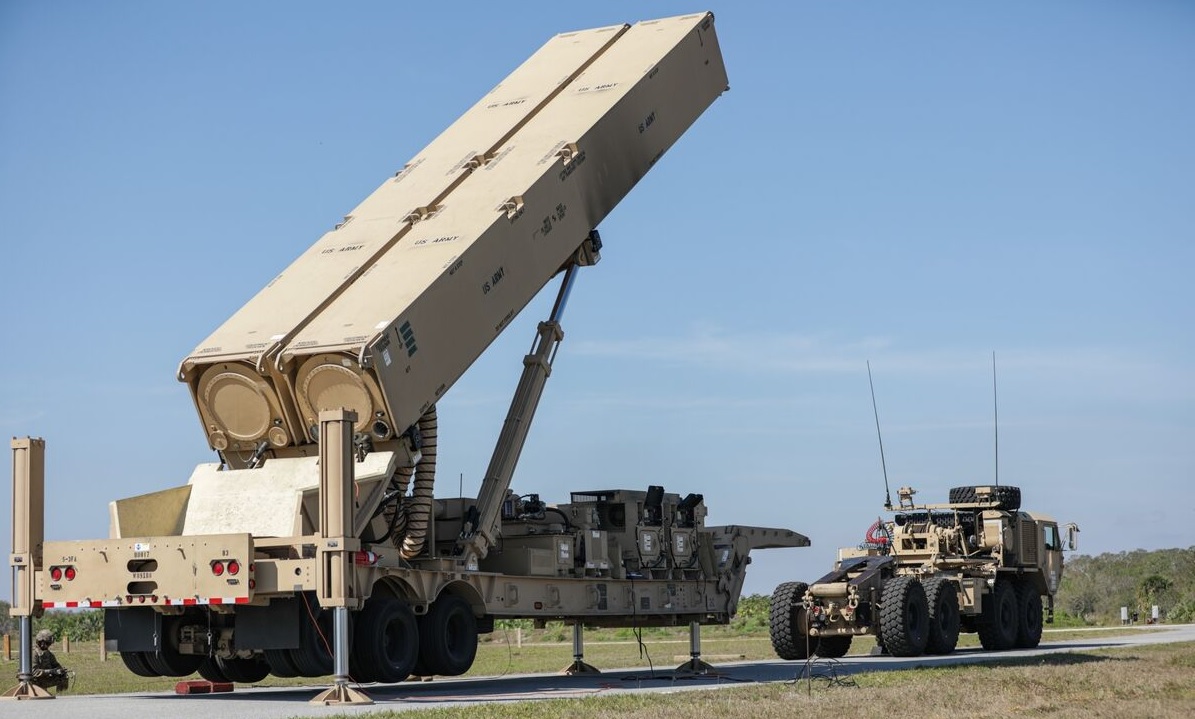
World
In a groundbreaking demonstration of military prowess, the U.S. Army's Long-Range Hypersonic Weapon (LRHW) Battery made its debut in Bamboo Eagle 24-3, an intense eight-day joint exercise primarily led by the U.S. Air Force. This marks the first time land-based hypersonic fires have been integrated into an exercise dominated by airpower, showcasing a significant leap in multi-domain operations.The exercise, which spanned various locations across the United States, involved over 3,000 service members from four branches of the U.S. military, including participants from the Royal Air Force and Royal Australian Air Force. The primary objective of Bamboo Eagle was to enhance readiness across all domains—land, air, and sea—while fostering seamless cooperation among U.S. military branches and international allies. U.S. Air Force Lt. Col. Alex Rich, Operations Director at Nellis Air Force Base's 57th Wing, emphasized the importance of such exercises, stating, "Bamboo Eagle is all about making sure we’re ready for any situation. It’s crucial that we collaborate across services and learn from each other’s capabilities. This helps us build a unified force that’s prepared to face any challenge."The LRHW Battery, commanded by U.S. Army Lt. Col. Benjamin Blane and part of the 1st Multi-Domain Task Force (MDTF), played a pivotal role in the exercise. The battery's participation highlighted the growing strategic importance of land-based hypersonic weapons in modern warfare. "The strong demand from our partners to integrate our capabilities into their operations validates the pivotal role land-based fires have in theater," noted Lt. Col. Blane, underscoring the broader military interest in this advanced technology.The hypersonic battery, known as Bravo Battery, 5th Battalion, 3rd Field Artillery Regiment, showcased exceptional adaptability and resilience throughout the exercise. The unit had previously demonstrated its capabilities in the U.S. Navy-led Resolute Hunter exercise, and this experience proved invaluable in Bamboo Eagle. The unit successfully deployed equipment and personnel over 1,000 miles across three states, a feat that was particularly challenging due to extreme weather conditions.Despite these challenges, the hypersonic battery maintained high operational readiness and participated in every iteration of the exercise. U.S. Army Capt. Jennifer Lee, commander of Bravo Battery, highlighted the operational insights gained from integrating land-based fires with Air Force operations. "Integrating our land-based fires with Air Force operations provided a unique testing ground for our capabilities and offered invaluable lessons from our Air Force counterparts," she remarked.The LRHW, part of the U.S. military's broader hypersonic weapons program, is designed to deliver precision strikes at speeds exceeding Mach 5, making it nearly impossible for adversaries to intercept. The weapon's speed and maneuverability make it a critical asset in modern warfare, capable of engaging targets with unprecedented speed and accuracy. The LRHW is part of the Pentagon's push to maintain a technological edge over potential adversaries, particularly as nations like Russia and China continue to develop their own hypersonic capabilities.The successful integration of the LRHW in Bamboo Eagle 24-3 is a clear indication of the U.S. military's commitment to advancing its hypersonic weapons capabilities. As these weapons become increasingly central to modern warfare, exercises like Bamboo Eagle will be crucial in ensuring that the U.S. and its allies remain prepared for the challenges of tomorrow.
Read More → Posted on 2024-09-01 15:29:24
World
In a significant escalation of the ongoing conflict between Russia and Ukraine, the Russian Defense Ministry announced that its air defenses had intercepted and destroyed 158 Ukrainian drones in a single night. This marks one of the largest drone assaults by Ukraine since the war began, highlighting the intensifying nature of the conflict.The drone attack, which unfolded overnight, saw Russian defenses engage a widespread aerial assault across multiple regions. According to official reports, the drones were intercepted over 15 different regions, showcasing the breadth and scale of Ukraine's offensive. Among the downed drones, two were intercepted over Moscow, with debris from one of them causing a fire at an oil refinery in the capital, according to Moscow Mayor Sergei Sobyanin. This incident underscores the growing reach of Ukrainian drone operations, which have increasingly targeted sites far beyond the front lines.The Kursk region, which borders Ukraine, bore the brunt of the assault, with 46 drones intercepted. The region has been a focal point in recent weeks as Ukrainian forces have made significant incursions, marking the largest invasion of Russian territory since World War II. Other regions affected by the drone attack include Bryansk, Voronezh, and Belgorod, which have also seen a surge in Ukrainian military activity. In total, 34 drones were shot down over Bryansk, 28 over Voronezh, and 14 over Belgorod.Notably, drones were intercepted not only in regions adjacent to Ukraine but also deeper within Russian territory. A drone was downed in the Tver region, northwest of Moscow, and another in the Ivanovo region, northeast of the capital. These incidents highlight the expanding reach of Ukrainian drone operations, which are increasingly pushing into the heart of Russia.This latest drone offensive by Ukraine is part of a broader strategy to disrupt Russian logistics and military operations. Ukrainian forces have been targeting key infrastructure, including oil refineries and terminals, in an effort to slow down the Kremlin's military advance. The frequency and intensity of these drone strikes have increased since the beginning of the year, reflecting Ukraine's determination to bring the fight to Russian soil.While Russia was dealing with the drone assault, its Defense Ministry announced that Russian forces had taken control of the towns of Pivnichne and Vyimka in Ukraine's Donetsk region. The capture of these towns is part of Russia's broader objective to gain full control over the eastern region, a critical goal for the Kremlin. Russian troops are now closing in on Pokrovsk, a key logistics hub for Ukrainian defenses in the area.Meanwhile, in Ukraine, the conflict continued unabated. The Ukrainian air force reported that it had shot down eight out of 11 drones launched by Russia overnight. In the Sumy region, one person was killed and four others wounded in shelling, while in the Kharkiv region, five people were reported injured. The city of Kharkiv itself was hit by Russian shelling, damaging a shopping center, a sports facility, and residential buildings, leaving six more people wounded.As the war drags on, both sides are increasingly turning to drone technology to gain an edge, bringing the conflict to new and unexpected fronts. The latest developments signal a dangerous escalation, with Ukraine showing its capability to strike deep into Russian territory and Russia continuing its relentless push into eastern Ukraine. The situation remains fluid, with both sides locked in a battle of attrition that shows no signs of abating.
Read More → Posted on 2024-09-01 15:27:51
World
In a significant development on the front lines, Ukrainian troops successfully intercepted and downed a mysterious new type of Russian jet-powered drone. This UAV, which was shot down on August 30, has sparked considerable intrigue among military analysts due to its unfamiliar design and purpose.This incident occurred during a recent wave of drone attacks by Russia on Ukraine. Unlike the typical drones used in combat, this particular UAV was a new entrant on the battlefield, previously unknown to both the public and experts. Its appearance marked the first time such a drone had been observed in action, raising questions about Russia's evolving military technology.The drone itself is described as jet-powered and designed with a “flying wing” configuration, a design often associated with stealth aircraft. The sleek, tailless structure of the flying wing design is known for its ability to reduce radar cross-section, making the aircraft harder to detect. This suggests that the drone was possibly intended to evade radar detection, a crucial capability in modern warfare. Despite this advanced design, the UAV appeared to lack any weaponry or reconnaissance equipment, leading experts to speculate about its intended use.One theory is that the drone was deployed as a decoy to test and expose Ukrainian air defenses. Without any sophisticated surveillance systems or weapons, the drone may have been a sacrificial target, intended to draw out Ukrainian anti-aircraft systems and reveal their locations. By using such a rudimentary and possibly experimental model, Russian forces could gather valuable intelligence on Ukrainian defensive capabilities without risking their more advanced assets.The craftsmanship of the drone has also drawn attention. Ukrainian military officials noted that the UAV appeared rudimentary and exhibited several flaws, suggesting it was not a product of Russia’s high-end defense factories. This has led to further speculation that the drone might be an experimental prototype, hastily constructed for testing purposes rather than full-scale deployment.Military analysts are now closely examining the wreckage to understand more about the drone's capabilities and origins. The absence of sophisticated equipment hints at a different kind of warfare strategy, where psychological and tactical deception plays a significant role. This downed drone, while not a direct threat in terms of firepower, represents a new challenge for Ukrainian forces as they adapt to the unpredictable and evolving tactics of the Russian military.This event underscores the ongoing technological arms race in the conflict, with both sides continuously adapting and deploying new strategies and tools. The appearance of this mysterious drone on the battlefield is a reminder of the complexities of modern warfare, where not every threat is immediately apparent, and some may be hidden in plain sight, waiting to be uncovered.
Read More → Posted on 2024-09-01 15:18:45
World
Balochistan, a region often overlooked in international discourse, continues to grapple with severe human rights violations. The recent call for justice by Baloch rights activist Mahrang Baloch has brought renewed attention to the plight of two missing journalists, Asif Baloch and Rashid Baloch, who have been missing for six years. The families of these journalists, along with supporters, have been relentlessly seeking answers, staging protests, and demanding the immediate release of their loved ones.Mahrang Baloch, a prominent voice in the Baloch rights movement, recently shared a heartbreaking image on social media. The photograph shows a woman, holding pictures of her two brothers, Asif and Rashid, who she alleges were forcefully detained by Pakistani forces. This powerful image is a stark reminder of the anguish faced by countless families in Balochistan, who have been left in the dark about the fate of their loved ones.In a poignant post on X (formerly Twitter), Mahrang Baloch expressed the unbearable pain of a sister who, instead of celebrating her brothers' birthdays, must spend each year protesting and holding placards in a desperate attempt to find them. Her words resonate deeply with many in the region: "What can be more painful for a sister than to spend the day of her enforced disappearance every year instead of celebrating her brothers' birthdays, a protest and a placard in hand that represents a year's worth of pain and suffering? The increase is done, but the brothers do not come back!"The situation in Balochistan has reached a critical point, with the Human Rights Council of Balochistan strongly condemning the ongoing harassment, detention, and enforced disappearances of journalists and social activists by Pakistani forces. In a statement, the organization highlighted the recent abduction of journalist Hayat Khan Khetran, along with Asif Baloch and Hayat Shah Baloch, members of the Barkhan Youth Union. These individuals were reportedly summoned by the Frontier Corps (FC) in Barkhan before they vanished without a trace. Their current whereabouts remain unknown, adding to the growing list of enforced disappearances in the region.The plight of the Baloch people has not gone unnoticed by international human rights organizations. The Baloch Yakjehti Committee marked Enforced Disappearance Day on August 30 with a call to the global community. They urged the world to stand in solidarity with the Baloch people and to combat the crime of enforced disappearances. The committee's message was clear: the international community must take a stand against these gross human rights violations and defend the universal rights of individuals everywhere.The families of Asif and Rashid Baloch, alongside other victims of enforced disappearances, have vowed to continue their protests until justice is served. On Saturday, Mahrang Baloch announced that the families would stage a protest in front of the Quetta Press Club, raising their voices against this inhumane practice.The ongoing crisis in Balochistan underscores the urgent need for international attention and intervention. The stories of Asif and Rashid Baloch are just two among many, but they represent the larger struggle for human rights in the region. As the protests continue, the demand for the release of these journalists grows louder, echoing the cries of countless families who seek only one thing: the safe return of their loved ones.
Read More → Posted on 2024-09-01 15:12:23
World
Recent leaks have given the world an intriguing look at China's latest naval innovation: a new stealth corvette that marks a leap forward for the People’s Liberation Army Navy (PLAN). The images, which surfaced on social media, show a vessel that stands out due to its advanced design and stealth capabilities.This newly unveiled warship appears to be a successor to the Type 056 corvettes, also known as the Jiangdao-class. The design of the vessel indicates it is a next-generation model, intended to offer significant enhancements over its predecessors. The stealth features are particularly noteworthy; the corvette boasts a sleek, angular design that helps minimize its visibility on radar and other detection systems. This design approach focuses on reducing optical, infrared, acoustic, and radar signatures, which is crucial for maintaining stealth in potentially hostile environments.Experts like Andreas Rupprecht suggest that this new corvette might be more than just a new addition to China’s fleet. Its advanced design and features could indicate that it is intended as a test platform for new technologies. This theory aligns with the vessel's high-tech appearance and its potential role in evaluating future naval innovations. Another possibility is that this corvette could be part of an export order, though details about any potential buyers remain undisclosed.The leaked images provide a valuable glimpse into China’s naval modernization efforts. While official details about the ship are scarce, these images highlight the PLAN's commitment to advancing its naval capabilities and maintaining a strategic edge in maritime operations. The corvette’s advanced stealth features and design represent a significant step in China's quest to enhance its naval power and operational effectiveness.
Read More → Posted on 2024-08-31 15:42:11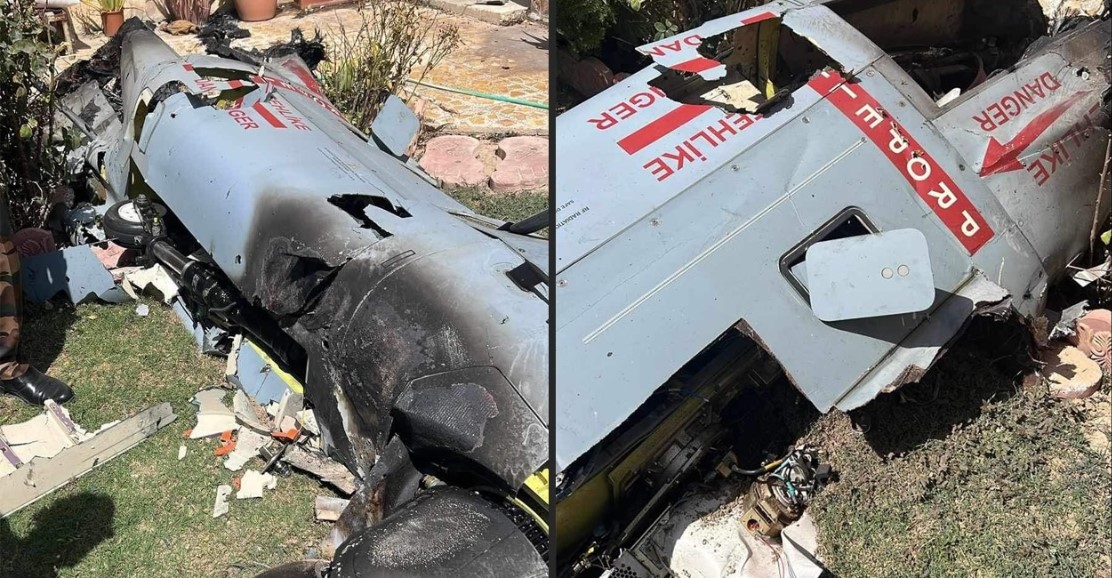
World
In a dramatic development near Kirkuk, Iraq's military successfully downed a Turkish Aksungur unmanned combat aerial vehicle (UCAV) on Thursday. The Aksungur, a medium-altitude, long-endurance drone developed by Turkish Aerospace Industries (TAI), is known for its advanced surveillance and combat capabilities. This incident has significant implications, especially given the current state of relations between Iraq and Turkey.The Aksungur drone, which is equipped for both reconnaissance and offensive operations, was reportedly involved in surveillance activities in the oil-rich region surrounding Kirkuk. This area is strategically important, not only because of its oil resources but also due to its proximity to regions where Kurdish militant activity is prevalent.The downing of the drone comes at a sensitive time for Iraq-Turkey relations. The two countries share a long border frequently crossed by members of the Kurdistan Workers' Party (PKK), a Kurdish militant group that has been involved in an ongoing conflict with Turkey. The PKK operates mainly from bases in northern Iraq, particularly in the mountainous regions controlled by the semi-autonomous Kurdistan Regional Government (KRG).This incident follows a recent visit by Turkish President Recep Tayyip Erdoğan to Iraq on April 22, which was intended to mend ties and strengthen cooperation between the two nations. During the visit, both countries expressed a desire to collaborate more closely on counterterrorism efforts, particularly targeting the PKK.The downed Aksungur drone highlights the ongoing tension between Iraq and Turkey over military operations in the region. Iraq has frequently criticized Ankara's cross-border military actions, arguing that they infringe upon its sovereignty. Turkey, however, maintains that such operations are crucial for its national security, aimed at neutralizing threats from the PKK.In response to the incident, Öncü Keçeli, a spokesperson for the Turkish Foreign Ministry, affirmed that Turkey is working with Iraq to understand the circumstances surrounding the drone's downing. Keçeli underscored the importance of continued dialogue between the two nations, stressing their joint commitment to addressing security challenges in the region despite this setback.This episode serves as a reminder of the complex dynamics in the Middle East, where geopolitical interests and regional security concerns often intersect in unpredictable ways. The collaboration between Iraq and Turkey remains crucial as they navigate these challenges and seek to maintain stability in a volatile region.
Read More → Posted on 2024-08-31 15:40:35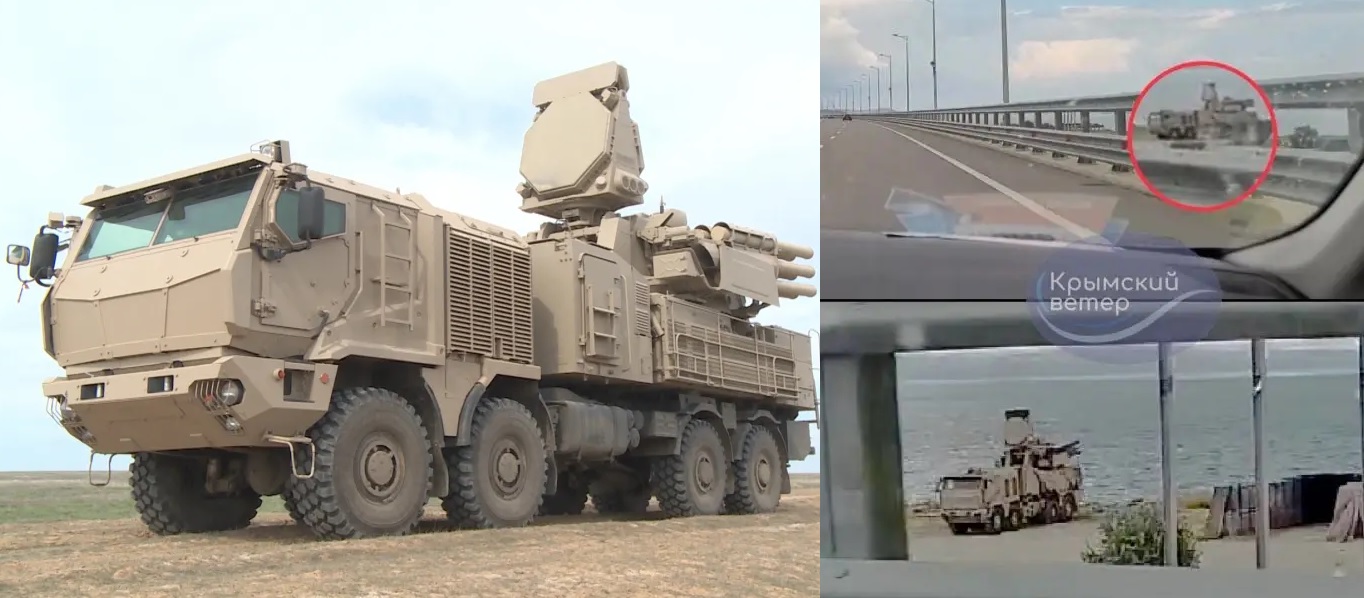
World
In a strategic move, Russia has recently deployed a rare and advanced variant of the Pantsir air defense system on the Crimean Bridge, also known as the Kerch Strait Bridge. This critical infrastructure, which connects mainland Russia to the annexed Crimean Peninsula, has now been equipped with the Pantsir-S1M system to enhance its defensive capabilities.The deployment was first highlighted by images shared on the Telegram channel “Crimean Wind,” which revealed the system's placement on the bridge. Satellite imagery confirms that the Pantsir-S1M has been stationed there for at least a month, suggesting a deliberate long-term strategy to safeguard this crucial route from potential Ukrainian attacks.The specific model of the Pantsir deployed is the Pantsir-S1M, a rare export variant that features several enhancements over standard models. This particular version is mounted on a KamAZ-53958 chassis and is distinguished by its desert camouflage paint, a feature that sets it apart from the more common models. The Pantsir-S1M was previously showcased at the Victory Parade in Tula and at the “Army” forum, indicating its unique status.The Pantsir-S1M boasts several advanced tactical and technical specifications. It includes an increased range and altitude capability for engaging aerial threats compared to its predecessors. The system can use two types of missiles: the 57E6M-E and the 57E6-E, which are integral to the Pantsir-S1 family. Designed for versatile air defense, the Pantsir-S1M can protect against a range of threats, including aircraft, helicopters, cruise missiles, tactical ballistic missiles, and precision-guided munitions. Its role is critical in defending both small military sites and larger administrative-industrial areas, especially during large-scale aerial assaults.The strategic placement of the Pantsir-S1M on the Crimean Bridge underscores Russia's emphasis on safeguarding key infrastructure amid ongoing regional tensions.
Read More → Posted on 2024-08-31 15:38:12Search
Top Trending in 24 Hours
-
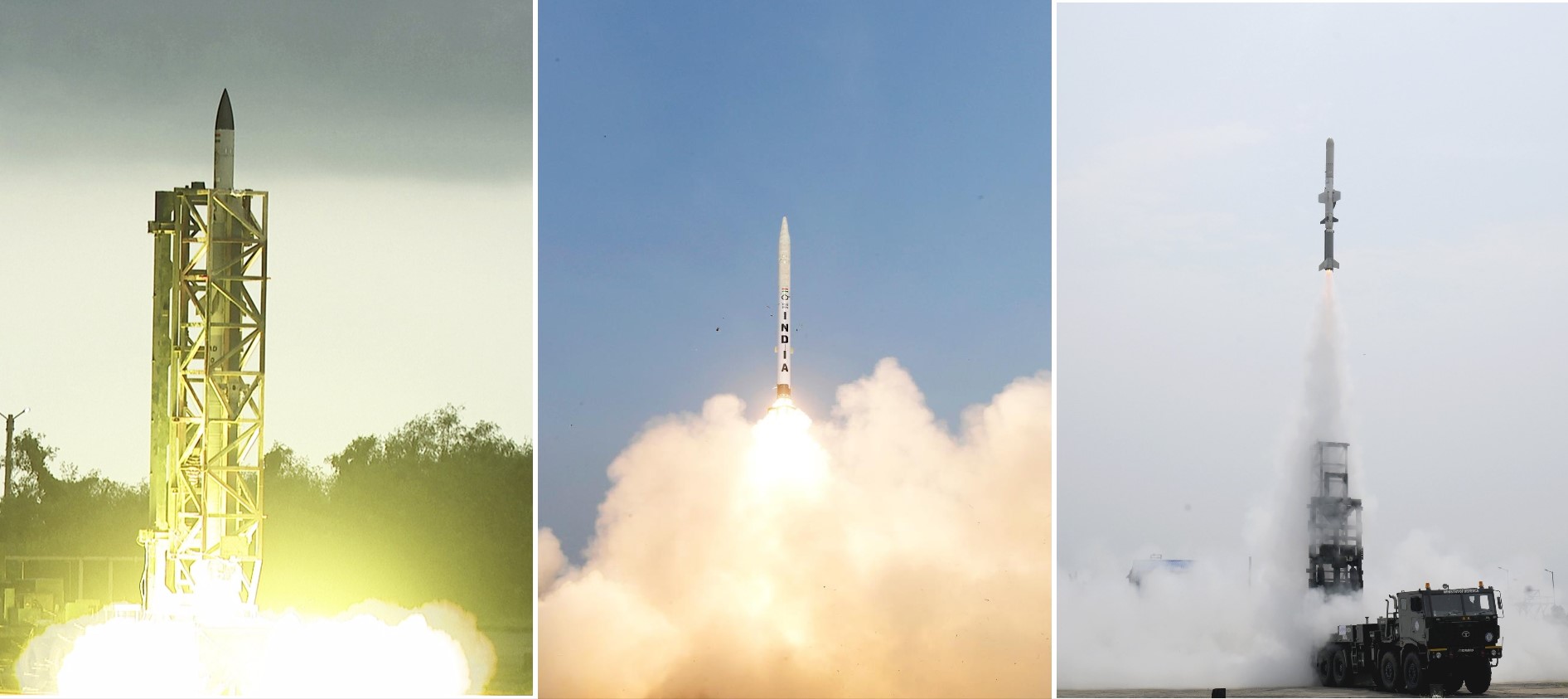 India Successfully Conducts AD-1, AD-2 Interceptor Tests and Maiden NASM-MR Flight Trial
-
 U.S Navy Orders 50 Blackbeard Hypersonic Missiles in New $23.4 Million Contract
-
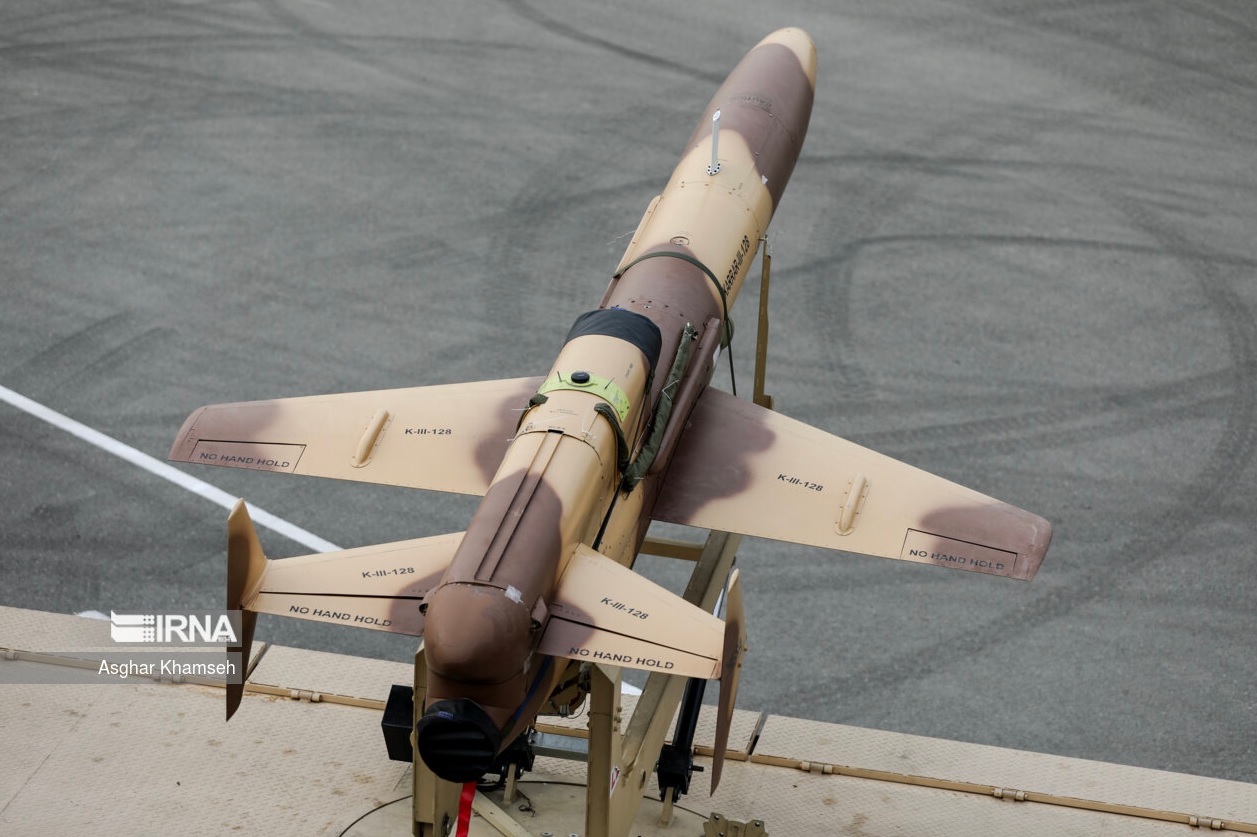 Russia Launches 1,400 Jet-Powered Drones in 2026 as Strike Tactics Evolve to Challenge Ukraine's Air Defenses
-
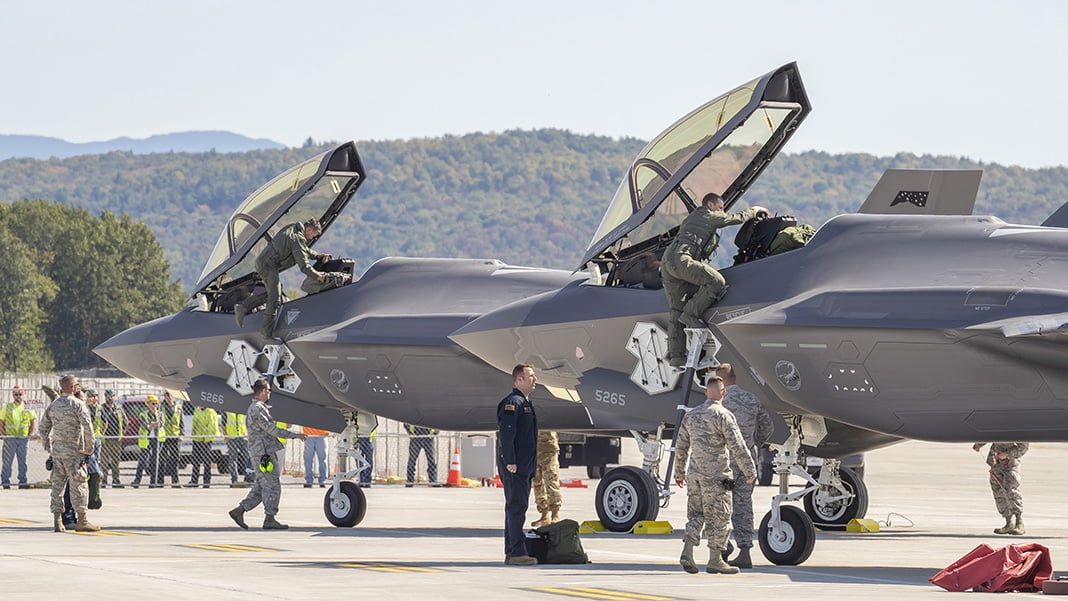 F-35 Fleet Readiness Falls to 25% Amid Parts Shortages and Software Delays: GAO Report
-
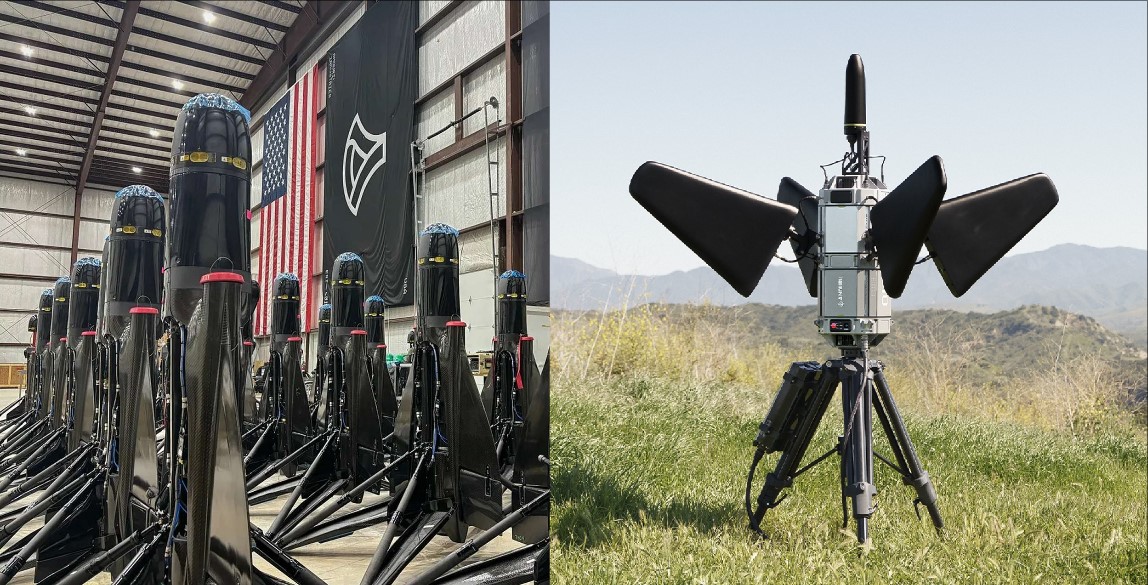 U.S. Approves $1.98 Billion Sale of Anduril AI-Powered Counter-Drone Systems to Kuwait
-
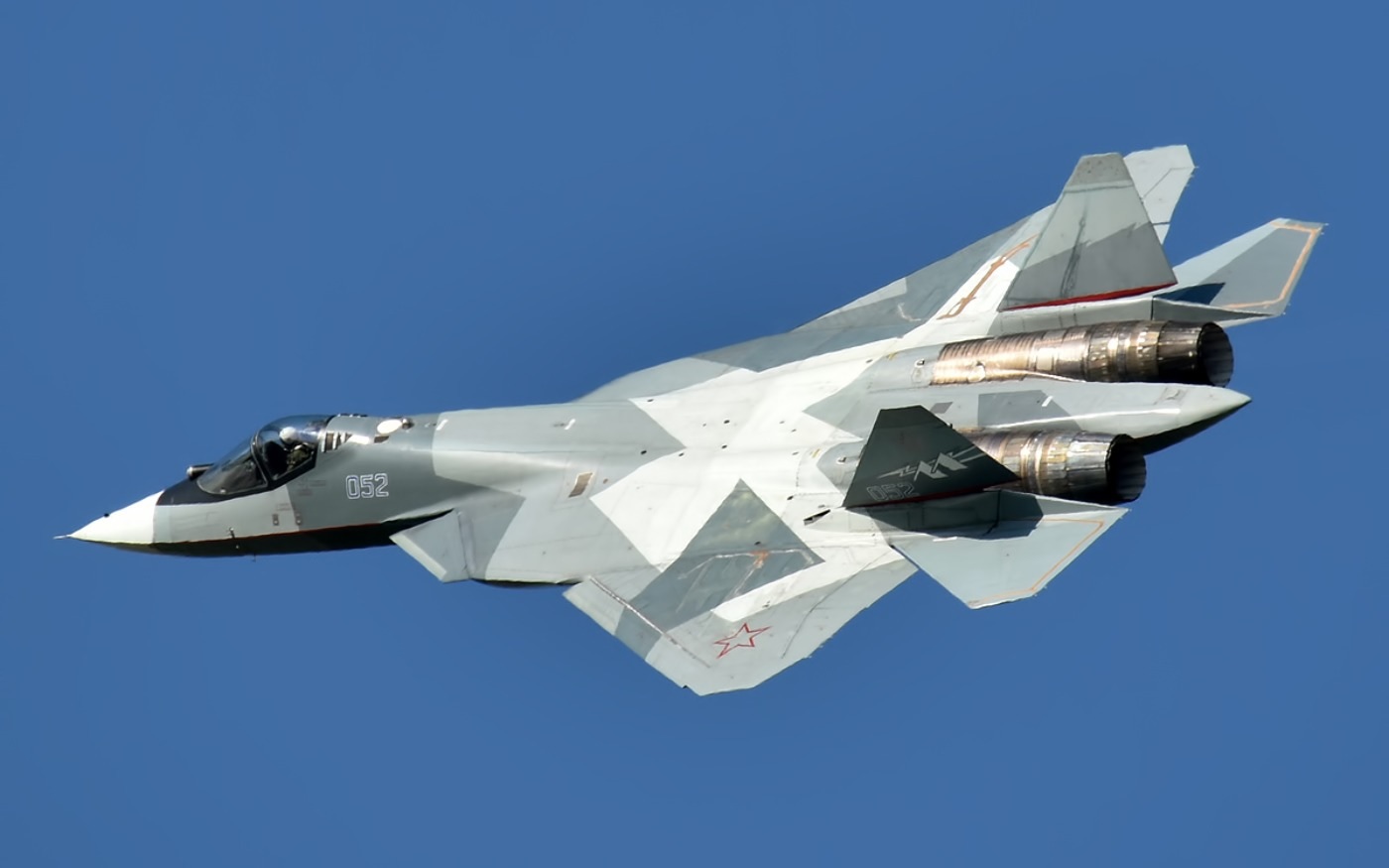 Russian Analysts Debate Su-57 Capabilities After Putin Calls Fighter Superior to F-35
-
 UAE Denies Reports of Releasing Up to $20 Billion in Funds to Iran Amid Regional De-Escalation Efforts
-
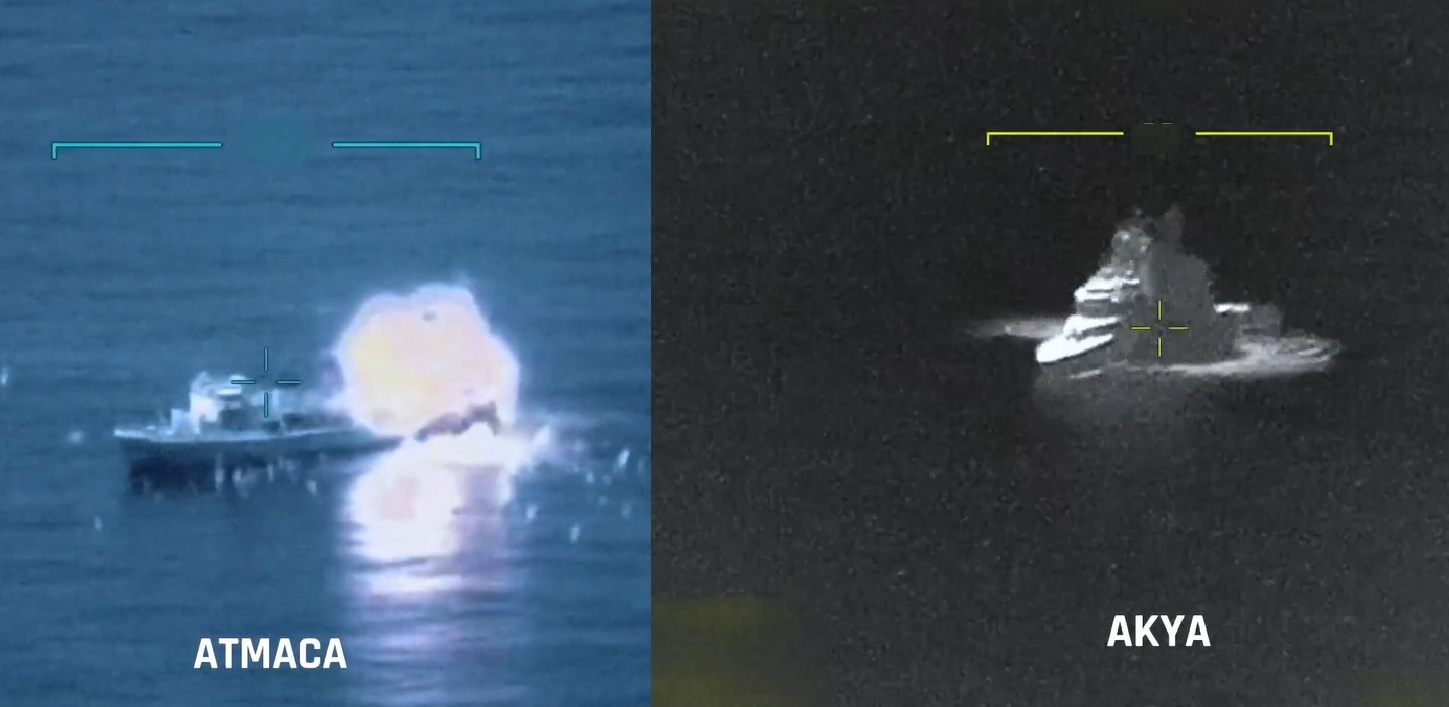 Turkey Navy Successfully Tests AKYA Torpedo and ATMACA Missile During Major Denizkurdu-II Naval Exercise
Top Trending in 4 Days
-
 Iranian Media Leaks 14-Point U.S.-Iran Peace Framework Amid Ongoing Negotiations
-
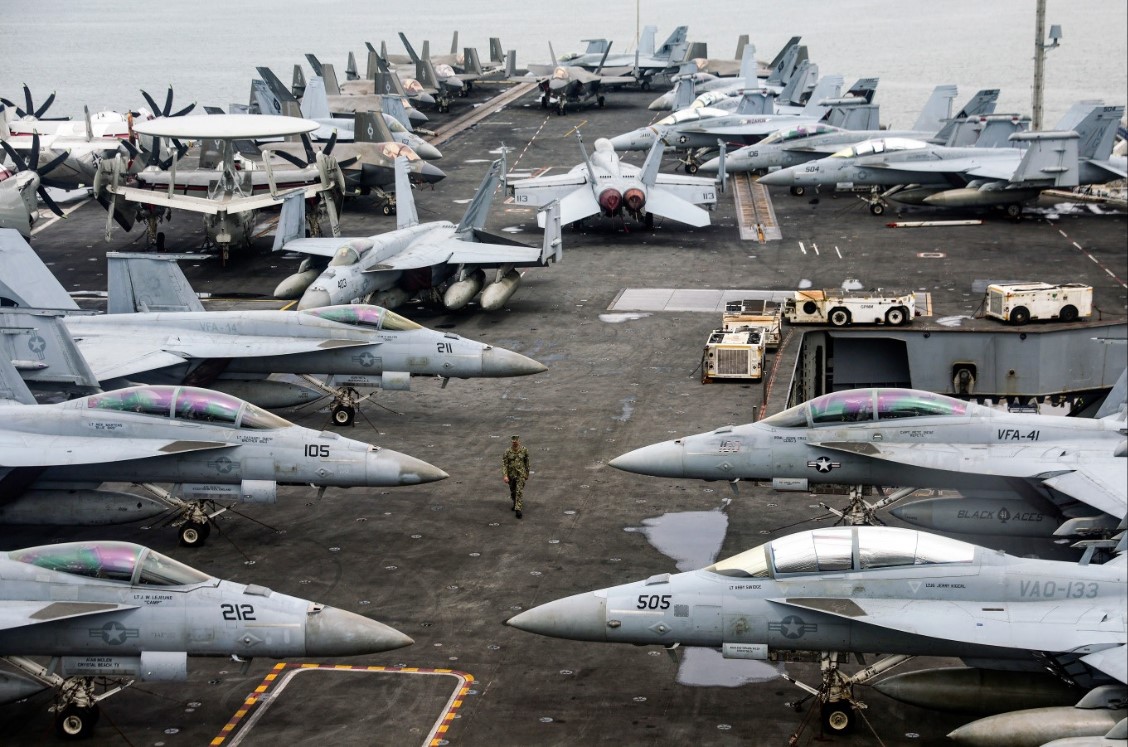 US Plans Significant Reduction of Fighter Jets and Warships for NATO Operations in Europe
-
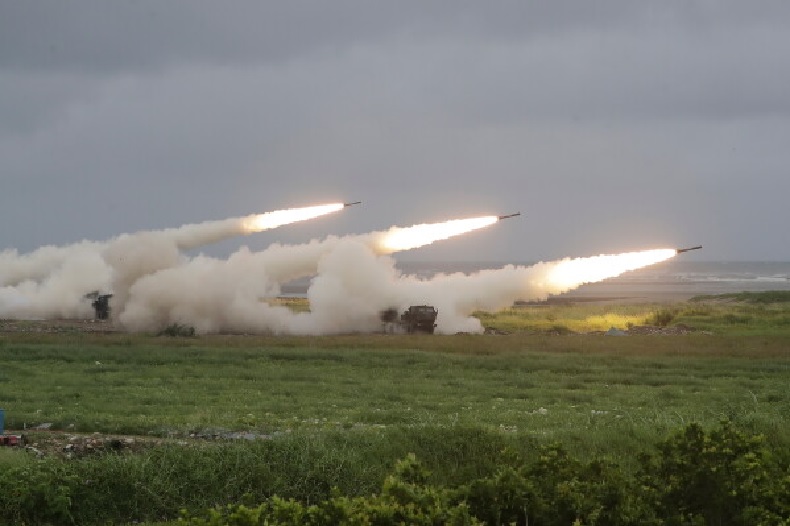 Taiwan Conducts First Live-Fire of HIMARS Rockets From West Coast During Invasion Defense Drill
-
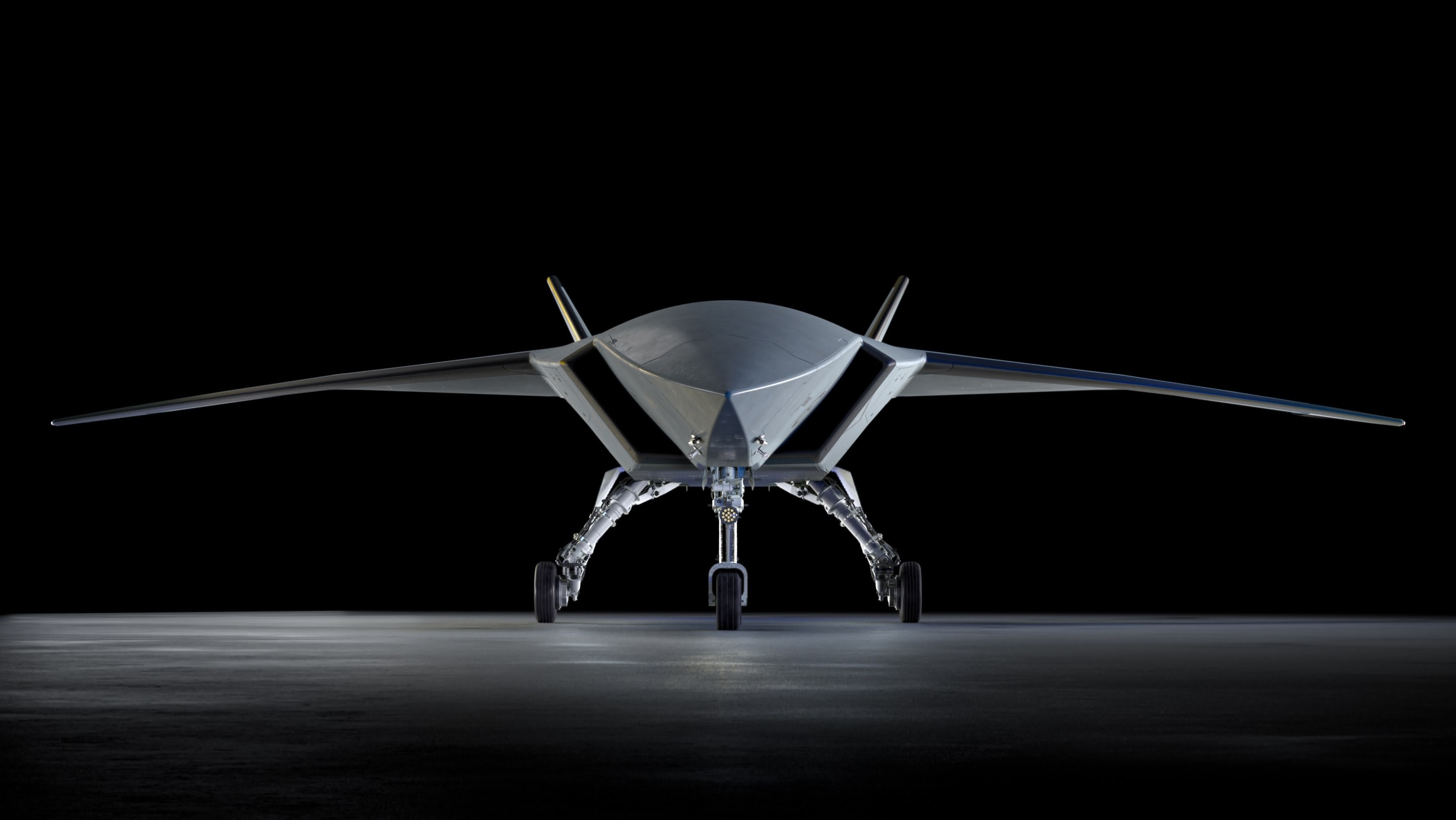 Boeing Introduces New MQ-28 Ghost Bat Upgrades with Increased Range, Payload and Weapons Capacity at ILA Berlin 2026
-
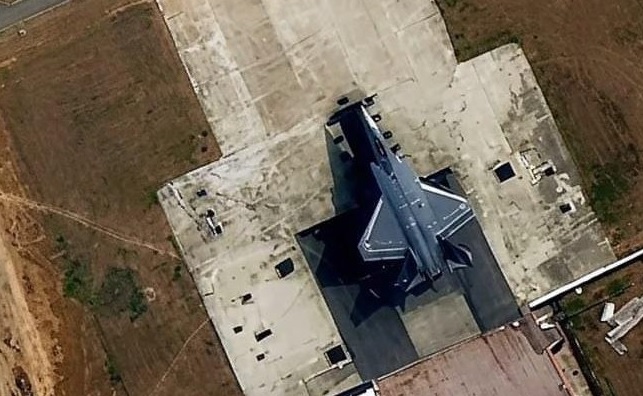 AMCA Airframe Spotted at DRDO’s ORANGE Facility for Radar Cross-Section Testing
-
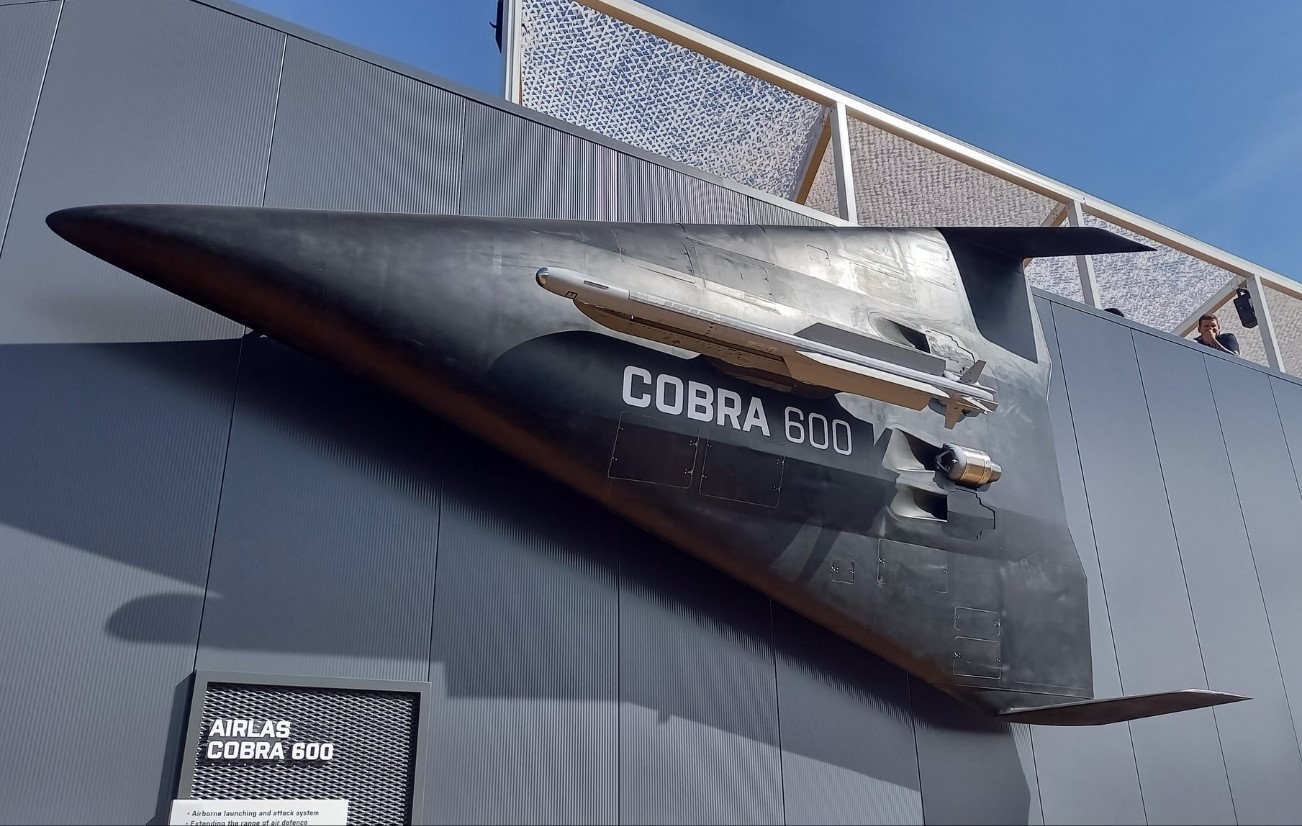 Diehl Defence Unveils IRIS-T Armed Cobra 600 Air Defense Drone at ILA Berlin 2026
-
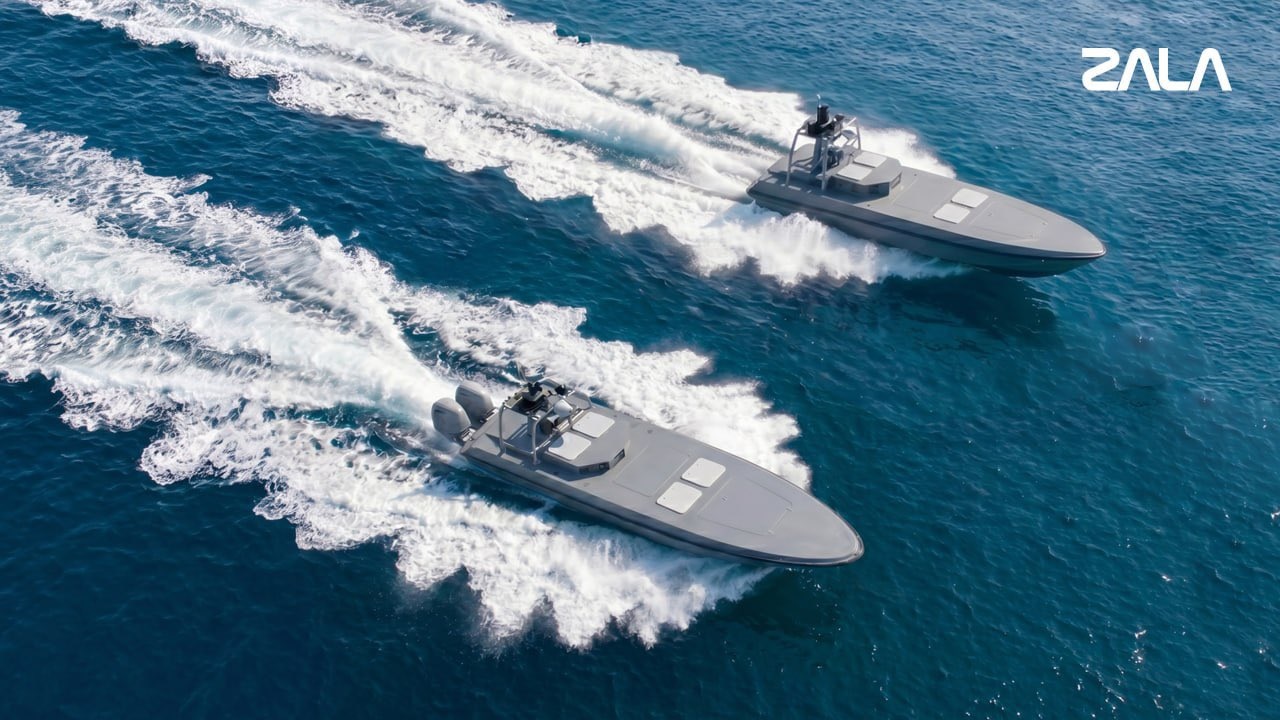 Russian Defense Firm ZALA Unveils KAMA Unmanned Surface Vessel Family at FLOT-2026 Naval Exhibition
-
 U.S Aircraft Carrier USS Theodore Roosevelt Departs San Diego for Major RIMPAC 2026 Naval Exercise