
World
Lockheed Martin has recently secured two significant contracts from the US Navy, worth a combined $3.3 billion, to advance its work on the Trident II D5 missile program. This missile system plays a critical role in the US and UK nuclear deterrence strategy, serving as the backbone of the strategic submarine-launched ballistic missile (SLBM) arsenal. The Trident II D5 is an upgraded version of the original Trident missile, first deployed in the 1990s, but remains a cornerstone of modern defense.The first contract, valued at $2.11 billion, has been awarded to Lockheed’s Space division for the continued production and maintenance of the Trident II D5 missile. This includes vital support for deployed systems as well as work on the Warhead 93/Mark7 development. This warhead is designed to replace the aging nuclear warheads currently in service, ensuring that the US Navy’s strategic capabilities remain robust and effective in the face of evolving threats. The Navy has earmarked $143.5 million from its fiscal 2024 weapons budget to support this effort.Lockheed’s work on the Trident II missile will primarily take place in Colorado, which will handle 24 percent of the work, and Pennsylvania, responsible for 19.3 percent. Other locations across the US will also contribute to the project, with completion expected by September 30, 2029. This contract underscores the importance of maintaining and upgrading the missile system, ensuring that the United States remains ready to respond to any strategic challenges in the future.The second contract, valued at $1.17 billion, has been awarded to Lockheed’s Rotary and Mission Systems Division. This portion of the deal is aimed at providing critical fleet support for the Trident system, which includes shipboard integration for the Trident II. Additionally, the company will focus on the development of the navigation subsystem, an essential component of ensuring the missile's accuracy and reliability during deployment. Much of this work will take place at Mitchel Field, New York, with other contributions from facilities in California and other US locations. This phase of the project is expected to be completed by September 29, 2031.These contracts also include foreign military sales to the United Kingdom, reinforcing the deep defense cooperation between the two nations. Last year, Lockheed Martin secured a similar contract worth $1.2 billion to produce Trident II missiles for both the US and UK, further highlighting the importance of this missile system to both nations' strategic defense plans.The Trident II D5 missile is known for its accuracy and range, capable of delivering multiple independently targetable reentry vehicles (MIRVs), which can carry several nuclear warheads. The missile has a range of over 7,000 miles (11,000 kilometers) and is launched from Ohio-class submarines in the US and Vanguard-class submarines in the UK. The ongoing upgrades to the system are designed to extend its service life, ensuring that the Trident II remains a formidable component of the US and UK’s nuclear deterrence strategy well into the 21st century.Lockheed Martin’s ongoing involvement in the Trident II D5 program demonstrates the company’s vital role in supporting global security through advanced missile technology. With the completion dates set well into the next decade, Lockheed is poised to ensure the missile system remains cutting-edge, capable of responding to modern threats while providing strategic stability.
Read More → Posted on 2024-10-04 16:45:19
World
Leidos, the well-known defense contractor, has just introduced its latest innovation in the field of missile technology—the Black Arrow, a small cruise missile that promises to offer significant advantages for military forces. Marketed as a "low-cost, mission-adaptable" weapon, the Black Arrow is built to support a variety of missions, from direct kinetic strikes to non-kinetic operations. The missile represents a leap in adaptability, designed to be highly versatile on the battlefield.Advanced Engineering for AdaptabilityLeidos has drawn from its expertise with earlier projects, like the GBU-69 small glide munition, to create the Black Arrow. By integrating advanced engineering techniques such as model-based systems engineering, additive manufacturing (3D printing), and artificial intelligence (AI) optimization, the company has designed the missile to be mission-flexible and cost-efficient.The Black Arrow is described as a "service-common bus," meaning that its design can be modified to accommodate a wide range of mission requirements. This versatility allows it to be deployed from various platforms, including being launched from aircraft ramps, palletized systems, or through conventional missile launchers. This adaptability could significantly enhance operational flexibility for military forces, allowing the Black Arrow to be rapidly deployed in different combat scenarios.Key Features and CapabilitiesWhile Leidos has not yet disclosed detailed technical specifications such as the missile's weight, speed, or range, its recent test results offer some insights into its capabilities. The Black Arrow successfully completed captive carry and store-safe separation tests on the AC-130J Ghostrider, a gunship frequently used by U.S. Special Operations Forces. These tests confirmed the missile’s ability to cleanly separate from its launcher, an essential feature for ensuring operational success during flight.The test results also validated other crucial aspects of the missile, including its trajectory, flight software functions, and navigation system performance. Perhaps most importantly, the flight safety system—a critical feature to prevent accidental detonations or malfunctions—was thoroughly tested and passed with flying colors.Upcoming Guided Flight TestsWith the separation tests complete, the next step for Leidos and the Black Arrow is guided flight tests, which are scheduled for later this year. These tests will be crucial in demonstrating the missile's ability to navigate, strike, and adapt to different mission environments. The company has stated that it is leveraging its previous successes, such as fielding the GBU-69 and demonstrating the DARPA X-61 Gremlins program, to push the Black Arrow into operational readiness as swiftly as possible.Mark Miller, Vice President for Missile and Aviation Solutions at Leidos, highlighted the company’s focus on agility and innovation, stating that these values have been instrumental in achieving critical milestones with the Black Arrow. It’s clear that Leidos is positioning the Black Arrow as a highly adaptable, cost-effective solution for modern military needs.Potential Impact on Future OperationsThe Black Arrow's design emphasizes mission adaptability, which could make it a key asset for military operations in the coming years. As modern warfare increasingly relies on drones, precision-guided munitions, and flexible systems, the Black Arrow seems well-suited to meet these evolving demands. Its ability to switch between kinetic and non-kinetic missions means it could be used for a variety of tasks, from destroying enemy targets to disrupting communications or performing electronic warfare.Given Leidos' reputation and its history with successful missile programs, the Black Arrow could become a game-changer in the realm of small cruise missiles, offering militaries a versatile, cost-effective solution that can be deployed across multiple platforms and adapted to a wide range of operational needs.In conclusion, the unveiling of the Black Arrow marks another step forward in missile technology, blending cutting-edge engineering and AI with real-world military demands. As the missile heads into its next phase of testing, all eyes will be on its performance and its potential to reshape the future of tactical missile operations.
Read More → Posted on 2024-10-04 16:10:59
World
In a groundbreaking demonstration of remote military capability, the navies of the United States, the United Kingdom, and Australia conducted an extraordinary experiment as part of the AUKUS security alliance. The experiment saw the navies operating uncrewed ships stationed in Australia while controlling them from a distance of over 10,000 miles away in Portugal. This feat showcases the growing advancements in military technology and the strengthening collaboration between the AUKUS members.The test, dubbed “Maritime Big Play,” is a key milestone in AUKUS’ mission to counter China’s expanding influence in the Indo-Pacific region. The security pact, formed in 2021, has accelerated the pace at which military technology is being brought to the frontline, with an emphasis on both manned and unmanned systems working seamlessly together. According to Royal Navy Director Develop James Parkin, the experiment illustrates how close the AUKUS nations are to realizing their ambition of deploying a global fleet of crewed and uncrewed vessels capable of operating across diverse environments—from the seabed to space.### The Maritime Big Play: Uncrewed Vessels on a Global ScaleThe "Maritime Big Play" experiment was designed to test how effectively the AUKUS allies could control and deploy uncrewed vessels in real-world, tactically realistic scenarios. The highlight of this experiment was the successful command-and-control of ships located on the other side of the world. Royal Navy and Australian Navy officers, sitting thousands of miles away, controlled the vessels with precision, demonstrating that such remote operations are not only feasible but could become a cornerstone of future naval warfare.Additionally, the experiment also tested various other autonomous systems. Drones were used to deliver payloads, simulating how quickly unmanned vehicles could be utilized in frontline operations. The use of these advanced technologies could revolutionize how naval forces conduct missions, especially in contested areas like the Indo-Pacific.### Technical Specifications: Uncrewed Vessels and Advanced Control SystemsThe ships involved in the experiment are equipped with state-of-the-art autonomous navigation and communication systems. These vessels are designed to operate independently for extended periods, utilizing sophisticated sensors and artificial intelligence (AI) for navigation, target acquisition, and threat assessment. The remote-control capability relies on secure, encrypted satellite communications to transmit real-time data between the vessels and the command centers in Europe.One key aspect of the success was the seamless integration of technology from all three AUKUS nations. Each country contributed its expertise in AI, machine learning, and communication systems to ensure that the uncrewed vessels could be controlled smoothly over vast distances. These ships can operate autonomously when needed, and human controllers can intervene to adjust the mission parameters or take direct control, providing flexibility and precision in naval operations.### Future Experiments: Expanding the FleetThe "Maritime Big Play" is just the beginning. The AUKUS nations have planned even larger-scale tests, with around 30 autonomous systems expected to participate in further experiments later this year. These will include drones, uncrewed surface vessels, and possibly undersea technologies, pushing the boundaries of what autonomous naval technology can achieve.The next phase of experiments will take place in the Indo-Pacific region, a strategically important area given its proximity to China. This collaboration and the technology behind it are part of a broader AUKUS initiative to enhance military readiness and innovation. The alliance is also tackling long-standing trade barriers to make it easier to share military technologies between the three nations, which will only accelerate future developments.### The Geopolitical Context: AUKUS and Regional SecurityChina has been vocal in its opposition to the AUKUS pact, viewing it as a potential catalyst for an arms race in the region. The security arrangement, which notably includes the sharing of nuclear-powered submarine technology between the U.S. and Australia, is seen by Beijing as a threat to its dominance in the Indo-Pacific. Despite these concerns, AUKUS continues to move forward, with each new experiment underscoring the technological superiority and commitment of the member nations to regional security.As the AUKUS pact grows stronger and more technologically advanced, it is clear that the security landscape in the Indo-Pacific is evolving rapidly. These experiments not only showcase the strategic military alliance but also signal a future where remote-controlled, autonomous vessels play a critical role in naval operations across the globe.
Read More → Posted on 2024-10-04 16:08:13
World
In a strategic blow to Russia's air defense capabilities, Ukraine announced that it successfully destroyed a sophisticated Russian radar station using a US-supplied Army Tactical Missile System (ATACMS). The target was the Nebo-M radar system, a highly advanced asset that Russia relies on to detect fifth-generation aircraft and track ballistic missiles over long distances. The strike comes amid Ukraine's continued use of Western-supplied weaponry to counter Russian forces and disrupt their military operations.Though Ukraine's military did not disclose the specific time or location of the strike, the General Staff of the Armed Forces confirmed the destruction of the Nebo-M, signaling a significant loss for Moscow. The Nebo-M radar is a cutting-edge system capable of detecting targets up to 1,000 kilometers (about 620 miles) away, covering a vast airspace over which it can track both aerodynamic and ballistic threats. Its loss could severely limit Russia's ability to detect and intercept incoming missiles and aircraft, making the airspace more vulnerable to future Ukrainian assaults.One of the key reasons Ukraine targeted the Nebo-M is its critical role in safeguarding Russian-held territories from aerial attacks. By eliminating this radar, Ukraine hopes to create a more accessible "air corridor" for deploying missiles like the British-supplied Storm Shadow and French SCALP-EG cruise missiles. These weapons have already proven effective in striking key Russian military infrastructure. The elimination of the Nebo-M radar opens a window of opportunity for Ukraine to launch more impactful attacks without the same risk of interception.What makes the Nebo-M radar a particularly challenging target is its complex, multi-band radar system. It integrates inputs from three separate radars operating across different frequency bands, which allows it to detect stealthy targets at great distances. The system has been in service since 2017 and is reportedly valued at over $100 million per unit. According to Ukrainian officials, Russia has only 10 Nebo-M systems left, making each loss particularly costly.The use of ATACMS in this strike highlights the missile's value on the battlefield. ATACMS is a long-range, tactical ballistic missile that the US has provided to Ukraine in limited quantities. Capable of striking targets from a distance of up to 300 kilometers (about 186 miles), it gives Ukraine the ability to hit strategic Russian positions far from the frontlines. The missile has already been used in several high-profile strikes, including a hit on a Russian troop concentration in May and another attack in June on the annexed region of Crimea.Russia has accused the US of escalating the conflict by supplying Ukraine with such powerful weaponry. Moscow also claimed that the June ATACMS strike in Crimea resulted in four deaths and more than 100 injuries, underscoring the devastating impact the missile can have on concentrated military forces.The latest strike on the Nebo-M radar represents a clear tactical victory for Ukraine in its ongoing effort to dismantle Russian military defenses. The elimination of this radar is not just a symbolic victory but also a practical step towards weakening Russia's control over its occupied territories. With fewer radar systems to rely on, Russia may struggle to maintain the same level of air defense, giving Ukraine the upper hand in its aerial campaign.This development marks another chapter in Ukraine's continued resistance against Russia’s invasion, underscoring the vital role that Western-supplied weapons play in shaping the conflict. As Ukraine continues to target high-value assets like the Nebo-M radar, the balance of power in the air may continue to shift in Kyiv's favor.
Read More → Posted on 2024-10-04 15:57:22
World
New Yorkers were met with a striking sight as a banner demanding the end of Hindu genocide in Bangladesh flew over the Statue of Liberty, drawing attention to a growing humanitarian crisis. The banner, organized by American Hindu groups, was meant to raise global awareness about the escalating violence and persecution of the Hindu community in Bangladesh, urging immediate international intervention.The airborne message, which circled one of the most iconic symbols of freedom and human rights, comes at a time when Bangladesh’s Hindu minority is facing alarming threats. The country, which once had a Hindu population of about 20% in 1971, has seen that number dwindle to less than 9%. This dramatic decline is the result of decades of targeted violence, forced conversions, rapes, and systemic efforts to erase the community’s presence.The reference to the 1971 genocide of Bangladesh’s Hindus is particularly powerful. In 2022, U.S. Congress Resolution HR 1430 officially recognized the atrocities committed during Bangladesh’s war of independence, where 2.8 million lives were lost and at least 200,000 Hindu women were raped. Though this recognition is a step towards historical accountability, advocates like Sitangshu Guha, a prominent voice from the Bangladesh Hindu Community, are calling for more immediate action to stop the ongoing persecution. “Hindus in Bangladesh are on the verge of extinction,” Guha warned, emphasizing that if the situation remains unchecked, the region could become a breeding ground for extremist forces like Afghanistan post-1980s. Guha’s fear is that a Hindu-free Bangladesh could destabilize the region, with militant forces spreading into neighboring India and even the West.Since August 2024, Bangladesh has witnessed a spike in violence against its Hindu minority, with reports documenting over 250 attacks and 1,000 additional incidents. These acts of violence include lynchings, property seizures, kidnappings of Hindu girls, and forced resignations, leaving many Hindus in a state of constant fear for their survival.Humanitarian activists like Pankaj Mehta from the Interfaith Human Rights Coalition are pushing for international recognition of the 1971 genocide and calling on the United Nations Human Rights Council to intervene in the current crisis. “The 1971 genocide was the largest since World War II. It’s time the world takes a stand and prevents another looming catastrophe,” Mehta stated. While several U.S.-based organizations, including the Lemkin Institute for Genocide Prevention and Genocide Watch, have recognized the ongoing violence, the U.N. has yet to act decisively.The rising influence of Islamist fundamentalism in Bangladesh is of particular concern to India, as its porous borders could allow radical elements to infiltrate its regions, particularly West Bengal. This has broader implications for regional stability and has raised alarm among mainstream Americans, reminiscent of the growing unease during the Afghanistan crisis.In response to these threats, U.S. activists have called for a boycott of Bangladeshi goods, particularly its garments, which make up a significant portion of the country’s exports. Campaigners have reached out to major retailers, including Walmart, H&M, and Gap, urging them to halt business with Bangladesh until the violence is stopped and those responsible for the persecution are held accountable. This economic leverage, they argue, could pressure the Bangladeshi government to take meaningful action against extremist elements.The Jewish community in America has also voiced its solidarity with the Hindus of Bangladesh, drawing parallels to the recent atrocities committed by Hamas in Israel. The message is clear: just as the global community rallied to support Israel, there is now an urgent need to stand with Bangladesh’s Hindus before the violence escalates further.The banner event was broadcasted live on StopHinduGenocide.org, a site dedicated to documenting the atrocities faced by the Hindu minority in Bangladesh. The website provides a comprehensive historical background and detailed reports on current events, highlighting the pressing need for international involvement to prevent another genocide from unfolding.With the Statue of Liberty as its backdrop, the message carried by the banner over New York City is one that resonates far beyond American shores—it’s a call for global action to protect human dignity, stop the violence, and ensure that the Hindu community in Bangladesh can live without fear of extermination.
Read More → Posted on 2024-10-04 15:53:27
World
Oceaneering International has entered a significant contract with the US Navy, marking a pivotal development in the field of underwater robotics and defense technology. The Texas-based company, known for its cutting-edge solutions, has signed a multi-million-dollar agreement to provide the US Navy with an advanced autonomous underwater vehicle (AUV) called the Freedom, as well as an Onshore Remote Operations Center (OROC). This contract aims to enhance subsea security and streamline naval operations with commercial technologies originally developed for the energy industry.The Freedom Underwater DroneAt the heart of this contract is Oceaneering's Freedom, an impressive 15-meter (49-foot) autonomous underwater vehicle designed for a wide range of deep-sea tasks, from inspection to data collection. The *Freedom* system is tailored for missions that require endurance and versatility, making it an invaluable asset for naval operations.The *Freedom* AUV is packed with high-tech features that enable efficient and effective underwater missions. Equipped with state-of-the-art sonar, a camera, radio locator, and specialized lights, the drone can navigate deep-sea environments with ease. Additionally, it is adaptable and can integrate various payloads, including additional sensors and lights, depending on mission requirements. This makes it not only versatile but also mission-specific, allowing the Navy to deploy the drone in a variety of operational settings, from surveillance to exploration.The technical specifications of the Freedom are equally impressive. It boasts a top speed of 8 miles (11 kilometers) per hour and can operate at staggering depths of up to 19,500 feet (5,943 meters). The drone can travel a range of 75 miles (121 kilometers) and stay in a stationary position for up to 87 hours. This level of endurance and operational depth sets the *Freedom* apart as one of the most capable AUVs available for military use. Charging the drone takes approximately five hours, ensuring it is ready for multiple missions within a short window of time.The Onshore Remote Operations Center (OROC)Complementing the Freedom underwater drone is Oceaneering's Onshore Remote Operations Center (OROC), a highly sophisticated virtual command hub. The OROC is designed to maximize operational efficiency while minimizing environmental and logistical burdens. This operations center will play a critical role in managing the Freedom drone during its missions, providing a command-and-control platform that ensures safe and effective drone deployment.One of the key benefits of the OROC is its integration with satellite networks that span low- and medium-Earth orbits, enabling high-definition audio and video communication between onshore pilots and the deployed drones. This real-time communication ensures that operators have complete control over the missions, with the ability to monitor, restream, and adapt to changing circumstances as necessary. The OROC’s asset-agnostic platform also means that it can control a variety of underwater vehicles, enhancing its versatility and future-proofing its use in naval operations.In addition to these capabilities, the OROC contributes to sustainable operations by reducing carbon emissions, thanks to its streamlined logistics and remote management. It also supports Oceaneering's Liberty docking station, which allows active underwater drones like Freedom to recharge and reset without needing to return to port frequently. This reduces downtime and increases the operational efficiency of the drones, especially during extended missions.Currently, OROC centers are operational in several global locations, including the United States, Scotland, and Brazil. The expansion of OROC to support US Navy operations represents a major step forward in Oceaneering’s collaboration with defense forces worldwide.Cutting-Edge Subsea SecurityAccording to Peter Buchanan, Senior Director of Oceaneering’s Subsea Robotics division, this contract with the US Navy underscores the importance of adapting commercial technology for military purposes. The Freedom underwater system, originally developed for the energy industry, has now been tailored to meet the stringent security needs of the Department of Defense. Buchanan highlighted that this partnership leverages the innovation and technology advancements made in the commercial sector to address the growing demand for enhanced subsea security in defense.By integrating the Freedom AUV with the OROC, the US Navy stands to benefit from a comprehensive underwater operational system that increases mission effectiveness, reduces environmental impact, and cuts logistical costs. This deal also exemplifies Oceaneering’s broader commitment to supplying innovative solutions across multiple industries, from energy to defense.With work on this contract taking place at Oceaneering’s manufacturing site in Morgan City, Louisiana, the company continues to push the boundaries of underwater robotics technology, contributing to both national security and advancements in deep-sea exploration.Oceaneering's contract with the US Navy to provide the *Freedom* underwater drone and the OROC represents a significant leap in underwater defense capabilities. The *Freedom* AUV’s endurance, depth range, and versatility, combined with the advanced communication and control features of the OROC, offer the US Navy a highly capable and efficient subsea operational system. This collaboration further reinforces the role of commercial technology in addressing the evolving security needs of military forces across the world.
Read More → Posted on 2024-10-04 15:50:00
World
Danish radar specialist Weibel Scientific has landed a significant contract with the U.S. Army to develop a new C-Band range instrumentation radar. This project falls under the Army’s Range Radar Replacement Program and is part of a larger initiative to enhance the capabilities of military test ranges. The contract, which is structured as an Other Transaction Agreement (OTA), was announced on 11th September 2024. It marks a key development for Weibel in expanding its radar technology offerings to meet the growing needs of the U.S. military.Weibel Scientific has a well-established presence in radar technology, particularly with its X-Band radar systems already in use across various U.S. military ranges. Now, with over four decades of experience in radar processing and instrumentation hardware, the company will be developing a new radar prototype that uses cutting-edge Active Electronically Scanned Array (AESA) technology. This new radar system will not only complement Weibel’s existing X-Band products but also expand the U.S. Army's radar capabilities, offering a solution for test ranges that need to operate within frequency-constrained environments.One of the significant advantages of the new C-Band radar system is its capability to track legacy transponders while delivering superior data quality. This improvement is crucial for military test ranges that require accurate tracking for a variety of test scenarios, such as missile launches and other live-fire exercises. The radar's AESA technology allows for a wider field of view, giving military test operators enhanced situational awareness and more reliable data for performance assessments.Scott McGleish, President and General Manager of Weibel North America, emphasized the importance of this development. "At Weibel, we see this as a natural next step in our continued commitment to our U.S. customers. We already have a large presence in X-Band instrumentation radars, and by adding C-Band capabilities, we can offer our growing customer base increased functionality to meet their emerging operational test range radar requirements," he said.The C-Band radar will play a crucial role in addressing frequency limitations faced by test ranges, as the military increasingly relies on advanced technologies that demand precise tracking and data collection. The development of this radar system aligns with the U.S. Army’s broader objectives of modernizing its test range infrastructure, ensuring that they can support a new generation of weapon systems and operational scenarios.Weibel’s AESA technology, which is a key feature of this new radar system, represents a leap forward in radar performance. Unlike traditional radar systems that rely on mechanically rotating antennas, AESA radars use multiple small antennas to scan the area electronically, providing faster and more accurate tracking. This not only improves response time but also reduces the radar’s vulnerability to countermeasures.For the U.S. Army, securing a radar system with these capabilities is vital, especially as the need for more sophisticated testing environments grows. The C-Band radar will enhance the Army's ability to test advanced weapons systems and ensure they are fully operational in real-world conditions.In addition to its technical capabilities, this contract highlights Weibel Scientific’s continued growth in the U.S. defense sector. By expanding into the C-Band radar market, Weibel solidifies its position as a key player in the field of military radar systems. The company's commitment to innovation and delivering high-performance radar solutions aligns well with the U.S. Army’s ongoing efforts to modernize its test range capabilities and improve operational readiness.This partnership between Weibel and the U.S. Army is expected to result in significant advancements in radar technology, helping to ensure that the U.S. military remains at the forefront of defense innovation.
Read More → Posted on 2024-10-03 16:50:30
World
In a significant diplomatic move, the UK has agreed to transfer sovereignty of the Chagos Islands to Mauritius, marking the end of a decades-long territorial dispute. This agreement, announced by British Foreign Secretary David Lammy, ensures that the UK will retain control over Diego Garcia, the largest of the Chagos Islands, for the next 99 years, securing the future of a strategically crucial military base used by both the UK and the United States.The Chagos Archipelago, a collection of over 60 islands in the Indian Ocean, has long been a contentious issue. Britain detached the islands from Mauritius in 1965, three years before Mauritius gained independence. Since then, the islands have been part of the British Indian Ocean Territory. However, the sovereignty of the archipelago has been frequently challenged in international courts. The new agreement aims to resolve this issue once and for all. Under the terms of the deal, while Mauritius will formally hold sovereignty over the Chagos Islands, the UK will retain operational control of Diego Garcia for an initial 99-year period. Diego Garcia, home to a large US military base built in the 1970s, is critical for security operations in regions such as the Middle East, South Asia, and East Africa.For both the UK and the US, this deal is essential in maintaining stability in the region. Without it, the operation of the military base could have been jeopardized by legal disputes over the sovereignty of the islands. The base at Diego Garcia is regarded as indispensable by the US military, playing a pivotal role in American security strategy.“This agreement strengthens our position in global security while reinforcing our relationship with Mauritius, a close Commonwealth partner,” said Lammy. He also emphasized that the agreement would block any potential misuse of the Indian Ocean as a route for illegal migration to the UK.The US also welcomed the agreement, with President Joe Biden hailing it as a "historic" moment. The White House underscored the importance of Diego Garcia in maintaining "national, regional, and global security."One unresolved issue is the fate of the former inhabitants of the Chagos Islands. Approximately 1,500 Chagossians were forcibly removed from the islands in the 1960s and 70s to clear the way for the US base, and many of their descendants now live in the UK, Mauritius, and the Seychelles. The agreement does not yet clarify whether these individuals will be allowed to return to their homeland, a matter that will likely come to the forefront as the deal is finalized.The deal, while historic, still requires formal ratification in the form of a treaty, and legal processes are ongoing. Both the UK and Mauritius are committed to expediting these procedures.The transfer of the Chagos Islands, particularly the arrangements concerning Diego Garcia, represents a delicate balance between settling a colonial-era grievance and preserving the vital security interests of the UK, the US, and their allies. It stands as a significant example of diplomacy adapting to modern geopolitical realities while addressing long-standing historical issues.
Read More → Posted on 2024-10-03 16:48:25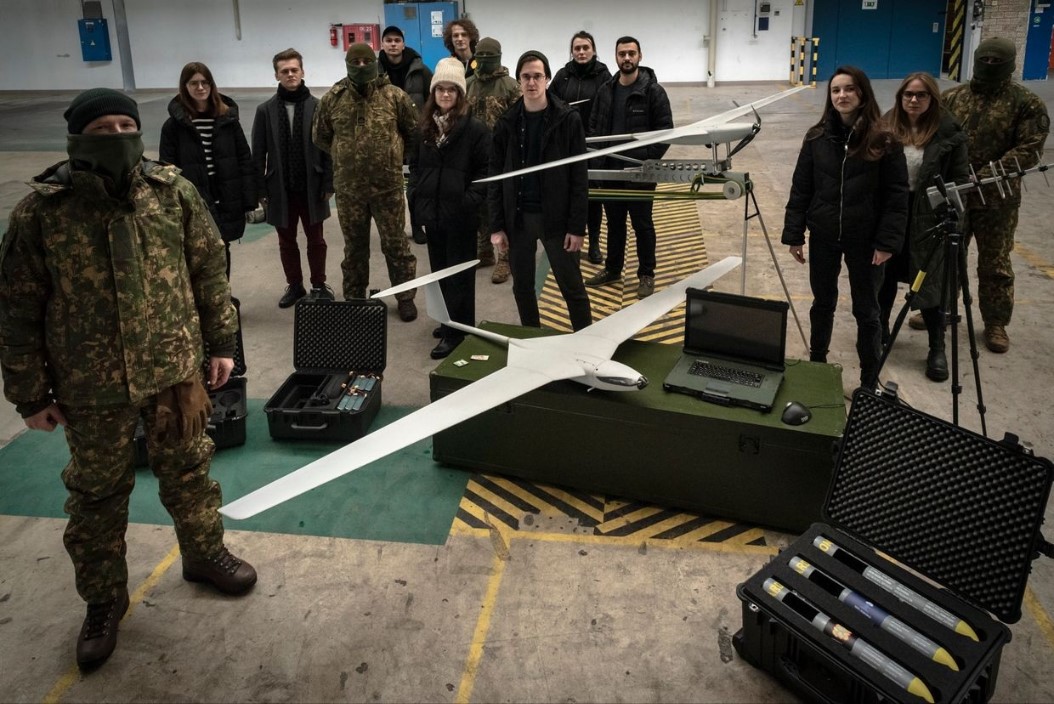
World
Ukrainian President Volodymyr Zelensky has made a significant announcement regarding the country’s burgeoning defense capabilities, declaring that Ukraine can now produce up to four million drones each year. This bold move not only underscores Ukraine's commitment to enhancing its military production but also reflects a remarkable transformation of its defense industry in the wake of the ongoing conflict with Russia.In a recent address to executives from various foreign arms manufacturers, Zelensky revealed that Ukraine had already contracted to manufacture 1.5 million drones in just the first three quarters of this year. This figure far exceeds the initial target of one million drones set for 2024 and highlights the rapid advancements Ukraine is making in drone technology, primarily for intelligence gathering and attack missions. The growing capability to produce drones at such a scale is expected to further accelerate as the nation works on establishing a "virtually new defense industry" geared towards swift innovation and production.Prior to Russia's full-scale invasion in February 2022, Ukraine’s drone production was virtually nonexistent. However, the challenges posed by the war have driven a remarkable turnaround. In 2023 alone, Ukraine reportedly tripled its overall domestic weapons production, with an even more ambitious goal of doubling output again in the initial months of 2024. Zelensky remarked on this transformation, stating, “Years ago, the Ukrainian defense industry looked, unfortunately, helpless. But now, it is an industry that is on its way to becoming a leader, at least in Europe.”This surge in drone production is closely tied to Ukraine’s "Army of Drones" initiative, a strategic program designed to bolster its military capabilities against Russian forces. Supported by international partners, this extensive array of drones allows the Ukrainian military to maintain continuous surveillance over its extensive 2,470-kilometer-long frontline. The drones serve multiple purposes, with smaller models being utilized for reconnaissance missions while larger variants are capable of conducting long-range strikes deep into enemy territory. Zelensky pointed out the dual utility of these drones, noting, “Small drones help us scout the front lines. Bigger ones carry explosives deep into enemy territory.”In addition to advancements in drone technology, Zelensky also highlighted significant progress in other areas of military production. Ukraine has managed to increase its artillery ammunition output by an astounding 25-fold in the first half of 2024 compared to all of 2022. The production of 155-millimeter artillery shells has begun, facilitating a rapid replenishment of crucial stockpiles. Furthermore, the Ukrainian defense industry has scaled up the production of both 5.45×39 and 5.56×45-millimeter ammunition, reinforcing the military’s operational capabilities.Zelensky’s announcements paint a picture of a nation not only adapting to the demands of an ongoing conflict but also emerging as a significant player in the European defense landscape. With these ambitious goals and production capacities, Ukraine is not only preparing to defend its sovereignty but also positioning itself as a future leader in the realm of military technology.
Read More → Posted on 2024-10-03 16:45:44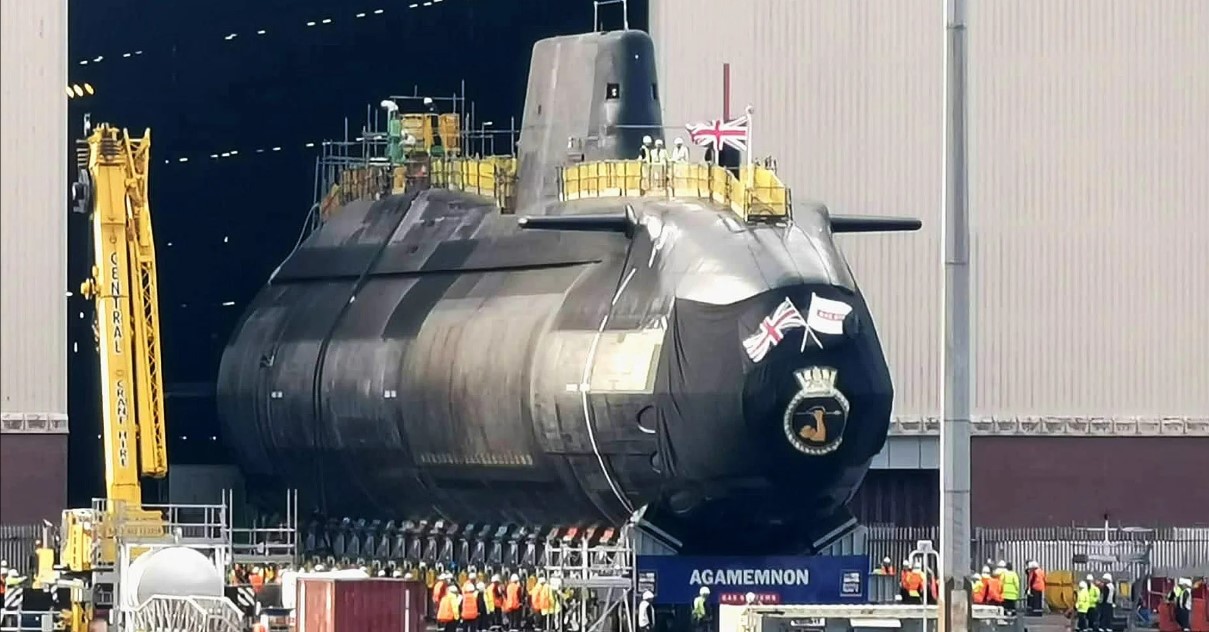
Royal Navy Launches Sixth Astute-Class Submarine, Agamemnon, in a Milestone for Modern Naval Warfare
World
The Royal Navy recently celebrated a major milestone with the launch of Agamemnon, the sixth Astute-class attack submarine, at BAE Systems’ shipyard in Barrow-in-Furness, Cumbria. Named after the famous Greek king, this nuclear-powered submarine represents the pinnacle of the UK’s naval engineering. Weighing 7,400 tonnes and measuring 97 meters in length, Agamemnon is the latest addition to a series of advanced vessels that are redefining underwater combat and defense capabilities for the United Kingdom.A Technological MarvelWhat makes Agamemnon and its sister vessels truly impressive is their nuclear propulsion system. Unlike conventional submarines, which require frequent refueling, the Astute-class submarines can remain operational for extended periods without ever needing to refuel. This endurance is a result of their nuclear reactors, which provide virtually limitless propulsion. These submarines can generate their own oxygen and drinking water, allowing them to stay submerged for long stretches, which is key to covert operations.Each Astute-class submarine is equipped with cutting-edge sonar, sensors, and combat systems, making them some of the most advanced attack submarines ever constructed. They are designed for a variety of roles, including intelligence gathering, surveillance, and anti-submarine warfare, as well as launching precision strikes using Tomahawk cruise missiles. With the ability to carry up to 38 weapons, these submarines are crucial for the UK's maritime defense strategy.Advanced Design and ConstructionThe design and construction of the Astute-class submarines is a highly complex and collaborative effort, involving thousands of skilled workers. BAE Systems, a global leader in defense technologies, leads this effort in collaboration with the UK Ministry of Defence and other key partners, such as Rolls-Royce. The construction takes place at the historic Devonshire Dock Hall in Barrow, a site with over a century of submarine-building experience. Steve Timms, Managing Director of BAE Systems Submarines, emphasized the importance of this national effort, calling the launch a “hugely significant achievement.” Commander David ‘Bing’ Crosby, the Commanding Officer of Agamemnon, expressed his pride in the workforce, noting that while much work remains to be done, the team’s accomplishments thus far are immense.Integrating with India’s Defense StrategyWhile Agamemnon will serve the Royal Navy, the advancements seen in the Astute-class submarines hold potential interest for global military powers, including India. India has been enhancing its naval capabilities in the Indian Ocean region and has developed its own nuclear-powered submarine program, notably the INS Arihant class. While India’s submarines serve different strategic purposes, there are parallels in the technological advancements between the two nations.India's defense sector collaborates closely with international allies, and the expertise of companies like BAE Systems could influence future Indian projects, either through shared technology, best practices, or strategic partnerships. India’s focus on anti-submarine warfare and securing maritime boundaries aligns well with the strengths of the Astute-class submarines, particularly in terms of stealth, endurance, and offensive capabilities.While India has not publicly expressed any intent to acquire technology directly from the Astute-class program, the ongoing exchange of military technology and collaboration between Western defense industries and Indian firms could bring some of these innovations into India's future defense planning. The focus would likely be on adapting cutting-edge sonar, propulsion, and missile systems for Indian needs, while also drawing lessons from the UK's experience in submarine warfare.The Future of UK Naval PowerWith Agamemnon now launched, the Royal Navy looks ahead to its commissioning and sea trials. This latest addition to the Astute class is part of a broader modernization of the UK’s submarine fleet. The final vessel in the series, Agincourt, is currently under construction, and BAE Systems is already working on the next-generation Dreadnought-class submarines, which will replace the UK’s Vanguard-class ballistic missile submarines.Agamemnon, alongside her sister vessels, will play a pivotal role in the UK's national defense strategy for decades to come, offering unmatched endurance, firepower, and stealth capabilities.In summary, the launch of the Agamemnon underscores the UK's commitment to maintaining a strong and technologically superior navy. As other nations like India continue to modernize their naval forces, the lessons and technologies from the Astute-class submarines may well influence global defense strategies in the years ahead.
Read More → Posted on 2024-10-03 16:42:09
World
In a shocking revelation, Hezbollah’s long-standing leader, Hassan Nasrallah, has reportedly died during an Israeli airstrike on September 27, 2024. The Israeli news channel Channel 12 disclosed that Nasrallah likely suffocated inside his heavily fortified secret bunker in southern Beirut. The bunker was struck by Israeli Defense Forces (IDF) using 80 tons of precision "bunker-busting" bombs, designed to penetrate deeply buried structures.The Final Moments: Trapped Beneath RubbleWhen security and medical personnel reached Nasrallah’s underground command center, they found his body beneath debris, with no visible external injuries. This immediately raised questions about the cause of his death. Experts suggest that while the bombs didn’t kill him instantly, the explosion triggered a collapse that sealed off the air supply, leading to asphyxiation.The toxic gases from the blast, combined with dust and debris, likely filled the air-tight bunker, making it impossible for anyone trapped inside to breathe. The agony of being trapped, coupled with a slow death from suffocation, painted a grim picture. Medical reports indicate that Nasrallah may have survived the initial impact of the strike, only to die painfully as the oxygen in the bunker ran out.The Targeted OperationThe strike that led to Nasrallah’s death was not a random one. The Israeli military meticulously gathered intelligence for months to locate his hidden command center. Once its location was confirmed, the IDF launched a precise operation to destroy the Hezbollah leader’s refuge. The bombs they used were designed to penetrate thick layers of concrete and earth, making escape nearly impossible for those inside.Israeli Prime Minister Benjamin Netanyahu, speaking from New York shortly after the airstrike, hailed the operation as a decisive and necessary step. He described it as a "historic turning point" in the conflict between Israel and Hezbollah, signaling the potential destabilization of the group’s leadership.U.S. President Joe Biden echoed Netanyahu's sentiment, calling Nasrallah’s death a "measure of justice" for the victims of Hezbollah’s long-standing violent campaigns. The airstrike came amid escalating tensions in southern Lebanon, a region where Hezbollah has long held sway.Nasrallah’s Legacy: From Militant Leader to Political FigureHassan Nasrallah, 64, led Hezbollah for over three decades, transforming the group from a guerrilla movement into a major political and military force in Lebanon. His leadership became synonymous with resistance to Israeli occupation, particularly during the 2006 Lebanon War, where he earned a reputation as a formidable adversary of Israel.Under Nasrallah’s command, Hezbollah became heavily involved in regional politics, notably backing the Assad regime during the Syrian Civil War. His influence stretched beyond Lebanon, making him a key player in Middle Eastern geopolitics. Nasrallah's Hezbollah has been accused of orchestrating numerous terrorist attacks and assassinations, earning the group widespread notoriety, especially in Israel and the West.The Aftermath: Retaliation LoomsIn the wake of Nasrallah’s death, Hezbollah’s deputy leader, Naim Qassem, vowed retaliation. The group, long recognized for its ability to regroup after leadership losses, is likely to escalate tensions along the Israeli-Lebanese border. Despite Nasrallah’s death, Hezbollah’s militant and political wings remain robust, and a new leader is expected to rise from within its ranks.This airstrike, however, represents a significant blow to Hezbollah’s leadership and may change the dynamics of power in Lebanon, where the group has held sway both militarily and politically for decades.As Hezbollah and Israel brace for what could be an intensified period of hostility, Nasrallah’s death marks a significant chapter in the longstanding conflict between the two adversaries. While his demise may be seen as a tactical victory for Israel, it also opens up a new phase of uncertainty in the volatile landscape of Middle Eastern politics.
Read More → Posted on 2024-10-03 16:31:51
World
The United States Navy continues to bolster its littoral combat ship (LCS) capabilities with the recent delivery of the USS Beloit (LCS 29) from Lockheed Martin. The vessel was officially handed over at the Fincantieri Marinette Marine shipyard in Wisconsin, adding to the Freedom-class ships designed to thrive in both near-shore and open-ocean operations. The USS Beloit stands out not only for its high-speed performance and versatility but also as the first vessel to be named after the city of Beloit, Wisconsin.Littoral combat ships are critical to the Navy’s modern warfare strategy, offering agility, speed, and adaptability in multiple maritime environments. The LCS 29 exemplifies these traits, embodying technological advancements in naval warfare. After completing a rigorous set of acceptance trials in August, the ship was deemed fully operational. These tests assessed the ship’s combat systems, propulsion, electrical functions, and overall readiness for deployment. The USS Beloit is set to join the fleet later this year and will be stationed at Naval Station Mayport, Florida.Design and Power: Cutting-Edge Technology for Versatile MissionsAs the 15th Freedom-class vessel, the USS Beloit benefits from advanced design specifications tailored for a wide range of missions. Measuring 118.1 meters (387 feet) in length, with a beam of 17.6 meters (57.7 feet) and a draft of 4.3 meters (14.1 feet), this small surface combatant is built to operate flexibly in shallow coastal waters or high-seas environments. Its full load displacement of 3,450 metric tons, combined with powerful propulsion, allows the ship to achieve impressive speeds exceeding 40 knots (46 miles per hour or 74 kilometers per hour). This agility makes the USS Beloit a fast and responsive asset, ideal for missions that require rapid deployment.The ship is powered by a combined diesel and gas turbine engine, using steerable water jet propulsion. This system provides enhanced maneuverability, enabling the vessel to perform precise and swift movements, especially in confined littoral zones. The Freedom-class LCS is optimized to operate with a minimal crew, typically around 50 sailors, though it can accommodate up to 98 personnel depending on the mission profile. This flexible manning model helps reduce operational costs while maintaining combat readiness.Advanced Combat and Defense SystemsAt the core of the USS Beloit’s combat capabilities is the COMBATSS-21 combat management system. This system offers an open architecture computing environment, allowing for streamlined data processing and integration of various combat elements. The LCS is also equipped with an automated radio room, enhancing communication efficiency and security during missions.In terms of self-defense, the USS Beloit features the TRS-4D Air Search Radar, which provides multi-mission capabilities by detecting both air and surface threats. Complementing this radar system is the SeaRAM close-in weapon system, designed to protect the ship from incoming missiles and other aerial threats. The main offensive firepower comes from the Mk 110 57mm gun, which can engage surface and air targets with high precision. Additionally, the ship is outfitted with gunfire control systems and decoy launching systems for layered defense.Expanding Naval Aviation CapabilitiesOne of the standout features of the Freedom-class LCS is its expansive flight deck and hangar space, which is 1.5 times larger than that of traditional surface combatants. This allows the ship to support multiple aircraft, including two MH-60 Seahawk helicopters or one MH-60 helicopter in combination with an MQ-8 Fire Scout unmanned aerial vehicle. The ability to deploy both manned and unmanned aircraft significantly enhances the ship’s surveillance, reconnaissance, and attack capabilities, making it a vital asset for diverse mission profiles.A Strategic Addition to the US Navy’s FleetThe delivery of the USS Beloit marks another milestone in the Navy’s efforts to enhance its littoral combat fleet. The Freedom-class ships are designed to operate efficiently in a variety of naval theaters, from anti-submarine warfare to surface combat and mine countermeasures. As part of a broader strategy to modernize the fleet, the LCS program emphasizes multi-mission flexibility, modularity, and advanced technological integration.With the USS Beloit soon joining its sister ship, the USS Nantucket (LCS 27), and the anticipated arrival of the USS Cleveland (LCS 31) in 2025, the US Navy continues to position itself at the forefront of maritime innovation. The addition of these ships ensures that the Navy can maintain a robust and agile presence in both shallow waters and deep seas, ready to respond to evolving threats and challenges.As Captain Matthew Lehmann, Program Manager for the Littoral Combat Ship Program Office, aptly put it, “Beloit’s delivery is helping the Navy to put more players on the field.” This statement highlights the ship's role in strengthening the Navy's operational capacity and its readiness to face the future of naval warfare.The USS Beloit is poised to become a critical asset, reflecting the Navy’s commitment to staying ahead of the curve in maritime defense while embracing innovation to ensure security in ever-changing maritime environments.
Read More → Posted on 2024-10-03 16:27:54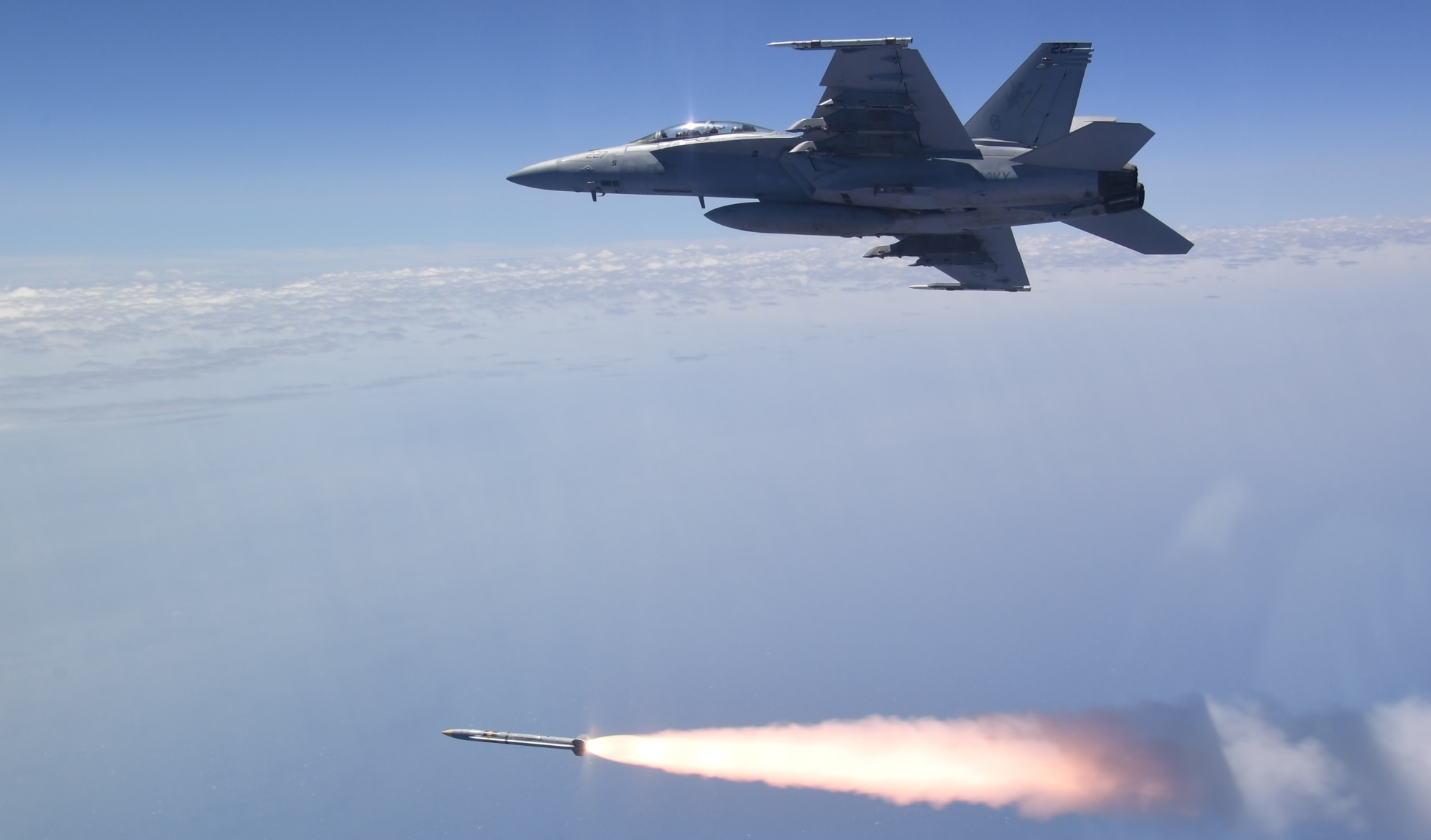
World
The United States has greenlit a major arms deal with Australia, approving the sale of up to 100 AGM-88G Advanced Anti-Radiation Guided Missiles-Extended Range (AARGM-ER) to the Royal Australian Air Force (RAAF). This marks a significant step in strengthening Australia’s air defense capabilities in the face of evolving global security threats. The total value of the transaction, including related equipment, is estimated at around $405 million.Enhancing Australia's Air Defense CapabilitiesAustralia's request for these advanced missiles comes at a time when modern warfare increasingly relies on electronic warfare systems. The AARGM-ER missiles are designed to target and neutralize enemy radar systems, which are vital for integrated air defense networks. These missiles work by homing in on electromagnetic signals emitted by radar installations and other enemy electronic systems. By targeting these systems, the AARGM-ER helps ensure the survival of allied aircraft in highly contested environments.One of the standout features of the AARGM-ER is its extended range. The missile boasts an operational range of approximately 300 kilometers (186 miles), allowing it to engage targets from long distances. Moreover, the missile is capable of traveling at speeds of up to Mach 4, or four times the speed of sound, making it an exceptionally fast and difficult-to-intercept weapon. This combination of range and speed allows it to take out enemy radar installations long before they can pose a threat to friendly aircraft.The missiles are expected to be initially deployed on the RAAF’s fleet of EA-18G Growlers, a specialized electronic attack aircraft. These aircraft are designed to suppress enemy air defenses and provide support to other tactical aircraft by jamming enemy radar and communications. The integration of the AARGM-ER with the Growler will significantly enhance its ability to neutralize air defense systems and allow Australia to field a more resilient and capable strike force.Key Features of the AARGM-ERWhat sets the AARGM-ER apart from its predecessors is not just its range but its enhanced guidance system. The missile comes with state-of-the-art sensors that allow it to detect, track, and engage radar emitters with improved accuracy. As part of the sale, Australia will also receive up to 24 AARGM-ER guidance sections and control sections, ensuring that the RAAF can maintain and upgrade its missile systems as needed.The AARGM-ER is an air-launched, supersonic weapon, based on the older AGM-88E AARGM but with significant improvements in both range and performance. It represents a critical tool in modern air combat, where neutralizing enemy air defenses is often a prerequisite for any successful air campaign. With the growing importance of stealth technology and electronic warfare, these missiles ensure that even highly capable radar systems can be taken out of commission swiftly.Strategic ImplicationsThe proposed sale comes at a time when the Indo-Pacific region is witnessing an arms buildup, as countries prepare for potential flashpoints over territorial disputes and geopolitical tensions. By acquiring the AARGM-ER, Australia will be better positioned to respond to these challenges. According to the US Defense Security Cooperation Agency (DSCA), the sale will "improve the Government of Australia’s capability to meet current and future threats by providing the capability to suppress and destroy land or sea-based radar emitters associated with enemy air defenses, thereby improving survivability of tactical aircraft."The missiles will also bolster interoperability between US and Australian forces, particularly since both countries operate the EA-18G Growler. Northrop Grumman, the principal contractor for the AARGM-ER, has been working closely with both the US and allied nations to ensure that these weapons can be seamlessly integrated into existing aircraft platforms.No Offset AgreementsInterestingly, the sale does not include an offset agreement, which is sometimes a requirement in defense contracts. An offset agreement would typically involve the buyer (in this case, Australia) receiving additional benefits such as technology transfers, industrial partnerships, or direct investments. The absence of such an arrangement suggests that the Australian government is primarily focused on rapidly acquiring the AARGM-ER to meet pressing defense needs.Looking AheadThe AARGM-ER is currently being integrated with various US aircraft, including the US Navy’s F/A-18E/F Super Hornet and EA-18G Growler, as well as the US Air Force’s F-35A, and the US Marine Corps’ F-35B and F-35C. The missile is expected to achieve initial operational capability with the US Navy soon, although an official announcement is still pending.For Australia, the acquisition of these missiles is part of a broader effort to modernize its military capabilities. The Royal Australian Air Force is already a highly capable force, but with the introduction of advanced munitions like the AARGM-ER, it will be able to project power more effectively in contested environments.In conclusion, the approval of the AARGM-ER missile sale represents a significant milestone for Australia’s defense strategy. As the RAAF integrates these advanced weapons into its fleet, it will gain a formidable tool for electronic warfare and air defense suppression, ensuring that it can operate effectively even in high-threat environments. This deal strengthens not only Australia's defense posture but also its strategic ties with the United States, positioning the two allies to better address future challenges in the Indo-Pacific region.
Read More → Posted on 2024-10-03 15:39:34
World
In the ongoing war between Russia and Ukraine, one of the more interesting developments has been the capture of a German-made Leopard 2A6 tank by Russian forces. Recently, reports surfaced in Russian media that this tank had been transported to Uralvagonzavod, the country’s premier tank manufacturing facility, where the T-72 and T-90 tanks are produced. There, experts plan to meticulously analyze the Leopard 2A6, looking into its components and subsystems to better understand its technical sophistication.Why is the Leopard 2A6 Important?The Leopard 2A6 is one of the most advanced main battle tanks (MBTs) in the world, fielded by many NATO members and widely respected for its combat performance. Originally introduced in the mid-2000s, the 2A6 version features an upgraded Rheinmetall 120 mm smoothbore gun, improved optics, and enhanced armor protection. It also boasts excellent mobility, thanks to its 1,500-horsepower MTU MB 873 Ka-501 engine, which allows it to reach speeds of up to 68 km/h (42 mph) despite its heavy armor. In addition to its firepower and speed, the Leopard 2A6 has a modular armor system that offers protection against a wide variety of threats, including anti-tank missiles and IEDs (improvised explosive devices). Its advanced fire control systems allow it to engage targets with remarkable accuracy, even while on the move.This makes the Leopard 2A6 a crucial asset for any army, and Russia’s capture of one provides a unique opportunity to explore and understand the technology underpinning modern Western armored vehicles.What Russia Might LearnBy examining the Leopard 2A6, Russian engineers will likely focus on the tank’s advanced systems, including its thermal imaging sensors, fire control systems, and composite armor materials. These technologies could offer Russia insight into how NATO designs and implements cutting-edge defensive and offensive capabilities in its MBTs.The examination could also reveal weaknesses or potential vulnerabilities in the Leopard’s design, which might be exploited in future conflicts. Understanding how the tank’s components work together may also help Russian engineers develop countermeasures for future confrontations with NATO forces.However, some experts are skeptical about the practical benefits of this analysis for Russia. For one, the technological gap between Russian and NATO tanks is significant. The T-90M, the most modern tank produced by Russia, is still heavily based on the older Soviet T-72 design, and recent reports indicate that Russian tank manufacturing relies on foreign components for critical systems. The Leopard 2A6, on the other hand, represents years of advanced research and development, incorporating many high-tech features that would be challenging for Russia to replicate under its current industrial conditions.Challenges in Reverse EngineeringReverse-engineering a tank as complex as the Leopard 2A6 is no small task. The level of technical expertise required, combined with the fact that some components rely on highly specialized materials and proprietary technology, makes it unlikely that Russia will be able to immediately copy or implement many of the innovations found in the tank. Furthermore, Russia’s defense industry has been hit hard by sanctions, which restrict access to key technologies and materials needed to produce modern tanks. Many experts believe that even if Russia gains valuable insights from the Leopard 2A6, its ability to incorporate these lessons into new designs will be limited in the short term. This is particularly true given that Russia has struggled to modernize its own tank forces, with the T-14 Armata, its supposed next-generation tank, seeing significant delays and very limited production.Symbolic Victory or Practical Gain?While the capture and study of the Leopard 2A6 certainly represent a symbolic victory for Russia, the real-world benefits may be limited. While Russia will likely gain a better understanding of NATO tank design, replicating or surpassing the Leopard 2A6’s capabilities is a much more complex endeavor. The captured tank might provide valuable data for future Russian tank designs, but it is unlikely to lead to any major breakthroughs in the near term.In the end, while the Leopard 2A6 could offer Russia some tactical insights and perhaps guide improvements to its own tank systems, it is unlikely to revolutionize Russian tank production overnight. However, it does underscore the continuing importance of advanced military technology in shaping modern warfare, where even a single captured vehicle can provide a strategic advantage.
Read More → Posted on 2024-10-02 16:33:15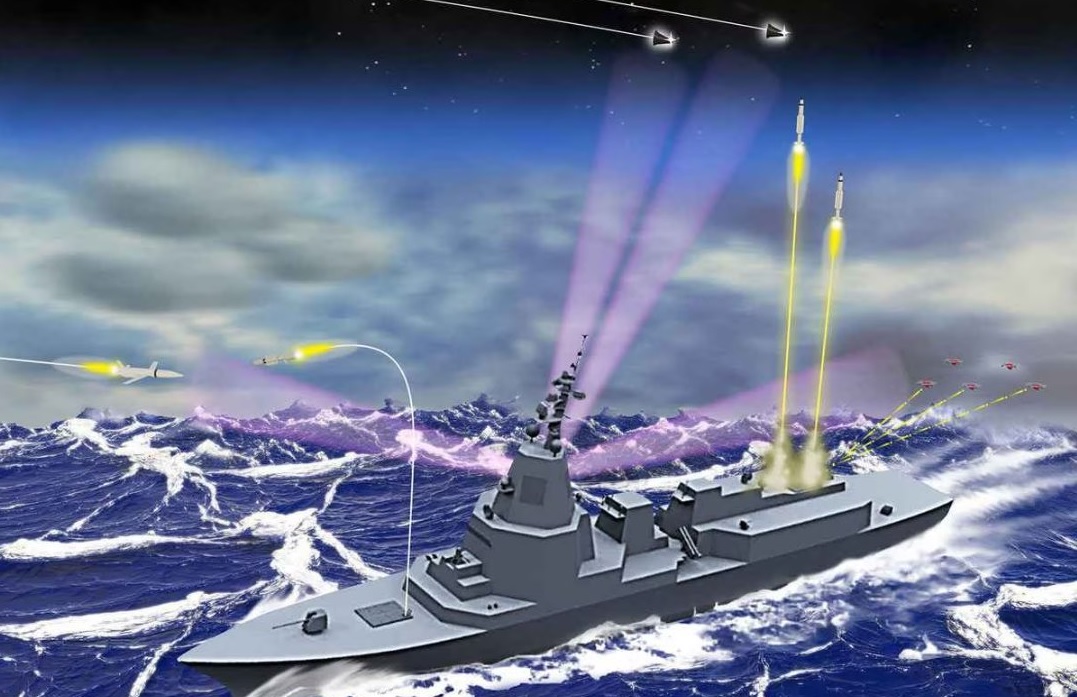
World
Japan’s Ministry of Defense (MoD) has officially inked contracts with two of the country’s largest shipbuilders, Mitsubishi Heavy Industries (MHI) and Japan Marine United (JMU), to construct two Advanced Aegis-equipped ships (ASEVs). These highly advanced vessels are designed to enhance Japan’s missile defense capabilities and are scheduled to be delivered by fiscal years 2027 and 2028.The contract with MHI, signed on August 23, 2024, is valued at approximately 139.7 billion yen ($980 million). JMU followed with a contract on September 18 for 132.4 billion yen ($930 million). According to Japan’s Acquisition, Technology, and Logistics Agency (ATLA), the price difference between the two contracts is due to differences in specific parts being procured, not a variation in overall specifications or performance between the ships.ASEVs: Japan’s Floating Missile Defense NetworkThe ASEVs are part of Japan’s broader strategy to replace the Aegis Ashore system, a land-based missile defense program that was scrapped in 2020. The cancellation led the government to shift focus toward the development of mobile maritime platforms capable of intercepting ballistic missiles. These new ships are a critical part of Japan's commitment to bolstering its defenses in the face of growing regional threats from North Korea and China.At the heart of these vessels will be Lockheed Martin's SPY-7 radar, one of the world’s most advanced multi-function radars. Designed to track and intercept ballistic missiles, the SPY-7 radar has scalability and high-performance features that make it a perfect fit for Japan’s maritime defense strategy. The ASEVs will be equipped to monitor the skies for missile threats and integrate with Japan’s broader defense network to ensure a robust and coordinated response to potential missile launches.Why SPY-7 MattersLockheed Martin has been a key partner for Japan’s defense, particularly when it comes to Aegis-equipped systems. On September 10, 2024, Lockheed Martin hosted four Japanese journalists at its Rotary and Mission Systems (RMS) division in Moorestown, New Jersey, where the SPY-7 radar is developed and produced. This visit served to underscore the progress of the ASEV program, while also promoting the adoption of the SPY-7 radar on future vessels.There is increasing competition between Lockheed Martin’s SPY-7 radar and Raytheon’s SPY-6 system, which is being widely adopted by the U.S. Navy. While both radar systems offer advanced capabilities, Lockheed Martin has been keen to highlight the SPY-7's flexibility, especially for Japan’s evolving defense needs. With Japan looking to retire its aging fleet of Kongo-class Aegis destroyers, which are nearing the end of their operational lifespan, the competition for the next-generation radar system is heating up. Mitsubishi Electric, for example, has already secured a contract to supply key components for the SPY-6, which may give Raytheon an advantage in future procurement rounds.However, Lockheed Martin remains confident in the SPY-7’s interoperability with other Aegis systems, including those equipped with SPY-6, and continues to actively pursue contracts within Japan’s defense sector. The company has even opened discussions about local production and sustainment of SPY-7 radars, hinting that Japanese industry could be brought into the production fold.Advanced Defense Systems: The Future of ASEVsIn addition to the SPY-7 radar, the ASEVs will be outfitted with cutting-edge defense technologies. One of the most talked-about systems is the Vertical Launch System (VLS) Mk.70 Payload Delivery System (PDS), which allows for the integration of various missile types, including the PAC-3 Missile Segment Enhancement (MSE). This missile, an improved version of the Patriot missile, can intercept both cruise and ballistic missiles, significantly expanding the ASEV’s defense capabilities.The Mk.70 system’s container-based design provides flexibility in missile deployment and enhances the ship’s ability to respond to multiple types of threats. Japan has already deployed the PAC-3 MSE on land-based systems, and its integration into the maritime Aegis system marks an important step in expanding Japan’s layered missile defense network.Lockheed Martin has successfully tested the PAC-3 MSE in the U.S., where it intercepted a cruise missile using a virtualized Aegis weapon system during trials at the White Sands Missile Range in New Mexico. These successful tests suggest that the ASEVs will offer a formidable defense against missile threats, both for Japan and as part of broader regional security efforts.Japan’s Future Naval FleetJapan’s investment in the ASEV program is part of a larger shift in its naval strategy. In December 2022, the Japanese Cabinet approved a Defense Buildup Program that calls for a total of 10 Aegis-equipped ships, adding two new vessels to the existing fleet of eight. The current fleet includes four Kongo-class, two Atago-class, and two Maya-class destroyers. With the Kongo-class approaching the end of its service life, Japan is looking to not only replace these ships but also enhance its naval capabilities.The commissioning of the ASEVs in 2027 and 2028 will play a pivotal role in Japan’s defense. As the global security environment continues to evolve, Japan is ensuring its naval fleet remains at the forefront of missile defense technology.The question remains whether future ships will also adopt Lockheed Martin’s SPY-7 radar, or if the U.S.-developed SPY-6 will gain favor due to its broader deployment within the U.S. Navy. Regardless of the final decision, Japan’s partnership with U.S. defense companies, including Lockheed Martin and Raytheon, underscores the importance of international collaboration in modern naval warfare.With state-of-the-art technology and flexible capabilities, the ASEVs are poised to become a critical part of Japan’s defense strategy for years to come.
Read More → Posted on 2024-10-02 16:29:40Search
Top Trending in 24 Hours
-
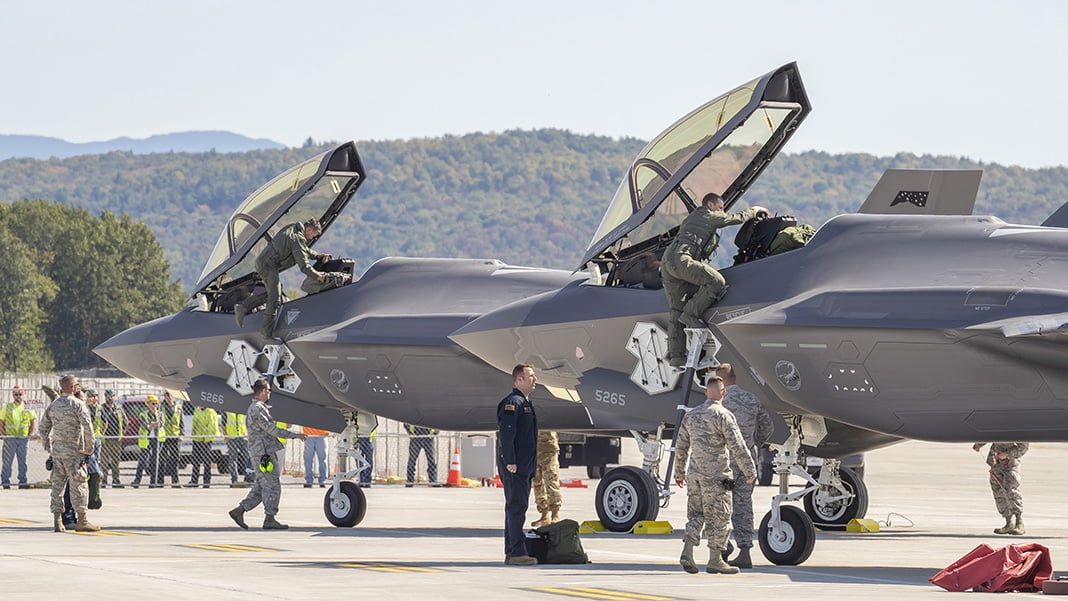 F-35 Fleet Readiness Falls to 25% Amid Parts Shortages and Software Delays: GAO Report
-
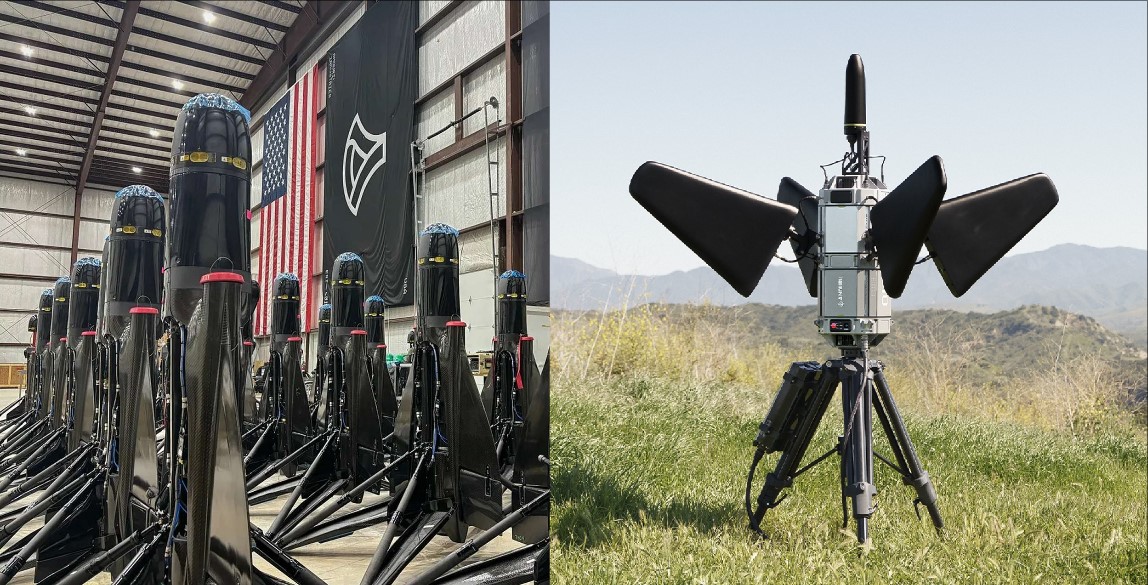 U.S. Approves $1.98 Billion Sale of Anduril AI-Powered Counter-Drone Systems to Kuwait
-
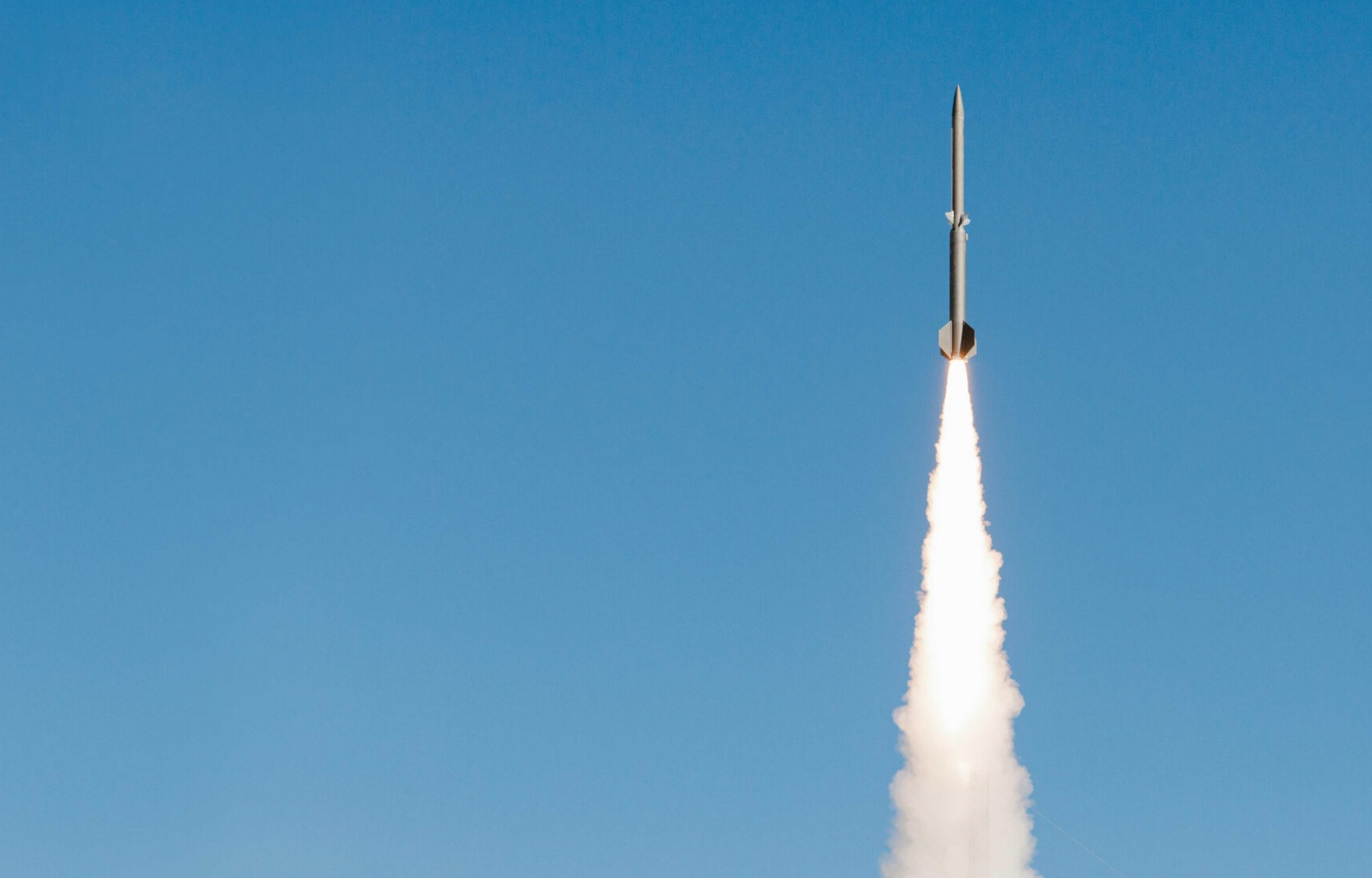 U.S Navy Orders 50 Blackbeard Hypersonic Missiles in New $23.4 Million Contract
-
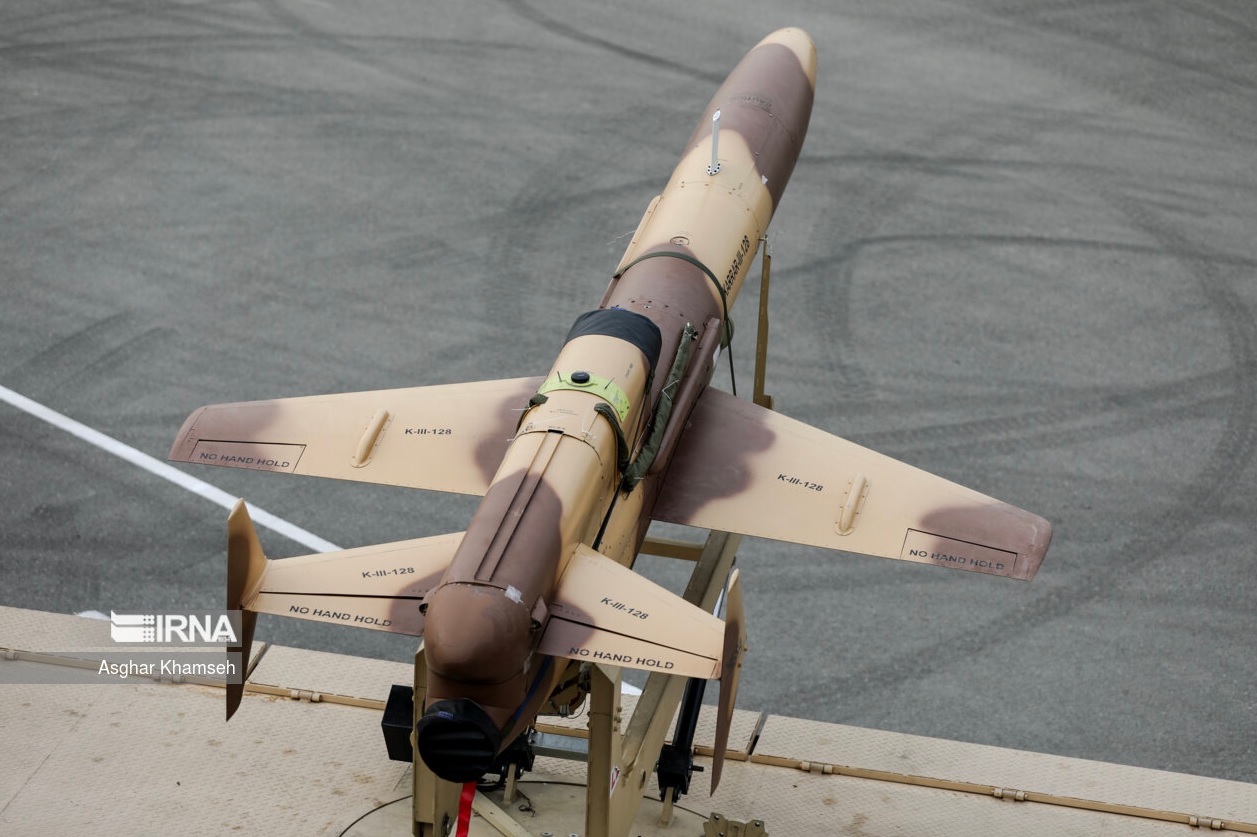 Russia Launches 1,400 Jet-Powered Drones in 2026 as Strike Tactics Evolve to Challenge Ukraine's Air Defenses
-
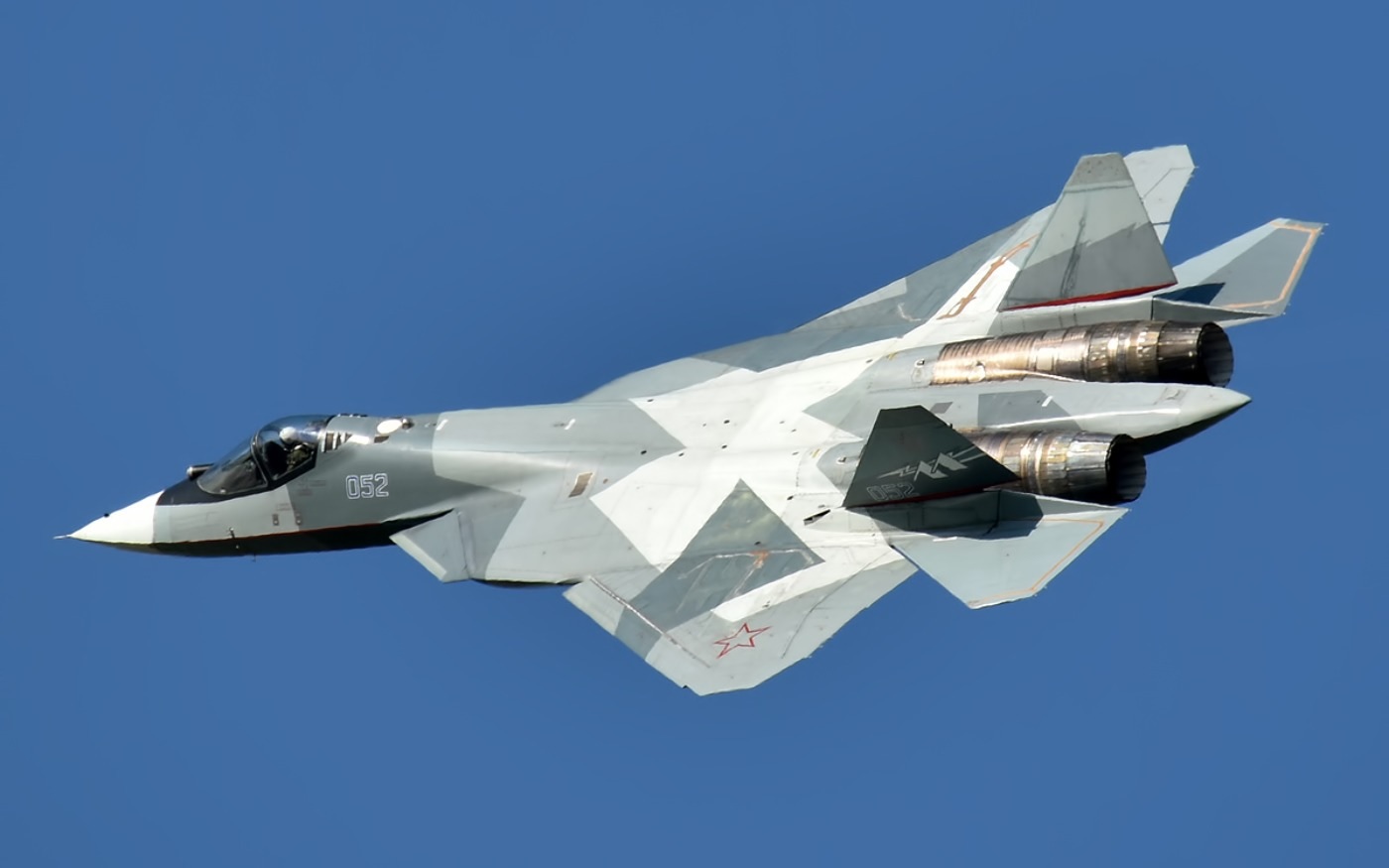 Russian Analysts Debate Su-57 Capabilities After Putin Calls Fighter Superior to F-35
-
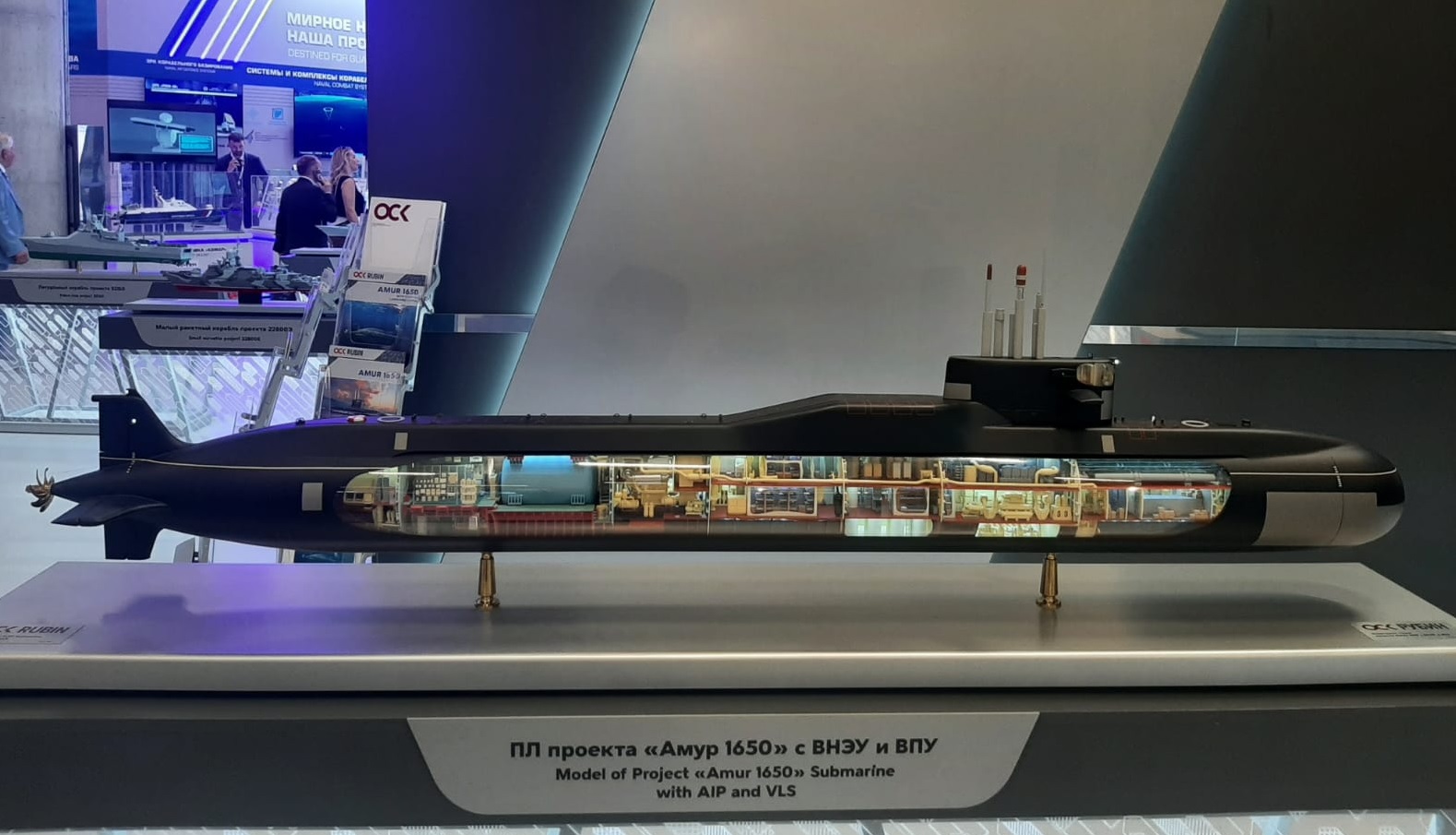 Russia Unveils Amur-1650 AIP Submarine Equipped with BrahMos Vertical Launch System at Fleet-2026
-
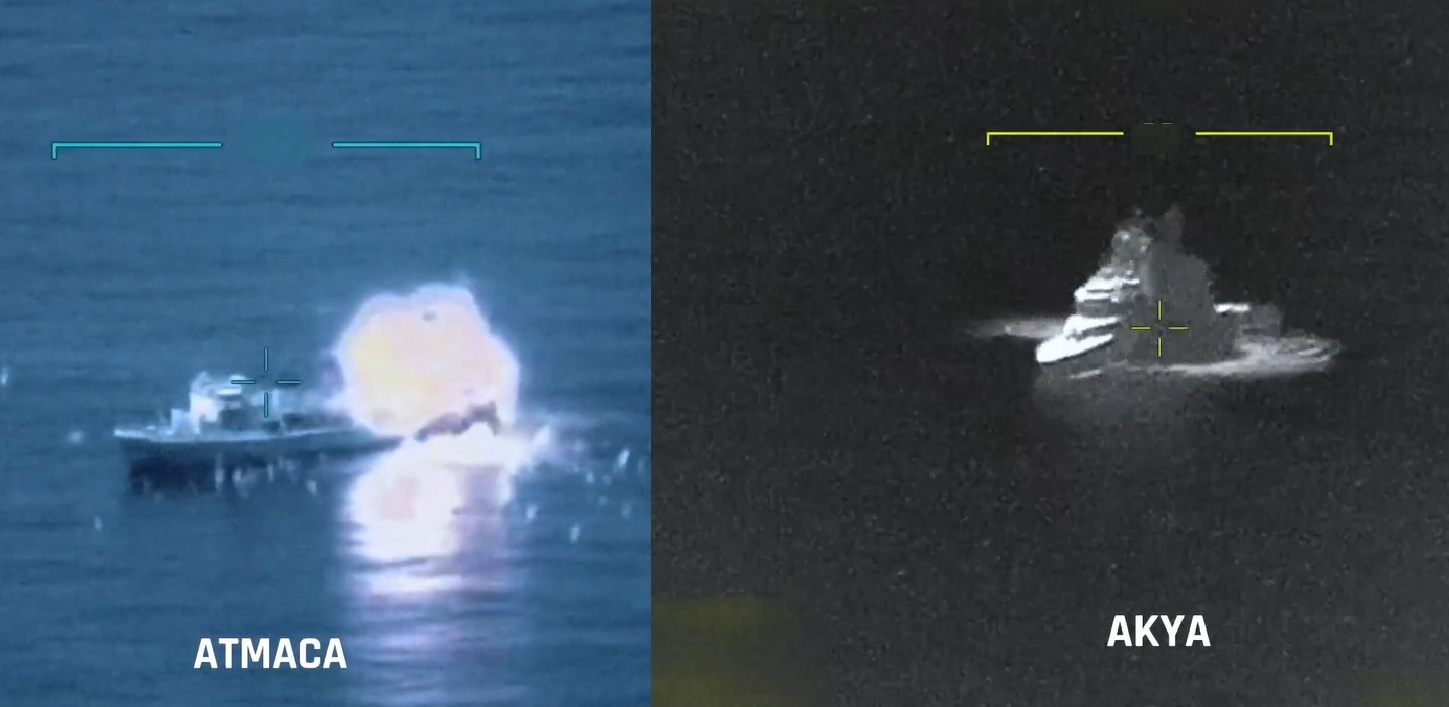 Turkey Navy Successfully Tests AKYA Torpedo and ATMACA Missile During Major Denizkurdu-II Naval Exercise
-
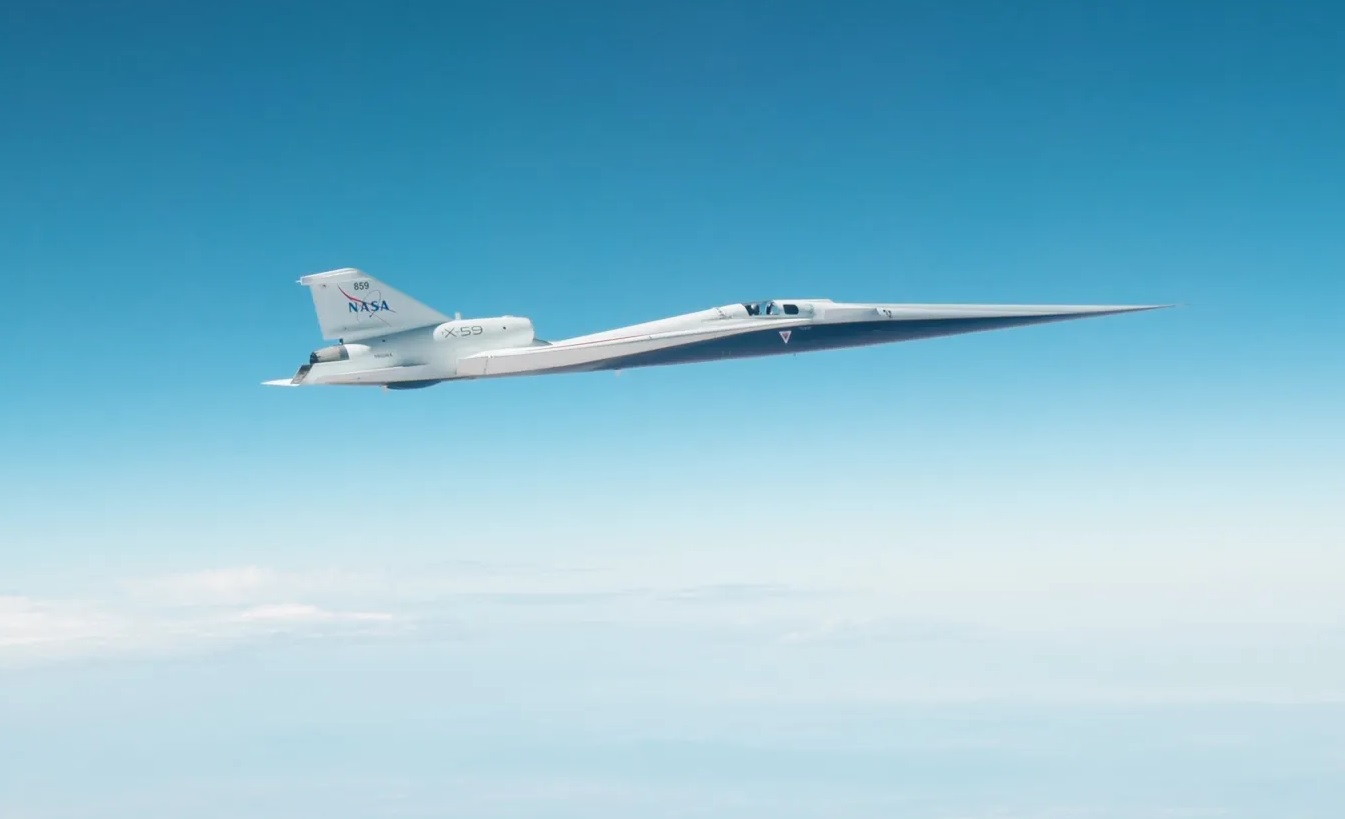 NASA X-59 Achieves Planned Mission Conditions with Mach 1.4 Flight at 55,000 Feet
Top Trending in 4 Days
-
 Iranian Media Leaks 14-Point U.S.-Iran Peace Framework Amid Ongoing Negotiations
-
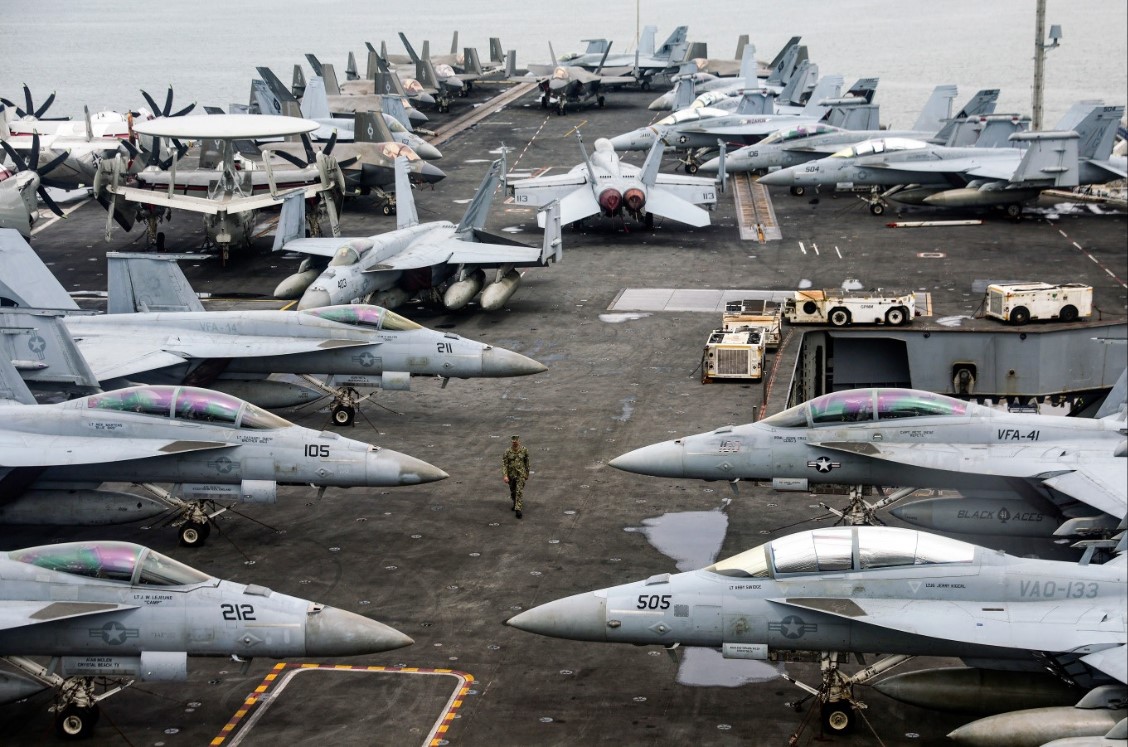 US Plans Significant Reduction of Fighter Jets and Warships for NATO Operations in Europe
-
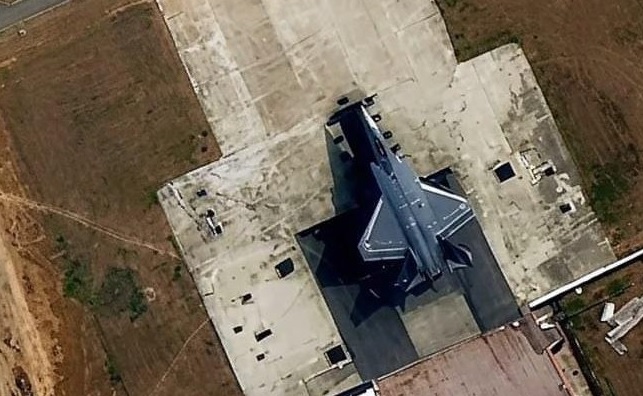 AMCA Airframe Spotted at DRDO’s ORANGE Facility for Radar Cross-Section Testing
-
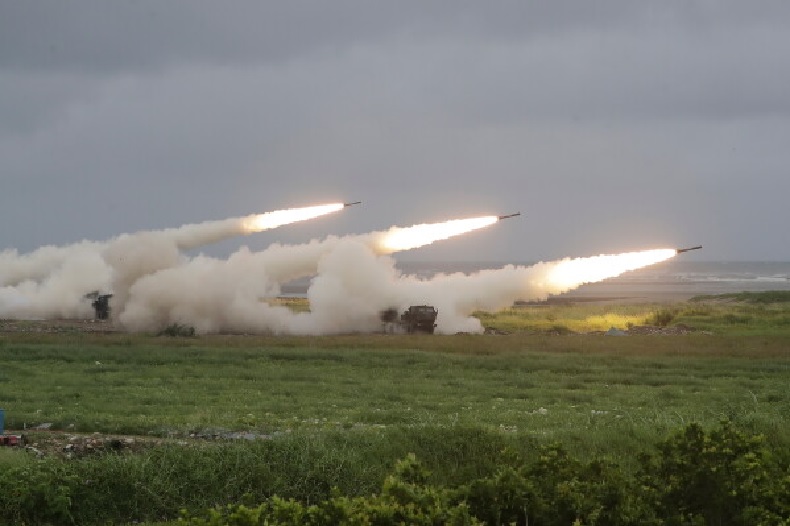 Taiwan Conducts First Live-Fire of HIMARS Rockets From West Coast During Invasion Defense Drill
-
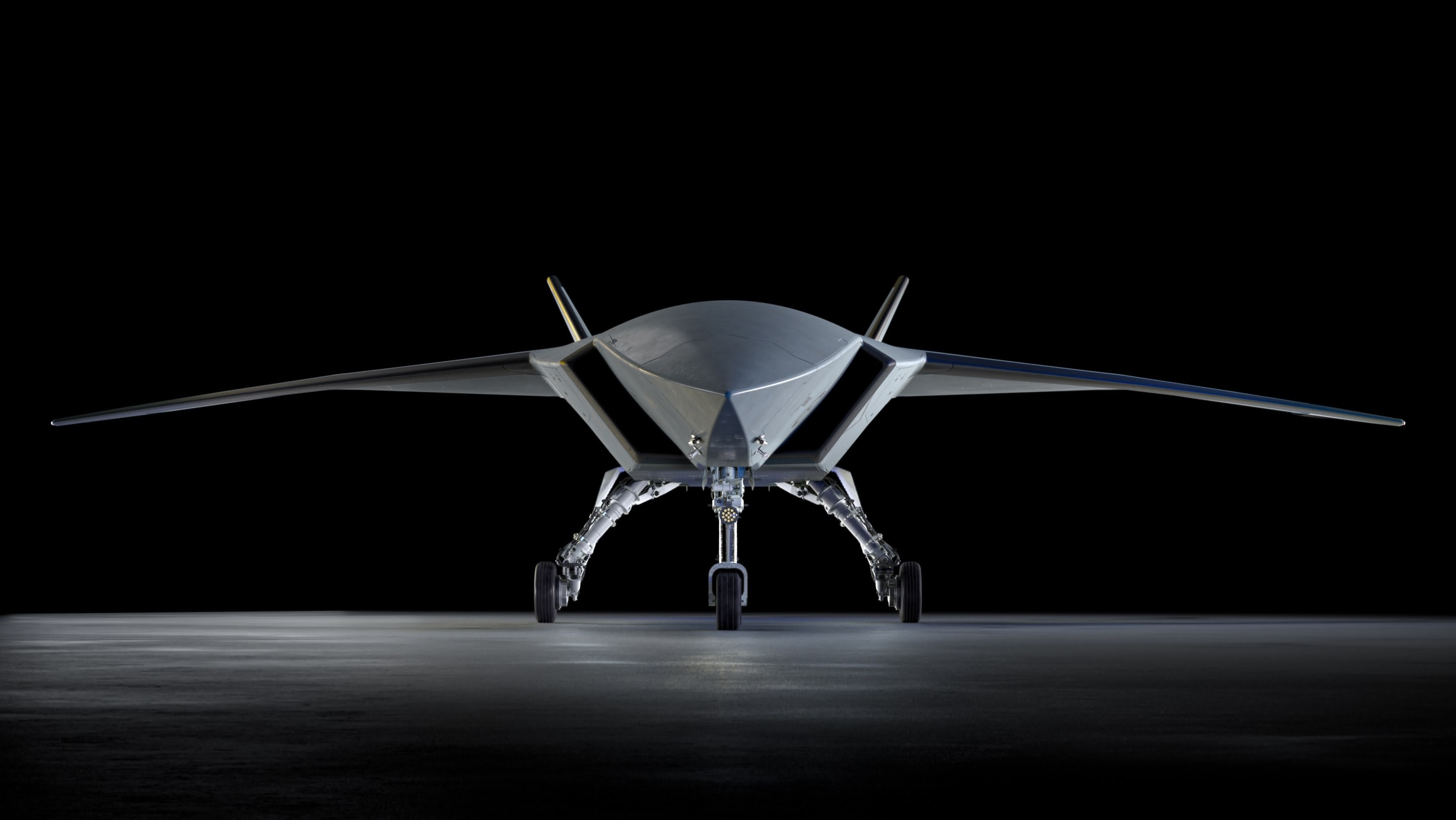 Boeing Introduces New MQ-28 Ghost Bat Upgrades with Increased Range, Payload and Weapons Capacity at ILA Berlin 2026
-
 Diehl Defence Unveils IRIS-T Armed Cobra 600 Air Defense Drone at ILA Berlin 2026
-
 Russian Defense Firm ZALA Unveils KAMA Unmanned Surface Vessel Family at FLOT-2026 Naval Exhibition
-
 U.S Aircraft Carrier USS Theodore Roosevelt Departs San Diego for Major RIMPAC 2026 Naval Exercise