
World
On October 5, Russia experienced a significant setback in its drone warfare program when an S-70 "Okhotnik" heavy stealth combat drone was shot down by Russian forces over the occupied Donetsk region of Ukraine. This incident marks the first confirmed loss of the S-70, one of Russia’s most advanced unmanned aerial vehicles (UAV), currently in its developmental phase. The downing of the drone occurred in what is now understood to be a friendly fire incident, revealing several underlying issues in Russia's experimental UAV program.The S-70, often touted as a cutting-edge stealth drone, is designed to operate in coordination with manned aircraft, particularly the Su-57 fifth-generation fighter jet. The Russian military envisions it as a “loyal wingman,” capable of performing both reconnaissance and strike missions alongside piloted jets. Developed by Russia's Chkalov Aviation Plant, the drone incorporates technologies from the Su-57, although its actual performance in combat situations has remained largely speculative.Reports suggest that on the day of the incident, the S-70, accompanied by a Su-57, embarked on a test flight from Akhtubinsk Air Base. This mission was part of a series of experimental trials to assess the drone's capabilities under real-world combat conditions. However, a technical malfunction occurred, causing the drone to lose contact with its ground operator. This malfunction sent the drone off course, heading toward Ukrainian-controlled territory.Faced with a rogue drone near enemy lines, the Russian military scrambled to contain the situation. Intercepted radio communications revealed the chaos at the flight control center as commanders desperately tried to regain control. The Su-57 pilot was even instructed to physically disrupt the S-70’s flight path using the jet’s wing. However, when all efforts failed, an air-to-air missile was fired to bring down the errant drone.The drone ultimately crashed in Kostiantynivka, a town just 16 kilometers from the frontline, and its wreckage was quickly recovered by Ukrainian forces. Initial assessments of the debris suggested that the S-70 was far less advanced than Russia had previously claimed. Ukrainian defense analysts noted that the drone appeared to lack the stealth technologies and sophisticated artificial intelligence systems that had been heavily promoted in Russian state media. Instead, they described it as resembling a “glider equipped with basic flight capabilities and radio controls,” casting doubt on the drone’s advertised cutting-edge features.The incident also shed light on significant shortcomings in Russia’s operational integration of unmanned systems. The S-70 relies on a simple radio link for control, and its dependence on the Su-57 for command relay demonstrated the limitations of Russia’s networking capabilities. Unlike NATO’s network-centric systems, such as Link-16, which allow for seamless coordination between multiple assets, the S-70’s rudimentary control mechanisms restrict its ability to function effectively in complex combat environments.The S-70 program, initiated in 2017, has produced only a few prototypes, and while Russia continues to develop the drone, its operational readiness remains in question. Initially intended to showcase Russia's ambitions to field a fleet of advanced unmanned combat vehicles, the program now appears to face significant technological hurdles. This friendly fire incident underscores the gap between Russia’s aspirations and the actual capabilities of its emerging drone fleet.Despite the Kremlin’s grand vision of the S-70 as a key component of future warfare, capable of sophisticated maneuvers and precision strikes, the current state of the drone suggests otherwise. Its lack of robust stealth technology, reliance on basic communication systems, and limited combat readiness have raised serious concerns about its future viability. As Russia presses forward with the S-70’s development, the loss of this drone, coupled with the operational challenges exposed by the incident, could signal significant delays in the program’s progress.In the aftermath of this failure, the S-70 “Okhotnik” may require further refinements before it can be considered a reliable asset in Russia’s arsenal. The program's future is now shrouded in uncertainty, with the loss over Ukraine exposing the vulnerabilities of one of Russia’s most high-profile military projects.
Read More → Posted on 2024-10-06 15:37:34
World
South Korea's Hanwha Aerospace has introduced a groundbreaking defense system at KADEX 2024: the Unmanned Amphibious Multi-Rocket Launcher. This innovation signifies a new era in amphibious warfare, providing military forces with enhanced operational flexibility, survivability, and precision during complex amphibious missions.The centerpiece of the system is its unmanned capability, a design that significantly boosts the safety of personnel. Traditional rocket launch systems require operators to remain close to the launch site, exposing them to various combat risks. Hanwha's new launcher, however, eliminates that danger by allowing the system to be operated remotely. This means troops can stay away from high-risk zones while still maintaining full control over the system, improving both the safety and effectiveness of military operations.One of the major engineering feats behind the launcher is its lightweight design. Weighing only 17 tons, this system is light enough to be deployed on amphibious assault ships and transport vessels. In comparison, conventional multi-rocket launch systems are much heavier, which limits their deployment in fast-paced amphibious operations. This reduced weight not only increases versatility but also expands the range of missions the system can undertake. Whether on land, at sea, or during amphibious landings, it offers operational flexibility unmatched by traditional systems.Another standout feature is the advanced stabilization system. Launching rockets from a moving platform, such as a ship, is inherently challenging. Waves, wind, and the movement of the vessel itself can easily throw off a rocket's trajectory. Hanwha has addressed this issue by incorporating a cutting-edge stabilization system that keeps the rockets precisely on target, even in rough sea conditions. This proprietary technology ensures that military forces can maintain high accuracy in any maritime environment, a crucial advantage in modern amphibious warfare.This combination of unmanned operation, lightweight design, and advanced stabilization makes the Unmanned Amphibious Multi-Rocket Launcher a powerful asset for military forces. Its ability to operate effectively in both land and sea environments positions it as a game-changer in amphibious missions, where rapid deployment and survivability are paramount.According to Hanwha Aerospace, the new launcher "is more than just a product; it's a testament to our commitment to providing cutting-edge solutions that meet the evolving needs of modern warfare." This innovation underscores South Korea’s growing capabilities in defense technology, with Hanwha at the forefront of developing systems that prioritize both effectiveness and the safety of personnel. As global military forces increasingly face complex threats in diverse operational environments, the demand for advanced amphibious systems like Hanwha’s new unmanned rocket launcher is expected to grow. This system not only enhances operational capabilities but also represents a leap forward in ensuring the safety and survivability of troops in combat zones, making it a significant milestone in the future of defense technology.
Read More → Posted on 2024-10-06 15:35:01
World
Damen Shipyards Group has embarked on a significant project for the Portuguese Navy with the construction of a multi-purpose ship, NRP Dom João II. The keel laying and steel cutting ceremony, marking the official start of construction, took place at Damen’s Galati Shipyard in Romania. High-ranking officials such as Portugal's Minister of National Defence, Nuno Melo, and the Chief of Naval Staff, Admiral Gouveia e Melo, were present, reflecting the importance of this milestone for Portugal's naval capabilities.The NRP Dom João II is not just an ordinary ship; it represents a new era in maritime versatility. This 107-meter vessel, funded through the European Union’s Recovery and Resilience Facility (RRF) under the NextGenerationEU program, is designed to perform a wide variety of tasks across air, surface, and underwater domains. It’s being built as part of Damen’s Support Ship range, which offers vessels between 7,000 and 9,000 tons, tailored for multi-role capabilities.At the heart of its design is adaptability. The NRP Dom João II features a 650-square-meter deck capable of accommodating up to twelve TEUs (Twenty-foot Equivalent Units). This space can be configured for various specialized operations, including emergency support with modular hospital systems, oceanic research, hyperbaric chambers for diving operations, and remotely operated vehicle (ROV) equipment for underwater missions. This modular architecture allows for rapid reconfiguration based on mission requirements, making the ship both efficient and highly flexible.Admiral Gouveia e Melo highlighted that the ship will enhance Portugal’s ability to conduct scientific research and drone experimentation, both critical for advancing naval technology. One of its standout features is the ability to deploy unmanned vehicles—whether they are underwater, surface, or aerial systems. The ship will have a 94 x 11-metre flight deck designed to launch Unmanned Aerial Vehicles (UAVs), a capability that places Portugal at the cutting edge of modern maritime operations.The Portuguese Navy has worked closely with Damen to ensure that the NRP Dom João II will not only serve in defense but also contribute to environmental monitoring and maritime safety. With a focus on oceanic research, the vessel is expected to play a key role in Portugal's long-term strategy for safeguarding its maritime interests, especially in the North Atlantic, an area of increasing global competition. The ship’s advanced capabilities will also position Portugal as a leader in maritime innovation, balancing military readiness with environmental and scientific objectives.Minister Nuno Melo emphasized the strategic importance of the vessel for Portugal. “This ship will greatly strengthen our maritime jurisdiction in the North Atlantic,” Melo said during the ceremony. Its broad capabilities ensure that it is not just a tool for defense, but a vital asset in times of natural disasters and environmental crises. The NRP Dom João II will be capable of providing humanitarian relief and environmental monitoring, making it a key asset for both defense and civilian operations.Damen’s Chief Commercial Officer, Jan-Wim Dekker, praised the collaboration with the Portuguese Navy. “The steel cutting and keel laying mark an important milestone in the construction of this ship, which will support Portugal in a variety of missions, including deep ocean research,” he stated. Damen's commitment to innovation and sustainability aligns with the broader goals of both the European Union and the Portuguese Navy, ensuring the vessel's long-term value for scientific and military use alike.As the construction progresses, the NRP Dom João II will stand as a testament to Portugal's investment in future naval capabilities, focusing not only on defense but also on global maritime innovation.
Read More → Posted on 2024-10-06 15:31:24
World
The U.S. Marine Corps recently achieved a major milestone by successfully testing the Link-16 communication system on the XQ-58A Valkyrie, an experimental unmanned aerial vehicle (UAV). On September 20, 2024, at Eglin Air Force Base, Florida, the third test flight of the Valkyrie demonstrated how this cutting-edge system can significantly enhance the future of military operations.The Link-16 is a secure data link system used widely by NATO forces to share tactical information in real-time. By integrating this system into the XQ-58A Valkyrie, the Marine Corps showcased the UAV’s capability to autonomously exchange vital battlefield data without direct human intervention. The test also highlighted the Department of Defense's first-ever use of offboard expeditionary methods to control an air vehicle, marking a groundbreaking development in drone warfare.The XQ-58A Valkyrie is not just any UAV—it’s a stealthy, long-range vehicle designed by Kratos Defense and Security Solutions. It has a top speed of Mach 0.85 (roughly 652 mph), a range of up to 3,000 miles, and is capable of carrying a variety of payloads. The drone’s compact size and cost-effectiveness make it an attractive choice for augmenting both manned and unmanned missions. It was originally designed under the Low-Cost Attritable Aircraft Technology (LCAAT) program, which aimed to create affordable and reusable aircraft that can support more expensive fighter jets like the F-35 and F-22.With the Link-16 integration, the Valkyrie now has the ability to communicate and coordinate in real-time with other assets in the air, sea, or on the ground. This communication is vital for modern warfare, as it allows for joint operations that include multiple branches of the military. The system’s ability to share critical data such as target location, status, and mission updates gives the Marine Corps an edge in executing complex, multi-domain operations.This successful test is part of a broader strategy to enhance the Marine Air-Ground Task Force’s capabilities. By leveraging the Link-16 system, the Valkyrie can act as a force multiplier, enabling the Marine Corps to deploy fewer manned aircraft while increasing overall mission effectiveness. It also reduces the risks posed to human pilots by allowing uncrewed systems to perform dangerous reconnaissance and strike missions.The successful demonstration of the Link-16 system on the XQ-58A Valkyrie paves the way for its inclusion in Emerald Flag 2024, a large-scale training exercise scheduled for October. During this exercise, the Valkyrie will work alongside manned platforms to further prove its interoperability and effectiveness in joint operations. This test is expected to show how seamlessly manned and unmanned systems can coordinate in real-time combat situations, moving the military closer to an integrated and flexible force structure.In summary, the integration of Link-16 into the XQ-58A Valkyrie marks a significant leap forward in military drone technology. As the U.S. military continues to shift toward a future where unmanned systems play a central role in combat, this successful test demonstrates how technology like the Valkyrie can provide critical support to manned operations. The test not only met key performance requirements but also strengthens the Marine Corps’ readiness for future conflict, ensuring they remain at the forefront of military innovation.
Read More → Posted on 2024-10-06 15:25:58
World
Hyundai Rotem continues to deliver K2 Black Panther main battle tanks to Poland as part of a large defense contract aimed at bolstering the country's military capabilities. On October 4, Poland's defense procurement agency announced the arrival of six more K2 tanks, which are now part of a larger order of 180 units signed in 2022. This latest shipment brings the total number of K2 tanks in the Polish Army to 62, reflecting Hyundai Rotem's commitment to an on-schedule delivery process.The K2 Black Panther is one of the most advanced main battle tanks in the world. Known for its cutting-edge technology and robust firepower, it is equipped with a 120mm smoothbore gun that can fire both standard ammunition and smart rounds. The tank also boasts an autoloader, enabling a high rate of fire, and advanced composite armor with explosive reactive armor (ERA) to improve survivability on the battlefield. Additionally, the K2 features a powerful 1,500-horsepower engine, allowing it to reach speeds of up to 70 km/h (43 mph) while maintaining excellent mobility over varied terrain.The K2 tanks being delivered to Poland are part of a broader defense strategy that began in August 2022, when Poland signed a $3.4 billion contract with Hyundai Rotem for 180 tanks. These initial units are being produced at Hyundai Rotem's South Korean facility, with deliveries expected to be completed by 2025. Hyundai Rotem has already delivered 22 tanks earlier in 2023, and the latest batch is part of a further 22 expected before the year ends. The remaining 96 units will arrive by 2025.In parallel with the current deliveries, Poland has broader ambitions for the K2. In July 2022, the country inked a framework agreement with Hyundai Rotem for a total of 1,000 K2 tanks. This agreement envisions local production under the K2PL standard, an upgraded variant tailored to meet the needs of the Polish Armed Forces. The K2PL will integrate subsystems from Polish manufacturers, as Warsaw seeks to build domestic tank production capabilities, ensuring long-term sustainability and defense autonomy.To achieve this goal, Poland's state-owned defense conglomerate PGZ and Hyundai Rotem signed a consortium agreement in July 2023 to jointly produce K2PL tanks in Poland. This deal not only strengthens Poland's industrial base but also signifies a deeper strategic partnership between South Korea and Poland in defense manufacturing. A new contract for an additional 180 K2PL tanks is expected to be signed by late 2024, further expanding Poland’s armored fleet.The relationship between Hyundai Rotem and Poland underscores Poland's growing emphasis on modernizing its military in response to shifting security dynamics in Europe. With the local production of K2PL tanks set to begin, Poland is on track to become a key hub for tank production in Europe, ensuring both the strength and independence of its armed forces for years to come.
Read More → Posted on 2024-10-06 15:23:15
World
On October 1, 2024, Iran launched a significant missile attack on Israel, firing over 200 missiles as tensions in the region escalated. While Israel’s defense systems successfully intercepted most of these projectiles, the attack sent shockwaves across the Middle East and beyond. This latest strike follows months of mounting pressure on Iran, particularly in the wake of Hezbollah and Hamas suffering critical losses at the hands of Israeli forces. In response to the missile barrage, Israeli Prime Minister Benjamin Netanyahu delivered a stern warning, declaring, "Iran will pay for this," signaling that further escalation could be on the horizon. U.S. President Joe Biden urged restraint, advocating for diplomatic efforts to manage the situation, but the region remains on edge as hostilities simmer.Amid this atmosphere of heightened conflict, concerns about Iran's nuclear ambitions have intensified. Tehran’s increasing isolation, worsened by the weakening of its allies in Lebanon and Gaza, appears to have pushed the Iranian leadership into more aggressive posturing. However, experts believe that Iran’s missile attack was largely symbolic, aimed more at sending a message than causing real damage. The key issue now is Iran’s nuclear program, which many fear could soon reach a critical point.Since the U.S. pulled out of the Joint Comprehensive Plan of Action (JCPOA) in 2018, Iran has ramped up its uranium enrichment efforts, and recent reports indicate that the country is now enriching uranium well beyond the limits agreed upon in the 2015 nuclear deal. The International Atomic Energy Agency (IAEA) has revealed that Iran’s uranium stockpile has reached levels that have alarmed Israel and other global powers. Some experts suggest that Iran could be just weeks away from producing enough fissile material to make a nuclear bomb. However, manufacturing a fully functional nuclear weapon would still take several more months.Israel has made it clear that it will not allow Iran to develop a nuclear weapon under any circumstances. Despite the risks, Israeli leaders have not ruled out a potential military strike on Iran’s nuclear facilities. Yet, such an operation would be highly complex and dangerous due to the fortified and dispersed nature of Iran’s nuclear infrastructure. While some voices within Israel support taking preemptive action, others recognize the peril of igniting a larger regional conflict.Meanwhile, Iran’s leadership faces growing domestic and international pressure. Its proxies in the region, such as Hezbollah and Hamas, have suffered significant setbacks, diminishing Tehran’s influence. These losses make it more likely that Iran will cling to its nuclear program as a strategic bargaining chip. But despite its determination, Tehran's path to building a nuclear bomb is not as immediate as some may fear.Experts argue that while Iran could soon have the necessary material to construct a bomb, the country lacks key technologies and expertise to assemble a fully operational weapon quickly. Former Los Alamos National Laboratory director Siegfried Hecker emphasized that producing fissile material is only one step in a much more complex process. Iran would still need months, if not longer, to develop the necessary warhead design, delivery systems, and operational capabilities.In the midst of these challenges, the potential for diplomatic solutions still exists. President Biden continues to encourage negotiations, but with each missile attack and retaliatory strike, the window for diplomacy narrows. As tensions between Israel and Iran rise, the possibility of a broader conflict grows more tangible, pulling in regional and even global players into the fray.The situation remains fluid, with Iran’s nuclear ambitions at the heart of the geopolitical struggle. While the missile attack on Israel underscores Tehran’s defiance, it also highlights the fragility of its position in the face of regional setbacks. The coming weeks will be crucial in determining whether diplomacy can still offer a path forward or whether the region is headed toward a more dangerous escalation.
Read More → Posted on 2024-10-06 15:14:21
World
In the midst of its ongoing conflict with Russia, Ukraine has taken a significant step in boosting its artillery capabilities by unveiling a new prototype—the “Bohdana-BG.” This system represents a hybrid of Ukraine's domestically developed Bohdana artillery and the Soviet-era 152mm 2A36 Giatsint-B howitzer, enhanced with modern features to create a more efficient and flexible weapon for the battlefield. A Hybrid Solution for Today’s ChallengesThe Bohdana-BG is an example of Ukraine’s ability to innovate under pressure. Built on the carriage of the Giatsint-B, a Soviet-era towed artillery system, this hybrid design leverages existing resources while introducing advancements that meet today’s military needs. The fusion of the two systems isn’t just a cost-saving measure; it reflects a focus on simplifying production while maintaining a high level of effectiveness. In times of conflict, the speed and ease of manufacturing become paramount, and Ukraine's choice to adopt towed artillery reflects the need for rapid expansion of their military arsenal.While the Bohdana-BG lacks the mobility of self-propelled artillery systems, it compensates with simplicity, reliability, and ease of repair. Unlike self-propelled units that require complex machinery and maintenance, towed systems like the Bohdana-BG can be deployed swiftly and maintained with fewer specialized parts. In fact, this simplicity is one of the key factors driving its development. Towed artillery, like the Bohdana-BG, offers an affordable and quicker-to-produce alternative to the more intricate and resource-heavy self-propelled systems, which are more expensive and time-consuming to manufacture.Key Features and SpecificationsOne of the defining features of the Bohdana-BG is its utilization of the robust Giatsint-B carriage. The 152mm caliber, a tried-and-true size, remains standard for many artillery systems, allowing for consistency in ammunition. By mounting the newer Bohdana artillery system on this reliable base, the designers have created a weapon that merges modern precision with proven structural durability.The modernized Bohdana artillery integrated into the Bohdana-BG also includes enhanced targeting systems, providing greater accuracy and control on the battlefield. The range of this artillery is expected to exceed 40 kilometers, making it suitable for both offensive and defensive operations. Further technical specifications include:Caliber : 152mm, a standard widely used across former Soviet bloc nations, ensuring ammunition compatibility.Range : Capable of firing at ranges of up to 42 kilometers.Rate of Fire : Capable of firing up to 6 rounds per minute, making it a valuable asset in sustained bombardment scenarios.Mobility : Although towed, the system can be attached to various truck configurations, allowing for relatively fast redeployment.The adaptability of the Bohdana-BG is another notable feature. In case of damage from shrapnel or drone strikes, the system can be repaired on the battlefield and returned to action. This modularity and ease of repair help increase its survivability in combat, making it an appealing option in a conflict where attrition is high, and equipment must be used and repaired frequently.Advantages of Towed Artillery SystemsTowed artillery like the Bohdana-BG offers several tactical advantages, particularly for Ukraine's current operational needs. Production simplicity is perhaps its most important benefit. Since the production process requires fewer complex components, these systems can be built in larger quantities, quicker than their self-propelled counterparts. This scalability is crucial for Ukraine, as it allows the military to deploy large numbers of artillery units quickly to the front lines, without waiting for slower and more costly self-propelled systems to roll off the production line.Additionally, towed systems have proven to be more reliable and easier to maintain, thanks to their straightforward mechanical design. In combat situations, this means that even when systems are damaged, they can often be repaired quickly and returned to the field. Towed howitzers, for instance, can be towed by virtually any military truck, allowing damaged units to be quickly swapped out and redeployed without significant downtime.Drawbacks in MobilityWhile the Bohdana-BG brings a range of practical advantages, its major limitation remains mobility. Unlike self-propelled artillery, which can quickly move to evade counter-battery fire, towed systems are slower to reposition. This makes them more vulnerable to retaliatory strikes after firing. In modern warfare, mobility is critical, especially when precision artillery duels often determine control of key areas. The extra time required to pack up and move a towed system can be a liability on the battlefield, where moments can make the difference between survival and destruction.The Bohdana-BG artillery system is a prime example of how Ukraine is leveraging both modern innovation and existing resources to quickly bolster its military capabilities. The hybrid design, fusing the Bohdana and Giatsint-B, offers a cost-effective solution with straightforward production and operational reliability. While the system does have its limitations in terms of mobility, its ease of production, maintenance, and quick redeployability make it a practical asset in Ukraine’s evolving conflict.As the war with Russia continues, Ukraine's focus on developing such adaptable and resilient systems highlights its determination to remain flexible and responsive in the face of ongoing challenges. The Bohdana-BG is yet another step in Ukraine's ongoing modernization of its defense industry, ensuring it can keep pace with the ever-shifting demands of war.
Read More → Posted on 2024-10-05 15:35:59
World
In a twist of unfortunate events, reports have surfaced suggesting that Russian forces may have mistakenly shot down their own S-70 ‘Hunter’ drone over Ukraine. On Saturday, October 5, multiple sources, including Russian military bloggers and various Telegram channels, hinted that the advanced unmanned aerial vehicle (UAV) was destroyed near Kostiantynivka, a city in Ukraine’s Donetsk region. Initially, the downed aircraft was thought to be a more generic UAV, but a deeper analysis of the wreckage pointed towards the sophisticated S-70 drone. This incident, while still unconfirmed by Russian military officials, has sent ripples through defense circles, raising concerns about the operational efficacy and coordination of Russian forces engaged in the ongoing conflict with Ukraine. Friendly fire accidents, while not uncommon in war, become particularly significant when the asset destroyed is as cutting-edge and valuable as the S-70.The S-70 ‘Hunter’: Russia’s Advanced Stealth DroneThe S-70, also known as the "Okhotnik" (Russian for "Hunter"), is one of Russia’s most advanced unmanned combat aerial vehicles (UCAV). Developed by Sukhoi and Russian Aircraft Corporation MiG, the drone is part of Russia’s ongoing efforts to modernize its military and push the boundaries of drone technology. First unveiled in 2018, the S-70 is designed to perform a wide range of roles, including reconnaissance, precision airstrikes, and operating alongside Russia’s flagship fifth-generation fighter jet, the Su-57.Its design draws from the Sukhoi Su-57 fighter, incorporating stealth technology to minimize radar detection and increase survivability in hostile environments. It also borrows elements from the earlier Mikoyan Skat UAV project, signaling Russia’s long-term interest in developing highly autonomous, stealthy drones capable of carrying out complex military operations. The S-70’s stealthy profile, combined with its advanced payload and ability to function as a “wingman” to manned aircraft, make it a cornerstone of future Russian aerial combat strategies.Friendly Fire Incident: A Costly Mistake?If confirmed, the downing of the S-70 would not only be a public relations setback but also a serious operational blow to Russia’s air warfare capabilities. Given the S-70’s role as a key asset in Russia’s future military plans, its loss due to friendly fire would highlight coordination issues within the Russian military, a topic that has been under scrutiny since the start of the war in Ukraine.Military experts speculate that the incident may have occurred due to poor communication between different units or confusion in identifying the aircraft, especially in a highly contested airspace like Ukraine’s. Despite its stealth capabilities, the S-70 could still be misidentified by radar systems or anti-aircraft crews who may not have been fully briefed on its presence in the area.This incident brings to light ongoing challenges faced by Russian forces, particularly in the domain of command and control, which have been critical in the dynamic and often chaotic battlefield conditions in Ukraine. Throughout the war, Russian forces have experienced various logistical and communication failures, resulting in unintended losses, including friendly fire incidents. A Blow to Drone WarfareThe S-70 drone’s destruction also raises questions about the current state of Russia’s drone warfare in Ukraine. Over the past few years, Moscow has placed a significant emphasis on developing and deploying unmanned aerial vehicles as a means to conduct reconnaissance and launch precision strikes while minimizing risks to manned aircraft and ground forces. Losing one of their most advanced drones to friendly fire could undermine confidence in these systems and slow down future deployments.Moreover, with the Russian Ministry of Defense having ordered three new prototypes of the S-70 for completion by 2024, the loss of one already-deployed drone adds pressure to the development timeline. These drones are not only a technological leap forward but also play a vital role in supporting Russia’s fifth-generation fighters like the Su-57. They are designed to act as "loyal wingmen," supplementing the manned aircraft’s firepower and expanding the scope of operations.What Lies AheadAs the war in Ukraine continues, incidents like the reported downing of the S-70 serve as stark reminders of the complexities of modern warfare. The integration of advanced technologies like stealth drones into a chaotic and fast-moving conflict requires highly coordinated operations, something Russian forces seem to have struggled with at times. Whether this event prompts Russia to refine its drone strategies, enhance its coordination mechanisms, or double down on training remains to be seen.For now, the loss of the S-70 represents both a tactical setback and a symbolic one, underscoring the fragility of even the most advanced military technologies in the unpredictable theater of war.
Read More → Posted on 2024-10-05 15:32:43
World
In a significant development on the eastern front, Russian forces announced the capture of the village of Zhelanne Druge (referred to as Zhelannoye Vtoroye by Russian authorities) in Ukraine’s Donetsk region. This latest advance is part of Moscow's broader effort to steadily reclaim territory in eastern Ukraine, a key aspect of its military campaign that has been ongoing since February 2022. The village is strategically located near the town of Kurakhove, and it lies close to the city of Pokrovsk, an important logistical hub for Ukrainian military operations in the region. With Russian forces now advancing towards Pokrovsk, Ukrainian forces are facing heightened pressure to hold critical supply lines that have become increasingly vulnerable.A Broader Context of EscalationThis move fits into a broader pattern of Russian advances in 2024. While Russia experienced multiple setbacks in the earlier phases of the war, including the Ukrainian counteroffensive in late 2022, the Russian military has since consolidated control over 18% of Ukrainian territory. Throughout 2023 and into 2024, Russian forces have been able to stabilize their front lines and even make gains against the increasingly outmanned and outgunned Ukrainian army.Despite their defensive efforts, Ukraine has found it increasingly challenging to match Russia's military capacity, leading to incremental losses in contested areas like Donetsk. These areas, rich in both industrial assets and logistics hubs, are of strategic importance for both sides. As Russia focuses on consolidating its hold, these small but steady advances are likely to shape the overall direction of the war in the coming months.Civilians Caught in the CrossfireThe ongoing conflict continues to affect civilians on both sides of the border. On the same day that Russia announced its capture of Zhelanne Druge, Russian-installed authorities in Gorlivka, another city in the Donetsk region, reported that 11 civilians were injured due to Ukrainian shelling. This highlights the ongoing risks for civilians who find themselves trapped in contested zones, where both Ukrainian and Russian forces exchange artillery and drone strikes.On the Russian side of the border, the situation remains tense as well. Overnight, Russia’s Ministry of Defence stated that they had downed 10 Ukrainian drones over three regions: Belgorod, Voronezh, and Kursk. These regions, all bordering Ukraine, have seen frequent drone attacks since the war began. Voronezh governor Alexander Gusev reported that a civilian was injured as a result of one of these drone strikes, underscoring the war’s growing impact on Russia's own civilian population.Meanwhile, on the Ukrainian side, Russian missile strikes targeted the Zaporizhzhia region, which has seen heavy fighting due to its proximity to the frontlines. Regional governor Ivan Fyodorov confirmed that two civilians lost their lives in these strikes, further adding to the mounting toll of the war.The Road AheadAs the conflict grinds on, both sides are locked in a war of attrition. Russia’s focus on Donetsk and surrounding areas is likely part of a broader strategy to weaken Ukraine’s logistical networks and cripple its ability to sustain defensive operations in the region. While Ukrainian forces have displayed remarkable resilience, particularly in urban warfare and in defending key positions, the war has increasingly shifted in Russia's favor in certain eastern sectors. For now, the capture of villages like Zhelanne Druge, while relatively small in scale, signals Moscow's intent to maintain momentum and capitalize on its advantage. The looming threat to major logistics hubs like Pokrovsk further complicates Ukraine’s defense efforts and could become a flashpoint in the coming weeks.On the other hand, as Russian drone strikes and shelling continue, Ukraine is likely to escalate its own retaliatory measures, targeting Russian-occupied areas and possibly even Russian territory. The coming months may see increased volatility, with civilian populations on both sides paying the price for the continued escalation.In summary, the capture of Zhelanne Druge is not an isolated event, but part of a larger Russian strategy aimed at grinding down Ukrainian defenses. With both sides experiencing heavy casualties, and civilians increasingly in the crossfire, this war shows no signs of abating any time soon.
Read More → Posted on 2024-10-05 15:11:47
World
In the past four days, Israel has intensified its military operations, resulting in the elimination of over 2000 military targets and around 250 Hezbollah terrorists, according to statements released by the Israel Defense Forces (IDF). This comes amidst escalating tensions along Israel's northern border with Lebanon, where Hezbollah has been launching attacks with increasing frequency. The strikes form part of Israel’s broader efforts to counter both Hezbollah and Hamas, with the nation currently engaged on multiple fronts.Key Figures of Hezbollah TargetedAmong the 250 Hezbollah operatives neutralized were several high-ranking commanders. Specifically, five battalion commanders, ten company commanders, and six platoon commanders have been eliminated. These targeted killings are part of Israel's strategy to weaken Hezbollah's command structure and reduce the organization's operational capabilities. The precision of these strikes underscores the Israeli Air Force's reliance on advanced intelligence to identify and destroy strategic targets.Preemptive Air Strikes and Intelligence-Driven OperationsThe Israeli Air Force has played a crucial role in these operations, carrying out preemptive strikes aimed at thwarting Hezbollah’s future offensives. The strikes have primarily been focused on southern Lebanon, where Hezbollah maintains a significant presence. Intelligence gathered by the IDF has enabled these operations to hit key military and logistical points, minimizing the threat posed by Hezbollah's missile stockpiles and other military resources.According to the IDF, many of these strikes were conducted to prevent immediate and potential attacks on Israeli soil. The preemptive nature of the strikes ensures that Hezbollah's capabilities are diminished before they can cause substantial damage, reflecting Israel’s long-standing policy of engaging in proactive defense.Escalation on Both FrontsThe situation in Israel has worsened in recent weeks as the country now faces threats from both the north and south. Along the northern border, Hezbollah, backed by Iran, has increased its missile and rocket attacks, testing Israel's defenses. Simultaneously, Hamas continues to wage war from the Gaza Strip in the south.On Tuesday, Iran launched approximately 180 ballistic missiles in retaliation for the assassination of senior leaders from Hamas, Hezbollah, and the Islamic Revolutionary Guard Corps (IRGC). The missile barrage further intensifies the ongoing conflict, pushing Israel to fortify its defense and response capabilities."Operation Northern Arrows" and "Operation Swords of Iron"In response to these challenges, Israel launched "Operation Northern Arrows" to secure its northern frontier against Hezbollah forces and protect its citizens along the Lebanon border. Concurrently, "Operation Swords of Iron" targets Hamas in the Gaza Strip, following the devastating attack on October 7, when the terror group launched a large-scale assault, including the capture of Israeli civilians as hostages.These two parallel operations highlight Israel's struggle to contain multiple adversaries, all of whom are part of a larger Iran-backed axis aimed at destabilizing the region and challenging Israel’s security.Key Hezbollah Leaders EliminatedOn Friday, IDF also confirmed a major breakthrough in its efforts to dismantle Hezbollah's leadership structure. Mohammad Rashid Sakafi, the commander of Hezbollah's communications unit, was killed in a precision strike in Beirut. Sakafi was a senior Hezbollah operative responsible for enhancing the group’s communications network since 2000, playing a critical role in maintaining command and control between various Hezbollah units.The elimination of Sakafi deals a significant blow to Hezbollah’s internal communications, which are essential for coordinating military operations. Israel has made it clear that any terrorist infrastructure—whether command centers, missile depots, or communication hubs—will be targeted to prevent future attacks on its civilians.Broader Implications of the ConflictThe ongoing war between Israel and its adversaries has far-reaching implications for regional stability. As Hezbollah and Hamas continue their coordinated efforts, backed by Iran, Israel finds itself in a protracted conflict on multiple fronts. The current escalation not only poses a direct threat to Israeli citizens but also increases the potential for further involvement from international actors, especially as Iran continues to assert its influence in the region.Israel’s ability to carry out precise, intelligence-based operations has allowed it to counter many immediate threats. However, the dual-front conflict presents a long-term challenge, with both Hezbollah and Hamas showing no signs of retreat. As Israel’s military actions continue, the international community closely monitors developments, wary of the potential for broader regional escalation.In the coming days, as "Operation Northern Arrows" and "Operation Swords of Iron" proceed, the focus will remain on reducing Hezbollah’s capacity to wage war while securing Israel's borders against further missile and rocket attacks.The conflict between Israel and these Iran-backed groups represents a critical juncture, with the next phases likely dictating the region's stability for the foreseeable future.
Read More → Posted on 2024-10-05 15:02:56
World
In a significant move reflecting Pakistan's evolving security dynamics, the government recently approved an additional budget of Rs 45 billion to bolster its armed forces' capabilities, specifically to protect Chinese commercial interests in the country. This decision, made by the Economic Coordination Committee (ECC) and led by Finance Minister Muhammad Aurangzeb, highlights Pakistan’s ongoing efforts to safeguard critical infrastructure and maintain stability within its borders, particularly in the context of the China-Pakistan Economic Corridor (CPEC).Breakdown of the Financial AllocationThe Rs 45 billion supplementary grant comes on top of Pakistan's already substantial Rs 2.127 trillion defence budget for the fiscal year, marking the second major defence allocation since June. Out of this new fund, Rs 35.4 billion has been designated for the army, while Rs 9.5 billion will go to the navy. The funding is expected to serve various purposes, including enhancing border security and protecting Chinese assets within the country.One of the primary objectives of this supplementary budget is to support military operations that secure Chinese interests in Pakistan, particularly those tied to the CPEC. With CPEC being a flagship initiative under China's Belt and Road Initiative (BRI), any disruption could severely impact Pakistan’s economic prospects and strain its relations with Beijing. The Role of CPEC and China’s Security ConcernsThe China-Pakistan Economic Corridor, launched in 2015, is a multibillion-dollar infrastructure initiative aimed at improving connectivity between the two nations. Over the past decade, China has invested heavily in Pakistan, with CPEC phase I witnessing the completion of 38 projects valued at USD 25.2 billion. These include 17 energy projects worth USD 18 billion, which have been crucial in addressing Pakistan's power shortages.Despite these accomplishments, the progress of CPEC has slowed due to rising security concerns, particularly in regions like Balochistan where Chinese personnel and assets have been targets of terror attacks. This has prompted China to demand stronger anti-terrorism cooperation with Pakistan. The two countries have already initiated discussions around forming a joint company to enhance the security of Chinese workers employed under CPEC phase II projects. Additionally, China has proposed the inclusion of high-tech security measures, such as vehicle-mounted mobile securing equipment and ballistic protective vehicles, to further safeguard its interests.Border Security and Fencing InitiativesApart from protecting Chinese projects, the supplementary defence grant will also be utilized for strengthening border security. Pakistan has been working on a project to fence its international borders, especially with Afghanistan, to manage security threats and cross-border terrorism. The volatile security situation in the region necessitates this continuous investment in border management, as Pakistan looks to protect both its internal stability and international partnerships.The Bigger Picture: Rising Threats and Economic StrainsThe allocation of this additional budget comes in the wake of increased terror attacks within Pakistan, many of which have targeted Chinese infrastructure or personnel. These attacks have raised alarm not only in Pakistan but also in Beijing, with China pushing for more robust security measures to protect its ongoing investments.Pakistan's commitment to safeguarding Chinese interests, despite its economic challenges, reflects the critical importance of the China-Pakistan partnership. CPEC, a vital economic lifeline for Pakistan, has created tens of thousands of jobs, built essential infrastructure, and improved energy access. However, these achievements are constantly under threat due to internal and external security challenges, prompting Pakistan to allocate more resources to defence.While the additional Rs 45 billion funding highlights Pakistan's efforts to protect key economic projects, it also underscores the country's dependency on external financing. With its economic struggles mounting, including high inflation and dwindling foreign reserves, Pakistan faces a delicate balance between maintaining domestic stability and upholding its international obligations.Looking Ahead: Strengthening Defence for Economic StabilityAs Pakistan gears up to implement the next phase of CPEC, security will remain a top priority. The latest defence allocation is not just about protecting Chinese interests, but also about securing Pakistan’s own economic future. With 26 new projects worth USD 26.8 billion lined up under CPEC phase II, any disruption due to security threats could derail Pakistan's development plans.Ultimately, the Rs 45 billion budget infusion for defence highlights a complex interdependence between Pakistan’s military efforts and its economic ambitions. In a region marred by security challenges, protecting foreign investments like CPEC is critical for Pakistan’s long-term growth and stability. At the same time, this reliance on supplementary defence grants shows the extent to which Pakistan's government must stretch its financial resources to meet both internal and external security demands. By addressing these security concerns head-on, Pakistan is working to ensure that the economic benefits of its partnership with China continue to flow, even as it grapples with the growing costs of maintaining peace and stability.
Read More → Posted on 2024-10-05 14:55:58
World
France has taken another significant step in supporting Ukraine's defense efforts by signing a deal to supply 12 more CAESAR self-propelled howitzers. The agreement was formalized during an industrial forum held in Kyiv, where French Minister of Armed Forces, Sébastien Lecornu, emphasized that the delivery is part of an ongoing commitment to bolstering Ukraine’s military strength. What makes this deal particularly important is the added production capacity of France’s defense industry, which is ensuring a continuous flow of essential military equipment to international partners like Ukraine.The CAESAR (CAmion Équipé d’un Système d’ARtillerie) howitzer is a game-changer for Ukraine’s artillery forces. This highly mobile, truck-mounted system, designed by Nexter (now part of KNDS), is praised for its exceptional precision and versatility. Capable of firing 155mm shells, the CAESAR has an impressive maximum range of about 40 kilometers. The system’s mobility makes it invaluable for modern warfare, allowing it to quickly reposition after firing—a feature that is crucial in the highly dynamic and fast-changing battlefields of Ukraine.Key Specifications of the CAESAR Howitzer:Mobility: The CAESAR is mounted on a 6x6 truck chassis, giving it the ability to move swiftly across different terrains, providing an advantage in both offensive and defensive operations. Its speed allows it to fire and reposition rapidly, avoiding enemy counter-battery fire.Firepower: The system can fire 155mm shells, which are standard NATO ammunition, at a rate of 6 rounds per minute. The advanced shell-loading system aids in maintaining a high rate of fire while ensuring the precision needed in modern combat scenarios.Range: With its 40-kilometer range, the CAESAR provides substantial coverage, enabling forces to strike targets deep behind enemy lines without risking direct confrontation.Accuracy: Equipped with advanced targeting systems and GPS-guided shells, the CAESAR boasts incredible accuracy, capable of hitting targets with minimal error.Crew: Operated by a crew of just 5 to 6 personnel, the system's efficiency allows for streamlined operations in high-pressure environments.The delivery of these 12 additional howitzers comes at a crucial moment for Ukraine, which has been relying on Western military aid to fend off Russian forces in a protracted conflict. Ukraine’s counteroffensive strategy has focused heavily on artillery strikes to weaken enemy positions, making the CAESAR an ideal fit for these operations. Since Russia’s full-scale invasion of Ukraine in February 2022, Western nations have rallied behind Kyiv, providing advanced weaponry that has reshaped the battlefield. France, in particular, has ramped up its defense manufacturing capabilities to meet both its own military needs and those of international partners. Minister Lecornu highlighted how this increase in production capacity ensures France can continue to supply high-quality defense systems despite growing global demand for military equipment.This latest deal signifies not only a strengthening of France-Ukraine relations but also a broader commitment from NATO countries to ensure that Ukraine has the tools needed to defend itself. The CAESAR howitzers are expected to provide a tactical advantage by combining firepower with the mobility needed in modern warfare. With these howitzers in play, Ukraine’s forces will have a crucial asset to carry out precision strikes, bolster their counteroffensive efforts, and respond rapidly to shifting battlefield conditions.By continuously scaling up its defense industry, France is positioning itself as a key player in global military support, not just for Ukraine but for the broader NATO alliance. This collaboration underscores a united front in the face of ongoing challenges to international security. In conclusion, the delivery of these CAESAR howitzers demonstrates the significant role that advanced artillery systems play in modern conflict and highlights the ongoing importance of international cooperation in ensuring peace and stability in the region.
Read More → Posted on 2024-10-04 17:03:17
World
In a continued effort to strengthen its military operations, Russia has delivered a new batch of armed drones, known as "Courier" drones, to its troops. These drones, which have already proven their worth in the ongoing conflict in Ukraine, are now being produced and deployed in greater numbers to support combat activities on the frontlines. The new delivery marks a significant upgrade in Russia's drone capabilities, with the drones becoming essential tools in the battlefield.Unlike earlier models, the latest Courier drones are highly versatile and capable of carrying various types of weaponry. The adaptability of these drones allows them to be equipped with an array of armaments suited for different tactical scenarios. For instance, they can carry AGS-17 and AGS-30 automatic grenade launchers, providing rapid-fire support against enemy infantry. They are also equipped with anti-tank guided missiles (ATGMs) to neutralize armored vehicles and heavy equipment. In addition, RPGs (rocket-propelled grenades) and 12.7 mm heavy machine guns can be mounted on these drones, enhancing their lethality in close-quarter engagements.One of the more innovative features of the Courier drones is their capability to deploy anti-tank mines remotely. This adds a new dimension to their combat utility, allowing Russian forces to control or deny access to key areas on the battlefield without direct engagement. These drones can also be outfitted with RPO-A "Shmel" thermobaric rocket launchers, a type of weapon designed to create massive explosions that can devastate enemy fortifications or infantry positions. Another critical component of the Courier drone's arsenal is its ability to integrate electronic warfare (EW) systems. This allows it to interfere with enemy communications, navigation, and even other drones, giving Russian forces an edge in both offensive and defensive operations.The production of Courier drones has accelerated since early 2024, reflecting the growing demand for unmanned aerial systems (UAS) in modern warfare. What started as a prototype developed by a small, garage-based team has rapidly evolved into a mass-produced, cutting-edge military asset. The Russian defense industry has ramped up production to meet the needs of its troops, particularly those engaged in intense combat in sectors like Avdiivka. In these areas, the drones have played a pivotal role in supporting Russian ground forces, offering surveillance, fire support, and battlefield disruption capabilities.The rapid development and deployment of these drones also highlight a broader trend in modern warfare—where unmanned systems are increasingly shaping the outcome of conflicts. Russia's use of drones has allowed it to conduct operations with greater precision and reduced risk to personnel, aligning with a broader global shift toward autonomous and semi-autonomous military technologies.This new batch of drones, equipped with a wide range of weaponry, showcases how quickly Russia has adapted to the demands of modern warfare, using technology to augment its traditional military capabilities. As the conflict in Ukraine continues, these armed drones are likely to play an even more significant role, offering Russian forces both strategic and tactical advantages in their operations. The implications of this increased drone production are significant, not just for the ongoing conflict but also for future military strategies. The mass production and fielding of such versatile drones could influence military tactics globally, with other nations likely to follow suit in their own development of similar unmanned systems.In essence, the Courier drone has transformed from a modest prototype into a cornerstone of Russia's military strategy, combining firepower, versatility, and technological sophistication to meet the challenges of modern warfare.
Read More → Posted on 2024-10-04 17:00:19
World
Japan's defense capabilities received a significant boost on October 4, 2024, with the launch of the fifth Taigei-class submarine, Chogei (SS 517), at Mitsubishi Heavy Industries' (MHI) Kobe Shipyard. Weighing in at 3,000 tonnes, this cutting-edge diesel-electric submarine marks a key advancement in Japan's maritime defense strategy, particularly for the Japan Maritime Self-Defense Force (JMSDF). The Taigei-class subs have been built to enhance Japan’s stealth, surveillance, and combat operations. Chogei, like its predecessors, is a symbol of Japan’s technological prowess in undersea warfare.What Sets Chogei Apart?The Chogei, named after the "long whale," is the third vessel in Japanese history to carry this name, continuing Japan’s tradition of naming its submarines with marine life-inspired names. It's slightly larger than the previous Soryu-class submarines, featuring a standard displacement of 3,000 tonnes compared to the 2,950 tonnes of the Soryu-class. At 84 meters in length and 9.1 meters in beam, Chogei is designed for stealth and power.The launch of Chogei is part of a broader program aimed at modernizing the JMSDF’s submarine fleet, which plays a crucial role in Japan’s defense strategy, particularly given the complex security environment in the Asia-Pacific region.Key Specifications and Innovations1. Powerful New Diesel Engines: Chogei is equipped with two Kawasaki 12V 25/31 diesel engines, which are a key upgrade over the previous models. These high-output engines, first introduced on the fourth Taigei-class submarine, Raigei, provide better efficiency, enhanced performance, and higher durability. The engines are compatible with a new snorkel system, designed to generate power more effectively while reducing the submarine's acoustic signature, making it harder for enemies to detect.2. Advanced Battery System: Like other Taigei-class submarines, Chogei runs on lithium-ion batteries provided by GS Yuasa. This shift from traditional lead-acid batteries marks a breakthrough in the performance of Japan's submarines, extending their operational range and allowing for longer, quieter submerged operations. Japan is a pioneer in this technology, with South Korea planning to follow suit for their KSS-III Batch-II submarines.3. Enhanced Combat Systems: The Taigei-class submarines are equipped with an advanced combat management system (CMS) integrating sensors, weapons, and command-control systems to provide superior situational awareness. These systems include a fiber-optic sonar array that offers improved detection of enemy vessels and underwater threats. Moreover, the Chogei is designed to carry Japan’s most advanced torpedo, the Type 18, which has improved propulsion and detection capabilities over its predecessor, the Type 89.4. Crew Comfort and Accommodation: For the first time in Japanese naval history, the Taigei-class submarines incorporate female-only living quarters, a step toward a more inclusive service. The living space is equipped for up to six women, reflecting JMSDF's evolving demographics.5. Stealth Features: Stealth is paramount in modern submarine warfare, and Chogei has adopted several features to reduce its acoustic signature, including a redesigned snorkel and non-penetrating periscope produced by Mitsubishi Electric. These features contribute to a lower detection rate, making it more difficult for adversaries to locate the submarine.Weapons and Future CapabilitiesThe Taigei-class submarines, including Chogei, are equipped with the latest Torpedo Countermeasures (TCM) system, which launches decoys to divert enemy torpedoes. Additionally, Japan is developing a new submarine-launched cruise missile to be installed on future submarines. This missile, with a range of up to 1,500 km, will allow Japan to strike enemy ships and land targets from great distances, significantly extending its strategic reach.A Glimpse into the FutureChogei is expected to enter service by March 2026, contributing to Japan’s undersea fleet's strength. The ongoing Taigei-class program highlights the rapid pace of development in Japan's naval capabilities. Notably, the cost of building Chogei stands at approximately 64.8 billion yen ($443 million), a reflection of the rising costs of submarine construction due to inflation and technological advancements.Looking forward, the Japanese Ministry of Defense (MoD) has plans to build a new class of submarines with vertical launch systems (VLS) and long-range standoff missiles by the 2030s. These next-generation submarines will be larger and equipped with cutting-edge systems for enhanced combat operations, continuing Japan's trend of innovation in naval warfare.The launch of Chogei marks another significant milestone in the modernization of Japan's submarine fleet. With its advanced diesel engines, lithium-ion batteries, and sophisticated combat systems, Chogei is a formidable asset for the JMSDF. As tensions rise in the Asia-Pacific region, Japan’s focus on expanding and upgrading its naval capabilities signals its intent to maintain a robust defense posture while adapting to new threats in undersea warfare.
Read More → Posted on 2024-10-04 16:56:11
World
In a move that highlights NATO's commitment to fortifying its eastern borders, a Spanish air defense unit equipped with the advanced National Advanced Surface-to-Air Missile System (NASAMS) has been deployed to Estonia. This strategic deployment is part of the broader efforts by the alliance to enhance security in the Baltic region, particularly in light of the evolving geopolitical challenges near NATO's eastern borders.The NASAMS system, which is a joint product of Norway's Kongsberg Defence and Aerospace and the U.S. defense giant Raytheon, represents a critical component of modern air defense. Known for its precision and reliability, NASAMS provides medium-range air defense, designed to protect against a variety of threats, including unmanned aerial vehicles (UAVs), helicopters, fighter jets, and even cruise missiles. It is considered one of the most effective air defense systems in NATO's arsenal due to its flexibility and interoperability with other NATO systems.Why NASAMS in Estonia?The deployment of NASAMS to Estonia is a direct response to the rising need for enhanced defense capabilities in the Baltic region, which has become a focus area for NATO due to its proximity to Russia. Estonia, along with Latvia and Lithuania, forms NATO’s frontline in Eastern Europe. With the ongoing tensions in the region, ensuring the security of the alliance's eastern flank is a top priority.NASAMS is not only capable of targeting aerial threats at distances of up to 25 km, but it also can engage targets flying at altitudes of up to 10 km, making it highly effective against a variety of aerial attacks. Its radar system can track up to 60 objects within a 75 km radius, providing a comprehensive overview of the battlefield. This gives Estonia a robust defensive capability, offering protection to key infrastructure, military assets, and airspace.Colonel Fredi Karu, Chief of Staff of the Estonian Air Force, emphasized the value this deployment brings to Estonia’s defense readiness. He pointed out that working in close collaboration with NATO allies, especially a highly capable air defense unit like Spain’s NASAMS, significantly strengthens the region's ability to detect and respond to potential threats. Spain's Role in NATO’s Defense StrategySpain’s contribution to Estonia’s defense is part of a broader NATO strategy aimed at safeguarding its member states from external threats. Spain has been actively involved in supporting NATO’s eastern members, having first deployed NASAMS to Estonia in March 2023. This initial deployment marked a significant moment as it was the first time a NATO member had stationed such a system in the country. The current deployment, which began in August 2024, ensures continued coverage and readiness in case of any air or missile threat in the region.Captain Carlos Crespo Fernández, commander of the Spanish air defense unit, reaffirmed Spain’s dedication to NATO’s mission, stating that Spain is deeply committed to ensuring the security of its allies. He also noted that working alongside Estonia and other NATO forces on the eastern flank is a privilege and a critical part of Spain's military strategy.The deployment offers Spain a valuable opportunity to conduct joint exercises with Estonia, providing both nations with the chance to refine their command and control operations. The integration of NASAMS into Estonia’s broader air defense framework is expected to improve overall regional defense coordination, and enhance the response time to potential threats.A Multi-Layered Defense for NATO’s Eastern FlankThis deployment is just one piece of a larger air defense puzzle in the Baltic region. Latvia also hosts a NASAMS unit, which works in conjunction with Estonia’s defenses to create a more layered and impenetrable air defense network. The coordinated presence of these systems across the Baltic states ensures that NATO’s eastern borders are well-protected from any potential incursions.Further strengthening these efforts, Estonia and Latvia have signed a contract with Germany’s Diehl Defence for the procurement of IRIS-T SLM medium-range air defense systems, set to be delivered between 2025 and 2026. This deal will provide additional air defense capabilities to the region, complementing the NASAMS units already deployed.The deployment of Spain’s NASAMS unit to Estonia underscores NATO’s commitment to maintaining peace and stability in the Baltic region. By integrating advanced air defense systems like NASAMS into Estonia’s defense structure, NATO continues to bolster its eastern flank, ensuring that the alliance remains ready to respond to any potential threats. This not only provides security for Estonia but also sends a clear message of unity and deterrence to any actors seeking to challenge NATO's borders.With Spain playing a key role in this deployment, alongside Latvia’s NASAMS and future IRIS-T systems, the Baltic region is becoming a fortress of modern air defense capabilities. The integration of these systems provides a vital layer of protection, ensuring that NATO’s easternmost members remain secure in an increasingly unpredictable world.
Read More → Posted on 2024-10-04 16:48:56Search
Top Trending in 24 Hours
-
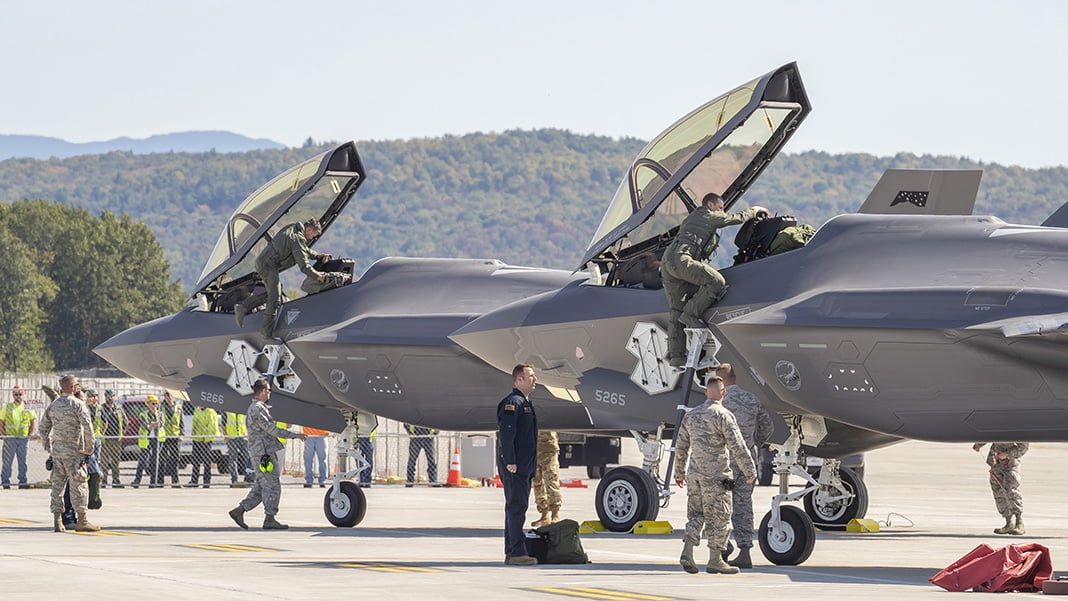 F-35 Fleet Readiness Falls to 25% Amid Parts Shortages and Software Delays: GAO Report
-
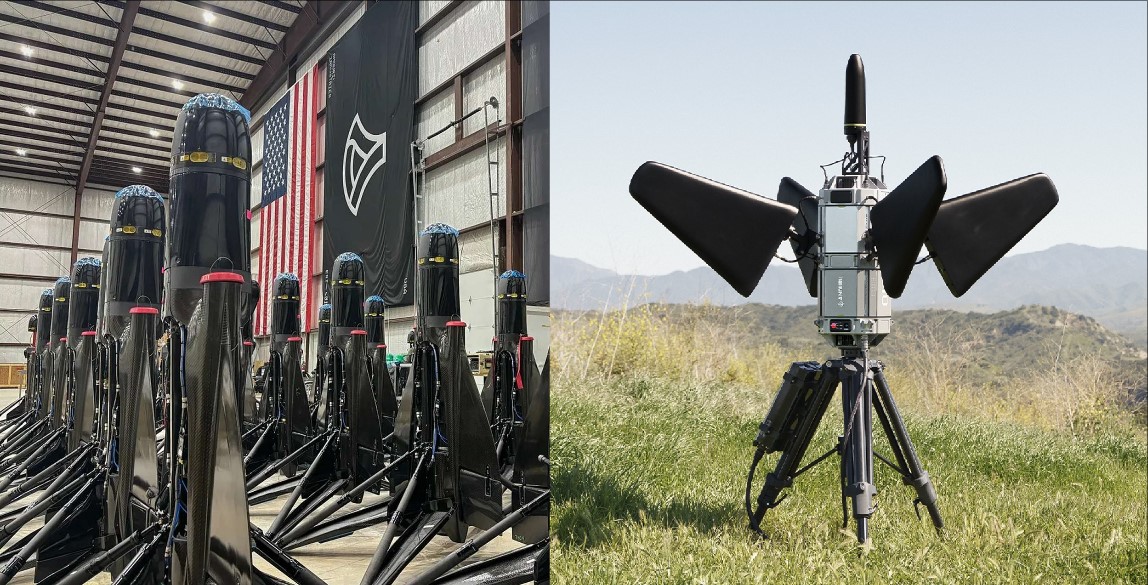 U.S. Approves $1.98 Billion Sale of Anduril AI-Powered Counter-Drone Systems to Kuwait
-
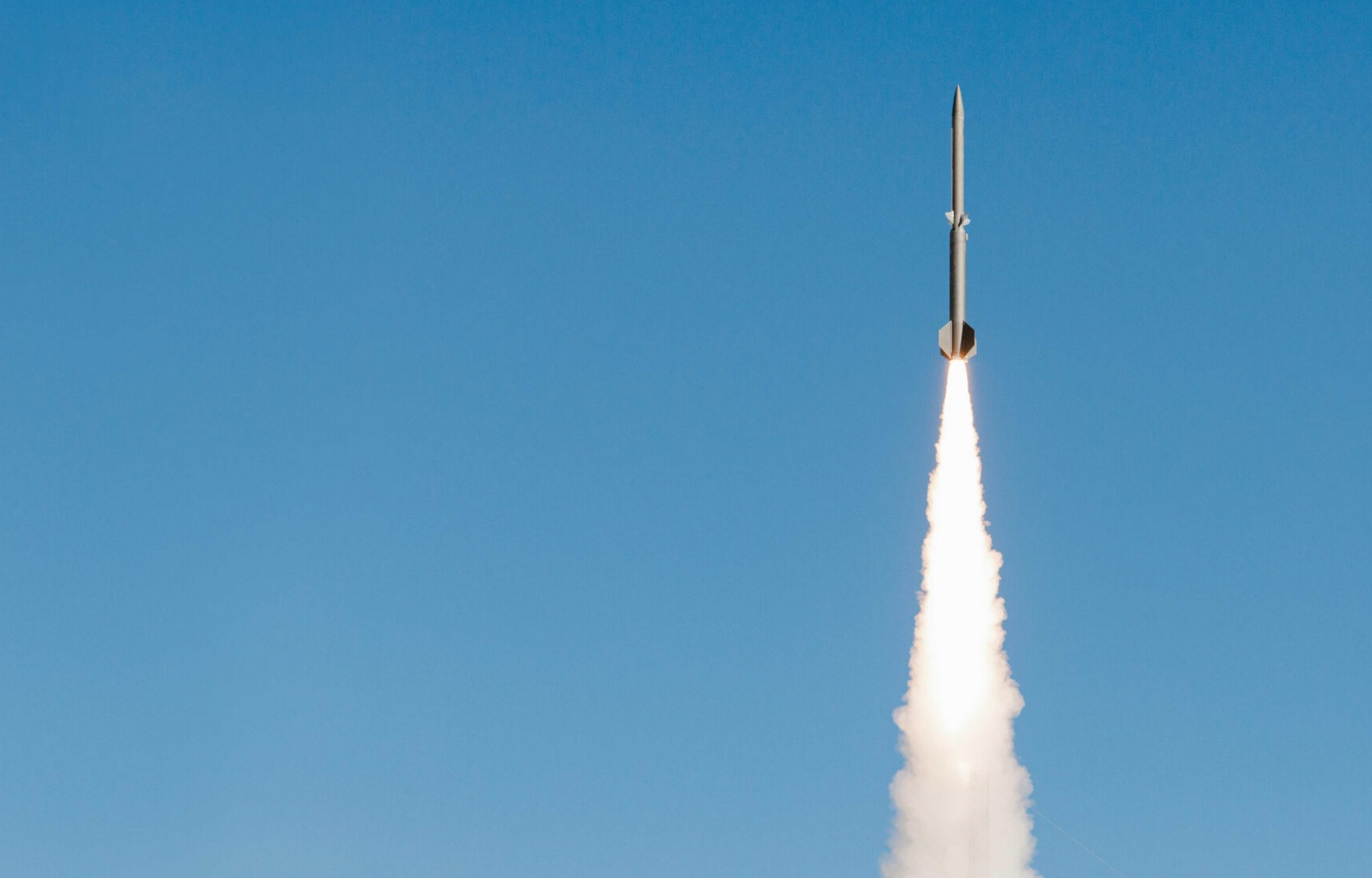 U.S Navy Orders 50 Blackbeard Hypersonic Missiles in New $23.4 Million Contract
-
 Russia Launches 1,400 Jet-Powered Drones in 2026 as Strike Tactics Evolve to Challenge Ukraine's Air Defenses
-
 Russian Analysts Debate Su-57 Capabilities After Putin Calls Fighter Superior to F-35
-
 Russia Unveils Amur-1650 AIP Submarine Equipped with BrahMos Vertical Launch System at Fleet-2026
-
 Turkey Navy Successfully Tests AKYA Torpedo and ATMACA Missile During Major Denizkurdu-II Naval Exercise
-
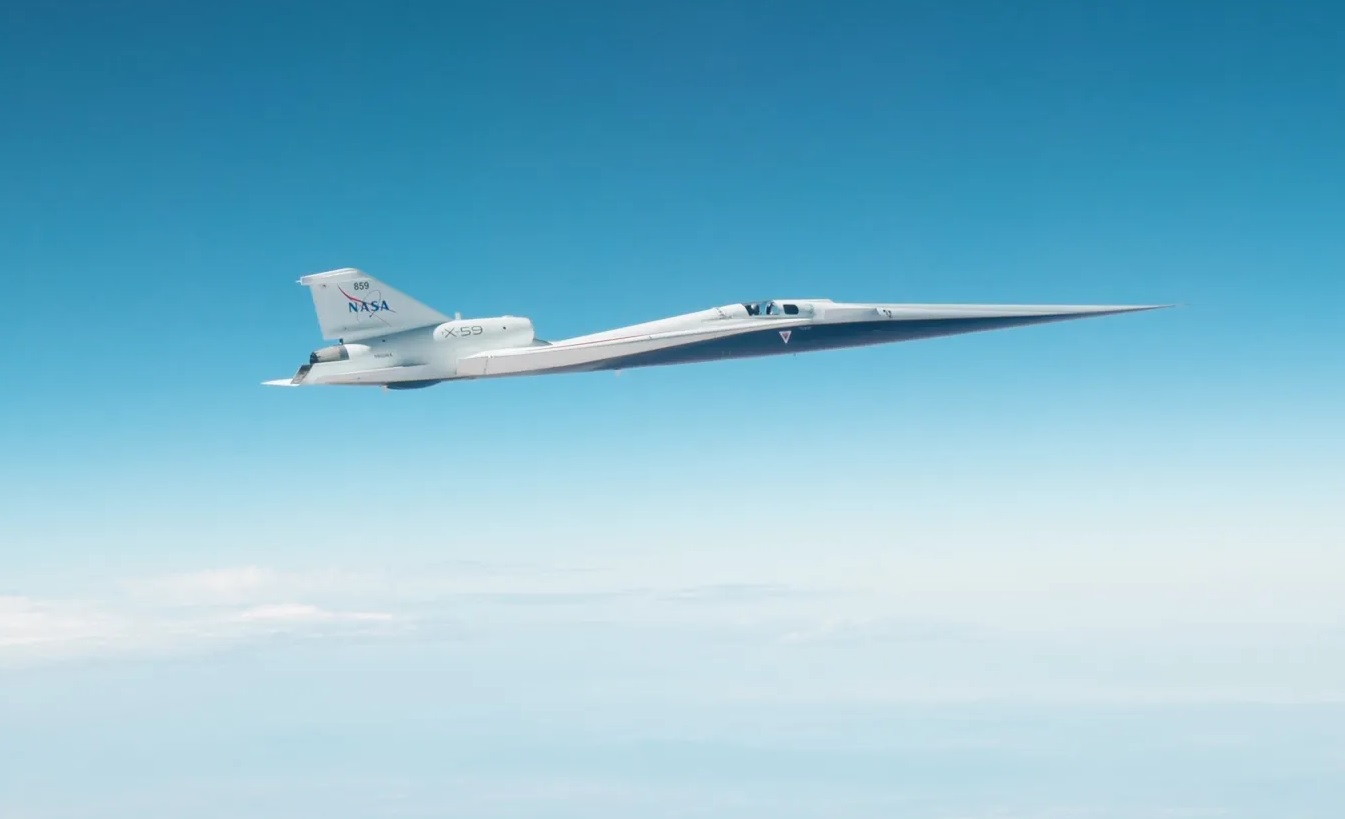 NASA X-59 Achieves Planned Mission Conditions with Mach 1.4 Flight at 55,000 Feet
Top Trending in 4 Days
-
 Iranian Media Leaks 14-Point U.S.-Iran Peace Framework Amid Ongoing Negotiations
-
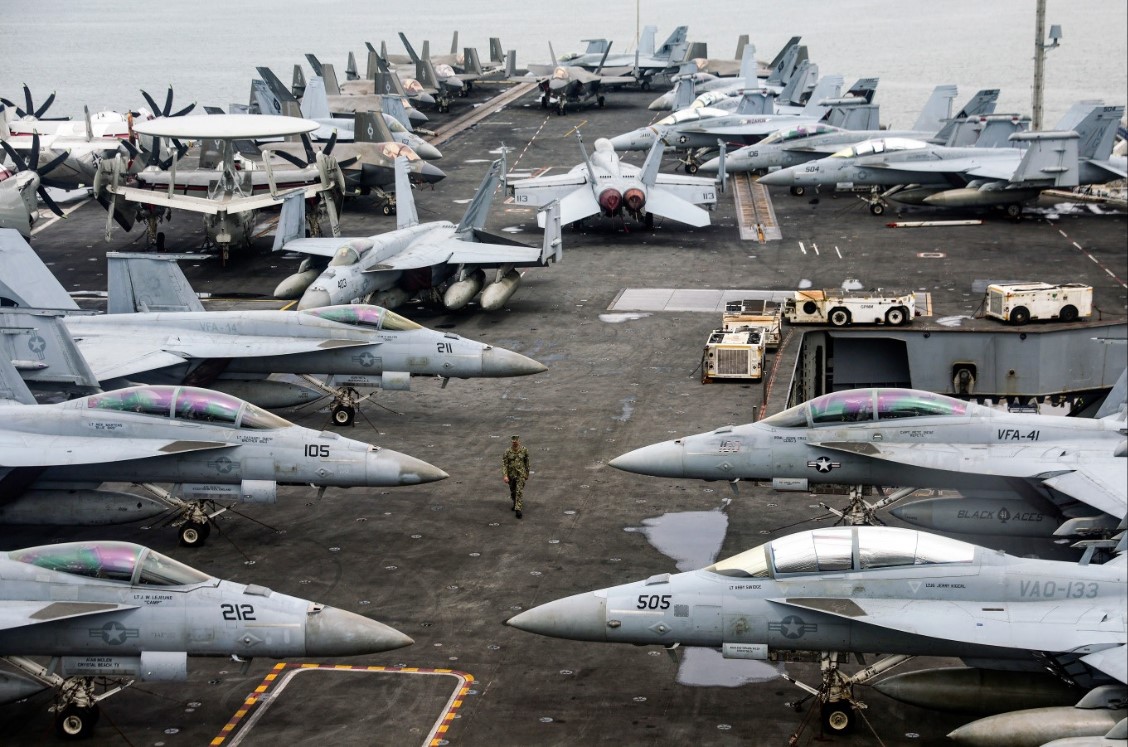 US Plans Significant Reduction of Fighter Jets and Warships for NATO Operations in Europe
-
 AMCA Airframe Spotted at DRDO’s ORANGE Facility for Radar Cross-Section Testing
-
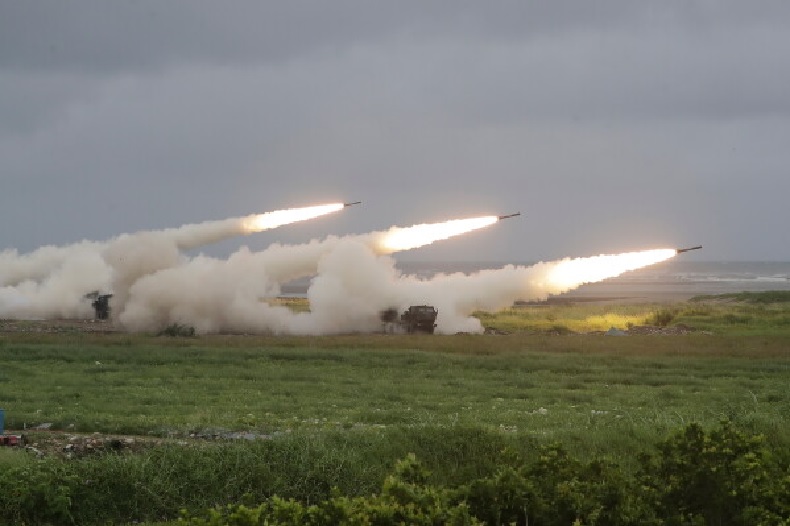 Taiwan Conducts First Live-Fire of HIMARS Rockets From West Coast During Invasion Defense Drill
-
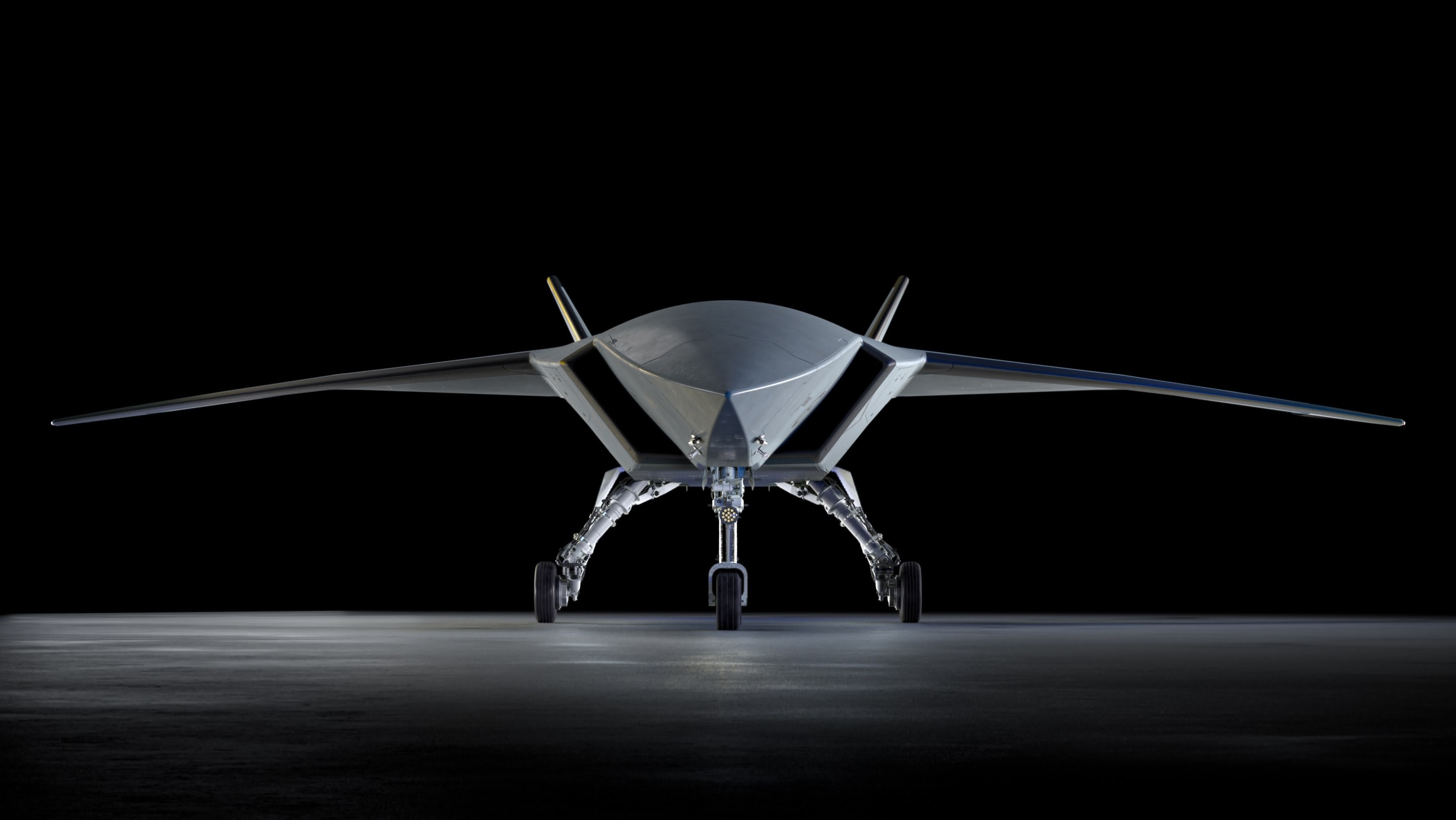 Boeing Introduces New MQ-28 Ghost Bat Upgrades with Increased Range, Payload and Weapons Capacity at ILA Berlin 2026
-
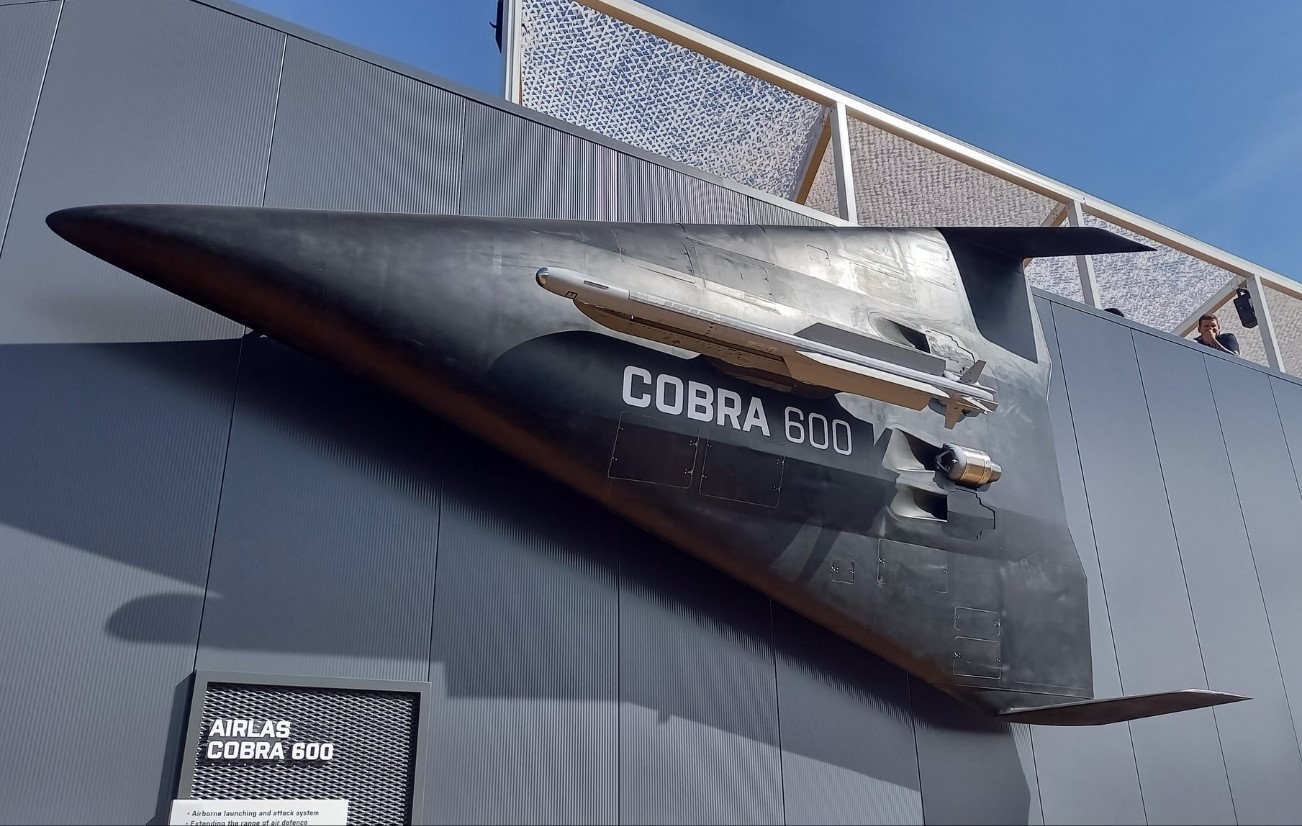 Diehl Defence Unveils IRIS-T Armed Cobra 600 Air Defense Drone at ILA Berlin 2026
-
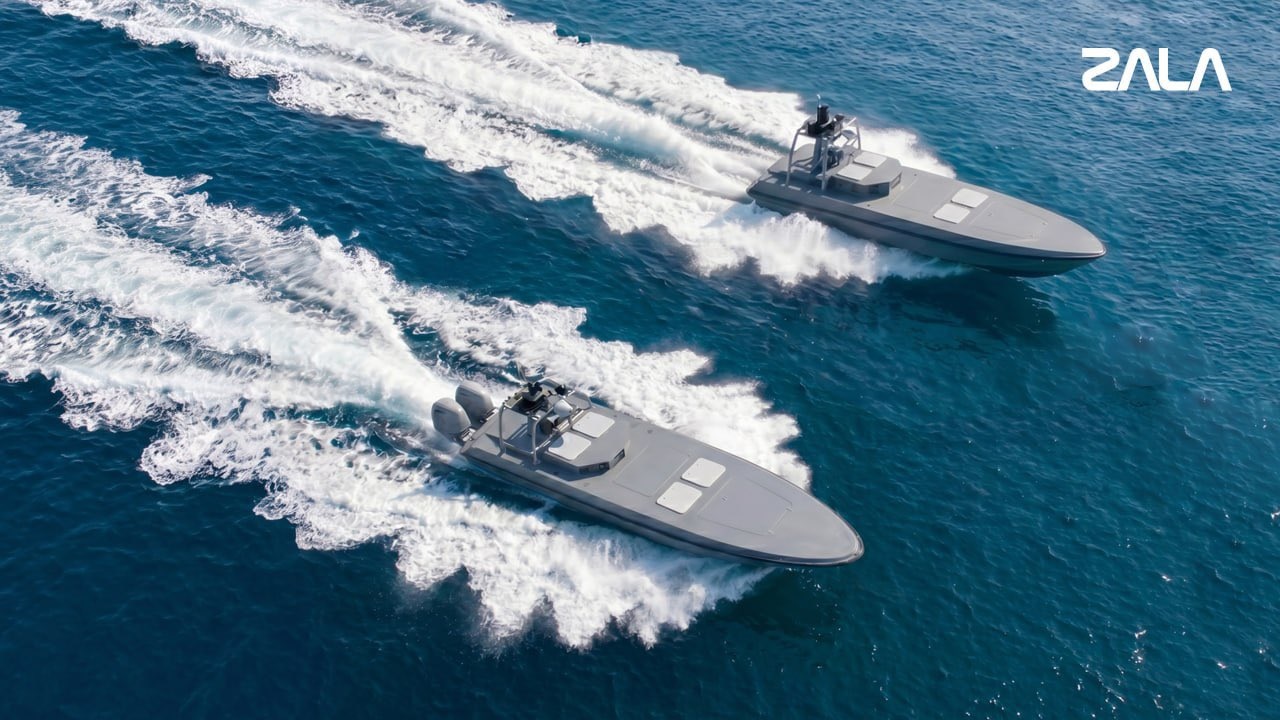 Russian Defense Firm ZALA Unveils KAMA Unmanned Surface Vessel Family at FLOT-2026 Naval Exhibition
-
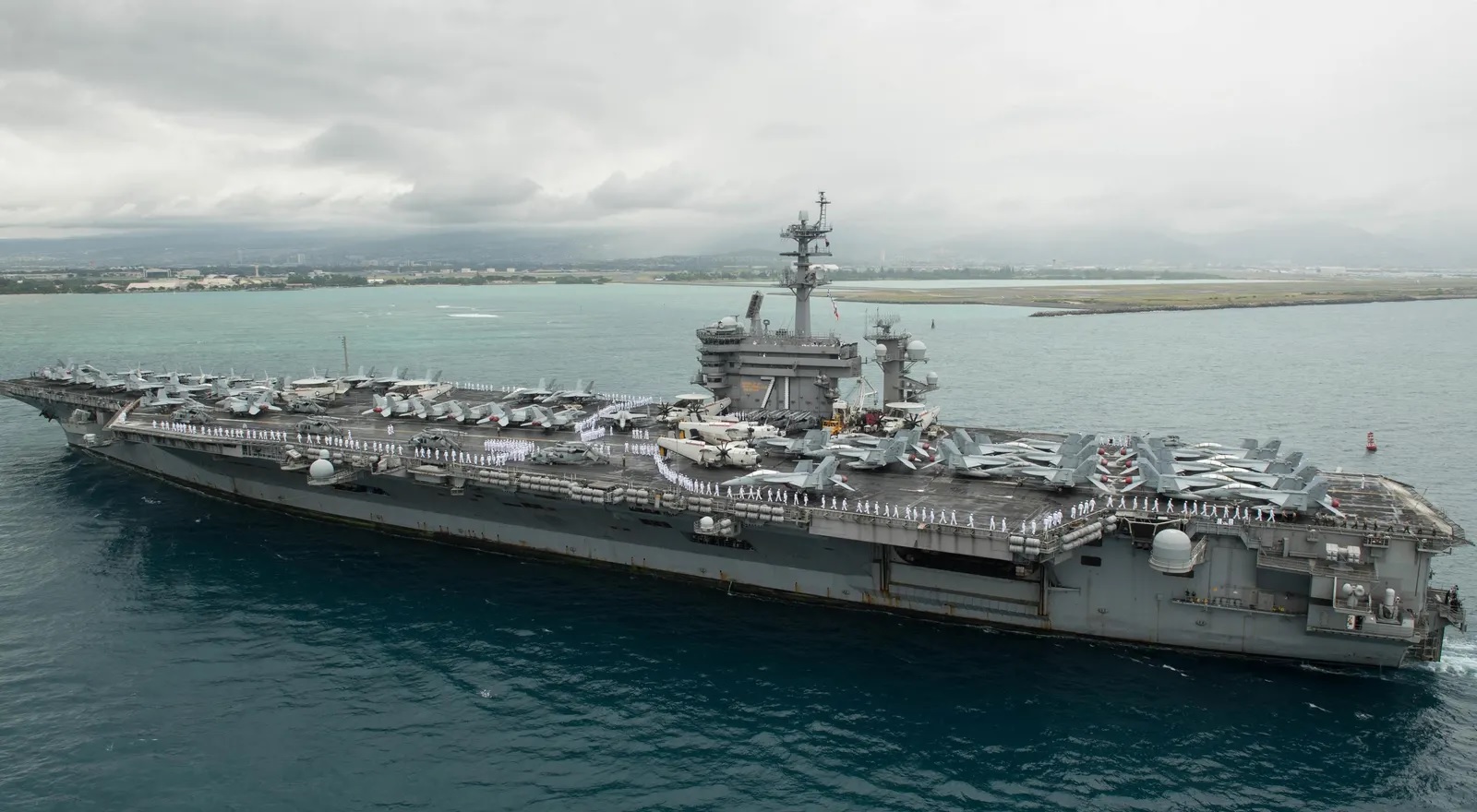 U.S Aircraft Carrier USS Theodore Roosevelt Departs San Diego for Major RIMPAC 2026 Naval Exercise