
World
Romania has set its sights on enhancing its air defense capabilities with the planned acquisition of four additional Sentinel radar systems from RTX Corporation. The move is part of a broader effort to modernize its military infrastructure and reinforce its strategic position within NATO, particularly as regional security concerns grow due to the ongoing conflict in neighboring Ukraine.The U.S. State Department recently approved Romania's request to purchase four AN/MPQ-64 F1 Sentinel radars, with the total deal valued at around USD 110 million. This sale, arranged under the U.S. Foreign Military Sales (FMS) program, is not just a commercial transaction but also a significant step in bolstering the defense capacity of a key NATO member. The Defense Security Cooperation Agency (DSCA) has submitted the necessary certification to Congress, and once cleared, the deal will proceed to enhance Romania’s radar coverage and detection capabilities.Advanced Radar Capabilities for Modern ThreatsThe AN/MPQ-64 F1 Sentinel radar is a high-performance system designed for short- to medium-range air defense. It specializes in detecting, tracking, and classifying a wide range of airborne threats, including drones, helicopters, cruise missiles, and low-flying aircraft. What makes these radar systems particularly crucial for Romania is their ability to detect low-speed, low-radar cross-section threats. This capability is becoming ever more critical as conflicts increasingly involve the use of drones and unconventional aerial vehicles. In the context of the Ukraine war, where there is constant concern about airspace violations and drone strikes, having such technology in place will significantly bolster Romania's national defense.This purchase also includes a range of advanced non-major defense equipment, which further increases the systems' strategic value. Among the additional technologies are IPS 250X High Assurance Internet Protocol Encryptors (HAIPE), which ensure secure communications, and KIV-77 Identification Friend-or-Foe (IFF) crypto appliqué with Mode 5 and Mode S capabilities, which enhance identification accuracy in complex airspaces. These additions are crucial for interoperability within NATO, ensuring that Romania can better coordinate its air defenses with allied forces.The package also covers advanced GPS receivers like the AN/PSN-13 Defense Advanced GPS with anti-spoofing measures, designed to maintain precision in hostile environments. Furthermore, Romania will receive the AN/PYQ-10 Simple Key Loaders (SKL), support and test equipment, classified software, and extensive technical documentation to support the operation and integration of these systems.Strategic Importance Amid Regional TensionsRomania's decision to enhance its air defense capabilities comes at a time of heightened tension in Eastern Europe. The war in Ukraine has reshaped the security dynamics of the region, pushing NATO members like Romania to reassess and strengthen their military preparedness. Romania’s defense forces have become more exposed due to the transfer of a Patriot PAC-3 missile system to Ukraine as part of broader NATO support for Ukraine’s defense efforts. This has left Romania’s own air defense in need of reinforcement, making the timely delivery and integration of these Sentinel radar systems all the more critical.Another factor influencing the urgency of the radar purchase is Romania's geographic proximity to the Black Sea, where Russian military activity remains a constant concern. These radar systems, by improving Romania's ability to monitor its airspace and detect incoming threats from the east, will provide a much-needed upgrade to its defensive posture.A Comprehensive Deal Beyond the Radar SystemsThe USD 110 million deal is not limited to just the radar systems themselves. It also covers a wide range of training, logistical support, and technical assistance for Romanian military personnel. This holistic approach ensures that Romania's armed forces will be fully equipped not only to operate the new systems but also to integrate them smoothly into the country's existing military infrastructure. Moreover, the U.S. Foreign Military Financing (FMF) program is set to fund two of the four radar systems, accelerating the acquisition process. This financial assistance underscores the importance of Romania as a strategic ally for the United States and NATO in a region marked by increasing unpredictability.Looking Ahead: Securing the SkiesAs the sale moves through the final stages of approval, Romania is preparing for the eventual integration of these state-of-the-art radar systems. The acquisition highlights the country’s commitment to securing its airspace in an increasingly volatile region. These new Sentinel radar systems will not only enhance Romania's ability to detect and respond to aerial threats but also contribute to the broader security framework of NATO.In a world where air defense capabilities are being challenged by rapid technological advancements, Romania's investment in the Sentinel radar systems represents a proactive and strategic step towards future-proofing its military defenses.
Read More → Posted on 2024-10-08 15:30:08
World
In a significant move to strengthen Ukraine's defense capabilities, the Netherlands has delivered the first batch of F-16 fighter jets to Kyiv. Dutch Defence Minister Ruben Brekelmans confirmed the delivery during his recent visit to Kharkiv and Kyiv, marking a critical milestone in the military support promised by the Dutch government. This transfer is part of a broader agreement in which the Netherlands committed to sending a total of 24 F-16 jets to Ukraine.This delivery follows the approval of an export license on July 1, 2024, which opened the door for the transfer of these highly capable fighter jets. The F-16s, renowned for their versatility and combat effectiveness, are expected to significantly enhance Ukraine’s air force as it continues to counter Russian advances.Why F-16s Matter for UkraineThe F-16 fighter jets are a major asset for Ukraine’s military. Designed by General Dynamics (now Lockheed Martin), the F-16 Fighting Falcon is a multirole fighter aircraft known for its speed, agility, and advanced combat systems. It can carry a wide range of weapons, including air-to-air missiles, air-to-ground munitions, and precision-guided bombs, making it suitable for various combat scenarios. With a top speed of over Mach 2 (about 1,500 mph) and the ability to operate in all weather conditions, the F-16 provides critical air superiority and strike capabilities.For Ukraine, the addition of these aircraft is especially valuable as it seeks to defend its skies against Russian aerial assaults. The F-16s will enable Ukrainian pilots to engage enemy aircraft, defend critical infrastructure, and carry out precision strikes on ground targets, helping Kyiv maintain a stronger foothold in the ongoing conflict.Netherlands' Comprehensive Support PackageThe Dutch government’s support extends beyond just delivering the jets. In addition to the F-16s, the Netherlands has committed to providing the necessary resources to keep the aircraft operational and effective in the long term. This includes the delivery of air-to-air missiles from the Netherlands’ own stock, adding offensive and defensive capabilities to the fighter jets. Furthermore, the Netherlands has pledged EUR 450 million towards ammunition procurement and an additional EUR 80 million for maintenance contracts and spare parts.This comprehensive approach ensures that Ukraine not only receives the F-16s but also has the means to maintain and sustain them in combat. The aircraft's upkeep is critical to their effectiveness, and the Netherlands is taking a leading role in ensuring these assets remain battle-ready for the foreseeable future.Dutch Military Aid to UkraineThe delivery of the F-16s is just one part of the Netherlands’ broader military aid package to Ukraine, which has now reached EUR 3.76 billion. This aid includes various forms of military equipment, logistical support, and training for Ukrainian personnel. Minister Brekelmans emphasized that this support highlights the Netherlands' commitment to bolstering Ukraine's defense in the face of ongoing aggression.The Dutch government has positioned itself as a key ally of Ukraine, providing not only military hardware but also financial and logistical support to aid Ukraine’s long-term defense efforts. This level of commitment underscores the Netherlands’ role as a leading supporter of Ukraine within the international community, particularly among NATO allies.As Ukraine continues its fight against Russian forces, the F-16 fighter jets from the Netherlands will be a critical asset in defending its airspace, protecting civilians, and maintaining its sovereignty. The delivery marks a turning point in Ukraine’s air defense strategy and is a testament to the Netherlands’ ongoing solidarity with Kyiv.
Read More → Posted on 2024-10-08 15:08:36
World
The recent public debut of the Bayraktar TB3 drone at Teknofest, Turkey's premier technology event, has captured attention and underscored the nation’s advancements in aerospace technology. Developed by Baykar, a leading name in the Turkish aerospace industry, the TB3 represents a significant leap forward in combat drone capabilities, particularly with its unique design allowing it to take off and land from short-runway vessels, such as the TCG Anadolu drone carrier.The TB3 is powered by a PD-170 engine manufactured by TUSAŞ Engine Industries, showcasing Turkey's focus on domestic production and technology. This new drone boasts impressive specifications, achieving a top speed of 160 knots (approximately 296 kilometers or 183 miles per hour) while maintaining an extraordinary flight endurance of over 24 hours. Its substantial 14-meter (45-foot) wingspan and maximum takeoff weight of 1,450 kilograms (3,197 pounds) allow for a significant payload capacity of 280 kilograms (617 pounds), making it versatile for various mission profiles.In testing phases earlier this year, the TB3 successfully demonstrated its capabilities across low, medium, and high-altitude performance metrics, completing system identification tests that confirm its readiness for operational deployment. This drone is equipped with smart munitions, enabling it to perform a range of missions, including reconnaissance, surveillance, intelligence gathering, and attack operations from considerable distances. The introduction of the TB3 is a notable enhancement to Turkey’s drone arsenal, building on the success of its predecessor, the Bayraktar TB2. Turkish drones have already demonstrated their effectiveness in various conflicts across Azerbaijan, Libya, and Ukraine, solidifying Turkey’s position as a significant player in the global drone market. Baykar has become a major exporter of unmanned combat aerial vehicles, selling the TB2 and AKINCI drones to a total of 34 countries, and they account for an impressive 32 percent of Turkey’s total defense and aerospace exports.In 2023 alone, foreign sales of Turkish drones reached approximately $1.770 billion. Turkey’s defense sector is robust, exporting around 230 products to nearly 170 countries. The country’s aviation industry also plays a crucial role in supplying aircraft structures, equipment, and maintenance services to some of the world’s leading manufacturers, contributing to a remarkable $5.5 billion in defense and aerospace export revenue last year.As the Bayraktar TB3 enters the spotlight, it is poised to further elevate Turkey's defense capabilities and continue the nation’s momentum in the global drone market. The blend of innovative design, domestic production, and strategic military applications sets the stage for the TB3 to be a game changer in aerial warfare and surveillance operations.
Read More → Posted on 2024-10-08 15:05:50
World
Bharat Electronics Limited (BEL), a key player in India's defence manufacturing sector, continues to strengthen its position with a series of new contracts worth over ₹500 crore. This wave of orders boosts its total order book for the current financial year to an impressive ₹7,689 crore, reflecting its robust role in meeting the Indian armed forces' technological needs.One of the most significant milestones for BEL this year has been a contract worth ₹850 crore awarded by Cochin Shipyard Limited on September 11th. This deal is centered around the supply of an indigenous Multi-Function Radar in the X-Band. The radar system, designed by the Defence Research and Development Organisation (DRDO) and manufactured by BEL, underlines the company’s focus on "Atmanirbhar Bharat," the Indian government’s initiative to promote self-reliance in defence production. The X-Band radar offers advanced surveillance and target tracking capabilities, serving as a vital component of India’s modern naval vessels.BEL’s recent contracts span a variety of critical defence technologies and systems. These include EMI (Electromagnetic Interference) shelters, designed to protect sensitive electronic equipment from disruptive electromagnetic signals, ensuring the seamless operation of critical defence systems. The orders also include annual maintenance contracts for Integrated Air Command and Control System (IACCS) nodes, a sophisticated network that integrates air defence assets across the country for coordinated response and real-time tracking of threats.The company will also be upgrading and providing spares for gun systems and communication devices, further demonstrating its wide-ranging expertise. Additionally, BEL will be supplying spares for radar systems used in India’s air defence and surveillance operations, highlighting its integral role in safeguarding the country’s airspace.The company's recent financial success reflects the impact of these contracts. For the quarter ending on June 30, 2024, BEL reported a significant surge in revenue and profits, with total income increasing to ₹4,44,715 lakh, up from ₹3,67,317 lakh in the same period the previous year. The profit after tax also saw a notable jump to ₹79,128 lakh, compared to ₹53,860 lakh in 2023.Founded in 1954, BEL has consistently delivered cutting-edge electronic systems and equipment to India’s Army, Navy, and Air Force, playing a key role in modernizing India’s defence infrastructure. Over the years, the company has expanded its reach into various non-defence sectors such as homeland security, medical electronics, and smart city initiatives, showcasing its technological versatility.BEL’s growing order book, supported by these latest contracts, not only ensures a steady financial outlook but also reinforces its pivotal role in India’s defence ecosystem. By focusing on indigenous production and advanced technology solutions, BEL is helping India achieve its long-term goal of reducing dependency on foreign defence imports while strengthening its military capabilities.
Read More → Posted on 2024-10-08 14:57:53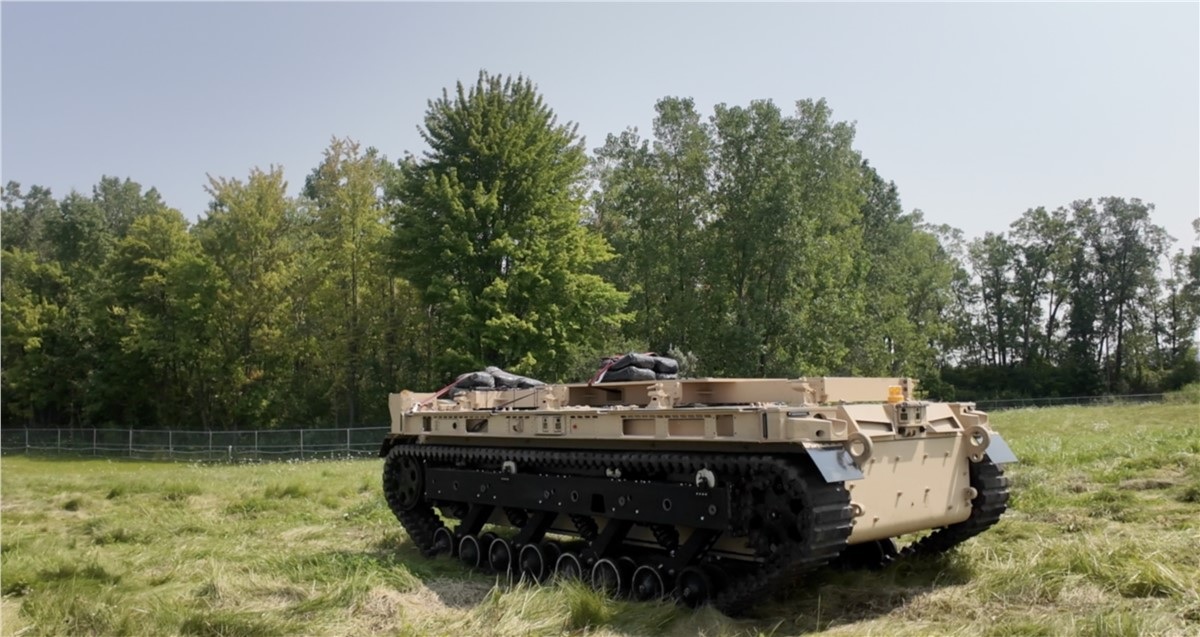
World
The US Army is stepping closer to integrating advanced robotic systems into its arsenal with the arrival of prototypes for the highly anticipated Robotic Combat Vehicle (RCV) competition. As military operations grow more complex, the need for unmanned combat systems has become critical, and this competition promises to push the boundaries of military technology. Several defense companies have submitted their prototypes, each offering unique capabilities designed to meet the evolving demands of modern warfare.General Dynamics has taken the lead with its TRX (Tracked Robot 10-ton) platform, which stands out for its hybrid-electric propulsion system. This technology not only ensures fuel efficiency but also enhances the vehicle’s stealth by reducing its acoustic and thermal signature, making it harder to detect on the battlefield. What truly sets the TRX apart, however, is its AI-enhanced design. Artificial intelligence plays a crucial role in the vehicle’s ability to autonomously carry out various missions, from reconnaissance to resupply. The vehicle's flexibility allows it to function independently or integrate seamlessly with human-operated units, creating a synchronized human-machine force.One of the key specifications of the TRX is its payload-to-chassis ratio of 1:1, meaning it can carry as much weight as its own chassis, without sacrificing performance or stability. This makes it ideal for transporting heavy weaponry or other equipment while maintaining maneuverability on challenging terrain. Additionally, its modular design allows for easy modifications depending on the mission requirements, which could include direct combat roles, reconnaissance, or logistical support.Textron Systems is another competitor making waves in the RCV competition. Its submission, based on the RIPSAW M3, is a modular platform that boasts an open-system architecture. This means the vehicle can be customized with different payloads depending on mission needs, offering unmatched versatility. The RIPSAW M3 builds on Textron’s expertise in 360-degree situational awareness and intelligent sensing technologies, allowing soldiers to operate with enhanced visibility and tactical awareness. Textron emphasizes that the design meets the US Army’s requirements for transportability, ensuring that the vehicle can be deployed quickly and efficiently in a variety of combat environments.Oshkosh Defense was the first to submit its prototypes, which focus on increasing vehicle performance in multi-domain operations. The company promises enhanced maintainability and flexibility, ensuring the RCV can operate effectively across different terrains and mission types. This adaptability is vital for future battlefield scenarios, where vehicles will need to seamlessly transition between air, land, and sea operations.While General Dynamics, Textron, and Oshkosh have all delivered their prototypes, one company—McQ—is still in the process of submitting its entry. The competition among these companies is expected to drive significant technological advancements, with the ultimate goal of providing the US Army with a robust, adaptable, and intelligent robotic combat vehicle.The RCV competition marks a crucial step in the US Army's modernization efforts, as these vehicles promise to reduce risks to soldiers while increasing combat effectiveness. With AI-powered systems, modular designs, and improved mobility, these prototypes signal the future of military warfare, where humans and machines will fight side by side to maintain a tactical advantage. The decision on which prototype will be selected remains to be seen, but it’s clear that the future of unmanned ground vehicles has arrived.
Read More → Posted on 2024-10-08 14:23:27
World
In a significant move to enhance India’s maritime defense capabilities, the United States has approved the sale of MK 54 MOD 0 lightweight torpedoes for the Indian Navy’s fleet of MH-60R helicopters. Valued at approximately $175 million, this deal reflects the deepening defense partnership between the two nations, aimed at bolstering security in the Indo-Pacific region.The sale, cleared by the US State Department and announced by the Pentagon, includes a total of 53 MK 54 MOD 0 torpedoes, along with associated equipment such as air launch accessories, exercise torpedoes for training, and essential spare parts. These advanced anti-submarine warfare (ASW) weapons are designed specifically for deployment by the MH-60R "Romeo" helicopters, which India is acquiring to strengthen its naval operations. The MH-60R helicopters, renowned for their versatility, are equipped to handle both anti-submarine and anti-surface warfare missions, making them a formidable asset in securing India's maritime interests.The MK 54 Torpedo: A Game-Changing ASW WeaponThe MK 54 torpedo, often referred to as the "Hybrid Torpedo," is a state-of-the-art lightweight weapon primarily used in anti-submarine warfare. It is the US Navy's primary lightweight torpedo and is deployed by aircraft, helicopters, and surface ships to target hostile submarines. It combines the best of earlier MK 46 and MK 50 torpedoes, integrating sophisticated guidance systems, enhanced sonar capabilities, and improved warhead technology.The torpedo is 9 feet long, weighs about 608 pounds, and carries a high-explosive warhead capable of neutralizing enemy submarines. Its guidance system uses advanced sonar technology to detect, track, and engage targets, even in challenging underwater environments. The MK 54 is highly adaptable, effective in both shallow coastal waters and deeper oceanic zones, making it ideal for patrolling India’s vast maritime domain in the Indian Ocean, where submarine threats are on the rise.A Strategic Partnership for Regional StabilityThe sale of these torpedoes is more than just a routine arms deal—it symbolizes the growing strategic collaboration between India and the United States. As China expands its naval presence in the Indian Ocean, India has been focused on enhancing its ASW capabilities to counter any potential threats. The addition of the MK 54 torpedoes to the Indian Navy's arsenal will significantly boost its ability to detect and engage enemy submarines, particularly those from China's rapidly modernizing fleet.The MK 54 will complement India’s 24 MH-60R helicopters, which are designed to carry these torpedoes. The MH-60R "Romeo" helicopters, often regarded as the world's most capable naval helicopter, are equipped with advanced sensors and weapons, including radar systems, sonobuoys, and electronic support measures, making them highly effective in ASW missions. These helicopters are capable of conducting operations in all weather conditions, day or night, further enhancing the Indian Navy’s reach and effectiveness.Supporting US Foreign Policy and National SecurityThe Defense Security Cooperation Agency (DSCA) emphasized that this sale will support US foreign policy objectives by strengthening the strategic relationship with India, a major defense partner. As the geopolitical landscape in the Indo-Pacific becomes more complex, the US is keen on empowering allies like India to play a more assertive role in maintaining regional stability. The sale of these torpedoes underscores the US commitment to ensuring that India possesses the military tools necessary to counter growing threats in the region.While the deal benefits India’s defense preparedness, it also aligns with US interests in maintaining a balance of power in the Indian Ocean and broader Asia-Pacific regions. This sale follows several other high-profile defense transactions between the two countries, further solidifying their defense cooperation.The approval of the $175 million sale of MK 54 torpedoes to India marks a crucial step in enhancing the Indian Navy’s ASW capabilities. With the induction of these cutting-edge torpedoes, paired with the MH-60R helicopters, India will be better equipped to defend its waters, particularly against the increasing submarine activities in the Indian Ocean. As India continues to modernize its navy, this deal serves as a powerful reminder of the growing strategic alignment between the US and India, aiming to promote stability and security in a critical maritime region.
Read More → Posted on 2024-10-08 14:20:05
World
Boeing has recently been awarded a significant contract by the U.S. Air Force to produce Small Diameter Bombs (SDBs) valued at a maximum of $6.9 billion. This indefinite-delivery/indefinite-quantity contract includes the production and delivery of SDBs from Lots 20 to 29, with a guaranteed minimum award for Lot 20. The contract marks a crucial step in enhancing the U.S. military's precision strike capabilities while also supporting allied nations, including Japan, Bulgaria, and Ukraine.To finance this extensive production, specific funds have already been allocated across various fiscal years: $147,207 from Fiscal Year 2022, $2.4 million from Fiscal Year 2023, and $34.3 million from Fiscal Year 2024. Additionally, foreign military sales have been earmarked with $396.4 million to support the contract. Work related to this project will be conducted at Boeing's facility in St. Louis, Missouri, with an anticipated completion date set for the end of December 2035.The SDB, also referred to as the GBU-39/B, is designed as a low-cost, precision-guided munition capable of delivering high accuracy while minimizing collateral damage. Since its introduction into combat operations in 2006 aboard the F-15E, the SDB has proven to be an essential tool in modern warfare. The bomb is equipped with an inertial navigation system and a global positioning system, ensuring pinpoint accuracy in striking targets.In terms of specifications, each SDB measures 70.8 inches (180 centimeters) in length and 7.5 inches (19 centimeters) in width. Notably, a carriage designed to hold four SDBs can replace a single 1,000- or 2,000-pound (453- or 907-kilogram) weapon, enabling aircraft to engage four times as many targets in a single sortie. Each bomb weighs around 250 pounds (113 kilograms) and boasts the impressive capability to penetrate over three feet of steel-reinforced concrete.One of the remarkable features of the GBU-39/B is its extendable deployable wings, which allow it to glide over distances exceeding 60 nautical miles (69 miles/111 kilometers) once air-dropped. This capability not only enhances its operational range but also contributes to its effectiveness in a variety of combat scenarios. Furthermore, the SDB has several variants tailored for specific missions. The Focused Lethality Munition (GBU-39A/B) is designed to minimize collateral damage outside the blast zone, making it ideal for urban or densely populated areas. On the other hand, the Laser SDB (GBU-39B/B) is equipped with semi-active laser guidance, providing the flexibility needed to target moving objects accurately.In summary, Boeing's contract to produce Small Diameter Bombs represents a significant advancement in precision munitions for both the U.S. military and its allies. With its innovative design and capabilities, the SDB continues to play a vital role in modern aerial warfare, enabling effective engagement with minimal risk to surrounding infrastructure and civilians.
Read More → Posted on 2024-10-07 16:03:22
World
Raytheon has reached a significant milestone in underwater security with the completion of hydrodynamic testing for its Barracuda Mine Neutralization System. Utilizing a production representative test unit, the Barracuda successfully demonstrated its capabilities in various sea states and water currents, showcasing its ability to autonomously control itself in conditions that closely simulate real ocean environments.This recent testing is groundbreaking as it marks the first instance where Raytheon has executed hydrodynamic tests with the Barracuda mine neutralization vehicle submerged. The test not only validated the vehicle's operational capabilities but also confirmed its proficiency in detecting, tracking, and maintaining position on target autonomously. Such capabilities are essential for ensuring operational effectiveness in complex underwater scenarios where naval mines pose significant threats.Barbara Borgonovi, president of Naval Power at Raytheon, emphasized the importance of this achievement, stating, “This event marks a significant milestone in the advancement of underwater security and naval defense. Barracuda’s performance reaffirms its position as a game-changing solution for identifying and neutralizing naval mines, a critical challenge in modern naval operations.” The Barracuda system is designed as the U.S. Navy's next-generation mine neutralization program, employing sophisticated sonar and camera systems to locate and neutralize undersea mine threats effectively. The program has been in development since Raytheon received its initial contract in 2018, with considerable progress made over the past few years. It completed its critical design review in March 2023 and has since entered the qualification testing phase.In July 2023, Raytheon secured a contract to deliver engineering development model units to the U.S. Navy, signaling confidence in the program's trajectory. Looking ahead, the Barracuda is slated to transition into Low-Rate Initial Production by 2027, which will further enhance the Navy’s operational capabilities against underwater threats.As the Barracuda program advances, it highlights the critical need for innovative solutions in naval warfare. The successful testing of this semi-autonomous mine neutralization system not only enhances the Navy's operational readiness but also reflects a broader commitment to strengthening maritime security in an increasingly complex global environment. With its cutting-edge technology and advanced operational capabilities, the Barracuda is poised to play a pivotal role in safeguarding naval assets against the ever-present danger of underwater mines.
Read More → Posted on 2024-10-07 16:01:16
World
On a day marked by celebration for Russian President Vladimir Putin, his 72nd birthday, a significant cyberattack originating from Ukraine brought down the online broadcasts of numerous Russian state television and radio channels. An official in Kyiv, who requested anonymity due to the sensitive nature of the operation, disclosed that Ukrainian hackers were behind this operation, which disrupted at least 20 Russian broadcasters, including prominent services like Rossiya 24.The cyber offensive unfolded on Monday morning, with reports highlighting that Russia's VGTRK state media holding experienced what it described as an "unprecedented" cyberattack. The incident was widely reported by Russian media outlets, including Tass, which listed affected channels such as Rossiya-1, Kultura, and various radio stations like Vesti FM and Mayak. VGTRK's news channels are crucial for many Russians, particularly as they provide updates on the ongoing conflict in Ukraine. However, VGTRK did not respond immediately to requests for comment regarding the attack.In response to the disruption, Kremlin spokesman Dmitry Peskov remarked that the media holding was making "colossal efforts" to manage the situation, with specialists working tirelessly to identify those responsible. The nature of the attack was significant enough to prompt concerns from Russian authorities, who are accustomed to framing such incidents as part of a larger "hybrid war" led by Western nations.An anonymous hacker group, known as "Sudo rm-RF," which has previously taken responsibility for various attacks on Russian digital infrastructure, claimed responsibility for this bold move. According to a source familiar with the situation, the group intended to deliver a birthday "congratulation" to Putin through this cyber disruption. However, as with many claims in the cyber realm, verification remains elusive.Maria Zakharova, a spokesperson for the Russian Foreign Ministry, characterized the attack as an illustration of the targeting of Russian media by what she referred to as "the collective West." She indicated that Russia would address the cyberattack in international forums, including UNESCO, emphasizing the need to discuss freedom of speech in the context of such incidents.This incident underscores the escalating cyber warfare between Ukraine and Russia, particularly as tensions continue to rise amidst the ongoing conflict. The timing of the attack, coinciding with a significant date in the Russian calendar, further highlights the symbolic nature of such operations in the context of the broader geopolitical struggle.As the situation evolves, the implications of this cyberattack may resonate beyond mere media disruptions, potentially influencing public perception and international discussions on cyber warfare and freedom of expression.
Read More → Posted on 2024-10-07 15:58:48
World
In a significant move to enhance its military capabilities, Poland has secured a loan of approximately $3.08 billion from the United States, as announced by the Polish Ministry of National Defence. This agreement is part of the Foreign Military Financing (FMF) program and marks Poland’s third loan from the U.S., bringing the total U.S.-backed loans to an impressive $7.08 billion. This infusion of funds is crucial as Poland navigates a complex security landscape in Eastern Europe, particularly in light of the ongoing conflict in Ukraine.The latest loan will primarily be used to acquire 96 Boeing AH-64E Apache helicopters, which are renowned for their advanced attack capabilities. This procurement is not merely an expansion of military hardware but a strategic enhancement aimed at modernizing Poland's armed forces. The Apaches will play a pivotal role in strengthening the nation’s defense posture against emerging threats, especially given the heightened tensions in the region due to Russia's aggressive actions.Polish authorities have highlighted the favorable financial conditions associated with these loans, making them attractive for long-term military planning. Notably, 51% of the loan must be allocated for the purchase of American military equipment or services, which reflects the deepening defense ties between the U.S. and Poland. This stipulation not only facilitates Poland’s military modernization but also strengthens the defense industry in the United States.The U.S. remains a key supplier of military hardware to Poland, having previously delivered an array of sophisticated systems, including the Patriot PAC-3+ air defense systems, FGM-148 Javelin anti-tank missiles, and the Lockheed Martin F-35A Lightning II fighter jets. The recent contract for the AH-64E Apache helicopters, signed in August 2024, further solidifies this robust military cooperation.Looking ahead, Poland is expected to continue its military expansion through further agreements. Future acquisitions may include General Atomics MQ-9B SkyGuardian combat drones, additional weapon packages for its fighter jets, such as the AIM-9X Sidewinder and AGM-88G Advanced Anti-Radiation Guided Missile-Extended Range (AARGM-ER), as well as upgrades to its existing fleet of F-16C/D fighter jets. These initiatives will be subject to the necessary approvals from the U.S. State Department, but they signify Poland’s commitment to bolstering its defenses and ensuring regional stability.In summary, the new loan agreement with the United States is a pivotal step for Poland in its quest to modernize its military and enhance its operational readiness in a rapidly changing geopolitical environment. By investing in advanced military technologies and maintaining strong ties with the U.S., Poland is not only reinforcing its national security but also playing a crucial role in the collective defense of Europe.
Read More → Posted on 2024-10-07 15:54:28
World
Since the outbreak of conflict in Gaza on October 7, 2023, the United States has spent an unprecedented $17.9 billion on military aid to Israel. This surge in aid comes as the Biden administration backs its key ally in its war against Hamas and navigates escalating tensions throughout the Middle East. According to a report from Brown University's Costs of War project, the spending figure includes a significant variety of military supplies and operations. An additional $4.86 billion has gone towards enhanced U.S. military operations in the region, reflecting America’s increasing involvement in maintaining stability.The report, released on the anniversary of Hamas’ initial attacks, paints a detailed picture of the U.S. military’s financial and operational support for Israel. This includes replenishing Israel’s missile defense systems like Iron Dome and David’s Sling, supplying precision-guided bombs, artillery shells, and various other munitions. The aid also covers military financing and arms sales, with around $4.4 billion drawn from U.S. military stockpiles. Despite the already staggering number, the $17.9 billion estimate might not capture the full extent of aid provided, as researchers suggest the Biden administration has made efforts to obscure the complete figures and details of the shipments.Record-Breaking Military SupportThe United States has a long-standing history of supporting Israel, dating back to the country's founding in 1948. Since 1959, Israel has received approximately $251.2 billion in U.S. military aid (adjusted for inflation), making it the largest recipient of American military support in history. However, the $17.9 billion in aid allocated within just one year far surpasses any prior single-year contributions. This support comes amid the Biden administration’s ongoing commitment to a 10-year aid agreement, initiated under President Obama, which promises Israel $3.8 billion annually through 2028. The current conflict has pushed the scale of aid even further, providing Israel with crucial resources at a time of heightened regional instability.Broader U.S. Military Operations in the RegionBeyond direct military aid to Israel, the United States has significantly increased its own military presence and operations in the Middle East, largely to deter further escalation. Since the start of the Gaza conflict, the U.S. has committed an additional $4.86 billion to military operations. This includes increased naval patrols in the Red Sea and Gulf of Aden, aimed at preventing strikes on commercial shipping by Iranian-backed Yemeni Houthis.At the height of the conflict, U.S. troop presence in the region surged from 34,000 personnel to approximately 50,000, including deployments of two aircraft carrier strike groups. These forces were tasked with responding to potential threats against U.S. and Israeli interests. While the number of troops has now been scaled back to around 43,000, the fluctuating military deployments underscore the complexity of America’s role in the ongoing conflict.The Pentagon has confirmed that another carrier strike group is headed toward Europe, suggesting further adjustments in troop deployments may be on the horizon.Impact on U.S. Politics and Global PerceptionWhile the Biden administration continues to back Israel, this unprecedented level of military aid has sparked debate within the U.S. As the 2024 presidential election approaches, foreign policy—particularly U.S. support for Israel—remains a contentious topic. President Biden has been vocal in his support, stating, “No administration has helped Israel more than I have.” However, public opinion is divided, with concerns rising over the humanitarian toll in Gaza. Israeli retaliatory strikes have killed an estimated 42,000 people in Gaza, with casualties including civilians and combatants.Despite the controversies, U.S. support for Israel remains a central feature of American foreign policy. The financial and military assistance continues to shape the dynamics of the Middle East, as the U.S. navigates its broader role in regional stability and its relationship with key allies.In summary, the U.S.'s record $17.9 billion military aid to Israel is a reflection of its deep and long-term partnership with the country. As the conflict in Gaza escalates and tensions flare across the Middle East, America's financial and military commitment remains critical in shaping the course of events in the region.
Read More → Posted on 2024-10-07 15:43:24
World
France is making significant strides in enhancing its seabed surveillance capabilities by acquiring a cutting-edge deep-diving autonomous underwater vehicle (AUV) from the French maritime robotics company, Exail. The AUV is designed to operate at incredible depths of up to 6,000 meters (nearly 20,000 feet), a feature that will play a critical role in supporting the French Navy’s growing focus on seabed operations, particularly in reconnaissance and the monitoring of vital underwater infrastructure.This new AUV acquisition is a direct response to the increasing global emphasis on the strategic importance of the seabed, where vital telecommunications cables, energy pipelines, and defense installations lie. The AUV’s ability to perform at such extreme depths offers France a significant technological advantage in safeguarding these critical infrastructures. Equipped with advanced sensors, including an inertial navigation system and high-precision acoustic sensors, this AUV is a high-performance tool that will enable the French Navy to gather detailed data from the ocean floor.What sets this AUV apart is its integration with a remotely operated robotic component. This feature allows for real-time adjustments and operational flexibility, enabling the AUV to perform tasks such as inspection, repair, and interaction with underwater objects or structures. The remote operation capability, coupled with its autonomy, makes it an invaluable asset for extended missions in otherwise inaccessible areas of the deep sea.Jérome Bendell, Managing Director of Exail, expressed pride in the company’s role in delivering this advanced technology to the French Navy. He highlighted how the development of this AUV reflects France's ambitions in seabed warfare and strengthens the nation’s sovereignty in a domain that is becoming increasingly important. "We are extremely proud of this recognition of our technological expertise in seabed warfare, and to contribute to strengthening national sovereignty," Bendell stated.France's emphasis on seabed operations aligns with the country's 2030 investment plan, which outlines strategic industrial advancements. The focus on seabed warfare is not just about national security but also safeguarding economic interests, as much of the global economy depends on undersea infrastructure. This acquisition forms a crucial part of the French Navy's broader initiative to secure these assets and maintain a competitive edge in the growing arena of underwater operations.The French Ministry of Defense has made seabed warfare a strategic priority, underscoring the need for advanced technologies that can aid in "developing knowledge, monitoring, and taking action" in underwater domains. This AUV will be deployed for a range of missions, including hydro-oceanographic operations, undersea action, and surveillance, ensuring that France remains at the forefront of maritime security.As the global competition for control and knowledge of the seabed intensifies, France’s investment in this deep-diving AUV positions it to protect its interests, ensuring the nation remains a dominant player in this critical field.
Read More → Posted on 2024-10-07 15:39:42
World
Tensions between Israel and Hezbollah, the powerful militant group based in Lebanon, have once again reached a boiling point. On Monday, rockets fired from southern Lebanon hit the Israeli port city of Haifa, a significant escalation in the ongoing conflict. This came as a retaliatory response to Israel’s aggressive airstrikes in Beirut, which targeted key Hezbollah strongholds, sparking intense violence between the two sides.Haifa, one of Israel’s largest cities, was jolted by the impact of five rockets, which caused injuries and damage to infrastructure. Reports indicate that at least five people were wounded, including casualties from a hit on a restaurant and a house. The attack not only caused damage to local buildings but also sent shockwaves of fear across the region. Sirens were heard in Tiberias and alerts were activated in the Upper Galilee, where additional rockets were intercepted, a clear signal of the growing threat to Israeli communities.The Israeli army confirmed that a total of 15 rockets were detected, with "some" successfully intercepted by its air defense systems. But the damage was already done, with Israeli media reporting at least ten people injured in the barrage on Haifa. The situation marks a dangerous new phase in the conflict, with Hezbollah showing it is capable of inflicting damage deep within Israeli territory.The strikes from Hezbollah followed a major Israeli air campaign in Beirut, where airstrikes shook the southern suburbs of the Lebanese capital. These strikes, which took place overnight, specifically targeted Hezbollah's weapons depots and other military infrastructure. The bombardment triggered massive fireballs and plumes of smoke, blanketing the city in chaos. Among the targets were a building near the main road leading to Beirut’s international airport and a location formerly used by Hezbollah’s Al-Manar TV station.While Hezbollah’s rocket attacks have sent ripples of fear across northern Israel, the devastation in Beirut is equally severe. The city, already suffering from a fragile political and economic situation, now faces the additional burden of destruction in its southern suburbs. The Lebanese Health Ministry has yet to release any casualty figures from the strikes, but images of the damage reveal widespread devastation.The situation has drawn a direct response from Israeli Prime Minister Benjamin Netanyahu, who visited an Israel Defense Forces (IDF) base near the Lebanese border. Speaking to IDF soldiers, Netanyahu emphasized the importance of dismantling Hezbollah’s military infrastructure. He called the soldiers "heroes" and praised their role in safeguarding Israeli communities from the threat posed by Hezbollah.Netanyahu's visit to the border came against the backdrop of Israel’s wider military objectives in both Lebanon and Gaza, following the deadly Hamas attack on October 7 last year, which left over 1,200 Israelis dead. Israel has been on high alert since that attack, and Hezbollah's renewed aggression is seen as a continuation of this broader regional conflict.This latest escalation highlights the complex and volatile nature of the Israel-Hezbollah conflict, which has long had the potential to draw the wider region into a larger confrontation. With each side digging in deeper, the prospects for de-escalation seem slim, as both Israel and Hezbollah appear poised for further clashes. The situation on the ground remains tense, and as Israel continues its military campaign against Hezbollah in Lebanon, further rocket attacks from Hezbollah could potentially trigger an even broader conflict.
Read More → Posted on 2024-10-07 15:33:34
World
A powerful explosion near Karachi’s Jinnah International Airport rocked the city on Sunday night, leaving at least one person dead and 11 others injured. The blast occurred near an oil tanker, sparking a massive fire and sending plumes of thick smoke into the sky. While authorities continue to investigate the cause of the explosion, the incident has raised concerns over potential targeting of foreign nationals, particularly Chinese citizens, who are increasingly the focus of militant groups in Pakistan.The explosion caused chaos near the airport as at least 10 vehicles parked in the vicinity caught fire, spreading panic among locals and travelers. Emergency response teams, including police, Rangers, and firefighters, rushed to the scene to secure the area and contain the flames. The fire that engulfed the vehicles posed a significant challenge to firefighters, who worked tirelessly to prevent further damage.Among the injured were several people, including at least one foreign national. Four individuals, one of whom was reported to be in critical condition, were transported to Karachi’s Jinnah Postgraduate Medical College (JPMC) for urgent medical attention. Dr. Summaiya Syed, the police surgeon, confirmed the critical status of one of the victims, raising concerns over possible casualties increasing.Initial reports suggest that the blast was linked to an oil tanker near the airport, but the exact nature of the explosion remains unclear. Police and investigative teams are still working to determine whether the blast was accidental or the result of a deliberate act of sabotage. The proximity of the explosion to the airport has raised alarm, especially with growing tensions over the targeting of Chinese nationals in Pakistan, as they have been increasingly linked to strategic projects such as the China-Pakistan Economic Corridor (CPEC).Sindh Chief Minister Syed Murad Ali Shah has taken swift action, seeking a detailed report from the police chief and ensuring that the best possible care is provided for the injured. He also directed an investigation into the incident to identify any potential security lapses.Meanwhile, Sindh Home Minister Ziaul Hasan Lanjar has ordered an investigation from "all possible perspectives," indicating that authorities are leaving no stone unturned in exploring the possibility of foul play. The rising number of attacks targeting Chinese nationals has heightened security concerns, given China's significant investments in Pakistan.As the investigation continues, Karachi remains on high alert, with increased security measures near key locations, including the airport. This tragic incident adds to a string of violent attacks that have shaken Pakistan in recent months, raising concerns about the country's ability to manage internal security threats.The cause of the explosion remains shrouded in mystery, but the blast has once again brought attention to the need for robust security measures, especially in areas frequented by foreign nationals and close to sensitive locations like airports. While investigations proceed, authorities are focusing on preventing future attacks and ensuring that those responsible for this incident are brought to justice.
Read More → Posted on 2024-10-07 15:23:21
World
Ukrainian President Volodymyr Zelensky recently made a major announcement: Ukraine has successfully conducted flight tests of a new domestically developed ballistic missile. This marks a significant achievement for the country as it continues to enhance its defense capabilities in response to the ongoing conflict with Russia. While much of the information about the missile remains classified, this breakthrough indicates a growing focus on building advanced, indigenous long-range weapons systems.The specific details about the missile's name, range, and other technical specifications are still under wraps, as the Ukrainian government is keeping the project highly secret. However, this development aligns with Ukraine’s broader strategy of reducing reliance on international military aid and becoming more self-sufficient in producing sophisticated weaponry. As the war with Russia drags on, Ukraine’s push toward independent defense capabilities has gained momentum, particularly in the field of missile and drone technology.Zelensky's announcement also highlighted the deployment of a new class of weaponry in the form of the long-range "Palianytsia" missile-drone. This missile-drone, along with other drones—including maritime versions—gives Ukraine additional options for conducting long-range strikes. This shift toward drone-based warfare complements Ukraine’s other efforts, including the deployment of kamikaze drones, which have proven effective against Russian targets.One of the key advantages of Ukraine’s indigenous weapons systems is the flexibility they provide in terms of operational independence. By developing their own missile and drone systems, Ukrainian forces can carry out strikes without waiting for approval or supplies from international partners. This independence is crucial as Ukraine seeks to maintain military pressure on Russia while managing the complex geopolitical dynamics that come with foreign military aid.In addition to missile development, Ukraine is ramping up production of other critical weapons systems, such as the 155mm self-propelled howitzers known as "Bohdana." Zelensky revealed that Ukraine has significantly increased its production rate, now manufacturing between 15 and 20 Bohdana units per month—double the output from earlier in the year. This rapid scale-up reflects Ukraine's commitment to bolstering its military strength on the battlefield, where artillery has played a crucial role in the conflict.The timing of these advancements is significant. As Ukraine faces relentless pressure from Russian forces, the ability to produce its own weapons systems domestically provides both a psychological and strategic boost. It signals that Ukraine is not only defending its territory but is also improving its ability to strike back and hold its own in a protracted conflict.These innovations in missile and drone technology come as the country navigates a war of attrition, with heavy reliance on long-range capabilities to disrupt Russian supply lines and weaken their positions. Zelensky’s mention of the Palianytsia missile-drone, in particular, underscores how Ukrainian ingenuity is becoming an important factor in the nation's ability to resist a much larger adversary.While Ukraine continues to receive military assistance from its allies, including advanced weapons systems, this recent focus on self-reliance suggests a long-term strategy that goes beyond immediate battlefield needs. By developing cutting-edge missile and drone technology domestically, Ukraine is positioning itself to endure, innovate, and remain resilient in the face of continued aggression.
Read More → Posted on 2024-10-06 15:40:03Search
Top Trending in 24 Hours
-
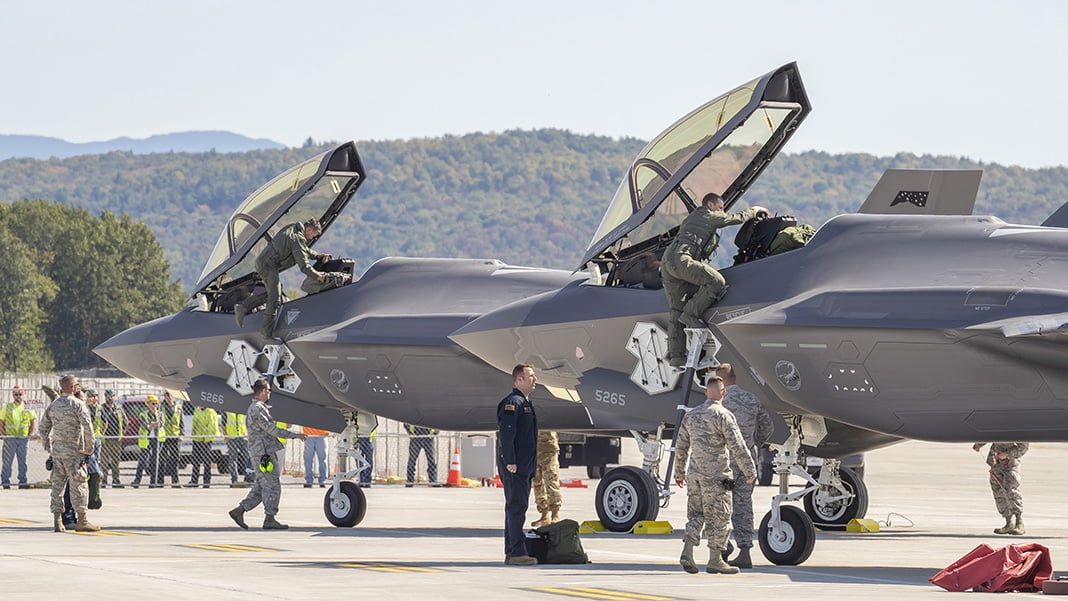 F-35 Fleet Readiness Falls to 25% Amid Parts Shortages and Software Delays: GAO Report
-
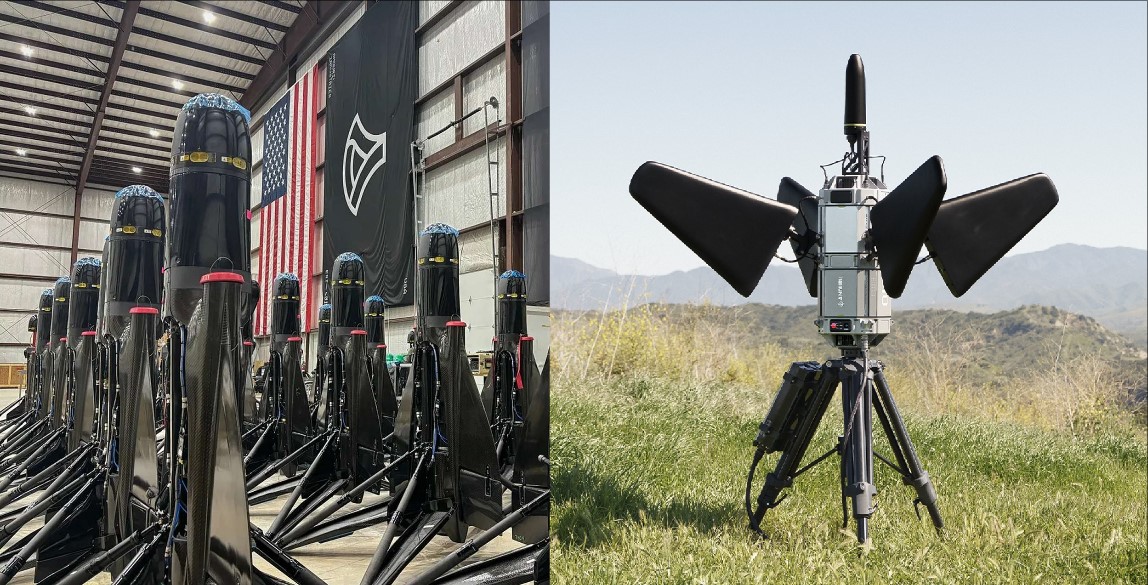 U.S. Approves $1.98 Billion Sale of Anduril AI-Powered Counter-Drone Systems to Kuwait
-
 U.S Navy Orders 50 Blackbeard Hypersonic Missiles in New $23.4 Million Contract
-
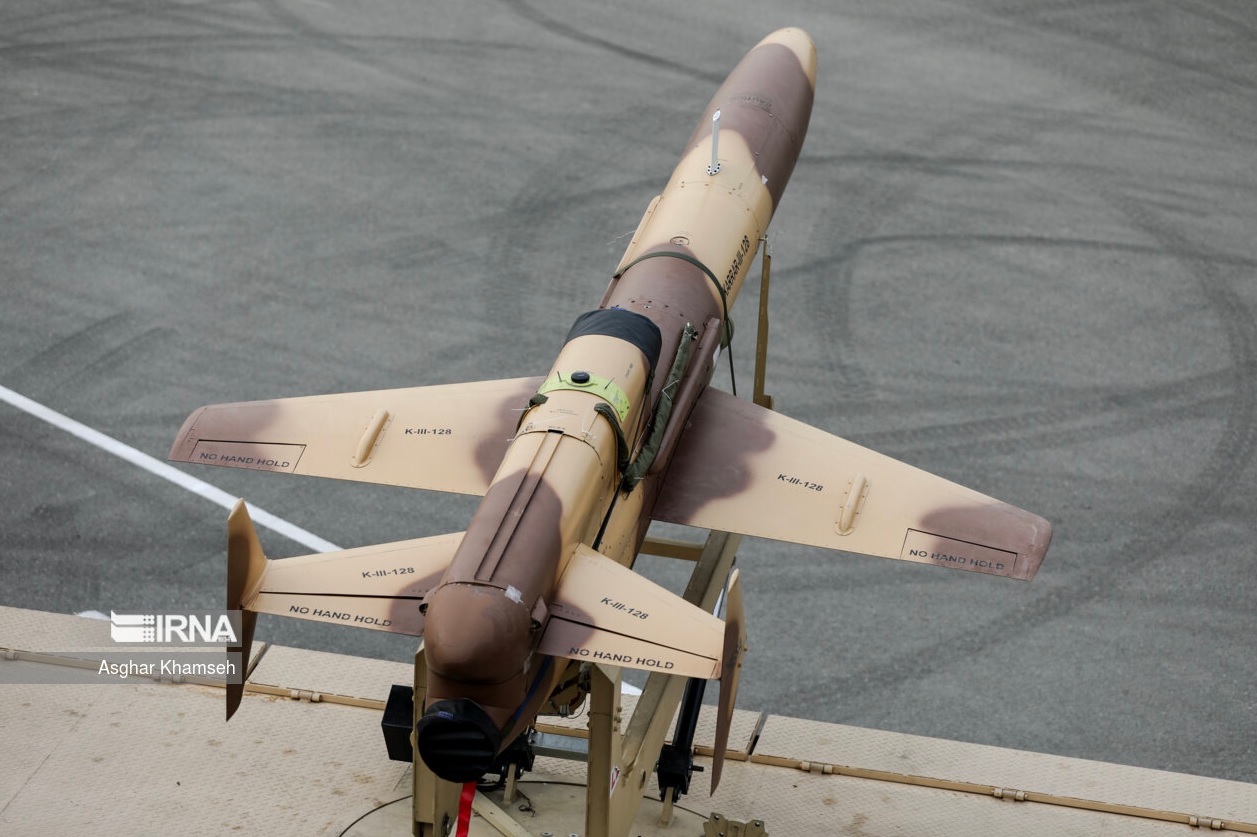 Russia Launches 1,400 Jet-Powered Drones in 2026 as Strike Tactics Evolve to Challenge Ukraine's Air Defenses
-
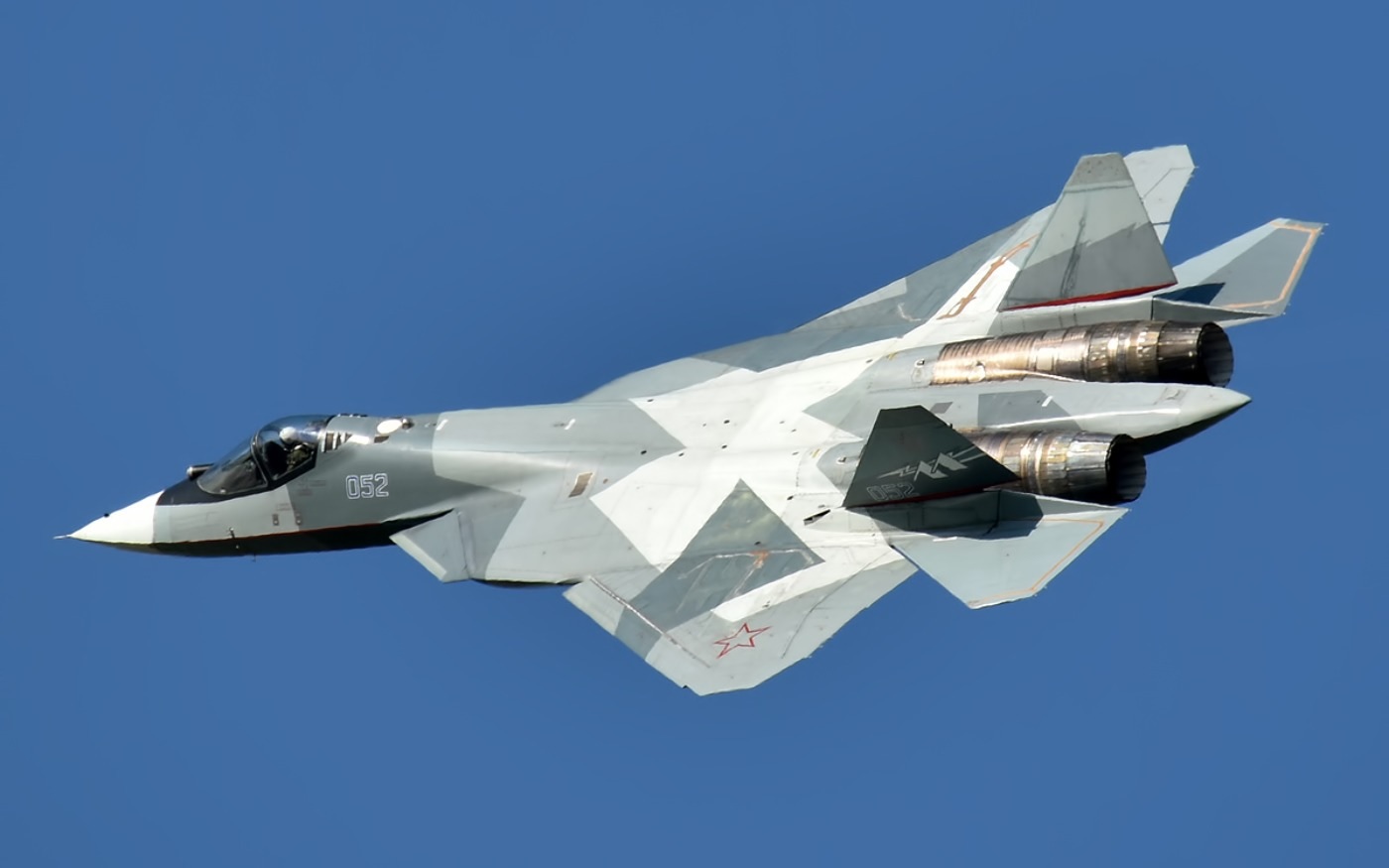 Russian Analysts Debate Su-57 Capabilities After Putin Calls Fighter Superior to F-35
-
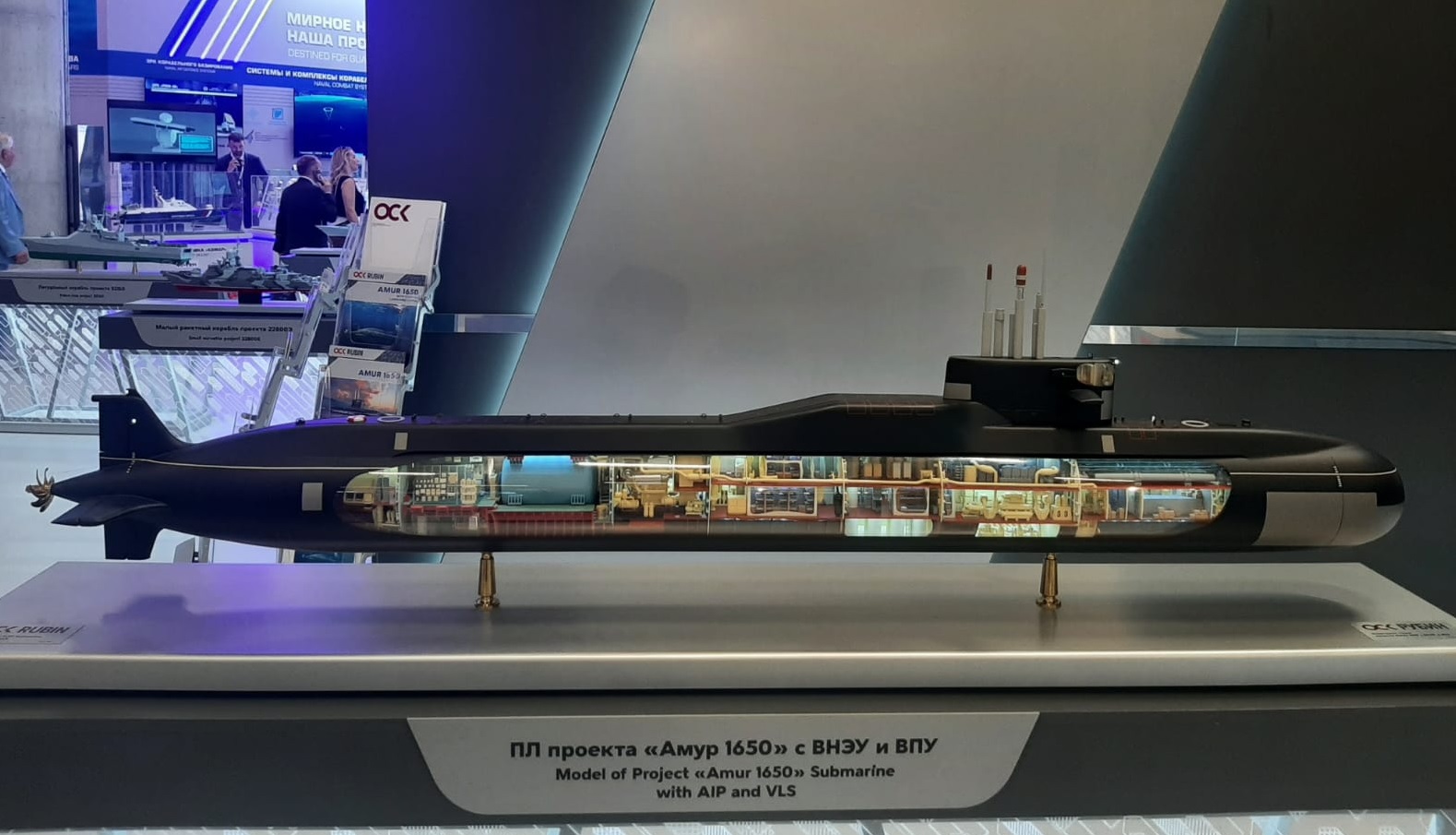 Russia Unveils Amur-1650 AIP Submarine Equipped with BrahMos Vertical Launch System at Fleet-2026
-
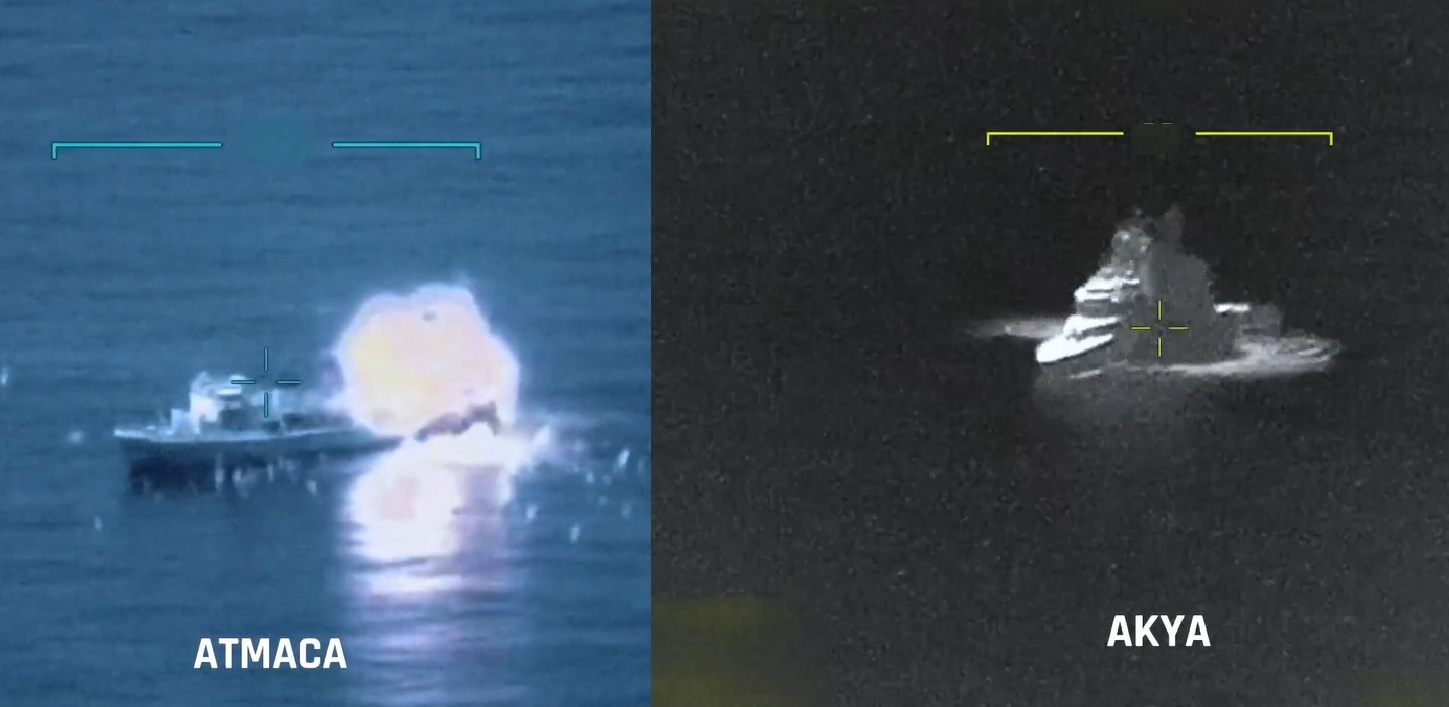 Turkey Navy Successfully Tests AKYA Torpedo and ATMACA Missile During Major Denizkurdu-II Naval Exercise
-
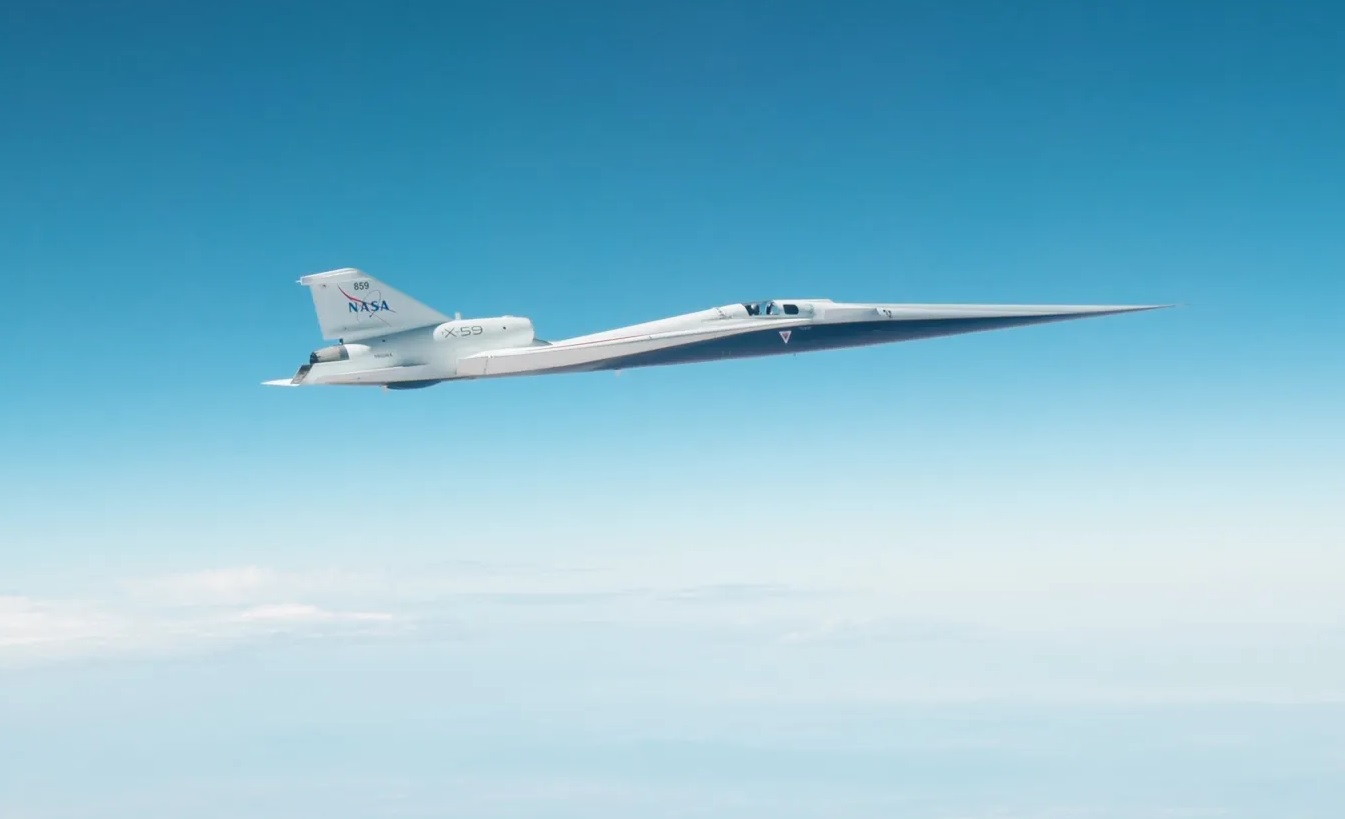 NASA X-59 Achieves Planned Mission Conditions with Mach 1.4 Flight at 55,000 Feet
Top Trending in 4 Days
-
 Iranian Media Leaks 14-Point U.S.-Iran Peace Framework Amid Ongoing Negotiations
-
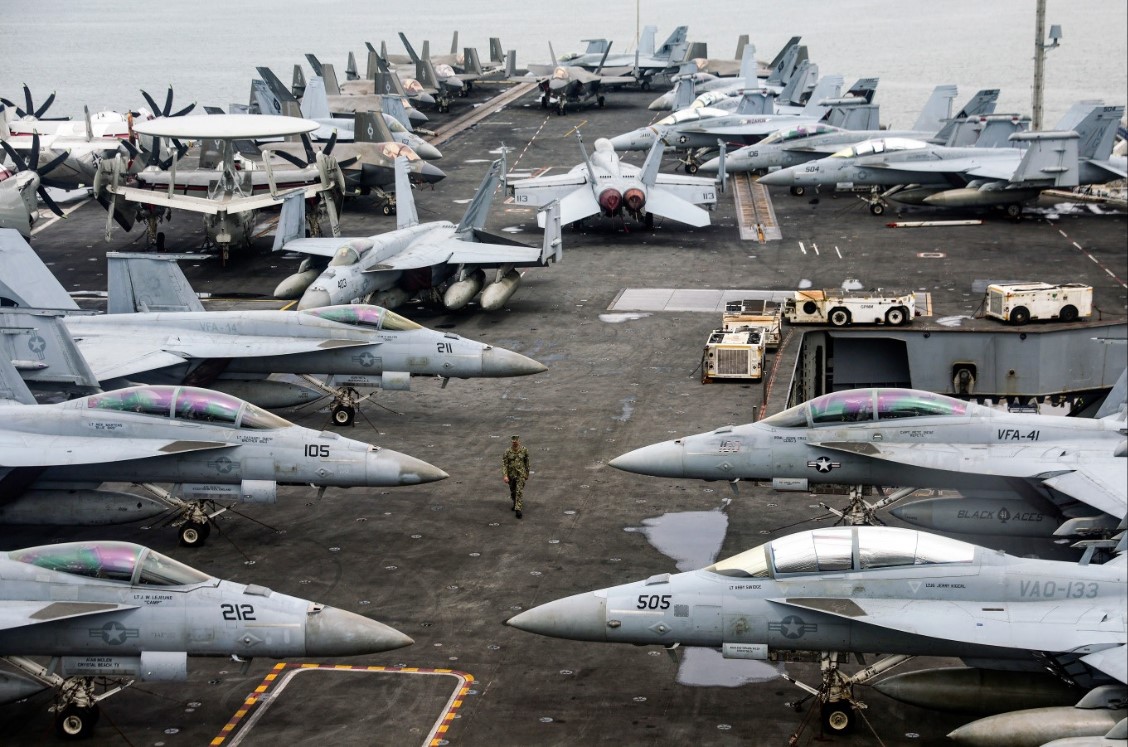 US Plans Significant Reduction of Fighter Jets and Warships for NATO Operations in Europe
-
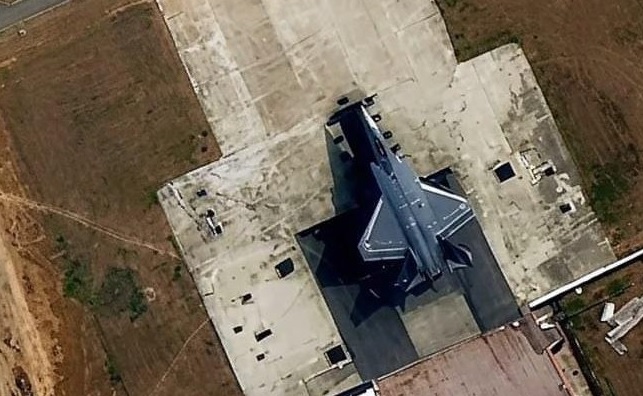 AMCA Airframe Spotted at DRDO’s ORANGE Facility for Radar Cross-Section Testing
-
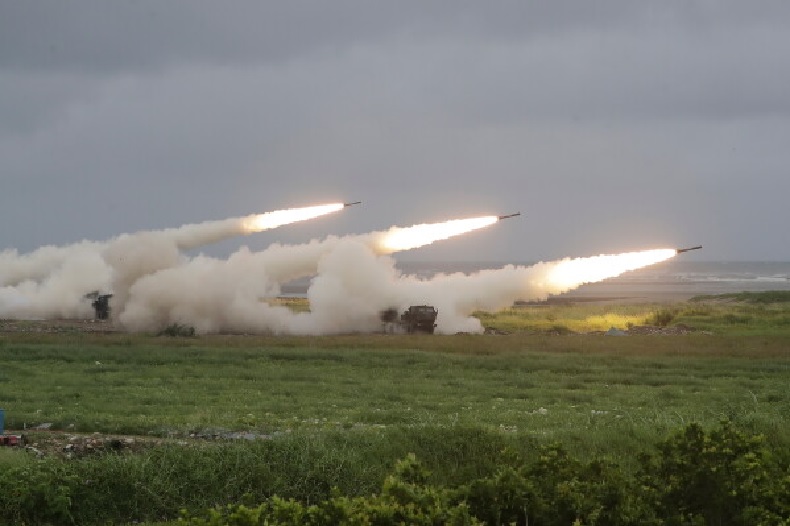 Taiwan Conducts First Live-Fire of HIMARS Rockets From West Coast During Invasion Defense Drill
-
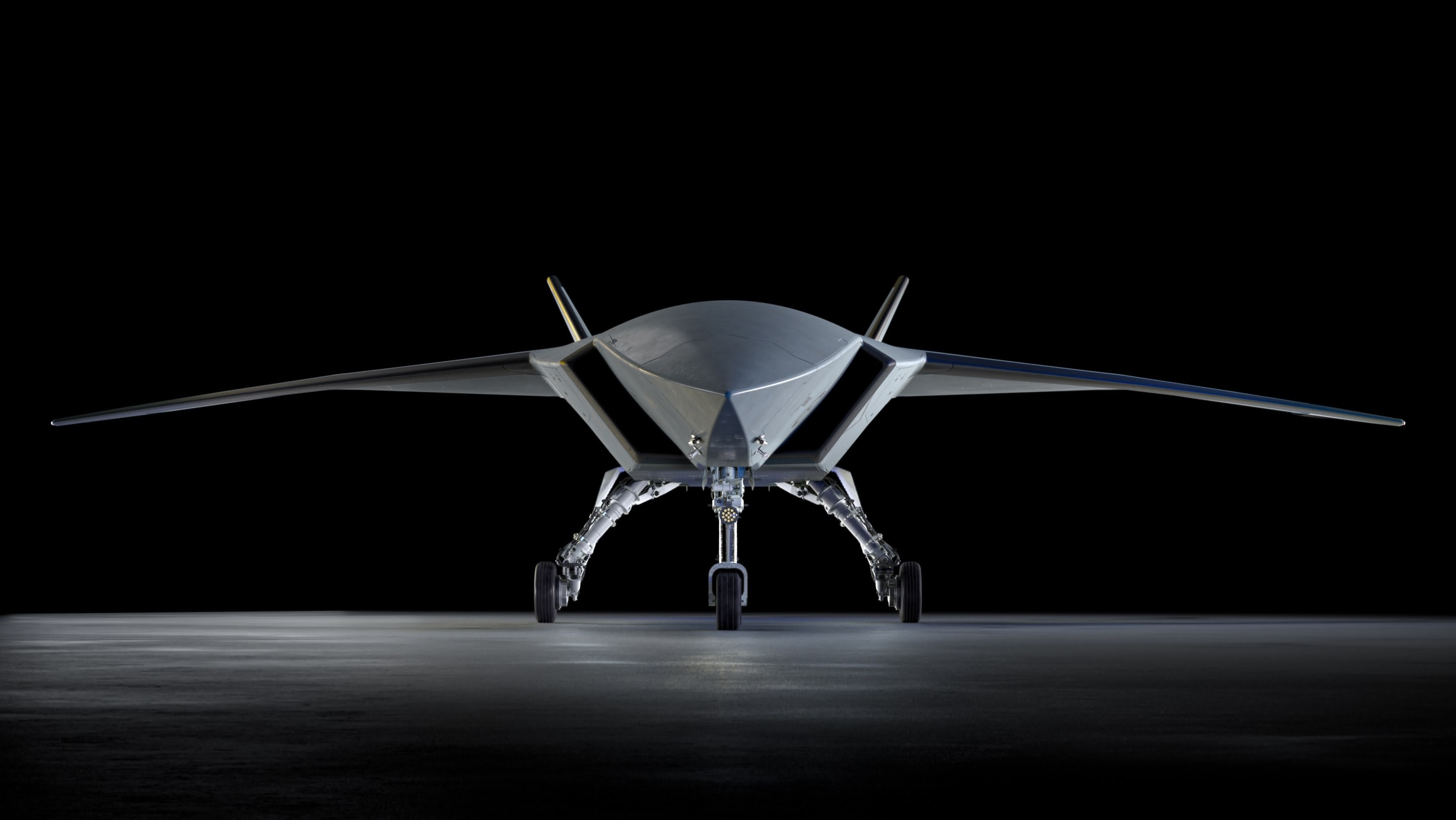 Boeing Introduces New MQ-28 Ghost Bat Upgrades with Increased Range, Payload and Weapons Capacity at ILA Berlin 2026
-
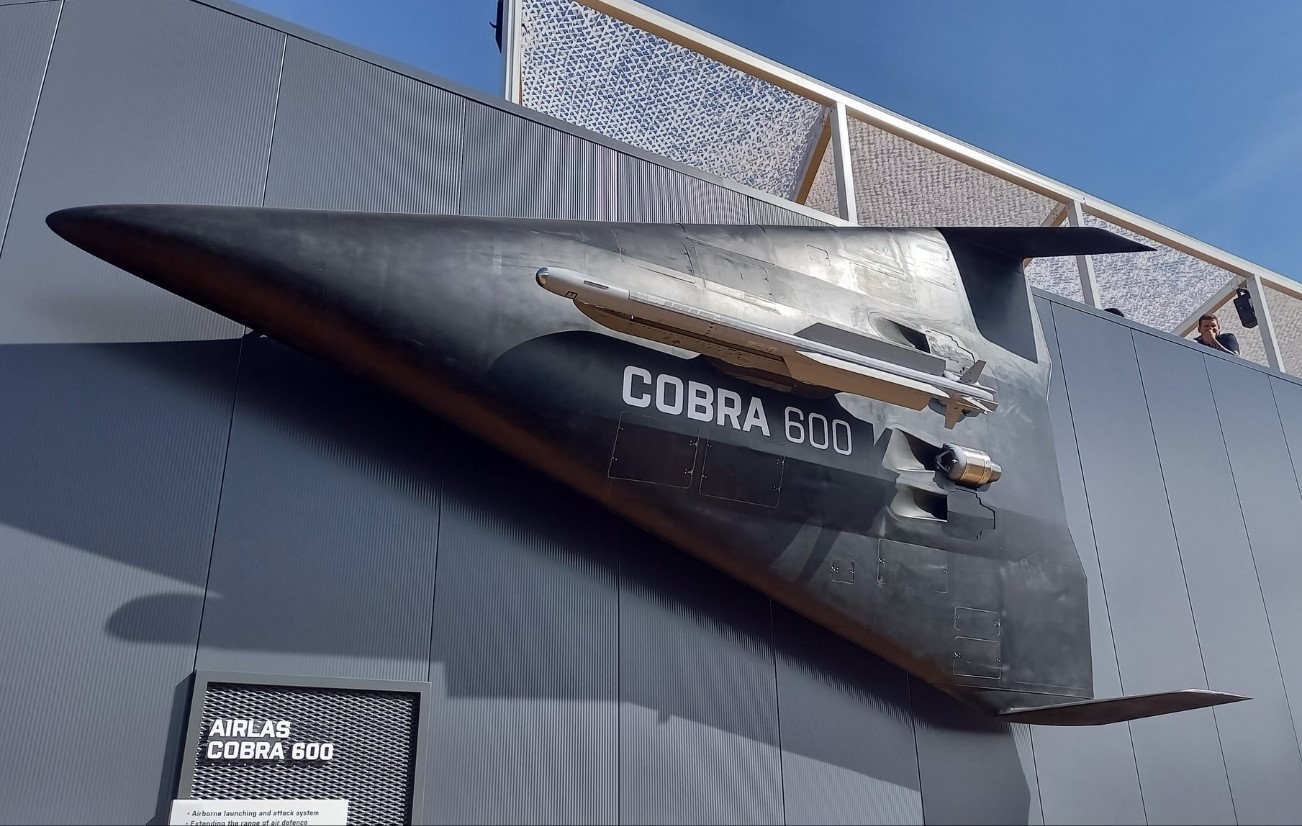 Diehl Defence Unveils IRIS-T Armed Cobra 600 Air Defense Drone at ILA Berlin 2026
-
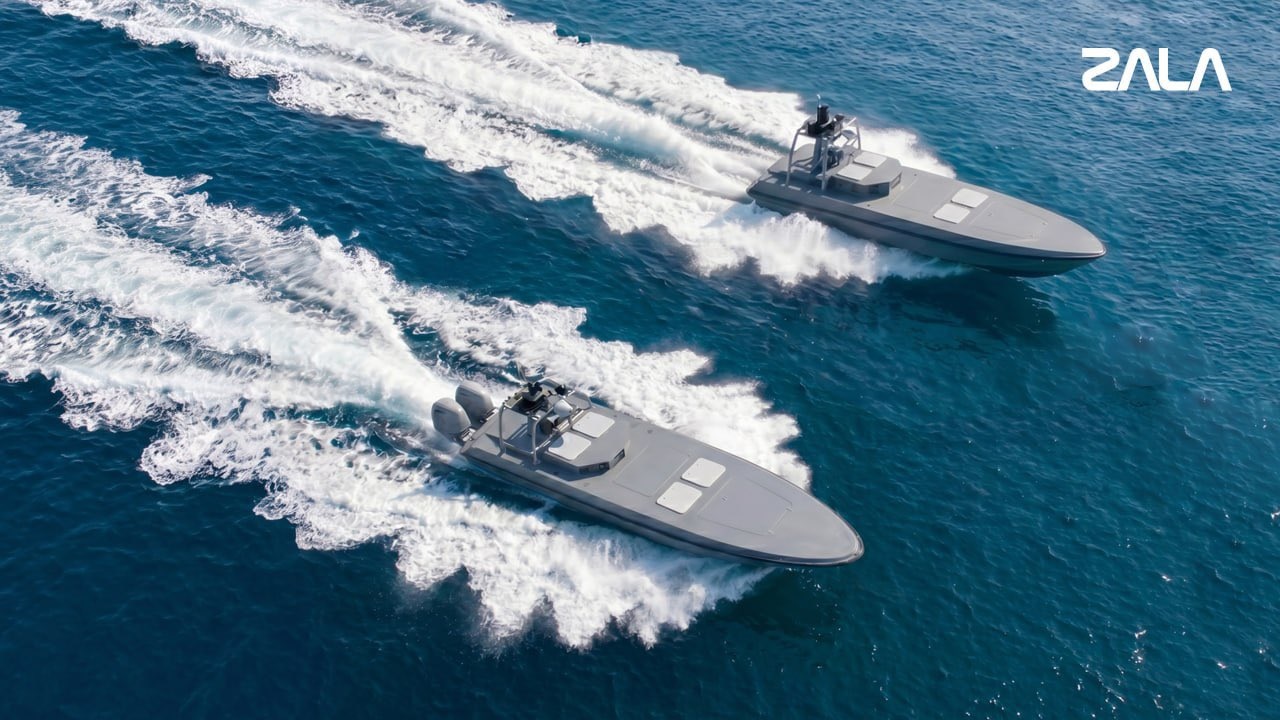 Russian Defense Firm ZALA Unveils KAMA Unmanned Surface Vessel Family at FLOT-2026 Naval Exhibition
-
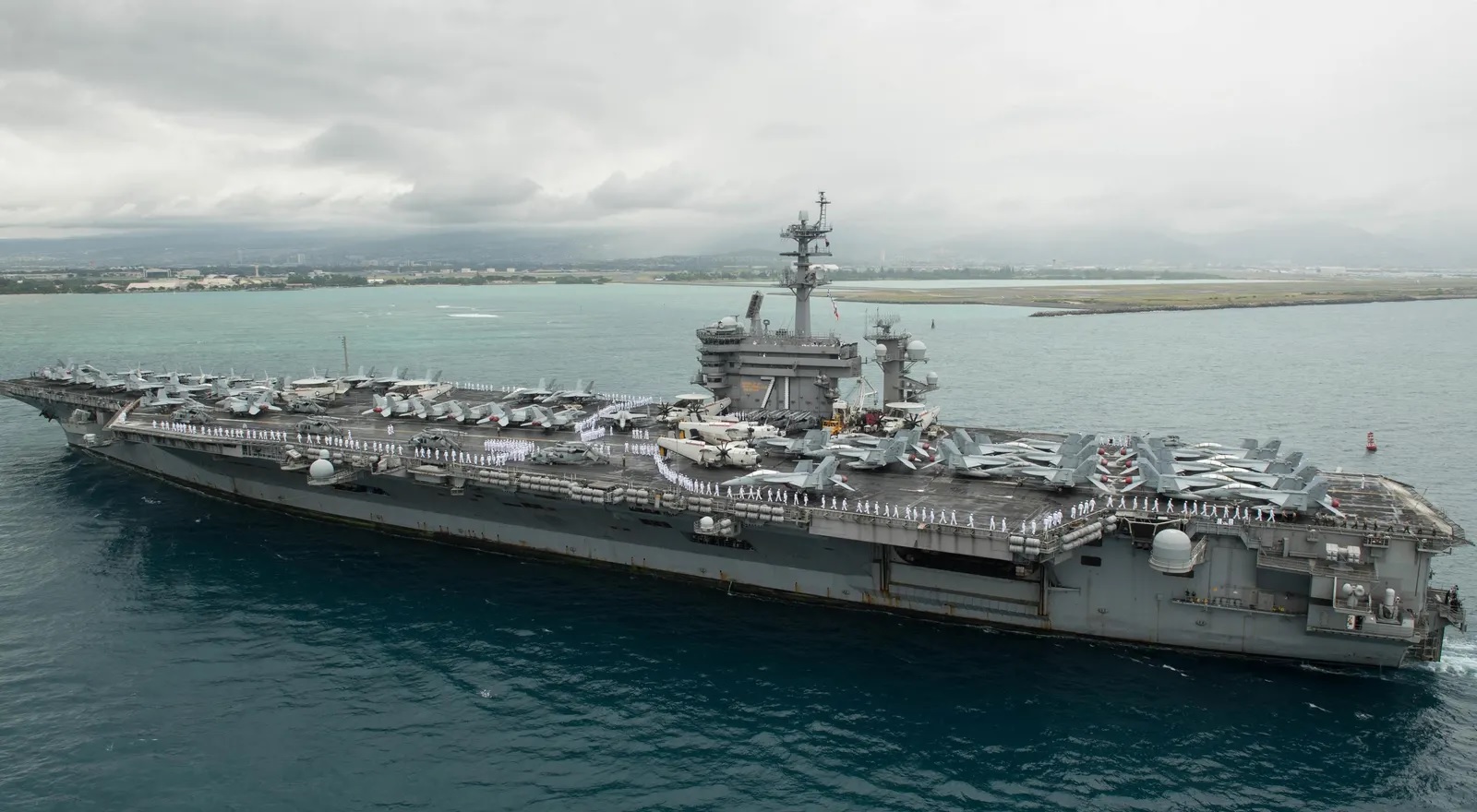 U.S Aircraft Carrier USS Theodore Roosevelt Departs San Diego for Major RIMPAC 2026 Naval Exercise