The United States has greenlit a major arms deal with Australia, approving the sale of up to 100 AGM-88G Advanced Anti-Radiation Guided Missiles-Extended Range (AARGM-ER) to the Royal Australian Air Force (RAAF). This marks a significant step in strengthening Australia’s air defense capabilities in the face of evolving global security threats. The total value of the transaction, including related equipment, is estimated at around $405 million.
Enhancing Australia's Air Defense Capabilities
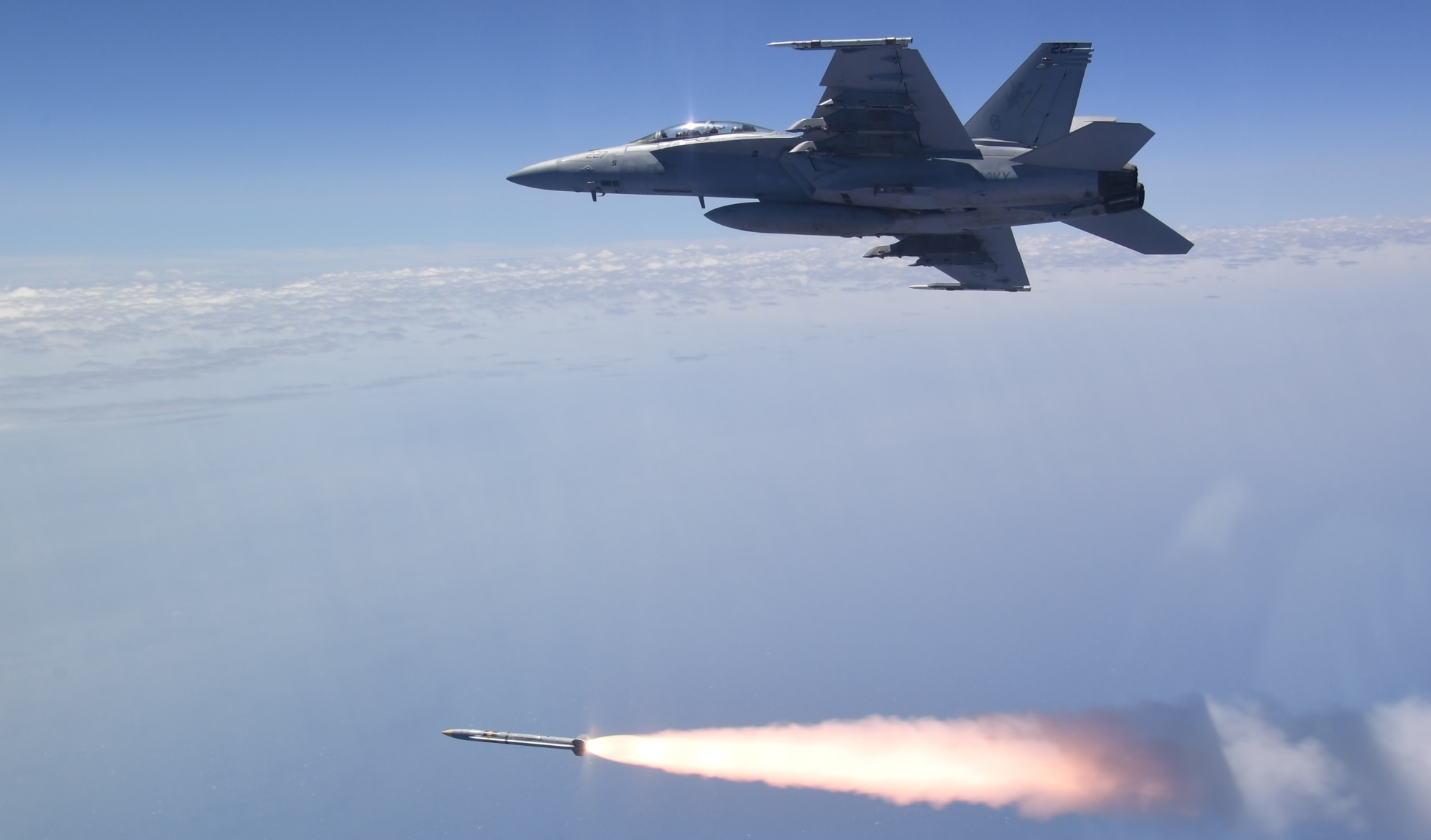
Australia's request for these advanced missiles comes at a time when modern warfare increasingly relies on electronic warfare systems. The AARGM-ER missiles are designed to target and neutralize enemy radar systems, which are vital for integrated air defense networks. These missiles work by homing in on electromagnetic signals emitted by radar installations and other enemy electronic systems. By targeting these systems, the AARGM-ER helps ensure the survival of allied aircraft in highly contested environments.
One of the standout features of the AARGM-ER is its extended range. The missile boasts an operational range of approximately 300 kilometers (186 miles), allowing it to engage targets from long distances. Moreover, the missile is capable of traveling at speeds of up to Mach 4, or four times the speed of sound, making it an exceptionally fast and difficult-to-intercept weapon. This combination of range and speed allows it to take out enemy radar installations long before they can pose a threat to friendly aircraft.
The missiles are expected to be initially deployed on the RAAF’s fleet of EA-18G Growlers, a specialized electronic attack aircraft. These aircraft are designed to suppress enemy air defenses and provide support to other tactical aircraft by jamming enemy radar and communications. The integration of the AARGM-ER with the Growler will significantly enhance its ability to neutralize air defense systems and allow Australia to field a more resilient and capable strike force.
Key Features of the AARGM-ER
What sets the AARGM-ER apart from its predecessors is not just its range but its enhanced guidance system. The missile comes with state-of-the-art sensors that allow it to detect, track, and engage radar emitters with improved accuracy. As part of the sale, Australia will also receive up to 24 AARGM-ER guidance sections and control sections, ensuring that the RAAF can maintain and upgrade its missile systems as needed.
The AARGM-ER is an air-launched, supersonic weapon, based on the older AGM-88E AARGM but with significant improvements in both range and performance. It represents a critical tool in modern air combat, where neutralizing enemy air defenses is often a prerequisite for any successful air campaign. With the growing importance of stealth technology and electronic warfare, these missiles ensure that even highly capable radar systems can be taken out of commission swiftly.
Strategic Implications
The proposed sale comes at a time when the Indo-Pacific region is witnessing an arms buildup, as countries prepare for potential flashpoints over territorial disputes and geopolitical tensions. By acquiring the AARGM-ER, Australia will be better positioned to respond to these challenges. According to the US Defense Security Cooperation Agency (DSCA), the sale will "improve the Government of Australia’s capability to meet current and future threats by providing the capability to suppress and destroy land or sea-based radar emitters associated with enemy air defenses, thereby improving survivability of tactical aircraft."
The missiles will also bolster interoperability between US and Australian forces, particularly since both countries operate the EA-18G Growler. Northrop Grumman, the principal contractor for the AARGM-ER, has been working closely with both the US and allied nations to ensure that these weapons can be seamlessly integrated into existing aircraft platforms.
No Offset Agreements
Interestingly, the sale does not include an offset agreement, which is sometimes a requirement in defense contracts. An offset agreement would typically involve the buyer (in this case, Australia) receiving additional benefits such as technology transfers, industrial partnerships, or direct investments. The absence of such an arrangement suggests that the Australian government is primarily focused on rapidly acquiring the AARGM-ER to meet pressing defense needs.
Looking Ahead
The AARGM-ER is currently being integrated with various US aircraft, including the US Navy’s F/A-18E/F Super Hornet and EA-18G Growler, as well as the US Air Force’s F-35A, and the US Marine Corps’ F-35B and F-35C. The missile is expected to achieve initial operational capability with the US Navy soon, although an official announcement is still pending.
For Australia, the acquisition of these missiles is part of a broader effort to modernize its military capabilities. The Royal Australian Air Force is already a highly capable force, but with the introduction of advanced munitions like the AARGM-ER, it will be able to project power more effectively in contested environments.
In conclusion, the approval of the AARGM-ER missile sale represents a significant milestone for Australia’s defense strategy. As the RAAF integrates these advanced weapons into its fleet, it will gain a formidable tool for electronic warfare and air defense suppression, ensuring that it can operate effectively even in high-threat environments. This deal strengthens not only Australia's defense posture but also its strategic ties with the United States, positioning the two allies to better address future challenges in the Indo-Pacific region.
——— End of Article ———