In a groundbreaking demonstration of remote military capability, the navies of the United States, the United Kingdom, and Australia conducted an extraordinary experiment as part of the AUKUS security alliance. The experiment saw the navies operating uncrewed ships stationed in Australia while controlling them from a distance of over 10,000 miles away in Portugal. This feat showcases the growing advancements in military technology and the strengthening collaboration between the AUKUS members.
The test, dubbed “Maritime Big Play,” is a key milestone in AUKUS’ mission to counter China’s expanding influence in the Indo-Pacific region. The security pact, formed in 2021, has accelerated the pace at which military technology is being brought to the frontline, with an emphasis on both manned and unmanned systems working seamlessly together. According to Royal Navy Director Develop James Parkin, the experiment illustrates how close the AUKUS nations are to realizing their ambition of deploying a global fleet of crewed and uncrewed vessels capable of operating across diverse environments—from the seabed to space.
### The Maritime Big Play: Uncrewed Vessels on a Global Scale
The "Maritime Big Play" experiment was designed to test how effectively the AUKUS allies could control and deploy uncrewed vessels in real-world, tactically realistic scenarios. The highlight of this experiment was the successful command-and-control of ships located on the other side of the world. Royal Navy and Australian Navy officers, sitting thousands of miles away, controlled the vessels with precision, demonstrating that such remote operations are not only feasible but could become a cornerstone of future naval warfare.
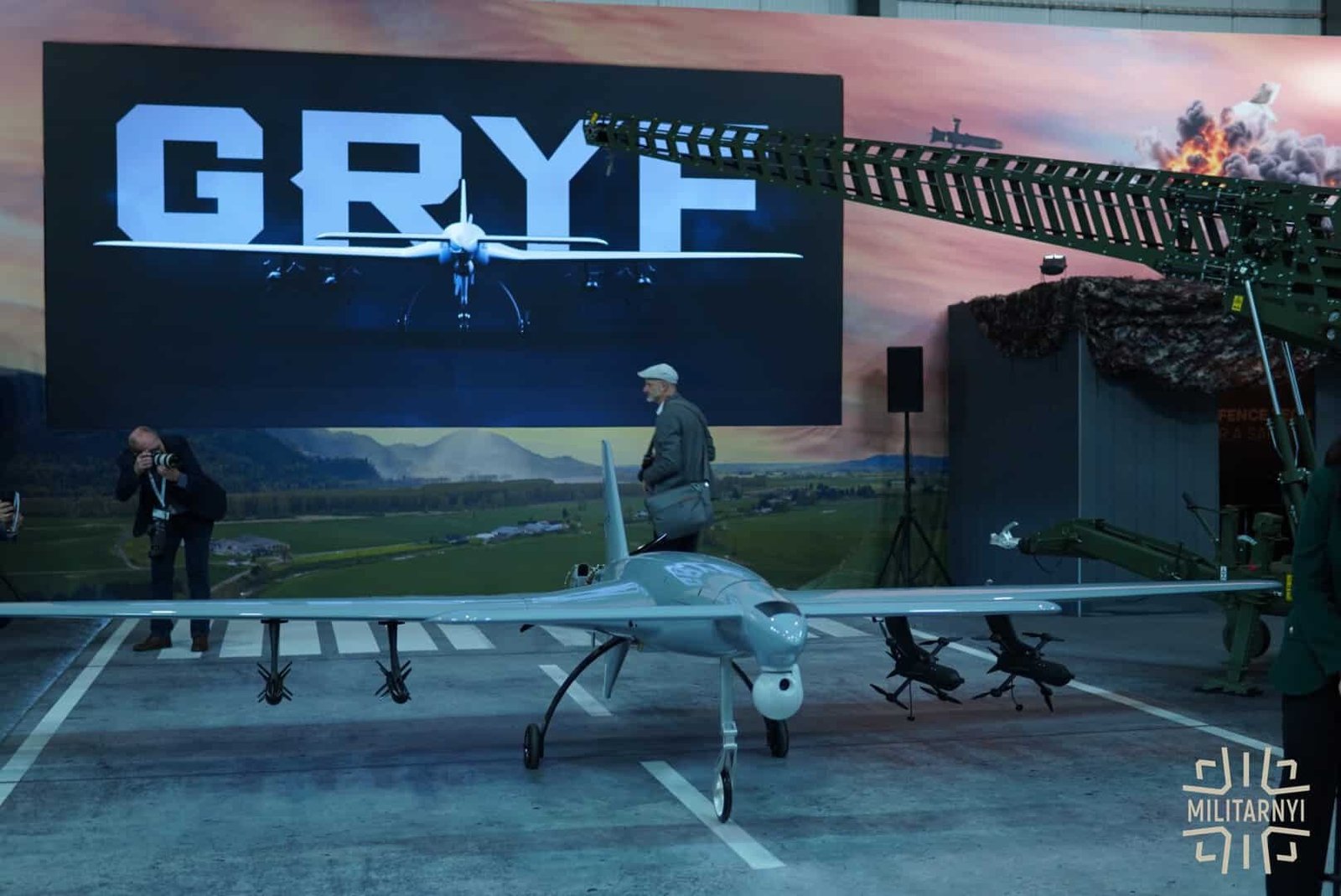
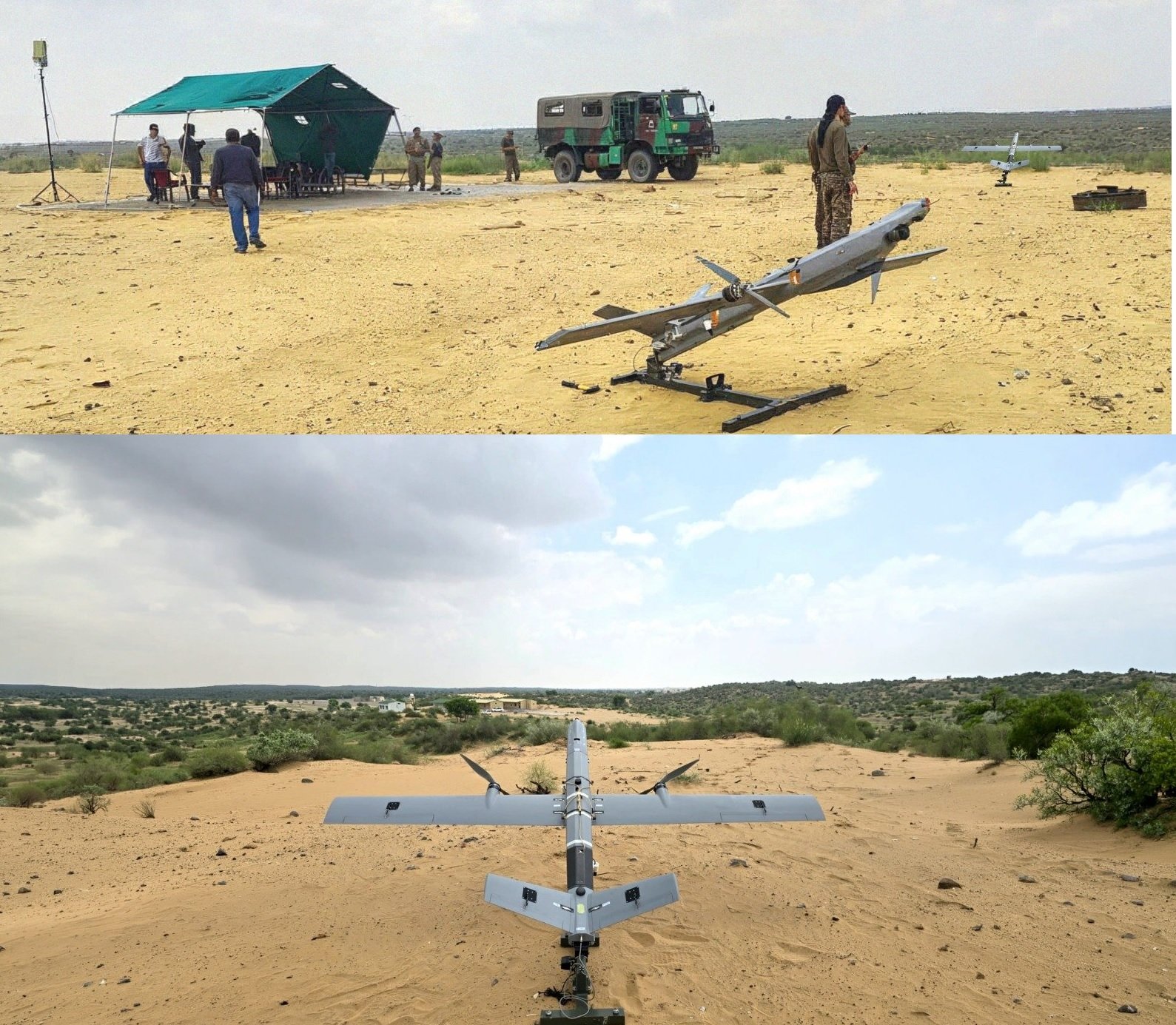
Additionally, the experiment also tested various other autonomous systems. Drones were used to deliver payloads, simulating how quickly unmanned vehicles could be utilized in frontline operations. The use of these advanced technologies could revolutionize how naval forces conduct missions, especially in contested areas like the Indo-Pacific.
### Technical Specifications: Uncrewed Vessels and Advanced Control Systems
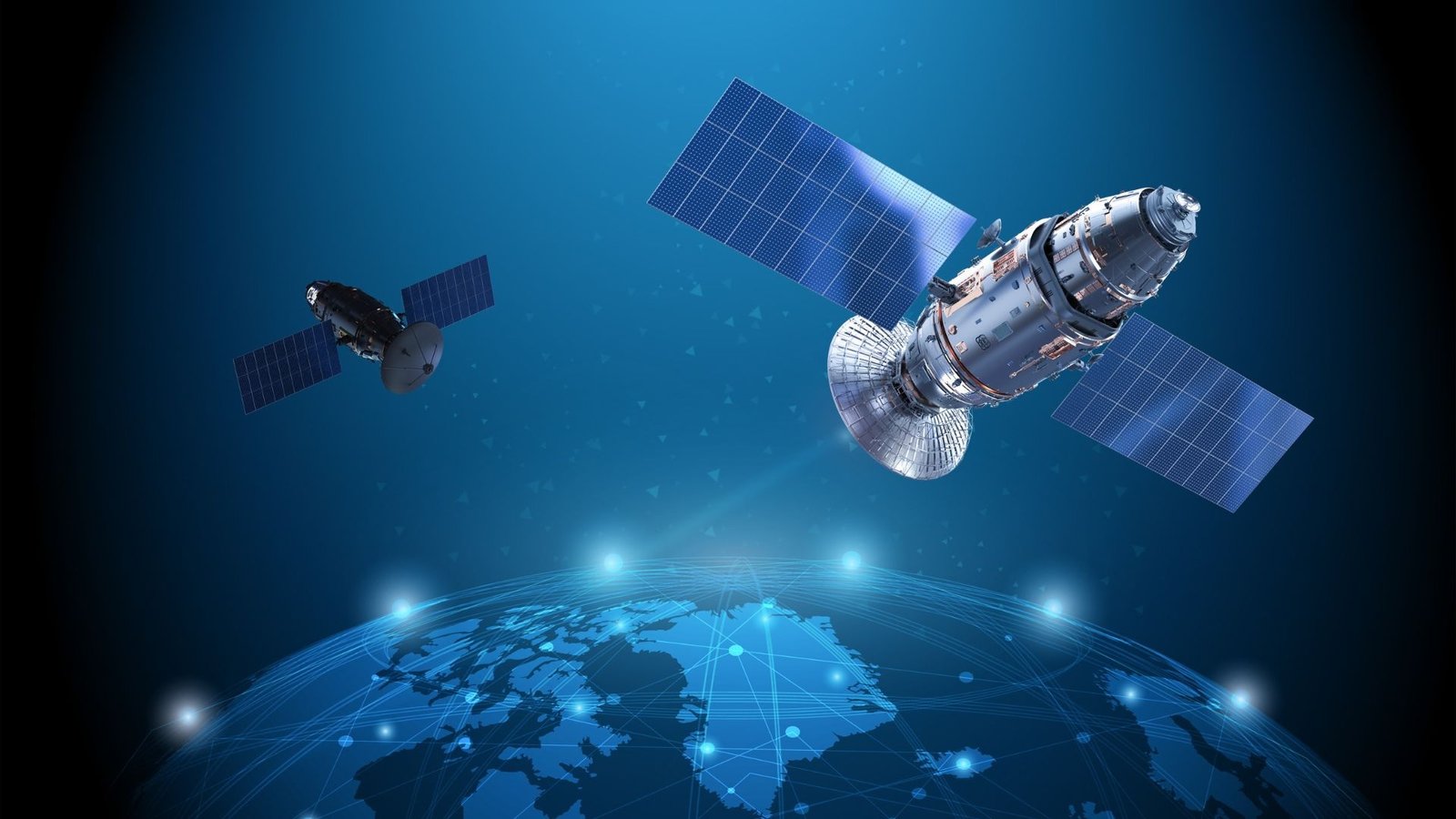
The ships involved in the experiment are equipped with state-of-the-art autonomous navigation and communication systems. These vessels are designed to operate independently for extended periods, utilizing sophisticated sensors and artificial intelligence (AI) for navigation, target acquisition, and threat assessment. The remote-control capability relies on secure, encrypted satellite communications to transmit real-time data between the vessels and the command centers in Europe.
One key aspect of the success was the seamless integration of technology from all three AUKUS nations. Each country contributed its expertise in AI, machine learning, and communication systems to ensure that the uncrewed vessels could be controlled smoothly over vast distances. These ships can operate autonomously when needed, and human controllers can intervene to adjust the mission parameters or take direct control, providing flexibility and precision in naval operations.
### Future Experiments: Expanding the Fleet
The "Maritime Big Play" is just the beginning. The AUKUS nations have planned even larger-scale tests, with around 30 autonomous systems expected to participate in further experiments later this year. These will include drones, uncrewed surface vessels, and possibly undersea technologies, pushing the boundaries of what autonomous naval technology can achieve.
The next phase of experiments will take place in the Indo-Pacific region, a strategically important area given its proximity to China. This collaboration and the technology behind it are part of a broader AUKUS initiative to enhance military readiness and innovation. The alliance is also tackling long-standing trade barriers to make it easier to share military technologies between the three nations, which will only accelerate future developments.
### The Geopolitical Context: AUKUS and Regional Security
China has been vocal in its opposition to the AUKUS pact, viewing it as a potential catalyst for an arms race in the region. The security arrangement, which notably includes the sharing of nuclear-powered submarine technology between the U.S. and Australia, is seen by Beijing as a threat to its dominance in the Indo-Pacific. Despite these concerns, AUKUS continues to move forward, with each new experiment underscoring the technological superiority and commitment of the member nations to regional security.
As the AUKUS pact grows stronger and more technologically advanced, it is clear that the security landscape in the Indo-Pacific is evolving rapidly. These experiments not only showcase the strategic military alliance but also signal a future where remote-controlled, autonomous vessels play a critical role in naval operations across the globe.
——— End of Article ———