Oceaneering International has entered a significant contract with the US Navy, marking a pivotal development in the field of underwater robotics and defense technology. The Texas-based company, known for its cutting-edge solutions, has signed a multi-million-dollar agreement to provide the US Navy with an advanced autonomous underwater vehicle (AUV) called the Freedom, as well as an Onshore Remote Operations Center (OROC). This contract aims to enhance subsea security and streamline naval operations with commercial technologies originally developed for the energy industry.
The Freedom Underwater Drone
At the heart of this contract is Oceaneering's Freedom, an impressive 15-meter (49-foot) autonomous underwater vehicle designed for a wide range of deep-sea tasks, from inspection to data collection. The *Freedom* system is tailored for missions that require endurance and versatility, making it an invaluable asset for naval operations.
The *Freedom* AUV is packed with high-tech features that enable efficient and effective underwater missions. Equipped with state-of-the-art sonar, a camera, radio locator, and specialized lights, the drone can navigate deep-sea environments with ease. Additionally, it is adaptable and can integrate various payloads, including additional sensors and lights, depending on mission requirements. This makes it not only versatile but also mission-specific, allowing the Navy to deploy the drone in a variety of operational settings, from surveillance to exploration.
The technical specifications of the Freedom are equally impressive. It boasts a top speed of 8 miles (11 kilometers) per hour and can operate at staggering depths of up to 19,500 feet (5,943 meters). The drone can travel a range of 75 miles (121 kilometers) and stay in a stationary position for up to 87 hours. This level of endurance and operational depth sets the *Freedom* apart as one of the most capable AUVs available for military use. Charging the drone takes approximately five hours, ensuring it is ready for multiple missions within a short window of time.
The Onshore Remote Operations Center (OROC)
Complementing the Freedom underwater drone is Oceaneering's Onshore Remote Operations Center (OROC), a highly sophisticated virtual command hub. The OROC is designed to maximize operational efficiency while minimizing environmental and logistical burdens. This operations center will play a critical role in managing the Freedom drone during its missions, providing a command-and-control platform that ensures safe and effective drone deployment.
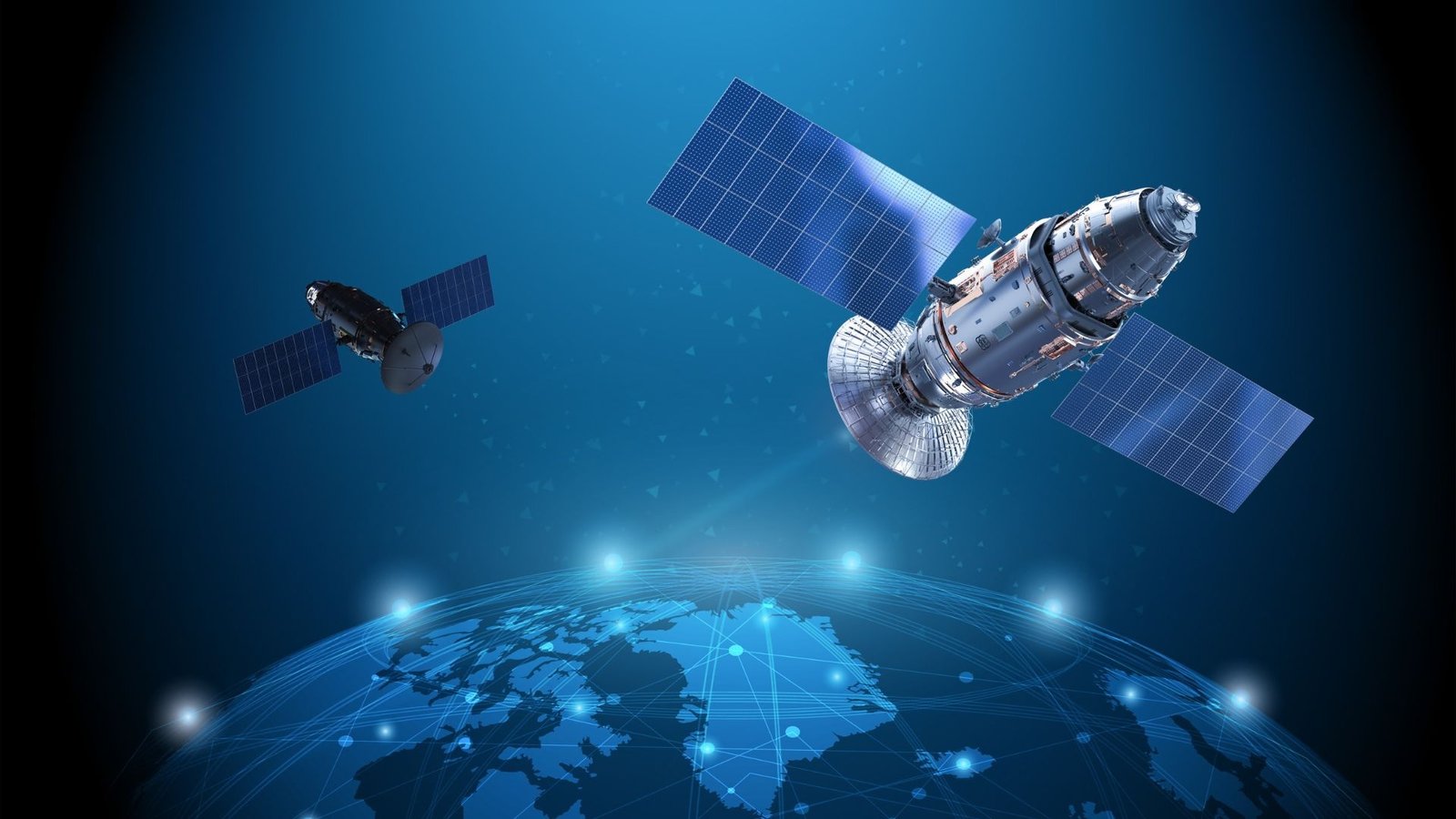
One of the key benefits of the OROC is its integration with satellite networks that span low- and medium-Earth orbits, enabling high-definition audio and video communication between onshore pilots and the deployed drones. This real-time communication ensures that operators have complete control over the missions, with the ability to monitor, restream, and adapt to changing circumstances as necessary. The OROC’s asset-agnostic platform also means that it can control a variety of underwater vehicles, enhancing its versatility and future-proofing its use in naval operations.
In addition to these capabilities, the OROC contributes to sustainable operations by reducing carbon emissions, thanks to its streamlined logistics and remote management. It also supports Oceaneering's Liberty docking station, which allows active underwater drones like Freedom to recharge and reset without needing to return to port frequently. This reduces downtime and increases the operational efficiency of the drones, especially during extended missions.
Currently, OROC centers are operational in several global locations, including the United States, Scotland, and Brazil. The expansion of OROC to support US Navy operations represents a major step forward in Oceaneering’s collaboration with defense forces worldwide.
Cutting-Edge Subsea Security
According to Peter Buchanan, Senior Director of Oceaneering’s Subsea Robotics division, this contract with the US Navy underscores the importance of adapting commercial technology for military purposes. The Freedom underwater system, originally developed for the energy industry, has now been tailored to meet the stringent security needs of the Department of Defense. Buchanan highlighted that this partnership leverages the innovation and technology advancements made in the commercial sector to address the growing demand for enhanced subsea security in defense.
By integrating the Freedom AUV with the OROC, the US Navy stands to benefit from a comprehensive underwater operational system that increases mission effectiveness, reduces environmental impact, and cuts logistical costs. This deal also exemplifies Oceaneering’s broader commitment to supplying innovative solutions across multiple industries, from energy to defense.
With work on this contract taking place at Oceaneering’s manufacturing site in Morgan City, Louisiana, the company continues to push the boundaries of underwater robotics technology, contributing to both national security and advancements in deep-sea exploration.
Oceaneering's contract with the US Navy to provide the *Freedom* underwater drone and the OROC represents a significant leap in underwater defense capabilities. The *Freedom* AUV’s endurance, depth range, and versatility, combined with the advanced communication and control features of the OROC, offer the US Navy a highly capable and efficient subsea operational system. This collaboration further reinforces the role of commercial technology in addressing the evolving security needs of military forces across the world.
——— End of Article ———