
World
In a rapidly escalating situation, South Korea has demanded the immediate withdrawal of North Korean troops allegedly stationed in Russia, marking a significant shift in the dynamics of the Korean Peninsula. This development comes amidst rising concerns over deepening military cooperation between North Korea and Russia, which could pose grave threats to South Korea's national security and regional stability.On Monday, South Korean Vice Foreign Minister Kim Hong Kyun summoned the Russian Ambassador to Seoul, Georgy Zinoviev, to express strong disapproval over the alleged deployment of 1,500 North Korean special operations forces to Russia to support its war efforts in Ukraine. The South Korean government, which had received intelligence from its spy agency confirming the North's military presence, labeled this action as an immediate and serious security risk.According to South Korea’s National Intelligence Service (NIS), this dispatch of North Korean forces to Russia is not an isolated event. The intelligence suggests that North Korea is preparing up to 10,000 soldiers to join Russian forces in their ongoing war against Ukraine. Ukrainian President Volodymyr Zelenskyy had already mentioned similar findings, highlighting the possible scale of North Korean involvement in the conflict.South Korea's response has been unequivocal. Kim Hong Kyun condemned North Korea’s participation, calling it a "grave security threat" to both South Korea and the international community. He emphasized that South Korea, in concert with global partners, would deploy all available diplomatic and strategic tools to counter this threat. The Russian Embassy, however, maintained that the cooperation between Moscow and Pyongyang was not intended to compromise South Korean security.In the midst of these alarming revelations, South Korean President Yoon Suk Yeol engaged in a phone conversation with NATO Secretary-General Mark Rutte to discuss the implications of this military collaboration. President Yoon made it clear that South Korea would not stand idly by while North Korea strengthens its ties with Russia, potentially gaining advanced military technologies in return. Rutte, in a statement on X (formerly Twitter), warned that North Korean involvement in the Ukraine war would signal a "significant escalation" in the conflict.Although the U.S. and NATO have not officially confirmed the presence of North Korean troops in Russia, the mere reports of such an alliance have heightened concerns in South Korea. The possibility that Russia might transfer cutting-edge military technology to North Korea in exchange for manpower could dramatically advance Pyongyang’s nuclear and missile capabilities—an existential threat to South Korea.North Korea's burgeoning nuclear arsenal has been a longstanding source of concern for Seoul. Pyongyang’s recent hostile rhetoric, including threats of preemptive nuclear strikes, has left South Korea and its allies in a heightened state of alert. If Russia is indeed providing North Korea with advanced missile and nuclear technologies, it could alter the balance of power on the Korean Peninsula.Meanwhile, South Korea has participated in U.S.-led sanctions against Russia over its invasion of Ukraine but has stopped short of directly supplying arms to Kyiv, citing its policy of not sending weapons to nations actively engaged in conflicts. However, there are growing speculations that South Korea may reconsider its stance if credible evidence of Russian technology transfers to North Korea surfaces. Such a development could see South Korea increase its support for Ukraine in more tangible ways.The Kremlin, for its part, has remained vague on the matter. When questioned, Russian government spokesman Dmitry Peskov pointed to the mixed reports surrounding the issue, suggesting that no definitive conclusions should be drawn just yet. Similarly, North Korea has been silent, with no official statements regarding the troop deployment from its state-controlled media.Video footage recently released by Ukrainian officials purports to show North Korean soldiers receiving Russian military uniforms and supplies, though this footage has not been independently verified. The deployment, if confirmed, would mark the first time North Korean forces have participated in a major conflict since the Korean War in the 1950s.The growing military alliance between Pyongyang and Moscow has been in the works for some time. Over the past two years, the two nations have strengthened their cooperation, with North Korea reportedly supplying conventional arms to Russia in return for much-needed economic and military aid. Earlier this year, North Korean leader Kim Jong Un and Russian President Vladimir Putin signed an agreement pledging mutual military assistance in the event of external aggression against either nation.As the international community watches these developments closely, the potential implications for global security, especially in East Asia, remain profound. For South Korea, the immediate concern is whether this new alliance between Russia and North Korea could tip the delicate balance of power in the region, possibly leading to further instability or even conflict on the Korean Peninsula.South Korea’s insistence on the immediate withdrawal of North Korean troops from Russia underscores the gravity of the situation, as the specter of increased military collaboration between the two adversaries looms large over the region. In this evolving geopolitical chess game, the stakes are higher than ever.
Read More → Posted on 2024-10-21 15:53:52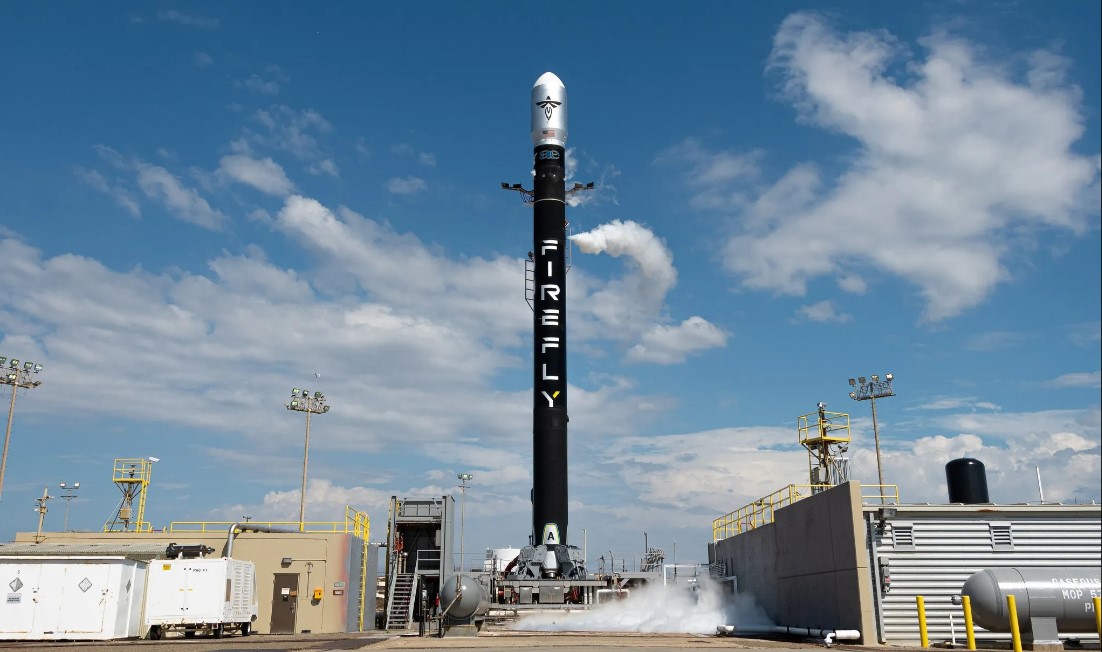
World
True Anomaly, a rapidly emerging player in space technology, has joined forces with Firefly Aerospace to execute a series of critical orbital vehicle launch trials for the US Space Force under the Victus Haze program. The partnership underscores a pivotal leap in military space operations, designed to strengthen the United States' defensive posture in space by enhancing its capability to quickly launch spacecraft capable of deterring potential threats.Victus Haze is a specialized initiative by the US Space Force aimed at developing a tactical spacecraft capable of responding to threats in space with rapid countermeasures. The core of the program focuses on creating a spacecraft that can be launched with minimal notice, allowing for quick responses to various orbital scenarios, whether defensive or offensive. This mission holds significant strategic value, as the increasing militarization of space has become a critical aspect of global defense strategies.In this ambitious project, True Anomaly's proprietary orbital vehicle, called Jackal, will be launched aboard Firefly Aerospace’s Alpha rocket. The Jackal vehicle, designed for rendezvous and proximity operations, is an advanced spacecraft capable of maneuvering close to other objects in space, potentially enabling it to observe, inspect, or even disrupt adversarial satellites. This technology has drawn significant attention as it promises a tactical advantage in space-based conflict scenarios. The Jackal and Firefly Alpha team-up aims to prove the vehicle’s proficiency in carrying out such operations. The launch trials are scheduled to occur between 2025 and 2027.The Challenge of Speed and PrecisionOne of the most impressive aspects of this collaboration is the requirement for the launch to be executed within 24 hours of receiving the US Space Force’s green light. Once the signal is given, Firefly and True Anomaly must move rapidly: they will transport the Jackal vehicle to the launch pad, integrate it with the Alpha rocket, complete all necessary pre-launch processes, and launch the vehicle into space—all within a day.The demanding timeline for the Victus Haze mission underscores the increasing importance of rapid response capabilities in space defense. The ability to launch spacecraft at such short notice allows the US to react to emerging threats in space—whether from anti-satellite weaponry or other hostile actions—more effectively. Once in orbit, the Jackal will perform complex operations, maneuvering near another spacecraft launched by Rocket Lab as part of the same program. These rendezvous and proximity operations are crucial for evaluating Jackal’s capability to perform in real-world tactical scenarios.The launch is expected to take place from either Vandenberg Space Force Base in California or Cape Canaveral Space Force Station in Florida, two major hubs for US space operations.Partnership Backed by ExpertiseTrue Anomaly secured the primary Victus Haze mission contract in April 2024, marking a significant milestone for the company. The $30 million contract includes spacecraft development, launch preparation, and in-orbit operations. True Anomaly is already hard at work constructing the Jackal at its Denver manufacturing center. The company’s innovative approach has allowed it to stand out in the highly competitive space industry, with its technology promising to give the US Space Force a much-needed edge.Firefly Aerospace, on the other hand, brings extensive experience in responsive space launch logistics. The company previously completed a similar test mission under the US Space Force’s “Victus Nox” program from September 2023 to February 2024. That trial provided vital insights for the upcoming Victus Haze launches, fine-tuning the processes required for rapid spacecraft deployment.The Alpha rocket, which will be used for the Victus Haze mission, is Firefly’s medium-lift rocket designed for responsive space missions. Capable of launching payloads up to 1,000 kg to Low Earth Orbit (LEO), the Alpha rocket has proven to be a versatile and reliable option for both commercial and military missions. It combines a solid track record with the agility necessary for fast-response missions, making it a fitting choice for the Victus Haze program.Building 'Asymmetric Capabilities'As True Anomaly CEO Even Rogers emphasized, Victus Haze exemplifies how public-private partnerships can create groundbreaking capabilities. By leveraging True Anomaly’s cutting-edge manufacturing and Firefly’s rapid-launch technology, the US is positioning itself to maintain a decisive edge in space. These “asymmetric capabilities,” as Rogers called them, are designed to provide the US with a strategic advantage, allowing it to respond to threats faster and with more precision than ever before.Firefly’s role in expanding the US National Security Space enterprise is not limited to the Victus Haze mission. The company is poised to provide additional launch capacity, ensuring that the US is ready to deploy spacecraft quickly, both in Low Earth Orbit (LEO) and Medium Earth Orbit (MEO). This enhanced capability supports broader national security efforts and highlights the increasing importance of responsive space launch services.Looking ForwardThe partnership between True Anomaly and Firefly Aerospace marks a critical step in the evolution of space defense. With the US Space Force's focus on rapid and reliable spacecraft deployment, these trials are more than just test launches—they are shaping the future of how military operations will be conducted in space. The success of Victus Haze could set the stage for even more advanced capabilities, solidifying space as a critical domain in modern defense strategies.As the timeline for the Victus Haze trials approaches, both True Anomaly and Firefly are gearing up to demonstrate their ability to meet the US Space Force’s high-stakes demands. If successful, this collaboration could redefine the boundaries of what’s possible in space defense, providing the US with the tools it needs to maintain superiority in an increasingly contested domain.
Read More → Posted on 2024-10-21 15:49:30
World
Northrop Grumman has officially unveiled its new cutting-edge precision strike missile, dubbed the Jackal, marking a significant leap forward in multi-purpose munition technology. Designed in collaboration with Aerovironment, a defense firm known for the highly effective Switchblade loitering munitions, the Jackal brings together a unique combination of speed, endurance, precision, and versatility. This next-generation missile is not just another weapon but a powerful tool capable of a wide range of combat functions.What sets the Jackal apart is its flexibility in mission roles. Capable of carrying both lethal and nonlethal payloads, it is built to perform tasks such as electronic warfare and intelligence, surveillance, and reconnaissance (ISR) operations. This adaptability makes it an ideal weapon for modern combat scenarios where multiple threats require varied responses. Speed, Precision, and EnduranceThe Jackal boasts an impressive speed of 600 kilometers per hour (373 miles per hour), ensuring quick response times in high-pressure environments. However, it's not just about speed—endurance is also key. With a loitering time of 15 minutes, the Jackal can hover over a target area, conducting ISR missions to gather crucial information before launching a strike. This allows commanders to make informed decisions, reducing the chances of collateral damage.What makes this missile even more advanced is its autonomous capabilities. The Jackal can navigate via pre-set waypoints, detect and recognize targets automatically, and even operate in GPS-denied environments. These features are critical in modern warfare, where GPS jamming and sophisticated enemy countermeasures are common.Jackal’s Evolution From the Switchblade SeriesThe Jackal draws inspiration from Aerovironment’s successful Switchblade series, which is known for its loitering munitions like the Switchblade 300 and Switchblade 600. While the Switchblade 300 is designed for short-range strikes and the Switchblade 600 is specialized for anti-armor missions, the Jackal fills the gap between these systems. It features a much larger payload capacity of 10 pounds (4.5 kilograms), significantly surpassing its predecessors. With a range of 100 kilometers (62 miles), it can engage targets well beyond the 10-kilometer range of the Switchblade 300 and the 40-kilometer range of the Switchblade 600.This extended range and payload capacity make the Jackal more versatile in addressing evolving battlefield threats, especially those that the earlier Switchblade models might struggle to handle. The Jackal was first introduced as a concept at the Special Operations Forces Industry Conference (SOFIC) in Tampa, Florida, back in May 2022, where it was shown as a one-way strike drone that could be deployed from both land and air platforms.Pushing the Boundaries of ISR and Lethal StrikesIn modern warfare, the ability to seamlessly transition between ISR missions and launching lethal strikes can be the difference between success and failure. The Jackal, with its ability to loiter and gather data before striking, embodies this approach. Its turbojet-powered propulsion system ensures it can stay airborne long enough to serve as both an intelligence asset and a strike weapon.The missile's capability to operate in contested environments, especially where GPS signals are jammed, gives it a tactical edge. This feature alone makes it a valuable tool for special forces and conventional military units operating in areas where electronic warfare is in play. The Jackal’s automated target detection and recognition systems add another layer of precision, allowing it to identify and engage targets without direct human intervention, thus reducing the burden on operators and enabling faster reaction times.A Glimpse Into the Future of Precision MunitionsWith the unveiling of the Jackal, Northrop Grumman and Aerovironment are pushing the boundaries of what a precision strike weapon can accomplish. The missile represents the next step in the evolution of loitering munitions, designed to meet the needs of modern combat operations that demand flexibility, accuracy, and endurance.As threats evolve, so too must the tools we use to counter them. The Jackal’s multi-role capability—whether performing ISR missions, disrupting enemy communications through electronic warfare, or engaging in direct strikes—makes it a powerful addition to any military's arsenal.This missile is not just a new addition to the precision strike market; it’s a signal of where the future of warfare is headed, where machines are as capable of gathering intelligence as they are at delivering lethal payloads.In an age of ever-changing combat requirements, the Jackal’s combination of speed, precision, and versatility is likely to set the standard for the next generation of strike weapons.
Read More → Posted on 2024-10-21 15:33:03
World
Turkey has taken a significant step in bolstering its defense relations with Albania by announcing a donation of a "significant number" of kamikaze drones. This decision, revealed by Albanian Prime Minister Edi Rama after a meeting with Turkish President Recep Tayyip Erdoğan, marks a notable advancement in the defense and humanitarian collaboration between the two nations. The move is not only symbolic of their growing partnership but also reinforces Albania’s military capabilities in a rapidly shifting geopolitical landscape.Prime Minister Rama was quick to emphasize that this donation is purely defensive, stating that it sends a strong message that "Albania is unhittable." However, he clarified that Albania has no intention to use these drones for offensive purposes. This assertion highlights that while the donation is a strategic upgrade for Albania, it is not meant as a provocation or threat to any neighboring countries.Although specific details about the type or number of drones remain under wraps, there is speculation regarding the inclusion of Turkey's renowned unmanned aerial systems (UAS). Among the leading contenders is the Bayraktar TB2, a combat drone that has gained international attention for its performance in various conflicts. The Bayraktar TB2, produced by Turkish defense company Baykar, boasts impressive specifications, including a flight endurance of 27 hours and the capability to carry out precision strikes alongside surveillance missions. Given Albania’s previous procurement of three Bayraktar TB2 drones, the possibility of more of these UAS being part of the donation is likely.Albania’s earlier acquisition of Bayraktar TB2s made it the second NATO member, after Poland, to add these Turkish drones to its arsenal. This not only strengthens Albania's defense posture but also deepens its defense ties with Turkey, a key NATO ally. The drones are expected to play a crucial role in enhancing Albania’s military readiness, particularly in light of the increasing tensions within the Balkan region. These drones, often referred to as "loitering munitions," can hover over an area before identifying and striking a target, making them effective in both reconnaissance and offensive roles.Turkey’s decision to donate these drones underscores the strategic importance it places on its relationship with Albania. As both countries work closely to address common security challenges, this military assistance signals Turkey’s commitment to supporting Albania’s defense modernization. This gesture also reflects Turkey’s broader ambitions to establish itself as a dominant player in the defense industry, with its drones now being utilized across multiple NATO members.The exact timeline for the delivery of these drones remains undisclosed, but their eventual integration into Albania’s defense system will likely enhance the operational effectiveness of the Albanian Armed Forces. As regional dynamics continue to evolve, Albania’s upgraded military capabilities, thanks to Turkish technology, could serve as a deterrent to potential threats while reaffirming its role as a key player in Balkan security.This move not only strengthens Albania’s defense but also symbolizes the deepening ties between the two nations, showcasing how defense cooperation can serve as a tool for regional stability. As Turkey continues to expand its influence through defense exports, its relationship with Albania is set to play an increasingly important role in shaping the security dynamics of the Balkans.
Read More → Posted on 2024-10-21 15:29:02
World
Teledyne FLIR Defense, a division of Teledyne Technologies, has once again pushed the boundaries of military and civilian security with the introduction of its Cerberus XL C-UAS (Counter-Unmanned Aircraft System). Showcased at the prestigious Association of the U.S. Army (AUSA) exhibition in Washington, D.C., the Cerberus XL system is designed to revolutionize the way air domain monitoring and counter-drone operations are conducted.The rise of drone technology has introduced both opportunities and threats, especially in conflict zones, airports, and critical infrastructure areas. With drones becoming more sophisticated and accessible, the need for robust countermeasures is more critical than ever. Cerberus XL emerges as a front-runner in addressing these challenges with its state-of-the-art capabilities.Advanced Detection and TrackingThe Cerberus XL system is equipped with long-range thermal and visual imaging technologies, making it a formidable tool for tracking even the most elusive drone threats. These sensors, coupled with 3D radar and radio frequency (RF) detection systems, enable operators to detect, track, and identify drones with incredible precision. The system’s ability to pinpoint drone locations across a range of up to three kilometers ensures that it can handle aerial threats before they become an imminent danger.What makes the Cerberus XL particularly impressive is its AI-driven sensor technology. This artificial intelligence-enhanced system not only detects drones but also improves the accuracy of identifying them as hostile or benign. This feature is critical in distinguishing between potential threats and friendly aircraft, ensuring more effective, targeted responses.Full Kill Chain CapabilitiesOne of the standout features of the Cerberus XL is its ability to handle the entire counter-drone “kill chain.” This means that the system is not limited to merely identifying and tracking drones—it can also neutralize them. By integrating with third-party non-kinetic effectors, such as electronic jamming tools, Cerberus XL can disable drones before they pose a threat, without necessarily having to destroy them. This flexibility is crucial in environments where minimizing collateral damage is a priority.For scenarios that require a more forceful response, the system is also designed to integrate with kinetic solutions. These can range from directed energy weapons to traditional firearms, providing a broad spectrum of options for neutralizing drones based on the threat level.Multi-Domain FlexibilityAnother significant advantage of Cerberus XL is its modularity and ability to adapt to various environments. Whether deployed in air, ground, or maritime settings, the system is engineered for rapid deployment and operational efficiency, even in harsh conditions. This makes it suitable for a wide array of uses, from military operations to securing airports, borders, and seaports. The trailer-based, mobile platform ensures that Cerberus XL can be relocated quickly, offering unparalleled situational awareness across different domains.Global Impact and Battlefield SuccessThe Cerberus XL C-UAS has already demonstrated its capabilities on the battlefield. Last year, FLIR Defense partnered with Kongsberg Defence & Aerospace to deliver the system to Ukrainian forces, securing a $31 million contract. The system has since proven its effectiveness in active military engagements, showcasing its ability to operate reliably in high-pressure environments.In addition to its success in Ukraine, Cerberus XL is now available for global shipping. Teledyne FLIR Defense is marketing this platform alongside its ground surveillance variant, allowing for even greater flexibility in addressing security needs.The Future of Counter-Drone TechnologyDr. JihFen Lei, President of Teledyne FLIR Defense, emphasized the importance of the Cerberus XL platform in today’s security landscape. "Cerberus XL C-UAS is one of the most sophisticated counter-drone systems, offering a comprehensive solution that integrates with existing defense infrastructure," he said.With its battlefield-tested performance, multi-domain adaptability, and full kill-chain capabilities, the Cerberus XL C-UAS system represents the future of drone defense. As drones continue to evolve, systems like the Cerberus XL will be crucial in ensuring the safety of military personnel, civilian infrastructure, and global security at large.Teledyne FLIR Defense’s Cerberus XL C-UAS system stands out as a highly advanced and flexible solution for countering the growing threat posed by unmanned aerial systems. From its AI-driven sensors to its modular deployment options, the Cerberus XL offers comprehensive protection across a wide range of environments. As the demand for counter-drone technology grows, this platform is poised to become a key asset for both military and civilian users worldwide.
Read More → Posted on 2024-10-21 15:16:03
World
The US Army's watercraft fleet, once a critical element in military operations and logistics, has reached a new low in terms of readiness. A report from the Government Accountability Office (GAO) revealed that fewer than 40% of the Army’s vessels are capable of performing missions in 2024. This is a significant shortfall compared to the Army's target of maintaining a 90% mission-capable fleet. The GAO's findings paint a concerning picture of the Army's ability to respond quickly and effectively to global military needs, especially in regions like the Indo-Pacific, where tensions continue to escalate.The US Army operates a fleet of 70 watercraft designed for transporting personnel, vehicles, and equipment in open water and coastal regions. These vessels are vital for military operations in remote areas where traditional road and port infrastructure may not be available. The fleet includes various types of ships such as landing craft, logistical support vessels, and other transport ships capable of maneuvering in complex and austere environments.### A Declining FleetThe steady decline in fleet readiness is alarming. In 2021, about 70% of the fleet was mission-capable, a number that dropped to just over 60% in 2022. By 2023, that figure plunged to under 50%, and now, in 2024, fewer than 40% of the vessels are deemed ready for active duty. One vessel has been out of service for more than five years, underscoring the depth of the problem.Maintenance issues have been a longstanding challenge. The GAO report highlighted that many of these vessels require extensive repairs, and delays in maintenance work have contributed significantly to the deteriorating readiness. Parts shortages, aging equipment, and the complexity of maintaining such a specialized fleet have compounded the issue, leaving the Army struggling to get these vital ships back into service.The GAO also stressed the operational importance of these vessels. The Army’s watercraft provide critical logistical support in regions with limited access to traditional infrastructure, making them essential for rapid deployment and sustained military operations. As readiness continues to fall, the Army's ability to carry out its missions in these areas is severely compromised.A Ripple Effect on Training and OperationsThe decline in watercraft readiness isn't just a matter of fleet size or technical capability. It also affects the training of Army personnel assigned to these vessels. Low mission-capable rates mean that fewer vessels are available for training exercises, which are essential for ensuring that crews are prepared for real-world missions. The inability to conduct sufficient training further weakens the Army's operational capabilities.This situation could have broader implications, especially as the US military looks to increase its presence and preparedness in strategic areas like the Indo-Pacific. The GAO report warns that without a significant improvement in fleet readiness, the Army may not be able to meet both its immediate and long-term mission requirements.Solutions and RecommendationsTo address these concerns, the GAO made several recommendations to the Army. One of the primary suggestions is the development of a mitigation plan to fill the gaps in the fleet’s capability and capacity. This plan would involve a more strategic approach to maintenance scheduling, prioritizing resources, and considering alternative options to support military operations in key regions.The GAO also advised the Army to evaluate the full costs and benefits of different strategies to enhance fleet readiness. This includes weighing whether it might be more effective to replace aging vessels, invest in new technologies, or outsource some of the logistical support operations to third parties.Perhaps the most critical recommendation is the creation of an integrated strategy to tackle the ongoing maintenance problems. Such a strategy would help the Army better identify, analyze, and resolve the issues that have plagued the fleet for years. By improving coordination between different departments, ensuring proper oversight, and streamlining repair processes, the Army could potentially reverse the trend and get its watercraft fleet back to a more acceptable readiness level.The Road AheadAs the US Army faces increasingly complex global threats, the readiness of its watercraft fleet is more important than ever. While the GAO report has shed light on the severity of the problem, the path to improvement will require a concerted effort from Army leadership and Congress. The stakes are high, particularly in regions like the Indo-Pacific, where access to remote areas and the ability to project military power over water are critical for maintaining US interests.In the coming years, the Army will need to find solutions to restore its fleet to a level of readiness that allows it to meet global challenges. Whether through new investments, better maintenance practices, or a complete overhaul of the fleet, the time to act is now.
Read More → Posted on 2024-10-21 15:01:11
World
Recently surfaced intelligence documents have shed light on a highly classified aspect of Israel’s military capabilities: a long-range unmanned surveillance drone program capable of carrying out covert operations throughout the Middle East. These revelations offer a glimpse into Israel's secretive defense apparatus, underscoring the extent of its intelligence-gathering efforts, especially concerning Iran.The documents, which emerged on Telegram in mid-October, detail Israeli drone operations conducted between October 15 and 16, including preparations for potential military strikes against Iran. These long-range unmanned aerial vehicles (UAVs) are described as having advanced stealth capabilities, allowing them to perform extensive intelligence, surveillance, and reconnaissance (ISR) missions over sensitive areas, including Iran's nuclear facilities. The drones’ existence had been kept out of the public eye until now, indicating the level of secrecy surrounding the program.### A Closer Look at the Leaked InformationThe documents reportedly reveal that the Israeli Air Force (IAF) used the drones for covert surveillance operations during the specified dates. Analysis conducted by the U.S. National Geospatial-Intelligence Agency (NGA) provided supporting evidence, with imagery confirming that UAVs were being prepared for missions at Ramon Airbase in southern Israel. The equipment and personnel seen at the base suggested ongoing operations, with the drones capable of conducting sustained ISR missions over significant distances.This disclosure offers new insight into Israel's aerial intelligence capabilities, particularly concerning Iran. The advanced drones give Israel the ability to maintain a discreet, high-altitude surveillance presence over areas of interest. Given the sensitive nature of Iran's nuclear program and its support for regional militant groups, such ISR capabilities grant Israel an invaluable strategic edge.Potential Drone SpecificationsWhile specific details of the drone’s design and capabilities remain undisclosed, some extrapolations can be made based on existing UAV technology within Israel's known arsenal. The drones likely employ a combination of advanced materials and radar-absorbing coatings to reduce their radar cross-section, enhancing their stealth capabilities. These UAVs may also feature long-endurance flight characteristics, allowing them to stay airborne for extended periods, potentially exceeding 24 hours. Given the emphasis on covert operations, it is plausible that the drones carry a variety of sophisticated sensors, including electro-optical and infrared (EO/IR) systems for high-resolution imagery, synthetic aperture radar (SAR) for all-weather reconnaissance, and signals intelligence (SIGINT) equipment for intercepting communications.The drones are also expected to incorporate advanced navigation systems to operate in contested environments where GPS signals may be jammed. Autonomous flight capabilities, powered by artificial intelligence (AI), could assist in navigating complex routes to avoid detection. The platform may even support modular payloads, enabling it to switch between various intelligence-gathering tasks based on mission requirements.Strategic Implications and Regional TensionsThe timing of the leak is significant, occurring amidst a period of heightened tensions between Israel and Iran. Over the years, the two countries have engaged in a shadow conflict that includes cyber warfare, targeted assassinations, and proxy battles across the region. Israel has repeatedly expressed its determination to prevent Iran from acquiring nuclear weapons, a stance that has led to ongoing clandestine military actions aimed at undermining Tehran’s capabilities. The presence of long-range UAVs capable of covertly monitoring sensitive sites in Iran, such as nuclear enrichment facilities, aligns with Israel's strategic priorities.Furthermore, the documents highlight Israel's broader intelligence capabilities beyond surveillance over Iran. The drones offer Israel a significant advantage in gathering real-time intelligence across the Middle East, monitoring adversaries’ military movements, and providing actionable data to decision-makers. The ability to conduct ISR missions deep into adversarial territory without detection is a critical asset for Israel, particularly in preparing for potential military contingencies.The Fallout from the LeakThe leak of such classified information poses several risks. It exposes details about Israel’s clandestine activities, potentially compromising future operations. The authenticity of the documents has been confirmed by a source familiar with their contents, while U.S. officials are actively investigating the origins of the leak. The breach not only endangers operational security but could also escalate existing regional tensions, especially if it is perceived as a precursor to military action against Iran.The revelations also bring to light questions about intelligence-sharing and cybersecurity, especially as the leak implicates both Israeli and American intelligence agencies. Israel's drone capabilities, although long speculated upon, had remained largely obscured from public view. The new disclosures provide adversaries with an understanding of the range, endurance, and potential missions of these UAVs, which may lead to increased counter-surveillance measures.The exposure of Israel's secretive long-range surveillance drone program marks a significant moment in understanding the nation’s military intelligence capabilities. While details on the UAVs remain limited, the leaked documents reveal a sophisticated and well-developed surveillance apparatus, enhancing Israel's ability to monitor and respond to regional threats. These drones not only extend Israel's reach but also highlight the nation’s readiness to act amid the ongoing confrontation with Iran over its nuclear ambitions. As the investigation into the source of the leak continues, the broader implications for regional security and intelligence operations are likely to unfold in the coming months.
Read More → Posted on 2024-10-20 16:02:10
World
In a groundbreaking experiment, Chinese researchers have put nuclear-proof data link communications equipment through a rigorous test designed to simulate the impact of a nuclear attack. The test, which exceeded existing military standards, highlights China's advanced engineering capabilities and its efforts to ensure the survival of critical military communications systems in the event of a high-altitude nuclear strike.Amid growing global tensions and the ever-present fear of nuclear conflict, this experiment has taken on new significance. Earlier this year, the UN warned that the risk of nuclear war had reached its highest level in decades. The five permanent members of the UN Security Council – the United States, China, France, Russia, and Britain – have all recently tested intercontinental ballistic missiles, raising alarm. In this context, the Chinese test offers a glimpse into the military’s focus on nuclear preparedness.At the heart of the experiment lies the concept of a **High-Altitude Electromagnetic Pulse** (HEMP), a devastating phenomenon that occurs when a nuclear bomb is detonated in the stratosphere. Although such an explosion doesn’t physically harm people or buildings on the ground, it sends out high-energy electromagnetic pulses capable of disabling electronic systems across vast distances. In modern warfare, where communication is crucial, the loss of electronic equipment could spell disaster.China’s engineers from the **China Electronics Technology Group Corporation (CETC)**, the country's leading supplier of electronic warfare equipment for the People's Liberation Army (PLA), designed the test to be as realistic and demanding as possible. While military standards usually require data link equipment to withstand an electromagnetic pulse field strength of 50 kilovolts per metre, the Chinese team raised the stakes by increasing this threshold by 60 percent – subjecting the equipment to 80 kilovolts per metre.Surprisingly, the results were promising. Despite the intense electromagnetic field, the equipment emerged unscathed, with only a brief interruption in functionality. This performance is remarkable, considering that the strength of the electromagnetic pulse in the test far surpassed what is required by both American and Chinese military standards.The CETC team used advanced modifications to harden the equipment against the destructive power of HEMP. One of the key changes involved redesigning antennas, which are highly vulnerable during an electromagnetic pulse. Normally, antennas are built to receive weak signals, but during a nuclear-induced pulse, they can generate a massive surge of current that could destroy connected systems. To counter this, the engineers reworked the antennas to divert excess current into the ground, preventing damage even when the current reached fifty times its predicted intensity.Another major concern for the engineers was the possibility of “back-door intrusion.” High-energy pulses could infiltrate data link equipment through ventilation ducts, cables, or tiny gaps in equipment casings. This risk prompted the team to innovate further. They applied new materials and special welding techniques to seal off every possible entry point for electromagnetic energy, making the equipment even more resistant to the extreme conditions simulated during the test.A military representative from the PLA Air Force's equipment department observed the test, though the exact date and many details of the experiment remain classified. What’s clear, however, is that the successful execution of this experiment underlines China's commitment to ensuring the survival of its communication systems in a potential nuclear conflict. It also underscores the country's **"no first use"** nuclear policy, meaning that China's nuclear arsenal is designed for retaliatory purposes only. In such a scenario, its military communications systems must remain functional to coordinate a response after the first strike.The research results were published in the peer-reviewed Chinese journal *Wireless Communication Technology* in September, where project lead Li Zhirui and his team described the physics behind a nuclear explosion’s electromagnetic pulse. Gamma rays from the explosion collide with air molecules, generating high-energy electrons that spread outward, posing a threat to all electronic devices in their path. Understanding and defending against this phenomenon, the researchers noted, is vital for maintaining the integrity of China’s electronic warfare infrastructure.This test is not just about protecting data link hardware but about demonstrating China's engineering prowess. The use of cutting-edge materials, enhanced designs, and innovative processes like advanced welding techniques reflects the country's growing strength in military technology. The fact that this equipment was able to endure such harsh testing conditions speaks volumes about the robustness of China’s defense systems.As nuclear tensions remain high globally, the ability to safeguard vital communications infrastructure has become a central focus for nations seeking to ensure their strategic resilience. China's successful experiment may signal its readiness to withstand some of the worst-case scenarios in modern warfare.China’s bold approach to testing its nuclear-proof communications equipment highlights the country's determination to enhance the survivability of its military systems under extreme conditions. The experiment’s success reflects both China’s advanced capabilities and the global climate of heightened nuclear tensions. With communications technology forming the backbone of modern defense, such tests are crucial to ensuring military preparedness in an increasingly uncertain world.
Read More → Posted on 2024-10-20 15:54:51
World
China is setting its sights on a groundbreaking new frontier—exploring the depths of the Arctic Ocean with a crewed submersible. This bold mission, spearheaded by China’s State Shipbuilding Corporation's 704th Research Institute, is part of the nation's broader push to expand its scientific and strategic footprint in the Arctic region. As China gears up to be only the second country after Russia to send a manned vessel to the Arctic seabed, the mission promises to unlock new scientific knowledge and open up avenues for future resource exploration.At the heart of this mission is the submersible that will be deployed from the newly built polar research vessel, **Tan Suo San Hao** (Explorer Three). This vessel has been carefully designed to tackle the unique challenges of Arctic exploration. The submersible will be launched through a special hole in the hull, allowing it to descend into the icy depths where few have ventured before. This feature ensures that the submersible can bypass the limitations posed by ice floes, which restrict the movement of surface ships. Once below the ice, the submersible will enter an environment that presents extreme technical challenges, but also immense opportunities for scientific discovery.Advanced Chinese Technology for Arctic ExplorationWhat makes this mission particularly significant is the fact that China is relying on its own technology—something it previously had to source from other countries. The developers have already tested the submersible in various conditions, including underwater docking and operations in freezing temperatures, which are critical for the Arctic’s harsh environment. Although full specifications of the submersible remain undisclosed, China has highlighted that the system is versatile, with potential applications beyond Arctic research. The technology could be adapted for deep-sea oil and gas exploration, seabed pipeline construction, and even search and rescue operations, showcasing China’s growing technological prowess in deep-sea engineering.To support the submersible, the Tan Suo San Hao has been outfitted with advanced equipment designed specifically for deep-sea missions. This includes a 10,000-meter winch system capable of lowering the submersible to the seabed and a deployment and recovery system that ensures safe operations in the unpredictable polar seas. All of this reflects China’s commitment to building a comprehensive, self-sufficient polar exploration fleet that can operate year-round, a feat previously achievable only by countries like Russia and the United States.China’s Growing Polar Fleet and Strategic AmbitionsThis mission is part of China’s larger strategy to strengthen its presence in the Arctic, a region it refers to as a "near-Arctic" power. Over the past few years, China has rapidly expanded its polar exploration capabilities. It has built multiple icebreakers, including the **Xue Long 2**, its first domestically produced vessel capable of navigating through thick ice. The newest icebreaker, the **Jidi**, embarked on its maiden voyage to the Arctic in August 2023, underscoring China’s growing ambition to maintain a strong, year-round presence in the region. The submersible mission also highlights the geopolitical stakes in the Arctic. As melting ice opens new shipping routes and exposes untapped natural resources, countries like China, Russia, and the United States are increasingly vying for influence. The U.S. has expressed concern over China’s growing Arctic presence and has started boosting its own shipbuilding capabilities to keep up. Earlier this year, the U.S., along with Canada and Finland, launched a joint project to develop new polar vessels, including icebreakers, as a counter to China’s expanding fleet.A New Chapter in Polar ExplorationChina’s planned Arctic seabed mission is a testament to the country's growing technological and scientific capabilities. By building advanced submersibles and icebreakers, China is positioning itself as a key player in polar exploration—a region that holds untold scientific treasures and strategic resources. With the Tan Suo San Hao expected to begin sea trials next year, the world will be watching closely as China inches closer to its goal of reaching the bottom of the Arctic Ocean, paving the way for future discoveries and resource exploitation in one of the world’s most remote and fragile environments.This mission is more than just a technological feat; it symbolizes China’s broader ambitions to exert influence in global polar affairs, securing a future where it plays a central role in the exploration and utilization of the Arctic’s vast, untapped potential.
Read More → Posted on 2024-10-20 15:49:31
World
In a significant move to strengthen Ukraine’s defense capabilities, the Australian government has pledged to donate most of its M1A1 Abrams tanks to Kyiv. This decision is part of a broader defense package valued at AUD 245 million, designed to bolster the Ukrainian Armed Forces, particularly their armored brigades, which have sustained heavy losses during the ongoing conflict with Russia.Australia's contribution includes 49 M1A1 Abrams tanks, a highly regarded model in modern warfare. The Abrams tanks have been a core component of the Australian Army since 2007 when they introduced the M1A1 AIM (Abrams Integrated Management) variant. These tanks share many features with the M1A1SA tanks already in Ukraine’s arsenal, making them a familiar platform for Ukrainian forces.The M1A1 Abrams is renowned for its combination of firepower, mobility, and protection. Equipped with a 120mm smoothbore cannon, the tank is capable of engaging enemy armored vehicles with devastating precision. Its sophisticated fire control system ensures high accuracy, even on the move, while its advanced composite armor offers superior protection against both kinetic energy rounds and explosive munitions. Powered by a 1,500-horsepower gas turbine engine, the M1A1 Abrams is also one of the fastest main battle tanks in the world, capable of reaching speeds up to 67 km/h on roads and 40 km/h off-road.Despite its formidable reputation, the Abrams tanks in Ukrainian service have faced significant challenges on the battlefield. Of the 31 M1A1SA tanks previously delivered by the U.S., 16 have been destroyed during intense combat operations. Ukrainian military tactics, which often involve the use of tanks in exposed positions, have made them vulnerable to a variety of threats, including anti-tank guided missiles, drones, and artillery.Australia’s donation comes as the country prepares to phase out its M1A1 Abrams tanks and replace them with the more advanced M1A2 SEPv3 (System Enhancement Package) models, purchased from the United States in 2022. These newer tanks incorporate upgraded armor, improved electronics, and advanced communications systems, providing enhanced situational awareness on the battlefield. The first deliveries of the M1A2 SEPv3 have already begun, but the full integration into the Australian Army is still underway. Until then, Australia will retain 10 M1A1 tanks as a contingency force while the transition to the new models is completed.The decision to donate these tanks reflects Australia’s commitment to supporting Ukraine in its defense against Russian aggression. By providing these tanks, Australia is not only helping Ukraine replenish its armored capabilities but also sending a clear message of solidarity in the face of mounting Russian offensives.The addition of these tanks will significantly enhance Ukraine’s ability to engage in armored warfare, giving its military a much-needed boost in firepower and mobility. This contribution could prove crucial as Ukraine continues its efforts to reclaim territory and resist Russian advances.
Read More → Posted on 2024-10-20 15:41:59
World
BAE Systems has completed the delivery of 400 2-Color Advanced Warning Systems (2CAWS) to the U.S. Army as part of the Limited Interim Missile Warning System (LIMWS) program. This delivery marks a significant leap in the protection of U.S. Army helicopters, providing them with the latest in missile detection technology to safeguard both aviators and airborne soldiers from evolving missile threats.The 2CAWS system is a next-generation aircraft survivability solution that builds upon the legacy of BAE Systems' Common Missile Warning System (CMWS). CMWS has already proven itself on thousands of U.S. Army and international aircraft, clocking millions of flight hours. With 2CAWS, BAE Systems has taken missile detection to a new level, introducing state-of-the-art features that ensure enhanced survivability for rotary-wing aircraft in increasingly complex and contested environments.Key Features of 2CAWSAt the core of 2CAWS is its multi-spectral sensor suite, which provides advanced detection capabilities. Unlike older systems that rely on single-spectrum sensors, 2CAWS operates across multiple spectrums, significantly improving its ability to detect threats that employ more advanced camouflage or countermeasures. This multi-spectral approach allows the system to quickly identify missile launches, even in dense environments where traditional systems might struggle.Additionally, 2CAWS boasts a high-speed digital backbone, enabling rapid data processing. This is vital when dealing with the split-second nature of missile engagements. In combination with machine learning algorithms, the system can identify threats with incredible accuracy, minimizing false alarms and ensuring that real threats are dealt with swiftly.What truly sets 2CAWS apart is its integration with laser-based and expendable countermeasures. Once a missile threat is detected, 2CAWS immediately cues these countermeasures, deploying them in real-time to divert or destroy the incoming threat. This capability provides U.S. Army pilots with the confidence to operate in highly contested areas, knowing that their aircraft has a robust, responsive defense system in place.Battle-Proven Performance2CAWS-equipped aircraft have already logged thousands of operational flight hours. The system's effectiveness has been demonstrated in real-world combat scenarios, where it successfully detected and neutralized sophisticated missile threats. Its reliability and performance under extreme conditions are a testament to BAE Systems' dedication to protecting military personnel.Dave Harrold, vice president and general manager of Countermeasure & Electromagnetic Attack Solutions at BAE Systems, emphasized the importance of this system, stating, "Protecting U.S. Army helicopters is core to our mission. We’ve worked closely with Army Aviation to provide cutting-edge capabilities that protect crews from evolving threats, provide adversarial overmatch, and enable warfighters to execute missions in contested battlespace."A Legacy of InnovationBAE Systems has a long history of developing and delivering cutting-edge defense systems. With 2CAWS, they have once again demonstrated their ability to innovate and adapt to the changing nature of warfare. The system's development under the LIMWS Quick Reaction Capability (QRC) contract highlights BAE's expertise in delivering critical solutions under tight deadlines. The company's deep knowledge of size, weight, and power constraints for rotary-wing aircraft ensures that 2CAWS is optimized for the rigorous conditions these aircraft face.As threats continue to evolve, BAE Systems is already looking toward the future. The company is actively working on the next generation of threat detection and countermeasure systems, ensuring that the U.S. Army remains equipped with the best technology available.In summary, the delivery of 400 2CAWS systems represents a significant milestone in the ongoing effort to protect U.S. Army helicopters and their crews. With its advanced threat detection capabilities, rapid response time, and proven performance, 2CAWS is set to play a vital role in ensuring aircrew survivability for years to come.
Read More → Posted on 2024-10-20 15:32:47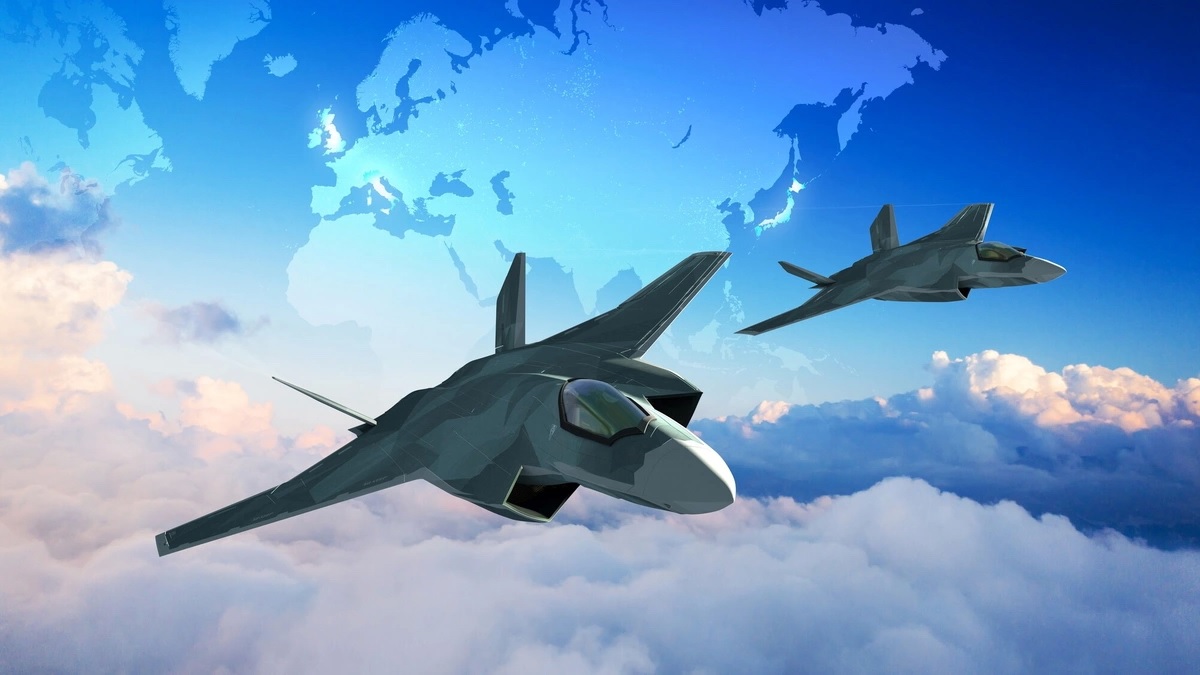
World
Japan, the UK, and Italy have joined forces to fast-track the development of a next-generation fighter jet under the Global Combat Air Program (GCAP). This project, which aims to deploy the new fighter by 2035, is driven by the need to replace Japan's aging F-2 jets and the UK’s Tempest, while addressing growing security threats posed by China, Russia, and North Korea. The collaboration represents a significant shift in the global defense landscape, signaling closer ties among these key nations in their bid to develop cutting-edge military capabilities.The latest development in this ambitious project came after Japan's Defense Minister, Gen Nakatani, met with his British and Italian counterparts, John Healey and Guido Crosetto, in Naples on the sidelines of the Group of Seven defense ministers' summit. The trio announced the creation of the GCAP International Government Organization (GIGO), which will oversee the project. GIGO, to be headquartered in the UK and led by a Japanese official, is tasked with ensuring smooth collaboration between governments and the defense industries involved in producing the jet. This new joint organization aims to accelerate progress, with a target to finalize key contracts by 2025.Driving Forces Behind the Joint Fighter JetThe joint fighter project was agreed upon in 2022, marking a historical defense partnership between the three nations. The driving force behind this collaboration is the shared recognition of the need to modernize air capabilities amidst increasing geopolitical tensions. Japan is particularly focused on bolstering its defenses in the face of China’s military expansion in the Asia-Pacific region, as well as the persistent threats from North Korea’s missile tests. Meanwhile, the UK and Italy are equally motivated by the need to enhance their defense capabilities, particularly in light of the ongoing war in Ukraine and the need to counter potential Russian aggression.At the heart of this next-generation fighter is a shared vision: to build a stealthy, highly advanced combat aircraft that will not only dominate the skies but also integrate seamlessly with modern systems like drones, advanced radar, and electronic warfare capabilities. The fighter is expected to employ cutting-edge AI technologies and offer enhanced survivability against modern anti-aircraft threats.Collaboration Among Industry GiantsSeveral leading defense companies are already hard at work on the project. Japan's Mitsubishi Heavy Industries (MHI), the UK's BAE Systems, and Italy's Leonardo have all signed on to contribute their expertise. MHI, a powerhouse in Japanese defense, recently displayed a model of the future jet at a Tokyo aerospace exhibit, signaling the start of the joint development process. According to Akira Sugimoto, MHI’s senior representative for GCAP, this project will allow Japanese companies to bring their strengths to the table and foster the growth of Japan's domestic defense industry.For Japan, this initiative also marks a significant turning point in its defense policy. Historically bound by strict arms export regulations, Japan has recently relaxed these rules to allow for greater international cooperation. The new fighter jet will be one of the first major exports resulting from this policy shift. In addition to developing a world-class fighter jet, Japan is looking to improve its overall defense manufacturing capabilities and boost the economic stability of its military-industrial base.Technological Specifications of the Future FighterWhile full technical details remain classified, early reports suggest that the new fighter will feature stealth technology designed to reduce radar cross-sections, making it harder to detect. The jet will be built with supercruise capability, allowing it to sustain supersonic speeds without afterburners. This feature not only improves the jet's performance but also reduces its heat signature, making it more challenging for enemies to track.The fighter is also expected to be equipped with advanced sensors and data fusion systems, providing pilots with real-time, comprehensive battlefield awareness. Integration with unmanned aerial systems (drones) is another key feature, allowing the fighter to control a swarm of drones in combat scenarios, significantly enhancing its versatility and reach. The jet will likely carry a variety of advanced weapons, including beyond-visual-range air-to-air missiles and precision-guided munitions, ensuring that it remains highly effective in both offensive and defensive roles.Strengthening Global Defense AlliancesThe GCAP initiative is not just about building a superior aircraft; it is a clear symbol of growing military cooperation between Japan, the UK, and Italy. For Japan, this marks a critical step in bolstering its defense alliances beyond its traditional partnerships with the U.S. As threats from China and North Korea increase, Japan sees the GCAP program as a way to fortify its military readiness while expanding its influence in global defense.In contrast, the UK views the project as a natural progression of its Tempest program, which aims to develop a next-generation fighter that will replace its aging Typhoon jets. Italy, too, sees this collaboration as crucial for maintaining its position as a leader in European defense technology.Together, the three nations are paving the way for a new era of air superiority that will not only secure their respective national defenses but also set new standards for international cooperation in defense technology development. As the fighter progresses from design to production, all eyes will be on how the GCAP will redefine the landscape of global air defense.By 2035, the skies could look very different, with the combined technological prowess of Japan, the UK, and Italy taking flight in a brand-new generation of fighters.
Read More → Posted on 2024-10-20 15:22:23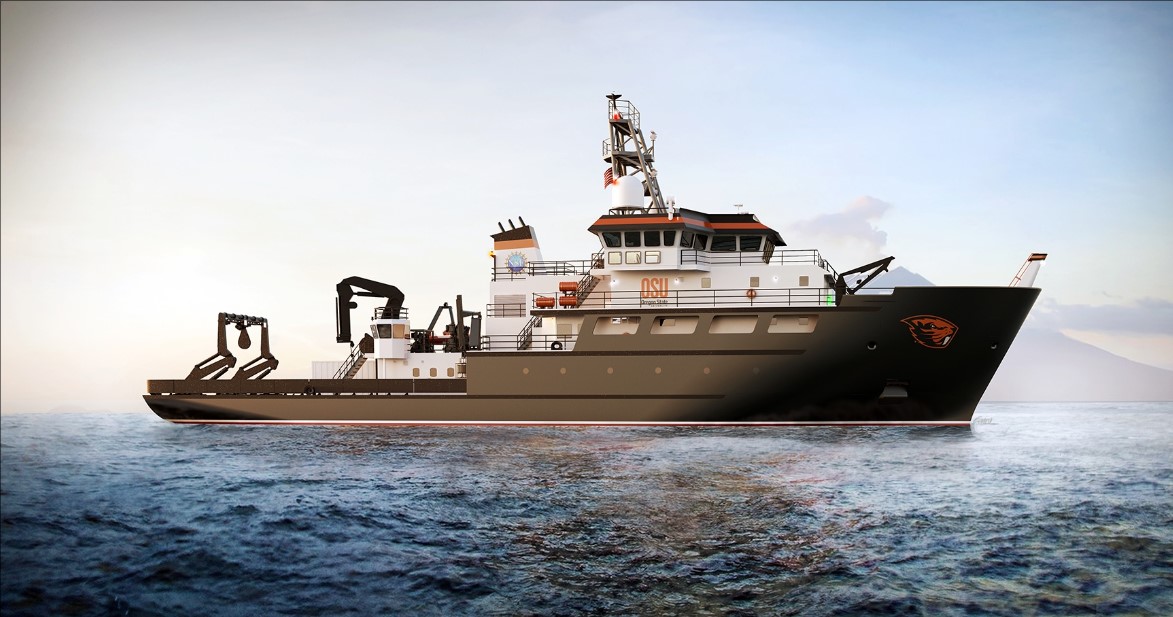
World
Garden Reach Shipbuilders & Engineers Ltd. (GRSE) has once again demonstrated its pivotal role in advancing India’s naval capabilities. On October 18, the Kolkata-based shipbuilder announced a ₹491 crore contract for the design, construction, and development of a next-generation Acoustic Research Vessel (ARS). This significant deal, formalized through a Letter of Intent from the Naval Physical & Oceanographic Laboratory (NPOL), a unit of the Defence Research and Development Organisation (DRDO), reinforces GRSE's reputation as a cornerstone in India’s maritime defense industry.The ARS is a specialized vessel that will play a crucial role in underwater acoustic research, a field vital for enhancing submarine detection, naval communication, and other undersea operations. By integrating cutting-edge technology, the ship will serve as a platform to conduct advanced research in underwater acoustics, furthering India’s capabilities in anti-submarine warfare, naval surveillance, and oceanographic studies. The inclusion of sophisticated sonar systems, data collection sensors, and advanced instrumentation will allow researchers to gather critical data for strategic defense purposes.This ₹491 crore project covers not just the construction of the vessel, but also includes the integration of complex equipment, rigorous testing, certification, and final commissioning. GRSE is expected to complete the project within 36 months, a timeline that underscores the urgency and importance of this vessel in bolstering India's naval defense research. The ARS is poised to become a vital asset for the Navy’s future operational needs, especially in a time when maritime security and research are critical to national defense strategies.Beyond the ARS contract, GRSE continues to strengthen its position in shipbuilding through various other projects. Earlier in October, GRSE secured contracts to design, build, and maintain hybrid electric ferries for West Bengal under the WBIWTLSD Project. These ferries, aimed at providing eco-friendly transportation across riverine areas, demonstrate GRSE's versatility. The company is tasked with delivering 100 non-AC ferries and 200 twin-deck ferries with air-conditioned main decks, all powered by hybrid electric propulsion systems. These vessels are expected to significantly reduce the carbon footprint of West Bengal’s ferry operations.Additionally, GRSE has taken strides in the international market. The company recently signed a contract to build and deliver a 7,500 Deadweight Tonnage (DWT) multi-purpose vessel for Germany’s Carsten Rehder Schiffsmakler and Reederei GmbH. This agreement is part of an existing option contract, which includes the construction of four more vessels of the same class. The company’s foray into building multi-purpose vessels, which can be used for a variety of cargo and utility roles, highlights its growing footprint in global shipbuilding.The Acoustic Research Vessel project itself is of particular significance as India steps up its focus on developing indigenous defense capabilities. The ARS will contribute to a deeper understanding of underwater acoustics, enhancing the Navy’s ability to operate in different oceanographic conditions and environments. This will be essential in advancing anti-submarine warfare and improving communication systems vital for the Navy's long-term strategic goals. The vessel is expected to be equipped with high-grade sonar systems, underwater microphones, and hydrophones to study sound propagation in water, detect submarines, and evaluate underwater communication technologies. As a nod to the future, GRSE’s involvement in diverse projects, from military research vessels to green hybrid ferries, speaks to its adaptability and growth in both defense and civilian shipbuilding. The ARS contract, in particular, showcases the company's expertise in handling high-tech, research-intensive vessels, further solidifying its role as a premier shipbuilder in India’s defense ecosystem. With a steady stream of contracts and a robust order book, GRSE is not only contributing to India’s defense infrastructure but also making strides in sustainable and commercial shipbuilding.In an era where maritime security is of paramount importance, this next-gen Acoustic Research Vessel, once completed, will be a game-changer for the Indian Navy’s research and operational capabilities, ensuring that India remains ahead in the field of underwater acoustic research and naval defense.
Read More → Posted on 2024-10-20 15:03:54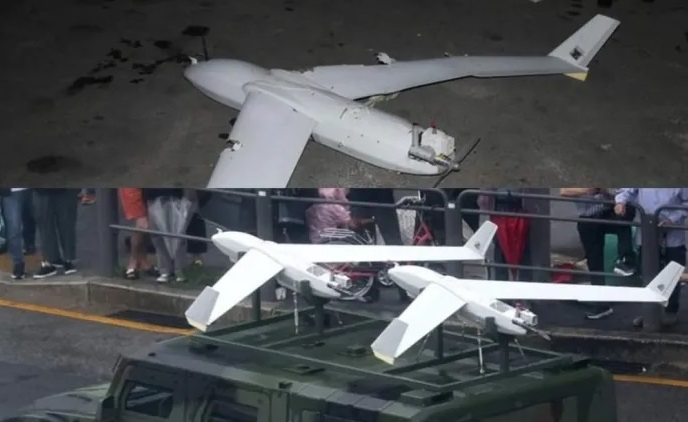
World
The already fraught relations between North and South Korea took another tense turn when North Korean state media, KCNA, released photos of what it claims is a South Korean military drone that crashed in Pyongyang on October 13. According to North Korea, the drone violated its airspace, which has sparked sharp condemnation from Pyongyang and escalated military preparations on both sides of the border.North Korea's Ministry of National Defence did not hold back in its response. A spokesperson from the ministry issued a stern warning that any further breaches of North Korean airspace would be treated as a "grave military provocation" and an outright "declaration of war." The spokesperson went on to say that any future violations would trigger an "immediate retaliatory attack." This rhetoric underscores how seriously North Korea views the incident, adding further strain to the already precarious situation on the Korean Peninsula.In the wake of the drone crash, North Korea has ramped up its military readiness. State media reported that anti-air observation posts throughout Pyongyang and near the border have been strengthened. The military has also placed combined artillery units and other key firepower units on full alert, with explicit instructions from the highest levels of military command. This heightened state of alert is seen as a direct response to what North Korea perceives as provocations from the South.Interestingly, South Korea has not yet officially confirmed the drone's origin, though some military experts have noted similarities between the downed drone and those showcased at South Korea's recent Armed Forces Day celebrations. During the October event in Seoul, South Korea displayed a variety of advanced drones as part of its military showcase, further signaling its growing investment in aerial and unmanned technology. These drones are intended to boost South Korea’s surveillance and defense capabilities, but North Korea’s claims of a drone incursion have now brought those technologies into a controversial spotlight.The timing of the incident could not be more concerning. Both North and South Korea have ramped up military activities in recent months. North Korea has conducted missile tests and large-scale military drills, while South Korea has been fortifying its defenses and participating in joint exercises with the United States. These actions have led to a volatile situation along the demilitarized zone, with both sides watching each other closely for any sign of aggression.North Korea, for its part, has been increasingly vocal about what it views as hostile actions from South Korea and its allies. The North's recent missile tests are part of a broader effort to modernize its military capabilities, while its rhetoric suggests that it feels cornered by increasing pressure from the South and the international community.Analysts are now warning that unless both countries engage in meaningful diplomatic talks, the risk of conflict could increase. The Korean Peninsula has long been a flashpoint for military and political tensions, and incidents like the alleged drone crash only add fuel to an already simmering fire.The drone itself, based on the released images, appears to be relatively sophisticated, possibly designed for reconnaissance missions. Such drones are typically equipped with high-resolution cameras and other surveillance technology, allowing them to collect valuable intelligence. South Korea’s military has made considerable advances in unmanned aerial vehicle (UAV) technology, which is often deployed for monitoring North Korean activity, particularly along the demilitarized zone.With military forces on high alert and rhetoric heating up, the situation remains fragile. If both sides fail to de-escalate, this incident could be a precursor to more serious confrontations, further destabilizing the region. The world is now watching how both Koreas respond in the coming days, with many hoping that cooler heads will prevail to prevent the crisis from spiraling out of control.
Read More → Posted on 2024-10-19 15:56:06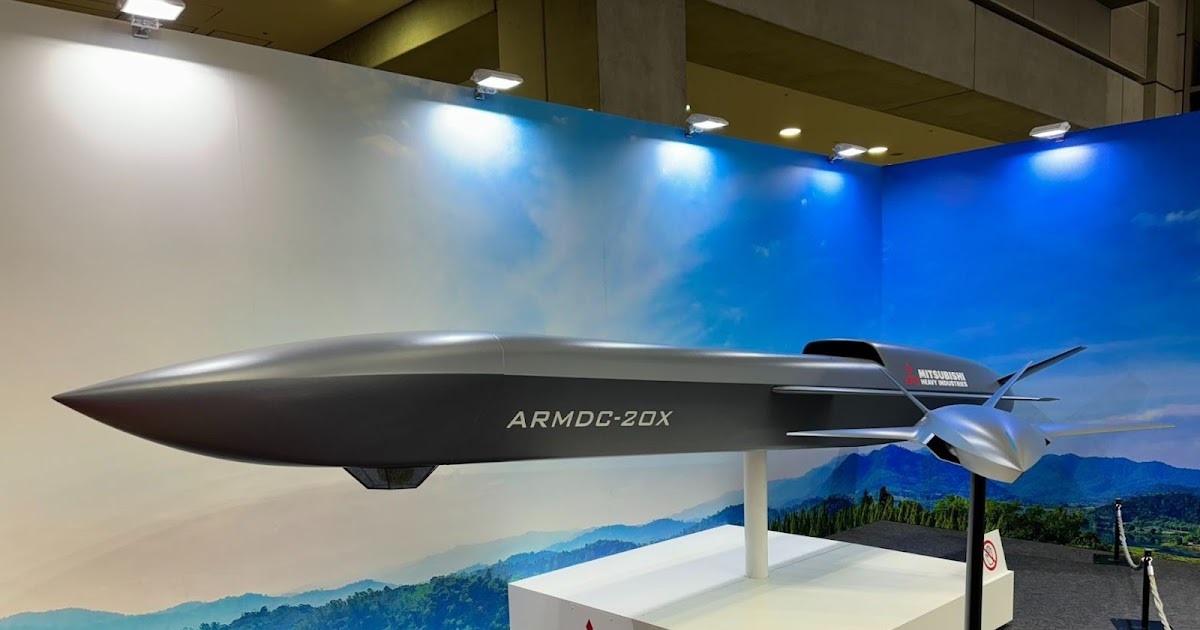
World
Mitsubishi Heavy Industries (MHI) made a major splash at the International Aerospace Exhibition in Japan by unveiling two cutting-edge unmanned aerial vehicles (UAVs) powered by artificial intelligence (AI). This move is a key part of Japan’s broader push to upgrade its defense capabilities with advanced, AI-driven technology, especially as the country faces increasing regional security challenges.At the exhibition, MHI revealed the two combat-support drones developed under contract with Japan’s Acquisition, Technology & Logistics Agency (ATLA). These UAVs are scheduled to undergo their first test flights in 2025, a critical milestone for Japan’s defense industry. The test flights will serve as a practical demonstration of the AI systems and autonomous combat capabilities embedded in these unmanned platforms, marking a bold new step for Japan’s military modernization efforts.The two models unveiled were the ARMDC-20X, a six-meter-long stealth-enabled reconnaissance drone, and an unnamed ten-meter-long interceptor drone designed specifically for aerial combat. The ARMDC-20X is designed to gather intelligence and provide real-time battlefield data, operating alongside manned fighter jets. This drone can support mission planning and increase situational awareness, ensuring pilots have comprehensive information before engaging in hostile action.The larger, ten-meter interceptor UAV is built with a more offensive role in mind. Capable of aerial combat, this drone can intercept and neutralize enemy aircraft or missiles, performing high-risk operations that would typically endanger human pilots. Both UAVs have been equipped with stealth technology, allowing them to operate covertly and avoid detection by enemy radar systems, a crucial feature in modern warfare where airspace is increasingly contested.Mitsubishi’s focus on AI isn't just about making drones that fly autonomously; it’s about integrating these UAVs into broader, multi-domain battle strategies. The drones are expected to function as loyal wingmen for human pilots, working in close coordination to execute complex missions, from reconnaissance to intercept operations, without putting human lives at risk. AI will allow these drones to adapt in real-time to dynamic battlefield conditions, making split-second decisions to support the larger mission.In addition to these combat UAVs, MHI also showcased several smaller drone models designed for logistical purposes. These include a single-rotor "small drone" optimized for tactical mobility and a 12-rotor "medium drone" built to carry heavy payloads. Both of these drones are currently undergoing operational trials, and MHI is preparing them for real-world deployment. The medium drone, in particular, has the potential to revolutionize supply chains in military operations, being able to transport equipment, ammunition, or medical supplies quickly and efficiently over difficult terrain.The announcement and unveiling of these AI-powered UAVs come at a crucial time. Japan, amid rising regional tensions, is ramping up its defense spending and innovation. These AI drones represent a strategic shift in Japan’s defense posture, where automation and AI are seen as essential for handling future military challenges. As Japan aims to strengthen its deterrence capabilities, unmanned systems like these will play a central role in ensuring the country is well-prepared to defend itself in a rapidly changing geopolitical landscape.Mitsubishi’s UAVs also underscore a broader trend within global defense industries: the rapid development and deployment of AI and unmanned technologies to modernize armed forces. With AI-powered decision-making, drones like the ARMDC-20X and the unnamed interceptor will not only complement human decision-makers but may eventually surpass them in executing precision missions without human intervention.As Japan continues to innovate in defense, MHI’s drones represent a significant leap toward integrating AI into its future military strategies. With test flights scheduled for 2025, the world will be watching closely as Japan pushes the boundaries of AI-driven warfare, setting new standards for how unmanned systems can work in concert with human-operated technologies to ensure national security.
Read More → Posted on 2024-10-19 15:54:07Search
Top Trending in 24 Hours
-
 F-35 Fleet Readiness Falls to 25% Amid Parts Shortages and Software Delays: GAO Report
-
 U.S. Approves $1.98 Billion Sale of Anduril AI-Powered Counter-Drone Systems to Kuwait
-
 U.S Navy Orders 50 Blackbeard Hypersonic Missiles in New $23.4 Million Contract
-
 Russia Launches 1,400 Jet-Powered Drones in 2026 as Strike Tactics Evolve to Challenge Ukraine's Air Defenses
-
 Russian Analysts Debate Su-57 Capabilities After Putin Calls Fighter Superior to F-35
-
 Russia Unveils Amur-1650 AIP Submarine Equipped with BrahMos Vertical Launch System at Fleet-2026
-
 France Considers Reduced Role or Exit from Franco-German MGCS Tank Project
-
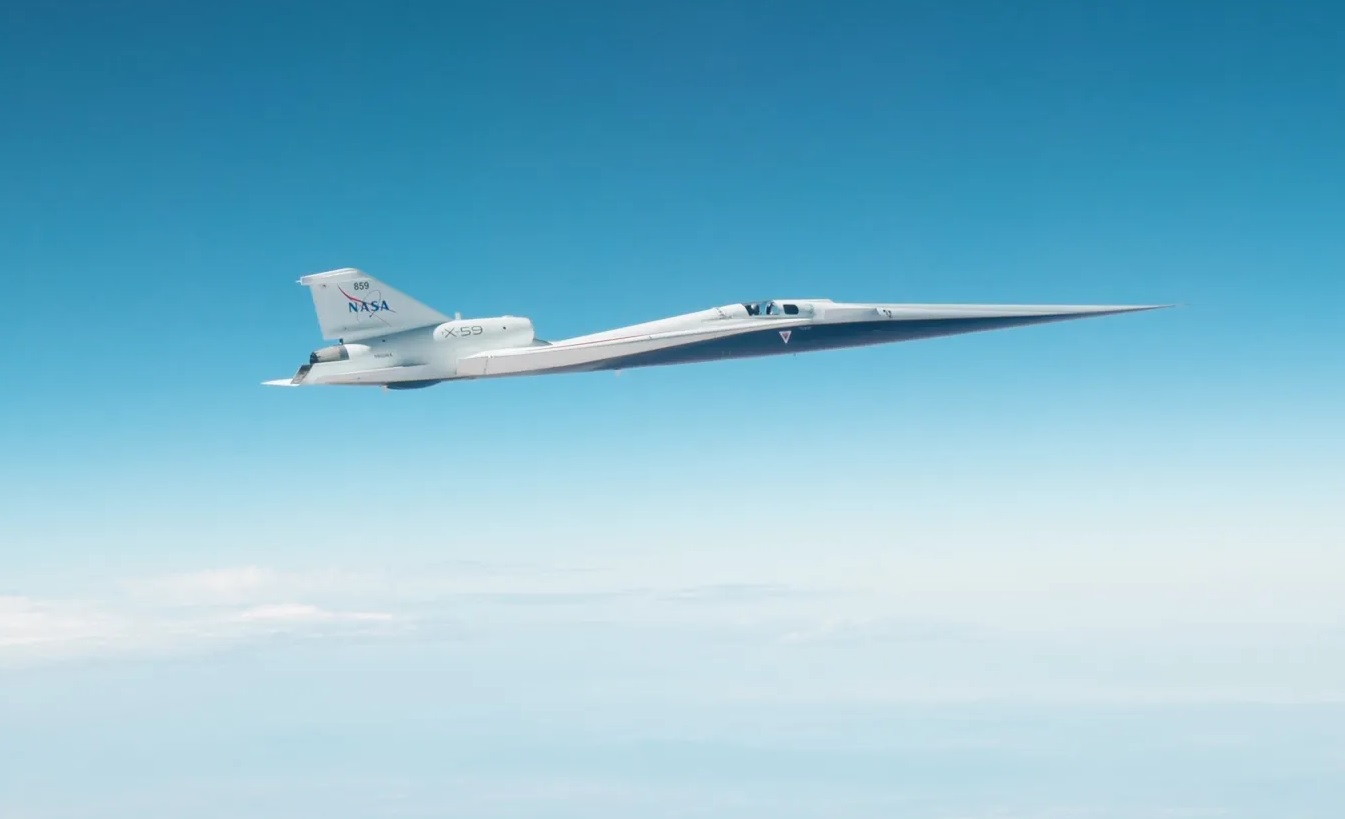 NASA X-59 Achieves Planned Mission Conditions with Mach 1.4 Flight at 55,000 Feet
Top Trending in 4 Days
-
 Iranian Media Leaks 14-Point U.S.-Iran Peace Framework Amid Ongoing Negotiations
-
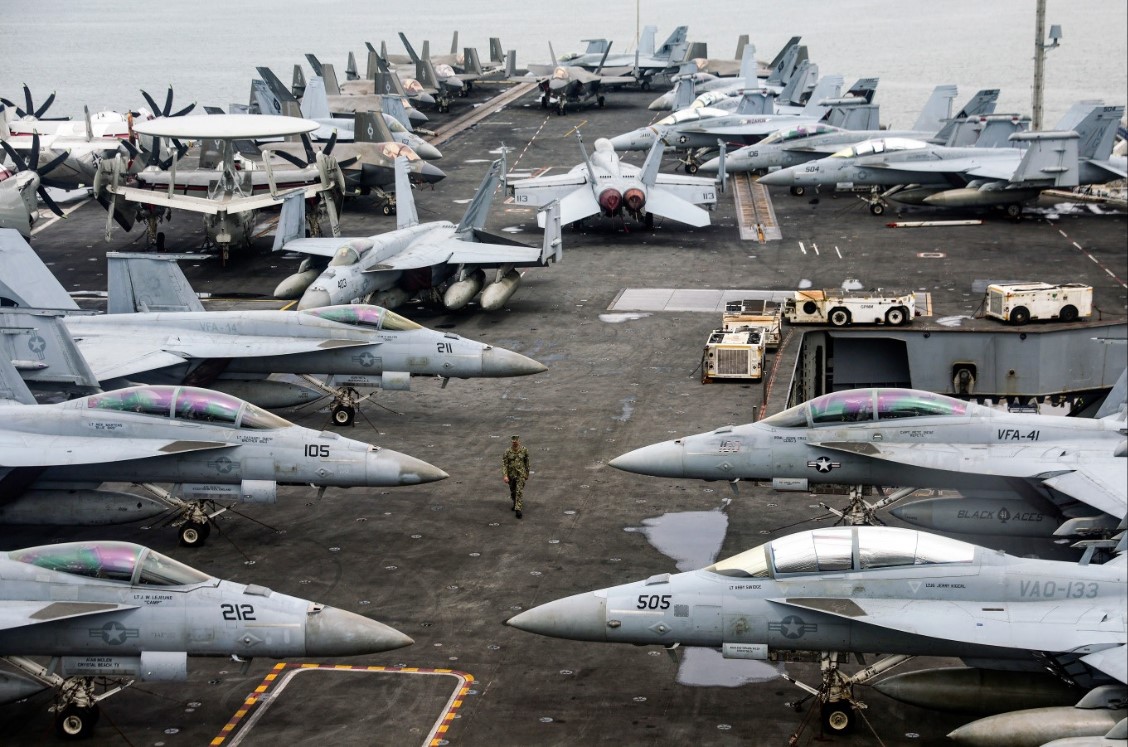 US Plans Significant Reduction of Fighter Jets and Warships for NATO Operations in Europe
-
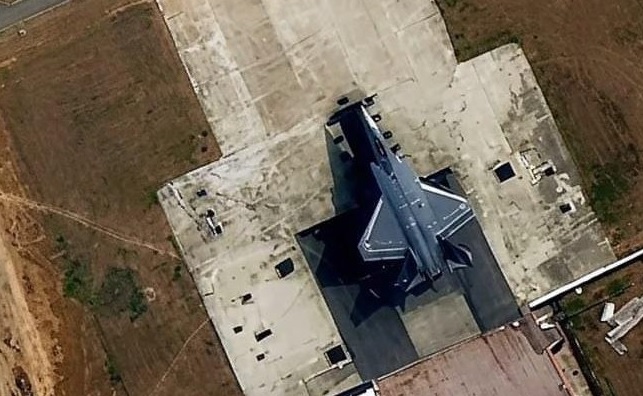 AMCA Airframe Spotted at DRDO’s ORANGE Facility for Radar Cross-Section Testing
-
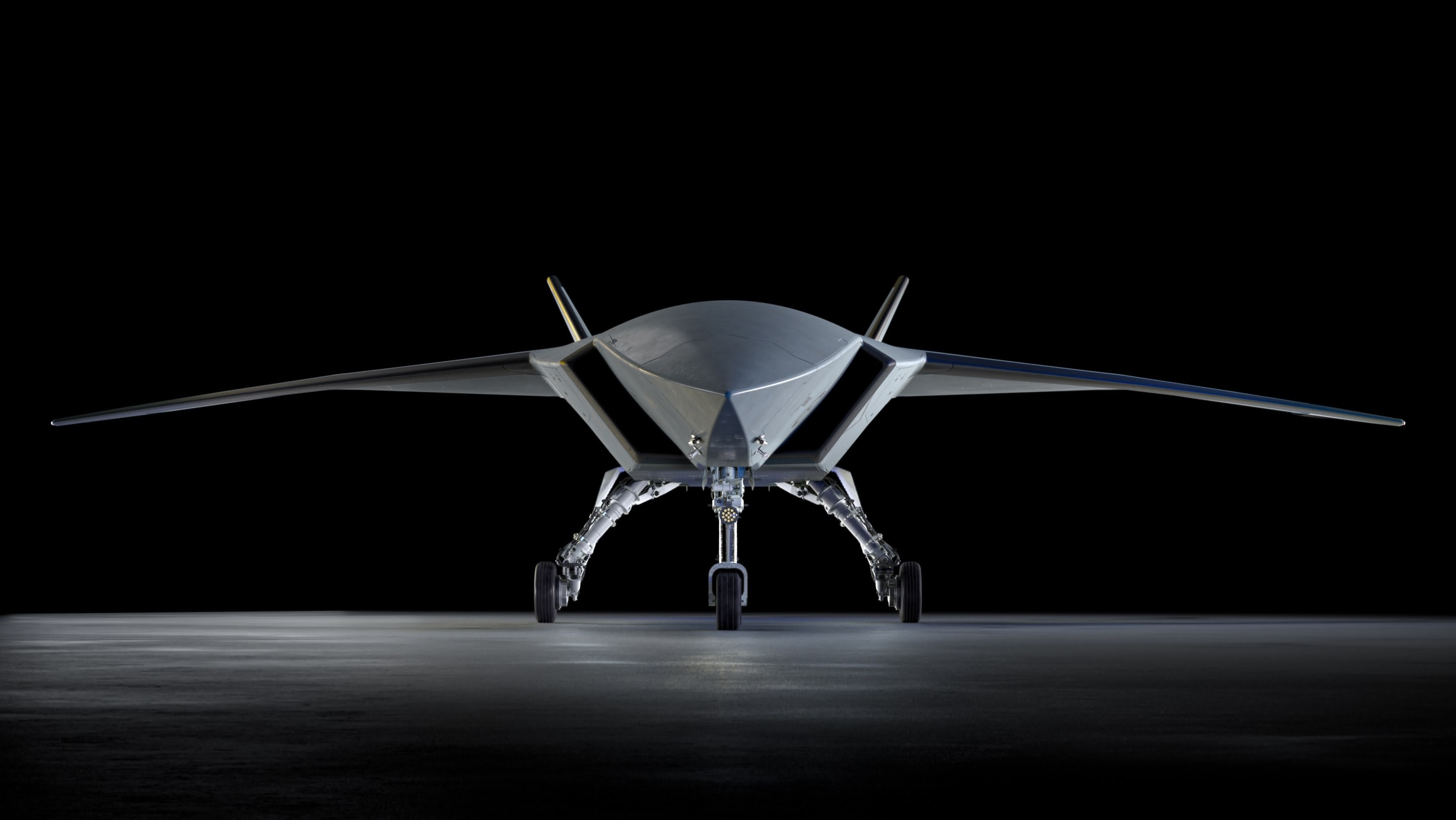 Boeing Introduces New MQ-28 Ghost Bat Upgrades with Increased Range, Payload and Weapons Capacity at ILA Berlin 2026
-
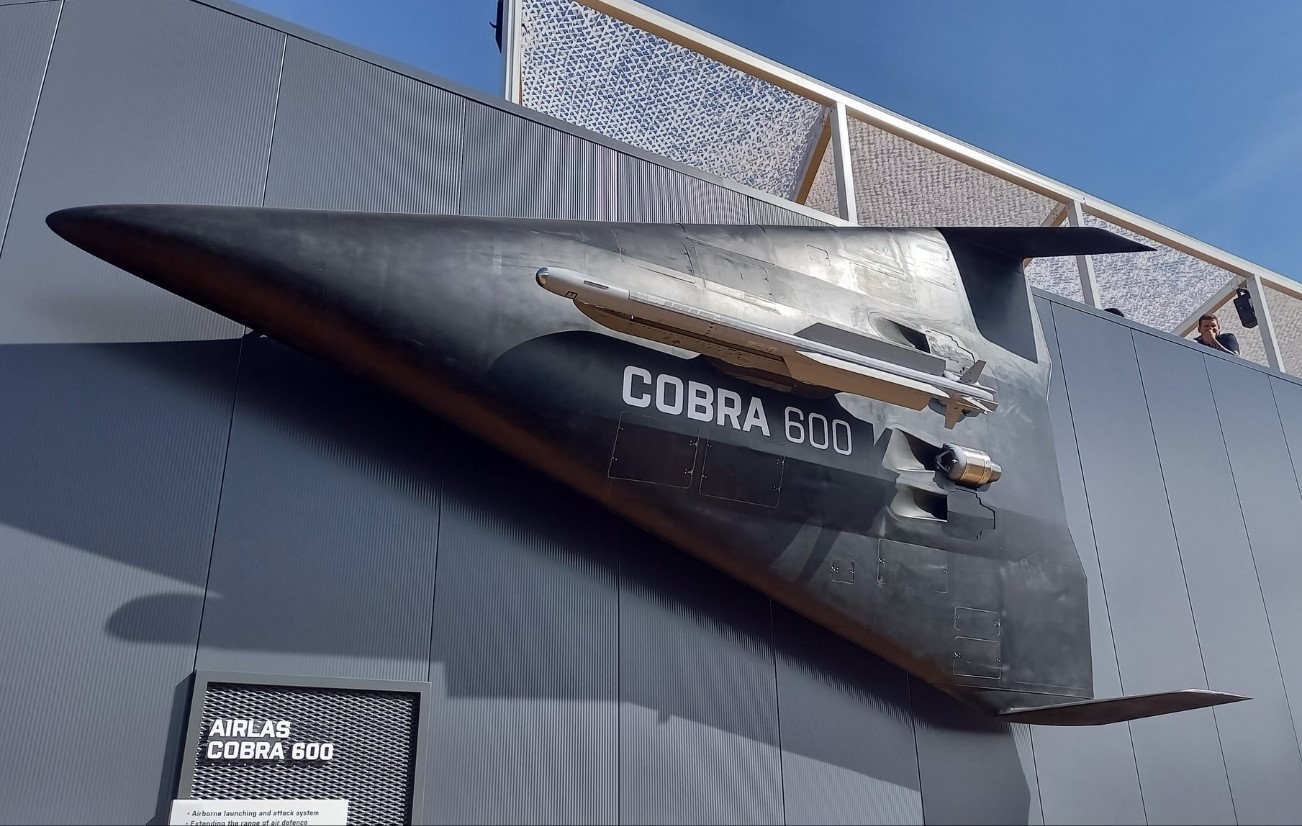 Diehl Defence Unveils IRIS-T Armed Cobra 600 Air Defense Drone at ILA Berlin 2026
-
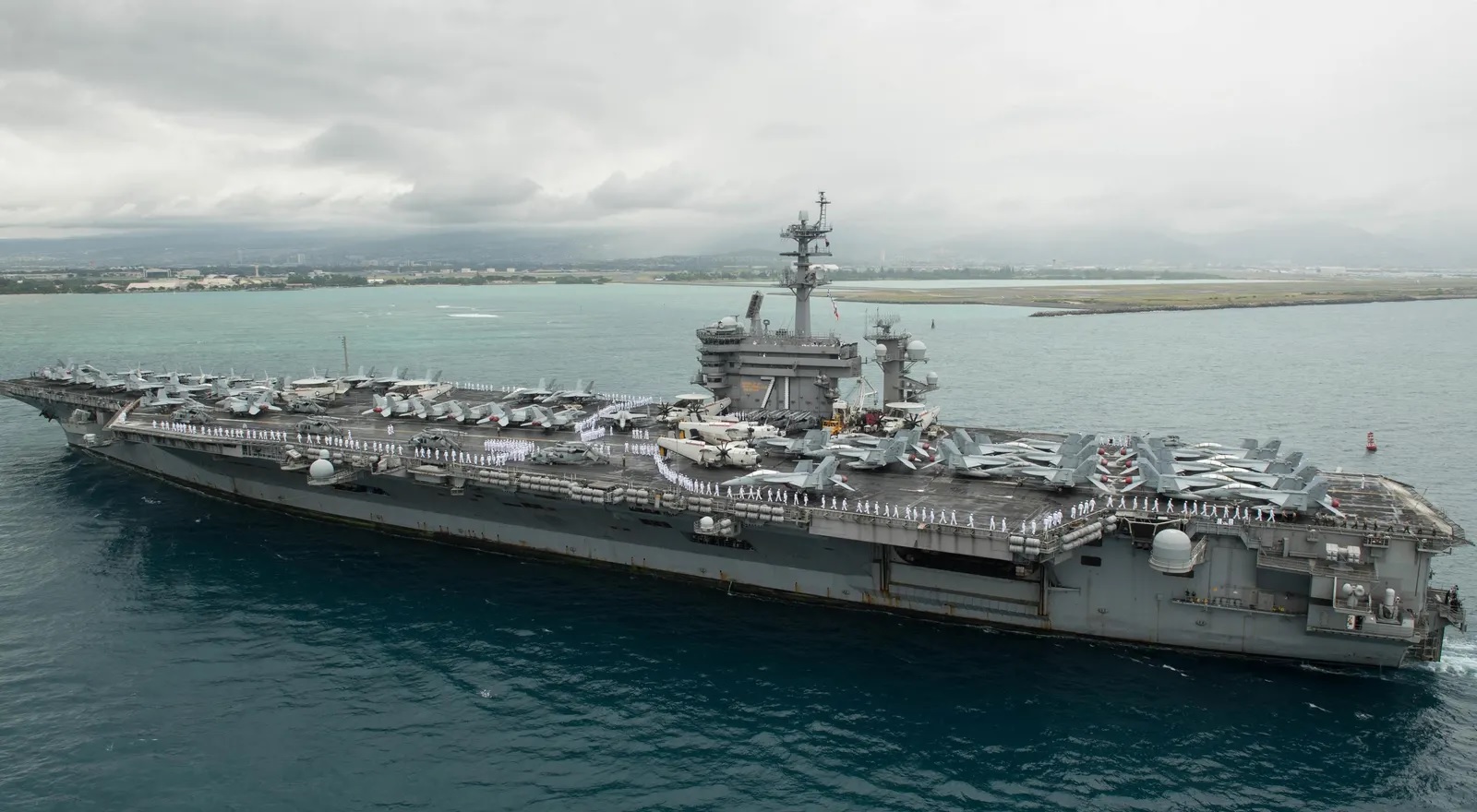 U.S Aircraft Carrier USS Theodore Roosevelt Departs San Diego for Major RIMPAC 2026 Naval Exercise
-
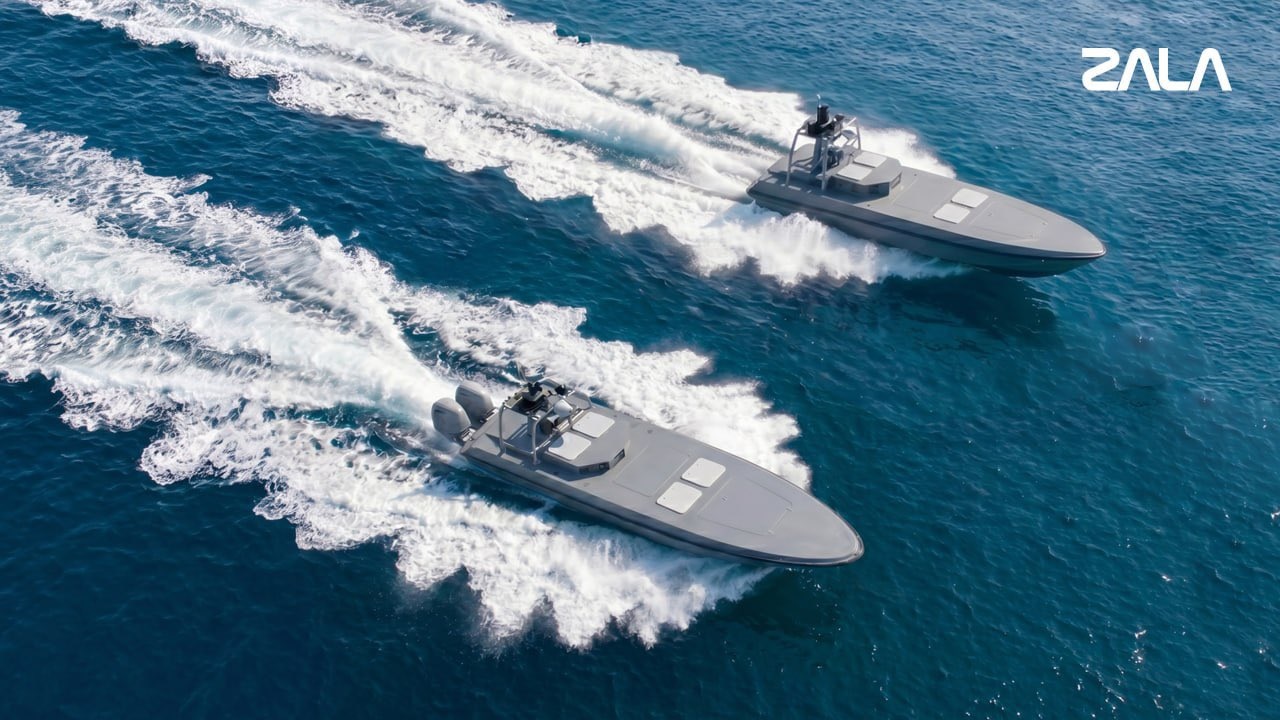 Russian Defense Firm ZALA Unveils KAMA Unmanned Surface Vessel Family at FLOT-2026 Naval Exhibition
-
 NATO Commander Says Russia Not Seeking Conflict With Alliance Despite U.S. Force Reductions