
World
Leonardo, the Italian aerospace and defense company, has introduced a groundbreaking electronic warfare system named BriteStorm, designed to help military forces penetrate heavily defended enemy airspace. BriteStorm aims to counter modern Integrated Air Defence Systems (IADS) that guard critical areas, providing a significant advantage to armed forces operating in hostile environments. Its launch marks a leap forward in electronic warfare capabilities, combining innovative jamming techniques with flexibility to adapt to various platforms and missions.What Sets BriteStorm Apart At its core, BriteStorm offers stand-in jamming, a unique airborne electronic warfare capability that deploys ahead of the main force. This approach allows it to perform high-powered jamming closer to enemy air defenses, degrading their ability to detect, track, and engage incoming aircraft or other assets. The system essentially blinds the enemy’s radars by emitting electronic interference that disrupts their signal processing. With BriteStorm in play, the effectiveness of an adversary’s IADS can be significantly reduced, making it safer for friendly forces to carry out their missions.BriteStorm's jamming capability is enhanced by its Digital Radio Frequency Memory (DRFM) technology. The DRFM-based system can precisely analyze the enemy's radar signals and generate deceptive responses. This capability ranges from basic techniques, such as broadcasting intense electronic noise to drown out radar signals, to more advanced methods like creating realistic "ghost" aircraft signatures. These fake radar returns can trick enemy operators into believing there are multiple targets, spreading confusion and drawing their attention away from the real strike force.Flexibility and Integration One of the most impressive features of BriteStorm is its platform-agnostic design. This means it can be mounted on a wide array of unmanned aerial vehicles (UAVs), drones, and other airborne assets, allowing operators to tailor its use to various mission types. The payload is compact, lightweight, and includes a combination of transmit-receive modules, antennas, and Leonardo’s Miniature Technique Generator, which facilitates the delivery of sophisticated jamming effects while maintaining a small form factor. The system's easy integration ensures that it can quickly become part of existing military forces without significant modification to current platforms. This ease of deployment is especially useful for countries that need to rapidly upgrade their electronic warfare capabilities without a complete overhaul of their military hardware. Furthermore, BriteStorm has been designed to be attritable, meaning it is low-cost enough to be used in high-risk missions where loss of equipment is likely. This aspect makes it an effective choice for use in large numbers or as expendable assets.Building on Proven Technology BriteStorm is not Leonardo's first foray into electronic warfare. It builds on the success of the company’s BriteCloud technology, an in-service countermeasure that uses DRFM technology to confuse incoming radar-guided missiles. While BriteCloud is intended to defeat airborne threats by diverting missile guidance systems, BriteStorm takes the concept a step further by targeting ground-based air defense radars. The ability to prevent these systems from accurately tracking friendly aircraft represents a substantial enhancement in electronic warfare.Developed at Leonardo’s electronic warfare hub in Luton, UK, BriteStorm leverages advanced research in signal processing and electronic deception techniques. This development has drawn on Leonardo's broader digital transformation efforts, which aim to integrate more powerful computational capabilities into smaller, lighter, and more adaptable packages. The result is a system that not only suppresses air defense but can also be reprogrammed to respond to evolving threats swiftly.Testing and Global Reach The UK’s Royal Air Force Rapid Capabilities Office (RCO) has been actively involved in testing BriteStorm, already conducting several successful trial flights. The RAF’s trials have validated BriteStorm’s ability to operate in real-world conditions, confirming its potential to enhance electronic warfare capabilities. This collaboration also aligns with the UK Ministry of Defence's broader strategy to upgrade the country’s electronic warfare readiness.Leonardo has also targeted the U.S. Department of Defense as a potential customer, given the system's relevance to American efforts to maintain a technological edge in contested electronic environments. BriteStorm’s flexible architecture and readiness for export make it an attractive solution not only for NATO allies but also for military forces in Europe, the Middle East, and the Asia-Pacific. With demonstration units already shipped to the U.S., interest from various global markets is expected to grow, driven by the increasing need for advanced electronic warfare solutions.A New Era in Electronic Warfare In conclusion, BriteStorm represents a significant advancement in electronic warfare, designed to suppress even the most sophisticated air defense systems. Its ability to perform stand-in jamming using cutting-edge DRFM technology gives military forces the means to penetrate enemy defenses while minimizing exposure to hostile fire. With a focus on flexibility, rapid integration, and scalable deployment, BriteStorm is set to become a valuable tool in the arsenals of armed forces around the world, enhancing their capacity to operate in the most heavily defended airspace.For Leonardo, BriteStorm is more than just a new product; it symbolizes the company's commitment to pushing the boundaries of what electronic warfare can achieve, setting the stage for future innovations in defense technology. "Leonardo Unveils BriteStorm: A New Era in Electronic Warfare for Suppressing Modern Air Defenses"
Read More → Posted on 2024-10-15 15:17:15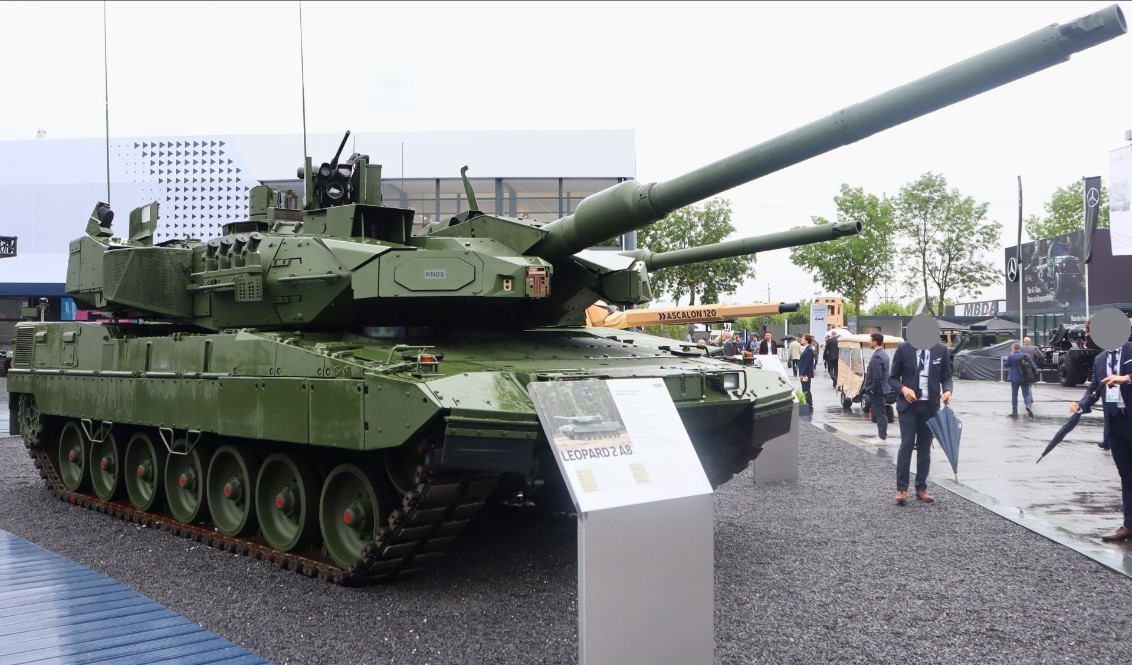
World
Thales has signed a significant contract with KNDS to supply state-of-the-art power systems for the Leopard 2A8 main battle tanks, marking a crucial step in enhancing the electrical efficiency and combat readiness of these armored vehicles. The contract focuses on delivering High-Power Solid-State Power Distribution Boards (SSPDBs), which play a critical role in managing electrical power in military vehicles. Designed to meet the unique power requirements of the Leopard 2A8, these SSPDBs offer sophisticated power management, providing features like overcurrent and short-circuit protection to ensure the tank’s operational reliability in demanding battlefield conditions.Thales has been a leading figure in the development of power systems for over two decades, and this contract with KNDS underscores its reputation in military technology. The first batch of these SSPDBs is expected to be delivered by the third quarter of 2024, with hundreds more scheduled to follow by 2027, reflecting the long-term nature of the partnership. The systems are specifically engineered to handle high-power needs, with channels rated up to 160A, allowing for a robust power supply across multiple vehicle systems.The Leopard 2A8, an evolution of the Leopard 2 series, is known for its enhanced armor, mobility, and firepower. As these tanks require complex electrical systems to support advanced weaponry, communications, and navigation, the SSPDBs from Thales will ensure that power is distributed efficiently. Thales has placed a strong emphasis on optimizing Size, Weight, and Power (SWaP), critical factors in the design of systems that need to fit within the confined space of a tank while providing the required electrical output. The SSPDBs also offer intelligent power management capabilities through pre-programmed profiles, allowing for real-time power adjustments based on mission requirements, enhancing the tank's flexibility in different combat scenarios.The partnership between Thales and KNDS further strengthens the modernization of European military forces, particularly as the Leopard 2A8 is slated to be a cornerstone of several NATO countries' armored divisions. Thales’ Swiss team, led by Martin Bernhardsgrütter, expressed confidence in the continued success of this collaboration, emphasizing that their expertise in protected vehicle power systems is a major asset in fulfilling the demanding operational needs of these tanks. As militaries worldwide continue to invest in advanced technologies for their armored fleets, Thales’ involvement in the Leopard 2A8 project highlights its role as a key player in the future of defense power systems. By delivering cutting-edge, scalable solutions that ensure operational readiness and electrical efficiency, Thales is contributing to the ongoing evolution of modern warfare capabilities.
Read More → Posted on 2024-10-15 15:07:08
World
At the 2024 AUSA (Association of the United States Army) conference, BAE Systems introduced two new prototypes of its highly adaptable Armoured Multi-Purpose Vehicle (AMPV), highlighting the platform’s versatility in meeting the evolving demands of the U.S. Army. These prototypes bring forward cutting-edge technologies aimed at enhancing battlefield readiness, with distinct mission capabilities and advanced turret systems.The two vehicles showcased at AUSA 2024 offer different capabilities, underscoring the AMPV's flexibility. One of the prototypes is equipped with a 30mm turret, while the other features a Modular Turreted Mortar System (MTMS), which recently completed rigorous evaluations at the U.S. Army’s Yuma Test Center. A standout feature of the AMPV platform is BAE Systems’ innovative "common top plate," allowing the integration of over 30 different turret systems. This modularity makes it easier for the Army to quickly adapt the vehicles for various combat roles without the need for significant reconfiguration or delays.The AMPV with the 30mm turret configuration represents the fifth prototype BAE Systems has revealed within a year. This version boasts the KONGSBERG Medium Caliber Turret (MCT), a lightweight, remote-controlled system, which is also favored by the U.S. Marine Corps for its Amphibious Combat Vehicle programme. The MCT enhances the vehicle’s firepower while maintaining flexibility and agility, ideal for a wide range of combat scenarios.In contrast, the AMPV fitted with the MTMS incorporates a 120mm remote-controlled turreted mortar system. This prototype has already been through successful live-fire demonstrations, including one at the Maneuver Warfighter Conference in Georgia. Such tests validate the system’s effectiveness in dynamic battlefield conditions and demonstrate its ability to deliver precision fire support from a highly mobile platform.Bill Sheehy, the AMPV programme director at BAE Systems, emphasized the importance of the common top plate in keeping the AMPV platform highly adaptable and cost-effective. By enabling rapid integration of new turret systems, this innovation ensures that the AMPV can evolve in line with emerging threats and technological advancements. “This vehicle is future-proofed,” Sheehy stated, explaining how the AMPV's modular design will support a broad range of mission roles while providing room for future upgrades.In addition to the 30mm turret and MTMS prototypes, BAE Systems has already integrated other systems onto the AMPV platform. These include a counter-unmanned aerial system (C-UAS) turret, an unmanned 30mm turret, and another medium-caliber 30mm weapon system. Each of these configurations highlights the platform's flexibility and ability to adapt to a variety of mission needs, from direct fire support to air defense and reconnaissance roles.Looking ahead, BAE Systems is nearing completion of a significant expansion of its AMPV production line in York, Pennsylvania. This expansion will allow for an increased production rate, ensuring the U.S. Army receives these advanced vehicles faster to meet their operational demands. As battlefield needs evolve, the ability to rapidly produce and deploy vehicles with adaptable capabilities will be critical in maintaining a tactical edge.The AMPV prototypes unveiled at AUSA 2024 reflect the growing emphasis on modularity, adaptability, and advanced weapon systems integration in modern military vehicles. With its proven track record in real-world testing and live-fire demonstrations, BAE Systems continues to push the boundaries of what is possible for the U.S. Army’s armoured fleet, ensuring soldiers have the tools they need to succeed in increasingly complex combat environments.
Read More → Posted on 2024-10-15 14:40:40
World
In a time of heightened global tensions, Russia's defense pact with North Korea has taken center stage, with Moscow stating that the terms of the agreement are straightforward and transparent. The Kremlin clarified its position on Tuesday after questions arose concerning the details of a treaty signed between the two nations in June. This defense pact, as emphasized by Kremlin spokesperson Dmitry Peskov, ensures "mutual assistance" between Russia and North Korea in the event either country faces external aggression.While the language of the treaty might raise eyebrows internationally, Russia insists that there is no need for further clarification. "It is quite clear," Peskov remarked. He added that the agreement points to "strategic, deepened cooperation" across a variety of sectors, particularly in security. The pact, signed during Russian President Vladimir Putin's visit to Pyongyang, was met with North Korean leader Kim Jong Un hailing Putin as North Korea's "dearest friend," marking a deepening of ties between the two nations.This announcement comes at a time when tensions in the region are escalating. North Korea's recent actions, such as the destruction of key roads linking it to South Korea, have reignited hostilities on the Korean peninsula. In response, Seoul initiated a "counter-fire" operation, heightening concerns of further conflict in the area.Despite these developments, the defense treaty between Moscow and Pyongyang has broader implications. Western nations, particularly the U.S. and its allies, believe North Korea may be providing military support to Russia, possibly supplying arms for Russia's ongoing offensive in Ukraine. Ukrainian President Volodymyr Zelensky even accused North Korea last week of sending troops to bolster Moscow's efforts in the conflict.However, many key aspects of the Russia-North Korea pact remain ambiguous. One of the most pressing questions is whether the treaty places North Korea under Russia's nuclear umbrella. While the text of the treaty itself does not explicitly mention nuclear support, speculation continues over how far Russia would go in defending its ally, especially in light of its nuclear capabilities. Putin has already sent the agreement to Russian lawmakers for ratification, but the full scope of the pact's security guarantees remains uncertain.In a global context, Russia's growing relationship with North Korea signals a broader shift in geopolitical alliances. Both nations face international isolation, with North Korea under severe sanctions for its nuclear ambitions and Russia increasingly isolated due to its war in Ukraine. The defense agreement can be seen as a consolidation of two nations looking to assert their interests amidst growing pressure from the West. As both countries continue to face economic sanctions and diplomatic criticism, their cooperation could mark a new phase in regional and global power dynamics.
Read More → Posted on 2024-10-15 14:38:33
World
In a bold escalation of its campaign against Russian military infrastructure, Ukraine claimed on Monday that its forces had destroyed a Russian military transport aircraft deep within Russian territory. The incident reportedly took place over the weekend, marking another strike behind Moscow's lines as Ukraine intensifies its efforts to undermine Russian military operations.According to Kyiv, the aircraft in question was a Soviet-era Tu-134, a transport plane used primarily to ferry high-ranking officials from the Russian Ministry of Defence. The Ukrainian military intelligence agency, Defence Intelligence of the Ministry of Defence of Ukraine (GUR), announced the destruction of the plane, which was stationed at a military airfield in the Orenburg region, approximately 1,000 kilometers from Ukraine’s border.The attack occurred overnight between Saturday and Sunday. In a statement posted on social media, GUR shared footage that purportedly showed the aftermath of the attack, with flames engulfing the aircraft. However, the Ukrainian agency did not provide specific details on how the strike was executed, leaving room for speculation about the methods employed. This secrecy has been typical of Kyiv’s recent operations, many of which have focused on disrupting Russian military logistics far from the active frontlines.The Soviet-designed Tu-134, while no longer cutting-edge, remains in service in limited roles, primarily used by the Russian military to transport personnel and officials. It was once a workhorse of Soviet aviation, and its use today is mostly for administrative purposes rather than combat missions.This incident is part of a broader trend. Over recent months, Ukraine has increasingly targeted military and infrastructure sites within Russia, including energy facilities, airfields, and supply depots. Kyiv’s aim appears to be to destabilize Russia’s military supply chain and force Moscow to reconsider the security of its rear bases, which were previously considered out of reach. The attack on the airfield in Orenburg aligns with these efforts, as Ukraine looks to stretch Russian forces and make them vulnerable in areas far from the battlefield.There has been no official confirmation or denial from Moscow regarding the Ukrainian claims. The Kremlin, generally tight-lipped about Ukrainian strikes on its territory, has previously refrained from acknowledging damage caused by such attacks. However, the growing frequency of reported sabotage and arson incidents within Russia has led to speculation that these operations are coordinated efforts by Ukrainian forces or their sympathizers within Russia.Since the full-scale invasion began in February 2022, Russia has faced a rising number of sabotage attempts on military and strategic targets within its borders. Moscow has responded by cracking down on internal dissent and sabotage, detaining hundreds of people accused of involvement in attacks on railways, military facilities, and energy infrastructure. These arrests are part of a larger effort by the Russian government to stem the tide of internal unrest that could further complicate its war effort.The destruction of the Tu-134, if confirmed, would represent a significant morale boost for Ukraine as it continues to push for territorial gains and undermine Russia's war efforts. The attack also underscores Kyiv's growing capability to strike far beyond the traditional frontlines, signaling that no part of Russian territory is completely immune from its reach.As Ukraine's military campaign progresses, such operations are likely to increase, further complicating Russia's logistical and strategic planning. The ongoing war is increasingly being fought not just on the fields of eastern Ukraine but also deep within Russia itself, making it clear that this conflict has moved well beyond the borders of both nations.
Read More → Posted on 2024-10-15 14:33:57
World
The Netherlands is taking a significant step in boosting its air defense capabilities by acquiring additional systems from Kongsberg Defence & Aerospace, a deal worth approximately NOK 11 billion (USD 1 billion). This acquisition forms a critical part of the Dutch Ministry of Defense's CITADEL program, an ambitious initiative aimed at enhancing the country's air and missile defense infrastructure. With the purchase of the NASAMS (National Advanced Surface-to-Air Missile System) and the newly developed NOMADS (Networked and Mobile Air Defense System), the Netherlands is poised to strengthen its protective measures for both military and civilian targets.NASAMS: A Proven Defense SolutionThe NASAMS system, developed by Kongsberg and Raytheon, is a well-established air defense solution widely used across NATO. Originally acquired by the Netherlands in 2006, the system is known for its medium-range capability and versatility in intercepting a variety of aerial threats, such as aircraft, drones, and missiles. The new acquisition will include upgraded NASAMS units, featuring state-of-the-art missile technology that significantly extends its reach and precision. The enhanced configuration will utilize advanced missiles like the AMRAAM-ER (Advanced Medium-Range Air-to-Air Missile Extended Range) and AIM-9X Sidewinder, allowing for a combination of longer- and shorter-range interception capabilities.The AMRAAM-ER missile provides a greater range compared to its predecessor, ensuring that threats can be neutralized further away from the protected area. This expanded engagement envelope is crucial in modern conflict scenarios where high-speed and high-altitude threats can pose significant risks. The AIM-9X Sidewinder, with its infrared-guided technology, enhances the system’s ability to tackle close-range threats, giving the Netherlands a layered defense approach.NOMADS: The Mobile ShieldIn addition to NASAMS, the acquisition includes the new NOMADS system, which brings an agile and highly mobile air defense capability to the Dutch arsenal. NOMADS is specifically designed for protecting ground forces in contested environments, making it an ideal solution for dynamic battlefield scenarios. It will feature two launch canisters, a 3D radar, and KONGSBERG’s PROTECTOR remote weapon station, providing the ability to detect, track, and engage aerial threats from a moving platform.NOMADS' mobile nature and interoperability with existing NASAMS infrastructure allow it to operate either as an independent unit or as part of a networked defense system, integrated with other NATO air defense assets. This makes the NOMADS system not just a national asset for the Netherlands but also a valuable component in the collective defense posture of NATO.The Strategic Importance of the CITADEL ProgramThe CITADEL program is a comprehensive effort by the Dutch Ministry of Defense to modernize its air and missile defense capabilities in response to evolving global security threats. With the purchase of these advanced systems, the Netherlands aims to bolster its ground-based air defense coverage, providing a multi-layered shield that can protect against a broad range of threats, from ballistic missiles to low-flying drones. The program’s recommendation to Parliament on October 14, 2024, marks a significant milestone in the country’s defense policy, prioritizing technological upgrades and interoperability with allies.The integration of NASAMS and NOMADS will not only enhance national defense but will also contribute to NATO’s integrated air defense network, reinforcing the alliance’s collective security. The move comes amid increased demand for modern air defense solutions across Europe, where nations are seeking to bolster their capabilities against potential aerial threats, including drones, cruise missiles, and advanced aircraft.Industry Collaboration and Future TimelineThe contract is expected to be signed by the end of the year, with the first deliveries of NASAMS and NOMADS slated to begin in 2028. Kongsberg will work closely with Dutch industry partners to ensure smooth production and integration of the systems. This collaboration is aimed at ensuring that the Dutch military gets cutting-edge technology while also benefiting from local industrial expertise.The Netherlands’ decision to acquire additional air defense systems from Kongsberg is a forward-looking move to address current and future security challenges. The combination of NASAMS' proven capabilities and NOMADS' mobility brings a flexible, multi-layered defense approach that can adapt to changing threat environments. As the CITADEL program continues to unfold, the Netherlands is set to not only enhance its own security but also strengthen the collective defense capabilities of NATO.
Read More → Posted on 2024-10-14 15:35:22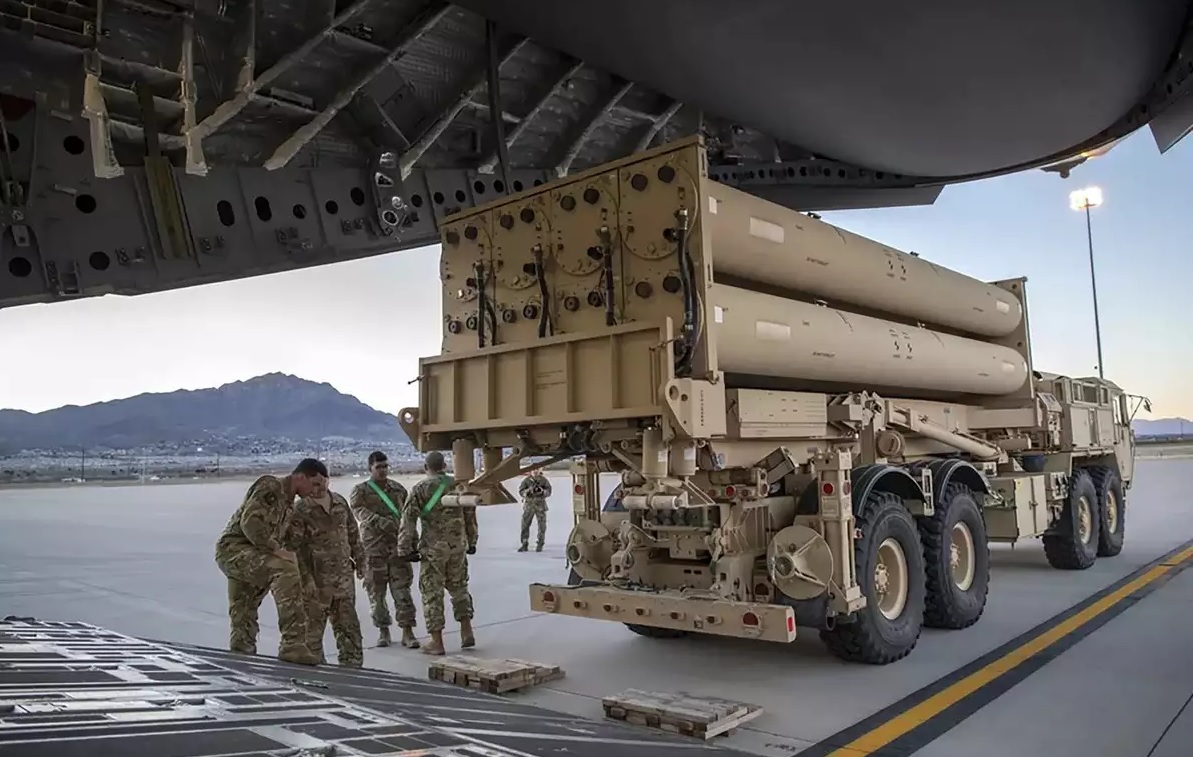
World
The United States has announced that it will deploy its advanced Terminal High-Altitude Area Defense (THAAD) missile system to Israel, sending a powerful signal of support amid increasing hostilities in the region. The decision to deploy the THAAD battery, along with a U.S. military crew to operate it, was made following a series of escalating threats from Iran and recent incidents that have heightened tensions in the Middle East.What is THAAD and Why is it Significant?THAAD is one of the world’s most advanced missile defense systems, designed to intercept and destroy short, medium, and intermediate-range ballistic missiles during their final phase of flight. Unlike other missile defense systems, THAAD intercepts incoming threats at high altitudes—outside the Earth's atmosphere—using the kinetic energy of impact to neutralize the target. The system employs a powerful radar, advanced fire control, and interceptor missiles, making it highly effective against complex missile threats.The THAAD battery's deployment in Israel marks a significant enhancement to the country's already sophisticated air defense network, which includes systems such as Iron Dome, David's Sling, and Arrow. By integrating with these existing layers, the THAAD system adds a new dimension to Israel's missile defense, particularly against long-range ballistic missiles that may be launched from adversaries like Iran.The Strategic Context: Rising Tensions with IranThe deployment of the THAAD system to Israel comes in response to Iran's intensified military activities and its support for groups like Hezbollah in Lebanon. On April 13 and October 1, Iran launched unprecedented attacks on Israel, escalating a conflict that has seen increased rocket fire and border skirmishes. The U.S. move is intended to bolster Israel's defense capabilities and send a clear message to Iran about America's commitment to defending its ally.The THAAD deployment also coincides with a recent incident in which Israeli troops were targeted by anti-tank missile fire from southern Lebanon, resulting in multiple injuries. This has underscored the volatile situation along Israel's northern border and raised concerns about a broader conflict potentially involving Iranian-backed forces.U.S. Commitment and Military Presence in the RegionPentagon Press Secretary Maj. General Pat Ryder confirmed that the deployment is part of a broader U.S. strategy to support Israel and safeguard American citizens in the region. "This action underscores the United States' ironclad commitment to the defense of Israel and to protecting Americans from further ballistic missile attacks by Iran," Ryder stated. This isn’t the first time the THAAD system has been deployed to the Middle East. The U.S. previously stationed a THAAD battery in Israel back in 2019 for a training exercise to evaluate the integration of American and Israeli air defense systems. Such exercises are essential for ensuring that the THAAD system can function seamlessly within the existing defense architecture of Israel, which includes close collaboration between Israeli forces and U.S. military personnel.Enhancing Israel’s Layered Air Defense NetworkIsrael’s air defense strategy is built around a multi-layered approach, utilizing different systems to intercept various types of threats. While Iron Dome focuses on countering short-range rockets and artillery, David's Sling and Arrow provide medium to long-range missile defense capabilities. The addition of THAAD enhances this network by offering an extra layer to intercept missiles at higher altitudes and longer ranges, providing additional time to neutralize threats.The THAAD system’s radar, known as AN/TPY-2, is also one of the most powerful in the world. It can detect, track, and discriminate between multiple missile threats from long distances, giving Israel greater situational awareness and reaction time. When integrated with Israel's existing air defense systems, this radar capability offers a more robust early-warning system to detect incoming ballistic missiles, potentially launched from Iran or its allied militias.Implications for the RegionDeploying the THAAD system in Israel not only strengthens the country’s defense against direct threats but also acts as a deterrence strategy against Iran and its proxies. By positioning advanced U.S. military technology in the region, the U.S. is reaffirming its support for Israel while signaling to Tehran that any aggressive actions will be met with a robust defense response. This move may also reassure other U.S. allies in the Middle East, who are concerned about Iran’s growing influence and missile capabilities.The deployment could have broader geopolitical implications. With tensions rising and regional actors closely watching, the presence of THAAD could deter further provocations from Iran while potentially triggering a military buildup in neighboring states. The Middle East is no stranger to arms races, and the addition of THAAD to Israel's defense arsenal could lead to increased military posturing from regional rivals.The U.S. decision to deploy the THAAD missile defense system in Israel highlights the importance of adapting to evolving security challenges in the Middle East. As Israel faces a complex array of threats, particularly from Iran, the THAAD system provides an additional layer of protection that enhances the country’s multi-layered air defense network. It also reinforces the U.S.-Israel defense partnership, ensuring that both nations are better prepared to address missile threats, protect civilians, and maintain stability in a volatile region. The deployment serves as a powerful statement of support from the U.S. to Israel, amid ongoing hostilities and unpredictable developments that characterize the current security landscape in the Middle East.
Read More → Posted on 2024-10-14 15:20:49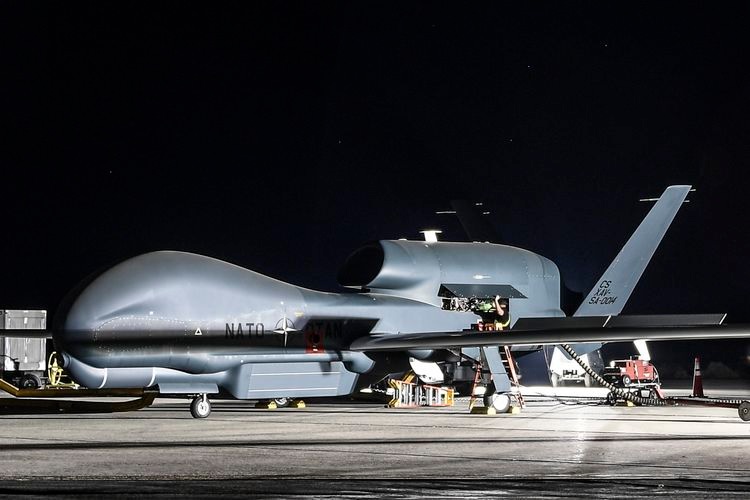
World
NATO’s RQ-4D "Phoenix" drones played a pivotal role during Ramstein Flag 2024, a large-scale military exercise held in Greece. These sophisticated Unmanned Aerial Systems (UAS) form the backbone of NATO's Intelligence, Surveillance, and Reconnaissance Force (NISRF), which was tasked with providing near-real-time data to Allied forces. The purpose? To enhance situational awareness, prioritize target listings, and support complex operations, such as Counter Anti-Access/Area Denial (C-A2/AD) and Integrated Air and Missile Defense.Ramstein Flag 2024 served as a key proving ground for NATO’s enhanced ISR capabilities. By executing the full spectrum of ISR processing—collecting, analyzing, and disseminating information in real time—the NISRF showcased how it can directly support military operations with high-value intelligence. Brigadier General Clark, Commander of NISRF, described the event as "a unique opportunity to improve platform interoperability and data integration across the Alliance," highlighting the importance of seamless data sharing between nations and platforms.One of the standout features of this exercise was the use of the RQ-4D "Phoenix" drone, a key asset in NATO’s intelligence arsenal. With its advanced radar reconnaissance capabilities, the Phoenix operates both day and night, regardless of weather conditions. This ensures NATO forces maintain uninterrupted ground surveillance, even in the most challenging operational environments.The RQ-4D Phoenix, based at NATO's Sigonella Air Base in Italy, has proven to be one of the most reliable tools for gathering critical intelligence. These high-altitude, long-endurance drones are equipped with synthetic aperture radar (SAR) and Ground Moving Target Indicator (GMTI) technology, which enables them to monitor vast swathes of territory and track moving objects on the ground. This capability is crucial for supporting NATO's defensive posture in Europe, particularly in missions requiring rapid threat detection and response.During Ramstein Flag 2024, the NISRF's drones captured organic imagery and gathered essential data, delivering quick analyses that were fed directly into operational planning processes. The high-quality intelligence provided by the NISRF was instrumental in enhancing the situational awareness of aircrews, allowing them to make more informed decisions in real time. This level of integration, both in terms of data and operational capabilities, demonstrates NATO's ongoing efforts to stay ahead of evolving threats.The NISRF, originally established in 2015 under the name NATO Alliance Ground Surveillance Force (NAGSF), has steadily grown into one of the most advanced surveillance forces in the world. Its fleet of five RQ-4D drones, often referred to as the "eyes in the sky" for NATO, can autonomously operate for over 30 hours at a stretch, monitoring enemy movements, identifying critical targets, and relaying actionable intelligence to ground commanders.These drones, with a wingspan of nearly 40 meters and a cruising altitude of 60,000 feet, offer unparalleled surveillance coverage. This makes them particularly useful in countering Anti-Access/Area Denial (A2/AD) threats, where traditional surveillance platforms might struggle to operate safely. Their ability to stay aloft for extended periods ensures that NATO forces have continuous access to intelligence, allowing for quicker reaction times and more strategic decision-making.Beyond their technical capabilities, the RQ-4D Phoenix drones also play a crucial role in strengthening interoperability between NATO member states. By participating in joint exercises like Ramstein Flag, NISRF ensures that intelligence data from its drones can be seamlessly integrated with information from other Allied platforms, enabling a more cohesive and responsive defense network.The significance of the RQ-4D Phoenix and NISRF’s role during Ramstein Flag 2024 cannot be understated. As NATO faces an increasingly complex global security environment, the ability to collect, analyze, and share intelligence rapidly is more critical than ever. This exercise underscored the Alliance’s commitment to maintaining a strong defensive posture while continuing to advance technological and operational integration across its member nations.The success of Ramstein Flag 2024 highlights NATO's ongoing investment in ISR technologies and the continued importance of multinational cooperation in safeguarding European security. With its fleet of RQ-4D drones, the NISRF stands as a testament to the Alliance’s ability to adapt and thrive in an ever-changing threat landscape.
Read More → Posted on 2024-10-14 15:12:17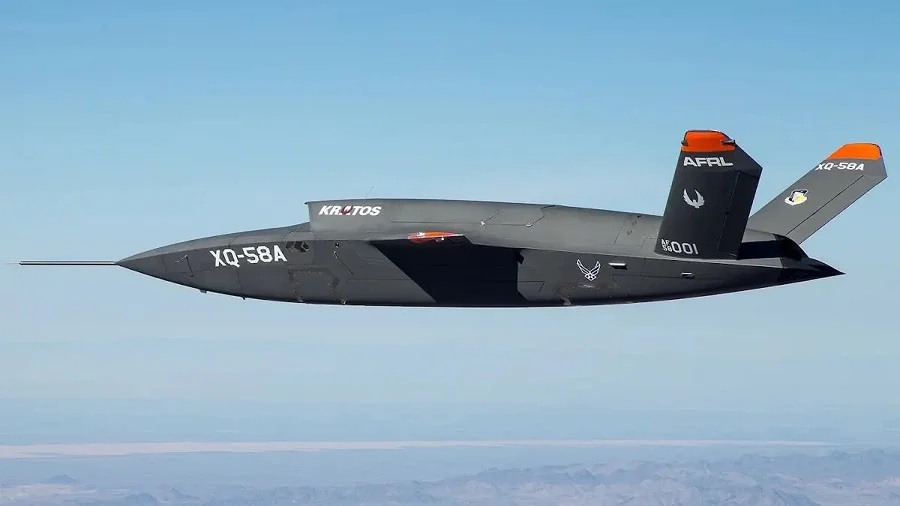
World
The US Marine Corps has made a significant leap in advancing its unmanned aerial capabilities with a successful flight test of the XQ-58A Valkyrie, now equipped with Link-16 tactical communication capabilities. This demonstration, conducted last month, marks a critical development in the Marine Corps' drive to enhance its integrated and joint operational capabilities. The addition of Link-16 enables the Valkyrie to share real-time tactical data — including text, images, and voice communications — with a broader network of users, including NATO allies and other global military forces.The Power of Link-16Link-16 is a secure, standardized tactical data link network widely used by NATO countries. Its integration into the XQ-58A Valkyrie unmanned aircraft allows seamless communication across platforms, enhancing battlefield awareness. This upgrade aligns with the Marine Corps' mission to deter conflict and defeat enemies in rapidly evolving combat environments. The test was groundbreaking in that it was the first instance of a US military aircraft being controlled via an off-board communication system, opening new possibilities for future autonomous and semi-autonomous operations.The successful integration of Link-16 will play a key role in the upcoming Emerald Flag 2024 exercise, a multi-service and multi-domain event designed to showcase the ability to integrate various military assets in complex scenarios. This training exercise, scheduled for October, will push the boundaries of how the Valkyrie and similar UAVs can be deployed in real-world operations.XQ-58A Valkyrie: Specifications and CapabilitiesThe XQ-58A Valkyrie, developed by Kratos Defense, is a versatile, low-cost unmanned aircraft designed to serve multiple roles on the battlefield. The Valkyrie cruises at a speed of Mach 0.72, can reach altitudes of up to 45,000 feet, and boasts an impressive range of approximately 3,000 miles. The cost per unit, including test and support equipment, hovers around $5.5 million, although Kratos is actively working to reduce this to as low as $2 million per unit — cheaper than many current missile systems. Additionally, the XQ-58B variant costs slightly less, at around $4 million.One of the most valuable aspects of the XQ-58A Valkyrie is its runway independence, meaning it can be launched from remote, austere locations closer to enemy bases. This capability provides a significant operational advantage, particularly in contested environments where traditional runways may be unavailable or vulnerable to attack.Expanding Roles for the ValkyrieBeyond its kinetic strike potential, the Marine Corps envisions the Valkyrie playing key roles in electronic warfare, surveillance, reconnaissance, and even as a "loyal wingman" for crewed fighter jets like the F-35B Lightning II. Its adaptability makes it an excellent candidate for a variety of missions, allowing it to serve as a force multiplier in both offensive and defensive operations.The Marine Corps' plans for the XQ-58A don’t stop at basic flight testing. The Valkyrie is central to the "penetrating affordable autonomous collaborative killer portfolio" program, a broader effort aimed at developing low-cost, expendable drones capable of supporting manned aircraft in combat scenarios. These autonomous UAVs could augment air patrols and provide crucial electronic support to manned platforms, thereby increasing the survivability and effectiveness of the entire fleet.In early 2023, the Marine Corps acquired two XQ-58As and has since conducted three test flights. These tests are part of a broader series of six planned flights to evaluate various technologies, including autonomous flight and AI-enabled platforms. This testing phase is critical to determining how the XQ-58A can work in tandem with crewed aircraft like the F-35B, providing real-time support and potentially changing the dynamics of modern air warfare.The Road AheadThe Marine Corps’ successful test of the XQ-58A Valkyrie with Link-16 integration is a promising step toward realizing the full potential of unmanned aircraft in modern warfare. As the Valkyrie continues to evolve, it will likely become a pivotal component of future air operations, particularly in contested environments where speed, adaptability, and communication are crucial.With the upcoming Emerald Flag exercise on the horizon, the Marine Corps is setting the stage for a future where manned and unmanned systems work seamlessly together, enhancing the force's ability to respond to threats across multiple domains. The XQ-58A Valkyrie, with its new Link-16 capabilities, will undoubtedly play a significant role in this vision.
Read More → Posted on 2024-10-14 14:53:35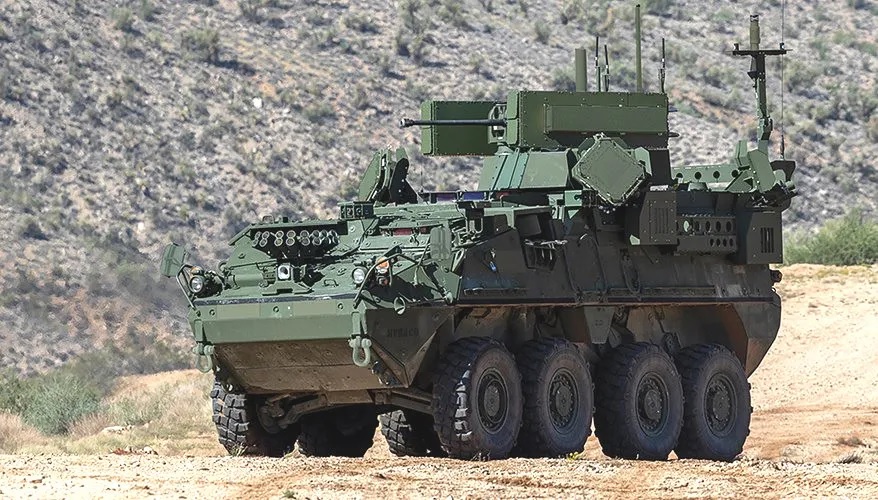
World
Leonardo DRS, Inc. and BlueHalo recently demonstrated a breakthrough in counter-drone technology, showcasing their new Counter-Unmanned Aircraft System (C-UAS) Directed Energy (DE) Stryker. This live-fire engagement took place in Socorro, New Mexico, and marked a significant leap forward in the U.S. military’s ability to combat unmanned aerial threats.The event, spanning two days, was a culmination of months of rapid development. U.S. Army officials observed as the Stryker-based system effectively neutralized numerous Group 1-3 drones using a combination of laser and kinetic technology. BlueHalo's LOCUST Laser Weapon System, a 26kW powerhouse, played a pivotal role in these engagements. The system also employed a 30mm remote weapon station (RWS) for kinetic takedowns, showcasing the versatility of the platform in dealing with a wide range of aerial threats.The integration of multiple advanced technologies is key to the success of the C-UAS DE Stryker. The vehicle is equipped with radar systems capable of long-range drone detection, providing the Army with vital early warnings of incoming threats. This radar is paired with BlueHalo's non-kinetic Titan C-UAS and Titan-SV systems, designed for surveillance and drone disruption. The ability to detect, track, and engage drones from a mobile platform provides unparalleled flexibility and protection for frontline troops.One of the standout features of this system is its adaptability and rapid deployment. Leonardo DRS and its industry partners, including BAE Systems, Northrop Grumman, and EOS Defense Systems USA, completed the design, building, and testing process within an impressive eight-month window. Aaron Hankins, Senior Vice President at Leonardo DRS Land Systems, expressed pride in the team's ability to meet the U.S. Army's urgent need for advanced air defense systems, highlighting the importance of rapid innovation in today's complex battle environments.The heart of the system is the LOCUST Laser Weapon System, a modular directed energy weapon that can be fired from within the Stryker vehicle. This high-energy laser is specifically designed to target small, fast-moving aerial vehicles like drones, ensuring that even the most elusive threats are neutralized. The laser works in tandem with traditional kinetic weapons like the XM914 30mm cannon, creating a layered defense system that can handle a wide spectrum of drone threats.Mary Clum, Executive Vice President at BlueHalo, emphasized the importance of collaboration in bringing this technology to life. She praised the partnership between Leonardo DRS and other defense industry giants, noting that the combination of advanced kinetic and non-kinetic effectors allows for a robust and scalable system ready for deployment in contested environments.The demonstration also highlighted the Stryker’s ability to integrate seamlessly into the Forward Area Air Defense Command and Control (FAAD C2) network, allowing for real-time communication and coordination with other air defense assets. This ensures that the C-UAS DE Stryker can provide comprehensive battlefield protection, responding quickly to both aerial and ground threats.With the success of the New Mexico demonstration, Leonardo DRS and BlueHalo are preparing to showcase the system at the upcoming 2024 AUSA Annual Meeting. Army officials, defense contractors, and international military representatives are expected to witness the next level of drone defense capabilities, positioning the C-UAS DE Stryker as a crucial asset in future U.S. Army operations.In short, the C-UAS DE Stryker offers the U.S. Army a mobile, powerful, and technologically advanced solution for dealing with the rapidly evolving threat posed by unmanned aerial systems. By combining the firepower of traditional weapons with cutting-edge directed energy technology, Leonardo DRS and BlueHalo have created a system that ensures military forces remain ahead of the curve in drone warfare.This groundbreaking collaboration between major industry players highlights a commitment to innovation and the defense of troops in increasingly contested environments.
Read More → Posted on 2024-10-14 14:48:22
World
In a significant move, Germany has given the green light to initiate technical negotiations with Turkey on the potential sale of Eurofighter Typhoon jets. This decision marks a major shift in Berlin’s stance, which had previously blocked the sale due to concerns over Turkey's potential use of the fighter jets in conflict zones like Syria and Iraq, where they could be deployed against Kurdish groups. However, Germany’s decision now paves the way for deeper discussions regarding this high-profile defense deal.The Eurofighter Typhoon is a multi-role fighter jet developed by a consortium of European nations, including Germany, the UK, Spain, and Italy. Known for its advanced capabilities, the Typhoon is a versatile platform designed for air superiority, ground attack, and reconnaissance missions. Powered by twin engines, the aircraft can reach a top speed of Mach 2 (roughly 2,400 kilometers per hour) and is equipped with state-of-the-art avionics, a range of air-to-air and air-to-ground weapons, and cutting-edge radar systems. The jet’s combination of speed, agility, and firepower makes it one of the most formidable fighters in Europe.Turkey is eyeing up to 40 Eurofighter jets in a deal reportedly valued at $5.6 billion. The acquisition would significantly bolster Turkey's air combat capabilities, adding to its existing fleet and filling gaps left by the ongoing disputes over the U.S.-made F-35 program. Ankara plans to take delivery of 24 Eurofighter jets in the initial phase, with the remaining 16 to arrive in later stages. This acquisition comes at a critical time, as Turkey seeks to modernize its air force and adapt to evolving regional security dynamics.One of the pivotal moments leading up to the German decision occurred during a meeting between German Chancellor Olaf Scholz and Turkish President Recep Tayyip Erdoğan on the sidelines of the United Nations General Assembly. Both leaders engaged in discussions that likely helped ease German concerns over the sale. Additionally, Chancellor Scholz’s upcoming visit to Ankara in October is expected to further solidify negotiations.Though technical consultations have begun, it doesn’t guarantee that the deal will materialize. The German Federal Security Council’s decision allows the Eurofighter consortium to share the fighter's specifications with Turkish officials and initiate technical discussions. According to sources, these talks will cover key aspects such as procurement stages, training programs, spare parts management, and long-term maintenance protocols. This exchange of information is crucial for Turkey to fully understand the scope of the potential deal and assess how the jets would integrate into its existing military infrastructure.While the German government has opened the door to negotiations, it still retains options to block the process later on. Political hurdles remain, but the growing regional tensions, particularly the ongoing conflicts between Ukraine and Russia and the Gaza war, may have influenced Berlin’s reconsideration of its earlier position. Airbus, one of the main partners in the Eurofighter consortium, has expressed optimism about the potential deal. According to Simon Ward, Airbus's Turkey chief, the company is working diligently to smooth out political challenges, and there is a possibility that Eurofighters could arrive in Turkey sooner than anticipated. This accelerated timeline would be a major boon for Turkey, which is eager to enhance its defense capabilities amid a challenging geopolitical environment.The decision has broader implications beyond the immediate military context. Some sources suggest that the deal might be tied to broader negotiations between Germany and Turkey, particularly regarding the repatriation of Turkish citizens whose asylum applications in Germany have been rejected. This aspect highlights how defense deals can often be influenced by diplomatic and humanitarian considerations.In the meantime, Turkish defense ministry sources remain optimistic, indicating that the sale process is progressing positively and that a resolution could be reached in the near future. With Chancellor Scholz’s visit to Ankara just weeks away, all eyes will be on how the next round of negotiations unfolds.Should the sale proceed, the Eurofighter Typhoons would provide Turkey with a significant upgrade in aerial combat capabilities, offering advanced radar and sensor systems, precision-guided munitions, and enhanced situational awareness. For Turkey, the jets are not just about upgrading military hardware but also about asserting its position as a key regional power.In sum, while obstacles remain, the opening of technical negotiations marks a promising step forward in Turkey’s quest to acquire Eurofighter Typhoon jets. As discussions continue, both sides will carefully navigate political sensitivities and strategic priorities to reach a mutually beneficial agreement.
Read More → Posted on 2024-10-14 14:36:08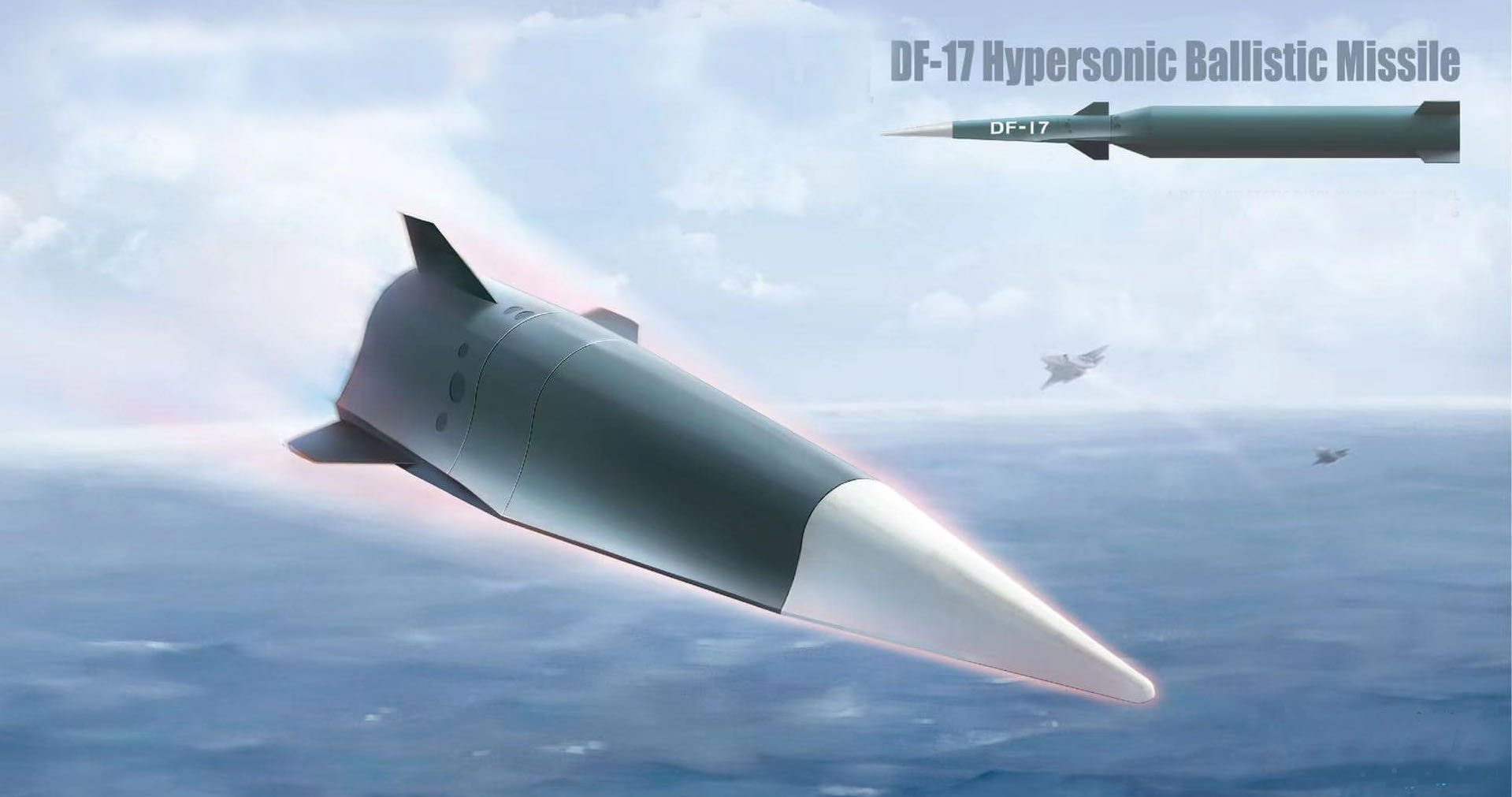
World
China's DF-17 missile, a hypersonic weapon capable of reaching speeds over Mach 5, has been a significant subject of interest in the global military landscape. Lauded as a breakthrough in hypersonic missile technology, the DF-17's potential to evade missile defense systems and strike targets with precision has created a buzz around its strategic impact. However, a closer examination reveals several limitations that may temper some of the hype surrounding its purported capabilities. This article explores these limitations and contrasts them with the advertised specifications provided by China.The Hype: China's DF-17 Missile CapabilitiesChina unveiled the DF-17 missile during its 70th National Day military parade in 2019. The missile is a medium-range hypersonic glide vehicle (HGV) with an estimated range of around 1,800-2,500 kilometers. It is designed to travel at hypersonic speeds, making it significantly faster than traditional ballistic or cruise missiles. The ability of the DF-17 to maneuver during flight allows it to evade existing missile defense systems, which are primarily designed to counter predictable ballistic trajectories.The missile’s glide vehicle, which detaches from the booster rocket during mid-course flight, is capable of sharp turns and rapid adjustments, potentially making it harder for defense systems like the U.S. THAAD (Terminal High Altitude Area Defense) and Aegis to track and intercept. China claims that the DF-17 is not only capable of conventional strike missions but also could be equipped with a nuclear warhead, thus enhancing its deterrence capability.Limitations of the DF-17: The RealityDespite the fanfare surrounding the DF-17, there are several limitations and concerns that cast doubt on the missile’s revolutionary impact. These limitations stem from factors such as technological constraints, countermeasures, strategic application, and operational deployment.1. Technological MaturityWhile the DF-17 represents a leap in hypersonic technology for China, it is essential to recognize that hypersonic glide vehicles (HGVs) are still a relatively new technology. Developing a reliable guidance and control system for a vehicle traveling at hypersonic speeds presents significant technical challenges. At such high speeds, the heat generated by air friction and the stress on the airframe can affect the performance of the guidance system, potentially leading to inaccuracies in hitting targets. Even minor deviations can cause significant errors over long distances, raising questions about the DF-17's precision in real-world scenarios.Moreover, the hypersonic glide vehicles must maintain stable flight dynamics at extreme speeds and altitudes. Turbulence, changes in atmospheric conditions, and ionization caused by frictional heating can disrupt communication with the missile and interfere with onboard sensors.2. Limited Operational RangeThe advertised range of the DF-17 is around 1,800-2,500 kilometers. While this is sufficient for targeting regional threats, it is not a global strategic weapon in the same category as intercontinental ballistic missiles (ICBMs). The limited range confines the missile’s strategic utility to within East Asia, covering countries like Japan, Taiwan, South Korea, and U.S. military bases in the region. For China to target more distant adversaries, such as mainland United States or European nations, it would require different delivery systems or forward-deployed platforms, which could expose China's forces to preemptive strikes. Thus, while the DF-17 adds value to China's regional deterrence posture, it does not necessarily shift the global strategic balance.3. Vulnerability to Emerging CountermeasuresHypersonic weapons like the DF-17 are often considered "unstoppable" due to their speed and maneuverability. However, advancements in missile defense technology are progressing at a rapid pace. Countries like the United States are developing new interception methods, such as directed energy weapons (lasers) and advanced kinetic interceptors, which could eventually be effective against hypersonic threats.Additionally, space-based sensors and tracking technologies are being improved to detect hypersonic weapons’ distinct flight profiles, providing early warning and targeting data for interception attempts. Although intercepting hypersonic missiles is more challenging than traditional ballistic missiles, future missile defense systems may reduce the DF-17's perceived invulnerability.4. Logistical and Deployment ChallengesOperational deployment of the DF-17 raises logistical considerations that may limit its flexibility. The missile is designed to be launched from road-mobile launchers, which offer strategic mobility. However, the transportation of such large and sophisticated systems requires secure and well-maintained road networks. Furthermore, the deployment of mobile launchers must be carefully planned to avoid detection by adversary surveillance, which could render them vulnerable to preemptive strikes.The reliance on specific geographic launch points due to the missile’s limited range also restricts the number of strategic options available to China's military planners. In a conflict scenario, China's DF-17 launchers could become high-priority targets, and their survivability in a contested environment remains an open question.5. Overreliance on Hype for DeterrenceThe DF-17 is often portrayed as a symbol of China's advancing military capabilities, which serves as a psychological tool for deterrence. However, hyping the missile’s capabilities can backfire if the actual performance falls short of expectations during a conflict. Overstating the effectiveness of hypersonic technology might push adversaries to accelerate the development of countermeasures and new offensive capabilities, potentially sparking an arms race.Strategic Implications: A Regional, Not Global, Game-ChangerWhile the DF-17 undoubtedly enhances China's regional military posture, its limitations prevent it from being a decisive factor in altering the global strategic landscape. It is particularly relevant for deterrence scenarios involving Taiwan or U.S. bases in the Asia-Pacific region, but its impact diminishes when considering global power projection. The missile’s capabilities must be viewed within the broader context of China’s overall military strategy, which still emphasizes anti-access/area-denial (A2/AD) capabilities rather than global strike.The DF-17 represents a significant step forward in China's military modernization, showcasing progress in hypersonic technology and signaling China's intent to challenge U.S. military supremacy in the region. However, the missile’s limitations, including technological hurdles, range constraints, evolving countermeasures, and logistical deployment challenges, suggest that the DF-17 may not be as revolutionary as often portrayed.In essence, the DF-17 should be viewed as part of a broader strategy to complicate U.S. and allied military planning in East Asia, rather than a silver bullet that fundamentally shifts the balance of power. The reality behind the missile's hype is that while it enhances China's regional deterrence, its strategic utility and operational readiness may not yet live up to the ambitious claims made by Chinese officials.
Read More → Posted on 2024-10-13 16:04:22
World
Ukraine's defense forces have found an effective solution to Russia's escalating drone warfare in the form of the VAMPIRE Surface-to-Air Missile (SAM) system. Recently, the Ukrainian Navy released footage showcasing the success of this mobile defense platform, intercepting Russian attack drones with remarkable precision. At least eight confirmed interceptions highlight the system's reliability in neutralizing unmanned aerial threats.The VAMPIRE system, short for Vehicle-Agnostic Modular Palletized ISR Rocket Equipment, was developed by L3Harris. It was initially designed as a multi-purpose platform capable of using a variety of weapon systems, but its integration with the Advanced Precision Kill Weapon System (APKWS) laser-guided rockets has made it particularly lethal against drones. Originally used by U.S. forces for air-to-ground strikes, these laser-guided rockets have adapted well to the VAMPIRE platform, transforming it into a formidable drone defense system.Mounted on flatbed trucks for high mobility, the VAMPIRE system features a sensor ball for precise targeting and four APKWS launchers. This allows Ukrainian forces to intercept drones with laser-guided precision at a fraction of the cost of traditional surface-to-air missile systems. Given the rising frequency of drone attacks by Russian forces, the cost-efficiency of the VAMPIRE system has become a key advantage. Each APKWS rocket is significantly cheaper than conventional missiles, yet provides enough firepower to neutralize small aerial threats effectively. The introduction of the VAMPIRE system marks a pivotal moment in Ukraine's defense strategy. Unlike high-cost air defense systems, which are often reserved for larger aircraft or missile threats, VAMPIRE focuses specifically on dealing with the swarms of drones Russia has deployed on the battlefield. Its versatility and adaptability have been crucial in securing not only military positions but also critical civilian infrastructure that could be vulnerable to drone attacks. The United States supplied this system as part of its ongoing military aid package to Ukraine. As the war with Russia drags on, the need for versatile and affordable defense solutions has only grown more pressing. VAMPIRE’s success in intercepting drones has offered a timely and effective response to this need, shielding Ukraine from the disruptive potential of Russia’s unmanned aerial vehicles (UAVs).The importance of this development cannot be overstated. Russia’s drones, used for both surveillance and attack, have become an increasingly persistent threat in the war. Ukraine's ability to defend against these low-flying, hard-to-detect threats with VAMPIRE's APKWS laser-guided rockets is a significant step forward. It underscores a broader shift toward more affordable, scalable, and adaptable military technologies in modern warfare.As these systems continue to prove their value, they could reshape Ukraine's tactical capabilities in the ongoing conflict. Alongside other innovations, the VAMPIRE SAM system represents the future of affordable, precision-based air defense in a world where unmanned threats are becoming more frequent and complex.
Read More → Posted on 2024-10-13 15:53:39
World
The Australian Army's ambitious modernization program has taken a significant leap forward with the sighting of its first AS9 Huntsman self-propelled howitzer in South Korea. This advanced artillery system is part of Australia's LAND 8116 Phase 1 program, a major initiative aimed at enhancing the nation's artillery capabilities to meet future battlefield demands.The AS9 Huntsman, a heavily modified version of Hanwha Defense's K9 Thunder, is set to play a pivotal role in boosting Australia's long-range artillery firepower. The K9 Thunder, which serves as the foundation for the AS9, is already widely regarded as one of the most effective self-propelled howitzers globally. It's currently in service with multiple countries, including NATO and non-NATO members, thanks to its battle-proven reliability, mobility, and superior firepower. However, the Australian variant brings additional improvements tailored specifically for the Australian Army's operational needs.Why the AS9 Huntsman is a Game-ChangerThe AS9 Huntsman isn't just a copy of the K9 Thunder—it incorporates numerous upgrades and modifications that make it uniquely suited for Australia's defense requirements. Like the K9, the AS9 is equipped with a 52-caliber 155mm gun system, capable of delivering powerful, precise strikes over extended ranges. However, the AS9 benefits from technological advancements derived from the global experience of K9 users, ensuring that it remains at the cutting edge of modern artillery warfare.One of the critical upgrades in the AS9 is its improved armor protection, which enhances survivability on the battlefield. This increased protection ensures that the crew inside the howitzer remains safe from enemy fire and shrapnel, a crucial feature in high-threat environments. The vehicle also boasts enhanced mobility, allowing it to traverse rugged terrain with greater ease, an essential characteristic for Australia's diverse landscapes.Australia’s Major Investment in ArtilleryIn 2021, Australia's Department of Defence signed a deal worth AUD 1 billion (USD 665 million) with Hanwha Defense Australia (HDA) to procure a total of 30 AS9 Huntsman howitzers and 15 AS10 armored ammunition resupply vehicles. These vehicles are set to be delivered starting in 2025, representing a major step forward in strengthening Australia's artillery capabilities.The AS10 resupply vehicle, based on the K10 platform, is another key component of the Australian Army’s modernization effort. Its automated ammunition loading system ensures that soldiers remain well-protected from enemy fire while maintaining the AS9's rapid firing capability. The system is designed to minimize exposure to danger by keeping soldiers inside the armored vehicle during resupply operations, ensuring the sustained effectiveness of the artillery unit.This partnership between Hanwha and the Australian government also highlights Australia's growing role in the global defense industry. As Hanwha integrates lessons from the K9's extensive service record, Australia is positioning itself as a major player in military technology and artillery systems.Global Popularity of the K9 FamilyThe K9 Thunder, on which the AS9 is based, has become one of the most widely used self-propelled howitzers globally. It is currently operational in nine countries, spanning Europe, Asia, and the Middle East, including nations like Norway, Estonia, and Egypt. With the addition of the AS9 to its fleet, Australia joins a growing list of countries that recognize the K9's exceptional performance in a variety of combat scenarios.Australia's choice to adopt the AS9 variant signals a commitment to ensuring its military remains well-equipped for modern warfare. This new howitzer, combined with the AS10 resupply vehicle, will provide the Australian Army with the enhanced firepower, protection, and mobility needed to face future threats.As the first AS9 Huntsman is spotted in South Korea, it marks a significant milestone in Australia's journey to modernize its defense capabilities. With deliveries set to begin in 2025, the Huntsman family of vehicles is poised to reshape Australia's artillery landscape for decades to come.
Read More → Posted on 2024-10-13 15:50:32
World
In a direct response to recent speculations, the Russian Foreign Ministry has firmly denied any military ambitions associated with BRICS, an intergovernmental association that includes Brazil, Russia, India, China, and South Africa. Addressing claims made in a September article by The Times, which suggested BRICS could pose a threat to NATO, Russia clarified that BRICS has never been, nor will it become, a military union. The Foreign Ministry's statement stressed that BRICS remains focused on promoting economic and political cooperation rather than any military alignment.The Russian Foreign Ministry was emphatic in its response, saying, “BRICS is not, has never been, and is not going to become a military union. BRICS is not even an international organization or an integration structure, but a multinational union of equal members.” This statement underscores the primary essence of BRICS: a strategic partnership centered on politics, security, economics, and culture, rather than military interests.The core of BRICS' mission, according to Russia, lies in fostering a fair and multilateral global economic system. The group aims to address global economic imbalances and enhance the role of developing nations in international governance. Since its establishment in 2006, BRICS has advocated for peaceful resolutions to international disputes, rooted in international law and respect for national sovereignty. This has been a guiding principle as BRICS expanded its global influence.While speculation about BRICS' military role may have arisen in response to the bloc's recent expansion, Russia stressed that BRICS operates on a foundation of equality, mutual respect, and non-confrontation. This is reflected in its three key pillars: politics and security, economics and finance, and cultural and humanitarian ties. BRICS, the ministry added, seeks pragmatic collaboration among its members, with no intention of opposing any other global powers or alliances, including NATO.The recent expansion of BRICS, which now includes Egypt, Ethiopia, Iran, the United Arab Emirates, and Saudi Arabia, reflects the shifting dynamics of the global economy. These new additions further solidify BRICS’ role as a voice for the developing world, bringing the group’s influence beyond its original five members. This widening membership base signals a growing interest from emerging economies in aligning themselves with BRICS’ goals of economic cooperation, fair development, and multilateralism.With Russia currently holding the BRICS chairmanship for 2024, the country has placed significant emphasis on strengthening multilateral ties for global development and security. Under Russia's leadership, over 200 political, economic, and social events are planned, marking an active year for the association. Moscow aims to use this period to reinforce BRICS’ role in shaping a more equitable world order, countering Western-dominated narratives while promoting an alternative model of global governance.As BRICS continues to grow and adapt to the changing global landscape, the Russian Foreign Ministry has reiterated its commitment to peaceful collaboration. The organization remains, above all, a forum for economic and political dialogue, rather than a platform for military engagement.
Read More → Posted on 2024-10-13 15:46:01Search
Top Trending in 24 Hours
-
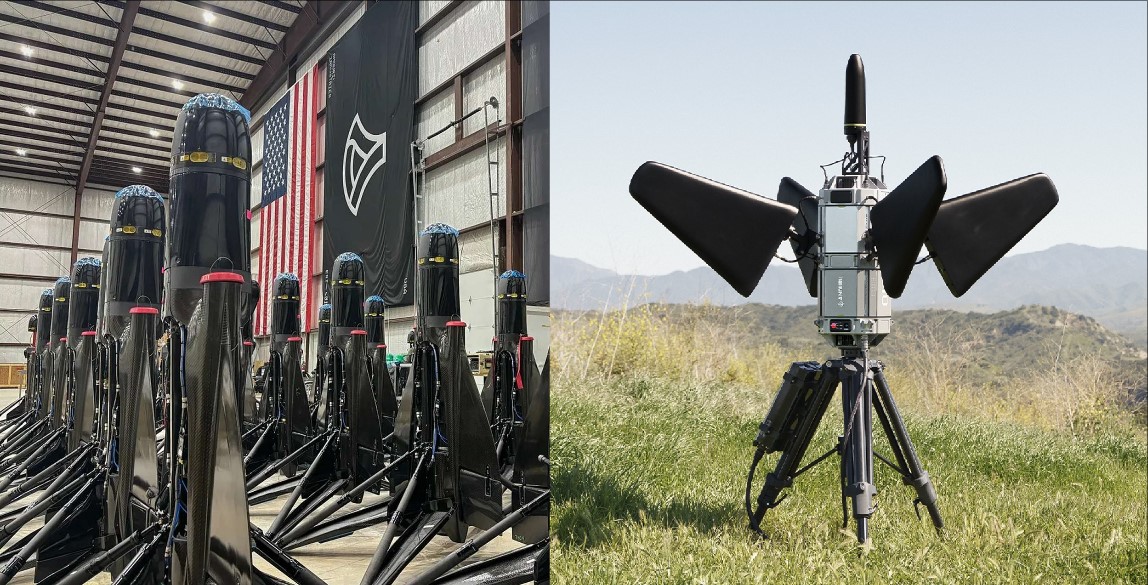 U.S. Approves $1.98 Billion Sale of Anduril AI-Powered Counter-Drone Systems to Kuwait
-
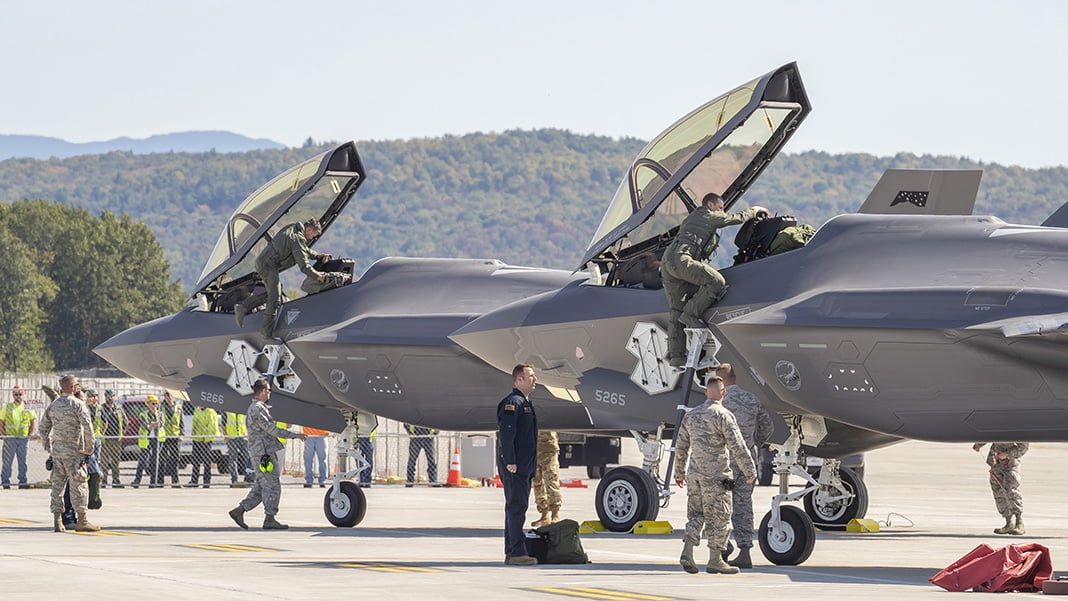 F-35 Fleet Readiness Falls to 25% Amid Parts Shortages and Software Delays: GAO Report
-
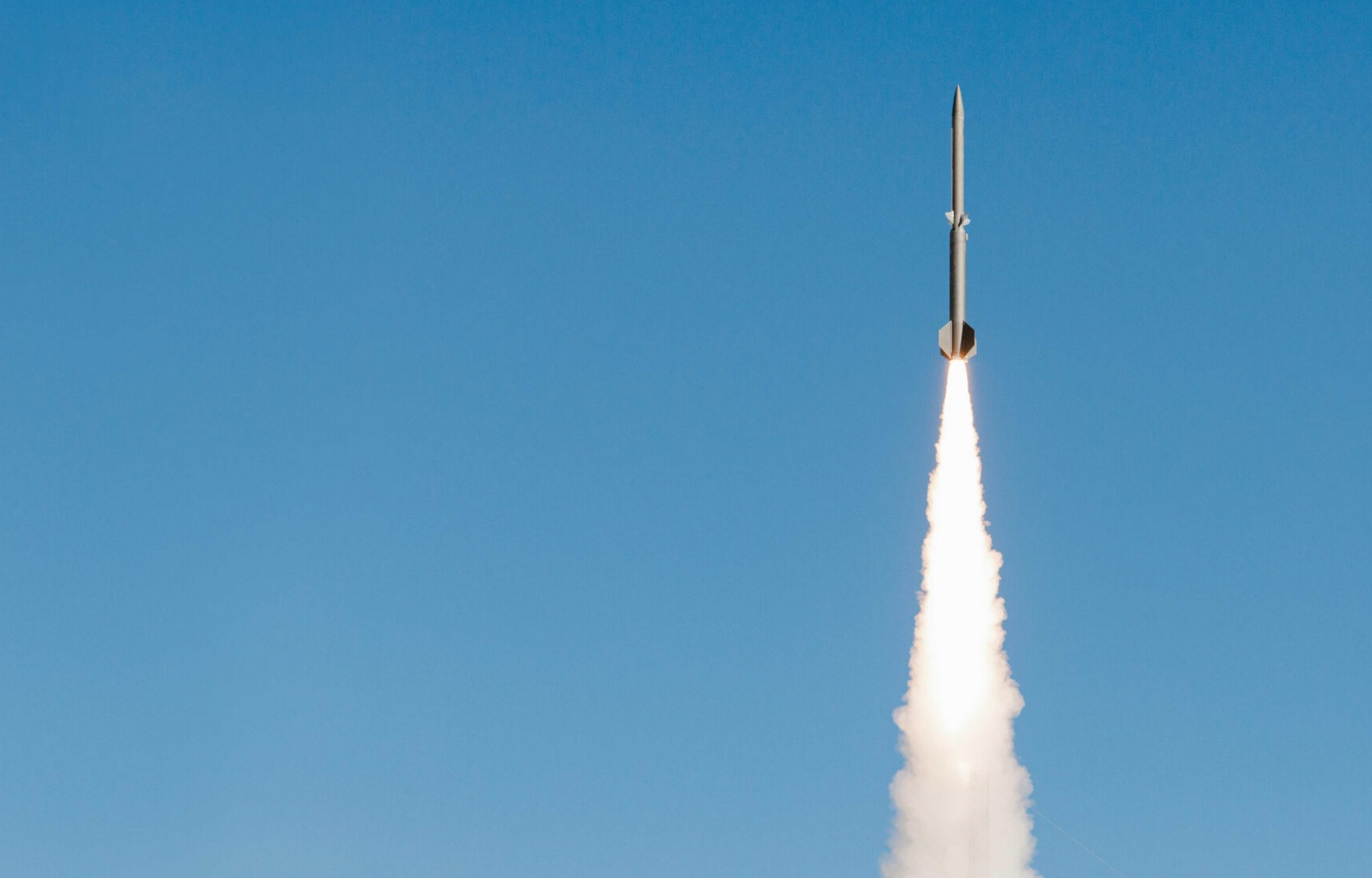 U.S Navy Orders 50 Blackbeard Hypersonic Missiles in New $23.4 Million Contract
-
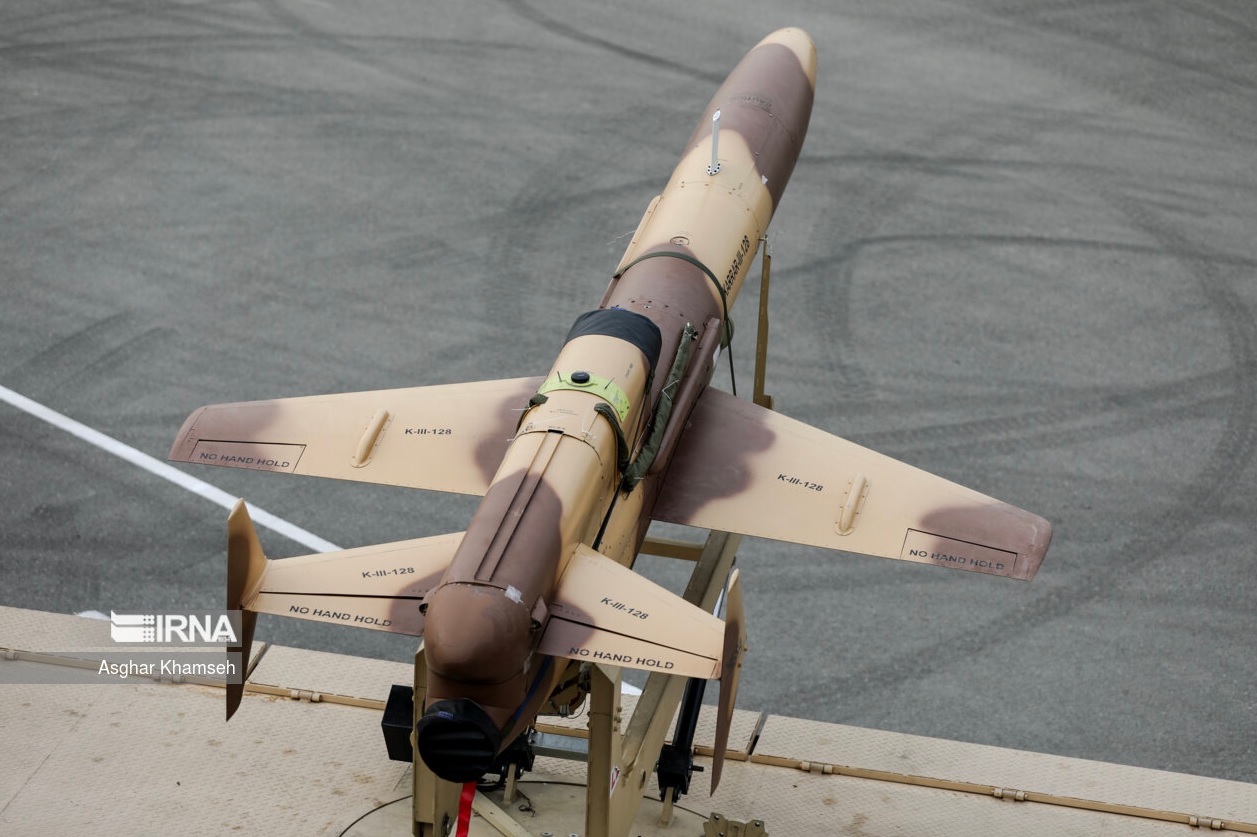 Russia Launches 1,400 Jet-Powered Drones in 2026 as Strike Tactics Evolve to Challenge Ukraine's Air Defenses
-
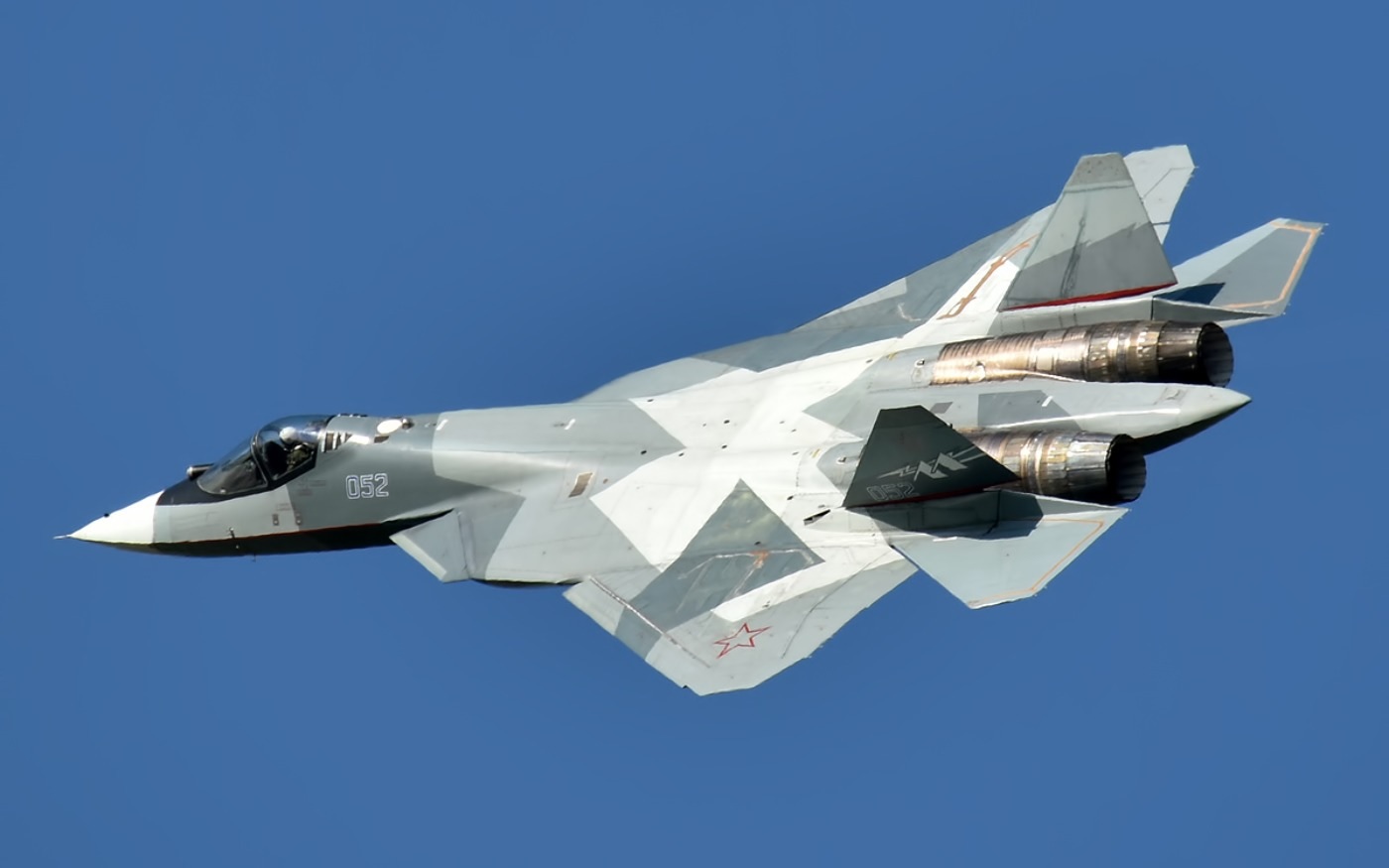 Russian Analysts Debate Su-57 Capabilities After Putin Calls Fighter Superior to F-35
-
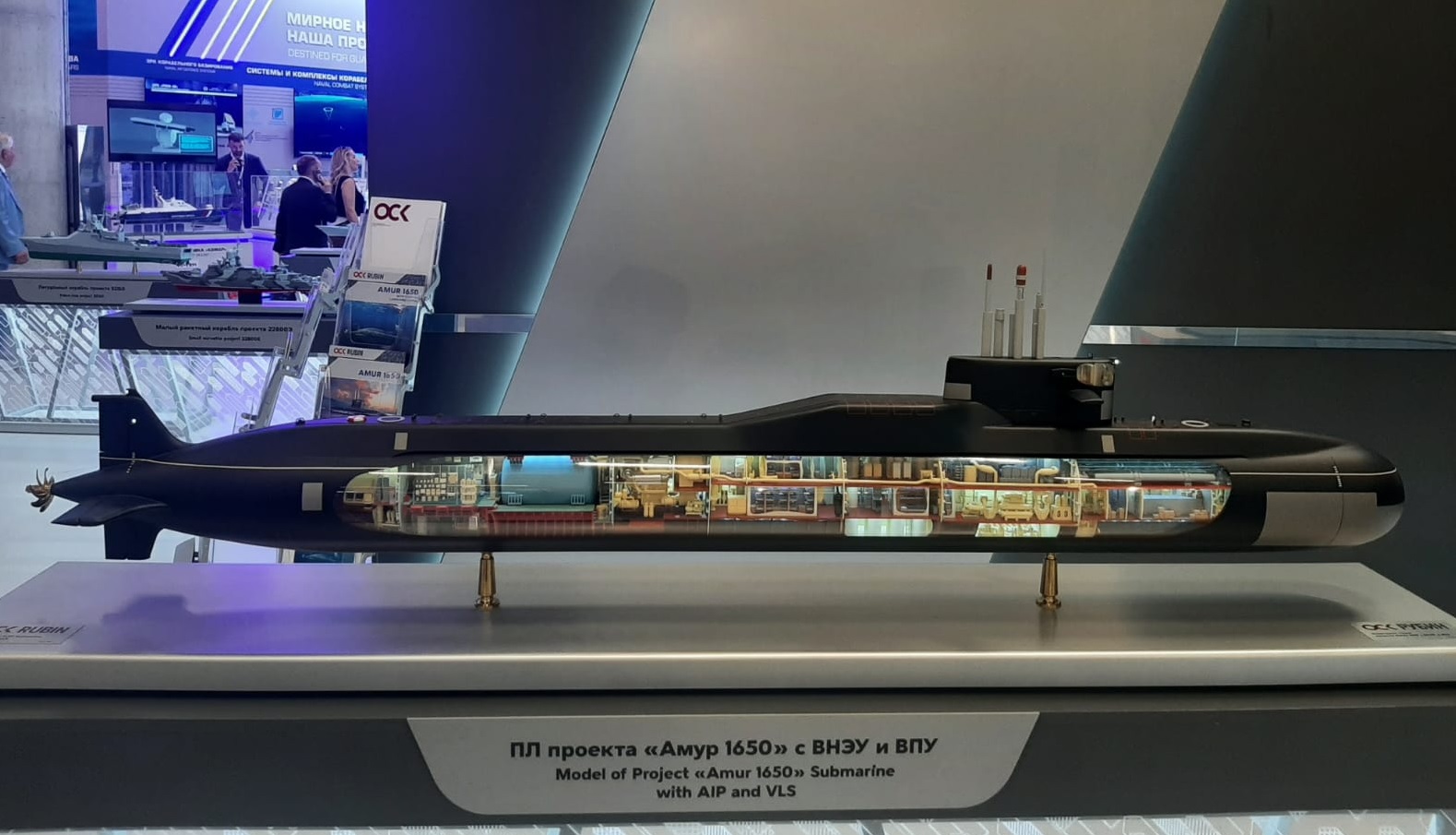 Russia Unveils Amur-1650 AIP Submarine Equipped with BrahMos Vertical Launch System at Fleet-2026
-
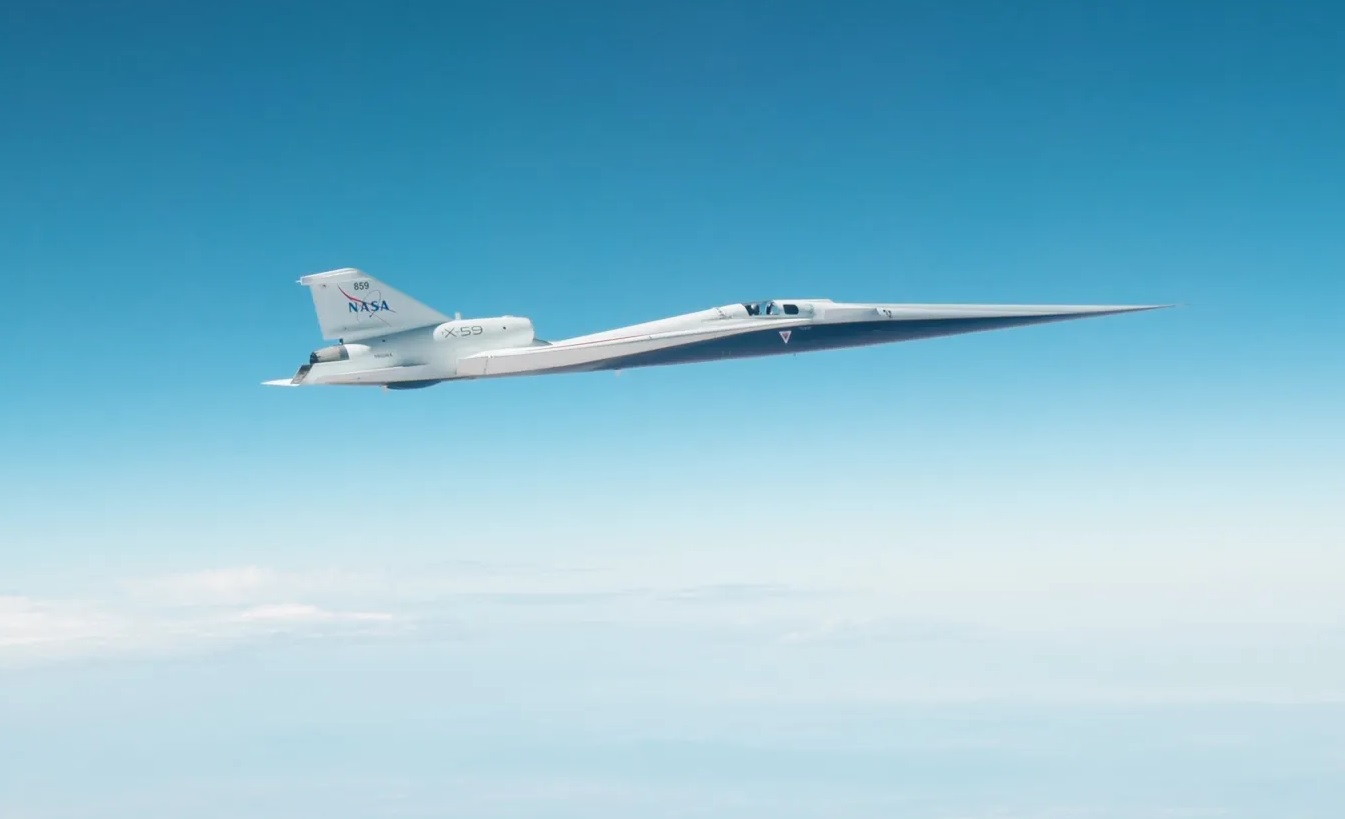 NASA X-59 Achieves Planned Mission Conditions with Mach 1.4 Flight at 55,000 Feet
-
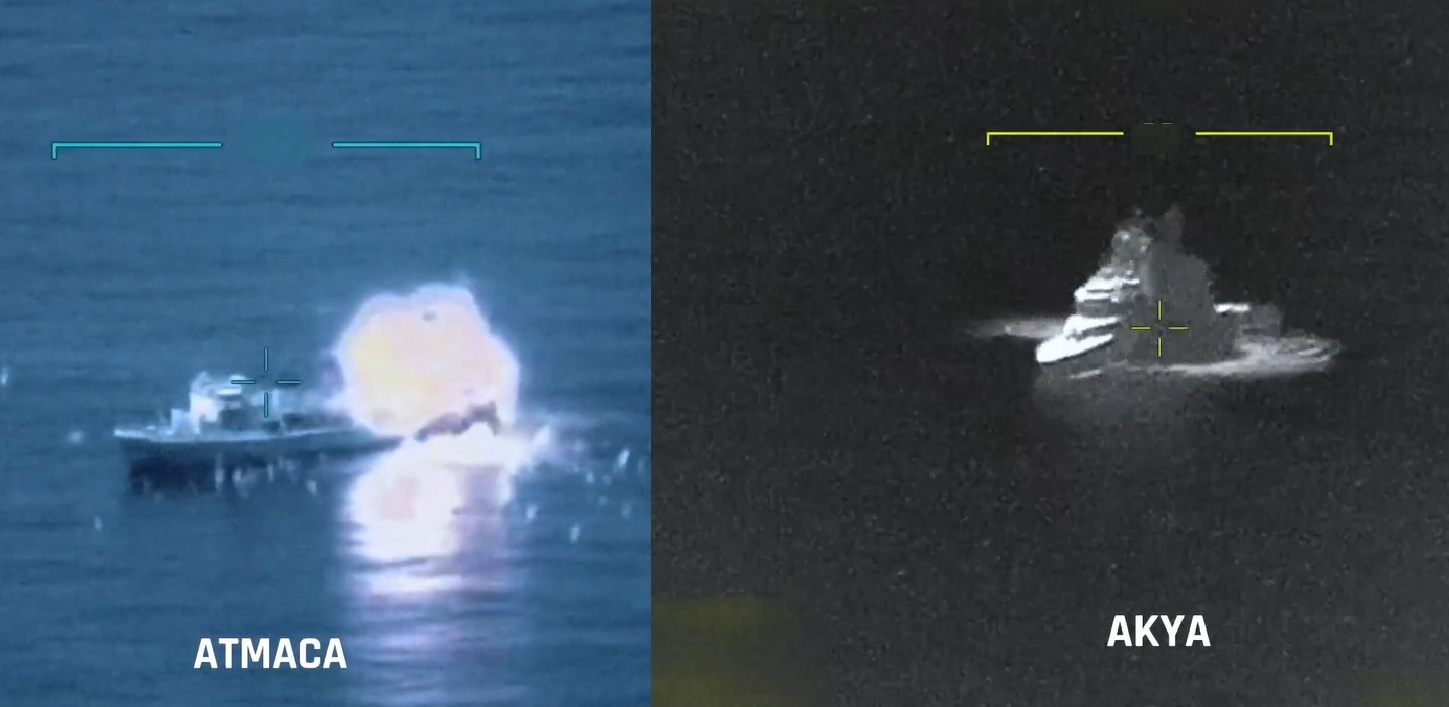 Turkey Navy Successfully Tests AKYA Torpedo and ATMACA Missile During Major Denizkurdu-II Naval Exercise
Top Trending in 4 Days
-
 Iranian Media Leaks 14-Point U.S.-Iran Peace Framework Amid Ongoing Negotiations
-
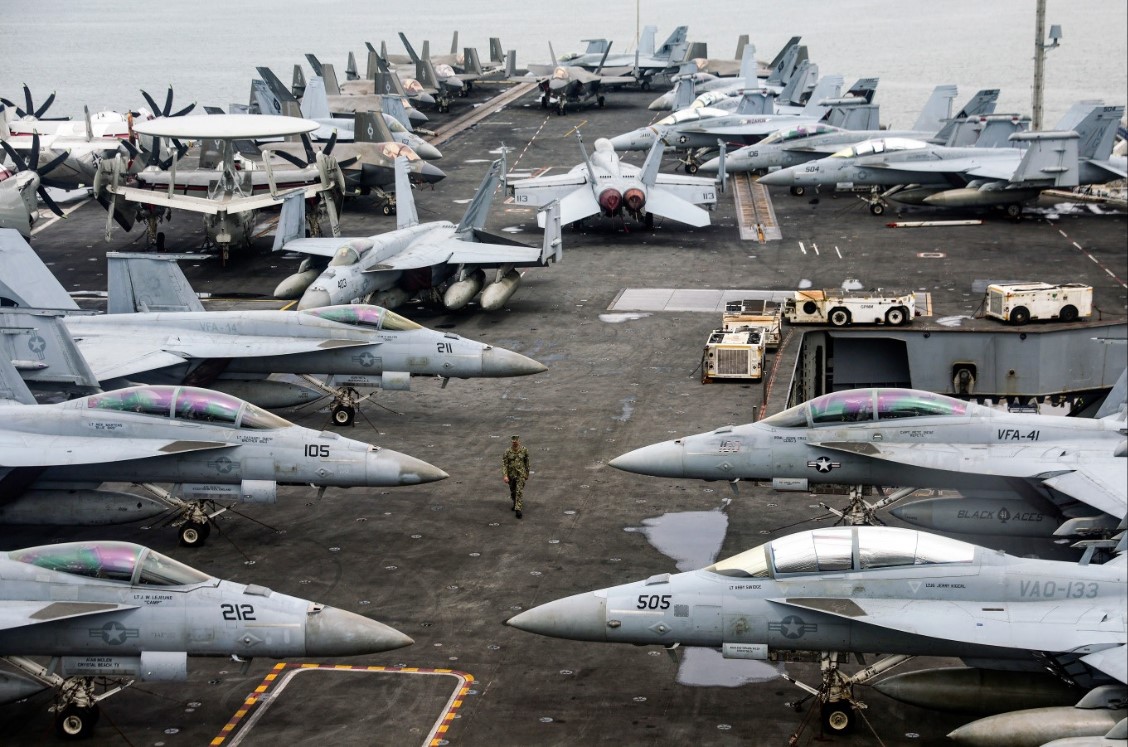 US Plans Significant Reduction of Fighter Jets and Warships for NATO Operations in Europe
-
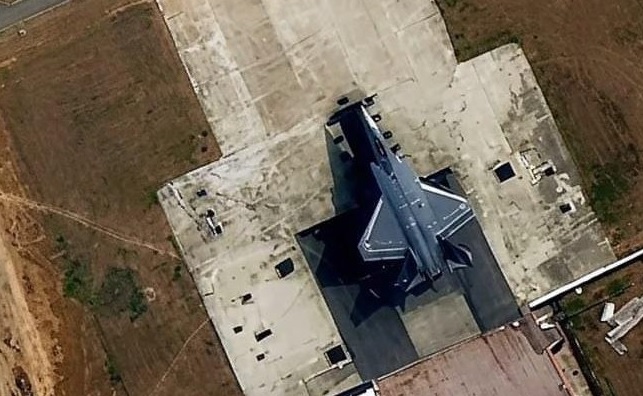 AMCA Airframe Spotted at DRDO’s ORANGE Facility for Radar Cross-Section Testing
-
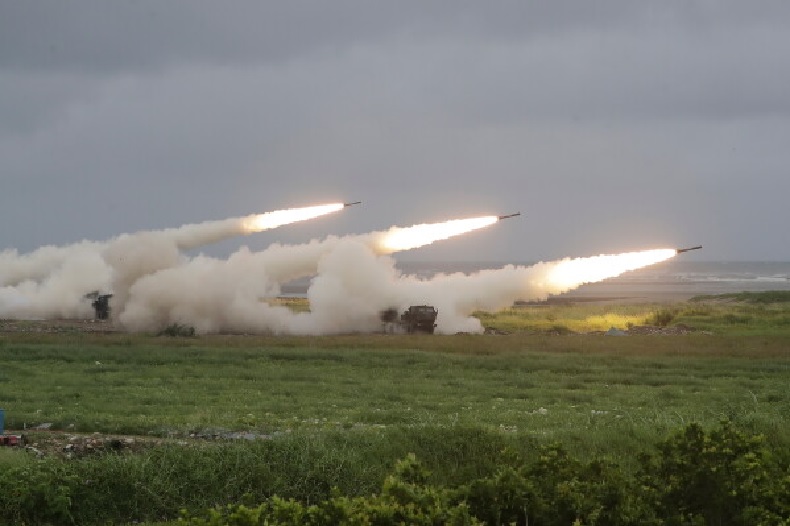 Taiwan Conducts First Live-Fire of HIMARS Rockets From West Coast During Invasion Defense Drill
-
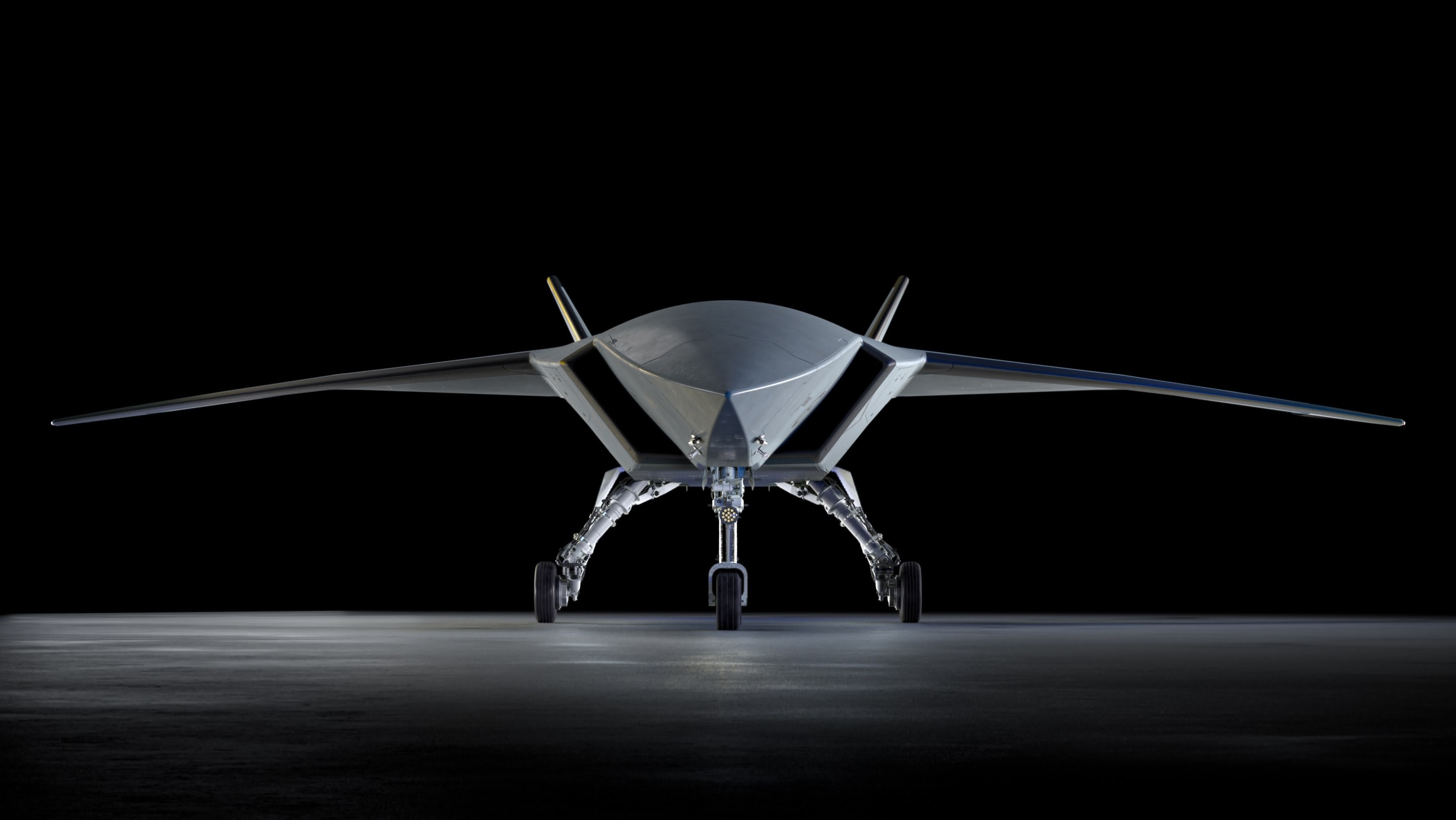 Boeing Introduces New MQ-28 Ghost Bat Upgrades with Increased Range, Payload and Weapons Capacity at ILA Berlin 2026
-
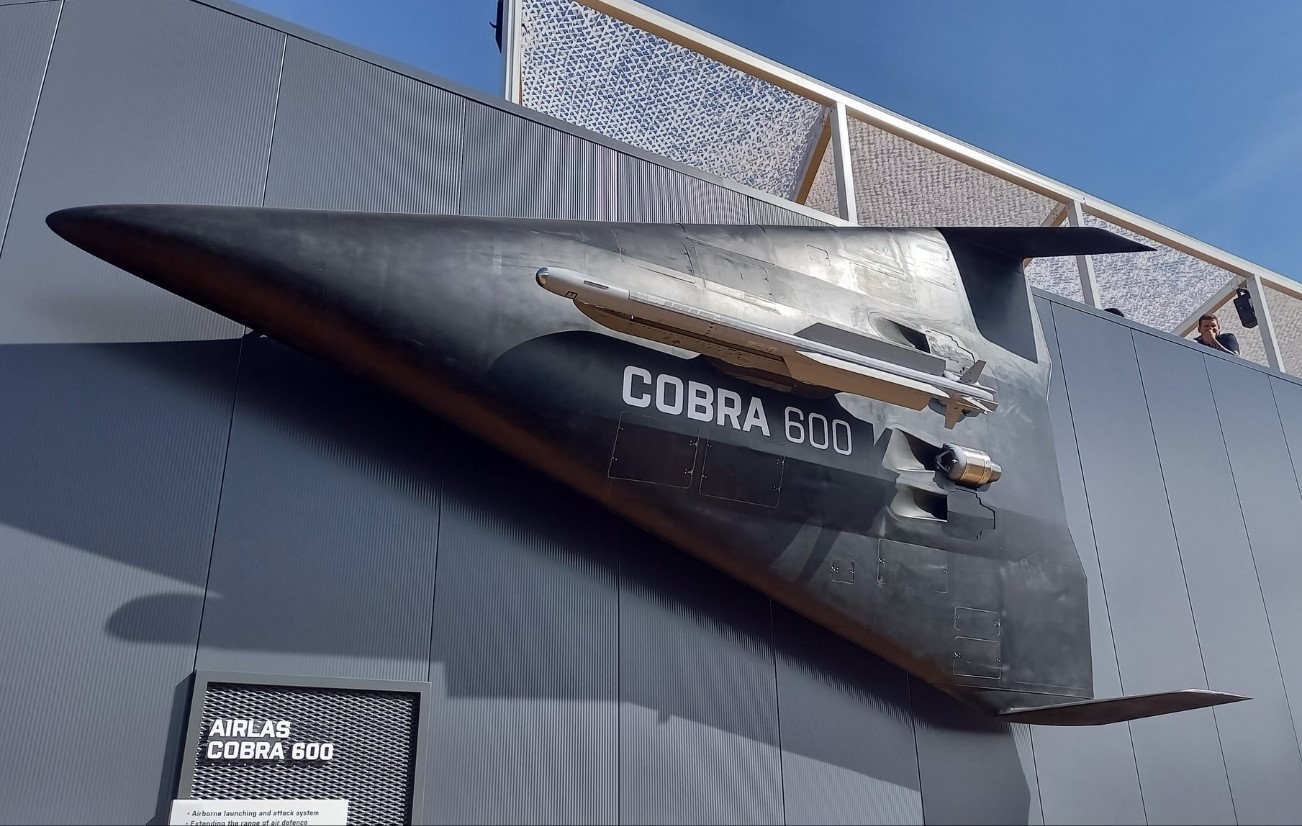 Diehl Defence Unveils IRIS-T Armed Cobra 600 Air Defense Drone at ILA Berlin 2026
-
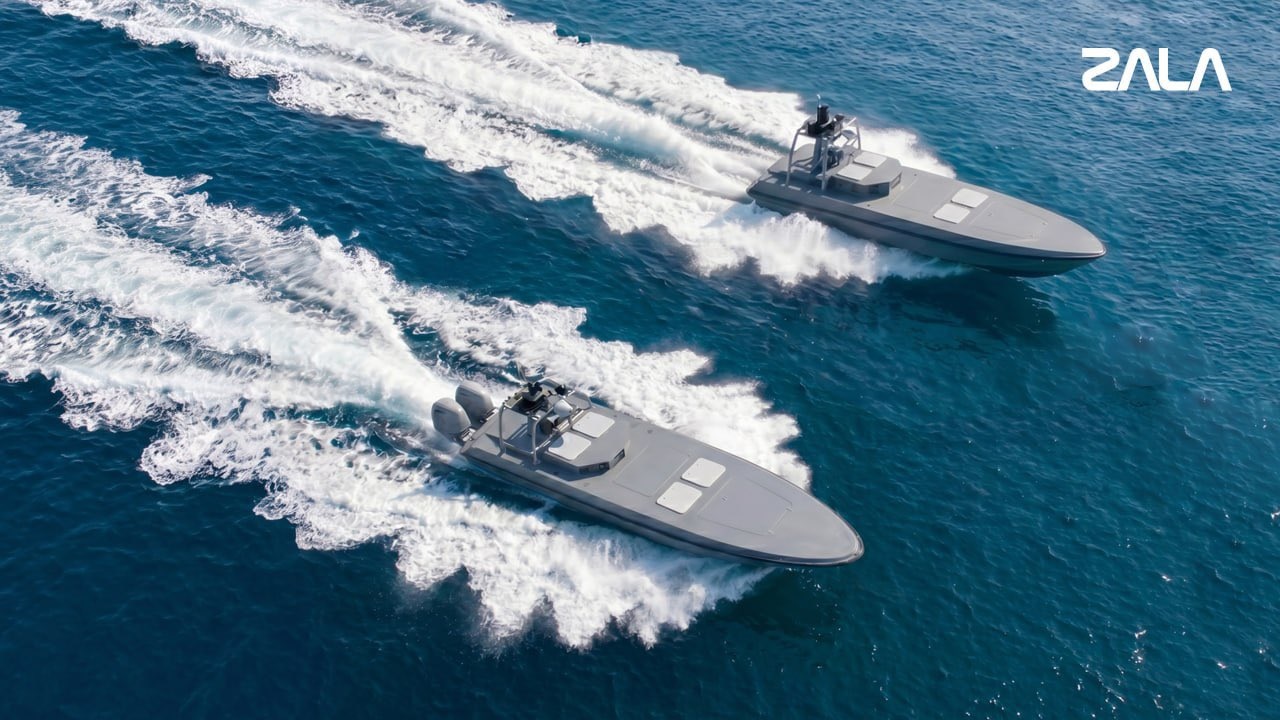 Russian Defense Firm ZALA Unveils KAMA Unmanned Surface Vessel Family at FLOT-2026 Naval Exhibition
-
 U.S Aircraft Carrier USS Theodore Roosevelt Departs San Diego for Major RIMPAC 2026 Naval Exercise