
World
Thales Alenia Space, a collaboration between Thales (67%) and Leonardo (33%), has taken another pivotal step in bolstering Italy's Earth observation capabilities with the expansion of the IRIDE constellation. The company recently signed a €107 million contract with the European Space Agency (ESA) to deliver six more radar-based satellites. This addition marks a key phase in Italy's ambitious project to establish one of the most advanced satellite constellations in Europe. Managed by ESA in collaboration with the Italian Space Agency (ASI), the IRIDE project is central to Italy's National Recovery and Resilience Plan (PNRR).IRIDE is not just another constellation but a groundbreaking initiative designed to enhance Italy's capacity for Earth observation. When fully operational by 2026, the constellation will comprise 13 satellites, 12 of which will utilize Synthetic Aperture Radar (SAR) technology. SAR is a vital tool in Earth observation due to its ability to capture high-resolution images regardless of weather conditions or light levels. The final satellite in the constellation will employ optical technology, rounding out a system that offers comprehensive monitoring capabilities. This fusion of radar and optical sensors allows for unprecedented accuracy and frequency of data collection, especially crucial for environmental and civil applications.The newly ordered batch of satellites will be built on Thales Alenia Space’s innovative NIMBUS (New Italian Micro Bus) platform. NIMBUS is a small but powerful platform designed for high-revisit and high-capacity constellations like IRIDE. The platform is engineered for efficient production without sacrificing performance, ensuring that Italy can deploy its satellites quickly and effectively. Thales Alenia Space has positioned NIMBUS as a “game-changer” in small satellite technology, with the ability to capture detailed radar images of Earth in near real-time, even in the face of clouds, darkness, or other challenging conditions.The €107 million contract is part of the broader vision to strengthen Italy’s ability to monitor its environment, protect its coastlines, and ensure public safety. One of the IRIDE constellation’s main objectives is to provide data for crucial public services, including monitoring air quality, tracking weather patterns, and protecting critical infrastructure. For example, the data can be used to detect deforestation, track pollution levels in real-time, and assess changes in land use, making it a vital tool for Italy’s Civil Protection agency.This investment is not just in hardware but also in Italy’s future leadership in space technology. Thales Alenia Space has committed to building the new satellites in Italy, leveraging the expertise of the country’s small and medium-sized enterprises (SMEs) to complete the construction and integration of the constellation. This focus on local manufacturing will further boost Italy’s growing reputation as a leader in space technology.An exciting feature of the IRIDE constellation is its hybrid structure, which combines the strengths of SAR and optical technologies. In addition to the radar-equipped satellites, Thales Alenia Space will build an optical satellite, with the optical payload developed by Italian companies Media Lario and TSD-space. This hybrid approach will deliver richer, more detailed data, giving Italy unparalleled flexibility in its Earth observation capabilities.Beyond the immediate benefits to Italy, the data gathered from the IRIDE constellation will also support Europe’s broader Earth observation efforts. The IRIDE system is designed to integrate with other European observation programs like COSMO-SkyMed Second Generation, Prisma, and the Copernicus program. This integration will provide European nations with enhanced capabilities for environmental monitoring, disaster response, and climate change mitigation.Thales Alenia Space is dedicated to pushing the boundaries of Earth observation technology. As Giampiero Di Paolo, Senior Vice President for Observation, Exploration, and Navigation at Thales Alenia Space, explains, “With the IRIDE constellation, we are reinforcing our capabilities in delivering cutting-edge radar and optical solutions for Earth observation. This program will offer vital data to support environmental monitoring, civil protection, and public safety.”The IRIDE project is set to revolutionize how Italy monitors its environment, providing real-time data that can be used across sectors—from governmental agencies to commercial enterprises. As part of a broader strategy, Thales Alenia Space’s involvement in IRIDE reflects its commitment to building integrated “ALL-IN-ONE” solutions that fuse radar and optical technologies. This dual capability ensures that Italy remains at the forefront of the global space industry.Looking ahead, the IRIDE constellation will not only support researchers and public administrations but also provide new opportunities for commercial applications in the geospatial sector. Start-ups and SMEs specializing in Earth observation will gain access to an unprecedented amount of data, driving innovation in everything from environmental science to urban planning.In short, the IRIDE constellation, supported by Thales Alenia Space’s advanced satellite technology, is set to become a cornerstone of Italy’s space ambitions. It will empower Italy to take full control of its environmental monitoring efforts, safeguarding its natural resources and infrastructure while also contributing valuable data to international efforts to better understand our planet.
Read More → Posted on 2024-10-17 14:49:06
World
The recent deployment of U.S. B-2 Spirit stealth bombers to strike underground bunkers used by Yemen's Houthi rebels marks a significant escalation in military action in the region. The operation highlights America's commitment to countering threats in the Red Sea, where Houthi forces have increasingly targeted shipping lanes amidst broader Middle East tensions. The use of B-2 bombers in this mission demonstrates the U.S.'s capacity to engage hardened or deeply buried targets that adversaries consider out of reach.Strategic Significance of the StrikeThe strike comes amid escalating tensions in the Red Sea, a crucial waterway that sees substantial global trade, including the transit of oil. The Houthis, a Yemeni rebel group aligned with Iran, have carried out numerous attacks on merchant vessels since the outbreak of war in Gaza last October. More than 80 ships have been targeted, resulting in significant disruption to maritime activity. The attacks have included the use of drones and missiles, and some incidents led to vessel seizures or sinkings, claiming the lives of at least four sailors. The Houthis have claimed that their operations aim to challenge nations they perceive as supporting Israel's actions in Gaza, such as the U.S., the U.K., and their allies.The U.S. has long maintained a strong presence in the region to ensure the security of vital shipping routes. In this context, the deployment of the B-2 bomber was a clear message of the U.S.'s ability to neutralize fortified positions that threaten international stability. Capabilities of the B-2 Stealth BomberThe B-2 Spirit is a long-range, heavy-penetration bomber capable of delivering conventional and nuclear munitions. What makes the B-2 unique is its stealth technology, which allows it to evade radar detection, making it ideal for missions deep in hostile territory. It can carry bunker-busting bombs, which are specifically designed to penetrate hardened underground facilities, such as those used by the Houthi rebels to store weapons, drones, and other military equipment. With a range of approximately 6,000 nautical miles (11,112 km) without refueling and the ability to fly up to 50,000 feet (15,240 meters), the B-2 is a potent tool for precision strikes against strategically important and well-protected targets. Its payload includes the GBU-57A/B Massive Ordnance Penetrator (MOP), a 30,000-pound bomb capable of reaching depths of 200 feet (61 meters) of reinforced concrete. Implications for the Red Sea ConflictThe deployment of B-2 bombers signals a new phase in U.S. military involvement in the region, beyond the traditional naval and aerial patrols that have sought to deter Houthi attacks. This move could alter the dynamics of the Red Sea conflict by disrupting the Houthis’ ability to maintain or use fortified underground facilities, which they consider safe from conventional airstrikes. The U.S.'s choice of advanced stealth bombers for this mission emphasizes its intent to target facilities previously regarded as untouchable due to their depth or fortification.The strike follows a series of Houthi actions that have targeted Western military and merchant vessels, escalating tensions since Israel’s recent ground incursion into Lebanon and the killing of Hezbollah leader Hassan Nasrallah. The Houthis, who have also downed U.S. MQ-9 Reaper drones, have warned of further attacks in response to ongoing conflicts in the region.Wider Impact on Regional SecurityBy targeting the Houthis’ underground bunkers, the U.S. aims to degrade their military capabilities and disrupt operations that threaten maritime security in one of the world's most important shipping lanes. The Red Sea, a passage that once saw $1 trillion in annual trade, has increasingly become a contested battlefield as various actors seek to influence outcomes in the broader Middle East. While the immediate effects of the strike remain unassessed, the U.S.'s decision to use the B-2 stealth bomber underscores its commitment to leveraging superior military technology to address evolving threats. For the Houthis, it serves as a stark reminder of the risks associated with provoking a superpower and disrupting international trade. For other regional players, the strike reinforces the U.S.'s resolve to maintain the security of key maritime routes.The conflict's trajectory may shift as the Houthis reassess their strategies, especially concerning further attacks on international shipping and military assets. With tensions still high, particularly in the aftermath of Israel’s military actions, the situation in the Red Sea could see additional escalations or a potential recalibration of Houthi tactics in response to U.S. deterrence efforts.
Read More → Posted on 2024-10-17 14:41:19
World
The Netherlands is making a significant move to restore its armored military capabilities by purchasing 46 Leopard 2A8 main battle tanks. This decision, outlined in the Dutch Defense White Paper 2024, marks the first time in over a decade that the nation will have its own tank battalion, as the last one was disbanded in 2011 due to defense budget cuts. The revival of a tank battalion signals a renewed emphasis on strengthening ground forces and meeting NATO's demands for enhanced combat readiness.Strategic Investment in Modern ArmorThe procurement of these German-made Leopard 2A8 tanks is a substantial investment, estimated at between €1 billion and €2.5 billion, and forms part of a larger defense modernization effort. The first units are set for delivery in 2027, with the entire fleet expected to be fully operational by 2030. A newly formed battalion of approximately 500 personnel will be established, composed of both existing military members and new recruits.State Secretary for Defense Gijs Tuinman emphasized the importance of tanks for military operations, stating, “Tanks are essential to the combat power of our armed forces. They provide heavy firepower and protection against enemy attacks.” By bringing back tanks into the military's inventory, the Netherlands aims to meet NATO requirements and enhance the combat strength of its land forces.Why the Leopard 2A8?The choice of the Leopard 2A8 was driven by several operational needs, including compatibility with NATO forces. Known for its reliability and cutting-edge technology, the Leopard 2A8 represents a substantial upgrade from earlier Leopard models. It features improved armor protection, enhanced fire control systems, and advanced battlefield management capabilities. The 2A8 is equipped with a 120mm smoothbore gun, capable of firing various types of ammunition, including high-velocity armor-piercing rounds and programmable airburst shells.One of the key innovations in the Leopard 2A8 is its Active Protection System (APS), which can detect and intercept incoming projectiles, such as anti-tank missiles, before they reach the tank. This adds a significant layer of defense against modern anti-armor threats. The vehicle also comes with improved thermal imaging systems, allowing crews to operate effectively in low visibility conditions, such as night or adverse weather.Interoperability and EfficiencyThe decision to join Germany's bulk purchase of Leopard tanks allows the Netherlands to benefit from economies of scale, ensuring timely delivery and cost-effective maintenance. This approach enhances the Netherlands' ability to integrate seamlessly with other NATO forces, as many European countries already operate various models of the Leopard 2. The move also signifies a shift toward greater interoperability within the alliance, enabling joint operations and maintenance support.Additionally, the Dutch Ministry of Defense is exploring unmanned systems to complement its traditional armored fleet. This forward-thinking approach involves using robotic platforms and drones in combat scenarios, which may reduce the required number of manned tanks. For now, the number of tanks needed has been reduced from the traditional 52 to 46, with an option for acquiring six more tanks based on future evaluations of unmanned combat system development and production timelines.Reviving a Tank Battalion: A Response to Evolving ThreatsThe return of a tank battalion to the Dutch military reflects the changing security environment in Europe. With the war in Ukraine and increased tensions along NATO's eastern borders, many European countries are rethinking their defense priorities. The Leopard 2A8 acquisition aligns with this trend, signaling a renewed focus on heavy armor as a deterrent against conventional threats. Tanks provide not only physical firepower but also a psychological impact on the battlefield, reinforcing a nation’s military presence and combat capability.Incorporating the Leopard 2A8 into the Netherlands' military represents more than just a hardware upgrade. It’s a strategic move to ensure that the Dutch armed forces are better prepared to address future threats while fulfilling NATO obligations. This acquisition re-establishes a significant combat asset that had been lost, bolstering the nation's defense posture as Europe continues to face evolving geopolitical challenges.The decision, therefore, is not merely about restoring what was once disbanded but ensuring that the next generation of armored forces is technologically superior, adaptable, and capable of countering modern-day threats effectively.
Read More → Posted on 2024-10-16 15:44:25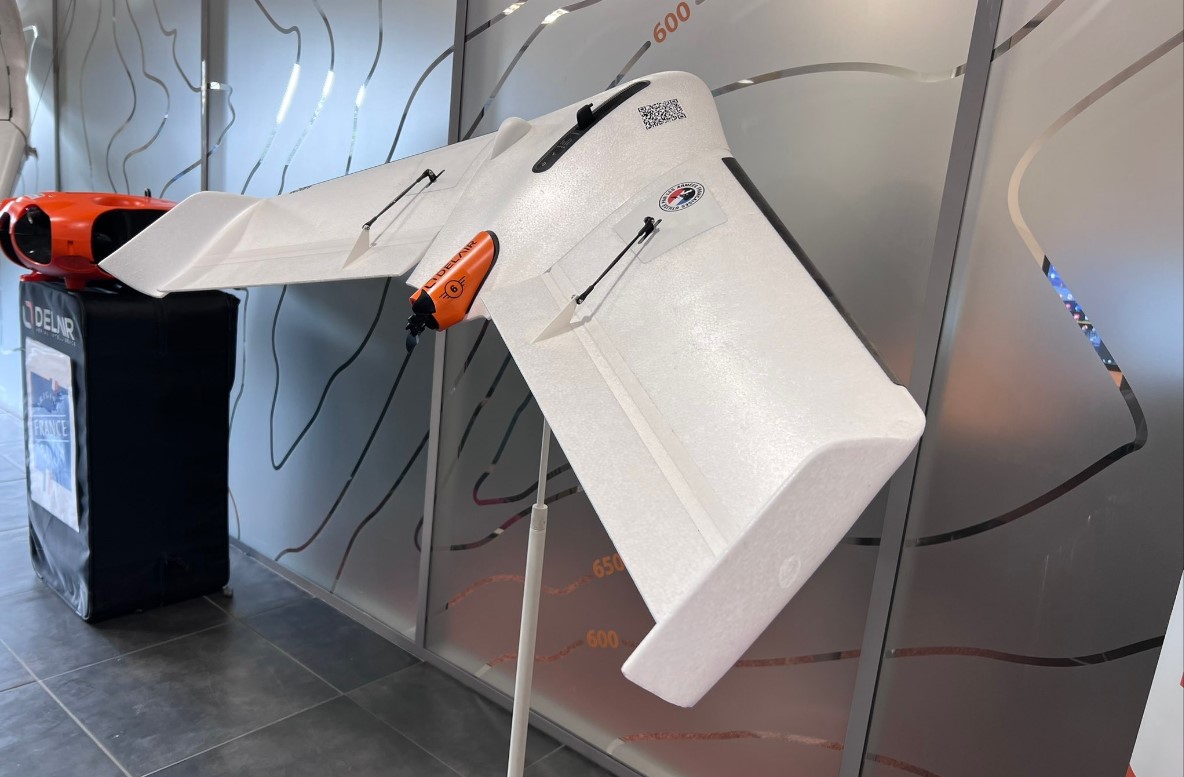
World
The French Ministry of Defense has announced that Ukraine will soon receive a new type of weapon in its arsenal: French-made kamikaze drones, also known as loitering munitions. The development marks a significant step for France, which has successfully tested these advanced drones and plans to deliver them to Ukraine in the coming weeks. The move is a response to the evolving needs of modern battlefields, as well as a broader effort by France to enhance its military capabilities and support Ukraine amid ongoing conflict with Russia.What Are Kamikaze Drones?Kamikaze drones, or loitering munitions, are specialized unmanned aerial vehicles (UAVs) designed to target and destroy enemy positions with high precision. Unlike traditional missiles or artillery, these drones can "loiter" or hover over a specific area for a period before identifying the right moment to strike. This capability provides exceptional versatility on the battlefield, allowing operators to monitor enemy activity and select high-value targets with greater accuracy.The French-made drones being delivered to Ukraine are remotely operated, enabling the military to engage in combat without putting operators in harm's way. The drones are designed to carry explosive warheads that can destroy enemy equipment, vehicles, or fortifications. This combination of surveillance and strike capabilities gives loitering munitions a unique advantage, especially in scenarios where traditional artillery or airstrikes may be difficult or risky.France’s Rapid Development of Kamikaze DronesThe decision to develop kamikaze drones was driven by the urgent need to address evolving threats on modern battlefields. Over the past two years, France has prioritized regaining sovereignty over certain critical military technologies, including UAVs. The recent successful tests of these drones mark a major milestone in that effort. French Defense Minister Sébastien Lecornu emphasized the importance of this achievement, stating, “We have regained sovereignty in this critical area for our armed forces in less than two years." The new capability is seen as a significant enhancement for both French and Ukrainian forces, allowing them to respond more effectively to a variety of threats.Strategic Importance for UkraineFor Ukraine, the addition of French kamikaze drones represents a substantial boost to its defense capabilities. Since the onset of Russia’s invasion, Ukraine has relied on a range of Western-supplied military hardware to counter Russian advances, from anti-tank missiles to sophisticated air defense systems. The introduction of loitering munitions provides Ukraine with a new way to strike back against Russian forces, especially in scenarios where other forms of support may not be as effective.Loitering munitions can be deployed to target enemy command posts, armored vehicles, artillery positions, and other critical assets. Their ability to hover over an area for extended periods before striking gives Ukrainian forces a tactical advantage in reconnaissance and offensive operations, providing a real-time, adaptable solution to battlefield challenges. Additionally, their relatively small size and mobility make them difficult for enemy air defenses to detect and intercept.Specifications and CapabilitiesWhile specific details about the French-made kamikaze drones being delivered to Ukraine have not been fully disclosed, loitering munitions typically feature a combination of advanced guidance systems and explosive payloads. These drones are equipped with cameras and sensors that enable operators to survey the battlefield and choose targets with pinpoint accuracy. The explosive warheads carried by the drones are designed to destroy or disable a range of enemy assets, from tanks and vehicles to bunkers and fortifications.The range and endurance of loitering munitions vary, but they generally allow for missions lasting from a few minutes to over an hour. This enables extended observation and tactical flexibility, making them an effective option for both offensive and defensive operations. The French-made drones are expected to integrate seamlessly with Ukraine's existing battlefield strategies, complementing the capabilities of other Western-supplied military equipment.Broader Implications for France and NATOThe development of kamikaze drones by France is part of a larger trend in the military landscape, where UAVs and loitering munitions are becoming essential components of modern warfare. France's swift progress in this domain reflects a broader effort among NATO countries to maintain technological superiority in the face of rapidly advancing threats. By supplying these drones to Ukraine, France is also contributing to the NATO-backed effort to bolster Ukrainian defenses and deter further aggression from Russia.In conclusion, the delivery of French-made kamikaze drones to Ukraine marks an important step in the ongoing conflict. These loitering munitions will offer Ukraine greater tactical flexibility, precision, and strike capability, reinforcing its ability to defend against Russian forces. For France, this move not only showcases its rapid advancement in military technology but also strengthens its role as a key player in supporting allies through innovative defense solutions.
Read More → Posted on 2024-10-16 15:41:10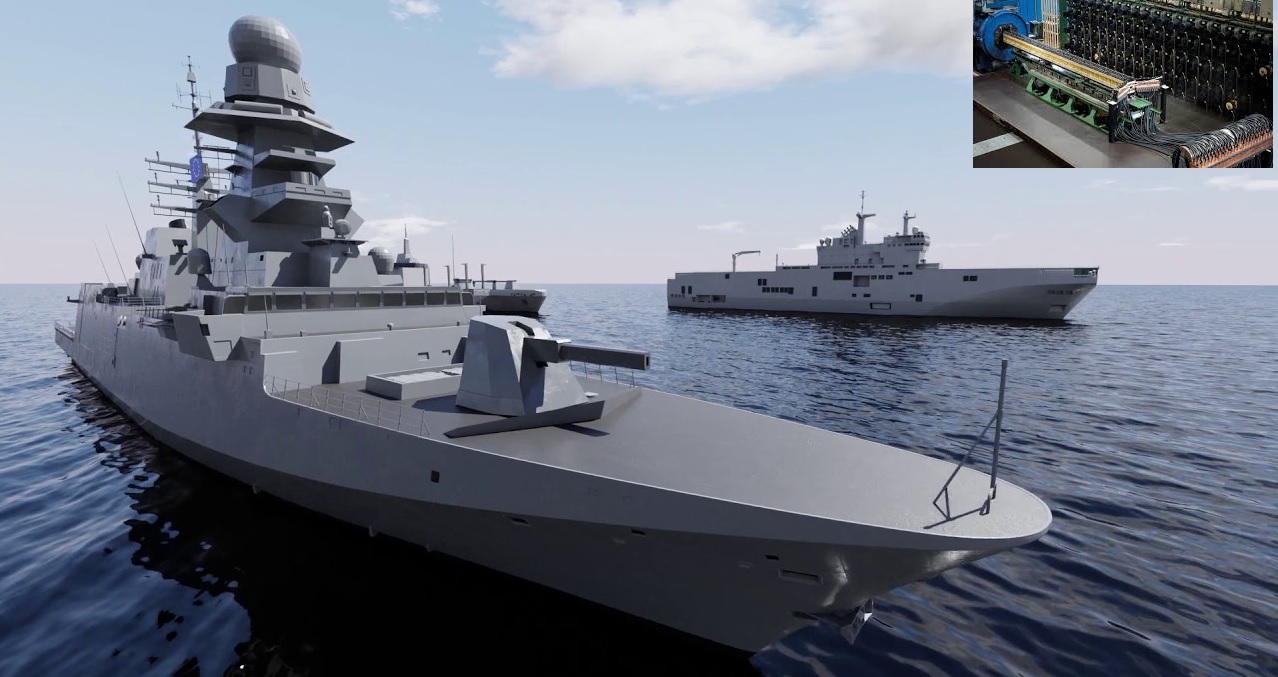
World
Japan has recently taken a significant step in advancing railgun technology by partnering with France and Germany in a collaborative research initiative. This partnership was formalized on May 30th, when the Ministries of Defense from the three countries signed a Terms of Reference (TOR) agreement. The primary goal of this collaboration is to explore the possibilities for joint research, development, testing, and evaluation of railgun technologies. The move highlights Japan's increasing focus on electromagnetic weaponry, aiming to boost its defense capabilities through cutting-edge technology.Japan's Railgun Development Journey Japan's interest in railgun technology is not new. The country's research efforts began in 2016 under the "Research on Electromagnetic Acceleration Systems" program, spearheaded by the Acquisition, Technology & Logistics Agency (ATLA) of the Ministry of Defense. The program aimed to achieve a muzzle velocity of 2000 meters per second and a barrel life of 120 rounds. Initial testing saw Japan conduct its first shipboard firing of a railgun in October 2023, marking a significant milestone in its development efforts.Japan’s focus has been on addressing the challenges unique to railguns, such as barrel erosion caused by heat and wear. Unlike conventional firearms, which suffer from barrel damage due to explosive gunpowder pressure, railguns face issues stemming from the intense heat generated by high current flow and the friction between the armature and the rail. Japan experimented with different materials for the barrel rails, initially using copper before shifting to more resistant alloys. This adaptation resulted in stable performance across 120 rounds, moving the project into its next phase—developing a complete railgun system with mechanisms for continuous firing and fire control.European Railgun Research: The PILUM ProjectOn the European side, railgun development has primarily been driven by the PILUM project, an initiative launched by the European Defense Agency (EDA) in 2020 and coordinated by the Franco-German Research Institute of Saint-Louis (ISL). The goal of PILUM is to explore the feasibility of constructing an electromagnetic railgun (EMRG) that can achieve strike distances of up to 200 km, vastly outperforming conventional artillery. The research covers three key areas: the railgun itself, its projectiles, and the energy storage and conversion systems needed to power such a weapon.PILUM has brought together nine partners from five European countries, including well-known defense companies like Naval Group and Nexter Systems from France, Diehl Defence from Germany, and ICAR from Italy. The project has made substantial progress, particularly in creating a wear-resistant coating for the gun barrel, developing a hypervelocity projectile capable of reaching speeds up to Mach 6, and finding new energy storage solutions such as XRAM generators. This innovative approach to electromagnetic artillery has paved the way for the next phase under the THEMA project, where a demonstrator railgun is expected to be tested by 2028.The Strategic Implications of Japan’s CollaborationJapan's involvement in the European railgun research initiative brings a new dimension to the project, combining the expertise and technological advancements made by ATLA with European innovations. While Japan is not directly involved in the THEMA project, this agreement enables smoother exchange of information and ideas, potentially accelerating the practical deployment of railguns in both Japanese and European defense systems. Japan’s recent success in conducting the world’s second shipboard railgun test (after China) further positions it as a key player in electromagnetic weaponry, adding valuable insights to the joint research.The integration of Japan’s research efforts with European programs also opens the door to potential synergies in naval applications, as both sides work toward deploying railguns on ships. With the technology capable of launching projectiles at hypersonic speeds over vast distances, railguns could revolutionize naval warfare by providing a cost-effective and high-precision weapon capable of countering missile threats and engaging targets beyond the reach of traditional artillery.Global Context and Future ProspectsThe collaboration between Japan and Europe is part of a broader international trend toward developing electromagnetic railguns. Other countries such as the United States, India, China, Russia, and the United Kingdom have also pursued railgun research, albeit at different stages. While the U.S. halted its railgun program after years of development, China and Japan have continued to push forward, with both nations conducting shipboard tests.Japan’s partnership with Europe could potentially reinvigorate interest in railguns worldwide, as the technology holds significant promise for the future of warfare. As research progresses, key challenges such as energy storage, barrel durability, and thermal management will need to be overcome. The results of the Japan-Europe collaboration may very well dictate how quickly railguns transition from experimental projects to practical battlefield applications.By joining forces with European nations, Japan is positioning itself to accelerate the development of this disruptive technology, potentially gaining a strategic edge in defense. This partnership could serve as a foundation for future multi-national efforts to bring railgun technology into mainstream military use, transforming how long-range engagements and missile defenses are conducted.
Read More → Posted on 2024-10-16 15:36:17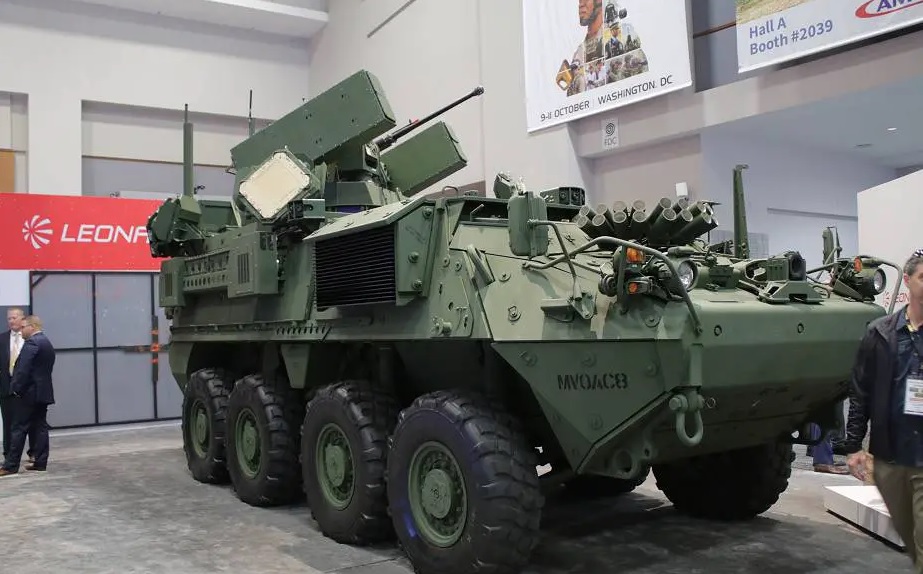
World
Leonardo DRS, a key player in the defense technology sector, has landed a significant contract worth over USD 77 million from General Dynamics Land Systems (GDLS). This deal is part of the ongoing efforts to enhance the U.S. Army's air defense capabilities through the integration of advanced technology into the Stryker vehicles. Specifically, Leonardo DRS will be delivering additional Mission Equipment Packages (MEP) for the SGT Stout Maneuver Short Range Air Defense (M-SHORAD) systems, which are mounted on these heavily armored vehicles.The MEP units provided by Leonardo DRS are a critical component for the Stryker vehicles, giving them the ability to detect, identify, track, and engage various airborne threats. The primary focus of these systems is to protect against increasingly sophisticated aerial challenges, such as unmanned aerial systems (UAS), helicopters, and even fixed-wing aircraft. This contract marks an important step in the U.S. Army’s modernization strategy as it seeks to address evolving threats on the battlefield, particularly in the context of the ongoing conflicts in regions like the Middle East and Ukraine.The M-SHORAD Stryker is an impressive piece of machinery, already deployed in three Division Air Defense Battalions to provide frontline troops with protection from airborne threats. With the additional MEPs from Leonardo DRS, these Strykers will be even more effective, equipped with cutting-edge technology designed to counter a wide range of aerial attacks. These vehicles serve as a mobile defense platform, able to accompany ground forces and provide near-instantaneous responses to hostile air activity.Leonardo DRS has proven its expertise in developing and integrating complex defense systems across various domains, including air defense, force protection, and naval power systems. The company’s role in delivering the MEPs demonstrates its ability to handle multifaceted projects that require a high level of technical knowledge and operational efficiency. Aaron Hankins, the senior vice president of Leonardo DRS, emphasized the urgency of delivering these systems to the U.S. Army, especially in light of the rapidly changing nature of aerial threats. He pointed out that conflicts around the world highlight the need for advanced air defense systems that can be deployed quickly and effectively to protect U.S. forces.The SGT Stout Stryker, with its MEP integration, is part of the U.S. Army's broader initiative to modernize its fleet and improve its readiness for future conflicts. These systems will not only enhance the Army's ability to defend against airborne threats but will also serve as a key component in the Army’s layered air defense strategy. The MEPs from Leonardo DRS enable the Stryker to function as a highly mobile air defense unit, capable of moving with ground forces while providing comprehensive protection against hostile aircraft and drones.In conclusion, the $77 million contract awarded to Leonardo DRS underscores the importance of modern air defense systems for the U.S. Army. As aerial threats become more advanced and diversified, having robust, adaptable defense systems like the M-SHORAD-equipped Stryker vehicles is crucial. The collaboration between Leonardo DRS and GDLS will ensure that the U.S. Army remains at the forefront of air defense technology, ready to face the challenges of modern warfare.
Read More → Posted on 2024-10-16 15:25:43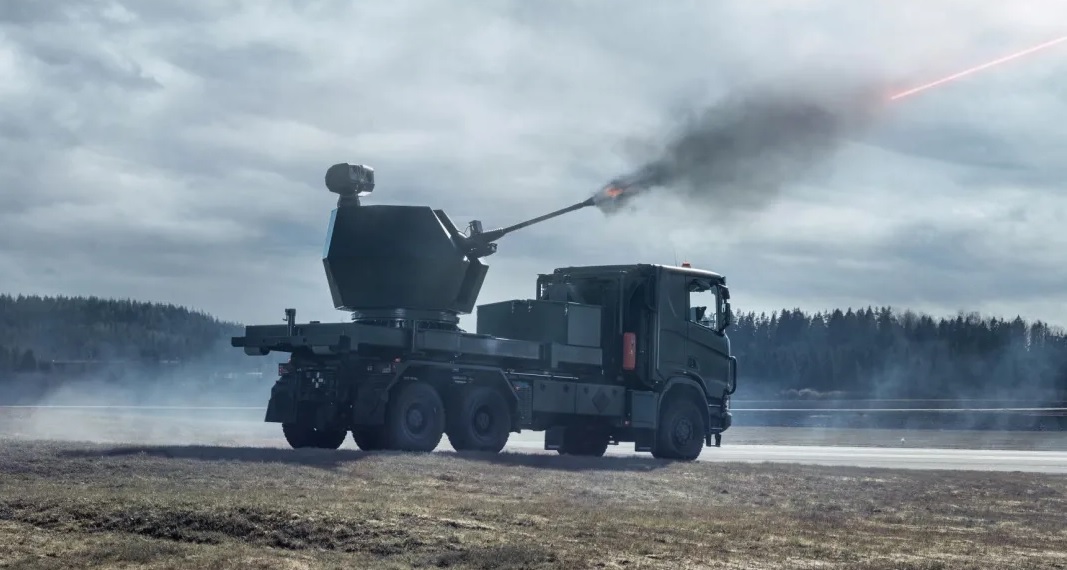
World
BAE Systems Bofors and the Swedish Defence Materiel Administration (FMV) have taken a significant step toward bolstering Sweden's air defence capabilities with the signing of a letter of intent to develop the TRIDON Mk2 air defence system. This announcement, made at AUSA 2024 in Washington, signals Sweden’s growing need for more advanced solutions to counter the increasing threats posed by drones and other aerial technologies. Military leaders, including Sweden’s Army Chief, were in attendance, reinforcing the importance of this project for national defence.The TRIDON Mk2 is more than just an upgrade in Sweden’s air defence arsenal—it represents a new era of modular, adaptable, and future-proof technology in anti-aircraft warfare. The system is based on nearly 90 years of innovation by BAE Systems Bofors, with roots tracing back to the Bofors gun systems developed in the 1930s. While much has changed since then, the TRIDON Mk2 retains the same core principles of high precision, efficiency, and cost-effectiveness that made its predecessors iconic in military history.One of the standout features of the TRIDON Mk2 is its modular design. This allows the system to be easily upgraded and adapted to meet the ever-changing demands of modern warfare. In a world where aerial threats are becoming increasingly diverse and unpredictable—ranging from small, fast-moving drones to more substantial airborne targets like cruise missiles—having a flexible defence system is critical. The TRIDON Mk2 offers just that, with its ability to integrate new technologies as they become available, ensuring that it remains relevant and effective well into the future.From a technical perspective, the TRIDON Mk2 is built around a 40mm air defence system, a calibre that has proven effective in both land and sea-based operations. This system is designed to engage both airborne and ground-based targets, providing comprehensive protection for military forces and critical infrastructure alike. One of its most significant advantages is its ability to counter multiple threats quickly, making it a rapid-response solution in situations where time is of the essence.BAE Systems Bofors emphasizes that the TRIDON Mk2 is not just effective but also highly efficient and easy to maintain. This cost-effectiveness is particularly important in an era where defence budgets are under pressure, and militaries need solutions that offer long-term value. The TRIDON Mk2 addresses this by providing a low-cost alternative to more expensive missile-based systems, without sacrificing effectiveness. This makes it an ideal complement to existing air defence networks, filling a crucial gap by offering a quick, affordable response to threats like drones, which have become a growing concern in modern conflict zones.The Swedish Defence Materiel Administration’s involvement in this project highlights the importance of collaboration between government bodies and private defence companies. Lena Gillström, CEO of BAE Systems Bofors, and Jonas Lotsne, Head of Army Materiel at FMV, have both expressed confidence that the TRIDON Mk2 will enhance Sweden’s air defence capabilities significantly. Given the increasing sophistication of both aerial and ground-based threats, this system could play a vital role in safeguarding Sweden’s military forces and civilian assets.As drones and other unmanned aerial systems (UAS) become more prevalent on the battlefield, traditional air defence systems are often too slow or too costly to deploy. The TRIDON Mk2 offers a solution to this problem with its high precision, rapid response times, and modular adaptability. This makes it not just a defensive system for today’s battlefield but a platform that can evolve as threats continue to change.In a broader sense, the development of the TRIDON Mk2 also underscores Sweden’s commitment to staying at the forefront of military technology. With the growing need for countries to protect their airspace from increasingly sophisticated threats, systems like the TRIDON Mk2 could set a new standard for affordable, adaptable, and highly effective air defence. Whether used to protect military convoys, critical infrastructure, or even civilian populations, the TRIDON Mk2 promises to be a game-changer in how nations approach air defence in the 21st century.
Read More → Posted on 2024-10-16 15:15:42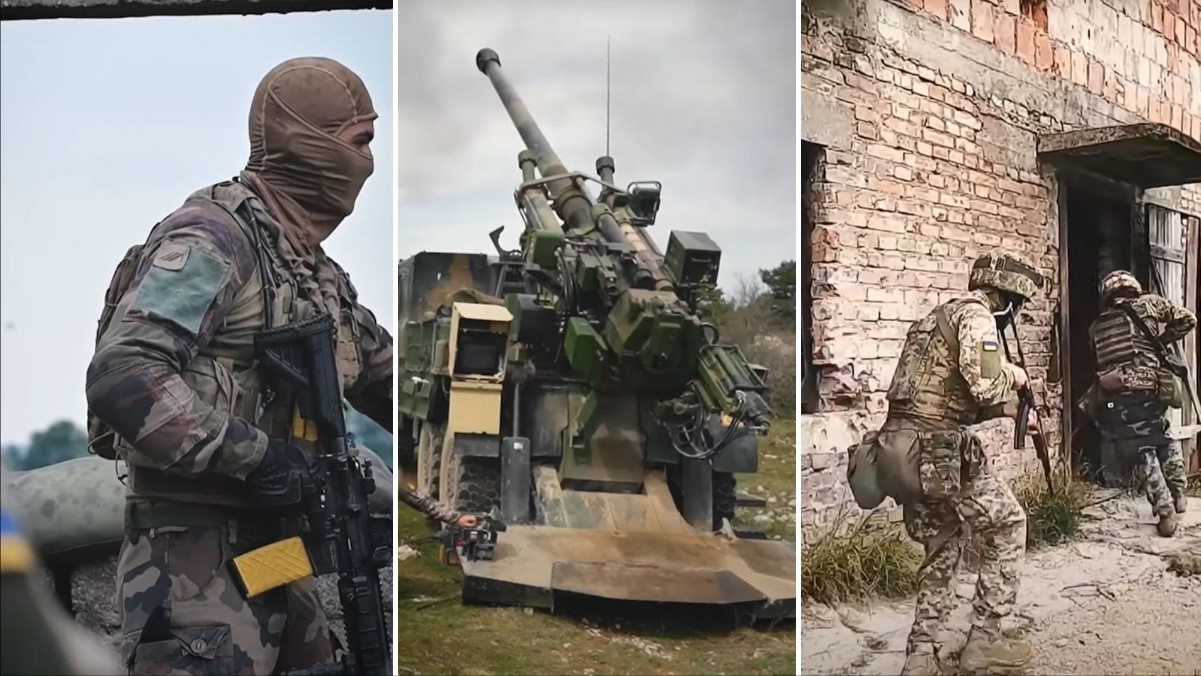
World
France has taken a significant step in supporting Ukraine’s defense against Russian forces by training and equipping a specialized brigade. This unit, known as the Anna of Kyiv Brigade, is made up of 2,300 Ukrainian soldiers, being trained on French soil in the Grand Est region. The training, which began as part of a larger military cooperation effort, aims to prepare these soldiers for frontline deployment, providing them with the skills and equipment needed to strengthen Ukraine’s resistance.Named after a historical figure, Anna of Kyiv, a princess who married French King Henry I in 1051, the brigade is being trained in an integrated manner. The French military is conducting this rigorous training with around 1,500 of its own personnel involved. This training is designed to mimic real combat conditions, including exposure to stressful environments with noise, drones, and trench warfare. The trenches dug during the exercises replicate those seen on the front lines in Ukraine, adding a layer of realism that ensures the soldiers are well-prepared for the challenges they will face.The French government has committed to fully equipping the brigade, making it a formidable force. The brigade will be outfitted with advanced weaponry and vehicles, including 128 armored troop carriers, 18 Caesar truck-mounted howitzers, 18 AMX light tanks, Milan anti-tank missiles, and heavy trucks. This modern equipment is crucial for the brigade’s operations, enhancing their mobility and firepower on the battlefield.The Caesar howitzers, in particular, have been praised for their accuracy and range, making them a valuable asset in Ukraine's defense strategy. These systems are designed for rapid deployment, allowing the Ukrainian forces to strike targets at long range with precision. The addition of light tanks and anti-tank missiles further boosts the brigade's capability to engage Russian armor, making it a versatile unit prepared for both offensive and defensive operations.France's support doesn’t stop at just training these 2,300 soldiers. There are plans to train an additional 2,200 troops in Ukraine itself. This expansion is part of a broader effort to scale up Ukraine's military readiness. French President Emmanuel Macron initially announced the formation of this brigade in June 2024, during a speech commemorating the 80th anniversary of the D-Day landings in Normandy. This symbolic moment underscored France’s ongoing commitment to supporting Ukraine’s sovereignty and defense.Since the Russian invasion of Ukraine in 2022, France has trained approximately 15,000 Ukrainian soldiers, many of whom have received training in Poland as well. This large-scale effort is part of France’s broader military aid to Ukraine, which has already reached a value of 3 billion euros ($3.27 billion) in 2024 alone. This assistance includes not only training but also weapons systems and logistical support, strengthening Ukraine’s overall capacity to defend against Russian aggression.As the Anna of Kyiv Brigade completes its training and prepares for deployment, it becomes a key symbol of the strong ties between France and Ukraine. The collaboration between the two countries represents more than just military support—it is a testament to international solidarity in the face of aggression, with France playing a crucial role in helping Ukraine maintain its sovereignty.The French-trained brigade, equipped with advanced technology and battlefield experience, will play an essential role in the ongoing conflict, helping to shift the balance in Ukraine’s favor as it continues to resist Russian advances.
Read More → Posted on 2024-10-16 15:14:04
World
In 2025, France is set to officially order its next-generation nuclear aircraft carrier, marking a significant step in replacing the iconic Charles de Gaulle by 2038. This ambitious new vessel, known as the Porte-Avions Nouvelle Génération (PANG), will serve as the backbone of France’s maritime power for decades to come. Since the project’s announcement in 2020, the plan has sparked considerable debate regarding its necessity and effectiveness in the evolving landscape of naval warfare.Critics argue that modern threats, such as hypersonic missiles and long-range anti-ship ballistic weapons, make aircraft carriers more vulnerable than ever. Detractors point to events like Operation Hamilton in 2018, where modern fighter jets, supported by tanker aircraft, showcased the capability of executing long-range strikes without the need for a carrier. They claim that a land-based air force with adequate refueling capacity could offer similar reach without the risk of exposing a massive floating target.Supporters, however, counter these arguments by emphasizing the unique capabilities of a nuclear-powered aircraft carrier. They stress that modern defense systems have advanced alongside offensive technologies, providing the carrier group with robust protective measures. Additionally, no airbase can match the strategic mobility of an aircraft carrier, which acts as a sovereign, mobile platform capable of projecting power anywhere in the world.Despite these differing views, the French government has decided to move forward with the PANG, recognizing the carrier as an invaluable asset in both military and diplomatic operations. The new vessel will not simply be a continuation of the *Charles de Gaulle*, but a drastically more modern and powerful ship.The PANG is set to be a behemoth, standing 310 meters long—nearly 50 meters longer than its predecessor—and weighing approximately 80,000 tons, almost double the *Charles de Gaulle*'s displacement of 42,500 tons. These massive dimensions place the PANG on par with some of the world’s largest aircraft carriers, including the U.S. Nimitz-class and China’s Fujian-class. This substantial increase in size is driven by the future operational demands, including the accommodation of the next-generation fighter (NGF) being developed under the Franco-German-Spanish Future Combat Air System (FCAS) program. The NGF is expected to be larger and heavier than the current *Rafale M*, requiring more space and robust support systems.Alongside these fighters, the PANG will operate cutting-edge drones. Both autonomous and crewed unmanned aerial vehicles (UAVs) will complement the NGFs, adding a new dimension to France’s naval capabilities. These “Loyal Wingman”-type drones are designed to enhance combat effectiveness by flying alongside manned fighters, providing intelligence, surveillance, and even combat support. The aircraft carrier’s hangars and flight deck will need to accommodate a mix of manned and unmanned aircraft, with space for up to 30 NGFs and an equivalent number of drones.Another critical feature of the PANG is its advanced propulsion system. The ship will be powered by two K22 nuclear reactors, each capable of producing 220 MW, ensuring sustained power for long-distance missions without the need for refueling. Additionally, the vessel will be equipped with three electromagnetic catapults to launch aircraft, mirroring the technology seen in the U.S. Navy’s latest Gerald R. Ford-class carriers. This system will provide greater efficiency and speed in launching heavier aircraft like the NGF.The future PANG may also need to accommodate specialized aircraft for anti-submarine warfare and air surveillance, reminiscent of the Bréguet Alizé planes that once patrolled French carriers during the Cold War. As submarine threats re-emerge globally, the PANG’s air wing will likely be tasked with countering this growing danger.The cost of building such a formidable vessel will undoubtedly be significant. The advanced technologies, larger size, and cutting-edge systems—such as the nuclear propulsion, electromagnetic catapults, and integration of drones—will drive up the price tag. However, for France, the investment in the PANG represents a commitment to maintaining its global maritime influence and ensuring the French Navy’s operational readiness in the face of emerging 21st-century threats.As 2025 approaches, the PANG project symbolizes France’s determination to remain a naval power capable of projecting its influence across the world’s oceans, while also adapting to the evolving nature of warfare. With its massive size, state-of-the-art technology, and integration of next-generation aircraft, the PANG will not only replace the *Charles de Gaulle* but also herald a new era of French naval dominance.
Read More → Posted on 2024-10-16 15:08:43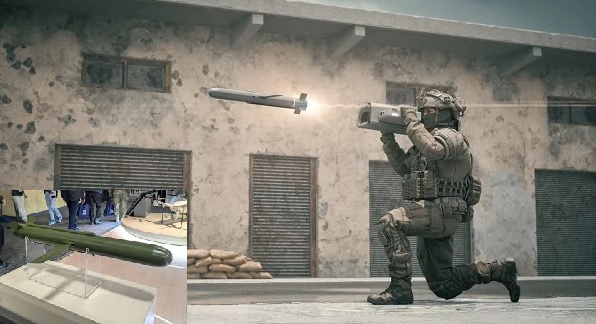
World
Israel Aerospace Industries (IAI) has introduced the TEASER, a revolutionary guided missile system that brings a fresh approach to modern warfare. Unlike traditional guided missiles, which often rely on homing sensors, TEASER breaks new ground by using an innovative external optical guidance system. This system, known as Automatic Command to Line-of-Sight (ACLOS), directs the missile to its target without requiring any onboard sensors. This not only makes the missile more lightweight but also significantly reduces costs, making it an appealing solution for infantry units and tactical teams.The TEASER missile was specifically designed to enhance the effectiveness of ground forces, providing them with a versatile and affordable weapon capable of tackling a wide range of threats. It can engage various targets, including ground positions, lightly armored vehicles, small structures, and even low-altitude aerial threats. The missile’s ability to track moving targets and operate in GNSS-denied environments makes it highly adaptable for dynamic combat scenarios. What truly sets TEASER apart is its external optical guidance system, known as TEASER-SIGHT. This unique feature eliminates the need for a built-in homing sensor, enabling the missile to remain lightweight while increasing its reliability. TEASER-SIGHT can also be integrated with external sensors, enhancing the missile’s versatility on the battlefield. Additionally, the missile’s two-stage motor system, with an ejection stage and a booster, allows for safe back-blast, meaning soldiers can launch the missile from enclosed spaces without compromising safety. This is particularly useful for urban warfare, where soldiers often find themselves in tight, confined spaces.TEASER offers two operational modes, adding to its flexibility. In the shoulder-launched mode, a single soldier can carry and fire the missile, making it ideal for fast-moving, ground-based combat. In the remote-launched mode, multiple TEASER missiles can be deployed from a launcher, either on the ground or mounted on a vehicle, with operators controlling them from a remote Ground Control Station (GCS). This dual-mode capability provides continuous fire support and can be effectively used for missions such as border defense or suppressing enemy positions, while keeping soldiers at a safe distance.IAI’s innovation in developing the TEASER system further cements the company's reputation as a leader in defence technology. Colonel (ret.) Jacob Galifat, General Manager of IAI’s MALAM Division, emphasized that TEASER was designed to meet the specific needs of battalion-level tactical teams, offering them a guided and cost-effective solution that delivers unmatched performance. TEASER provides an independent, highly lethal option, perfectly suited for the evolving needs of modern warfare.As a global leader in aerospace and defense, IAI has a long history of developing advanced weapons systems. From ballistic missiles to tactical strike weapons, the company has continually pushed the boundaries of military technology. With over four decades of experience, IAI remains a trusted provider of cutting-edge solutions for armed forces worldwide.The introduction of TEASER is not just an upgrade in technology—it marks a shift in how missile systems can be deployed by ground forces. With its revolutionary external optical guidance system and flexible operational modes, the TEASER missile system is poised to redefine the capabilities of infantry units in modern warfare.
Read More → Posted on 2024-10-16 15:05:01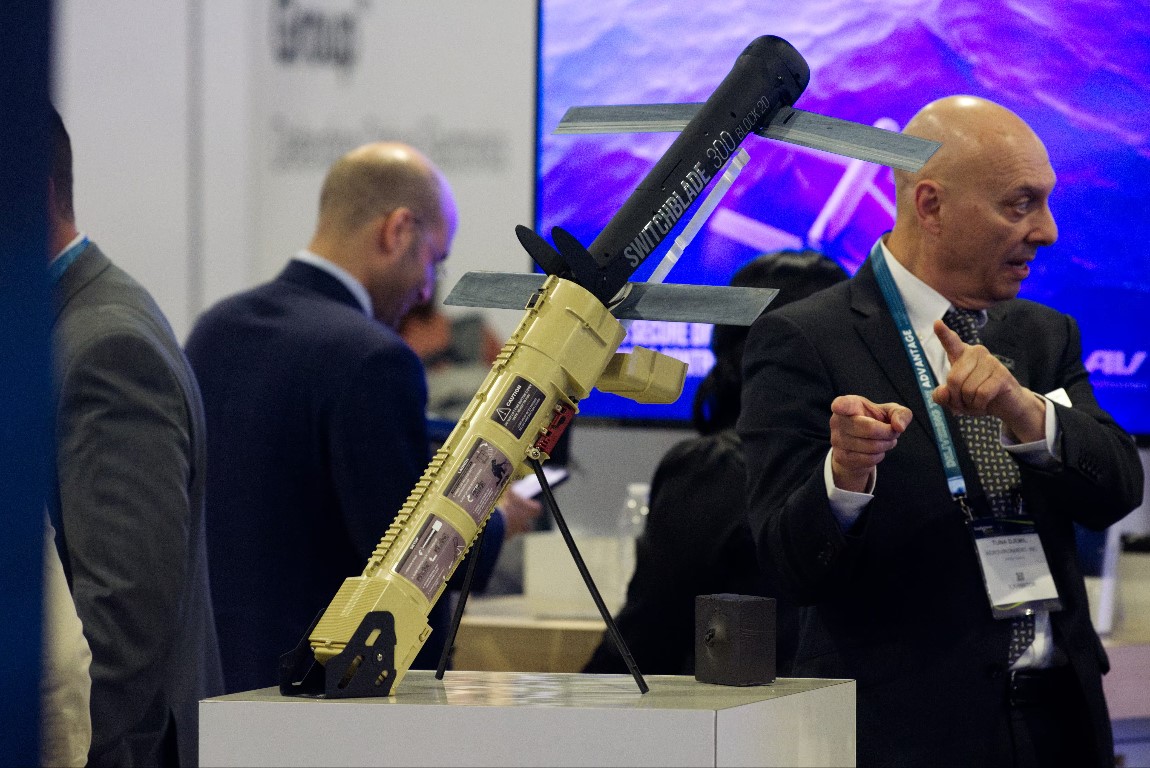
World
The US Army has placed a significant order with AeroVironment, contracting the company for $54.9 million to produce its advanced Switchblade kamikaze drones. This contract builds upon a much larger $743-million agreement that AeroVironment secured previously, underscoring the growing demand for these loitering munitions. The order isn't limited to just the US military; allied nations such as Sweden, Lithuania, and Romania will also be recipients of the Switchblade drones, boosting their tactical capabilities in line with NATO objectives.The Switchblade, a portable and versatile loitering munition, has seen its popularity rise as modern militaries focus on precision strikes and minimizing collateral damage. AeroVironment, based in Simi Valley, California, will handle the production, with the contract set to continue until June 2026. This ongoing collaboration highlights the company’s commitment to providing not only the US Army but also its international partners with cutting-edge drone technology.A Battlefield Game-ChangerWhat makes the Switchblade stand out in an increasingly crowded loitering munition market is its adaptability on the battlefield. With the ability to collect real-time GPS coordinates and stream live video back to operators, the drone gives soldiers crucial situational awareness in dynamic combat environments. It's not just a one-time-use munition. The Switchblade can hover over the battlefield, wait for the right moment, and even abort or re-engage a target mid-flight. These capabilities make it ideal for fast-changing, unpredictable scenarios where conventional drones or artillery might not be as effective.The Switchblade is available in two variants. The smaller Switchblade 300 is a compact, 50-centimeter (2-foot) drone designed for portability, typically carried in a backpack and deployed by ground troops. This smaller version is best suited for precision strikes against lightly armored or personnel targets. The larger Switchblade 600, measuring 130 centimeters (4 feet), is a more powerful version, capable of engaging heavier targets such as armored vehicles. Both versions are easy to launch and operate, giving soldiers a versatile tool for a wide range of missions.Technical Specifications and UpgradesThe Switchblade 300 has a range of up to 10 kilometers (6 miles) and a flight time of around 15 minutes, while the larger Switchblade 600 can fly up to 40 kilometers (25 miles) with a significantly longer loiter time. Both versions are equipped with cameras and GPS systems to enhance targeting accuracy. They can reach speeds of up to 115 miles (185 kilometers) per hour, allowing them to strike targets swiftly. Additionally, these drones can fly at altitudes of approximately 500 feet, staying under the radar of most air defense systems.Over time, the Switchblade has received several upgrades based on feedback from battlefield use, which AeroVironment has incorporated into the current models. These include improvements in its autonomy, enhanced payload delivery, and more efficient targeting systems. The system is versatile, capable of both manual and autonomous operation, and can easily fit into a broader network of drone and loitering munitions used by modern military forces.Expanding the Role of Loitering MunitionsThis contract comes at a time when the US military is looking to expand its loitering munition capabilities, particularly in response to growing global threats, notably from China. AeroVironment’s Switchblade drones were chosen for a US Department of Defense initiative in May 2024 aimed at increasing the use of loitering munitions as part of a larger strategy to counter Chinese military advancements. A month earlier, the US Marine Corps also ordered a batch of Switchblade drones, further demonstrating the weapon's increasing utility across multiple branches of the US military.The ongoing demand for these drones showcases a shift in modern warfare, where small, portable systems like the Switchblade provide tactical flexibility without the need for massive logistics support. They are not only effective but also cost-efficient, compared to larger drone systems or traditional airstrikes. AeroVironment’s continued success in securing contracts from both the US military and allied nations points to a growing reliance on loitering munitions to meet the evolving needs of 21st-century combat.With AeroVironment delivering Switchblade drones to the US Army and its allies, the battlefield is increasingly becoming dominated by these smart, lethal, and flexible systems. As warfare shifts towards precision and mobility, drones like the Switchblade will undoubtedly continue to play a key role. The latest contract solidifies AeroVironment’s position as a leader in this field, while providing the US military and its partners with the tools necessary to stay ahead in complex, multi-domain operations.As production ramps up over the next few years, the Switchblade’s upgraded capabilities, real-time feedback features, and battlefield versatility will likely make it an indispensable asset for ground forces around the world.
Read More → Posted on 2024-10-16 14:59:52
World
Ukrainian President Volodymyr Zelenskyy recently accused North Korea of becoming actively involved in Russia’s ongoing war against Ukraine. In a video address marking the 964th day since Russia launched its full-scale invasion, Zelenskyy claimed that Moscow is working to draw Pyongyang into the conflict as a strategic partner, especially with plans for increased collaboration in the fall and winter months.According to Zelenskyy, Ukrainian intelligence, including the Foreign Intelligence Service and the Main Directorate of Intelligence (GUR), has reported on Russia’s evolving military plans and growing coordination with North Korea. This development indicates a potential shift in the geopolitical dynamics surrounding the war. The alleged involvement of North Korea, with its history of military isolationism, adds a new dimension to Russia's support network in the conflict, potentially lengthening the war and complicating Ukraine’s efforts to push back.Reports from Western media suggest that North Korean military personnel were initially sent to Russia to assist in the assembly and upkeep of **KN-23 ballistic missiles**, which North Korea has been supplying to bolster Russia’s military capabilities. These missiles, which bear similarities to the Russian Iskander system, provide a significant addition to Russia’s artillery and missile strike options. The involvement of North Korean engineers in the Donbas region has also been reported, with their role focusing on **maintaining artillery systems and overseeing ammunition logistics**.Andriy Kovalenko, head of Ukraine’s Center for Countering Disinformation, indicated that the presence of North Korean military personnel extends beyond technical roles. They are said to be monitoring Russian military logistics, accompanying shipments of ammunition, and supervising their usage on the battlefield. Such activities hint at a more hands-on approach, possibly providing Russia with specialized manpower and expertise in munitions management, areas that have been pressured by Ukraine’s recent counteroffensives.Moreover, The Washington Post has reported that several thousand North Korean soldiers are undergoing training in Russia, with plans to deploy them to Ukraine by the end of the year. This potential deployment of foreign troops would mark a significant escalation in the conflict, suggesting that Russia is not only seeking military aid from its allies but is also preparing to use additional manpower to stabilize or expand its operations in the face of Ukrainian advances.Zelenskyy’s remarks underscore concerns about the wider implications of Russia’s military alliances. He noted that countries like North Korea, which face international sanctions and diplomatic isolation, may find value in closer military ties with Moscow, especially as both nations contend with pressure from Western powers. By aligning with Russia, North Korea could be looking to gain economic and military concessions, while Russia would benefit from additional resources and support to sustain its military campaign.The alleged collaboration between Russia and North Korea signals a concerning trend where isolated states forge military partnerships to defy global norms. For Ukraine, the prospect of North Korean troops joining the war or providing substantial logistical support represents an additional challenge in a conflict that is already complex and devastating. The idea that Pyongyang would actively contribute to prolonging the war indicates how geopolitical rifts are reshaping alliances and forcing countries to take sides in the ongoing struggle for influence in Eastern Europe.As winter approaches, the Ukrainian military and its Western allies are closely monitoring the situation. The potential involvement of North Korean personnel raises new questions about Russia's capacity to replenish its forces and maintain its war efforts. The reported cooperation also serves as a stark reminder of how far Russia is willing to go in order to continue its military campaign, even reaching out to nations with little history of open international military engagement.Zelenskyy’s statements highlight the urgency for continued international support to Ukraine, especially if Russia's military cooperation with North Korea leads to more direct involvement on the ground. The stakes in the conflict are being raised, as Russia's strategic moves signal a determination to escalate, rather than de-escalate, the war.The growing evidence of North Korean involvement, from missile assembly to possible troop deployments, suggests that the conflict is entering a new phase, one where proxy support could increasingly come into play. With the global geopolitical landscape shifting, the implications of this partnership are far-reaching, potentially influencing the outcome of the war and the future of military alliances.
Read More → Posted on 2024-10-15 15:46:54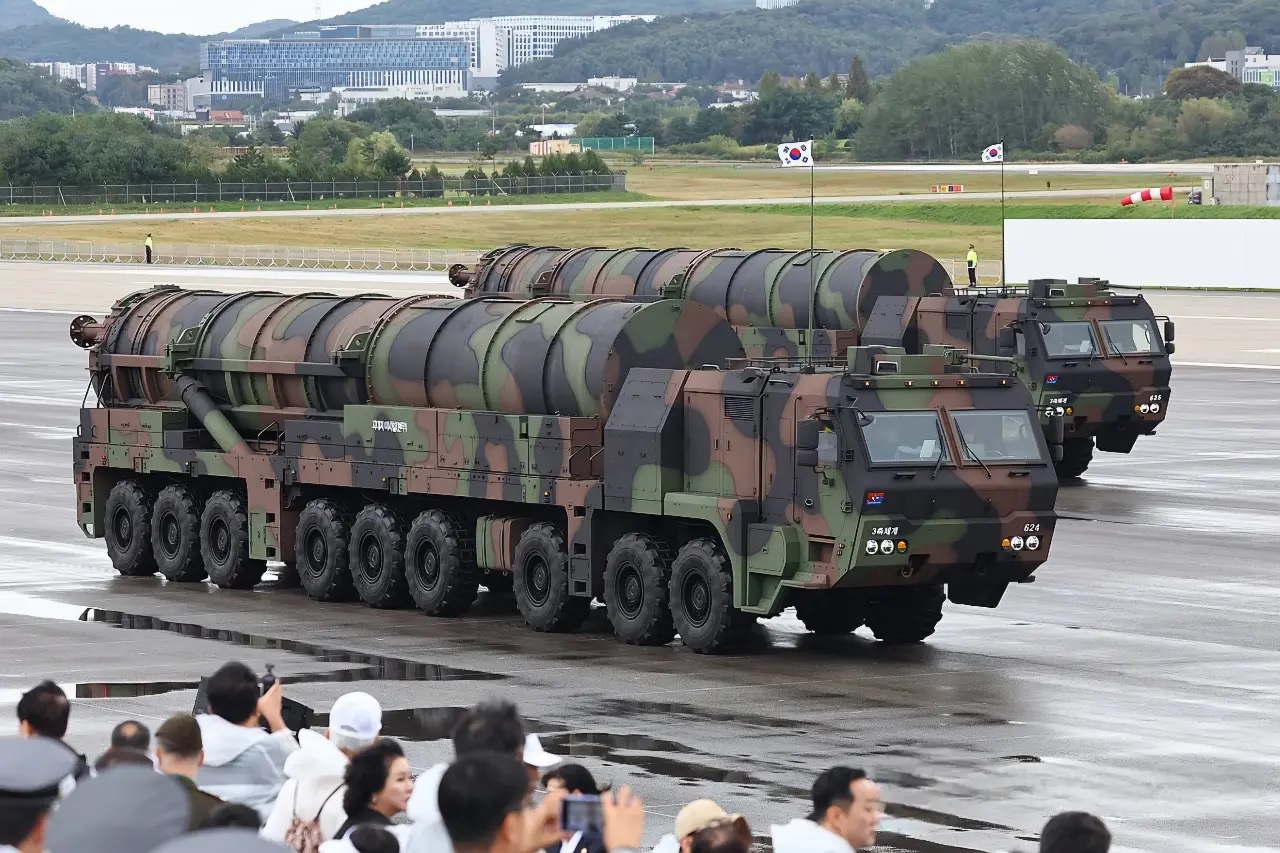
World
During the 76th Armed Forces Day parade on October 1st, South Korea showcased two significant developments in its defense strategy: the Hyunmoo-V ballistic missile and the concept of the Joint Strike Ship (JSS). These advancements form part of the nation's broader "Three-Axis" defense system aimed at countering the threat posed by North Korea. The unveiling of these assets underscores South Korea's commitment to strengthening its military capabilities, particularly in the face of growing tensions on the Korean Peninsula.Hyunmoo-V Ballistic Missile: A Powerful New AdditionThe Hyunmoo-V ballistic missile represents the latest and most formidable addition to South Korea's Hyunmoo missile family. As a crucial component of the Korea Massive Punishment and Retaliation (KMPR) strategy, the missile is designed for preemptive or retaliatory strikes against North Korean military assets, including fortified underground facilities. The KMPR is one pillar of South Korea's "Three-Axis" system, which also includes the Kill Chain and the Korea Air and Missile Defense (KAMD) frameworks. Together, these systems aim to detect threats, intercept incoming missiles, and deliver devastating counterattacks in the event of an escalation.The Hyunmoo-V's capabilities are impressive:Warhead weight: The missile carries an 8-9 ton warhead, the heaviest among conventional ballistic missiles, allowing for substantial destructive power.Range: While officially confirmed to have a minimum range of 300 km, its maximum range could extend up to 5,000 km if a lighter warhead is used. This places major North Korean facilities well within its reach, and even targets beyond the Korean Peninsula could be threatened.Underground strike capability: The missile’s warhead can penetrate and destroy structures located over 100 meters below ground, making it effective against fortified bunkers and underground facilities used by North Korea to store weapons of mass destruction (WMDs) or operate command centers.Speed: In its terminal descent, the missile can reach speeds of nearly Mach 10, making it extremely difficult for existing missile defense systems to intercept.The Hyunmoo-V's composition, incorporating heavy metals in its warhead, enables deep-penetration strikes, while its active guidance system ensures accurate targeting even against evasive or hardened installations. This capability provides South Korea with a potent tool for neutralizing North Korea's deeply buried infrastructure, a key element of its military strategy.The Joint Strike Ship: A Strategic Naval Asset in DevelopmentSouth Korea's defense strategy also extends to the sea, with plans to operate Hyunmoo-V missiles aboard a future Joint Strike Ship (JSS). The JSS is envisioned as a multi-role naval platform capable of deploying ballistic missiles, launching airstrikes, and supporting amphibious operations. The idea was initially introduced at MADEX 2023, and the project is still in the concept research phase, without formal requirements from the Republic of Korea (ROK) Joint Chiefs of Staff. Although the details remain vague, the ship's potential role in South Korea's strategic operations is clear.Key Features and ChallengesThe JSS would likely incorporate advanced stealth features and be equipped with a vertical launch system (VLS) to carry various missile types, including the Hyunmoo-V. This capability would give South Korea a new maritime-based strike option, potentially enhancing the KMPR's reach. Additionally, it could serve as a floating platform for air defense, missile launch operations, and amphibious assaults, providing greater operational flexibility in the Indo-Pacific region.However, the JSS program faces challenges, including the significant costs involved, debates over strategic value, and the need for adequate manpower to operate the vessel. Like the CVX aircraft carrier project, which has faced similar scrutiny, the JSS is a subject of debate within South Korea's defense community. As the country’s interests extend further into the South China Sea and the broader Indo-Pacific, there is increasing pressure to ensure that such programs are well-justified and capable of meeting the evolving regional security landscape.The "Three-Axis" Defense System and Strategic CommandThe Hyunmoo-V and JSS align with South Korea's "Three-Axis" defense system, which is composed of:Kill Chain: A preemptive strike mechanism targeting North Korean missile and nuclear sites in the event of a detected threat.Korea Air and Missile Defense (KAMD): An integrated defense network aimed at intercepting incoming ballistic missiles using various systems, including the U.S.-provided THAAD, and South Korea's L-SAM, M-SAM, and Patriot systems.Korea Massive Punishment and Retaliation (KMPR): A retaliatory strategy involving massive strikes against North Korean leadership and key facilities in response to an attack.The recent establishment of the ROK Strategic Command underscores the importance of these systems. This new command is tasked with overseeing South Korea’s nuclear and WMD response operations, integrating advanced technologies in space, cyber, and electronic warfare. As more strategic assets come under its purview, the command will be critical in ensuring the country’s preparedness against nuclear and missile threats.Enhancing Deterrence in the Face of Regional TensionsThe unveiling of the Hyunmoo-V and the development of the JSS represent more than just technological advancements; they signal a strategic shift towards a more assertive defense posture in response to North Korea’s continued nuclear and missile tests. The Hyunmoo-V’s ability to deliver deep underground strikes complements the KMPR’s goal of deterring North Korean aggression by ensuring that any attack would be met with overwhelming retaliation. Meanwhile, the JSS, if realized, would provide South Korea with a mobile platform to project power across the region.Together, these assets add to South Korea’s growing military capabilities, making the country not just a regional power but a strategic player in the broader Indo-Pacific security landscape. As debates continue regarding the feasibility and scope of these projects, the underlying message is clear: South Korea is taking significant steps to bolster its defense posture and ensure its national security in an increasingly complex environment.
Read More → Posted on 2024-10-15 15:43:46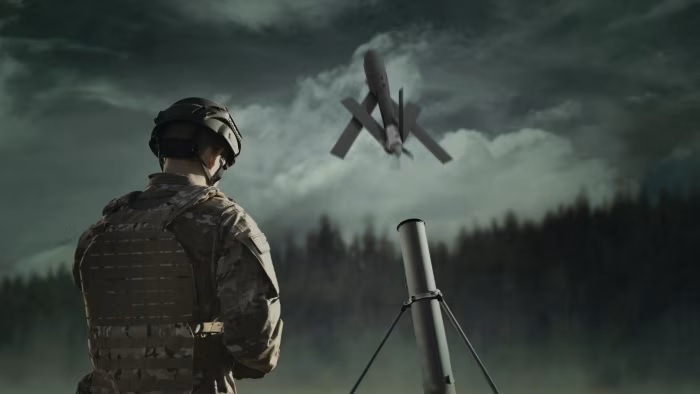
World
In a significant move to bolster its defense capabilities, Taiwan has signed contracts to purchase nearly 1,000 loitering munitions, commonly referred to as "killer drones," from the United States. The procurement, valued at approximately NT$5.27 billion (US$163.9 million), comes at a time of heightened military tensions between Taiwan and China. The deal was finalized shortly after the People's Liberation Army (PLA) conducted extensive military exercises near the island, in response to statements made by Taiwanese leader William Lai Ching-te that Beijing interpreted as pro-independence.Details of the Drone AcquisitionThe agreement includes two distinct types of drones, each with specific capabilities designed to enhance Taiwan's asymmetric defense strategy. The Taiwanese army signed two contracts with the American Institute in Taiwan, the U.S.'s unofficial embassy in Taipei, detailing the acquisition of 685 Switchblade 300 drones and 291 Altius 600M-V drones. These drones will be strategically stationed across the island in key locations, including Taoyuan, Taichung, Kaohsiung, and Hualien.Switchblade 300: Developed by AeroVironment, this lightweight loitering munition is designed for targeting personnel. The drone can be deployed from various platforms in less than two minutes and features a range of 30 km (18.6 miles), with a flight duration exceeding 20 minutes. The Switchblade 300 has already demonstrated its battlefield effectiveness in Ukraine, where it has been used against Russian forces. It is expected to be delivered to Taiwan by the end of November 2029.Altius 600M-V: Manufactured by Anduril, the Altius 600M is a larger drone with a range of 440 km and a loitering time of up to four hours. It can be launched from land, air, or sea platforms and is equipped with multiple seeker and warhead options, allowing it to be adapted for a variety of missions, including anti-armor strikes. The Altius drones are expected to arrive in Taiwan by the end of 2027.Both systems are classified as loitering munitions, meaning they can patrol a designated area, identify targets, and engage them when necessary. This capability allows Taiwan's forces to maintain a persistent presence over contested regions, potentially deterring or neutralizing any threats that may arise.Strategic Importance of the DealThe purchase of nearly 1,000 loitering munitions is part of Taiwan's effort to modernize its military and develop a multi-layered defense strategy. The drones will complement Taiwan's existing arsenal, which includes precision missiles and domestically produced unmanned systems. By expanding its loitering munitions capabilities, Taiwan aims to strengthen its ability to conduct asymmetric warfare—a strategy that emphasizes using smaller, mobile forces and technology to counterbalance a larger adversary's conventional military strength.The timing of the acquisition is significant, as it follows a series of military drills conducted by the PLA around Taiwan. In recent months, China has ramped up its military activities near the island, including joint combat exercises simulating a blockade. The latest round of drills involved a record number of 153 warplane sorties and the participation of 17 PLA warships and 17 coastguard vessels. These exercises are widely seen as a response to Taiwanese leader William Lai's remarks asserting Taiwan's separate identity from mainland China.U.S. Support for Taiwan’s DefenseThe drone deal is part of a broader U.S. policy aimed at helping Taiwan enhance its defense capabilities in light of growing Chinese military pressure. Although the United States, like most countries, does not officially recognize Taiwan as an independent state, it is committed to providing the island with defensive arms under the Taiwan Relations Act. The U.S. approved the sale of the drones in June, with officials emphasizing that the systems would help Taiwan modernize its armed forces and maintain a credible defensive posture.The use of loitering munitions, such as the Switchblade and Altius drones, adds a new dimension to Taiwan’s defense strategy. These drones provide a cost-effective way to engage potential threats without relying on larger, more expensive missile systems. The drones can also be integrated into existing military networks to support Taiwan’s command and control infrastructure, allowing for a quicker and more coordinated response to any potential aggression.Cross-Strait Tensions and Regional ImplicationsThe PLA's military drills near Taiwan have intensified since Lai's election as Taiwan's leader in January, with Beijing viewing his administration as pushing for independence. His statements during the May inauguration, asserting that "Taiwan and mainland China are not subordinate to each other," further fueled tensions. Beijing labeled him a “separatist” and increased its military presence around the island, leading to frequent displays of military force.The acquisition of loitering munitions is seen as Taiwan's response to this escalating pressure, aiming to deter potential military actions by demonstrating enhanced readiness and capability. By investing in these drones, Taiwan signals its determination to defend its airspace and territorial integrity, while also adapting to modern warfare trends where unmanned systems play a critical role.The purchase of nearly 1,000 U.S. loitering munitions marks a significant step in Taiwan’s efforts to counter the growing military pressure from China. The drones provide the island with a versatile tool to engage a variety of threats, including personnel and armored vehicles, across a wide area. As Taiwan continues to modernize its military and enhance its defense capabilities, this acquisition underscores the island's commitment to maintaining a credible deterrence posture amidst rising regional tensions.By investing in advanced drone technology and bolstering its asymmetric warfare capabilities, Taiwan is preparing to meet future challenges with a stronger, more agile military force.
Read More → Posted on 2024-10-15 15:36:43
World
Norway is ramping up its defense production capabilities and increasing military exports to Ukraine in response to growing security challenges in Europe. The Norwegian government has unveiled a program worth 967 million kroner ($89.9 million), aimed at enhancing the country's defense industry, particularly supporting small- and medium-sized companies that supply advanced technology and military equipment to Ukraine.The initiative is a direct response to the ongoing conflict in Ukraine, where the need for defense materiel has become urgent. Norwegian Defense Minister Bjørn Arild Gram stated that the deteriorating security situation has highlighted the critical demand for military supplies, both for Ukraine and Norway's own defense needs. By expanding its defense production, Norway seeks to bolster national security while also aiding its allies.Supporting Cutting-Edge Technology and Industry GrowthA key focus of the program is to support small- and medium-sized defense companies in Norway that provide innovative military technologies. The country’s defense industry, known for producing advanced weaponry and defense solutions, will now see a concerted effort to scale up production and meet the growing demand. The initiative will involve local companies and institutions in various projects, including:Establishing a new rocket motor production line: This will boost the supply of advanced propulsion systems needed for various military applications.Developing hexamine production for explosives: Hexamine is a key component in the manufacture of military-grade explosives, and increased production will address the shortages faced by the defense sector.Feasibility study for a new explosives production facility: As part of long-term efforts, Norway is considering the establishment of a new plant to ensure a steady supply of explosives for defense use.These measures aim to not only equip Ukraine with the needed military supplies but also strengthen Norway's own defense capabilities and contribute to NATO's collective security efforts.A Broader Defense Strategy: Nansen Support Program and BeyondThe new initiative is part of the larger Nansen Support Program for Ukraine, which aims to provide both civilian and military aid over a five-year period from 2023 to 2027, with a total budget of 75 billion kroner ($6.8 billion). Under this program, Norway is committed to delivering significant aid:In 2023, Norway allocated 8.9 billion kroner ($810 million) for civilian and humanitarian aid and an additional 11 billion kroner ($1 billion) in military assistance to Ukraine.The program is a long-term strategy that recognizes the enduring nature of the conflict and aims to provide sustained support to Ukraine and other affected regions.Record Defense Spending and Strategic PrioritiesBeyond its support for Ukraine, Norway is undertaking a historic increase in its own defense budget. The country has planned a 12-year defense spending program worth 600 billion kroner ($60 billion), which will be implemented by 2036. The budget is structured to significantly enhance Norway's military capabilities and address various aspects of national defense, including:Strengthening maritime defense packages: This involves updating naval assets and improving capabilities to protect Norway’s extensive coastline and maritime interests.Upgrading air defense systems and situational awareness: Norway aims to enhance its early-warning and surveillance systems, as well as deploy more advanced air defense equipment.Army and Home Guard expansion: The plan includes increased recruitment and training efforts, ensuring that both the standing army and reserve forces are better prepared to respond to threats.The overarching goal is to reinforce Norway’s military cooperation with NATO, as well as ensure readiness in the face of emerging threats in Northern Europe. The expanded defense budget reflects a recognition of the shifting security landscape, with Norway positioning itself as a proactive member of the alliance.Impact on Norway’s Defense Industry and the Wider RegionThe boost in defense spending and increased production capacity is expected to significantly impact Norway's defense industry. Small and medium-sized companies, which form the backbone of Norway’s defense sector, will play a crucial role in meeting both domestic and international demands. By focusing on high-tech and strategic military goods, Norway aims to establish itself as a key defense supplier in the region.For Ukraine, the increased support from Norway comes at a crucial time, as the country continues to resist aggression and rebuild its military capabilities. The military aid provided by Norway, including the potential for advanced munitions, explosives, and other military hardware, is expected to strengthen Ukraine's defense posture significantly.The investment in defense production aligns with Norway's long-term vision of a more robust, self-sufficient, and internationally integrated defense sector. It is a step towards ensuring that Norway remains a strong player in regional security while also standing by its commitment to support allies in times of need.Norway’s recent initiatives to scale up defense production and export capabilities represent a comprehensive approach to bolstering national security and supporting Ukraine in a time of crisis. The program not only seeks to meet immediate defense requirements but also aims to establish a long-term foundation for a more resilient and capable defense industry. As security challenges continue to evolve, Norway’s proactive measures reflect a commitment to maintaining regional stability and reinforcing collective defense with NATO partners.
Read More → Posted on 2024-10-15 15:29:47Search
Top Trending in 24 Hours
-
 U.S. Approves $1.98 Billion Sale of Anduril AI-Powered Counter-Drone Systems to Kuwait
-
 F-35 Fleet Readiness Falls to 25% Amid Parts Shortages and Software Delays: GAO Report
-
 U.S Navy Orders 50 Blackbeard Hypersonic Missiles in New $23.4 Million Contract
-
 Russia Launches 1,400 Jet-Powered Drones in 2026 as Strike Tactics Evolve to Challenge Ukraine's Air Defenses
-
 Russian Analysts Debate Su-57 Capabilities After Putin Calls Fighter Superior to F-35
-
 Russia Unveils Amur-1650 AIP Submarine Equipped with BrahMos Vertical Launch System at Fleet-2026
-
 NASA X-59 Achieves Planned Mission Conditions with Mach 1.4 Flight at 55,000 Feet
-
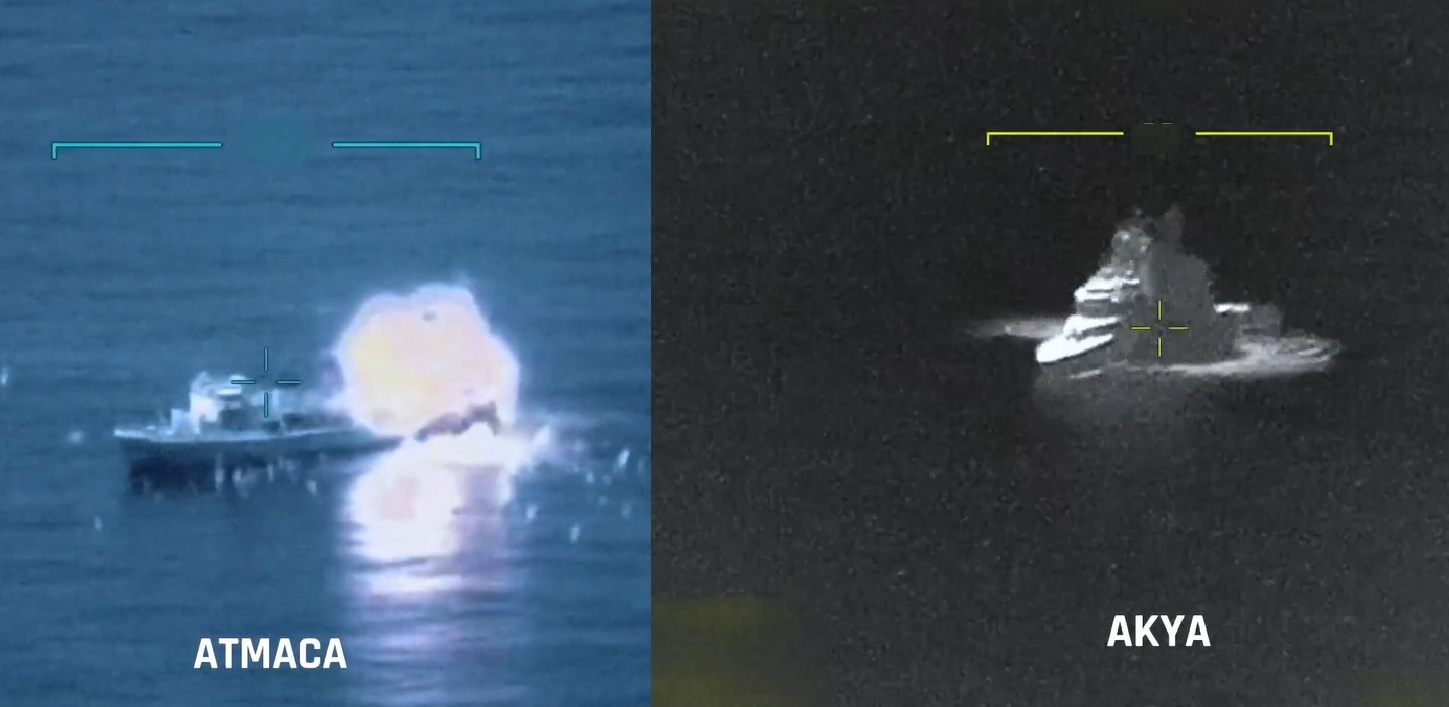 Turkey Navy Successfully Tests AKYA Torpedo and ATMACA Missile During Major Denizkurdu-II Naval Exercise
Top Trending in 4 Days
-
 Iranian Media Leaks 14-Point U.S.-Iran Peace Framework Amid Ongoing Negotiations
-
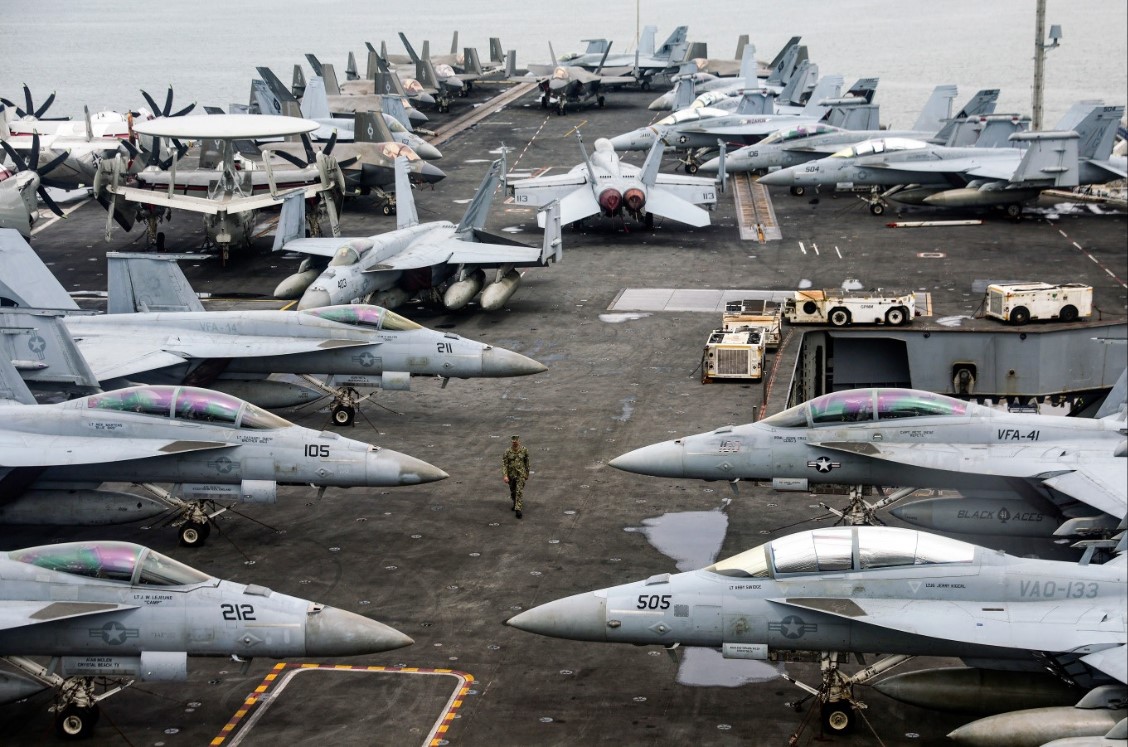 US Plans Significant Reduction of Fighter Jets and Warships for NATO Operations in Europe
-
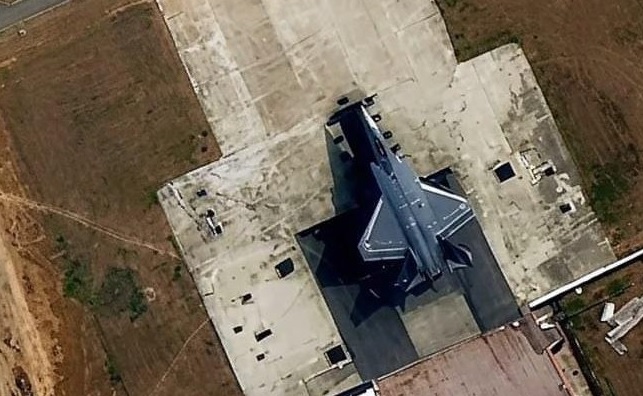 AMCA Airframe Spotted at DRDO’s ORANGE Facility for Radar Cross-Section Testing
-
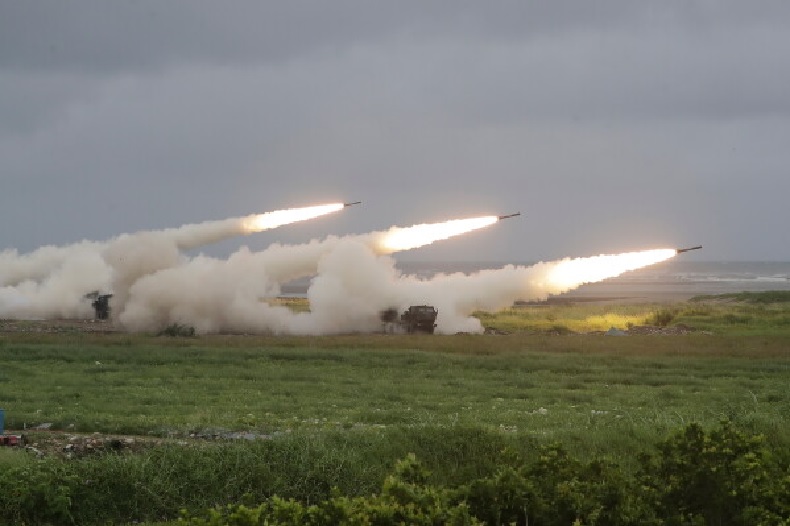 Taiwan Conducts First Live-Fire of HIMARS Rockets From West Coast During Invasion Defense Drill
-
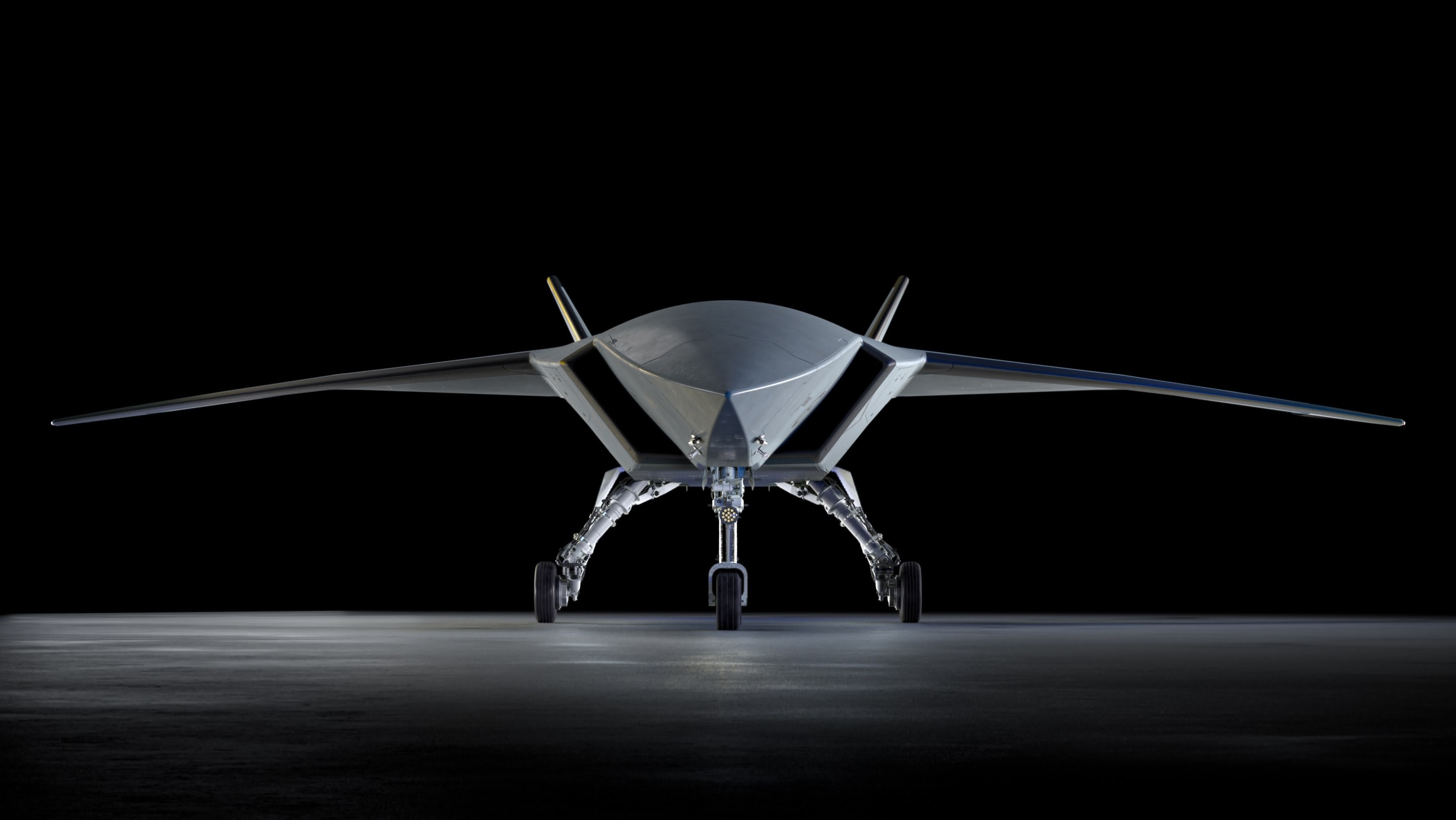 Boeing Introduces New MQ-28 Ghost Bat Upgrades with Increased Range, Payload and Weapons Capacity at ILA Berlin 2026
-
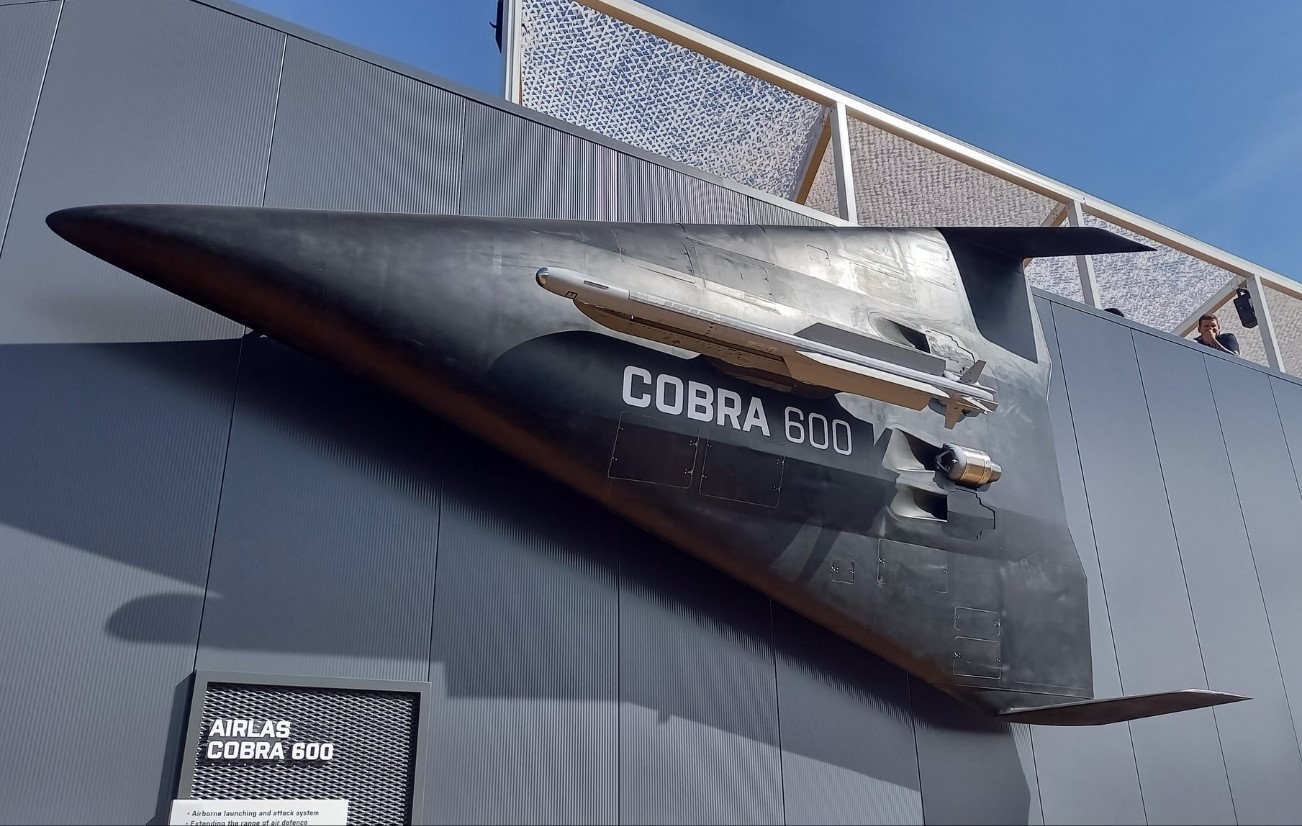 Diehl Defence Unveils IRIS-T Armed Cobra 600 Air Defense Drone at ILA Berlin 2026
-
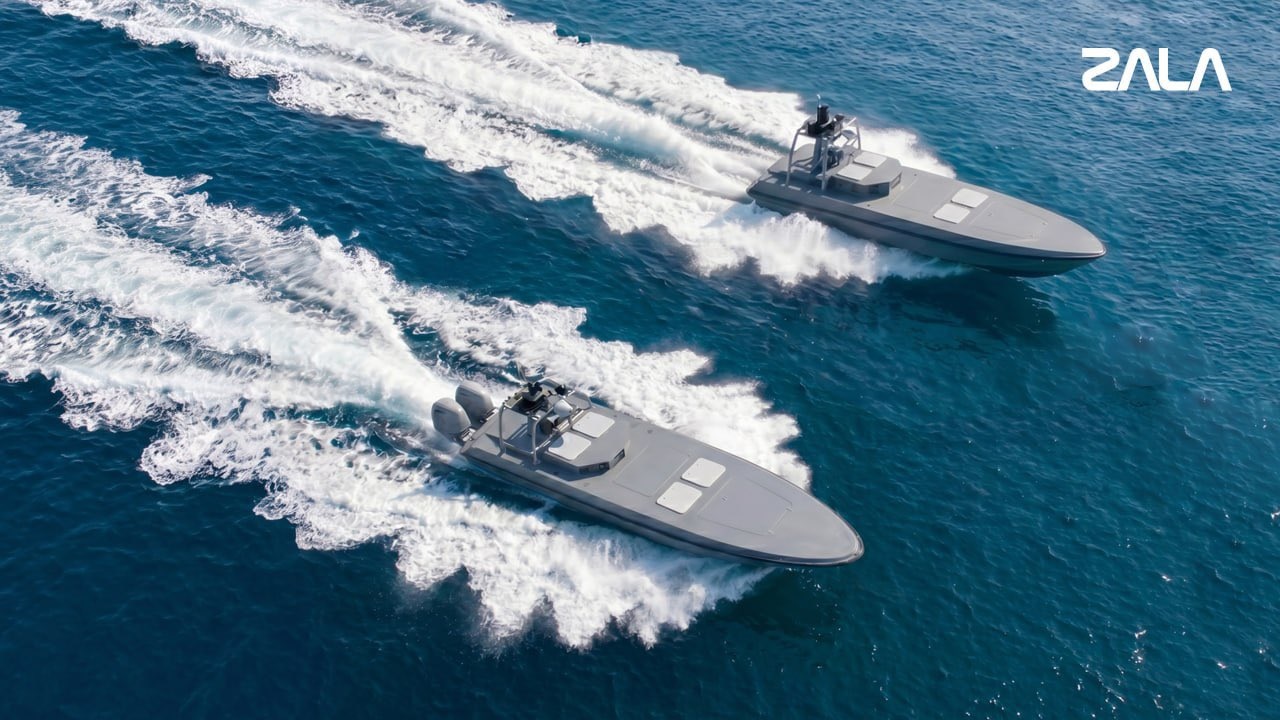 Russian Defense Firm ZALA Unveils KAMA Unmanned Surface Vessel Family at FLOT-2026 Naval Exhibition
-
 U.S Aircraft Carrier USS Theodore Roosevelt Departs San Diego for Major RIMPAC 2026 Naval Exercise