
World
Germany’s Rheinmetall has delivered an additional 20 Marder infantry fighting vehicles (IFVs) to Ukraine as it continues its defense against Russian forces. This delivery, completed by the end of Q3 2024, adds to the steady flow of support from Germany and marks a significant milestone: nearly 200 Marder IFVs have now been supplied directly to Ukraine or via the “Ringtausch” (ring exchange) program. This exchange program, coordinated with Germany's allies, allows NATO countries to provide Ukraine with urgently needed resources while backfilling those sent from Bundeswehr reserves. The Marder vehicles sent are primarily the Marder 1A3 model, known for its effectiveness in high-intensity combat.Specifications and Enhancements of the Marder 1A3The Marder 1A3 is a heavily armored IFV designed to transport troops safely into combat zones while providing robust firepower support. Originally developed for the Bundeswehr in the 1970s, the Marder has been progressively modernized. The 1A3 variant features an upgraded armor system for enhanced protection against mines, IEDs, and ballistic threats, making it a reliable choice for both defense and offensive maneuvers. One of the standout features of the Marder 1A3 is its firepower. The vehicle is equipped with a 20mm Rheinmetall MK 20 Rh202 automatic cannon, effective against light armored vehicles, infantry, and low-flying aerial targets. The addition of a laser rangefinder in this model significantly boosts its target accuracy, allowing operators to engage targets efficiently over longer distances. Furthermore, the Marder 1A3’s firing system is stabilized, giving it a critical advantage for firing on the move—a vital feature for Ukraine’s mobile defense strategies.These IFVs also come equipped with a 7.62mm MG3 machine gun mounted as a coaxial weapon to supplement the main cannon. The Marder 1A3 can carry a squad of six soldiers, along with a crew of three (commander, gunner, and driver). Its 600-horsepower engine allows for top speeds of up to 65 km/h (40 mph), ensuring agility across diverse terrains.Supporting Ukraine’s Defense with Renewed VehiclesTo meet urgent battlefield needs, Rheinmetall has been refurbishing these Marders from older Bundeswehr stocks since the spring of 2022. Initially financed by the company, these refurbishments include comprehensive overhauls at Rheinmetall’s facilities in Unterlüß and Kassel, Germany. This process not only ensures that the vehicles are operational but also prepares them for the specific challenges of the Ukrainian front lines, which range from urban combat to open-field engagements.Germany’s funding of the recent batch of Marders, which carries a mid double-digit million euro price tag, underscores its commitment to supporting Ukraine with highly effective land combat vehicles. This delivery also adds to the ring exchange arrangement, where countries willing to provide more direct aid to Ukraine are compensated with German-made systems in return. This cooperative approach has helped NATO allies address logistical and operational gaps in supporting Ukraine.The Legacy of the Marder Amid Modern Combat VehiclesThe Marder has proven to be a versatile and durable IFV, but it is being gradually phased out within Germany’s own military. The Bundeswehr is replacing the Marder with the more advanced Puma IFV, a vehicle with enhanced mobility, firepower, and protection. However, with over 300 Marders still active in Germany, they remain a valuable asset within NATO’s arsenal. While newer systems like the Puma represent the future of German armored capabilities, the Marder continues to serve effectively in both Germany and Ukraine, highlighting its long-standing reputation as a reliable combat vehicle.As Ukraine continues its defensive and offensive operations, these additional Marder 1A3 IFVs will strengthen its armored vehicle fleet and bolster its defense lines. With enhanced combat features and extensive refurbishments tailored to Ukraine's needs, the Marders offer vital support to Ukraine's military at a critical time in the ongoing conflict.
Read More → Posted on 2024-10-25 15:03:08
World
German Defence Minister Boris Pistorius has set his sights on a significant upgrade for Germany’s missile capabilities. He plans to acquire 600 new Taurus Neo cruise missiles, an advanced variant of Germany’s existing Taurus missiles. This initiative comes as Ukraine intensifies its appeals for Germany to provide such long-range weapons, which could be instrumental in targeting Russia’s deep-seated military installations. Despite his ambitions, Pistorius faces significant financial hurdles, with no confirmed funding yet to launch the project.Currently, Germany possesses around 600 Taurus missiles in its inventory. These weapons, manufactured by MBDA, can reach over 500 km (311 miles), designed to penetrate high-value targets well behind enemy lines. From the air, these missiles can be deployed by aircraft like the Tornado and F-15, giving the German forces a robust counterstrike option. Each Taurus missile is specifically designed for precision attacks on critical infrastructure: command centers, ammunition depots, airstrips, bridges, and other strategically vital points. The effectiveness of the Taurus is partly due to its bunker-busting capability, which enables it to destroy hardened targets and reduce the adversary’s ability to coordinate or resupply.This capability becomes increasingly critical as Russia continues its missile campaign in Ukraine, often targeting civilian infrastructure. In contrast, Ukraine’s response capacity is limited by the lack of comparable long-range weapons. Pistorius’s interest in the Taurus Neo is thus timely but may take time to materialize. The new variant, Taurus Neo, promises enhanced capabilities and is expected to cost around €2.1 billion for 600 units. Pistorius aims to start securing funding by 2025, initially needing €350 million to get the project moving. If the budget allows, the bulk of the payments would be scheduled to flow starting in 2029, with the first deliveries anticipated that same year.While Germany’s inventory already holds hundreds of Taurus missiles, Ukraine’s persistent requests for long-range weapons have placed the German government in a difficult position. Chancellor Olaf Scholz has repeatedly declined to send Taurus missiles to Ukraine, citing the risk that their extended range might be used to strike within Russian borders, potentially escalating the conflict. The Kremlin has already expressed concern over the possibility of Germany or any Western allies providing Ukraine with such long-range capabilities, warning that such a move could lead to increased "spiraling tension" in the region.Other NATO allies, including Britain and France, have recently supplied Ukraine with Storm Shadow and Scalp missiles—long-range options that Kyiv’s forces have successfully adapted to Soviet-era aircraft. This demonstrates Ukraine's determination and adaptability in modernizing its military arsenal, even if only with limited assistance from the West. But Germany has thus far remained cautious, mindful of the potential consequences of directly arming Ukraine with weapons capable of deep strikes within Russian-held territory.The debate over providing long-range missiles to Ukraine continues to test Germany’s political stance, particularly as both domestic and international pressures grow. Pistorius's push for the Taurus Neo underscores Germany's commitment to bolstering its defense capabilities. However, the significant financial outlay and the complex political implications make this a challenging goal. Whether the project will secure the required budget in 2025 remains uncertain, but it clearly reflects Germany’s intent to keep its defenses well-prepared and modernized, even as geopolitical tensions rise.
Read More → Posted on 2024-10-25 14:54:58
World
Defense manufacturer X-Bow Systems recently celebrated a successful test launch of its Bolt rocket, a key milestone in the company's efforts to advance solid rocket motor (SRM) technology. This test demonstrated the potential of X-Bow’s SRM propulsion system, which could offer a faster and more scalable alternative to traditional rocket propulsion. It marked a critical step in X-Bow’s broader ambition to provide reliable, rapid, and cost-effective solid rocket solutions for both commercial and military applications.The launch of the Bolt rocket generated crucial data that will support the continued analysis of the SRM’s performance, helping engineers evaluate its effectiveness and reliability in flight conditions. This data is also essential for assessing the feasibility of large-scale SRM production, with applications that could range from commercial satellite deployment to military operations. According to X-Bow’s CEO Jason Hundley, the company’s unique approach enables “unprecedented speed, precision, and scalability” in designing, producing, and testing SRMs.The Advantages of Solid Rocket MotorsUnlike liquid rocket engines, SRMs are designed to combine fuel and oxidizer in a solid-state, which gives them several advantages, particularly in shorter or booster-assisted launches. Because the fuel and oxidizer are premixed, solid rocket motors are simpler and can be stored for long periods without the risk of degradation. This characteristic makes them suitable for military applications and situations where rockets need to be launch-ready with minimal preparation time.While SRMs are excellent for specific missions like launching into Low Earth Orbit (LEO) or providing booster support, they aren’t as efficient for longer missions that require extensive propulsion control. In these situations, liquid rockets, which store fuel and oxidizer separately, are preferred for their controllability and extended burn time. However, liquid-fueled rockets also come with challenges, including higher maintenance needs and the risk of propellant degradation over time.X-Bow’s Innovative Manufacturing ApproachOne of the most striking aspects of X-Bow’s SRM development is its use of additive manufacturing, or 3D printing. The Bolt rocket, for example, is partially manufactured using 3D-printed components for both the motor casing and propellant. This approach allows X-Bow to streamline production while reducing costs and making rapid improvements. Compared to conventional manufacturing methods, which can be time-consuming and costly, additive manufacturing provides the flexibility to upgrade rocket components quickly, keeping pace with evolving technological demands.The ability to manufacture SRMs on-demand could be a game-changer for X-Bow, especially as it continues work on projects like the Mk 72 and Mk 104 solid rocket motors under a contract awarded by the U.S. Navy. This partnership aligns with the Navy’s need for a consistent, reliable supply of SRMs that can be quickly produced and deployed for a variety of missions.Looking Ahead: Commercial and Military ApplicationsThe successful Bolt rocket test points to X-Bow’s capacity to deliver scalable SRM solutions, a capability that could extend the company’s reach into both government and private-sector markets. As solid rocket motor technology continues to evolve, applications are likely to expand beyond traditional uses in military and defense. Commercial satellite launches, rapid payload deployment, and even potential rescue missions could benefit from the efficiency and reliability of SRMs like those developed by X-Bow.In an industry where speed and adaptability are paramount, X-Bow Systems stands out with its innovative approach to rocket design and manufacturing. By leveraging modern technologies and new manufacturing methods, the company is making strides in SRM technology, shaping the future of rapid, cost-effective rocketry.
Read More → Posted on 2024-10-25 14:45:25
World
At the SAHA EXPO 2024, Anadolu Robotik showcased a groundbreaking defense innovation: the Arida-M counter-kamikaze unmanned surface vehicle (USV) system. This state-of-the-art system is designed to detect and neutralize kamikaze USVs that target naval assets. As maritime warfare continues to evolve, the Arida-M presents a solution that addresses the growing asymmetric threats faced by naval forces worldwide.The backbone of the Arida-M system is the "Muhafız" USVs, which translates to "Guard" in English. These compact yet powerful vessels are engineered for speed and agility, designed to act as sentinels patrolling the waters around strategic maritime assets such as ports, coastal installations, and naval ships.The "Muhafız" USV: The Heart of Arida-MAt first glance, the Muhafız USVs may appear small—each vessel is just 4.5 meters long and 1.3 meters wide, weighing a mere one ton. But these USVs pack a punch. Despite their compact size, they boast a payload capacity of 30 kilograms, primarily consisting of advanced sensors and communication systems. The speed of the Muhafız USVs is one of their key strengths, capable of reaching over 50 knots, allowing them to intercept fast-moving kamikaze USVs with precision. Propelled by diesel engines and waterjets, they can operate in sea conditions up to sea state 4, making them versatile in various maritime environments.One of the most impressive aspects of the Muhafız USVs is their explosive payload, a critical component in their counter-kamikaze mission. The vessels carry 50 kilograms of explosives mounted at the bow, ready to neutralize enemy USVs through direct impact. Combined with their electro-optical (EO) sensors, which enable threat detection and navigation, these USVs are equipped to swiftly intercept hostile targets.System Architecture: Layers of DefenseThe Arida-M system is not just about intercepting kamikaze USVs—it represents a holistic, multi-layered approach to maritime defense. It integrates a control center, long-range infrared electro-optical sensors, and the Muhafız USVs into a single cohesive system. This structure ensures a rapid, efficient response to potential threats while maintaining full situational awareness.The process begins with radar and EO systems scanning the maritime environment for incoming threats. Once a hostile USV or another potential danger is detected, the system automatically assesses the threat level and deploys the Muhafız USVs. These unmanned vessels, equipped with RF and satellite communication systems, rapidly intercept the hostile USV, using their onboard explosives to neutralize the threat. The Arida-M’s robust architecture can adapt to various threat types, including kamikaze USVs, small boats, and even naval mines, making it a versatile defense solution for diverse operational needs.Testing and PartnershipsThough the Arida-M system is still under development, Anadolu Robotik has made significant strides toward full operational capability. Initial tests using 1/30 scale models have already been conducted, with full-scale sea trials expected to begin soon. The partnership with Turkish defense company Sekiz Altmis has been instrumental, particularly in providing the communication systems that enable real-time coordination and control of the Muhafız USVs. Additionally, the system’s communication capabilities can be enhanced with LTE systems, depending on the customer’s requirements.Responding to an Evolving ThreatThe necessity for such advanced systems became clear during the recent Russia-Ukraine conflict, where the effectiveness of kamikaze USVs was highlighted. These low-cost, high-impact weapons posed a serious threat to even the most advanced naval vessels, raising concerns about how to effectively counter them. Traditional naval defense systems, which rely on guided or unguided weapons, can quickly become overwhelmed during swarm attacks—where multiple hostile USVs or UAVs strike simultaneously.This is where the Arida-M system shines. By incorporating autonomous USVs into the defense strategy, naval forces can augment their existing weapon systems, forming a multi-layered defense. AI-driven USVs like Muhafız are capable of early detection and interception, alleviating the burden on a ship’s primary weapons and significantly improving the chances of neutralizing threats before they reach critical infrastructure.The Future of Naval DefenseWhile the Arida-M system is still in its testing phase, its potential to revolutionize naval defense is undeniable. By combining advanced robotics, communication systems, and explosive payloads, it offers a highly adaptable and scalable solution to counter asymmetric maritime threats. As the system continues to undergo trials and improvements, there’s little doubt that it will be in high demand—not just in Turkey, but among international clients facing similar security challenges.In the evolving arena of naval warfare, where kamikaze USVs and swarm tactics have become prominent, systems like Arida-M represent the next generation of defense. With continued development, this innovative countermeasure has the potential to set new standards in maritime security, providing navies with the tools they need to defend against the growing array of modern threats.
Read More → Posted on 2024-10-24 15:56:02
World
Russia is preparing for a significant boost in its defense spending, marking one of the most notable shifts in its military budget since the Soviet era. With its ongoing military offensive in Ukraine, the Kremlin has prioritized bolstering its military, approving a near 30% rise in defense expenditure for 2025. The budget was passed in its first reading by the State Duma, Russia's lower house of parliament, with an overwhelming majority and only one dissenting vote. The second reading is scheduled for November 14, when the budget will undergo further scrutiny.This defense spending surge reflects Moscow’s strategic choice to pump vast financial resources into the Ukraine conflict, which has stretched beyond initial expectations. Russia has already been churning out large quantities of missiles and drones, while paying substantial salaries to its soldiers deployed on the front lines. The Kremlin's focus on defense has led to increased spending not only on traditional military expenses but also on areas classified under "domestic security," many of which are linked to the ongoing war effort.By 2025, defense spending is projected to reach 13.5 trillion rubles (approximately $145 billion), a figure that surpasses combined expenditures on welfare and education. In fact, around 40% of Russia's total government budget will be dedicated to defense and security, out of a total government expenditure estimated at 41.5 trillion rubles. This immense allocation illustrates how deeply the war has impacted Russia's fiscal priorities.What makes this even more significant is that some military-related expenses, including those categorized as "top secret" by the government, are not part of the official defense budget. These additional expenditures include items like intelligence operations and specialized equipment, further inflating the total resources committed to the conflict. Many of these classified outlays are expected to supplement the war effort, demonstrating Russia's commitment to sustaining its military campaign for the foreseeable future.Moscow's military campaign has progressed notably in eastern Ukraine, with Russian forces making steady advances and seizing towns and villages from outnumbered Ukrainian troops. This territorial progress, however, comes at a high cost—both in terms of lives and resources. The Russian government has framed its military build-up as essential to the success of its war goals, even as critics argue that the heightened defense spending has crowded out essential social programs.Despite promises from the Russian government to increase investment in social welfare and infrastructure, the reality shows a different picture. Planned spending on “national defense” is more than double what is allocated for social policies, such as welfare and public services. This imbalance highlights the economic sacrifices being made to sustain Russia’s military operations. Ordinary Russians are seeing fewer resources directed to social benefits, while the military garners a greater share of the nation's budget.The massive increase in military expenditure reflects the Kremlin’s determination to secure a strategic advantage in Ukraine, even as the international community keeps a close eye on how long Russia can sustain such heavy investments. For now, the new budget provides a clear indication of Moscow's long-term intentions: winning the war in Ukraine, regardless of the economic trade-offs at home.Russia's defense spending in 2025 is set to break records, illustrating the extent to which the Ukraine conflict has reshaped the country's political and economic landscape. As Moscow continues to prioritize military power, the future will likely see continued strain on other sectors of the Russian economy, with no clear end to the war in sight.
Read More → Posted on 2024-10-24 15:51:59
World
At the SAHA 2024 defense exhibition in Istanbul, Meteksan Defence showcased its groundbreaking radar system, the MILSAR SAR/MTI. This cutting-edge radar is rapidly becoming a game-changer for intelligence, surveillance, and reconnaissance (ISR) operations, particularly in the realm of unmanned aerial vehicles (UAVs). With its ability to detect drifting mines in the volatile Black Sea, the MILSAR has demonstrated its operational capabilities in a real-world conflict zone, marking a crucial milestone in military radar technology.Developed under the Turkish Defence Agency (SSB) project, MILSAR is built to provide superior intelligence-gathering for both military and non-military missions. The radar’s sophisticated integration of Synthetic Aperture Radar (SAR) and Moving Target Indicator (MTI) functionalities sets it apart, enabling it to operate efficiently across various weather conditions, day or night. This is particularly crucial in Türkiye, where cloud cover and other visibility challenges persist for much of the year.One of the highlights of this system is its ability to function in conjunction with drones like the Bayraktar TB2, Aksungur, and ANKA. The MILSAR's multi-mode capability—offering both Stripmap and Spotlight modes—enables wide-area surveillance as well as precise target imaging. In Stripmap mode, the radar can scan vast expanses, providing real-time, high-resolution images with up to 30-centimeter accuracy. This makes it an invaluable tool for missions requiring detailed reconnaissance over large territories. In contrast, Spotlight mode allows for highly focused, pinpoint imaging, crucial for operations that demand precision in identifying specific targets, even in poor visibility conditions such as fog, rain, or nighttime operations.The ability to detect moving targets, whether on land or at sea, is another key feature of MILSAR. Ground Moving Target Indication (GMTI) allows for tracking vehicles or personnel on the ground, while Maritime Moving Target Indication (MMTI) and Inverse Synthetic Aperture Radar (ISAR) extend these capabilities to detect and monitor vessels in maritime environments. These functionalities make MILSAR highly versatile, suitable for both military engagements and missions like border surveillance or coastal patrols.Perhaps the most compelling aspect of MILSAR is its role in detecting drifting mines in the Black Sea, a task born out of necessity due to the ongoing conflict between Ukraine and Russia. The radar, installed on UAVs like the Aksungur, has been able to identify and classify drifting mines with remarkable accuracy, even before fully completing its research and development phase. This success underscores the radar’s operational maturity and its critical role in addressing emerging maritime threats. In tandem with electro-optical/infrared (EO/IR) systems, MILSAR enhances the UAV's ability to gather intelligence and improve situational awareness for naval forces operating in contested waters.Beyond mine detection, the MILSAR radar system has a wide array of potential applications. Its ability to perform under adverse weather conditions, combined with its low weight (less than 30 kg) and minimal power consumption, makes it a valuable asset for a variety of UAV platforms. Its lightweight design also opens doors for integration into drones of various sizes, offering significant flexibility for both military and civilian applications. Countries like Pakistan, with its Shahpar-1 and Shahpar-2 UAVs, could benefit immensely from MILSAR’s capabilities, especially in challenging environments where visibility is often poor, and real-time intelligence is critical.Meteksan Defence is not stopping here. The company continues to innovate and enhance MILSAR's capabilities. One of the upcoming features in development is "Change Detection," a tool that leverages artificial intelligence to compare current and historical images, identifying changes in terrain or objects. This feature could be crucial for missions such as detecting improvised explosive devices (IEDs) or monitoring unauthorized human activity. Additionally, MILSAR’s capacity to assist in non-military operations, such as forest fire monitoring, shows its versatility in addressing diverse threats.As seen at SAHA 2024, MILSAR’s future looks bright, with its proven success in the Black Sea only scratching the surface of its potential. By bridging the gap between radar and electro-optical technologies, Meteksan’s innovation is set to redefine ISR operations across the globe.
Read More → Posted on 2024-10-24 15:45:24
World
In a significant move to bolster India’s growing space economy, the Union Cabinet, led by Prime Minister Narendra Modi, has approved the establishment of a ₹1,000 crore venture capital (VC) fund specifically aimed at nurturing the space sector. This initiative is seen as a crucial step in fostering innovation, creating jobs, and solidifying India’s position in the global space industry.The VC fund, which will be overseen by IN-SPACe (Indian National Space Promotion and Authorization Center), is part of the government’s broader reforms introduced in 2020 to encourage private sector participation in space activities. With the space economy expected to grow from its current valuation of ₹8.4 billion to ₹44 billion by 2033, the government is laying the foundation for sustained growth through this timely financial intervention.A Catalyst for Space StartupsThe fund will have a deployment period of up to five years, offering critical financial backing to startups across the space value chain. The Cabinet has outlined that the fund will deploy between ₹150-250 crore annually, based on the investment opportunities and funding requirements of the sector. The aim is to ensure that budding companies in areas like satellite manufacturing, space exploration, and advanced space technologies can access the capital needed to expand and innovate.A key focus of the fund is to prevent the loss of talent and innovation to other countries by supporting Indian startups at various stages of their development. Investments will range from ₹10 crore to ₹60 crore, with the lower end supporting early-stage companies and the higher end reserved for more established, late-growth startups. According to government estimates, the fund will support around 40 startups, providing the much-needed infusion of capital that will help them scale operations and contribute to national space capabilities.Driving Innovation and Economic GrowthThe approval of this fund comes at a time when India’s space sector is witnessing unprecedented growth. Over 250 space startups have emerged in recent years, creating a vibrant innovation ecosystem. However, many of these startups face funding challenges, which often leads to the migration of talent and businesses to countries with more robust financial support systems.By setting up this government-backed VC fund, the Cabinet aims to not only bridge this financial gap but also boost investor confidence. The fund’s capital infusion will act as a multiplier, attracting private investment and creating a ripple effect that will benefit the entire industry. This approach is designed to accelerate the development of space technologies, increase India’s global competitiveness in space exploration, and ensure that Indian companies remain at the forefront of this rapidly evolving sector.The Bigger Picture: India’s Space AmbitionsIndia’s space ambitions have grown exponentially, with the Indian Space Research Organisation (ISRO) making significant strides in satellite launches, deep space missions, and collaborative international projects. This VC fund aligns with the government’s long-term vision to transform India into a global space hub, tapping into the country’s vast talent pool and innovation potential.Moreover, the government’s focus on space startups is not just about scientific exploration but also about economic growth. The space sector offers immense opportunities for job creation, advanced technological research, and new business models. By investing in these startups, the government is effectively laying the groundwork for a future where India can compete with leading spacefaring nations like the US, Russia, and China.In summary, the Cabinet’s approval of the ₹1,000 crore venture capital fund marks a pivotal moment for India’s space industry. It demonstrates the government’s commitment to fostering a robust and competitive space ecosystem, one that is capable of driving technological advancements, boosting the economy, and creating high-value jobs. With this fund, India is positioning itself for a bright future in the space sector, one that promises to be full of exciting innovations and breakthroughs.
Read More → Posted on 2024-10-24 15:41:13
World
Iran has unveiled its latest naval weapon, the CM-300 anti-ship cruise missile, marking a significant leap in its maritime defense capabilities. This advanced missile, designed to target medium and large warships, is a clear demonstration of Iran’s focus on fortifying its coastal defense and extending its military influence over vital maritime zones such as the Persian Gulf and the Strait of Hormuz. With its long-range capabilities and versatile launch systems, the CM-300 represents a growing challenge to the naval forces of potential adversaries in the region.The CM-300’s standout feature is its impressive range, reaching up to 300 kilometers. This allows Iran to strike targets far beyond its coastline, giving it an edge in any naval confrontation. Such reach ensures that Iran can effectively control key maritime chokepoints and assert its dominance over strategic waterways. Given the rising tensions in the region, particularly around the Strait of Hormuz—a critical passage for global oil shipments—this missile offers Iran a powerful tool to deter foreign navies.One of the CM-300’s most important characteristics is its flexibility. It can be launched from a variety of platforms, including both naval warships and land-based trucks. This dual-launch capability gives Iran the tactical advantage of quick deployment in various combat scenarios. Whether defending its waters or launching an offensive strike, Iran can rapidly mobilize these missiles, enhancing its readiness in the face of naval threats. The mobility provided by truck-mounted launchers also ensures that the missile can be positioned strategically along Iran’s coastline, ready to respond to potential incursions.The technology behind the CM-300 is equally formidable. Equipped with an advanced radar guidance system and inertial navigation, the missile can accurately track and destroy moving targets with minimal risk of interception. This high level of precision, combined with the missile's speed of 0.8 to 0.9 Mach, ensures that large naval targets like destroyers or even aircraft carriers are within its strike range. The CM-300's ability to evade detection and engage such significant targets demonstrates Iran’s growing technological prowess in missile development.Additionally, the missile carries a powerful 165-kilogram warhead, which is designed to incapacitate or destroy large vessels with a single strike. Its propulsion system, featuring a solid rocket booster for initial launch followed by a turbojet engine for sustained flight, enables it to maintain high-speed, long-range operations. The missile itself is over six meters long and weighs around 770 kilograms, making it a formidable asset in Iran’s naval arsenal.One of the CM-300’s most vital components is its integrated radar and command system. Radar vehicles scan the seas for potential threats and relay this data to the missile's launch platforms, ensuring that the missile is directed precisely at its intended target. The mobile launch trucks, which are used to deploy the missile, offer the Iranian military the flexibility to rapidly position and withdraw these assets in response to changing battlefield conditions. Pre-launch testing equipment further ensures that each missile is combat-ready, reducing the likelihood of malfunctions during critical operations.This missile’s introduction is part of a broader strategy by Iran to modernize its defense systems, especially its naval capabilities. By developing weapons like the CM-300, Iran is not only bolstering its ability to defend its shores but also projecting its power over key regional waterways. In the broader context of Middle Eastern geopolitics, the CM-300 serves as a deterrent to foreign naval forces, signaling that Iran is prepared to defend its maritime interests with cutting-edge technology.The CM-300 anti-ship missile marks a significant shift in regional naval power. With the capability to strike at long distances and destroy large enemy ships, it provides Iran with a strategic advantage that could alter the balance of power in the Persian Gulf. As Iran continues to upgrade its military capabilities, the CM-300 stands out as a symbol of its commitment to defending its waters and maintaining control over one of the world's most crucial maritime routes.
Read More → Posted on 2024-10-24 15:33:11
World
In a bold move to strengthen the Pentagon’s counter-China strategy, Saronic Technologies has revealed its largest and most advanced unmanned vessel yet: the 24-foot Corsair. This third autonomous surface vessel (ASV) from the Texas-based defense tech startup is the latest addition to the US Navy’s growing fleet of unmanned systems designed to maintain maritime dominance and deter potential adversaries like China. The unveiling of Corsair comes as tensions continue to escalate in the Indo-Pacific region, with the US and its allies closely monitoring China's military expansion, especially in the South China Sea and near Taiwan. The Pentagon’s Replicator program, focused on acquiring swarms of low-cost, expendable unmanned platforms, aims to counter the increasing threat of a possible invasion of Taiwan. Saronic’s Corsair is a key component of this program, which envisions deploying thousands of these autonomous vessels to form a hybrid fleet with traditional manned warships.Saronic Technologies has rapidly expanded its capabilities in the ASV market, with Corsair following the release of the smaller 14-foot Cutlass and 6-foot Spyglass earlier in the year. However, Corsair stands out not just because of its size but its extensive capabilities. The vessel can operate autonomously for over 1,000 nautical miles (1,852 kilometers) without needing to refuel, at a blistering top speed of over 35 knots (65+ kilometers per hour). This endurance and speed make it ideal for long-range, high-speed missions across vast oceanic distances.One of the standout features of Corsair is its payload capacity. It can carry up to 1,000 pounds (453 kilograms) of equipment, allowing it to perform a variety of missions. These range from maritime domain awareness, which involves monitoring and securing critical waterways, to delivering kinetic (physical) or non-kinetic (cyber or electronic) effects in combat situations. Its versatility in mission roles underscores how crucial unmanned platforms like Corsair are becoming for modern naval warfare.What sets Corsair apart from traditional vessels is its cost-effective scalability. Saronic has integrated advanced artificial intelligence, software, and hardware systems into the design, which enables the company to produce the vessel at a fraction of the cost of manned counterparts. The streamlined production process means Saronic can manufacture hundreds, or even thousands, of these vessels quickly to meet the rising demand. According to Saronic’s co-founder and CEO, Dino Mavrookas, the company is already working on five Corsair prototypes, with full-scale production set to ramp up next year.“We’re not just building one or two of these,” Mavrookas emphasized. “We’re building hundreds and hundreds of Corsairs, with the ability to scale that number into the thousands. This will give the Navy and our allies the ability to deploy large numbers of these vessels to create a significant strategic advantage.”Corsair’s design is also geared towards ease of deployment. As an "attritable" asset, meaning it's built to be cost-efficient enough that losing some in combat won’t cripple operations, Corsair can be delivered to the battlefield in large numbers. Despite its expendability, Saronic has not compromised on reliability or performance. With the integration of state-of-the-art technologies, the platform is designed to be both durable and flexible, capable of performing in a wide range of maritime conditions.In line with the Pentagon’s vision of a hybrid fleet, Corsair is set to play a pivotal role in shaping the future of naval warfare. By combining traditional manned warships with autonomous platforms, the US Navy aims to create a force that is not only more resilient but also more unpredictable—an essential factor in countering China's growing naval strength. The combination of manned and unmanned systems allows for a more distributed and agile naval presence, which could significantly impact potential conflicts, particularly in the contested waters around Taiwan and the South China Sea.The Corsair is just the latest example of how unmanned systems are revolutionizing modern warfare. As the US continues to invest heavily in autonomous technologies, Saronic Technologies is positioning itself as a leader in the field. With its plans to produce these vessels at scale, the company is poised to meet the growing demand for unmanned platforms, not just for the US Navy but for allied forces as well.Saronic’s ambitious production goals, coupled with Corsair’s advanced capabilities, signal a major shift in how naval forces will operate in the future. As geopolitical tensions continue to rise, particularly with China, platforms like Corsair will be crucial in maintaining the strategic balance and deterring potential threats. In the years to come, it’s clear that autonomous vessels like Corsair will be at the heart of the US military’s efforts to adapt to an increasingly complex and contested maritime environment.
Read More → Posted on 2024-10-24 15:26:05
World
In a significant move to bolster the defense capabilities of a key NATO ally, the United States has approved a $7.3 billion sale of upgrades for Poland’s fleet of F-16 fighter jets. As Poland shares a long border with Ukraine, which continues to grapple with the effects of the Russian invasion, these enhancements come at a pivotal time. The upgraded jets will not only elevate Poland's air defense capabilities but also reinforce NATO’s overall military strength in Eastern Europe.The sale, which was announced on Wednesday by the Defense Security Cooperation Agency (DSCA), marks a key step in improving the security of Poland, a country playing a crucial role in the geopolitical landscape of Europe. With the war in Ukraine pressing on, Poland’s proximity to the conflict makes it a strategic stronghold, and the F-16 Viper Midlife Upgrade (MLU) will significantly enhance its air force's abilities.Strategic Importance of the UpgradeThe F-16 Viper MLU, a comprehensive modernization program, is aimed at extending the operational life of Poland’s F-16 fleet, ensuring the jets remain cutting-edge for decades to come. The upgrade package includes advanced radar systems, enhanced avionics, modern electronic warfare systems, and sophisticated communications tools. These improvements will allow the Polish F-16s to operate more effectively in multi-domain environments, enhancing their ability to detect, track, and engage air and ground targets.One of the critical components of the upgrade is the installation of the **AN/APG-83 AESA radar**, which brings advanced capabilities such as greater target detection range, precision targeting, and improved resistance to jamming. This radar system has been described as a game-changer for the F-16, giving the jets a technological edge over potential adversaries.Additionally, the upgrade includes improvements in **mission computers, advanced datalink systems**, and **electronic warfare suites** that will enable Poland’s F-16s to better integrate with NATO forces. The enhanced communication capabilities will allow seamless coordination with allied air and ground forces, ensuring faster response times and better situational awareness during joint operations.Strengthening NATO’s Eastern FlankPoland’s role within NATO has grown considerably in recent years, especially in the context of rising tensions with Russia. The F-16 upgrades represent a direct investment in Poland’s military capabilities, allowing the country to better defend its airspace and contribute to NATO’s collective defense. As Russia continues its aggressive posture, Poland’s upgraded air fleet will be a crucial deterrent, adding to the region's security.The DSCA emphasized that the sale "will support the foreign policy goals and national security of the United States by improving the security of a NATO ally." This aligns with the broader strategy of the United States to maintain stability in Europe and strengthen its defense partnerships. As Poland continues to support Ukraine, both diplomatically and militarily, these F-16 upgrades symbolize the deepening defense cooperation between the U.S. and Poland.Congressional Approval and Future ImplicationsThe U.S. State Department has already given its approval for the proposed sale, and the DSCA has provided the necessary notification to Congress. Congressional approval is the final step in the process, and once granted, the upgrades can proceed, with deliveries expected to take place over the next several years.For Poland, this deal represents a major leap forward in its defense modernization efforts. The country has been on a military spending spree in recent years, purchasing advanced weapons systems and expanding its military presence in response to regional threats. The F-16 upgrade program is just one part of Poland’s broader defense strategy, which also includes acquiring cutting-edge missile systems, tanks, and other military hardware.As tensions in Europe remain high, Poland’s F-16 upgrades serve as a reminder of the enduring importance of NATO’s collective defense. For the United States, strengthening allies like Poland is a key component of its strategy to maintain peace and security in the region. This sale also reinforces the U.S. commitment to its European allies, ensuring that NATO remains prepared to confront any emerging threats.In conclusion, the $7.3 billion F-16 upgrade deal is a crucial step for Poland and NATO, reinforcing their defense capabilities in the face of growing uncertainty in Europe. With enhanced radar, communication systems, and electronic warfare capabilities, Poland's air force is set to play an even more pivotal role in regional security.
Read More → Posted on 2024-10-24 15:12:08
World
In a move that has raised eyebrows across the international community, North Korean fighter pilots have reportedly been deployed to Russia, marking a significant shift in the nation's military engagement beyond its borders. According to sources within the South Korean government, these pilots were sent to Vladivostok in Russia's Far East in September. This deployment comes just before the expected arrival of North Korean ground troops in early October, signaling a deepening military relationship between Russia and North Korea as both face significant international pressures.A Historical Milestone in Military CooperationThis development is significant, not just because it’s the first foreign deployment of North Korean combat pilots since the Vietnam War, but also because it hints at a broader strategic alignment between Pyongyang and Moscow. North Korean pilots have historically participated in conflicts such as the Yom Kippur War in 1973, where they provided crucial support to Syrian and Egyptian forces. The current deployment may echo those past efforts, but the geopolitical landscape today is far more complex, with the ongoing war in Ukraine and Russia's deteriorating relations with the West.Strategic Gains for Both North Korea and RussiaThe deployment of North Korean pilots could serve several strategic purposes. For Russia, which is heavily involved in the Ukraine conflict, the arrival of these pilots could help ease the pressure on its own air force. Military experts have noted that North Korea’s involvement could increase the frequency of air sorties or even allow Russia to allocate its own pilots to other strategic areas. The use of modern, guided weaponry and long-range systems has simplified many combat operations, reducing the need for highly experienced pilots, making this cooperation more feasible.On the other hand, for North Korea, this deployment may serve as a valuable learning experience. Some analysts believe that North Korean pilots could be training on Russian aircraft, potentially foreshadowing future arms deals between the two nations. North Korea has long sought to modernize its air force, which has been struggling for decades under the weight of international sanctions and economic hardship. The country's current fleet consists of outdated aircraft like the MiG-19, MiG-23, and MiG-29, which have become increasingly difficult to maintain due to a lack of external support.Future Arms Transfers?Speculation is rife that North Korea might be positioning itself to acquire advanced Russian aircraft such as the Sukhoi Su-30 or Su-34, which could significantly enhance its aging air force. This would align with North Korea's broader goal of modernizing its military capabilities, especially in light of its reliance on outdated technology. The last significant acquisitions for the North Korean air force occurred in the late 1980s and early 1990s. Since then, international sanctions have hampered its ability to procure new hardware or conduct proper maintenance.If North Korea were to receive more advanced aircraft from Russia, it could shift the balance of power in the region. A modernized North Korean air force would not only bolster its own military capabilities but also strengthen its strategic alliance with Russia, providing both nations with critical leverage on the global stage.Broader ImplicationsThe growing military ties between Russia and North Korea are a stark reminder of the shifting alliances in the world today. Both nations face heavy sanctions and diplomatic isolation from much of the international community, which may be driving them to strengthen military cooperation. The deployment of North Korean pilots in Russia is just one part of this broader trend. With North Korean ground troops expected to arrive in Russia shortly, the full extent of this collaboration is yet to be seen.This partnership, while beneficial for both nations in the short term, may lead to increased tensions in an already volatile global environment. If North Korea does receive advanced military equipment from Russia, it could embolden Pyongyang in its regional ambitions, particularly in relation to South Korea and Japan.In conclusion, the deployment of North Korean pilots to Russia is a significant event with potential long-term consequences. It signals not only a deepening military partnership but also a possible shift in regional power dynamics. While the specifics of their mission remain unclear, one thing is certain: this development is far more than just a routine military exercise; it represents a strategic maneuver with implications that could resonate well beyond the Korean Peninsula and Russia's borders.
Read More → Posted on 2024-10-23 16:10:13
World
STM, one of Türkiye's foremost defense technology companies, has introduced its latest innovation—the STM NETA 300, an Autonomous Unmanned Underwater Vehicle (UUV), at the SAHA EXPO 2024. This cutting-edge platform is a testament to Türkiye's growing capabilities in indigenous defense technologies, and it marks a significant milestone for STM in the underwater domain.The unveiling of STM NETA 300 signifies a deeper commitment to Türkiye's Blue Homeland initiative, which emphasizes the protection of the nation's maritime borders and underwater assets. STM, with a proven track record in both surface and underwater defense platforms, aims to meet both military and civilian needs with this highly versatile UUV. A Technological Marvel: STM NETA 300At its core, the STM NETA 300 is designed with flexibility, autonomy, and modularity in mind. It's a compact vehicle, weighing between 70 and 85 kilograms depending on configuration, which allows it to be easily transported by just two people. The UUV’s design prioritizes ease of deployment and adaptability for various missions, making it suitable for operations in both shallow and deep waters, reaching depths of up to 300 meters. The UUV's propulsion system allows for a top speed of 5 knots and enables it to operate autonomously for up to 24 hours on a single battery charge. This endurance is crucial for extended missions, particularly in Mine Countermeasure (MCM) operations, one of its primary roles. STM NETA 300 comes equipped with advanced sonar technologies, including side-scan sonar and synthetic aperture sonar (SAS), which provide high-resolution imaging and wide-area coverage. This technology is essential for detecting and classifying underwater mines, ensuring that the UUV can navigate hazardous zones efficiently.What sets STM NETA 300 apart is its high degree of autonomy. Once deployed, the vehicle can navigate independently, using pre-programmed mission profiles or real-time commands, to scan, detect, and classify potential threats. This level of automation significantly reduces the risk to human divers and manned vessels.Expanding Capabilities Beyond Military UseAlthough the STM NETA 300 is primarily designed for mine detection, its versatile architecture makes it suitable for a wide range of both military and civilian applications. For military operations, it can conduct surveillance and reconnaissance, anti-submarine warfare, environmental assessments, and even support explosive ordnance disposal missions. Its side-scan sonar and precision navigation systems allow it to generate highly accurate underwater maps, which is vital for detecting targets and identifying underwater wrecks.In civilian applications, the STM NETA 300 shines in fields like geophysical surveys, pipeline inspections, and seabed assessments. It can play a key role in environmental monitoring, offshore renewable energy investigations, and marine archaeology. Its ability to work autonomously for long periods without human intervention also makes it ideal for tasks that require precise and prolonged underwater operations.A Family of UUVs: The Future of STM NETAThe STM NETA 300 is just the beginning. STM General Manager Özgür Güleryüz announced that this is the first member of a broader family of unmanned underwater vehicles. The future NETA series will include medium-sized and larger models capable of operating at even greater depths—up to 1000 meters, as in the case of the planned STM NETA 1000, which was also showcased in mockup form at SAHA EXPO. This upcoming model will take on more critical roles, including anti-submarine warfare and deep-water reconnaissance, further enhancing Türkiye's underwater operational capabilities.Building Export PotentialSTM has also emphasized the NETA family’s potential for export. As Türkiye strengthens its defense industry, exporting advanced technologies like the STM NETA to allied and friendly nations becomes increasingly feasible. With its flexible design and robust capabilities, the STM NETA 300 is positioned to meet a wide variety of operational needs beyond Türkiye’s own military, offering a significant contribution to global maritime security.The unveiling of the STM NETA 300 at SAHA EXPO 2024 represents a bold step for STM and Türkiye's defense sector. With its advanced autonomy, modular design, and ability to perform critical underwater missions, the NETA 300 sets a new standard for unmanned underwater vehicles. As the NETA family grows, STM’s innovative approach will continue to contribute to the security of Türkiye's maritime borders and further expand the country’s influence in the international defense market.
Read More → Posted on 2024-10-23 16:05:50
World
At the inaugural International Armament Congress in Kraków, Poland, held in late October 2024, a significant development in air defense technology was introduced by Polish defense company Pit-Radwar: the SA-35MM counter-drone air defense system. This advanced 35mm self-propelled artillery platform aims to bolster Poland's air defense capabilities, especially in the fight against modern aerial threats such as drones, aircraft, and cruise missiles. Its unique combination of programmable ammunition, advanced tracking technology, and high mobility represents a notable step forward in short-range air defense systems.The Power of Programmable AmmunitionAt the heart of the SA-35MM system is its ability to utilize programmable Air Burst Munition (ABM). This feature enables the system to achieve a staggering 97% hit probability with just seven rounds, each containing more than 50 subprojectiles. This efficiency is a major upgrade compared to traditional ammunition types, drastically reducing the number of rounds required to neutralize targets, which is essential for countering fast-moving, small aerial threats like unmanned aerial vehicles (UAVs) or drones.This advanced munition is paired with the AM-35mm automatic cannon, which boasts a high rate of fire of 550 rounds per minute. The cannon's dual-feed ammunition system allows for immediate switching between two types of ammunition: FAPDS-T (Frangible Armour Piercing Discarding Sabot with Tracer) for armored targets and ABM for air targets, providing unparalleled flexibility during combat situations.A Technological Leap in Air DefenseBeyond its impressive firepower, the SA-35MM integrates several state-of-the-art systems that ensure its effectiveness in a range of conditions. The ZGS-35 optoelectronic target-tracking system is equipped with an infrared thermal imaging camera, a daylight camera, a laser rangefinder, and a video tracker. These components provide the system with robust tracking capabilities, allowing it to operate in various weather conditions, day or night, and track fast-moving targets with great precision.Additionally, the TUGA radar, operating on frequency-modulated continuous wave (FMCW) technology in the X-band, offers another layer of capability. This radar is capable of detecting targets, including small drones, at ranges up to 5 kilometers while remaining stealthy to enemy reconnaissance. The radar's detection range extends up to 50 kilometers for larger targets, making the SA-35MM effective across a broad spectrum of threats.Mobility and FlexibilityThe SA-35MM is mounted on a highly mobile third-generation Jelcz 6x6 platform, providing the system with the versatility to operate in various environments. This mobility ensures that the system can be quickly deployed to defend key strategic points or provide protection for moving units in the field.The system also includes a high degree of automation, with remote control capabilities and fast deployment times. It can operate autonomously or be integrated into a broader networked defense system, such as Poland's air defense command. Its flexibility makes it particularly suited for defending against low-cost, small targets like drones, which are increasingly used in modern conflicts.Advanced Collaboration and DevelopmentThe SA-35MM system was developed through a collaborative effort between Pit-Radwar, the Military University of Technology, and Mesko, a Polish defense company. This partnership was made possible by funding from Poland's National Centre for Research and Development (NCBiR). The project aims to deliver nine prototypes integrated with the OSU-35K naval gun system by 2025, a significant milestone in the nation's effort to modernize its military capabilities.During the Congress, live demonstrations of the SA-35MM system further highlighted its precision and reliability. In one such test, the system successfully targeted and destroyed a small drone at a distance of 1,000 meters, showcasing its ability to neutralize difficult-to-hit, low-signature aerial threats.Future ProspectsThe SA-35MM system is designed to integrate seamlessly into Poland's broader air defense strategy, alongside other systems like the Poprad missile system. Pit-Radwar has proposed two configurations for the system: one focused solely on artillery and the other integrating missile systems for an even broader defensive capability.With a growing need for effective defenses against drones and other airborne threats, especially in light of recent global conflicts where drones have played a decisive role, Poland's development of the SA-35MM demonstrates a forward-thinking approach to national defense. The use of programmable ammunition not only increases the system’s effectiveness but also reduces costs by limiting the number of rounds fired.The introduction of the SA-35MM system could mark the beginning of a new era in air defense technology, one where precision, automation, and mobility define the battlefield. With mass production potentially on the horizon and an operational deployment as early as 2026, this system could play a crucial role in safeguarding key facilities and military units against the increasingly sophisticated aerial threats of the modern era. Poland's commitment to defense innovation, as seen through the SA-35MM, positions it at the forefront of NATO allies when it comes to counter-drone technology, potentially setting a new standard for very short-range air defense systems globally.
Read More → Posted on 2024-10-23 15:22:46
World
At the SAHA 2024 exhibition, Turkish defense giant Roketsan showcased an intriguing and highly practical development: the integration of its Cirit 70mm laser-guided missile system onto a Toyota Hilux. While the Hilux has long been a staple in conflict zones due to its durability and reliability, this new configuration elevates its status as a low-cost, mobile platform capable of precision firepower. This move is particularly relevant for nations or forces operating under budget constraints but still requiring high-tech capabilities.The Toyota Hilux, often seen in asymmetric warfare scenarios, has a reputation for its robustness and versatility. From Africa to the Middle East, the vehicle has earned a place in the military toolkit for both state actors and non-state groups, making it a widely recognized platform in modern warfare. Now, with Roketsan’s Cirit missile launcher attached, the Hilux is more than just a "technical" vehicle; it becomes a precision strike weapon, capable of taking on a variety of targets, especially in environments where conventional armored vehicles are not viable due to cost or logistical constraints.The Cirit missile itself represents a significant leap in missile technology. It fills the gap between unguided rockets and expensive guided missile systems. Offering precision at a relatively low cost, the Cirit has already seen use on various Turkish military platforms, including helicopters, land vehicles, and unmanned surface vessels. With a range of up to 8 kilometers, the missile is designed for both air-to-ground and ground-to-ground operations, making it an ideal fit for mobile platforms like the Hilux.This particular integration includes several upgrades to the Hilux beyond just a missile launcher. The flatbed of the truck carries a turret outfitted with four Cirit missiles, ready to fire on command. For target acquisition, the system uses Aselsan's Karakurt electro-optical/infrared (EO/IR) sensor, mounted on top of the vehicle’s cabin. This system, complete with a laser designator, allows operators to identify and lock onto targets with a high degree of accuracy, enhancing the missile's strike precision.The Hilux-based platform is designed to be nimble, providing mobility and flexibility on difficult terrain where heavier vehicles may struggle. The vehicle's compact size allows it to be used in hit-and-run tactics or quick deployments in rural or urban environments. The combination of mobility and advanced firepower offers a valuable alternative to more expensive systems, particularly for countries with limited defense budgets or those facing unconventional threats.Roketsan's decision to mount the Cirit missile on a Toyota Hilux points to broader trends in global defense procurement. Similar to the U.S. military’s VAMPIRE system, which enables civilian vehicles to fire laser-guided APKWS II rockets, this setup highlights the increasing popularity of modifying civilian vehicles for military use. These platforms are not only cost-effective but can be deployed rapidly in combat zones without the logistical burden associated with armored vehicles.The Cirit missile itself is available with three different warheads: anti-personnel, high-explosive, and thermobaric. This flexibility in payload makes it suitable for a wide range of missions, from engaging light vehicles to targeting fortified positions. The relatively low cost of the missile, when compared to more advanced anti-tank systems, means that it can be used in a more liberal fashion during combat, providing forces with a greater margin for error.As presented during the SAHA 2024 exhibition, Roketsan’s Cirit-equipped Hilux exemplifies the push toward practical, cost-efficient, and highly mobile military solutions. The system's affordability and effectiveness are expected to appeal to nations and military forces that need adaptable firepower in fast-paced, unconventional warfare environments. Furthermore, this configuration could find particular resonance in regions like Africa and the Middle East, where insurgencies and unconventional warfare demand agile, affordable systems that pack a significant punch.In conclusion, Roketsan's integration of the Cirit missile onto the Toyota Hilux is a forward-thinking approach to modern warfare. By combining the Hilux's proven durability with the precision of Cirit laser-guided missiles, this platform delivers an effective and economical solution for military forces operating in challenging environments. The combination of mobility, precision firepower, and affordability sets this system apart as a practical alternative to more traditional, expensive military vehicles, ensuring its relevance in the conflicts of tomorrow.
Read More → Posted on 2024-10-23 15:14:47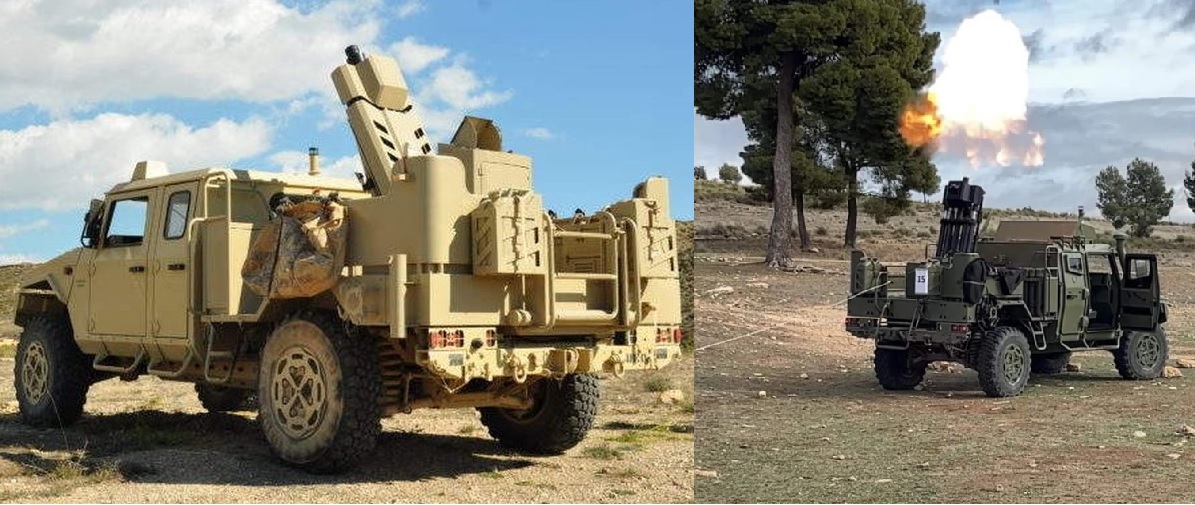
World
Rheinmetall has secured a major contract from the Spanish government to provide 81mm Eimos mortar systems, a critical enhancement to Spain's military capabilities. The deal, valued at approximately EUR 150 million, involves the delivery of 84 units, set to take place between late 2024 and 2027. This contract is a significant boost for Rheinmetall, reinforcing its subsidiary Rheinmetall Expal Munitions' position as a trusted partner for the Spanish Armed Forces.The Eimos mortar systems, mounted on light tactical vehicles, will be deployed across the Army, Navy, and Air Force. These systems, which are part of the broader UTEX program initiated by the Spanish Ministry of Defence in 2017, aim to modernize Spain’s mobile artillery capabilities. The Eimos system stands out due to its mobility, quick setup, and precision firepower, making it suitable for both rapid deployment and sustained operations. Each Eimos system features an 81mm mortar integrated with advanced fire control systems, which offer automated ballistic calculations and GPS positioning for enhanced targeting accuracy. The mortar is mounted on a high-mobility vehicle, making it ideal for various terrains. Alongside the hardware, the contract includes maintenance, logistics, and training services to ensure seamless operation within Spain's military structure.This procurement is a part of Spain’s larger modernization efforts to boost its defense infrastructure in response to emerging security challenges in Europe. By investing in Rheinmetall’s state-of-the-art systems, Spain is ensuring its military remains agile, capable, and equipped for future conflicts
Read More → Posted on 2024-10-23 15:11:52Search
Top Trending in 24 Hours
-
 F-35 Fleet Readiness Falls to 25% Amid Parts Shortages and Software Delays: GAO Report
-
 U.S. Approves $1.98 Billion Sale of Anduril AI-Powered Counter-Drone Systems to Kuwait
-
 U.S Navy Orders 50 Blackbeard Hypersonic Missiles in New $23.4 Million Contract
-
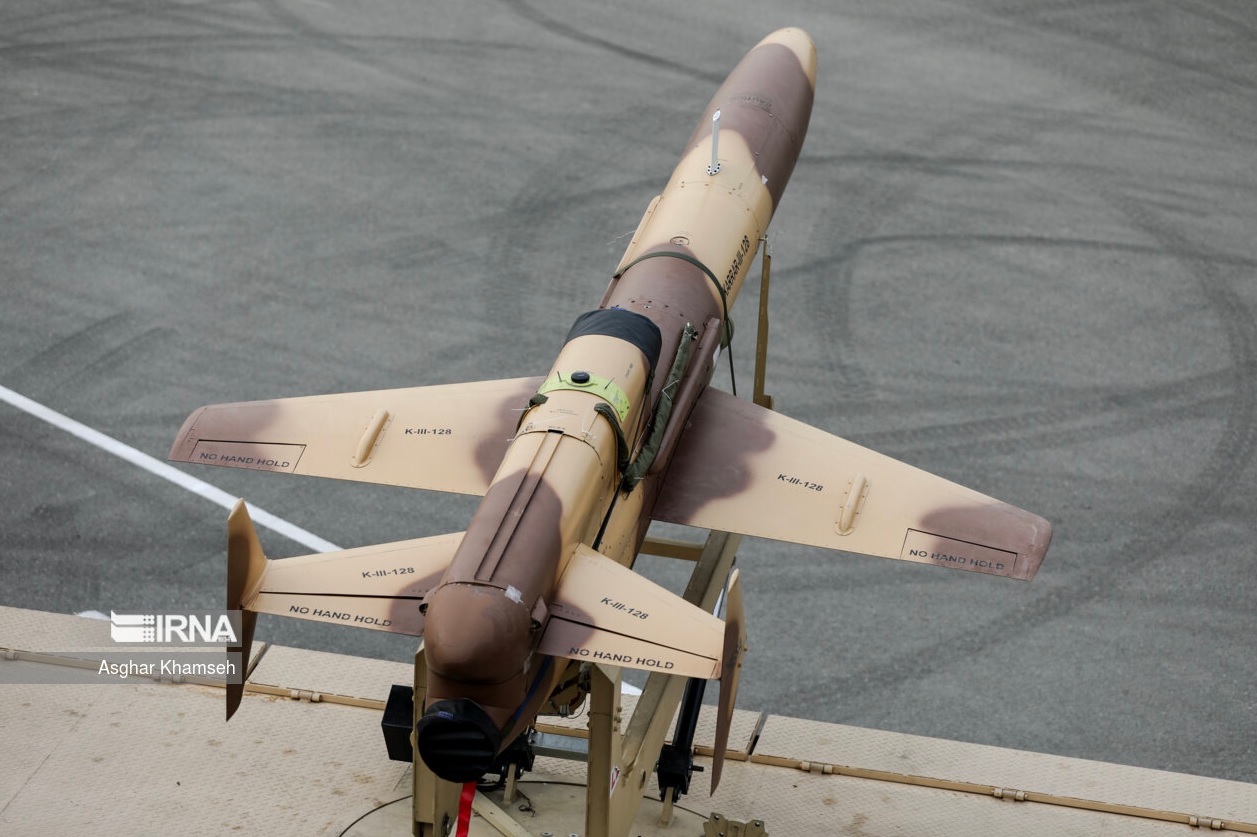 Russia Launches 1,400 Jet-Powered Drones in 2026 as Strike Tactics Evolve to Challenge Ukraine's Air Defenses
-
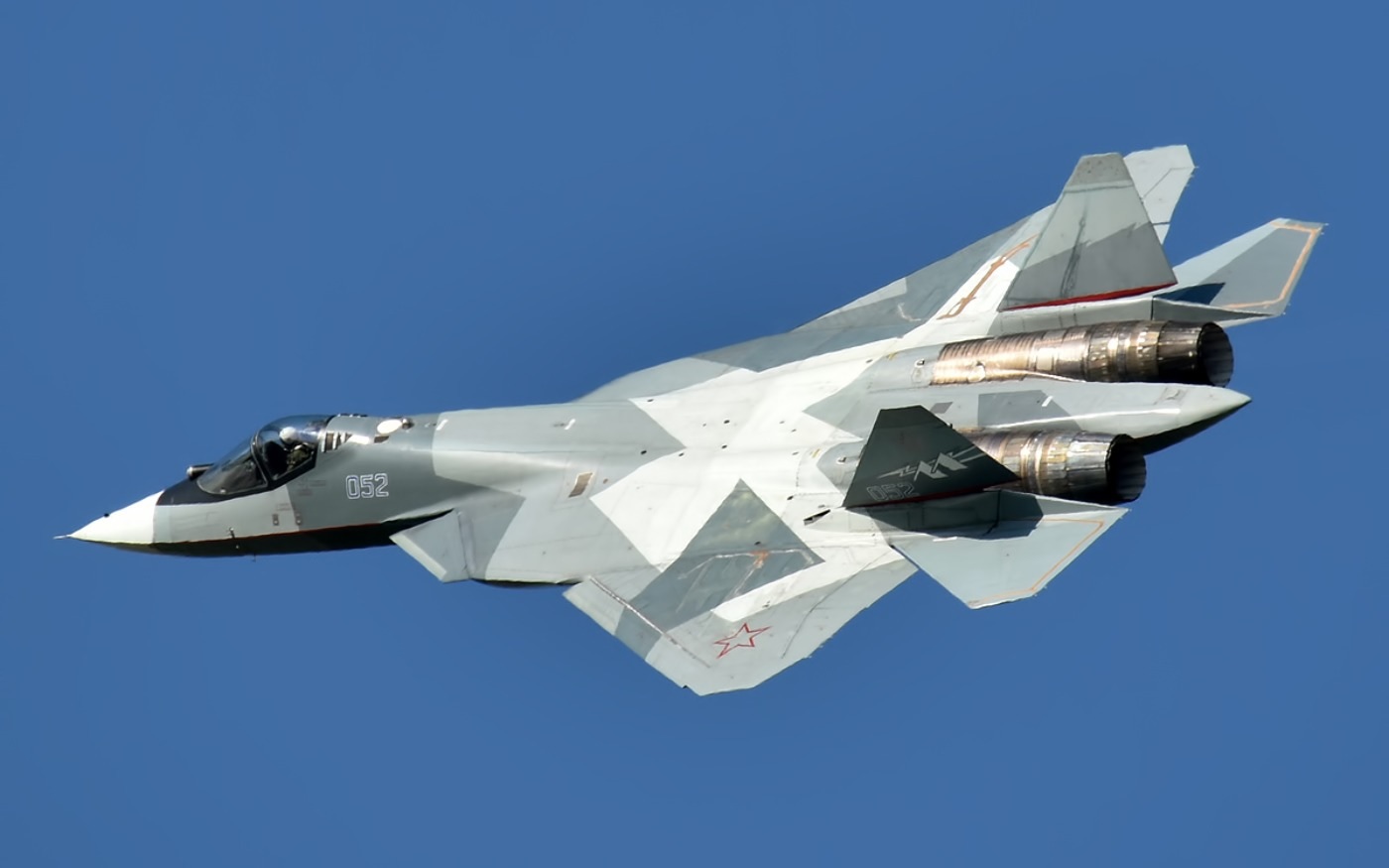 Russian Analysts Debate Su-57 Capabilities After Putin Calls Fighter Superior to F-35
-
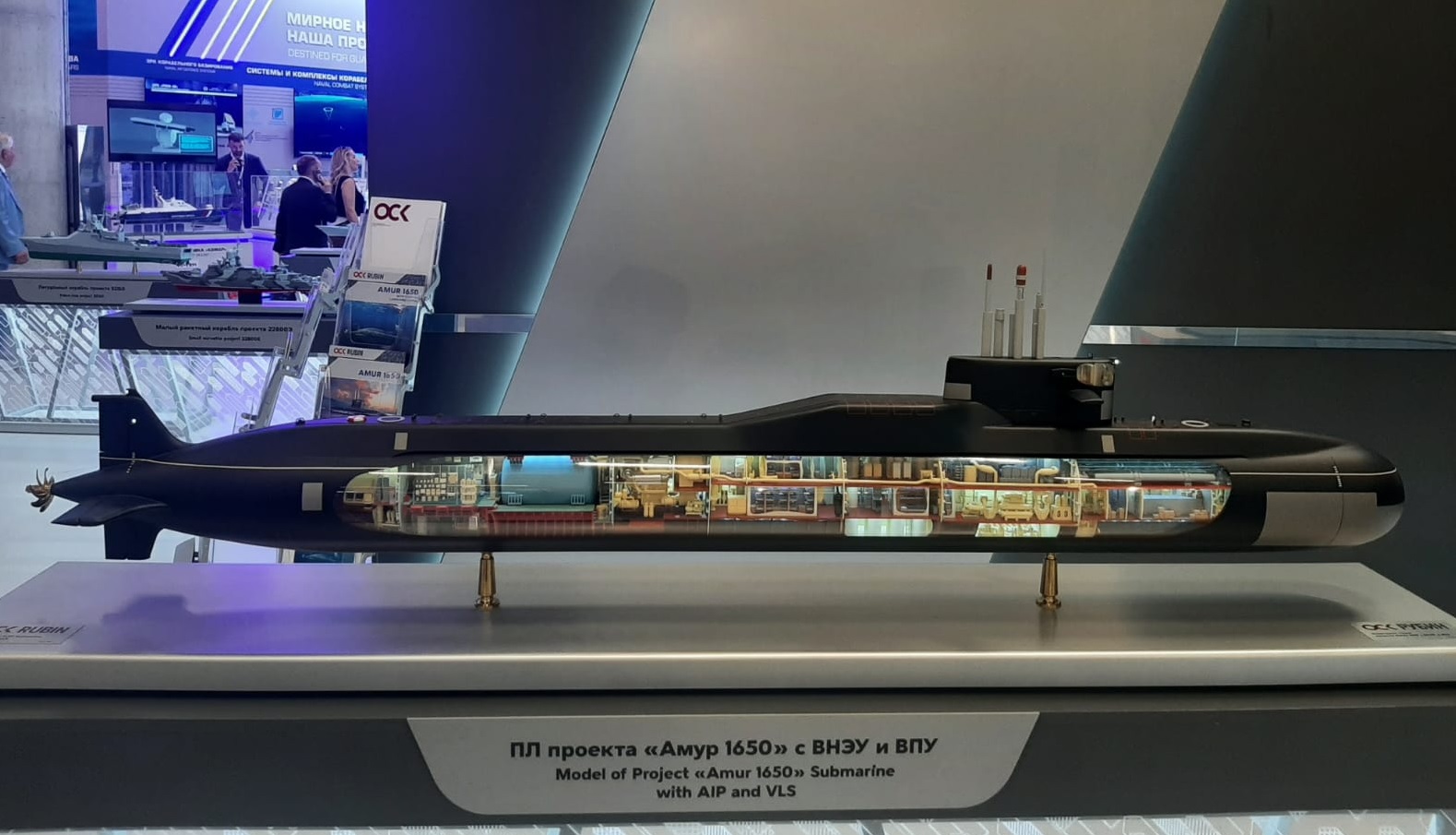 Russia Unveils Amur-1650 AIP Submarine Equipped with BrahMos Vertical Launch System at Fleet-2026
-
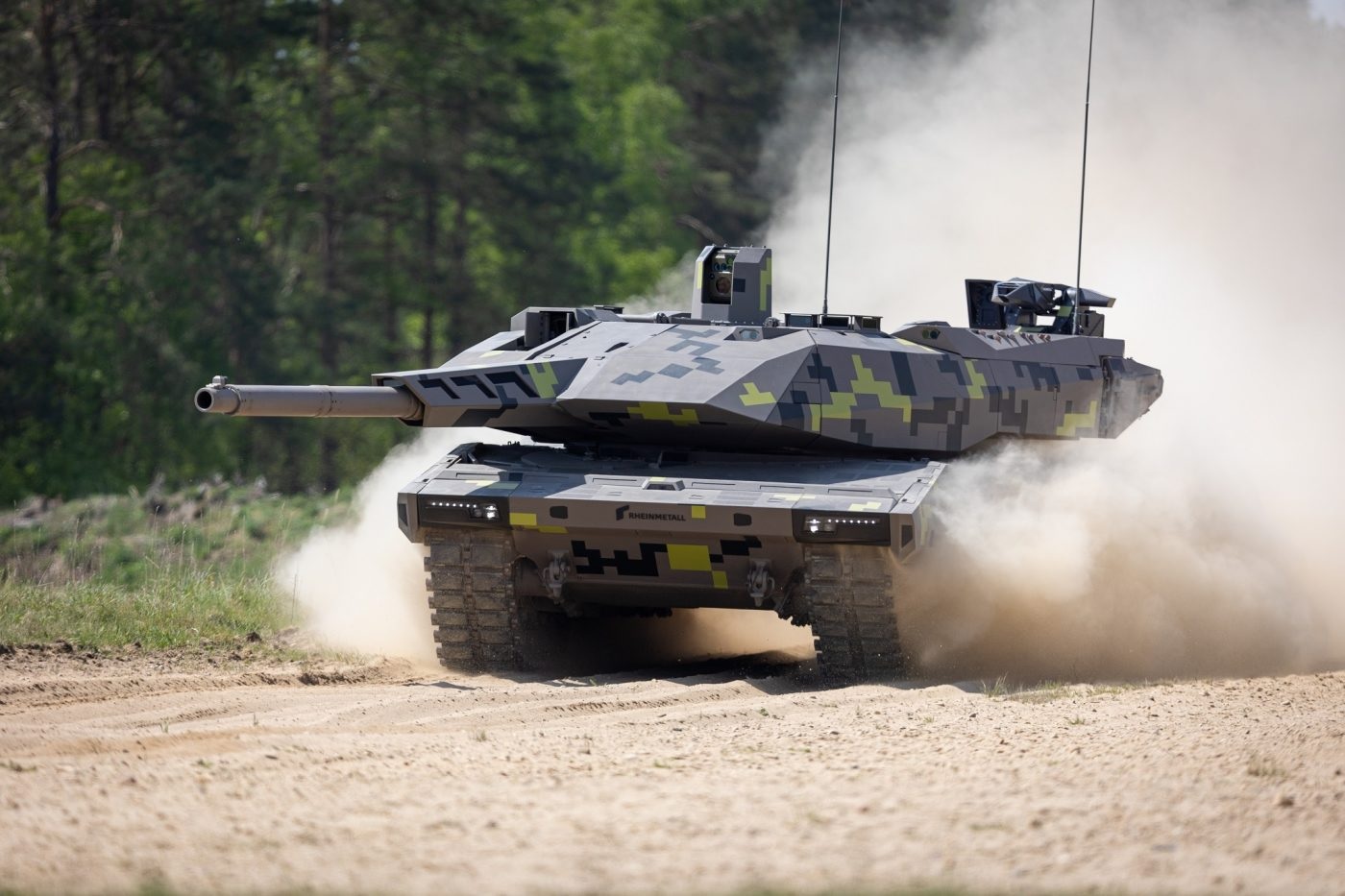 France Considers Reduced Role or Exit from Franco-German MGCS Tank Project
-
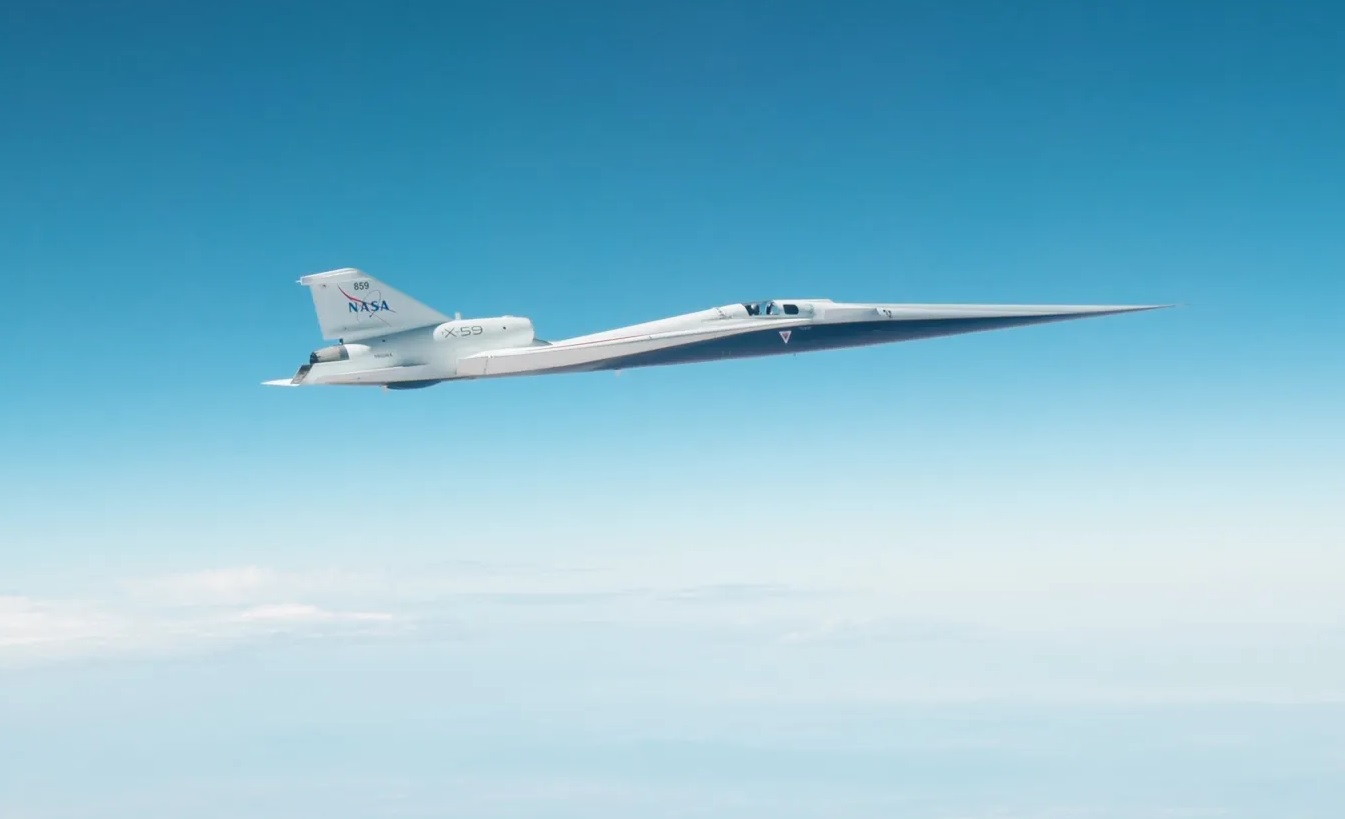 NASA X-59 Achieves Planned Mission Conditions with Mach 1.4 Flight at 55,000 Feet
Top Trending in 4 Days
-
 Iranian Media Leaks 14-Point U.S.-Iran Peace Framework Amid Ongoing Negotiations
-
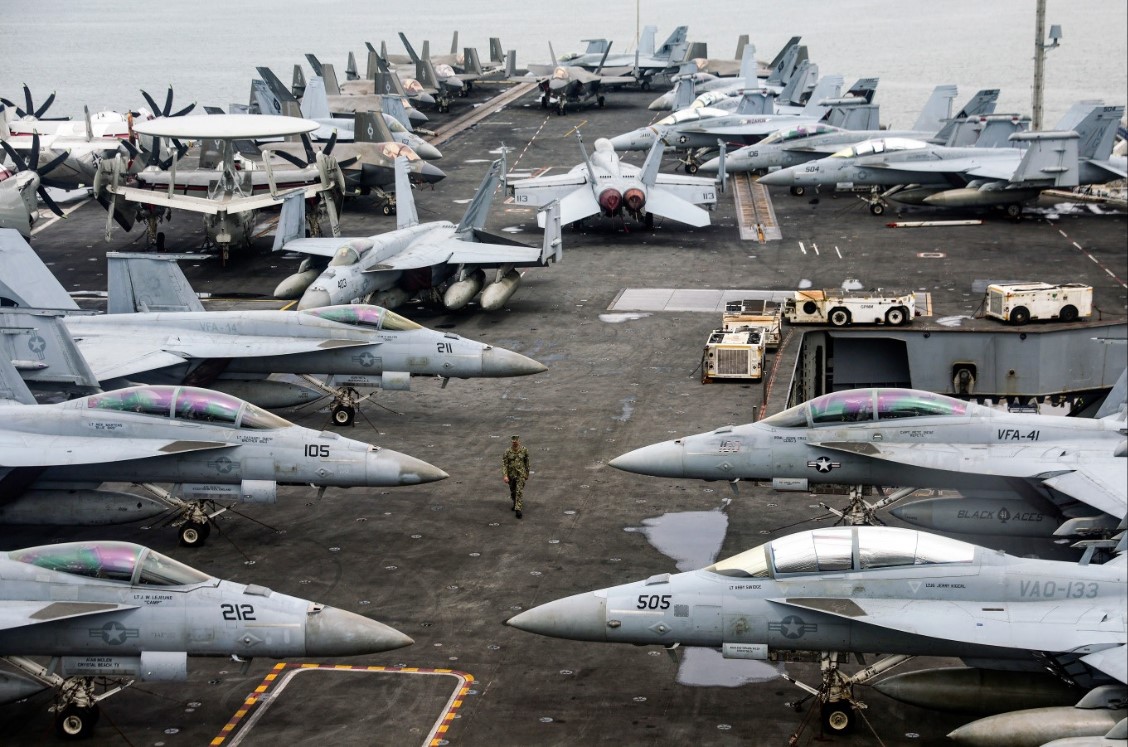 US Plans Significant Reduction of Fighter Jets and Warships for NATO Operations in Europe
-
 AMCA Airframe Spotted at DRDO’s ORANGE Facility for Radar Cross-Section Testing
-
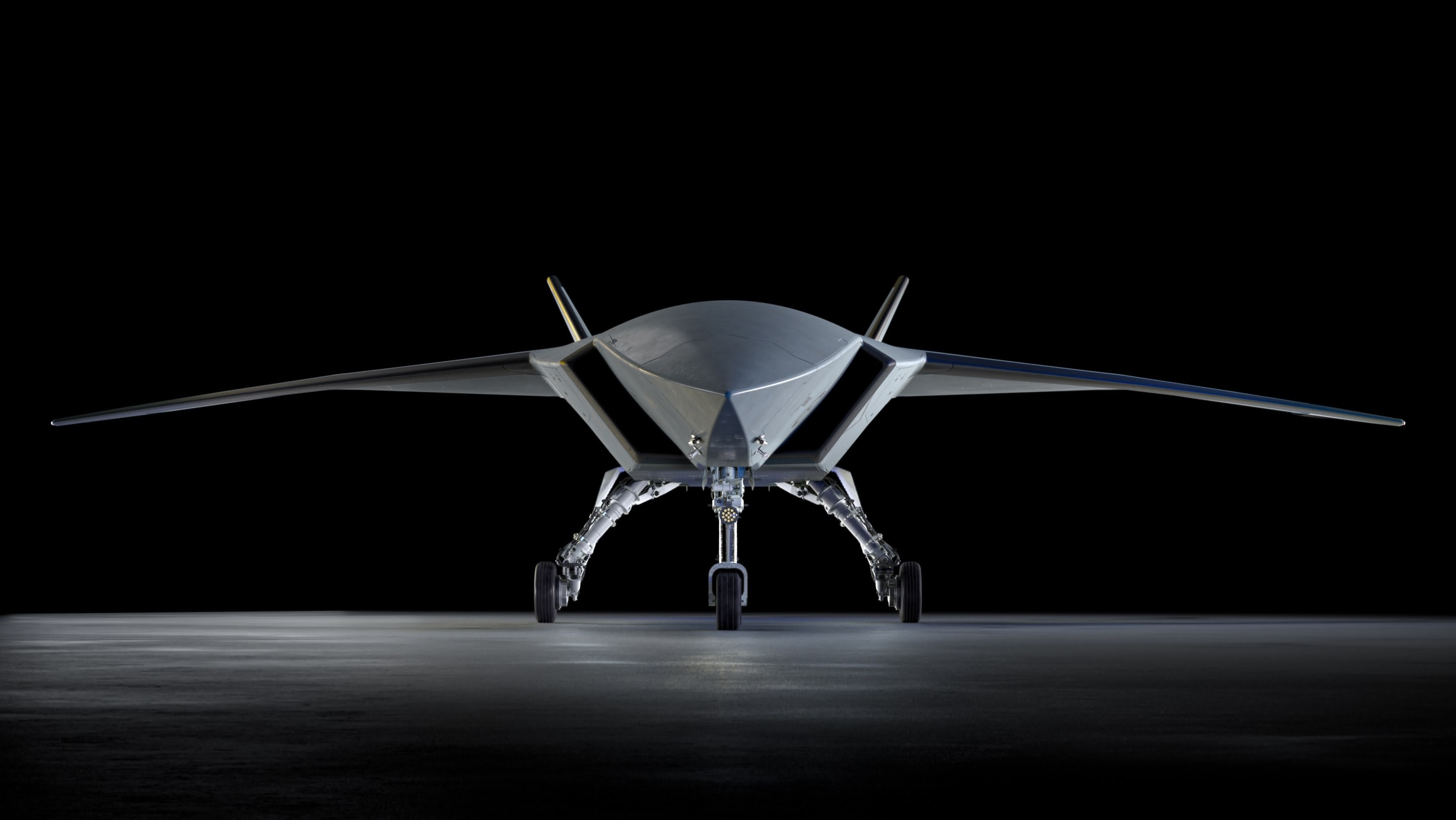 Boeing Introduces New MQ-28 Ghost Bat Upgrades with Increased Range, Payload and Weapons Capacity at ILA Berlin 2026
-
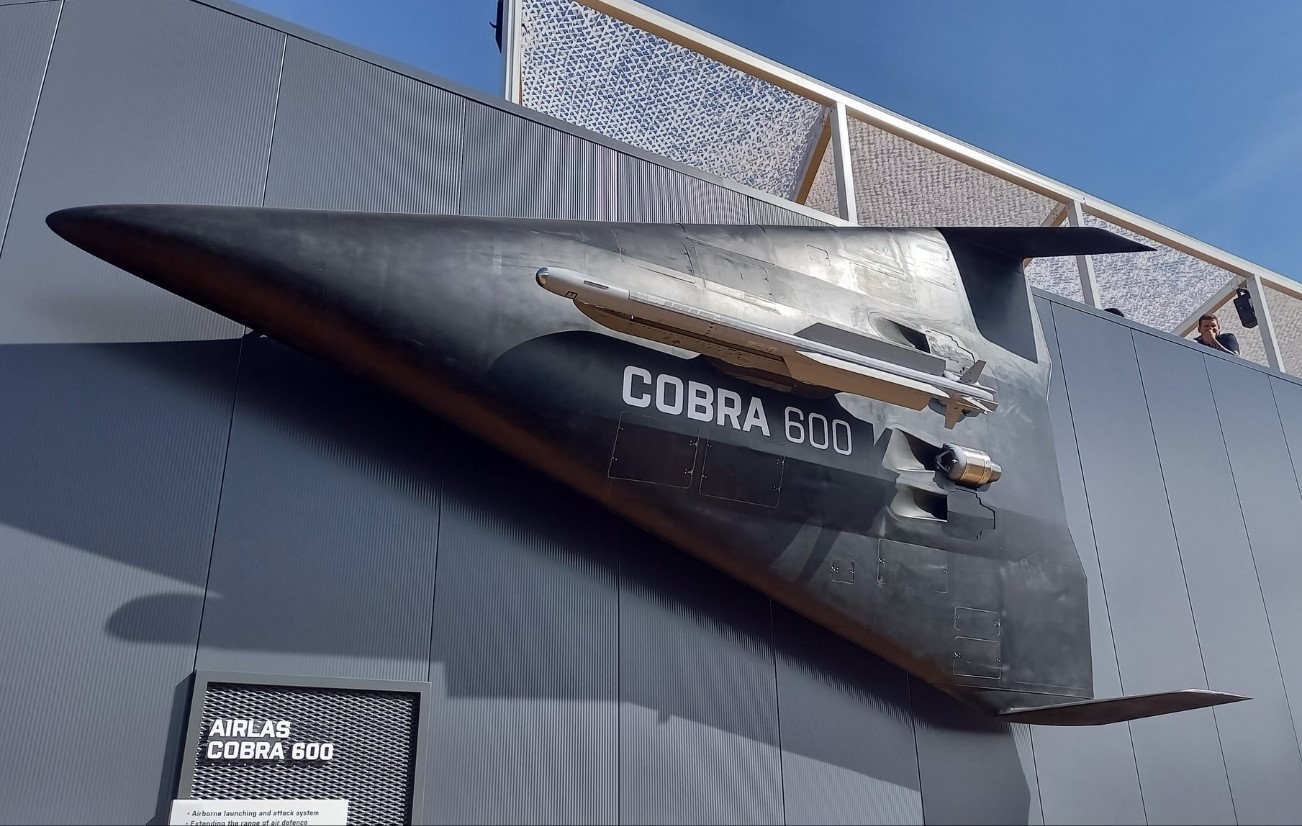 Diehl Defence Unveils IRIS-T Armed Cobra 600 Air Defense Drone at ILA Berlin 2026
-
 U.S Aircraft Carrier USS Theodore Roosevelt Departs San Diego for Major RIMPAC 2026 Naval Exercise
-
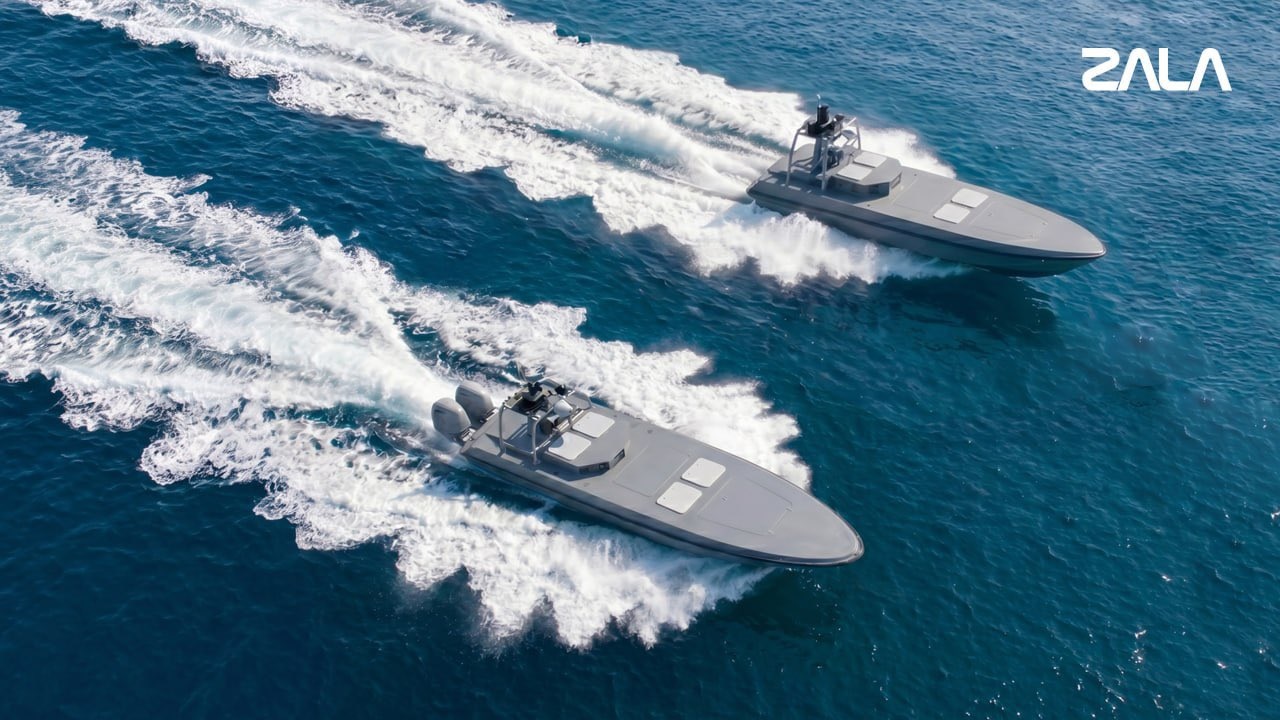 Russian Defense Firm ZALA Unveils KAMA Unmanned Surface Vessel Family at FLOT-2026 Naval Exhibition
-
 NATO Commander Says Russia Not Seeking Conflict With Alliance Despite U.S. Force Reductions