
World
Recent developments in Taiwan's defense technology have captured significant attention with the revelation of the "Huilong" unmanned underwater vehicle (UUV). Spotted docked in a floating dry dock, the Huilong has taken center stage, especially after images surfaced showing two torpedo launch tubes on its bow. This new evidence suggests that Taiwan’s defense sector is advancing more rapidly than anticipated, particularly in unmanned submarine technologies.For a long time, the Huilong project had been shrouded in mystery. The unmanned submarine, jointly developed by Taiwan's National Chung-Shan Institute of Science and Technology (NCSIST) and Lungteh Shipbuilding, had undergone sea trials before, but its exact specifications remained speculative. However, recent photographs have offered the clearest indication yet of its combat potential, confirming that the Huilong is equipped with torpedo-launching capabilities—potentially transforming the platform from a mere research vessel into a legitimate military asset.Key Specifications of the Huilong UUVThe Huilong UUV is approximately 30 meters in length, with a beam of around 6 meters. Displacing about 100 tons, it’s compact for a submarine, but its agility and capabilities make up for its smaller size. Initially designed as a test platform to validate underwater technologies and to aid in Taiwan's exploration of unmanned naval systems, the Huilong's combat features are a surprising addition.During its earlier sea trials, the bow of the Huilong was notably covered, and the vehicle exhibited an odd floating stance. This led observers to speculate that it wasn’t fully equipped yet. However, during the second trial, the vessel looked more refined, suggesting that its torpedo-launching system had been installed. The recent dry-dock photos show two square-shaped torpedo tubes at the bow, aligned symmetrically. One of these tubes was seen with its hatch open, and nearby were two yellow U-shaped cradles—likely used for loading or testing torpedoes. These features have fueled speculation that the Huilong is not merely for research but potentially geared for defensive or combat roles in the future.The Huilong Project: Taiwan's Ambitious Naval GoalsThe Huilong is the result of a project that began in 2020 as part of Taiwan’s broader goal to increase domestic defense capabilities and marine resource utilization. Officially completed in late 2023, the UUV stands as a testament to Taiwan's growing competence in both military and civilian maritime technologies.While the Huilong's primary designation is to serve as a test bed for scientific and technological experiments, its modular design hints at a far greater potential. Experts believe that the platform could be used for diverse roles, including coastal defense, reconnaissance, and even anti-submarine warfare. The ability to launch torpedoes significantly expands its tactical flexibility, making it more than just a technological demonstration unit.The UUV’s modularity is a key feature, allowing it to be adapted for different missions depending on Taiwan’s evolving defense needs. It also reflects Taiwan’s strategy of integrating civilian and military technologies for dual-use applications, ensuring that the country’s maritime sector grows both technologically and strategically.The Growing Field of Unmanned SubmarinesThe Huilong isn’t the only unmanned submarine making waves in defense circles. Similar projects are taking place globally, as countries rush to develop autonomous systems capable of launching underwater attacks.The KRONOS SUB, for instance, is an Italian unmanned submarine that also boasts torpedo-launching capabilities. Developed by the DRASS Group, it is designed for fully autonomous operations, offering a glimpse into the future of underwater combat.China, too, has entered the race with its UUV-300CD. Like the Huilong, it can carry torpedoes and conduct long-endurance missions autonomously, adding a significant layer of complexity to undersea warfare.These developments highlight the rapid evolution of naval warfare technologies, where unmanned systems could potentially replace manned submarines in certain tactical scenarios. The emergence of torpedo-launching UUVs is especially noteworthy, as it could change the dynamics of naval conflicts, providing countries with stealthy, automated strike capabilities.What’s Next for the Huilong?The Huilong may still be officially classified as a research and test platform, but its recent unveiling suggests that Taiwan could be preparing for more than just technology trials. With its newly confirmed armament capabilities, the Huilong could easily transition into a tactical role in Taiwan's defense strategy.In a region where tensions are high, particularly with China's growing naval presence, unmanned systems like the Huilong will likely play a crucial role in safeguarding Taiwan’s territorial waters. As more details about its capabilities emerge, the Huilong will be watched closely not only by defense analysts but by regional powers looking to assess Taiwan’s growing military edge.In conclusion, Taiwan’s Huilong UUV represents more than just a technological milestone; it’s a symbol of the country’s ingenuity and its efforts to enhance national defense through cutting-edge, autonomous systems. While primarily a research tool for now, the recent revelation of its torpedo-launching capabilities may mark the beginning of a new chapter in unmanned naval warfare.
Read More → Posted on 2024-10-23 15:06:15
World
In a crucial step to support Ukraine, the European Parliament approved a significant loan of up to 35 billion euros ($38 billion) on Tuesday. This financial package is part of a broader initiative designed to provide Ukraine with much-needed resources to maintain its war effort and stabilize its economy as it continues to grapple with the devastating impacts of Russia's invasion.The loan, which will be backed by profits from frozen Russian assets, is vital for Kyiv. The Ukrainian government is facing immense financial pressure as it works to keep its economy afloat, rebuild its military, and prepare its infrastructure for the harsh winter months. Russian forces have relentlessly bombarded key sectors, including Ukraine's electricity grid, adding to the urgency of securing funds to repair and protect critical infrastructure. The electricity grid, essential to the nation’s survival during winter, has been a repeated target, forcing the need for quick, substantial financial aid.This latest loan is part of a larger $50 billion initiative that was agreed upon by the G7 countries in June. So far, the European Union has been the first to announce its contribution, stepping forward as a leader in this effort, while the world watches to see how much other G7 members, particularly the United States, will pledge. The EU's loan is a significant part of this plan, but the final amount could decrease depending on contributions from other countries. EU officials anticipate more details from G7 nations, as they convene in Washington later this week to finalize their commitments.At the heart of this financial support is the use of Russian assets frozen by the EU since the invasion began in 2022. Approximately $235 billion of Russia’s central bank funds have been immobilized worldwide, with a substantial portion—around 90 percent—held in Belgium by the international depositary Euroclear. The G7 plan is designed to leverage the interest earned on these frozen assets to increase available funds for Ukraine. This innovative approach would replace an existing EU scheme that sent $1.7 billion to Kyiv earlier this year.However, this new loan plan has faced challenges. The U.S. sought assurances that these frozen Russian assets would remain inaccessible, prolonging discussions. EU members are required to agree every six months to extend the asset freeze, and internal disputes have complicated the process. Hungary, in particular, rejected a proposal to extend the freeze period to 36 months, preferring to wait until after the upcoming U.S. presidential election to finalize any long-term agreements. In the broader context, the EU's commitment to Ukraine is immense. This loan adds to an already staggering 120 billion euros in support that the EU and its member states have provided to Ukraine since the beginning of Russia’s invasion. The newly approved loan represents another layer of financial assistance, underscoring the EU's resolve to stand with Ukraine during this crisis.As Ukraine heads into another challenging winter, the importance of sustained international support is clear. The country's military and economic survival depends on continued assistance from its allies, and the EU's latest loan shows that it remains committed to helping Ukraine weather this storm. How the rest of the G7 responds, particularly the U.S., will be crucial in determining whether Ukraine gets the resources it needs to face an increasingly difficult future.
Read More → Posted on 2024-10-23 14:56:31
World
In a major leap forward for airborne defense, the British Ministry of Defence (MoD) recently announced that Royal Air Force (RAF) pilots are one step closer to flying with a revolutionary laser self-defense system. This breakthrough technology, developed through a collaborative effort between the MoD and industry partners, successfully completed live-fire trials at Sweden's Vidsel Test Range, according to an official statement released on October 20, 2024. The trials demonstrated the system's ability to neutralize multiple infrared-guided missile threats simultaneously, marking a significant advance in the RAF’s defense capabilities.At the heart of this development is a cutting-edge Directed Infrared Countermeasure (DIRCM) system designed to protect various British military aircraft from heat-seeking missile attacks. The system, a result of the Team Pellonia partnership—which includes Leonardo UK, Thales UK, and the Defence Science and Technology Laboratory (DSTL)—is engineered to rapidly detect and defeat incoming threats. The laser system will be installed on a range of RAF aircraft, including the Shadow R2, an intelligence-gathering aircraft, and the A400M, a large military transporter.What sets this new defense system apart is its unparalleled speed and precision. In less time than it takes to read a single sentence, the technology can detect, track, and neutralize multiple missile threats at once. This speed is critical in modern warfare, where threats from infrared-guided missiles are increasingly sophisticated and harder to counter. The system's rapid response capability ensures the safety of both aircraft and crew, giving RAF pilots a crucial edge in hostile environments.One of the standout features of the system is its dual components: Thales’s Elix-IR threat warning system and Leonardo’s Miysis DIRCM. The Elix-IR uses advanced sensors and algorithms to detect and identify heat-seeking missiles in real-time, filtering out background noise to focus solely on legitimate threats. Once a threat is confirmed, Miysis takes over, using a high-precision laser to "jam" the missile’s tracking system, causing it to lose its lock on the aircraft and veer off course. This sophisticated, UK-engineered solution not only ensures complete operational independence for the British military but also offers substantial export potential for allied countries.The live-fire tests conducted at the Vidsel Test Range attracted significant international interest, with senior military officials from various NATO countries in attendance. The demonstration underscored the growing demand for advanced defensive systems capable of countering increasingly sophisticated missile threats. The presence of these officials hints at potential future collaborations, as the UK positions itself as a global leader in military aerospace technology.The technology’s potential to safeguard aircraft in contested airspaces cannot be overstated. Whether deployed on fast jets, transport aircraft, or smaller intelligence-gathering planes, the system's versatility and efficacy make it a game-changer in modern military operations. By detecting missile threats early and neutralizing them before they can reach their target, this laser defense system offers unprecedented protection for British military aircraft operating in high-risk zones.The Elix-IR and Miysis systems are designed to function in challenging operational environments. The Elix-IR, with its sophisticated filtering algorithms, minimizes the risk of false alarms, ensuring that only real threats are engaged. Once a missile is detected, Miysis' jamming laser disrupts the missile’s guidance system, effectively blinding it and preventing it from reaching the aircraft. This capability is particularly crucial as infrared-guided missiles continue to evolve, making traditional countermeasures less effective.In terms of specifications, the Elix-IR is designed to detect missile launches from distances far enough to provide the aircraft crew with precious seconds to react. This early detection window is vital for allowing the Miysis system to engage multiple missile threats simultaneously. The Miysis DIRCM, on the other hand, is a lightweight, compact system that uses less power than older technologies, making it suitable for a wide variety of aircraft, from large transporters to nimble helicopters.With its 100% success rate during live-fire trials, this laser-based system represents a major milestone in the UK's defense technology. It not only enhances the safety of RAF pilots but also strengthens the UK's position in the global defense industry. The system's success could lead to future export opportunities, benefiting both the UK’s economy and its international defense partnerships.As threats to military aircraft become more advanced, the need for equally sophisticated defense systems is critical. This new laser defense technology, with its rapid response and precision targeting, marks a significant advancement in airborne defense, ensuring the RAF remains equipped to handle the challenges of modern warfare.The integration of this system into a wider range of British aircraft will likely follow in the coming years, cementing the UK’s role as a key innovator in military defense technologies. The combination of British engineering and cutting-edge technology positions the RAF to face future threats with unparalleled confidence.
Read More → Posted on 2024-10-23 14:26:04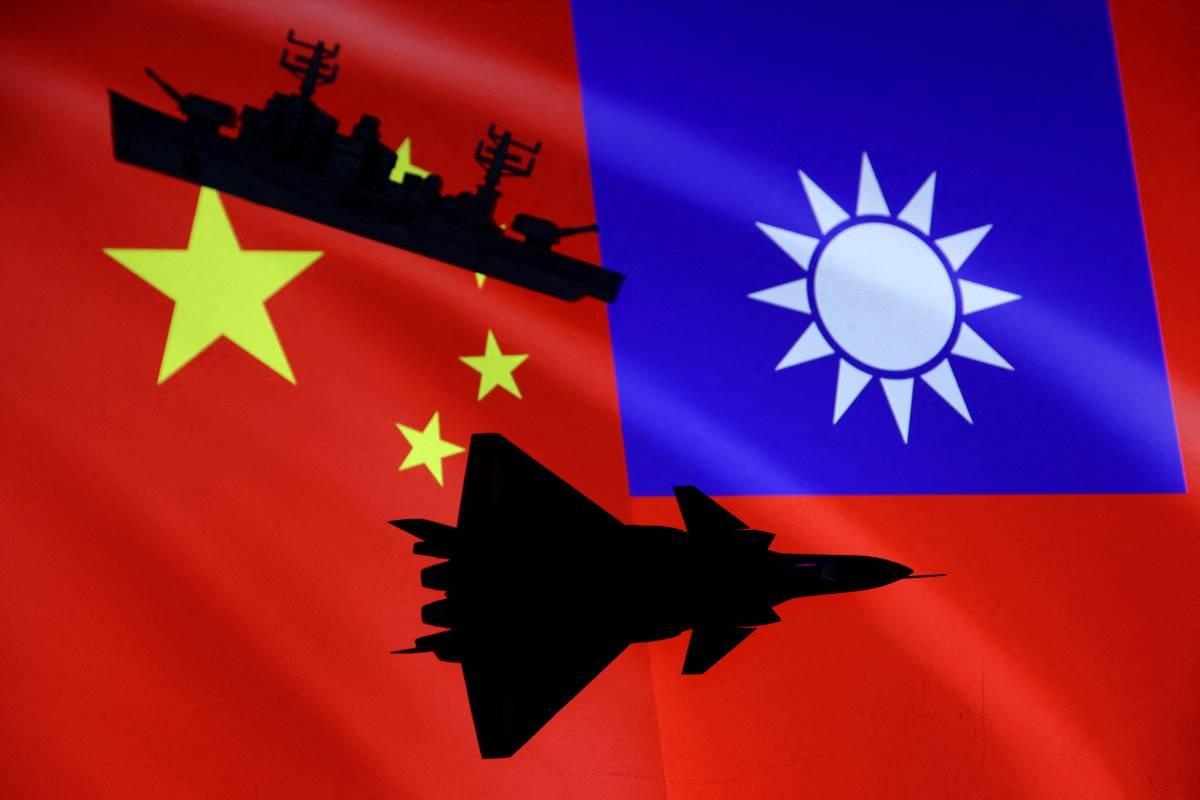
World
As tensions between Taiwan and China continue to escalate, Taiwan’s Defense Minister Wellington Koo issued a stark warning, emphasizing the global repercussions of any potential conflict. In a statement reported by Taiwan News, Koo made it clear that a Chinese blockade of Taiwan would be considered an act of war, carrying significant consequences not just for Taiwan but for global trade as well.This warning comes amid China's recent "Joint Sword-2024B" military exercises, during which Chinese forces simulated blockades of Taiwan’s key ports and targeted both maritime and ground locations. These drills have heightened concerns within Taiwan and the international community, as blockading Taiwan would severely disrupt global shipping and trade. Koo noted that one-fifth of the world’s freight, valued at approximately NT$78.57 trillion (USD 2.45 trillion), passes through the Taiwan Strait. This vital waterway is a lifeline for global trade, and any prolonged disruption could have catastrophic effects on international supply chains, especially in industries that depend on just-in-time deliveries.Koo was careful to draw a distinction between military exercises and what would constitute an actual blockade. While the Chinese drills did not establish official no-fly or no-sail zones, Koo explained that a full blockade under international law would prevent all ships and aircraft from entering the region. “If a blockade is implemented, as defined by international law, it would involve preventing all aircraft and ships from entering the area,” Koo said. He went on to note that under United Nations resolutions, such an action is tantamount to war. This warning highlighted that China’s exercises, though technically not a blockade, are an alarming escalation.The potential for conflict is not just a regional concern. Koo pointed out that the international community cannot afford to "simply stand by and observe." A blockade would ripple through the global economy, affecting industries from electronics to agriculture. The Taiwan Strait is a critical passage for energy supplies and goods, and any disruption could send shockwaves through global markets, driving up costs for raw materials and consumer goods alike.In the Taiwanese Legislative Yuan's Foreign and National Defense Committee, the conversation has turned toward China's evolving strategies, including grey zone tactics and what some officials have dubbed the "python strategy." These strategies aim to gradually squeeze Taiwan, cutting off essential resources and slowly isolating the island without provoking a full-scale war. However, as Koo underscored, even such strategies pose a grave threat to Taiwan's security and the international community’s stability.In response to the looming threat, Taiwan’s government is taking proactive measures. On Tuesday, Taiwan's agriculture ministry unveiled a wartime food plan, indicating that it has secured rice stockpiles sufficient for over three months. This move is part of a broader strategy to ensure that Taiwan can endure a prolonged blockade or attack. The plan includes organizing food supplies nationwide, securing critical resources like energy and medical supplies, and ensuring infrastructure resilience in the face of potential conflict.Koo also emphasized the growing threat of cyber warfare, noting that Taiwan is subjected to daily cyber attacks. Strengthening information security defenses has become an urgent priority for the Taiwanese government, as cyber attacks could severely cripple essential services in the event of a military blockade or attack.The historical context behind these tensions is crucial. Since 1949, Taiwan has operated as a self-governing entity, but China continues to view the island as part of its territory, vowing to reunite it with the mainland by force if necessary. The ongoing military drills are a manifestation of this claim, as Beijing seeks to send a clear message to both Taiwan and its international supporters.Earlier this week, Taiwan's President Lai Ching-te reassured the public of the government's commitment to safeguarding Taiwan’s democracy and national security. Following a high-level national security meeting, Lai addressed the growing concerns surrounding China’s military exercises, which the Chinese People's Liberation Army (PLA) described as a “stern warning” to supporters of Taiwanese independence.As Taiwan braces for potential escalations, Koo’s warnings serve as a sobering reminder of the broader risks at play. The island's strategic location and its role in global trade mean that any conflict with China could trigger economic and political instability on an international scale. With tensions simmering, the global community faces the difficult challenge of balancing diplomatic pressure on China while ensuring that Taiwan remains safe from aggression. The question that looms large is whether these military exercises are a precursor to something more serious. If the situation escalates, the world may be forced to grapple with the fallout of a conflict that reaches far beyond the shores of Taiwan.
Read More → Posted on 2024-10-23 14:19:02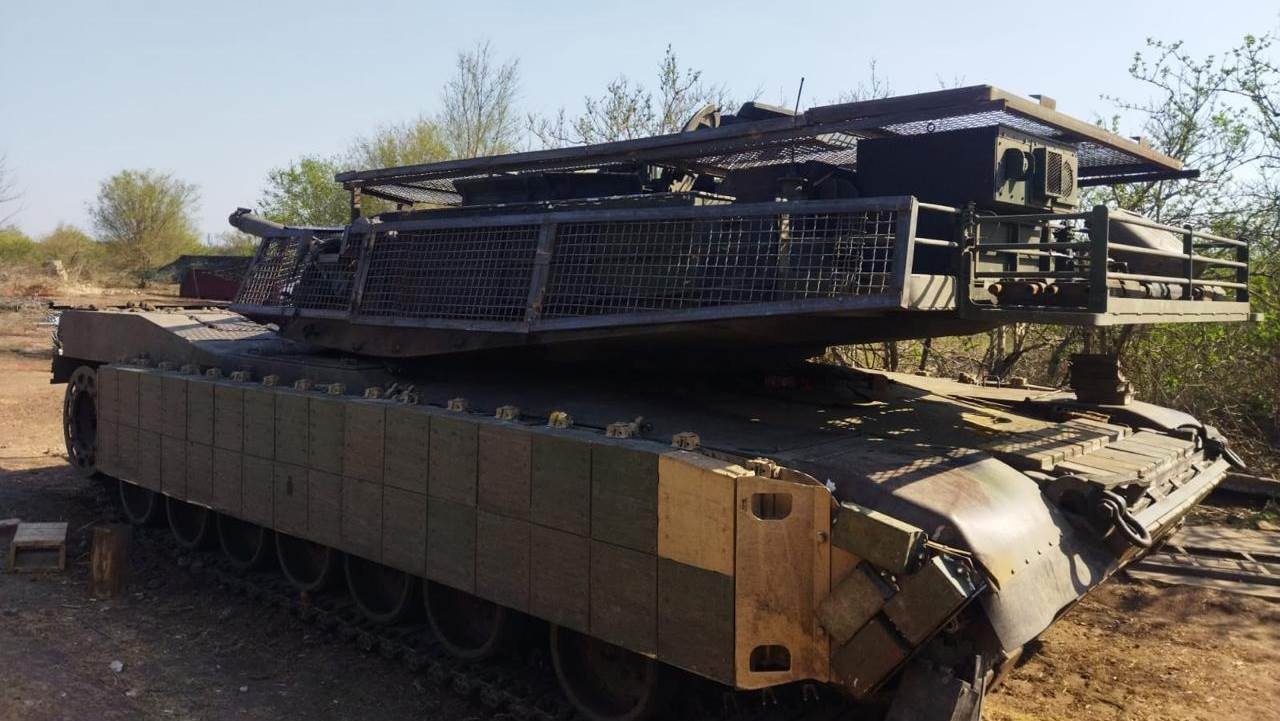
World
As the war in Ukraine continues, innovative solutions are being rolled out to strengthen the country's defense capabilities, particularly in protecting ground-based military vehicles. One notable development is the integration of steel anti-drone shields into Ukraine's Leopard main battle tanks. The shields, which are designed to mitigate the growing threat from drone attacks, are being supplied and fitted by the private paramilitary support group Steel Front. These shields aren't just a random addition. They are purpose-built to combat the increasing danger posed by first-person view (FPV) drones, a type of unmanned aerial system (UAS) that has proven effective in Russia's offensive since the invasion began in 2022. FPV drones allow the operator to control them via video feed, typically using headgear-mounted displays, which enable precise maneuvering. These drones can be deployed for surveillance, kamikaze-style strikes, or other types of damage-inducing missions aimed at taking down vehicles like tanks.The steel screens being installed are no small piece of armor. Weighing around 430 kilograms, these grid-style structures have been specially designed to be mounted on Leopard tanks and other Ukrainian military vehicles. Produced by the Ukrainian mining and metals conglomerate Metinvest, the screens are offered free of charge by the company in support of Ukraine’s military efforts. Despite their significant size and weight, these shields cost roughly $20,000 each—an investment that’s less than 0.03% of the value of a Leopard main battle tank. This affordability, combined with their protective benefits, makes them a practical addition to Ukraine’s frontline defenses.Steel Front’s anti-drone shields have already been fitted on a variety of vehicles in Ukraine's arsenal, including the Soviet-era T-64 and T-72 tanks, as well as the American-made M1 Abrams and Bradley Infantry Fighting Vehicles. With hundreds of these shields now available at various repair bases, crews are able to equip vehicles for the battlefield in about 12 hours, with the help of a 10 to 12-person team. This swift preparation is crucial, given the ever-present threat from drone attacks.The aim of these steel grids is to provide extra protection to the vehicles while ensuring that their performance, crew safety, and maneuverability are not compromised. Olexander Myronenko, Chief Operating Officer of Metinvest Group, emphasized this point, explaining that the shields are designed in such a way that they don’t hinder the functionality of the equipment. He noted that using protective measures that negatively impact vehicle performance would be "unjustified and unnecessary." In fact, there is already evidence that the screens have significantly improved vehicle survivability. Myronenko shared stories from soldiers on the frontlines, stating that the screens have increased the survivability of vehicles by 30-40%. There have been cases where vehicles hit by drones or other attacks were shielded by these screens, allowing the crews to escape unharmed. In some instances, the vehicles themselves were later recovered and repaired for further use, thanks to the effectiveness of the steel screens.This effort by Steel Front to protect Ukraine's military equipment is part of a broader partnership with Metinvest, a company owned by the prominent Ukrainian businessman Rinat Akhmetov. Metinvest has been involved in various defense projects since the start of the conflict. Earlier this year, they produced decoy weapons resembling powerful howitzers, tricking Russian forces into wasting their ammunition on these replicas. Additionally, Metinvest developed counter-unmanned aerial systems (C-UAS) for Kyiv’s Bradley fighting vehicles and even supplied tactical boats to Ukrainian forces.The contribution of Metinvest to Ukraine's war effort is far-reaching, with their involvement extending beyond just supplying military equipment. In September 2024, the company helped inaugurate an underground medical center assembled for the Ukrainian military, aimed at providing critical care for soldiers during the ongoing conflict.The integration of steel anti-drone shields on Ukrainian tanks like the Leopard showcases the adaptability and resourcefulness of the Ukrainian defense sector. These efforts, spearheaded by Steel Front and Metinvest, are helping Ukraine protect its military assets from increasingly sophisticated drone threats, bolstering the nation's overall warfighting capabilities.This forward-thinking approach to defense, where heavy vehicles are equipped with cutting-edge protective solutions, highlights how Ukraine is evolving to meet the challenges posed by modern warfare. As drone technology continues to develop, so too must the defensive strategies that counter it—and Ukraine is clearly leading the way in this regard.
Read More → Posted on 2024-10-23 14:12:47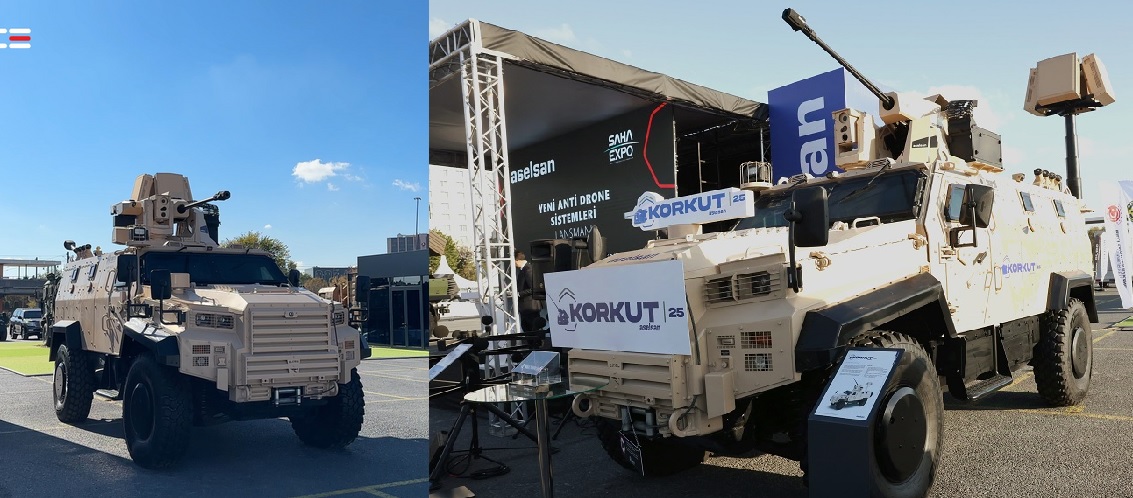
World
At SAHA EXPO 2024, Türkiye’s largest defence and aerospace event, ASELSAN, the nation’s foremost defence electronics company, took center stage with the launch of its latest anti-drone technologies. The new systems showcased at the event underline ASELSAN's commitment to tackling the evolving threat of unmanned aerial vehicles (UAVs) on the modern battlefield. The company introduced several cutting-edge systems, including the KORKUT 25 mm remote-controlled weapon, the BUKALEMUN GNSS spoofing system, the KANGAL-FPV jamming system, and the SEDA 100-cUAV acoustic detection system. Each of these innovations is designed to elevate counter-drone operations, which are becoming an essential part of military strategies globally.Among the highlights is the KORKUT 25 mm remote-controlled weapon system, which stands out for its versatility and firepower. This unmanned turret is engineered to target both ground-based armored vehicles and mini-micro UAVs, providing a flexible and mobile countermeasure. Its integration across different military platforms—from 4x4 to 8x8 vehicles—makes it a highly adaptable solution for diverse operational needs. What makes KORKUT truly formidable is its use of 25 mm airburst ammunition, giving it the ability to take down drones effectively, especially in complex rural or urban environments. The system is further enhanced with a sophisticated array of sensors, including radar and surveillance cameras, which feed into an advanced automatic ballistic calculation system for precision targeting. It also features gyro-stabilization, day and night vision capabilities, and a laser range finder for pinpoint accuracy.One of ASELSAN’s groundbreaking solutions in the electronic warfare space is the BUKALEMUN GNSS spoofing system, which exploits UAVs' dependency on satellite navigation. GNSS spoofing tricks enemy drones by manipulating their location data, causing them to lose their way or crash. The BUKALEMUN is designed to carry out this task over long distances, providing static and dynamic deception in various battlefield scenarios. This advanced spoofing system underscores ASELSAN’s dominance in the electronic warfare arena, where the ability to mislead enemy drones without direct engagement is increasingly vital.The rise of FPV (First-Person View) drones in recent conflicts, where operators control drones in real-time via video feed, has posed new threats to military operations. ASELSAN’s response is the KANGAL-FPV jamming system, which neutralizes these drones by disrupting their communication links. By jamming FPV drone signals, KANGAL ensures that hostile UAVs are rendered useless before they can carry out their missions. This system enhances battlefield security, particularly against drones being used in asymmetric warfare, such as those seen in urban skirmishes or cross-border infiltration.A standout addition to ASELSAN’s İHTAR anti-drone system is the SEDA 100-cUAV acoustic detection system, which leverages advanced microphone arrays to detect drones at considerable distances. This acoustic detection technology is especially important for spotting drones that may evade radar or visual surveillance. The SEDA 100-cUAV excels in providing early warnings, giving ground forces the necessary time to engage threats effectively. With its superior detection capabilities, ASELSAN's acoustic solution sets a new benchmark in counter-UAV technology, offering protection against stealthy drone operations.During the launch, ASELSAN’s President & CEO Ahmet Akyol emphasized the company’s strategic vision of adapting to the ever-changing landscape of warfare. As drones play an increasingly prominent role in both surveillance and attack missions, countermeasures must keep pace with these developments. “The battlefield is evolving rapidly, and drones are at the heart of this transformation. Our new systems are designed to not only match but exceed the growing threats posed by UAVs,” Akyol explained. ASELSAN’s latest advancements are a testament to its nearly five decades of expertise in defense technology, positioning it as a leader in the global fight against drone threats.These cutting-edge systems displayed at SAHA EXPO 2024 further cement ASELSAN’s role as a pioneer in the defence industry. With growing interest from military clients worldwide, ASELSAN’s latest anti-drone solutions promise to redefine how UAV threats are neutralized in future conflicts. The company’s continuous innovation ensures that it remains at the forefront of defense technology, particularly in the increasingly crucial domain of counter-UAV systems.This year's unveiling clearly signals that ASELSAN is not just keeping up with the times but is actively shaping the future of anti-drone warfare.
Read More → Posted on 2024-10-23 13:58:31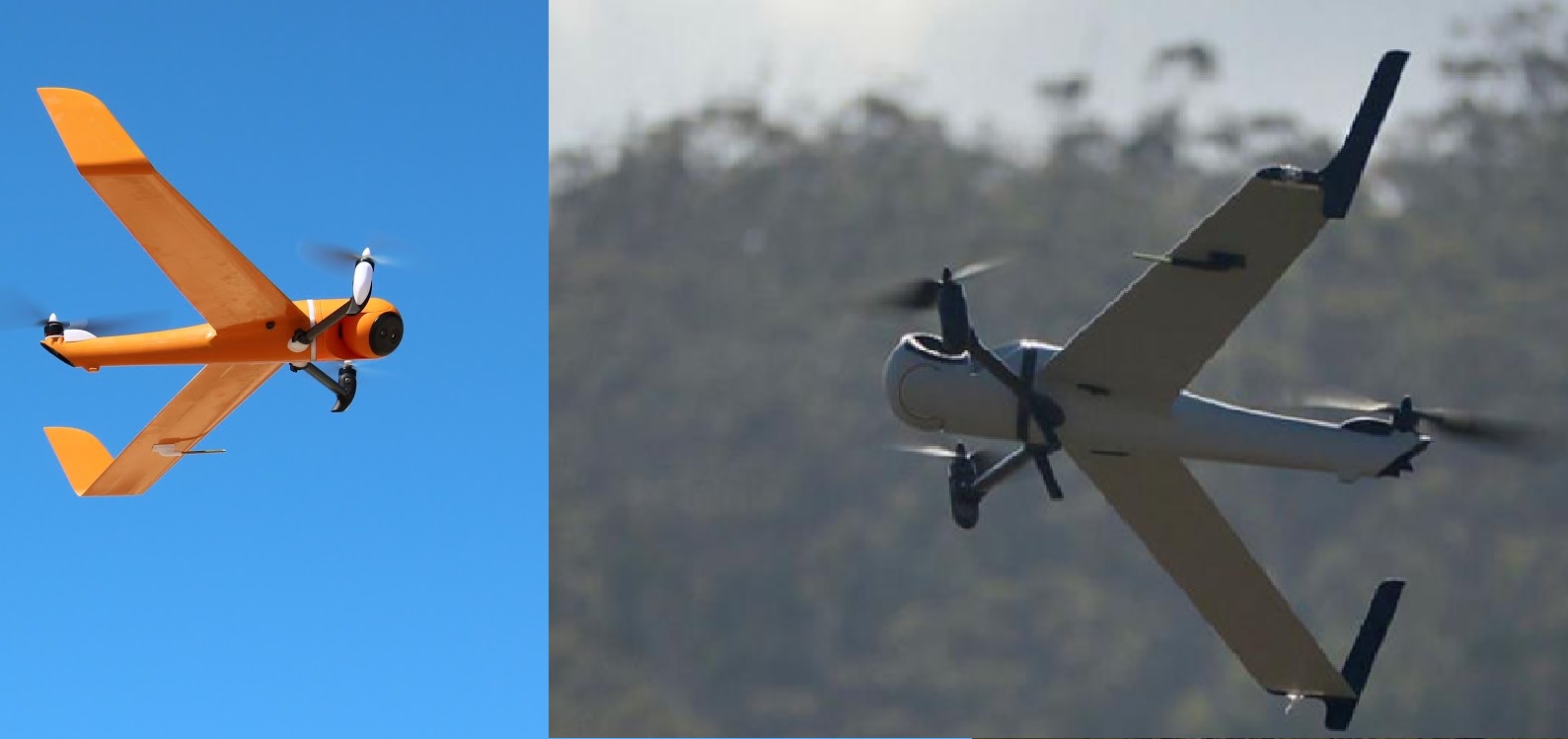
Red Cat Secures $1 Million Contract to Deliver Edge 130 Blue Tricopter Drones for US Army Operations
World
Red Cat Holdings has been awarded a $1-million contract from the Defense Logistics Agency to supply its cutting-edge Edge 130 Blue tricopter drones to the US Army. This contract signifies the growing importance of compact, efficient unmanned aerial systems (UAS) in modern military operations, particularly for enhancing the Army’s command, control, communications, cyber, intelligence, surveillance, and reconnaissance (C5ISR) capabilities.The Edge 130 Blue has been specially developed for tactical and federal government use, providing superior performance for long-range intelligence, surveillance, and reconnaissance (ISR) missions. What makes this drone a standout is its portability and versatility, allowing soldiers to quickly deploy it in complex and demanding environments. It is intended to support the Army’s Communications-Electronics Command (CECOM) in its mission to boost warfighter readiness, delivering key information from the battlefield to command centers in real-time.Edge 130 Blue: Key Features and SpecificationsWeighing just 1.2 kilograms (2.6 pounds) with a wingspan of 1.3 meters (4.2 feet), the Edge 130 Blue is incredibly easy to handle. A single operator can launch the drone in under a minute, providing immediate support in high-pressure scenarios. Its design enables it to fly autonomously for over 60 minutes, covering extensive areas while collecting crucial data. One of the most impressive features of the Edge 130 Blue is its speed. It can reach a top speed of 100 kilometers per hour (62 miles per hour), allowing it to rapidly cover ground or airspace in surveillance and reconnaissance missions. Its service ceiling reaches 3,650 meters (11,975 feet), making it suitable for high-altitude operations, whether over rugged terrain or within contested airspace.The drone’s flexibility extends to a wide range of missions, from ISR to mapping and inspection tasks, all of which are vital for military planning and operations. Its lightweight build allows it to be easily carried in the field, and its rapid deployment time means soldiers can gather critical information on enemy movements or geographical layouts without delay. The Edge 130 Blue’s endurance and speed make it a valuable asset for warfighters who need immediate situational awareness in complex combat zones.Red Cat’s Role in Army ModernizationRed Cat’s CEO, Jeff Thompson, expressed enthusiasm for the company's growing collaboration with the US Army, highlighting how essential systems like the Edge 130 Blue are to the Army’s modernization strategy. "We are committed to supporting the US Army’s transformation into a multi-domain force where small, portable unmanned aerial systems play an increasing role in conducting intelligence, maneuver, and strike activities across multiple battlefield formations,” said Thompson.In recent years, the US Army has been working to enhance its multi-domain operations, a strategy that emphasizes integrating different warfare tactics and capabilities across air, land, sea, cyber, and space domains. Red Cat’s innovative drones like the Edge 130 Blue align perfectly with this strategy by providing lightweight, efficient tools that can gather intelligence, assess risks, and even perform strike missions.Red Cat has been proactive in advancing drone technology. Earlier in 2023, the company launched a new family of surveillance and strike drones designed to be more cost-effective than traditional air defense solutions. Furthermore, Red Cat collaborated with Athena, an autonomy partner, to integrate artificial intelligence and machine learning software into the Teal 2 military drone, enhancing its autonomous capabilities.A Future-Ready Drone for Today’s Combat ChallengesAs warfare continues to evolve, the role of unmanned aerial systems like the Edge 130 Blue becomes increasingly significant. Drones provide critical support in dynamic combat situations, enabling rapid decision-making and reducing the risks to soldiers on the ground. With advanced technology, including AI-driven features, and a focus on portability and ease of use, Red Cat’s drone portfolio, including the Edge 130 Blue, is well-positioned to meet the demands of modern warfare.This contract represents another step forward for Red Cat in its mission to deliver high-performance drones to the US military. With its quick deployment time, long flight duration, and advanced reconnaissance capabilities, the Edge 130 Blue is set to play a key role in the US Army's efforts to maintain an edge on the battlefield.
Read More → Posted on 2024-10-23 13:54:10
World
In a move that could mark a significant shift in its foreign policy, South Korea is considering the possibility of supplying weapons to Ukraine. This comes after allegations surfaced that North Korea has sent troops to Russia to aid in its military efforts against Ukraine. These reports, if accurate, represent a major escalation of the already tense geopolitical dynamics in the region and have prompted serious concerns in South Korea about its own security.Escalating Tensions and Fears of Technological TransfersSouth Korean officials have expressed deep concerns that Russia may reciprocate North Korea’s troop deployment by sharing advanced weapons technologies, potentially enhancing North Korea’s missile and nuclear capabilities. This, in turn, could intensify the already volatile security landscape in the Korean Peninsula. Russia's collaboration with North Korea could further strengthen Pyongyang's ability to threaten South Korea and its allies.The growing military cooperation between North Korea and Russia has not gone unnoticed in Seoul. The South Korean government has been closely monitoring developments and, in response, held an emergency meeting of its National Security Council (NSC). During the meeting, South Korean leaders condemned North Korea’s alleged actions, describing the North as a "criminal group" that forces its youth into fighting in a war that South Korea deems unjustifiable. These strong words underscore the deep anxiety felt in Seoul about the evolving situation.South Korea’s Potential ResponseSouth Korea is reportedly exploring various countermeasures, including both diplomatic and military actions. One of the most significant steps under consideration is the potential supply of weapons to Ukraine. While South Korea has so far refrained from providing lethal aid to Ukraine, viewing it as a sensitive issue given its own security concerns, the alleged involvement of North Korean forces in the Russia-Ukraine conflict could change that calculus.According to sources within President Yoon Suk-yeol's administration, South Korea is considering a phased approach. Initially, the country may provide defensive weapons, but if the situation continues to worsen, it could escalate its support to include offensive arms as well. This decision would represent a major policy shift for South Korea, which has traditionally maintained a cautious stance in global conflicts due to its proximity to North Korea and its dependence on strong security alliances with the U.S. and NATO.A senior South Korean official emphasized that the country would take a "step-by-step" approach, adjusting its actions based on how far North Korea and Russia advance their military cooperation. The official noted that if Russia and North Korea appear to be crossing certain red lines, South Korea would not hesitate to consider more direct involvement, including the provision of offensive weaponry to Ukraine.Increasing Military Cooperation Between North Korea and RussiaThe military cooperation between North Korea and Russia has intensified over the past two years. In June, the two countries signed a defense pact, pledging mutual military assistance if either were attacked. This alliance has raised alarms in Seoul and across the broader international community. According to South Korean intelligence reports, North Korea has already sent over 1,500 special operation forces to Russia as of October 2024, along with more than 13,000 containers filled with artillery, missiles, and other arms since August 2023.The alleged deployment of North Korean troops to support Russia’s war in Ukraine would mark a dramatic new chapter in this military alliance, raising the stakes for South Korea. The Yoon administration’s concerns are not only focused on immediate military threats but also on the longer-term risk that Russia might supply North Korea with advanced technologies that could enhance its nuclear weapons program.Denials and International ReactionsBoth North Korea and Russia have denied the allegations regarding troop deployments. During a U.N. Security Council meeting, Russia’s U.N. Ambassador, Vassily Nebenzia, dismissed South Korea’s claims as fearmongering, accusing the West of creating false narratives involving North Korea, Iran, and China to serve their own geopolitical interests. Similarly, a North Korean diplomat described the reports as "groundless rumors," asserting that the cooperation between Russia and North Korea is legitimate and not as sinister as portrayed.Despite the denials, South Korea remains deeply suspicious. U.S. and NATO officials have expressed concern but have not yet confirmed the reports of North Korean troop movements. U.S. Deputy Ambassador to the U.N. Robert Wood described the potential involvement of North Korean forces as a “dangerous and highly concerning development.” He added that Washington is consulting closely with its allies, including South Korea, to determine the appropriate response.The Implications for South Korea’s Foreign PolicySouth Korea’s consideration of arms support for Ukraine would represent a bold departure from its previous policy of restraint. If the allegations about North Korean troop involvement in Russia's war efforts are confirmed, it could mark a new era in the security dynamics of the Korean Peninsula, with South Korea taking a more proactive role in global conflicts beyond its immediate neighborhood.The situation remains fluid, and as South Korea continues to evaluate its options, its response to the growing military cooperation between North Korea and Russia will likely have far-reaching consequences for both regional and international security.This potential shift highlights how interconnected global conflicts have become and underscores the importance of strategic decisions made by countries like South Korea in shaping the future of international alliances and adversaries.
Read More → Posted on 2024-10-22 16:34:50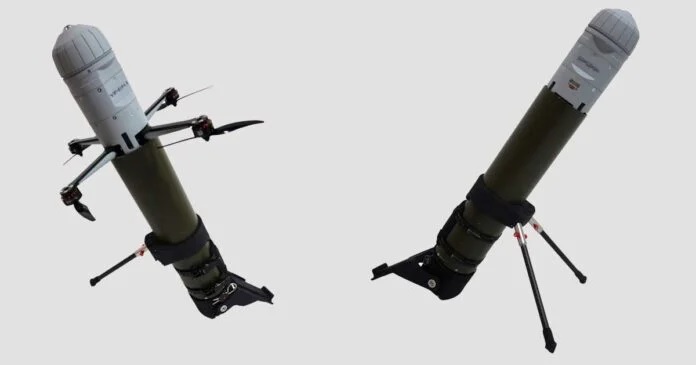
World
Israel's defense innovation continues to push boundaries with SpearUAV’s latest unveiling of the Viper I, an advanced drone interceptor designed specifically to counter the rising threat of top-attack munitions and strike drones. This new loitering munition is part of SpearUAV’s Viper family and is engineered to offer critical protection to ground forces, armored vehicles, and strategic installations from various aerial threats.At the core of the Viper I’s design is its versatility. Built with a modular approach, the Viper I can be equipped with third-party sensors and warheads, ensuring that it adapts to specific operational needs. Whether it's a precision strike or the neutralization of loitering munitions, this adaptability gives military forces the upper hand in detecting, verifying, and destroying potential threats before they cause harm.Advanced AI and High-Speed Target TrackingWhat sets the Viper I apart from traditional interceptors is its advanced artificial intelligence (AI) capability. The integrated AI allows the Viper I to autonomously track and follow moving targets at high speeds. This feature is crucial in modern battlefields, where drone swarms or high-speed munitions can appear with little warning. The AI doesn’t just enhance tracking but also optimizes decision-making in real-time, giving military operators more effective control over defensive actions.Viper I’s Multi Canister LauncherThe Viper I is launched from SpearUAV’s Multi Canister Launcher, a robust system designed for flexibility in deployment. This launcher system enables rapid firing of the Viper I from various platforms—whether they’re mounted on tactical vehicles, fixed installations, or even operated by dismounted infantry. The launcher’s modularity allows it to be customized to different configurations, ranging from a single canister to multiple units, providing operators with a scalable solution depending on the mission at hand.One of the standout features of the launcher is its ability to deploy munitions even from moving platforms. This feature is vital for fast-moving convoys or mobile infantry units that cannot afford to stop during engagements. Despite the flexibility, the system maintains a small footprint, addressing common concerns regarding size, weight, and power requirements in mobile military operations.Integration with Modern Battlefield SystemsAnother critical aspect of the Viper I’s design is its seamless integration with C4I (Command, Control, Communications, Computers, and Intelligence) battle management systems. This integration gives operators a comprehensive view of the battlefield, aiding in reconnaissance, target acquisition, and surveillance. The Viper I is not just a reactive system but also contributes to proactive defense strategies by enhancing situational awareness and improving decision-making in real-time combat environments.SpearUAV's Vision and CommitmentYiftach Kleinman, SpearUAV’s Executive Vice President of Commercial, emphasized the company’s commitment to utilizing cutting-edge Israeli technology to enhance the capabilities and survivability of warfighters. He stated, "VIPER I exemplifies our commitment to delivering effective encapsulated solutions that meet the evolving challenges faced by maneuvering forces." This statement aligns with the company's broader vision of providing military forces with the tools they need to meet the increasingly sophisticated threats in today’s combat scenarios.ConclusionSpearUAV’s Viper I represents a new era in drone interceptors, blending modular design with AI-driven technology. Its ability to neutralize a wide array of aerial threats, coupled with the rapid deployment capabilities of the Multi Canister Launcher, makes it a highly versatile and effective defense tool for modern military forces. Whether protecting high-value installations or enhancing the survivability of mobile units, the Viper I is set to play a pivotal role in future conflict zones.
Read More → Posted on 2024-10-22 16:09:36
World
Lockheed Martin is ramping up the production of two of its most advanced long-range missile systems—the AGM-158B Joint Air-to-Surface Standoff Missile (JASSM) and the AGM-158C Long Range Anti-Ship Missile (LRASM). In a contract awarded on October 14, 2024, the defense giant announced plans to increase the production capacity of these crucial missile systems. The contract falls under the U.S. Department of Defense’s Large Lot Procurement pilot program, which aims to bolster the nation's defense posture and that of its allies by ensuring a steady and enhanced supply of critical munitions.Lockheed Martin’s collaboration with the U.S. government on these missiles spans over two decades, delivering high-precision, long-range cruise missiles that have become essential in modern warfare. Dave Berganini, Vice President of Hypersonic and Strike Systems at Lockheed Martin Missiles and Fire Control, emphasized the importance of the contract, stating that it will enable the company to accelerate the delivery of these cutting-edge security solutions at the scale required to counter and, if necessary, defend against adversarial threats.The JASSM and LRASM are key components of the U.S. military's arsenal, offering both air-to-surface and anti-ship capabilities. The JASSM, with its advanced stealth features, is designed for precision strikes on high-value, well-defended targets. It has an operational range of over 370 kilometers (about 230 miles), making it a versatile option for the U.S. Air Force, which can deploy it from various aircraft platforms, including the B-1B Lancer, F-16, F-15E, and the F-35 fighter jets.On the other hand, the LRASM, which is tailored specifically for maritime combat, provides an effective deterrent against enemy naval forces. Developed in response to the increasing threat posed by hostile ships and anti-access/area-denial strategies, LRASM has a range exceeding 560 kilometers (350 miles), allowing the U.S. Navy and Air Force to strike ships from beyond their defensive range. Its autonomous targeting system and survivability features make it a formidable asset in modern naval warfare.The increased production of these missiles is essential to meet growing global security demands. The world has seen a steady increase in tensions, particularly in regions such as the Indo-Pacific, where U.S. allies are seeking advanced defense solutions to counter potential threats. By ramping up production, Lockheed Martin aims to provide the U.S. and its allies with an enhanced capacity to respond quickly and effectively in any conflict scenario.Lockheed Martin has already been preparing for this production surge. In 2022, the company expanded its manufacturing capabilities by adding a 225,000-square-foot intelligent factory to its existing production facilities. This new plant is equipped with advanced technology, including a fully robotic paint line and highly automated processes that ensure efficiency and precision. The facility also features factory model forecasting, allowing for more agile adjustments to meet fluctuating demands. This investment is critical in enabling the faster delivery of the JASSM and LRASM missiles.Both missile systems play a pivotal role in deterring adversaries through their lethal capabilities and long-range precision. The JASSM, particularly in its extended-range (JASSM-ER) variant, can reach over 925 kilometers (575 miles), providing the U.S. Air Force with a stand-off weapon that can neutralize high-value targets without exposing pilots to enemy air defenses. Similarly, the LRASM's stealthy design and sophisticated onboard sensors allow it to operate in highly contested environments, making it ideal for countering heavily defended maritime targets.The ongoing expansion in production is not just about meeting current demands; it is a forward-looking measure aimed at strengthening the defense industrial base. Lockheed Martin’s partnership with the U.S. government ensures that production lines can be rapidly scaled, providing the flexibility needed to respond to any future conflicts or crises.In summary, the ramp-up in JASSM and LRASM production marks a significant step in reinforcing the United States’ military capabilities. As global tensions rise, Lockheed Martin’s investment in advanced manufacturing processes and its commitment to delivering critical munitions ensures that the U.S. and its allies are well-equipped to deter and, if necessary, defend against any emerging threats. This move highlights the ongoing importance of multi-year procurement programs that provide stability and resilience to the defense industry, ensuring that America remains prepared for the challenges ahead.
Read More → Posted on 2024-10-22 16:06:47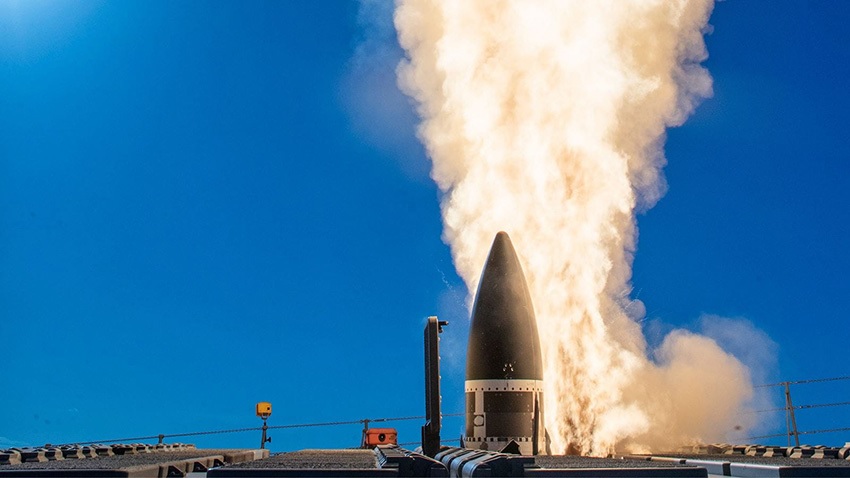
World
Raytheon, a leading subsidiary of RTX, has marked a significant achievement by transitioning to full-rate production for its Standard Missile-3 (SM-3) Block IIA interceptors. This production milestone comes at a critical time, as global demand for advanced missile defense systems continues to rise, particularly from the United States and allied nations like Japan. The SM-3 Block IIA has now reached a level of design maturity that confirms its performance and reliability, with no further concerns regarding design or manufacturing risks.This step into full-rate production follows a substantial $1.9 billion contract awarded in July 2024 by the U.S. Missile Defense Agency (MDA). The contract covers the procurement of additional SM-3 Block IIA interceptors, with orders intended for both the U.S. and Japan's Ministry of Defense. The shift to full-rate manufacturing is not just a technical milestone but also a sign of confidence in the missile’s operational effectiveness, reinforcing its position as a key component of missile defense systems for years to come.The SM-3 Block IIA is the result of a collaborative effort between the U.S. Missile Defense Agency, Japan's Ministry of Defense, and their industrial partners. This missile represents a technological leap in missile defense, featuring larger rocket motors and an upgraded kinetic warhead. These improvements give the SM-3 Block IIA the ability to intercept and neutralize ballistic missile threats with greater speed and over a larger geographical area than previous iterations of the SM-3 family.Designed to defend against short- to intermediate-range ballistic missiles, the SM-3 Block IIA enhances protection not only for the United States but also for its allies, particularly Japan. Its advanced capabilities make it an indispensable asset in the layered missile defense strategy, providing a critical shield against evolving global threats. Barbara Borgonovi, president of Naval Power at Raytheon, highlighted the importance of this milestone, stating that it reflects the continuing partnership with Japan and the overall maturation of missile defense technologies.What sets the SM-3 Block IIA apart is its adaptability and the scale of its development. It is the first missile defense program of its kind to reach full-rate production status, underlining the maturity of its design. The larger rocket motors allow for faster responses to missile threats, while the enhanced kinetic warhead ensures more precise destruction of ballistic targets. These advancements are pivotal as nations seek to bolster their defense capabilities against increasingly sophisticated missile threats.Raytheon’s production facilities in Tucson, Arizona, and Huntsville, Alabama, will be the hubs for manufacturing these cutting-edge interceptors. The company expects to continue production through February 2031, underscoring the long-term commitment to building and deploying these defense systems.The SM-3 Block IIA program also symbolizes a new era of cooperation between the United States and Japan. By sharing technology, expertise, and production responsibilities, the two nations have developed a missile defense system that is not only capable of defending their own territories but also contributes to the security of allied nations worldwide. This partnership has been instrumental in bringing the SM-3 Block IIA to full operational status, making it a cornerstone of modern missile defense.As the global landscape of missile threats continues to evolve, the SM-3 Block IIA stands as a powerful testament to international cooperation in defense technology. Its transition to full-rate production ensures that it will remain a crucial part of missile defense strategies for decades to come, offering an expanded range of protection and increased efficiency in neutralizing threats. With the full backing of the U.S. and Japanese defense agencies, the SM-3 Block IIA is poised to be a game-changer in global security.
Read More → Posted on 2024-10-22 16:03:46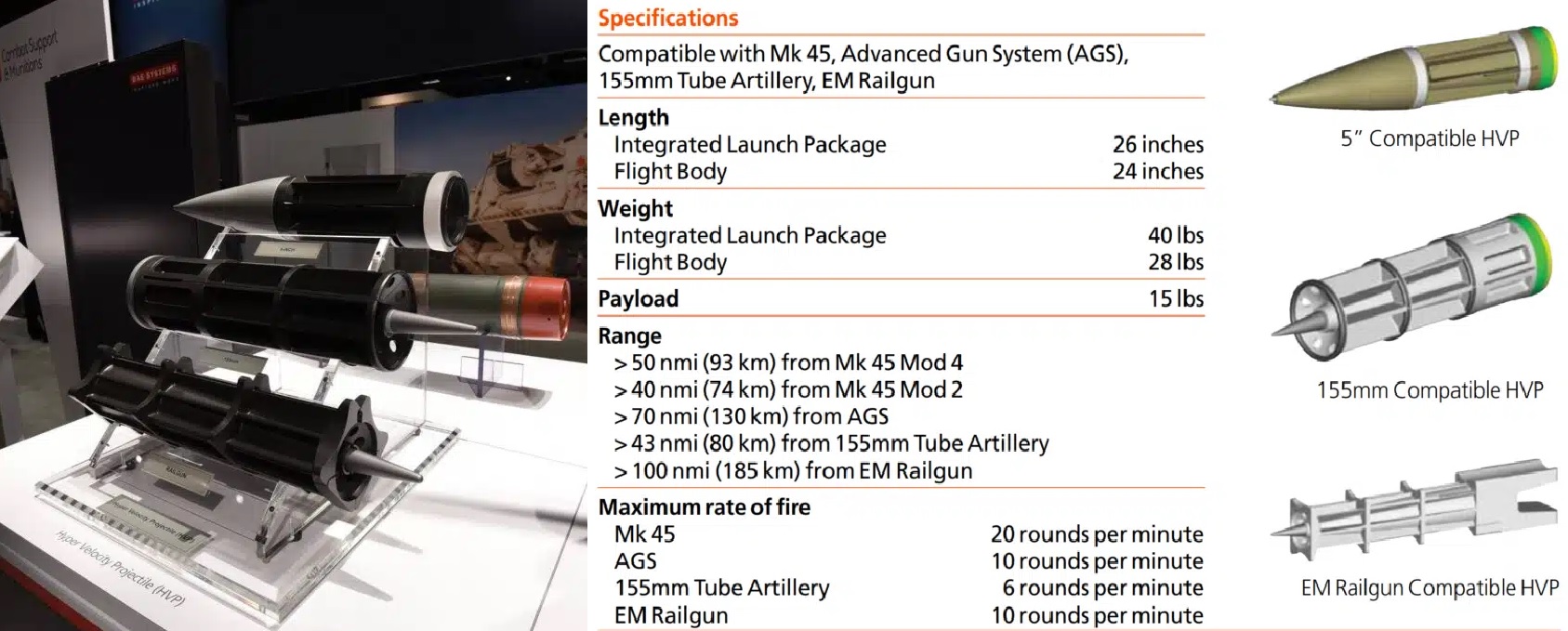
World
The U.S. Navy has revived its testing of BAE Systems’ Hypervelocity Projectile (HVP), a cutting-edge round that could revolutionize naval air defense. Originally developed as part of the now-canceled electromagnetic railgun program, the HVP has found new life aboard existing naval destroyers, with promising results that could enhance both air and missile defense capabilities for the U.S. military.At the 2024 Association of the U.S. Army (AUSA) Conference, BAE Systems revealed key developments in artillery and cannon ammunition, particularly surrounding the HVP. Despite the cancellation of the U.S. Navy’s railgun project in 2022 due to budget cuts, the HVP continues to evolve. BAE’s HVP project, initially designed for the railgun, has adapted to conventional naval guns, such as the Navy’s 5-inch Mark 45 cannons, as well as Army and Marine Corps 155mm howitzers. The projectile is part of a broader shift towards long-range cannon rounds with enhanced accuracy and speed.One of the standout features of the HVP is its velocity. Designed to travel at extreme speeds, the round has demonstrated the ability to intercept airborne targets such as cruise missiles and drones. It was first tested aboard the USS Dewey in 2018 during the RIMPAC exercise, where it successfully engaged cruise missiles. Though the program faced setbacks and a brief cancellation, recent reports indicate that the U.S. Navy has resumed testing at sea, marking a significant step toward integrating this technology into the fleet.According to Jim Miller, Vice President of Business Development at BAE Systems Combat Mission Systems, the Navy is conducting ongoing tests that involve deploying HVPs on destroyers. This testing aims to enhance the air defense systems of these warships, particularly against massed missile and drone attacks. The HVP’s ability to provide high-speed intercepts can supplement traditional missile defense systems, offering a cost-effective way to deal with lower-tier threats like unmanned aerial systems (UAS) and cruise missiles.The HVP's compact design allows destroyers to significantly increase their magazine depth. Typically, an Arleigh Burke-class destroyer carries around 600 rounds for its Mark 45 gun. The introduction of HVP rounds enables the firing of an additional 16-20 projectiles per minute, making it a powerful deterrent against overwhelming air and missile attacks. This capability not only enhances a ship’s defensive posture but also reduces the dependency on more expensive missile systems, such as the Navy’s RIM-174 or the Army’s PAC-3 interceptors, which are better suited for higher-priority threats.BAE Systems has also indicated that the HVP is equipped with a seeker, enabling it to track and hit moving targets. The current seeker allows the projectile to engage airborne threats, but future upgrades aim to enhance its ability to track and destroy moving targets at sea and on land. These modifications are expected to play a crucial role in the U.S. Navy's ongoing efforts to build a more versatile and cost-effective air defense system.The Navy’s Fiscal Year 2024 budget outlines a continued commitment to developing and testing the HVP, particularly focusing on the Precision Fire Control (PFC) architecture. The PFC effort is aimed at creating a guidance system that will allow ships to launch multiple interceptors, both missile-based and projectile-based, in a coordinated defense against cruise missiles and drones. This layered defense would greatly enhance the Navy's capability to deal with swarming UAS and other airborne threats, deepening magazine capacity without adding significant cost.The HVP's ability to be used across different branches of the U.S. military, including the Navy, Army, and Air Force, highlights its versatility. For instance, Army howitzers have successfully fired HVP rounds in recent tests, demonstrating the projectile’s adaptability to a range of platforms. The continued development of this system indicates that the military sees a future where hypervelocity projectiles play a central role in multi-layered defense strategies.As the Navy continues to refine its testing and deployment of the HVP, it’s clear that this projectile could significantly impact future naval warfare. With the ability to intercept missiles and drones more efficiently and at a lower cost than traditional missile systems, the HVP represents a leap forward in naval defense technology. This revival of the project may well ensure that future destroyers and other warships are better equipped to handle the increasingly complex threats posed by modern warfare.BAE Systems’ vision for the HVP extends beyond just the Navy. The projectiles have the potential to revolutionize base defense by providing a powerful, cost-effective means to intercept incoming aerial threats. Whether on land or at sea, the hypervelocity projectile stands poised to become a key element of U.S. military defense systems for years to come.As the testing progresses, the Navy’s push to integrate HVP into its destroyers signals a future where high-speed, precise cannon rounds complement traditional missile defense systems, providing a faster and more flexible response to threats. The return of at-sea testing marks a pivotal moment in the development of the HVP, as the U.S. Navy looks to finalize its integration by the mid-2020s.
Read More → Posted on 2024-10-22 15:52:34
World
Iran’s diplomatic efforts have paid off with a series of assurances from its neighboring countries that they will not permit their land or airspace to be used for any attacks against the Islamic Republic. Iranian Foreign Minister Abbas Araghchi made this statement while on a regional tour aimed at bolstering alliances amid growing concerns over a potential Israeli retaliation following Iran's recent missile strike on Israel.Speaking at a press conference in Kuwait, Araghchi confidently relayed that, "All our neighbors have assured us that they won’t allow their soil or airspace to be used against the Islamic Republic of Iran." This declaration followed weeks of heightened tensions after Iran’s missile strike on October 1, which targeted Israeli positions in response to various provocations.Diplomatic Outreach Across the Gulf and Middle EastAraghchi’s diplomatic tour has taken him to key countries in the region, including Bahrain, Saudi Arabia, Qatar, Oman, Iraq, Egypt, and Turkey. His goal has been to strengthen regional ties and ensure that Iran’s neighbors remain neutral in any potential conflict with Israel. Iran is deeply aware of the military presence that the United States, a close ally of Israel, maintains in these countries, with bases and resources spread across the Gulf, including in Bahrain, Kuwait, Qatar, and the UAE. By securing these assurances, Iran hopes to mitigate the threat posed by the proximity of these American bases. Araghchi made it clear that Iran is closely monitoring American military movements, saying, "We are monitoring closely the movements of American bases in the region and are aware of all their movements and flights." He warned that if Israel were to attack, Iran would respond in kind.Israel and Iran: Nuclear Tensions EscalateOne of the major points of contention between Israel and Iran has long been Iran's nuclear program. Israel has consistently expressed concerns about the possibility of Iran developing nuclear weapons and has hinted at potential military strikes to prevent this. However, Araghchi reiterated Iran’s stance that any attack on its nuclear facilities would be met with severe consequences.He emphasized that, "Attacking nuclear sites is a big international crime; even threatening to attack nuclear sites is a crime and against international rights." Iran sees its nuclear program as a sovereign issue and has repeatedly warned that it will defend its facilities at all costs. Araghchi reinforced Iran’s commitment to its defense, stating, "To defend ourselves and our nuclear sites, we have our own tools and methods, and we count on them."Broader Implications for the RegionThe assurances from Iran’s neighbors signal a significant step in Tehran’s efforts to stabilize its position amidst growing threats from Israel. The fact that these nations are unwilling to allow their territories to be used in any offensive against Iran adds a layer of security for Tehran. However, it also complicates the dynamics of U.S. and Israeli military strategies in the region.For Israel, this could mean a more complex scenario should it decide to take military action against Iran’s nuclear facilities or retaliate for the missile strikes. With limited access to airspace and regional cooperation, the logistics of an Israeli strike become more challenging. Meanwhile, for the United States, whose bases in the region serve strategic purposes, these assurances from Iran’s neighbors may place constraints on future military planning.As tensions between Israel and Iran continue to escalate, the diplomatic moves made by Tehran in recent weeks are proving crucial. Iran’s success in securing pledges from its neighbors not to allow their territory to be used for attacks represents a significant step in its efforts to deter foreign intervention. However, the situation remains highly volatile, with the potential for further escalation if Israel decides to act. For now, Iran is banking on its regional diplomacy and its strong rhetoric to keep the threat at bay.
Read More → Posted on 2024-10-22 14:44:50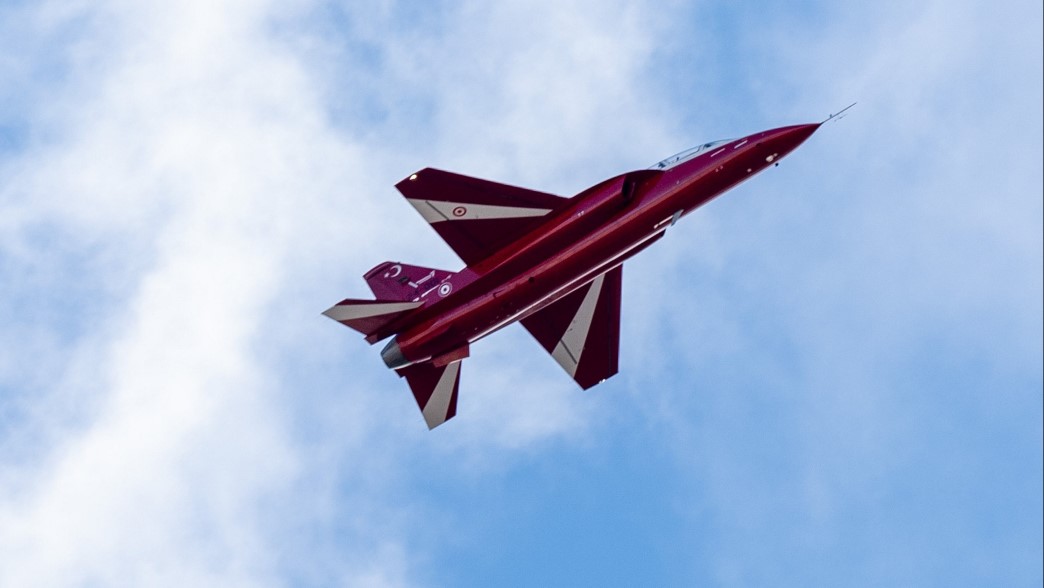
World
Turkey has achieved a major milestone in its aerospace journey as the Hürjet, a cutting-edge advanced trainer and light combat aircraft, successfully completed its first supersonic flight test. This remarkable event not only marks a new chapter in Turkey's defense industry but also demonstrates the growing capabilities of Turkish Aerospace Industries (TAI), the company behind the Hürjet's design and development.The test flight took place at Mürted Air Base on a bright morning, with the Hürjet taking off at precisely 9:45 a.m. local time. Accompanied by an F-16 fighter jet to ensure a secure and controlled environment, the aircraft climbed into the skies and pushed past the speed of sound. During the 38-minute test flight, the Hürjet successfully reached supersonic speeds before safely landing at 10:23 a.m., marking a crucial achievement in the ongoing development of this versatile aircraft.The Hürjet is an impressive feat of engineering, developed to replace older trainer aircraft in the Turkish Air Force, such as the T-38 Talon and the F-5. Measuring 13.4 meters (43 feet) in length with a wingspan of 9.5 meters, the Hürjet is designed to train future pilots for high-performance aircraft, while also being capable of light combat missions. Its performance specs are noteworthy: the aircraft can fly at speeds up to Mach 1.4, soar to altitudes of 45,000 feet (13.7 kilometers), and operate in a variety of roles, making it a highly adaptable asset for the Turkish military.TAI began the Hürjet project in August 2017, setting out to create a modern trainer and combat aircraft that could meet both domestic and international needs. The Hürjet took its first flight on March 18, 2023, and since then, it has undergone a rigorous series of tests, including formation flights with aerobatic teams and transonic flight trials. The aircraft is currently undergoing further testing to ensure that it meets all required standards before being introduced into full operational use.What makes this latest supersonic flight particularly important is its implications for the future of Turkish aerospace. The successful test demonstrates that Turkey is capable of producing high-performance military aircraft that can compete on the global stage. The Hürjet is expected to attract interest from other countries looking to modernize their air forces, potentially positioning Turkey as a significant player in the international defense market.The Hürjet's role, however, is not just limited to training pilots. The aircraft is designed with light combat capabilities, allowing it to carry out tactical air support missions, border patrol, and even limited air-to-ground strikes. This multi-role flexibility enhances its appeal, particularly for countries seeking an affordable yet capable aircraft for both training and combat operations.The future of the Hürjet looks promising, with continued testing and development ensuring that the aircraft will be fine-tuned for maximum performance. The recent supersonic flight is a key milestone, and as the project progresses, TAI is likely to introduce even more advanced capabilities, further solidifying the Hürjet as a symbol of Turkey’s growing aerospace expertise.As Turkey continues to invest in its defense industry, the Hürjet stands out as a testament to the nation's ambitions to not only become self-reliant in military production but also to export high-tech aerospace solutions to the global market.
Read More → Posted on 2024-10-22 14:32:02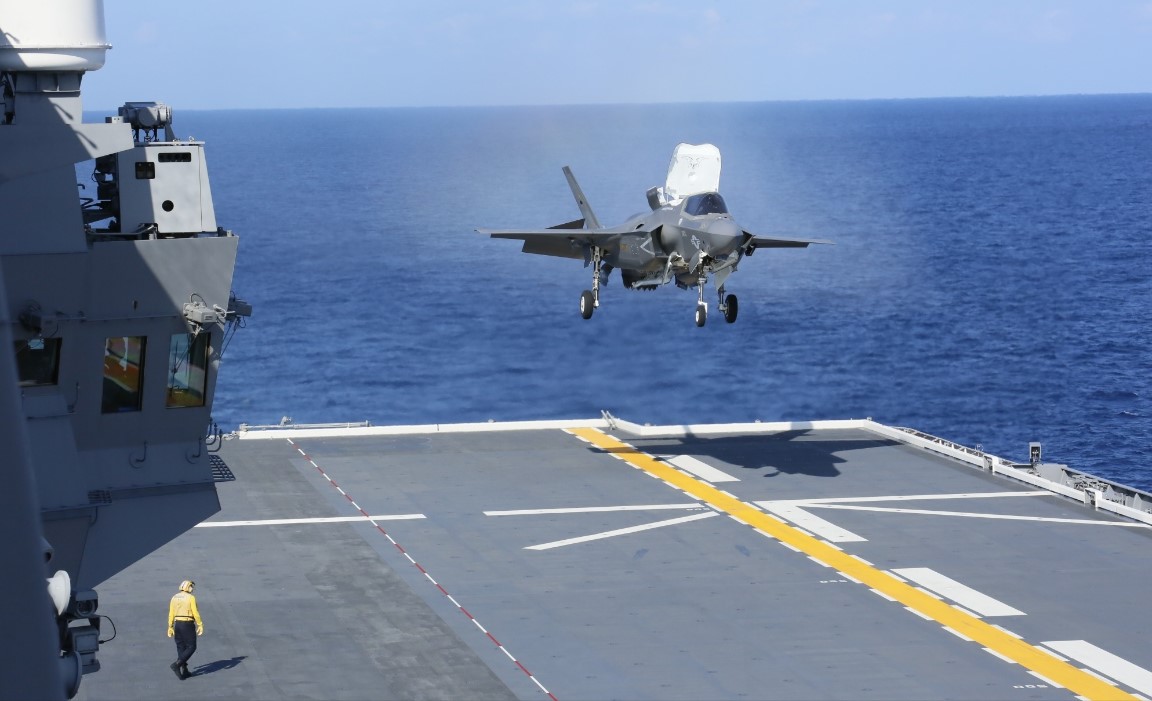
World
In a historic milestone for Japan's maritime defense, a U.S. F-35B Lightning II fighter jet landed on the JS Kaga, an Izumo-class helicopter destroyer, on October 20. This event marked the first time a fixed-wing aircraft had landed on Japan's largest warship, highlighting a new chapter in Japan's naval capabilities and underscoring the strengthening of its alliance with the United States. The landing took place off the southern coast of California, as part of comprehensive sea trials aimed at assessing the ship's readiness to support advanced fixed-wing aircraft operations.Setting the Stage for the LandingThe significance of the F-35B’s arrival on the JS Kaga goes beyond a mere technical achievement; it is a bold step towards evolving Japan’s self-defense strategy. The ship, which was initially designed to operate helicopters, underwent extensive modifications to accommodate the state-of-the-art stealth fighter. These upgrades included reinforcing the flight deck with a heat-resistant coating to endure the extreme temperatures generated by the F-35B's powerful vectored-thrust engines. The bow was reshaped to optimize the flow of air across the flight deck, and specialized lighting was added to facilitate nighttime operations.The JS Kaga's transformation represents a strategic pivot for the Japan Maritime Self-Defense Force (JMSDF), allowing the ship to serve as a de facto aircraft carrier. Although Japan’s constitution restricts the use of offensive military capabilities, the deployment of F-35Bs aboard the Kaga could potentially enhance the country’s ability to project air power and respond to regional threats.The F-35B: A Technological MarvelThe F-35B Lightning II is not just any fighter jet—it is a fifth-generation aircraft renowned for its stealth capabilities, advanced sensors, and versatility. This short takeoff and vertical landing (STOVL) variant of the F-35 is particularly suited for operations aboard the Kaga because it does not require a catapult to launch or an arrestor wire to land. Its ability to take off from shorter runways and land vertically makes it ideal for naval operations on vessels that lack the expansive flight decks of traditional aircraft carriers.The F-35B's propulsion system, which incorporates a unique swiveling rear exhaust nozzle and a lift fan near the cockpit, enables it to hover like a helicopter and land in confined spaces. This technology allows the aircraft to deliver cutting-edge combat capabilities even from ships that are not conventionally equipped for fixed-wing aviation. With a top speed of around 1,200 mph (Mach 1.6) and a combat radius of approximately 450 nautical miles, the F-35B brings a potent combination of speed, agility, and firepower to Japan's maritime defense.Strategic Implications of the Sea TrialsThe recent landing was conducted by a test pilot from Air Test and Evaluation Squadron Two Three (VX-23), based at Naval Air Station Patuxent River in Maryland. The pilot touched down at approximately 3:15 p.m., showcasing the Kaga’s readiness to operate one of the world's most advanced fighter jets. The trials, expected to span three weeks, involve a joint team of experts from the F-35 Pax River Integrated Test Force (Pax ITF) and the JMSDF. This test phase will assess the operational compatibility of the F-35B with the Kaga's newly modified deck and systems.Commanding Officer Capt. Shusaku Takeuchi emphasized the trials' importance, noting that the integration of the F-35B into the JMSDF represents a leap forward in Japan’s defense capabilities. "This test is essential for strengthening Japan’s defense capabilities and is of utmost importance. It not only enhances the capabilities of the Maritime Self-Defense Force but also improves interoperability between Japan and the U.S., strengthening deterrence and response capabilities in the Japan-U.S. alliance,” he said.The trials are more than just a technical assessment; they are a diplomatic statement. Japan’s commitment to enhancing its naval aviation capabilities in collaboration with the U.S. sends a message of unity and deterrence to potential adversaries in the region. The ability to operate F-35Bs from the Kaga will provide Japan with a forward-deployed air power asset that can respond swiftly to emerging threats in the Indo-Pacific.A New Era for Japanese Naval AviationJapan's maritime strategy has long been defensive, with an emphasis on anti-submarine warfare and territorial defense. However, the ability to deploy F-35Bs changes the strategic calculus. The JS Kaga, alongside its sister ship, the JS Izumo, has been transformed from a helicopter destroyer into a vessel capable of launching cutting-edge fighter jets. This shift aligns Japan more closely with the practices of traditional aircraft carrier operations, despite the country's official stance on military restraint.The modifications to the Kaga are not only technical but also symbolic of Japan's evolving approach to national defense. The JS Kaga is named after a famous aircraft carrier that played a role during World War II, and its transformation echoes a return to Japan’s carrier-operating heritage, albeit under a modern, defensive doctrine. With the F-35B integration, Japan can project air power over greater distances, enhancing regional stability through deterrence and contributing to allied operations.The Kaga’s new capabilities also underscore the growing interoperability between the JMSDF and the U.S. Navy. By sharing platforms, tactics, and technologies, the two nations can more effectively coordinate in joint missions, humanitarian assistance, disaster relief operations, and other military engagements.Looking ForwardThe success of these initial trials will pave the way for broader operational deployment of the F-35B in the coming years. Once fully operational, the Kaga will be able to embark a contingent of F-35Bs, enabling Japan to maintain a flexible and responsive maritime posture in the Pacific. Given the increasing military activities in the region, including China's growing naval presence, Japan’s ability to project air power from its warships will be a significant asset in maintaining regional security.The recent landing of the U.S. F-35B on the JS Kaga marks not just a technical achievement but a strategic one, signaling Japan's commitment to modernizing its Self-Defense Forces and reinforcing its alliance with the United States. This event is the beginning of a transformative period for Japanese naval aviation, as the nation steps up to new defense challenges in a rapidly changing geopolitical landscape.
Read More → Posted on 2024-10-21 16:02:58Search
Top Trending in 24 Hours
-
 F-35 Fleet Readiness Falls to 25% Amid Parts Shortages and Software Delays: GAO Report
-
 U.S. Approves $1.98 Billion Sale of Anduril AI-Powered Counter-Drone Systems to Kuwait
-
 U.S Navy Orders 50 Blackbeard Hypersonic Missiles in New $23.4 Million Contract
-
 Russia Launches 1,400 Jet-Powered Drones in 2026 as Strike Tactics Evolve to Challenge Ukraine's Air Defenses
-
 Russian Analysts Debate Su-57 Capabilities After Putin Calls Fighter Superior to F-35
-
 Russia Unveils Amur-1650 AIP Submarine Equipped with BrahMos Vertical Launch System at Fleet-2026
-
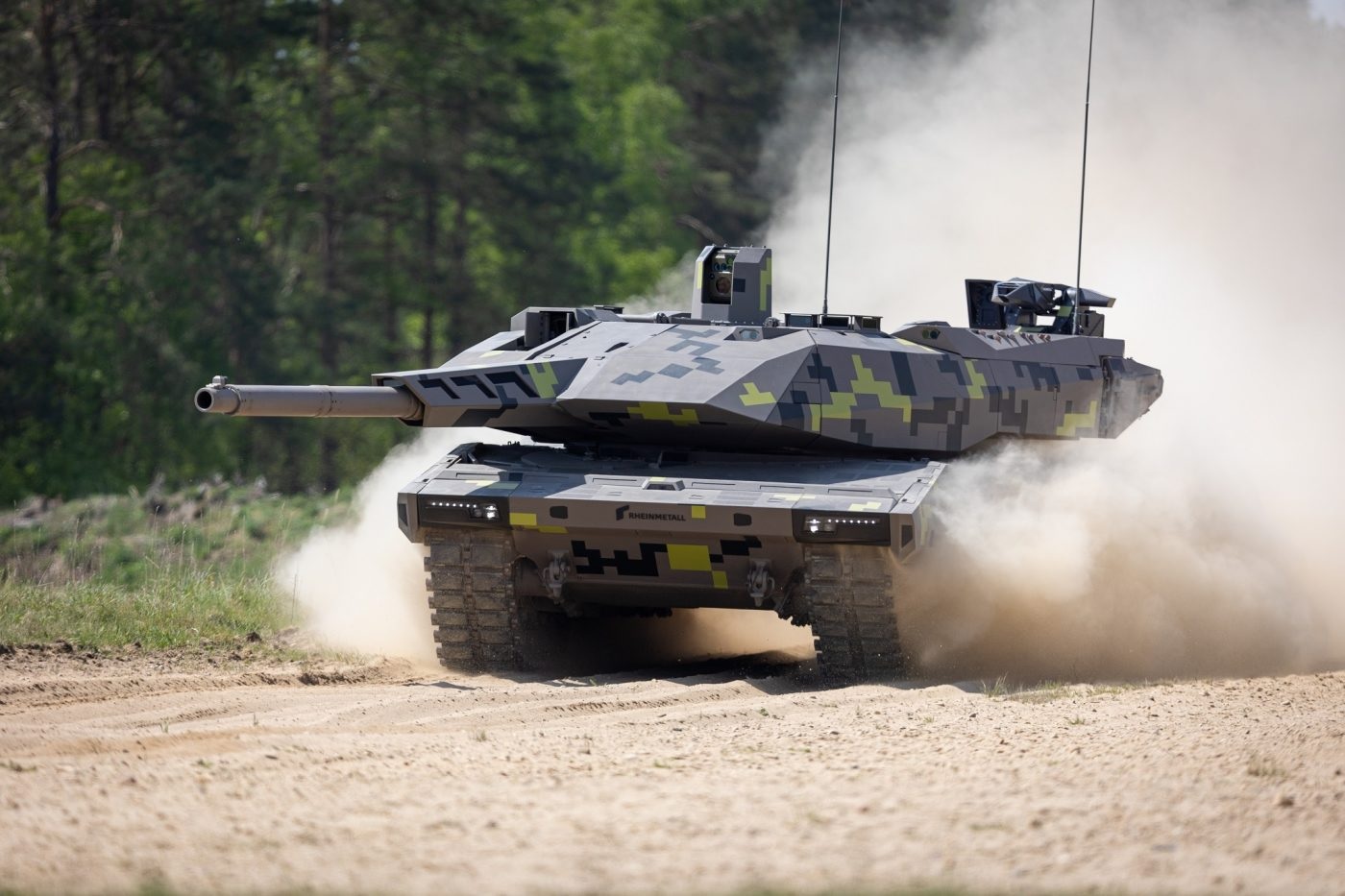 France Considers Reduced Role or Exit from Franco-German MGCS Tank Project
-
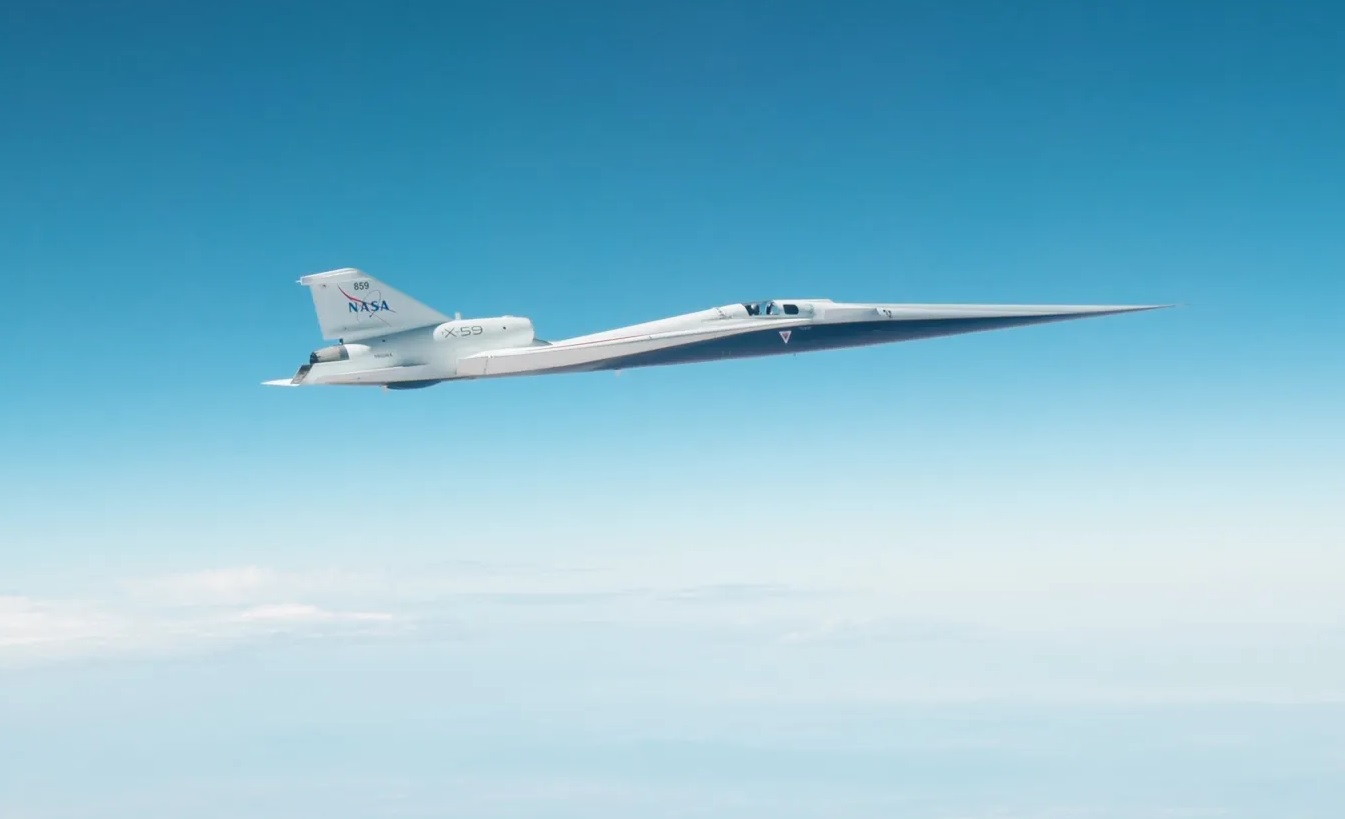 NASA X-59 Achieves Planned Mission Conditions with Mach 1.4 Flight at 55,000 Feet
Top Trending in 4 Days
-
 Iranian Media Leaks 14-Point U.S.-Iran Peace Framework Amid Ongoing Negotiations
-
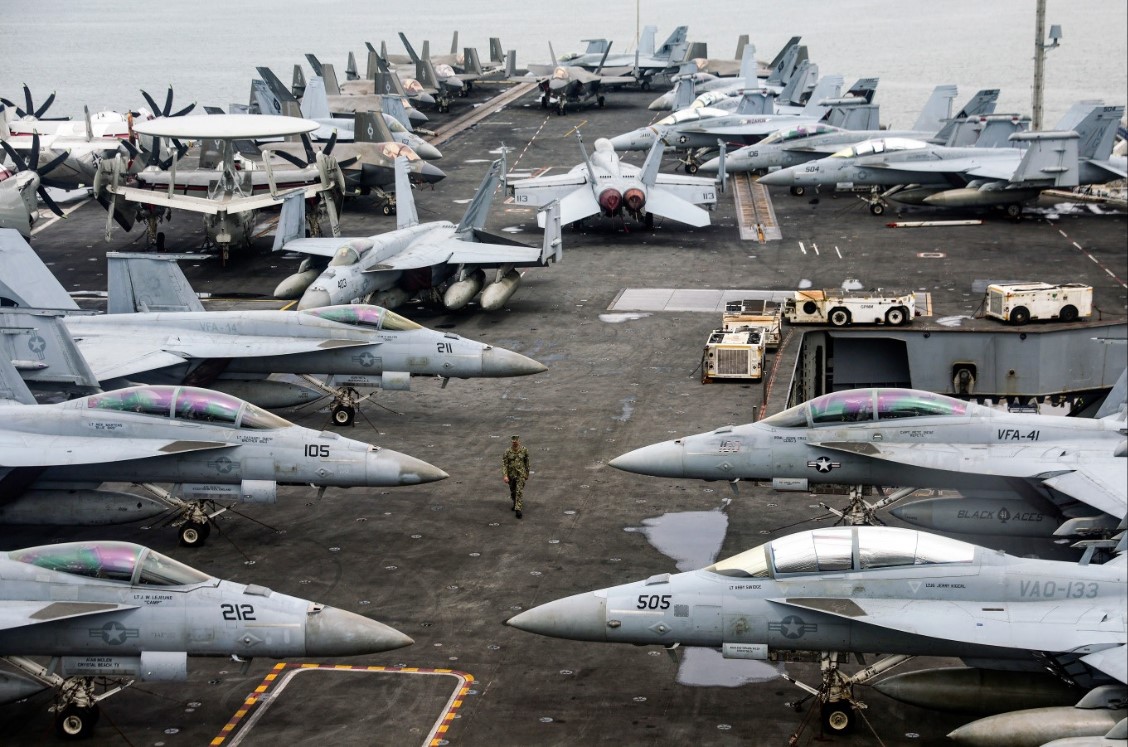 US Plans Significant Reduction of Fighter Jets and Warships for NATO Operations in Europe
-
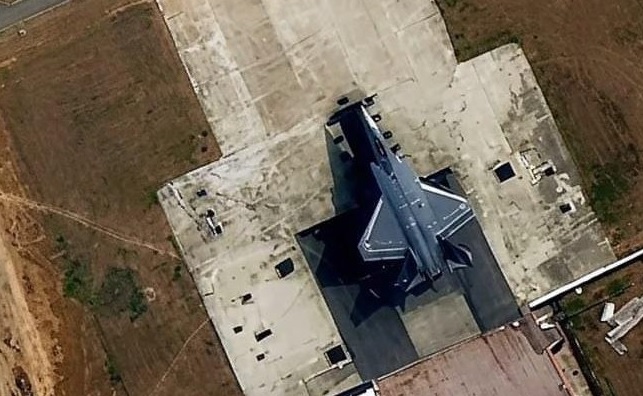 AMCA Airframe Spotted at DRDO’s ORANGE Facility for Radar Cross-Section Testing
-
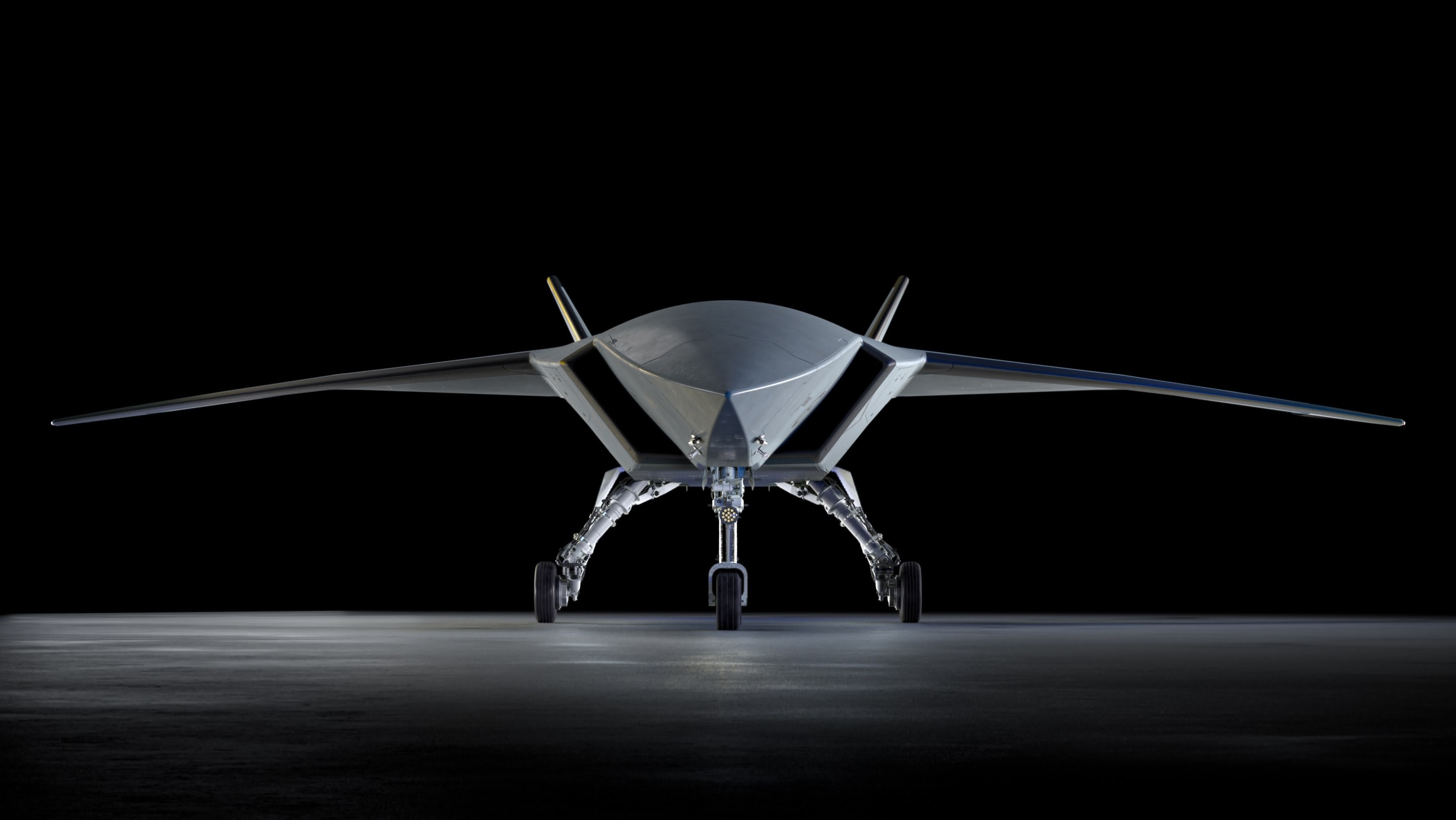 Boeing Introduces New MQ-28 Ghost Bat Upgrades with Increased Range, Payload and Weapons Capacity at ILA Berlin 2026
-
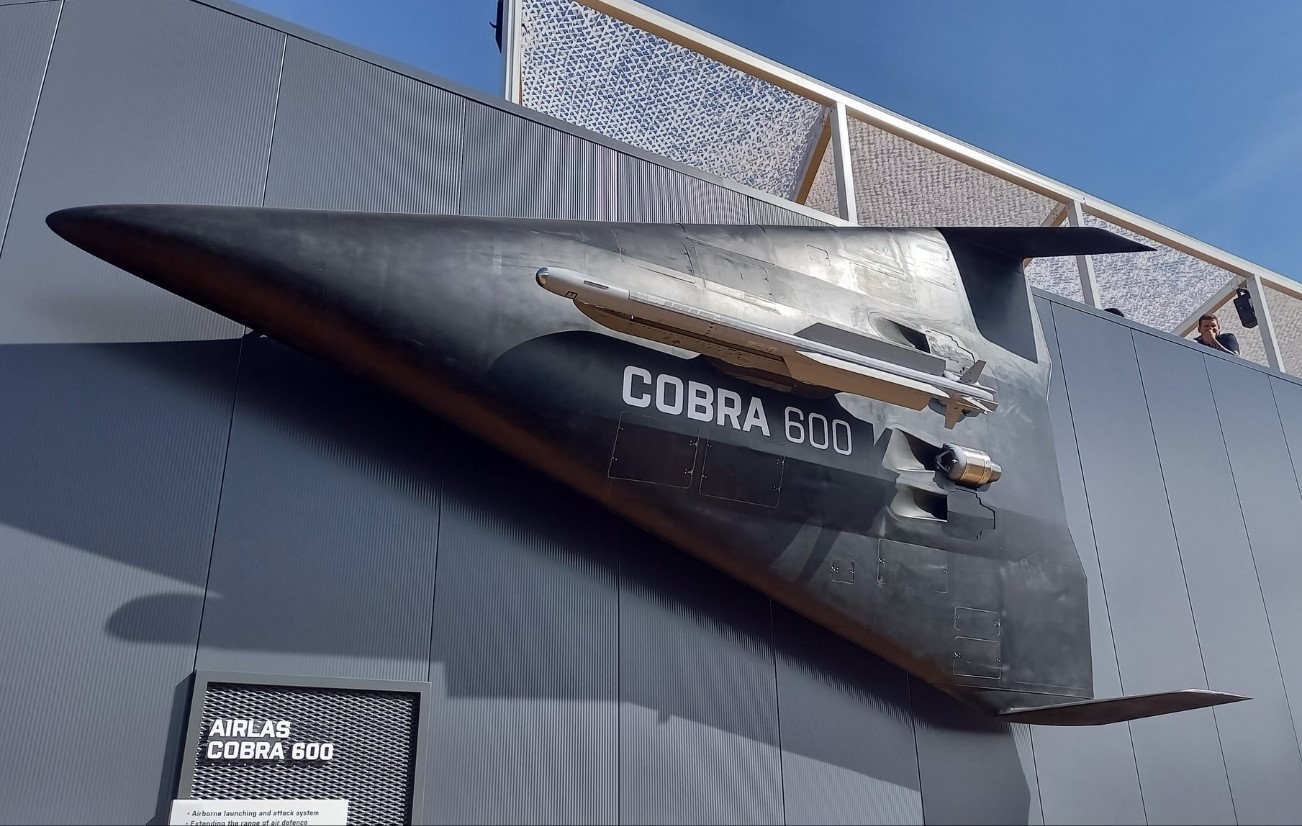 Diehl Defence Unveils IRIS-T Armed Cobra 600 Air Defense Drone at ILA Berlin 2026
-
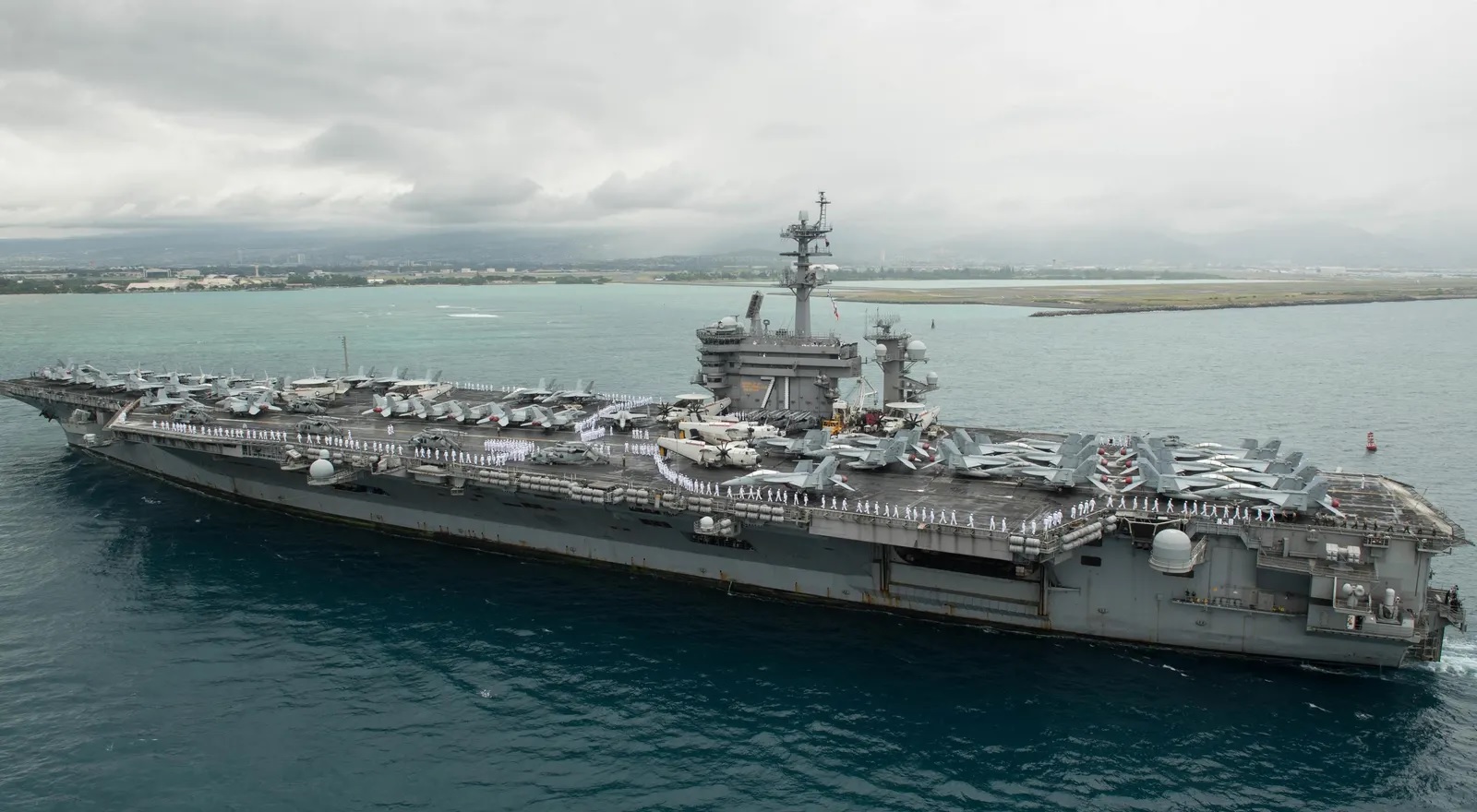 U.S Aircraft Carrier USS Theodore Roosevelt Departs San Diego for Major RIMPAC 2026 Naval Exercise
-
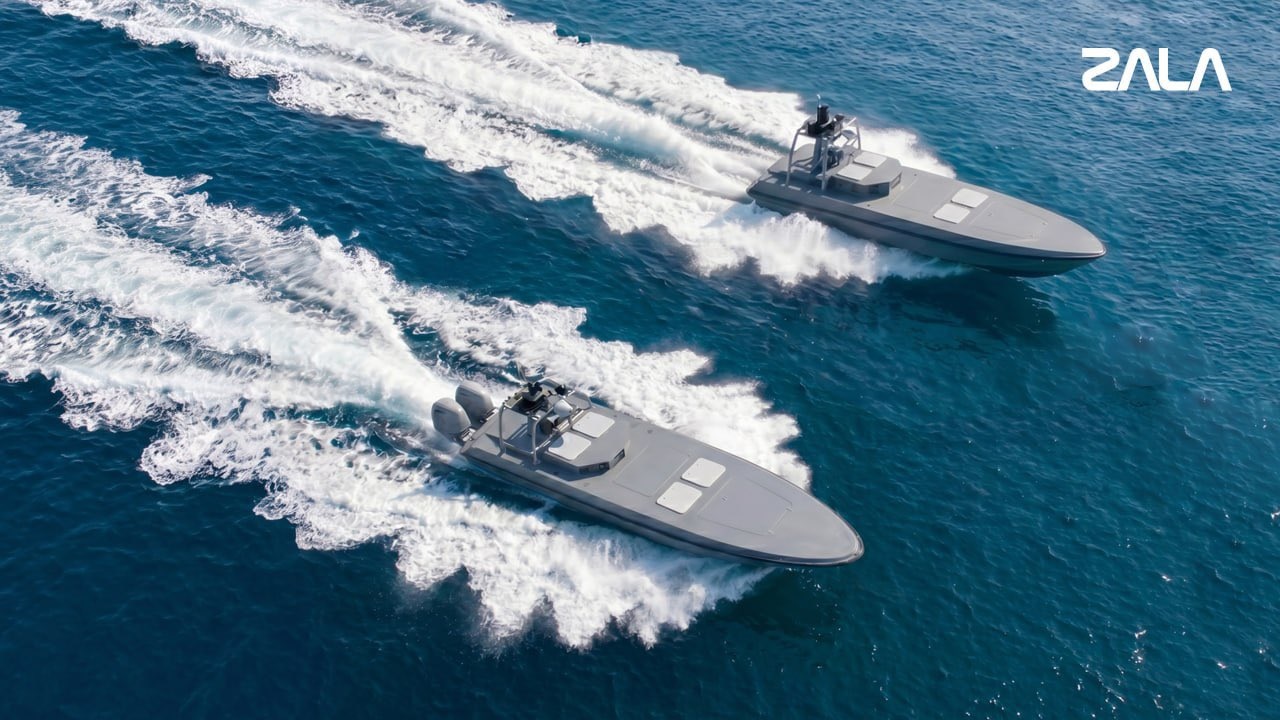 Russian Defense Firm ZALA Unveils KAMA Unmanned Surface Vessel Family at FLOT-2026 Naval Exhibition
-
 NATO Commander Says Russia Not Seeking Conflict With Alliance Despite U.S. Force Reductions