
World
In October 2024, the Russian military achieved its most significant monthly advancement in Ukraine since the conflict's early days in March 2022. According to data from the American Institute for the Study of War (ISW), analyzed by AFP, Russian forces captured 478 square kilometers (184.5 square miles) of Ukrainian territory over the month. This expansion in Ukraine’s eastern regions, particularly around Pokrovsk in the Donetsk region, highlights the ongoing challenges faced by the Ukrainian forces as they grapple with increasingly fortified Russian troops.The October figures reveal an uptick in territorial gains compared to the preceding months. In August and September 2024, Russian advances measured 477 and 459 square kilometers, respectively, but October saw a new high. The eastern region of Donetsk accounted for nearly two-thirds of these recent advances, with Russian troops closing in on Pokrovsk from the south and east. Their progress in Donetsk aligns with their broader strategic objectives in eastern Ukraine, where control over critical cities like Pokrovsk would further secure Russia’s hold on the Donbas industrial region.In addition to eastern Ukraine, Russian forces also made strides in the north near Kupiansk, a town with a recent history of strategic exchanges. Initially seized by Russian troops in the early phases of the war, Kupiansk was recaptured by Ukrainian forces in a September 2022 counteroffensive. However, in October 2024, Russian advances in this region included the capture of more than 40 square kilometers (15.4 square miles), once again underscoring the dynamic nature of the frontlines.The cumulative data underscores Russia’s gradual but steady territorial consolidation since the beginning of 2024. Although only 584 square kilometers were captured throughout 2023, Russian forces have already taken more than 2,660 square kilometers (1,027 square miles) this year, an area slightly larger than Moscow itself. As of October 27, 2024, Russia’s total territorial control in Ukraine—alongside the Crimean Peninsula and regions under Moscow-backed separatist control—amounts to approximately 18.2 percent of Ukraine’s pre-2014 boundaries.Russia’s recent advances underscore the challenges faced by the Ukrainian forces. Eastern Ukraine’s terrain and the infrastructure devastation in the Donetsk and Luhansk regions complicate Ukraine’s defense strategy. With many Russian troops and resources concentrated in these areas, Kyiv’s forces are confronting an opponent that has built up defenses and maintains significant firepower and manpower advantages in the contested zones. The current frontline is notably more rigid than during the conflict's initial months. While early 2022 saw fluid battles and rapid shifts as Russian troops moved toward Kyiv, the situation today resembles a grinding stalemate with gradual Russian advances in specific, strategically valuable regions. In recent months, Russian forces have shown renewed momentum in their offensive operations. The data used by AFP and ISW relies on information provided by both Ukrainian and Russian sources and is validated through satellite imagery. This analytical method enables a clearer view of the evolving battlefield, even as information from the ground becomes increasingly challenging to verify due to heightened operational security.As winter approaches, the strategic implications of Russia’s October gains could affect the war's trajectory, making it harder for Ukraine to regain lost territories in the eastern regions. The progress recorded this month is a reminder that, even two years into the conflict, the situation remains unpredictable, with both sides continuing to adapt their strategies on a rapidly evolving battlefield.
Read More → Posted on 2024-10-29 05:58:17
World
Rheinmetall’s expansion into Ukraine marks a significant shift in both the defense and production landscape for the country. Known for its robust combat technology, the German defense giant has set up its first factory on Ukrainian soil, with a second facility nearing completion. This development means more than just manufacturing; it’s a strategic move designed to reinforce Ukraine’s military infrastructure amid ongoing challenges. Rheinmetall’s CEO, Armin Papperger, shared these updates in an interview with TSN, affirming the company’s commitment to supporting Ukraine’s defense industry with cutting-edge technology and local production capability.The Lynx Infantry Fighting Vehicle (IFV) is at the center of this venture. First introduced in 2016, this vehicle has gained a reputation for durability, adaptability, and superior protection. With production now localized in Ukraine, Rheinmetall aims to deliver the first batch of Lynx IFVs by the end of the year. Additionally, the company is considering further expansion to include munitions production and a specialized facility for gunpowder manufacturing, enhancing Ukraine’s self-sufficiency in defense equipment.The Lynx: A Modular Powerhouse in Modern CombatThe Lynx IFV comes in two main configurations, each designed for different operational needs. The lighter KF31 model weighs around 38 tons, powered by a 755-horsepower engine that allows it to reach a speed of up to 65 km/h. The larger KF41 model, on the other hand, is more robust at 50 tons with a powerful 1,140-horsepower engine, reaching speeds up to 70 km/h. Both models are equipped with modular components, meaning they can be configured for various missions and roles, from frontline combat to reconnaissance and support operations.The design of the Lynx prioritizes flexibility without compromising protection. Its armor is crafted from ballistic steel and reinforced with a dual-hull system, effectively absorbing the impact of blasts. The Lynx’s armor can withstand armor-piercing rounds up to 25 mm in diameter at distances of 500 meters, and its advanced hull design is built to withstand explosions equivalent to 10 kg of TNT. These protection levels can be further enhanced with modular add-ons, including ceramic plates and an optional Active Protection System (APS) to counteract anti-tank threats.Engineered for Crew SafetyOne of the standout aspects of the Lynx IFV is its emphasis on crew safety. The design thoughtfully separates the ammunition storage from the crew compartment, reducing the risk to personnel if the vehicle’s armor is breached. The cabin’s layout ensures that any damaged section doesn’t compromise the safety of the entire crew, allowing troops to operate with added assurance in hazardous environments. The spacious cabin also accommodates additional equipment, giving the Lynx an advantage in versatility and functionality on the battlefield.Strategic Impact of Local ProductionThe significance of Rheinmetall’s production facilities in Ukraine extends beyond the immediate delivery of the Lynx IFV. By setting up manufacturing close to where the vehicles will be deployed, Rheinmetall is helping Ukraine maintain and repair its own fleet more effectively. The reduction in supply chain dependency not only accelerates delivery times but also strengthens Ukraine’s ability to manage and deploy essential defense equipment on its own terms.With plans to extend their facilities to munitions and gunpowder production, Rheinmetall’s investment also speaks to a broader commitment: building a sustainable defense production ecosystem within Ukraine. This localization is poised to benefit Ukraine’s military readiness, ensuring that essential equipment is always within reach.The production of Lynx IFVs in Ukraine symbolizes a new chapter in the country's defense capabilities. As Rheinmetall continues its strategic expansion, it is likely that Ukraine’s military will gain even greater operational flexibility, autonomy, and resilience against potential future threats.
Read More → Posted on 2024-10-27 17:23:40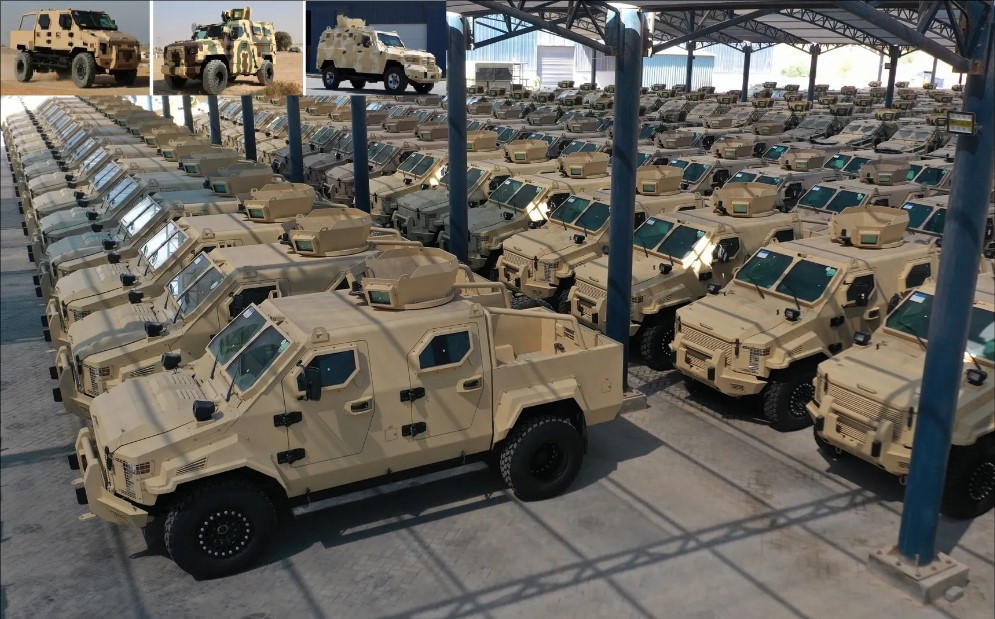
World
In recent days, Russian social media has seen video footage of armored vehicles reportedly delivered to Russian forces, drawing considerable attention. This development, confirmed by prominent military blogger Voennyi Osvedomitel, suggests a new batch of Streit Group-manufactured vehicles may now be operational within Russia's military ranks. Osvedomitel notes that these vehicles could have originated either from the UAE or South Africa, two prominent bases for the Streit Group’s manufacturing.A Closer Look at the Vehicles in QuestionThe video showcases over 20 armored vehicles, revealing that the Streit Group’s Spartan SUT, Cobra, and Cougar models appear to be in use. These vehicles, based on the sturdy Toyota Land Cruiser and Ford F-550 platforms, are designed for enhanced durability, mobility, and survivability under fire. Streit Group’s Spartan, for example, is a battle-proven vehicle known for its flexibility and multi-role capacity. Built on the Toyota Land Cruiser platform, it’s engineered for combat environments, able to withstand light firearms, small explosives, and even certain roadside IEDs. Meanwhile, the Streit Cobra and Cougar models are built on the Ford F-550 chassis and known for their reinforced structure and adaptability in combat. Both vehicles offer varying levels of armor protection, and the Cougar model, in particular, is outfitted for both personnel transport and equipment deployment. Streit Group has historically showcased these vehicles at major international defense exhibitions, highlighting their versatility and capacity for customization based on mission requirements.Armored Vehicles in a New Geopolitical ContextThe presence of Streit Group vehicles in Russia is significant amid heightened international scrutiny, as global sanctions increasingly restrict Russian access to military-grade imports. This new video sheds light on the possible channels through which Russia continues to acquire advanced military assets. While it remains unclear whether these vehicles were directly sourced from Streit Group or procured through third-party intermediaries, this development marks another example of complex arms transactions circumventing conventional trade routes and restrictions.Notably, Streit Group has a history of collaboration with Russian entities, having partnered with Russia's Military-Industrial Company (VPK) in the past. This partnership led to the creation of the Condor/VPK-Ural armored vehicles, some of which reportedly went to private military forces such as the Wagner Group. These prior engagements with Russian contractors have allowed Streit Group vehicles to be field-tested in various conflict zones, contributing to their reputation for endurance and flexibility.Amid Sanctions, the Arms Market Finds New RoutesThis latest transfer of armored vehicles underscores the fluid nature of the global arms market, even as Russian assets face strict sanctions in light of the ongoing Ukraine conflict. Armored vehicles like these fill critical needs for ground support, mobile protection, and supply transport, allowing Russian forces to maintain resilience despite logistical hurdles. The vehicles' arrival from a UAE-based manufacturer, whether directly or via intermediaries, speaks to the intricate global network that continues to enable arms movements even under regulatory pressures.Streit Group's armored offerings have long been popular in international defense markets, often featuring in stockpiles worldwide, which may offer Russia various avenues to source these assets. Past appearances of Streit’s vehicles at global expos are reminders of how widespread their deployment has become, presenting numerous options for procurement that bypass direct sales. While precise details about this particular shipment remain scarce, the strategic utility of these vehicles for Russian forces remains clear: reliable and robust transportation in a highly volatile landscape.In a broader sense, this scenario reveals how the demand for specialized armored vehicles continues to influence and reshape military strategies, especially for nations facing extensive restrictions. These developments around Streit Group’s armored vehicles underscore the complexity of global arms dynamics as they intersect with shifting political landscapes, revealing how critical mobility and protection remain in the evolving calculus of modern warfare.
Read More → Posted on 2024-10-27 17:11:47
World
Japan is advancing a new era in defense technology through Kawasaki Heavy Industries (KHI), which is developing a next-generation surface-to-ship missile (SSM) aimed at fortifying the country’s remote island defense. Set to undergo a prototype launch by 2027, this “New Anti-Ship Missile for the Defense of Remote Islands” will provide Japan’s defense forces with a long-range standoff capability, enabling them to neutralize threats from a safe distance, especially in the East China Sea—a region fraught with escalating tensions over the disputed Senkaku Islands.A Strategic Shift Toward Stand-Off DefenseIn recent years, Japan has recognized the need for advanced, long-range, and highly mobile defense technology to protect its far-flung territories. With a range of approximately 2,500 kilometers, the new KHI missile will be able to target bases well beyond Japan's borders, even reaching inland locations in China if deployed from western Japan. The missile’s purpose aligns with Japan’s recent shift towards counterstrike and standoff capabilities—a response to the increased naval presence and strategic posturing by China near disputed maritime territories.This development fits within Japan’s broader defense initiatives, especially after the Japanese government approved a significant Defense Buildup Program in December 2022. This program earmarked funding for several defense projects focused on modular missile designs, improved radar cross-sections for stealth, and enhanced mobility for rapid deployment.Design and Performance: Inspired by Advanced Western SystemsVisually, the new missile resembles the U.S. Tomahawk, which has set benchmarks globally for its range and precision in cruise missile design. Like the Tomahawk, the Japanese missile prototype shown at the Japan Aerospace show JA2024 features large main wings and a flush-mounted air intake, designed to enhance aerodynamic efficiency and sustain long-distance flights. These elements are instrumental for the missile’s speed, stability, and flight range, which are essential for its role in standoff defense.Underneath its sleek exterior lies a highly efficient small turbofan engine known as the KJ300. This two-spool engine, exclusive to KHI’s new standoff missiles, provides a thrust of 3.58 kN (or roughly 365 kgf) under sea-level conditions. At just under a meter in length, this compact engine is crafted for fuel efficiency, allowing the missile to cover substantial distances while remaining economical. Its power and efficiency make it ideal for missiles intended to operate far beyond standard defense perimeters.KHI's Development Goals and Future Testing PlansKHI’s contract for the project spans five years (2023–2027), supported by the Japanese Ministry of Defense with an investment of ¥33.9 billion ($223 million). This funding will drive the missile’s research, development, and eventual prototype launch. According to Japan’s Acquisition, Technology & Logistics Agency (ATLA), the missile will be fine-tuned to deliver not only increased range and mobility but also low radar cross-section (RCS) to enhance its stealth capabilities—a feature that allows it to evade detection and maintain a tactical advantage against hostile radar systems.Japan’s Ministry of Defense has also allocated additional funds in its 2024 budget for the “New Surface-to-Ship/Surface Precision Guided Missile” project. While related, this missile differs from the KHI's anti-ship missile and is tailored more for high-precision strikes with enhanced surface-to-ship and surface-to-surface versatility. Research from both projects will share technologies, particularly in radar evasion and precision guidance, with the ultimate aim of reducing costs by utilizing common design elements and modular components.Addressing a Rising Threat LandscapeJapan’s strategic investment in these new missile systems reflects a pragmatic response to the evolving threat landscape, especially near its western shores. The Senkaku Islands have been a hotspot of contention, with Chinese naval and paramilitary vessels increasing their presence in contested waters. This missile will support Japan’s ability to deter and respond to potential incursions, providing a credible deterrent while underscoring Japan’s commitment to sovereignty over its islands.With its potent combination of range, precision, and stealth, the new KHI missile aligns with the Japanese government's long-term vision for securing its territorial integrity and augmenting its defensive autonomy in the Asia-Pacific region. The anticipated launch in 2027 will be a crucial milestone, signaling Japan's readiness to protect its borders in an increasingly complex regional security environment.
Read More → Posted on 2024-10-27 17:07:30
World
Turkey has unveiled a cutting-edge addition to its naval arsenal: the TRANÇA mini attack submarine, a small yet highly capable submersible designed for swift deployment and advanced tactical missions. Introduced at the SAHA EXPO 2024 defense fair, the TRANÇA is the brainchild of Dr. Munir Cansin Ozden, founder of DATUM A.Ş., who highlighted its flexible, mobile capabilities as a game-changer in coastal defense. Unlike traditional submarines, TRANÇA’s compact 20-meter, 80-ton structure enables it to be transported overland on low-bed trailers and launched via cranes. This unique design allows for flexible operations without the need for dedicated submarine bases, making it ideal for rapid deployment in remote or strategically critical locations.Beyond its combat role, TRANÇA serves as a versatile testing platform for the Turkish Navy’s future technologies. According to Dr. Ozden, the submarine’s streamlined size and cost-efficient design make it a perfect testbed for advanced naval systems, such as new sonar arrays, communication devices, and weapons, including the SUB-ATMACA anti-ship missile and ORKA torpedoes. This setup allows the navy to trial advanced systems on a smaller, lower-cost platform before rolling them out to larger vessels, thereby reducing costs and increasing innovation efficiency.The TRANÇA submarine can also accommodate new sonar technology from local Turkish companies, enhancing its ability to detect threats in shallow and deep waters. This integration of advanced sonar capabilities places TRANÇA at the forefront of submarine stealth technology, making it harder to detect in coastal and near-shore waters where ambient noise and unpredictable sound propagation hinder detection. Mini submarines like TRANÇA, with their smaller size and quieter profiles, exploit these conditions, effectively making them a valuable tool for operations in highly contested waters.A Revolution in Naval Personnel EfficiencyOne of the most notable benefits of TRANÇA’s design is its minimal personnel requirements. Traditional submarines often require large, highly specialized crews, which many navies struggle to maintain due to the high cost and long training times. TRANÇA, on the other hand, operates with a crew of only four, with enough capacity to carry six combat swimmers for special operations. Moreover, a single crew team can manage two TRANÇA submarines simultaneously. This leaner crew requirement not only saves resources but also allows for faster redeployment, enabling operators to quickly pivot to new missions as needed. Dr. Ozden emphasized that this reduced crew model offers a strategic advantage, enabling a rapid response across multiple regions without the heavy logistical burden typically associated with larger submarine fleets.Combat and Special Operations CapabilitiesThe TRANÇA’s combat capabilities are formidable. It comes equipped with two 533mm torpedo tubes that can launch heavy-duty AKYA torpedoes, as well as SUB-ATMACA anti-ship missiles, bolstering Turkey’s undersea strike capabilities. Additionally, the MÜREN combat management system enhances the submarine's targeting precision, while a diver lockout chamber provides transportation for combat swimmers, supporting special operations at depths up to 250 meters. TRANÇA also carries the MALAMAN smart sea mines developed through a partnership between MKE-Koç-SAGE, adding to its versatility in seabed operations.Specifications and Technical DetailsTRANÇA’s specifications reflect its dual focus on efficiency and combat readiness. With a length of 20 meters, a beam of 2.8 meters, and a displacement of 60 tonnes, it is built for agility and stealth. Its propulsion is powered by a 50kW electric engine and a robust 400kW diesel engine, supported by Lithium Titanate Oxide batteries. The submarine boasts an operational range of 400 nautical miles on battery power and up to 2,000 nautical miles when snorkeling, making it a potent asset for extended missions. Its maximum speed reaches 12 knots, and it can operate at depths of up to 250 meters, ensuring tactical versatility across various underwater conditions.In terms of communication, TRANÇA is outfitted with VHF, HF, and SATCOM systems, and uses GNSS for surface navigation while relying on an integrated INS+DVL system underwater. This comprehensive suite ensures robust situational awareness and precise navigation, further supporting its stealth and operational capabilities.Strategic Advantages in Asymmetric WarfareThe TRANÇA mini submarine is a leap forward in asymmetric naval warfare. In coastal zones, where sonar detection is often challenging due to sound variation, TRANÇA’s compact size and low noise signature offer a significant tactical advantage. Capable of carrying out reconnaissance and offensive operations in waters where traditional submarines may struggle, TRANÇA could shift the balance in naval encounters, especially in areas with limited submarine infrastructure.Moreover, its ability to operate undetected, combined with advanced weapon systems, positions TRANÇA as a formidable deterrent to enemy forces. Armed with high-impact weaponry like heavy torpedoes and anti-ship missiles, it can effectively deliver surprise strikes against high-value targets, disrupting enemy strategies with minimal risk of detection.The TRANÇA mini attack submarine not only represents a shift in Turkey’s approach to coastal defense but also underscores the growing global trend toward compact, flexible, and cost-effective military assets. Its unique design offers an efficient solution to the personnel and logistical challenges faced by conventional submarine operations, making it an ideal fit for modern naval requirements. As more countries seek adaptable solutions for coastal and regional defense, TRANÇA’s innovative design sets a promising example of how smaller, agile submarines can play a significant role in maintaining maritime security.
Read More → Posted on 2024-10-27 17:02:24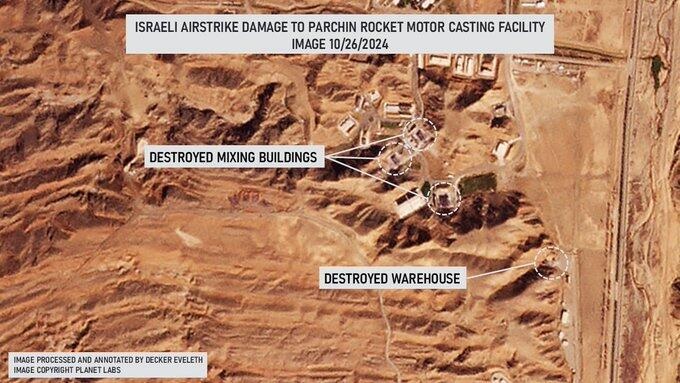
World
In a recent, highly coordinated series of airstrikes, Israeli forces delivered a significant blow to Iran’s ballistic missile program, targeting critical facilities associated with the production of solid fuel for long-range missiles. Satellite imagery and assessments from American researchers, David Albright and Decker Eveleth, confirmed the extent of the damage, revealing a powerful display of precision and tactical planning. These strikes, which occurred on Saturday, specifically targeted facilities across several Iranian provinces, including Tehran, Ilam, and Khuzestan, where key missile production capabilities are concentrated. The targets were highly specific: 12 planetary mixers essential for mixing solid fuel, a critical component in Iran’s missile manufacturing. These mixers, which Iran relies on China to import due to a lack of domestic production capability, play a crucial role in the creation of Iran’s ballistic missile arsenal. By disabling or destroying this equipment, Israel has delivered a major setback to Iran’s missile capabilities. It is estimated that rebuilding the affected facilities could take Iran up to two years, putting a significant strain on their ability to manufacture missiles on a large scale.The scope of the damage extends beyond just the mixers. Sources suggest that additional facilities crucial to missile production and storage were also struck, potentially slowing down Iran's capacity to maintain its missile stockpiles. One particular site that took a heavy hit was described as the “backbone of Iran’s missile industry,” underscoring the strategic nature of the strike. Israeli sources also indicated that the operation targeted four S-300 air defense systems, an advanced network meant to protect key Iranian assets from aerial attacks. Disabling these defensive batteries was likely a tactical choice to weaken Iran’s ability to respond swiftly to further airstrikes.In recent years, Iran has escalated its missile operations, with one instance in early October seeing over 200 missiles launched toward Israeli targets. The timing and precision of Israel’s recent operation suggest it was a calculated move within a broader strategy to neutralize potential Iranian missile threats. With Iran’s missile arsenal being the largest in the Middle East, the successful execution of these strikes represents a substantial blow to Iran’s offensive capabilities, likely complicating any future missile plans aimed at Israel. Satellite images of the Khojir and Parchin facilities provide a clear picture of the damage inflicted. Buildings in these areas, dedicated to missile production, were encircled by high dirt berms, an engineering feature intended to prevent explosive fallout from igniting nearby structures. This detail highlights the sophistication and critical nature of the targets. Parchin, notably, is also located near a site previously associated with Iran’s halted nuclear weapons program, which ceased operations in 2003. Iran, however, maintains that it has no active nuclear weapons development initiatives.Iranian state media initially claimed their air defenses were effective in mitigating the impact of the strikes, but multiple explosions were reported across the targeted sites, indicating that significant damage was indeed incurred. Iranian officials have since issued statements promising a "proportional reaction" to Israel's actions, though it remains unclear what form this retaliation might take.Military analysts agree that this pre-emptive strike by Israel is likely to disrupt Iran's missile production pipeline significantly. The precision of these attacks, especially in avoiding non-military infrastructure, demonstrates Israel’s advanced tactical approach, which aims to debilitate Iran’s offensive capabilities without drawing excessive civilian fallout. By focusing on the specific mixers essential to solid-fuel production, Israel has effectively slowed down Iran’s ability to replenish and maintain its missile arsenal.For now, the full extent of the damage is still being assessed, but this operation marks a pivotal moment in the ongoing tension between Israel and Iran. Both regional and international observers are watching closely, given the potential for escalation. With Iran’s missile capabilities under serious strain, the military balance in the Middle East may shift, as Israel continues to leverage its air superiority to contain Iran's influence and deter future missile threats.
Read More → Posted on 2024-10-27 16:53:00
World
India's drive to become a significant player in global defense exports is gaining momentum, with the United States, France, and Armenia now emerging as its top three customers. This development reflects India's commitment to growing its indigenous defense sector and marks a significant shift from a primarily import-dependent defense industry to one that increasingly exports advanced equipment worldwide. India’s Defense Export Ambitions Take FlightIndia’s defense exports have expanded considerably, reaching more than 100 countries. The increased demand from nations like the United States, France, and Armenia underscores India's new role as a trusted source for high-quality, competitively priced military equipment and technologies. According to official sources, the Ministry of Defence has strategically promoted both domestic defense manufacturing and exports to reduce reliance on foreign suppliers while meeting the needs of both the Indian Armed Forces and international buyers. Since 2014, this push has led to a threefold increase in defense production value, which reached ₹1,27,265 crores in the last fiscal year—up from ₹46,429 crores in 2014-15.Key players in India’s defense manufacturing sector include 16 public sector units and around 430 licensed firms, alongside over 16,000 small and medium enterprises. Together, these entities have created a robust industrial base, with the private sector contributing 21% of the total production. This expanding ecosystem has positioned India to meet rising global demand for defense exports, and the products supplied to its top customers reveal the diverse capabilities of Indian firms.The US: High-Precision Components for Global Defense MajorsFor the United States, India exports a substantial volume of critical components used in aircraft and helicopters. Indian manufacturers supply parts to major American defense companies like Lockheed Martin and Boeing, contributing to systems used worldwide. These exports highlight the capability of Indian firms to produce sophisticated and reliable components for advanced military platforms. In particular, India’s partnership with American defense companies often involves technology-intensive processes, such as precision engineering and advanced electronics. This collaboration has proven mutually beneficial, with the US gaining access to competitively priced components while Indian firms benefit from technology transfers and joint ventures. As demand continues, India’s role in the US defense supply chain is poised to grow, potentially opening doors for more comprehensive defense projects in the future.France: A Tech Hub for Software and ElectronicsFrance has emerged as a major buyer of Indian defense software and electronic systems, showcasing India’s strength in the high-tech segment of defense production. The exported software and electronic systems are essential for communication, control, and weaponry systems, supporting France’s diverse defense needs. These exports align with India’s expertise in information technology, which has been seamlessly integrated into the defense sector.Indian defense companies like Bharat Electronics Limited (BEL) and Tata Advanced Systems Limited (TASL) have played a central role in developing these high-tech solutions, producing communication systems, radar technologies, and command-control software. France’s interest also signifies a recognition of India’s potential to contribute sophisticated electronics and software that meet stringent military standards.Armenia: Artillery, Rocket Systems, and Advanced Radar SolutionsIn a recent and notable defense deal, Armenia has imported a range of India’s heavy artillery systems, including the Advanced Towed Artillery Gun System (ATAGS) and the Pinaka Multi-Barrel Rocket Launcher System. Additionally, Armenia has acquired Swathi weapon-locating radars, which are highly effective in counter-battery operations, allowing the detection of enemy artillery fire and enhancing battlefield awareness.These exports are a testament to India’s capacity to deliver complete, battle-ready systems. ATAGS, for instance, is a state-of-the-art, indigenously developed artillery gun with a long firing range and high accuracy. Pinaka, on the other hand, is a versatile rocket system capable of rapid deployment and high-volume fire, making it an ideal choice for modern warfare. The Swathi radar system further strengthens Armenia’s defensive capabilities, offering advanced detection and tracking of enemy projectiles.Transforming India’s Defense EcosystemIndia’s growing reputation as a defense exporter is rooted in the establishment of indigenous defense platforms, including TEJAS fighter jets, aircraft carriers, Dhanush Artillery Gun systems, MBT Arjun tanks, and the Akash Missile System. The development of advanced systems like 3D Tactical Control Radar and Software Defined Radios has helped India meet international standards, attracting attention from countries looking to diversify their defense suppliers.Overall, India’s emergence as a preferred defense exporter for the US, France, and Armenia not only brings economic benefits but also enhances India’s strategic standing. By demonstrating its ability to produce and supply a range of high-performance defense equipment, India has positioned itself as a reliable partner in a rapidly evolving global defense landscape. As exports continue to rise, India’s impact on the defense industries of allied nations will likely grow, fostering deeper partnerships and solidifying its role on the world stage.
Read More → Posted on 2024-10-27 16:44:52
World
Israel's RAFAEL Advanced Defense Systems has taken a significant leap forward with its TROPHY Active Protection System (APS), now enhanced to counter both missile and unmanned aerial vehicle (UAV) threats. Known for its effectiveness in neutralizing anti-tank guided missiles (ATGMs) and rocket-propelled grenades (RPGs), TROPHY now stands ready to confront an even broader range of modern battlefield challenges. The new upgrade fortifies TROPHY’s position as a vital defense solution for armored vehicles, enhancing survivability against both conventional ground-based threats and the rapidly growing UAV threats emerging on today’s complex battlefields.Originally designed to protect armored vehicles from ground-launched threats, TROPHY uses sophisticated radar and sensors to detect and track incoming missiles or projectiles. Once a threat is identified, the system deploys countermeasures to destroy or deflect it before impact, often achieving success in fractions of a second. This proven defensive capacity has been repeatedly tested and confirmed in active combat zones, notably with Israel's Merkava 4 Main Battle Tank and various U.S. military platforms. With UAVs now a frequent sight on the battlefield, used for both reconnaissance and direct attacks, RAFAEL recognized the need to expand TROPHY’s capabilities. This enhancement means the system can now detect, track, and neutralize aerial threats, providing armored vehicles with a protective layer previously unheard of. The new capability integrates seamlessly into the existing TROPHY structure, leveraging the system’s advanced multi-spectral radar to locate incoming drones. Once detected, TROPHY deploys a specialized set of countermeasures optimized for intercepting UAVs, effectively extending the system’s defensive reach from ground-based threats to aerial incursions.TROPHY is widely regarded as one of the most effective active protection systems in the world, boasting a highly adaptable framework that is deployable across a wide array of platforms, including main battle tanks (MBTs), armored personnel carriers (APCs), and armored fighting vehicles (AFVs). This flexibility is one reason why TROPHY has been extensively adopted by militaries around the globe, including the United States, Germany, and Israel. The recent integration of UAV countermeasures highlights RAFAEL’s commitment to evolving its systems to meet new threats as they arise. While TROPHY’s legacy systems could only intercept ground-based projectiles, the new version actively engages with the modern threat spectrum, which includes increasingly affordable and widely accessible drones. Asymmetric warfare, where hostile groups often use drones in hit-and-run tactics or for reconnaissance, is one of the critical areas where this new capability will prove essential.From a technical standpoint, TROPHY's radar system is notable for its precision and quick response times. It operates by continuously scanning the environment, using four flat-panel radars that provide a 360-degree view around the vehicle. The radar's detection algorithms can identify multiple threats simultaneously, enabling TROPHY to prioritize and respond in real-time. When facing a missile or RPG, TROPHY’s automatic response involves launching an interceptor projectile that detonates near the incoming threat, neutralizing it before it can make contact with the vehicle. In the case of drones, TROPHY uses a distinct countermeasure approach designed to disrupt or destroy UAVs without relying on traditional interceptor projectiles, which may involve electronic warfare capabilities to jam UAV controls or disable them mid-flight.The updated TROPHY is also a prime example of RAFAEL’s dedication to enhancing military assets without imposing extensive upgrades on operators. Many of these new UAV-neutralizing capabilities are software-based, meaning that with minimal hardware modifications, existing TROPHY systems can be updated to include the UAV countermeasure suite. This approach not only saves time and resources but allows military operators to keep their armored units in the field without lengthy upgrade periods.The enhanced TROPHY APS offers a multidimensional defense capability that addresses the increasingly sophisticated and multifaceted nature of modern warfare. As the global defense landscape changes, with an increase in drone use by state and non-state actors alike, TROPHY’s ability to protect against both ground and air threats makes it an invaluable asset for modern armored platforms. The system's adaptive architecture, ability to respond to emerging threats, and proven effectiveness in the field solidify TROPHY’s position at the cutting edge of vehicle protection technology.By enhancing TROPHY to counter UAVs, RAFAEL demonstrates a proactive approach to next-generation defense, ensuring that its systems remain relevant, adaptable, and reliable in high-stakes combat environments. This advancement ensures that TROPHY-equipped vehicles retain their tactical advantage, even in the face of rapidly evolving technologies and complex threat landscapes.
Read More → Posted on 2024-10-26 15:42:19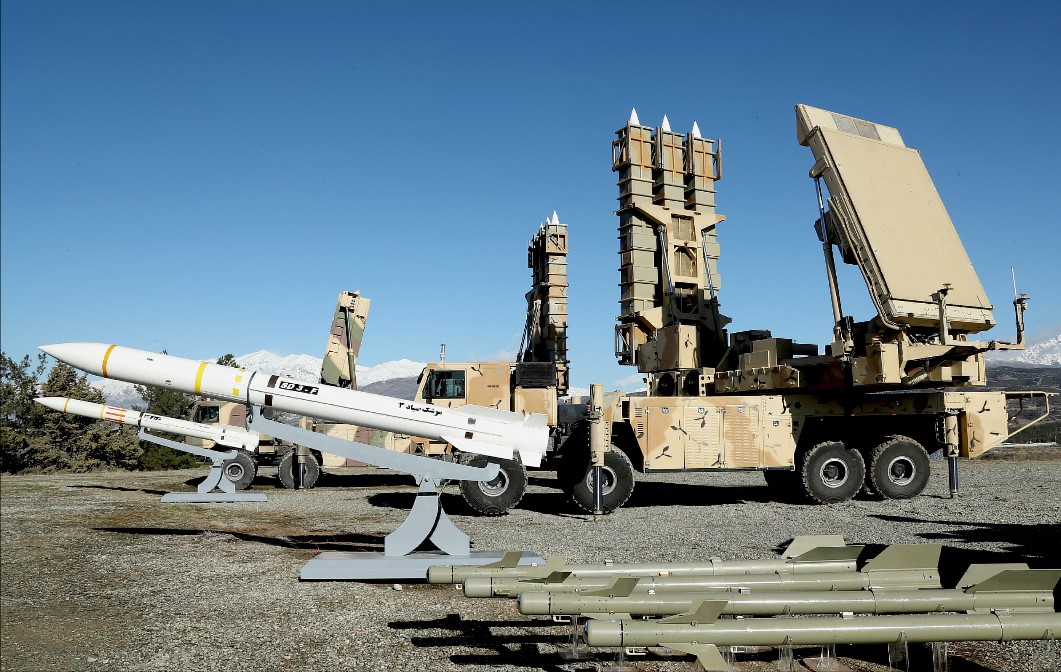
World
Iran has made significant strides in enhancing its air defense systems, with the introduction of the AD-120 surface-to-air missile system. This new development reflects the country’s ongoing efforts to bolster its military capabilities amid regional tensions and international sanctions. The AD-120 is designed to counter a wide array of aerial threats, including advanced fighter jets, unmanned aerial vehicles (UAVs), and helicopters, making it a crucial asset for Iran's defense strategy.The AD-120 missile system is characterized by its high-altitude and long-range interception capabilities. With a maximum operational range of 120 kilometers, the missile can engage threats from a considerable distance, providing a robust defense layer for Iranian airspace. Its operational versatility is further underscored by a minimum engagement range of just 7 kilometers, allowing it to respond effectively to threats that approach closely. Capable of reaching altitudes of up to 27 kilometers, the AD-120 excels in intercepting high-flying aerial vehicles, including reconnaissance and attack drones that pose significant risks.At the heart of the AD-120 system is an advanced suite of radar technologies. The AD-120 SR (Search Radar) is responsible for long-range target acquisition, detecting potential threats well before they reach Iranian airspace. This radar is complemented by the AD-120 TIR (Tracker and Illuminator Radar), which uses a sophisticated mono-pulse system to provide precise tracking and guidance for missiles during engagements. This combination ensures that the AD-120 can effectively respond to fast-moving and highly maneuverable targets, a critical requirement in modern aerial warfare.The missile itself is designed with a diameter of 400 mm and a total weight of 995 kg, featuring a 90 kg warhead capable of both impact and proximity detonation. This robust design ensures the missile can deliver significant firepower to neutralize various threats. The guidance system of the AD-120 incorporates advanced technologies, including inertial navigation complemented by data link updates and semi-active and active radar homing capabilities. Such sophisticated guidance ensures high precision in intercepting targets, even in challenging operational environments.Iran's push for advanced air defense capabilities, exemplified by the AD-120, has its roots in the country's historical context. Following the 1979 Islamic Revolution and the subsequent Iran-Iraq War, Iran faced severe international embargoes that severely limited its ability to acquire advanced military hardware from abroad. This isolation prompted a shift toward self-reliance, leading to the establishment of a domestic defense industry capable of designing and manufacturing various military systems. Over the years, Iranian engineers and scientists have focused on reverse-engineering existing technologies and developing new systems, a journey that has led to significant advancements in air defense.In earlier years, Iran relied heavily on Western air defense systems, particularly from the United States. However, after the revolution, the imposition of arms embargoes forced Iran to either repurpose existing systems or innovate new ones. For example, the reverse-engineered Mersad air defense system emerged as an improved version of the American HAWK missile system, showcasing Iran's capability to produce medium-range air defense solutions. The strategic focus on indigenous production gained momentum during the Iran-Iraq War, pushing Iran to establish military production facilities and research centers dedicated to developing homegrown defense technologies.The evolution of Iran's air defense capabilities is further illustrated by the development of advanced systems such as the Bavar-373, which was revealed in 2019 as a response to the Russian S-300 air defense system. The Bavar-373's ability to engage multiple targets simultaneously at long ranges indicates a significant leap in Iran's technological prowess in radar and missile guidance systems. Similarly, mobile air defense platforms like the Khordad-3 have demonstrated Iran's capacity to adapt and respond to modern aerial threats effectively.As Iran continues to enhance its air defense technologies, the integration of systems like the AD-120 represents a crucial step in securing its airspace against a variety of threats. The development of such sophisticated systems reflects Iran's growing expertise in missile technology and radar integration, positioning the country as a key player in the defense landscape of the Middle East. The AD-120's unveiling underscores Iran's commitment to advancing its military capabilities despite external pressures and showcases its strategic intent to maintain a robust defense posture.In conclusion, the AD-120 surface-to-air missile system marks a significant advancement in Iran's air defense capabilities. Its sophisticated technology, combined with Iran's historical drive for self-sufficiency in defense production, positions the country to meet contemporary aerial threats effectively. As regional dynamics evolve, the ongoing development of advanced systems like the AD-120 will play a pivotal role in Iran's ability to protect its sovereignty and influence in the region.
Read More → Posted on 2024-10-26 15:38:59
World
In a significant escalation of Middle Eastern hostilities, Iran reported that two of its soldiers were killed on Saturday in Israeli airstrikes aimed at Iranian military sites across several provinces, including those near the capital, Tehran. These strikes come less than a month after Israel had vowed to retaliate against Iran for an October missile attack, in which Iran fired a barrage of missiles into Israeli territory, leading to heightened concerns of a broader regional conflict.Israel's latest airstrikes reportedly targeted key Iranian missile production facilities and missile installations. The Israeli military issued a stern warning to Iran, stating it would “pay a heavy price” if it dared to retaliate. Israeli Defense Forces (IDF) claim that their strikes, which involved precision hits on missile manufacturing sites, succeeded in "fulfilling the mission," with all Israeli aircraft returning safely.Iran has acknowledged the Israeli assault on military sites in Tehran and surrounding areas, noting that while the attacks caused "limited damage," they did lead to the deaths of two Iranian soldiers. The recent strikes were widely seen as part of Israel’s ongoing efforts to prevent Iran from expanding its missile capabilities, which it perceives as an existential threat. Over the past year, Iran has launched direct missile attacks on Israel, supplemented by actions from its regional allies, including Lebanon's Hezbollah, Gaza’s Hamas, and pro-Iranian factions in Iraq and Syria.Broader Context and Regional ImplicationsThis intensifying cycle of retaliation between Israel and Iran adds yet another layer to the already complex Middle Eastern geopolitical landscape. Since early October, Israel has been embroiled in multiple fronts: the ongoing war in Gaza against Hamas militants, who attacked Israel on October 7, and a fierce battle with Hezbollah along the northern border with Lebanon. The IDF has reported a marked escalation in attacks from Iranian-aligned groups across the region, sparking concerns over a potential wider conflict involving multiple states.The situation in Lebanon, in particular, has worsened. Israel has been conducting airstrikes and ground operations in southern Lebanon to contain Hezbollah’s influence and secure the area for civilians. Nearly 1,580 people have been killed in Lebanon since hostilities escalated in late September, underscoring the high human toll of this conflict.In Iraq, the Islamic Resistance, a network of pro-Iranian factions, claimed responsibility for a recent drone attack on an Israeli military target in northern Israel, further indicating how deeply embedded Iran’s influence is across the region. Meanwhile, the Syrian state media reported that Israeli forces had also conducted airstrikes on military positions in central and southern Syria around the same time as the strikes on Iran, showcasing a coordinated attempt by Israel to suppress Iranian-linked forces in the broader region.International Response and Humanitarian ConcernsThe ongoing violence has drawn sharp condemnation from multiple entities, including Hamas and Saudi Arabia, who warned against any further escalation. The United Nations has called the ongoing conflict in Gaza the “darkest moment” for the region, particularly as civilian casualties mount. The UN High Commissioner for Human Rights, Volker Turk, warned that Israel’s actions in northern Gaza might amount to "atrocity crimes," potentially extending to crimes against humanity.In Gaza, Israeli forces have intensified their strikes in an effort to dismantle Hamas' operations. Amid these strikes, Gaza’s civil defense agency reported that an Israeli drone attack near the Al-Shati refugee camp killed 12 civilians waiting for aid. While Israel has not directly commented on this incident, it has maintained that its strikes aim solely to eliminate militant threats. This military campaign has resulted in over 42,000 casualties, according to Gaza health authorities.The United States, in its response, defended Israel’s right to self-defense. Sean Savett, a spokesperson for the U.S. National Security Council, characterized Israel’s actions as necessary to protect its sovereignty, urging Iran to "cease its attacks on Israel." At the same time, the U.S. emphasized the need to "accelerate diplomacy" to prevent a further spiraling of violence.Iran’s History of RetaliationThis cycle of aggression traces back to multiple incidents over the past year. In April, Iran launched over 300 drones and missiles at Israeli targets, marking its first direct assault on Israel. This was allegedly in response to an Israeli strike that killed high-ranking members of Iran's Revolutionary Guard Corps in Damascus. In another response, Iran bombed Israeli territory with 200 missiles earlier this month, most of which Israel intercepted, though the barrage still claimed one life.With Iranian-backed groups, including Hezbollah, playing an active role in the conflict, the chances of further escalations remain high. Observers are closely watching how Iran might respond to the death of its soldiers, as both nations continue their deeply entrenched cycle of retaliation that risks drawing more countries into the fray.
Read More → Posted on 2024-10-26 15:21:32
World
In a significant move to bolster its air defense capabilities, Finland’s Ministry of Defence recently approved the acquisition of the AGM-88G Advanced Anti-Radiation Guided Missile-Extended Range (AARGM-ER) to equip its new fleet of Lockheed Martin F-35A Lightning II fighter jets. Finnish Defence Minister Antti Häkkänen greenlit the procurement, positioning Finland as one of the first nations outside the United States to bring this sophisticated missile system into service, which is a clear signal of the country’s commitment to modernizing its defense infrastructure amid evolving regional security concerns.This acquisition is seen as a critical upgrade for Finland’s F-35A fleet, comprising 64 aircraft set to replace the aging F/A-18 Hornet fighters. The AARGM-ER, a next-generation missile developed by Northrop Grumman, has advanced anti-radiation homing capabilities designed specifically to locate, track, and neutralize enemy radar systems. This functionality is essential for boosting the F-35A’s survivability in hostile airspace, particularly against modern ground-based air defense systems that rely on radar to target aircraft. The AARGM-ER not only extends the aircraft's operational range but also improves flexibility, allowing Finnish pilots to engage in a broader array of missions with greater effectiveness.Finland’s acquisition package goes beyond just the missiles. It also includes vital support components such as training services, spare parts, dimensional-mass mock-ups for simulation exercises, and detailed technical documentation. These components are essential for ensuring seamless integration of the AARGM-ER with the F-35A platform, as well as long-term operational sustainability for the Finnish Air Force. According to Colonel (ret.) Henrik Elo, who oversees Finland’s F-35 program, the acquisition will “significantly expand the mission profile of our Air Force,” enhancing Finland's ability to support ground and naval operations and fortifying national defense.The AARGM-ER’s specifications highlight its impressive technological advancements. It operates at supersonic speeds, a feature critical for the “shoot and scoot” tactics that modern pilots must employ to avoid counterattacks. With an extended range that surpasses previous AGM-88 models, the AARGM-ER can strike radar installations deep within adversarial territory without exposing the aircraft to direct threat. This capability makes it a powerful tool for suppressing enemy air defenses (SEAD), allowing the F-35A to fly safely through contested areas.By opting for the AARGM-ER, Finland is aligning itself with NATO’s broader defense strategy. The country’s recent NATO membership brings added importance to interoperability with allied forces, and the AARGM-ER is increasingly becoming a common choice among NATO countries for countering advanced radar systems. Poland and the Netherlands are also in the process of acquiring the AARGM-ER, with both nations recently receiving U.S. State Department approval for similar purchases. Poland’s approved acquisition includes 360 missiles in a deal valued at approximately $1.275 billion, while the Netherlands' package involves 265 missiles, amounting to around $700 million. Both nations, like Finland, will receive extensive logistical and training support for the AARGM-ER to ensure its effective deployment.As Finland begins receiving its F-35A fighters, scheduled for full operational capability by 2031, the AARGM-ER missiles will be delivered and integrated alongside the aircraft. This coordinated introduction means that the Finnish Air Force will be mission-ready with a fully upgraded defense capability, positioning it to deter and counter potential threats in the years to come.
Read More → Posted on 2024-10-26 15:17:09
Israel Launches ‘Precise Strikes’ on Iranian Military Installations Following October Missile Attack
World
In a significant escalation of long-simmering tensions, Israel conducted “precise strikes” early Saturday morning targeting military installations within Iran. The Israel Defense Forces (IDF) described the attacks as a decisive response to ongoing and intensified assaults by Iran and its proxies, particularly after a ballistic missile attack on Israel on October 1, 2023. This development adds to an already volatile landscape, with Israel’s actions marking a clear statement on its intolerance for perceived threats and hostile maneuvers.Reports indicate that Iran’s air defenses were activated in response to the Israeli airstrikes, with sounds of explosions reverberating around Tehran and nearby regions. Although Iranian state media confirmed these explosions, the exact locations of the targeted sites remain undisclosed by both Israeli and Iranian sources. Military analysts speculate that Israeli forces likely aimed for strategically vital military assets near Tehran, which are thought to play roles in Iran’s ballistic missile capabilities and in supporting Iran-aligned forces in the region.The United States, although not directly involved in the operation, was informed of the impending strikes beforehand. A spokesperson for the U.S. National Security Council characterized Israel’s actions as an act of self-defense, given the ongoing threats posed by Iranian missile activities. The U.S. stance reflects the complex dynamics of its alliances, particularly with Israel, as well as its wary outlook on the aggressive capabilities displayed by Iran through its extensive missile and drone programs.The airstrikes come shortly after a brutal attack on southern Israel by Hamas on October 7, 2023, an incident that has led to intensified Israeli military actions against both Hamas and Hezbollah, groups that receive significant support from Iran. Israel’s strikes on Iranian installations may be seen as a message to Tehran, cautioning it against escalating its involvement through proxy forces and underscoring Israel’s capacity and willingness to directly confront perceived threats within Iran’s borders.As the situation evolves, the potential for a wider regional conflict looms. The implications of these strikes extend beyond Iran and Israel, affecting neighboring countries and raising concerns among global powers about the potential for a larger-scale confrontation in the Middle East.
Read More → Posted on 2024-10-26 15:01:19
World
On October 22, 2024, Yehor Chernev, a prominent member of Ukraine's parliament and head of the country’s NATO Parliamentary Assembly delegation, made an exciting announcement during a televised appearance. He indicated that significant results from Ukraine’s homegrown ballistic missile program—specifically the Hrim-2 missile—would soon be revealed. While Chernev noted that some tests had already taken place, he acknowledged ongoing challenges related to component availability. He confidently stated that the outcomes of these missile tests would soon be apparent, not just to Ukraine but to Russia as well.The development of the Hrim-2 missile has been a remarkable achievement for Ukraine, especially highlighted by President Volodymyr Zelensky during the "Ukraine 2024. Independence" forum. On August 27, 2024, Zelensky proudly announced the successful testing of what is believed to be Ukraine’s first locally manufactured ballistic missile, marking a pivotal moment in the nation's defense capabilities. Although many specifics of the missile remain classified, this milestone underscores Ukraine's determination to enhance its military self-sufficiency, reducing its reliance on foreign weaponry as the conflict with Russia continues to escalate.The Hrim-2 missile system, also referred to as Grim-2, Grom-2, Thunder, or OTRK Sapsan, has been designed as a direct competitor to Russia’s Iskander missile system. This short-range ballistic missile system is intended to replace the outdated Soviet-era Tochka-U missiles. One of the most impressive features of the Hrim-2 is its range, which has been reported to extend up to 700 kilometers for Ukrainian forces—significantly surpassing its previous operational range of 450 to 500 kilometers. In contrast, the export variant of the missile has a shorter range of between 50 and 280 kilometers. Another notable aspect of the Hrim-2 is its advanced evasive capabilities. The missile utilizes an aeroballistic flight path that allows it to bypass sophisticated air defense systems, including Russia’s S-300 and S-400. This versatility not only enhances its effectiveness in offensive operations but also equips Ukraine with the ability to deploy various missile types, thereby fortifying its military strategy. Given the ongoing conflict with Russia, Ukraine has been under increasing pressure to develop and deploy long-range weapons. President Zelensky has frequently urged Western allies to ease restrictions on long-range arms to bolster Ukraine’s defenses. The urgency is further underscored by recent Russian bombardments, which have intensified the need for stronger retaliatory capabilities. In a notable move earlier this year, Ukrainian forces executed an offensive operation in Russia's Kursk region to address the gap in long-range weaponry.The Hrim-2's development is crucial not only for its immediate military applications but also for Ukraine's broader defense strategy. While the missile's specific operational details remain largely under wraps, it is believed that its current range allows the Ukrainian Army to target deep into Russian-occupied territory. This capability is especially vital for striking critical military infrastructure, including assets located in Crimea. Ukrainian officials have linked the Hrim-2 to several successful strikes on Russian military targets, showcasing its potential effectiveness on the battlefield.Despite Russia's claims of intercepting these missiles and dismantling related production facilities, Ukrainian military leaders, including Brigadier General Serhiy Baranov, express optimism about the Hrim-2's future impact on the battlefield. He indicated that improvements to the missile are underway and that the repercussions will soon be felt by Russian forces. Furthermore, there are expectations that Ukraine's missile production capabilities could expand significantly, potentially reaching ranges of up to 1,000 kilometers, all funded by the national budget—a testament to Ukraine’s commitment to achieving military independence.The Hrim-2’s design also offers significant flexibility for deployment. The missile can be launched from mobile platforms and is capable of carrying various warheads, making it suitable for both offensive and defensive roles in the ongoing conflict. This adaptability enables Ukraine to target a wide range of critical Russian military assets, including supply routes and command centers. Military experts assert that a missile system like the Hrim-2 empowers Ukraine to conduct independent military operations without solely relying on Western-supplied long-range weaponry.In summary, the Hrim-2 missile represents a significant advancement in Ukraine's military capabilities, showcasing the nation’s resilience and determination to bolster its defenses against Russian aggression. As Ukraine continues to enhance its missile technology, the Hrim-2 could play a pivotal role in shaping the outcome of the ongoing conflict, marking a new chapter in Ukraine's fight for sovereignty.
Read More → Posted on 2024-10-25 15:32:26
World
North Korea, often characterized by its reclusive nature and aggressive military posturing, possesses one of the largest militaries in the world. Recent reports have intensified interest in its military capabilities and international partnerships, particularly in light of accusations that North Korea has dispatched thousands of troops to Russia for potential involvement in the Ukraine conflict. This move marks a significant potential overseas deployment for the North Korean military since the Vietnam War, raising questions about the country's military influence and its historical collaborations.The Scale of North Korea's MilitaryThe Korean People's Army (KPA) stands as a formidable force, boasting an estimated 1.3 million active personnel, making it one of the largest military organizations globally, second only to countries like China and the United States. In addition to active troops, North Korea has around 600,000 reservists and approximately 5.7 million in the Worker/Peasant Red Guards. This massive reserve gives the country a substantial manpower pool, reinforcing its military readiness.The KPA comprises various branches, including the army, air force, navy, and strategic forces equipped with ballistic missiles capable of carrying nuclear warheads. Conscription is mandatory for men aged 17 to 30, ensuring a continuous influx of personnel into the military ranks. The air force consists of about 110,000 personnel, while the navy includes around 60,000.North Korea's Military ArsenalNorth Korea's military strength is not only quantified by troop numbers but also by its arsenal. The country is recognized as one of the nine nations possessing nuclear weapons. Its missile development program has produced a variety of missiles, from short-range tactical options to intercontinental ballistic missiles (ICBMs) that can potentially reach the continental United States. Although much of North Korea's conventional military hardware is outdated, including over 6,900 tanks primarily derived from Soviet-era designs, the KPA continues to prioritize modernization and technological advancement.The air force is equipped with more than 400 fighter aircraft, but many of these are aging and may not be combat-ready. Similarly, the Korean People's Army Naval Force (KPANF) has around 470 surface vessels and 70 submarines, which include antiquated models. Recent efforts have been made to enhance naval capabilities, introducing new technologies such as an underwater drone and missile submarines, indicating a strategic pivot towards naval power.Military Partnerships: Historical ContextNorth Korea's military alliances have historically extended beyond its borders, establishing partnerships with various countries. Notably, during the Vietnam War, North Korea dispatched over 1,000 troops to assist North Vietnam, including pilots who engaged U.S. forces. The military cooperation aimed to bolster North Vietnam's efforts against the United States, which saw North Korea utilizing its air force effectively during the conflict.In Egypt, North Korea provided military advisers and personnel during the Yom Kippur War in 1973, reflecting a commitment to support allied nations against perceived threats. This partnership stemmed from a military assistance pact forged by Kim Il Sung and Egypt’s Hosni Mubarak.Similarly, in Libya, North Korea established a military alliance under Muammar Gaddafi, solidified by a ten-year treaty emphasizing mutual defense. The cooperation included training and military exchanges, with North Korea reportedly exploring ways to leverage Libya as a strategic location for its military interests.Syria has long been a close ally, with North Korea playing a crucial role in developing missile technology and chemical weapons. Reports have emerged indicating that North Korean military personnel were actively involved in Syria's civil conflict, although these claims were often met with denials from Pyongyang.The Current Landscape of AlliancesIn recent years, North Korea's partnerships have evolved, particularly with Iran, where both nations, under international sanctions, have engaged in nuclear and missile development collaboration. Reports of technical exchanges and shared resources underscore a growing military relationship that could have profound implications for regional stability.Africa has also seen North Korean involvement, particularly in nations like Zimbabwe and Uganda, where military training and arms sales have been prevalent since the Cold War. However, relations have soured in light of tightening U.N. sanctions, leading to reduced military cooperation in recent years.North Korea's military capabilities and its network of alliances paint a complex picture of a nation striving to assert its influence despite its isolation. The potential deployment of troops to Russia marks a pivotal moment in its military strategy, hinting at a willingness to project power beyond its borders. As the world watches closely, the evolving dynamics of North Korea's military partnerships and capabilities will undoubtedly remain a focal point in international relations and security discussions.This intricate web of military strength, historical collaborations, and current strategic moves underscores the critical role North Korea plays in the geopolitical landscape, raising important questions about the future of global security and stability.
Read More → Posted on 2024-10-25 15:20:46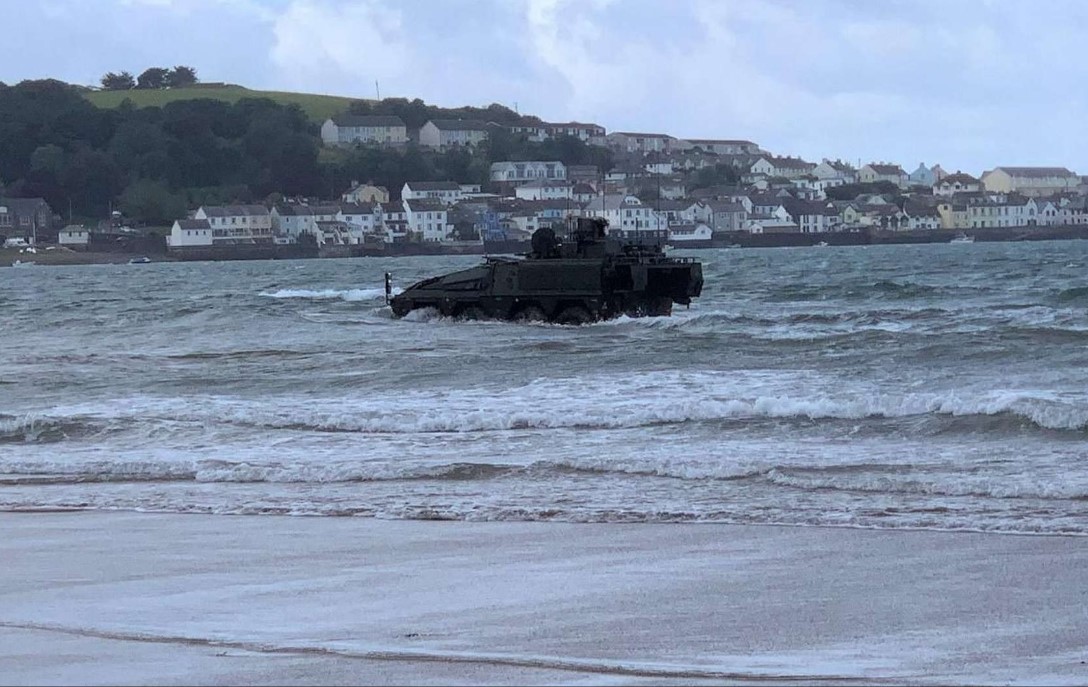
World
On October 23, 2024, the British Army made significant strides in its mechanized capabilities by successfully testing the water-fording capabilities of the Boxer 8x8 armoured vehicle at Instow Beach in North Devon. This trial marked a pivotal moment for the 38.5-tonne vehicle, which showcased its stability and control while navigating through seawater. The test was overseen by the Amphibious Trials and Development Wing (ATDW), confirming that the Boxer is poised to become the primary mechanised infantry vehicle (MIV) for the British Army.The Boxer armoured vehicle is part of a broader effort by the British Army to enhance its operational flexibility and adaptability in various combat scenarios. The £2.8 billion contract secured in 2019 included the acquisition of 523 Boxer vehicles, with production shared between the UK and Germany. This investment is critical to the Mechanised Infantry Vehicle program, which aims to fortify the capabilities of the Army’s Strike Brigades, designed for rapid deployment across diverse terrains. The latest trial underscores the Boxer’s robust amphibious capabilities, allowing it to operate effectively in challenging coastal environments.The Boxer is being delivered in several configurations, such as troop carriers, command vehicles, ambulances, and specialist vehicles. This modularity is a key feature, allowing the Army to adapt the vehicle for various roles. In 2022, the UK government furthered its commitment by exercising an option to order an additional 100 Boxers, bringing the total to 623 units. Among the diverse configurations being produced are infantry carrier vehicles, engineer section vehicles, reconnaissance platforms, and mobile fire support variants, including the Boxer RCH 155, which will serve as a mobile fire platform.The British Army has conducted extensive testing of the Boxer since mid-2023, including mobility assessments over rough terrain and long-distance maneuvers to ensure rapid deployment capabilities. These trials also involve role-specific tests for different variants of the Boxer, such as the infantry carrier and command vehicle. A notable part of the assessment process was a live-fire trial, which aimed to evaluate how well the vehicle can integrate with various weapon systems, from heavy machine guns to anti-tank missiles.The recent fording tests hold critical importance for the Boxer’s operational capabilities. Being able to ford water up to 1.5 meters deep without special preparation enhances the vehicle's mobility, allowing it to traverse rivers and flooded areas effectively. This flexibility is essential in military operations, where encountering water obstacles is a common challenge. The Boxer’s design includes high ground clearance and a robust drive system, ensuring that it maintains traction and stability even in difficult, waterlogged conditions.Moreover, the ability to cross water obstacles without external support reduces vulnerability and speeds up operations in contested areas. It allows the British Army to operate with greater logistical reach, enabling forces to maintain momentum and avoid being bogged down by challenging terrains. The fording capability also ensures the protection of the crew and onboard systems from water ingress, maintaining functionality in critical areas such as the engine and weapon systems.As the British Army continues to integrate the Boxer into its Brigade Combat Teams alongside platforms like the Ajax infantry fighting vehicle and the Challenger 3 main battle tank, it is clear that the Boxer will play a vital role in modernizing the Army’s capabilities. While the Warrior infantry fighting vehicle will remain in service until new capabilities are fully operational, the Boxer is expected to assume an increasingly significant role in future operations.In summary, the successful testing of the Boxer 8x8 armoured vehicle’s water-fording capabilities not only highlights its operational versatility but also enhances the British Army’s readiness to deploy effectively in diverse combat environments. As the Boxer continues to undergo rigorous testing and evaluation, it reaffirms its position as a crucial asset in the British Army’s evolving mechanized force structure.
Read More → Posted on 2024-10-25 15:15:34Search
Top Trending in 24 Hours
-
 F-35 Fleet Readiness Falls to 25% Amid Parts Shortages and Software Delays: GAO Report
-
 U.S. Approves $1.98 Billion Sale of Anduril AI-Powered Counter-Drone Systems to Kuwait
-
 Russian Analysts Debate Su-57 Capabilities After Putin Calls Fighter Superior to F-35
-
 U.S Navy Orders 50 Blackbeard Hypersonic Missiles in New $23.4 Million Contract
-
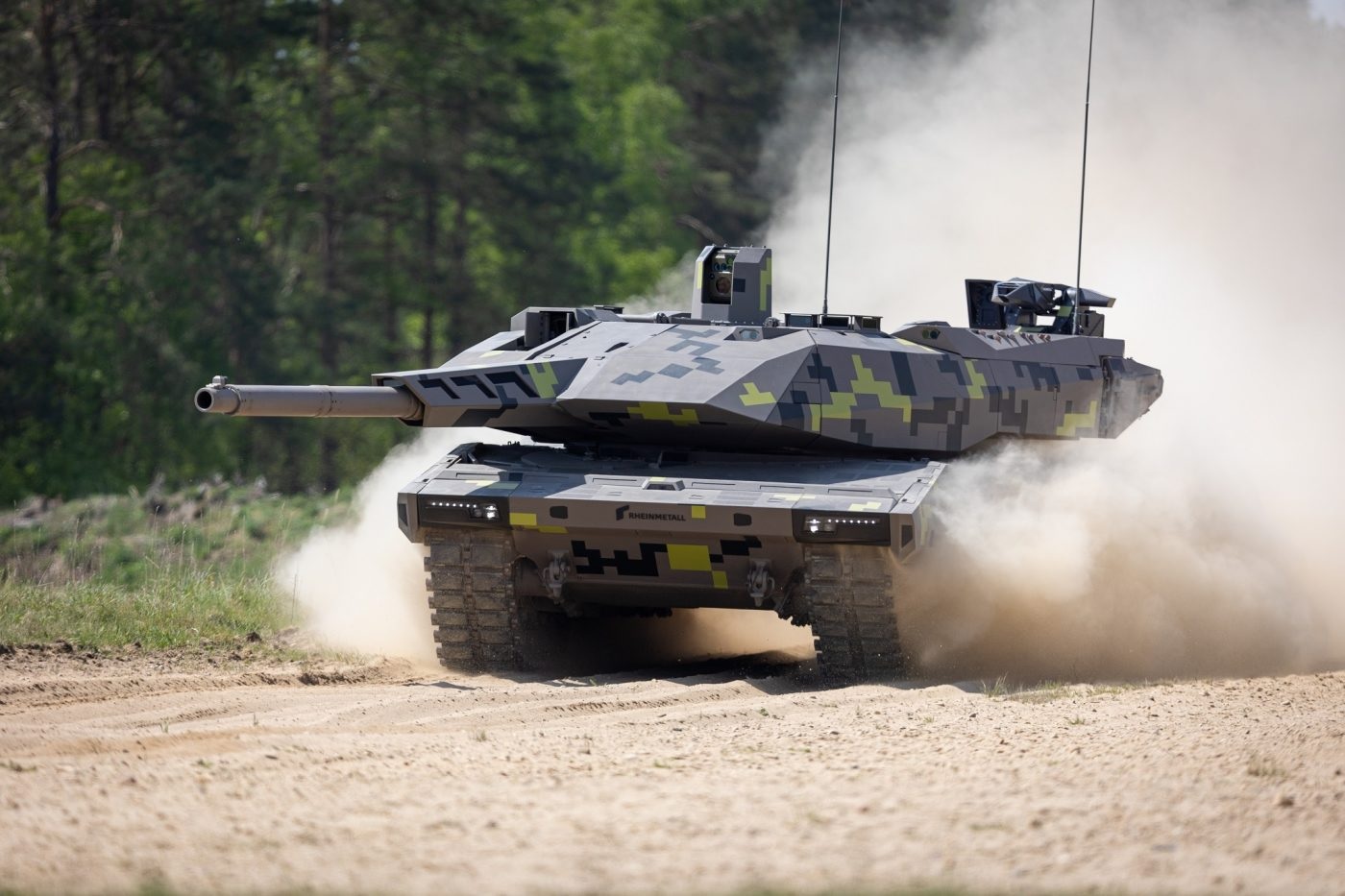 France Considers Reduced Role or Exit from Franco-German MGCS Tank Project
-
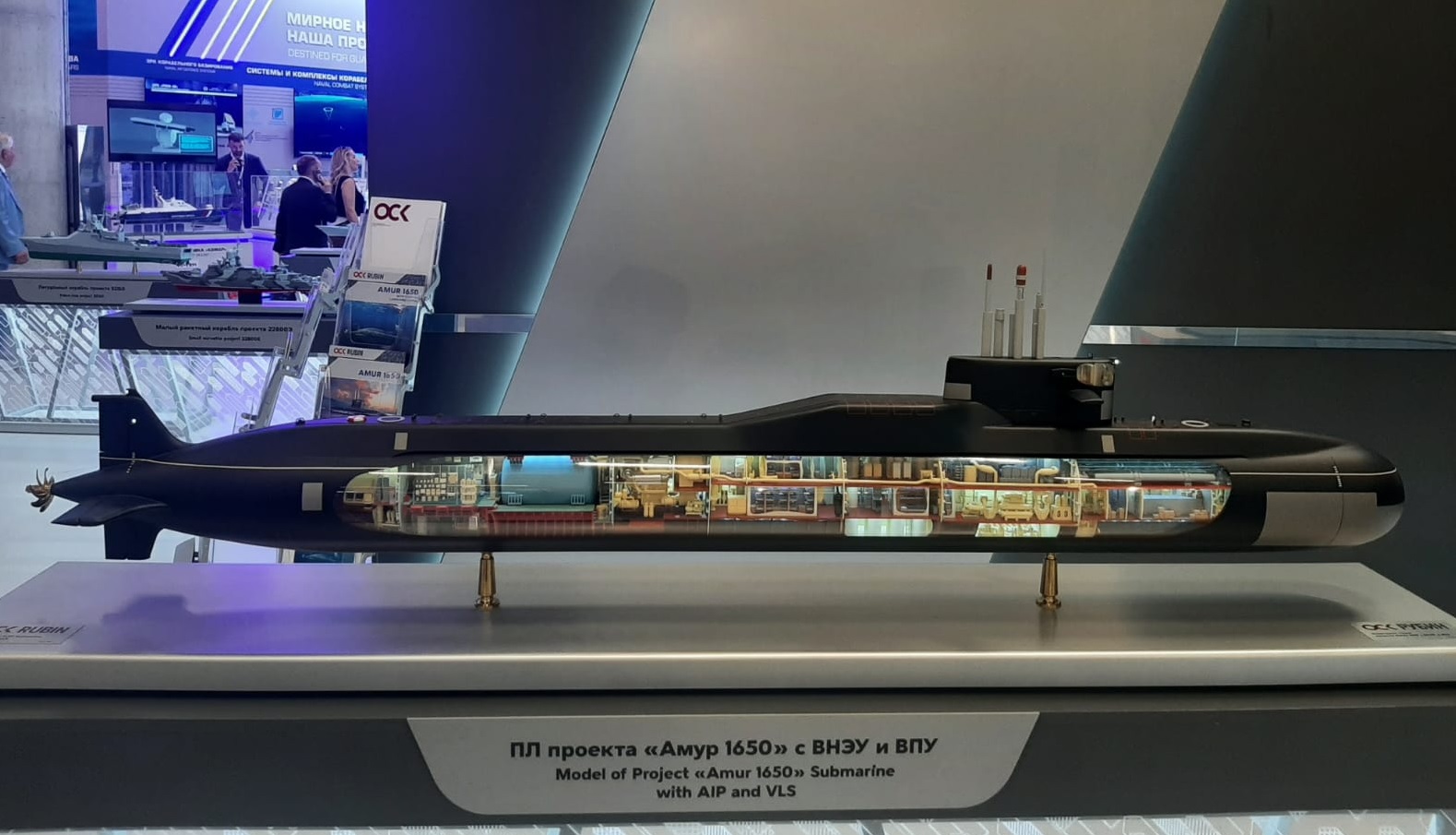 Russia Unveils Amur-1650 AIP Submarine Equipped with BrahMos Vertical Launch System at Fleet-2026
-
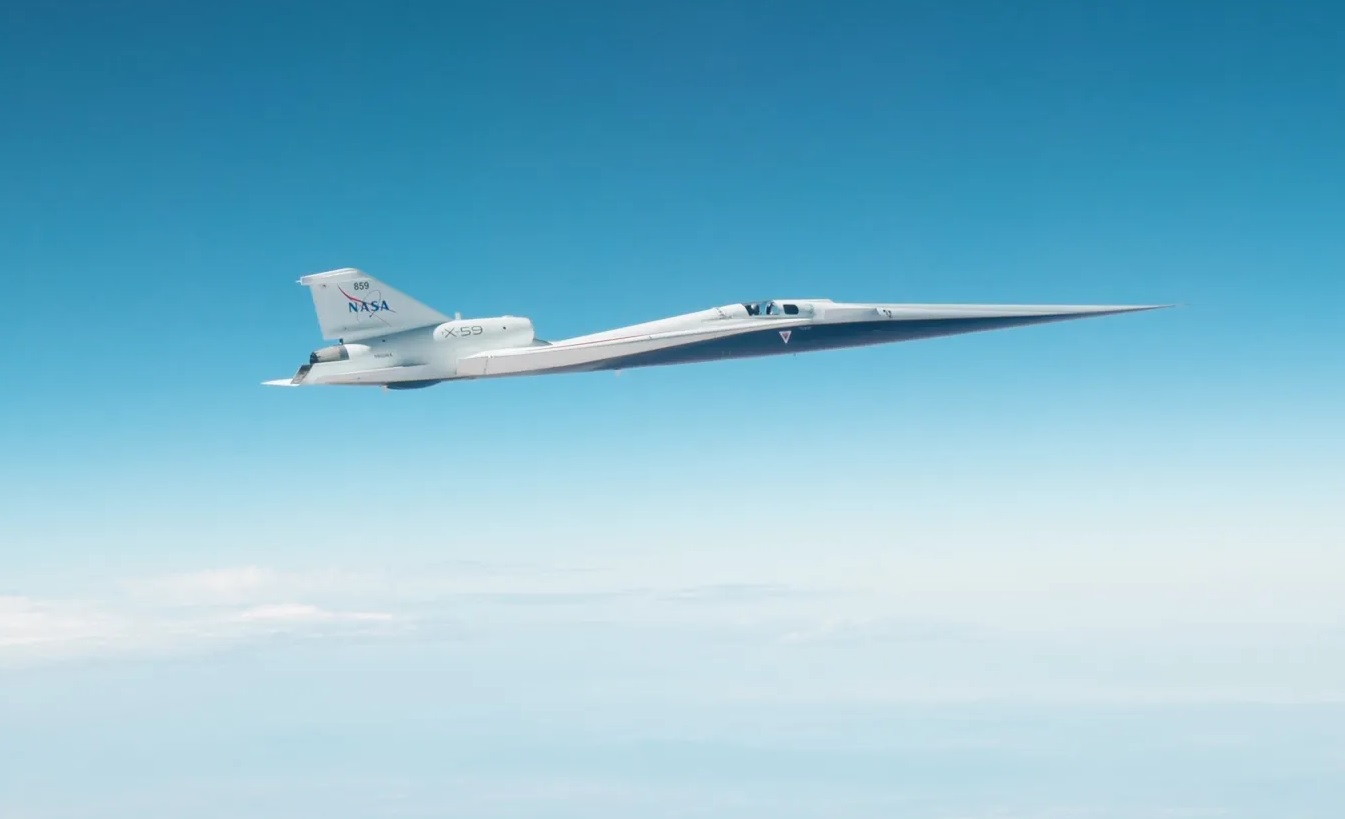 NASA X-59 Achieves Planned Mission Conditions with Mach 1.4 Flight at 55,000 Feet
-
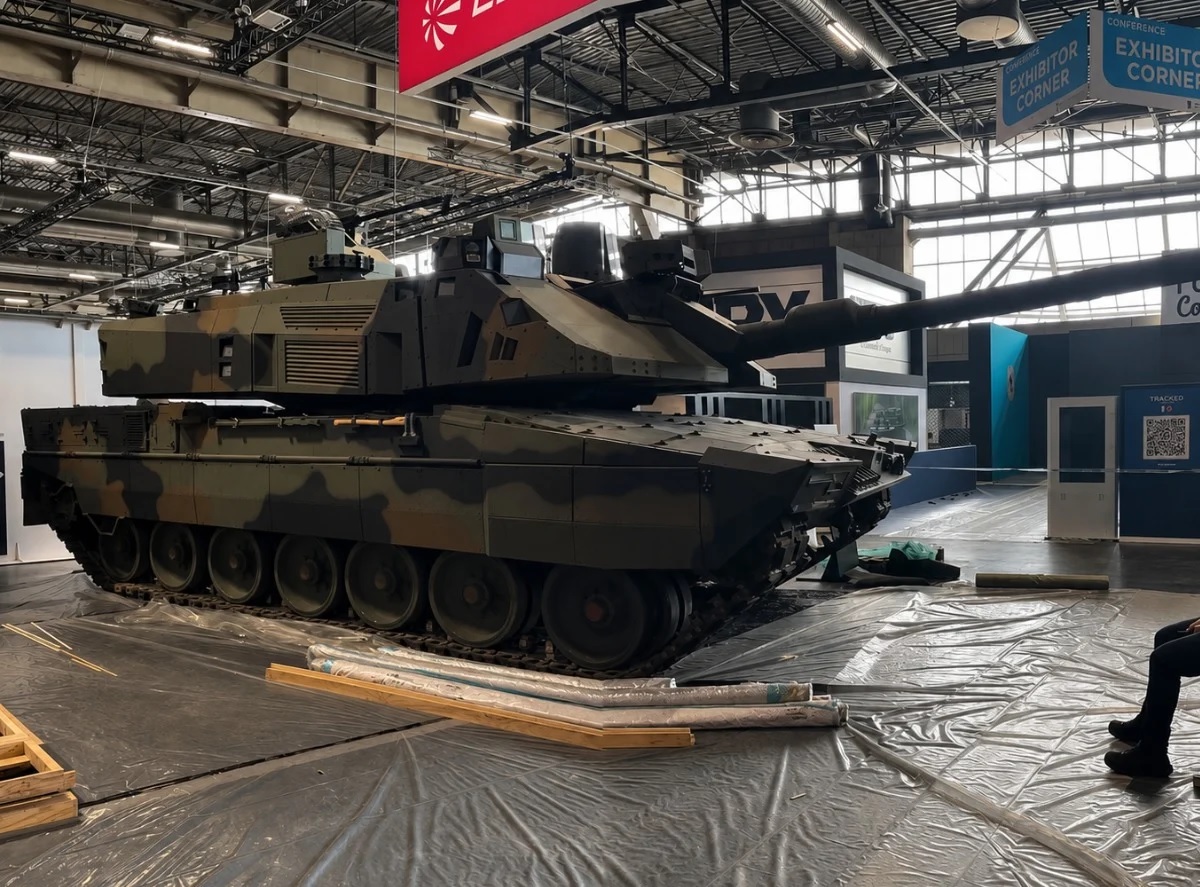 Leonardo Rheinmetall to Unveil Italy’s New IMBT Main Battle Tank at Eurosatory 2026
Top Trending in 4 Days
-
 Iranian Media Leaks 14-Point U.S.-Iran Peace Framework Amid Ongoing Negotiations
-
 US Plans Significant Reduction of Fighter Jets and Warships for NATO Operations in Europe
-
 Boeing Introduces New MQ-28 Ghost Bat Upgrades with Increased Range, Payload and Weapons Capacity at ILA Berlin 2026
-
 AMCA Airframe Spotted at DRDO’s ORANGE Facility for Radar Cross-Section Testing
-
 U.S Aircraft Carrier USS Theodore Roosevelt Departs San Diego for Major RIMPAC 2026 Naval Exercise
-
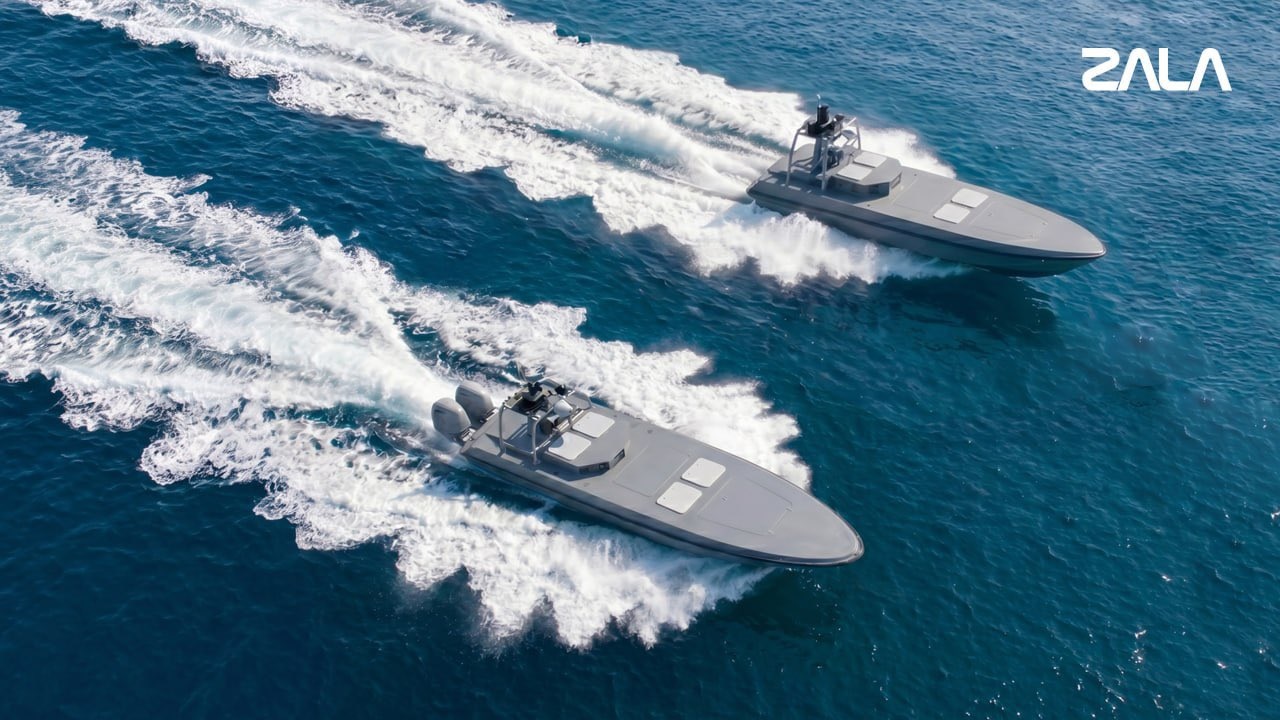 Russian Defense Firm ZALA Unveils KAMA Unmanned Surface Vessel Family at FLOT-2026 Naval Exhibition
-
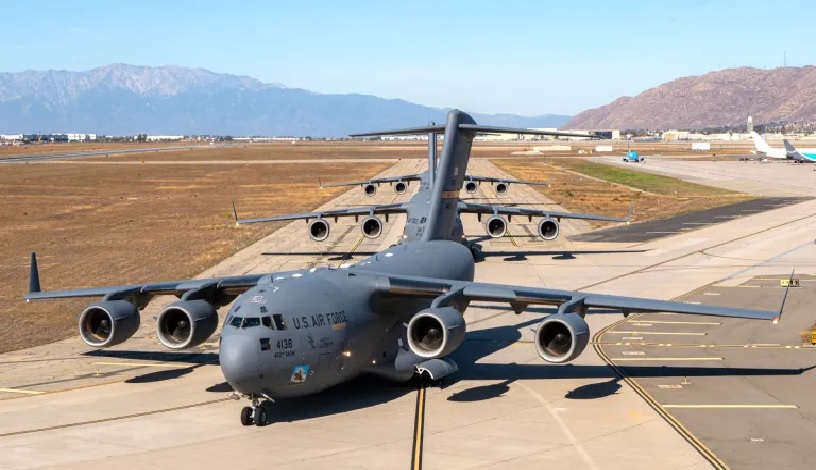 U.S. Air Force Faces Strategic Airlift Shortfall as C-17 Production Restart Remains Uncertain
-
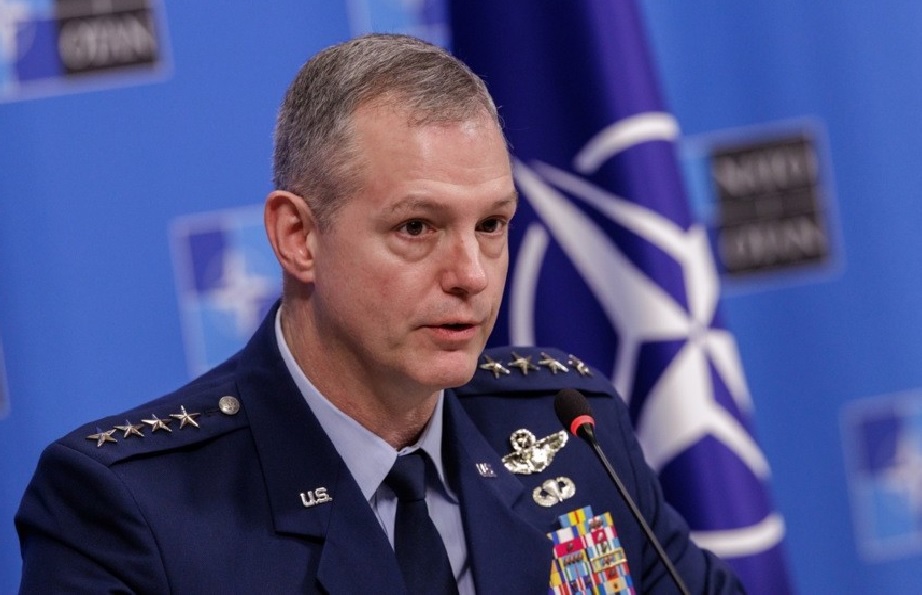 NATO Commander Says Russia Not Seeking Conflict With Alliance Despite U.S. Force Reductions