World
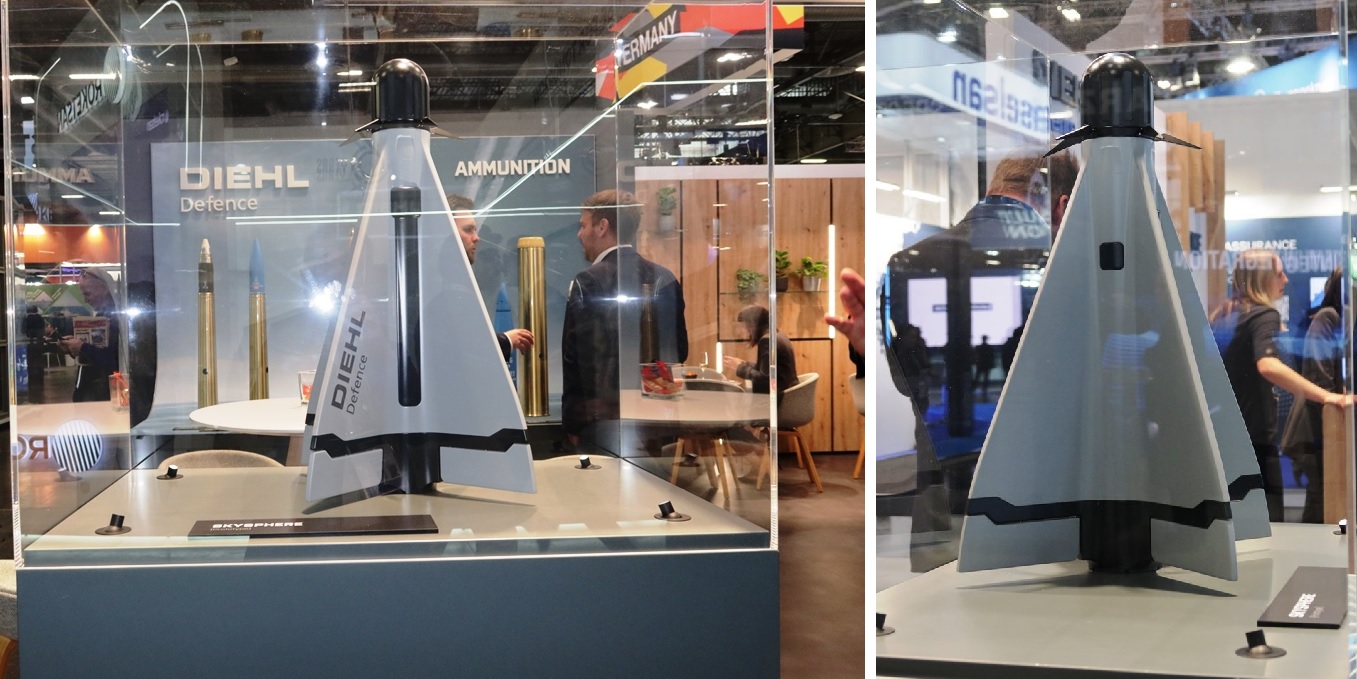
As drones become increasingly pivotal on modern battlefields, both for reconnaissance and lethal strikes, counter-unmanned aerial systems (C-UAS) have emerged as a critical line of defense. Diehl Defence, a German company based in Überlingen on Lake Constance, has long been at the forefront of drone neutralization technology, primarily through High-Power Electromagnetic (HPEM) systems that disable drones electronically. However, with the rising UAS threat, the need for layered defense solutions has grown. In collaboration with Swiss company Skysec, Diehl Defence introduced a promising new C-UAS system, Skysphere, at Euronaval 2024. Designed to provide a hard-kill option against drones, Skysphere brings together cutting-edge technology and sophisticated tactics for countering unmanned aerial threats.Skysec Partnership: Expanding Capabilities Beyond HPEMSkysec, a Swiss firm based in Turbenthal, Zürich, developed an innovative non-lethal interception technology known as the Sentinel Catch. This system is essentially a drone with a net that captures enemy drones and, using a parachute, brings them safely to the ground. Equipped with a five-blade propeller and powered by an electric motor, the 700-mm long mini-missile can reach speeds of up to 65 m/s and has an operational range of 5 km. It carries a cylindrical cone that releases a net to entangle hostile drones. Upon detection by sensors, Sentinel Catch deploys its net around the incoming drone and deploys a parachute, enabling a controlled descent.This non-lethal capture method was the foundation for Skysphere, but as Diehl Defence aims for broader applications, Skysphere has taken Sentinel Catch's design to a new level. The system is now a hard-kill military solution designed to intercept and destroy enemy drones in close-quarters combat, with lethal payloads rather than a net.Skysphere's Lethal Payload and Swarm-Defense CapabilityWhile maintaining the fundamental design of the Sentinel Catch, Skysphere introduces significant modifications for military purposes. The most prominent enhancement is the addition of a high-explosive, 500-gram fragmentation warhead in place of the net and parachute. This warhead is engineered to destroy multiple Class 1 drones in swarm attacks, where drones operate in close proximity, making the explosive and shrapnel impact highly effective.Another key addition to Skysphere is its advanced radar seeker embedded in the nose. This radar seeker enables the system to lock onto targets with precision, ensuring head-to-head interception and optimal warhead detonation timing. Additionally, Skysphere integrates a data-link capability, allowing individual units within a swarm of Skysphere missiles to communicate and coordinate their actions. This communication network could employ AI-based algorithms to maximize effectiveness, although specific details on the AI implementation were not disclosed by Diehl Defence.This capability for swarm-against-swarm operations signifies a breakthrough, enabling Skysphere to react quickly to multiple incoming threats and coordinate defense mechanisms among multiple units. With a maximum speed of over 200 km/h and a 3-4 minute flight endurance, Skysphere combines speed and endurance to target and intercept drones before they reach critical assets.Lightweight Design and Cost-Effectiveness for Battlefield EfficiencyAnother important aspect of Skysphere’s design is its simplicity and ease of production, reflecting lessons learned from the ongoing Russia-Ukraine conflict. To keep production costs manageable, Diehl Defence and Skysec have tested various materials, from metal to lightweight foam, with the goal of making Skysphere mass-producible at low cost—even in field conditions. By developing a system that is both powerful and cost-effective, Diehl Defence aims to provide a solution that military forces can deploy at scale to address high-demand scenarios.Enhanced Launch Options: Toward a Versatile Deployment SystemThe current Skysphere model can be hand-launched, a feature tested in initial trials, but Diehl Defence has also been optimizing the system for canister launching. This would enable Skysphere to be deployed in multi-canister configurations, a practical choice for larger defense systems. Canister launching provides flexibility, as it allows for rapid deployment and offers greater storage options, facilitating integration with a range of platforms, from ground vehicles to naval vessels.Anticipated Military Adoption and Future ProspectsWith Swiss military backing, Skysphere is expected to be operational within two years, adding a significant hard-kill option to existing C-UAS systems. The system’s layered defense capability, radar targeting precision, swarm-coordination potential, and canister-launch versatility position it as a valuable tool for defense forces facing escalating drone threats. Diehl Defence’s innovative approach to adaptable and cost-efficient design could mark a pivotal step forward in the future of anti-drone defense, setting a new standard in protecting critical assets from ever-evolving aerial threats.As drones continue to shape modern warfare, Skysphere’s development illustrates the intense focus on developing countermeasures that are as advanced and agile as the threats they are designed to neutralize.
Read More → Posted on 2024-11-12 15:16:29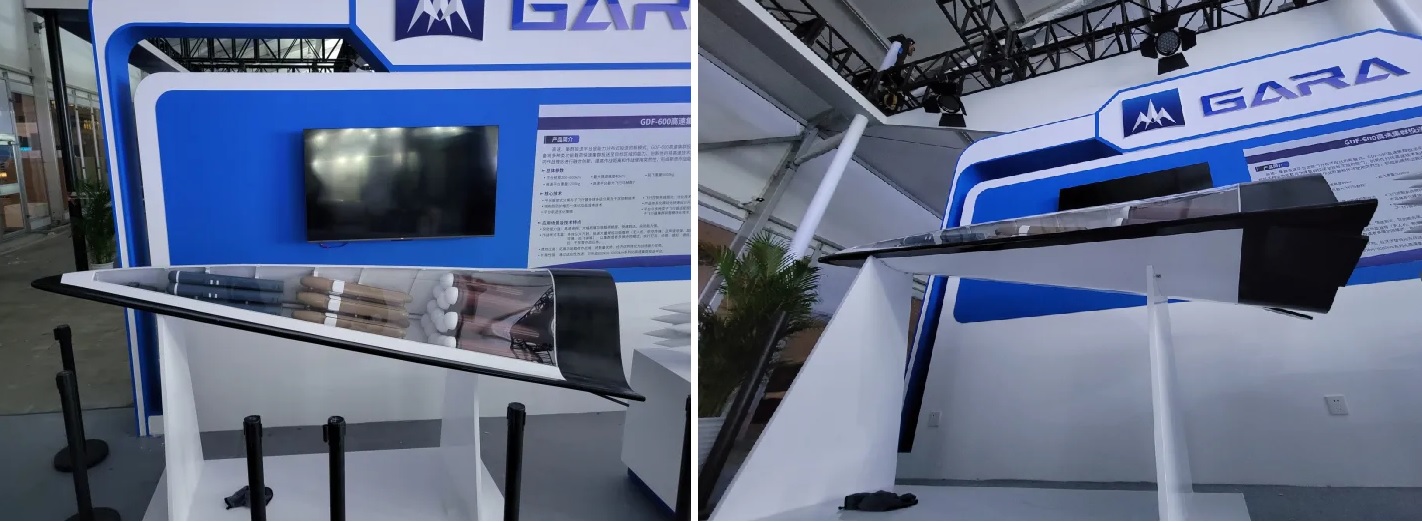
World
China has revealed the GDF-600 hypersonic boost-glide vehicle, a sophisticated addition to its hypersonic arsenal, at the China Airshow 2024. This development showcases China’s ambitious advances in high-speed flight technology, positioning it among global leaders in hypersonic weaponry. The GDF-600, designed for rapid deployment and adaptable for various missions, highlights China’s focus on modernizing its strategic and tactical strike capabilities.Capable of reaching speeds between Mach 7 and Mach 10, the GDF-600 can cover distances of 500 to 1,000 kilometers, making it suitable for both strategic deterrence and operational strikes. These speeds, coupled with its aerodynamic design and powerful ramjet engines, give the vehicle remarkable maneuverability and altitude capability, able to reach a maximum height of 40 kilometers. This height and velocity make it highly effective at penetrating modern air defense systems, posing a challenge for conventional missile interceptors to engage successfully.Engineered for flexibility, the GDF-600 is outfitted with a modular payload system, capable of carrying up to 5,000 kg. This payload flexibility allows for a variety of mission configurations, enabling the vehicle to conduct everything from precision strikes to reconnaissance operations. According to Chinese defense experts, this versatility in payload and mission adaptability makes the GDF-600 a multipurpose asset for the People’s Liberation Army, and its design suggests it can be deployed for both anti-ship and land-attack missions. This dual-purpose functionality is critical in scenarios where both types of targets need to be engaged with speed and precision.China’s hypersonic program has sparked international focus, as the race to harness hypersonic technology gains momentum globally. Systems like the GDF-600 are game-changers in strategic military planning, potentially altering regional power dynamics. Hypersonic weapons, with their speed and difficulty to intercept, provide a significant strategic advantage. For China, the GDF-600 reinforces its military deterrence capabilities, particularly in contested regions such as the Asia-Pacific.A notable feature of the GDF-600 is its ability to be launched from various platforms. Reports indicate the vehicle is compatible with air, land, and potentially sea-based launch systems, which significantly broadens its operational deployment options. This multi-platform capability enables the GDF-600 to integrate seamlessly with China’s broader military infrastructure, ensuring that it can be effectively utilized in various military theaters. The option to launch from different platforms also enhances the unpredictability of its deployment, making it harder for potential adversaries to anticipate and defend against.China’s hypersonic capabilities continue to evolve with the development of systems like the GDF-600. By showcasing this vehicle at a major international event, China signals both its technological progress and its strategic intentions. As hypersonic technology advances globally, the implications of systems like the GDF-600 on defense strategies and military preparedness will be significant.
Read More → Posted on 2024-11-12 15:10:59
World
Turkish defense technology firm STM recently took a significant step forward in advancing the capabilities of its KARGU loitering munition, showcasing the system’s new armor-piercing warhead in a successful test. This latest achievement highlights STM’s commitment to enhancing the effectiveness of the KARGU unmanned aerial vehicle (UAV) against a wider range of threats, including fortified targets and armored vehicles, making it a versatile tool for modern combat.The KARGU system, a rotary-wing UAV known for its agility and precision, was developed entirely in Turkey as a quick-response weapon designed to adapt to rapidly evolving battlefield requirements. Since its debut in 2018, it has primarily been utilized with anti-personnel munitions, proving effective in counter-terrorism and special operations, both domestically and abroad. This new development, however, significantly expands KARGU’s potential applications. The addition of an armor-piercing warhead allows operators to use the loitering munition against hardened and armored targets, including vehicles and reinforced structures.The recent field tests underscored KARGU’s accuracy and destructive power against stationary armored targets, demonstrating its precision and lethality. With a range of up to 10 kilometers and an operational endurance of over 30 minutes, KARGU offers tactical flexibility for soldiers in the field. The loitering munition is designed to be portable and can be deployed in under a minute by a single operator, giving units a rapid strike option in high-risk environments where speed and adaptability are essential.One of KARGU’s standout features is its operational flexibility. STM has designed the system with modularity in mind, allowing operators to switch between anti-personnel and armor-piercing munitions as required. This adaptability is a valuable feature for dynamic combat zones, where target types and mission objectives may change on short notice. This multi-role capability means KARGU can be quickly adapted to suit a variety of combat scenarios, from engaging enemy troops to taking out armored vehicles.To further enhance KARGU’s tactical effectiveness, STM is also working on integrating a Radio-Frequency (RF) seeker, which will enable the UAV to detect and neutralize enemy radar and electronic warfare systems. This new capability will allow KARGU to provide Turkish forces with a cost-effective tool against electronic threats, an area that has become increasingly important in modern warfare. STM’s General Manager Özgür Güleryüz emphasized the significance of this capability, noting that it would allow KARGU to detect and engage hostile radar installations, adding a layer of protection against electronic attacks.KARGU’s success lies not only in its firepower but also in its advanced technological design. It is equipped with both electro-optical and infrared cameras, enabling effective day and night operations. This, combined with its artificial intelligence-based image processing, allows the UAV to accurately track and engage both stationary and moving targets. Operating on a “Man-in-the-Loop” system, KARGU maintains real-time operator control, allowing for precise reconnaissance and strike capabilities, with minimal risk of detection due to its silent operational mode.Another innovative feature integrated into KARGU is STM’s KERKES Project, which allows for swarm capability and enables operations in GPS-denied environments. This technology is vital for scenarios where traditional GPS signals might be jammed or disrupted, allowing KARGU drones to work cooperatively in swarms to complete complex mission objectives.Since its initial rollout, KARGU has seen extensive deployment within the Turkish Armed Forces and has attracted significant export interest. By 2024, STM had exported KARGU to over ten countries across three continents, with over 5,000 units produced. This track record speaks to its effectiveness and adaptability, cementing KARGU’s reputation as a powerful and versatile tool on the battlefield.In summary, STM’s continuous advancements with KARGU showcase the company’s commitment to meeting modern defense needs. With the successful integration of an armor-piercing warhead, KARGU’s capabilities now extend to countering armored threats and electronic warfare systems, providing an edge in a wide range of combat scenarios. As STM continues to innovate, KARGU’s role in the Turkish Armed Forces—and potentially in allied militaries worldwide—seems poised for further expansion.
Read More → Posted on 2024-11-12 15:08:23
World
NATO has officially embarked on a transformative venture with the Modular Ground-Based Air Defence (GBAD) project, aiming to establish a sophisticated, interoperable air defence system. The NATO Support and Procurement Agency (NSPA) released its initial Request for Proposal (RfP) for the concept stage, a move that represents a crucial step toward redefining how NATO manages air defence.The concept revolves around a modular design that can seamlessly adapt to evolving defence needs. NSPA’s approach is to explore potential system architectures that deliver maximum flexibility and integration, ensuring that future air defence modules can work harmoniously with both new and existing systems. The underlying idea is not just to strengthen air defence but to build a system that can dynamically respond to varying threat levels, whether dealing with drones, artillery, or incoming missiles.This venture, spearheaded by NSPA in collaboration with multiple NATO nations, is expected to encourage innovative proposals from industry players. The modular system will leverage a common command and control backbone and focus on scalability, aiming to handle very short-range to medium-range threats, as well as emerging threats like counter-rockets, artillery, and unmanned aerial systems (C-RAM and C-UAS). This highly adaptive system is designed to allow NATO allies to customize GBAD force packages for specific missions, boosting flexibility in the face of unpredictable adversaries.Contractors interested in participating must submit their proposals by January 10, 2025. The selection process will be stringent but rewarding, based on a "best value" principle. The top five proposals will be shortlisted, and from there, two will proceed to further refine their concepts, offering in-depth technical services. The process will be strategic, ensuring that only the most innovative and effective designs advance.A Bidders’ Conference on November 25, 2024, at the NSPA Headquarters in Luxembourg will provide an opportunity for participants to engage directly with project leads, ask questions, and gain a comprehensive understanding of the expectations and technical specifics. It’s not just a meeting but a forum to promote transparency and collaboration.The project reflects NATO’s emphasis on high-impact technological advancements and multinational cooperation. The Modular GBAD Support Partnership, established in 2023, provides a structured yet adaptable framework for collaboration, enabling the efficient acquisition of next-gen air defence systems. By pooling resources and standardizing solutions, NATO nations can achieve cost savings and streamlined logistics, an approach celebrated for its economic and strategic efficiency.This ambitious initiative also signifies NATO's broader strategic objective: enhancing collective defence capabilities while setting a precedent for how advanced technological solutions can be developed collaboratively. As threats continue to evolve, the Modular GBAD project is set to play a pivotal role in strengthening NATO’s defensive posture and ensuring operational readiness.
Read More → Posted on 2024-11-12 14:46:14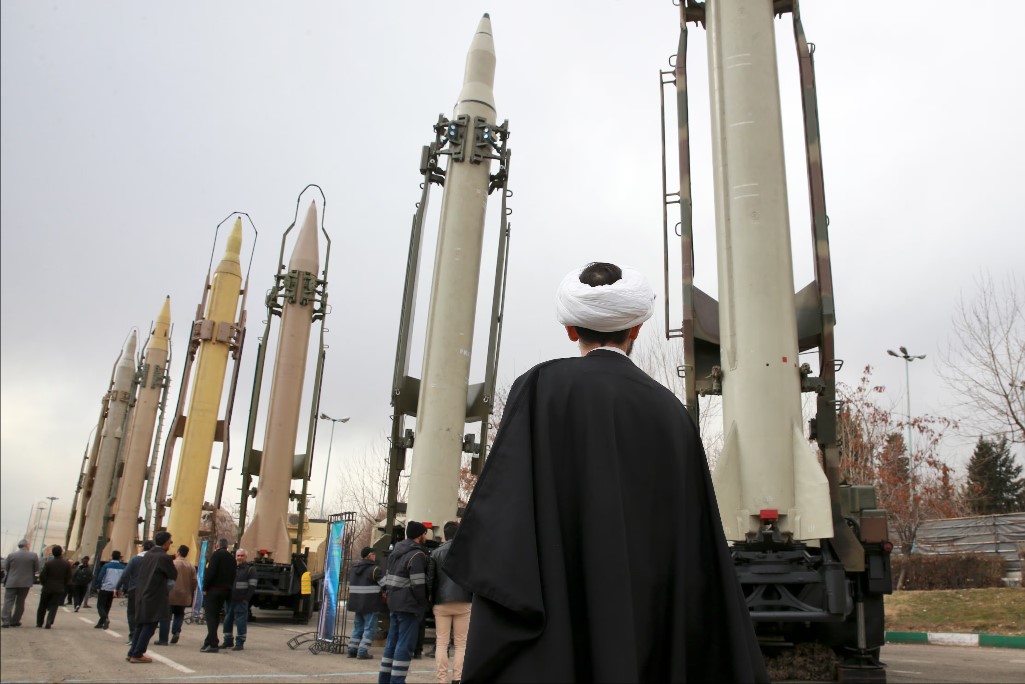
World
In a move that signals Iran’s growing military ambitions, the country’s government has announced plans to triple its defense budget, marking a dramatic increase of nearly 200%. This comes as tensions with Israel have reached unprecedented levels following a series of tit-for-tat missile strikes and escalating military confrontations.The Iranian government's proposed defense budget expansion aims to bolster a wide array of military assets, including advanced missile technology and aerial defense systems. As it stands, Iran’s current defense allocation is approximately $10.3 billion, a stark contrast to regional adversaries like Saudi Arabia, whose budget is about $70 billion, and Turkey at $40 billion. Should the proposal pass parliament as anticipated, this would result in a substantial military infusion that could reshape Iran's strategic posture across the Middle East.Military Might and Missile CapabilitiesThe Iranian military, one of the largest in the Middle East, boasts nearly 610,000 active personnel and 350,000 reserves, bringing the total to almost one million troops. Besides sheer manpower, Iran has poured resources into missile development and aerospace technology. The Islamic Republic’s arsenal includes an extensive range of precision-guided munitions, ballistic missiles, and drone systems. These capabilities have made the Iranian military a formidable player, even without matching the financial resources of its wealthier neighbors.Iran’s missile technology is a particular point of pride and a cornerstone of its deterrence strategy. The country has developed a sophisticated system of long-range rockets and ballistic missiles, many of which can target key regional foes, including Israel and U.S. bases in the Persian Gulf.Escalating Strikes and Retaliation with IsraelThe announcement of the budget increase coincides with a dangerous cycle of conflict between Iran and Israel, highlighted by a series of missile exchanges over the past year. In October, Iran launched over 180 ballistic missiles at Israel following the assassination of Hezbollah leader Hassan Nasrallah and Hamas commander Ismail Haniyeh. Israel's defense systems managed to intercept most of these missiles, but the provocations did not go unanswered. Israel struck back with Operation Days of Repentance, targeting Iranian military installations and missile production sites, further deepening the crisis.The April attacks also saw fierce retaliation, as Tehran fired rockets in response to an Israeli airstrike that damaged Iran’s consulate in Syria and killed several Iranian officials. The escalation has drawn sharp rhetoric from both sides, with Iranian officials vowing to respond to what they describe as continuous aggression.Shifting Alliances and Defense StrategiesAs Iran ramps up its defense spending, it is also looking to solidify alliances with regional partners. The Iranian parliament is working on a "Resistance Pact," a defensive coalition that could involve groups like Hezbollah in Lebanon, Hamas in Palestine, and the Houthis in Yemen. This alliance would commit members to mutual defense in the event of an external attack. The proposal emphasizes comprehensive military and economic support, hinting at Iran's broader strategy of establishing a united front against adversaries, notably Israel and the United States.Iran's Supreme Leader Ayatollah Ali Khamenei has warned that any attack on Iranian soil would be met with a “tooth-breaking” response, underscoring the country’s readiness to leverage its growing military resources.Global and Regional ImplicationsThe budget hike and Iran’s increased militarization raise concerns about an arms race in the already volatile Middle East. U.S. officials have condemned Iran’s activities, including the provision of advanced weaponry to proxy forces in Yemen and Lebanon, while Israel continues to monitor and respond to threats along its northern and southern borders.In the broader geopolitical landscape, Tehran's defense escalation could provoke a recalibration of alliances and military postures among Gulf nations and Israel. The United States, already a major supporter of Israel’s military capabilities, may see renewed pressure to counterbalance Iranian influence in the region.As Iran's defense budget awaits parliamentary approval, the world watches closely, with the potential for a significantly militarized Iranian state altering the strategic balance in the Middle East.
Read More → Posted on 2024-11-12 14:29:08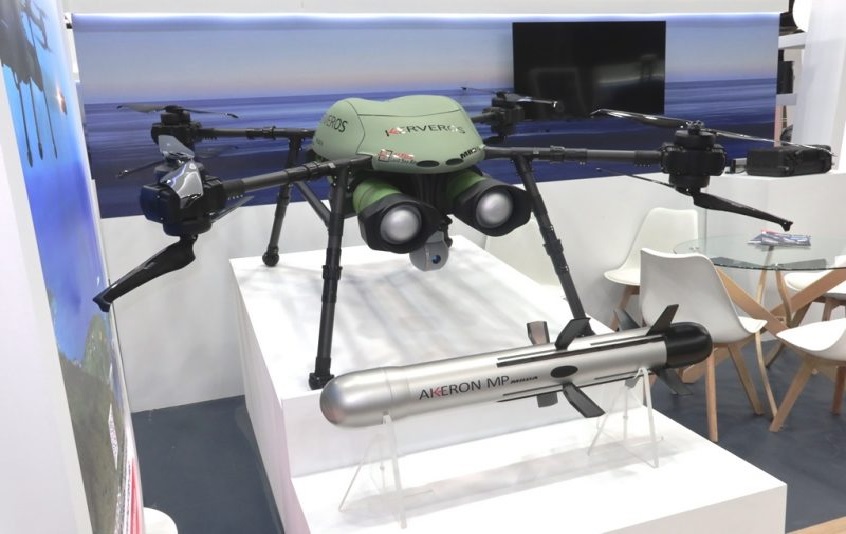
World
At the prestigious Euronaval 2024 event in Paris, a new class of weaponized drone was introduced, combining sophisticated aerial technology with cutting-edge missile capability. This drone, named the "Kerveros," is the result of a collaboration between Greek drone manufacturer Altus and European missile powerhouse MBDA. The Kerveros is essentially a specialized version of Altus' Atlas 8 octocopter, now equipped to carry and deploy Akeron MP missiles, adding a powerful weaponized dimension to what was initially a heavy-lifter unmanned aerial system (UAS).A Convergence of Innovation: Altus and MBDAAltus first presented the Atlas 8 UAS at the DEFEA 2023 event in Athens. Since then, the drone has seen substantial development, particularly in terms of its potential propulsion systems. Two distinct versions of the Atlas 8 have been developed: an all-electric model, which was showcased at Euronaval, and a hybrid model, which remains under development. These two versions differ not only in propulsion but also in size, payload, and endurance. Both share a unique architecture: a central fuselage that houses critical electronics and either batteries for the electric version or an internal combustion engine (ICE) for the hybrid variant. This modular approach allows the Kerveros to maintain a low center of gravity while also maximizing its payload flexibility and robustness.The electric Atlas 8, as seen in Paris, has a take-off weight of 90 kg and can carry a payload of up to 40 kg, while its two powerful 10S1P Lithium-Ion batteries provide a 35-minute flight time. Capable of a maximum speed of 80 km/h and an operating ceiling of 5,000 meters, the Atlas 8 is designed for versatility across various terrains and environments. The all-electric model’s compact design includes foldable spars and rotors, giving it a manageable footprint of 1050x900x400 mm when stored and 2290x2400x680 mm when fully deployed.Precision Firepower with the Akeron MP MissileAt the heart of the Kerveros' weaponized capability is the Akeron MP missile from MBDA, a medium-range, multipurpose missile designed for both anti-tank and anti-structure warfare. The Akeron MP weighs approximately 15 kg and can reach targets up to 4,000 meters away. Equipped with a high-resolution dual-mode seeker, it offers both infrared and visible-spectrum guidance for day and night operations. This dual-mode capability provides remarkable adaptability across a wide range of missions, from precision strikes on armor to more targeted assaults on infrastructure or personnel.One of the Akeron MP’s standout features is its dual guidance capability, offering both "fire-and-forget" as well as “man-in-the-loop” modes. Fire-and-forget allows operators to lock onto targets before launch, enabling the drone to engage multiple targets in succession without further input. Man-in-the-loop mode, however, gives operators more flexibility, as they can refine target selection and adjust the point of impact even during flight, a crucial feature in dynamic combat situations. This adaptability is complemented by selectable warhead modes and an optional top-attack profile, allowing the missile to neutralize even advanced tank armor, including explosive reactive armor, with over 1,000 mm penetration capability.Tactical Versatility: Reconnaissance and EngagementThe Kerveros’ unique octocopter design makes it an ideal tool for a broad range of operations, from tactical reconnaissance to direct engagement. The vertical take-off and landing (VTOL) capability allows it to be deployed from various platforms, including naval vessels, making it highly effective for coastal reconnaissance, convoy escort, and even anti-ship operations. Its integration with Akeron MP missiles means it can deliver rapid, accurate firepower in hostile or inaccessible areas, further extending the reach of any forces using it.In its current electric configuration, the Kerveros has a maximum operational range of around 30 km. However, Altus and MBDA’s plans for a hybrid version will vastly increase this range and endurance. The hybrid Atlas 8 will leverage an ICE to recharge the batteries mid-flight, extending endurance to potentially 3–4 hours. It will also boost the operational range beyond 100 km, allowing the Kerveros to be deployed deep into contested areas or serve as a persistent airborne surveillance and engagement platform.Future Potential and Tactical ImpactThe Kerveros, still undergoing testing at a range on the island of Crete, represents a growing trend toward flexible, multi-role drones that combine reconnaissance and strike capabilities. The hybrid version, when complete, will not only extend endurance and range but also allow the drone to carry a larger payload, opening the possibility for additional armaments or sensors. This ability to adapt for different missions on short notice makes the Kerveros a valuable asset in modern warfare, providing a tool for responsive, precise, and mobile firepower that can be deployed from both land and sea.With the Kerveros, Altus and MBDA have introduced a pioneering system that sets a new standard for weaponized drones. This VTOL drone combines ease of deployment with cutting-edge missile technology, making it an attractive option for armed forces looking to enhance their operational flexibility and tactical options in both urban and open combat theaters.
Read More → Posted on 2024-11-11 16:33:11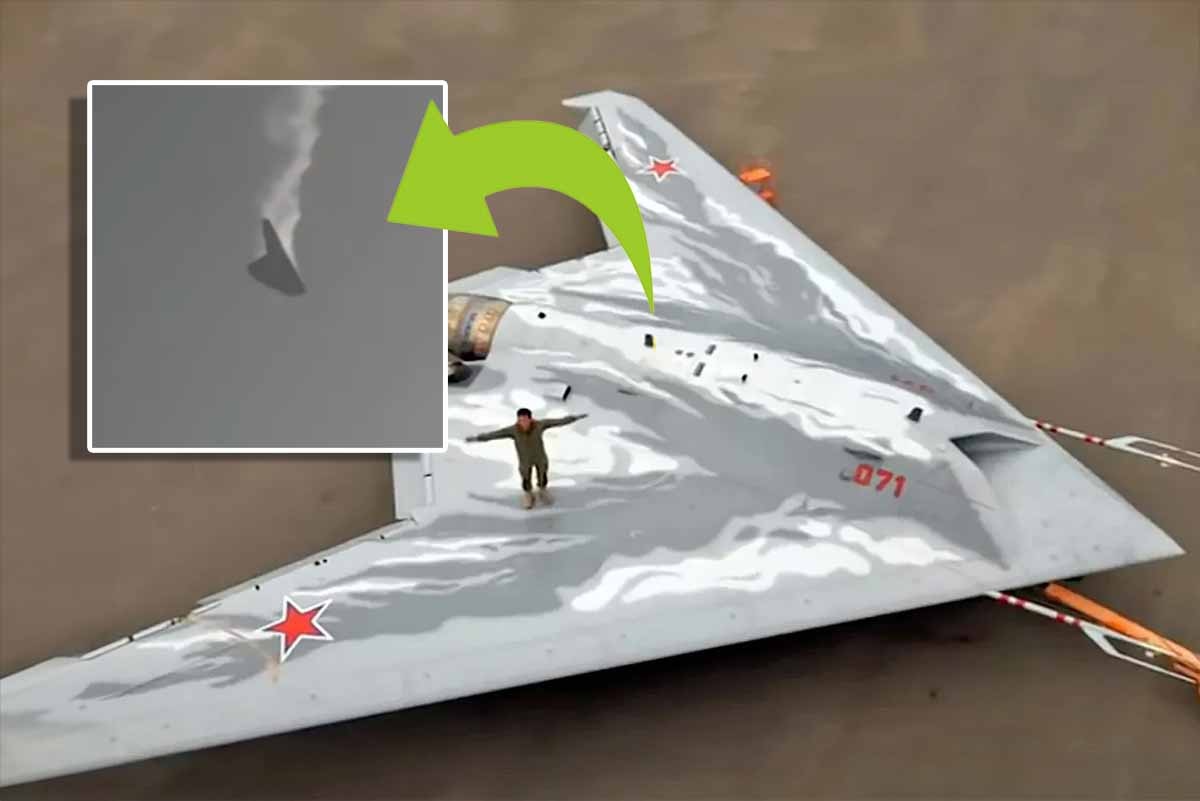
World
In a significant and sobering development, an investigation into the remains of a Russian S-70 “Okhotnik” unmanned combat air vehicle (UCAV) has revealed the use of Western technology, despite the international sanctions intended to curtail Russia's access to advanced components. This discovery, made after the drone was downed on October 5, 2024, near Kostyantynivka in Ukraine's Donetsk region, underscores the complex global challenge of effectively enforcing sanctions and stopping the flow of sensitive tech to adversarial militaries.The S-70 Okhotnik: Russia’s Advanced Stealth Combat DroneThe S-70 Okhotnik, also known as the "Hunter," is one of the most sophisticated UAVs in the Russian arsenal. Modeled after the design principles of the Su-57 stealth fighter jet, this heavy, flying-wing UCAV was created to operate autonomously or in concert with manned aircraft, providing support in high-stakes reconnaissance and strike operations. Equipped to carry an array of weaponry and engineered with stealth capabilities, the Okhotnik represents a key element in Russia’s military ambitions to extend its reach and modernize its air combat strategies.Despite only a few prototypes of the S-70 existing, this model’s deployment in contested airspace over Ukraine highlights its intended role as a high-impact combat asset in Russian military strategy. The October 5 incident, where Russian forces allegedly mistook their own advanced drone for an enemy aircraft and shot it down, underscores the operational complexities and perhaps even the internal communication challenges within the Russian forces. The loss of one of these few prototypes thus bears substantial implications for Russian defense planners.Western Tech Inside: A Deeper Look at Sanction EvasionIn the examination of the downed Okhotnik, Western-origin components were identified in critical parts of the drone’s microelectronics system. The microchips and processors in question came from major manufacturers in the United States and Europe, including Analog Devices, Texas Instruments, and Xilinx-AMD from the United States, Infineon Technologies from Germany, and STMicroelectronics from Switzerland. These findings, documented by the monitoring platform “War & Sanctions,” show that components from these well-known manufacturers were adapted within Russia’s military supply chain to power the core functionalities of the Okhotnik. These components typically include specialized microcontrollers, signal processors, and power management chips—hardware essential for managing complex UAV operations, navigation, and possibly even secure communications.Such electronics are not only foundational to the Okhotnik’s autonomous and semi-autonomous capabilities but are also integral in making the drone a formidable reconnaissance and strike platform. While Russia’s domestic electronics industry has capabilities, it lacks the capacity to produce these advanced, high-performance components, which leads to reliance on foreign technology—even amid ongoing sanctions.Implications for Global Sanctions and Supply Chain OversightThis incident casts a sharp light on the ongoing difficulties in enforcing sanctions and restricting access to sensitive technologies. Analysts have noted that while sanctions theoretically restrict the sale of dual-use components to countries like Russia, practical enforcement often falls short due to the global nature of supply chains, re-export loopholes, and unauthorized third-party transfers. In the case of the S-70, it's likely that these Western parts arrived in Russia through indirect channels or third-party countries that either overlooked or facilitated the transfer of restricted goods.The continued appearance of Western technology in Russian weaponry reveals gaps not just in sanctions enforcement but also in tracking the end-use of dual-use technology (products with both civilian and military applications). Countries exporting these components may not always have full control over where they end up, especially when they pass through multiple distributors or intermediaries. The findings suggest that strengthening these supply chains and enforcing compliance will be a critical ongoing challenge.The Strategic and Tactical Loss of the S-70 for RussiaThe loss of an S-70 prototype not only marks a tactical failure but also presents a strategic setback. For the Russian military, each Okhotnik drone represents years of development and substantial investment. The S-70 is also part of a broader ambition to develop advanced UCAVs capable of complementing Russia’s manned fighter fleet, embodying a leap forward in Russia’s aerial combat capabilities. Losing one of these prototypes, especially under circumstances suggesting a potential mishap with friendly forces, raises questions about the efficiency and coordination within the Russian military and the sustainability of its advanced UAV program.The Bigger Picture: Global Security and Technology RegulationThe S-70 Okhotnik incident raises broader questions about global security, technological proliferation, and the ability of nations to contain advanced military technology. The presence of Western-made parts in such a high-stakes platform speaks to the pervasive challenge of regulating tech flow in a world where supply chains are deeply interconnected. As drones and other autonomous systems become central to modern warfare, the importance of maintaining control over critical tech components is only set to increase.The discovery of Western tech within this sophisticated Russian UCAV adds a new layer to ongoing discussions on arms control and technological oversight, underscoring the need for more robust mechanisms to prevent sanctioned states from obtaining critical technologies. For policymakers and industry leaders, the situation highlights the importance of stringent end-use checks and international cooperation to monitor the flow of potentially sensitive technology.
Read More → Posted on 2024-11-11 16:26:18
World
Russia recently delivered three additional Su-57 fighter jets, also known by their NATO reporting name “Felon,” to its Aerospace Forces, marking another step in its efforts to modernize its air fleet with advanced combat aircraft. This delivery brings the Russian Su-57 fleet to an estimated total of 30 jets by early 2025, reflecting Moscow's focus on enhancing its aerial warfare capabilities in response to evolving defense demands.The Su-57 is Russia’s answer to the fifth-generation fighter class, incorporating advanced stealth technology, powerful sensors, and a design that enables both air superiority and ground-strike roles. It’s a multi-role fighter designed to engage a range of targets, from enemy aircraft to ground-based threats, showcasing a versatility aimed at countering the military strategies of adversaries like NATO countries.Production Progress and DeploymentRussia's Deputy Prime Minister Denis Manturov recently confirmed that another round of Su-57 and Su-35S fighters would be delivered before the year’s end. The Su-57, which first flew in 2010 and faced years of testing and refinement, now sees a steadier production rate. Russia is working to add dozens of these fighters to its forces, with estimates suggesting a future fleet size of around 76 units by 2028. These additions are part of a broader strategy by the Russian Ministry of Defense to replace aging aircraft and counter new aerial threats, ensuring that their fleet remains competitive on the modern battlefield.New Weapons Capabilities and Tactical Trade-OffsOne of the standout features in the new Su-57 deliveries is the inclusion of the AKU-58U launchers, fitted on external pylons. This upgrade enables the Su-57 to carry a wider array of Russian air-to-surface weapons, including powerful munitions like the Kh-59 cruise missile series. These missiles, built for precise, long-range strikes, bring an additional offensive edge to the Su-57 by expanding its ground-attack potential.However, this external mounting of munitions, while practical for certain missions, also impacts the aircraft’s stealth profile. The Su-57 was initially designed with internal weapon bays to support stealth operations, minimizing radar cross-section and making it less visible to enemy radar systems. But as the external pylons carry munitions, they increase the aircraft's radar visibility, reducing its low-observability benefits. This balancing act—between maximizing firepower and maintaining stealth—is a calculated trade-off by the Russian Aerospace Forces, one that reflects their willingness to prioritize mission flexibility over absolute stealth in certain scenarios.Advanced Features and Combat ReadinessThe Su-57 incorporates an array of high-tech avionics, including sophisticated radar systems and advanced data links, which are essential for detecting and engaging both aerial and ground-based targets in contested environments. Its “glass cockpit” display, featuring multiple digital screens, provides pilots with comprehensive situational awareness and integrates information from various sensors and sources in real-time. This suite of technology enhances the Su-57’s performance, especially in dynamic, high-stakes engagements.The fighter’s two Saturn AL-41F1 engines deliver high thrust and allow supercruise—sustained supersonic flight without afterburners. Future models of the Su-57 are expected to feature the more advanced Izdeliye 30 engines, which will further increase speed, fuel efficiency, and maneuverability. Combined with thrust-vectoring nozzles, these engines grant the Su-57 superior agility, which is critical in dogfights and evasive maneuvers.The Su-57 also features a stealthy airframe design intended to minimize radar detection. However, in combat, operational demands may require Russian pilots to forgo stealth for greater firepower, especially during precision strikes where stealth might be less critical than firepower or range. With the external loadout options introduced, the Su-57 can adjust to meet specific mission needs, allowing for both stealth-oriented and firepower-heavy configurations.Strategic ImplicationsThe Su-57’s development and integration into Russia's air fleet represent Moscow’s commitment to maintaining an advanced, flexible air force. The Felon’s capabilities make it a formidable opponent for any fifth-generation fighter it may encounter, and its dual-role capability ensures it can address both air and ground threats. This versatility could be crucial for Russian defense strategies, as it allows the Aerospace Forces to tailor missions based on specific tactical and operational requirements, whether it's striking high-value ground targets or establishing air dominance.While still behind in production numbers compared to its Western counterparts, the Su-57’s growing presence signifies Russia's determination to field an elite fifth-generation aircraft capable of responding to modern combat challenges.
Read More → Posted on 2024-11-11 16:15:26
World
Recent analysis of satellite images and Chinese government documents strongly indicates that China is forging ahead in developing a nuclear propulsion system for its future aircraft carriers, potentially reshaping naval power dynamics in Asia and beyond. Researchers at the Middlebury Institute of International Studies uncovered this significant development while examining a facility near Leshan in Sichuan Province, long suspected of harboring a nuclear reactor tied to China’s naval ambitions.Instead of revealing a reactor geared towards producing weapons-grade materials, analysts identified evidence pointing to a land-based prototype for powering a large surface warship—specifically, what many believe will be China's first nuclear-powered aircraft carrier. This discovery, dubbed the “Dragon Might Project,” or Longwei, aligns with Beijing's overarching aim to establish a true blue-water navy, capable of projecting power far from its shores. Nuclear-powered aircraft carriers would elevate China's naval capabilities and grant it access to a select club that currently includes only the United States and France.The Strategic Leap: From Conventional to Nuclear PowerChina's naval transformation is already in full swing. The People's Liberation Army Navy (PLAN) is now the world’s largest in sheer numbers, but the addition of nuclear-powered aircraft carriers would signify a quantum leap in capability. This would allow for sustained operations across the globe without needing to refuel frequently, extending China’s military reach into strategic regions like the Western Pacific and Indian Ocean. Such carriers would also have the advantage of more onboard space, as removing the need for fuel oil storage frees up room for additional aircraft and weapons, boosting operational effectiveness.Tong Zhao, a senior fellow at the Carnegie Endowment for International Peace, argues that the development of nuclear-powered carriers would symbolize China's emergence as a formidable naval power. "For China's leadership, this is not just about capability but also national prestige," Zhao said, emphasizing the domestic and international impact of such advancements. The sentiment is echoed by the Pentagon, which has expressed concerns about the growing sophistication of China’s naval assets.Unveiling the Longwei ProjectThe revelation of the Longwei Project came from a blend of satellite imagery, environmental impact reports, and procurement contracts. Imagery from the Mucheng township area has shown significant developments from 2020 to 2023, including the construction of infrastructure needed for a reactor, such as water intake systems. Meanwhile, project tenders have identified equipment for pressurized water reactors, typical of naval propulsion systems, being procured for installation on large surface ships. This evidence strongly suggests the intent to create a nuclear-powered platform rather than a traditional conventional carrier.Documents further revealed that China’s 701 Institute, responsible for designing aircraft carriers, had obtained reactor equipment under the project’s "national defense designation," another clue pointing toward a naval application. Researchers Jeffrey Lewis and his team at Middlebury stressed that this represents the first verifiable step toward China developing nuclear propulsion for carriers.Even as satellite images unveil the site’s expansion, construction noise complaints from local residents have added a human element to the unfolding narrative. Publicly available environmental assessments emphasize the project’s "classified" and "national defense-related" nature, solidifying suspicions about its military purpose.Modernizing and Catching Up: China's Aircraft Carrier EvolutionThe PLAN currently operates three aircraft carriers. The first, the Liaoning, and the second, the Shandong, are conventionally powered and use a ski-jump launch system, a less efficient mechanism compared to the electromagnetic catapults used by the United States. However, the Type 003 carrier, named Fujian and launched in 2022, marked a significant leap forward with its advanced electromagnetic launch system, although it remains conventionally powered. The anticipation surrounding a possible Type 004 nuclear carrier points to an even greater leap, with Beijing potentially preparing to manufacture both types simultaneously.Despite the ambitious timeline, experts like Matthew Funaiole from the Center for Strategic and International Studies believe the next carrier is unlikely to be nuclear-powered. Instead, incremental upgrades to the Fujian’s design may be prioritized. Nevertheless, the groundwork for nuclear propulsion is already being laid, signaling China’s long-term vision to compete with the U.S. Navy, which operates 11 nuclear-powered supercarriers.A Blueprint for Global Naval InfluenceChina's rapid naval modernization is not just about adding more ships but crafting a force capable of asserting dominance in contested waters like the South China Sea and extending influence into the Indian Ocean. By developing nuclear-powered carriers, the PLAN would have the range and endurance to challenge the United States’ ability to intervene in Asia-Pacific affairs, including in defense of Taiwan, an area of high strategic tension.Nick Childs, a senior fellow at the International Institute for Strategic Studies, noted that while China’s current deployments have been cautious, staying near shore-based support, the long-term ambition is clear. "Larger carriers more akin to U.S. models will give China greater flexibility," Childs explained. With nuclear propulsion, these ships could power advanced technologies, such as cutting-edge radars and electromagnetic catapults, making them formidable players on the high seas.Global Implications and the U.S.-China Naval RivalryThe strategic implications of a nuclear-powered Chinese carrier cannot be overstated. Beyond prestige, such vessels would serve as instruments of power projection, capable of operating deep into the Western Pacific and Indian Ocean. They would enable the PLAN to support long-range missions and enhance China's position in territorial disputes across the First Island Chain, an area that encompasses Taiwan and the South China Sea.For the United States, this development adds urgency to maintaining a robust naval presence in the Indo-Pacific. The Pentagon's latest assessments underscore the challenge posed by China's expanding naval capabilities, even as U.S. shipbuilding lags behind in comparison.As Chinese President Xi Jinping continues to emphasize the importance of maritime power in his vision for national rejuvenation, Beijing’s investments in nuclear-powered warships represent a long-term commitment to challenging U.S. dominance on the world's oceans. This new chapter in the maritime rivalry is poised to redefine strategic calculations across the globe, from the Pacific islands to the corridors of Washington, D.C.
Read More → Posted on 2024-11-11 16:00:09
World
North Korea has intensified provocations against South Korea through a series of disruptive GPS jamming operations that spanned over Friday and Saturday. This deliberate interference affected multiple ships navigating the busy waters off the Korean Peninsula and posed significant risks to dozens of civilian aircraft flying in South Korea’s airspace. The South Korean military confirmed the jamming incidents, which come at a particularly volatile time, as relations between Seoul and Pyongyang are at one of their most precarious points in years.The timing of North Korea's latest technological assault is no coincidence. Just a week prior, Pyongyang tested a solid-fuel intercontinental ballistic missile (ICBM), which it claimed was its most sophisticated to date. That test raised international alarm, especially as accusations also surfaced that North Korea had sent military troops to assist Russia in its ongoing conflict in Ukraine. With tensions ratcheting up, South Korea's military responded by firing a Hyunmoo surface-to-surface ballistic missile into the West Sea on Friday. This was meant as a clear message of deterrence, underscoring Seoul's readiness to respond decisively to any provocations from the North.The GPS jamming attacks were launched from areas near Haeju and Kaesong, both strategically located in North Korea. According to a statement from South Korea’s Joint Chiefs of Staff, several vessels and aircraft experienced operational disruptions due to the interference. The South Korean military issued strong warnings to ships and aircraft operating in the Yellow Sea, emphasizing the potential dangers posed by Pyongyang’s actions and urging caution. Additionally, they called on North Korea to immediately halt these aggressive measures, making it clear that Pyongyang would be held accountable for any resulting incidents.Experts are deeply concerned about the dangers associated with such jamming activities. GPS systems are crucial for modern navigation and aviation, and any disruption can have dire consequences, potentially leading to accidents at sea or even mid-air collisions. Yang Moo-jin, president of the University of North Korean Studies in Seoul, commented that the motivations behind these jamming attacks remain uncertain. They could be an attempt to divert attention from North Korea’s military support for Russia, a psychological tactic aimed at destabilizing South Korean society, or a direct response to Seoul’s recent show of military strength.Adding to the complexity, some analysts suggest that North Korea’s interference could be tied to safeguarding its own communication systems. Ahn Chan-il, a defector-turned-researcher who leads the World Institute for North Korea Studies, pointed out that jamming GPS signals might help shield Pyongyang's sensitive military communications from surveillance, especially during critical operations, whether domestically or in foreign theaters like Ukraine. Beyond its aggressive posturing on the peninsula, North Korea has become a vocal and active supporter of Russia in the Ukraine conflict. Intelligence reports indicate that North Korea has supplied ammunition and possibly even missiles to bolster Moscow's war effort. More alarmingly, recent intelligence claims suggest that Pyongyang has deployed around 10,000 troops to assist Russia. This level of involvement, if confirmed, represents a significant escalation and has sparked outcry from not only Seoul but also Kyiv and Western capitals.South Korea has expressed deep concern over these developments. As a staunch ally of Washington, Seoul is particularly wary of any North Korean involvement that could escalate tensions in Europe. In response to these unfolding events, South Korean President Yoon Suk Yeol has not ruled out the possibility of directly supplying Ukraine with weapons, a stark departure from the country's longstanding policy of not exporting arms to nations engaged in active conflict. This consideration comes as pro-Russian cyber-attacks against South Korea have reportedly intensified, a likely response to Pyongyang’s troop deployments to aid Russia.The unfolding scenario paints a picture of an increasingly aggressive North Korea, employing both traditional military provocations and modern cyber warfare to destabilize the region and further entangle itself in global conflicts. The GPS jamming, seemingly a tactical move, could lead to severe unintended consequences, particularly if aircraft safety is compromised. As South Korea navigates these troubled waters, both metaphorically and literally, its leaders remain on high alert, aware of the significant risks involved and determined to protect their nation from any escalation.
Read More → Posted on 2024-11-11 15:53:59
World
Spain's Ministry of Defence has taken a major step to advance its naval and aerial defense capabilities by commissioning a €10 million feasibility study to assess the integration of the Naval Strike Missile (NSM) onto an advanced variant of the NH90 helicopter, known as the HSPN. This initiative reflects Spain's broader ambition to modernize and harmonize its military assets, with Airbus Helicopters leading the charge in developing a new anti-submarine and anti-surface warfare configuration of the NH90.This year-long research project is part of Spain's effort to upgrade the NH90, a helicopter already in service with the Spanish Army and Air Force, where it has proven effective in roles like combat search and rescue (CSAR) and special operations. However, for the Spanish Navy, the proposed HSPN model would represent a leap forward, equipped to tackle complex maritime threats. Notably, the HSPN variant is expected to include cutting-edge technology from leading Spanish defense firms, such as Indra's electronic warfare systems and SAES’s acoustic sensor solutions.The NH90 platform itself boasts advanced specifications. It has a maximum take-off weight of around 11 tonnes, with a range of 430 nautical miles (nearly double that of previous helicopters like the Super Puma). The HSPN configuration will add features like automatic blade and tail folding, a necessity for seamless operations aboard naval vessels. It is expected to work in tandem with Spain’s C-295 maritime patrol aircraft and new F-110 frigates.Integrating the NSM-AL missile—an air-launched version of Kongsberg’s versatile Naval Strike Missile—could give the NH90 a formidable anti-ship capability. The NSM’s low radar signature and high precision make it a critical addition, aligning with Spain’s plans to deploy the missile across other naval platforms, such as F-100 frigates and S-80 submarines. Moreover, this study will explore how effectively the NH90 HSPN can sync with tactical data links like Link 16 and TCDL, crucial for real-time battlefield communication and information sharing.Overall, this ambitious study underlines Spain's commitment to maintaining a sophisticated, interoperable defense fleet, leveraging both domestic and international expertise to secure its strategic interests.
Read More → Posted on 2024-11-11 15:49:55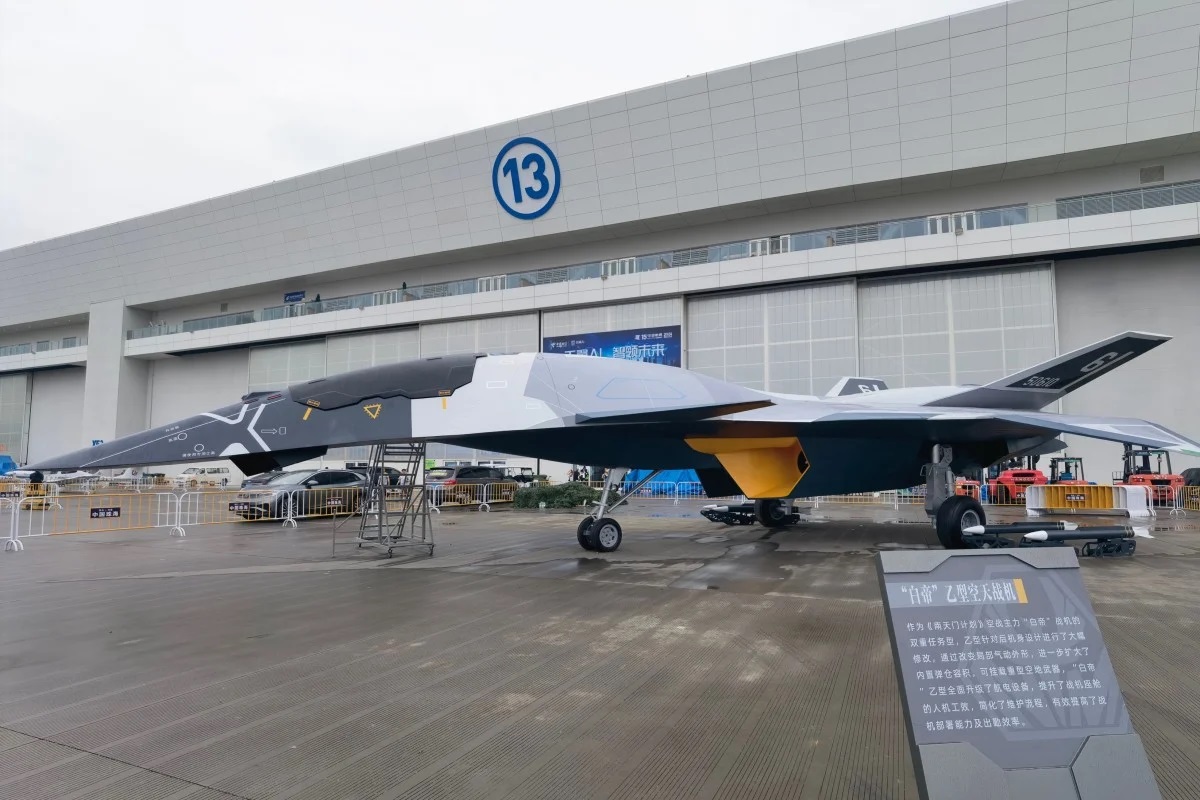
World
At the 2024 Zhuhai Airshow, the Aviation Industry Corporation of China (AVIC) turned heads with the debut of its striking “Baidi B-Type” aerospace fighter concept, which aligns with China’s ambitious Nantianmen Project. This futuristic platform, designed to establish new benchmarks in both air and near-space combat, showcases China's intent to revolutionize its air superiority capabilities and challenge other global military powers like the United States and Russia.The Baidi B-Type, the most advanced in the “Baidi” lineup, features a sleek, sci-fi-inspired design that optimizes aerodynamic performance. This concept jet emphasizes stealth with a refined rear fuselage that incorporates sweeping, contoured lines and advanced composite materials, which help minimize its radar signature. The enlarged weapons bay is another noteworthy feature, allowing this aircraft to carry an expanded suite of munitions, including a mix of advanced air-to-air missiles and precision-guided air-to-ground ordnance. This modular payload capability indicates the jet’s flexibility in handling multi-theater missions.From an avionics standpoint, AVIC has introduced a cutting-edge sensor suite that enhances situational awareness and electronic warfare (EW) efficiency. This comprehensive sensor fusion system integrates AI-driven threat detection, making it more adaptive to rapidly changing combat dynamics. The jet is designed to operate within a connected battlefield, capable of engaging in network-centric warfare alongside UAVs and other high-tech assets, contributing to a seamless military ecosystem.The cockpit redesign is another key highlight, reflecting a human-machine synergy that places a premium on pilot efficiency. Ergonomic controls, augmented reality (AR) helmet displays, and optimized seating configurations are expected to lower pilot fatigue during extended operations. These upgrades underscore a strategic pivot toward making the platform more intuitive and responsive, particularly critical in hypersonic and high-altitude engagements.Moreover, maintainability has been a core focus for AVIC. The Baidi B-Type’s construction employs modular components, aiming to simplify repair processes and expedite turnaround times. This is essential for keeping the fighter battle-ready, especially in scenarios where rapid deployments are crucial. This aspect hints at China’s vision for a robust and sustainable combat fleet that can endure high-intensity conflict scenarios.The Nantianmen Project, under which the Baidi B-Type falls, is not merely about building a fighter but represents a comprehensive effort to integrate aerospace and near-space operational capabilities. The aircraft's potential to operate in the edge-of-space domains signals a strategic leap forward, as this would expand China’s tactical reach and response flexibility.Though the Baidi B-Type remains a conceptual model, the unveiling exemplifies China’s ambition to compete in the race for 6th-generation air superiority technology. With global interest piqued, defense analysts are watching to see how China’s progress could reshape the balance of power, especially as new contenders emerge in this high-stakes arena.The Baidi B-Type’s development represents a bold leap forward, signaling AVIC’s and China’s strategic foresight in aerospace warfare and their commitment to shaping the future battlefield. If this concept reaches operational status, it could serve as a significant force multiplier, reinforcing China’s position in the global race for aerial dominance and advanced aerospace warfare capabilities.
Read More → Posted on 2024-11-11 15:46:31
World
In a recent demonstration of strategic strength, the United States Air Force Global Strike Command launched an unarmed Minuteman III intercontinental ballistic missile (ICBM) from the Vandenberg Space Force Base in California. This launch, part of routine exercises conducted to ensure the nation’s nuclear deterrent remains steadfast and fully operational, emphasized a message of preparedness amid a world where nuclear capabilities continue to hold immense strategic significance.The test showcased the missile’s reliable and precise performance as it soared approximately 4,200 miles (6,759 kilometers) over the Pacific Ocean, eventually reaching its target on the Kwajalein Atoll in the Marshall Islands. While this might seem like a scene lifted straight from a Cold War-era drill, the implications remain highly relevant today, reaffirming the US's ability to defend and respond if necessary. Importantly, this event marked the latest in a series of nearly 300 similar tests that date back decades, all designed to validate the readiness of America’s nuclear triad.At the heart of this demonstration lies the Minuteman III, a system that has served as a backbone of America’s strategic defense since its introduction in the early 1970s. Although built during a previous era, these missiles have been extensively modernized to match present-day security needs. The Minuteman III can reach a top speed of 15,000 miles per hour (24,000 kilometers per hour), allowing it to traverse vast distances—up to 6,000 miles (9,656 kilometers)—in minutes. This speed and range enable the weapon to deliver a powerful deterrent effect, ensuring adversaries understand the far-reaching capabilities at the US's disposal.Beyond its impressive range and velocity, the Minuteman III is also engineered with a sophisticated system of reinforced underground silos. These silos, buried deep within American soil and spread across various secure bases, are built to withstand enemy attacks, providing a layer of defense against potential threats. The system’s resilience doesn’t stop at its physical structure; a network of secure, hardened cables connects these silos to underground launch control centers, creating a fortified communication chain between operators and national decision-makers, such as the president and the secretary of defense.Ensuring that this command structure remains uninterrupted is of critical importance. To bolster the system’s robustness, the Minuteman III features multiple communication lines. If a disruption ever occurs between ground-based controllers and the missile facilities, airborne launch control centers automatically take over command. These airborne crews are always on alert, standing by to carry out presidential orders without delay, which underscores the layers of security that back up this ICBM system.Currently, there are 400 active Minuteman III missiles stationed across various military installations in the United States, primarily in locations such as Malmstrom, Minot, and F.E. Warren Air Force Bases. Each missile is armed with advanced targeting capabilities and designed to support multiple re-entry vehicles, a feature that enhances its strategic flexibility. The design also accommodates routine updates, ensuring that the Minuteman III remains one of the world’s most effective long-range deterrent systems.The significance of this test launch is not just in proving that these missiles still work as intended but in reinforcing the nation’s assurance to its allies and sending a clear signal to adversaries. As the international geopolitical landscape evolves, maintaining and periodically testing such capabilities is essential to uphold a credible deterrent that is both "safe, secure, reliable, and effective," as the Air Force emphasized in its statement. This unceasing vigilance is a testament to the evolving doctrine of nuclear readiness and the ongoing commitment of the United States to its national and allied security.
Read More → Posted on 2024-11-11 15:36:04
World
The European Union has pushed forward with a significant effort to supply Ukraine with artillery shells, crucial to its defense against Russia's ongoing invasion. According to EU foreign policy chief Josep Borrell, the bloc has already delivered more than 980,000 shells to Ukraine. Despite earlier setbacks and production challenges, Borrell expressed confidence that the EU will meet its ambitious goal of delivering 1 million shells by the end of 2024.Initially, the EU committed to providing these artillery rounds—specifically 155-mm shells, essential for Ukraine’s counteroffensive—by March 2024. Yet, logistical and production bottlenecks have stymied progress. Borrell acknowledged these difficulties, noting the EU's complex supply chain and the global shortage of munitions. Despite the missed target of spring 2024, European defense industries have ramped up their manufacturing capacity, with numerous defense contracts signed to ensure more efficient delivery in the months ahead.Key contributions have come from individual countries like the Czech Republic. Czech Prime Minister Petr Fiala announced that a separate initiative spearheaded by Prague is set to deliver 500,000 shells by the end of the year. This underscores the fragmented but significant efforts by EU member states to support Ukraine amid the crisis. The EU's defense ministers and the European Defence Agency are also collaborating closely, pooling resources to accelerate ammunition production and procurement.Meanwhile, Ukraine has not remained idle. Recognizing the dire need for a consistent supply of munitions, Kyiv has dramatically scaled up its own defense production. What was once a non-existent domestic capability to produce mortar shells has transformed into a robust operation, with the country now manufacturing millions of rounds annually. This increase in domestic output aims to reduce Ukraine's reliance on international aid and ensure more reliable delivery to the front lines.The EU’s commitment highlights a persistent struggle to balance logistical constraints with the urgent demand on the battlefield. As Russian forces continue aggressive offensives, the availability of ammunition remains a decisive factor. Despite the hurdles, EU officials, along with defense industry players, are making concerted efforts to sustain the flow of critical military support to Ukraine.The evolving landscape of this support—driven by a mix of coordinated EU actions and national-level initiatives—points to an ongoing commitment to assist Ukraine. However, meeting the demands of a war that has stretched resources across the globe remains a test of Europe's industrial and political resolve.
Read More → Posted on 2024-11-11 14:46:57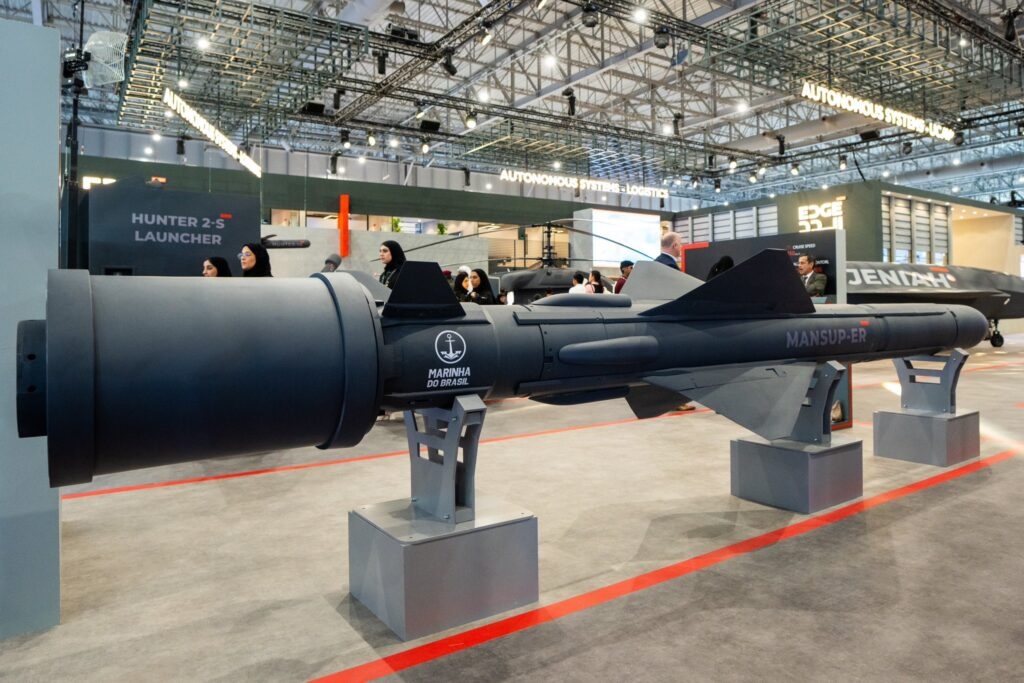
World
In a significant advancement for the United Arab Emirates' naval defense industry, ADSB, a subsidiary of the EDGE Group known for its expertise in designing and constructing naval and commercial vessels, has forged a strategic partnership with Brazilian defense innovator SIATT. This collaboration centers on enhancing ADSB’s latest high-speed vessel, the RABDAN FA-400 Fast Attack craft, with SIATT’s state-of-the-art MANSUP Surface-to-Surface Missile (SSM) launcher.The RABDAN FA-400, a product of ADSB's extensive experience and indigenous innovation, represents a cutting-edge addition to the UAE’s naval fleet. Constructed entirely within the UAE, this vessel stands as a testament to the nation’s rapidly evolving defense capabilities. By integrating SIATT’s MANSUP missile system, the RABDAN FA-400 will gain high-precision, long-range strike potential, making it a formidable presence in modern naval warfare. These features ensure the vessel is not just agile and fast but also highly adaptable to diverse combat scenarios, from coastal defense to blue-water operations.The formal signing of the agreement took place at EURONAVAL 2024 in Paris, a premier maritime and naval defense exhibition. The deal was inked by David Massey, CEO of ADSB, and Paulo Salvador, SIATT’s Commercial Director, and it underscored the collaboration between two defense leaders keen on shaping the future of maritime combat technology. The event marked not only a step forward for ADSB but also a broader vision for SIATT’s expansion into the Middle Eastern market, leveraging its 50% stake held by EDGE.David Massey highlighted the strategic significance of this partnership for the UAE’s naval sector, emphasizing that the RABDAN FA-400 exemplifies the country’s commitment to sovereign defense solutions. “Our newly launched RABDAN FA-400, constructed entirely in the UAE, showcases our dedication to high-performance naval platforms. Integrating the MANSUP missile system from SIATT elevates the vessel’s offensive capabilities, ensuring it remains highly effective and resilient in ever-evolving maritime defense scenarios,” Massey said. He further noted the collaboration as a prime example of synergy among EDGE companies, underscoring how innovation and local expertise are propelling the UAE’s defense industry onto the global stage.Paulo Salvador echoed these sentiments, expressing SIATT’s excitement about partnering with ADSB. He described the agreement as a significant opportunity for SIATT to showcase its advanced defense technologies within the UAE’s robust and growing defense ecosystem. “This collaboration marks a pivotal expansion for SIATT into the UAE’s defense sector. Working alongside ADSB to arm a UAE-built vessel with our MANSUP system symbolizes our dedication to delivering cutting-edge, high-performance solutions that are strategically aligned with the region’s defense needs,” Salvador remarked.The MANSUP missile system itself, a testament to SIATT’s prowess in smart weaponry, brings impressive capabilities to the table. Known for its precision targeting and long operational range, MANSUP is designed to neutralize a variety of threats, from enemy ships to fortified coastal targets. The system's integration onto the RABDAN FA-400 is expected to transform the vessel into a swift and highly armed platform, capable of taking on diverse and high-stakes missions with surgical precision.This partnership not only augments the combat readiness of the UAE’s naval forces but also symbolizes a deeper strategic alignment between UAE and Brazilian defense sectors. It also reflects the broader ambitions of EDGE Group to solidify its position as a leader in global defense innovation by leveraging international partnerships and investing in homegrown technological advancements.With defense cooperation on a global scale becoming increasingly crucial, this integration of Brazilian missile technology with UAE naval engineering marks a promising milestone. Both ADSB and SIATT are poised to deliver a platform that redefines modern naval warfare, ensuring the RABDAN FA-400 is equipped to handle tomorrow’s challenges today.
Read More → Posted on 2024-11-10 15:44:57Search
Top Trending in 24 Hours
-
 F-35 Fleet Readiness Falls to 25% Amid Parts Shortages and Software Delays: GAO Report
-
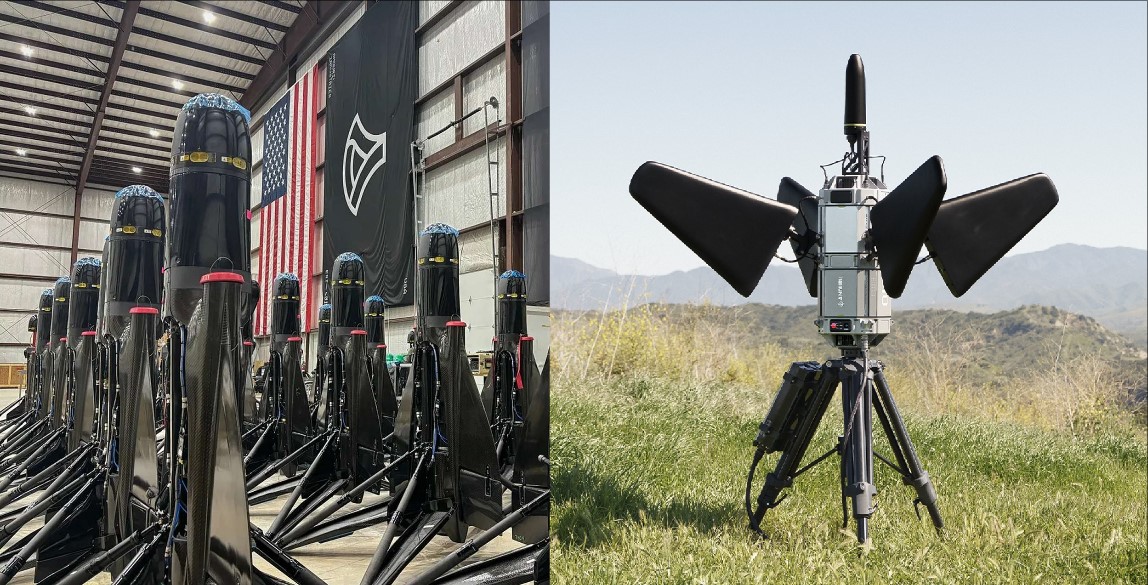 U.S. Approves $1.98 Billion Sale of Anduril AI-Powered Counter-Drone Systems to Kuwait
-
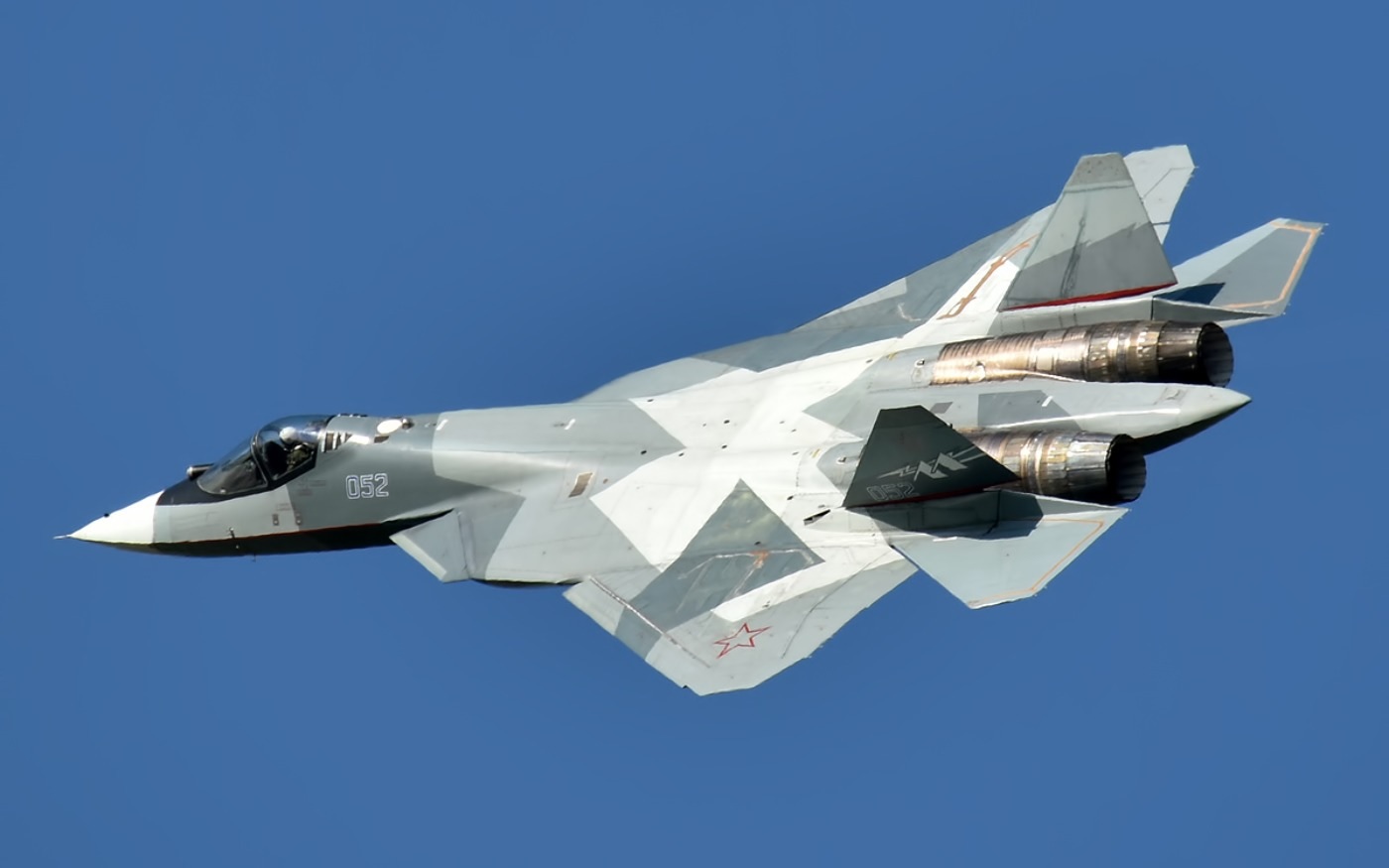 Russian Analysts Debate Su-57 Capabilities After Putin Calls Fighter Superior to F-35
-
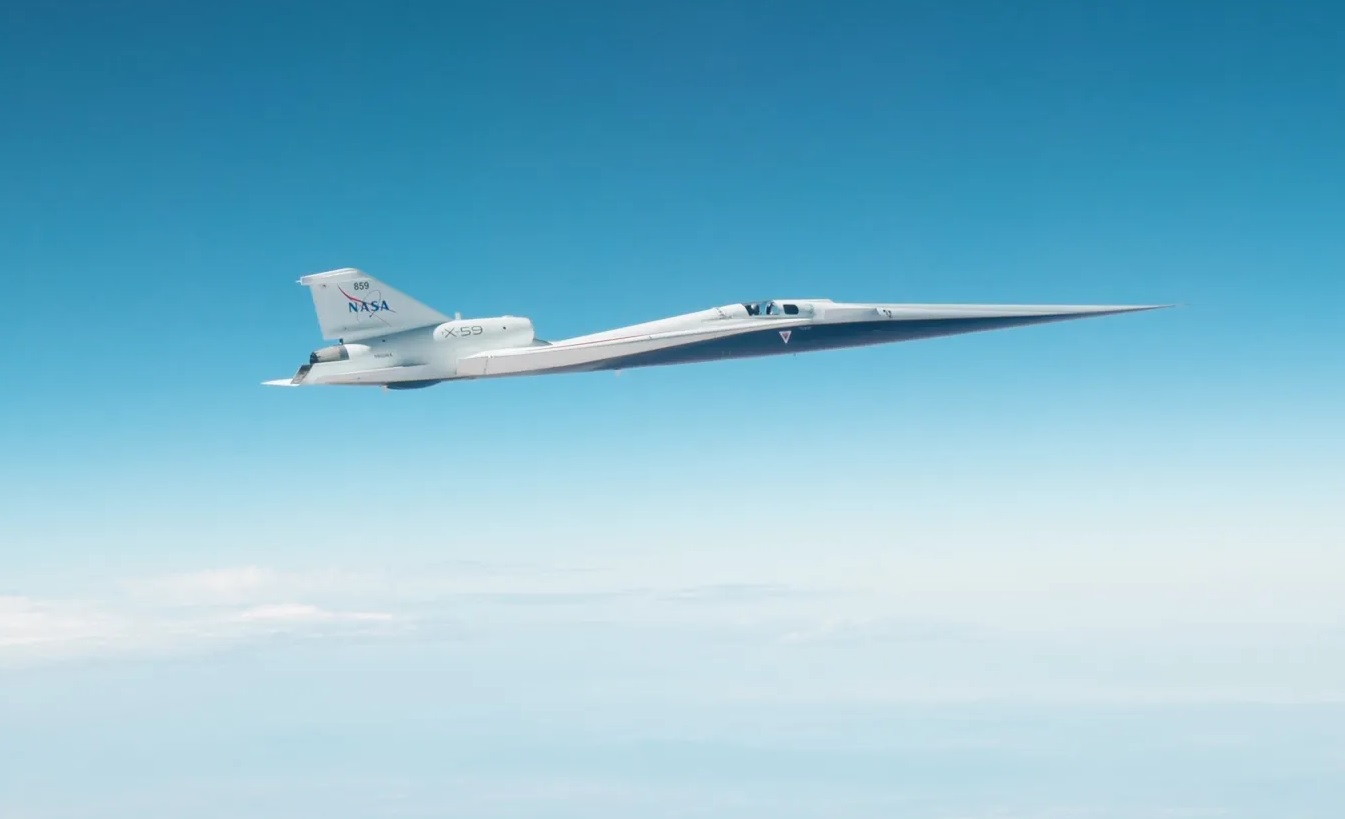 NASA X-59 Achieves Planned Mission Conditions with Mach 1.4 Flight at 55,000 Feet
-
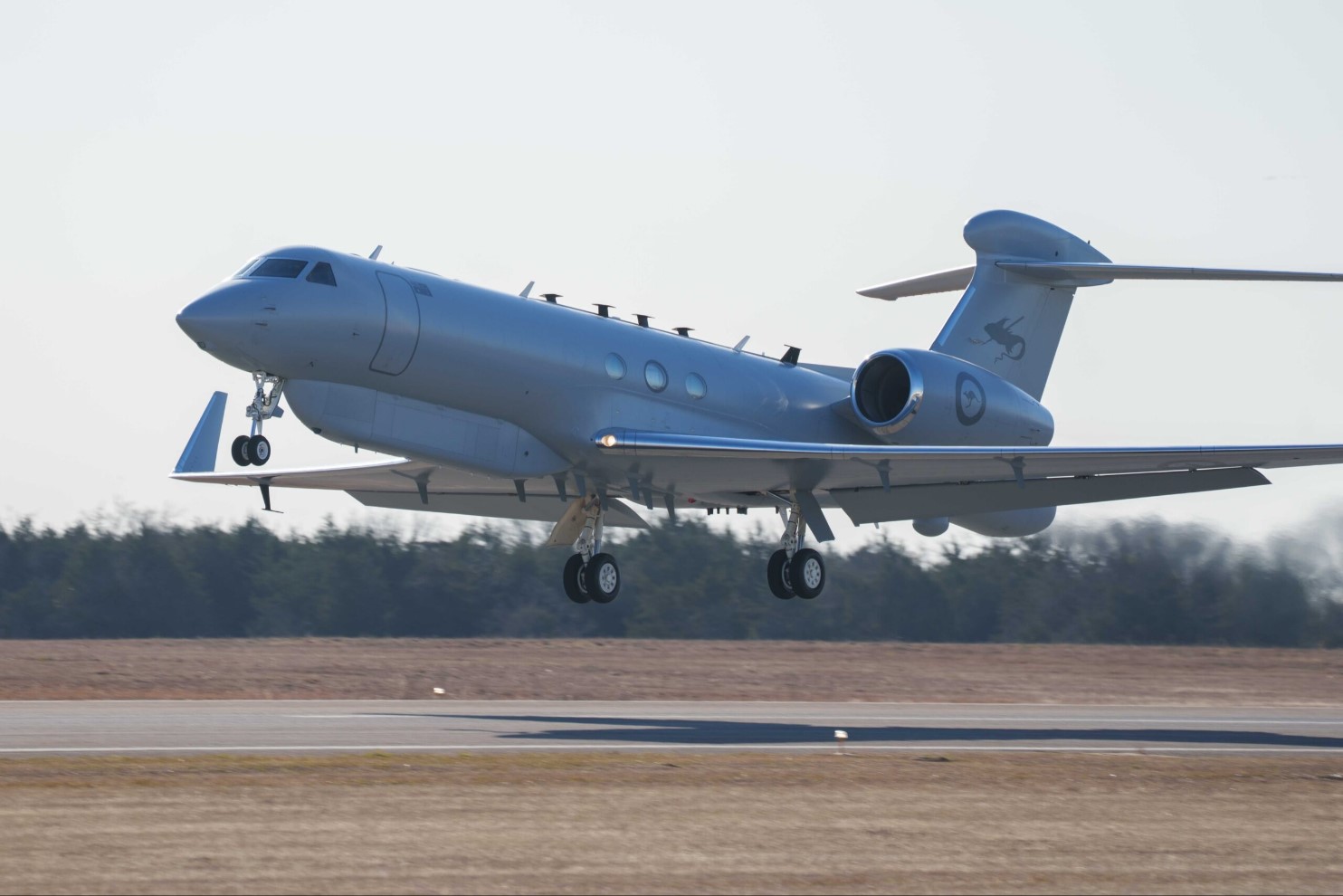 Australia Receives Third MC-55A Peregrine Intelligence Aircraft Under A$2.4 Billion ISR Program
-
 AM General Unveils Next-Generation UGV and JLTV A2 with Counter-Drone Systems at Eurosatory 2026
-
 Pakistan Raises Defence Budget from $9 Billion to $10.8 Billion as J-35 Fighter and Hangor Submarine Programs Advance
-
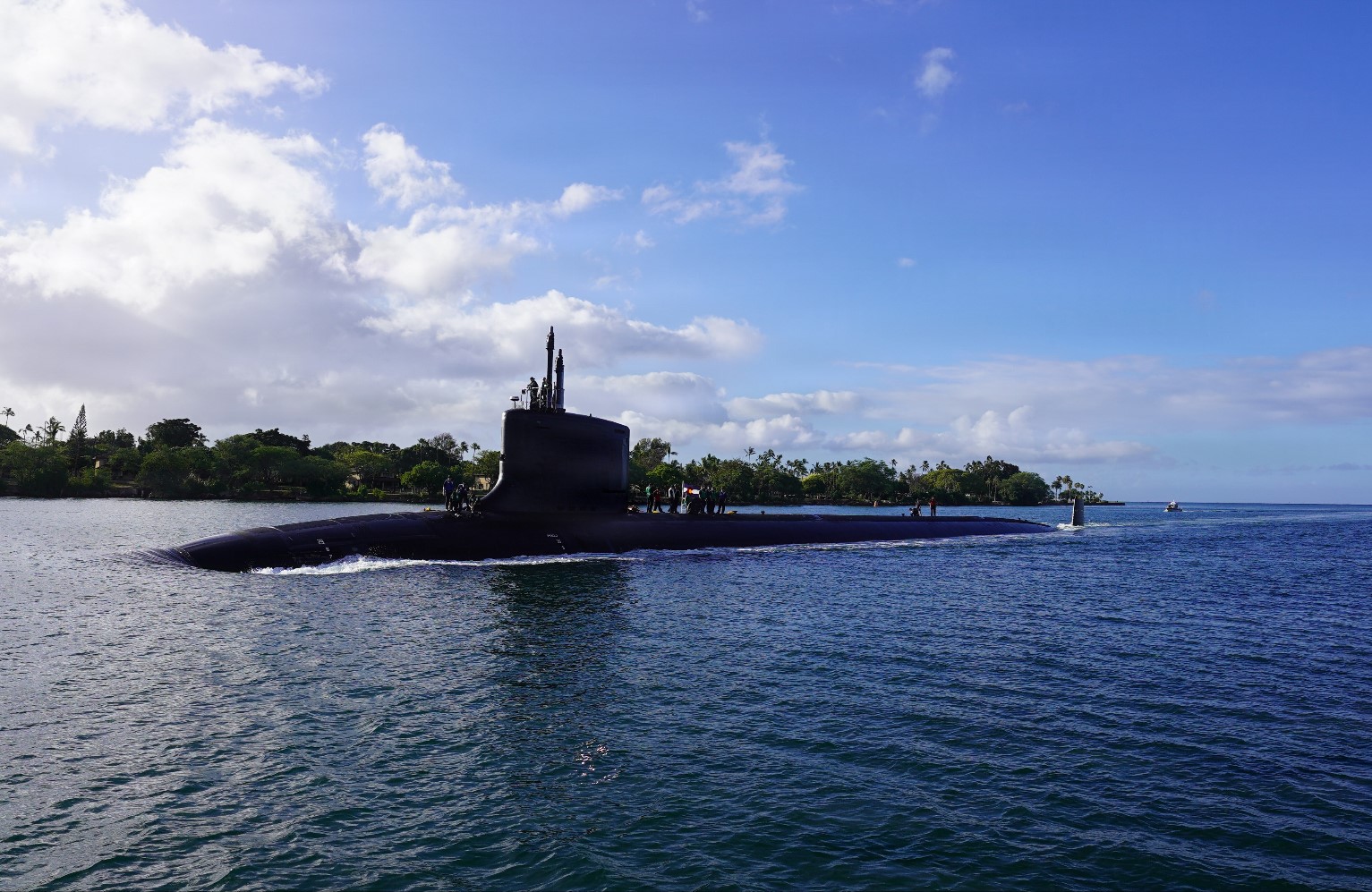 U.S. Navy's USS Colorado Submarine Returns to Pacific Fleet 29 Days Early After Major Pearl Harbor Overhaul
Top Trending in 4 Days
-
 Iranian Media Leaks 14-Point U.S.-Iran Peace Framework Amid Ongoing Negotiations
-
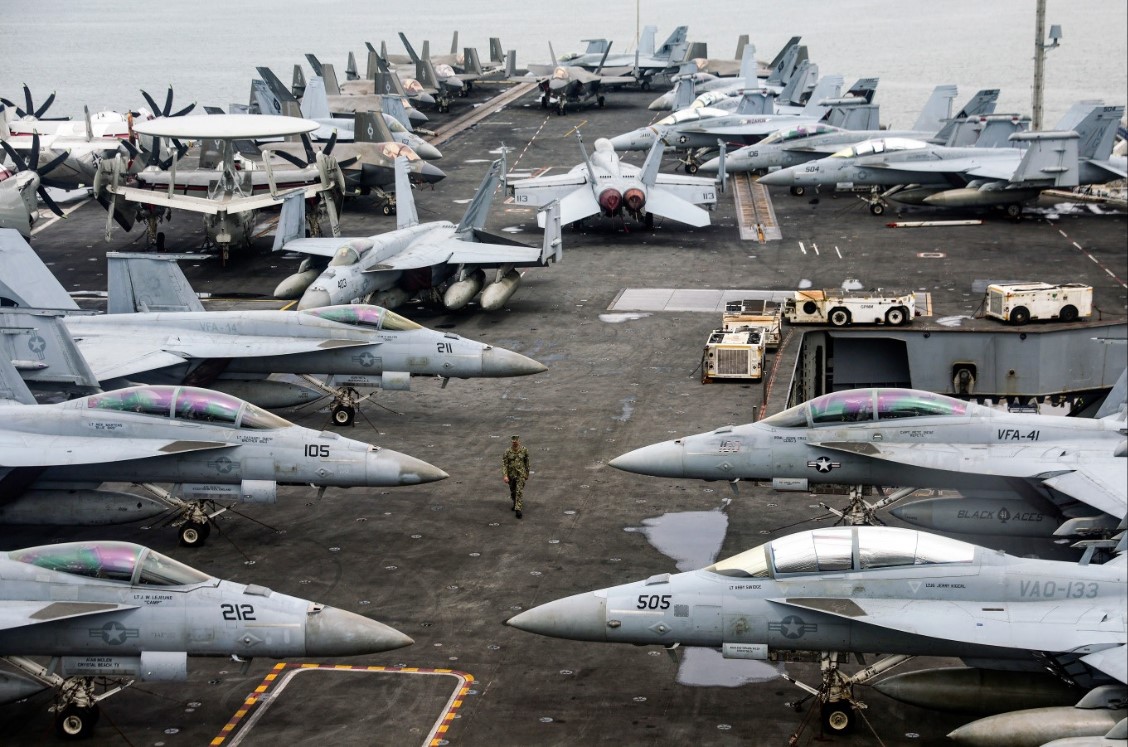 US Plans Significant Reduction of Fighter Jets and Warships for NATO Operations in Europe
-
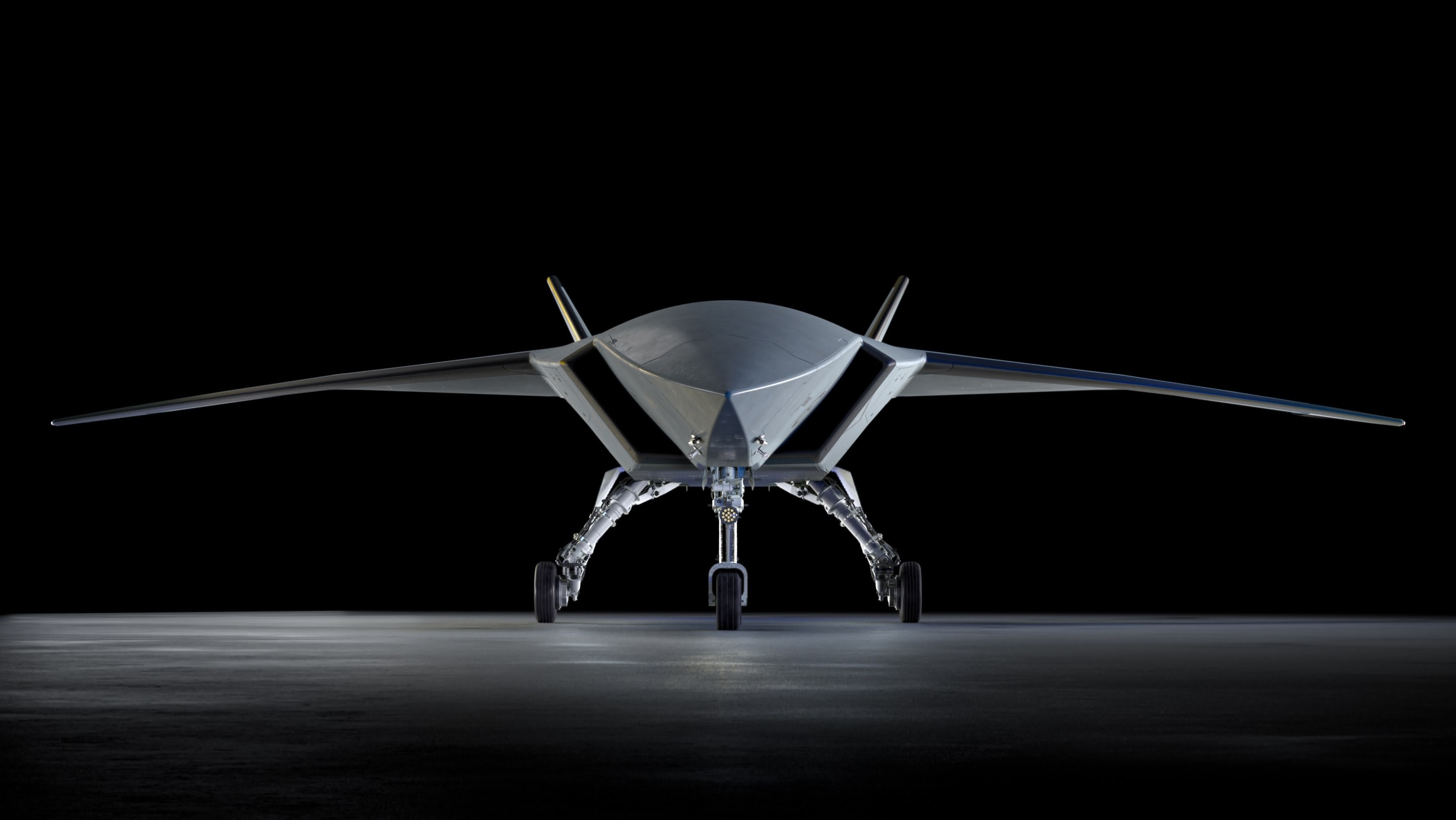 Boeing Introduces New MQ-28 Ghost Bat Upgrades with Increased Range, Payload and Weapons Capacity at ILA Berlin 2026
-
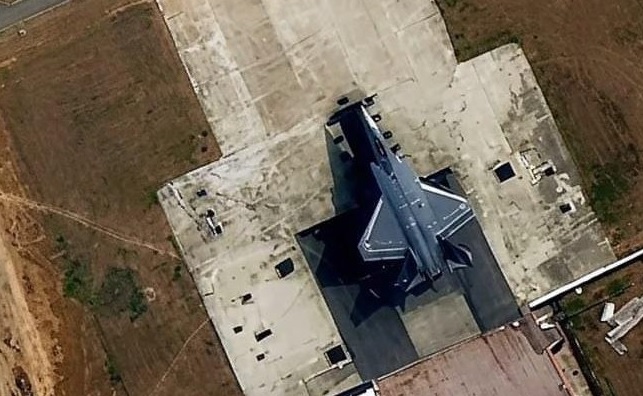 AMCA Airframe Spotted at DRDO’s ORANGE Facility for Radar Cross-Section Testing
-
 U.S. Air Force Faces Strategic Airlift Shortfall as C-17 Production Restart Remains Uncertain
-
 U.S Aircraft Carrier USS Theodore Roosevelt Departs San Diego for Major RIMPAC 2026 Naval Exercise
-
 NATO Commander Says Russia Not Seeking Conflict With Alliance Despite U.S. Force Reductions
-
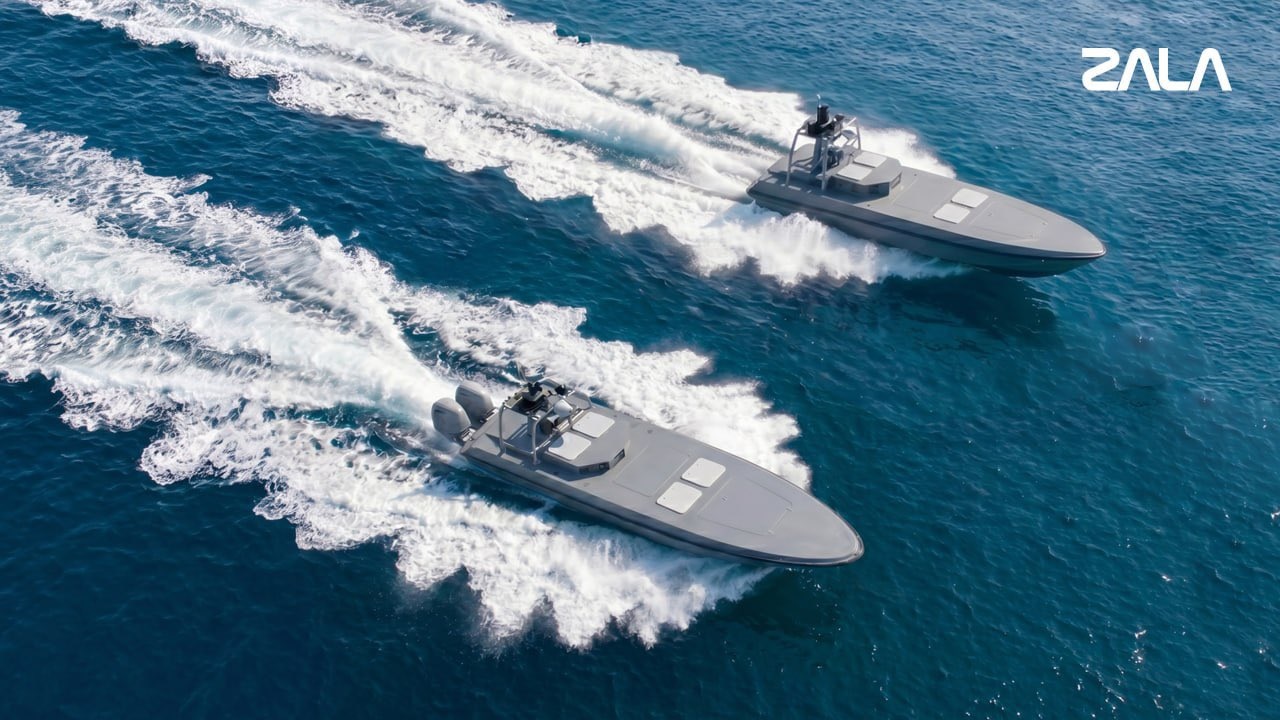 Russian Defense Firm ZALA Unveils KAMA Unmanned Surface Vessel Family at FLOT-2026 Naval Exhibition