World
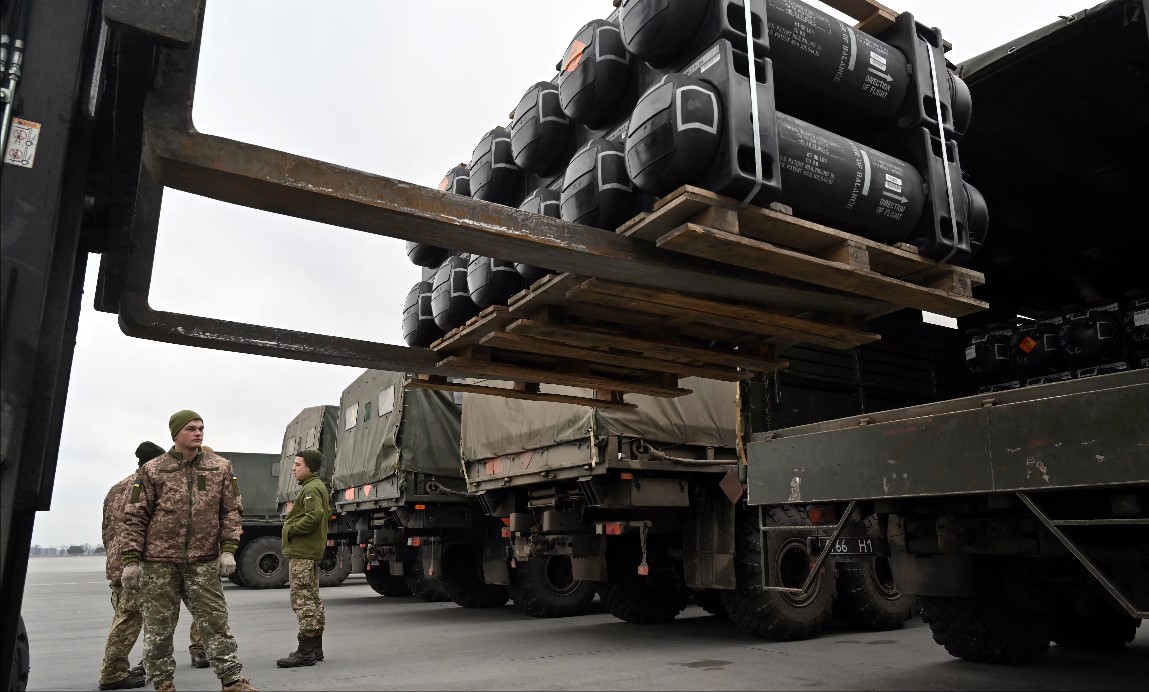
In a significant shift in policy, the United States is planning to send a limited number of defense contractors to Ukraine. This decision is aimed at streamlining the repair and upkeep of advanced military systems, including F-16 fighter jets and Patriot air defense systems, which Ukraine relies on heavily in its ongoing battle with Russia. These contractors will work far from the front lines, solely focusing on the maintenance of high-tech weaponry, ensuring equipment is rapidly fixed and returned to service.The Biden administration has been a staunch military supporter of Ukraine, pouring over $60 billion in aid since the Russian invasion began in February 2022. However, up to this point, the U.S. had restricted any deployment of defense contractors to Ukraine, out of concern for escalating tensions with Russia. Traditionally, American-made weapons in need of repairs had to be transported to nearby NATO countries like Poland and Romania, a process that often delayed their return to the battlefield. The new approach could expedite this turnaround, which is seen as critical given the high intensity of current and expected future combat scenarios.This move comes at a time when Ukraine is preparing to receive more sophisticated military hardware. The maintenance of these complex systems requires technical expertise that goes beyond what standard Ukrainian military crews can provide. U.S. officials have emphasized that these contractors will not be involved in combat and will work exclusively to help Ukrainian forces maintain operational capabilities. The administration's decision followed a comprehensive risk assessment and reflects a growing recognition of Ukraine's needs amid ongoing Russian offensives.Interestingly, this shift also intersects with growing political uncertainty in Washington. As President Joe Biden's administration looks to secure more aid for Ukraine before a potential power change, concerns loom over the future of U.S. support. Former President Donald Trump, now a Republican candidate for 2024, has previously indicated skepticism about continued military assistance to Ukraine, which could significantly impact the trajectory of the conflict if he wins a second term. The Biden administration thus appears intent on solidifying long-term support mechanisms before its tenure ends.While the deployment of contractors may enhance operational efficiency, it underscores the delicate balance the U.S. maintains to avoid a deeper direct involvement in the conflict. The policy remains under scrutiny as Washington navigates the complex dynamics of supporting Ukraine while managing the risks of escalation with Russia.The strategic implications of this decision, particularly given the ongoing congressional debates and evolving battlefield conditions, are set to shape the broader context of U.S. foreign policy in the region. As these contractors are set to deploy, the outcome of this strategy remains to be seen, especially as Ukraine anticipates a more complex and challenging fight ahead.This effort signifies an evolving approach, aiming to keep Ukraine’s forces well-equipped and battle-ready, despite the global and domestic political challenges shaping the future of support.
Read More → Posted on 2024-11-09 15:08:32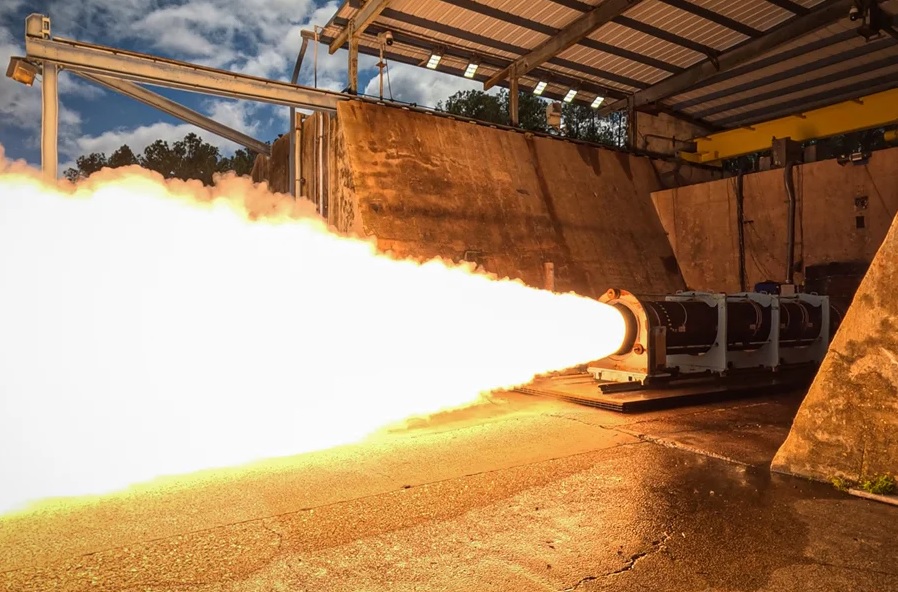
World
In a significant advancement for military rocket propulsion technology, L3Harris Technologies has successfully completed a pivotal flight test, propelling Kratos Defense & Security Solutions’ cutting-edge Large Solid Rocket Motors (LSRMs), named Zeus 1 and Zeus 2. The test results exceeded expectations, achieving all performance metrics and solidifying the motors’ capability to drive future defense and research missions.The Zeus rocket motors represent a strategic leap forward in propulsion engineering, specifically designed to address the U.S. Department of Defense’s evolving needs for high-speed and high-precision weaponry. L3Harris crafted Zeus 1 and Zeus 2 as first and second stage LSRMs, capable of supporting a range of complex and demanding applications. These include hypersonic flight tests, missile defense targets, and atmospheric research via sounding rocket launches.Advanced Rocket Motor CapabilitiesThe Zeus 1 and Zeus 2 rocket motors were engineered not just to meet current defense requirements but to optimize performance while ensuring affordability and infrastructure compatibility. Their design allows them to act as a direct replacement for older rocket motor systems, many of which have been in service for decades and are overdue for modernization. With this strategic upgrade, the motors offer increased reliability, thrust, and overall efficiency, aligning seamlessly with existing launch systems.High-Performance Testing Grounds in ArkansasL3Harris’ cutting-edge Camden, Arkansas, facility is the heart of this technological achievement. This site, which has earned the designation of a Center of Excellence for Solid Rocket Motor Production, is known for its rigorous and advanced manufacturing protocols. Annually, it produces over 100,000 solid rocket motors and conducts around 6,000 live hot fire tests to maintain the highest performance and safety standards. The Camden facility's continuous upgrades have made it a pivotal contributor to the defense sector, emphasizing its ability to deliver large-scale production while meeting precise military specifications.“Our partnership with Kratos in delivering high-performance LSRMs marks a new chapter in propulsion technology,” said Ross Niebergall, President of Aerojet Rocketdyne, a division of L3Harris Technologies. “Our strategic investments in rocket motor manufacturing, especially at Camden, have made it possible to develop advanced systems like Zeus 1 and Zeus 2. We remain committed to supporting our nation’s defense needs through innovative solutions.”Ongoing Commitments and Future DeliveriesThe collaboration between L3Harris and Kratos is far from over. L3Harris is slated to deliver nine more Zeus motors by 2025, which signals a commitment to further development and integration of these advanced rocket systems. The strategic delivery timeline emphasizes the motors’ importance for upcoming defense initiatives, especially as global military dynamics necessitate rapid technological advancement.Technological Impact and Strategic AdvantageThe successful test of Zeus 1 and Zeus 2 comes at a time when the demand for hypersonic and high-speed propulsion systems is at an all-time high. As countries globally invest in technologies that can outpace traditional defenses, having reliable and powerful rocket motors like Zeus provides a tactical advantage. These motors not only facilitate hypersonic research but also offer solutions for potential missile defense interceptors and complex aerospace projects that push the limits of current engineering.As global threats evolve, the partnership between L3Harris and Kratos reflects a proactive approach to maintaining a technological edge. The focus on developing high-quality, scalable propulsion systems underscores a broader commitment to advancing national security and technological prowess. With the success of the Zeus series, L3Harris is set to play a crucial role in shaping the future of high-performance solid rocket motors, ensuring the U.S. and its allies remain at the forefront of defense innovation.
Read More → Posted on 2024-11-09 15:01:56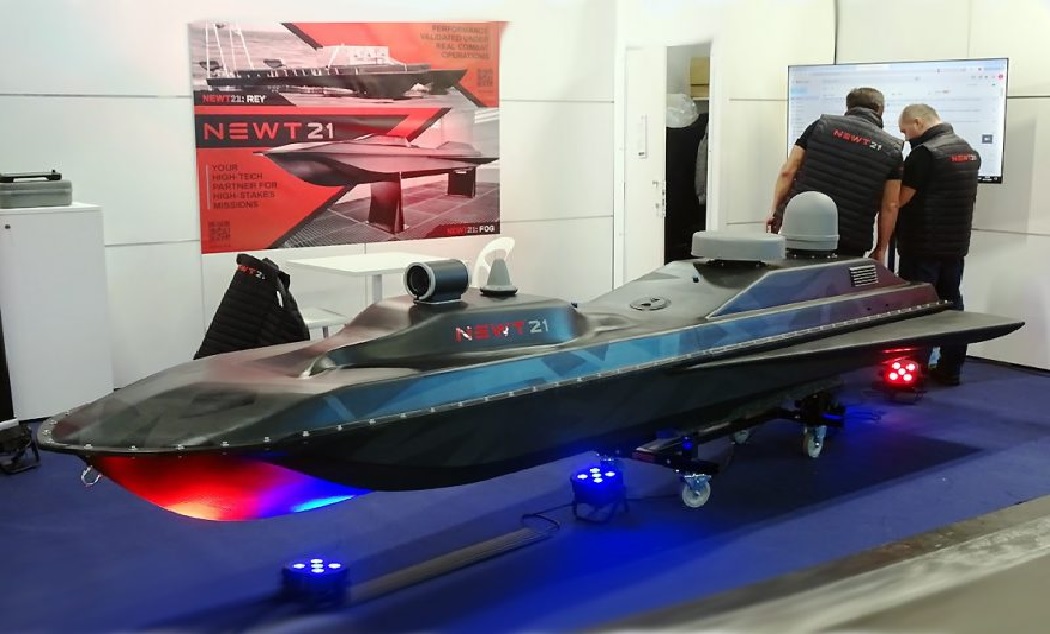
World
At the recent Euronaval 2024 exhibition in Paris, Latvia's NEWT21 took center stage with the unveiling of its latest innovation in unmanned surface vessel (USV) technology: the Fog. A derivative of NEWT21's earlier Rey USV, the Fog is a compact, high-speed vessel designed specifically for export markets. This versatile platform highlights the increasing global demand for multipurpose unmanned systems across naval forces, enabling a wide range of operational capabilities from surveillance to combat and rescue.Lightweight and Efficient DesignThe Fog USV is built with a modular hull structure crafted from carbon fiber reinforced with aramid fiber, making it both lightweight and highly durable. Weighing just 135 kg, it maintains a sleek design with a 4.4-meter length and a 1.5-meter beam. This construction enables it to carry a payload of up to 200 kg, allowing the vessel to support various equipment or small cargo essential for multipurpose operations.Power and PerformanceAt the heart of the Fog’s high-speed capability is a 90 hp waterjet engine mounted at the aft section of the hull. This powerplant enables the USV to reach cruising speeds of 50 km/h and a maximum speed of 78 km/h. With a fuel capacity of 30 liters and an efficient fuel consumption rate of 11 liters per hour, the Fog can sustain over 2.5 hours of operation on a full tank, allowing extended missions in coastal and near-shore environments.Advanced Sensing and Navigation SystemsThe bow section of the Fog USV hosts an advanced optronic system that includes both day and night vision capabilities, with a thermal camera and a TV camera for enhanced situational awareness. It’s also equipped with GNSS (Global Navigation Satellite System) technology, enabling precise positioning. Housed within the hull is a GNSS receiver and communication equipment, with the option to mount a StarLink satellite antenna, enhancing connectivity and enabling remote control from various command locations — whether a mothership, an airborne platform, or a coastal command center.One of the standout features of the Fog’s navigation setup is its ability to counter electronic warfare (EW) measures, a crucial capability in contested environments. The USV’s data link allows it to be operated remotely across long distances, maintaining situational awareness and command responsiveness even in adverse conditions.Versatile Mission CapabilitiesThe Fog’s multi-mission design makes it suitable for a variety of operations, including:Area patrol and reconnaissance: Equipped with optronic systems for day and night surveillance, it is ideal for coastal security and intelligence-gathering missions.Search and rescue: The Fog’s speed and compact size make it suitable for quick deployment in rescue scenarios, delivering essential supplies or locating survivors.Combat support: The vessel can carry payloads and weapon systems for direct and indirect fire support, such as mounting two Hydra 70 rocket systems or similar, enabling fire support from remote locations.Remote mining: Capable of deploying moored mines in coastal zones, the Fog can act as a deterrent to adversary naval movements.Cargo delivery and personnel evacuation: With sufficient space and payload capacity, the Fog can evacuate up to four personnel or deliver supplies, adding to its versatility in challenging environments.Evolving from the Rey: A New Standard for Export MarketsThe Fog USV leverages lessons learned from the earlier Rey model, which was designed as a low-profile, electrically powered vessel. The Rey, used by the Ukrainian Armed Forces in the Black Sea, has proven effective in reconnaissance and low-detectability missions. Powered by two 3 kW electric motors, the Rey offers a quieter, slower option, with a maximum speed of 16 km/h and a cruising speed of 6 km/h, and an endurance of up to 24 hours at cruising speed. Its low acoustic and thermal signatures make it ideal for covert operations, while its payload capacity of 500 kg is substantial enough to support various mission-specific equipment.Enhanced Situational Awareness with StarLink IntegrationBoth the Fog and Rey models can be equipped with StarLink antennas, providing secure satellite communication for long-distance control and data transmission. This satellite network enables operators to control the vessel from hundreds of kilometers away, receiving real-time coordinates, route updates, and other mission-critical information. With the high bandwidth of StarLink, the USVs also support modern optronic systems, providing the operator with clear, high-resolution video feeds even in low-visibility conditions. This high data throughput ensures robust situational awareness, essential for both monitoring and responsive action in dynamic environments.Conclusion: Forging Ahead with Multipurpose USVsThe Fog USV represents a significant step forward in Latvia’s naval capabilities and in NEWT21’s product line, catering to the evolving needs of modern navies seeking compact, adaptable, and high-speed unmanned solutions. Its high-speed capabilities, modular design, and extensive mission adaptability make it a versatile choice for international buyers, positioning it as a valuable asset for military and security forces. As unmanned systems become central to naval strategy, platforms like the Fog are set to play an essential role in transforming maritime operations worldwide.
Read More → Posted on 2024-11-08 15:13:22
World
In a move that highlights Taiwan’s commitment to strengthening its naval defenses, a ceremonial keel-laying event was held for the Taiwan Navy's new anti-air warfare (AAW) frigate. Presided over by Taiwan’s President Lai Ching-te and attended by top officials and industry leaders, the event underscores Taiwan’s drive to build a modern, capable, and self-reliant military in the face of growing regional tensions.A Milestone Ceremony in Taiwan's Naval AmbitionsThe ceremony took place at Jong Shyn Shipbuilding Group’s shipyard, marking a new chapter in Taiwan’s efforts to construct advanced military vessels domestically. The occasion was attended by key figures, including Defense Minister Wellington Koo, Navy Chief Admiral Tang Hua, and Kaohsiung Mayor Chen Chi-mai. President Lai’s speech resonated with national pride and resilience, as he commended the collective efforts of the Ministry of National Defense, the National Chung-Shan Institute of Science and Technology (NCSIST), and the shipbuilder itself. He emphasized the importance of the project not only for Taiwan’s defensive posture but also for stimulating the local economy and fostering domestic industry growth.Taiwan’s New Generation Frigate Program: A Strategic PivotThe keel-laying ceremony represents the latest phase in Taiwan’s “New Generation Frigate Program,” an ambitious initiative first outlined in 2016 as part of a 12-item naval modernization plan. Initially, the Republic of China (ROC) Navy envisioned a 4,500-ton frigate equipped with a state-of-the-art active electronically scanned array (AESA) radar. However, due to technical and logistical challenges, the program shifted its focus in recent years. NCSIST faced significant obstacles in miniaturizing the active ESA radar technology to fit the original 4,500-ton design.As a result, the ROC Navy revised its specifications to create a smaller, approximately 2,500-ton frigate. This lighter design allows the Navy to address two critical needs simultaneously by building two frigate variants: one for anti-air warfare (AAW) and the other for anti-submarine warfare (ASW). This adaptable approach has helped Taiwan pursue multiple defense objectives within a single shipbuilding program, maximizing resources and capabilities. The AAW variant, whose keel was just laid, will significantly bolster Taiwan's air defense capabilities in the face of increased airspace challenges.What Makes Taiwan’s New Frigate Unique?The AAW frigate is designed with an advanced suite of technology and weaponry to provide robust air defense coverage. Though specific technical details remain classified, it’s anticipated that the frigate will include:Advanced Radar Systems: The ship will likely be equipped with a sophisticated ESA radar capable of tracking and engaging multiple airborne threats. While the initial program explored Taiwan-developed radars, recent reports suggest potential integration of U.S.-supplied AN/SPY-7 phased array radar technology, a system known for its superior target detection and tracking accuracy.Modern Missile Systems: To match its radar capabilities, the AAW frigate is expected to carry a range of surface-to-air missiles, providing the ability to intercept hostile aircraft, drones, and incoming missiles.Enhanced Automation and Electronics: As part of the design shift to a lighter 2,500-ton vessel, Taiwan’s engineers are expected to incorporate more automated systems, reducing crew size while enhancing operational efficiency. Such automation is in line with global trends in warship design, offering Taiwan a competitive edge with a highly responsive, low-maintenance fleet.Replacing Taiwan’s Aging Fleet with Self-Reliant TechnologyTaiwan's current surface combat fleet includes a total of 26 ships, many of which are nearing obsolescence. The Navy’s aging vessels include ten Cheng Kung-class frigates, six Kang Ding-class frigates based on the French La Fayette-class, and the older Chi Yang-class frigates acquired from the United States. Among these, the Chi Yang-class, which have been in service for over 47 years, utilize outdated steam turbine technology and possess limited air defense capabilities, making them less effective in modern naval warfare.In contrast, Taiwan’s new AAW frigate will feature a compact design packed with state-of-the-art systems for air surveillance and defense, directly countering threats from more advanced naval forces in the region. The development of this frigate is a part of Taiwan's broader strategy to replace outdated ships with highly capable, domestically built vessels, thereby reducing dependence on foreign defense support and securing a higher degree of operational autonomy.Future Prospects: A Modernized and Self-Reliant Taiwanese NavyWhile Taiwan’s naval planners are working on the AAW and ASW frigate variants, there are also discussions regarding the potential revival of the original large-frigate plan. This would involve constructing a 4,500-ton vessel equipped with advanced radar and missile systems similar to the Aegis-equipped ships seen in other regional navies. However, the feasibility of this project remains uncertain due to budget constraints; the FY 2025 defense budget does not currently allocate funds for this expanded frigate plan. For now, Taiwan’s focus remains on building smaller, more versatile frigates that can effectively fulfill critical air and undersea defense roles.The keel-laying ceremony for the AAW frigate not only showcases Taiwan’s military resilience but also represents a growing commitment to leveraging domestic talent and resources to enhance national security. As Taiwan continues to prioritize self-reliance in defense, this new generation of frigates will play a central role in securing Taiwan’s maritime territory, ensuring that the country is better prepared for future challenges.
Read More → Posted on 2024-11-08 15:04:38
World
In a significant step toward improving operational safety, the Israel Defense Forces (IDF) have begun testing an unmanned cargo vehicle aimed at reducing the risks faced by logistics troops during supply missions. This trial comes after the tragic deaths of three logistics soldiers—Aviv Magen, Itay Azulai, and Yosef Doron—who were killed while transporting supplies and forces across the northern border of Lebanon. Their deaths highlighted the hazardous nature of battlefield logistics, particularly in contested areas, prompting the IDF to explore safer alternatives.The trial took place near a key crossing point along Israel’s northern border, where the usual sounds of military activity—tanks rolling, armored vehicles rumbling, and soldiers coordinating—filled the air. But among the usual convoy vehicles, a new addition stood out: an innovative unmanned vehicle, a heavy-duty robotic truck that could be seen moving with precision across challenging terrain, effortlessly navigating earthen mounds and bypassing obstacles. Loaded with critical supplies, this unmanned cargo vehicle is part of a broader effort by the IDF to enhance its logistics capabilities and mitigate the risks faced by its personnel.Manufactured by the Israeli company Plasan, the All-Terrain Electric Mission Module (ATeMM) is at the heart of this new trial. This futuristic vehicle is designed to operate in some of the most difficult environments, thanks to its electric all-terrain propulsion system. Each wheel of the ATeMM is powered independently by a 268-horsepower electric motor, supported by a 47 kWh battery pack. This design allows the vehicle to travel up to 200 kilometers on a single charge, making it not only a robust transport vehicle but also a mobile power station capable of supporting field operations. Its versatility is underscored by the modularity of its design, which can be adapted for various military functions.The ATeMM’s potential goes beyond just transporting supplies. The vehicle can be attached to a lead vehicle, transforming it into a 6×6 or 8×8 configuration, significantly enhancing its mobility and load-bearing capabilities. This feature is coupled with regenerative braking, which helps to conserve energy, and autonomous steering, eliminating the need for traditional manual hitching, which makes maneuvering more efficient and tactical in combat situations.However, the testing revealed some challenges that need to be addressed. For instance, the vehicle’s maximum speed of 18 kilometers per hour is relatively slow, limiting its ability to quickly traverse areas when time is critical. The current design also lacks a towing mode, which would be essential for rapid evacuations or emergency situations. Additionally, communication issues between the ATeMM and its operators surfaced, suggesting room for improvements in system integration and reliability.Despite these hurdles, the vehicle’s modular design holds great promise. Its upper deck can be adapted for a variety of uses, including transporting anti-tank missile launchers, storing ammunition, carrying communication equipment, or even supporting medical evacuation operations. This flexibility makes the ATeMM a valuable asset for different military branches, including infantry, engineering, and special forces, allowing them to customize the vehicle for specific operational needs.While the ATeMM’s development is still in its early stages, and there are concerns about its cost—reportedly around $100,000 per unit—the potential benefits are clear. If the issues identified during testing can be resolved, the ATeMM could revolutionize military logistics by making supply missions safer and more efficient, reducing the risks to personnel in high-stakes conflict zones like Lebanon. As the IDF continues its trials, further refinement of the vehicle’s features and capabilities is expected, ensuring that it can meet the complex demands of modern warfare.
Read More → Posted on 2024-11-08 14:59:00
World
In a significant move to bolster its military capabilities, Israel has signed a $5.2 billion deal with Boeing for the acquisition of the next-generation F-15 fighter jets. This agreement, finalized in early November, marks a milestone in Israel's defense strategy and further strengthens the long-standing partnership between Israel and the United States.The deal calls for the purchase of 25 F-15IA aircraft, which will be specially tailored for the Israeli Air Force. The jets will be equipped with cutting-edge Israeli technologies, significantly enhancing their performance. These upgraded F-15s will feature increased payload capacity, extended range, and improved performance in various operational scenarios. This is a crucial development for Israel, as it ensures that the Israeli Air Force retains its technological and strategic advantage in the increasingly volatile Middle East. The procurement of these advanced fighter jets is part of a broader package of U.S. military aid, which was approved by the U.S. Administration and Congress earlier this year. The deal includes an option for the future acquisition of an additional 25 aircraft, ensuring that Israel will continue to modernize its air fleet in the years to come.The deal was concluded after lengthy negotiations between Israel's Ministry of Defense (IMOD), the Israeli Air Force, and Boeing. Major General (Res.) Eyal Zamir, the Director General of the IMOD, signed the agreement during his recent visit to the United States. This agreement is seen as a key step in enhancing the operational readiness of the Israeli Defense Forces (IDF), in line with Israel's broader defense strategy.One of the key advantages of the new F-15IA aircraft is their ability to integrate advanced Israeli-made weapon systems. These upgrades will significantly improve the jets’ capabilities in terms of both offensive and defensive operations. With the potential to adapt to a variety of mission requirements, the F-15IA will serve as a versatile and powerful asset for the Israeli Air Force.The first delivery of these advanced jets is expected in 2031, with Boeing planning to supply four to six aircraft annually thereafter. This timeline ensures that the Israeli Air Force will have a steady influx of new, state-of-the-art fighter jets to replace older models and further strengthen its deterrence capabilities.In a statement, Major General (Res.) Eyal Zamir emphasized that this deal is part of a broader effort by Israel to enhance the IDF's operational capabilities. Since the beginning of the ongoing conflict in the region, Israel has secured procurement agreements totaling nearly $40 billion, underscoring its commitment to maintaining a strong, modern military force.Boeing, which has had a deep-rooted relationship with Israel since the country's founding, will continue to work closely with both the U.S. and Israeli governments to deliver the advanced F-15IA jets. The collaboration between Boeing and Israel reflects the strong military ties that have existed between the two nations for decades.This acquisition of advanced F-15 fighter jets is more than just a military purchase—it is a testament to the enduring partnership between Israel and the United States. It reflects a shared commitment to ensuring security and stability in the Middle East and enhancing the defense capabilities of one of the region's most powerful military forces. As Israel prepares to take delivery of these next-generation fighter jets, it solidifies its position as a technological leader in defense and further strengthens its strategic deterrence in an ever-changing geopolitical landscape.
Read More → Posted on 2024-11-08 14:53:55
World
In an exciting collaboration, the EDGE Group, a leading Emirati defense contractor, has entered into a Memorandum of Understanding (MoU) with the Brazilian Navy to jointly develop cutting-edge naval counter-drone technology. This partnership, formalized by Brazilian Navy Admiral Edgar Luiz Siqueira Barbosa and EDGE Managing Director Hamad Al Marar at the Euronaval defense exhibition in Paris, marks a significant step in the evolution of naval defense systems, focusing on countering the growing threat of unmanned aerial and surface vehicles.The core objective of this agreement is to develop autonomous surface and aerial defense systems that can effectively address the emerging challenges posed by drones in naval operations. Both EDGE and the Brazilian Navy recognize the increasing threat of unmanned systems on the battlefield, and this collaboration is designed to counteract those threats with advanced technology that enhances security and defense capabilities at sea. The development of these anti-drone systems will ensure the Brazilian Navy is equipped to face both current and future maritime threats.This partnership is not EDGE's first collaboration with the Brazilian Navy. The two entities have worked together on the MANSUP series of anti-ship systems, with a target of delivering Brazil’s National Surface Anti-Ship Missile by the end of 2025. This history of collaboration demonstrates the trust and reliability EDGE has built with the Brazilian military, cementing its role as a strategic partner for the country’s defense modernization efforts.Hamad Al Marar, the CEO of EDGE, emphasized the importance of the new anti-drone systems, noting that they would provide advanced capabilities in detecting, tracking, and neutralizing evolving aerial threats. As drones become more prevalent in modern warfare, ensuring naval forces have the right tools to combat them has become essential. This technology will significantly enhance the ability of Brazil’s naval forces to protect their assets from threats both above and below the waterline.The agreement is expected to not only benefit the Brazilian Navy by fulfilling their specific defense requirements but also open doors for EDGE Group to expand its market to other nations, offering these technologies to address global defense needs. The sharing of knowledge and innovation between the two parties is poised to create a powerful partnership, one that could lead to leadership in the field of anti-drone systems on the high seas.As the partnership moves forward, both EDGE and the Brazilian Navy will work together to ensure the development of sophisticated defense systems that reflect the modern-day challenges posed by unmanned vehicles in warfare. The future of naval defense looks increasingly reliant on such advanced technology, making this partnership an important milestone in global defense cooperation.
Read More → Posted on 2024-11-08 14:47:21
World
In the latest step forward for the U.S. Air Force's next-generation command and control capability, Sierra Nevada Corporation (SNC) has accepted delivery of a second Boeing 747-8i. This aircraft, set to be transformed into the advanced E-4C Doomsday plane, touched down in Dayton, Ohio, where it will undergo extensive modifications. The program is part of a $13 billion effort to replace the aging fleet of E-4B Nightwatch aircraft, which have been the backbone of the Survivable Airborne Operations Center (SAOC) since the 1970s.The E-4C Doomsday aircraft are vital assets designed to ensure communication and command for U.S. leaders in the event of a national emergency, including scenarios as catastrophic as nuclear warfare. Known for their durability and comprehensive airborne operations capabilities, these planes are engineered to serve as flying command centers, providing real-time communications between the highest levels of U.S. command and military assets worldwide. In the air, they are built to withstand the electromagnetic pulse (EMP) from a nuclear explosion, keeping critical command functions operational when ground-based infrastructure could be crippled.A Major Leap Forward for the Survivable Airborne Operations Center ProgramSierra Nevada Corporation's Aviation Innovation and Technology Center is where much of this transformation will unfold. SNC, known for its specialized work in national security and aviation innovation, has been integral in advancing this massive project. The arrival of the second Boeing 747-8i marks a significant milestone in the company’s mission to modernize airborne command and control capabilities.SNC’s executive team, led by Jon Piatt, Executive Vice President of ISR, Aviation & Security, expressed the urgency and precision required to keep the program progressing smoothly. "Our team is diligently focused on these major milestones to ensure we continue to reduce risk and keep development of this essential capability on or ahead of schedule," Piatt noted. He emphasized that the company aims not only to meet but to exceed the Air Force’s expectations.Key Partners and Cutting-Edge FacilitiesThe project isn’t just about a high-tech makeover; it represents a collaboration between top-tier aerospace companies. SNC is working closely with Collins Aerospace and Rolls-Royce, both of which will supply critical systems for the E-4C. These components will be integrated into the aircraft, enhancing its survivability and communication functionality. The inclusion of Rolls-Royce’s advanced engine technology and Collins Aerospace’s communication systems is designed to ensure that the E-4C will be one of the most resilient and sophisticated airborne command platforms ever built.The infrastructure supporting this effort is impressive. In August, SNC opened a massive 90,000-square-foot hangar in Dayton, constructed to handle the extensive modifications required for these Doomsday aircraft. This site is just one part of a broader expansion: the company has since revealed plans for two additional facilities, set to support both the SAOC program and other Department of Defense initiatives.The Transformation Process and Long-Term PlansThe E-4C Doomsday aircraft are undergoing a transformation unlike any typical airplane upgrade. The original Boeing 747-8i aircraft, known for their reliability and size, will be equipped with state-of-the-art technology to fulfill their critical command role. Upgrades will include robust communication suites, advanced defense mechanisms, and systems designed to operate even in the harshest conditions. The new E-4Cs are expected to remain in service well into the 2030s, ensuring that the U.S. maintains global command capabilities for decades to come.The project also has an international dimension. Reports indicate that five decommissioned Boeing 747s from South Korea will be reconfigured and integrated into the new U.S. Doomsday fleet. These aircraft will be outfitted to match stringent U.S. military standards, signaling a unique global collaboration within the broader scope of national defense.A Long Road AheadDespite this progress, the road to fully operational E-4C aircraft is long. SNC is expected to continue work on these platforms until 2036. However, with its current pace and infrastructure investments, the company is optimistic about meeting the ambitious deadlines. The evolving fleet of Doomsday aircraft will replace the old E-4Bs, which have been tirelessly maintained by units like the 595th Aircraft Maintenance Squadron at bases such as Lincoln Airport, Nebraska. These aircraft have been crucial in executing global command and control missions, often on short notice, proving their strategic importance.Sierra Nevada Corporation's commitment to enhancing national security through technological innovation continues to shape the future of airborne defense. As modifications on this second aircraft begin, the vision of a fully modernized, indestructible airborne command center draws closer to reality, underscoring the enduring need for resilience in the face of global threats.
Read More → Posted on 2024-11-08 14:31:57
World
L3Harris Technologies has made a significant advancement with the completion of Safety of Flight (SOF) qualification for its Viper Shield electronic warfare (EW) system, designed specifically for the F-16 Fighting Falcon. This milestone marks a critical phase in developing an advanced defense suite aimed at bolstering the combat capabilities of international F-16 fleets. The system is poised to support six global military partners and is on track to begin deliveries by late 2025.The Viper Shield’s SOF qualification followed a comprehensive array of rigorous tests. These assessments involved evaluating the system's structural integrity, thermal and electrical safety, and its aerodynamics under extreme flight conditions. The testing demonstrated Viper Shield's durability and reliability, confirming that it can endure the demanding physical environment of combat missions. According to Ed Zoiss, President of L3Harris Space and Airborne Systems, this accomplishment showcases the readiness of the EW system to begin flight testing, paving the way for deployment across diverse global theaters.A standout feature of the Viper Shield is its sophisticated threat detection and response capabilities. As the F-16 faces increasingly advanced electronic threats on modern battlefields, this system acts as a formidable shield. It employs advanced radar warning, electronic countermeasures, and threat assessment algorithms to enhance pilots’ situational awareness. Not only does it detect and geolocate hostile emitters, but it also employs countermeasures to neutralize threats in real-time, significantly improving aircraft survivability.One of the factors setting Viper Shield apart is its status as the only modern EW system for international F-16 operators that is currently funded and actively under production. With complex, ever-evolving threats in mind, the system has been engineered to offer comprehensive protection while integrating seamlessly with existing F-16 platforms. This ensures that even older aircraft can benefit from cutting-edge electronic warfare technology without extensive modifications. L3Harris has also underscored the Viper Shield's modularity and flexibility, which allow it to adapt to future upgrades. As adversaries continue to advance their electronic attack capabilities, such adaptability ensures that the F-16 remains a robust frontline fighter for years to come.The Viper Shield exemplifies a critical leap forward for electronic warfare technology tailored to legacy yet versatile platforms like the F-16. As L3Harris prepares to deliver this system by the end of 2025, international operators are set to benefit from a state-of-the-art defense solution that elevates their ability to perform and survive in complex and highly contested airspaces.
Read More → Posted on 2024-11-08 14:29:01
World
In a startling revelation, Ukrainian President Volodymyr Zelensky announced that North Korean soldiers have encountered losses in skirmishes with Ukrainian forces. Speaking at the European Political Community summit in Budapest, Zelensky detailed how some of the 11,000 North Korean troops stationed in Russia's Kursk region have been thrust into combat. Intelligence reports indicate these soldiers are reinforcing Russian positions, heightening global concerns about Pyongyang's deepening ties with Moscow.Defense Minister Rustem Umerov confirmed initial engagements, stressing that while these confrontations remain limited, the growing presence of North Korean forces poses significant dangers. The Ukrainian leadership fears that unless the international community reacts decisively, Russia will continue importing foreign manpower to bolster its flagging war effort. North Korea's military deployment, reportedly expedited with minimal training, represents a further escalation, with strategic implications for the war's trajectory.Russia, for its part, has not openly admitted to the involvement of North Korean troops. However, President Vladimir Putin has subtly acknowledged the possibility, pointing to Russia's sovereign discretion over its defense agreements with North Korea. This development complicates the geopolitical chessboard, indicating that the Ukraine conflict could draw in more actors and prolong instability.The news underscores an increasingly complex war theater, with both sides seeking every possible advantage as the protracted conflict continues to reshape international alliances and security dynamics
Read More → Posted on 2024-11-08 14:27:08
World
Romania has taken a bold step in enhancing its national defense by approving the acquisition of 32 F-35A Lightning II stealth fighter jets from the United States. The draft law, which is seen as the most substantial investment in the history of the Romanian Armed Forces, marks a pivotal moment for the nation’s military capabilities. This deal not only signifies a substantial financial commitment, estimated at $7.2 billion, but also strategically positions Romania as a critical player on NATO's eastern flank.The F-35A jets are renowned for their cutting-edge stealth technology, making them one of the most advanced fighter aircraft in the world. Equipped with an advanced stealth design that minimizes radar cross-section, these planes can operate undetected in hostile environments. The F-35A also boasts state-of-the-art avionics and a sensor fusion system that provides pilots with an unprecedented situational awareness, integrating data from multiple sources to ensure superiority in complex combat scenarios. Powered by the F135 engine from Pratt & Whitney, the jets deliver unmatched performance in terms of speed and agility, making them a formidable asset for any air force.The Romanian government has outlined a phased plan for the procurement, with the initial batch of jets expected to be delivered by 2030. This first phase will eventually lead to the purchase of 16 additional aircraft, raising Romania's total F-35 fleet to 48. By doing so, Romania aims to replace its current fleet of F-16 fighter jets gradually, many of which were acquired secondhand from Portugal and more recently from Norway. These F-16s are expected to remain operational until at least 2040 as Romania transitions to a fully F-35-equipped air force.The geopolitical backdrop of this deal cannot be overlooked. With tensions still simmering following Russia’s invasion of Ukraine, Romania’s investment in the F-35 is not just about acquiring superior military technology but also strengthening its strategic posture. The acquisition will significantly boost Romania's air defense and improve interoperability with other NATO forces, a critical aspect as the alliance fortifies its eastern borders against potential threats from Russia.Funding for this ambitious purchase will come through a combination of state budget allocations, loans, and loan guarantees from the U.S. government, reflecting the close military ties between Bucharest and Washington. As part of the deal, Romania will also benefit from related support systems, including secure communications, navigation equipment, training simulators, and advanced electronic warfare capabilities. Additionally, Romanian military personnel will receive comprehensive training on the operation and maintenance of the aircraft.The broader implications of this acquisition extend to Romania’s role in regional security and its commitment to NATO's collective defense. Once fully operational, Romania's F-35s will join a growing fleet of these fifth-generation jets across Europe, with countries like Poland and the Czech Republic also investing heavily in similar aircraft. This shared investment in advanced airpower underscores the importance of unity among NATO members in facing common threats.By choosing the F-35, Romania is not just buying a new aircraft; it is investing in a defense ecosystem that includes high-tech weaponry and secure network-centric warfare capabilities, poised to keep pace with the evolving nature of global conflict. This strategic upgrade comes at a time when the need for advanced defense systems has never been more apparent. Romania’s commitment to bolstering its military infrastructure with state-of-the-art technology sends a strong message to both its allies and adversaries in a rapidly shifting geopolitical landscape.As a result, Romania's move could serve as a blueprint for other NATO members aiming to modernize their defense forces, ensuring a collective approach to security in a region that remains under the shadow of conflict and unpredictability.
Read More → Posted on 2024-11-08 14:20:57
World
In an ambitious effort to modernize its maritime capabilities, the Egyptian Navy has chosen Safran, the renowned French defense technology company, to equip 10 of its offshore patrol vessels with cutting-edge optronic and navigation systems. This major contract, facilitated by NVL Egypt—a joint venture between German shipbuilding firm Lürssen and the Egyptian government—marks a significant step forward in the country’s quest for enhanced naval precision and operational reliability.The vessels that will host Safran's state-of-the-art systems are being constructed in Egypt at the Alexandria Shipyard, a crucial component of Egypt’s strategy to strengthen its defense industry by localizing the production of advanced military assets. Safran’s Executive Vice President Alexandre Ziegler expressed pride in contributing to this milestone, emphasizing the company's commitment to “supporting the sovereignty of states with our cutting-edge technologies.” He added that Safran’s solutions would be key in ensuring the safety and effectiveness of Egypt’s maritime operations, especially in a region where naval control is strategically vital.VIGY 4 Optronic Sights: Revolutionizing Threat DetectionAt the heart of Safran’s optronic offering is the VIGY 4, an advanced, compact, and stabilized long-range observation and targeting system. Its primary strength lies in its versatility and light weight, tipping the scales at just under 35 kilograms (77 pounds). This makes it easily adaptable for a wide array of vessels, from nimble rigid-hulled inflatable boats to larger frigates. The VIGY 4’s modular design ensures seamless integration with various weapons, including small and medium-caliber armaments, significantly expanding its tactical applications.What sets the VIGY 4 apart is its all-weather, day-to-night surveillance capability. Utilizing a MWIR-cooled thermal imager, the system delivers high-resolution imaging, enabling vessel crews to maintain vigilant watch and secure navigational accuracy even under poor visibility conditions, such as fog or complete darkness. Additionally, it features a FULL HD TV camera for daylight operations, a SWIR camera for unique spectral imaging needs, a laser range finder for precise distance measurements, and a laser pointer for enhanced coordination in multi-vessel missions.The ability of the VIGY 4 to track and identify potential threats before they become critical is vital for the Egyptian Navy, whose vessels often operate in complex and high-traffic environments like the Mediterranean and Red Seas. This technology not only enhances threat response times but also secures crucial maritime assets, aligning perfectly with Egypt’s broader maritime security strategy.Argonyx Inertial Navigation System: Navigating Without LimitsEqually impressive is Safran’s Argonyx Inertial Navigation System, which ensures the Egyptian Navy’s vessels maintain precise positioning and stabilization, even when traditional satellite navigation signals are compromised or unavailable. This feature is crucial for operations in GNSS-denied areas, where reliance on conventional GPS can be unreliable or even dangerous.Built on Safran’s proprietary HRG Crystal gyroscope technology, the Argonyx system stands out for its exceptional accuracy and robustness. It consumes less than 25 watts of power, a remarkable efficiency that reduces the energy burden on a vessel’s onboard systems. Compact and efficient, the system weighs under 14 kilograms (30.86 pounds) and operates within a wide temperature range, from as low as -10°C (14°F) to as high as 55°C (131°F). This adaptability ensures that the Argonyx remains effective in the diverse climatic conditions the Egyptian Navy faces, whether patrolling the scorching Red Sea or monitoring colder Mediterranean zones.The Argonyx is fully certified to naval MIL-SPEC standards, ensuring it meets rigorous operational requirements. Importantly, it is also ITAR-free, a significant advantage that facilitates smoother international operations and avoids restrictions commonly associated with U.S.-regulated technologies.A Strategic Leap ForwardThe Egyptian Navy’s collaboration with Safran underscores the nation’s commitment to equipping its forces with world-class technology. By integrating advanced optronic and navigation systems, Egypt aims to safeguard its maritime interests with greater effectiveness and assertiveness. The partnership also highlights Egypt’s strategy of developing local shipbuilding capabilities, reinforcing its defense autonomy while aligning with global security standards.In a world where maritime security plays a crucial role in economic stability and geopolitical influence, such upgrades are not just about technical advancements but are also strategic imperatives. As Safran’s VIGY 4 and Argonyx systems begin to shape the operational landscape of the Egyptian Navy, the broader impact will be felt in regional security dynamics, setting a new benchmark for naval modernization in North Africa and the Middle East.
Read More → Posted on 2024-11-08 14:11:27
World
A recently leaked photograph of Russia’s advanced fifth-generation stealth fighter, the Sukhoi Su-57, has ignited renewed interest and speculation among defense analysts. This image has given the world its first clear glimpse of the aircraft's side weapon bay—a feature crucial to the Su-57's stealth performance. Until now, much of the aircraft's internal design had remained shrouded in secrecy, making this an exciting and revealing development for those following the evolution of modern fighter jets.The Su-57, known in Russia as the "Felon," is often compared to the American F-22 Raptor and F-35 Lightning II. It is engineered for a blend of air superiority and multirole operations, incorporating cutting-edge stealth technology, agile maneuverability, and an array of advanced weapon systems. The fighter represents Russia's most ambitious effort to compete in the high-stakes world of stealth and next-generation warfare.What Makes the Side Weapon Bay Crucial?The newly unveiled side weapon bay is a testament to the aircraft’s emphasis on maintaining a low radar cross-section (RCS). By housing weapons internally, rather than mounting them on external hardpoints, the Su-57 minimizes the chances of being picked up by enemy radar. This stealth feature is paramount for fifth-generation aircraft, which rely on low observability to strike first and evade detection.Positioned near the fuselage, the side bay is believed to be designed specifically for short-range air-to-air missiles. Initial analysis of the image suggests that the bay is optimized for deploying the highly maneuverable R-73 or its modernized variant, the K-74M2. Both missiles are known for their agility and are capable of high off-boresight targeting, making them lethal in within-visual-range (WVR) combat scenarios. The K-74M2, in particular, features improved guidance and can be paired with helmet-mounted cueing systems, providing the pilot with an enhanced ability to engage targets rapidly.Beyond Weapons: Potential for Advanced SensorsOne intriguing possibility arising from the photo is the bay's capability to house additional sensors or targeting systems. If equipped with advanced optics or infrared tracking sensors, the Su-57 could lock onto enemy aircraft with greater precision, even in challenging environments. This would enhance its lock-on-after-launch (LOAL) capability, allowing the fighter to engage multiple targets in quick succession while maintaining optimal positioning.The side bay's compact configuration also suggests a design tailored for rapid missile deployment, a feature essential in close-range dogfighting. With the missiles stored internally, they are shielded from aerodynamic drag, which could otherwise hinder performance. This streamlined setup aids in preserving the aircraft’s high maneuverability—another cornerstone of the Su-57’s combat philosophy.How Does the Su-57 Compare with Western Counterparts?While Western stealth fighters like the F-22 and F-35 also utilize internal weapon bays to preserve their stealth profiles, the Su-57’s side bay highlights a uniquely Russian emphasis on close-quarters aerial combat. Russia's defense doctrine has historically prioritized dogfighting and air maneuverability, reflecting their experiences and expectations of air engagements. This philosophy is evident in the Su-57's overall design, which features thrust-vectoring engines and a robust airframe optimized for agility.The combination of stealth, advanced avionics, and short-range missile deployment positions the Su-57 as a versatile and formidable opponent in modern air combat. Despite criticism over delays and limited production numbers, Russia's commitment to refining the Su-57 underscores its strategic importance as a counterweight to NATO's air power.A Technological Marvel with Unresolved QuestionsThe photograph of the Su-57’s side weapon bay sheds light on one of the aircraft's key features but leaves many questions unanswered. For example, while analysts can make educated guesses about the weapons and sensors, the full scope of the bay's capabilities may remain unknown until more detailed information emerges. Additionally, while the Su-57 is already operational with the Russian Air Force, experts continue to debate how well it performs against Western jets in real-world scenarios.Nevertheless, the Su-57 remains a critical component of Russia's air strategy. Its blend of stealth, speed, and maneuverability represents a significant leap forward in the country’s aerospace technology, signaling its intent to compete aggressively in the fifth-generation fighter arena. As more details come to light, the world will continue to watch how this stealth fighter evolves and what it reveals about future air combat strategies.Specifications Recap:Length: Approximately 21.9 metersWingspan: Around 14 metersMaximum Speed: Mach 2.0+Range: Roughly 3,500 km (without external fuel tanks)Engines: Twin Saturn AL-41F1 (Izdeliye 117) turbofan engines with thrust vectoringWeaponry: Internal bays for long-range air-to-air and air-to-ground missiles, plus the newly revealed side bay for short-range missiles.The Su-57’s development continues to fascinate and challenge aviation experts, ensuring its place in the ongoing narrative of global military aviation. As more aspects of this sophisticated jet are exposed, each revelation shapes our understanding of modern warfare and the stealth technology race.
Read More → Posted on 2024-11-08 14:07:37
World
Lockheed Martin’s Skunk Works division has once again revealed an ambitious vision, this time for a next-generation, stealthy aerial refueling tanker that aligns closely with the U.S. Air Force’s evolving strategic needs. As the Air Force continues to outline the requirements for its Next Generation Air-Refueling System (NGAS), Skunk Works has positioned its concept as a futuristic solution designed for survivability, operational flexibility, and technological sophistication.The newly unveiled tanker concept emphasizes stealth, suggesting a radical departure from traditional refueling aircraft. Known for its forward-thinking and often secretive innovations, Skunk Works has designed this tanker to operate undetected in contested environments, crucial for supporting stealthy aircraft like the F-35 Lightning II and the upcoming B-21 Raider. This initiative comes at a time when the geopolitical landscape demands highly resilient and versatile support platforms, especially for scenarios involving potential threats from near-peer adversaries.Stealth Features and Design HighlightsThe concept aircraft’s design borrows heavily from stealth principles. Notable features include a distinct platypus-style shrouded exhaust with serrated edges. This feature not only reduces the aircraft's thermal signature but also minimizes radar detection. The aircraft also sports swept wings and horizontal stabilizers optimized for aerodynamic efficiency while contributing to a reduced radar cross-section. The dual canted vertical stabilizers, a hallmark of stealth design, further limit radar reflections and enhance maneuverability.Additionally, the chine line—a stealth shaping technique wrapping around the fuselage—adds to the aircraft’s low observability. The saw-tooth panel lines and specialized wingtip pods, complete with low-observable shaping, illustrate Skunk Works’ holistic approach to stealth and survivability. These design elements signify an aircraft ready to meet the challenges of modern and future warfare environments.Dual-Mode Refueling Flexibility and AutomationOne of the standout innovations is the tanker’s dual-mode refueling capability. The design includes two booms attached to wing sponsons, accommodating the Air Force's boom method of refueling. However, the system can also be adapted to support the probe-and-drogue refueling technique, which is widely used by the U.S. Navy and Marine Corps, as well as many allied nations. This adaptability could make the tanker invaluable in joint and coalition operations, supporting a broader array of aircraft, including fast jets and helicopters.The Skunk Works tanker concept also boasts a pilot-optional feature, which could transform aerial refueling operations. In high-risk or contested airspace, the aircraft can operate autonomously, performing missions without putting human pilots in danger. This autonomous capability also aligns with future operational concepts where unmanned systems play a more significant role, thus reducing personnel costs and enabling more complex mission profiles.A Strategic Asset with Operational and Cost ChallengesLockheed Martin’s proposal for the NGAS emphasizes not only survivability but also the ability to support multi-mission roles. The tanker could be repurposed for tasks beyond refueling, such as intelligence, surveillance, and reconnaissance (ISR), or even act as an "arsenal ship" capable of deploying missiles or drones. This adaptability is part of the Air Force’s vision for a “system of systems” approach, integrating various advanced capabilities into a cohesive operational framework.However, the concept’s cutting-edge features come with potential cost challenges. As the Air Force juggles multiple modernization programs, including the B-21 bomber and the F-35 fleet, budgetary constraints will play a critical role in determining whether such an advanced tanker can be feasibly developed and procured. The tanker’s development would need careful fiscal management to ensure it complements ongoing defense initiatives.Overall, Lockheed Martin's Skunk Works has once again set a high bar with its NGAS tanker concept. By merging stealth, advanced automation, and multi-role capabilities, the company is pushing the boundaries of what aerial refueling platforms can achieve in a future combat scenario. As discussions progress and requirements solidify, this vision could play a significant role in shaping the next chapter of U.S. Air Force refueling operations.
Read More → Posted on 2024-11-07 15:17:26
World
At the bustling naval exhibition Euronaval 2024 in Paris, DSIT Solutions, a subsidiary of Rafael Advanced Defense Systems, presented its groundbreaking coastal surveillance sonar: the SeaShield™. It is a sophisticated yet cost-effective system that expands access to long-range submarine detection capabilities, previously limited to global superpowers. Amir Alon, Vice-President of Marketing and Business Development at DSIT, emphasized that SeaShield addresses the affordability gap, offering countries the ability to guard against underwater threats on par with advanced navies.The SeaShield stands out as a highly adaptable system. It is not designed as a one-size-fits-all solution but is tailored to match the unique environmental and threat conditions of each client. Whether deployed in the shallow Baltic waters, the Mediterranean Sea, or other maritime arenas, SeaShield uses customizable transducers and frequency tuning to optimize detection. This flexibility makes it effective in tracking a variety of underwater targets, from traditional submarines to unmanned underwater vehicles (UUVs) and swimmer delivery systems (SDVs).The system's structure comprises two horizontal receive arrays, each stretching roughly 40 meters, positioned to cover a 240-degree detection arc. At their intersection, a vertical transmit array, three meters tall and one meter wide, emits high-power acoustic signals. Interestingly, DSIT has moved power amplifiers and other crucial electronics onshore to ease maintenance. Underwater, acoustic pulses are transmitted through cables, enabling the system to operate seamlessly while minimizing time and cost spent on servicing submerged components.SeaShield can switch between passive and active detection modes. Its passive arrays analyze signals using techniques like DEMON (Detection of Envelope Modulation on Noise) and narrowband analysis. When active, the sonar assesses targets based on factors like Doppler shift and size. Advanced algorithms, some incorporating artificial intelligence, assist operators in making precise threat classifications. These algorithms also use machine learning to improve performance continually, adapting to environmental changes and even recognizing local marine life patterns.Moreover, SeaShield's modular design allows integration with other DSIT offerings, creating a comprehensive multi-layered underwater defense system. Smaller installations like the AquaShield Diver Detection System, which covers ranges of up to 1 kilometer, or the Long-Range AquaShield, effective at up to 5 kilometers against SDVs and small subs, can complement the SeaShield’s reach of over 50 kilometers. DSIT has indicated that, in real-world tests, the system has achieved even greater detection ranges than officially stated.Beyond threat detection, SeaShield provides other strategic advantages. Its sonar "pings" can be used to guide friendly submarines precisely or even monitor seabed activity—a growing area of interest for governments worldwide. Alon describes SeaShield as a deterrence tool, as the unpredictability of its active emissions fosters uncertainty among adversaries.From a strategic standpoint, the introduction of SeaShield has the potential to reduce the reliance on traditional anti-submarine warfare resources, such as ships and aircraft, saving costs over time. DSIT recommends deploying the system at a depth of about 30 meters to facilitate straightforward maintenance, even for divers using standard equipment. With global interest increasing, and at least one client already onboard, DSIT Solutions aims to revolutionize coastal underwater surveillance.SeaShield's debut at Euronaval 2024 marks a significant leap forward in democratizing advanced sonar technology and bolstering maritime security across regions. For further details on the system's technical specifications, you can explore DSIT Solutions’ official release or additional naval technology platforms.
Read More → Posted on 2024-11-07 15:10:58Search
Top Trending in 24 Hours
-
 F-35 Fleet Readiness Falls to 25% Amid Parts Shortages and Software Delays: GAO Report
-
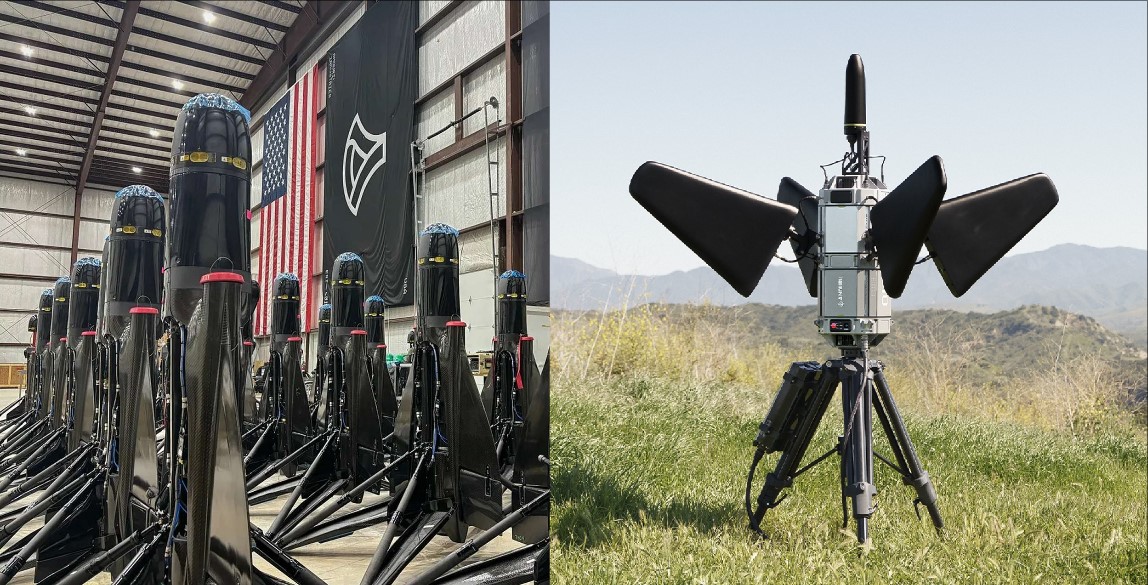 U.S. Approves $1.98 Billion Sale of Anduril AI-Powered Counter-Drone Systems to Kuwait
-
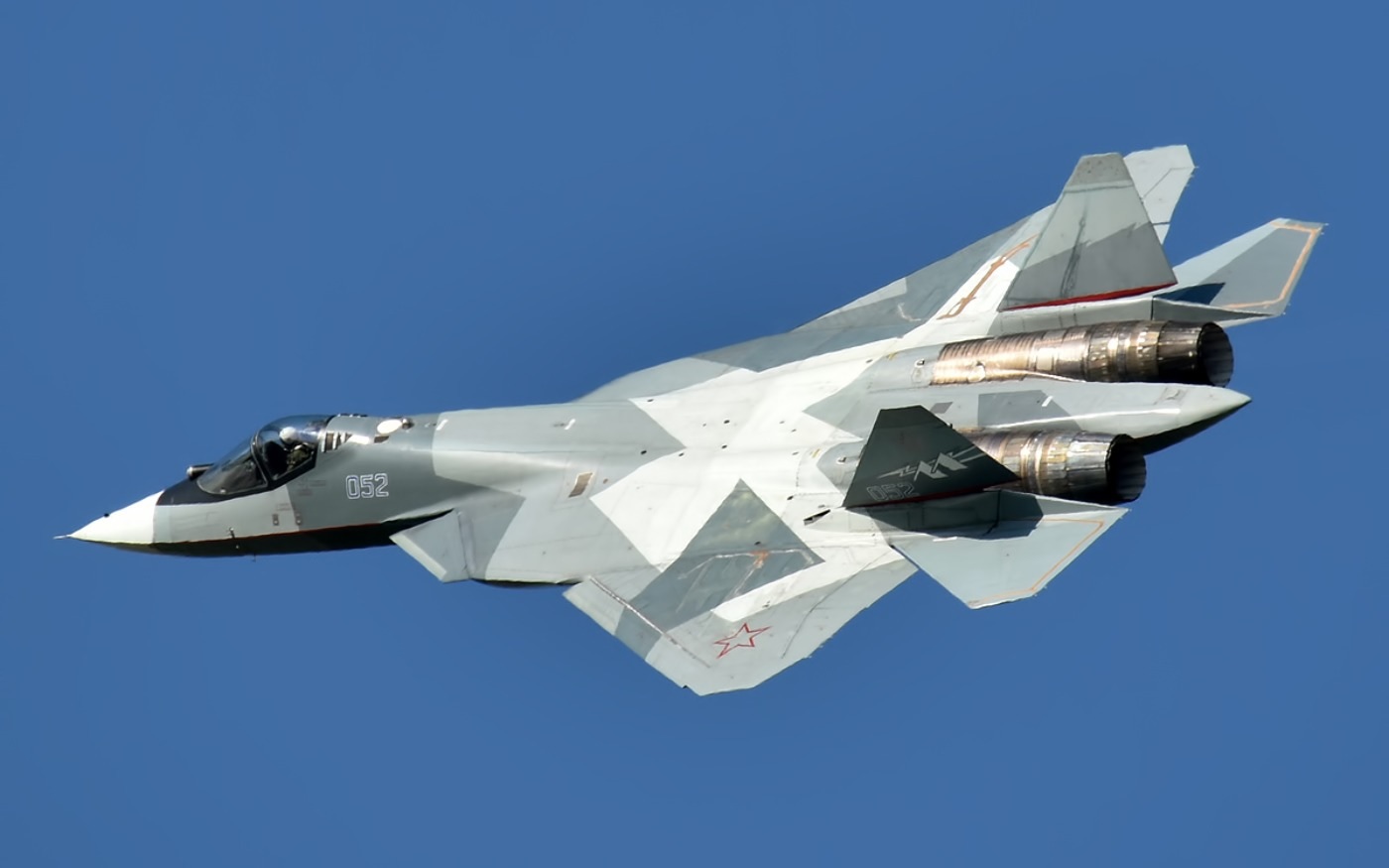 Russian Analysts Debate Su-57 Capabilities After Putin Calls Fighter Superior to F-35
-
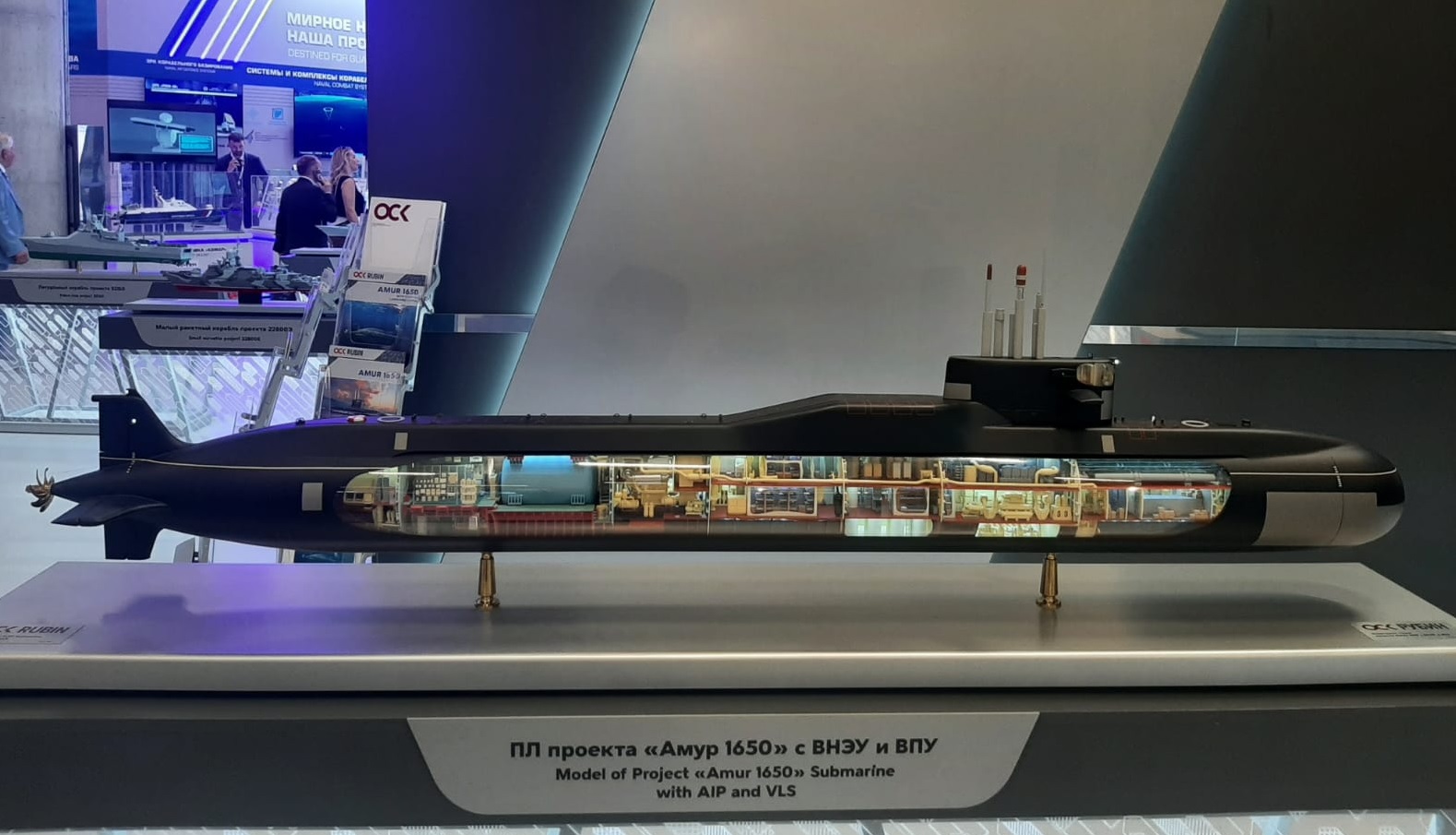 Russia Unveils Amur-1650 AIP Submarine Equipped with BrahMos Vertical Launch System at Fleet-2026
-
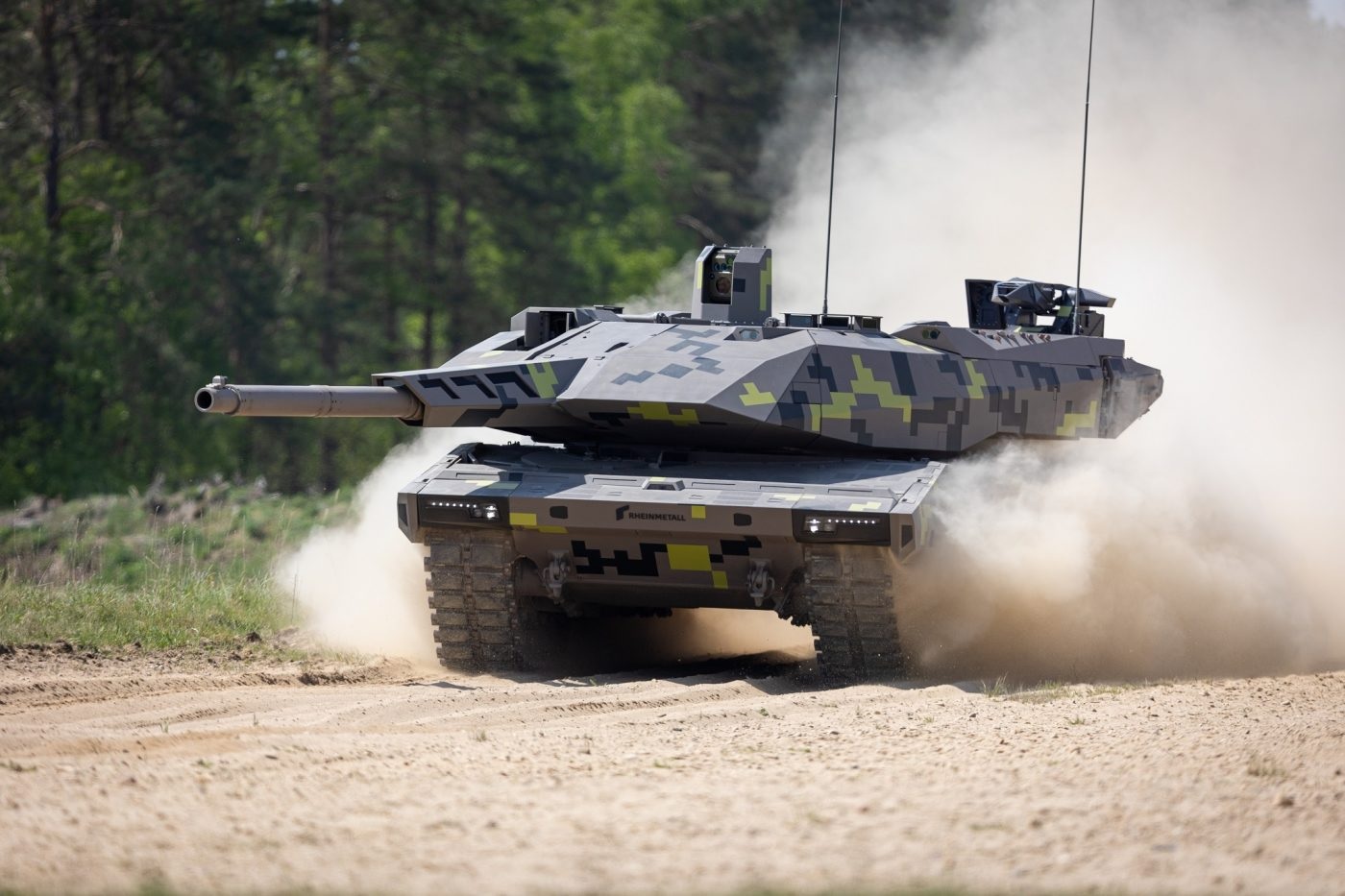 France Considers Reduced Role or Exit from Franco-German MGCS Tank Project
-
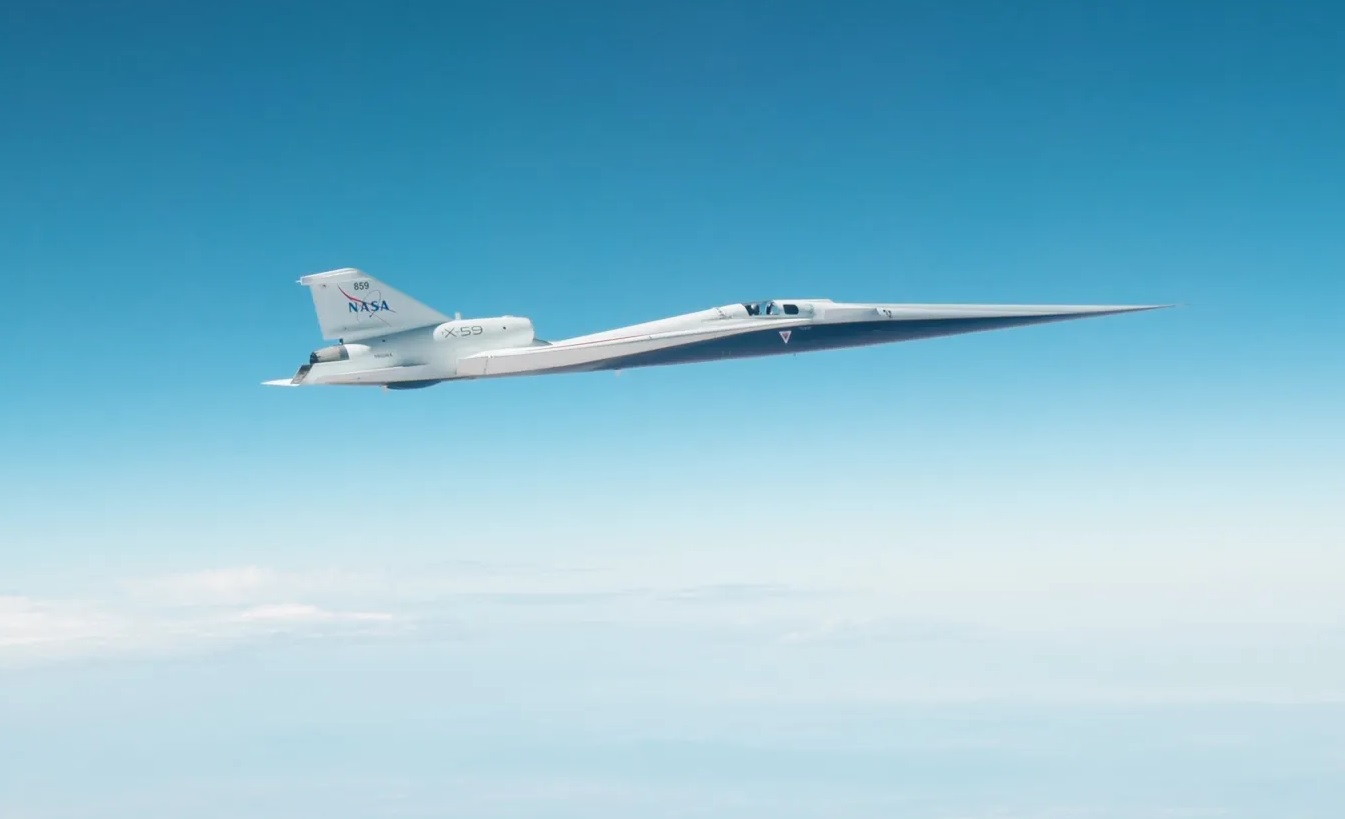 NASA X-59 Achieves Planned Mission Conditions with Mach 1.4 Flight at 55,000 Feet
-
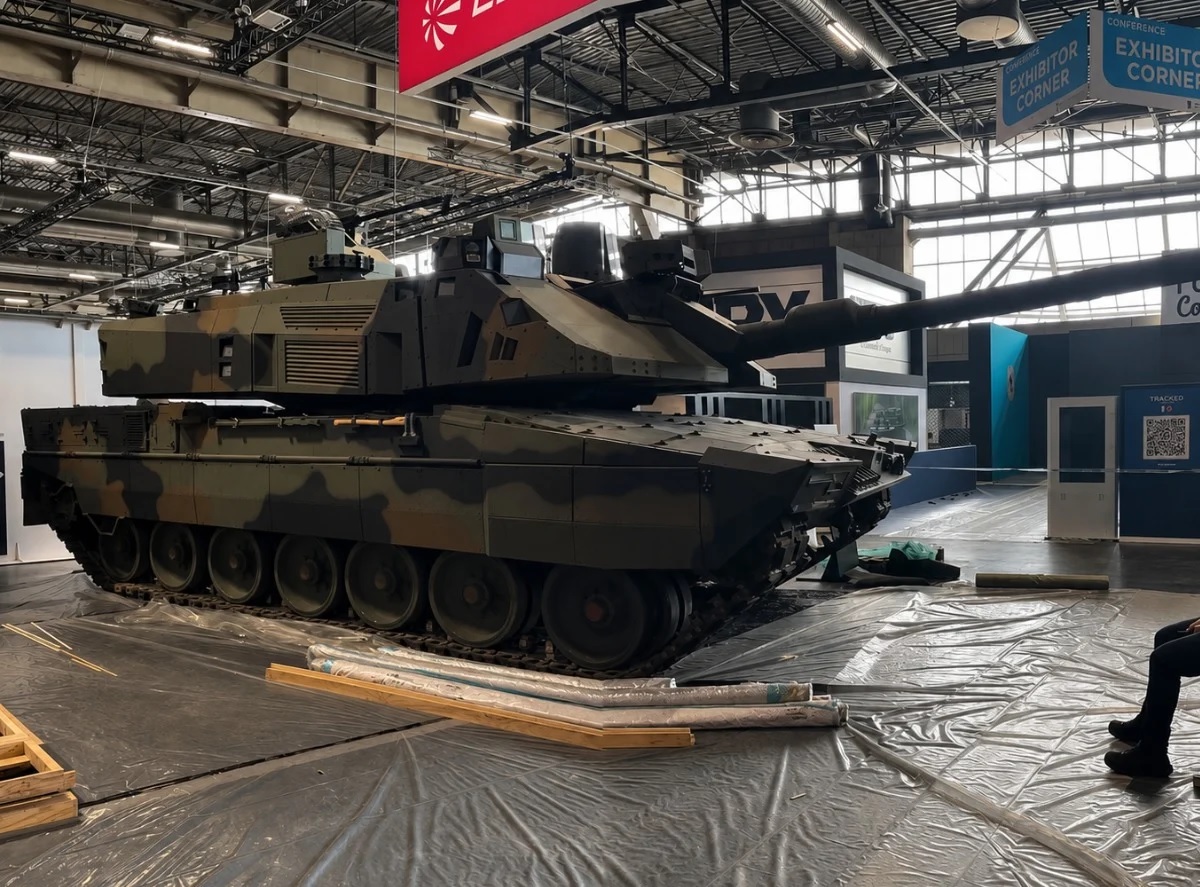 Leonardo Rheinmetall to Unveil Italy’s New IMBT Main Battle Tank at Eurosatory 2026
-
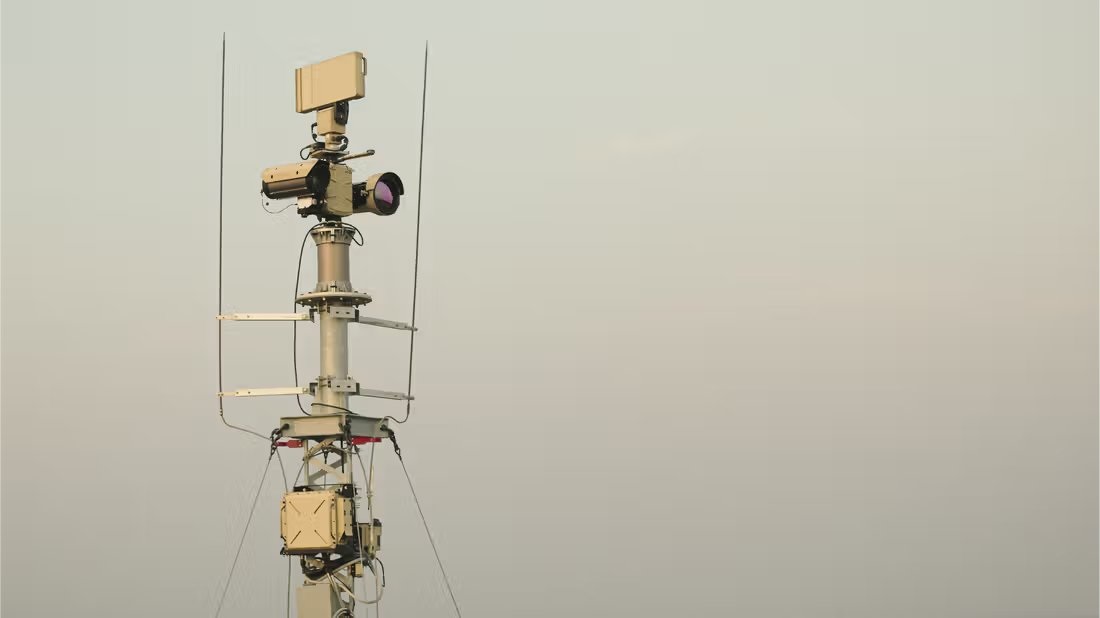 Anduril Wins $363 Million CBP Contract to Deploy Over 200 Extended Range AI Surveillance Towers
Top Trending in 4 Days
-
 Iranian Media Leaks 14-Point U.S.-Iran Peace Framework Amid Ongoing Negotiations
-
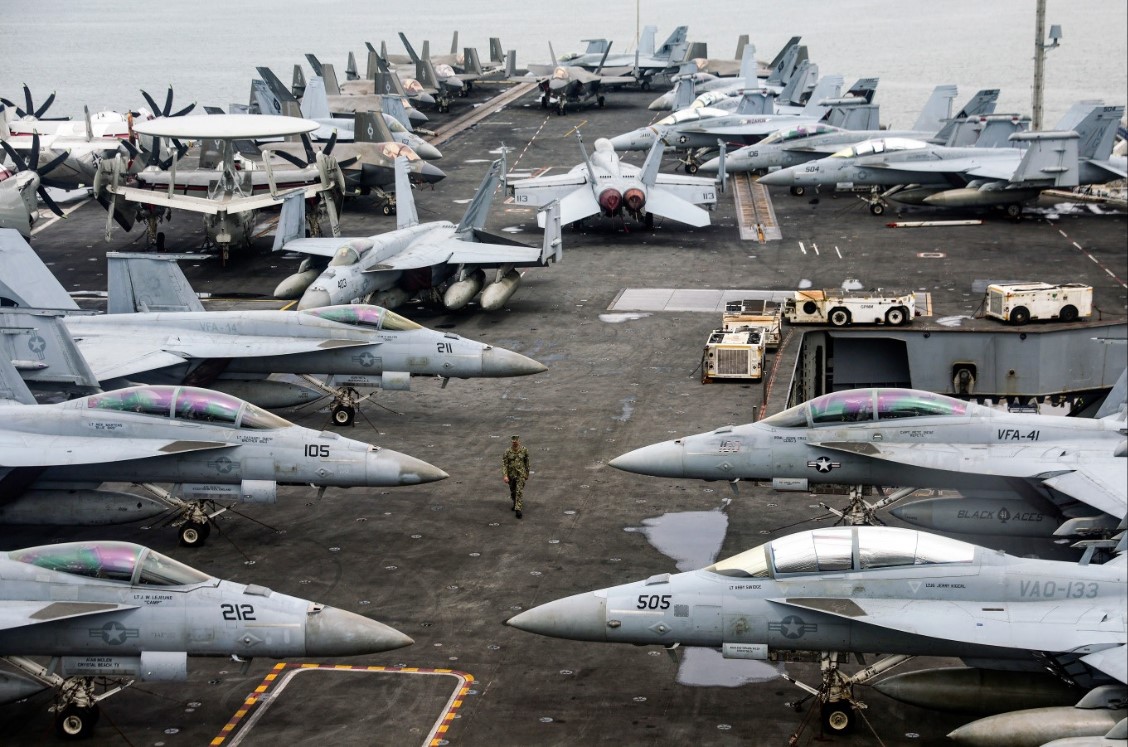 US Plans Significant Reduction of Fighter Jets and Warships for NATO Operations in Europe
-
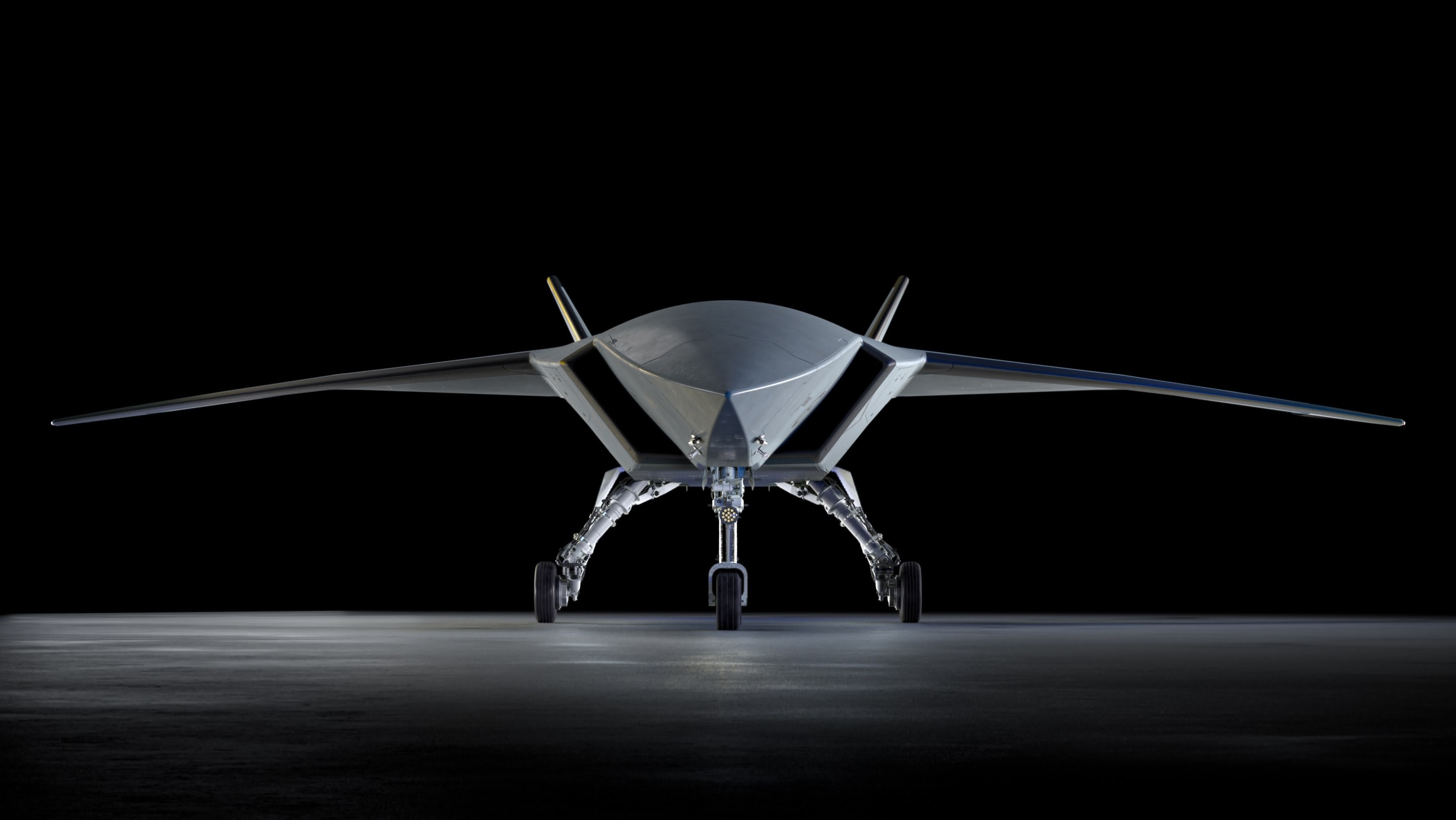 Boeing Introduces New MQ-28 Ghost Bat Upgrades with Increased Range, Payload and Weapons Capacity at ILA Berlin 2026
-
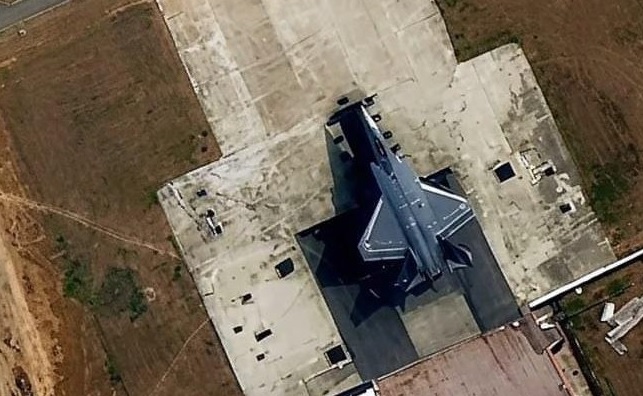 AMCA Airframe Spotted at DRDO’s ORANGE Facility for Radar Cross-Section Testing
-
 U.S. Air Force Faces Strategic Airlift Shortfall as C-17 Production Restart Remains Uncertain
-
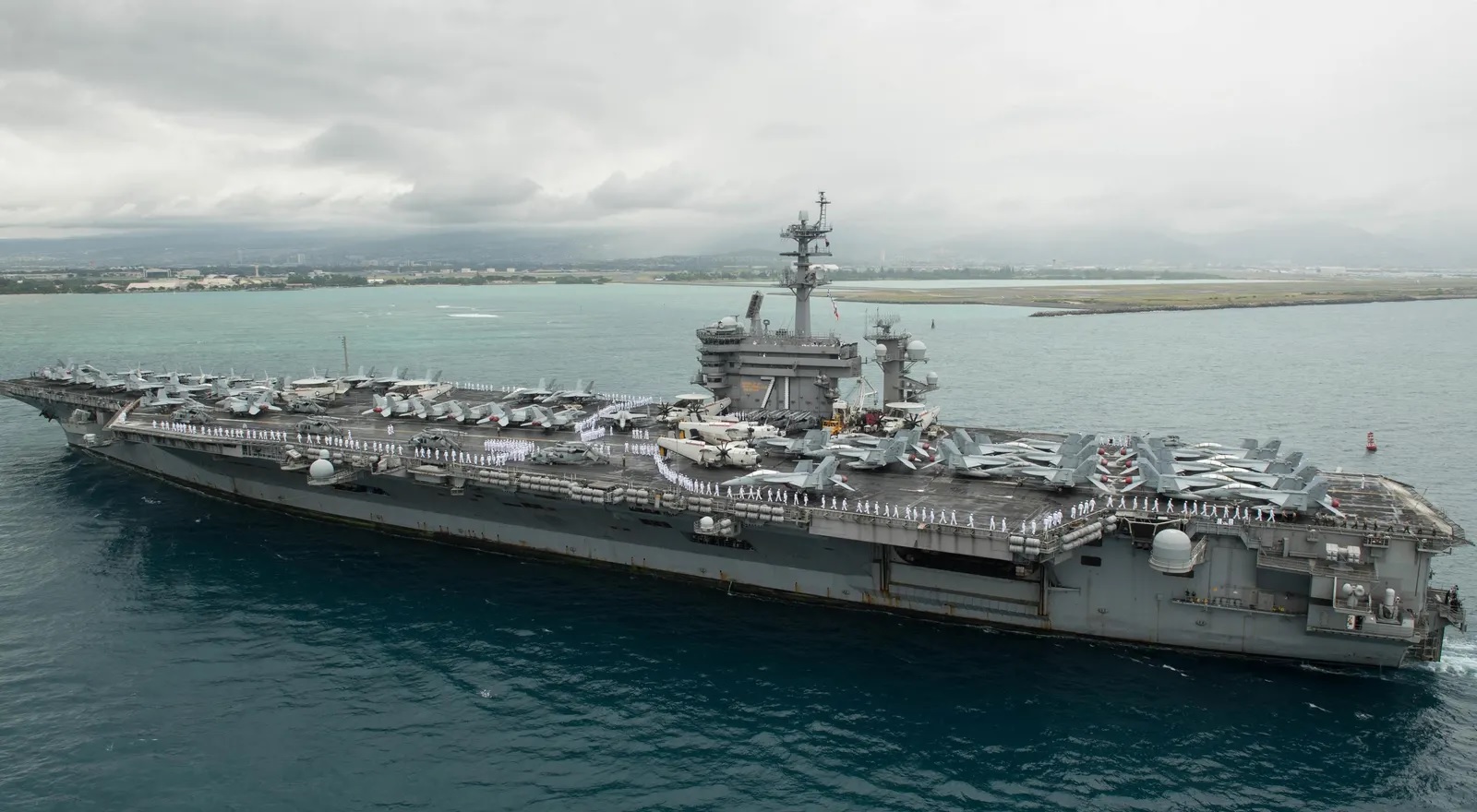 U.S Aircraft Carrier USS Theodore Roosevelt Departs San Diego for Major RIMPAC 2026 Naval Exercise
-
 NATO Commander Says Russia Not Seeking Conflict With Alliance Despite U.S. Force Reductions
-
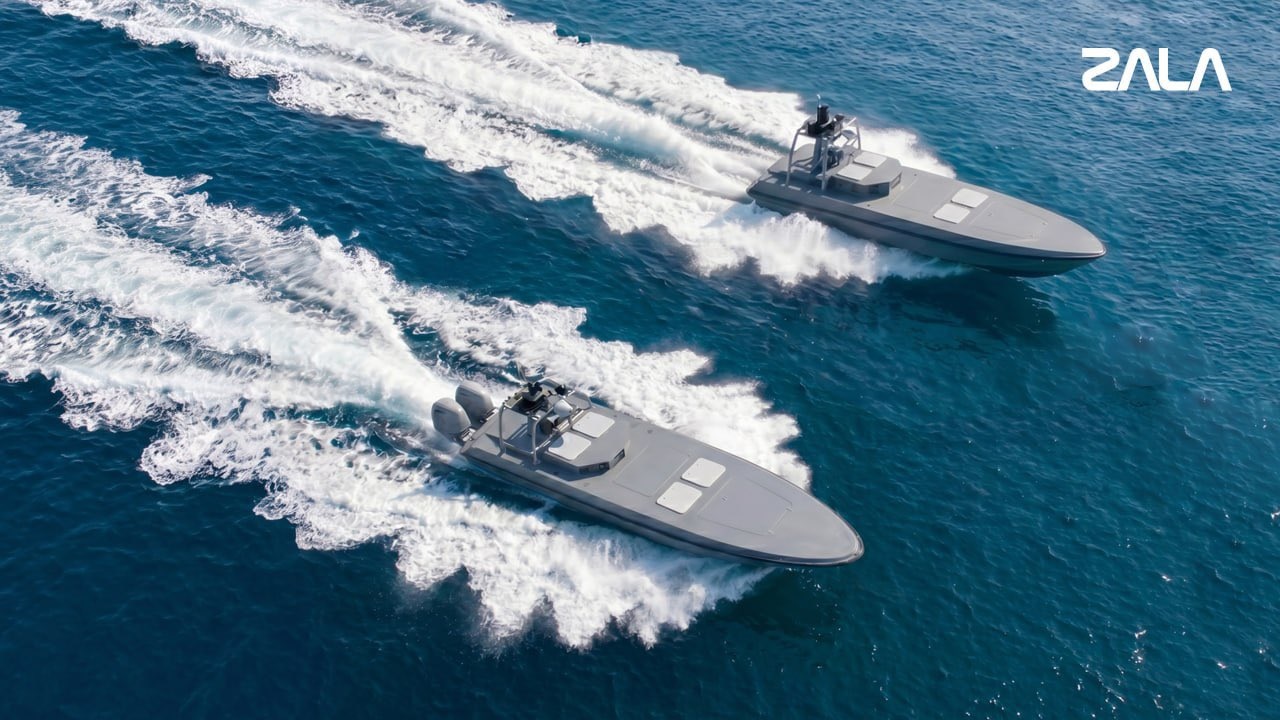 Russian Defense Firm ZALA Unveils KAMA Unmanned Surface Vessel Family at FLOT-2026 Naval Exhibition