World
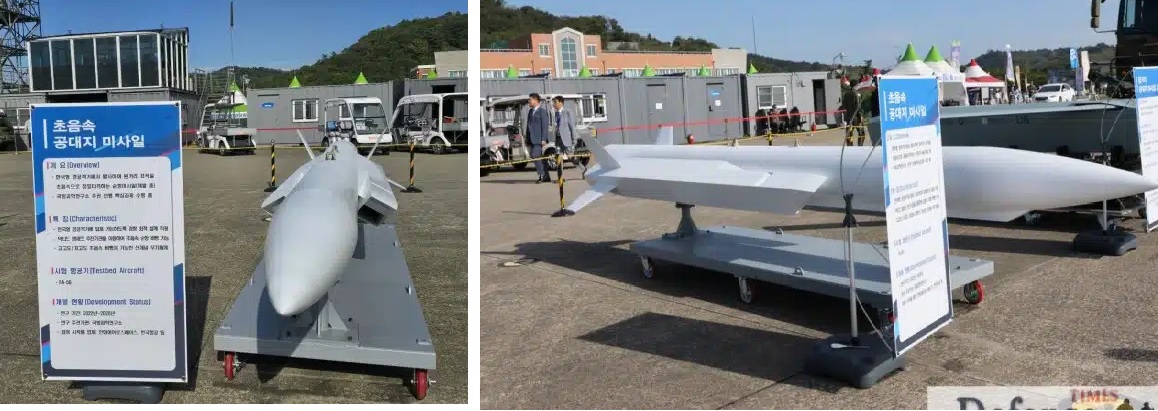
South Korea recently unveiled its newest military asset, a supersonic anti-ship missile known as the “Air-to-Ship Guided Missile-II,” which promises to elevate the strike capabilities of the Republic of Korea Air Force. First displayed at the 2024 Sacheon Airshow, this advanced missile is the result of ongoing research and development by South Korea’s Agency for Defense Development (ADD). Designed to operate in both high- and low-altitude environments, the missile stands out as a formidable new addition to South Korea's arsenal, boosting both air-to-ship and air-to-ground attack capacities.The missile, which is part of the ADD’s 2022-2026 development program, is a 400mm-class air-to-ship weapon tailored for South Korea’s new KF-X fighter aircraft, officially known as the KF-21 Boramae. Its introduction underscores South Korea’s ambitions to develop indigenous defense technologies that can operate in varied mission profiles. Equipped with a dual seeker system combining radar and electro-optical (EO/IR) capabilities, the missile is prepared to navigate through challenging weather conditions and execute high-precision strikes with minimal delay.High Speed, Long RangeOne of the standout features of this missile is its supersonic speed. Traveling at approximately Mach 2.5, or around 3,000 km/h, it covers significant distances in just minutes. This speed is critical, as it limits an enemy’s reaction time. Compared to slower, subsonic missiles that travel around 1,000 km/h, this missile’s supersonic speed makes interception extremely challenging. Capable of hitting targets at a range exceeding 300 km, the missile can quickly close in on targets, providing a unique advantage over many current anti-ship weapons.Ramjet Technology: Key to Supersonic CapabilityThe missile’s high speed is made possible by its ducted ramjet propulsion system. This propulsion technology, which is shared by other advanced missile systems such as France’s ASMPA, allows the missile to maintain supersonic speed while using ambient atmospheric air as the oxidizer. By drawing in atmospheric oxygen rather than carrying an onboard oxidizer, the missile can achieve extended combustion times, allowing it to reach higher speeds over long distances. This streamlined design not only reduces weight but also enables a simpler structure that supports stable, high-maneuverability flight at both high and low altitudes.Modular, Multirole DesignA notable feature of the missile is its modular design, which makes it adaptable for various mission profiles. With this modular system, it can be configured for either anti-ship or air-to-ground missions, providing flexibility in combat scenarios. South Korea’s FA-50 light combat aircraft, which is already popular with international buyers, and the KF-21 Boramae fighter will be outfitted to carry this new weapon. This dual compatibility could increase the missile’s export potential, as countries interested in either aircraft can gain enhanced strike capabilities.Stealth and Precision with Dual Seeker SystemTo improve targeting accuracy, the missile incorporates a dual seeker system with radar and EO/IR sensors. This combination ensures reliable target detection even in adverse weather conditions, enhancing the missile’s effectiveness. The dual seeker system also increases its flexibility in different mission scenarios, whether it needs to strike moving naval targets or ground-based assets.Development and Testing TimelineADD’s development plan includes prototype testing on the FA-50, with Korea Aerospace Industries (KAI) assisting in system integration. By 2025, ADD intends to begin flight tests, with three flights planned before mass production. Hanwha Aerospace and other domestic defense companies are participating in prototype manufacturing, ensuring that this is a homegrown weapon. The Defense Acquisition Program Administration (DAPA) expects full-scale production to occur from 2026 to 2035, with a substantial investment of approximately 564.1 billion KRW dedicated to this project.Potential Impact on South Korea’s Defense ExportsThe success of this missile, coupled with its integration into the FA-50 and KF-21, could open up export opportunities. South Korea’s FA-50 is already in service with the Polish Air Force, and the Philippines has shown interest in the KF-21. A supersonic anti-ship missile of this caliber could increase the attractiveness of these aircraft to potential buyers, offering them a robust and versatile strike capability.In sum, South Korea’s Air-to-Ship Guided Missile-II is set to redefine the nation's air and maritime defense capabilities. By marrying speed, flexibility, and high precision, it serves as a modern solution to emerging regional threats and positions South Korea as a significant player in the supersonic missile space. As it progresses through testing and development, this missile may well become a mainstay not only in the Republic of Korea Air Force’s arsenal but also in allied forces around the globe.
Read More → Posted on 2024-11-14 15:47:22
World
At the 2024 Association of the U.S. Army (AUSA) conference, Oshkosh Defense showcased its advanced unmanned ground vehicle—the Rogue Fires JLTV. This platform takes the rugged, battle-tested design of the Joint Light Tactical Vehicle (JLTV) and integrates advanced autonomous features and modular weapons systems. With its impressive flexibility and expanding combat capabilities, the Rogue Fires JLTV is positioned to become an integral component of the U.S. military’s strategy for contested environments, supporting both logistical and combat roles.Building on the JLTV’s Rugged FoundationThe Rogue Fires vehicle family is built on the foundation of Oshkosh’s JLTV, which has already proven its reliability and versatility in combat environments. By converting the JLTV into an unmanned platform, Oshkosh aims to provide enhanced mobility, armored protection, and advanced autonomy, giving the vehicle the flexibility to tackle various missions with minimal human intervention.As Janet Keech, Senior Director of Programs at Oshkosh, explained, the Rogue Fires JLTV family now includes multiple configurations to suit different operational needs. These configurations feature weapon systems ranging from howitzers and missile pods to support for the HIMARS system. Notably, the Marine Corps has begun low-rate initial production of Rogue Fires vehicles equipped with Naval Strike Missiles (NSM) and Mark 41 Vertical Launch Systems (VLS) for its anti-access/area denial (A2/AD) strategy. These new capabilities provide the Marine Corps with additional options for targeting enemy ships and ground forces from a safe distance.Expanded Long-Range Precision Fire CapabilitiesThe potential of the Rogue Fires JLTV to operate with long-range precision munitions is another step forward in extending the U.S. military’s reach on land and at sea. For instance, the U.S. Army’s recent tests included equipping the Rogue Fires platform with the Guided Multiple Launch Rocket System (GMLRS) and the Precision Strike Missile (PrSM) for extended-range strikes. Moreover, Oshkosh and Lockheed Martin are exploring the integration of the AGM-158C LRASM, a long-range anti-ship missile, into the Rogue Fires JLTV. This addition could offer the Marine Corps a highly effective “shoot-and-scoot” capability, allowing units to deploy, fire at targets such as enemy vessels, and quickly relocate to avoid counterstrikes. Such a feature significantly enhances A2/AD operations, which aim to deny adversaries access to specific maritime regions and littoral zones.Autonomy and Waypoint NavigationOne of the standout features of the Rogue Fires JLTV is its autonomous “leader-follower” capability, enabling a single operator to control multiple unmanned vehicles in convoy formation or deploy them to individual coordinates. This feature is set for further upgrades, which will enhance its waypoint navigation, allowing operators to set precise destinations and routes for the vehicle to follow. Waypoint navigation, combined with advanced obstacle detection, allows Rogue Fires to maneuver through complex terrain autonomously, making it highly effective in hazardous environments where traditional convoy operations would put human drivers at risk. This autonomy allows for better tactical flexibility—operators can either control the vehicle through a handheld device or set pre-defined routes for autonomous resupply missions or forward deployment.Flexibility for Multi-Role OperationsOne of the key selling points of the Rogue Fires JLTV is its adaptability across various mission profiles. The platform is capable of switching between weaponized and logistical configurations, offering the Army and Marine Corps numerous deployment options:Logistical Support: With a payload capacity of up to 6,000 pounds, the Rogue Fires can be configured to carry cargo rather than weapons, making it ideal for last-mile resupply missions to frontline troops. In contested areas, where traditional supply lines may be vulnerable, the JLTV’s autonomy allows it to reach isolated forces while minimizing the need for human-driven convoys. Missile Launching Platform: Configured for direct or indirect fire support, the Rogue Fires can carry and launch GMLRS, PrSM, and potentially even anti-ship missiles like the LRASM. Its modular design means that these weapon systems can be switched out with other configurations, depending on the mission requirements.Anti-Ship Strike Capabilities: As part of the Navy/Marine Expeditionary Ship Interdiction System (NMESIS), the Marine Corps version of Rogue Fires can launch NSMs to counter enemy ships. By integrating such systems, the Marine Corps aims to bolster its coastal defense and maritime interdiction operations.Operational Versatility and Quick Reaction PotentialIn scenarios where speed and surprise are critical, the Rogue Fires JLTV’s design is geared for rapid deployment. The unmanned system allows for “shoot and scoot” tactics, enabling it to launch attacks and quickly move to new positions before enemy forces can pinpoint its location. This capability is invaluable in maintaining the element of surprise and minimizing the risk of counter-attacks. While the JLTV does not yet have an autonomous reloading capability, operators can bring the vehicles back to a centralized base, where they can be restocked before re-deploying. This approach allows for a streamlined “reload and return” cycle that maximizes operational tempo in high-stakes combat zones.Future Path and Expanding OpportunitiesWith its current capabilities, the Rogue Fires JLTV is well-suited for integration into the U.S. Army’s evolving tactics, where both logistics and combat roles are increasingly demanding automation and autonomy. Whether for supply missions in contested areas or delivering direct firepower on the battlefield, the Rogue Fires’ versatility and ability to adapt to changing payloads make it a promising candidate for the Army’s next-generation unmanned systems.As the U.S. military continues to explore how autonomous vehicles can enhance mission efficiency and reduce human exposure to danger, the Rogue Fires JLTV stands out as a system that delivers both flexibility and firepower. By combining advanced autonomous navigation, modular payload options, and the capacity for long-range strikes, Oshkosh’s Rogue Fires JLTV could play a critical role in reshaping how the U.S. Army and Marine Corps engage in the multi-domain battlespace.
Read More → Posted on 2024-11-14 15:44:17
World
Recent photos showing North Korean long-range artillery systems arriving in Russia have ignited a wave of discussions and concerns regarding deepening military ties between Moscow and Pyongyang. The images, shared widely on Russian social media platforms, appear to depict the formidable 170-mm M1989 “Koksan” self-propelled artillery unit, well-known for its significant range and strategic impact.The M1989 “Koksan” represents one of the most potent artillery weapons in North Korea’s arsenal. This weapon system traces its origins back to the 1980s, a period marked by significant North Korean military advancements. It stands out for its sheer firepower and range, being able to launch conventional shells up to 40 kilometers and rocket-assisted projectiles even farther, reaching up to 60 kilometers. This extreme range positions it as a critical long-range asset, capable of striking well-defended or deeply entrenched enemy positions from considerable distances.The M1989 features a massive 170-mm gun mounted on a modified tank chassis. Historically, North Korea has used platforms based on Soviet and Chinese tank designs, such as the T-54, T-62, or Chinese Type 59 tanks. The Koksan comes in two main variants: the earlier M1978 model and the improved M1989. The former lacks onboard ammunition storage and crew protection, whereas the M1989 addresses these shortcomings with a protected cabin and storage capacity for 12 rounds, enhancing the weapon's operational flexibility. During deployment, the M1989 can maintain a firing rate of one to two rounds every five minutes, crucial in sustained combat situations.The significance of the M1989 isn’t just its technical specifications. Historically, these artillery units have been involved in notable conflicts, such as the Iran-Iraq War in the 1980s, where they proved effective as counter-battery weapons. Their strategic use against well-defended or vital infrastructure has cemented their reputation as battlefield game-changers. In the context of Russia’s current needs, the arrival of these artillery systems could signify an effort to bolster Russian firepower amidst ongoing military operations in Ukraine, particularly in regions where artillery supremacy is pivotal.Speculations about military cooperation between North Korea and Russia have been on the rise, especially given the geopolitical isolation both nations face. The transfer of such strategic assets raises questions about whether North Korea is being compensated in some way, either through technology transfers or economic aid. Furthermore, this situation amplifies concerns about potential violations of international sanctions placed on North Korea, as any military hardware trade or support could have significant global repercussions.With these developments, military analysts and strategic experts are closely monitoring the situation. The prospect of North Korean artillery contributing to Russian operations, particularly with such a weapon's devastating capabilities, underscores a complex and evolving alliance that has the potential to influence the geopolitical landscape dramatically.
Read More → Posted on 2024-11-14 15:38:27
World
The landscape of India’s aerospace ambitions is once again thrust into the spotlight as a leading defence expert raises a critical alarm. Amid an increasingly strained global supply chain and persistent delays in the delivery of F404 engines from GE Aerospace, the expert has called upon the Indian Ministry of Defence (MoD) to fast-track the indigenous Kaveri engine development. The emphasis lies in ensuring that the homegrown Kaveri engine could be seamlessly integrated into future batches of Tejas Mk1A fighter jets, safeguarding India's prized fighter jet program from further disruptions.The predicament isn't trivial. India’s light combat aircraft (LCA) Tejas, an emblem of indigenous capability in modern aviation, currently relies heavily on GE’s F404 engines. These American engines deliver a thrust of 84 kN and have been integral to the Tejas' flight performance. However, the ongoing delays highlight a strategic vulnerability: the risk of India’s advanced military programs stalling due to external factors beyond the nation’s control. The defence expert's argument pivots on this very point—India cannot afford to let its future defence prospects hinge on foreign suppliers.The Kaveri engine project, managed by the Gas Turbine Research Establishment (GTRE) under the Defence Research and Development Organisation (DRDO), has been in development for decades. Despite numerous setbacks, the Kaveri engine, particularly in its "dry" thrust configuration, has shown promise. The engine currently produces around 49 kN of thrust without an afterburner. However, with significant enhancements, including the integration of an afterburner, the Kaveri engine could generate “wet” thrust levels up to approximately 83.3 kN. Although this figure is marginally less than the F404’s 84 kN, there is a crucial advantage that makes Kaveri competitive: its "flat-rated" performance.The flat-rated design of the Kaveri engine ensures that its thrust output remains robust and consistent, even under high-temperature and high-altitude conditions that are common in India’s diverse and challenging environments. This technical advantage could make up for the slight shortfall in raw thrust when compared to the GE F404. A well-adapted Kaveri could, therefore, deliver reliable performance, possibly outperforming foreign engines in India-specific operational scenarios.The expert emphasizes that a fully developed Kaveri engine would do more than merely power the Tejas Mk1A; it would redefine India's strategic autonomy in defence manufacturing. By eliminating dependency on foreign engines, India could protect itself from unforeseen geopolitical complications that could otherwise derail its defence programs. Moreover, a successful Kaveri engine could be pivotal for future fighter jet platforms, including India's ambitious Advanced Medium Combat Aircraft (AMCA) and other potential indigenous aerial platforms.Yet, there are challenges. Achieving the Kaveri engine’s full potential requires a significant uptick in investment and technological collaboration. The expert underscores the need for the Indian government to double down on its commitment to the Kaveri project. A comprehensive infusion of resources, both financial and technical, is essential. Collaborations with international engine manufacturers for technological insights could further accelerate progress, helping Kaveri meet its ambitious performance targets.In practical terms, with adequate funding and strategic focus, the defence expert believes that the Kaveri engine could be fully operational and ready for the Tejas Mk1A fleet within the next five years. The timing could not be more crucial as India aims to expand its Tejas fleet while also keeping an eye on its broader aspirations of indigenous self-reliance in defence technology.The push for the Kaveri engine reflects a broader and growing sentiment within India's defence community: the urgent need to bolster self-sufficiency in critical defence technologies. In a world where geopolitical tensions and supply chain disruptions have become increasingly common, India's vision of strategic autonomy hinges significantly on achieving technological independence. Aero-engine development, often regarded as the crown jewel of defence technology, is no exception.As the Tejas program remains central to India’s air defence strategy, the integration of a homegrown engine like Kaveri could transform India's aerospace future, making it more resilient and independent. This could not only safeguard the nation's defence capabilities but also position India as a serious player in the global aerospace arena.
Read More → Posted on 2024-11-14 15:34:10
World
The race to advance unmanned combat technology for the United States Air Force took a crucial leap forward as Anduril Industries and General Atomics Aeronautical Systems (GA-ASI) announced the successful completion of their Critical Design Reviews (CDR) for their Collaborative Combat Aircraft (CCA) concepts. This significant milestone means the designs are now considered mature and ready for the next stages of rigorous testing, as both companies are striving to achieve operational deployment by the end of the decade.Timothy Helfrich of the Air Force Materiel Command confirmed the CDR completion, emphasizing that the Air Force’s CCA program remains on schedule. "Both industry teammates are on track to enable first flights soon, setting the stage for real operational capability before this decade concludes," Helfrich shared at a defense forum.The Technology in FocusAnduril has put forth its ambitious multi-mission Group 5 unmanned aerial system, known as Fury. This drone stands out for its blend of artificial intelligence (AI) and machine learning capabilities. Anduril’s proprietary Lattice software lies at the core, empowering the drone to process data dynamically and make autonomous decisions on the fly. The system is designed to collaborate seamlessly with manned aircraft, performing missions ranging from reconnaissance to electronic warfare, all while adapting to real-time battlefield conditions.On the other hand, GA-ASI has proposed a variant from its established Gambit family of drones, renowned for their impressive endurance and advanced operational capabilities. These drones aim to function as critical assets in distributed air combat networks, working closely with next-generation fighter jets. GA-ASI claims that these drones are primed to be highly versatile, whether acting as sentinels, electronic attack platforms, or even first responders in contested airspace. The company's design aligns with the Air Force’s vision of integrating autonomous drones with manned jets to maximize mission success.Path to DeploymentThis CDR accomplishment follows a fiercely competitive phase earlier in the year, where Anduril and GA-ASI were selected over industry titans like Lockheed Martin, Boeing, and Northrop Grumman for the program's first increment. By securing their places in this ambitious multi-billion-dollar initiative, both companies are eyeing first flights soon, as well as potential mass deployment by the late 2020s. The Air Force has laid out plans for initial CCA fielding, with the aim to deploy a fleet that could number up to 1,000 drones. A significant competitive decision for large-scale production is expected by the 2026 fiscal year.While the CCA program also has a strong focus on developing advanced autonomous software, the hardware designs are crucial. Each drone concept must complement the evolving landscape of next-generation warfare. The idea isn't just about deploying drones but creating a cohesive system that enhances the effectiveness and survivability of manned aircraft. The stakes are high, with the military betting on companies like Anduril and GA-ASI to break new ground. According to Brian Schimpf, CEO of Anduril, this achievement demonstrates a move toward faster, scalable autonomous solutions, stressing the program's importance for modernizing air combat. Meanwhile, GA-ASI President David Alexander underscored their legacy of advancing unmanned systems and delivering efficient, combat-ready platforms.As these drone wingmen edge closer to reality, the vision of future combat scenarios—where AI-driven drones act as agile, smart allies to human pilots—is becoming less of a concept and more of a tangible, strategic reality. The coming years will be pivotal in testing and refining these systems to ensure they meet the rigorous demands of modern air warfare, with a view to establishing a new era of networked, collaborative combat.
Read More → Posted on 2024-11-14 15:18:50
World
In a surprise announcement that has set the defense world abuzz, Russia claims to have signed its first-ever export contract for the Su-57 fifth-generation stealth fighter jet. This news came from Alexander Mikheyev, CEO of Rosoboronexport, Russia's primary arms exporter, during the prestigious Air Show China in Zhuhai on November 13, 2024. However, despite this historic milestone, Russia has left observers guessing by not revealing the identity of the buyer, fueling intense speculation among military analysts.The Su-57, known for its cutting-edge features, represents a pinnacle of Russian aerospace technology. It’s a multirole fighter designed to excel across a range of missions, from taking on adversaries in the skies to striking ground and naval targets with lethal precision. The aircraft's advanced stealth capabilities allow it to evade enemy radar, a critical attribute for modern combat scenarios. Its supermaneuverability, made possible by thrust-vectoring engines, gives it an edge in dogfights, while integrated avionics systems offer a high degree of situational awareness. The Su-57 also comes equipped with an AI co-pilot system, an innovation that aids pilots in mission planning, threat assessment, and even tactical decision-making in real time.The specifics of this deal, disclosed during the China International Aviation and Aerospace Exhibition, have raised questions about which country could be interested in Russia’s flagship stealth aircraft. While Mikheyev celebrated the contract as a step forward in military-technical cooperation, he offered no hints about the buyer’s identity. This secrecy has led to widespread speculation, with names like Algeria, India, Malaysia, and Turkey being floated as possible contenders. Algeria stands out as a particularly plausible candidate; the North African nation has long been rumored to have an eye on the Su-57, driven by its ambitions to modernize its air force and keep pace with regional adversaries.Despite these rumors, analysts are skeptical about the likelihood of other countries, such as China, stepping up to acquire the Su-57. China's own advancements in fifth-generation aircraft technology, exemplified by the Chengdu J-20 stealth fighter, suggest that it may have little need for Russian imports. Additionally, countries like India, while historically aligned with Russian defense procurement, might approach the Su-57 with caution, given previous concerns about delays and performance issues during its development.The Su-57's arsenal is as advanced as its aerodynamic design. It can carry a wide range of air-to-air and air-to-surface missiles, along with precision-guided bombs. The jet is engineered to perform in complex, rapidly evolving combat environments, thanks to its sophisticated weapons management system. This technology enables the aircraft to coordinate attacks in a network-centric warfare setting, where real-time data exchange with other military platforms, such as drones and command units, is crucial.Russia’s strategy of aggressively marketing the Su-57 abroad underscores its need to sustain its defense industry amid ongoing international tensions and economic sanctions. Securing export deals for advanced military hardware like the Su-57 not only brings in much-needed revenue but also strengthens Russia’s influence in key strategic regions. It also highlights Moscow's willingness to build and maintain defense partnerships globally, leveraging its aerospace and military expertise.While the signing of this contract is a major win for Russia, the mystery surrounding the customer continues to cast a shadow over future prospects. The defense community is keenly watching for further details, and it remains to be seen whether the Su-57 can attract more international buyers despite competition from Western and emerging Asian military aircraft.In the meantime, Russia is betting on the allure of the Su-57's futuristic design and powerful capabilities to make an impression on the global stage. But until the identity of the buyer comes to light, the intrigue surrounding this deal will continue to captivate defense experts and geopolitical analysts alike.
Read More → Posted on 2024-11-14 15:10:45
World
Naval Group is setting a new benchmark in naval defense technology with its recent agreement to integrate advanced weapons and munitions from Thales and KNDS into its cutting-edge Modular Multi-Purpose Launch System (MPLS). The French shipbuilder is aiming to revolutionize how naval forces deploy weaponry, offering a degree of flexibility and firepower that few systems can match.The MPLS, first unveiled last year, represents a major step forward from the traditional RIM-116 Rolling Airframe Missile close-in weapon system, which has long been a staple of American naval defense. Rather than being constrained to one type of launcher per weapon, the MPLS stands out with its highly adaptable design. This system allows for interchangeable ammunition modules, making it capable of firing a wide range of effectors. From rockets and guided missiles to grenades, decoys, and even underwater munitions, the MPLS is built to handle whatever a mission demands.A Flexible and Powerful SystemOne of the MPLS’s standout features is its ability to accommodate a wide variety of effectors. The system's modularity means it can be loaded with different types of weaponry to match specific operational needs, which is a game-changer for naval combat. It has a payload capacity of 1,000 kilograms (2,200 pounds), and this greater carrying capability enables multiple MPLS turrets to be installed on a single ship. This not only allows for a diversified arsenal but also means simultaneous deployment of various types of munitions is now feasible. Naval forces can rapidly switch from missile defense to anti-surface warfare or anti-submarine operations without needing to change the launcher hardware—a significant strategic advantage.The system also boasts a dual-axis turret capable of rotating and elevating to engage fast-moving and maneuvering targets, ensuring maximum flexibility in high-stakes combat situations. This level of mobility is complemented by its integrated firing computers and an advanced fire control system. These features allow the MPLS to operate autonomously in standalone mode, or it can seamlessly connect to a ship’s main combat system, making it a versatile and reliable asset for modern naval vessels.Partnerships With Thales and KNDSNaval Group’s collaboration with Thales and KNDS adds another layer of sophistication to the MPLS. Thales, known for its expertise in cutting-edge military technology, will integrate its 70mm and 68mm rocket systems and Lightweight Multi-role Missiles into the MPLS. These systems are expected to enhance the launcher’s ability to tackle a wide variety of threats, from small, fast-moving targets to more substantial maritime threats. Thales’s integration aims to give the MPLS enhanced strike capabilities across multiple engagement scenarios.Meanwhile, KNDS will contribute an array of innovative munitions that promise to expand the system’s operational range. While details on the specific munitions KNDS will supply are not fully disclosed, it is expected that their contribution will include state-of-the-art rounds designed for both offensive and defensive operations. Additionally, there is ongoing work to incorporate MBDA’s Mistral and Akeron missile families into the system, further increasing its combat versatility.Built for Future Naval WarfareThe MPLS isn’t just about versatility—it’s also about preparing naval forces for the challenges of tomorrow. By incorporating rockets, guided missiles, and underwater munitions, the MPLS is well-suited to address both conventional and asymmetric threats. The ability to quickly switch between different types of munitions is a strategic advantage, especially in complex, multi-domain environments where seconds can make the difference between victory and defeat.Moreover, the system’s advanced fire control technology ensures that even in high-pressure combat situations, operators have the precision and reliability needed to neutralize threats effectively. Its autonomous capabilities mean that even if disconnected from the main combat system, the MPLS remains a formidable line of defense, capable of protecting a vessel from a wide array of threats.Naval Group’s partnership with Thales and KNDS to enhance the MPLS with sophisticated effectors and munitions underscores a commitment to redefining naval combat systems. By combining cutting-edge technology with a modular and flexible design, the MPLS is poised to become a key asset for navies looking to maintain a tactical edge on the high seas. With the system's advanced capabilities and strategic versatility, the future of naval warfare just became a lot more adaptable—and a lot more formidable.
Read More → Posted on 2024-11-14 14:56:24
World
At Euronaval 2024, the French-German Research Institute of Saint-Louis (ISL) presented an intriguing model of its latest electromagnetic railgun, spotlighting its potential for naval applications. This cutting-edge railgun, an evolution of ISL’s work on the PILUM project, represents a significant step forward in hypersonic artillery capabilities, targeting extremely long-range and high-speed operations that promise to change the landscape of modern defense.The Electromagnetic Railgun AdvantageThe railgun technology ISL is developing uses electromagnetic force to launch projectiles at astonishing speeds, far surpassing conventional gunpowder-based systems. In a railgun, an electric current flows through two parallel rails, accelerating a projectile between them at incredible velocities. While this concept isn’t new, the challenge lies in refining it into a practical weapon. ISL's model shows progress toward meeting this challenge, especially for naval use, where ships can supply the high levels of electrical power required. ISL’s advancements demonstrate Europe's unique strides in developing both the railgun mechanism and its power systems.PILUM Project and the Evolution of the RailgunThe railgun ISL displayed builds upon the work of the PILUM project, funded by the European Defence Fund (EDF). Launched in 2021, PILUM was a feasibility study exploring the railgun’s long-range potential, with a budget of €1.5 million. The project brought together partners from Germany, France, Poland, and Belgium, including Diehl Defence, Naval Group, and the Von Karman Research Institute, among others. PILUM’s success in demonstrating the fundamental potential of railgun technology paved the way for the new THEMA initiative, aimed at advancing the maturity of these systems.THEMA: Pushing Technology Toward Real-World ApplicationsTHEMA, an EDF-backed project initiated in 2023, includes additional partners from across Europe and has a budget of €15 million. This project focuses on optimizing the railgun for field deployment, addressing critical elements such as energy storage, armature design, and projectile dynamics. The plan is to create a functional demonstrator by 2028, with initial field tests expected to begin as early as 2025.ISL has developed key components to make this vision a reality. A prototype called the New Generation Launcher (NGL 60) can propel projectiles at muzzle velocities up to 2,500 m/s, achieving hypersonic speeds. Notably, in lab tests, ISL demonstrated speeds approaching Mach 10, or around 3,500 m/s, which opens a range of tactical possibilities. The railgun operates with a breech voltage near 3,000 volts and a maximum current of 2.5 megaamperes, which creates unique wear-and-tear challenges on the rails. Addressing this rail wear is essential to make these weapons viable for sustained military use.Precision in Energy StorageOne of the most complex parts of the railgun system is its energy storage. The railgun needs to discharge massive amounts of energy in milliseconds to achieve the necessary projectile speeds. ISL has created a demonstrator for this purpose: the XRAM-Generator, a 1-megajoule (MJ) toroidal coil designed to store and release high-density energy. This coil can amplify the charging current by 20 times, delivering power with a density three times higher than capacitive systems. The XRAM-Generator’s compact design—measuring just over a meter in diameter—has a specific energy density of 5.7 MJ per cubic meter. ISL used it in testing with its 25mm RAFIRA railgun, achieving a projectile speed of 2,400 m/s. This energy system could potentially scale to the 10 MJ PEGASUS facility, which could be a game-changer for larger, more powerful railgun applications.High-Speed Projectiles and Defensive PotentialRailgun projectiles achieve extreme acceleration, enduring forces between 25,000 and 50,000 g. For smaller rounds of 25mm, the acceleration can reach an astonishing 100,000 g, a feat that requires specially hardened electronics to withstand these conditions. ISL is exploring ways to improve the aerodynamics of its projectiles, which are designed to sustain hypersonic speeds with potential guidance systems. This could enhance their range and precision, making them suitable for long-range strikes, anti-missile defense, and close-in weapon systems for naval ships.Strategic Implications of Railgun TechnologyISL's railgun could have transformative effects on future European naval capabilities. With potential ranges of 200 km and projectiles reaching altitudes of 70 km, these systems could provide valuable support for long-range land strikes and naval fire support. Medium-caliber railguns could also deliver effective defenses against hypersonic missiles, firing at rates over 50 rounds per second—ideal for intercepting high-speed threats.The railgun’s ability to deliver hypersonic rounds at relatively low cost, compared to conventional missiles, makes it a strong contender for Europe’s strategic defense. If fully realized, the technology could give Europe an independent, high-performance artillery option, potentially transforming naval and land warfare in a world increasingly confronted with hypersonic and saturation attack scenarios. Looking AheadISL’s achievements in electromagnetic railgun technology, showcased at Euronaval 2024, underscore a European commitment to advancing high-speed, high-impact weapons systems. While challenges remain, particularly in areas like energy storage and rail durability, the institute’s progress through PILUM and THEMA projects promises a future where railguns could be part of both naval and land-based arsenals. As ISL continues to refine these systems and prepare for demonstrator testing in the coming years, the dream of an operational railgun on the battlefield edges closer to reality.
Read More → Posted on 2024-11-13 15:26:39
World
In a worrying development, the United States has issued a stark warning about Iran’s advancement in chemical weapon capabilities, particularly in creating agents using synthetic opioids like fentanyl. These agents, known as pharmaceutical-based agents (PBAs), have the potential to incapacitate both soldiers and civilians, introducing a unique threat to the already tense Middle Eastern region. U.S. security analysts have expressed growing concerns that Iran may supply these weaponized opioids to regional proxies, such as Hezbollah, intensifying the possibility of these agents being deployed in conflicts.One expert vocalizing these concerns is Matthew Levitt, a senior fellow at the Washington Institute, who recently wrote about Iran’s PBA program for the Combating Terrorism Center at West Point. Levitt stressed that the creation of these opioid-based agents poses an urgent threat, as these substances could be used not only to incapacitate but, in high enough doses, to kill. By targeting the central nervous system, these PBAs act rapidly and could create widespread casualties without the large-scale physical destruction caused by traditional explosives.This revelation comes at a time of escalating instability in the Middle East, which has seen rising militancy from Iran-backed groups and proxy forces. According to Levitt and other experts, Iran’s development of PBAs has been ongoing since at least 2005, potentially violating the Chemical Weapons Convention (CWC), an international treaty Iran signed in 1997. The CWC prohibits the use, development, and stockpiling of chemical weapons. However, Iran’s ongoing work with opioid-based agents suggests a troubling disregard for this commitment, sparking concern within international regulatory bodies like the Organisation for the Prohibition of Chemical Weapons (OPCW).Iran’s PBA program includes synthetic opioids, especially fentanyl, which are well-known in the medical field for their potency as pain relievers but are also among the most lethal substances when used inappropriately. Weaponized PBAs could allow Iranian proxies to incapacitate large groups in controlled scenarios, using grenades or other delivery systems to expose individuals or crowds without causing overt physical harm. Experts believe that Hezbollah, Iran’s most prominent proxy in Lebanon, could use these agents in kidnapping operations or to neutralize Israeli forces in a strategic move that avoids more traditional and destructive forms of combat.This dual-use characteristic of PBAs—substances that can be employed both medically and as weapons—adds another layer of complexity to their regulation. Unlike traditional chemical agents that are easily identifiable as weapons, these synthetic opioids are pharmaceutical compounds that are otherwise lawful and beneficial in medical settings. This complicates enforcement under international law, as regulating PBAs without hindering the pharmaceutical industry is challenging. For the U.S. and its allies, Iran’s use of synthetic opioids in chemical weapon development illustrates a worrying new front in chemical warfare, one that leverages pharmaceutical advances for military purposes.Additionally, recent reports from Iran suggest that PBAs may have already been used within the country. For instance, several cases of mass poisoning in Iranian schools have raised suspicion among some local journalists who allege that these incidents could be linked to the country’s PBA research. Though unconfirmed, these reports hint at the potential domestic misuse of these chemical agents, possibly to suppress dissent or for other politically motivated actions.Iran, for its part, defends its PBA research as necessary for crowd control, citing the traumatic legacy of chemical attacks suffered during the Iran-Iraq War as justification for bolstering its own defensive capabilities. Nevertheless, this claim has done little to quell international concern. The U.S. has consistently argued that Iran’s activities violate the spirit and letter of the CWC, particularly when the development of chemical agents is geared toward military or subversive purposes.The international community now faces a critical challenge: the opioid-based PBAs Iran is developing represent an advanced form of chemical weapon that could spread beyond the Middle East if distributed to proxy forces. The U.S. and its allies continue to monitor the situation closely, fearing the broader implications for regional stability and security. As tensions remain high in the Middle East, Iran’s PBA program raises the stakes in a conflict landscape already fraught with complex alliances and proxy warfare, emphasizing the urgent need for diplomatic and regulatory action to curb the threat of chemical weapons disguised as pharmaceuticals.
Read More → Posted on 2024-11-13 15:21:54
World
Turkey has achieved a remarkable milestone in drone warfare with Baykar’s recent test of its advanced Akinci unmanned combat aerial vehicle (UCAV). Known for pioneering drone technology, Baykar successfully launched two İHA-230 supersonic ballistic missiles from the Akinci UCAV, hitting a target with stunning accuracy at a distance of 155 kilometers. This breakthrough reflects Turkey’s growing prowess in high-tech military innovation and places it among the few countries capable of utilizing drones for long-range ballistic missile strikes.The Akinci UCAV and İHA-230 Missile: Key Specifications and CapabilitiesThe Akinci UCAV, Baykar’s most sophisticated combat drone, boasts state-of-the-art features that elevate it above many other UAVs. Equipped with dual turbo-prop engines, it is capable of high-altitude operations and can carry a diverse payload, from smart munitions to various missiles. Its onboard avionics allow for real-time data processing and decision-making, enhancing its adaptability in complex combat environments. The Akinci can operate at an altitude of 40,000 feet, extending its operational flexibility and making it a powerful asset for both reconnaissance and strike missions.Central to this test’s success is the İHA-230 missile, a new air-to-surface weapon developed by Turkish defense contractor Roketsan specifically for drone applications. The İHA-230 missile is designed for tactical precision and can engage targets at a range of 20 to 150 kilometers. This capability allows the Akinci to strike from outside enemy air defenses, minimizing the risk to the UCAV and ensuring operational safety even in contested airspaces.Enhancements in the İHA-230’s DesignTo maximize performance, recent modifications were introduced to the İHA-230 missile. Roketsan re-engineered its tail section for better aerodynamics, enabling higher speeds and improved maneuverability, particularly during descent. Adjustments to the missile’s forward control surfaces have further optimized its stability, allowing for greater accuracy even in challenging flight conditions. These changes collectively increase the missile’s effectiveness, ensuring that it can reliably hit targets with precision.The İHA-230’s development embodies Turkey’s focus on making its drone fleet highly versatile and self-sufficient. By integrating ballistic capabilities into the Akinci UCAV, Turkey enhances its strategic flexibility, empowering its forces to execute high-precision strikes without relying on larger aircraft or ground-based missile systems. Strategic Implications for Turkey’s DefenseThe successful launch of ballistic missiles from a UCAV expands the tactical options available to Turkish forces in both conventional warfare and counter-terrorism. The İHA-230’s standoff range allows it to target strategic assets while keeping the Akinci and other supporting systems safely outside the range of enemy defenses. This level of reach, combined with the UCAV’s autonomous capabilities, positions Turkey as a formidable force in modern drone warfare. For operational commanders, this translates to a significant advantage in contested areas, where minimizing exposure to adversarial forces is critical for mission success.As geopolitical tensions fluctuate, the Akinci-İHA-230 combination offers a unique deterrence tool. It enables Turkey to project power without escalating risk to personnel or expensive manned aircraft. Additionally, this advanced drone-ballistic missile integration underscores Turkey’s ambitions to develop indigenous defense technology, making it more self-reliant in the global arms landscape.A New Chapter in Drone and Missile TechnologyThis landmark achievement by Baykar marks a pivotal point in drone technology. The Akinci UCAV’s ability to launch ballistic missiles with such range and precision demonstrates the transformative role of unmanned systems in modern warfare. With continued advancements, Turkey is setting a new benchmark for how drones can function beyond surveillance and light-attack roles, evolving into multi-functional systems capable of complex missions. This development also signals Turkey’s growing presence in global defense, potentially inspiring other countries to explore similar capabilities in their drone fleets.
Read More → Posted on 2024-11-13 15:18:44
World
In a tense maritime episode underscoring the Red Sea’s escalating dangers, Yemen’s Houthi rebels launched a sophisticated assault on two U.S. Navy destroyers transiting the Bab al-Mandeb Strait. As the Pentagon detailed, at least eight attack drones, five ballistic missiles, and three anti-ship cruise missiles were fired in the coordinated offensive. The warships managed to thwart the strikes using advanced defense systems, emerging unscathed and with no injuries among their crews.The Houthis have ramped up maritime hostilities in the Red Sea and Gulf of Aden since November 2023, citing their solidarity with Palestinians amid Israel’s aggressive military campaign in Gaza. These assaults on international shipping lanes, vital for global trade, echo broader tensions that have enveloped the region, as Iranian-backed factions from Lebanon to Syria intensify attacks fueled by regional grievances.This latest confrontation brought to light Washington’s ongoing military efforts to secure these strategic waters. U.S. Central Command has bolstered presence by deploying air and naval assets, including the aircraft carrier USS Abraham Lincoln. Yet, the Houthis' false claim of targeting the carrier was dispelled by Pentagon spokesman Major General Pat Ryder.Even as the U.S. Navy continues to patrol the Red Sea’s critical waterways, the Pentagon has launched retaliatory airstrikes against Houthi weapons storage, attempting to curb future threats. These countermeasures illustrate the persistent volatility, as attacks spread across Syria, Iraq, and Lebanon, driven by anti-Israel sentiments and deepened by proxy struggles.The U.S. remains vigilant in defending regional stability while facing a geopolitical powder keg ignited by cross-border animosities, demonstrating the complexity and scale of emerging security threats across the Middle East.
Read More → Posted on 2024-11-13 14:53:28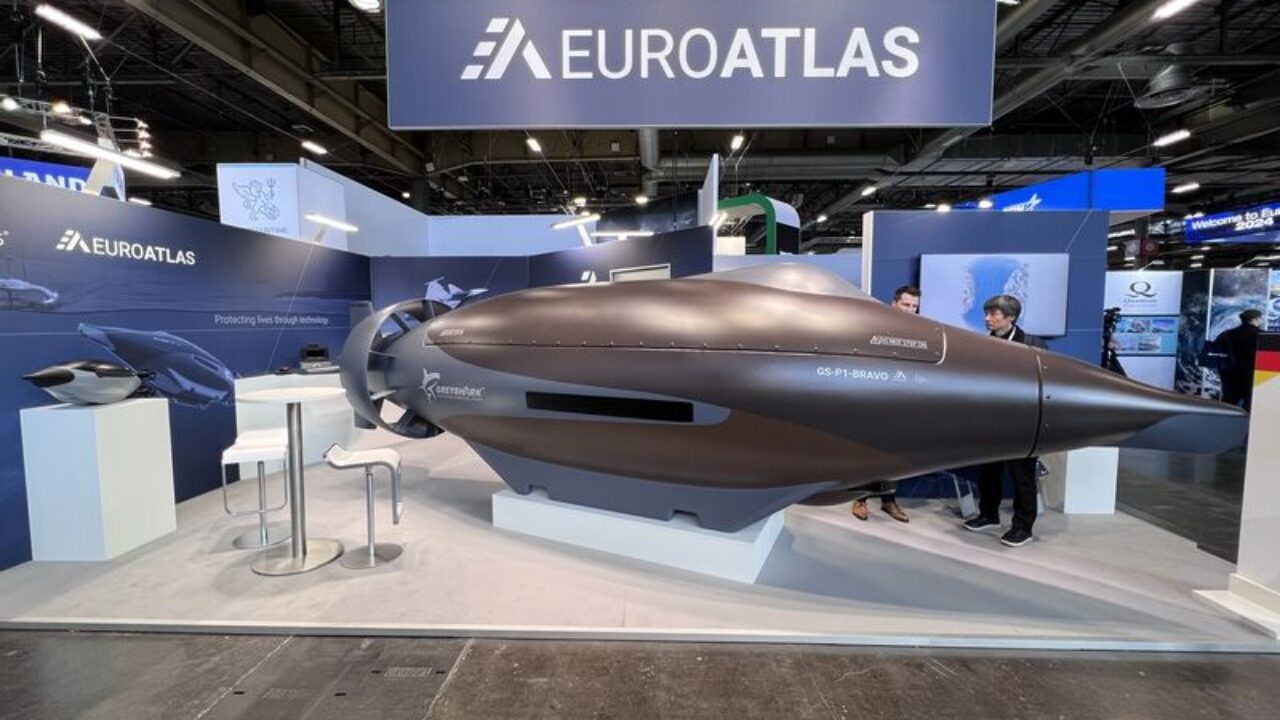
World
Euroatlas, the German engineering powerhouse, has unveiled a cutting-edge addition to underwater surveillance technology: the Greyshark autonomous underwater vehicle (AUV). Revealed at the prestigious Euronaval 2024 exhibition in Paris, this AUV is geared for a broad spectrum of missions ranging from reconnaissance to safeguarding critical underwater infrastructure.At first glance, Greyshark stands out for its streamlined design, optimized for efficient and silent operations. With a cruising speed of 10 knots (approximately 11 miles or 18 kilometers per hour), it’s built for endurance, boasting a remarkable operational range of 1,000 nautical miles (1,150 miles or 1,852 kilometers). This makes it capable of long-duration missions, up to 30 days at sea, either independently or as part of a swarm. Its impressive operational depth of 650 meters (around 2,132 feet) will be extended to 4,000 meters in future upgrades, highlighting its versatility for deep-sea tasks.Greyshark's technological arsenal includes advanced active sensors, such as multibeam and synthetic aperture sonar, and passive systems like anti-jamming GNSS and AI-enhanced camera setups. This sensor array, combined with sensor fusion technology, allows Greyshark to detect and analyze changes in underwater environments and track objects efficiently. Communication capabilities are equally robust, with features like Iridium satellite links and underwater acoustic modems that ensure seamless data transfer even in challenging maritime conditions.A key feature of Greyshark is its adaptability for diverse roles. It can be configured to protect underwater assets like pipelines, cables, and harbors, or be equipped for mine warfare and anti-submarine operations. The AUV can operate autonomously or in coordination with up to six other units, thanks to its swarm capabilities. These can be directed from a central hub, operate self-organized, or even function under the guidance of a mothership.To ensure seamless operations, Euroatlas provides a comprehensive support package, covering everything from transport and maintenance to deployment and refueling. This service infrastructure is essential for adapting the Greyshark to various mission profiles and adhering to international regulations, both in civilian and military maritime domains.Euroatlas’s latest innovation underscores a commitment to modernizing underwater warfare and surveillance capabilities, setting a high benchmark for future maritime technologies.
Read More → Posted on 2024-11-13 14:12:17
World
The eagerly anticipated arrival of the Akula-class INS Chakra III submarine for the Indian Navy has hit a significant delay, pushing its expected induction to 2028, three years later than initially planned. The INS Chakra III, a nuclear-powered attack submarine (SSN), was originally scheduled to join the Indian fleet in 2025, but the ongoing Russia-Ukraine conflict has disrupted the timeline, affecting Russia's defense production schedules and its capacity to deliver international defense commitments.The Akula-class submarines are a cornerstone of advanced naval warfare, and India's acquisition of the INS Chakra III underlines the strategic importance of nuclear-powered submarines in modern military operations. In 2019, after protracted negotiations, India and Russia signed a substantial $3 billion lease agreement, paving the way for the delivery of the INS Chakra III. The deal marked the continuation of a vital defense relationship between the two nations, aimed at bolstering India's naval strength in the Indian Ocean Region (IOR).One of the most compelling aspects of the Akula-class SSNs lies in their technological prowess. Unlike conventional diesel-electric submarines, nuclear-powered attack submarines such as INS Chakra III have immense operational advantages. They are capable of remaining submerged for months, thanks to their nuclear reactors, which grant them virtually unlimited underwater endurance and the ability to maintain higher sustained speeds. This endurance and speed allow for unmatched operational flexibility, making them well-suited for prolonged missions, surveillance, and critical anti-submarine warfare.INS Chakra III, like its predecessors, will be armed with a range of advanced weaponry, including torpedoes and cruise missiles, designed to take out enemy submarines and surface ships. Although not equipped with nuclear ballistic missiles, the submarine will offer India a formidable attack platform with state-of-the-art sonar systems, improved stealth features, and reinforced hull structures for deep-sea maneuvers. These specifications promise significant upgrades over the earlier leased Akula-class submarines, namely INS Chakra I and INS Chakra II.The history of Akula-class submarines in India's naval arsenal is rich and influential. The first leased submarine, INS Chakra I, arrived in 1988, giving India its initial experience with operating nuclear-powered underwater assets. This experience laid the groundwork for India's indigenous ballistic missile submarine (SSBN) program, which eventually produced the Arihant-class SSBNs. Later, INS Chakra II was leased in 2012, and its arrival provided a decade of operational insight, training, and technological knowledge. These experiences have significantly aided India's push toward self-reliance in submarine technology.INS Chakra III promises to be an even more advanced version, featuring upgrades that encompass stealth and sensor technologies. The modernization work on the submarine involves complex customizations to meet Indian Navy requirements, which is a demanding process in itself. These refurbishments include equipping the submarine with more silent propellers, improved acoustic dampening to reduce detection, and new command and control systems for superior combat capability.However, the current delay is primarily attributed to the geopolitical and logistical impact of the Russia-Ukraine war. The conflict has hampered Russia's industrial output and stretched its defense sector, leading to widespread disruptions in military production. India, which relies on Russian military equipment across various sectors, has experienced delays not just in submarine delivery but also in other key procurements.Despite these setbacks, the strategic significance of INS Chakra III for India cannot be understated. The submarine will enhance India's underwater deterrence and give the Indian Navy a stealthy and robust platform to counter growing naval threats in the IOR. With the increasing presence of other naval forces, particularly China's, the Akula-class submarine's ability to perform covert operations, protect sea lanes, and execute extended reconnaissance missions will be crucial for maintaining regional security and power projection.In essence, the delayed arrival of INS Chakra III is a reminder of the complexities of international defense collaborations, particularly in times of geopolitical turbulence. Yet, when finally inducted, the submarine will mark a leap forward in India's quest for strategic maritime dominance, adding a sophisticated and silent predator to the nation's underwater fleet.
Read More → Posted on 2024-11-13 14:10:26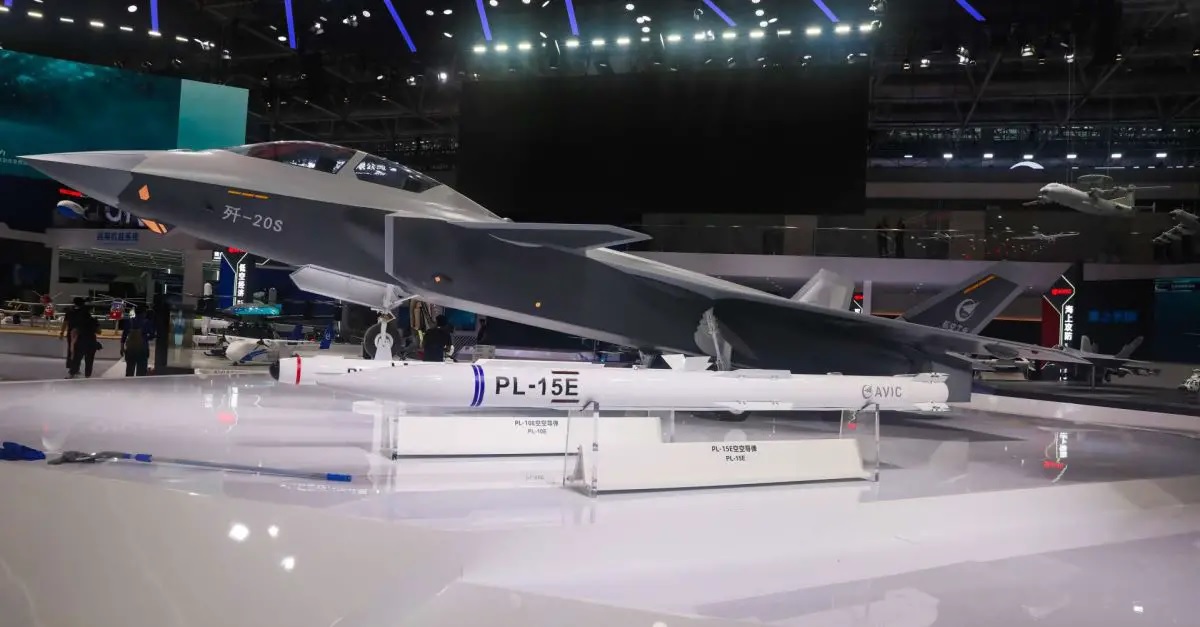
World
In an impressive display of aviation technology, China has officially introduced the J-20S, the world’s first two-seat stealth fighter, at the prestigious China International Aviation and Aerospace Exhibition in Zhuhai on November 11, 2024. This cutting-edge aircraft builds upon the J-20 platform, China’s answer to advanced stealth fighters globally, but with a new twist: a dual-cockpit design that could redefine the landscape of modern aerial warfare.The two-seat configuration of the J-20S comes with significant implications for military aviation. The rear cockpit, a strategic addition, is speculated to be intended for a dedicated weapons systems officer or a co-pilot focused on advanced mission tasks. This operational setup could prove critical in complex missions, such as electronic warfare, coordinating with drones, and managing extensive data streams. As China continues to integrate artificial intelligence (AI) and unmanned aerial vehicle (UAV) operations, the added human presence will be invaluable in decision-making, especially when overseeing swarms of drones or navigating dense electronic warfare environments. The extra pilot could be instrumental in rapidly processing and responding to threats, balancing human intuition with AI-driven analytics.On the technical front, the J-20S shares the stealth capabilities of its predecessor but brings enhancements tailored for future warfare. Like the original J-20, it features a reduced radar cross-section (RCS) thanks to its sleek design and diverterless supersonic inlets (DSI), which optimize stealth while ensuring high-speed efficiency. The canard wing configuration, often debated for its impact on radar visibility, has been carefully engineered to maintain low observability. Moreover, the aircraft reportedly uses domestically developed engines, moving away from past reliance on Russian technology, signaling China’s push for greater independence in defense capabilities.The J-20S isn't just about stealth; it also promises versatility in its armament. The fighter can carry a wide range of advanced munitions, including the formidable PL-15E long-range air-to-air missile, known for its compact design and powerful targeting capabilities. This enables the aircraft to excel in both air superiority and strike missions, offering a flexible combat profile that could cover ground and naval threats with precision.The unveiling of the J-20S marks a strategic leap in China’s air force capabilities and highlights a broader shift in aerial combat philosophy. The integration of manned and unmanned systems into coordinated operations is becoming a defining feature of modern military tactics. The J-20S could serve as a central command hub for managing drone wingmen, utilizing AI to perform maneuvers or even engage in dogfights autonomously, while the human crew focuses on broader mission strategies. This approach, often referred to as manned-unmanned teaming, is gaining traction globally, and the J-20S positions China as a leader in this arena.While some critics question the necessity of a second human operator in an era leaning towards automation and AI, the human advantage lies in qualities machines have yet to master: intuition, nuanced decision-making, and the ability to adapt to unpredictable scenarios. The J-20S balances the best of both worlds, where cutting-edge AI augments but doesn’t replace human judgment, an essential factor in the chaotic environment of real-world combat.The launch of the J-20S could impact regional security dynamics, particularly concerning neighboring countries like India and Taiwan, which have their own defense strategies heavily influenced by China's advancements. As stealth technology becomes more complex, China's continued investment in multi-role, adaptive aircraft raises questions about the future of air superiority in Asia and beyond. In short, the J-20S isn't just another stealth fighter; it’s a game-changer designed to dominate both the present and the future of aerial combat. As China showcases its latest marvel, the world watches closely, aware that this twin-seat stealth fighter is not just a technological achievement but a strategic statement on China's military ambitions.
Read More → Posted on 2024-11-13 14:04:36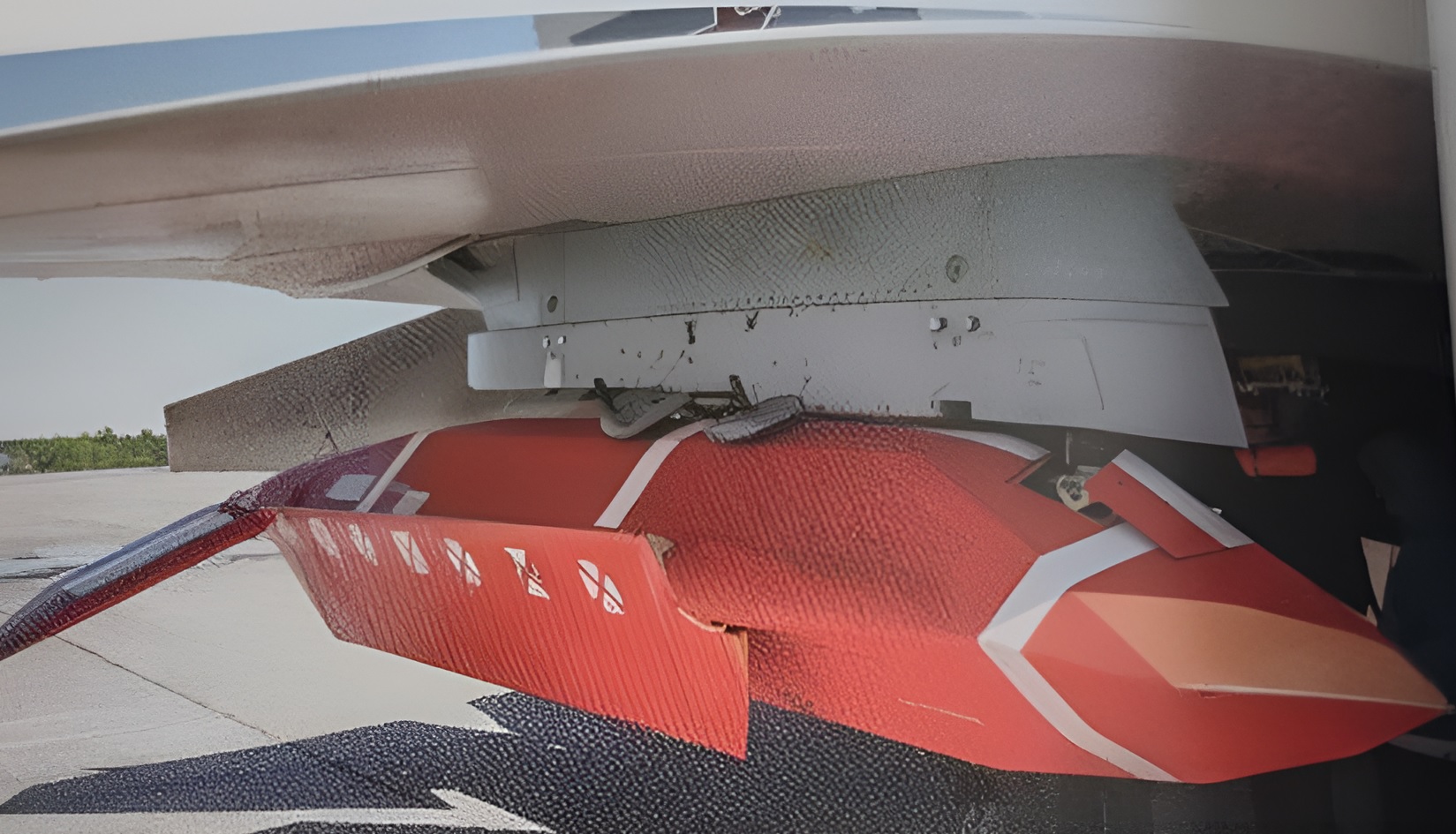
Russia Test Mysterious New Air-Launched Drone ,Unmanned Transport Module Set to Redefine Air Warfare
World
Russia has unveiled a curious new development in its aerial arsenal: a mysterious drone project under the United Aircraft Corporation, a subsidiary of Rostec. Known as the Unmanned Transport Module (UTM), this drone is engineered for air-launch from the Su-57 Felon, Russia's premier fifth-generation stealth fighter. This ambitious project hints at a future where traditional unmanned aerial vehicles (UAVs) blend with stealthy, guided missile technology—a direction that seems to answer to both the country's strategic needs and combat experiences.This UTM project blurs the lines between what we might consider a drone and a cruise missile. The concept, sometimes referred to by media sources as the Su-71K, aims to create a highly autonomous and intelligent strike option that can adjust its own operations in real-time. According to Russian defense sources, the UTM is outfitted with advanced systems, including artificial intelligence and neural networks. These systems are meant to guide the drone’s target recognition and mission decisions, enabling it to identify and pursue moving and stationary targets under complex conditions, even in areas with strong electronic countermeasures. The UTM’s design, based on available images and artist renditions, shows several intriguing features. Its sleek fuselage houses a warhead along with state-of-the-art optical and navigational sensors, while its body sports a swept-wing configuration. The tail is twin-finned and all-moving, enhancing its agility in flight. Together, these design features contribute to a stealthy profile that gives the UTM the appearance of a traditional cruise missile, only reimagined for flexibility and remote or autonomous control.Reports suggest that the drone's flight capabilities and control methods make it highly versatile. It can be directed by either the Su-57 pilot or ground-based controllers, providing a hybrid of autonomy and operator input. This arrangement allows mission re-tasking mid-flight, meaning the UTM could strike different targets based on real-time intelligence updates. This flexibility is crucial in today’s shifting battlefield, where rapid response and adaptation can determine the outcome of military operations. It also reflects a lesson Russia seems to have taken to heart following significant losses in Ukraine, where traditional aerial assets struggled to deliver strategic advantages. The UTM, therefore, appears tailored to survive and thrive in contested skies, where electronic warfare and dynamic combat situations demand resilience and rapid re-targeting capabilities.Three prototypes of the Unmanned Transport Module have reportedly been built, with each undergoing tests at Akhtubinsk Air Base, one of Russia's premier military aviation testing grounds. These tests offer a glimpse into the drone's potential: with its stealthy design, neural-network-driven systems, and multi-layered communication channels, the UTM could be a formidable addition to Russia’s airborne strike capabilities.
Read More → Posted on 2024-11-12 15:23:23Search
Top Trending in 24 Hours
-
 F-35 Fleet Readiness Falls to 25% Amid Parts Shortages and Software Delays: GAO Report
-
 U.S. Approves $1.98 Billion Sale of Anduril AI-Powered Counter-Drone Systems to Kuwait
-
 Russian Analysts Debate Su-57 Capabilities After Putin Calls Fighter Superior to F-35
-
 NASA X-59 Achieves Planned Mission Conditions with Mach 1.4 Flight at 55,000 Feet
-
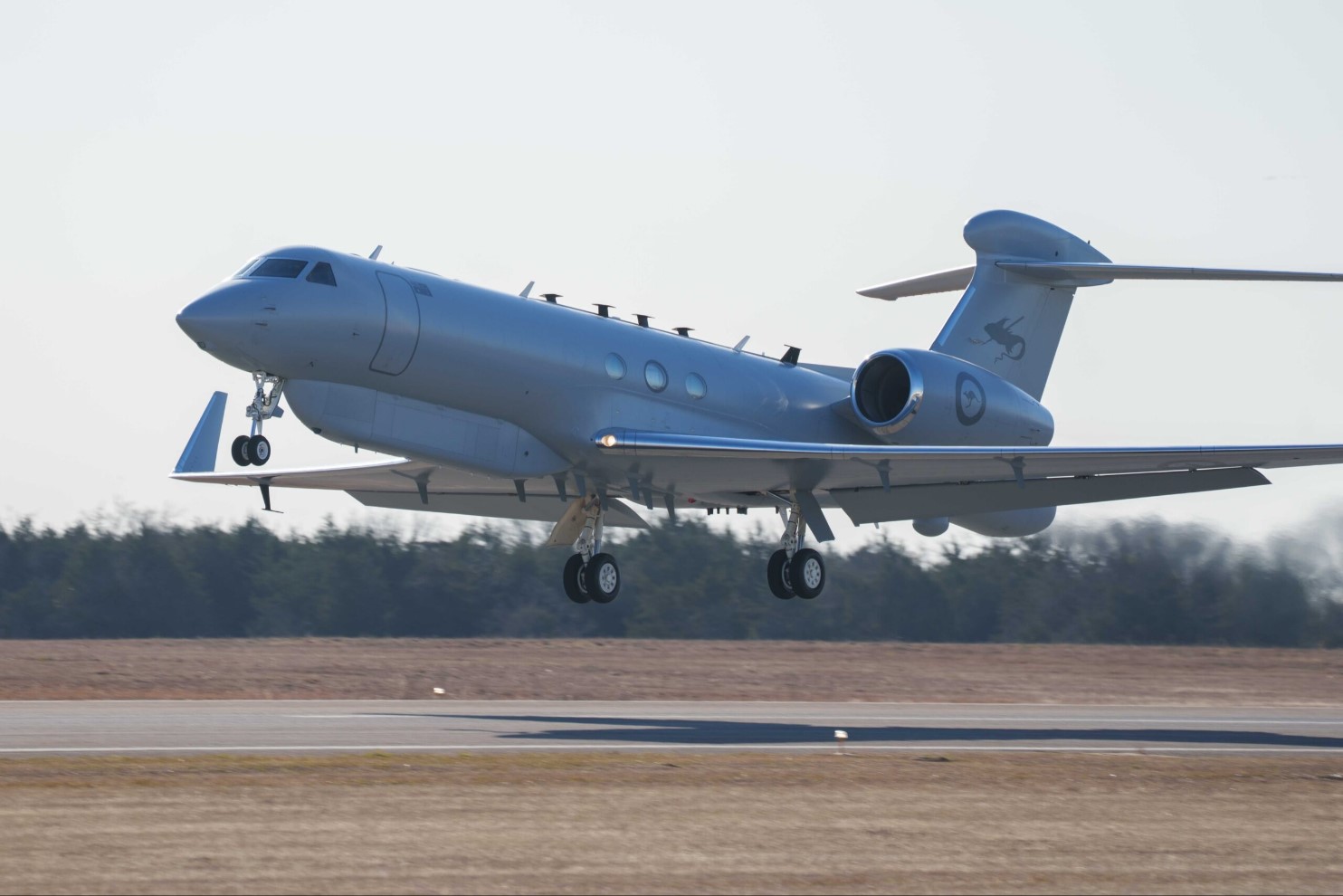 Australia Receives Third MC-55A Peregrine Intelligence Aircraft Under A$2.4 Billion ISR Program
-
 AM General Unveils Next-Generation UGV and JLTV A2 with Counter-Drone Systems at Eurosatory 2026
-
 Pakistan Raises Defence Budget from $9 Billion to $10.8 Billion as J-35 Fighter and Hangor Submarine Programs Advance
-
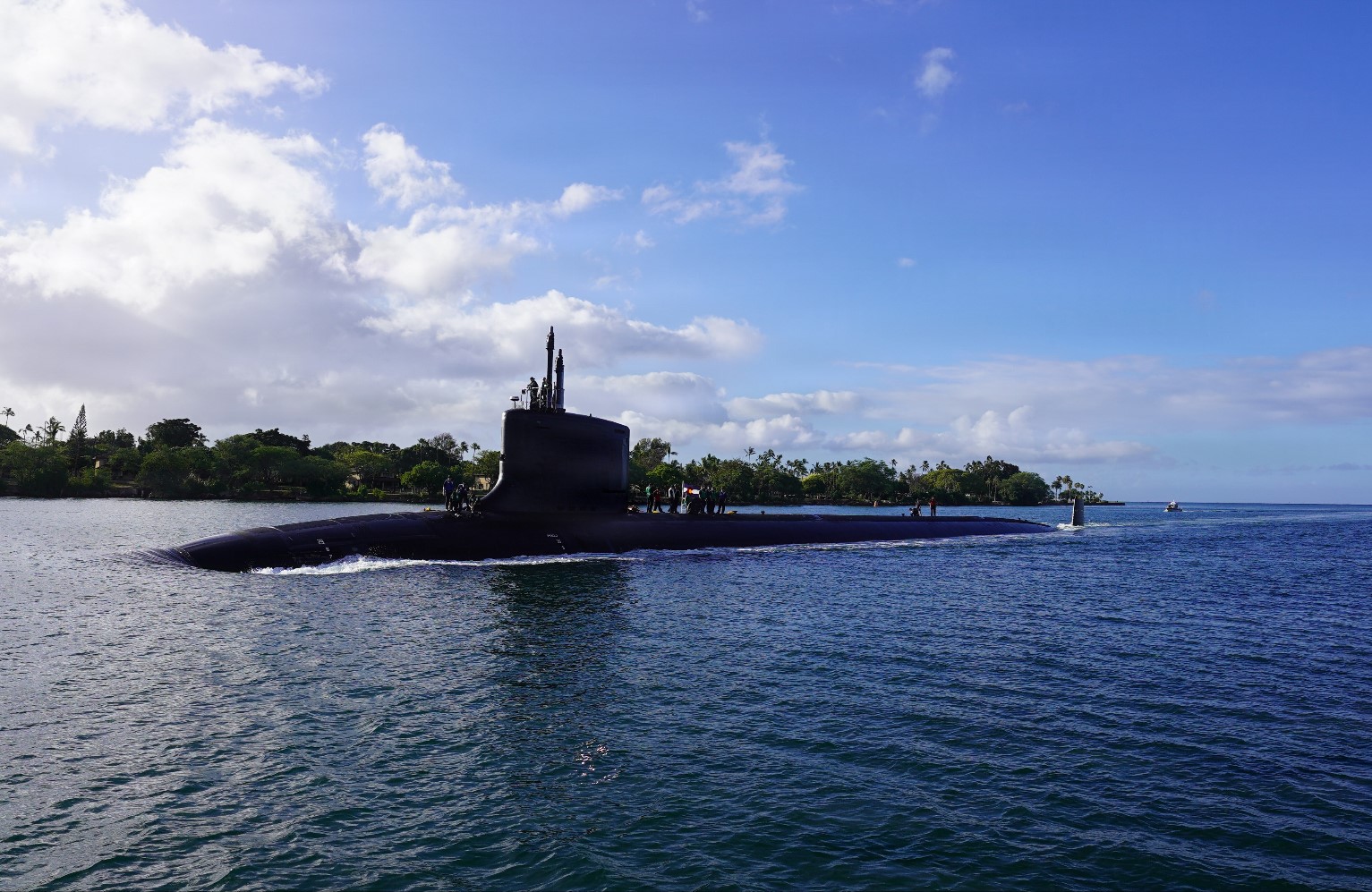 U.S. Navy's USS Colorado Submarine Returns to Pacific Fleet 29 Days Early After Major Pearl Harbor Overhaul
Top Trending in 4 Days
-
 Iranian Media Leaks 14-Point U.S.-Iran Peace Framework Amid Ongoing Negotiations
-
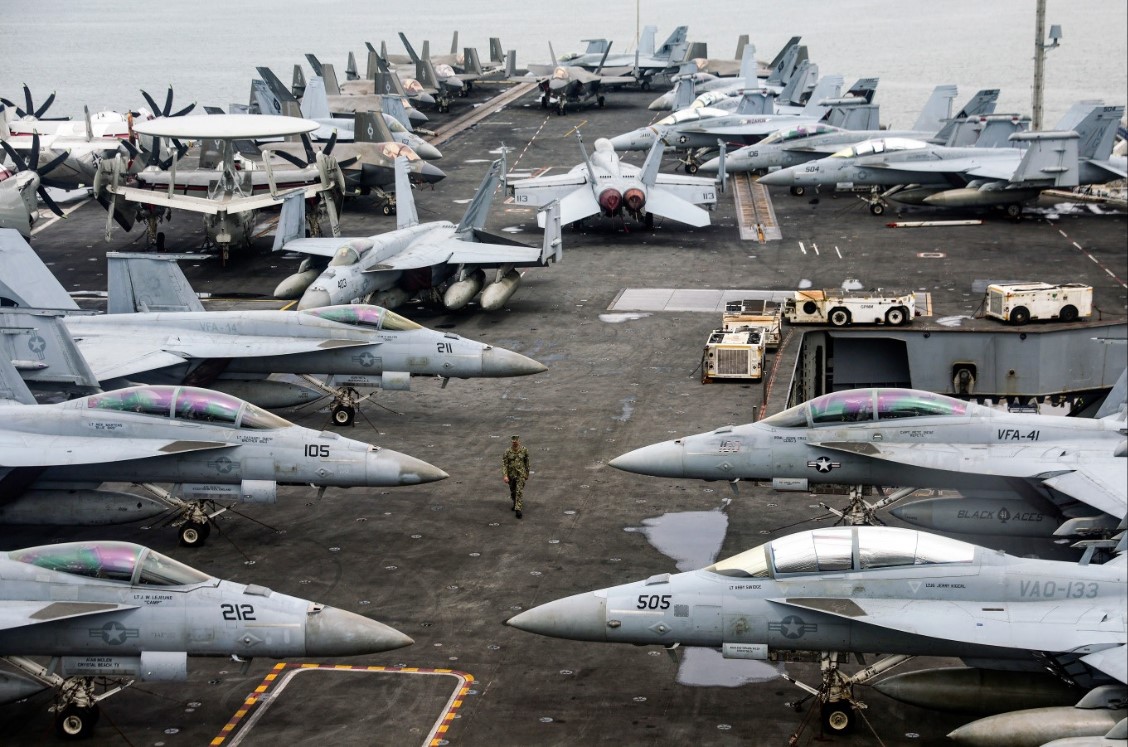 US Plans Significant Reduction of Fighter Jets and Warships for NATO Operations in Europe
-
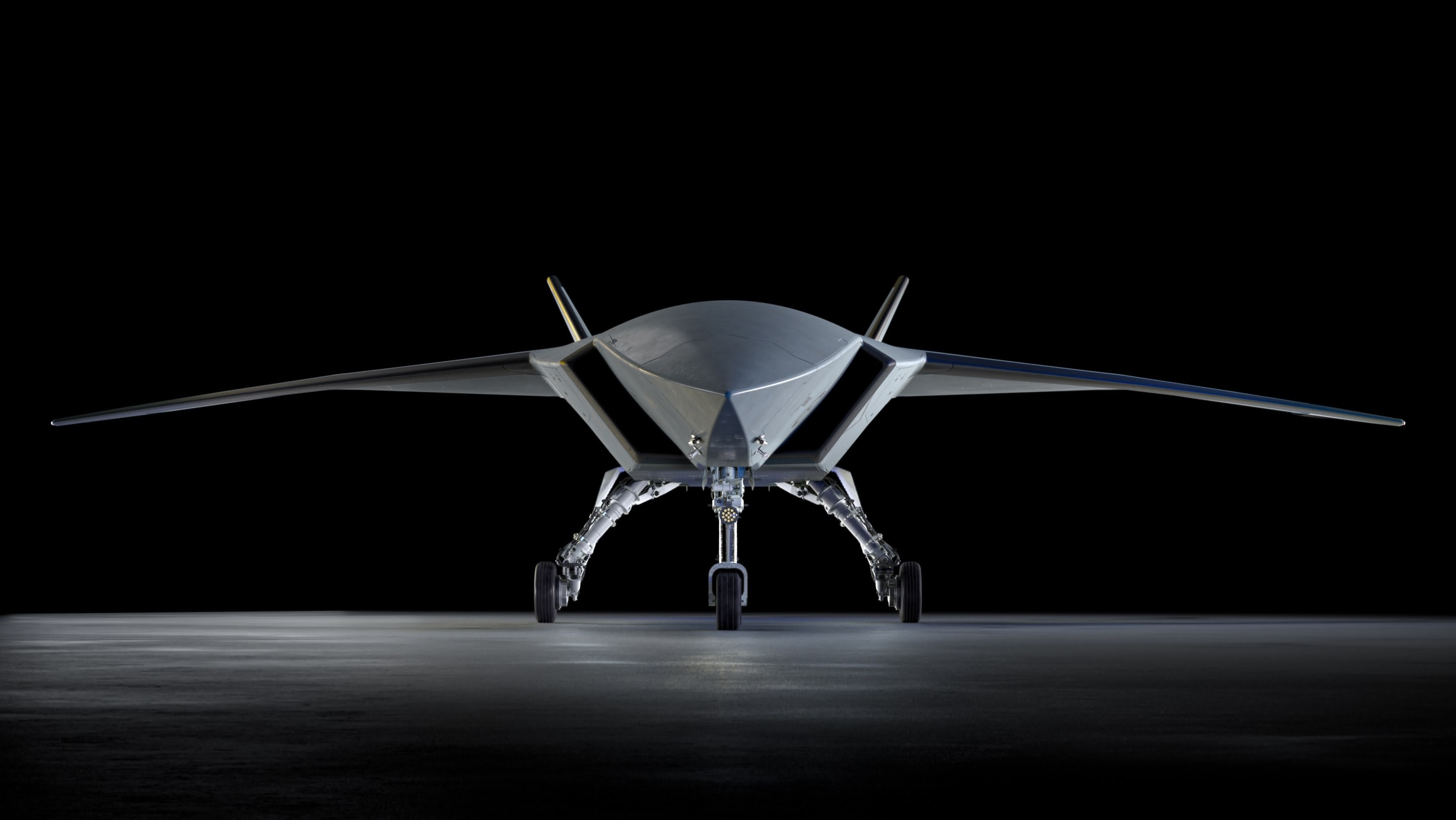 Boeing Introduces New MQ-28 Ghost Bat Upgrades with Increased Range, Payload and Weapons Capacity at ILA Berlin 2026
-
 AMCA Airframe Spotted at DRDO’s ORANGE Facility for Radar Cross-Section Testing
-
 U.S. Air Force Faces Strategic Airlift Shortfall as C-17 Production Restart Remains Uncertain
-
 U.S Aircraft Carrier USS Theodore Roosevelt Departs San Diego for Major RIMPAC 2026 Naval Exercise
-
 NATO Commander Says Russia Not Seeking Conflict With Alliance Despite U.S. Force Reductions
-
 Russian Defense Firm ZALA Unveils KAMA Unmanned Surface Vessel Family at FLOT-2026 Naval Exhibition