
World
At Euronaval 2024, Tekever presented the latest iteration of its AR3 tactical unmanned aerial vehicle (UAV), now upgraded to feature vertical take-off and landing (VTOL) capabilities. This update showcases Tekever’s commitment to pushing the boundaries of drone technology, catering to both maritime and terrestrial operational needs, particularly where traditional UAVs face challenges in deployment.The AR3 UAV originally relied on a conventional fixed-wing design, notable for its aerodynamic efficiency with a straight trapezoidal wing and a V-shaped tail. However, the newly revealed variant introduces a modular framework that gives it VTOL capabilities. This transformation is made possible by attaching specialized beams to the wing pylons, each equipped with two electric motors driving two-blade rotors. These motors facilitate a smooth vertical take-off and landing, a feature particularly advantageous for launching from confined spaces, such as ship decks or rugged terrain.When not using the VTOL kit, the AR3 can still perform launches via a catapult and recover using a parachute and an inflatable impact-cushioning bag, making it adaptable to various operational conditions. The UAV’s primary mission profile includes intelligence, surveillance, target acquisition, and reconnaissance (ISTAR) tasks, communication relays, border monitoring, and even artillery fire adjustment.Technical Specifications and Enhanced FeaturesThe AR3’s airframe spans 4.2 meters with a length of 1.7 meters, and it boasts a maximum take-off weight of 25 kilograms, supporting a 4-kilogram payload. A gasoline engine, cleverly positioned at the tail, powers the aircraft, propelling a two-blade pusher propeller. Its cruising speed is around 85 km/h, and it can reach a service ceiling of 3,600 meters. One of the standout features of the AR3 is its impressive endurance: up to 16 hours without the VTOL configuration, though this is halved to 8 hours when the VTOL kit is employed.For sensor capabilities, the AR3 comes equipped with a gyrostabilized optical-electronic payload mounted beneath the nose. This system can incorporate a range of tools, such as a synthetic aperture radar (SAR) for high-resolution imagery, infrared sensors spanning various wavelengths (SWIR, MWIR, and LWIR), and even a laser target designator-rangefinder. Tekever’s proprietary GAMASAR radar enhances the UAV’s capacity to monitor expansive areas, capable of surveying up to 20,000 square nautical miles per mission, with real-time data transmission to operators.The AR3’s adaptability is emphasized by its quick deployment—assembling the UAV takes just eight minutes, even under field conditions. Combat performance has been verified in real-world scenarios, including operations in Ukraine, where the drone supported reconnaissance and precision artillery strikes. Feedback from these deployments has driven improvements in both design and payload functionality, ensuring the AR3 is optimized for modern warfare challenges.Tekever's push to integrate VTOL features without sacrificing endurance or mission versatility reflects a significant leap in UAV innovation. This approach provides operators with the flexibility to choose between fixed-wing and VTOL configurations right before a mission, depending on the operational demands and environmental constraints.The AR3’s unveiling at Euronaval 2024 not only highlights Tekever’s technological advancements but also underscores the growing demand for UAVs that can perform efficiently in both maritime and land-based scenarios, a crucial aspect of modern surveillance and defense operations.
Read More → Posted on 2024-11-07 15:08:33
World
The Organisation for Joint Armament Cooperation (OCCAR) has announced a major milestone for the Kronos GM HP radar program. On October 29-30, 2024, Factory Acceptance Tests (FAT) were successfully conducted for the third Kronos GM HP radar at Leonardo’s facility in Fusaro, Italy. This advanced radar, a crucial element of the FSAF-PAAMS SAMP/T NG (Surface-to-Air Missile Platform/Terrain New Generation) system, demonstrated that it meets all required specifications, pushing the program closer to operational readiness.Leonardo’s Kronos GM HP radar is a cutting-edge multifunctional radar designed for both air and missile defense. A marvel of modern military engineering, this radar system stands out due to its high-performance Active Electronically Scanned Array (AESA) antenna technology, which enables exceptional versatility and response speed in tracking and neutralizing threats. Leveraging advanced Gallium Nitride (GaN) components, the system ensures efficient power output and sensitivity, which translates to impressive detection ranges—extending up to 300 kilometers for air surveillance and over 250 kilometers for defensive operations.One of the standout features of the Kronos GM HP is its ability to track multiple high-priority targets simultaneously, with engagement capabilities for over 30 targets at a time. The radar’s fast update rates, which are as low as one second for actively engaged threats, give it an edge in reacting to highly dynamic aerial environments. The system’s flexibility allows it to operate in both land and littoral (coastal) settings, making it adaptable for a variety of missions.In terms of physical design, the radar is housed in a 20-foot ISO standard container, underscoring its tactical mobility. This compact and transportable setup allows the radar to be deployed within 15 minutes, even in unprepared sites, making it ideal for rapid-response scenarios. The radar system can also be easily integrated into various command and control networks, enhancing its operational utility. Its configuration even includes a redundancy option for continuous operation, with provisions for extra power generators and a command post in additional containers if required.The FAT results have been met with optimism from OCCAR, which expressed confidence in the progress of the SAMP/T NG program. The ongoing collaboration between OCCAR, Leonardo, and EUROSAM (the consortium responsible for missile integration) underlines the strategic importance of this radar system, which will enhance air defense capabilities for both the Italian Army and Air Force starting in 2026. With these advancements, the Kronos GM HP remains a critical piece of Europe’s evolving defense architecture, designed to address complex air and missile threats.The radar’s strategic importance is underscored by its role in the broader FSAF-PAAMS SAMP/T NG system, which is poised to provide enhanced defense coverage across multiple platforms, safeguarding vital airspace and infrastructure.For more detailed specifications of the Kronos GM HP radar, you can visit Leonardo's product catalog.
Read More → Posted on 2024-11-07 15:01:33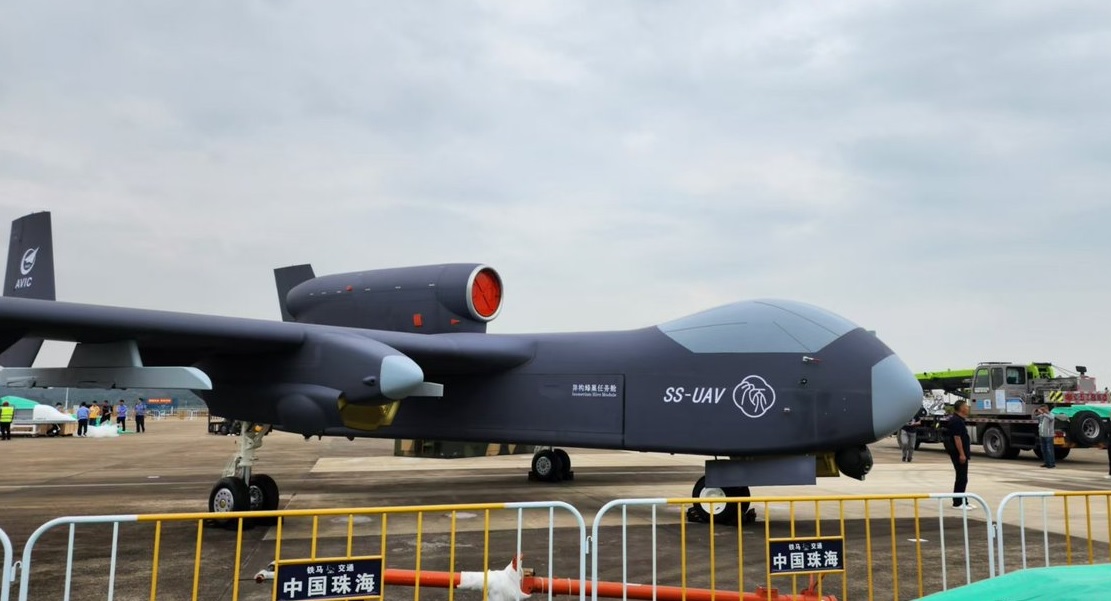
World
China has taken another ambitious leap forward in military drone technology with its unveiling of the Jiutian SS-UAV, a fifth-generation heavyweight unmanned aerial vehicle. Scheduled to debut at the Zhuhai Air Show from November 12-17, 2024, this strategic marvel is designed by the Aviation Industry Corporation of China (AVIC) to challenge U.S. heavyweights like the RQ-4 Global Hawk and MQ-9 Reaper. The Jiutian not only embodies China's progress in UAV development but also reinforces its overarching strategy to strengthen its aerial dominance, especially in contested areas like the South China Sea and around Taiwan.What sets the Jiutian apart is its impressive physical and operational specs. Weighing in at around 10 tons, this drone features a single-engine configuration optimized for stealth. The engine is rear-mounted, significantly lowering its thermal signature and making it difficult for adversaries to track. This engine layout aligns with its high-altitude, long-endurance design, offering a formidable range that is ideal for deep surveillance or strike missions while avoiding detection by ground-based radar systems. The broad wings and straight-wing design underscore its stability and payload capacity, which is crucial for prolonged reconnaissance or attack missions.One of the drone's standout features is its "heterogeneous honeycomb mission bay," which grants it the extraordinary ability to deploy smaller drones in swarm formations. This concept introduces an entirely new dimension to UAV warfare, enabling saturation attacks or overwhelming enemy defenses through coordinated drone operations. This swarming capability could serve as a force multiplier, complicating adversaries' defenses and enhancing strike effectiveness. Moreover, the modular mission bay architecture facilitates quick reconfiguration, allowing Jiutian to be tailored for specific missions—whether it's surveillance, electronic warfare, or precision strikes.The payload versatility of the Jiutian is equally noteworthy. With eight underwing pylons, it can carry a broad spectrum of surveillance sensors, munitions, and electronic warfare equipment. This multi-role capability positions it as a dual-threat UAV, capable of intelligence gathering and precision strikes in hostile environments. The integration of advanced radar and optical systems further enhances its situational awareness, making it a formidable asset in high-stakes operations.China's intent to match or surpass U.S. drone technology with the Jiutian is clear. The country's recent advancements in UAV technology are part of its broader military modernization efforts aimed at countering U.S. and allied forces. The drone's stealth capabilities, strategic endurance, and swarming potential make it a game-changing asset in China's arsenal. Moreover, its ability to work in tandem with fifth-generation fighters like the J-20 and ballistic missile systems provides a comprehensive aerial dominance package that can exert sustained pressure on adversaries while gathering real-time intelligence.At a time when global military dynamics are heavily influenced by advanced aerial platforms, the Jiutian represents China's strategic foresight and its quest for technological parity, if not superiority, with Western counterparts. The upcoming Zhuhai Air Show will provide a glimpse into how this ambitious UAV fits into China's vision for future warfare, particularly in contested regions where control of the skies could dictate the outcome of conflicts.This significant UAV development aligns with broader geopolitical aims, demonstrating China's capacity to field advanced, long-endurance drones that can perform critical roles both in peacetime surveillance and in conflict scenarios.
Read More → Posted on 2024-11-07 14:59:24
World
During COP16, the global biodiversity conference held in Cali, Colombia's security efforts faced a unique challenge: controlling unauthorized drone activity. As part of the stringent security measures to safeguard this high-profile international event, the Colombian Air Force (FAC) deployed the Spanish-manufactured "Crow" counter-drone system. This advanced technology was critical for monitoring and neutralizing aerial threats, ensuring the safety of delegates from 196 countries.COP16 was more than just an environmental gathering—it was a major logistical feat that required significant security coordination. The Blue Zone, where diplomatic and state negotiations took place, became the focal point of intense protective measures. The FAC, in a strategic show of force, combined traditional security assets with sophisticated drone detection technology. Over 300 drones were detected during the summit, with 90 unauthorized intrusions actively neutralized using the Crow system.The Crow system is a product of Spanish firm Indra, designed to detect and intercept small aerial threats. Its high-resolution radar provides early identification, capable of locating drones across extensive distances. The system doesn't just rely on radar; it uses optical cameras to confirm and analyze the threat level of each detected object. Upon confirming a threat, Crow deploys jamming capabilities, disrupting the drones' control and guidance signals. When coordinated with other Crow units, the system can cover vast areas, providing a robust layer of protection that proved invaluable at COP16.Notably, the Crow system has demonstrated its effectiveness in several international operations before its Colombian deployment. For instance, NATO relied on Crow during exercises in the Netherlands, and the Spanish Air Force used it in active conflict zones like Mali. The technology’s adaptability and effectiveness have led several European manufacturers to incorporate Indra’s command and control systems into broader sensor arrays. Furthermore, Indra has recently secured a partnership to enhance counter-drone systems for the Spanish Armed Forces.Beyond the drone defense, COP16 security was a multi-agency effort. Colombian authorities, recognizing the summit's global significance, mobilized comprehensive security assets. This included armored "Gladiator" vehicles for urban patrolling, special forces for key areas, and maritime assets like patrol boats for the nearby Cauca River. These operations collectively underscored Colombia's commitment to protecting its biodiversity while presenting itself as a capable host for international summits.
Read More → Posted on 2024-11-07 14:55:38
World
Germany has showcased a major leap in tank defense technology with the introduction of the Leopard 2 main battle tank outfitted with the Trophy Active Protection System (APS). This highly anticipated upgrade, revealed last week, marks a significant advancement in the German Army’s armored capabilities. The unveiling follows an agreement established in 2020 between Germany and Israel, aiming to enhance the survivability of 17 Leopard 2 A7A1 tanks at an estimated cost of around 40 million euros ($43 million), which also covers associated ammunition.This revamped Leopard 2 configuration is set to bolster Germany’s 203rd Armored Battalion, which will be stationed as part of a German combat brigade in Lithuania. The tanks will officially enter service in 2025, acting as a formidable yet temporary measure before the arrival of the more sophisticated Leopard 2A8, expected to feature a lighter and potentially more advanced Trophy APS. This strategic deployment is part of broader NATO commitments to secure Eastern Europe and offer a robust counterbalance to regional threats.The Trophy APS itself is an Israeli innovation developed by Rafael Advanced Defense Systems and has been field-tested extensively. It provides unparalleled protection for tanks and armored vehicles against an array of modern threats, including anti-tank guided missiles (ATGMs), recoilless rifles, rocket-propelled grenades (RPGs), and high-explosive anti-tank (HEAT) rounds. At the heart of this system are Active Electronically Scanned Array (AESA) radar antennas mounted externally, paired with a sophisticated launcher mechanism. Internally, the system integrates a fire control unit and a power supply, meticulously integrated into the turret and chassis to maintain the tank's overall combat efficiency.The operational principle of the Trophy APS involves continuous 360-degree radar scanning of the environment. When the system detects an approaching projectile, the fire control unit swiftly classifies the object, evaluating whether it poses a genuine threat. Upon confirmation, the Trophy activates its defensive mechanism, launching a projectile that intercepts and neutralizes the incoming threat at a safe distance from the tank. This rapid-response capability ensures that the crew and vehicle remain shielded from potentially devastating strikes, enhancing both survivability and combat effectiveness.Trophy's effectiveness is not just theoretical; it has been combat-proven. The system was first deployed by the Israeli Army in 2011, installed on their Merkava main battle tanks and Namer armored personnel carriers. Since then, it has accumulated over 500,000 operational hours, successfully protecting these vehicles in various combat situations. Its reliability has also garnered international attention, leading to its integration into numerous military platforms worldwide, including the U.S. M1 Abrams tanks and the British Army's upcoming Challenger 3.Beyond its basic functionality, the Trophy APS reflects a broader trend of integrating high-tech defenses into legacy platforms, extending the operational relevance of armored vehicles in increasingly complex battle environments. The technology’s widespread adoption, along with its adaptability to multiple platforms, underscores its status as a global benchmark in active protection systems. As threats to armored units evolve, systems like Trophy are becoming indispensable, reshaping how militaries think about vehicle survivability on the modern battlefield.Germany’s decision to deploy the Trophy APS on Leopard 2 tanks represents not just a tactical upgrade but a strategic investment in future-proofing its armored forces. With mounting geopolitical tensions and the evolving nature of land warfare, having battle-tested protective systems can provide a crucial edge. As the Leopard 2A8 models are expected to bring even more refined defensive features in the coming years, Germany’s armored fleet stands poised to meet the challenges of future conflicts with enhanced resilience and technological superiority.
Read More → Posted on 2024-11-07 14:46:28
World
In a recent, eye-opening development, the Pakistan Navy test-fired a new ship-based ballistic missile named "SMASH." This missile, with an impressive range of 350 kilometers, is being scrutinized for its remarkable similarity to the Chinese CM-401 Anti-Ship Ballistic Missile (ASBM). These similarities have sparked controversy and raised red flags among defense analysts, especially in light of the Missile Technology Control Regime (MTCR). India’s open-source intelligence networks have suggested that SMASH might not be an entirely indigenous creation but rather a Chinese export rebranded for Pakistan’s growing maritime strike capabilities.What stands out is the shared design philosophy between the SMASH missile and the CM-401 ASBM. The CM-401 is known for its ability to target large naval vessels and installations with sophisticated speed and trajectory, making it a serious challenge for even the most advanced naval defense systems. By deploying SMASH, Pakistan appears to have gained a significant boost in its ability to hit high-value maritime assets, leveraging advanced ballistic technology that few regional forces can match.The Technological Backbone of SMASH and Its CM-401 HeritageThe CM-401 ASBM, which many analysts believe is the architectural inspiration behind SMASH, is a highly specialized weapon system engineered to outperform traditional anti-ship missiles. What sets it apart is its *near-space trajectory*. After launch, the missile travels at high altitudes—almost skirting the edge of the atmosphere—before it plunges toward its target. This flight path complicates interception by air and missile defense systems, which are usually optimized for lower-altitude threats.The missile's speed is another critical feature. Maintaining *supersonic velocity* throughout its flight, the CM-401 is designed to outmaneuver standard naval defenses. Add to this a highly *maneuverable terminal phase*, where the missile can rapidly change direction as it closes in on its target, and you have a weapon capable of breaching the most sophisticated defense layers. In particular, the missile’s *terminal-dive and top-attack approach* makes it lethal, as naval vessels are generally less fortified on their upper sections.Reports highlight that SMASH, or P-282 as it is internally known, mirrors these advanced characteristics almost identically. From its aerodynamic design to its ability to launch from multiple platforms, the resemblances are striking. The *adaptive launch platforms* feature means the missile could potentially be deployed from a range of ships, offering significant tactical flexibility. Furthermore, SMASH is equipped to coordinate its trajectories in complex, unpredictable ways, adding to its capacity to overwhelm or bypass enemy defenses.Echoes of the Fatah-II CRBM and Design CluesFueling further speculation is the visual and technological resemblance between the SMASH missile and Pakistan's recently introduced Fatah-II Close-Range Ballistic Missile (CRBM). Observers have noted that the airframe of Fatah-II shares commonalities with SMASH, hinting at a unified design lineage rooted in the CM-401's foundational blueprint. This could indicate that Pakistan's recent ballistic missile advancements are heavily dependent on Chinese technology, with potential standardization of components to streamline production and operational efficiency.The Strategic Implications of Chinese Missile Technology TransferChina’s hand in Pakistan’s rapid missile development is not a new story, but the alleged transfer of the CM-401’s technology for SMASH signifies a deeper level of military cooperation. This collaboration serves Beijing’s strategic aims, allowing it to extend its influence in South Asia and counter regional adversaries without direct military engagement. For Pakistan, the advantage is clear: acquiring cutting-edge weaponry without investing years into indigenous research and development.The SMASH missile provides Pakistan with a highly effective, ready-made weapon system capable of striking large enemy ships with speed and precision. It’s a game-changing addition to Pakistan’s naval arsenal, potentially shifting the balance of power in the Indian Ocean and posing new challenges to India's maritime security. As a result, New Delhi may need to accelerate the development of its naval defense systems or acquire advanced interceptors to counter this growing threat.MTCR Violation Concerns and International RamificationsOne of the most contentious aspects of this development is the potential breach of the MTCR guidelines. The Missile Technology Control Regime aims to curb the spread of missile systems capable of delivering weapons of mass destruction, specifically restricting exports of systems with ranges over 300 kilometers. While the CM-401 missile complies with this limitation by staying within the 300km range, reports indicating that SMASH can reach up to 350km could put both Pakistan and China under scrutiny. Such a breach, if verified, may strain diplomatic relations between MTCR member countries and lead to calls for greater oversight.In the broader context, this missile saga underscores the strategic game being played out in South Asia. As Pakistan and China deepen their defense ties, India is left weighing its options, contemplating countermeasures, and possibly rethinking its naval doctrine to address these evolving threats. The introduction of SMASH might be just one chapter in an unfolding story of regional military escalation, driven by cutting-edge missile technology and strategic alliances.
Read More → Posted on 2024-11-07 14:42:49
World
China's HQ-19 missile system made its first public appearance at the Zhuhai Airshow, marking a significant moment in the showcase of its advanced defense technology. The HQ-19 is no ordinary surface-to-air missile system; it's an advanced, long-range anti-ballistic missile platform, specifically designed to intercept ballistic missile threats at extended ranges. This event allowed China to openly demonstrate its growing capabilities in missile defense, aiming to project confidence in its military advancements on a global stage.The HQ-19 stands as a testament to China’s efforts to match—if not rival—the anti-ballistic missile technologies of other military powers. Comparable to the U.S. THAAD-ER system, the HQ-19 was designed with a similar mission profile: to neutralize incoming threats with precision and speed. Central to its operation is the kinetic kill warhead, which destroys targets through direct impact, eschewing the need for an explosive warhead. This technique minimizes collateral damage while maximizing impact precision, particularly critical for neutralizing ballistic threats in high-stakes scenarios.Mounted on an 8x8 high-mobility platform, the HQ-19’s six-missile launcher commands a formidable presence, standing approximately 13 meters long with missile canisters extending to a height of 7.8 meters. The platform's size and mobility enable it to be rapidly deployed, potentially making it a flexible tool in China’s defense posture. The HQ-19 employs a cold launch system, meaning the missile is ejected from its canister before ignition, which reduces stress on the launcher and helps maintain the system's durability over multiple engagements. This steep-angle launch also improves survivability by minimizing the risk of detection and enhancing the chances of a successful intercept.Supporting the launcher is the 610A radar system, a crucial element in the HQ-19’s arsenal. This radar is responsible for detecting, tracking, and guiding the missiles toward their targets with high accuracy. The 610A’s ability to process vast amounts of information quickly is essential, given the high speed and short engagement times typical of ballistic missile defense scenarios. Experts believe that this radar system extends the HQ-19's intercept range and significantly enhances its ability to detect multiple incoming targets, adding an essential layer of depth to China’s defense against ballistic threats.China’s decision to debut the HQ-19 publicly also points to a larger strategic message. As regional tensions and arms races continue to shape the geopolitical landscape, showcasing an advanced missile defense system like the HQ-19 serves as a demonstration of China’s confidence in its own technological capabilities. It signals to the world that China not only has the means to defend its territory against missile attacks but is also willing to place this capability front and center, potentially altering the strategic calculus of neighboring nations.The HQ-19’s public reveal might also suggest that China has further advanced systems that it’s keeping under wraps, as nations often unveil platforms only when confident in their proven track record or when they wish to communicate particular capabilities. For China, the HQ-19’s debut at Zhuhai is both a demonstration of national pride and a message of deterrence, affirming its commitment to self-defense and regional stability through advanced technology.
Read More → Posted on 2024-11-06 16:21:23
World
In a significant step forward for reusable spaceflight technology, German startup POLARIS Raumflugzeuge has achieved a notable milestone with its MIRA II spaceplane. POLARIS conducted the first roll test of the spaceplane’s custom-designed AS-1F linear aerospike engine, marking a successful demonstration of this advanced propulsion system on October 29 at Peenemünde Airport. This achievement highlights the promise of the MIRA II, which leverages the aerospike engine’s efficiency to offer potential versatility in future spaceplane missions.The AS-1F linear aerospike engine is a 1 kN rocket powered by a combination of liquid oxygen (LOX) and kerosene. In the recent test, the engine burned for three seconds, giving POLARIS crucial data on the aerospike’s performance and stability during roll maneuvers. Aerospike engines are distinctive in design, as they replace the conventional bell nozzle with a wedge-shaped, linear or toroidal “spike.” This design maintains a more efficient exhaust flow across various altitudes, unlike traditional engines that often experience performance drops at higher altitudes. This feature positions aerospike engines as a compelling option for spaceplanes that must perform efficiently both within and beyond the Earth’s atmosphere.In the days leading up to the aerospike test, MIRA II also completed three turbine-powered test flights from October 25 to October 27. These preliminary flights validated the vehicle's turbine-based propulsion capabilities and demonstrated its agility and stability as a spaceplane. Following these flights, POLARIS quickly transitioned to rocket testing, integrating the aerospike engine and performing the roll test within 36 hours of the turbine flight series. This rapid turnaround demonstrates POLARIS’s operational agility, a quality that may become essential for space missions requiring quick reconfiguration.The roll test marks the final ground-based trial for MIRA II before in-flight ignition tests, which will bring the aerospike engine into real-world flight scenarios. For POLARIS, this milestone signals readiness for more ambitious, high-altitude flight tests aimed at demonstrating the aerospike’s efficiency advantages over traditional rocket engines. Aerospike engines, while complex, present a major efficiency advantage because they naturally adjust to atmospheric pressure changes, eliminating the need for additional equipment to optimize thrust.Looking forward, POLARIS’s goal is to validate the operational capability of the MIRA II with the aerospike engine fully engaged. If successful, the technology could help establish POLARIS as a leader in the field of high-performance spaceplanes designed for quick, efficient atmospheric and near-space operations. By bridging the gap between traditional turbine propulsion and rocket-based propulsion, MIRA II’s flexible design and rapid adaptability represent a potential step toward the broader adoption of reusable spaceplanes, possibly setting new standards for high-efficiency, multi-mission spaceflight.As the spaceplane industry evolves, MIRA II’s development underscores a trend toward reusable, versatile spacecraft that can reduce launch costs and enhance mission capabilities. For POLARIS, the next steps will likely include testing the engine at varied altitudes and speeds, assessing the MIRA II’s performance across scenarios that mimic real-world spaceflight demands.
Read More → Posted on 2024-11-06 16:19:04
World
In a strategic move to enhance maritime security, the UAE Navy has awarded a significant contract to the French company Exail to provide its state-of-the-art UMIS (Unmanned Integrated Mine Countermeasures System) 3rd Generation technology. This cutting-edge system represents a leap forward in mine countermeasure (MCM) capabilities, specifically designed to locate, identify, and neutralize underwater mines remotely. Given the UAE’s geographical position and its strategic maritime interests, the advanced UMIS technology will be a powerful asset in securing safe navigation across critical regional waters.Exail's UMIS 3rd Generation: A Technological Edge in Mine CountermeasuresExail, recognized globally for its expertise in robotics, autonomous systems, and naval technology, brings the 3rd Generation UMIS to the UAE Navy with several standout features tailored to the complexities of underwater defense. The system combines sophisticated drones, sonar, and sensor technology capable of operating in challenging conditions, while its unmanned nature enhances safety by keeping personnel out of harm’s way. This integration of autonomous technology aligns with the UAE Navy’s focus on enhancing operational safety and expanding its naval reach.The UMIS system includes:Unmanned Surface and Underwater Vehicles: Autonomous and remotely operated vehicles that work together to map and monitor underwater environments with precision.High-Frequency Sonar Systems: Advanced sonar capabilities allow the UMIS to detect mines at different depths and locate them with high accuracy.Autonomous Mission Planning: The system offers sophisticated mission planning software that enables personnel to set autonomous paths for unmanned vehicles, adapting to mission requirements on-the-fly.Strengthening UAE-Exail RelationsExail’s ongoing collaboration with the UAE Navy dates back to 2004, marking two decades of shared innovation and trust in maritime defense. With the UMIS contract, Exail’s CEO of Maritime Business Line, Jérôme Bendell, highlighted the stiff international competition Exail faced to secure this deal, reflecting both the significance of this partnership and the UAE’s commitment to sourcing the most effective defense solutions. “We are proud to have been selected by the UAE Navy,” Bendell said, underscoring the value this system will bring to UAE maritime operations.Why Unmanned Mine Countermeasures MatterMines pose a persistent threat in many naval regions, especially in the Gulf. With heavy maritime traffic and key chokepoints, the UAE must safeguard its waters from these hidden hazards. The UMIS system offers the UAE Navy not only the ability to detect and clear mines more safely and effectively but also to respond to new threats with greater agility.This contract signifies the UAE Navy's investment in autonomy-driven defense solutions, positioning it among a select group of nations that leverage robotic systems to safeguard national waters. The partnership between Exail and the UAE Navy highlights a broader trend in modern military technology, where unmanned systems continue to redefine defense strategy and operational effectiveness in complex maritime environments.
Read More → Posted on 2024-11-06 16:11:32
World
In a startling development, North Korea has joined Russia's fight in Ukraine, sending troops into the battlefield for the first time. According to senior Ukrainian and U.S. officials, North Korean soldiers have engaged directly with Ukrainian forces in the Kursk region, a significant territory Ukraine has held since launching an incursion there in the summer. This unexpected move signals a new, unpredictable phase in the Ukraine war, bringing additional layers of international tension and concern over North Korea's motivations and Russia's long-term strategy.The initial skirmishes between North Korean and Ukrainian forces appear to have been limited, described by a Ukrainian official as likely "probing attacks" to test Ukrainian defenses. North Korean forces fought alongside Russia's 810th Naval Infantry Brigade, a highly-trained combat unit. Reports indicate that North Korean troops suffered significant casualties, though exact numbers remain undisclosed. The introduction of North Korean soldiers on the front lines has taken many by surprise and is seen as a symbol of Russia’s increasingly unconventional alliances.Reports estimate that North Korean leader Kim Jong Un has sent a contingent of about 10,000 soldiers to support Russia's operations in Ukraine. While many of these troops have not yet entered active combat, officials in Ukraine and the West see their presence as a major escalation. Ukrainian President Volodymyr Zelenskyy addressed the development, labeling the North Korean involvement a "new chapter of global instability." He urged Ukraine's allies to strengthen their support, warning that Russia's alliance with North Korea represents a dangerous expansion of the conflict.The North Korean troops reportedly began their journey last month, arriving by boat in Vladivostok before traveling over 4,000 miles westward to the Kursk region. Military officials suggest these forces have been divided into two groups: one comprised of assault troops ready for frontline action and another of support troops responsible for organizing defenses in retaken territories. Ukrainian intelligence indicates that more North Korean soldiers could join the conflict in the coming days, likely bolstering Russia’s forces in the Donbas region as winter approaches.Western officials see this development as evidence of Russia's desperation in the face of severe personnel losses. Some analysts argue that President Vladimir Putin’s decision to deploy North Korean soldiers reflects his efforts to demonstrate that Russia is not isolated, despite extensive sanctions and international opposition. North Korea’s involvement could give Russia the flexibility to redirect its troops to more offensive operations in Ukraine, potentially influencing Russia’s gains in key regions before winter makes combat conditions harsher.It’s unclear what President Putin may have offered Kim Jong Un in exchange for these troops. Thus far, U.S. intelligence has not confirmed any promises of reciprocal military support from Russia to North Korea. However, the recent history of cooperation between the two countries suggests a closer alliance may be in the making. In June, Putin visited Kim in Pyongyang, where they reinstated a Cold War-era treaty of mutual defense and military cooperation, laying the groundwork for deeper collaboration.The North Korean contribution to Russia’s military efforts extends beyond personnel. Since the summer of 2023, North Korea has reportedly supplied Russia with 16,000 shipping containers filled with artillery shells, rockets, and missiles. This steady stream of military supplies provides a lifeline for Russian forces amid sanctions that have severely limited Russia’s access to other weaponry. The latest North Korean missile test—a long-range intercontinental ballistic missile launched toward Japan—further raised alarm in the West, reminding global leaders of North Korea’s ambitions and its willingness to support Russia’s war aims.Experts remain divided over the strategic significance of North Korea’s involvement. Some believe that the recruitment of North Korean troops highlights Russia's limited options as it faces ongoing Ukrainian resistance. Others speculate that the North Korean forces serve as a political statement from Putin, aiming to deter Western support for Ukraine by signaling Russia’s global alliances. The West, already concerned about the nuclear capabilities of both Russia and North Korea, now faces the challenge of navigating the implications of these two nations growing closer.North Korea's intervention in the conflict adds a layer of unpredictability. With North Korean troops now entering the fray and Kim Jong Un standing firmly by Putin’s side, the war in Ukraine has shifted beyond a local conflict. It has become a stage for alliances and tensions that could reshape the global order, prompting new responses from the West and heightening the urgency for peace in a deeply divided world.
Read More → Posted on 2024-11-06 16:01:35
World
At Euronaval 2024, MBDA, Europe’s prominent missile manufacturer, showcased significant progress in its Future Cruise/Anti-Ship Weapon (FC/ASW) program. This ambitious venture, led by MBDA in collaboration with the UK, France, and newly-joined Italy, aims to develop a sovereign European deep-strike and anti-ship capability tailored for high-intensity combat and advanced air-defence systems.The FC/ASW program's development comes at a critical moment in Europe’s defense landscape. Recent conflicts have underscored the need for powerful, resilient weapon systems that can both outmaneuver dense air defenses and strike at extended ranges. With escalating geopolitical tensions, especially across Europe, the program is designed to meet these emerging threats by incorporating disruptive, next-gen technologies for an unprecedented edge in warfare. MBDA's strides within the Assessment Phase indicate readiness for the next program phase, with the company poised to conduct additional testing before the year's end.One of the most innovative aspects of the FC/ASW project is the creation of two distinct missile types. The first is an ultra-low observable subsonic missile, designed to avoid detection by leveraging radar-evading technologies. The second, a highly maneuverable supersonic missile, combines extreme speed with agility, posing a formidable challenge for adversary defenses. These complementary systems aim to offer flexibility for European forces in both deep-strike and anti-ship missions, ensuring that these missiles can counter evolving air and missile defense systems effectively.MBDA has already achieved several critical technological advancements with the FC/ASW project. The subsonic missile prototype, for example, recently completed radar frequency (RF) signature testing, validating its stealth capabilities against modern radar systems. In parallel, the supersonic missile underwent successful wind-tunnel testing of its propulsion system, an essential step in fine-tuning its high-speed performance. Both of these tests demonstrate MBDA’s leading role in missile technology and underscore its commitment to European defense sovereignty.Further advancements include successful trials for seekers, warheads, fuzing systems, and optimized aerodynamic structures, all essential components for a weapon system with sophisticated targeting and resilience capabilities. These developments not only indicate rapid progress but also reflect the cooperative expertise MBDA harnesses from over 750 specialists across the UK, France, and Italy.Italy’s recent entry into the FC/ASW program represents a significant expansion of the project’s collaborative framework. With Italy on board, the FC/ASW program is now a tri-national initiative, pooling expertise from three major European defense forces. Italy’s involvement strengthens the program’s political and operational reach, helping to solidify European military autonomy in critical technology areas. MBDA’s multi-national approach, a hallmark of its cooperative model, is essential in delivering sovereign defense solutions that meet European needs across various security challenges.Looking ahead, MBDA plans to move the project into its demonstration and manufacturing phases, integrating Italy into all levels of the program to ensure seamless operational synergy. This phased approach will facilitate full deployment of these cutting-edge missiles within European military forces, delivering much-needed capabilities for national and collective defense. With the program’s rapid development and rigorous testing, MBDA is on track to equip Europe with advanced deep-strike options, positioning the continent as a robust force in modern missile technology.
Read More → Posted on 2024-11-06 15:57:26
World
The U.S. Department of Defense has awarded a $2 million contract to Sense Neuro Diagnostics, an Ohio-based company, to develop a life-saving brain trauma detection tool called “NeuroHawk.” Designed specifically for front-line use, this advanced headgear is equipped to scan for traumatic brain injuries (TBI) in real-time. It is anticipated to revolutionize the speed and accuracy of TBI diagnosis in combat zones, where rapid treatment is essential to prevent lasting harm. This compact, portable scanner provides a powerful new way for medics and frontline responders to quickly assess injuries and offer immediate, life-saving care for injured soldiers.How NeuroHawk WorksThe NeuroHawk system operates by detecting brain hemorrhages and injuries within seconds, using a non-invasive scanning technology. Unlike traditional TBI assessments, which often rely on subjective observation and delay diagnosis, NeuroHawk provides quick, objective data to assist in treatment decisions. When worn on the head, the device scans targeted regions of the brain, identifying even subtle bleeding and damage that may not be visible on the surface.Sense Neuro Diagnostics explains that this rapid feedback can help military medics make real-time decisions, potentially reducing the risk of secondary injuries, which are common when brain trauma goes undiagnosed or untreated. NeuroHawk’s speed and accuracy could substantially improve survival rates and outcomes for soldiers in combat environments, where injuries from blasts, falls, and other traumatic events are frequent. Over the last two decades, more than 420,000 military personnel have suffered from TBI, highlighting the critical need for such technology.Clinical Trials and FDA Approval ProcessThe upcoming clinical trials, scheduled for June 2025, will focus on testing NeuroHawk’s key functions and usability in high-stress settings that closely mimic combat conditions. By simulating battlefield scenarios, the trials will evaluate the headgear’s reliability and efficiency when diagnosing TBIs under pressure. In addition to supporting combat medical teams, this technology is expected to play a crucial role in civilian healthcare.If the trials go as planned, Sense Neuro Diagnostics aims to file for U.S. Food and Drug Administration (FDA) clearance in early 2025. FDA approval would open the door for NeuroHawk to reach a commercial launch, enabling its use not only on battlefields but also in hospitals and emergency services, where it could assist stroke patients and others with brain injuries. Earlier Support and Future ProspectsThe Pentagon has shown a longstanding commitment to NeuroHawk’s development, awarding the company a $2.43 million grant in 2021 via the Congressionally Directed Medical Research Programs. This initial funding fueled the early stages of the device’s research, development, and testing. Geoff Klass, CEO of Sense Neuro Diagnostics, expressed his gratitude for the continued support, emphasizing the potential for NeuroHawk to set a new standard of care for TBI management both in military and civilian applications.“This funding from the military not only underscores the need for advanced TBI detection but also demonstrates faith in our technology’s potential to change lives worldwide,” Klass stated. “With this support, we are now in a strong position to push forward in bringing NeuroHawk to the front lines and, eventually, to the broader public.” The device’s development comes as the U.S. military looks to modernize its field medical technologies, especially for handling TBIs, which can be difficult to detect promptly with existing equipment. Sense Neuro Diagnostics’ technology addresses these challenges by creating a device that is compact, transportable, and capable of delivering data within moments of an injury, allowing medics to make timely decisions that can improve outcomes significantly. NeuroHawk could become a cornerstone technology in the medical field, reshaping the standard approach to diagnosing and treating TBIs on the battlefield and beyond. The headgear’s adaptability for both military and civilian uses also means it could eventually find its way into ambulances, sports arenas, and emergency departments, marking a major leap forward in TBI care globally.
Read More → Posted on 2024-11-06 15:55:32
World
In a notable milestone for China's military aviation, the new Shenyang J-35A stealth fighter is set to debut at the upcoming Air Show China 2024, scheduled for November 12–17 in Zhuhai, Guangdong. This exhibition marks a historical moment as the J-35A becomes China’s second operational stealth fighter, joining the previously introduced J-20, and positioning China as one of only two nations, alongside the United States, to field multiple fifth-generation stealth fighters. The first official image of the J-35A has already been released, creating anticipation and stirring discussion about the technical advances of this fighter.Design and Capabilities: A Rival to the F-35The J-35A, a medium-sized, multi-role stealth fighter, is primarily designed for aerial superiority but can also perform ground-attack missions. Its external design has drawn comparisons to the American F-35, showcasing a similar twin-tail and fuselage configuration. This structure provides aerodynamic advantages, enhancing its agility and making it suitable for diverse operational roles. While the J-20’s bulkier frame prioritizes air superiority, the J-35A’s lighter build offers versatility across different mission types.Equipped with advanced stealth technology, the J-35A incorporates a refined radome, eliminating the need for a traditional pitot tube. This enhances its radar evasion abilities and potentially allows for more advanced onboard sensors. Additionally, the inclusion of a Luneburg Lens aids radar calibration, allowing China to manage the radar signature of the aircraft during training or public displays, which may contribute to concealing some of its stealth capabilities during peacetime.Technological Features: The Heart of the J-35AThe J-35A comes outfitted with cutting-edge systems designed for combat superiority. One of its standout features is the Electro-Optical Targeting System (EOTS), which enables the pilot to detect and target enemies at extended ranges with precision. The Wide-Area Heads-Up Display (HUD) further enhances situational awareness, projecting key flight and targeting information directly in the pilot’s field of view. This capability reduces the need for the pilot to look down at controls, allowing for quicker responses in complex combat scenarios.Aerodynamically, the J-35A benefits from several design advancements that improve its stealth profile. A redesigned diverterless supersonic inlet (DSI) minimizes radar reflection while optimizing engine airflow, thereby improving stealth without sacrificing performance. Vertical stabilizers have also been modified to support better control and maneuverability, key to remaining agile in dogfights. Another change includes updated landing gear bay doors that align with the aircraft's streamlined stealth profile, which can support heavier ordnance while staying discreet on radar.Armament and PowerplantThe J-35A is engineered with multiple internal and external hardpoints for various munitions, making it adaptable to different combat scenarios. It can carry a mix of air-to-air missiles and precision-guided bombs, making it a formidable asset for both defensive and offensive operations. Notably, there are hints that a gun pod may be included, giving the J-35A enhanced close-combat capabilities – a feature not available in its naval variant.Regarding propulsion, the J-35A is expected to use either the WS-13 or the improved WS-21 engines, the latter derived from the Russian RD-33 engine. Both engines are capable of delivering comparable performance, although Chinese engineers have been working on enhancements to meet the demands of the J-35A’s multi-role functions.Role in China’s Strategic LandscapeWhile the J-35A was originally developed for carrier-based operations, the PLAAF (People’s Liberation Army Air Force) has adapted this model for land-based missions as well. This flexibility aligns with China’s strategy to improve its aerial combat capabilities across various domains, whether over land or at sea. The development of a second stealth fighter also underlines China’s commitment to strengthening its air fleet in the Asia-Pacific region, where military presence and power projection are paramount.As tensions escalate in regions such as the Taiwan Strait, the J-35A could play a significant role in China’s regional deterrence strategies. China’s ongoing military modernization, particularly in stealth technology, has prompted neighboring countries and global powers to reassess their security strategies. The J-35A’s debut adds to China’s growing list of advanced aerial assets, signaling its increasing self-reliance in military manufacturing and strategic deterrence.Export Potential and Future ProductionWith the J-35A nearing operational readiness after passing the PLAAF’s stringent standards, it’s likely to enter mass production soon. Reports suggest it could also attract interest from international buyers seeking alternatives to U.S.-made stealth aircraft. Given China’s aim to expand its influence globally, the J-35A could soon become an export model, adding to its strategic significance in international defense markets.The upcoming Air Show China will provide an in-depth look at the J-35A and its expected role within the PLAAF. Beyond the immediate spectacle, the unveiling of the J-35A underscores China’s broader ambitions to redefine its military power, signaling a new era in its aviation capabilities. As the J-35A prepares for its public debut, China is further asserting itself as a formidable force in modern aviation, adding a sophisticated stealth platform to its growing aerial arsenal.
Read More → Posted on 2024-11-06 15:49:48
World
In a significant stride towards bolstering its defense capabilities, the UK Ministry of Defence (MoD) has awarded a £40 million ($51.6 million) contract to Surrey Satellite Technology Ltd (SSTL) for the development and launch of a cutting-edge Earth Observation satellite named “Juno.” This high-tech spacecraft, set to launch in 2027, is expected to provide comprehensive, high-resolution daytime imagery of Earth’s surface, fortifying the United Kingdom’s intelligence, surveillance, and reconnaissance (ISR) capabilities. Juno represents an ambitious step forward in the UK’s efforts to secure sovereign space-based intelligence assets and is a part of the broader ISTARI program, which aims to establish a resilient network of defense satellites by 2031.Juno’s Key Role in UK’s Space Defense StrategyJuno follows the success of SSTL’s earlier Tyche satellite, the UK’s first military satellite launched in August 2024. While Tyche has already begun delivering essential data for both defense and civil applications, Juno is expected to complement and expand this capability. Its integration within the UK’s ISTARI program — designed to create a suite of interconnected ISR satellites and robust ground systems — will provide an all-domain ISR capacity that includes real-time access to images, enabling both the UK and allied forces to carry out joint operations with greater efficiency.According to Air Chief Marshal Sir Rich Knighton, Juno’s advanced technology and ISR capabilities will allow the UK to conduct operations across multiple domains more effectively. This capability includes support for military operations, environmental monitoring, and disaster response, which highlights the satellite's versatility.Advanced Technology on BoardJuno will feature some of the most advanced imaging sensors available, designed to produce high-definition images across a wide spectrum. Its sensors will operate during daylight hours, enhancing the UK’s ability to conduct ISR operations with high clarity and precision. These sensors will help to monitor terrestrial environments, detect subtle changes in landscapes, and support a variety of defense and civil applications, from border security to monitoring climate change.The advanced sensors on Juno build upon the innovations introduced with Tyche, which paved the way for UK’s defense sector in sovereign satellite technology. The MoD’s investment in Juno highlights the UK’s commitment to staying at the forefront of ISR capabilities while leveraging cutting-edge British satellite manufacturing.Applications Beyond DefenseWhile Juno’s primary mission is defense-oriented, its capabilities extend beyond traditional military operations. Both Juno and Tyche are designed to aid in observing and analyzing natural disasters such as floods and wildfires, providing real-time data that could significantly improve disaster response and aid humanitarian efforts. This environmental monitoring capability aligns with the UK’s broader goals of addressing climate change and preserving natural ecosystems. Additionally, Juno’s role in mapping and updating geographic information adds further value by supporting civil infrastructure planning and resource management. SSTL’s specialized technology will ensure Juno’s sensors can adapt to different environmental settings, making it a key asset in monitoring climate impacts over time.A Step Forward in the ISTARI ProgramThe launch of Juno will mark a significant milestone in the ISTARI program, which ultimately seeks to develop a satellite constellation with the capacity to support both military and civilian needs by 2031. The ISTARI program, under the leadership of UK Space Command, emphasizes innovation and partnership between government entities and private industry. This collaborative approach is essential in securing the UK’s sovereign ISR capabilities and demonstrates a commitment to building a strategic space infrastructure that meets national defense and environmental goals.Knighton expressed optimism about the progress within the ISTARI program, noting that the dual success of Tyche’s deployment and Juno’s development reflects the UK’s ambition to position itself as a leader in defense technology and space-based intelligence.As global interest in space-based ISR capabilities continues to rise, the UK’s commitment to projects like Juno underscores its proactive approach to adapting to new security challenges and environmental responsibilities. Once operational, Juno is expected to play a vital role in ensuring the UK can protect its interests, respond to emergencies, and engage in collaborative security efforts on an international scale.
Read More → Posted on 2024-11-06 15:44:21
World
At the recent SAHA Expo held in Istanbul in October 2024, Turkey's defense technology leader, Aselsan, took center stage by unveiling its latest electronic warfare (EW) solutions designed specifically for unmanned aerial vehicles (UAVs). These innovations mark a significant leap forward, allowing UAVs not just to gather intelligence but to actively engage in electronic warfare. The three new pods—Antidot 2-U LB, Antidot 2-U MB, and Antidot 2-U HB—are compact yet potent tools capable of jamming enemy signals and protecting friendly assets. In addition to these lighter options, Aselsan introduced the larger and more powerful Antidot 2-U and Antidot 2-U/S, enhancing capabilities for both electronic attack and support missions.Lightweight Antidot Pods: Precision Jamming in a Compact FormThe Antidot 2-U LB (Low Band), 2-U MB (Middle Band), and 2-U HB (High Band) are specifically tailored to target different frequency bands. Each of these lightweight pods is optimized to provide powerful jamming capabilities while remaining compact and easily mountable on smaller UAVs. Weighing less than 10 kilograms, these pods deliver targeted electronic countermeasures for specific frequencies, defending both the UAV and its surrounding allies against air defense threats.The design of these pods is notably compact. Their structure includes a front-facing directional antenna encapsulated in a spherical radome, providing focused jamming, as well as an omnidirectional antenna underneath with a cylindrical radome to ensure comprehensive 360-degree coverage. This dual-mode configuration allows the pods to operate in either a focused or all-encompassing jamming mode, adapting to the needs of a dynamic combat environment. The pods consume around 380 watts of power, demonstrating Aselsan’s commitment to high-efficiency, low-weight solutions tailored to UAVs with limited energy and payload capacity.Antidot 2-U: A Robust Multiband Jammer with Extended RangeFor missions demanding a broader frequency response and extended range, Aselsan introduced the Antidot 2-U, a larger and more capable multiband jammer. This pod, weighing approximately 35 kilograms, covers a wider frequency bandwidth than the combined range of the three smaller Antidot variants. Though Aselsan has not disclosed the exact output power, the 1,100-watt power consumption and cooling grids visible along the body indicate that the Antidot 2-U is a high-power system designed to engage enemy signals from considerable distances.The Antidot 2-U is equipped with dual radomes—one at the front and another at the rear—housing antennas that provide seamless 360-degree coverage. Unlike the smaller pods, this model integrates electronic support measures (ESM), enabling it to detect and locate radar emissions with moderate accuracy. While it’s primarily designed for jamming, the Antidot 2-U’s ESM capabilities allow it to identify and localize radar threats, which is crucial for missions where SEAD (Suppression of Enemy Air Defenses) operations are vital.Antidot 2-U/S: Passive Intelligence Gathering and Threat DetectionCompleting Aselsan’s lineup is the Antidot 2-U/S, an advanced electronic support pod focusing on electronic intelligence (ELINT) and ESM missions. Unlike the active jamming pods, the Antidot 2-U/S operates passively, minimizing its own emissions to remain undetected while gathering critical data on enemy radar signals. This pod’s architecture includes antennas positioned strategically to capture signals from multiple directions—two at each end, angled at 45 degrees, and four on each side in the rear.With a mass around 30 kilograms, the Antidot 2-U/S is built for stealthy, precise intelligence gathering. It can detect, record, and locate signals from hostile radars with high accuracy, which aids UAV operators in identifying and pinpointing the locations of enemy defense systems. This capability provides critical situational awareness in complex environments where accurate and timely data can be the difference between mission success and failure. Compared to the broader-spectrum Antidot 2-U, the 2-U/S is highly specialized for intelligence missions, ideal for UAVs tasked with recon and support roles.Transforming UAVs into Electronic Warfare PlatformsBy equipping UAVs with these versatile EW pods, Aselsan is enhancing the capabilities of unmanned systems beyond traditional surveillance and reconnaissance. These pods allow UAVs to operate as both protective escorts and frontline electronic attackers, significantly improving the survivability of both the UAV and allied assets in contested airspace. The Antidot series thus enables non-specialized UAVs to conduct SEAD operations effectively, suppressing enemy air defenses by disrupting hostile radar and communication networks, ensuring safer operations for manned and unmanned formations alike.Aselsan’s latest offerings underscore the strategic shift in electronic warfare technology toward more compact, multi-functional tools adaptable for unmanned platforms. With the introduction of the Antidot series, Turkey’s defense industry is demonstrating a firm commitment to providing innovative solutions that meet the growing demand for flexible, scalable, and highly effective EW systems suitable for modern air defense.
Read More → Posted on 2024-11-05 15:17:12Search
Top Trending in 24 Hours
-
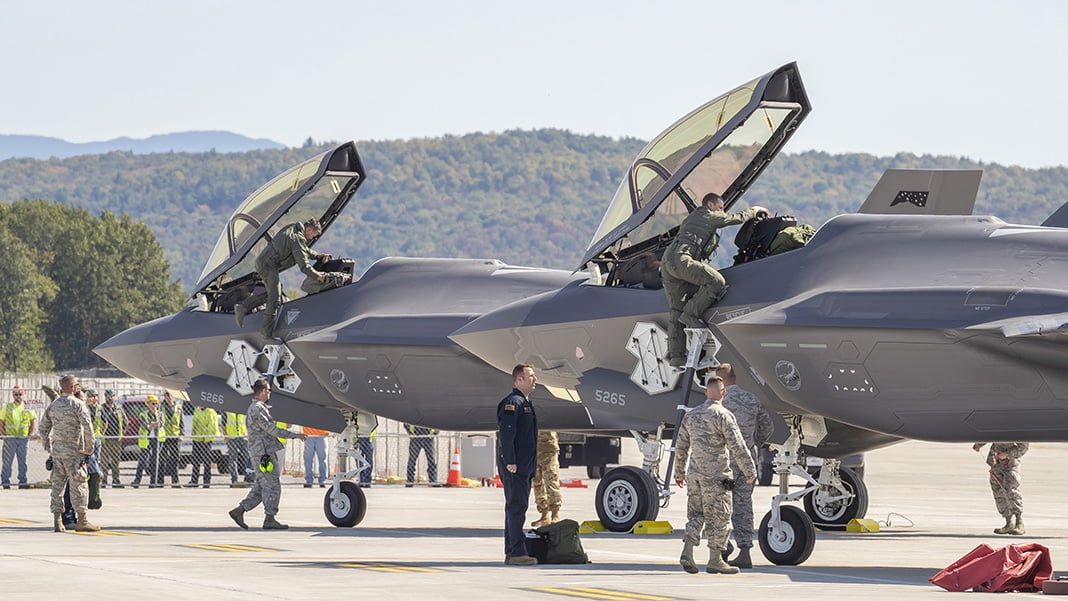 F-35 Fleet Readiness Falls to 25% Amid Parts Shortages and Software Delays: GAO Report
-
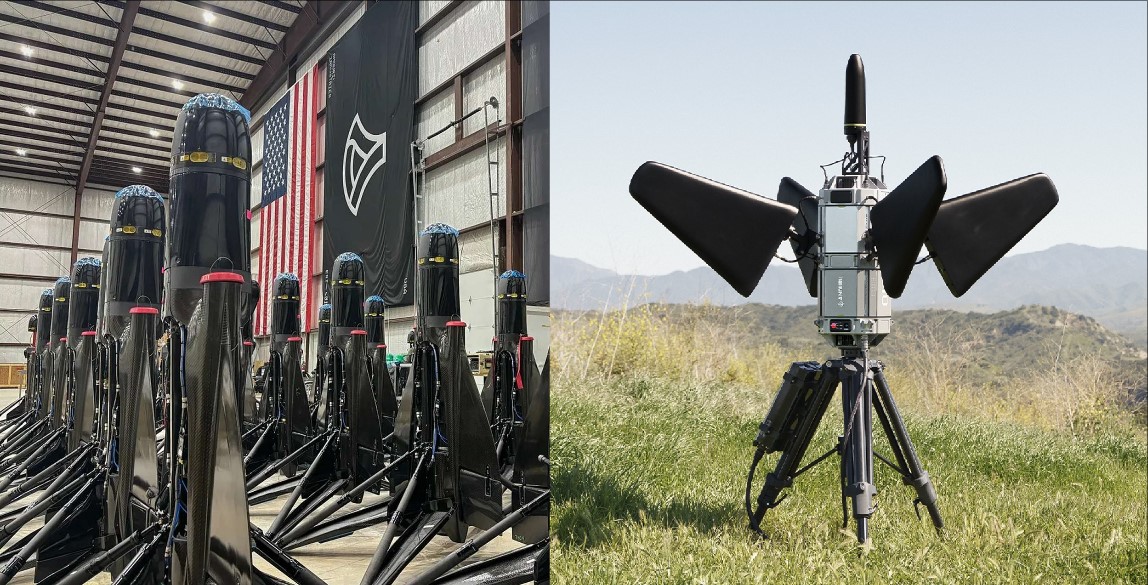 U.S. Approves $1.98 Billion Sale of Anduril AI-Powered Counter-Drone Systems to Kuwait
-
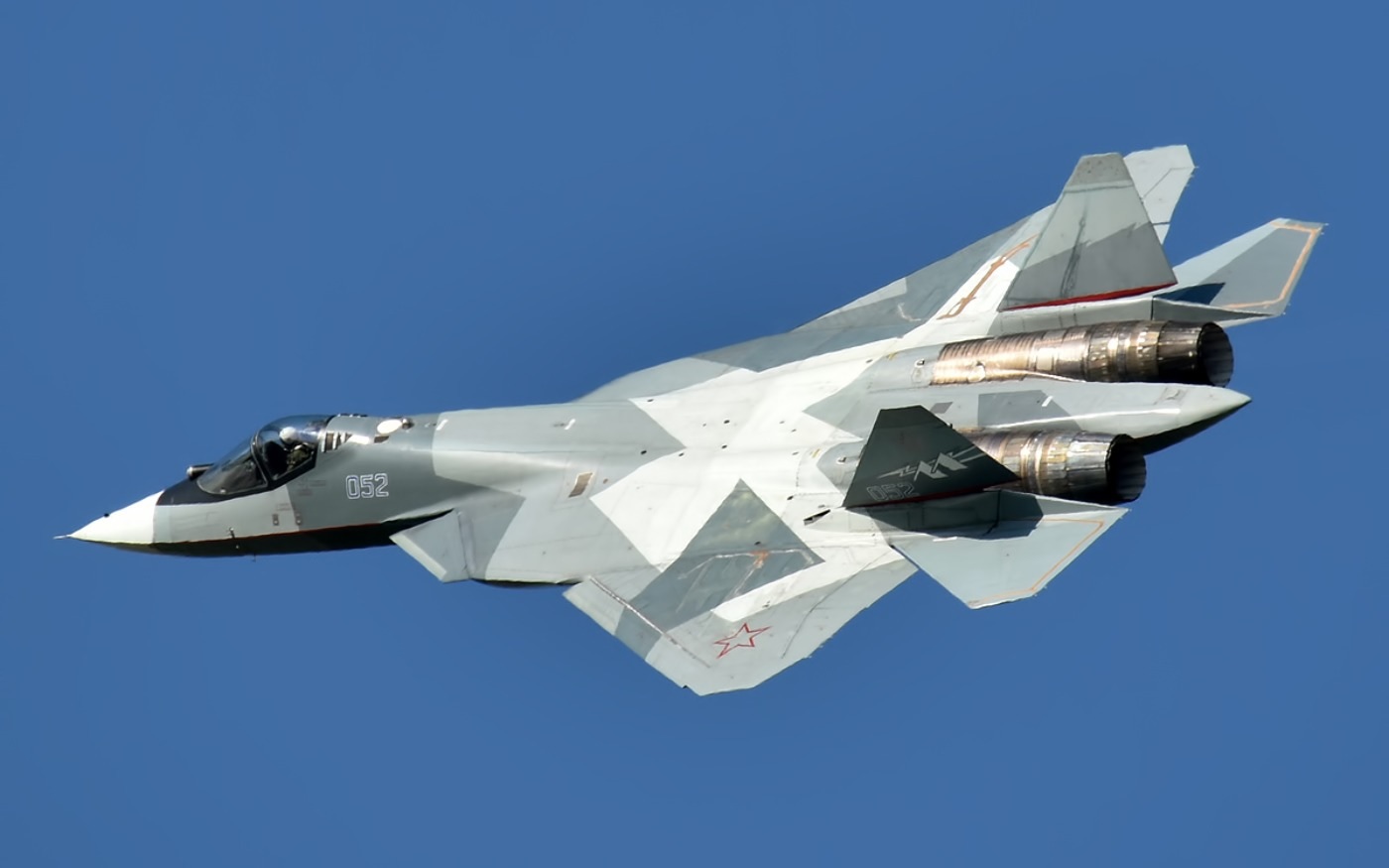 Russian Analysts Debate Su-57 Capabilities After Putin Calls Fighter Superior to F-35
-
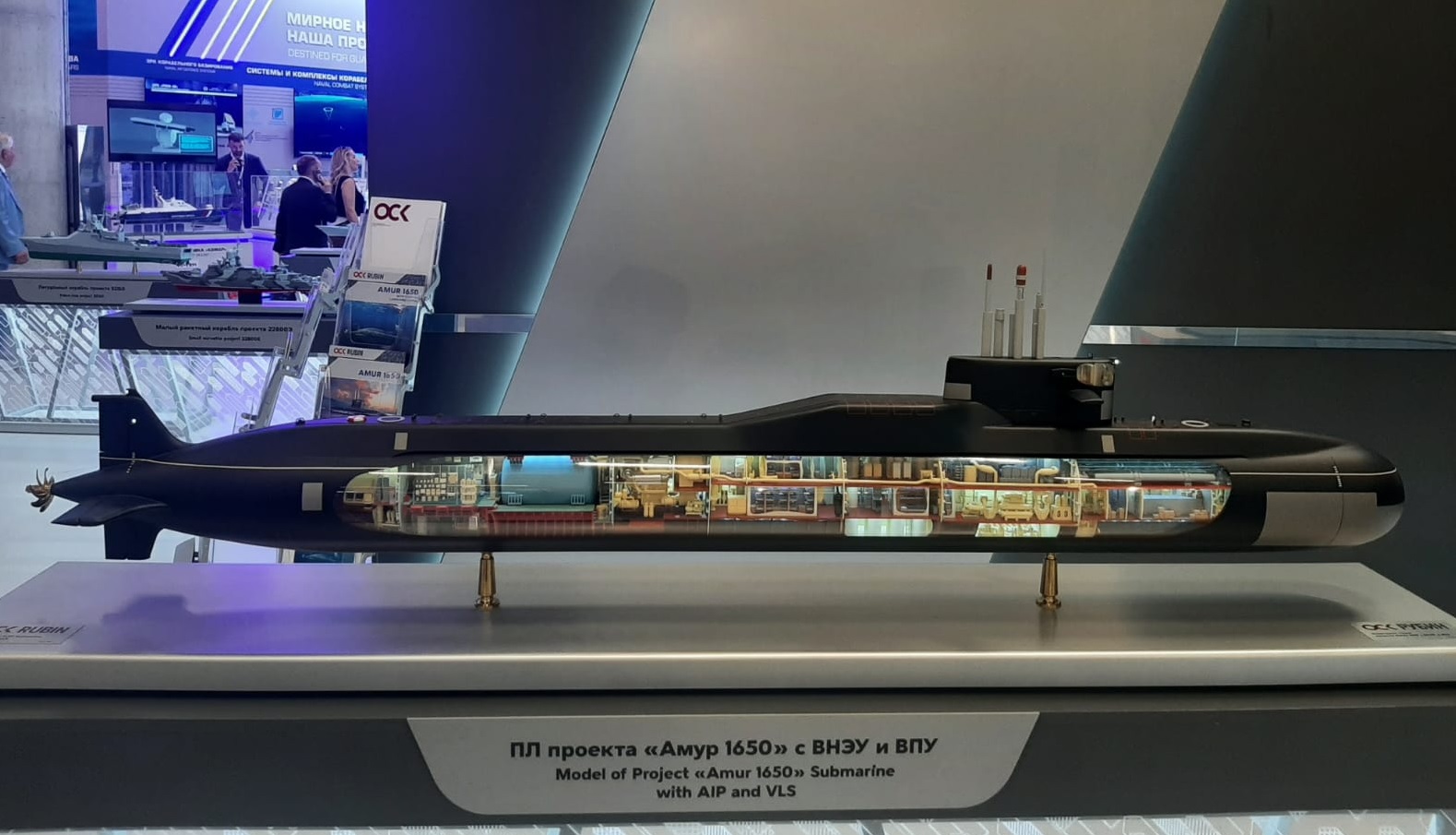 Russia Unveils Amur-1650 AIP Submarine Equipped with BrahMos Vertical Launch System at Fleet-2026
-
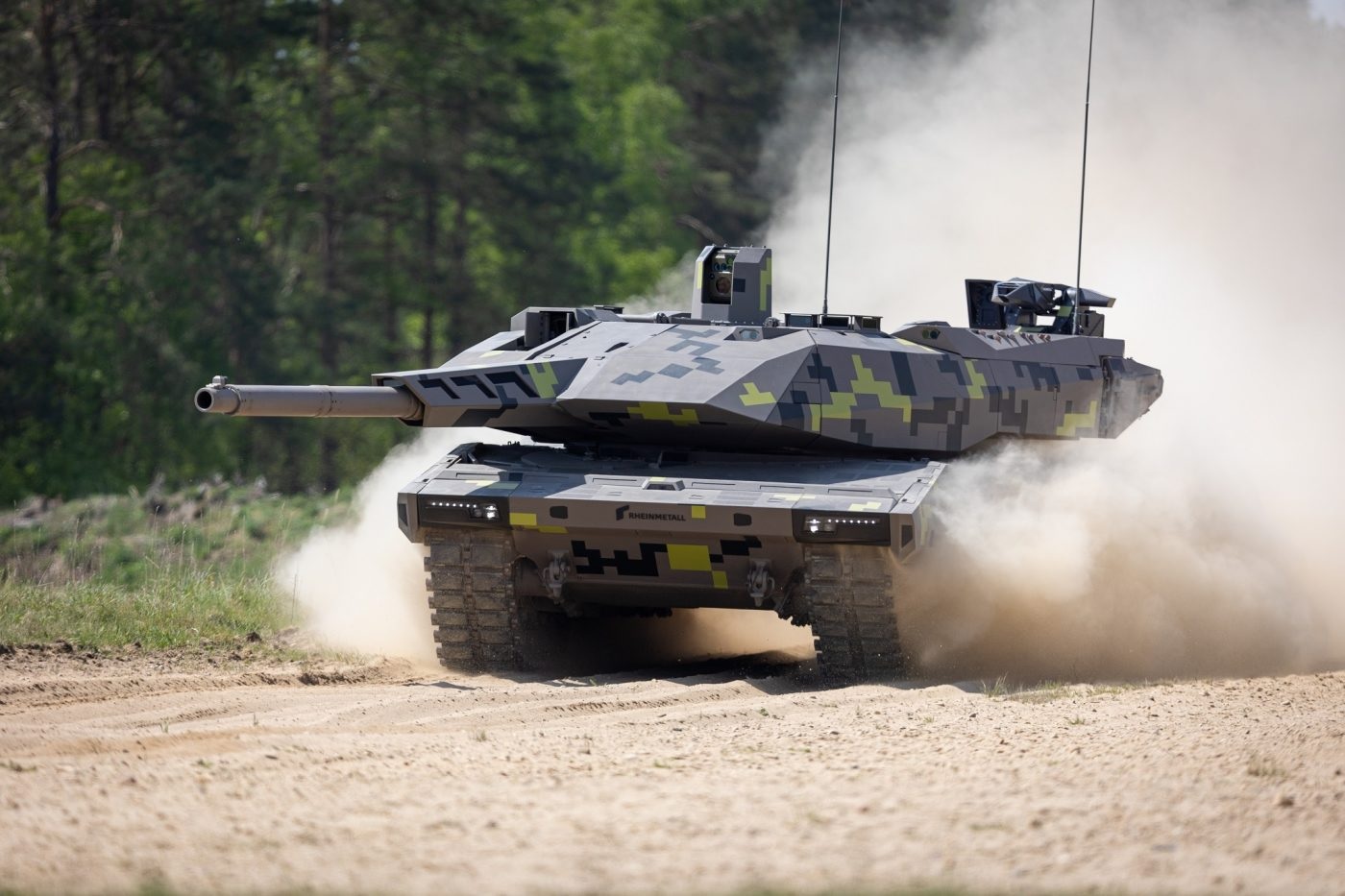 France Considers Reduced Role or Exit from Franco-German MGCS Tank Project
-
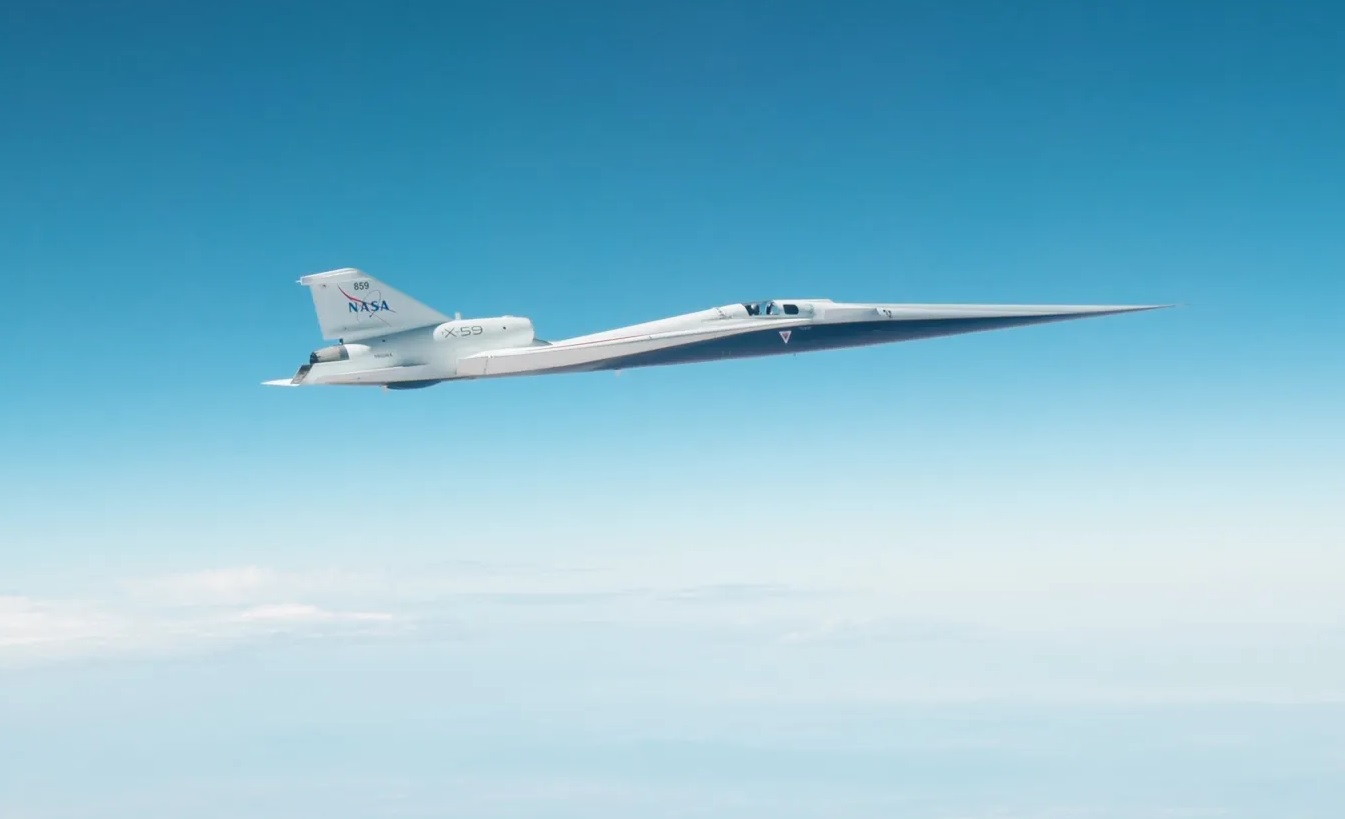 NASA X-59 Achieves Planned Mission Conditions with Mach 1.4 Flight at 55,000 Feet
-
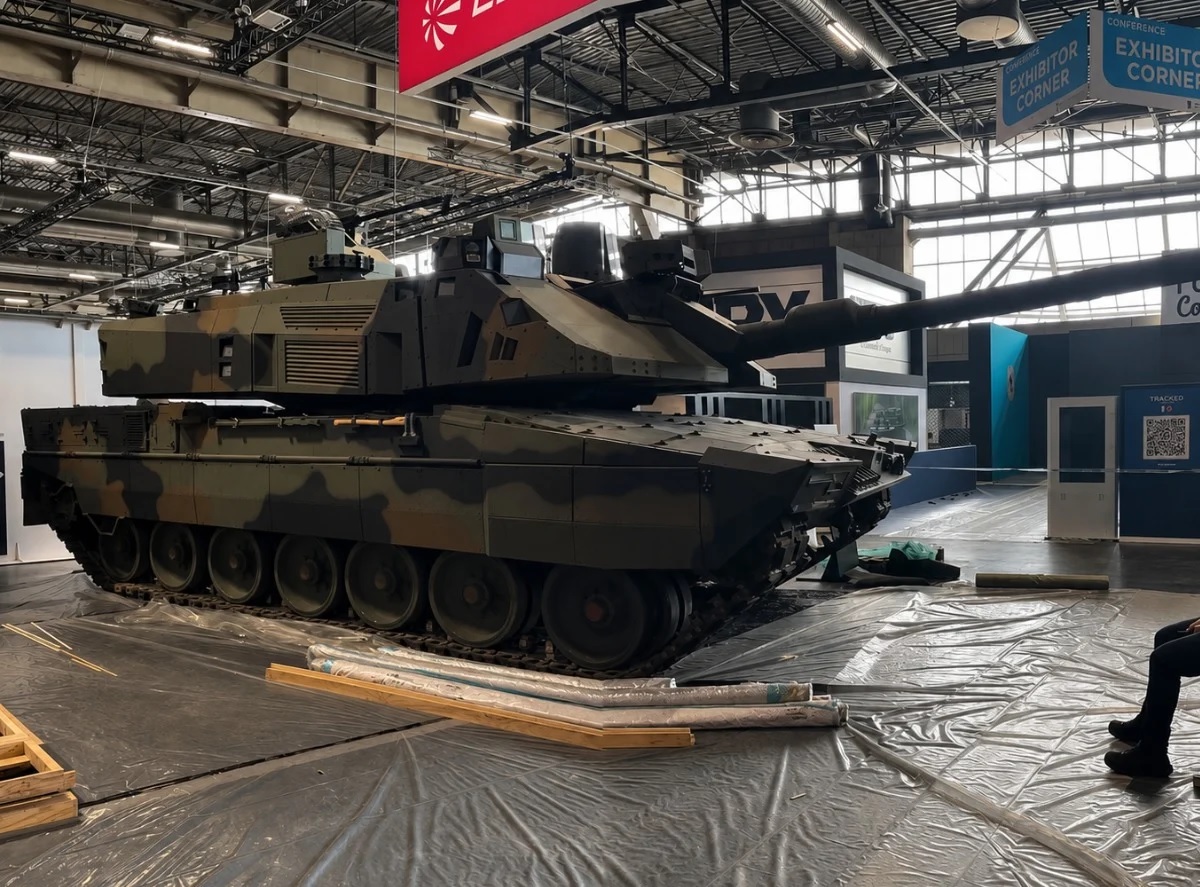 Leonardo Rheinmetall to Unveil Italy’s New IMBT Main Battle Tank at Eurosatory 2026
-
 Anduril Wins $363 Million CBP Contract to Deploy Over 200 Extended Range AI Surveillance Towers
Top Trending in 4 Days
-
 Iranian Media Leaks 14-Point U.S.-Iran Peace Framework Amid Ongoing Negotiations
-
 US Plans Significant Reduction of Fighter Jets and Warships for NATO Operations in Europe
-
 Boeing Introduces New MQ-28 Ghost Bat Upgrades with Increased Range, Payload and Weapons Capacity at ILA Berlin 2026
-
 AMCA Airframe Spotted at DRDO’s ORANGE Facility for Radar Cross-Section Testing
-
 U.S. Air Force Faces Strategic Airlift Shortfall as C-17 Production Restart Remains Uncertain
-
 U.S Aircraft Carrier USS Theodore Roosevelt Departs San Diego for Major RIMPAC 2026 Naval Exercise
-
 NATO Commander Says Russia Not Seeking Conflict With Alliance Despite U.S. Force Reductions
-
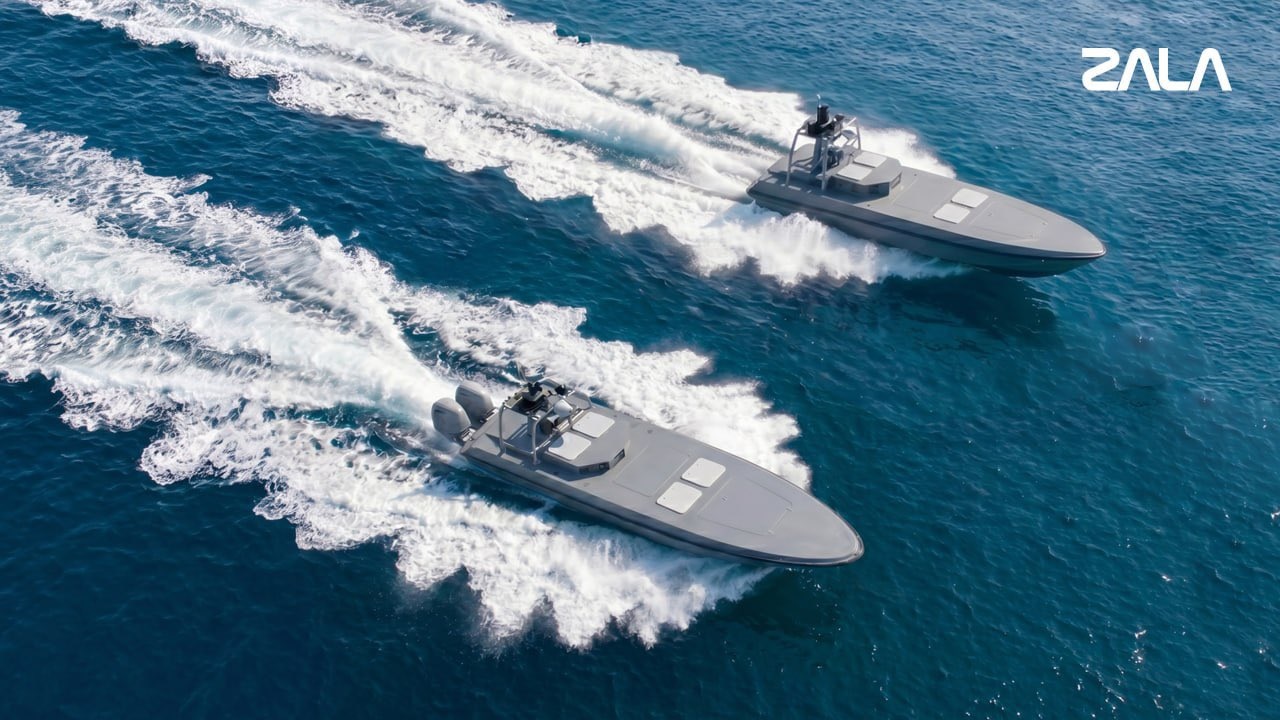 Russian Defense Firm ZALA Unveils KAMA Unmanned Surface Vessel Family at FLOT-2026 Naval Exhibition