
World
In a recent media briefing, Saab unveiled the latest advancements in its Electronic Support Measures (ESM) capabilities with the U/SME-400 family, a sophisticated suite designed to elevate maritime situational awareness in an era where radar signals are becoming increasingly complex and elusive. Saab’s U/SME-400 family brings state-of-the-art enhancements to naval ESM, aiming to equip vessels with an essential sensor system when operating in stealth, or "radio silent," modes.Francois Raubenheimer, Saab’s business development and marketing executive, emphasized the critical role of ESM in today’s naval operations. As vessels approach potential targets undetected, ESM systems provide a covert means to detect radar signals from nearby threats without broadcasting the vessel’s presence. This reliance on passive surveillance underscores the need for advanced ESM capabilities, especially as modern radar systems evolve to reduce detection risks through low-power or “stealthy” emissions.The U/SME-400 family introduces a third-generation series, building on Saab’s legacy with a fully digital, wideband architecture. By integrating a digital receiver, the U/SME-400 can more effectively detect, classify, and track intricate radar signals, even in signal-rich and potentially hostile environments. This leap to digital enables several game-changing features: enhanced processing speed, resilience against interference tactics like jamming and spoofing, and flexibility to adapt to new threats with minimal hardware modifications. In addition, the system’s ability to track overlapping signals contributes to a faster and more accurate tactical picture, a significant advantage in maritime combat scenarios.The U/SME-400 series includes three main variants tailored to fit a range of naval platforms:SME-450 for larger vessels like corvettes and frigatesSME-420 designed for mid-sized patrol ships, mine warfare vessels, and smaller submarinesSME-410 aimed at uncrewed surface and underwater vessels (USVs and UUVs)Each variant offers a wide frequency coverage and impressive bandwidth for capturing signals. The 450 and 420 models cover a standard frequency range of 1–18 GHz, while the smaller 410 operates within 2–18 GHz. All models have the option to extend this range up to 40 GHz, ensuring they can detect and intercept a broader spectrum of signals. Notably, the system’s instantaneous bandwidth of 16 GHz equips it with a high probability of intercept, ensuring that no active signals go unnoticed.The U/SME-400 is not only versatile across platforms but also enhances data handling through its integrated interface bridge with combat management systems (CMS). This connectivity to CMS allows seamless data transfer, helping operators compile a comprehensive situational picture in real time. Furthermore, the system includes tools for data library management and post-mission analysis, facilitating a cycle of continuous intelligence refinement and readiness.The design of the U/SME-400 has also prioritized operator usability, simplifying the human-machine interface to reduce operator workload and improve tactical decision-making under pressure. With ESM systems becoming an increasingly integral component of modern naval warfare, such enhancements to usability are crucial.Saab’s U/SME-400 is currently undergoing final testing, with production scheduled to begin by late 2025 and initial deliveries anticipated by 2028. Saab plans to showcase this next-generation ESM suite at the upcoming Euronaval exposition in Paris, aiming to attract attention from potential customers seeking advanced electronic warfare solutions for a modernized fleet.In a world of evolving radar technologies and electronic warfare challenges, Saab’s U/SME-400 family marks a significant step forward. Its digital leap and multi-platform adaptability are poised to give navies around the world a strategic advantage, enabling them to operate with enhanced awareness and stealth in increasingly contested maritime environments.
Read More → Posted on 2024-11-05 15:13:20
World
At the Euronaval event, MBDA, the European missile manufacturer, unveiled its next-generation submarine-launched Exocet SM40, a significant leap forward in anti-ship missile technology. This missile joins the ranks of the Exocet family—known for its resilience, versatility, and lethal precision in naval combat. As the latest in a long line of Exocet missiles, the SM40 strengthens MBDA’s position as the only European firm providing a truly comprehensive suite of anti-ship solutions for both surface ships and submarines.The SM40 evolves from the trusted SM39, but this latest iteration introduces powerful new capabilities tailored to the demands of today’s complex naval environment. With advanced technological enhancements that allow it to operate under any weather, day or night, and in increasingly hostile electronic warfare (EW) conditions, the SM40 is built to withstand modern threats. As detection and countermeasures for submarines and anti-ship threats become more advanced, this missile’s resilience against EW disruptions makes it a formidable asset for any naval fleet.Enhanced Targeting and Resilience in Electronic WarfareOne of the standout upgrades of the Exocet SM40 is its cutting-edge RF seeker operating in the J-band. This new seeker, initially developed for the Exocet MM40 Block 3c, is designed to navigate complex EW scenarios more effectively than previous versions. It can lock onto targets despite interference from sophisticated radar and jamming efforts, allowing it to identify and engage with precision. To further support this seeker, MBDA has enhanced the missile’s algorithms, enabling it to differentiate between genuine targets and decoys, a vital capability when encountering well-defended fleets employing advanced countermeasures.These features grant the Exocet SM40 a level of target identification accuracy that is unparalleled in MBDA's submarine-launched arsenal. With these advancements, the missile isn’t just about striking targets; it’s about doing so with greater assurance that the intended target will be hit, even under the most adverse conditions.A Significant Boost in Range and PropulsionOne of the most talked-about advancements of the Exocet SM40 is its extended range, reaching approximately 120 kilometers. This range boost is achieved thanks to a sophisticated turbojet engine, which not only increases the stand-off distance but also ensures higher speed and sustained flight. In naval warfare, where submarines need to stay as far as possible from surface threats, this increased range translates to better survivability and more flexible tactical options. The propulsion system also enables the missile to reach higher speeds, giving it a tactical edge when engaging fast-moving targets or well-protected surface ships.This boost in propulsion and range aligns with the growing need for anti-submarine warfare assets to operate at safer distances. When facing well-armed fleets that pose serious risks to a submarine’s safety, the SM40’s range becomes a crucial factor for submarine crews seeking to maintain a safe distance.Seamless Integration with Modern SubmarinesMBDA has worked closely with Naval Group to ensure the Exocet SM40 remains compatible with existing submarine platforms. Retaining the SM39’s proven launch architecture allows this new missile to be integrated with minimal modifications, ensuring fast deployment and a quick transition for naval operators who are already familiar with the Exocet system. This compatibility means that submarines equipped with the SM39 can be upgraded to the SM40 with relative ease, leveraging the missile’s enhanced capabilities without requiring extensive platform alterations.Additionally, this backward compatibility provides an economic advantage for nations seeking to update their submarine-launched capabilities without the need for significant overhaul costs. By maintaining this streamlined integration, MBDA positions the Exocet SM40 as an accessible, ready-to-use solution for both existing and new submarines, thereby facilitating its swift market entry.Strategic Implications of the SM40With the Exocet SM40, MBDA is catering to the rising demand for flexible, resilient, and technologically advanced anti-ship solutions that provide an edge in increasingly contested maritime spaces. The Exocet SM40’s ability to launch under diverse conditions, combined with its enhanced range and EW resilience, makes it an invaluable asset for navies worldwide. As modern naval threats evolve, the SM40’s strategic value lies not only in its immediate combat effectiveness but also in its compatibility with existing submarine fleets, reducing both time and cost barriers for adoption.In a world where naval power is critical to geopolitical influence, the Exocet SM40’s unveiling marks a new chapter in submarine-launched missile technology. Its extended range, advanced EW capabilities, and adaptability make it a force multiplier for any naval fleet, embodying the future of submarine-launched anti-ship warfare.
Read More → Posted on 2024-11-05 15:09:50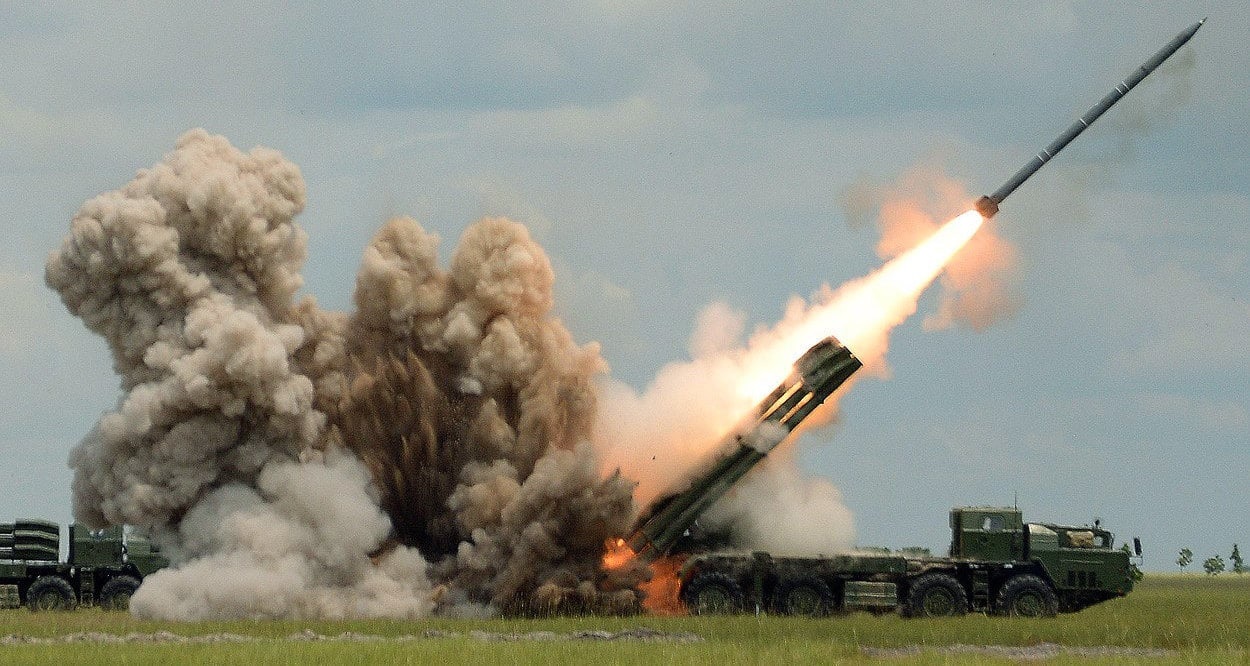
World
Russia has recently showcased its new Tornado-S Multiple Launch Rocket System (MLRS) in a rare combat demonstration, underscoring the advanced capabilities of this next-generation weapon. The Tornado-S, an evolution of the older BM-30 Smerch, is designed as one of Russia’s most advanced artillery platforms, distinguished by a 300mm caliber, guided munitions, and an impressive range. As Russia moves towards more precise, efficient, and versatile artillery systems, the Tornado-S stands out with features that signal a shift in modern warfare capabilities.The Tornado-S is engineered to provide Russia with a competitive edge in precision-guided artillery, especially in environments where traditional unguided rockets fall short. By focusing on accuracy, it echoes a similar role played by the U.S.-made HIMARS, a system renowned for its precision strikes in recent conflicts. Russian state media has drawn direct comparisons between the Tornado-S and HIMARS, suggesting that this is Russia’s answer to the U.S. system, but with a unique set of capabilities tailored to Russian military needs and production realities.Enhanced Precision with New Guided RocketsOne of the most remarkable aspects of the Tornado-S is its use of precision-guided rockets, marking a major upgrade over the BM-30 Smerch's unguided munitions. This new generation of munitions includes the 9M542, 9M544, and 9M549 rockets, each offering distinct capabilities tailored to different combat scenarios.The 9M544 and 9M549 Rockets: Both these rockets have a range of up to 120 kilometers and are equipped with cluster warheads, allowing them to engage a wider area and inflict damage on multiple targets within a single strike. These rockets stand out with their front-mounted flight-control wings, allowing mid-course corrections. This feature enables them to adjust their trajectory in flight, significantly enhancing accuracy and reducing the potential for collateral damage.The 9M542 Rocket: This variant differs in its payload and mission role. Equipped with a 150 kg high-explosive fragmentation warhead, the 9M542 is designed to deliver a powerful impact against fortified structures or concentrated enemy formations. It’s ideal for scenarios where concentrated firepower on a single target is essential. Like the 9M544 and 9M549, the 9M542 also features in-flight control surfaces for mid-course adjustments, ensuring that even long-range targets can be hit with high precision.Operational Advantages and Use of Commercial ElectronicsA notable characteristic of the Tornado-S system is its reliance on commercially available electronics within its guidance systems, a strategic decision that Russia has taken to simplify production and sidestep the impact of international sanctions. By using civilian-market microchips, Russia aims to maintain the Tornado-S production line despite trade restrictions on advanced electronic components. Analysts point out that these commercially sourced electronics allow for the same level of targeting precision as military-grade components while being easier to procure and integrate.This pragmatic approach to hardware selection reflects Russia's broader efforts to sustain its arms industry in the face of international pressure. However, it also raises questions about the system's vulnerability, as civilian components may not withstand harsh battlefield conditions as well as their military-grade counterparts. Yet, Russia has embraced this design choice, leveraging commercial tech to keep its rocket system operational, adaptable, and relatively cost-effective.Modernized Capabilities and Battlefield ApplicationsIn a strategic sense, the Tornado-S system offers the Russian military a flexible tool for various combat scenarios. Its precision-guided rockets allow it to engage both area targets and specific high-value points with equal efficiency. The system's range of up to 120 kilometers provides a significant reach, enabling it to strike deeper into enemy territory while staying at a safer distance from front-line engagements. This range and precision combination makes the Tornado-S ideal for counter-battery operations, suppressing enemy artillery, and disrupting supply lines, thereby impacting adversary logistics and morale.As an MLRS, the Tornado-S is inherently suited for rapid-fire capabilities, meaning it can deliver a substantial volume of rockets over a broad area in a short time frame. This capability, paired with advanced guidance, enables the Tornado-S to support fast-moving offensive maneuvers or provide critical cover for defensive positions. The addition of guided munitions to a system with high-rate firepower reflects a tactical shift towards minimizing waste and maximizing impact—a shift indicative of the modernization trend in artillery systems worldwide.Russia's New Era of Precision ArtilleryThe deployment of the Tornado-S not only exemplifies the evolution of Russian artillery but also serves as a statement of intent: Russia is committed to developing competitive, highly accurate, and versatile rocket systems that can counter modern battlefield threats. By combining an extensive range with precision guidance, the Tornado-S aligns with the military’s broader strategy to conduct efficient, high-impact strikes that disrupt enemy operations with minimal expenditure.As it gains more operational experience with the Tornado-S, Russia will likely refine its tactics around this system, potentially making it a core element in both defensive and offensive roles. With the Tornado-S, Russia has showcased not only a new rocket system but a significant stride towards modern, precision-guided warfare.
Read More → Posted on 2024-11-05 15:05:06
World
Elbit Systems, a prominent Israeli defense firm, has secured a substantial contract worth $127 million to equip the U.S. Army’s Bradley M2A4E1 Infantry Fighting Vehicles (IFVs) with the Iron Fist Active Protection System (APS). This contract, awarded as a follow-on agreement, strengthens Elbit’s longstanding partnership with General Dynamics Ordnance and Tactical Systems (GD-OTS) and highlights the United States’ investment in advanced vehicle protection technologies.The Iron Fist APS is a sophisticated hard-kill system engineered to detect, track, and neutralize incoming threats before they can reach their target. Designed initially for the Israel Defense Forces (IDF), the Iron Fist has undergone significant upgrades over the years to meet the evolving challenges of modern combat. The system’s latest generation boasts a 360-degree protection capability that is effective in both open fields and the densely packed environments of urban warfare. This versatility allows Iron Fist to protect against a diverse range of anti-tank weapons, including Anti-Tank Rockets (ATR), Anti-Tank Guided Missiles (ATGM), Unmanned Aircraft Systems (UAS), and loitering munitions.A standout feature of the Iron Fist APS is its combination of powerful defensive capabilities with a compact footprint. Unlike some larger APS technologies that can add significant weight and bulk to armored vehicles, the Iron Fist maintains a low volume, weight, and power profile. This makes it a highly suitable choice for the Bradley IFVs, which must remain agile while navigating varied terrains and combat scenarios. The system’s minimal impact on vehicle mobility and fuel consumption ensures that it can be integrated without compromising the Bradley’s operational range or maneuverability.The system works by deploying sensors to detect incoming threats and calculate their trajectories with precision. Once a threat is identified, the Iron Fist activates countermeasures that intercept and neutralize the incoming projectile, all within a fraction of a second. This “hard kill” approach, which destroys threats before they can make contact, is essential for protecting crews and minimizing damage to the vehicle itself. Additionally, the system’s modular design allows it to be upgraded with new components and software, keeping it adaptable to future battlefield requirements.Yehuda (Udi) Vered, General Manager of Elbit Systems Land, underscored the strategic importance of this contract, expressing pride in the company’s ability to support both the U.S. Armed Forces and NATO partners. He pointed out that this deal is part of Elbit’s broader commitment to bolstering the defensive capabilities of allied nations while maintaining continuous support for the Israeli Defense Forces.The integration of Iron Fist APS on Bradley vehicles is scheduled to span 34 months, during which the system will be rigorously tested and optimized for U.S. military standards. The long-term goal of this upgrade is to ensure that U.S. armored units possess cutting-edge defenses that enhance survivability in increasingly complex combat scenarios. With the rising prevalence of anti-tank weaponry and drone-based threats, the importance of systems like Iron Fist cannot be overstated. As Elbit Systems and GD-OTS move forward with this project, the U.S. Army’s adoption of Iron Fist APS on its Bradley IFVs marks a critical investment in protecting personnel and maintaining a technological edge on the battlefield. This contract not only exemplifies the high quality and innovation of Elbit’s active protection systems but also reinforces the growing alliance between the U.S. and Israeli defense industries in addressing shared security challenges.
Read More → Posted on 2024-11-05 15:00:32
World
In a significant display of maritime defense capabilities, the Pakistan Navy announced on Monday the successful test-firing of its indigenously developed ballistic missile from a naval warship. This groundbreaking achievement marks a pivotal advancement in Pakistan’s strategic defense initiatives, showcasing the navy’s growing prowess in missile technology.The newly tested missile boasts an impressive range of 350 kilometers, enabling it to effectively target both land and sea-based adversaries with remarkable precision. Designed to enhance Pakistan’s defensive and offensive maritime strategies, the missile system integrates an advanced navigation suite that allows for real-time adjustments in direction and speed, ensuring high accuracy even in dynamic combat scenarios.The launch was conducted under the vigilant supervision of Chief of Naval Staff Admiral Naveed Ashraf, alongside senior naval officers, and a team of dedicated scientists and engineers who have been instrumental in the missile’s development. The demonstration underscored the collaborative efforts between Pakistan’s military and scientific communities, highlighting their commitment to advancing indigenous defense technologies.President Asif Ali Zardari and Prime Minister Shehbaz Sharif, along with the Chairman of the Joint Chiefs of Staff Committee and various Services Chiefs, extended their congratulations to the navy units and the scientific teams involved in the missile project. Their acknowledgment underscores the strategic importance of this achievement in bolstering Pakistan’s national security framework.The ballistic missile system is equipped with state-of-the-art guidance mechanisms, including inertial navigation systems and satellite-based positioning, which collectively enhance its targeting precision and reliability. Additionally, the missile’s propulsion system is optimized for both speed and maneuverability, allowing it to adapt to different combat environments and evade potential countermeasures effectively.This successful test not only demonstrates Pakistan Navy’s ability to deploy advanced missile systems from sea-based platforms but also reinforces the nation's commitment to maintaining a robust and modernized defense infrastructure. By developing and testing indigenous missile technologies, Pakistan aims to ensure greater self-reliance in its defense capabilities, reducing dependency on foreign imports and enhancing strategic autonomy.The 350 km range positions the missile as a formidable tool in Pakistan’s arsenal, capable of addressing a wide array of security challenges in the region. Whether it is deterring potential maritime threats or asserting sovereignty over territorial waters, the missile system significantly enhances the Pakistan Navy’s operational flexibility and response efficacy.As Pakistan continues to invest in cutting-edge defense technologies, the successful test-firing of this ballistic missile stands as a testament to the country’s technological advancements and strategic foresight. Moving forward, the Pakistan Navy is expected to integrate this missile system into its fleet, thereby strengthening its maritime defense posture and ensuring the safety and security of its naval operations.
Read More → Posted on 2024-11-05 14:57:07
World
At Euronaval 2024, MBDA, a key player in European defense, revealed Sea Warden, a comprehensive and modular counter-drone defense system crafted to secure naval assets against aerial and surface drone threats. With its debut, MBDA introduces a new level of maritime protection technology tailored to counter uncrewed aerial vehicles (UAVs) and uncrewed surface vehicles (USVs). Sea Warden builds on the foundation laid by MBDA’s counter-uncrewed aerial systems solution, Sky Warden, extending protection to encompass both airborne and sea-based drone threats.Sea Warden emerges as an answer to the heightened challenges faced in the global maritime domain, where vessels—from merchant ships to warships—face risks from a variety of uncrewed threats. With its cutting-edge design, Sea Warden is structured to evolve rapidly in line with the pace of drone technology, ensuring that it remains battle-ready against new and more complex threats. In addition to the increasing sophistication of anti-ship weaponry, asymmetric threats like drones now represent a unique challenge in maintaining maritime security. “Sea Warden is the response to the need for self-protection of merchant vessels and warships, now and in the future,” MBDA explained at the unveiling.The modular design of Sea Warden enables it to handle multiple threat scenarios across various maritime settings—whether in port or at sea. This adaptability is integral to its design, allowing it to detect, classify, and neutralize UAV and USV threats up to class 2. Its architecture allows for integration with existing combat systems or deployment as a standalone system, making it adaptable to any naval or offshore platform. Highlighting its uniqueness, MBDA emphasizes that Sea Warden is currently the only solution capable of executing a full-spectrum defense from threat detection through to neutralization. As MBDA describes it, Sea Warden is “the only battle-ready system to manage the full counter-UAV (C-UAV) and counter-USV (C-USV) kill chain.”The system’s arsenal of sensors, which include radar, passive RF, and electro-optical cameras, enables precise threat identification and classification, ensuring the most suitable effector is deployed for optimal defense. Sea Warden’s effectors feature high-tech options such as the CILAS HELMA-P directed energy laser, which can neutralize threats with precision, hunter drones that can directly intercept and destroy targets, and advanced jammers. To address more advanced threats, Sea Warden also incorporates loitering munitions and missile systems like MISTRAL 3 and AKERON MP, extending its defensive reach.With its open architecture, Sea Warden is highly flexible, designed to meet specific customer needs while staying agile in a rapidly changing threat environment. This approach enables MBDA to collaborate with partners and customers, enhancing Sea Warden’s capabilities as new threats emerge. By combining high-end technology with operational flexibility, Sea Warden embodies MBDA’s mission to provide adaptable solutions for the maritime sector. “MBDA is working with its partners to integrate capabilities to deliver the appropriate military effect,” the company noted, emphasizing the value of collaboration in extending Sea Warden’s reach.MBDA’s unveiling of Sea Warden positions it as the leading European defense provider for naval-based air defense systems, uniquely covering the spectrum from basic drone threats to the most advanced aerial and surface threats. This innovation addresses a critical gap in maritime defense, equipping naval forces with a robust solution to meet the challenges of the modern threat landscape. Sea Warden’s readiness to defend vital assets underscores MBDA’s commitment to advancing maritime security and protecting global economic interests at sea.
Read More → Posted on 2024-11-05 14:54:29
World
Reports have emerged that North Korean soldiers, recently deployed to assist Russia in its ongoing war against Ukraine, have been struck by Ukrainian artillery in Russia's Kursk region. This marks the first publicly confirmed instance of North Korean personnel being actively engaged in the conflict zone, adding a new, complex layer to the nearly 1,000-day-old war. Andrii Kovalenko, head of the counter-disinformation branch of Ukraine's Security Council, shared news of the strike on Telegram, noting that North Korean troops stationed in the Kursk region had been shelled, though without providing specific details about casualties or the exact location. The deployment of North Korean soldiers, reportedly up to 12,000 strong, is a unique development in a war that has otherwise largely drawn forces from Russia, Ukraine, and various Western allies backing Ukraine through arms and training support.North Korea’s Unusual Role in Russia’s War StrategyWestern intelligence agencies have been tracking the influx of North Korean troops to Russia's side, which appears to be part of a broader agreement between Moscow and Pyongyang. Both U.S. and South Korean intelligence assessments have indicated that North Korean combat units are being sent specifically to the Kursk border region, where Ukrainian forces launched an incursion three months ago. This incursion has marked the first occupation of Russian territory by foreign forces since World War II, creating a notable strain on Russian defenses and drawing international attention.While North Korea’s military is known for its large size and strict discipline, analysts have questioned the combat effectiveness and battlefield experience of these troops, particularly in a modern conflict as grueling and high-tech as the one in Ukraine. Given the prolonged attrition both Russian and Ukrainian forces have faced, how these North Korean units adapt to the battlefield could have significant implications. Their success or failure in reinforcing Russian lines could impact the balance of power, particularly in the contested eastern regions of Ukraine, where intense fighting has continued for months.Challenges on the Ukrainian Side Amid Rising Pressure from RussiaThe introduction of North Korean forces comes as Ukraine’s eastern defenses, especially in Donetsk, are reportedly struggling against Russia’s relentless assault. Russian advances have been documented in some areas, including gains of up to 9 kilometers (over 5 miles), according to the U.K. Defense Ministry. While Russia has suffered high casualties, Moscow’s aggressive recruitment efforts have maintained a steady flow of reinforcements. This sustained Russian push has allowed them to keep up pressure on Ukrainian defenses, which have found themselves increasingly thin-stretched.Adding to Ukraine's challenges, Russian forces recently expelled Ukrainian soldiers from Vuhledar, a town on a strategic high point in eastern Ukraine. Vuhledar was a critical part of Ukraine’s defensive belt, and its loss could set the stage for Russia to move further into key logistics and strategic hubs like Pokrovsk and Chasiv Yar. Meanwhile, long-range attacks on Ukrainian civilian areas have continued unabated; in one recent incident in Zaporizhzhia, six people were killed and 16 injured in a missile strike, underscoring the continued toll on Ukrainian non-combatants.Western Support: Too Little, Too Late?Ukrainian officials, while acknowledging the resilience of their forces, have long raised concerns about the slow pace of Western military aid. The flow of arms, despite being substantial, often falls short of what is needed to match Russia's advantage in troop numbers and resources. Andrii Yermak, the head of Ukraine’s presidential office, called for stronger action from Ukraine’s allies to counter the growing pressure from Russian and newly introduced North Korean forces. In a message on Telegram, Yermak stressed the necessity of a “stronger position” from Ukraine’s Western allies to halt the Russian advances and prevent further loss of territory and civilian lives.Broader Implications of North Korean InvolvementThe deployment of North Korean troops represents not only a shift in Russia’s tactics but also a rare example of North Korea’s military forces being used in an international conflict outside the Korean peninsula. Pyongyang’s involvement is likely tied to broader political and economic exchanges with Russia, which has turned to North Korea, among others, for support as it becomes more isolated from the West. This deployment could signal a new level of cooperation between Moscow and Pyongyang, adding diplomatic complications and potentially inviting further international scrutiny.As the war nears its 1,000-day mark, the battlefield dynamics continue to evolve in unexpected ways, with new alliances and foreign troops changing the calculus. The shelling of North Korean forces by Ukrainian artillery underscores that the conflict is now drawing in troops from distant, ideologically aligned nations—a clear indicator of the deepening geopolitical entanglements in the region. Whether this will lead to further international consequences or additional foreign involvement remains to be seen, but the implications are already reverberating across the global stage.
Read More → Posted on 2024-11-05 14:43:20
World
South Korea is making a significant leap in its defense capabilities with the acquisition of 100 advanced Meteor air-to-air missiles, specifically for its upcoming KF-21 Boramae fighter jet. The deal, formalized with European missile manufacturer MBDA, positions the KF-21 to stand among the world’s most advanced combat aircraft. This partnership between South Korea's Defense Acquisition Program Administration (DAPA) and MBDA not only underscores a milestone in regional security but also reflects South Korea’s dedication to enhancing its military’s self-reliance and technological edge. The KF-21 Boramae Program: Setting New StandardsThe KF-21 Boramae is South Korea’s ambitious step toward replacing the Republic of Korea Air Force's aging F-4 and F-5 jets, building on indigenous and international expertise. Developed through a joint program with Indonesia, South Korea holds a 60% share in the project, while Indonesia owns 20%, with the remaining 20% in private hands, including from Korea Aerospace Industries (KAI), the primary manufacturer. The KF-21 program is planned in three progressive blocks, each introducing more sophisticated capabilities over time. South Korea has committed to producing over 130 of these jets by 2032, with the first 20 units set to be ready by 2026.This multi-phase development approach not only enables more rigorous testing and refinement but also allows South Korea to adopt advanced technologies at each stage, keeping the KF-21 relevant against evolving threats. Potentially, future models will include electronic attack and carrier-based variants, opening the door for broader operational applications, including exports.The Meteor Missile: A Game-Changer in Air CombatThe Meteor missile, selected for the KF-21, is a powerful addition to South Korea’s defense capabilities. Often considered one of the premier beyond-visual-range (BVR) air-to-air missiles, the Meteor has an effective range exceeding 200 kilometers (124 miles) and features a world-leading no-escape zone of 60 kilometers (37 miles). This means that once a target is within 60 kilometers of the Meteor’s trajectory, there is virtually no way to evade it, a critical asset in aerial combat where response time can be a matter of seconds.The missile’s unique propulsion system—a ramjet—provides sustained thrust, enabling it to reach high speeds and maintain them over long distances. The advanced active radar seeker on the Meteor allows it to track and engage agile targets like fast jets, small drones, and even cruise missiles. Equipped with impact and proximity fuses and a fragmentation warhead, the Meteor is designed to maximize impact on a range of targets, ensuring high versatility in combat scenarios.Integrating the Meteor with the KF-21KAI and MBDA began preparations to integrate the Meteor with the KF-21 platform in 2019, a complex process involving the transfer of crucial know-how and development of specialized equipment for testing and trials. This step was essential to ensure that the Meteor could be deployed effectively with the KF-21's systems, sensors, and radar capabilities. Another collaboration in 2023 expanded this integration effort to include other MBDA missiles, potentially adding Brimstone and Spear missiles for air-to-ground missions, as well as the Advanced Short-Range Air-to-Air Missile (ASRAAM), a valuable asset for close-quarters dogfighting.This missile integration is critical for the KF-21’s overall mission profile, as the aircraft’s design is modular, allowing for adaptation to various operational needs. Testing earlier this year even included the IRIS-T, a short-range air-to-air missile, indicating the KF-21’s readiness to handle a diverse array of advanced munitions.Strategic Importance and Future ProspectsFor South Korea, the KF-21 Boramae and its Meteor-equipped arsenal represent a strategic advancement. The Meteor’s ability to neutralize long-range threats before they can engage is a deterrent in itself, enhancing South Korea’s air superiority in the region. In a broader context, this defense procurement reflects South Korea's shift toward developing a self-sufficient military, reducing reliance on foreign powers for advanced weaponry while contributing to the local defense industry.The project also has significant geopolitical implications. As the KF-21 is set to be marketed to international customers, its features, including compatibility with cutting-edge weaponry like the Meteor, make it a competitive option in the global fighter jet market. By collaborating with Indonesia and exploring new integration possibilities with MBDA, South Korea not only strengthens its regional defense network but also enhances its position as a rising player in the global defense arena.The KF-21 project is more than just a domestic fighter jet program; it represents South Korea’s commitment to creating a defense ecosystem capable of meeting future challenges. With production underway and the Meteor missiles on the horizon, South Korea’s skies will soon be patrolled by one of the most sophisticated fighter jets in Asia, marking a new chapter in the country's defense narrative.
Read More → Posted on 2024-11-05 14:33:45
World
In a significant development for U.S. air and missile defense, Lockheed Martin’s Patriot Advanced Capability-3 (PAC-3) missile recently demonstrated successful integration with Raytheon’s new Lower Tier Air and Missile Defense Sensor (LTAMDS) radar. This test took place at the White Sands Missile Range and is being hailed as a crucial step forward in the U.S. Army's efforts to upgrade its Integrated Air and Missile Defense (IAMD) framework. The demonstration showcased the advanced capabilities of the PAC-3 Missile Segment Enhancement (MSE) and Cost Reduction Interceptor (CRI) interceptors, which intercepted and neutralized a high-speed Tactical Ballistic Missile (TBM) target in mid-flight. This latest trial isn’t just a demonstration; it’s a leap in missile defense technology. The PAC-3 MSE, with its advanced Hit-to-Kill technology, has been engineered to eliminate threats by direct impact, rather than the traditional blast-fragmentation method. This allows it to counter not only ballistic missiles but also a wide range of high-speed threats, including hypersonic weapons, advanced aircraft, and cruise missiles. The missile achieves this precision by striking targets body-to-body, a method that produces greater kinetic impact on the target, significantly reducing the possibility of collateral damage in areas surrounding the interception.For this test, the PAC-3 missiles were launched in what the defense industry calls a “ripple” formation, where multiple interceptors are launched in quick succession. This technique enhances the likelihood of a successful intercept, allowing multiple missiles to engage a target rapidly. In this case, both the MSE and CRI variants of the PAC-3 missiles succeeded in hitting the target, demonstrating that even the most agile and high-speed threats could be tracked, targeted, and intercepted effectively. This kind of strategic layering is what the U.S. Army envisions in its broader modernization strategy—leveraging multiple, interconnected systems to improve defensive response and flexibility.Brian Kubik, vice president of PAC-3 Programs at Lockheed Martin, described the successful integration with LTAMDS as a vital achievement in the Army’s defense capabilities. “Integrating PAC-3 with new, advanced systems to deliver next-generation deterrence capability is a critical piece of the U.S. Army’s modernization strategy,” Kubik explained. By networking the PAC-3 with LTAMDS, the Army achieves a more resilient and effective defense shield that’s equipped to deal with the fast-evolving threat landscape, marking a new chapter in “21st Century Security®.”This milestone follows months of preparatory efforts and collaborative work with the U.S. Army. Prior to the successful intercept test, Lockheed Martin and the Army conducted extensive ground tests and a series of captive carry trials to ensure the PAC-3 missiles were prepared to operate seamlessly with the LTAMDS radar. These efforts, in addition to previous trials with the Army’s Integrated Battle Command System (IBCS), demonstrate the flexibility and adaptability of the PAC-3 as part of the Army’s modernized IAMD approach.The LTAMDS radar is a key component in this strategy, developed specifically to identify and track increasingly sophisticated threats that could otherwise evade detection by older systems. The radar’s high sensitivity and wide field of view give it the ability to track multiple, fast-moving targets, making it an ideal match for the PAC-3’s precision-based interception method. The LTAMDS radar further improves defensive coverage by increasing the detection range and providing critical early warning capabilities, allowing the PAC-3 to engage threats even sooner and with greater accuracy.With these advancements, the PAC-3 and LTAMDS radar integration reflects the Army’s emphasis on cutting-edge, digital solutions to bolster national defense. This combination is poised to offer a more proactive, layered defense system capable of neutralizing the most advanced missile and aerial threats. By successfully merging Lockheed Martin's PAC-3 technology with Raytheon's LTAMDS, the U.S. Army is building a stronger, more reliable defense infrastructure that will play a pivotal role in safeguarding national and allied security for years to come.
Read More → Posted on 2024-11-05 14:24:33
World
Russia recently reinforced its stance that Turkey cannot legally transfer its Russian-manufactured S-400 air defense systems to the United States. Russian Foreign Minister Sergey Lavrov addressed speculation at the United Nations General Assembly, emphasizing that the S-400 agreement between Moscow and Ankara, signed in 2017, included an end-user clause prohibiting the system’s sale or transfer to any third party without Russian consent. Lavrov’s statement underscored Moscow's strict adherence to the terms of this contract and its expectations that Turkey respects this limitation.Background on Turkey’s S-400 AcquisitionThe S-400 purchase by Turkey marked a significant pivot in its defense relationships, especially with NATO allies. The S-400 Triumf system, designed by Russia’s Almaz-Antey Corporation, is among the world’s most advanced air defense systems. It can engage up to 80 targets simultaneously and intercept ballistic and cruise missiles at ranges up to 400 km. The system’s acquisition by Turkey was controversial not only because of its capabilities but because it is incompatible with NATO defense protocols. In response, the US excluded Turkey from the F-35 stealth fighter jet program, one of NATO’s cornerstone defense initiatives. The US justified this by claiming the S-400 posed a risk of Russian intelligence being gathered on F-35 operations through close system proximity.The US Proposal and Turkey’s PositionReports emerged suggesting a potential resolution: senior US officials allegedly proposed that Turkey transfer its S-400 system to the United States or store it under American control at the Incirlik Air Base in southern Turkey. In exchange, the US would consider reinstating Turkey into the F-35 program. However, Turkey responded cautiously, neither dismissing the proposal outright nor showing enthusiasm. Sources cited by Greek media outlet Ekathimerini suggest Turkish officials rebuffed the idea of handing over the S-400 to the US. Instead, they reportedly offered to keep the system dormant, implying that Ankara isn’t yet willing to dismantle its strategic relationship with Moscow over the S-400.While Turkey has not definitively ruled out a potential arrangement with the US, its defense ministry stressed that Ankara's stance on maintaining an independent defense policy remains firm. Turkish sources reiterated the importance of removing restrictions between allies, alluding to NATO’s foundational principles of cooperation and mutual security.Russia’s End-User Certification ClauseLavrov highlighted that Russia’s contracts explicitly outline end-user agreements to prevent unauthorized transfers. This clause is integral to Russian arms deals, ensuring that the system remains within the purchasing country’s control. Should Turkey proceed with any unauthorized transfer, it risks damaging its defense relationship with Russia and potentially facing penalties or reduced access to Russian technology.The end-user clause is a standard feature in many high-value arms contracts worldwide, especially when involving sophisticated defense technologies like the S-400. Such contracts are crafted to ensure the original vendor’s interests are protected and to avoid the possibility of its sensitive technology falling into unintended hands. Lavrov’s comments serve as a reminder of the high-stakes nature of these agreements and the diplomatic tightrope Turkey must walk between two powerful allies.What’s at Stake for Turkey?For Turkey, the S-400 acquisition was not just about obtaining a capable defense system—it represented a strategic choice that diverged from its traditional NATO alignment. By purchasing from Russia, Turkey indicated its intent to pursue a more independent defense strategy. However, this decision has come with significant trade-offs, most notably the forfeiture of F-35 fighter jets, which would have given Turkey a technological edge in regional security.Turkey’s insistence on retaining the S-400 is as much about sovereign choice as it is about defense needs. By retaining the system, Ankara signals to its NATO allies that it is willing to break from consensus if it serves its national interests, especially if it perceives those interests as under-recognized within the alliance. Yet, Turkish officials remain interested in mending the rift with Washington, with reports indicating that discussions around the F-35 may surface again.Future ImplicationsThe ongoing S-400 dispute encapsulates a complex reality facing NATO: the challenge of maintaining unity when member states pursue divergent defense policies. The resolution of this impasse could set a precedent for how NATO allies navigate disagreements involving military procurement and sovereign decision-making.For now, the S-400 issue remains unresolved, with Turkey’s relationship with the United States and Russia both on uncertain ground. The high cost of exclusion from the F-35 program continues to weigh heavily on Turkey’s defense aspirations, but Russia’s insistence on upholding its end-user agreement leaves little room for maneuvering. In the coming months, the stakes for Turkey’s defense partnerships—and potentially NATO’s cohesion—will continue to mount as Ankara and Washington attempt to negotiate a compromise that aligns with their national interests and regional security strategies.
Read More → Posted on 2024-11-04 16:24:54
World
MBDA Introduces the New SIMBAD-RC 2 and 4: Advanced Naval Defense for Modern ThreatsIn response to the rising challenges in naval defense—particularly the increased threat of low-cost, high-risk weapons like kamikaze drones and unmanned surface vehicles—MBDA has taken a significant leap forward with its latest updates to the SIMBAD-RC system. With new models offering two-missile and four-missile configurations, MBDA has refined this system for both advanced and asymmetrical threats, making it a powerful solution for naval forces across the globe. Set to be delivered starting in early 2026, these upgrades provide an essential boost to naval close-in defense, designed to protect critical assets at sea.The SIMBAD-RC has long been MBDA's cornerstone in short-range naval air defense. Lightweight, remotely operated, and packed with high-precision capabilities, it’s an ideal choice for a range of vessels—from patrol boats to logistics support ships. The system primarily serves as a last line of defense, using its Mistral 3 missiles to counter aerial and small surface threats, providing coverage up to 8 kilometers. The recently upgraded SIMBAD-RC 2 and SIMBAD-RC 4 versions expand this potential, with the addition of software enhancements and design modifications that improve both efficiency and responsiveness against new-generation threats.SIMBAD-RC 2 and RC 4: Enhanced Design and CapabilitiesThe SIMBAD-RC 2, as the name suggests, is equipped with a two-missile launching pod, while the SIMBAD-RC 4 boasts a four-missile configuration. This upgrade offers double the firepower without the need for a second turret, making the RC 4 version a valuable asset against saturation attacks, where multiple threats are launched simultaneously. The new design includes a consolidated turret by Cegelec Défense, integrating power supply and system components into a single unit—enhancing reliability and reducing space requirements. This unified structure also allows for greater flexibility in mounting the system, offering an operational weight of 500 kg for the RC 2 and 800 kg for the RC 4, both including missiles.The updated MATIS SP thermal camera is strategically positioned based on the configuration: mounted on the right arm in the RC 2 and centrally on the RC 4, allowing for optimized tracking and targeting. Both versions maintain the same angular range of ±160° in bearing and -30°/+55° in elevation, ensuring full coverage around the vessel.Mistral 3 Missile: Enhanced Software and Combat ReadinessCentral to the effectiveness of SIMBAD-RC is the Mistral 3 missile. MBDA has equipped the Mistral 3 with cutting-edge technology to handle a spectrum of threats from UAVs to anti-ship missiles. The Mistral 3 stands out due to its passive, fire-and-forget guidance, relying on an infrared imaging seeker developed by Safran. The missile's advanced image processing enables it to effectively engage low-signature targets, including small drones and fast-moving missiles, while remaining resilient against infrared countermeasures. With a range of up to 8 kilometers and an altitude ceiling of 6,000 meters, it operates across a broad defensive radius. Additionally, with an interception minimum range of 500 meters, it covers very close proximity threats—a crucial advantage in close-in defense scenarios.The Mistral 3's upgrades also include trajectory enhancements, allowing it to neutralize asymmetric threats with precision. The missile’s software has been optimized to recognize and respond to patterns exhibited by kamikaze drones, which are increasingly used in swarm attacks. The missile's guidance and propulsion systems allow it to perform with agility, maneuvering at up to 30 g, which is critical for countering high-speed, agile targets. MBDA has verified the Mistral 3’s effectiveness against some UAV models like the Shahed, further attesting to its utility in modern conflict zones.Global Interest and Strategic DeploymentsMBDA’s SIMBAD-RC system has proven popular, with over 50 units delivered to 10 countries. Notable users include naval forces from France, Indonesia, Turkmenistan, Saudi Arabia, and the Philippines. The French Navy plans to integrate the system into its BRF (Bâtiment de Ravitaillement de Force) ships, using a two-turret setup to maximize defensive capability. Several other countries, including Angola, are also in the process of adopting these new configurations, with MBDA actively engaging potential customers worldwide.Future Prospects and Naval RelevanceThe SIMBAD-RC 2 and 4 reflect MBDA’s commitment to providing flexible, high-performing defense systems tailored to the realities of modern naval warfare. These upgrades signify an adaptive approach to emerging threats, allowing naval forces to counter cost-effective but potentially devastating technologies like kamikaze drones. With its robust design, modularity, and software improvements, the SIMBAD-RC is well-positioned to remain a vital element of naval defense strategies for years to come.
Read More → Posted on 2024-11-04 16:21:23
World
At Euronaval 2024, Naval Group presented its innovative Multi-Purpose Modular Launcher System (MPLS), a groundbreaking solution designed to meet the evolving challenges of modern naval warfare. The MPLS reflects a shift from traditional weapon launchers, which have historically been dedicated to single-purpose munitions, to a versatile system capable of deploying various weapon types. This innovation, Naval Group believes, aligns with the need for adaptable defense mechanisms in a world facing diverse and asymmetrical threats.The MPLS isn’t just a new launcher; it’s a multipurpose, highly modular platform that can handle multiple weapon types, including missiles, rockets, grenades, underwater munitions, decoys, drones, and loitering munitions. This versatility is enabled by its interchangeable munitions modules, allowing operators to swiftly reconfigure the system for different mission requirements without returning to port. With an unprecedented payload capacity of 1,000 kg and compact integration of a firing computer and fire control system within the launcher, the MPLS promises a broad operational reach with seamless onboard integration.Structurally, the MPLS incorporates a two-axis trainable turret that can target moving threats, providing both stability and precision. The turret is designed with a total loaded mass of less than 3.5 tonnes, making it relatively lightweight for easy integration into various ship classes. The MPLS can operate autonomously or be networked into a ship’s combat system, allowing flexibility in deployment and mission adaptability. Its modular nature ensures that a single vessel can host multiple MPLS units, each loaded with different weapon configurations depending on operational demands.This system’s modularity also addresses a crucial aspect of naval requirements: rapid adaptability to new threat landscapes. By allowing for incremental upgrades, the MPLS can be updated with emerging technologies and new munitions, all while controlling costs and minimizing operational downtime. Naval Group has emphasized that this system is designed to meet modern navy needs efficiently, reducing costs for integration and maintenance compared to traditional launch systems.The MPLS has already passed initial testing stages, demonstrating its capacity by conducting live firing trials with Thales rockets in the UK. This test showcased the MPLS's ability to manage diverse payloads and its suitability for multi-threat environments. Naval Group anticipates that the system’s first operational capabilities will be available between 2026 and 2027, a timeline that reflects the project’s rapid development and Naval Group’s confidence in its design.With the MPLS, Naval Group offers a forward-thinking solution that departs from conventional naval launchers, accommodating an impressive array of munitions and making it easier for navies to upgrade their capabilities as new technologies emerge. This adaptability and its emphasis on cost-efficiency and ease of integration mark the MPLS as a pivotal advancement in naval warfare, offering future navies the means to respond swiftly and proportionally to diverse and evolving threats.
Read More → Posted on 2024-11-04 16:15:39
World
In a significant move to bolster Argentina's defense capabilities, the U.S. State Department has approved the sale of 34 F-16 fighter jets and a range of advanced military equipment, amounting to a total value of $941 million. This deal reflects the strengthening of military ties between the two nations and emphasizes the U.S. commitment to supporting its allies in South America.The aircraft included in the sale are renowned for their versatility and advanced technology, capable of executing a variety of missions, from air defense to ground support operations. The package will not only provide Argentina with state-of-the-art fighter jets but will also enhance its military arsenal through the inclusion of Advanced Medium Range Air-to-Air Missiles (AMRAAMs), general-purpose bombs, and components for laser-guided weapons. Additionally, the sale encompasses fuze systems, further augmenting Argentina's operational capabilities.The Defense Security Cooperation Agency (DSCA) has noted that this acquisition is crucial for Argentina, enabling the country to better address both current and future threats. The enhanced air capabilities are expected to significantly improve Argentina's ability to conduct air defense, engage in offensive counter-air operations, and provide close air support for ground forces. This upgrade is vital as Argentina seeks to modernize its military and ensure that it can effectively respond to evolving security challenges in the region.Lockheed Martin, the prime contractor for this sale, will oversee the delivery and support of the F-16 aircraft. However, the deal is still pending Congressional approval, which is a standard procedure for foreign military sales. The relationship between Argentina and the U.S. has grown stronger, with Argentina being designated as a "Major Non-NATO Ally." This status recognizes Argentina's importance as a stable partner in South America, contributing to both regional security and political stability.In April, the U.S. also announced an allocation of $40 million in foreign military financing to enhance Buenos Aires' defense capabilities, which includes support for the F-16 purchase. This marks a notable change in U.S. policy towards Argentina, as it is the first instance in two decades that the country has received such financial assistance from Washington. This investment in Argentina’s military not only aims to strengthen the bilateral relationship but also to align with U.S. foreign policy goals in the region.The approval of this sale represents a pivotal step in modernizing Argentina's air force and improving its defense infrastructure. As global security dynamics evolve, the U.S. remains committed to supporting its allies, ensuring that they are well-equipped to face various threats and challenges. This partnership could enhance military cooperation between the two nations, further solidifying Argentina’s role as a key player in South American security affairs.
Read More → Posted on 2024-11-04 16:12:12
World
In the latest twist in the ongoing aerial battles between Ukraine and Russia, reports have emerged indicating that a Russian Su-34 fighter-bomber was shot down by a Ukrainian F-16 in a mysterious incident early this morning. This marks a significant development, as it is the second confirmed loss of a Russian Su-34 in just a few weeks, following another shootdown attributed to a Ukrainian F-16 on October 12.Russian military bloggers and aviation enthusiasts have been quick to react to the news, with some acknowledging the loss through somber tributes. Ilya Tumanov, a noted figure within the Russian Air Force community, expressed his condolences with phrases such as “Eternal memory, brothers!” suggesting that the crew aboard the downed aircraft did not survive the encounter. This emotional response underscores the gravity of the incident, as the Su-34 is a critical asset in Russia's military operations.The Su-34, known for its capabilities as a fighter-bomber, is designed for both ground attack and air-to-air combat. With a length of 22.3 meters and a wingspan of 14.4 meters, it boasts a maximum takeoff weight of about 45,000 kilograms. Equipped with advanced avionics, including a digital fly-by-wire system and a phased array radar, the Su-34 can carry a diverse payload of precision-guided munitions. Its twin-engine configuration allows for impressive performance in various combat scenarios.Despite the significance of the aircraft involved, official statements from both the Ukrainian and Russian governments have been notably absent. This lack of confirmation leaves room for speculation and analysis. Experts suggest that the silence may indicate a reluctance to acknowledge the loss of such advanced military hardware, particularly given the ongoing conflict's escalating nature. The incidents may reflect a changing dynamic in the airspace above Ukraine, with Ukrainian fighter jets appearing to assert their presence more confidently.In the wake of this recent downing, discussions around the increasing effectiveness of the Ukrainian air force are becoming more prevalent. Analysts have noted a pattern of escalating confrontations, with Ukraine's Western-supplied F-16s likely playing a crucial role in these air engagements. As the conflict drags on, both sides are adapting their tactics and strategies, highlighting the evolving landscape of aerial warfare in the region.This latest incident not only highlights the dangers faced by military aviators in the conflict but also adds to a series of setbacks for Russia’s air force, which has seen an increase in the number of aircraft losses and crew casualties in recent months. As the situation continues to develop, both military analysts and enthusiasts will be closely monitoring the implications of these engagements on the broader conflict between Ukraine and Russia.
Read More → Posted on 2024-11-04 16:10:03
World
In an impressive display of naval firepower, MBDA, the leading Pan-European missile manufacturer, has introduced a new submarine-launched variant of its renowned Exocet anti-ship missile, the Exocet SM40. This advanced missile aims to bolster the capabilities of modern submarines, allowing them to engage formidable targets with precision and effectiveness.The promotional video released by MBDA features the Exocet SM40 striking a Type 055 destroyer, a stealthy addition to the Chinese naval fleet known as the Renhai-class cruiser in NATO terminology. This striking imagery not only showcases the missile's capabilities but also highlights the increasing focus on countering emerging naval threats from nations like China.The Exocet SM40 builds upon its predecessor, the Exocet SM39, and incorporates two major enhancements that significantly improve its performance in modern warfare scenarios. Notably, it integrates advanced technologies derived from the Exocet MM40 B3c, such as a sophisticated coherent J-band RF seeker and updated missile algorithms. These innovations enable the missile to function effectively in high-intensity electronic warfare environments, a critical factor in today’s complex maritime battlespace.One of the key strengths of the Exocet SM40 lies in its enhanced target discrimination and identification capabilities. It can accurately engage targets even amidst heavy electronic interference, a feature that is essential as naval operations increasingly involve sophisticated countermeasures and detection systems. Moreover, the missile retains the operational flexibility to be launched from extreme depths or in shallow waters, a necessity given the current threats to submarines posed by advanced surface ship detection technologies.MBDA emphasizes that the Exocet SM40 positions the company as Europe’s leading provider of advanced naval strike capabilities. Their commitment to maintaining a unique sovereign capability for submarine-launched missiles ensures that they remain the sole European player in this domain, offering solutions that have no direct equivalents on the market.By showcasing a Chinese Type 055 destroyer in its promotional material, MBDA not only highlights the missile's advanced capabilities but also acknowledges the evolving landscape of naval warfare, where the potential for confrontations with sophisticated adversaries is ever-present. As the global naval arms race continues to intensify, the Exocet SM40 represents a significant advancement in submarine-launched anti-ship missile technology, reaffirming MBDA’s position at the forefront of military innovation.This new missile promises to enhance the strategic options available to navies worldwide, allowing them to respond effectively to emerging threats while maintaining a decisive edge in naval operations.
Read More → Posted on 2024-11-04 16:06:07Search
Top Trending in 24 Hours
-
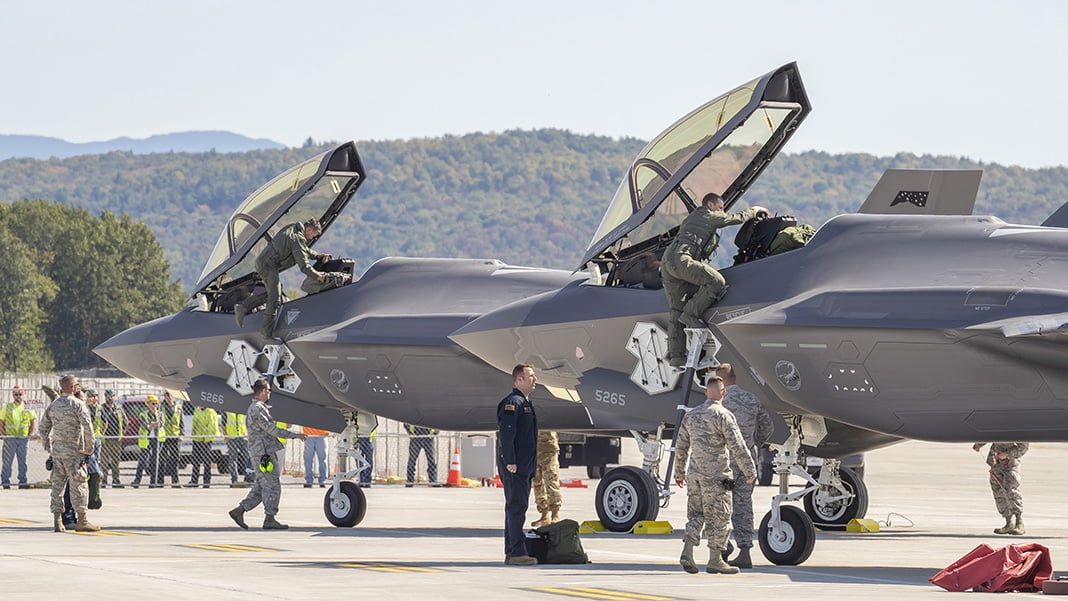 F-35 Fleet Readiness Falls to 25% Amid Parts Shortages and Software Delays: GAO Report
-
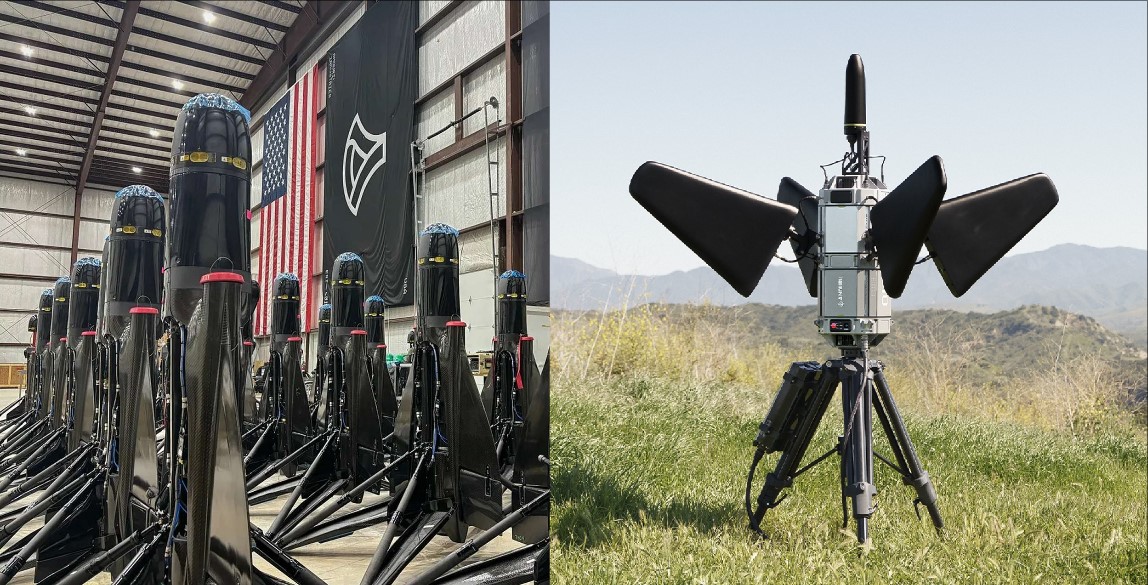 U.S. Approves $1.98 Billion Sale of Anduril AI-Powered Counter-Drone Systems to Kuwait
-
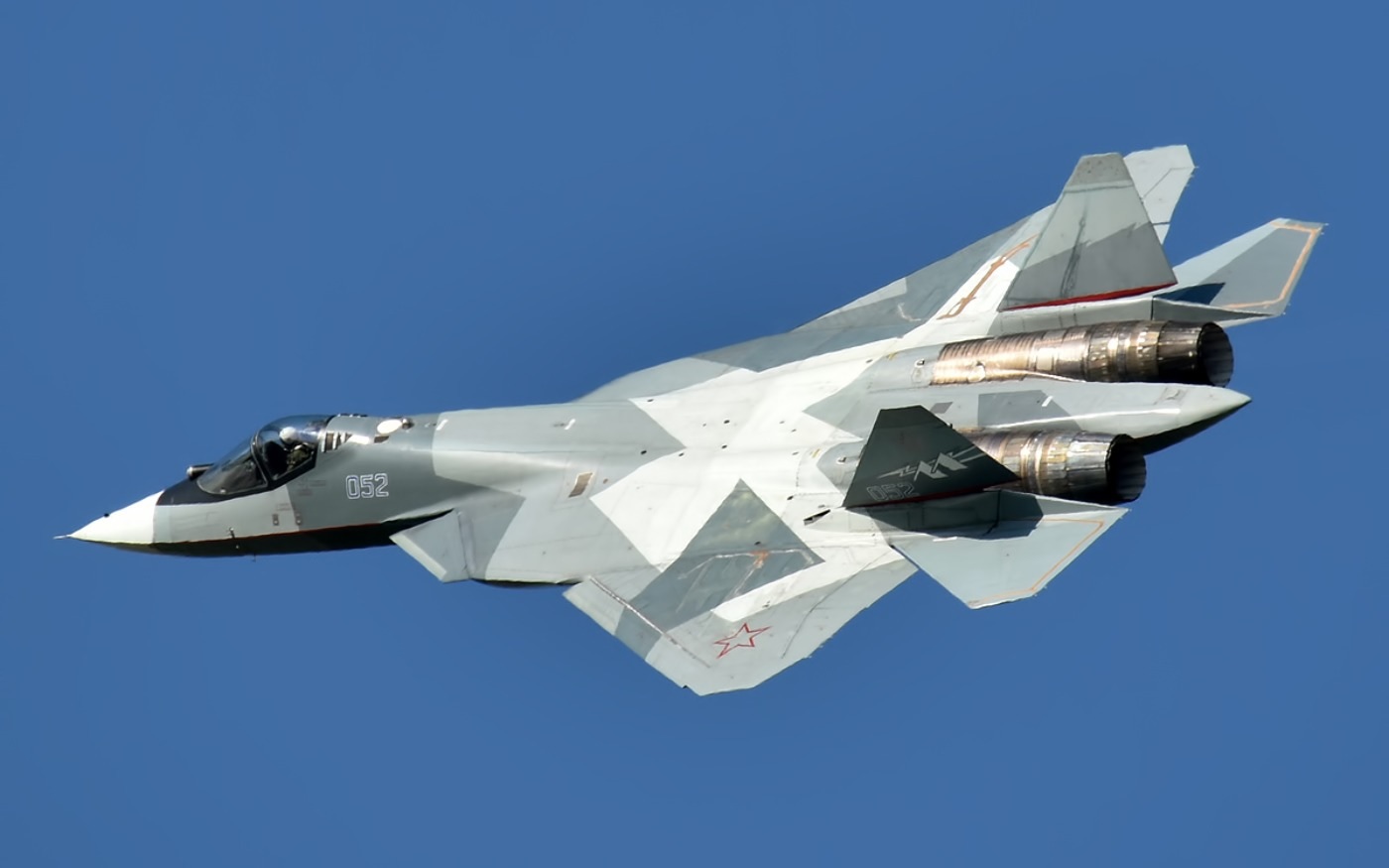 Russian Analysts Debate Su-57 Capabilities After Putin Calls Fighter Superior to F-35
-
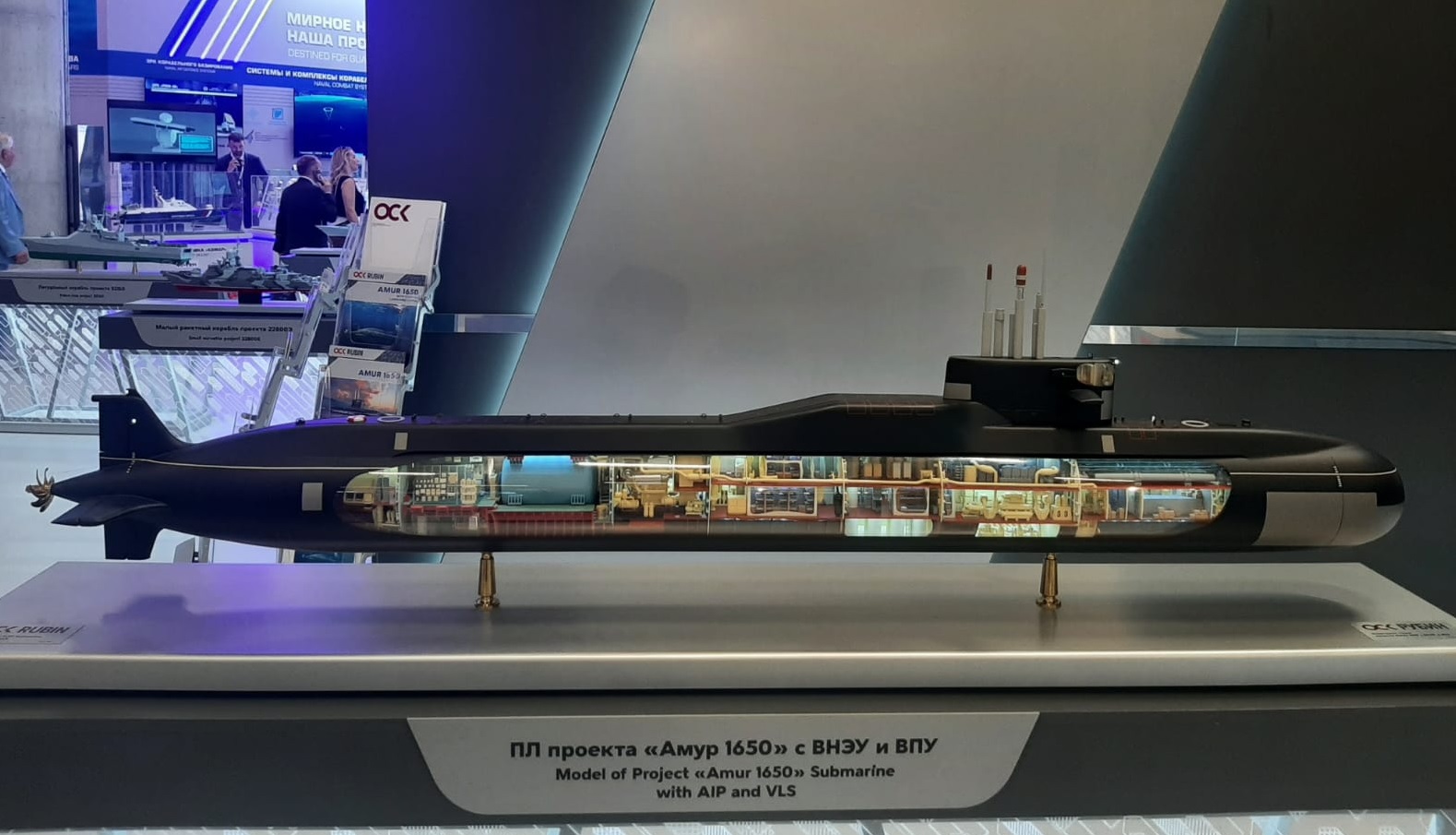 Russia Unveils Amur-1650 AIP Submarine Equipped with BrahMos Vertical Launch System at Fleet-2026
-
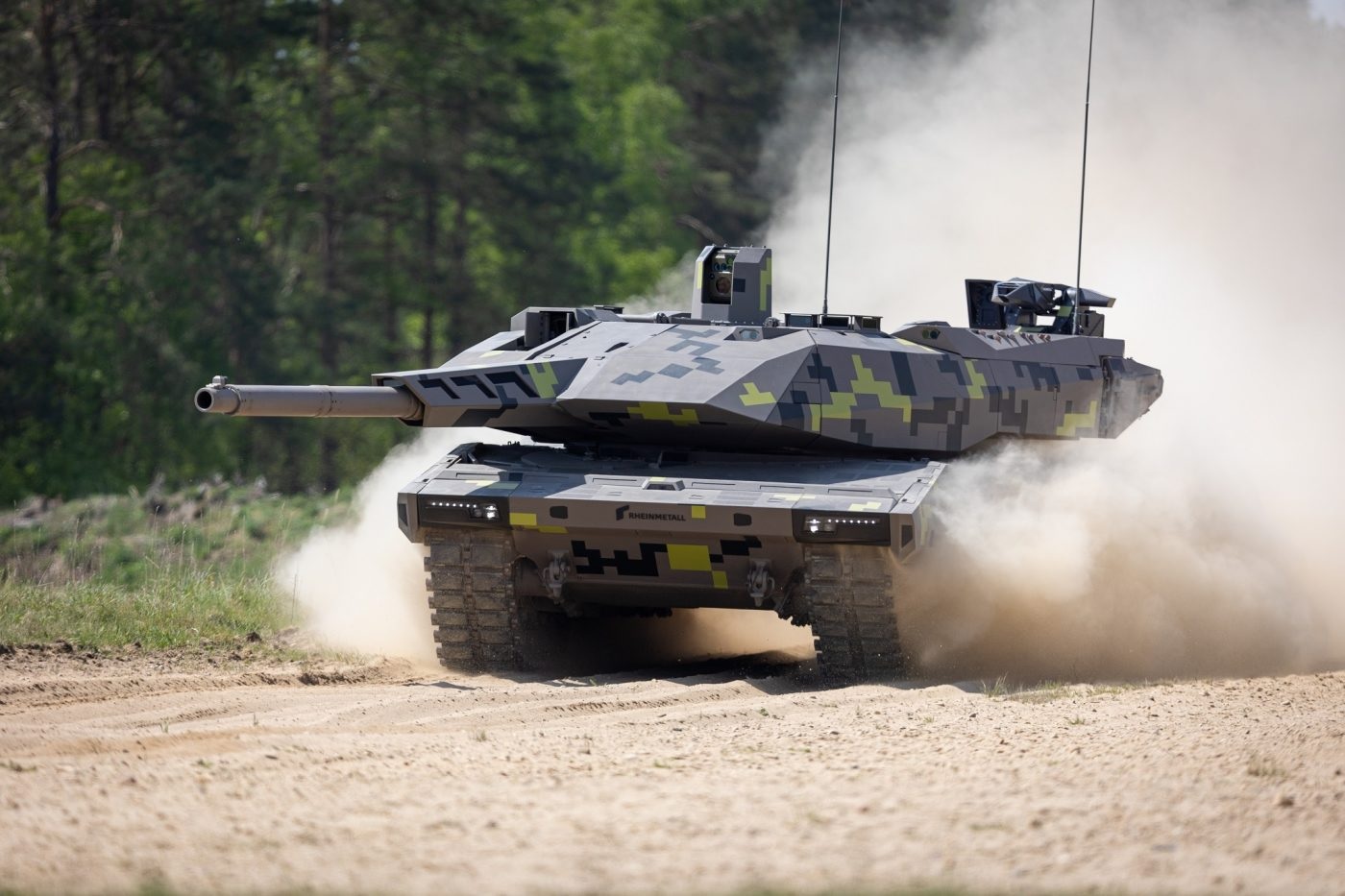 France Considers Reduced Role or Exit from Franco-German MGCS Tank Project
-
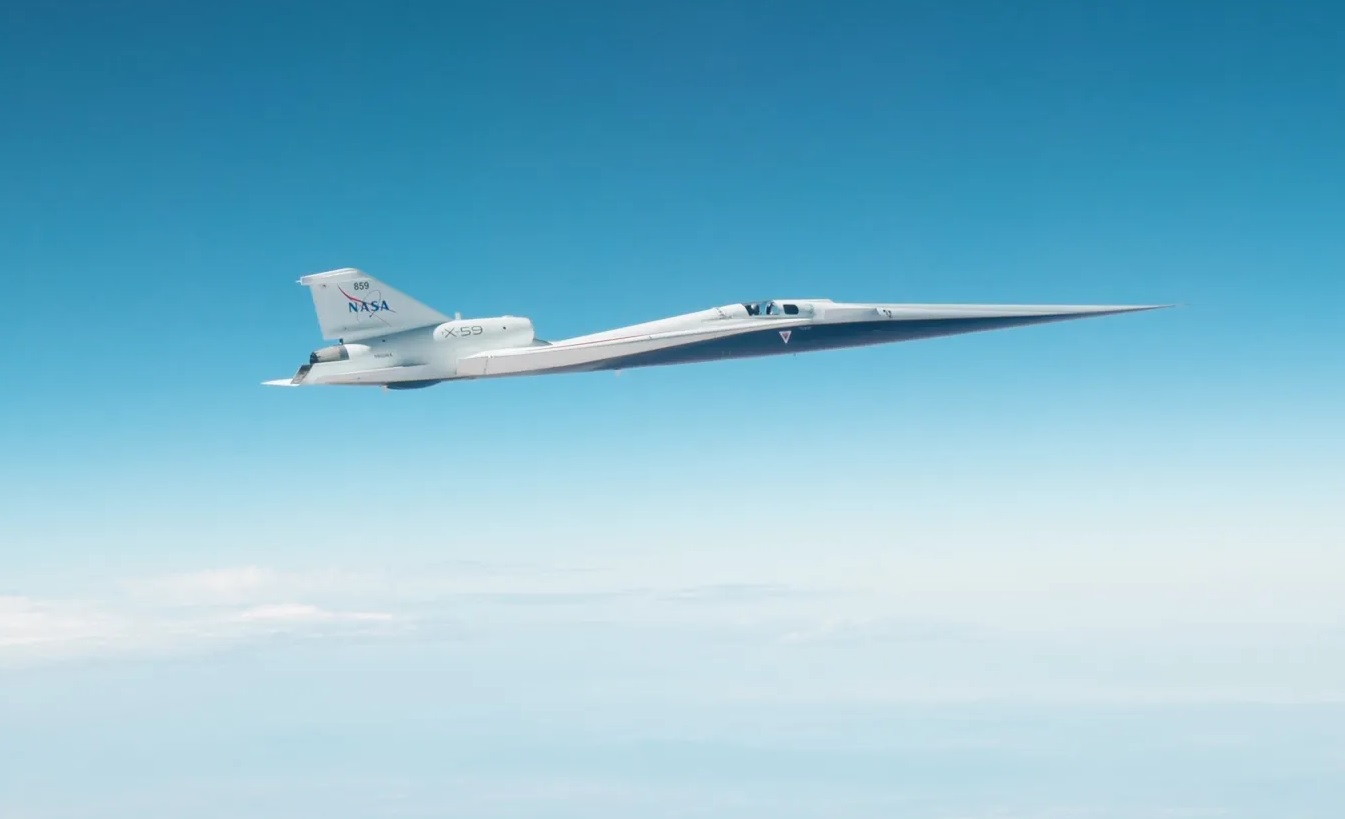 NASA X-59 Achieves Planned Mission Conditions with Mach 1.4 Flight at 55,000 Feet
-
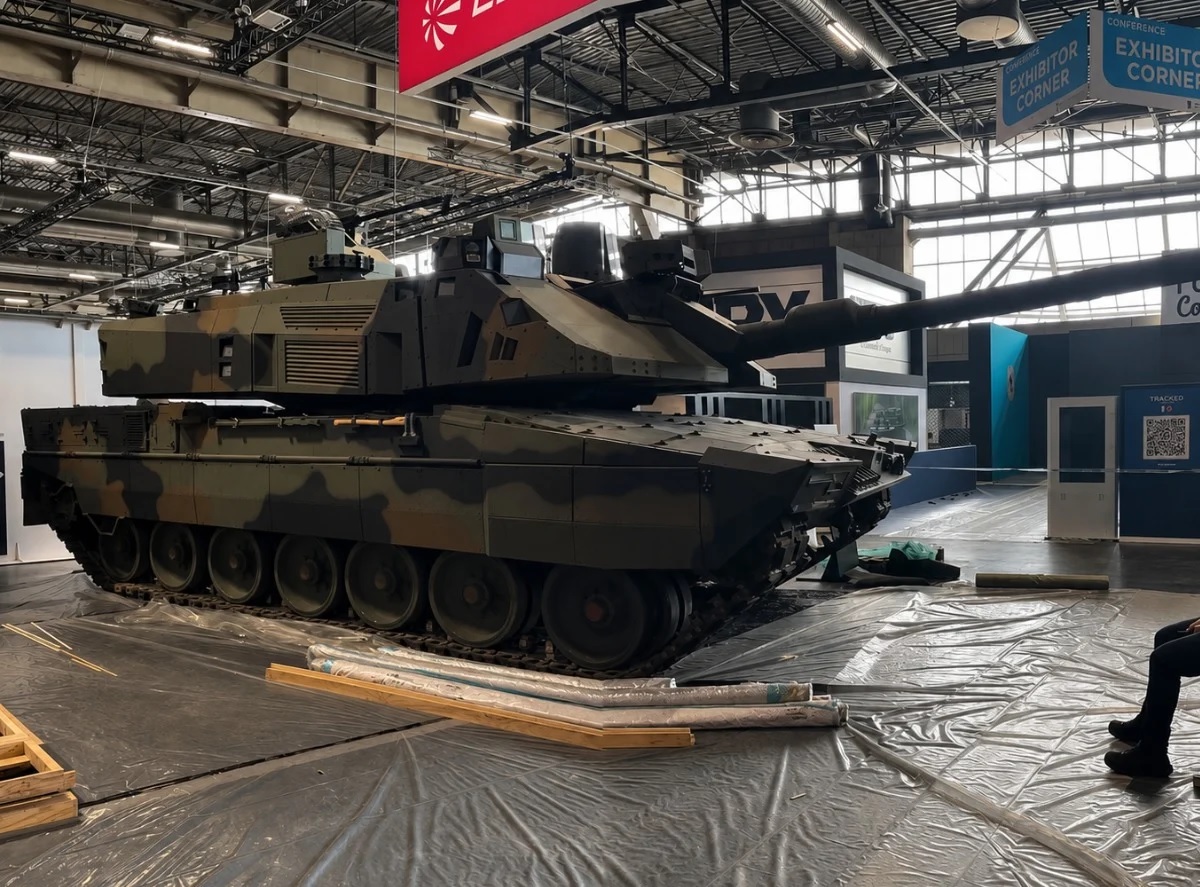 Leonardo Rheinmetall to Unveil Italy’s New IMBT Main Battle Tank at Eurosatory 2026
-
 Anduril Wins $363 Million CBP Contract to Deploy Over 200 Extended Range AI Surveillance Towers
Top Trending in 4 Days
-
 Iranian Media Leaks 14-Point U.S.-Iran Peace Framework Amid Ongoing Negotiations
-
 US Plans Significant Reduction of Fighter Jets and Warships for NATO Operations in Europe
-
 Boeing Introduces New MQ-28 Ghost Bat Upgrades with Increased Range, Payload and Weapons Capacity at ILA Berlin 2026
-
 AMCA Airframe Spotted at DRDO’s ORANGE Facility for Radar Cross-Section Testing
-
 U.S. Air Force Faces Strategic Airlift Shortfall as C-17 Production Restart Remains Uncertain
-
 U.S Aircraft Carrier USS Theodore Roosevelt Departs San Diego for Major RIMPAC 2026 Naval Exercise
-
 NATO Commander Says Russia Not Seeking Conflict With Alliance Despite U.S. Force Reductions
-
 Russian Defense Firm ZALA Unveils KAMA Unmanned Surface Vessel Family at FLOT-2026 Naval Exhibition