
World
In a significant move to support Ukraine amidst the ongoing conflict with Russia, Croatia has announced a substantial military aid package consisting of Yugoslav-era military vehicles. This contribution is part of a broader effort to fortify Ukraine’s defensive capabilities while simultaneously modernizing Croatia's own armed forces. The aid package, valued at approximately 144.8 million euros ($152.8 million), includes M-84 main battle tanks and M-80 tracked infantry fighting vehicles. Though the exact numbers have not been confirmed in recent statements, earlier reports from October 2023 suggested the transfer of around 30 tanks and 30 combat vehicles, alongside necessary spare parts and munitions.Military Hardware From Croatia to UkraineThe M-84 main battle tank, an upgraded version of the Soviet T-72, entered service in the 1980s and became a critical asset during the Yugoslav Wars. This 7-meter-long tank boasts a 125mm smoothbore cannon and is capable of a top speed of 68 kilometers per hour (42 mph) thanks to its robust 1,000-horsepower V-46 diesel engine. With a combat range of 700 kilometers (435 miles), it provides both mobility and firepower, making it a formidable asset on the battlefield.The M-80 infantry fighting vehicle (IFV) is another vital component of the aid package. Introduced during the Cold War, the M-80 has been a versatile presence in various conflicts, including the Yugoslav Wars and even tensions surrounding Russia’s annexation of Crimea. This IFV is equipped with a 20mm automatic cannon and can launch anti-tank guided missiles, providing significant fire support for infantry units. Its top speed reaches 65 kilometers per hour (40 mph), powered by a 320-horsepower Daimler-Benz engine, and it has an operational range of 500 kilometers (311 miles).A Modernization Trade-OffOne unique aspect of this military aid deal is how it ties into Croatia’s defense modernization. By sending these older Yugoslavian vehicles to Ukraine, Croatia can make room for more advanced equipment. Specifically, the Croatian government is eyeing a purchase of German Leopard 2A8 main battle tanks. A deal has been struck with Germany, which includes financial compensation for the value of the vehicles dispatched to Ukraine, effectively subsidizing Croatia’s acquisition of the Leopard tanks.Croatian Defense Minister Ivan Anušić emphasized that the transition would be mutually beneficial. Germany will pay compensation into Croatia's state budget, with plans to fulfill the financial aspect of this arrangement by November 2024. This compensation mechanism reflects a strategic approach where military aid doubles as a modernization opportunity for Croatia's armed forces.Continued Support for UkraineThe Croatian government’s decision to send military aid is grounded in historical and emotional solidarity with Ukraine. Anušić underscored this connection, pointing out that Ukraine was among the first nations to recognize Croatia’s independence in 1991, a gesture Croatia has not forgotten. "We don’t forget that and never will," Anušić said, reaffirming Zagreb's unwavering commitment to supporting Ukraine's struggle for sovereignty and democracy.This recent move aligns with Croatia’s consistent support for Ukraine, which has already included over 200 million euros in military assistance since the start of Russia's invasion. As the conflict drags on, countries like Croatia are making strategic choices that not only aid Ukraine but also reinforce their own national defense priorities, showcasing a blend of solidarity and pragmatic defense policy.
Read More → Posted on 2024-11-18 15:29:27
World
In a strategic shift, the Spanish Navy has opted against outfitting its cutting-edge S-80 submarines with the Boeing submarine-launched Harpoon missiles, a plan that was once firmly on the table. This decision emerged after the U.S. Navy's recent announcement to phase out the submarine-launched Harpoon missile program, signaling an end to a weapon system that had served maritime forces worldwide for decades. The U.S. Navy’s choice to withdraw support and the eventual retirement of this missile prompted Spain to reconsider its underwater strike capabilities.The focus now turns to a modern and potent contender: the Naval Strike Missile (NSM), developed by the Norwegian defense company Kongsberg Defence & Aerospace. Known for its precision and sophisticated targeting systems, the NSM has already been selected to arm Spain's future F-100 frigates, showcasing its versatility and advanced technology. The Spanish Navy is seriously evaluating the submarine-launched version of this missile, considering it a promising option that could transform the offensive reach of the S-80 class submarines.Navantia, Spain's premier shipbuilder, has been commissioned to study the feasibility of integrating the NSM with the S-80 submarines. This contract, worth EUR 240,000, follows an earlier investment of nearly half a million euros dedicated to initial assessments and preparation for potential integration. Navantia's role involves addressing various technical challenges and ensuring the NSM’s compatibility with the S-80's unique design and operational needs. Given the strategic importance of Spain's submarine fleet, a meticulous approach to this integration is paramount.The S-80 submarines, with their air-independent propulsion (AIP) system and state-of-the-art technology, are already a significant leap forward in underwater warfare for Spain. Integrating a high-performance missile like the NSM could further elevate their combat capability. The Naval Strike Missile itself is a formidable asset, boasting a range of approximately 185 kilometers (115 miles). It features advanced target recognition, sea-skimming flight to evade enemy radar, and a flexible guidance system that uses GPS and an infrared homing seeker, allowing for precision strikes on both naval and land-based targets.However, this strategic upgrade is not as simple as swapping out one missile for another. The Spanish Navy emphasized that it would not mix the legacy Harpoon system with the NSM on its submarines, ensuring that the S-80's combat systems are streamlined and efficient. The Navy explained the rationale behind this decision, highlighting the operational and logistical complexities that would arise from attempting to maintain both systems.A statement from the Navy outlined the critical steps ahead: “After verifying the pre-feasibility of integrating and launching the missile from an S-80 submarine while submerged, it is necessary to conduct a technical study that develops certain conceptual aspects of a technical, operational, logistical, industrial, and security nature.” This study will provide a comprehensive understanding of what the integration entails, identify risks, and lay the groundwork for informed decision-making regarding industrial collaboration and future procurement.Spain’s choice to move away from the Harpoon also reflects broader trends in naval warfare, where stealth, precision, and multi-role capabilities are becoming essential. The Navy’s clear recognition of the U.S. Navy's shift away from Harpoon as a key factor underscores how international decisions can drive strategic changes within allied forces. The Spanish Navy's clarification further noted, “It has recently become known that the U.S. Navy will not continue with the submarine-launched Harpoon in any of its configurations or blocks.”While the Naval Strike Missile appears to be the front-runner, the Spanish Navy remains cautious. The ongoing technical study will ultimately determine the NSM’s suitability, addressing operational and security concerns while ensuring alignment with Spain’s long-term defense strategy. The Navy noted, “Among the missiles that best fit the needs of the Navy is the future version of the NSM missile launched from submarines,” signaling a strong interest but leaving room for final evaluation.Ultimately, the potential integration of the NSM into Spain’s advanced S-80 submarines marks a forward-thinking approach to maritime defense, reflecting a commitment to innovation and adaptability in an evolving global security landscape.
Read More → Posted on 2024-11-17 15:23:34
World
L3Harris Technologies has delivered its first infrared payload for the Space Development Agency's (SDA) Tranche 1 Tracking Layer, marking a significant achievement in advancing U.S. missile defense capabilities. This technology is central to the SDA's ambitious plan to deploy a constellation of 16 satellites designed to bolster national defense by tracking advanced missile threats, including hypersonic glide vehicles, which are among the most difficult to detect and intercept.At the heart of this development is the advanced infrared payload, engineered to provide real-time missile tracking data. This payload is equipped with precision infrared sensors that can detect heat signatures of high-speed, maneuvering threats. One of the standout features of this system is its ability to communicate swiftly through optical links, ensuring the rapid transmission of crucial threat information to U.S. forces.This milestone follows the successful completion of a rigorous Test Readiness Review (TRR), a process that validated the payload's and subsystem's compliance with stringent performance and reliability standards. With this green light, the payload is now set for integration with space vehicles, moving closer to the goal of deployment. This phase will test the payload's performance in a simulated space environment, setting the stage for the satellites' expected launch in the near future.The Tranche 1 Tracking Layer is a crucial piece of the Space Development Agency's National Defense Space Architecture, a multilayered defense system designed to address evolving threats in the modern battlefield. L3Harris's involvement in this $800 million project underscores the company's pivotal role in space-based missile defense, following earlier successes like the Tranche 0 Tracking Layer prototype satellites, which provided foundational insights for future enhancements.L3Harris's technology offers unprecedented surveillance and defense capabilities. The infrared payload includes multiple pointing modes and leverages Ka-band communication for robust and secure data transfer, supporting the warfighter's ability to respond to missile threats rapidly. Additionally, the constellation will feature networked communication systems to maintain global coverage and operational resilience, crucial in an era where space assets are a key focus for military strategy.The project comes at a time when the threat landscape is becoming increasingly complex, with nations investing in hypersonic and maneuverable missile technology. L3Harris is among the leaders in this field, driven by a commitment to agile and responsive space solutions, which are now more vital than ever for national and allied defense.By continuing to deliver cutting-edge payloads and space systems, L3Harris remains at the forefront of missile defense, ensuring that the U.S. and its partners are prepared to address present and emerging threats with a technologically superior shield.
Read More → Posted on 2024-11-17 15:15:27
World
On Gotland, a strategically important island in the Baltic Sea, the Swedish Armed Forces recently conducted an intensive live-fire exercise featuring the upgraded RBS 70 D air defense system. This event not only showcased the system's enhanced precision but also underlined the rapidly evolving defensive infrastructure that Sweden has been developing in light of growing regional security concerns.During the exercise, troops from Gotland’s air defense company fired the RBS 70, which employs a supersonic, laser-guided missile capable of accurately striking aerial targets at long distances. This system's standout feature is its ability to avoid electronic jamming, making it exceptionally resilient against modern air threats. As the missile streaked toward its target, observers witnessed a display of precision technology, a result of years of refinement and rigorous military training.The drill represented a key step in the ongoing fortification of Gotland, a linchpin in Sweden’s defensive posture. Colonel Johan Jönsson, commanding officer of the Air Defence Regiment (Lv 6), emphasized the importance of operational readiness. "This week has demonstrated our ability to quickly train, equip, and operate our air defense systems in live scenarios," Jönsson remarked. The exercise reaffirmed the unit’s capability to respond to potential threats, enhancing Sweden’s overall deterrence.A notable aspect of the exercise was the rapid reactivation and training of reservists, many of whom had initially trained with the Lv 6 regiment in Halmstad between 2005 and 2009. In a matter of days, these experienced personnel refreshed their skills and adapted seamlessly to the updated RBS 70 system, highlighting the flexibility and efficiency of Sweden’s reserve forces. Colonel Dan Rasmussen, who heads the Gotland Regiment and Gotland Battle Group, pointed out the critical progress being made: "What we are building here is wartime capability, and we are doing it quickly."The RBS 70's technical specifications make it a formidable component of Gotland's defenses. The system can engage targets at ranges of 5 to 9 kilometers, with a missile speed surpassing Mach 2. The laser-guided nature of the missile provides precise targeting, and its mobility allows it to be easily redeployed across different terrains. Additionally, the system can work in conjunction with integrated radar and reconnaissance networks, broadening its situational awareness and threat response capabilities.Sweden’s investment in Gotland reflects its strategic imperative to defend this critical outpost, especially given the intensified focus on the Baltic region in recent years. The Gotland Battle Group, projected to grow significantly by 2027, will comprise various units, including armored, infantry, and air defense battalions. This comprehensive buildup, featuring support elements like artillery and engineers, is designed to bolster Sweden’s ability to secure its borders and maintain stability amid evolving geopolitical dynamics.The RBS 70 has also demonstrated its effectiveness in real-world conflicts, such as the war in Ukraine, where it has been used to intercept drones, fighter jets, and even cruise missiles. This real-world validation further underscores its role as a critical asset for modern air defense, providing Sweden with a versatile and robust shield against airborne threats.As Sweden continues to fortify its military presence on Gotland, the successful live-fire exercise exemplifies both the island’s significance in national defense and the broader push to enhance readiness and deterrence in the region.
Read More → Posted on 2024-11-17 13:55:31
World
Electronic Warfare (EW) systems play a critical, often unseen role in modern conflicts. Unlike traditional warfare tools like tanks or aircraft, EW systems operate in the electromagnetic spectrum, making them one of the most versatile and powerful assets on the battlefield. They disrupt, deny, deceive, and destroy enemy communications and radar systems, ensuring superiority in information and decision-making.This article dives into how these systems work, their functions, and real-world examples of their effectiveness in war. The Basics: What Is Electronic Warfare? Electronic Warfare is the use of the electromagnetic spectrum (radio waves, infrared, radar, etc.) to gain a tactical advantage over an adversary. It can be divided into three primary categories: Electronic Attack (EA): Actively targeting enemy systems to degrade, disable, or destroy their electronic capabilities. Examples include jamming radar or disrupting enemy communication. Electronic Protection (EP): Shielding one’s own systems from electronic attacks, ensuring uninterrupted operations. This includes anti-jamming technologies and secure communication protocols. Electronic Support (ES): Gathering intelligence by detecting and analyzing enemy signals. This aids in identifying enemy positions, intent, or weaknesses. How Do EW Systems Work? 1. Detection and MonitoringEW systems begin by scanning the electromagnetic spectrum to detect enemy signals. Advanced receivers and sensors are used to identify radar emissions, communication frequencies, and other electronic signals. For example, an aircraft like the EA-18G Growler is equipped with sensors that can pinpoint enemy radar installations by analyzing the radar's frequency and location. 2. Analysis and Decision-MakingOnce signals are detected, they are analyzed to determine their purpose. Is it a radar searching for targets? A communication channel for troops? Or a guidance system for missiles? Modern EW systems use Artificial Intelligence (AI) and advanced algorithms to make these determinations quickly. 3. Interference or NeutralizationAfter identifying the threat, the system can either jam the signal, spoof it, or destroy it. Jamming: Floods the enemy’s frequency with noise, rendering their systems useless. For instance, jamming a radar system prevents it from detecting incoming aircraft. Spoofing: Sends false information to deceive the enemy. A spoofed radar might show a fleet of non-existent aircraft, causing confusion. Hard Kill: Involves kinetic destruction of electronic systems, such as using missiles to destroy a radar installation. Roles of EW in Modern Warfare 1. Air SuperiorityEW systems are crucial for achieving air dominance. Aircraft equipped with EW capabilities, like the F-35 Lightning II, can jam enemy radar, allowing friendly aircraft to operate undetected. The F-35's AN/ASQ-239 Barracuda EW suite protects it by disrupting enemy tracking systems. 2. Naval OperationsIn naval warfare, EW systems protect ships from threats like anti-ship missiles. For example, the Israeli Barak 8 missile system integrates EW to detect and jam incoming missile guidance systems, giving ships a chance to deploy countermeasures. 3. Land-Based Operations On the ground, EW systems disrupt enemy communications and improvised explosive devices (IEDs). For instance, the U.S. Army's CREW (Counter-Radio-Controlled Improvised Explosive Device Electronic Warfare) system jams signals used to detonate roadside bombs. 4. Cyber-Warfare IntegrationModern EW often overlaps with cyber operations. By intercepting signals, EW systems can provide valuable intelligence for cyber attacks, further crippling enemy command and control networks. Real-World Examples 1. The Gulf War (1991) During Operation Desert Storm, coalition forces used EW to disable Iraq's radar and air defense systems. EA-6B Prowlers jammed enemy radar, while Tomahawk cruise missiles followed EW-detected gaps to strike critical targets. 2. Russia-Ukraine Conflict (2022-Present) Russia's EW systems, such as the Krasukha-4, have been used to disrupt Ukrainian drone operations and communications. Meanwhile, Ukraine has countered with Western-supplied EW systems to target Russian command centers. 3. Israeli OperationsIsrael’s use of EW is highly sophisticated. During the 2007 airstrike on a Syrian nuclear facility (Operation Orchard), Israeli jets used EW to disable Syrian radar systems, entering and exiting undetected. Advantages and Limitations of EW Advantages:Non-Lethal Disruption: Disables systems without physical destruction, minimizing collateral damage. Strategic Superiority: Provides information dominance, allowing forces to act with precision. Force Multiplier: Enhances the effectiveness of traditional military assets like aircraft and missiles. Limitations:Counter-EW Tactics: Adversaries may use frequency-hopping or encryption to evade EW systems. Environmental Challenges: Dense terrain, weather, and urban environments can limit EW effectiveness. Mutual Vulnerability: Just as EW disrupts enemy systems, friendly forces must protect their own from similar attacks. Future of Electronic Warfare The evolution of EW is tied closely to advancements in AI, machine learning, and quantum computing. Future EW systems will likely feature greater automation, enabling faster analysis and decision-making. Directed energy weapons, like high-power microwaves, are also expected to complement traditional EW systems by physically disabling electronic components. Electronic Warfare is a cornerstone of modern military strategy, often serving as the invisible hand that tips the scales in battle. Whether jamming communications, deceiving radar, or gathering intelligence, EW systems offer a decisive edge by dominating the electromagnetic spectrum. As technology advances, the role of EW will only grow, shaping the future of warfare in ways we are only beginning to understand.
Read More → Posted on 2024-11-16 15:07:13
World
The conflict in Ukraine has become a battleground not just for physical clashes but for a high-tech war of electronic disruptions. Ukrainian soldiers have raised serious concerns about the performance of some sophisticated Western-supplied weaponry, especially in the face of Russia's advanced electronic warfare (EW) strategies. The issues being highlighted bring into focus the challenges and limitations that Western defense systems are encountering under real-world, contested conditions.The Achilles drone battalion of Ukraine's 92nd Assault Brigade, responsible for conducting intensive UAV operations, has shed light on these shortcomings. This unit, which deploys approximately 3,000 drones each month, has been adapting its strategies due to significant hurdles posed by Russian EW measures. Rustam Nurgudin, a key officer in the battalion, revealed in a briefing that some high-tech Western weapons, such as GPS-guided Excalibur artillery shells, are nearly ineffective under current battlefield conditions. Advanced guidance systems that rely on GPS are particularly vulnerable to Russian electronic warfare techniques, which have proven exceedingly effective at disabling or misleading these weapons.At the core of the issue is Russia’s extensive use of GPS spoofing and jamming. Spoofing attacks mislead GPS receivers by transmitting stronger, but false, signals that can trick a system into determining an incorrect position. Russian forces have demonstrated the precision to execute these tactics with such skill that they render Western guidance-dependent munitions, such as Excalibur shells and even Guided Multiple Launch Rocket System (GMLRS) rockets, inaccurate or unusable.This technological warfare has pushed Ukrainian forces to pivot away from sophisticated Western hardware and instead employ more basic, less interference-prone equipment and techniques. Simplicity, in this scenario, is proving to be an advantage. For example, rudimentary drones and manual targeting systems that are less reliant on GPS are more resilient against Russian interference, highlighting a paradox where less advanced technologies are outperforming their modern counterparts on an electronic battlefield.This situation serves as a stark lesson for Western nations. The U.S. and its allies are closely observing and gathering insights to improve their own military assets. Michael Monteleone from the U.S. Army’s Assured Positioning, Navigation, and Timing Cross-Functional Team has described the conflict as a "huge learning experience." The war in Ukraine has underlined the need for enhanced electronic warfare resilience, spurring the development of jam-resistant navigation systems and other protective measures for critical military technologies.Efforts are already underway to address these vulnerabilities. For instance, the U.S. Army has invested in new electronic warfare equipment, including jam-resistant M-code GPS cards and improved situational awareness tools for soldiers in the field. These upgrades aim to ensure that Western systems can operate effectively even in environments dominated by electronic disruption.The experiences on Ukraine’s front lines have provided a critical testing ground, influencing future military strategies and technologies to ensure that the next generation of weapons can stand firm against the sophisticated electronic warfare capabilities of adversaries like Russia.
Read More → Posted on 2024-11-16 14:32:24
World
In a strategic move to boost its air combat capabilities, Germany’s Ministry of Defence has secured approval from the Bundestag’s budget committee for a major procurement: a third batch of Meteor air-to-air guided missiles. The contract, valued at approximately EUR 521 million, signifies a continued investment in state-of-the-art air superiority technology, designed to give the Eurofighter Typhoon a decisive edge on the battlefield.The Meteor missile, developed by European defense giant MBDA, represents a leap forward in Beyond Visual Range Air-to-Air Missile (BVRAAM) technology. This highly advanced weapon has been the result of an extensive collaboration involving six European nations: Germany, the United Kingdom, Italy, France, Spain, and Sweden. Together, these countries have refined a missile system that changes the landscape of modern air combat.What sets the Meteor apart is its exceptional ability to engage a variety of targets, from agile fighter jets to fast-moving unmanned aerial vehicles (UAVs), in any weather condition. At the heart of its performance lies a sophisticated active radar seeker, a feature that enables the missile to detect and lock onto enemy aircraft with high reliability. Even in complex combat scenarios filled with countermeasures or electronic jamming, the Meteor maintains precision and effectiveness. This robust seeker technology ensures that the missile can distinguish between legitimate targets and decoys, a critical feature in high-stakes engagements.However, the Meteor’s real game-changer is its propulsion system. Unlike conventional rocket-powered missiles, the Meteor employs a ramjet propulsion mechanism. This advanced system provides sustained thrust throughout the missile's flight, as opposed to a rapid burnout after launch. The result is a much larger “no-escape zone” for the target, a term referring to the range within which a target cannot outmaneuver or outrun the missile. This propulsion allows the Meteor to adjust its speed and trajectory dynamically, ensuring that evasive targets have almost no chance of survival. It’s a remarkable example of engineering, designed to maximize the missile's kinetic energy and terminal phase impact.Meteor also stands out for its ability to operate seamlessly within a networked combat environment. Using a data link communication system, the missile can receive updates from the launch aircraft or even from other platforms, such as surveillance drones or friendly fighter jets. This connectivity provides the Eurofighter Typhoon with immense operational flexibility. The missile's guidance system can adjust in real-time based on the latest target information, making it a highly adaptable weapon in the chaos of aerial warfare.Germany’s commitment to integrating Meteor into its Eurofighter fleet showcases the nation’s intent to remain at the forefront of air defense technology. The Eurofighter Typhoon, already recognized for its speed, agility, and cutting-edge avionics, becomes a more formidable platform with the Meteor onboard. Together, they form a combination that not only excels in dogfights but also dominates in long-range intercept scenarios.MBDA, the manufacturer behind Meteor, has underscored the significance of this missile in modern warfare. The company highlights how Meteor "revolutionises air combat in the 21st Century," thanks to its unmatched performance characteristics. While it is primarily associated with the Eurofighter, the missile's versatility is impressive. It has already been integrated into platforms like the French Rafale and Sweden’s Gripen, with plans to make it compatible with the F-35 Lightning II in the future.Germany’s purchase is a testament to the shared defense priorities of European nations and the effectiveness of collaborative military projects. By enhancing its Eurofighter fleet with these cutting-edge missiles, Germany is ensuring that its air force remains a dominant player in European and global airspace. This investment doesn’t just strengthen national security; it also reinforces Germany's role in multinational defense initiatives, setting a high standard for air combat readiness and interoperability among allied forces.
Read More → Posted on 2024-11-16 14:23:26
World
QinetiQ Germany has reached an impressive milestone by successfully demonstrating the Rheinmetall Delta B15 target drone in Todendorf. This accomplishment represents a critical first step in the German Uncrewed Aerial Training Services (ATS) programme, an ambitious initiative designed to bolster the air defence capabilities of the German Armed Forces. The project arrives at a time when ground-based air defence (GBAD) systems are facing rapidly evolving threats, requiring swift advancements to maintain security readiness.The Delta B15 drone is a sophisticated training asset that has been engineered to meet the rigorous needs of modern air defence units. Notably, the system has undergone updates to tackle emerging challenges, such as one-way attack drones like the SHAHED series, which have been increasingly used in asymmetric warfare scenarios. The Delta B15 is now equipped to provide robust and realistic training for air defence crews, ensuring operational systems remain sharp and effective against the latest aerial threats. Additionally, the drone's capabilities align with the operational requirements set by NATO and the European Sky Shield Initiative (ESSI), reflecting its strategic significance on a broader defence stage.The drone's specifications are noteworthy: the Delta B15 boasts high-speed performance and precision flight capabilities that make it a formidable target for advanced air defence exercises. It can simulate a wide range of threats, allowing for comprehensive training scenarios. With a flight endurance that enables extended mission profiles and a sophisticated sensor suite for tracking and monitoring, it provides unparalleled realism in defence drills. Its modular design further enhances versatility, as it can be equipped with payloads to mimic different threat systems.Operational deployment of the Delta B15 is slated for 2025, when it will become a core component of Germany’s air defence training landscape. The drone’s versatility is also evident in ongoing plans to integrate it into naval operations, reflecting a commitment to cross-domain applicability within Germany’s military forces. Such plans illustrate the drone’s potential to play a crucial role in training both land and maritime defence units, making it an adaptable asset across multiple domains.Matthias Grögor, QinetiQ Germany’s Head of Strategic Business Development, emphasised the forward-looking nature of this collaboration with Rheinmetall. “In cooperation with Rheinmetall, QinetiQ Germany can expand its market position in the relevant procurement programs of our customers in Germany. This means that we are actively preparing today for the arrival of newly procured weapon systems, always with an eye on current threats and an outlook to 2035.” His statement underscores how the programme not only addresses today’s challenges but also anticipates future defence needs.Rheinmetall, a leading defence technology partner, brings considerable expertise to the project. Mark Robert Henning, CEO of Rheinmetall Technical Publications GmbH, stressed the significance of this collaboration, stating, “We are thankful to have been chosen by QinetiQ to supply the new target drones playing an active role in the European Sky Shield Initiative. We look forward to intensifying our collaboration in this field, based on our extensive experience in target solutions for ground-based air defence training on the one hand and unmanned systems on the other.” His remarks highlight the strategic partnership’s value in both enhancing current training capabilities and setting a foundation for future innovations.The Delta B15 drone stands as a testament to continuous innovation in military training and threat response. As global aerial threats become more sophisticated, the need for advanced training platforms like the Delta B15 becomes ever more crucial. Both QinetiQ and Rheinmetall are committed to delivering cutting-edge solutions, ensuring that German and allied forces remain well-equipped to handle present and future defence challenges. With these developments, the ATS programme not only promises to elevate Germany’s defence readiness but also contributes to broader European and NATO security frameworks.
Read More → Posted on 2024-11-16 14:16:11
World
The Gas Turbine Research Establishment (GTRE), a pivotal division of India's Defence Research and Development Organisation (DRDO), has made a significant move in strengthening its capabilities in jet engine manufacturing by acquiring state-of-the-art Computer Numerical Control (CNC) machines. This enhancement comes as India continues to push for indigenous solutions in its defense sector, yet still grapples with a dependence on imported technology for critical manufacturing needs.CNC machines play a crucial role in aerospace and defense manufacturing, especially for the high-precision and complex parts that jet engines demand. These machines allow for the precise crafting of turbine blades, compressor components, and intricate housing structures from tough materials such as titanium and nickel-based superalloys. The need for accuracy in these materials stems from their application in high-stress environments, like inside a jet engine, where extreme temperatures and forces are the norm. CNC technology ensures these parts are produced with minimal tolerance errors, directly affecting engine performance and reliability.The integration of CNC technology at GTRE, specifically multi-axis machines, will enable the creation of geometrically complex parts that were previously challenging to manufacture. These systems offer unparalleled flexibility, allowing GTRE to develop custom solutions tailored to the needs of the Indian Air Force and Navy. Multi-axis CNC machines, for instance, provide the capability to machine components from various angles, eliminating the need for repositioning and significantly reducing production times. Moreover, features like automated quality control systems integrated into modern CNC setups allow real-time inspection of parts, ensuring they meet stringent aerospace standards.Despite this technological leap, there remains a stark reality: the CNC machines GTRE has procured are primarily sourced from foreign manufacturers, with key suppliers located in countries like the United States. This reliance is a reminder of the hurdles India still faces in achieving full self-reliance in high-end defense manufacturing. While domestic initiatives, spurred by the "Atmanirbhar Bharat" campaign, have made strides in reducing import dependency, the aerospace sector's reliance on foreign technology for precision machinery reveals the gaps still present in the country's industrial base.Efforts are underway to bridge this divide. Indian authorities and industry leaders are investing in developing indigenous CNC technology tailored for defense applications. However, achieving the same level of sophistication and reliability as imported counterparts is a long-term endeavor, complicated by the need for advanced research, robust supply chains, and skilled human resources. GTRE's adoption of CNC technology may boost production efficiency and improve the quality of locally produced engine parts, but a truly self-sufficient ecosystem requires significant advancements in machine tool technology developed within India.This development highlights a paradox in India's defense strategy: while acquiring world-class technology elevates current capabilities, a heavy dependence on imports could expose vulnerabilities, especially in times of geopolitical strain. Nevertheless, GTRE's progress with CNC machines sets the stage for improved indigenous production, ensuring future projects like the Kaveri engine and other strategic aerospace ventures are better equipped to meet global standards.India's path to self-reliance in defense remains both a challenge and a goal, and GTRE's recent advancements underscore the nation's commitment to this vision, even as it navigates the complexities of high-tech manufacturing dependencies.
Read More → Posted on 2024-11-16 14:11:50
World
French defense company SOFRAME has made headlines by presenting a unique and advanced tactical system: a drone armed with a laser turret, engineered to deal with the escalating threat of small unmanned aerial vehicles. This latest innovation was showcased during the prestigious National Infantry Days, where SOFRAME emphasized how the system meets the evolving demands of modern warfare.At the heart of this cutting-edge setup is the HE441, a multi-role, ultra-lightweight 4x4 all-terrain vehicle. With its open cab design, the HE441 is optimized for rapid deployment and flexibility, traits that are essential for missions where mobility and quick reaction are paramount. But what makes this vehicle truly revolutionary is the integration of the HELMA-P laser turret, a state-of-the-art anti-drone system developed by CILAS, a subsidiary of Ariane Group.The HELMA-P laser weapon system has a two-axis turret equipped with powerful optical sensors and a 2-kilowatt laser. What sets this system apart is its dual capability: it can either burn through enemy drones at a distance of up to 1 kilometer or dazzle and disrupt their sensors at a range of up to 3 kilometers. The ability to switch between these two functions offers commanders critical flexibility in various operational scenarios. Whether it’s neutralizing a direct threat or disrupting surveillance drones that hover just out of reach, HELMA-P provides a highly adaptive solution.Development of the HELMA-P laser began in 2017 and was completed in 2019, showcasing French engineering prowess. The system’s human-machine interface (HMI) is highly intuitive, allowing a single operator to control the laser turret with precision. This means that ground forces can efficiently deploy and manage the turret in high-stress environments, with minimal additional training.As drones become increasingly prevalent on the battlefield—often used for reconnaissance, delivering payloads, or jamming communications—the necessity of robust counter-drone measures has become obvious. The HELMA-P laser addresses this need by leveraging the speed and accuracy of laser technology to take down or incapacitate aerial threats with a high degree of reliability. It is particularly effective in situations where conventional anti-air measures might be overkill or too slow to respond to agile, small-scale drones.Aside from its potent defensive capabilities, the HE441 platform itself brings several advantages to the table. Its lightweight build allows for high maneuverability across difficult terrains, making it well-suited for rapid-response missions. SOFRAME has designed this vehicle not only with performance in mind but also to support a range of military needs, from reconnaissance to frontline support.The unveiling of this laser-equipped drone system highlights a critical shift in military technology. Defense companies are increasingly focusing on directed-energy weapons as they offer a cost-effective and efficient method to neutralize threats. Lasers, unlike traditional projectiles, do not need to be reloaded and can operate continuously, provided there is a power source. This is a significant strategic advantage in sustained operations where ammunition resupply might be limited or compromised.SOFRAME’s partnership with CILAS and the Ariane Group exemplifies the growing importance of collaborations in the defense sector to develop advanced systems. By combining SOFRAME’s expertise in tactical vehicles and CILAS’s cutting-edge laser technology, they have crafted a solution that stands out in the world of anti-drone warfare.As the battlefield continues to evolve, systems like the HELMA-P-equipped HE441 are expected to play a crucial role in protecting ground forces from aerial threats. The drone-equipped laser turret marks a significant step forward, offering armed forces a glimpse into the future of tactical defense.
Read More → Posted on 2024-11-15 15:26:58
World
At Euronaval 2024 in Paris, the French Ministry of Armed Forces and the Directorate General of Armaments (DGA) unveiled the newest addition to the French Navy’s maritime arsenal: the Patrouilleur Hauturier (PH), or Offshore Patrol Vessel. This new generation of patrol vessels represents a significant upgrade from the aging D’Estienne d’Orves-class ships and Flamant-class boats, promising enhanced capabilities that align with modern maritime security demands.The development of the PH program is central to France's strategic vision of securing its maritime territories and ensuring seamless state action at sea. These new vessels are equipped to handle diverse missions, including maritime surveillance, deterrence support, evacuation operations, protection of vital infrastructure, and escort and intervention roles. As global maritime dynamics evolve, the new OPVs are crafted to counter the complex security challenges that arise in French areas of interest.A Modern Multi-Mission Maritime ForceThe Patrouilleur Hauturier program began to take shape following a November 17, 2023, contract that saw the French government order seven state-of-the-art patrol vessels. Designed collaboratively by Naval Group with contributions from PIRIOU, CMN, and SOCARENAM, the new OPVs reflect cutting-edge naval architecture. The design phase commenced in 2020, and by May 22, 2024, construction of the first vessel was underway at PIRIOU’s Concarneau shipyard. Naval Group’s role includes overseeing construction and ensuring adherence to the French Navy's rigorous standards. The first patrol vessel is slated for delivery in 2026, with full operational status expected by 2027. The entire fleet of ten ships will be commissioned by 2035, honoring heroes of WWII, with one vessel named after the Île de Sein as a tribute to Brittany’s valiant resistance during the war.Enhanced Specifications and EnduranceAt 92 meters in length and displacing 2,400 tonnes, the new OPVs are far more capable than their predecessors. They feature a diesel-electric propulsion system that delivers a top speed exceeding 21 knots and an impressive endurance of 6,000 nautical miles or 30 days at sea. The vessels boast a breadth of 14.2 meters and a draft of 3.6 meters. Designed for long-term service, each ship has a projected lifespan of 35 years, with 140 days of annual operational availability, aiming to increase to 220 days, and total year-round availability reaching 300 days.Crew capacity is also expanded: the ships can accommodate up to 84 personnel, a mix of crew and mission-specific specialists. This reflects the French Navy’s emphasis on operational flexibility, enabling the vessels to be tailored for a wide array of assignments, from coastal security to high-seas missions.Sophisticated Combat SystemsNaval Group has outfitted the new OPVs with state-of-the-art systems that optimize both combat and operational efficiency. At the heart of the ship is the SETIS-C combat management system (CMS), which integrates the latest automation technologies. The SHIPMASTER system handles platform control, managing everything from power generation to alert mechanisms, ensuring the ship can seamlessly transition between roles. The PH vessels also come equipped with Exail’s Phins Inertial Navigation Systems (INS) and Netans Data Distribution Units (DDU), which provide unparalleled navigation precision.Radar capabilities are spearheaded by Thales’ NS54 4D AESA multi-function X-band radar, a sophisticated system capable of aerial and surface surveillance, fire control, and target identification. To safeguard against underwater threats, the OPVs are fitted with the BLUEWATCHER hull-mounted sonar, a rare but vital asset in a patrol vessel, providing crucial intelligence and protection during submarine operations.Defense and WeaponryIn terms of firepower, the French Navy’s new OPVs are equipped with the formidable RapidFire 40mm gun system from Thales/KNDS, mounted prominently at the bow. This advanced weapon system can engage aerial and surface targets effectively, utilizing A3B munitions that enhance its anti-air capability. Additionally, provisions for future armament enhancements, such as the MBDA SIMBAD system with Mistral 3 surface-to-air missiles, are built into the design. The ships also feature multiple 12.7mm heavy machine guns, 7.62mm general-purpose machine guns, and a variety of non-lethal deterrence tools.The onboard surveillance capabilities are enhanced with Safran’s VIGY 4 electro-optical system, allowing for day-and-night observation, essential for modern maritime operations. CERBAIR’s HYDRA counter-drone system further secures the vessel from emerging unmanned aerial threats, with antennas strategically placed around the ship.Unmatched Versatility and Support SystemsThe new OPVs are designed with an integrated mast housing the NS54 radar, multiple navigation sensors, and communication systems. The bridge offers a panoramic view, a design feature that enhances situational awareness and operational response. The aft section includes a hangar large enough to accommodate both an Airbus H160M helicopter and an Airbus VSR700 unmanned aerial system (UAS), reflecting the OPVs' air-sea operational capability.The vessel also has space for two rigid-hulled inflatable boats (RHIBs) of different sizes: the Zodiac Hurricane EDO NG and the larger Zodiac ECUME, essential for boarding operations, search and rescue, and rapid response tasks. A large crane on the starboard side facilitates the deployment of equipment or a smaller RHIB, and the hangar deck is designed to house modular containers for mission-specific gear.A Leap Forward in Maritime SecurityThe new Patrouilleur Hauturier class represents a significant leap forward for the French Navy, combining firepower, endurance, and technological sophistication to address the broad spectrum of contemporary maritime threats. As these vessels prepare to enter service, they mark a pivotal step in reinforcing France’s maritime defense posture, ensuring the nation’s strategic interests and territorial waters remain well protected. The unveiling at Euronaval 2024 not only showcased a state-of-the-art warship but underscored France's commitment to future-proofing its naval forces in an increasingly contested maritime landscape.
Read More → Posted on 2024-11-15 15:15:57
World
Lockheed Martin is gearing up to boost the production of its highly advanced Patriot Advanced Capability-3 (PAC-3) Missile Segment Enhancements (MSE) to 650 units annually, following a significant new contract from the U.S. Army. This initiative comes amid growing global demand for sophisticated air and missile defense systems, particularly in an era marked by evolving threats and escalating tensions in various regions.The PAC-3 MSE, a critical component of the U.S. and allied nations' integrated air and missile defense architecture, has long been celebrated for its remarkable precision and capability. The missile’s advanced design features a dual-pulse solid rocket motor that enables it to intercept faster and more elusive targets compared to earlier models. Equipped with cutting-edge seeker technology, the PAC-3 MSE can engage ballistic and cruise missiles with exceptional accuracy, offering a layered and robust defense shield against evolving aerial threats.Brian Kubik, Vice President of PAC-3 Programs at Lockheed Martin Missiles and Fire Control, emphasized the strategic importance of expanding production capacity. "Demand for PAC-3 MSE’s combat-proven deterrence capabilities continues to grow at a rapid pace," he remarked. To prepare for this surge, Lockheed Martin proactively invested in expanding its production facilities and strengthening its supply chain infrastructure more than a year ago. These investments have significantly increased factory output and made the company’s supply processes more agile and efficient.In just the past eight months, the PAC-3 production team at Lockheed Martin has made impressive strides, shattering previous records for missile output. Production levels have risen by over 30% this year, with plans to increase capacity by another 20% in 2024. The company is already on track to manufacture over 500 PAC-3 MSE missiles by the end of 2024, setting a new production benchmark.The PAC-3 MSE program, which recently celebrated the delivery of its 2,000th missile, remains a cornerstone of Lockheed Martin’s 21st Century Security vision. This vision aims to advance America’s defense capabilities through modernized, resilient systems while bolstering the U.S. defense industrial base. As global security dynamics continue to shift, the emphasis on reliable, high-volume production becomes even more crucial.Lockheed Martin’s strategy extends beyond merely scaling up manufacturing. The company is committed to continuous innovation and system upgrades. Each PAC-3 MSE missile embodies cutting-edge technology designed to counter sophisticated threats, from hypersonic weapons to advanced drones and aerial platforms. The missile’s onboard guidance system and agility ensure that it can neutralize enemy targets with high precision, providing unmatched protection to ground forces and strategic assets.The expanded production is a clear signal of Lockheed Martin’s dedication to meeting the demands of an increasingly interconnected and unpredictable world. As the United States and its allies invest more heavily in defense to deter potential adversaries, Lockheed Martin’s PAC-3 MSE system is positioned as a frontline defense asset. With plans to exceed the 650-missile annual production target in the coming years, the company aims to cement its role as a leader in advanced air and missile defense technology.This significant production ramp-up underscores the strategic value of the PAC-3 MSE, which has proven itself in a range of challenging operational environments. From intercepting ballistic threats in contested zones to providing a shield against aerial bombardments, the PAC-3 MSE continues to play a pivotal role in safeguarding nations and deterring aggression across the globe.
Read More → Posted on 2024-11-15 15:03:48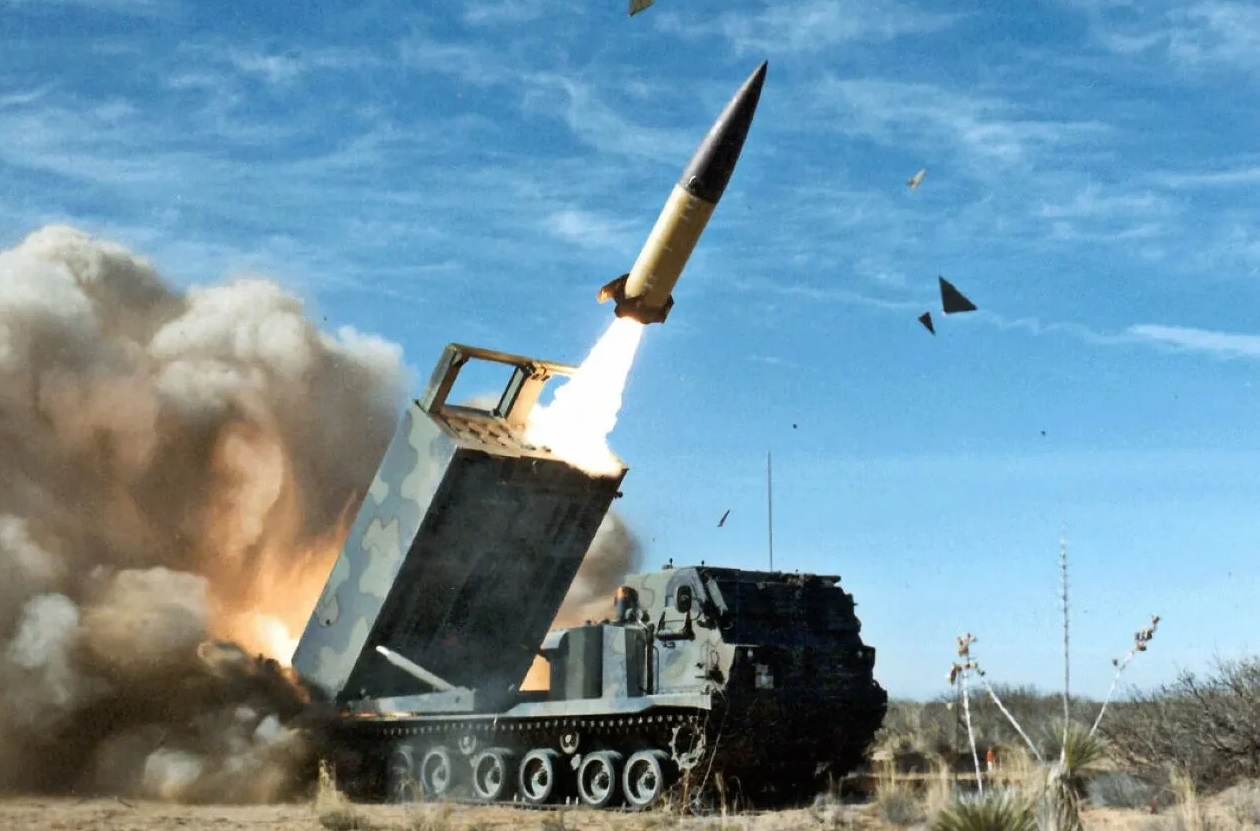
World
In a significant move likely to raise eyebrows across the Taiwan Strait, Taiwan has taken delivery of its first batch of MGM-140 Army Tactical Missile System (ATACMS) missiles from the United States. The delivery, part of a broader military acquisition deal approved during the Trump administration, aligns with Taiwan's strategic defense enhancements as it faces mounting pressure from China. Although state media in Taiwan has refrained from specifying the number of missiles received, the details surrounding the delivery suggest a major step forward for Taiwan's defense capabilities.At the heart of this new acquisition is the ATACMS, a precision-guided, long-range missile system designed to be launched from the M142 High Mobility Artillery Rocket System (HIMARS) platforms. The ATACMS delivered to Taiwan reportedly belong to the most advanced variant, with a reach of up to 300 kilometers (186 miles). This range gives Taiwan the ability to strike critical military installations on the Chinese mainland, a capability that serves as a strong deterrent amid rising tensions between Taipei and Beijing.Additionally, Taiwan recently received the initial shipment of 11 HIMARS launchers out of a total order of 29. The HIMARS system is revered for its mobility and versatility, capable of firing both the ATACMS and the Guided Multiple Launch Rocket System (GMLRS) rockets, which have a shorter range of around 70 kilometers (43 miles). This delivery is part of an expansive arms package that includes 64 ATACMS missiles, aimed at bolstering Taiwan's artillery reach and adaptability in asymmetric warfare scenarios.The new rocket artillery units have been stationed with the 58th Artillery Command of the 10th Army Corps in Taichung, where comprehensive training on these systems is underway. The strategic deployment in central Taiwan is designed to maximize defensive coverage and ensure swift response capabilities in the event of aggression from across the strait.This high-profile missile delivery comes shortly after the United States approved a separate $1.94 billion arms package for Taiwan. This deal includes National Advanced Surface-to-Air Missile Systems (NASAMS) and long-range surveillance radars, further enhancing Taiwan's air defense infrastructure. As Taiwan continues to modernize its military, the next major addition will be the arrival of 66 F-16V fighter jets, expected by 2026. The F-16Vs will be equipped with cutting-edge avionics and weapons systems, making them some of the most advanced aircraft in Taiwan's arsenal.The strategic implications of these arms sales are vast. They not only reinforce Taiwan's defensive posture but also signify a deepening military partnership between Taipei and Washington. However, such moves are sure to exacerbate tensions with China, which has persistently opposed foreign arms sales to Taiwan and continues to assert its claim over the self-governed island. The Chinese government has repeatedly denounced U.S. support for Taiwan as a violation of its sovereignty, and this latest development is likely to provoke further condemnation.As the geopolitical landscape in the region becomes increasingly complex, Taiwan's acquisition of these sophisticated weapons underscores its resolve to defend itself against potential threats, while also highlighting the pivotal role of U.S. support in maintaining the island's security and stability.
Read More → Posted on 2024-11-15 14:42:54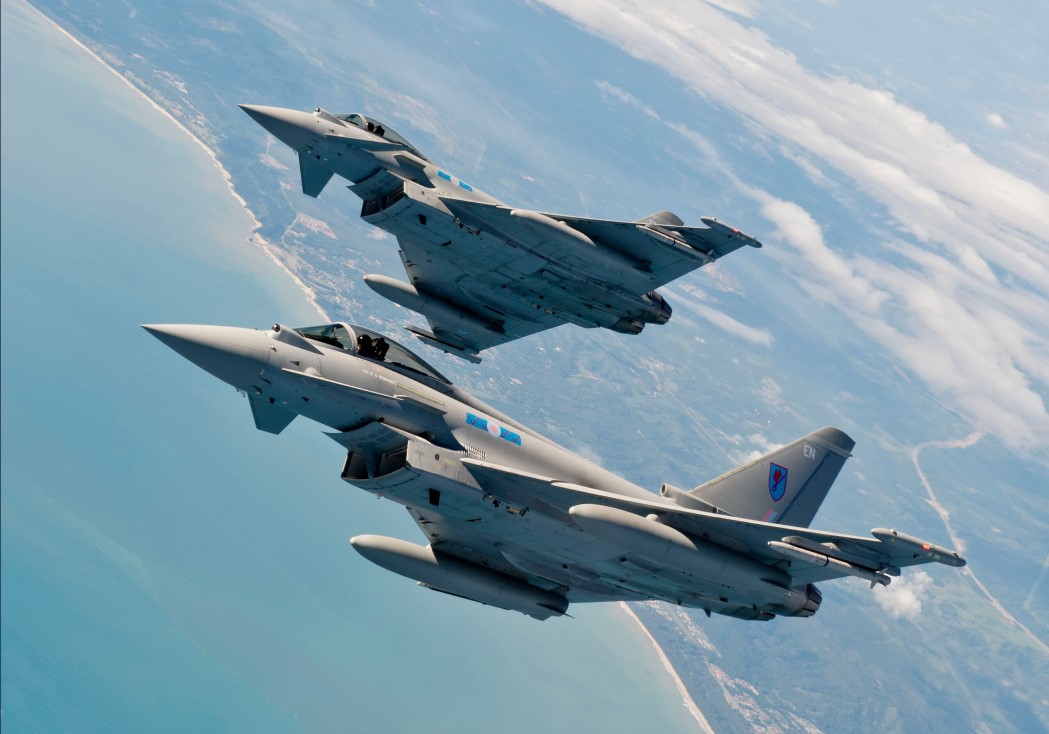
World
Germany has taken a significant step by lifting its opposition to the sale of Eurofighter Typhoon jets to Turkey, following a period of strained relations and geopolitical disputes. The decision, once a point of contention, now signals a potential shift in European-Turkish defense ties and comes after intense lobbying efforts by other members of the Eurofighter consortium, including the UK, Spain, and Italy.Initially, Berlin was hesitant to approve the sale due to Turkey's controversial policies and military activities. Concerns ranged from Ankara's operations against Kurdish forces in Syria and its strained relations with Greece in the Eastern Mediterranean, to its procurement of Russian S-400 missile systems, which had already led to Turkey's expulsion from the F-35 stealth jet program. The NATO alliance, which Germany is a part of, had watched these developments with alarm, fearing escalated tensions and compromised regional security.However, after substantial diplomatic engagements and under pressure from consortium partners, Germany relented. The prospective deal involves the procurement of 40 Eurofighter Typhoon aircraft, a state-of-the-art multi-role fighter renowned for its advanced avionics and combat versatility. Equipped with cutting-edge radar systems and the capability to deploy beyond-visual-range and precision-guided munitions, the Typhoon promises to be a formidable addition to Turkey's air force. The aircraft can perform diverse missions, from air superiority to ground attack and electronic warfare.For Turkey, the Eurofighter Typhoon represents a strategic stopgap solution. While the country remains focused on developing its own fifth-generation stealth fighter, the TAI Kaan, it has needed an interim jet to maintain aerial supremacy, especially in the wake of being denied the F-35. The Eurofighter's capabilities complement the recent deal Turkey secured with the United States for 40 F-16s and modernization kits, as Ankara seeks to enhance its aging fleet.Despite the potential benefits, the Eurofighter transaction carries weighty political implications. Analysts believe that finalizing the sale could mark a revival of trust between Germany and Turkey, strengthening NATO's collective defense posture. Yet, skepticism remains, as some European states worry about empowering Turkey's military ambitions amid ongoing territorial disputes. The success of this deal may well depend on Ankara's continued diplomatic outreach and efforts to assuage fears about regional destabilization.The upcoming meeting between Turkish President Recep Tayyip Erdoğan and German Chancellor Olaf Scholz is expected to address these delicate issues. As the situation evolves, the Eurofighter sale could either symbolize newfound cooperation or reignite the geopolitical tensions that have long shadowed Europe-Turkey relations.This development underscores the intricate balance of defense diplomacy, with strategic interests often vying against political reservations. As both nations weigh the implications, the deal’s impact will likely reverberate beyond their borders, influencing NATO’s cohesion and the European defense landscape.
Read More → Posted on 2024-11-15 14:21:33
World
In a significant show of force, U.S. Central Command (CENTCOM) recently launched airstrikes on Houthi weapon depots in Yemen, marking a proactive response to rising maritime threats in the Red Sea and the Gulf of Aden. These strikes come after repeated attacks on international shipping and coalition vessels by Houthi forces, who have been ramping up their use of advanced weaponry to disrupt critical shipping lanes. The U.S. action underscores a commitment to stabilizing these essential waterways and protecting regional allies.The Houthi-controlled weapon depots hit in the airstrikes were reportedly storing a range of sophisticated weapons, including anti-ship ballistic missiles, cruise missiles, and unmanned aerial systems (UAS). According to CENTCOM, the precision strikes targeted sites that have been a growing source of concern due to their potential to fuel further aggression against commercial and military vessels in the area. The removal of these depots not only aims to impair the Houthis’ operational capabilities but also sends a clear warning against future hostile actions.CENTCOM's spokesperson highlighted that these strikes are a strategic attempt to "weaken the Houthis’ ability to threaten our regional partners” and to neutralize the risk posed by advanced weaponry they’ve obtained. For the United States and its allies, ensuring secure navigation through the Bab al-Mandab Strait—a narrow waterway linking the Red Sea to the Gulf of Aden and a key route for global oil shipments—is of paramount importance.The U.S. Navy’s USS Stockdale and USS Spruance destroyers, along with aircraft from both the U.S. Navy and the Air Force, played integral roles in the operation, not only in launching strikes on the depots but also in intercepting and neutralizing active threats. Reports indicate that eight Houthi unmanned aerial systems, five anti-ship ballistic missiles, and four cruise missiles were detected and destroyed as they moved through the Bab al-Mandab Strait. These coordinated efforts, involving sophisticated detection and rapid-response capabilities, ensured that shipping lanes remained safe for commercial transit. This response is part of a broader U.S. strategy to secure major shipping routes in the Middle East from disruptions and attacks that have been on the rise in recent months. The Red Sea and Gulf of Aden, alongside the Bab al-Mandab Strait, are critical chokepoints for global commerce, especially for energy exports. Even a minor disruption can cause ripple effects through oil markets and have substantial economic impacts worldwide. The airstrikes thus signify not only a tactical maneuver but also a strategic stance to support international trade and stability.The targeted weapon depots in Yemen were said to contain cutting-edge missile technologies and drones that the Houthis have increasingly used in attempts to threaten and halt the movement of vessels in this highly trafficked area. The destruction of these weapons is expected to impede their ability to orchestrate further assaults on maritime assets in the near term. It also reflects CENTCOM's growing concern over the Houthis’ capacity to destabilize the region, given the backing they receive and the advanced nature of the arms they employ.In this context, CENTCOM's operation in Yemen serves as both a preventive and a punitive measure—removing immediate threats while signaling U.S. readiness to counter any similar provocations going forward. As tensions persist in the region, the Bab al-Mandab Strait, like other strategic waterways, will likely remain under close watch by both U.S. forces and their allies. The recent airstrikes are a reminder of the intricate balance between diplomacy and defense that marks U.S. operations in the region, as well as the importance of maintaining secure and open maritime routes for the global economy.
Read More → Posted on 2024-11-14 15:54:07Search
Top Trending in 24 Hours
-
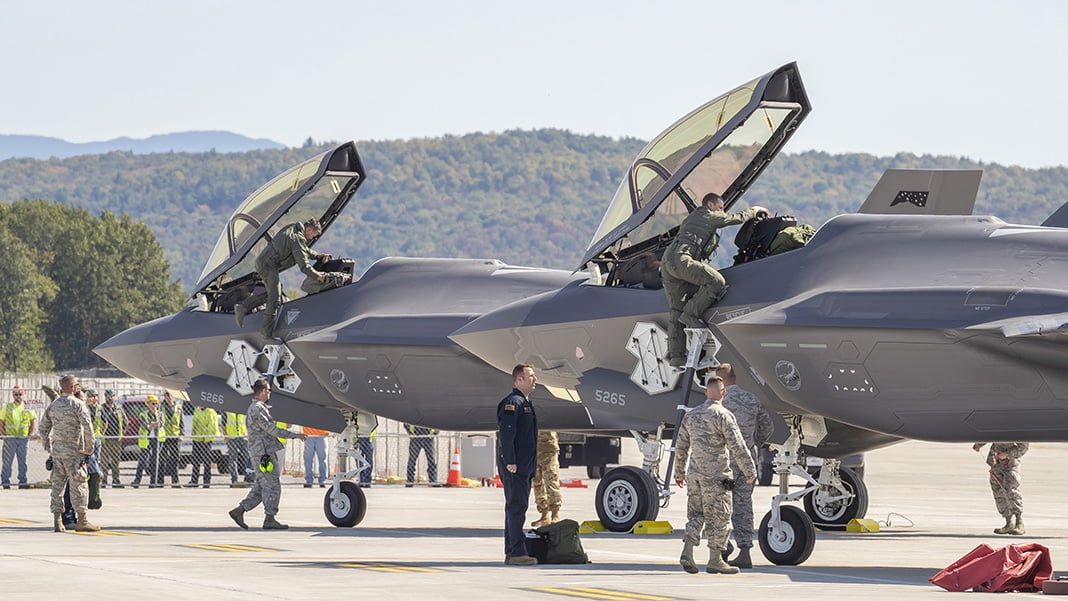 F-35 Fleet Readiness Falls to 25% Amid Parts Shortages and Software Delays: GAO Report
-
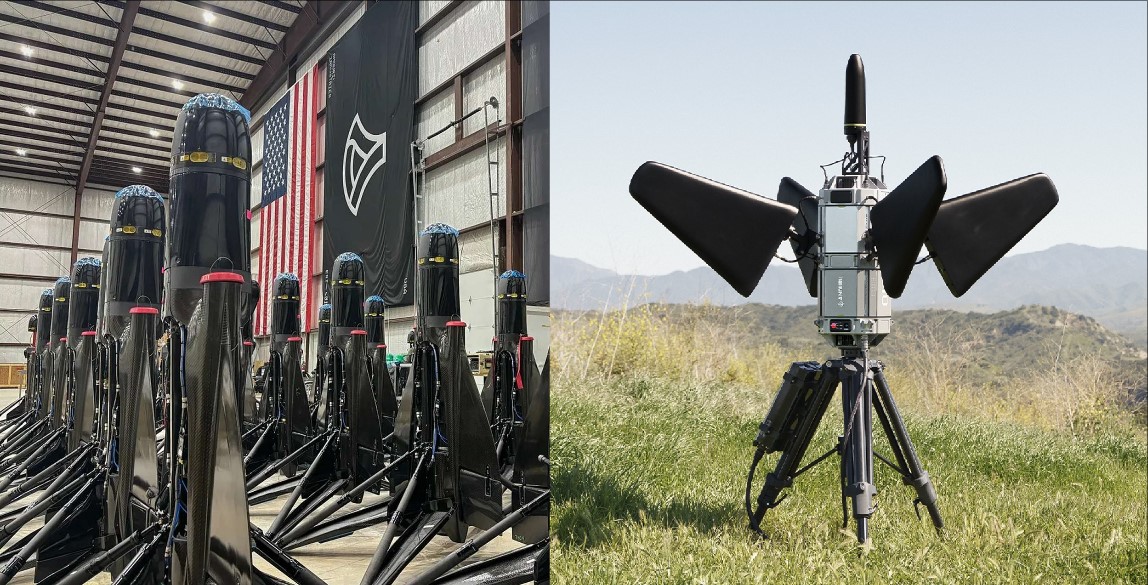 U.S. Approves $1.98 Billion Sale of Anduril AI-Powered Counter-Drone Systems to Kuwait
-
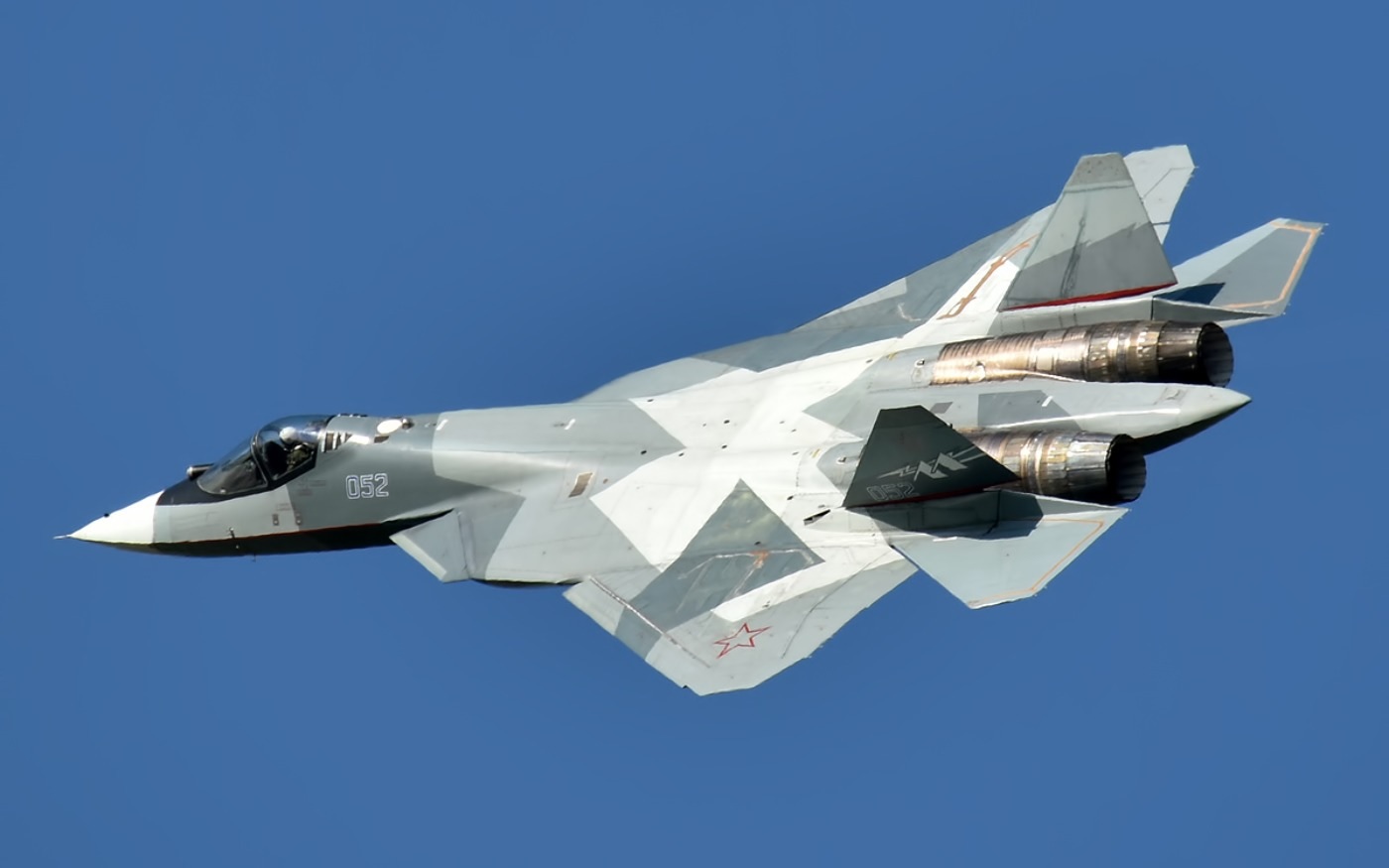 Russian Analysts Debate Su-57 Capabilities After Putin Calls Fighter Superior to F-35
-
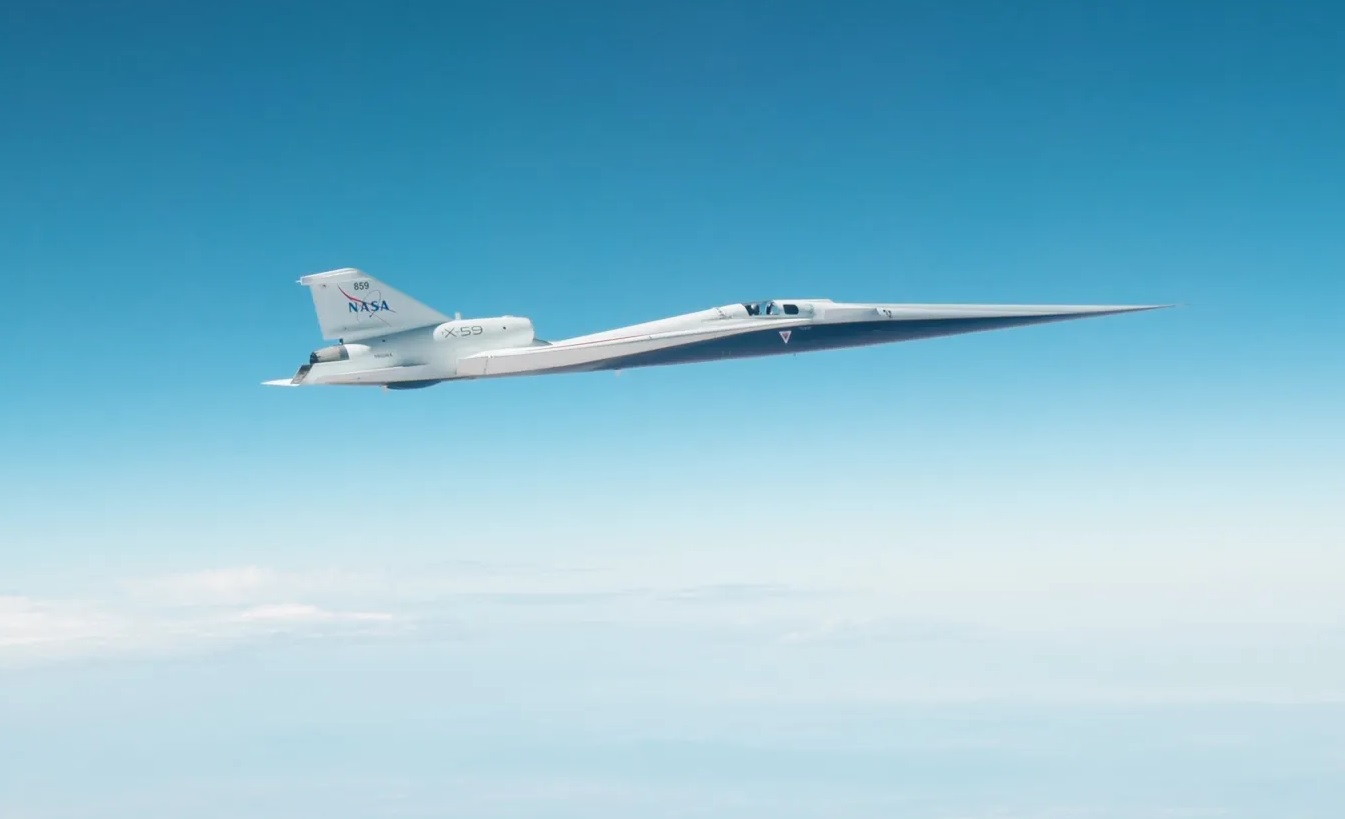 NASA X-59 Achieves Planned Mission Conditions with Mach 1.4 Flight at 55,000 Feet
-
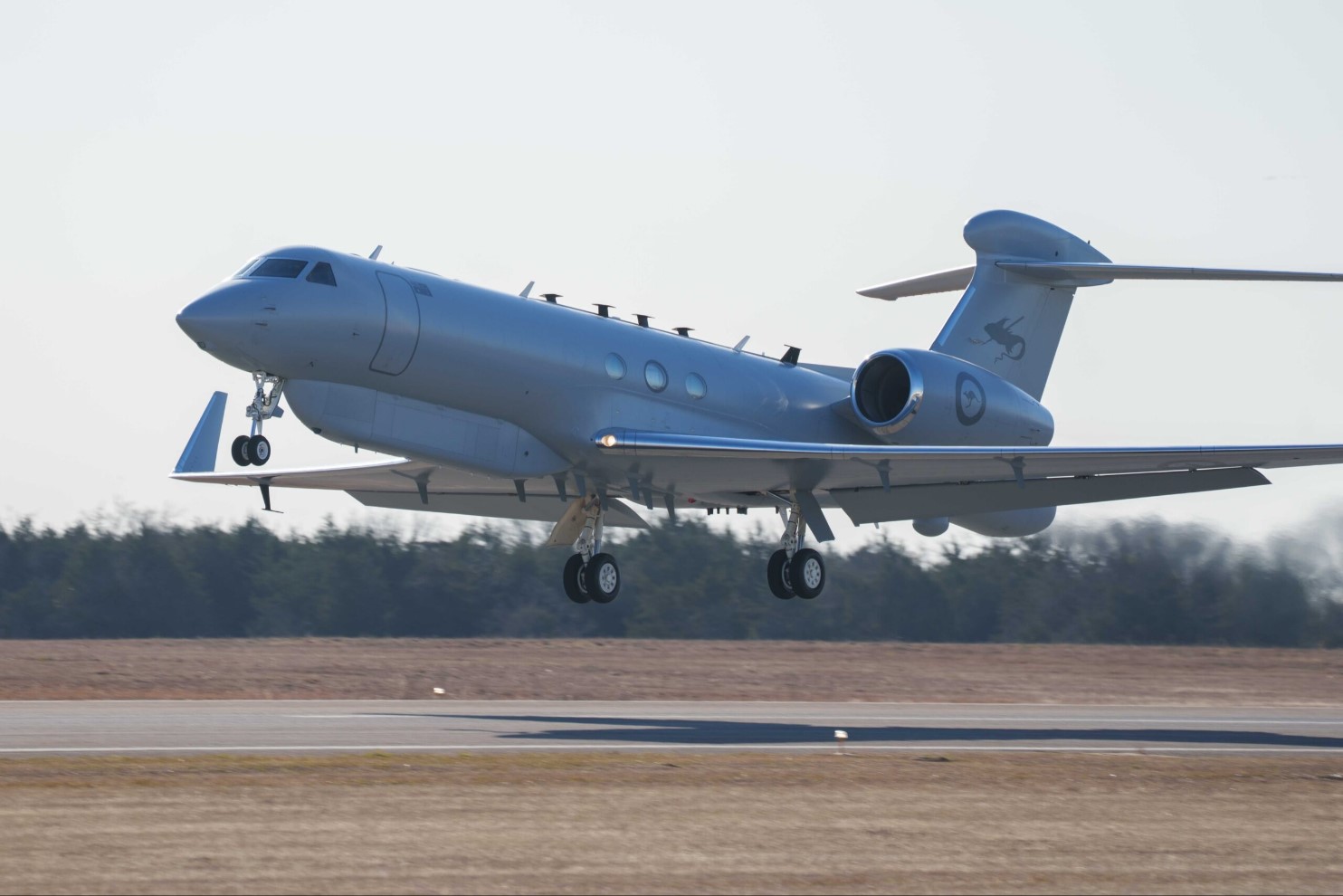 Australia Receives Third MC-55A Peregrine Intelligence Aircraft Under A$2.4 Billion ISR Program
-
 AM General Unveils Next-Generation UGV and JLTV A2 with Counter-Drone Systems at Eurosatory 2026
-
 Pakistan Raises Defence Budget from $9 Billion to $10.8 Billion as J-35 Fighter and Hangor Submarine Programs Advance
-
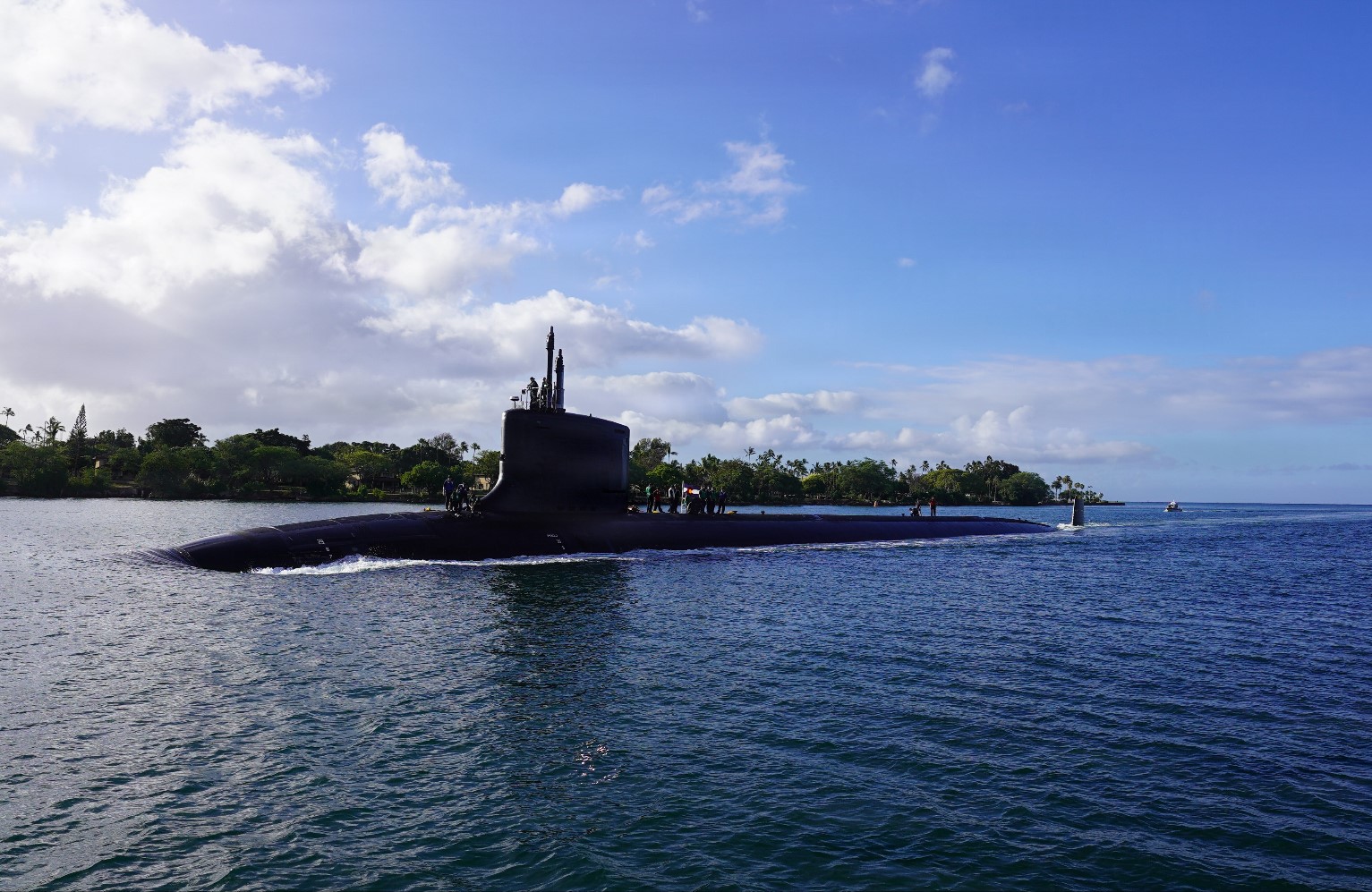 U.S. Navy's USS Colorado Submarine Returns to Pacific Fleet 29 Days Early After Major Pearl Harbor Overhaul
Top Trending in 4 Days
-
 Iranian Media Leaks 14-Point U.S.-Iran Peace Framework Amid Ongoing Negotiations
-
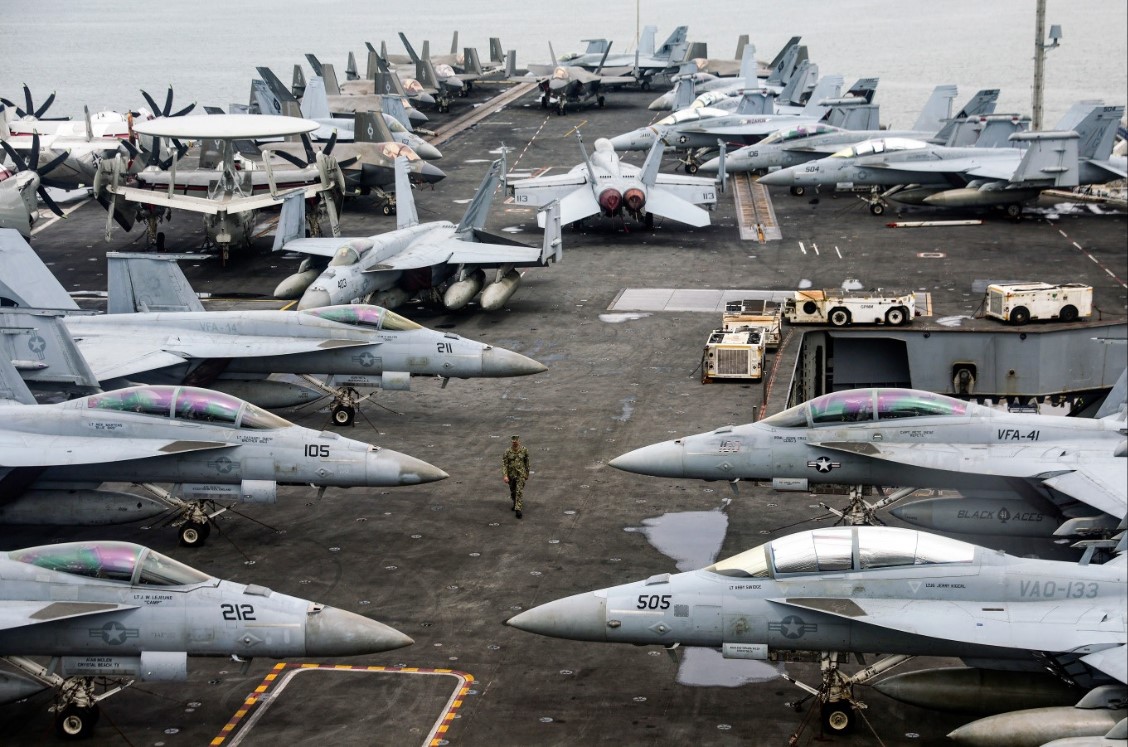 US Plans Significant Reduction of Fighter Jets and Warships for NATO Operations in Europe
-
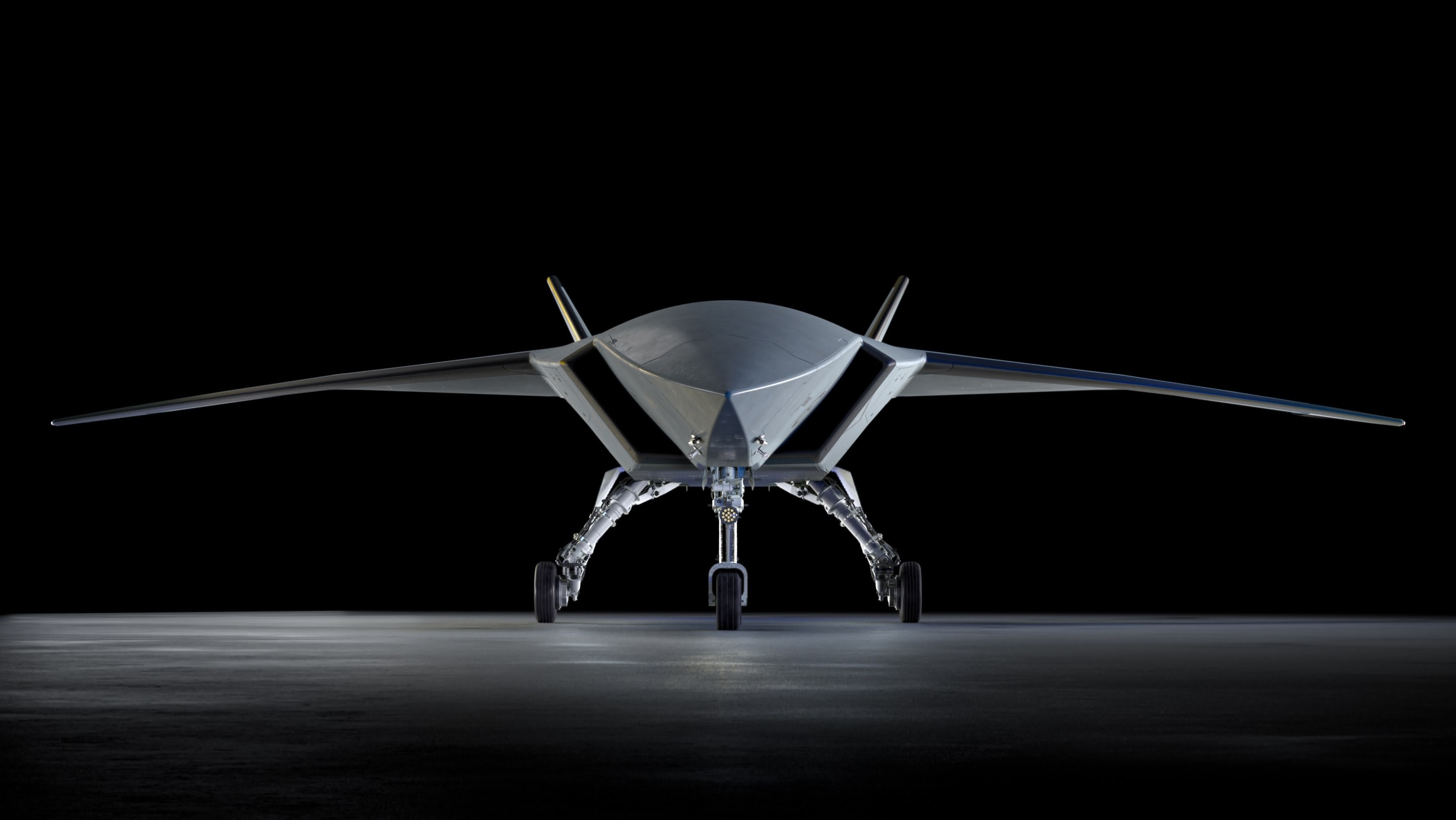 Boeing Introduces New MQ-28 Ghost Bat Upgrades with Increased Range, Payload and Weapons Capacity at ILA Berlin 2026
-
 AMCA Airframe Spotted at DRDO’s ORANGE Facility for Radar Cross-Section Testing
-
 U.S. Air Force Faces Strategic Airlift Shortfall as C-17 Production Restart Remains Uncertain
-
 U.S Aircraft Carrier USS Theodore Roosevelt Departs San Diego for Major RIMPAC 2026 Naval Exercise
-
 NATO Commander Says Russia Not Seeking Conflict With Alliance Despite U.S. Force Reductions
-
 Russian Defense Firm ZALA Unveils KAMA Unmanned Surface Vessel Family at FLOT-2026 Naval Exhibition