
World
In a significant escalation of military innovation, Russia has unveiled and deployed a new intermediate-range ballistic missile (IRBM) named Oreshnik—a weapon previously unknown to the public. This missile, with its nuclear-capable design and advanced hypersonic capabilities, marks a bold statement about Russia's evolving military technology and strategic intent.A Weapon of Speed and PrecisionRussian President Vladimir Putin publicly acknowledged the use of the Oreshnik missile in a strike on Ukraine’s city of Dnipro, describing it as a successful combat test of one of the nation’s newest missile systems. Nicknamed after the hazel tree in Russian, the Oreshnik was reportedly fired in a non-nuclear hypersonic configuration and achieved its intended target with remarkable precision.Hypersonic missiles like Oreshnik represent the cutting edge of modern warfare. Traveling at speeds exceeding Mach 10—equivalent to roughly 2.5 to 3 kilometers per second—the missile is nearly impossible to intercept with current air defense technologies. According to Putin, the missile is capable of maneuvering mid-flight, a feature that adds to its stealth and lethality, and sets it apart from traditional ballistic missiles.Warhead and Payload VersatilityThe Oreshnik’s design is reported to accommodate multiple independently guided warheads (MIRVs), ranging from three to six in number. While the recent deployment used conventional warheads, the missile is fully capable of carrying nuclear payloads. The simultaneous arrival of these warheads at a single target underscores the system’s efficiency and sophistication, making it a formidable addition to Russia’s arsenal.Military analysts, including Viktor Baranets and Igor Korotchenko, have described the Oreshnik as a "masterpiece of modern Russian solid-fuel missile construction." The missile's ability to strike multiple targets in a single launch greatly enhances its strategic utility.Range and Strategic ImpactClassified as an intermediate-range ballistic missile, the Oreshnik has a range estimated between 3,000 and 5,000 kilometers, placing it at the higher end of the IRBM spectrum. Fired from the Kapustin Yar test range in Russia’s Astrakhan region, the missile demonstrated its capacity to target areas far beyond Ukraine, with the potential to threaten most of Europe.This range positions Oreshnik as a significant tool in Russia's military strategy, especially in the context of the Intermediate-Range Nuclear Forces (INF) Treaty, which both Russia and the United States exited in 2019. The missile’s deployment sends a clear message about Russia’s readiness to leverage advanced weaponry in response to perceived threats.Origins and EvolutionThe Oreshnik missile draws its roots from the RS-26 Rubezh intercontinental ballistic missile (ICBM), a system originally based on the Topol ICBM. While the development of the Rubezh was reportedly shelved in favor of other priorities like the Avangard hypersonic glide vehicle, it appears that aspects of its design were repurposed to create the Oreshnik.Experts suggest that the missile likely features a two-stage design, making it heavier and more costly than typical IRBMs. As an experimental system, the Oreshnik might not see mass production, but its deployment signals Russia’s intent to showcase its technological prowess.A Renewed Arms Race?The introduction of Oreshnik highlights the growing gap between modern hypersonic weapons and the existing defense capabilities of other nations. With its range and speed, this missile could reshape the military balance in Europe, posing a direct threat to NATO-aligned countries. However, its range stops short of reaching the United States, ensuring that its strategic impact remains regional for now.The deployment of Oreshnik also reignites concerns about an arms race in intermediate-range weapons, a category previously constrained by the now-defunct INF Treaty. As Russia and the United States continue to diverge on arms control agreements, the world could see a resurgence of missile development and deployment on both sides.Russia’s Oreshnik missile is more than a technological achievement; it’s a strategic statement. By unveiling this weapon in a live conflict scenario, Moscow has demonstrated its willingness to test and deploy cutting-edge military systems with far-reaching consequences. As the global community watches closely, the Oreshnik may herald a new era of missile warfare—one that challenges existing defense systems and reshapes geopolitical dynamics.
Read More → Posted on 2024-11-22 18:28:24
World
The recent indictment by U.S. prosecutors against billionaire Gautam Adani and his associates has sparked a diplomatic and legal controversy, with former Indian Foreign Secretary Kanwal Sibal strongly condemning the move. Labeling it as a “violation of sovereignty” and an “abusive use of U.S. power,” Sibal's remarks have amplified debates over the boundaries of international legal intervention and its implications on bilateral relations.The U.S. Department of Justice (DOJ) has alleged that Adani and several associates orchestrated a bribery scheme worth over $250 million to secure solar power contracts in India. According to the indictment, the alleged misconduct involved offering bribes to Indian officials to gain an advantage in the highly competitive renewable energy sector. The charges, however, have been criticized by Indian policymakers and experts for overstepping jurisdictional boundaries, raising broader concerns about extraterritorial legal enforcement.Kanwal Sibal expressed his dismay at what he perceives as the U.S.’s unilateral approach to the issue. He argued that the alleged activities occurred on Indian soil, involving Indian officials, and therefore should fall under India’s jurisdiction. Sibal emphasized that any evidence of wrongdoing should have been shared with Indian authorities, allowing the country’s legal system to address the matter. "This is sheer high-handedness," he said, warning that such actions could strain India-U.S. relations at a time when strategic partnerships between the two nations are being prioritized.Adding to the critique, Sibal highlighted what he called the hypocrisy of the U.S. legal system. While American prosecutors investigate alleged corruption abroad, the U.S. itself grapples with domestic scandals and systemic corruption. Sibal questioned the legality of U.S. investigations conducted on foreign soil, suggesting they may violate local laws and sovereignty. He further warned that such extraterritorial prosecutions set a dangerous precedent, potentially inviting reciprocal actions by other nations.The fallout from these allegations has been significant for the Adani Group. The indictment has led to a sharp decline in the company’s market value, with investors reacting to the uncertainty surrounding the case. The group, a major player in India's renewable energy push, now faces heightened scrutiny both domestically and internationally. Adani’s legal team has dismissed the allegations as baseless, accusing the U.S. prosecutors of overreach.Beyond the immediate financial impact, the case raises critical questions about the balance of power in international law and diplomacy. The U.S.’s ability to prosecute foreign nationals for actions allegedly committed outside its borders reflects its expansive legal framework but also exposes it to criticism for undermining the sovereignty of other nations. For India, this episode serves as a reminder of the delicate dynamics in its relationship with the U.S., which often swings between collaboration and contention. Sibal’s remarks underscore the need for mutual respect in handling cross-border legal matters. His pointed critique reflects a broader sentiment among Indian policymakers wary of external interference. As he noted, fostering strong international relationships requires recognizing and respecting each nation's legal systems and sovereignty. The current controversy, if unresolved, could become a sticking point in India-U.S. relations, challenging the trust and cooperation that both nations have worked to build.
Read More → Posted on 2024-11-22 18:24:14
World
South Korea has uncovered evidence that Russia has supplied anti-aircraft missiles and other military equipment to North Korea in exchange for sending troops to support Moscow's war efforts in Ukraine. National Security Director Shin Wonsik revealed that over 10,000 North Korean soldiers have been dispatched to bolster Russian forces, a claim supported by U.S. intelligence. In return, Russia provided not only weapons to enhance Pyongyang's air defense but also economic assistance. The revelation intensifies concerns among South Korea, the U.S., and other allies about potential transfers of sensitive nuclear or missile technologies between the two nations. This alarming development also raises questions about North Korea's ambitions in leveraging these deals for strategic military gains. The collaboration signals a deepening alliance between two nations heavily sanctioned by the international community, potentially destabilizing regional and global security dynamics .
Read More → Posted on 2024-11-22 18:20:52
World
At the International Defence Exhibition and Seminar (IDEAS) 2024 in Karachi, Pakistani filmmaker Awais Rauf made a surprising announcement, claiming to have developed a long-range air surveillance radar system capable of monitoring airspace up to 350 kilometers. Known as the AM350S, this radar is being presented as a cutting-edge mobile system, developed in collaboration with Pakistan’s National Radio Telecommunication Corporation (NRTC) and private sector entities. However, the bold claims have been met with skepticism due to a lack of transparency and evidence.Specifications and Potential CapabilitiesThe AM350S radar, as described, is a mobile platform designed for rapid deployment. If the claims are accurate, the radar could enable Pakistan to monitor a large portion of its airspace and potentially track aerial threats over significant distances. Similar radar systems, such as China’s YLC-18A, feature advanced technologies like phased array scanning, low-altitude blind compensation, and three-dimensional airspace monitoring. For example, the YLC-18A boasts an effective range of over 500 kilometers with highly precise resolution and programmable digital signal processing.If the AM350S includes even a fraction of these technologies, it could represent a significant step forward for Pakistan’s defense capabilities. However, the absence of concrete technical specifications or demonstration of its abilities leaves room for speculation about its authenticity and effectiveness.Credibility ConcernsAwais Rauf’s background as a film producer, notably of the 2022 spy thriller Zarrar, has raised doubts about his expertise in defense technology. Blue Search Private Limited, the company purportedly behind the radar’s development, has no visible operational footprint, website, or detailed information available online. This lack of transparency has drawn scrutiny from analysts, who question the feasibility of such an advanced project emerging from a relatively unknown entity.Even with the involvement of NRTC, a reputable state-owned organization specializing in defense telecommunications, the level of collaboration and its role in the radar’s development remain unclear. This further fuels skepticism, as building a radar with such specifications typically requires years of research and development by specialized defense firms.Possible Strategic ImplicationsDespite the doubts, the announcement has attracted attention, with claims that “friendly countries” have shown interest in acquiring the system. If legitimate, the AM350S could serve as a significant export product and bolster Pakistan’s defense industry. However, the lack of disclosed details about these countries or any confirmed deals casts further uncertainty on the project’s viability.Broader ContextObservers speculate whether this claim is part of a narrative to project self-reliance in defense technology rather than a genuine breakthrough. This is not unprecedented, as countries often use such exhibitions to showcase ambitious projects to attract international partnerships or demonstrate technological advancements. Without more substantial evidence or independent verification, the AM350S radar remains a controversial topic, drawing as much skepticism as intrigue.While the unveiling of the AM350S radar has sparked conversations about Pakistan’s defense ambitions, the lack of technical details, the unverified credentials of its developers, and the absence of clear operational demonstrations make it difficult to take the claims at face value. Whether this radar represents a true leap in technology or a strategic showcase remains to be seen.
Read More → Posted on 2024-11-22 17:55:16
World
Elbit Systems of America, a subsidiary of the renowned Israeli defense company Elbit Systems, has embarked on a significant modernization effort for the United States Air Force (USAF). The company has secured an Indefinite Delivery/Indefinite Quantity (ID/IQ) contract valued at up to $89 million to supply cutting-edge Wide-Angle Conventional Head-Up Displays (WACHUD) for the USAF’s F-16 Block 40/42 aircraft. This ambitious program signals a technological leap in avionics, promising enhanced operational efficiency and safety for one of the world’s most widely used fighter jets.The contract’s first delivery order, amounting to over $57.5 million, was awarded in September 2024. Elbit America will carry out the production and integration of these systems at its state-of-the-art facility in Talladega, Alabama, with deliveries scheduled through September 2027. The facility is a well-established hub for military systems sustainment and repair, serving a vast customer base and leveraging decades of expertise in avionics technology.A Critical Upgrade for the F-16 FleetThe WACHUD system represents a significant enhancement over the older Diffractive Optic Head-Up Displays currently installed in parts of the F-16 fleet. By projecting essential flight and mission data directly into the pilot’s field of view, the system enables rapid and precise decision-making in high-pressure combat and operational scenarios. This technological edge not only improves mission success rates but also ensures safer navigation and maneuverability for pilots.The wide-angle feature provides an expanded field of view, allowing pilots to maintain situational awareness without diverting attention from their primary focus. Unlike its predecessors, the WACHUD offers increased brightness, sharper visuals, and improved reliability, all of which are critical for missions conducted in diverse and challenging environments.Simplifying Maintenance and OperationsOne of the standout advantages of the new system is the standardization it brings to the F-16 fleet. According to Scott Tumpak, Senior Vice President of Electronic Systems at Elbit America, this upgrade introduces a unified configuration across the fleet, streamlining maintenance, supply chain logistics, and training efforts. “The single configuration benefits pilots, maintainers, and the supply chain, making it easier to manage and maintain across the entire fleet,” Tumpak explained.This modernization aligns with the USAF’s long-term goals of improving fleet readiness while minimizing operational costs. By replacing aging components with advanced, reliable systems, the WACHUD project ensures that the F-16 remains a formidable asset in the USAF’s arsenal for years to come.Leveraging Expertise at TalladegaElbit America’s Talladega facility, known for its prowess in military system sustainment, will spearhead the production and integration of the WACHUD systems. Jimmy Johns, Vice President of Operations at Elbit America, emphasized the team's deep familiarity with the F-16 platform. “Our Talladega workforce has supported the avionics and Head-Up Displays of the majority of F-16 aircraft for decades. We’re proud to continue this legacy through this multi-year program,” he said.This initiative not only underscores Talladega’s strategic importance but also highlights Elbit America’s commitment to expanding its aftermarket services, ensuring robust support for military operations globally.Enhancing Combat ReadinessAs the USAF continues to operate a diverse fleet of aircraft, the integration of advanced technologies like the WACHUD ensures that legacy platforms like the F-16 remain relevant in modern warfare. The upgraded displays are a testament to the importance of maintaining cutting-edge capabilities in a rapidly evolving defense landscape. By combining technological innovation, operational efficiency, and strategic foresight, the WACHUD program represents a pivotal step in the evolution of one of the most iconic fighter jets in history. This modernization effort reaffirms the F-16's enduring legacy while equipping it for the challenges of the future.
Read More → Posted on 2024-11-22 17:41:55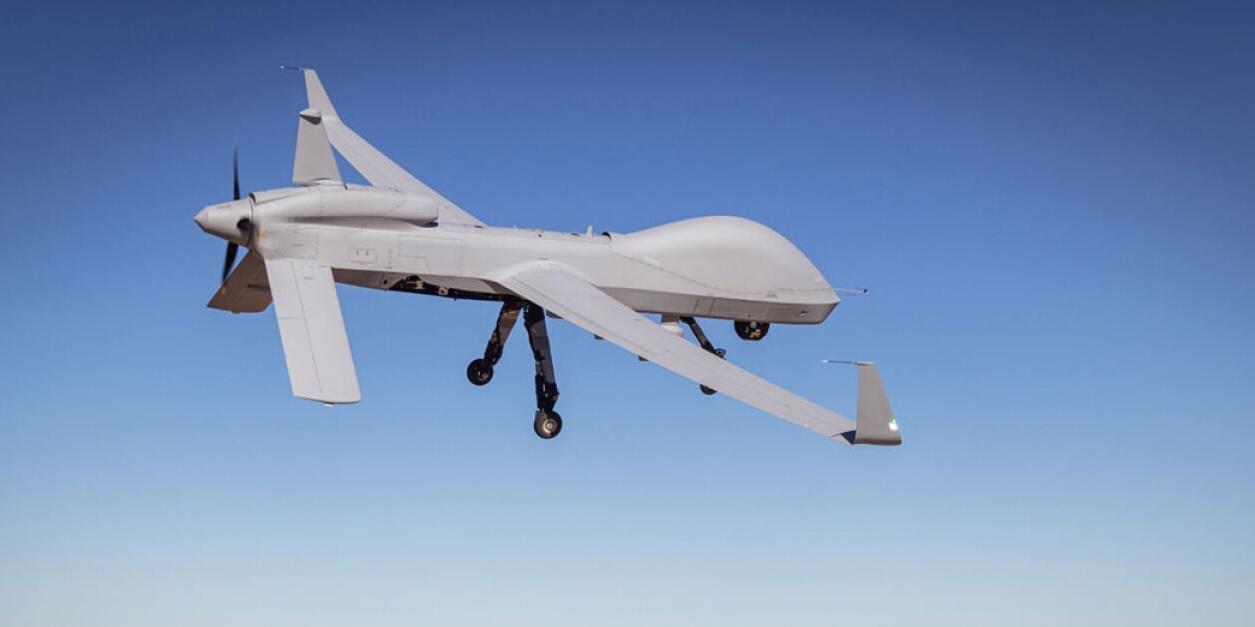
World
General Atomics Aeronautical Systems Inc. (GA-ASI) has successfully completed rigorous testing of its next-generation heavy fuel engine, the HFE 2.0, designed to elevate the capabilities of the Gray Eagle 25M unmanned aerial system (UAS). Conducted in El Mirage, California, the qualification trials mark a major milestone in advancing the drone's performance and durability to meet modern military demands.A Leap in Engine PerformanceThe HFE 2.0, a 200-horsepower heavy fuel engine, delivers a significant performance boost compared to its predecessor. Offering a 40% increase in service life and 50% more power for mission payloads, the engine redefines the operational capabilities of the Gray Eagle platform. This advancement supports low-sustainment and maintenance-free operations, catering to the complex needs of multi-domain battlefields.Extensive Testing Validates DurabilityOver the past 18 months, the HFE 2.0 underwent rigorous endurance testing, simulating flight conditions under extreme stress for durations of 200, 400, and 651 hours. It further completed 50 hours of trials within its operational envelope, confirming its reliability under various flight conditions. During the recent three-week qualification phase, the engine met the US Federal Aviation Administration’s (FAA) primary performance standards for commercial applications, a testament to its engineering excellence.Army Integration on the HorizonFollowing the FAA validation, the HFE 2.0 will undergo an additional qualification process with the US Army. This step is essential to authorize the engine's integration into the Gray Eagle Extended Range drones, replacing the aging 180-horsepower engines in the current fleet. The upgrade promises to enhance mission endurance and payload capacity, solidifying the Gray Eagle's role as a critical asset in reconnaissance and strike operations.David Alexander, President of GA-ASI, highlighted the significance of the achievement: “This test is the culmination of the extensive durability and flight test program for the HFE 2.0 engine. It’s been great to see the outstanding test results that have validated the design and development of the HFE 2.0 engine we have worked on so passionately for the past seven years and to bring this world-class engine to the Gray Eagle fleet.” Advanced Capabilities of the Gray EagleThe Gray Eagle UAS is engineered for versatility, featuring a length of 28 feet (9 meters) and a wingspan of 56 feet (17 meters). It boasts a top speed of 167 knots (192 mph or 309 km/h) and a service ceiling of 29,000 feet (8,839 meters). The drone can be equipped with a variety of payloads, including air-to-air and air-to-ground missiles, making it a formidable asset for military operations.Recent enhancements to the platform include cutting-edge radar and sensing technologies capable of detecting threats at a distance of 50 miles (80 kilometers), alongside a next-generation flight computer offering increased memory, processing power, and high-speed data transfer capabilities.Future ProspectsThe Gray Eagle is being positioned as a critical component in the US Army’s evolving vertical lift strategy. While the Future Attack Reconnaissance Aircraft (FARA) program, which envisions drone-helicopter teams, is currently on hold, the Gray Eagle continues to demonstrate its value with advancements like the HFE 2.0 engine.With a history of securing substantial contracts, such as a $389-million deal in late 2023, and continuous innovation in sensing and operational efficiency, the Gray Eagle is set to remain a cornerstone of US Army reconnaissance and strike capabilities. The latest engine upgrade ensures the platform remains future-ready, addressing emerging challenges on the modern battlefield. This milestone not only strengthens the Gray Eagle’s operational edge but also reinforces General Atomics’ position as a leader in cutting-edge UAS technology.
Read More → Posted on 2024-11-22 17:35:19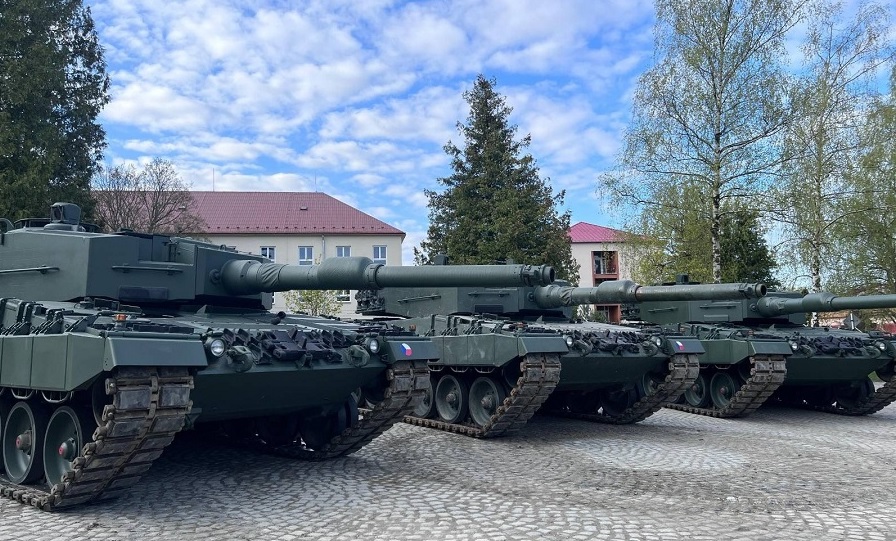
World
The Czech Republic is gearing up to bolster its defense capabilities by acquiring 14 more Leopard 2A4 main battle tanks from Germany. The deal, valued at 3.98 billion korunas ($162.8 million), will see the tanks delivered as part of a contract expected to be finalized with Rheinmetall Landsysteme by the end of the year. This addition will increase the Czech Leopard 2A4 fleet to 42 units, representing a significant step toward meeting the goals set forth in the country’s June defense strategy.Modernizing Czech ArmorThe Leopard 2A4s will replace the aging Soviet-era T-72 M4 tanks that have served the Czech military since the 1970s. The move reflects a broader modernization effort influenced by lessons learned from modern warfare, particularly from Russia's ongoing conflict in Ukraine. In a press briefing, the Czech Ministry of Defence emphasized the importance of main battle tanks in high-intensity warfare, citing the Leopard 2 series as a prime example of durability, mobility, and firepower.“Tanks are a cornerstone of the heavy brigade we committed to building for NATO’s collective defense,” the ministry stated. “Without acquiring the Leopard 2A4s, meeting our alliance obligations on time would be impossible.”Advanced Features of the Leopard 2A4The Leopard 2A4 is a robust and versatile tank widely regarded as one of the most advanced of its kind. Key specifications include: Dimensions and Weight: The tank measures 11 meters in length and weighs 62 tons. Armor: It features multilayer armor with a specialized coating to protect critical components against modern threats. Power and Mobility: Powered by an MTU diesel engine, it achieves speeds exceeding 70 kilometers per hour (43 mph) with an operational range of 450 kilometers (280 miles). Weaponry: The tank is equipped with an L44 smoothbore cannon, offering high firepower, and a 7.62-millimeter machine gun for additional versatility. The Czech defense deal also includes associated communication and information systems, training equipment, and an initial stockpile of ammunition, ensuring the tanks are operationally ready upon arrival.Looking Ahead: Leopard 2A8 PlansWhile the Leopard 2A4 is a significant upgrade, the Czech Republic has its sights set on acquiring the more advanced Leopard 2A8 variant in the future. This strategy will further enhance the country’s armored capabilities, providing cutting-edge technology to its military forces.Strategic ImportanceThe Leopard fleet is critical to Czechia’s plans for its heavy brigade, a NATO obligation reflecting the alliance's collective defense goals. The urgency to modernize stems from geopolitical tensions and the evident effectiveness of Western-designed tanks in protecting crews and engaging in high-stakes combat scenarios. By integrating the Leopard 2A4s, the Czech Republic is not only modernizing its military but also reinforcing its commitment to NATO and regional security. This acquisition represents a vital step in adapting to the evolving landscape of modern warfare.
Read More → Posted on 2024-11-22 17:22:58
World
The Defense Innovation Unit (DIU) has selected L3Harris Technologies to lead the development of an advanced prototype command-and-control (C2) system designed to orchestrate large-scale autonomous swarms across land, air, and sea domains. This project is a cornerstone of the U.S. Department of Defense’s (DoD) ambitious Replicator program, which seeks to deploy cutting-edge autonomous capabilities to enhance military operations in contested environments.At the heart of this initiative is the need for seamless collaboration between diverse uncrewed systems—ranging from drones and robotic vehicles to autonomous ships. L3Harris’ open-architecture solution will integrate commercial technologies, enabling dynamic and scalable autonomy to meet evolving battlefield challenges. According to Toby Magsig, Vice President and General Manager of Enterprise Autonomous Solutions at L3Harris, the company’s system is envisioned as a “multi-domain and multi-mission autonomous ecosystem” capable of tackling the complexities of modern warfare.A Leap Towards Collaborative AutonomyThe C2 system will serve as the brain behind swarm operations, providing a robust user interface and real-time situational awareness for commanders. By leveraging L3Harris’ enterprise autonomy architecture, the system aims to: Facilitate rapid integration of third-party algorithms and models. Scale collaboration across hundreds or even thousands of autonomous platforms. Adapt to mission-specific needs, whether it’s reconnaissance, logistics, or direct engagement. L3Harris’ approach underscores the importance of agility. The architecture supports plug-and-play adaptability, allowing new software updates, AI models, and sensors to be incorporated swiftly. This adaptability ensures that the system remains relevant as threats evolve and technological advancements emerge.Partnership with InnovatorsWhat sets this project apart is L3Harris’ collaboration with venture-backed startups and unconventional tech firms. By tapping into non-traditional sources of innovation, the company aims to accelerate advancements in autonomy while ensuring the system aligns with the military’s stringent operational requirements. This strategy also promotes cost-efficiency, as integrating proven commercial technologies reduces the need for ground-up development.Beyond ExperimentationThe DIU isn’t the only DoD organization to recognize the potential of L3Harris’ enterprise autonomy solutions. The system is already undergoing rigorous experimentation to refine its capabilities. These trials focus on scaling collaborative autonomy, ensuring that autonomous swarms can operate cohesively in contested environments where traditional communication systems may be disrupted.Transforming WarfareL3Harris’ involvement in the Replicator program reflects the company’s commitment to redefining the future of warfare. The autonomous C2 system is more than just a technological achievement—it’s a force multiplier designed to enhance decision-making, reduce risk to human personnel, and outpace adversaries in high-stakes scenarios.This partnership also highlights the urgency surrounding autonomous innovation. “As the Trusted Disruptor, we are fully invested in delivering scalable and open capabilities to our warfighters,” Magsig emphasized.Technical HighlightsAlthough specific technical details remain classified, the open-architecture nature of the system allows for integration with: Advanced AI-driven decision-making algorithms. Secure communication protocols resistant to electronic warfare. Multi-domain synchronization tools for seamless coordination between air, land, and maritime assets. The Bigger PictureAs adversaries develop their own autonomous capabilities, systems like the one being developed by L3Harris will play a pivotal role in maintaining a technological edge. By merging commercial innovation with military-grade reliability, this C2 system could set a new benchmark for autonomous operations in defense.
Read More → Posted on 2024-11-21 16:40:39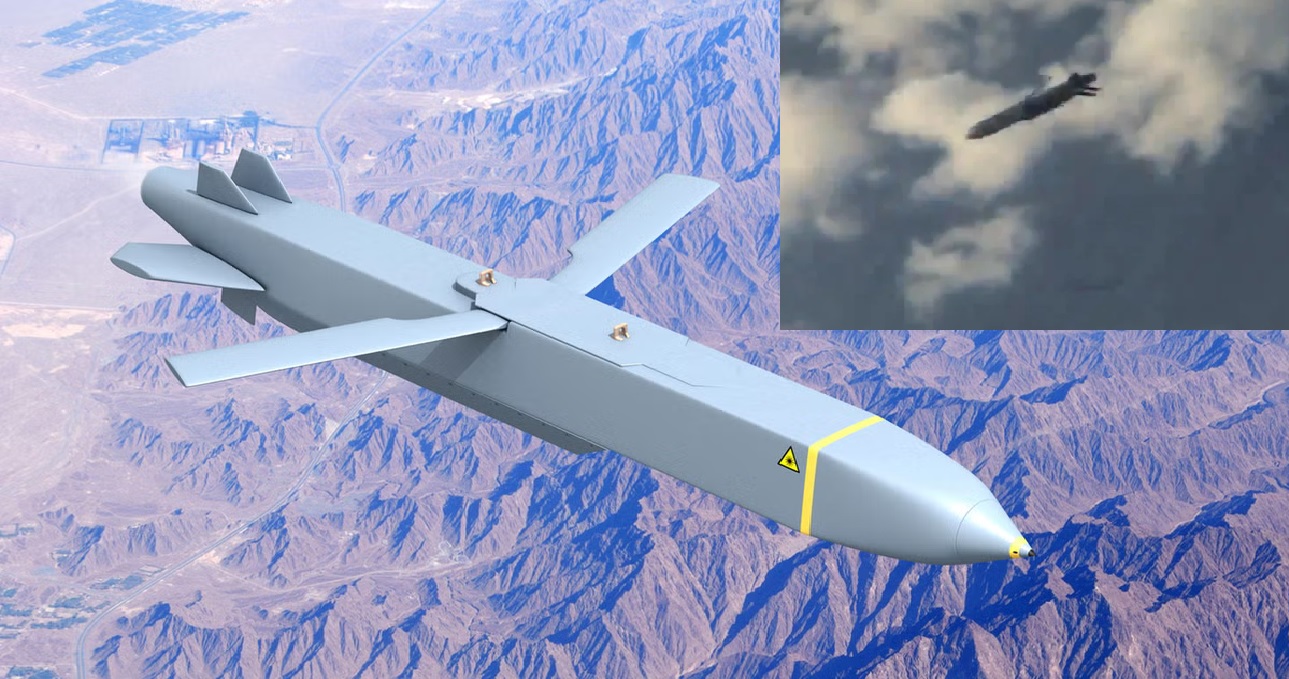
World
Ukraine has reportedly taken a bold step by deploying UK-supplied Storm Shadow missiles to strike targets deep within Russian territory. This marks a significant escalation in the conflict, underpinned by Kyiv’s growing confidence in leveraging advanced Western-supplied weaponry to counter Russian aggression. The strikes, allegedly targeting Russia’s Kursk region, have drawn attention worldwide, both for their strategic implications and the risks of further escalation.Unveiling the Storm Shadow Missile StrikesThe Storm Shadow missile, a product of UK-France collaboration, is an advanced long-range cruise missile renowned for its precision. With a range of approximately 250 kilometers (155 miles), it is designed to penetrate heavily fortified targets such as bunkers and ammunition depots. Launched from aircraft, the missile’s low flight trajectory evades radar detection, delivering a high-explosive payload with devastating accuracy. Previously used in conflicts in Iraq, Libya, and the Gulf, this $1 million weapon is prized for its effectiveness in neutralizing hardened enemy infrastructure.In a reported attack, up to 12 Storm Shadow missiles were launched, with fragments identified near the village of Marino in Russia’s Kursk region. While Ukrainian officials have neither confirmed nor denied these strikes, Defense Minister Rustem Umerov hinted at Ukraine’s capacity to respond decisively. Western intelligence corroborates the missile fragments’ origins, adding credibility to these claims.Strategic Context: A Shift in Battlefield DynamicsThe deployment of Storm Shadow missiles on Russian soil underscores a significant shift in Ukraine’s military strategy. Until now, Ukraine had limited its use of these long-range missiles to within its borders. The recent U.S. approval of ATACMS missile strikes against Russian targets appears to have paved the way for Kyiv to expand its operational theater.Experts suggest the use of these advanced missiles is not merely tactical but also psychological. Deborah Haynes, Sky News’ defense editor, emphasizes the potential disruption to Russian logistics and morale. While Ukraine’s Storm Shadow stockpile is limited, each strike sends a strong message about Kyiv’s growing military prowess and willingness to target Russian infrastructure.Western Reactions and ImplicationsWestern allies have cautiously supported Ukraine’s actions while refraining from direct confirmation of the missile strikes. UK Defense Secretary John Healey remarked that “Ukraine’s actions on the battlefield speak for themselves,” while U.S. officials have declined to elaborate on their role in guiding such operations. This cautious stance reflects concerns about escalating tensions with Moscow, which has already branded the use of Western-supplied long-range missiles as a provocation.Risks and Escalation ConcernsThe strikes have not gone unnoticed in Moscow. Russian President Vladimir Putin has reportedly adjusted the nation’s nuclear policy in response to these developments, potentially lowering the threshold for deploying nuclear weapons. Analysts warn that such escalations could prolong the conflict, which has already inflicted immense human and economic tolls.Matthew Savill, a military expert at the Royal United Services Institute (RUSI), notes that while the Storm Shadow’s impact is primarily psychological, it may provoke stronger Russian retaliation, potentially escalating the war further. The international community remains on edge, weighing the benefits of supporting Ukraine’s counteroffensive against the risks of triggering a broader conflict.Conclusion: A High-Stakes GambleUkraine’s decision to use Storm Shadow missiles on Russian soil is a calculated risk aimed at showcasing its resilience and leveraging its advanced capabilities. While the strikes highlight Kyiv’s determination to challenge Moscow’s dominance, their strategic impact may be limited due to the missiles’ high cost and Ukraine’s finite stockpile. However, the broader implications for the conflict’s trajectory are significant, as both sides brace for what could be a protracted and intensified battle. Western allies face a delicate balancing act, supporting Ukraine’s sovereignty while mitigating the risks of an uncontrollable escalation. As Kyiv continues to push the boundaries of its military strategy, the world watches closely, aware that each strike could redefine the conflict’s future.
Read More → Posted on 2024-11-21 16:23:14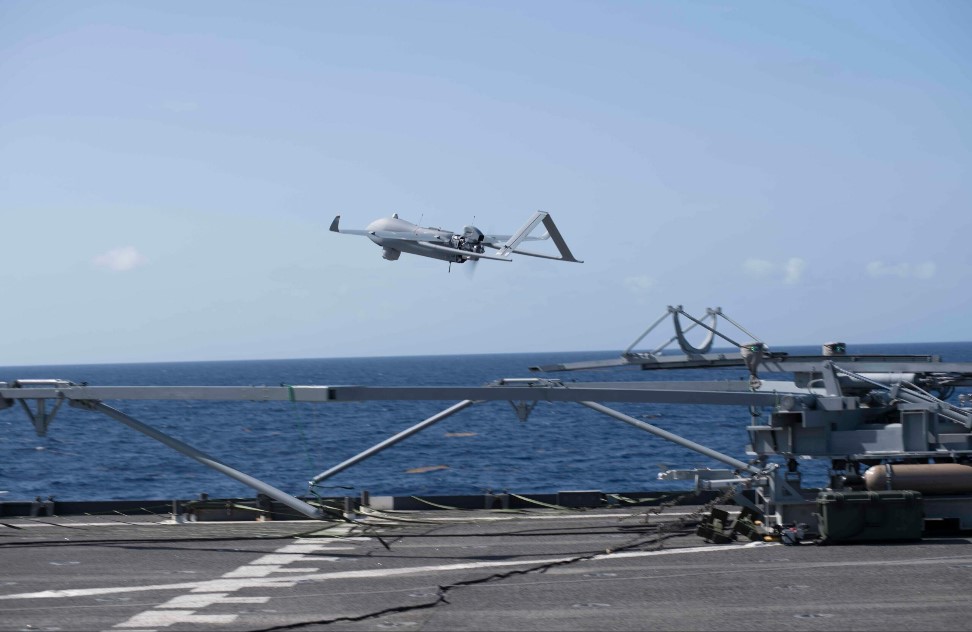
Textron Secures $64 Million Deal to Deliver Drone-Based ISR Support for US Navy’s 5th and 6th Fleets
World
Textron Systems has been awarded a $64 million contract by the US Navy to provide cutting-edge drone-enabled intelligence, surveillance, and reconnaissance (ISR) support for ships in the Navy’s 5th and 6th Fleets. This move highlights the growing reliance on unmanned aerial systems (UAS) to enhance maritime operational capabilities.The contracts adopt a contractor-owned, contractor-operated (COCO) model, where Textron Systems will deploy its Aerosonde small expeditionary UAS and provide trained personnel to support maritime ISR tasks. This arrangement allows the Navy to focus on its mission while Textron manages the system's full lifecycle, including operations, maintenance, and technology integration.Expanding ISR Coverage for Navy FleetsThe bulk of the $64 million funding—$47 million—will go toward supporting three littoral combat ships (LCS) operating in the 5th Fleet, which oversees key maritime zones including the Red Sea, Arabian Sea, Persian Gulf, and parts of the Indian Ocean. The remaining funds will support ISR capabilities for a single vessel in the 6th Fleet, responsible for operations in the Mediterranean Sea.This initiative expands Textron's ISR coverage for the Navy to a total of 11 ships, spanning a range of vessels such as LCS, Expeditionary Sea Base ships, and Arleigh Burke-class destroyers. The integration of the Aerosonde UAS offers the Navy enhanced operational flexibility, particularly for missions requiring extended situational awareness in complex maritime environments.Textron’s Aerosonde: A Versatile UAS SolutionThe Aerosonde UAS, a centerpiece of this contract, is designed for versatility and endurance, making it a valuable asset for ISR operations. It is available in four configurations tailored to meet specific mission requirements. The drone's specifications are as follows: Wingspan: Up to 14 feet (4 meters) Payload Capacity: Up to 50 pounds (23 kilograms) Operational Range: 75 nautical miles (86 miles/139 kilometers) Maximum Altitude: 18,200 feet (5,547 meters) Top Speed: 65 knots (75 miles/120 kilometers per hour) Flight Endurance: Approximately 20 hours Equipped with advanced mission payloads, the Aerosonde can perform a variety of ISR tasks, including real-time reconnaissance, surveillance of maritime routes, and intelligence gathering in high-stakes operational zones. Its compact size and adaptability make it suitable for deployment on ships with limited space and resources.A Strategic PartnershipDavid Phillips, Senior Vice President of Air, Land, and Sea Systems at Textron, emphasized the benefits of the COCO model, stating, “The flexibility in a COCO mission allows the Navy to extend their capabilities while we as the contractor manage the full life cycle of the system, ultimately resulting in greater efficiency and reliability.”Textron's extensive experience with COCO operations has proven invaluable, as the company has provided ISR services using the Aerosonde UAS for over a decade. By shouldering responsibilities such as spares, repairs, and human factors integration, Textron enables the Navy to concentrate on mission-critical tasks without being burdened by the logistical complexities of UAS management.Enhancing Naval Operations with TechnologyThis partnership underscores the increasing importance of unmanned systems in modern naval warfare. The Aerosonde UAS not only enhances situational awareness but also supports a range of missions from surveillance to disaster response, making it a vital tool for the Navy’s operational objectives in strategic maritime regions. The Textron-Navy collaboration signifies a step forward in leveraging technology for maritime security, ensuring that the 5th and 6th Fleets remain equipped to handle evolving challenges across their respective theaters of operation.
Read More → Posted on 2024-11-21 16:18:24
World
In a chilling turn of events in the ongoing conflict, Russia launched an intercontinental ballistic missile (ICBM) during a morning assault on Ukraine on Thursday. According to Ukraine's air force, the missile was fired from Russia’s southern Astrakhan region and targeted critical infrastructure in the central-eastern city of Dnipro. This marked the first recorded use of such a powerful, long-range weapon in the 33-month war, underscoring a sharp escalation in hostilities.The missile strike followed Ukraine’s use of U.S.- and British-supplied missiles to attack targets inside Russia earlier this week—a move that Moscow had repeatedly warned would provoke a severe response. While the full extent of the damage from the ICBM attack remains unclear, the targeting of enterprises and essential facilities in Dnipro signifies an intensifying strategy in the conflict.The Significance of the ICBM UseIntercontinental ballistic missiles are typically designed for long-range attacks and have the capacity to carry both nuclear and conventional warheads. Their range spans thousands of kilometers, making them a weapon of strategic significance in warfare. The specific type of ICBM used in this attack has not been disclosed, but its deployment signals a stark message: the conflict has reached a new phase of military brinkmanship.While ICBMs are traditionally associated with nuclear deterrence, their use with conventional warheads can cause devastating destruction over vast areas. Their deployment in a conventional attack could indicate Russia's readiness to leverage its most advanced military technologies to assert dominance in the region.Ukraine’s Air Defenses in ActionDespite the unprecedented nature of the ICBM strike, Ukraine’s air defense systems successfully intercepted six Kh-101 cruise missiles that were part of the same offensive. These cruise missiles, known for their precision and range, have been a recurring element of Russia’s strategy in Ukraine. The interception of these missiles highlights the resilience and capability of Ukraine’s air defense, which continues to adapt to evolving threats with the support of Western-supplied systems.Rising Stakes in the ConflictThe timing of Russia’s ICBM launch is significant. It came shortly after Ukraine demonstrated its ability to strike deep into Russian territory using advanced Western weaponry. The attacks inside Russia, which Kyiv has neither confirmed nor denied, targeted critical infrastructure and underscored Ukraine's growing military capabilities. Moscow has consistently framed such actions as a red line, and the ICBM launch appears to be its response to what it perceives as provocative escalations.This latest development raises concerns about the potential for further escalation, including the risk of the conflict spilling over into neighboring regions. The use of an ICBM, even without a nuclear payload, is a stark reminder of the high stakes involved and the devastating power of the weapons at both sides' disposal.A Critical JunctureAs the war grinds into its third year, the use of such strategic weaponry may reshape international perceptions of the conflict. It underscores the urgency for diplomatic efforts to de-escalate tensions before the war spirals further into uncharted territory. For Ukraine, the ability to defend against these new threats will hinge on continued support from Western allies, while for Russia, the ICBM launch serves as both a warning and a signal of its resolve. The situation remains fluid, with global powers closely monitoring these developments as the conflict edges closer to a dangerous tipping point.
Read More → Posted on 2024-11-21 15:47:24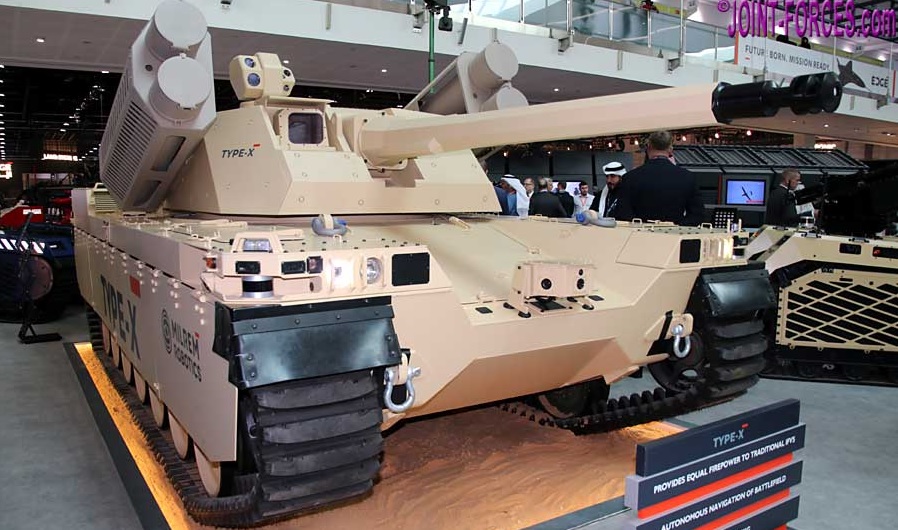
World
In a groundbreaking move for the future of autonomous military systems, Milrem Robotics, a global leader in unmanned ground vehicles (UGVs), has partnered with French mobility solutions expert Texelis to develop the next generation of robotic combat vehicles (RCVs). This collaboration, which centers on integrating advanced mobility systems into modular platforms, promises to redefine the standards for robotic combat vehicles in modern warfare.Advanced Mobility for Unparalleled Battlefield Performance At the heart of this partnership is Texelis’ Tank Electrified Drivetrain, a state-of-the-art mobility subsystem tailored specifically for the demands of tracked vehicles. This drivetrain will empower robotic platforms weighing over 12 tons, ensuring exceptional performance in even the most challenging environments.The drivetrain boasts features such as superior durability, enhanced endurance, and the ability to traverse complex terrains, making it a game-changer for future battlefield scenarios. By leveraging Texelis' decades of expertise in high-performance mobility systems for armored platforms, Milrem’s RCVs are set to deliver unmatched operational flexibility and reliability.A Union of Robotics and Mobility ExpertiseMilrem Robotics is renowned for its pioneering UGVs like the THeMIS and Type-X RCVs, which have already set benchmarks in autonomous defense technology. Texelis, on the other hand, is celebrated for its innovative drivetrain systems, including those used in the French Army's Serval 4×4 vehicles.Kuldar Väärsi, CEO of Milrem Robotics, underscored the significance of the collaboration:“Selecting Texelis as our strategic supplier of mobility subsystems is a crucial step in developing our next-generation robotic combat vehicles. Their proven expertise will ensure our platforms can traverse the most complex terrains while reinforcing our cooperation with the French defense industry.”Jean Vandel, CEO of Texelis, echoed this sentiment, emphasizing the partnership’s potential:“Working with Milrem Robotics, the world leader in robotics and autonomous solutions, is a fantastic opportunity for Texelis. Together, we’re pushing the boundaries of what’s possible in mobility and autonomous defense systems.”Driving Innovation and European Defence CooperationThis collaboration not only advances the capabilities of robotic combat vehicles but also strengthens European defense industrial cooperation. Milrem and Texelis’ joint efforts align with key objectives such as achieving autonomy in critical technologies and bolstering regional security.The partnership will likely see the integration of innovative features like advanced sensor suites, modular payload systems, and autonomous navigation technologies, ensuring these platforms remain at the forefront of military innovation. Milrem’s previous contributions to the European Defence Industrial Development Programme (EDIDP) project, iMUGS, demonstrate its commitment to fostering cutting-edge solutions.Paving the Way for Next-Gen RCVsThe development of these advanced RCVs comes at a time when modern militaries are increasingly relying on unmanned systems for high-risk operations. By combining Milrem’s robotics expertise with Texelis’ proven mobility systems, the next generation of robotic combat vehicles will offer unparalleled agility, survivability, and adaptability in dynamic combat environments.This partnership is a testament to the potential of cross-border collaboration in advancing defense technology. As these systems evolve, they are set to play a pivotal role in reshaping the landscape of modern warfare, providing enhanced capabilities to armed forces worldwide.A Vision for the FutureMilrem Robotics and Texelis are not just building robotic combat vehicles; they are crafting the future of defense technology. With groundbreaking innovations like the Tank Electrified Drivetrain and a shared vision of excellence, the partnership sets a new standard for robotic and autonomous military solutions, promising a safer and more efficient battlefield of tomorrow.
Read More → Posted on 2024-11-21 15:43:24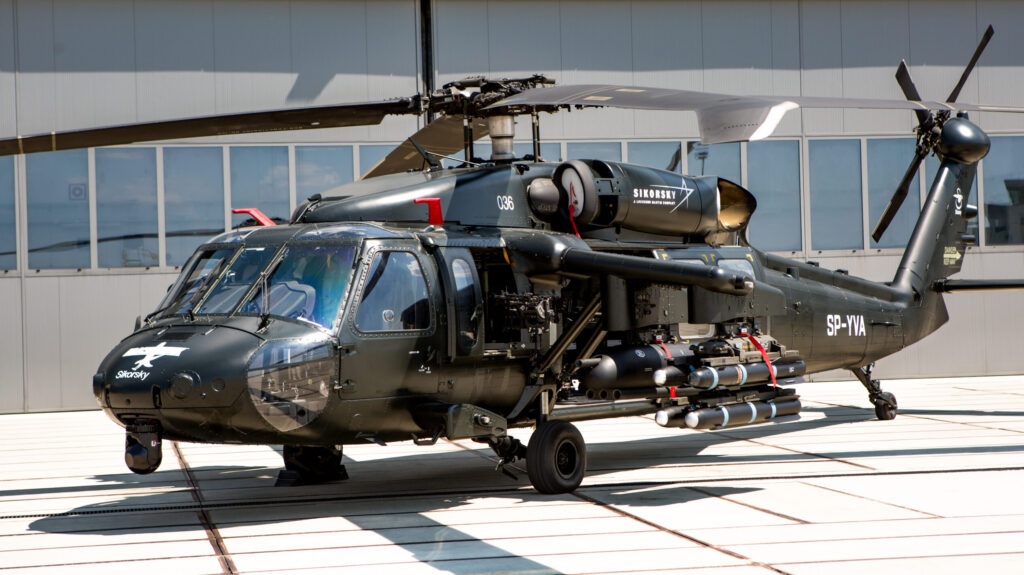
World
Poland has officially welcomed the final two S-70i Black Hawk helicopters from Lockheed Martin, marking the completion of a 2021 contract for four advanced medium-utility aircraft. The delivery, led by Lockheed Martin’s Polish subsidiary PZL Mielec, bolsters Poland’s air mobility and operational readiness. With these additions, Poland now operates a total of eight S-70i helicopters, a critical asset for both military and emergency response missions.The S-70i helicopters are based on the UH-60M Black Hawk, a renowned platform developed for the U.S. Army. The design has proven versatile and reliable in diverse scenarios, including combat, logistics, and disaster relief. Notably, the initial S-70i units delivered to Poland demonstrated their capabilities during a swift response to floods in the country’s southern regions.Expanding the FleetThe Polish Ministry of Defense has shown significant interest in further expanding its S-70i fleet, following the proven success of the helicopters in operational roles. In addition to the four units ordered in 2021, Poland procured four earlier S-70i models in 2019 for its Special Forces, which have since become integral to the country’s defense capabilities.The S-70i’s delivery represents a key milestone in the ongoing partnership between Lockheed Martin and the Polish Armed Forces. Janusz Zakręcki, President and General Director of PZL Mielec, emphasized the importance of this collaboration, stating: “This delivery of the last two contracted Black Hawk helicopters brings the Polish Armed Force’s fleet to eight aircraft, which will significantly enhance their operational capabilities and increase the country’s security.” Specifications of the S-70i Black HawkThe S-70i is a versatile and robust helicopter, known for its adaptability to various missions. It offers impressive performance metrics, including: Capacity: Accommodates up to 12 passengers or roughly 9,000 pounds (4,082 kilograms) of cargo. Engine Power: Equipped with twin General Electric T700 turboshaft engines, each generating 1,940 horsepower. Performance: Achieves a maximum speed of 195 knots (224 miles/361 kilometers per hour) and a service ceiling of 20,000 feet (6,096 meters). Range: Covers distances up to 290 miles (467 kilometers). Dimensions: Features a rotor diameter of 54 feet (16 meters) and an overall airframe length of 64 feet (20 meters). These specifications make the S-70i suitable for demanding operations, from troop transport to disaster relief. Its reliability and performance have established it as a trusted asset in the military fleets of 10 nations, including the United States and Ukraine.Future ProspectsThe addition of these helicopters is part of Poland’s broader effort to modernize its military capabilities amid rising regional security concerns. Negotiations are reportedly underway for acquiring additional units to further enhance the country’s air mobility and combat readiness. With its advanced engineering and operational flexibility, the S-70i continues to play a pivotal role in strengthening Poland’s defense infrastructure while reinforcing its strategic ties with Lockheed Martin.
Read More → Posted on 2024-11-21 15:30:45
World
Finland’s burgeoning space technology sector is taking center stage in a critical defense initiative as ICEYE, a leading Finnish space technology company, spearheads a consortium to develop advanced space and intelligence solutions. This ambitious project is part of Finland's Industrial Participation Program tied to the acquisition of F-35 fighter jets, marking a strategic leap in integrating space technologies with defense operations.At its core, the initiative is designed to bolster Finland’s Intelligence, Surveillance, and Reconnaissance (ISR) capabilities, leveraging cutting-edge innovations to address the unique challenges posed by Arctic and Nordic environments. With Finland’s geography demanding unparalleled situational awareness, this program exemplifies the nation’s commitment to adopting dual-use technologies that serve both civilian and military domains.Building a Strong Consortium for Advanced SolutionsThe consortium includes key Finnish organizations—ICEYE, Insta, Huld, DA-Group, and the Finnish Meteorological Institute (FMI)—working alongside global defense giant Lockheed Martin. Each partner brings specialized expertise to create a synergy of capabilities that aim to redefine ISR for modern defense requirements.ICEYE: Known for its advanced Synthetic Aperture Radar (SAR) satellite technology, ICEYE will provide high-performance imaging solutions capable of delivering precise data regardless of weather conditions or visibility. These SAR systems are designed to support rapid decision-making across land, sea, and air domains.Insta: A leader in Command and Control (C2) systems, Insta will focus on enhancing multi-domain situational awareness. Their innovations aim to deliver real-time intelligence that is critical for operational success in dynamic scenarios.Huld: Renowned for its expertise in space systems and defense technologies, Huld will contribute to improving the digital architecture and design of ISR systems. Their work ensures these technologies remain adaptable and future-proof.DA-Group: This specialist in advanced security systems will integrate innovative hardware and software solutions to support secure communications and data handling. Their role ensures the integrity and reliability of critical ISR data.FMI (Finnish Meteorological Institute): Leveraging its role as Finland’s premier provider of satellite data, FMI will offer advanced environmental intelligence to enhance operational planning, particularly in harsh Arctic conditions.Lockheed Martin’s Strategic RoleLockheed Martin, a key partner in this collaboration, is introducing its Global Automated Target Recognition (GATR) system to the program. This cloud-based AI tool can analyze vast quantities of satellite imagery in near real-time, providing actionable intelligence to NATO allies and mission partners. Rod Drury, Vice President for Global Business at Lockheed Martin Space, emphasized the company’s dedication to enhancing the operational capabilities of its allies through such advanced systems.Addressing Arctic Challenges with Tailored InnovationsThe Arctic's extreme conditions pose unique challenges for ISR operations, including persistent low visibility, harsh weather, and limited infrastructure. The consortium is addressing these challenges through:AI-Powered Analytics: Algorithms designed to process large volumes of data quickly and accurately, enabling commanders to make informed decisions in real time.Mobile ISR Cells: Deployable units capable of collecting and analyzing data in remote locations, offering flexibility in complex operational environments.SAR Imaging: High-resolution, all-weather imaging that ensures consistent data acquisition, even in polar regions.Strengthening National and Allied CapabilitiesThis program not only strengthens Finland’s defense posture but also aligns with NATO’s broader strategic goals. By developing dual-use technologies, Finland enhances its position as a key contributor to regional security while fostering innovation in its burgeoning space industry.Pekka Laurila, Chief Strategy Officer and Co-founder of ICEYE, highlighted the program’s significance: “This initiative underscores Finland’s ability to provide cutting-edge technologies that enhance both national and allied defense capabilities.”A Step Toward the Future of Defense TechnologyFinland’s F-35 Industrial Participation Program demonstrates how national security can drive innovation in emerging industries. By merging space technology with advanced AI and ISR systems, the consortium is setting a new benchmark for how nations can leverage dual-use technologies for strategic advantage. This collaboration not only strengthens Finland’s defense capabilities but also positions its space technology sector as a leader in the global market.With the Arctic region becoming increasingly significant in global geopolitics, Finland's investment in these capabilities ensures that its defense forces—and its allies—are well-equipped to respond to the challenges of tomorrow.
Read More → Posted on 2024-11-20 16:01:42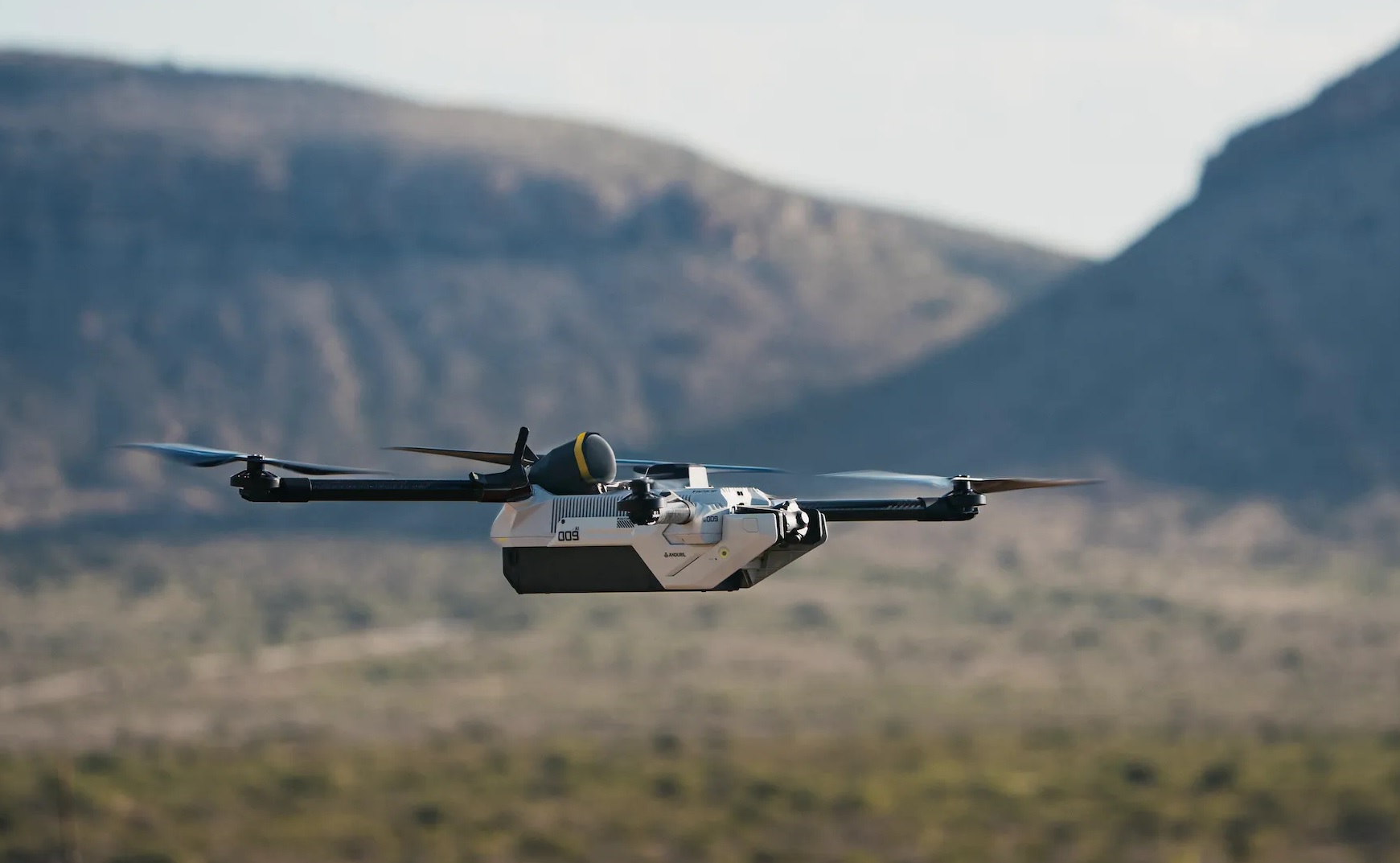
World
Anduril Industries has taken a significant leap in defense technology by securing a $200 million, five-year contract to supply the U.S. Marine Corps with advanced counter-drone systems. This partnership underscores the growing necessity for robust solutions to counter the increasing threat posed by unmanned aerial systems (UAS) on modern battlefields. The contract, awarded under the Marine Air Defense Integrated System (MADIS) program, is aimed at upgrading the Marine Corps' expeditionary counter-drone capabilities. Known as the Counter Unmanned Aerial System (CUAS) Engagement System (CES), this technology is a cornerstone of the effort to protect Marine Air Ground Task Force (MAGTF) units from evolving aerial threats. It represents not just a technological leap but also a new paradigm in modular, scalable, and rapidly adaptable air defense systems.The Technology Behind MADIS CESAt the heart of Anduril’s CES lies the Anvil, an autonomous kinetic interceptor engineered to neutralize Group 1 and Group 2 drones. These drones, often categorized as small but potentially lethal, are challenging to counter with traditional defense mechanisms. The Anvil stands out with its advanced onboard computing capabilities, precision-guided engagements, and high-speed response times. It’s designed to operate effectively even in complex and dynamic combat scenarios, where traditional defenses might falter.Complementing the Anvil is Anduril’s Lattice command-and-control operating system. This platform integrates cutting-edge sensor fusion, computer vision, and artificial intelligence (AI) to streamline decision-making. By processing vast amounts of data in real-time, Lattice provides operators with actionable insights, enabling them to respond swiftly to threats. The combination of kinetic and software-driven capabilities ensures a robust, multi-layered defense against aerial threats.A Modular, Future-Proof DesignOne of the standout features of the CES is its modular architecture. This design allows the system to accommodate future upgrades through Engineering Change Proposals (ECPs). As drone technology evolves, so too will the CES, thanks to its software-centric approach. This adaptability ensures the Marines remain at the cutting edge of air defense without needing to overhaul existing infrastructure.The CES isn’t limited to countering small drones. It’s capable of addressing a wide spectrum of aerial threats, including rotary and fixed-wing aircraft. This versatility is vital in modern warfare, where adversaries employ a mix of conventional and unconventional aerial systems.Proven Track Record and Operational ReadinessAnduril’s experience in CUAS deployments has significantly shaped the CES. The company’s Sentry Towers, deployed at Marine Corps bases across the U.S., have demonstrated remarkable effectiveness in detecting, tracking, and neutralizing small drones autonomously. These fixed-site installations provided valuable insights that were incorporated into the design of the MADIS CES.The CES is now poised to transition from testing to active deployment. Frontline Marine units will soon benefit from this state-of-the-art technology, enhancing their ability to operate in contested airspaces.Enhancing Defense Capabilities for the FutureThis contract marks a pivotal step in Anduril’s collaboration with the Marine Corps. Chris Brose, Chief Strategy Officer at Anduril Industries, emphasized the transformative potential of AI and autonomy in modern warfare. The CES, he noted, represents a scalable and effective solution to emerging threats, ensuring Marines are well-equipped for the challenges of tomorrow.Pat Morris, Anduril’s Vice President of Air Defense, echoed this sentiment, highlighting the company’s commitment to delivering mission-critical solutions. He underscored the role of the CES in building a comprehensive defense ecosystem capable of addressing both immediate and long-term threats.Towards an Integrated Defense EcosystemAs aerial threats become more sophisticated, systems like the CES are vital for ensuring the safety of personnel and assets. By enhancing situational awareness and enabling rapid response, the CES contributes to a more integrated and resilient defense network. This partnership between Anduril and the Marine Corps sets a new standard for counter-drone systems, combining innovation, adaptability, and effectiveness.In an era where drones are increasingly used for reconnaissance, attack, and disruption, the MADIS CES offers a promising solution to maintain battlefield superiority. With its modular design and cutting-edge technologies, the CES is not just a defense system—it’s a blueprint for the future of air defense.
Read More → Posted on 2024-11-20 15:40:40Search
Top Trending in 24 Hours
-
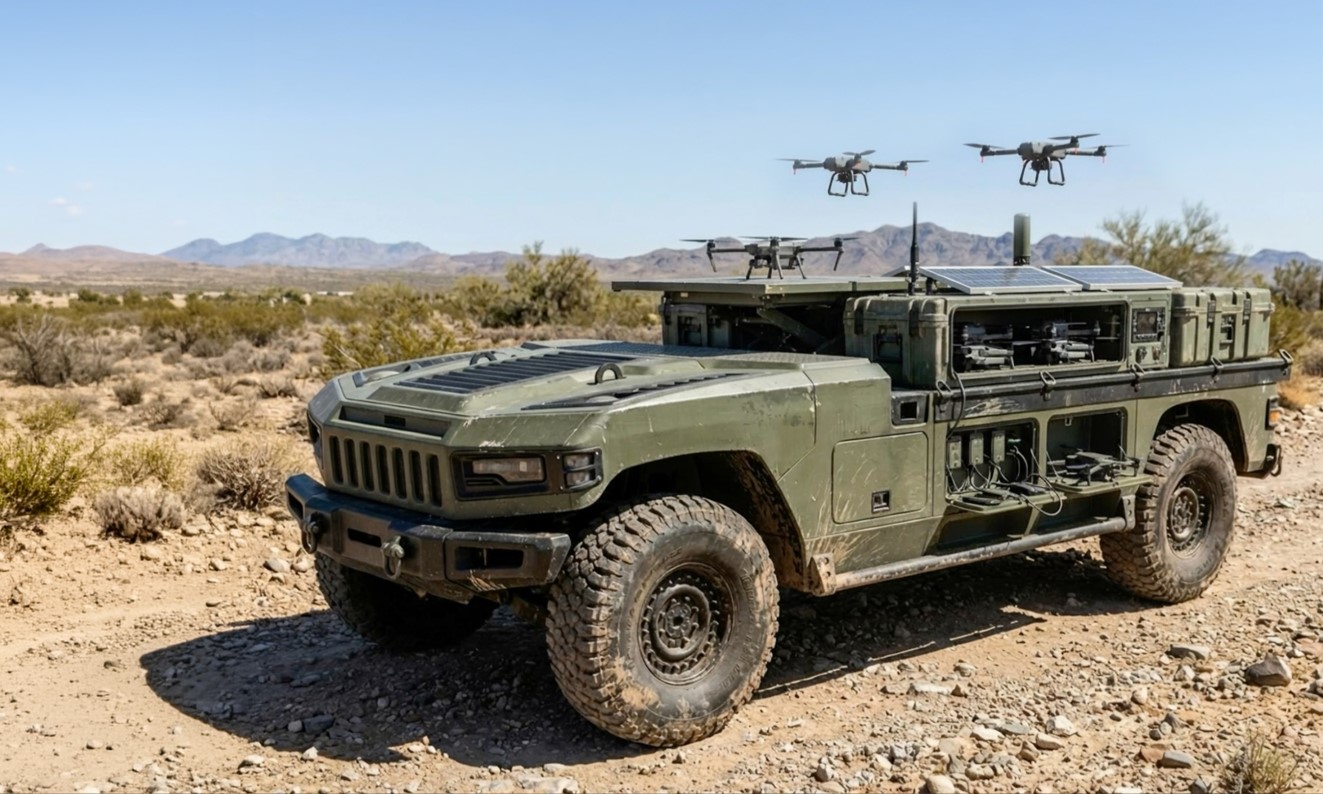 AM General Unveils Next-Generation UGV and JLTV A2 with Counter-Drone Systems at Eurosatory 2026
-
 Tulsi Gabbard Releases Declassified Files Detailing U.S.-Backed Network of 120 Biolaboratories Across 30+ Countries
-
 Pakistan Raises Defence Budget from $9 Billion to $10.8 Billion as J-35 Fighter and Hangor Submarine Programs Advance
-
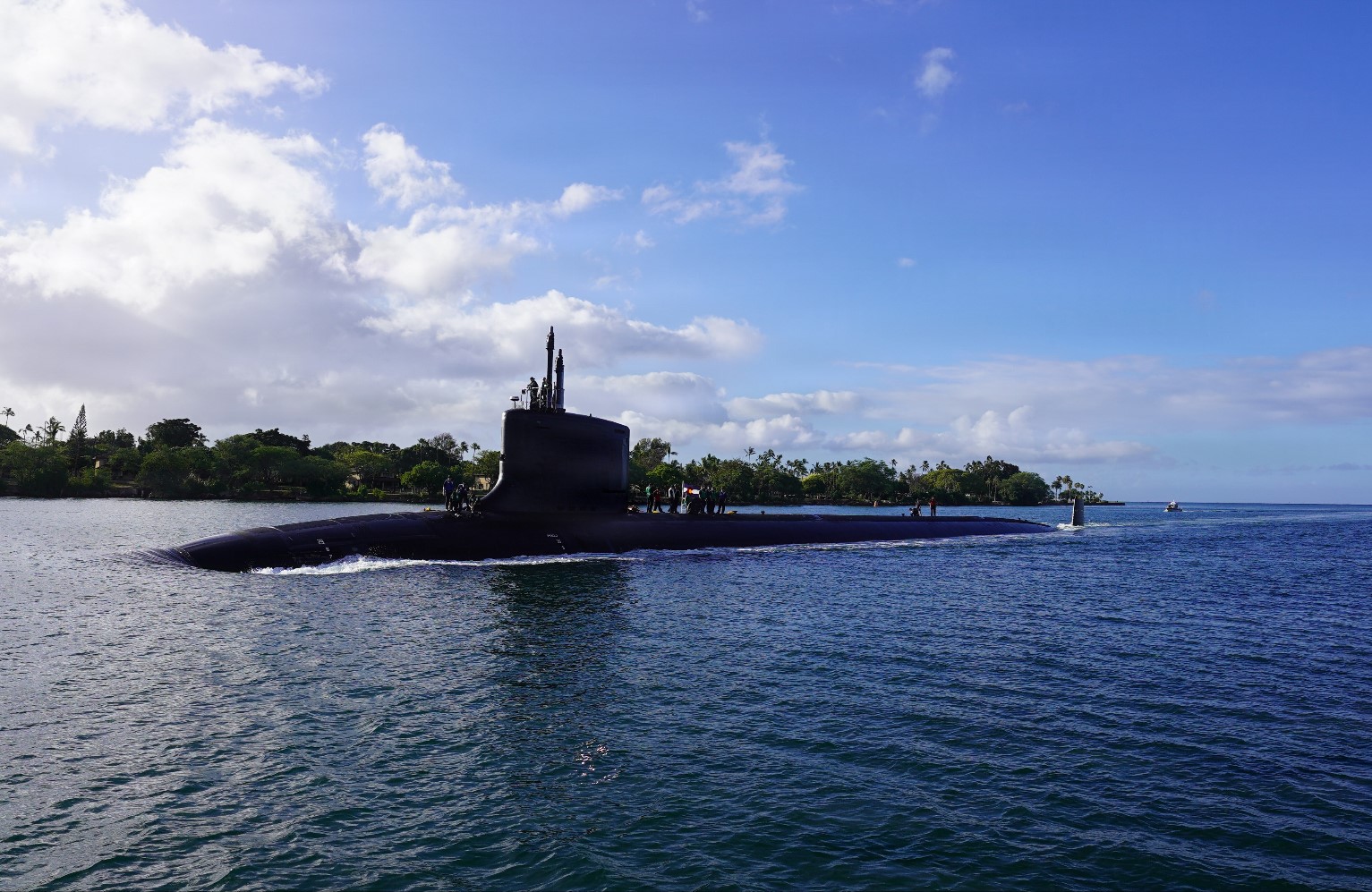 U.S. Navy's USS Colorado Submarine Returns to Pacific Fleet 29 Days Early After Major Pearl Harbor Overhaul
-
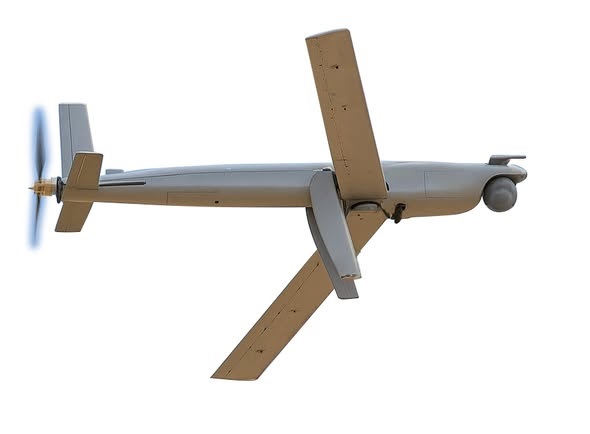 Elbit Systems and Diehl Defence Partner to Offer SkyStriker Loitering Munition to German Armed Forces
-
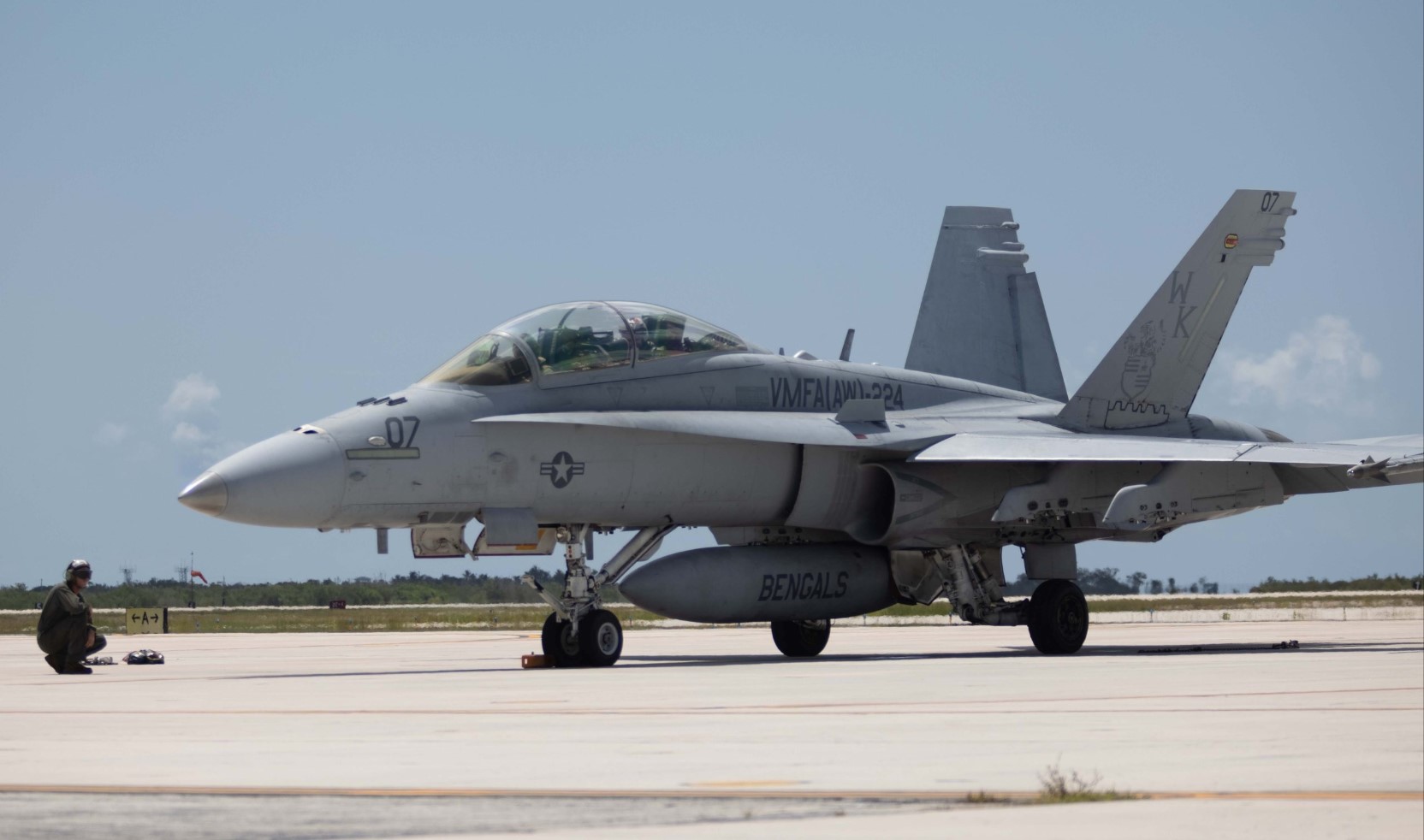 US Marine Corps F/A-18D Hornet Crashes During Training Flight in Washington Mountains; Pilot Ejects Safely
-
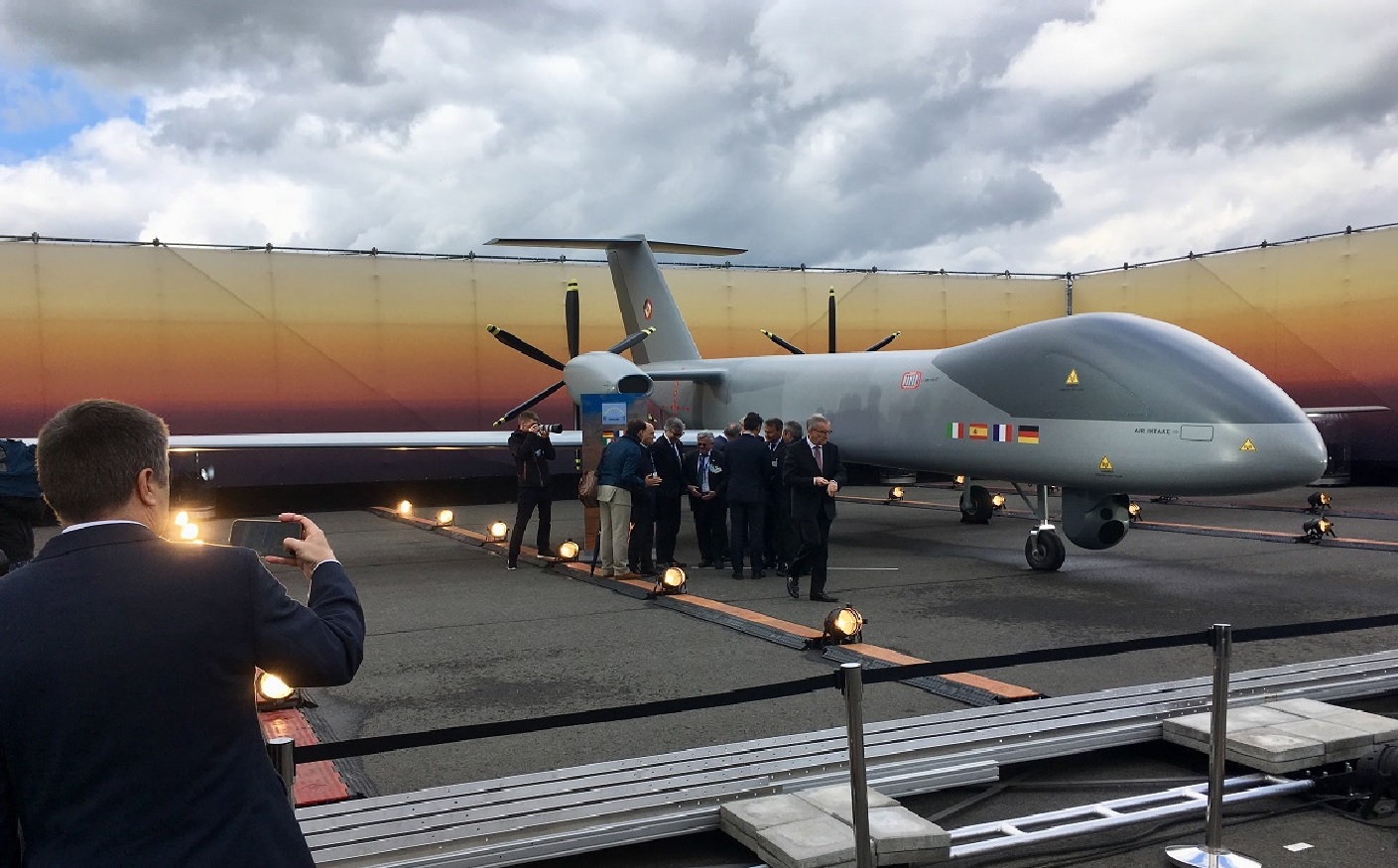 Dassault Seeks Compensation From Airbus as Eurodrone Dispute Erupts After FCAS Collapse
-
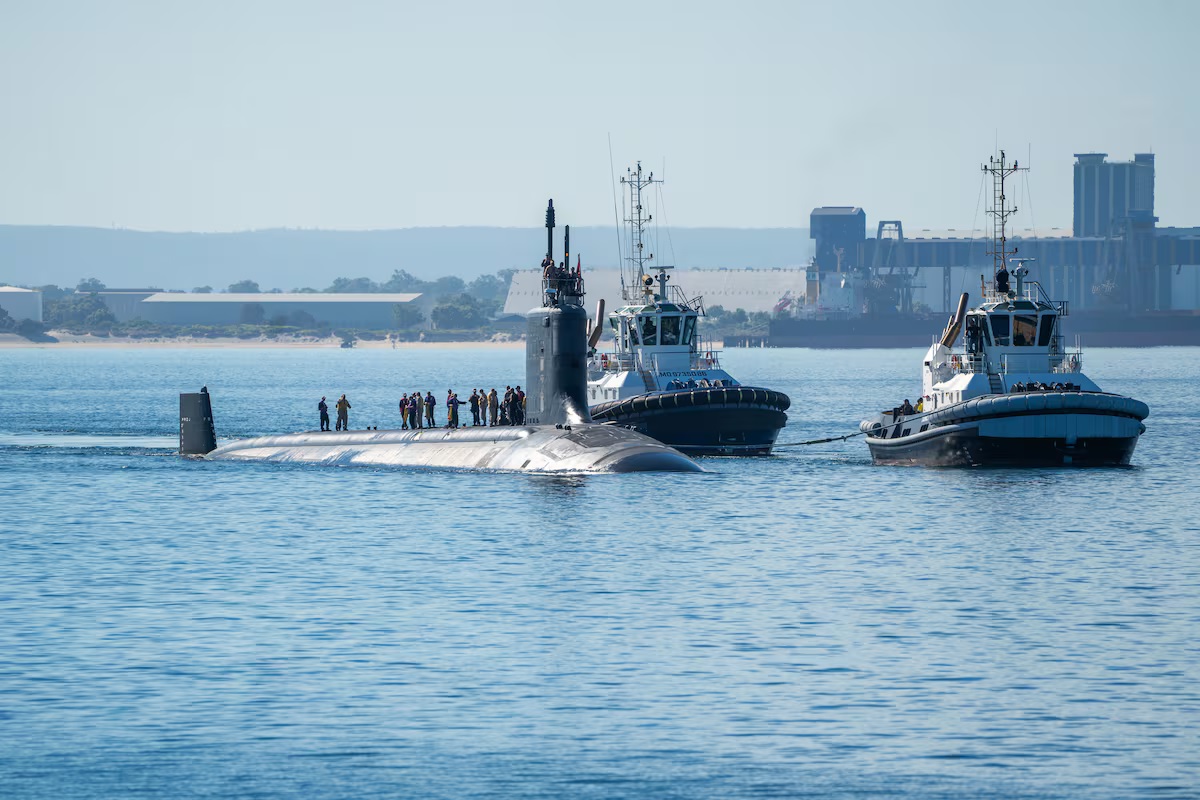 U.S. Navy Reestablishes Submarine Squadron 3 at HMAS Stirling to Support AUKUS Rotational Force
Top Trending in 4 Days
-
 Iranian Media Leaks 14-Point U.S.-Iran Peace Framework Amid Ongoing Negotiations
-
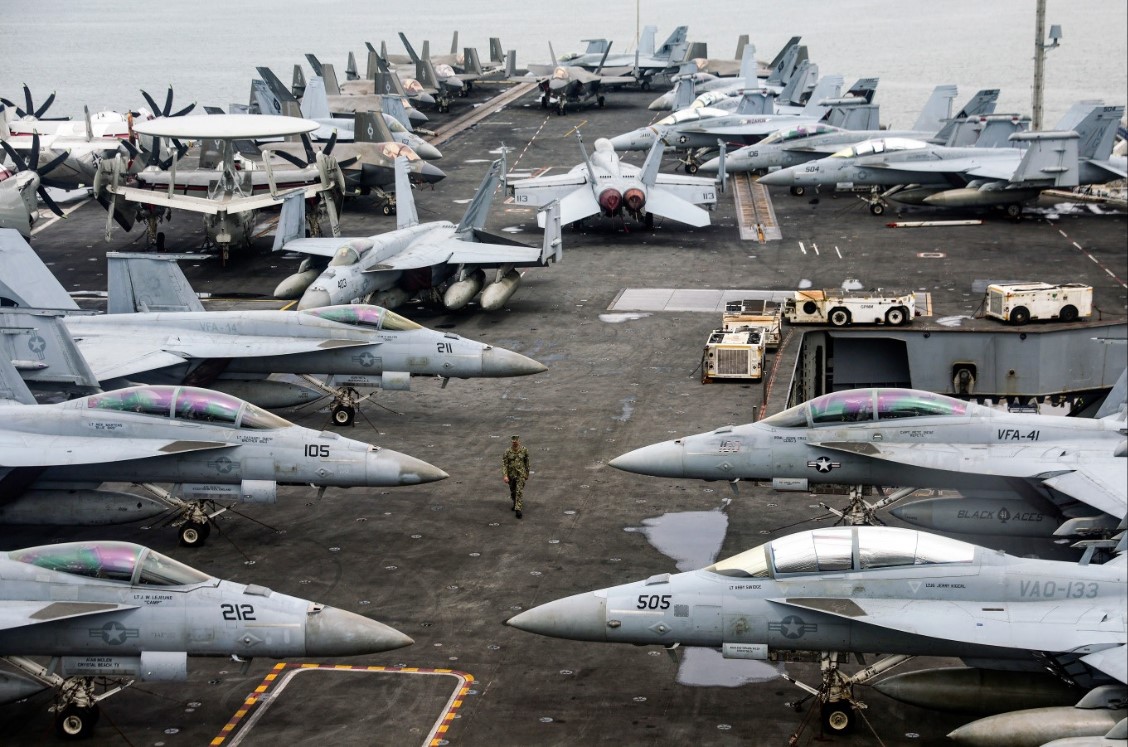 US Plans Significant Reduction of Fighter Jets and Warships for NATO Operations in Europe
-
 U.S. Air Force Faces Strategic Airlift Shortfall as C-17 Production Restart Remains Uncertain
-
 NATO Commander Says Russia Not Seeking Conflict With Alliance Despite U.S. Force Reductions
-
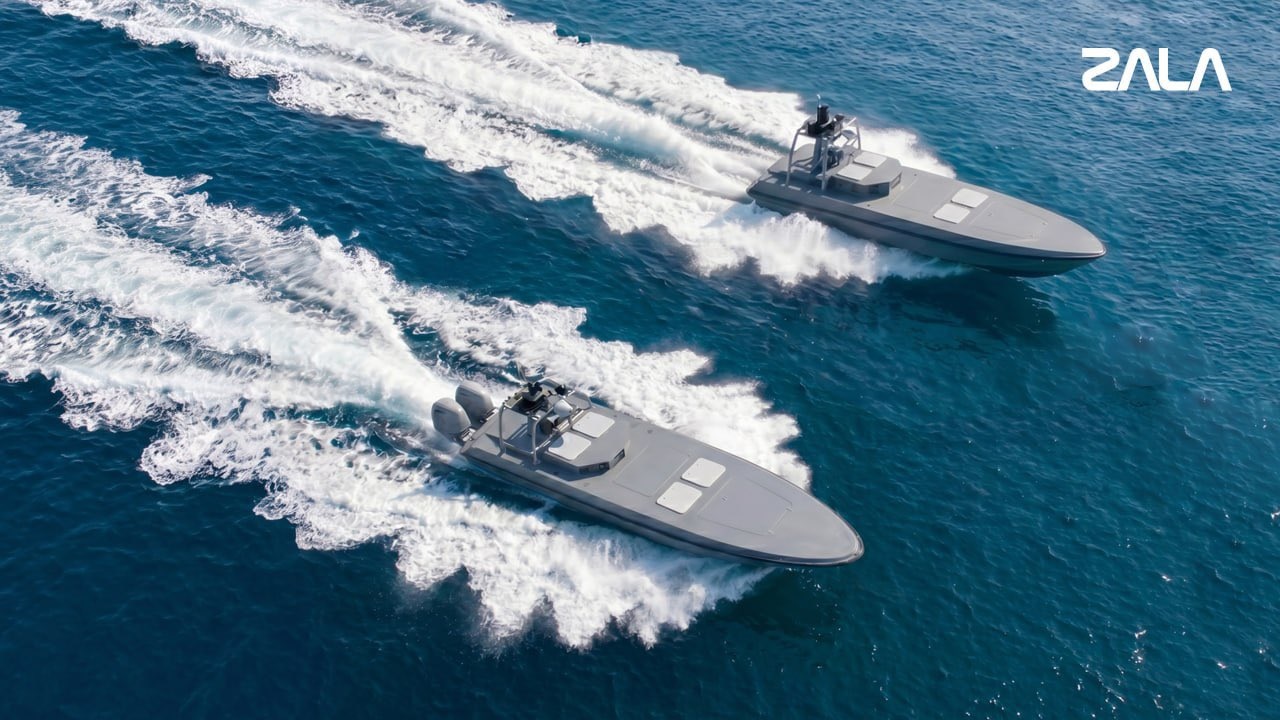 Russian Defense Firm ZALA Unveils KAMA Unmanned Surface Vessel Family at FLOT-2026 Naval Exhibition
-
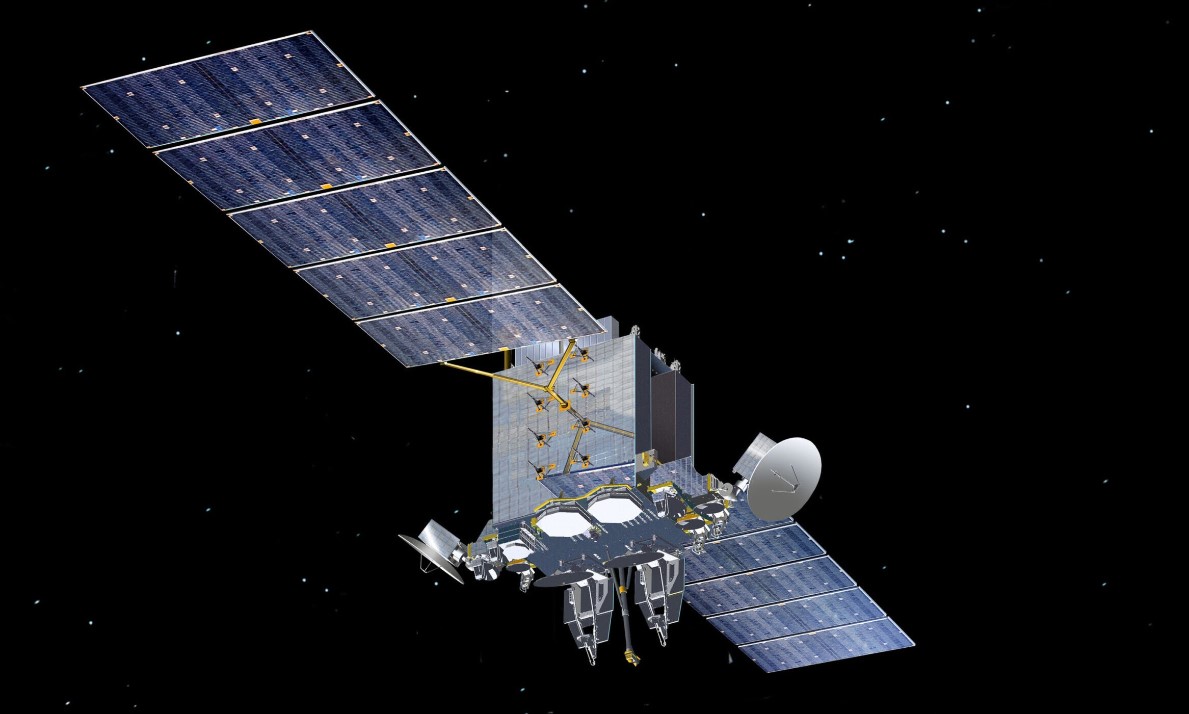 U.S. Space Force Awards $437.7 Million Contracts for First PTS-G Swarm 1 Anti-Jam Satellites
-
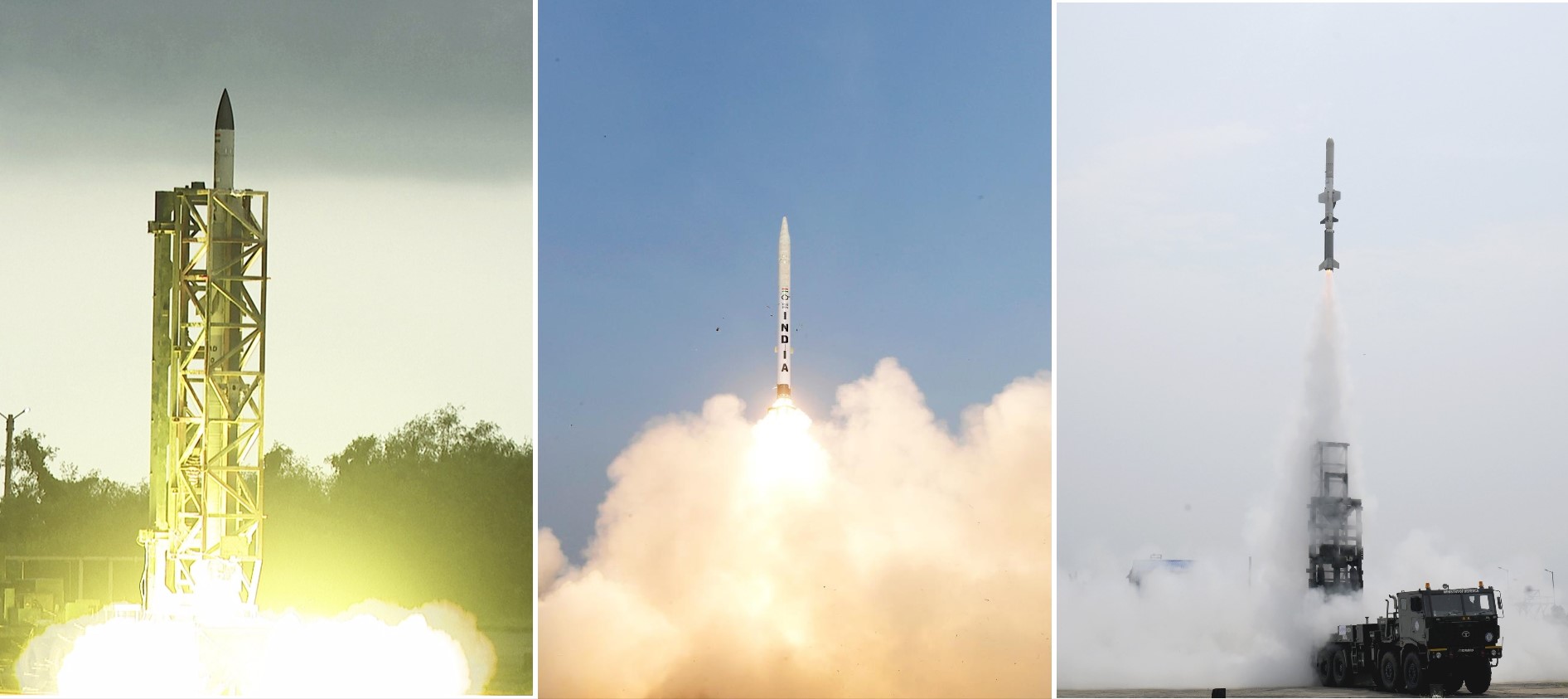 India Successfully Conducts AD-1, AD-2 Interceptor Tests and Maiden NASM-MR Flight Trial
-
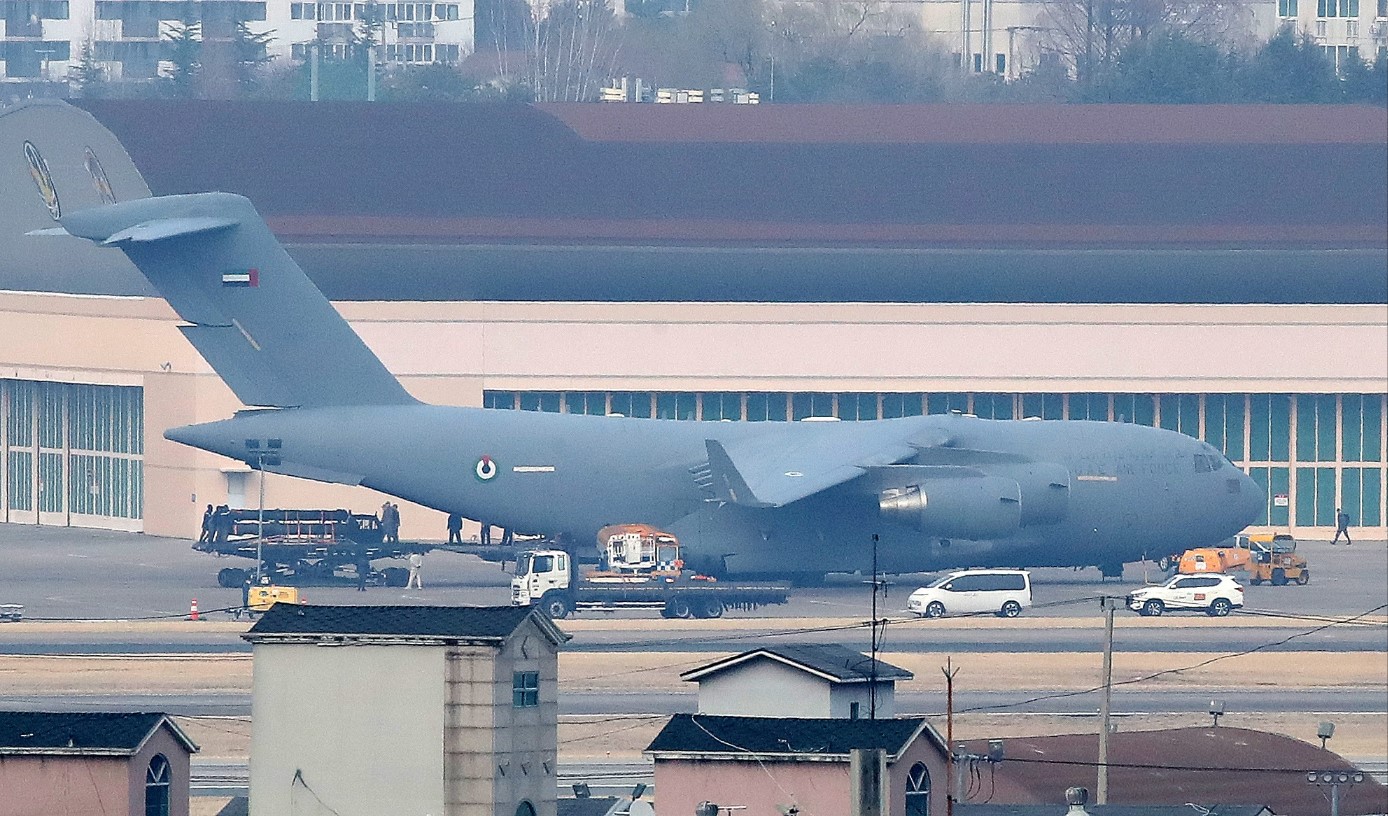 UAE Urgently Airlifts Cheongung-II Missile Defense Battery From South Korea Using Eight C-17 Aircraft