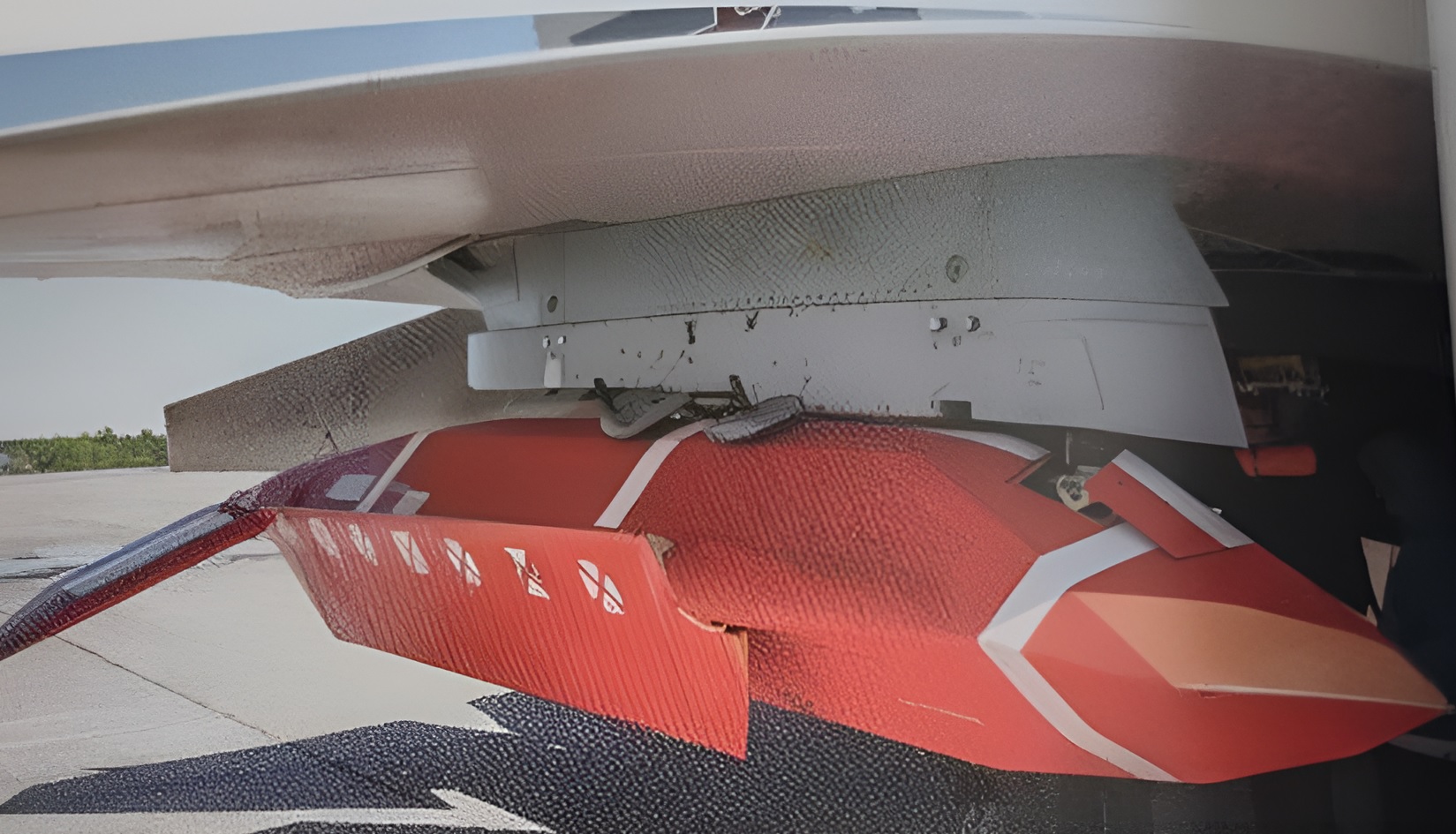
Russia has unveiled a curious new development in its aerial arsenal: a mysterious drone project under the United Aircraft Corporation, a subsidiary of Rostec. Known as the Unmanned Transport Module (UTM), this drone is engineered for air-launch from the Su-57 Felon, Russia's premier fifth-generation stealth fighter. This ambitious project hints at a future where traditional unmanned aerial vehicles (UAVs) blend with stealthy, guided missile technology—a direction that seems to answer to both the country's strategic needs and combat experiences.
This UTM project blurs the lines between what we might consider a drone and a cruise missile. The concept, sometimes referred to by media sources as the Su-71K, aims to create a highly autonomous and intelligent strike option that can adjust its own operations in real-time. According to Russian defense sources, the UTM is outfitted with advanced systems, including artificial intelligence and neural networks. These systems are meant to guide the drone’s target recognition and mission decisions, enabling it to identify and pursue moving and stationary targets under complex conditions, even in areas with strong electronic countermeasures.
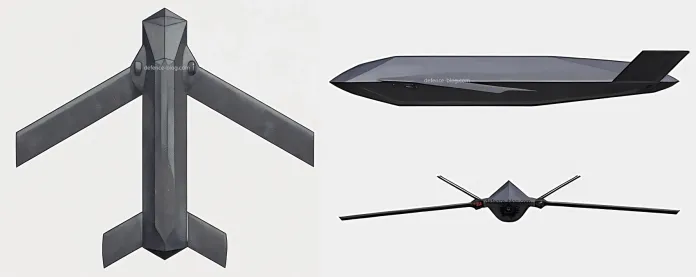
The UTM’s design, based on available images and artist renditions, shows several intriguing features. Its sleek fuselage houses a warhead along with state-of-the-art optical and navigational sensors, while its body sports a swept-wing configuration. The tail is twin-finned and all-moving, enhancing its agility in flight. Together, these design features contribute to a stealthy profile that gives the UTM the appearance of a traditional cruise missile, only reimagined for flexibility and remote or autonomous control.
Reports suggest that the drone's flight capabilities and control methods make it highly versatile. It can be directed by either the Su-57 pilot or ground-based controllers, providing a hybrid of autonomy and operator input. This arrangement allows mission re-tasking mid-flight, meaning the UTM could strike different targets based on real-time intelligence updates. This flexibility is crucial in today’s shifting battlefield, where rapid response and adaptation can determine the outcome of military operations. It also reflects a lesson Russia seems to have taken to heart following significant losses in Ukraine, where traditional aerial assets struggled to deliver strategic advantages. The UTM, therefore, appears tailored to survive and thrive in contested skies, where electronic warfare and dynamic combat situations demand resilience and rapid re-targeting capabilities.
Three prototypes of the Unmanned Transport Module have reportedly been built, with each undergoing tests at Akhtubinsk Air Base, one of Russia's premier military aviation testing grounds. These tests offer a glimpse into the drone's potential: with its stealthy design, neural-network-driven systems, and multi-layered communication channels, the UTM could be a formidable addition to Russia’s airborne strike capabilities.
——— End of Article ———