World
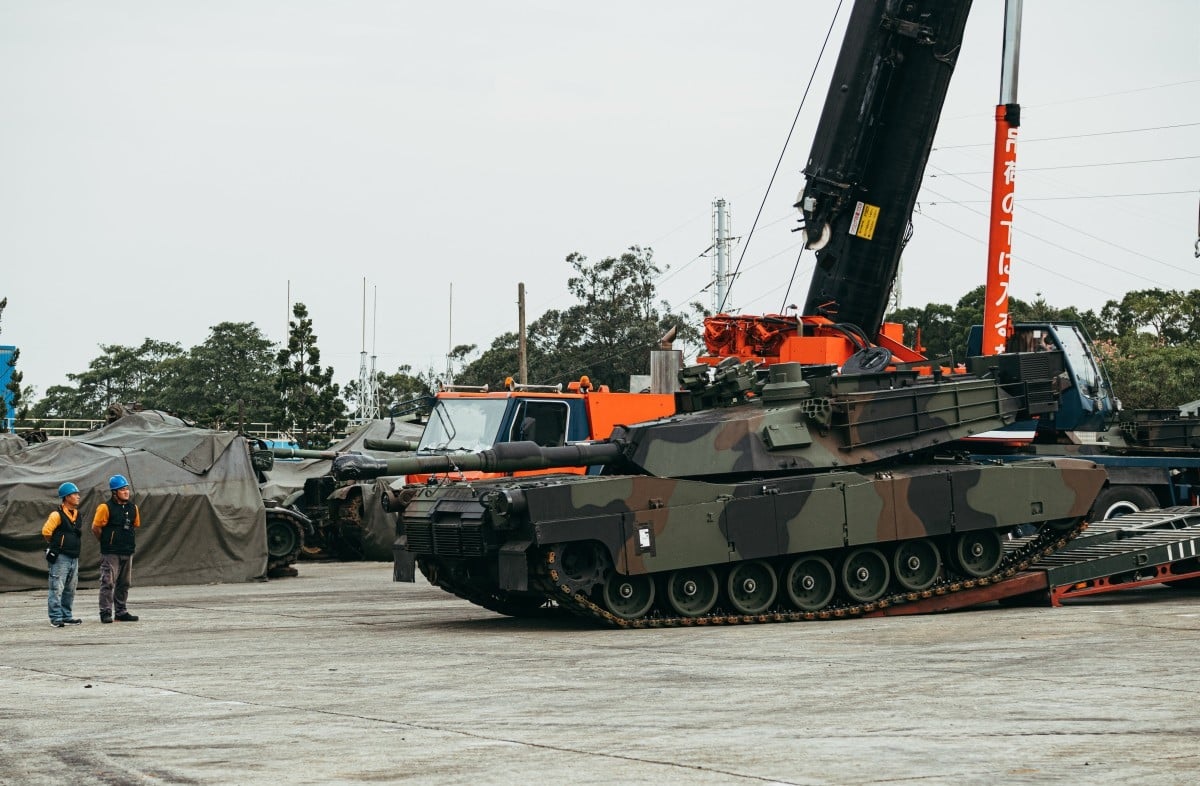
Taiwan has bolstered its defense posture with the delivery of 38 M1A2 Abrams main battle tanks, a significant milestone in its efforts to counter potential military aggression from China. This marks the first installment of the 108 tanks ordered from the United States in 2019, under a $1.2 billion deal. The delivery underscores Taiwan's strategic efforts to modernize its aging armored forces while navigating rising tensions in the Taiwan Strait. The newly arrived Abrams tanks represent the first significant upgrade to Taiwan’s armored vehicle fleet in over three decades. Until now, Taiwan’s tank inventory consisted of older-generation models, including the domestically built CM-11 Brave Tiger and the US-made M60A3. These legacy systems, while reliable, are becoming increasingly obsolete against the backdrop of China's expanding military might. Why the Abrams Tanks Matter The M1A2 Abrams is a modern battlefield powerhouse, renowned for its blend of firepower, mobility, and protection. Developed by General Dynamics, it is a staple of the US Army and one of the most advanced main battle tanks in the world. The variant delivered to Taiwan, known as the M1A2T, is customized for the island’s unique defense requirements. Key specifications of the M1A2 Abrams include: Engine: A 1,500-horsepower Honeywell AGT1500 gas turbine engine, providing impressive speed and maneuverability despite its hefty 60+ ton weight. Armor: Chobham composite armor, supplemented by depleted uranium layers, offers exceptional protection against modern anti-tank munitions. Main Armament: A 120mm M256 smoothbore cannon capable of firing a variety of advanced ammunition, including armor-piercing fin-stabilized rounds and programmable airburst rounds. Secondary Armament: Includes a 7.62mm M240 coaxial machine gun and a .50 caliber M2 machine gun for close-range threats. Advanced Electronics: Features the Fire Control System (FCS) with thermal imaging, a laser rangefinder, and advanced targeting capabilities that enable precision strikes, even on the move or in low visibility. Geopolitical Context The delivery of Abrams tanks highlights Taiwan’s growing reliance on the United States for advanced military hardware. Washington remains Taipei’s primary security partner, even as it avoids directly challenging Beijing’s claim over the self-governed island. Taiwan has ramped up its defense spending in recent years, with the 2024 budget allocating a record $19 billion—a clear response to China’s escalating military activities. This budget increase accompanies Taiwan's broader strategy of asymmetrical defense, combining high-tech imports with domestic innovations. However, the Abrams tank deal reflects broader challenges in global arms procurement. The COVID-19 pandemic disrupted supply chains, while ongoing US commitments to Ukraine and Israel have delayed deliveries of promised weaponry to Taiwan. As of 2024, this backlog has reached over $21 billion, underscoring the intense demand for US-made military equipment worldwide. Rising Threats from China China has intensified its military maneuvers near Taiwan, with frequent incursions by fighter jets and naval forces. Last week, Taiwan reported China’s largest maritime drills in years, involving around 90 vessels engaging in simulated blockades and attacks. These actions underline the persistent threat Taiwan faces, making the modernization of its military capabilities even more critical. The Abrams tanks will initially be stationed at a training base in Hsinchu, south of Taipei, before being integrated into Taiwan’s combat units. Their role will likely focus on defending critical locations and supporting Taiwan’s broader strategy of deterring Chinese aggression. Looking Ahead The rest of the Abrams order is expected to arrive by 2026, further enhancing Taiwan’s ability to defend itself in an increasingly hostile environment. While Taiwan’s numerical disadvantage against China remains stark, advanced systems like the Abrams tanks aim to level the playing field, signaling the island’s commitment to preserving its sovereignty. As Beijing continues to apply pressure through military exercises and diplomatic measures, Taiwan’s efforts to modernize its forces serve as a reminder of its resolve to stand firm against external threats. The Abrams tanks are more than just military hardware—they are a symbol of the enduring partnership between Taiwan and the United States in the face of growing geopolitical uncertainty.
Read More → Posted on 2024-12-16 14:19:59
World
Western Niger, a region already reeling under the persistent threat of jihadist violence, witnessed two devastating attacks in the communities of Libiri and Kokorou near the Burkina Faso border. These assaults, which occurred between December 12 and 14, resulted in the deaths of 39 civilians, including children, according to Niger’s defense ministry. The ministry described the attacks as “barbaric acts” perpetrated by criminals who, cornered by the ongoing operations of defense and security forces, targeted defenseless civilian populations. Libiri saw 21 lives lost, while Kokorou mourned 18 victims. Both areas lie in the volatile Tera region, which has become a frequent target of extremist groups linked to the Islamic State and Al-Qaeda. A Region Gripped by Violence The Tera borderlands, forming part of the tri-border region between Niger, Mali, and Burkina Faso, are notorious for harboring jihadist groups. These insurgents have waged a relentless campaign of violence against both military and civilian targets. Despite intensified military operations, the region continues to suffer from atrocities aimed at spreading terror and undermining governance. Just days prior to the attacks in Libiri and Kokorou, another deadly assault unfolded on December 7, when gunmen attacked a goods convoy, killing 21 civilians. Reports of an even larger attack surfaced on December 12, with claims that jihadists had killed up to 90 soldiers and over 40 civilians in Tera’s Chatoumane area. While Niger’s military junta dismissed these reports as unfounded, a Western security source estimated that up to 100 individuals might have perished in that incident. Media Crackdown Amid Unrest The fallout from these tragedies extends beyond the battlefield. Niger’s military government, which came to power following a coup in July 2023, has increasingly clamped down on international media. After the BBC and Radio France Internationale (RFI) reported the Chatoumane attack, the junta suspended BBC radio broadcasts for three months, labeling the reports as “baseless assertions” and part of a “campaign of intoxication.” This follows a broader pattern of media censorship under the junta, which has targeted several Western outlets. Humanitarian Crisis Deepens The ongoing violence in the Sahel region has exacerbated a growing humanitarian crisis. Thousands of civilians have been displaced, fleeing their homes to escape the constant threat of attacks. With limited access to basic resources and inadequate security, these communities face immense challenges in rebuilding their lives. Humanitarian organizations have repeatedly called for greater international assistance to address the needs of displaced populations and curb the spread of violence. A Call for Regional Stability The persistent instability in the Sahel underscores the urgent need for coordinated efforts to address the root causes of the insurgency. Border regions like Tera remain particularly vulnerable due to weak governance and the porous nature of national boundaries. While military operations are crucial, long-term solutions must involve development programs, education initiatives, and stronger regional cooperation. As Niger mourns the loss of 39 innocent lives in Libiri and Kokorou, the tragic events serve as a stark reminder of the human cost of the ongoing conflict in the Sahel. Without decisive action to stabilize the region, such tragedies will continue to haunt communities already pushed to the brink.
Read More → Posted on 2024-12-15 16:25:39
World
The European Hypersonic Defence Interceptor System (HYDIS) programme has marked a major achievement with the successful completion of its Solution Space Review (SSR). This milestone, celebrated through collaborative meetings in Paris from December 9 to 13, 2024, involved MBDA, the Organisation for Joint Armament Co-operation (OCCAR), and representatives from the participating nations: France, Germany, Italy, and the Netherlands. The SSR represents the culmination of the initial exploratory phase, launched after the programme contracts were signed on May 15, 2024. This phase focused on defining the scope of the threat posed by hypersonic missiles, understanding potential interception strategies, and consolidating customer requirements into a comprehensive Concept of Operations (CONOPS). The primary goal was to establish a solid foundation for designing an interceptor capable of neutralizing hypersonic threats, which travel at speeds exceeding Mach 5 while maneuvering unpredictably. Collaborative Innovation at Its Core Under the coordination of MBDA, a leading European missile manufacturer, HYDIS has drawn on the expertise of aeronautical research institutions like TNO (Netherlands), ONERA (France), and CIRA (Italy). These organizations played a pivotal role in assessing current and future hypersonic threats, identifying their characteristics, and establishing the performance benchmarks necessary for an effective defence system. The industrial consortium evaluated potential interceptor designs based on two main strategies: in-dive interception, which targets hypersonic weapons during their terminal phase, and in-glide interception, aimed at neutralizing threats during their midcourse glide phase. High-level designs incorporated cutting-edge concepts in aerodynamics, propulsion systems, guidance technology, and engagement planning. These designs underwent rigorous evaluation based on criteria such as operational performance, system resilience, ease of integration into existing defence networks, and overall affordability. The Path Forward: Advanced Technological Development With the SSR milestone complete, HYDIS is now poised to enter the next stage of its development cycle. This phase will focus on advanced technological studies to refine the most promising concepts while phasing out less viable designs. The ultimate goal is to create a robust, fully integrable hypersonic interceptor system capable of countering the sophisticated maneuvering and high-speed capabilities of emerging threats. The programme also emphasizes scalability and interoperability. HYDIS aims to integrate seamlessly into Europe’s broader missile defence architecture, complementing existing systems like NATO’s Ballistic Missile Defence (BMD). This ensures a layered defence approach, enhancing protection against a wide range of airborne threats. Funding and Strategic Implications HYDIS is co-funded by the European Defence Fund (EDF) and participating nations, underscoring its strategic importance to European security. OCCAR manages the programme through a Contribution Agreement with the European Commission, ensuring alignment with broader EU defence objectives. The development of HYDIS is not just a technological endeavour but a strategic move to bolster Europe’s defence autonomy. With hypersonic missile technology becoming a focal point of global military advancements, the ability to counter these threats is critical for maintaining strategic stability. The HYDIS programme reflects Europe’s commitment to safeguarding its territories and interests against cutting-edge adversarial technologies. A Milestone for European Defence Integration The HYDIS programme is a testament to the power of multinational cooperation. By leveraging the strengths of its industrial and research partners, Europe is taking significant strides toward developing an effective countermeasure to hypersonic threats. The completion of the SSR milestone signifies not just progress in defence technology but also a strengthening of European unity in the face of evolving global security challenges. This achievement signals a future where Europe is better equipped to protect its citizens, infrastructure, and interests against the rapid proliferation of hypersonic weapons.
Read More → Posted on 2024-12-15 16:12:07
World
In a major development for advanced combat aviation, Kratos Defense and Security Solutions has achieved the first flight of its highly anticipated stealth Uncrewed Combat Air Vehicle (UCAV), Thanatos. Although the company has not disclosed the exact date or location, the flight marks a milestone in the evolution of next-generation unmanned aerial combat systems. The prototype’s successful test validates its aerodynamic design, bringing Kratos one step closer to revolutionizing aerial warfare. The Vision Behind Thanatos The Thanatos project, publicly unveiled in 2023, has been under development since at least 2019. Derived from the Greek mythological personification of death, the UCAV is aptly named, signifying its intended role as a lethal and stealthy combat asset. Designed for high-risk missions traditionally carried out by manned aircraft, Thanatos offers a cost-effective and safer alternative by minimizing the risk to human pilots in contested airspaces. Kratos, a leading player in affordable, tactical unmanned systems, envisions the Thanatos platform as part of a broader strategic shift in modern combat. The company has been actively discussing potential contracts with undisclosed clients, though speculation strongly points to the U.S. Air Force. This aligns with the U.S. military's increasing focus on uncrewed systems to enhance operational capabilities while reducing reliance on human-operated platforms. Specifications and Design Insights While Kratos has withheld full technical details of Thanatos, available information paints a picture of a cutting-edge combat drone: Stealth Design: Thanatos employs advanced radar-absorbing materials and a low-observable airframe, making it suitable for penetrating contested environments. Modular Payload Capacity: The UCAV is expected to carry a diverse array of munitions, electronic warfare tools, and surveillance equipment, tailored to mission requirements. Autonomy and AI Integration: Leveraging state-of-the-art artificial intelligence, the drone is anticipated to operate semi-autonomously or even fully autonomously in its final iteration. AI-driven capabilities could enable dynamic mission planning, target acquisition, and real-time threat evaluation. High Speed and Agility: Thanatos is designed for superior maneuverability and supersonic speeds, a key advantage in outmaneuvering adversaries or conducting rapid strike missions. Extended Range: The drone is equipped with an efficient powertrain and fuel system, ensuring endurance for long-range operations, whether for surveillance or combat. A Future-Ready Combat Asset One of the most exciting aspects of Thanatos lies in its potential applications. Its design aims to address the challenges of modern warfare, including anti-access/area denial (A2/AD) environments, where traditional aircraft face increased risks. Thanatos could also serve as a "loyal wingman", collaborating with manned fighter jets like the F-35 to execute coordinated strikes, relay reconnaissance data, or draw enemy fire away from piloted assets. The maiden flight is only the beginning. Kratos will now focus on integrating advanced systems into the prototype, including weapons capabilities, AI modules, and secure communication networks. The company’s commitment to affordability is noteworthy, as it aligns with defense budgets that prioritize cost-effective solutions without compromising on performance. Strategic Implications Thanatos’ development reflects a broader trend within global military forces toward uncrewed systems and AI integration. By reducing human exposure to combat risks and enhancing mission flexibility, UCAVs like Thanatos are reshaping how wars will be fought in the coming decades. Moreover, Kratos’ success could position the company as a major supplier of tactical drones, rivaling established players like Boeing and Northrop Grumman. The inclusion of Thanatos in Kratos' financial reports, alongside computer-generated imagery, signals the company’s confidence in the platform’s market viability. The Road Ahead The defense industry is watching closely as Kratos moves forward with Thanatos. Further tests and refinements will provide more clarity on its operational capabilities and autonomy levels. If successful, the platform could set new benchmarks for stealth combat drones and secure a significant role in future military operations. With advanced features and a promising trajectory, Thanatos represents a bold step into the era of autonomous, next-generation warfare, reinforcing Kratos' reputation as an innovator in the defense sector.
Read More → Posted on 2024-12-15 16:02:27
World
The United States has initiated the relocation of its Marine Corps personnel from Okinawa, Japan, marking a significant milestone in its Pacific defense strategy. This move, involving the eventual redeployment of 9,000 Marines, addresses long-standing grievances from Okinawan communities over the disproportionate presence of US military forces on the island. With Okinawa hosting over 50% of the approximately 50,000 US troops stationed in Japan, the island has been a focal point for protests against noise, pollution, and incidents involving US military personnel, including high-profile cases like the 1995 assault that galvanized anti-base sentiment. The relocation begins with a small detachment of 100 logistics Marines heading to Guam, a US territory where a new base, Camp Blaz, has been under construction to accommodate the influx. This facility represents a key component of the broader plan to redistribute Marines to locations such as Guam, Hawaii, and Australia, aligning with the 2012 US-Japan agreement aimed at reducing the burden on Okinawan communities while maintaining strategic military readiness. Okinawa’s geographic position, roughly 500 miles from Taiwan, has made it a vital location for monitoring tensions in the region, particularly as the US and its allies respond to China's assertive claims over Taiwan. The repositioning of forces is seen as a step to strengthen the US presence across the Indo-Pacific while addressing local opposition in Japan. Guam’s infrastructure development has been a critical factor in this transition, with the base expected to be operational in 2024, although reports suggest some delays in its full readiness. The strategic implications of this move are significant. By dispersing its forces across multiple Pacific locations, the US aims to enhance operational flexibility and resilience. This is particularly critical in the face of growing concerns over China’s military activities in the South China Sea and around Taiwan. Despite these adjustments, the US retains a strong commitment to its alliance with Japan, emphasizing cooperative defense initiatives like joint training exercises to ensure regional stability. This realignment showcases a nuanced balance between addressing local concerns and adapting to evolving geopolitical dynamics, reinforcing the US’s role as a Pacific power while easing tensions in Okinawa.
Read More → Posted on 2024-12-15 15:51:41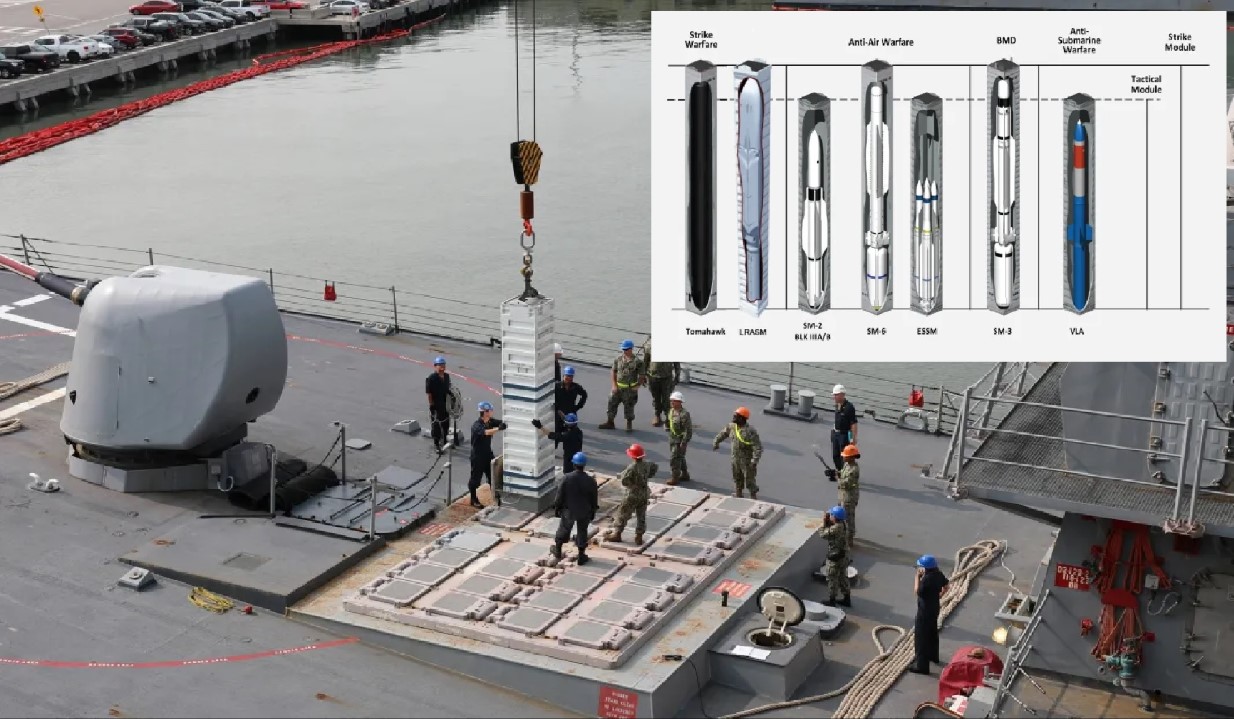
World
Lockheed Martin Rotary and Mission Systems, headquartered in Moorestown, New Jersey, has been awarded a $73.1 million contract modification to produce additional MK 41 Vertical Launching System (VLS) modules and ancillary equipment. This development underscores the U.S. Navy’s dedication to enhancing its shipbuilding initiatives and maintaining a cutting-edge naval combat capability. The project is slated for completion by December 2026 and will support the Navy’s expanding fleet with state-of-the-art missile launching technology. The MK 41 VLS: A Cornerstone of Naval Warfare The MK 41 VLS is a multi-mission, modular missile launching system integral to modern naval combat operations. Known for its versatility, the MK 41 serves as the backbone of the Navy’s offensive and defensive capabilities, seamlessly integrating with weapon control systems and missiles across a range of combat domains. These include: Anti-air warfare Anti-surface warfare Anti-submarine warfare Ballistic missile defense Land attack One of the system’s standout features is its ability to accommodate any missile in any cell, offering unparalleled flexibility and rapid response capabilities in mission-critical scenarios. Specifications and Configurations The MK 41 employs a modular design, with each module containing eight launch cells. Configurations are adaptable to meet varying mission demands, ranging from a single eight-cell module to a massive 16-module configuration with 122 cells. System Lengths: Strike Length: At approximately 25 feet (7.6 meters), this configuration supports larger missiles, such as those for ballistic missile defense and long-range strikes. Tactical Length: At 22 feet (6.7 meters), this configuration accommodates most missile types but excludes long-range Tomahawk cruise missiles and other ballistic missile defense systems. Deployed in 13 configurations worldwide, the MK 41 integrates seamlessly across various ship classes, enhancing combat readiness for diverse mission profiles. Strategic Importance The MK 41 VLS is more than a missile launcher—it is a force multiplier. By enabling multi-mission capabilities, the system ensures naval vessels can adapt to the dynamic nature of modern threats. Its robust design and operational flexibility make it indispensable for ship classes such as destroyers, cruisers, and even allied navies worldwide. Distribution and Funding The contract will distribute work across several U.S. locations, including Moorestown, New Jersey (31%); Indianapolis, Indiana (27%); and smaller contributions from Michigan, New York, Missouri, California, and Virginia. The funding primarily draws from the fiscal 2025 shipbuilding and conversion budget, with smaller allocations from fiscal 2023 and 2024 funds. Enhancing Combat Readiness This latest contract modification highlights the Navy’s commitment to strengthening its fleet’s operational flexibility and combat capabilities. With the MK 41 VLS, U.S. ships are better equipped to counter a spectrum of threats, from missile attacks to undersea incursions. The system’s adaptability ensures it remains a cornerstone of naval warfare technology for years to come. The $73.1 million investment reaffirms Lockheed Martin’s role as a critical partner in advancing naval combat systems, fortifying the Navy’s position as a global maritime power.
Read More → Posted on 2024-12-14 14:59:08
World
The negotiations between Pakistan and China, which once appeared to be a cornerstone of strategic partnership in South Asia, have encountered a significant stumbling block. At the center of this dispute lies Pakistan’s ambitious demand for nuclear second-strike capabilities from China, using the leverage of Gwadar Port—a key node in the China-Pakistan Economic Corridor (CPEC). This impasse sheds light on the evolving dynamics and cracks in what has traditionally been considered a robust bilateral alliance. Pakistan's Strategic Gamble Pakistan’s demand for second-strike capabilities reflects its aspiration to strengthen its nuclear deterrence in a region fraught with volatility. Second-strike capability, which includes assets such as nuclear-powered ballistic missile submarines (SSBNs), is considered a cornerstone of modern nuclear strategy. By ensuring the ability to retaliate even after a devastating first strike, such capabilities provide a credible deterrent to adversaries. However, these technologies are highly sensitive, involving advanced propulsion systems, missile-launch platforms, and stealth operations, which China has so far refused to share. Reports indicate that Pakistan had hoped to secure these capabilities by allowing China to enhance its military presence at Gwadar Port. Strategically located near the Strait of Hormuz, Gwadar offers a vantage point for projecting naval power in the Arabian Sea and securing critical trade routes. However, China’s unwillingness to equip Pakistan with such advanced nuclear technology underscores the inherent risks and strategic calculations involved. Gwadar Port: From Strategic Asset to Diplomatic Stalemate Gwadar Port has been a centerpiece of the CPEC, symbolizing the deep economic and strategic ties between the two nations. Initially envisioned as a game-changer for Pakistan’s economy, the port was also seen as a strategic outpost for China’s Belt and Road Initiative (BRI), providing a direct route to the Indian Ocean. In recent years, however, the port has become a flashpoint for tensions. Local unrest, militant attacks targeting Chinese workers, and accusations of exploitation have tarnished Gwadar’s potential as a symbol of cooperation. China’s insistence on establishing a military base at Gwadar, as part of its broader plan to secure BRI investments, has complicated negotiations. While Pakistan may have initially entertained the idea, it has grown wary of becoming over-dependent on Beijing and risking its sovereignty. These divergent priorities have further strained the talks, with each side reluctant to fully concede to the other’s demands. The Broader Context: Strains in Sino-Pakistani Relations The current impasse comes at a challenging time for Pakistan, which faces economic turmoil, mounting debt, and internal political instability. Despite its traditional reliance on Chinese investments, particularly through CPEC, Islamabad finds itself grappling with diminishing returns and increasing resentment among its population over perceived Chinese dominance. China, for its part, has grown increasingly frustrated with the security situation in Pakistan. Attacks on Chinese nationals and infrastructure projects have eroded trust, prompting Beijing to demand enhanced security measures and tighter control over CPEC operations. These security concerns, coupled with Pakistan’s financial instability, have made China cautious about further deepening its strategic commitments. Strategic and Geopolitical Implications The stalled talks not only highlight the vulnerabilities in the China-Pakistan relationship but also carry broader implications for regional geopolitics. A failure to resolve these issues could weaken China’s foothold in the Arabian Sea, complicating its ambitions for naval dominance and energy security. For Pakistan, the inability to secure nuclear second-strike capabilities from China could force it to explore other options, potentially heightening tensions in South Asia. The situation also provides an opportunity for other regional and global players to recalibrate their strategies. For instance, India, a long-time adversary of Pakistan, will be closely monitoring these developments, as they could signal shifts in Pakistan’s strategic posture. Similarly, the United States may view the rift as a chance to counterbalance China’s influence in the region by engaging more actively with Islamabad. Conclusion What was once a seemingly unshakeable alliance between China and Pakistan now appears to be under strain, with Gwadar Port at the center of a high-stakes negotiation. Pakistan’s demand for nuclear second-strike capabilities, coupled with China’s strategic and security concerns, has created a deadlock that neither side seems willing to break. As these tensions unfold, the outcome could reshape not just bilateral relations but the strategic dynamics of South Asia and the Indian Ocean region.
Read More → Posted on 2024-12-14 13:50:16
World
Tensions are simmering between Pakistan and China as reports suggest that the Pakistan Army has made an extraordinary demand: providing second-strike nuclear capability in return for enhanced Chinese control of the strategically significant Gwadar Port. This bold move has reportedly created friction in the "all-weather" China-Pakistan partnership. Second-strike nuclear capability, which allows a country to retaliate even after suffering a nuclear attack, is pivotal in nuclear deterrence. Pakistan's current nuclear triad—comprising land, air, and sea-based delivery systems—remains constrained compared to more advanced powers like India, which has developed nuclear-powered ballistic missile submarines (SSBNs) such as the INS Arihant. While Pakistan has made strides with weapons like the Babar-3 submarine-launched cruise missile (450 km range), its reliance on conventional submarines for nuclear delivery undermines its second-strike credibility. China's Perspective and Strategic Considerations China, heavily invested in Gwadar under its Belt and Road Initiative (BRI), views the port as a linchpin in its maritime strategy and a potential site for future naval operations. Despite Beijing's interest in Gwadar, the demand for second-strike nuclear technology is seen as a geopolitical minefield. Providing such capabilities to Pakistan could exacerbate regional instability, especially with India's increasing nuclear readiness and the tense security environment in South Asia. Beijing is already frustrated with Pakistan over persistent security threats to Chinese workers and investments in the region. Attacks on China-Pakistan Economic Corridor (CPEC) projects have strained the relationship, prompting China to push Pakistan for stronger counter-terrorism cooperation and improved security measures. While Beijing has even proposed joint security operations at CPEC sites, such demands highlight a deeper Chinese unease over Pakistan's political instability and its potential to derail shared strategic goals. Pakistan's Strategic Motivations Pakistan’s demand for second-strike capability likely stems from two major concerns. First, it fears a preemptive strike by India aimed at its nuclear assets, which could neutralize Pakistan’s retaliatory power. Second, by securing this capability, Pakistan seeks greater leverage over India and enhanced strategic parity in the region. However, its request comes at a time when the country is mired in an economic crisis, making its prioritization of nuclear advancements over economic recovery a contentious issue. Implications for South Asia If Pakistan succeeds in securing second-strike capabilities from China, it would mark a dramatic shift in the region’s strategic balance. However, this move risks alienating not only China but also other global powers, as such a transfer would contravene international norms on nuclear non-proliferation. The standoff also underscores the fragility of the China-Pakistan alliance, which, despite its rhetorical strength, faces realpolitik challenges from divergent strategic priorities. As negotiations remain at an impasse, the outcome will significantly shape the geopolitical landscape of South Asia, particularly the delicate power equilibrium between India, Pakistan, and China.
Read More → Posted on 2024-12-14 13:45:35
World
Russia has unleashed a ferocious wave of attacks on Ukraine's energy infrastructure, in what President Volodymyr Zelenskyy has described as one of the most intense assaults on the country’s ailing power grid. This latest onslaught, marked by its scale and precision, underscores the persistent threat to Ukraine’s critical infrastructure and the growing humanitarian crisis as winter temperatures plummet. The assault involved 93 missiles and nearly 200 drones, an indication of the extensive resources deployed by Moscow. Ukrainian air defenses intercepted 81 of these missiles, thanks in part to modern equipment such as F-16 fighter jets. However, the sheer volume of the attack overwhelmed some defenses, with six major energy facilities in the Lviv region alone suffering significant damage. These facilities, crucial to the country’s energy distribution, lie near Ukraine’s border with Poland, further highlighting the proximity of the conflict to NATO’s eastern flank. The Strategic Targeting of Ukraine's Energy Infrastructure Russia’s focus on Ukraine’s energy grid is not new. Since its invasion in February 2022, Moscow has repeatedly targeted power plants, substations, and gas facilities. This marks the 12th large-scale assault on the grid this year, according to Ukraine's national energy operator. Analysts suggest these attacks aim to cripple Ukraine’s ability to sustain itself during the harsh winter months, forcing civilians into prolonged blackouts and eroding morale. Energy giant DTEK, which operates Ukraine's largest private power facilities, has reported severe damage to thermal power plants and other critical infrastructure. Unlike earlier strikes, this round saw a significant uptick in attacks on gas facilities, hinting at a broader strategy to disrupt not just electricity but also heating supplies. Humanitarian Crisis and the Role of Western Support The timing of these strikes is critical. With temperatures hovering around -6 degrees Celsius and millions of Ukrainians already enduring daily blackouts, the attacks deepen the humanitarian challenges. The harsh winter compounds the need for stable energy, and prolonged outages risk further destabilizing an already fragile situation. President Zelenskyy has framed the strikes as evidence of Russian President Vladimir Putin's approach to “peace” — using terror and destruction to force Ukraine into negotiations on Moscow’s terms. Zelenskyy has called for a robust international response, urging Western allies to increase military and financial aid. Advanced air defense systems have helped intercept many of the incoming threats, but the sheer scale of the attacks highlights the need for more support. Modern weaponry like Patriot systems and F-16 jets, which have already shown effectiveness, could play a larger role in preventing future strikes. The Geopolitical Implications This escalation comes at a moment of uncertainty on the global stage. The looming potential return of Donald Trump to the White House raises questions about the future of U.S. support for Ukraine. Trump has vowed to end the war quickly, though his approach remains unclear. In this context, Ukraine’s calls for immediate and sustained aid from the West take on heightened urgency. Meanwhile, the involvement of a North Korean-manufactured missile in the attack adds a new layer of complexity to the conflict. It signals an expansion of Russia’s supply chain for weaponry, potentially drawing Pyongyang further into the geopolitical fray. This development could lead to additional sanctions and increased tensions on the Korean Peninsula. Ukraine’s Resilience and the Path Ahead Despite the devastating impact, Ukraine’s resilience remains a defining feature of the conflict. Repair crews are working tirelessly to restore power, and communities are finding ways to adapt to the prolonged outages. However, the continued targeting of energy and gas infrastructure underscores the urgent need for a more comprehensive international response. As the war grinds on, the stakes for Ukraine, Russia, and the international community remain high. Moscow's strategy of attrition through infrastructure strikes may prolong the conflict but is unlikely to break Ukraine’s resolve. For Kyiv, however, surviving the winter and sustaining civilian morale will depend heavily on the support of its Western allies. This latest wave of attacks serves as a stark reminder of the war’s far-reaching consequences and the need for a coordinated global response to counteract Russian aggression.
Read More → Posted on 2024-12-14 13:42:14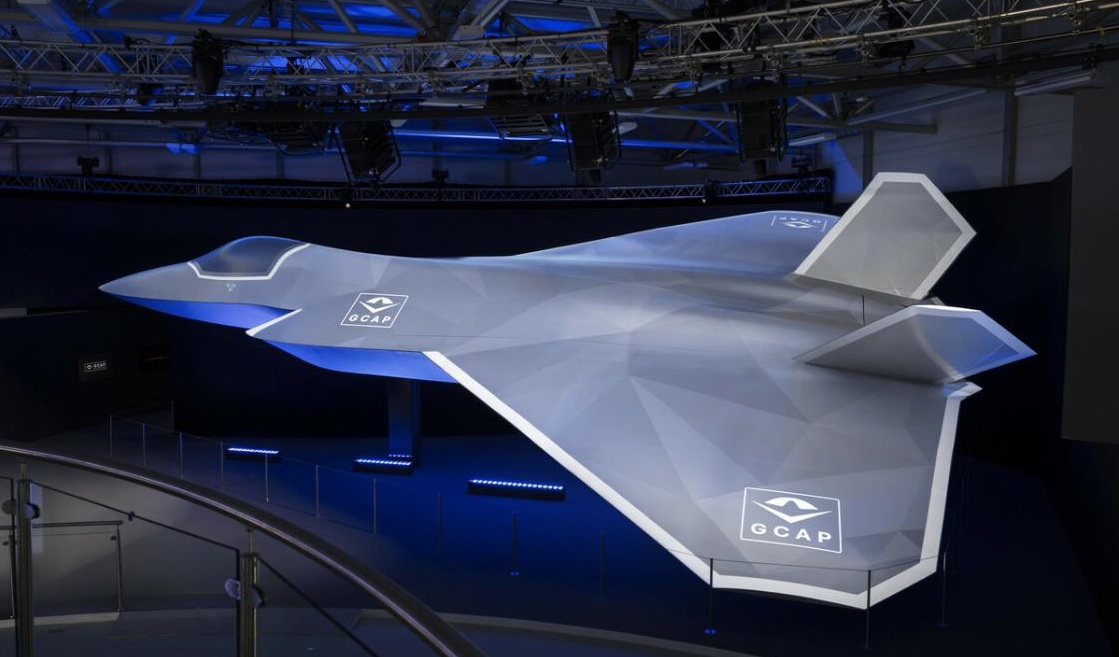
World
In a landmark move for the international defense and aerospace industry, BAE Systems, Leonardo, and Japan Aircraft Industrial Enhancement Co Ltd (JAIEC) have officially announced a joint venture to propel the ambitious Global Combat Air Programme (GCAP). Pending regulatory approvals, the new entity will spearhead the design, development, and deployment of next-generation combat aircraft, setting a new benchmark for innovation and trilateral collaboration. The GCAP, a trilateral initiative between the UK, Japan, and Italy, was first launched in December 2022. It aims to deliver a state-of-the-art combat air system capable of addressing evolving security threats while fostering technological growth across the partner nations. The programme’s ambitious scope ensures its relevance well into the latter half of the century, with its aircraft expected to remain in service beyond 2070. Equal Stake, Shared Vision The joint venture cements the equal partnership between BAE Systems, Leonardo, and JAIEC, with each company holding a 33.3% stake. This equitable structure reflects the shared commitment of the three nations to pooling their expertise and resources for mutual success. The new entity will act as the design authority for the GCAP, managing the project’s lifecycle and ensuring seamless integration across various domains, including multi-role combat capabilities, advanced sensors, and network-centric warfare technologies. Charles Woodburn, Chief Executive of BAE Systems, lauded the collaboration, saying, “The new business will bring together the significant strengths and expertise of the companies involved to create an innovative organisation that delivers long-term, high-value, and skilled jobs across the partner nations.” Roberto Cingolani, CEO of Leonardo, underscored the broader implications of the partnership, describing it as a critical step in advancing global security and multi-domain innovation. “This collaboration fosters sustainable growth for the economies of the involved countries,” he remarked. Kimito Nakae, President of JAIEC, emphasized the strength of trilateral cooperation, noting the ambition to deliver a system that exceeds expectations and strengthens defense capabilities across all three nations. Advanced Specifications and Capabilities The GCAP aircraft, often referred to as a "sixth-generation fighter," will integrate cutting-edge technologies, including: Stealth and Supermaneuverability: Incorporating advanced materials and design for reduced radar signature and enhanced aerodynamic performance. AI and Machine Learning: Autonomous capabilities for decision-making, threat identification, and systems management. Integrated Sensor Fusion: Advanced sensors and data processing for unparalleled situational awareness. Hypersonic Weaponry: Compatibility with next-generation hypersonic missiles for unmatched combat effectiveness. Directed Energy Weapons: Exploration of laser-based systems for counter-air and missile defense roles. These features ensure the GCAP system remains at the forefront of military aviation technology, adapting to both current and future operational demands. Strategic Locations and Impact Headquartered in the UK, the joint venture aligns closely with the GCAP International Government Organisation (GIGO), also based in the UK. With operations spanning Japan, Italy, and the UK, the venture capitalizes on the unique strengths of each nation’s defense industry, supporting the target of an in-service aircraft by 2035. The partnership promises to create thousands of high-skill jobs across the partner nations, bolstering their economies and industrial capabilities. Moreover, the programme sets a new standard for multinational defense collaboration, emphasizing sustainability, security, and technological leadership. Pioneering the Future of Defense The GCAP marks a transformative moment in global defense strategy. By uniting three powerhouse nations under a shared vision, it signals a new era of innovation and cooperation. With its groundbreaking technologies and long-term commitment, the joint venture positions itself as a cornerstone of future combat air capabilities, ensuring robust defense for decades to come.
Read More → Posted on 2024-12-13 16:03:42
World
The U.S. Army has achieved a significant milestone in its long-range precision-strike capabilities by conducting the first soldier-led Limited User Test (LUT) of Lockheed Martin’s Precision Strike Missile (PrSM). This cutting-edge missile system is being developed to provide the Army with a decisive edge on the modern battlefield, and this test marks a critical step in its journey toward operational deployment. The test was conducted at White Sands Missile Range in New Mexico, where Army personnel independently launched two PrSM missiles using the High Mobility Artillery Rocket System (HIMARS). The objective was to evaluate the missile’s performance in real-world conditions, including its range, accuracy, and reliability. The successful hits on long-range targets underscored the weapon’s readiness for operational use and validated its reliability when managed directly by soldiers. What Sets the PrSM Apart The Precision Strike Missile represents a leap forward in long-range missile technology. Designed to replace the Army Tactical Missile System (ATACMS), the PrSM boasts a range exceeding 400 kilometers (nearly 250 miles). This extended range provides the Army with the capability to strike deep into adversary territory, targeting high-value assets such as command centers, air defenses, and infrastructure. Built on an open systems architecture, the PrSM is engineered for adaptability. This modular design allows for future upgrades, ensuring the system remains relevant as battlefield requirements evolve. Notably, Lockheed Martin has incorporated a roadmap for maritime interoperability, paving the way for potential joint operations with the U.S. Navy. The missile is compatible with the M142 HIMARS and the M270A2 Multiple Launch Rocket System (MLRS), ensuring its integration into the Army’s existing systems without extensive modifications. This compatibility reduces logistical challenges and accelerates deployment timelines. Enhanced Capabilities and Future Potential The PrSM is not just about range; its precision is equally remarkable. Guided by advanced navigation and targeting systems, the missile delivers pinpoint accuracy even in contested environments. This capability is critical in modern warfare, where minimizing collateral damage and maximizing impact are top priorities. Future iterations of the PrSM are expected to include enhancements such as extended range and increased lethality. Lockheed Martin is also exploring multi-domain applications, including maritime strike capabilities. This forward-thinking approach aligns with the U.S. Department of Defense’s vision for integrated deterrence across land, sea, air, and cyber domains. A Strategic Modernization Priority As one of the U.S. Army’s flagship modernization programs, the PrSM is central to its strategy of overmatching adversaries. By enabling precision engagement at unprecedented distances, the missile addresses emerging threats posed by near-peer competitors like China and Russia. The successful soldier-led test is a testament to the program’s maturity and operational readiness. Carolyn Orzechowski, vice president of Precision Fires Launchers and Missiles at Lockheed Martin, noted, “This achievement underscores the program’s maturity and reinforces the system’s reliability for our Army partner.” Broader Implications The PrSM’s development is part of a broader push to modernize U.S. military capabilities. Long-range precision fires are a cornerstone of the Army’s Multi-Domain Operations concept, which seeks to integrate forces across multiple domains to achieve decisive outcomes. With the PrSM, the Army is not just investing in a weapon but in a comprehensive capability to dominate the future battlefield. Its successful testing, especially under soldier-led conditions, reflects confidence in the system’s practicality and performance. As the program progresses, the Precision Strike Missile is poised to redefine the U.S. Army’s operational reach, ensuring that it remains a step ahead in an increasingly contested global landscape.
Read More → Posted on 2024-12-13 15:46:06
World
The United States has taken a groundbreaking step in its hypersonic missile program with a successful flight test conducted by the U.S. Army's Rapid Capabilities and Critical Technologies Office (RCCTO) and the U.S. Navy's Strategic Systems Programs (SSP). This end-to-end test, performed at Cape Canaveral Space Force Station in Florida, is a significant advancement in hypersonic technology, showcasing its readiness for real-world deployment. Hypersonic missiles, capable of traveling at speeds exceeding Mach 5, represent the pinnacle of modern warfare technology. These weapons combine incredible speed, maneuverability, and altitude to deliver precision strikes on heavily defended or time-sensitive targets. Unlike traditional missile systems, hypersonic weapons are designed to evade detection and interception, making them a critical asset in modern defense strategies. A Closer Look at the Test The recent flight test marked the second successful trial of the All Up Round (AUR) in 2024. It also represented the first live-fire event for the Long-Range Hypersonic Weapon (LRHW) system. The test utilized a Battery Operations Center and a Transporter Erector Launcher to simulate an operational environment, demonstrating the system's readiness for deployment. “This milestone reflects years of collaboration and innovation,” said Secretary of the Navy Carlos Del Toro. “As we approach the delivery of this capability to the Army, we are advancing towards integrating Conventional Prompt Strike onto our naval platforms.” The Common Hypersonic Glide Body (C-HGB), a key component of the system, is central to this achievement. During the test, it achieved hypersonic speeds and successfully struck targets at extended ranges, proving its reliability and effectiveness in a high-stakes scenario. Strategic Implications The hypersonic weapon system is designed to address emerging global threats, especially in contested regions. Its unparalleled speed and precision enable it to penetrate anti-access/area denial (A2/AD) environments, which are fortified zones protected by advanced air defenses. These capabilities make hypersonic weapons indispensable for addressing high-priority targets. Lt. Gen. Robert A. Rasch, head of RCCTO’s hypersonics division, highlighted the importance of these advancements. “Hypersonic weapons bring a unique combination of responsiveness and survivability that traditional systems cannot match, especially against modern threats.” Joint Collaboration The Army and Navy’s joint effort underscores a unified approach to national security. Vice Adm. Johnny R. Wolfe Jr., Director of Navy’s SSP, praised the collaboration, stating, “This partnership is transforming our defense capabilities, ensuring we stay ahead of adversaries and meet joint warfighting needs.” The two branches aim to deploy land-based and sea-based variants of the hypersonic missile system, allowing for greater operational flexibility. The streamlined development timeline and shared resources have also reduced costs, making this project a model of efficiency in military innovation. Technical Specifications The hypersonic missile system boasts: C-HGB (Common Hypersonic Glide Body): A reentry vehicle capable of traveling at hypersonic speeds while maintaining precise maneuverability. Mach 5+ Speed: Achieving speeds of over 6,100 kilometers per hour. Range: Designed for long-range strikes, capable of reaching distant targets with pinpoint accuracy. Launch Systems: Includes ground-based Transporter Erector Launchers and naval platforms for versatility. Survivability: Built to withstand hostile environments and evade advanced defense systems. Road Ahead Data gathered from the test will inform the Army’s initial operational deployment of the hypersonic AUR. The Navy, in parallel, is preparing to field the Conventional Prompt Strike (CPS) system on surface and subsurface vessels. These efforts align with the U.S. strategy to maintain technological superiority and ensure a credible deterrent against adversaries. Hypersonic weapons, with their unmatched capabilities, signify a shift in global military dynamics. As the U.S. progresses toward operational deployment, these systems are set to redefine the landscape of modern warfare.
Read More → Posted on 2024-12-13 15:24:24
World
The U.S. Department of Defense (DoD) has established the Artificial Intelligence Rapid Capabilities Cell (AI RCC), a dedicated office aimed at accelerating the integration of artificial intelligence (AI) into military operations. As the Pentagon navigates a rapidly changing global security landscape, this initiative underscores the importance of technological superiority in maintaining national defense. Mission and ObjectivesThe AI RCC, functioning under the Chief Digital and Artificial Intelligence Office (CDAO), focuses on experimenting with advanced AI technologies, including generative AI, to enhance capabilities like autonomous weapons systems and command-and-control operations. This initiative is a response to the growing AI advancements by adversaries such as China, Russia, and North Korea, which pose significant security challenges. The RCC will also explore applications of AI in real-world scenarios, incorporating autonomous "AI pilots" to streamline decision-making processes and battlefield efficiency. A critical part of its mission is to ensure these technologies are not only innovative but also safe and reliable, with a strong emphasis on ethical deployment practices. Funding and Industry CollaborationThe initiative has been allocated $100 million for fiscal years 2024 and 2025. Notably, $40 million will be directed to industry partners, fostering collaboration with private firms to accelerate AI deployment in defense systems. The Defense Innovation Unit (DIU), which spearheads other AI-focused projects like the "Replicator Initiative," is a key partner in these efforts. Broader Context and ImpactsThe AI RCC is part of a larger Pentagon strategy to modernize its military capabilities. This includes the recently released 2023 Data, Analytics, and Artificial Intelligence Adoption Strategy, which outlines goals such as faster decision-making, adaptive force planning, and enhanced operational resilience. Projects like the Air Force’s Collaborative Combat Aircraft program and the Replicator initiative further highlight the Pentagon’s ambition to deploy thousands of autonomous systems across multiple domains—land, air, sea, and space—by 2025. Challenges and Future OutlookDespite its promise, integrating AI into defense systems is a complex endeavor. Challenges include developing robust data management systems, ensuring interoperability across platforms, and addressing ethical concerns regarding autonomous decision-making in warfare. Moreover, the U.S. must balance rapid technological development with accountability to maintain global leadership in AI responsibly. As the Pentagon adapts to new-age warfare, the AI RCC symbolizes a crucial step in ensuring the U.S. military remains agile, innovative, and prepared for future conflicts. This initiative not only strengthens America’s defense posture but also sets a precedent for ethical and effective AI integration in the military domain.
Read More → Posted on 2024-12-13 15:17:48
World
The United States Missile Defense Agency (MDA) recently achieved a major milestone by conducting its first successful ballistic missile intercept from Guam. The operation, designated as Flight Experiment Mission-02 (FEM-02), demonstrated cutting-edge missile defense technologies designed to bolster Guam’s security against evolving regional threats. This landmark event involved the integration of the Aegis Guam System with the newly developed AN/TPY-6 radar and the Vertical Launching System (VLS), showcasing an advanced, layered approach to missile defense. The live test occurred off the coast of Andersen Air Force Base, Guam, where an air-launched Medium-Range Ballistic Missile (MRBM) target was engaged and destroyed mid-flight. The AN/TPY-6 radar tracked the missile shortly after its launch, providing real-time data that enabled the successful intercept by a Standard Missile-3 (SM-3) Block IIA. This marked the first end-to-end tracking and intercept mission utilizing the AN/TPY-6 radar, which is a pivotal component of the future Guam Defense System (GDS). Key Details of the Experiment The SM-3 Block IIA missile, developed by Raytheon Missiles & Defense, is one of the most sophisticated interceptors in the U.S. missile defense arsenal. Designed for exo-atmospheric engagements, the missile is capable of neutralizing ballistic missile threats during their midcourse phase. During the test, the missile was launched from the Vertical Launching System, a highly modular platform that supports rapid deployment and reloading of missiles in high-pressure scenarios. The AN/TPY-6 radar, meanwhile, represents a significant upgrade over its predecessor, the AN/TPY-2. It features enhanced range, resolution, and tracking capabilities, enabling it to detect and track smaller, faster targets at greater distances. The radar’s ability to integrate seamlessly with other components of the Aegis system is key to its role in creating a comprehensive and persistent missile defense shield for Guam. Implications for Guam's Defense Guam occupies a vital strategic position in the Indo-Pacific, serving as a hub for U.S. military operations and a deterrent against regional adversaries. Recognizing its significance, the Department of Defense has prioritized the development of an Enhanced Integrated Air and Missile Defense (IAMD) system for the island. The success of FEM-02 underscores the feasibility of this vision, paving the way for the deployment of a persistent, layered defense capability. The future Guam Defense System will incorporate contributions from multiple DoD service components, including the U.S. Navy, Army, and Air Force. These elements will work together to ensure a robust and adaptable defense infrastructure capable of countering a variety of threats, from ballistic and cruise missiles to hypersonic weapons. Strategic Vision and Collaboration Lt. Gen. Heath Collins, MDA Director, emphasized the collaborative nature of the mission, stating, “This is a tremendous group effort and provides a glimpse of how organizations within the Department of Defense have come together to defend our homeland Guam now and in the future.” Rear Adm. Greg Huffman, Commander of Joint Task Force-Micronesia, echoed this sentiment, noting that the mission demonstrated the readiness and resilience of U.S. forces to address emerging threats in the region. In addition to enhancing Guam’s security, the GDS initiative supports broader U.S. strategic goals in the Indo-Pacific. These include deterring adversarial actions, maintaining freedom of navigation, and responding swiftly to regional crises. Guam’s central role in sustaining U.S. military presence and projecting power underscores the importance of such advanced defense systems in safeguarding both regional stability and national security. The Road Ahead As the Department of Defense continues to refine the Guam Defense System, data collected during FEM-02 will play a critical role in validating concepts, maturing models, and guiding future deployments. This mission is not just a technical achievement but a crucial step in ensuring the protection of Guam’s residents, infrastructure, and military assets from potential missile threats. The successful intercept from Guam highlights the United States’ commitment to advancing missile defense technologies and securing its interests in the Indo-Pacific region. With further tests and enhancements planned, the development of a fully operational and integrated air and missile defense system for Guam is well on track, reinforcing the island’s role as a cornerstone of U.S. defense strategy.
Read More → Posted on 2024-12-12 16:30:56
World
The denial of bail to Hindu priest Chinmoy Krishna Das, a prominent figure in Bangladesh's Hindu community, has sparked widespread outrage and raised concerns about the judiciary's impartiality and its handling of minority rights. Das, arrested on November 25, 2024, at Dhaka's Hazrat Shahjalal International Airport, faces sedition charges for allegedly disrespecting the national flag. The case against him stems from an October rally in Chattogram, where he and others reportedly raised a saffron flag above Bangladesh's flag. On December 11, his bail plea was rejected by Chattogram Metropolitan Sessions Judge Md. Saiful Islam, citing procedural issues, including the absence of a power of attorney from his lawyer. The judicial decision has drawn criticism not only for its technical rationale but also for its broader implications. Das’s arrest comes amid rising tensions for Bangladesh’s Hindu minority, which comprises about 8% of the population. His supporters argue that the charges are politically motivated, aimed at silencing his advocacy for Hindu rights. Protests following his arrest escalated into violent clashes, with dozens injured, including police officers, and one lawyer reportedly killed during unrest in Chattogram. Critics have called attention to the judiciary’s failure to address procedural irregularities and its apparent insensitivity to the plight of minority leaders. Das’s lawyer, Rabindra Ghosh, acknowledged challenges in representing him, including alleged pressure and lack of access to the detained priest. Such procedural delays and questionable motives undermine public confidence in the legal system and contribute to the perception of judicial bias against minority communities. The broader context further highlights Bangladesh’s challenges with minority rights. Reports indicate that Hindu leaders frequently face threats, harassment, and legal battles over politically charged allegations. Observers argue that Das’s case reflects systemic issues where legal mechanisms are wielded as tools of intimidation rather than justice. Despite assurances from authorities of an impartial investigation, the Hindu community’s mistrust remains high, fueled by recurring incidents of violence and discrimination. The international community and human rights organizations have urged Bangladesh to ensure a fair legal process and address the growing concerns of its minority populations. As the nation seeks to uphold its secular values, cases like Chinmoy Krishna Das’s will be pivotal in determining whether its judiciary can act as a beacon of justice or continues to falter under political and radical pressures. This case not only exposes the challenges faced by minorities but also places Bangladesh's judiciary under a critical lens, raising questions about its role in safeguarding democratic and human rights principles.
Read More → Posted on 2024-12-12 16:27:48Search
Top Trending in 24 Hours
-
 Tulsi Gabbard Releases Declassified Files Detailing U.S.-Backed Network of 120 Biolaboratories Across 30+ Countries
-
 Dassault Seeks Compensation From Airbus as Eurodrone Dispute Erupts After FCAS Collapse
-
 AM General Unveils Next-Generation UGV and JLTV A2 with Counter-Drone Systems at Eurosatory 2026
-
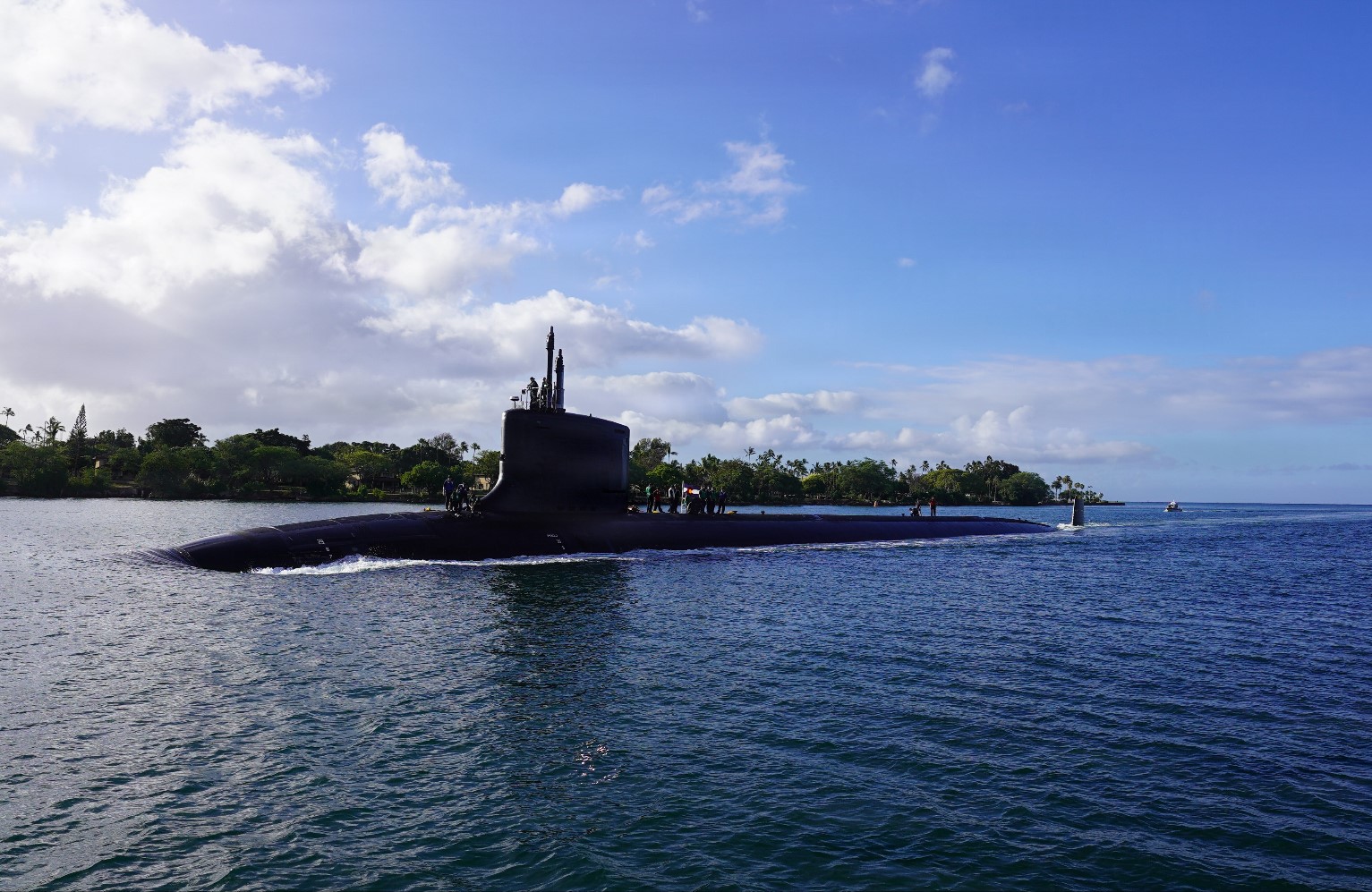 U.S. Navy's USS Colorado Submarine Returns to Pacific Fleet 29 Days Early After Major Pearl Harbor Overhaul
-
 Pakistan Raises Defence Budget from $9 Billion to $10.8 Billion as J-35 Fighter and Hangor Submarine Programs Advance
-
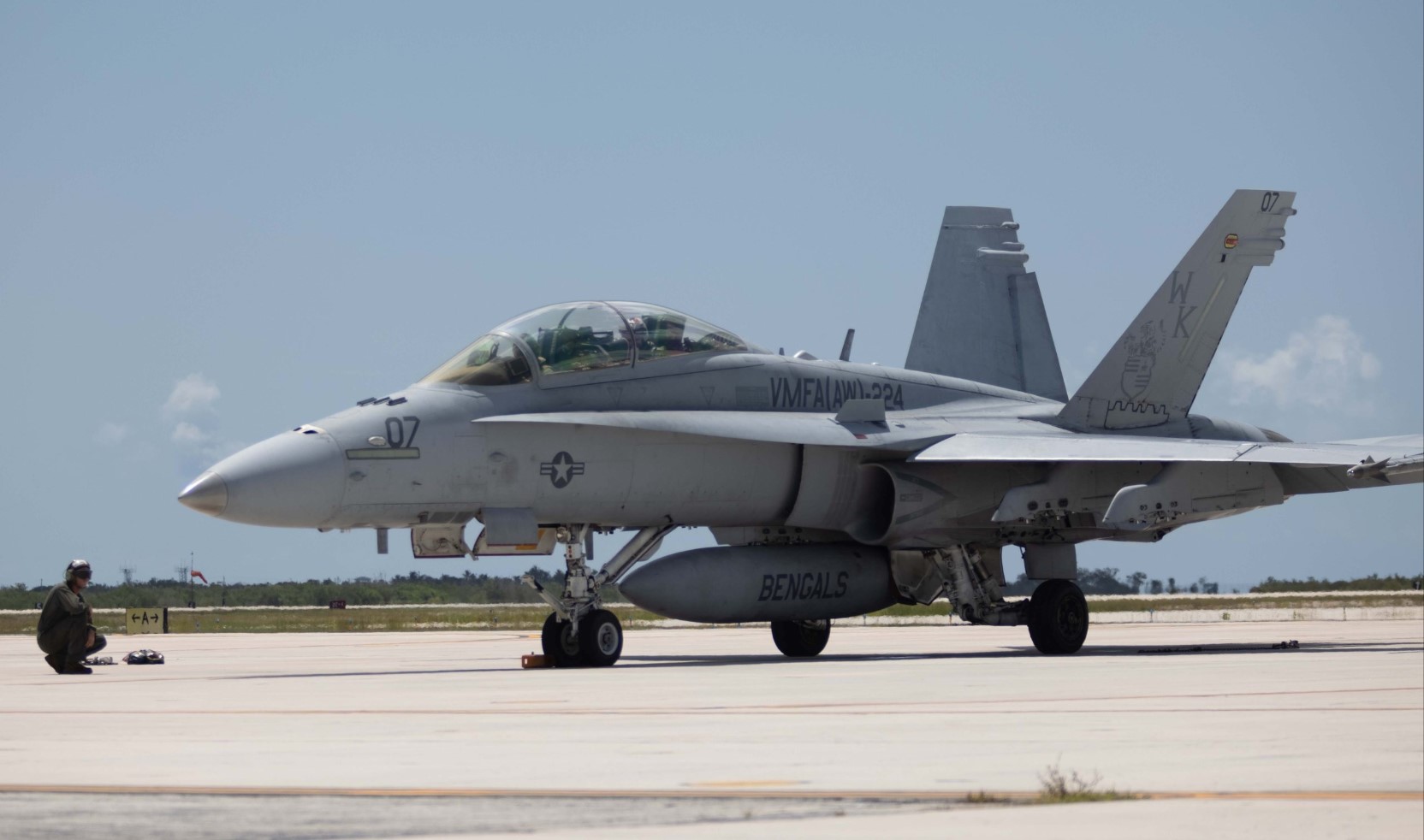 US Marine Corps F/A-18D Hornet Crashes During Training Flight in Washington Mountains; Pilot Ejects Safely
-
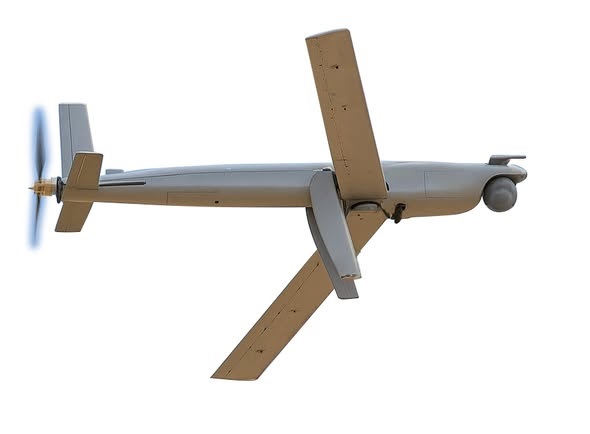 Elbit Systems and Diehl Defence Partner to Offer SkyStriker Loitering Munition to German Armed Forces
-
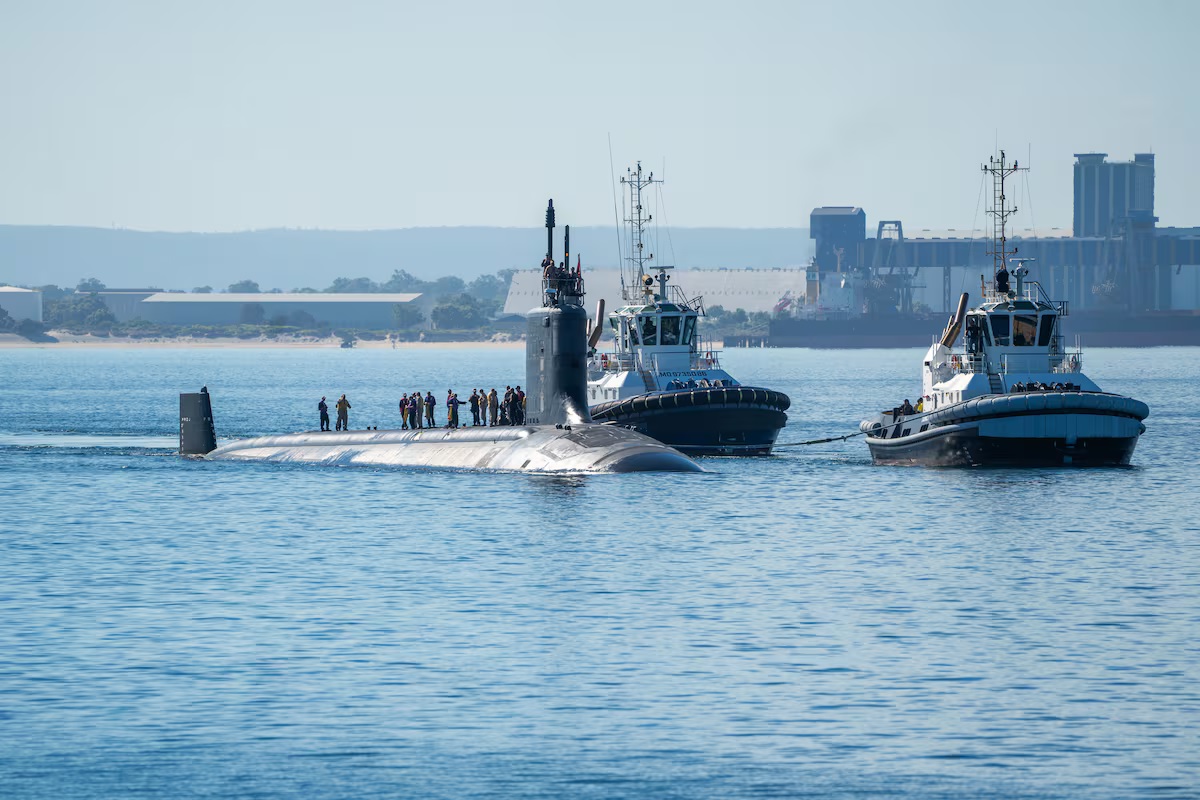 U.S. Navy Reestablishes Submarine Squadron 3 at HMAS Stirling to Support AUKUS Rotational Force
Top Trending in 4 Days
-
 Iranian Media Leaks 14-Point U.S.-Iran Peace Framework Amid Ongoing Negotiations
-
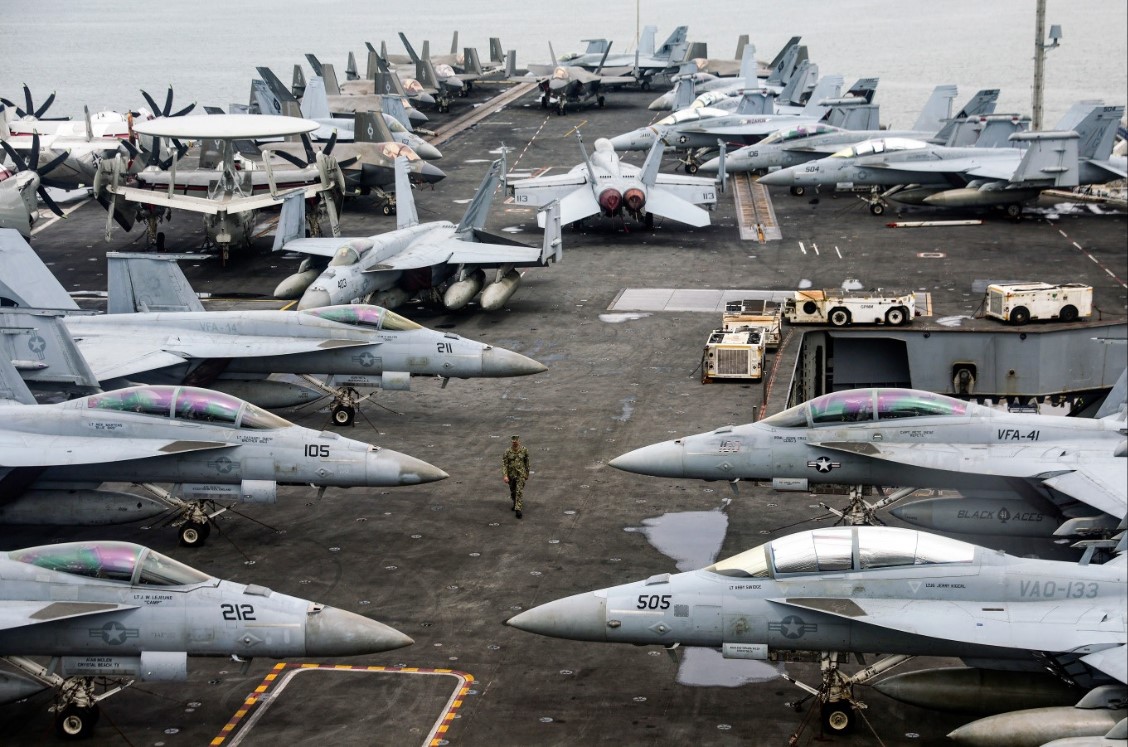 US Plans Significant Reduction of Fighter Jets and Warships for NATO Operations in Europe
-
 U.S. Air Force Faces Strategic Airlift Shortfall as C-17 Production Restart Remains Uncertain
-
 NATO Commander Says Russia Not Seeking Conflict With Alliance Despite U.S. Force Reductions
-
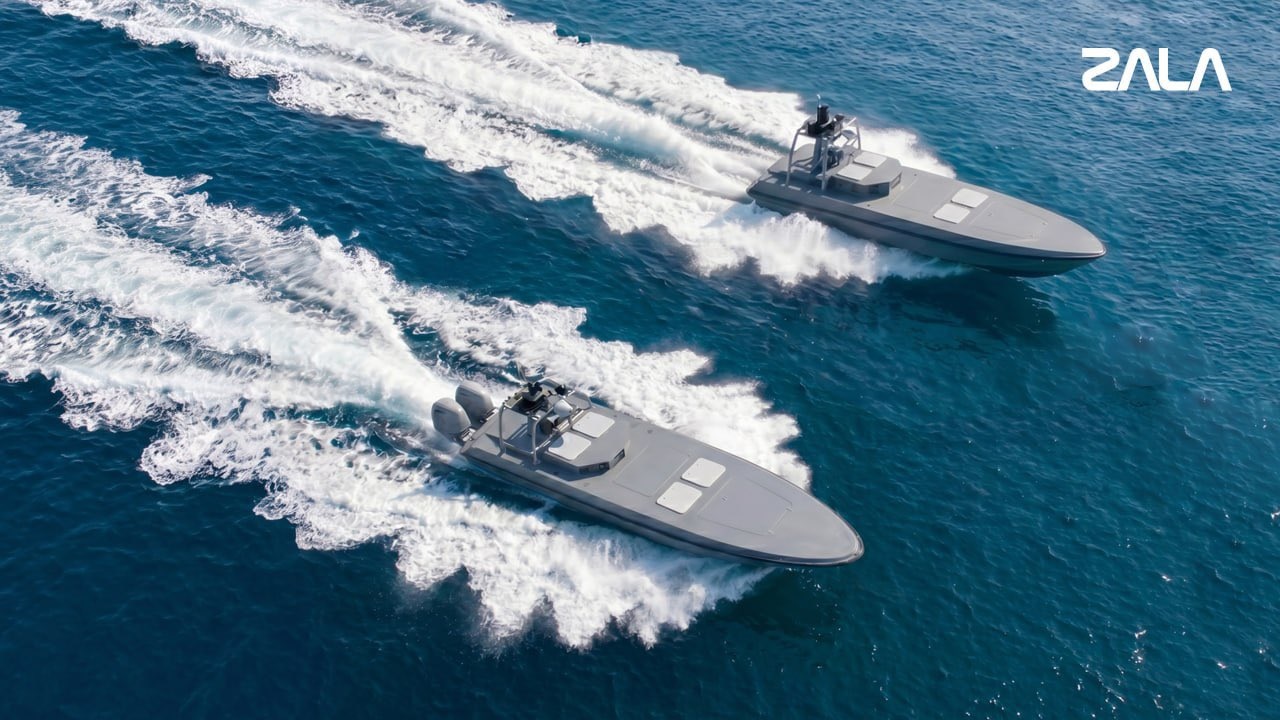 Russian Defense Firm ZALA Unveils KAMA Unmanned Surface Vessel Family at FLOT-2026 Naval Exhibition
-
 U.S. Space Force Awards $437.7 Million Contracts for First PTS-G Swarm 1 Anti-Jam Satellites
-
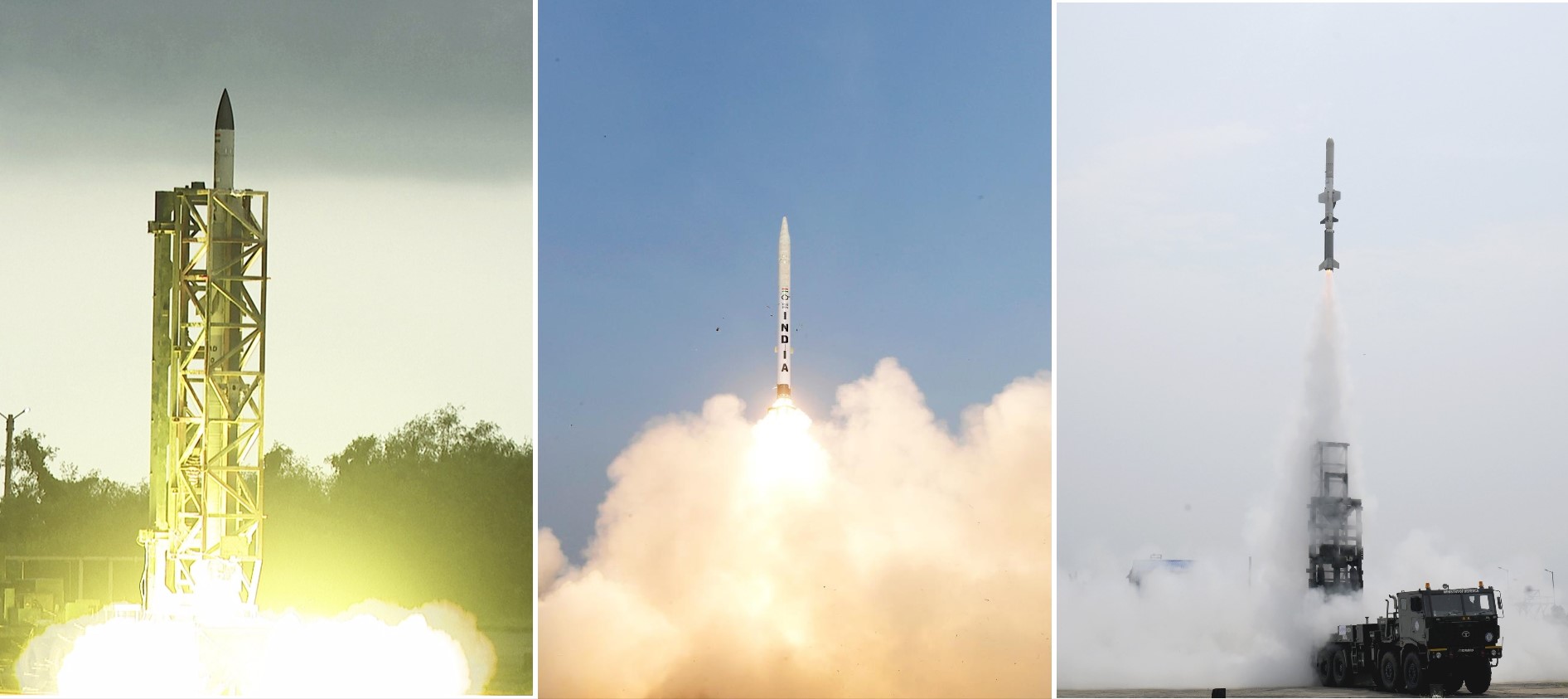 India Successfully Conducts AD-1, AD-2 Interceptor Tests and Maiden NASM-MR Flight Trial
-
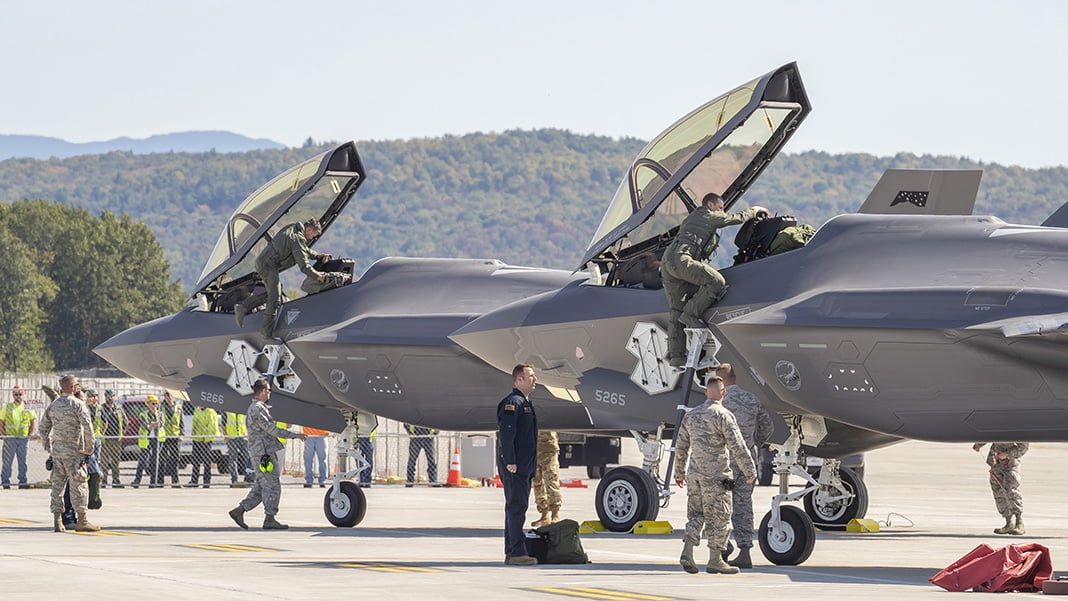 F-35 Fleet Readiness Falls to 25% Amid Parts Shortages and Software Delays: GAO Report