World
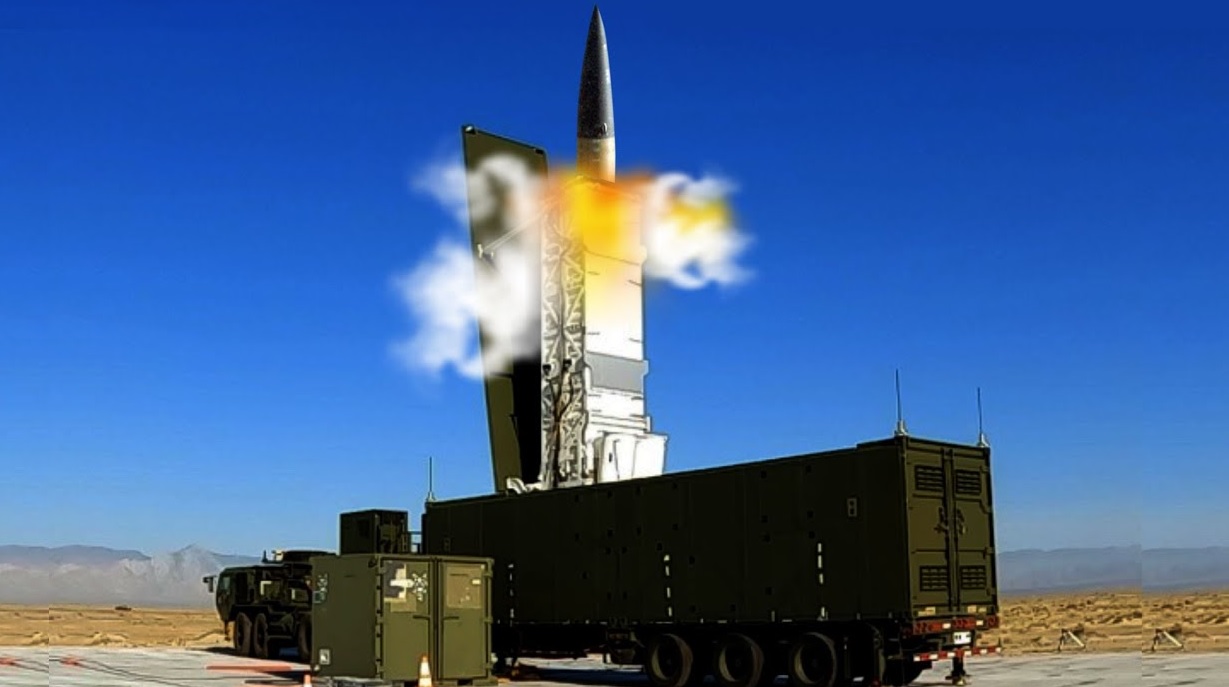
The Philippine military has announced its intention to acquire the US-made Typhon missile system, a move aimed at bolstering its maritime defenses amidst escalating tensions in the South China Sea. The system, which was initially deployed in the northern Philippines during joint military exercises earlier this year, has since been used by Philippine forces for operational training. Strengthening Archipelagic Defense Lieutenant-General Roy Galido, the Philippine Army chief, revealed that the Typhon system aligns with the nation's strategy for archipelagic defense, enabling the military to project force and defend its territorial waters. With a range of 300 miles (480 kilometers), the land-based missile launcher will allow the Philippines to enforce its maritime entitlements up to 200 nautical miles (370 kilometers), as defined under the United Nations Convention on the Law of the Sea (UNCLOS). Galido emphasized the importance of this acquisition in safeguarding the nation’s sovereignty, particularly in areas where its maritime interests overlap with China's claims. “This capability will protect our floating assets, including navy and coast guard vessels,” he said, noting that the final number of systems to be acquired would depend on economic considerations. A Strategic Yet Controversial Choice The Typhon missile system, developed by US defense giant Lockheed Martin, has been a focal point of contention between Manila and Beijing. While the Philippines views the system as essential to its defense strategy, China has labeled the move as “provocative” and “dangerous.” Chinese Foreign Ministry spokeswoman Mao Ning criticized the acquisition as a decision that could lead to an arms race and undermine regional peace and security. Despite Beijing’s objections, Galido dismissed these criticisms, asserting that the Typhon system is purely for national defense and not intended for offensive actions. “We should not be bothered by others’ seeming insecurities,” he remarked. Timeline and Challenges The acquisition process for advanced weapons systems in the Philippines is known to be lengthy, often taking years to move from planning to delivery. The Typhon system has not yet been budgeted for 2025, suggesting it could take at least two years before the system becomes operational. Galido compared the timeline to the delivery of the BrahMos cruise missile, which took five years to procure and integrate into the Philippine defense arsenal. Context of Escalating Maritime Tensions The decision to adopt the Typhon system comes at a time of heightened confrontations between the Philippines and China in the South China Sea. Chinese naval and coast guard vessels have increasingly challenged Philippine operations in disputed waters, leading to several high-profile incidents. Beijing continues to assert claims over almost the entire South China Sea, despite a 2016 international arbitration ruling that invalidated its claims. The deployment of the Typhon missile system is seen as part of a broader effort by the Philippines to strengthen its deterrence capabilities and assert its territorial rights. A Critical Step for National Defense The Typhon missile system represents a significant step forward in the Philippines’ defense modernization efforts. Its deployment is expected to complement existing maritime and air capabilities, providing a layered approach to safeguarding the nation's vast archipelagic domain. As the Philippines works to finalize its acquisition plans, the move underscores its commitment to enhancing national security and maintaining stability in the region, despite external pressures and criticisms.
Read More → Posted on 2024-12-23 15:53:05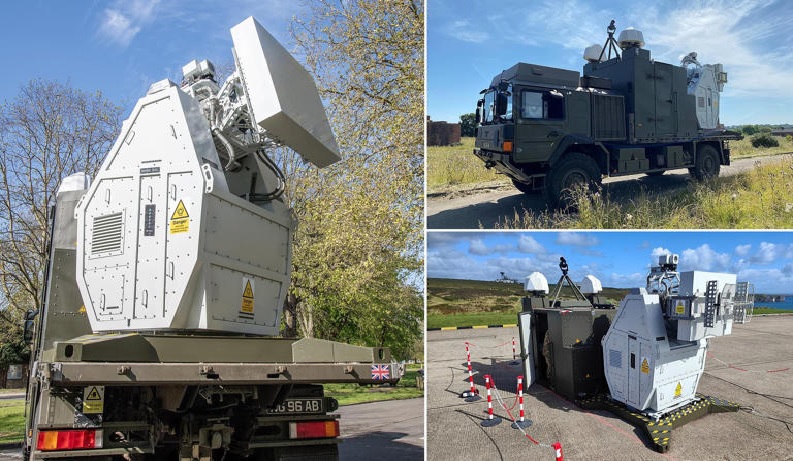
World
The UK Army has unveiled a groundbreaking counter-drone technology that promises to revolutionize battlefield defense. Known as the Radio Frequency Directed Energy Weapon (RFDEW), this cutting-edge system uses high-frequency radiowaves to disable drones by disrupting their electronic systems, causing them to fall out of the sky. With an operational cost of just £10 ($12.5) per shot, the RFDEW is hailed as a cost-effective solution to counter the ever-growing threat of drone swarms. Key Features and Specifications The RFDEW stands out for its affordability and efficiency. The weapon has an effective range of one kilometer (0.6 miles) and can protect troops, vehicles, and critical military installations from aerial threats. Unlike conventional missile-based air defense systems, which can cost tens of thousands of dollars per engagement, the RFDEW drastically reduces expenditure while maintaining precision. During recent live-fire trials conducted in West Wales, the RFDEW successfully disabled multiple drones, marking a significant milestone in its development. This success was celebrated by Maria Eagle, the UK’s Minister for Defence Procurement and Industry, who called the achievement a "game-changer" for the nation’s military capabilities. Operational and Strategic Impact The introduction of RFDEW technology comes at a critical time for the UK military. Recent reports have raised concerns about the country’s ability to sustain high-intensity conflict, with analysts suggesting that current capabilities may last only six months in a Ukraine-like scenario. The RFDEW offers a strategic advantage by providing a low-cost, high-precision method to neutralize drones, a growing threat on modern battlefields. As adversaries increasingly employ cost-effective, mass-produced drones, the ability to counter them cheaply and effectively is vital. Matt Cork, program lead for the RFDEW, emphasized the collaborative effort behind its development, involving the Defence Science and Technology Laboratory (Dstl), Defence Equipment & Support (DE&S), and industry partners. This joint effort has enabled rapid advancements in radio frequency technology, ensuring the RFDEW is ready for further operational trials. A Global Push for Cost-Efficient Defense The UK’s efforts mirror a broader global trend to address the escalating costs of counter-drone operations. In the United States, for example, the Pentagon has highlighted the financial strain of using advanced air defense systems to target relatively inexpensive drones. Each engagement can cost upwards of $100,000, compared to the few thousand dollars required to produce hostile drones. Even on the battlefield, this cost disparity has led to criticism, with adversaries mocking the excessive expenses incurred to counter cheap drones. The RFDEW, with its $12-per-shot operational cost, provides a compelling alternative that balances affordability with effectiveness. Looking Ahead The UK military plans to conduct additional tests of the RFDEW system to refine its capabilities and prepare it for deployment. Once operational, the RFDEW could complement existing air defense systems, offering a layered approach to counter-drone warfare. As drone technology continues to evolve, the RFDEW positions the UK at the forefront of directed-energy weaponry, a field increasingly recognized as essential in modern warfare. By investing in innovative and cost-effective solutions, the UK aims to enhance its defense capabilities while addressing the economic challenges of sustaining long-term military operations.
Read More → Posted on 2024-12-23 15:42:57
World
In an audacious escalation of the ongoing conflict, Ukraine carried out a major drone attack on the Russian city of Kazan, located over 1,000 kilometers (620 miles) from the frontlines. The strike marks a significant moment in the nearly three-year conflict, showcasing Ukraine’s increasing use of long-range drone technology to penetrate deep into Russian territory. The Attack on Kazan Kazan, the capital of the Tatarstan region and a city with a population of over 1.3 million, is a critical industrial hub in Russia. The drone attack, which occurred early Saturday, targeted residential areas, including the Azure Skies Tower, a 37-story skyscraper. According to local officials, the building sustained significant damage, but no casualties were reported. Videos circulating on Russian social media captured the dramatic moment as drones struck the high-rise, igniting fireballs and sending debris flying. Rustam Minnikhanov, the head of Tatarstan, condemned the attack, stating, “While before industrial enterprises were attacked, now the enemy targets civilians in the morning.” He described the incident as part of a broader strategy by Ukraine to hit deeper within Russian territory, a move likely aimed at destabilizing key urban centers far from the immediate conflict zones. Escalating Drone Warfare Drone strikes have become an increasingly common feature of the Ukraine-Russia war, but attacks as far as Kazan are rare. Previously, this region had been targeted primarily for its industrial infrastructure. The attack on a civilian apartment block, however, marks a stark shift. Alongside the two drones that hit the high-rise, Russian officials reported that three additional drones were shot down, and three were suppressed by air defense systems. The temporary closure of Kazan International Airport, one of Russia’s busiest, highlighted the broader disruptions caused by the attack, with flights delayed and public events canceled as precautionary measures. Strategic Implications The drone attack on Kazan underscores Ukraine’s growing capability to conduct long-range strikes, leveraging advancements in drone technology. Such operations are not merely symbolic; they challenge Russia’s narrative of territorial invulnerability and expose vulnerabilities in its air defense systems. These strikes, while rare, have a psychological and strategic impact, forcing Russia to allocate resources and attention to areas previously considered safe. The attack follows a series of escalations on both sides. Just a day prior, Russian strikes on Kyiv killed one person and injured 13 others. Similarly, Ukrainian forces carried out an offensive in Russia’s border region of Kursk, resulting in five fatalities. This tit-for-tat escalation reflects the intensifying nature of the conflict as it enters its third year. The Role of Drones in Modern Warfare The use of drones has redefined the Ukraine-Russia conflict, enabling both sides to conduct reconnaissance and offensive operations with precision and minimal risk to personnel. Ukraine’s ability to target sites deep within Russian territory demonstrates the increasing role of unmanned aerial vehicles (UAVs) in modern warfare. Drones allow nations to strike critical infrastructure and urban centers while avoiding direct military confrontations. Civilian Impact and International Response The attack on Kazan has drawn criticism from Russian officials, who accused Ukraine of targeting civilians in retaliation for military setbacks. Maria Zakharova, Russia’s Foreign Ministry spokeswoman, stated, “Kyiv is taking out its anger for tangible military defeats on the peaceful population of Russia.” While Ukraine has not officially commented on the attack, the incident is likely to draw further international scrutiny. Such developments raise questions about the conflict’s trajectory and the potential for deeper involvement by external actors. Looking Ahead The Kazan drone attack highlights a turning point in the conflict, where long-range drone warfare increasingly defines the strategic landscape. As both sides continue to develop and deploy advanced technologies, the implications for regional stability and global security remain profound.
Read More → Posted on 2024-12-22 16:12:16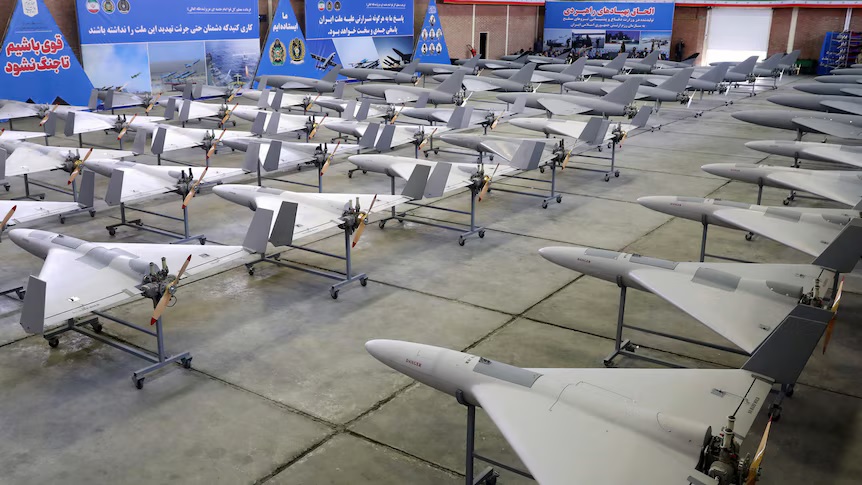
World
China has revealed an unprecedented government contract for almost one million lightweight kamikaze drones, set to be delivered by 2026. This significant move underscores the nation's aggressive push to enhance its military capabilities through advanced unmanned aerial systems. The announcement came through a representative of Poly Technologies, one of China’s prominent defense manufacturers. The representative disclosed that the order has monopolized their production capacity, forcing the company to decline other clients. This reflects a deliberate strategy by China to prioritize domestic defense requirements over export opportunities, even amid growing international interest in its drone technology. Specifications of Kamikaze Drones Kamikaze drones, also known as loitering munitions, are designed to combine the roles of surveillance and precision strikes. They hover over a battlefield, awaiting targets, before launching explosive payloads. While the exact specifications of the drones in this order remain undisclosed, China already fields several advanced models: CH-901: Developed by the China Aerospace Science and Technology Corporation (CASC). Features a 60-minute endurance, a cruise speed of 100 km/h (62 mph), and a payload capacity of 3.5 kg (7.5 lbs). It is versatile, deployable from ground vehicles and aerial platforms, making it ideal for flexible battlefield applications. PD-2900: A long-range kamikaze drone with an operational range of up to 2,500 km. It can reach speeds of 250 km/h (155 mph), emphasizing its potential for deep-strike missions. These drones are likely to serve various roles, including reconnaissance, electronic warfare, and saturation attacks, where multiple drones overwhelm enemy defenses. Strategic Implications This vast procurement aligns with the People’s Liberation Army’s (PLA) modernization goals. By investing heavily in drones, the PLA is integrating lessons from recent global conflicts, particularly the use of loitering munitions in the Ukraine conflict. Ukrainian forces have demonstrated the effectiveness of lightweight kamikaze and first-person view (FPV) drones in modern combat, influencing China’s doctrine. Footage and reports already indicate the PLA’s incorporation of kamikaze drones into training exercises, preparing for large-scale engagements. Analysts believe the scale of this order could signal preparations for potential conflicts, particularly in the Taiwan Strait. China’s Military-Industrial Complex China’s military-industrial sector has rapidly advanced in drone technology, leveraging state-backed resources and research. This focus on unmanned systems positions China as a global leader in drone innovation. By prioritizing domestic needs over exports, Beijing emphasizes its intent to bolster national security and military readiness. While it is unclear whether other manufacturers in China have received similar orders, this development reflects a broader trend in its defense strategy. The PLA’s emphasis on kamikaze drones as cost-effective force multipliers ensures scalability in future military operations. Conclusion China’s massive order for kamikaze drones is a testament to its strategic military ambitions. The integration of such drones into the PLA’s arsenal represents a shift in modern warfare tactics, where unmanned systems play a central role. This investment not only prepares China for potential future conflicts but also cements its position as a leading power in drone warfare innovation.
Read More → Posted on 2024-12-22 16:06:41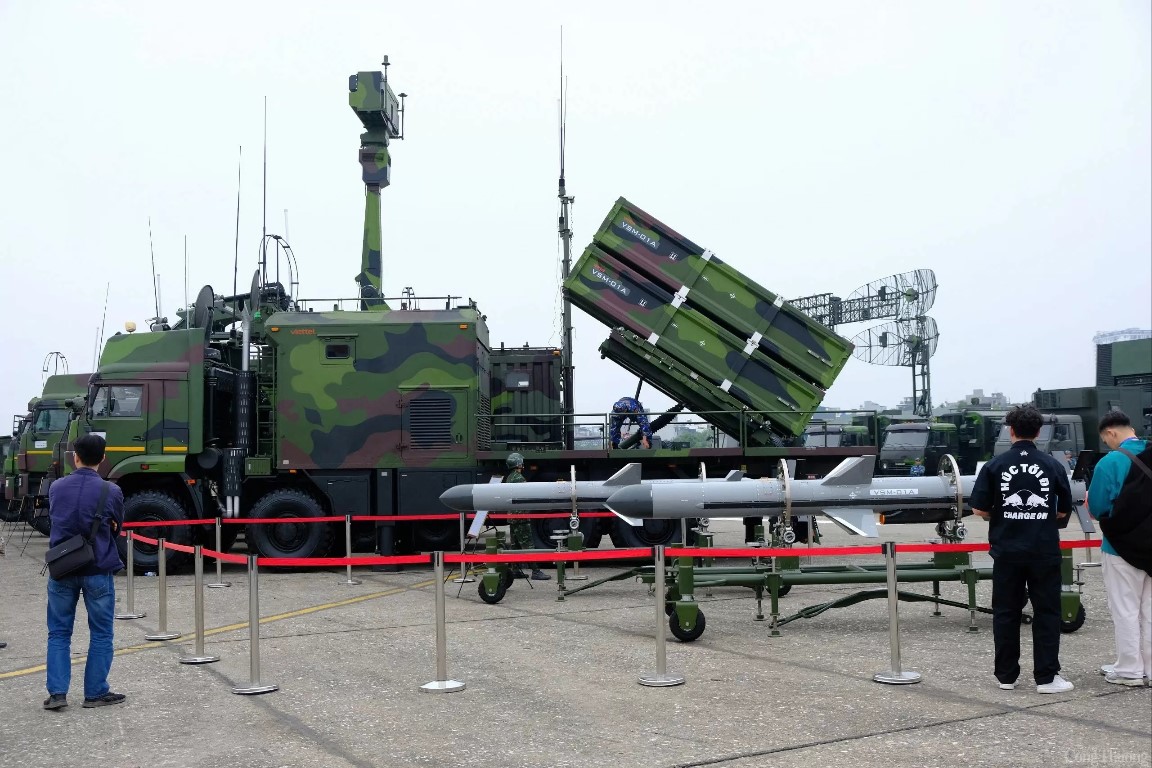
World
Vietnam has taken a significant leap forward in its defense capabilities with the unveiling of the VCS-01 mobile coastal defense system. Displayed prominently at VIDEX 2024, the VCS-01 represents the nation's growing self-reliance in advanced weapon systems, spearheaded by Viettel, Vietnam's leading military technology company. This development underscores Vietnam's ambition to reduce dependence on foreign suppliers and bolster its defense against escalating regional threats, particularly in the contested South China Sea. The Core: VSM-01A Song Hong Missile At the heart of the VCS-01 system lies the VSM-01A Song Hong missile, a domestically developed anti-ship missile. The missile boasts a range of up to 80 km, though defense analysts believe a longer-range variant is in development. With a high-subsonic speed powered by the indigenous VJE-01 turbojet engine, the missile measures 5 meters in length, has a diameter of 315 mm, and weighs approximately 600 kg. This new missile system is set to replace Vietnam's aging Soviet-era P-15/P-20 Termit missiles, marking a pivotal step in modernizing the country’s coastal defenses. The guidance system, including a Ku-band seeker head, remains largely classified but is confirmed to be an in-house development by Viettel. The missile system operates in centralized or standalone combat modes, with command and control managed autonomously to ensure rapid response and high operational flexibility. Components of the VCS-01 System The VCS-01 system consists of five truck-mounted components, all based on durable KAMAZ chassis: VLV-01 Launcher Vehicle: Equipped with up to eight rectangular missile canisters, the VLV-01 is built on a KAMAZ-6560 8×8 chassis. Each launcher vehicle weighs 40 tonnes and can prepare to fire within 10 minutes of deployment. A single battery may contain up to eight such vehicles, providing formidable firepower. VTRV-01 Transporter and Reloader Vehicle: Also built on the KAMAZ-6560 platform, this vehicle carries eight spare missile canisters and features a hydraulic crane for reloading. It takes less than 40 minutes to reload four canisters, ensuring high operational readiness. VTIV-01 Technical Inspection Vehicle: Based on the KAMAZ-5350 6×6 chassis, this vehicle is responsible for checking the readiness and technical status of missiles, both inside and outside their canisters. VTAR-1 Target Acquisition Radar Vehicle: Mounted on a KAMAZ-6560 chassis, this nearly 40-tonne radar system provides real-time data on surface targets, including azimuth, range, speed, and direction. It features electronic counter-countermeasures and can be operational within 25 minutes of arrival. VCPV-01 Command and Processing Vehicle: Built on the KAMAZ-5350 chassis, this vehicle serves as the system's nerve center, equipped with communications and C4ISR systems for centralized command and control. Strategic Significance The VCS-01 is a major milestone for Viettel and Vietnam’s defense industry. Its development and deployment reduce Hanoi's reliance on foreign suppliers, such as Russia, which has traditionally been a dominant player in Vietnam's defense procurement. With the VSM-01A missile capable of being launched from both land-based systems and naval vessels, it enhances Vietnam’s anti-access/area denial (A2/AD) capabilities in the strategically vital South China Sea. The VCS-01 system has already entered service under Brigade 679 of the 1st Regional Command, which oversees the Gulf of Tonkin. Testing for the VSM-01A began as early as 2018, with its deployment formalized in April 2024. Notably, the missile has also been tested on Shershen-class torpedo boats, hinting at its future versatility for naval operations. Broader Implications Vietnam’s defense modernization comes amidst increasing regional tensions. With its extensive 3,260 km coastline and escalating Chinese militarization in the South China Sea, Vietnam requires robust deterrent systems to safeguard its territorial sovereignty and economic interests, including fishing and hydrocarbon exploration. The VCS-01 aligns with this objective, representing a crucial component in Vietnam's A2/AD strategy. As a domestically developed system, it ensures greater control over supply chains, particularly in an era where global disruptions and geopolitical tensions have hindered the reliability of traditional suppliers. This indigenous achievement not only strengthens Vietnam's military but also signals its intent to protect its sovereignty with homegrown technology, making the VCS-01 a landmark innovation in its defense landscape.
Read More → Posted on 2024-12-22 16:02:33
World
In response to escalating threats from China and Pakistan and the pressing shortage of fighter aircraft, the Indian government has constituted a high-level committee under Defence Secretary Rajesh Kumar Singh. This initiative aims to comprehensively enhance the Indian Air Force's (IAF) operational capabilities, focusing on indigenous design, development, and procurement strategies. Strategic Move Following Air Force Commanders' Conference The decision to establish the committee comes after detailed presentations made by the Indian Air Force to Defence Minister Rajnath Singh during the Air Force Commanders’ Conference in New Delhi last month. During the conference, top IAF officials outlined the critical need for futuristic combat aircraft and addressed existing capability gaps, emphasizing the necessity of bolstering preparedness against potential threats on both eastern and western fronts. Composition of the Committee The committee features senior officials from the Defence Ministry, including Defence Production Secretary Sanjeev Kumar, Defence Research and Development Organisation (DRDO) chief Dr. Samir V. Kamat, and Deputy Chief of Air Staff Air Marshal T. Singh, who serves as the committee’s member secretary. Additionally, the Secretary of Defence Finance participated in the committee’s inaugural meeting last week. This expert body is tasked with submitting a detailed report to the Defence Minister within the next two to three months. Their assessment will outline the IAF's operational needs and propose strategic measures to address these challenges, focusing on the indigenous manufacturing ecosystem. Addressing the Fighter Aircraft Gap The IAF has highlighted the urgent need to expand its fleet of modern fighter aircraft. While the force successfully inducted 36 Rafale jets under the 4.5-generation aircraft category, the growing threat posed by China's air dominance and Pakistan's evolving capabilities calls for a much larger fleet. China, in particular, has been supplying advanced arms and aircraft to Pakistan and is expected to provide similar assistance to Bangladesh. Plans for acquiring 114 4.5-generation fighter jets have been pending for some time. The committee is expected to explore ways to accelerate these acquisitions through indigenous manufacturing, aligning with the government’s "Make in India" initiative. The indigenous Light Combat Aircraft (LCA) Tejas Mark 1A is a cornerstone of these efforts, but delays in supply chain operations—such as engine deliveries from General Electric (GE) of the United States—have slowed progress. Closing Weaponry Gaps The IAF also faces challenges in bridging the gap in advanced weaponry, particularly in air-to-air and air-to-ground missile systems. Comparatively, China’s long-range surface-to-surface missile arsenal outpaces India in both range and numbers, further intensifying the need for modernization and upscaling. Indigenous Push for Capability Development The IAF remains committed to pursuing an indigenous approach to capability enhancement. Plans for producing 114 advanced fighter jets in collaboration with foreign original equipment manufacturers under the "Made in India" framework highlight this strategy. This push toward self-reliance is crucial for meeting the IAF’s long-term operational objectives and ensuring strategic autonomy in defense production. Conclusion The formation of this high-level committee underscores India’s resolve to address its air power challenges in a structured and forward-thinking manner. By leveraging indigenous development and addressing pressing gaps in capability, the initiative aims to equip the Indian Air Force to effectively counter regional threats and ensure the nation’s airspace security in the coming decades.
Read More → Posted on 2024-12-22 15:52:04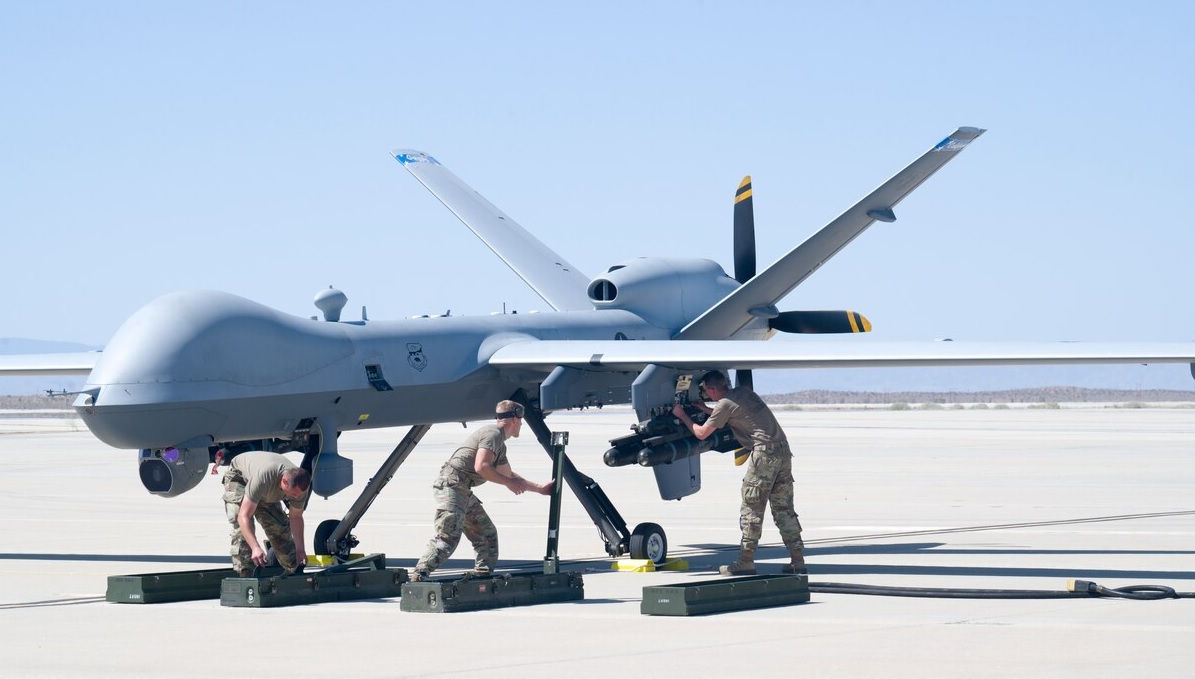
World
The 163d Attack Wing has taken center stage in Exercise Steel Knight 2024, an annual U.S. Marine Corps-led training event designed to strengthen joint force readiness and collaboration. This year, the exercise focuses on enhancing operational capabilities in multi-domain environments, spanning land, sea, and air, while integrating cutting-edge technologies to address the challenges of modern warfare. Showcasing MQ-9 Reaper Expertise A pivotal element of the 163d Attack Wing’s participation in Steel Knight 2024 is its mastery of the MQ-9 Reaper, a versatile unmanned aerial system renowned for its intelligence, surveillance, and reconnaissance (ISR) capabilities. During the initial phase of the exercise, the Wing successfully launched and remotely piloted an MQ-9 before transferring control to the 107th Attack Wing of the New York Air National Guard. This collaboration provided valuable training opportunities for both units, simulating real-world scenarios in a near-peer competition setting. The MQ-9's role in Steel Knight extends beyond ISR operations. It serves as a vital link in the flow of actionable intelligence, delivering real-time data to ground forces and enabling precise decision-making in complex environments. “The Grizzlys are leaders in MQ-9 technology, operating at the forefront of near-peer competition,” noted Maj. Eve Derfelt, public affairs officer for the 163d. This capability is particularly significant in the Indo-Pacific, where strategic competition with near-peer adversaries like China demands cutting-edge solutions. Strengthening Joint Force Interoperability Exercise Steel Knight brings together multiple branches of the U.S. military, including the U.S. Navy, the California Air National Guard, and the 920th Rescue Wing from the U.S. Air Force Reserve. The 163d Attack Wing’s collaboration with the I Marine Expeditionary Force, the 1st Marine Division, and the Navy’s 3rd Fleet underscores the importance of joint interoperability in modern defense strategies. Lt. Col. Thomas Coyle, assistant chief of staff for intelligence with the 1st Marine Division, highlighted the exercise’s value: “Working together and learning from one another in a training environment makes us that much more effective.” By rehearsing advanced maritime campaign operations and testing new technologies, Steel Knight ensures that joint forces are prepared for real-world scenarios, from coastal defense to high-stakes expeditionary missions. Advancing Multi-Domain Warfare Steel Knight’s emphasis on multi-domain operations aligns with the U.S. military’s broader objective of maintaining superiority across diverse terrains. The inclusion of the MQ-9 Reaper in maritime exercises demonstrates its adaptability and reinforces its role as a cornerstone of expeditionary airpower. Capt. Jason Carr, public affairs officer for the 107th Attack Wing, noted, “The MQ-9’s expeditionary airpower capabilities have enhanced our interoperability with joint forces, showcasing our value in maritime exercises.” A Legacy of Readiness Since its establishment in 1991, Steel Knight has served as a scenario-driven exercise designed to refine command and control processes across multiple services. The 163d Attack Wing’s contributions to this year’s event highlight the evolving capabilities of the MQ-9 enterprise, showcasing its ability to adapt to emerging threats and deliver rapid response solutions. With its advanced ISR operations and seamless integration into joint missions, the MQ-9 continues to cement its position as an indispensable asset in modern defense operations. By participating in Steel Knight 2024, the 163d Attack Wing has not only demonstrated the versatility of the MQ-9 Reaper but also strengthened the U.S. military’s collective readiness to face the challenges of a rapidly evolving global security landscape.
Read More → Posted on 2024-12-22 15:28:48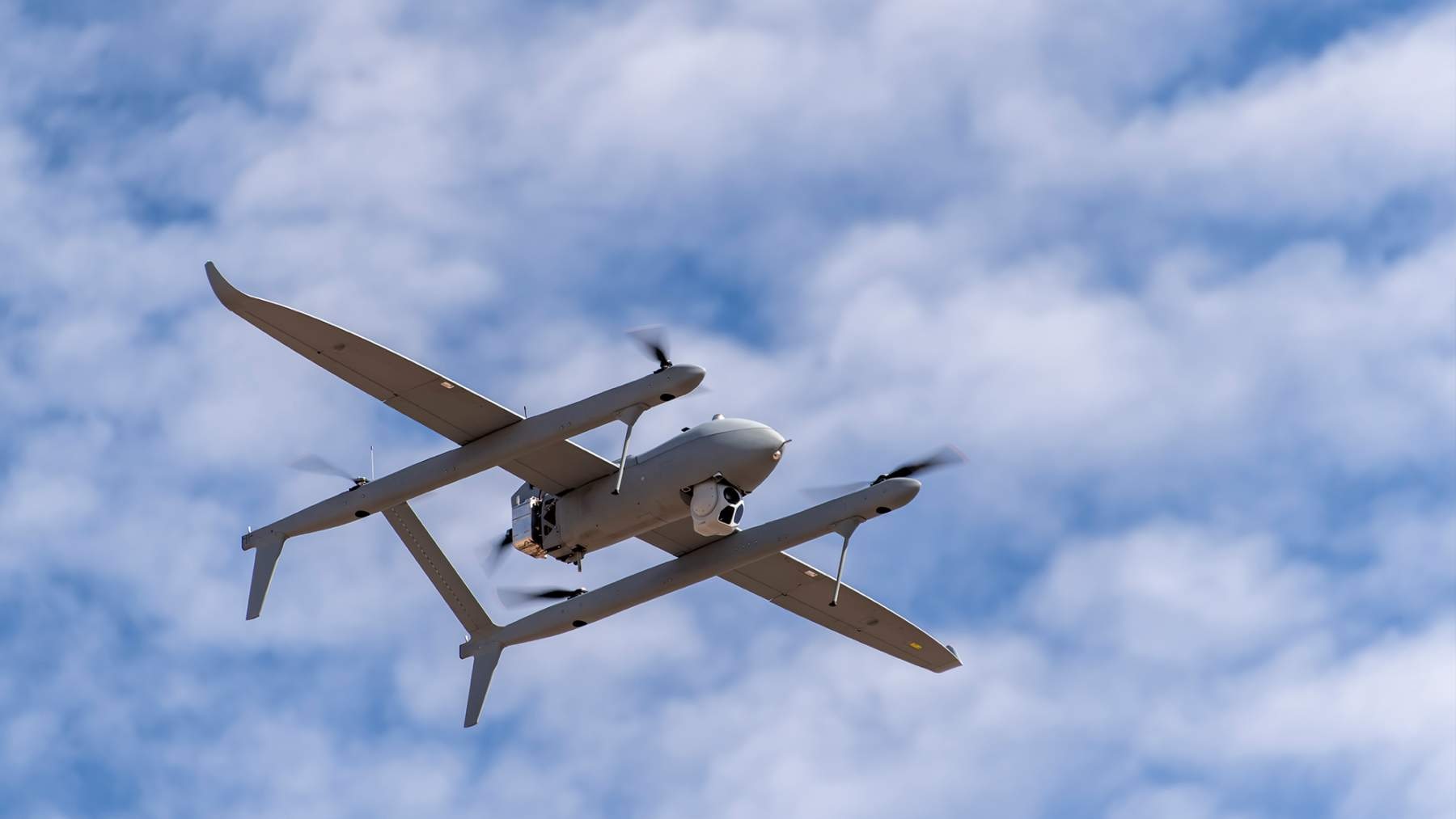
World
The U.S. Army has marked a significant milestone in its modernization efforts with the delivery of Textron Systems' MK 4.8 HQ Aerosonde system. This cutting-edge uncrewed aerial system (UAS) is a cornerstone of the Future Tactical Uncrewed Aircraft Systems (FTUAS) program, designed to enhance reconnaissance and surveillance capabilities for Brigade Combat Teams (BCTs) in Multi-Domain Operations. Rigorous Development and Testing The MK 4.8 HQ Aerosonde system underwent two years of intensive development, including technical evaluations, ground and flight testing, and close collaboration between Textron Systems and the U.S. Government. Following its successful validation, the system was formally transferred to the Army via the DD-250 process, ensuring it meets all operational and technical requirements. The next step involves New Equipment Training (NET) at the Redstone Test Center in Alabama. During this phase, instructors and operators will be trained to maximize the system’s capabilities, with the training expected to wrap up by late January 2025. Once this stage is complete, the system will undergo developmental testing led by the U.S. Government, culminating in a capstone event to demonstrate its full operational potential. Transformational Capabilities for BCTs The MK 4.8 HQ Aerosonde system is designed to provide BCT commanders with actionable intelligence, critical for maintaining an operational advantage in complex combat scenarios. Key features include: Vertical Take-Off and Landing (VTOL): Enables deployment in varied and confined environments without traditional runway infrastructure. On-the-Move Command and Control: Facilitates seamless operation while in transit, enhancing tactical flexibility. Ease of Maintenance: Simplified design ensures soldiers can perform maintenance in the field without requiring specialized tools or training. Modular Open Systems Approach (MOSA): Allows for future upgrades and integration of emerging technologies, ensuring the system remains relevant as battlefield needs evolve. Supporting Modernization and Readiness The FTUAS program is managed by the Program Executive Office (PEO) for Aviation, headquartered at Redstone Arsenal, Alabama. The Uncrewed Aircraft Systems Project Office, a part of PEO Aviation, is committed to delivering innovative solutions that enhance operational readiness and maintain the Army’s strategic edge. In addition to the MK 4.8 HQ Aerosonde, the Army is exploring proposals for full-scale production contracts, with awards anticipated by the fourth quarter of fiscal year 2025. This aligns with the Army’s broader modernization strategy, aimed at countering peer adversaries in large-scale combat operations. Enhancing Multi-Domain Operations The advanced capabilities of the MK 4.8 HQ Aerosonde underscore its role in enabling dominance across land, air, and cyber domains. By providing enhanced situational awareness and intelligence to commanders, the system is set to redefine the tactical landscape for U.S. forces. As the Army prepares for future conflicts, the MK 4.8 HQ Aerosonde represents a leap forward in uncrewed aerial technology, equipping BCTs with the tools they need to maintain superiority in increasingly contested environments.
Read More → Posted on 2024-12-22 15:20:24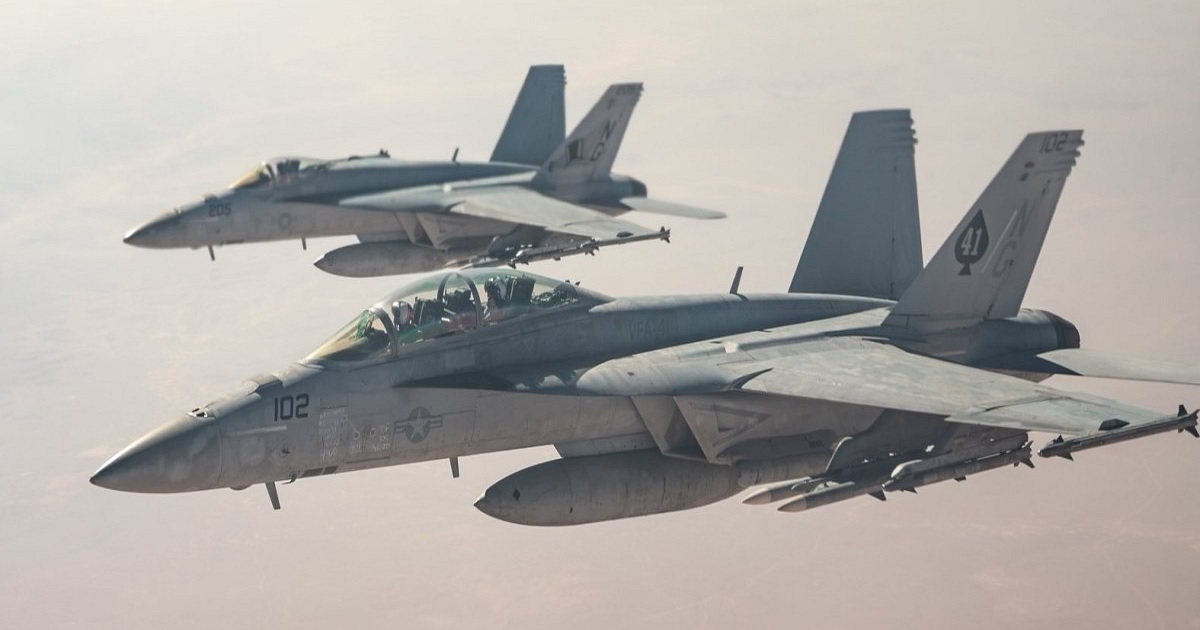
World
In a startling case of friendly fire, a U.S. Navy F/A-18 fighter jet was shot down over the Red Sea on Sunday morning. Both pilots aboard the aircraft were safely recovered, though one of them sustained minor injuries, according to a statement from the U.S. Central Command (CENTCOM). Officials confirmed that the incident was not due to hostile fire, and an in-depth investigation is currently underway. The mishap occurred when the guided-missile cruiser USS Gettysburg inadvertently targeted and struck the F/A-18 jet. The aircraft had been operating from the USS Harry S. Truman, a Nimitz-class aircraft carrier stationed in the region. CENTCOM acknowledged the grave nature of the mistake, which highlights the inherent risks involved in complex naval operations in conflict zones. Rising Tensions in the Red Sea Region The Red Sea has been a hotspot of escalating tensions, largely fueled by Yemen’s Houthi rebels targeting merchant vessels. These vessels, the rebels claim, are linked to Israel. In recent weeks, the U.S. Navy has ramped up its presence in the region to protect international shipping routes and counter Houthi threats. On the same day as the friendly fire incident, the United States launched retaliatory airstrikes on targets in Yemen’s rebel-held capital. This action followed a missile strike by the Houthis that injured several people in Tel Aviv, Israel’s commercial hub. Additionally, U.S. forces intercepted multiple Houthi drones and an anti-ship cruise missile over the Red Sea, preventing further escalation. Complex Mission Challenges The incident underscores the challenges faced by U.S. forces conducting high-stakes missions in a region fraught with conflict. The Red Sea and Gulf of Aden have been areas of heightened military activity since the Houthi rebels began increasing their attacks on maritime targets. These actions have been framed as part of the Houthis’ broader solidarity with Palestinians amid the ongoing Israel-Hamas conflict that erupted in October 2023. The U.S. Navy’s presence in the region is intended to ensure the safety of international shipping lanes and to respond to threats from both state and non-state actors. However, this incident serves as a sobering reminder of the complexity and risks of operating in such an environment. Investigation Underway The U.S. military is now focused on conducting a thorough investigation to determine the cause of the misfire and prevent such incidents in the future. Preliminary reports suggest a communication or systems error may have contributed to the USS Gettysburg firing on the friendly aircraft. As CENTCOM works to piece together the details, the incident adds another layer of tension to an already volatile region. The outcome of the investigation will likely inform future operational protocols, ensuring that such mistakes are minimized in the challenging and dynamic theaters where U.S. forces operate.
Read More → Posted on 2024-12-22 15:12:32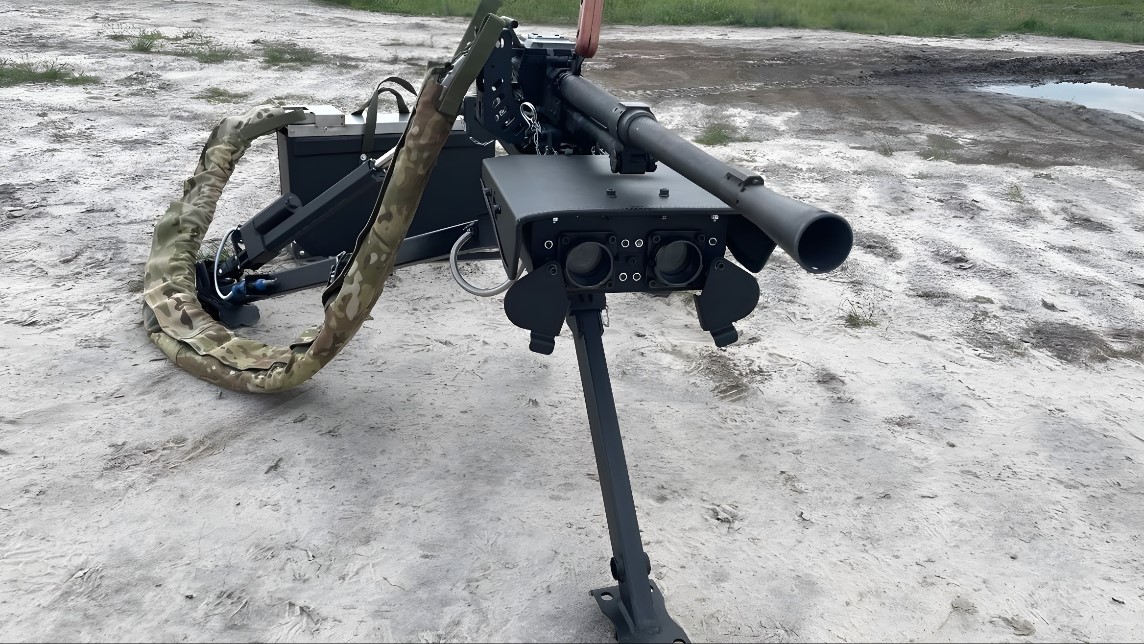
World
Ukraine’s Ministry of Defense has approved the deployment of the Wolly remote-controlled combat module, an innovative addition to the nation’s military arsenal. This domestically produced system is set to enhance the Defense Forces’ operational capabilities with advanced features tailored to the challenges of modern warfare. The Wolly turret is a lightweight, low-cost system designed for flexibility and efficiency. It can be equipped with either a 7.62mm or 12.7mm machine gun, depending on mission requirements, and boasts an automated ammunition feed system that ensures uninterrupted firepower. The turret’s thermal imaging camera and cutting-edge automatic target detection, recognition, and tracking system make it a formidable tool for combat, providing precision and reliability in diverse operational environments. One of the standout features of the Wolly system is its portability. Its compact and lightweight design allows a single soldier to transport and deploy it quickly in the field. Once installed, the system can operate for several days on a single battery charge, making it suitable for extended engagements without frequent logistical support. The Wolly turret incorporates technological advancements driven by lessons learned directly from the battlefield. Ukrainian manufacturers have collaborated with front-line troops to refine its design, integrating features requested by soldiers who have firsthand experience in combat situations. According to Deputy Defense Minister Dmytro Klymenkov, this feedback has led to several improvements in module operation and process automation, ensuring the system is user-friendly and effective under real-world conditions. Operationally, the Wolly turret excels in its adaptability. It can be used for static defense, mobile operations, and perimeter security, offering a versatile solution for a variety of tactical scenarios. Its automation reduces the workload on operators, allowing them to concentrate on broader mission objectives while the turret handles precision targeting and engagement. Beyond its advanced capabilities, the Wolly module also addresses cost-efficiency—a critical factor for Ukraine’s ongoing defense efforts. Its production leverages domestic resources and expertise, making it a sustainable choice for scaling up deployments as needed. This affordability, coupled with its advanced features, positions the Wolly as an essential component of Ukraine’s modernized military strategy. The deployment of the Wolly turret underscores Ukraine’s commitment to leveraging innovative technologies to counter evolving threats. As the Defense Forces continue to adapt to the dynamic challenges of the battlefield, tools like the Wolly combat module will play a crucial role in ensuring their effectiveness and resilience.
Read More → Posted on 2024-12-21 15:57:18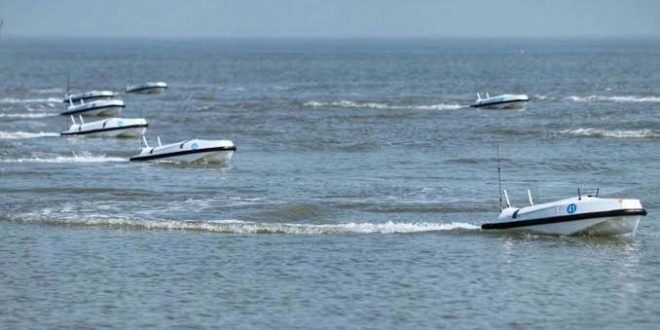
World
The U.S. Defense Advanced Research Projects Agency (DARPA) has achieved a significant milestone in the development of autonomous maritime operations by successfully completing the first at-sea refueling test under its No Manning Required Ship (NOMARS) program. This breakthrough lays the groundwork for the advanced capabilities of the program's flagship vessel, the Defiant Unmanned Surface Vessel (USV), set to enter its sea trials in 2025. A Revolutionary Approach to Unmanned Maritime Operations The NOMARS program aims to redefine the design and operational paradigm of unmanned surface vessels by creating a platform that is entirely autonomous, with no provisions for human operation or intervention. The Defiant USV, a 180-foot, 240-metric-ton vessel nearing completion, is being built to operate autonomously for extended missions lasting several months, requiring human interaction only during annual maintenance. A crucial challenge addressed by the NOMARS program is enabling Fueling-at-Sea (FAS) operations for USVs. Current FAS methods require human involvement to handle refueling lines and hoses, which imposes constraints on vessel design and increases operational risks. The NOMARS FAS system is revolutionary, designed to function entirely without human intervention on the unmanned vessel, while still leveraging the expertise of crew members on the refueling ship. Details of the Successful Test The recent test involved two experimental USVs, Ranger and Mariner, operated by the U.S. Navy’s PMS-406 (Unmanned Maritime Systems Program Office) and USV Squadron 1 (USVRON-1). Ranger was equipped with a receiving station prototype representing the system to be implemented on the Defiant, while Mariner carried a custom-built refueling mini-station developed by Serco Inc., the program’s prime contractor. During the trial, the system demonstrated the entire sequence of fueling operations, including: Passing the lead-line from the refueling vessel to the USV. Connecting the refueling probe to the receiving system on the USV. Pumping water as a stand-in for fuel to simulate the operation under realistic conditions. The test marked the first time these operations were conducted in a maritime environment, with all steps successfully executed. Importantly, while personnel were present on both vessels for safety and observation, the fueling process itself required no human interaction on the unmanned side. The Path Ahead The successful trial is a major step forward, but it is just the beginning for the NOMARS program. The next phase will involve testing the system with the Defiant USV during its multi-month sea trials, scheduled for spring 2025. These trials will assess the Defiant's ability to execute autonomous FAS operations while demonstrating its overall mission readiness and reliability. Transforming Naval Capabilities Launched in 2020 by DARPA’s Tactical Technology Office, the NOMARS program is at the forefront of autonomous naval innovation. Its goal is to develop medium unmanned surface vessels (MUSVs) with unmatched operational reliability and mission flexibility. Designed to perform extended missions while carrying significant payloads, the NOMARS vessels represent a transformative leap in naval technology. By enabling truly autonomous fueling capabilities, DARPA’s NOMARS program addresses one of the critical barriers to the widespread adoption of USVs, paving the way for a new era of unmanned naval operations. The successful FAS test is a testament to the potential of cutting-edge automation to enhance naval logistics, reduce risks, and ensure mission success.
Read More → Posted on 2024-12-21 15:54:43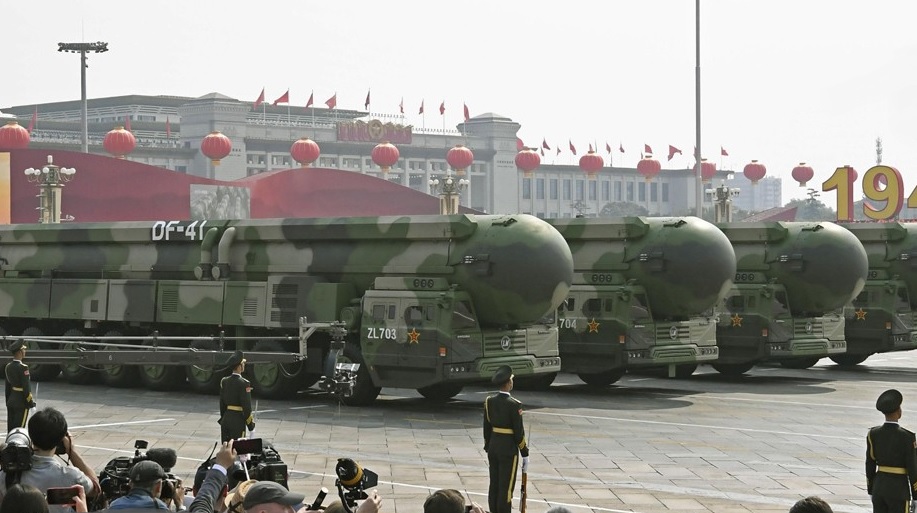
World
The United States Department of Defense has unveiled its annual report on China’s military and security developments, shedding light on Beijing’s staggering progress in modernizing its armed forces and nuclear arsenal. This report, mandated by Congress, provides a comprehensive overview of China’s People’s Liberation Army (PLA) and its growing capabilities, while also addressing challenges that hinder its expansion. China’s Expanding Nuclear Arsenal One of the report’s most striking revelations is the rapid growth of China’s nuclear stockpile. From over 500 operational warheads in 2023, the count has surged to more than 600 in 2024. The Pentagon projects that this figure will exceed 1,000 by 2030 as Beijing aggressively modernizes, diversifies, and expands its nuclear forces. Such developments enhance China’s ability to target U.S. cities, military installations, and leadership centers in potential nuclear conflicts. China’s nuclear advancements include: Development of new intercontinental ballistic missiles (ICBMs) to strengthen its missile forces. Construction of three new silo fields completed in 2022, adding at least 300 ICBM silos. Potential exploration of conventionally armed, intercontinental-range missile systems. The World’s Largest Navy China’s navy, already the largest globally, has grown further, now boasting over 370 ships and submarines. This marks an increase from approximately 340 in 2022. The report highlights the navy’s enhanced ability to operate beyond the “first island chain,” which encompasses strategic regions like Okinawa, Taiwan, and the Philippines. These expansions are geared toward projecting Chinese influence deeper into the Pacific and Indian Oceans. Modernizing the Air Force The PLA Air Force is rapidly approaching technological parity with the United States. The modernization drive focuses on indigenizing advanced aircraft and unmanned aerial systems (UAS). Enhanced capabilities enable China to counter threats more effectively while competing with U.S. air dominance. Overseas Military Footprint China continues to expand its global military reach. Beyond its base in Djibouti, Beijing is actively exploring logistics facilities in countries like Myanmar, Pakistan, Bangladesh, Kenya, and Nigeria. These bases could disrupt U.S. operations and bolster China’s ability to sustain power projection across continents. Pressure on Taiwan The report underscores China’s escalating pressure on Taiwan. Beijing has intensified diplomatic, political, and military measures, aiming to assert its claim over the self-governed island. Key actions include: Increased naval and air force activity around Taiwan. Frequent crossings into Taiwan’s air defense identification zone (ADIZ) and centerline. Large-scale military exercises designed to intimidate Taiwan. Challenges in China’s Military Modernization Despite its rapid advancements, China’s military has faced setbacks due to corruption. The removal of top leaders amid anti-corruption campaigns has slowed certain modernization efforts. However, this has not deterred the PLA from pursuing its long-term strategic goals. Implications for Global Security The Pentagon report portrays a China that is reshaping global military dynamics. Its growing nuclear arsenal, expanding navy, advanced air force, and increasing overseas footprint underscore Beijing’s ambition to rival the United States on the global stage. This military modernization, coupled with rising tensions in the Indo-Pacific, particularly over Taiwan, poses significant challenges for U.S. strategic interests and regional stability.
Read More → Posted on 2024-12-21 15:46:40
World
Northrop Grumman has achieved a significant milestone in missile propulsion technology with the successful static fire tests of its 21-inch second-stage solid rocket motor (SRM). Conducted at the company’s state-of-the-art propulsion production facility in Elkton, Maryland, the tests represent a critical step in supporting the U.S. Navy’s extended-range and hypersonic missile capabilities. This advanced SRM is designed to provide a low-risk, high-performance solution for extended-range missions, enabling rapid deployment and enhanced deterrence. A Game-Changer for Missile Systems The 21-inch solid rocket motor is engineered to boost the range and speed of missiles, enhancing mission performance across diverse domains, including air warfare, surface warfare, land strikes, and ballistic missile defense. As part of its focus on versatility and affordability, Northrop Grumman has prioritized rapid development, completing the design-to-demonstration cycle in under a year. Gordon LoPresti, senior director of propulsion systems and control at Northrop Grumman, remarked on the achievement: "This SRM underscores our leadership in developing next-generation capabilities. It offers an adaptable and cost-effective extended-range propulsion system that strengthens the U.S. Navy's ability to counter a range of threats." Northrop Grumman’s Legacy in Propulsion Technology Northrop Grumman brings more than six decades of experience and a remarkable track record of delivering over one million solid rocket motors to various defense platforms. The company’s ongoing investment in its facilities and production capacity reflects its commitment to meeting increasing demand for cutting-edge missile systems. The advanced propulsion system tested in Maryland underscores the Navy’s focus on modernizing its missile arsenal to address emerging challenges. This initiative aligns with the U.S. Department of Defense's broader strategy to enhance hypersonic capabilities and extended-range systems, ensuring the military maintains its strategic edge. Global Development of Solid Rocket Motors The development of solid rocket motors is not limited to the United States. Several countries are advancing or have already developed solid propulsion technology for their missile systems: Russia: Known for its solid-fuel intercontinental ballistic missiles (ICBMs), such as the RS-24 Yars, Russia continues to lead in propulsion innovation. China: A key player in missile technology, China has developed solid-propelled systems like the DF-21D anti-ship missile. India: With indigenous programs such as the Agni series, India has established solid propulsion capabilities for its strategic and tactical missile arsenal. France: As part of its defense strategy, France uses solid rocket motors in its M51 submarine-launched ballistic missiles (SLBMs). Japan: Japan has incorporated solid-fuel technology into its space launch vehicles and missile defense systems, such as the Epsilon rocket. South Korea: South Korea has recently made strides in developing solid-fueled ballistic missiles as part of its defense modernization program. Israel: With its Jericho missile series and space launch programs, Israel remains a leader in solid propulsion technology. Strategic Implications Northrop Grumman’s achievement marks another leap forward in missile propulsion, with the potential to redefine the battlefield. By expanding range and speed, the advanced SRM equips the U.S. Navy with a critical tool to address evolving threats, from hypersonic systems to regional missile challenges. As nations continue to push the boundaries of missile technology, solid rocket motors remain a cornerstone of modern defense strategies, ensuring rapid response and unmatched performance in high-stakes scenarios.
Read More → Posted on 2024-12-21 15:36:35
World
Airbus Helicopters has achieved a significant milestone with the delivery of the first NH90 helicopter in the advanced Standard 3 configuration to Spain's Directorate General of Armament and Material (DGAM). This delivery marks the commencement of the second batch of 23 NH90 helicopters destined for the Spanish Armed Forces, underscoring Airbus' pivotal role in modernizing Spain’s military aviation capabilities. The Second Batch: Advanced Features and Distribution The new batch consists of 23 units, including 16 in the Standard 3 configuration and seven navalized variants. Of these, ten will serve the Spanish Army Air Mobile Forces (FAMET), while six will enhance the fleet of the Spanish Air and Space Force. The navalized versions, tailored for maritime missions, will be delivered to the Spanish Navy in a staggered schedule between December 2024 and 2028. The first NH90 for the Navy, configured as a tactical transport variant (MSPT), is currently in the final stages of approval by the Spanish Airworthiness Authority. Located in Albacete, the helicopter is undergoing operational training with the Spanish Navy’s 14th Squadron, marking a significant step toward its deployment. Cutting-Edge Technology in the NH90 Standard 3 The NH90 Standard 3 configuration introduces a host of advanced features, including upgraded communication systems with enhanced encryption, improved safety mechanisms, and optimized avionics. For the Spanish Navy, the MSPT variant adds even more capabilities, such as reinforced landing gear, automatic folding rotor blades, and a maximum take-off weight of 11 tonnes—making it ideal for maritime operations. Strategic Modernization Across All Armed Forces Fernando Lombo, Managing Director of Airbus Helicopters in Spain, emphasized the transformative impact of the NH90 fleet on Spain's defense capabilities. He stated, “We are proud to support our armed forces with these state-of-the-art NH90s, creating a standardized modern fleet across all three branches. The addition of the NH90 to the Spanish Navy marks a definitive step in modernization, and Airbus Helicopters stands ready to meet their evolving needs.” A Global Success Story The NH90 program is a testament to international collaboration, with 523 helicopters delivered to 13 countries, amassing nearly 420,000 flight hours. In Spain, the FAMET operates 15 NH90 helicopters, known as ‘Sarrios,’ while the Spanish Air and Space Force operates six units nicknamed ‘Lobo.’ These helicopters have demonstrated their versatility in missions ranging from disaster relief during the Dana storm in Valencia to military operations. Conclusion The delivery of the NH90 Standard 3 represents a significant advancement for the Spanish Armed Forces, integrating cutting-edge technology with operational flexibility. As deliveries continue, the Spanish Army, Air and Space Force, and Navy are poised to benefit from a unified, modernized fleet capable of meeting the complex demands of 21st-century defense operations.
Read More → Posted on 2024-12-21 15:24:24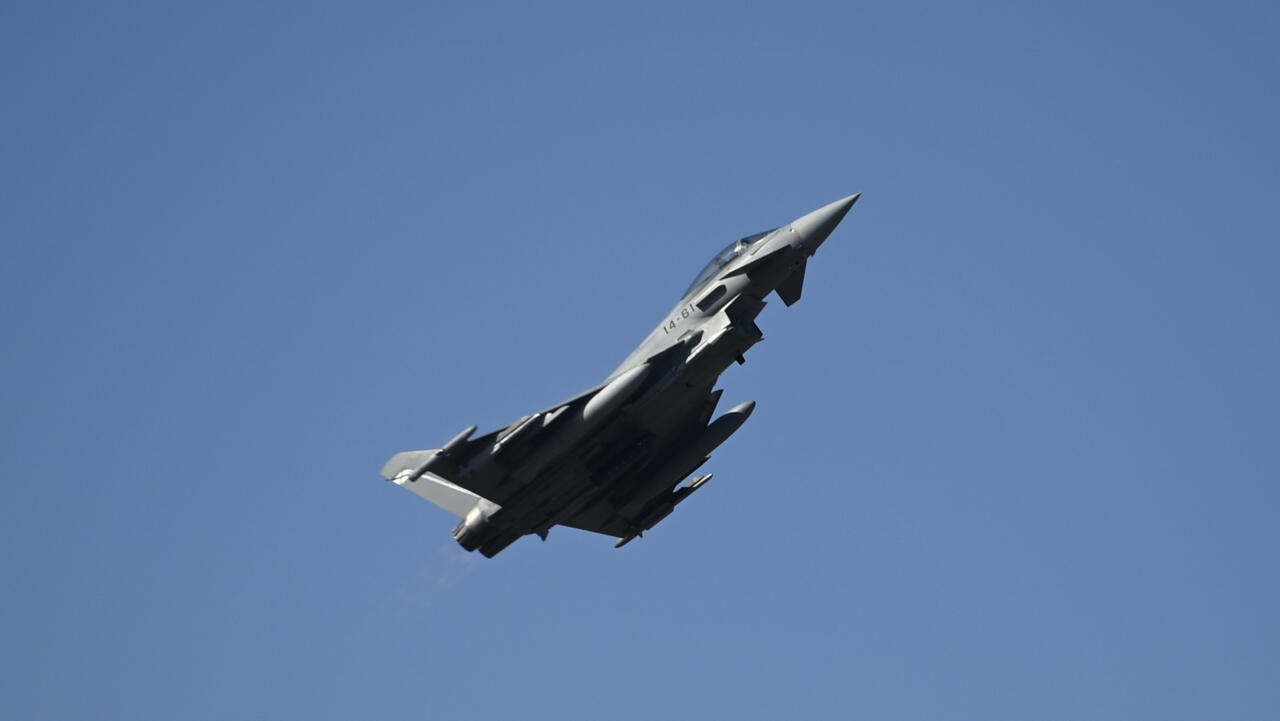
World
Spain has taken a significant step toward bolstering its military capabilities by ordering 25 more Eurofighter Typhoon jets from Airbus, reflecting its commitment to modernizing its aging air force. The deal, announced by Spain’s Defense Ministry, includes 21 single-seat and four twin-seat aircraft, scheduled for delivery starting in 2030. These new additions will replace a portion of Spain’s older F-18 fleet and bring the country’s total Eurofighter fleet to an impressive 115 aircraft. A Comprehensive Modernization Drive The Eurofighter Typhoon is renowned for its versatility and cutting-edge technology, making it a cornerstone of NATO’s air defense strategy. Spain’s decision to enhance its fleet is part of a broader effort to align with modern combat standards. Defense Minister Margarita Robles emphasized the importance of these upgrades during “difficult times,” reiterating that Spain will spare no effort to ensure its armed forces are equipped with the best capabilities available. Cutting-Edge Features of the Eurofighter The Eurofighter Typhoon stands out for its advanced weaponry systems and avionics. The jets are equipped to carry state-of-the-art Brimstone III and Full Meteor missiles, providing unparalleled precision and lethality in combat. Enhanced radar and sensor systems further ensure situational awareness and operational effectiveness in both offensive and defensive scenarios. These features make the Eurofighter one of the most advanced multirole fighter jets globally, capable of meeting the diverse demands of modern warfare. Economic and Strategic Impact The deal goes beyond military enhancements; it also has significant economic implications. The aircraft will be assembled and tested at Airbus’s Getafe facility near Madrid, ensuring a boost to the local aerospace industry. Airbus CEO Mike Schoellhorn highlighted that the program sustains approximately 16,000 direct and indirect jobs in Spain, solidifying the supply chain within the country and across Europe. Moreover, this order strengthens Spain’s position within the European defense ecosystem, showcasing its commitment to contributing to NATO’s collective security. By relying on a European-manufactured platform, Spain reinforces the importance of collaboration within the continent’s defense industry. Previous Investments and Long-Term Goals This latest order follows a similar contract for 20 Eurofighter jets signed in 2022. The continued investment underscores Spain’s long-term strategy to replace its aging fleet with state-of-the-art aircraft capable of ensuring operational readiness for decades to come. By integrating advanced platforms like the Eurofighter Typhoon, Spain not only modernizes its air force but also aligns itself with NATO’s overarching goals of maintaining a robust and technologically superior defense infrastructure. Conclusion Spain’s decision to expand its Eurofighter fleet marks a pivotal moment in its defense strategy. The combination of advanced technology, significant economic benefits, and enhanced operational capabilities positions the country as a formidable force within NATO’s air defense framework. As these new jets take to the skies in the coming years, Spain will undoubtedly solidify its role as a key player in Europe’s collective security.
Read More → Posted on 2024-12-21 15:22:35Search
Top Trending in 24 Hours
-
 Tulsi Gabbard Releases Declassified Files Detailing U.S.-Backed Network of 120 Biolaboratories Across 30+ Countries
-
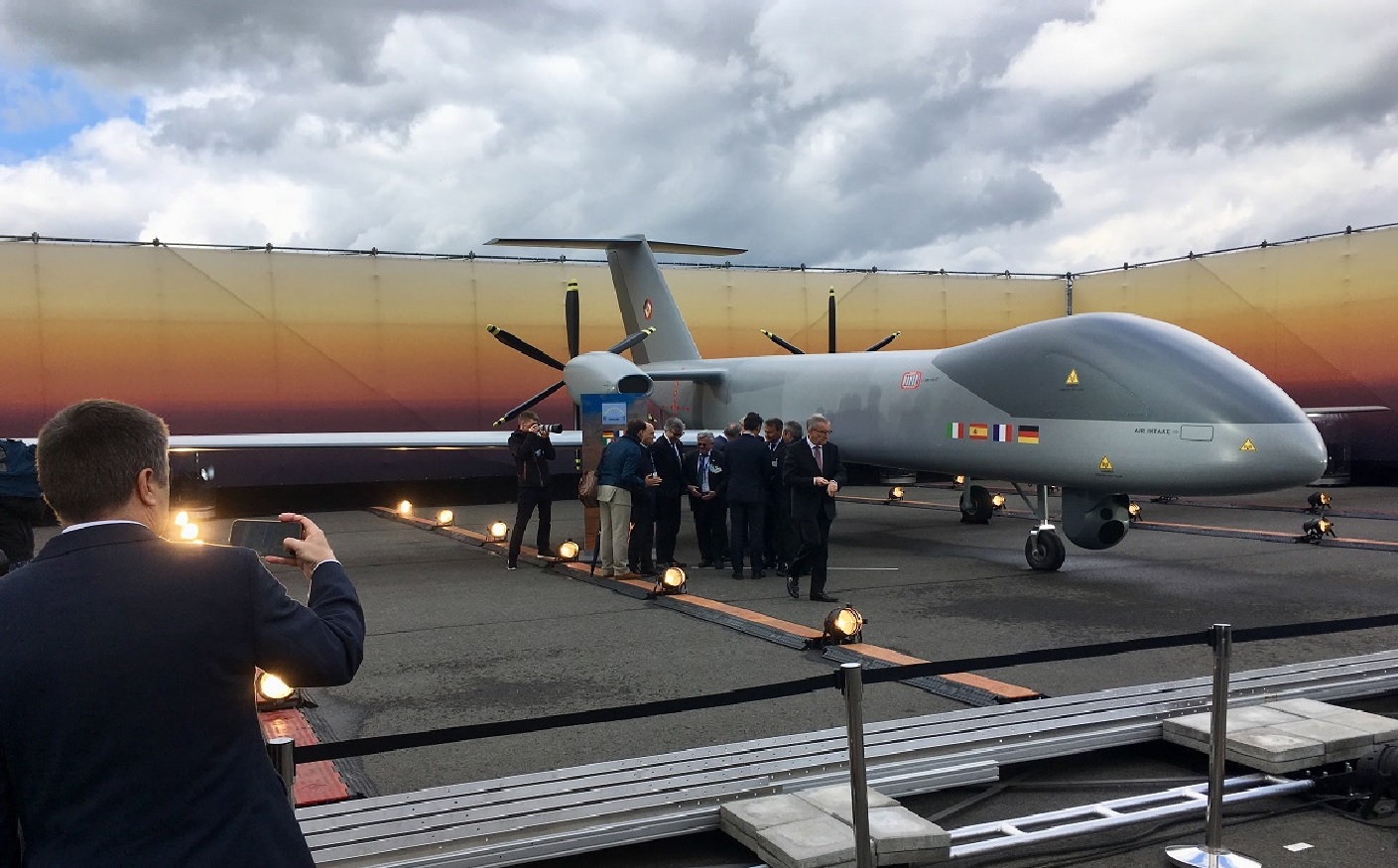 Dassault Seeks Compensation From Airbus as Eurodrone Dispute Erupts After FCAS Collapse
-
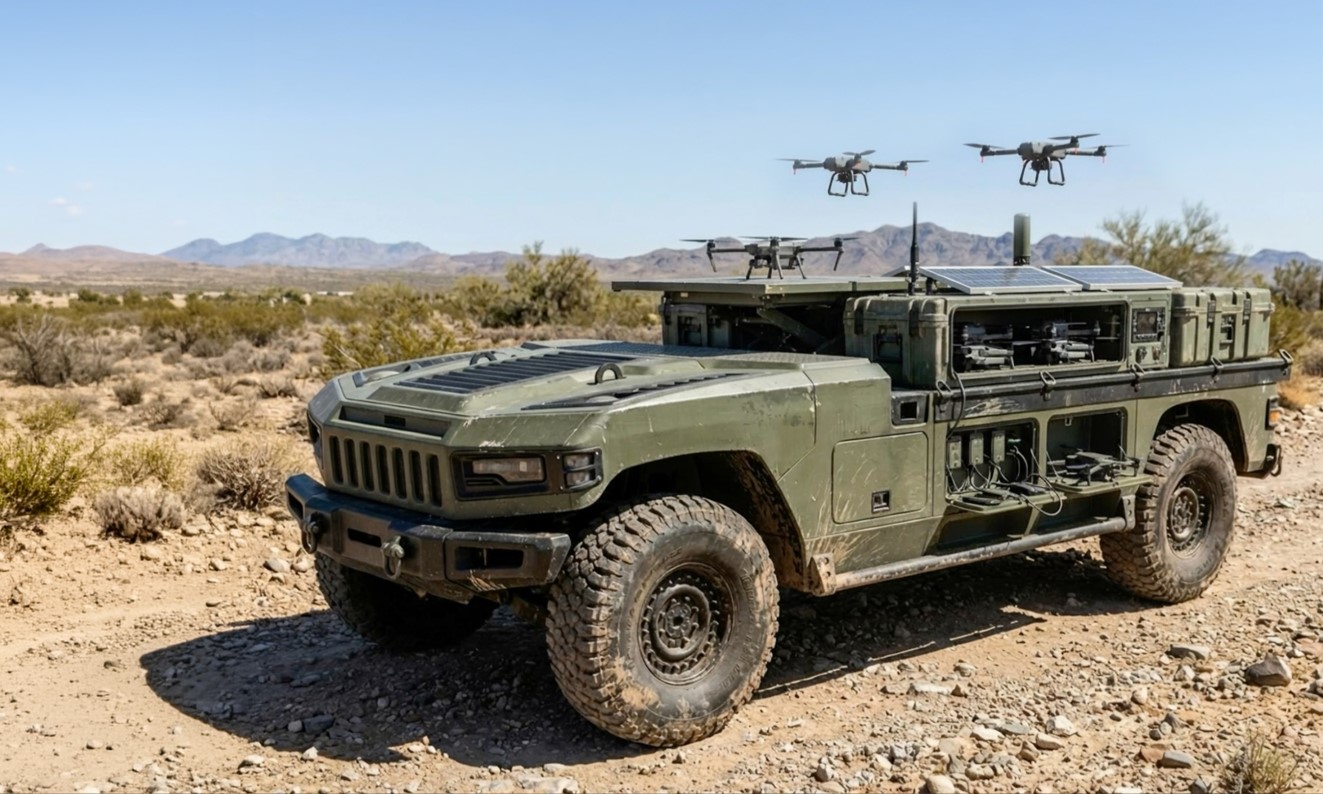 AM General Unveils Next-Generation UGV and JLTV A2 with Counter-Drone Systems at Eurosatory 2026
-
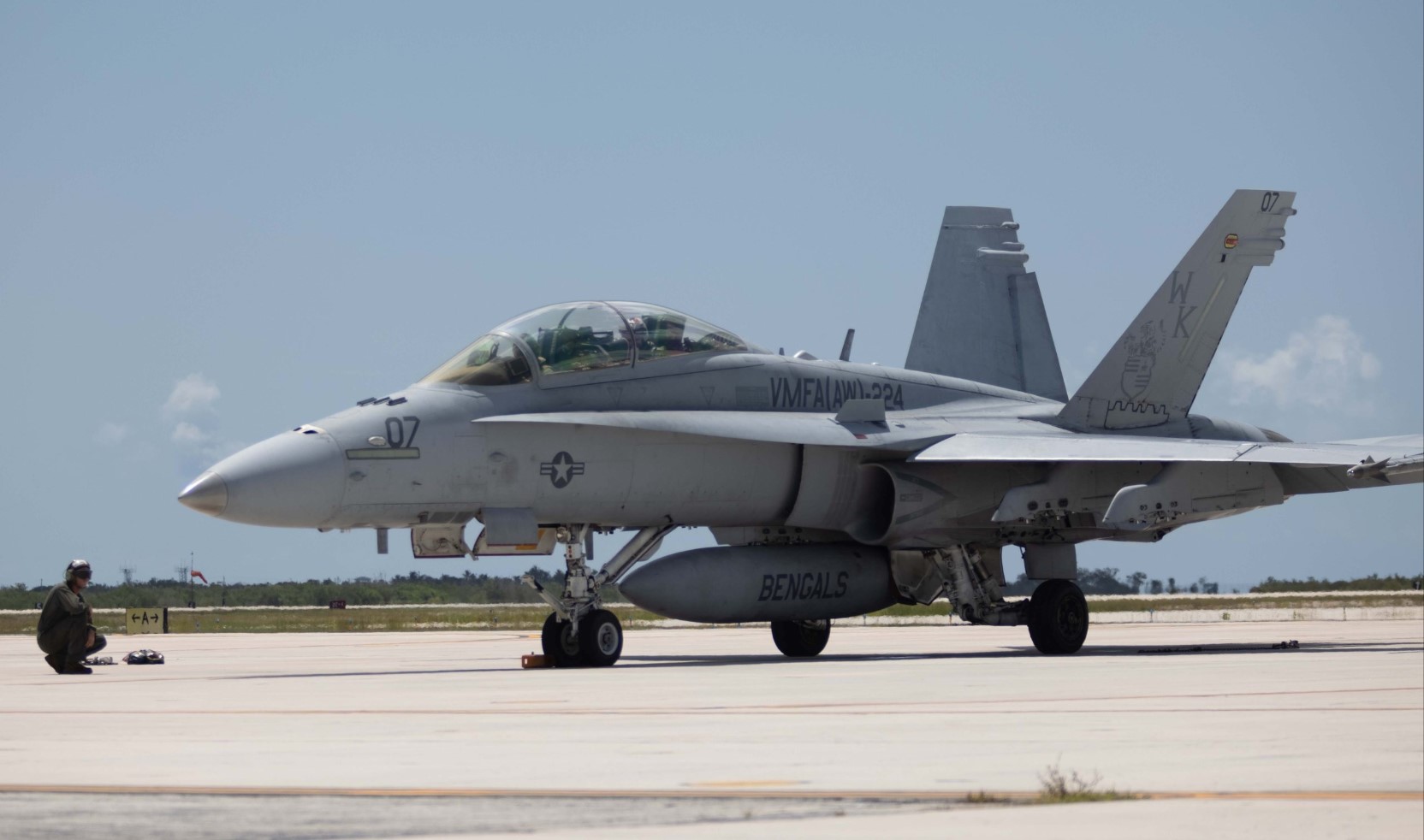 US Marine Corps F/A-18D Hornet Crashes During Training Flight in Washington Mountains; Pilot Ejects Safely
-
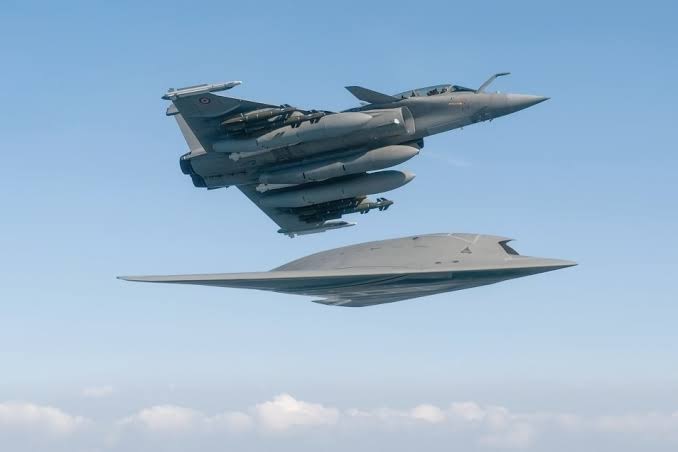 France Agrees to Equip Future Indian Rafales with AI, MUM-T and Secure Satellite Links Under F5 Standard
-
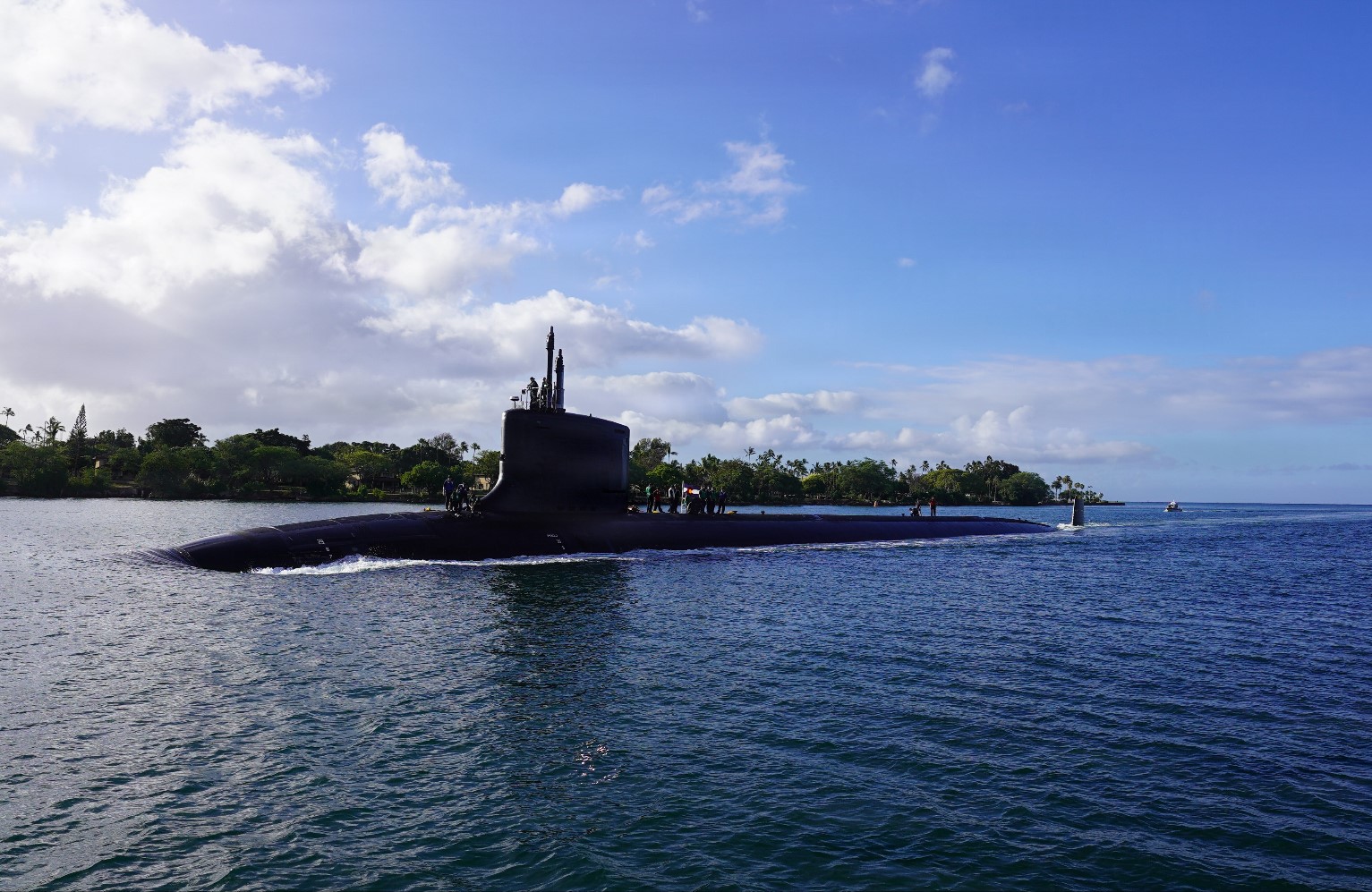 U.S. Navy's USS Colorado Submarine Returns to Pacific Fleet 29 Days Early After Major Pearl Harbor Overhaul
-
 Pakistan Raises Defence Budget from $9 Billion to $10.8 Billion as J-35 Fighter and Hangor Submarine Programs Advance
-
 Elbit Systems and Diehl Defence Partner to Offer SkyStriker Loitering Munition to German Armed Forces
Top Trending in 4 Days
-
 Iranian Media Leaks 14-Point U.S.-Iran Peace Framework Amid Ongoing Negotiations
-
 US Plans Significant Reduction of Fighter Jets and Warships for NATO Operations in Europe
-
 F-35 Fleet Readiness Falls to 25% Amid Parts Shortages and Software Delays: GAO Report
-
 U.S. Air Force Faces Strategic Airlift Shortfall as C-17 Production Restart Remains Uncertain
-
 NATO Commander Says Russia Not Seeking Conflict With Alliance Despite U.S. Force Reductions
-
 Russian Defense Firm ZALA Unveils KAMA Unmanned Surface Vessel Family at FLOT-2026 Naval Exhibition
-
 U.S. Space Force Awards $437.7 Million Contracts for First PTS-G Swarm 1 Anti-Jam Satellites
-
 India Successfully Conducts AD-1, AD-2 Interceptor Tests and Maiden NASM-MR Flight Trial