
World
U.S. President Joe Biden has authorized $571.3 million in defense support for Taiwan, reinforcing the island’s military capabilities as tensions with China continue to escalate. The White House announced the decision on Friday, marking another significant step in Washington’s unwavering commitment to Taiwan's security. This support package is complemented by the State Department’s approval of a $265 million sale of military modernization equipment to the self-governed island. Strategic Military Support The defense assistance package includes the drawdown of defense articles, services, and military education and training from the Department of Defense. While the specifics of the $571.3 million package were not disclosed, it represents one of the largest drawdowns under the Biden administration, underscoring the urgency of bolstering Taiwan’s defenses amid heightened regional instability. Meanwhile, the $265 million arms sale focuses on modernizing Taiwan’s command, control, communications, and computer systems—vital elements for strengthening the island’s military readiness. Taiwan’s Ministry of Defense welcomed this development, noting that the upgrades would significantly enhance its ability to monitor and respond to evolving threats. Additionally, the U.S. government approved a $30 million package for parts used in 76mm autocannons, further equipping Taiwan to counter what is often referred to as China’s “grey-zone” tactics—activities that fall below the threshold of armed conflict but aim to intimidate and destabilize. Rising Chinese Military Pressure China’s aggressive maneuvers around Taiwan have intensified in recent months. The island recently reported the largest massing of Chinese naval forces in three decades, with Beijing conducting military activities in the East and South China Seas. Earlier this year, China staged two rounds of war games, simulating blockades and strikes against Taiwan. Taiwan has consistently rejected Beijing’s claims of sovereignty, asserting its status as a democratically governed entity. The growing military pressure has prompted Taipei to remain on high alert, with frequent patrols and readiness drills to counter potential incursions. The U.S.-Taiwan Defense Alliance Though the United States does not maintain formal diplomatic relations with Taiwan, it is bound by the Taiwan Relations Act to provide the island with the necessary means to defend itself. This legal framework has become a cornerstone of Washington’s policy in the Indo-Pacific, despite Beijing's repeated condemnation of U.S. arms sales and support for Taiwan. The Biden administration’s latest defense package signals a strong commitment to maintaining peace and stability in the Taiwan Strait. Taiwan’s Ministry of Defense expressed gratitude for Washington’s continued security assurances, emphasizing the importance of close U.S.-Taiwan cooperation to safeguard the region. Broader Implications The United States’ increasing support for Taiwan reflects its broader strategy to counterbalance China’s growing influence in the Indo-Pacific. This move is also likely to draw sharp criticism from Beijing, which views any form of military aid to Taiwan as a violation of its “One China” policy. As the geopolitical landscape grows more complex, the latest defense package serves as a reminder of the fragile balance in the region. For Taiwan, the U.S. backing offers a vital lifeline in its ongoing quest to preserve sovereignty and deter aggression.
Read More → Posted on 2024-12-21 15:17:18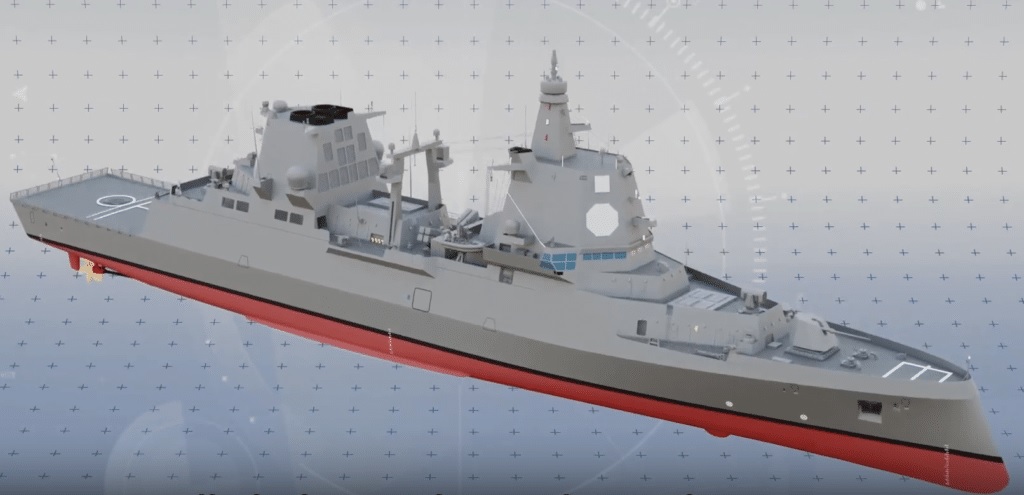
World
In a significant step to bolster its maritime defense capabilities, Germany has formally approved the launch of the Type F127 air-defense frigate program. This initiative is part of a broader €21 billion defense procurement plan, which includes additional submarines and other military upgrades. The Type F127 frigates are set to replace the aging F124 air-defense ships, with the first vessel expected to enter service around 2034. Strategic Importance of the F127 Program The Type F127 frigates represent a pivotal advancement in Germany’s naval capabilities, addressing critical gaps in air defense and reaffirming the country’s commitment to NATO obligations. According to Thyssenkrupp Marine Systems (TKMS), which leads the project, this program will secure Germany’s position as a technological leader in naval shipbuilding. The project also promises substantial economic benefits, with 90% of the order value remaining within Germany and the creation of up to 1,500 jobs at TKMS facilities in Wismar. Key Features of the Type F127 Frigate The Type F127 frigate is based on the MEKO A-400 AMD design, a state-of-the-art platform tailored to meet the German Navy’s requirements. With a displacement of 10,000 tons, a hull length of 160 meters, and a beam of 21 meters, the F127 is a notable upgrade in size and capability over its predecessors. Advanced Air Defense Systems The frigates will be equipped with the AEGIS Combat System, featuring large AESA radar panels, likely the AN/SPY-6 or AN/SPY-7. This system will enable comprehensive air and ballistic missile defense capabilities. The ship’s 64 vertical launch cells (VLS), divided into two groups, will house long-range surface-to-air missiles (SM-2 and SM-6), medium-range ESSM missiles, and potentially land-attack Tomahawk cruise missiles. Enhanced Weaponry The F127 frigates will also feature the OTO 127/64 LW main gun by Leonardo and advanced small-caliber autocannons, expected to include systems optimized for counter-drone operations. Notably, two laser weapons are planned for deployment, positioned near the bridge and the helicopter hangar, marking a forward-looking approach to naval defense. Propulsion and Operational Range The ship’s propulsion system, comprising two gas turbines and two diesel engines, will deliver a top speed of 32 knots and a range of 4,000 nautical miles. The vessel’s endurance is projected at over 30 days, making it suitable for extended missions. Multi-Mission Flexibility The design includes hangar space for two NH-90 helicopters and provisions for two ISO containers, allowing for additional mission-specific equipment. This flexibility underscores the frigate's capability to adapt to a wide range of operational requirements. Economic and Strategic Partnerships The program is a collaborative effort involving TKMS, Naval Vessels Lürssen (NVL), and other German partners. A joint venture between TKMS and NVL was established in September 2023 to oversee construction, which is expected to begin by 2025, pending final approvals. Strengthening NATO Commitments The F127 program not only modernizes Germany’s naval forces but also reinforces its reliability as a NATO partner. By filling critical capability gaps in air defense, the frigates will contribute to the alliance’s collective security framework. A Vision for the Future With the F127 frigates, Germany is signaling a strong commitment to its maritime security and technological advancement. The program aligns with broader European defense goals, ensuring that Germany remains at the forefront of naval innovation while fulfilling its international responsibilities. The launch of the Type F127 frigate program is more than just a procurement decision—it’s a decisive step toward shaping the future of naval defense in Europe.
Read More → Posted on 2024-12-20 15:29:17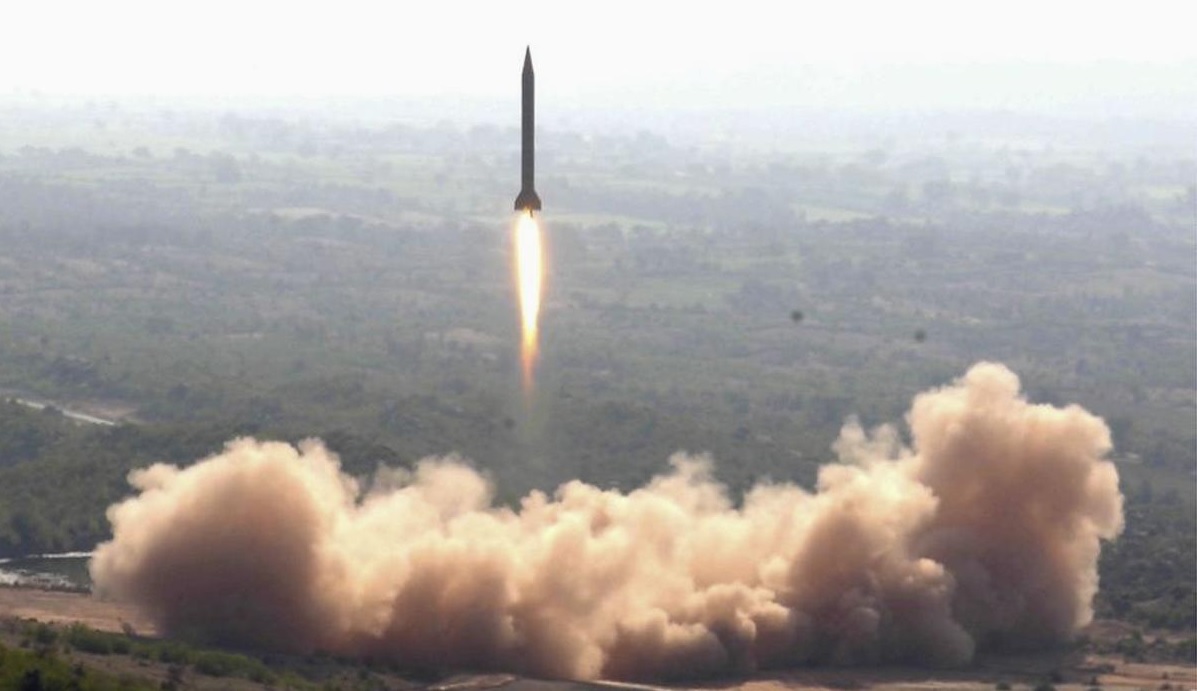
World
A senior White House official has raised alarms over Pakistan’s rapid advancement in missile technology, describing it as a potential threat to U.S. security. Jon Finer, the principal deputy national security advisor, underscored these concerns during a speech at the Carnegie Endowment for International Peace. His remarks coincided with the Biden administration’s announcement of sanctions targeting four Pakistani entities, including the state-owned National Development Complex (NDC), a pivotal player in Pakistan’s missile program. U.S. Sanctions: A Strategic Move The sanctions, unveiled on Wednesday, mark a significant escalation in U.S. measures against Pakistan’s missile developments. Among the sanctioned entities, the Islamabad-based NDC leads Pakistan’s ballistic missile program, while three Karachi-based companies—Akhtar and Sons Private Limited, Affiliates International, and Rockside Enterprise—were identified as contributors to missile-related projects. This is the first time the U.S. has sanctioned a Pakistani state-owned enterprise for its role in missile development. According to Finer, the move reflects mounting concerns over Pakistan’s advancements in long-range ballistic missile systems and rocket motors capable of reaching targets well beyond South Asia. A Shifting Threat Landscape Historically, Pakistan’s nuclear and missile programs were perceived as deterrents aimed at countering regional rival India. However, Finer’s statements suggest that Pakistan's ambitions may now extend beyond South Asia. With advancements in long-range missile systems, U.S. officials fear that Pakistan could potentially target areas as far away as the United States. “Pakistan’s actions raise real questions about its intentions,” Finer stated. He compared this emerging threat to those posed by nations like Russia, North Korea, and China—countries already capable of deploying nuclear weapons and missiles that could strike U.S. territory. Complex U.S.-Pakistan Relations The U.S. and Pakistan share a complicated history, alternating between periods of cooperation and conflict. While the two nations have collaborated on counter-terrorism, especially after the 9/11 attacks, their relationship has been strained by Pakistan’s military coups, ties with the Taliban, and its nuclear program. Tensions escalated following the U.S. withdrawal from Afghanistan in 2021, with Washington growing increasingly critical of Islamabad’s alignment with China. Beijing has played a significant role in bolstering Pakistan’s missile capabilities, further complicating U.S.-Pakistan relations. Pakistan’s Response and Justifications Pakistan has consistently defended its missile program as essential for maintaining regional stability. Officials in Islamabad argue that these developments are crucial for deterring India and preserving a balance of power in South Asia. However, Pakistan has yet to issue an official response to the latest U.S. sanctions. Despite repeated U.S. objections, Pakistan has continued its work on larger rocket engines and more advanced missile systems. According to Finer, American diplomats have engaged in numerous discussions with Pakistani officials, only to be met with resistance. “They tell us we are biased,” Finer remarked, expressing frustration over Pakistan’s lack of acknowledgment of U.S. concerns. Pakistan’s Expanding Missile and Nuclear Arsenal Pakistan’s missile and nuclear programs have grown significantly since their inception in the 1970s. The country conducted its first nuclear test in 1998, two decades after India’s initial test. Estimates suggest Pakistan currently possesses approximately 170 nuclear warheads, though the exact number remains unclear. Recent advancements in Pakistan’s missile technology, particularly long-range ballistic systems, are seen as a major escalation in its military capabilities. These developments have not only heightened tensions in South Asia but have also triggered alarm in Washington over their potential global implications. Sanctions and Future Implications The U.S. sanctions represent a critical step in addressing these emerging threats, signaling Washington’s intent to curb Pakistan’s missile advancements. By targeting key players like the NDC, the Biden administration hopes to exert pressure on Islamabad to reconsider its trajectory. However, whether these measures will lead to meaningful change remains uncertain. As U.S. concerns grow over Pakistan’s collaboration with China and its expanding missile capabilities, the relationship between the two nations appears increasingly strained. The sanctions and Finer’s remarks underscore a pivotal moment in U.S.-Pakistan relations, raising questions about the future of regional and global security. A New Geopolitical Reality The development of long-range missiles by Pakistan represents a turning point in its defense strategy, potentially shifting its focus from regional deterrence to global ambitions. For the United States, this development poses not just a strategic challenge but also a test of its ability to address emerging threats in an increasingly multipolar world.
Read More → Posted on 2024-12-20 15:18:20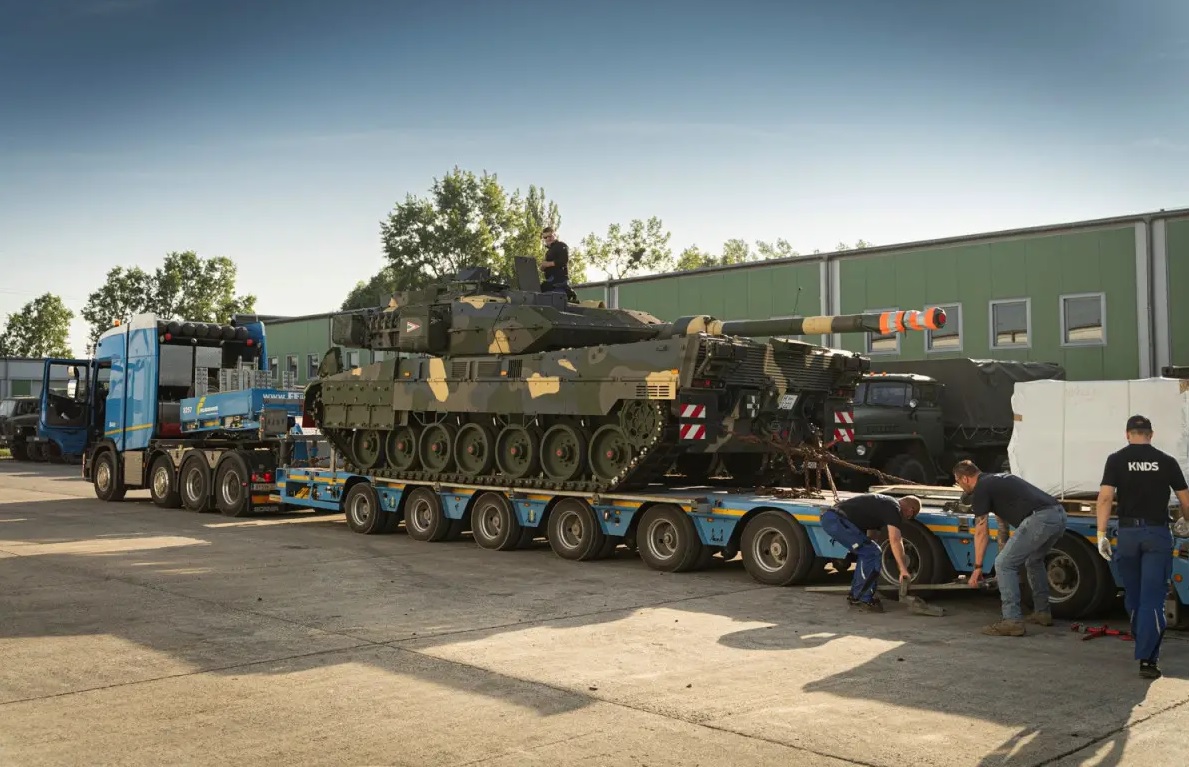
World
Hungary has achieved a significant milestone in its military modernization efforts with the delivery of 31 Leopard 2A7HU main battle tanks from KNDS Deutschland. This advanced fleet, tailored to meet Hungary's specific defense needs, forms a cornerstone of a broader 2018 agreement aimed at upgrading the Hungarian Defence Forces. Alongside these tanks, the first Wisent 2 Armoured Recovery Vehicle (ARV) has also been handed over to the HDF 1st Armoured Brigade in Tata, signaling progress in Hungary's ambitious defense transformation. Leopard 2A7HU: A Tailored Powerhouse The Leopard 2A7HU, an upgraded variant of the renowned Leopard 2 series, offers superior firepower, protection, and mobility. Tailored specifically for Hungary, these tanks are designed to excel in a variety of combat scenarios. Key features include: Advanced Fire Control Systems: Providing unparalleled accuracy in targeting. Composite Armor: Offering enhanced protection against modern threats. Superior Mobility: Powered by a 1,500-horsepower engine, these tanks can handle challenging terrains. The 31 tanks delivered are part of a broader procurement deal that includes 44 Leopard 2A7 tanks, 24 PzH 2000 self-propelled howitzers, and a range of support vehicles, all slated for delivery by 2028. Wisent 2 ARV: A Modern Battlefield Workhorse The Wisent 2 Armoured Recovery Vehicle complements the Leopard tanks by providing critical support in recovery and engineering operations. Built on the Leopard 2 chassis, the Wisent 2 is a versatile and modular vehicle capable of multiple roles: Recovery Operations: Equipped to tow and repair damaged combat vehicles. Engineering Tasks: Features such as a 32-tonne crane, excavator, and mine-clearing equipment make it indispensable for complex missions. Modularity: The vehicle can switch between recovery and engineering configurations in just five hours, adding flexibility to its deployment. Comprehensive Modernization Plan Hungary’s defense acquisition plan extends beyond tanks and recovery vehicles. By 2028, the country aims to bolster its forces with: Five Wisent 2HU Recovery Vehicles: Enhancing operational resilience in the field. Three Leguan 2HU Armoured Bridge Layers: Designed for rapid deployment across water and other obstacles. 24 PzH 2000 Self-Propelled Howitzers: Providing precision artillery support. These acquisitions align with Hungary’s strategy to develop a 21st-century military force capable of addressing contemporary threats while enhancing regional security. Strengthening Deterrence and Security Defence Minister Kristóf Szalay-Bobrovniczky highlighted the significance of these advancements, stating, “Modern military equipment serves both the security of the Hungarian people and strengthens the deterrence capabilities of the Hungarian Defence Forces.” The arrival of the Leopard 2A7HU tanks and Wisent 2 ARV demonstrates Hungary's commitment to building a technologically advanced and resilient military. These additions not only bolster national defense but also contribute to NATO’s collective security framework, underscoring Hungary's strategic importance in the region. This modernization effort signals Hungary’s readiness to meet the demands of modern warfare while ensuring the safety and security of its citizens.
Read More → Posted on 2024-12-20 15:13:57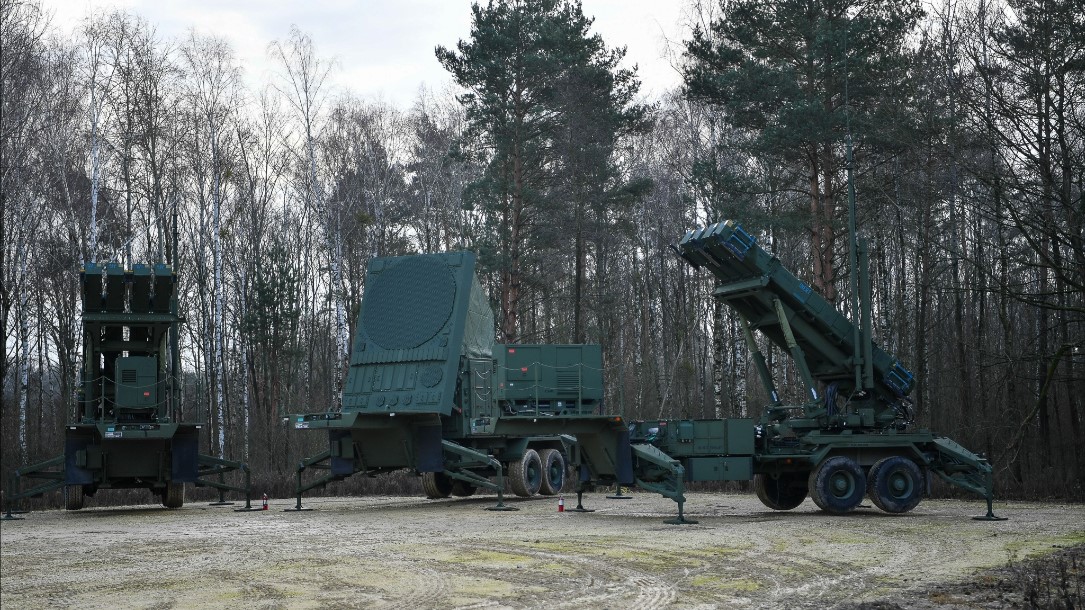
World
Poland has taken a significant leap in bolstering its air defense capabilities with the Wisla air defense system achieving Initial Operational Capability (IOC). The milestone was accomplished by the 37th Air Defense Missile Squadron, a unit of the 3rd Warsaw Air Defense Missile Brigade. A second battery of the Wisla system is expected to reach the same operational level by the end of this year, marking a major milestone in Poland’s efforts to enhance its defensive posture. A Response to Modern Threats The importance of robust air defense has been underscored by ongoing conflicts, particularly the war in Ukraine. Speaking at the event in Sochaczew, Polish Deputy Prime Minister Władysław Kosiniak-Kamysz emphasized the lessons learned from contemporary warfare. He highlighted the necessity of a multi-layered air defense strategy, integrating systems like Pilica Plus for very short-range, Narew for short-range, and Wisla for medium-range defense. Integration with IBCS: A Technological Edge Achieving IOC required the seamless integration of the Integrated Battle Command System (IBCS) into the Wisla system. Developed by Northrop Grumman, IBCS provides an open and scalable architecture that integrates multi-domain sensors and effectors. This architecture enables a unified view of the battlespace, allowing operators to make faster and more informed decisions to counter threats. The system's advanced features, such as integration with M903A2 launchers and Patriot Advanced Capability-3 (PAC-3) Missile Segment Enhancement missiles, further enhance its ability to counter tactical ballistic missiles, cruise missiles, and aerial threats. Northrop Grumman described IBCS as a foundational capability for enabling joint, coalition, and multi-domain operations, paving the way for closer integration of US and Polish air defenses during combined missions. Wisla Program and Future Upgrades The Wisla air defense system is based on the Patriot missile defense platform and represents Poland’s medium-range defense solution. In the second phase of the program, Poland will integrate Raytheon’s next-generation Lower Tier Air and Missile Defense Sensors (LTAMDS) with the system. These sensors, powered by Gallium Nitride (GaN) technology, offer 360-degree tracking capabilities, addressing a critical limitation of current Patriot radars. Last year, Poland signed a procurement agreement for 12 LTAMDS radars and 48 Patriot launchers to enhance the Wisla system's capabilities. The LTAMDS is being developed for the US Army as a state-of-the-art replacement for the Patriot radar, promising significant improvements in detection and interception of advanced threats. Strengthening Poland’s Defense The achievement of IOC for the Wisla system reflects Poland’s commitment to building a robust, multi-layered air defense network. With a comprehensive strategy that spans very short-range to medium-range defense, Poland aims to safeguard its airspace against emerging threats. The integration of cutting-edge technologies like IBCS and LTAMDS underscores Poland's proactive approach in modernizing its military capabilities. As the second Wisla battery gears up to achieve IOC by the end of the year, Poland is solidifying its position as a key player in Europe’s collective defense architecture. The advancements made under the Wisla program not only strengthen national security but also contribute to NATO's overall defensive readiness.
Read More → Posted on 2024-12-20 15:03:23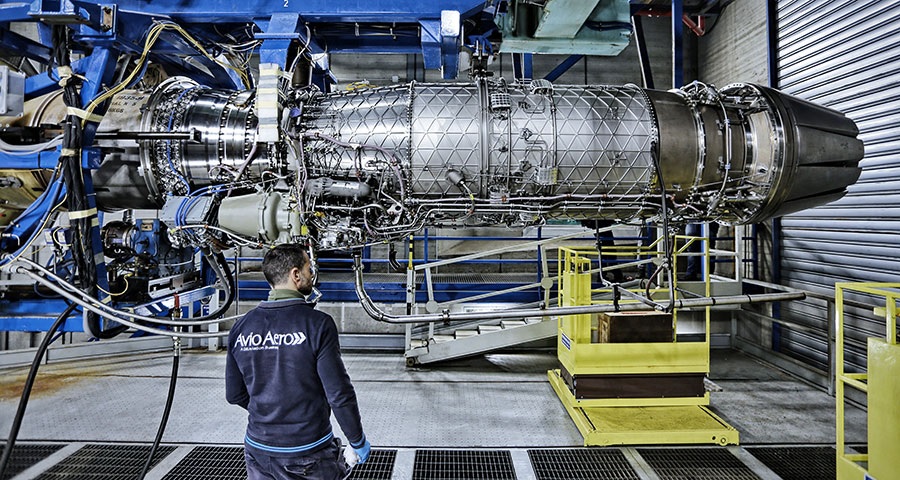
World
The Spanish Air Force has taken a significant step to enhance its defense capabilities with the signing of a contract for 59 EJ200 engines to power its Eurofighter Typhoon fleet. The agreement, marking the second phase of Spain’s Halcón acquisition project, was formalized at the Getafe Air Force Base in Madrid. This milestone contract was signed by Air Vice Marshal (AVM) Simon Ellard (ret.), General Manager of the NATO Eurofighter & Tornado Management Agency (NETMA), and Ralf Breiling, CEO of EUROJET Turbo GmbH, the consortium responsible for managing the EJ200 engine program. The deal underscores Spain's commitment to strengthening its aerial defense within NATO’s strategic framework. EJ200 Engine: A Cutting-Edge Powerhouse The EJ200 engine, renowned for its cutting-edge performance, will serve as the backbone of Spain’s Eurofighter Typhoon fleet. Since its first delivery in 2003, the EJ200 has accumulated over 1.5 million flying hours and proven its combat capabilities across nine air forces worldwide. The engine’s modular design ensures high reliability and ease of maintenance, critical features for operational readiness. With thrust levels exceeding 20,000 pounds, the EJ200 provides superior maneuverability and speed, making it an ideal choice for modern combat scenarios. Production and Delivery Timeline The production of the EJ200 engines will involve EUROJET’s partner companies: Rolls-Royce (UK), MTU Aero Engines (Germany), ITP Aero (Spain), and Avio Aero (Italy). Final assembly and integration will be conducted at ITP Aero’s facility in Ajalvir, Spain, ensuring local expertise is at the forefront of this project. Deliveries are expected to commence in 2029, aligning with Spain’s broader modernization plans for its Eurofighter fleet. This long-term project highlights the strategic role of the EJ200 in bolstering Spain's air defense capabilities. Strategic Importance of the Contract Ralf Breiling, CEO of EUROJET, emphasized the significance of Spain’s confidence in the EJ200 engine, calling it “inspiring” and noting its role in delivering a “world-class, combat-proven asset” for the Spanish Air Force. AVM Simon Ellard (ret.) of NETMA highlighted the collaborative nature of this procurement, stating, “The EJ200 powers the Eurofighter Typhoon to secure our skies and reinforce NATO’s deterrence capabilities.” EUROJET: A European Collaboration EUROJET Turbo GmbH is a consortium of leading aerospace companies, including Rolls-Royce, MTU Aero Engines, ITP Aero, and Avio Aero. This collaboration represents a cornerstone of European defense cooperation, leveraging expertise from across the continent to deliver cutting-edge aerospace technology. With over 1,400 EJ200 engines delivered to date, EUROJET continues to play a pivotal role in supporting the Eurofighter Typhoon, one of the most advanced multirole combat aircraft globally. Conclusion The contract for 59 new EJ200 engines not only reinforces Spain’s aerial defense capabilities but also showcases the strength of European collaboration in the aerospace sector. As the engines begin to roll out in 2029, the Spanish Air Force will be better equipped to address modern defense challenges and fulfill its commitments within NATO. This initiative underlines the enduring importance of the Eurofighter Typhoon and the EJ200 engine in maintaining a robust and capable European defense ecosystem.
Read More → Posted on 2024-12-20 14:12:55
World
A new shipment of North Korean military hardware has reached Russia, sparking widespread interest and speculation about the deepening military cooperation between the two nations. Reports and video footage have confirmed the arrival of more than a dozen North Korean M1989 Koksan self-propelled artillery systems, transported by train. This is the second such sighting, following an initial delivery observed about a month ago. The M1989 Koksan artillery is a formidable long-range weapon system that has been in operation since the 1980s. Named after the North Korean city where it was first identified, the system is built around a powerful 170mm gun mounted on a modified tank chassis, derived from platforms like the T-54, T-62, or Chinese Type 59. With a range of up to 60 kilometers when using rocket-assisted projectiles, the M1989 is designed for heavy bombardment and strategic artillery roles, making it one of the longest-ranged artillery systems globally. This model is an improvement over the earlier M1979 Koksan variant, addressing critical limitations. Unlike its predecessor, the M1989 features onboard storage for 12 rounds of ammunition and a protected cabin for the crew, enhancing operational efficiency and survivability on the battlefield. These upgrades make the M1989 a more versatile and robust weapon, capable of sustained bombardment under challenging conditions. While these artillery pieces have not yet been observed in active combat, their presence in Russia raises significant concerns. Their long-range capabilities could prove advantageous in operations requiring heavy bombardment or precision targeting from a distance. However, questions remain about their readiness and the specific intent behind their deployment. The growing military collaboration between North Korea and Russia, as underscored by these shipments, carries broader geopolitical implications. It signals a willingness by Pyongyang to support Moscow, potentially supplying critical equipment for Russia’s military efforts. This development highlights a shift in the international defense landscape, where unconventional alliances may play an increasingly strategic role. For now, the exact purpose of these shipments remains unclear. Whether intended for immediate combat deployment, testing, or strategic posturing, the presence of North Korean artillery on Russian soil is a stark reminder of the evolving dynamics in global military cooperation and conflict readiness.
Read More → Posted on 2024-12-19 16:16:06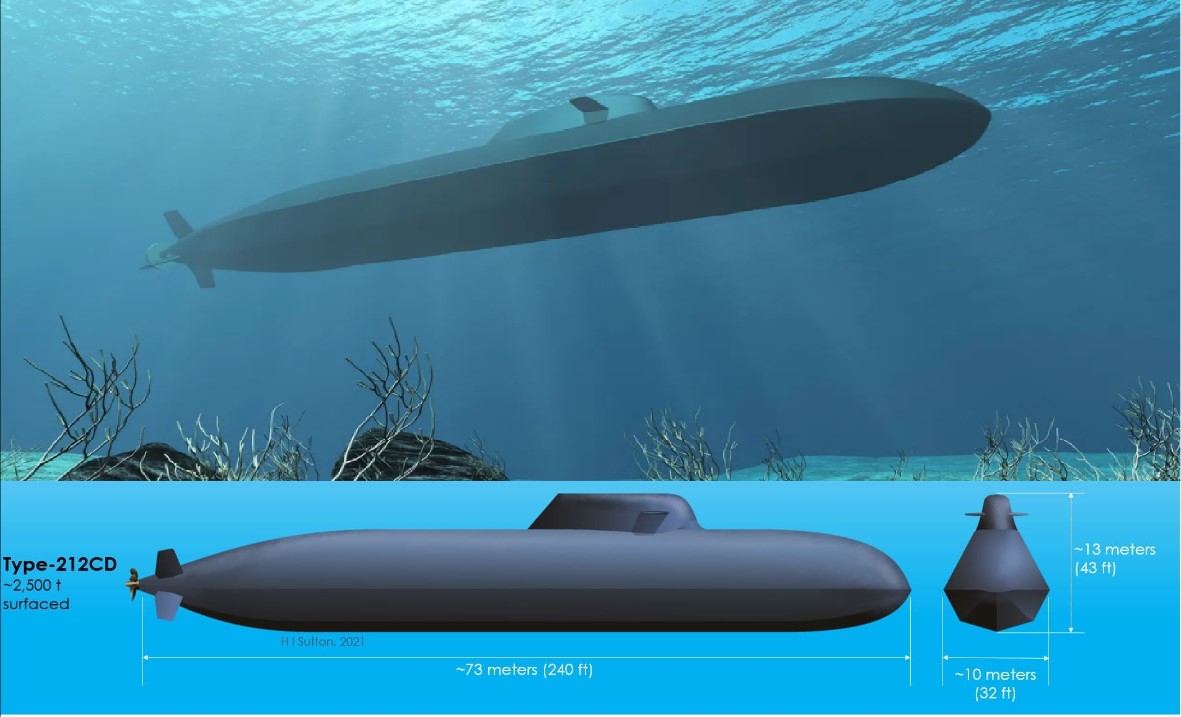
World
Germany has taken a major step toward enhancing its naval capabilities by approving a budget for the procurement of four additional Type 212CD submarines. This decision, made during the German Parliament’s final committee sessions before Christmas, solidifies the Bundeswehr’s commitment to modernizing its fleet while addressing NATO readiness requirements. The newly approved funding brings the total number of Type 212CD submarines ordered by Germany to six, with a collaborative effort with Norway potentially expanding the fleet to a combined 12 units for both nations. Type 212CD: The Next Generation of Submarine Warfare The Type 212CD submarine represents cutting-edge advancements in underwater warfare. Equipped with Air-Independent Propulsion (AIP) systems, these submarines can operate silently for extended periods without surfacing, enhancing their stealth capabilities. The design is a product of German shipbuilder Thyssenkrupp Marine Systems (TKMS) and includes features tailored to meet the operational needs of both the German and Norwegian navies. Key specifications include: Length: Approximately 73 meters Displacement: Around 2,500 tons submerged Crew: 20-30 personnel Armament: Torpedoes, mines, and the IDAS (Interactive Defense and Attack System for Submarines), a versatile missile capable of engaging aerial, surface, and ground targets. Operational Range: Extended range owing to the fuel-cell-based AIP technology. Strategic Implications Germany’s approval of additional Type 212CD submarines aligns with NATO’s evolving readiness requirements, which call for at least five operational German submarines by 2031. To achieve this goal, Germany is not only expanding its submarine fleet but also addressing midlife upgrades (MLU) for its current six Type 212A submarines. These upgrades are necessary to ensure their operational viability beyond 2035, but detailed plans and funding for these measures are still pending. Norway, Germany’s partner in the Type 212CD program, has also expressed interest in increasing its initial order from four submarines to six. This collaborative procurement aims to bolster the maritime defense posture of both nations, ensuring effective deterrence against potential threats. IDAS Missile System: Enhanced Submarine Capabilities Alongside the new submarines, Germany has approved funding for the IDAS missile system, a groundbreaking technology designed for submarine-launched operations. The IDAS missile offers a range of over 15 kilometers and is equipped with an imaging infrared seeker and a fiber-optic data link, allowing precise target engagement. This system can counter threats from low-flying aircraft, surface vessels, and even land-based targets. Mounted within existing 533mm torpedo tubes, IDAS enhances the operational flexibility of the Type 212CD fleet. Challenges Ahead Despite these ambitious plans, challenges loom over the expansion of Germany’s submarine fleet. Recruitment shortfalls in the Bundeswehr have already impacted the Navy’s ability to staff its current vessels. Moreover, the maintenance backlog for existing Type 212A submarines, many of which are overdue for upgrades, could strain resources. The Navy’s broader modernization goals, including plans to acquire F126 ASW frigates and F127 AAW frigates, add further complexity to the resource allocation process. Production and Future Prospects TKMS is poised to ramp up submarine production to meet Germany and Norway’s demands. The company has expanded its capabilities with a new submarine production facility in Kiel and the acquisition of MV Werften in Wismar. These developments position TKMS to deliver the first Type 212CD to Norway by 2027, with Germany receiving its initial deliveries in 2031 and 2034. Beyond Germany and Norway, TKMS is exploring export opportunities for the Type 212CD, with potential customers including Canada, Poland, and India. While negotiations with India focus on the Type 214NG, any additional orders would further drive the need for increased production capacity. Conclusion The Bundestag’s approval of the Type 212CD procurement marks a significant step in strengthening Germany’s naval capabilities. These advanced submarines, coupled with the IDAS missile system, promise to enhance NATO’s maritime security framework. However, the path to achieving these ambitious goals requires careful navigation of logistical, financial, and manpower challenges.
Read More → Posted on 2024-12-19 16:04:46
World
The European Union (EU) is intensifying its support for Ukraine by planning to train an additional 15,000 Ukrainian soldiers by early 2025. This effort is part of the EU Military Assistance Mission for Ukraine (EUMAM), which has already trained approximately 60,000 Ukrainian troops since its inception in October 2022. EUMAM's Objectives and Operations EUMAM's primary goal is to enhance Ukraine's ability to defend its territorial integrity and sovereignty against Russian aggression. The training is conducted on EU territory, with significant contributions from countries like Poland and Germany. Currently, 24 EU member states are involved, providing experienced personnel and implementing various training modules. The mission is financed through the European Peace Facility, with a budget of €409 million ($429 million) allocated until November 2026. Recent Developments and Training Expansion In response to Ukraine's request for training within its own borders, the EU has decided to continue conducting training as close to Ukrainian territory as possible but not within Ukraine itself, citing safety concerns and the need for unanimous agreement among all 27 EU members. Additionally, the EU has been involved in specialized training programs, such as the F-16 training coalition, which includes countries like Denmark, the Netherlands, and the United States. This coalition aims to train Ukrainian pilots, technicians, and support personnel on F-16 fighter jets, with training taking place in various locations, including Denmark and the United States. Financial and Military Support Beyond training, the EU has provided substantial military and financial aid to Ukraine, amounting to €122 billion. This support includes the provision of ammunition, missiles, and various military equipment. For instance, as of August 2024, the EU had supplied approximately 650,000 rounds of ammunition and missiles to Ukraine, striving to reach a target of 1 million shells by the end of the year. Conclusion The EU's commitment to training an additional 15,000 Ukrainian soldiers by early 2025 underscores its unwavering support for Ukraine amid ongoing conflicts. By enhancing the capabilities of Ukrainian forces through comprehensive training programs and substantial financial aid, the EU aims to bolster Ukraine's defense and contribute to regional stability.
Read More → Posted on 2024-12-19 15:43:07
World
Russian President Vladimir Putin has thrown down the gauntlet to the United States, suggesting a missile “duel” to test the effectiveness of Russia’s new Oreshnik hypersonic ballistic missile against American missile defense systems. This bold proposal, made on Thursday, underscores Russia’s confidence in its latest military technology while attempting to silence Western skepticism surrounding the Oreshnik’s capabilities. Putin proposed that both countries identify a specific target for the experiment, which would be protected by U.S. missile defense systems. “We’re ready for such an experiment,” Putin said, signaling Russia’s willingness to demonstrate the Oreshnik’s ability to penetrate even the most advanced missile shields. What Makes the Oreshnik Stand Out? The Oreshnik is a hypersonic intermediate-range ballistic missile (IRBM) capable of speeds exceeding Mach 10, making it extremely difficult to intercept. It is equipped with advanced maneuvering capabilities and carries multiple independently targetable reentry vehicles (MIRVs). This means the missile can deliver several warheads to different targets, simultaneously overwhelming enemy defenses. While Putin emphasized that the Oreshnik represents modern military innovation, it is reportedly built on the foundation of earlier Russian missile designs. This evolution has enabled Moscow to refine and integrate advanced features into the weapon system while maintaining reliability. Deployment and Strategic Context The Oreshnik was first used in combat on November 21, 2024, when it targeted the Ukrainian city of Dnipro. According to Russian officials, this strike was a direct response to Ukraine’s use of U.S.-supplied ATACMS ballistic missiles and British Storm Shadow cruise missiles in attacks on Russian territory. This deployment marked a significant escalation in the conflict, demonstrating Russia’s readiness to employ its most advanced military assets in response to Western-supported Ukrainian operations. Analysts view this as a strategic signal to both Ukraine and its Western allies, emphasizing Russia’s deterrent capabilities. Western Scepticism and Strategic Implications Despite Putin’s confidence, Western experts remain divided on the Oreshnik’s revolutionary claims. Some argue that it is an incremental upgrade rather than a groundbreaking innovation. However, its hypersonic speed and multi-warhead design represent a substantial challenge to current U.S. missile defense systems, which are designed primarily to counter slower, more predictable threats. Putin’s proposal of a missile duel also highlights the growing arms race between Russia and the United States in hypersonic technology. Both nations have been investing heavily in developing these weapons, which could potentially reshape global strategic balances. A New Era of Military Showdowns? Whether or not the United States accepts Putin’s challenge, the suggestion itself is a bold move aimed at reinforcing Russia’s position on the global stage. By showcasing its hypersonic capabilities, Russia seeks to project strength and challenge the technological superiority traditionally associated with U.S. defense systems. As tensions between Moscow and Washington remain high, the Oreshnik missile duel proposal is likely to fuel further debate on the effectiveness of modern missile defense systems and the evolving nature of strategic deterrence.
Read More → Posted on 2024-12-19 15:30:05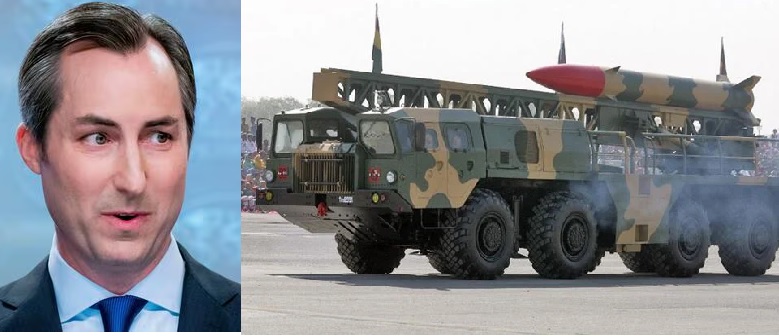
World
The United States has announced sanctions against four Pakistani entities linked to advancing the country’s ballistic missile program, signaling a significant move to curb the proliferation of weapons of mass destruction. The decision, which the State Department revealed on Wednesday, underscores growing U.S. concerns about the increasing sophistication and range of Pakistan’s missile capabilities. State Department spokesperson Matthew Miller, in a statement posted on X (formerly Twitter), emphasized the seriousness of the issue. He stated, “We have been clear and consistent about our concerns, and we will continue to engage constructively with Pakistan on these issues.” The sanctions were imposed under Executive Order 13382, which specifically targets proliferators of weapons of mass destruction and their delivery mechanisms. At the center of the controversy is the National Development Complex (NDC), a key institution based in Islamabad that spearheads Pakistan's ballistic missile development. The NDC is credited with significant advancements in missile technology, particularly in the development of the Shaheen-series ballistic missiles. The U.S. accuses the NDC of acquiring specialized vehicle chassis and other launch support equipment to bolster Pakistan’s long-range missile capabilities. These technologies, deemed dual-use, play a critical role in expanding Pakistan's strategic reach, potentially altering the regional power balance. In addition to the NDC, three Karachi-based companies—Affiliates International, Akhtar and Sons Private Limited, and Rockside Enterprise—have also been sanctioned. According to the State Department, these companies have been instrumental in supplying equipment and materials crucial to Pakistan’s ballistic missile program. Affiliates International, for instance, facilitated the procurement of missile-applicable items, while Akhtar and Sons and Rockside Enterprise provided a range of components and logistical support to further the NDC's objectives. These sanctions aim to freeze any U.S.-based assets held by the entities and prohibit American businesses or individuals from engaging in transactions with them. The move is part of a broader strategy by Washington to disrupt the supply chains that enable missile development and proliferation globally. The U.S. decision has sparked a sharp response from Pakistan, with the Foreign Ministry labeling the sanctions as "discriminatory" and detrimental to regional stability. Pakistani officials have also questioned the evidence supporting these allegations, suggesting that the measures are politically motivated. This marks the latest chapter in the complex and often contentious relationship between Washington and Islamabad, particularly concerning military and security matters. While the sanctions have been criticized by Pakistan, the U.S. has defended its actions as necessary to prevent the spread of weapons of mass destruction. The State Department reiterated its commitment to addressing proliferation concerns and called for constructive engagement with Pakistan to mitigate risks associated with its missile program. This development underscores the broader international concern about missile proliferation in South Asia. Pakistan’s ballistic missile program, which is often portrayed as a counter to India’s own strategic capabilities, has long been a source of tension. The sanctions also highlight the ongoing challenges in maintaining non-proliferation norms in a region marked by deep-seated rivalries and security dilemmas. As the U.S. continues to monitor and address proliferation risks, this latest round of sanctions serves as a reminder of the complexities of balancing strategic interests, regional stability, and global security imperatives.
Read More → Posted on 2024-12-19 15:23:50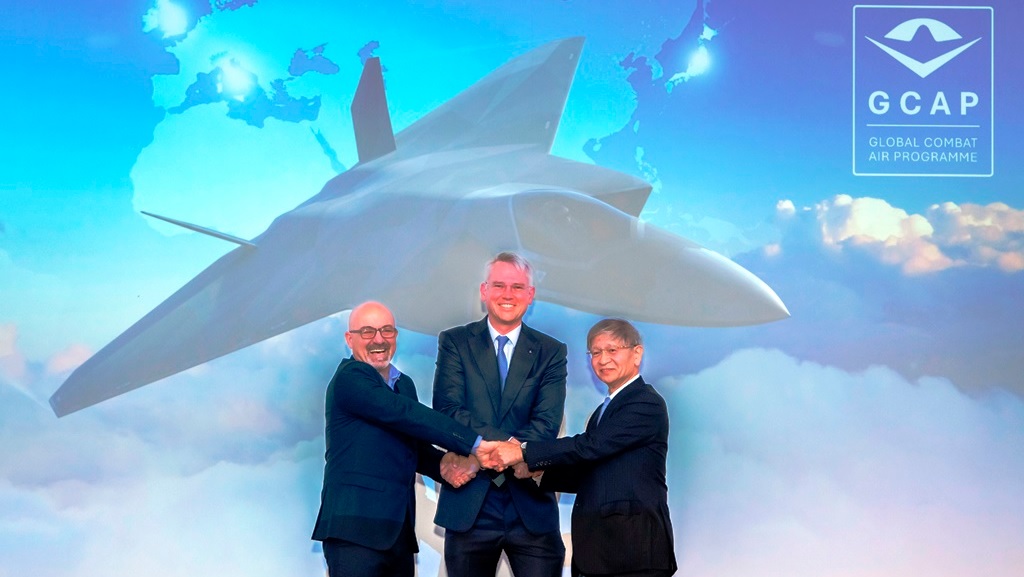
World
The Global Combat Air Programme (GCAP) is steadily advancing as a cornerstone of sixth-generation air combat capabilities, and Italy's role within this ambitious trilateral venture is both pivotal and transformative. A recent press session organized by Leonardo on December 17, 2024, highlighted the progress and vision behind the collaboration among the three tier-one partners: BAE Systems (UK), Leonardo (Italy), and Japan Aircraft Industrial Enhancement Co Ltd (JAIEC). This alliance, which equally divides responsibility and resources among the three nations, aims to redefine air superiority for decades to come. A Defining Year for GCAP 2024 has been a crucial year for GCAP as it reached significant milestones. Lorenzo Mariani, Leonardo's Co-General Manager, noted that the allocation of work among the three partner nations has been finalized, with each country assuming responsibilities as systems integrators in key domains like propulsion, electronic warfare, and sensors. Italy has already invested heavily in research and development, with €100 million worth of contracts signed with subcontractors to bolster its contributions to the joint venture. The Italian government has demonstrated an unprecedented level of commitment, earmarking €8.8 billion for the first phase of the programme. As Mariani emphasized, such robust governmental backing is rare and underpins Italy's determination to remain a major player in cutting-edge defense technologies. Italy’s Leadership in Key GCAP Domains Italy's National Company (NATCO) will lead several critical areas, including flight system integration, weapons integration, and training integration. Furthermore, Italy will oversee mission-critical aspects such as the Weapons Effect Management System and the Flight Control System, leveraging advanced artificial intelligence technologies. At the core of Italy's contributions is Torino Caselle, already renowned as the home of the Eurofighter Typhoon assembly line. This site will serve as the main Italian hub for GCAP-related activities. Supporting this effort are Leonardo’s facilities in Rome, Pomezia, Florence, and Nerviano, which specialize in electronics and avionics. Notably, the programme has revived Leonardo's Pomezia facility, originally slated for closure. Engineering Innovation and Employment Boom The GCAP is driving a wave of employment and innovation. Leonardo alone has hired several hundred engineers specifically for GCAP, while over 9,000 individuals, including 3,000 Italians, are currently engaged in the programme. With plans extending well into 2050, GCAP will overlap with ongoing upgrades to the Eurofighter Typhoon, creating long-term employment opportunities and necessitating an even larger workforce. Recognizing the challenge of meeting future engineering needs, Leonardo is collaborating closely with academic institutions to tailor university curricula. This proactive approach aims to ensure a steady pipeline of engineers equipped to handle the demands of advanced systems like GCAP over the next decade. Cybersecurity, a critical element of the sixth-generation platform, has further expanded the demand for digital and cyber-engineers. As a fully interconnected and interoperable system, GCAP places a premium on data protection and cyber resilience, not only for the aircraft but also for the facilities and networks supporting the programme. Expanding Partnerships and Global Ambitions While the GCAP is currently a trilateral initiative, there is growing interest from additional nations. Saudi Arabia has expressed considerable enthusiasm, and the UK has initiated discussions with Australia to potentially join the programme. However, new entrants will be subject to a rigorous validation process to ensure they align with the project’s timeline and export regulations. While some have speculated about a merger between GCAP and Europe’s other sixth-generation programme, such a scenario seems unlikely. However, certain components—such as unmanned systems and armaments—could be co-developed to meet the requirements of both programmes, fostering inter-program synergies without compromising their distinct goals. A System of Systems for the Future The GCAP isn’t just about building a sixth-generation fighter; it represents a system of systems designed to integrate manned and unmanned platforms, advanced sensors, electronic warfare capabilities, and cutting-edge AI. This holistic approach underscores the programme’s ambition to dominate the air domain while setting new standards for multinational defense collaboration. As Leonardo CEO Roberto Cingolani explained, the equal partnership model ensures balanced workshare and decision-making among the three nations, with each contributing 33.3% to the joint venture. Italy’s leadership in critical areas further cements its role as an indispensable partner, with the GCAP poised to enhance its industrial and technological capabilities for decades to come. Long-Term Vision By anchoring its efforts in robust government backing, innovative collaboration models, and long-term workforce development, Italy is positioning itself as a leader in the evolution of global air combat technology. The GCAP’s ripple effects are already being felt across the defense industry, academia, and broader economy, with its impact likely to grow as the programme advances toward its operational goals. With its eyes set on the future, Italy’s role in the GCAP exemplifies how nations can harness collective expertise and resources to pioneer next-generation capabilities while fostering innovation and employment at home. This sixth-generation initiative is not merely about building an aircraft—it is about shaping the future of defense systems on a global scale.
Read More → Posted on 2024-12-18 15:44:40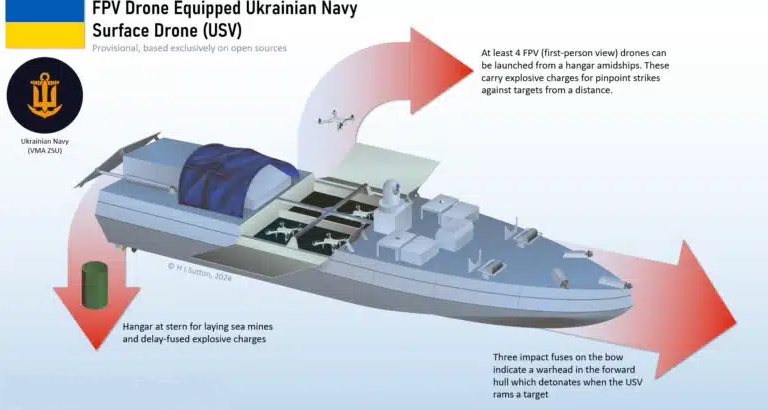
World
In the ongoing Russo-Ukrainian war, the Black Sea has become an unexpected battleground where innovation is rewriting the rules of naval warfare. Against all odds, Ukraine's uncrewed surface vehicles (USVs) have taken center stage, reshaping the strategic dynamics of the region. These sophisticated naval drones have forced the mightier Russian Navy to retreat to its port in Novorossiysk and disrupted its critical shipping routes, including the "Syrian Express," which supplies Russia's overseas base in Tartus. At the heart of Ukraine's maritime dominance is its latest USV—a groundbreaking design that is redefining the future of naval combat. The Emergence of a New Naval Drone The Ukrainian Navy recently unveiled a new USV design, vastly superior to its predecessors, the "Magura" and "Sea Baby." Although its official name remains undisclosed, this drone introduces capabilities that were previously unseen in naval operations. Larger and more versatile, it features an integrated ramming charge in the bow, a stern hangar likely used for laying mines, and an amidships compartment housing at least four quadrotor drones. These quadrotors, commonly referred to as FPV drones, are controlled remotely via goggles by operators onshore, likely in the same control center as the USV pilot. This integration of aerial and surface drones into a single platform represents a technological leap, enabling multi-dimensional operations that go beyond traditional naval tactics. The Bold Attack on Black Sea Gas Platforms The operational prowess of Ukraine's new USV was demonstrated in a recent assault on Russian-occupied gas platforms in the Black Sea. These platforms, located between Odesa and Crimea, have become hotspots in the conflict, serving as both surveillance outposts and military targets. Russian forces recently reoccupied some platforms, installing advanced sensors and suspected GPS jammers to aid their naval operations. Around December 6, the Ukrainian Navy launched a coordinated attack to reclaim control. Video footage released by Ukraine shows the USV deploying its quadrotor drones for reconnaissance and direct strikes. These drones successfully targeted Russian surveillance equipment and personnel. Uniquely, the USVs were seen reversing up to the platforms, likely to deploy time-delayed or depth-sensitive explosive charges near the platforms’ structural supports. This strategic maneuver allowed the drones to retreat safely before potential detonations. It remains unclear whether the USVs carried out a final ramming attack or returned to base for reuse. Unlike earlier Ukrainian naval drones, which were typically one-way vessels, this new design offers the flexibility to return for future missions, signaling a shift towards sustainability in Ukraine's drone operations. Strategic Implications and Russian Setbacks The success of this raid holds significant strategic value. By dislodging Russian forces from the gas platforms, Ukraine has disrupted Russia's surveillance and jamming capabilities in the northwest Black Sea. This setback complicates Russian plans to intensify attacks on Ukraine's coastal regions, particularly Odesa, and regains a degree of control over a critical maritime zone. This new USV also marks a notable shift in operational responsibility. While previous drone strikes were largely carried out by Ukraine’s intelligence agencies—such as the SBU and GUR—the involvement of the Ukrainian Navy in this offensive signals a broader integration of USVs into its naval strategy. This move could pave the way for more frequent and sophisticated naval strikes in the future. The Evolving Role of Naval Drones Ukraine’s commitment to innovation has kept it ahead in the naval drone arms race. Intelligence agencies like the SBU continue to refine their USV designs, recently equipping some "Sea Baby" vessels with machine guns linked to electro-optical sensors. These modifications have enabled USVs to counter Russian helicopters and assault boats, and even target aircraft like the Russian Flanker fighter jet. Some USVs have also been equipped with rockets, further diversifying their offensive capabilities. For now, Russia appears to lag in this technological race, but its response could determine the next phase of the Black Sea conflict. The development of countermeasures, new naval drone designs, or alternative tactics could challenge Ukraine’s dominance. However, Ukraine’s ability to innovate and adapt remains a decisive factor in maintaining its lead. The Future of Naval Warfare Ukraine’s newest USV not only showcases the potential of uncrewed systems in modern naval combat but also sets a precedent for how small, innovative nations can challenge larger adversaries. With its combination of advanced technology, multi-role functionality, and tactical versatility, this naval drone represents a paradigm shift in maritime warfare. As the Black Sea continues to serve as the stage for this high-tech confrontation, the success of Ukraine’s naval drone program underscores a broader lesson: in modern warfare, ingenuity can outmaneuver brute strength. The coming months are likely to see further advancements in USV technology, ensuring that Ukraine’s lead in this domain remains a key advantage in its fight for sovereignty.
Read More → Posted on 2024-12-18 15:40:11
World
In a significant escalation in the shadow war between Ukraine and Russia, Lieutenant General Igor Kirillov, the chief of Russia's Nuclear, Biological, and Chemical Protection Troops, was killed in a meticulously planned assassination in Moscow. The Ukrainian intelligence agency, SBU, claimed responsibility for the high-profile operation, marking one of the boldest strikes carried out on Russian soil since the beginning of the conflict. Kirillov, 54, was targeted early Tuesday morning outside an apartment building on Ryazansky Prospekt, a busy residential street in the Russian capital. As he and his assistant exited the building, a bomb concealed in an electric scooter detonated, killing both instantly. The blast shattered windows and left the entrance of the building in ruins, a stark reminder of the growing reach of Ukraine’s covert operations. Video footage circulating on social media, though unverified, appears to capture the moment of the attack. The grainy footage shows two men leaving the building and approaching a car when a massive explosion engulfs them, leaving plumes of smoke and debris in its wake. Russian investigators confirmed the deaths, while the SBU’s source to Reuters declared, “The liquidation of the chief of the radiation and chemical protection troops of the Russian Federation is the work of the SBU.” A Target of Strategic Importance Kirillov’s role as the head of Russia’s radioactive, chemical, and biological defense forces made him a critical figure in the country’s military hierarchy. This elite unit is tasked with protecting troops in extreme conditions involving chemical and biological threats. The assassination comes just a day after Ukraine charged Kirillov in absentia for his alleged role in using banned chemical weapons, including toxic agents such as chloropicrin, against Ukrainian forces on the battlefield. The general had also been sanctioned by the UK in 2023 for his involvement in deploying riot control agents and other toxic substances. Reports indicate that these chemical agents were used by Russian forces to incapacitate Ukrainian troops, leaving them vulnerable to further attacks. Kirillov, often seen on state television briefing on military developments, was regarded as a staunch supporter of the Kremlin's military strategy. Russia's Response and Growing Tensions The assassination has sent shockwaves through Moscow's political and military establishment. Former President Dmitry Medvedev, now a prominent security official, vowed retaliation, labeling the killing an act of terrorism orchestrated by Ukraine. "Law enforcement agencies must find the killers in Russia," Medvedev said in a televised statement. He also called for targeting the Ukrainian leadership in Kyiv, suggesting the Kremlin’s intent to escalate its response. Foreign Ministry spokeswoman Maria Zakharova, meanwhile, accused the United States of indirectly supporting the attack by backing Kyiv’s war efforts. She dismissed Washington's denial of involvement, stating, “The U.S. created the Kyiv regime, sponsors it, and turns a blind eye to its acts of terror.” Despite these accusations, there has been no public statement from Russian President Vladimir Putin, raising questions about the Kremlin’s next move. Analysts speculate that the assassination could lead to tighter security measures for high-ranking Russian officials and an intensification of efforts to neutralize Ukraine’s intelligence networks operating within Russia. The SBU's Growing Reach Ukraine’s SBU intelligence service has increasingly targeted key Russian figures in its unconventional warfare campaign. Kirillov’s death is the latest in a series of high-profile assassinations designed to undermine Russian morale and disrupt its military operations. Previous targets have included Darya Dugina, the daughter of Russian nationalist Alexander Dugin, and pro-war blogger Vladlen Tatarsky, both killed in bombings that Kyiv either claimed responsibility for or tacitly supported. The SBU’s strategy reflects Ukraine’s broader commitment to taking the fight to Russian territory, even as the war devastates its own cities. For Ukraine, these operations serve a dual purpose: punishing those it holds responsible for war crimes and signaling that no Russian official is beyond their reach. A Chilling Warning Sergei Sitnikov, a regional Russian governor and close friend of Kirillov, revealed that the general had been warned of threats against his life. “Some time ago, he told me that the hunt for him had begun,” Sitnikov stated, suggesting Kirillov was well aware of the risks associated with his position. His assassination has now amplified fears among Russia’s top brass, who may be increasingly vulnerable to similar operations. Kirillov’s name was also listed on Ukraine’s controversial Myrotvorets database, a publicly accessible record of individuals deemed enemies of Ukraine. Following the assassination, his profile was updated with the word “Liquidated” in bold red letters, a chilling indication of Ukraine’s intent to continue such strikes. The Implications The killing of Kirillov marks a turning point in the conflict, highlighting Ukraine's ability to conduct high-stakes operations deep inside Russia. It also underscores the ongoing struggle for control over the narrative and the battlefield, with both sides accusing each other of atrocities. As the war drags on with no immediate resolution in sight, the assassination has further inflamed tensions between Moscow and Kyiv. For Russia, it raises uncomfortable questions about the effectiveness of its security apparatus and its ability to protect key officials. For Ukraine, it serves as both a tactical victory and a symbolic act of defiance against a larger adversary. With no signs of de-escalation, the war appears poised to enter an even more dangerous phase, one marked by covert strikes and retaliatory acts that blur the line between military and civilian targets. The fallout from Kirillov’s assassination may shape the conflict’s trajectory in the weeks and months to come.
Read More → Posted on 2024-12-18 15:29:45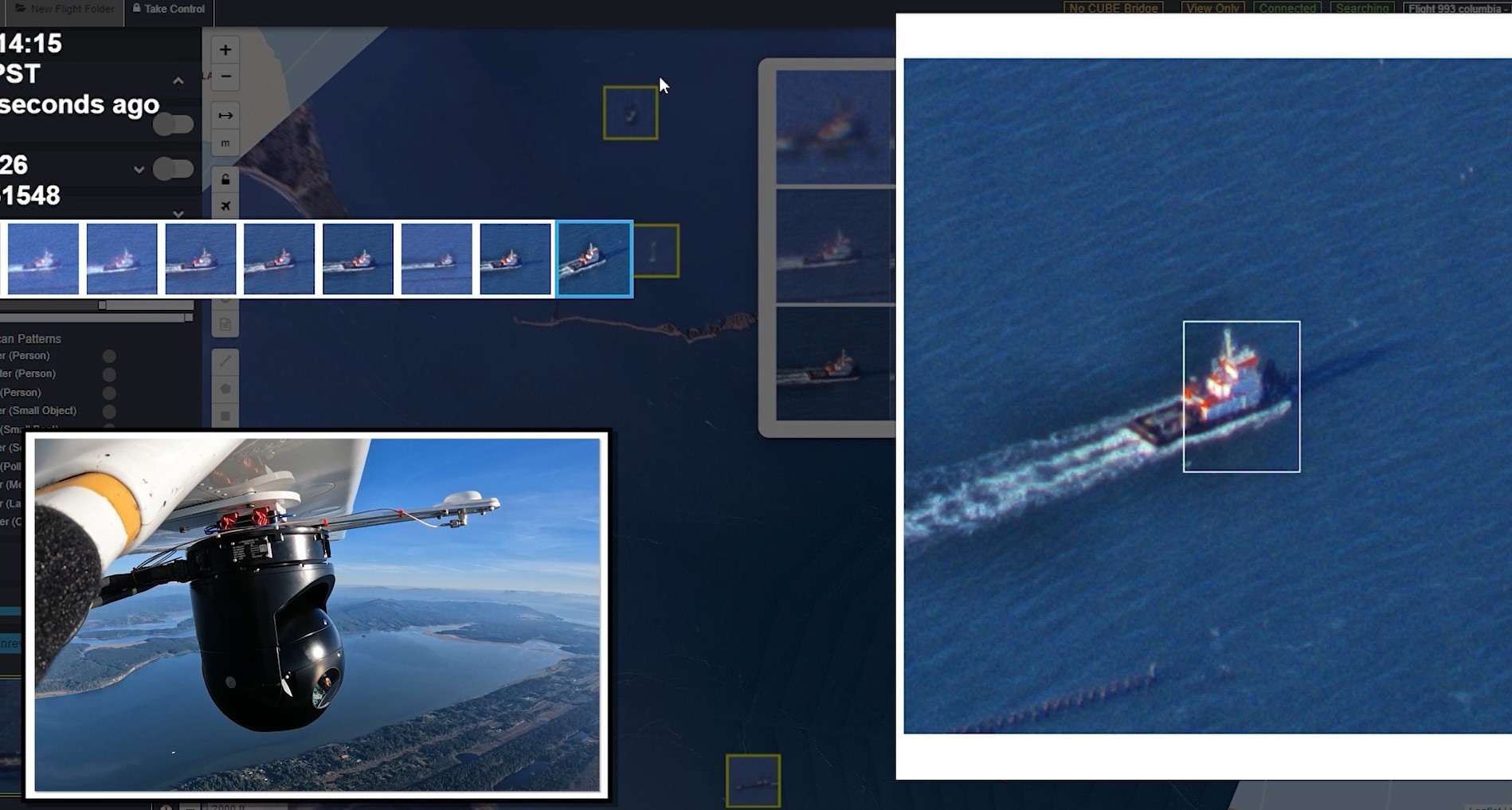
World
L3Harris Technologies has achieved a significant milestone by integrating its renowned WESCAM MX-Series electro-optical/infrared (EO/IR) systems with Overwatch Imaging’s state-of-the-art Automated Sensor Operator (ASO) software. This cutting-edge collaboration, unveiled during a two-day demonstration event in Loveland, Colorado, represents a leap forward in utilizing Artificial Intelligence (AI) and Machine Learning (ML) to enhance situational awareness and operational efficiency in critical missions. The event showcased the seamless integration of L3Harris’ WESCAM MX-15 and WESCAM MX-10 systems with Overwatch’s AI-driven ASO software. The MX-Series is celebrated for its high-performance imaging capabilities, designed to perform reliably under extreme conditions such as high-speed operations, variable altitudes, and harsh environments. These systems are widely used across defense, law enforcement, and search-and-rescue operations. By integrating Overwatch Imaging’s ASO software, L3Harris has amplified the functionality of these systems, enabling advanced automation in object detection, target recognition, and real-time situation analysis. One of the key highlights of this integration is the use of AI/ML algorithms to process vast amounts of imagery data in real time. Overwatch’s ASO software efficiently identifies objects and potential threats, even in degraded visual environments, which are often challenging for traditional EO/IR systems. This level of automation significantly reduces operator workload and accelerates decision-making, ensuring mission-critical information reaches users faster and with greater accuracy. Specifications of the Integrated Systems L3Harris’ WESCAM MX-15 and MX-10 are among the most advanced EO/IR systems on the market, featuring: Multi-Sensor Imaging: Both systems offer simultaneous HD color video, thermal imaging, and low-light capability. Advanced Stabilization: Equipped with a fully digital MX-GEO technology for unmatched image stability and accuracy, even in turbulent conditions. Long-Range Performance: The MX-15 can detect, identify, and track targets at extended ranges, ideal for military reconnaissance and surveillance. Compact Design: The MX-10 is a lighter, more compact version tailored for smaller aircraft and UAVs, without compromising on performance. Overwatch Imaging’s ASO software complements these hardware capabilities with: Real-Time Analytics: Automated image processing that detects and classifies objects with AI-driven algorithms. Scalable Deployment: A software design compatible across all WESCAM MX-Series platforms, ensuring seamless integration. Enhanced Decision Support: Provides operators with actionable intelligence to address dynamic mission challenges effectively. A Strategic Step in Defense Innovation The partnership with Overwatch Imaging aligns with L3Harris’ reputation as a “Trusted Disruptor” in the defense technology sector. Through its collaboration with Shield Capital, a venture capital firm specializing in emerging technologies, L3Harris has actively pursued opportunities to integrate AI-enabled solutions into its portfolio. This approach reflects the company’s broader strategy of leveraging partnerships to bring groundbreaking technologies to the market faster. Pat O’Reilly, Vice President of Venture Tech Disruption at L3Harris, emphasized the significance of this collaboration, stating, “Integrating Overwatch Imaging’s ASO software with our WESCAM MX-Series systems underscores our commitment to addressing operational challenges faced by both defense and commercial sectors. This AI-driven solution empowers users with smarter, faster, and more adaptive decision-making capabilities.” A Game-Changer for Defense and Beyond The integration of AI/ML with the WESCAM MX-Series is not limited to military applications. The solution holds immense potential in fields like border surveillance, wildfire monitoring, disaster response, and law enforcement. For instance, the ability to detect and analyze imagery in real time could revolutionize how agencies respond to rapidly evolving threats, such as smuggling operations or natural disasters. Moreover, this development comes at a time when operational environments are becoming increasingly complex, and the demand for automated, high-efficiency systems is at an all-time high. By addressing staffing shortages, data overload, and decision-making bottlenecks, this collaboration sets a new benchmark for the defense and intelligence community. As AI and ML continue to reshape the landscape of modern defense technologies, the L3Harris-Overwatch partnership is a testament to the transformative power of innovation. The successful integration of the WESCAM MX-Series with ASO software offers a glimpse into a future where automated systems work seamlessly with human operators to achieve unparalleled operational effectiveness.
Read More → Posted on 2024-12-18 15:27:05Search
Top Trending in 24 Hours
-
 Tulsi Gabbard Releases Declassified Files Detailing U.S.-Backed Network of 120 Biolaboratories Across 30+ Countries
-
 Dassault Seeks Compensation From Airbus as Eurodrone Dispute Erupts After FCAS Collapse
-
 AM General Unveils Next-Generation UGV and JLTV A2 with Counter-Drone Systems at Eurosatory 2026
-
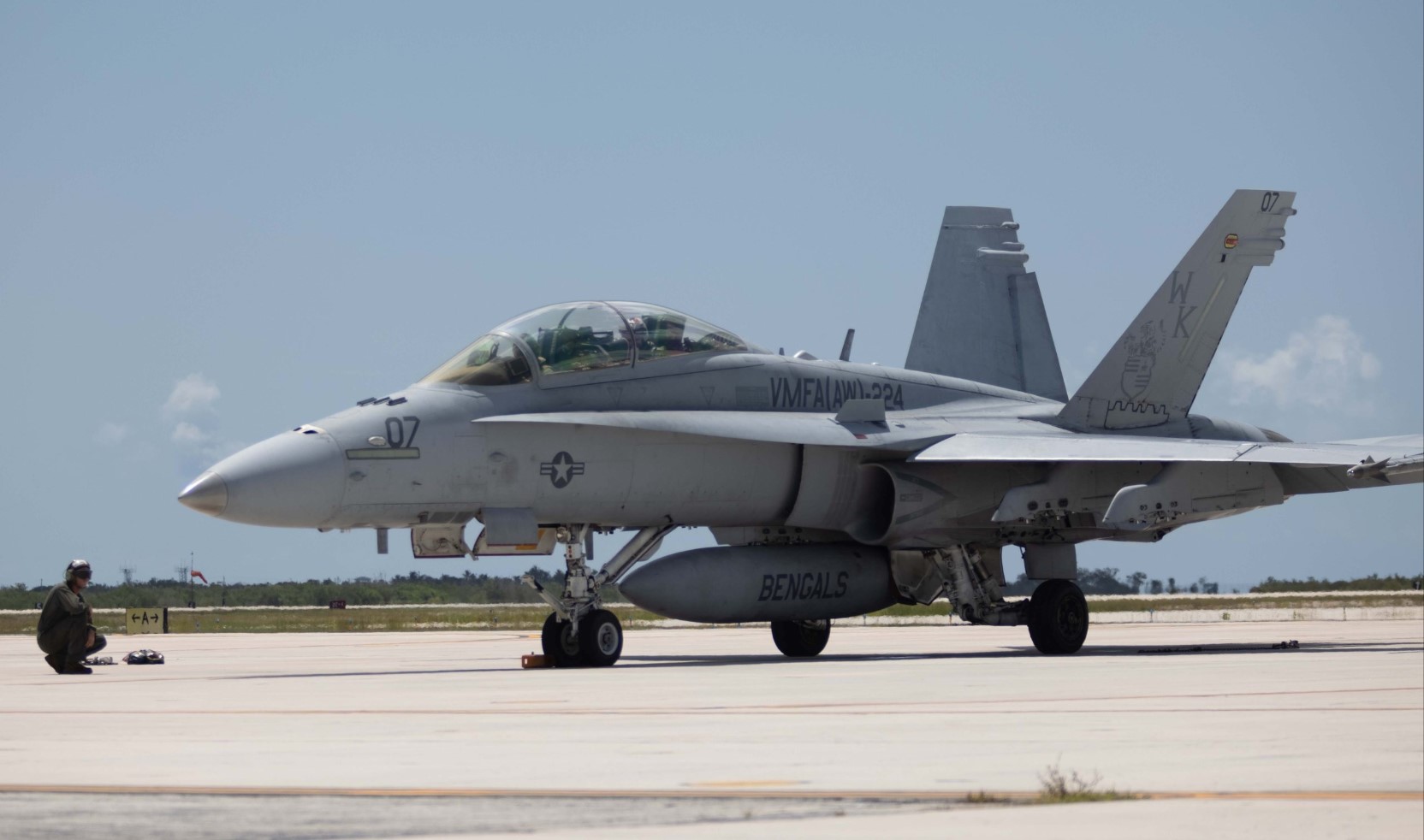 US Marine Corps F/A-18D Hornet Crashes During Training Flight in Washington Mountains; Pilot Ejects Safely
-
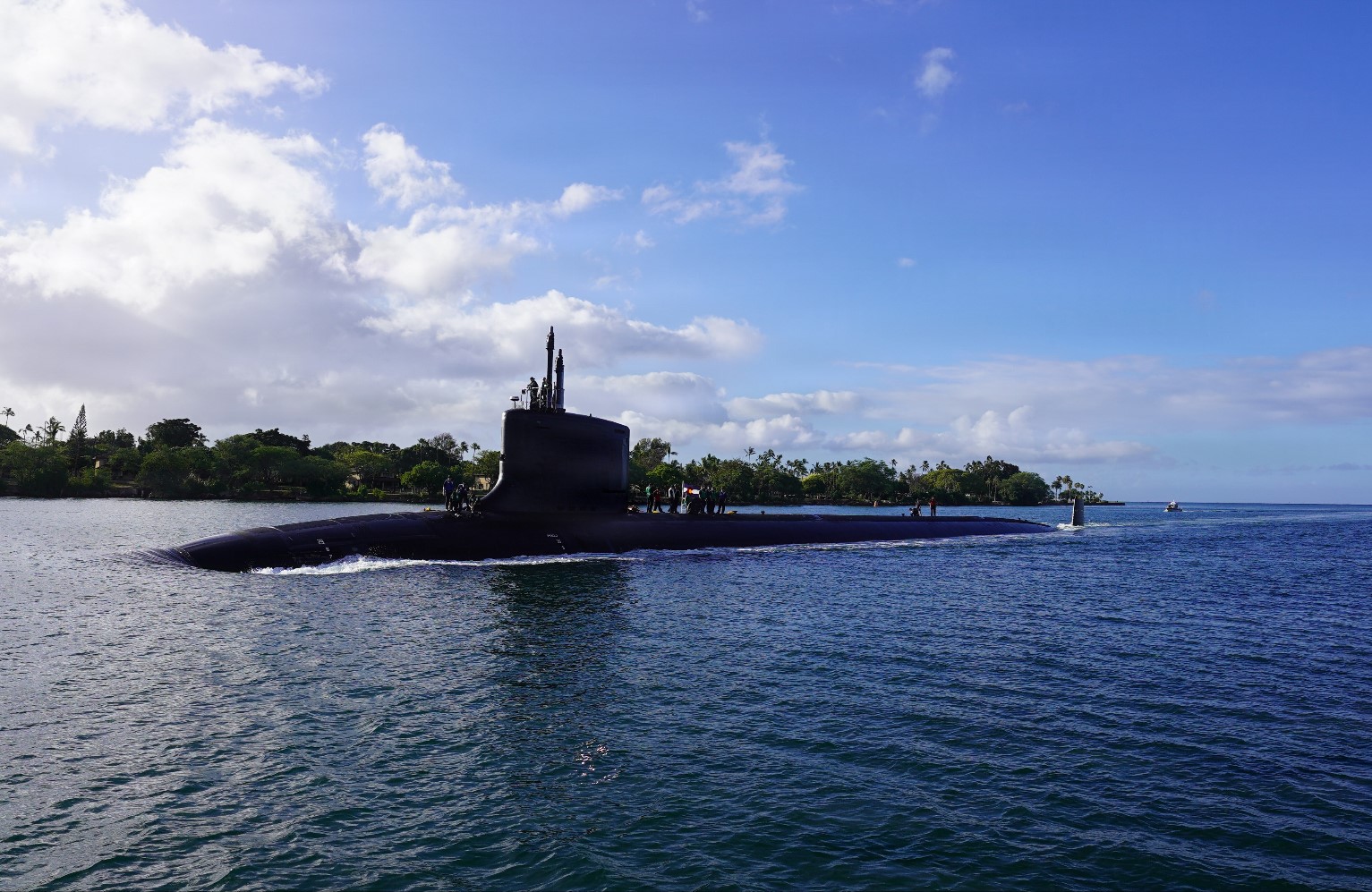 U.S. Navy's USS Colorado Submarine Returns to Pacific Fleet 29 Days Early After Major Pearl Harbor Overhaul
-
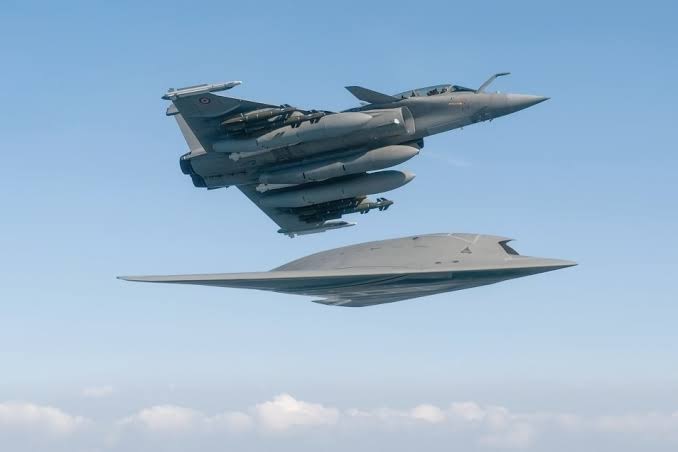 France Agrees to Equip Future Indian Rafales with AI, MUM-T and Secure Satellite Links Under F5 Standard
-
 Pakistan Raises Defence Budget from $9 Billion to $10.8 Billion as J-35 Fighter and Hangor Submarine Programs Advance
-
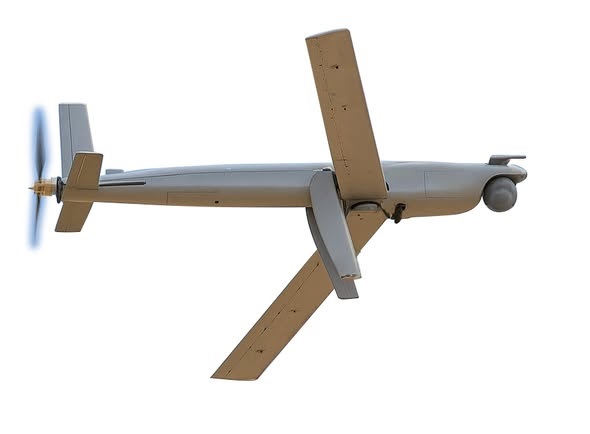 Elbit Systems and Diehl Defence Partner to Offer SkyStriker Loitering Munition to German Armed Forces
Top Trending in 4 Days
-
 Iranian Media Leaks 14-Point U.S.-Iran Peace Framework Amid Ongoing Negotiations
-
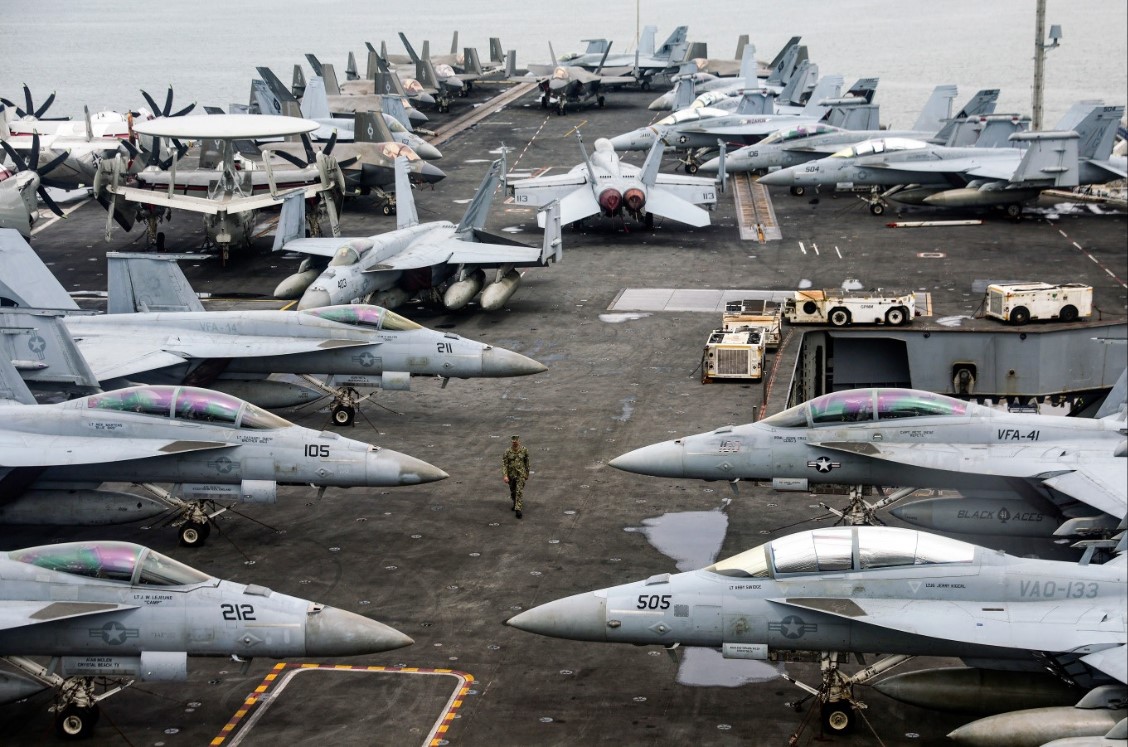 US Plans Significant Reduction of Fighter Jets and Warships for NATO Operations in Europe
-
 U.S. Air Force Faces Strategic Airlift Shortfall as C-17 Production Restart Remains Uncertain
-
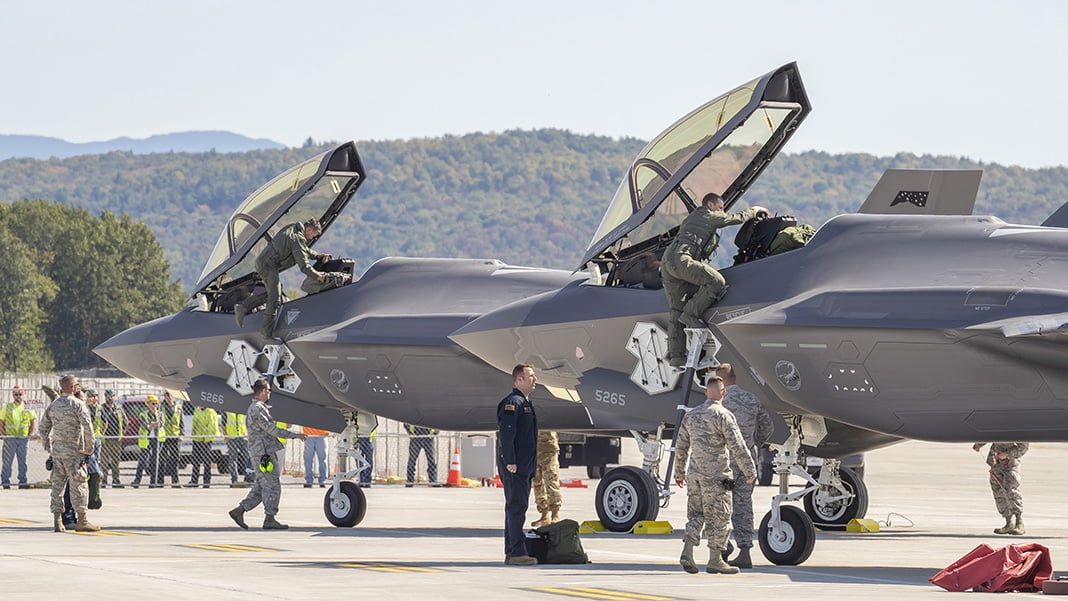 F-35 Fleet Readiness Falls to 25% Amid Parts Shortages and Software Delays: GAO Report
-
 NATO Commander Says Russia Not Seeking Conflict With Alliance Despite U.S. Force Reductions
-
 Russian Defense Firm ZALA Unveils KAMA Unmanned Surface Vessel Family at FLOT-2026 Naval Exhibition
-
 U.S. Space Force Awards $437.7 Million Contracts for First PTS-G Swarm 1 Anti-Jam Satellites
-
 India Successfully Conducts AD-1, AD-2 Interceptor Tests and Maiden NASM-MR Flight Trial