
World
Iran has taken a significant step forward in its aviation industry by unveiling the Simorgh, a domestically developed twin-engine transport aircraft, at the 12th Iran International Aerospace Exhibition. Held from December 10 to 13 on Kish Island, this landmark event underscores Iran's growing prowess in aerospace technology, showcasing the Simorgh as a symbol of innovation and resilience amidst ongoing challenges. The Simorgh, named after the mythical Persian bird symbolizing wisdom and strength, marks a new chapter in Iran's aviation capabilities. Designed and manufactured by the Iran Aircraft Manufacturing Industrial Company (HESA), the aircraft is a highly modified version of the IrAn-140 turboprop airliner. It underwent successful test flights in May 2023, confirming its readiness for multifaceted operational roles. Versatility in Design and Purpose The Simorgh is designed to meet a wide range of military and logistical needs. With a range of 3,900 kilometers and a maximum speed of 533 km/h, it can efficiently transport troops, cargo, and vehicles. The aircraft is tailored for specific missions, including: Cargo Transport: Equipped to carry standard 463L pallets and light vehicles. Troop Deployment: Built to transport paratroopers with maximum efficiency. Medical Evacuations: Capable of evacuating injured personnel with necessary support systems. Key enhancements include redesigned wings and tail sections for improved aerodynamics, along with the addition of a cargo ramp to the fuselage. These modifications align the aircraft with international aviation standards and broaden its utility for both military and humanitarian missions. A Showcase of Iran’s Aerospace Expertise The Iran International Aerospace Exhibition serves as a platform for demonstrating the nation’s advancements in aerospace technology. This year’s edition, the largest to date, brings together domestic and international companies, researchers, and policymakers, fostering collaboration and innovation. Over 300 foreign attendees have joined the event, underscoring its global relevance. Defense Minister Brigadier General Aziz Nasirzadeh emphasized that the Simorgh is a product of Iran's Defense Ministry and local knowledge-based companies. He praised the collaboration as a testament to Iran's ability to achieve self-sufficiency in critical sectors despite international sanctions. Speaking at the event, Brigadier General Hamid Vahedi, Commander of the Islamic Republic of Iran Air Force, highlighted how the country’s achievements in aviation exemplify resilience. “Sanctions have failed to diminish our resolve and capabilities,” he declared, reiterating Iran's commitment to self-reliance and defense. Broader Implications for Defense and Technology Iran’s advancements in aviation reflect broader efforts to strengthen its defense capabilities. Officials have consistently stated that these developments serve defensive purposes and remain non-negotiable in diplomatic discussions. Ayatollah Seyyed Ali Khamenei, the Leader of the Islamic Revolution, has championed these initiatives, advocating for increased involvement of knowledge-based companies in the nation’s industrial growth. The unveiling of the Simorgh reinforces Iran's position as a regional power in aviation technology. Beyond its immediate applications, the aircraft symbolizes the country’s resilience and ambition to advance its technological frontiers in the face of adversity. As the Simorgh takes flight, it embodies the spirit of innovation that drives Iran's aerospace industry forward.
Read More → Posted on 2024-12-12 16:22:52
World
Russia has unveiled a cutting-edge Helmet-Mounted Targeting System (NSC) designed specifically for the pilots of its Su-57 stealth fighter, marking a significant leap forward in military aviation technology. Showcased recently on Russian state television, this advanced helmet aims to enhance operational efficiency by seamlessly integrating critical flight and combat information into the pilot’s visor. This innovation reflects Russia's efforts to align with global advancements and maintain competitiveness in the rapidly evolving domain of fifth-generation fighter jets. Enhancing Pilot-Centric Design The NSC is designed to address the limitations of previous-generation helmets, focusing on improved fit, comfort, and usability. By delivering real-time flight data and target acquisition information directly onto the visor, the system allows pilots to remain immersed in their mission environment without the need for traditional cockpit displays. This not only minimizes distractions but also streamlines decision-making during high-stress scenarios. The helmet is integrated with the Su-57’s sophisticated avionics suite, including its advanced communication systems and array of sensors. This synergy ensures that pilots can maintain situational awareness, monitor threats, and control onboard weaponry with precision, even in complex combat scenarios. Drawing Parallels with Global Counterparts The design philosophy behind the NSC bears similarities to the Gen III Helmet Mounted Display System (HMDS) used in the American F-35 Lightning II. Like its U.S. counterpart, the NSC projects crucial mission data, such as targeting markers, navigational cues, and battlefield intelligence, onto the visor. This allows Su-57 pilots to execute rapid maneuvers and engage adversaries with unparalleled efficiency. However, Russia’s NSC also claims unique optimizations tailored to the operational needs of the Su-57, which is equipped with features like stealth capabilities, supermaneuverability, and advanced electronic warfare systems. The integration of these capabilities into the helmet system reflects a holistic approach to maximizing the aircraft's potential. Technical Specifications of the NSC While full details of the NSC’s specifications remain classified, some insights highlight its advanced capabilities: Integrated Augmented Reality (AR): Displays mission-critical information and weapon system data in real time. Enhanced Night Vision: Provides superior performance in low-visibility conditions, crucial for nocturnal or all-weather missions. Customizable Fit and Ergonomics: Designed to accommodate prolonged use during extended sorties. Data Link Connectivity: Syncs with the Su-57’s sensors, enabling seamless information sharing and enhanced team coordination. High-Resolution Projection: Offers sharp, lag-free visuals, crucial for split-second decision-making. Reduced Latency: Minimizes delay in data relay, ensuring real-time responsiveness during combat. Implications for Russian Military Aviation The introduction of the NSC represents a strategic push by Russia to modernize its aerospace technologies amidst intensifying competition with Western powers. The Su-57, hailed as Russia’s flagship fifth-generation fighter, has often faced criticism for delays and production challenges. By equipping the aircraft with advanced tools like the NSC, Russia seeks to enhance its operational appeal and capabilities. Moreover, the unveiling of this helmet system underscores the broader trend of integrating human-machine interfaces in modern warfare. By prioritizing pilot comfort, efficiency, and performance, Russia is not only addressing current technological gaps but also positioning its military for future innovations in aerial combat. Future Outlook The development of the NSC highlights Russia's commitment to advancing its military aviation technology. As the Su-57 continues to evolve with additional upgrades, including improved stealth coatings and next-generation weaponry, the NSC will likely play a pivotal role in cementing its status as a formidable competitor in the global fighter jet market. This development signals a broader move toward pilot-centric designs in modern air combat, ensuring that Russia remains a key player in the race for aerial supremacy.
Read More → Posted on 2024-12-12 16:18:41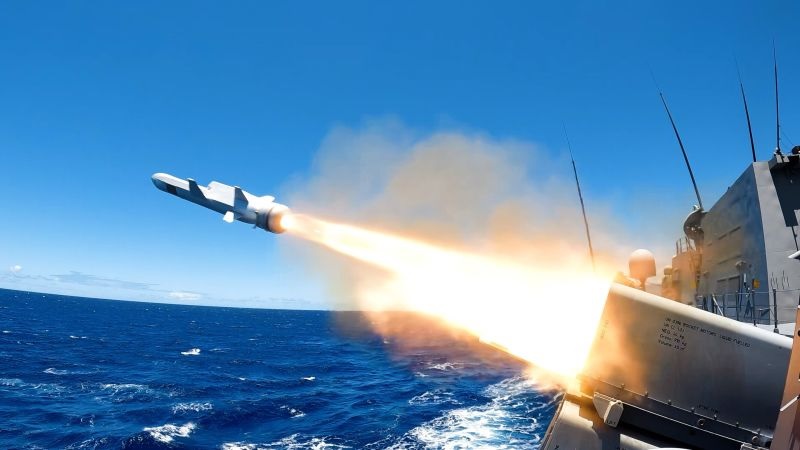
World
Kongsberg Defence Australia has achieved a significant milestone with the successful Blast Test Vehicle (BTV) firing of its first Australian-manufactured Naval Strike Missile (NSM) launcher. This development is part of Project SEA 1300 Phase 1, which bolsters the Royal Australian Navy’s (RAN) advanced guided weapons capability. The event underscores Australia’s growing sovereign defense manufacturing capabilities. The Australian-made launcher underwent rigorous "First of Type" testing, including live trials at the Commonwealth Joint Proofing Experimental Unit (JPEU) in Port Wakefield. The tests utilized a booster rocket motor and a dummy missile, demonstrating the operational readiness of the locally produced launcher. This marks a major step in ensuring the viability of a domestic supply chain for the NSM program. Key Innovations and Contributions The construction of the launcher involved significant contributions from Australian defense manufacturers. Aerobond Defence in Adelaide built the launcher canister, while the frame and rail were crafted by Marand Precision Engineering in Melbourne. Other precision components came from Australian Precision Technologies (APT) and QPE Advanced Machining, reflecting the collaboration among local enterprises to meet stringent project deadlines. The NSM launcher, a critical component of Kongsberg's Coastal Defence System, provides a highly versatile solution capable of targeting ships and land-based threats. It is designed for integration with naval platforms like the Hobart-class destroyers and Anzac-class frigates. These systems aim to replace the aging Harpoon anti-ship missiles, enhancing Australia’s maritime strike capabilities significantly. Broader Impacts and Future Plans The successful BTV firing paves the way for full-scale production of NSM launchers in Australia, fulfilling both domestic needs and potential export opportunities. Kongsberg’s commitment to the Australian defense industry includes establishing advanced manufacturing facilities, such as the planned missile production hub near Newcastle. This facility, one of only two in the world, will produce both NSMs and Joint Strike Missiles (JSMs), further strengthening the nation’s defense capabilities. Additionally, the NSM launcher program aligns with Australia’s 2024 National Defence Strategy, focusing on the development of long-range precision strike capabilities and sovereign manufacturing. The project also benefits from Australia’s $21 billion investment in the Guided Weapons and Explosive Ordnance (GWEO) Enterprise, which aims to build a self-reliant defense infrastructure. The Road Ahead Kongsberg’s collaboration with Australian small and medium enterprises highlights the importance of fostering a resilient local supply chain. This achievement not only enhances the Royal Australian Navy's operational capabilities but also underscores Australia's role as a strategic player in global defense manufacturing. With continued support and innovation, the NSM program promises to secure Australia’s defense needs while contributing to international security through potential exports. For more details, you can refer to sources like the Australian Defence Department and industry publications such as Australian Defence Magazine and The Defense Post.
Read More → Posted on 2024-12-12 16:14:42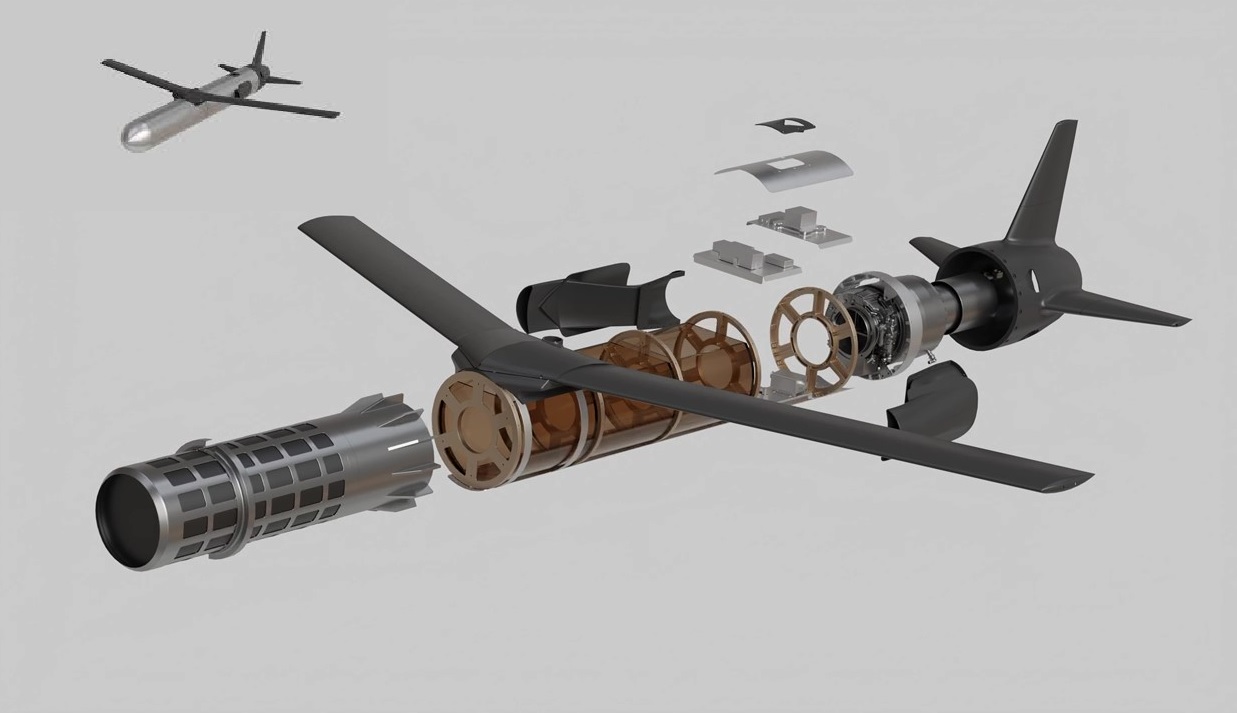
World
Ukraine has achieved a remarkable milestone in its defense technology with the successful testing of the domestically developed Ruta missile. Confirmed by President Volodymyr Zelenskyy on December 10, this accomplishment underscores Ukraine's drive to enhance its missile capabilities amidst ongoing military challenges. Developed by the Ukrainian startup Destinus, the Ruta missile is a significant leap forward in versatile, cost-effective weaponry. The Ruta Missile: A Revolutionary Design Described as a hybrid between a jet-powered drone and a cruise missile, the Ruta missile boasts impressive specifications. Its standout features include: High-Speed Capability: With speeds ranging from 500 to 800 km/h, the missile can evade enemy detection and interception more effectively than traditional systems. Flight Range: A range of up to 300 kilometers allows the Ruta to strike deep into enemy territory or conduct long-range reconnaissance missions. Payload Versatility: While exact warhead specifications are undisclosed, analysts estimate it can carry up to 100 kilograms of explosives, making it formidable against various targets. It can also be equipped with surveillance equipment for non-lethal missions. The Ruta missile is launched using a rocket booster and features a compact, cost-efficient design. Key components include a fixed wing for stability, a small turbojet engine for sustained flight, and an electronics suite for guidance and control. Uniquely, it incorporates a parachute recovery system, allowing it to return safely to base after reconnaissance missions. Tactical and Strategic Advantages One of the Ruta's defining advantages is its ability to challenge traditional counter-drone and counter-missile measures. Its high-speed flight significantly reduces the effectiveness of Russian mobile fire units and renders their helicopters nearly useless for intercepting the missile. This capability positions the Ruta as a disruptive tool in modern warfare. Beyond its offensive capabilities, the Ruta can also serve as a training target for Ukrainian air defense units, offering a practical and affordable means to simulate real combat scenarios. Showcased Innovations at Eurosatory 2024 The Ruta missile garnered significant attention at the Eurosatory 2024 exhibition, where a full-scale model with minor design modifications was displayed. This event highlighted Ukraine’s strides in missile technology, drawing interest from defense experts and potential international partners. Expanding Ukraine's Arsenal The Ruta missile's development is part of a broader effort to strengthen Ukraine’s defense capabilities. President Zelenskyy recently unveiled the Peklo missile drones, a new addition to the country’s arsenal, designed to complement systems like the Ruta. These advancements signal a comprehensive strategy to counter threats through innovation and technological self-reliance. A Symbol of Resilience and Progress The Ruta missile embodies Ukraine’s determination to overcome adversity through cutting-edge innovation. By leveraging the expertise of startups like Destinus, Ukraine is not only bolstering its defense but also positioning itself as a key player in advanced missile technology. This latest achievement highlights the resilience of Ukraine’s defense sector and its ability to adapt to modern warfare challenges. As the Ruta missile prepares for potential deployment, its impact is set to resonate far beyond the battlefield.
Read More → Posted on 2024-12-12 16:04:28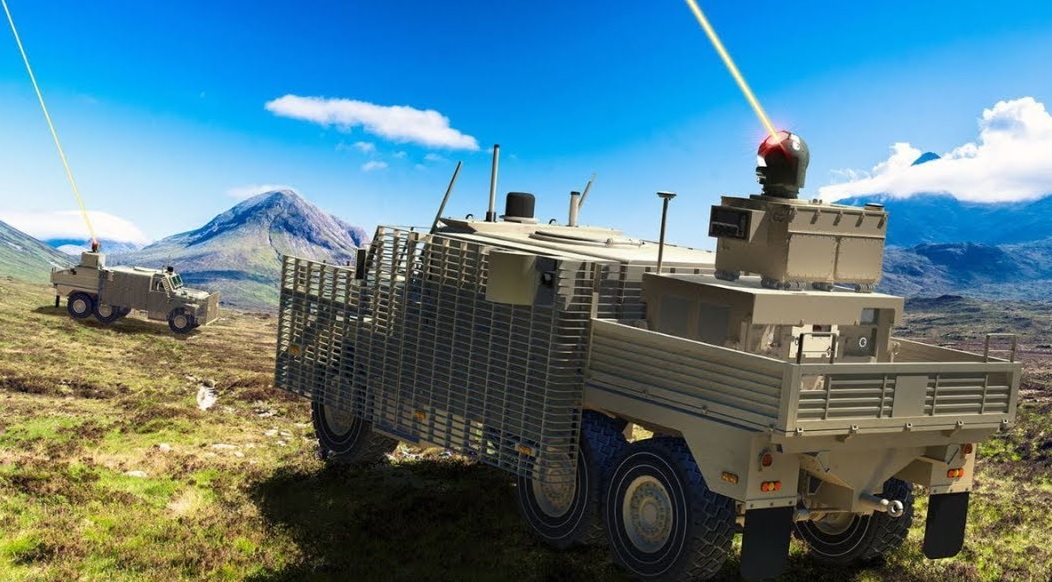
World
The British Army recently achieved a significant milestone in modern warfare by successfully testing a high-energy laser weapon mounted on the Wolfhound armored personnel carrier. This revolutionary system demonstrated its ability to neutralize dozens of drones in a single trial, marking a leap forward in counter-drone technology. A Cutting-Edge Counter-Drone Solution The laser weapon, developed by a consortium led by Raytheon UK, employs directed-energy technology to deliver precision strikes against aerial threats. Unlike conventional missile-based systems, this laser weapon uses beams of infrared light to engage and destroy targets. This approach offers a game-changing advantage: virtually unlimited ammunition, making it a highly cost-effective solution for combating the increasing prevalence of drones on the battlefield. During live-fire trials, the weapon achieved a perfect record, taking down drones at various distances, speeds, and altitudes. The system's advanced sensors and tracking capabilities enable rapid target acquisition and pinpoint accuracy, even against fast-moving or maneuvering drones. Matthew Anderson, the trials manager, highlighted the weapon's efficiency, stating, “Every engagement we’ve done has removed a drone from the sky. One thing that stood out was how quickly we could engage one target and move to the next.” Advanced Specifications and Performance The high-energy laser weapon's specifications reflect its cutting-edge nature: Power Source: The laser draws energy from the Wolfhound’s onboard power systems, providing consistent performance without the need for physical ammunition. Targeting System: Equipped with state-of-the-art electro-optical and infrared sensors, the system ensures accurate target detection and engagement. Range and Mobility: Mounted on the highly mobile Wolfhound, the weapon is effective across a variety of operational environments, from urban settings to open battlefields. Efficiency: The laser's operational cost is a fraction of traditional missile systems, which can cost hundreds of thousands of dollars per engagement. The Wolfhound Armored Vehicle: A Vital Platform The Wolfhound serves as a robust platform for this advanced weapon system. Designed as a six-wheeled tactical support vehicle, the Wolfhound offers enhanced protection for both its crew and critical systems. Its high mobility and durability allow it to traverse high-threat zones, delivering the laser weapon to where it is needed most. The integration of the laser system onto the Wolfhound highlights its adaptability, ensuring the British Army can respond swiftly to emerging threats. Expanding Applications While the trials focused primarily on neutralizing quadcopter drones, the system has the potential to engage a broader range of aerial threats. Low-flying helicopters and small, fast-moving missiles are among the targets this weapon could potentially handle in future deployments. Stephen Waller, the lead for directed energy at Defence Equipment & Support, remarked on the significance of the technology, saying, “The world has changed, and drones are now a major factor in modern warfare. This requires innovative and cost-effective solutions to ensure our forces remain protected.” The Future of Directed Energy Weapons This successful demonstration underscores the growing importance of directed energy weapons in modern military strategies. As drone technology becomes increasingly sophisticated and accessible, traditional countermeasures face challenges in cost and efficiency. High-energy laser systems like the one tested by the British Army provide a scalable and sustainable solution. The trials represent a crucial step toward full operational deployment, and the technology’s development will likely shape the future of battlefield engagements. Mounted on the Wolfhound, this laser weapon could redefine how modern militaries approach air defense, offering unmatched precision, mobility, and cost-effectiveness. In an era where drones dominate the battlespace, the UK’s Wolfhound-mounted laser weapon is proving to be a formidable defender, capable of neutralizing threats with unprecedented efficiency.
Read More → Posted on 2024-12-12 15:44:47
World
Russia has taken a significant step forward in advancing the capabilities of its fifth-generation stealth fighter, the Sukhoi Su-57, with the development and testing of a flat two-dimensional thrust vectoring nozzle. This cutting-edge design, which closely mirrors the thrust-vectoring nozzle on the U.S. F-22 Raptor, promises to enhance the Su-57’s stealth and manoeuvrability, two critical factors in modern aerial combat. A Leap Towards Stealth: Flat Nozzle Design The new flat nozzle marks a departure from the traditional circular designs seen in previous Russian fighters. Its primary goal is to reduce radar cross-section (RCS) and infrared (IR) signatures, crucial for maintaining a stealth profile against increasingly sophisticated enemy detection systems. The flat design introduces a sleeker silhouette that is less likely to scatter radar waves, while also lowering the aircraft's heat signature by dispersing exhaust more effectively. One trade-off, however, is a marginal reduction in thrust efficiency, with the flat nozzle experiencing an estimated 6-8% thrust loss compared to circular counterparts. Yet, this drawback is deemed acceptable in exchange for the stealth benefits it offers. Advanced Thrust Vectoring Capabilities Much like the F-22 Raptor’s Pratt & Whitney F119 engine nozzles, the Su-57’s new flat nozzle employs advanced thrust vectoring. However, there are distinct differences: while the F-22's nozzles pivot vertically, the Su-57’s design features a diagonal movement axis. This approach is tailored to enhance the aircraft’s control in pitch and limited roll movements, providing superior agility during high-G maneuvers and dogfights. The nozzle’s design incorporates four independently adjustable flaps, allowing for precise modulation of thrust direction and nozzle cross-section. This improves the Su-57’s aerodynamic performance across a wide speed range, from subsonic to supersonic, ensuring it remains versatile in diverse combat scenarios. Testing on the T-50-2 Prototype The flat nozzle has been installed on the T-50-2 prototype, a testbed for Su-57 advancements. Only one of the aircraft’s twin engines features the new design, signaling the early stages of testing. While ground images and footage of the aircraft have surfaced, actual flight tests with the flat nozzle are still anticipated. The nozzle is part of the larger development of the Izdeliye 30 (AL-51F) engine, intended to replace the current AL-41F1 engines on production Su-57s. This new engine aims to deliver greater thrust, improved fuel efficiency, and enhanced reliability, complementing the stealth and performance improvements brought by the flat nozzle. Role of Additive Manufacturing A striking aspect of the new nozzle’s production is the extensive use of additive manufacturing (3D printing). Reports indicate that up to 90% of the nozzle’s components were fabricated using this method, which allows for intricate designs, weight savings, and reduced production times. This shift highlights Russia’s commitment to leveraging advanced manufacturing technologies in its aerospace sector. Strategic Implications The integration of a flat thrust-vectoring nozzle positions the Su-57 more competitively in the realm of fifth-generation fighters, where stealth and agility are paramount. By adopting features inspired by the F-22 while incorporating unique Russian innovations, the Su-57 aims to assert its place alongside the most advanced combat aircraft globally. While further testing is required to assess the real-world benefits of the flat nozzle, its introduction underscores Russia’s resolve to modernize its military aviation capabilities amidst evolving global security challenges. The Su-57, already recognized for its agility and multi-role versatility, now has an added edge in survivability and stealth, making it a more formidable adversary in future conflicts.
Read More → Posted on 2024-12-12 15:39:48
World
The Ukrainian Ministry of Defence has achieved a major milestone in modernizing its military arsenal, delivering over 1.2 million drones to its Armed Forces in the first 11 months of 2024. This massive influx of unmanned aerial vehicles (UAVs) reflects Ukraine's strategic push to enhance battlefield capabilities, from reconnaissance to offensive operations, amid ongoing conflict. The deployment includes a diverse range of drones designed to meet various operational needs. Notably, over 40,000 multirotor reconnaissance drones have been delivered, with 12,000 equipped for night operations. These UAVs provide real-time intelligence, surveillance, and situational awareness, playing a critical role in Ukraine's tactical decisions. Complementing them are 5,000 fixed-wing reconnaissance drones, including advanced models like the Shark, Hor, and Furia. These fixed-wing UAVs are prized for their extended range and ability to operate in challenging conditions, often crucial in monitoring adversarial movements. On the offensive side, Ukraine's drone inventory has expanded with over 6,000 long-range strike UAVs. Among them are the AN-196 “Lutiy” and Firepoint drones, designed for precise strikes deep into enemy territory. The military has also acquired over 2,000 reusable attack UAVs, including the Nemesis, Kazhan, and Vampir models, which offer versatility in repeated missions. In addition, more than 5,000 reusable FPV quadcopters have been integrated into the arsenal, adding to the military's flexibility in deploying fast, agile aerial units. The most remarkable aspect of this procurement effort is the staggering number of FPV kamikaze drones supplied by the State Service for Special Communications under Ministry orders—an impressive 1.1 million units. These drones are engineered for one-way missions, delivering explosive payloads with pinpoint accuracy. Their cost-effectiveness and simplicity make them a cornerstone of Ukraine’s asymmetric warfare strategy, effectively countering larger, more conventional enemy forces. This robust expansion is part of a broader initiative by the Ministry of Defence to prioritize UAV technology as a cornerstone of its military doctrine. The Ministry has confirmed plans to deliver an additional 100,000 drones by the end of 2024, further solidifying its commitment to building a technologically advanced defense force. In a statement, the Ministry emphasized, "Equipping the Armed Forces with modern UAVs remains a priority, strengthening the nation’s defense capabilities and enhancing combat effectiveness." The surge in drone acquisition also reflects Ukraine's successful collaboration with domestic and international manufacturers. Local producers like Ukrspecsystems, known for the Shark drones, have played a pivotal role, while international partnerships have ensured access to cutting-edge technologies. This blend of indigenous innovation and global cooperation has allowed Ukraine to scale up production and deployment at an unprecedented rate. Beyond numbers, the deployment underscores a shift in modern warfare. UAVs have emerged as game-changers, offering both strategic and tactical advantages on the battlefield. From gathering intelligence to executing targeted strikes, these drones have become indispensable tools, helping Ukraine adapt to the challenges of 21st-century conflict. As the year progresses, Ukraine's focus on drone technology signals its determination to maintain a tactical edge in its defense efforts. With an eye on the future, the Ministry of Defence is setting a precedent for how nations can leverage UAVs to bolster security and resilience in the face of evolving threats.
Read More → Posted on 2024-12-11 17:01:19
World
Chinese scientists have achieved a remarkable milestone in aerospace innovation, successfully testing a hypersonic aircraft prototype that could one day revolutionize global travel. The test, conducted at the Jiuquan Satellite Launch Centre in the Gobi Desert, saw the aircraft achieve a top speed of Mach 6.56, equivalent to six and a half times the speed of sound. This achievement demonstrates the feasibility of an ambitious design unveiled six years ago, which was initially dismissed as unrealistic by many experts. The hypersonic aircraft, distinct from traditional slender designs, features a unique “fat and round” fuselage paired with cape-shaped wings on its back. This innovative structure allows for greater internal space, making it possible to carry passengers or cargo volumes comparable to today’s jumbo jets. The prototype represents a significant advancement in hypersonic technology, which has historically been limited to military applications like missiles and reconnaissance drones due to severe constraints on usable cabin space. Overcoming Challenges in Hypersonic Flight The journey to this milestone was far from easy. Cui Kai, the project leader and a researcher at the Institute of Mechanics under the Chinese Academy of Sciences, recalled the skepticism the team faced when the concept was first proposed in 2018. Critics doubted the viability of a design that defied conventional aerodynamics. However, Cui and his team persevered, refining the model through rigorous wind tunnel testing and computational simulations. One of the most significant challenges in hypersonic flight is the immense aerodynamic pressure exerted on the aircraft's structure at high speeds. This pressure can impair climbing ability and severely limit the design’s efficiency. Cui’s team ingeniously addressed this by incorporating broad wing surfaces above the airframe, which transform downward pressure into upward lift. This innovation not only enhances stability but also maximizes the aircraft's carrying capacity—a critical factor for future commercial applications. The August 2021 test flight, lasting nearly 20 minutes, validated these design principles. The aircraft’s performance in this trial offers a promising glimpse into the future of hypersonic travel, where passengers could potentially traverse the globe in a fraction of the time required today. The Prototype and Its Specifications The scaled-down prototype tested in 2021 demonstrated the groundbreaking design's core principles. Key features include: Speed: Achieved Mach 6.56, or over 8,000 kilometers per hour. Design: Bulky fuselage with cape-shaped wings, optimized for internal space and lift. Testing Milestones: Hundreds of wind tunnel trials, each costing hundreds of thousands of yuan, preceded the flight test. While the exact size and specifications of the full-scale aircraft remain undisclosed, the prototype serves as proof of concept, paving the way for further development. Cui’s team emphasized that numerous hurdles remain, including advancements in materials, propulsion systems, and structural durability under extreme conditions. The Implications of Hypersonic Travel If successfully scaled and commercialized, hypersonic aircraft like this one could revolutionize global transportation. A journey from Beijing to New York, which currently takes over 13 hours by conventional jetliners, could be completed in just two hours. This capability aligns with the long-envisioned goal of “one-hour global travel,” a concept previously confined to the realm of science fiction. However, the road ahead is steep. Cui cautioned that this test represents just the beginning of a long development process. The challenges of integrating advanced propulsion systems, creating heat-resistant materials, and ensuring passenger safety at hypersonic speeds are monumental. Nonetheless, the success of this prototype underscores China’s growing prowess in aerospace innovation, positioning it as a leader in the global hypersonic race. Secrecy and Future Prospects Despite the excitement surrounding the recent test, the project remains shrouded in secrecy. Cui’s team refrained from providing details about the full-scale aircraft’s development timeline or potential deployment date. The test flight itself was kept under wraps for three years, with information only recently released through official Chinese Academy of Sciences channels. The significance of this achievement cannot be overstated. As Cui noted, the team’s work marks a modest yet transformative step toward a future where hypersonic travel reshapes the way people and goods move across the globe. While challenges remain, the successful test flight of this hypersonic jumbo jet prototype has laid the groundwork for a new era in aviation.
Read More → Posted on 2024-12-11 16:56:57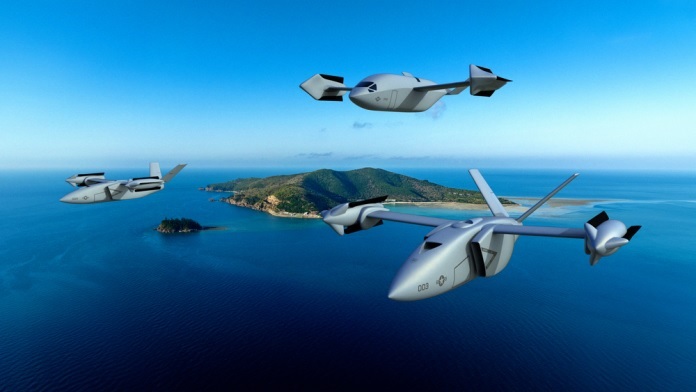
World
Bell Textron Inc., a subsidiary of Textron Inc., has reached a significant milestone in its journey toward revolutionizing vertical lift and air mobility. The company has successfully completed wind tunnel testing of its Stop/Fold rotor technology at the National Institute for Aviation Research (NIAR) at Wichita State University. This breakthrough, part of the DARPA Speed and Runway Independent Technology (SPRINT) program, signals a major advancement in creating an X-Plane capable of next-generation air mobility. The Stop/Fold Rotor: Transforming Air Mobility The Stop/Fold rotor technology is designed to combine the speed of fixed-wing aircraft with the versatility of vertical lift, enabling operations in environments with limited infrastructure or contested conditions. The technology allows the aircraft's rotors to fold mid-flight, reducing drag and facilitating high-speed transitions. This unique capability enhances the aircraft's range, speed, and survivability, making it a game-changer for military and commercial aviation. Testing Milestones: A Testament to Feasibility The wind tunnel tests at NIAR built upon earlier achievements at the Holloman High Speed Test Track in New Mexico. At Holloman, the focus was on validating the rotor’s folding mechanisms during high-speed operations. The recent wind tunnel tests went further, examining the aircraft’s stability and control as the rotors folded and unfolded mid-flight. These tests proved the system's reliability, clearing the path for the next phase: flight demonstrations under DARPA’s SPRINT program. Key Features and Specifications Stop/Fold Rotor Mechanism: The system allows for seamless transition between vertical and fixed-wing flight by folding the rotors mid-flight, optimizing performance at higher speeds. Speed and Range: Enhanced speed comparable to modern jets, combined with extended operational range. Runway Independence: Ability to operate from unprepared or limited infrastructure locations. Scalability: Designed to fit a variety of platforms, making it suitable for both combat and logistical missions. Operational Advantage: Supports Agile Combat Employment (ACE), enabling rapid deployment and survivability in contested environments, particularly in challenging theaters like the Indo-Pacific. Applications and Strategic Importance The Stop/Fold technology is poised to redefine air mobility by addressing critical challenges faced in modern military operations. Its ability to combine high-speed travel with runway independence is particularly vital for regions such as the Indo-Pacific, where long distances and contested airspace complicate operations. Special Operations Forces (SOF) stand to benefit significantly from this innovation, as the technology enhances mission reach, stealth, and flexibility. Bell’s vision aligns with the objectives of DARPA’s SPRINT program, which seeks to design, build, and demonstrate experimental aircraft equipped with cutting-edge technologies. With the Stop/Fold system validated in rigorous testing, Bell is now well-positioned to contribute to the creation of next-generation air platforms. The Road Ahead As Bell moves into the flight demonstration phase, the Stop/Fold rotor system's potential becomes even clearer. The success of this program could lead to broader adoption across military and commercial aviation, reshaping how vertical lift aircraft operate in the 21st century. Bell's continued innovation underscores its commitment to addressing the evolving demands of modern air mobility and warfare, setting the stage for an exciting future in aviation.
Read More → Posted on 2024-12-11 16:45:22
World
Leonardo, a global leader in defense and aerospace technology, has been selected to provide its advanced protection system for a VIP-configured Airbus A330. This system, designed to shield the aircraft from missile threats, will be integrated by Jet Aviation during the aircraft’s completion at its Maintenance, Repair, and Overhaul (MRO) facility. The contract marks a significant step in enhancing the security of high-profile governmental and VIP aircraft. The centerpiece of this protection system is Leonardo’s Miysis Directed Infrared Countermeasure (DIRCM) technology, combined with its innovative Multi-Aperture Infrared (MAIR) threat warning system. Together, these technologies form a robust defense mechanism capable of detecting, tracking, and neutralizing multiple infrared-guided missile threats simultaneously. What Makes Miysis DIRCM a Game-Changer? The Miysis DIRCM system leverages a high-energy laser to disrupt the infrared guidance systems of incoming missiles. Unlike traditional countermeasure systems, which rely on expendable flares or chaff, Miysis provides a sustainable, maintenance-free solution that does not degrade with use. This ensures reliable protection over the lifespan of the aircraft. During rigorous live trials, Miysis demonstrated a flawless 100% success rate against modern and legacy infrared-guided missile threats, including advanced Man-Portable Air Defense Systems (MANPADS). The Role of MAIR in Threat Detection The MAIR system, integral to this solution, enhances situational awareness by using an array of infrared cameras to detect missile heat signatures. Unlike radar-based systems, MAIR is entirely passive, making it immune to electronic countermeasures and virtually undetectable by adversaries. Once a threat is identified, MAIR transmits precise targeting data to the Miysis DIRCM, which then neutralizes the missile using its laser-based disruption technology. This seamless integration between MAIR and Miysis ensures that threats are neutralized with unmatched speed and accuracy. Why This System Is Ideal for VIP Aircraft High-value aircraft, such as those used for governmental or VIP transport, are increasingly targeted in asymmetric warfare and high-risk environments. The compact and lightweight design of Leonardo’s protection system makes it ideal for installation on platforms ranging from helicopters to wide-body jets like the Airbus A330. Despite its compactness, the system does not compromise aircraft performance or interfere with existing onboard systems, ensuring the aircraft retains its operational capabilities. Additional Specifications and Benefits Compact Design: Miysis DIRCM and MAIR are designed to fit seamlessly onto the airframe without requiring significant structural modifications. Maintenance-Free Operation: The system eliminates the need for routine upkeep, lowering lifecycle costs and reducing aircraft downtime. Compatibility: It can be installed on a wide variety of platforms, including rotary-wing and fixed-wing aircraft, highlighting its versatility. Proven Performance: Trusted by the Royal Air Force, NATO members, and other operators in the Middle East, Leonardo’s solutions have seen extensive operational deployment. Strengthening Aviation Security for Critical Missions Infrared-guided missiles continue to pose a substantial risk to civilian and military aviation, particularly in conflict zones. With the Miysis DIRCM and MAIR systems, Leonardo provides a sophisticated, battle-tested solution to protect high-value assets. The choice of this system for the VIP Airbus A330 underscores its reliability and Leonardo’s leadership in advanced aerospace defense technology. By integrating this cutting-edge protection system, the Airbus A330 will offer unmatched safety and flexibility for high-profile missions, reinforcing the importance of advanced technologies in modern aviation security.
Read More → Posted on 2024-12-11 16:42:40
World
Germany has marked a significant milestone in naval innovation with the commencement of production on its first Type 424 Signal Intelligence (SIGINT) ship. This cutting-edge vessel, designed to gather and process crucial information for the Bundeswehr, is part of a fleet modernization effort aimed at replacing the aging Oste-class units that have served for over three decades. The development represents a leap forward in reconnaissance capabilities, leveraging advanced technology and a meticulously crafted design. A Symbolic First Step The symbolic first steel-cutting ceremony, held at Lürssen’s facilities, was a collaborative event underscoring the importance of this project. Key figures, including Annette Lehnigk-Emden, President of the Federal Office of Bundeswehr Equipment, Information Technology and In-Service Support (BAAINBw), Flotilla Admiral Andreas Czerwinski, and NVL CEO Tim Wagner, activated the plasma cutting system, officially signaling the transition from planning to production. Tim Wagner highlighted the complexity and ambition of the project: “After a successful design phase, we are entering the construction phase as planned. This technologically extremely complex new construction project is well on track." Specifications and Advanced Features The Type 424 SIGINT ship, spanning approximately 130 meters in length, is engineered to meet the rigorous demands of modern naval warfare. Equipped with state-of-the-art sensor arrays and communications technology, these vessels will serve as pivotal tools for electronic intelligence gathering. The focus on innovation extends to several critical areas: Stealth and Low-Noise Propulsion: The ship’s propulsion system is designed to operate with minimal acoustic signatures, ensuring enhanced operational security during missions. Self-Protection Systems: Advanced countermeasures and defensive systems provide resilience against threats. Command and Control: A sophisticated command center will enable seamless integration with broader Bundeswehr operations. Modular Flexibility: The vessel’s architecture allows for future upgrades, ensuring long-term relevance in an evolving security environment. Collaborations and Timelines This ambitious endeavor, led by NVL (Naval Vessels Lürssen), benefits from a network of northern German shipyards and leading systems engineering firms. The collaboration is a testament to Germany’s commitment to harnessing domestic expertise for strategic defense projects. The timeline is equally ambitious, with the first vessel scheduled for delivery in 2029. Training facilities supporting the new fleet are expected to be operational by 2027, underscoring the Bundeswehr’s focus on readiness. Replacing the Oste-Class The new fleet of three SIGINT ships will replace the Oste-class, which has been in service for over 30 years. These modern vessels will provide enhanced reconnaissance capabilities, reflecting the Bundeswehr’s evolving priorities in electronic warfare and intelligence gathering. A Step Toward Future Naval Dominance The Type 424 SIGINT program underscores Germany’s commitment to future-proofing its naval forces. By leveraging cutting-edge technology and a strong domestic industrial base, the Bundeswehr is poised to enhance its operational capabilities, ensuring it remains a formidable force in the decades to come. This project exemplifies the synergy between innovation and tradition, marking a significant chapter in Germany’s naval history.
Read More → Posted on 2024-12-11 16:39:54
World
Russia’s military presence in Syria, centered around the Tartus naval base and Hmeimim airbase, has played a pivotal role in its strategic ambitions in the Mediterranean, Africa, and the Middle East. However, recent developments in Syria’s civil war, with opposition forces gaining ground, have placed these crucial installations under significant threat. Tartus: A Lifeline to the Mediterranean The Tartus naval base, Russia’s only Mediterranean outpost, serves as a vital logistical hub, enabling Russian naval operations far from home. Established during the Cold War in 1971 and expanded during Syria's conflict, Tartus supports warships, including frigates and nuclear-capable submarines. In exchange for military backing, Bashar al-Assad granted Russia a 49-year lease, cementing its presence. Yet, as opposition forces approach key territories, satellite imagery and reports suggest that Russian warships have begun to evacuate from Tartus. This includes a flotilla comprising frigates, auxiliary vessels, and a submarine. Some analysts believe these movements are precautionary, reflecting the growing instability in Syria. If Tartus is lost, it would disrupt Russia’s logistics network in the Mediterranean and potentially its broader operations in Africa, where the base has facilitated support for allies like Libya. Hmeimim Airbase: Russia’s Aerial Power in Syria Built in 2015 on a repurposed civilian airport, Hmeimim airbase has been a key asset for Russian aerial campaigns in Syria. With advanced air defense systems capable of engaging threats up to 250 kilometers away, Hmeimim has allowed Moscow to maintain dominance over Syrian airspace and strike rebel positions during the civil war. Hmeimim’s role extends beyond Syria, serving as a logistics hub for Russian forces operating in Africa. However, as with Tartus, the instability surrounding Assad's regime raises questions about the base's future. Reports suggest a reduction in personnel and resources since Russia’s 2022 invasion of Ukraine, as Moscow reallocates military assets to its conflict in Eastern Europe. Geopolitical Implications Losing these bases would deal a significant blow to Russia’s geopolitical influence. Tartus and Hmeimim have been instrumental in projecting power, securing military contracts, and influencing autocratic allies in the Middle East and Africa. Without these footholds, Russia would face logistical challenges in resupplying its forces in Africa and maintaining a Mediterranean presence. This could weaken its leverage in regions where it seeks to counter Western influence. In response to the deteriorating situation, Russian officials have downplayed concerns, asserting that military operations in Syria will continue. However, movements of naval assets and a visible decrease in activities at these bases suggest otherwise. Whether Moscow can retain its strategic foothold amid mounting pressure remains uncertain.
Read More → Posted on 2024-12-11 16:01:12
World
Taiwan's Defense Ministry has raised alarms over a significant increase in Chinese military activity near the island, signaling heightened tensions in the region. Over the past 24 hours, Taiwan has detected the presence of 12 Chinese naval ships and 47 military aircraft. While there is no evidence of live-fire exercises, the scale and spread of this deployment have stirred concerns about Beijing's intentions. Expanding Operations Beyond the Taiwan Strait What stands out in this recent maneuver is the expanded operational area. Chinese ships and aircraft have moved beyond Taiwan’s immediate vicinity into broader regions of the Pacific. Taiwanese officials describe this as part of a strategy to establish "two walls" around Taiwan—one close to its shores and another extending to the outer edge of the first island chain, a strategic zone encompassing Japan, Taiwan, and the Philippines. Lieutenant General Hsieh Jih-sheng of Taiwan’s military interpreted this as a symbolic claim over the Taiwan Strait. "The message is clear," he said, "China is asserting that the Taiwan Strait belongs to them." The Context Behind the Mobilization This surge in military activity comes in the wake of Taiwanese President Lai Ching-te’s overseas trip, which included stops in Hawaii and Guam, a U.S. territory. During his visit, Lai spoke with U.S. congressional leaders, a move that likely aggravated Beijing. China views such interactions as provocative, given its stance that Taiwan is a breakaway province. China has a history of reacting strongly to perceived challenges to its sovereignty claims over Taiwan. In 2022, Beijing conducted large-scale military drills after then-U.S. House Speaker Nancy Pelosi visited Taiwan. Similarly, military activity intensified following President Lai's inauguration earlier this year. Tactical Ambiguity: From Training to Drills Although no formal announcement of military drills has been made by China, Taiwanese officials caution that the distinction between training and drills can be fluid. Lieutenant General Hsieh emphasized that China’s "normalized training" allows for rapid escalation into full-fledged exercises or even conflict. This ambiguity keeps Taiwan’s military on constant alert. Taiwan’s Defensive Measures In response to these developments, Taiwan’s military has activated an emergency response center and increased surveillance of the region. Flight restrictions imposed by China in seven zones off its eastern coast have further added to the tension. These restrictions, in place until Wednesday, suggest that Beijing is prepared to sustain its heightened military presence for an extended period. Strategic Implications for Regional Stability The current standoff underscores the delicate balance of power in the Indo-Pacific. While the U.S. does not formally recognize Taiwan as an independent nation, it remains Taiwan's largest arms supplier and a critical partner in its defense strategy. This relationship is a point of contention for China, which perceives U.S. involvement as interference in its internal affairs. By expanding its operations into the Pacific, China may be testing not only Taiwan’s defenses but also the resolve of the United States and its allies in the region. The timing of these maneuvers, following President Lai’s diplomatic engagements, indicates that Beijing is sending a clear warning to both Taiwan and its international supporters. Conclusion China's latest military activities near Taiwan are a stark reminder of the fragile security situation in the region. While no live-fire drills have been observed, the large-scale mobilization of Chinese forces signals an evolving strategy that combines tactical ambiguity with strategic messaging. For Taiwan and its allies, the challenge lies in maintaining vigilance without escalating the situation into open conflict. This ongoing tension highlights the critical need for dialogue and de-escalation to preserve peace and stability in the region.
Read More → Posted on 2024-12-10 16:57:54
World
Northrop Grumman’s Integrated Battle Command System (IBCS) is redefining the future of air and missile defense through its ability to seamlessly integrate sensors and effectors across the battlefield. During a recent series of flight tests at the White Sands Missile Range in New Mexico, IBCS demonstrated its advanced capabilities, working in conjunction with the U.S. Army’s Indirect Fire Protection Capability (IFPC). This collaboration underscores the system's pivotal role in modernizing the Army’s defensive infrastructure. Performance in Real-World Tests In these critical trials, the IBCS showcased its ability to detect, track, and neutralize multiple aerial threats, including surrogate unmanned aerial vehicles (UAVs) and cruise missiles. By linking various sensors and effectors, IBCS enabled the IFPC to engage these maneuvering targets with precision. This level of integration ensures that warfighters can deploy the most effective weapons against incoming threats, significantly enhancing battlefield survivability. Kenn Todorov, vice president and general manager of Northrop Grumman’s Global Battle Management and Readiness division, highlighted the significance of this achievement, stating: “IBCS’ innovative, game-changing technology allows the U.S. Army to test and integrate emerging systems like IFPC, advancing the modernization of air and missile defense.” A Modular and Scalable Architecture IBCS operates as a mission command and fire control system that transcends traditional limitations by unifying sensors and effectors from various sources and domains. Its network-enabled, modular, and scalable architecture provides a comprehensive and real-time picture of the battlespace, giving decision-makers critical extra seconds to evaluate threats and respond effectively. The system is designed to integrate both current and future systems, ensuring adaptability in rapidly evolving combat scenarios. IBCS has already proven its compatibility with platforms like the Patriot missile defense system, Sentinel radar, F-35 fighter jets, Giraffe radar, and the Lower Tier Air and Missile Defense Sensor (LTAMDS). Deployment and Future Applications IBCS has already entered production and is in use by international partners such as Poland, enhancing NATO’s collective defense capabilities. It is also a key component of the U.S. Army’s modernization initiatives, including its planned deployment for the defense of Guam, a strategic location in the Pacific. By bridging various systems into a unified framework, IBCS ensures that warfighters have unparalleled flexibility to address threats from any direction, whether they be conventional or asymmetric. Extra Specifications and Features Cross-Domain Integration: IBCS can operate across air, land, and sea domains, making it a truly multi-domain command system. Interoperability: Its open-architecture design enables integration with allied forces’ systems, promoting coalition interoperability. Artificial Intelligence: The system leverages advanced AI algorithms to prioritize threats and recommend optimal responses. Cybersecurity: Built with robust defenses against electronic and cyber threats, ensuring operational reliability in contested environments. Enhanced Range and Precision: IBCS enhances the range and accuracy of existing weapon systems by enabling coordinated, multi-sensor tracking and targeting. Implications for the Battlefield The IBCS represents a paradigm shift in how air and missile defenses are conceptualized and deployed. Its ability to create a cohesive, real-time battlespace picture not only improves response times but also reduces the likelihood of system saturation during complex attacks. As the U.S. and its allies face increasingly sophisticated threats, IBCS serves as a cornerstone for maintaining tactical and strategic superiority. Northrop Grumman’s IBCS is more than a technological marvel; it is a testament to the future of integrated defense, paving the way for a more secure and interconnected world.
Read More → Posted on 2024-12-10 16:49:27
World
Syria's chemical weapons stockpiles remain a subject of intense scrutiny and concern more than a decade after their partial disclosure and destruction. The Organisation for the Prohibition of Chemical Weapons (OPCW) has been at the forefront of efforts to address the issue, but significant gaps in Syria's declarations and ongoing conflict in the region have left the matter dangerously unresolved. Recent developments, including the overthrow of President Bashar al-Assad by Islamist rebels, have further complicated the situation, raising alarms about the potential misuse of these weapons. A Troubled History: From Ghouta to OPCW Investigations The turning point in international focus on Syria's chemical weapons came in 2013, following a devastating attack in East Ghouta that killed over 1,000 people. The incident crossed the "red line" set by then-U.S. President Barack Obama and led to diplomatic pressure on Damascus to join the OPCW. In response, Syria declared 1,300 metric tonnes of chemical agents, which were subsequently destroyed under international supervision. However, the OPCW has consistently questioned the completeness of this declaration. According to Fernando Arias, the OPCW's director-general, there remain "large quantities of potentially undeclared or unverified chemical warfare agents and chemical munitions" in Syria. To date, the OPCW has raised 26 unresolved issues with Syria's chemical weapons dossier. Ongoing Use and Attribution Despite assurances of disarmament, evidence has emerged of continued chemical weapons use in Syria. Investigations by the OPCW have confirmed at least 20 instances where chemical weapons were used or likely used, including attacks involving chlorine, sarin, and mustard agents. Key incidents include the Syrian air force's deployment of sarin and chlorine in Lataminah in 2017 and a chlorine attack on Saraqib in 2018. In Douma, another chlorine attack in 2018 killed 43 people. The OPCW's Investigation and Identification Team (IIT) attributed these attacks to the Syrian government. Additionally, the Islamic State group was found responsible for a chemical attack using mustard gas in Marea in 2015. Current Risks and Geopolitical Implications With the fall of the Assad regime to Islamist rebels such as Hayat Tahrir al-Sham (HTS), the risk of chemical weapons falling into extremist hands has escalated. The OPCW and world powers are scrambling to secure these stockpiles. The United States has expressed confidence in its ability to monitor the location of these materials, while Israel has reportedly conducted airstrikes targeting remaining stockpiles to prevent their misuse. HTS, now in control of parts of Syria, has publicly denied intentions to use chemical weapons. However, experts like Lennie Phillips of the Royal United Services Institute warn that external intervention is necessary to safely destroy or remove these weapons. What Lies Ahead? The future of Syria's chemical weapons program remains uncertain. The OPCW continues to urge Syrian authorities to cooperate fully, while international actors assess strategies to neutralize remaining threats. The enduring legacy of these weapons underscores the global challenge of enforcing disarmament in war-torn regions, where political instability and extremist groups amplify the risks.
Read More → Posted on 2024-12-10 16:39:15Search
Top Trending in 24 Hours
-
 Tulsi Gabbard Releases Declassified Files Detailing U.S.-Backed Network of 120 Biolaboratories Across 30+ Countries
-
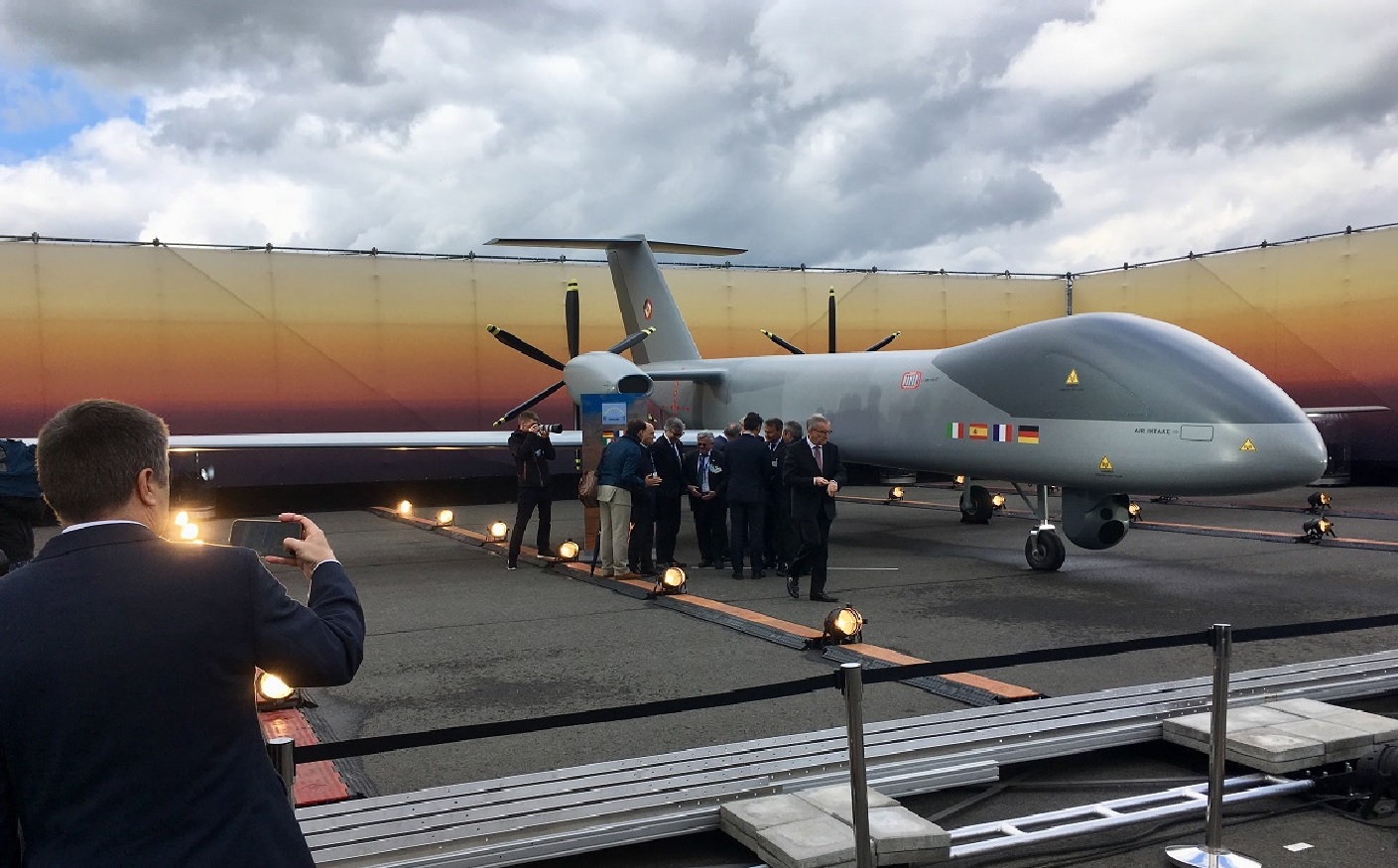 Dassault Seeks Compensation From Airbus as Eurodrone Dispute Erupts After FCAS Collapse
-
 AM General Unveils Next-Generation UGV and JLTV A2 with Counter-Drone Systems at Eurosatory 2026
-
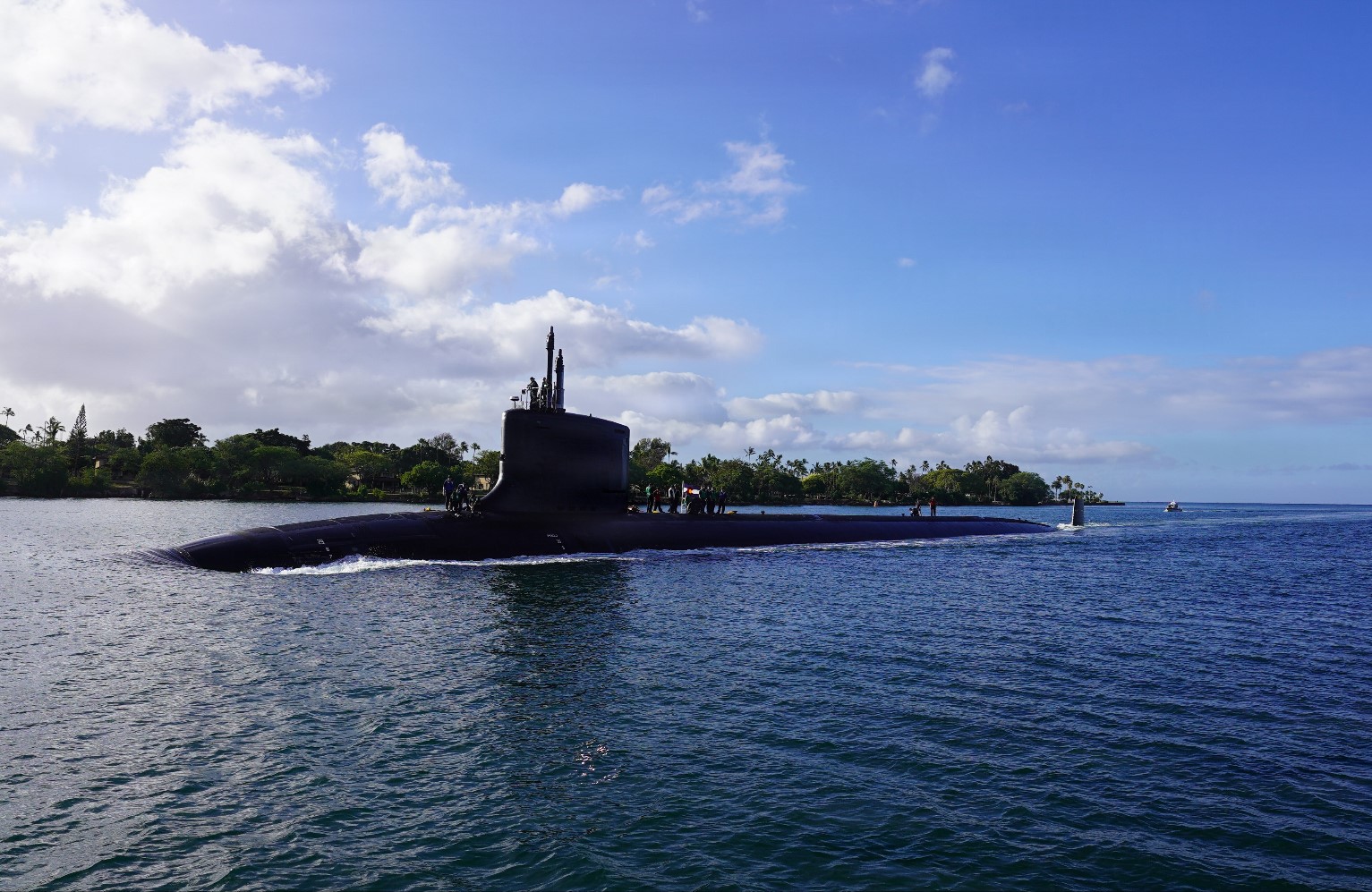 U.S. Navy's USS Colorado Submarine Returns to Pacific Fleet 29 Days Early After Major Pearl Harbor Overhaul
-
 Pakistan Raises Defence Budget from $9 Billion to $10.8 Billion as J-35 Fighter and Hangor Submarine Programs Advance
-
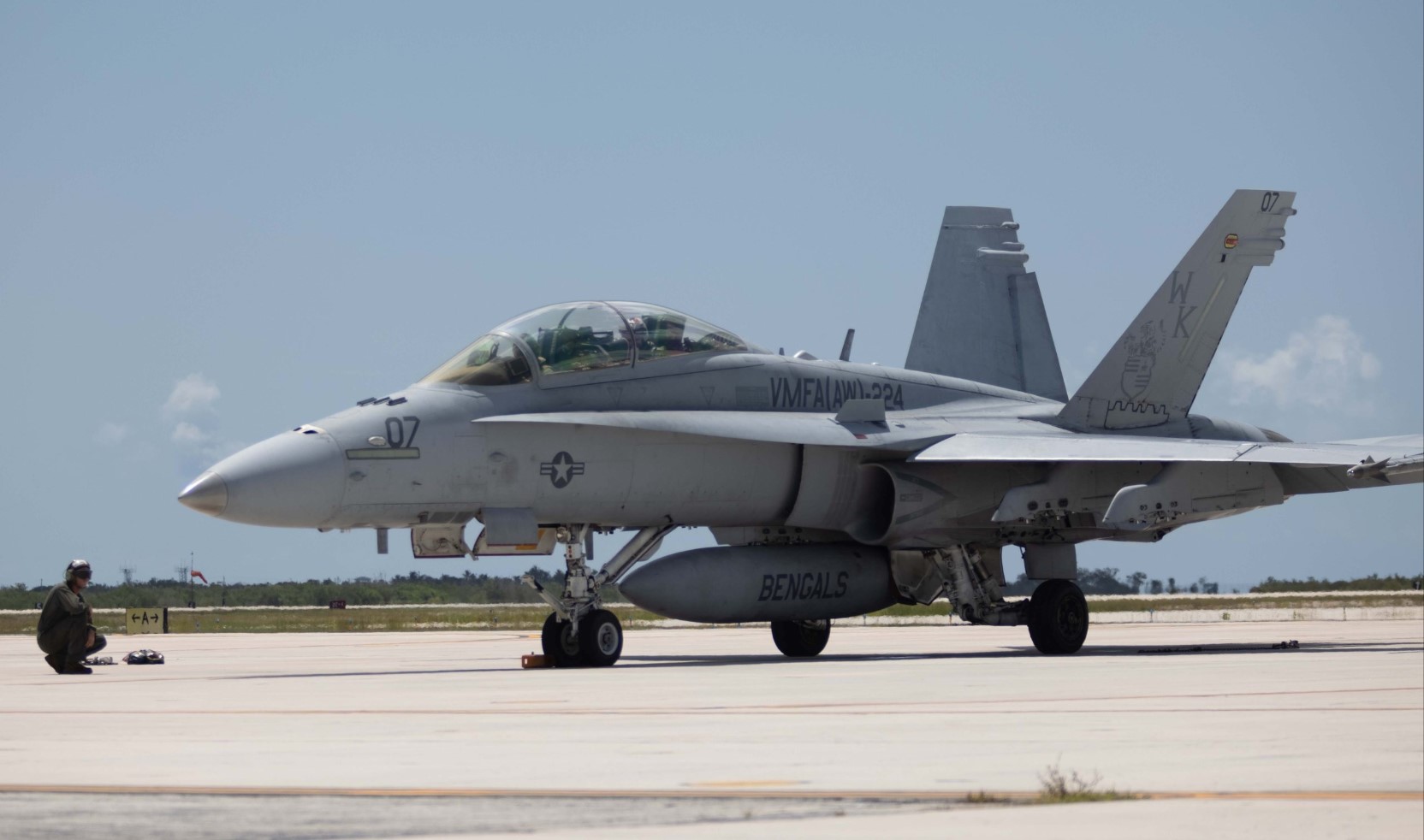 US Marine Corps F/A-18D Hornet Crashes During Training Flight in Washington Mountains; Pilot Ejects Safely
-
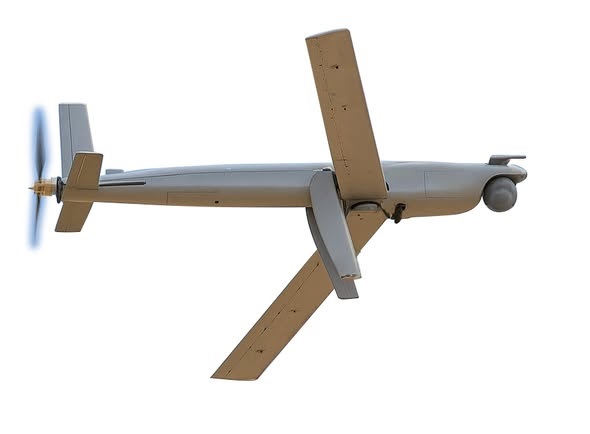 Elbit Systems and Diehl Defence Partner to Offer SkyStriker Loitering Munition to German Armed Forces
-
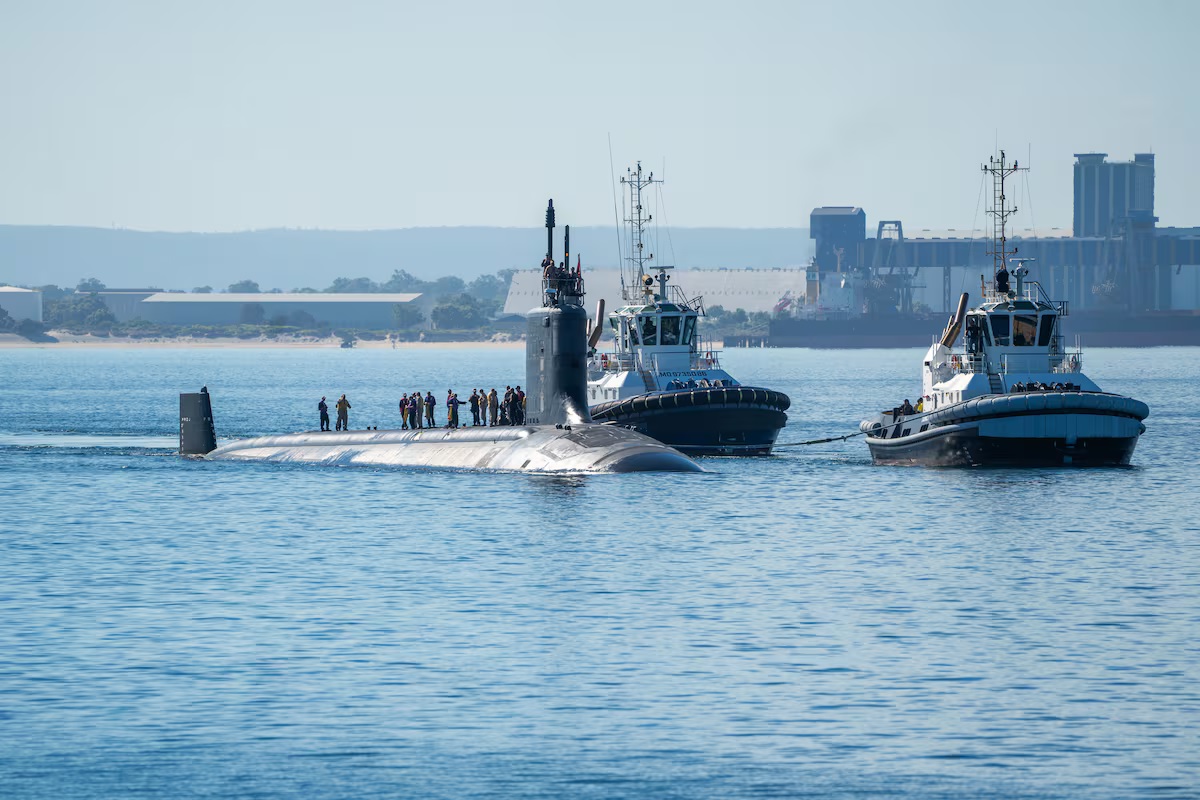 U.S. Navy Reestablishes Submarine Squadron 3 at HMAS Stirling to Support AUKUS Rotational Force
Top Trending in 4 Days
-
 Iranian Media Leaks 14-Point U.S.-Iran Peace Framework Amid Ongoing Negotiations
-
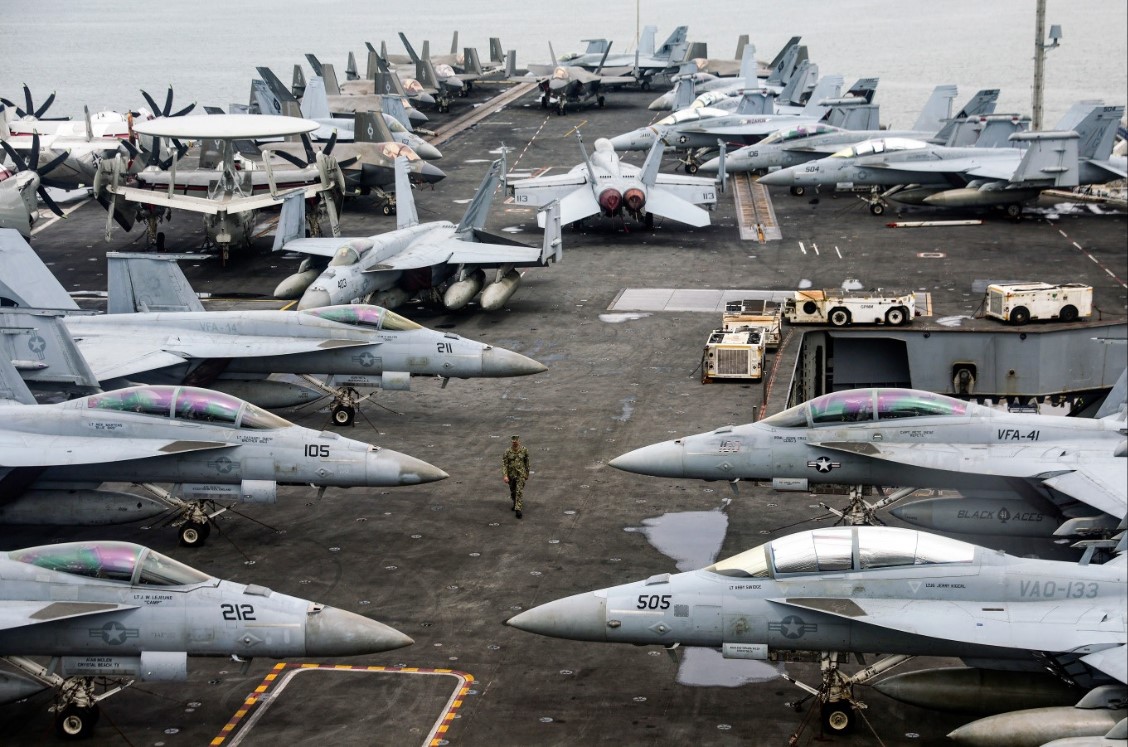 US Plans Significant Reduction of Fighter Jets and Warships for NATO Operations in Europe
-
 U.S. Air Force Faces Strategic Airlift Shortfall as C-17 Production Restart Remains Uncertain
-
 NATO Commander Says Russia Not Seeking Conflict With Alliance Despite U.S. Force Reductions
-
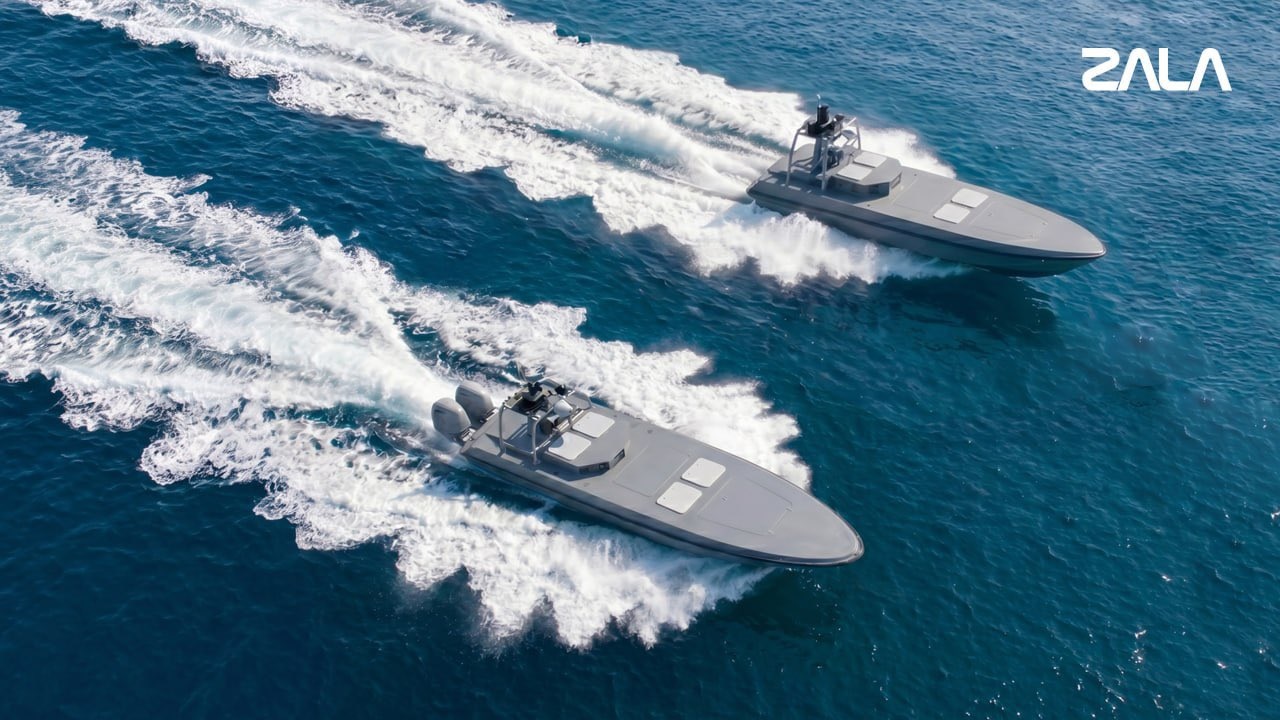 Russian Defense Firm ZALA Unveils KAMA Unmanned Surface Vessel Family at FLOT-2026 Naval Exhibition
-
 U.S. Space Force Awards $437.7 Million Contracts for First PTS-G Swarm 1 Anti-Jam Satellites
-
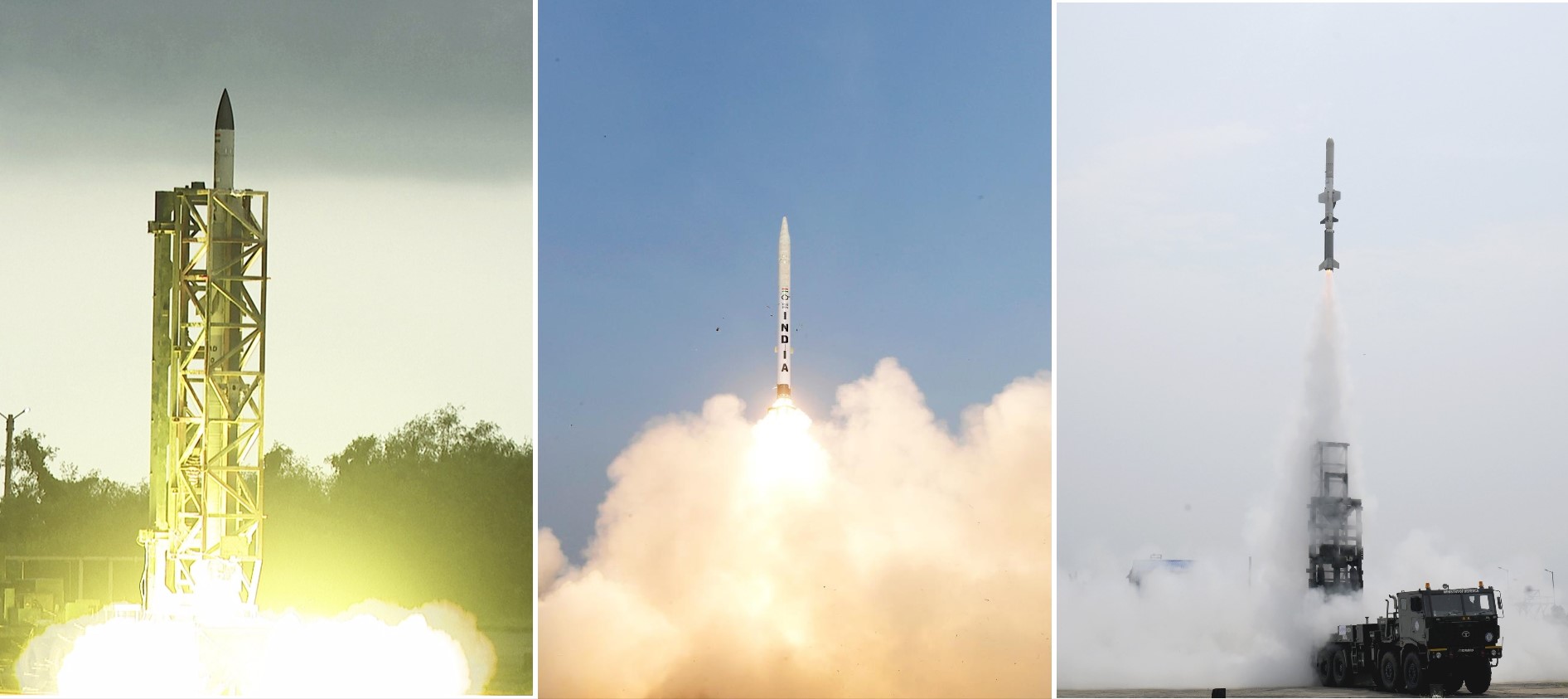 India Successfully Conducts AD-1, AD-2 Interceptor Tests and Maiden NASM-MR Flight Trial
-
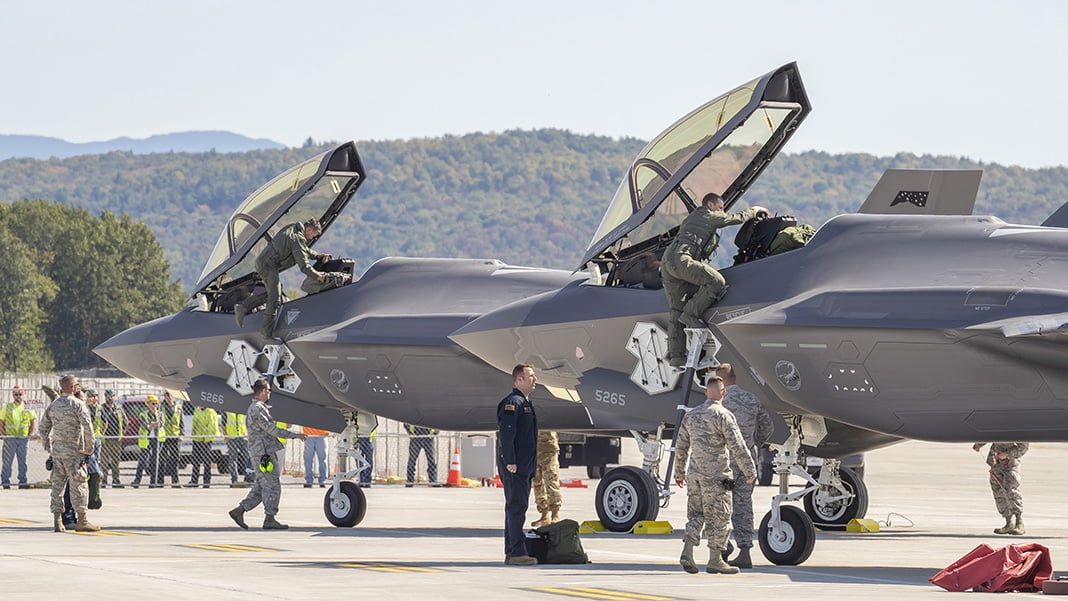 F-35 Fleet Readiness Falls to 25% Amid Parts Shortages and Software Delays: GAO Report