The United States has initiated the relocation of its Marine Corps personnel from Okinawa, Japan, marking a significant milestone in its Pacific defense strategy. This move, involving the eventual redeployment of 9,000 Marines, addresses long-standing grievances from Okinawan communities over the disproportionate presence of US military forces on the island. With Okinawa hosting over 50% of the approximately 50,000 US troops stationed in Japan, the island has been a focal point for protests against noise, pollution, and incidents involving US military personnel, including high-profile cases like the 1995 assault that galvanized anti-base sentiment.
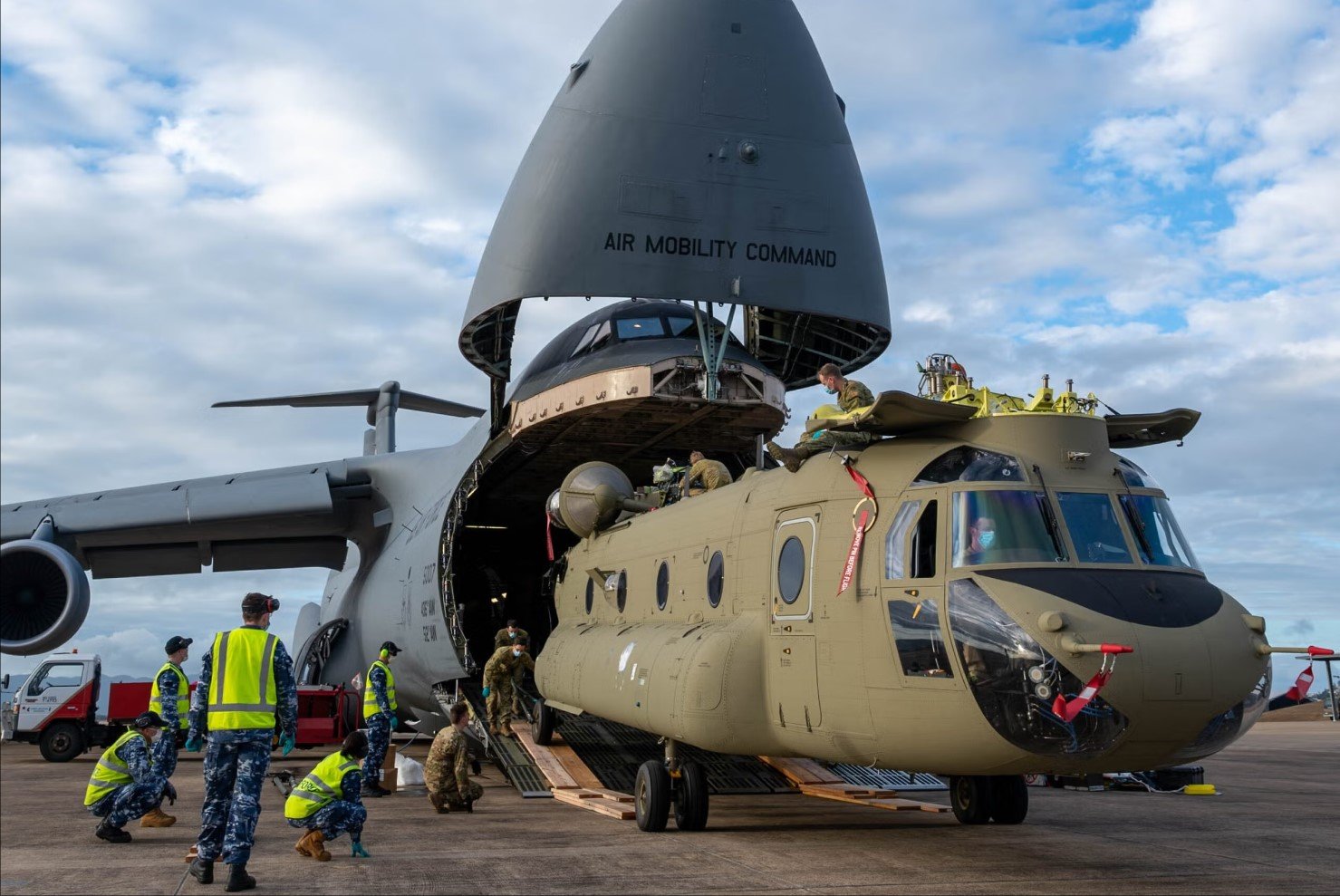
The relocation begins with a small detachment of 100 logistics Marines heading to Guam, a US territory where a new base, Camp Blaz, has been under construction to accommodate the influx. This facility represents a key component of the broader plan to redistribute Marines to locations such as Guam, Hawaii, and Australia, aligning with the 2012 US-Japan agreement aimed at reducing the burden on Okinawan communities while maintaining strategic military readiness.
Okinawa’s geographic position, roughly 500 miles from Taiwan, has made it a vital location for monitoring tensions in the region, particularly as the US and its allies respond to China's assertive claims over Taiwan. The repositioning of forces is seen as a step to strengthen the US presence across the Indo-Pacific while addressing local opposition in Japan. Guam’s infrastructure development has been a critical factor in this transition, with the base expected to be operational in 2024, although reports suggest some delays in its full readiness.
The strategic implications of this move are significant. By dispersing its forces across multiple Pacific locations, the US aims to enhance operational flexibility and resilience. This is particularly critical in the face of growing concerns over China’s military activities in the South China Sea and around Taiwan. Despite these adjustments, the US retains a strong commitment to its alliance with Japan, emphasizing cooperative defense initiatives like joint training exercises to ensure regional stability.
This realignment showcases a nuanced balance between addressing local concerns and adapting to evolving geopolitical dynamics, reinforcing the US’s role as a Pacific power while easing tensions in Okinawa.
——— End of Article ———