World
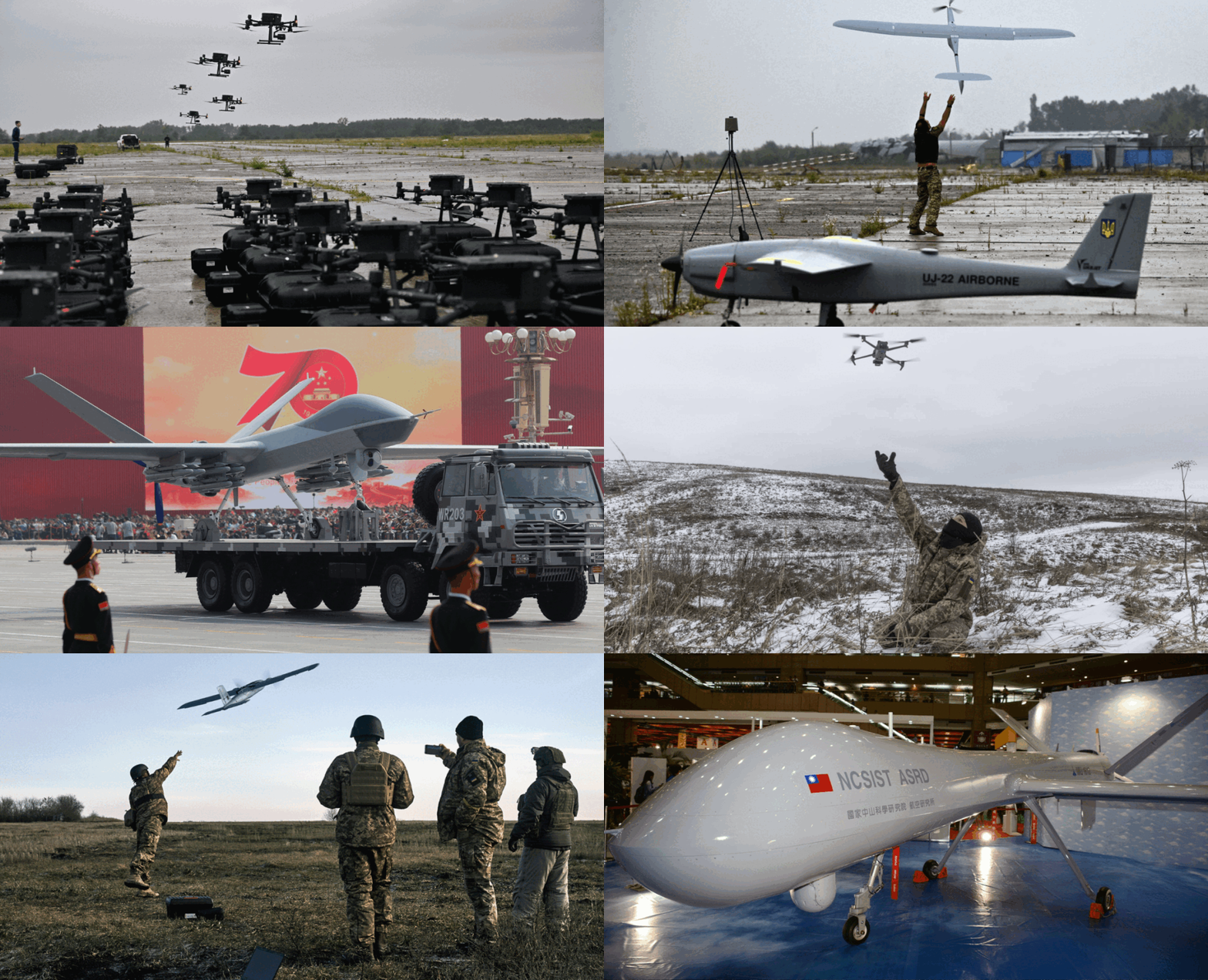
In a bold step to enhance its defensive capabilities, Taiwan is closely studying the ongoing conflict in Ukraine to refine its military strategies, focusing particularly on the innovative use of drones. By integrating these lessons into its combat operations, Taiwan aims to bolster its readiness against a potential attack from China, crafting a more resilient and adaptable military force. During a recent visit to the Army Drone Training Center in Tainan, Taiwan's Defense Minister Chiu Kuo-cheng underscored the significance of drone warfare in modern conflicts. The training facility showcased first-person-view (FPV) strike drones, inspired by those Ukraine has effectively deployed against Russian armored units. These drones, capable of reconnaissance and precision strikes, form a critical component of Taiwan’s evolving defense strategy. The Taiwanese military also unveiled modifications to its existing systems to better counter aerial threats. One key highlight was the CM-12 tank, a modified version of the U.S.-made M48A3. The tank is now equipped with an innovative “cope cage” anti-drone system, designed to thwart attacks from low-flying UAVs. This approach mirrors Ukraine’s adaptation of cost-effective solutions to counter sophisticated threats on the battlefield. Elevating Drone Warfare Capabilities Taiwan’s strategy focuses heavily on the modular upgrade of unmanned aerial vehicles (UAVs). These enhancements aim to increase the drones’ operational range, payload capacity, and adaptability for varied missions. For example, Taiwanese engineers have introduced technologies that enable drones to switch between reconnaissance and strike modes seamlessly. This versatility is critical for responding to rapidly changing battlefield conditions. Minister Chiu emphasized the importance of universal proficiency in drone operations among soldiers. “Drone technology has become a cornerstone of modern warfare,” he remarked. “Our goal is to ensure that every soldier is proficient in UAV operations, reinforcing our readiness for multi-domain conflicts.” The training exercises included simulations of real-world combat scenarios, demonstrating how UAV reconnaissance could be integrated with ground-based firepower to improve precision targeting. Such drills underscore Taiwan’s commitment to rapid-response tactics, a key element in countering a numerically superior adversary like China. Smart Technology and Logistics Integration Taiwan is also leveraging smart technologies to modernize its training and logistics. The Army has introduced digitized management systems to oversee equipment monitoring, operational planning, and supply chain logistics. These systems are designed not only to enhance efficiency but also to strengthen data security against potential cyber threats. The adoption of such technologies aligns with Taiwan's broader push for self-reliance in national defense. Minister Chiu reiterated the importance of innovation, stating, “The integration of modular upgrades to drone technology aligns with future combat needs. We remain committed to achieving self-reliance in national defense while bolstering societal resilience against potential threats.” Lessons from Ukraine The ongoing war in Ukraine has served as a critical case study for Taiwan, demonstrating how smaller nations can leverage technology and tactical innovation to challenge larger adversaries. Ukraine’s use of drones for reconnaissance, targeting, and even psychological warfare has inspired Taiwan to think creatively about how to maximize its relatively limited resources. For instance, Ukraine's reliance on commercially available drones adapted for military use has shown that even inexpensive platforms can deliver significant battlefield impact. Taiwan is following a similar path, with domestic industries stepping up to produce cost-effective, high-performance UAVs tailored for defense needs. Preparing for the Future As tensions between Taiwan and China continue to escalate, Taiwan’s military modernization efforts signal its determination to defend its sovereignty. By embracing lessons from Ukraine and focusing on technological adaptability, Taiwan aims to level the playing field against a vastly larger and more well-equipped Chinese military. While the prospect of conflict remains uncertain, Taiwan's proactive measures highlight a growing recognition of the evolving nature of warfare. From drone innovation to smart logistics, the island nation is laying the groundwork for a more dynamic and resilient defense strategy.
Read More → Posted on 2024-12-08 15:23:05
World
As the clock ticks down on President Joe Biden’s administration, the United States has announced a robust $988 million military aid package for Ukraine. This significant move comes amidst concerns over the uncertain trajectory of U.S. foreign policy as former President Donald Trump positions himself as a candidate with starkly different views on the war in Ukraine. With Trump's campaign claiming he could end the war within "hours" of taking office, the Biden administration appears determined to strengthen Ukraine’s position before any possible policy shifts occur. The nearly $1 billion aid package is part of the Ukraine Security Assistance Initiative (USAI), which procures advanced military equipment from defense manufacturers rather than drawing directly from U.S. stockpiles. While this means the equipment won’t reach Ukrainian battlefields immediately, the package underscores Washington’s long-term commitment to supporting Kyiv. Key elements of the assistance include precision-guided munitions for HIMARS rocket systems, surveillance drones, spare parts for artillery, tanks, and armored vehicles, as well as additional anti-air and anti-armor weaponry. Shoring Up Ukraine Before Policy Shifts The Biden administration has worked swiftly to push critical aid to Ukraine during its closing weeks in office. National Security Advisor Jake Sullivan emphasized that the goal is to bolster Ukraine’s strength on the battlefield and ensure it has a commanding position at any potential peace negotiations. This urgency is compounded by Trump’s vocal skepticism of U.S. military aid to Ukraine and his assertions that the war could be resolved rapidly, potentially involving concessions to Russia. The newly announced package follows a $725 million aid deal earlier in the week, which included anti-tank weapons, air-defense systems, and additional landmines. Together, these measures represent a "massive surge of assistance," according to the Biden administration, aimed at sustaining Ukraine’s resistance to Russia’s ongoing aggression. The Biden-Zelensky Strategy Ukrainian President Volodymyr Zelensky has welcomed the new aid, describing it as vital to his country's defense efforts. Zelensky has stressed that any resolution to the war must involve "strong security guarantees" for Ukraine, a position he reiterated during a meeting with Trump in Paris. Zelensky’s diplomatic efforts reflect Ukraine's unease about the potential U.S. policy shift under a future Trump administration. Biden and Zelensky have worked closely to secure bipartisan support for Ukraine in Congress, with Defense Secretary Lloyd Austin warning that abandoning Ukraine could have dire global consequences. "Failure to stand against Russian aggression now risks condemning future generations to a world of chaos," Austin said at the Reagan National Defense Forum in California. He highlighted the critical role of international alliances, a pointed contrast to Trump’s "America First" policy framework. The Strategic Implications of U.S. Support Since the Russian invasion of Ukraine in February 2022, the United States has spearheaded a global coalition to back Kyiv. This coalition has provided tens of billions of dollars in security aid, including advanced weapons systems and training that have enabled Ukraine to mount a formidable defense against Russian forces. The new aid package continues this momentum, ensuring that Ukraine remains well-armed and strategically positioned regardless of future U.S. political shifts. At its core, Biden’s final surge of military support signals a broader commitment to countering Russian aggression while reinforcing global security alliances. As Austin noted, America’s strength lies in its partnerships, a sentiment that underscores the administration's effort to secure lasting support for Ukraine, even as domestic political tides shift. Conclusion This $1 billion aid package encapsulates the complex intersection of military strategy, international diplomacy, and domestic politics. With Biden aiming to leave a lasting legacy of U.S. support for Ukraine, and Trump hinting at a radically different approach, the stakes for Kyiv—and global stability—remain high. The new military assistance is not just a lifeline for Ukraine but also a message to allies and adversaries about America’s enduring role in shaping global security dynamics.
Read More → Posted on 2024-12-08 15:14:14
World
India’s Twin-Engine Deck-Based Fighter (TEDBF) program is rapidly advancing, marking a significant step in the nation’s journey toward achieving self-reliance in naval aviation. With a targeted first flight by 2028, the TEDBF is being positioned as a superior 4.5-generation naval fighter jet, outclassing global peers like the French Rafale M, the American F/A-18 Super Hornet, and China's new naval fighters. This ambitious project, spearheaded by the Aeronautical Development Agency (ADA) and closely aligned with the Indian Navy's operational needs, promises to redefine carrier-based airpower for decades to come. Building on Proven Platforms: Synergy with AMCA and Tejas The TEDBF is a technological marvel built upon the success and lessons of India’s flagship aviation programs—the Light Combat Aircraft (LCA) Tejas and the Advanced Medium Combat Aircraft (AMCA). Drawing heavily from AMCA, the TEDBF will inherit cutting-edge stealth features, including radar-absorbing materials and Diverterless Supersonic Inlets (DSI), which minimize its radar signature. These advancements, combined with next-generation avionics and an integrated electronic warfare suite, place the TEDBF at the forefront of stealth technology in naval aviation. Additionally, the TEDBF benefits from the expertise gained in the Tejas program. For instance, technologies like advanced flight control systems, composite materials for a lighter airframe, and indigenous sensors are being refined and scaled up for the TEDBF. While the Tejas primarily serves as a single-engine fighter, its naval prototypes have paved the way for testing carrier-specific capabilities such as arrested landing and ski-jump take-offs, critical for the TEDBF's operational success. Specifications and Advanced Features The TEDBF's design is a testament to its multi-role capabilities. With a wingspan optimized for folding to accommodate limited carrier deck space and robust landing gear to withstand the stresses of deck landings, it exemplifies engineering precision. Its twin-engine configuration, likely powered by the GE F414 engines, delivers exceptional thrust-to-weight ratio, enabling short take-offs and high-speed intercepts. Key features include: Stealth Design: DSI inlets, radar-absorbing coatings, and minimal external hardpoints to reduce radar cross-section. Combat Range: An impressive combat radius of over 1,500 kilometers, enabling deep strike capabilities. Weapons Payload: A maximum payload capacity of 9.5 tons, supporting a mix of air-to-air missiles, precision-guided munitions, anti-ship missiles, and smart bombs. Sensors and Avionics: An indigenous Active Electronically Scanned Array (GaN Based) radar, integrated targeting pod, and advanced data-link capabilities. Carrier Adaptability: Compatibility with STOBAR configurations for the INS Vikrant and CATOBAR systems envisioned for the future Indigenous Aircraft Carrier (IAC-2). Outclassing Global Contenders While global counterparts like the Rafale M and Super Hornet boast proven track records, the TEDBF is designed to surpass them in versatility and performance. Its superior thrust-to-weight ratio and advanced stealth make it a formidable contender in aerial combat and strike missions. In comparison to China's new naval fighter, which heavily borrows from Russian designs, the TEDBF is entirely indigenous, with the added advantage of integration with India's existing defense ecosystem. Unlike its rivals, the TEDBF is built from the ground up for India’s operational requirements. Its ability to operate seamlessly in high-tempo combat scenarios, coupled with enhanced survivability features, ensures its dominance in carrier-based operations. Moreover, its multi-role capability extends beyond combat, including reconnaissance and electronic warfare missions, adding to its operational value. India's Strategic Vision The Indian Navy has outlined an ambitious requirement for 145 TEDBFs to power its future three-carrier fleet. While the initial focus is on deploying 87 aircraft on the INS Vikrant and the planned IAC-2, the program aligns with India's broader vision of projecting maritime power in the Indian Ocean Region (IOR). As India continues to bolster its indigenous defense manufacturing capabilities, the TEDBF is a cornerstone in achieving self-reliance and reducing dependence on foreign imports. The project also has a ripple effect on India’s aerospace industry, fostering collaborations between state-run entities like Hindustan Aeronautics Limited (HAL) and private players. This ecosystem not only accelerates technological innovation but also strengthens India’s position as a global defense exporter. Conclusion The TEDBF program is not just a fighter jet project; it’s a statement of India’s rising stature as a technological powerhouse. With its blend of indigenous design, cutting-edge stealth features, and operational adaptability, the TEDBF is poised to become a game-changer in naval aviation. As the program moves toward its first flight in 2028, it symbolizes a bold leap forward in India’s quest for naval and defense self-reliance, offering a platform that is not only a match for but potentially superior to the world’s best 4.5-generation naval fighters.
Read More → Posted on 2024-12-08 15:03:48
World
The United States has greenlit a significant arms deal with the Netherlands, authorizing the sale of AIM-120D3 AMRAAM missiles under the Foreign Military Sales program. This advanced air-to-air missile package, estimated at $807 million, underscores Washington's commitment to bolstering NATO allies' defensive capabilities amidst growing global security challenges. Key Details of the Sale The Netherlands will receive up to 226 AIM-120D3 missiles, a state-of-the-art variant developed by RTX (formerly Raytheon Technologies). Alongside the missiles, the package includes ancillary equipment, training modules, software updates, and logistical support to ensure seamless integration with existing systems operated by the Royal Netherlands Air Force (RNLAF). The AIM-120D3 AMRAAM boasts cutting-edge capabilities. With an extended range of approximately 120 kilometers and enhanced guidance via GPS-aided inertial navigation, it offers superior accuracy and lethality in beyond-visual-range engagements. Notably, the D3 variant features a two-way data link and upgraded software, enabling adaptability to evolving battlefield dynamics. Its robust design makes it suitable for both air-to-air engagements and potential use in ground-based air defense systems like NASAMS, which the Netherlands also employs. Strategic Implications The Defense Security Cooperation Agency (DSCA) emphasized the deal's alignment with U.S. foreign policy and NATO objectives. By acquiring the AIM-120D3, the Netherlands strengthens its ability to deter aerial threats and provide all-weather, precision-targeted defense for its airspace and NATO operations. The missiles will enhance the RNLAF’s F-35 Lightning II and F-16 Fighting Falcon fleets, ensuring interoperability with allied forces. This deal reflects broader efforts by NATO members to modernize their arsenals. As tensions rise across Europe and beyond, the Netherlands' acquisition of advanced AMRAAMs signifies a proactive approach to maintaining regional stability and deterring potential adversaries. Enhancing NATO's Collective Security The proposed sale not only benefits the Netherlands but also bolsters NATO's collective defense posture. The AIM-120D3’s capabilities enable greater operational synergy among member states, ensuring rapid response to emerging threats. The Netherlands' established experience with previous AMRAAM variants simplifies integration, allowing swift deployment of the upgraded missiles. This arms deal reinforces the Netherlands' role as a key NATO ally committed to regional security, and highlights the U.S.'s strategic investment in allied defense infrastructures. As geopolitical tensions evolve, the AIM-120D3 is poised to play a critical role in safeguarding allied interests. For further details, you can explore sources like Aviation Week and the Defense Security Cooperation Agency announcements.
Read More → Posted on 2024-12-08 14:53:44
World
The U.S. Navy is taking a significant leap into the future of maritime warfare with its preparation for deploying the Orca Extra Large Unmanned Undersea Vehicle (XLUUV). This groundbreaking platform, developed by Boeing, is set to redefine the operational capabilities of the Navy’s hybrid fleet, combining manned and unmanned technologies to tackle emerging threats and strategic challenges. Admiral Lisa Franchetti, the Chief of Naval Operations (CNO), recently toured Boeing’s Orca manufacturing facility, accompanied by contractors and personnel from the Unmanned Undersea Vehicles Squadron (UUVRON) 3. Adm. Franchetti underscored the importance of integrating advanced unmanned submersibles like Orca into the Navy's arsenal to maintain its competitive edge in an era of heightened strategic competition, particularly with adversaries like China. “We’re looking at a hybrid fleet where unmanned platforms like Orca play a critical role. This system brings unique capabilities to our warfighters, enhancing flexibility and reducing risks,” Adm. Franchetti remarked during her visit. She emphasized that Orca represents a forward-looking approach to modernizing naval warfare, contributing significantly to the Navy's Project 33 targets—a roadmap for improving operational readiness and fleet capability. Revolutionizing Naval Warfare with Orca The Orca XLUUV is a multi-mission robotic submersible designed for missions that would traditionally require manned submarines, effectively reducing risks to personnel. Its extended range and modular payload capabilities allow it to perform tasks ranging from intelligence, surveillance, and reconnaissance (ISR) to mine warfare and anti-submarine operations. By incorporating Orca into its fleet, the Navy is poised to expand its operational flexibility, increase mission effectiveness, and bolster deterrence. What sets the Orca apart is its scale and adaptability. At over 51 feet in length and capable of long-endurance missions, the Orca XLUUV can operate autonomously for extended periods, traversing vast undersea distances without requiring immediate human intervention. This makes it a key asset in high-risk or contested areas where traditional assets may face significant threats. Construction of the first Orca vehicle, designated XLE-1, has been completed. It is currently undergoing rigorous testing, including contractor pierside evaluations and at-sea trials at Marina Shipyard. Delivery to the Navy is expected in early 2025, with a developmental and operational testing phase extending into the third quarter of the fiscal year. During this time, UUVRON 3 will complete crew certification to ensure operational readiness ahead of deployment. A Strategic Advantage in a Competitive Landscape The Orca program aligns closely with the Navy’s Navigation Plan for America’s Warfighting Navy, which prioritizes the integration of robotic and autonomous systems to maintain superiority in the face of emerging threats. The system’s development reflects the Navy’s broader modernization goals, addressing challenges posed by strategic competitors like the People’s Republic of China. Adm. Franchetti highlighted the platform’s transformative potential: “Orca will not only enhance our warfighting effectiveness but also offer new levels of agility and decision-making flexibility. What we learn from its deployment will pave the way for future advancements in autonomous naval systems.” By reducing dependency on manned platforms in high-risk scenarios, the Orca XLUUV provides a safer and more efficient way to address critical missions. Its integration also signifies a shift towards a more data-driven and technologically sophisticated approach to undersea warfare. Looking Ahead The Orca XLUUV is more than just a cutting-edge piece of technology; it is a harbinger of the Navy’s future. Its deployment is expected to serve as a blueprint for the next generation of unmanned systems, driving innovation and operational efficiency. As the Navy prepares for the strategic challenges of the 21st century, the Orca will undoubtedly play a pivotal role in shaping a fleet that is both versatile and resilient. With the first operational units slated for deployment in the near future, the U.S. Navy is setting a bold precedent for integrating unmanned technologies. The Orca XLUUV not only enhances mission effectiveness but also represents a commitment to safeguarding personnel while maintaining the Navy’s unmatched maritime dominance.
Read More → Posted on 2024-12-07 15:34:14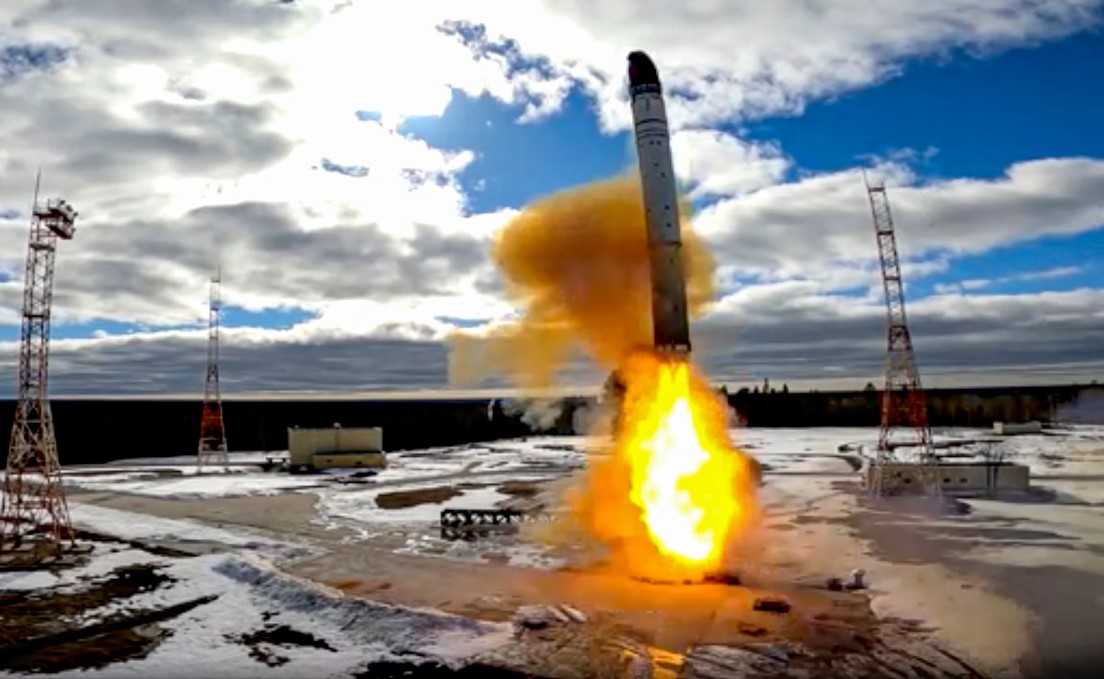
World
In a groundbreaking revelation, Chinese rocket scientists have discovered that the solid fuel used in intercontinental ballistic missiles (ICBMs) ages much faster than previously believed. This insight, stemming from detailed research at the National Key Laboratory of Solid Rocket Propulsion in Xian, challenges long-held assumptions about the stability and longevity of missile fuel and could explain the uptick in launch failures experienced by major nuclear powers in recent years. A Critical Fuel Issue Solid rocket fuel, the backbone of most ICBMs, is a highly engineered mixture typically composed of ammonium perchlorate, aluminum powder, and an HTPB (hydroxyl-terminated polybutadiene) binder. Historically, this fuel has been considered stable for well over a century under ideal storage conditions. However, the Chinese study has found alarming discrepancies. Under accelerated aging tests, fuel that appeared stable in routine inspections showed significant degradation within just 30 years. Senior engineer Qin Pengju and his team revealed that aged propellant becomes increasingly brittle under pressure, undermining its ability to withstand the high stress of missile launches. Published in the Chinese Journal of Propulsion Technology on November 25, their research indicated that the aging process causes the propellant’s ductility—the ability to endure and adapt to high pressure— to drop sharply. This finding is crucial, as solid fuel must endure immense pressure—up to six megapascals—during launch. If the aged propellant fractures during ignition, it could lead to catastrophic failure. Qin’s team identified that significant structural weakening begins after just 27 years, a stark contrast to earlier assumptions of stability for over a century. Recent Launch Failures Highlight the Problem The implications of these findings resonate globally. In November 2023, a Minuteman III ICBM, manufactured by Boeing and a cornerstone of the U.S. nuclear deterrent, failed during a routine test flight, prompting its self-destruction. Shortly after, a Trident II missile—deployed by the British Royal Navy and essential to NATO’s nuclear umbrella—suffered a similar fate. The Minuteman III, initially produced in the 1970s, remains a vital component of U.S. strategic defense, with over 400 units still in service. Meanwhile, the Trident II, operational for nearly three decades, has been lauded for its reliability but now faces scrutiny after back-to-back failures. Despite rigorous inspections and maintenance protocols, the aging of solid propellant poses a persistent challenge. The U.S. has already committed nearly $10 billion to extend the Minuteman III’s service life into the 2030s while developing a new ground-based strategic deterrent missile. However, these failures underscore the urgent need to reassess the durability of existing nuclear arsenals. How China's Arsenal Compares While China’s nuclear arsenal is smaller than those of the U.S. and Russia, it has increasingly leaned on technological advancements to bolster its capabilities. Unlike silo-based missiles such as the Minuteman III, China’s ICBMs are often mobile-launched from platforms like trucks or trains, enhancing their survivability. In September 2023, China successfully launched the Dong Feng-31AG missile, capable of carrying multiple nuclear warheads, into the southeastern Pacific. The country has also integrated hypersonic weapons into its arsenal, further complicating global nuclear strategies. Broader Implications Qin’s findings may explain why other nations, including North Korea, have experienced erratic missile launch results despite conducting frequent tests. In July 2023, North Korea launched its Hwasong-19 ICBM, claiming it could strike the U.S., but experts remain divided on its reliability. The degradation of solid propellant also raises questions about the long-term viability of legacy missile systems globally. Even as nations invest billions in modernizing or replacing aging systems, these findings suggest that propellant aging could remain a critical vulnerability. A Turning Point in Missile Technology The revelations by Chinese scientists represent a wake-up call for the global nuclear community. As ICBMs remain pivotal to deterrence strategies, ensuring their reliability becomes paramount. The study highlights the need for ongoing research into fuel stability, improved inspection methods, and possibly developing next-generation propellants that can better withstand the test of time. For now, this research serves as a stark reminder that the silent march of time can erode even the most formidable instruments of deterrence, potentially altering the balance of global power.
Read More → Posted on 2024-12-07 15:29:57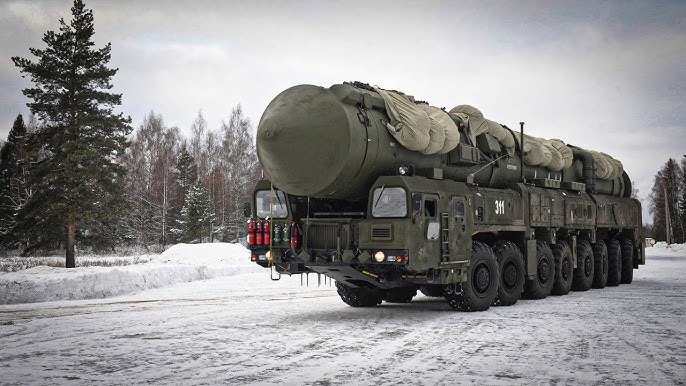
World
In a significant geopolitical move, Russian President Vladimir Putin has cemented deeper military ties with Belarus by signing a treaty that includes security guarantees involving the potential use of Russian nuclear weapons. The agreement comes as tensions between Russia and the West remain high due to the ongoing conflict in Ukraine. The decision to provide Belarus with advanced weaponry, including the nuclear-capable Oreshnik missile system, marks a new phase in their strategic partnership. Nuclear Umbrella Extended to Belarus The treaty formalizes Belarus' inclusion under Russia's nuclear umbrella, an unprecedented step that aligns Minsk even closer to Moscow's defense strategy. Tactical nuclear weapons already stationed in Belarus remain under Russian control, but Belarus now has the authority to select targets in case of hostilities. This strategic shift underscores Moscow’s intention to reinforce Belarus as a critical component of its defense framework. The Iskander-M missile systems, already provided to Belarus, and the upgrades to its fighter jets enabling them to carry nuclear weapons further reflect the deepening military integration between the two allies. However, the spotlight is now on the Oreshnik intermediate-range ballistic missile system, which Belarusian President Alexander Lukashenko has openly requested during his meeting with Putin. What Makes the Oreshnik Missile System So Potent? The Oreshnik missile, also known as RS-26, represents a next-generation threat in modern warfare. First unveiled to the world during recent Russian strikes on Ukraine, this missile system is designed to outpace and outmaneuver any current air defense systems. Here are some of its standout features: Hypersonic Speed: The missile can travel at speeds 10 times the speed of sound, making it nearly impossible for conventional air defense systems to intercept. Multiple Warhead Capability: It is equipped with Multiple Independently Targetable Reentry Vehicles (MIRVs), enabling it to hit multiple targets simultaneously with high precision. Dual Payload: The Oreshnik missile is versatile, capable of carrying both conventional and nuclear warheads, enhancing its strategic utility. Extended Range: With a range that covers all of Europe, the Oreshnik offers unparalleled reach, solidifying its role in regional deterrence. Putin indicated that these missiles could be deployed in Belarus as early as the latter half of 2025, signaling a robust enhancement to the region's defensive posture. Revising the Nuclear Doctrine Russia’s revised nuclear doctrine, endorsed by Putin last month, further lowers the threshold for the use of nuclear weapons. The doctrine now permits nuclear responses not only to nuclear threats but also to conventional military aggression that jeopardizes the sovereignty or territorial integrity of Russia or its allies. This change significantly raises the stakes in Europe and heightens the importance of Belarus in Moscow’s strategic calculations. Belarus’ leader, Lukashenko, has welcomed these developments, viewing them as essential for countering perceived threats from NATO and the West. Belarus has been a staunch ally of Russia, even allowing its territory to serve as a launchpad for Russia's military operations in Ukraine. Lukashenko's reliance on Russian economic and political support over his three decades of rule has made this partnership indispensable for his regime’s survival. Implications for Europe The deployment of nuclear-capable Oreshnik missiles to Belarus not only strengthens Russia's defensive network but also shifts the security dynamics in Europe. NATO member states now face an elevated threat level, compelling them to reconsider their strategic posture in the region. The ability of the Oreshnik missile system to evade existing air defenses underscores the growing sophistication of Russia’s military technology and the challenges it poses to Western deterrence. A Strategic Alliance with High Stakes The Russia-Belarus alliance has reached a new zenith with the signing of this treaty and the planned deployment of Oreshnik missiles. For Belarus, it reinforces its role as a critical ally of Moscow, firmly embedded within its nuclear strategy. For Russia, the agreement strengthens its geopolitical leverage and deterrence capability against NATO. While the West watches with concern, the strategic partnership between Russia and Belarus appears more consolidated than ever, reshaping the security landscape of Eastern Europe for years to come.
Read More → Posted on 2024-12-07 15:27:41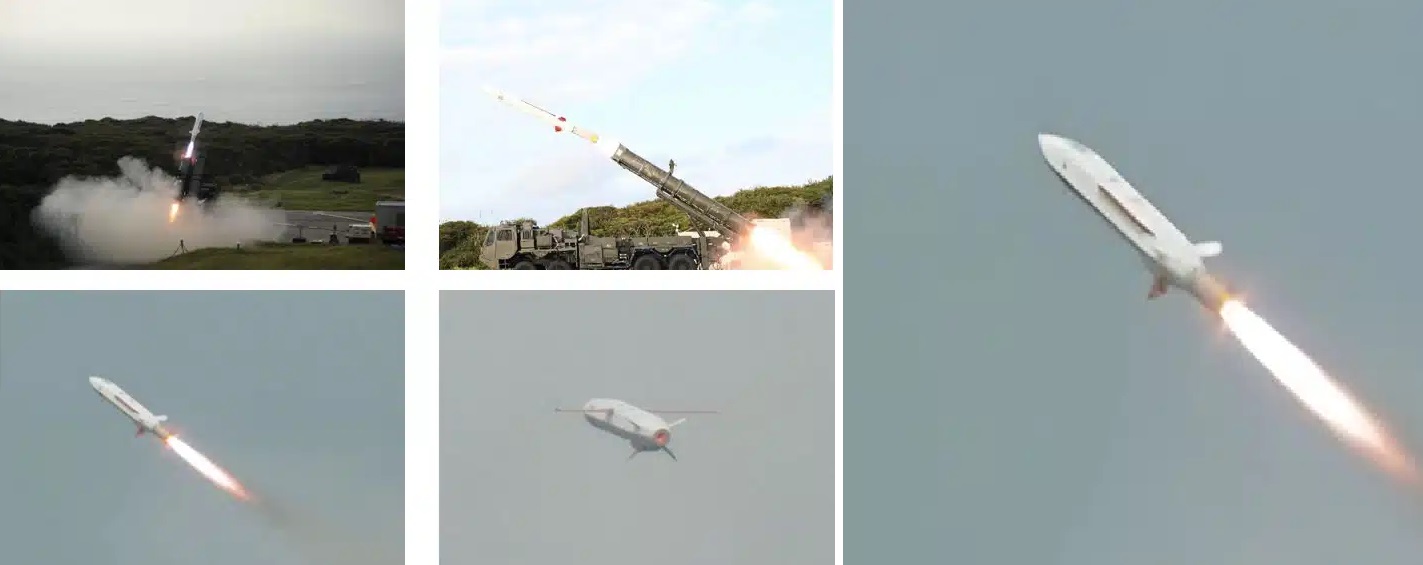
World
Japan has unveiled the first images of the upgraded Type 12 anti-ship missile during a series of launch tests conducted between early October and early November 2024 on Niijima Island, a strategic location facing the Pacific Ocean. The missile tests, carried out by the Acquisition, Technology & Logistics Agency (ATLA), underscore Japan's commitment to bolstering its defense capabilities in response to growing regional security challenges. A New Generation of Anti-Ship Missile Technology The upgraded Type 12 Surface-to-Ship Missile (SSM) represents a significant evolution from its predecessor. Originally designed with a range of approximately 200 kilometers, the new version seeks to extend this capability to at least 900 kilometers in its initial stages, with ambitions to push it further to 1,200 kilometers in future iterations. Such enhancements dramatically enhance the missile's utility, enabling Japan to project power far beyond its shores. Beyond the range improvements, the missile's design has undergone substantial modifications. The upgraded variant features a streamlined airframe with a reduced radar cross-section (RCS), making it more challenging to detect and intercept. This stealth-oriented design reflects the growing importance of survivability in modern missile systems, particularly in contested environments where advanced radar systems are prevalent. Integration of Modern Technologies One of the standout features of the upgraded Type 12 missile is its ability to utilize Up-to-Date Command (UDTC) technology. This system allows the missile to receive mid-flight updates via satellite communications, ensuring precision even against moving naval targets. This capability not only enhances the missile's effectiveness but also adapts it to dynamic combat scenarios where enemy vessels may employ evasive maneuvers. The upgraded missile also supports multiple launch platforms, a key component of Japan's evolving defense strategy. In addition to the conventional ground-launched variant, ship- and aircraft-launched versions are being developed to provide a versatile response to maritime threats. These variants are being developed under staggered timelines, with the ground-launched version expected to enter service by March 2026, followed by ship- and aircraft-based variants in subsequent years. Strategic Significance The decision to upgrade the Type 12 missile traces back to 2020, driven largely by the need to counterbalance China's expanding maritime capabilities. By extending the missile's range and introducing stealth features, Japan aims to maintain a credible deterrent against potential adversaries. Crucially, the enhanced range allows Japan to strike enemy vessels from beyond the range of their anti-aircraft defenses, ensuring the safety of its own forces during operations. Looking Ahead The images released by ATLA provide a glimpse into the progress of the program, with the missile shown during various phases of testing. These tests represent an essential step in validating the missile's performance, from propulsion and guidance to its ability to integrate with Japan's growing satellite communication infrastructure. As Japan prepares to deploy the upgraded Type 12 missile, its defense posture is poised to become more robust, ensuring greater security for its territorial waters and projecting stability in an increasingly volatile Indo-Pacific region.
Read More → Posted on 2024-12-07 15:23:36
World
The United States has reaffirmed its commitment to Poland's security by offering a $4 billion Foreign Military Financing (FMF) loan guarantee. This initiative strengthens Poland's efforts to modernize its armed forces and plays a pivotal role in NATO's collective defense strategy. The announcement, made by the U.S. Department of State, marks a significant milestone in defense collaboration, bringing total U.S. financial support for Poland’s military to over $11 billion in just two years. This financial boost aims to fast-track Poland's comprehensive military modernization program, equipping its armed forces with cutting-edge U.S. technology. The funds will enable the procurement of advanced military systems, including: AH-64E Apache Helicopters: Known for their versatility, these helicopters provide Poland with advanced attack capabilities, precision targeting, and enhanced survivability in modern combat scenarios. Reconnaissance Aerostats (Barbara Programme): These tethered balloon systems enhance surveillance and reconnaissance, offering a cost-effective solution for monitoring wide areas. High Mobility Artillery Rocket Systems (HIMARS): These highly mobile systems bring precision-strike capabilities over long ranges, bolstering Poland’s artillery strength. Integrated Air and Missile Defense Battle Command System (IBCS): Central to the Patriot missile defense system, the IBCS integrates multiple sensors and shooters to provide comprehensive protection against aerial threats, including missiles and aircraft. Poland’s Strategic Role in NATO Poland’s geographic and strategic importance on NATO’s Eastern Flank has made its military modernization efforts vital to the alliance's overall defense posture. By reinforcing its defense capabilities, Poland is not only enhancing its national security but also contributing to the collective security framework of NATO. Matthew Miller, a spokesperson for the U.S. Department of Defense, emphasized the broader implications of this partnership: “This announcement underscores the United States’ steadfast commitment to Poland’s security and to the continued strengthening of NATO.” Beyond Defense Spending The FMF loan guarantee is more than just a financial arrangement—it reflects the strategic partnership between the U.S. and Poland. The program enables Poland to access advanced defense systems while ensuring the sustainability of its military spending. Additionally, it enhances NATO's deterrence capabilities by positioning Poland as a robust and prepared ally in the face of evolving security threats, particularly from adversaries in the region. A Broader Impact The loan guarantee aligns with U.S. security cooperation objectives, strengthening allied nations by providing them with modern capabilities. It also underscores a shared commitment to maintaining stability in Europe amidst growing geopolitical challenges. With this support, Poland is better equipped to respond to modern threats, ranging from cyberattacks to missile strikes, ensuring a secure environment for NATO’s operations. This initiative signals the deep trust and collaboration between the two nations, reflecting their shared vision for peace, security, and resilience in a volatile world.
Read More → Posted on 2024-12-07 15:15:52
World
In a significant escalation of its involvement in the Syrian conflict, Lebanon's Hezbollah has reportedly dispatched 2,000 fighters to bolster its positions near the Syrian border. This move comes as the Assad regime faces mounting pressure from a sweeping rebel offensive that has captured major cities and now threatens key government strongholds. A source close to Hezbollah, speaking on condition of anonymity due to the sensitive nature of the matter, disclosed that the fighters were sent to the Qusayr region, a strategically vital area near the border with Lebanon. While these forces have yet to engage in combat, their presence underscores the group's determination to defend its ally, Damascus, during a critical juncture in the Syrian Civil War. The Qusayr Connection Qusayr holds a pivotal role in the Syrian conflict due to its geographical and logistical significance. Situated near vital supply routes between Damascus and the coastal stronghold of Latakia, control of this area is essential for both the Syrian government and rebel factions. Hezbollah's deployment reflects its intent to secure these routes and prevent further rebel advances. The Syrian opposition has already made dramatic gains, seizing the cities of Aleppo and Hama. These victories have emboldened the rebels, bringing them to the outskirts of Homs, Syria's third-largest city and a critical hub for the Assad regime. With rebel forces now at the gates of Homs, fears of a potential escalation in urban warfare loom large. Military Advisors in Homs In addition to deploying fighters to Qusayr, Hezbollah has reportedly sent 150 military advisors to Homs. These advisors are tasked with supporting Syrian government forces in defending the city should fighting erupt. Their expertise, drawn from Hezbollah's extensive combat experience, could provide a critical advantage in the defense of this strategically and symbolically important city. Broader Implications Hezbollah's involvement in Syria marks a deepening of the group's regional entanglements. It highlights the symbiotic relationship between Hezbollah and the Assad regime, with each relying on the other for survival in an increasingly volatile Middle East. For Hezbollah, Syria serves as a conduit for Iranian support, while Damascus benefits from the group's battle-hardened fighters and strategic expertise. However, this increased involvement also carries significant risks. It exposes Hezbollah to criticism and potential backlash within Lebanon, where opinions on the Syrian conflict remain deeply divided. Moreover, the group's engagement in Syria's civil war could strain its resources and provoke further regional tensions. The Road Ahead As the Syrian conflict enters another turbulent phase, Hezbollah's role is likely to remain critical in shaping the outcome of battles near the Lebanese border. The group's commitment to defending the Assad regime underscores its strategic priorities and regional alliances, but it also raises questions about the long-term consequences for Lebanon and the broader Middle East. For now, the deployment of fighters to Qusayr and advisors to Homs signals that Hezbollah is doubling down on its efforts to tip the balance of power in Syria. How this gamble will play out in the face of an increasingly determined rebel offensive remains to be seen.
Read More → Posted on 2024-12-07 14:59:23
World
Ukraine has reached a pivotal milestone in its defense capabilities by commencing serial production of the "Peklo" drone-missiles, an advanced strike weapon designed to bolster the nation's strategic arsenal. This breakthrough reflects a powerful combination of engineering ingenuity, wartime necessity, and a growing emphasis on self-reliance in military technology. The handover ceremony of the first batch to the Armed Forces of Ukraine, attended by President Volodymyr Zelenskyy and senior military leaders, underscored the significance of this achievement. Although the exact number of missiles delivered remains undisclosed, photos suggest at least a dozen units were included. These drones have already seen action in combat, with Ukrainian officials confirming five successful operational missions. A Leap in Indigenous Technology Nicknamed "Peklo" (meaning "Hell" in Ukrainian), these drone-missiles are a homegrown innovation developed entirely by Ukrainian defense manufacturers within an unprecedented timeframe of one year. Designed to rival existing cruise missile technology, the Peklo offers a balance of range, speed, and cost-effectiveness that could shift the dynamics of the conflict. While the full specifications of the Peklo remain classified, officials have provided tantalizing glimpses into its capabilities. Powered by jet engines, the drones boast a range exceeding 700 km and a top speed of 700 km/h, making them suitable for deep strikes against high-value targets. Comparisons have been drawn to Russian models, but Peklo is reportedly more cost-efficient, a critical advantage in prolonged warfare. Modular Design and Combat Versatility The Peklo drone-missiles are believed to incorporate modular design principles, allowing them to be adapted for various mission profiles. This includes potential upgrades to improve resistance to electronic warfare, enhance reliability, and increase precision. Additionally, work is underway to develop new warhead variants, broadening the scope of targets the Peklo can engage. Though the launch mechanism has not been publicly disclosed, speculation suggests the drones may use mobile launch platforms or customized rail systems, providing operational flexibility. Strategic Independence The Peklo program signifies Ukraine's determination to build a robust domestic defense industry, reducing dependency on foreign suppliers. This independence allows the country to scale production more rapidly and adjust to battlefield demands with greater agility. According to Minister of Strategic Industries Herman Smetanin, this project is a testament to Ukraine's ability to "create and deliver modern weapons under challenging conditions." President Zelenskyy highlighted the broader implications of the Peklo drones, stating, "These modern weapons of Ukrainian origin are crucial for our defenders. Scaling up production is the next step to ensure widespread deployment." A Strategic Weapon in Ukraine's Arsenal By leveraging indigenous innovation, Ukraine has introduced a weapon system capable of targeting Russian military infrastructure and logistical hubs deep within enemy territory. The Peklo's ability to strike at over 700 km distances could prove instrumental in disrupting supply lines, command centers, and critical assets, thereby reshaping the battlefield in Ukraine's favor. In a conflict defined by asymmetric strategies, the introduction of Peklo drone-missiles demonstrates Ukraine's resolve to turn technological advancement into a force multiplier. The scaling of its production will likely be a cornerstone of Ukraine's defense strategy in the months to come. A Step Toward the Future As the Peklo system undergoes continuous refinement, it not only addresses immediate military needs but also lays the foundation for a sustainable, independent defense ecosystem. In a time of existential challenges, this achievement symbolizes Ukraine's resilience and ability to innovate under pressure.
Read More → Posted on 2024-12-07 14:56:51
World
Recent developments in Syria have highlighted the fragility of the Assad regime's hold over key territories. In Deir Ezzor province, government forces have withdrawn from several positions as a coalition of opposition groups, including factions like Hay’at Tahrir al-Sham (HTS), launched coordinated offensives. This marks a significant shift in the Syrian civil war, which had seen a stalemate in recent years. The opposition's resurgence reflects a blend of local grievances and renewed support from international actors. The Context Behind the Retreats Deir Ezzor, a strategic area with oil reserves and proximity to Iraq, has been contested throughout the civil war. The Syrian Observatory for Human Rights confirmed that U.S. airstrikes targeting Iran-backed militias in the region exacerbated the challenges faced by pro-Assad forces. Meanwhile, HTS-led offensives in northern Syria and other rebel factions' advances in Hama and Aleppo have further stretched government resources. Daraa and Sweida, historically significant for their roles in the 2011 uprising and as a Druze minority stronghold, have also seen intensified clashes. Former rebel groups in Daraa, allowed to retain light arms under a 2018 Russian-brokered deal, have re-emerged as potent forces. In Sweida, widespread dissatisfaction with Damascus over economic and political marginalization fueled local fighters' takeover of checkpoints and administrative centers. Opposition's Renewed Strength The opposition's recent offensives, particularly in Aleppo and Hama, demonstrate a newfound coordination among diverse factions. HTS, operating from Idlib, has significantly restructured its forces to resemble a conventional military, with specialized units capable of executing night raids. These developments coincide with external support from actors reportedly providing training and logistical aid, though specifics remain under wraps. The Syrian Democratic Forces (SDF), backed by the U.S., have also capitalized on the government's weakening grip, advancing in Deir Ezzor and clashing with pro-Iranian militias. This confluence of rebel gains in the north, south, and east has left the Assad regime struggling to regroup. Syrian state media has portrayed the situation as a temporary redeployment, but the scope of losses indicates deeper structural issues. Implications for the Assad Regime The rapid territorial losses raise questions about the long-term stability of Assad's rule. While Russia and Iran remain steadfast allies, their resources and focus are divided by broader geopolitical challenges, including Russia's commitments in Ukraine and Iran's regional tensions. The withdrawal from key areas such as Hama and Deir Ezzor could embolden opposition forces to push toward Damascus, increasing pressure on the regime. Moreover, the shifting dynamics in Sweida highlight the unique challenges of governing minority regions. The Druze community's disillusionment, coupled with widespread economic hardships, may inspire other marginalized groups to challenge the government’s authority. Conclusion Syria's ongoing conflict has entered a volatile new phase. The withdrawal of government troops from Deir Ezzor and other areas underscores the complexity of maintaining control in a fragmented nation. As opposition forces gain momentum and international actors recalibrate their strategies, the Assad regime faces a growing array of challenges that threaten its tenuous hold on power.
Read More → Posted on 2024-12-07 14:49:35
World
In the fast-evolving world of drone technology, the ability to navigate without relying on GPS is becoming a game-changer. A new celestial navigation system, developed by scientists at the University of South Australia (UniSA), promises to make drones not only more resilient to electronic interference but also harder to detect. By turning to the stars for guidance, this innovative approach offers exciting possibilities for military and civilian applications alike. A Starry Alternative to GPS For centuries, humans have relied on celestial navigation, using the stars to chart paths across oceans and continents. This ancient practice has now been reimagined for the modern age. While aircraft and spacecraft have long employed complex star-based systems, the challenge was to adapt this method for smaller, lightweight drones. The UniSA researchers, led by Samuel Teague and Javaan Chahl, have achieved this by designing a lightweight, cost-effective system that eliminates the need for bulky stabilization equipment. Their celestial navigation device integrates visual observations of the night sky with standard autopilot technologies, allowing drones to determine their position without emitting detectable GPS signals. In field tests using a fixed-wing UAV, the system demonstrated impressive accuracy, pinpointing the drone's location within 2.5 miles (4 kilometers). This precision, achieved with minimal hardware, underscores its potential for widespread use across various drone platforms. Why It Matters: Resilience Against GPS Jamming GPS jamming has emerged as a critical concern, particularly in military operations. During the ongoing conflict in Ukraine, Russia has extensively deployed mobile jammers to disrupt GPS signals, complicating navigation for both drones and other systems. By bypassing GPS entirely, celestial navigation provides a robust alternative, immune to such electronic warfare tactics. This capability also introduces stealth advantages. Traditional GPS systems rely on signal transmissions that adversaries can detect and track. In contrast, a star-based navigation system operates passively, making it virtually undetectable. This makes drones equipped with celestial guidance harder to locate and target, enhancing their survivability in contested airspaces. Beyond the Battlefield: Civilian Applications While the military benefits are clear, the technology's potential extends far beyond defense. In remote environmental monitoring, disaster response, and long-duration surveillance missions, GPS availability can often be unreliable or nonexistent. Celestial navigation offers a dependable solution, enabling operations in the most challenging conditions. For instance, drones used to study ecosystems in remote regions, or for mapping vast, undeveloped areas, could benefit greatly from this technology. Similarly, during natural disasters where communication infrastructure is compromised, drones equipped with celestial systems could play a crucial role in search-and-rescue missions. Implications for Future Warfare and Security The ability to navigate without GPS could also have unintended consequences. Drones that do not rely on signal transmissions are harder to detect, potentially making them a preferred tool for covert operations. This stealth factor poses challenges for air defense systems, which are already struggling to counter the growing threat of small, agile UAVs. As drone technology becomes more advanced and accessible, the implications for global security are profound. Smaller, cheaper drones equipped with advanced navigation systems like this one could transform air warfare, shifting focus from large, manned fighter jets to swarms of autonomous UAVs. The Road Ahead The UniSA team's breakthrough marks an exciting step forward in the field of unmanned aerial systems. Their work, published in the journal Drones, highlights the growing importance of resilient, cost-effective navigation methods for the next generation of UAVs. As nations continue to grapple with the challenges and opportunities posed by drone technology, innovations like celestial navigation will undoubtedly play a central role in shaping the future of air operations—military and civilian alike. The stars, it seems, are not just guiding explorers of the past but also charting the course for the unmanned systems of tomorrow.
Read More → Posted on 2024-12-06 16:49:03
World
The Hungarian Defence Forces have taken another significant step toward modernizing their military capabilities with the addition of four Leopard 2A7HU tanks to the Klapka György 1st Armored Brigade. These cutting-edge tanks, delivered to bolster the Tarczay Ervin 11th Tank Battalion, are part of Hungary’s broader effort to strengthen its defense readiness and deter potential threats in an evolving geopolitical environment. This recent delivery brings the total number of Leopard 2A7HU tanks in Hungary's arsenal to 30. The procurement is part of a larger contract signed in 2018 with Krauss-Maffei Wegmann (KMW), a prominent German defense manufacturer, for a total of 44 tanks. The remaining units are scheduled for delivery by 2025, allowing the Hungarian military to gradually phase out its aging fleet of Soviet-era T-72M1 tanks. Hungarian Defense Minister Kristóf Szalay-Bobrovniczky underscored the importance of these additions, stating that the tanks represent a critical component of Hungary’s defensive posture. “Our constantly arriving high-tech equipment continues to build our deterrent power,” the minister wrote on X, highlighting the role of modern technology in ensuring the nation’s peace and security. A Closer Look at the Leopard 2A7HU: Hungary’s Armored Powerhouse The Leopard 2A7HU is a tailored version of Germany's Leopard 2A7, designed to meet the specific operational needs of the Hungarian Defence Forces. This main battle tank combines advanced firepower, mobility, and protection, making it one of the most formidable armored vehicles in the world. Primary Armament: The tank features a 120-millimeter Rheinmetall L55A1 smoothbore gun, renowned for its exceptional accuracy and ability to engage targets at distances of up to 5 kilometers (3.1 miles). This weapon is compatible with a wide range of NATO-standard ammunition, including advanced kinetic energy and high-explosive rounds. Secondary Armament: To address diverse combat scenarios, the Leopard 2A7HU is equipped with two secondary weapons. A 7.62-millimeter FN MAG machine gun provides reliable support for infantry engagements, while a roof-mounted 12.7-millimeter M2 heavy machine gun adds significant firepower against lightly armored vehicles and low-flying aircraft. Engine and Mobility: At the heart of the Leopard 2A7HU lies the MTU MB 873 Ka-501 diesel engine, delivering 1,500 horsepower. This powerhouse allows the tank to reach speeds of up to 68 kilometers (42 miles) per hour, even on challenging terrains. With an operational range of 500 kilometers (310 miles), the tank can undertake prolonged missions without frequent refueling, a crucial capability in modern combat scenarios. Protection Systems: The Leopard 2A7HU boasts a sophisticated modular armor system that provides enhanced protection against kinetic, chemical, and explosive threats. Advanced sensors and targeting systems further increase its survivability and battlefield effectiveness. Strategic Implications The induction of Leopard 2A7HU tanks signifies Hungary’s commitment to bolstering its defense infrastructure amid growing regional security challenges. As a NATO member, Hungary’s efforts to modernize its armored forces not only strengthen its national security but also contribute to the alliance’s collective deterrence capabilities in Central and Eastern Europe. The Leopard 2A7HU’s state-of-the-art technology and robust performance capabilities position it as a critical asset for the Hungarian Defence Forces. These tanks ensure that Hungary is well-prepared to respond to a wide range of threats while adhering to its obligations as part of the NATO alliance. As deliveries continue over the next year, the Leopard 2A7HU will play a central role in Hungary’s armored strategy, replacing older platforms and providing a technological edge on the battlefield. This investment in advanced military equipment reflects Hungary’s focus on achieving a balance between deterrence and defense, ensuring stability in a region marked by evolving security dynamics.
Read More → Posted on 2024-12-06 15:53:44
World
In a major leap for electronic warfare capabilities, the U.S. Navy has awarded Raytheon, a division of RTX, a $590 million production contract for its Next Generation Jammer Mid-Band (NGJ-MB) system. Announced on December 5, 2024, the deal aims to equip the Navy's EA-18G Growler fleet—a platform dedicated to airborne electronic attack—with one of the most advanced jamming systems ever developed. This investment reaffirms the Navy’s focus on maintaining a technological edge in contested electromagnetic environments. The NGJ-MB system is not merely an upgrade; it represents a generational shift in airborne electronic warfare. Jointly developed with the Royal Australian Air Force (RAAF), this collaboration underscores the close defense ties between the U.S. and Australia. Both nations have invested heavily in this project, showcasing its strategic importance in countering modern threats. Designed to disrupt advanced radar systems, complex communication networks, and unconventional radio frequency (RF) operations, the system positions allied forces to dominate the electromagnetic spectrum in future conflicts. Revolutionary Capabilities Raytheon describes the NGJ-MB as a "revolutionary offensive electronic attack system," and the specifications back up that claim. The system introduces unprecedented range and versatility, allowing EA-18G Growlers to engage multiple targets simultaneously while disrupting adversarial kill chains. This is crucial in an era where electronic warfare is increasingly vital for neutralizing sophisticated air defenses and command-and-control systems. The NGJ-MB leverages cutting-edge technologies, including high-power active electronically scanned array (AESA) antennas, digital radio frequency memory (DRFM) systems, and advanced signal processing. These components enable real-time detection, analysis, and jamming of threats. The system also uses modular, open-architecture designs, allowing for easier upgrades and future-proofing against evolving threats. Crucially, the NGJ-MB addresses a longstanding limitation in electronic attack capabilities—its ability to simultaneously operate against multiple frequency bands ensures that adversaries cannot "frequency-hop" to evade detection and disruption. Supporting the EA-18G Growler The EA-18G Growler, a derivative of the F/A-18 Super Hornet, has long been the U.S. Navy’s go-to platform for airborne electronic attack. Equipped with the NGJ-MB, the Growler will become even more formidable, extending its operational range and effectiveness. This enhancement aligns with broader U.S. Department of Defense goals to ensure superiority in multi-domain operations, where electromagnetic dominance plays a critical role. Barbara Borgonovi, Raytheon’s president of Naval Power, emphasized the NGJ-MB’s transformative potential, calling it a “game-changer” for modern warfare. “This system will empower Navy personnel to disrupt adversary operations effectively and decisively,” she stated. Contract Details and Production Timeline The $590 million contract goes beyond supplying jammer systems. It also includes support equipment, spare parts, and engineering services for both the U.S. Navy and the Royal Australian Air Force. Production will occur across several U.S. facilities, including McKinney, Texas; Forest, Mississippi; El Segundo, California; and Fort Wayne, Indiana. Deliveries are scheduled to extend through 2028, aligning with the Navy’s strategic timelines for modernizing its electronic warfare capabilities. This extended timeline also ensures sufficient testing and integration to meet the high operational demands of the EA-18G Growler fleet. Replacing Legacy Systems The NGJ-MB will replace aging jamming systems currently in service, which struggle to address modern, agile threats. As adversaries continue to develop increasingly sophisticated radar and RF technologies, the NGJ-MB’s advanced features will provide the Navy and its allies with a significant tactical advantage. By integrating this cutting-edge system, the U.S. Navy is not only enhancing its current fleet but also future-proofing its capabilities for the complex battlefields of tomorrow. With the NGJ-MB onboard, the EA-18G Growler stands poised to remain a cornerstone of airborne electronic warfare, ensuring allied forces can dominate even the most contested electromagnetic environments. This collaboration between Raytheon and the U.S. Navy highlights the critical role that partnerships and innovation play in maintaining military superiority, a necessity in the face of rapidly evolving threats worldwide.
Read More → Posted on 2024-12-06 15:42:12Search
Top Trending in 24 Hours
-
 Tulsi Gabbard Releases Declassified Files Detailing U.S.-Backed Network of 120 Biolaboratories Across 30+ Countries
-
 AM General Unveils Next-Generation UGV and JLTV A2 with Counter-Drone Systems at Eurosatory 2026
-
 Dassault Seeks Compensation From Airbus as Eurodrone Dispute Erupts After FCAS Collapse
-
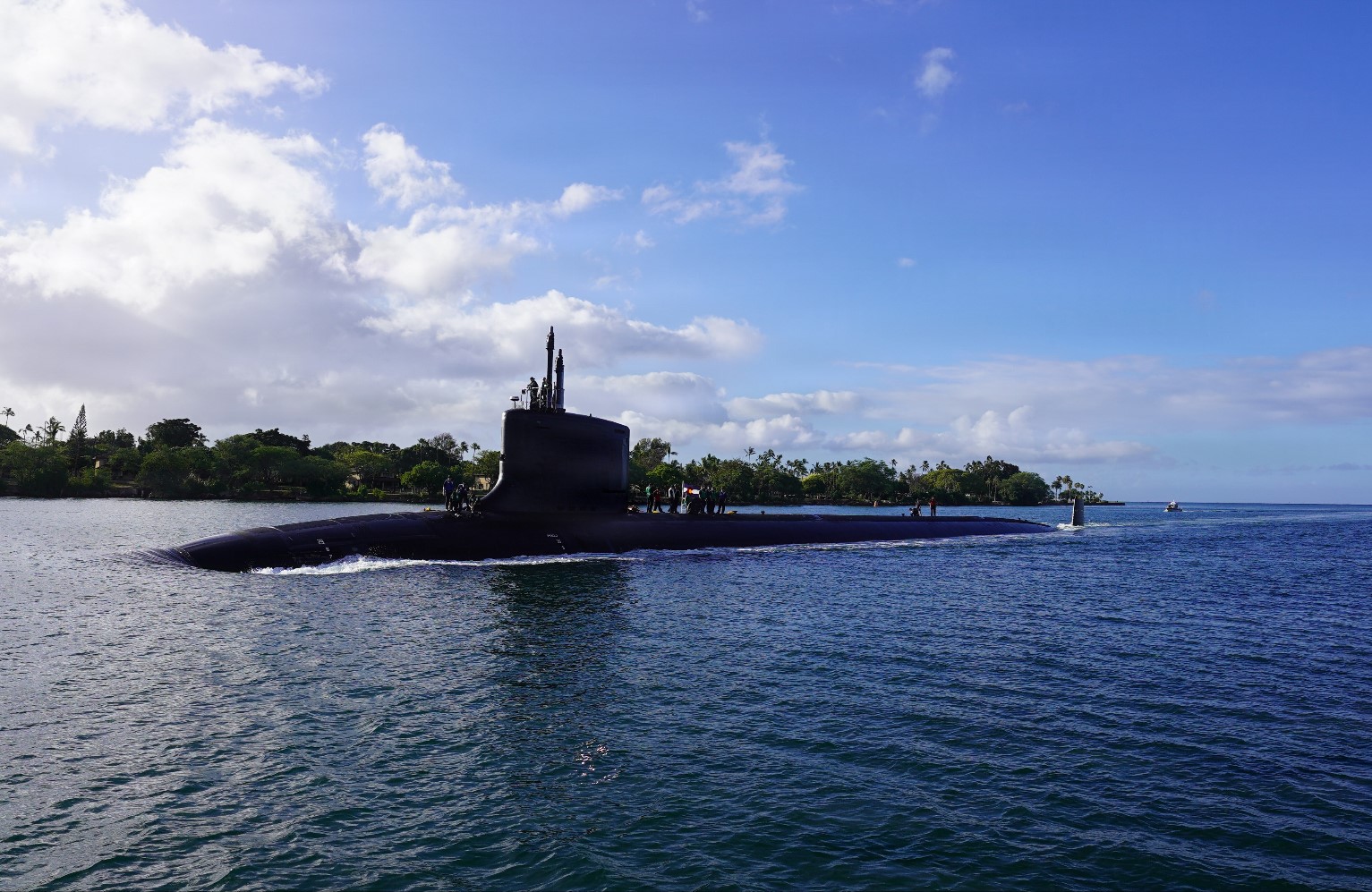 U.S. Navy's USS Colorado Submarine Returns to Pacific Fleet 29 Days Early After Major Pearl Harbor Overhaul
-
 Pakistan Raises Defence Budget from $9 Billion to $10.8 Billion as J-35 Fighter and Hangor Submarine Programs Advance
-
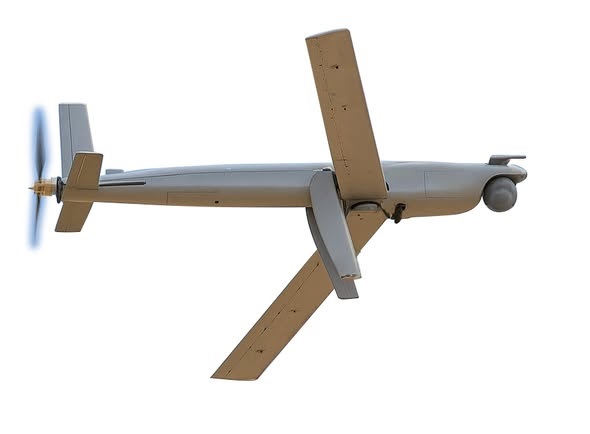 Elbit Systems and Diehl Defence Partner to Offer SkyStriker Loitering Munition to German Armed Forces
-
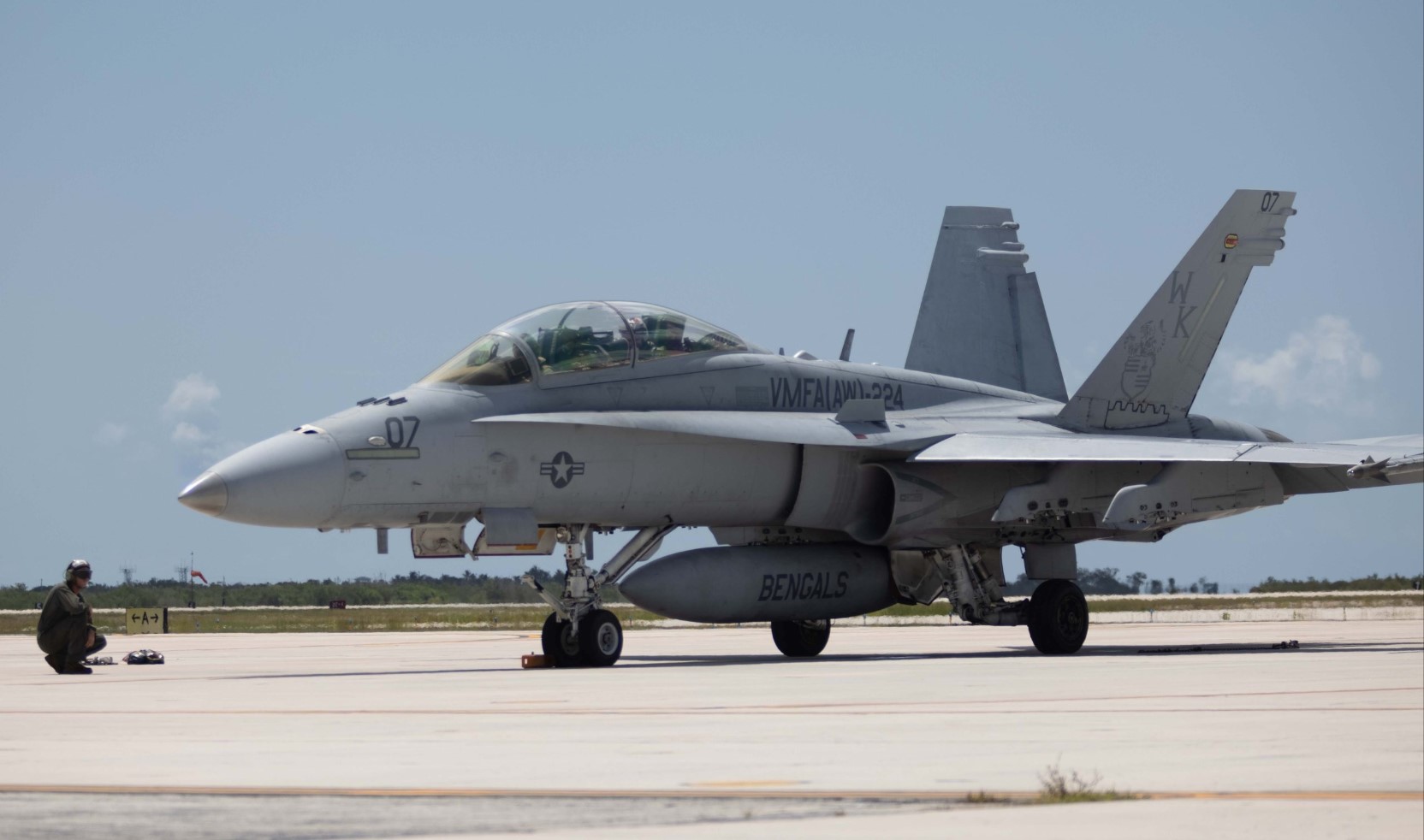 US Marine Corps F/A-18D Hornet Crashes During Training Flight in Washington Mountains; Pilot Ejects Safely
-
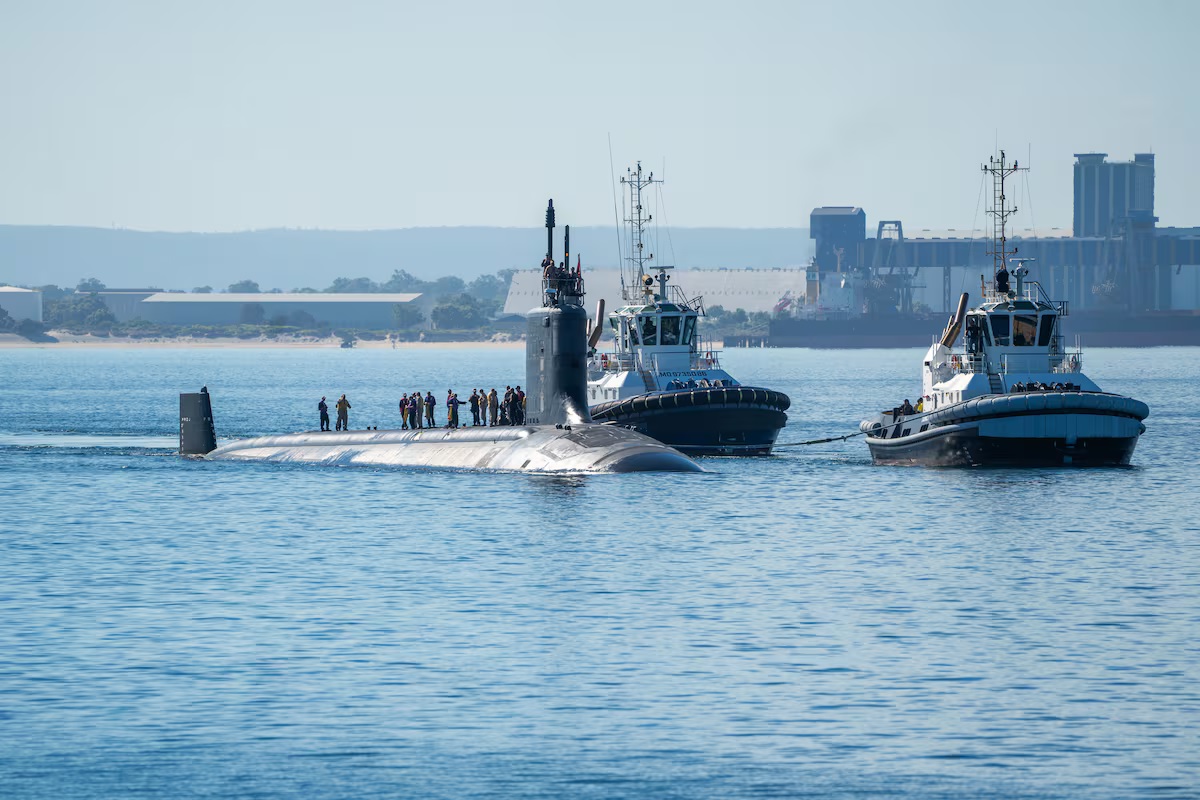 U.S. Navy Reestablishes Submarine Squadron 3 at HMAS Stirling to Support AUKUS Rotational Force
Top Trending in 4 Days
-
 Iranian Media Leaks 14-Point U.S.-Iran Peace Framework Amid Ongoing Negotiations
-
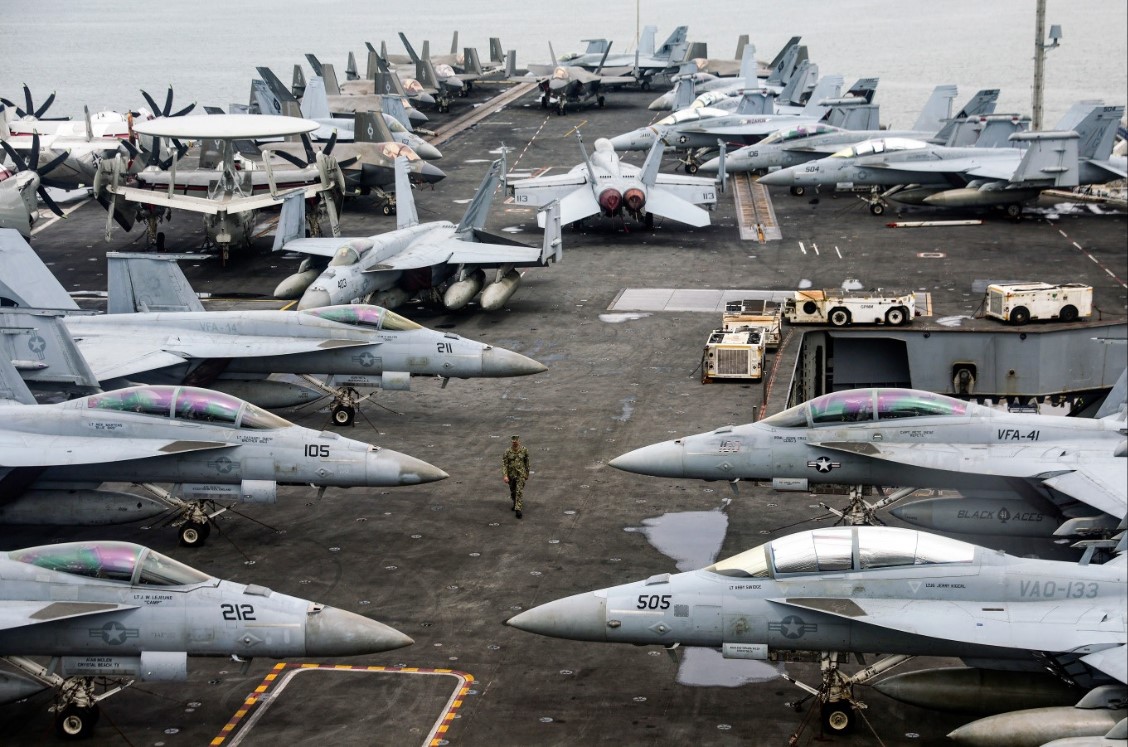 US Plans Significant Reduction of Fighter Jets and Warships for NATO Operations in Europe
-
 U.S. Air Force Faces Strategic Airlift Shortfall as C-17 Production Restart Remains Uncertain
-
 NATO Commander Says Russia Not Seeking Conflict With Alliance Despite U.S. Force Reductions
-
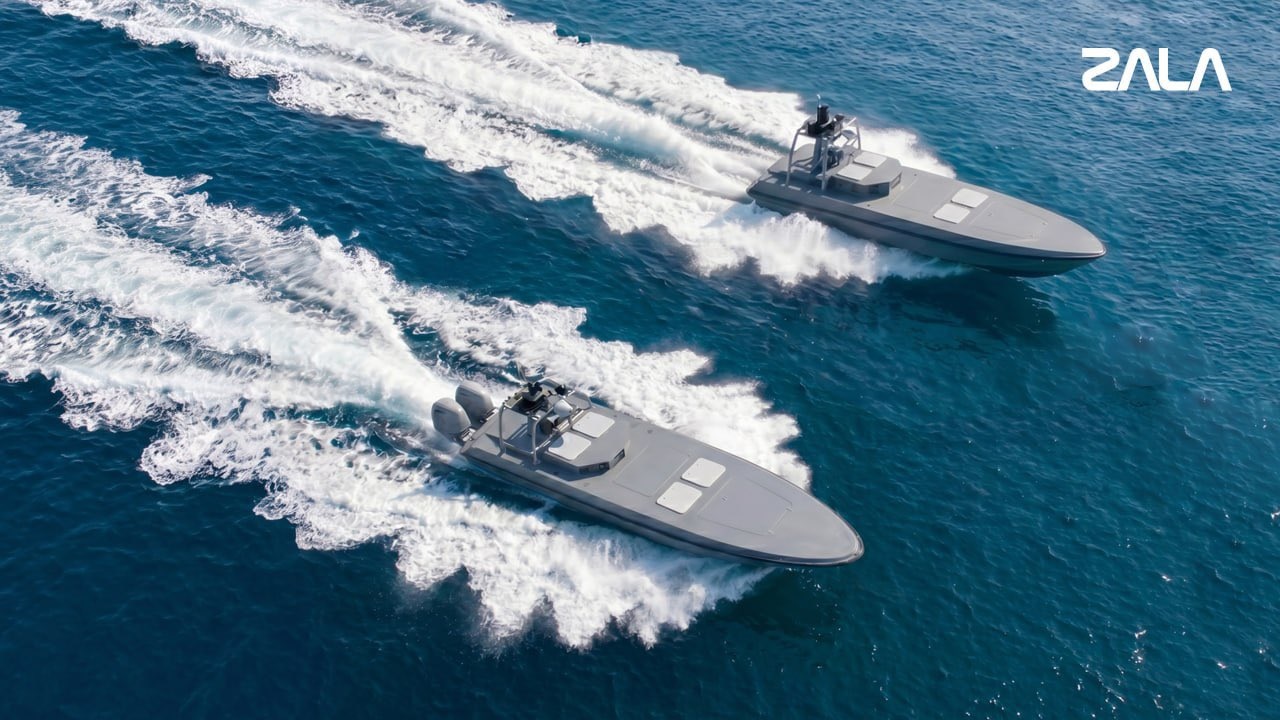 Russian Defense Firm ZALA Unveils KAMA Unmanned Surface Vessel Family at FLOT-2026 Naval Exhibition
-
 U.S. Space Force Awards $437.7 Million Contracts for First PTS-G Swarm 1 Anti-Jam Satellites
-
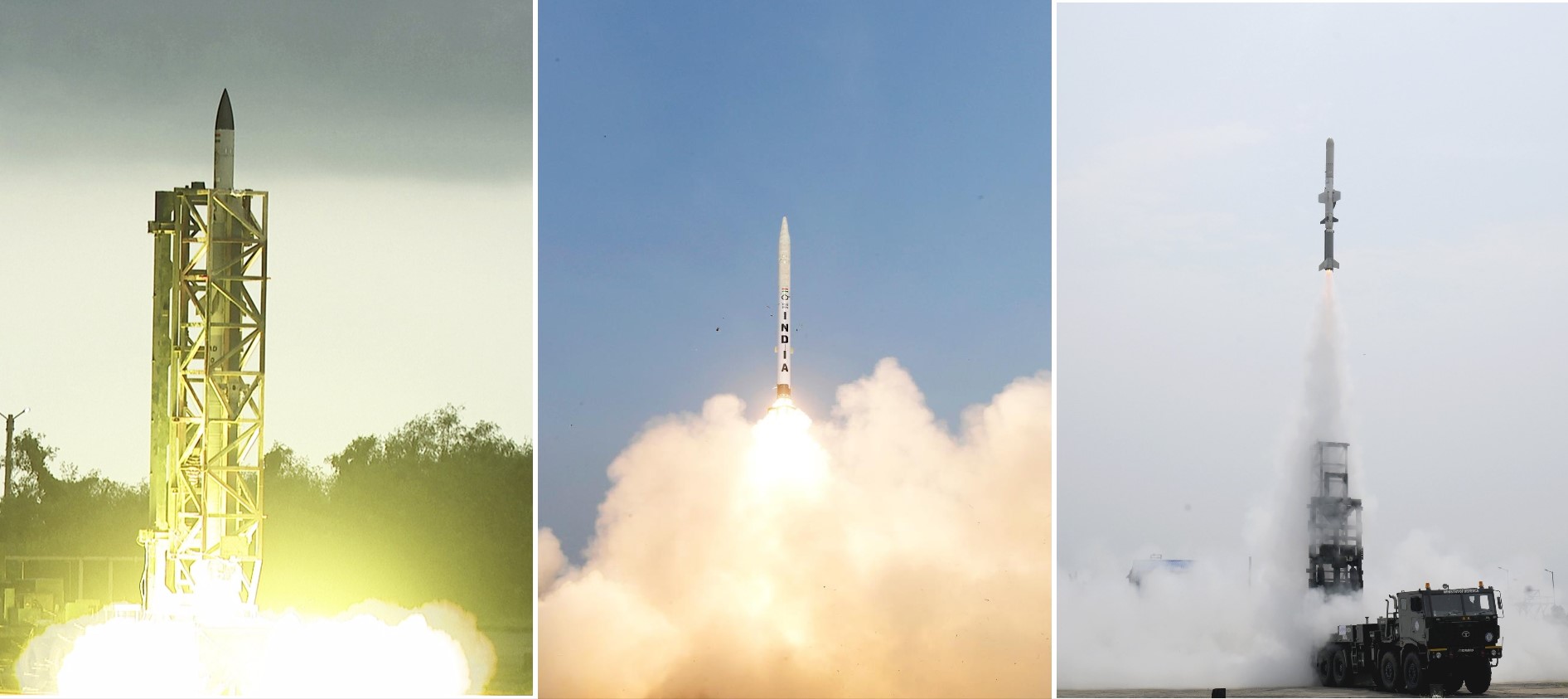 India Successfully Conducts AD-1, AD-2 Interceptor Tests and Maiden NASM-MR Flight Trial
-
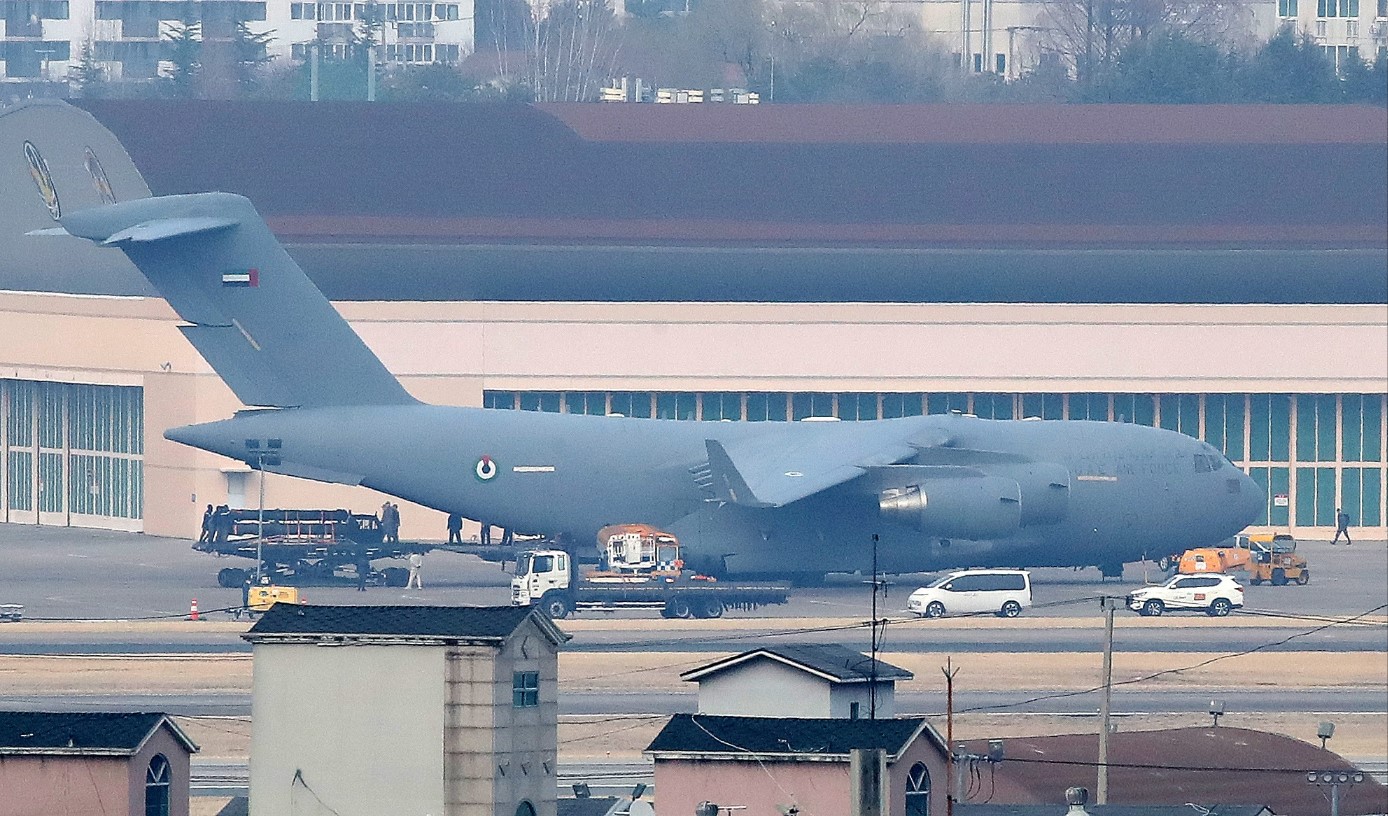 UAE Urgently Airlifts Cheongung-II Missile Defense Battery From South Korea Using Eight C-17 Aircraft