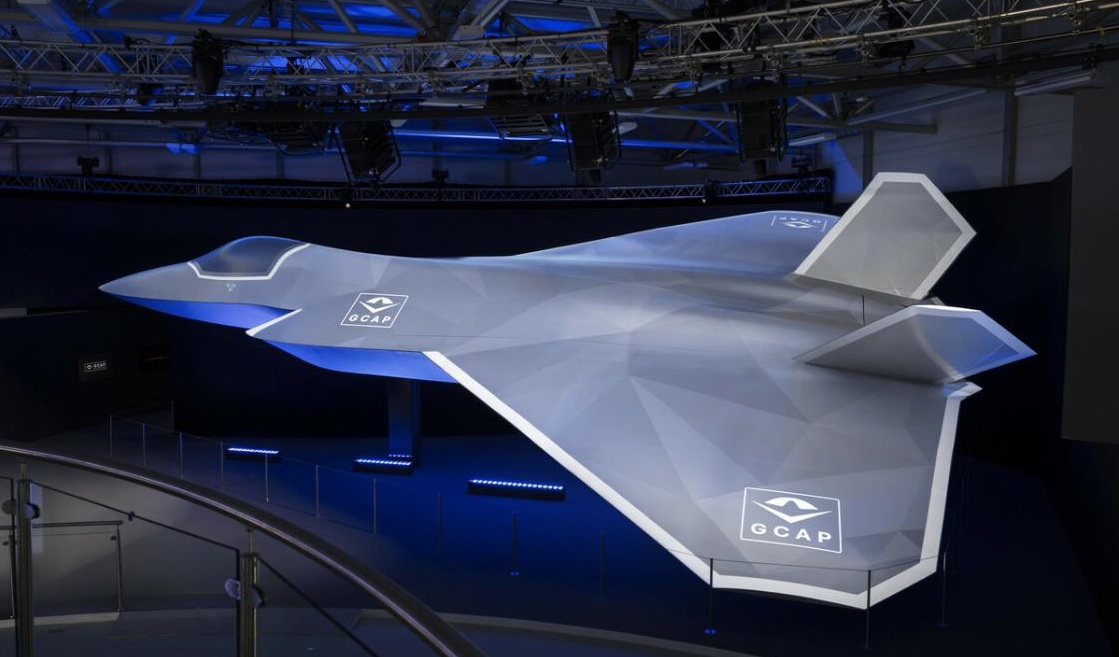
In a landmark move for the international defense and aerospace industry, BAE Systems, Leonardo, and Japan Aircraft Industrial Enhancement Co Ltd (JAIEC) have officially announced a joint venture to propel the ambitious Global Combat Air Programme (GCAP). Pending regulatory approvals, the new entity will spearhead the design, development, and deployment of next-generation combat aircraft, setting a new benchmark for innovation and trilateral collaboration.
The GCAP, a trilateral initiative between the UK, Japan, and Italy, was first launched in December 2022. It aims to deliver a state-of-the-art combat air system capable of addressing evolving security threats while fostering technological growth across the partner nations. The programme’s ambitious scope ensures its relevance well into the latter half of the century, with its aircraft expected to remain in service beyond 2070.
Equal Stake, Shared Vision
The joint venture cements the equal partnership between BAE Systems, Leonardo, and JAIEC, with each company holding a 33.3% stake. This equitable structure reflects the shared commitment of the three nations to pooling their expertise and resources for mutual success. The new entity will act as the design authority for the GCAP, managing the project’s lifecycle and ensuring seamless integration across various domains, including multi-role combat capabilities, advanced sensors, and network-centric warfare technologies.
Charles Woodburn, Chief Executive of BAE Systems, lauded the collaboration, saying, “The new business will bring together the significant strengths and expertise of the companies involved to create an innovative organisation that delivers long-term, high-value, and skilled jobs across the partner nations.”
Roberto Cingolani, CEO of Leonardo, underscored the broader implications of the partnership, describing it as a critical step in advancing global security and multi-domain innovation. “This collaboration fosters sustainable growth for the economies of the involved countries,” he remarked.
Kimito Nakae, President of JAIEC, emphasized the strength of trilateral cooperation, noting the ambition to deliver a system that exceeds expectations and strengthens defense capabilities across all three nations.
Advanced Specifications and Capabilities
The GCAP aircraft, often referred to as a "sixth-generation fighter," will integrate cutting-edge technologies, including:
- Stealth and Supermaneuverability: Incorporating advanced materials and design for reduced radar signature and enhanced aerodynamic performance.
- AI and Machine Learning: Autonomous capabilities for decision-making, threat identification, and systems management.
- Integrated Sensor Fusion: Advanced sensors and data processing for unparalleled situational awareness.
- Hypersonic Weaponry: Compatibility with next-generation hypersonic missiles for unmatched combat effectiveness.
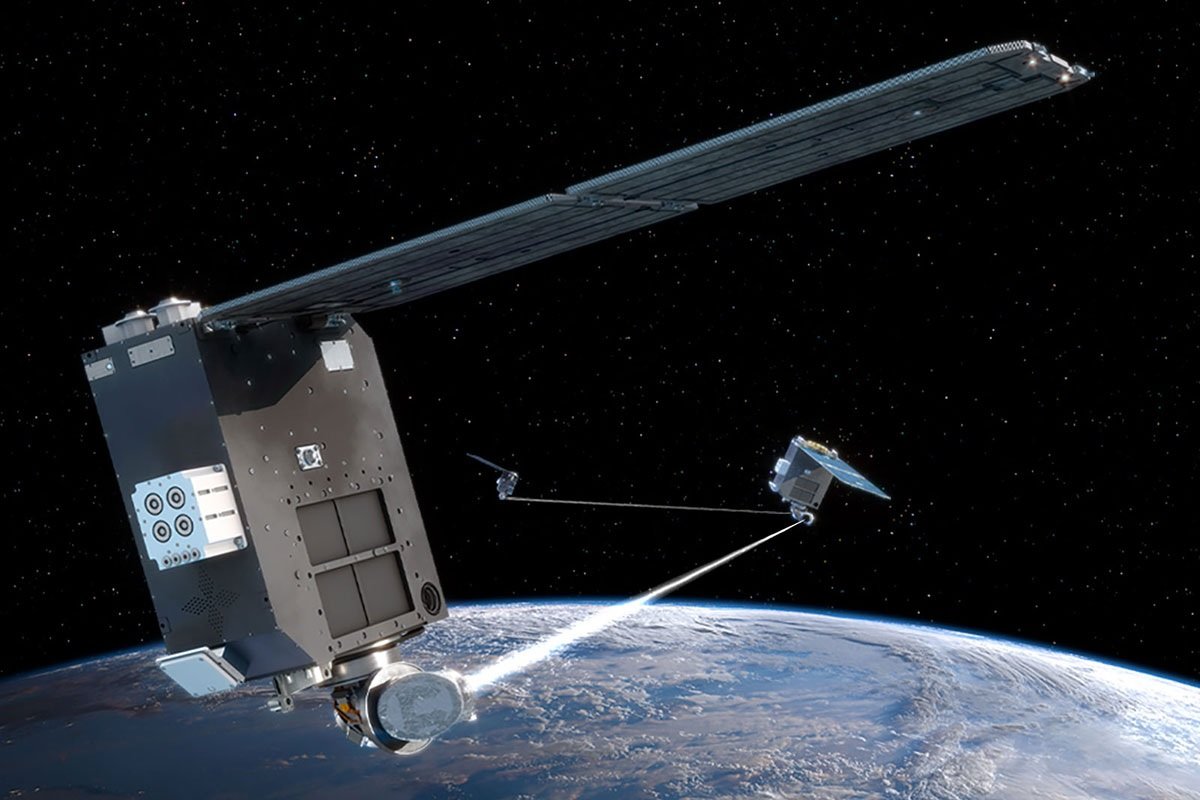
- Directed Energy Weapons: Exploration of laser-based systems for counter-air and missile defense roles.
These features ensure the GCAP system remains at the forefront of military aviation technology, adapting to both current and future operational demands.
Strategic Locations and Impact
Headquartered in the UK, the joint venture aligns closely with the GCAP International Government Organisation (GIGO), also based in the UK. With operations spanning Japan, Italy, and the UK, the venture capitalizes on the unique strengths of each nation’s defense industry, supporting the target of an in-service aircraft by 2035.
The partnership promises to create thousands of high-skill jobs across the partner nations, bolstering their economies and industrial capabilities. Moreover, the programme sets a new standard for multinational defense collaboration, emphasizing sustainability, security, and technological leadership.
Pioneering the Future of Defense
The GCAP marks a transformative moment in global defense strategy. By uniting three powerhouse nations under a shared vision, it signals a new era of innovation and cooperation. With its groundbreaking technologies and long-term commitment, the joint venture positions itself as a cornerstone of future combat air capabilities, ensuring robust defense for decades to come.
——— End of Article ———