World
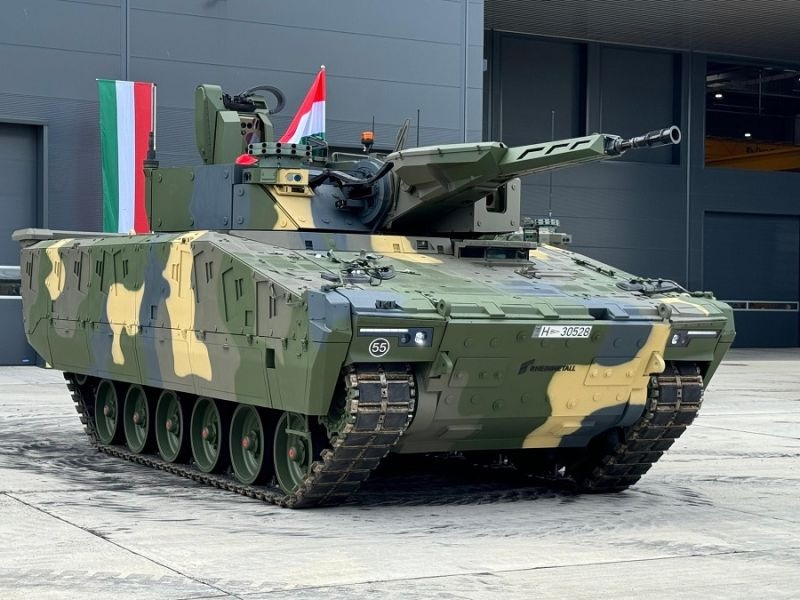
The Italian Army has embarked on a pivotal chapter in its defence modernisation journey by evaluating the Lynx KF41 infantry fighting vehicle (IFV). Recently delivered to the Army Multipurpose Testing Centre, the Lynx KF41 is undergoing extensive testing to assess its capabilities in mobility, protection, firepower, and interoperability. These trials are part of Italy’s ambitious Armoured Infantry Combat System (AICS) programme, which aims to procure over 1,000 cutting-edge combat vehicles in 16 different configurations. Lynx KF41: Modular and Versatile The Lynx KF41, developed by Rheinmetall AG, is designed with modularity and adaptability at its core. This armoured fighting vehicle can serve multiple roles, including infantry fighting, troop transport, mobile command post, and ambulance functions. Its modular design allows for rapid reconfiguration, making it a versatile choice for modern battlefield scenarios. Key specifications of the Lynx KF41 include: Engine: A 1,140-horsepower Liebherr diesel engine, providing exceptional mobility and a top speed of 70 km/h. Crew Capacity: Accommodates a crew of three (commander, gunner, driver) and up to eight infantry soldiers. Protection: Features advanced ballistic and mine-resistant armour, with optional active protection systems for enhanced survivability. Weaponry: Equipped with a 30mm or 35mm autocannon, anti-tank guided missiles (ATGMs), and a remote-controlled weapon station for secondary armament. Technology: State-of-the-art digital architecture for mission management, situational awareness, and interoperability with NATO systems. Strategic Partnership: Leonardo and Rheinmetall The Lynx KF41 serves as a critical component of the broader collaboration between Rheinmetall AG and Italy’s Leonardo S.p.A. In 2024, the two companies formed a 50-50 joint venture, Leonardo Rheinmetall Military Vehicles (LRMV), headquartered in Rome. This partnership underscores a shared commitment to advancing European defence capabilities. LRMV’s objectives include developing and manufacturing innovative combat systems for Italy and allied nations. In addition to the Lynx KF41, the joint venture will spearhead the development of a new main battle tank (MBT) to replace the Italian Army’s ageing Ariete MBTs. This future MBT will be based on Rheinmetall’s Panther KF51 platform, integrating Leonardo’s expertise in mission systems, electronics, and weapons tailored to Italian specifications. Economic and Strategic Implications Approximately 60% of the production activities, including final assembly and testing, will occur in Italy, significantly boosting the nation’s defence industrial base. This initiative is expected to generate substantial economic opportunities, reinforce Italy’s technological self-sufficiency, and position the country as a key player in European defence manufacturing. Roberto Cingolani, CEO of Leonardo, hailed the partnership as a milestone in creating a shared European defence ecosystem. Rheinmetall’s CEO, Armin Papperger, emphasised that the collaboration positions the joint venture as a "heavyweight in European tank production," capable of addressing domestic and international defence needs. AICS Programme: The Road Ahead The AICS programme reflects the Italian Army’s strategic shift toward next-generation combat vehicles. The Lynx KF41 is the first platform under evaluation, with its performance during trials serving as a benchmark for future procurements. As Italy continues to modernise its armed forces, the Lynx KF41 and its associated developments promise to redefine the nation’s battlefield capabilities. The collaboration between Leonardo and Rheinmetall highlights the importance of international partnerships in creating robust, state-of-the-art military solutions. The ongoing trials and future deployment of the Lynx KF41 signal a transformative era for the Italian Army, paving the way for a more agile, adaptable, and technologically advanced military force.
Read More → Posted on 2025-01-02 15:31:37
World
China has escalated its response to U.S. arms sales to Taiwan by imposing sanctions on ten major American defense firms, including subsidiaries of Lockheed Martin, General Dynamics, and Raytheon, as well as barring key senior executives from entering the country. This move, announced by China’s Ministry of Commerce on Thursday, adds a new layer to the growing tensions between Beijing and Washington over Taiwan. Beijing’s “Unreliable Entities List” Expands The sanctioned companies have been added to China’s "Unreliable Entities List," a tool Beijing uses to penalize foreign firms it deems a threat to its sovereignty. These companies are now prohibited from engaging in import and export activities with China and barred from making new investments in the country. The targeted firms include Lockheed Martin Corporation, a leading U.S. defense contractor responsible for producing the F-35 fighter jets and Patriot missile systems, and Raytheon Technologies, which supplies advanced missile defense systems and radar technologies. General Dynamics, known for its production of Abrams tanks and submarine systems, was also implicated. These companies played direct or indirect roles in recent arms packages supplied to Taiwan. Dual-Use Export Controls Tightened In a parallel action, China also added 28 American entities, mostly defense firms, to its Export Control List. This measure restricts these companies from receiving dual-use items—goods and technologies that could have both civilian and military applications. Among the new entrants to the list are Boeing Defense, Space & Security and Insitu, a subsidiary of Boeing that specializes in unmanned aerial vehicles (UAVs). The stated purpose of these actions, according to the Chinese Ministry of Commerce, is to "safeguard national security and interests" while upholding international non-proliferation obligations. However, it also serves as a sharp rebuke to U.S. military assistance to Taiwan, which China views as interference in its internal affairs. Taiwan’s Strategic Importance Taiwan has been a critical flashpoint in U.S.-China relations. Beijing considers the self-ruled island a breakaway province and has repeatedly asserted its intention to unify Taiwan with mainland China, including by military force if necessary. In contrast, the U.S. does not officially recognize Taiwan as a sovereign state but remains its most significant strategic ally and arms supplier. Washington has ramped up its support for Taiwan in recent years, with President Joe Biden approving $571.3 million in defense aid in December 2024. This aid package includes advanced weapons systems aimed at bolstering Taiwan's ability to defend itself against a potential Chinese invasion. The arms deal comprises air defense systems, anti-ship missiles, and advanced surveillance technology, which Beijing views as a direct threat to its regional dominance. China’s Growing Military Pressure China’s actions are part of a broader strategy to intensify pressure on Taiwan. Since President Lai Ching-te assumed office in May, Beijing has conducted three large-scale military drills in the Taiwan Strait, simulating scenarios that could be part of a potential invasion. These exercises involved aircraft carriers, fighter jets, and missile systems, underscoring China’s military capabilities and signaling its readiness to act if provoked. The sanctions against American defense firms also come less than a week after Beijing sanctioned seven other U.S. military-industrial companies, including Insitu, for similar reasons. These repeated measures indicate a sustained campaign by China to push back against U.S. involvement in what it considers its domestic affairs. Implications for U.S.-China Relations The sanctions underscore a deepening divide between the two global powers. While the penalties may have limited immediate impact on the operations of U.S. defense contractors—given their minimal reliance on Chinese markets—they signal Beijing's willingness to leverage economic and diplomatic tools to counter U.S. policies. Moreover, these measures may further complicate the already strained U.S.-China relationship, which is marked by disputes over trade, technology, human rights, and territorial sovereignty. For Taiwan, these developments could either solidify international support or increase the risks of confrontation as the island finds itself at the heart of an escalating geopolitical rivalry. A Test of Resolve China’s sanctions highlight its determination to counter what it perceives as external interference in its sovereignty. For the U.S. and its defense contractors, these moves serve as a reminder of the complexities and risks involved in supporting Taiwan. With both nations refusing to back down, the geopolitical chessboard is growing ever more tense, with Taiwan caught in the middle as a crucial piece.
Read More → Posted on 2025-01-02 15:24:44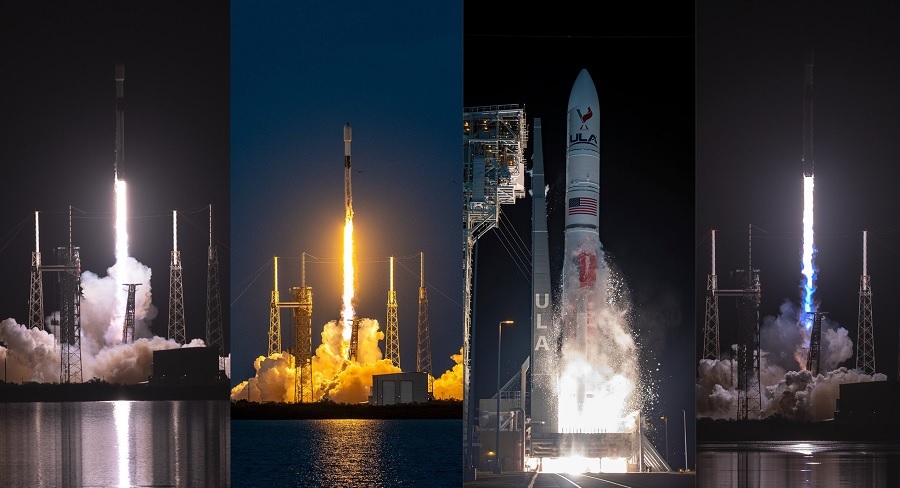
World
The Eastern Range, operated by Space Launch Delta 45 (SLD 45) at Patrick Space Force Base and Cape Canaveral Space Force Station, shattered records in 2024 with an astonishing 93 successful launches. This monumental achievement solidified its position as the world’s busiest spaceport, propelling 1,389 orbital assets into space and showcasing the rapid evolution of U.S. space capabilities. A Historic Year for Space Launches 2024 marked the second consecutive year that the U.S. Space Force exceeded global launch records. With 93 launches, the Eastern Range surpassed the 2023 record of 108 launches, a milestone that had already broken the Soviet Union's 1982 record. These back-to-back achievements underscore the increasing pace of space operations and the critical role the Eastern Range plays in advancing both national and global interests. Leadership and Collaboration Brigadier General Kristin Panzenhagen, director of the Eastern Range, emphasized the synergy between SLD 45 and its commercial partners. She attributed the year’s success to a shared commitment to ensuring reliable and efficient space access for national security, international allies, and commercial enterprises. “Our team’s dedication to innovation and operational excellence is unmatched,” Panzenhagen remarked, highlighting the Eastern Range’s pivotal role in maintaining U.S. leadership in space exploration and defence. Highlights of 2024 One of the most remarkable moments of the year was the historic Crew-9 mission on September 28, 2024. This mission saw Colonel Nick Hague become the first United States Space Force Guardian to journey into space, accompanied by Russian cosmonaut Aleksandr Gorbunov. Hague’s participation not only marked a milestone for the U.S. Space Force but also symbolized international collaboration, as his mission facilitated the safe return of NASA astronauts Suni Williams and Butch Wilmore from the International Space Station (ISS). In addition to Crew-9, the Eastern Range successfully executed four National Security Space Launch (NSSL) missions. These missions deployed advanced payloads essential for missile detection, intelligence gathering, and global surveillance. Among them, the Rapid Response Trailblazer mission on December 16, 2024, stood out for its agility. It launched a GPS III Space Vehicle (SV-07) in record time, showcasing the U.S.’s ability to adapt to urgent military requirements and demonstrating its technological superiority in space-based defence systems. Commercial Space Surge The Eastern Range’s record-breaking year was not limited to military and national missions. It was also fueled by a surge in commercial launches, reflecting the growing role of private companies in space exploration. Companies such as SpaceX, Blue Origin, and United Launch Alliance (ULA) contributed significantly to the Eastern Range’s bustling activity. The successful deployment of a diverse array of satellites—ranging from communications and weather monitoring to Earth observation and research—highlighted the versatility of the spaceport and its ability to cater to a wide spectrum of missions. Preparing for the Future As the Eastern Range closes out its record-breaking year, preparations are already underway to handle an even greater workload in 2025. With the demand for space access showing no signs of slowing, Brigadier General Panzenhagen has projected a higher launch cadence in the coming year. Investments in infrastructure, technological advancements, and enhanced coordination with commercial partners will be critical to sustaining this momentum. The Eastern Range is set to remain the world’s premier gateway to space, leading the way in innovation, collaboration, and strategic capability. Its accomplishments in 2024 not only demonstrate the U.S.’s unparalleled expertise in space operations but also lay the groundwork for a future where space becomes an even more integral part of global progress and security. A New Era for Space Exploration The Eastern Range’s success is more than a testament to technical prowess—it’s a symbol of the U.S.’s enduring commitment to space exploration and defence. As we look to 2025, the achievements of 2024 serve as a powerful reminder of the potential that lies ahead in the ever-expanding frontier of space.
Read More → Posted on 2025-01-01 15:40:55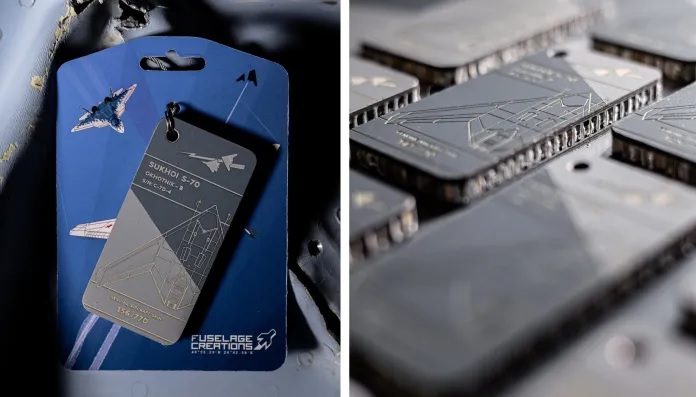
World
In a surprising twist to modern warfare, fragments of Russia’s cutting-edge S-70 "Okhotnik" (Hunter) combat drone have been repurposed as collectible souvenirs by Ukrainian enthusiasts. The remains of the drone, downed during an ill-fated test flight on October 5, 2024, have sparked widespread interest among collectors and military enthusiasts alike. The S-70 “Okhotnik”: Russia’s Advanced Combat Drone The S-70 “Okhotnik” represents one of Russia’s most ambitious unmanned aerial vehicle (UAV) projects. Designed as a "loyal wingman" for the Su-57 stealth fighter, the drone is built to conduct coordinated operations, deliver precision-guided munitions, and handle complex combat scenarios. With a wingspan of approximately 65 feet, the flying-wing design emphasizes stealth, speed, and advanced aerodynamics, allowing it to evade radar detection effectively. The drone is powered by a Saturn AL-31F turbofan engine, granting it speeds up to 1,000 km/h (621 mph) and an operational range exceeding 6,000 kilometers. It boasts a payload capacity of nearly 2,800 kilograms, enabling it to carry a diverse array of weaponry, including guided bombs and air-to-surface missiles. Despite these impressive specifications, the S-70 remains largely experimental, as evidenced by the October 2024 mishap. Crash and Controversy The test flight began at Russia's Akhtubinsk Air Base, over 365 miles from the frontline, aiming to assess the drone's capabilities in conjunction with manned Su-57 aircraft. However, the mission ended in chaos when Russian operators lost control of the UAV. Fearing that the drone might fall into Ukrainian or Western hands, the accompanying Su-57 fighter jet destroyed it mid-flight using an air-to-air missile. The wreckage, which crashed near Kostyantynivka in Donetsk Oblast, revealed intriguing details. Ukrainian forces recovered components from U.S., German, and Swiss manufacturers embedded within the drone’s systems. This discovery raises questions about Russia's procurement practices and reliance on foreign technologies, despite facing international sanctions. Additionally, remnants of a UMPK D-30 guided bomb based on the Soviet-era FAB-250 were found at the crash site. This suggests the S-70 was testing its bombing capabilities during the flight. From Fuselage to Souvenirs In an innovative project spearheaded by a group called Fuselage Creations, fragments of the drone’s fuselage have been turned into unique keepsakes. The collectibles include small metal pieces engraved with the drone’s specifications and details about its crash. These items are marketed as a testament to Ukraine's resilience and ingenuity in the face of Russian aggression. The souvenirs not only serve as mementos of modern warfare but also shed light on the vulnerabilities of Russia's advanced weaponry. For Ukraine, they symbolize a small victory in the larger battle for technological and military superiority. Implications for Russian Defense The crash of the S-70 raises significant concerns about the reliability of Russia’s next-generation combat systems. While the drone is marketed as a game-changer in aerial warfare, its failure during an operational test highlights unresolved issues in control systems, coordination with manned aircraft, and live combat performance. The S-70 program, launched in 2017 and developed by the Chkalov Aviation Plant in Novosibirsk, has faced repeated delays and challenges. Although touted as a key component of Russia's future UAV fleet, the platform remains a work in progress with limited operational deployments. A Reflection of Modern Warfare The transformation of Russian drone wreckage into souvenirs underscores the intersection of war, technology, and culture. It highlights both the advancements and the vulnerabilities in modern combat systems, as well as the human capacity to find creative responses to adversity. As the conflict continues, the story of the S-70 Okhotnik serves as a reminder that even the most advanced technologies are not immune to failure—and that such failures can carry symbolic significance far beyond the battlefield.
Read More → Posted on 2025-01-01 15:34:52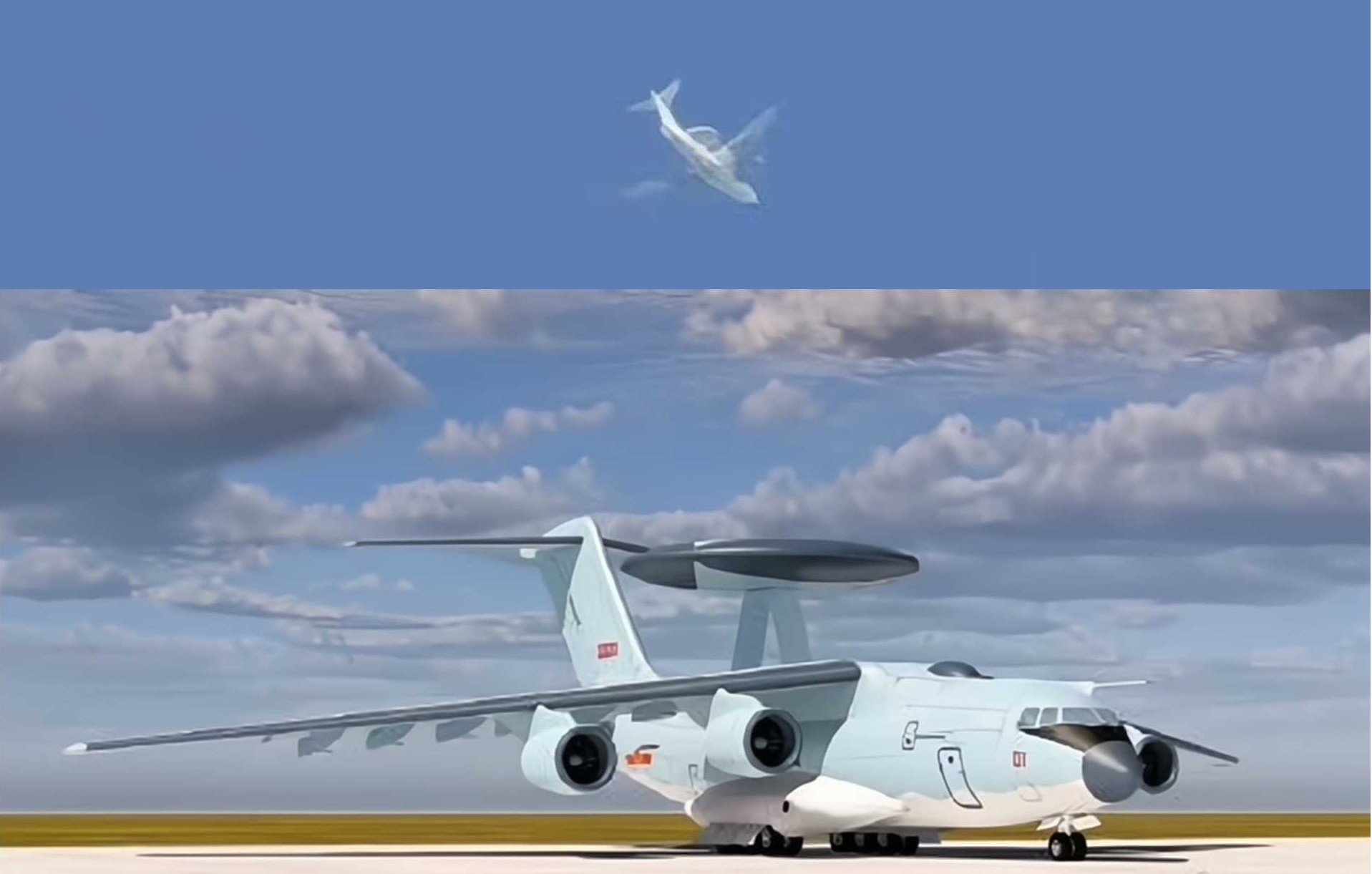
World
China’s People’s Liberation Army (PLA) has taken a significant step in extending its detection and operational capabilities with the introduction of a new early warning and control aircraft, believed to be the KJ-3000. This advanced platform, based on the Y-20 heavy transport aircraft, is set to enhance China's strategic presence in contested regions, including the South China Sea and the western Pacific. Analysts suggest this development reflects a broader push toward independent innovation in Chinese military technology. The Rise of the KJ-3000 The KJ-3000, reportedly spotted during a test flight over Xi’an in northwest China, is based on the Y-20B variant. This variant is powered by the domestically developed WS-20 turbofan engine, which delivers increased thrust and superior fuel efficiency, enabling extended endurance and the capacity to carry larger radar systems. The Y-20 platform, celebrated as the world’s largest transport aircraft currently in production, initially entered service in 2016 and has since become a cornerstone of China’s long-range and heavy-payload operations. The KJ-3000 builds on the foundation laid by its predecessors, the KJ-500 and KJ-2000, but represents a quantum leap in capability. Analysts believe the aircraft boasts cutting-edge radar technology, likely enabling it to detect stealth targets more effectively and over greater distances. Compared to the KJ-500, which has been actively involved in Taiwan’s air defense identification zone (ADIZ), the KJ-3000 is expected to feature enhanced detection range, more comprehensive data-gathering capabilities, and stronger operational resilience. Expanded Strategic Reach The addition of the KJ-3000 is poised to significantly broaden the PLA’s operational range. Capable of covering the East China Sea, the South China Sea, and extending well into the western Pacific, the aircraft enhances the military's ability to monitor and respond to distant threats. More than just a surveillance tool, the KJ-3000 is designed as a multi-service airborne command center, coordinating ground, air, and naval forces. “It’s not just an early warning system; it’s a comprehensive command platform,” said Song Zhongping, a Chinese military analyst. “Its ability to serve as an integrated command hub makes it a pivotal asset for joint operations.” Contextualizing the KJ-3000’s Debut The emergence of the KJ-3000 comes amid a series of other technological milestones for China’s military. Last week, the PLA unveiled several advanced platforms, including: The Type 076 Amphibious Assault Ship: The world’s first such vessel equipped with an electromagnetic catapult system. The WZ-9 “Divine Eagle” UAV: A high-altitude, anti-stealth uncrewed aerial vehicle designed to counter advanced stealth technologies. Sixth-Generation Fighter Jets: Two stealth fighters with a tailless triangular design were spotted in test flights, signaling China’s intent to dominate future air combat scenarios. These advancements underscore China’s shift toward developing independently innovative and high-tech weaponry, a move that military experts like Fu Qianshao describe as a "new strategic approach." Implications for Regional Security The deployment of the KJ-3000 is expected to heighten tensions in the region, particularly in the South China Sea, where overlapping territorial claims have long fueled disputes. The aircraft’s ability to detect stealth fighters and coordinate multi-branch operations positions it as a key enabler for China’s assertive military posture in contested areas. Additionally, the timing of these advancements highlights Beijing’s ambition to modernize its military infrastructure and expand its influence over critical waterways and airspaces. The KJ-3000, as part of this broader strategy, signals China’s determination to assert its dominance in the face of growing regional and global competition. With these developments, 2024 marks a turning point for China’s military trajectory, cementing its focus on technology-driven innovation to reshape the dynamics of regional and global security. The KJ-3000, alongside other cutting-edge platforms, underscores Beijing’s commitment to modernizing its forces and expanding its strategic capabilities.
Read More → Posted on 2025-01-01 15:32:20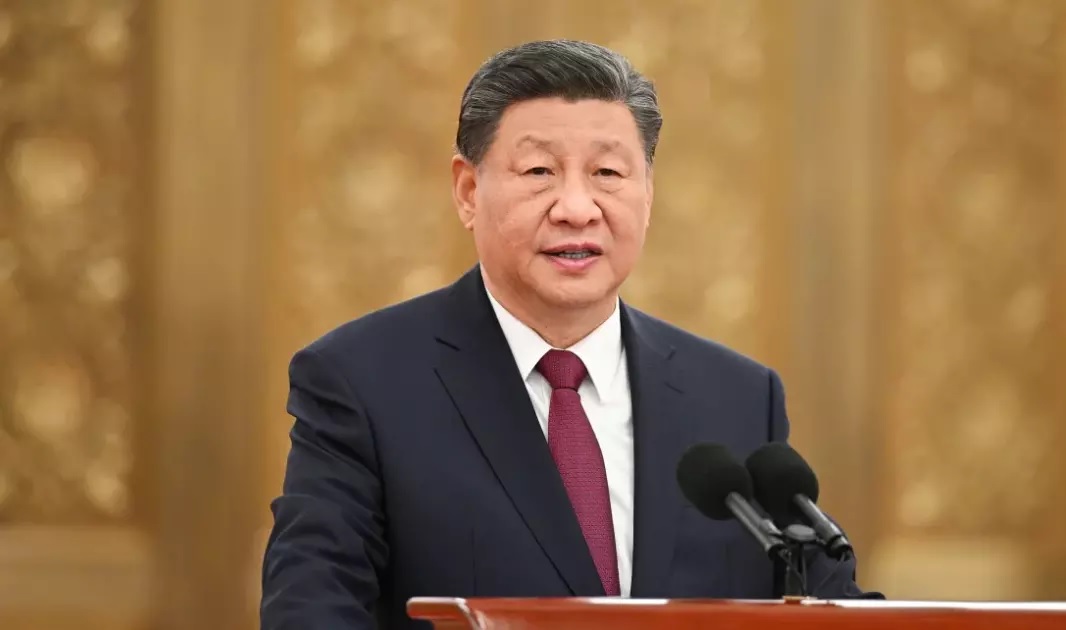
World
In a striking New Year’s address, China’s President Xi Jinping reaffirmed his commitment to the reunification of Taiwan, stating that "no one can stop" the historical trend of unification with the self-ruled island. Xi’s speech, broadcast across Chinese state media, highlighted the long-standing position of Beijing on Taiwan, a subject that has been a focal point of Chinese domestic and international policy for decades. A Long-Standing Claim Beijing considers Taiwan an inseparable part of its territory under its "One China" policy. While Taiwan operates as a self-ruled democracy, China has consistently refused to renounce the use of force to achieve reunification. Xi’s rhetoric underscores Beijing's stance that Taiwan’s reunification is not just a political aim but an inevitable outcome rooted in shared history, culture, and what he referred to as “blood ties” between people on both sides of the Taiwan Strait. Military Escalation Xi’s address comes at a time of escalating tensions. Since Taiwanese President Lai Ching-te took office in May, Beijing has ramped up military activity around the island. Three major rounds of military drills have been conducted, with the most recent being the largest in years, according to Taiwanese officials. Although China has not officially confirmed details of these exercises, their scale and frequency send a clear signal of its readiness to exert pressure. The latest drills included simulated naval blockades, aerial incursions near Taiwan’s air defense identification zone (ADIZ), and amphibious assault exercises. Analysts interpret these moves as a direct message to both Taiwan and its international allies, particularly the United States, which continues to play a critical role in the island’s defense. The US-Taiwan Dynamic Taiwan’s strategic alliance with the United States adds another layer of complexity. While Washington does not diplomatically recognize Taiwan as a separate country due to its adherence to the One China policy, it remains Taiwan’s largest arms supplier and an unofficial ally. The United States' arms sales to Taiwan, including advanced fighter jets and missile defense systems, have repeatedly drawn Beijing’s ire. The relationship between China and the United States is poised to become even more volatile. With Donald Trump’s inauguration just weeks away at the time of Xi’s speech, his campaign promises to impose heavy tariffs on China and address its "unfair trade practices" were already signaling potential confrontations. Taiwan, as a strategic flashpoint, remains a potential trigger for further deterioration in Sino-American relations. A Calculated Move by Xi Xi Jinping’s resolute message was not only intended for domestic audiences but also served as a signal to the global community. By framing reunification as an unalterable historical trend, Xi aims to reinforce the legitimacy of Beijing’s claim to Taiwan while warning against any external interference. The timing of Xi’s remarks also highlights his strategic calculations. The speech came amid growing global attention to Taiwan’s democratic governance and its rising geopolitical significance. Taiwan’s semiconductor industry, led by companies like TSMC, has made the island a linchpin in global supply chains, further elevating its importance in international diplomacy. Taiwan’s Response Taiwanese officials, while steadfast in their commitment to the island's sovereignty, continue to face immense pressure from Beijing. President Lai Ching-te has reaffirmed Taiwan's commitment to democracy and freedom, calling on the international community to support the island’s right to self-determination. Lai’s government has also sought to bolster its defenses, increasing military spending and seeking closer partnerships with democratic nations worldwide. A Contentious Future Xi Jinping’s proclamation underscores the enduring sensitivity of the Taiwan issue, which remains a cornerstone of Beijing’s domestic and foreign policy. As tensions continue to rise in the Taiwan Strait, the world watches closely, recognizing that the future of Taiwan could redefine the balance of power in the Asia-Pacific region. This bold declaration not only emphasizes China’s unwavering stance but also sets the stage for heightened geopolitical challenges, particularly with the United States, as Beijing continues to assert its ambitions in an increasingly contested global landscape.
Read More → Posted on 2025-01-01 14:50:47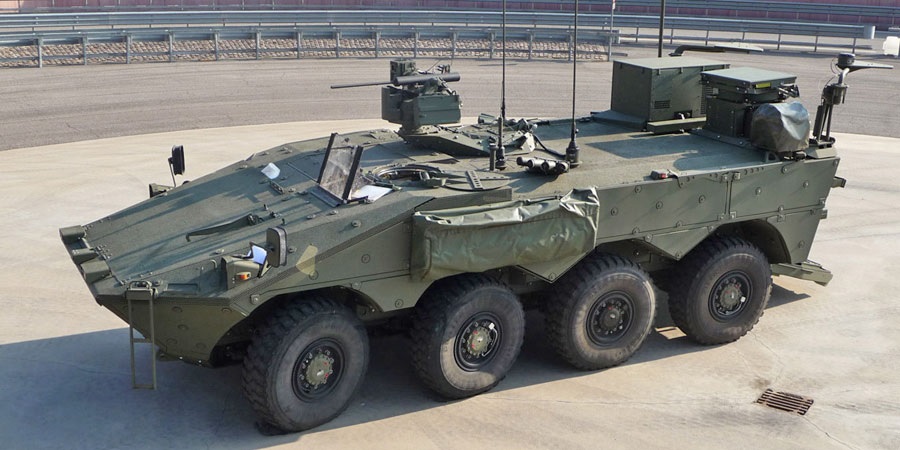
World
The Iveco-Oto Melara Consortium (CIO) has solidified its partnership with the Italian Ministry of Defence through a new contract with the Direzione Armamenti Terrestri (DAT). Signed on December 30, 2024, the agreement ensures the supply of 76 state-of-the-art VBM PLUS armored vehicles, marking a pivotal enhancement in the Italian Army’s Medium Armoured Vehicle fleet. The contract covers 60 combat vehicles and 16 in the anti-tank configuration, alongside integrated logistics support and additional combat support platforms. A Leap Forward: Key Features of the VBM PLUS The VBM PLUS represents a significant evolution in mobility, protection, and lethality. Designed to meet modern battlefield demands, the upgraded platform reflects years of operational experience and advancements in defense technology. Vehicle Enhancements Engine Power Boost: The engine now features advanced common rail technology, increasing output from 550 HP to an impressive 720 HP. This upgrade also sets the stage for future integration of hybrid-electric propulsion systems. Reinforced Hull: A newly developed hull, drawing from the Centauro II and earlier VBM designs, offers unparalleled ballistic and anti-mine protection using cutting-edge materials and structural innovations. Enhanced Mobility: Upgrades to the driveline and suspension system provide superior off-road capabilities and ensure adaptability to evolving mission requirements. Turret Advancements Next-Gen Armament: The new X-GUN 30mm turret, developed by Leonardo, accommodates NATO-standard 30mmx173 ammunition, including advanced Air Burst Munition (ABM) rounds. This feature significantly bolsters the vehicle's anti-drone and multi-role combat capabilities. Advanced Electronics: Integration of Leonardo’s NGVA-compliant components enables seamless interfacing with new-generation targeting and surveillance systems, such as the “Janus D” and “Lothar SD” optronics. Improved Crew Safety: The turret offers enhanced ballistic and anti-mine protection, safeguarding crew members in high-threat environments. Command, Control, and Communication Systems The VBM PLUS incorporates a fully digital command and control suite to optimize battlefield effectiveness: C2D/N Evo System: Leonardo’s cutting-edge command system ensures robust connectivity in net-centric warfare. SDR VQ1 Radio: A four-channel software-defined radio enhances secure communication. Galileo PRS Integration: This revolutionary satellite navigation receiver supports both European Galileo PRS and US GPS systems, providing unmatched precision and resilience against jamming. Broader Implications This contract aligns with the Italian Army’s strategic goals of enhancing operational flexibility and combat readiness. The VBM PLUS vehicles’ modular design ensures adaptability to diverse mission profiles, while their integration into a digital battlefield architecture positions the Army at the forefront of modern warfare. Furthermore, the inclusion of “10×10” rescue and recovery vehicles in the program highlights a holistic approach to fleet sustainability and operational continuity. The advanced logistics and support framework ensure that these platforms remain combat-effective throughout their lifecycle. A Future-Ready Fleet With the VBM PLUS, the Italian Army gains a battle-hardened vehicle capable of confronting emerging threats. From counter-drone operations to secure communication systems, the platform is a testament to Italy’s commitment to innovation in defense technology. This milestone reinforces the nation’s position as a leader in armored vehicle development, paving the way for future collaborations and advancements.
Read More → Posted on 2024-12-31 15:18:23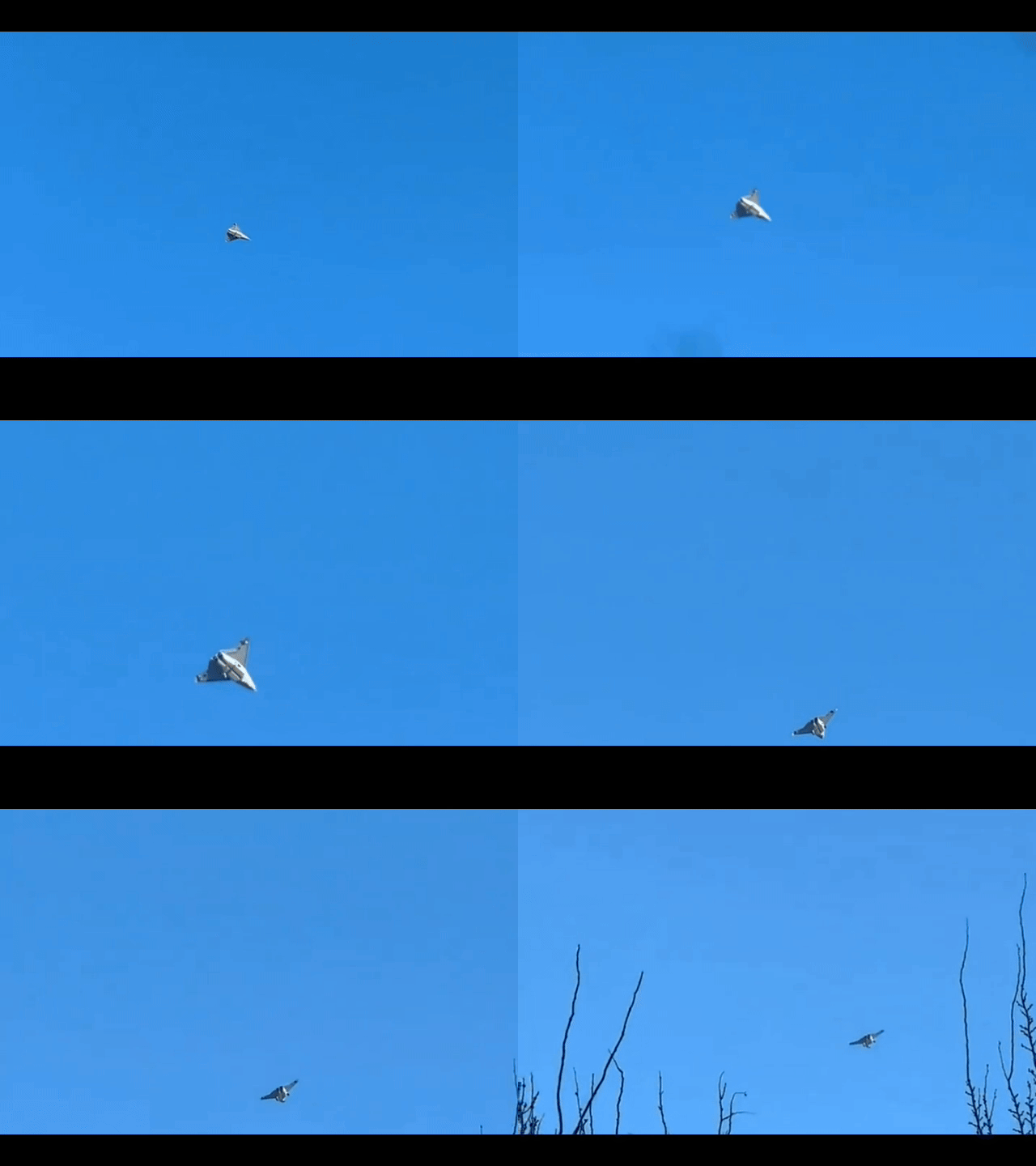
World
In a groundbreaking moment in modern military history, Ukrainian forces have successfully deployed an armed naval drone to destroy an aerial target. This first-of-its-kind operation took place on December 31, 2024, near Cape Tarkhankut in Crimea, a region temporarily occupied by Russian forces. The achievement highlights the increasing prominence of unmanned systems in contemporary warfare. The Operation During a critical combat mission in the Black Sea, a special operations unit of Ukraine’s Main Directorate of Intelligence (HUR MO), known as "Group 13," utilized an advanced Maritime Autonomous Guard Unmanned Robotic Apparatus (MAGURA) V5. This uncrewed surface vessel (USV) was armed with cutting-edge missile systems, including the R-73 “SeeDragon” air-to-air missiles. The naval drone engaged two Russian Mi-8 helicopters patrolling the area. One helicopter was destroyed outright, while the second sustained damage but managed to return to its base. This operation marks a historic application of naval drones in aerial combat, showcasing their potential to challenge traditional air supremacy. The MAGURA V5: Key Specifications The MAGURA V5 USV represents the forefront of Ukrainian technological innovation. It is designed for high-precision strikes and versatile deployment across maritime operations. Key features include: Autonomous Navigation: Equipped with advanced algorithms, the drone can operate independently or under remote control in complex scenarios. Payload Capacity: The V5 is capable of carrying various weapon systems, making it adaptable for different mission profiles. Missile Integration: The use of R-73 “SeeDragon” missiles enhances its capability to engage aerial targets with high precision. Stealth Capabilities: The USV incorporates low-visibility technology, enabling it to approach targets undetected in contested waters. Implications for Modern Warfare This operation underscores a significant shift in military strategy, with unmanned systems becoming central to combat operations. By integrating naval drones with air-to-air missiles, Ukraine has demonstrated a novel approach to countering traditional military assets like helicopters and warships. The use of the MAGURA V5 highlights the advantages of unmanned systems: Cost-Effectiveness: Naval drones are less expensive to produce and maintain compared to conventional military platforms like fighter jets or submarines. Reduced Risk to Personnel: Deploying unmanned systems eliminates the need for human operators in dangerous missions. Operational Flexibility: Drones can be equipped for reconnaissance, strike missions, or electronic warfare, offering unparalleled versatility. Strategic Impact on the Black Sea Conflict The success of this mission sends a strong message about Ukraine's evolving defense capabilities. It challenges Russia’s dominance in the Black Sea and demonstrates the effectiveness of integrating advanced technologies into asymmetrical warfare. For Ukraine, this marks a pivotal step in redefining its military approach. The operation also sets a precedent for future conflicts, where unmanned systems could play a decisive role in overcoming conventional military advantages. As the Black Sea remains a hotspot in the ongoing conflict, the deployment of such innovative systems is likely to shape the battlefield dynamics and inspire similar advancements worldwide.
Read More → Posted on 2024-12-31 15:15:42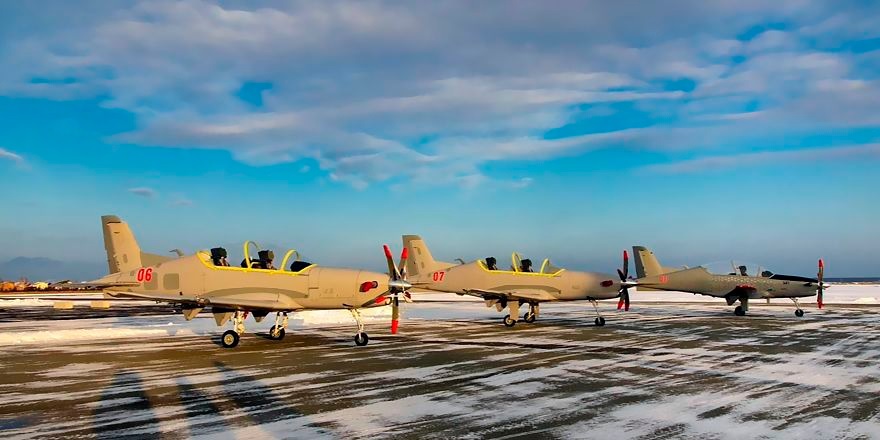
World
On December 28, 2024, the Ural Civil Aviation Plant (UZGA) in Yekaterinburg announced a significant milestone with the delivery of its first two UTS-800 turboprop trainer aircraft to the Russian Ministry of Defense. These aircraft, identified by their red tail numbers “06” and “07,” mark the beginning of an advanced flight-testing program aimed at revolutionizing pilot training for the Russian military. A New Era of Training Efficiency Historically, Russian cadets have relied on jet-powered trainers such as the L-29 Delfín and the L-39 Albatros, both of which are associated with higher operational costs. The introduction of the UTS-800 represents a strategic shift to turboprop technology, which promises reduced training expenses without compromising the quality and effectiveness of pilot instruction. A Ministry of Defense spokesperson emphasized the significance of this transition, noting, “These two serial UTS-800 aircraft will be used for flight testing. In both Soviet and modern times, the Ministry of Defense has lacked aircraft of this class in its educational institutions." Technical Specifications of the UTS-800 The UTS-800 is a localized adaptation of the DART (Diamond Aircraft Reconnaissance Trainer) developed by Austrian aviation manufacturer Diamond Aircraft Industries GmbH. Since 2017, Diamond Aircraft has been owned by China's Wanfeng Aviation Industry Co., Ltd., a subsidiary of Wanfeng Auto Holding Group. The UTS-800 incorporates modern aviation technology and is specifically tailored to meet the requirements of the Russian Ministry of Defense. Key specifications of the UTS-800 include: Engine: Powered by a single General Electric H75-100 turboprop engine, delivering 750 horsepower. Speed: Maximum cruise speed of approximately 500 km/h (311 mph). Range: Operational range exceeding 1,200 kilometers (746 miles). Seating: Tandem seating configuration, accommodating a student pilot and instructor. Avionics: Equipped with advanced avionics systems, including a glass cockpit with multi-functional displays (MFDs). Structure: Constructed primarily from composite materials, ensuring durability, lightweight design, and fuel efficiency. A Shift in Pilot Training Paradigm The shift to turboprop trainers like the UTS-800 aligns with global trends in military aviation, where operational efficiency and cost savings are becoming increasingly critical. The UTS-800 offers a balance of performance, reliability, and affordability, making it an ideal platform for basic and intermediate pilot training. By integrating the UTS-800 into its flight training programs, the Russian Ministry of Defense aims to enhance cadet training while reducing reliance on aging jet trainers. Turboprop aircraft, known for their fuel efficiency and lower maintenance costs, are particularly suited for initial training stages, where maneuverability and operational simplicity are key. Flight Testing and Future Prospects The two delivered UTS-800 aircraft will undergo extensive testing to evaluate their performance, reliability, and suitability for military training missions. If successful, this program could pave the way for additional orders, solidifying the UTS-800's role in the modernization of Russia’s pilot training infrastructure. The integration of the UTS-800 represents more than just a cost-saving measure; it reflects a broader strategy to adopt innovative and sustainable technologies in military aviation. With its modern design and localized manufacturing, the UTS-800 is poised to become a cornerstone of Russian pilot training for years to come.
Read More → Posted on 2024-12-31 15:03:38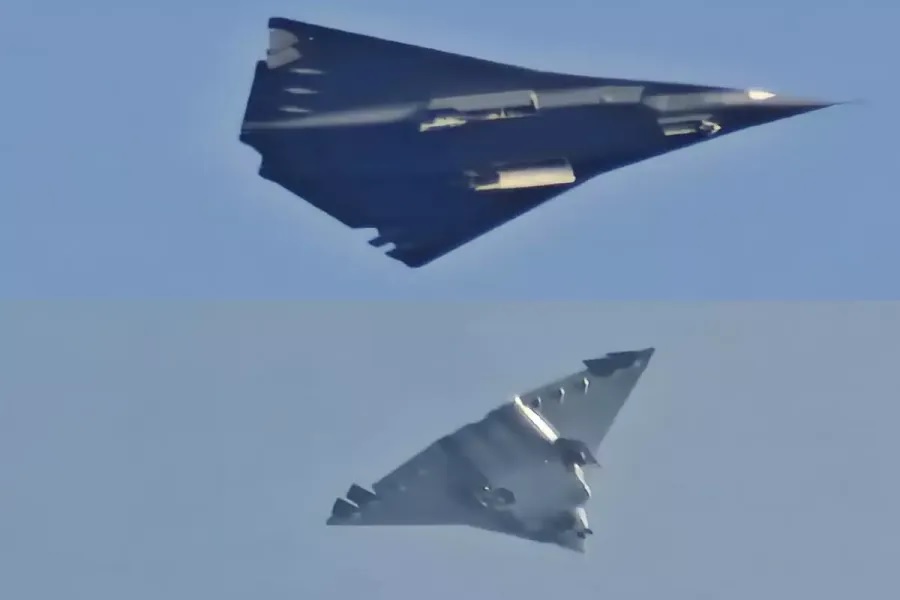
World
A recent video leak purportedly showcasing China’s sixth-generation fighter jet has sparked widespread speculation in aviation circles. While the futuristic design has been hailed as a potential game-changer in air combat, retired U.S. Navy fighter pilot C.W. Lemoine, who has extensive experience flying F-16s and F-18s, provided a grounded analysis that suggests the aircraft may serve a very different role than initially assumed. Lemoine’s examination of the design pointed to a strategic shift in its intended purpose. Unlike current-generation multirole fighters such as the F-35 and Su-57, the aircraft appears to be engineered as a Beyond Visual Range (BVR) strike bomber, prioritizing stealth, payload capacity, and long-range precision strikes over agility and dogfighting prowess. A Closer Look at the Design The aircraft’s large size immediately stood out to Lemoine, who compared it more to a fighter-bomber than a traditional air-superiority fighter. The absence of a vertical tail fin, a common feature in most modern fighters, was a particularly striking design choice. This tailless configuration aims to drastically reduce radar cross-section, enhancing stealth. “There’s no tail; it’s just these fins,” he remarked, noting how the design minimizes radar reflections to make the jet harder to detect. The jet also features an unusually large weapons bay, suggesting it could carry a significant payload of missiles, bombs, or advanced munitions. Its robust landing gear hinted at the ability to operate from rough or unprepared airstrips, potentially increasing its versatility in a range of operational scenarios. The Engine Mystery and Hypersonic Possibilities One of the most intriguing elements of the aircraft is its engine configuration. Lemoine noted what appeared to be three engine intakes and two exhaust nozzles, sparking speculation that it may be powered by an advanced propulsion system. The possibility of a third engine, combined with an intake positioned atop the fuselage, raised questions about whether the aircraft is designed for hypersonic speeds. This could suggest the use of cutting-edge technologies such as ramjets or scramjets, which are capable of operating efficiently at speeds exceeding Mach 5. Such a configuration would make the aircraft particularly suited for high-speed, high-altitude penetration into heavily defended enemy airspace, enabling it to deliver precision strikes while evading interception. Not Built for Dogfights Despite its advanced features, Lemoine expressed skepticism about the jet’s effectiveness in close-range combat. Its design lacks the agility and thrust-vectoring capabilities seen in modern dogfighters like the Su-57 and F-35. “It’s not a dogfighter,” he asserted, adding that its primary strength lies in BVR engagements. The aircraft’s large payload and stealth capabilities suggest it could carry an arsenal of long-range air-to-air missiles, enabling it to neutralize threats from a distance without engaging in close-range maneuvering. Strategic Implications and the Role of AI Lemoine’s analysis pointed to a broader strategic trend in modern air warfare. The aircraft appears to represent a shift from traditional dogfighting roles to strike-oriented missions, emphasizing stealth, long-range precision, and advanced sensors. He speculated that it might operate alongside AI-controlled “loyal wingman” drones, which could provide additional firepower or handle dogfighting tasks, effectively compensating for the manned aircraft’s maneuverability limitations. A Glimpse into the Future Adding a touch of levity, Lemoine nicknamed the aircraft “The J-69 Moth Man” due to its distinctive and unconventional appearance. While his analysis suggests that the jet is optimized for stealthy, high-capacity strike missions, many details about its capabilities remain speculative. Until the aircraft is seen in active flight tests or officially unveiled by Chinese authorities, much about its performance and strategic implications will remain under wraps. This development underscores China’s growing ambition to redefine air combat roles with innovative designs that prioritize long-range engagements and stealth over traditional dogfighting capabilities. If the aircraft delivers on its promise, it could mark a significant evolution in the global balance of aerial power.
Read More → Posted on 2024-12-31 15:00:15
World
The U.S. Navy has achieved a major milestone in its nuclear modernization efforts by announcing the Full Operational Capability (FOC) of the Strategic Weapons Systems Ashore (SWS Ashore) facility. Officially declared on November 26, this development represents a decade of close collaboration between the Navy, industry leaders, and Florida's Space Coast community, further strengthening the United States' strategic deterrence capabilities. A Groundbreaking Facility SWS Ashore, located at the Naval Ordnance Test Unit on Cape Canaveral Space Force Station, serves as a cutting-edge testing hub for the Trident II D5 Strategic Weapon System (SWS) and its future upgrades. This facility provides a secure, land-based environment to test system enhancements, including those necessary for the transition from the Ohio-class to the Columbia-class ballistic missile submarines (SSBNs). By conducting end-to-end testing ashore, the Navy significantly reduces the risks and costs associated with deploying untested systems directly to the fleet. Since construction began in 2012, SWS Ashore has evolved into a critical component of the Navy’s strategic programs. Operational since 2019, the facility has consistently met its primary objectives. These include: Supporting the U.S. Navy’s transition from Ohio-class to Columbia-class SSBNs. Assisting the United Kingdom in its Dreadnought-class SSBN program through shared missile compartment designs. Enabling advanced testing for current and next-generation Trident II D5 systems, such as the D5LE (Life Extension) and the upcoming D5LE2 missile. Enhancing Strategic Deterrence The Trident II D5LE missile system remains at the core of the U.S. Navy’s sea-based nuclear deterrence. Deployed on Ohio-class SSBNs and planned for use in the Columbia-class fleet, this weapon accounts for approximately 70% of the nation’s deployed strategic nuclear forces. The D5LE2 upgrade, set to replace the D5LE in future deployments, will also benefit from the comprehensive testing capabilities of SWS Ashore. By offering advanced testing for these systems, the facility ensures seamless integration of the next-generation weapons into the Navy’s fleet. This focus on readiness aligns with the Navy’s strategic priorities, supporting the operational excellence of the nuclear triad—a cornerstone of U.S. national security. International Collaboration and Local Partnerships SWS Ashore also plays a vital role in fostering international cooperation. Its shared design with the U.K.’s Dreadnought-class SSBNs allows synchronized testing and training programs between the two allies. This collaboration reduces development costs, enhances efficiency, and reinforces the long-standing U.S.-U.K. strategic partnership. Locally, the Space Coast community has been instrumental in the facility’s success. Space Florida, a public corporation, repurposed an outdated missile launch site into the state-of-the-art SWS Ashore facility. This partnership underscores the region’s reputation as a hub for aerospace and defense innovation. A Future-Ready Commitment With the Columbia-class submarines set to enter service in the 2030s, SWS Ashore will remain a cornerstone of the Navy’s strategic deterrence initiatives. The facility ensures that every aspect of the Trident II missile system, from design to deployment, is rigorously tested and optimized for performance. “SWS Ashore is a remarkable success story of innovation, proactive planning, and collaboration,” said Steven Van Dyk, Chief Engineer for Strategic Systems Programs. “It not only enhances U.S. defense capabilities but also strengthens international partnerships and supports cost-effective operations.” As the U.S. Navy continues to advance its nuclear modernization efforts, the Strategic Weapons Systems Ashore facility stands as a testament to the power of collaboration, innovation, and a relentless commitment to national security.
Read More → Posted on 2024-12-31 14:51:49
World
The United States Treasury Department recently disclosed a significant cybersecurity breach attributed to Chinese state-sponsored hackers. This incident, marked by its sophistication and precision, underscores the vulnerabilities within critical government systems and the escalating concerns over state-backed cyber operations. The breach was facilitated through a third-party cybersecurity provider, BeyondTrust, which had its security systems compromised. The hackers exploited a stolen key, bypassing the provider’s defenses to access the Treasury's internal systems. On December 8, BeyondTrust alerted the Treasury to the theft, prompting an immediate response to take the compromised service offline. While exact figures remain undisclosed, several workstations and unclassified documents were reported as compromised. Treasury's Swift Response and Ongoing Investigation The US Treasury has partnered with the FBI and the Cybersecurity and Infrastructure Security Agency (CISA) to conduct a thorough investigation into the breach's full scope. While the immediate threat appears to have been neutralized, officials are working to determine the extent of infiltration and assess whether sensitive information was accessed or exfiltrated. The department has emphasized its commitment to enhancing its cybersecurity infrastructure, with plans to implement stronger measures to prevent similar incidents in the future. China's Rejection of the Accusations In the wake of these revelations, Chinese officials have categorically denied any involvement. In a strongly worded response, they criticized the US for making "groundless" accusations, reiterating China's official stance of opposing all forms of cyberattacks. Beijing has consistently rejected claims of state-sponsored hacking, instead accusing the US of using cybersecurity concerns as a political tool. Broader Implications for Cybersecurity This breach is not an isolated event but part of a broader pattern of cyberattacks targeting US government systems and infrastructure. Chinese hackers have been linked to several high-profile incidents in recent years, including breaches of healthcare, defense, and energy sectors. The evolving nature of such attacks—often involving indirect infiltration via third-party vendors—underscores the need for comprehensive cybersecurity strategies. BeyondTrust’s compromise highlights a critical vulnerability in modern cybersecurity frameworks: the reliance on external service providers. These third-party organizations often become weak links, providing attackers with indirect access to sensitive systems. This incident serves as a wake-up call for organizations to reevaluate their dependency on external cybersecurity solutions and the protocols surrounding their use. The Bigger Picture State-sponsored cyberattacks have become a contentious issue in US-China relations, fueling geopolitical tensions. The US has repeatedly accused China of conducting cyber-espionage to gain economic and strategic advantages, while China counters these claims by pointing to US-led surveillance programs. As cyber warfare becomes increasingly sophisticated, the stakes for governments and organizations worldwide continue to rise. The Treasury breach is a stark reminder of the ever-present threat posed by state-backed hackers and the pressing need for global cooperation and robust security measures to counter these attacks. This incident will likely reignite debates around cybersecurity policies, third-party vendor accountability, and the role of international regulations in curbing state-sponsored cyber activities. It also raises critical questions about the readiness of government agencies to address emerging digital threats in an era where cyber operations are becoming central to geopolitical strategies.
Read More → Posted on 2024-12-31 14:47:34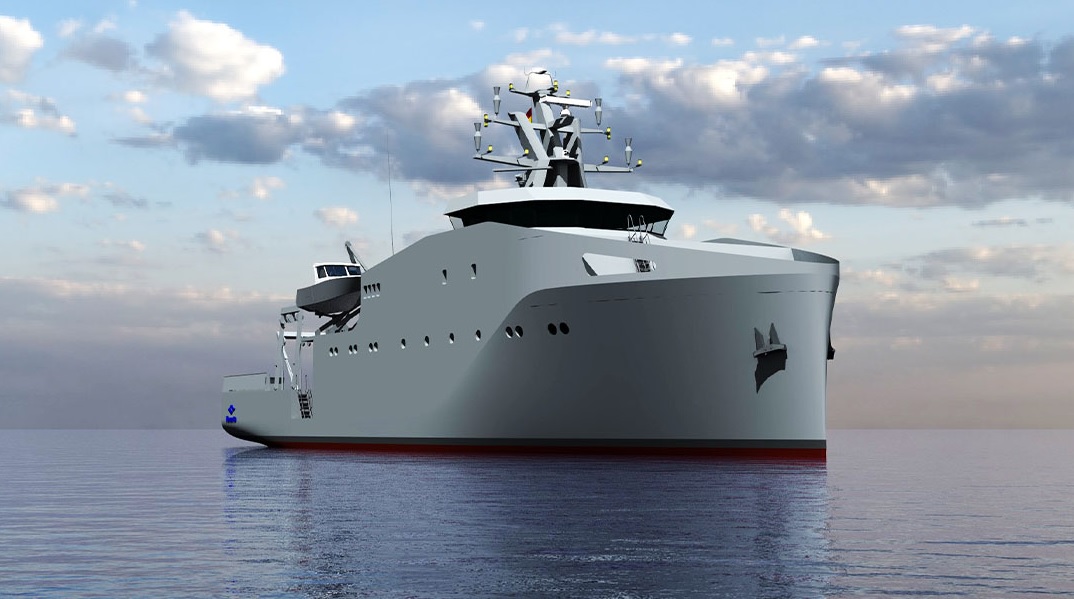
Navantia Revolutionizes Shipbuilding with Siemens Xcelerator for Coastal Hydrographic Vessel Project
World
Navantia, a leader in the global shipbuilding industry, has announced the adoption of Siemens Xcelerator software for its Coastal Hydrographic Vessel (BHC) project. This groundbreaking move is part of Navantia’s ambitious Shipyard 5.0 programme under the ELCANO framework, aimed at transforming the shipbuilding sector through digital innovation. The project involves the construction of two state-of-the-art vessels for the Spanish Navy at Navantia’s shipyards in the Bay of Cádiz. Siemens Xcelerator: A Digital Game-Changer Siemens Xcelerator is an integrated suite of digital tools designed to manage every phase of a vessel's lifecycle. From conceptual design and simulation to production, commissioning, operation, and maintenance, the platform streamlines processes and ensures high-quality outcomes. By incorporating Xcelerator, Navantia aims to optimize shipbuilding workflows, reduce costs, enhance operational efficiency, and meet tighter delivery schedules. The software’s advanced components include: NX: A comprehensive design solution for complex marine structures. Teamcenter: A lifecycle management tool that improves collaboration and data management across teams. Simcenter™: A simulation and optimization tool to enhance performance and reliability. Tecnomatix: A suite for digitalizing shipyard operations, improving production processes, and increasing precision. Future phases of the project will also incorporate Insights Hub™, Siemens' industrial IoT platform, enabling real-time data monitoring and predictive maintenance for enhanced operational efficiency. Training for the Future: Navantia’s Workforce Transformation The successful integration of such advanced technology hinges on the skills and expertise of the workforce. Recognizing this, Navantia has partnered with Siemens to provide extensive training through the Marine Digital Twin programme. This initiative equips engineers and technicians with the know-how to fully utilize digital shipbuilding tools, ensuring seamless implementation. Training sessions, conducted at the Naval Excellence Centre (Cesena) in Spain, covered key aspects of the digital transformation. These sessions included hands-on exposure to digital twins, a technology that creates virtual replicas of physical vessels to simulate and analyze performance in real-time. Looking ahead, Cesena is set to launch formal training courses on the Marine Digital Twin starting in early 2025. These courses will focus on advanced digital shipbuilding practices, ensuring the industry remains at the forefront of technological innovation. Coastal Hydrographic Vessel: Specs and Innovations The Coastal Hydrographic Vessel (BHC) project itself represents a leap forward in naval design and engineering. While specific details of the vessels are closely guarded, the following key features highlight their advanced capabilities: Hydrographic Survey Equipment: Cutting-edge sensors and sonar systems for mapping seabeds and underwater terrain. Energy Efficiency: Incorporation of hybrid propulsion systems to reduce emissions and fuel consumption. Modular Design: Flexible layouts allowing for future upgrades or mission-specific configurations. Automation: Advanced control systems to enable semi-autonomous operations, reducing crew workload. These vessels are expected to significantly bolster the Spanish Navy's capabilities in maritime surveillance, resource mapping, and environmental monitoring. The Bigger Picture: Shipyard 5.0 and Beyond The BHC project is a critical milestone in Navantia’s broader vision of Shipyard 5.0, a next-generation shipbuilding framework emphasizing digitalization, sustainability, and collaboration. By leveraging Siemens Xcelerator, Navantia is setting new standards for efficiency and innovation, not just within Spain but across the global naval industry. With real-time IoT integration, lifecycle management tools, and a focus on workforce upskilling, Navantia’s approach ensures a future-ready shipbuilding ecosystem. This partnership with Siemens marks a transformative moment, bridging traditional engineering with cutting-edge digital technologies to redefine what’s possible in naval architecture. As these coastal hydrographic vessels take shape, Navantia’s commitment to innovation promises to set a new benchmark for digital shipbuilding excellence.
Read More → Posted on 2024-12-31 14:36:38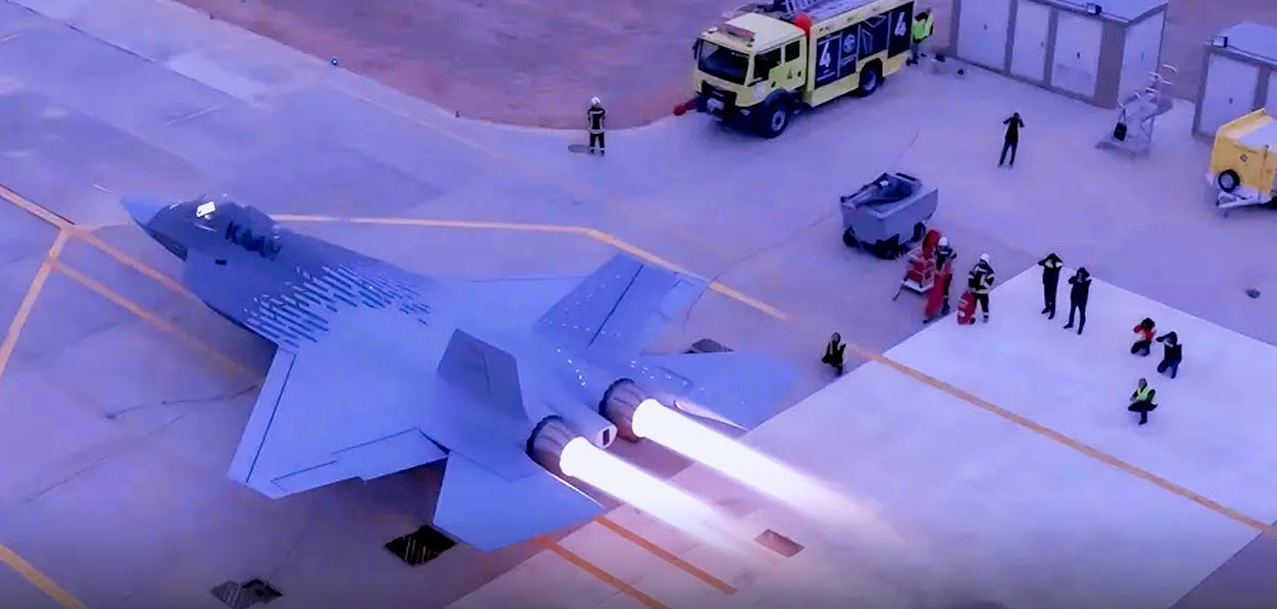
World
The Kaan fighter jet, developed by Turkish Aerospace Industries (TAI), has reached a significant milestone by successfully activating its afterburner system on both engines during ground tests on December 6, 2024. This achievement marks a critical step in its development, demonstrating the jet's ability to achieve rapid acceleration and sustained supersonic speeds, essential for modern air combat scenarios. Afterburners, which work by injecting fuel into the jet's exhaust stream, provide an additional thrust boost, allowing for unparalleled performance. This milestone underlines the technical sophistication and engineering excellence behind the Kaan's development. Key Specifications of the Kaan Fighter Jet: Dimensions: Length: 21 meters (69 feet) Wingspan: 14 meters (46 feet) Height: 6 meters (20 feet) Wing Area: 60 square meters (646 square feet) Weight: Maximum Takeoff Weight: 27,215 kilograms (60,000 pounds) Engines: 2 x General Electric F110-GE-129 turbofans Dry Thrust: 76.31 kN per engine Afterburner Thrust: 131 kN per engine Performance: Top Speed: Mach 1.8 Range: Approximately 1,100 kilometers Service Ceiling: 55,000 feet Armament: 1 x 20mm internal automatic cannon Capability to deploy a range of air-to-air and air-to-ground munitions Internal weapon bays for stealth missions Optional external hardpoints for additional weaponry The Kaan stands out as a fifth-generation fighter, integrating cutting-edge stealth capabilities, advanced avionics, and exceptional maneuverability. It has been designed to meet the operational requirements of the Turkish Air Force and place Türkiye among the select nations capable of producing such advanced fighter jets. Following two successful flights earlier this year, the afterburner test represents another leap forward in the jet's development. This test demonstrates the aircraft's resilience under extreme conditions, including high temperatures and intense vibrations, setting the stage for further operational testing. Turkish Aerospace leadership has emphasized that this achievement is not just a technological milestone but also a testament to the teamwork and dedication driving the Kaan project. The fighter jet is on track to become a cornerstone of the Turkish Air Force, with deployment anticipated by the end of the decade.
Read More → Posted on 2024-12-30 17:27:36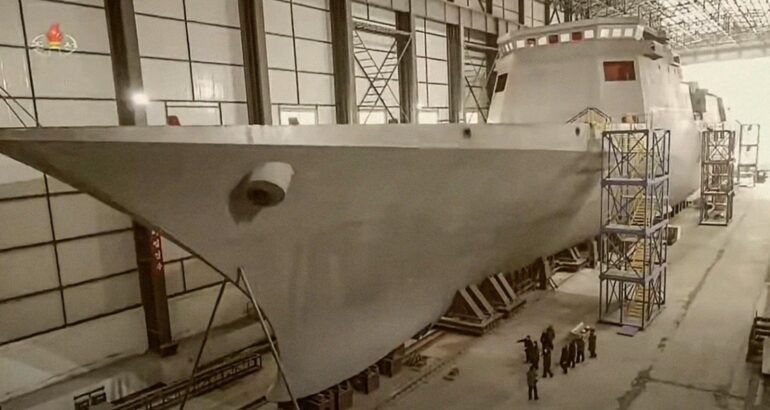
World
North Korea, known for its assertive military ambitions, has made another stride in modernizing its naval fleet. In a dramatic revelation just before the dawn of 2025, state media showcased an advanced frigate under construction at the Nampo Shipyard. The vessel, described as the largest warship ever constructed in North Korea, signals a significant shift in the Korean People’s Army Navy's (KPAN) strategic capabilities. This frigate doubles the displacement of the recently unveiled Amnok-class corvette and incorporates state-of-the-art features, including advanced radar systems and a vertical launching system (VLS). Technological Highlights The frigate’s cutting-edge features mark a departure from North Korea's traditionally outdated fleet. Integrated Fixed-Panel RadarsThe frigate appears to feature four fixed-panel radar arrays seamlessly integrated into its superstructure. These radars likely provide multi-directional coverage for surveillance and missile guidance, enhancing situational awareness and threat detection. Vertical Launching System (VLS)A prominent VLS module forward of the superstructure can accommodate a range of guided missiles, including surface-to-air missiles (SAMs) and land-attack cruise missiles (LACMs). This capability places North Korea in a select group of navies with such sophisticated systems, vastly improving its offensive and defensive options. Stealth-Optimized DesignThe warship showcases reduced radar cross-section (RCS) technology, minimizing its detectability by enemy radars. This aligns with global trends in stealth-focused naval architecture. Naval Gun SystemsA smaller opening at the bow is likely reserved for a naval gun, potentially capable of engaging surface and air targets, further bolstering the ship’s versatility. A Strategic Shift in Naval Power For decades, North Korea's naval assets consisted primarily of outdated corvettes, fast attack craft, and diesel-electric submarines. However, the development of this new frigate signifies a shift toward constructing larger, more technologically advanced surface combatants. This frigate, reportedly influenced by Russia's Project 20386 (Derzky-class) corvette design, could be a product of intensified military cooperation between North Korea and its allies, particularly Russia and China. Russia’s assistance might include the transfer of design expertise, radar technologies, and missile systems, while China could provide logistical and technical support. Comparisons and Regional Context North Korea's advancements come at a time when other regional powers are also modernizing their fleets. The recent launch of Myanmar’s VLS-equipped frigate, the UMS King Thalun, highlights a growing trend among smaller nations to bolster naval capabilities. Both nations benefit from foreign partnerships, with Myanmar leaning heavily on Chinese support. Implications for Regional Security The construction of this advanced frigate raises questions about North Korea’s intentions in the region. A VLS-equipped frigate expands the operational reach of its navy, potentially enabling long-range strike capabilities and enhanced air defense. This could challenge the naval dominance of adversaries like South Korea, Japan, and the United States in the region. What Lies Ahead? While the frigate remains under construction, its final configuration and operational capabilities are speculative. Nonetheless, its unveiling underscores North Korea's commitment to modernizing its military and projecting power on the seas. Future developments may reveal additional features, such as electronic warfare systems, advanced sensors, and even anti-submarine capabilities. North Korea's leap into constructing such a sophisticated warship reflects a growing ambition to assert itself as a maritime power. The coming years will determine how effectively this new class of frigates integrates into the country’s broader military strategy.
Read More → Posted on 2024-12-30 17:24:07Search
Top Trending in 24 Hours
-
 Tulsi Gabbard Releases Declassified Files Detailing U.S.-Backed Network of 120 Biolaboratories Across 30+ Countries
-
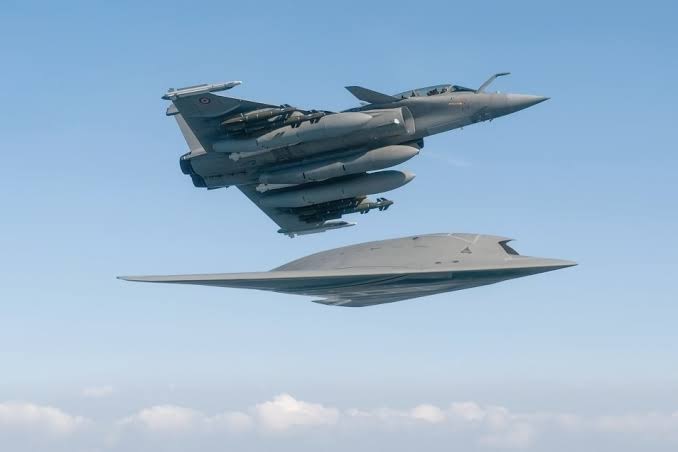 France Agrees to Equip Future Indian Rafales with AI, MUM-T and Secure Satellite Links Under F5 Standard
-
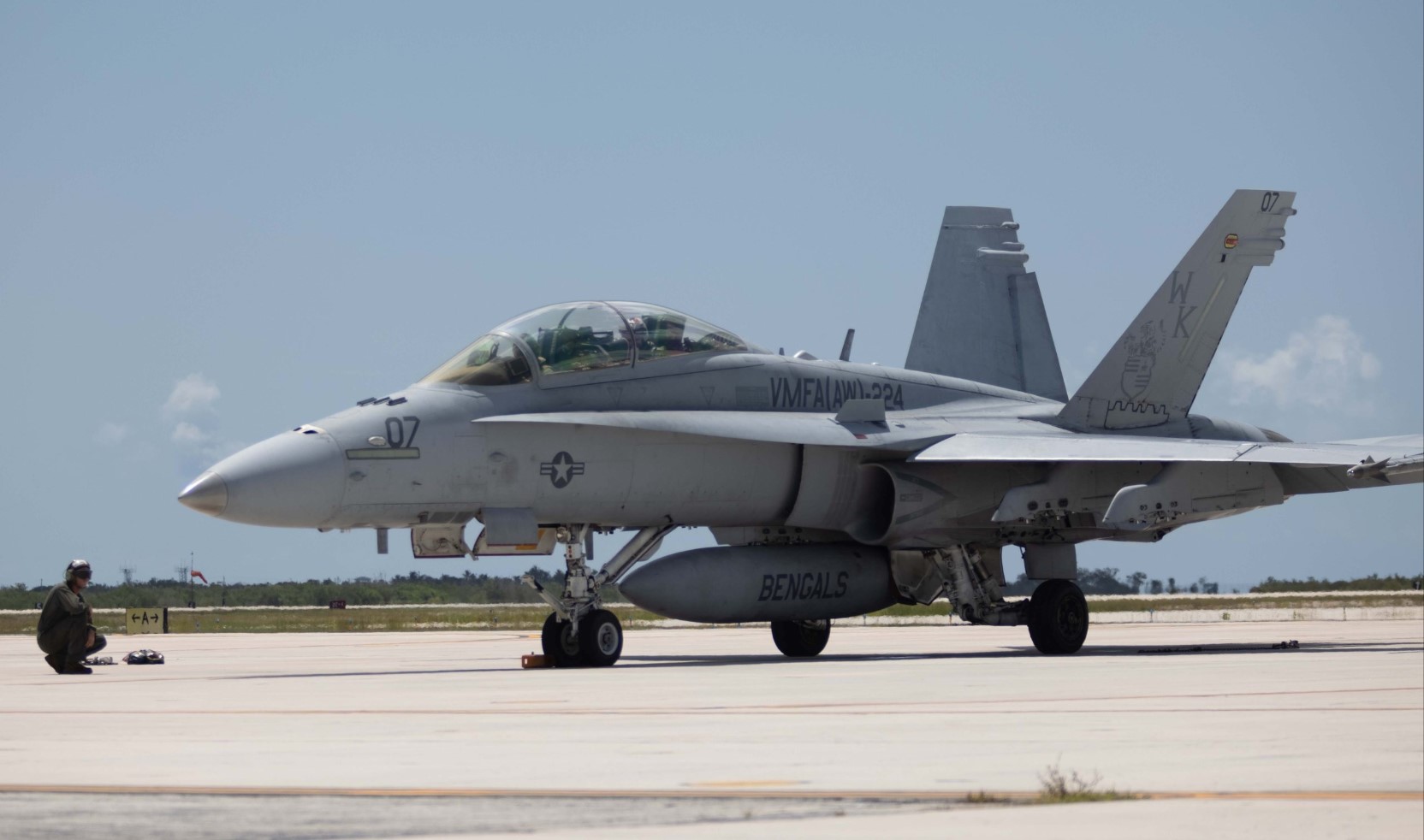 US Marine Corps F/A-18D Hornet Crashes During Training Flight in Washington Mountains; Pilot Ejects Safely
-
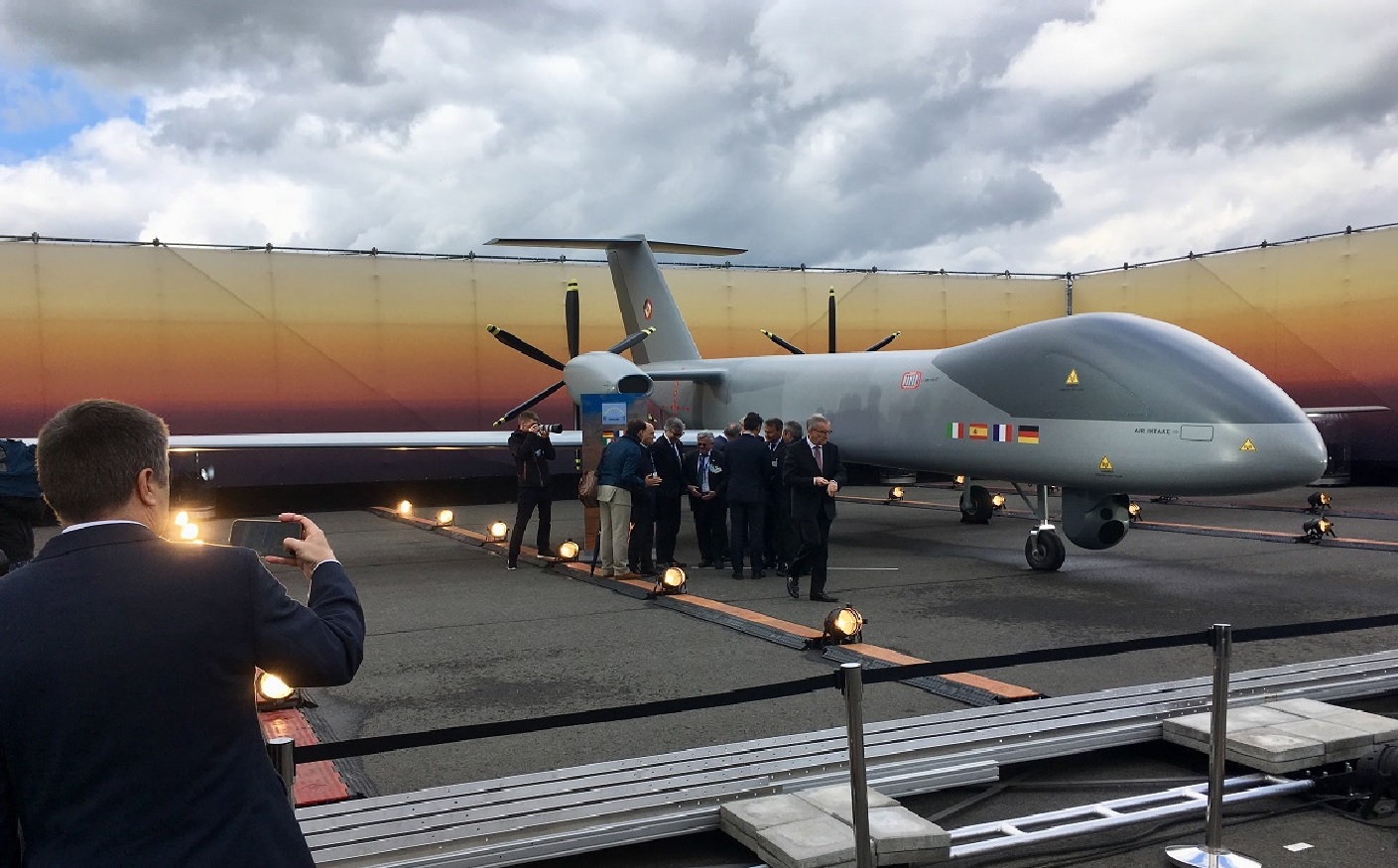 Dassault Seeks Compensation From Airbus as Eurodrone Dispute Erupts After FCAS Collapse
-
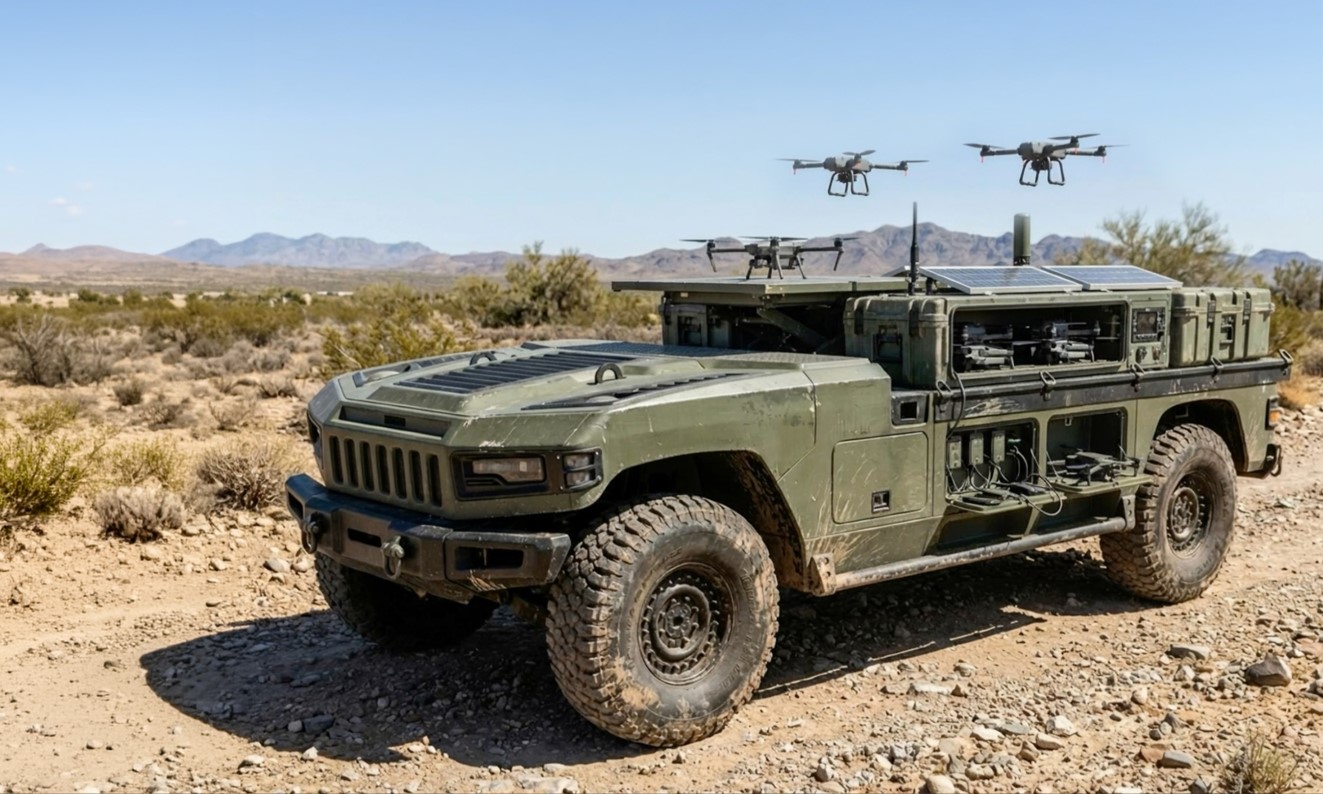 AM General Unveils Next-Generation UGV and JLTV A2 with Counter-Drone Systems at Eurosatory 2026
-
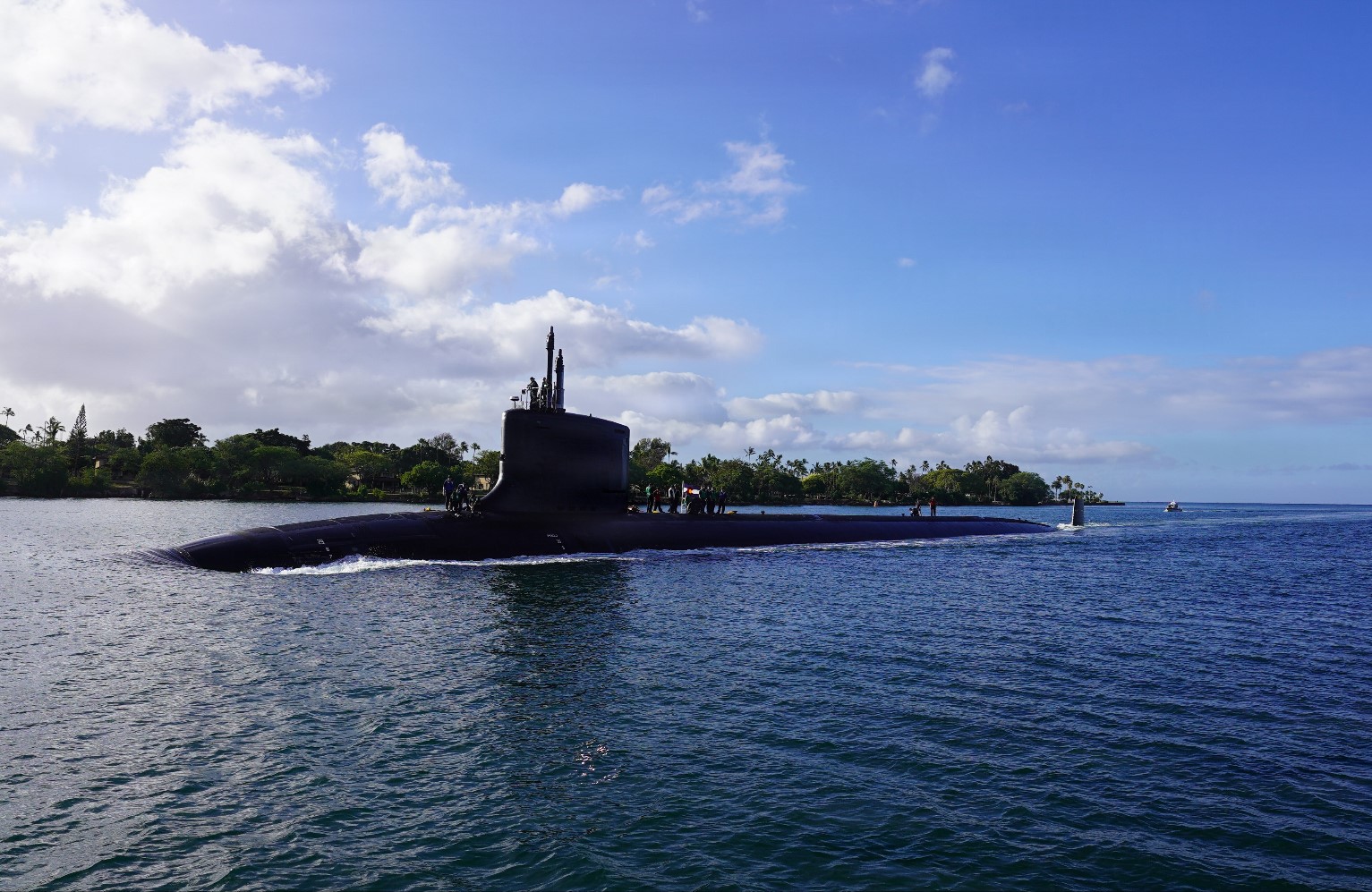 U.S. Navy's USS Colorado Submarine Returns to Pacific Fleet 29 Days Early After Major Pearl Harbor Overhaul
-
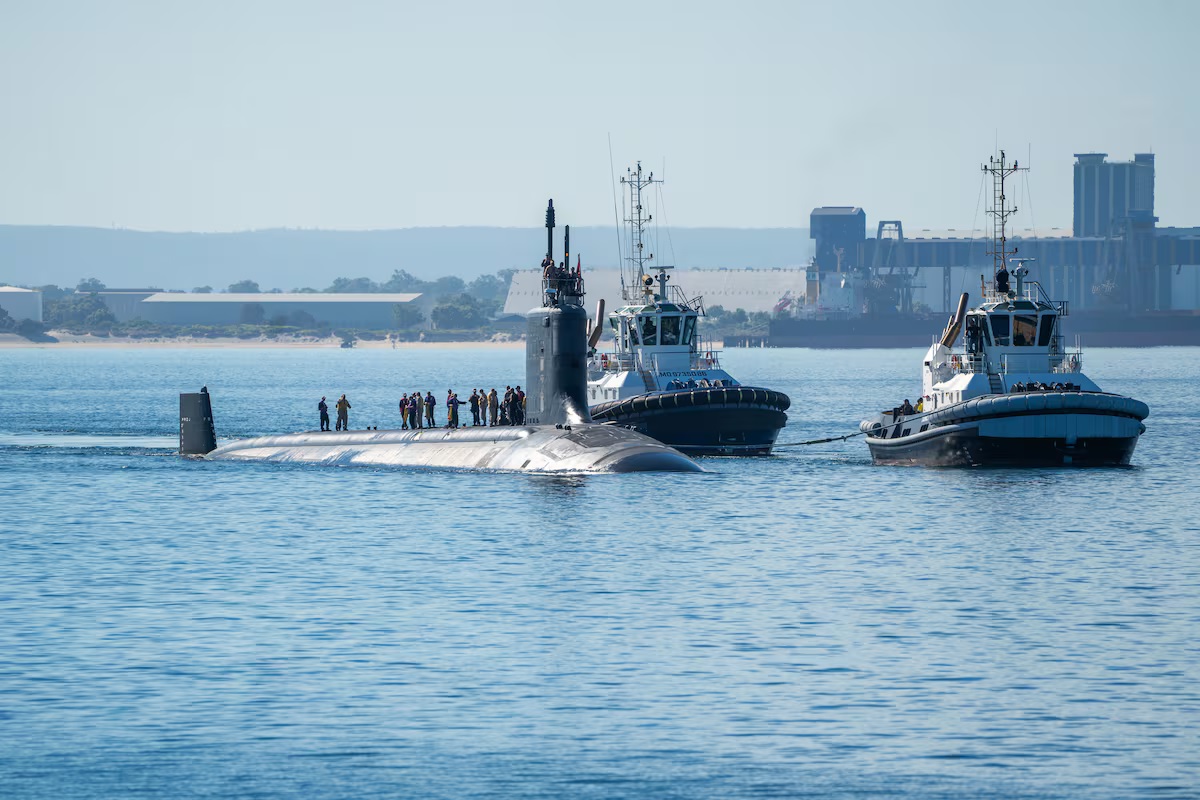 U.S. Navy Reestablishes Submarine Squadron 3 at HMAS Stirling to Support AUKUS Rotational Force
-
 Pakistan Raises Defence Budget from $9 Billion to $10.8 Billion as J-35 Fighter and Hangor Submarine Programs Advance
Top Trending in 4 Days
-
 Iranian Media Leaks 14-Point U.S.-Iran Peace Framework Amid Ongoing Negotiations
-
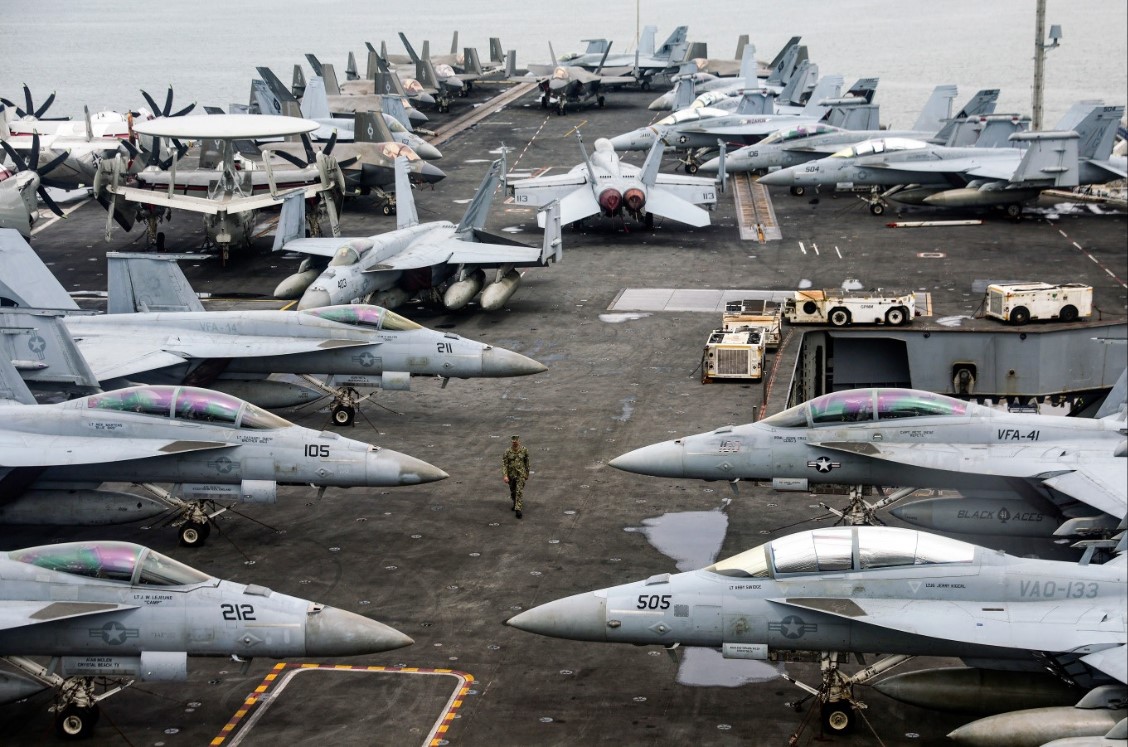 US Plans Significant Reduction of Fighter Jets and Warships for NATO Operations in Europe
-
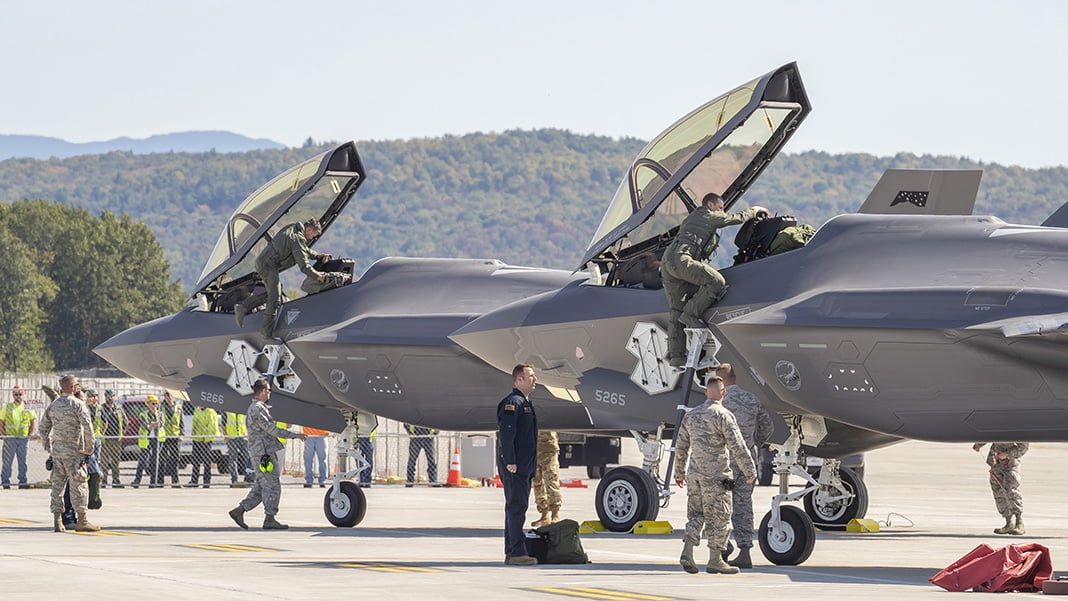 F-35 Fleet Readiness Falls to 25% Amid Parts Shortages and Software Delays: GAO Report
-
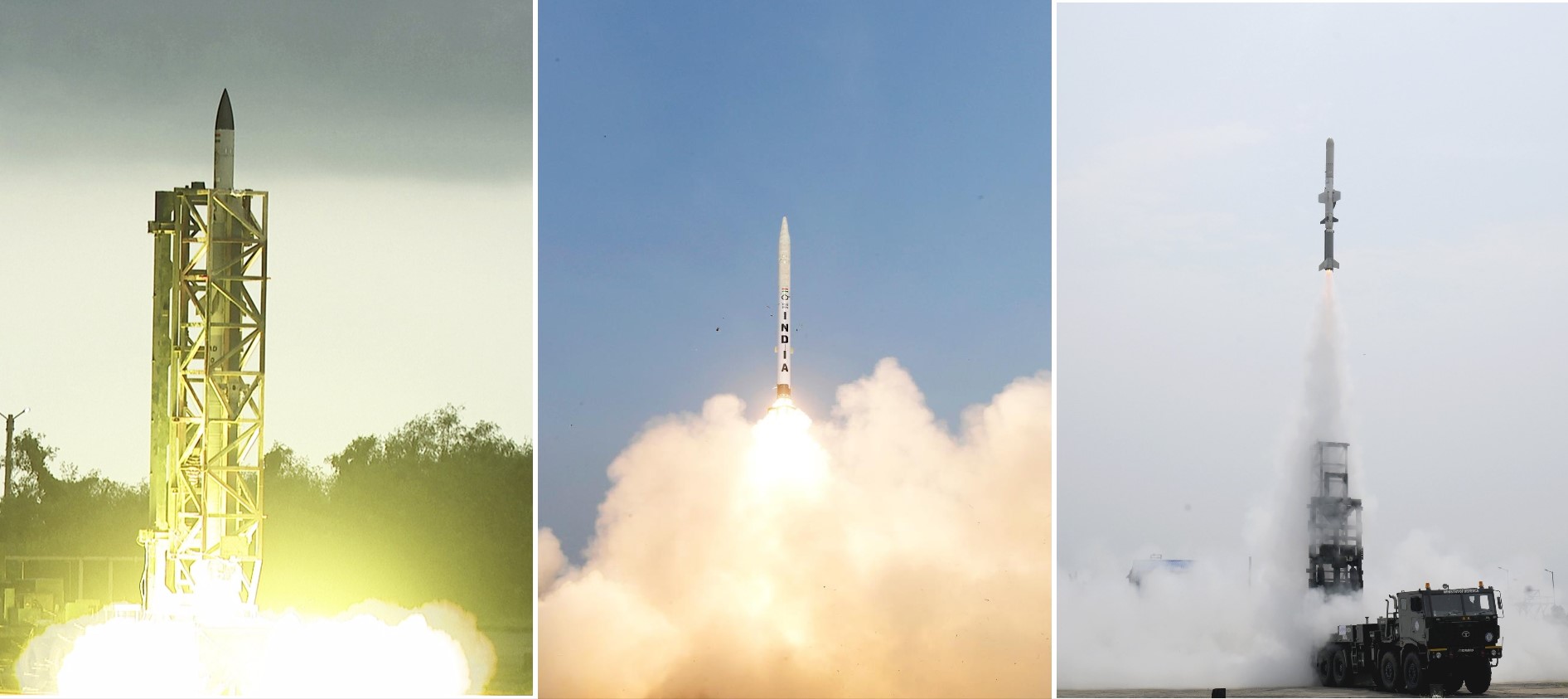 India Successfully Conducts AD-1, AD-2 Interceptor Tests and Maiden NASM-MR Flight Trial
-
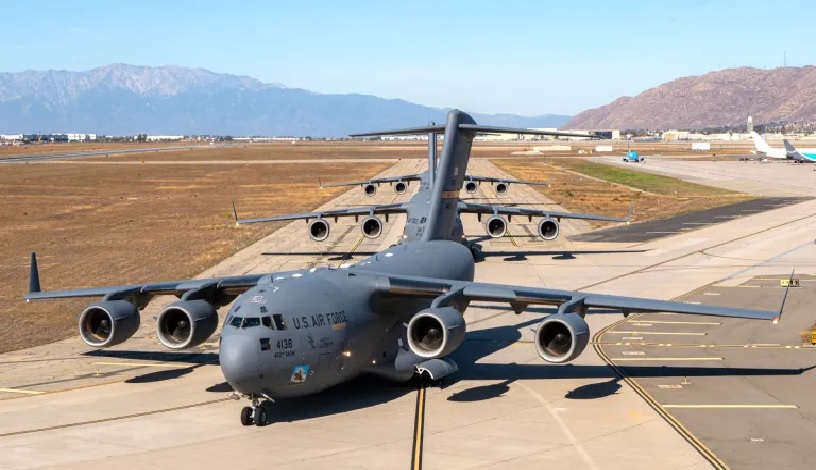 U.S. Air Force Faces Strategic Airlift Shortfall as C-17 Production Restart Remains Uncertain
-
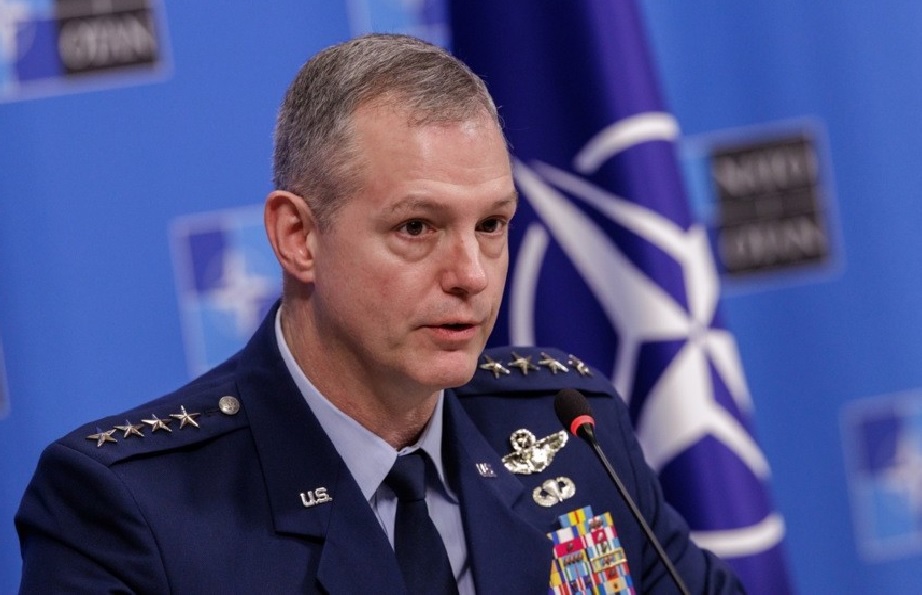 NATO Commander Says Russia Not Seeking Conflict With Alliance Despite U.S. Force Reductions
-
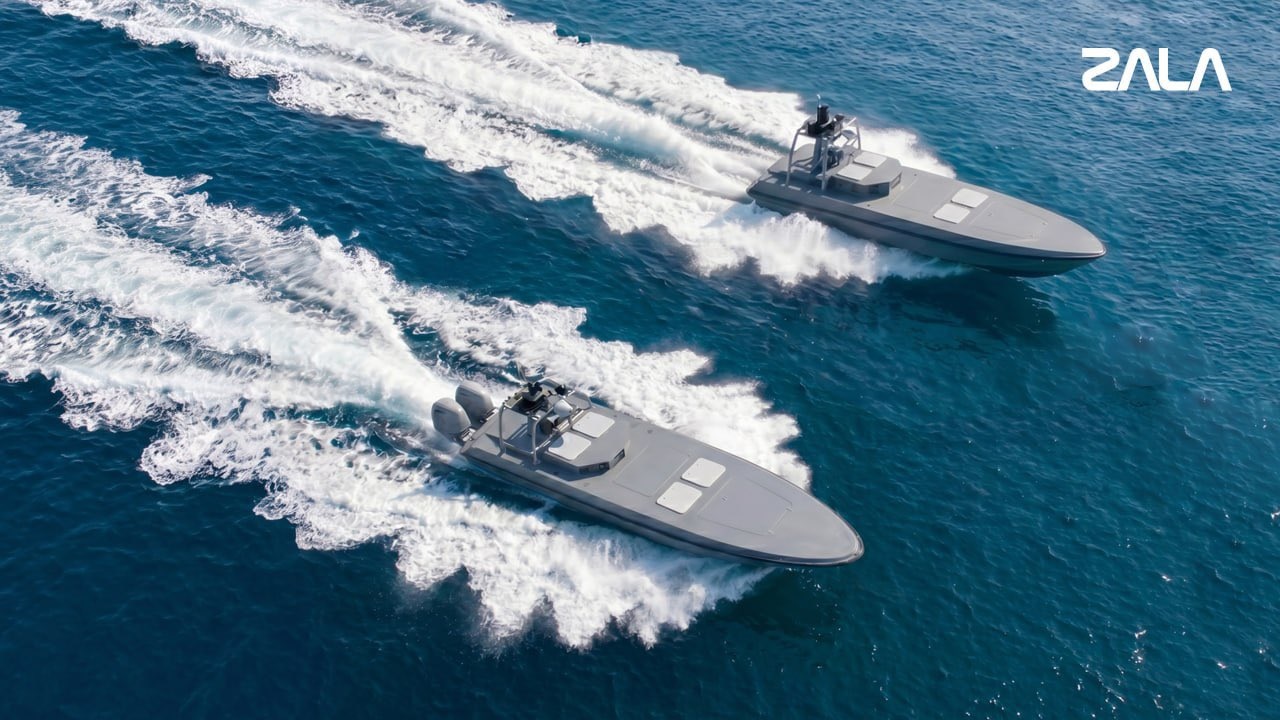 Russian Defense Firm ZALA Unveils KAMA Unmanned Surface Vessel Family at FLOT-2026 Naval Exhibition
-
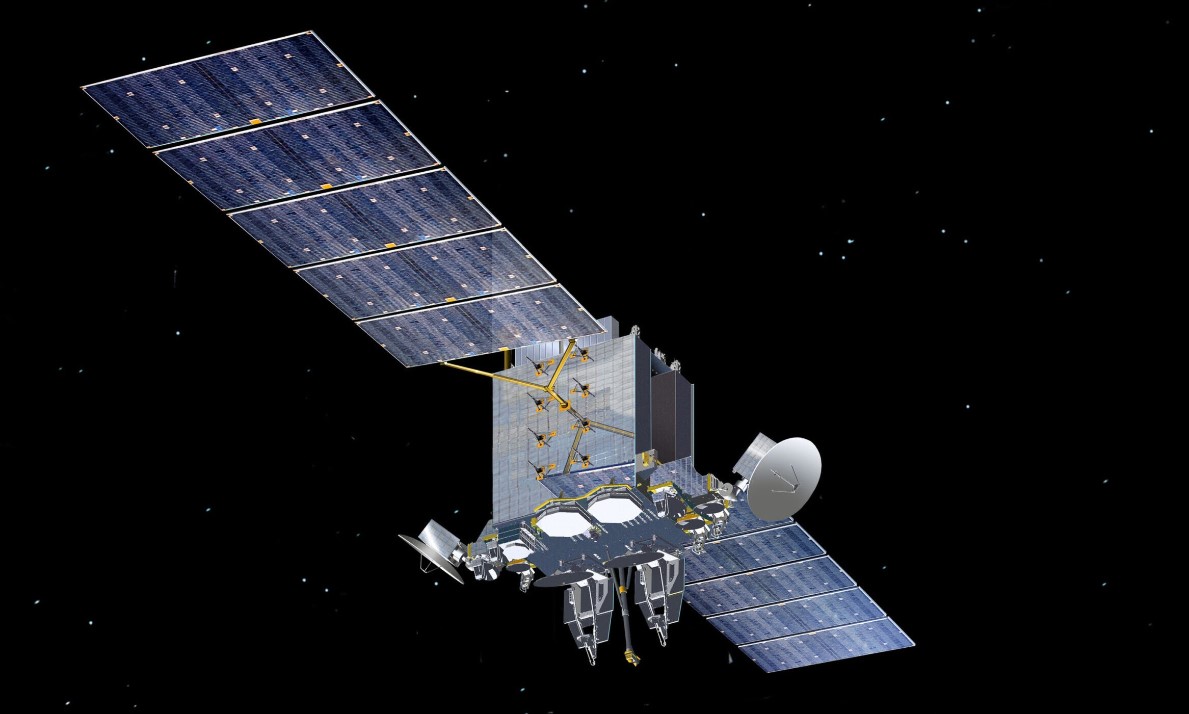 U.S. Space Force Awards $437.7 Million Contracts for First PTS-G Swarm 1 Anti-Jam Satellites