World
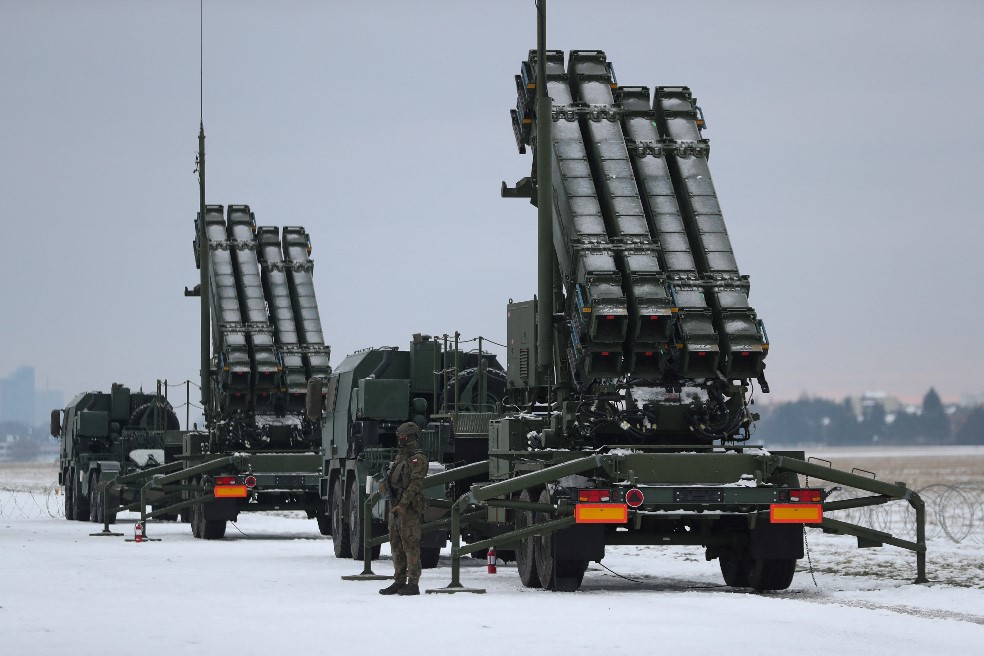
Ukrainian industrial giant Metinvest Group has taken a significant step in strengthening the country’s defence capabilities by equipping the Patriot surface-to-air missile (SAM) system with cutting-edge protective armour. This breakthrough is part of Rinat Akhmetov’s Steel Front defence initiative, which focuses on enhancing military hardware to counter threats during the ongoing conflict. Advanced Armour for the Patriot System Metinvest’s engineering team recently mounted the first armour shield on an operational Patriot air defence control module. This armour, crafted from high-grade Ukrainian steel, is designed to provide enhanced protection against shrapnel and fragmentation. By safeguarding the crew and critical components of the Patriot system, the armour ensures uninterrupted functionality during combat. The protective shield is constructed from 30KhN2MA-grade steel, renowned for its toughness and resistance to wear. Comprising nearly 200 steel plates, each up to 8 mm thick, the armour weighs over 2.6 tonnes. Despite its robust build, the shield is engineered to maintain the Patriot system’s full mobility and operational efficiency, a feat achieved through meticulous design and engineering. Broader Contributions to Ukraine’s Military Metinvest’s contributions extend beyond the Patriot system. The company has delivered over 300 steel screens for a variety of military vehicles, including T-64 and T-72 tanks, M1 Abrams tanks, and Bradley infantry fighting vehicles. Preparations are also underway to implement similar protective solutions for Leopard 2 tanks. These innovations are not just about shielding military hardware; they are also a lifeline for Ukraine’s armed forces, significantly increasing survivability in hostile environments. A Swift and Focused Response According to Oleksandr Myronenko, Chief Operating Officer of Metinvest, the project to develop and deploy the Patriot system’s armour was completed in a remarkable six weeks. He highlighted the importance of such innovations, stating, “This shield ensures the safety of both the air defence crew and the control system. Reliable protection is vital for our defenders.” The Steel Front Initiative Since the full-scale invasion of Ukraine, Metinvest has channelled its resources into bolstering national defence through the Steel Front initiative. To date, the company has allocated UAH 4.4 billion to support the military, supplying protective equipment, fortification materials, and advanced engineering solutions. The addition of protective armour to the Patriot SAM system demonstrates Metinvest’s ability to adapt its industrial expertise to meet the urgent needs of national defence. By combining innovation with rapid execution, the company has proven to be an invaluable partner in Ukraine’s fight to secure its sovereignty. The Patriot System: Specifications The Patriot surface-to-air missile system, developed by Raytheon, is a key asset in Ukraine’s air defence arsenal. Known for its ability to counter advanced aerial threats, the system is equipped with: Phased-array radar capable of tracking over 100 targets simultaneously. PAC-3 missiles designed for high-speed, precision engagement of ballistic missiles, aircraft, and drones. A modular design allowing integration of control modules, launchers, and radar systems to optimize mobility. An effective range of up to 160 km for aircraft and 60 km for tactical ballistic missiles. By adding Metinvest’s armour to the mix, the Patriot system’s resilience in high-risk environments is further enhanced, ensuring it remains a pivotal component of Ukraine’s defensive strategy. A Symbol of Resilience Metinvest’s efforts symbolize the synergy between industrial innovation and military resilience. As the conflict continues, such advancements not only strengthen Ukraine’s defensive capabilities but also inspire confidence in the nation’s ability to withstand and overcome challenges. With initiatives like the Steel Front and partnerships with the military, Metinvest is playing a crucial role in safeguarding Ukraine’s future.
Read More → Posted on 2025-01-04 15:32:09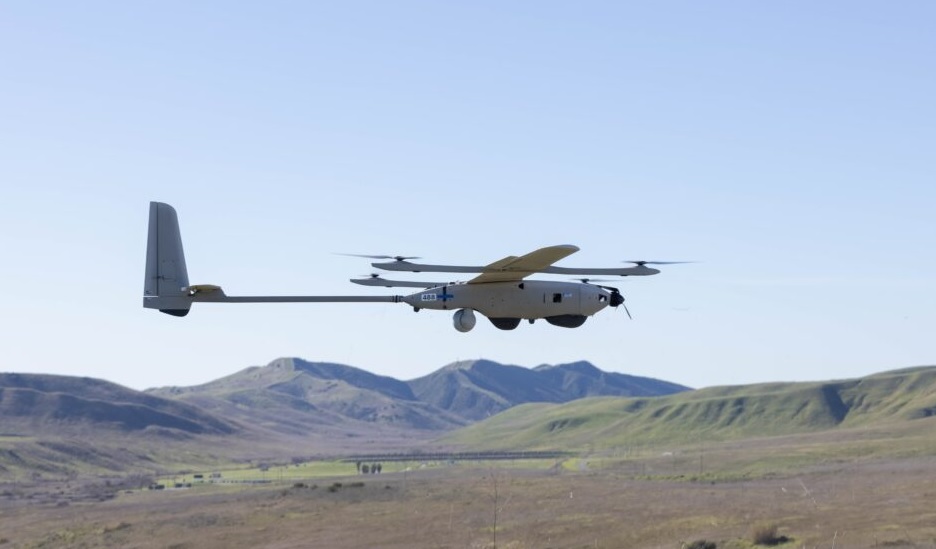
World
The United States Marine Corps has placed a new order with Edge Autonomy to expand its fleet of VXE30 Stalker Small Uncrewed Aircraft Systems (sUAS). This follow-on contract underpins the Marine Corps' Long Range/Long Endurance (LR/LE) program, bringing the fleet to over 200 units. The move aligns with the Marine Corps’ modernization goals under the "Force Design 2030" initiative, emphasizing enhanced capabilities for naval expeditionary warfare. Key Specifications of the VXE30 Stalker The VXE30 Stalker is celebrated for its adaptability, endurance, and versatility, making it a standout asset in modern defense operations. Here are its key features: Flight Endurance: Battery-powered: Offers six hours of flight time. Proprietary propane fuel cell: Extends endurance up to 24 hours. Fuel flexibility: Equipped with a robust filtration system, it supports multiple grades of propane. Payload Modularity: The Stalker can be equipped with a variety of payloads for Intelligence, Surveillance, and Reconnaissance (ISR) missions. Modular design allows quick customization based on mission requirements. Mobility and Deployment: Lightweight and rugged, it belongs to the Group 2 sUAS category. Can be easily transported, reducing logistical complexity. Operational Versatility: Capable of functioning in GPS-denied environments. Designed to replace larger systems that require more manpower and resources. Proven Reliability: The Stalker has surpassed 100,000 flight hours globally, demonstrating its reliability and efficiency. Advancing Military Readiness The expansion of the VXE30 Stalker fleet is part of a broader effort by the Marine Corps to adapt to evolving battlefield conditions, particularly in contested maritime spaces. With its compact design and extended endurance, the Stalker supports the shift toward Distributed Operations, where small, agile units operate independently across wide geographic areas. Edge Autonomy, a long-term partner of the U.S. Marine Corps since 2006, has continuously refined the Stalker platform to meet the dynamic needs of modern warfare. According to Josh Stinson, Chief Growth Officer at Edge Autonomy, the drone’s proven track record in both land and sea operations has made it a dependable asset for military forces worldwide. Meeting Future Challenges The Marine Corps’ investment in the VXE30 Stalker is a testament to its commitment to leveraging advanced technologies for superior operational capabilities. By integrating drones like the Stalker into its arsenal, the Marine Corps is not only enhancing its ISR capabilities but also aligning with its vision of agile and distributed force structures. As the Marine Corps continues to innovate under its Force Design 2030 initiative, the VXE30 Stalker’s role will remain critical in securing America’s strategic interests and maintaining a competitive edge in global defense operations.
Read More → Posted on 2025-01-04 15:28:01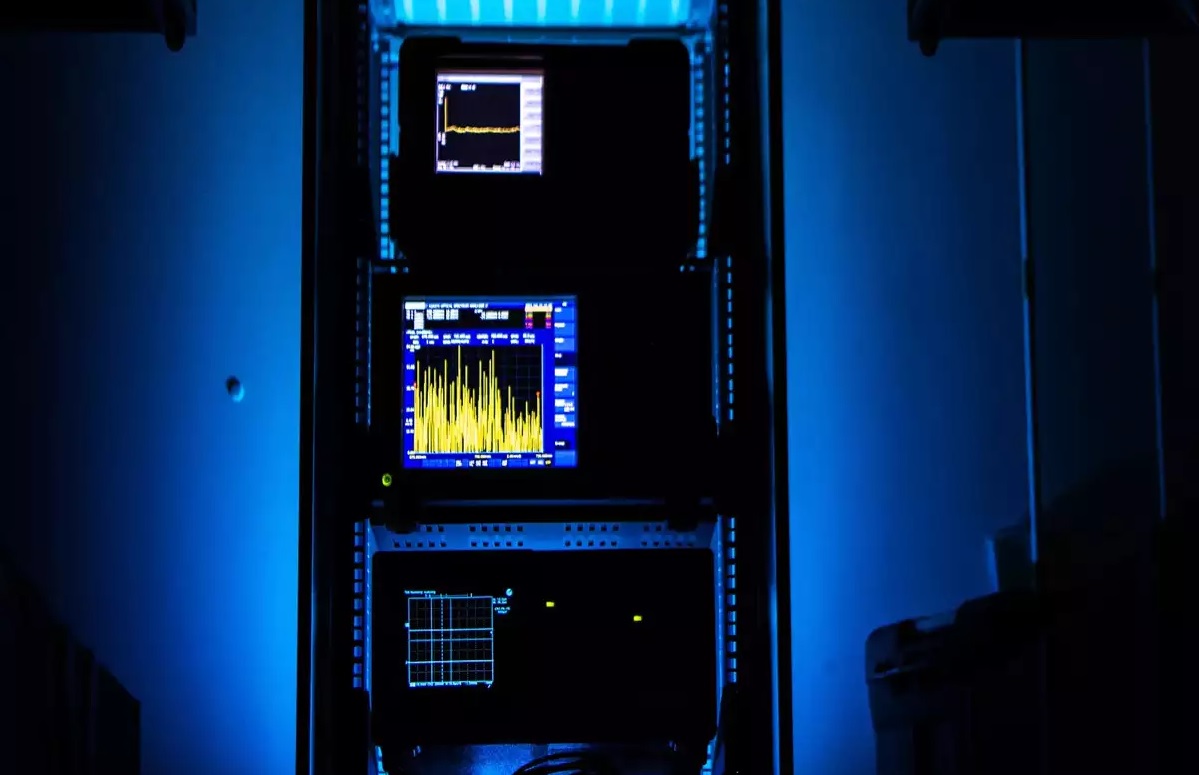
World
In a significant leap for military technology, the UK’s Defence Science and Technology Laboratory (DSTL) has unveiled a groundbreaking atomic clock powered by advanced quantum technology. This state-of-the-art innovation is set to bolster military operations by enhancing navigation, communication, and operational resilience, while reducing reliance on vulnerable GPS systems. The Ministry of Defence (MoD) has confirmed that the clock could be operational within five years, marking a major milestone in defense innovation. Redefining Time Precision At the heart of this development lies an astonishing level of accuracy. The atomic clock, built entirely in the UK, can maintain precision so refined that it would lose less than one second over billions of years. This unparalleled capability stems from its quantum-based design, offering the military an edge in timing-critical operations such as intelligence gathering, cyber warfare, and advanced weapon guidance. The clock operates using optical lattice technology, where atoms are cooled and trapped using lasers, enabling measurements of time with unprecedented precision. This advancement places the UK among global leaders in quantum technology development. Beyond GPS: Addressing Vulnerabilities Current military operations rely heavily on Global Navigation Satellite Systems (GNSS) such as GPS, which are susceptible to jamming, spoofing, and destruction in hostile environments. The quantum atomic clock provides a sovereign-controlled, highly stable timing solution, ensuring operational resilience even when GNSS is compromised. “This breakthrough offers a robust alternative to GPS systems, ensuring secure and independent navigation for our armed forces,” explained DSTL Chief Executive Paul Hollinshead. Specifications and Capabilities Precision: Loses less than one second over billions of years. Technology: Based on optical lattice quantum technology, allowing ultra-accurate timekeeping. Applications: Navigation, secure communications, missile guidance, and cyber operations. Size: Currently in prototype form, with plans for miniaturization to enable deployment in vehicles, aircraft, and portable military equipment. Strategic Impact The trial of the atomic clock is part of the Demonstration of Advanced Timing Apparatus (DATA) initiative, aimed at exploring the performance and limitations of quantum clocks. The MoD has invested over £28 million in the project, signaling the government’s commitment to fostering quantum innovation in defense. Key benefits of the technology include: Navigation Precision: Improved positioning systems independent of GNSS. Secure Communications: Enhanced synchronization for encrypted military networks. Weapon Accuracy: Superior timing for trajectory calculations in advanced missile systems. Operational Superiority: Faster response times in cyber warfare and other timing-critical scenarios. Collaborative Efforts The development involved a consortium of key partners, including Infleqtion (UK), Aquark Technologies, HCD Research, and Imperial College London. Trials were conducted in collaboration with the Royal Navy’s Office of the Chief Technical Officer and the Army Futures team at the BattleLab. Commander Matt Steele of the Royal Navy highlighted the significance of this advancement:“The challenges of physics and engineering in quantum technologies are no longer theoretical. This innovation is reaching the cusp of reality and will secure our operational advantage alongside GPS.” Future Prospects While the current prototype is designed for testing, future iterations will focus on miniaturization and mass manufacturing, enabling widespread deployment across military platforms. The implications of quantum atomic clocks extend beyond defense, offering potential advancements in fields like satellite communication, autonomous systems, and global infrastructure resilience. With this pioneering achievement, the UK solidifies its position at the forefront of quantum technology, ensuring its armed forces remain prepared for the complexities of modern warfare. This atomic clock is more than a timekeeping device—it’s a gateway to a new era of military innovation.
Read More → Posted on 2025-01-04 15:04:41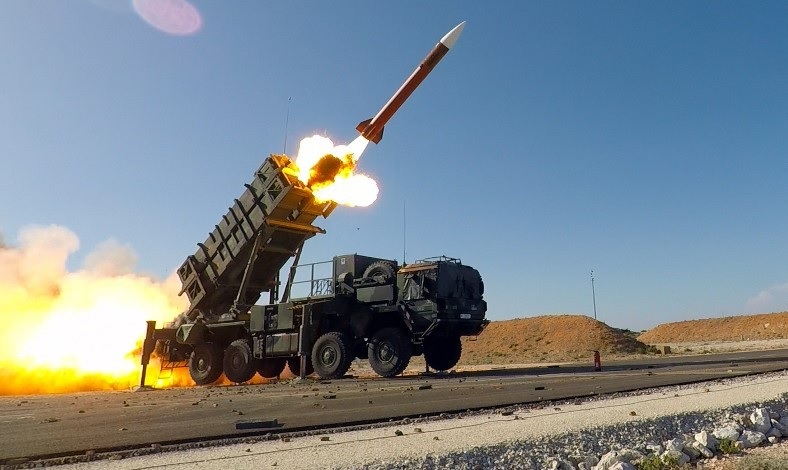
World
Raytheon, a leading defense contractor under RTX Corporation, has been awarded a significant $946 million contract to provide Romania with additional Patriot air and missile defense systems. This move underscores Romania's continued commitment to strengthening its defense capabilities amidst evolving global threats and increasing regional tensions. The contract covers the delivery of Patriot fire units, which include radars, control stations, and missiles designed to intercept and neutralize a wide array of airborne threats. Pete Bata, Raytheon’s senior vice president of Global Patriot, emphasized the importance of this agreement, stating, “Raytheon is committed to providing Romania with advanced integrated air and missile defense capabilities to protect its citizens and critical infrastructure. Romania’s continued investment in Patriot is a testament to the nation’s dedication to ensuring collective security, deterrence, and stability across Europe.” Patriot System: A Combat-Proven Solution The Patriot air defense system is globally recognized as the only combat-tested, ground-based air and missile defense platform capable of countering a diverse spectrum of threats. These include advanced long-range cruise missiles, tactical ballistic missiles, and conventional air-breathing threats such as fighter jets and drones. Its effectiveness has been demonstrated in high-stakes combat scenarios, successfully defending against complex aerial raids and missile attacks. The system is currently deployed by 19 nations, including the United States, Germany, Japan, and Israel. Its modular architecture allows it to integrate seamlessly with other defense systems, offering unparalleled flexibility and interoperability. This makes the Patriot system a cornerstone of modern air defense networks globally. Specifications and Key Features The Patriot system is engineered for precision and adaptability. Key components include: AN/MPQ-65 Radar: A high-performance radar capable of tracking multiple targets simultaneously, even in a cluttered environment. Engagement Control Station (ECS): The brain of the system, allowing operators to identify, prioritize, and engage threats in real time. MIM-104 Missiles: Advanced missiles equipped with guidance-enhanced warheads to effectively intercept incoming threats. Launch Stations: Mobile and easily deployable units designed to launch missiles at high speed and accuracy. The system operates with a track-via-missile (TVM) guidance mechanism, enabling it to update targeting data mid-flight for improved accuracy. It is also designed to integrate with NATO and allied defense frameworks, making it an essential asset in collective security operations. Strengthening Regional Security Romania’s investment in additional Patriot systems comes at a time when European nations are bolstering their defense infrastructure to address growing geopolitical uncertainties. Romania, a key NATO ally, has been progressively enhancing its military capabilities to protect its airspace and critical infrastructure. Raytheon’s partnership with Romanian defense companies further highlights the importance of local collaboration. By integrating Romanian firms into its global supply chain, Raytheon ensures technology transfer, economic growth, and the strengthening of local defense industries. A Strategic Decision The deployment of additional Patriot systems not only enhances Romania’s national defense but also contributes to NATO’s collective security framework. With its proven track record and advanced capabilities, the Patriot system ensures that Romania remains well-equipped to face modern aerial threats while fostering stability in the region. This landmark contract reaffirms Raytheon’s leadership in delivering state-of-the-art defense solutions and Romania’s steadfast dedication to securing its airspace and maintaining peace across Europe.
Read More → Posted on 2025-01-04 14:58:17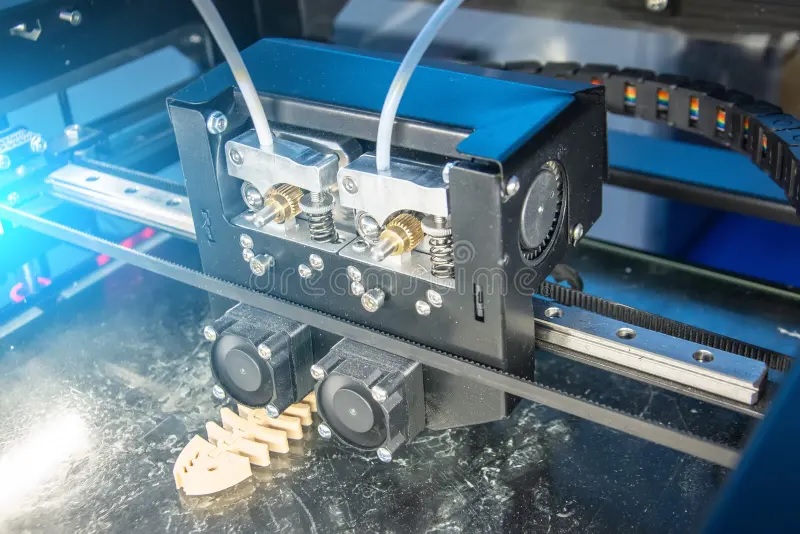
World
South Korea is advancing its use of 3D printing technology to address challenges in procuring military hardware, especially components that are scarce or difficult to source. This strategic move aligns with the country’s broader goals to bolster defense self-sufficiency amid global supply chain uncertainties. A Collaborative Push for Innovation In a landmark development, South Korea’s industry and defense ministries recently signed an agreement to enhance the use of additive manufacturing, also known as 3D printing. This partnership focuses on developing a resilient supply chain and fostering a stable industrial ecosystem by leveraging cutting-edge technology. The collaboration aims to explore innovative applications of 3D printing for producing essential components of Seoul’s defense arsenal, including warships, main battle tanks, aircraft, and precision weaponry. The agreement also underscores the importance of research and development (R&D) and workforce training to maximize the potential of this transformative technology. Enhancing 3D Printing Applications South Korea began integrating 3D printing into its defense sector in 2017. However, this latest agreement signifies a broader and more strategic application of the technology. Yoon Sung-hyuk, a senior official from the Ministry of Trade, Industry, and Energy, stated, “Based on the industry ministry’s assets, including infrastructure and workforce, along with its R&D experience, we expect to achieve significant results under the partnership with the defense ministry.” Key defense applications of 3D printing include: Rapid Prototyping and Manufacturing: The ability to quickly produce prototypes of components, enabling faster testing and deployment. Cost-Efficient Repairs: Fabricating replacement parts for aging equipment like tanks and aircraft directly in the field, reducing downtime. Lightweight Components: Printing materials that maintain strength while reducing weight, ideal for drones and combat vehicles. Customized Solutions: Tailoring components to specific requirements, enhancing functionality and operational efficiency. Global Context: Why 3D Printing Matters The adoption of 3D printing is not unique to South Korea. Countries such as the United States, the United Kingdom, India, and Taiwan are investing heavily in additive manufacturing for defense. The primary advantages include cost savings, faster production cycles, and the ability to overcome supply chain disruptions. For instance, the U.S. Army has utilized 3D printing to produce complex parts for Abrams tanks and Apache helicopters, while the U.K. Royal Navy is exploring 3D-printed drones. India, too, has implemented additive manufacturing to develop missile components and space-related technologies. South Korea’s Competitive Edge South Korea’s 3D printing capabilities are supported by its advanced industrial base and strong R&D ecosystem. The government has allocated significant funding for projects that integrate digital manufacturing technologies into defense production. Additionally, partnerships with private-sector firms specializing in additive manufacturing have accelerated technological innovation. Notable advancements in South Korea’s 3D printing sector include: Material Innovation: The development of stronger and heat-resistant materials tailored for military applications. Advanced Printers: The deployment of multi-axis printers capable of producing intricate geometries required for defense components. Simulation and Testing: Incorporating virtual simulations to ensure the reliability and durability of 3D-printed parts before deployment. Looking Ahead The expanded use of 3D printing is expected to revolutionize South Korea’s defense manufacturing landscape. By reducing dependency on foreign suppliers and enabling on-demand production, the country can strengthen its military readiness while fostering technological leadership. In an era where geopolitical tensions and supply chain disruptions challenge national security, South Korea’s strategic focus on additive manufacturing positions it as a trailblazer in defense innovation. As the partnership between the industry and defense ministries unfolds, it is poised to deliver transformative outcomes for both the military and the broader manufacturing ecosystem.
Read More → Posted on 2025-01-03 16:33:51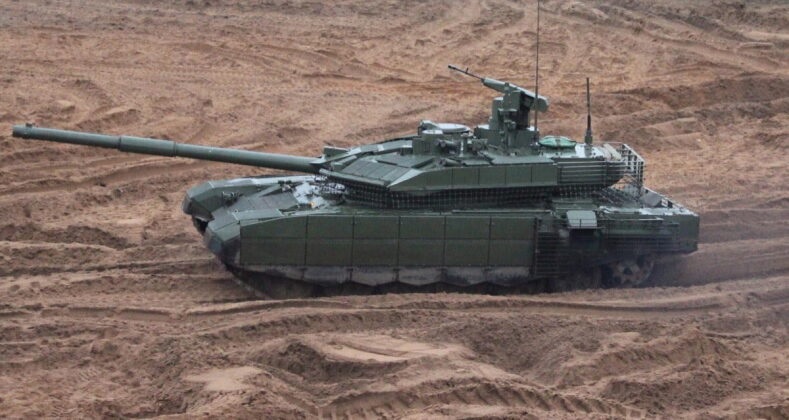
World
In a remarkable display of resourcefulness, Ukrainian forces have engineered a unique combat vehicle by repurposing parts from destroyed Russian T-90M tanks. This innovative creation, informally dubbed the "Frankenstein" tank, underscores Ukraine's adaptability in utilizing available resources to bolster its defense capabilities. Composition and Features The "Frankenstein" tank is operated by Ukraine’s 12th Azov Special Purpose Brigade and integrates components from various sources: Turret Protection: The turret is fortified with dynamic armor salvaged from a Russian T-90M, enhancing its defensive capabilities. Gun Mantlet: Incorporates elements from the T-90M, contributing to its offensive potential. Hull Reinforcement: The hull has been strengthened with additional dynamic armor and side screens similar to those found on the Russian T-80BVM, providing improved protection against enemy fire. About the T-90M Tank The T-90M, known as "Proryv-3," represents one of the most advanced main battle tanks in the Russian arsenal. Key specifications include: Armament: A 125 mm 2A46M-4 smoothbore gun capable of firing standard ammunition and anti-tank guided missiles (ATGM) such as the Refleks (NATO Code AT-11 Sniper-B). A 7.62 mm PKT coaxial machine gun. A remotely operated NSVT 12.7 mm heavy machine gun mounted at the rear of the commander's hatch. Protection: Equipped with Relikt Explosive Reactive Armor (ERA) on the turret and hull, offering enhanced defense against armor-piercing and tandem high-explosive anti-tank munitions. Additional bar-slat armor at the rear and RPG metal netting around the lower part of the turret provide further protection against rocket-propelled grenades. Mobility: Powered by a V-92S2 engine producing 1,000 hp, enabling a maximum road speed of 60 km/h and a cruising range of up to 550 km. Features a torsion bar suspension system with hydraulic shock absorbers, ensuring stability and maneuverability across various terrains. Operational Context Since the onset of Russia's full-scale invasion in February 2022, Ukrainian forces have reportedly destroyed or captured a significant number of Russian T-90M tanks. The adaptation of these components into a functional combat vehicle not only exemplifies Ukrainian ingenuity but also serves as a strategic advantage, turning enemy resources into assets for their own military operations. This development highlights the dynamic nature of modern warfare, where adaptability and resourcefulness can play pivotal roles in a nation's defense strategy.
Read More → Posted on 2025-01-03 16:30:33
World
In a bold move that has heightened trade tensions between the United States and China, Beijing announced on Thursday a new set of export control measures targeting 28 American companies, many of which are leading defense contractors. This measure is part of China’s broader effort to protect its national security and sovereignty while addressing concerns over arms sales to Taiwan. The Targeted Firms The Chinese Ministry of Commerce revealed that the sanctions list includes major defense firms such as Lockheed Martin and its five subsidiaries, General Dynamics along with three of its subsidiaries, Raytheon Technologies with three of its subsidiaries, Boeing's defense arm, and several other companies. These entities are now restricted from accessing "dual-use" goods—products that can serve both civilian and military purposes—from Chinese suppliers. Additionally, a subset of 10 companies, all subsidiaries of Lockheed Martin, General Dynamics, and Raytheon, were designated as "unreliable entities." This designation entails more severe restrictions, including bans on importing and exporting goods to and from China, prohibitions on new investments in the country, and the revocation of work or residency permits for their executives. These executives are also barred from traveling to China. The Rationale Behind the Sanctions The Chinese government cited these companies’ involvement in arms sales to Taiwan as the primary reason for the sanctions. According to Beijing, such activities directly undermine its "national sovereignty, security, and development interests." The move aligns with China’s ongoing efforts to counter foreign interference in its internal affairs, particularly regarding Taiwan, which Beijing considers a breakaway province. The Ministry of Commerce emphasized that the measures are also designed to fulfill international obligations, such as non-proliferation agreements, and to bolster China’s security framework amid growing geopolitical pressures. A Broader Context of Escalation These sanctions come at a time when US-China relations are already strained over a range of issues, including trade, technology transfer, and security concerns. Notably, earlier in December 2024, a bipartisan group of US lawmakers introduced three bills aimed at holding China accountable for its alleged role in the US fentanyl crisis. The proposed legislation seeks to create a task force to combat narcotics trafficking and impose sanctions on Chinese entities accused of subsidizing precursor chemicals used in fentanyl production. The US House of Representatives' Select Committee on China has accused the Chinese Communist Party (CCP) of "directly contributing" to the crisis, further fueling tensions between the two nations. Implications for US Firms and Global Trade The sanctions on US defense firms are expected to have far-reaching consequences. By restricting the export of dual-use technologies, China is effectively cutting off access to crucial materials and components for these companies. This could disrupt global supply chains and further escalate the ongoing tech and trade war between the two countries. Moreover, the designation of these firms as "unreliable entities" sets a precedent for stricter regulatory actions, signaling that Beijing is prepared to take more aggressive steps to counter perceived threats to its national interests. Conclusion China’s latest sanctions targeting US defense firms underline the intensifying geopolitical competition between the two superpowers. While Beijing frames these measures as necessary to safeguard its national security and sovereignty, the move is likely to exacerbate existing tensions, particularly over Taiwan and broader security issues. This development also highlights the growing interplay between economic sanctions and national security, setting the stage for further confrontations in an already volatile global landscape.
Read More → Posted on 2025-01-03 16:26:02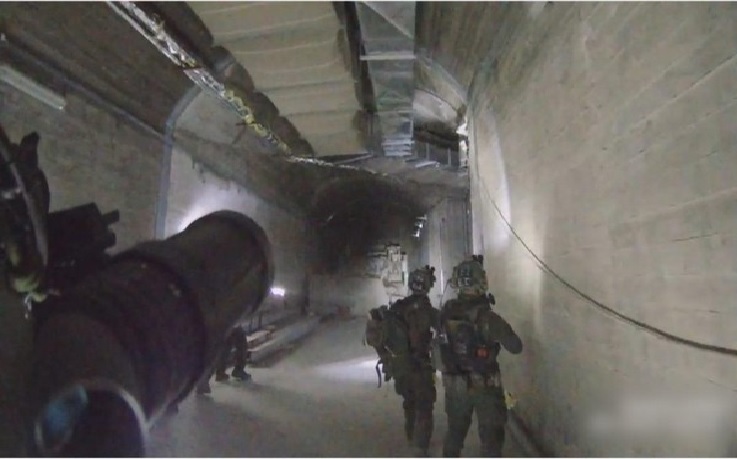
World
In September 2024, Israel executed a meticulously planned commando operation, codenamed "Operation Many Ways," targeting an underground Iranian missile production facility near Masyaf, Syria. This mission aimed to dismantle a significant threat posed by the facility, which was capable of producing precision-guided missiles with ranges up to 300 kilometers, intended for groups like Hezbollah. The Operation The Israel Defense Forces (IDF) deployed approximately 120 elite commandos from the Sayeret Shaldag unit. These forces were transported into Syrian territory via helicopters, covering a distance of about 200 kilometers from Israel. Upon arrival, they secured the area, infiltrated the underground complex, and planted explosives to ensure the facility's complete destruction. The entire mission lasted approximately two and a half hours, with all personnel returning safely. The Targeted Facility The targeted site was a sophisticated underground complex designed for the mass production of precision-guided missiles and long-range rockets. Equipped with advanced machinery, including planetary mixers essential for solid-fuel missile production, the facility had the potential to produce missiles with ranges up to 300 kilometers. This capability posed a significant threat to regional stability, particularly to Israel. Strategic Significance This operation underscores Israel's commitment to countering Iranian military entrenchment in Syria and preventing the transfer of advanced weaponry to hostile entities. By destroying this facility, Israel aimed to disrupt the supply chain of precision-guided missiles to groups like Hezbollah, thereby enhancing its national security and maintaining regional stability. Broader Context Israel has a history of conducting military operations to prevent the proliferation of advanced weaponry to hostile groups in the region. This raid is part of a broader strategy to counter Iranian influence and military capabilities in Syria, especially following the civil war that has altered the dynamics of power in the region. In conclusion, the successful execution of this complex operation highlights Israel's proactive measures to neutralize emerging threats and its unwavering stance against the proliferation of advanced missile technology to hostile entities in the region.
Read More → Posted on 2025-01-03 16:18:58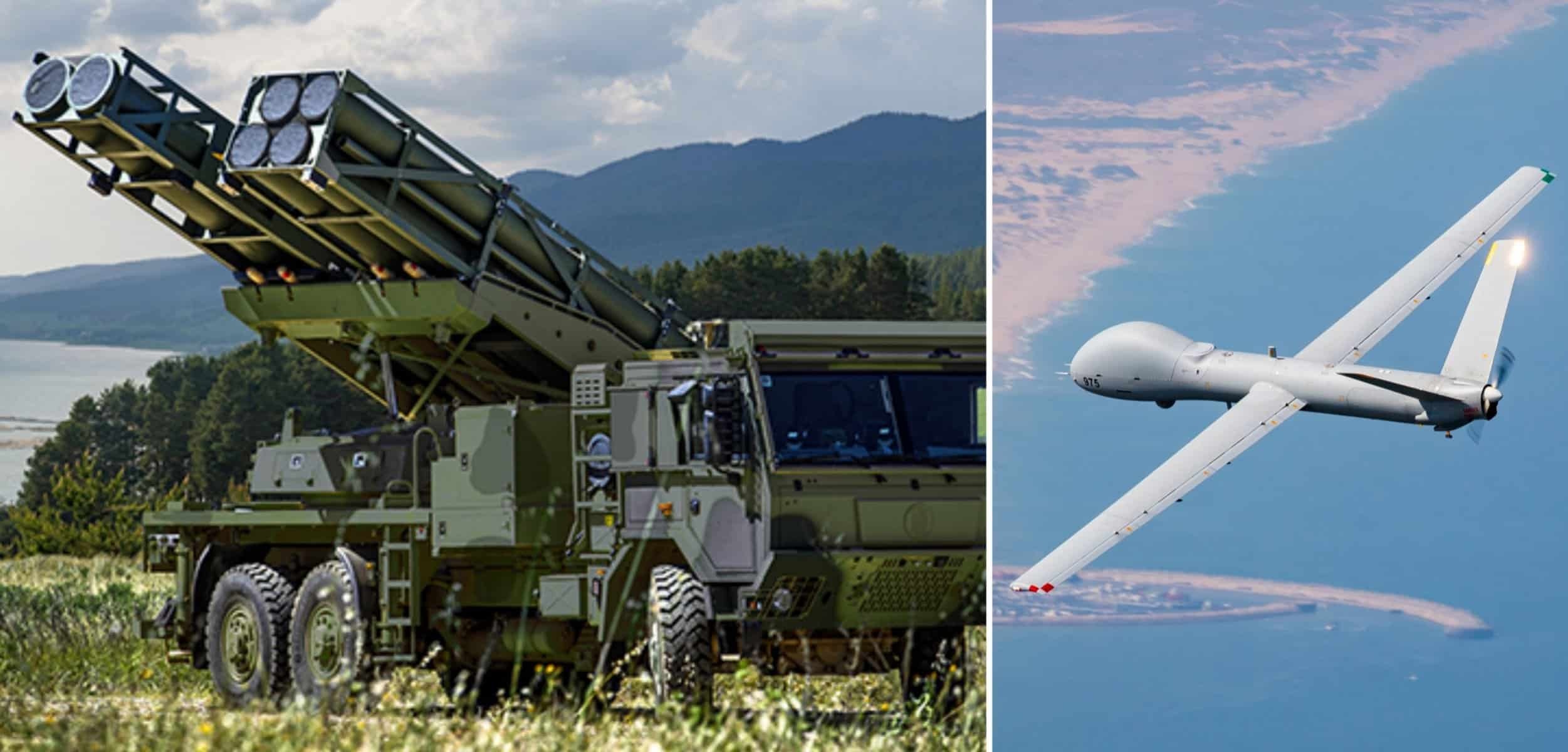
World
Serbia has made a bold move to modernize its military capabilities by securing a $335 million deal with Israeli defense giant Elbit Systems. The agreement, finalized in late 2024, includes the acquisition of the PULS (Precise & Universal Launching System) rocket artillery platform and Hermes 900 unmanned aerial systems. This procurement reflects Serbia's growing focus on advanced military technology to enhance its strategic readiness. PULS Rocket Artillery: Precision and Versatility The PULS system is a cutting-edge artillery platform designed to deliver high precision and adaptability on the battlefield. It can deploy a diverse range of munitions, offering Serbia a versatile arsenal tailored to various operational scenarios. Key specifications of the PULS system include: Accular Rockets: 122 mm rockets with a range of 35 km and 160 mm rockets capable of reaching 40 km. Extra Missiles: Extended-range missiles with a 150 km strike capability. Predator Hawk Ballistic Missiles: These advanced missiles can target enemies up to 300 km away, offering a strategic advantage in long-range engagements. One of the standout features of the PULS system is its modular design, which allows integration with different types of military vehicle chassis. This ensures operational flexibility and rapid deployment across various terrains. While the exact configuration of Serbia’s PULS units remains undisclosed, their addition signals a significant enhancement in the country’s artillery firepower. Hermes 900 Drones: Advanced Surveillance Capabilities Serbia's purchase of the Hermes 900 drones underscores its commitment to strengthening aerial reconnaissance and surveillance capabilities. Known for their endurance and payload versatility, these drones bring advanced operational benefits: Flight Endurance: Capable of staying airborne for up to 36 hours. Payload Capacity: Can carry up to 350 kg, including sophisticated intelligence and reconnaissance equipment. Advanced Systems: Outfitted with electro-optical sensors, radar systems, laser designators, and electronic intelligence tools. The Hermes 900 drones are designed for both day and night operations, offering Serbia enhanced situational awareness and the ability to monitor vast areas with precision. The specifics of how Serbia plans to deploy these drones remain undisclosed, but they are expected to play a crucial role in intelligence-gathering and border security missions. A Strategic Leap in Defense Serbian President Aleksandar Vučić has highlighted the strategic value of these acquisitions, particularly the PULS system, which he claims surpasses the capabilities of the American HIMARS rocket artillery system. Notably, neighboring Croatia has reportedly been pursuing HIMARS, adding a regional dimension to Serbia's decision to opt for the Israeli-made system. While Vučić has not revealed the exact number of units ordered, the purchase represents a clear statement of intent regarding Serbia's defense modernization ambitions. The delivery of the systems is expected to take 3.5 years, indicating a high level of customization to meet Serbia’s specific operational needs. A Milestone for Elbit Systems This deal is a significant milestone for Elbit Systems, marking the first major sale of the PULS platform to a European nation. The transaction not only solidifies Elbit’s foothold in the European defense market but also underscores the growing demand for advanced, versatile weapon systems in an evolving geopolitical landscape. As Serbia integrates the PULS rocket artillery and Hermes 900 drones into its military arsenal, the country is poised to enhance its defensive and offensive capabilities, solidifying its position as a regional military power.
Read More → Posted on 2025-01-03 16:11:06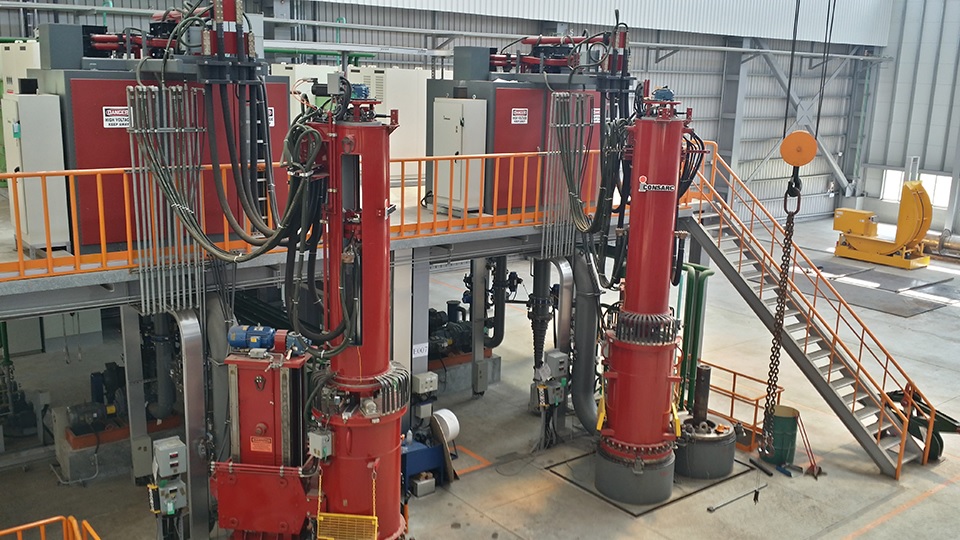
World
In a groundbreaking achievement for India's aerospace manufacturing sector, Aerolloy Technologies, a wholly-owned subsidiary of PTC Industries, has launched the country’s first private-sector Vacuum Arc Remelting (VAR) furnace in Lucknow. This state-of-the-art facility is set to revolutionize the production of aerospace-grade titanium alloys in India, aligning with the nation’s 'Make in India' and 'Aatmanirbhar Bharat' initiatives. A Facility of Global Standards The newly inaugurated VAR furnace, imported from Germany, is equipped with cutting-edge technology that meets the highest global standards for titanium alloy production. It has an annual melting capacity of 1,500 metric tonnes and can produce titanium alloy ingots with diameters reaching up to 1,000 mm. These specifications position the facility as a key player in addressing the high-quality demands of the aerospace industry. The VAR process itself is critical for refining metals under vacuum conditions. This technique removes impurities, minimizes inclusions, and ensures a superior metallurgical structure with uniform alloy composition. Such precision is essential for applications in jet engines, airframes, and other high-performance aerospace components, where reliability and safety are non-negotiable. Significance of Titanium in Aerospace Titanium alloys are indispensable in aerospace due to their exceptional strength-to-weight ratio, corrosion resistance, and ability to withstand extreme temperatures. However, producing these alloys to stringent aerospace-grade standards has traditionally been a challenge, necessitating imports from nations like the U.S., Russia, and China. The establishment of this VAR furnace bridges a critical gap, making India one of the few nations capable of producing such high-grade materials domestically. This not only reduces reliance on foreign suppliers but also enhances India’s strategic capabilities in aerospace and defence. Strategic Importance Sachin Agarwal, Chairman of PTC Industries, described the launch as a “momentous achievement” that eliminates India’s dependency on imported aerospace-grade titanium alloys. “This is a significant step towards achieving self-reliance in defence and aerospace manufacturing, empowering indigenous production of critical aircraft and military equipment,” he stated. Jim Collins, Chief Technology Officer at PTC Industries, added, “This facility is a testament to our dedication to quality and innovation. The VAR furnace represents a major leap forward in India’s ability to produce titanium alloys that meet the most rigorous global standards.” Supporting India’s Defence and Aerospace Goals The commissioning of the VAR furnace aligns with India’s growing emphasis on indigenization in defence and aerospace. By producing high-quality titanium alloys domestically, the facility will support the development of indigenous aircraft such as the Tejas Light Combat Aircraft and advanced military equipment. This is a crucial step in reducing dependency on imports while boosting national security. The new facility is also expected to drive innovation and technological advancements in the aerospace sector, opening doors for collaborations and export opportunities. As India strengthens its position in the global aerospace ecosystem, this initiative underscores the nation’s commitment to becoming a self-reliant and innovative leader in advanced manufacturing. PTC Industries’ achievement is more than just a technological milestone—it’s a strategic enabler for India’s aerospace and defence aspirations. The journey from importing critical materials to becoming a global manufacturing hub has taken a significant leap forward with this landmark development.
Read More → Posted on 2025-01-03 16:08:15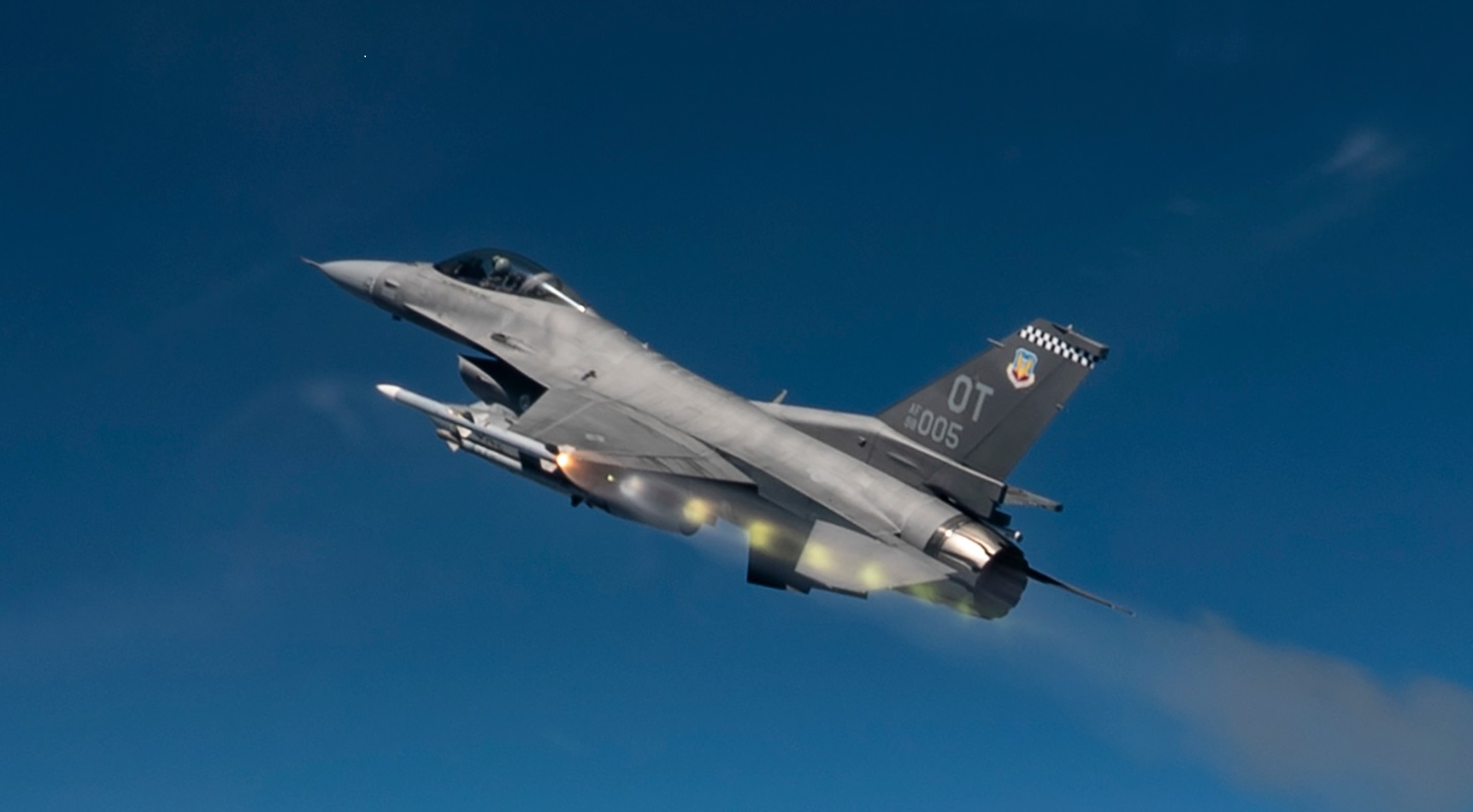
World
Japan is set to bolster its air defense capabilities significantly with a $3.64 billion purchase of 1,200 Advanced Medium-Range Air-to-Air Missiles (AMRAAM) from the United States. The deal, approved by the US State Department, marks a crucial step in Tokyo's ongoing efforts to address evolving regional threats, particularly those posed by China's expanding military activities. Details of the Purchase The acquisition includes two advanced variants of the AMRAAM: the AIM-120D-3 and AIM-120C-8. These are among the most sophisticated air-to-air missiles available, designed to engage and destroy aerial targets beyond visual range with remarkable precision. In addition to the missiles, the deal encompasses: 20 AIM-120D-3 guidance sections with Selective Availability Anti-Spoofing Module (SAASM) or M-Code-enabled positioning systems. 4 AIM-120C-8 guidance sections for enhanced targeting precision. Related equipment such as propulsion sections, warheads, missile containers, and AIM-120 captive air training missiles. Common munitions, built-in test reprogramming equipment, ADU-891 adaptor group test sets, and spare and repair parts. Logistics and support services to ensure operational readiness. RTX (formerly Raytheon Technologies) will act as the primary contractor, overseeing the production and delivery of these advanced systems. Specifications of AMRAAM The AMRAAM family of missiles, particularly the AIM-120D-3 and AIM-120C-8 variants, is renowned for its advanced capabilities: Range: Both variants boast a range exceeding 160 kilometers (100 miles), making them highly effective for long-range engagements. Speed: The missiles are capable of traveling at speeds of Mach 4, ensuring rapid response to threats. Guidance System: They use active radar homing, enabling precise tracking and engagement of targets even in challenging environments. Multi-Target Capability: The system can engage multiple targets simultaneously, enhancing its utility in high-stakes combat scenarios. Compact Design: With a length of approximately 3.7 meters and a weight of about 152 kilograms, the AMRAAM can be deployed on a wide variety of aircraft, including Japan's F-35 and F-15 fleets. Strategic Context This purchase aligns with Japan's broader defense strategy, which aims to counter increasing security challenges in the Indo-Pacific region. Late last month, Japan unveiled an 8.7-trillion-yen ($55.1 billion) defense budget for the upcoming fiscal year, reflecting a significant commitment to strengthening its military capabilities. The AMRAAM deal complements other recent defense initiatives, including the acquisition of six V-BAT drones for enhanced surveillance and intelligence-gathering. These steps underscore Japan's focus on building a robust multi-layered defense system to address emerging threats, including missile strikes and aerial incursions. A Regional Power Shift As tensions in the Indo-Pacific continue to rise, Japan's procurement of cutting-edge defense systems like the AMRAAM reflects its determination to maintain regional stability. With the US acting as a key defense partner, this deal not only enhances Japan's military capabilities but also reinforces the strategic partnership between the two nations. This acquisition is a clear signal that Japan is adapting to a rapidly changing security environment, ensuring that its forces remain equipped to handle future challenges effectively.
Read More → Posted on 2025-01-03 16:01:55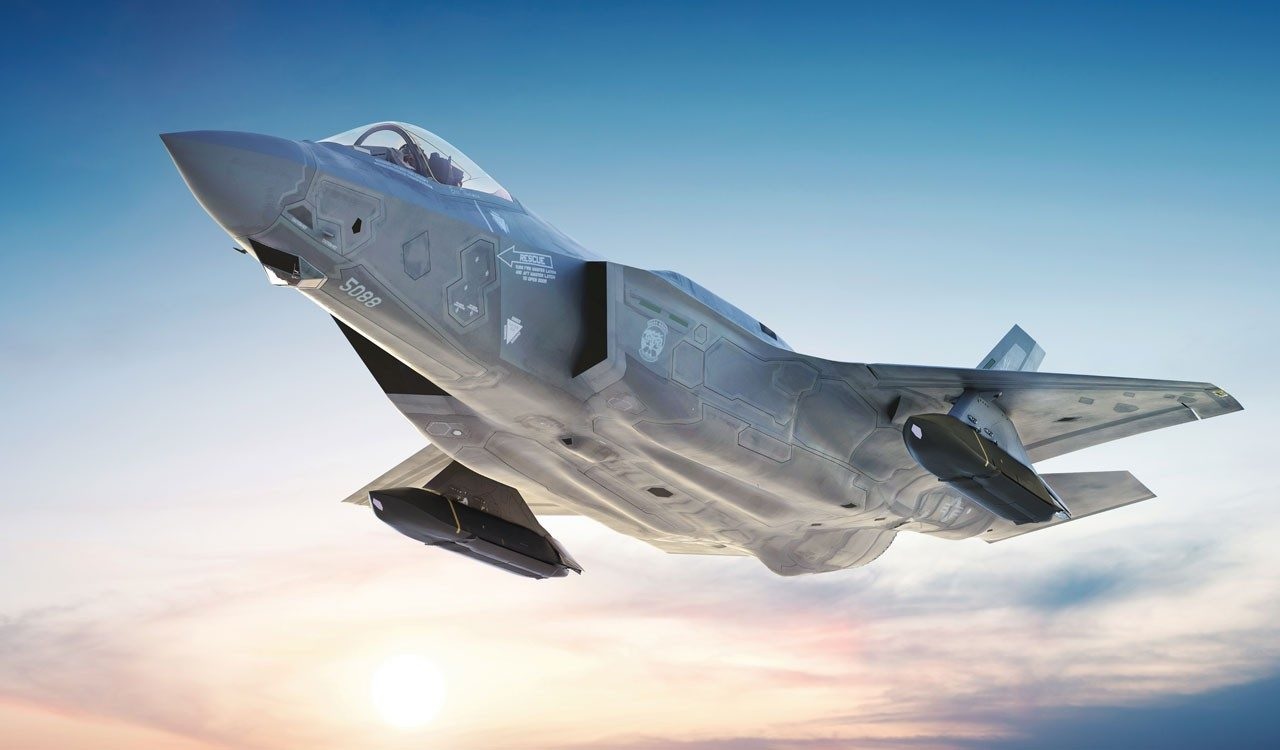
World
Saudi Arabia is taking a significant step in its efforts to modernize its air force by expressing interest in purchasing 100 Kaan fighter jets from Turkey. This potential deal signals Riyadh's focus on strengthening its defense capabilities while transitioning toward a future sixth-generation air combat fleet. Strengthening Ties Between Saudi Arabia and Turkey The discussions surrounding the Kaan fighter jet purchase occurred during high-profile meetings in Istanbul and Ankara in late December 2024. Representatives from the Saudi defense ministry, military, and Turkish defense industry, including state-owned Turkish Aerospace Industries (TAI), were involved in these talks. Beyond fighter jets, the discussions also extended to collaborations on warships, radar systems, and missile programs, hinting at a broader defense partnership between the two nations. Aligning with Sixth-Generation Fighter Development Saudi Arabia’s interest in the Kaan jets aligns with its long-term strategic goal of adopting a sixth-generation fighter by the 2040s. The kingdom joined the Global Combat Air Program (GCAP) in 2023, a collaboration among Italy, the UK, and Japan to develop cutting-edge air combat technology. With Saudi Arabia’s financial backing and market potential, the GCAP aims to produce an advanced fighter jet featuring stealth capabilities, high-tech sensors, and unmatched combat performance. While the sixth-generation jet remains a decade and a half away, the acquisition of Kaan fighters would serve as a critical stand-in fleet for Saudi Arabia, ensuring its air force remains robust and capable in the interim. The Turkish Kaan Fighter: Key Specifications Developed by Turkish Aerospace Industries, the Kaan fighter jet represents a significant leap in Turkey’s aviation technology. Designed to replace the aging F-16 fleet, the Kaan aims to deliver advanced capabilities comparable to fifth-generation fighters like the American F-35. Dimensions: The Kaan measures 21 meters (69 feet) in length with a wingspan of 14 meters (46 feet). Performance: It is powered by twin General Electric turbofan engines, allowing a maximum speed of Mach 1.8 (2,223 kilometers/1,381 miles per hour) and an operational ceiling of 17,000 meters (55,775 feet). Armament: The aircraft can carry a variety of air-to-air and air-to-surface missiles, precision-guided bombs, and miniature munitions. Systems: Equipped with advanced radar, electronic warfare, and target-tracking systems, the Kaan offers cutting-edge situational awareness and combat effectiveness. Versatility: Its all-weather capability makes it suitable for various missions, including precision strikes and defensive operations. The Kaan made its maiden flight in February 2024 and has since been positioned as a competitive option in the global fighter jet market. Strategic Implications for Saudi Arabia For Saudi Arabia, the acquisition of the Kaan jets represents more than just fleet modernization; it signals a shift toward diversifying its defense procurement strategies. Historically reliant on Western suppliers, this move demonstrates Riyadh’s interest in exploring new partnerships to enhance its military capabilities while reducing dependence on traditional allies. If finalized, the purchase of 100 Kaan fighter jets would be one of the largest defense deals between Saudi Arabia and Turkey, underscoring the growing strategic relationship between the two countries. As the kingdom prepares for the eventual induction of a sixth-generation aircraft, the Kaan fighters will play a pivotal role in maintaining the operational readiness of the Saudi air force, ensuring it remains a formidable force in the region. Title for Google Indexing S: Key Details and Strategic Implications
Read More → Posted on 2025-01-03 14:26:39
World
The Russian defense industry has been steadily ramping up its production and delivery of main battle tanks (MBTs) to meet evolving battlefield requirements. Uralvagonzavod, a major Russian defense contractor, recently announced the completion of its 2024 tank delivery commitments. The company's efforts focused on upgrading older platforms and producing new-generation tanks, enhancing their survivability and combat efficiency. Deliveries and Modernization Initiatives Uralvagonzavod fulfilled two critical Ministry of Defence contracts in 2024. These contracts involved the modernization of legacy T-72 tanks to the T-72B3 standard and the production of T-90M "Proryv" tanks. The year concluded with a shipment that included at least four T-90M tanks, showcased in a company-released video. This delivery underscores the Russian military’s commitment to maintaining a robust armored force. The T-90M "Proryv" tanks delivered in 2024 are equipped with state-of-the-art enhancements tailored to modern combat scenarios. These include: Advanced Protection Against UAVs: Add-ons such as protective mesh screens, rubber shielding, and reinforced structures safeguard critical systems like the drivetrain and suspension. Enhanced Stealth and Countermeasures: New features reduce the tank’s detectability, coupled with electronic warfare (EW) systems to counter UAV threats effectively. Improved Firepower and Control: Upgrades include a new 125mm smoothbore gun, enhanced targeting systems, and an automated fire control system for superior battlefield performance. Numbers and Speculations While Uralvagonzavod has not disclosed the exact number of tanks delivered, defense analysts estimate that approximately 280 units were supplied to the Ministry of Defence in 2024. This figure includes around 200 modernized T-72B3 tanks and between 60 and 80 newly built T-90M tanks. Interestingly, some reports suggest that a portion of the T-90M production involved the refurbishment of older T-90 and T-90A chassis, reflecting resourceful manufacturing practices in light of resource constraints and battlefield demands. Adaptations to Modern Warfare Since the onset of the conflict in Ukraine, Russian tank designs have undergone over 100 modifications to address the dynamic challenges of modern warfare. Enhancements include: Battlefield Survivability: Additional armor and shielding systems protect against drones and anti-tank weapons. Operational Efficiency: Improved suspension systems and drivetrain resilience ensure better performance in harsh environments. Adaptability: Modular upgrades allow older tanks to remain relevant, effectively bridging the gap between legacy systems and modern battlefield needs. These adaptations highlight Russia’s focus on maintaining an effective armored force despite logistical and technological challenges. The incorporation of modern technologies and battlefield-specific upgrades aligns with the broader strategic goals of the Russian military. Strategic Implications The continued delivery of upgraded and newly produced tanks demonstrates Russia's intent to sustain and modernize its armored capabilities. By leveraging both modernization programs and new production, the Russian defense industry aims to enhance the effectiveness of its land forces. The emphasis on electronic warfare, survivability, and adaptability reflects a keen understanding of current and future combat requirements. This dual-track approach—balancing upgrades with new production—positions Russia to address its immediate operational needs while preparing for long-term strategic engagements.
Read More → Posted on 2025-01-02 16:21:06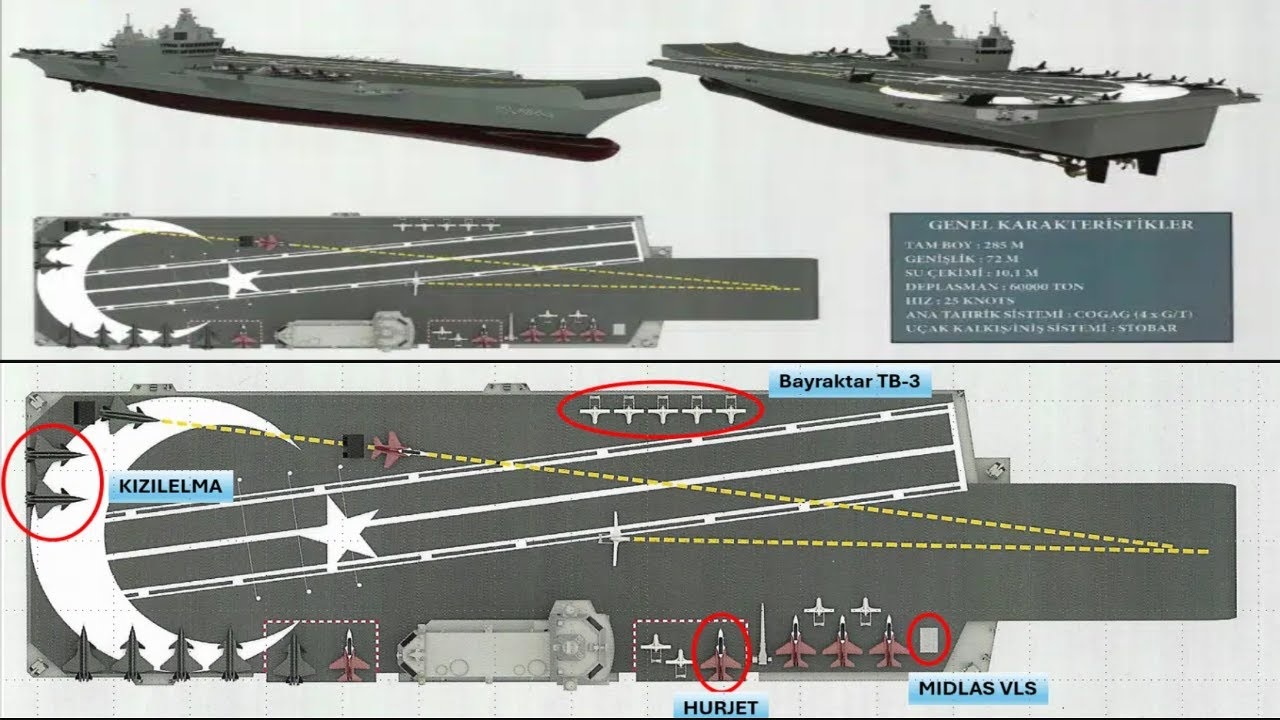
World
The Turkish Navy has taken a monumental step forward with the initiation of three landmark projects: the MUGEM Aircraft Carrier, TF-2000 Destroyer, and MILDEN Submarine. Announced during a weekly press conference by the Turkish Defence Ministry, this ambitious undertaking reflects the nation's commitment to bolstering its naval capabilities. The steel-cutting ceremonies for these vessels were conducted at the Istanbul and Gölcük Naval Shipyards, attended by Turkish Navy officials and industry representatives. MUGEM: The National Aircraft Carrier The MUGEM (Milli Uçak Gemisi), Turkey's future aircraft carrier, promises to be a game-changer in regional maritime dynamics. Publicly unveiled in February 2024, the carrier has been designed to deliver unmatched seakeeping, stability, and maneuverability. Its optimized bow design not only enhances operational stealth but also improves fuel efficiency by 1.5%. Key Features and Specifications: Length: 285 meters Beam: 72 meters Draft: 10.1 meters Displacement: 60,000 tons Max Speed: 25+ knots Range: 10,000 nautical miles at cruising speed Aircraft Capacity: Up to 50 aircraft, including the naval versions of TAI’s Hurjet, ANKA-III, Bayraktar KIZILELMA, and TB-3 UCAV Weaponry: 32-cell MIDLAS VLS, Gökdeniz CIWS, and Aselsan STOP systems The carrier will initially use a modular ramp design but is planned to transition to an indigenous catapult system. Its aircraft capacity, currently set at 50, may be expanded as discussions with Turkish defense firms TAI and Baykar progress. TF-2000: Advanced Air-Warfare Destroyer The TF-2000 project represents the culmination of Turkey’s MILGEM program, tailored for air defense and missile interception. Designed to counter ballistic and guided missile threats, this 8,300-ton destroyer will be the largest vessel built under the program. Specifications and Armament: Length: 149 meters Beam: 21.5 meters Draft: 5.75 meters Speed: 26+ knots Weaponry: 96-cell MIDLAS VLS for SIPER SAMs, GEZGİN missiles 16 ATMACA anti-ship missiles Gökdeniz CIWS, lightweight torpedoes, and ASELSAN STAMP systems Sensors: CAFRAD AESA radar with a 450 km range, sonar systems, and EO directors This destroyer will be powered by a Combined Diesel and Gas (CODOG) propulsion system and is poised to serve as the backbone of the Turkish Navy's air defense operations. MILDEN: Turkey's National Submarine Program The MILDEN (Milli Denizaltı) project underscores Turkey’s ambition to achieve self-reliance in submarine technology. Construction began following a decade of research and design, with delivery expected in the 2030s. Technical Highlights: Length: Over 80 meters Displacement: 2,700 tons Propulsion: Air-Independent Propulsion (AIP) system for extended underwater endurance Weaponry: AKYA heavyweight torpedoes ATMACA anti-ship missiles GEZGİN land-attack missiles Developed at the Gölcük Naval Shipyard, MILDEN incorporates advanced stealth and operational capabilities. It is expected to significantly enhance Turkey's strategic underwater presence. Strategic Implications These projects collectively demonstrate Turkey’s resolve to establish a modern, powerful navy capable of defending its maritime interests. The MUGEM will project air power far from Turkish shores, the TF-2000 will provide robust air and missile defense, and the MILDEN will reinforce underwater deterrence. Together, these platforms underscore Turkey's emergence as a key player in regional naval dynamics. By integrating indigenous technologies and collaborating with national defense firms, Turkey is not only enhancing its military self-reliance but also paving the way for a stronger geopolitical presence. The completion of these projects will mark a significant milestone in the evolution of Turkish naval power.
Read More → Posted on 2025-01-02 16:10:35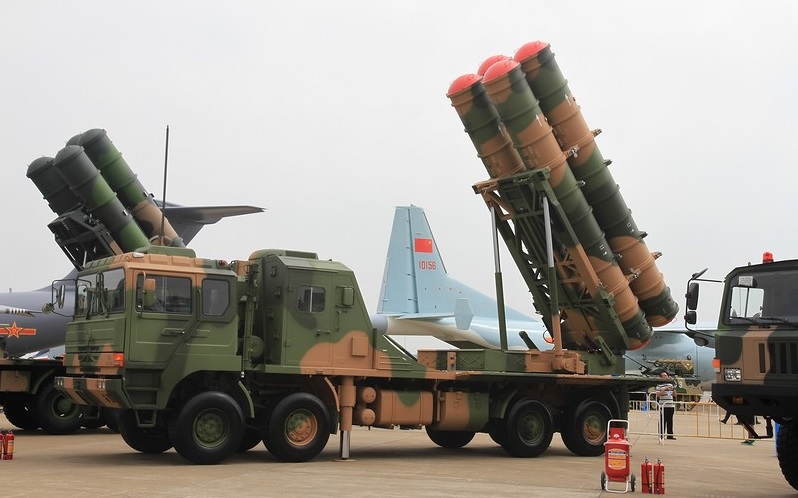
World
In a significant move to enhance its national security, Serbia has deployed the FK-3 air defence missile system, a Chinese-made platform designed to provide robust protection against a range of aerial threats. The Serbian Ministry of Defence has integrated this advanced system into its 250th Air Defence Missile Brigade, marking a milestone in the country’s military modernization efforts. The FK-3 system, derived from China’s HQ-22 long-range air defence system, is designed to neutralize threats such as aircraft, helicopters, cruise missiles, and drones. With its ability to simultaneously engage up to six targets using 12 missiles, the system showcases its formidable capabilities in complex combat scenarios. FK-3 Specifications: A Modern Defence Powerhouse The FK-3’s operational specifications underline its advanced nature. The system boasts: Range: Effective up to 100 kilometres. Altitude Ceiling: Capable of intercepting threats at altitudes up to 27 kilometres. Speed of Engagement: Intercepts targets moving at speeds of up to 1,000 metres per second. Multi-Target Engagement: Tracks and engages six threats simultaneously. The FK-3 is equipped with advanced anti-jamming technology, ensuring resilience in electronic warfare environments. This feature is particularly crucial in modern conflicts, where radar and communication systems are prime targets for disruption. The system’s high manoeuvrability and modular design enable it to adapt to various mission requirements, from defending critical infrastructure to safeguarding military installations. Comprehensive Training for Serbian Armed Forces To operate this sophisticated system effectively, Serbian Armed Forces (SAF) personnel underwent rigorous training in China. According to Captain 1st Class Stefan Manić, commander of the FK-3 missile battery, the training covered all aspects of the system's operation and maintenance. He praised the dedication of the SAF personnel, stating that their successful training ensures the system's seamless integration into Serbia's defence strategy. The FK-3 is now fully operational, with regular drills and performance evaluations conducted to maintain the unit's combat readiness. These exercises focus on protecting strategic assets, military units, and the nation’s airspace from evolving threats. Strategic Importance for Serbia The deployment of the FK-3 highlights Serbia’s efforts to modernize its military capabilities and strengthen its defensive posture. In a region where geopolitical tensions often influence defence policies, the acquisition of this Chinese missile system represents a strategic investment in national security. The FK-3’s deployment also underscores Serbia’s growing defence cooperation with China, reflecting a broader trend of diversifying military partnerships. By integrating advanced systems like the FK-3, Serbia is positioning itself to respond effectively to emerging challenges in airspace security. With its cutting-edge features and comprehensive operational readiness, the FK-3 missile system is set to play a pivotal role in safeguarding Serbia’s skies.
Read More → Posted on 2025-01-02 15:39:08Search
Top Trending in 24 Hours
-
 Tulsi Gabbard Releases Declassified Files Detailing U.S.-Backed Network of 120 Biolaboratories Across 30+ Countries
-
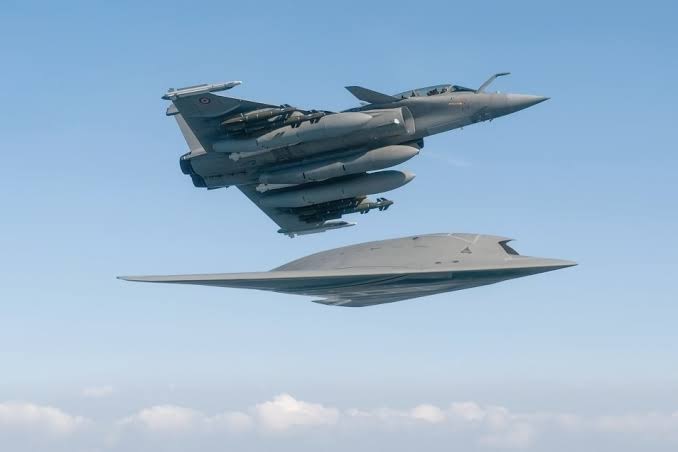 France Agrees to Equip Future Indian Rafales with AI, MUM-T and Secure Satellite Links Under F5 Standard
-
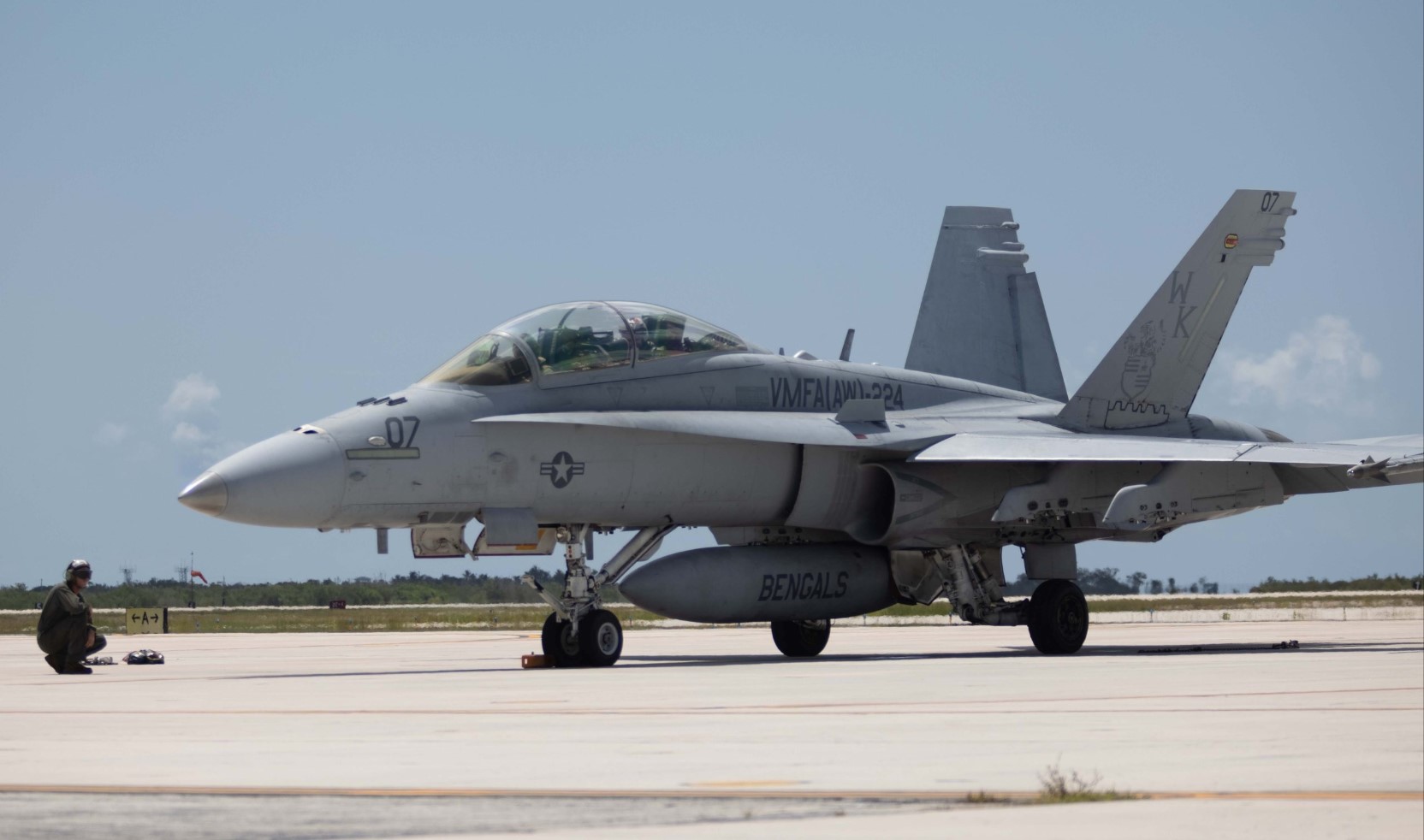 US Marine Corps F/A-18D Hornet Crashes During Training Flight in Washington Mountains; Pilot Ejects Safely
-
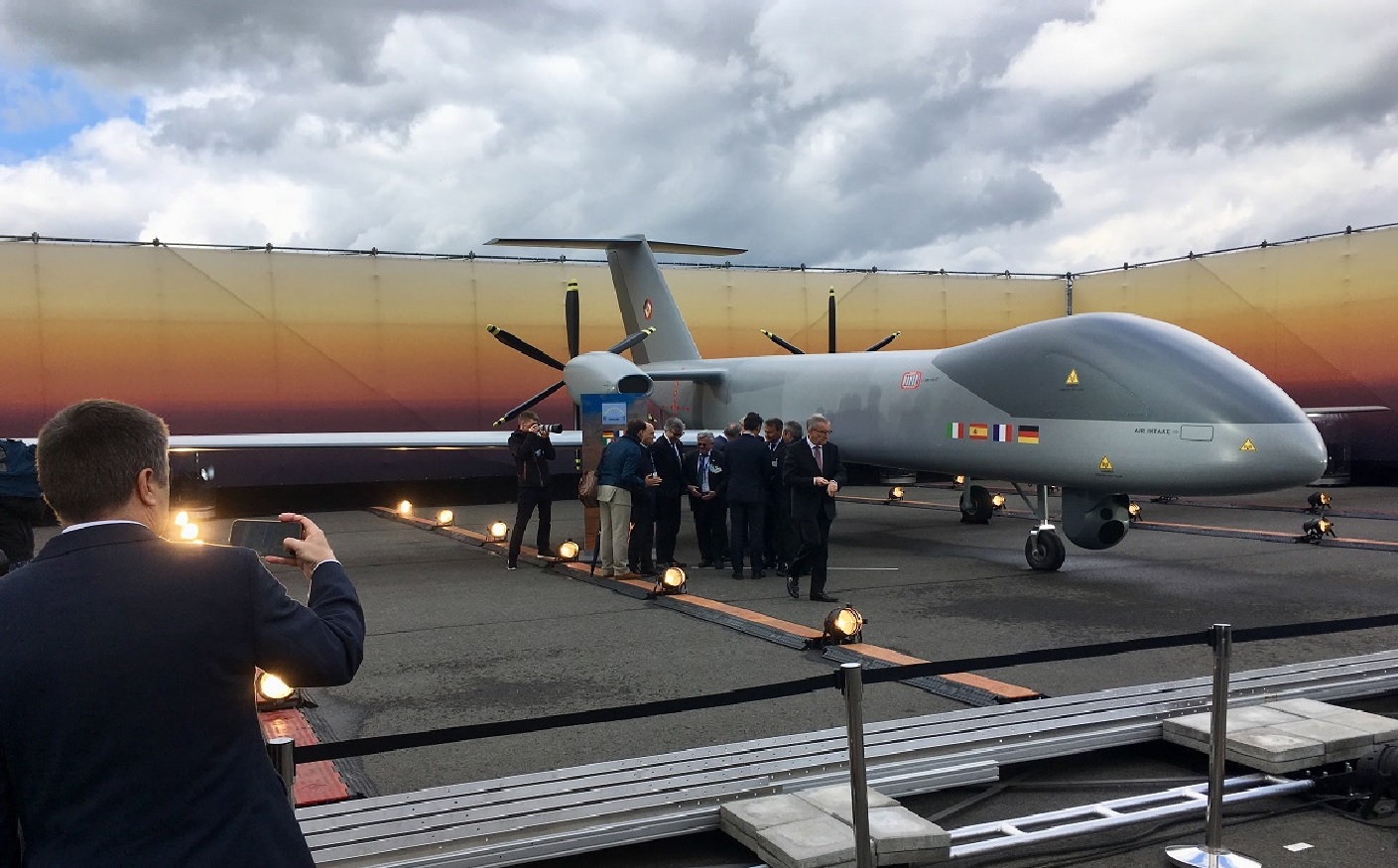 Dassault Seeks Compensation From Airbus as Eurodrone Dispute Erupts After FCAS Collapse
-
 AM General Unveils Next-Generation UGV and JLTV A2 with Counter-Drone Systems at Eurosatory 2026
-
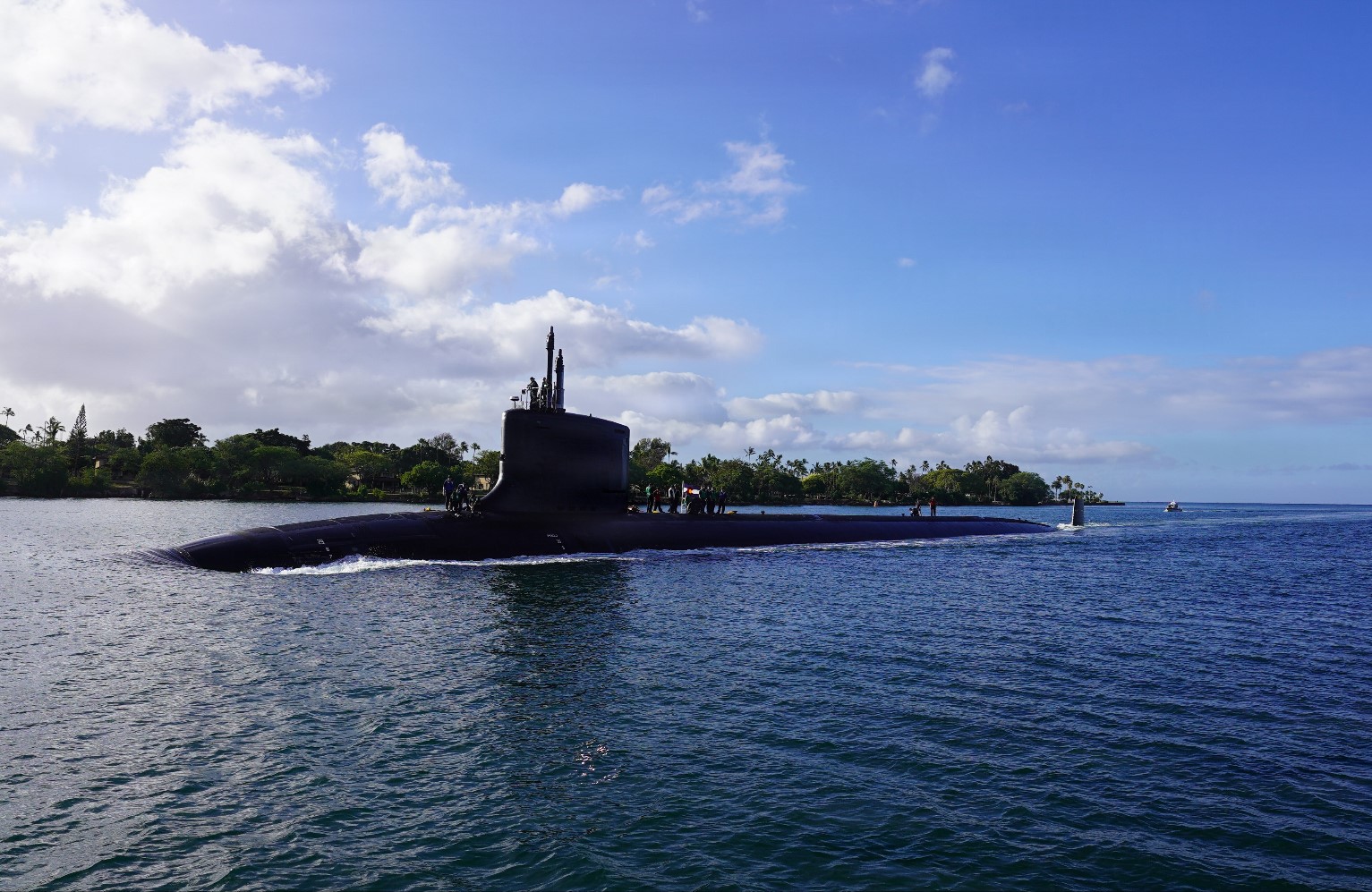 U.S. Navy's USS Colorado Submarine Returns to Pacific Fleet 29 Days Early After Major Pearl Harbor Overhaul
-
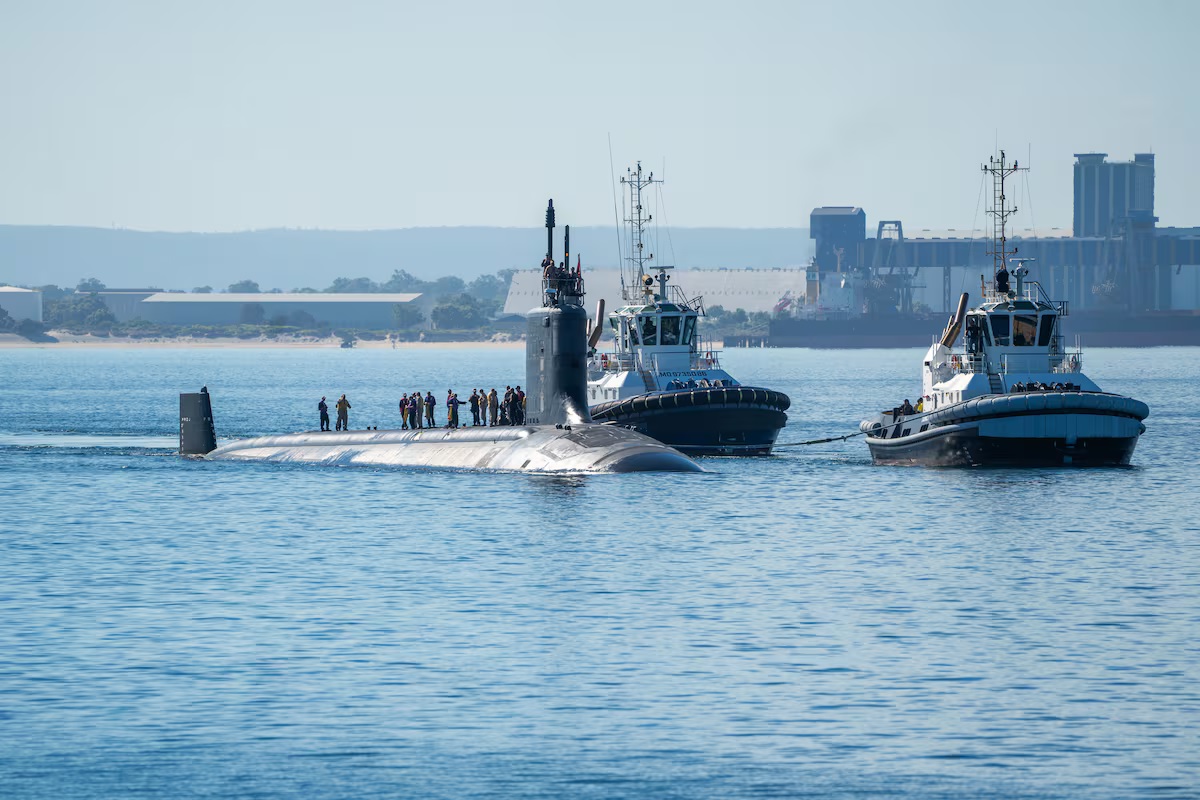 U.S. Navy Reestablishes Submarine Squadron 3 at HMAS Stirling to Support AUKUS Rotational Force
-
 Pakistan Raises Defence Budget from $9 Billion to $10.8 Billion as J-35 Fighter and Hangor Submarine Programs Advance
Top Trending in 4 Days
-
 Iranian Media Leaks 14-Point U.S.-Iran Peace Framework Amid Ongoing Negotiations
-
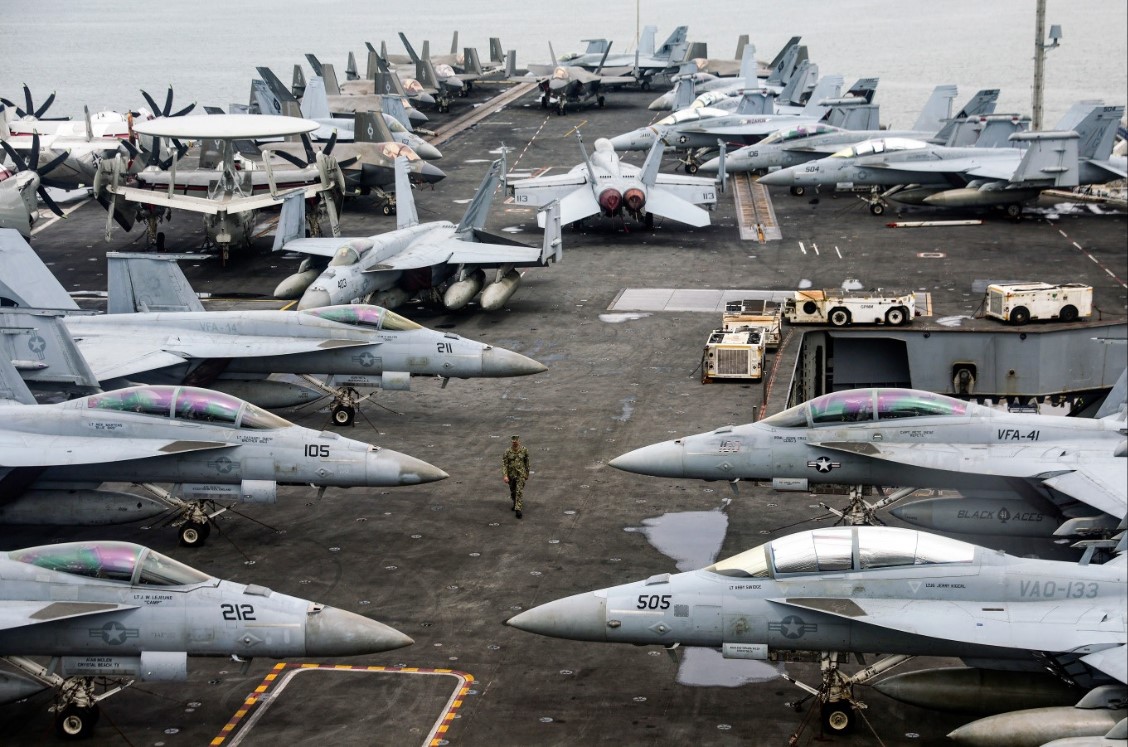 US Plans Significant Reduction of Fighter Jets and Warships for NATO Operations in Europe
-
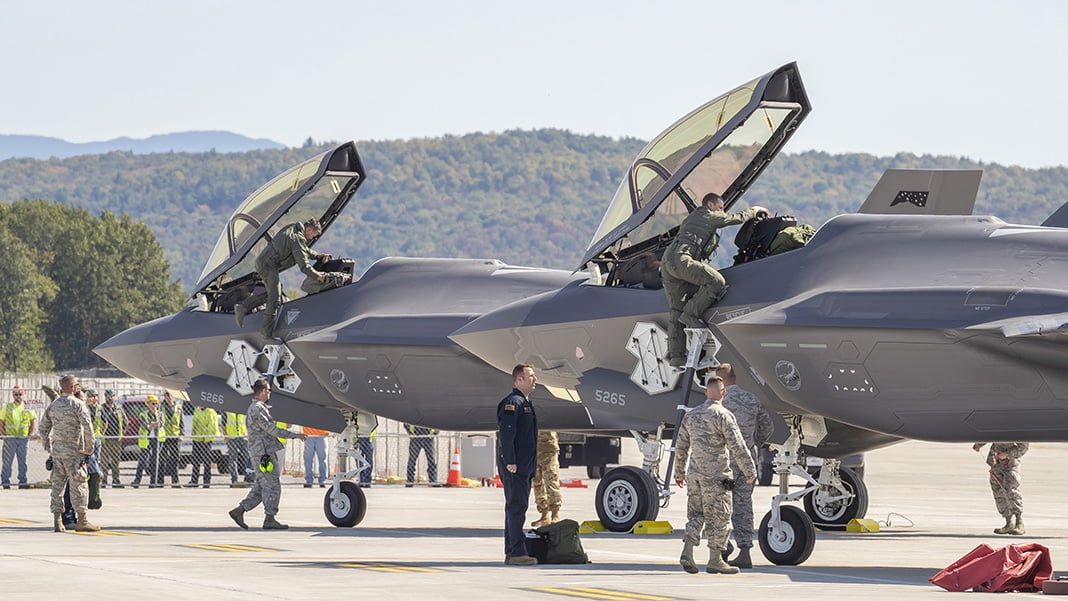 F-35 Fleet Readiness Falls to 25% Amid Parts Shortages and Software Delays: GAO Report
-
 India Successfully Conducts AD-1, AD-2 Interceptor Tests and Maiden NASM-MR Flight Trial
-
 U.S. Air Force Faces Strategic Airlift Shortfall as C-17 Production Restart Remains Uncertain
-
 NATO Commander Says Russia Not Seeking Conflict With Alliance Despite U.S. Force Reductions
-
 Russian Defense Firm ZALA Unveils KAMA Unmanned Surface Vessel Family at FLOT-2026 Naval Exhibition
-
 U.S. Space Force Awards $437.7 Million Contracts for First PTS-G Swarm 1 Anti-Jam Satellites