
World
In a significant move to address the ongoing insurgency in Somalia, the United Nations Security Council has approved the formation of the African Union Support and Stabilization Mission in Somalia (AUSSOM). This new mission, which will officially begin operations in January 2025, is set to replace the African Union Transition Mission in Somalia (ATMIS), whose mandate concludes on December 31, 2024. The decision reflects the international community's intensified focus on combating the Al-Shabaab insurgency and stabilizing Somalia. Key Objectives and Structure AUSSOM’s primary mission is to assist the Somali government in defeating Al-Shabaab, an extremist group linked to Al-Qaeda. The new force aims to stabilize areas liberated from militant control, allowing for governance and development efforts to take root. The mission will deploy up to 12,626 personnel, including 1,040 police officers, with its operations planned for an initial 12-month period. A comprehensive realignment of forces is expected by mid-2025 to enhance coordination and operational efficiency. Troop Contributions and Regional Involvement Several African nations have committed to contributing troops to AUSSOM, including Egypt, which confirmed its participation following consultations with the Somali government. However, not all previous contributors to ATMIS are continuing with the new mission. Ethiopia and Burundi, both key players in regional security, have decided to abstain from participating in AUSSOM. This decision comes amid complex regional dynamics and geopolitical tensions in the Horn of Africa, including disputes over maritime agreements and historical rivalries. Funding Challenges and International Dynamics The UN resolution authorizing AUSSOM includes a provision to finance up to 75% of the mission through a UN-backed mechanism. However, the United States, which abstained from the vote, expressed reservations about the immediate implementation of this funding arrangement. The U.S. has emphasized the need for sustainable financial mechanisms and conditions to ensure the mission's success. The debate highlights broader challenges in securing international support for long-term stabilization efforts in Somalia. Regional Complexities The launch of AUSSOM occurs amidst evolving geopolitical tensions in the region. Ethiopia’s agreement to develop a port in Somaliland has strained its relationship with Somalia, drawing Mogadishu closer to Egypt, which has its own disputes with Ethiopia over the Grand Ethiopian Renaissance Dam. Recent diplomatic efforts, including Turkish mediation, have sought to ease these tensions, but challenges remain in achieving regional consensus. Looking Ahead The transition from ATMIS to AUSSOM marks a strategic shift in the approach to stabilizing Somalia. The mission’s success will hinge on effective coordination among contributing nations, robust funding, and the Somali government’s ability to strengthen its security apparatus. As one of the world’s most fragile states, Somalia’s path to stability requires sustained international support, regional cooperation, and a comprehensive strategy to address the root causes of conflict and underdevelopment. This development represents a renewed commitment to peace in Somalia and a critical test for international and regional actors in their efforts to combat terrorism and foster stability in the Horn of Africa.
Read More → Posted on 2024-12-28 14:37:43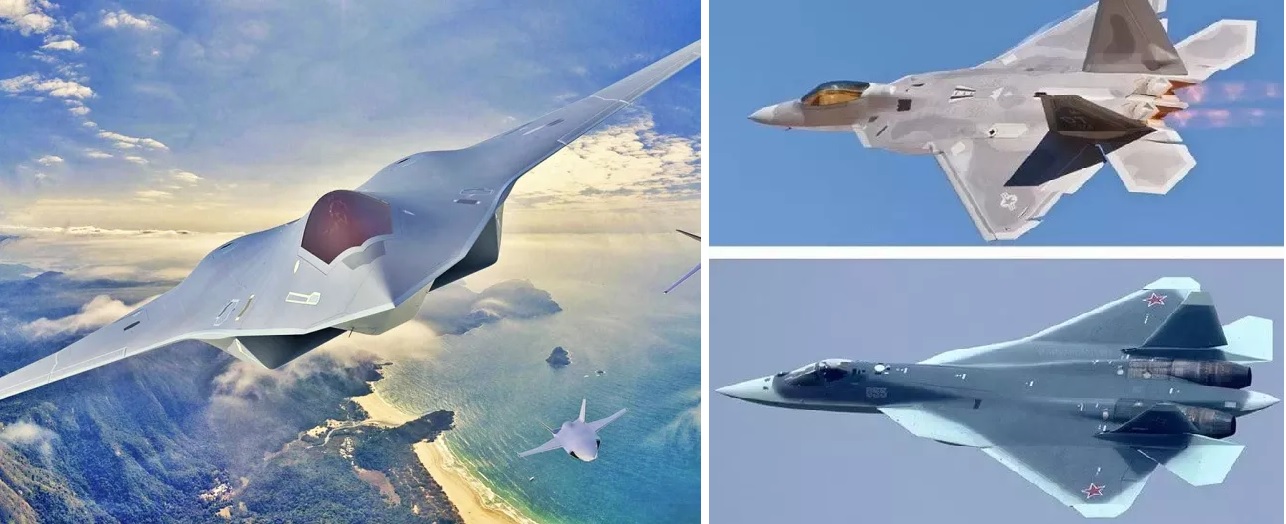
World
In the relentless march of military aviation, the transition from 5th-generation to 6th-generation fighter jets represents a paradigm shift in how air dominance is conceptualized and achieved. As global powers compete to field these cutting-edge platforms, understanding the core differences between 5th and 6th-generation fighter jets offers insights into the future of air combat. Key Differences Between 5th and 6th Generation Fighter Jets 1. Core Capabilities 5th Generation: Dominated by stealth technology, advanced avionics, supercruise capability, and sensor fusion. Aircraft like the F-22 Raptor, F-35 Lightning II, Su-57 Felon, and J-20 Mighty Dragon exemplify this class. Focus on reduced radar cross-section (RCS), network-centric warfare, and advanced situational awareness. 6th Generation: Builds on 5th-gen capabilities while integrating cutting-edge technologies like AI-driven decision-making, optional unmanned operation, directed energy weapons, swarming drones, and advanced electronic warfare (EW) systems. Aims to dominate contested environments where traditional stealth may be compromised by advanced detection methods such as quantum radar or multi-spectral tracking. 2. Stealth Redefined 5th Gen: Relies heavily on passive stealth—shaping and materials that reduce RCS. 6th Gen: Moves towards active stealth with technologies like adaptive camouflage, signature modulation, and electronic cloaking to deceive multi-spectrum sensors. 3. Combat Autonomy 5th Gen: Pilots are central to decision-making, albeit supported by advanced avionics. 6th Gen: AI enables semi-autonomous or fully autonomous missions, drastically reducing the decision-making burden on human operators. This includes AI-driven threat analysis, targeting, and electronic countermeasures. 4. Manned-Unmanned Teaming (MUM-T) 5th Gen: Limited or experimental integration of drones for auxiliary roles. 6th Gen: Full-fledged collaboration between manned aircraft and loyal wingmen drones, enabling coordinated attacks and expanded mission capabilities. 5. Weapons Systems 5th Gen: Primarily uses advanced kinetic weapons such as beyond-visual-range (BVR) missiles and precision-guided munitions. 6th Gen: Introduces directed energy weapons (DEWs) like high-energy lasers and microwaves, as well as hypersonic missiles and advanced anti-access/area denial (A2/AD) countermeasures. 6th Generation Fighter Jets in the World Several nations have entered the race to develop 6th-generation fighter jets, aiming to redefine air power in the 21st century. United States: NGAD (Next Generation Air Dominance):The USAF’s NGAD program is envisioned as a multi-role platform with an emphasis on modular design, integrating DEWs, and leveraging advanced stealth and AI capabilities. Expected to replace the F-22, the NGAD will likely lead the 6th-gen pack. Navy’s F/A-XX: Focused on naval superiority, this complements the NGAD with carrier-based deployment. Europe: FCAS (Future Combat Air System):A Franco-German-Spanish initiative, the FCAS combines manned fighters with autonomous drones for unparalleled air dominance. Tempest: Led by the UK in collaboration with Italy and Sweden, Tempest emphasizes MUM-T, modular design, and advanced EW capabilities. China: China has hinted at 6th-generation development with projects beyond the J-20. Though shrouded in secrecy, its progress underscores its ambition to rival Western aerospace advancements. Russia: Russia’s MiG-41 (PAK DP) is touted as a 6th-generation platform with hypersonic speed and advanced space-capable intercept capabilities. Challenges and the Future The leap to 6th-generation aircraft is not just about advancing individual technologies but integrating them into a cohesive, multi-domain platform. Challenges include: Development of robust AI systems for combat autonomy. Creating resilient stealth against next-gen detection systems. Balancing cost with production scalability. As nations race to dominate the skies, the emergence of true 6th-generation platforms will redefine not only air superiority but also global power dynamics. Ultimately, the era of 6th-generation aircraft signals the dawn of a new battlefield—one dominated by machines that think, adapt, and fight with unprecedented sophistication.
Read More → Posted on 2024-12-27 16:01:30
World
A tragic plane crash involving an Azerbaijan Airlines Embraer 190 has drawn international attention after preliminary investigations suggested “physical and technical external interference” as the cause. The incident, which occurred on December 25, 2024, near Aktau, Kazakhstan, has led to speculation about the involvement of Russian air defense systems, raising questions about aviation safety in regions impacted by geopolitical conflicts. The Incident Flight J2-8243 was en route from Baku, Azerbaijan, to Grozny, Chechnya, when it encountered a sudden and catastrophic emergency. Passengers on board reported hearing a loud bang, followed by erratic behavior of the aircraft. “It felt like the plane was no longer under control,” survivor Subhonkul Rakhimov recounted, describing the terrifying moments before the crash. The Embraer 190 ultimately crashed in a fireball, killing at least 38 people while 29 managed to survive, many with severe injuries. Eyewitness accounts and the plane’s flight path indicate that it diverted from its original route, crossing the Caspian Sea before crashing on its eastern shores. Investigation Findings Azerbaijan Airlines cited “physical and technical external interference” in its preliminary findings, a term suggesting the possibility of external attacks or unintentional impacts. While official investigations are ongoing, multiple sources close to the investigation suggested that the aircraft might have been mistakenly targeted by Russian air defense systems, which have been active in the region due to the ongoing conflict with Ukraine. Russia’s aviation authority, Rosaviatsia, stated that the plane's captain had been offered alternative landing options but chose Kazakhstan’s Aktau Airport. Moscow has urged caution against premature conclusions, emphasizing the importance of completing the official inquiry before assigning blame. Aircraft Specifications and Safety Record The Embraer 190 is a widely used regional jet, known for its reliability and safety. With a range of approximately 2,300 nautical miles and a seating capacity of around 100 passengers, it serves short- to medium-haul routes. The aircraft involved in this incident was reported to be well-maintained, adding weight to theories that external factors played a significant role. Embraer aircraft are equipped with advanced avionics and redundancy systems designed to handle emergencies. However, they are not immune to external threats, including missile strikes or other interference. Geopolitical Implications The crash has intensified scrutiny over the safety of airspace in regions affected by geopolitical tensions. Southern Russia has seen frequent deployment of air defense systems to counter Ukrainian drone incursions. Mistaken engagements by these systems have raised concerns about the safety of civilian air traffic in the area. Azerbaijan Airlines has suspended flights to 10 Russian airports, citing safety concerns stemming from the crash. This move reflects broader apprehensions about the risks of operating in conflict zones where military and civilian operations overlap. Moving Forward While the official investigation continues, the tragedy underscores the need for stringent air traffic safety measures in volatile regions. International aviation authorities may need to reassess flight paths and implement enhanced protocols to prevent future incidents. The crash also highlights the potential consequences of regional conflicts on civilian infrastructure, prompting calls for increased accountability and transparency in the use of military systems near commercial airways. As the world awaits the official findings, the victims and survivors of Flight J2-8243 serve as a stark reminder of the human cost of such tragedies.
Read More → Posted on 2024-12-27 15:46:13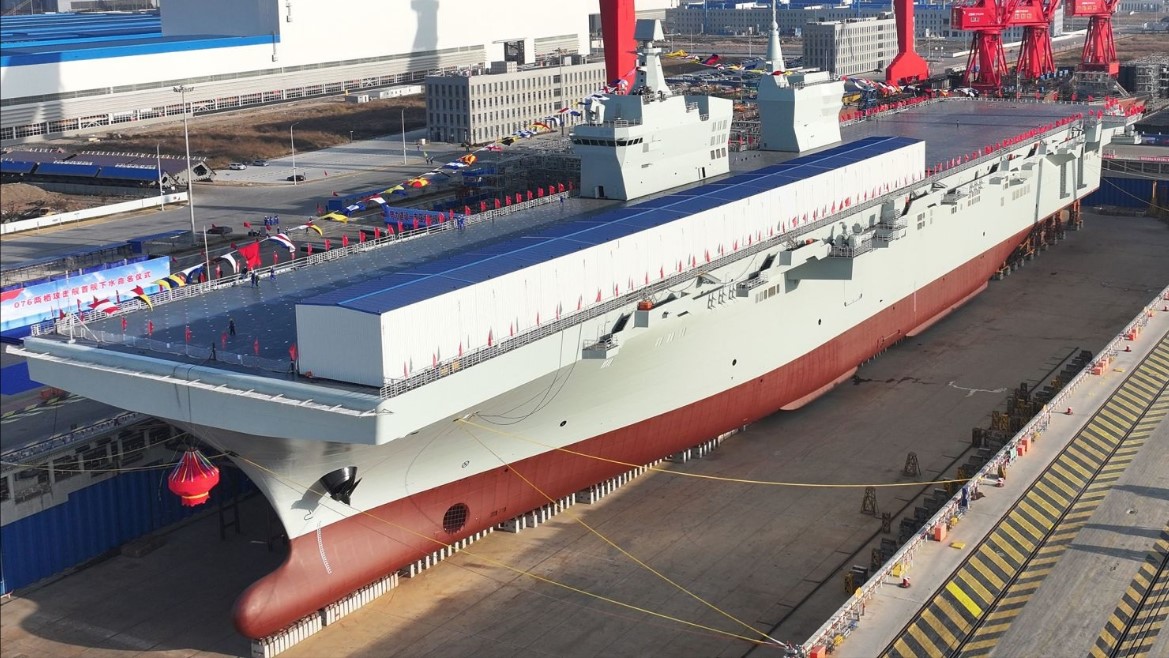
World
On December 27, 2024, China unveiled its most advanced amphibious assault ship, the Sichuan, designed to boost the People's Liberation Army Navy's (PLAN) operational reach. With a displacement of 40,000 tons, this Type 076 vessel combines cutting-edge technology and robust design, marking a significant leap in China's naval capabilities. Key Features and Specifications Electromagnetic Catapult SystemThe Sichuan is equipped with an electromagnetic catapult, a modern system that allows fighter jets to launch directly from its deck with greater efficiency and reduced wear on aircraft compared to steam-powered systems. This technology was first tested on China's indigenously built aircraft carrier, the Fujian. Arrestor TechnologyTo ensure safe and precise landings, the ship is outfitted with arrestor systems. These systems are essential for the rapid recovery of jets during high-tempo operations. Aircraft Carrier-Like DesignThe Sichuan's full-length flight deck and dual-island superstructure resemble that of a light aircraft carrier. This design supports fixed-wing aircraft, helicopters, and unmanned aerial vehicles (UAVs), enhancing the versatility of its air operations. Amphibious Warfare CapabilitiesA floodable well deck enables the deployment of landing crafts and amphibious vehicles, supporting troop movements during amphibious assaults. This capability aligns with its primary mission of transporting and supporting ground forces in complex combat scenarios. Advanced Command and Control SystemsEquipped with state-of-the-art sensors and communication systems, the Sichuan can coordinate multi-domain operations, making it a formidable command platform in naval task forces. Strategic Significance The Sichuan is not just an assault ship; it symbolizes China's ambition to project power far beyond its shores. The vessel's ability to operate as a "light aircraft carrier" allows for flexible deployment in various missions, from power projection to disaster relief. Its advanced systems make it a key asset for supporting military operations in contested regions, such as the South China Sea and beyond. China's navy, the largest in the world by number of vessels, has been undergoing rapid modernization to rival global naval powers like the United States. The introduction of the Type 076 complements China's fleet of Type 075 amphibious assault ships, which began operations in 2019. Future Developments The Sichuan will now undergo sea trials to ensure it meets operational standards. Meanwhile, China's researchers continue to push boundaries, reportedly developing nuclear-powered aircraft carriers to enhance endurance and operational range. Such advancements signify China's determination to establish itself as a dominant maritime power capable of global operations. In summary, the Sichuan represents a new chapter in China's naval evolution, blending amphibious assault capabilities with cutting-edge aviation technology. This multipurpose platform underscores China's strategic focus on achieving a global naval footprint.
Read More → Posted on 2024-12-27 15:41:01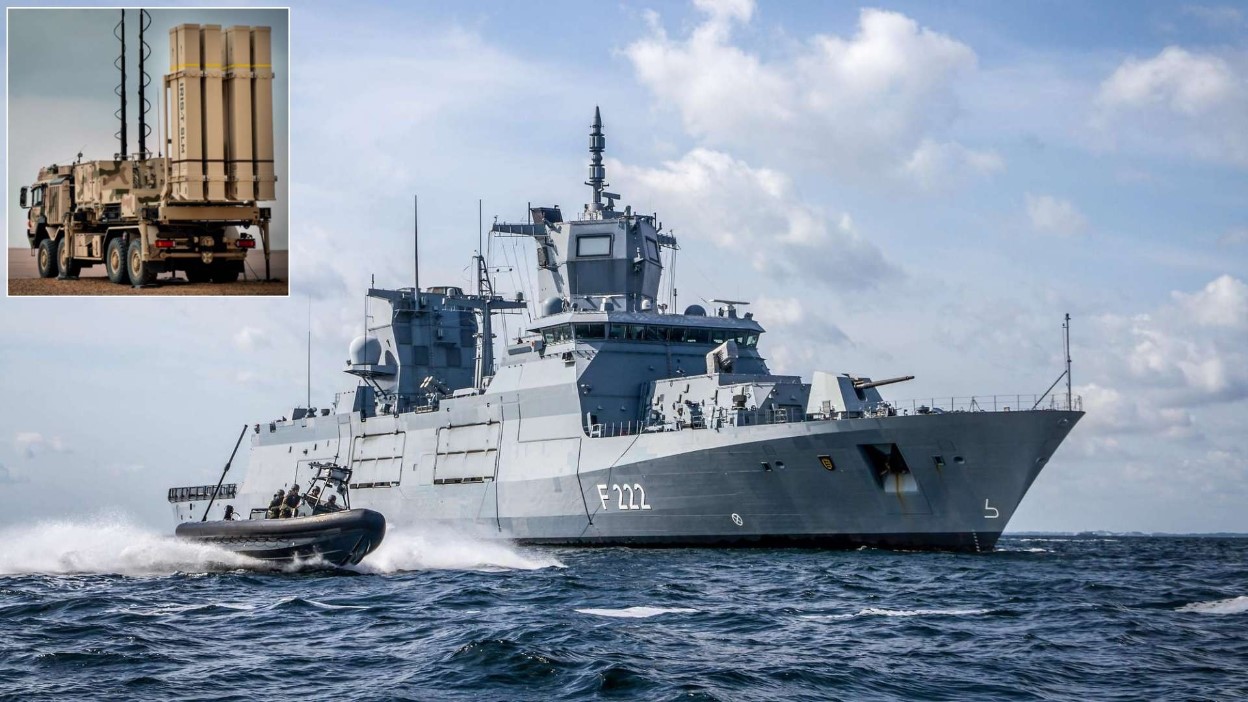
World
Germany is advancing its naval defense capabilities by studying the integration of the IRIS-T SLM surface-to-air missile system onto its F125 frigates, a move aimed at addressing the existing air defense gaps in these cutting-edge warships. The Federal Office of Bundeswehr Equipment, Information Technology, and In-Service Support (BAAINBw) has awarded Diehl Defence GmbH & Co. KG a contract to conduct a feasibility study, develop a system demonstrator, and prepare for the integration of the missile system. Feasibility Study Details The study, designated as a Level 3 Research and Technology (R&T) project, focuses on assessing the viability of mounting IRIS-T SLM missiles on the F125 frigates, also known as the Baden-Württemberg-class. It aims to achieve a Technical Readiness Level of 6, which includes creating a working demonstrator. This involves the design and installation of a mounting frame for two land-based IRIS-T SLM launchers, integrating them into the frigates’ operations center and radar systems. The IRIS-T SLM missile system, originally designed for land-based anti-air operations, has a range of 40 kilometers. Its modular containerized design allows it to be easily adapted for different platforms, including naval vessels. Diehl Defence has also been working on integrating the system into Mk 41 vertical launching systems for broader applications. Significance for F125 Frigates The F125 frigates, developed as part of a $3 billion project by a consortium of ThyssenKrupp Marine Systems and Friedrich Lürssen Werft, are among the largest surface combatants in the German Navy. Despite their advanced features, these frigates have faced criticism for lacking robust air and anti-submarine warfare systems. The proposed integration of IRIS-T SLM missiles is expected to significantly enhance their air defense capabilities, enabling 360-degree protection against a wide range of aerial threats, including drones, aircraft, and incoming missiles. The absence of adequate air defense systems was highlighted earlier this year when the F125 frigate Baden-Württemberg avoided crossing the Red Sea during its Indo-Pacific deployment. This limitation has underscored the urgent need for advanced missile systems like the IRIS-T SLM. About the IRIS-T SLM Missile The IRIS-T SLM (Surface-Launched Medium-range) is an advanced variant of the IRIS-T air-to-air missile. It features an extended range thanks to an enhanced rocket motor and incorporates a GPS-based inertial navigation system and a data link for mid-course guidance. During its final approach, the missile employs its seeker for precise targeting. The system is designed for flexibility, with multifunctional containers that facilitate storage, transport, and firing. Its ability to integrate with various air defense systems via standardized interfaces makes it a versatile option for modern military applications. In September 2024, the German Air Force achieved initial operational capability with the ground-based IRIS-T SLM system, following extensive training for its operators. Overview of the F125 Class Frigates The F125 frigates represent a leap in naval design, optimized for long deployments and multi-role capabilities. However, their development was not without challenges, including delays and technical issues. After significant modifications, all four ships—Baden-Württemberg, Nordrhein-Westfalen, Sachsen-Anhalt, and Rheinland-Pfalz—were commissioned between 2019 and 2022. Key specifications of the F125 frigates include: Length: 149 meters Width: 18 meters Displacement: ~7,200 tons Maximum Speed: Over 26 knots Crew Capacity: Up to 190 personnel, including 120 core crew members Armament: 127mm Otobreda naval gun RIM-116 Rolling Airframe Missiles 27mm MLG 27 remote-controlled cannons RGM-84 Harpoon anti-ship missiles Implications Integrating the IRIS-T SLM system would address the air defense shortcomings of the F125 frigates, enhancing their operational flexibility and enabling safer deployments in high-threat environments. This initiative not only strengthens Germany’s naval capabilities but also showcases the potential for modular missile systems in modern naval warfare. With the feasibility study underway, the F125 frigates may soon gain the technological edge needed to meet the challenges of contemporary maritime security.
Read More → Posted on 2024-12-27 15:31:24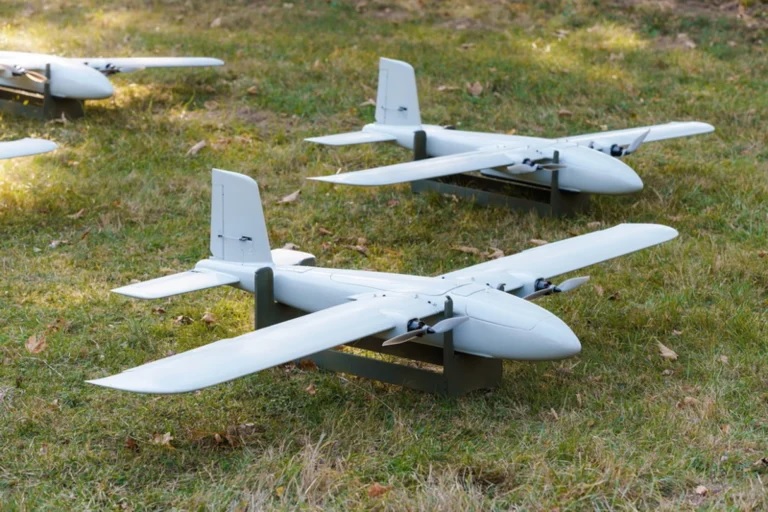
World
Ukraine has taken another significant step in its defense capabilities with the unveiling of the Shchedryk reconnaissance drone. This domestically built unmanned aerial vehicle (UAV) is designed to monitor enemy troop movements and provide real-time intelligence for tactical operations. Approved for military use on December 25, the Shchedryk is poised to become a crucial asset in Ukraine’s ongoing efforts to counter Russian aggression. Advanced Features and Capabilities The Shchedryk UAV boasts an array of cutting-edge features tailored for modern battlefield conditions. Equipped with silent electric motors, the drone is ideal for covert missions, reducing the likelihood of detection. Its control station is designed for seamless operation, even under challenging conditions, and its enhanced resistance to electronic warfare addresses the persistent threat posed by Russian jammers. With a top speed of 150 kilometers (93 miles) per hour, the drone can cover significant distances quickly, operating within a maximum range of 40 kilometers (25 miles). It can reach altitudes of up to 4 kilometers (2.5 miles), allowing it to operate from heights that are difficult for most enemy air defense systems to intercept. Additionally, its sophisticated optical equipment ensures high-quality surveillance, even in adverse conditions. Deputy Defense Minister Dmytro Klimenkov highlighted the drone's capabilities, stating, “The Shchedryk’s optical and operational features enable it to perform efficiently at altitudes beyond the reach of most enemy defenses.” Boosting Domestic UAV Production The introduction of the Shchedryk aligns with Ukraine’s broader strategy to ramp up indigenous UAV production. In a bold push to strengthen its drone arsenal, Ukraine has already delivered over 200,000 domestically-produced drones to frontline units. These UAVs have been used extensively for reconnaissance and combat missions, giving Ukrainian forces a tactical edge. President Volodymyr Zelensky has set an ambitious target of producing up to four million drones annually by 2025, surpassing the initial goal of one million. This initiative is part of the “Army of Drones” strategy spearheaded by Ukraine’s Digital Transformation Ministry. In October, contracts were confirmed for the production of 1.8 million UAVs for 2025, showcasing the country’s determination to establish itself as a leader in drone warfare technology. A New Chapter in Tactical Innovation The unveiling of the Shchedryk marks a significant milestone in Ukraine’s defense innovation. With its advanced features, the UAV not only enhances Ukraine's surveillance and reconnaissance capabilities but also demonstrates the country’s ability to produce cutting-edge military technology domestically. As Ukraine continues to face challenges on the battlefield, the Shchedryk and other domestically-produced drones represent a crucial part of its strategy to maintain an upper hand against enemy forces. The drive to scale up production reflects the nation's commitment to leveraging technology to safeguard its sovereignty and territorial integrity.
Read More → Posted on 2024-12-27 15:29:19
World
The Lithuanian Armed Forces have taken a significant leap forward in enhancing their combat readiness with the delivery of advanced night combat technologies from Brolis Semiconductors. This shipment, part of a €17 million procurement deal, includes the state-of-the-art BROLIS LP5X laser aiming devices and BPS14 night vision systems, setting a new standard for military operations in low-light environments. Advanced Laser Aiming with the BROLIS LP5X The BROLIS LP5X laser aiming device is a technological marvel designed and manufactured entirely in Lithuania. Recognized as one of the most advanced systems of its kind, the LP5X is equipped with features that enhance precision and adaptability in combat scenarios. Its reliability and performance have led to its adoption as standard equipment by four NATO member armies and active use in 23 countries worldwide. The device offers unparalleled functionality, including multiple aiming modes, compatibility with various weapons platforms, and exceptional durability under harsh conditions. With its user-centric design, the LP5X ensures that soldiers can maintain accuracy and efficiency during critical operations. Cutting-Edge Night Vision with the BPS14 System The BPS14 night vision system, also manufactured in Lithuania, combines high-performance European high-FOM I2T (Figure of Merit Image Intensifier Tube) technology with Brolis' proprietary laser illumination. This integration creates a powerful tool for low-light and nighttime combat scenarios, enabling soldiers to maintain situational awareness and operational effectiveness. Proven in real-world combat, including the demanding conditions faced by Lithuanian and Ukrainian armed forces, the BPS14 system enhances visibility and reduces the risk of mission failure. Its compact and rugged design ensures reliability, even in the most challenging environments. Future Deliveries and Strategic Importance This delivery marks the first major shipment in a contract that will continue through 2024 and 2025, underscoring Lithuania’s commitment to modernizing its defense capabilities. The advanced technologies provided by Brolis Semiconductors not only strengthen Lithuania’s armed forces but also reinforce the country’s position as a hub for cutting-edge military innovations. Incorporating domestically produced solutions like the LP5X and BPS14 systems demonstrates Lithuania’s growing expertise in defense technology, while also supporting NATO’s collective security framework. These systems are expected to significantly enhance operational effectiveness in joint missions and contribute to regional stability. A Milestone for Lithuanian Defense Industry This procurement highlights the strides Lithuania is making in bolstering its national defense infrastructure. By investing in domestically developed and manufactured technologies, Lithuania is reducing its reliance on foreign imports and fostering a sustainable defense industry that aligns with NATO standards. As the deliveries continue over the next two years, the Lithuanian Armed Forces will be better equipped to handle modern combat challenges, ensuring they remain prepared and capable in any scenario. The partnership with Brolis Semiconductors is a testament to the country’s vision for a secure and self-reliant future.
Read More → Posted on 2024-12-27 15:17:07
World
A North Korean soldier captured during the Russia-Ukraine war has died from his wounds, according to South Korea’s National Intelligence Service (NIS). This marks a grim milestone in Pyongyang’s growing involvement in the conflict, which has seen thousands of its troops deployed to bolster Russia’s military efforts. The soldier was reportedly seized by Ukrainian forces on December 26, though the exact location of the capture remains undisclosed. Hours after his capture, the NIS confirmed his death, citing severe injuries sustained during combat. North Korea's Growing Role in the Conflict Since the onset of the Russia-Ukraine war, North Korea has increasingly aligned itself with Moscow. Pyongyang has reportedly sent thousands of troops, primarily to frontlines like the Kursk region, where intense battles with Ukrainian forces have unfolded. Ukrainian President Volodymyr Zelensky recently disclosed that nearly 3,000 North Korean soldiers have been either killed or wounded in the conflict. South Korea’s intelligence agency attributes the high casualty rates among North Korean troops to their unfamiliarity with the battlefield environment and their inability to counter advanced drone warfare employed by Ukrainian forces. North Korean soldiers are reportedly being used as "expendable frontline assault units," with limited strategic value. Military and Strategic Partnerships The military alliance between North Korea and Russia has deepened significantly since Moscow's invasion of Ukraine in February 2022. A landmark defense agreement signed in June came into force this month, with Russian President Vladimir Putin praising it as a "breakthrough document." Reports indicate that Moscow has been providing technical support to North Korea’s missile and nuclear programs in exchange for Pyongyang’s military contributions. South Korea’s Joint Chiefs of Staff (JCS) also revealed that North Korea is supplying Russia with military hardware, including 240mm rocket launchers and 170mm self-propelled artillery systems, while preparing for additional troop deployments. Strategic Implications and Global Concerns The involvement of North Korean troops in the war has alarmed Ukraine’s allies, who view this as a dangerous escalation. NATO leaders have expressed concerns that Pyongyang is using the conflict as an opportunity to modernize its military tactics and gain combat experience. South Korea’s President Yoon Suk Yeol has hinted at a potential shift in Seoul’s longstanding policy of not supplying weapons to countries in active conflict. In November, Yoon stated that South Korea might consider providing arms to Ukraine should the situation worsen. A Warning for Global Stability The deployment of North Korean troops to Ukraine underscores the shifting geopolitical alliances in the wake of Russia’s aggression. Pyongyang’s active involvement not only intensifies the conflict but also raises concerns about the implications for global security, particularly as Moscow reportedly assists North Korea in advancing its missile and nuclear programs. As the Russia-Ukraine war rages on, the participation of North Korean forces adds a new layer of complexity and heightens the risks of further destabilization in the region.
Read More → Posted on 2024-12-27 15:10:32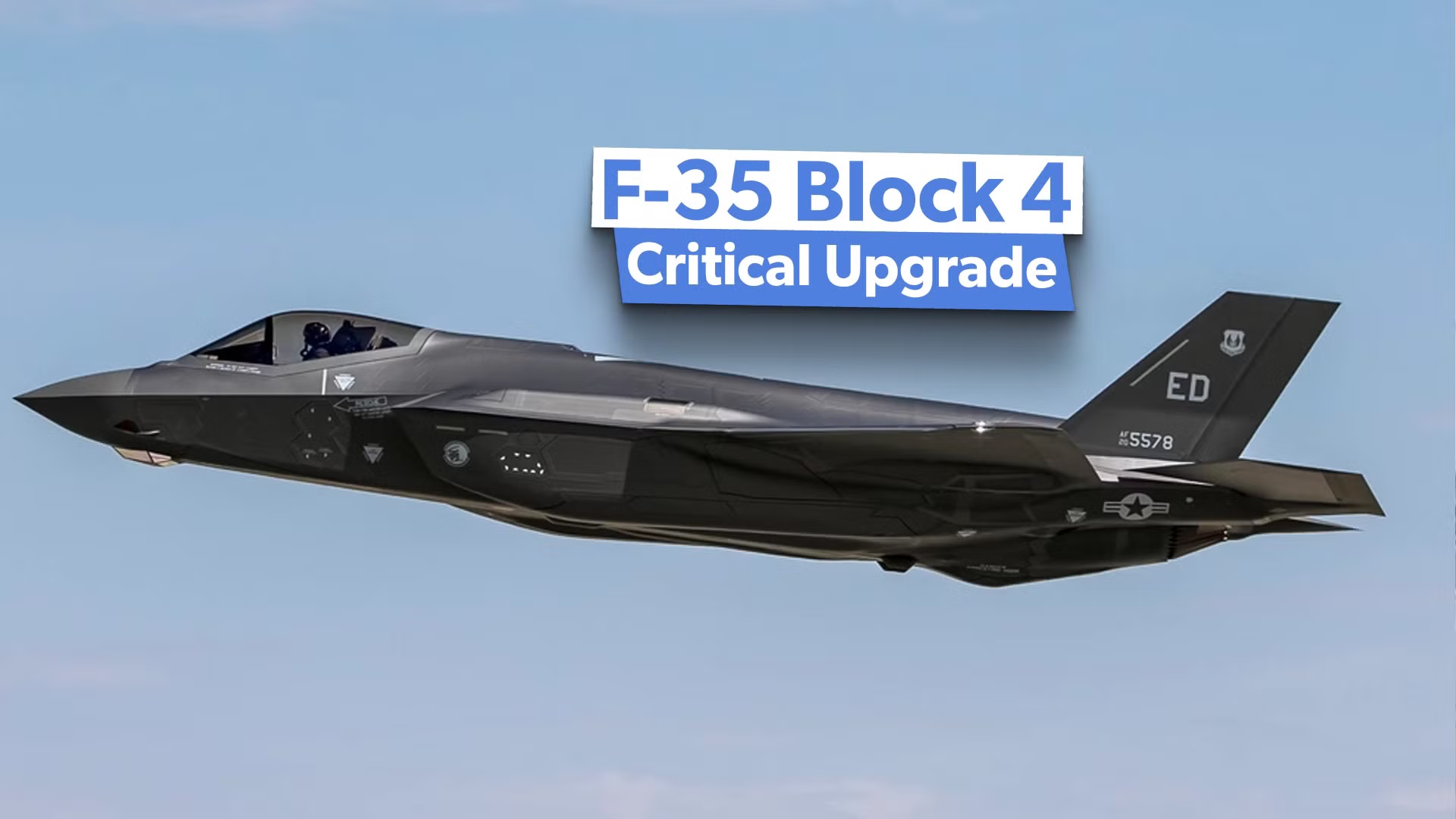
World
The F-35 Lightning II has long been a cornerstone of modern airpower, but the latest iteration, the F-35 Block 4, represents a quantum leap in stealth fighter capabilities. Packed with upgrades that enhance its lethality, survivability, and versatility, the Block 4 variant transforms the F-35 from a highly capable platform into an unparalleled aerial powerhouse. Let’s explore what sets the F-35 Block 4 apart from its predecessors and how its "Beast Mode" feature solidifies its edge over other stealth fighter jets. Enhanced Sensors and Avionics At the heart of the Block 4 upgrade is a suite of enhanced sensors and avionics designed to dominate in contested environments. The Distributed Aperture System (DAS) and the Electro-Optical Targeting System (EOTS) receive significant enhancements, improving target acquisition and situational awareness. This means pilots can detect, track, and engage threats at greater ranges with unprecedented clarity. The Block 4 also integrates a next-generation radar system, the AN/APG-85, which is more advanced than the AN/APG-81 radar found in earlier F-35 models. This upgrade allows the aircraft to better detect stealthy adversaries, ensuring it retains an edge in the rapidly evolving battlefield. Software Dominance The F-35 Block 4 benefits from one of the most advanced mission systems software upgrades in the history of military aviation. The new software improves data fusion, enabling the aircraft to seamlessly integrate information from its own sensors and those of allied platforms. This creates a real-time picture of the battlespace, empowering commanders and pilots with superior decision-making capabilities. Additionally, the Block 4 incorporates advanced electronic warfare (EW) capabilities. These enhancements make it more effective at jamming enemy radar systems, disrupting communications, and protecting itself against incoming threats. The EW improvements ensure that the F-35 can operate deep in enemy territory with minimal risk. Expanded Weapons Arsenal One of the most talked-about features of the Block 4 upgrade is its expanded weapons compatibility. This variant supports a wider range of munitions, including the B61-12 nuclear bomb, AIM-260 Joint Advanced Tactical Missile (JATM), and Small Diameter Bomb II (SDB II). This expanded arsenal ensures the Block 4 can take on a diverse set of missions, from precision strikes to air superiority. A particularly game-changing addition is the ability to carry hypersonic weapons—a capability that puts the F-35 Block 4 in a league of its own. These high-speed weapons enable it to strike targets before they can react, a critical advantage in high-stakes combat scenarios. "Beast Mode" The F-35 Block 4’s "Beast Mode" is a feature that significantly increases its payload capacity while maintaining stealth characteristics for initial phases of missions. When stealth is less critical—such as during the latter stages of a conflict—the aircraft can carry up to 22,000 pounds of ordnance across 14 external and internal hardpoints. This is in stark contrast to the standard configuration, where the F-35 carries its weapons internally to preserve its radar-evading profile. With Beast Mode activated, the F-35 Block 4 can deploy a massive array of weapons, ranging from air-to-air missiles to precision-guided bombs, making it a formidable force multiplier in large-scale engagements. Cutting-Edge Communication and Interoperability The Block 4 variant features advanced communication systems that enhance its interoperability with allied forces. With the Multifunction Advanced Data Link (MADL) and seamless integration with fifth-generation networks, the aircraft can act as a flying node, relaying critical data to ground, sea, and air assets. This capability makes it an indispensable asset in joint and coalition operations. Superior Edge Over Other Stealth Fighters Compared to other stealth fighters like the Chinese J-20 or Russian Su-57, the F-35 Block 4’s combination of advanced avionics, superior weapons integration, and unmatched situational awareness ensures it remains a step ahead. While competitors may match or exceed the F-35 in specific areas, such as speed or range, they lack the comprehensive package of stealth, multi-role versatility, and battlefield connectivity that the Block 4 offers. Conclusion The F-35 Block 4 is not just an incremental upgrade; it’s a transformative evolution that redefines what a fifth-generation fighter can do. With enhanced sensors, expanded weapons capabilities, and the groundbreaking "Beast Mode," the Block 4 is a true game-changer. Its ability to dominate the airspace, disrupt enemy operations, and seamlessly integrate with allied forces ensures that it will remain the gold standard in air combat for years to come. For adversaries facing the F-35 Block 4, the message is clear: the future of air dominance has arrived.
Read More → Posted on 2024-12-26 16:16:55
World
Chinese robotics company Unitree has taken a significant leap in innovation with the unveiling of the B2-W, the world’s first ride-on robot dog designed for all-terrain applications. The groundbreaking four-legged robot, equipped with wheels for added versatility, demonstrates unparalleled capabilities in stability, load-bearing, and acrobatics, making it suitable for both civilian and potential military uses. A Technological Marvel The B2-W showcases advanced precision motor control and biomimetic performance, enabling it to navigate rugged terrain with ease while carrying a human rider. In a video released by Unitree, the robot performs impressive maneuvers such as mid-air flips, handstands, and descents on a nearly 60-degree gravel slope. It also navigates streams, climbs waterfalls, and jumps from heights up to 1.9 meters. When in standard four-legged mode, the B2-W can leap 3 meters and absorb the impact gracefully with its flexible legs. The robot temporarily retracts its hind legs to perform inverted landings, demonstrating its adaptability and control. In one test, it effortlessly carried an adult up and down steep slopes, proving its load-bearing strength and balance. Specifications and Features Weighing approximately 45kg (99lb), the B2-W is fully electric and can operate for five hours on a single charge when unloaded. It has a top speed of 20km/h (12.4mph) and, when carrying a 40kg (88lb) load, can travel up to 50km (31 miles). Advanced sensors such as lidar, depth cameras, and optical cameras, along with in-house developed high-powered wheel motors, provide the robot with superior navigation and obstacle detection capabilities. Unitree’s innovative design ensures the B2-W remains lightweight yet robust, suitable for challenging environments. The robot's development marks a significant step forward compared to its earlier prototypes, which struggled with basic stability on uneven terrains. Civilian and Potential Military Applications Unitree emphasizes that the B2-W is intended for civilian use, with applications in search and rescue missions, off-road expeditions, and industrial logistics. However, its capabilities have sparked online discussions about its potential military uses. Some commenters envisioned its deployment as a reconnaissance scout or battlefield transporter, while others suggested testing it in challenging regions like the Galwan Valley. Unitree has a history of military involvement, with earlier models such as the Go2 and B1 robots used in the joint China-Cambodia Golden Dragon-2024 exercises. The smaller Go2 served as a reconnaissance scout, while the B1 carried a 95-1 assault rifle. Competitive Pricing and Disruption Unitree has established itself as a price disruptor in the robotics market. The company’s humanoid G1 robot was priced at under $13,700, far below competitors like Tesla’s Optimus robot, which costs $20,000. While the price of the B2-W has yet to be announced, it is expected to be significantly more affordable than Boston Dynamics' Spot robot, which sells for $74,500. Previous Unitree models, such as the Go2, were priced under $2,700, offering advanced robotics at a fraction of the cost of competitors. This strategy positions Unitree as a leader in accessible and innovative robotics. A Glimpse into the Future The B2-W represents a transformative leap in robotic design and functionality, blending advanced technology with practical applications. Whether used for adventurous expeditions, industrial tasks, or humanitarian missions, this ride-on robot dog sets a new standard in robotics. With its competitive pricing and innovative features, Unitree’s B2-W could revolutionize the way robots are utilized in everyday life.
Read More → Posted on 2024-12-26 15:46:44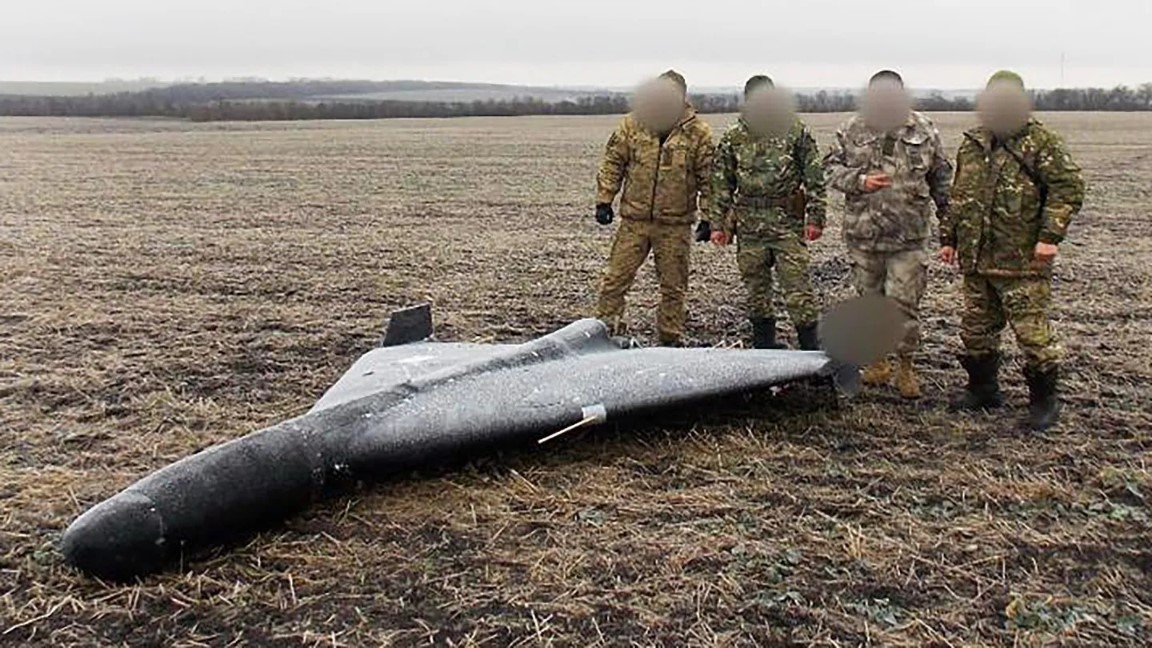
World
Ukrainian military analysts have observed a marked decline in the quality of Russian drones, particularly the Iranian-designed Shahed models, used in ongoing attacks against Ukraine. While Russia has ramped up mass production of these drones to sustain its aerial campaign, the compromises in design and components have become increasingly evident. The Shift in Russian Drone Manufacturing According to Andriy Kulchytsky, head of a military research laboratory at the Kyiv Scientific Research Institute of Forensic Expertise, Russia has managed to domestically produce Shahed drones in large volumes. However, the drive for mass production and cost efficiency has led to noticeable downgrades in quality. Kulchytsky revealed that earlier versions of Shahed drones were equipped with high-quality, foreign-manufactured components, such as Japanese bearings and precision-built servo drive rods. These parts were essential for their performance and reliability. In contrast, newer iterations feature simplified components, including basic bearings and direct rod assemblies, indicating a scarcity of high-end materials. “The Russians have adapted these drones to their needs, but due to a lack of components and efforts to reduce costs, their quality has declined,” Kulchytsky explained. Evidence from Recovered Drones Detailed examinations of drones recovered from attacks on Ukrainian soil have provided tangible evidence of the declining quality. For instance, Kulchytsky pointed to an engine from a Shahed drone that struck a residential building in Kyiv. “This drone engine lacks essential features like a flywheel and starter,” he noted. “Instead, there are rough cuts and bolts, reflecting a shift toward manual launches and mass deployment. These drones are built for sheer numbers rather than high performance. If they fly, they fly.” The Effectiveness of International Sanctions The simplifications in Russian drone design underscore the impact of international sanctions and restrictions aimed at cutting off Russia’s access to advanced components. Ukrainian experts have been meticulously analyzing recovered drones and sharing their findings with international allies, further tightening the noose on Russia’s supply chains. “We see results from this effort,” Kulchytsky stated. “The lack of bearings and other critical parts highlights how sanctions are limiting Russia’s access to high-tech components.” A Shift in Strategy Despite their declining quality, Shahed drones remain a persistent challenge for Ukraine’s air defenses. Russia’s strategy has shifted toward using large quantities of these drones in saturation attacks, aiming to overwhelm defensive systems rather than relying on precision strikes. While these mass-produced drones are less efficient individually, their sheer volume continues to strain Ukrainian resources. This tactical shift reflects Russia’s acknowledgment of its limitations and its reliance on quantity over quality to sustain its offensive operations. Conclusion The declining quality of Russian Shahed drones highlights the dual-edged nature of mass production. While it enables Russia to field a larger arsenal, it also exposes the vulnerabilities created by international sanctions and supply chain disruptions. For Ukraine, this presents a complex challenge: combating a flood of drones built for volume rather than sophistication, while leveraging international partnerships to further undermine Russia’s manufacturing capabilities.
Read More → Posted on 2024-12-26 15:42:14
World
In a historic move, Taiwan's Presidential Office has conducted its first-ever tabletop war games to simulate a potential military escalation with China. The exercise comes amid mounting military threats from Beijing, which continues to assert its claim over Taiwan, a democratic island that firmly rejects China's sovereignty claims. The three-hour exercise, held within the Presidential Office in Taipei, involved dozens of central and local government agencies, civil groups, and key leaders. Vice President Hsiao Bi-khim and National Security Council Secretary-General Joseph Wu spearheaded the session, which focused on Taiwan’s readiness to respond to high-pressure scenarios. Simulating High-Stakes Scenarios The war games delved into various hypothetical scenarios, including "high-intensity" grey-zone warfare and situations where the island is "on the verge of conflict." Grey-zone warfare refers to aggressive actions that fall short of conventional warfare, such as cyberattacks, disinformation campaigns, and economic coercion. By testing Taiwan's preparedness, the simulation aimed to evaluate the response mechanisms of government offices and civil society in tandem. Rising Chinese Threats China has intensified its military activities near Taiwan in recent years. Notably, Beijing staged two large-scale military exercises around the island in 2024, codenamed "Joint Sword - 2024A" in May and "Joint Sword - 2024B" in October. These drills involved significant naval and air forces, underscoring China's intent to maintain pressure on Taiwan. Daily incursions into Taiwan's air defense identification zone (ADIZ) have also become routine, further heightening tensions. This month's large-scale massing of Chinese naval forces near Taiwan added urgency to the tabletop exercise. Taiwan has consistently called for international support to counter Beijing’s coercive tactics, emphasizing the need to protect democracy and maintain regional stability. Strengthening National Preparedness The decision to conduct the war games within the Presidential Office highlights Taiwan's commitment to bolstering its internal readiness. This unprecedented move reflects a growing recognition of the multifaceted challenges posed by China's aggressive posture. Taiwan's leadership also seeks to involve civil society in its defense strategy, fostering a whole-of-society approach to national security. The simulation's outcomes are expected to inform Taiwan's broader defense policies and readiness measures. This includes refining coordination among government agencies and enhancing public awareness of the island's security challenges. International Implications Taiwan’s efforts to strengthen its defensive readiness come as the international community watches closely. Countries like the United States and Japan have expressed strong support for Taiwan, emphasizing the importance of maintaining peace in the Taiwan Strait. The war games send a clear message to Beijing that Taiwan is committed to its sovereignty and prepared to defend itself against any potential aggression. As Taiwan continues to face unprecedented military pressure from China, initiatives like these war games underline the island's resilience and determination to safeguard its democratic way of life.
Read More → Posted on 2024-12-26 15:35:46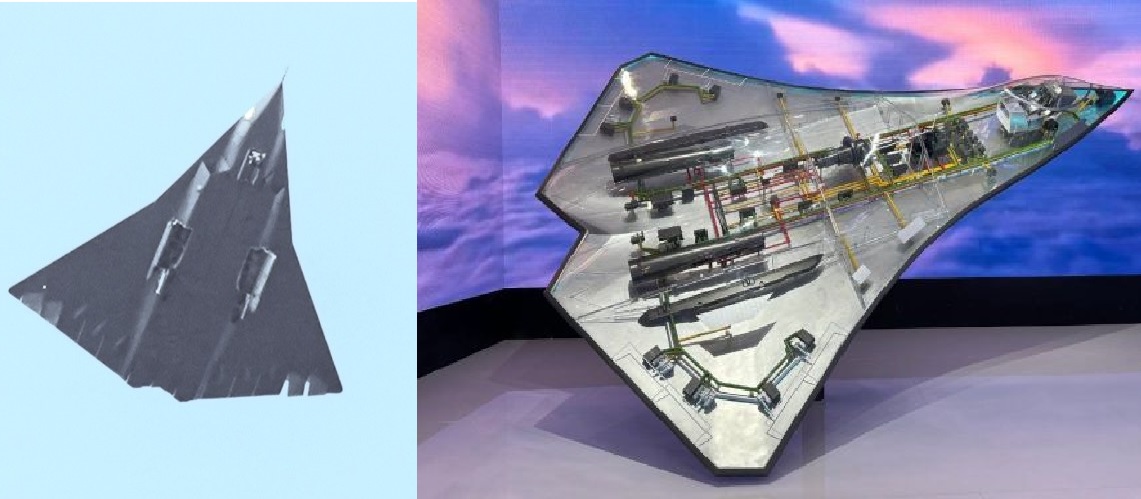
World
China has reportedly achieved a major breakthrough in aerospace technology with the maiden flight of its much-anticipated sixth-generation fighter jet. This development, which has sparked widespread discussion on social media, points to China's growing prowess in stealth and combat aircraft innovation, potentially shifting the balance of power in the skies. A Revolutionary Design for Stealth and Speed Images circulating on X (formerly Twitter) suggest a radical new design for the aircraft. The jet features a flat, blended wing-body structure, completely devoid of traditional vertical stabilizing fins. This design is aimed at maximizing stealth capabilities by reducing radar cross-section to near-invisible levels. Such an aircraft, optimized for high-speed and high-altitude missions, could also serve as a stealthy long-range bomber, significantly expanding China's aerial capabilities. One of the most intriguing aspects of this new fighter jet is its three-engine configuration. The larger engines are expected to provide unprecedented thrust, enabling the aircraft to achieve higher speeds and longer ranges. This could make it particularly suited for deep-penetration bombing missions, making it a more versatile and dangerous addition to China's arsenal. Decades in the Making China’s journey toward sixth-generation fighter technology began in earnest in January 2019 when Wang Haifeng, the chief designer at Chengdu Aerospace Corporation, revealed the early stages of development. Wang outlined ambitious plans to integrate cutting-edge technologies such as artificial intelligence, advanced stealth systems, and 360-degree sensor capabilities. With a target to have an operational sixth-generation fighter by 2035, this latest test flight could indicate that China is ahead of schedule. Strategic Implications for Global Powers The emergence of this aircraft represents more than just a technological leap for China—it is a direct challenge to the aerial dominance of nations like the United States and its Next Generation Air Dominance (NGAD) program. It also poses a strategic concern for countries involved in advanced fighter programs, such as the UK, Italy, and Japan with their Global Combat Air Programme (GCAP), and the European Future Combat Air System (FCAS). For nations like India, which is currently developing its Advanced Medium Combat Aircraft (AMCA), this development highlights the urgency of staying competitive in the realm of next-generation military aviation. Unverified but Unignorable While the Chinese government has yet to officially confirm the aircraft's first flight, such developments often remain shrouded in secrecy, fueling both speculation and strategic posturing. The release of these images—whether intentional or accidental—has certainly caught the attention of defense analysts and military strategists worldwide. A New Era of Air Superiority? China’s sixth-generation fighter jet could redefine aerial combat in the coming decades, marking a shift in the global balance of military power. As the world watches for official announcements and further details, one thing is clear: the race for sixth-generation fighter dominance is well underway, and China has taken a significant step forward.
Read More → Posted on 2024-12-26 14:45:25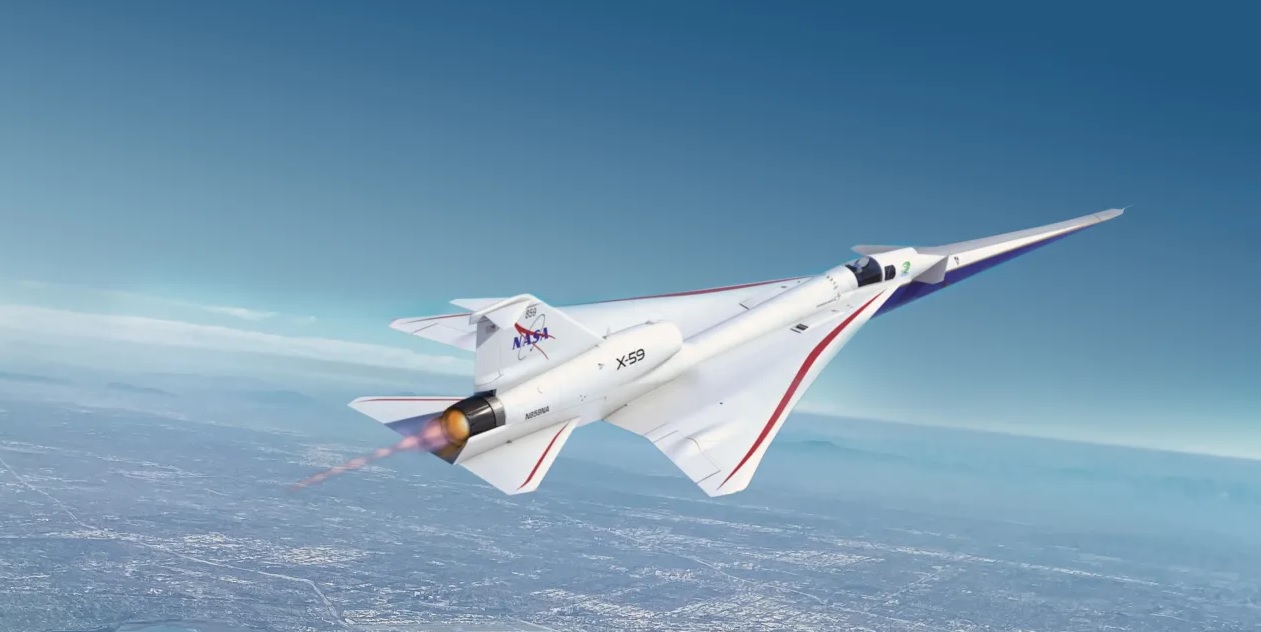
World
NASA's revolutionary X-59 Quiet Supersonic Technology (QueSST) aircraft has taken a significant leap forward by successfully running its engine at maximum afterburner power for the first time. This groundbreaking test, conducted on December 12, 2024, at Lockheed Martin's Skunk Works facility in Palmdale, California, marks a crucial milestone as the aircraft advances toward its maiden flight, expected in 2025. Pioneering Technology for Supersonic Travel The X-59 is designed to revolutionize supersonic flight by addressing one of its biggest challenges: the loud sonic boom that occurs when breaking the sound barrier. Powered by the advanced F414-GE-100 engine, the aircraft can achieve supersonic speeds of Mach 1.4 (approximately 925 mph) while cruising at an altitude of 55,000 feet. Unlike traditional supersonic jets, the X-59 minimizes disruptive sonic booms, replacing them with a much quieter "sonic thump." The successful engine test validated the engine's ability to deliver high thrust levels while maintaining optimal operational conditions. This included ensuring proper temperature limits and airflow requirements, critical for high-speed performance. Innovative Design and Features The X-59 boasts a sleek, futuristic design optimized for supersonic travel. Key features include: Tapered, Thin Nose: The aircraft's elongated nose is engineered to break up shock waves, significantly reducing the intensity of sound reaching the ground. External Vision System (XVS): In place of traditional forward-facing cockpit windows, the X-59 uses an advanced camera system and display to provide pilots with a clear view of their surroundings, ensuring safe and efficient navigation. Quiet Supersonic Technology: The aircraft integrates cutting-edge aerodynamics and materials to reduce noise pollution, paving the way for regulatory acceptance of overland supersonic flights. Path to First Flight and Future Impact With the engine test now completed, the X-59 will undergo integrated systems testing, followed by taxi trials. These tests will ensure all systems function seamlessly before the aircraft takes to the skies for its inaugural flight. During operational testing, NASA will gather extensive data on the X-59's performance, particularly its ability to produce low-noise supersonic travel. The insights gained from the X-59 project are expected to influence future regulatory changes, enabling commercial supersonic flights over land for the first time in decades. This could drastically reduce travel times between major cities, making air travel faster and more efficient. A Step Toward the Future of Aviation NASA's X-59 Quiet Supersonic Technology aircraft is not just a milestone for the space agency but a transformative project for the aviation industry. By addressing the challenges of sonic booms and noise pollution, the X-59 aims to unlock the full potential of supersonic travel, reshaping the future of global air transportation.
Read More → Posted on 2024-12-26 14:37:03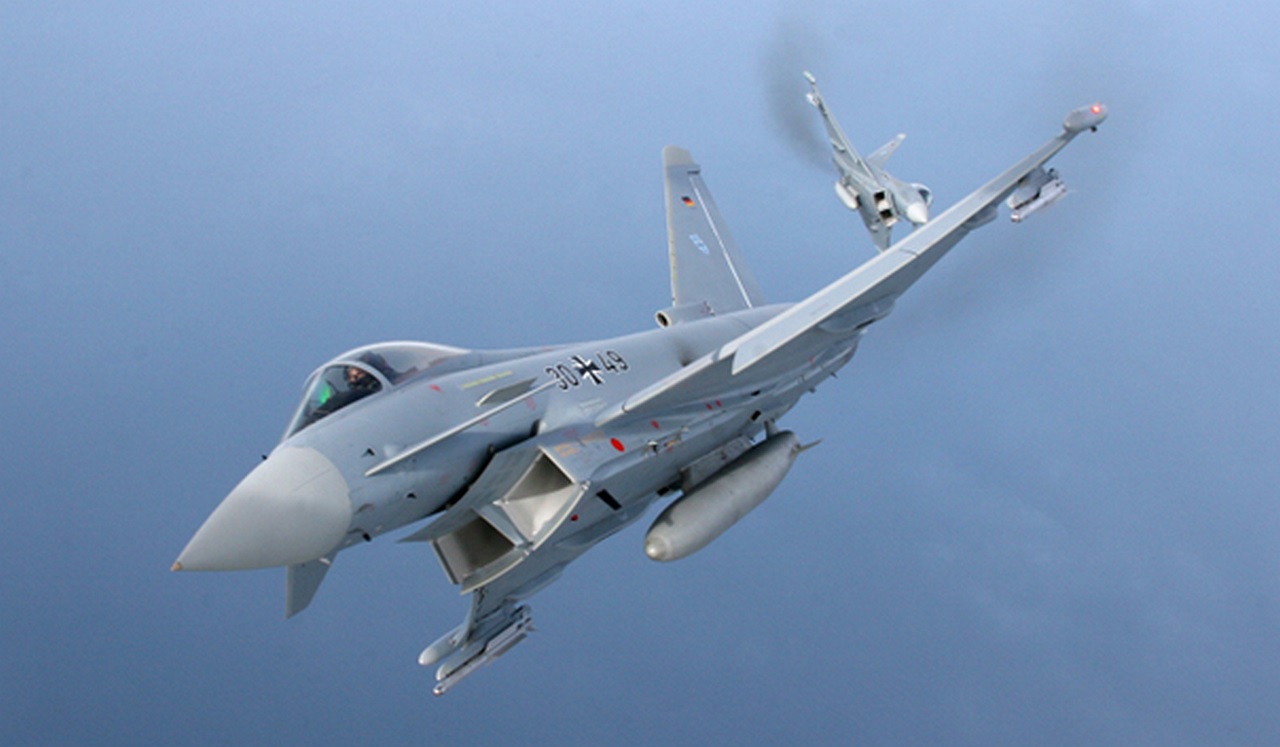
World
The Italian Ministry of Defence has announced its decision to procure 24 additional Eurofighter Typhoon aircraft, a move that underscores Italy's commitment to enhancing its combat air capabilities. These new jets will replace the older Tranche 1 Eurofighters, which have been in service since February 2004. This acquisition is part of a broader strategy to modernize Italy's air fleet and bolster national and NATO air defense systems. Modernized Features for Advanced Combat The new Eurofighter Typhoons will be equipped with state-of-the-art avionics, sensors, and weapon systems. They will feature the capability to operate Brimstone III ground-attack missiles, designed for precision strikes, and the Meteor radar-guided air-to-air missiles, which provide long-range interception capabilities. These aircraft will also include enhanced connectivity, enabling seamless integration with other military platforms used by the Italian Air Force, thereby strengthening their operational effectiveness. Simon Ellard, Eurofighter’s general manager, described the purchase as a significant step forward, stating, “The order will enhance the Italian Air Force’s combat air capabilities and provide security for Italy, Europe, and the NATO alliance.” Italy Follows Spain’s Lead Italy’s decision comes just days after Spain confirmed its acquisition of 25 additional Eurofighter jets to modernize its own fleet, bringing Spain’s total to 115 aircraft. This marks a week of significant orders for the Eurofighter program and highlights the aircraft's importance to European defense. Giancarlo Mezzanatto, the program’s chief executive, emphasized the Eurofighter’s vital role, stating that these acquisitions reaffirm the Typhoon’s position as a cornerstone of European air defense. Ellard echoed this sentiment, calling the Typhoon the "backbone" of regional air defense systems. The Eurofighter Typhoon: A European Collaboration The Eurofighter Typhoon is a product of collaborative efforts between Airbus, BAE Systems, and Leonardo, under the direction of a four-nation consortium comprising Italy, Germany, Spain, and the UK. This partnership was established to develop a versatile, multi-role combat aircraft capable of addressing diverse mission requirements. Key design features include its delta-wing configuration, which allows for high lift, low drag, and exceptional agility, especially at supersonic speeds. Powered by twin Eurojet EJ200 engines, the Typhoon boasts a top speed of 2,495 kilometers per hour (1,550 miles per hour) and an operational range of approximately 2,900 kilometers (1,800 miles). This combination of speed, agility, and range makes the Typhoon a formidable platform for air-to-air and air-to-ground operations. Strengthening NATO Defense Italy’s investment in additional Typhoons not only strengthens its own air force but also contributes to the collective defense capabilities of NATO. As tensions and security challenges in Europe persist, modernizing and expanding air fleets remains a strategic priority for member nations. The Eurofighter Typhoon, with its cutting-edge capabilities and proven operational track record, continues to play a critical role in safeguarding European airspace. With both Italy and Spain reinforcing their fleets, the aircraft’s relevance and demand are poised to grow further in the coming years.
Read More → Posted on 2024-12-26 14:25:53Search
Top Trending in 24 Hours
-
 Tulsi Gabbard Releases Declassified Files Detailing U.S.-Backed Network of 120 Biolaboratories Across 30+ Countries
-
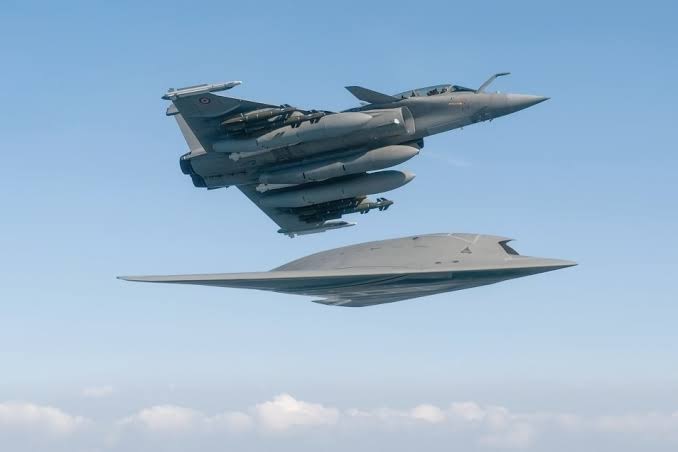 France Agrees to Equip Future Indian Rafales with AI, MUM-T and Secure Satellite Links Under F5 Standard
-
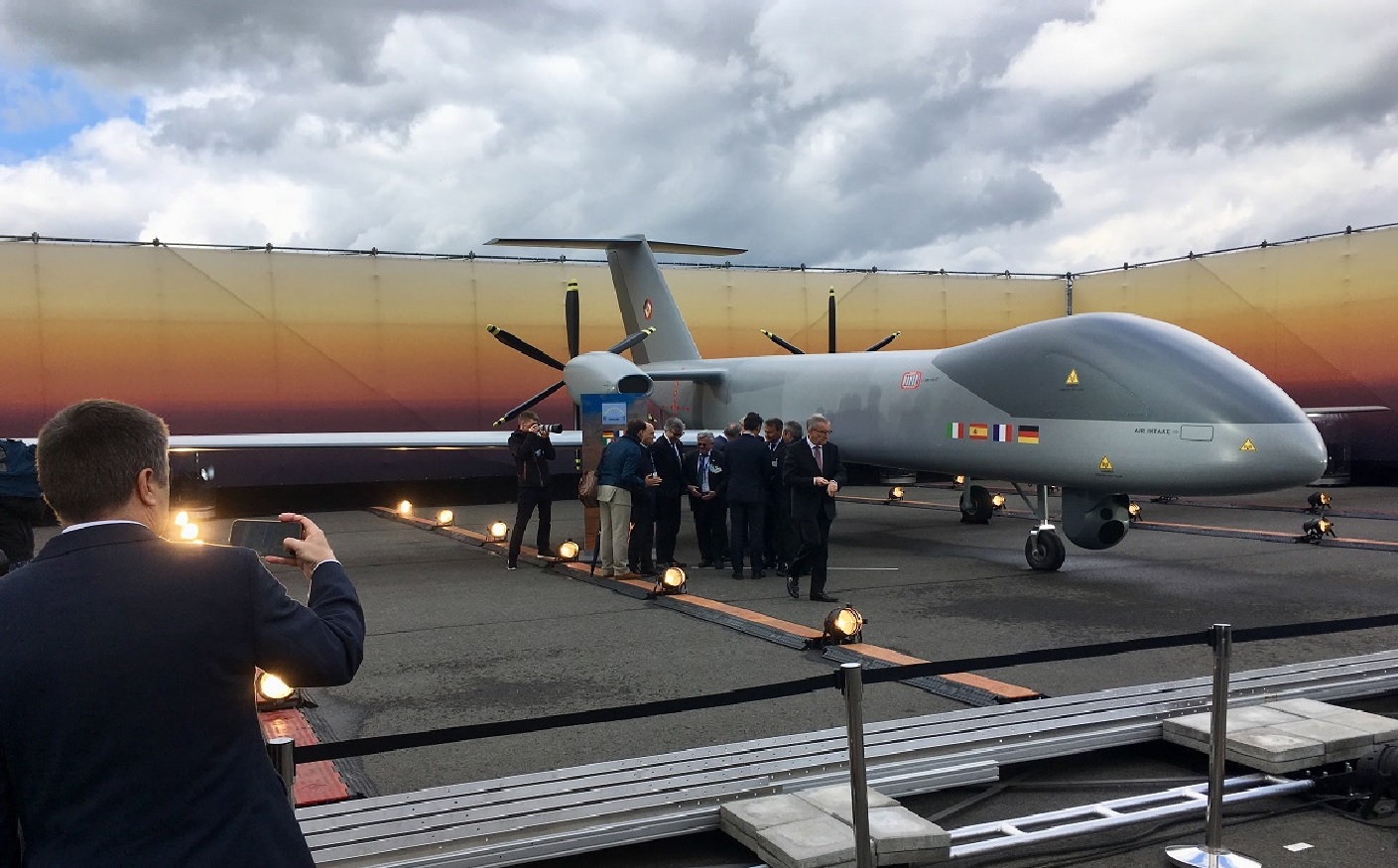 Dassault Seeks Compensation From Airbus as Eurodrone Dispute Erupts After FCAS Collapse
-
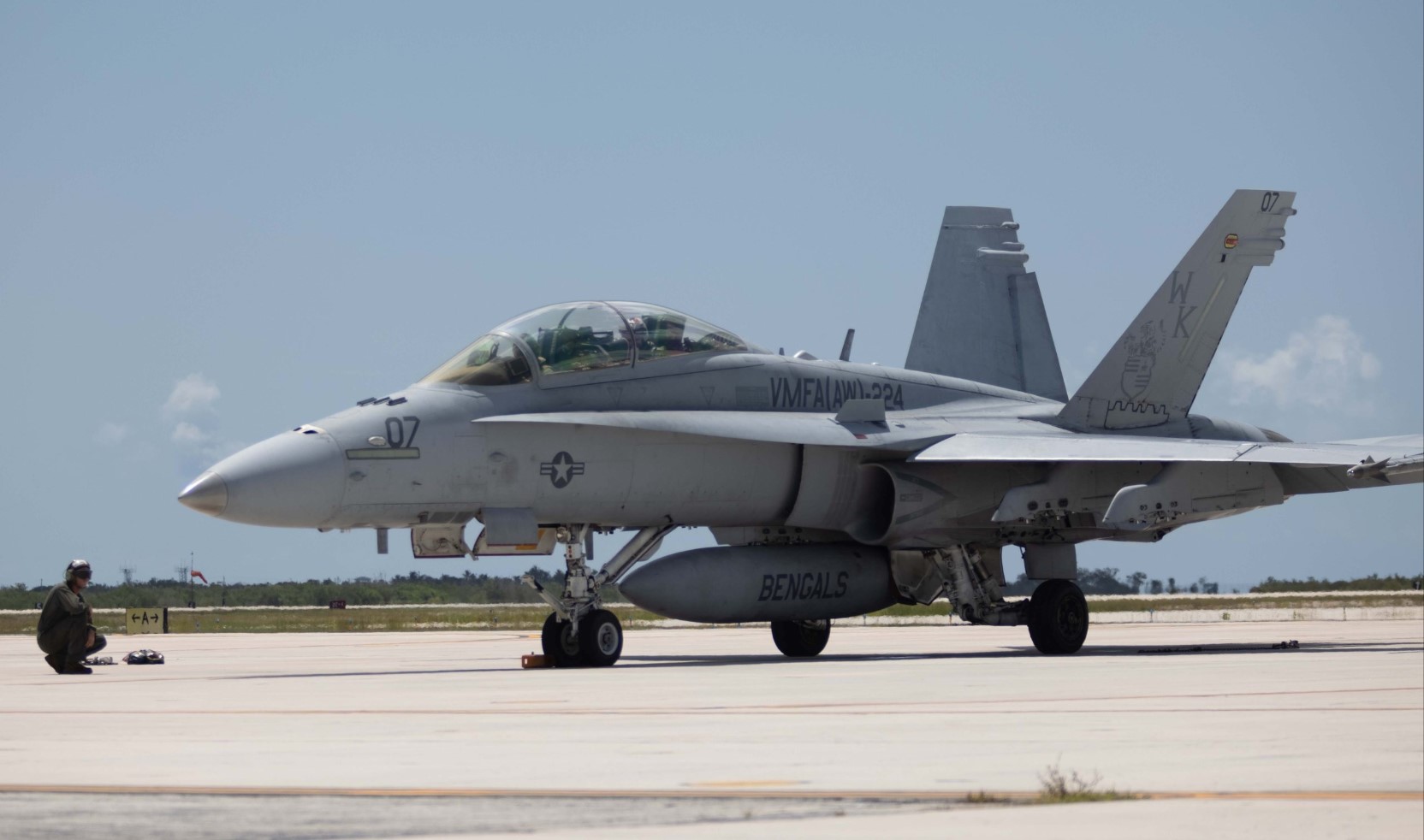 US Marine Corps F/A-18D Hornet Crashes During Training Flight in Washington Mountains; Pilot Ejects Safely
-
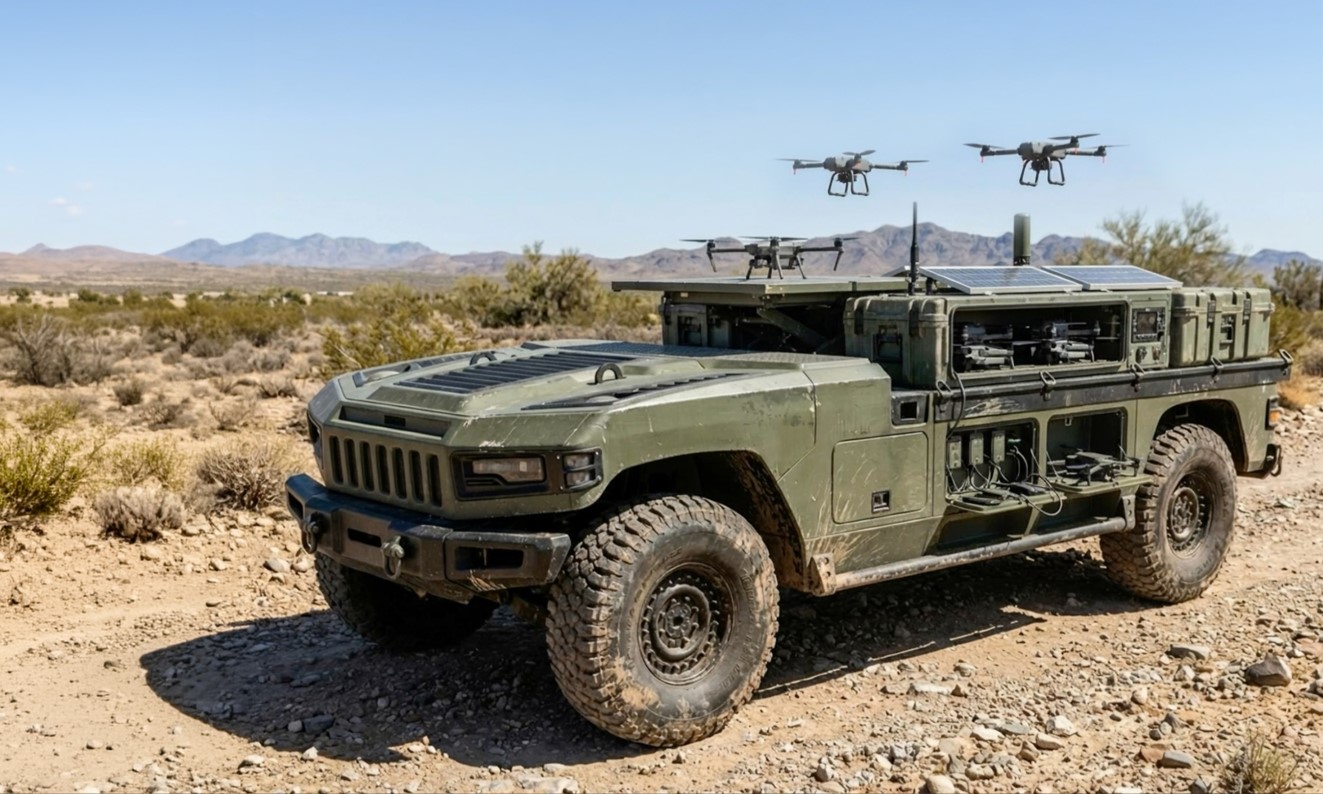 AM General Unveils Next-Generation UGV and JLTV A2 with Counter-Drone Systems at Eurosatory 2026
-
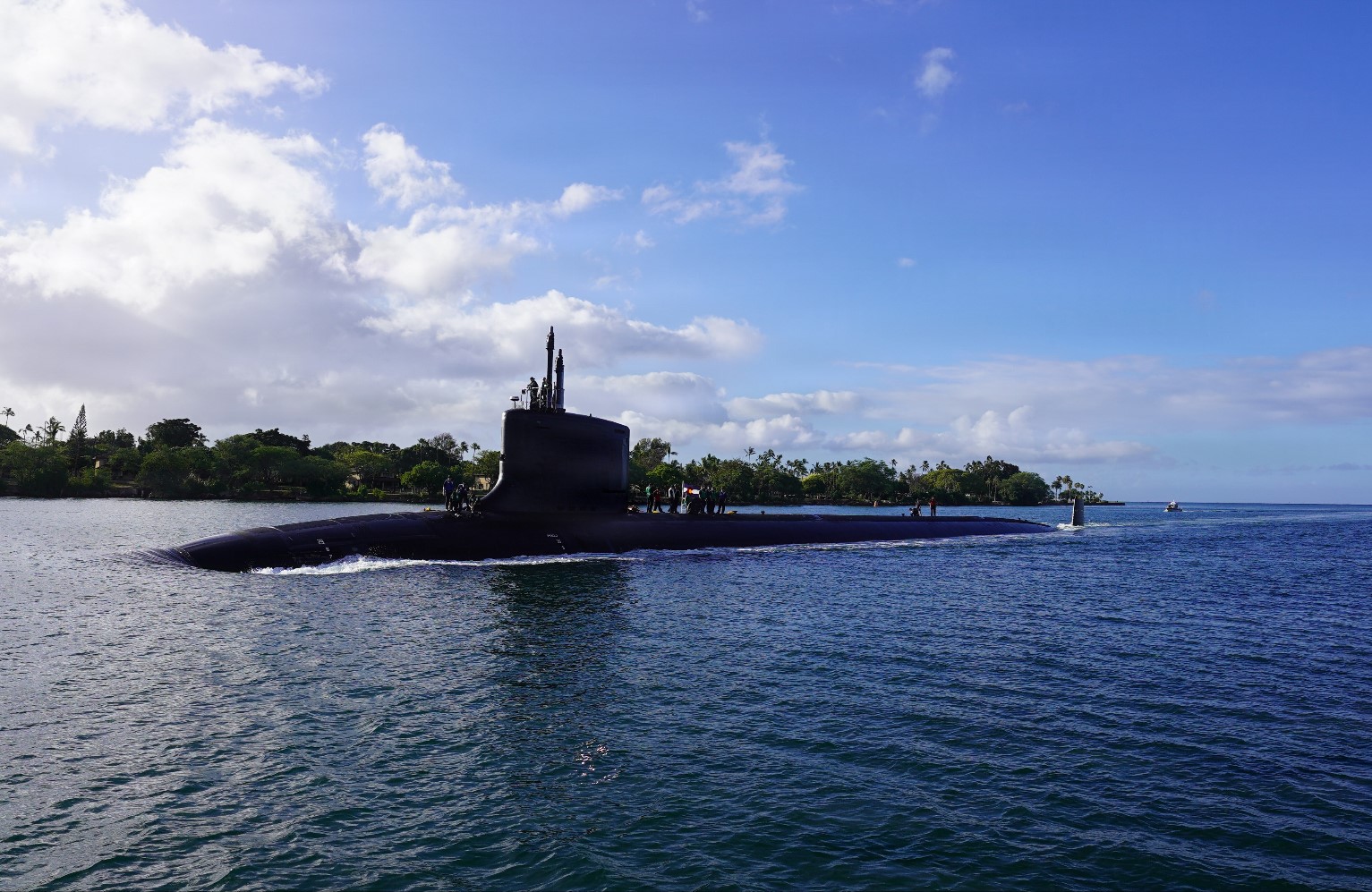 U.S. Navy's USS Colorado Submarine Returns to Pacific Fleet 29 Days Early After Major Pearl Harbor Overhaul
-
 Pakistan Raises Defence Budget from $9 Billion to $10.8 Billion as J-35 Fighter and Hangor Submarine Programs Advance
-
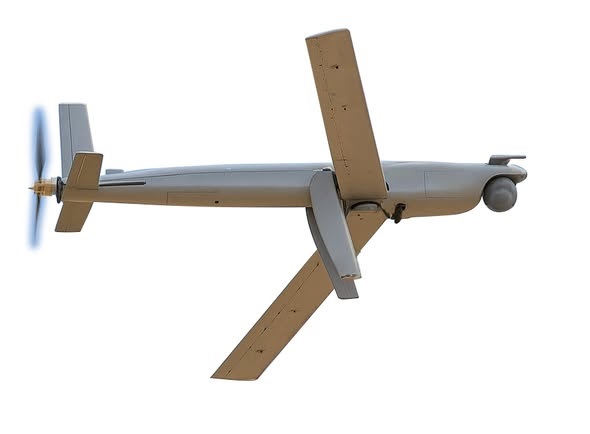 Elbit Systems and Diehl Defence Partner to Offer SkyStriker Loitering Munition to German Armed Forces
Top Trending in 4 Days
-
 Iranian Media Leaks 14-Point U.S.-Iran Peace Framework Amid Ongoing Negotiations
-
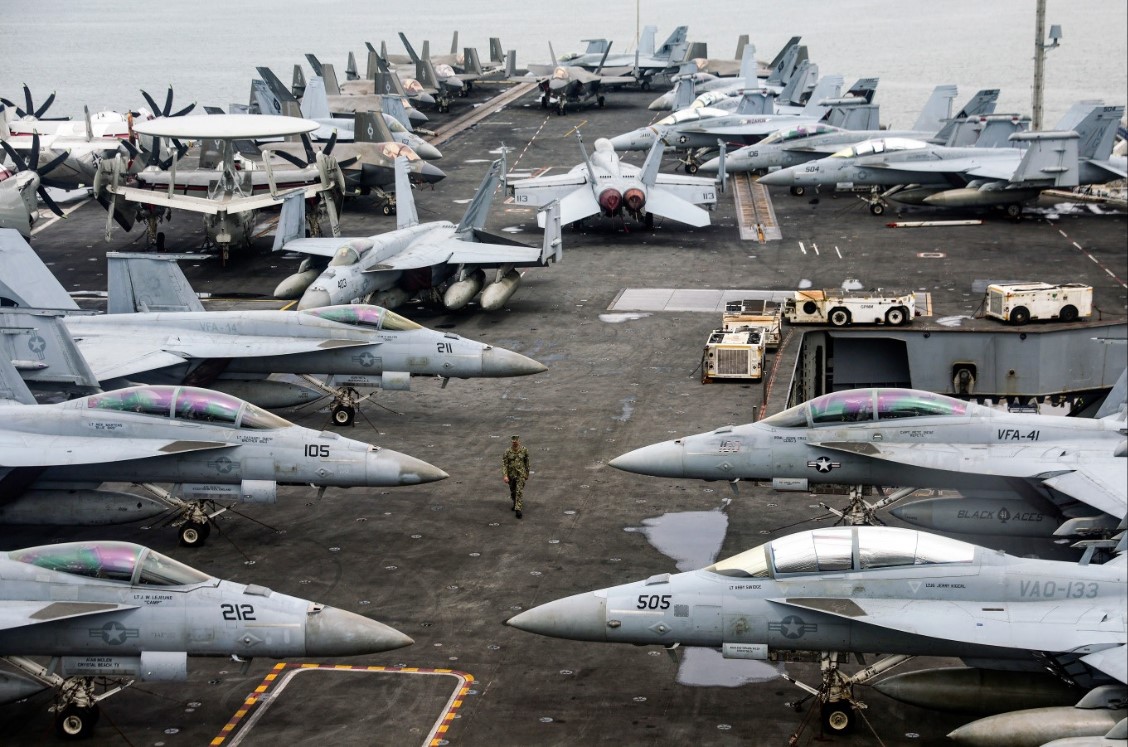 US Plans Significant Reduction of Fighter Jets and Warships for NATO Operations in Europe
-
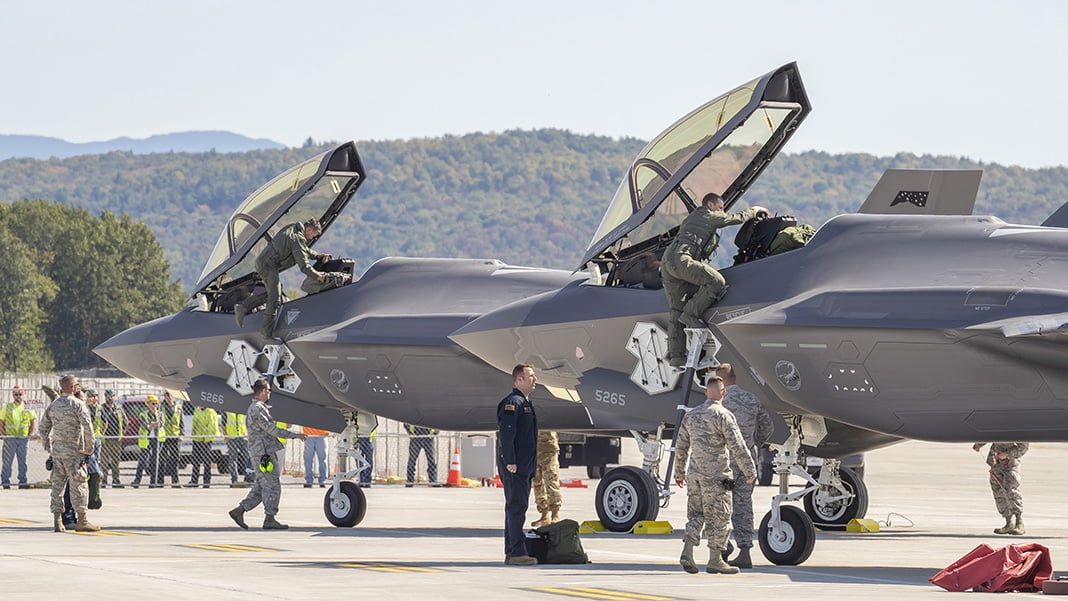 F-35 Fleet Readiness Falls to 25% Amid Parts Shortages and Software Delays: GAO Report
-
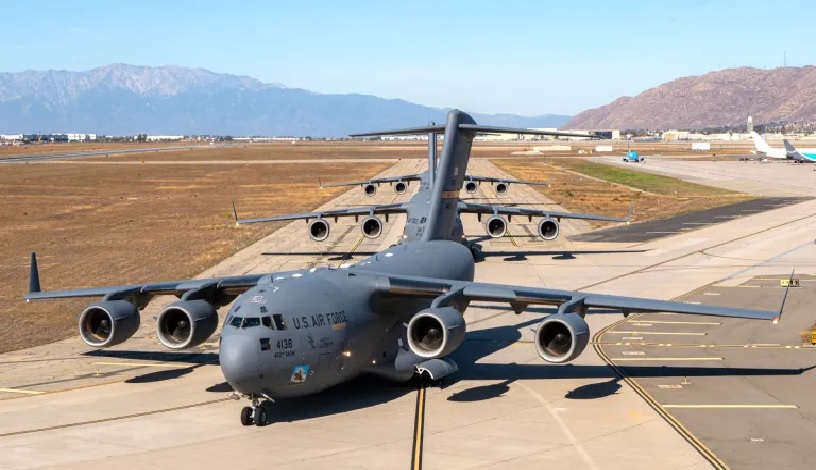 U.S. Air Force Faces Strategic Airlift Shortfall as C-17 Production Restart Remains Uncertain
-
 NATO Commander Says Russia Not Seeking Conflict With Alliance Despite U.S. Force Reductions
-
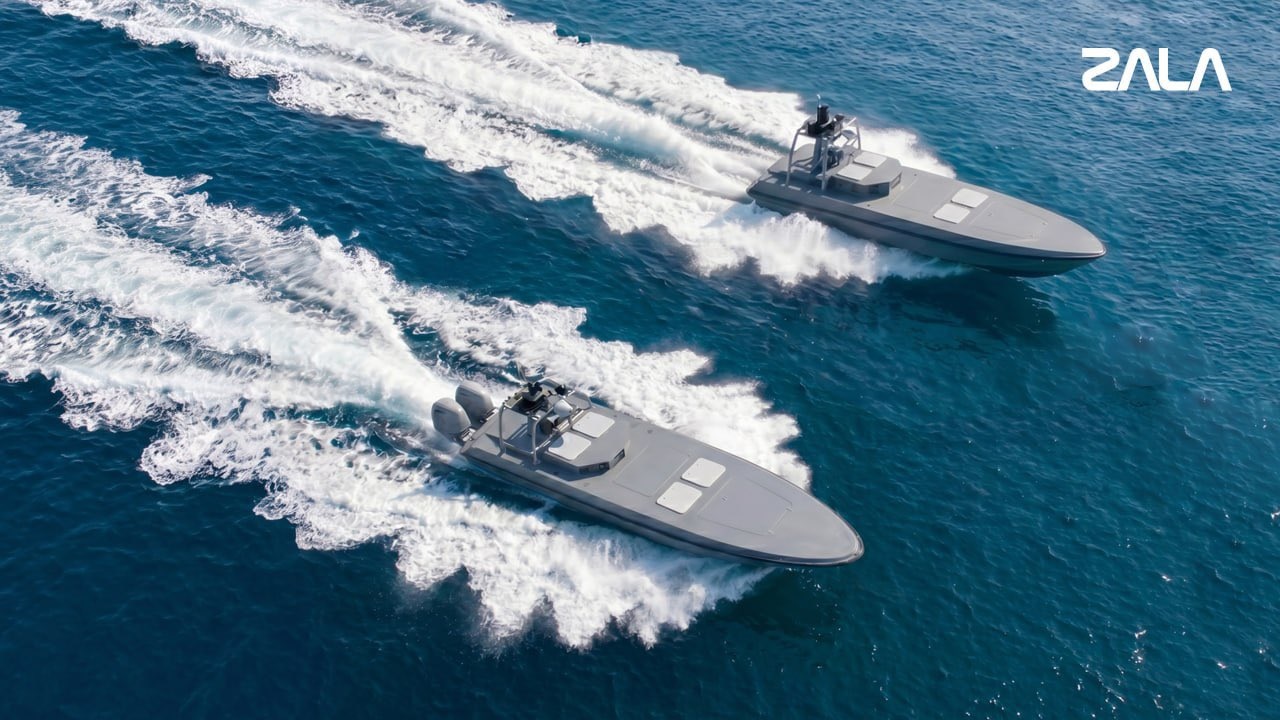 Russian Defense Firm ZALA Unveils KAMA Unmanned Surface Vessel Family at FLOT-2026 Naval Exhibition
-
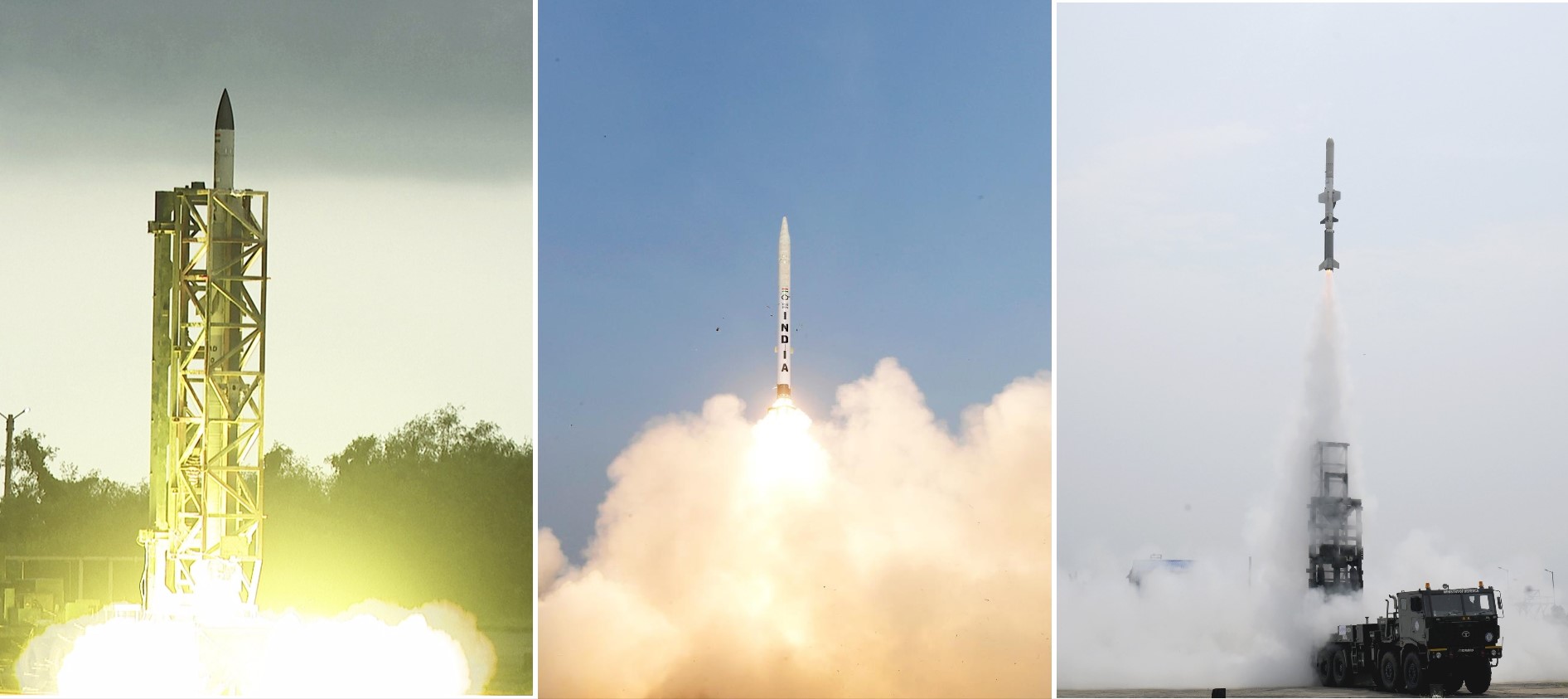 India Successfully Conducts AD-1, AD-2 Interceptor Tests and Maiden NASM-MR Flight Trial
-
 U.S. Space Force Awards $437.7 Million Contracts for First PTS-G Swarm 1 Anti-Jam Satellites