World
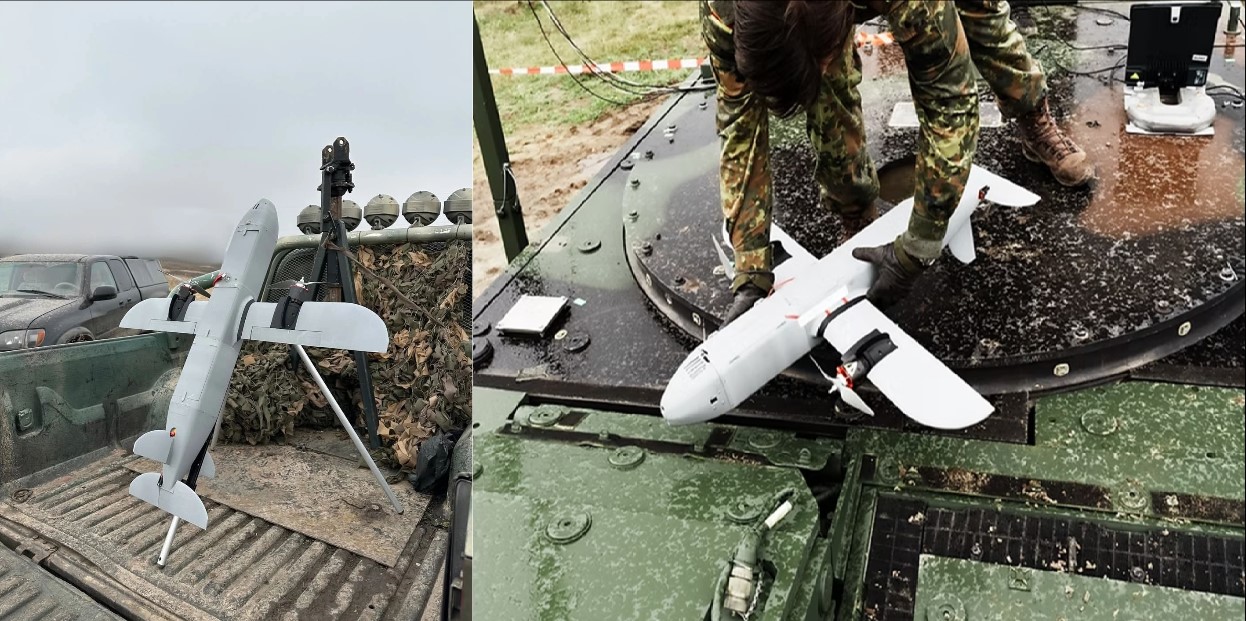
Brave1, a defense-tech collaboration platform launched by the Ukrainian government, has announced the successful testing of an advanced interceptor drone developed by German-based TYTAN Technologies. The trials mark a significant step in Ukraine’s efforts to bolster its defense systems amidst persistent aerial threats. The TYTAN interceptor drone, specifically engineered to tackle modern warfare challenges, demonstrated its ability to counter enemy reconnaissance UAVs and Iranian-design Shahed drones, which have been a notable threat in the ongoing conflict. Ukrainian operators carried out the tests, evaluating the drone’s speed, range, and adaptability to battlefield conditions. Specifications and Capabilities The TYTAN drone is a high-speed UAV, capable of reaching impressive speeds of up to 300 km/h. Its operational range spans 20 kilometers, making it suitable for rapid-response missions in localized combat scenarios. The drone’s current design enables manual operation, ensuring precise engagement with hostile targets. What sets this UAV apart is its planned upgrade—a cutting-edge automatic targeting system powered by machine vision technology. This enhancement will significantly increase its accuracy and allow for real-time adjustments during missions, making it a formidable asset against fast-moving or evasive aerial threats. Additionally, the drone has been crafted to withstand the rigors of modern warfare, with durability to perform under extreme conditions. Collaborative Efforts for Advanced Solutions Representatives from Ukraine’s Security and Defense Forces attended the testing, voicing their confidence in the drone’s potential to meet the nation’s defense needs. "This technology offers a crucial solution to countering persistent aerial threats, addressing a significant gap in our defense capabilities," a Ukrainian defense official stated. The trials also provided Ukrainian operators the opportunity to adapt and familiarize themselves with the drone’s capabilities. Feedback from these hands-on tests will be incorporated into further enhancements, ensuring the drone aligns with the realities of the battlefield. Brave1, which aims to integrate international and domestic defense innovations, has been pivotal in fostering partnerships between Ukrainian developers and global manufacturers. The platform is already exploring opportunities for integrating complementary solutions from Ukrainian innovators with TYTAN’s drone technology. “This collaboration not only strengthens Ukraine’s defense capabilities but also fosters innovation by leveraging expertise from both German manufacturers and local developers,” a Brave1 representative emphasized. A Strategic Step in Ukraine’s Defense Plan The successful testing of TYTAN’s interceptor drone aligns with Ukraine’s broader strategy to integrate cutting-edge technology into its military operations. With evolving threats requiring agile and advanced solutions, drones like the TYTAN model could become a critical component of Ukraine’s counter-drone arsenal. The partnership between Brave1, TYTAN Technologies, and Ukrainian developers showcases a model for international collaboration that merges innovation and tactical necessity. As Ukraine continues to face challenges in its defense landscape, such efforts underscore the importance of combining global expertise with local ingenuity to meet the demands of modern warfare. The trial of the TYTAN interceptor drone is a testament to Ukraine’s commitment to staying at the forefront of defense technology, ensuring the country is equipped to counter threats with precision and efficiency.
Read More → Posted on 2024-12-30 17:16:52
World
In a significant move underscoring its support for Ukraine, the United States announced a $2.5 billion security assistance package on Monday. This aid, one of the largest tranches provided to Ukraine in its ongoing battle against Russian aggression, reflects Washington’s urgency in bolstering Kyiv’s defense capabilities before the potential shift in U.S. foreign policy under President-elect Donald Trump, who has been critical of such assistance. Breakdown of the $2.5 Billion Package The assistance comprises two primary funding mechanisms: $1.25 Billion Military Drawdown Package:This element leverages U.S. Department of Defense stockpiles, allowing the swift transfer of weapons directly to Ukraine’s frontlines. Key components include: HIMARS Ammunition: High Mobility Artillery Rocket Systems continue to play a pivotal role in Ukraine’s counteroffensive operations. Anti-Tank Weapon Systems: Vital for countering Russian armored advancements. Optically Guided Missiles and Air-to-Ground Munitions: Enhancing precision strike capabilities. Drones: For surveillance and reconnaissance missions, ensuring real-time battlefield intelligence. Spare Parts and Maintenance Equipment: To sustain operational readiness of advanced systems. $1.22 Billion Through the Ukraine Security Assistance Initiative (USAI):Unlike the drawdown package, this component facilitates procurement of military equipment through defense contractors or allied nations. This ensures a steady supply of advanced weaponry, including potentially advanced air defense systems, communications equipment, and logistics support vehicles. Political and Strategic Context President Joe Biden highlighted the broader implications of this assistance in his statement, framing it as a defense of democratic values and sovereignty. "Today, I am proud to announce nearly $2.5 billion in security assistance for Ukraine, as the Ukrainian people continue to defend their independence and freedom from Russian aggression," he said. Secretary of State Antony Blinken reinforced the administration’s commitment, stating that the U.S. and over 50 allied nations remain unified in ensuring Ukraine has the capabilities to resist Moscow’s military ambitions. This announcement aligns with earlier commitments, including a $1 billion package earlier in the month comprising drones, munitions, and essential battlefield equipment. Such packages reflect a concerted effort by the Biden administration to expedite aid before President-elect Trump assumes office. Trump has repeatedly criticized U.S. financial support for Kyiv, claiming he could broker a ceasefire in the conflict within hours, creating uncertainty about the future of U.S.-Ukraine relations. Ukrainian Response Ukrainian Defense Minister Rustem Umerov welcomed the aid package, acknowledging the critical role the U.S. plays in Ukraine’s defense strategy. In a social media post, he expressed gratitude, stating, "The U.S. is a key ally of Ukraine, providing us with invaluable assistance. Together, we will win!" Beyond Weapons: The Strategic Imperative This latest round of assistance emphasizes the urgency of reinforcing Ukraine's defense before winter slows battlefield operations. It also reflects an understanding of the broader geopolitical stakes, as the war in Ukraine represents a flashpoint in the global contest between democratic ideals and authoritarianism. By providing both immediate battlefield support and longer-term procurement plans, the United States seeks to ensure Ukraine remains equipped to counter Russian advances while signaling a continued commitment to its sovereignty and territorial integrity. As the clock ticks toward the inauguration of a new administration, the Biden government’s actions reaffirm its strategic stance, leaving a robust legacy of support for Ukraine amidst an uncertain political future.
Read More → Posted on 2024-12-30 17:05:23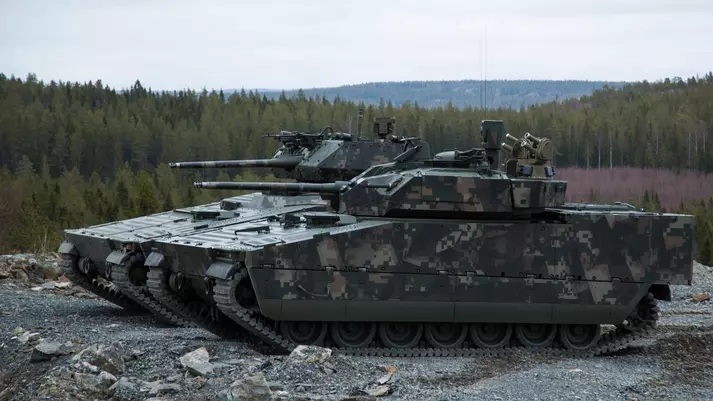
World
BAE Systems Hägglunds has enlisted Swedish cybersecurity firm Clavister to enhance the cyber defenses of the CV90 infantry fighting vehicles (IFVs) operated by two undisclosed European countries. The deal, valued at 53 million Swedish krona ($4.82 million), underscores the growing emphasis on digital security in modern combat platforms. The contract spans three years, beginning in the second half of 2025, and includes Clavister's cutting-edge integrated defense cybersecurity system. This solution is built around two key components: the Clavister RSG-400 security gateway and the RSW-400 secure network switch. Both modules are tailored for ruggedized environments, ensuring robust performance under extreme physical and environmental stress. Cybersecurity for the Digital Battlefield The CV90, an advanced infantry fighting vehicle, is lauded for its modular design and digitized systems. This makes cybersecurity a critical factor in safeguarding its various systems, which range from weapons control to engine management and battle command operations. The Clavister RSG-400 is engineered to filter out unauthorized users, systems, and protocols, ensuring that only verified elements can interact with the vehicle's network. Meanwhile, the RSW-400 bolsters network connectivity by providing secure and reliable communication channels for the vehicle’s operations. Together, these components form a resilient defense against cyber threats, enabling the CV90 to operate seamlessly in high-threat environments. Broad Capabilities of the CV90 Platform Manufactured by BAE Systems Hägglunds, the CV90 is one of the most versatile and widely adopted infantry fighting vehicles in Europe. It is currently in service with several nations, including Sweden, Norway, the Netherlands, and Switzerland. The vehicle’s adaptability allows it to integrate a wide range of armaments, from 30mm autocannons to 120mm guns, making it suitable for diverse combat scenarios. Equipped with advanced situational awareness systems, active protection measures, and state-of-the-art electronic architecture, the CV90 is a formidable force on the battlefield. The addition of Clavister’s cybersecurity solution ensures that these capabilities remain uncompromised, even in the face of increasingly sophisticated cyber threats. A Strategic Move for European Defense The two countries benefiting from this cybersecurity upgrade include one Scandinavian nation and another from Eastern Europe. While their identities remain confidential, this investment highlights a broader European commitment to bolstering national defense systems amid evolving geopolitical tensions. The CV90's continued success in gaining the trust of new operators is a testament to its versatility and technological edge. Clavister CEO John Vestberg emphasized, "With strong cyber-defense capabilities, the CV90 is designed to meet a highly versatile enemy on the battlefield." Future Implications As the digital landscape continues to evolve, cyber resilience is becoming a cornerstone of military capability. The Clavister contract not only reinforces the CV90’s reputation as a state-of-the-art fighting vehicle but also sets a benchmark for integrating cybersecurity into modern military platforms. This collaboration between Clavister and BAE Systems Hägglunds is poised to enhance the operational security of European armed forces for years to come.
Read More → Posted on 2024-12-30 16:57:57
World
Turkish defence company Roketsan recently showcased a striking demonstration of its ALKA Directed Energy Weapon (DEW) system, capturing attention with a display of its growing capabilities. In a newly released video, the ALKA system successfully detonated a 10 mm Explosive Reactive Armour (ERA) block using its high-energy laser, signaling new potential roles for the technology beyond its original design. The ALKA system was initially conceived as a countermeasure against modern battlefield threats like unmanned aerial vehicles (UAVs) and improvised explosive devices (IEDs). Its core features include high-precision targeting and neutralization of fast-moving drones or disabling electronic systems. The new footage, however, suggests that Roketsan is expanding its scope to test its viability against armoured targets. ALKA's Key Specifications and Capabilities Laser Technology: ALKA employs a solid-state laser system capable of neutralizing threats with pinpoint precision. The system can target objects from several hundred meters away, making it ideal for short to medium-range defence scenarios. Multi-Layered Defence: ALKA can simultaneously engage multiple threats, combining its laser weapon with an electromagnetic pulse (EMP) feature to disrupt communication and disable drones or electronic IEDs. Rapid Deployment: The system is designed for mobility and can be mounted on land-based vehicles or stationary platforms, ensuring versatility in deployment. Targeting System: A sophisticated electro-optical targeting system ensures that ALKA remains effective in a range of environmental conditions, including low-visibility scenarios. Tactical Implications of ERA Detonation While the ALKA system's primary mission does not include direct engagements with armoured vehicles, the ability to detonate ERA presents intriguing possibilities. Explosive Reactive Armour is specifically designed to disrupt incoming anti-tank projectiles by absorbing their energy. By targeting and detonating these armour blocks with its laser, ALKA could pave the way for more effective follow-up attacks using anti-tank guided missiles (ATGMs) or kamikaze UAVs. Experts have also pointed out the psychological impact such a capability could have on tank crews. The sudden detonation of ERA without a visible projectile might simulate the effect of an imminent attack, potentially affecting crew morale and operational focus. Challenges and Future Developments To transform ALKA into an effective anti-armour weapon, significant advancements in its power generation and operational range would be necessary. For instance, the system would need to operate at a distance where it could neutralize threats before tanks or other armoured vehicles could retaliate. Increasing the laser's energy output while maintaining portability will be a key focus for future iterations of the technology. Roketsan’s latest demonstration highlights the ongoing evolution of directed energy weapons, moving them beyond traditional roles into areas once dominated by kinetic solutions. With further refinements, systems like ALKA could redefine modern battlefield dynamics, particularly in hybrid warfare scenarios where versatility and speed are paramount.
Read More → Posted on 2024-12-30 15:52:22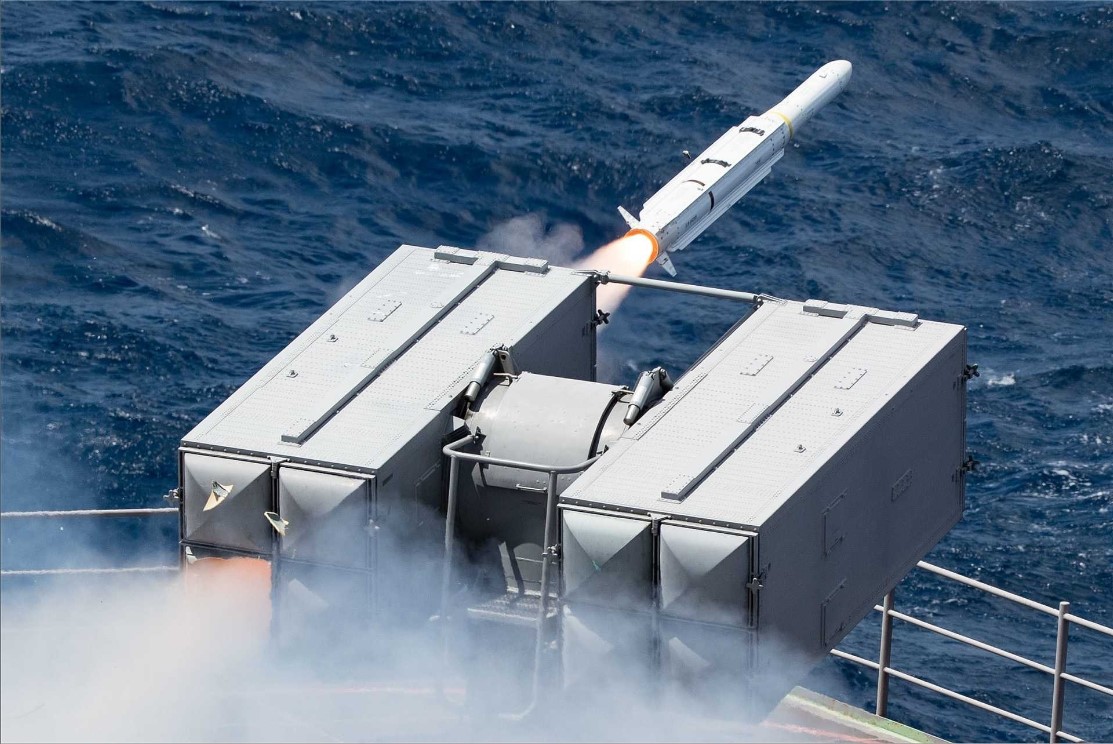
World
In a significant move to strengthen Ukraine's air defense amid ongoing Russian aggression, Greece is set to deliver 24 Sea Sparrow missiles from its naval and air force reserves. These short-range, surface-to-air missiles will play a critical role in countering aerial threats and bolstering Ukraine's defensive capabilities. Sea Sparrow Specifications and Role The RIM-7 Sea Sparrow missile is a versatile, ship-borne weapon designed primarily for point defense against aircraft, cruise missiles, and anti-ship missiles. The missile can also be adapted for ground-based launchers, as Ukraine has done through the Pentagon-backed "FrankenSAM" program. Key specifications of the Sea Sparrow missile include: Range: Approximately 19 kilometers (12 miles). Warhead: A 90-pound (41-kilogram) blast fragmentation warhead, designed for maximum impact against aerial targets. Guidance System: Semi-active radar homing, allowing the missile to track and engage fast-moving threats with precision. Adaptability: In addition to being launched from ships and modified ground systems, the missile could reportedly be retrofitted for deployment on attack drones, offering new operational possibilities. The Sea Sparrow has been in service for over four decades, with numerous upgrades enhancing its effectiveness. Despite its age, the missile remains a reliable solution for short-range air defense, especially when integrated with advanced systems. Integration with Soviet-Era Systems Ukraine’s ability to integrate Western weapons with its existing Soviet-era platforms has been a game-changer in its military strategy. The Sea Sparrow missiles will reportedly be fired from modified Buk air defense systems, originally designed for Soviet-made munitions. This adaptation underscores the ingenuity of Ukraine's defense forces and the importance of international support in upgrading their military capabilities. Greece's Contribution and Broader Military Aid The delivery of the Sea Sparrow missiles is part of a broader military aid package from Greece, which includes artillery shells, weapons, and ammunition. Athens has been cautious about providing more advanced systems like the S-300 and Patriot missile platforms, citing security concerns and the absence of suitable replacements for its own defense needs. These Sea Sparrows are surplus inventory for Greece, deemed no longer operationally necessary for its armed forces. The contribution reflects growing international support for Ukraine, as countries like the United States and Belgium have also supplied Sea Sparrow missiles in previous aid packages. Importance of Air Defense in Ukraine’s Strategy With the conflict escalating, air defense systems have become a cornerstone of Ukraine’s military strategy. Russian airstrikes and drone attacks pose a constant threat, making systems like the Sea Sparrow vital for protecting critical infrastructure and military assets. Ukraine first received a batch of Sea Sparrow missiles from the United States in January 2023, followed by an additional eight missiles from Belgium later that year. The integration of these systems has already proven effective in countering various aerial threats. A Step Toward Enhanced Defense While the Sea Sparrow is not the most modern air defense missile, its inclusion in Ukraine’s arsenal adds another layer of protection. The ability to retrofit these missiles for use with existing systems demonstrates Ukraine’s adaptability and resilience. As international military aid continues to flow, these contributions collectively strengthen Ukraine’s capacity to defend its sovereignty and repel aggressors. This latest aid package from Greece highlights the importance of international solidarity in ensuring Ukraine has the tools it needs to navigate the challenges of modern warfare.
Read More → Posted on 2024-12-30 15:42:56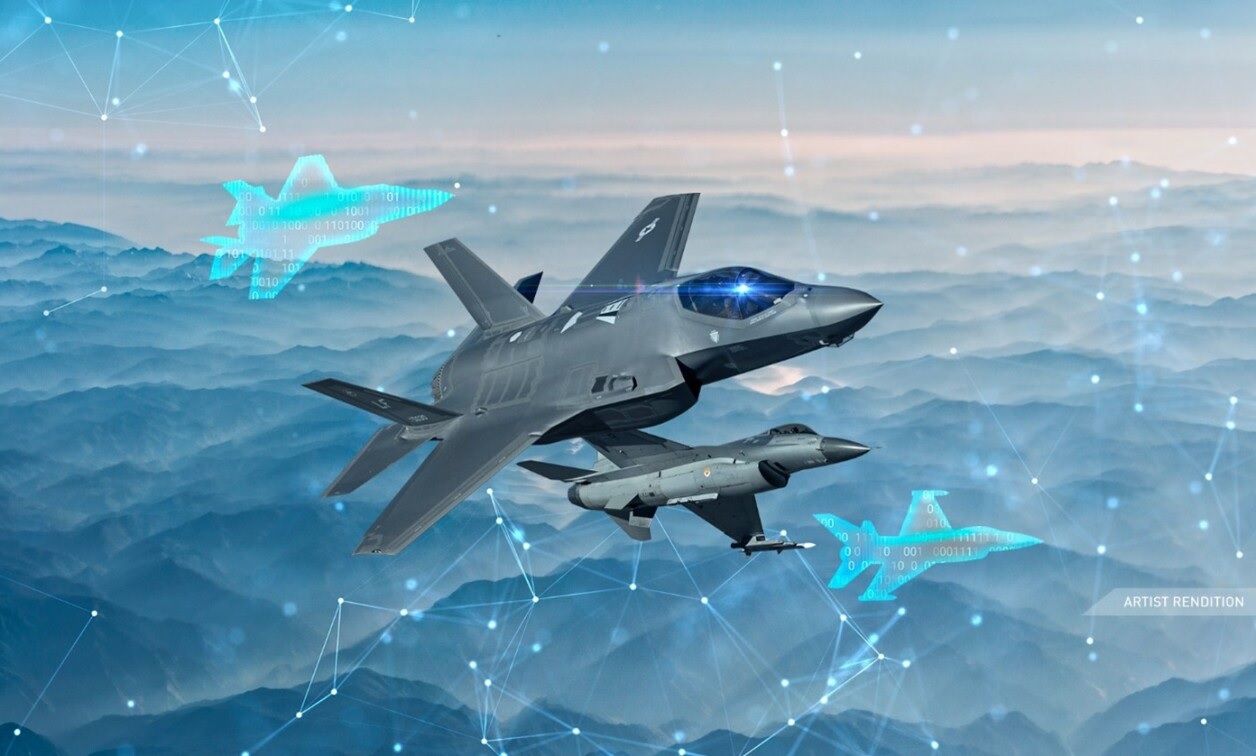
World
Pacific Defense, alongside its affiliate Perceptronics, has been awarded a significant follow-on contract by the U.S. Air Force Life Cycle Management Center (AFLCMC) to push the boundaries of Artificial Intelligence (AI)-driven Electronic Warfare (EW) systems. This 12-month contract, running until December 2025, builds upon prior advancements in EW mission system capabilities and takes a step further by incorporating cutting-edge AI and Machine Learning (ML) technologies to enhance the detection and processing of radio frequency (RF) emitters. The project is rooted in the development and testing of the U.S. Government’s EW software frameworks, which adhere to Sensor Open System Architecture (SOSA) and Open Mission System (OMS) standards. These frameworks enable seamless integration of EW capabilities with various Air Force platforms. This effort reflects the Air Force’s commitment to modernizing its defense technologies by embracing an open architecture approach, which allows for modular upgrades and interoperability. The ultimate aim is to deploy these AI-enhanced capabilities in operationally representative environments using open architecture pods. The Role of Perceptronics Perceptronics plays a critical role in this venture, leveraging its expertise in developing advanced AI/ML applications to tackle some of the most complex challenges in modern defense. Elan Freedy, General Manager of Perceptronics, emphasized the innovative nature of the work, stating, “Our core focus is on the innovative application of AI and ML techniques to enhance the operational effectiveness of mission solutions.” The integration of AI/ML technologies will allow the systems to process RF signals more efficiently, identify threats faster, and adapt to changing operational environments in real-time. Strategic Importance of the Project Frank Pietryka, Vice President of EW, SIGINT, and Autonomy at Pacific Defense, underlined the national importance of this initiative. “The integration of these solutions into the Electronic Warfare mission is a national priority, and we are proud to collaborate with Perceptronics to support the USAF in addressing this critical challenge,” Pietryka said. The contract work will primarily take place in three key locations: Nashua, New Hampshire; El Segundo, California; and Fairfax, Virginia. These hubs represent Pacific Defense’s commitment to innovation in C5ISR (Command, Control, Communications, Computers, Combat Systems, Intelligence, Surveillance, and Reconnaissance), Electronic Warfare, and Signals Intelligence (SIGINT) technologies. Embracing Modular Standards Central to the project is Pacific Defense’s adoption of the Modular Open Systems Approach (MOSA), a framework that promotes adaptability and scalability in defense technologies. By leveraging MOSA standards, the company ensures that its solutions are not only forward-compatible but also easier to integrate with existing systems. This aligns with the broader Department of Defense strategy to future-proof its technological investments. Expanding AI Capabilities in EW The use of AI and ML in Electronic Warfare systems represents a transformative leap. These technologies allow systems to autonomously recognize, learn, and respond to RF emitters, significantly enhancing their speed and accuracy. This capability is particularly crucial in high-stakes environments where rapid decision-making can be the difference between success and failure. Pacific Defense and Perceptronics’ collaborative efforts under this contract are expected to not only improve the USAF’s EW capabilities but also set new standards for AI-driven defense applications. As these advancements are tested and implemented, they promise to enhance the operational effectiveness of the U.S. Air Force, reinforcing its position as a global leader in electronic warfare.
Read More → Posted on 2024-12-29 15:39:10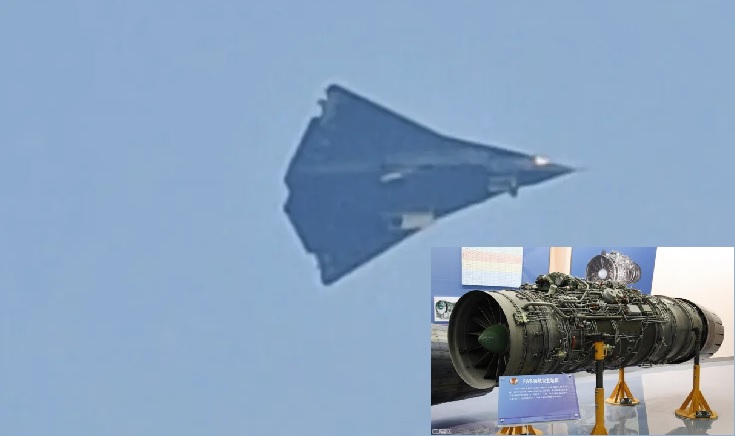
World
China’s aviation industry has long been striving to secure its place as a leader in advanced military aircraft technology. The J-36, touted as a sixth-generation fighter, is the latest addition to this ambitious pursuit. However, the platform's reliance on the WS-10C engines has raised critical questions about its capabilities, particularly in achieving true stealth and operational superiority. The J-36: Specifications and Design Features The J-36 incorporates many hallmarks of sixth-generation fighter technology, aimed at surpassing fifth-generation aircraft like the F-22 and Su-57. These features include: Advanced Avionics: Equipped with next-generation sensors and data fusion capabilities, the J-36 is designed to operate seamlessly in network-centric warfare. Stealth-Oriented Design: The aircraft features a sleek airframe with a focus on reduced radar cross-section (RCS). Its angular lines, internal weapon bays, and radar-absorbent materials aim to lower detectability. Three-Engine Configuration: The J-36 is powered by three WS-10C engines, intended to provide increased thrust and redundancy in combat scenarios. AI and Autonomous Systems: The aircraft reportedly integrates artificial intelligence for decision support and potentially autonomous combat operations. WS-10C Engines: A Double-Edged Sword The WS-10C engines, despite being an improved iteration of the WS-10 family, represent a critical bottleneck in the J-36’s performance and stealth capabilities. 1. Stealth Limitations True stealth depends heavily on controlling heat signatures and minimizing radar reflections. The WS-10C engines, which lack advanced thrust-vectoring nozzles and sufficient heat-dissipation technologies, present challenges: Higher Infrared Signature: The engines generate significant heat, making the aircraft more vulnerable to detection by infrared search and track (IRST) systems. Nozzle Design: The lack of serrated or stealth-optimized nozzles contributes to radar reflections, undermining the aircraft's RCS. Exhaust Management: Without advanced exhaust cooling, the J-36 struggles to achieve thermal stealth, a critical factor in modern aerial combat. 2. Thrust and Efficiency Issues The WS-10C engines are also limited in terms of thrust-to-weight ratio and fuel efficiency: Limited Supercruise: The engines fall short in delivering sustained supersonic flight without afterburners, a key sixth-generation requirement. Higher Fuel Consumption: Inefficient fuel burn reduces operational range and loiter time, constraining mission flexibility. Operational Implications The shortcomings of the WS-10C engines ripple through the J-36’s operational effectiveness: Compromised Survivability: Higher detectability reduces survivability in contested airspace, particularly against advanced adversaries with IRST and integrated air defense systems. Reduced Mission Scope: Limited range and endurance affect the J-36's ability to perform extended patrols or deep-penetration missions. Increased Dependence on Force Multipliers: The aircraft may rely heavily on aerial refueling and support systems to compensate for its deficiencies. Comparative Analysis When compared to other emerging sixth-generation platforms like the U.S. NGAD or the European FCAS, the J-36 shows promise in certain areas but lags in critical metrics: Stealth: The NGAD and FCAS incorporate advanced engine designs and thermal management systems, ensuring true stealth capabilities. Engine Performance: Competing platforms utilize next-generation engines with superior thrust-to-weight ratios and integrated features like variable cycle technology. China’s Path Forward The J-36 represents an important step in China’s military modernization efforts, but overcoming its engine-related limitations is essential. Efforts to develop the WS-15 engine, a more advanced powerplant with higher thrust and stealth optimization, may provide a solution. However, integrating such engines remains years away, leaving the J-36 as an interim platform with significant constraints. Conclusion China’s J-36 reflects its growing ambitions in aerospace technology but also highlights the challenges of achieving true sixth-generation capabilities. While the aircraft boasts advanced avionics and network-centric features, its reliance on the WS-10C engines exposes vulnerabilities that limit its effectiveness in stealth and high-performance operations. As China continues to address these challenges, the J-36 serves as a testament to the complexity of modern fighter development and the critical role of propulsion systems in defining aerial supremacy.
Read More → Posted on 2024-12-29 15:37:14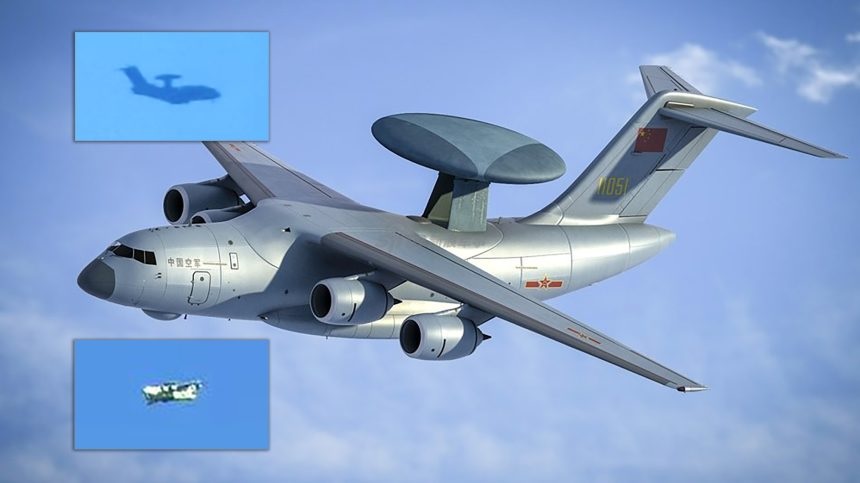
World
China has taken a bold step in modernizing its aerial defense capabilities with the deployment of the KJ-3000, a state-of-the-art airborne early warning and control (AEW&C) aircraft. This next-generation platform is tailored to neutralize the stealth advantages of advanced U.S. fighter jets, such as the F-22 Raptor and F-35 Lightning II, which have long posed a challenge to conventional radar systems. Built on a Modern Foundation: Y-20B Aircraft The KJ-3000 is built on the robust Y-20B transport aircraft, a domestically developed platform that significantly enhances operational flexibility. With a maximum payload of 66 tons—16 tons more than the earlier KJ-2000—the Y-20B serves as an ideal base for this advanced AEW&C system. Its size and efficiency enable extended operational ranges and prolonged on-station times, essential for comprehensive airspace surveillance. Advanced Radar Systems: A Game-Changer At the heart of the KJ-3000 lies its conformal antenna radar system, a technological marvel designed to revolutionize early warning capabilities. Unlike traditional rotodome radars, the conformal radar is seamlessly integrated into the aircraft’s fuselage, reducing aerodynamic drag and improving fuel efficiency. The system provides full 360-degree coverage and boasts an impressive detection range of over 360 kilometers for stealth aircraft. For conventional aerial targets, the radar can track objects at distances ranging from 600 to 1,000 kilometers. What sets this radar apart is its digital phased array technology, allowing the KJ-3000 to track up to 100 targets simultaneously. This multi-target tracking capability is critical for operations in contested environments where situational awareness can mean the difference between success and failure. Enhancing China's Air Defense Network The KJ-3000 isn’t just about early detection; it plays a vital role in integrating China’s broader air defense network. Operating in synergy with advanced fighter jets like the J-20, J-16, and J-10C, the KJ-3000 enhances coordination through cutting-edge C4ISR (Command, Control, Communications, Computers, Intelligence, Surveillance, and Reconnaissance) systems. This integration ensures real-time communication and streamlined decision-making across military branches, significantly boosting overall combat effectiveness. A New Dimension: Electronic Warfare Potential While official details are scarce, there are speculations that the KJ-3000 might incorporate electronic warfare capabilities. Such features would enable the aircraft to disrupt enemy communications, radar systems, and navigation tools from long distances, further complicating operations for adversaries relying heavily on stealth technology. Strategic Implications in Aerial Warfare The deployment of the KJ-3000 signals a clear shift in China’s military strategy, aiming to counteract the aerial dominance traditionally enjoyed by the United States. By leveraging cutting-edge detection technologies and fostering greater interoperability among its air assets, China is working to level the playing field in modern aerial combat. This aircraft represents a major leap forward in China’s efforts to close the gap with global military powers, providing a robust answer to the challenges posed by stealth-enabled adversaries. The KJ-3000 not only strengthens China’s defensive posture but also serves as a powerful deterrent in an increasingly contested airspace.
Read More → Posted on 2024-12-29 15:18:28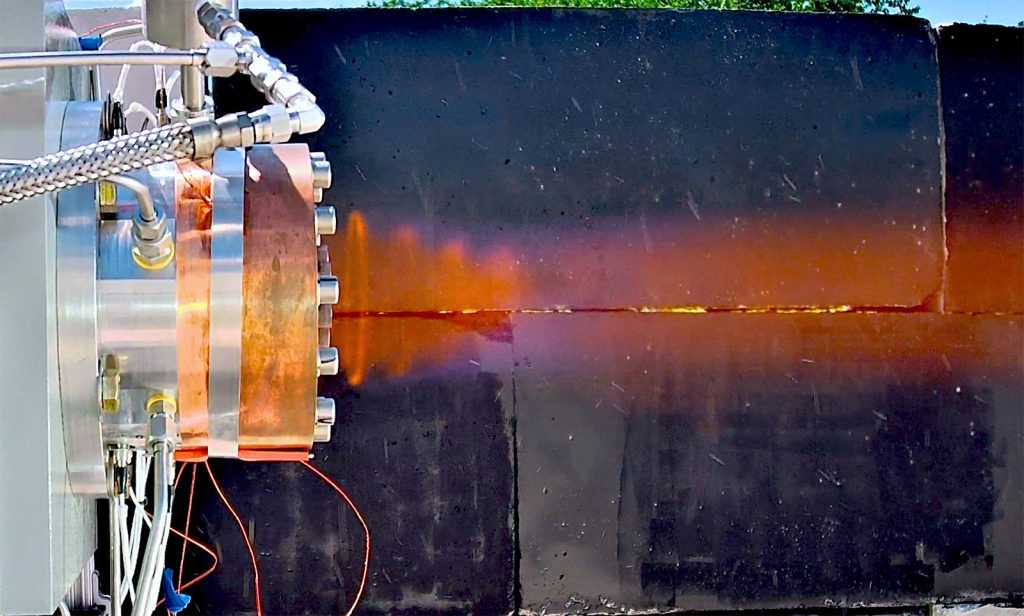
World
Venus Aerospace, an ambitious American startup revolutionizing hypersonic flight technology, has achieved a groundbreaking milestone with the successful ignition of its VDR2 engine. This innovative propulsion system represents the next leap in aerospace engineering, setting the stage for Mach 6 flight capabilities and redefining the boundaries of high-speed aviation. The Game-Changing VDR2 Engine The VDR2 engine is the first-of-its-kind Rocket-Based Combined Cycle (RBCC) engine that seamlessly transitions from Mach 0 to Mach 6. What sets this engine apart is its ability to integrate two cutting-edge technologies: the Rotating Detonation Rocket Engine (RDRE) and a Ramjet. Traditionally, Ramjets require speeds of Mach 3.5 or higher to ignite. However, Venus Aerospace’s VDR2 engine has overcome this limitation, enabling Ramjet functionality at takeoff speeds—an unprecedented feat in the field of hypersonic propulsion. Unveiled at the prestigious UP.Summit in October, the engine showcases its ability to operate without moving parts, making it not only efficient but also highly reliable. The VDR2 Block 0 flight engine is designed to power a range of hypersonic vehicles, including Venus Aerospace’s hypersonic test drone, which is slated for its first flight in 2025. Specifications and Technological Highlights Mach Capabilities: Operates seamlessly from takeoff (Mach 0) to Mach 4+ for the Block 0 variant, with future designs targeting Mach 6 and beyond. Rotating Detonation Rocket Engine (RDRE): Utilizes supersonic combustion to increase pressure during the combustion process, enhancing thrust and efficiency. Ramjet Integration: Achieves ignition at unprecedented speeds, bypassing the traditional requirement for Mach 3.5 entry conditions. Thrust: Early versions of the RDRE have achieved a thrust capacity of 2,000 lbf. Reusability: The engine’s simplified architecture and lack of moving parts promise extended operational life and cost-effective reuse. Venus Aerospace’s focus on advancing RDRE technology has been a key driver of this achievement. Since its founding in 2020, the company has developed its propulsion systems from conceptual models to demonstrable flight engines, demonstrating its rapid innovation pace. Recent Milestones and Future Plans Earlier in February 2024, Venus Aerospace successfully flew a supersonic-capable drone, further validating its propulsion technologies. The upcoming RDRE-powered hypersonic drone test in 2025 will serve as a critical proof of concept for scaling the VDR2 engine to operational platforms. Venus Aerospace is positioning itself as a leader in reusable hypersonic technologies, targeting applications in both commercial aviation and defense sectors. With $70 million in venture funding, the company is well-poised to bring its ambitious vision to reality. Implications for the Aerospace Industry The successful demonstration of the VDR2 engine signals a paradigm shift in hypersonic propulsion. By enabling reliable and efficient flight at speeds up to Mach 6, Venus Aerospace’s technology could significantly reduce travel times, enhance defense capabilities, and open up new frontiers for space exploration. Its ability to deliver reusable solutions also aligns with the industry’s push toward sustainable and cost-efficient aviation systems. As Venus Aerospace continues to push the boundaries of what’s possible, its VDR2 engine stands as a testament to the transformative potential of cutting-edge aerospace engineering. With its hypersonic drone test on the horizon and a clear roadmap for further advancements, the company is well on its way to shaping the future of high-speed travel.
Read More → Posted on 2024-12-29 14:19:50
World
North Korea has announced its most aggressive strategy yet to counter the United States, with leader Kim Jong Un outlining the framework during a five-day year-end Workers’ Party meeting. The announcement, carried by the state-controlled Korean Central News Agency (KCNA), highlighted escalating tensions between Pyongyang and Washington, alongside deepening military collaborations with Russia. Kim's Bold Declaration In his speech to top officials, Kim Jong Un emphasized the need for an assertive and uncompromising approach to counter the US, labeling it “the most reactionary state” and accusing it of perpetuating anti-communism as a core policy. While specific measures were not disclosed, KCNA underscored the urgency of the strategy in light of growing trilateral cooperation among South Korea, the US, and Japan, which it described as evolving into “a nuclear military bloc for aggression.” The North also criticized South Korea for its alliance with Washington, referring to it as “an out-and-out anti-communist outpost of the US.” These sentiments appear to signal Pyongyang’s intent to escalate its rhetoric and actions against perceived threats in the region. Military Ties with Russia: A Strategic Pivot The meeting comes against the backdrop of North Korea’s increasingly visible role in the Russia-Ukraine conflict. Reports from South Korean intelligence allege that over 1,000 North Korean soldiers have participated in combat in Ukraine, suggesting an active military partnership between Pyongyang and Moscow. This cooperation has grown significantly since Russia's invasion of Ukraine in early 2022. In June 2023, North Korea and Russia signed a landmark defense pact, described by Russian President Vladimir Putin as a “breakthrough document.” The agreement formally came into effect this month, solidifying military and strategic ties between the two nations. Putin recently reinforced the significance of this relationship in a New Year’s message to Kim, where he praised the elevation of bilateral ties following their discussions in June. Broader Implications Kim's speech also underscored plans to deepen relations with “friendly” nations, likely referencing allies such as China and Russia, while responding to internal challenges, including widespread flooding earlier in 2023. These measures align with North Korea’s longstanding focus on bolstering resilience against sanctions and external pressures. Meanwhile, Ukraine’s Western allies have warned that Pyongyang’s increasing involvement in Russia’s war could exacerbate global instability. North Korea’s reported military contributions to Russia are viewed as a significant escalation in the ongoing conflict. Pyongyang's Messaging Party meetings like these often serve as platforms for Kim Jong Un to unveil major policy shifts. While details remain scarce, analysts speculate that the “toughest” strategy could involve heightened military provocations, cyber warfare activities, or further nuclear tests, aimed at pressuring Washington and its allies. With North Korea’s foreign policy becoming more assertive and aligned with Russia, the region is bracing for potential repercussions that could reshape the balance of power in East Asia. As the situation evolves, the world watches closely for further developments from Pyongyang.
Read More → Posted on 2024-12-29 14:06:36
World
The simmering tensions between Afghanistan and Pakistan escalated further as Afghan Taliban forces carried out strikes on what they described as "several points" across the disputed Durand Line. This action came just days after Pakistan conducted airstrikes in Afghanistan, which Kabul claims resulted in civilian casualties. The Afghan Defense Ministry released a statement explaining the strikes were aimed at areas "serving as centers and hideouts for malicious elements and their supporters" who allegedly orchestrated attacks in Afghanistan. Although the ministry did not explicitly name Pakistan, it referred to operations conducted "beyond the hypothetical line," a term used to describe the contested border. Ministry spokesperson Enayatullah Khowarazmi stated, “We do not recognize it as Pakistani territory, and thus, we cannot confirm the location, but it was on the other side of the hypothetical line.” This reflects Afghanistan’s long-standing refusal to accept the Durand Line as an official boundary, a colonial-era demarcation imposed by the British in the 19th century. The line divides the tribal belt between the two nations, an area that remains a hotspot for militant activity and cross-border conflicts. The retaliatory strikes reportedly caused casualties, though specifics remain unclear. Some reports from pro-Taliban sources suggest that several Pakistani soldiers were killed in the operation. Celebrations erupted in parts of southeastern Afghanistan, where large crowds voiced support for the military's actions and condemned Pakistan. The Pakistani military has yet to officially comment on the retaliatory strikes. Historically, Pakistan has accused Afghanistan of harboring militants responsible for attacks within its borders, a claim the Afghan Taliban routinely denies. The latest Pakistani airstrikes were allegedly aimed at dismantling hideouts of Islamist militants near the border but resulted in significant civilian losses, further straining ties between the two neighbors. The Durand Line remains at the heart of the tensions. Afghanistan has never recognized it as an international border, and Pakistan's attempts to solidify the boundary, including constructing a border fence, have met resistance. This unresolved dispute has fueled cross-border attacks and deepened mistrust. The ongoing hostility highlights the challenges of stabilizing relations between the two nations. With both sides blaming each other for harboring militants and attacking civilians, the prospects for peace seem distant. Analysts warn that unless diplomatic channels are effectively utilized, the region may see further escalations, exacerbating the humanitarian and security crises on both sides. This episode underscores the fragile and volatile dynamics of the region, with broader implications for security and stability in South Asia.
Read More → Posted on 2024-12-28 15:13:52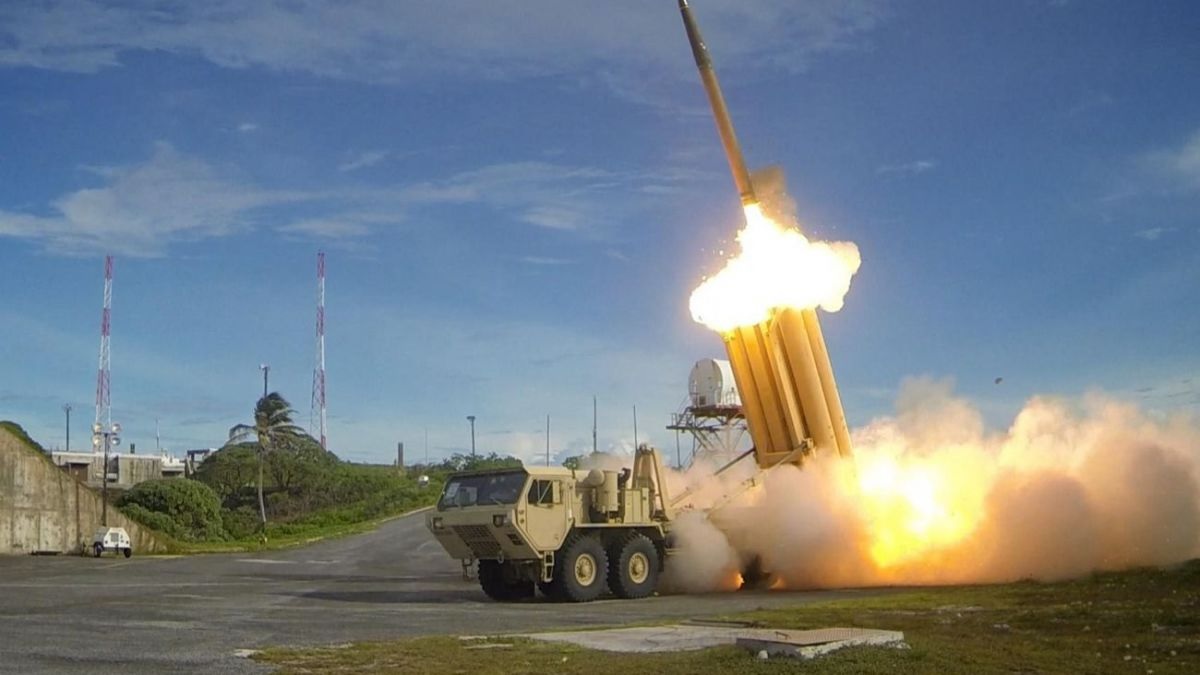
World
The Terminal High-Altitude Area Defense (THAAD) system has achieved its first operational success in Israel, intercepting a Houthi ballistic missile launched from Yemen. Supported by the Israeli Arrow system, this milestone demonstrates the growing synergy between American and Israeli air defense capabilities amidst escalating regional tensions. THAAD's Advanced Interception Capabilities Developed by Lockheed Martin, the THAAD system is designed to counter short- to intermediate-range ballistic missile threats. What sets it apart is its ability to neutralize missiles both inside the Earth's atmosphere and in outer space, covering altitudes between 30 and 150 kilometers. This dual capability allows it to address various threats, offering a layer of defense that complements Israel's existing systems: Arrow 2: Operates within the atmosphere to intercept medium-range missiles. Arrow 3: Focuses on exo-atmospheric threats, such as intercontinental ballistic missiles (ICBMs). THAAD’s flexible design enables it to intercept missiles at higher altitudes than the Arrow 2 while targeting missiles lower than the Arrow 3, filling a critical gap in Israel’s air defense network. Deployment and Strategic Role in Israel The THAAD system was deployed to Israel on October 13, 2024, following an order from US President Joe Biden. Its arrival came at a crucial time, bolstering Israel's defense posture in the face of intensifying threats from Iran and its regional proxies. Iran, which has directly launched ballistic missiles at Israel twice this year, represents the most significant challenge. The October 1 missile attack involving 200 ballistic missiles showcased the scale of potential threats, testing the resilience of Israel's air defense systems. Houthi missile launches, although less intense, are frequent and often employ advanced weapons such as hypersonic missiles, which have occasionally penetrated Israel's defenses. THAAD’s successful interception of a Houthi missile highlights its effectiveness and adaptability to regional defense protocols. A History of Combat Success This isn’t the first time THAAD has proven its operational effectiveness. In 2022, it intercepted a Houthi missile targeting the United Arab Emirates (UAE), marking its first combat success. Since then, THAAD systems have been adopted by the UAE and Saudi Arabia to counter growing missile threats from Iran. With seven operational THAAD batteries globally and plans to expand to eight, the system continues to be a cornerstone of US and allied defense strategies. Enhanced Defense Integration in Israel The deployment of THAAD in Israel introduces advanced interception protocols that enhance existing capabilities. For instance: Early Detection: THAAD’s integration allows alerts to trigger before missiles re-enter the atmosphere, significantly improving response times. Operational Synergy: THAAD and Arrow systems work in tandem to ensure layered defense, minimizing the risk of partial penetrations. While these advancements bolster civilian safety, they have also increased the frequency of alarms, reflecting the ever-present vigilance required to maintain regional security. The Broader Implications The use of THAAD in Israel signifies more than just a tactical success; it underscores the deepening military collaboration between the US and Israel. Furthermore, it highlights THAAD’s strategic value in addressing threats beyond the Middle East. Discussions about deploying THAAD batteries in Europe to counter potential Russian missile threats further emphasize its global relevance. As one American soldier stationed in Israel remarked, “I’ve waited 18 years for this.” His words reflect the readiness and dedication of US forces and the shared commitment to innovation and regional stability. The success of THAAD in Israel represents a pivotal moment in the evolution of missile defense systems, showcasing the importance of international cooperation in tackling complex security challenges.
Read More → Posted on 2024-12-28 15:09:36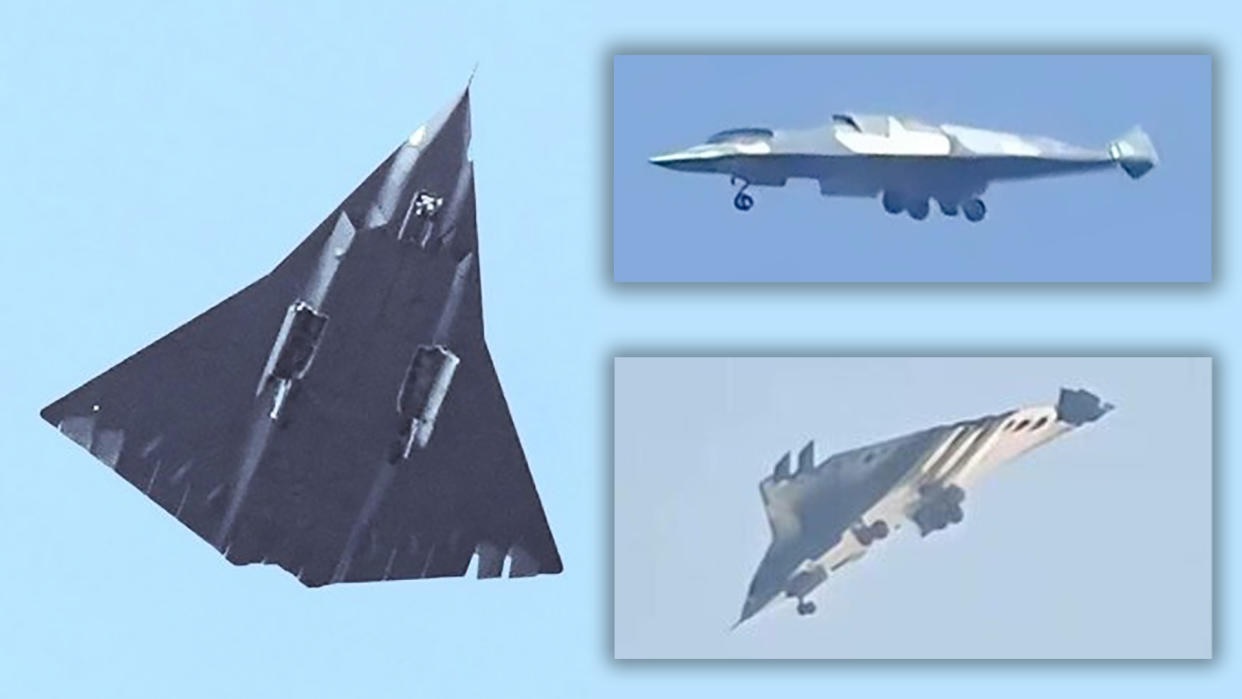
World
As Elon Musk continues to question the relevance of traditional manned fighter jets, China has made headlines with its groundbreaking advancements in stealth aircraft. The country has begun testing a fleet of next-generation fighter jets, signaling a significant leap in its aviation technology and strategic ambitions. Next-Generation Chinese Stealth Fighters Take Flight China’s recent tests reportedly include multiple prototypes, each tailored for specific roles in modern combat scenarios. Among the tested models are: Heavy Fighter-Bomber Configuration: Unique three-engine design. Capabilities: Multi-role functionality, including deep-strike bombing and air-to-air superiority. Design: Diamond-shaped wing structure optimized for reduced radar cross-section and enhanced payload capacity. Performance: Engine power and aerodynamics enable extended range and superior combat load. Light Stealth Fighter Focus: High maneuverability and agility for close-range dogfights. Unique Attributes: Compact stealth profile with advanced thrust vectoring for unparalleled control during aerial combat. Operational Role: Tactical air support and reconnaissance. These aircraft incorporate state-of-the-art stealth coatings, advanced avionics, and cutting-edge radar-evading technology, reflecting China’s commitment to challenging U.S. and allied dominance in the Indo-Pacific region. A Bold Step in Air Superiority Military analysts are impressed by the rapid evolution of China’s aviation industry, noting the strategic implications. The heavy fighter-bomber is designed to project power across vast distances, while the light stealth fighter is optimized for versatility and close-combat scenarios. Together, they form a comprehensive air dominance strategy. “This marks a significant evolution in modern warfare,” said a military analyst. “China is not only closing the gap with Western powers but is potentially outpacing traditional designs in certain aspects.” Elon Musk: A Vocal Critic of Manned Fighters Elon Musk, a long-standing critic of the U.S. F-35 fighter program, has reignited the debate about the future of air combat. Musk recently emphasized the advantages of unmanned systems, highlighting China’s progress in drone swarms as an example of the technological shift. “Some idiots are still building manned fighter jets like the F-35,” Musk stated, underscoring his belief that drones represent the future of warfare due to their flexibility, cost efficiency, and reduced pilot risk. Musk has consistently advocated for the development of unmanned aerial vehicles (UAVs) as a counter to traditional fighter jets, a perspective that aligns with broader trends in military innovation. The Geopolitical Impact The emergence of China’s next-generation stealth fleet could reshape the balance of power in the Indo-Pacific. These advancements challenge the dominance of U.S.-led air forces and emphasize the growing complexity of modern air superiority. While the U.S. continues to invest heavily in programs like the F-35, the rise of China’s stealth technology raises questions about the future of traditional air combat strategies. As the global arms race shifts toward unmanned and hybrid systems, maintaining aerial dominance will require adapting to these evolving threats. The Broader Debate: Manned vs. Unmanned Systems Musk’s criticism of the F-35 program aligns with a broader discussion about the role of manned aircraft in the future of warfare. Drones and autonomous systems are increasingly seen as the next frontier, offering operational advantages that traditional fighters may struggle to match. China’s advancements underscore this shift, with its drone capabilities and new fighter jets representing a dual-pronged strategy to dominate the skies. As Musk suggests, the question is not just about technological capability but about adaptability to the changing nature of warfare. China’s successful tests serve as a stark reminder: the race for air superiority is entering a new era, where the boundaries of innovation and strategy are constantly being redefined.
Read More → Posted on 2024-12-28 15:06:52
World
On December 18, 2024, Russia reached a pivotal milestone in modern air defence by officially forming its first military regiment equipped with the state-of-the-art S-500 'Prometheus' missile system. General Valery Gerasimov, Chief of the General Staff of the Russian Armed Forces, announced this significant development during a high-profile briefing for military attachés from various nations. This step marks a new era in Russia's defence strategy, aimed at countering advanced aerial threats and asserting technological superiority on the global stage. What Sets the S-500 Apart? The S-500 'Prometheus' air defence missile system is an evolutionary leap in Russia's missile defence capabilities. It is uniquely designed to address a wide spectrum of contemporary threats, including hypersonic missiles, intercontinental ballistic missiles (ICBMs), and even low-orbit satellites. Key Specifications and Capabilities: Extended Range: The S-500 can engage targets up to 600 kilometers away, significantly surpassing the range of its predecessors, the S-400 system (400 km). Multi-Layered Defence: The system can simultaneously track and intercept up to 10 ballistic missiles traveling at speeds of up to 7 kilometers per second. Satellite Targeting: With its ability to target satellites in low Earth orbit, the S-500 reinforces Russia's strategic capabilities in space warfare. Advanced Radar Technology: The system employs cutting-edge radar capable of detecting stealth aircraft, drones, and hypersonic objects, ensuring no adversary escapes its reach. Dual Configuration: The S-500 operates in two distinct configurations: one tailored for long-range air defence and another dedicated to missile interception, offering versatile battlefield applications. Integration With Russia’s Defence Network The S-500 is not a standalone solution but a critical piece in Russia's comprehensive air defence architecture. Designed to complement older systems like the S-300 and S-400, it strengthens the country's layered defence strategy. The integration ensures seamless communication and coordination across multiple defence tiers, creating an impenetrable shield against a wide array of threats. Strategic Importance Amid Geopolitical Tensions The creation of the first S-500 regiment comes at a time of heightened military activity near Russia's borders, particularly involving NATO forces. General Gerasimov underscored the system's role in addressing these strategic challenges. Its deployment enhances Russia's ability to counter sophisticated missile threats, including those posed by NATO's expanding arsenal of hypersonic weapons. This deployment also signals Russia's readiness to confront emerging threats in the evolving landscape of global warfare. By incorporating advanced capabilities like multi-target engagement and satellite interception, the S-500 not only fortifies national defence but also extends Russia's influence in regional and international security dynamics. A Glimpse Into the Future The operationalization of the S-500 regiment is a testament to Russia's relentless pursuit of technological innovation in defence. As production scales up, more units are expected to be deployed across strategic locations, further bolstering the country’s defensive and offensive capabilities. This move also underscores Russia's ambition to set global benchmarks in air defence technology. With the S-500 now in play, military analysts anticipate a ripple effect on defence strategies worldwide, pushing other nations to accelerate their own missile defence advancements. In conclusion, the S-500 'Prometheus' represents not just a technological marvel but also a strategic statement of Russia's evolving military doctrine. Its ability to neutralize advanced threats and enhance national security positions it as a game-changer in modern warfare.
Read More → Posted on 2024-12-28 14:57:44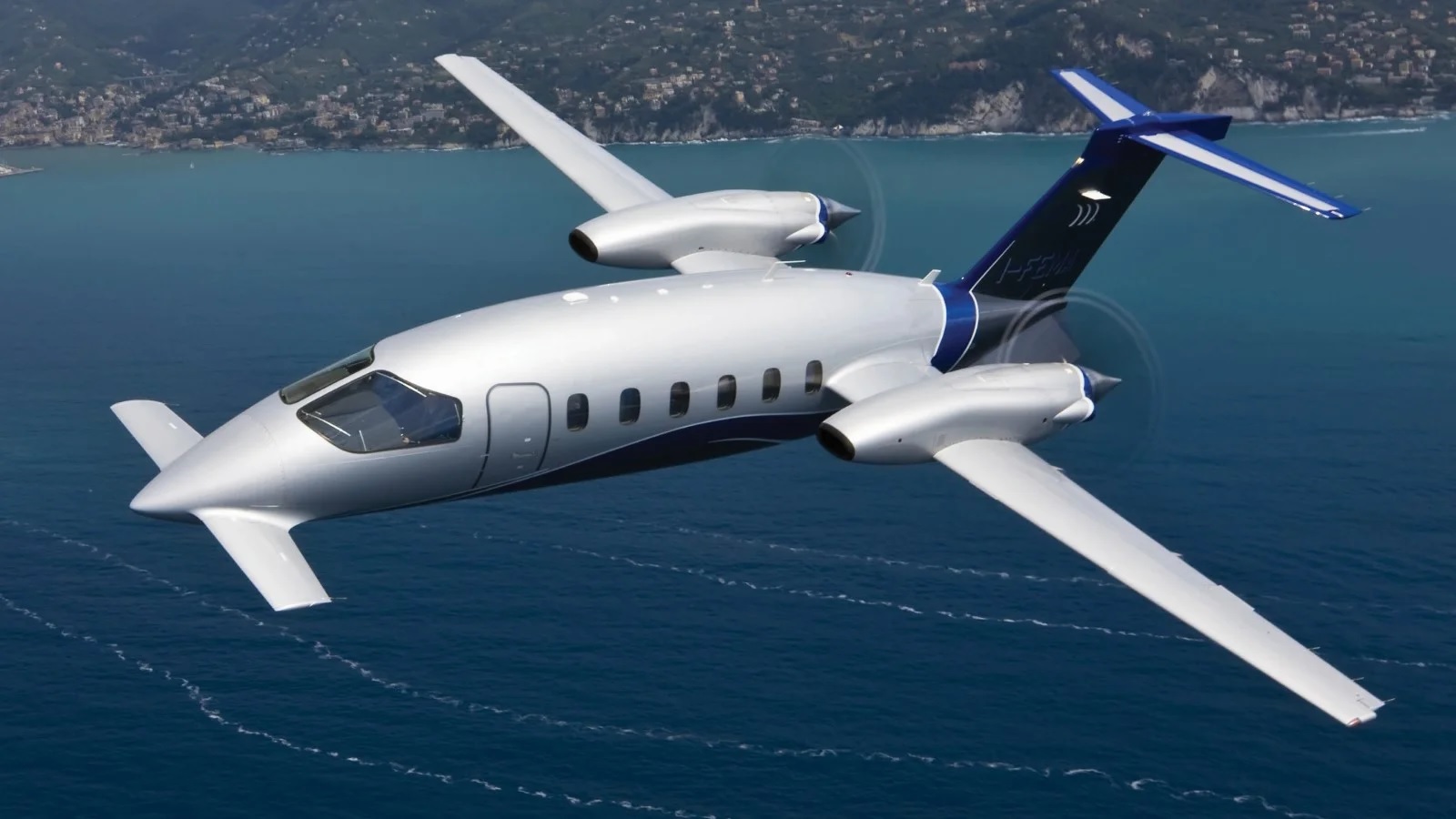
World
Turkish drone manufacturer Baykar Technologies has finalized the acquisition of Italian aviation giant Piaggio Aerospace, a move approved by the Italian Ministry of Enterprises and Made in Italy. This landmark deal not only strengthens Baykar’s position in the global aerospace market but also ensures the preservation and future expansion of Piaggio’s renowned aviation legacy. Piaggio Aerospace: A Legacy of Excellence Founded in 1884, Piaggio Aerospace is celebrated for its iconic P.180 Avanti, a twin-engine turboprop aircraft known as the "Ferrari of the skies." The P.180’s sleek, futuristic design, coupled with exceptional performance and efficiency, has made it a standout in the business aviation sector. Its specifications include: Maximum Cruise Speed: 402 knots (745 km/h) Range: Approximately 1,364 nautical miles (2,526 km) Capacity: 7–9 passengers Maximum Takeoff Weight: 5,488 kg (12,100 lbs) Beyond its commercial aircraft, Piaggio has been a key contributor to Italy's defense sector, providing advanced aerospace solutions and sustaining an enduring reputation for innovation. Baykar’s Strategic Vision Baykar Technologies, renowned for its dominance in the unmanned aerial vehicle (UAV) market, views the acquisition as a pivotal step toward diversification. Having established a global footprint with combat-proven drones like the Bayraktar TB2, Baykar now enters the realm of manned aviation through this acquisition. The company plans to leverage Piaggio’s workforce, technological expertise, and production facilities to integrate traditional aviation capabilities into its expanding portfolio. Baykar’s CEO, Haluk Bayraktar, highlighted the synergy between the two companies, stating that this collaboration will enhance their collective production capabilities while preserving Piaggio’s iconic heritage. Preserving Jobs and Strengthening Italian Industry One of the key highlights of the acquisition is Baykar’s commitment to maintaining jobs and production facilities in Italy. The Italian government has praised the deal for ensuring Piaggio Aerospace’s operational continuity and its potential to rejuvenate the company under Baykar’s leadership. Adolfo Urso, Italy’s Minister of Enterprises, described the acquisition as a turning point for Piaggio, guaranteeing its future while fostering an industrial revival. Baykar’s investment is expected to inject fresh energy into the company’s operations, further reinforcing Italy’s aviation sector. Diplomatic and Economic Implications The acquisition also serves as a milestone in Turkey-Italy relations, reflecting the strengthening of economic and diplomatic ties between the two nations. Turkish Industry and Technology Minister Mehmet Fatih Kacır hailed the deal as a testament to Baykar’s global leadership and its contribution to advancing Turkish aerospace ambitions. A New Era for Aviation With Baykar reporting over $1.8 billion in exports in 2023 and consistently leading in UAV innovation, the acquisition of Piaggio Aerospace represents a bold step in consolidating its influence across diverse segments of the aerospace industry. The integration of Piaggio’s legacy with Baykar’s cutting-edge approach signals a new chapter, where innovation meets tradition to shape the future of aviation. This acquisition not only safeguards Piaggio’s historic identity but also underscores Baykar’s vision of expanding its technological reach, making it a transformative moment for both companies and the broader aerospace industry.
Read More → Posted on 2024-12-28 14:54:10Search
Top Trending in 24 Hours
-
 Tulsi Gabbard Releases Declassified Files Detailing U.S.-Backed Network of 120 Biolaboratories Across 30+ Countries
-
 France Agrees to Equip Future Indian Rafales with AI, MUM-T and Secure Satellite Links Under F5 Standard
-
 Dassault Seeks Compensation From Airbus as Eurodrone Dispute Erupts After FCAS Collapse
-
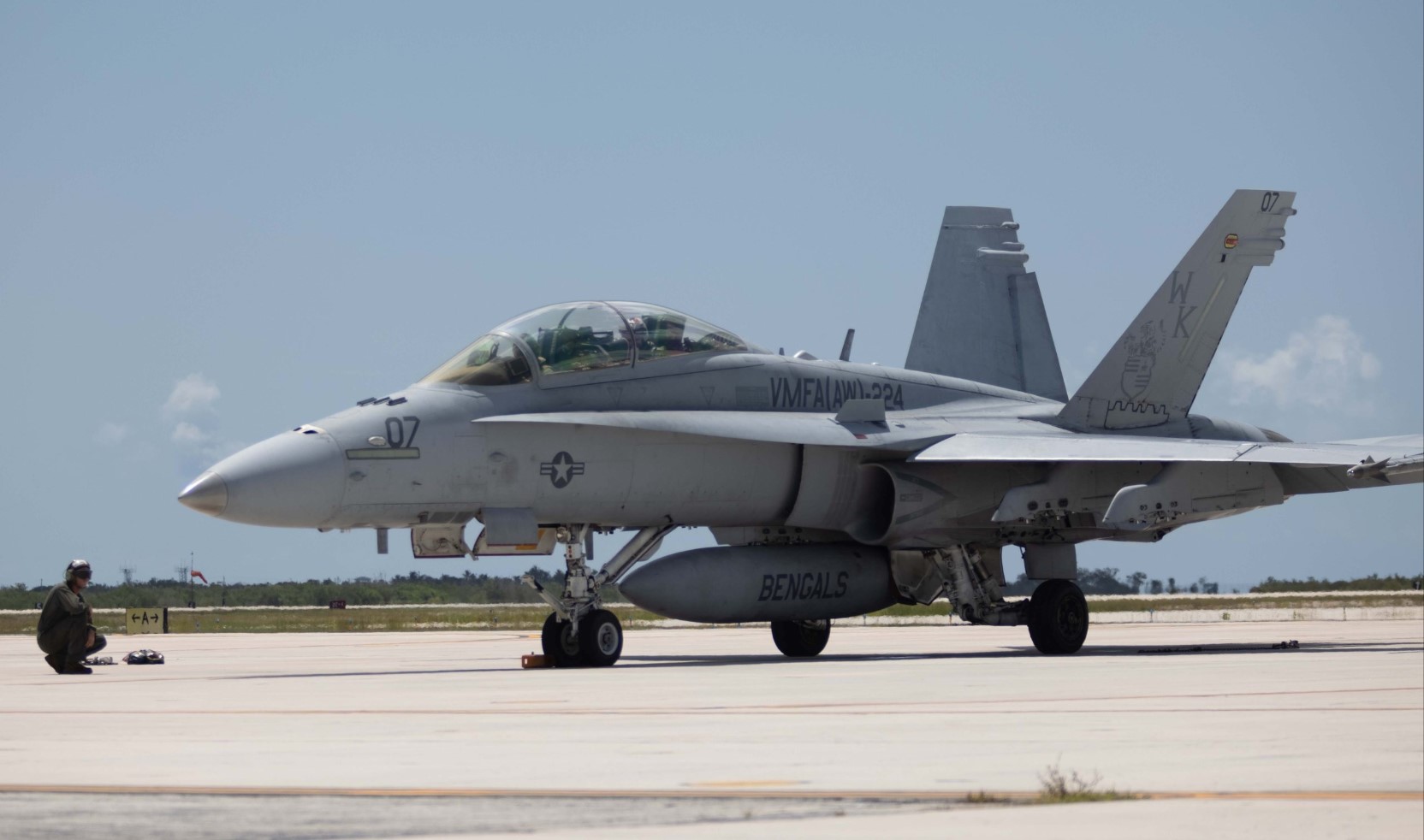 US Marine Corps F/A-18D Hornet Crashes During Training Flight in Washington Mountains; Pilot Ejects Safely
-
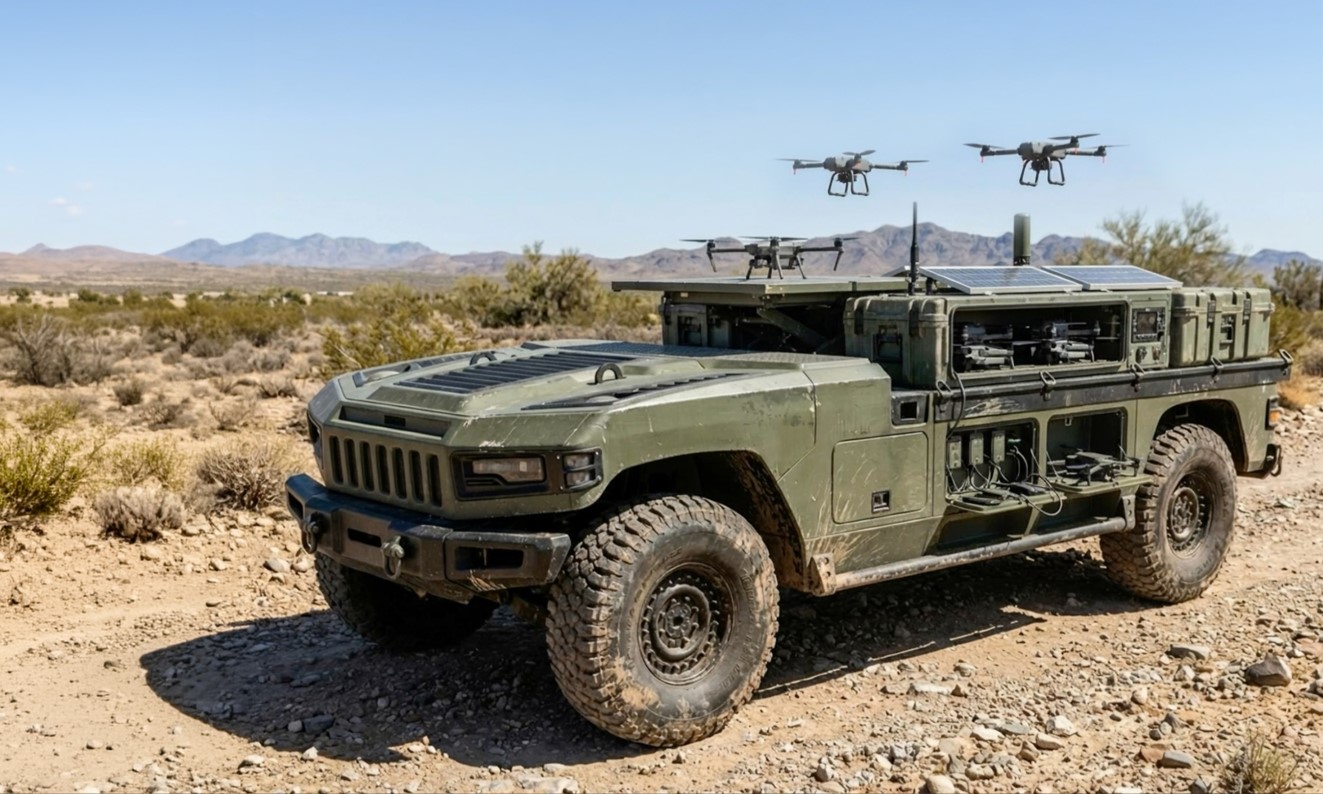 AM General Unveils Next-Generation UGV and JLTV A2 with Counter-Drone Systems at Eurosatory 2026
-
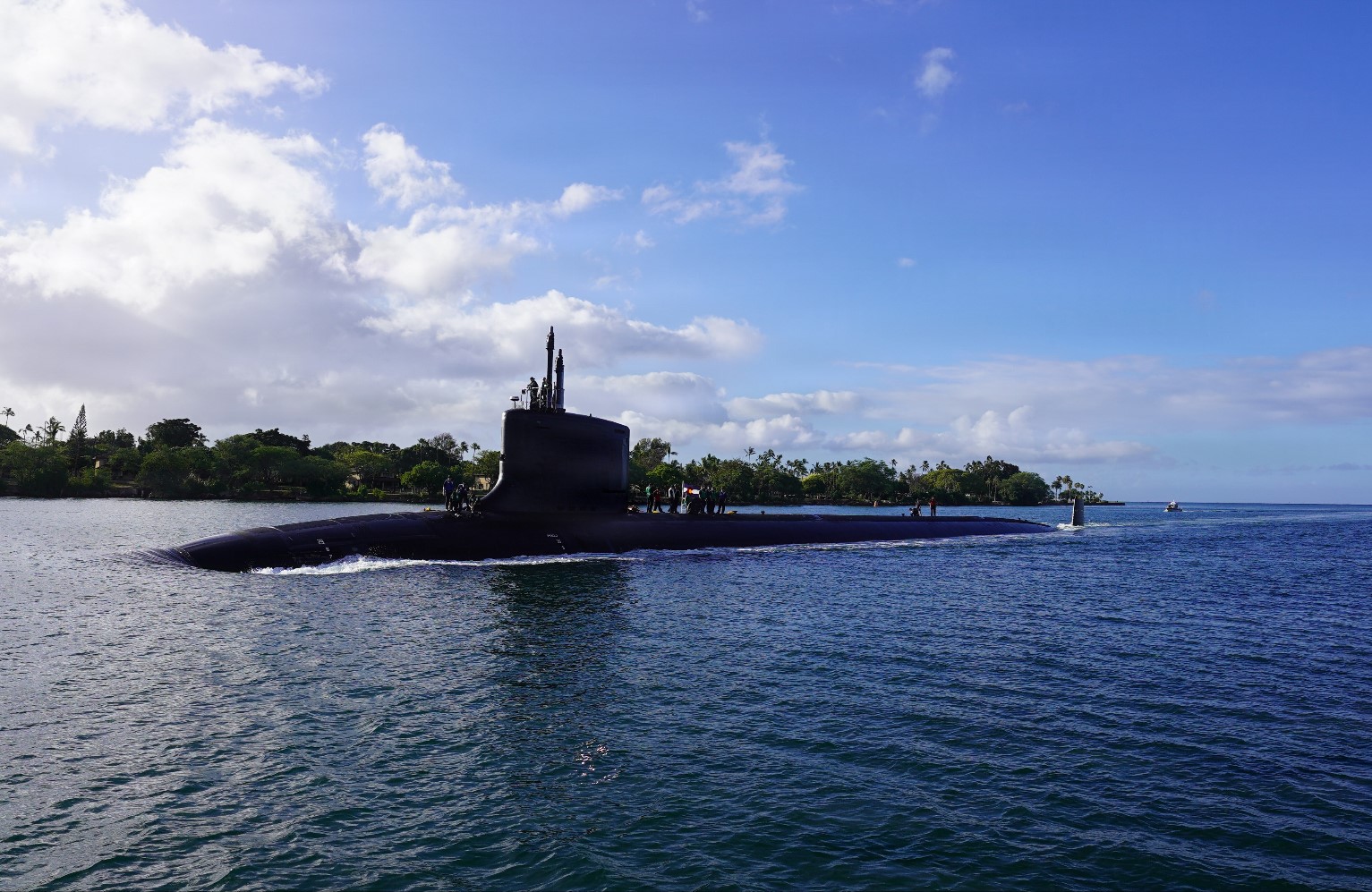 U.S. Navy's USS Colorado Submarine Returns to Pacific Fleet 29 Days Early After Major Pearl Harbor Overhaul
-
 Pakistan Raises Defence Budget from $9 Billion to $10.8 Billion as J-35 Fighter and Hangor Submarine Programs Advance
-
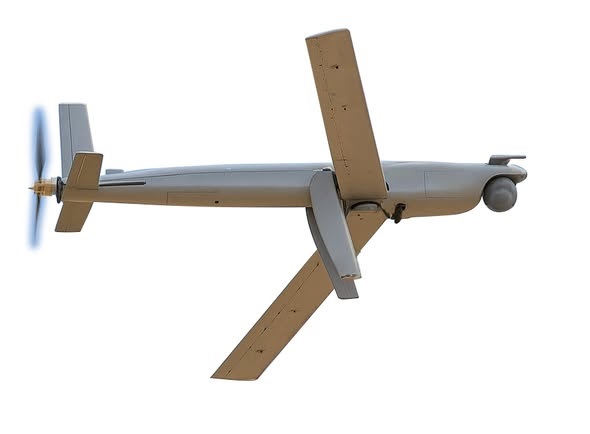 Elbit Systems and Diehl Defence Partner to Offer SkyStriker Loitering Munition to German Armed Forces
Top Trending in 4 Days
-
 Iranian Media Leaks 14-Point U.S.-Iran Peace Framework Amid Ongoing Negotiations
-
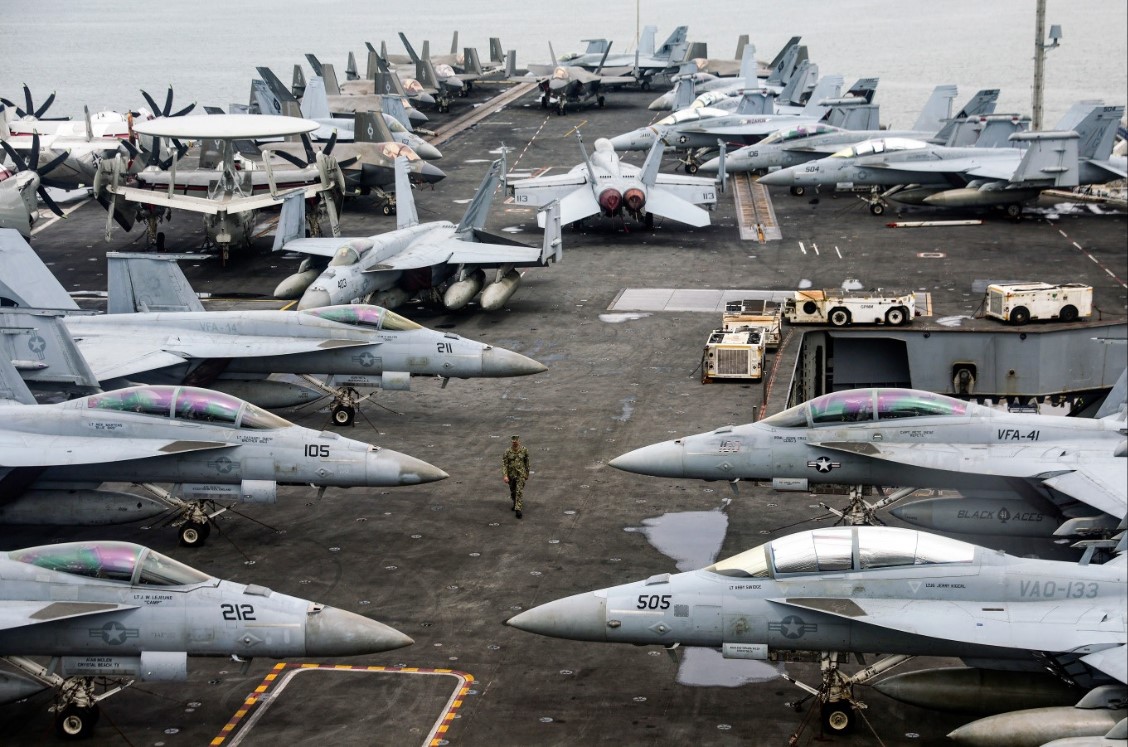 US Plans Significant Reduction of Fighter Jets and Warships for NATO Operations in Europe
-
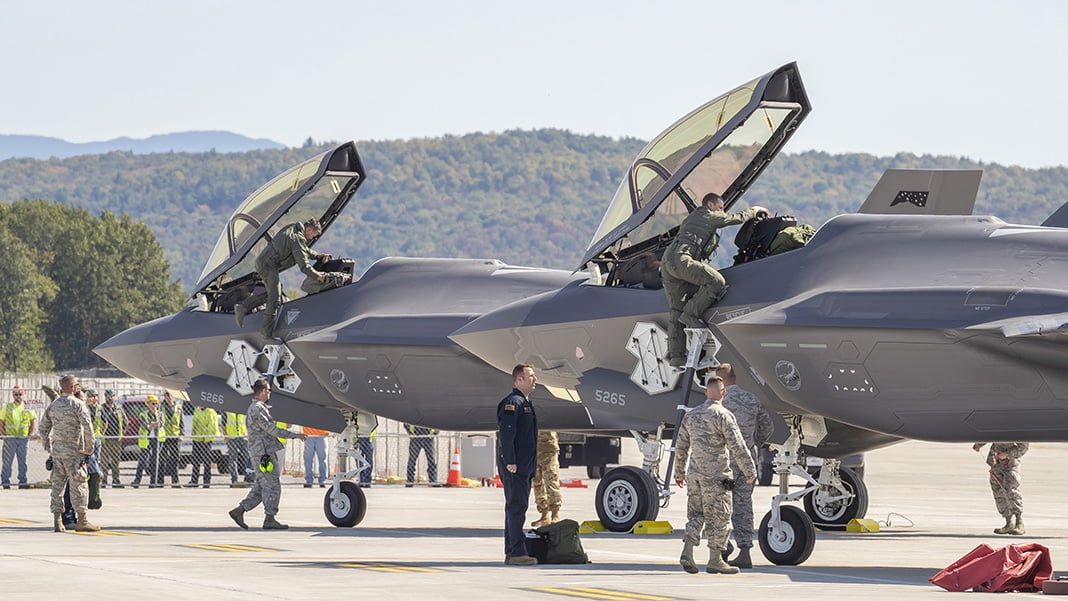 F-35 Fleet Readiness Falls to 25% Amid Parts Shortages and Software Delays: GAO Report
-
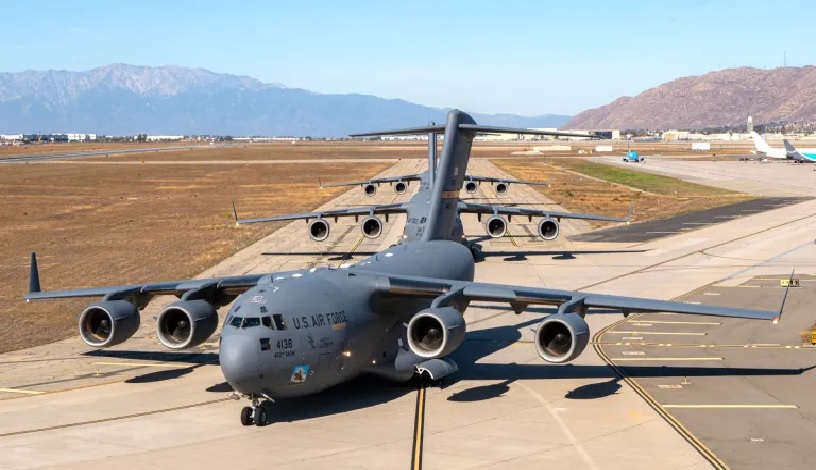 U.S. Air Force Faces Strategic Airlift Shortfall as C-17 Production Restart Remains Uncertain
-
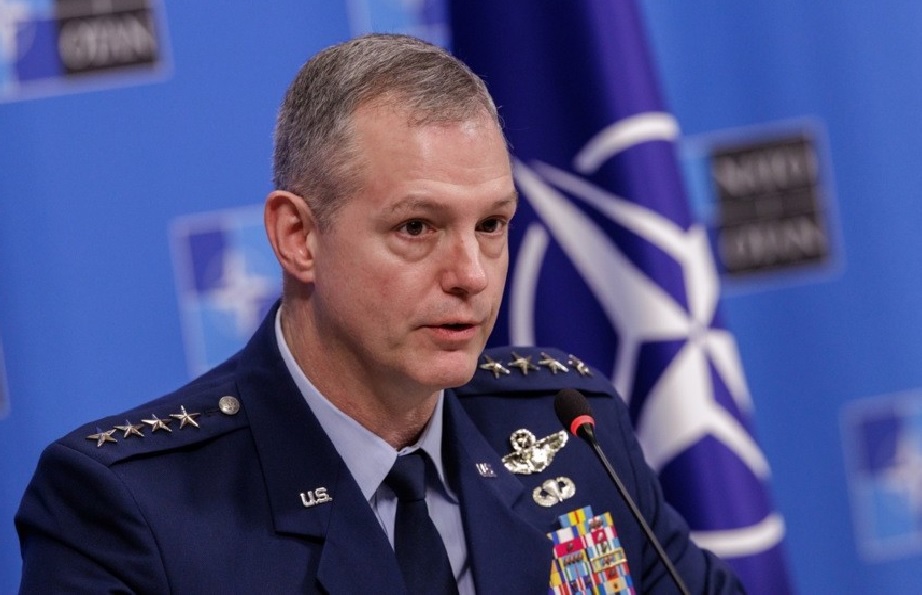 NATO Commander Says Russia Not Seeking Conflict With Alliance Despite U.S. Force Reductions
-
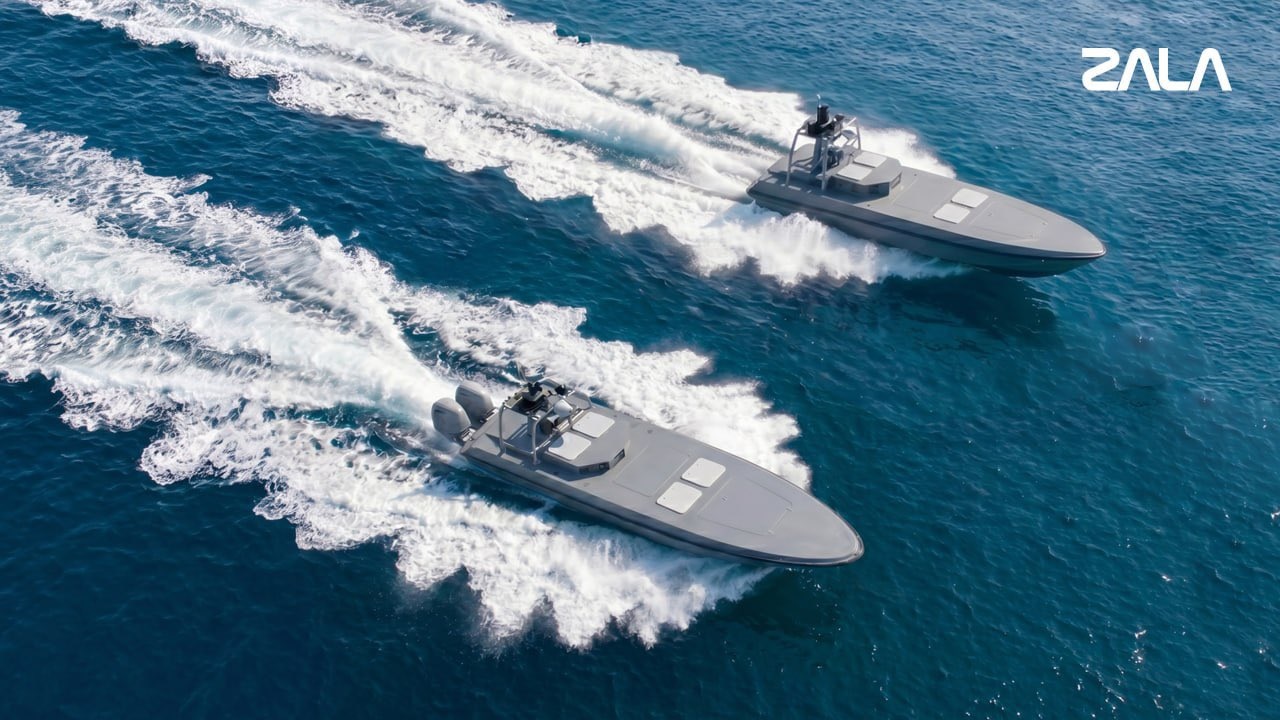 Russian Defense Firm ZALA Unveils KAMA Unmanned Surface Vessel Family at FLOT-2026 Naval Exhibition
-
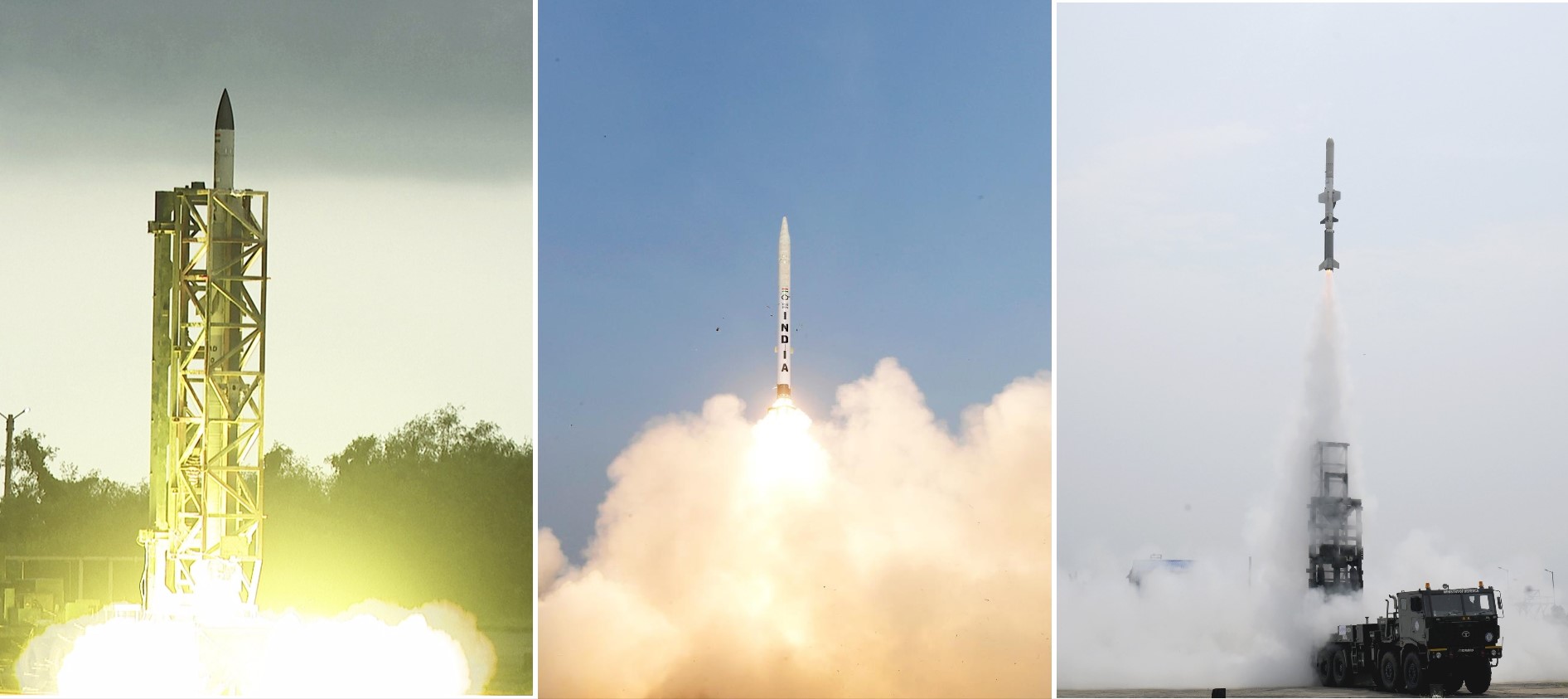 India Successfully Conducts AD-1, AD-2 Interceptor Tests and Maiden NASM-MR Flight Trial
-
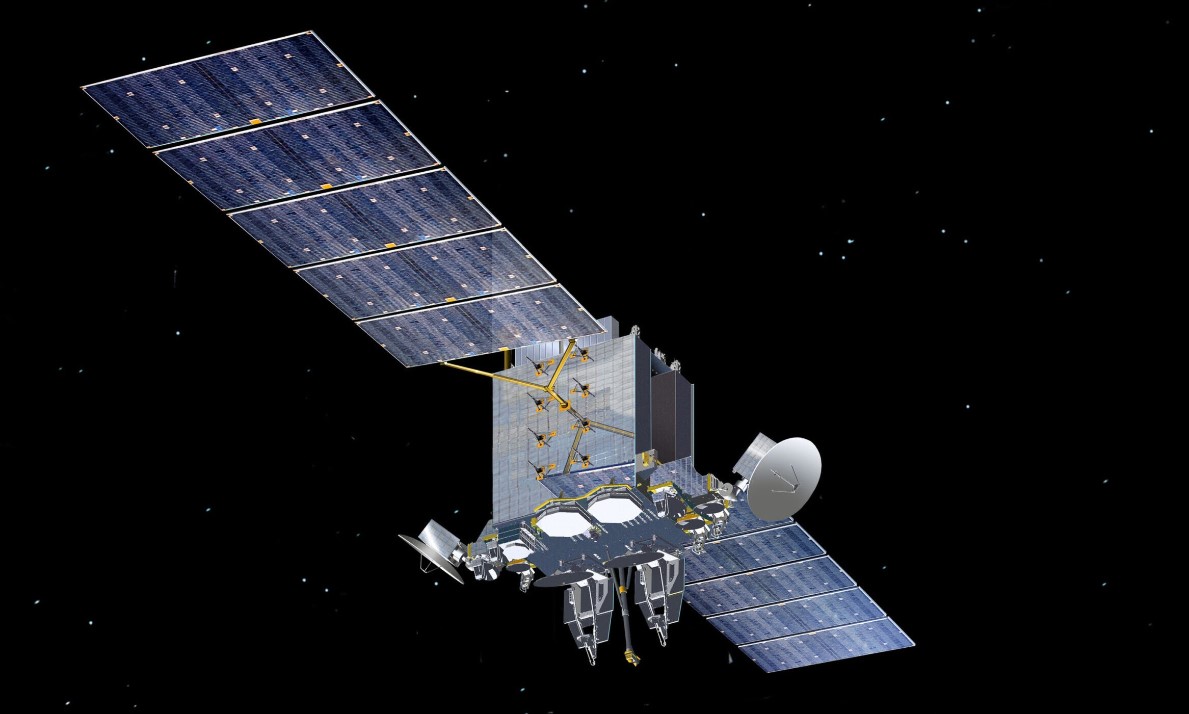 U.S. Space Force Awards $437.7 Million Contracts for First PTS-G Swarm 1 Anti-Jam Satellites