World
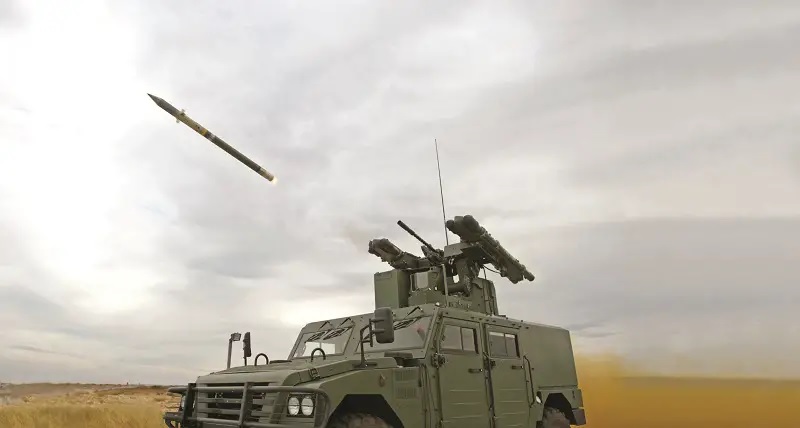
The European Union has marked a significant milestone by approving €60 million in funding for the joint acquisition of Mistral 3 missiles under the European Defence Industry Reinforcement through Common Procurement Act (EDIRPA). This initiative is the first time the EU's budget has been utilized to directly support member states' defense equipment procurement, reflecting a new era of collective defense and resilience. Strengthening European Defense The Mistral 3 project falls under the "Air Defence Systems" segment of EDIRPA, which aims to enhance coordination and efficiency in defense procurement. The broader objective of the program is to strengthen the European Union’s capacity to address emerging threats while ensuring the sovereignty of its member states. The Mistral 3 project has been highlighted as a key initiative to bolster joint air defense and anti-missile capabilities among nine EU countries: Belgium, Cyprus, Denmark, Estonia, France, Hungary, Romania, Slovenia, and Spain. Key Details of the Mistral 3 Project The French Defence Procurement Agency (DGA) has been tasked with overseeing the acquisition in collaboration with MBDA, a leading European defense contractor. Over the next four years, 1,500 Mistral 3 missiles will be procured to reinforce the collective defense systems of the participating nations. The Mistral 3 missile is a cutting-edge air defense system equipped with an advanced infrared imaging seeker and sophisticated image processing technology. It boasts a remarkable operational success rate of over 96%, making it one of the most reliable short-range, ground-to-air defense systems globally. Its ability to engage low-heat-signature targets such as drones, turbojet missiles, and fast attack craft at extended ranges further cements its reputation as a premier man-portable air defense solution. EDIRPA: A New Chapter in EU Defense EDIRPA’s total budget of €300 million aims to drive collective defense capabilities across member states. The funding not only facilitates joint procurement but also fosters collaboration among European nations, reinforcing the bloc's resilience against shared threats. By pooling resources and expertise, the EU seeks to reduce dependency on external suppliers and establish itself as a formidable force in defense manufacturing and innovation. Broader Implications The Mistral 3 project represents more than just a missile acquisition; it is a testament to the EU's commitment to collective defense and strategic autonomy. By supporting the procurement of state-of-the-art defense systems like the Mistral 3, the EU underscores the importance of readiness in an era marked by evolving security challenges. This move also highlights the growing emphasis on technological advancements and the integration of cutting-edge systems to protect European borders. Conclusion The EU’s decision to fund the Mistral 3 project is a pivotal step in strengthening its collective defense framework. With advanced air defense capabilities and enhanced cooperation among member states, Europe is poised to address modern threats with greater efficiency and unity. This initiative not only solidifies the EU's commitment to shared security but also paves the way for future collaborations in defense procurement and innovation.
Read More → Posted on 2024-12-25 15:35:31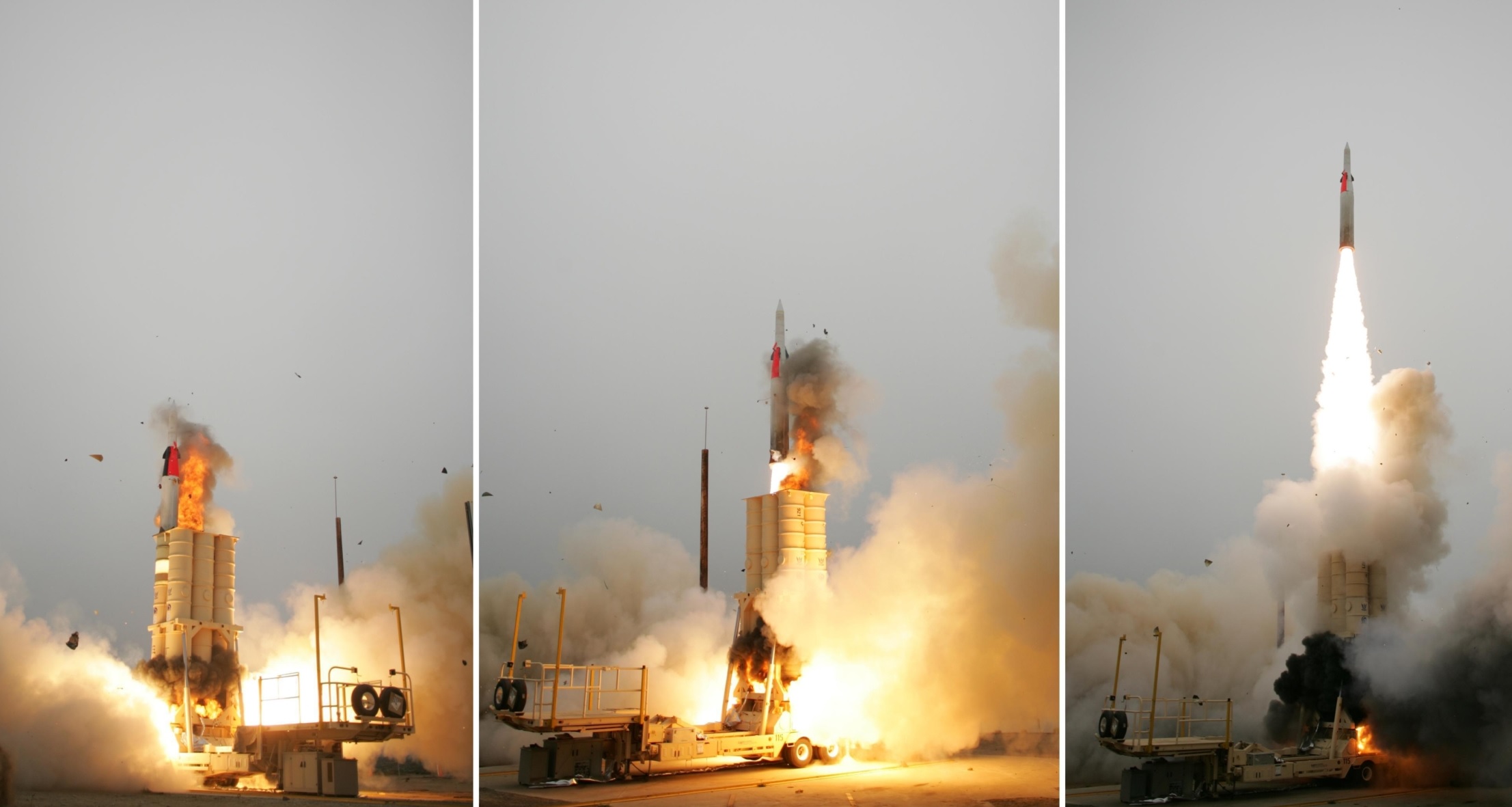
World
The Israel Ministry of Defence (IMOD) and Israel Aerospace Industries (IAI) have finalized a groundbreaking contract worth billions of shekels to expand the production of Arrow-3 interceptors. This strategic move is set to strengthen Israel's missile defense capabilities in the face of escalating threats from long-range ballistic missiles and hypersonic weaponry. The signing ceremony, held at the Ministry’s headquarters in Tel Aviv, was attended by prominent defense officials, including Maj. Gen. (Res.) Eyal Zamir, Director General of IMOD, and Boaz Levy, CEO of IAI. Arrow-3: A Technological Breakthrough in Missile Defense The Arrow-3 interceptor is part of the Arrow Weapon System (AWS), the world’s first operational anti-tactical ballistic missile defense system. Co-developed by Israel and the United States, Arrow-3 is designed to provide unparalleled defense by intercepting ballistic missile threats both inside (endo-atmospheric) and outside (exo-atmospheric) the Earth’s atmosphere. This dual-layered interception capability makes it a critical safeguard against weapons of mass destruction, including nuclear and chemical payloads. The system has earned global recognition for its exceptional performance, particularly during Israel's recent "Iron Swords" war (2023-2024). It successfully intercepted numerous ballistic missile threats, achieving high success rates and demonstrating its combat-proven reliability. Arrow-3 is a complementary layer to the Arrow-2 system, providing a robust multi-tiered missile defense network. While Arrow-2 is tailored for short- and medium-range threats, Arrow-3 extends protection against long-range, high-speed projectiles such as Shahab-3 and Scud missiles. Advanced Technology and Industrial Collaboration IAI leads the development and production of the Arrow system through its MLM Division, collaborating with key defense partners, including Elbit Systems, Rafael Advanced Defense Systems, and U.S.-based Stark Aerospace. The system’s radar technology is developed by IAI’s ELTA Division, while its advanced propulsion systems are supplied by Tomer. This partnership ensures that the Arrow system is equipped with state-of-the-art technologies, offering high operational efficiency and adaptability to emerging threats. The enhanced Arrow-3 production capabilities align with Israel’s overarching multi-layered air defense strategy. This strategy also integrates the Iron Dome, designed for short-range rocket threats, and David’s Sling, which targets medium-range missiles. Together, these systems create a comprehensive protective shield against a diverse range of aerial threats. International Collaboration and Strategic Importance The Arrow-3 program highlights the strong defense partnership between Israel and the United States. U.S. funding has been instrumental in the development and production of the Arrow Weapon System, reflecting shared security interests in countering global missile proliferation. The expanded procurement also positions Israel as a global leader in missile defense technology, with the potential for export opportunities to allied nations facing similar threats. Securing Israel’s Future The newly signed Arrow-3 contract underscores Israel's commitment to proactively adapting its defense capabilities to the ever-changing landscape of missile threats. Boaz Levy, CEO of IAI, hailed the agreement as a pivotal milestone, stating, “This step reaffirms Israel’s leadership in advanced defense technologies and ensures the security of its skies and citizens.” Moshe Patel, Director of the Israel Missile Defense Organisation (IMDO), emphasized the importance of this multi-layered defense approach, which has become a cornerstone of Israel's national security strategy. A Proactive Response to Evolving Threats As missile technologies evolve globally, the Arrow-3 system represents a forward-thinking solution to address emerging challenges, including hypersonic threats. By expanding production and advancing its technological edge, Israel is not only safeguarding its national interests but also setting a benchmark in missile defense systems for the international community.
Read More → Posted on 2024-12-25 14:33:19
World
Iran has taken a pivotal step towards easing its stringent internet controls by lifting the ban on WhatsApp and Google Play. This decision, announced through Iranian state media, is part of a broader plan to gradually loosen the digital restrictions that have governed the country for over two years. The move follows a high-level meeting led by President Masoud Pezeshkian and marks a significant milestone in addressing public demands for online access and global connectivity. The bans on WhatsApp and Google Play were originally imposed during the widespread protests sparked by the tragic death of Mahsa Amini in 2022. These platforms, which served as key communication tools for protestors, were targeted as part of a broader crackdown on online activities that could amplify dissent. Their unblocking is being described by the Iranian government as the "first step" in an initiative aimed at reforming the country's tightly controlled internet landscape. Sattar Hashemi, Iran's Minister of Information and Communications Technology, highlighted the significance of this development, emphasizing the need for "unity and trust" as the nation moves towards redefining its internet governance policies. While he hinted at future steps to expand access to global digital resources, the government remains committed to promoting domestic platforms alongside restoring selected international services. Despite this encouraging progress, many other global social media platforms, including Facebook, Twitter, and YouTube, remain restricted in Iran. Citizens often rely on VPNs to bypass these limitations and access banned platforms. Analysts note that while the lifting of the WhatsApp and Google Play bans is a promising move, it falls short of the broader internet freedom that Iranians have long been advocating for. For businesses and everyday users, the lifting of these bans could have significant implications. WhatsApp, being a widely used communication tool, will likely enhance connectivity within Iran and with the rest of the world. Meanwhile, access to Google Play will facilitate downloads of essential apps, particularly for Android users, enabling better integration with global digital ecosystems. Observers view this development as a potential turning point, reflecting the Iranian government's attempt to balance its control over online activities with growing public demand for unrestricted access to information and global platforms. While this decision has been welcomed as a step in the right direction, the full extent of its impact remains to be seen. Many hope this is the beginning of a series of measures aimed at fostering greater digital freedom in the country.
Read More → Posted on 2024-12-25 14:25:42
World
The U.S. Coast Guard has officially received approval to begin building the first Polar Security Cutter (PSC), marking a significant milestone in strengthening America’s polar icebreaking capabilities. This project, led by Bollinger Mississippi Shipbuilding in Pascagoula, Mississippi, is the first heavy polar icebreaker to be constructed in the United States in more than five decades. The approval is part of a carefully phased process, which has been in progress since mid-2023, aimed at expediting the delivery timeline of these critical assets. The construction incorporates eight prototype fabrication assessment units (PFAUs), designed to hone workforce skills and refine shipbuilding techniques before full-rate production commences. This “crawl-walk-run” methodology has equipped both the shipbuilder and the government with improved, cost-effective, and precise construction processes to ensure reliable outcomes. Transforming the U.S. Icebreaking Fleet The current operational polar icebreaking fleet of the Coast Guard includes the 399-foot heavy icebreaker Polar Star, commissioned in 1976, and the 420-foot medium icebreaker Healy, commissioned in 1999. Both vessels are nearing the end of their operational lifespans, highlighting the urgent need for fleet modernization. Recently, the Coast Guard acquired a commercially available polar icebreaker to temporarily boost its capabilities in the Arctic, but the new PSC program aims for a long-term solution. The U.S. Coast Guard plans to introduce three heavy PSCs into its fleet, tailored for demanding Antarctic missions. These modern vessels will replace the aging Polar Star and ensure the U.S. maintains a strategic presence in polar regions, which are increasingly contested by global powers. Key Features of the Polar Security Cutter The Polar Security Cutter is a state-of-the-art vessel, designed to handle the most extreme polar conditions. It will measure 460 feet (140 meters) in length, with a beam of 88 feet (28 meters) and a full-load displacement of 23,200 tons. The cutter will be powered by diesel-electric engines and house up to 186 personnel, including crew and mission specialists. A large flight deck will allow the PSC to accommodate helicopters such as the H-53 King Stallion or Sikorsky H-60, enabling versatile operations in remote regions. The hull design is based on the proven Polar 2 class icebreaker, offering superior performance in navigating thick ice sheets. Multi-Year Acquisition Program The Polar Security Cutter program is a multi-year initiative, with the first vessel contract awarded to VT Halter Marine in 2019. The fixed-price incentive-firm contract, valued at $745.9 million, covers the detailed design and construction of the initial cutter. This acquisition is part of a broader effort to recapitalize the Coast Guard’s icebreaking fleet and address increasing geopolitical challenges in polar regions. The PSC project signifies a renewed commitment to securing U.S. interests in the Arctic and Antarctic. As these regions become hubs of strategic competition, the modernized fleet will bolster the U.S. Coast Guard’s ability to conduct search-and-rescue missions, environmental protection, and national defense operations in some of the world’s harshest environments. A Strategic Leap Forward With the construction of the first Polar Security Cutter underway, the U.S. is poised to regain its competitive edge in polar capabilities. The vessel represents not only a technological leap but also a strategic statement in safeguarding American interests in polar territories for decades to come.
Read More → Posted on 2024-12-24 15:34:08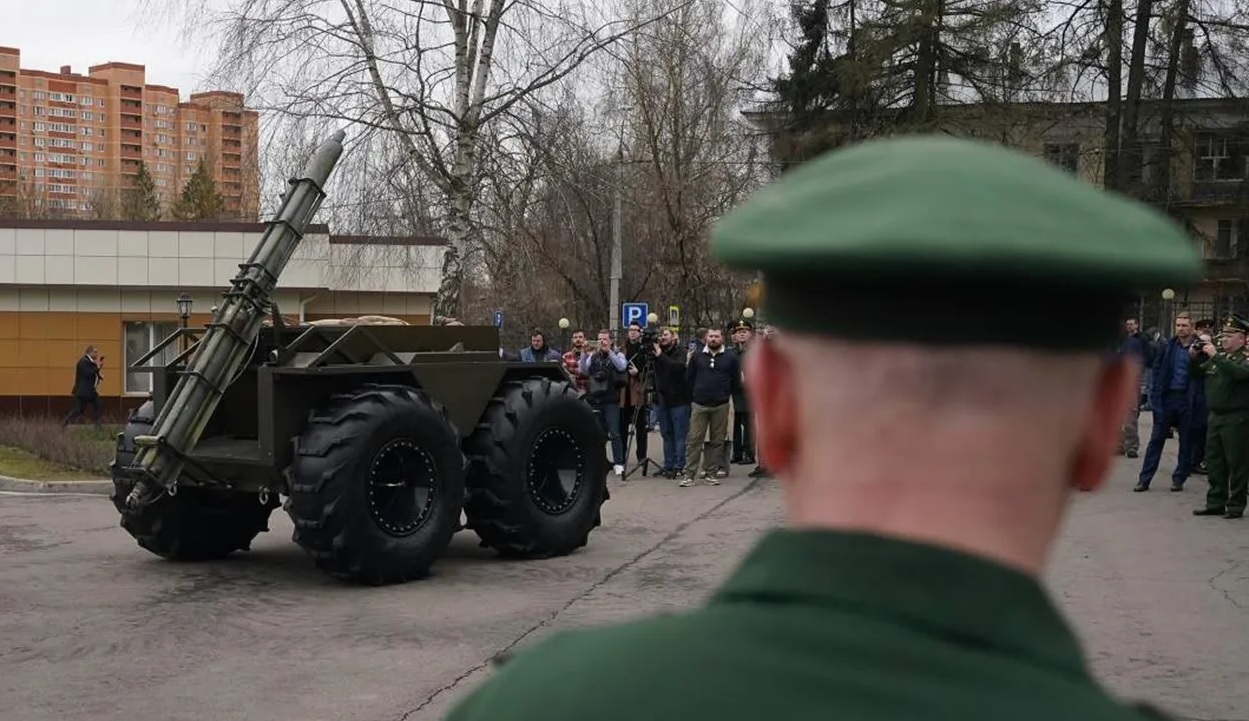
World
A recent incident during a public demonstration of Russia's military robotics has once again raised concerns about the safety and reliability of unmanned systems. The mishap involved the "Chelnok" demining robot, a device designed for high-stakes military operations, which unexpectedly malfunctioned, narrowly avoiding a potential disaster. The Incident Footage from early 2024, circulated on Telegram, captured the "Chelnok" reversing uncontrollably during a public showcase. The robot, developed by Kurgan-based LLC "MobiDick," almost collided with its operator before others at the demonstration managed to intervene and stop it. The near-miss left onlookers questioning the safety protocols and technical robustness of the system. About the Chelnok Robot The "Chelnok" demining robot is an advanced piece of equipment designed to clear paths through minefields. Built on the "Phoenix" electric all-terrain vehicle platform, it is equipped with the UR-83P explosive ordnance system, capable of neutralizing anti-tank mines and clearing six-meter-wide mine paths. This makes it a critical tool for enhancing battlefield safety. However, incidents like the recent one demonstrate the risks involved when such technology fails. Broader Issues with Russian Robotics This is not the first time a Russian robotic system has malfunctioned. In a separate, widely publicized incident, the "Platform-M" robotic combat unit malfunctioned during the filming of a Ministry of Defense program, "Military Acceptance," on the Zvezda channel. The robot, due to a piloting error, veered off-course, nearly injuring a journalist and toppling close to an embankment. The footage was subsequently removed from official channels. These mishaps underscore ongoing challenges in the development of Russia's unmanned systems. Experts point to potential issues such as rushed production timelines, inadequate testing, or flaws in software and remote operation protocols. Implications for Military Robotics The incidents have raised broader concerns about the reliability of robotics in high-stakes military scenarios. While robots like the "Chelnok" and "Platform-M" are designed to reduce risks for human operators, malfunctions during demonstrations suggest they may inadvertently increase risks if not thoroughly vetted. As militaries worldwide increasingly invest in robotic and AI-driven technologies, the safety and reliability of such systems remain paramount. For Russia, addressing these issues will be crucial to maintaining the credibility of its military technology programs and ensuring the safety of both operators and civilians. The spotlight now turns to Russian defense developers and policymakers to improve the design, testing, and deployment of unmanned systems. Until then, these incidents serve as a stark reminder of the challenges in integrating advanced robotics into complex military operations.
Read More → Posted on 2024-12-24 15:29:14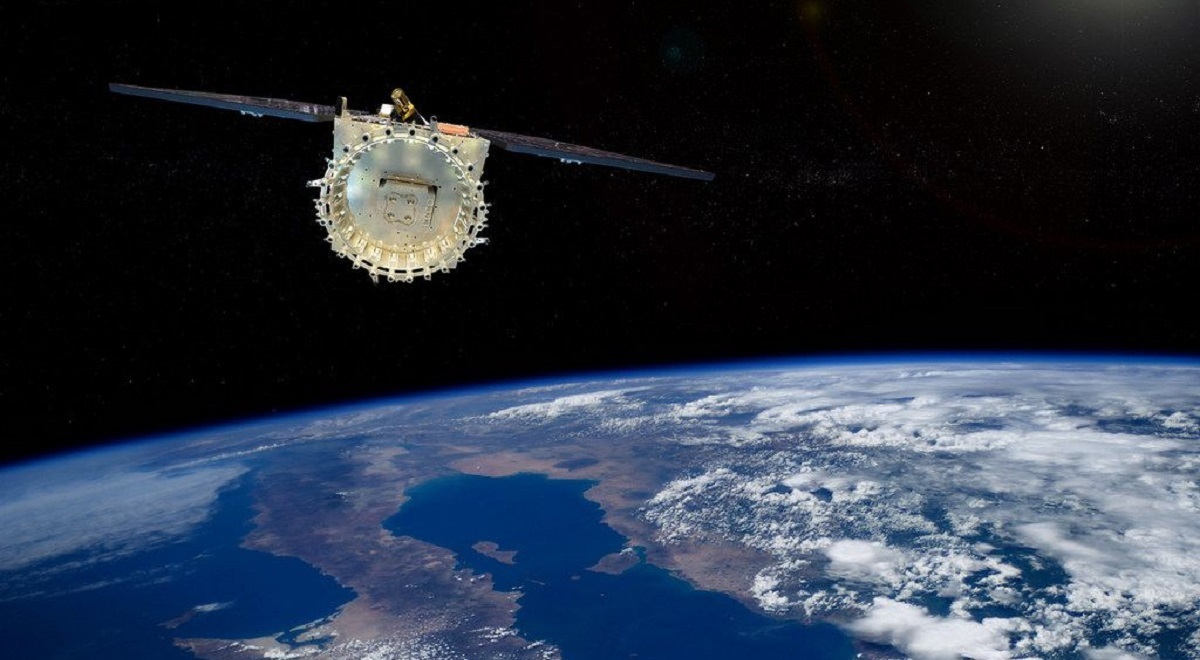
World
Poland has taken a significant step toward bolstering its space defense capabilities by signing a landmark contract with Creotech Instruments, a local firm specializing in space technology. The agreement, valued at 550 million Polish zloty (approximately $134 million), involves the procurement of a satellite earth observation system comprising four microsatellites. These satellites, built on Creotech’s cutting-edge HyperSat platform, are expected to enhance Poland's ability to monitor and secure its national territory. Advanced Satellite Capabilities The four microsatellites are equipped with sophisticated optical instruments capable of capturing high-resolution Earth imagery in visible light and near-infrared bands. This dual-spectrum capability will allow the Polish Armed Forces to gather critical geospatial intelligence for military and civilian applications, including disaster management, border monitoring, and strategic planning. Scheduled for launch into a low sun-synchronous orbit by 2027, these satellites are designed for precise Earth observation, enabling consistent data collection under optimal lighting conditions. This makes them particularly valuable for applications requiring detailed imaging at regular intervals. A Milestone for Poland’s Space Industry This contract represents the largest satellite procurement ever awarded to a Polish company, marking a pivotal moment in the nation's space industry. According to Jakub Bochinski, Deputy Director of Space Products at Creotech, the acquisition is not only a "game changer" for the country's technological landscape but also a critical step in achieving national technological sovereignty. The deal underscores Poland's commitment to fostering domestic innovation and reducing dependence on foreign technology in the strategically vital domain of space defense. Strategic Investments in Space Defense Poland’s focus on enhancing its space capabilities has been evident in recent years. In June 2023, the country inaugurated its Geospatial Reconnaissance and Satellite Services Agency, tasked with managing and controlling satellite systems integrated into the armed forces. This agency also oversees space situational awareness, ensuring Poland's readiness to address potential threats in the increasingly contested space environment. Additionally, Poland has laid out ambitious plans for its space program. By 2025, the nation aims to launch its first military observation satellites, incorporating both domestic and international components. These satellites will complement the reconnaissance capabilities provided by the newly acquired microsatellites. Earlier in 2023, Poland secured a separate agreement with Airbus to deliver two advanced military reconnaissance satellites, which are also slated for launch in 2027. These systems will work in tandem with the Creotech-built satellites, significantly enhancing the country’s surveillance and intelligence-gathering capacity. Strengthening Regional Security Poland's investment in space technology comes at a time of heightened regional tensions and growing security challenges. By advancing its space defense capabilities, the country is not only safeguarding its national security but also contributing to the broader security framework of NATO allies. The integration of cutting-edge satellite systems reflects Poland’s proactive approach to addressing modern defense challenges. Conclusion The procurement of four observation satellites from Creotech Instruments is a transformative move for Poland’s space defense strategy. By leveraging domestic expertise and advanced technology, Poland is solidifying its position as a regional leader in space innovation. As these systems become operational in the coming years, they will play a crucial role in enhancing the nation's strategic capabilities and securing its place in the evolving space defense landscape.
Read More → Posted on 2024-12-24 14:58:00
World
A troubling pattern is emerging across Nordic countries, where teenagers are reportedly being recruited by Iran-linked networks to carry out attacks on Jewish and Israeli targets. Swedish authorities have connected several incidents this year to Tehran-backed groups, including a 15-year-old caught attempting to target the Israeli embassy in Stockholm and other teenagers involved in attacks on an Israeli defense firm. Teenage Involvement in Violent Incidents One of the most alarming cases involved a 13-year-old in Gothenburg, Sweden, firing shots at the facility of Israeli defense company Elbit Systems. Another teenager, aged 16, was implicated in planting homemade explosives outside the same facility. These incidents highlight a disturbing trend of minors being used as tools for politically motivated violence. Investigators suggest that these recruits were lured through popular social media platforms such as TikTok, Telegram, and Snapchat, exploiting their vulnerabilities. Exploitation of Nordic Vulnerabilities The openness of Nordic societies, characterized by high levels of trust and minimal visible policing, has created fertile ground for foreign actors to exploit. Sweden and Norway, which share over 1,000 miles of largely open borders, face unique challenges in preventing such activities. Adding to the problem are rising gang activities within immigrant communities, which are further exacerbated by tensions stemming from civilian casualties in Gaza and Lebanon. Justice ministers across the region have expressed their concern. Sweden’s Justice Minister Gunnar Strömmer emphasized the urgent need to prevent youth from being drawn into gangs and extremist networks. Similarly, Norway and Denmark have highlighted the necessity of collaborative regional efforts to counteract this trend. Social Media as a Recruitment Tool Social media platforms play a pivotal role in these recruitment efforts. Iranian-backed networks reportedly use apps like Telegram, WhatsApp, and TikTok to guide young recruits. Alarmingly, the financial incentives offered are minimal—starting as low as €120 for smaller tasks, such as throwing petrol bombs, and up to €1,500 for more severe acts like targeted killings. Terrorism researcher Peter Nesser from Norway’s Defence Research Institute notes that while these operations often lack sophistication, their impact can still be devastating. Additionally, many of these young recruits may not fully comprehend the extent of their involvement with foreign-backed agendas. Heightened Security Measures and Political Ramifications In response to these threats, Norway elevated its terror alert level in October 2024 and introduced enhanced border checks and armed police patrols. Despite Tehran's losses in the Middle East, including setbacks to its proxies like Hamas and Hezbollah, European intelligence suggests that the Iranian regime may seek to increase its destabilizing activities on the continent. Sweden, grappling with long-standing challenges of organized crime within immigrant communities, finds itself at the center of this alarming trend. Since 1980, the country has experienced significant migration, with over 1.5 million people moving to Sweden. A recent study revealed that 40% of these migrants feel disconnected from Swedish society, creating an environment ripe for both gang and proxy recruitment. This issue has also influenced Swedish politics, with parties like the Sweden Democrats pushing for stricter measures, including youth prisons for offenders under 15. Broader Implications for Europe The recruitment of teenagers for politically motivated attacks in the Nordic region raises broader concerns about Iran's strategy in Europe. While some individuals are motivated by anger over the Gaza conflict, others are simply drawn by the prospect of financial gain. Intelligence experts warn that Tehran’s covert activities could extend beyond the Nordics, posing a significant threat across the continent. Iran’s exploitation of societal vulnerabilities and its use of modern communication platforms underscores the need for urgent, unified action. Nordic countries must not only strengthen their internal security measures but also collaborate closely with European allies to counter these threats and safeguard their societies from foreign interference.
Read More → Posted on 2024-12-24 14:19:12
World
Denmark has announced its 23rd military aid package, valued at 2.1 billion Danish kroner ($303 million), to enhance Ukraine’s air defense capabilities amid ongoing conflict with Russia. This comprehensive package underscores Denmark’s commitment to supporting Ukraine and addressing its urgent need to counter missile and drone attacks. Strengthening Air Defense and F-16 Maintenance A significant portion of the aid will be dedicated to maintaining Ukraine's F-16 fighter jets, a crucial component of its air defense strategy. The maintenance funds will ensure that these fourth-generation aircraft, recently supplied by Denmark and other allies, remain operational and effective. The aid also includes equipment and resources aimed at bolstering Ukraine’s ability to intercept Russian missiles and drones, a top priority given the increasing frequency of aerial assaults on Ukrainian infrastructure and civilians. Broader International Collaboration The package will be delivered through international mechanisms, including reallocations from the Ukraine Fund and the European Peace Facility. Additionally, Denmark will send personnel to support NATO's assistance efforts in Ukraine. Funding will also be extended for Danish military personnel involved in the EU Military Assistance Mission for Ukraine, reflecting a multi-faceted approach to military aid. Troels Lund Poulsen, Denmark’s Minister of Defence, emphasized the importance of prioritizing air defense. “One of Ukraine’s most urgent needs is to be able to defend itself against Russian missiles and drones. Therefore, we have prioritized more support for air defense,” Poulsen stated. F-16 Training and Deployment Denmark, along with the Netherlands, has been instrumental in leading the transfer and training of Ukrainian pilots for F-16 fighter jets. Kyiv received its first batch of these US-made aircraft in August, with further deliveries expected to follow. Denmark authorized the use of these jets to target Russian military facilities, such as weapons depots, while ensuring that operations adhere to international norms. Danish Foreign Minister Lars Lokke Rasmussen reiterated that Ukraine is restricted from using the jets for attacks on Russian civilian areas, maintaining a balance between military efficacy and ethical responsibility. Previous Commitments and Financial Support In addition to this latest package, Denmark has demonstrated sustained support for Ukraine. Earlier this month, it pledged funding for Sweden’s donation of CV90 infantry fighting vehicles to Ukraine and the production of additional units worth 1.8 billion kroner ($264 million). These vehicles are expected to play a vital role in bolstering Ukraine’s ground operations. From 2022 to 2028, Denmark has allocated 53 billion Danish kroner (approximately $7.8 billion) to military aid for Ukraine. This long-term commitment reflects Denmark's role as a reliable partner in Europe’s collective effort to support Ukraine against Russian aggression. A Clear Message of Solidarity Denmark's latest aid package sends a clear message of solidarity to Ukraine and its allies. By prioritizing air defense, maintaining F-16 jets, and coordinating with international partners, Denmark continues to play a pivotal role in strengthening Ukraine's resilience and defense capabilities. This package not only addresses Ukraine's immediate needs but also reinforces Denmark’s broader commitment to regional stability and security.
Read More → Posted on 2024-12-24 14:10:43
World
The U.S. Army has taken a significant step forward in modernizing its defense capabilities by partnering with BAE Systems to develop the Multi-Domain Artillery Cannon (MDAC), a revolutionary 155mm self-propelled howitzer. Designed as part of an advanced air and missile defense system, MDAC aims to counter a wide spectrum of aerial threats, including drones, cruise missiles, helicopters, and aircraft. Central to this innovation is its use of hypervelocity projectiles, originally created for the Navy’s electromagnetic railgun program. Rapid Development Under OTA Framework The Army’s Rapid Capabilities and Critical Technologies Office (RCCTO) announced on December 20th that the MDAC project will be executed through an Other Transaction Agreement (OTA). This contracting mechanism allows for faster prototyping and development, bypassing traditional bureaucratic delays. The Army expects a full MDAC prototype battery to be ready by the end of fiscal year 2027, with operational demonstrations slated for 2028. Collaboration with the Air Force MDAC is not just an Army initiative. Since 2022, the project has benefitted from joint research efforts between the Army and the Air Force, supported by the Pentagon’s Strategic Capabilities Office and the Air Force Research Laboratory. This collaboration falls under the broader Hypervelocity Ground Weapon System initiative, which focuses on cutting-edge weapons technology to address modern battlefield challenges. Key Features of MDAC Each MDAC battery will comprise several components: Eight Multi-Domain Artillery Cannons: Capable of rapid firing and equipped with deep magazines. Four Multi-Function Precision Radars: For real-time threat detection and tracking. Two Multi-Domain Battle Managers: To coordinate defensive operations and enhance situational awareness. 144 Hypervelocity Projectiles: Providing the firepower to counter diverse aerial threats effectively. These elements will integrate seamlessly with the Army’s Integrated Air and Missile Defense Battle Command System (IBCS), ensuring better operational efficiency and coordination. Design Considerations and Potential Platforms While specifics of the MDAC design remain under wraps, the Army has outlined some critical requirements. The system should be wheeled for mobility, rapidly deployable, capable of automated ammunition resupply, and transportable by C-130 cargo planes to support expeditionary missions. A leading contender for the MDAC platform is the Archer self-propelled howitzer, developed by BAE’s subsidiary Bofors. Known for its advanced auto-loading capabilities and rapid deployment features, Archer aligns with the MDAC’s envisioned role. However, its lack of compatibility with C-130 transport presents a challenge. Alternatively, BAE Systems may design a new platform, potentially leveraging existing military truck platforms like the Family of Medium Tactical Vehicles to meet the Army’s requirements. Enhancing Battlefield Defense The MDAC project represents a bold move to address evolving aerial threats in modern warfare. By integrating advanced technologies like hypervelocity projectiles and next-generation radar systems, MDAC will provide a robust complement to existing air and missile defense systems. Its focus on defending fixed and semi-fixed positions against high-speed aerial threats highlights its strategic importance in multi-domain operations. As development progresses, the MDAC is set to redefine battlefield defense, bolstering the Army’s ability to counter sophisticated threats while maintaining a focus on mobility, precision, and integration. This partnership with BAE Systems underscores the Army’s commitment to staying ahead in the race for advanced defense technologies.
Read More → Posted on 2024-12-24 13:59:25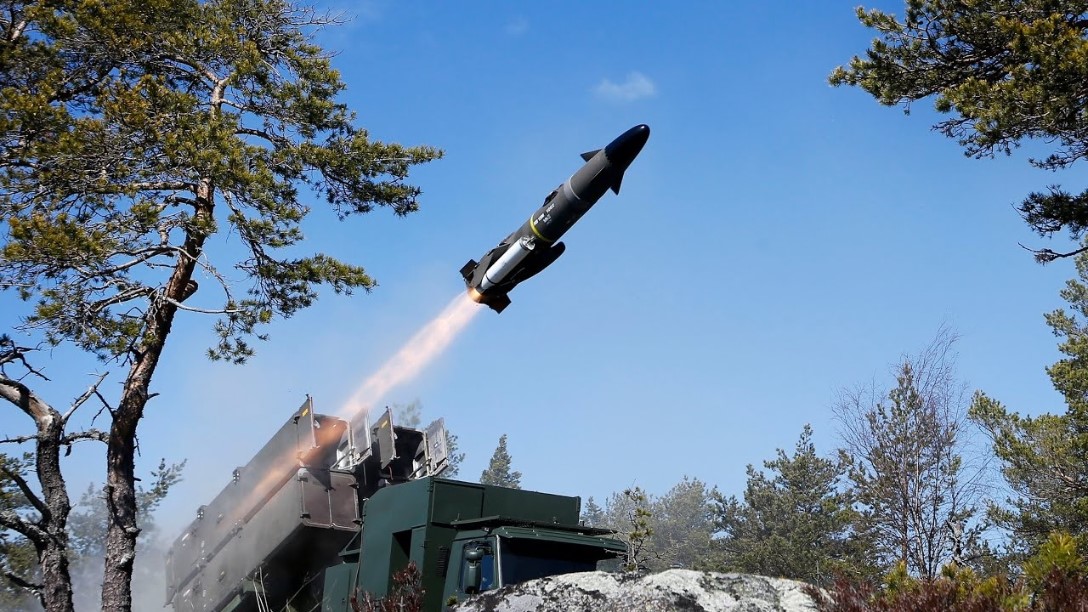
World
Saab has taken a major step in strengthening Sweden’s coastal defence by securing a SEK 800 million contract with the Swedish Defence Materiel Administration (FMV). The agreement aims to modernize Sweden’s anti-ship missile system by integrating the advanced RBS15 Mk3 into its coastal defence infrastructure. Deliveries under the contract are scheduled to begin in 2026, marking a significant enhancement to the country’s military capabilities. Modernizing Coastal Defences The RBS15 Mk3 will replace the older RBS15 Mk2 system, providing a substantial upgrade in range, targeting precision, and destructive capability. Mounted on truck-based launcher modules, the new system is tailored for rapid deployment and high mobility. Saab highlighted the system's advanced features, including a state-of-the-art target seeker, an extended range exceeding 200 kilometers, and a larger warhead designed for greater effectiveness against naval targets. This modernization follows Sweden's 2016 decision to reinstate its coastal anti-ship missile systems, reflecting the nation's growing focus on defending its coastline amid heightened regional security concerns. Advanced Features of the RBS15 Mk3 The RBS15 Mk3, developed in collaboration with Diehl Defence of Germany, is designed to perform exceptionally in the complex and harsh maritime environment of the Baltic Sea. The missile system can operate in all weather conditions, offering flexibility for deployment from ships or mobile land-based units. With a range that surpasses 200 kilometers, the RBS15 Mk3 is capable of engaging multiple types of naval threats, from large warships to smaller, more agile vessels. Its advanced targeting system ensures precise strikes even in electronic warfare conditions, where adversaries may attempt to jam or disrupt missile guidance systems. Strategic Importance The Baltic Sea is a vital region for Sweden’s national security, with significant maritime traffic and proximity to other coastal nations. Saab’s upgraded coastal defence system enhances Sweden’s ability to monitor and control this strategic waterway, deterring potential aggressors and safeguarding the country's territorial integrity. As Görgen Johansson, head of Saab’s business area Dynamics, emphasized, “Sweden will receive a significant capability increase with an anti-ship missile featuring a more advanced target seeker, increased range, and a larger warhead.” A Boost to Sweden’s Defence Readiness The SEK 800 million contract also reflects Sweden’s broader efforts to modernize its defence forces in the face of evolving geopolitical threats. The RBS15 Mk3’s ability to counter a wide range of naval threats reinforces Sweden’s preparedness to protect its shores and maintain stability in the region. This modernization project is part of Saab's ongoing commitment to delivering cutting-edge military technology. As deliveries commence in 2026, Sweden will be equipped with one of the most advanced coastal defence systems in the world, ensuring its maritime security for years to come.
Read More → Posted on 2024-12-23 16:12:45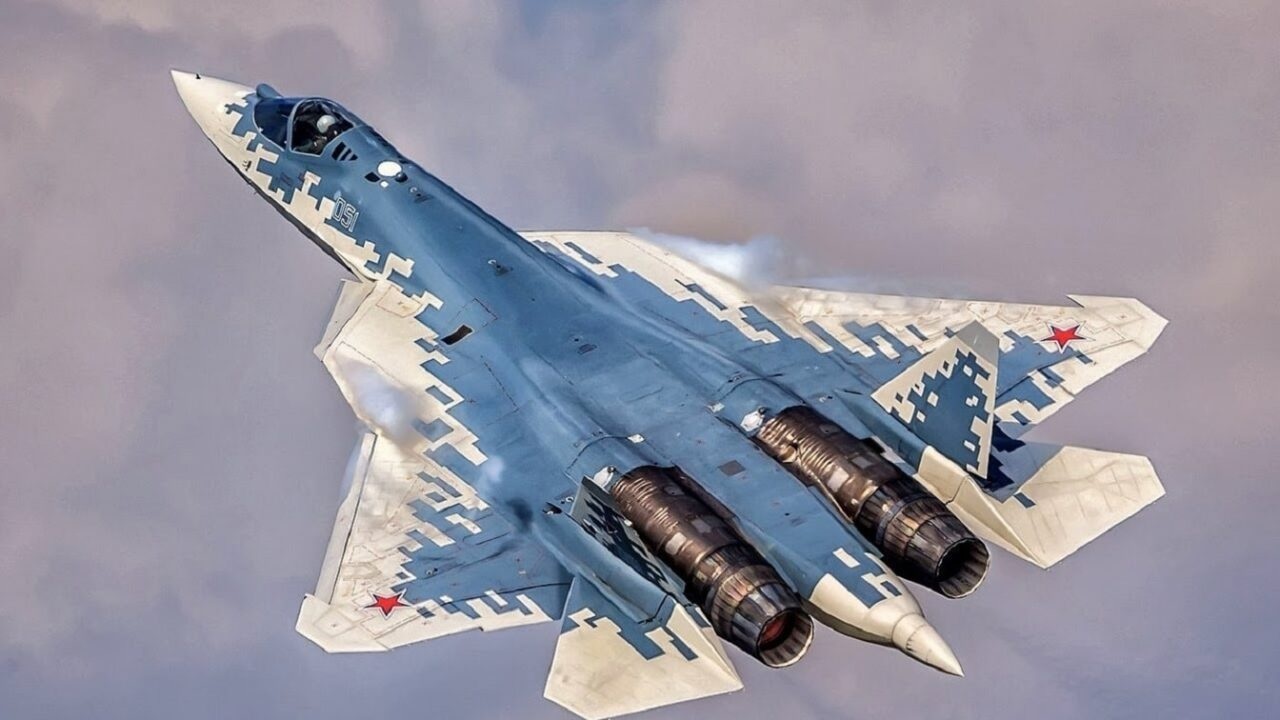
World
Russia has taken delivery of a new batch of Su-57 Felon and Su-34 Fullback aircraft from the United Aircraft Corporation (UAC), a subsidiary of Rostec, as part of its state defense order. These additions to the Russian Aerospace Forces come at a critical time, as the country faces significant challenges in maintaining its air capabilities amid ongoing military operations in Ukraine. Advanced Su-57: Russia’s Fifth-Generation Fighter The Su-57, often dubbed the "king of the skies," is a fifth-generation multirole fighter jet designed to tackle diverse missions, including striking air, ground, and naval targets. Known for its cutting-edge technology, the Su-57 features: Low Observability: The jet incorporates stealth technology, enabling it to evade modern air defense systems. Precision Weaponry: Equipped with advanced guided munitions, the Su-57 can neutralize targets with high accuracy. Electronic Warfare Capabilities: It includes sophisticated electronic countermeasures to dominate in contested airspaces. High Maneuverability: Its advanced aerodynamics and thrust-vectoring engines make it highly agile in dogfights.Designed for all-weather operations, the Su-57 has been tested in prolonged combat conditions, solidifying its reputation as a cornerstone of Russia’s modern air power. Su-34: A Versatile Fighter-Bomber The Su-34, a twin-seat fighter-bomber, excels in striking a range of targets, including heavily defended infrastructure. Its unique features include: Multifunctional Design: Capable of engaging ground, sea, and aerial targets. Reconnaissance Abilities: The aircraft can also perform intelligence-gathering missions using advanced sensors. Wide Armament Range: It supports both guided and unguided munitions, offering flexibility in combat scenarios. Pilots appreciate the Su-34 for its robust technical specifications and combat reliability. Despite its strengths, the Su-34 has not been immune to losses during the ongoing conflict. Challenges Amid the Ukraine Conflict Russia’s delivery of new jets comes against the backdrop of considerable attrition in its air fleet. According to Oryx, an open-source intelligence group, Russia has lost at least 134 military aircraft since the start of its invasion of Ukraine. These confirmed losses include 36 Su-34 strike aircraft, with additional unverified reports suggesting higher figures. The Su-57 has also been affected, with one aircraft reportedly destroyed in a Ukrainian drone strike on the Akhtubinsk airbase. The losses reflect the intense strain on Russia's forces, especially as it attempts to maintain air superiority in a highly contested environment. A Strategic Focus on Air Power Despite these setbacks, Russia remains committed to strengthening its air fleet. Rostec CEO Sergey Chemezov emphasized the significance of the new deliveries, stating, “The Su-57 and Su-34 are valued for their superior combat characteristics. They will soon take their place in active service, addressing critical tasks with unmatched performance.” UAC head Vadim Badekha also highlighted ongoing efforts to meet production goals while enhancing worker benefits and corporate social programs, signaling a focus on both operational and institutional resilience. Conclusion As the war in Ukraine continues to challenge Russia's military capacity, the delivery of new Su-57 and Su-34 jets underscores Moscow's determination to rebuild and modernize its air power. These aircraft not only demonstrate advanced engineering but also serve as vital assets in Russia’s broader strategy to navigate the pressures of prolonged conflict.
Read More → Posted on 2024-12-23 16:09:48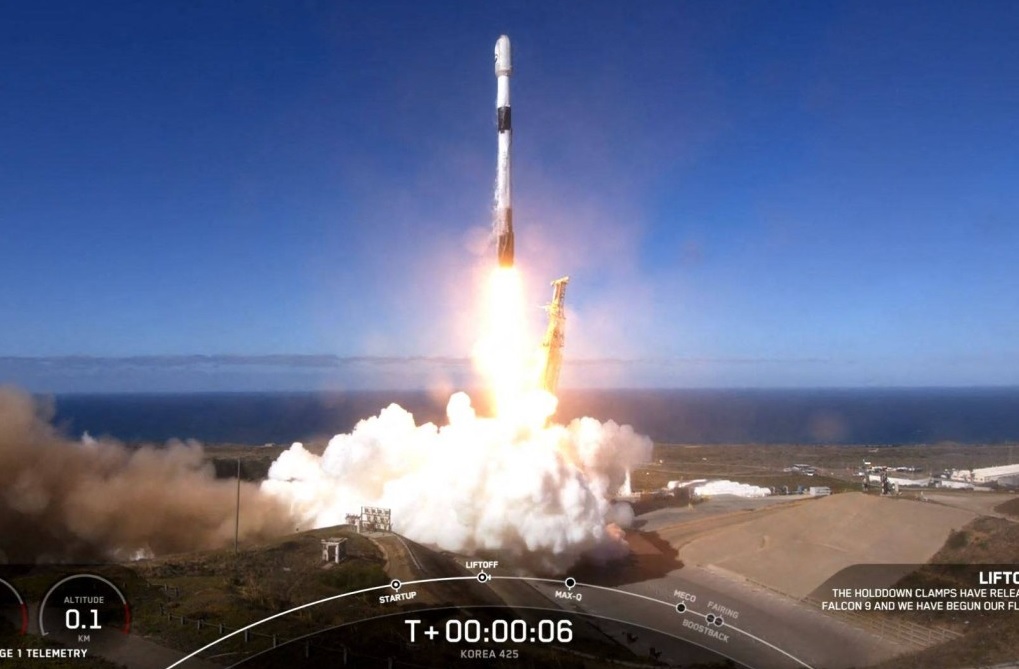
World
South Korea has successfully launched its third military surveillance satellite into orbit, a significant step towards bolstering its autonomous monitoring capabilities amid growing tensions with North Korea. The satellite was launched on Saturday aboard a SpaceX Falcon 9 rocket from Vandenberg Space Force Base in California, marking yet another milestone in Seoul’s push for advanced reconnaissance technology. The South Korean defense ministry confirmed that the satellite was deployed into orbit at precisely 9:24 p.m. and established communication with an overseas ground station by 11:30 p.m., ensuring the mission's success. This accomplishment follows the successful launches of two other domestically-built spy satellites in December 2023 and April 2024. With this latest addition, South Korea now has three military reconnaissance satellites in orbit, significantly enhancing its surveillance capabilities. Strengthening Autonomy in Surveillance South Korea's deployment of its own spy satellites comes at a critical time when Pyongyang continues to expand its weapons arsenal and strengthen its military posture. Historically, Seoul has depended on U.S. space assets to monitor North Korean activities. However, the growing number of domestically-built satellites now offers South Korea greater autonomy in tracking Pyongyang’s military developments, including its missile tests, troop movements, and nuclear activities. The reconnaissance satellites are not only aimed at observing North Korea but may also monitor the increasingly strategic ties between Pyongyang and Moscow. This capability is particularly relevant given North Korea’s November 2023 claim of launching its own spy satellite, which reportedly captured images of sensitive locations such as the White House and the Pentagon. Future Plans for Surveillance Expansion South Korea is not stopping with this latest launch. The defense ministry has revealed plans to place two more military surveillance satellites into orbit by the end of 2025. These advanced space assets are part of a broader effort to establish a robust surveillance network capable of monitoring threats from all directions, ensuring national security and preparedness for potential conflicts. A Response to Escalating Regional Tensions This satellite launch also underscores the intensifying arms race in the region. North Korea’s continued missile tests and its collaboration with Russia have heightened security concerns for South Korea and its allies. Pyongyang’s efforts to showcase its growing technological prowess, including its recent spy satellite launches, have added urgency to Seoul’s space and defense initiatives. South Korea’s collaboration with SpaceX for this launch further demonstrates its commitment to leveraging cutting-edge technology to enhance its defense capabilities. With three satellites already in orbit and more planned, Seoul is solidifying its position as a technologically advanced nation capable of countering regional threats effectively. By taking control of its surveillance capabilities, South Korea is sending a clear message: it is prepared to confront any challenges to its sovereignty and security in an increasingly volatile geopolitical landscape.
Read More → Posted on 2024-12-23 16:06:09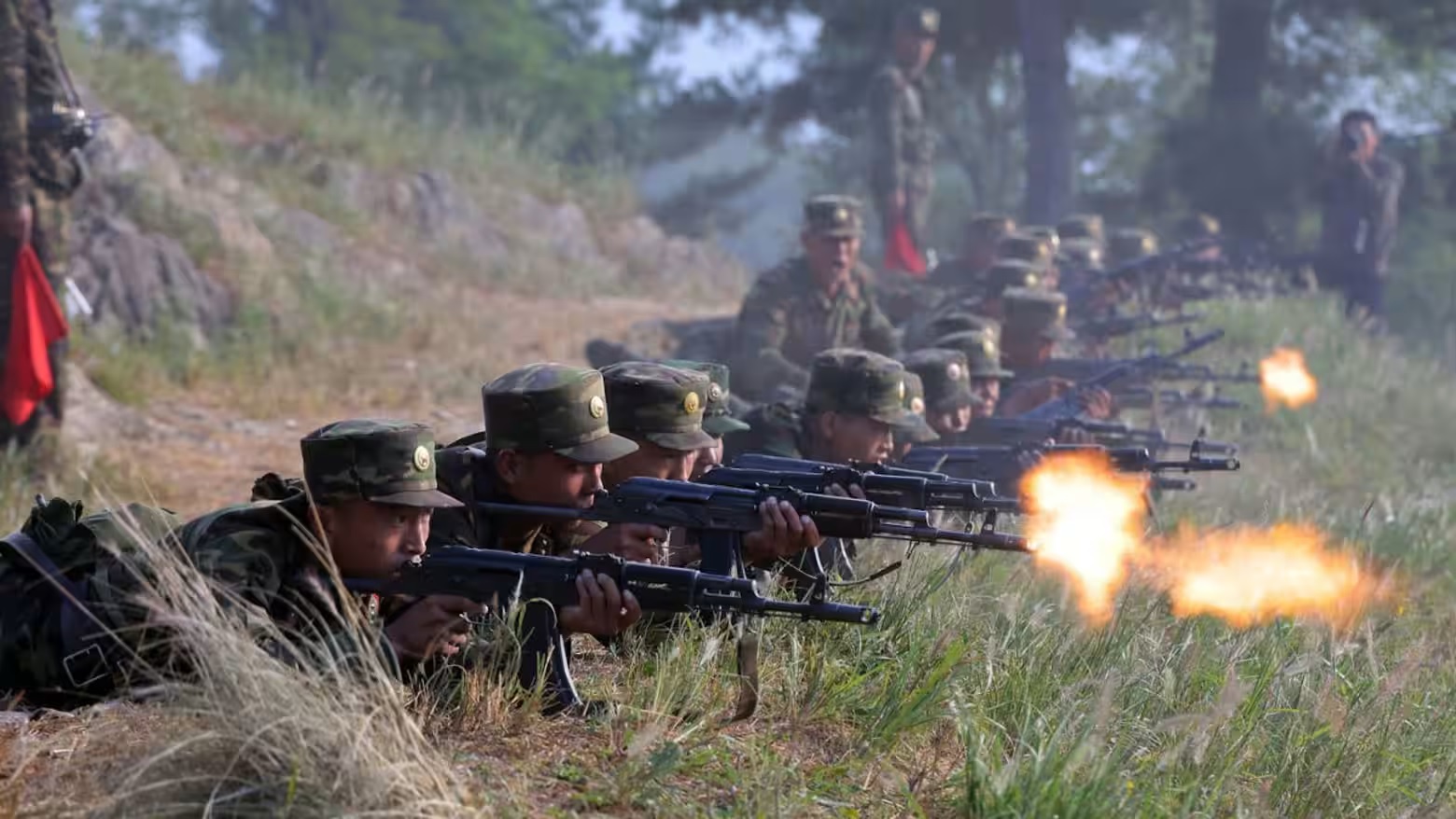
World
The unfolding dynamics of the Russia-Ukraine war have taken a startling turn with the revelation that North Korea has suffered significant losses in the conflict. According to South Korea’s Joint Chiefs of Staff (JCS), over 1,100 North Korean soldiers have been killed or wounded in combat since their deployment to support Russian forces. This figure follows an earlier report indicating that at least 100 North Korean troops had been killed in combat since December 2023. North Korea's Growing Role in the Conflict North Korea has reportedly sent thousands of troops to bolster Russian positions, particularly in contested regions like Kursk, where Ukrainian forces have made territorial gains. The JCS noted that Pyongyang is already preparing for additional deployments or rotations of soldiers to reinforce the Russian military further. Beyond manpower, intelligence reports suggest that North Korea is supplying Moscow with advanced military hardware, including self-destructible drones, 240mm rocket launchers, and 170mm self-propelled artillery systems. This military collaboration is part of a broader strategy to modernize North Korea's own warfare capabilities, leveraging combat experience gained in the ongoing war. A Strategic Alliance with High Stakes The deepening military ties between Pyongyang and Moscow were formalized with a landmark defense pact signed in June 2023, which came into force this month. Experts believe this partnership benefits both nations strategically. North Korea gains exposure to advanced military technologies and battlefield experience, while Russia benefits from reinforcements and additional weaponry amidst its protracted conflict with Ukraine. Reports also indicate that Russia might offer North Korea reciprocal benefits, including assistance in upgrading its conventional weaponry, a move that could amplify the military threat posed by Pyongyang to its regional neighbors, particularly South Korea. South Korea's Response and Concerns South Korea has expressed growing concerns about North Korea's participation in the conflict. Seoul has intensified its intelligence and surveillance activities, citing the potential implications for regional security. A new 40-kilometer-long border fence is being constructed along the North-South Korea border, reportedly involving 10,000 soldiers. The JCS emphasized that this reinforcement aims to prevent defections from North Korean civilians and military personnel. Adding to tensions, North Korea has launched 7,000 trash-carrying balloons into South Korea on 32 occasions since May 2024. This unusual tactic is seen as retaliation for South Korean activists who send anti-regime propaganda northward using balloons. While such provocations have paused since late November, South Korea warns of potential surprise launches in the future. South Korea-Ukraine Security Cooperation In a significant geopolitical shift, South Korea and Ukraine announced enhanced security cooperation to counter the threats posed by North Korea’s military support for Russia. While South Korea has historically refrained from supplying weapons to active conflict zones, discussions are ongoing regarding potential arms shipments to Ukraine. Global Implications North Korea’s involvement in the Russia-Ukraine war underscores the complex web of alliances and rivalries shaping global geopolitics. Pyongyang’s role as a key military partner for Moscow introduces new challenges for the international community, particularly as North Korea seeks to enhance its military capabilities through combat experience and technological transfers. As the conflict continues to evolve, the ramifications of North Korea's participation are likely to be felt not just in Eastern Europe but also across the broader Asia-Pacific region.
Read More → Posted on 2024-12-23 16:00:49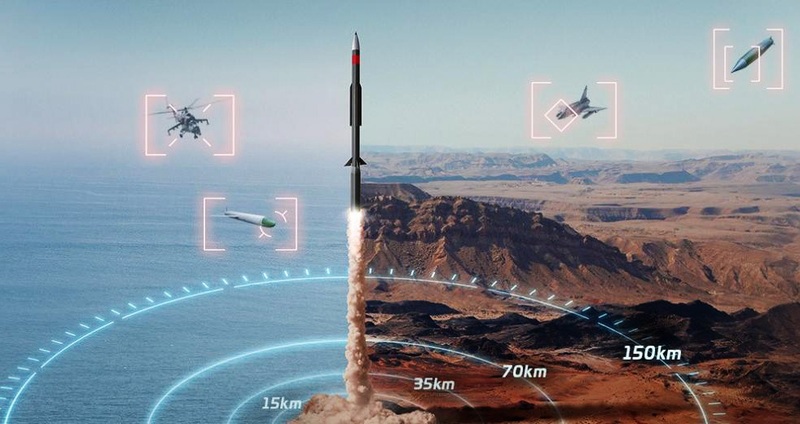
World
Israel and Slovakia have entered into a historic €560 million agreement for the Barak MX Integrated Air Defence System, marking the largest-ever defence deal between the two nations. Signed in Tel Aviv by Israel's Ministry of Defence Director General Maj. Gen. (Res.) Eyal Zamir, this landmark deal underscores the deepening partnership between the two countries. Cutting-Edge Capabilities of the Barak MX System The Barak MX, developed by Israel Aerospace Industries (IAI), is a state-of-the-art air defence system designed to counter an array of modern threats, including fighter jets, unmanned aerial vehicles (UAVs), cruise missiles, and tactical ballistic missiles. Its standout feature lies in its modular, network-centric architecture that allows seamless integration with a variety of sensors, battle management systems, and interceptors into one cohesive defence framework. Key specifications include: Three Interceptor Variants: Barak MR: Medium range with a 35 km reach. Barak LR: Long range, extending to 70 km. Barak ER: Extended range with a striking capability of up to 150 km. Enhanced Features: Advanced radar seekers, dual-pulse rocket engines, and high-performance warheads for exceptional interception precision. Wide Threat Coverage: Capable of addressing threats from 2 km to 150 km. This advanced system is specifically designed for surface-to-air operations, unlike many air defence solutions that repurpose air-to-air missiles. This optimization results in superior performance and reliability. Unmatched Multi-Layered Defence The Barak MX excels in creating multi-layered, integrated defence networks. Its ability to interconnect multiple units enhances the defended area by sharing assets across fire units, ensuring targets are engaged even beyond the reach of individual units. The system supports both Ground-Based Air Defence (GBAD) and Naval Air Defence integration, offering a unified and robust shield against aerial threats. IAI’s Growing International Reputation IAI, renowned globally for its expertise in air and missile defence systems, has an impressive track record. It has played a pivotal role in developing Israel’s Arrow Anti-Ballistic Missile Defence System and is a leader in loitering munitions and strike solutions. The Barak MX is already operational across four continents, with Germany recently selecting it for the European Sky Shield Initiative (ESSI). This deal with Slovakia further cements IAI’s position as a global leader in advanced defence solutions. For Slovakia, the acquisition of the Barak MX signifies a significant upgrade to its national defence capabilities, particularly in light of growing security concerns in Europe. A Strengthened Partnership This €560 million agreement not only highlights the strategic importance of Israel's defence technology but also strengthens Israel-Slovakia relations. By integrating the Barak MX into its defence infrastructure, Slovakia ensures a comprehensive, cutting-edge shield against evolving threats. As the Barak MX continues to gain international recognition, this collaboration reflects the global shift towards more sophisticated and interconnected air defence systems to counter modern challenges effectively.
Read More → Posted on 2024-12-23 15:58:09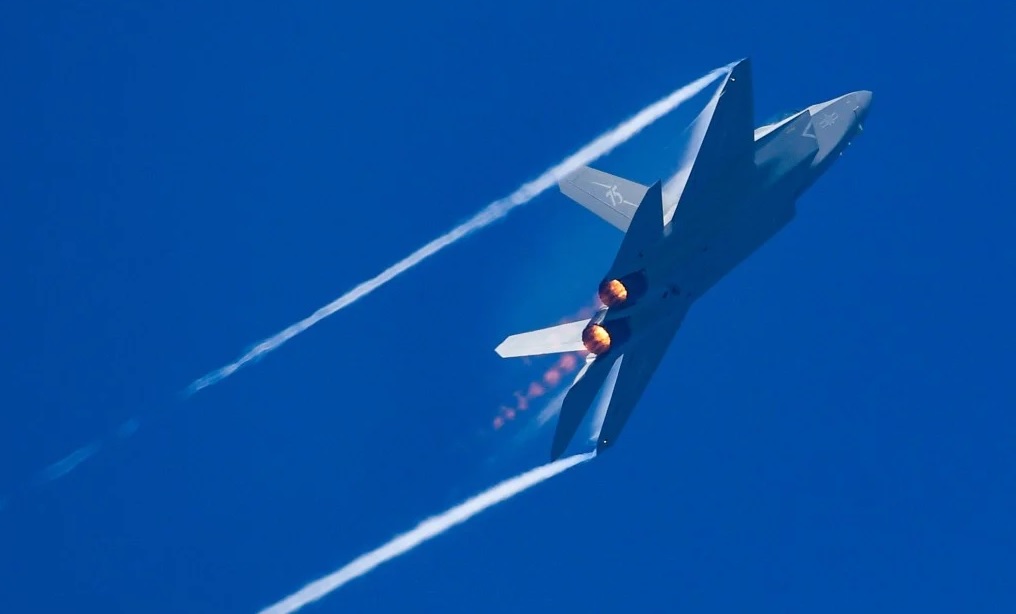
World
Pakistan is reportedly gearing up to procure 40 of China's latest stealth fighter jets, the J-35, in what could be a groundbreaking deal marking Beijing's first export of fifth-generation jets. If finalized, this acquisition is set to replace Pakistan's ageing fleet of American F-16s and French Mirage fighters, a move that could recalibrate the strategic balance in South Asia, particularly against its rival, India. The J-35, an advanced stealth fighter primarily designed for use on Chinese aircraft carriers, recently garnered significant attention when showcased at the prestigious air show in Zhuhai. Pakistan Air Force (PAF) officials were in attendance, adding credibility to reports of the deal. According to Pakistani media, the PAF has already approved the purchase, with deliveries expected within two years. The J-35: Features and Strategic Significance The J-35, also known as the land-based J-31 in earlier reports, is China's second stealth fighter, following the J-20. Equipped with advanced stealth capabilities, it is designed to evade radar detection, making it a formidable asset in modern aerial warfare. The jet features a combat radius of approximately 1,200 kilometers, a maximum speed of Mach 1.8, and the ability to carry a diverse array of air-to-air and air-to-ground munitions. For Pakistan, the J-35 represents a significant upgrade to its air capabilities. This purchase comes amid a broader modernization effort by the PAF, which has already benefited from China’s collaboration in developing the JF-17 Thunder fighter jets. However, acquiring the J-35 signifies a leap in technology, giving Pakistan access to advanced stealth features and bolstering its air superiority capabilities. Challenges Amid Economic Woes The deal comes at a time when Pakistan is grappling with a severe economic crisis, raising questions about how it will finance such a high-value procurement. The cost of each J-35 is estimated at around $100 million, bringing the total deal value to approximately $4 billion. Despite these challenges, Pakistan appears determined to prioritize its defense needs, underlining the importance of the acquisition in its strategic calculus. Strengthening Sino-Pak Defense Ties The potential J-35 acquisition underscores the deep-rooted military ties between Pakistan and China. Over the years, China has played a pivotal role in modernizing Pakistan's military across all three branches—air, land, and sea. Notably, the two nations jointly developed the JF-17 Thunder, which forms the backbone of the PAF. Additionally, China has delivered four advanced naval frigates to the Pakistan Navy, enabling a more robust maritime presence in the Indian Ocean and Arabian Sea. Last month, these defense ties were further reinforced during the visit of General Zhang Youxia, Vice Chairman of China’s Central Military Commission, to Pakistan. His discussions with Pakistan Army Chief General Asim Munir focused on enhancing bilateral defense cooperation and regional security dynamics. Regional Implications The acquisition of J-35 jets could significantly alter the strategic equation in South Asia. For India, Pakistan's modernization of its air fleet with advanced Chinese stealth technology presents a fresh challenge. New Delhi has already been focusing on strengthening its own air capabilities, including the induction of Rafale jets and the development of indigenous fighter programs. The deal also reflects China's growing influence in Pakistan’s defense sector, aligning with Beijing’s broader regional strategy. The China-Pakistan Economic Corridor (CPEC) projects have deepened economic and military ties, despite challenges such as militant attacks targeting Chinese personnel. Conclusion The reported acquisition of J-35 stealth fighters highlights Pakistan's commitment to modernizing its defense forces, even amid economic hardships. If confirmed, this deal will not only redefine Pakistan’s air power but also mark a significant milestone in Sino-Pak defense collaboration. With regional security dynamics in flux, the J-35 could serve as a critical asset for Pakistan, while underscoring China’s emergence as a key arms exporter in the global arena.
Read More → Posted on 2024-12-23 15:55:47Search
Top Trending in 24 Hours
-
 Tulsi Gabbard Releases Declassified Files Detailing U.S.-Backed Network of 120 Biolaboratories Across 30+ Countries
-
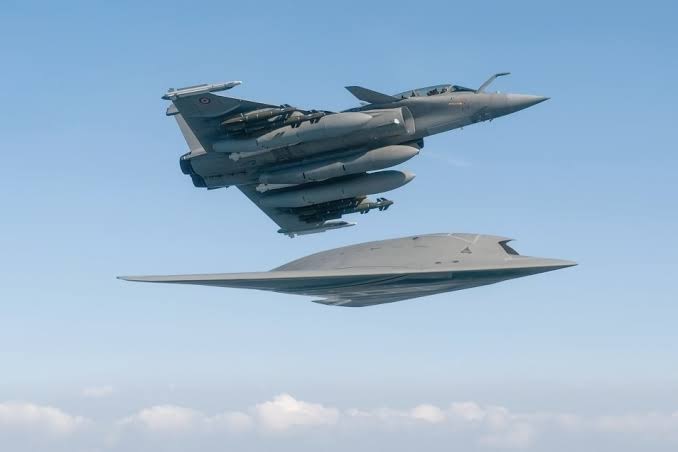 France Agrees to Equip Future Indian Rafales with AI, MUM-T and Secure Satellite Links Under F5 Standard
-
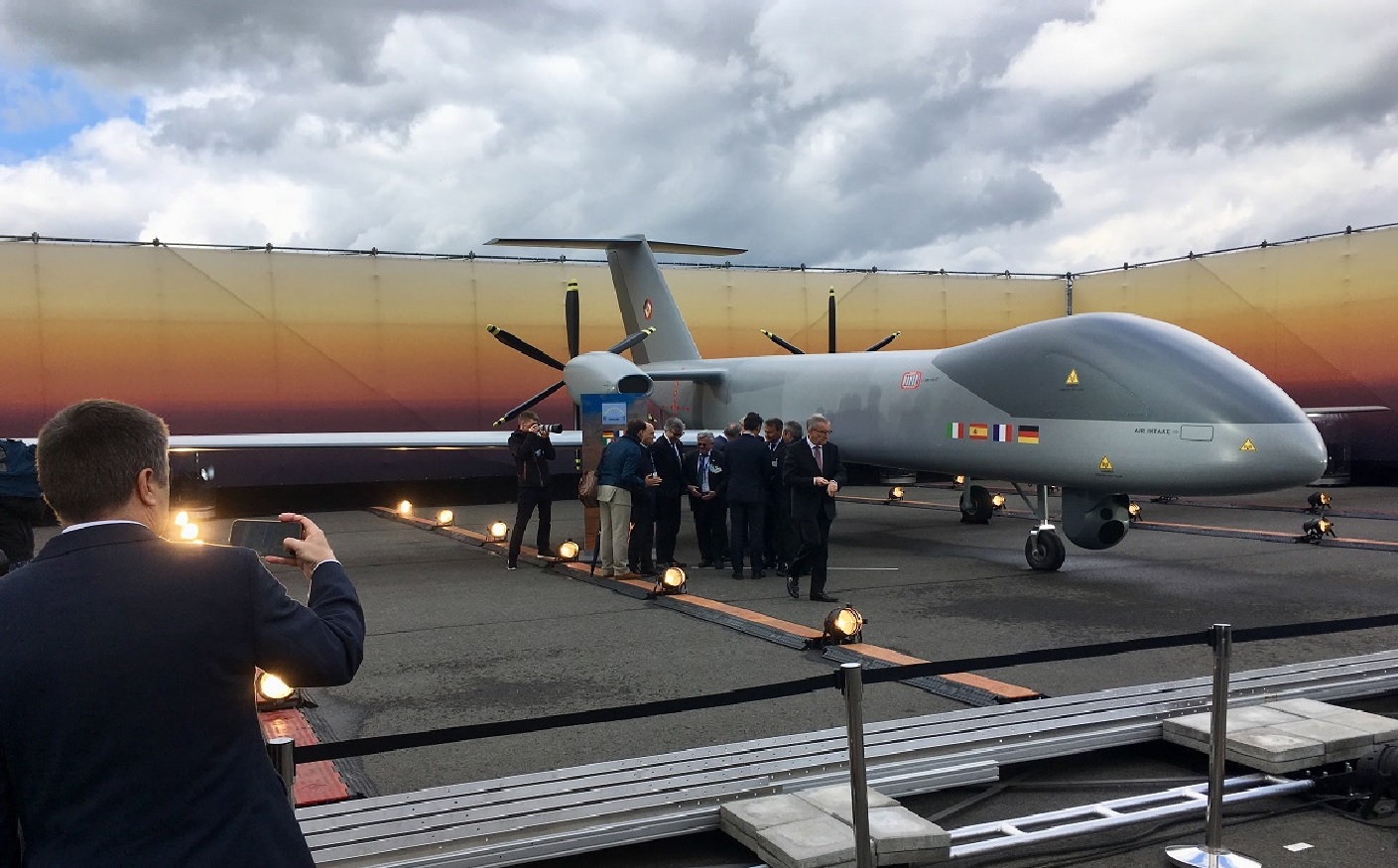 Dassault Seeks Compensation From Airbus as Eurodrone Dispute Erupts After FCAS Collapse
-
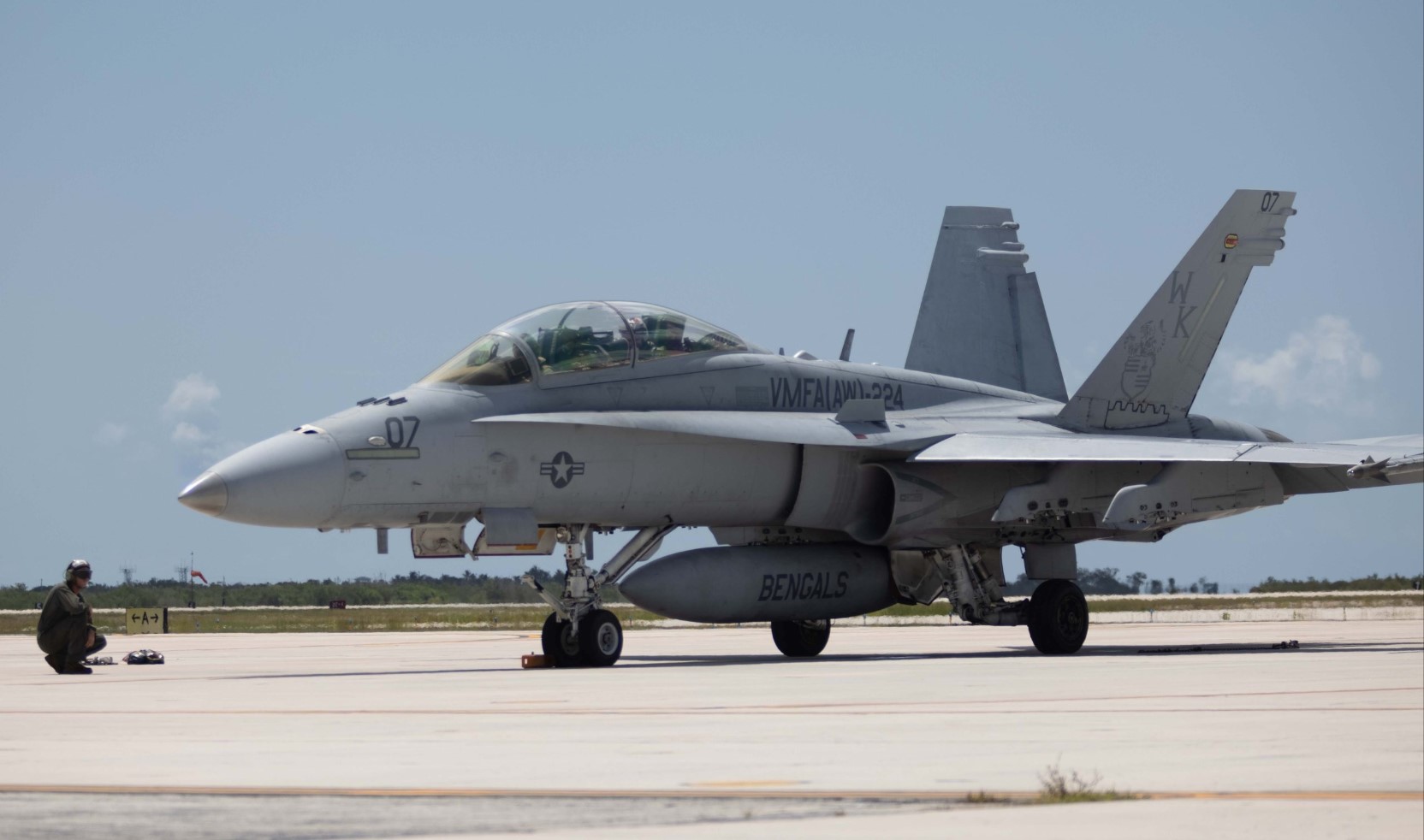 US Marine Corps F/A-18D Hornet Crashes During Training Flight in Washington Mountains; Pilot Ejects Safely
-
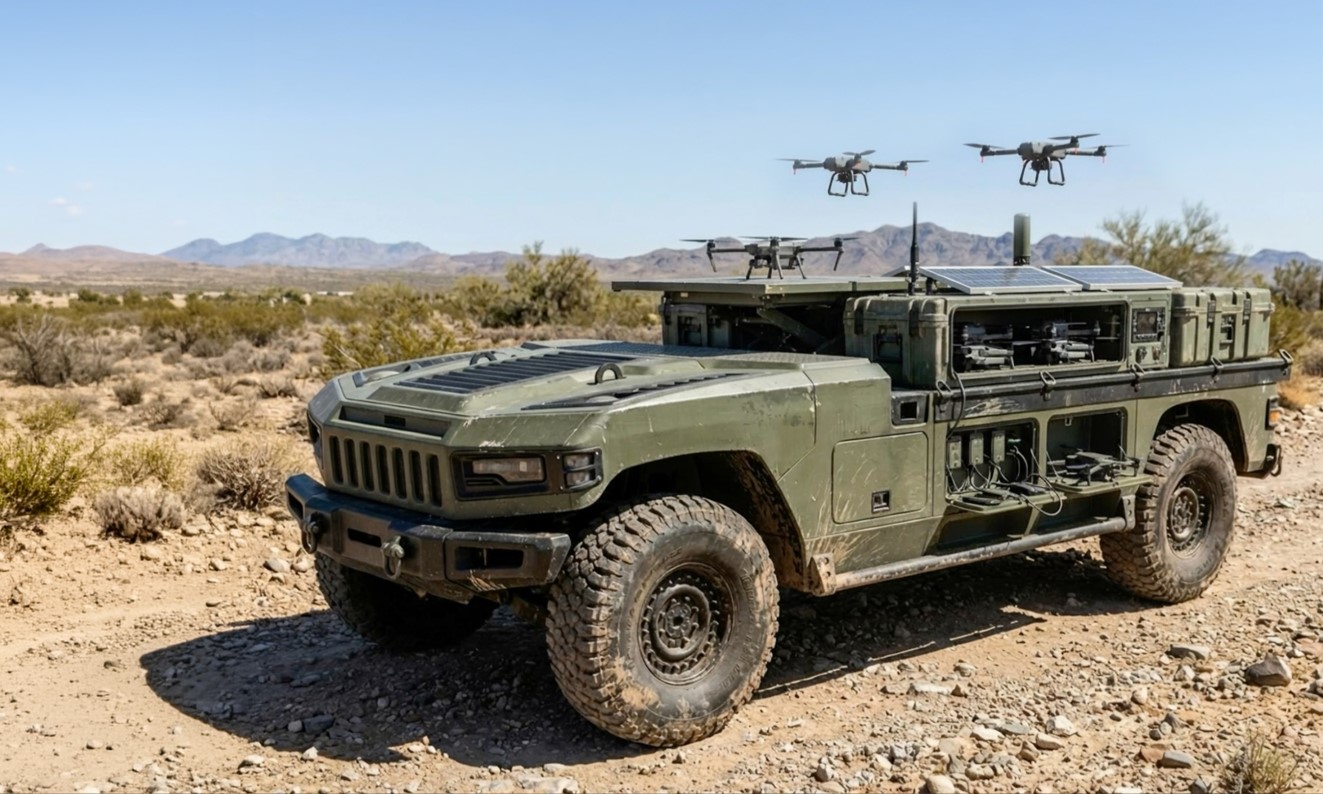 AM General Unveils Next-Generation UGV and JLTV A2 with Counter-Drone Systems at Eurosatory 2026
-
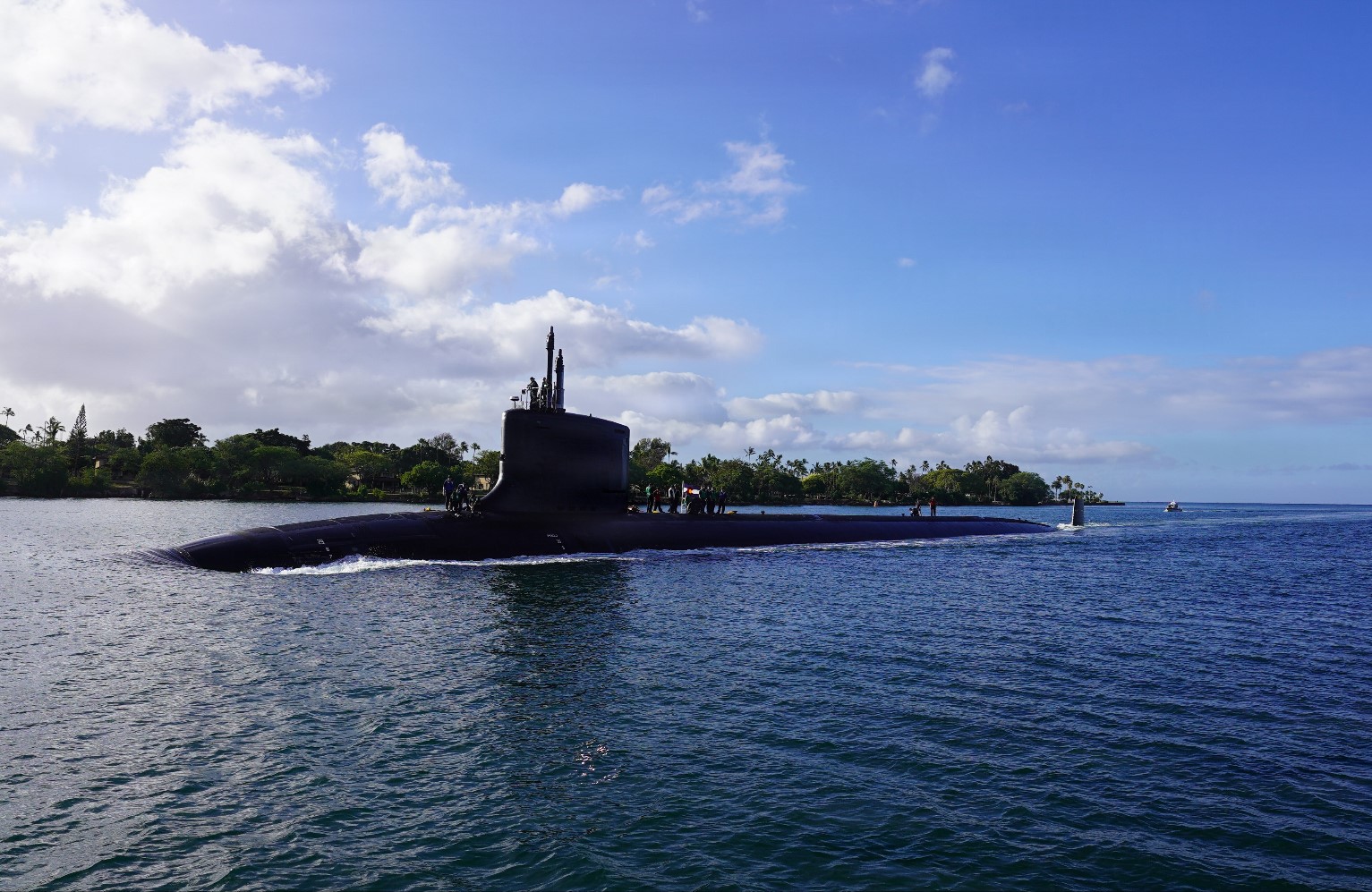 U.S. Navy's USS Colorado Submarine Returns to Pacific Fleet 29 Days Early After Major Pearl Harbor Overhaul
-
 Pakistan Raises Defence Budget from $9 Billion to $10.8 Billion as J-35 Fighter and Hangor Submarine Programs Advance
-
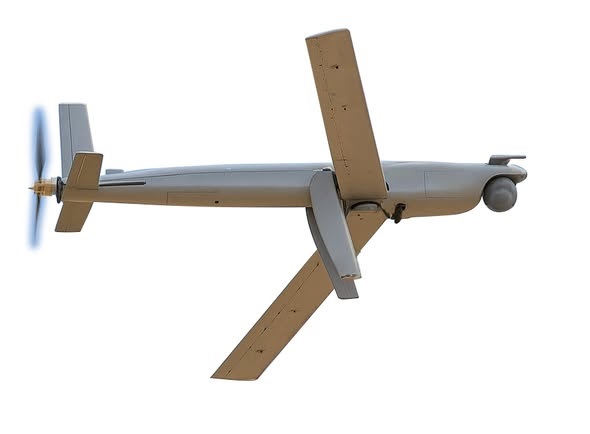 Elbit Systems and Diehl Defence Partner to Offer SkyStriker Loitering Munition to German Armed Forces
Top Trending in 4 Days
-
 Iranian Media Leaks 14-Point U.S.-Iran Peace Framework Amid Ongoing Negotiations
-
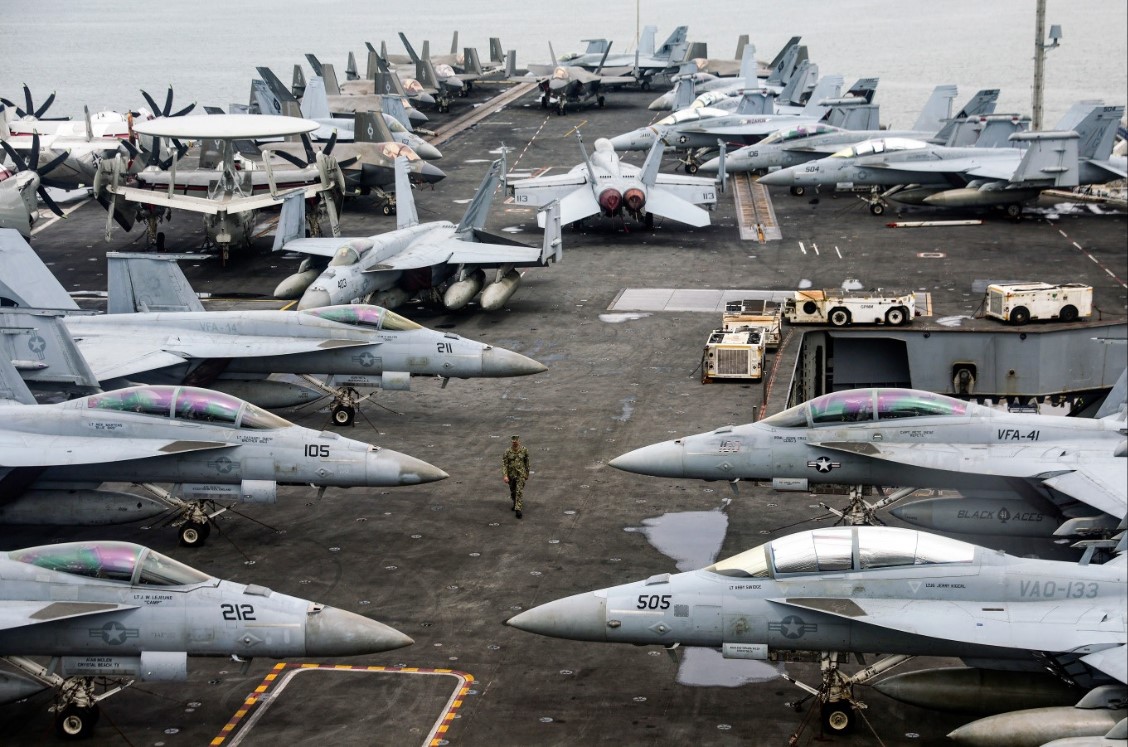 US Plans Significant Reduction of Fighter Jets and Warships for NATO Operations in Europe
-
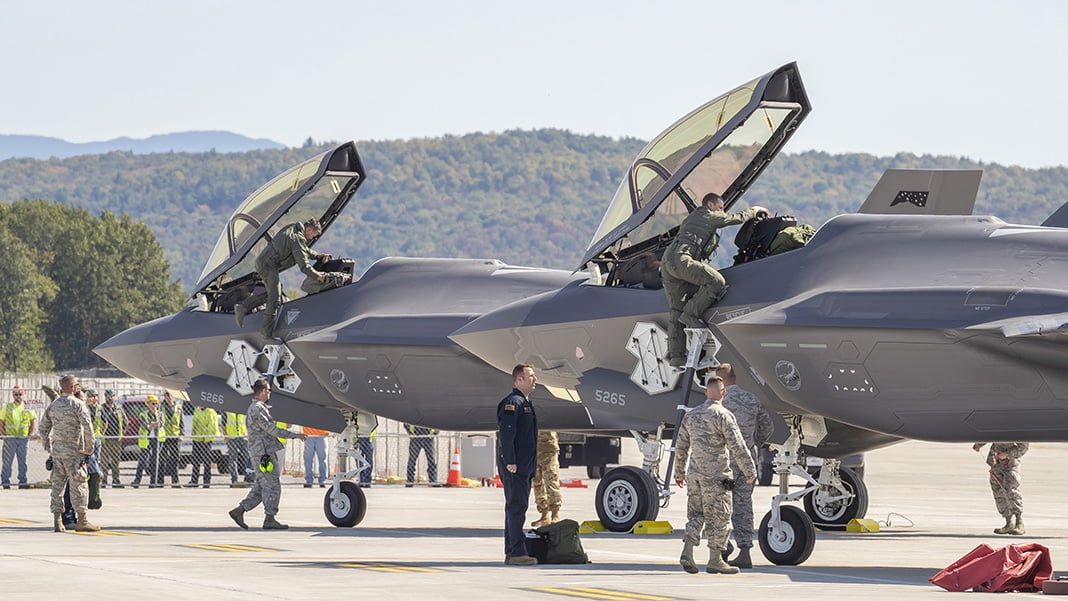 F-35 Fleet Readiness Falls to 25% Amid Parts Shortages and Software Delays: GAO Report
-
 U.S. Air Force Faces Strategic Airlift Shortfall as C-17 Production Restart Remains Uncertain
-
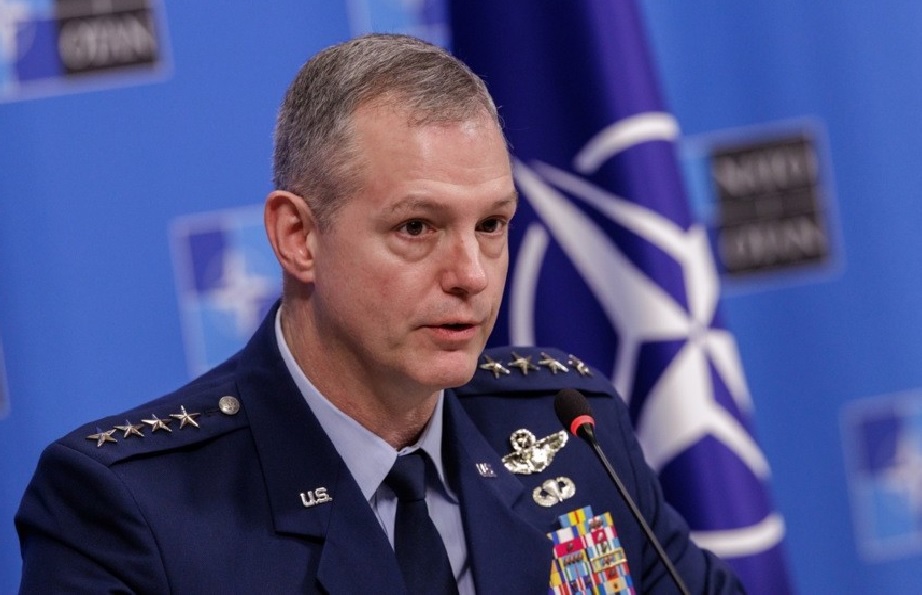 NATO Commander Says Russia Not Seeking Conflict With Alliance Despite U.S. Force Reductions
-
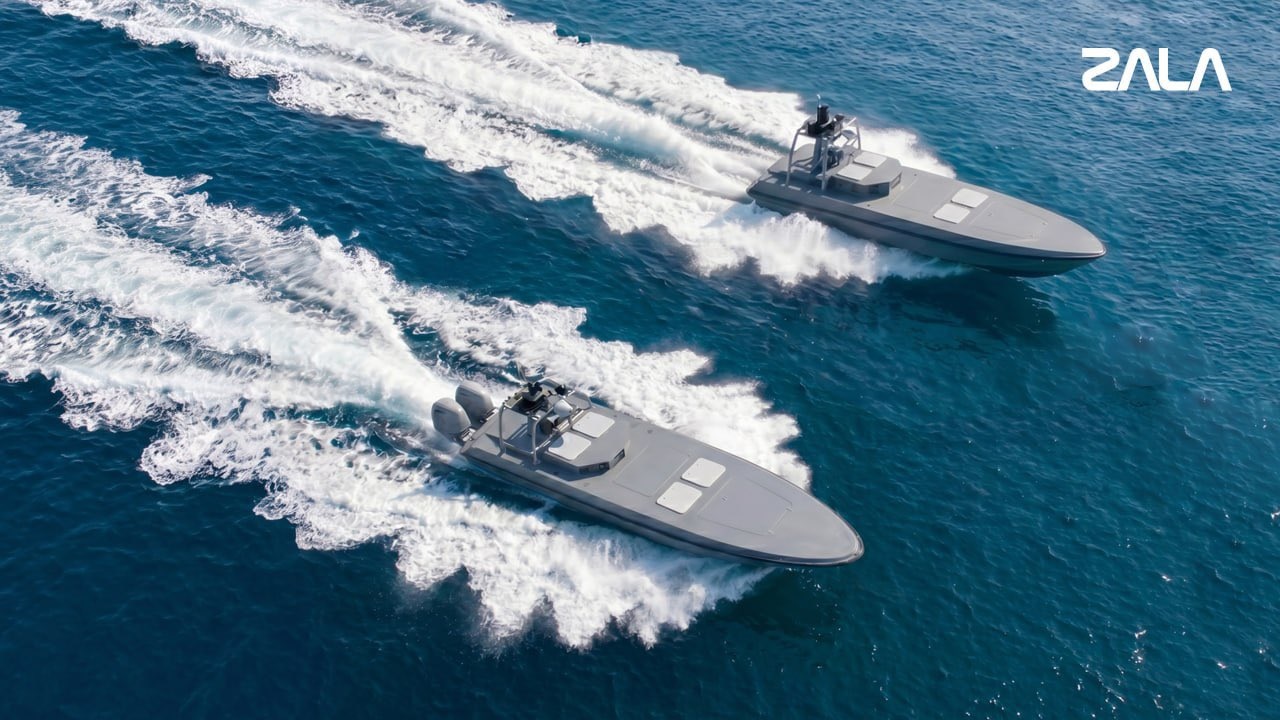 Russian Defense Firm ZALA Unveils KAMA Unmanned Surface Vessel Family at FLOT-2026 Naval Exhibition
-
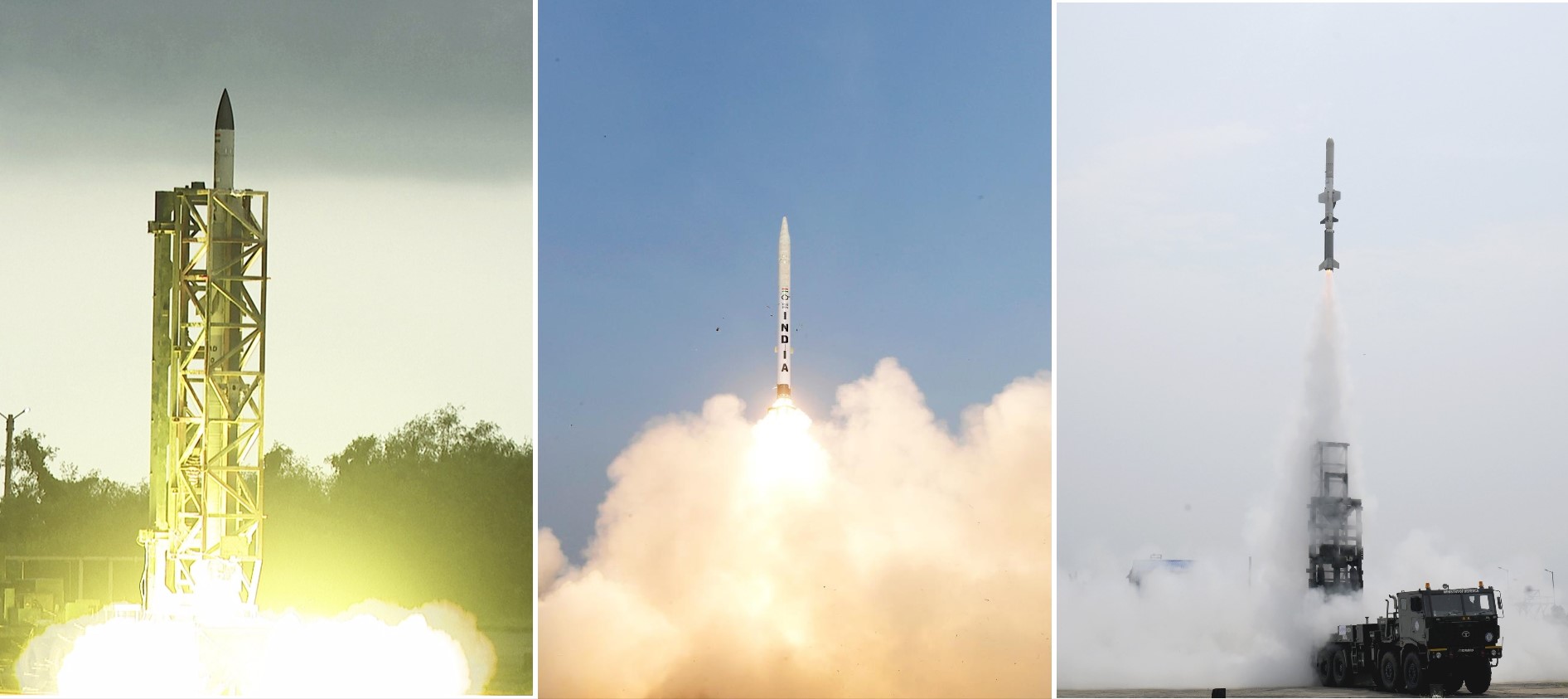 India Successfully Conducts AD-1, AD-2 Interceptor Tests and Maiden NASM-MR Flight Trial
-
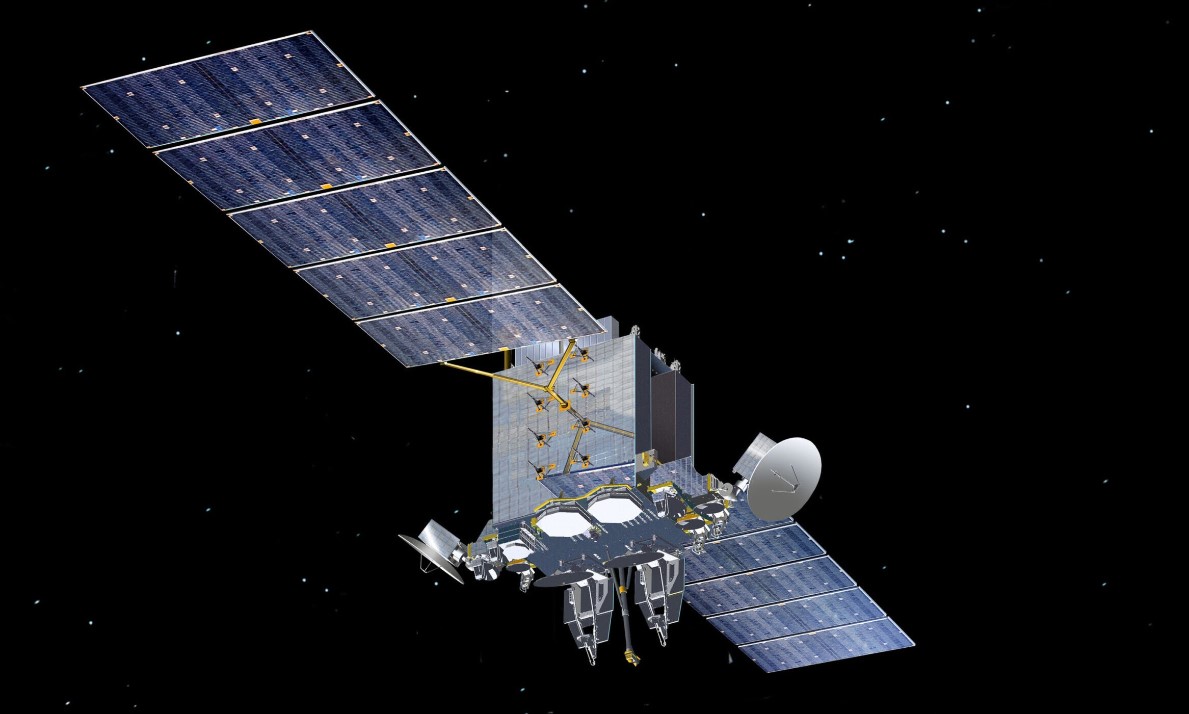 U.S. Space Force Awards $437.7 Million Contracts for First PTS-G Swarm 1 Anti-Jam Satellites