
World
As of mid-September 2025, U.S. Southern Command (SOUTHCOM) has markedly increased its military footprint in the Caribbean Sea and adjacent waters, focusing especially on Venezuela and associated cartel networks. The deployment appears aimed at counter-narcotics operations but includes many of the same assets characteristic of strike readiness, prompting concern in Caracas and debates in Washington about how far the mission may extend. What Is Confirmed These are elements verified by multiple credible sources: Iwo Jima Amphibious Ready Group / 22nd Marine Expeditionary Unit (MEU)On 14 August 2025, the Iwo Jima ARG with the 22nd MEU (Special Operations Capable) deployed from Norfolk, Virginia, to the southern Caribbean. The group includes the assault ship USS Iwo Jima, and the San Antonio-class transport docks USS San Antonio and USS Fort Lauderdale, carrying some 4,500 sailors and Marines. Counter-narcotics mission declared “not training”U.S. Defense Secretary Pete Hegseth visited Puerto Rico aboard USS Iwo Jima in early September and publicly emphasized that the units are performing a real mission, not mere exercises. Destroyer presenceThe U.S. Navy has deployed several Arleigh Burke-class guided-missile destroyers — USS Jason Dunham, USS Gravely, and USS Sampson — to the Caribbean / southern Caribbean waters. These destroyers are part of the U.S. push against narcotics trafficking networks. Naval actions over fishing boat / interdiction claimsThe USS Jason Dunham has been involved in controversial actions. For example, U.S. personnel associated with the Jason Dunham boarded a Venezuelan fishing vessel purportedly in search of contraband, found none, and released the vessel. The Venezuelan government protested, claiming the boarding violated their Exclusive Economic Zone. F-35 deploymentMultiple sources indicate that 10 F-35 jets have been or are being positioned in Puerto Rico to support operations targeting drug cartels. What Is Unverified or Disputed Here are claims from initial reports that are not fully supported or may be exaggerated, misattributed, or speculative at this point: Destroyer Tomahawk missile strike readinessClaims that each destroyer has “more than 90 vertical launch cells capable of firing Tomahawk cruise missiles, surface-to-air interceptors, and anti-submarine weapons” is generally plausible for an Arleigh Burke class ship, but there is no public record confirming that these specific ships are fully loaded with Tomahawks or pre-armed for immediate strike missions against hardened or defended targets in Venezuela. Additional naval units (cruisers, littoral combat ship, nuclear-powered subs) in the regionThe deployment of USS Lake Erie (a guided-missile cruiser), a littoral combat ship Minneapolis-St. Paul, and at least one U.S. fast-attack submarine are claimed in unverified or rumor sources. Open sources do confirm Lake Erie is part of SOUTHCOM naval assets, but not precise operational locations or missions. Special Operations presence doing high-value raids, sabotage, deep penetration missions against radars, airbases, etc.While the U.S. public posture supports “enhanced counter-narcotics operations,” there is no open source confirmation of orders or deployment of SOF teams for cross-border raids into Venezuela, sabotage, or targeting state air defense systems. Such missions would be sensitive and likely classified, so public confirmation is absent. Legal authorizations / classified directiveThe idea that a “classified presidential directive signed in July” gives authority for cross-border strikes vs. governments enabling cartels is plausible under existing foreign-terrorism and counter-narco-terror frameworks discussed in media, but no public unclassified document with those exact terms is verified. What Is Plausible / Highly Likely Based on Known Reporting The U.S. build-up is meant to provide flexibility: able to move from counter-drug interdiction to more kinetic options if political leadership orders them. Training and readiness operations are likely happening in Puerto Rico and nearby islands in parallel with counter-narcotics patrols. Terrain, climate, and proximity to Venezuela make Puerto Rico an ideal staging area. Venezuelan government response (flyovers, diplomatic protests, claims of violations of EEZ) is consistent with what has already occurred. What Remains Disputed or Unclear Whether all the naval and air assets listed (e.g. submarine, littoral combat ship, certain cruisers) are simultaneously present off the Venezuelan coast or if they are in transit or in supporting positions. Whether the U.S. has begun executing strikes targeting state infrastructure (radars, airbases) inside Venezuelan territory — public sources so far suggest interdiction at sea, show-of-force flyovers, but not full-scale cross-border bombing or seizure. The precise chain of command and legal authority for cross-border operations remains murky. Assessment & Potential Scenarios Given verified deployments (ARG/MEU, destroyers, F-35s to Puerto Rico, increased patrols, public statements by U.S. defense leadership), the U.S. appears to be in a posture of escalation with built-in flexibility. The posture allows several possible pathways: Containment / interdict drug trafficking — increased maritime patrols, surveillance, seizures at sea; minimal kinetic action on Venezuelan soil. Limited strikes — if intelligence identifies specific cartels, boats, clandestine airstrips; could see airstrikes or missile strikes in international waters or possibly even inside Venezuela if justified. Fuller military pressure — suppression of air defense, disabling radar, attacks on state bases — but that would risk major escalation, international outcry, and possibly conflict with Venezuelan military forces. Why This Matters The U.S. is increasingly treating cartels and narcotics trafficking as national security threats on par with terrorism. Deploying advanced assets (stealth fighters, amphibious groups) reflects a shift from law-enforcement dominated to military-empowered strategy. Venezuela has rejected many of the U.S. claims or actions, citing sovereignty, EEZ infringement, and disputes over evidence. Claims of U.S. warships boarding vessels in Venezuela’s EEZ and the flyovers of the Jason Dunham have added diplomatic tension. Local publics (Puerto Rico, Caribbean neighbours) are concerned about militarization, risk of spillover, legality, and potential unintended consequences. The narrative that the U.S. has fully mobilized a strike group with all the capabilities listed (deep‐penetration missions, ready cruise missile strikes, amphibious assaults, SOF raids inside Venezuela) is not fully supported by open evidence as of September 2025. What is supported, however, is that the U.S. has deployed a significant force posture: Amphibious Readiness, including thousands of Marines, deployed in the Caribbean. Forward positioning of F-35s in Puerto Rico. Multiple guided-missile destroyers near Venezuela. Increased surveillance and counter-narcotics operations with real mission declarations from leadership. These factors together do create a credible threat envelope. Whether this will expand into direct strikes on Venezuelan state infrastructure or deeper military operations depends upon political decisions, legal authorizations, and Venezuelan responses.
Read More → Posted on 2025-09-21 14:57:38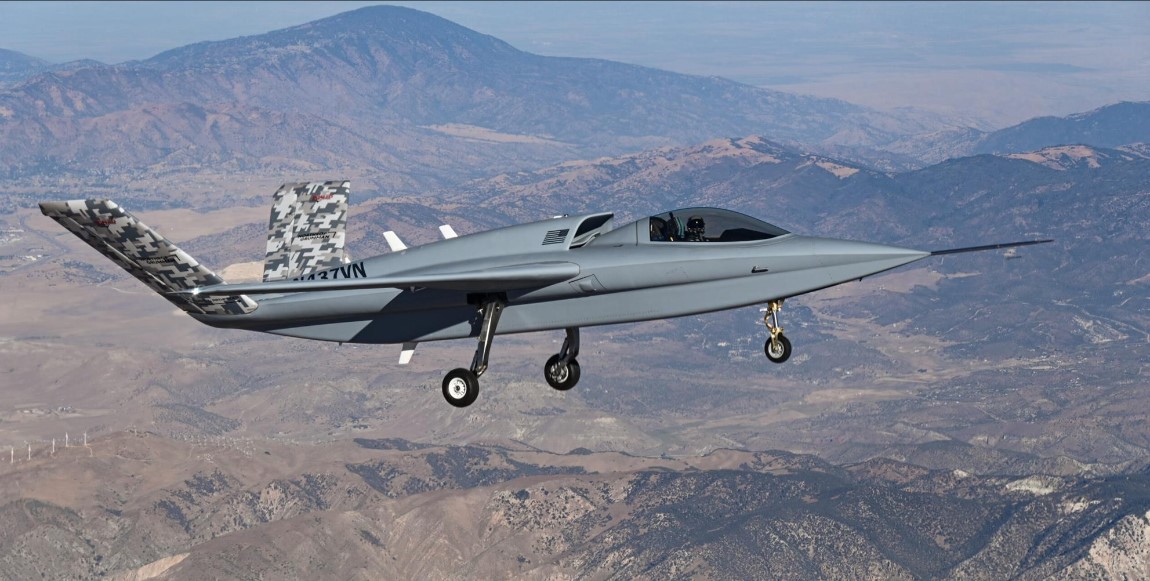
World
Scaled Composites’ Model 437 Vanguard returned to the skies on 20 September 2025, beginning a new phase of envelope expansion flights after undergoing major upgrades since its first flight in 2024. The test campaign is a crucial step before the aircraft supports Northrop Grumman’s Beacon autonomy trials, which will evaluate advanced autonomous flight technologies. Major Upgrades and Preparations In preparation for this new role, engineers completed significant work on the aircraft, including: Updates to the hydraulic system Integration of Beacon subsystems within the airframe Installation of pilot interfaces in the cockpit for safety pilot operations Joint hangar tests by Scaled Composites and Northrop Grumman to verify the Beacon autonomy ecosystem before flight Project engineer Yuto Shinagawa explained that the transformation required turning an airplane that had only flown once into a versatile autonomous testbed. A key challenge was ensuring flight safety protections when engaging the autonomous system and integrating those protections directly into the flight controls. Model 437 Capabilities The Model 437 Vanguard is a medium-class jet testbed designed with autonomy and payload flexibility in mind. Key specifications include: Length and wingspan: approximately 41 feet each Engine: single Pratt & Whitney 535, producing around 3,400 pounds of thrust Gross takeoff weight: about 10,000 pounds Payload capacity: up to 2,000 pounds, with an internal bay measuring roughly 145 × 36 × 16 inches Range and endurance: up to 3,000 nautical miles and six hours These features make the aircraft particularly suited for autonomy testing, offering endurance, payload flexibility, and the ability to operate in both manned and unmanned configurations. The Beacon Autonomy Ecosystem Beacon is Northrop Grumman’s open-architecture testbed initiative designed to accelerate the development of autonomy software. The system provides: An optionally autonomous aircraft with safety pilots on board Open interfaces and sensors that allow different autonomy developers to integrate and test their systems A platform for collaboration with leading autonomy partners, including Applied Intuition, Autonodyne, Merlin, Red 6, Shield AI, and SoarTech By bridging the gap between lab testing and real-world flight trials, Beacon aims to speed up the deployment of autonomous systems into operational environments while maintaining strict safety standards. Expanding the Flight Envelope The ongoing test flights focus on gradually expanding the operating envelope of the Model 437. Engineers are pushing the aircraft to higher airspeeds, altitudes, and maneuvering limits to validate safety margins and ensure the integrity of the control systems, particularly under autonomous operation. These tests are critical to proving that the aircraft can safely handle the stresses and demands of autonomy before the Beacon trials begin. Significance of the Programme The resumption of flight testing demonstrates Scaled Composites’ agility in rapidly modifying aircraft for advanced test objectives. Combined with Northrop Grumman’s expertise in autonomy, the programme has accelerated progress in developing and refining autonomy software. The Model 437 Vanguard is now positioned as a central platform for future autonomous aviation advancements, enabling partners to test next-generation autonomy solutions in realistic flight conditions. Its role in the Beacon initiative underscores its importance in shaping the future of autonomous air operations.
Read More → Posted on 2025-09-21 14:44:45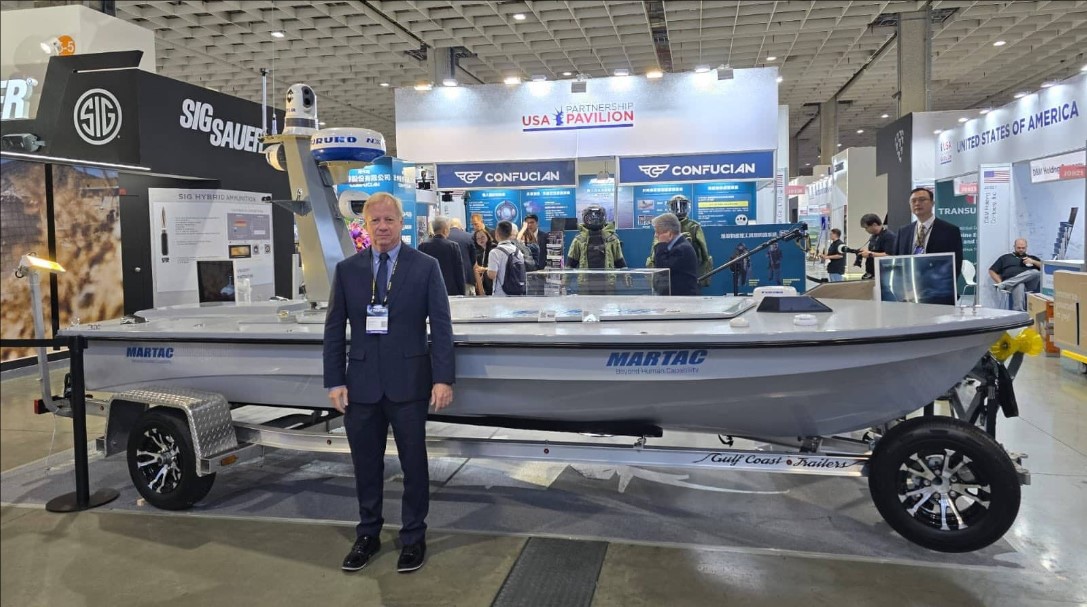
World
In a significant development at the Taipei Aerospace & Defense Technology Exhibition (TADTE) 2025, Maritime Tactical Systems, Inc. (MARTAC) has entered into a tripartite Memorandum of Understanding (MoU) with Taiwan's National Chung-Shan Institute of Science and Technology (NCSIST) and Confucian Co., Ltd. This collaboration aims to co-develop and manufacture MARTAC's advanced Unmanned Surface Vehicle (USV) systems tailored for the Taiwanese market. Strategic Collaboration for Advanced USV Systems The MoU outlines a comprehensive framework for cooperation across several key areas: Research and Development: Joint efforts to innovate and enhance USV technologies. Co-Manufacturing: Establishing local production capabilities in Taiwan. Technology Sharing: Facilitating the exchange of technical expertise and resources. Supply Chain Integration: Developing a robust supply chain to support USV manufacturing. Workforce Development: Training and upskilling personnel to support the USV industry. This partnership is poised to bolster Taiwan's defense capabilities by integrating cutting-edge USV technologies into its maritime operations. Insights into the MUSKIE M18 USV A focal point of this collaboration is the MUSKIE M18, an 18-foot (5.5m) high-performance monohull USV designed for versatility and efficiency. Key specifications include: Speed: Burst speeds exceeding 50 knots. Range: Open ocean cruising capabilities up to 500 nautical miles. Payload Capacity: Up to 1,000 pounds (450 kg). The M18 is engineered for various missions, including reconnaissance, surveillance, and electronic warfare. Its design emphasizes autonomy, allowing for both remote and fully autonomous operations, with operator intervention capabilities during missions. Strategic Implications for Taiwan's Defense This collaboration aligns with Taiwan's broader strategy to enhance its asymmetric warfare capabilities in the face of regional security challenges. By integrating advanced USV technologies, Taiwan aims to strengthen its maritime defense posture and deter potential adversaries. The partnership also underscores the growing defense cooperation between Taiwan and international allies, reflecting a shared commitment to regional stability and security. The MoU between MARTAC, NCSIST, and Confucian marks a pivotal step in advancing Taiwan's defense capabilities through the integration of advanced USV technologies. This collaboration not only enhances Taiwan's maritime defense but also sets a precedent for future international defense partnerships in the region.
Read More → Posted on 2025-09-20 16:41:05
World
Kratos Defense & Security Solutions, Inc., in collaboration with Taiwan's National Chung-Shan Institute of Science and Technology (NCSIST), has unveiled the Mighty Hornet IV, an advanced attack UAV derived from the MQM-178 Firejet target drone. This innovative system was showcased at the Taipei Aerospace & Defense Technology Exhibition (TADTE) from September 18 to 20, 2025. Transforming the MQM-178 into a Combat Platform The Mighty Hornet IV represents a significant evolution from its predecessor, the MQM-178, which has been utilized for over 15 years to support surface-to-air and air-to-air engagements. The transformation enhances its capabilities, enabling it to function as a high-speed, high-G maneuvering attack UAV with a service ceiling exceeding 35,000 feet. This adaptation positions the Mighty Hornet IV as a versatile asset suitable for various military applications. Strategic Military Roles Designed as a low-cost, expendable platform, the Mighty Hornet IV is intended for multiple roles within Taiwan's defense strategy. It serves as a precise stand-off strike weapon, capable of anti-ship operations, and functions as a decoy to divert adversarial attention from other allied forces. Additionally, it can be employed as a target drone during peacetime training exercises. These capabilities align with Taiwan's emphasis on resilience and innovation in defense. International Collaboration and Market Expansion The partnership between Kratos and NCSIST includes an agreement for Kratos to market the Mighty Hornet IV internationally, highlighting its potential to address global defense requirements. This collaboration underscores Kratos' commitment to innovation and excellence in the defense sector, as stated by Steve Fendley, President of Kratos Unmanned Systems Division. Demonstrated Performance and Future Prospects Recent demonstrations of the MQM-178 have confirmed its reliability and adaptability, supporting both Manned-Unmanned Teaming (MUM-T) and loitering munition scenarios. These successful trials validate the advanced flight profile of the Mighty Hornet IV, positioning it as a formidable component in modern military operations. The unveiling of the Mighty Hornet IV at TADTE 2025 not only showcases Taiwan's dedication to defense innovation but also highlights Kratos's role in advancing military technology. This development marks a significant leap in military capability for Taiwan and sets a precedent for future collaborations in the defense sector.
Read More → Posted on 2025-09-20 16:17:21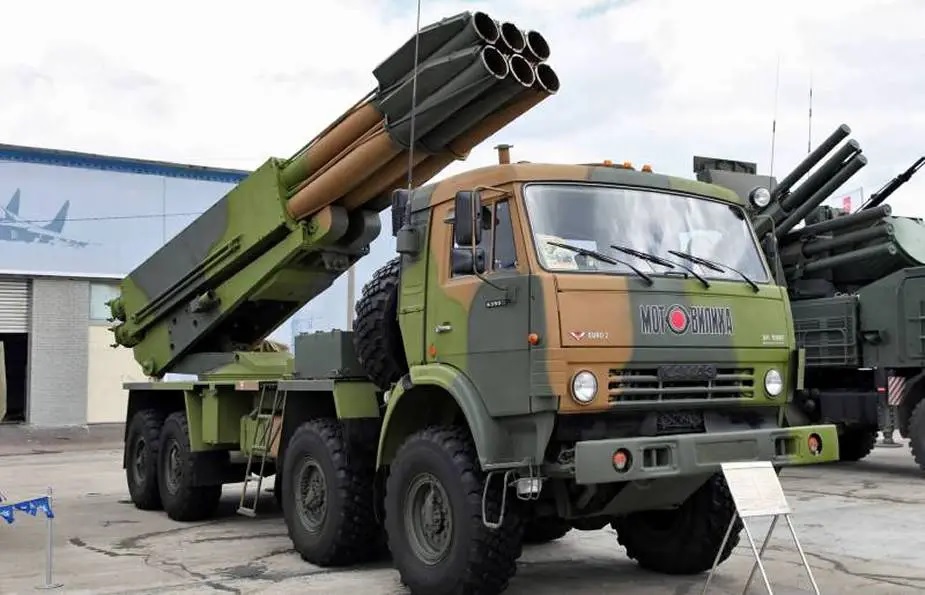
World
Russia : At a defense exposition in Perm, Motovilikhinskiye Zavody showcased the latest evolution of Russia's 300mm multiple-launch rocket system (MLRS), the Sarma. Mounted on the KamAZ-63501 8×8 truck chassis, this new variant signifies a significant advancement in Russian artillery capabilities. Design and Mobility The Sarma MLRS is built on the KamAZ-63501 chassis, a robust 8×8 wheeled platform known for its high cross-country mobility and rapid deployment capabilities. This wheeled design offers advantages over traditional tracked systems, such as the Smerch, by enhancing strategic mobility and reducing logistical constraints. The vehicle's armored cab provides increased protection for the crew, ensuring operational safety in diverse combat environments. Firepower and Precision Equipped with a six-tube 300mm launcher, the Sarma is compatible with a range of munitions, including legacy 9M55 series rounds with ranges up to 70 kilometers, and advanced guided rockets like the 9M542, 9M544, and 9M549, which can reach targets up to 120–130 kilometers away. These guided munitions employ inertial navigation with satellite correction, rotating stabilization, deployable control surfaces, and programmable autopilots to achieve high accuracy. The system can deliver a full salvo in under 19 seconds, demonstrating its rapid strike capability. Evolution from the Kama Project The Sarma MLRS is a direct continuation of the earlier Kama project, which aimed to produce a lighter, more road-mobile 300mm launcher using KamAZ truck chassis instead of heavy tracked carriers. While Kama prototypes were shown at events like MAKS 2007, they remained experimental. The Sarma integrates lessons from subsequent modernization programs, including the Tornado-S upgrades of the Smerch family and the Vozrozhdeniye bi-caliber program, emphasizing modular launch packaging, guided munitions, and truck mobility. Operational Doctrine and Strategic Impact The Sarma MLRS is designed for rapid deployment and redeployment, allowing for quick strikes and minimizing exposure to counter-battery fire. Its architecture supports modular wheeled launchers, resupply and reloader elements, and organic reconnaissance and targeting assets, facilitating a flexible and responsive artillery doctrine. This approach enhances the Russian military's ability to deliver precision firepower across a theater while maintaining high mobility and survivability. The unveiling of the Sarma MLRS marks a significant step forward in Russian artillery modernization. By combining the mobility of wheeled platforms with the precision of guided munitions, the Sarma enhances the Russian military's capability to deliver rapid and accurate fire support in various combat scenarios. As part of a broader strategy to modernize and diversify artillery systems, the Sarma represents a key component in Russia's evolving military doctrine.
Read More → Posted on 2025-09-20 15:51:41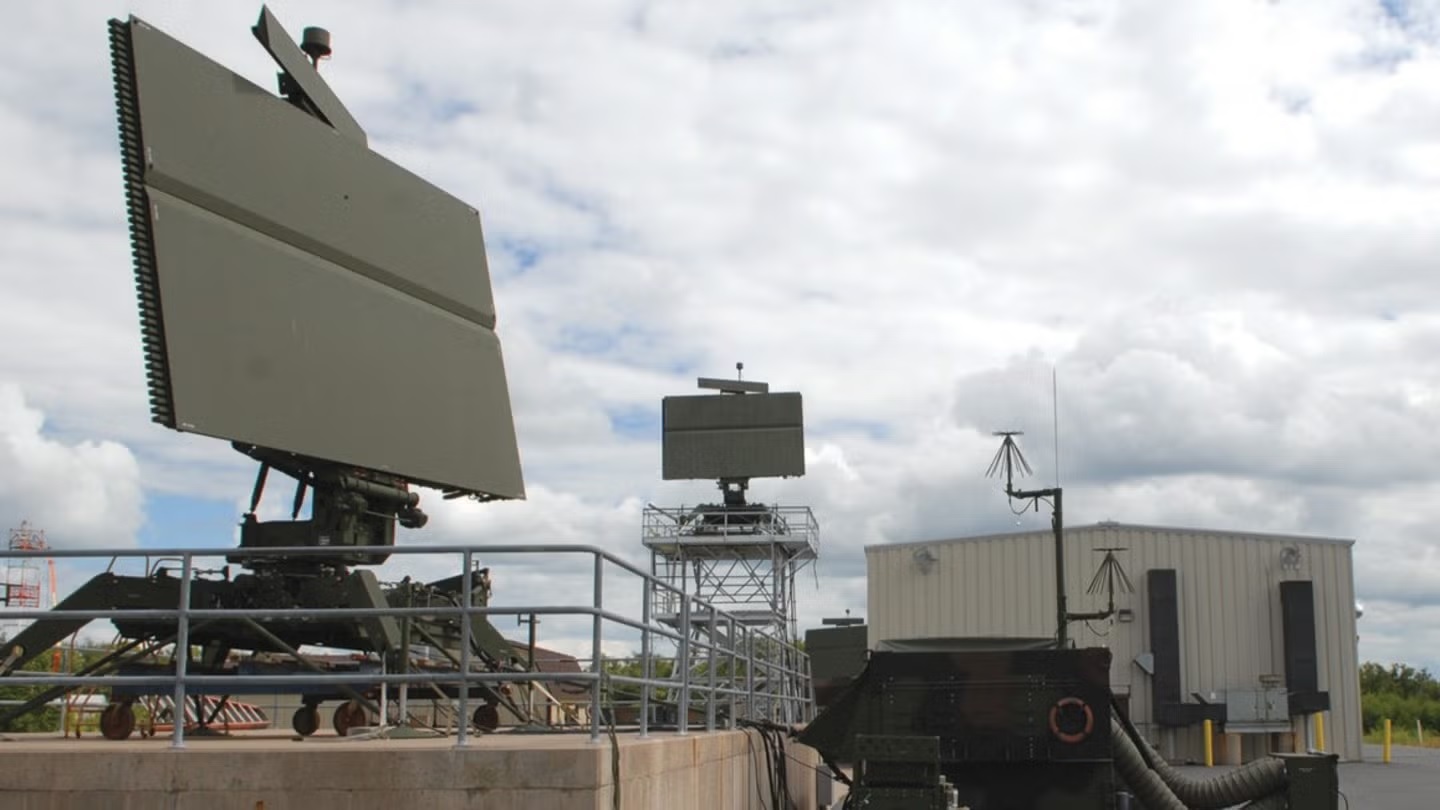
World
Northrop Grumman, a leading global aerospace and defense technology company, has entered into strategic partnerships with three Taiwanese companies—Ramatek Company, Champion Auto, and Vivian and Vincent International Trading Company Ltd.—to deliver advanced radar systems to Taiwan. These collaborations aim to bolster Taiwan's air defense capabilities through the deployment of the AN/TPS-78 Advanced Capabilities Radar (ADCAP). Greg Teitelbaum, Vice President of Land and Maritime Sensors at Northrop Grumman, emphasized the significance of the AN/TPS-78 ADCAP radar, stating, "The AN/TPS-78 ADCAP radar is a proven, long-range and highly mobile system that will significantly enhance Taiwan’s air surveillance capabilities. We are dedicated to partnering with Taiwanese industry to strengthen Taiwan’s self-defense capacity." Advanced Radar System Features The AN/TPS-78 ADCAP radar is a state-of-the-art, long-range, mobile radar system designed to operate in the S-band frequency. Its advanced features include a stacked beam architecture that enables detection of both high- and low-altitude targets under all weather conditions. This capability is crucial for maintaining comprehensive air surveillance in Taiwan's complex and often cluttered airspace. With a compact design optimized for mobility, the radar system offers low-cost logistics and rapid deployment, making it an ideal solution for enhancing Taiwan's air defense infrastructure. The system's proven performance in various global deployments underscores its reliability and effectiveness in diverse operational environments. Strategic Partnerships with Taiwanese Companies The collaboration with Taiwanese firms marks a significant step in strengthening Taiwan's domestic defense industry. Ramatek Company, known for its expertise in radar system integration, will play a pivotal role in adapting the AN/TPS-78 ADCAP radar to meet Taiwan's specific operational requirements. Champion Auto, a leading provider of specialized vehicles and equipment, will support the mobility and transportability aspects of the radar system. Vivian and Vincent International Trading Company Ltd. will facilitate logistics and supply chain management, ensuring timely delivery and maintenance of the radar systems. These partnerships not only enhance Taiwan's defense capabilities but also foster technological collaboration and knowledge transfer between Northrop Grumman and Taiwanese industry leaders. Such collaborations are essential for building a self-reliant defense infrastructure and ensuring long-term security in the region. Global Deployments and Proven Reliability The AN/TPS-78 ADCAP radar system has been successfully deployed in various countries, demonstrating its reliability and effectiveness in diverse operational settings. For instance, the system has been utilized by the Colombian military to enhance their air surveillance and defense capabilities. Similarly, Paraguay has recently acquired the AN/TPS-78 ADCAP radar under the U.S. Foreign Military Sales program, marking a significant enhancement of its air defense infrastructure. Through its collaboration with Taiwanese companies, Northrop Grumman is playing a crucial role in enhancing Taiwan's air defense capabilities. The deployment of the AN/TPS-78 ADCAP radar system represents a significant advancement in Taiwan's defense infrastructure, ensuring robust and reliable air surveillance in the face of evolving security challenges. This partnership underscores the importance of international collaboration in strengthening national security and fostering technological innovation in defense systems.
Read More → Posted on 2025-09-20 15:46:48
World
United Nations Secretary‑General António Guterres has urged the international community to “stand firm” against Israel’s ongoing annexation of the occupied West Bank. Speaking at UN headquarters in New York ahead of the high‑level UN General Assembly week, he emphasized that nations should not be “intimidated” by Israel’s threats, even as the country warns of further annexation if Palestinian statehood is recognized. Momentum for Palestinian State Recognition During the upcoming Assembly, ten countries are expected to formally recognize a Palestinian state, signaling growing international support. Israel, however, has warned that such recognition could provoke further annexation measures, escalating tensions in the region. Dire Humanitarian Crisis in Gaza Guterres described the situation in Gaza as “horrendous,” with death and destruction unprecedented in his tenure as UN chief. Over 60,000 Palestinians have been killed, with more than 150,000 injured, while half a million face famine conditions. Health services are critically inadequate, food and fuel shortages are widespread, and shelters are overwhelmed due to the ongoing conflict. Threat to the Two‑State Solution Guterres criticized Israel’s far-right factions, which are pushing for annexation in key West Bank areas, undermining the possibility of an independent Palestinian state. He warned that unilateral actions by Israel could permanently destroy prospects for a two‑state solution and urged global pressure to prevent such outcomes. Global Diplomacy and Silence While multiple countries are moving toward recognizing Palestine, Israel’s closest allies, including the United States, have largely remained silent regarding annexation and the violence in Gaza. Arab states have expressed concern over further annexation, highlighting potential diplomatic repercussions. Climate Crisis Escalation Guterres also sounded the alarm about climate change, noting that efforts to limit global warming to 1.5 °C above pre-industrial levels are faltering. Many nations have failed to update climate action plans, jeopardizing global mitigation efforts. With COP30 approaching in Brazil, he called for urgent, comprehensive strategies, especially from major emitters, to prevent a climate catastrophe. Currently, the planet is approximately 1.4 °C warmer than pre-industrial levels, and the critical threshold could be reached by the end of the decade. As world leaders gather for the UN General Assembly, António Guterres’ warnings underscore the urgent need for international unity and decisive action. With Gaza facing catastrophic humanitarian conditions, the two‑state solution under threat, and climate change accelerating, global leadership is crucial to avert multiple crises simultaneously.
Read More → Posted on 2025-09-20 15:00:43
World
Washington, D.C. – In one of the most sweeping changes to U.S. immigration in decades, President Donald J. Trump has signed a new proclamation that dramatically overhauls the H-1B visa program. Beginning September 21, 2025, employers sponsoring foreign professionals will be required to pay a massive USD 100,000 annual fee per worker. The administration describes the move as a corrective against “systemic abuse” of the H-1B route, which it claims has shifted from a program for elite talent into a low-cost labor pipeline dominated by IT and outsourcing firms. Key Provisions The proclamation directs the Department of Homeland Security and the State Department to deny entry to any H-1B worker whose employer fails to pay the new fee. Employers must maintain proof of payment, and violations could result in visa denials or cancellations. The new order: Applies to new H-1B petitions for workers abroad. Exempts current H-1B holders already inside the U.S. seeking extensions or changes of employer. Remains in force for 12 months, with the option for extension. Allows rare, case-by-case exemptions if deemed in the national interest and free from security risks. Calls for a revamp of prevailing wage rules, prioritizing high-wage, high-skill foreign workers. Administration’s Rationale According to the White House, the H-1B program has been exploited at the expense of American workers. The share of foreign workers in computer and mathematics fields grew from 17.7% in 2000 to over 26% in 2019. IT firms’ approvals for H-1B visas rose from 32% in 2003 to nearly 65% in recent years. Studies show that entry-level H-1B positions cost employers 36% less than hiring U.S. citizens in equivalent roles. Reports highlight American employees being laid off, forced to train replacements, and bound by restrictive contracts. Officials also cite national security risks, noting cases of visa fraud, money laundering, and corporate misconduct linked to heavy H-1B users. Expected Impact Experts warn the policy could send shockwaves through the tech industry, where firms rely heavily on skilled foreign talent. Big tech companies may face steep new costs, forcing changes in hiring strategies. Outsourcing giants that bring thousands of workers annually are expected to be hit the hardest. Innovation hubs in countries like Canada, Australia, and the United Kingdom may benefit as global talent shifts away from the U.S. Legal experts predict court challenges, questioning whether the President can impose such a fee without Congressional approval. For foreign professionals — especially from India, which accounts for nearly 70% of H-1B visas — the uncertainty is already creating anxiety. A Political Gamble Supporters argue the change will protect American jobs, raise wages, and restore the H-1B’s focus on top-tier talent. Critics counter that the policy could undermine competitiveness, drive talent abroad, and erode the U.S. lead in critical fields like artificial intelligence and biotechnology. For now, the $100,000 fee marks one of the most dramatic overhauls in the H-1B program’s history — a bold gamble to favor domestic workers, even if it risks talent flight and corporate restructuring across the global tech economy.
Read More → Posted on 2025-09-20 14:50:47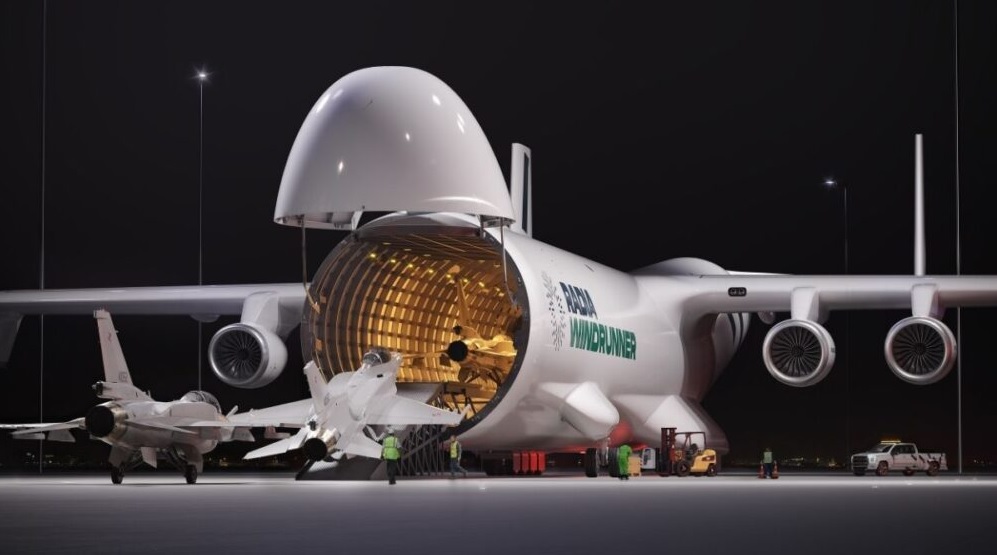
World
Radia’s newly announced WindRunner for Defense is set to address one of the most critical gaps in modern military logistics — the ability to airlift outsized systems intact to remote or contested locations. Revealed at the Air, Space & Cyber Conference, WindRunner is optimised for both volume and weight, offering commanders new operational options and supporting concepts such as Agile Combat Employment. What the WindRunner Is Unlike traditional airlifters such as the C-5 Galaxy, C-17 Globemaster, or A400M, which often run out of internal space before reaching their weight limit, WindRunner is designed to carry extremely large, mission-ready systems without disassembly. Long-range radars, tiltrotors, helicopters, mobile hospitals, fighters, and even space boosters can be transported directly into operational areas. Radia’s goal is not to replace existing fleets, but to also reinforce them with a commercially fielded aircraft that can surge in crises. The company has set a target of a first flight by the end of this decade, with an operational goal around 2030. Size, Volume, and Performance WindRunner’s scale is unprecedented. Length: around 108 meters Wingspan: around 80 meters Height: about 24 meters Cargo Bay: up to 105 meters long, 7.3 meters wide, and 7.3 meters high Payload Volume: about 7,700–8,200 cubic meters, roughly seven times a C-5 and twelve times a C-17 Payload Mass: around 72 tonnes Cruise Speed: Mach 0.6 Range with Full Payload: about 2,000 km Service Ceiling: around 12,500 meters Runway Requirement: about 1,800 meters, with capability to operate on unpaved or semi-prepared strips The aircraft is capable of carrying six CH-47 Chinooks without disassembly, four CV-22 Ospreys, or up to twelve Apache helicopters in one load. Entire fighter aircraft such as the F-16 or F-35C could also be flown directly into operational theatres without refuelling stops. Core Technologies WindRunner integrates several technological solutions that make its mission possible: High-wing and twin-tail design, giving stability and clearance for oversized fuselage cargo. Nose cargo door system for direct roll-on/roll-off of long items without special loading equipment. Volume-over-mass optimisation, focusing on bulky but not necessarily extremely heavy loads. Short take-off and landing capability, operating from 1,800-meter or unpaved runways. Certified, proven engines and components, reducing risk and accelerating development. Simplified pressurisation, with only the cockpit fully pressurised, easing structural demands. Rugged landing gear system, distributing weight across many wheels to handle rough fields. Traditional but reinforced aluminium structures, balancing cost, maintainability, and strength. These choices allow WindRunner to deliver systems intact, also bypassing the need for costly or vulnerable infrastructure. Strategic & Operational Impact For defense, WindRunner brings several advantages: Move full systems intact: Radars, helicopters, or fighters can be delivered without disassembly, cutting timelines and reducing vulnerability. Agile Combat Employment: Large systems can be flown into austere forward bases, even in contested environments. Surge capacity: WindRunner supplements existing fleets during crises when heavy demand outpaces available airlift. Reduced logistical footprint: Less need for road or rail transport, fewer trans-shipment points, and faster deployment. Humanitarian and disaster response: Massive medical facilities, shelters, or relief equipment can be flown into storm-damaged or isolated regions. Support for space operations: Boosters and rocket stages can be delivered or recovered quickly for re-use. Challenges WindRunner’s design is ambitious and comes with trade-offs. Its payload mass is lower than some classic heavy lifters, it cruises slower than modern jets, and its shorter range with maximum load means intercontinental missions may require staging. Large aircraft are also inherently vulnerable during operations in contested airspace. Yet, its unique size and austere airfield capability make it a disruptive addition to strategic mobility. Radia’s WindRunner for Defense is not about replacing the legends of airlift but also strengthening them. By creating the world’s largest volume cargo aircraft, Radia aims to give defense forces and humanitarian agencies an entirely new tool — one capable of delivering mission-ready systems directly to where they are needed most, faster and with fewer limitations. If it achieves its 2030 target, WindRunner may redefine the meaning of strategic mobility for decades to come.
Read More → Posted on 2025-09-20 14:47:01
World
U.S : The United States has formally submitted a $6.4 billion arms sale proposal to Congress that would significantly strengthen Israel’s air and ground combat capabilities. The package, announced on September 19, includes 30 AH-64E Apache Guardian attack helicopters, 3,250 armored vehicles, and a comprehensive support system of spare parts, training, and logistics. Advanced Attack Helicopters for Israel A total of $3.8 billion from the deal is designated for the purchase of AH-64E Apache Guardian helicopters, the most advanced model in Boeing’s Apache family. While Israel currently operates the older AH-64A Peten and AH-64D Saraf, this would be its first acquisition of the E-model. The AH-64E comes with upgraded General Electric T700-GE-701D engines, providing improved speed, lift, and performance in high-altitude environments. It features the M-TADS/PNVS targeting system for superior all-weather, day-night precision, as well as Link 16 datalink connectivity, enabling real-time coordination with ground forces, drones, and allied air platforms. A critical advantage is its Manned-Unmanned Teaming (MUM-T) capability, allowing Apache crews to control nearby UAVs, receive live video feeds, and conduct strikes beyond line-of-sight. With strengthened fuselage, composite rotor blades, and advanced electronic warfare protection, the E-model is built to survive against MANPADS and radar-guided threats. Expansion of Armored Mobility Alongside the helicopter fleet, the package earmarks $1.9 billion for 3,250 infantry assault vehicles. Although the U.S. has not publicly confirmed the exact models, defense industry officials suggest a likely mix of MRAPs and wheeled APCs from manufacturers such as Oshkosh Defense or Navistar. These vehicles are expected to bolster the mobility of Israel’s mechanized infantry brigades, particularly in urban combat zones like Gaza and along the northern frontier with Lebanon. Training, Sustainment, and Logistics An additional $750 million will fund training programs, spare parts, and logistical support, ensuring the long-term readiness of both helicopters and vehicles. Deliveries could begin by late 2026, with the Israeli Air Force expected to achieve full operational integration of the new Apaches by 2027, pending Congressional approval. Political and Regional Impact The arms package reflects Washington’s continued commitment to preserving Israel’s qualitative military edge amid rising regional instability. Heightened tensions with Iranian-backed groups in Syria, Lebanon, and the Red Sea have increased Israel’s demand for modernized strike and mobility capabilities. However, the deal faces scrutiny in the U.S. Congress. Some Democratic lawmakers have voiced concern about the use of U.S.-supplied weapons in Gaza, where civilian casualties have drawn international criticism. Under the Arms Export Control Act, the U.S. must verify that recipients comply with humanitarian law, though bipartisan support for Israel suggests the package is likely to pass after the mandatory 30-day review period. Strategic Significance If finalized, the agreement will mark a major modernization milestone for the Israeli Air Force and Israel Defense Forces, aligning their capabilities with advanced NATO standards. The arrival of the AH-64E and thousands of armored vehicles will dramatically improve Israel’s ability to conduct joint, multi-domain operations in both conventional wars and asymmetric conflicts. At a time of escalating regional volatility, the $6.4 billion proposal underscores U.S. intent to integrate Israel more deeply into an American-led defense architecture and to reinforce its standing as Washington’s most important ally in the Middle East.
Read More → Posted on 2025-09-20 14:16:28
World
The United States, United Kingdom, and France have blocked a joint Pakistan–China proposal to list the Balochistan Liberation Army (BLA) and its suicide wing, the Majeed Brigade, under the United Nations 1267 sanctions regime, placing the request on a technical hold due to insufficient evidence linking the groups to Al Qaeda or ISIL. According to diplomatic sources, Western members argued that the submission failed to meet the specific legal requirements of the UN 1267 framework, which mandates clear operational connections to Al Qaeda, the Taliban, or ISIL. Instead of an outright rejection, the decision was framed as a technical hold, allowing the dossier to be revised and resubmitted in the future. The move follows earlier unilateral actions by the U.S. State Department and the U.S. Treasury, which designated the BLA and Majeed Brigade as terrorist organizations. While those steps were welcomed by Pakistan, they do not automatically qualify under the stricter standards of the UN regime. Pakistan has repeatedly highlighted that the BLA operates from bases across the Afghanistan border and has carried out deadly attacks targeting civilians, security forces, and infrastructure inside Pakistan. Islamabad, backed by China, pressed for the UN designation to curb the groups’ financial resources, arms procurement, and international movement. Analysts point out that the episode underscores a broader divide between national counterterrorism measures and multilateral UN processes. While countries can independently sanction groups, the UN requires a higher threshold of evidence, especially concerning links to Al Qaeda or ISIL. The technical hold means that Pakistan and China can submit a revised dossier with more concrete evidence in the coming months. The matter is expected to remain under discussion in the Security Council’s sanctions committee, where further consultations will determine the path forward.
Read More → Posted on 2025-09-19 16:11:55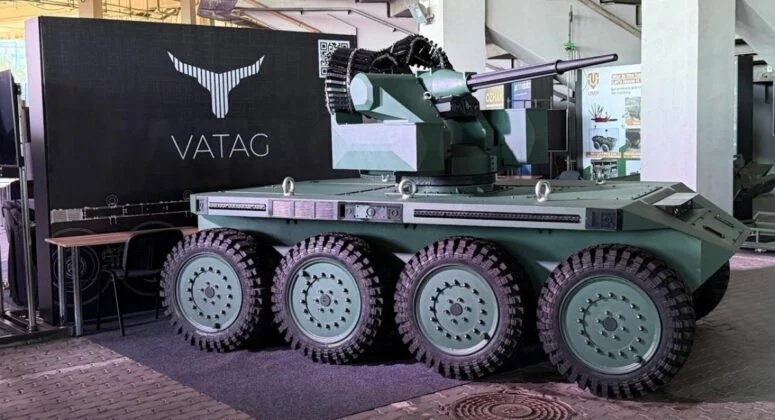
World
At the Brave1 Defense Tech Valley 2025 summit held in Lviv on September 16, Ukraine introduced the VATAG, a cutting-edge heavy uncrewed ground vehicle (H-UGV) that marks a significant leap in autonomous military technology. This multipurpose robotic platform is designed to perform a wide array of battlefield missions, from direct combat engagements to logistics and engineering support. Key Features of VATAG Heavy Payload Capacity: VATAG can transport over two tons of cargo, making it a formidable asset for both combat and logistical operations. Hybrid Propulsion System: Equipped with a hybrid drive, VATAG offers fuel efficiency and extended operational endurance. It can operate in near-silent electric mode for stealth missions and serves as a mobile power bank to sustain communications and field logistics. AI-Driven Autonomy: Integrated artificial intelligence enables VATAG to navigate autonomously and manage missions, adapting to dynamic battlefield conditions. Modular Design: The platform's modular architecture allows for the integration of various mission-specific payloads, including combat modules armed with a 25 mm automatic cannon. Electronic Warfare Resilience: VATAG features advanced communications systems with multi-channel redundant links and automatic channel selection, ensuring reliable operation even in contested environments. Strategic Implications The introduction of VATAG underscores Ukraine's commitment to integrating advanced robotics into its military strategy. By transferring high-risk tasks to autonomous systems, VATAG aims to enhance soldier survivability and operational efficiency. Its interoperability with existing Ukrainian military equipment further strengthens its role in modern combat scenarios. As part of a broader H-UGV ecosystem, VATAG lays the foundation for future developments in robotic warfare, including expanded payload options and enhanced decision-making capabilities through AI. This initiative positions Ukraine at the forefront of autonomous military technology, setting a precedent for future defense innovations. In conclusion, VATAG represents a significant advancement in robotic warfare, offering a versatile and resilient platform capable of transforming modern military operations.
Read More → Posted on 2025-09-19 15:54:34
World
Oslo, September 18, 2025 — Norway has signed a third contract with Hanwha Aerospace to purchase 24 additional K9 VIDAR self-propelled howitzers, boosting its fleet to 52 systems by 2027. The deal, concluded with the Norwegian Defence Materiel Agency (NDMA), also includes an Integrated Logistics Support package covering training, maintenance, and industry cooperation. The signing ceremony in Oslo was attended by Jaeil Son, President and CEO of Hanwha Aerospace, Gro Jære, Director General of the NDMA, Major General Lars Lervik, Chief of the Norwegian Army, and Min-Jeong Seo, South Korea’s Ambassador to Norway. Building on Earlier Orders Norway’s partnership with Hanwha began in 2017 with an order of 24 K9 VIDARs and six K10 ammunition resupply vehicles, all delivered by 2020. In 2022, Norway added four more K9s and eight K10s. By early 2025, the army operated 28 howitzers and 14 resupply vehicles. The new contract formalizes a plan announced in April to acquire another 24 systems, valued at around $534 million. Enhanced Capabilities The K9 VIDAR is tailored for Norwegian conditions. It is armed with a 155 mm L52 gun, capable of firing beyond 40 kilometers, with test ranges reaching 54 km. Future ammunition developments, including ramjet-assisted rounds, are expected to push ranges close to 100 km. Key features include: Rapid firepower: three rounds in 15 seconds, or up to eight per minute. High mobility: powered by a 1,000 hp engine, speeds up to 67 km/h, and the ability to reposition within 30–60 seconds. Crew of five operating under armored protection. Compatibility with BONUS sensor-fused munitions. The supporting K10 resupply vehicle carries 104 rounds and transfers 12 rounds per minute, ensuring sustained operations even in Arctic conditions. Strengthening Northern Defense The new howitzers will support a new artillery battalion in the Finnmark Brigade, reinforcing Norway’s defenses near the Russian border. Cooperation with Norwegian industry ensures long-term sustainment, while a 2023 agreement with Finland allows joint use of spare parts, cutting down logistical delays. European Outlook With three separate procurement phases, Norway becomes the second European country after Estonia to repeatedly invest in the K9. The decision highlights artillery’s importance in modern conflicts, a lesson reinforced by the war in Ukraine. For Hanwha, the deal consolidates its role in Europe, with ambitions to expand sales of systems like the Chunmoo multiple rocket launcher. The company also benefits from production facilities in Poland, which support exports to wider European markets. Norway’s growing fleet of 52 K9 VIDAR howitzers, supported by K10 vehicles and regional logistics, will give its army a powerful, mobile, and survivable artillery capability — a critical asset for NATO operations and northern defense.
Read More → Posted on 2025-09-19 15:48:38
World
U.S : The United States’ efforts to modernize its uranium processing capabilities have hit a major stumbling block. A new report from the Government Accountability Office (GAO) reveals that the construction of a state-of-the-art Uranium Processing Facility (UPF) in Oak Ridge, Tennessee, is years behind schedule and billions over budget. The project, overseen by the National Nuclear Security Administration (NNSA), began in 2004 with promises of improved efficiency, safer operations, and reduced long-term costs. The new facility was originally expected to cost $6.5 billion and become operational in 2026. Now, however, its completion date has slipped to 2034, and the price tag has risen to an estimated $10.35 billion—about $4 billion over earlier projections. While delays drag on, the U.S. remains dependent on Building 9212, a uranium processing complex built in 1945 during the Manhattan Project. The building is plagued with aging infrastructure and safety concerns. Inspectors have documented corroded pipes, cracked walls, and deteriorating roofing. Critical systems such as fire suppression, HVAC, and radiation alarms are at risk of failure. The GAO noted that the facility does not meet modern seismic or severe weather standards, raising concerns about its ability to withstand emergencies. Repairs to Building 9212 began in 2020 but have often stalled due to funding shortfalls and shifting budget priorities. Officials initially assumed the facility would soon be retired, but repeated UPF delays have forced its continued use. Without a robust safety plan, the risks of continued operation are mounting. Past incidents—including uranium material leaks and malfunctioning fire systems—highlight the dangers of relying on outdated equipment. The GAO identified several causes for the project’s setbacks, including poor contractor performance, late reporting of cost overruns, and workforce shortages. These factors have stretched what was supposed to be a two-decade modernization effort into a project that will span three decades before completion. National security experts warn that the delays could have far-reaching implications. The facility is essential not only for maintaining the U.S. nuclear weapons stockpile but also for supplying fuel for naval reactors that power submarines and aircraft carriers. Continued reliance on an 80-year-old plant, without a comprehensive safety plan, poses risks to both national defense operations and worker safety. In response to the GAO’s recommendations, the NNSA has agreed on the need for a safety strategy to manage Building 9212 until UPF is completed. However, the agency has not yet released a detailed plan to the public. As costs rise and deadlines extend, the Oak Ridge project has become a symbol of the challenges facing U.S. nuclear infrastructure modernization. Unless urgent steps are taken, the United States may continue to depend on a deteriorating World War II-era facility well into the next decade, raising questions about both safety and strategic readiness.
Read More → Posted on 2025-09-19 15:16:06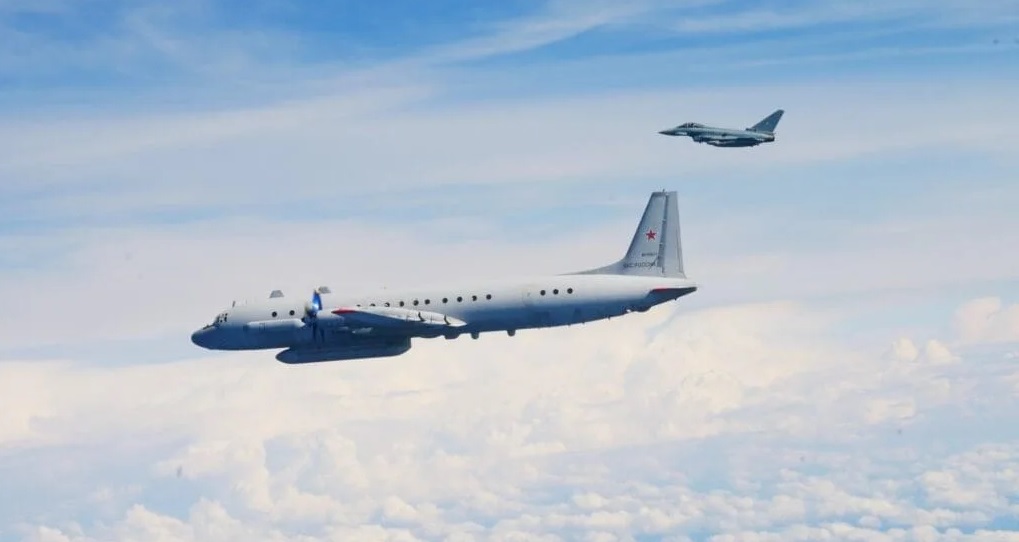
World
Europe : On 19 September 2025, NATO confirmed a new aerial interception over the Baltic Sea after a Russian Ilyushin Il-20M military reconnaissance aircraft was detected operating near NATO airspace under concerning conditions. The incident, which once again underlines the persistent strategic tensions in Northern Europe, saw German Quick Reaction Alert (QRA) Eurofighter Typhoons scrambled to ensure airspace integrity. The Incident NATO radar systems detected the Russian Il-20M flying without an active transponder signal and with no flight plan, raising alarms about its intent and situational awareness. In response, Germany launched Eurofighter Typhoons from Laage Air Base under the QRA protocol. The jets intercepted, visually identified, and escorted the Il-20M before returning to base. According to the German Delegation to NATO, the mission proceeded smoothly and was executed without further escalation. The Il-20M & NATO’s Air Policing The Il-20M (NATO codename “Coot A”) is a signals intelligence (SIGINT) and electronic intelligence (ELINT) aircraft developed from the Il-18 airliner. Though its airframe dates back to Soviet times, its sensor and communications suite has been modernized, enabling long-endurance missions near NATO borders to monitor communications, radar emissions, and other electronic signatures. Over recent years, Russian reconnaissance flights of this kind—often operating without filed flight plans or with transponders off—have become a regular feature in the Baltic region. These flights test NATO’s surveillance and reaction capacities. NATO’s Enhanced Air Policing (EAP) posture, along with single-nation QRA readiness (such as Germany’s), serves to deter potential violations and assert airspace control in and around allied territory. Strategic & Operational Implications Readiness & Deterrence: Each interception (such as this one) demonstrates NATO’s vigilance and ability to respond rapidly. It sends a message that potential incursions will be challenged. Risk of Miscalculation: Moves like flying without identification systems in sensitive air corridors risk misinterpretation. In high-tension environments, even small errors can escalate. Surveillance vs. Provocation: From Russia’s perspective, these Il-20M missions provide intelligence and signal Moscow’s presence. For NATO, they represent persistent challenges to international aviation norms and require constant operational attention. Evolving Patterns: Recent incidents in 2025 show similar tactics: Russian aircraft using proximity, inactive transponders, or absent flight plans, usually in international airspace but close to NATO territory. Germany and other NATO air forces have scrambled many times in response. The 19 September interception is not an isolated event but part of a recurring pattern. It underscores the Baltic Sea region’s role as a geopolitical flashpoint and a testing ground for readiness. While NATO intercepts remain within the norms of air policing and sovereignty defense, sustained Russian reconnaissance missions continue to pressure air defense infrastructure, command-and-control systems, and alliance coordination.
Read More → Posted on 2025-09-19 14:39:46Search
Top Trending in 24 Hours
-
 Tulsi Gabbard Releases Declassified Files Detailing U.S.-Backed Network of 120 Biolaboratories Across 30+ Countries
-
 France Agrees to Equip Future Indian Rafales with AI, MUM-T and Secure Satellite Links Under F5 Standard
-
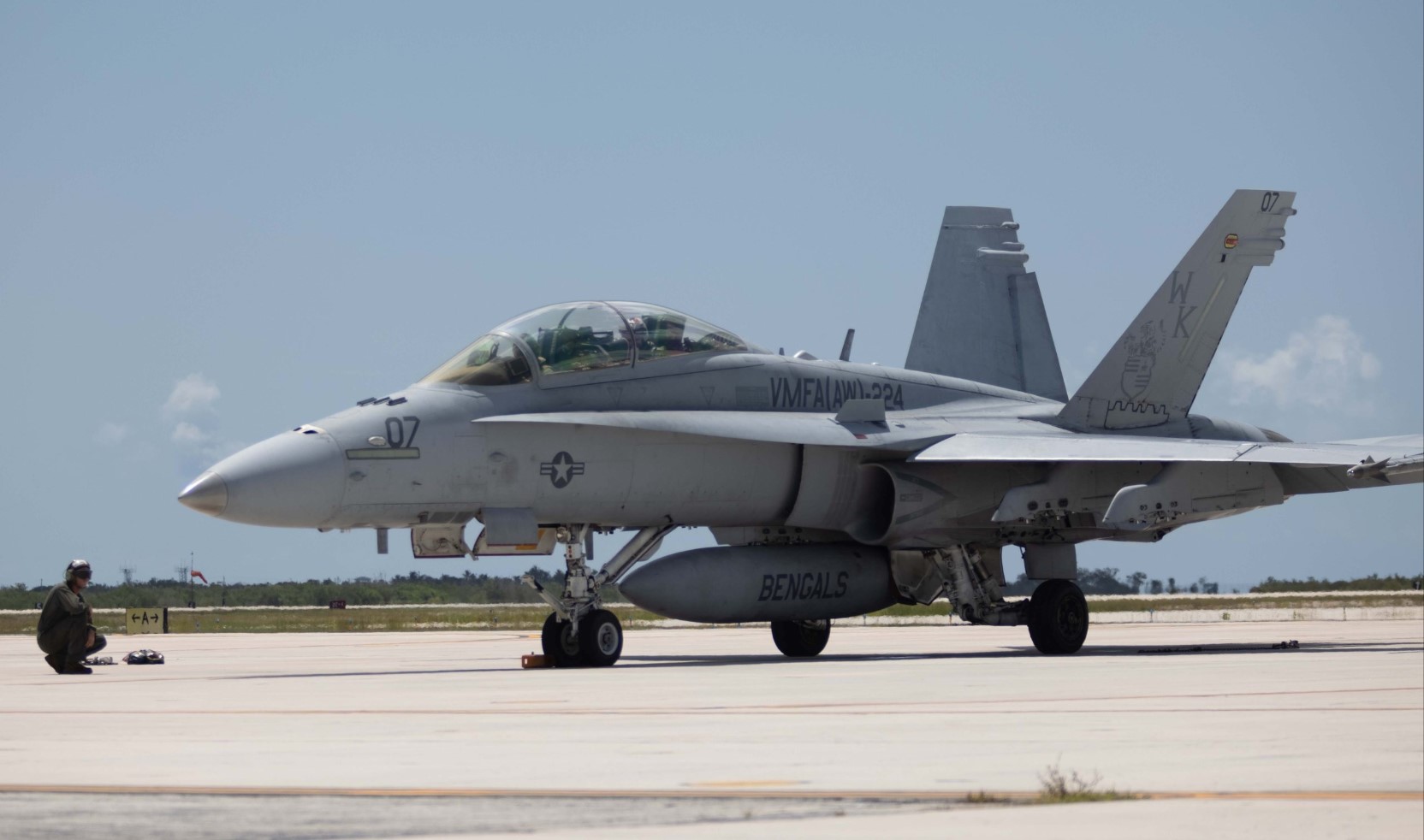 US Marine Corps F/A-18D Hornet Crashes During Training Flight in Washington Mountains; Pilot Ejects Safely
-
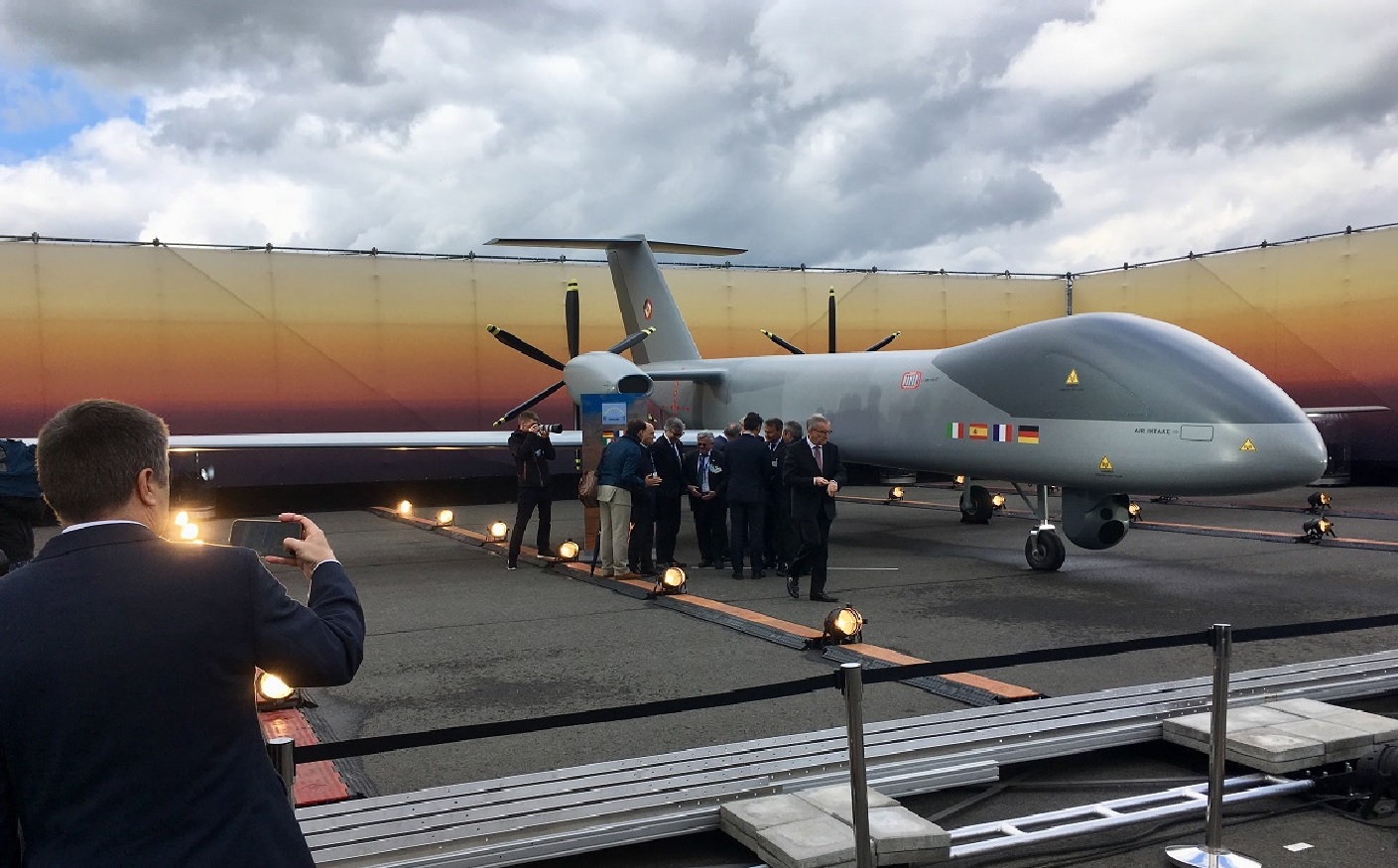 Dassault Seeks Compensation From Airbus as Eurodrone Dispute Erupts After FCAS Collapse
-
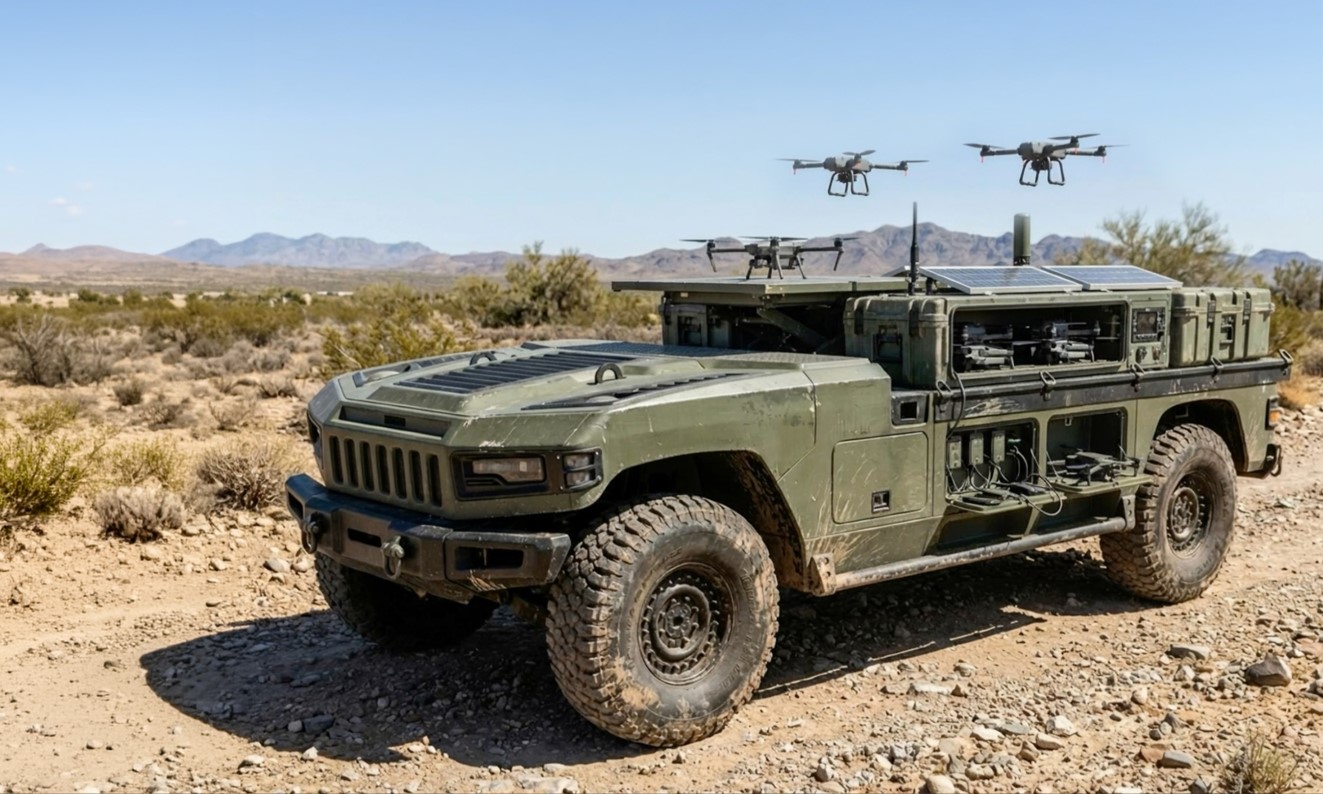 AM General Unveils Next-Generation UGV and JLTV A2 with Counter-Drone Systems at Eurosatory 2026
-
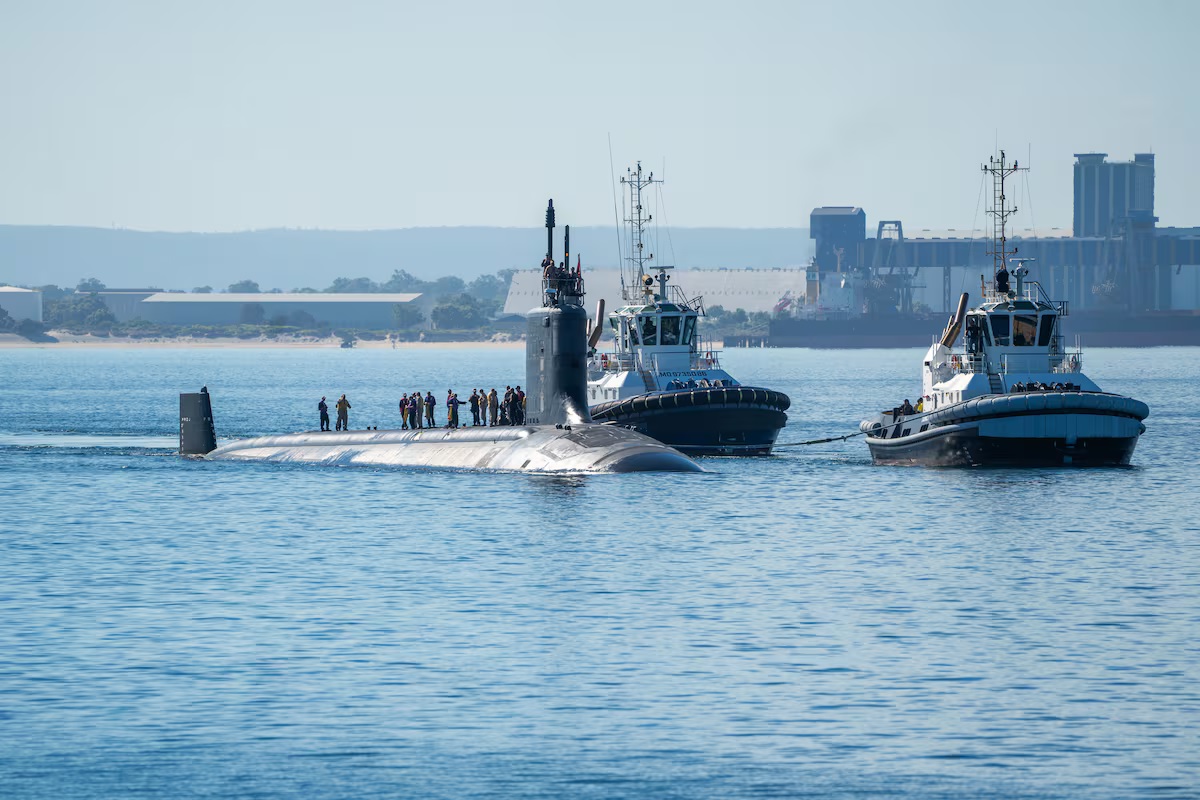 U.S. Navy Reestablishes Submarine Squadron 3 at HMAS Stirling to Support AUKUS Rotational Force
-
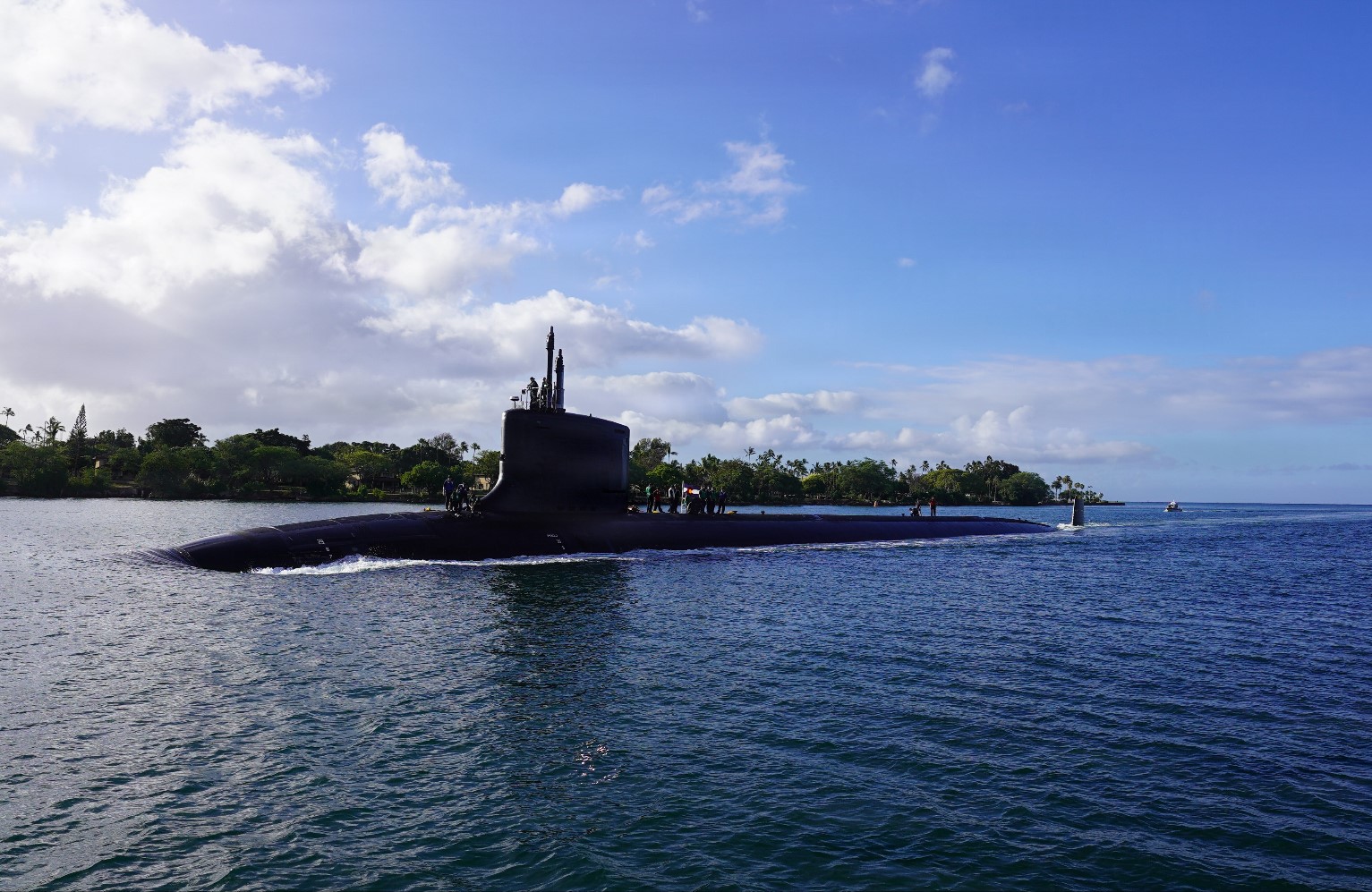 U.S. Navy's USS Colorado Submarine Returns to Pacific Fleet 29 Days Early After Major Pearl Harbor Overhaul
-
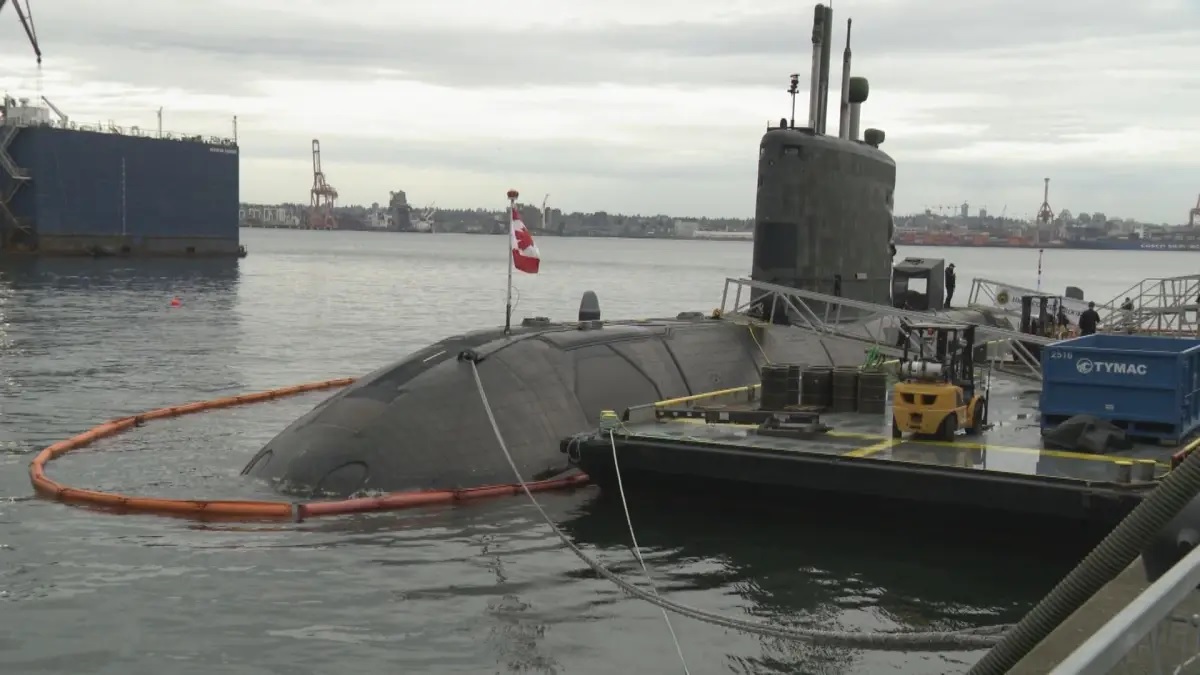 Royal Canadian Navy Deploys HMCS Corner Brook for First RIMPAC Submarine Mission in Over a Decade
Top Trending in 4 Days
-
 Iranian Media Leaks 14-Point U.S.-Iran Peace Framework Amid Ongoing Negotiations
-
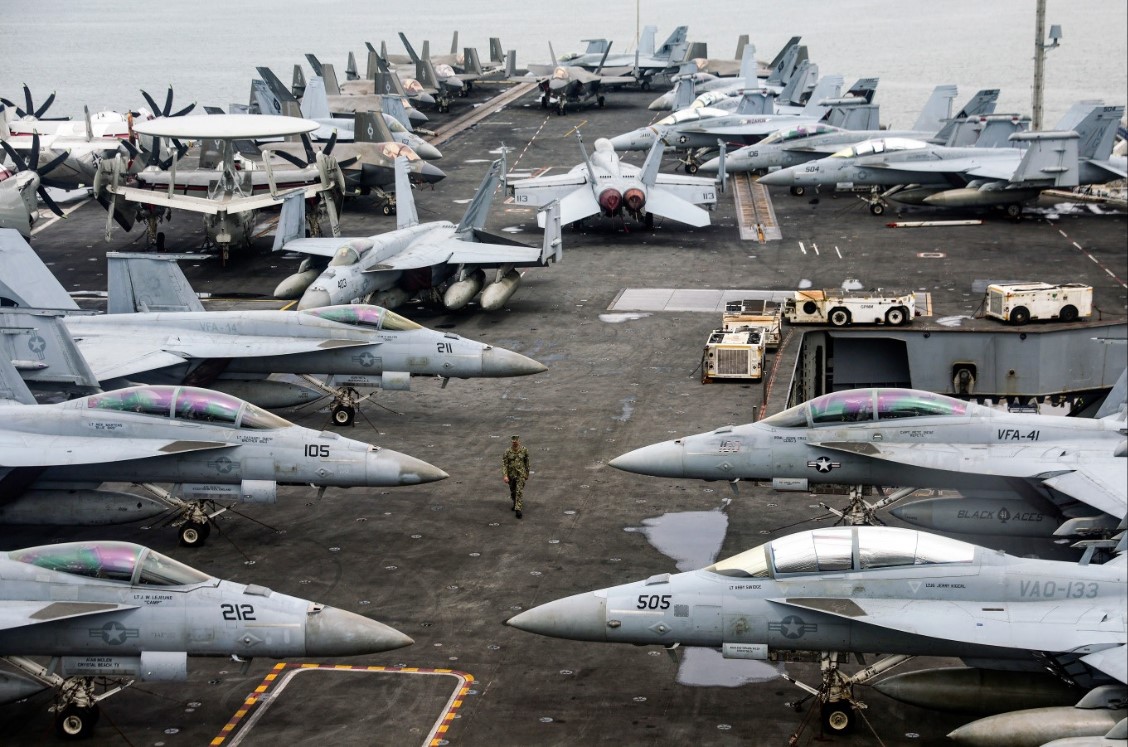 US Plans Significant Reduction of Fighter Jets and Warships for NATO Operations in Europe
-
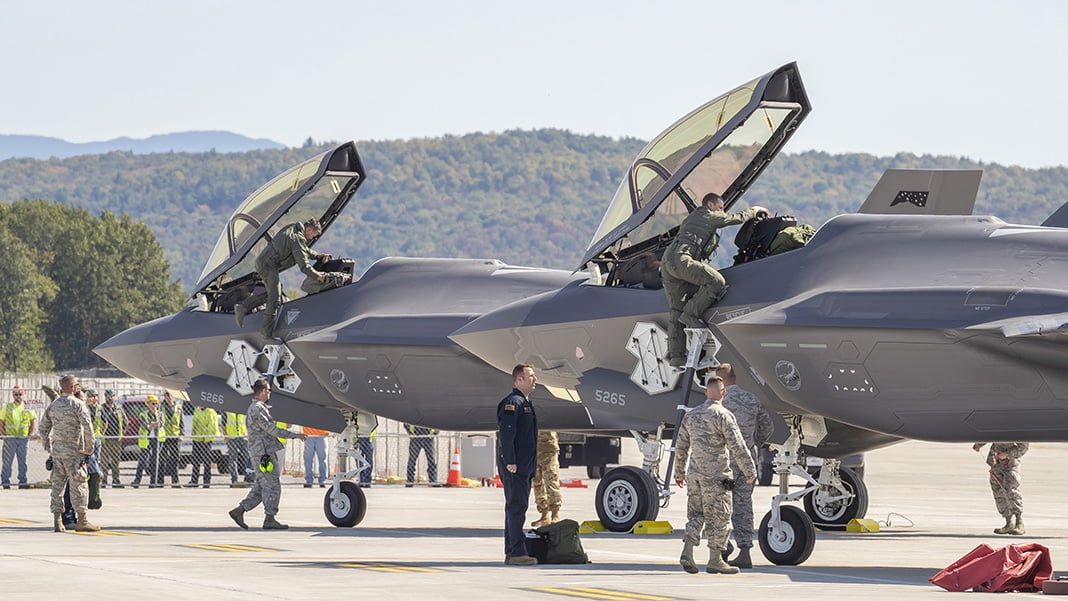 F-35 Fleet Readiness Falls to 25% Amid Parts Shortages and Software Delays: GAO Report
-
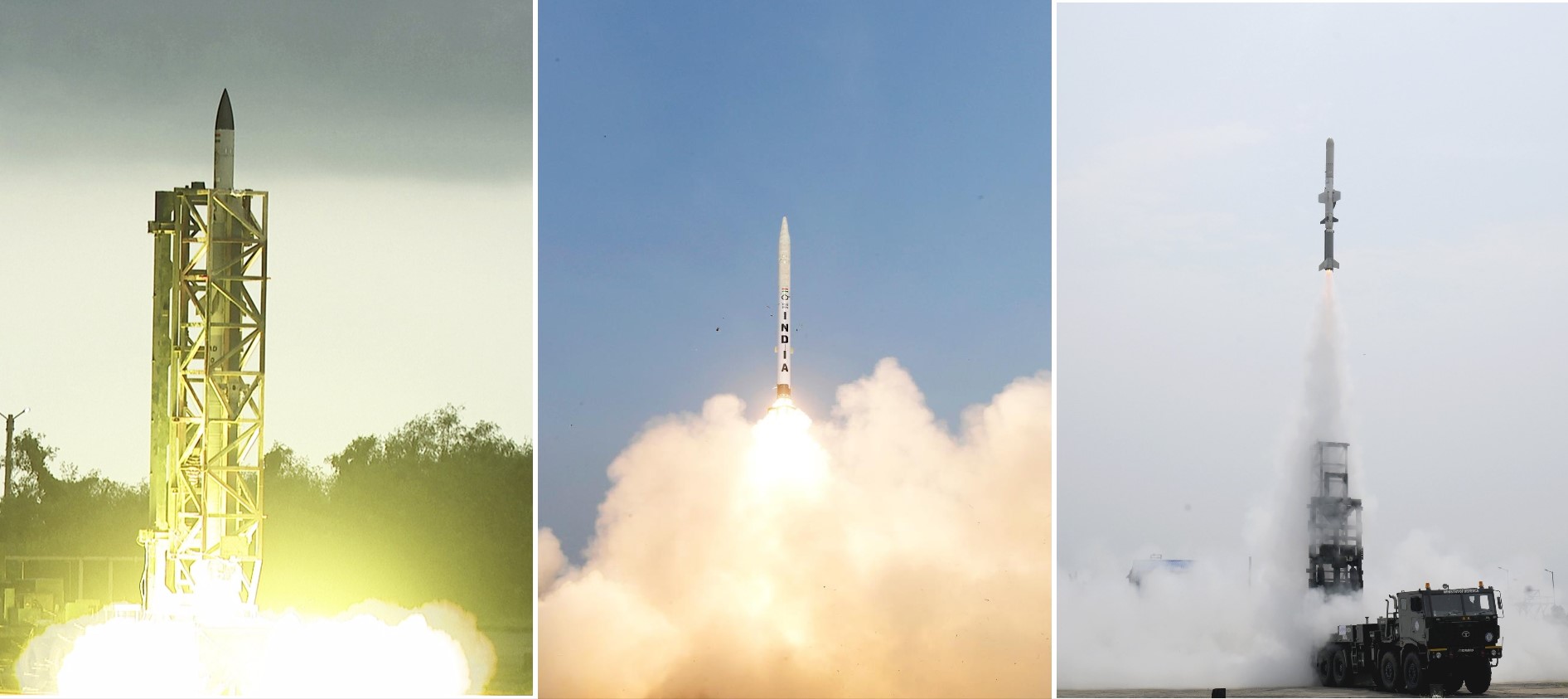 India Successfully Conducts AD-1, AD-2 Interceptor Tests and Maiden NASM-MR Flight Trial
-
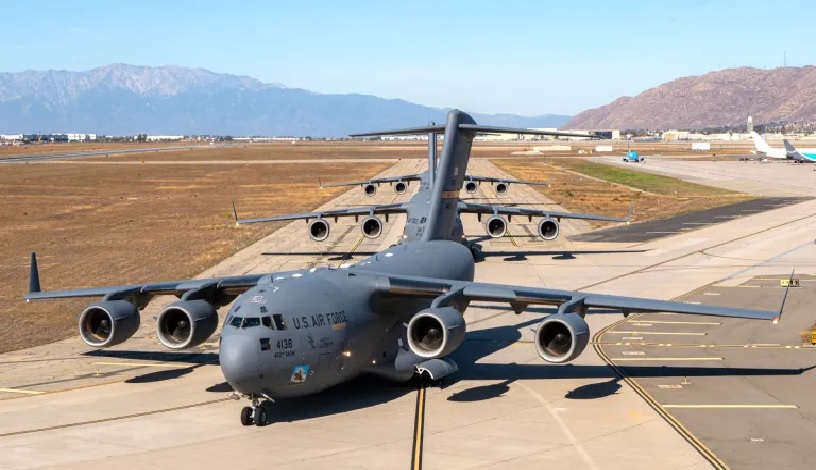 U.S. Air Force Faces Strategic Airlift Shortfall as C-17 Production Restart Remains Uncertain
-
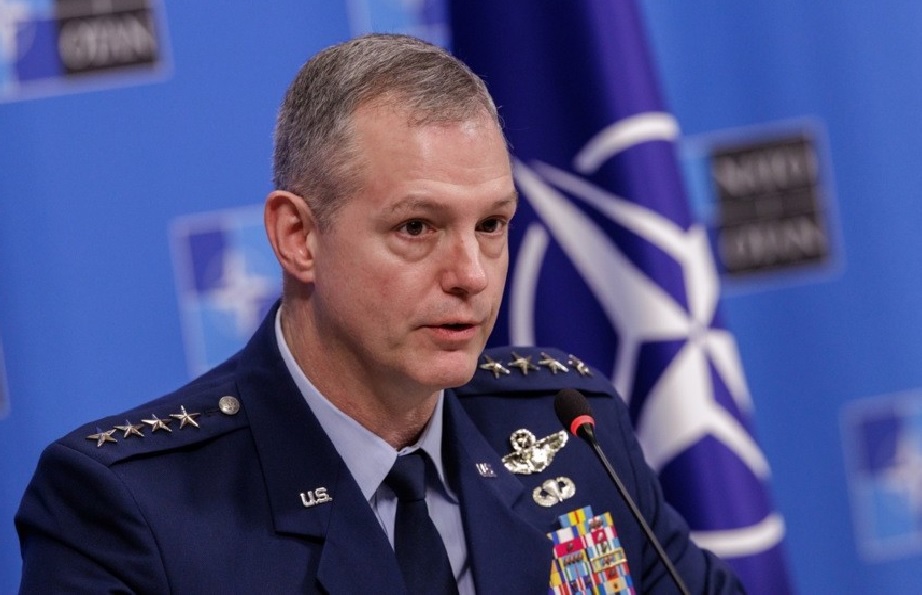 NATO Commander Says Russia Not Seeking Conflict With Alliance Despite U.S. Force Reductions
-
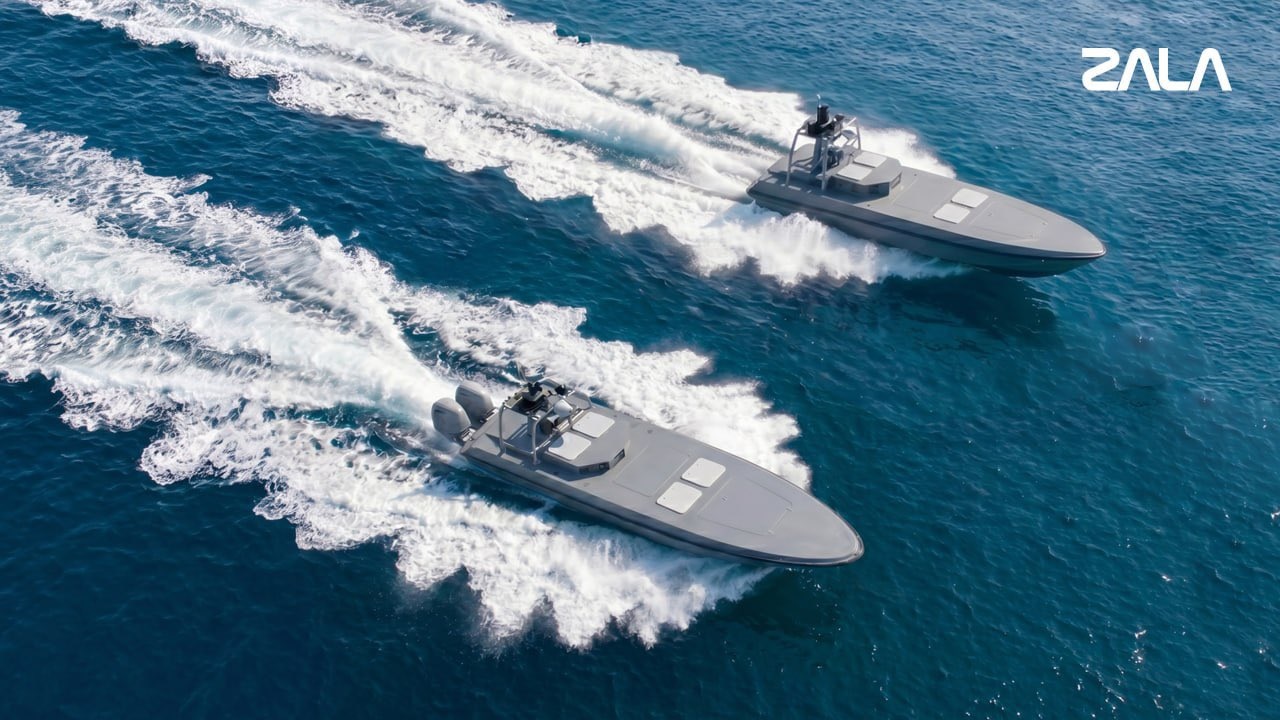 Russian Defense Firm ZALA Unveils KAMA Unmanned Surface Vessel Family at FLOT-2026 Naval Exhibition
-
 U.S. Space Force Awards $437.7 Million Contracts for First PTS-G Swarm 1 Anti-Jam Satellites