World
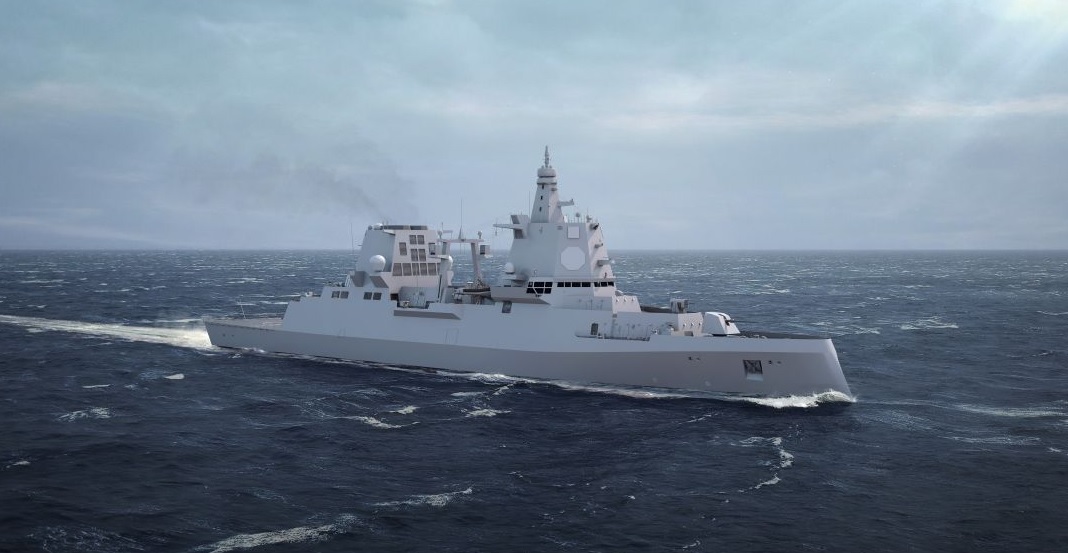
Germany is preparing to significantly expand its future fleet of F127-class frigates, moving beyond earlier plans for five ships with an option for a sixth. Now, discussions point toward acquiring as many as eight vessels to strengthen the German Navy. A Major Upgrade for the German Navy The F127-class is designed as a next-generation air-defence frigate, giving Germany the ability to counter not only aircraft and cruise missiles but also ballistic missile threats for the first time. This will mark a major leap in capability compared to the current Sachsen-class (F124) frigates, which the new ships will eventually replace. The frigates will be based on the MEKO A-400 AMD design by thyssenkrupp Marine Systems (TKMS), which has teamed up with NVL in a joint venture. TKMS will hold the majority stake in the project. The ships will be fitted with the U.S. Aegis Combat System as their command and control core. For radar, the German Navy is leaning toward the advanced Raytheon SPY-6, although the Bundeswehr’s Inspector General will make the final decision. Funding and Delivery The expanded plan for up to eight ships comes with a price tag of around €26 billion (over $30 billion), covering not just construction but also weapons and sensor systems. According to current planning, the first F127 could join the fleet in the early 2030s, with full delivery stretching into the mid-2030s. Industrial and Political Factors This expansion would give momentum to both German shipbuilders. TKMS is in the process of separating from thyssenkrupp ahead of a stock market listing, while NVL is being acquired by Rheinmetall. Securing a large, long-term project like the F127 would stabilize both companies and support German shipbuilding jobs. The F126 Problem Meanwhile, the parallel F126-class frigate programme—focused on anti-submarine warfare—has been delayed by technical and software issues with the Dutch prime contractor Damen. The problems involve transferring design data to German shipyards. Berlin is now weighing several options: Continue with Damen as prime contractor, Cancel the F126 outright, Transfer leadership to a German yard like NVL, Or pursue an interim solution while keeping the F126 alive. One interim option being discussed is to build a number of MEKO 200-class frigates. These ships are proven in service, adaptable for anti-submarine operations, and could be built relatively quickly using existing supply chains. Analysts suggest that four MEKO 200s could be delivered for only slightly more cost than two F126s, with the first ship potentially arriving as soon as 2029. Strategic Urgency Germany’s Defence Ministry faces pressure to act quickly. The Russian threat has been described as the decisive factor, making time—rather than money—the key constraint. Parts of the shipbuilding industry are already on short-time work while awaiting contracts, adding further urgency to Berlin’s decision-making. Germany’s choice to expand the F127 fleet underlines its intent to modernize the Navy with stronger air and missile defence capabilities, while simultaneously trying to resolve setbacks with the F126 programme. The outcome will shape not just Germany’s naval power, but also the future of its entire shipbuilding industry.
Read More → Posted on 2025-09-24 15:17:35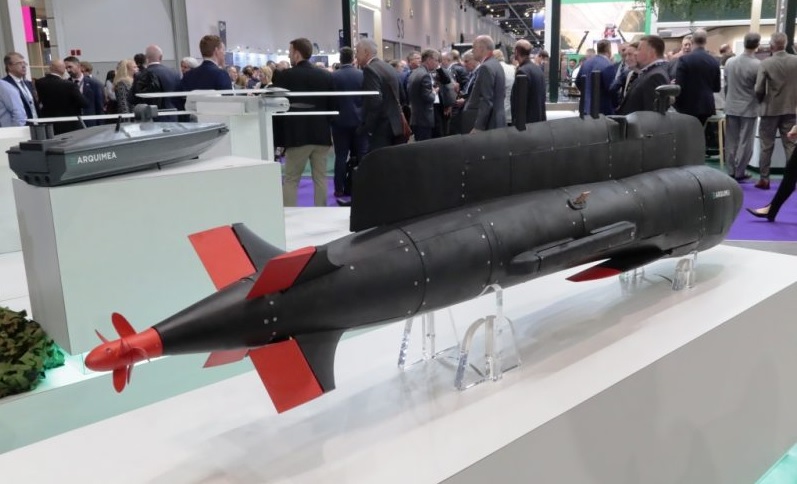
World
Arquimea of Spain has expanded into the naval loitering munition field with the acquisition of Perseo Techworks, bringing the S-Wise underwater system into its catalogue. This new platform was recently presented at the DSEI exhibition in London after earlier appearances at defense shows in Madrid. A Multirole Platform Calling the S-Wise just a loitering munition would be too narrow. It is a multirole underwater vehicle capable of working in: Loitering munition (LM/ISR) mode – carrying a warhead for strike missions while also collecting intelligence. Mine countermeasure (MCM/ISR) mode – using advanced sonars to locate and track underwater threats. Its design allows operators to swap the front section: either a 5 kg warhead (single or tandem shaped charge) or a forward-looking sonar. Design and Build Length: 2.23 metres Diameter: 0.245 metres Weight: 50 kg plus more than 30 kg payload capacity Payload volume: over 30 litres The body is hydrodynamically shaped, with deployable wings for maneuverability and an X-shaped rudder system at the rear. The hull is produced using additive manufacturing and acoustically transparent plastics, which reduces cost and makes it easier to repair or manufacture parts even aboard ships. Propulsion and Endurance The S-Wise can be fitted with either dual counter-rotating propellers for stealth or a single propeller for speed. It uses electric motors (3 kW continuous, 6 kW in boost mode) powered by Li-Ion batteries with in-house management systems. Top speed: over 8 knots Range surfaced: 85 NM at 2.75 knots Range submerged: 80 NM at 3 knots, or 30 NM at 5.2 knots Operational depth: up to 50 m with additive parts, up to 300 m with conventional housings It can operate in sea states 4–5, with launch and recovery possible up to sea state 3–4. Brains and Sensors At its core, the S-Wise uses a Perseo ORA onboard computer with a dedicated GPU optimized for artificial intelligence. This supports automatic target recognition, object tracking, obstacle avoidance, and real-time mapping. Navigation tools include an inertial measurement unit, geomagnetic device, static and dynamic pressure sensors, GNSS, and optionally a Doppler velocity log. In MCM/ISR mode, it can carry Arc Scout MK II side-scan sonar and Ranger synthetic aperture sonar. In LM/ISR mode, additional explosive wings can be fitted, raising destructive potential. Operations and Control The system maintains a man-in-the-loop approach. Operators can control it via: WiFi, LTE/5G, or long-range links when surfaced Optional USBL underwater communication when submerged The package also includes mission planning tools and a training simulator, allowing crews to rehearse missions in synthetic environments before real operations. Why It Matters The S-Wise is one of the first compact underwater systems that combines strike, reconnaissance, and mine countermeasure roles in a single, modular design. With its AI-based autonomy, low-cost production methods, and flexible payloads, it represents a new generation of naval unmanned systems ready for real-world deployment.
Read More → Posted on 2025-09-24 15:12:58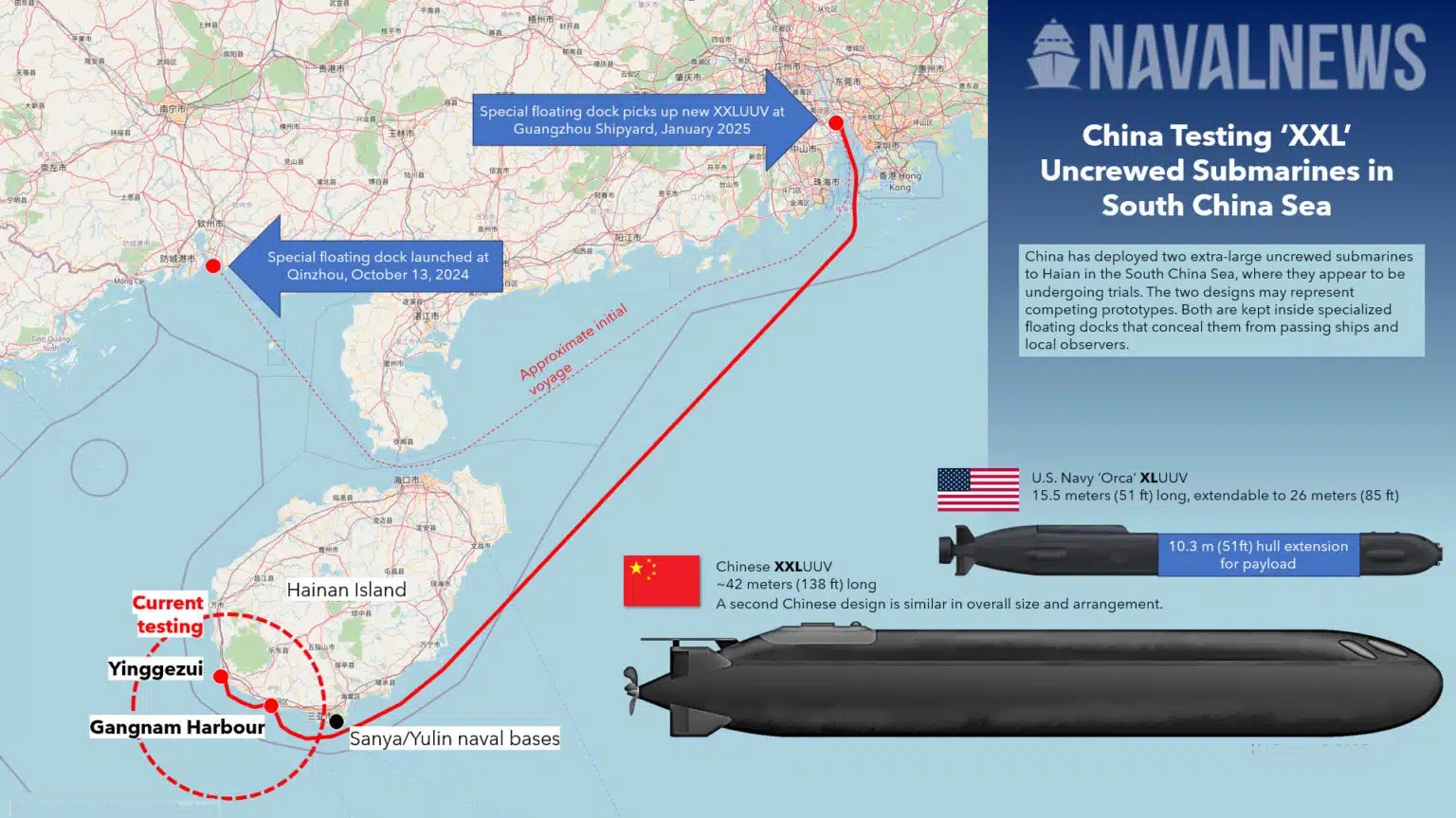
World
In recent weeks, evidence has emerged that the Chinese Navy (PLAN) is conducting secret trials of two enormous uncrewed submarines near Hainan Island, in the South China Sea. These underwater drones are far larger than what most navies currently operate, and their deployment signals a bold leap in undersea warfare. Here is a clearer, up-to-date look at what is known so far — and why it matters. What is happening? China is testing two giant underwater drones of approximately 40–42 meters in length, placing them in the same size class as many crewed attack submarines. These vessels are uncrewed — that is, autonomous or remotely operated — rather than conventional manned submarines. They are being stationed in floating docks rather than in conventional submarine pens or on quay walls. One dock, named Zhuan Yong Fu Chuan Wu 001 (Special Floating Dock 001), was completed in 2024 and has already been used to move one of the new underwater drones. The floating docks allow the drones to be launched, recovered, hidden, or transported away from busy ports, reducing detection risk and logistical constraints. The drones are currently test-operating in waters off Gangmen Harbour and Yinggezui, on the western coast of Hainan near Sanya. These new vessels appear to lack a traditional sail (conning tower) and feature X-shaped rudders at the stern — design features more akin to advanced submarine hulls than small underwater drones. The 705 Research Institute (part of China Shipbuilding Industry Corporation, CSSC) is believed to be involved in their development. Why is this significant? 1. A new class beyond ‘XLUUV’ Navies in the West currently use or explore XLUUVs (extra-large uncrewed underwater vehicles). But at this scale — some 10–20 times the size of those — China’s vessels challenge the limits of what “XL” implies. Some analysts propose new labels such as XXLUUV or Ultra-Large UUV to reflect their scale and capabilities. Because they are so big, their roles are expected to be richer and more complex than those of standard underwater drones: They may carry large payloads of weapons (torpedoes, mines, missiles) or specialized sensors. Their sensor suites may approach the strength of manned submarines, with more powerful sonar or intelligence equipment. Without the constraints of space and life support for a crew, their volume can be dedicated more fully to payloads, energy storage, and autonomy systems. 2. Stealth, surprise, and strategic flexibility By using floating docks, China can conceal operations, appear to shift the docks away from port when needed, and avoid interference with normal shipping and port traffic. It’s a way to maintain operational secrecy and flexible deployment. China’s experiment may stretch how navies think about unmanned submarine warfare: large-scale drones functioning as force multipliers in the undersea domain, operating alongside conventional submarines, surface ships, and drones. 3. China is moving fast — and at scale While many Western navies and defense firms are only now ramping efforts to field large underwater drones, China appears significantly ahead in both ambition and investment. The appearance of two large prototypes (or competing designs) shows China is not just experimenting, but entering a serious contested domain in underwater robotics. Moreover, China already has a spectrum of XLUUV programs known or inferred from open sources, possibly five or more types under development. The new vessels seem to represent a higher, more ambitious tier in that hierarchy. 4. Strategic implications for regional and global navies These drones could complicate surveillance, anti-submarine warfare, and undersea domain control for rival powers in the region. They raise the bar for counter-drone and detection systems: dealing with an ever larger, more stealthy, and potentially armed drone submarine is far more demanding than countering small UUVs. In strategic hotspots like the Taiwan Strait or the South China Sea, they could be used to lay mines, conduct covert surveillance, or interdict undersea communications — without risking a human crew. Western navies will likely feel pressure to accelerate their own programs for large underwater drones, invest more in detection and countermeasures, and rethink submarine fleet structure and tactics. What is still uncertain (and what to watch) Propulsion: It is unclear whether these vessels use diesel engines, large battery systems, fuel cells, or hybrid systems. There is currently no credible evidence they are nuclear-powered. Autonomy and control: The AI, autonomy, navigation, and decision systems must be highly advanced to allow them to operate reliably undersea. Exact payloads: While torpedoes, mines or missiles are plausible, how many and what kind remain speculative. Operational patterns: How far they will patrol, whether they will launch from mother ships or from coastal facilities, and how they integrate with manned assets remain to be seen. Public reveal: China may reveal these or similar drones in future parades or defense expos. Observers are also watching if more floating dock assets appear at Hainan or elsewhere. China’s testing of these giant uncrewed submarines signals a potential shift in undersea warfare. Rather than simply scaling up existing drone designs, China seems to be creating a new class of vessel — one that blurs the line between autonomous underwater vehicle and full-fledged submarine. If they become operational, these drones could change how navies project undersea power, structure their fleets, and defend sea lanes. The world is entering a new era where uncrewed platforms may become peer competitors in the deep.
Read More → Posted on 2025-09-24 15:06:50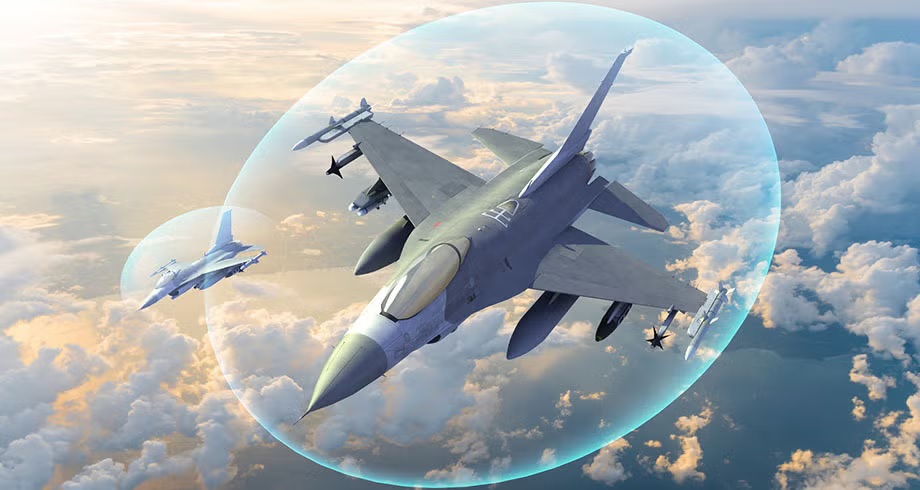
World
L3Harris has unveiled a podded variant of its Viper Shield electronic warfare system, giving nations operating the F-16 fighter jet greater freedom in how they modernize and protect their aircraft. The new version offers the same level of protection as the internally mounted system but allows operators to move the equipment between jets depending on mission needs. According to the company, seven U.S. partner nations have already chosen Viper Shield, with Poland being the most recent customer. For air forces flying older F-16s, especially Block 50 and earlier, the pod option provides an easier path to upgrade, avoiding extensive airframe modifications while still enhancing survivability. The podded system and the internal version are built around identical components. This ensures full interoperability among coalition partners and simplifies logistics. Because the pod can be removed and maintained separately from the aircraft, it also reduces downtime and streamlines servicing. Viper Shield’s design reflects decades of electronic warfare experience. It is lighter, smaller, and more modular than previous F-16 systems, making it suitable across all F-16 blocks. The system incorporates advanced features such as a digital radar warning receiver, digital radio frequency memory jamming, and seamless integration with modern AESA radars. Its software-defined architecture allows future technologies—like advanced situational awareness tools and radar countermeasures—to be integrated without major redesigns. The affordability of Viper Shield is another advantage. With an active production line, combined with partner nation funding and company investment, the system can be produced at scale. Since the pod can serve multiple aircraft, fewer units are required, which further reduces acquisition costs. For countries upgrading their F-16 fleets, the choice between internal installation, podded variant, or a mix of both offers unmatched flexibility. With both systems sharing the same backbone, upgrades and enhancements can be applied universally. As L3Harris notes, the goal is clear: extend the operational life of the F-16, ensure it can survive modern battlefields, and most importantly, bring pilots home safely.
Read More → Posted on 2025-09-24 14:59:03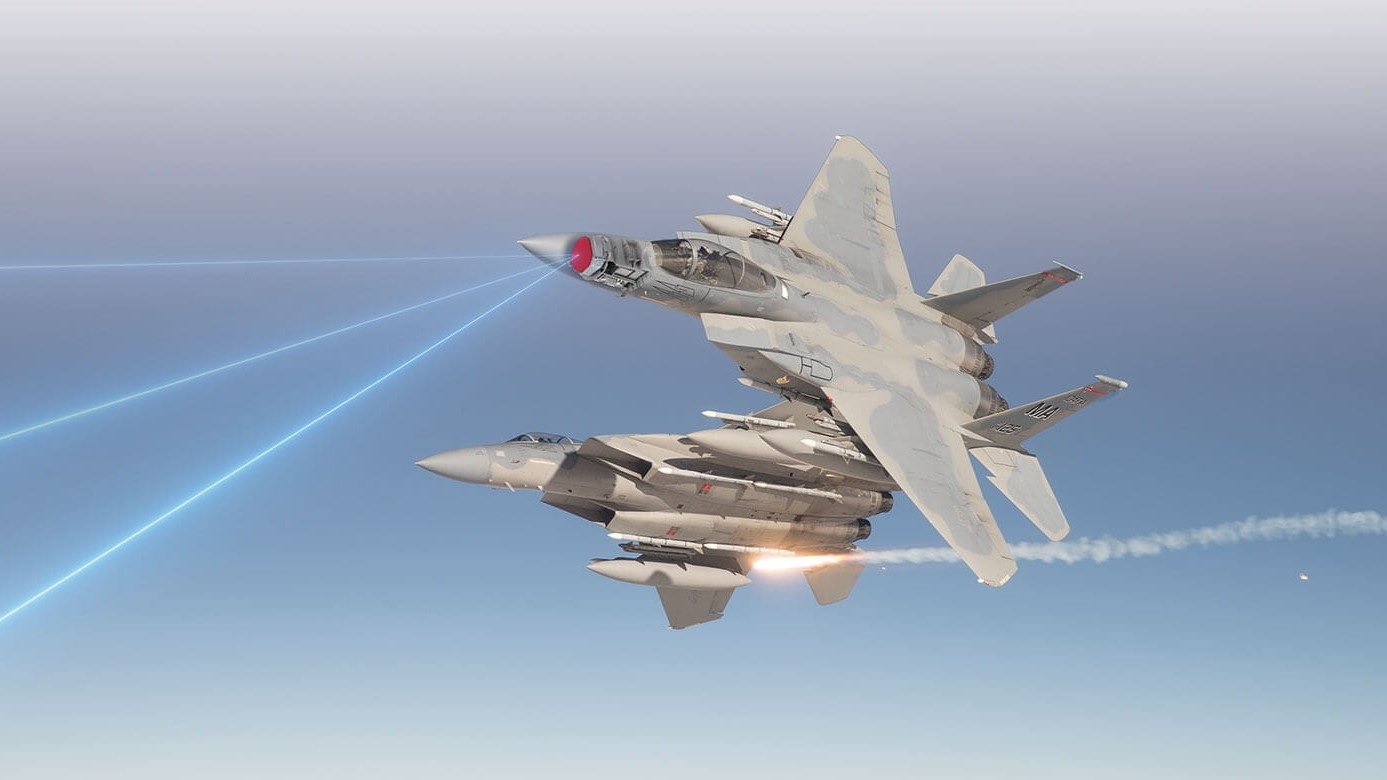
World
Raytheon, an RTX business, has officially unveiled the APG-82(V)X, the latest version of its combat-proven APG-82 radar family. This advanced system integrates gallium nitride (GaN) technology, offering greater range, higher efficiency, and stronger performance in air-to-air, air-to-ground, and electronic warfare missions. What is the APG-82(V)X? The APG-82(V)X is an Active Electronically Scanned Array (AESA) radar. Unlike older mechanically scanned radars, AESA radars use thousands of transmit/receive (T/R) modules to electronically steer radar beams. The upgrade to GaN modules allows higher power density, better heat handling, and longer range — all without requiring more energy. The radar is fully multi-functional. It can track aircraft, map terrain, and conduct electronic warfare such as jamming or countering enemy radars. Its open architecture and scalable design ensure it can be upgraded as threats evolve. Raytheon highlights its ability to provide a “first-look, first-shoot” advantage, meaning aircraft equipped with the radar can detect threats earlier and engage them before being targeted themselves. Which Aircraft Will Use It? The primary aircraft for the APG-82(V)X is the F-15EX Eagle II, the U.S. Air Force’s latest F-15 variant. The current APG-82(V)1 already equips the F-15EX, and the new (V)X version is being developed as its successor. The radar is also a strong retrofit option for the F-15E Strike Eagle fleet. Because it matches the size and weight of earlier versions, it can be installed without major structural changes. International operators of F-15 variants that currently use earlier APG-82 radars may also be offered upgrades in the future. Key Technical Advantages GaN T/R Modules: Higher output power and thermal efficiency, extending range. Larger Array: More elements within the same footprint, providing stronger detection capability. Faster Processing: New processors allow multiple functions at once with lower latency. Wider Frequency Agility: Operates across broader bands, making it harder to jam. Low Probability of Intercept: Agile beam steering and frequency hopping make the radar harder to detect by enemies. Modular Upgrades: Components like processors can be backfitted into existing APG-82(V)1 radars. Simple Understanding In simple terms, the APG-82(V)X is like giving the F-15 a sharper, smarter, and more powerful “eye.” It can see farther, react faster, and operate in multiple roles at once — from spotting enemy fighters and cruise missiles to scanning the ground and jamming threats. Thanks to GaN technology, it can do all this without demanding more power from the aircraft. For pilots, this means earlier warning, quicker engagement, and better chances of survival in contested environments.
Read More → Posted on 2025-09-24 14:15:42
World
On Tuesday, September 23, 2025, the Spanish government approved a “total” arms embargo on Israel. The measure is part of a wider nine-point package proposed by Prime Minister Pedro Sánchez to respond to the military conflict in Gaza, which he described as “genocide.” What the Embargo Does Under the new decree: All exports from Spain to Israel of defense equipment, dual-use goods or technologies (products that can be used for civilian or military ends) are banned. All imports into Spain of defense or dual-use goods from Israel are also prohibited. The decree blocks the transit of aircraft fuel through Spain if that fuel could have military applications. It bans imports, sales, and even advertising of goods originating from Israeli settlements in occupied Palestinian territories. Spain will also refuse Spanish ports or airspace access for arms shipments bound for Israel. Although the decree takes effect immediately, it must be ratified by Spain’s parliament within 30 days to remain valid. Some observers note that the text allows “exceptions in exceptional cases of national interest,” which could be politically contested. Why Spain Did It Spain says the embargo is a way to legislate what it says had been a de facto ban since the start of Israel’s recent military actions in Gaza. The government frames it as a moral and diplomatic step in defense of international humanitarian law, human rights, and in protest against civilian suffering in Gaza. By making the embargo more robust and legally binding, Spain is also signaling to other European nations and the global community that it expects stronger action against arms flows in conflict zones. How Much, and How Big an Effect on Israel? Past Arms Exports from Spain to Israel According to data from the United Nations COMTRADE, Spain’s exports of arms, ammunition, parts, and accessories to Israel in 2024 were just about USD 553 (i.e., negligible). A Spanish government report, however, shows that between January 2023 and June 2024, Spain sold nearly €50 million of “non-lethal” defense items to Israel (mostly before the full Gaza war intensified). The Spanish research group Delàs claims that from October 2023 to March 2024, there were 88 shipments from Spain to Israel, valued at €5.3 million, mostly in ammunition/munitions. Spain also had approved contracts with Israeli defense firms: for example, a contract with Rafael (an Israeli defense company) to provide a laser guidance system for Spanish Eurofighter jets was cancelled after rising controversy and the new embargo. Thus, Spain’s direct military exports to Israel in recent years have been quite limited. Most of what was exported was either non-lethal or pre-approved before the October 2023 war escalation. Will It Hurt Israel? In my view, the Spanish embargo is not going to deal a major blow to Israel’s military strength. Spain was never one of Israel’s big suppliers; that role is mainly played by the United States, Germany, and Israel’s own powerful domestic industry. The items that did come from Spain were mostly non-lethal equipment and spare parts, not the kind of offensive weapons that Israel depends on in war. That’s why the embargo feels more like a political message than a military threat. Spain is saying: “We refuse to contribute even indirectly to this conflict.” And that matters diplomatically, because it can pressure other countries in Europe and beyond to consider similar steps. That said, some disruptions may happen. For example, contracts with Israeli firms like Rafael or agreements involving Spike anti-tank systems could get complicated. Such cancellations won’t cripple Israel, but they could make cooperation harder in the short term. So, in the end, the embargo won’t starve Israel of weapons, but it closes a door and sends a strong signal — one that strengthens Spain’s moral and legal position. Challenges & Political Risks Here, Spain is not free from problems either. The government itself is a minority coalition, so getting parliamentary approval will be tricky. Opposition parties or even allies might demand to water down the “exceptions” clause, making the decree less strict. On the business side, Spanish companies tied to Israel may lose contracts and money, and they might even push back legally. Also, Spain’s own military could feel some pain if it has to replace Israeli components or technology that it had been using. That could mean higher costs and engineering headaches down the road. And of course, critics are already saying this is just symbolic — a gesture that doesn’t really change anything on the battlefield. To me, Spain’s embargo looks like a bold diplomatic gesture rather than a practical military sanction. It may not weaken Israel’s arsenal in any serious way, but it does put Spain on record as one of the strongest critics of the Gaza war in Europe. That symbolism carries weight — it spotlights arms flows in conflict zones and may inspire other countries to follow Spain’s example.
Read More → Posted on 2025-09-24 14:05:00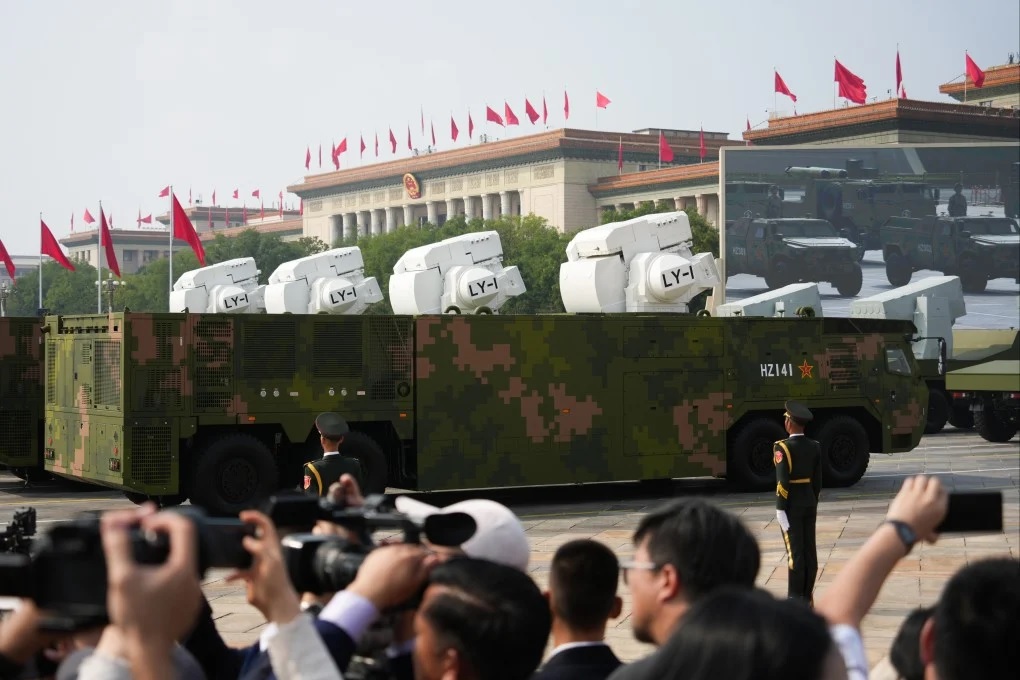
World
Pakistan is showing strong interest in integrating China's advanced laser weaponry into its military systems, aiming to strengthen its naval defense amid rising regional tensions. This was highlighted by Vice-Admiral (Retd.) Ahmed Saeed, President of the National Institute of Maritime Affairs, at Beijing’s Xiangshan Forum. He stated that high-energy directed weapons are becoming a major part of modern warfare and Pakistan seeks closer integration with China in this field. China’s LY-1 Laser Weapon One of China’s latest developments is the LY-1 shipborne laser weapon, showcased during the 80th-anniversary Victory Day Parade. This system is designed to shoot down drones, blind sensors, and disable electronics, providing a modern alternative to conventional projectiles. The LY-1 represents a technological leap in high-energy laser weapons, capable of being deployed on naval platforms, though the exact ships remain undisclosed. The LY-1 complements China’s existing shipborne air defense systems, forming a multi-layered defense network that can protect maritime assets against both traditional and advanced aerial threats. It is seen as China’s answer to the U.S. High-Energy Laser with Integrated Optical Dazzler and Surveillance (HELIOS) deployed on Arleigh Burke-class destroyers. Pakistan’s Strategic Goals Pakistan’s interest in Chinese laser weapons is consistent with its long-term defense strategy. The country is the largest importer of Chinese military equipment, accounting for a significant share of China’s arms exports from 2020 to 2024. This partnership has included fighter jets, submarines, and air defense systems, and now Pakistan seeks more integrated weapons systems, including both hardware and software, to enhance interoperability with China. The integration of directed energy weapons like the LY-1 could give Pakistan an edge in countering drones, missiles, and other emerging threats, ensuring a modern and responsive defense posture. Pakistan is also aiming to combine experiences with both Beijing and Washington for technology and intelligence sharing in counter-terrorism operations. Regional Implications The potential deployment of Chinese laser weapons in Pakistan could shift regional security dynamics. While Pakistan views this as strengthening its defense, neighboring countries may see it as a challenge to the balance of power, possibly prompting accelerated defense modernization programs and creating a new strategic environment in South Asia. In conclusion, Pakistan’s pursuit of Chinese high-energy laser technology reflects its goal to modernize its defense systems and strengthen naval and aerial security. As directed energy weapons become a key element in modern warfare, Pakistan’s collaboration with China could play a pivotal role in shaping future regional defense strategies.
Read More → Posted on 2025-09-23 17:33:57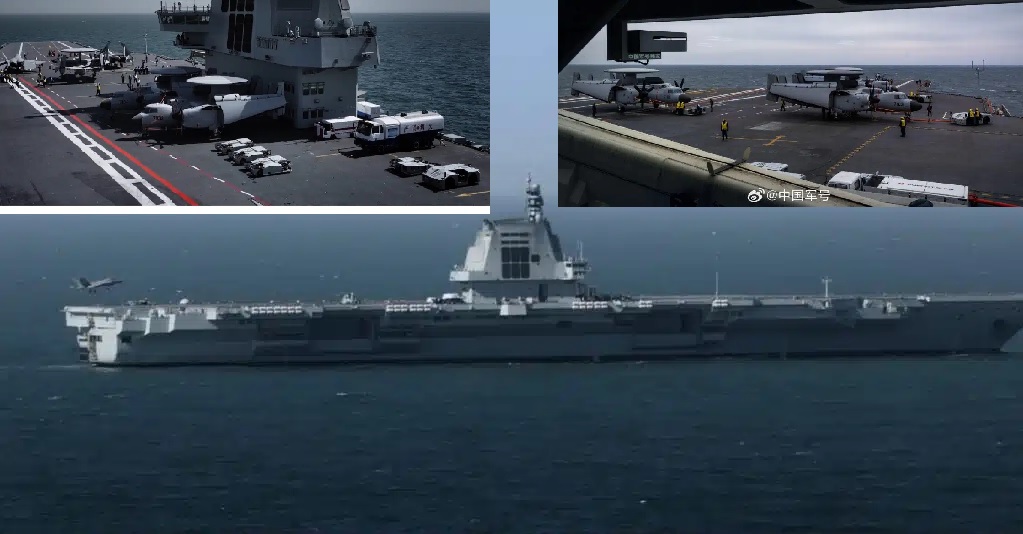
World
China’s newest and most advanced aircraft carrier, Fujian, has crossed a critical milestone in its development. Official Chinese military media has released extensive footage showing fixed-wing aircraft launching and landing aboard the carrier using its electromagnetic catapult system (EMALS). The release confirms that China has entered the era of catapult-assisted carrier operations, a capability that dramatically increases the flexibility and reach of its naval aviation. Fujian’s Flight Operations The newly released imagery shows catapult launches and arrested recoveries of three types of aircraft: the J-15T fighter jet, the next-generation J-35 stealth fighter, and the KJ-600 airborne early warning and control (AEW&C) aircraft. The footage also highlighted Z-9 utility helicopters and extensive flight deck activity, with aircraft being moved by elevators and tractors, as well as coordinated operations by deck crews. One of the most striking details is the presence of three KJ-600 aircraft on the deck, carrying serial numbers 7103, 7104, and 7106. This underlines the importance China places on deploying fixed-wing early warning aircraft, a feature that sets Fujian apart from its predecessors Liaoning and Shandong, both of which lack catapults and are therefore unable to support such heavy aircraft. Why the Catapult Matters The introduction of EMALS is a technological breakthrough. Unlike ski-jump carriers, which limit aircraft to lighter take-off weights, Fujian’s catapults allow planes to launch with full fuel and heavy weapons loads. This means greater combat range, higher sortie rates, and the ability to field specialized support aircraft such as AEW&C and possibly future carrier-borne refueling aircraft. This capability is central to transforming the People’s Liberation Army Navy (PLAN) into a blue-water force capable of projecting power far beyond China’s immediate coastline. With the KJ-600 providing radar coverage and the J-35 offering stealth capability, Fujian dramatically enhances China’s maritime surveillance and strike potential. Key Observations from the Footage Several details in the released material offer insight into Fujian’s progress: Catapult Preference: All observed launches appear to come from the forward portside catapult. It is unclear whether this is due to selective editing of the footage or differences in readiness between the three EMALS catapults. Flight Deck Crew: Personnel are seen in color-coded jackets similar to the U.S. Navy system. Yellow denotes plane directors and catapult crew, blue covers aircraft handling and tractor drivers, and white indicates safety and quality control officers. Interestingly, fueling personnel wear blue jackets, differing from the American purple standard. Timeline Clues: Some scenes date back to earlier trials, particularly March 2025, when Fujian’s sensor mast was still covered in black draping before later maintenance returned it to grey. Strategic and Technological Significance The J-35 taking off from Fujian is especially notable. Ironically, while China’s new carrier has now launched a stealth fighter from an EMALS system, the U.S. Navy’s first EMALS-equipped supercarrier, USS Gerald R. Ford, has yet to achieve the same milestone with its F-35C due to program delays and budget restrictions. That said, Fujian still faces challenges. It is conventionally powered, unlike U.S. nuclear carriers, which gives it more limited endurance. With only three catapults compared to the four on American carriers, its launch capacity per cycle may also be lower. Furthermore, years of additional testing and crew training will be required before Fujian reaches full operational capability. Fujian is currently in the midst of its ninth sea trial, the longest yet and the first to extend into the South China Sea. Analysts suggest the carrier could be commissioned into active service after this trial, possibly at Sanya Naval Base on Hainan Island. Even after commissioning, the vessel will primarily focus on testing, aircraft qualifications, and training for several years before achieving true combat readiness. Meanwhile, China is quietly advancing work on a fourth carrier, believed to also be a catapult-equipped design, with early construction activity spotted at Dalian shipyard. Additionally, progress is reported on a naval nuclear reactor, potentially laying the groundwork for China’s first nuclear-powered carrier in the future. A Rapid Transformation In just two decades, China has moved from refurbishing an ex-Soviet carrier to fielding three carriers of its own, with Fujian standing among the largest and most advanced carriers in the world. The successful demonstration of catapult-assisted fixed-wing operations highlights both the speed and determination with which China is modernizing its navy. While challenges remain, the debut of Fujian’s flight operations is a historic moment—one that signals China’s arrival as a true carrier power, reshaping the naval balance in the Asia-Pacific and beyond.
Read More → Posted on 2025-09-23 17:26:56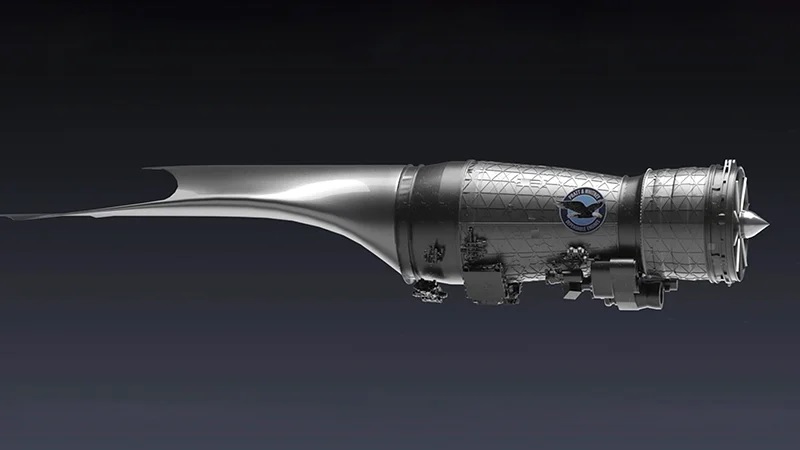
World
Pratt & Whitney is accelerating the development of its XA103 adaptive engine for the U.S. Air Force’s Next Generation Adaptive Propulsion (NGAP) programme, and the big story here is not just about the engine’s advanced capabilities but also about how it is being designed. By embracing digital-first methods, the company is transforming the way complex jet engines are built, making the process faster, smarter, and more collaborative. The XA103 itself represents a step forward in engine technology. It belongs to a new class of adaptive-cycle engines capable of shifting between high-thrust and high-efficiency modes depending on mission needs. This flexibility is made possible through a three-stream architecture, which introduces a third airflow path in addition to the traditional core and bypass streams. In practice, this means that during combat or high-speed flight, more air can be directed into the core to maximize thrust, while during long-range cruise, airflow can be shifted to boost fuel efficiency and cooling. Coupled with advanced materials such as ceramic matrix composites, the engine is designed to operate at higher temperatures and deliver greater overall performance. It also promises the ability to sustain supersonic cruise without afterburners, giving future fighters the ability to travel faster and further with less fuel burn. While the physical technology is impressive, Pratt & Whitney’s biggest leap forward lies in the digital push behind the project. The company has set strict digital requirements for both engineers and suppliers, ensuring that every stage of the design process is unified under the same advanced digital models. This approach minimizes errors and delays that often come from misaligned designs or late-stage changes. Through model-based design, structural, aerodynamic, and material elements are tied together into one continuous process, enabling engineers to collaborate in real time rather than working in silos. Backing this transformation, Pratt & Whitney has invested more than $30 million this year to strengthen its digital engineering environment. The scale of the effort is enormous: over 1,000 engineers are directly involved, along with more than 100 suppliers, all working together in a highly integrated digital ecosystem. The results are already showing—delivery of technical data packages has doubled, demonstrating how much faster development cycles have become compared to traditional methods. The programme is now approaching its next milestone, the Assembly Readiness Review, which will confirm plans for prototype construction. If successful, the XA103 is expected to begin testing in the late 2020s, moving one step closer to powering the next generation of fighter aircraft. The importance of this development cannot be overstated. Adaptive engines like the XA103 are designed to give future aircraft unmatched flexibility, switching seamlessly between maximum thrust and maximum efficiency as missions demand. They also provide the additional cooling and electrical power that modern fighters need to support advanced sensors, radar systems, and potentially even directed-energy weapons. Traditional engines cannot meet these demands, but adaptive-cycle propulsion is built with these future challenges in mind. Equally important is the shift in how such engines are being developed. By relying on digital engineering, Pratt & Whitney is cutting down on time and cost while delivering a more reliable product. Problems can be identified and solved within digital models long before physical prototypes are built, ensuring a smoother path to production. In simple terms, the XA103 is not just another engine—it is a revolution in propulsion and process. It embodies the future of military aviation, combining cutting-edge adaptive technology with an equally modern approach to engineering. For the U.S. Air Force, it represents a vital step toward the 6th generation fighter era, where speed, range, stealth, power, and adaptability will decide air superiority.
Read More → Posted on 2025-09-23 17:20:12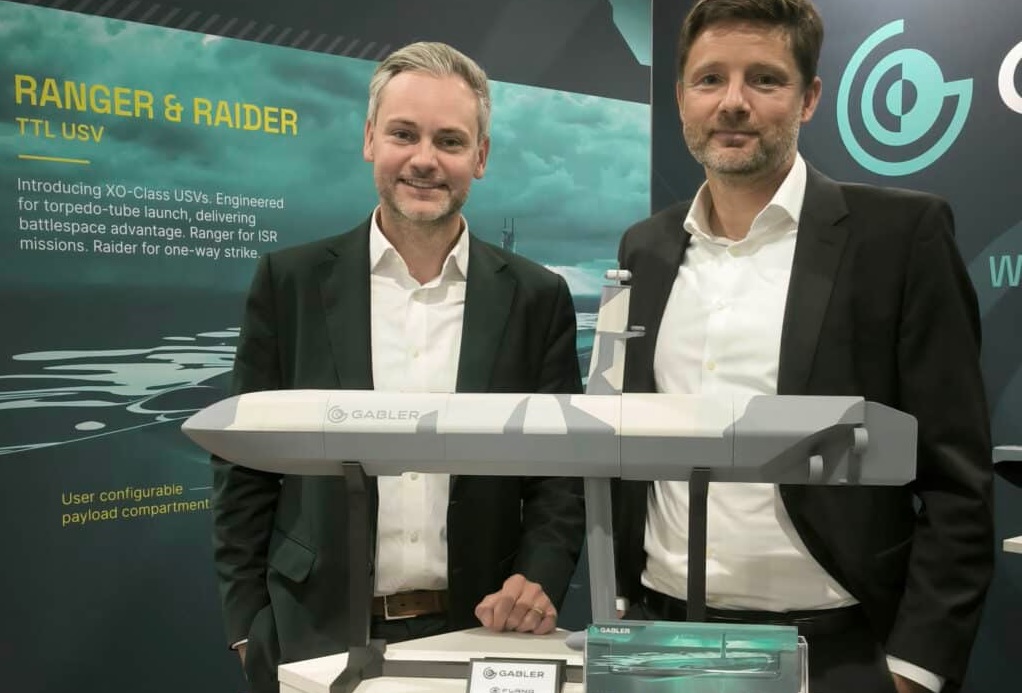
World
At the 27th DWT Naval Workshop in Dobbin-Linstow, Germany, Gabler, a renowned German defense company specializing in submarine technologies, introduced its innovative uncrewed surface vessels (USVs) designed for torpedo tube launch (TTL). This announcement marks a significant advancement in naval autonomy and stealth operations. Strategic Collaboration with FLANQ Gabler has partnered with FLANQ, a European leader in autonomous maritime platforms, to co-develop these cutting-edge USVs. The collaboration aims to deliver versatile, cost-effective platforms for Intelligence, Surveillance, and Reconnaissance (ISR) missions, as well as single-use tactical operations. This partnership ensures the integration of advanced technologies and rapid development timelines, meeting the operational needs of European and NATO naval forces. Key Features of the USVs The newly unveiled USVs, named Ranger and Raider, share a common design optimized for TTL deployment: Dimensions and Build: Both vessels are approximately 4.5 meters in length, with a hull rated for depths up to 300 meters. They feature a folding mast and keel, allowing for compact storage and stealthy deployment from standard submarine torpedo tubes. Power and Payload: Equipped with electric drivetrains, both models offer multiple payload bays to accommodate various mission-specific equipment. Ranger: Reusable ISR Platform The Ranger is designed for extended ISR missions. It is equipped with a comprehensive sensor suite that provides real-time surveillance and reconnaissance capabilities. This allows submarines to deploy and recover the USV discreetly, maintaining stealth and operational advantage in contested waters. The reusable nature of the Ranger enhances operational flexibility and cost-effectiveness. Raider: Single-Use Tactical Strike The Raider is tailored for single-use tactical missions. It carries a user-supplied effector payload in its forward compartment, enabling naval forces to neutralize high-value targets without exposing themselves to direct threats. The expendable design of the Raider makes it ideal for precision strikes in high-risk environments. Enhanced Operational Capabilities Both USVs are fully compatible with standard submarine torpedo tubes, facilitating covert deployment without the need for diver assistance. This capability is crucial for operations in denied, contested, or high-threat environments where traditional surface or aerial naval assets may be compromised. The integration of these USVs into naval operations enhances situational awareness and extends the reach of submarines, providing a significant strategic advantage. Forward-Looking Developments The partnership between Gabler and FLANQ reflects a broader strategic shift toward uncrewed-first capabilities in naval warfare. By enabling submarines to deploy low-cost, mass-producible USVs for a wide range of missions—from littoral surveillance to deep-sea reconnaissance—this initiative delivers domain advantage without compromising stealth. The development of these USVs underscores the commitment to strengthening European and allied undersea defense capabilities at pace and cost. As naval threats evolve and maritime zones become more complex, the introduction of submarine-launched USVs represents a significant leap forward in naval autonomy and operational flexibility. The Ranger and Raider platforms are poised to play a pivotal role in shaping the future of naval operations, providing unmatched versatility in complex and contested environments. The unveiling of these USVs at DWT 2025 highlights the ongoing advancements in naval technology and the increasing emphasis on autonomous systems in modern warfare. With continued development and integration, these platforms are set to enhance the capabilities of European and NATO naval forces, ensuring they remain at the forefront of maritime defense.
Read More → Posted on 2025-09-23 17:10:25
World
Ukraine is preparing to take an unusual step during an ongoing war: it plans to export surplus weapons, mainly naval drones and anti-tank systems, to raise funds for more urgent needs like aerial drones. At first glance, this may seem like a risky move. But for Ukraine’s leaders, it is a calculated strategy to balance the demands of the battlefield with the necessity of keeping its defense industry alive and expanding. President Volodymyr Zelenskyy explained that the program will be strictly controlled. Weapons will first go to soldiers at the front, then to domestic reserves, and only afterward to exports. This ensures Ukraine does not weaken its own forces. He stressed that Ukraine will only work with partners who have truly stood by the country, making it clear that there will be no “gun charity” for those indifferent to Ukraine’s struggle. The plan includes creating three export platforms—one for the United States, one for Europe, and one for other countries that have shown genuine support. By doing this, Ukraine wants to secure new revenue streams while also strengthening trust with its allies. This move also marks a significant change in Ukraine’s traditionally strict weapons export rules. For years, the country was cautious, but now leaders recognize that surplus production—especially of naval drones—offers a unique opportunity. Ukraine has already built more drones than it currently needs, and instead of reducing production, it sees value in selling the extra units to fund what is urgently lacking. The naval drones themselves have already proven to be game-changing. These small, explosive-packed vessels have carried out attacks on the Russian Navy in the Black Sea, forcing Russia to scale back its operations. Beyond strikes, they have also been used for intelligence-gathering and even mine-laying. Their success has caught the attention of NATO countries, many of which are now exploring similar technologies. Ukraine’s defense industry has grown rapidly despite the war. Last year, around 30% of military equipment used by Ukraine was produced domestically, and Zelenskyy has set an ambitious goal to raise that to 50% by 2025. However, budget limits have slowed production. Exports could provide the funds needed to keep factories running at full capacity, driving innovation, efficiency, and scalability in weapons production. Industry leaders are confident about the benefits. Serhiy Goncharov, head of the National Association of Ukrainian Defense Industries, believes that revenue from exports will not only keep production stable but also allow new breakthroughs in military technology. By selling surplus, Ukraine can maintain an industrial momentum that would otherwise stall under budget constraints. The broader picture is clear: modern warfare now depends heavily on drones and unmanned systems. From sea drones to aerial strike drones, Ukraine has shown how effective these tools can be in reshaping the battlefield. U.S. and European militaries are paying close attention, with generals openly admitting that naval drones could transform future sea warfare. In the end, Ukraine’s decision to export some of its weapons is not about weakening its defense—it is about strategic survival. By carefully selling what it has in excess, Ukraine can fund what it urgently needs, ensure its industry thrives, and continue reshaping the balance of power with innovative weapons.
Read More → Posted on 2025-09-23 17:05:14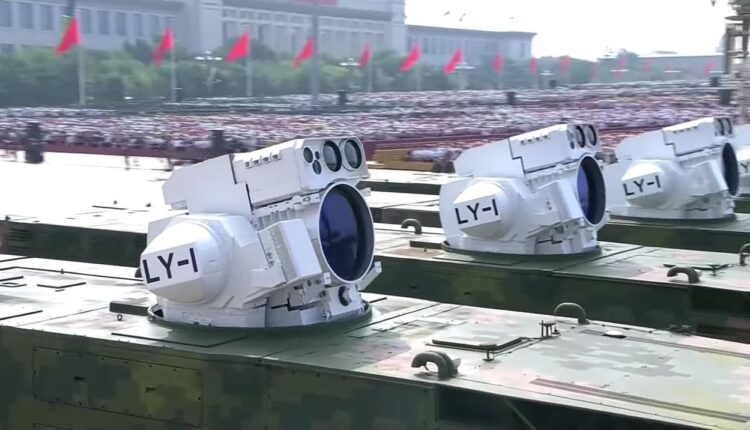
China Developing "Digital Great Wall" A Multilayered Defense Against Drone Swarms For Naval Warships
World
In a significant advancement in military strategy, Chinese naval researchers have unveiled plans to construct a sophisticated defense system aimed at protecting warships from large-scale drone swarm attacks. This initiative, often referred to as a digital-age "Great Wall," integrates cutting-edge technologies to counter the evolving threat posed by low-cost, autonomous drones. The Growing Threat of Drone Swarms The proliferation of affordable drone technology has led to the emergence of drone swarms—groups of numerous drones operating in coordinated patterns. These swarms can overwhelm traditional defense systems due to their sheer numbers and ability to operate autonomously. Researchers at the PLA Navy's Dalian Naval Academy, led by Professor Guo Chuanfu, have highlighted the potential vulnerability of warships to such attacks, emphasizing the need for a comprehensive counter-swarm strategy. Components of the Counter-Swarm System The proposed defense architecture is a multilayered system designed to detect, disrupt, and neutralize drone swarms before they reach their targets. Key components of this system include: AI-Powered Sensors: Utilizing artificial intelligence, these sensors can process vast amounts of data from various sources, including radar, infrared, and optical systems, to identify and track drone threats in real time. Directed-Energy Weapons: High-powered lasers and microwave beams are employed to disable or destroy drones mid-flight. The LY-1 laser system, showcased during China's recent military parade, is one such example designed for shipboard use. Hypersonic Missiles: The CJ-1000 cruise missile, capable of striking targets at extended ranges, is integrated into the system to eliminate drone launch platforms or command centers. Electronic Warfare Tools: Jammers and decoys are used to disrupt the communication and coordination of drone swarms, rendering them ineffective. China's Drone Motherships: Zhu Hai Yun & Jiu Tian To complement the "Digital Great Wall", China has developed advanced drone motherships: Zhu Hai Yun Type: Autonomous Research Vessel Length: 88 meters Beam: 14 meters Displacement: 2,100 tonnes Speed: 18 knots Propulsion: Diesel-electric system with azimuth pod thrusters Capabilities: Designed for uncrewed operations, serves as a launch platform for various unmanned systems, including drones and underwater vehicles Jiu Tian Type: Unmanned Aerial Vehicle (UAV) Carrier Wingspan: 25 meters Maximum Takeoff Weight: 16 tonnes Range: Up to 7,000 kilometers (4,350 miles) Altitude: Up to 15,000 meters (50,000 feet) Payload: Can carry up to 6 tonnes of ammunition and small drones Mission Types: Supports intelligence gathering, electronic warfare, emergency rescue, and high-security transport Design: Features a modular bay for launching up to 100 smaller drones, including kamikaze UAVs These motherships enhance China's ability to deploy and manage drone swarms, providing a strategic advantage in modern warfare. Strategic Implications The development of the "Digital Great Wall" and deployment of drone motherships like Zhu Hai Yun and Jiu Tian signify China's commitment to enhancing its naval capabilities against emerging threats. These advancements reflect a broader trend towards intelligentized warfare, integrating AI, unmanned systems, and advanced weaponry. By establishing a comprehensive defense network, China aims to safeguard naval assets from the growing menace of drone swarms. China's "Digital Great Wall" represents a forward-thinking approach to modern naval defense, leveraging cutting-edge technologies to counter the evolving threat of drone warfare. As global military strategies adapt to technological advancements, China's initiatives underscore the importance of innovation in maintaining strategic superiority.
Read More → Posted on 2025-09-23 16:33:53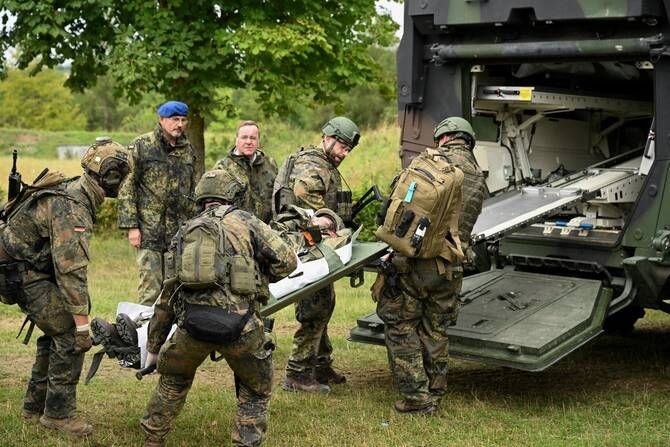
World
Germany is preparing for one of the most serious scenarios it has faced since the Cold War: a large-scale conflict with Russia. The Bundeswehr’s top military doctor, Surgeon General Ralf Hoffmann, has revealed that the country is drafting medical plans to cope with up to 1,000 wounded soldiers a day if war were to break out. This figure is not speculation but a realistic projection based on current NATO assessments and lessons drawn from Ukraine’s battlefields. Hoffmann explained that the actual number of casualties would depend on the scale of fighting and the deployment of German units, but Berlin is treating this scenario with urgency. Lessons From Ukraine’s Frontlines The war in Ukraine has transformed how European militaries think about combat medicine. For Germany, it has provided a grim preview of what modern warfare looks like: Injuries are no longer limited to gunshot wounds. Instead, there is a surge in blast injuries, burns, and shrapnel wounds caused by drones, artillery, and loitering munitions. The frontline is now a drone-saturated kill zone, where unmanned aircraft constantly scout and strike. This often prevents the fast evacuation of casualties, forcing medics to keep the wounded alive under dangerous conditions for long stretches. German medical training has already been updated to reflect this reality, focusing on prolonged stabilization under fire, mass casualty incidents, and new forms of trauma care. Expanding Germany’s Medical Capacity To handle the demands of a high-intensity conflict, Germany is reshaping its medical system: Hospital Beds Out of the country’s 440,000 hospital beds, around 15,000 would need to be dedicated to wounded soldiers. Civilian hospitals will therefore be heavily integrated into wartime planning. Medical Staff The Bundeswehr currently has about 15,000 medical personnel. In wartime, this force would need to be reinforced with civilian doctors, nurses, and specialists to manage the huge patient flow. Casualty Transport Germany is exploring a flexible evacuation system, inspired partly by Ukraine. Plans include hospital trains, special medical buses, and increased air evacuation. Soldiers would first receive emergency care near the battlefield before being transferred deeper into Germany for recovery. The Broader Implications Germany’s planning shows both realism and anxiety. Preparing for the possibility of 1,000 casualties daily underscores how destructive a NATO–Russia war could be. Civilian life would be deeply affected. With tens of thousands of hospital beds redirected to military use, normal healthcare services could be disrupted, creating tension at home. The human toll on medical staff would be immense. Treating mass injuries daily, often involving severe burns and amputations, would test not only physical resources but also psychological resilience. Politically, this reflects Germany’s acknowledgment of NATO warnings that Russia could threaten the alliance by 2029. By publicizing these preparations, Berlin is also sending a message of deterrence: it is taking the threat seriously and will not be caught unprepared. Modern Military Medicine Germany’s military doctors are facing challenges unseen in Europe for generations. As Hoffmann put it, the nature of war has changed dramatically. Drones, precision strikes, and mass casualties define the modern battlefield — and Germany is adapting to that harsh reality. These preparations are not just about logistics; they reflect a shift in mindset. War in Europe, once considered unthinkable, is now being actively planned for, down to the number of hospital beds and medical buses. Germany’s readiness signals both a warning and a safeguard in an increasingly unstable security environment.
Read More → Posted on 2025-09-23 16:05:15
World
Honeywell has taken a big step forward in modern defense technology by successfully demonstrating its Stationary and Mobile UAS Reveal and Intercept (SAMURAI) system to U.S. military operators. The trials showed the system in action both from a ground vehicle and from an aerostat more than 1,000 feet above the ground, proving that it can adapt to different battlefield conditions. A New Answer to Drone Swarms In today’s defense environment, drone swarms are seen as one of the most dangerous threats. Dozens of small drones working together can confuse radars, overwhelm defenses, and cause serious damage to high-value targets. Honeywell’s SAMURAI system is built exactly for this challenge. Unlike traditional systems that may be limited to a fixed location, SAMURAI is flexible. It can protect both stationary assets like bases and towers as well as moving convoys and vehicles. This dual ability makes it stand out in the fast-evolving world of counter-UAS technology. How the System Works SAMURAI is designed with modularity and openness in mind. Instead of being locked into one set of tools, it allows militaries to combine different sensors, detectors, and countermeasures depending on their needs. For example, it can use: Radio frequency detectors to pick up drone communications. Light-based sensors and identification technologies to track drones visually. Counter-drones or other effectors to disable or destroy threats. Because the system follows open standards, new technologies can be added quickly, ensuring it stays effective as drone threats evolve. Smarter, Faster, and Scalable A major strength of SAMURAI is the use of AI and advanced system engineering. The system can rapidly distinguish between real threats and harmless objects, giving operators confidence and saving critical decision-making time in fast encounters. It’s also scalable—whether protecting a small base, a forward operating vehicle, or a large installation, SAMURAI can be adjusted to fit the mission. Why It Matters These successful demonstrations are more than just a technical test. They show that SAMURAI is reliable, field-ready, and capable of integrating into existing defense networks. For the military, this means: Saving costs by reusing current sensors and effectors instead of starting from scratch. Faster upgrades, since new technology can be plugged into the system easily. One-stop maintenance, because Honeywell coordinates all parts of the system. Built Through Collaboration SAMURAI isn’t just a Honeywell creation—it brings together technology from several defense partners, including companies that specialize in sensors, drone detection, tracking systems, and counter-drone technologies. This cooperative approach ensures that the system benefits from the best expertise in each field. What makes SAMURAI important is not just its technology, but its timing. Around the world, armed forces are preparing for a future where drone swarms are common on the battlefield. Systems that can quickly detect, track, and neutralize these threats will play a crucial role in keeping high-value targets safe. Honeywell’s demonstrations prove that this isn’t just a concept—it’s a system that works today, in real conditions, and is ready for deployment both in the U.S. and internationally.
Read More → Posted on 2025-09-23 15:57:14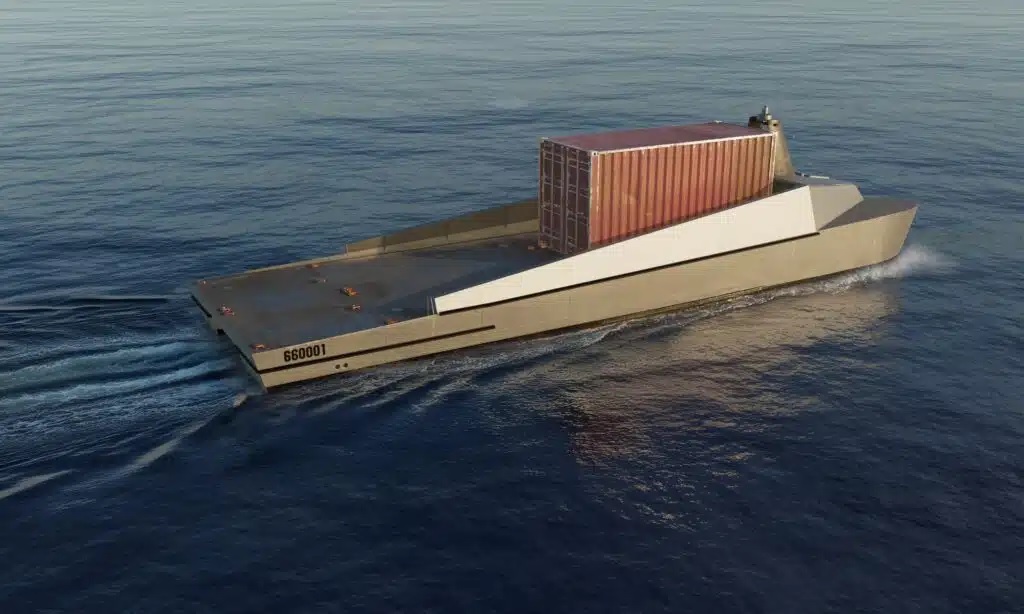
World
BlackSea Technologies, a leader in autonomous maritime systems, has announced the development of its new family of Modular Attack Surface Craft (MASC) unmanned surface vessels (USVs). Designed to meet the U.S. Navy’s call for modular, multi-mission combatants, the MASC USV aims to accelerate the Navy’s transition to a distributed and survivable future fleet. Mission-Driven Design Unlike retrofitted commercial hulls, BlackSea’s MASC USV was designed from the keel up to maximize payload, capacity, and flexibility. The 66-foot aluminum catamaran offers: 67,200 pounds of payload capacity and 900 ft² of open deck space 198 kWe power to support advanced sensors and weapons 3,000 nautical miles range at 10 knots and extended self-deploying range to 10,000 nautical miles Top speed of 25 knots, enabling responsive, long-endurance operations With twice the payload area and electrical power of similar-sized vessels, the platform supports seven missions: Anti-Submarine Warfare (ASW), Anti-Surface Warfare (ASuW), Electronic Warfare, Logistics, Infrastructure Monitoring, Strike, and Mine Warfare (MCM/MIW). Production-Ready and Rapidly Scalable Leveraging its proven Global Autonomous Reconnaissance Craft (GARC) production line, currently producing one craft per day, the company is prepared to build and deliver the first fully integrated MASC prototype within six months. The design shares major subsystems with BlackSea’s fielded GARC systems, ensuring resilience and rapid integration of existing autonomy, command-and-control, and perception systems. The hull, derived from BlackSea’s operational GARC platform, uses slender twin aluminum hulls for low drag and high stability, enabling safe launch and recovery of containerized payloads. Marine-grade aluminum construction aligns with existing shipyard skillsets. Powering the craft are dual Volvo Penta D8-IPS600 integrated propulsion units, eliminating shaft alignment during assembly and supported by a global logistics network. The open architecture is built natively on the Navy’s Unmanned Maritime Autonomy Architecture (UMAA), enabling plug-and-play integration and preventing vendor lock-in. Enabling the Navy’s Future Fleet The Navy’s MASC program consolidates the goals of its earlier Large and Medium USV initiatives, seeking modular, containerized surface combatants to distribute lethality across the fleet. By combining proven autonomy, fielded production, and a design tailored to naval missions, BlackSea’s MASC USV offers the Navy a decisive advantage in speed to fleet, operational flexibility, and long-term scalability. “Fleet modernization demands bold steps,” said Chris Devine, CEO of BlackSea. “With our MASC solution, the Navy can field a family of unmanned combatants that are mission-driven, production-ready, and built to scale.”
Read More → Posted on 2025-09-22 15:38:39Search
Top Trending in 24 Hours
-
 Tulsi Gabbard Releases Declassified Files Detailing U.S.-Backed Network of 120 Biolaboratories Across 30+ Countries
-
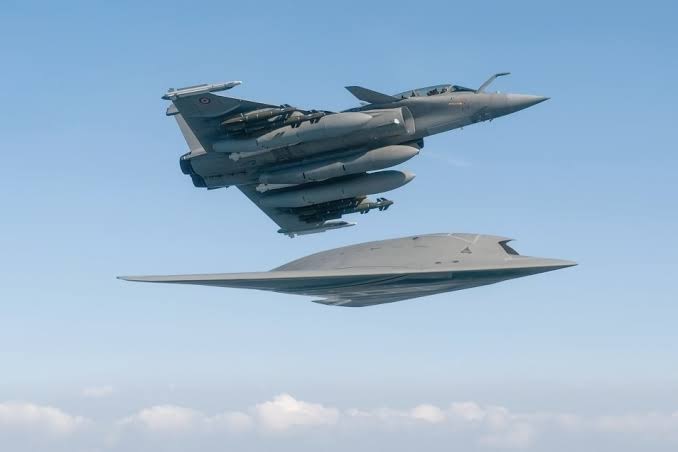 France Agrees to Equip Future Indian Rafales with AI, MUM-T and Secure Satellite Links Under F5 Standard
-
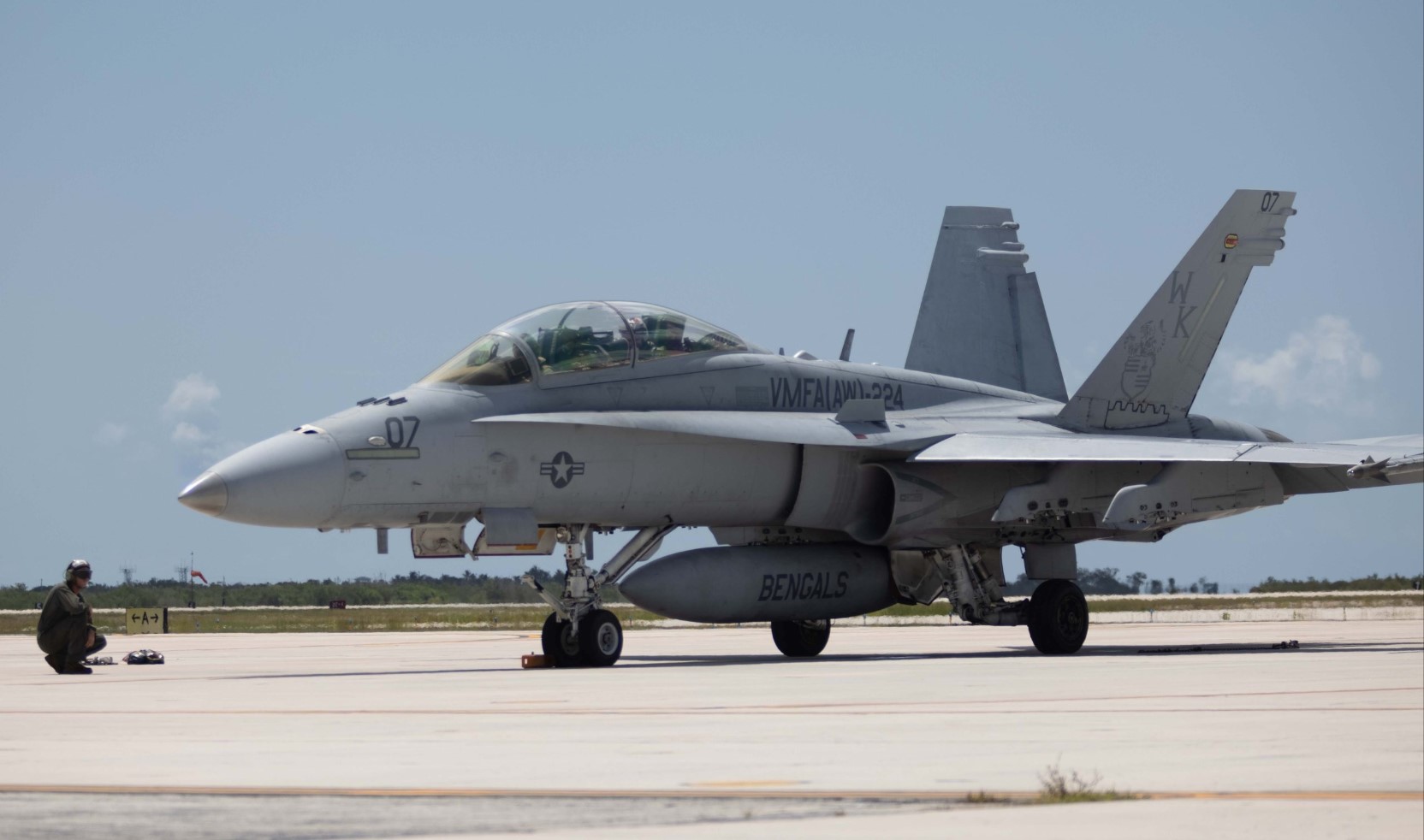 US Marine Corps F/A-18D Hornet Crashes During Training Flight in Washington Mountains; Pilot Ejects Safely
-
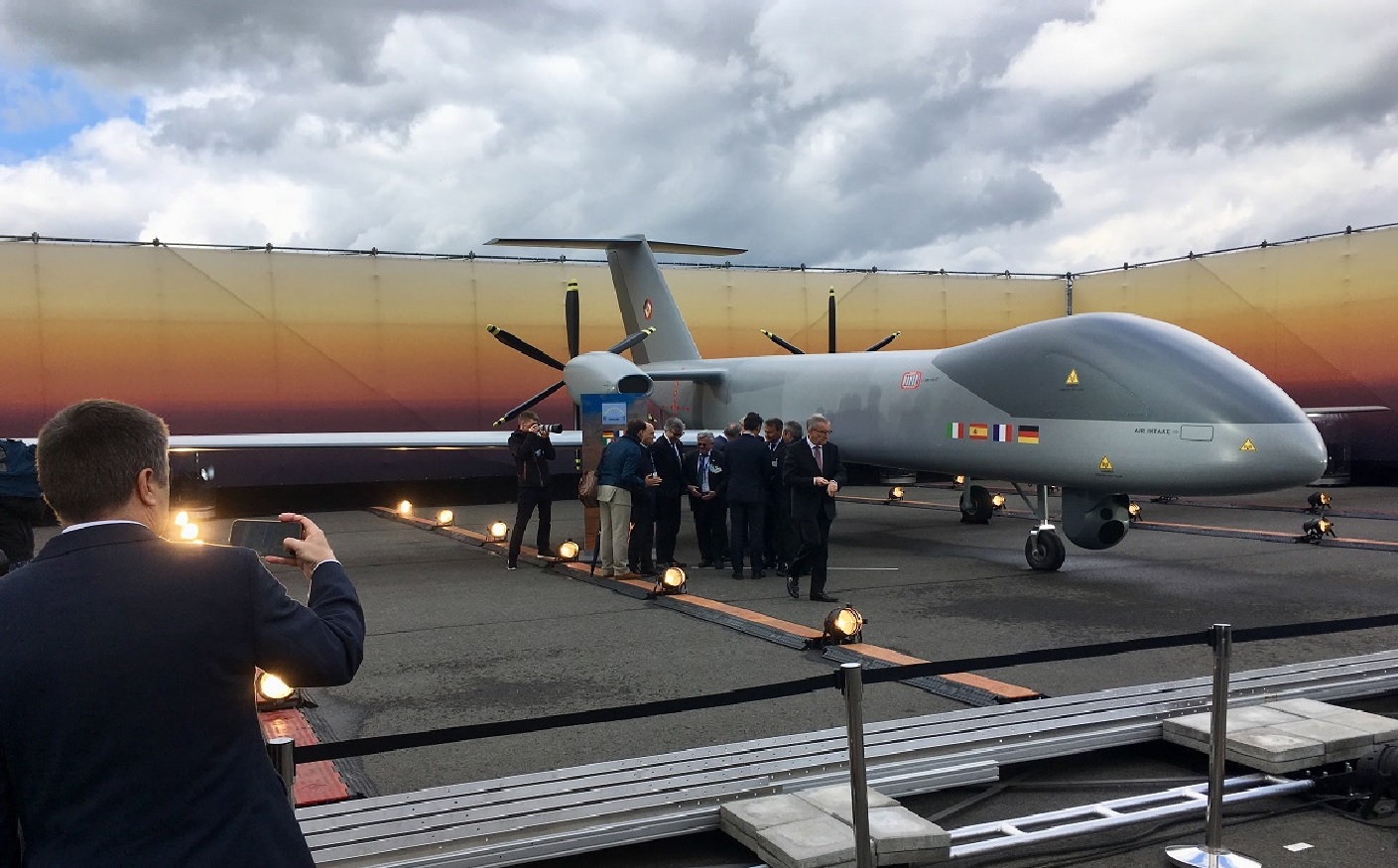 Dassault Seeks Compensation From Airbus as Eurodrone Dispute Erupts After FCAS Collapse
-
 AM General Unveils Next-Generation UGV and JLTV A2 with Counter-Drone Systems at Eurosatory 2026
-
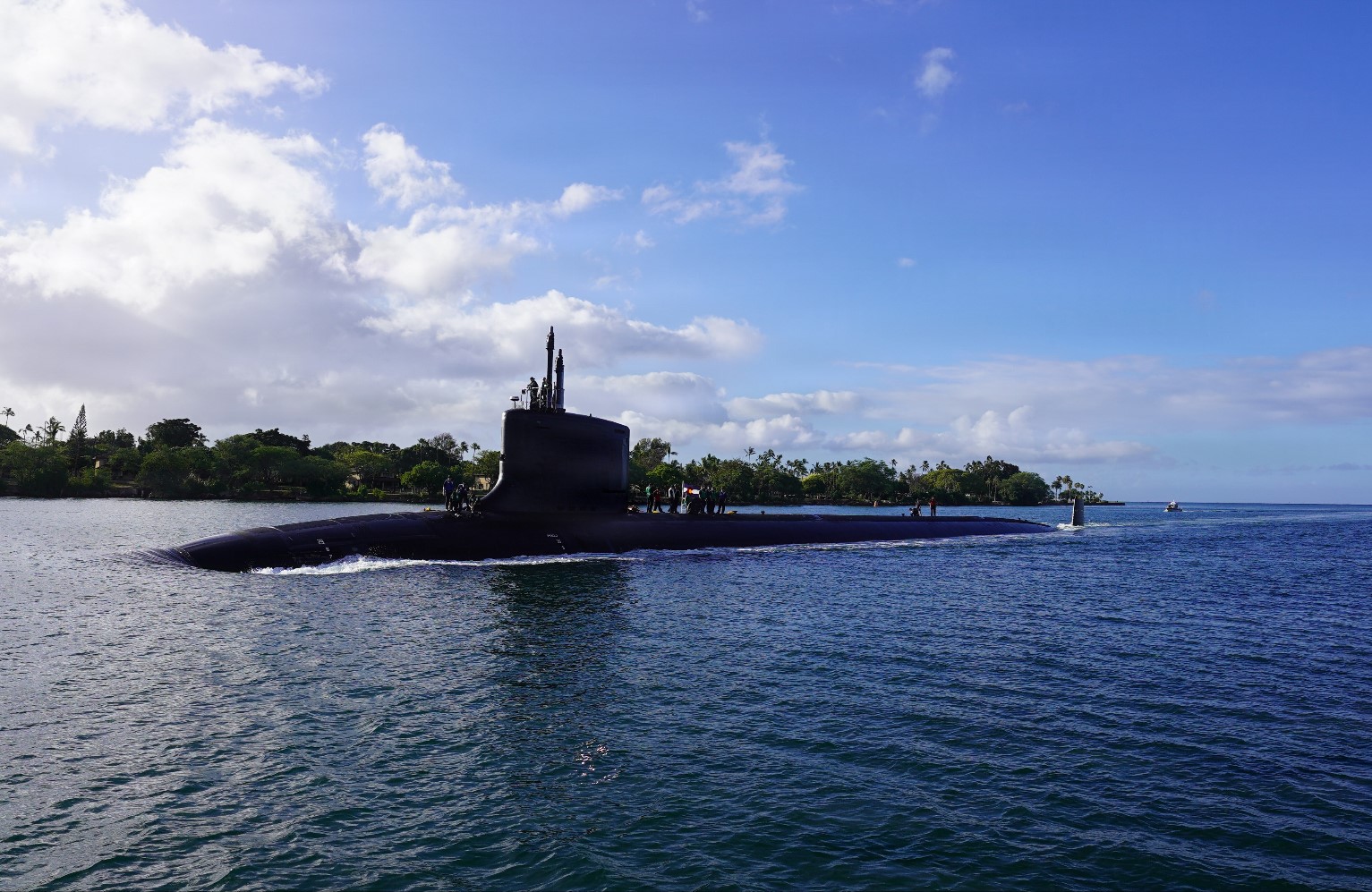 U.S. Navy's USS Colorado Submarine Returns to Pacific Fleet 29 Days Early After Major Pearl Harbor Overhaul
-
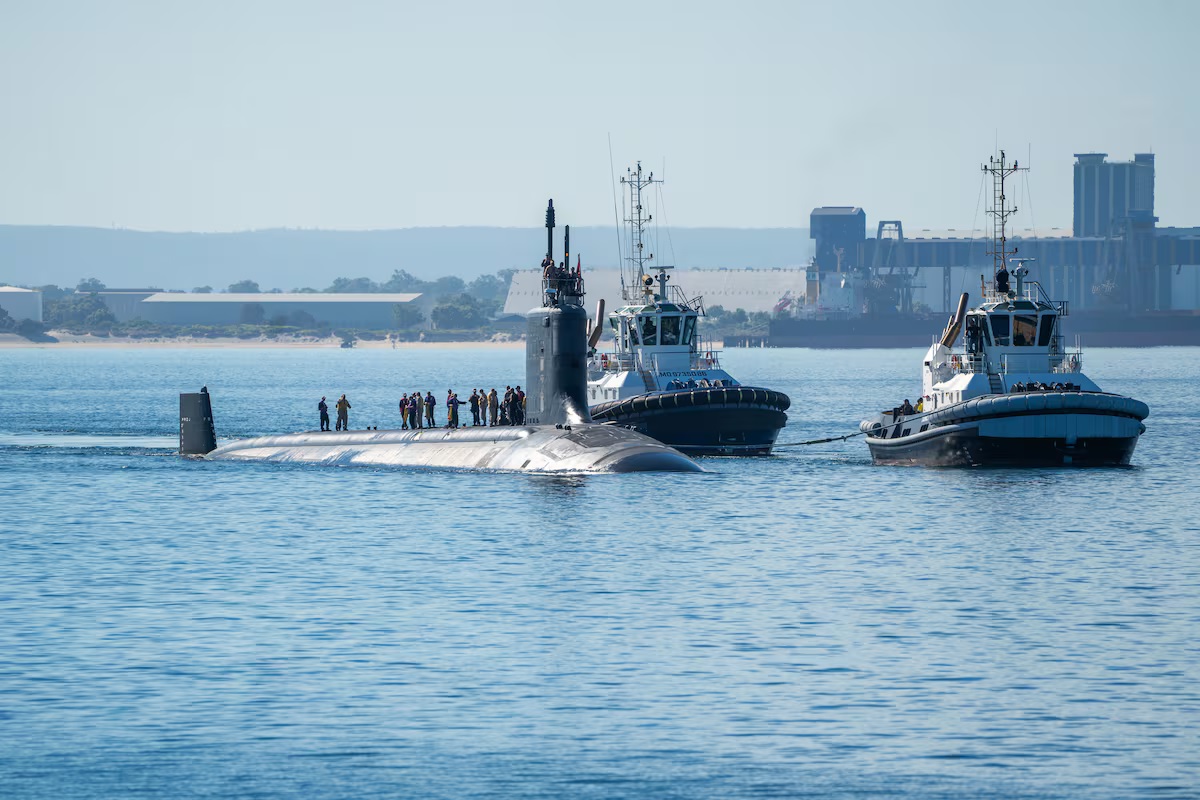 U.S. Navy Reestablishes Submarine Squadron 3 at HMAS Stirling to Support AUKUS Rotational Force
-
 Pakistan Raises Defence Budget from $9 Billion to $10.8 Billion as J-35 Fighter and Hangor Submarine Programs Advance
Top Trending in 4 Days
-
 Iranian Media Leaks 14-Point U.S.-Iran Peace Framework Amid Ongoing Negotiations
-
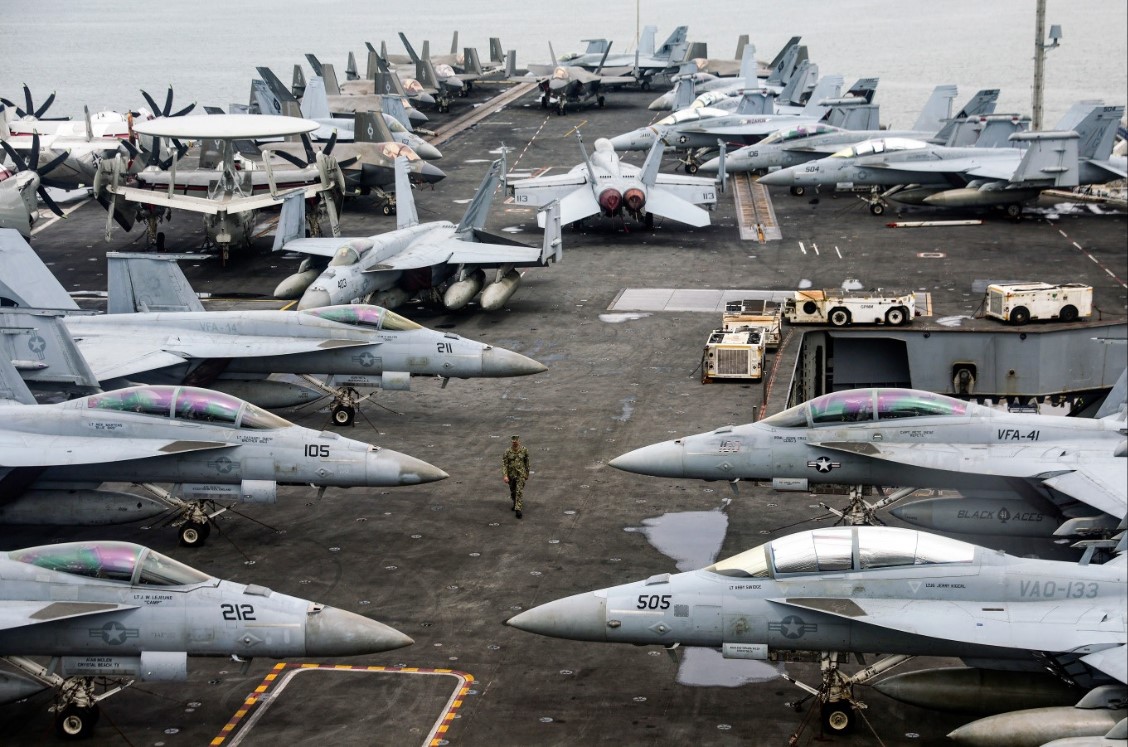 US Plans Significant Reduction of Fighter Jets and Warships for NATO Operations in Europe
-
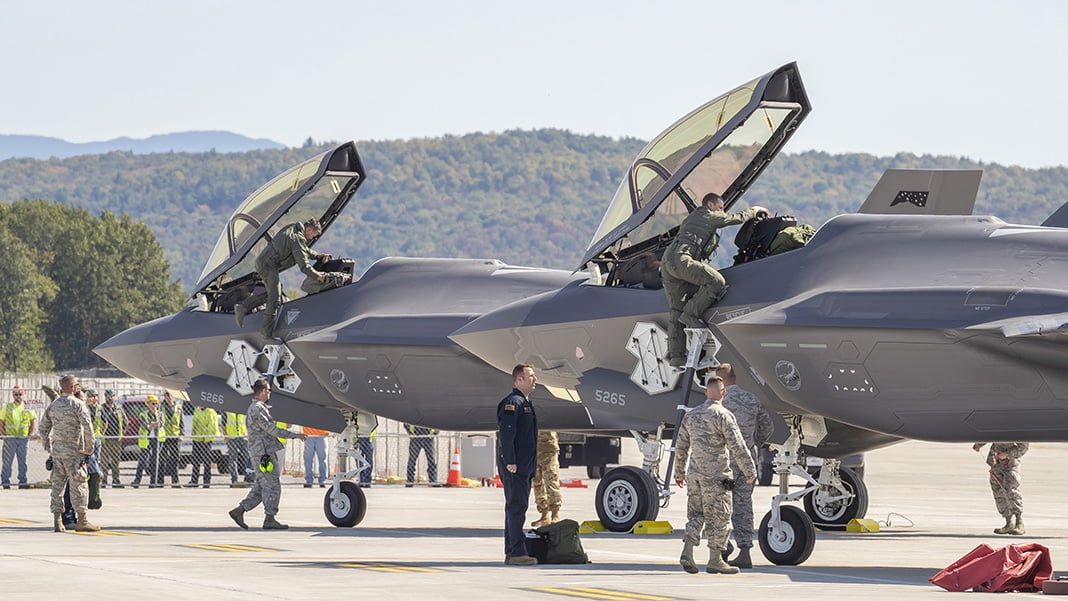 F-35 Fleet Readiness Falls to 25% Amid Parts Shortages and Software Delays: GAO Report
-
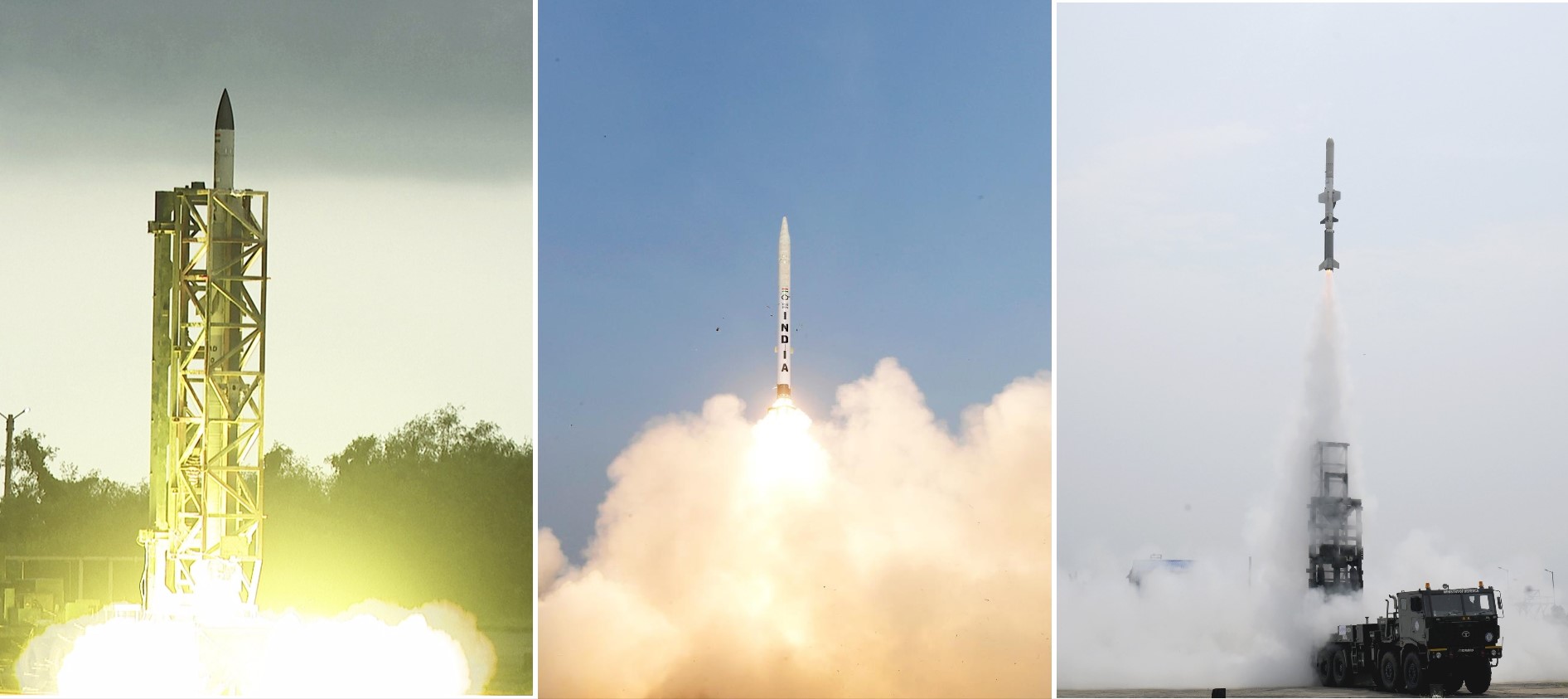 India Successfully Conducts AD-1, AD-2 Interceptor Tests and Maiden NASM-MR Flight Trial
-
 U.S. Air Force Faces Strategic Airlift Shortfall as C-17 Production Restart Remains Uncertain
-
 NATO Commander Says Russia Not Seeking Conflict With Alliance Despite U.S. Force Reductions
-
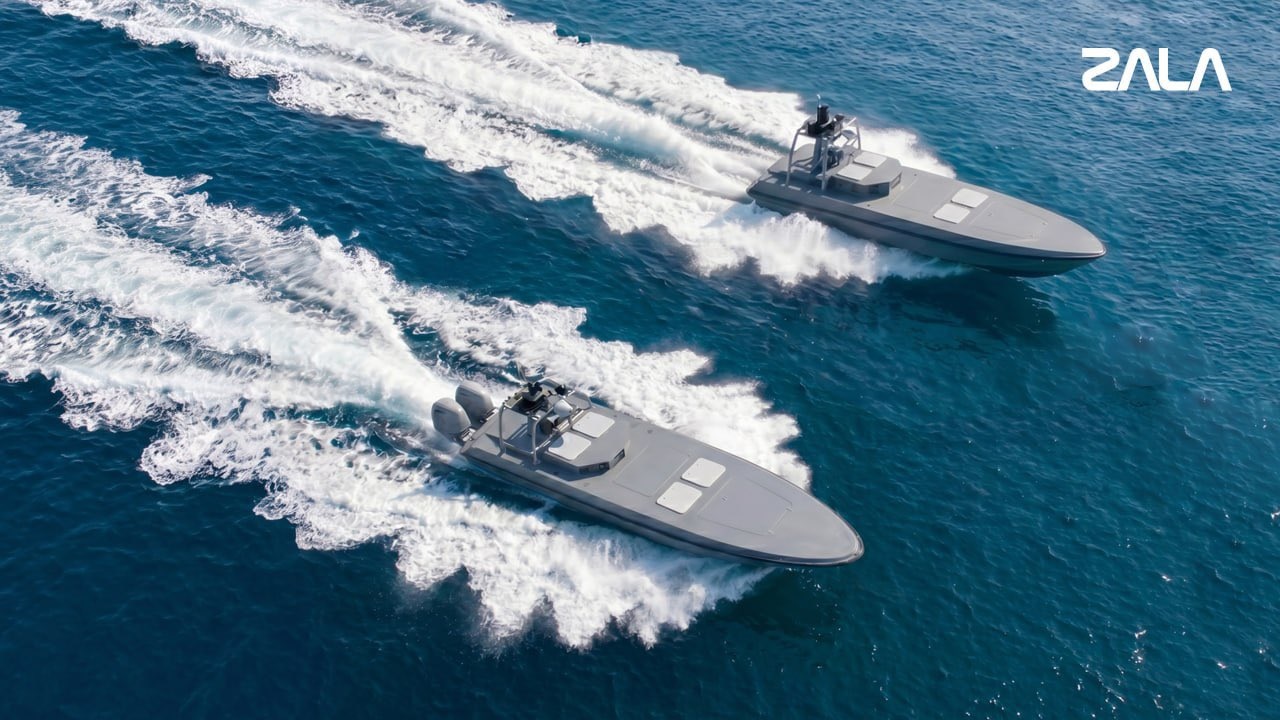 Russian Defense Firm ZALA Unveils KAMA Unmanned Surface Vessel Family at FLOT-2026 Naval Exhibition
-
 U.S. Space Force Awards $437.7 Million Contracts for First PTS-G Swarm 1 Anti-Jam Satellites