
World
Lithuanian defence firm Granta Autonomy has introduced the X-WING, an AI-driven loitering munition that merges vertical takeoff and landing (VTOL) convenience with the range and efficiency of a fixed-wing aircraft. Designed for frontline flexibility, the X-WING is intended to give small, mobile units a precision strike capability that works even in contested electronic environments. Weighing around 12 kilograms (26 lb), the X-WING carries a 4-kilogram (8.8 lb) hybrid warhead engineered to both penetrate heavy armour and produce substantial fragmentation effects. That dual capability makes it effective against heavily armoured vehicles as well as softer but high-value targets such as radar installations and air-defence systems. A core strength of the X-WING is its autonomy. The system uses advanced AI target-recognition and guidance algorithms that allow it to seek and track targets even when GNSS (satellite navigation) signals are unavailable or jammed. This GNSS-resilient navigation, combined with a reported operational range of up to 50 kilometres (31 miles), enables stand-off engagements and persistent area-denial tasks without relying on continuous external positioning signals. The platform is fitted with Granta’s microgimbal sensor suite, which pairs a daytime electro-optical camera with a thermal imager. This dual sensor setup improves detection and identification across daylight and low-visibility conditions, and helps the onboard AI detect targets that are camouflaged or have a low signature. The X-WING’s datalink is built for interoperability and is reported to be compatible with a wide variety of ground station software, simplifying integration into existing command setups. Granta positions the X-WING as a sibling system to its Hornet XR reconnaissance drone. The Hornet XR is designed for long-endurance ISR (intelligence, surveillance, reconnaissance) missions and can operate for extended periods to feed sensor data into the battle network. Used together, the Hornet XR can provide persistent surveillance while the X-WING conducts sensor-to-shooter strike missions, enabling coordinated targeting in complex operational environments. CEO and co-founder Gediminas Guoba has emphasised that the X-WING reflects a battlefield-proven philosophy informed by the company’s experience supplying FPV and reconnaissance systems to conflict zones. Granta has stated ambitions for large-scale production, seeking to ramp manufacturing capacity rapidly to meet expected demand from militaries looking for portable, resilient strike options. Operationally, the X-WING can perform vertical launches, transition to winged cruise for transit and loitering, and then switch to a diving attack profile in the terminal phase. Its modularity and rapid-launch capability suit distributed, mobile forces that need to deploy autonomous strike assets quickly and without specialist launch infrastructure. Beyond propulsion and sensors, Granta highlights efforts to harden the system against electronic warfare and communications denial through resilient on-board autonomy and robust mission planning. These design choices reflect a broader shift toward loitering munitions that can continue to operate usefully in jammed or GNSS-denied battlefields. If fielded at scale, a compact VTOL + fixed-wing loitering munition like the X-WING could change small-unit engagement options by providing a locally available, autonomous precision strike capability that complements long-endurance ISR platforms and strengthens distributed combat power.
Read More → Posted on 2025-09-19 14:23:56
World
Robin Radar Systems has announced a breakthrough software upgrade for its IRIS counter-UAS radar, extending its detection range from 5 km (3.1 miles) to 12 km (7.45 miles). The new Long-Range Mode (LRM) requires no hardware changes and can be rolled out to all existing units, marking a significant leap forward in counter-drone defence. Extended Warning Against Drone Threats The innovation was developed and battle-tested in Ukraine, where Shahed loitering munitions and other fixed-wing drones threaten energy sites and infrastructure on a near-daily basis. With drones travelling at speeds over 180 km/h (111 mph), the longer detection range provides Ukrainian defenders with critical extra seconds to prepare countermeasures. “This upgrade isn’t just about range—it’s about time,” said Kristian Brost, General Manager of Robin Radar USA. “Every extra kilometre gives defenders more precious seconds to react, more chances to protect critical infrastructure, and ultimately, more lives saved. By delivering this leap forward entirely through software, we’re showing how the decisive edge in counter-drone defence is no longer just built—it’s coded.” Key Features of the IRIS Long-Range Mode 12 km Detection Range: Extends monitoring of drones and loitering munitions far beyond the original 5 km. Software-Only Upgrade: No physical modifications; can be installed across the entire IRIS fleet. Flexible Use: Operators can switch between standard 5 km mode and the new long-range mode in minutes. Proven Against Shaheds: One of the first off-the-shelf radars confirmed capable of detecting and classifying Shahed drones at extended distances. Designed for the Frontline The update was shaped directly by feedback from Ukrainian operators, whose experience under real combat conditions accelerated development. The radar remains lightweight and is built for integration into multi-sensor counter-UAS architectures while maintaining high accuracy. “This upgrade marks a step-change in what counter-drone radar can achieve,” said Siete Hamminga, CEO of Robin Radar Systems. “By listening to our users on the frontline, we’ve redefined the capabilities of an off-the-shelf system, delivering a battlefield-proven solution now available worldwide.” Beyond Ukraine Robin Radar emphasized that the battlefield-tested technology can also serve European Ministries of Defence and Interior, as well as the U.S. Department of Homeland Security Science & Technology. The company stressed that in modern warfare, “every second counts”, and that its mission is to provide advanced radar as the first line of protection against drone threats.
Read More → Posted on 2025-09-19 14:13:18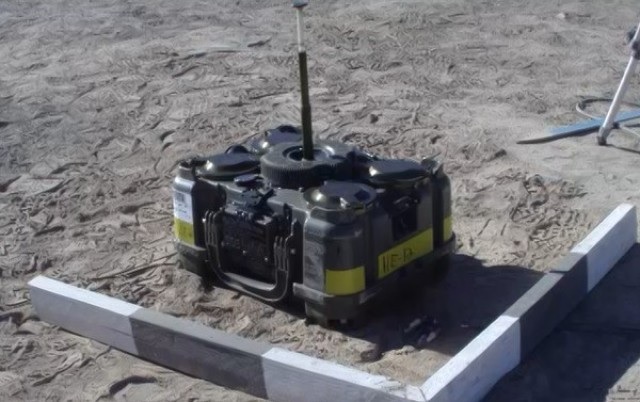
World
U.S : The U.S. Army has cleared the XM204 terrain-shaping munition for fielding in Europe after a successful series of tests. The system — an anti-vehicle munition with both standoff and top-attack capabilities — completed testing at a proving ground in Arizona and has entered low-rate initial production in Oklahoma. The first unit scheduled to receive the XM204 is the 2nd Cavalry Regiment in Vilseck, Germany, with delivery planned by fall 2025. What the XM204 Does The XM204 is delivered from a launcher that automatically releases multiple submunitions. Each submunition is equipped with onboard sensors that detect enemy vehicles and defeat them with explosively formed penetrators (EFPs) in a top-attack profile. The system was developed to be flexible and rapidly emplaced: it can be set up quickly, recovered and repositioned when not armed, and used either alone or together with other terrain-shaping systems to create layered obstacles. Safety and Control Features Designed with modern safety standards in mind, the XM204 includes tamper-resistant features, armed/safe indicators, and self-destruct timers to reduce the risk of unexploded ordnance remaining after operations. These features give commanders more granular control over where and how the system is used and help align terrain-shaping capabilities with landmine and unexploded-ordnance mitigation policies. Testing, Production, and Validation The system underwent comprehensive testing to validate performance, reliability, and its integrated safety features. Testing evaluated the launcher, submunition sensors and targeting, timing for submunition release, and safety mechanisms including self-destruct. Following successful validation, low-rate initial production began at manufacturing facilities in Oklahoma. Operational Impact Military leaders describe the XM204 as a capability that enhances how maneuver commanders can shape the battlefield. By slowing, channeling, or denying vehicle movement, the system is intended to strengthen deterrence and give friendly forces more options when operating alongside NATO allies. Commanders on the frontlines will gain an additional tool to influence key terrain and protect personnel during high-intensity and expeditionary operations. Leadership Comment Senior leaders involved in armaments and ammunition development have called the XM204 a significant advancement for terrain-shaping capabilities, noting its combination of lethality, safety, and operational flexibility for units stationed in Europe.
Read More → Posted on 2025-09-19 14:09:21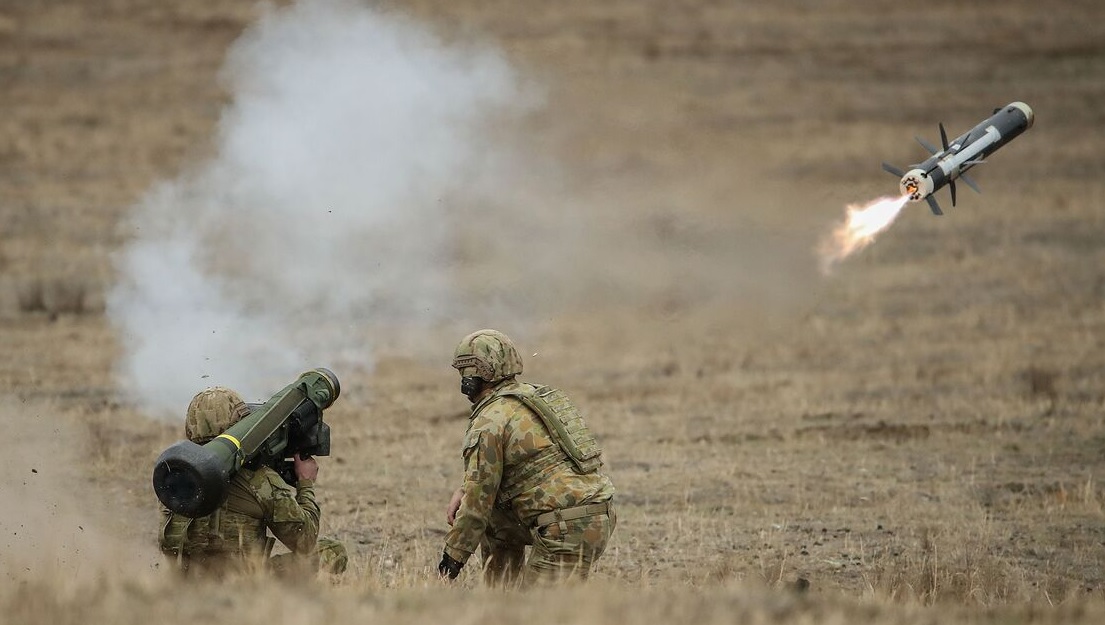
World
The United States Department of State has approved Poland’s request to acquire a new batch of FGM-148F Javelin anti-tank guided missiles. The deal, valued at up to $780 million, will further strengthen Poland’s defense capabilities and NATO’s eastern flank. Under the proposed agreement, Poland may purchase 2,506 FGM-148F Javelin missiles and 253 Lightweight Command Launch Units (LWCLU). The package also includes simulators, spare parts, diagnostic devices, training systems, and technical support services. The main contractors responsible for fulfilling the potential deal are RTX Corporation and Lockheed Martin, who jointly produce and develop the Javelin system. Poland has already acquired 60 CLU units, 50 LWCLU units, and around 680 Javelin missiles through earlier Foreign Military Sales (FMS) programs. Deliveries of those orders began in spring 2021 and are scheduled to conclude by the end of 2026. The missiles are currently in service with anti-tank units of the Polish Territorial Defence Forces. The LWCLU is a modernized, lighter version of the original launch unit, offering improved ergonomics, extended battery life, and advanced thermal and day/night targeting capability. The FGM-148F variant of the Javelin features an enhanced multi-purpose warhead designed to defeat heavily armored vehicles and fortified positions. This planned acquisition would significantly boost Poland’s anti-tank and anti-armor capabilities, reflecting its ongoing commitment to strengthening its national defense and meeting NATO obligations. The large-scale order highlights Poland’s determination to modernize its armed forces amid growing regional security challenges.
Read More → Posted on 2025-09-19 14:03:39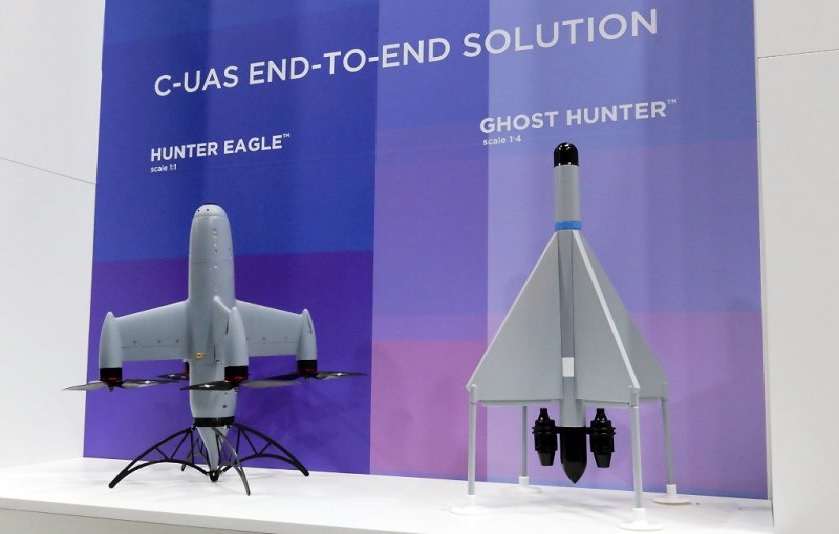
World
UK : At the Defence and Security Equipment International (DSEI) 2025 exhibition in London, Rafael Advanced Defense Systems showcased two next-generation drone-killing technologies: the Hunter Eagle and the Ghost Hunter. These systems are designed to enhance Rafael's Counter-Unmanned Aircraft System (C-UAS) capabilities, integrating seamlessly with the company's Drone Dome suite. Enhancing the Drone Dome with Kinetic Effectors The Drone Dome is a comprehensive C-UAS solution that employs a multi-layered approach to counter drone threats. It combines detection, classification, and mitigation through a suite of sensors and effectors, including radar, SIGINT radiofrequency sensors, electro-optic Speed ER sensors, jammers, and a C4I center. While effective in soft-kill engagements, the proliferation of diverse drone types necessitated the development of hard-kill capabilities. To address this, Rafael introduced kinetic effectors such as the Samson remotely controlled weapon station and the 10 kW Lite Beam high-energy laser system. The Hunter Eagle and Ghost Hunter further augment this hard-kill capability. Hunter Eagle: Precision Hit-to-Kill Drone The Hunter Eagle is a compact, vertical take-off and landing (VTOL) drone designed for precision strikes. With an estimated height of 0.4–0.5 meters and a weight between 5 and 10 kg, it features a cylindrical fuselage housing an electro-optical seeker and cruciform wings equipped with electric motors driving three-blade propellers. The drone's VTOL capability is supported by a four-legged landing gear, ensuring stability during takeoff and landing. Upon nearing its target, the Hunter Eagle autonomously engages, utilizing its seeker to guide it in the final phase of the attack. In case of a miss or mission abort, the drone can return to its launch point and land vertically, making it suitable for urban and high-risk environments. Notably, the Hunter Eagle carries an explosive warhead, likely a high-explosive fragmentation type with a proximity fuse, allowing it to neutralize threats without direct impact. The system is designed to be inherently safe, as it does not contain any explosive material until activation. It can operate individually or in swarms, enhancing its effectiveness against multiple threats. A demonstration is planned for late 2025, with deliveries expected to commence in 2026. Ghost Hunter: High-Speed Jet-Powered Interceptor The Ghost Hunter is a larger, jet-powered drone designed for high-speed engagements. The displayed 1:4 scale model at DSEI suggests a height between 1.4 and 1.6 meters and a take-off mass of approximately 50–60 kg. Its design features a cylindrical fuselage with four delta wings arranged in a cruciform layout, and a radome concealing the radiofrequency seeker. The propulsion system comprises two small turbojets, enabling speeds up to twice that of the Hunter Eagle. Rear-mounted spikes assist in ground stability during launch. The Ghost Hunter's architecture is still under development, with many details subject to change. The system is slated for its first demonstration in late 2026, with market availability anticipated in 2027. Strategic Focus on Export Markets Rafael is actively targeting the export market with these advanced drone-killing systems. The design of the drone bodies facilitates production in customer countries, aligning with Rafael's strategy to offer adaptable and locally manufacturable defense solutions. This approach aims to strengthen international partnerships and enhance the sovereignty of allied nations in countering emerging drone threats. The introduction of the Hunter Eagle and Ghost Hunter underscores Rafael's commitment to advancing C-UAS technologies, providing comprehensive solutions that integrate detection, classification, and mitigation capabilities to address the evolving challenges posed by unmanned aerial systems.
Read More → Posted on 2025-09-18 15:42:20
World
Japan : In a significant development, the Japan Maritime Self-Defense Force (JMSDF) has announced revisions to its hull classification symbols, effective from October 2024. This update introduces two new designations: "CG" for guided-missile cruisers and "CVM" for aircraft-carrying multi-role cruisers. These changes reflect the evolving capabilities and roles of JMSDF vessels in modern naval operations. Background on JMSDF Vessel Classification The JMSDF categorizes its vessels into two primary groups: warships, which are recognized under international law, and support ships. Within the warship category, vessels are further divided into escort vessels and auxiliary vessels. Escort vessels are classified based on their functions, including surface and subsurface combatants, mine warfare vessels, patrol vessels, and transport vessels. Historically, destroyers in the JMSDF fleet were classified using symbols such as DD (general-purpose destroyer), DDG (guided-missile destroyer), DDH (helicopter destroyer), DE (coastal escort destroyer), and FFM (multi-role frigate). However, recent advancements in ship design and capabilities have necessitated a reevaluation of these classifications. Introduction of "CG" and "CVM" Classifications The new "CG" classification stands for "Cruiser Guided-missile" and is designated for future vessels equipped with the Aegis Combat System. These ships are expected to enter service in 2027 and 2028, enhancing the JMSDF's air defense and missile interception capabilities. The "CVM" classification, which stands for "Cruiser Voler Multipurpose," is applied to the Izumo-class vessels. The term "Voler," meaning "to fly" in French, signifies the ships' enhanced capability to operate aircraft, including fixed-wing types. The Izumo-class ships have undergone modifications to operate the F-35B Lightning II, a short takeoff and vertical landing (STOVL) aircraft, marking a significant shift in their operational role. Implications of the Classification Changes The reclassification of the Izumo-class ships to "CVM" reflects their expanded operational capabilities and aligns with international naval classification standards. This change also underscores Japan's commitment to modernizing its defense forces and adapting to evolving security challenges. The introduction of the "CG" classification indicates a strategic move towards enhancing the JMSDF's long-range defense capabilities, particularly in missile defense. The integration of advanced systems like Aegis into these new cruisers will bolster Japan's ability to protect its interests in the region. The adoption of the "CG" and "CVM" hull classification symbols marks a pivotal moment in the evolution of the JMSDF's fleet. These changes not only better represent the advanced capabilities of the vessels but also align Japan's naval classifications with international standards. As the JMSDF continues to modernize, these updates highlight the nation's commitment to maintaining a robust and versatile maritime defense force. For more detailed information on the JMSDF's vessel classifications and upcoming fleet developments, refer to official announcements from the Japan Ministry of Defense and reputable naval defense publications.
Read More → Posted on 2025-09-18 15:37:48
World
During the military parade in Beijing on September 3, 2025, China revealed a groundbreaking underwater system: the AJX002, an extra-large uncrewed underwater vehicle (XLUUV) designed for mine-laying operations. This new platform signals a major step forward in China’s naval capabilities and raises concerns about potential covert blockades, especially around Taiwan. Design and Features The AJX002 has a torpedo-like shape, measuring approximately 18–20 meters in length with a slender profile. Its hull shows minimal sensors, with a small dome likely functioning as a communications antenna. The drone uses a cruciform tail for maneuvering, but lacks front control surfaces or thrusters, suggesting limited agility in tight spaces. Its pump-jet propulsion enhances stealth, making it harder to detect. The vehicle is launched from surface facilities using crane deployment rather than submarine tubes. Payload and Capabilities Officially described as a mine-laying system, the AJX002 is built to place deep-water mines, including rocket-rising or torpedo-armed mines, far from shore. Its design indicates that it is not intended for precise operations within harbors, but for strategic deployment in offshore choke points and shipping lanes. Strategic Implications Increased Minelaying Likelihood: A dedicated platform allows China to lay mines efficiently, without repurposing submarines or surface ships. Enhanced Blockade Capability: The drone can enforce maritime denial, particularly around Taiwan, without revealing China’s hand. Stealth and Deniability: Its low-noise propulsion and minimal sensor profile make detection difficult. Challenge to Anti-Submarine Warfare: Uncrewed drones operating far from bases create new challenges for ASW and mine countermeasures. Rapid Technological Development: The AJX002 is part of a growing family of XLUUVs, showing China’s push to dominate uncrewed underwater warfare. Unknowns and Open Questions Range and Endurance: Estimated at hundreds to over a thousand nautical miles, but exact performance is unconfirmed. Sensor Capabilities: Likely limited; relies on pre-programmed navigation and communications. Payload Details: Number of mines per mission and exact mine types remain unclear. Autonomy: Level of independence in decision-making and target selection is unknown. Regional and Global Impact The AJX002 increases maritime tension in the Taiwan Strait, posing risks to civilian shipping and military operations. It also threatens undersea infrastructure, such as communication cables and sensor networks. Regional powers may accelerate unmanned underwater systems and mine countermeasure programs in response, intensifying an arms race beneath the waves. The unveiling of the AJX002 demonstrates China’s significant advancement in underwater warfare. Its stealthy design, dedicated mine-laying capability, and operational flexibility create a covert, high-risk threat in future maritime conflicts. For Taiwan and regional powers, the presence of the AJX002 introduces a new and unpredictable undersea strategic dynamic.
Read More → Posted on 2025-09-18 15:29:45
World
Raytheon has achieved a major milestone with the first flight of its new PhantomStrike radar, a lightweight active electronically scanned array (AESA) system designed to deliver advanced sensing capabilities to a wider range of aircraft. The successful test flight, conducted aboard a modified Boeing 727 testbed over California, demonstrated the radar’s ability to track airborne targets and map terrain with unprecedented clarity for its size. “This was the first time PhantomStrike has flown, and it worked like a champ,” said Rob Swaringen, Raytheon’s chief test bed pilot and a former F-16 pilot. “The situational awareness it delivers in the cockpit is a real game-changer. It’s 10 times what I could see with older radar systems.” Compact Powerhouse Scaling down to the size of a gaming computer and weighing under 130 pounds, PhantomStrike was developed with size, weight, power, and cost (SWaP-C) limitations in mind. Unlike traditional AESA radars that rely on liquid cooling, PhantomStrike uses air drawn from the aircraft itself. This allows for installation in just a few hours, reducing complexity and maintenance costs. At its core, the radar combines a gallium nitride (GaN)-powered antenna with a compact high-reliability integrated receiver/processor (CHIRP). This pairing delivers the power, efficiency, and digital beam steering needed for precise multi-mode tracking, air-to-ground scanning, and threat identification, including the ability to distinguish friend from foe. First Flight Success During the test campaign, Raytheon engineers observed the radar generating crisp images of terrain in California, clearly outlining land features, forests, and coastlines. It also demonstrated the ability to track multiple airborne targets, confirming the versatility of the design. “It was the cherry on top to see it work as expected,” said Larry Martin, senior technology fellow at Raytheon and technical lead for PhantomStrike. “Once we were integrated on the plane, a lot of questions were answered.” New Options for Smaller Aircraft Traditionally, AESA radar technology has been limited to larger, more advanced fighter aircraft due to weight, power, and cooling requirements. PhantomStrike changes that equation. Its compact design opens the door for integration on light combat aircraft, helicopters, and UAVs, providing platforms that have historically relied on older mechanically scanned radars with a leap in capability. Korea Aerospace Industries has already placed orders for more than 50 FA-50 Light Combat Aircraft equipped with PhantomStrike. Raytheon is also working with the U.S. government to expand international sales, aiming to reach nations whose fleets still depend on radars developed in the 1980s. “There are people still flying around with outdated technology,” said Dave Kupfer, senior systems engineer at Raytheon. “We’re setting a new standard for what AESA radars can be.” The Bigger Picture By shrinking high-end radar capabilities into a lightweight, affordable package, Raytheon has positioned PhantomStrike as a solution for nations seeking to modernize without investing in entirely new aircraft fleets. Its air-cooled design, GaN efficiency, and multi-mode functionality bring the power, performance, and mission flexibility of advanced radars to platforms once thought too small to carry them. While questions remain about its ultimate range and endurance compared to larger AESA radars, the debut of PhantomStrike signals a new phase in airborne sensing — one where even smaller aircraft can achieve the kind of situational awareness and combat effectiveness once reserved for front-line fighters.
Read More → Posted on 2025-09-18 14:19:57
World
Poland has officially confirmed the delivery of 160 K2GF main battle tanks, 192 K9A1 self-propelled howitzers, and 126 Homar-K multiple rocket launcher modules from South Korea. The announcement, relayed by the Polish Armament Agency and defense analysts on September 18, 2025, clears recent parliamentary debates and highlights the unprecedented speed of Poland’s military transformation in response to the threat from Russia on NATO’s eastern flank. Strategic Framework Behind the Deliveries These deliveries stem from the 2022 framework agreements signed between Poland’s Ministry of National Defense and South Korean defense companies Hyundai Rotem and Hanwha Aerospace. Valued at more than 12 billion dollars, the deals include not just weapons purchases but also technology transfer, joint production, training packages, and upgrade paths. This model ensures that Poland will not only receive advanced combat systems quickly but also gain domestic production capacity for future variants such as the K2PL tank and K9PL howitzer, scheduled to enter local production starting in 2026. The K2GF Main Battle Tank The K2GF is an adapted variant of the South Korean K2 Black Panther, among the most advanced main battle tanks in the world. Equipped with a 120mm L/55 smoothbore gun, autoloader system, and modern composite armor, the tank provides superior firepower, mobility, and survivability compared to Poland’s legacy T-72 and PT-91 Twardy fleets. Poland’s confirmed 160 units represent the first batch of deliveries, produced in Korea, with further production to transition to Polish factories. The tanks are fully NATO-compatible, integrating seamlessly into allied digital battle networks. The K9A1 Self-Propelled Howitzer The K9A1 Thunder is a 155mm tracked self-propelled howitzer with a range of over 40 km using NATO-standard ammunition. It offers fast shoot-and-scoot tactics, enhanced navigation, and automated fire control. Poland has received 192 units, with a portion sent to Huta Stalowa Wola (HSW S.A.) for adaptation and repainting before certification. These howitzers will replace older systems such as the Dana SPH and form the backbone of Poland’s artillery brigades, improving counter-battery effectiveness and long-range precision fires. The Homar-K Multiple Rocket Launcher Derived from South Korea’s K239 Chunmoo, the Homar-K is a dual-caliber MLRS capable of firing 239mm guided rockets with a range of 80 km and 600mm tactical missiles reaching 290 km. Poland has received 126 modules, including 72 mounted on Jelcz 8x8 tactical trucks, providing high mobility and deep-strike capabilities. Together with U.S.-supplied HIMARS, the Homar-K gives Poland a scalable precision fires network, able to strike targets far behind enemy lines and deny adversary freedom of maneuver. Strategic Impact on NATO Poland’s rapid integration of South Korean systems is more than modernization — it is a strategic transformation. By replacing outdated Warsaw Pact platforms with advanced K2 tanks, K9 howitzers, and Homar-K rocket artillery, Poland is building one of the most modern and lethal land forces in Europe. Unlike several NATO members struggling with slow defense industry timelines, Poland bypassed bottlenecks by turning to South Korea’s fast production capacity, ensuring delivery within three years of contract signing. This positions Poland as a framework nation on NATO’s eastern flank, capable of leading multinational defense operations and deterring aggression. The combination of heavy armor, long-range precision fires, and mobility creates a deterrence-by-denial posture — ensuring that any hostile force attempting aggression would face immediate, devastating retaliation. Poland as NATO’s Military Wall With these acquisitions, Poland is rapidly emerging as the new military wall of Europe. Its land forces are now among the fastest-growing and most modernized in NATO, securing the alliance’s Baltic and eastern frontiers against potential Russian escalation. By 2026, with local production of the K2PL and K9PL, and continued expansion of the Homar-K program, Poland will not only secure its own defense but also contribute as a regional arsenal, strengthening NATO’s collective defense posture in the heart of Europe.
Read More → Posted on 2025-09-18 14:04:46
World
China is preparing to unveil its new Z-20T assault and attack helicopter, an advanced variant of the Harbin Z-20, at the 7th China Helicopter Exposition in Tianjin from October 16 to 19, 2025. This marks the first time the aircraft will be shown in a full flight performance, highlighting its role as a modern combat platform for the People’s Liberation Army (PLA). Key Features of the Z-20T The Z-20T is derived from the baseline Z-20 medium-lift utility helicopter, but has been reconfigured for direct combat roles. It features short weapon-carrying stub wings on either side, capable of mounting guided missiles, rockets, and other armaments. A redesigned nose section houses an advanced electro-optical/infrared (EO/IR) sensor pod, providing enhanced observation, targeting, and precision strike capability. The helicopter is designed for dual use: conducting assault operations while still offering limited troop transport capacity. The Z-20T was first revealed publicly during the 80th Anniversary of Victory Day Parade on September 3, 2025, when several units flew in formation. The Z-20 Family Expands The Z-20 series has become a key pillar in China’s modern helicopter fleet. The standard Z-20 entered service in the late 2010s as a 10-ton class utility helicopter, with strong high-altitude performance for use in Tibet and other challenging regions. The Z-20J, a shipborne naval variant, was unveiled at Airshow China 2024. Built for the People’s Liberation Army Navy (PLAN), it supports transport, assault, and search-and-rescue missions, and is considered a counterpart to the U.S. SH-60 Seahawk. Reports also indicate development of a Z-20F specialized for anti-submarine warfare (ASW), designed to enhance the PLAN’s maritime strike capabilities. What to Expect at the Tianjin Exposition The 7th China Helicopter Exposition will display 52 aircraft across civilian, commercial, and military categories. Among the highlights will be: Attack helicopters: Z-10, Z-19, and Z-20T Utility platforms: Z-8L, standard Z-20 Unmanned systems: KVD001 and KVD002 drones Next-generation concepts in eVTOL and rotorcraft technology For the Z-20T, this event will provide the first detailed public assessment of its operational features, including maneuverability, weapons integration, and targeting systems. Strategic Significance The unveiling of the Z-20T highlights China’s broader strategy to diversify and modernize its helicopter fleet. By evolving the Z-20 platform into specialized variants—utility, naval, ASW, and now assault/attack—the PLA is ensuring its forces can respond to a wide range of battlefield scenarios. The Z-20T in particular strengthens China’s ability to conduct precision strike missions, close air support, and air assault operations, narrowing the gap with leading international platforms. Its public debut will give analysts and observers a clearer view of China’s progress in the field of rotary-wing combat aviation.
Read More → Posted on 2025-09-18 13:51:32
World
The Norwegian Armed Forces has awarded Non-stop dogwear a four-year contract worth $4 million to supply its military working dog units with specialized equipment. This deal marks the company’s first major independent government contract, signaling its growing role in Europe’s defense and security industry. Key Details of the Contract Scope of Supply: The Non-stop Professional division will provide harnesses, leashes, booties, cages, veterinary kits, and training equipment, all designed for demanding operational conditions. Quality Standards: Each product undergoes extensive strength and materials testing to ensure it withstands the force, weight, and activity levels of military working dogs in harsh environments. Operational Use: The gear will support explosive detection, patrols, search-and-rescue missions, and frontline duties, where reliability is essential for both handlers and dogs. Company Background Founded in 2009, Non-stop dogwear first built a reputation for high-performance outdoor gear for dogs before expanding into the professional market. Its products are now used by police, rescue services, and military units across Scandinavia, Europe, Asia, and beyond. In recent years, the company has also launched Non-stop Defense, a specialized line developed in cooperation with military and K-9 personnel to meet tactical requirements. Wider Context Military working dogs remain a vital asset in armed forces worldwide. They play critical roles in combat support, detection, and security operations. NATO members have increasingly invested in improving their K-9 divisions, with countries like the United Kingdom recently committing millions to enhance their canine gear and capabilities. Strategic Importance For the Norwegian Armed Forces, the deal ensures access to standardized, durable, and welfare-focused gear that boosts both effectiveness and safety. For Non-stop dogwear, it represents a major milestone that strengthens its position as a trusted provider of professional canine equipment internationally.
Read More → Posted on 2025-09-18 13:46:05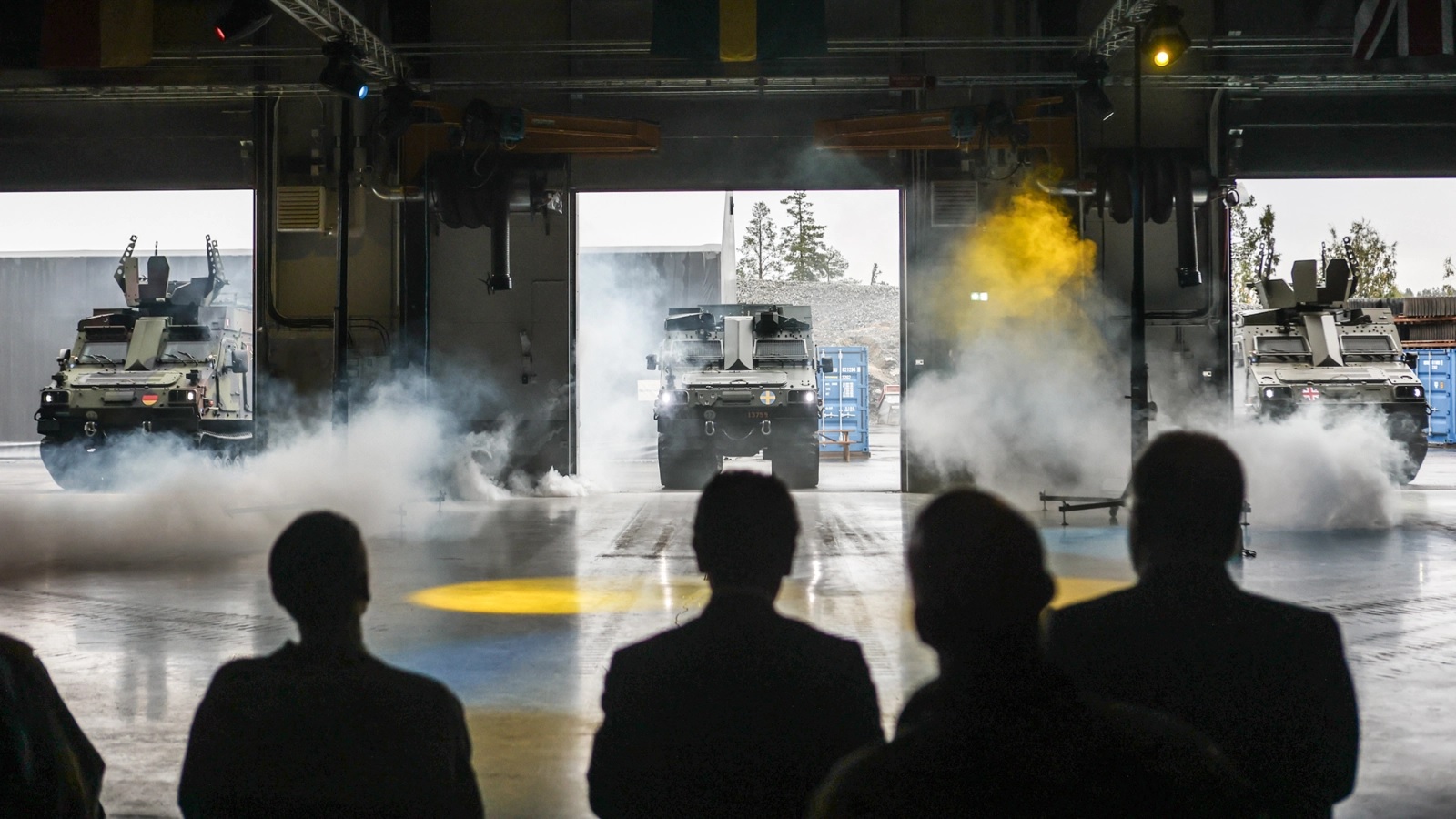
World
BAE Systems has officially delivered the first three BvS10 Armoured Personnel Carriers to Sweden, Germany, and the United Kingdom, marking a major milestone in the Collaborative All-Terrain Vehicle (CATV) programme. This ceremonial handover is the first step in a framework agreement that will see a total of 663 vehicles delivered by 2028. Framework Agreement Breakdown The multinational deal demonstrates the effectiveness of joint procurement, ensuring cost efficiency and interoperability among allied nations. The current commitments include: 236 vehicles for Sweden’s Defence Materiel Administration (FMV) 60 vehicles for the UK Ministry of Defence (MoD) 140 vehicles for Germany’s Federal Ministry of Defence (BAAINBw) In addition, Germany has exercised an option for a further 227 vehicles, underscoring its confidence in the platform and bringing its total under the CATV framework to nearly 370 vehicles. Capabilities of the BvS10 The BvS10 is designed to deliver unmatched mobility in the most demanding environments. Its articulated all-terrain system allows it to move across snow, ice, rock, sand, mud, swamps, and steep mountains. Beyond land operations, the vehicle is fully amphibious, enabling it to operate in flooded areas, rivers, and coastal waters. Key features include: Versatility: Configurable as troop transport, logistics carrier, medical evacuation vehicle, recovery platform, command and control hub, or weapons carrier. Amphibious readiness: Quick transition to water operations, with the ability to manoeuvre in coastal and inland waters. NATO standardisation: Ensuring interoperability across allied forces. Proven durability: Already in service with Austria, France, the Netherlands, Sweden, and the UK. Strategic Importance The CATV programme addresses the growing need for platforms capable of operating in Arctic, cold-weather, and extreme terrain environments. The joint framework highlights a strong multinational approach, where nations share development benefits and reduce procurement risks. For Germany, the additional order represents an investment of several hundred million dollars, with deliveries stretching toward the end of the decade. For Sweden and the UK, the arrival of the first vehicles strengthens operational readiness for missions at home and abroad. Industry Statement Tommy Gustafsson-Rask, Managing Director of BAE Systems Hägglunds, stated that the BvS10’s extreme mobility and multi-role flexibility provide user nations with a modern, high-tech capability ready for missions in the harshest environments. He also highlighted the benefits of the streamlined procurement model, which allows other nations to join the programme seamlessly. The handover of the first BvS10s under CATV is more than just a ceremonial event—it represents the beginning of a large-scale effort to equip European forces with a next-generation all-terrain capability, ensuring readiness in any environment from Arctic snow to desert sand.
Read More → Posted on 2025-09-18 13:16:59
World
Brest, France – The Amiral Ronarc’h, France’s first Frégate de Défense et d’Intervention (FDI), has officially departed the Naval Group shipyard in Lorient, bound for its homeport in Brest. This milestone marks the culmination of extensive sea trials and the start of the acceptance phase by the French Navy, according to the Direction générale de l’armement (DGA), France’s defense procurement agency. Designed as the next generation of first-rank surface combatants, the FDI-class frigate embodies France’s strategic push toward maritime innovation and operational superiority. The Amiral Ronarc’h integrates 4,500 tons of advanced technology, tailored for air defense, anti-surface warfare, anti-submarine operations, cyber resilience, and special operations deployment. The DGA highlighted the ship’s modular architecture, allowing it to adapt to evolving threat environments. This adaptability ensures compatibility with both French and allied naval forces, reinforcing France’s global strategic presence. The frigate’s systems are optimized for multi-domain warfare, including cyber defense and future digital warfare capabilities. The combat system of the Amiral Ronarc’h is built on Thales’ latest technologies, featuring the cutting-edge Sea Fire radar and a fully digital fire control system. These advancements provide superior target detection, tracking, and engagement capacities, critical in modern naval warfare scenarios. The vessel is the lead ship in a series of FDI frigates aimed at replacing aging La Fayette-class frigates. France’s Navy anticipates the delivery of additional ships over the next few years, as part of its broader fleet modernization strategy. The FDI-class ships are expected to play a key role in high-intensity combat operations while supporting strategic force projection across global theatres. The FDI program is a collaborative effort involving the DGA, Naval Group, and numerous defense subcontractors. Naval Group spearheads the industrial effort, ensuring that France remains at the forefront of naval engineering and defense technology. After its arrival in Brest, the Amiral Ronarc’h will undergo final outfitting and formal handover procedures before being commissioned into active service. The French Navy envisions the vessel as a cornerstone of its modern fleet, designed to face future challenges with agility and resilience. With this deployment, France takes a significant step in securing its maritime interests while ensuring interoperability with international partners, setting a new benchmark in defense readiness and technological excellence.
Read More → Posted on 2025-09-17 16:00:36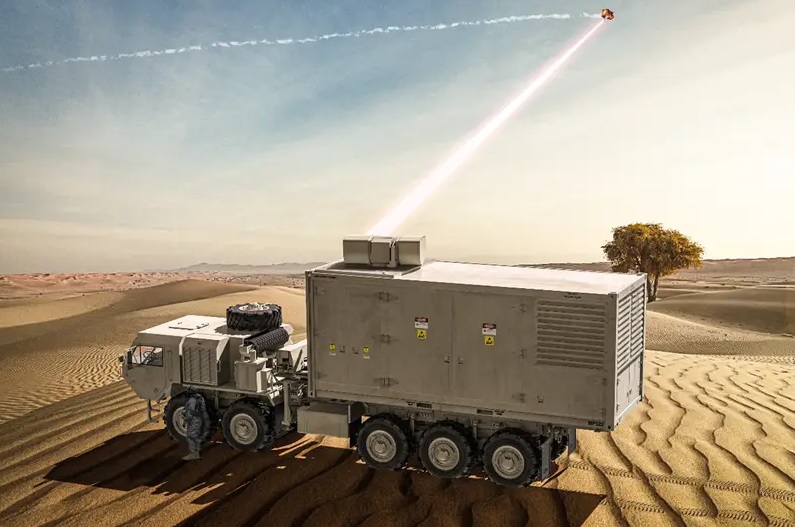
World
Saudi Arab : Saudi Arabia’s Chinese-made SkyShield counter-drone system is facing serious performance issues in real battlefield conditions, particularly with its Silent Hunter laser module. While the system’s electronic jamming component has proven effective, the laser weapon has struggled under the kingdom’s harsh desert environment. According to reports from a former Saudi military officer, the Silent Hunter requires up to 15 to 30 minutes of continuous targeting to guarantee the destruction of some drones. Factors such as dust, sand, and extreme heat have weakened the laser’s ability to track and burn through targets. In addition, the system often diverts much of its power to cooling rather than firing, limiting its overall output. Deployment has also proven slow, with the truck-mounted laser taking extra time to switch from standby to combat mode. Uneven terrain and obstructing infrastructure further reduce its effectiveness by blocking the laser’s line of sight. By contrast, the jamming systems within SkyShield have performed far more reliably, successfully neutralizing the majority of drone threats in protected zones. This has made the “soft kill” component more dependable than the “hard kill” laser in daily operations. Saudi officials have already asked Beijing to adapt the Silent Hunter for hot and sandy climates. Until such improvements are delivered, the system’s deployment will remain limited, particularly in frontline areas where drones pose a fast-moving threat. The case highlights the broader challenge facing directed energy weapons: while they promise low-cost precision, their effectiveness can collapse under environmental stress. For Saudi Arabia, electronic warfare remains the most reliable counter-drone solution, while lasers remain a technology in need of further refinement.
Read More → Posted on 2025-09-17 15:50:39
World
South Korea : In a landmark ceremony on 17 September 2025 in Ulsan, HD Hyundai Heavy Industries (HHI) officially launched the next-generation Aegis destroyer ROKS Dasan Jeong Yak-Yong, a central asset in South Korea’s KDX-III Batch II program. Named after the renowned Joseon-era scholar Dasan Jeong Yak-yong, the warship represents a decisive leap forward in the Republic of Korea Navy’s ability to conduct missile defense, anti-submarine warfare, and long-range strike missions. Major Features & Capabilities The Dasan Jeong Yak-Yong is designed as one of the most powerful surface combatants in Asia: Dimensions & Displacement: Around 170 meters long, 21 meters wide, with a displacement of 8,200 tons (light) and over 10,000 tons at full load. Speed & Crew: Capable of reaching 30 knots, manned by a crew of about 300 sailors. Combat System: Outfitted with the Aegis Combat System (Baseline 9 derivative), paired with the AN/SPY-1D(V) radar for wide-area tracking of air, surface, and ballistic missile threats. Vertical Launch Systems (VLS): A total of 88 VLS cells, including: 48 Mk-41 cells for Standard Missiles (SM-2, SM-3, SM-6), 16 Korean VLS cells for ASROC anti-submarine weapons and shorter-range SAMs, 24 Korean VLS-II cells, enabling next-generation long-range missiles such as the L-SAM and land-attack cruise missiles. Anti-Submarine Power: Advanced SONAR suites (including a towed array system) and support for MH-60R Seahawk helicopters. Propulsion: Four gas turbine engines with a Hybrid Electric Drive (HED) system, balancing high-speed maneuvering and fuel efficiency. Strategic Role The Dasan Jeong Yak-Yong is the second destroyer in the three-ship KDX-III Batch II series. The first vessel, ROKS Jeongjo the Great, joined the fleet in 2024, and the final ship is expected by 2027. Compared to earlier Batch I ships, these destroyers are larger, stealthier, and more heavily armed, giving South Korea an edge in ballistic missile defense and multi-domain warfare. They form a key element of the nation’s “Sea-Based Maneuvering Three-Axis System,” designed to integrate underwater kill chains, missile interception, and precision strike capabilities against evolving threats, particularly from North Korea’s nuclear and missile programs. Symbolism & Naming The destroyer takes its name from Dasan Jeong Yak-yong, a philosopher, engineer, and reformist of the Joseon dynasty, remembered for championing practical innovation, technological progress, and compassion for the people. By adopting his name, the ship symbolizes South Korea’s blending of heritage and high-tech defense capability. Once delivered in 2026, the Dasan Jeong Yak-Yong will serve as one of the most advanced destroyers afloat, combining U.S. missile defense systems with Korean-developed technologies. Together with her sister ships, she will form the backbone of South Korea’s next-generation blue-water navy, strengthening deterrence and expanding operational reach across the Indo-Pacific.
Read More → Posted on 2025-09-17 15:41:12Search
Top Trending in 24 Hours
-
 Tulsi Gabbard Releases Declassified Files Detailing U.S.-Backed Network of 120 Biolaboratories Across 30+ Countries
-
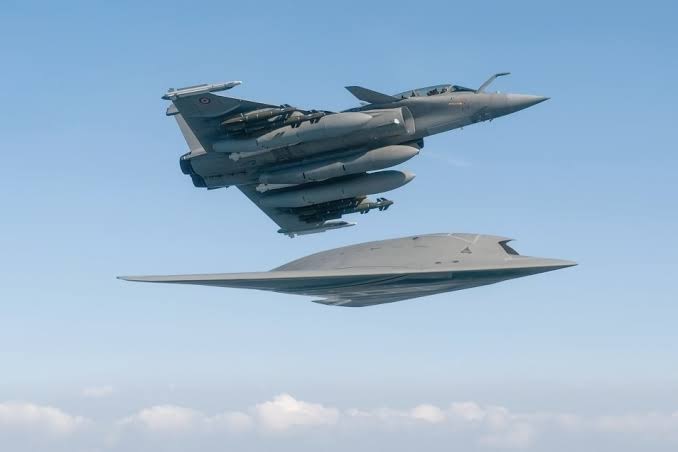 France Agrees to Equip Future Indian Rafales with AI, MUM-T and Secure Satellite Links Under F5 Standard
-
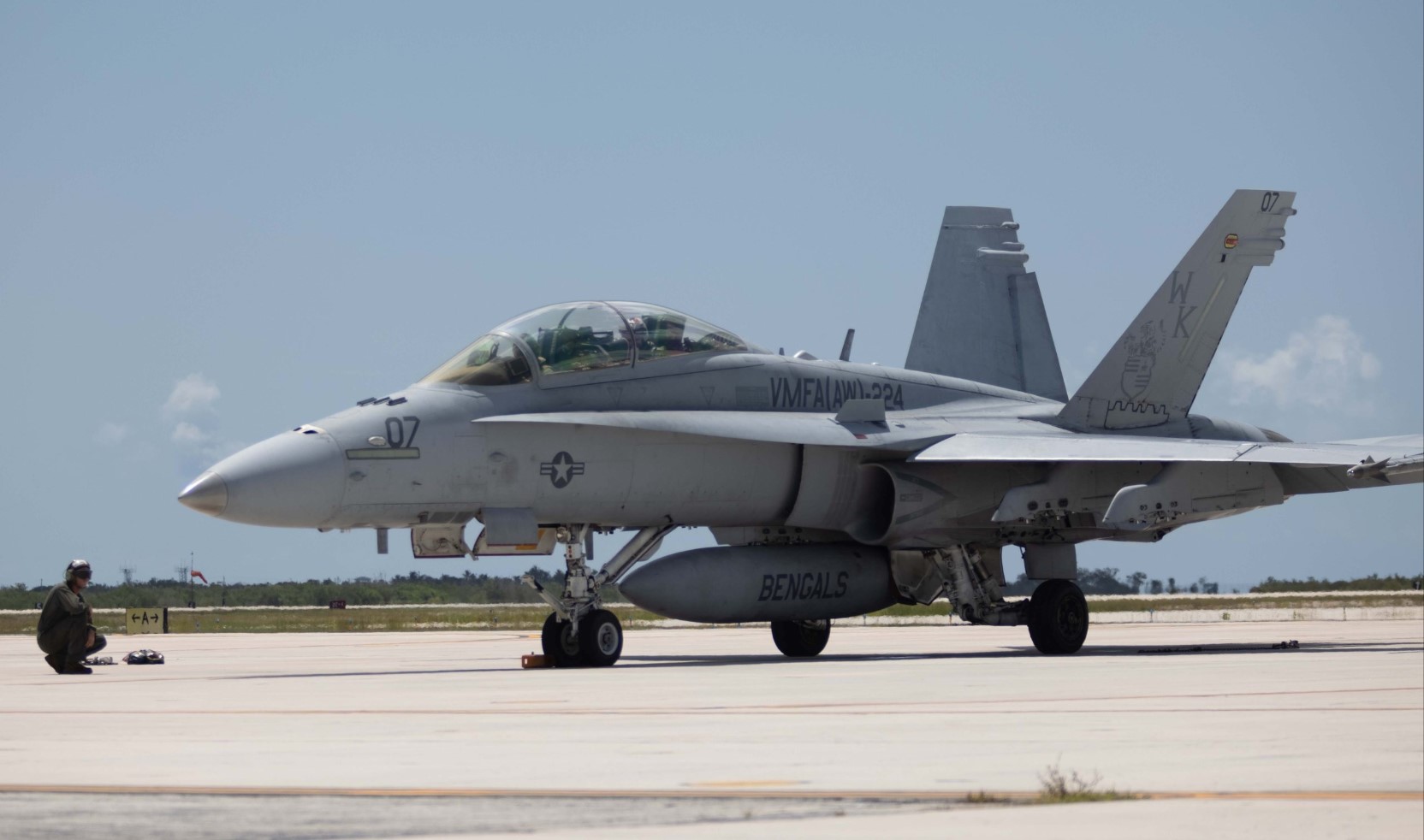 US Marine Corps F/A-18D Hornet Crashes During Training Flight in Washington Mountains; Pilot Ejects Safely
-
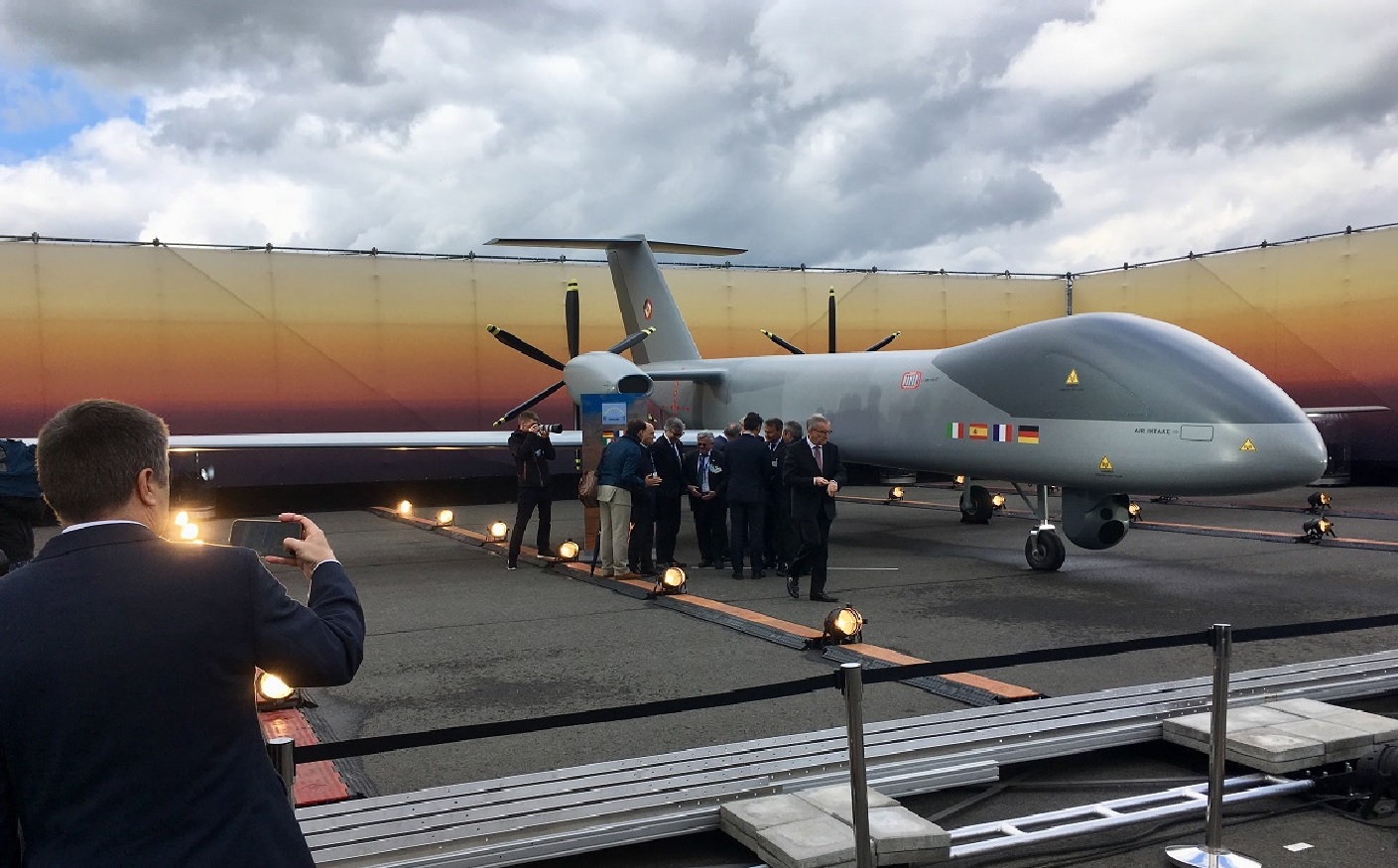 Dassault Seeks Compensation From Airbus as Eurodrone Dispute Erupts After FCAS Collapse
-
 AM General Unveils Next-Generation UGV and JLTV A2 with Counter-Drone Systems at Eurosatory 2026
-
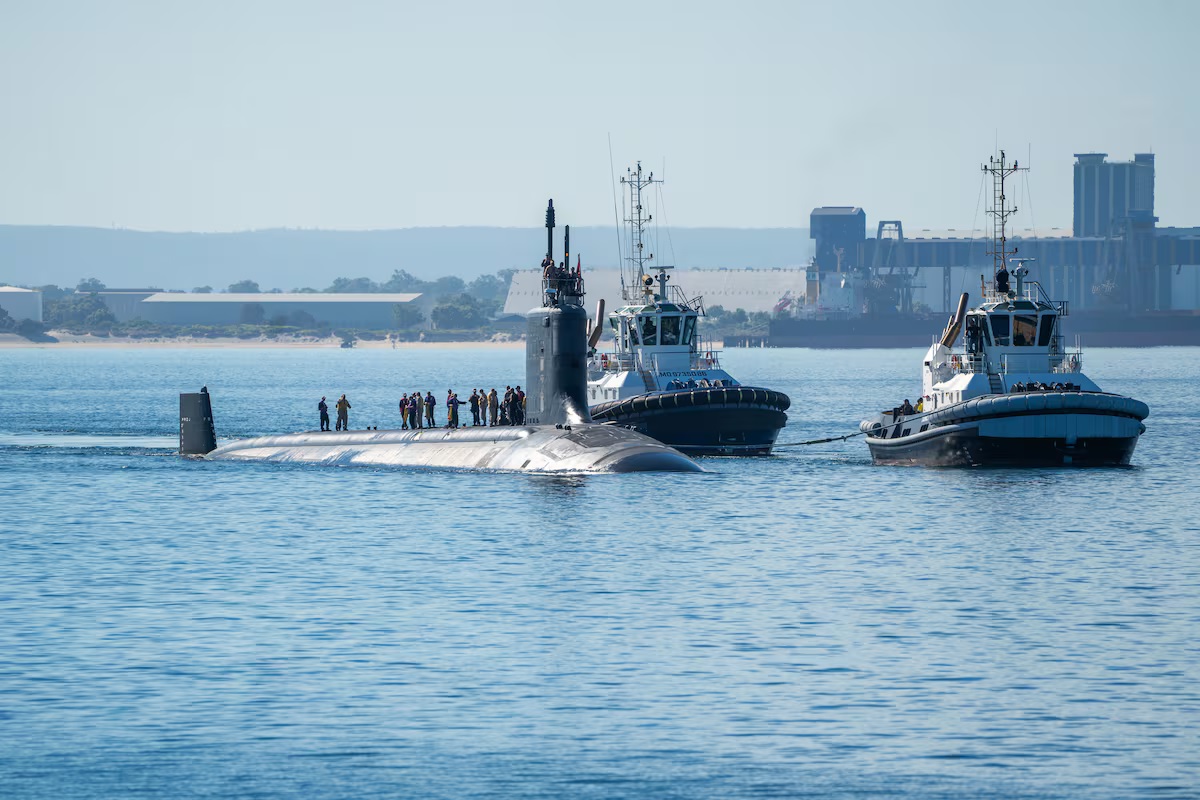 U.S. Navy Reestablishes Submarine Squadron 3 at HMAS Stirling to Support AUKUS Rotational Force
-
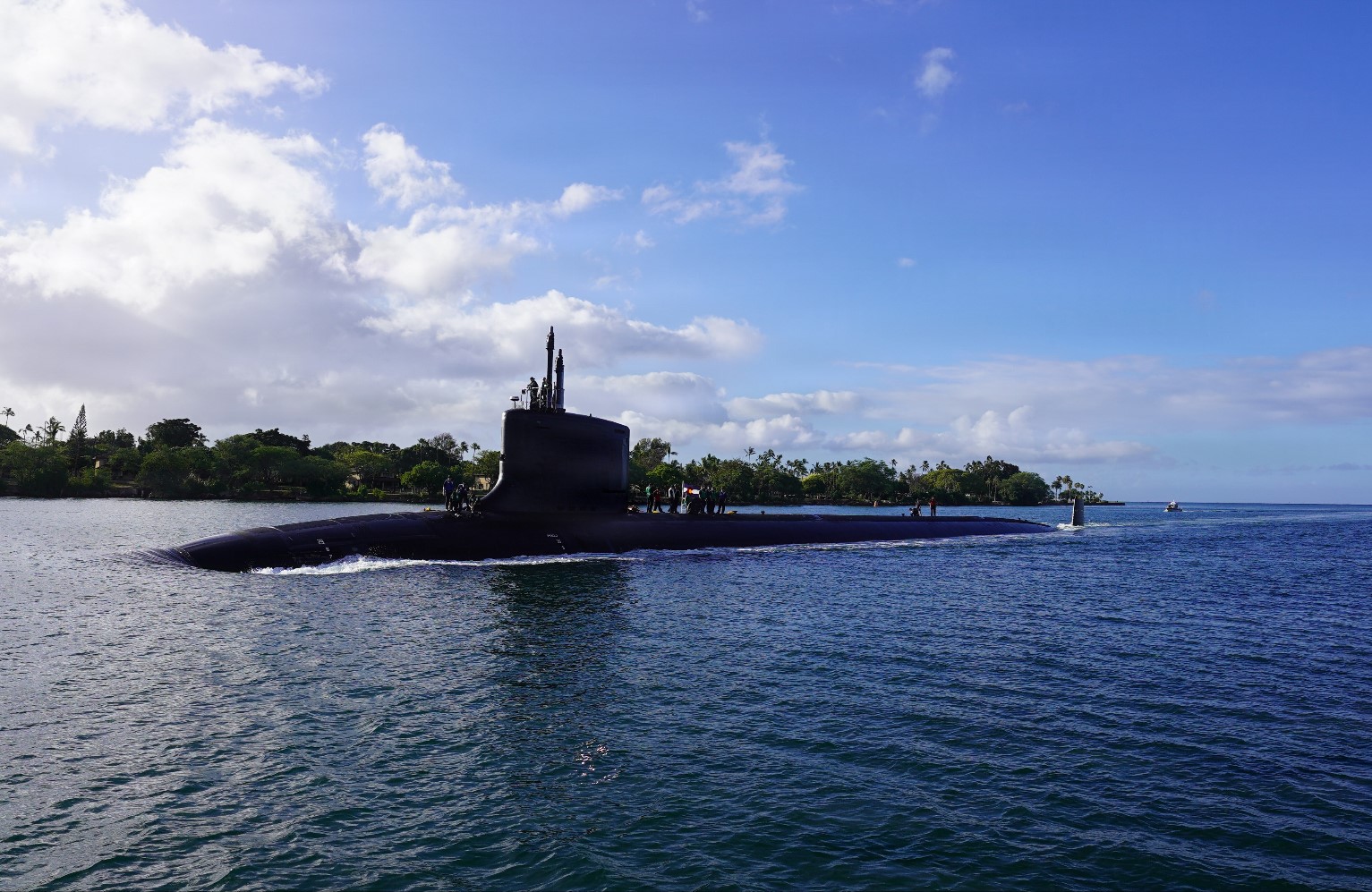 U.S. Navy's USS Colorado Submarine Returns to Pacific Fleet 29 Days Early After Major Pearl Harbor Overhaul
-
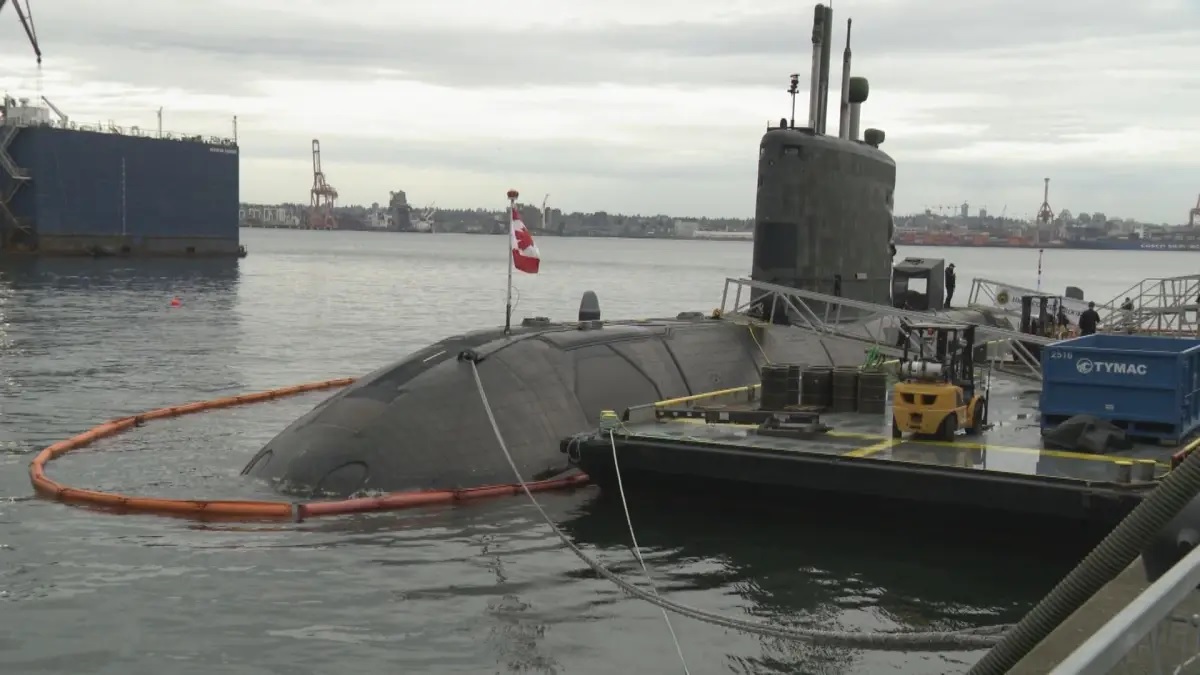 Royal Canadian Navy Deploys HMCS Corner Brook for First RIMPAC Submarine Mission in Over a Decade
Top Trending in 4 Days
-
 Iranian Media Leaks 14-Point U.S.-Iran Peace Framework Amid Ongoing Negotiations
-
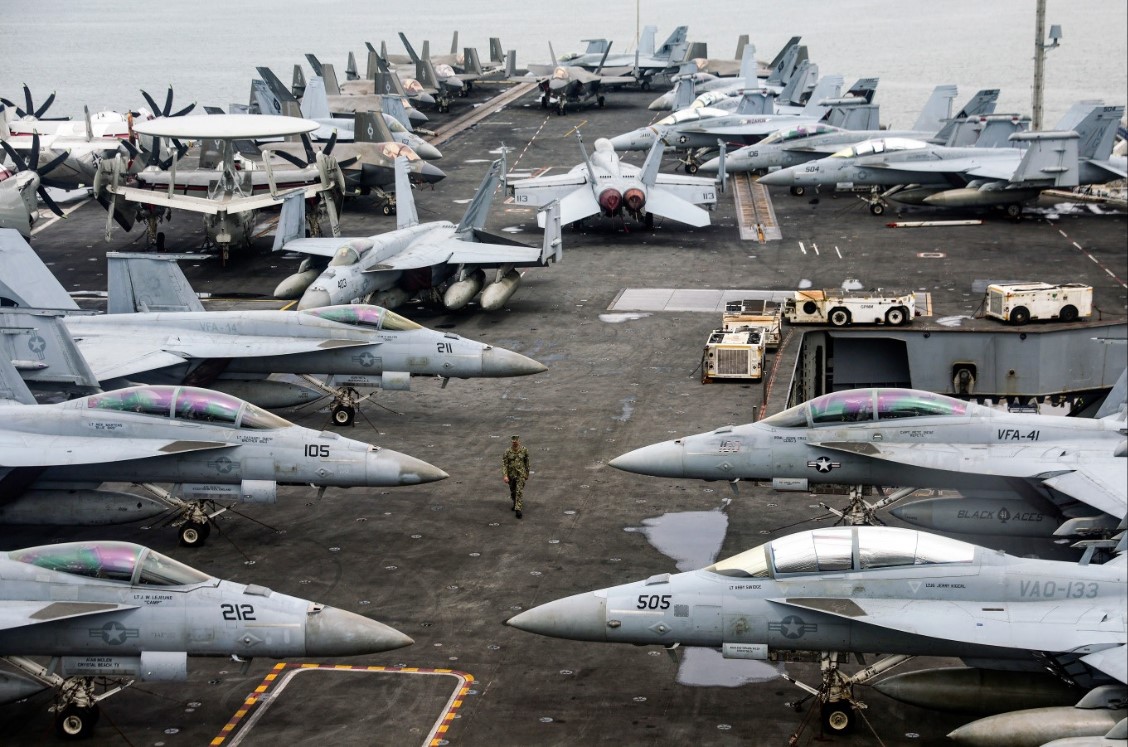 US Plans Significant Reduction of Fighter Jets and Warships for NATO Operations in Europe
-
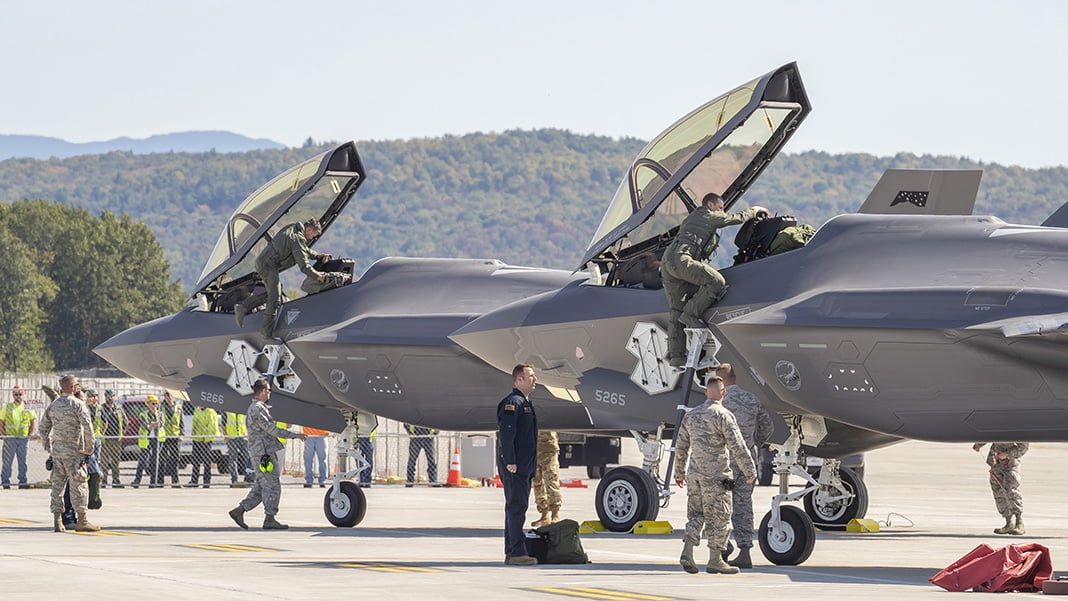 F-35 Fleet Readiness Falls to 25% Amid Parts Shortages and Software Delays: GAO Report
-
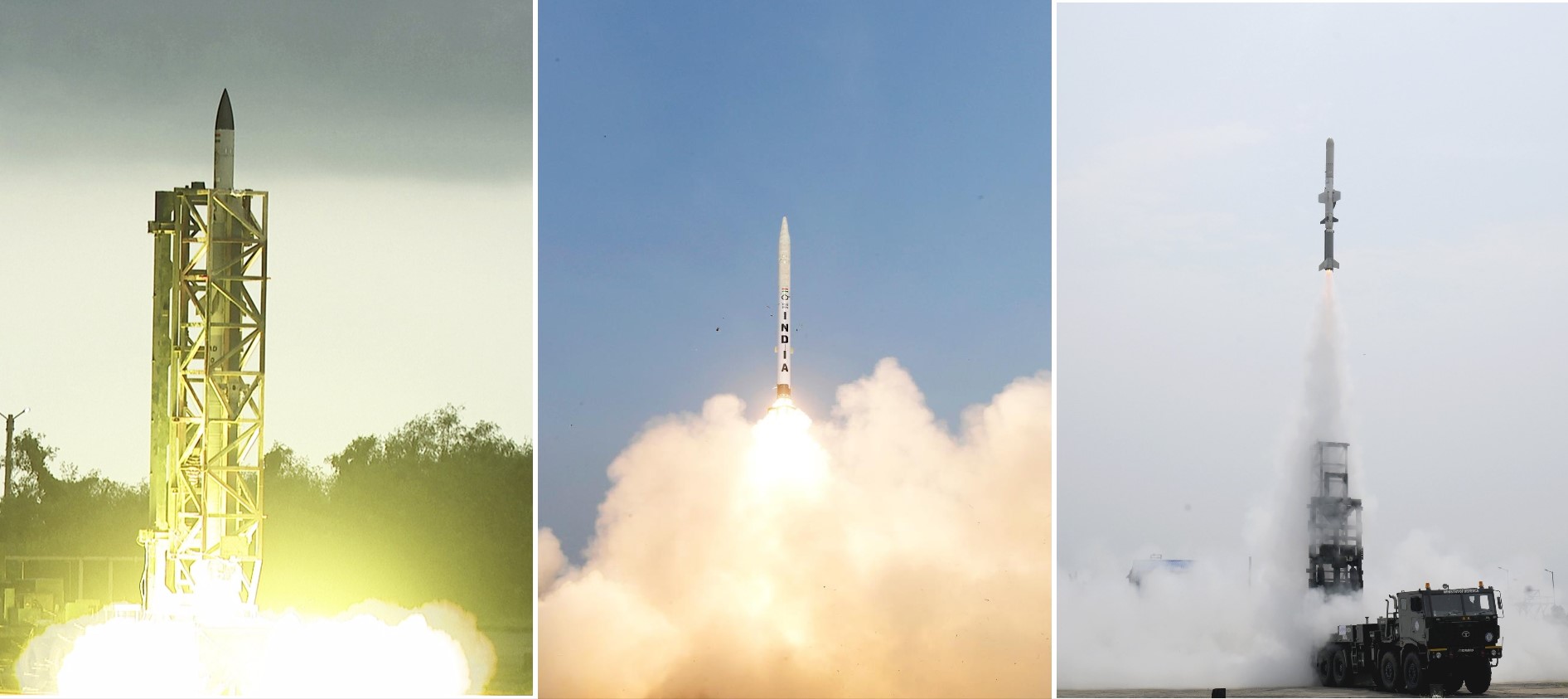 India Successfully Conducts AD-1, AD-2 Interceptor Tests and Maiden NASM-MR Flight Trial
-
 U.S. Air Force Faces Strategic Airlift Shortfall as C-17 Production Restart Remains Uncertain
-
 NATO Commander Says Russia Not Seeking Conflict With Alliance Despite U.S. Force Reductions
-
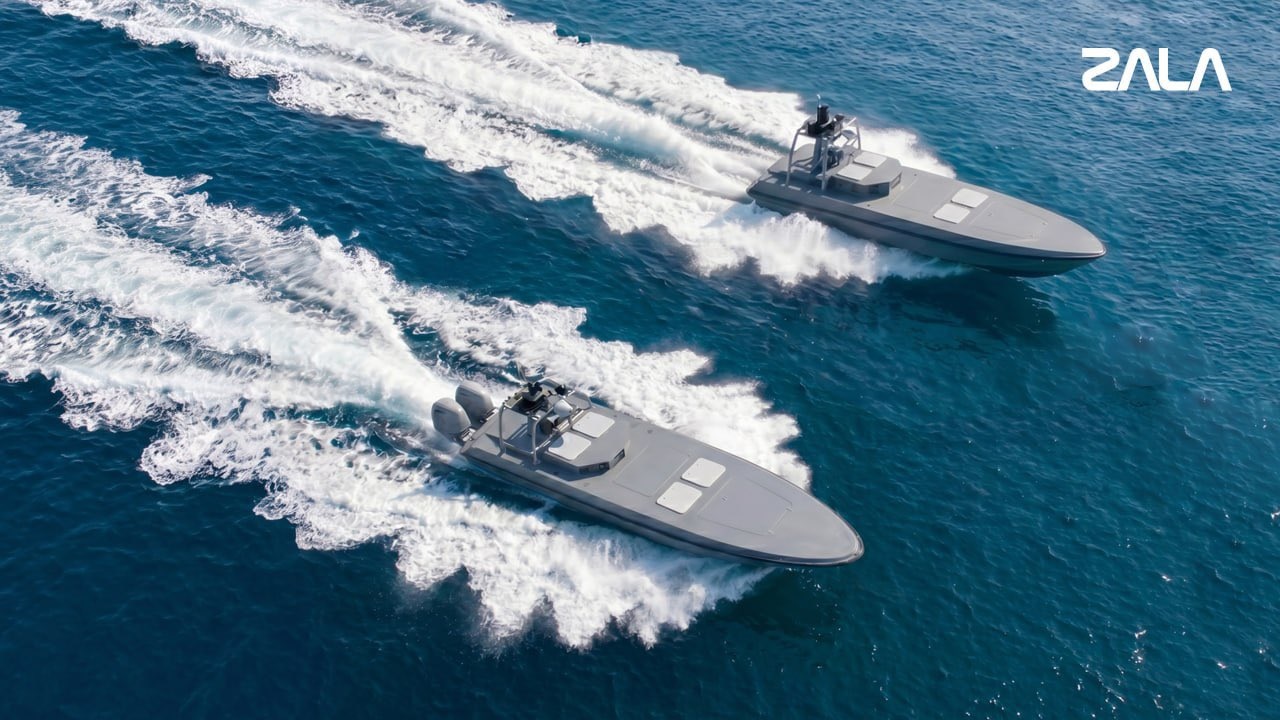 Russian Defense Firm ZALA Unveils KAMA Unmanned Surface Vessel Family at FLOT-2026 Naval Exhibition
-
 U.S. Space Force Awards $437.7 Million Contracts for First PTS-G Swarm 1 Anti-Jam Satellites