World
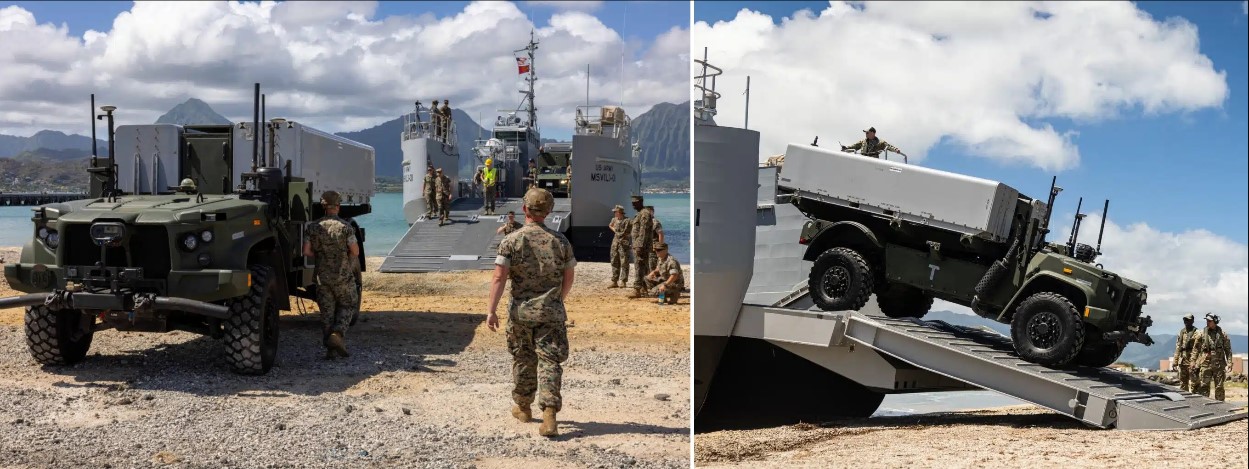
In a significant cross-service demonstration last week at Marine Corps Base Hawaii, the U.S. Army's latest landing craft successfully transported the Marine Corps' Navy-Marine Expeditionary Ship Interdiction System (NMESIS), showcasing enhanced interoperability and rapid deployment capabilities across the Indo-Pacific region. Enhanced Mobility with MSV(L) The exercise featured the Army’s new Maneuver Support Vessel – Light (MSV(L)), a modern replacement for the aging Landing Craft Mechanized fleet. Designed for logistics in contested environments, the MSV(L) can operate in austere ports, degraded facilities, and even bare beaches, making it ideal for the Indo-Pacific's diverse and often undeveloped coastal regions. The vessel's capabilities were demonstrated through joint training with the 3rd Marine Littoral Regiment and the 7th Transportation Brigade, highlighting its role in supporting both routine and combat operations. NMESIS: A Strategic Asset The NMESIS system, equipped with two low-observable Naval Strike Missiles, provides the Marine Corps with a mobile and potent anti-ship capability. First fielded by the 3rd Marine Littoral Regiment in November 2024, NMESIS enhances sea denial capabilities and maritime lethality. Its deployment to first island chain chokepoints, such as Japan and the Philippines, underscores its strategic importance in countering maritime threats in the region. Joint Training for Rapid Response The beach rehearsal involved Marines from the 3rd Littoral Combat Team and soldiers from the 7th Transportation Brigade, who collaborated to offload the NMESIS from the MSV(L). This joint effort not only tested the physical capabilities of the landing craft but also emphasized the importance of seamless coordination between services for rapid response in potential conflict zones. Strategic Implications This demonstration aligns with the U.S. military's broader strategy to enhance its presence and deterrence capabilities in the Indo-Pacific region. The integration of advanced systems like NMESIS with versatile platforms such as the MSV(L) enables the U.S. to project power and respond swiftly to emerging threats, particularly in areas with limited infrastructure. The successful transport of NMESIS by the MSV(L) marks a pivotal step in modernizing U.S. military capabilities, ensuring that forces are equipped to operate effectively in the dynamic and challenging environments of the Indo-Pacific.
Read More → Posted on 2025-09-22 15:33:27
World
The Pakistan Army bombardment in the Tirah Valley of Khyber Pakhtunkhwa has left at least 23 people dead, including women and children, after multiple homes were destroyed near Matray Dara, Akakhel Shadlah. Locals are desperately carrying out rescue operations on their own, pulling bodies from the debris, and fears remain that the death toll could rise further. The attack reportedly occurred in the early hours of the morning, around 2 a.m., when a sudden explosion flattened several mud-brick houses. Entire families were buried under the rubble, and eyewitnesses described frantic efforts to save trapped residents without any formal assistance. There are conflicting reports about the exact nature of the strike. While the Pakistan Army is being held responsible for the bombardment, some accounts suggest that mortars or shelling may have contributed to the destruction. Opposition leaders have strongly condemned the incident, claiming that more than 30 civilians may have been killed. The local community has expressed deep anger and sorrow, demanding accountability and an independent investigation. Human rights groups have also voiced concern, highlighting the repeated civilian casualties in conflict-prone regions like Khyber. This tragedy highlights the vulnerability of civilians in militarized zones, where non-combatants often become the victims of violence. The deaths of innocent women and children underline the urgent need for better protection of civilian lives during military operations in the region.
Read More → Posted on 2025-09-22 15:26:57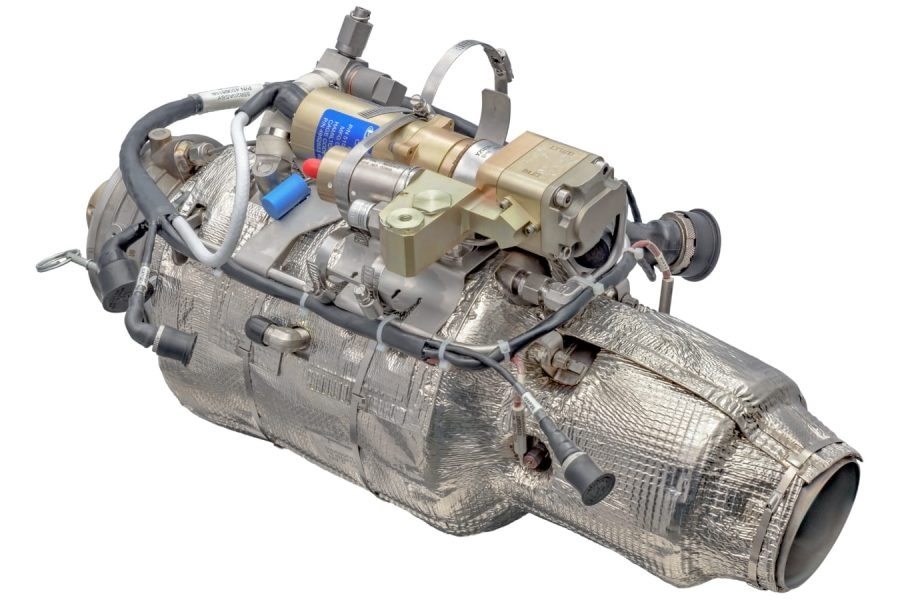
World
Pratt & Whitney, an RTX business, has announced the development of a new family of engines aimed at powering advanced munitions and Collaborative Combat Aircraft (CCA). These engines will cover a thrust range of 500 to 1,800 pounds, offering scalable and versatile solutions for emerging defence needs in both the United States and abroad. Designed for Speed and Affordability The engines are being developed by GATORWORKS, a special unit within Pratt & Whitney that focuses on rapid prototyping and innovation. According to Jill Albertelli, president of Pratt & Whitney’s Military Engines business, the new program emphasizes development speed, affordability, and scalability. Key features of the design include: Scalable architecture – allowing the same design to be adapted for multiple applications. Commonality across models – meaning different variants will share many parts, reducing production and maintenance costs. Additive manufacturing (3D printing) – helping to shorten development cycles, lower costs, and simplify supply chains. Albertelli highlighted that this approach will allow Pratt & Whitney to “significantly reduce development and production timelines” and deliver engines that can quickly adapt to future defence requirements. Next Steps in Development The first phase of testing has already begun, and a second series of trials is scheduled for early 2026. These upcoming tests will confirm key design features and validate the performance of the new engines. If successful, the program could accelerate the introduction of advanced propulsion systems into the field, supporting both next-generation autonomous aircraft and precision-guided munitions. Why It Matters Engines in the 500–1,800 pound thrust class are critical for powering a wide range of future systems: Collaborative Combat Aircraft (CCA): Part of the U.S. Air Force’s Next Generation Air Dominance (NGAD) program, CCAs are semi-autonomous aircraft designed to operate alongside manned fighters like the F-35 and the future NGAD platform. Having adaptable engines makes it easier to field drones with different payloads and mission profiles. Munitions and drones: Many advanced weapons and loitering munitions require lightweight, efficient engines. This new family could expand the endurance, speed, and strike range of such systems. International defence partnerships: By offering these engines globally, Pratt & Whitney strengthens ties with allied nations, many of which are investing in unmanned combat systems and next-gen munitions. Pratt & Whitney’s Legacy Founded in 1925, Pratt & Whitney is one of the world’s most established aircraft engine manufacturers. Its portfolio includes engines for commercial aircraft, military fighters, and auxiliary power units. The company currently supports over 90,000 engines in service worldwide through an extensive maintenance, repair, and overhaul (MRO) network. Pratt & Whitney is also known for engines like the F135, which powers the F-35 Lightning II stealth fighter, and the GTF (Geared Turbofan) family, used in many modern commercial airliners. RTX: A Global Defence Giant Pratt & Whitney operates under RTX (Raytheon Technologies), the world’s largest aerospace and defence enterprise. Headquartered in Arlington, Virginia, RTX employs more than 185,000 people globally and reported over $80 billion in sales in 2024. Its operations are divided into three major businesses: Collins Aerospace – avionics, interiors, and mission systems. Pratt & Whitney – aircraft propulsion and auxiliary power. Raytheon – defence systems, sensors, and missiles. With this strong industrial base, RTX is positioned to bring cutting-edge propulsion systems into the market faster than ever before. As global defence strategies shift toward autonomous systems, drone swarms, and advanced precision munitions, propulsion technologies must keep pace. Pratt & Whitney’s new engine family reflects this trend, offering a faster, more adaptable, and more cost-effective solution for both U.S. and allied militaries. The scheduled 2026 test series will be crucial in proving the design’s reliability and setting the stage for full-scale production. If successful, these engines could become a backbone for a wide array of next-generation aerial platforms.
Read More → Posted on 2025-09-22 15:07:25
World
Russian President Vladimir Putin has announced that Russia is prepared to extend its adherence to the New START Treaty for an additional year beyond its scheduled expiration on February 5, 2026. This treaty, signed in 2010, is the last remaining arms control agreement between Russia and the United States, limiting each country to 1,550 deployed nuclear warheads and 700 deployed delivery systems, including land-based missiles, submarine-launched missiles, and strategic bombers. Putin emphasized that this extension is contingent upon the United States agreeing to maintain the treaty's limits as well. During a meeting with Russia's Security Council, Putin stated that allowing the treaty to expire without a successor agreement would have negative consequences for global stability. He argued that maintaining the treaty's framework is essential to avoid provoking a new arms race and to ensure an acceptable level of predictability and restraint during a turbulent period. Putin also expressed concern over potential U.S. actions that could undermine the existing balance of deterrence capabilities, particularly regarding missile defense systems. The New START Treaty has been a cornerstone of strategic stability between the two nuclear powers. While Russia suspended certain aspects of the treaty in 2023 amid escalating tensions over the war in Ukraine, it has continued to adhere to the central numerical limits on nuclear warheads and delivery systems. U.S. President Donald Trump has previously expressed support for maintaining nuclear limits with Russia. In July 2025, he acknowledged the importance of nuclear restrictions and indicated a willingness to engage in discussions about extending the treaty. However, no formal negotiations have commenced, and Trump has also advocated for a broader nuclear arms control agreement that includes China, a proposal that Beijing has rejected. The Arms Control Association welcomed Putin's offer, viewing it as a positive step toward preserving strategic stability and encouraging dialogue between the two nuclear powers. The association emphasized the importance of extending the treaty to prevent an unchecked nuclear arms race and to maintain transparency and predictability in U.S.-Russia relations. As the expiration date of the New START Treaty approaches, the international community watches closely to see if the United States and Russia can reach an agreement to extend the treaty and continue their commitment to nuclear arms control. The outcome of this decision will have significant implications for global security and the future of arms control efforts.
Read More → Posted on 2025-09-22 14:36:00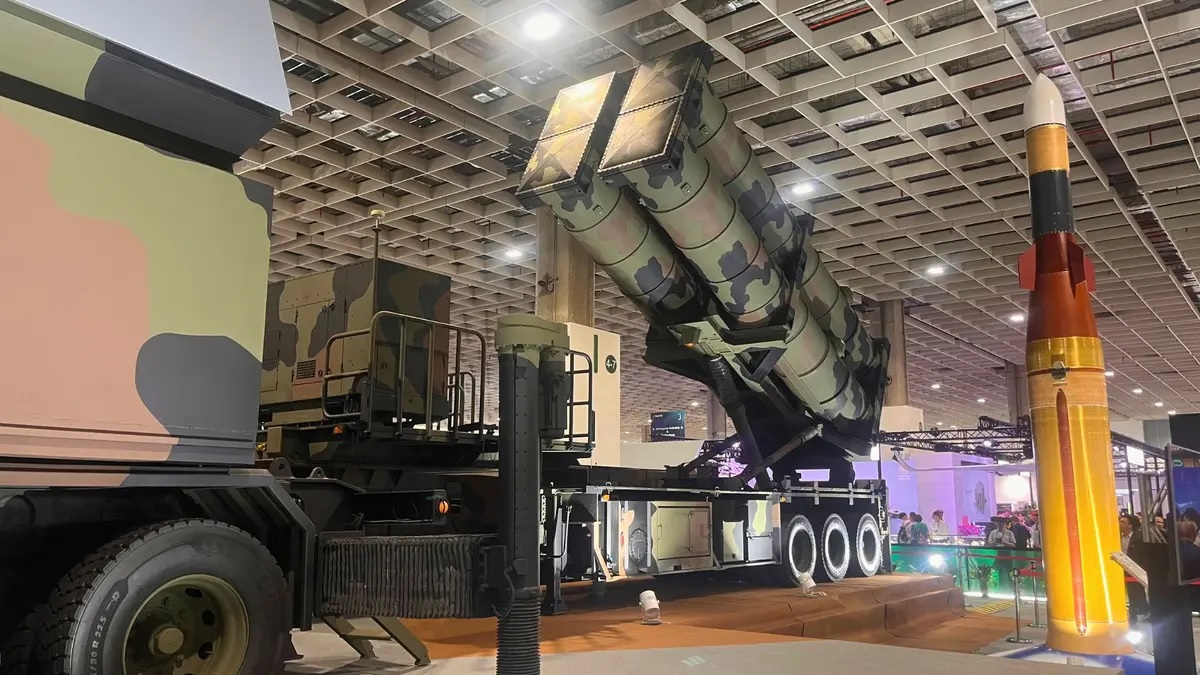
World
Taiwan has officially commenced mass production of its advanced air defense system, the Tien Kung IV (Sky Bow IV), marking a major step forward in the modernization of its military capabilities. This announcement was made by Li Shih-chiang, President of the National Chung-Shan Institute of Science and Technology (NCSIST), ahead of the 2025 Taipei Aerospace & Defense Technology Exhibition (TADTE). The Tien Kung IV is an upgraded version of the Tien Kung III surface-to-air missile system, designed to intercept high-altitude cruise missiles and ballistic missiles at ranges of up to 70 kilometers. The missile uses a two-stage solid-propellant design and can reach speeds exceeding Mach 7, significantly enhancing Taiwan’s ability to counter advanced aerial threats. A major innovation in the Tien Kung IV is its Active Electronically Scanned Array (AESA) radar, which is domestically developed. This radar allows for improved accuracy, enhanced situational awareness, and the ability to track multiple targets simultaneously. It is the first Taiwanese missile system to integrate an AESA fire-control radar, showcasing Taiwan’s growing defense technology capabilities. The Tien Kung IV is designed to complement Taiwan’s existing ground-based defense systems, including the Tien Kung III and the U.S.-made Patriot PAC-3. Together, these systems form a layered air defense network, capable of countering threats across different altitudes. This integrated defense strategy ensures a robust and resilient protective posture for Taiwan in response to evolving regional threats. Following successful combat evaluations, the Tien Kung IV has entered serial production, with deployment expected to begin in 2026. Taiwan’s Ministry of National Defense has planned the acquisition of 122 launcher pods, with 46 units scheduled for fiscal year 2026 and 76 units by fiscal year 2028. The Tien Kung IV represents a major technological leap in Taiwan’s air defense architecture, combining indigenous innovation with strategic integration. As regional security dynamics continue to evolve, Taiwan’s commitment to strengthening its defensive capabilities underscores its determination to safeguard sovereignty and ensure stability in the Indo-Pacific region.
Read More → Posted on 2025-09-22 14:26:56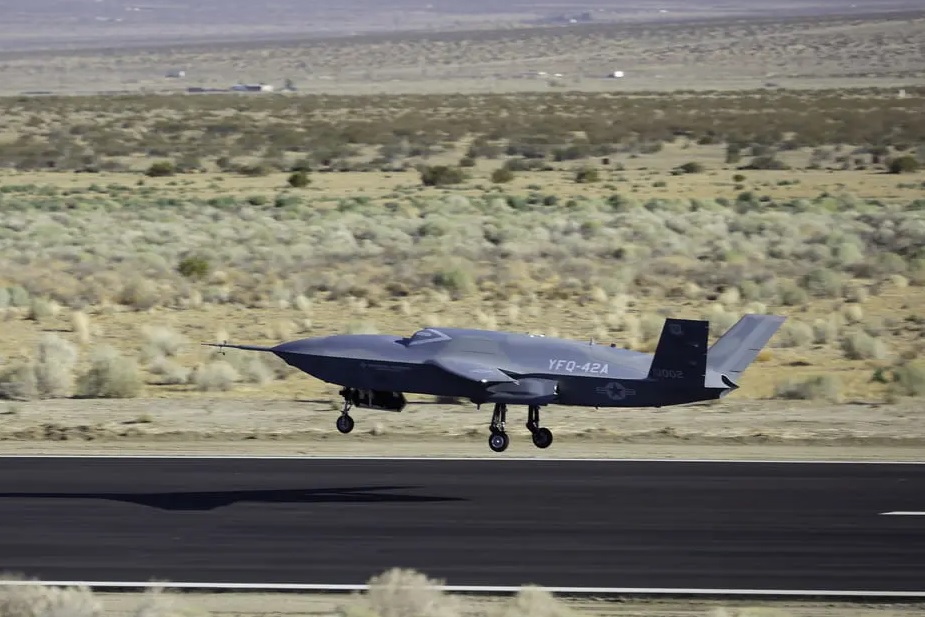
General Atomics Achieves 9 Million Flight Hours Milestone with YFQ-42A Collaborative Combat Aircraft
World
General Atomics Aeronautical Systems, Inc. (GA-ASI) has surpassed a significant milestone by accumulating over 9 million total flight hours across its unmanned aircraft fleet. This achievement underscores the company's leadership in unmanned aviation technology and its commitment to providing advanced solutions for defense and security. A Legacy of Innovation Since its inception, GA-ASI has been at the forefront of unmanned aircraft development. The company's portfolio includes iconic platforms such as the RQ-1 Predator, MQ-1C Gray Eagle, MQ-9A Reaper, MQ-20 Avenger, and the MQ-9B SkyGuardian/SeaGuardian. These aircraft have been instrumental in various military operations, providing persistent surveillance and precision strike capabilities. The recent milestone was achieved through the ongoing flight operations of the YFQ-42A Collaborative Combat Aircraft, a next-generation unmanned fighter jet developed by GA-ASI. This aircraft is part of the U.S. Air Force's Collaborative Combat Aircraft (CCA) program, aimed at enhancing air dominance through manned-unmanned teaming. The YFQ-42A: A Leap into the Future The YFQ-42A represents a significant advancement in unmanned combat aviation. Designed for rapid production and affordability, it is built to operate alongside crewed fighter jets, acting as a loyal wingman to enhance mission effectiveness. The aircraft features advanced autonomy, allowing it to perform complex air-to-air operations with minimal human intervention. Flight testing for the YFQ-42A commenced in August 2025, with the aircraft undergoing evaluations to assess its airworthiness, autonomy, and mission system integration. These tests are crucial for ensuring the aircraft meets the operational requirements of the U.S. Air Force and its allies. Supporting Global Security GA-ASI's unmanned aircraft fleet plays a vital role in supporting global security operations. At any given time, as many as 50 GA-ASI aircraft are airborne, providing real-time intelligence, surveillance, and reconnaissance (ISR) capabilities to U.S. and allied forces. The company's commitment to innovation and reliability ensures that its platforms continue to meet the evolving needs of modern warfare. As GA-ASI celebrates this milestone, the company remains focused on advancing unmanned aviation technology to meet future defense challenges. The development of the YFQ-42A Collaborative Combat Aircraft is a testament to GA-ASI's dedication to providing cutting-edge solutions that enhance the capabilities of military forces worldwide. With a rich history of innovation and a forward-looking approach, GA-ASI continues to lead the way in unmanned aviation, setting new standards for performance, reliability, and mission success.
Read More → Posted on 2025-09-22 14:21:29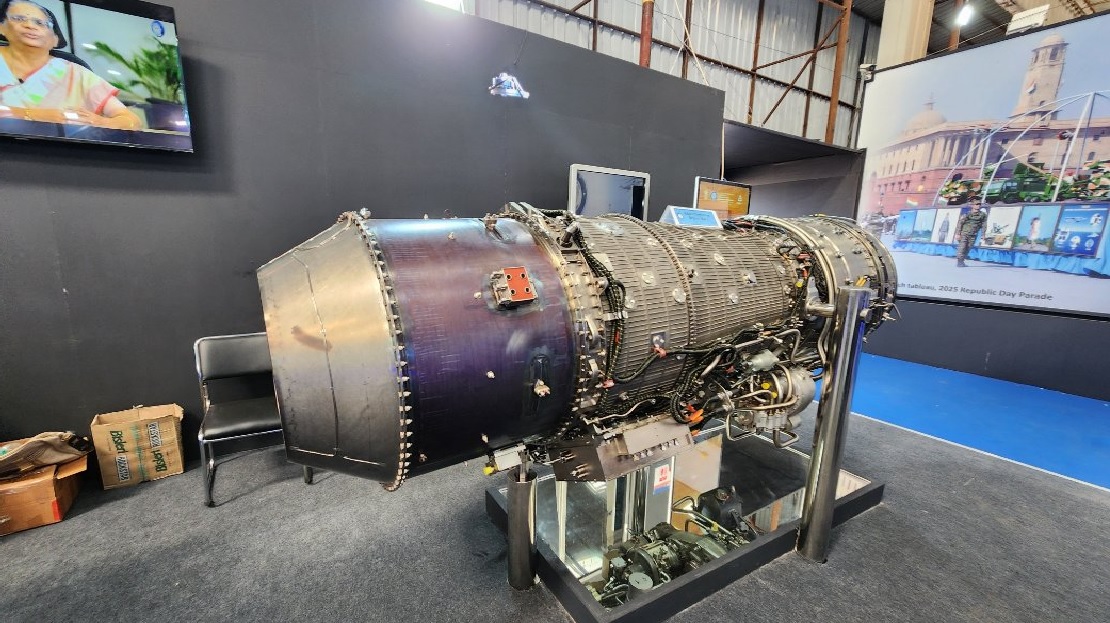
World
India : In a landmark moment for India’s aerospace ambitions, Godrej Aerospace has delivered the first production‑series unit of the Kaveri Dry Engine, internally designated D‑1, advancing the nation’s indigenous jet propulsion programme from prototype to serial production. This dry variant of the Kaveri engine is poised to become central to India’s unmanned aerial systems and upcoming combat aircraft projects. What Is D‑1 and Why It Matters The D‑1 is the first serial (production‑standard) unit of the Kaveri Derivative Engine (KDE) dry variant. It represents a move beyond experimental/test engines toward repeatable, industrial‑grade hardware. “Dry” here means this version operates without an afterburner, which implies lower fuel consumption, lower heat signature, and improved reliability for long‑endurance missions—qualities essential for UCAVs (Unmanned Combat Aerial Vehicles), UAVs, stealth platforms, and twin‑engine drone configurations. Modular Manufacturing: From Modules to Engine A major feature of the D‑1 delivery is its modular approach. Rather than delivering a full afterburner‑capable engine, Godrej is supplying modules—compressor sections, combustors, turbine stages, accessory systems—that are built, tested, and delivered to production‑quality standards. Earlier, Godrej had delivered two modules of the dry Kaveri engine; under the contract awarded in 2022, a total of eight modules are to be produced. The remaining modules are under development. Technical Capabilities and Enablers Significant progress has been made in materials and manufacturing technology: India has developed single‑crystal turbine blades and vanes, along with coating technologies (thermal barrier coatings etc.) to withstand high temperatures and stresses in turbine sections. These are critical for durability and performance. The thrust for the dry variant is approximately 48‑51 kN, placing it in the class suited for medium UAVs, UCAVs, and possibly as powerplants for future trainer or light combat aircraft in twin‑engine layouts. Strategic Implications With D‑1, India takes a major leap toward self‑reliance (Atmanirbhar Bharat) in high‑thrust propulsion, reducing dependence on foreign suppliers for critical jet‑engine components. The capability to manufacture in modular fashion accelerates not just production but also maintenance, upgrading, and scalability of jet engines for multiple platforms. It boosts the credibility and role of private industry (Godrej & Boyce) in the national defence‑industrial complex alongside DRDO, GTRE, MIDHANI, HAL etc., as viable partners in cutting‑edge aerospace and propulsion technologies. The Road Ahead The D‑series engines are expected to follow a roadmap of successive improvements: D‑2, D‑3 etc., incorporating lessons from D‑1's performance, endurance trials, and testing under operational conditions. Further testing facilities such as high‑altitude tests, thermal cycling, vibration, foreign‑object ingestion, and full mission‑cycle evaluation will be essential to qualify the engine for deployment. Efforts are also underway for an afterburning variant of Kaveri (sometimes referred to as Kaveri‑2.0 or derivative with afterburner), in collaboration with foreign partners, to cater to requirements of fighters, supersonic platforms etc. The delivery of D‑1, the first production‑series dry variant module of the Kaveri engine by Godrej Aerospace, is far more than just a technical milestone—it is a signal of maturity in India’s propulsion ecosystem. By moving from prototyping to production‑standard modular delivery, advancing materials like single‑crystal turbine components, and embedding private industry into key roles, India is laying down the foundation for sustained indigenous capability in jet engine design, manufacture, and deployment. This breakthrough doesn’t mean all challenges are behind—endurance, reliability, efficiency, scaling up, certification—but it does mean India has taken a concrete step toward achieving what many nations find difficult: locally made, serial‑production military propulsion.
Read More → Posted on 2025-09-22 14:16:45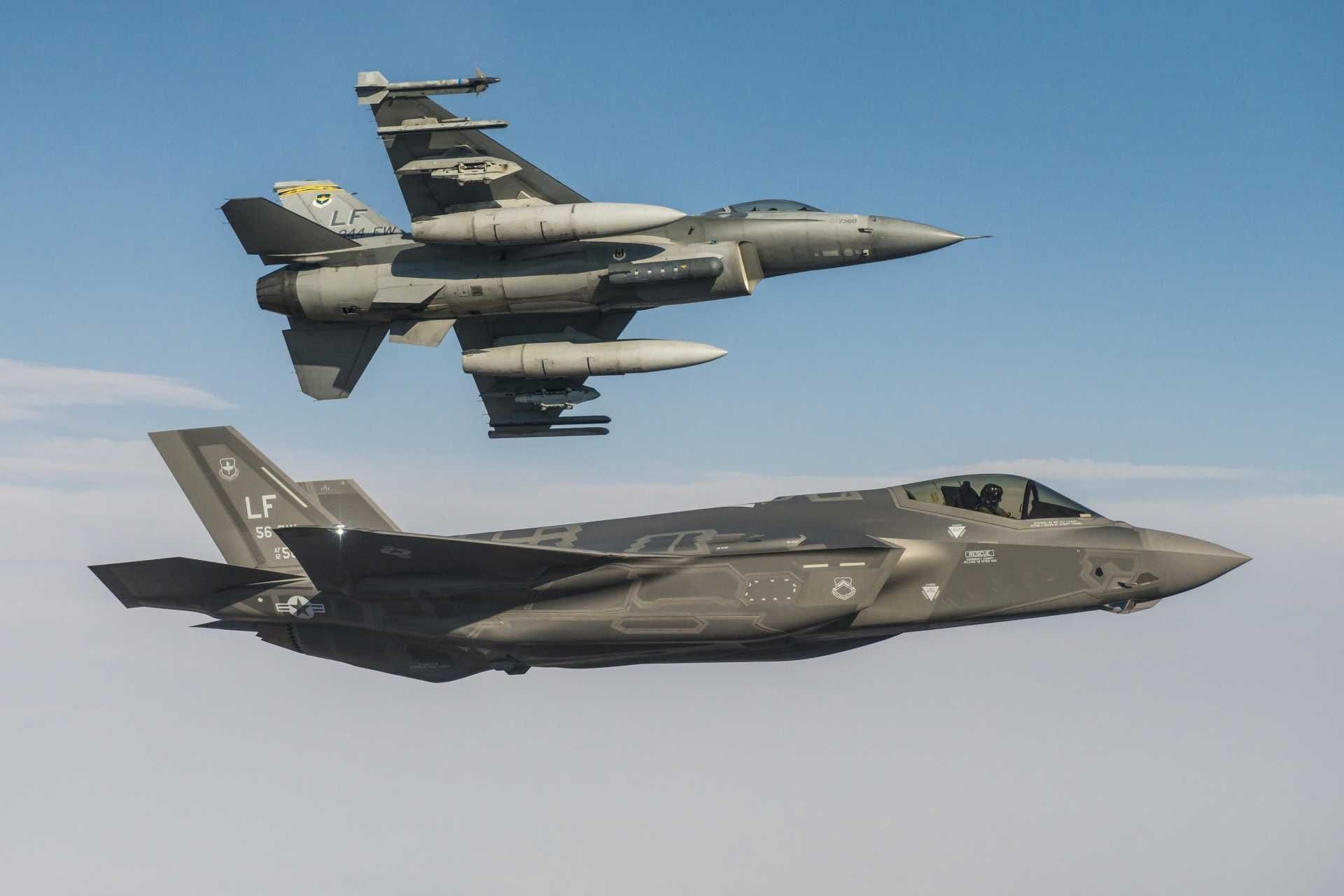
World
On September 25, 2025, during the week of the United Nations General Assembly in New York, a high-stakes meeting between U.S. President Donald J. Trump and Turkish President Recep Tayyip Erdoğan could reshape the future of defense ties between Washington and Ankara. The agenda is set to focus on a potential defense package combining 40 F-35 stealth fighters, 40 F-16 Block 70 Vipers, and associated weapons, while also revisiting Türkiye’s possible reentry into the F-35 program after years of exclusion. The Core Proposal Both leaders will weigh a package that sustains Türkiye’s airpower in the near term while addressing its long-standing demand for the F-35. For Ankara, the F-16 deal provides immediate support to its air force, while the F-35 negotiations hold the key to advanced capabilities, stealth operations, and secure interoperability with NATO. The S-400 Obstacle The central obstacle remains the Russian-made S-400 missile defense system, purchased by Türkiye in 2017. Washington insists that the system creates unacceptable risks to NATO operations and to the security of F-35 technology. Under the Countering America’s Adversaries Through Sanctions Act (CAATSA), the United States has made clear that Türkiye cannot return to the F-35 program unless a verifiable and irreversible solution is found. Possible solutions discussed include: Deactivation or dismantlement of the system, Transfer to a third country, or Placing it under U.S. technical control on Turkish soil. So far, Ankara has maintained that the S-400 is stored but could be activated within 12 hours, a position Washington views as insufficient. Congressional and Legal Hurdles The U.S. Congress has been deeply involved. Lawmakers argue that no transfer of F-35s can occur unless Türkiye proves it no longer possesses an operational S-400 system. Several provisions in past defense laws explicitly bar the sale until this condition is met. This means any breakthrough will require not only executive agreement but also congressional approval. F-16 Path as a Bridge While the F-35 issue remains unsettled, the F-16 track has become the practical solution. In early 2024, the U.S. cleared a major notification for 40 new F-16 Block 70 fighters. Türkiye initially also planned to buy 79 U.S. modernization kits but later canceled them, choosing instead to rely on its ÖZGÜR program—a domestic upgrade project adding new avionics, radars, electronic warfare systems, and cockpit displays to existing jets. This restructuring lowered the overall cost to roughly 6.5–7 billion dollars, with Ankara confirming an initial payment of 1.4 billion dollars. By relying on the ÖZGÜR upgrades, Türkiye ensures independence in sustaining its fighter fleet while still maintaining NATO standards. The Six F-35s in Limbo Adding symbolic weight are the six Turkish F-35A jets already built and stored at Luke Air Force Base in Arizona. These aircraft were never delivered after Türkiye’s removal from the program in 2019, despite Ankara’s investment of over 1.3 billion dollars. Türkiye continues to demand either their delivery or reimbursement, making them a central piece in negotiations. Indigenous Alternatives While pressing for the F-35, Türkiye has also pursued alternatives: Negotiations with European partners for the Eurofighter Typhoon, Development of its domestic KAAN fifth-generation fighter, which has flown prototypes since 2024. Still, experts note that KAAN cannot match the F-35’s stealth, sensor fusion, or networked warfare capabilities in the near term, explaining Ankara’s persistence in seeking access to the U.S. program. Strategic Consequences With F-16s only: Türkiye ensures fleet readiness, patrol capability, and strike capacity in regions such as the Black Sea, Eastern Mediterranean, and Middle East. With F-35s added: Türkiye gains stealth and advanced interoperability, strengthening NATO operations in contested environments. For the U.S.: The deal could restore confidence in Ankara as a NATO partner while providing a major boost to U.S. defense industry exports. Outlook for September 25 The Trump-Erdoğan summit is poised to be a defining moment. Three outcomes are possible: Partial deal – agreement on F-16s, with technical talks continuing on the F-35. Breakthrough – verifiable S-400 solution unlocking Türkiye’s return to the F-35. Stalemate – strong political statements but no resolution, pushing the issue further into the future. This meeting will determine whether Türkiye reclaims its place in the world’s most advanced fighter program or continues relying on a dual strategy of F-16 modernization and indigenous development, while its long-standing investment in the F-35 remains unresolved.
Read More → Posted on 2025-09-22 13:59:46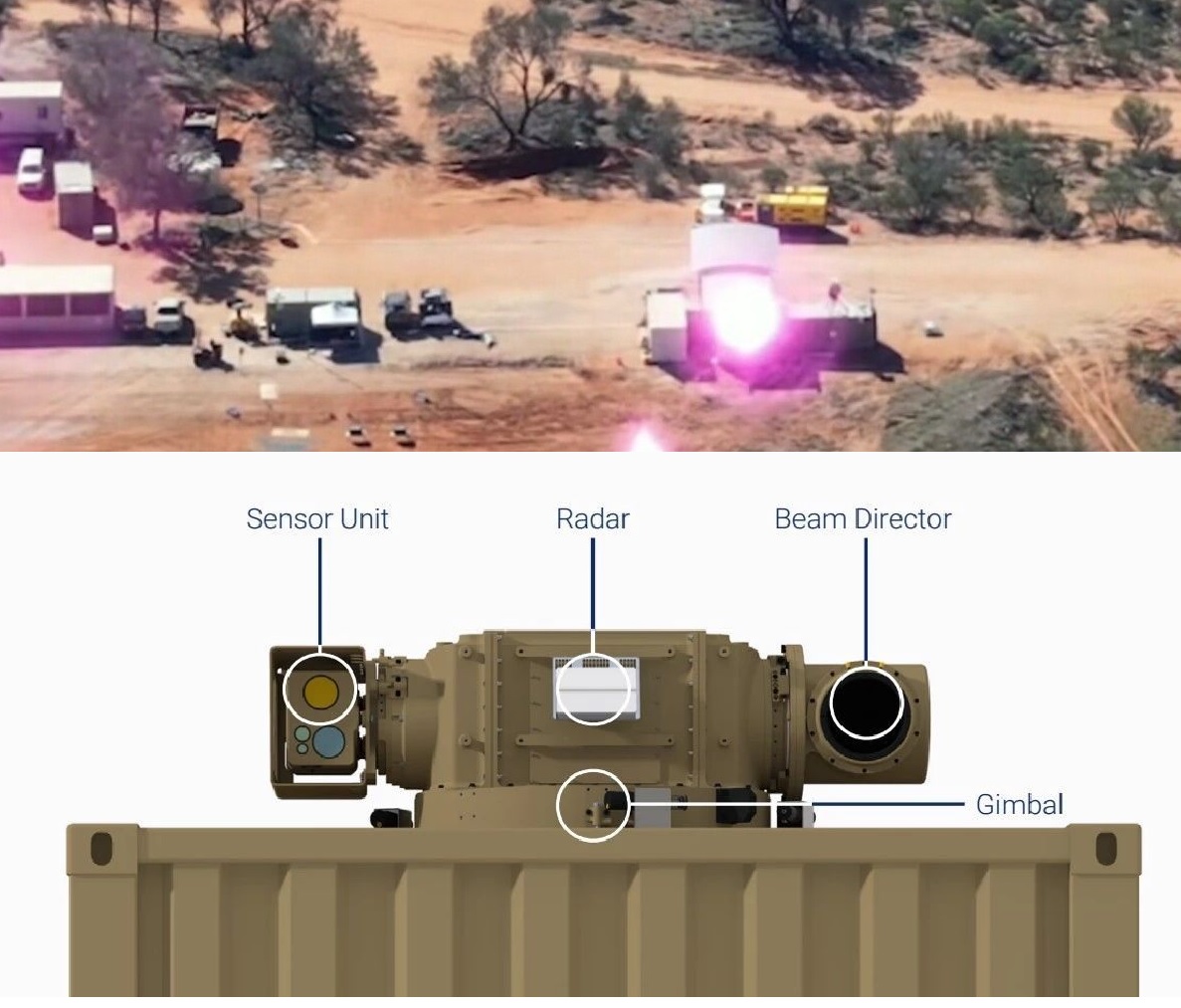
World
In a significant advancement in defense technology, Australian defense company Electro Optic Systems (EOS) has introduced the Apollo High Energy Laser Weapon (HELW), a cutting-edge system designed to counter drone swarms with unparalleled efficiency and precision. Key Features of the Apollo HELW: Powerful Laser Output: The Apollo system boasts a scalable laser power ranging from 50 kW to 150 kW, enabling it to engage and neutralize drones effectively. Impressive Engagement Range: Capable of targeting drones at distances up to 3 kilometers, the Apollo HELW ensures a broad operational range for defense applications. Rapid Target Acquisition: The system can engage targets within 1.5 seconds over a 60° arc, providing swift responses to emerging threats. High Throughput: Designed to handle over 20 drone engagements per minute, the Apollo HELW is well-suited for scenarios involving multiple simultaneous threats. Cost-Effective Operations: With an estimated cost per shot significantly lower than traditional missile systems, the Apollo HELW offers a more economical solution for countering drone threats. Versatile Deployment Options: The system can be mounted on various platforms, including standard 20-foot shipping containers and vehicle-based units, allowing for flexible deployment in diverse operational environments. Extended Operational Capability: When operating on internal power, the Apollo HELW can neutralize up to 200 drones before requiring a recharge, making it highly effective in situations where external power sources are unavailable. Integration with Defense Networks: The Apollo HELW is designed to integrate seamlessly with existing Command and Control (C2) systems and Integrated Air Defense Systems (IADS), enhancing its effectiveness within broader defense frameworks. Strategic Implications: The introduction of the Apollo HELW marks a pivotal moment in modern defense strategies, particularly in addressing the growing threat posed by drone swarms. Its rapid engagement capabilities, cost-effectiveness, and adaptability to various deployment scenarios position it as a formidable asset in both military and security contexts. As drone technology continues to evolve, systems like the Apollo HELW represent the future of defense, leveraging directed energy to provide precise and scalable responses to aerial threats. EOS's commitment to advancing this technology underscores the increasing importance of directed-energy weapons in contemporary defense arsenals. In conclusion, the Apollo High Energy Laser Weapon by EOS exemplifies a significant leap forward in counter-drone technology, offering a potent, adaptable, and cost-efficient solution to one of the most pressing challenges in modern defense.
Read More → Posted on 2025-09-21 17:14:03
World
The United States has urged Pakistan to make its military and intelligence expenditures more transparent by subjecting them to parliamentary scrutiny and, where possible, public oversight. The demand comes as part of Washington’s annual Fiscal Transparency Report, which evaluates how governments disclose their financial operations and whether citizens can hold institutions accountable. According to the report, Pakistan continues to keep significant portions of its defence budget and intelligence allocations away from open discussion. While officials argue that secrecy is required for national security, the lack of clarity has raised concerns over accountability, mismanagement of funds, and unchecked growth in defence spending. At the same time, the report does note some progress. Pakistan’s end-of-year financial reports are now available online, and the role of the Supreme Audit Institution is highlighted as relatively independent and credible. Yet the gap remains wide when it comes to publishing a detailed executive budget proposal that the public or parliament can debate meaningfully. This call for transparency comes at a critical time. Pakistan’s 2025-26 budget has seen defence spending climb by nearly 20%, even as the country faces mounting debt obligations and limited fiscal space for development. For many analysts, this imbalance reflects a deeper structural problem: resources are consumed by security institutions, while public welfare, education, and healthcare remain underfunded. The United States and other international partners have long tied the issue of fiscal transparency to economic stability. Greater disclosure, they argue, can help Pakistan secure favorable financial terms, rebuild international confidence, and strengthen its democratic institutions. For Pakistan, however, the challenge lies in balancing security imperatives with democratic accountability—a task that will require both political will and institutional reform. If implemented seriously, these reforms could represent a turning point in how Pakistan manages its finances. Allowing civilian oversight of defence and intelligence allocations would not only improve credibility at home and abroad but also signal a stronger commitment to transparency in governance.
Read More → Posted on 2025-09-21 16:12:46
World
Afghanistan's Foreign Minister, Amir Khan Muttaqi, has categorically rejected calls by former U.S. President Donald Trump to reclaim control of the strategically significant Bagram Air Base. In a statement to Tolo News, Muttaqi emphasized that "not even one metre of Afghan land will be given to the Americans," asserting Afghanistan's unwavering stance on its sovereignty and territorial integrity. The Bagram Air Base, located just north of Kabul, was the main hub for U.S. military operations during its two-decade presence in Afghanistan. The base also housed a notorious prison where thousands were detained without charge during the U.S.-led "war on terror," with many reports of abuse and torture. After the withdrawal of U.S. and allied troops in 2021, the Taliban government assumed control of the base. Trump, during a recent visit to the UK, reignited the debate by stating that the U.S. intended to leave Afghanistan "with strength and dignity" but would have kept Bagram, citing its strategic importance near the China border. He even warned Afghanistan on his social media platform, Truth Social, that "bad things are going to happen" if the base was not returned to the United States. In response, Afghanistan issued an official statement reaffirming its commitment to a balanced, economy-oriented foreign policy rooted in Islamic principles and mutual interests with all nations. The statement stressed that Afghanistan’s independence and territorial integrity are non-negotiable priorities in all bilateral engagements, including with the United States. The statement also referenced the Doha Agreement, signed in February 2020, under which the U.S. pledged not to use or threaten force against Afghanistan's territorial integrity or interfere in its internal affairs. Afghanistan called on the U.S. to honor these commitments and adopt a policy of realism and rationality, rather than repeating "past failed approaches." Despite limited formal diplomatic engagement, the U.S. and the Taliban have continued negotiations on issues such as prisoner exchanges and the release of hostages. However, the issue of Bagram Air Base remains a contentious point, with Afghanistan firmly opposing any return of foreign military control on its soil. The ongoing dispute highlights Afghanistan's determination to protect its sovereignty against external pressures and serves as a reminder of the complexities surrounding international agreements and military presence in the region. Afghanistan remains committed to engaging with the international community on the basis of mutual respect, shared interests, and independence.
Read More → Posted on 2025-09-21 15:53:02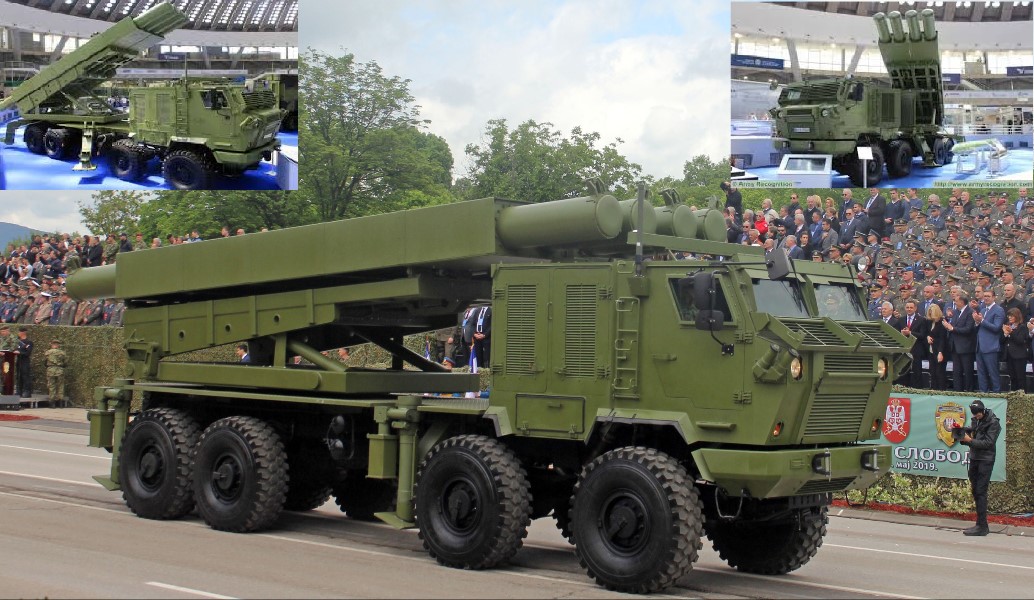
World
Belgrade : In its recent “Strength of Unity” military parade, Serbia unveiled a new heavy rocket system, Sumadija/Vila, developed by state arms manufacturer Yugoimport‑SDPR. The system is modular, designed to combine long-range ballistic strike and loitering munition capabilities in a single self-propelled launcher. While Serbia presented it as enhancing its defense and deterrence, neighboring countries and regional powers are likely to feel growing tension over its potential impact on the balance of military power in the Western Balkans. Technical Specifications & Capabilities Below are reported specifications of the Sumadija/Vila system: Component Capability Notes Jerina (ballistic missile) 2 missiles per container; 400 mm calibre, range approximately 300 km, warhead ~ 250 kg Provides long-range destructive capacity Vila‑1 (loitering munition) Heavy loitering munition; up to 300 km range; warhead up to 450 kg Enables persistent target engagement Launcher configuration Modular launcher with different containers: one for Jerina, another for Vila-1; self-propelled vehicle Allows tailoring payloads for specific missions Target types Time-sensitive, high-value targets: missile batteries, air defense systems, airports/heliports, bases, logistic hubs, command centers, critical infrastructure Matches doctrine of combining deep strike with flexibility Accuracy & guidance Jerina guided with INS/GPS; Vila-1 offers target-area persistence for optimal strike Enables precise engagement at range Regional Reactions and Tensions The deployment of Sumadija/Vila could increase tension among several actors: Kosovo: Any system capable of striking 300 km could reach into Kosovo’s territory, raising security concerns. Bosnia and Herzegovina: Bosniak and Croat leaderships may perceive the system as a potential threat to sovereignty. NATO & EU neighbors: Countries such as Croatia, Montenegro, North Macedonia, and Albania may need to upgrade defense systems in response. Western powers: The USA and European Union may view the system as a regional militarization step affecting stability. Russia & China: Depending on relations with Serbia, the system may be seen as an opportunity for influence or as a delicate situation regarding regional power balance. Context & Strategic Implications The Sumadija MLRS was previously known as a modular multiple rocket launcher able to fire Jerina-1 guided missiles and unguided rockets. The new version pushes the envelope with heavier warheads and inclusion of loitering munitions. Combining ballistic missiles and loitering munitions allows immediate strikes and persistent target engagement, enhancing operational flexibility. The system increases strategic depth, allowing Serbia to engage high-value targets far behind enemy lines. Neighboring countries are likely to perceive it as a provocative capability, potentially triggering regional arms races or calls for diplomatic oversight. Export potential exists, which could shift military balances in other regions. The unveiling of Sumadija/Vila represents a milestone for Serbia’s defense industry, showcasing a modular, multi-role system with significant strike capability. While the credibility of all claimed specifications remains to be independently verified, the system has already introduced new tensions in the Balkans and drawn attention from international observers. The true strategic impact will depend on deployment, accuracy, and operational readiness.
Read More → Posted on 2025-09-21 15:47:29
World
U.S : The United States has quietly paused certain arms sales to European allies, citing shortages in key weapons systems and a growing need to prioritise its own military stockpiles. The decision comes as NATO partners look to strengthen their defences in the face of an increasingly assertive Russia. The first sign of the shift emerged during Denmark’s negotiations for a multibillion-dollar air-defence system. While U.S. and French officials had previously supported the deal, the Pentagon appeared reluctant at the final stage. Officials later confirmed that Patriot missile systems, in particular, are being withheld as they are in limited supply and needed for U.S. use. Internal assessments suggest the United States has only about 25 percent of the Patriot interceptors required to meet its current military plans. As a result, the Pentagon has started blocking new requests from European partners, with very few exemptions expected. The pause has already changed procurement choices in Europe. Denmark has signed a $9.1 billion agreement with a French-Italian venture for long-range systems and with Germany, France, or Norway for medium-range defences. It is the country’s largest-ever arms purchase and signals a shift towards European-made alternatives. Deputy Assistant Secretary of Defense Elbridge Colby has been quoted as opposing some foreign military sales, including Patriot exports to Denmark. He has argued that resources should be concentrated in the Indo-Pacific, where the U.S. sees China as its primary strategic rival. However, the Pentagon and State Department have rejected suggestions of internal policy divisions, stressing that decisions align with the administration’s “America First Agenda.” The restrictions have raised concerns among allies. Analysts warn that withholding weapons could weaken European defences, reduce U.S. influence, and encourage governments to seek other suppliers. “We tell Europeans to send weapons to Ukraine and buy replacements, but then we say, ‘You can’t have them,’” one expert noted. Foreign military sales have long been a major instrument of U.S. foreign policy, with transfers worth $117.9 billion recorded in the 2024 fiscal year. By pausing deliveries to Europe, Washington risks creating uncertainty within NATO at a time when Russia remains an imminent threat. Former defence officials caution that prolonged delays could incentivise European states to invest heavily in their own production lines. If wait times extend further—from two years to potentially five—U.S. industry risks losing long-term markets to emerging European defence suppliers. The U.S. decision to pause arms sales underlines a new strategic balance: protecting domestic stockpiles and pivoting toward the Pacific, even if it means allies in Europe will have to look elsewhere to secure their defences.
Read More → Posted on 2025-09-21 15:28:35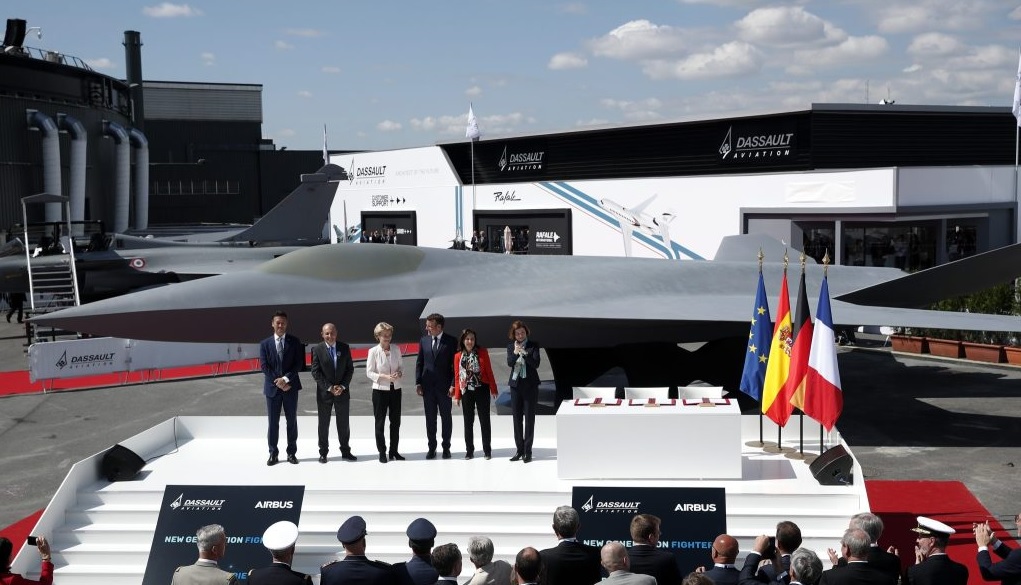
World
Germany : Berlin is also weighing a withdrawal from the Future Combat Air System (FCAS) programme, as dissatisfaction grows over the division of work and the dominant role of French industry. According to reports, the German government is analysing possible alternatives, including participation in the Global Combat Air Programme (GCAP) led by the United Kingdom, Italy, and Japan. The FCAS project, launched to develop a sixth-generation fighter jet for Europe, is designed to eventually replace the Eurofighter in the German Luftwaffe around the mid-21st century. Alongside the fighter, the programme includes remote carriers and a combat cloud, making it one of the most ambitious defence projects in Europe. However, tensions between Berlin and Paris have strained the partnership, with Germany objecting to France’s push for greater control in the next phases of the project. The current disagreements mirror past European defence splits. Observers have drawn parallels with the MAWS maritime patrol aircraft programme, which collapsed after Germany ordered Boeing P-8A Poseidons from the United States, while France independently pursued the Airbus A321MPA. The situation is also reminiscent of the 1980s, when Europe failed to agree on a joint fighter, resulting in France developing the Dassault Rafale and others moving ahead with the Eurofighter. In addition to France and Germany, Spain and Belgium are involved in FCAS, though Spain has openly expressed frustration with the project’s current state. This growing unease places further pressure on the initiative. Germany has already committed to buying 35 F-35A Lightning II fighters from the United States, which are expected to complement or potentially expand its fleet if FCAS falters. Joining the GCAP project, scheduled to deliver aircraft around 2035, could give Berlin another pathway to maintain its technological edge and strengthen ties with new partners. German Chancellor Friedrich Merz has insisted that France must respect earlier agreements on work-sharing, while Defence Minister Boris Pistorius has pledged to seek clarity with his French counterpart before the end of the year. Meanwhile, Paris remains firm that French industry should play the leading role in the programme. The future of FCAS now hangs in the balance. Unless compromises are reached soon, Germany may be forced to pivot toward alternatives, raising questions over whether Europe can achieve a truly joint next-generation air combat system or whether history will repeat itself with yet another split in European defence aviation.
Read More → Posted on 2025-09-21 15:15:57
World
The Pentagon has introduced sweeping new restrictions on journalists covering the Department of Defense, a move that has drawn criticism from media organizations, legal experts, and even some lawmakers. Announced via a memo by Pentagon spokesman Sean Parnell, the new rules require reporters to adhere to strict guidelines before gaining or maintaining press credentials. Under the policy, journalists must complete a 17-page agreement pledging not to publish or gather information without prior approval from an authorized official—even if the information is unclassified. Press credentials can be revoked or suspended for violations, including the disclosure of controlled unclassified information (CUI). Reporters’ access inside the Pentagon will also be limited, with many areas requiring a government escort. The Pentagon defends the policy as a measure to protect national security, ensuring that both classified and sensitive unclassified information are not misused or improperly disclosed. Officials, including Sean Parnell, describe the rules as “basic, common-sense guidelines” consistent with security practices at other military facilities. However, the move has triggered strong criticism. The New York Times and other media outlets argue that requiring prior approval for unclassified information amounts to prior restraint, which is widely considered incompatible with the First Amendment. Republican Representative Don Bacon called the rules “absurd,” warning that such measures risk turning the media into state-controlled outlets limited to reporting government talking points. Free press groups have also raised concerns that the restrictions could chill journalistic investigation and deter whistleblowers from sharing vital information. This development comes amid ongoing tensions between the Trump administration and the media. Earlier this year, Secretary of Defense Pete Hegseth had already imposed restrictions requiring reporters to be escorted in Pentagon areas. Broader changes to media access, including reassigning certain news organizations from Pentagon offices, have fueled fears about government influence over reporting. Experts warn that the new rules could face constitutional challenges, as prior restraint is generally deemed unconstitutional unless it meets exceptionally narrow criteria. The implications for press freedom are significant, potentially affecting how information about national security and military operations is reported in the United States. While the Pentagon frames the guidelines as protective of sensitive information, many observers see the policy as a concerning shift that could give government officials undue control over the dissemination of information, even when it is unclassified.
Read More → Posted on 2025-09-21 15:03:13Search
Top Trending in 24 Hours
-
 Tulsi Gabbard Releases Declassified Files Detailing U.S.-Backed Network of 120 Biolaboratories Across 30+ Countries
-
 France Agrees to Equip Future Indian Rafales with AI, MUM-T and Secure Satellite Links Under F5 Standard
-
 US Marine Corps F/A-18D Hornet Crashes During Training Flight in Washington Mountains; Pilot Ejects Safely
-
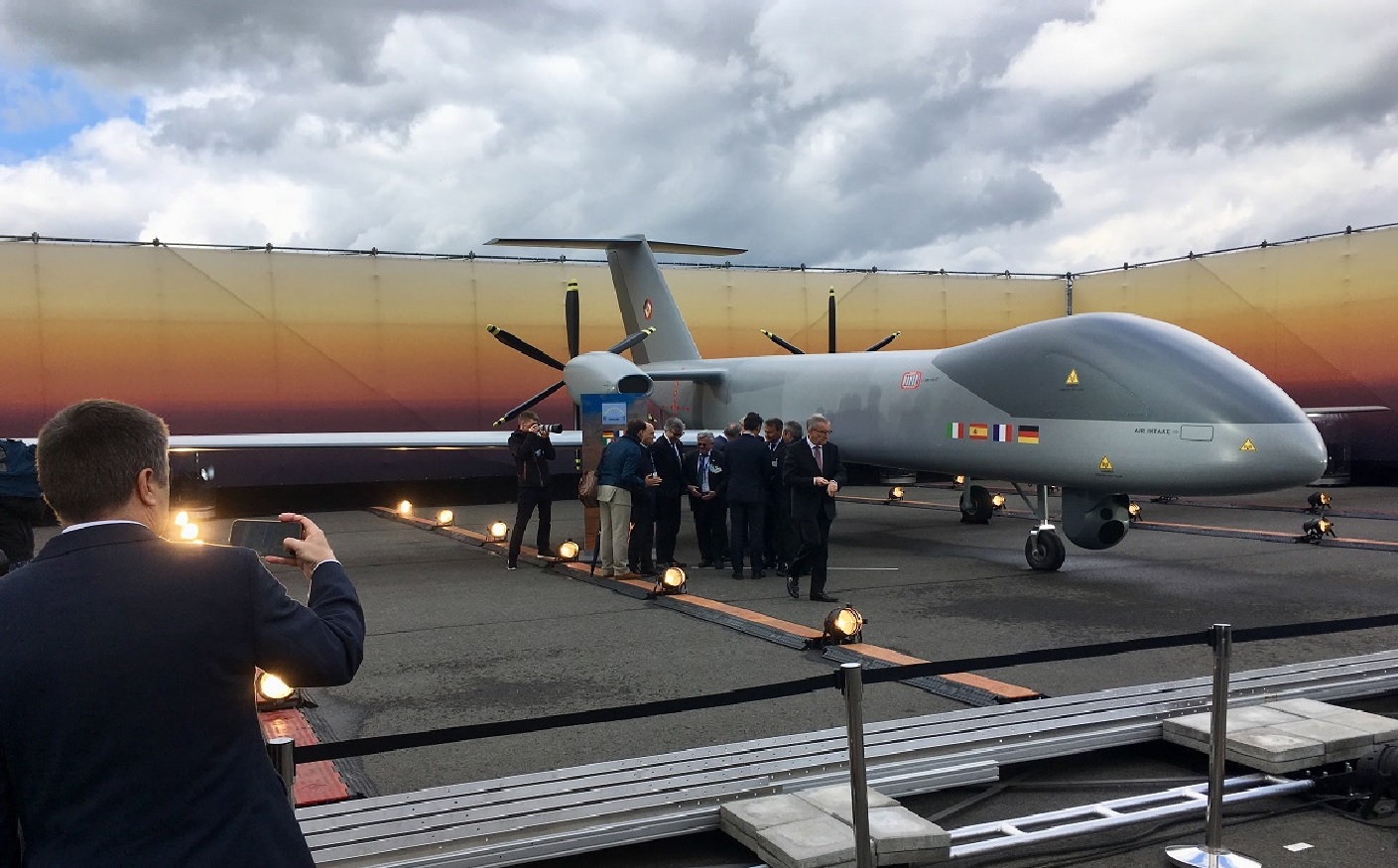 Dassault Seeks Compensation From Airbus as Eurodrone Dispute Erupts After FCAS Collapse
-
 AM General Unveils Next-Generation UGV and JLTV A2 with Counter-Drone Systems at Eurosatory 2026
-
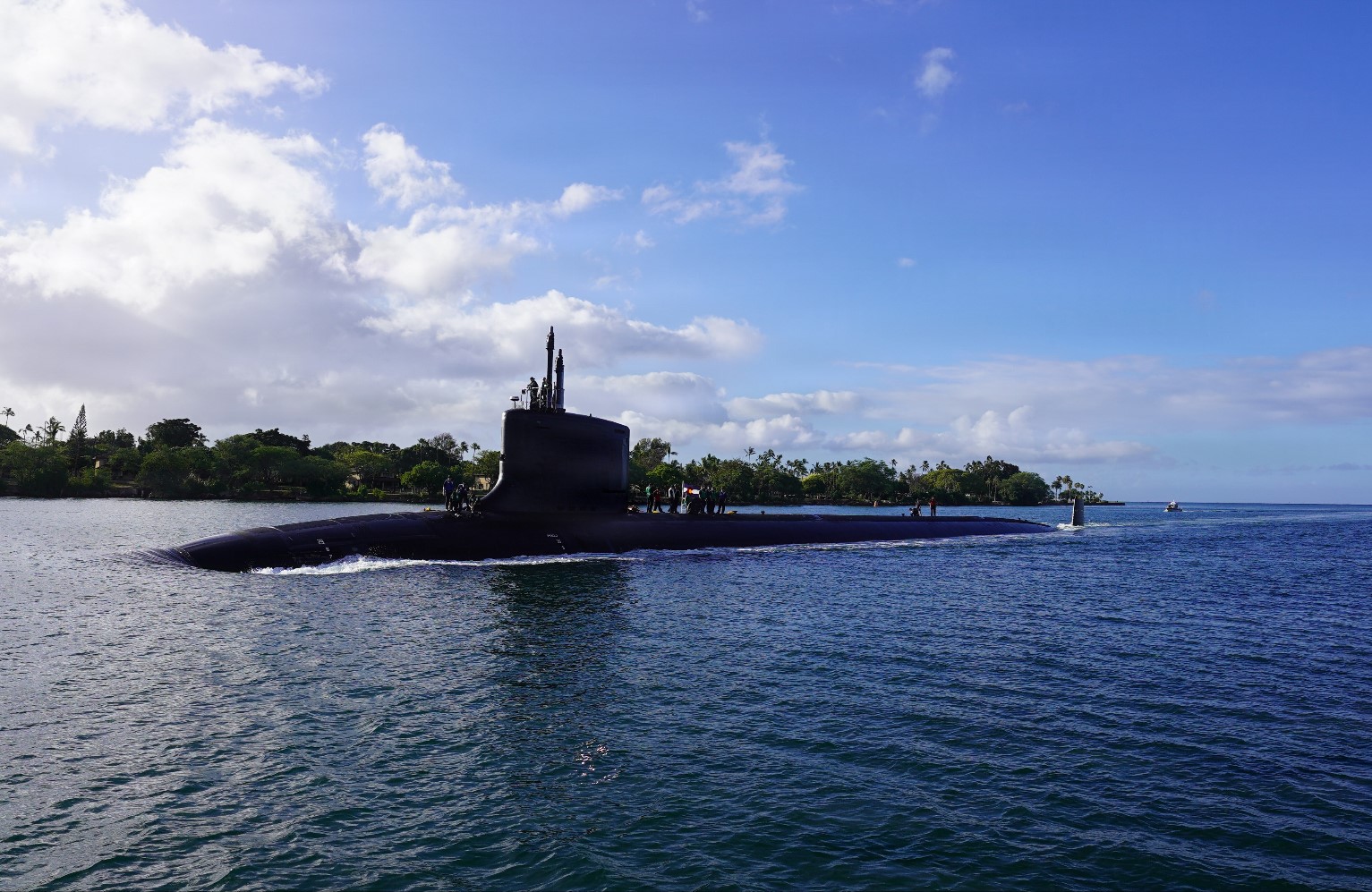 U.S. Navy's USS Colorado Submarine Returns to Pacific Fleet 29 Days Early After Major Pearl Harbor Overhaul
-
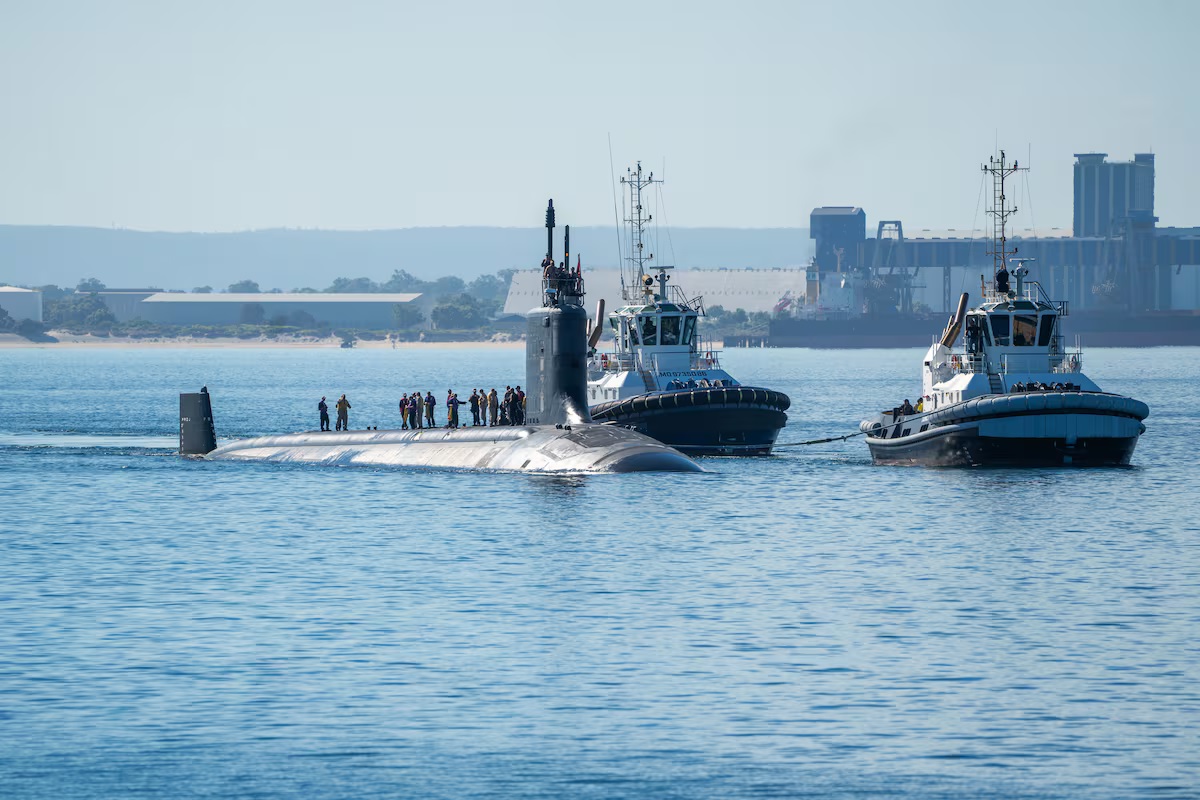 U.S. Navy Reestablishes Submarine Squadron 3 at HMAS Stirling to Support AUKUS Rotational Force
-
 Pakistan Raises Defence Budget from $9 Billion to $10.8 Billion as J-35 Fighter and Hangor Submarine Programs Advance
Top Trending in 4 Days
-
 Iranian Media Leaks 14-Point U.S.-Iran Peace Framework Amid Ongoing Negotiations
-
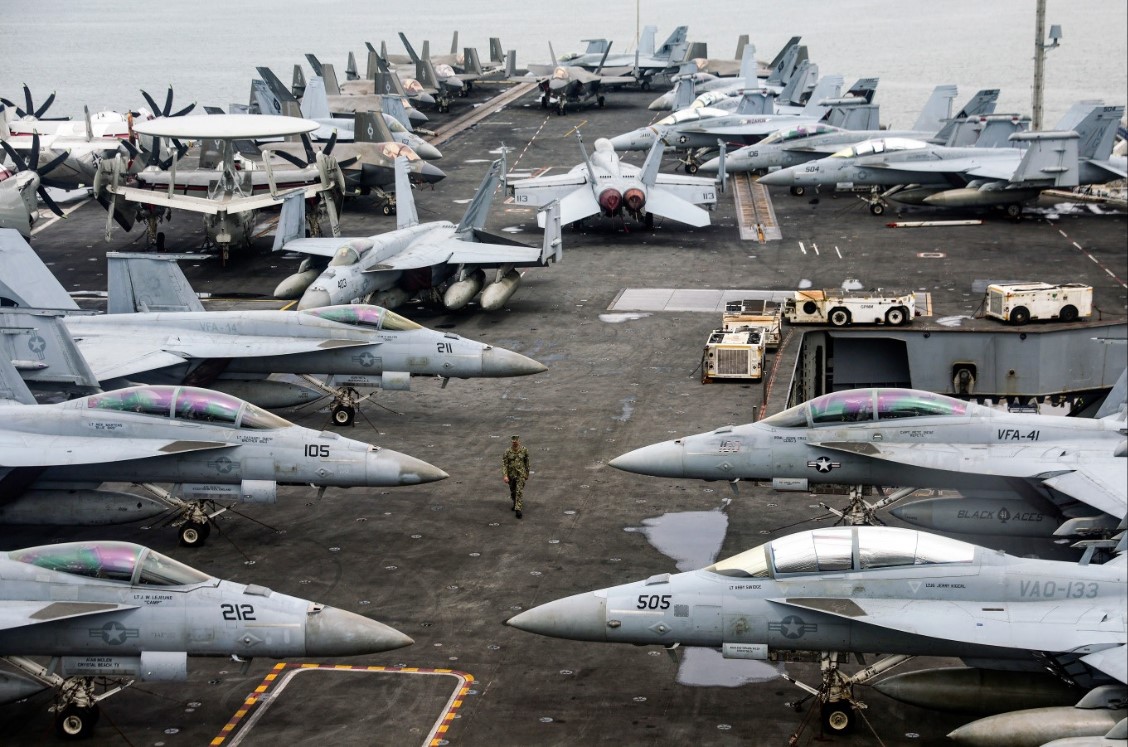 US Plans Significant Reduction of Fighter Jets and Warships for NATO Operations in Europe
-
 F-35 Fleet Readiness Falls to 25% Amid Parts Shortages and Software Delays: GAO Report
-
 India Successfully Conducts AD-1, AD-2 Interceptor Tests and Maiden NASM-MR Flight Trial
-
 U.S. Air Force Faces Strategic Airlift Shortfall as C-17 Production Restart Remains Uncertain
-
 NATO Commander Says Russia Not Seeking Conflict With Alliance Despite U.S. Force Reductions
-
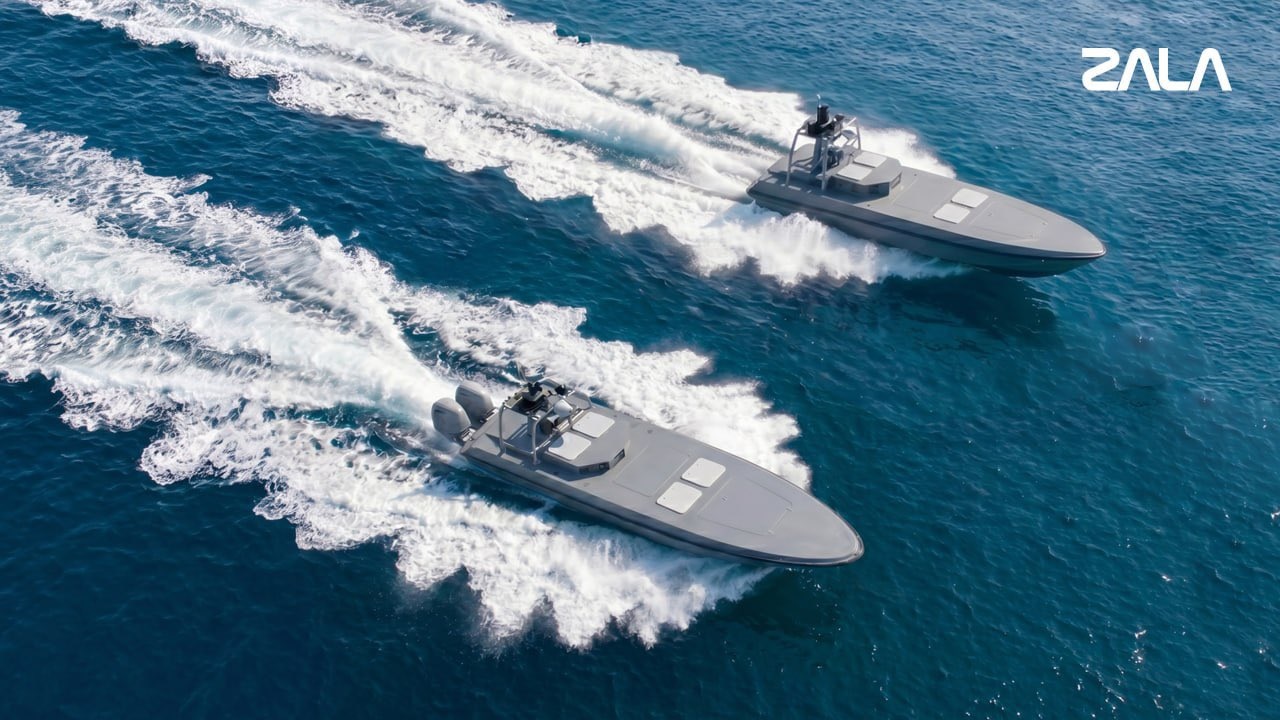 Russian Defense Firm ZALA Unveils KAMA Unmanned Surface Vessel Family at FLOT-2026 Naval Exhibition
-
 U.S. Space Force Awards $437.7 Million Contracts for First PTS-G Swarm 1 Anti-Jam Satellites