World
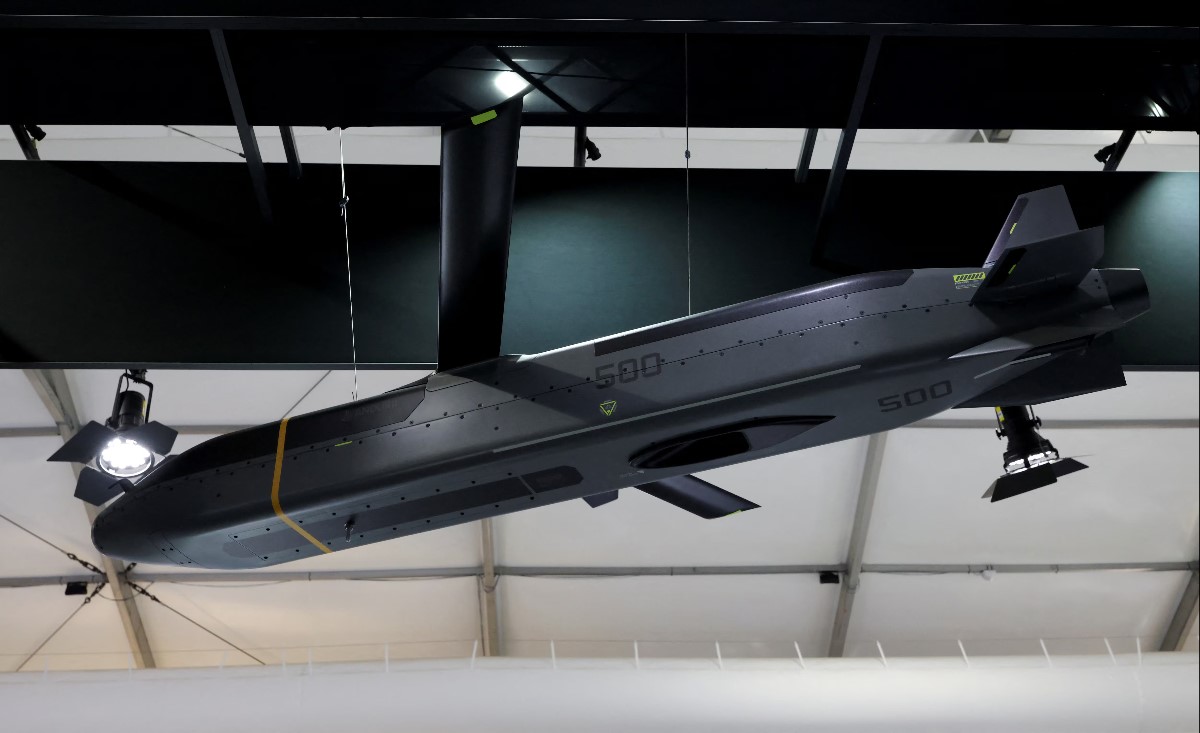
Taipei – In a landmark development, Taiwan on Wednesday unveiled its first missile jointly manufactured with a U.S. defence company, signalling a major leap in defence cooperation with Washington as the island faces growing military pressure from China. The missile, named Barracuda-500, was designed by the U.S. defence technology startup Anduril Industries and is now set for mass production in Taiwan through a technology transfer agreement with the military-owned National Chung-Shan Institute of Science and Technology (NCSIST). Key Features of Barracuda-500 The Barracuda-500 is an autonomous, low-cost cruise missile designed for group attacks on warships and maritime threats, functioning similarly to exploding drones in swarm missions. Taiwan plans to build the entire production line locally, aiming for cost efficiency and strategic independence. The target price for each missile is set at below NT$ 6.5 million (US$ 216,500), significantly cheaper than many modern cruise missiles. Strategic Importance China has intensified its military activities near Taiwan, including warplane incursions and naval manoeuvres, raising security concerns. Taiwan’s President Lai Ching-te earlier pledged to deepen security ties with the U.S., including joint arms production, and this unveiling is a clear outcome of that promise. Taiwan is ramping up its defence spending, with a goal of 5% of GDP by 2030, compared to 3.3% next year, underscoring its urgency to bolster deterrence. Statements from NCSIST Li Shih-chiang, president of NCSIST, described the project as “a new endeavour to strengthen our own defence capabilities swiftly and efficiently by incorporating the latest technologies.”He stressed Taiwan’s need for self-reliance:“Should hostilities break out, should we face blockade, we are not like Ukraine, which can receive steady supplies from Europe. All our resilience must be built upon this island.” While NCSIST did not reveal the timeline or production numbers, Li confirmed that agreements will be signed during the Taipei Aerospace and Defence Technology Exhibition, including two contracts and six Memorandums of Understanding with U.S. and Canadian companies. Wider Implications This move strengthens U.S.-Taiwan defence cooperation, reflecting Washington’s support for Taiwan’s self-defence without formal diplomatic ties. By pursuing joint production, Taiwan reduces dependence on foreign deliveries that could be disrupted in wartime. For the U.S., the project aligns with its broader Indo-Pacific strategy, ensuring partners can counter aggression with advanced, locally produced systems. Technical Insights The Barracuda missile family is designed for long-range autonomous operations, with the 500-series capable of around 500 nautical miles when air-launched. Its design focuses on rapid mass production, using fewer components and streamlined assembly, making it faster and cheaper to manufacture compared to traditional cruise missiles. The unveiling of the Barracuda-500 is not just about one missile—it is a symbol of Taiwan’s determination to build resilience, expand local defence capacity, and send a clear message that it is ready to stand firm against growing threats from China.
Read More → Posted on 2025-09-17 15:30:31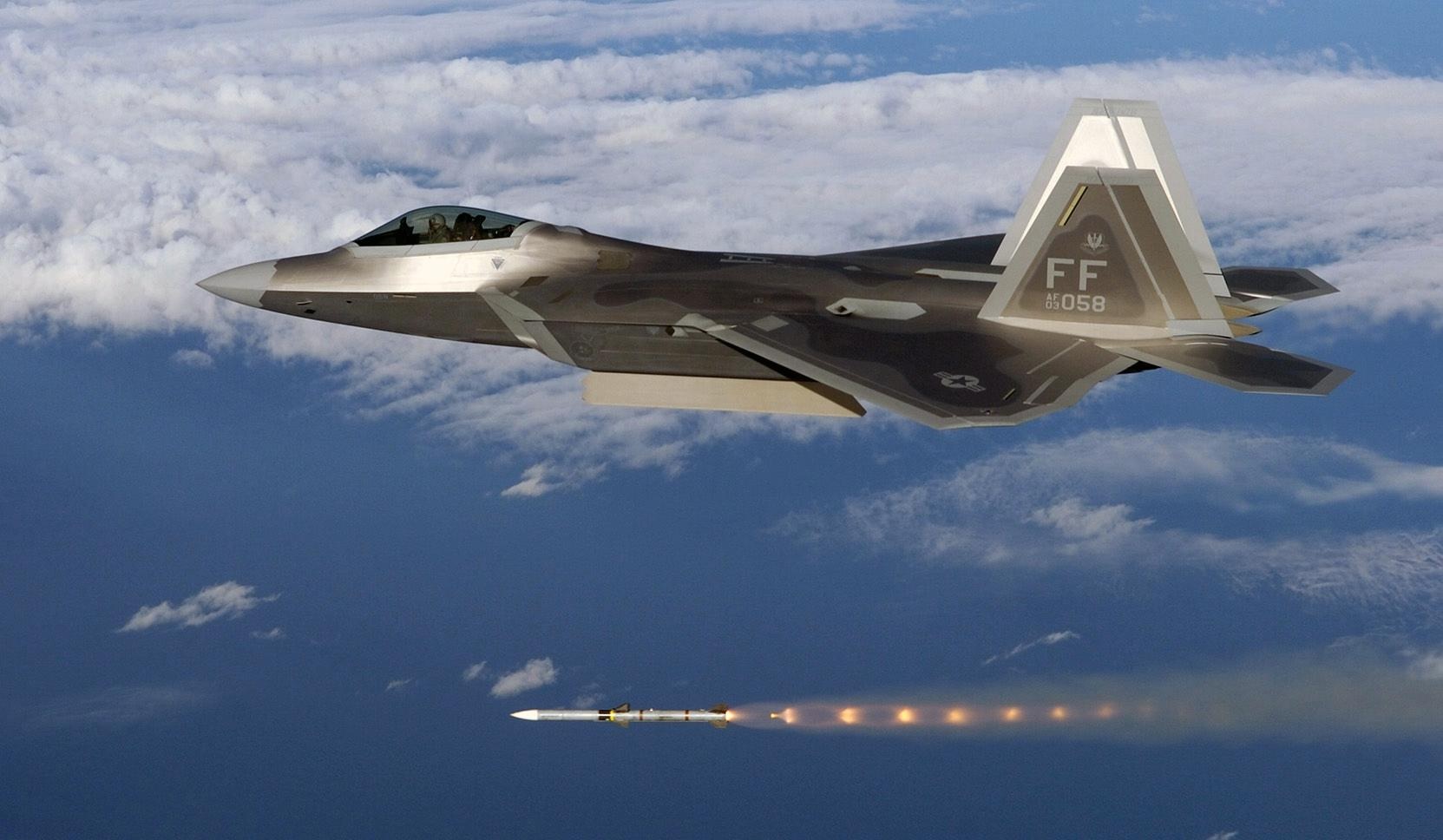
World
USA : The United States Air Force has set a new benchmark in aerial combat capability as Raytheon, under RTX, confirmed on 16 September 2025 that the AIM-120 AMRAAM achieved its longest known shot during a trial from an F-22 Raptor. Conducted at Eglin Air Force Base in the fall of 2024, the test validated the missile’s extended flight profile and showcased the impact of the Form, Fit, Function Refresh (F3R) modernization program. For more than three decades, the AMRAAM has been the backbone of U.S. and allied air superiority, fielded by over 40 nations and integrated onto 14 aircraft platforms. With more than 6,000 successful firings and a proven combat record, it remains the most trusted medium-range air-to-air weapon in the Western arsenal. The tested AIM-120D-3 variant incorporates F3R enhancements that optimize software, guidance electronics, and power systems, enabling longer time of flight and extending effective range beyond previously acknowledged figures. While official range numbers remain classified, the achievement clearly surpasses the already impressive envelope associated with earlier D-series models. The implications are significant. Technically, this record-breaking demonstration allows fifth-generation fighters like the F-22 and F-35 to engage hostile aircraft before entering enemy missile envelopes, thereby increasing survivability. Comparisons with adversary systems, such as China’s PL-15 and Russia’s R-37M, show that the AMRAAM remains competitive in the global race for long-range intercept capability. Strategically, it underscores Washington’s determination to preserve its edge in the Indo-Pacific, where future air battles are expected to be fought at greater distances. Raytheon has confirmed that missiles currently leaving the production line already include the range-extension capabilities demonstrated in the test. Recent contracts, including a record multibillion-dollar procurement by the U.S. Air Force and foreign military sales to allied nations, ensure the missile’s continued prominence. This export success strengthens allied inventories while supporting economies of scale in production. Beyond its tactical advantage, the test sends a clear geopolitical signal. At a time when rival powers are introducing new long-reach weapons, the United States and its allies are demonstrating that their legacy systems are not static but evolving. The record-shot proves that with sustained investment, iterative modernization, and operational testing, even a decades-old platform like the AMRAAM can continue to shape the balance of airpower well into the future.
Read More → Posted on 2025-09-17 15:24:32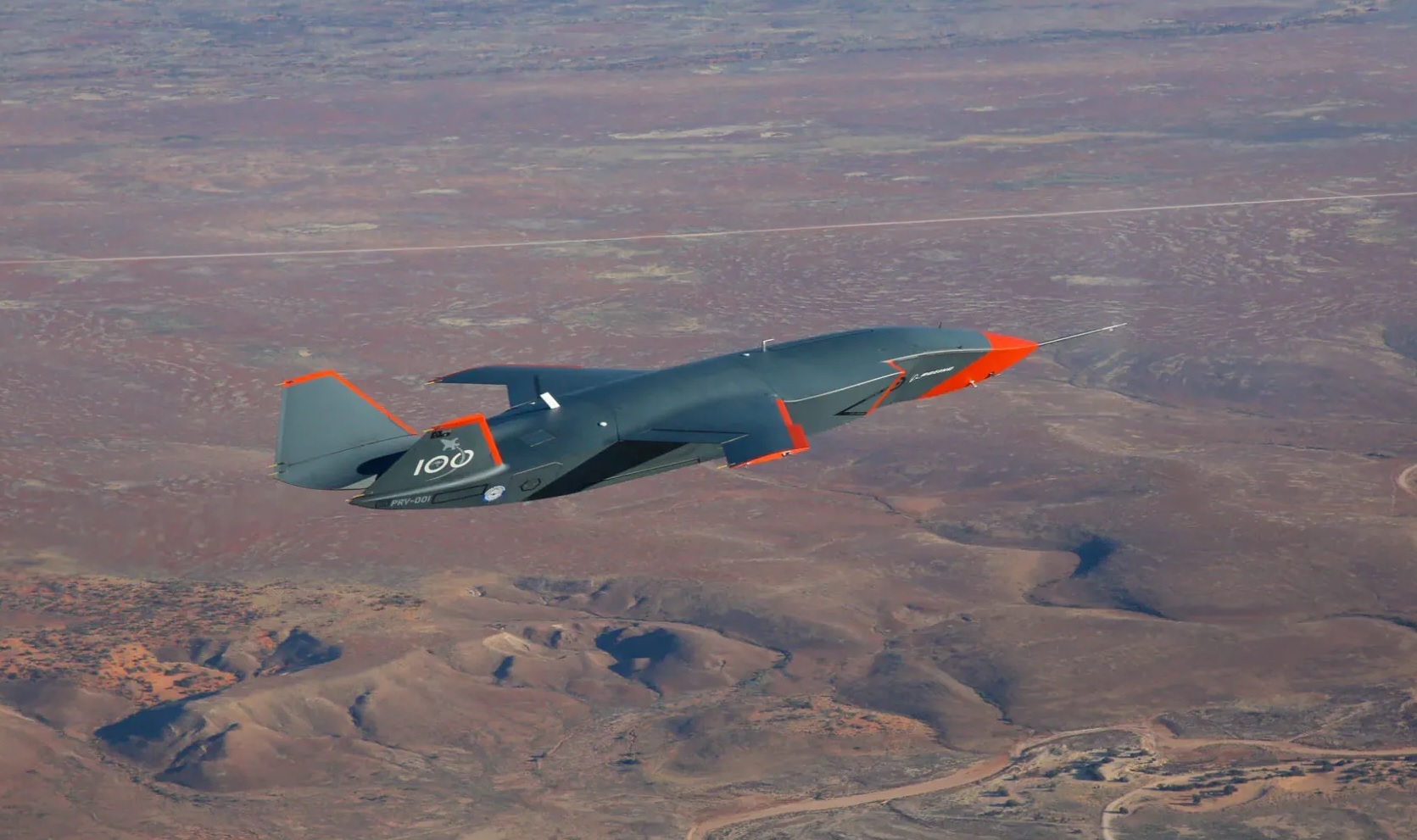
World
Australia : The Royal Australian Air Force (RAAF), in partnership with Boeing Defence Australia, has reached a landmark achievement with the successful development and operational validation of the MQ-28A Ghost Bat, the nation’s first indigenously designed and built combat aircraft in more than fifty years. The milestone was confirmed during the Capability Demonstration 2025, which wrapped up four months ahead of schedule, underscoring the program’s momentum. A New Class of Combat Aircraft The Ghost Bat is a collaborative combat aircraft (CCA) designed as an uncrewed combat aerial vehicle (UCAV) to operate alongside manned aircraft. It enhances missions in reconnaissance, electronic warfare, strike, and force protection, extending the RAAF’s reach and survivability. Powered by a single turbofan engine, the aircraft boasts a range exceeding 3,700 kilometers, enabling long-duration missions deep into contested environments. A standout feature of the drone is its modular nose design, which allows payload swaps between sensors, radars, or electronic warfare suites. Built with open-architecture avionics and advanced autonomy software, it can share and fuse data with other Ghost Bats and crewed platforms, creating a force-multiplying effect in modern air combat. Demonstrated Capabilities The 2025 demonstrations validated several critical combat roles: Autonomous mission execution, proving the aircraft can operate with minimal human intervention. Multi-ship operations, where several Ghost Bats coordinated as a combat mass, expanding operational presence without risking pilots. Deployment from operational bases, as shown at RAAF Base Tindal, marking its first flights outside the Woomera Test Range. Integration with E-7A Wedgetail, confirming seamless command and control from airborne early warning platforms. Real-time data fusion, where multiple Ghost Bats shared intelligence and relayed it to manned aircraft such as the F/A-18F Super Hornet, EA-18G Growler, and F-35A Lightning II. Industrial and Strategic Impact Production is advancing at a high-tech facility in Toowoomba, Queensland, where carbon-fiber composites, robotic assembly, and final testing are conducted. The Block I aircraft served as test units, while Block II versions—improved with lessons from recent trials—are already in production under a $400 million contract for 13 aircraft. The program not only strengthens Australia’s sovereign defence manufacturing base but also positions the Ghost Bat as an export-ready platform for Indo-Pacific allies. The Road Ahead The next phase of the program will focus on combat evaluation and weapons integration, with an air-to-air missile release planned for late 2025 or early 2026. This step will move the Ghost Bat closer to becoming a fully weaponized, deployable asset. As part of broader regional cooperation, the aircraft also featured in Exercise Carlsbad 2025, where it was rapidly deployed via a C-17A Globemaster III and assembled, tested, and flown within just seven days—a demonstration of its logistical agility. A Strategic Leap The success of the MQ-28A Ghost Bat represents a generational leap in Australia’s defence capability. By combining autonomy, long range, rapid deployment, and integration with existing fleets, the Ghost Bat strengthens the RAAF’s ability to project power, deter threats, and operate with allies in the increasingly contested Indo-Pacific region.
Read More → Posted on 2025-09-17 15:20:22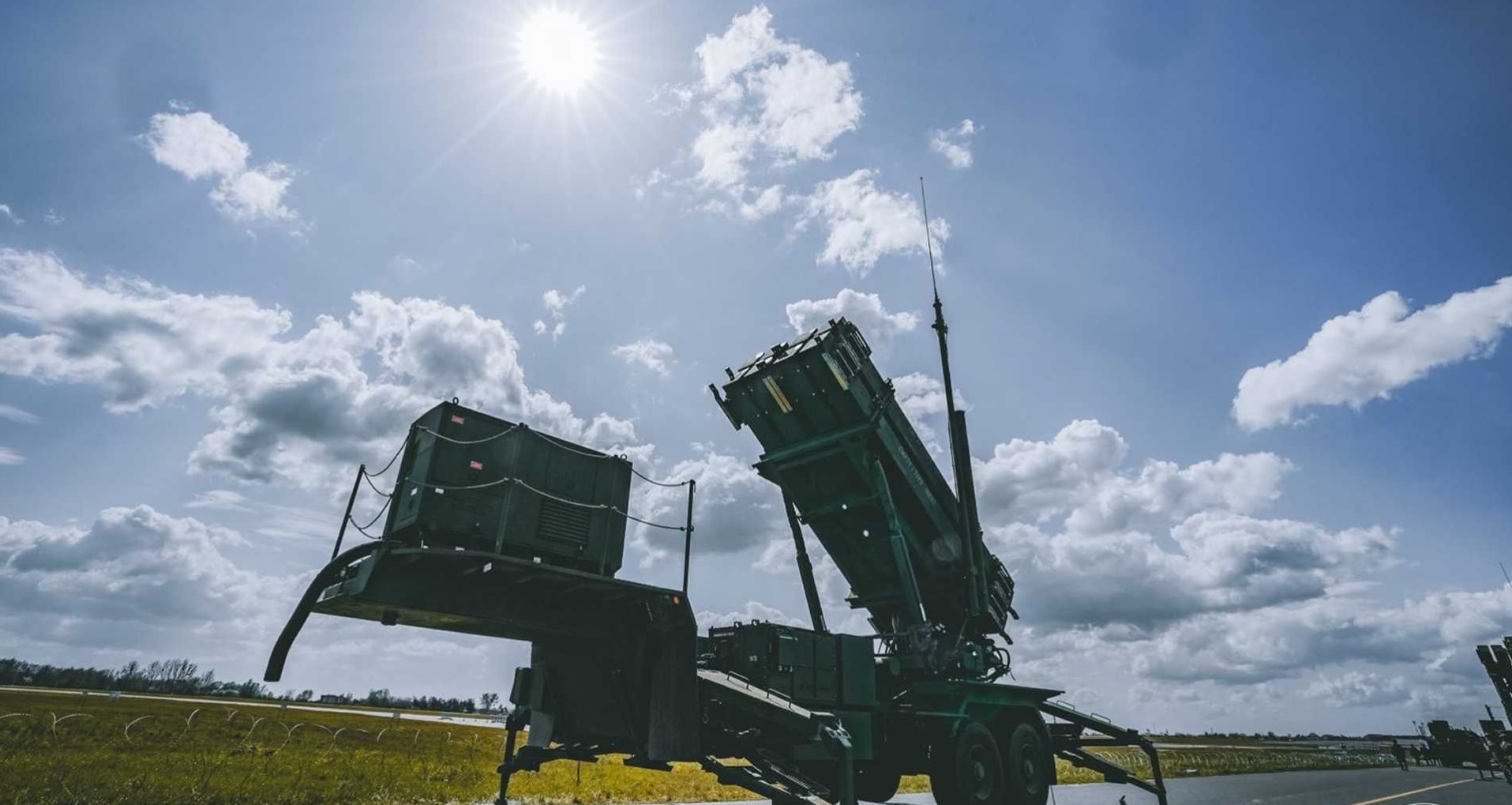
World
Poland : On 16 September 2025, the Polish Armed Forces successfully carried out the first live-fire exercise of the Patriot air and missile defence system acquired under the Wisła programme. The historic training took place at the Central Air Force Training Ground in Ustka during Iron Defender, the largest military exercise organised by Poland this year. The firing involved the Integrated Battle Command System (IBCS) and a GEM-T interceptor, marking a critical milestone ahead of final certification. According to the Ministry of Defence, the system is expected to reach full combat readiness by the end of 2025, significantly enhancing Poland’s air and missile defence posture. Launched in 2014, the Wisła programme is Poland’s most ambitious air defence modernisation effort, designed to ensure full NATO interoperability. The first phase, concluded in 2018 under a 16.6 billion złoty (approximately $4.65 billion) contract, included two Patriot PAC-3+ batteries, M903A2 launchers, AN/MPQ-65 radars, and PAC-3 MSE interceptors. Deliveries began in 2022, and by early 2023 Poland had received 16 M903 launchers produced domestically by PGZ. In December 2024, the system reached Basic Operational Capability with the 3rd Warsaw Air Defence Brigade, making Poland the 15th operator of the Patriot system worldwide. The second phase, signed in September 2023 and worth 47.6 billion złoty (around $13.3 billion), will add six more batteries, 48 launchers, and 644 PAC-3 MSE interceptors, as well as the advanced LTAMDS radars. Deliveries are scheduled between 2026 and 2029, with Huta Stalowa Wola contracted to build 48 launchers domestically, boosting Poland’s defence industry. Polish companies are already playing a growing role in the programme. WZL-1 in Dęblin has started producing launch tubes for the PAC-3 MSE missiles, while upgraded Toruń workshops will serve as the country’s main air defence service centre. Additional acquisitions include MCC-1 mobile communication nodes and command cabins, which will expand Poland’s battlefield command capabilities. At the heart of the system lies the PAC-3 MSE interceptor, designed for hit-to-kill engagements against ballistic missiles, cruise missiles, aircraft, and drones. With a range of about 100 km, it provides a powerful shield against high-altitude manoeuvring threats. Combined with Poland’s Narew and Pilica+ systems, the Patriot forms a layered defence network, among the most advanced within NATO. The successful test at Iron Defender marks a decisive step for Poland’s air defence. As Phase II progresses, Poland is set to field one of the most capable and integrated missile defence systems in Europe, strengthening both national security and NATO’s collective deterrence on the eastern flank.
Read More → Posted on 2025-09-17 15:14:36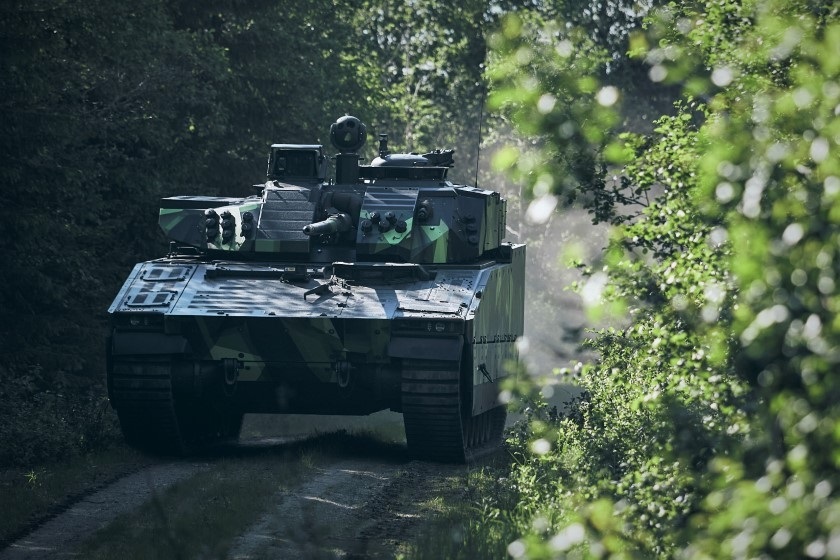
World
BAE Systems has contracted Raytheon UK to supply its advanced Landshield Plus GPS anti-jamming system for integration into the CV90 infantry fighting vehicle, significantly boosting the platform’s resilience against electronic interference. Deliveries are planned between 2025 and 2029, marking a major step in ensuring secure navigation on the modern battlefield. Key Features of Landshield Plus Integrated Design: The system combines a multi-element antenna and an anti-jam processor into one compact unit, making it easier to install and reducing complexity. Seven-Element Antenna: A high-precision seven-element array allows the system to suppress unwanted signals by steering nulls directly at hostile jammers. L1 & L2 GPS Protection: It operates on both the L1 and L2 GPS frequency bands, the most critical for military navigation. Multiple Jammer Handling: Capable of simultaneously countering up to six jammers across these frequency bands. Spoofing Detection: Equipped with advanced spoofing recognition, it can identify counterfeit GPS signals designed to mislead receivers. Networked Resilience: When multiple vehicles are equipped, the system can share data to triangulate the source of jamming or spoofing, turning a defensive tool into actionable intelligence. Low SWaP (Size, Weight, and Power): Compact and lightweight, the system requires minimal power, enabling use not just on ground vehicles but also on air and naval platforms. Strategic Implications The CV90, designed by BAE Systems Hägglunds, is widely deployed across European armies. By equipping it with Landshield Plus, operators will gain enhanced protection against one of the fastest-growing threats in modern warfare — GPS denial and manipulation. This upgrade ensures CV90 crews can maintain reliable navigation, situational awareness, and coordinated operations even under intense electronic attack. The system also provides a broader tactical advantage: its ability to localise and report hostile jamming attempts can deliver critical battlefield intelligence, helping commanders respond decisively. Official Statement James Gray, Managing Director and Chief Executive of Raytheon UK, highlighted the growing demand for GPS resilience:“There is a growing demand for resilient GPS across today’s complex battlefield. The Landshield Plus anti-jam solution delivers exceptional performance in one integrated system, making it an ideal choice for modern combat vehicles such as the CV90.” The integration of Landshield Plus into the CV90 fleet represents a decisive move to safeguard critical navigation and communication capabilities. With deliveries set between 2025 and 2029, BAE Systems and Raytheon UK are ensuring that the CV90 remains one of the most advanced and resilient infantry fighting vehicles in the world.
Read More → Posted on 2025-09-17 15:10:08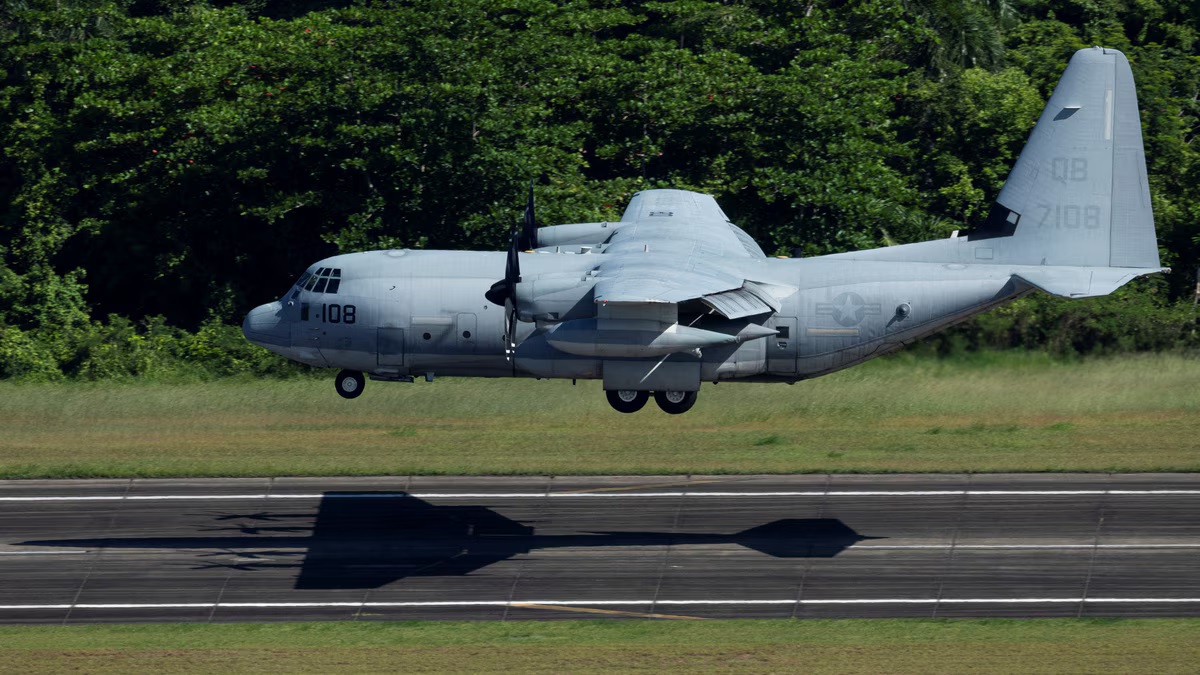
World
CHITTAGONG, BANGLADESH — September 16, 2025 — The recent arrival of a U.S. Air Force C-130J Super Hercules transport aircraft at Shah Amanat International Airport in Chittagong has intensified regional scrutiny. This development coincides with the commencement of Pacific Angel 25-3, a four-day joint exercise involving the U.S. Air Force, Bangladesh Air Force, and Sri Lanka Air Force. The exercise, which began on September 13, aims to enhance disaster response capabilities and strengthen military partnerships. Strategic Location and Growing Military Engagement Chittagong's proximity to the borders of India and Myanmar positions it as a strategically significant location in South Asia. The U.S. military’s increased presence in this region, including the landing of the C-130J Super Hercules, underscores a deepening defense cooperation between the United States and Bangladesh. This partnership has manifested in several joint military exercises, such as Operation Pacific Angel-25 and Tiger Lightning-2025, conducted earlier this year. The C-130J Super Hercules, which landed in Chittagong, is typically stationed at Yokota Air Base in Japan, home to the 5th Air Force of the Pacific Air Forces (PACAF). The 5th Air Force oversees air operations across the Indo-Pacific region and focuses on maintaining air mobility, disaster response, and strategic deterrence. It plays a crucial role in ensuring rapid deployment and logistical support in critical areas such as South and Southeast Asia, reinforcing U.S. presence and partnerships in the region. Approximately 120 U.S. Army and Air Force personnel were reported to have checked into a hotel in Chittagong in early September, indicating preparations for upcoming joint exercises. Regional Reactions and Strategic Implications The intensification of U.S. military activities in Bangladesh has elicited concerns from neighboring countries, particularly India and Myanmar. Analysts suggest that the increased presence may be part of a broader strategy to counterbalance China’s influence in the region. The U.S. has been engaging with various stakeholders, including Myanmar rebel factions, to bolster its strategic position in the area. Additionally, there have been allegations regarding external involvement in the political upheaval that led to the ouster of former Prime Minister Sheikh Hasina in August 2024. While these claims remain unsubstantiated, they add a layer of complexity to the evolving geopolitical dynamics in South Asia. The recent U.S. military activities in Chittagong, including the deployment of the C-130J Super Hercules and participation in joint exercises, highlight a significant shift in regional defense alignments. With the 5th Air Force at Yokota Air Base playing a pivotal role in U.S. Indo-Pacific strategy—focusing on air mobility, disaster relief, and regional stability—the implications of its operations in Bangladesh extend beyond bilateral cooperation. As Bangladesh continues to strengthen its defense partnerships, the repercussions for South Asian security and regional power balances warrant close observation.
Read More → Posted on 2025-09-16 16:44:24
World
Yeman, September 16, 2025 : In a major escalation of regional tensions, the Israeli Defense Forces (IDF) carried out 12 airstrikes on the strategically vital Hudaydah port in western Yemen. The IDF stated that the operation aimed at destroying Iranian weapons infrastructure, which they claim is being used by the Houthi militia to supply arms for attacks against Israel and its allies. The airstrikes specifically targeted key facilities at the port, including weapons storage areas and loading platforms used to transfer military equipment. According to the IDF, intelligence gathered over recent months confirmed that smuggled arms, including missiles, drones, and rocket components, were being moved through the port under the supervision of Iran-backed forces. Prior to the operation, the IDF issued emergency warnings urging civilians to leave the area, aiming to minimize casualties and collateral damage. Despite these warnings, local sources reported that several residential buildings were affected, and humanitarian agencies have expressed concern over the worsening conditions in the region. The Houthi forces responded by claiming that their air defense systems engaged the Israeli aircraft during the strikes. Yahya Saree, a senior military spokesperson for the Houthis, asserted that their defenses forced several Israeli jets to retreat before completing the attacks, although infrastructure damage still occurred. He described the assault as a “violation of Yemeni sovereignty” and vowed to continue defending their territory. This military action is part of a broader pattern of exchanges between Israel and Houthi forces, with the latter frequently launching missile and drone attacks in retaliation for Israeli strikes. The Houthis have justified their actions as support for the Palestinian cause, intensifying the already complex conflict in the region. Experts warn that the continued use of Hudaydah port as a weapons conduit could further destabilize the Red Sea corridor, a critical global shipping route. There are growing fears that the escalation could draw neighboring countries into a wider conflict, endangering regional security and the lives of thousands of civilians. The international community has urged restraint and called for renewed diplomatic efforts to de-escalate the situation. Meanwhile, the IDF maintains that its operations are necessary to prevent the transfer of weapons that threaten Israeli security, while Houthi leaders insist on defending their territory against foreign aggression. The crisis remains a focal point of concern as tensions across the Middle East continue to mount.
Read More → Posted on 2025-09-16 15:58:57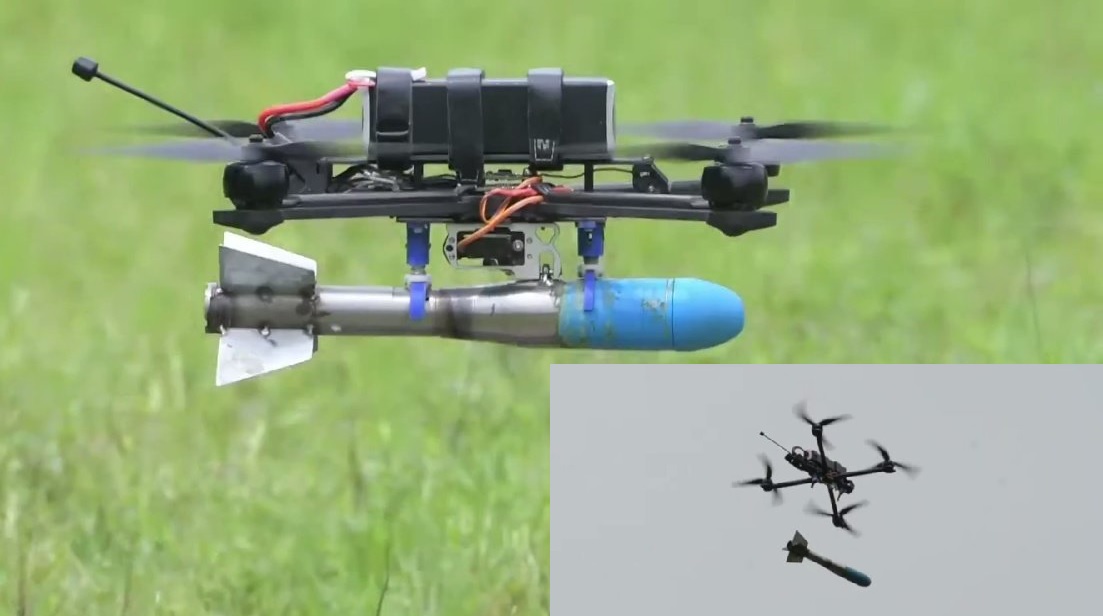
World
Philippine : The Philippine Air Force Research and Development Center (AFRDC) has achieved a significant milestone in the nation's defense capabilities by unveiling its first homegrown armed drones—the Air Military Ordnance Carrier (AMOC) and the Military Air Ordnance Yielder (MAOY). These locally developed, combat-ready platforms are integral to the Philippines' Self-Reliant Defense Posture (SRDP) program, aimed at enhancing the Armed Forces of the Philippines (AFP) operational flexibility and reducing dependence on imported military technology. AMOC: Precision Strike and Reconnaissance The AMOC is a fixed-wing unmanned aerial vehicle (UAV) designed for reconnaissance and precision strike missions. It is equipped to carry explosive payloads, enabling it to conduct targeted operations against enemy positions. Recent test flights have demonstrated its capability to perform longer-range missions with higher endurance, showcasing its potential in various combat scenarios. MAOY: Tactical Ordnance Delivery The MAOY is a rotary-wing UAV tailored for direct ordnance delivery using first-person view (FPV) control. This quadcopter can carry and release small aerial bombs, with the ordnance visibly mounted beneath the airframe. Designed for frontline deployment, the MAOY provides operators with real-time visual control and targeting accuracy, making it a valuable asset in counter-insurgency and border security operations. Strategic Implications and Future Prospects The development of these indigenous drones marks a significant step in the AFP's modernization efforts. By investing in locally produced unmanned systems, the Philippines aims to enhance its defense capabilities while promoting self-reliance in military technology. These drones are expected to play a crucial role in internal security operations, providing cost-effective alternatives to imported systems. As Southeast Asia continues to focus on drone warfare and unmanned systems integration, the Philippines' initiative sets a precedent for other nations in the region. The success of the AMOC and MAOY could pave the way for further advancements in indigenous military technology, contributing to a more robust and self-sufficient defense posture. The unveiling of the AMOC and MAOY underscores the Philippines' commitment to strengthening its defense capabilities through innovation and self-reliance. As these platforms undergo further testing and integration into the AFP's operational framework, they are poised to become integral components of the nation's defense strategy.
Read More → Posted on 2025-09-16 15:49:36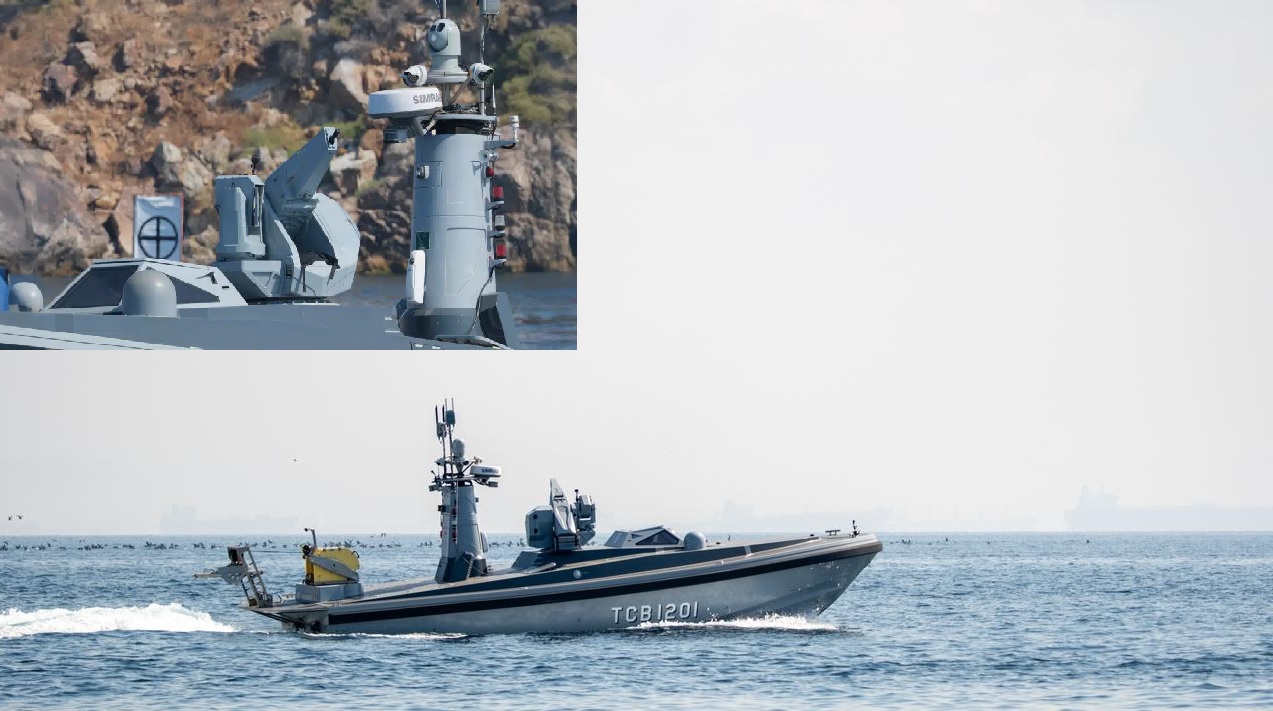
World
Turkey : The SANCAR Armed Unmanned Surface Vehicle (AUSV), developed through a collaboration between HAVELSAN and Yonca Shipyard, has successfully completed live-fire trials in the Marmara Sea. The trials, conducted with the participation of representatives from the Turkish Naval Forces Command, demonstrated the AUSV's capability to accurately engage targets using its 12.7 mm Stabilized Weapon System, fully integrated with the ADVENT ROTA mission system and operated through the ADVENT Combat Management System (CMS). This achievement positions SANCAR as the first and only Armed USV fully integrated with ADVENT, showcasing its comprehensive engagement capabilities, mine detection functions, and autonomous mission execution. The integration of ADVENT ROTA, tailored specifically for unmanned platforms, enables seamless interoperability with the Turkish Naval Forces’ existing inventory, facilitating coordinated missions between manned and unmanned platforms. Designed to meet the demands of modern naval operations, SANCAR offers multi-mission flexibility, including base and port protection, intelligence, surveillance, reconnaissance (ISR), mine countermeasures, and search and rescue operations. Equipped with an advanced sensor suite comprising navigation radar, AIS, electro-optical cameras, sonar, and 360° surveillance capabilities, SANCAR ensures real-time situational awareness and trusted decision support in high-risk zones. The open architecture of SANCAR allows for rapid adaptation to different mission requirements. In addition to the validated 12.7 mm remote-controlled weapon system, the platform can be equipped with guided missile payloads for credible deterrence and sonar and mine countermeasure systems to address subsurface threats. This scalability enhances SANCAR's operational value and creates strong export potential for allied and partner navies seeking scalable, interoperable, and cost-effective solutions. SANCAR ensures uninterrupted command and control through a redundant, multi-layered communication system supported by RF Line of Sight (LOS), SATCOM, and LTE connectivity. Its GNSS-based navigation and Ship Data Distribution System (GVDS) enable seamless integration of all onboard systems. Key specifications include a length of 12.7 meters, width of 3.3 meters, displacement of 9 tons, maximum speed exceeding 40 knots, and endurance of 400 nautical miles at 10 knots. It is operable up to Sea State 4 and controlled via a modular, portable Ground Control Station. With its autonomy, modular payload capacity, and secure communications, SANCAR AUSV serves as a force multiplier for modern fleets. Its NATO-compliant architecture, cost efficiency, and field-proven capabilities provide operational flexibility, enhanced personnel safety, and long-term value. SANCAR is poised to strengthen both national and allied naval forces, addressing today's operational demands while adapting to future challenges.
Read More → Posted on 2025-09-16 15:41:05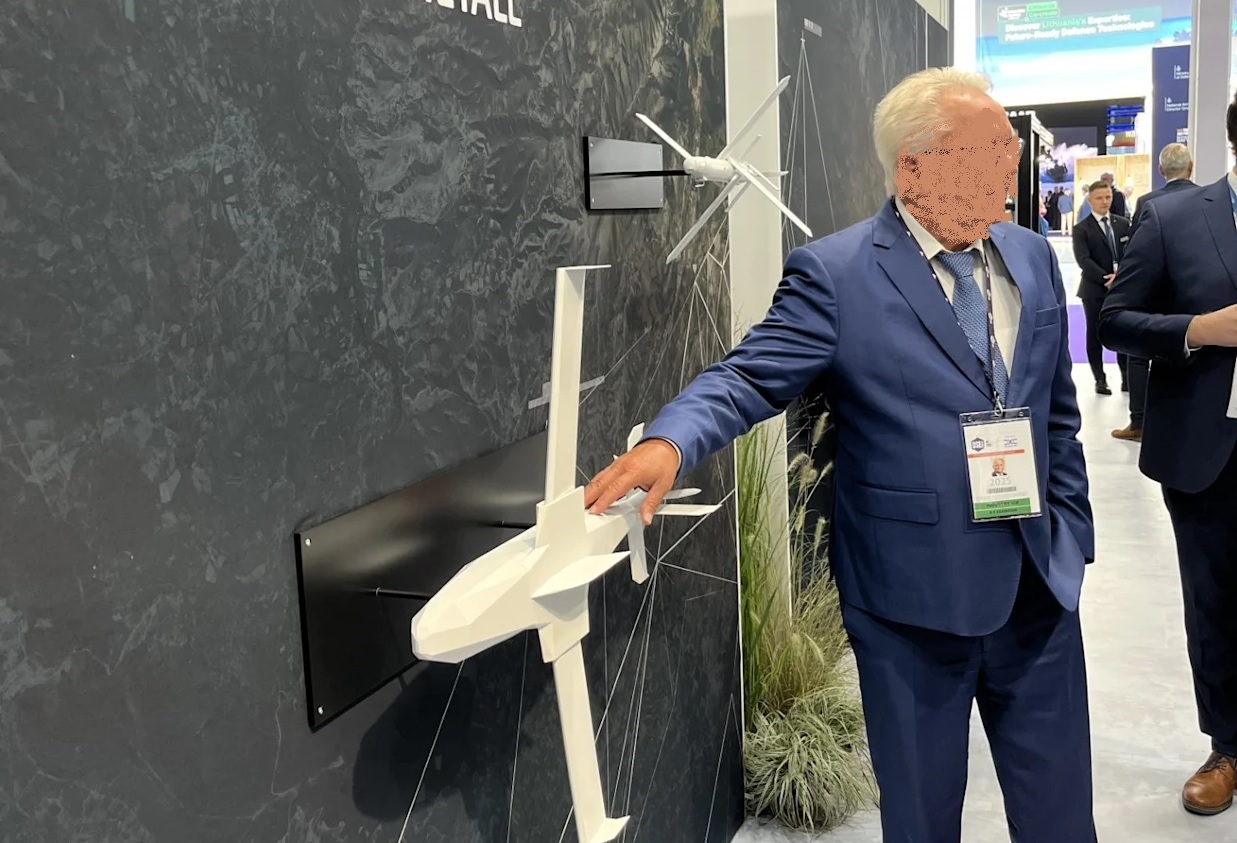
World
LONDON : At the DSEI defence exhibition, Rheinmetall Electronic Solutions showcased a significant expansion of its loitering munitions portfolio with the new FV-014, a fully in-house developed fixed-wing system. The FV-014 appeared alongside the Hero 120 family, which Rheinmetall markets in cooperation with Israel’s UVision. The development of the FV-014 addresses marketing and supply limitations linked to the Israeli-origin Hero systems, giving Rheinmetall a wholly European-designed alternative. Unlike the Hero’s cruciform folding wing design, the FV-014 uses a traditional folding wing layout, with wings folding rearward into a launch canister. The system weighs around 14 kg at launch and features a rear-mounted electric motor driving a three-blade pusher propeller. Performance figures place the FV-014’s endurance at over 60 minutes and range at approximately 100 km, matching the Hero 120. It carries a 5 kg HEDP (High-Explosive Dual-Purpose) warhead, effective against light armour, soft targets, and fortifications. The design emphasizes high-speed penetration to the target area while allowing time for reconnaissance and man-in-the-loop targeting decisions. The system is booster-launched from its container, deploys its wings in flight, and can operate in GNSS-denied environments. Operators can refine targeting or abort missions as needed. Rheinmetall also states that the FV-014 is capable of swarm operations, highlighting the growing trend toward networked loitering munitions. This new platform complements Rheinmetall’s ongoing cooperation with UVision. In 2021, the group signed an agreement to produce Hero systems in Europe through RWM Italia in Sardinia, with plans for further production lines in Germany. While the Hero family accelerated Rheinmetall’s entry into the loitering munition market, the FV-014 represents a fully European option. The FV-014 is in the final stage of development and has already undergone flight tests. Rheinmetall expects it to be available soon, reinforcing its focus on autonomous systems, advanced sensors, and uncrewed strike capabilities for European and international customers.
Read More → Posted on 2025-09-16 15:33:15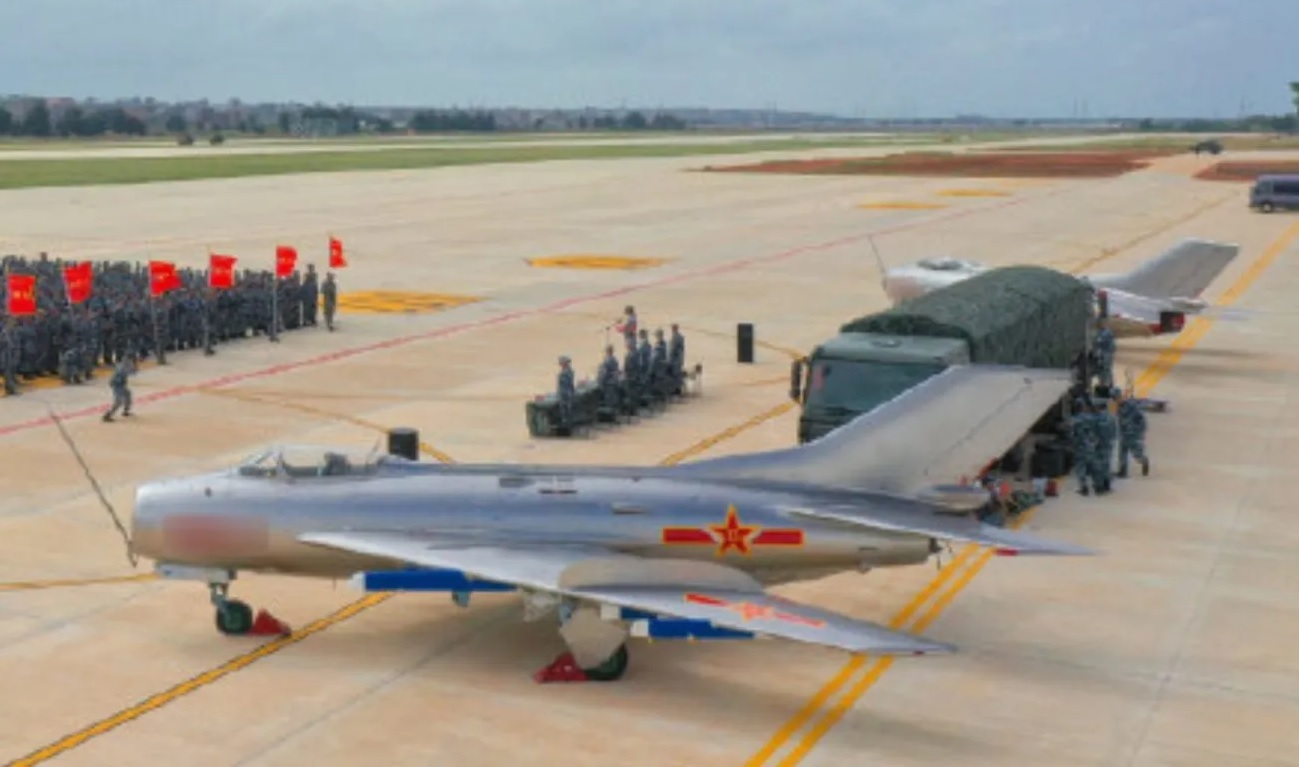
World
At the Changchun Air Show, China for the first time showcased a Cold War-era J-6 fighter aircraft converted into a drone, highlighting Beijing’s growing focus on repurposing legacy aircraft for modern roles. The rare public appearance of the unmanned jet drew significant attention, signaling both military innovation and strategic intent. The modified aircraft, originally a Chinese-built version of the Soviet MiG-19, has undergone extensive changes. Engineers removed its cannon systems, external fuel tanks, and ejection seats, while adding an automatic flight control system, autopilot, extra wing pylons, and a terrain-following navigation system. These upgrades transformed the once-manned fighter into a versatile unmanned platform capable of multiple missions. Chinese sources indicate that the first unmanned flight of the J-6 drone took place as early as 1995. Since then, it has been used in several roles, including as a training target and a simulated threat platform during drills. At the air show, officials confirmed that the J-6 drone can operate as an attack aircraft or as a training aid for both fighter pilots and ground-based air defense units. China’s decision to revive its large stockpile of retired but airworthy J-6 fighters has clear strategic implications. These unmanned conversions provide realistic training for air defense crews and offer the potential to act as low-cost decoys during combat, overwhelming enemy radar and missile systems. Such tactics, often referred to as “saturation attacks,” could play a crucial role in future conflicts. The J-6 drone project also mirrors practices by other major powers. The U.S. Air Force, for instance, has long converted aging fighters such as the F-4 Phantom and F-16 Fighting Falcon into target drones to test weapons and train operators. However, analysts suggest that the scale of China’s J-6 conversions may extend beyond training, pointing to the possibility of deploying them in offensive swarm operations. Satellite imagery in recent years has revealed dozens of J-6 airframes parked at bases along China’s eastern coastline, many believed to be part of the ongoing conversion program. Some estimates suggest that over 50 aircraft have been adapted for drone use, underlining the depth of Beijing’s stockpile and its willingness to innovate with older technology. While the J-6 drone cannot match the performance of modern stealth UAVs like the GJ-11 Sharp Sword or high-speed reconnaissance drones such as the WZ-8, its value lies in numbers, expendability, and adaptability. By blending these legacy systems with its advanced unmanned programs, China is pursuing a layered air warfare doctrine that mixes manned, stealth, and converted platforms. The unveiling of the J-6 drone at Changchun marks more than just a display of retrofitted hardware. It signals Beijing’s commitment to maximizing every available asset, transforming obsolete fighters into useful tools for both training and potential combat roles. In doing so, China demonstrates that even outdated aircraft can find new relevance in the era of unmanned warfare.
Read More → Posted on 2025-09-16 15:26:06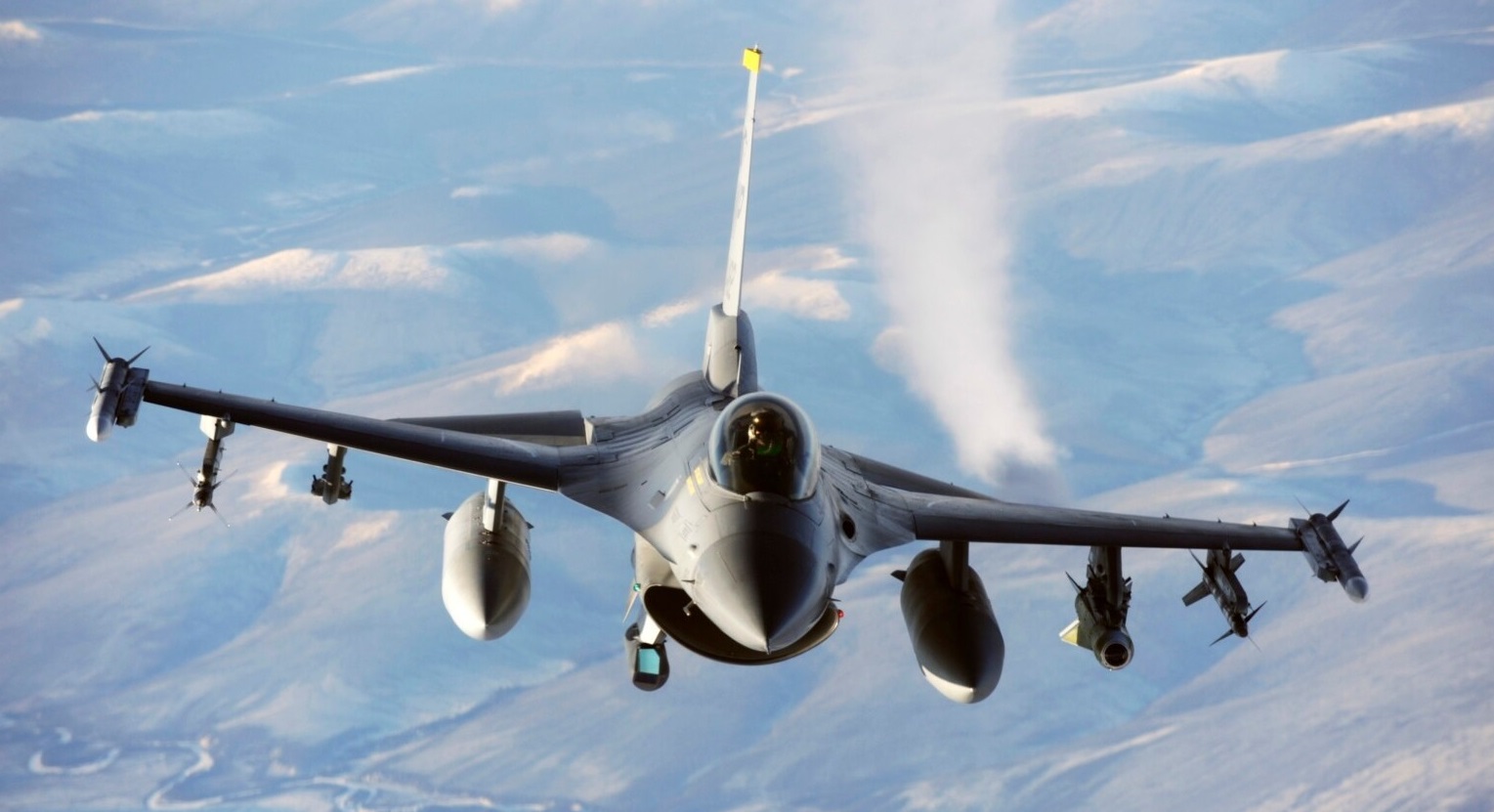
World
The U.S. State Department has approved a landmark $3.42 billion defense deal with Peru, clearing the way for the sale of advanced F-16 Fighting Falcon aircraft and a wide-ranging support package. This move underscores Washington’s commitment to strengthening defense partnerships in Latin America, while offering Peru a significant upgrade in air combat and surveillance capabilities. Under the approved sale, Peru will receive 10 F-16C Block 70 and 2 F-16D Block 70 jets. These aircraft represent the latest generation of the F-16 family, featuring cutting-edge avionics, improved radar, enhanced survivability, and next-generation weapons integration. Comprehensive Weapons & Systems Package The deal is far more than just aircraft. It includes a host of high-tech systems and weapons designed to boost Peru’s defense posture: 12 AIM-120C-8 AMRAAM missiles for beyond-visual-range combat. 48 LAU-129 guided missile launchers, plus spares. 12 M61A1 20mm cannons, strengthening close-combat capability. A request for 12 AIM-9X Block II Sidewinder missiles, tactical guidance units, and training rounds. 14 F110-GE-129 engines, ensuring power and redundancy. 14 AN/APG-83 AESA radars, providing advanced target detection and tracking. Litening targeting pods, infrared search-and-track sensors, missile warning systems, and electronic warfare suites. Together, these systems will enable Peru to conduct precision air-to-air and air-to-ground operations, while also supporting critical missions against drug trafficking networks and terrorist threats within its borders. Strategic Importance The Peruvian Air Force has long relied on older fleets, including Mirage 2000s and MiG-29s, many of which face modernization challenges. The new F-16 Block 70s will allow Peru to better secure its airspace, protect sovereign borders, and integrate more closely with U.S. and allied defense systems. Officials note that the acquisition directly supports Peru’s counter-narcotics and counter-terrorism campaigns, especially in the Andean region where insurgent remnants and drug traffickers remain active. The Defense Security Cooperation Agency (DSCA) emphasized that the sale will also advance U.S.-Peru defense cooperation, fostering interoperability and long-term partnership. Industrial & Contractor Involvement Key defense industry leaders will play central roles in this program: Lockheed Martin – primary contractor for the F-16 aircraft. General Electric Aerospace – supplier of the F110 engines. RTX (Raytheon Technologies) – responsible for missile and radar systems. This deal will also include extensive training, logistics, spare parts, and maintenance support, ensuring Peru can sustain its new fleet effectively. A Strategic Leap Forward For Peru, this represents one of the most significant military acquisitions in recent decades. Beyond enhancing deterrence and defense, it signals a closer alignment with U.S. security frameworks in South America. For Washington, the sale reflects a clear intent to reinforce regional stability while countering illicit networks that threaten both local and international security.
Read More → Posted on 2025-09-16 15:15:05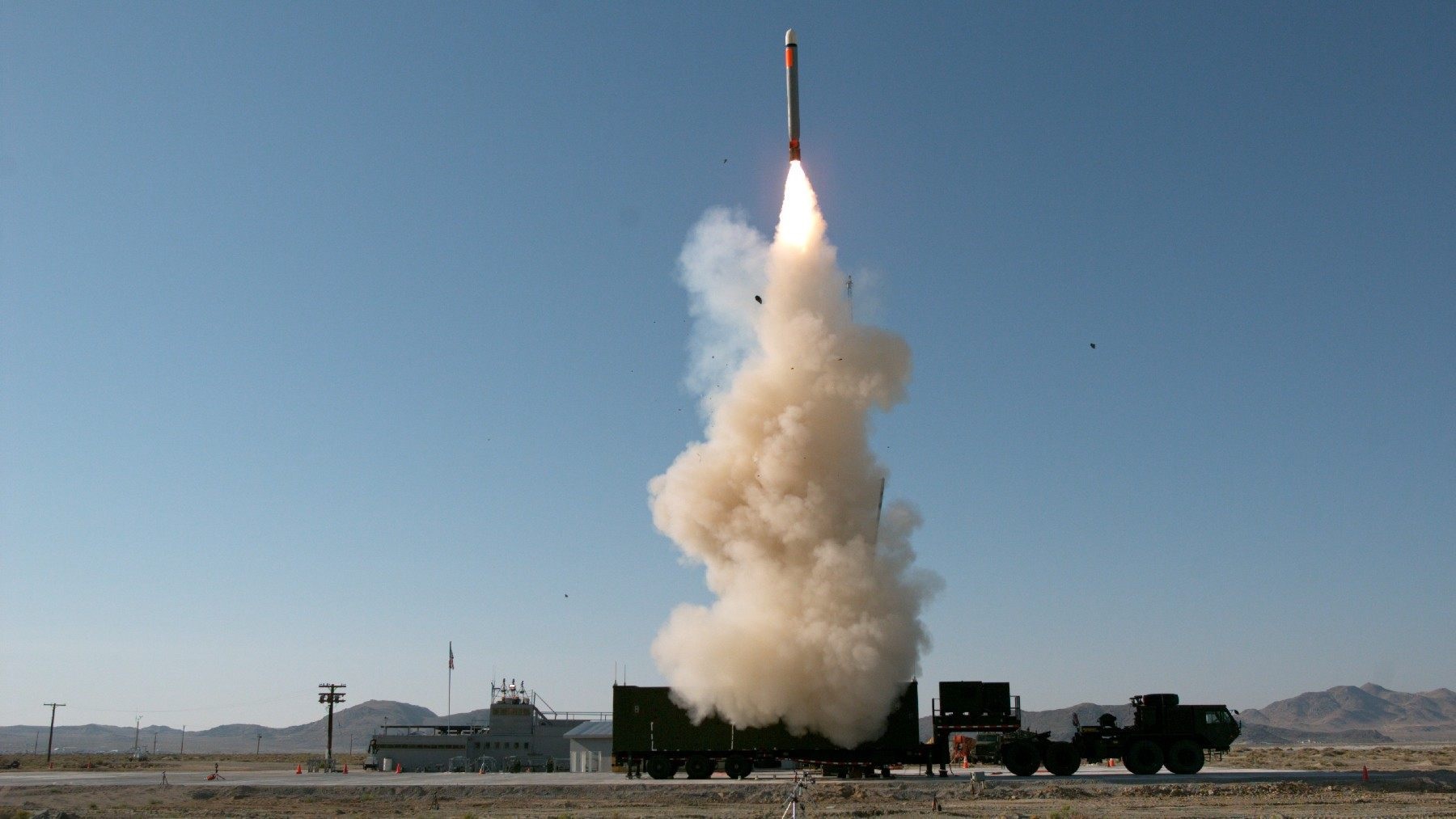
World
BEIJING / TOKYO — China has strongly condemned the unveiling of the U.S. Army’s mid-range Typhon missile system in Japan and has urged Tokyo and Washington to remove it immediately, after it was displayed for the first time during the joint military exercise Resolute Dragon. The drills, which began last Thursday and will run until September 25, involve over 19,000 Japanese and U.S. personnel and focus on maritime and littoral defence. The Japan Self-Defense Forces confirmed that while the system was showcased, it would not be fired during the exercise. China’s Objection China’s Foreign Ministry spokesman Lin Jian stated that the deployment “disregards China’s solemn concerns” and accused the allies of using the exercise as a pretext. Beijing demanded the system be “promptly withdrawn,” warning that it could trigger a regional arms race and “pose a substantive threat to strategic security.” What is the Typhon System? The Typhon system, also known as the Mid-Range Capability (MRC), is a truck-based, trailer-loaded mobile launcher. It can fire Tomahawk cruise missiles and SM-6 missiles, both originally designed for ships or aircraft, now modified for ground launch. According to U.S. officials, its mobility allows deployment to rugged and austere environments, making it a flexible deterrent. U.S. Colonel Wade Germann described it as a tool to “create dilemmas for the enemy” by employing multiple munitions. Strategic Impact The range of Typhon missiles potentially allows strikes deep into the Chinese eastern seaboard and parts of Russia if launched from Japanese territory. For Tokyo, the system represents a stronger defensive posture as its security environment becomes “increasingly severe.” Japan is already accelerating its defense buildup, including acquiring long-range strike capabilities and strengthening cooperation with the United States in response to perceived threats from China, North Korea, and Russia. Regional Context The Typhon system was previously deployed in the Philippines in April 2024 during joint exercises, sparking criticism from Beijing. Manila has since expressed interest in acquiring the system permanently to secure its maritime interests, a move that further angered China. With its presence in Japan, even temporarily, the U.S. sends a clear message about its commitment to Indo-Pacific security and the defense of its allies. What’s Next Officials confirmed the Typhon system will leave Japan after the exercise ends on September 25. However, the possibility of future rotations or a permanent deployment remains open. For now, China’s demand for withdrawal underscores the growing tensions in the Indo-Pacific, where the United States, Japan, and their partners are deepening security cooperation, while Beijing warns of military confrontation if the balance of power continues to shift.
Read More → Posted on 2025-09-16 15:06:00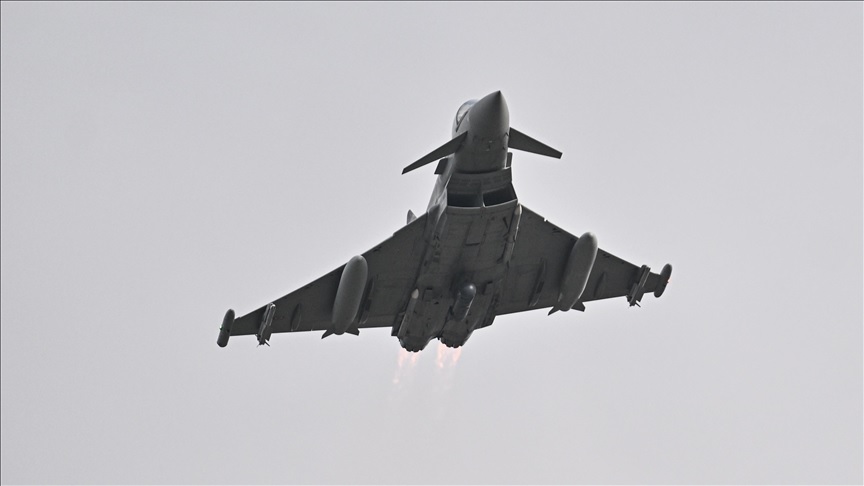
World
The United Kingdom is sending Royal Air Force Typhoon fighter jets to Poland as part of NATO’s new Operation Eastern Sentry, launched in direct response to recent Russian drone incursions into allied airspace. The move is aimed at deterring further violations and reinforcing NATO’s eastern defences. The Typhoons will fly from RAF Coningsby in Lincolnshire and be supported by Voyager refuelling aircraft from RAF Brize Norton, enabling long-range patrols and round-the-clock coverage. They will operate alongside allied aircraft from France, Germany, and Denmark, forming a joint air defence shield across NATO’s eastern flank. The deployment comes after Poland triggered Article 4 of the Washington Treaty, calling for urgent NATO consultations. Officials described the recent incursions as the most serious violation of NATO airspace to date. In response, NATO members pledged full solidarity with Warsaw and launched Eastern Sentry to strengthen air, land, sea, and cyber defences in the region. Prime Minister Keir Starmer said: “Russia’s reckless behaviour is a direct threat to European security and a violation of international law, which is why the UK will support NATO’s efforts to bolster its eastern flank. These aircraft are not just a show of strength, they are vital in deterring aggression and protecting our national security.” Defence Secretary John Healey added: “Our advanced Typhoon jets will help deter Russian aggression and, where needed, defend NATO’s airspace. Russia’s actions only serve to strengthen NATO unity.” The UK stressed that its commitment to NATO is unshakeable, pointing to its permanent Army presence in Estonia, past RAF deployments in Poland and Romania, and the upcoming increase in defence spending to 2.6% of GDP by 2027—the largest sustained rise since the Cold War. Equipped with advanced radars, sensors, and long-range missiles, the Typhoons will boost NATO’s ability to counter drones, fighter aircraft, and electronic threats. With the backing of allied forces, Operation Eastern Sentry is intended to demonstrate that NATO is ready to respond firmly to any violation of its borders. Would you like me to make this article in a shorter, newspaper-style report (like a front-page piece), or a longer feature with more background on RAF Typhoons and NATO’s eastern missions?
Read More → Posted on 2025-09-16 14:20:52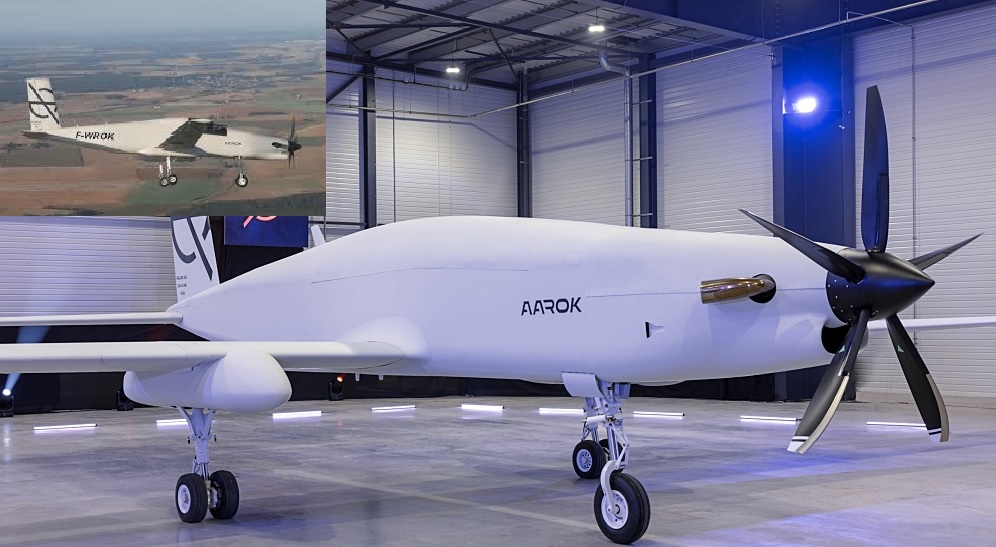
World
On 9 September 2025, the prototype MALE (Medium Altitude Long Endurance) drone AAROK, developed by Turgis Gaillard, successfully carried out its first flight from Blois-Le Breuil aerodrome. The milestone crowns four years of development and positions AAROK as a sovereign European alternative to foreign systems. Fanny Turgis, President of Turgis Gaillard, said: “Today’s flight is a decisive step in the development of the AAROK. It crowns four years of major efforts to bring the first European MALE drone to life. The team has worked tirelessly to transform a simple idea into a completed aircraft, and the AAROK has already demonstrated great maturity during this first flight.” Patrick Gaillard, Managing Director, added: “The maturity demonstrated is the main lesson of this first flight. The take-off was clean, the climb rate impressive, and all parameters matched our forecasts. These successes give us great confidence for the next stages.” Technical Features Maximum Take-Off Weight: ~5.5 tonnes Payload Capacity: ~1.5 tonnes (weapons & sensors) Engine: 1,200 hp turboprop Wingspan: ~22 meters | Length: ~14 meters Endurance: Over 24 hours (armed configuration) Ceiling: ~30,000 feet Systems: Electro-optical sensors, AESA radar, SATCOM, electronic warfare suites AAROK has been designed for intelligence, surveillance and reconnaissance (ISR), as well as strike operations, offering a European sovereign option compared to U.S.-made drones like the MQ-9 Reaper. Strategic Importance Sovereignty: Built with non-ITAR components, ensuring export flexibility and independence from U.S. restrictions. Partnership with Thales: Equipped with the AirMaster S AESA radar, providing advanced surveillance over air and sea. International Cooperation: With Bharat Forge (India) under a Make in India agreement for local production. With Antonov (Ukraine) to develop a “consumable” version, lighter and cost-efficient for high-intensity use. Military Applications Long-range ISR missions in contested environments. Maritime patrol and territorial waters protection. Precision strikes from safe standoff ranges. Support to ground and air forces in operations far from anti-aircraft threats. Deployment from semi-prepared runways, increasing operational flexibility. Government Support During a February 2025 visit, then-Minister of Armed Forces Sébastien Lecornu underlined AAROK’s role in gathering long-range intelligence, protecting French waters, and supporting overseas forces. The project later received funding from the French DGA at the Paris Air Show 2025, securing its path toward future development. Next Steps The programme still faces challenges: Flight testing and certification in operational environments. Integration of strike payloads and electronic warfare systems. Industrial production scale-up and logistics for maintenance. If successful, AAROK could enter service with French and allied forces in the coming years, reshaping Europe’s drone sovereignty and strategic autonomy.
Read More → Posted on 2025-09-16 14:03:51Search
Top Trending in 24 Hours
-
 Tulsi Gabbard Releases Declassified Files Detailing U.S.-Backed Network of 120 Biolaboratories Across 30+ Countries
-
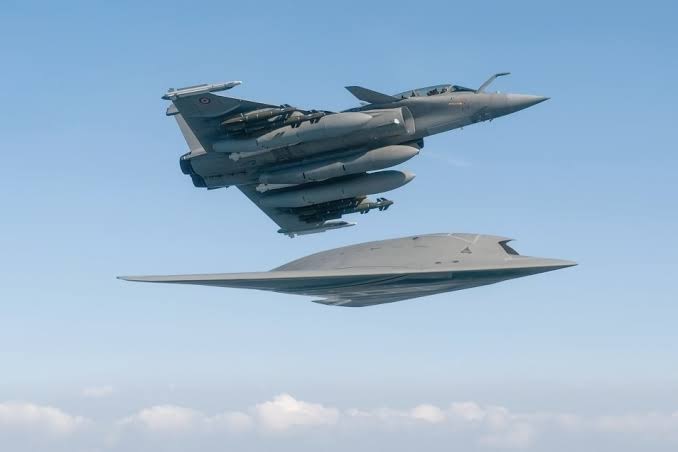 France Agrees to Equip Future Indian Rafales with AI, MUM-T and Secure Satellite Links Under F5 Standard
-
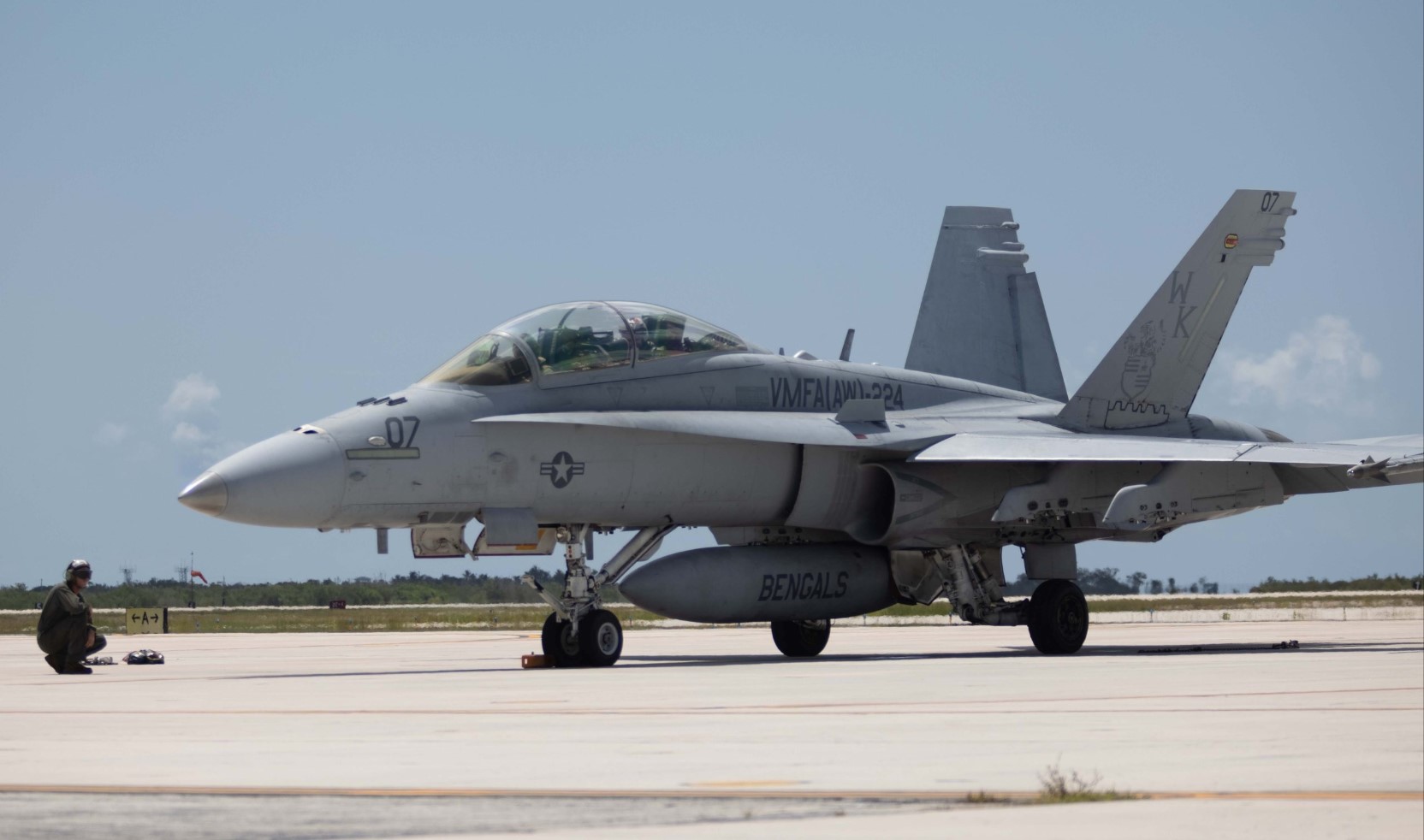 US Marine Corps F/A-18D Hornet Crashes During Training Flight in Washington Mountains; Pilot Ejects Safely
-
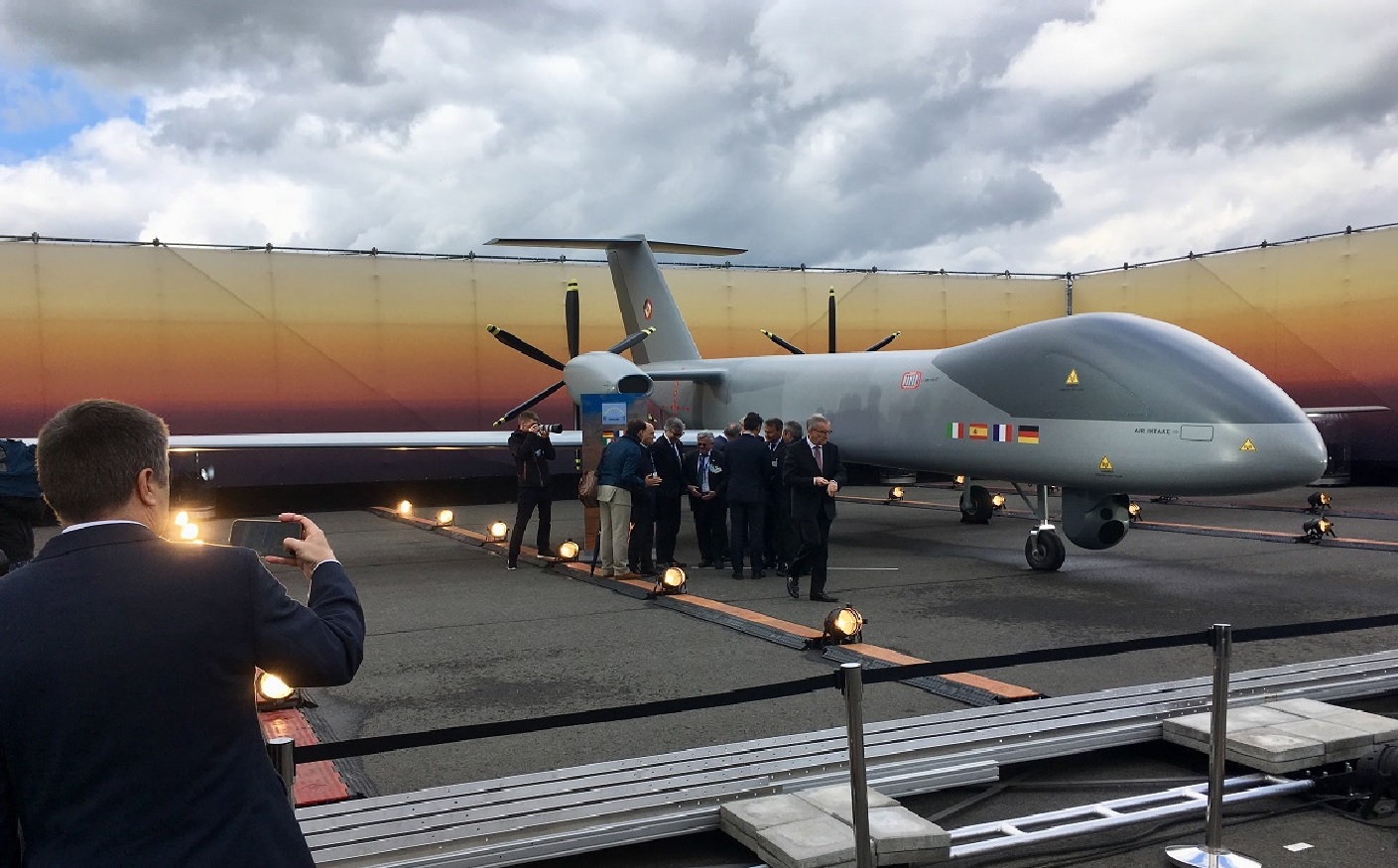 Dassault Seeks Compensation From Airbus as Eurodrone Dispute Erupts After FCAS Collapse
-
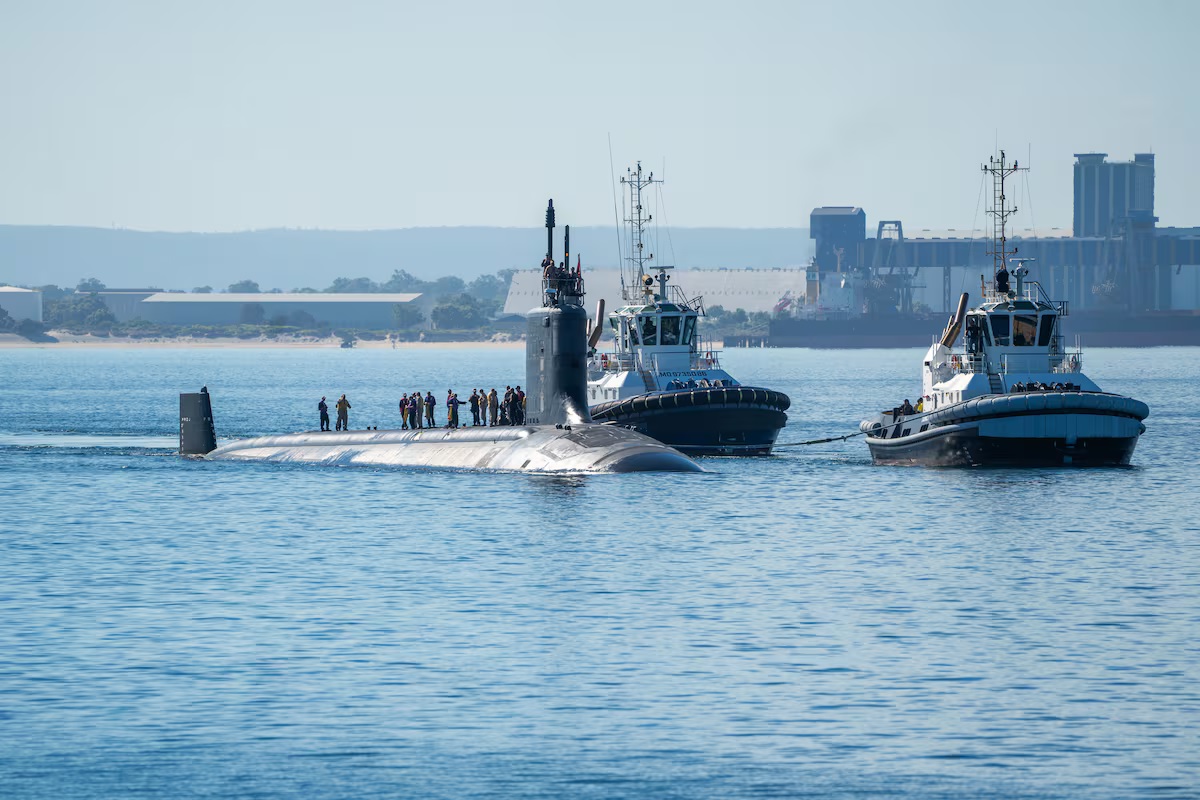 U.S. Navy Reestablishes Submarine Squadron 3 at HMAS Stirling to Support AUKUS Rotational Force
-
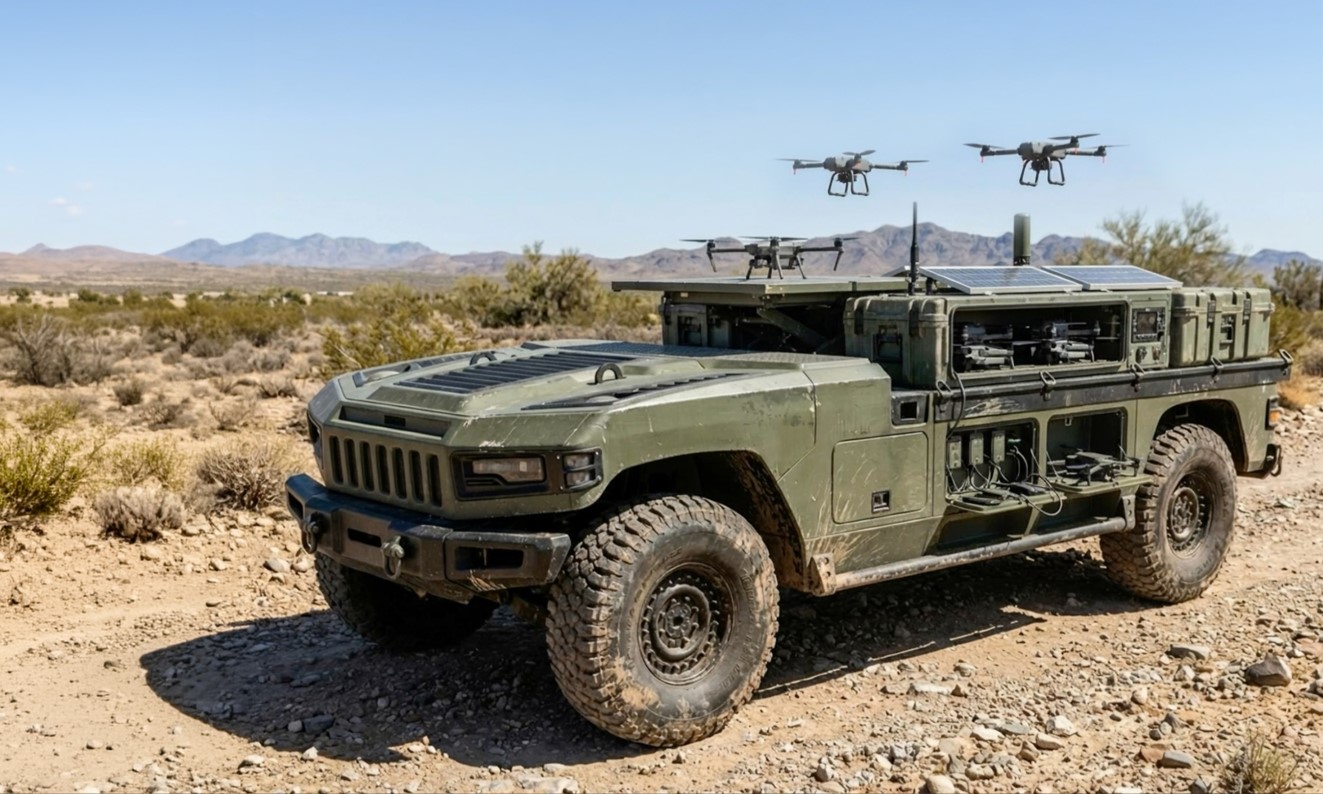 AM General Unveils Next-Generation UGV and JLTV A2 with Counter-Drone Systems at Eurosatory 2026
-
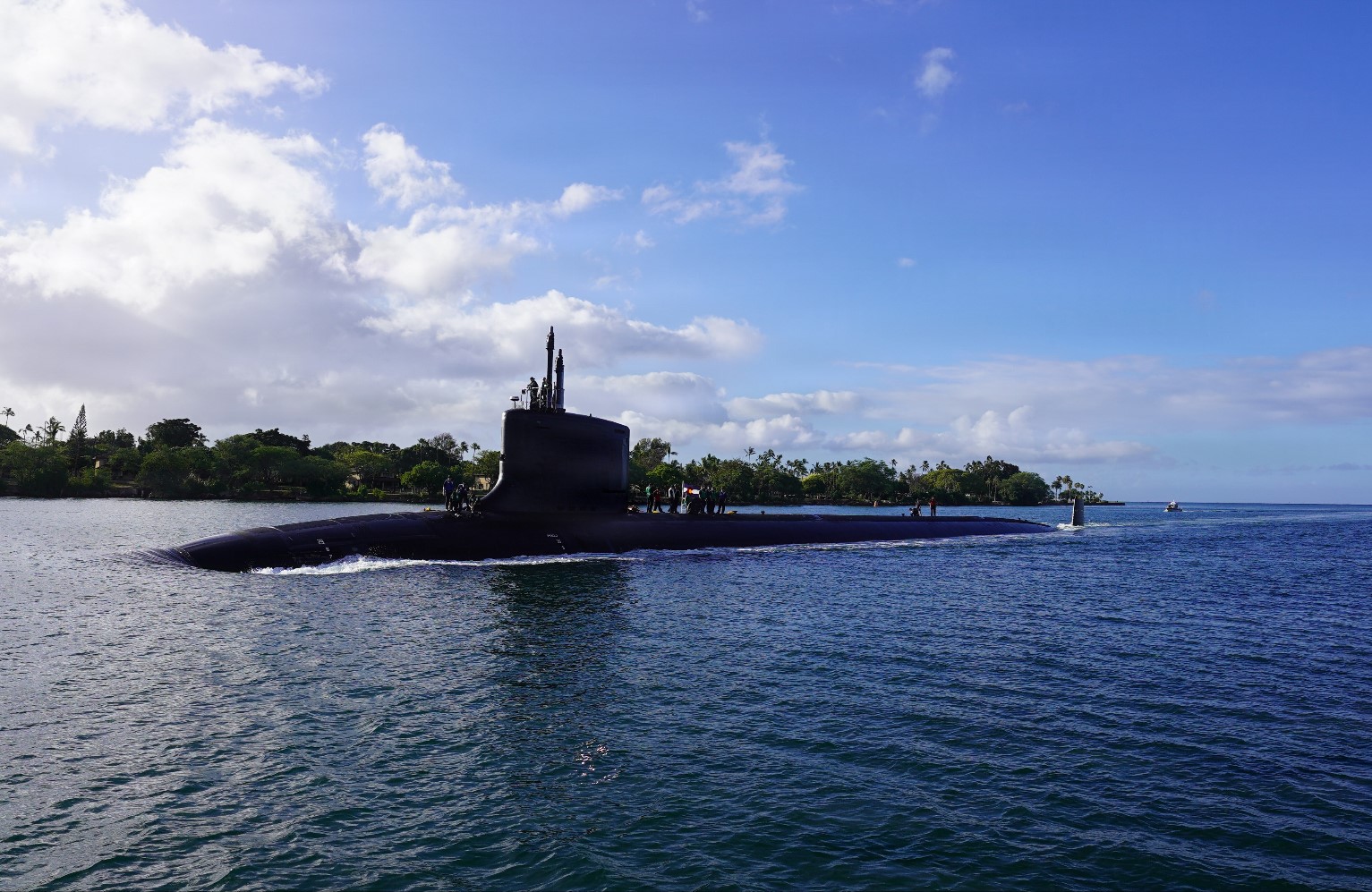 U.S. Navy's USS Colorado Submarine Returns to Pacific Fleet 29 Days Early After Major Pearl Harbor Overhaul
-
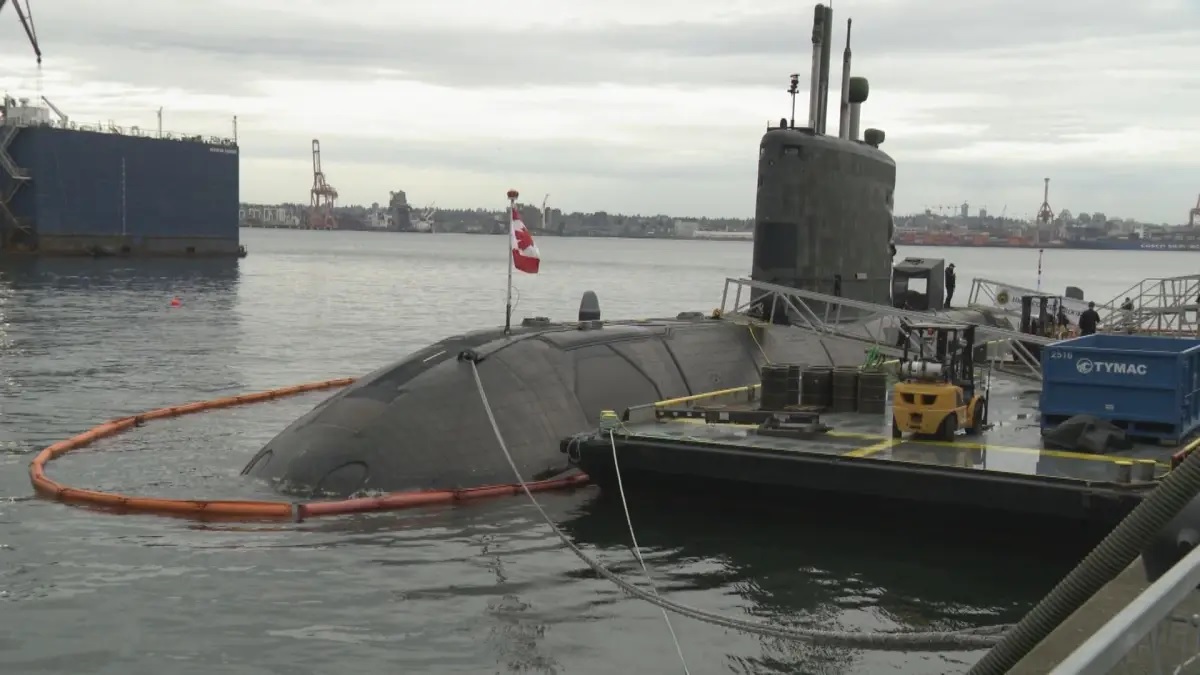 Royal Canadian Navy Deploys HMCS Corner Brook for First RIMPAC Submarine Mission in Over a Decade
Top Trending in 4 Days
-
 Iranian Media Leaks 14-Point U.S.-Iran Peace Framework Amid Ongoing Negotiations
-
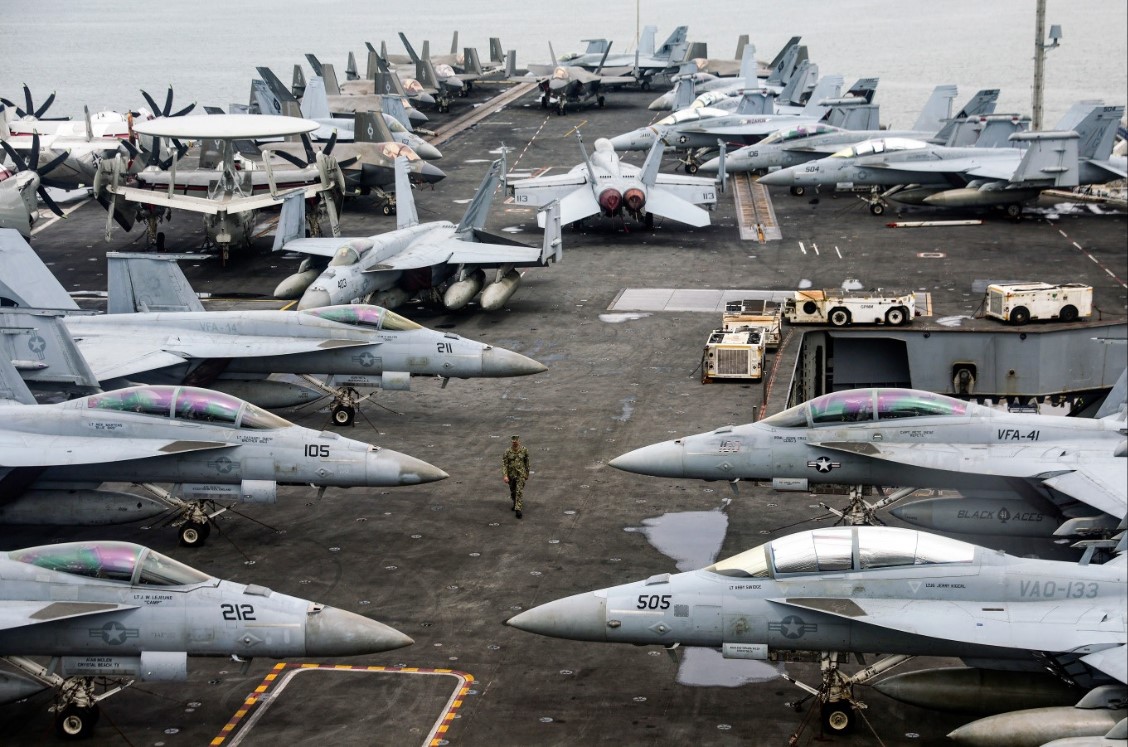 US Plans Significant Reduction of Fighter Jets and Warships for NATO Operations in Europe
-
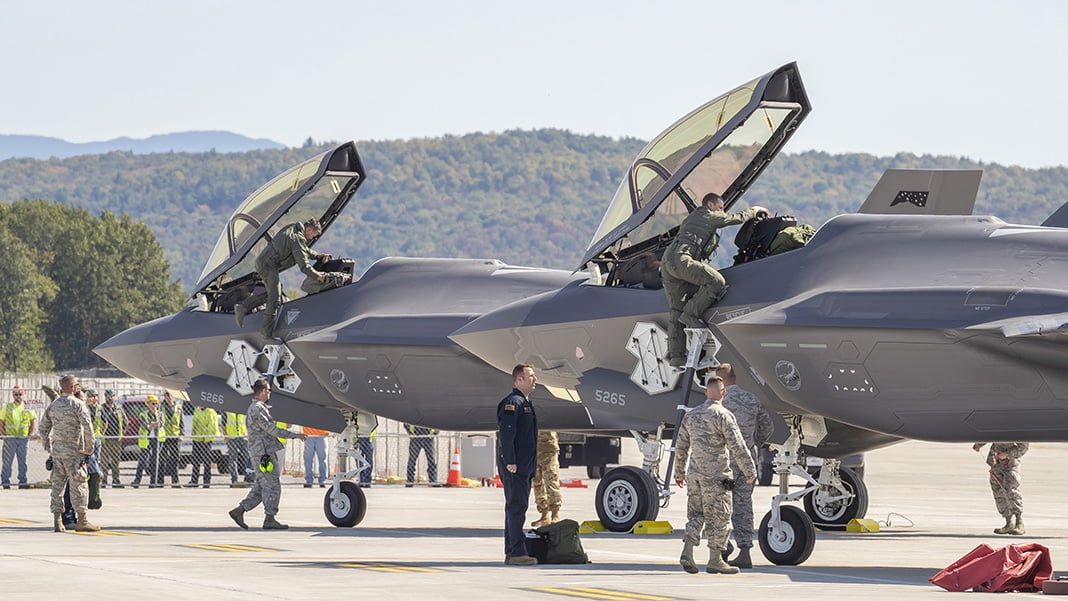 F-35 Fleet Readiness Falls to 25% Amid Parts Shortages and Software Delays: GAO Report
-
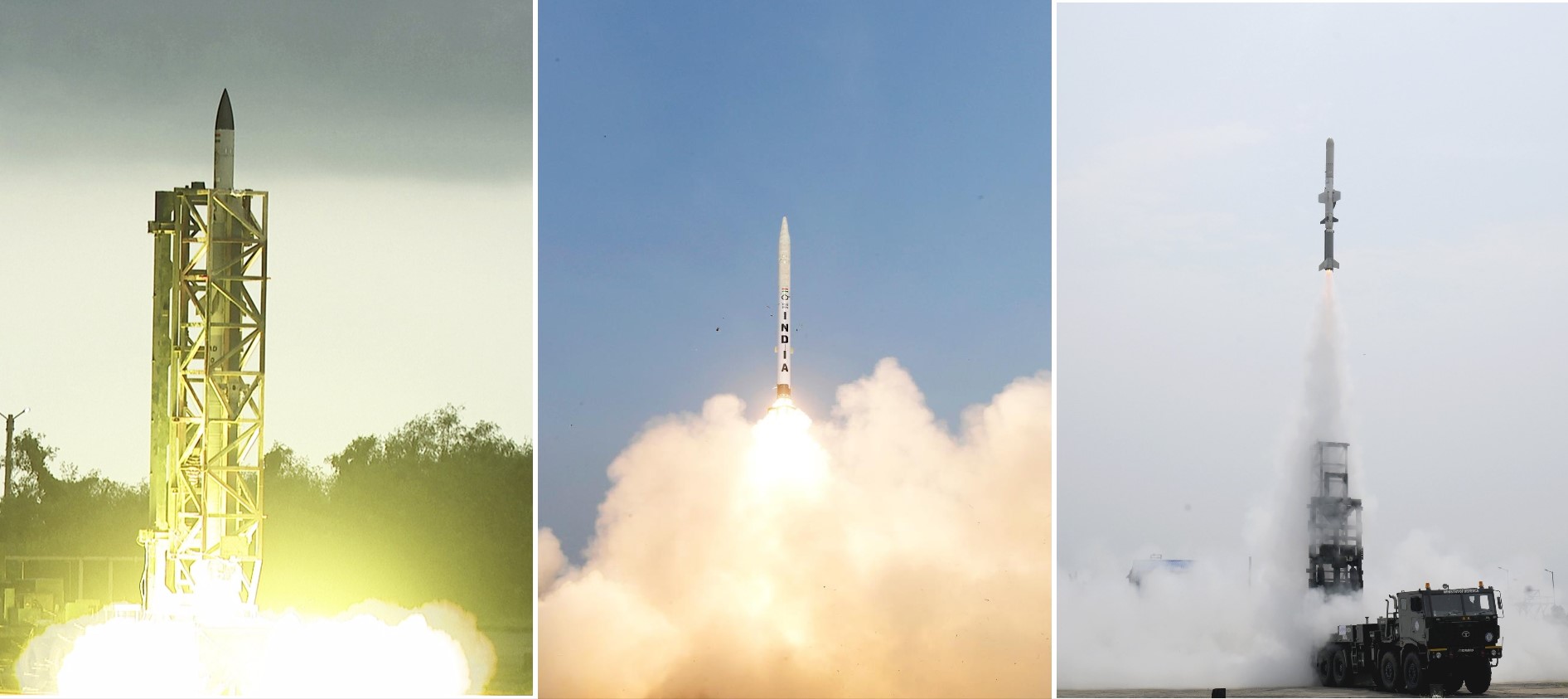 India Successfully Conducts AD-1, AD-2 Interceptor Tests and Maiden NASM-MR Flight Trial
-
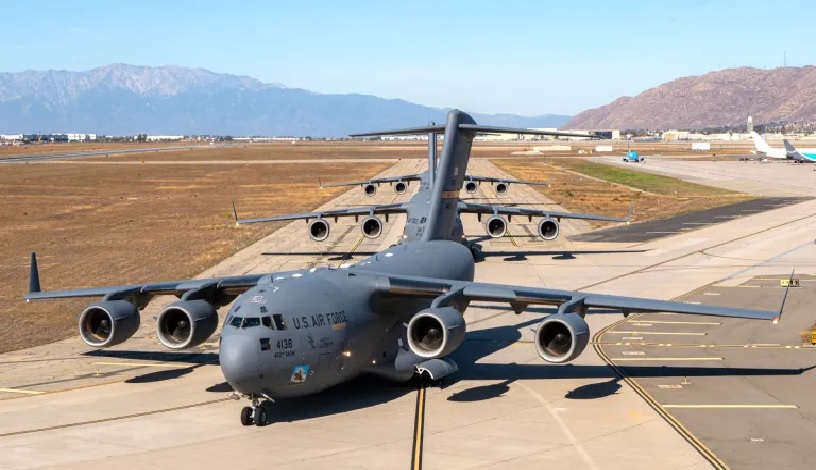 U.S. Air Force Faces Strategic Airlift Shortfall as C-17 Production Restart Remains Uncertain
-
 NATO Commander Says Russia Not Seeking Conflict With Alliance Despite U.S. Force Reductions
-
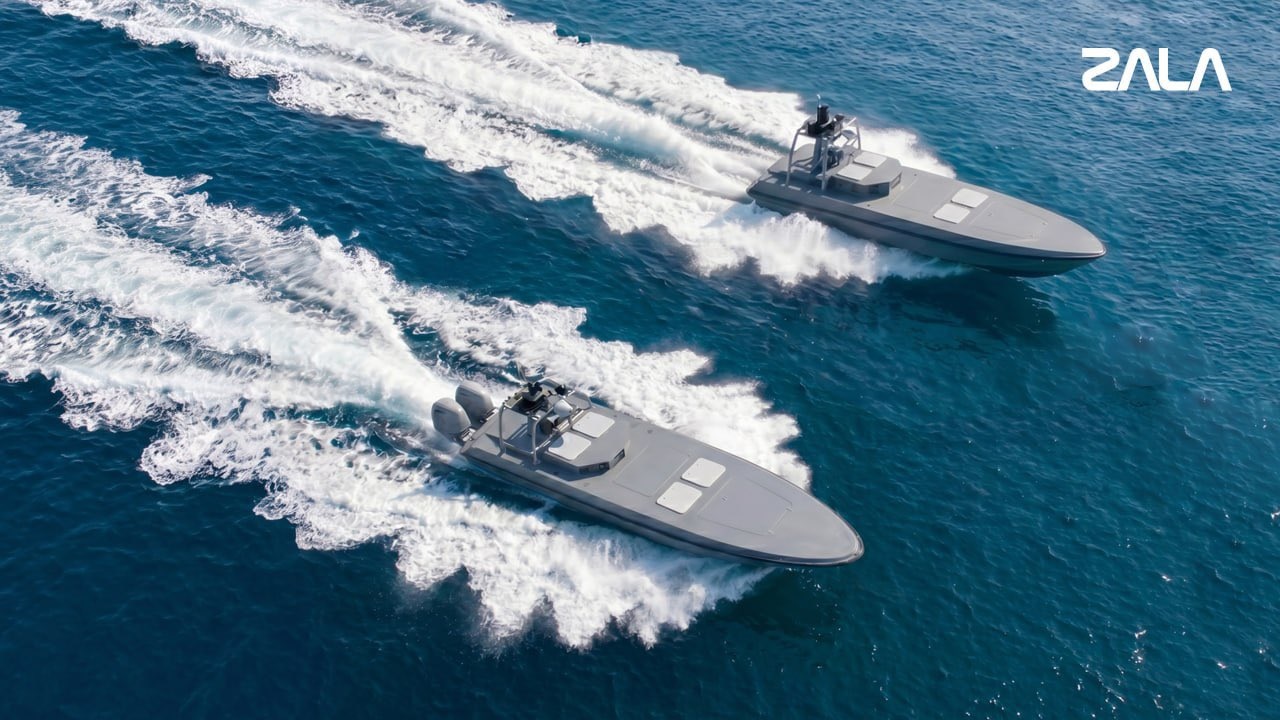 Russian Defense Firm ZALA Unveils KAMA Unmanned Surface Vessel Family at FLOT-2026 Naval Exhibition
-
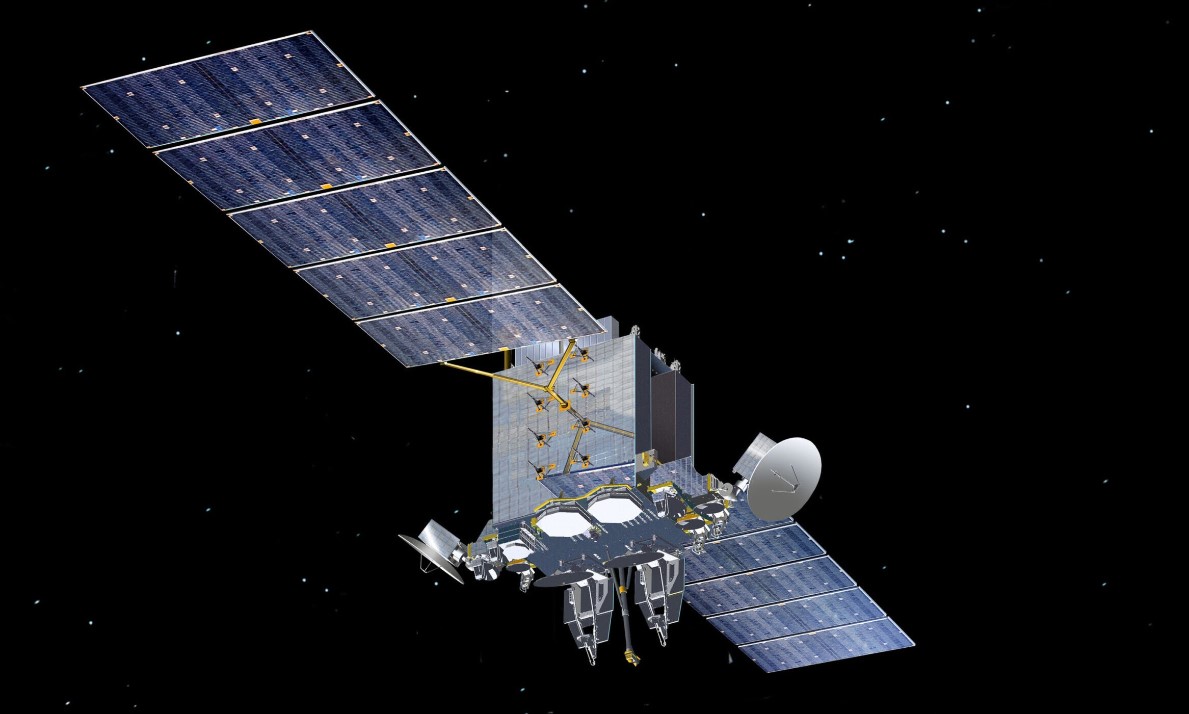 U.S. Space Force Awards $437.7 Million Contracts for First PTS-G Swarm 1 Anti-Jam Satellites