World
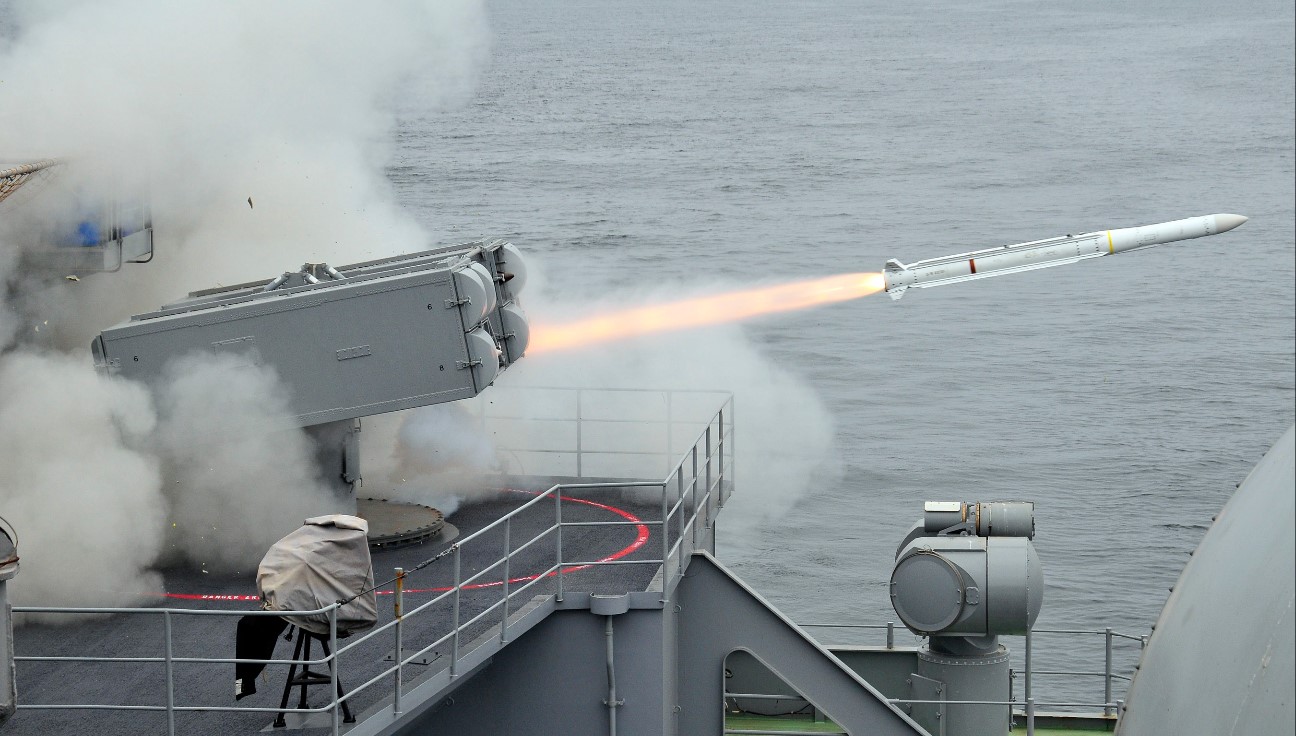
Raytheon, part of American defense group RTX, has reached a significant milestone by delivering its 500th Evolved SeaSparrow Missile (ESSM) Block 2 to the United States Navy. This achievement highlights the company’s continued commitment to strengthening naval defense and enhancing maritime security for the U.S. and allied forces. Alongside this delivery, Raytheon is investing in infrastructure and materials to support a production rate that is expected to nearly double by June 2026, ensuring steady availability of these advanced missiles. The ESSM Block 2 is an advanced surface-to-air missile designed to counter a wide range of air and sea-surface threats. Compared to the earlier Block 1 variant, it features significant improvements in guidance, maneuverability, and overall performance. The missile incorporates a dual-mode radar seeker, combining active and semi-active guidance. This allows the missile to engage targets more effectively without depending solely on the ship’s target illumination, enhancing operational flexibility in high-threat environments. The improved maneuverability enables the missile to counter high-speed, evasive targets, making it a potent defensive weapon. The missile carries a 39-kilogram blast-fragmentation warhead, capable of neutralizing both aerial and surface threats. It can reach speeds exceeding Mach 4 and has a range of over 50 kilometers, providing rapid and reliable defense against fast-moving targets. These specifications make ESSM Block 2 a critical component of naval defense systems, particularly in protecting ships and supporting local area defense operations. Raytheon emphasizes that ESSM plays a crucial role in safeguarding both U.S. and allied naval forces. The continued deliveries reflect strong partnerships among the company, its customers, and allied nations, ensuring that servicemen and women are equipped with highly capable defense solutions. The ESSM program is managed by the NATO SEASPARROW Consortium, which includes 12 member nations: Australia, Belgium, Canada, Denmark, Germany, Greece, the Netherlands, Norway, Portugal, Spain, Türkiye, and the United States. This consortium is NATO’s largest cooperative weapons project and represents over five decades of international military-industrial collaboration. The ESSM Block 2 has been integrated into a wide variety of naval vessels, from large aircraft carriers and amphibious ships to smaller surface combatants, enhancing the versatility and defensive reach of allied fleets. With production ramping up and continuous technological enhancements, the ESSM Block 2 ensures that naval forces worldwide are equipped to face evolving threats. This milestone delivery underscores Raytheon’s ongoing commitment to providing advanced, reliable, and effective solutions for maritime defense.
Read More → Posted on 2025-10-02 14:10:24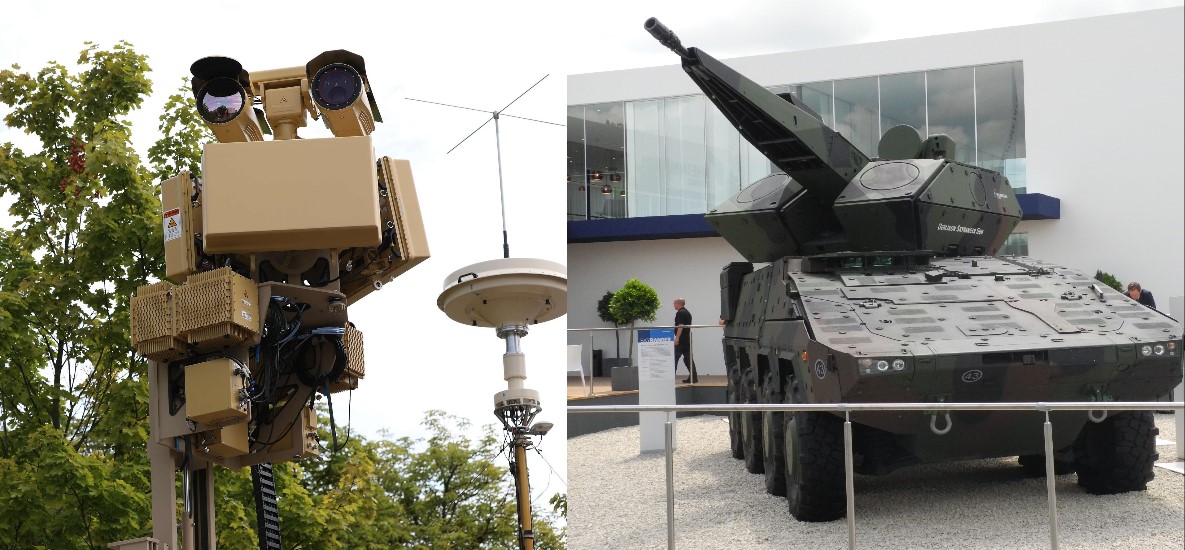
World
Germany is facing mounting pressure to strengthen its drone defense capabilities after a series of incursions by suspected Russian drones into NATO airspace. Defense Minister Boris Pistorius has openly acknowledged that the country is lagging in this domain, admitting that Germany is “really behind” when it comes to countering aerial threats from drones. Recent sightings over German territory have highlighted the urgency of the issue, raising concerns among military experts and policymakers alike. A central challenge is the lack of appropriate equipment. Unlike Poland, which has occasionally relied on fighter jets to intercept drones, Germany cannot afford such measures over populated areas due to the high risks and costs involved. The Bundeswehr has turned its attention to the Rheinmetall Skyranger anti-aircraft vehicle, which is designed to tackle swarms of drones efficiently and can be rapidly deployed. However, the 19 vehicles ordered by Germany will not be delivered until 2027, leaving a critical gap in the near term. The retirement of the Gepard anti-aircraft tank further complicates matters. While this system has proven effective against drones in Ukraine, Germany donated its Gepards to Kyiv, leaving the Bundeswehr with fewer immediate options. In response, Germany has acquired interceptor drones that capture enemy drones using nets. Yet experts, including Ulrike Franke from the European Council on Foreign Relations, stress that no single solution is sufficient. A multi-layered approach is necessary, combining electronic countermeasures, kinetic solutions, and even low-tech methods such as net launchers. Implementing such a system across the country is further complicated by the division of responsibilities between the military and the police. While the Bundeswehr focuses on neutralizing external threats, local police forces are responsible for internal security, including the protection of sensitive sites like airports. The current arrangement makes rapid response difficult, as police forces are often not equipped or authorized to counter drones effectively. Recognizing these gaps, Interior Minister Alexander Dobrindt has proposed amendments to the Air Security Act, allowing the military to assist police forces and even shoot down drones when necessary. He also advocates for a centralized drone defense center to coordinate efforts between federal and state authorities. These moves are part of a broader effort to modernize Germany’s approach to drone threats, which increasingly includes offensive capabilities. The Bundeswehr is planning the introduction of armed drones and kamikaze drones capable of detonating upon impact. Live-fire exercises with these systems are expected by the end of the year, signaling a significant shift in Germany’s military posture toward unmanned aerial warfare. The urgency of these reforms has been reinforced by lessons from Ukraine, where drones have reshaped conventional battlefield dynamics. Experts argue that NATO countries, including Germany, should study Ukraine’s rapid development, deployment, and adaptation of drone technologies to strengthen their own defense measures. Think tanks, such as the Center for a New American Security, have noted that Germany’s historic caution in adopting armed drones has left the country vulnerable. The proliferation of drone technology now allows even smaller states or non-state actors to challenge traditional military powers, emphasizing the need for swift modernization and integration of advanced systems. Germany’s policy shift toward armed drones, first formalized in 2022, represents a move to equip the Bundeswehr for modern threats while ensuring greater agility in procurement. Engagement with domestic AI and defense startups is being prioritized to enable faster delivery of cutting-edge drones, avoiding the delays inherent in traditional acquisition processes. Analysts argue that such an approach is essential in a fast-evolving domain, where technological advances can quickly render existing systems obsolete. As Germany races to modernize its drone defenses, the situation underscores a broader challenge faced by NATO members: keeping pace with the rapidly evolving landscape of unmanned aerial threats. The combination of technological innovation, structural reforms, and lessons learned from international conflicts is driving Germany to rethink its strategy comprehensively. Without swift and coordinated action, the country risks remaining exposed to a threat that is only expected to grow in scale and sophistication in the years ahead.
Read More → Posted on 2025-10-02 13:58:29
World
South Korea is taking a major step to strengthen its air defense and surveillance capabilities with the acquisition of four next-generation airborne early warning and control (AEW&C) aircraft, supplied by a consortium led by L3Harris Technologies and Israel Aerospace Industries (IAI). The Defence Acquisition Program Administration (DAPA) announced the selection on September 30, 2025, under the KRW 3.1 trillion (USD 2.2 billion) E-X Phase 2 program, aimed at enhancing national security amid rising regional threats. The aircraft will feature IAI’s advanced EL/W-2085 radar integrated into Bombardier Global 6500 business jets, marking the radar’s first deployment on this platform. The conformal radar modules are mounted along the fuselage to maintain aerodynamic efficiency while delivering dual-band active electronically scanned array (AESA) capabilities. This allows the aircraft to detect multiple targets at long range with high precision, providing continuous situational awareness. Each jet is capable of more than ten hours of flight endurance without air-to-air refueling, making it ideal for extended surveillance operations. South Korea’s current fleet of four Boeing 737-based E-7 Peace Eye aircraft, delivered between 2011 and 2012, provides limited coverage of the country’s air defense identification zone. The new Global 6500-based AEW&C platforms will greatly extend this surveillance reach, enabling faster threat detection and improved response capability over the Korean Peninsula and surrounding airspace. With regional threats becoming increasingly sophisticated, these aircraft will be a critical asset for maintaining security and operational readiness. The selection of L3Harris and IAI over competing proposals from Saab-KAI and Boeing was influenced by operational suitability, lifecycle cost efficiency, and the level of domestic industrial participation. Two of the aircraft will be modified in the United States and Israel, while the remaining two will be converted in South Korea by Korean Air. This approach not only strengthens the local aerospace industry but also ensures technology transfer, maintenance capability, and long-term operational sustainability. Financial considerations also played a significant role. Estimates for procuring four additional Boeing E-7 Wedgetail aircraft suggested costs of up to USD 4.9 billion, more than double the value of the L3Harris-IAI solution. By choosing a more cost-effective platform while maintaining advanced capabilities, South Korea demonstrates a strategic approach to defense modernization that balances operational needs, technology acquisition, and budgetary prudence. The integration of the EL/W-2085 radar on the Global 6500 platform represents a leap in airborne early warning capabilities. The system provides precise tracking of multiple aerial and maritime targets, rapid threat assessment, and long-endurance operational flexibility. Combined with the domestic conversion of two aircraft, this program strengthens South Korea’s ability to respond to emerging challenges, ensures a high degree of national control over critical defense technology, and enhances overall regional deterrence. By adopting these next-generation AEW&C aircraft, South Korea is not only modernizing its aerial surveillance fleet but also fostering domestic industrial expertise, enhancing operational efficiency, and securing a strategic advantage in an increasingly complex security environment.
Read More → Posted on 2025-10-02 10:36:53
World
The U.S. Navy has signed a ten-year contract worth $3.5 billion to purchase about 2,800 small boats, service vessels, and targets between fiscal years 2026 and 2036. The contract aims to support U.S. shipbuilding, provide steady work for shipyards, and equip the fleet with necessary support vessels. The program is intended to strengthen small craft production, improve operational readiness, and expand supplier competition, while providing a mosquito fleet of small, flexible vessels suitable for shallow waters, islands, and atolls where larger ships cannot operate efficiently. The contract covers a variety of vessels, including aluminum boats for oil-spill cleanup, fast craft for Special Operations Forces capable of 35 knots, and steel tugs, barges, floating cranes, and docks. Specific requirements vary: steel workboats use diesel engines and provide high bollard pull for towing, Coast Guard boats such as the SPC-LE II include light weapon mounts and high speed for port security, oil-spill response boats use gasoline outboards, and larger tugs and barges focus on endurance and reliability. Small vessels are essential for logistics, training, security, repair, harbor operations, and environmental response, and spreading contracts across multiple suppliers helps keep regional shipyards active, preserving industrial capacity. The U.S. Navy currently operates over 3,000 small boats, including patrol craft, harbor security boats, workboats, utility craft, and tugs. Some categories, like Mark VI patrol boats, support littoral operations, but their numbers are limited. Many existing boats are aging and require replacement, which is a primary reason for the new contract. Over the next decade, the delivery of 2,800 new boats will refresh inventory and expand capabilities in areas such as special operations and port security. The program maintains industrial skills and reflects that small craft are essential to supporting the larger fleet.
Read More → Posted on 2025-10-01 14:27:23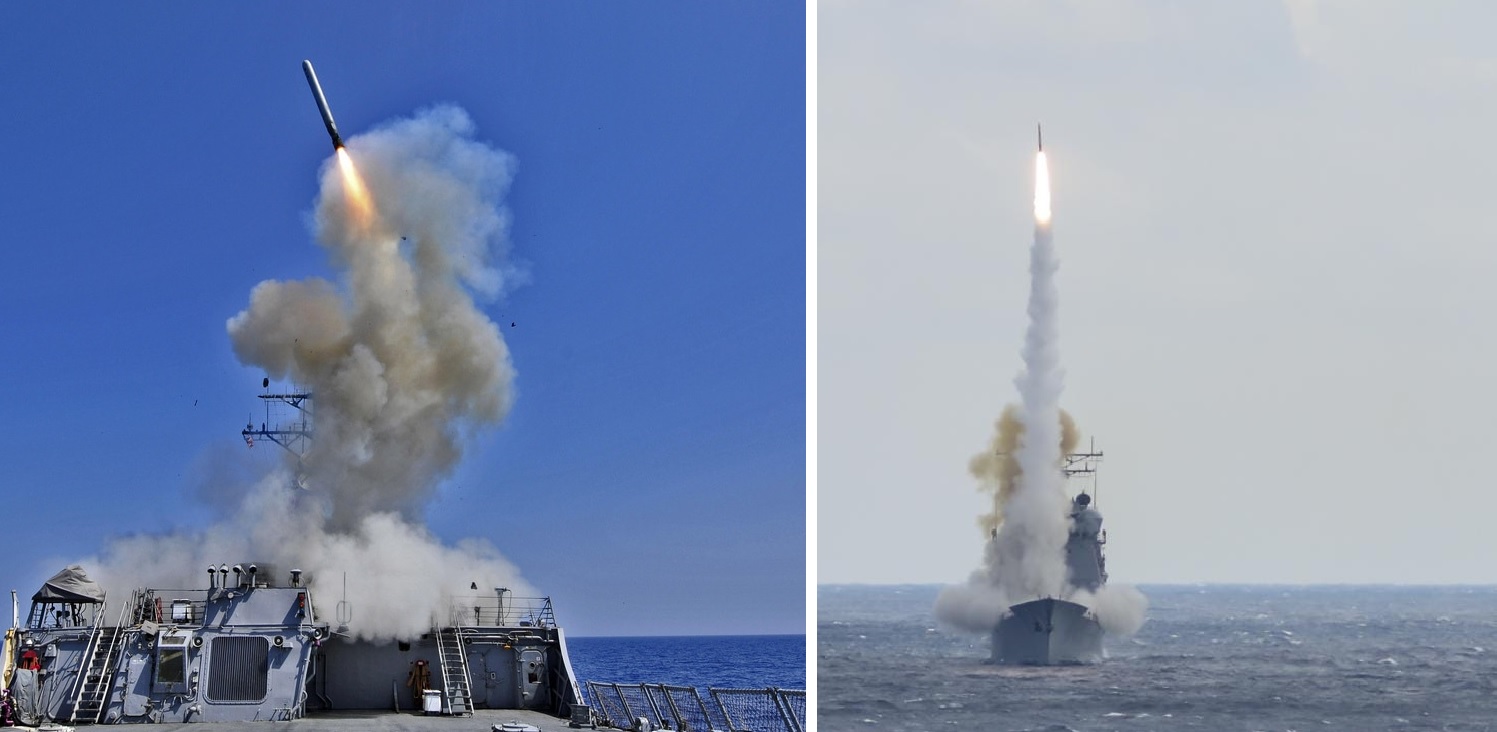
World
The U.S. Navy is preparing to launch the Navy Modular Missile (NMM) program, a next-generation initiative designed to improve the fleet’s firepower, flexibility, and endurance against modern threats. The program represents a shift in naval missile development, moving from Cold War-era designs to a modular, adaptable system that can respond to evolving challenges, including hypersonic weapons. A Modular Approach to Missiles Unlike traditional missile families built for specific missions, the NMM is based on a common front end that contains sensors, guidance systems, and seekers, while the propulsion section can be changed according to mission requirements. Smaller boosters cover short-range engagements, medium boosters handle regional threats, and larger rockets provide long-range and hypersonic capabilities. This modular design allows the fleet to respond to a variety of situations using the same base system. Cooperation with the U.S. Air Force ensures shared design practices, cost efficiency, and faster production. Using common components also reduces logistical challenges and makes supplying weapons more efficient. Improving Fleet Endurance Recent operations in the Red Sea highlighted the need for sufficient missile capacity. U.S. destroyers faced waves of drone and missile threats, quickly using available interceptors. The NMM addresses this by enabling dual- or quad-packing of missiles in vertical launch systems, increasing the number of missiles ready for use without changing ship designs. Rear Adm. Fred Pyle explained in a 2024 Missile Defense Project forum that the NMM’s common front end, combined with interchangeable boosters, provides the right missile for each engagement while maintaining fleet endurance and operational capability. Next-Generation Features The program is considered next-generation because it combines adaptability, increased missile capacity, and the ability to respond to hypersonic threats, which are not addressed by older systems. The design also focuses on open architecture software and interchangeable components, making future upgrades easier. The Navy plans short-, medium-, and long-range variants, including hypersonic missiles, allowing ships to address a range of threats efficiently. The system also supports the Transferrable Reload At-sea Method (TRAM), which enables ships to reload missiles while at sea, improving operational readiness.
Read More → Posted on 2025-10-01 10:31:46
World
China has quietly deployed a working prototype of what it claims to be the world’s first planet-wide missile defence data system, a move that directly contrasts with Washington’s still-theoretical “Golden Dome” concept. Scientists involved say the technology is able to process vast amounts of information from multiple sources and could one day give Beijing an edge in global threat detection. What China Has Built The system, officially described as a “distributed early warning detection big data platform”, is designed to track and analyse up to 1,000 missiles launched from anywhere on Earth at the same time. Instead of depending on a single network or central hub, it connects a wide range of sensors scattered across land, sea, air and outer space. These include: Satellites that provide a space-based view of missile launches. Ground radars capable of detecting flight paths. Naval and airborne sensors that add data from moving platforms. Optical and electronic reconnaissance systems that distinguish real warheads from decoys. All of this information is fed into a distributed computing framework, which processes it in real time and delivers a clear picture of incoming threats to Chinese defence authorities. Explained in Simple Terms Think of the system as a global security web. Each sensor—whether on a satellite, a ship, or a radar station—is like a strand in that web. When something touches it (for example, a missile launch), the disturbance ripples through. The platform gathers these ripples instantly, checks whether the threat is real or fake, and tells the defence system how to respond. The biggest challenge in such systems isn’t the detection itself but the data flood. Millions of pieces of information arrive simultaneously from different devices that were never originally built to talk to one another. China claims it has solved this by using an architecture it calls “physically dispersed, logically unified.” In other words, the sensors stay in their existing locations and formats, but the data they send is translated and processed together as if it came from one giant system. A breakthrough here is the adoption of QUIC (Quick UDP Internet Connections), a fast data transfer protocol that allows secure, high-speed sharing of information even when networks are overloaded or disrupted by interference—conditions common in wartime. How This Differs from the US “Golden Dome” The United States, under former President Donald Trump, announced its Golden Dome initiative earlier this year. The idea was to create a global, AI-enabled missile shield that would merge land, sea, air and space systems into a single defensive umbrella. However, the US programme is still in concept stage. Military leaders admit that they lack a concrete architecture to handle the massive data flow problem—how to collect, transmit, and process enormous amounts of information quickly enough to act. American defence firms have also warned that the Golden Dome faces not only technical hurdles but also political complications, such as whether allied systems should be included and whether AI should have access to sensitive data. China’s Advantage What makes China’s prototype striking is that it has already been built, tested and deployed within the People’s Liberation Army (PLA), according to a peer-reviewed paper published by the Nanjing Research Institute of Electronics Technology. This institute is one of China’s leading defence R&D hubs. The system reportedly allows parallel processing of up to 1,000 tasks across different computing nodes, enabling simultaneous monitoring and analysis of global launches. Data products—from missile tracking images to launch alerts—can be published in a unified format, giving PLA commanders a centralised, real-time situational awareness dashboard. By contrast, the US continues to rely on regional missile defence networks, such as those in Europe, the Middle East, and the Pacific, each operating semi-independently. Wider Implications Defence experts argue this development is part of a larger pattern: while the US often announces ambitious military concepts, China is moving faster in building working prototypes. America’s defence industry, they note, is slowed by deindustrialisation, complex procurement processes, and frequent programme delays—seen in hypersonic missile development, sixth-generation fighters, and advanced carrier technologies. For Beijing, a functioning global defence data network could provide a strategic shield against nuclear or conventional missile strikes, while also giving its military powerful AI training datasets for future autonomous defence systems. What Comes Next China admits the prototype is not perfect. Engineers describe it as a scalable test bed that still requires improvements in computing efficiency, resilience, and integration with active interception systems. But its existence shows that planet-wide early warning coverage is no longer just theoretical. For the US, the challenge is whether its Golden Dome vision can catch up—or whether China’s early move will shift the balance in next-generation missile defence technologies.
Read More → Posted on 2025-10-01 09:46:51
World
Taiwan’s Navy (ROCN) has revealed new details of its Next-Generation Light Frigate program during the TADTE 2025 defense exhibition in Taipei, showcasing scale models of two distinct variants: the Anti-Air Warfare (AAW) version and the Anti-Submarine Warfare (ASW) version. The display underscores Taiwan’s push to strengthen its naval capabilities as China continues to expand military activity in the Taiwan Strait. Why Taiwan Needs These Frigates Over the past decade, Taiwan has faced increasing levels of “gray-zone” pressure from the People’s Liberation Army (PLA), including frequent incursions by Chinese military vessels and aircraft. These operations are designed to exhaust Taiwan’s defenses and test its readiness without triggering open conflict. The new light frigates were designed with these challenges in mind. In peacetime, the ships will patrol Taiwan’s surrounding waters, conduct surveillance and reconnaissance, provide limited air-defense coverage, and help protect vital sea lanes. In wartime, their missions expand: monitoring PLA aircraft, breaking potential blockades, carrying out missile strikes, and defending key coastal approaches. Two Variants, Two Roles The most visible difference between the two frigate models lies in their weapons: The AAW variant carries Taiwan’s domestically developed Hua Yang vertical launch system (VLS), capable of firing Tien Chien-2N (TC-2N) surface-to-air missiles, giving it the ability to defend against hostile aircraft and cruise missiles. The ASW variant is tailored to hunt Chinese submarines, which are a growing threat in waters around Taiwan. This version is expected to carry advanced sonar systems, anti-submarine torpedoes, and depth charges, making it essential for protecting Taiwan’s sea lanes from underwater incursions. Both ships are planned to operate around 2,500 tons—smaller than the originally envisioned 4,500-ton design but better suited for rapid deployment and near-shore defense. Industrial Effort and Challenges The ships are being built by Jong Shyn Shipbuilding Company (JSSC), Taiwan’s largest private shipbuilder. While the company has prior experience with smaller naval projects, this marks its first attempt to construct a warship of this scale. Reports in Taiwanese media earlier this year suggested the program had faced technical delays, particularly around radar integration, but Navy officials continue to emphasize that progress is on track. International defense contractors are also indirectly involved. Lockheed Martin has highlighted the frigate as one of the platforms equipped with its CMS-330 Combat Management System, while Gibbs & Cox, an American naval engineering firm, has been linked to aspects of the design. Comparison with China’s Latest Light Frigates Taiwan’s new vessels arrive at a time when China has been rapidly expanding its naval fleet. The PLA Navy’s Type 054A frigate, often considered the workhorse of its escort fleet, displaces about 4,000 tons—significantly larger than Taiwan’s planned frigates. The Type 054A is equipped with 32-cell vertical launch systems capable of firing the advanced HQ-16 surface-to-air missile, giving it far longer reach than Taiwan’s TC-2N. It also carries anti-ship and anti-submarine weapons, making it a versatile platform. China is also developing the Type 054B, a more advanced variant believed to include improved radar systems, better engines, and possibly even greater missile capacity. Reports suggest the Type 054B will have enhanced blue-water capability, allowing it to operate far beyond China’s coastal waters. By comparison, Taiwan’s light frigates are smaller, more agile, and optimized for near-shore defense, rather than extended overseas operations. Their role is to delay, disrupt, and defend against PLA incursions rather than to project power abroad. Although Taiwan’s frigates may not match China’s larger warships in size or firepower, they fill a crucial gap in Taiwan’s naval structure. As “Tier 2” combat ships, they are designed to carry out the everyday burden of patrol, surveillance, and escort duties, freeing larger destroyers and missile boats for high-intensity operations. Crucially, these ships also represent self-reliance. By fielding domestically built vessels armed with homegrown missile systems, Taiwan reduces dependence on foreign suppliers—an important factor in wartime when resupply could be disrupted.
Read More → Posted on 2025-10-01 09:39:36
World
The United States has once again entered a period of government shutdown under President Donald Trump, a scenario that has become a recurring feature of American politics. A shutdown happens when Congress and the President fail to agree on a budget or temporary funding bill. Without this agreement, the government legally cannot spend money, and funding for many federal agencies stops. This time, the shutdown began on October 1, 2025, after Republicans and Democrats failed to reach a deal. Republicans pushed for a clean extension of existing spending levels, while Democrats demanded protections for health care programs such as the Affordable Care Act and Medicaid. The political fight hardened, no compromise was reached, and the midnight deadline passed. A crucial point is what this actually means in practice. When a shutdown begins, the U.S. government stops paying many of its employees. Hundreds of thousands are furloughed—sent home without pay—while others in essential roles, such as the military, law enforcement, and airport security, must still work but do not receive their salaries until the government reopens. For ordinary workers, this means weeks or even months of uncertainty, with no clear timeline for when their money will arrive. At the same time, government offices and services close their doors. National parks, museums, and many federal offices are locked or operate with skeleton staff. Programs related to public health research, environmental safety, and food inspections are paused. Court schedules slow down, and processes like visa approvals, business permits, and grant funding all face delays. In short, everyday life for millions of Americans is disrupted because the government cannot pass a budget on time. The Trump administration has approached the 2025 shutdown differently than past leaders. Instead of treating it as an accident to be resolved quickly, it has been framed as a tool to force structural reforms and potentially shrink the federal government. Agencies were even told to prepare lists of programs that could be cut permanently and warned of possible layoffs. This shows that, for Trump, the shutdown is not just about funding—it is also about reshaping the role of government. The effects ripple far beyond government workers. The economy slows as unpaid workers reduce spending, federal contracts are delayed, and small businesses tied to government work face uncertainty. Economists warn that billions of dollars in output are lost during each prolonged shutdown. Even if workers eventually receive back pay, the damage to growth, productivity, and family budgets during the stoppage is irreversible. Politically, the shutdown is a stark reminder of deep polarization in Washington. The inability to pass a budget undermines trust in institutions, frustrates the public, and signals weakness abroad. For international partners and investors, a superpower unable to pay its own workers on time looks less reliable. The longer it lasts, the more dangerous it becomes. Short shutdowns are painful but temporary; long ones erode confidence, weaken services, and may permanently cut programs. For ordinary Americans, it simply means stress, uncertainty, and doors closed at government offices they depend on. In the end, the 2025 shutdown is not just about money. It is about power, ideology, and the future direction of the American government. But for the workers and citizens caught in the middle, the meaning is simpler: no paychecks for an unknown time, closed offices across the country, and the sense that politics has again taken priority over people. Past Shutdowns in U.S. History Government shutdowns are not new in the United States. The most notable ones include: In 1995–96, during President Bill Clinton’s term, there were two shutdowns lasting a total of 27 days. In 2013, under Barack Obama, the government was closed for 16 days, mainly over disputes regarding the Affordable Care Act. The longest shutdown in U.S. history happened under Donald Trump’s first term in 2018–2019, lasting 35 days. It revolved around funding for the U.S.–Mexico border wall. These episodes show that shutdowns are always tied to deep political battles. The 2025 shutdown has now added itself to this history, and how long it lasts will depend entirely on whether the two parties in Washington can finally reach a compromise.
Read More → Posted on 2025-10-01 09:18:13
World
France and the United States are preparing a second joint mission involving coordinated satellite maneuvers in orbit, as both countries seek to enhance allied capabilities in space intelligence and security. The announcement comes amid growing concerns over China's expanding military presence in space, a senior U.S. general told Reuters. This upcoming operation will be the Pentagon’s third known military space mission with an ally. Last year, the U.S. and France conducted their first-ever joint maneuver with two spacecraft in orbit. Earlier this month, the U.S. also carried out a similar operation with the United Kingdom, signaling an increasing effort to strengthen alliances in the increasingly contested domain of space. Space is becoming a critical military frontier. Satellites that support communications, missile warning systems, and battlefield intelligence face threats from top space powers like China, Russia, and the U.S. These countries have tested anti-satellite weapons and launched maneuverable spacecraft, raising the risk that a conflict could disrupt GPS navigation or sever key communication channels relied upon by forces on Earth. In response, the U.S. and its allies are focusing on improving satellite maneuvering precision and building international partnerships to secure space assets. Lieutenant General Douglas Schiess, who oversees secretive military space operations for the U.S. Space Force, confirmed that the mission with France is in the planning stage but did not provide further details. He added that similar operations with other nations could follow. France, which is Europe’s largest government spender on space, declined to comment on the new plans. However, French Space Command emphasized that its first operation with the U.S. was meant to strengthen cooperation and demonstrate strategic solidarity. Major General Vincent Chusseau, the unit’s commander, described the initial exercise as a success. The first operation, known as a rendezvous and proximity maneuver, involved a U.S. and a French military satellite approaching each other near a third, “strategic competitor’s” spacecraft. These exercises are designed to train militaries to operate in real-life orbital scenarios and protect their assets against potential threats. The second known joint operation, conducted in September, involved a U.S. satellite checking whether a British military communications satellite, SKYNET 5A, was operating correctly in geostationary orbit—about 36,000 kilometers above Earth. Both satellites were moving at approximately three kilometers per second. Analysts observed that a highly maneuverable U.S. surveillance satellite, USA 271, moved close to the British satellite during this period. Major General Paul Tedman, head of UK Space Command, called this operation a first-of-its-kind achievement for the UK and said it marked a significant increase in operational capability. He highlighted that such exercises allow allied nations to conduct advanced orbital operations to protect shared national and military interests. These developments underline the emergence of a new global space race, where precision satellite operations, advanced surveillance, and strategic alliances are becoming critical. As China and Russia continue to expand their presence in space, the U.S. and its allies are demonstrating a growing commitment to safeguarding their orbital assets and ensuring that space remains secure for military and civilian purposes.
Read More → Posted on 2025-09-30 17:35:38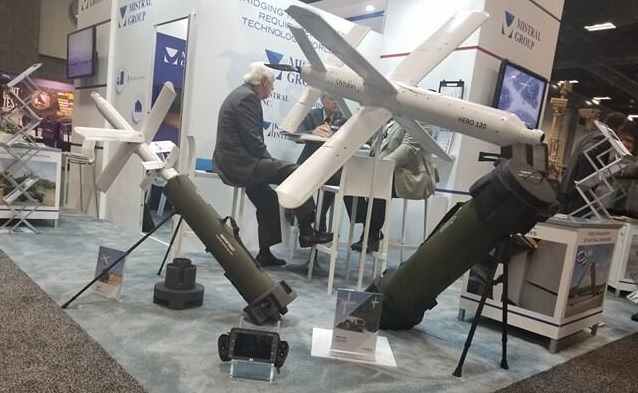
World
The Pentagon has awarded Mistral Inc., a Maryland-based defense contractor, a contract valued at $982 million to supply the U.S. Army with lethal unmanned systems. The agreement is structured as a hybrid cost-no-fee and firm-fixed-price contract, with an estimated completion date of September 29, 2030. The contract was issued by the Army Contracting Command at Aberdeen Proving Ground under contract number W91CRB-25-D-A009. It was awarded on a sole-source basis under Federal Acquisition Regulations 6.302-7, citing the public interest as justification. Work locations and funding will be determined with each order. Mistral, headquartered in Bethesda, Maryland, is the exclusive U.S. representative of Israel’s UVision, a company specializing in loitering munitions. UVision’s HERO family of systems can remain in the target area for extended periods before executing a precision strike. This partnership provides the Army with a direct channel to acquire HERO-series loitering munitions for various missions. Loitering munitions, also called “kamikaze drones”, combine surveillance and strike capabilities. They are launched toward a target area, loiter while providing real-time information, and strike the target once confirmed. These systems are designed to deliver precise effects with reduced collateral impact, offering a cost-effective alternative to larger missile systems. The HERO family includes different variants for infantry, special operations, and larger platforms such as vehicles or naval vessels. The systems provide extended decision time for commanders while reducing the need for heavier strike assets. The new contract is expected to support production, training, spare parts, and sustainment over the coming years. Mistral’s role as prime contractor ensures integration and delivery of these systems to the Army while maintaining operational readiness. Loitering munitions are increasingly used for targeting high-value positions, air defense systems, armored vehicles, and command posts. Their flexibility, precision, and endurance make them suitable for a variety of conventional and tactical applications. The $982 million contract reflects the Army’s focus on expanding its unmanned capabilities and incorporating loitering munitions into its operational framework. The contract also highlights Mistral’s role in supplying and maintaining these systems for U.S. forces through its partnership with UVision.
Read More → Posted on 2025-09-30 17:19:13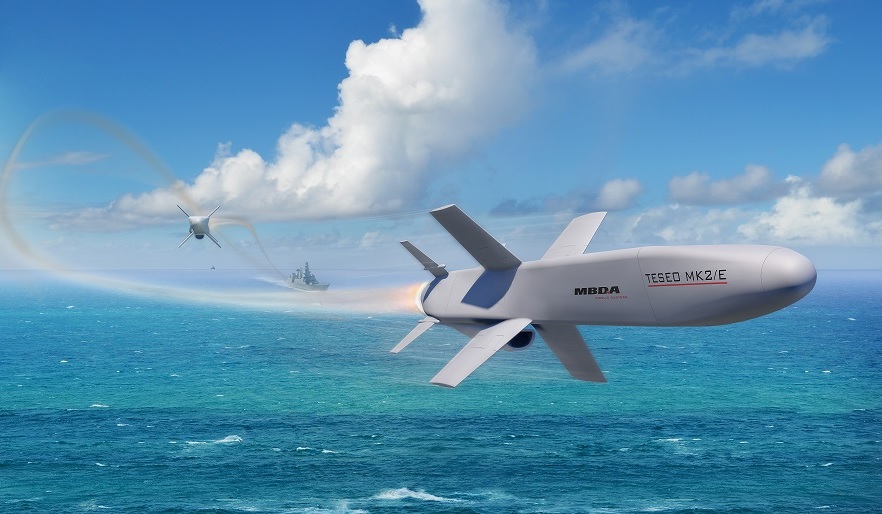
World
MBDA has secured a production contract with the National Directorate of Naval Armaments for the TESEO MK2/E anti-ship missile, moving the program from development to full-scale production. This follows a 2021 agreement for development, integration, and qualification of the missile. The TESEO MK2/E will equip Italian Navy vessels including the FREMM EVO frigates, the Multi-Purpose Combat Ship/Pattugliatori Polivalenti d’Altura (MPCS/PPA), and the upcoming DDX destroyers. It will also complement the older MK2/A variant, which is operational on FREMM and Horizon-class ships. Lorenzo Mariani, MBDA’s Executive Group Director of Sales & Business Development, said, “The start of production shows that TESEO MK2/E meets the Navy’s requirements and adds a new capability in the anti-ship domain, which can also be offered to foreign markets.” Key Features The TESEO MK2/E includes an Active Electronically Scanned Array (AESA) seeker, allowing it to target naval and land-based threats at long range. Its dual-mode homing system combines an RF seeker with ECCM capability and an electro-optical (EO) sensor for precise engagement. A two-way satellite data link allows operators to update targets, adjust flight paths, or abort missions as needed. The missile has a high subsonic cruise speed, high-G terminal maneuverability, and a sea-skimming flight profile, making it difficult to intercept. Its range exceeds 350 km, and it uses an integrated INS/GPS system with a radio altimeter for navigation. The missile carries a semi-piercing/high explosive warhead. Operational Use The TESEO MK2/E is designed to meet modern naval requirements, capable of striking both sea and land targets. It also includes mission planning software that provides automatic firing solutions while allowing adjustments based on real-time tactical data. The missile weighs 700 kg at the start of its cruise phase and measures under 5 meters in length (or 5.5 meters in the launch canister). Its design allows adaptability to potential requirements from international users. Strategic Value Integrating the TESEO MK2/E into Italian Navy ships will provide a long-range strike option for naval operations. The missile builds on experience from the TESEO/OTOMAT family and will be included in new platforms such as the FREMM EVO frigates, DDX destroyers, and PPA ships. The system can also be offered to other navies requiring an anti-ship capability.
Read More → Posted on 2025-09-30 17:08:08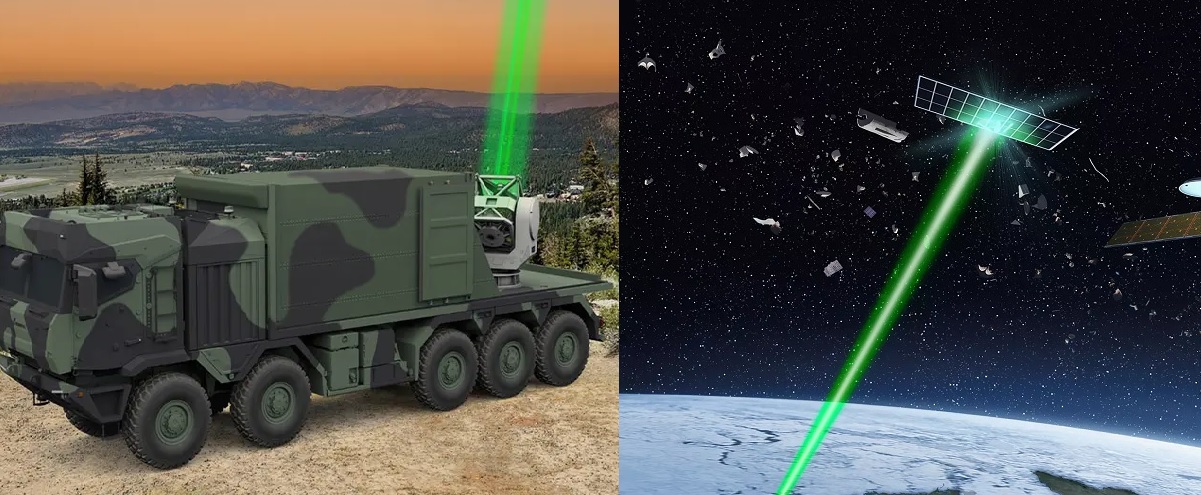
World
At the International Astronautical Congress (IAC) 2025 in Sydney, Electro Optic Systems (EOS) presented its new Atlas Space Control system. The technology is designed to protect satellites in orbit, which is becoming increasingly crowded and complex due to the growing number of commercial and military satellites. Understanding Atlas: How It Works Atlas is part of EOS’ ground-based high energy laser systems, available in fixed, mobile, or relocatable forms. It uses telescopes and domes to detect, track, and monitor objects in orbit in real time. This includes satellites, space debris, and other objects that are often hard to detect. The system provides space monitoring both day and night, helping operators keep track of orbital activity. The system offers adjustable laser power, which can be used for deterrence or active intervention if needed. Atlas also works with multi-domain joint operations, supporting better intelligence and decision-making for both military and civilian space activities. Benefits of Atlas Protecting Satellites: Satellites are important for communication, navigation, weather monitoring, and defense. Atlas helps monitor and safeguard these assets. Flexible Deployment: The system can be deployed around the world, allowing countries and allies to maintain control in orbit from multiple locations. Operational Flexibility: Using EOS’ experience in laser technology and space monitoring, Atlas can adapt to different situations, whether it is tracking space traffic, deterring potential threats, or addressing issues in orbit. Better Decision-Making: Integration with multi-domain operations helps provide real-time information for informed decision-making. Expert Perspective Analysts note that Atlas provides a ground-based tool for satellite monitoring and protection. Traditionally, satellite protection relied on international guidelines, satellite maneuvering, or hardening satellites against threats. Atlas provides a direct and flexible way to monitor and respond to orbital activity. While the system is primarily for protection, its ability to interact with objects in orbit could be relevant for mitigating debris or addressing potential threats. Experts suggest that systems like Atlas may influence future space policies, international cooperation, and space safety measures. Additional Uses Atlas may also help civilian space operations. By tracking small or hard-to-see debris in orbit, it can help prevent collisions that could affect commercial satellites, internet constellations, and scientific missions. It could also contribute to safer space operations as orbital traffic increases. EOS’ Statement Dr Andreas Schwer, CEO of EOS, said, “Space is now a busy domain, and satellites that support defense and civilian functions need monitoring. Atlas provides operators with options to observe and manage orbital activity.” He added that the system builds on 40 years of experience in laser technology and space monitoring. Atlas was displayed at the EOS Space Systems stand at IAC 2025, allowing visitors to see the system and its features.
Read More → Posted on 2025-09-30 15:38:25
World
Romania has moved a step closer to a major transformation of its armored forces, with lawmakers in Bucharest receiving a request to authorize the second phase of the country’s main battle tank recapitalization. The proposal, valued at around €6.5 billion before VAT, envisions the acquisition of up to 216 new tanks along with support variants, potentially including bridge layers, armored recovery vehicles, and mine-breaching systems. This new push would build on the earlier approval of 54 M1A2 SEPv3 Abrams, giving Romania the option of expanding its Abrams fleet or choosing among other contenders such as the German Leopard 2A8 or the South Korean K2 Black Panther. No final decision has been made, and the request must still clear parliamentary scrutiny and budget procedures. Yet the direction is clear: Romania intends to move away from its aging Soviet-era legacy fleet and align itself more closely with NATO standards in firepower, protection, and digital command systems. At present, the backbone of the Romanian Army’s armor remains the TR-85M1 Bizonul, a heavily upgraded derivative of the T-55. While the Bizonul added better optics, applique armor, and a domestic fire-control system, it retains the 100 mm rifled gun, a four-man crew, and outdated ergonomics. Its 50-ton frame lacks the protection, growth potential, and active protection system integration demanded on today’s battlefield. For NATO planners, the Bizonul is increasingly a liability on the eastern flank, particularly when measured against modern Russian armor or advanced anti-tank guided missiles. Against this backdrop, Romania’s choice of platform carries weight far beyond the technical details of armor and firepower. The Abrams, with its 120 mm M256 smoothbore gun, advanced FLIR, and Trophy active protection option, offers immediate interoperability with U.S. forces and deep ammunition stockpiles already circulating in the Black Sea region. However, its 1,500 hp gas turbine engine comes at the cost of high fuel consumption and infrastructure strain, which could complicate deployments across Romania’s bridges and roads. The Leopard 2A8, on the other hand, represents the European standard. Equipped with the Rheinmetall L55A1 gun, advanced sensors, and EuroTrophy APS, it is entering service across several European armies. Choosing Leopard would tie Romania into a growing logistics and sustainment community within NATO, reinforcing Europe’s collective defense posture. The downside lies in cost and weight, but the benefits of shared training systems, spares, and multinational funding opportunities could prove decisive. The K2 Black Panther offers a different proposition. Lighter at around 55 tons, equipped with an autoloaded L/55 gun and advanced suspension that allows it to fire from hull-lean positions, the K2 is designed for speed and agility. South Korea has already demonstrated its willingness to allow co-production and industrial partnerships, most notably in Poland, and Romania could negotiate a similar arrangement to bolster its domestic defense industry. For Bucharest, the K2’s industrial flexibility and mobility might outweigh its relative lack of NATO integration compared with the Abrams or Leopard. Think tank assessments suggest that the decision will ultimately balance military effectiveness, alliance politics, and economic sustainability. The Abrams strengthens ties with Washington but locks Romania into U.S. supply chains. The Leopard reinforces EU defense integration but depends on Berlin’s willingness to share industrial work. The K2 provides industrial autonomy but would introduce a non-NATO supplier into Romania’s force structure. Each option sends a different geopolitical signal, not only about military capabilities but also about where Romania sees its defense identity within the alliance. Budgetary realities will also loom large. Even before VAT, €6.5 billion is a substantial commitment for Romania’s defense budget, especially given the need to invest in air defense, long-range fires, and naval capabilities in the Black Sea. Sustaining a heavy tank fleet requires not only acquisition funds but also decades of expenditure on fuel, maintenance, and training. Lawmakers will therefore need to weigh whether the long-term costs of operating a large Abrams or Leopard fleet are affordable, or whether a lighter, more industrially flexible option like the K2 better suits the country’s economic landscape. What remains certain is that Romania’s legacy Soviet-derived armor has reached the end of its useful life. Moving to a fleet built around 120 mm NATO-standard guns, active protection systems, and digital battle management tools will not just modernize the army’s firepower but also anchor Romania more firmly in NATO’s defense posture at a time of heightened tension on Europe’s eastern front. With Russia’s war in Ukraine continuing and the Black Sea region under constant pressure, the decision on which tank to buy is more than procurement—it is a strategic choice that will shape Romania’s role on the alliance’s frontline for decades to come.
Read More → Posted on 2025-09-30 15:31:52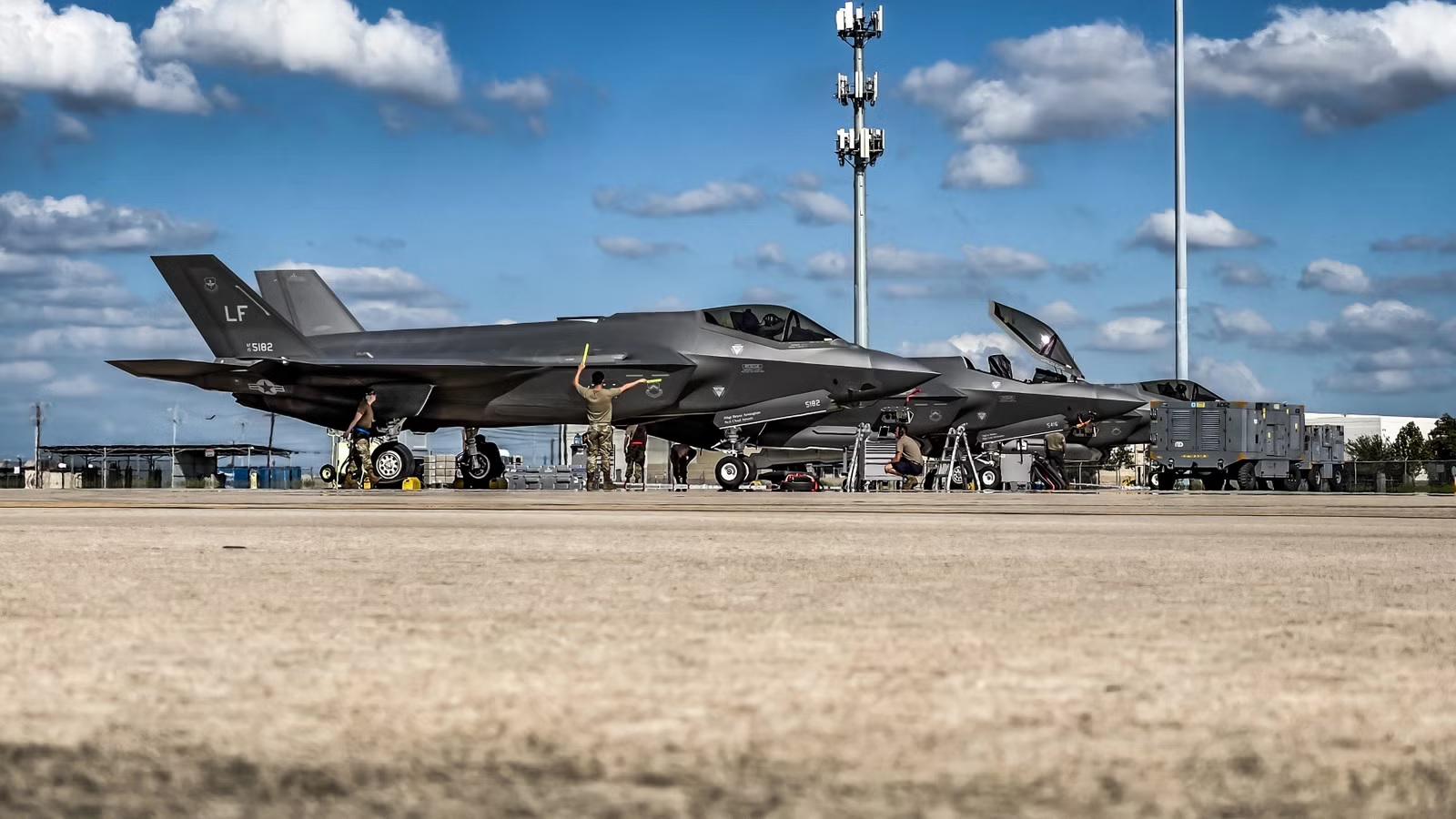
World
The F-35 Joint Program Office (JPO) and Lockheed Martin have finalized one of the largest defense aviation contracts in recent years, securing production Lots 18 and 19 of the fifth-generation fighter. The contract covers 296 aircraft at a total cost of $24.29 billion, averaging $82.4 million per jet across all variants and customers. The announcement, confirmed on 29 September, finalizes an earlier $11.8 billion agreement reached in December 2024 and adds a new $12.5 billion modification for Lot 18 and Lot 19. Deliveries of the new aircraft are expected to begin in 2026, with Lot 20 negotiations already in planning under a multiyear contract framework. Cost, Inflation, and Pricing Strategy The contract type is described as “fixed-price incentive (firm-target), firm-fixed-price, cost-plus-fixed-fee”, giving both sides some balance in risk-sharing. While the cost per jet has risen compared to earlier deals, Lockheed Martin insists the increase remains below the rate of inflation. A JPO spokesperson highlighted that although “unit recurring flyaway costs increased, the total settlement price is beneath relevant inflation indices increases.” This means that when inflation is factored in, the new aircraft remain at cost levels comparable to earlier production Lots 15–17. Importantly, the deal does not include the F135 engines, manufactured by Pratt & Whitney (RTX), which will be contracted separately. Engines have become a sensitive subject in the program, with ongoing debates about upgrading the current F135 design versus investing in next-generation propulsion under the Adaptive Engine Transition Program (AETP). Allocation of Aircraft The Lot 19 breakdown shows a wide distribution of jets among U.S. services, partner nations, and foreign military sales (FMS) customers: U.S. Air Force: 40 F-35As U.S. Marine Corps: 12 F-35Bs and 8 F-35Cs U.S. Navy: 9 F-35Cs International partners: 13 F-35As and 2 F-35Bs FMS customers: 52 F-35As and 12 F-35Bs This reflects the global demand for the aircraft, which now serves as the backbone of multiple allied air forces. To date, more than 1,230 F-35s are in service with 12 nations, and the fleet has accumulated over one million flight hours. Strategic Implications and Analysis The new F-35 contract is not just a matter of numbers and delivery schedules—it carries deeper significance for U.S. and allied airpower. The decision to commit nearly 300 aircraft in a single package reflects sustained confidence in the program despite years of criticism over costs, delays, and technical hurdles. It underscores the reality that the F-35 has become the cornerstone of Western air dominance, a platform that the Pentagon and partner nations see as irreplaceable in the evolving strategic environment. Another key dimension of this deal lies in its relationship with global inflationary pressures. Defense procurement is notoriously vulnerable to cost escalation, yet the F-35 program has managed to keep price increases below the broader rate of inflation. This achievement reflects not only the maturity of Lockheed Martin’s production line but also the economies of scale created by multinational demand. In effect, the program demonstrates how modern defense industries can navigate economic turbulence without sacrificing output or affordability. Equally important is the geopolitical weight carried by the F-35 network. The program has moved far beyond being an aircraft sale; it has become an international defense architecture in its own right. Nations that buy into the F-35 are effectively buying into a shared ecosystem of training, intelligence, logistics, and digital connectivity that binds their air forces more closely with those of the United States and its allies. In regions such as Europe and the Indo-Pacific, this interdependence enhances deterrence and signals collective resolve against rivals like Russia and China. Yet, challenges remain. The unresolved issue of the Pratt & Whitney F135 engines—to be contracted separately—continues to raise questions about future propulsion upgrades and whether the Adaptive Engine Transition Program will reshape long-term requirements. Operational costs also remain under scrutiny, as the Pentagon continues to pressure Lockheed to reduce sustainment expenses, which remain higher than fourth-generation fighters. At the same time, the F-35’s much-needed Block 4 modernization has faced delays, potentially complicating the integration of advanced weapons and sensors. Added to this are the vulnerabilities of a global industrial base stretched across more than 1,800 suppliers, a network that is not immune to supply chain shocks or geopolitical disruptions. Taken together, the Lot 18–19 contract is far more than a procurement milestone. It represents a strategic signal to adversaries and allies alike. To Russia and China, it reinforces the determination of the U.S. and its partners to sustain fifth-generation superiority even as competitors push their own advanced designs. To allies and buyers, it reassures them that the program has long-term stability, with predictable deliveries and strong political backing. And to the defense industry, it shows that multinational fighter programs, if managed carefully, can strike a balance between cost control and industrial resilience.
Read More → Posted on 2025-09-30 15:07:41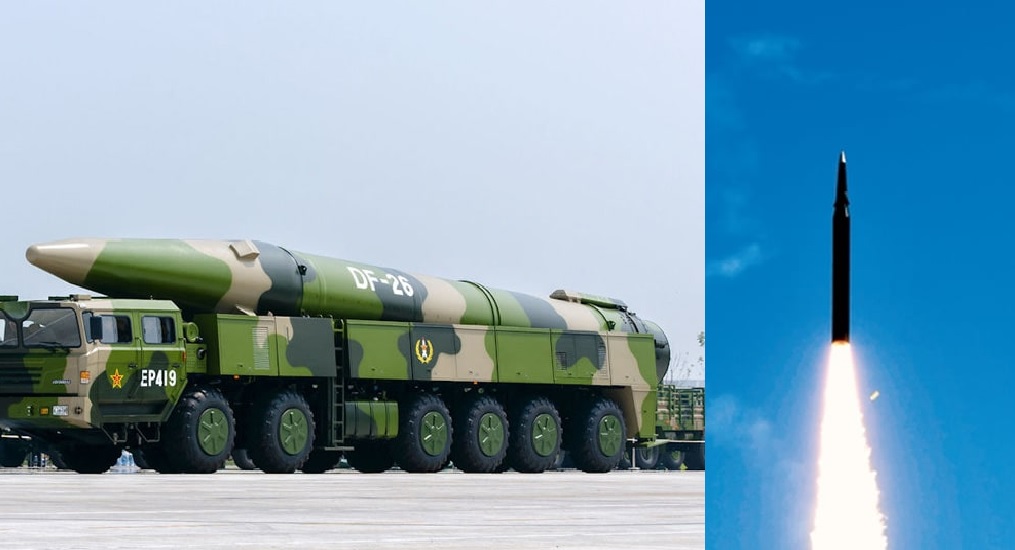
World
China has reportedly conducted a successful test of its DF-26D missile, a new variant of the intermediate-range DF-26, which analysts believe incorporates hypersonic boost-glide technology to enhance maneuverability and complicate interception. Videos circulating on social media show a depressed trajectory launch, a signature often associated with missiles carrying hypersonic or maneuvering warheads, suggesting a deliberate evolution of China’s strategic missile capabilities. The DF-26D was publicly unveiled during Beijing’s September 3, 2025, Victory Day parade, marking its official debut. The missile is part of the DF-26 family, nicknamed the "Guam Killer," a system specifically designed to extend China’s reach across the Pacific and threaten U.S. bases and naval assets. Analysts note that the DF-26D represents a substantial leap from previous variants, both in terms of range and precision. Technical and Operational Details The baseline DF-26, introduced in the mid-2010s, is an intermediate-range ballistic missile capable of delivering nuclear or conventional payloads over 4,000 kilometers. It uses inertial navigation supplemented by satellite updates, allowing it to target both fixed land installations and, with limited capability, large naval vessels. The new DF-26D reportedly extends this range to 5,000 kilometers or more, putting Guam’s Andersen Air Force Base and U.S. carrier strike groups well within reach. Open-source imagery and social media videos from September 2025 show launches consistent with the DF-26 series but featuring distinctive plumes and flight paths, indicating enhanced propulsion and potential hypersonic glide capabilities. Analysts suggest the missile’s hypersonic warhead allows it to maneuver at extreme speeds, making interception by existing missile defense systems, such as THAAD or Aegis, significantly more challenging. Dual-Capable Strike Role Like its predecessor, the DF-26D is dual-capable, able to carry either nuclear or conventional payloads. However, upgrades to guidance systems, active terminal seekers, and electronic countermeasures suggest an enhanced focus on anti-ship roles. Military analysts emphasize that this capability is central to Beijing’s anti-access/area-denial (A2/AD) strategy, designed to deter U.S. naval operations in the Western Pacific. Experts also note that the DF-26D’s road-mobile deployment increases survivability and operational flexibility, allowing China to position the missile system strategically while complicating detection and targeting by foreign intelligence. Strategic Implications The DF-26D represents a tangible escalation in China’s missile modernization, offering the PLA Rocket Force (PLARF) a more versatile and survivable platform. Analysts argue that by integrating hypersonic maneuvering capability, China is addressing one of the key limitations of conventional intermediate-range ballistic missiles: predictability in trajectory. This development has immediate implications for U.S. military planning, potentially requiring adjustments in missile defense posture and carrier strike group deployment patterns across the Indo-Pacific. Moreover, observers highlight the psychological impact of publicly showcasing the DF-26D during the national parade. Such demonstrations signal not only technological advancement but also China’s intent to assert strategic influence over the Pacific. By placing critical U.S. assets within effective strike range, the DF-26D strengthens China’s deterrence posture and demonstrates its growing ability to project power far from its mainland. Analyst Perspectives Defense analysts from multiple think tanks suggest the DF-26D is part of a broader pattern in which China is rapidly developing hypersonic and long-range strike capabilities. One analyst noted, "The DF-26D is not just about hitting targets farther away; it’s about complicating an adversary’s decision-making and creating uncertainty in high-stakes maritime scenarios." Others point to the missile’s dual-capable nature as a signal that China intends to maintain flexibility between conventional conflict escalation and strategic deterrence. The combination of mobility, advanced guidance, and hypersonic speed means that potential adversaries face a highly dynamic threat environment, forcing them to adapt their missile defense and operational planning in real time.
Read More → Posted on 2025-09-30 12:06:39Search
Top Trending in 24 Hours
-
 Tulsi Gabbard Releases Declassified Files Detailing U.S.-Backed Network of 120 Biolaboratories Across 30+ Countries
-
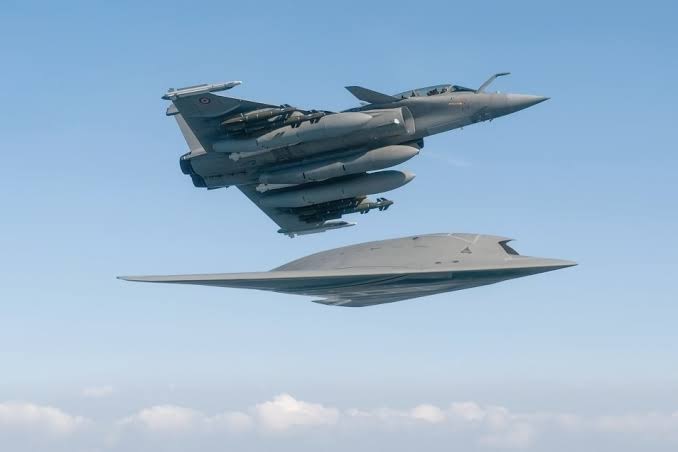 France Agrees to Equip Future Indian Rafales with AI, MUM-T and Secure Satellite Links Under F5 Standard
-
 Dassault Seeks Compensation From Airbus as Eurodrone Dispute Erupts After FCAS Collapse
-
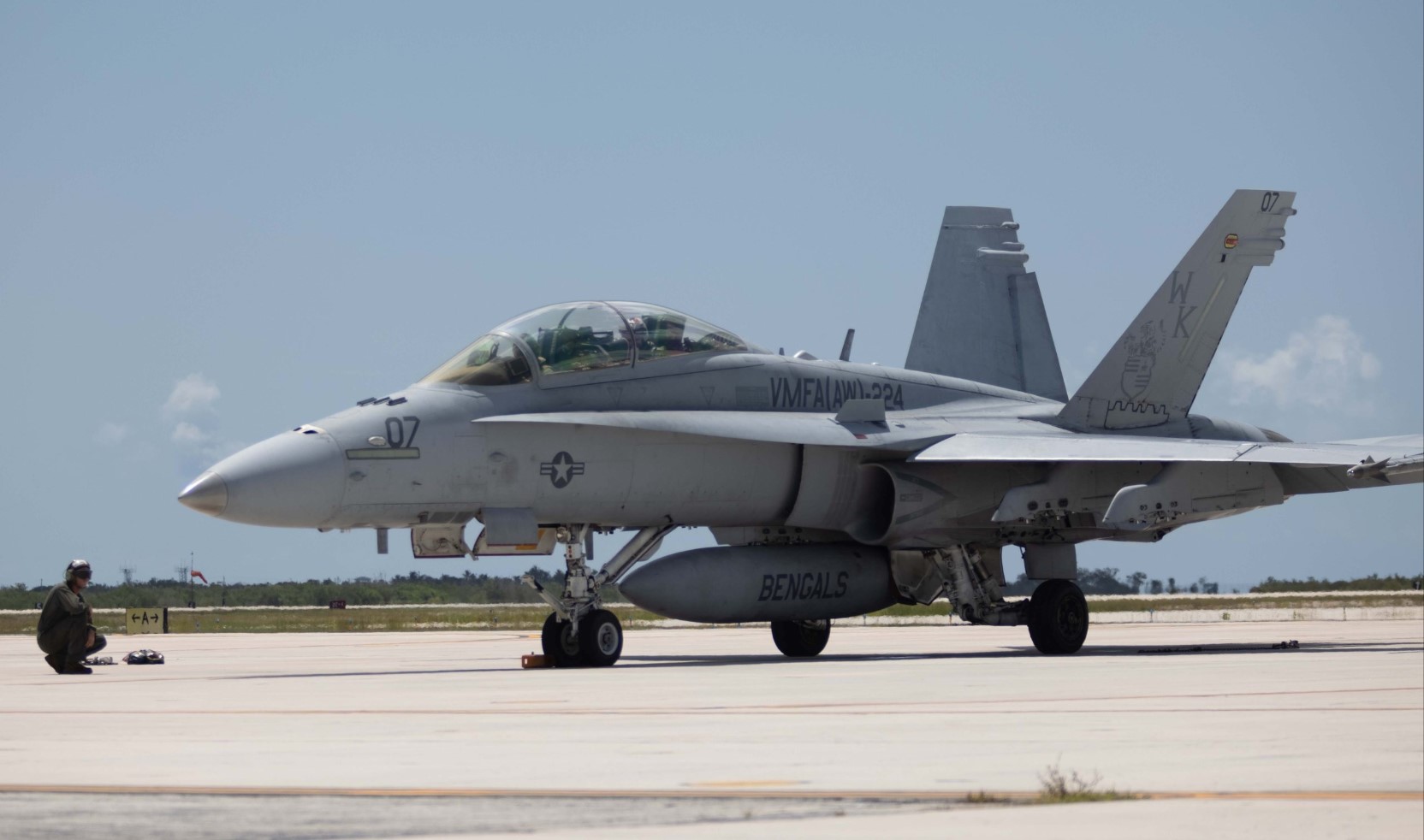 US Marine Corps F/A-18D Hornet Crashes During Training Flight in Washington Mountains; Pilot Ejects Safely
-
 AM General Unveils Next-Generation UGV and JLTV A2 with Counter-Drone Systems at Eurosatory 2026
-
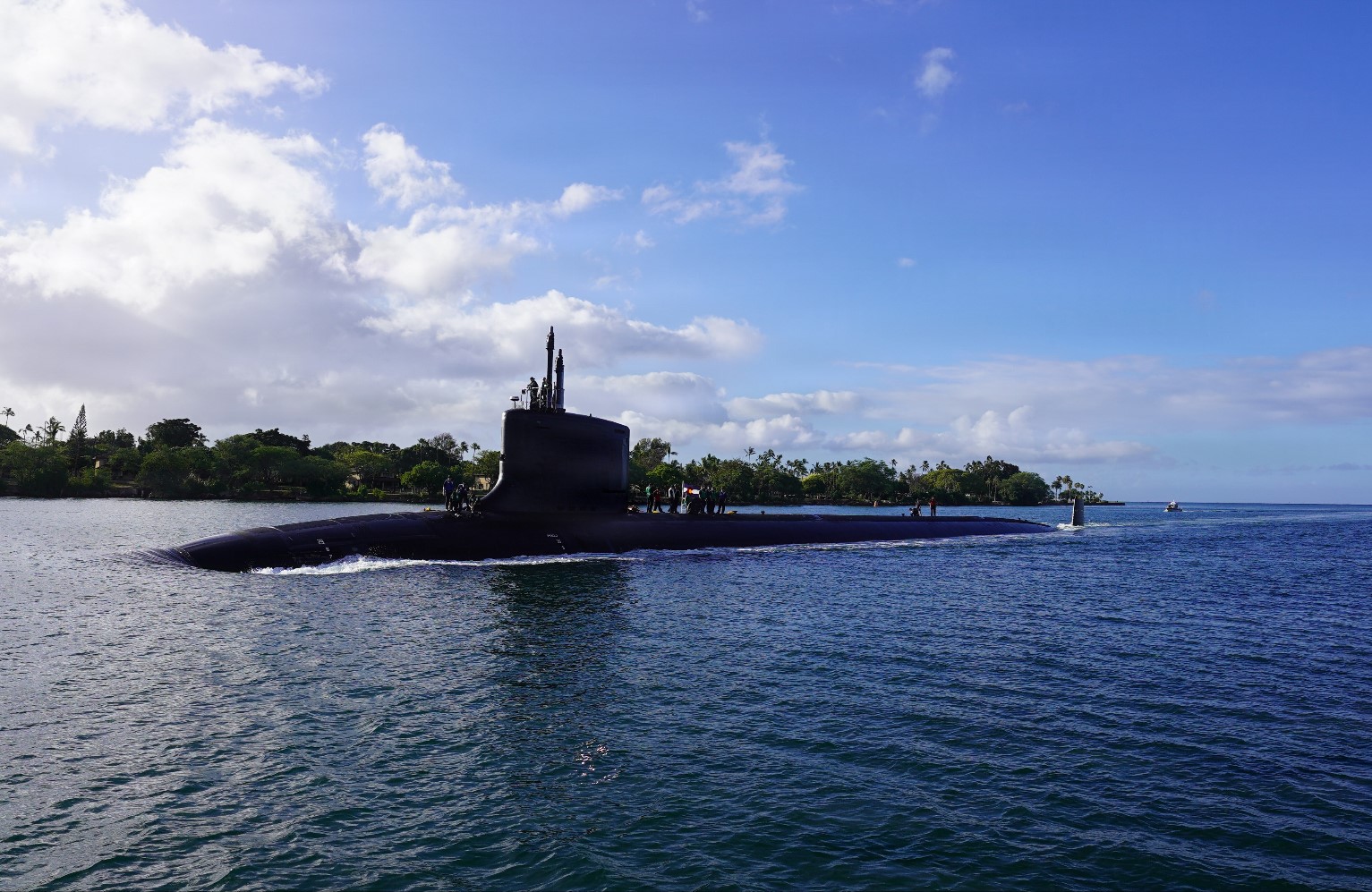 U.S. Navy's USS Colorado Submarine Returns to Pacific Fleet 29 Days Early After Major Pearl Harbor Overhaul
-
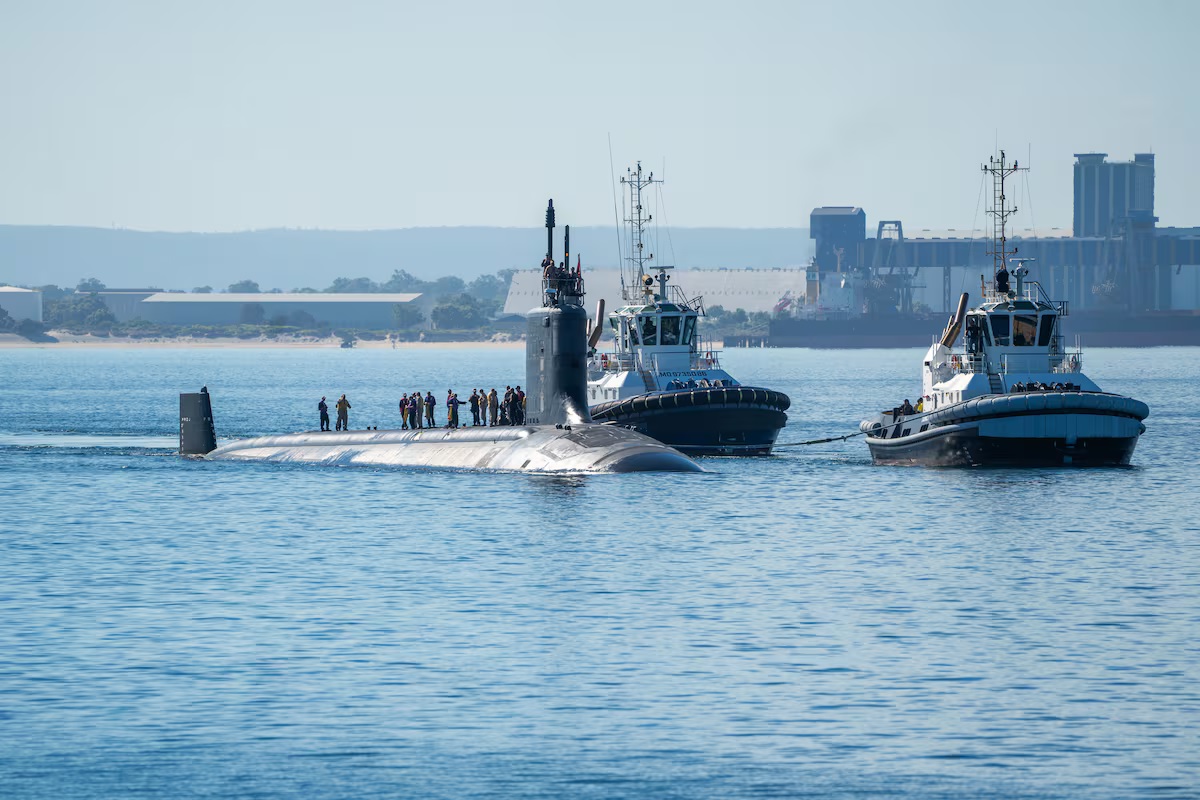 U.S. Navy Reestablishes Submarine Squadron 3 at HMAS Stirling to Support AUKUS Rotational Force
-
 Pakistan Raises Defence Budget from $9 Billion to $10.8 Billion as J-35 Fighter and Hangor Submarine Programs Advance
Top Trending in 4 Days
-
 Iranian Media Leaks 14-Point U.S.-Iran Peace Framework Amid Ongoing Negotiations
-
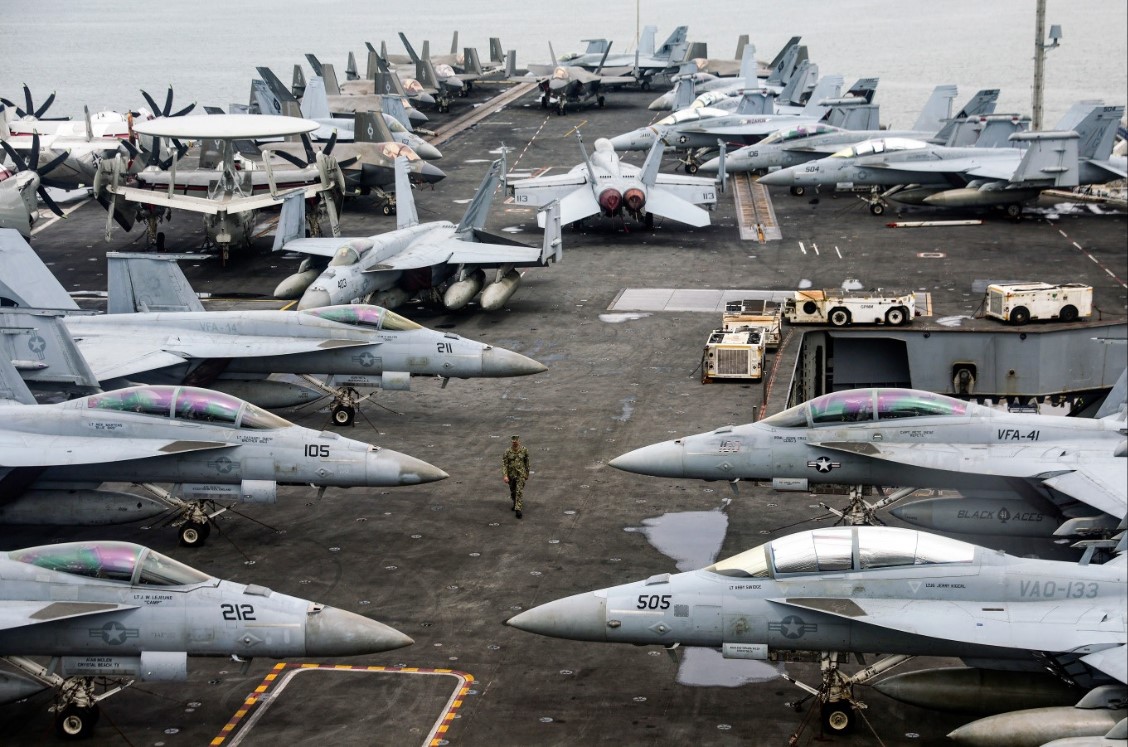 US Plans Significant Reduction of Fighter Jets and Warships for NATO Operations in Europe
-
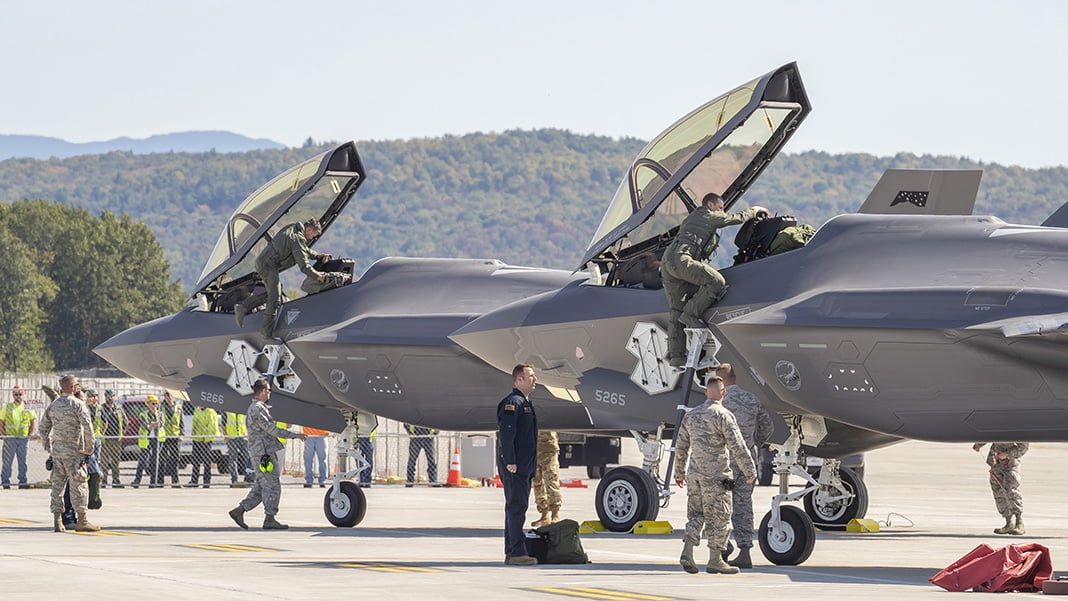 F-35 Fleet Readiness Falls to 25% Amid Parts Shortages and Software Delays: GAO Report
-
 U.S. Air Force Faces Strategic Airlift Shortfall as C-17 Production Restart Remains Uncertain
-
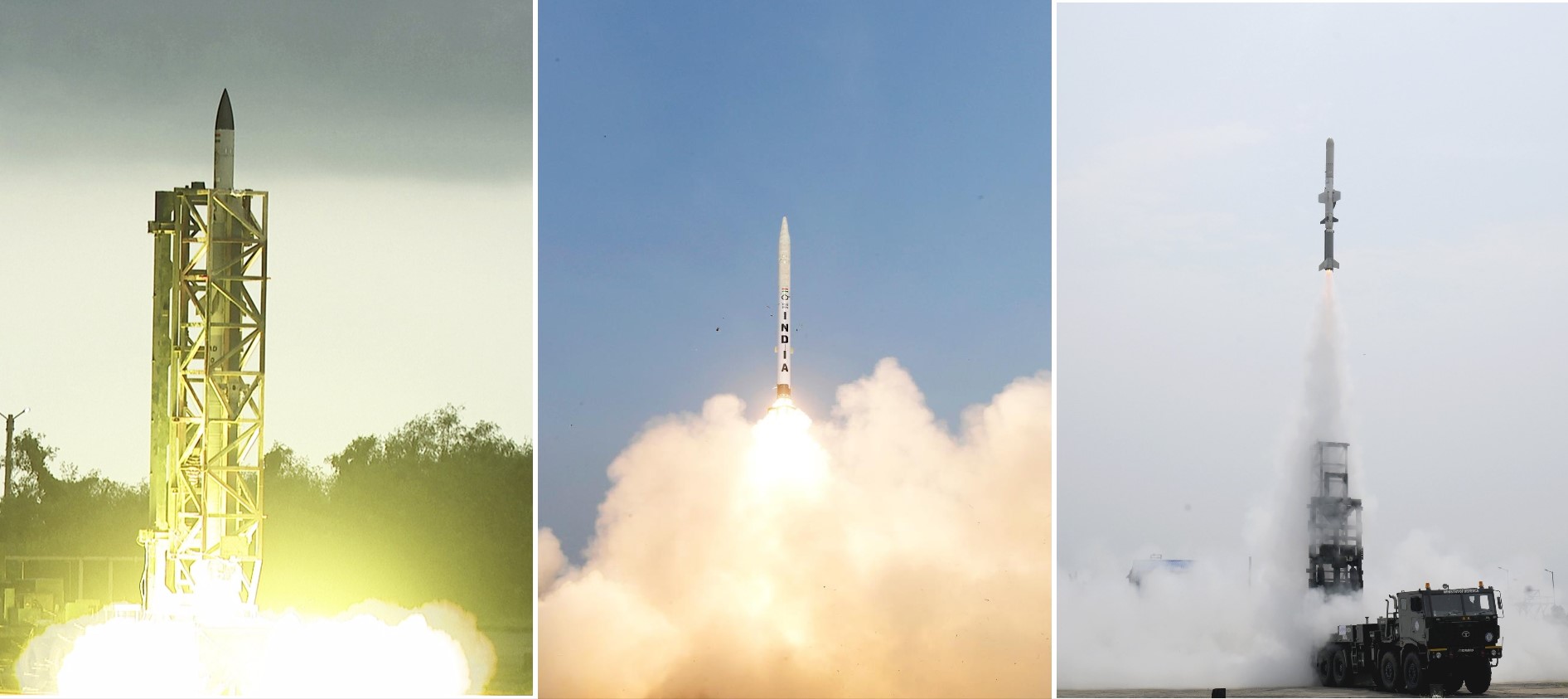 India Successfully Conducts AD-1, AD-2 Interceptor Tests and Maiden NASM-MR Flight Trial
-
 NATO Commander Says Russia Not Seeking Conflict With Alliance Despite U.S. Force Reductions
-
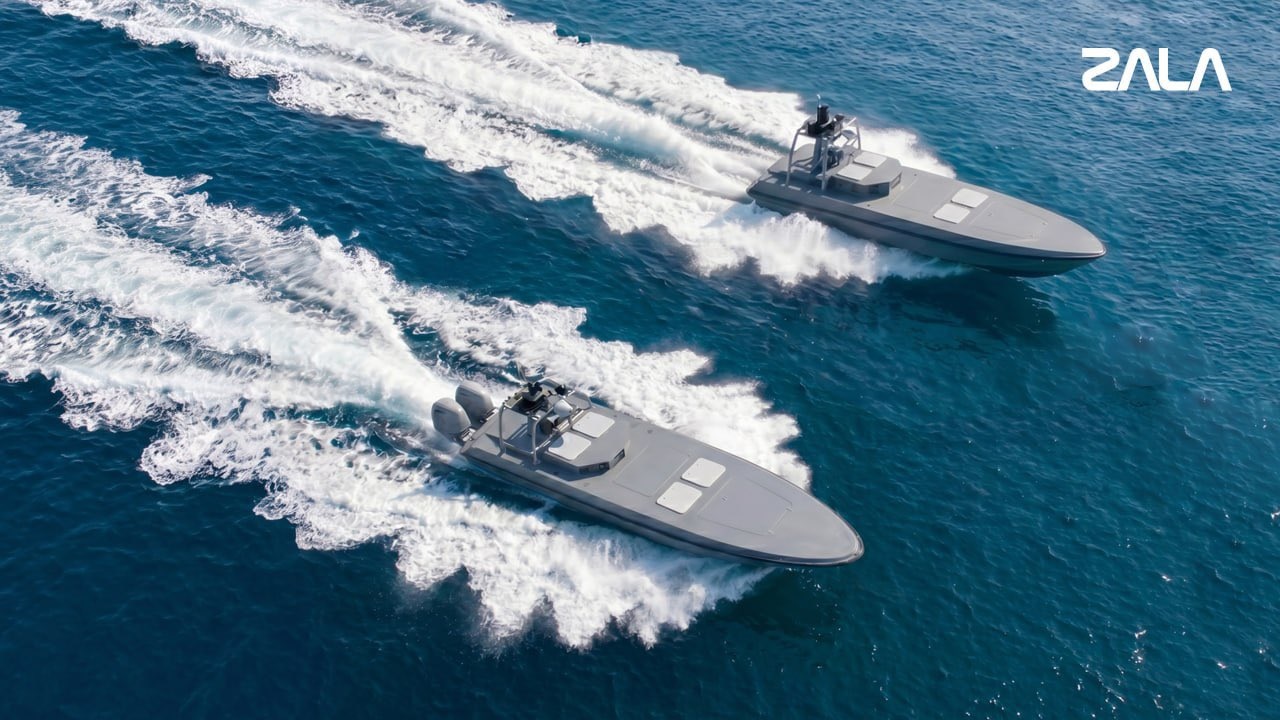 Russian Defense Firm ZALA Unveils KAMA Unmanned Surface Vessel Family at FLOT-2026 Naval Exhibition
-
 U.S. Space Force Awards $437.7 Million Contracts for First PTS-G Swarm 1 Anti-Jam Satellites