World
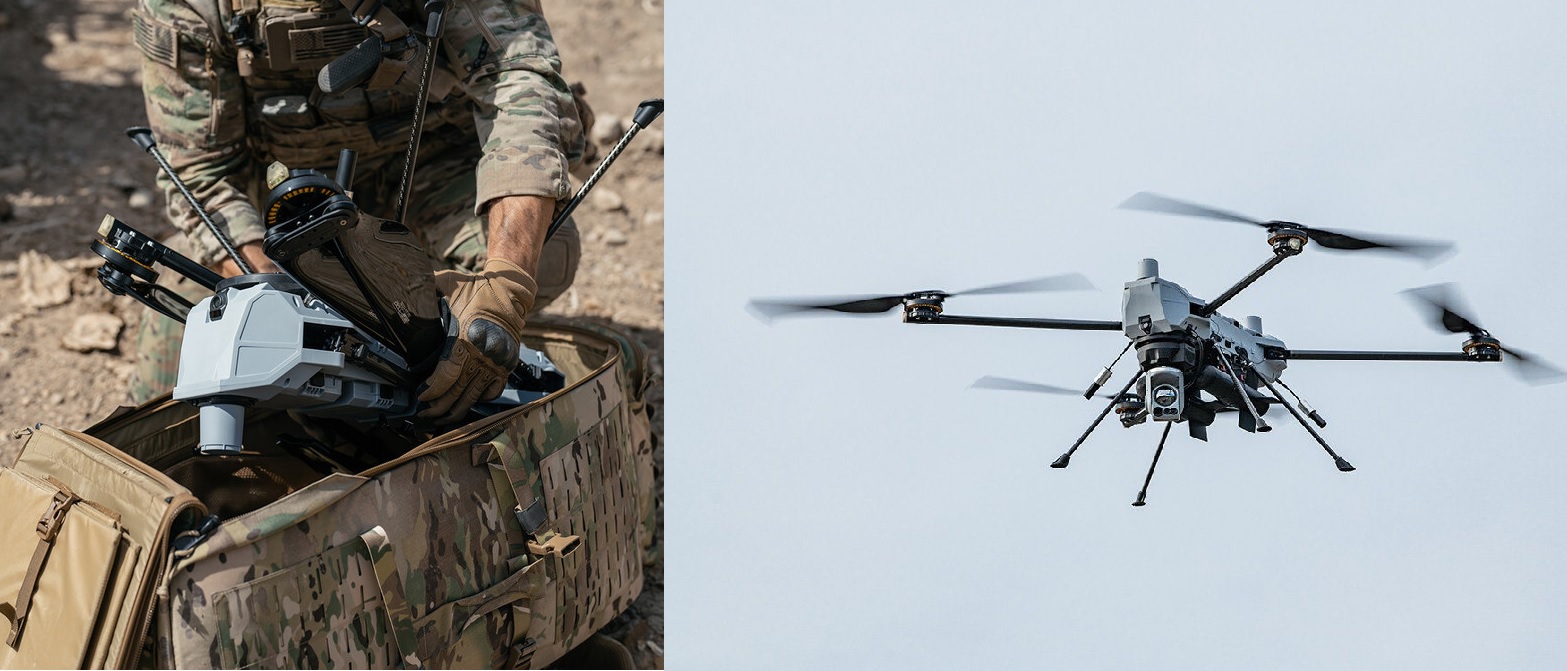
American drone manufacturer Performance Drone Works (PDW) has achieved a major milestone by securing its first-ever contract with the U.S. Air Force for the company’s C100 multi-mission unmanned aerial system (UAS). The agreement was awarded by the 93rd Air Ground Operations Wing (AGOW), based at Moody Air Force Base in Georgia, a formation known for supporting a broad spectrum of Air Force missions including close air support coordination, tactical control, and ground-air operations. The deal marks a significant expansion of PDW’s footprint within the U.S. defense ecosystem, particularly as the military continues to modernize its small and tactical unmanned aircraft fleets. PDW, founded to design and produce advanced robotic systems for defense and government operations, has focused on delivering NDAA-compliant, secure, and modular aerial systems that can meet emerging mission needs. The company emphasizes collaborative development and innovation to ensure its systems remain flexible in dynamic operational environments. PDW’s C100 drone is the company’s flagship Group 2 UAS, purpose-built for tactical versatility and ease of deployment. It has been engineered for high agility, durability, and endurance, capable of 74 minutes of continuous flight, speeds up to 40 miles per hour, and an operational range exceeding 10 kilometers. Designed with a modular payload bay, it supports a variety of mission profiles including intelligence, surveillance, reconnaissance (ISR), electronic warfare (EW), and even kinetic operations. The system’s open architecture allows rapid payload swaps, enabling operators to adapt to changing threats or mission requirements in the field. According to Ryan Gury, PDW’s co-founder and CEO, the U.S. Air Force’s growing demand for modular and rapidly deployable systems aligns perfectly with the capabilities of the C100 platform. “The Air Force is seeking advanced, modular solutions to fill a critical gap in rapidly deployable, multi-mission aerial platforms, and the C100 is designed exactly for that,” Gury said. “The 93rd AGOW’s operational diversity is a perfect match for the C100’s modular payload ecosystem and performance across a wide range of missions.” The C100’s design reflects a strong focus on field adaptability and mission continuity. Built to IP54 environmental standards, it offers dust and moisture resistance, ensuring reliability even in harsh conditions. PDW also maintains a strict domestic supply chain and adheres to Blue UAS certification standards, reinforcing its compliance with U.S. defense security requirements. These features make the drone suitable for both domestic and forward-deployed operations. PDW’s progress with the Air Force comes on the heels of its prior engagements with the U.S. Army, where the company participated in the Medium Range Reconnaissance (MRR) program and the Transformation in Contact Initiative. These Army projects focused on enhancing situational awareness and reconnaissance capabilities through modular, long-endurance drone systems. The addition of the Air Force contract demonstrates growing confidence across multiple branches of the U.S. military in PDW’s design philosophy and manufacturing quality. The 93rd Air Ground Operations Wing, which manages several subordinate units specializing in combat support and air-ground integration, is seen as an ideal testbed for evaluating next-generation UAS technologies like the C100. The drone’s ability to shift from reconnaissance roles to kinetic or electronic warfare missions without requiring major reconfiguration gives operators a tactical edge in fast-changing operational environments. PDW has also been expanding its production capacity to meet rising demand. In mid-2025, the company inaugurated a new 90,000-square-foot facility in Huntsville, Alabama, dubbed Drone Factory 01, dedicated to scaling up manufacturing for defense contracts. The facility is expected to serve as a cornerstone for PDW’s future contracts across U.S. military branches, supporting both production and R&D activities. With this new Air Force partnership, PDW is positioning itself as a key player in the U.S. small drone sector at a time when the Department of Defense is emphasizing interoperability, secure supply chains, and technological agility. The Air Force’s focus on modular, multi-role drones reflects a broader strategic shift toward platforms that can rapidly adapt to diverse combat environments — from electronic warfare and communications relay to ISR and target acquisition. PDW’s success with the C100 also signals growing competition among American small-UAS developers. As the Pentagon continues to prioritize domestic drone solutions under its “Blue UAS” initiative, companies like PDW, Skydio, and AeroVironment are emerging as leading contenders to replace foreign-built systems previously used for tactical operations. The Air Force contract not only validates PDW’s technology but also underlines the growing need for flexible, field-ready drones capable of supporting multi-domain operations. As evaluation and deployment phases progress, the C100 could play a crucial role in strengthening the Air Force’s tactical capabilities across both homeland and overseas missions.
Read More → Posted on 2025-10-09 08:34:04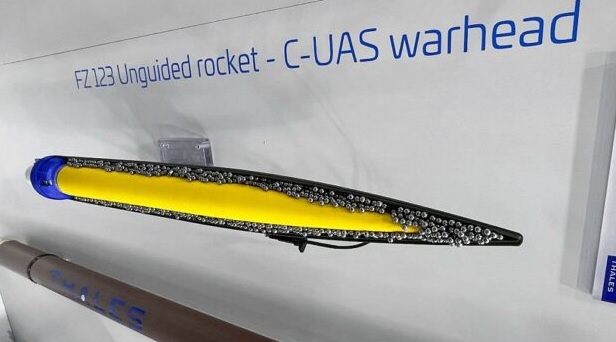
World
Thales Belgium has developed a cost-effective 70mm rocket fitted with the new FZ123 airburst warhead, designed specifically to counter the growing threat of Shahed-type loitering munitions and other small- to medium-sized drones. An undisclosed quantity of these rockets has already been delivered to Ukraine, marking one of the first operational uses of the system. The FZ123 warhead carries about 900 grams of high explosive surrounded by thousands of small steel pellets. Upon detonation, the charge disperses a fragment cloud roughly 24 meters (80 feet) wide, capable of damaging or destroying medium tactical drones and larger unmanned aircraft. This makes it suitable for defending against both individual drones and swarm attacks, a challenge that traditional missile systems find difficult to address economically. The rocket can be used in both guided and unguided configurations. The guided version, which relies on continuous laser designation, can be launched from a variety of platforms — including L3Harris’ VAMPIRE vehicle-mounted launchers and modified Mi-8 helicopters. If the guiding laser is interrupted, the rocket continues toward the last known target for several seconds before switching to ballistic flight. The unguided variant, meanwhile, allows operators to use the same airburst warhead at lower cost and without complex targeting systems. Thales Belgium, which already manufactures around 30,000 standard 70mm rockets each year, said it could double production to 60,000 annually if supplier capacity allows. Demand for the new anti-drone version has exceeded expectations, with Ukrainian orders already surpassing current output. Thales plans to produce about 3,500 FZ123-equipped rockets by the end of 2025 and reach a yearly capacity of 10,000 units in 2026. While the company has not revealed the price per rocket, analysts note that they remain cheaper and faster to manufacture than conventional surface-to-air missiles. Even though the guided variant costs more than some small Ukrainian-built interceptor drones — typically priced between $500 and $5,000 — the FZ123 rocket fills an important middle ground: an affordable, scalable solution for defending against mass drone attacks. The airburst design provides a wider engagement envelope, increasing hit probability against small, agile targets that are hard to strike directly. This makes the FZ123 particularly useful in layered air-defense networks, where it can act as a short-range option alongside radar-guided missiles, jamming systems, and interceptor UAVs. However, accurate timing and target proximity are crucial for maximum effect, and the use of fragmenting warheads requires careful employment in populated areas. With drone warfare expanding rapidly, Thales’ FZ123-equipped rockets reflect a growing emphasis on adaptable, lower-cost munitions that can be deployed from existing platforms. As production ramps up and operational data from Ukraine accumulates, the system is expected to play a significant role in shaping future counter-UAS strategies across Europe and beyond.
Read More → Posted on 2025-10-09 08:26:27
World
Ukraine’s state defense concern Ukroboronprom and U.S.-based LeVanta Tech have announced a new collaboration to develop HALIA, a family of hybrid “float-and-fly” drones capable of operating both on the water’s surface and in the air. These innovative drones are being designed for maritime intelligence, surveillance, and reconnaissance (ISR) missions — and potentially for strike operations as well. The partnership aims to jointly develop and test HALIA prototypes in Ukraine, with plans for local production if the trials prove successful. The initiative represents a blend of American technology and Ukrainian battlefield experience, targeting a new niche in modern unmanned warfare — long-range, sea-air hybrid drones. A hybrid design concept The HALIA drone series introduces a dual-mode capability — the ability to float quietly on the sea surface for extended surveillance and then take off rapidly into flight when required. This unique design allows it to conserve energy, remain less detectable, and quickly reposition for missions across large maritime zones. According to LeVanta Tech, HALIA bridges the gap between traditional airborne ISR drones and naval surface drones, providing persistent coverage and fast mobility when needed. Planned variants and specifications Three variants of the HALIA drone are currently in development, each offering different ranges, payload capacities, and speeds to suit various mission profiles: HALIA-S (civilian variant): 400 km range, 45 kg payload, cruise speed 120–160 km/h, max dash 200 km/h (approx.) HALIA-M (military variant): 1,000–3,000 km range, cruise speed 180–220 km/h, max dash 300 km/h (approx.) HALIA-X (strategic variant): 4,800 km range, 1,000 kg payload, cruise speed 250–320 km/h, max dash 400 km/h (approx.) These figures are preliminary and may vary once flight testing begins. If confirmed, they would make the HALIA family among the most versatile long-range hybrid drones in the world.Designed for ISR — capable of strike While the HALIA series is officially described as an ISR and maritime monitoring platform, defense analysts note that its long range, high payload capacity, and autonomous navigation could easily be adapted for strike missions, including kamikaze-style attacks. In this role, HALIA could act as a loitering munition, capable of floating for hours or days and then taking off to strike maritime or land-based targets. Such versatility could offer Ukraine a new form of persistent sea-based deterrence, complementing its existing fleet of surface drones and loitering munitions already used in the Black Sea conflict. Prototype testing and local production Ukroboronprom and LeVanta Tech confirmed that prototype development and testing will be conducted in Ukraine, leveraging the country’s experience in combat drone deployment. If successful, the companies plan to establish local production lines in Ukraine, enabling large-scale manufacturing and export potential in the future. The collaboration also aims to strengthen Ukraine’s defense industrial base, providing engineers and technicians access to new technologies in hybrid propulsion, materials, and maritime flight systems. Unmanned maritime warfare The HALIA project reflects a growing global trend toward multi-domain unmanned systems — platforms that can operate across air, sea, and land environments. If the HALIA prototypes achieve their expected performance, they could become a game-changing asset for maritime surveillance and long-range strikes, offering Ukraine and its partners a new tool for coastal defense and intelligence gathering. For now, HALIA remains a promising concept, but if it meets its targets, it could redefine how nations conduct maritime ISR and hybrid drone warfare in the coming years.
Read More → Posted on 2025-10-09 08:03:39
World
At the Partner 2025 defense exhibition in Belgrade, Serbia's defense manufacturer Yugoimport unveiled the M-84 AS3, its latest main battle tank, aiming to position itself as a competitor to prominent Western models such as the U.S. M1A2 Abrams and the German Leopard 2. This addition highlights Serbia’s strategic intent to modernize its armored forces while appealing to international defense markets. Evolution of the M-84 Tank The M-84 family has its origins in the 1980s, using a platform based on the Soviet T-72M while incorporating localized enhancements. The first M-84 was manufactured in 1984 and quickly became the most advanced tank produced by a non-Soviet Warsaw Pact member. Historically, the original M-84 was equipped with a 125mm smoothbore gun capable of firing various ammunition types, including armor-piercing and high-explosive rounds. It featured a three-member crew and was noted for its mobility, powered by a V-46TK engine. By the 2000s, the platform showed signs of technological obsolescence, lacking modern features such as thermal sights and reactive armor. M-84 AS3: Key Features and Upgrades The newly unveiled M-84 AS3 represents a comprehensive modernization, transitioning from a legacy Cold War platform into a contemporary combat vehicle. While it retains the 125mm smoothbore gun, it now includes a new generation of ammunition for modern armored threats. The automatic loading system has been relocated to the rear of the turret, enhancing crew safety by isolating ammunition in an armored compartment. Upgrades to the gunner’s station include a sighting system that combines thermal imaging, daylight television, and laser rangefinding, integrated into a digital fire control system. A key feature of the AS3 is its hard-kill active protection system (APS), engineered to intercept incoming anti-tank weapons, enhancing survivability. The tank also incorporates modular explosive reactive armor, a fuel explosion prevention system, and automatic fire suppression systems. To improve stealth, it features a mobile camouflage kit that reduces infrared and radio frequency signatures. For situational awareness, the AS3 is fully digitized, with GNSS-based navigation and a 360-degree video surveillance suite, integrated into a command information system. Despite a combat weight of 48.5 tons, it maintains mobility with an upgraded 1,000 hp engine, reaching top speeds over 60 km/h. Comparative Analysis: M-84 AS3 vs. Western Tanks Feature M-84 AS3 M1A2 Abrams Leopard 2A7 Weight 48.5 tons 66.5 tons 62.5 tons Engine Power 1,000 hp 1,500 hp (gas turbine) 1,500 hp (diesel) Top Speed >60 km/h 42 mph (67 km/h) 42 mph (67 km/h) Armor Composite, ERA, APS Composite, DU armor Composite, modular armor Fire Control System Digital, multi-sensor Advanced thermal sights Advanced thermal sights Active Protection Hard-kill APS Trophy APS Trophy APS Crew 3 4 4 The M-84 AS3 may not match the sensor fusion or industrial capabilities of leading Western tanks, but it provides a competitive blend of protection, firepower, and digital capabilities. M-84 AS3 Development Timeline 1984: Introduction of the original M-84. 2000s: Identification of technological obsolescence. 2017–2020: Development of M-84AS1/2/3 modernization programs. 2023: Deployment of M-84AS2 variant. 2025: Unveiling of M-84 AS3 at Partner 2025. Strategic Implications and Export Potential The M-84 AS3 strengthens Serbia’s defense posture and positions it in the international arms market. It represents a low-cost, high-capability option for nations looking to modernize Soviet-era military assets, especially in Africa, Asia, and the Middle East. By combining protection, firepower, and digital capabilities, the M-84 AS3 is a practical alternative for countries seeking to enhance armored forces without high costs associated with Western models.
Read More → Posted on 2025-10-08 16:10:50
World
Germany has formally chosen U.S. defense contractor Raytheon’s AN/SPY-6(V)1 radar system for its forthcoming F127-class frigates. This selection marks the first international sale of the advanced radar, widely regarded as the U.S. Navy’s most capable sensor system, and represents a significant step in enhancing NATO’s maritime defense interoperability. The decision, made under a proposed U.S. Foreign Military Sales (FMS) agreement, positions Germany as the first non-U.S. operator of the AN/SPY-6(V)1. The radar will be integrated into the F127-class frigates, Germany’s next-generation surface combatants designed to replace the aging Brandenburg-class (F123). The agreement includes not only the radar units but also full integration support to align the system with German Navy command and control architecture. AN/SPY-6(V)1 Radar Overview The AN/SPY-6(V)1 is a multi-function, active electronically scanned array (AESA) radar optimized for modern naval operations. It consists of four fixed array faces, each built from 37 Radar Modular Assemblies (RMAs) using scalable Gallium Nitride (GaN) transmit/receive modules. The system offers: Full 360-degree coverage with continuous simultaneous surveillance. Air and ballistic missile defense, capable of tracking high-speed, low-observable, and hypersonic threats. Surface target monitoring for maritime situational awareness. Electronic warfare resilience, providing robustness against jamming and cyber threats. Multi-mission flexibility, allowing concurrent execution of missile defense, air surveillance, and surface tracking tasks. These features allow the radar to enhance decision-making speed and operational responsiveness while reducing crew workload through automation and system integration. Integration with F127 Frigates The F127-class frigates, projected to displace over 10,000 tons, are designed for network-centric operations, modular weapon deployments, and multi-domain combat readiness. Equipped with AN/SPY-6(V)1, the frigates will gain improved detection and tracking capabilities for advanced aerial threats, including stealth aircraft, cruise missiles, and hypersonic weapons. Additionally, the radar supports cooperative engagement with allied vessels, contributing to a shared maritime awareness across NATO fleets. Raytheon’s technical support will ensure seamless integration with the F127’s indigenous systems, including command, control, and mission planning infrastructure. This approach strengthens interoperability with U.S. and NATO naval forces, a priority for Germany under the Strategic Concept 2030 framework. Industrial and Strategic Implications The radar is manufactured at Raytheon’s Andover, Massachusetts, facility, a state-of-the-art production site for GaN-based AESA radar systems. The complex combines automated assembly lines with rigorous testing and calibration capabilities, enabling timely delivery to international partners without affecting U.S. Navy deployment schedules. For Raytheon, the deal opens a strategic pathway into European naval markets, with other NATO members observing Germany’s integration process closely. For the German Navy, AN/SPY-6(V)1 not only provides a technological edge but also aligns operationally with future U.S. Navy task forces, enhancing coordinated maritime operations and early warning capabilities. Timeline and Outlook While contract details remain confidential, German defense sources indicate that system-level testing of SPY-6-equipped F127s will begin by 2028, with the first delivery expected in the early 2030s. The radar’s adoption demonstrates Germany’s commitment to modernizing its fleet with interoperable, high-end sensor technology capable of meeting current and future maritime threats. By selecting AN/SPY-6(V)1, Germany reinforces NATO’s collective maritime defense posture and signals confidence in U.S. radar technology as a standard for next-generation surface combatants.
Read More → Posted on 2025-10-08 15:51:04
World
At the Development of National Defense 2025 exhibition in Pyongyang, North Korea showcased a new short-range air defense system, unofficially referred to as the Pantsir-NK. The system marks one of the most advanced indigenous developments unveiled in recent years, highlighting Pyongyang’s continued efforts to modernize its air defense architecture amid deepening defense cooperation with Russia. Design and Configuration The Pantsir-NK closely resembles Russia’s tracked Pantsir-SM-SV variant of the Pantsir-S1 family. However, the North Korean version appears to have been simplified to meet local production and maintenance requirements. Unlike the Russian model, which integrates both missile launchers and twin 30 mm automatic cannons, the Pantsir-NK relies entirely on missile-based interception. This configuration suggests a design philosophy emphasizing ease of operation, reduced maintenance complexity, and adaptability to rough terrain—key factors for North Korea’s varied landscape. Mounted on a tracked chassis, the Pantsir-NK carries two missile pods—each housing six ready-to-fire missiles—for a total of twelve. A radar antenna, mounted at the rear section of the turret, is likely responsible for target acquisition and tracking. The system is believed to use short-range surface-to-air missiles (SAMs) with an estimated engagement range of 15–20 kilometers and altitude coverage of up to 10 kilometers, optimized for intercepting drones, helicopters, and low-flying aircraft. Pantsir-NK Comparison with Pantsir-S1 While inspired by the Russian Pantsir-S1, the North Korean model differs in several notable ways: Feature Pantsir-S1 Pantsir-NK Chassis Type Wheeled (8×8) and Tracked (SM-SV variant) Tracked only Armament 12 Missiles + Twin 30 mm Guns 12 Missiles, no guns Radar System Dual radar (search + tracking) Single integrated radar (simplified) Automation Advanced AI-assisted targeting Possible limited automation Range (Missiles) 20–30 km Estimated 15–20 km Combat Role Mobile protection for armor, bases, infrastructure Same, with simplified control systems By eliminating the gun system, North Korea has reduced overall system weight and mechanical complexity but at the expense of rapid engagement against multiple, close-range targets. However, such a design could allow the deployment of more systems at lower cost, improving area coverage. Local Production and Design Integration The tracked chassis of the Pantsir-NK appears consistent with those used in several North Korean systems, including the Pukguksong-2 mobile ballistic missile launcher and Juche 107 self-propelled artillery vehicles. Reusing common platforms allows shared logistics, simplified training, and cost-effective serial production. This modular approach has become a recurring feature in North Korea’s recent defense projects. Although no official specifications were released, the system is presumed to weigh around 25–30 tons, with an operational crew of three to four personnel. The radar and fire-control systems could incorporate semi-automatic or AI-assisted engagement functions, as hinted by Kim Jong Un’s remarks on expanding artificial intelligence use in military applications during the same exhibition. Role in North Korea’s Air Defense Network The Pantsir-NK fits into North Korea’s ongoing strategy to strengthen its multi-layered air defense network. Historically reliant on Soviet-era systems such as the S-75, S-125, and S-200, North Korea has gradually transitioned to domestically produced variants, including the Pon’gae-5 and Pon’gae-6 for long-range interception. The introduction of the Pantsir-NK provides an important short-range component, bridging the gap between man-portable air-defense systems (MANPADS) and strategic SAM batteries. With increasing use of drones and precision-guided munitions in modern warfare, this addition could significantly improve North Korea’s ability to defend key installations and mobile armored units from low-altitude threats. Integration Across Military Branches North Korea has recently expanded its air defense modernization efforts across the army, navy, and air force. The Choe Hyŏn-class destroyer introduced in 2024 featured a navalized close-in weapon system similar to Russia’s Pantsir-ME, combining missiles and twin cannons. The smaller Amnok-class corvette employs comparable systems for short-range protection. Together, these developments indicate a drive toward unified design standards across platforms and services. Additionally, the country’s first airborne early warning aircraft, based on an Il-76 platform, was observed in testing during mid-2025. Such assets could eventually link with systems like the Pantsir-NK through a common radar and command network, improving real-time coordination and response efficiency. Russian Connection and Strategic Implications The unveiling of the Pantsir-NK coincides with deepening military cooperation between Pyongyang and Moscow. Since 2023, North Korea has supplied large quantities of artillery shells and short-range ballistic missiles to Russia. In exchange, it is believed to have gained access to advanced air defense and missile technologies. The Comprehensive Strategic Partnership Agreement signed in June 2024 formally established mutual defense cooperation and technology sharing. A Russian delegation’s visit to Pyongyang in early October 2025, shortly before the exhibition, underscores this growing alignment. The timing and design similarities suggest Russian technical input may have influenced the Pantsir-NK’s development, even if the system itself is domestically produced.
Read More → Posted on 2025-10-08 15:24:11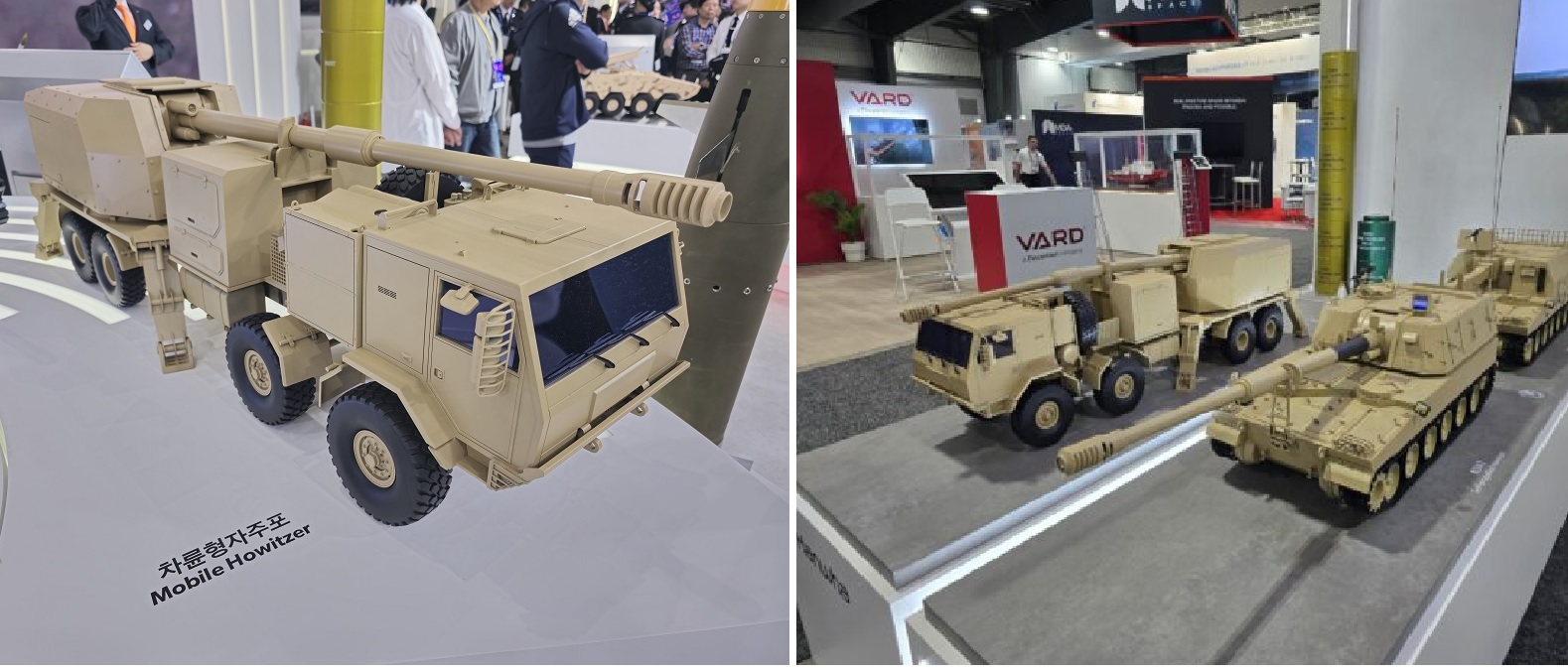
World
Hanwha Defense USA has confirmed the start of production for a new wheeled variant of its K9 Thunder self-propelled howitzer, with testing scheduled for early 2026. The move marks a key step in Hanwha’s plan to offer a more mobile, cost-efficient, and maintenance-friendly option to the U.S. Army as it works to modernize its 155mm artillery fleet. The new variant is derived from the K9A2 tracked howitzer, but it replaces the tracked chassis with a high-mobility wheeled platform. According to Jason Pak, Senior Director of Business Development for Land Systems at Hanwha Defense USA, the new design maintains the same firepower and automation as the K9A2 while improving strategic mobility and ease of deployment. “Hanwha Aerospace and Hanwha USA’s pride and joy is the K9,” Pak said, highlighting that the system’s combat-proven reliability and global success make it a strong candidate for U.S. adoption. Pak confirmed that Hanwha aims to establish a fully localized production base in the United States, encompassing manufacturing, assembly, and sustainment. “We’re absolutely committed to U.S. jobs and capacity,” he said. The plan includes initial deliveries from Korea to accelerate fielding, followed by full domestic production once facilities and supply chains are established. Carl Poppe, Director of Business Development for Artillery Systems at Hanwha Defense USA, said the company is prepared to adapt production based on the Army’s timelines and requirements. “Whether it needs to be all built and assembled here in the States, or if they need to take an early delivery to meet tactical needs, we’re ready,” he explained. He added that around 40 percent of the K9’s global supply chain already comes from U.S.-based suppliers, which will simplify the transition to domestic production. While the U.S. version will closely follow the base K9 configuration, Hanwha expects to integrate a U.S.-specific fire control system and other localized features once requirements are finalized. “We have a history of meeting user nation requirements,” Poppe said. “We’ll refine the system as we receive more direction from the government.” How the Wheeled K9 Improves on the K9A2 The wheeled K9 offers several advantages over the tracked K9A2. Both share the same 52-caliber, 155mm gun and automated loading system, ensuring equivalent rate of fire and accuracy, but the new wheeled version focuses on strategic and operational flexibility: Greater road mobility: The wheeled chassis allows for faster movement on paved and semi-paved routes, reducing transit times and fuel consumption compared to tracked platforms. Lower maintenance and lifecycle cost: Wheeled systems are simpler to service, need fewer spare parts, and reduce long-term sustainment costs. Easier transport: The reduced weight and modular design improve air and road transportability, making it more deployable for expeditionary operations. Reduced crew fatigue and noise levels: Wheeled movement offers smoother rides during long relocations, benefiting crew endurance and system reliability. Less logistical burden: Tires and drivetrains are easier to replace than heavy track assemblies, enabling faster field repairs. However, the K9A2 tracked version still maintains an edge in cross-country performance, terrain handling, and stability during sustained fire missions—making the wheeled variant a complementary system rather than a full replacement. The combination allows users to choose based on mission type: wheeled for rapid movement and cost efficiency, tracked for high-intensity frontline operations. Hanwha’s new model supports the U.S. Army’s evaluation of mobile tactical cannon systems. The company is responding to the Army’s request for information (RFI) with details on the wheeled K9, the K9A1, and the K10 ammunition resupply vehicle. “We have the ability to fill capability gaps for the U.S. Army,” Pak noted, underscoring the modular and scalable nature of Hanwha’s artillery lineup. South Korea’s ongoing upgrades from K9A1 to K9A2 demonstrate a proven modernization pathway, which could extend to the new wheeled variant in the future. As Poppe observed, “Once a user adopts the K9A1 or A2, they can upgrade to the latest configurations as technology advances.” With the wheeled K9 entering production and testing, Hanwha Defense USA is positioning itself to play a major role in the U.S. Army’s next-generation artillery program. The upcoming 2026 trials will determine whether the new platform meets the Army’s goals for speed, flexibility, and long-term sustainability in future operations.
Read More → Posted on 2025-10-08 14:14:10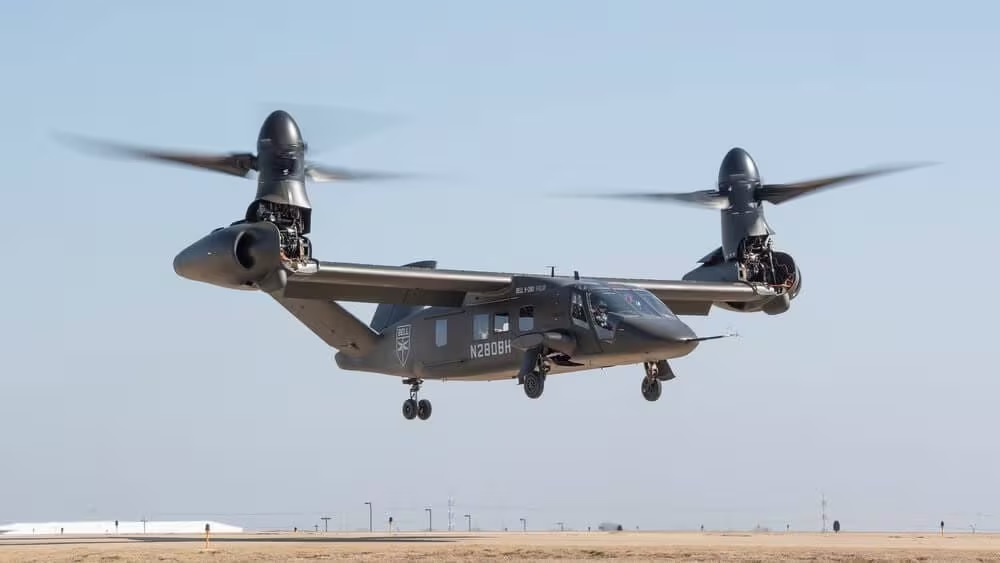
World
Bell Textron has selected Marotta Controls to design and produce a power inverter system for the MV-75 Future Long-Range Assault Aircraft (FLRAA)—the next-generation vertical-lift platform under development for the US Army’s Future Vertical Lift (FVL) program. The inverter will deliver power to several onboard systems while maintaining the aircraft’s emphasis on lightweight construction and energy efficiency. According to Marotta, this system will enhance electrical reliability and optimize power management for critical subsystems such as fuel pumps and avionics. Expanding Marotta’s Capabilities The agreement marks Marotta Controls’ first collaboration with Bell Textron and represents the company’s entry into DC-to-AC power conversion technology.Steve Fox, Senior Vice President for Power and Actuation Systems at Marotta Controls, stated that the partnership “demonstrates how advanced power system design can align with modern aviation requirements,” noting that the inverter’s design leverages decades of experience in compact, high-performance power components. Supporting the US Army’s Modernization Goals The MV-75—Bell’s designation for its FLRAA tiltrotor platform—has been developed to replace portions of the Army’s UH-60 Black Hawk and AH-64 Apache fleets. Designed as part of the Future Vertical Lift initiative, the MV-75 aims to provide significantly improved speed, range, and payload capacity over current rotary-wing aircraft. The aircraft will feature tiltrotor technology, enabling vertical takeoff and landing like a helicopter but achieving cruise speeds comparable to fixed-wing aircraft. This design offers the Army greater operational flexibility in long-range assault, medical evacuation, and logistics missions. MV-75 Specifications (Expected) Manufacturer: Bell Textron Program: Future Long-Range Assault Aircraft (FLRAA) Crew: 4 (including pilots and crew chiefs) Length: Approximately 51 feet (15.5 meters) Rotor Diameter: Around 35 feet (10.6 meters) each Maximum Speed: Estimated 280 knots (520 km/h) Range: Over 2,100 kilometers (1,300 miles) with auxiliary fuel Payload Capacity: Approximately 4,500–5,500 kg (10,000–12,000 lb) Propulsion: Twin tiltrotor engines with advanced digital flight controls Program Timeline and Induction The FLRAA program formally began in 2019, with Bell’s V-280 Valor prototype selected by the US Army in December 2022 as the baseline for the MV-75. The Engineering and Manufacturing Development (EMD) phase is currently underway, focusing on detailed design, component integration, and flight testing. Initial low-rate production is expected by 2029, with full operational capability (FOC) projected for the early 2030s. The aircraft will gradually phase into service, complementing and eventually replacing older assault helicopter variants. Strategic Alignment Marotta Controls’ inclusion in the MV-75 supply chain strengthens the US defense industrial base and supports the Army’s push toward modular, power-dense, and reliable onboard systems. Fox noted that participation in the program “positions Marotta to play a role in future-generation aircraft platforms across the US defense ecosystem.” As the Army continues to modernize its aviation fleet under the Future Long Range Assault Aircraft program, partnerships like Bell and Marotta’s are key to integrating advanced power and actuation systems critical to sustained performance in complex operational environments.
Read More → Posted on 2025-10-08 13:59:03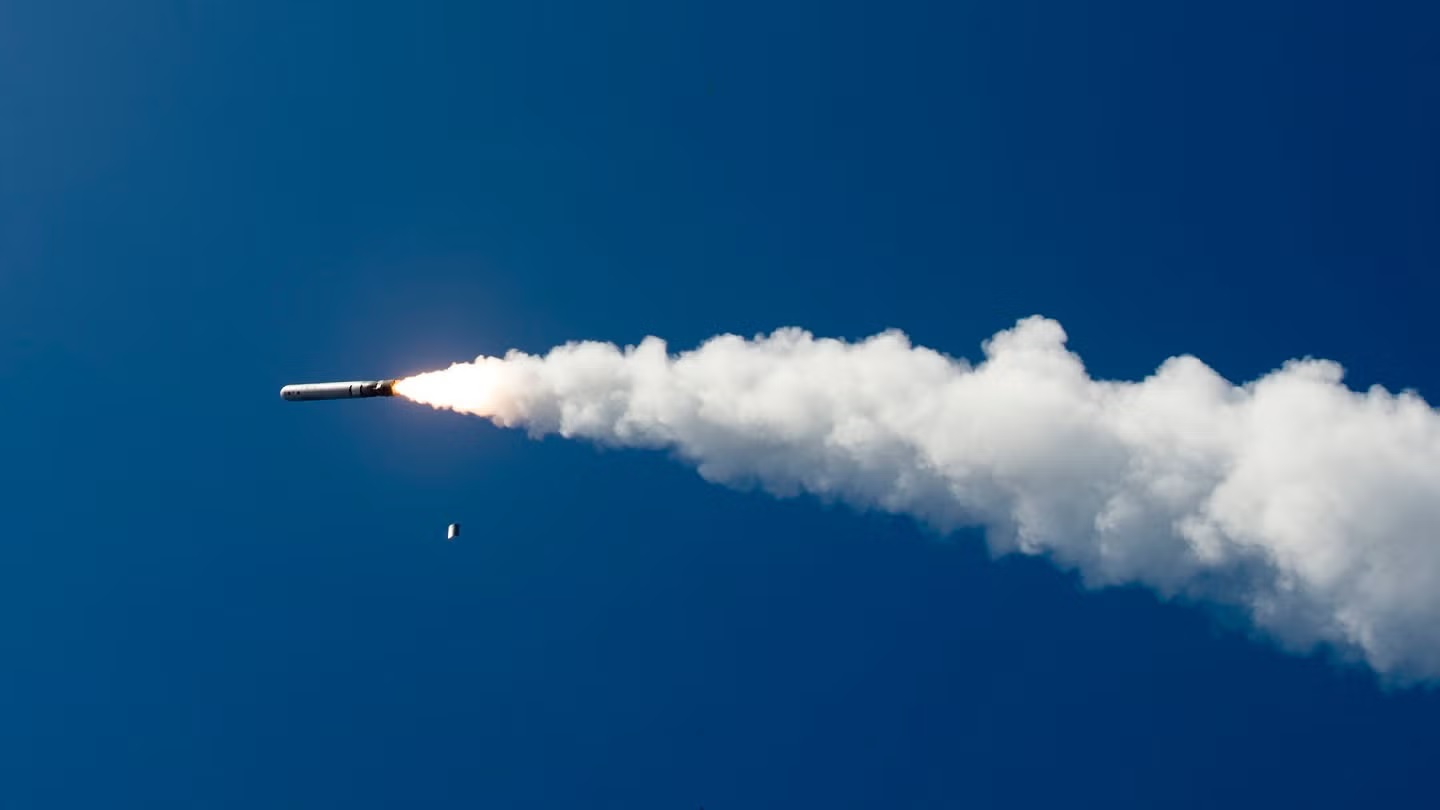
World
Last week the Navy quietly approved a major procurement step that moves the Tomahawk from a legacy land-attack asset toward a distributed, multi-domain maritime strike weapon. The class justification and approval (J&A) authorizes the purchase of 837 seekers for the Maritime‑Strike Tomahawk through FY2028 and funds follow‑on engineering, software updates, testing, and production improvements. That decision reflects operational, industrial and strategic calculations about how the United States intends to contest the seas in the decades ahead. At its core the buy is about turning a proven cruise missile into a sensor-rich, networked anti-ship round that can operate in contested electromagnetic and littoral environments. A seeker is the missile’s “eyes and brain” in the terminal phase; by upgrading and fielding modern seekers, the Tomahawk can detect, classify and home on moving surface targets while coping with clutter, jamming and the fog of modern naval combat. The Navy’s authorization also explicitly covers the hardware and firmware upgrades required to keep the seeker electronics current, indicating an acceptance that sustaining sophisticated sensors requires planned refresh cycles and production stability. Operationally, the MST fills an important niche. It offers long standoff range, a flexible flight profile, and the potential to be launched from multiple canisters and platforms. The Navy’s decision to procure large numbers of seekers recognizes that sea control in future high-end fights will demand volume as well as precision: more capable missiles distributed across ships, submarines, and land launchers complicate an adversary’s calculus and raise the cost of hostile naval operations. Tomahawk’s ability to be canisterized, combined with the Army’s and Marine Corps’ interest in ground-launched variants, multiplies the number of launch nodes available to U.S. and allied forces — an attribute that matters in distributed deterrence concepts and for operations in vast theaters like the Indo‑Pacific. The J&A also funds upgrades to ensure the seeker and its processor remain viable against obsolescence. Modern seekers pack dense electronics and specialized processors; planned “obsolescence” or processor refresh programs reduce the risk of fielding components that cannot be integrated with newer guidance and sensor software. In practical terms, buying seekers in quantity now helps stabilize the production line, lower unit costs through scale, allow for tooling and manufacturing improvements, and create a schedule that lets engineers iterate quickly on software and hardware fixes flagged during developmental and operational testing. Cross‑service integration is another major thread behind the procurement. Over the past year the services reshuffled authorities and inventories: the Marine Corps transferred its Tomahawk stocks to the Army as part of reorganizing long‑range fires, and the Army’s Mid‑Range Capability systems are being prepared to fire canisterized cruise missiles. Authorizing the modifications needed to fire MST from Army and Marine launchers signals a deliberate move toward joint use of an effective long‑range anti-ship weapon. Ground-launched Tomahawks provide commanders ashore with a long‑reach option to protect allied sea lanes and counter surface forces, especially when naval access is limited or forward-deployed ships are scarce. Technical challenges persist, and the Navy’s funding shows an appetite to solve them. Passive sensing modes — mentioned in program documents — are attractive because they let the missile seek without emitting signals that reveal its approach, but passive seekers demand advanced signal processing and sensor fusion to reliably detect high-value targets in noisy environments. Integrating passive modes with active sensors, electro-optical/IR feeds and in‑flight updates will be necessary to address highly maneuverable or well-defended surface targets. The Navy’s testing and correction line items in the J&A reflect the reality that proving these capabilities in realistic sea conditions is complex and time-consuming. Allied demand and coalition interoperability also shape the calculus. Several partner nations have signaled interest in modern Block V Tomahawk variants; allied purchases both spread development costs and strengthen coalition deterrence by increasing commonality and firepower among like-minded navies. Domestically, earlier decisions to upgrade dozens of Tomahawks and to accept follow-on buys by the services show a steady ramp-up rather than a single impulsive purchase. The program timeline matters. Early operational steps are already in motion, with initial fielding on surface ships and plans for expanded deployments over the next few years. The Navy appears intent on reaching initial operational capability across more ships and platforms within the decade, and full-rate production decisions are slated later — meaning that the seeker buys now are an investment in both short‑term fielding and longer-term production robustness.
Read More → Posted on 2025-10-07 16:34:54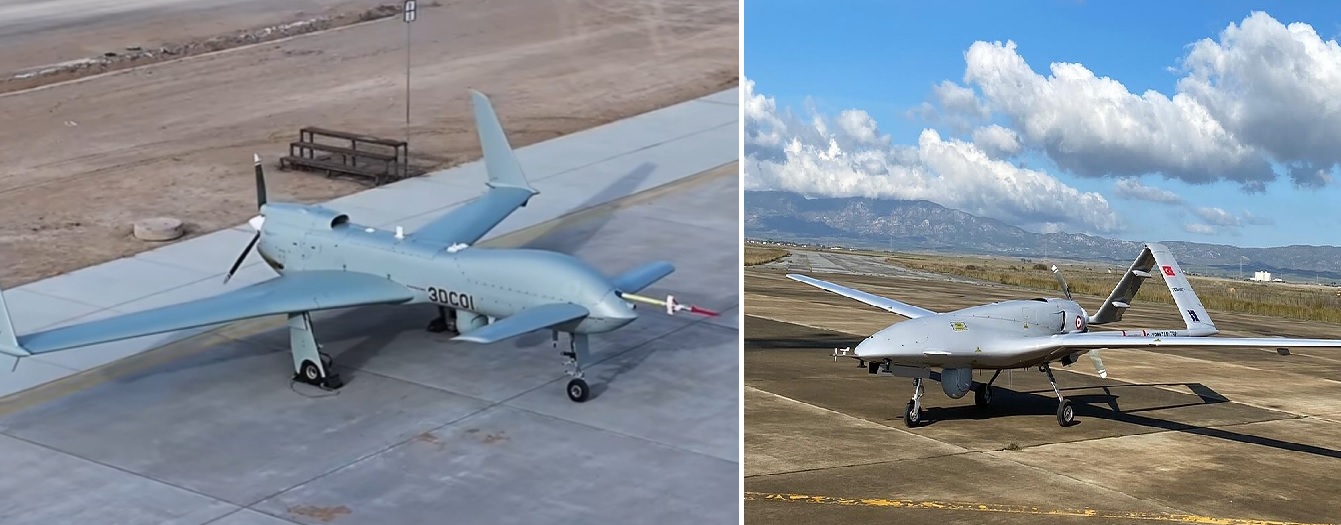
World
Chinese social media posts on October 6, 2025, revealed images of the AVIC CH-3D armed drone in flight tests, highlighting Beijing’s intent to challenge Turkey’s grip on the medium-altitude long-endurance (MALE) drone market. The photographs, reportedly from an AVIC test range and widely shared on platforms like Weibo, show a retractable landing gear and a SATCOM antenna, signaling a more sophisticated design than standard line-of-sight drones. The CH-3D is designed for long-range operations, featuring approximately 20 hours of endurance, a 7,200-meter ceiling, and a cruising speed of nearly 280 km/h. Its payload includes a combination of precision-guided bombs and missiles, giving it flexibility for strike missions. By comparison, the Bayraktar TB2, a 700 kg-class platform, carries up to 150 kg of Roketsan MAM-series munitions and can remain airborne for up to 27 hours, slightly outperforming the CH-3D in raw endurance. A major advantage of the CH-3D lies in its beyond-line-of-sight capability through SATCOM, allowing operators to manage missions over wider areas without relying on multiple relay stations. This makes it suitable for maritime patrols, border security, and expeditionary deployments, where extended reach is critical. Meanwhile, the TB2’s baseline model operates primarily with line-of-sight control, though the upgraded TB2S variant also includes SATCOM, closing part of this gap. The drone’s retractable landing gear is another differentiator, reducing drag and improving fuel efficiency, which allows longer on-station times. In contrast, TB2 is optimized for rugged and austere field operations with fixed landing gear, emphasizing battlefield resilience over aerodynamic efficiency. The CH-3D’s design suggests that AVIC is targeting customers who prioritize mission range and operational flexibility over extreme endurance. China appears to be aiming the CH-3D at markets where the TB2 has been highly successful, including Asia, Africa, and Eastern Europe. Nations in these regions may find the CH-3D appealing due to state-backed financing, fewer political restrictions, and SATCOM-enabled strike capabilities at a competitive price. If AVIC can demonstrate reliable performance and export readiness, the CH-3D could attract buyers who want TB2-like effects without moving into larger, costlier drone classes. Operationally, the TB2 has earned a proven battlefield reputation, excelling in distributed operations such as artillery hunting, ISR missions, and coordination with ground forces. The CH-3D, while newer, offers the potential to act as a theater-wide asset, capable of repositioning quickly and maintaining persistent surveillance over extended areas, thanks to its faster cruising speed and extended communications range. Both aircraft occupy the 700 kg class, but their payload ecosystems differ, with TB2 favoring lightweight precision munitions and CH-3D offering a wider variety of guided bombs and missiles. As the global drone market evolves, the next year will be crucial in testing whether the CH-3D can match Baykar’s track record in reliability, combat telemetry, and integration into existing military systems. Success could see China chip away at TB2’s dominance, particularly in countries looking for affordable, SATCOM-enabled MALE drones, potentially reshaping the export market and defense partnerships in key regions.
Read More → Posted on 2025-10-07 16:18:02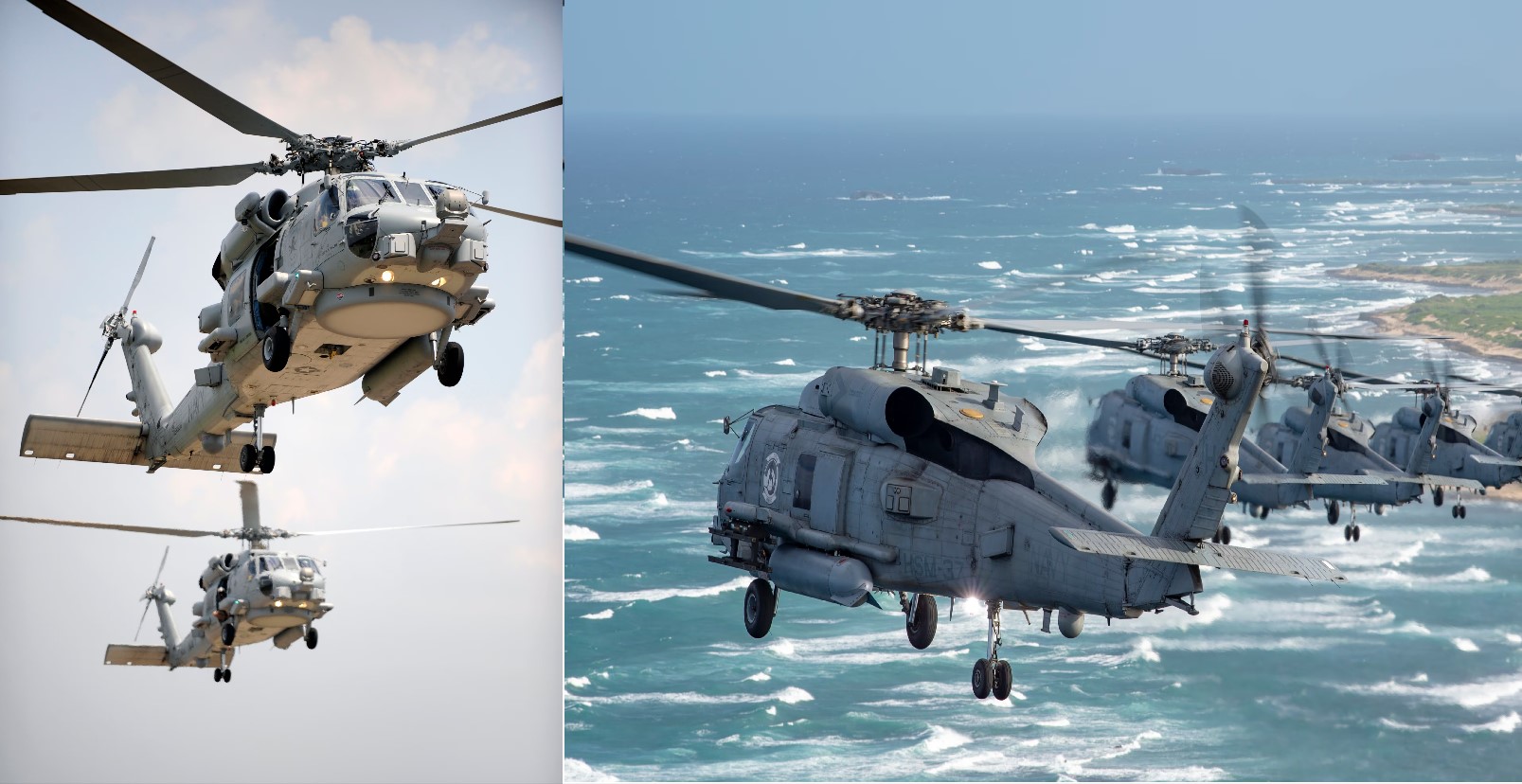
World
Taiwan’s navy has renewed negotiations with the United States to acquire a fleet of MH-60R Seahawk anti-submarine warfare (ASW) helicopters, with local reports suggesting a minimum of 13 aircraft. If finalized, the deal would strengthen Taiwan’s undersea defense capabilities and reinforce U.S.–Taiwan security ties amid heightened activity by China’s People’s Liberation Army Navy (PLAN). According to reports from Taiwanese media on October 7, the discussions involve a senior official and sources familiar with the talks. The renewed interest follows months of mixed signals, with previous acquisition efforts reportedly delayed or declined due to asymmetric warfare considerations. The MH-60R procurement aligns with Taiwan’s broader defense modernization, providing enhanced capabilities to detect, track, and engage submarines in the Taiwan Strait. Platform and Sensor Capabilities The MH-60R is the U.S. Navy’s standard ASW helicopter, designed for deployment from surface combatants such as destroyers and frigates. Its core ASW sensor is the AN/AQS-22 Airborne Low Frequency Sonar, a high-powered dipping sonar capable of detecting submarines operating at various depths, including those concealed beneath thermal layers. In shallow and noisy littoral waters, the system can detect diesel-electric submarines operating on battery power, which are otherwise difficult to track. The helicopter also integrates expendable sonobuoys, multi-mode maritime radar, day-night electro-optical sensors, and electronic support measures to identify hostile emissions. A typical MH-60R crew includes a pilot, copilot, and one or two sensor operators who manage sonar, radar, and weapons systems. Data from the sensors can be shared with nearby ships or other platforms over Link 16 or equivalent datalinks, enhancing situational awareness and coordinated response. Weapons and Tactical Advantages The Seahawk’s armament aligns with Taiwan’s ASW and maritime strike needs. It can carry MK54 lightweight torpedoes, which are optimized for both diesel-electric and nuclear submarines in shallow and open waters. Each torpedo is equipped with active/passive guidance and can engage targets at depths up to 500 meters, providing a significant edge in Taiwan Strait operations. For surface threats, the MH-60R can be armed with AGM-114 Hellfire anti-ship missiles and laser-guided rockets, while door-mounted machine guns offer self-defense and limited support during hoist or interception tasks. Tactically, the MH-60R operates in conjunction with surface ships and maritime patrol aircraft, forming a three-dimensional ASW network. In the dynamic conditions of the Taiwan Strait, the helicopter can quickly reach a suspected submarine, deploy its dipping sonar, and relay contacts to nearby frigates for coordinated tracking or engagement. This approach extends Taiwan’s undersea defense coverage without requiring constant deployment of land-based patrol aircraft. Fleet Integration and Operational Considerations Taiwan’s navy currently operates 17 helicopters, down from an earlier fleet of 21 S-70C aircraft due to four major accidents. The proposed acquisition would restore numbers and add modern capabilities rather than replace like-for-like. The procurement plan covers not only the airframes but also integrated sensors, munitions, updated avionics, and the necessary training and maintenance infrastructure. Other regional operators of the MH-60R, including South Korea and New Zealand, demonstrate the platform’s interoperability and shared support network, which may help Taiwan in training, logistics, and spares management. Successful integration would require phased deliveries, reinforcement of maintenance capacity, and adjustments to shipboard hangars and deck operations. Strategic Implications China has been expanding its submarine fleet, including both quieter diesel-electric and nuclear attack submarines, and increasingly operates in the Philippine Sea and around the Bashi Channel. The addition of MH-60Rs to Taiwan’s naval aviation strengthens deterrence by complicating potential undersea operations by the PLAN. The helicopters’ ability to detect submarines at depth, maintain persistent contact with agile targets, and deliver torpedoes or coordinate strikes from surface ships gives Taiwan a measurable edge in undersea defense. The renewed negotiations reflect a clearer operational need, an established acquisition team, and alignment of munitions to mission requirements. If the deal is approved under a special defense budget, Taiwan will significantly enhance its maritime defense posture with modern, interoperable ASW platforms capable of rapidly countering submarine threats in the region.
Read More → Posted on 2025-10-07 15:45:07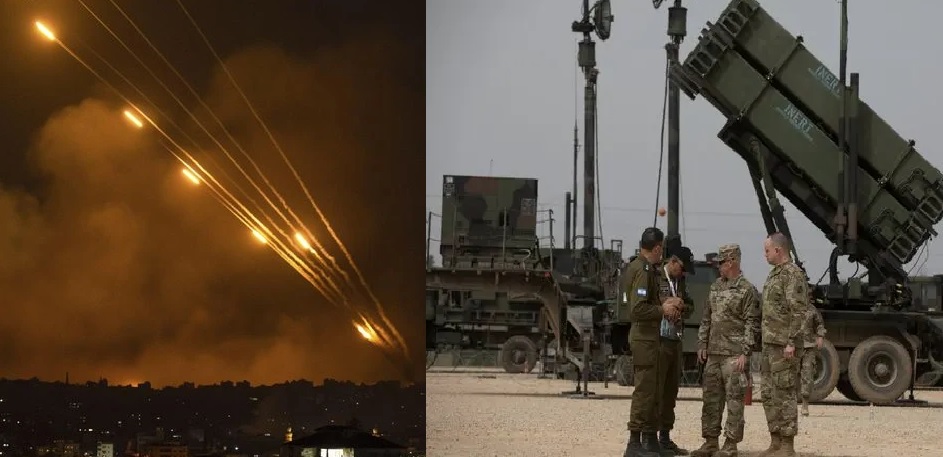
World
Since the Gaza war began on October 7, 2023, the United States has poured massive financial and military support into Israel, marking one of the largest aid efforts in modern U.S. history. According to recent studies, Washington has provided an estimated $21.7 billion in military assistance to Israel over the past two years — about $17.9 billion during the first year of fighting and roughly $3.8 billion in the following months. These figures represent a combination of direct arms transfers, financial aid, and replenishment of Israel’s missile defense systems such as Iron Dome and David’s Sling. Much of this funding came from emergency appropriations and presidential drawdowns, which allowed the U.S. to deliver weapons and ammunition directly from its own stockpiles without waiting for new contracts to be approved. Within weeks of the October 2023 attacks, U.S. aircraft were flying shipments of artillery shells, precision-guided bombs, and interceptors to Israeli bases. Congress later formalized these actions through a $14.1 billion supplemental package in early 2024 that reimbursed the Pentagon and expanded Israel’s access to advanced defense systems. In early 2025, the U.S. approved another $8 billion in arms sales, ensuring a steady flow of weaponry in the years ahead. But beyond financial aid, the U.S. has spent billions more on its own military operations in the Middle East to shield Israel from regional threats. Analysts at Brown University’s Costs of War project estimate that between October 2023 and September 2025, American military operations related to the Gaza war cost between $9.6 and $12 billion. These expenses cover the deployment of aircraft carriers, fighter jets, missile-defense batteries, and surveillance assets in the eastern Mediterranean and Red Sea. The U.S. Navy maintained carrier strike groups, such as the USS Gerald R. Ford and USS Dwight D. Eisenhower, near Israel’s coast for months, acting as a visible deterrent to Iran-backed militias and providing rapid-response capabilities if the conflict spread. American forces also launched limited air and missile strikes on groups like the Houthis in Yemen, who had been targeting Red Sea shipping routes in protest of the Gaza war. These actions, while not directly part of Israel’s operations, were considered essential to protect Israel and maintain regional stability, according to U.S. defense officials. Together with increased patrols, intelligence flights, and logistics costs, they formed a significant share of Washington’s wartime spending. The overall U.S. investment — both in aid to Israel and in its own regional missions — now totals between $30 billion and $35 billion since the start of the conflict. This figure represents not only direct support for Israel’s military campaign but also the cost of sustaining America’s wider strategic presence in the Middle East. Officials argue that such support is necessary to deter Iran and maintain the balance of power, while critics point out that it deepens U.S. involvement in a war that has caused widespread civilian suffering in Gaza and strained Washington’s global image. Even as the fighting enters its third year, shipments of U.S. arms and funds continue, and naval assets remain stationed near the conflict zone. The financial and operational commitment underscores the depth of Washington’s alliance with Israel — one that now extends far beyond arms sales, involving continuous military engagement, strategic cover, and billions in taxpayer dollars to sustain a war that shows few signs of ending soon.
Read More → Posted on 2025-10-07 15:32:39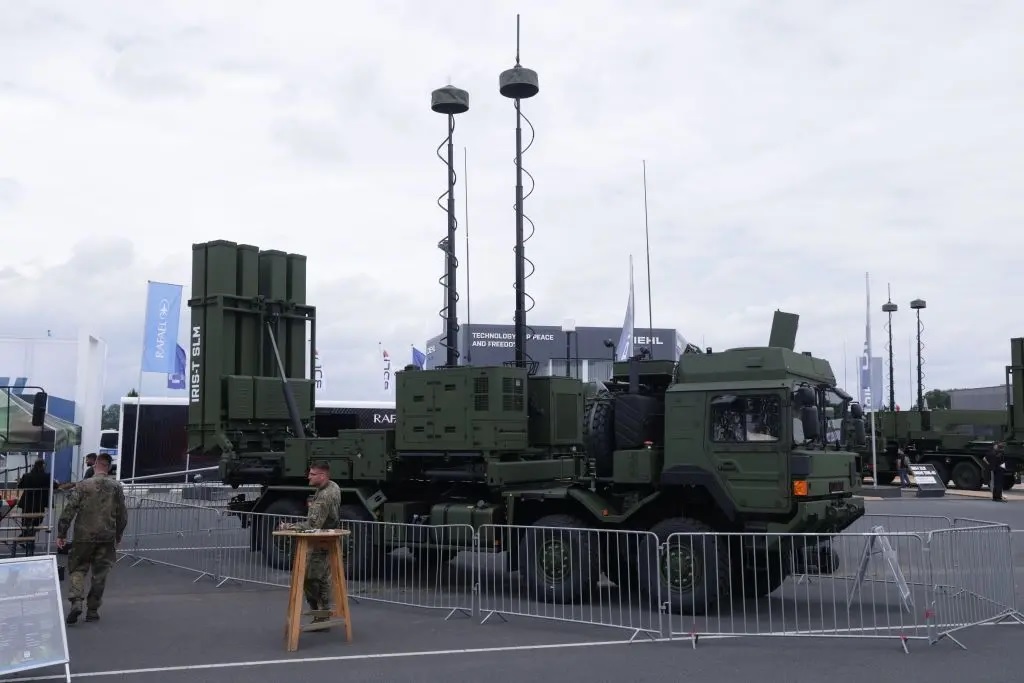
World
Bulgaria has begun modernizing its air defense capabilities by acquiring the German-made IRIS-T missile system, a move designed to replace its aging Soviet-era equipment and strengthen its role within NATO’s collective air defense framework. The Bulgarian Parliament approved the phased acquisition of one long-range and six medium-range IRIS-T systems in August 2024, marking a major step in the country’s ongoing military modernization program. The deal, valued at approximately €182 million for the initial unit, includes plans to purchase additional units over time, potentially raising the total investment to €1.4 billion. The contract with Diehl Defence also covers personnel training, construction of new infrastructure, and upgrades to Bulgaria’s radar and command systems to ensure full integration of the IRIS-T’s digital architecture. This approach ensures that the system not only replaces outdated hardware but also complements NATO’s air and missile defense networks. During the 65th anniversary of Bulgaria’s First Air Defense Missile Base, Chief of Defense Admiral Emil Eftimov highlighted the significance of the acquisition, noting that achieving full operational capabilities and integration into NATO’s air defense system represents a critical milestone for the country’s defense posture. Base commander Colonel Tsvetelin Tsonev added that the IRIS-T would “significantly enhance the combat capabilities of the air defense missile units against new aerial threats” once operational. The IRIS-T system, produced by Diehl Defence, is capable of intercepting aircraft, drones, and cruise missiles at ranges of up to 40 kilometers. Its infrared-guided missiles employ thrust-vectoring for agile maneuvering, allowing them to effectively engage fast-moving targets. Bulgaria’s adoption of the system aligns it with other NATO members already operating IRIS-T, including Germany, Sweden, and Switzerland, and with the European Sky Shield Initiative aimed at establishing a continent-wide missile defense network. This acquisition is part of Bulgaria’s broader efforts to modernize its armed forces, which also includes the purchase of F-16 Block 70 fighter jets and upgrades to its national radar infrastructure. By replacing Soviet-era systems like the S-300 and Osa with NATO-standard platforms, Bulgaria is ensuring its forces remain interoperable with allied militaries while enhancing national and regional security. In addition to procurement, the program includes extensive training for personnel and improvements to command and control facilities, ensuring that Bulgaria can achieve both initial and full operational capabilities. Funding for the program is drawn from the national defense budget, supplemented by compensation for military equipment provided to Ukraine, with further contributions expected in 2025. Overall, Bulgaria’s integration of the IRIS-T missile system represents a significant advancement in its air defense capabilities. By adopting modern, NATO-compatible platforms, the country not only strengthens its national defense but also reinforces its commitment to collective security within the alliance.
Read More → Posted on 2025-10-07 15:16:00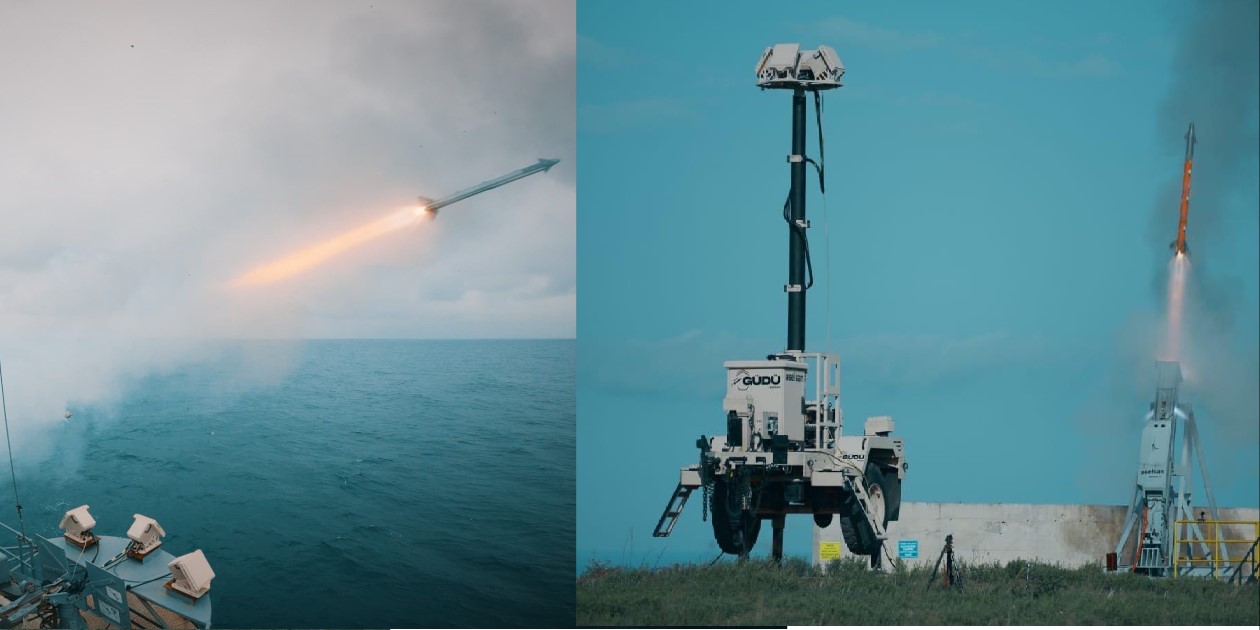
World
On October 7, 2025, Türkiye carried out the first live test-firing of the Göksur Air Defence System at the Sinop missile test range on the Black Sea coast. The event marked an important step in Türkiye’s efforts to strengthen its self-reliant naval defence capability. During the test, the Göksur IIR missile, fitted with an imaging infrared (IIR) seeker, intercepted a sea-skimming target flying at low altitude over the sea, one of the more demanding profiles for air defence systems. The missile successfully hit and destroyed the target at a distance of over 11 kilometres, confirming its operational performance. The firing was conducted using ASELSAN’s indigenously developed Göksur 100-N Vertical Launch System (VLS). The missile was guided by ASELSAN’s GÜDÜ data link during the midcourse phase and then used its onboard seeker for terminal guidance. This combination of guidance, data-link, and seeker technologies demonstrates Türkiye’s ability to integrate key components within a national naval defence system. Developed jointly by ASELSAN and TÜBİTAK SAGE, the Göksur product family provides short-range point air defence for surface vessels. It can engage threats such as anti-ship missiles, cruise missiles, unmanned aerial vehicles (UAVs), and combat aircraft. Its modular VLS design allows installation on various ship classes, improving system compatibility and adaptability. The imaging infrared seeker offers benefits in countering low-radar-signature or electronic countermeasure-equipped targets, while the compact VLS configuration allows ships to carry multiple missiles without reducing available deck space. These features increase protection against multi-directional or saturation attacks. Ahmet Akyol, President and CEO of ASELSAN, said that the Göksur program strengthens Türkiye’s naval self-sufficiency and reduces dependence on external suppliers. He emphasized the importance of the test for advancing domestic missile development, guidance, and sensor technologies. The Göksur system is expected to move into serial production in the coming years and to be integrated into Turkish Navy platforms such as I-class frigates and future corvettes. It is also being considered for potential export to countries seeking a short-range naval air defence solution built with local support and cost efficiency. With the Göksur’s successful test, Türkiye becomes one of the few nations developing and deploying its own vertically launched air defence missiles, supporting its long-term goal of technological independence in defence production.
Read More → Posted on 2025-10-07 14:45:28
World
Sikorsky, a division of Lockheed Martin, has announced the launch of the Nomad family of vertical takeoff and landing (VTOL) drones. The new rotor-blown wing aircraft are intended for missions such as reconnaissance, surveillance, resupply, and light strike operations. The systems are designed to operate without runways and support U.S. and allied forces in varied environments. The Nomad series uses a twin proprotor and fixed-wing layout that allows vertical takeoff followed by transition to forward flight. This approach provides longer range and greater endurance than conventional rotary-wing drones. The aircraft’s design removes the need for prepared runways, enabling use from ships, temporary bases, or open ground. The rotor-blown wing design directs rotor airflow over the wings during takeoff and hover, improving lift and control. During forward flight, lift is provided by the wings, reducing energy use and extending mission duration. The transition between modes is managed automatically through Sikorsky’s flight control system. The first prototype, Nomad 50, began testing earlier in 2025 and demonstrated the aircraft’s vertical lift and transition capability. Sikorsky is now building the Nomad 100, a larger Group 3-class aircraft with an 18-foot wingspan. It uses a hybrid-electric propulsion system for lower noise and heat output, supporting operations that require reduced detection risk. Larger Group 4 and Group 5 models are under development for heavier payloads and longer endurance. These versions will use conventional propulsion and include modular bays for sensors, communications equipment, and precision weapons. The aircraft will be adaptable for missions such as maritime surveillance, logistics support, and coordination with manned aircraft. All Nomad variants are based on Sikorsky’s MATRIX™ autonomy system, which allows autonomous navigation, obstacle avoidance, and mission execution without GPS. The open software architecture is compatible with U.S. military command networks, enabling multi-vehicle coordination and integration into broader operational frameworks. Future Nomad versions will support onboard data processing for mapping, object recognition, and cooperative flight with other drones. The modular design allows updates as new autonomy and AI technologies become available. Sikorsky plans to display the Nomad 100 at the Association of the U.S. Army (AUSA) 2025 exposition. The company says the Nomad family provides a flexible option for vertical lift missions where conventional aircraft are limited by terrain or infrastructure.
Read More → Posted on 2025-10-07 14:18:55Search
Top Trending in 24 Hours
-
 Tulsi Gabbard Releases Declassified Files Detailing U.S.-Backed Network of 120 Biolaboratories Across 30+ Countries
-
 US Marine Corps F/A-18D Hornet Crashes During Training Flight in Washington Mountains; Pilot Ejects Safely
-
 Dassault Seeks Compensation From Airbus as Eurodrone Dispute Erupts After FCAS Collapse
-
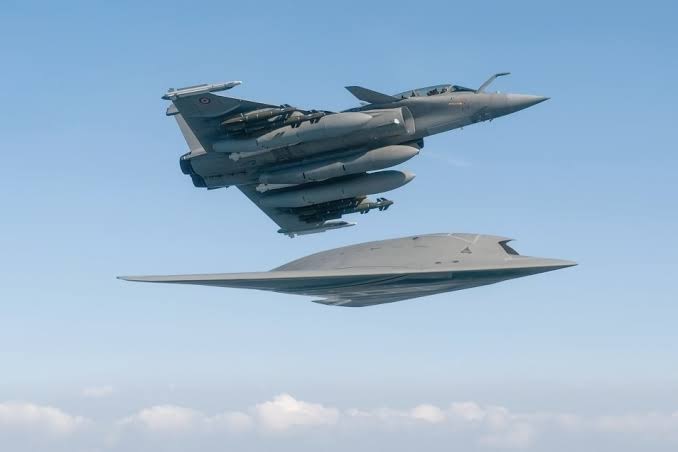 France Agrees to Equip Future Indian Rafales with AI, MUM-T and Secure Satellite Links Under F5 Standard
-
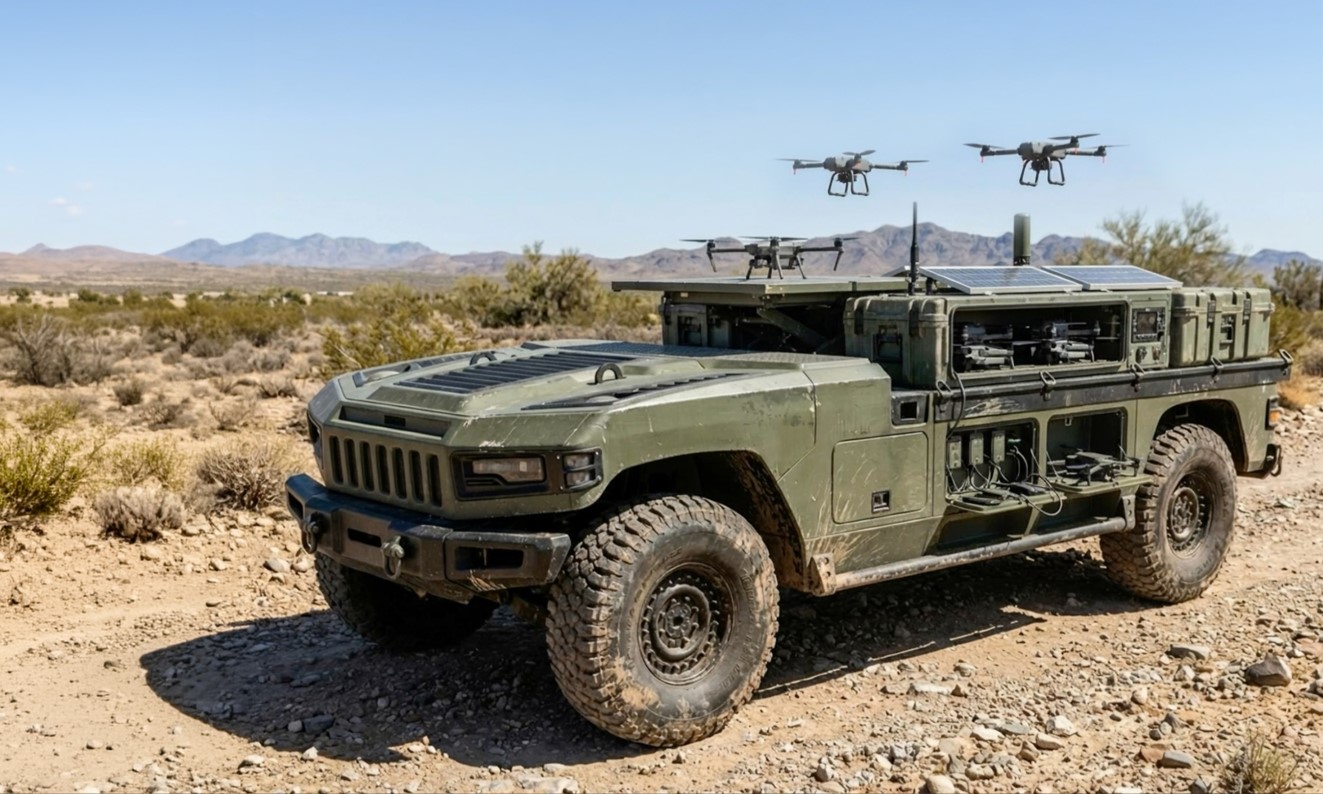 AM General Unveils Next-Generation UGV and JLTV A2 with Counter-Drone Systems at Eurosatory 2026
-
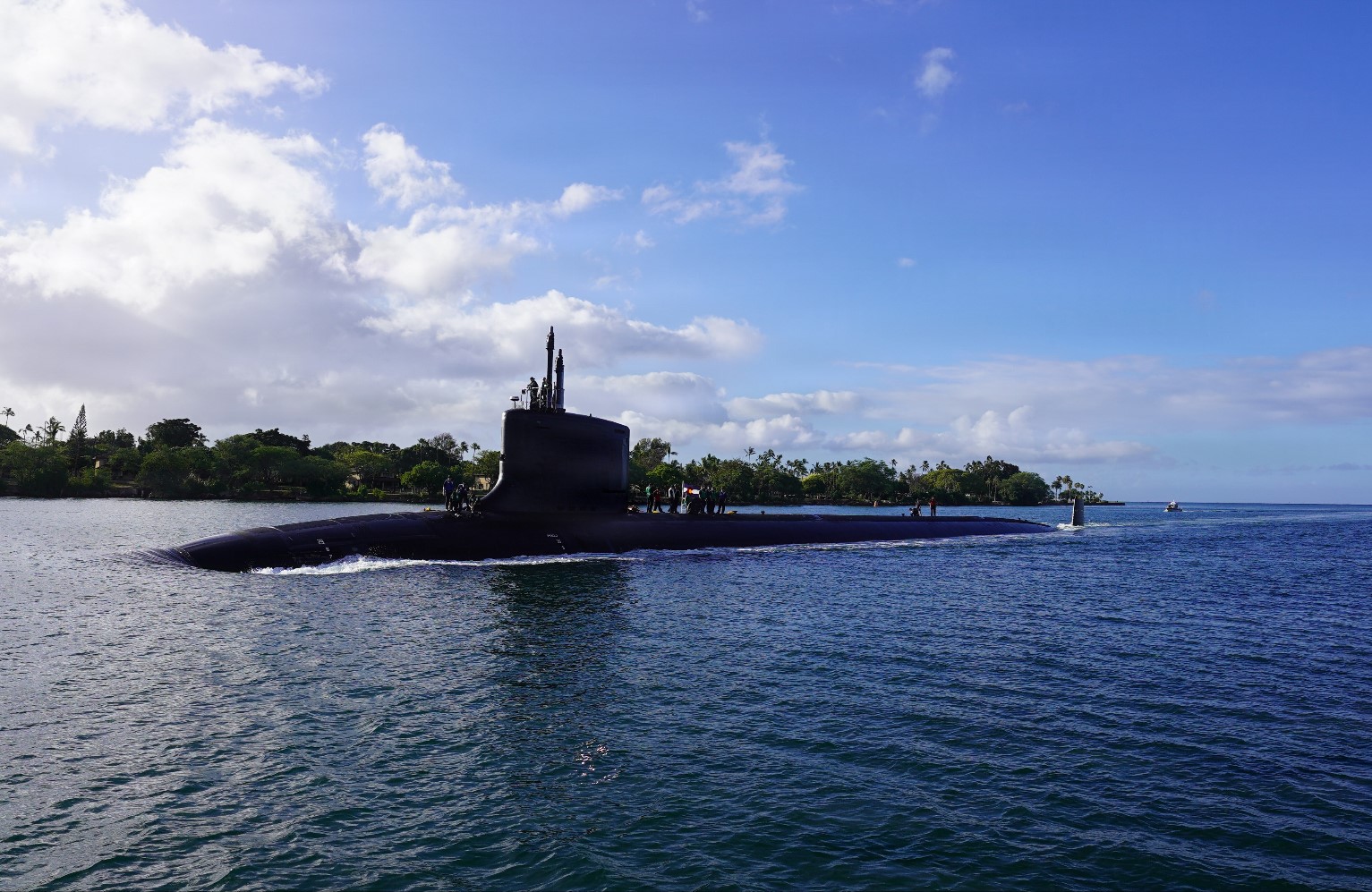 U.S. Navy's USS Colorado Submarine Returns to Pacific Fleet 29 Days Early After Major Pearl Harbor Overhaul
-
 Pakistan Raises Defence Budget from $9 Billion to $10.8 Billion as J-35 Fighter and Hangor Submarine Programs Advance
-
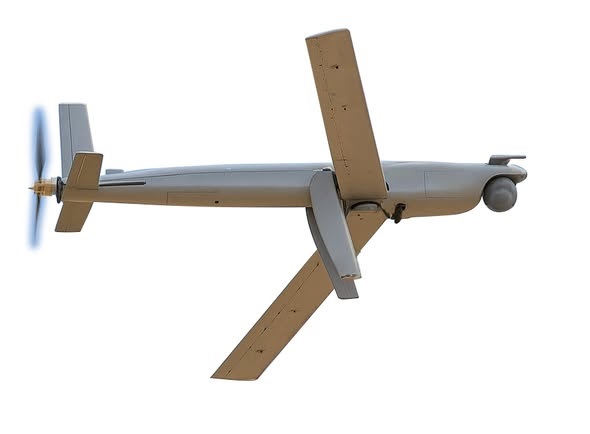 Elbit Systems and Diehl Defence Partner to Offer SkyStriker Loitering Munition to German Armed Forces
Top Trending in 4 Days
-
 Iranian Media Leaks 14-Point U.S.-Iran Peace Framework Amid Ongoing Negotiations
-
 US Plans Significant Reduction of Fighter Jets and Warships for NATO Operations in Europe
-
 F-35 Fleet Readiness Falls to 25% Amid Parts Shortages and Software Delays: GAO Report
-
 U.S. Air Force Faces Strategic Airlift Shortfall as C-17 Production Restart Remains Uncertain
-
 NATO Commander Says Russia Not Seeking Conflict With Alliance Despite U.S. Force Reductions
-
 Russian Defense Firm ZALA Unveils KAMA Unmanned Surface Vessel Family at FLOT-2026 Naval Exhibition
-
 India Successfully Conducts AD-1, AD-2 Interceptor Tests and Maiden NASM-MR Flight Trial
-
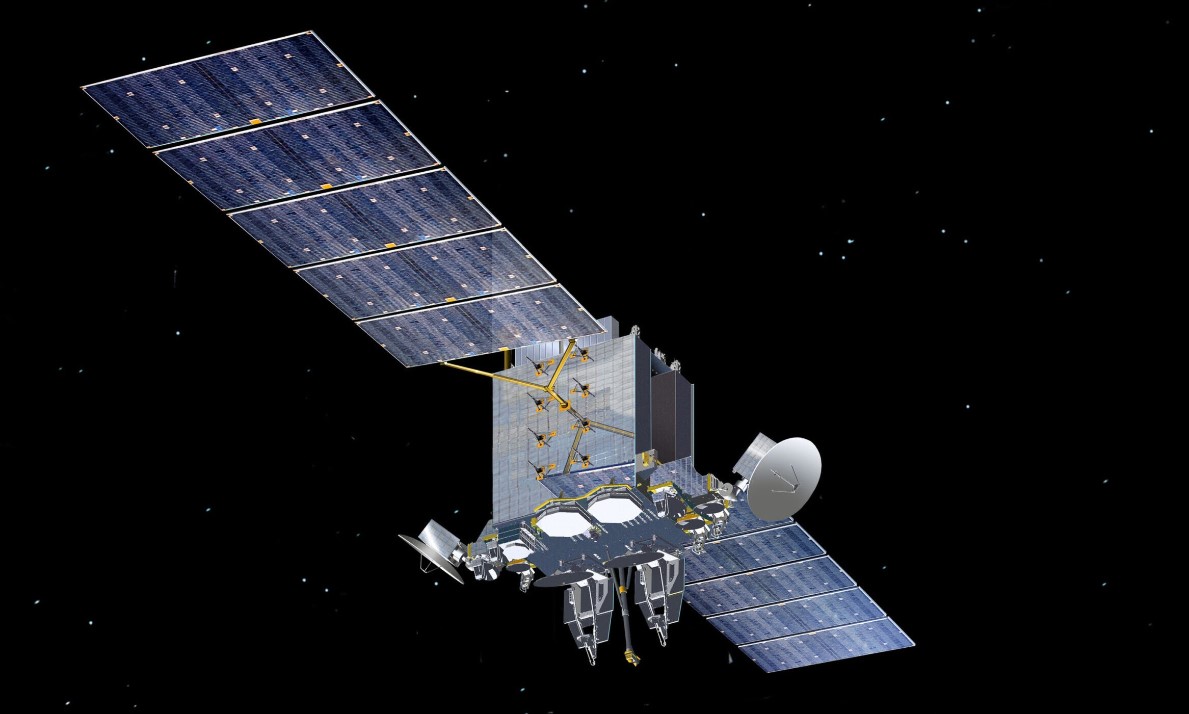 U.S. Space Force Awards $437.7 Million Contracts for First PTS-G Swarm 1 Anti-Jam Satellites