World
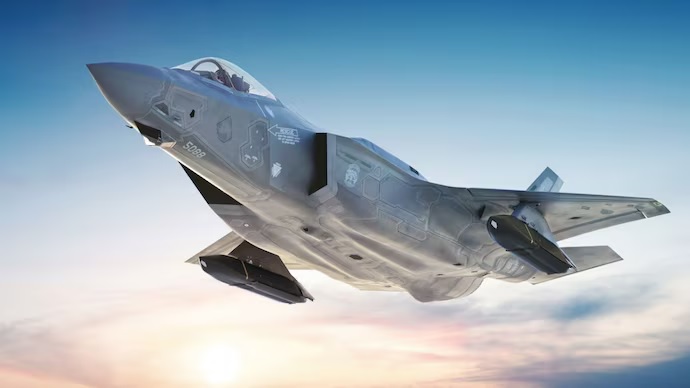
The Lockheed Martin F-35 Lightning II was meant to symbolize the future of air dominance — a stealth aircraft integrating advanced sensors, networked systems, and unrivaled interoperability with U.S. and NATO forces. Yet, despite its capabilities, several countries have either cancelled, paused, or reconsidered their F-35 orders in recent years. From Turkey’s removal in 2019 to Spain and Portugal shelving their plans in 2025, the trend signals more than just financial hesitation — it reflects growing discomfort with Washington’s political influence, rising sustainment costs, and the perceived loss of strategic independence that comes with American-made weapons. U.S. Foreign Policy and the Trust Deficit For many defense planners, the F-35 is more than an aircraft — it’s a system fully dependent on American infrastructure. Software updates, spare parts, and mission data are all controlled from the U.S. This dependency has raised serious political and strategic concerns. Countries fear that in the event of a diplomatic rift, Washington could delay parts or restrict operations, effectively grounding a multi-billion-dollar fleet. This fear intensified after the Turkey incident in 2019, when Ankara was expelled from the F-35 program after purchasing the Russian S-400 air defense system. Despite having already paid around $1.4 billion and planning to acquire 100 F-35A jets, Turkey was abruptly removed from the partnership and lost both its investment and industrial role. That episode sent a clear message: the U.S. retains ultimate control over who can fly the jet — and under what terms. While the widely circulated idea of a “kill switch” inside the F-35 remains technically unverified, many defense experts note that Washington’s control over mission software and encrypted communication links effectively gives it the power to restrict or disable critical functions. For countries seeking operational independence, this level of control has become a strategic liability. Maintenance and Lifecycle Costs: A Heavy Burden One of the major concerns surrounding the F-35 program is its extraordinary long-term sustainment cost. While the aircraft’s stealth technology and integrated systems are unmatched, maintaining them comes at a price few nations can easily afford. According to reports from the U.S. Government Accountability Office (GAO) and Department of Defense program audits, the total lifetime cost of the F-35 program for the United States alone is estimated at around $1.7 trillion. This figure includes: $438 billion for development and procurement, and Over $1.3 trillion for operation and sustainment (maintenance, training, spare parts, and upgrades) over its projected service life through the 2070s. This estimate covers only the U.S. fleet — not the global operators. Other F-35 users such as the UK, Italy, Japan, and Australia have their own separate sustainment budgets, which together add tens of billions more to the worldwide total. In simpler terms, the $1.7 trillion cost is America’s own bill, not the global program cost. Each participating country bears additional expenses for national infrastructure, training, and spare parts, often pushing their per-aircraft lifetime cost far beyond initial expectations. Even among wealthy European nations, maintaining the F-35’s stealth capabilities — including the need for climate-controlled hangars, specialized radar-absorbent coatings, and U.S.-approved maintenance facilities — has led to questions about whether its advanced stealth features justify the decades of high-cost dependency that come with ownership. Political Leverage and Strategic Autonomy Several European and Asian countries have realized that modern defense procurement is as much about sovereignty as it is about capability. Dependence on American aircraft creates a channel for political leverage — something that became evident as the U.S. used arms sales and service contracts as foreign policy tools. For nations pursuing independent defense strategies, such as France, Spain, and India, this kind of external influence is seen as unacceptable. The result is a growing interest in alternative programs like the European Future Combat Air System (FCAS) and Britain’s Tempest project, both designed to ensure regional control over next-generation technology. Defense think tanks like RAND and IISS have repeatedly noted that strategic autonomy is now a key motivation for countries stepping back from the F-35. Countries That Have Cancelled or Shelved F-35 Plans Turkey – Initially a core industrial partner planning to acquire 100 F-35A fighters, Ankara was removed in 2019 due to the S-400 deal. The cancellation represented an estimated $10–12 billion loss in planned aircraft purchases and production work. Spain – In 2025, Madrid officially shelved its plans to buy the F-35 and instead chose to continue investing in the Eurofighter Typhoon and the joint FCAS program. Spain’s preliminary F-35 budget allocation was valued at approximately €6.25 billion ($7.2 billion). Portugal – Early discussions to purchase the F-35 were paused indefinitely in 2025, with Lisbon indicating it would prioritize European-built jets instead. Reports suggested the deal could have been worth around $6 billion. Switzerland – Despite signing a 2022 agreement for 36 F-35A jets valued at CHF 6 billion ($7.5 billion), by mid-2025 the deal faced parliamentary opposition and public criticism. Lawmakers raised concerns over cost escalation and dependence on U.S. maintenance, prompting a review that may reduce or cancel part of the order. In total, between $22–$24 billion worth of contracts and proposed purchases have been either cancelled, paused, or reconsidered from 2019 to 2025. While not every case represents a formal withdrawal, the financial scale reflects growing hesitation among partners to fully commit. India’s Path of Independence: Why Rejecting F-35, Exploring Su-57 Partnership India’s cautious stance on the F-35 program reflects not reluctance toward advanced technology but a deliberate choice rooted in strategic sovereignty. Despite occasional U.S. signals hinting at the possibility of offering the aircraft, New Delhi has consistently avoided entering the F-35 ecosystem — viewing it as a potential instrument of external influence rather than a purely defensive asset. Indian defense planners have long recognized that the F-35, like many U.S.-origin systems, comes with strict operational oversight, software control, and supply-chain dependency, all of which could undermine India’s wartime autonomy. Analysts in New Delhi point out that Washington’s track record of using defense exports as leverage — including halting spare parts and maintenance support during politically sensitive periods — remains a major deterrent. In any future India–Pakistan confrontation, India fears that U.S. neutrality or diplomatic balancing could lead to delays in spare parts, restricted software updates, or even remote disabling measures, particularly if Pakistan’s relations with Washington improve. Such vulnerability is unacceptable for a nation that prioritizes strategic independence in conflict scenarios. Instead of embracing the F-35, India has chosen a more autonomous path. Its focus now lies on indigenous programs such as the HAL Tejas Mk1A, the upcoming Advanced Medium Combat Aircraft (AMCA) stealth fighter, and potential joint ventures with reliable partners like France for future-generation systems. Additionally, growing discussions around limited cooperation with Russia’s Su-57 program underscore India’s desire to explore technology partnerships that ensure co-production and control, not dependence. This broader approach aligns with India’s long-standing doctrine — to build, not buy, and to ensure that no foreign supplier can dictate its defense posture in times of crisis. Analysts’ View: The Shift Toward Control and Self-Reliance Defense analysts describe these developments as part of a strategic realignment rather than a rejection of American technology. The F-35’s performance is not in question — it remains the most advanced operational fighter in the world. However, its political and economic model conflicts with the current global mood of national self-reliance. Reports from think tanks like RAND and IISS argue that future fighter decisions will depend on data sovereignty and supply chain control as much as stealth or range. In their view, “dependency equals vulnerability,” and the F-35 represents exactly that for smaller air forces. Lessons for Future Buyers The U.S. will likely remain a dominant defense supplier, but the experience of recent years shows that buyers now demand contractual guarantees, localized maintenance rights, and independent mission control systems before committing to American aircraft. The F-35’s political baggage — coupled with its enormous sustainment costs — has created an opening for alternative platforms and regional partnerships. Programs like France–Germany’s FCAS, Britain’s Tempest, Turkey's KAAN and even South Korea’s KF-21 Boramae are attracting new attention as countries aim to combine modern capability with technological independence. Final Reflection The F-35 remains a symbol of U.S. technological dominance — but also a reminder of its strategic overreach. In a multipolar world where nations seek greater autonomy, being bound to a single supplier’s political decisions is increasingly seen as risky. The cancellations and pauses by Turkey, Spain, Portugal, and the uncertain future of Switzerland’s deal all underline one reality: the next generation of airpower will not be decided solely by stealth or speed, but by sovereignty and self-determination.
Read More → Posted on 2025-10-06 17:27:34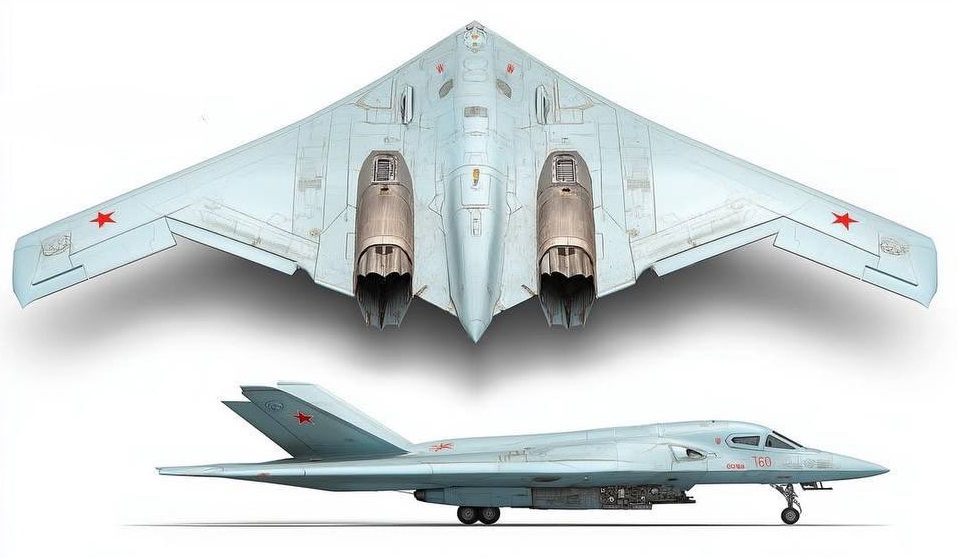
World
Russia’s rumored T-60 strategic Stealth bomber has recently drawn attention after reports claimed it could carry up to 60 tons of explosives, nearly double the payload of the American B-2 Spirit stealth bomber. The claim has sparked speculation about Moscow’s next-generation bomber development and renewed comparisons between U.S. and Russian long-range strike capabilities. The T-60, often referred to in some circles as the “T-60S,” has been mentioned for years in connection with Russia’s advanced bomber research. While many of its details remain speculative, the project is generally believed to trace back to design work by the Sukhoi Design Bureau in the late Soviet era. The aircraft was envisioned as a supersonic, medium-range stealth bomber capable of replacing older models like the Tu-22M. Although the exact status of the T-60 remains unclear, the renewed talk has coincided with Moscow’s ongoing modernization of its air force and the emphasis on new-generation stealth technologies. Claims that the T-60 can carry a payload of 60,000 kilograms of ordnance are, however, difficult to verify. If true, it would far exceed the known carrying capacity of current operational bombers worldwide. For comparison, the U.S. B-2 Spirit, which has been the cornerstone of America’s stealth bomber fleet since the 1990s, can carry roughly 18 to 27 tons of weapons, depending on the mission profile. Even Russia’s existing Tu-160M2, the world’s heaviest operational bomber, typically carries around 45 tons of missiles and ordnance at most. Reports suggest that the T-60, if in development, could be designed to deliver both conventional and nuclear payloads, employing long-range cruise missiles such as the Kh-101 or Kh-102 series, which are already used by the Tu-160 and Tu-95 fleets. These missiles, capable of ranges beyond 5,000 kilometers, are central to Russia’s modern strategic doctrine. It is also possible that the aircraft would be compatible with future hypersonic systems now being tested under Russia’s advanced weapons programs. In terms of technology, analysts believe the T-60’s design might incorporate radar-absorbing materials, internal weapons bays, and a reduced radar cross-section similar to what is seen in Western stealth aircraft. The engines would likely be modified variants of those powering the Tu-160M2, allowing high subsonic or even low supersonic flight while maintaining long endurance. During a recent event in Alaska, when American B-2 bombers flew overhead as part of a military demonstration, observers noted President Vladimir Putin’s brief smile. Some commentators interpreted it as a subtle message — perhaps a sign of confidence that Russia’s upcoming bomber technology could rival or exceed Western capabilities. While the moment drew media curiosity, officials offered no public explanation, and no direct connection between the flyover and the T-60 rumors has been confirmed. What is clear is that Russia continues to invest heavily in long-range strike aviation. Alongside the T-60 reports, the country is actively pursuing the PAK-DA program — a subsonic, stealthy flying wing bomber intended to serve as the backbone of Russia’s future strategic air fleet. The PAK-DA is expected to complement the Tu-160M and eventually replace older bombers over the coming decades. Whether the T-60 exists as an experimental prototype, a technology demonstrator, or merely a concept that evolved into the PAK-DA remains uncertain. But the discussions around its claimed payload and capabilities highlight Moscow’s intent to signal that it is keeping pace with U.S. strategic aviation developments. For now, the 60-ton payload claim should be viewed cautiously, pending official disclosures or confirmed test flights. What is certain, however, is that both Russia and the United States are entering a new phase of long-range bomber competition — one defined by stealth, range, and precision rather than just raw explosive capacity.
Read More → Posted on 2025-10-06 16:08:47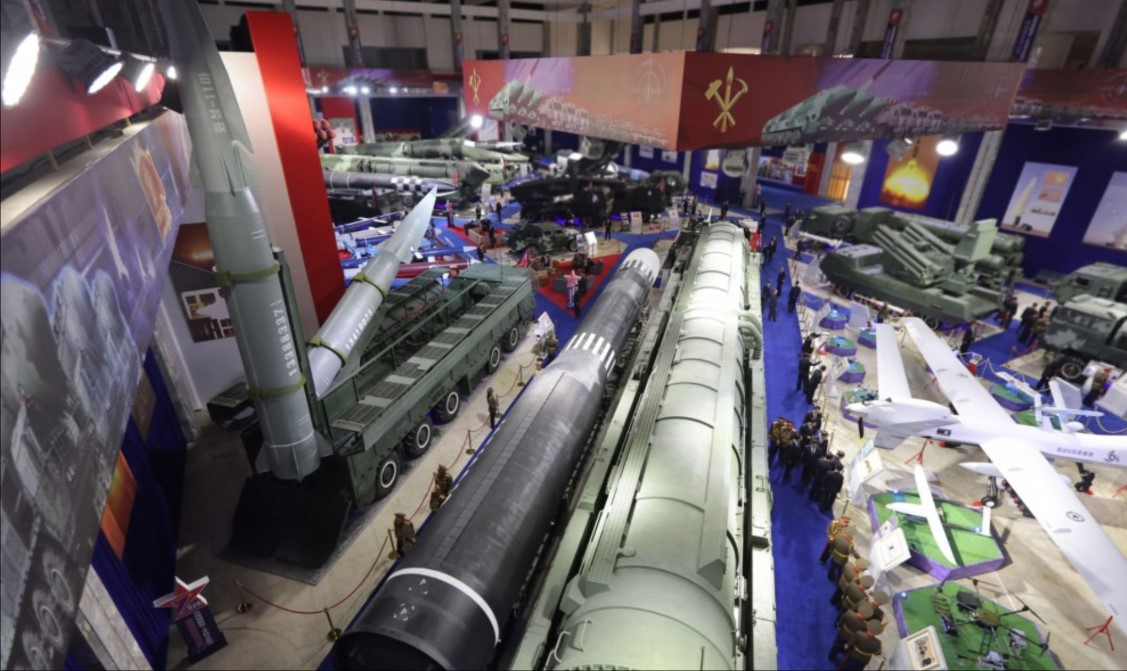
World
Milrem Robotics, Europe’s leading developer of unmanned ground and autonomous systems, has announced an agreement to deliver more than 150 THeMIS Unmanned Ground Vehicles (UGVs) to Ukraine. The large-scale supply is part of a Dutch-funded defence support initiative aimed at strengthening Ukraine’s battlefield operations through advanced robotic technologies. The project is being coordinated and financed by the Netherlands Ministry of Defence, in close partnership with VDL Defentec, which will handle the final assembly of the vehicles at its facility in Born, the Netherlands. The official signing ceremony was attended by Dutch Minister of Defence Ruben Brekelmans, representatives of Milrem Robotics, and senior officials from VDL. Under the terms of the agreement, Milrem Robotics Netherlands will manage production and oversee deliveries, while VDL Defentec establishes a dedicated final assembly line for the THeMIS fleet. The new production line has been designed with scalability in mind, allowing for future expansion to meet growing European defence requirements or potential export opportunities. According to Milrem Robotics CEO Kuldar Väärsi, the company is “honoured to lead this important project in cooperation with the Netherlands and VDL.” He added that the THeMIS platform has already demonstrated its effectiveness under combat conditions, and the new delivery will significantly enhance Ukraine’s ability to operate safely and efficiently in high-risk zones. Willem van der Leegte, CEO of VDL Groep, highlighted that this partnership showcases the capability of Europe’s defence industry to mobilize and scale production in response to urgent security needs. He noted that the new assembly line in Born not only supports the Ukraine package but also lays a foundation for future joint innovation between VDL and Milrem Robotics. As part of the project, Milrem Robotics will also provide comprehensive training programs for Ukrainian operators and maintenance teams to ensure proper deployment and long-term support in operational environments. The upcoming delivery of more than 150 vehicles will add to the 15 THeMIS UGVs already in service with the Ukrainian Armed Forces. These existing units have been used since 2022 for logistical support, supply transport, and casualty evacuation, proving valuable in difficult frontline conditions. The THeMIS UGV: A Modular Battlefield Asset The THeMIS (Tracked Hybrid Modular Infantry System) is a combat-proven unmanned ground vehicle developed by Milrem Robotics in Estonia. It is designed to support dismounted troops and can be configured for multiple roles, including logistics, reconnaissance, surveillance, casualty evacuation, and direct combat support. Built on a hybrid diesel-electric power system, THeMIS offers extended endurance and quiet mobility. Its modular design allows the integration of different payloads such as weapon stations, reconnaissance sensors, or cargo platforms, depending on mission requirements. THeMIS has been adopted by 19 countries worldwide, including several NATO members, making it the most widely used UGV in its class. The platform has been tested in varied terrain conditions—from deserts to urban battlefields—and continues to serve as a reference model for future autonomous ground systems. Strategic Impact for Ukraine and Europe The delivery of over 150 THeMIS UGVs marks one of the largest European unmanned ground vehicle contributions to Ukraine since the conflict began. For Ukraine, these vehicles will provide vital logistical resilience, enhanced mobility, and reduced exposure of soldiers in dangerous areas. For Europe, the initiative demonstrates how industrial cooperation and defence innovation can be rapidly mobilized in response to modern security challenges. The establishment of a scalable assembly line in the Netherlands further strengthens the continent’s manufacturing base for advanced military robotics. This partnership between Milrem Robotics, VDL Defentec, and the Netherlands Ministry of Defence underlines a broader European commitment to using technology and collaboration to ensure security, resilience, and sustainability in modern defence operations.
Read More → Posted on 2025-10-06 15:34:16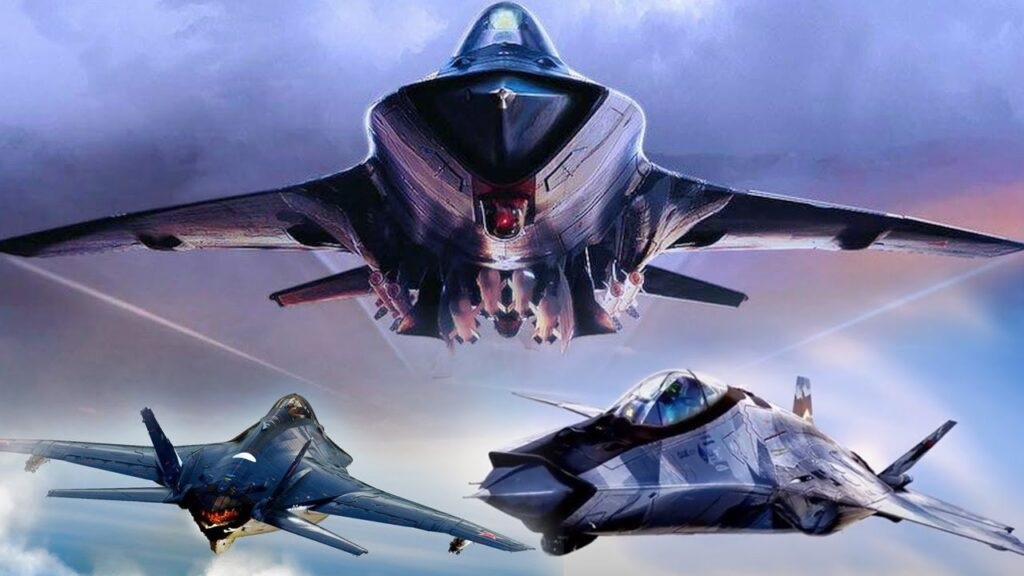
World
Russia has made significant progress on its next-generation Stealth interceptor, the MiG-41, developed under the PAK DP (Perspective Aviation Complex for Long-Range Interception) program. According to retired Russian Air Force Commander Vladimir Popov, the aircraft’s outer configuration has now been finalized, and a prototype is expected to conduct its first flight within the next few years, likely between 2026 and 2027. The MiG-41 is intended to succeed the MiG-31, with capabilities designed to counter evolving threats including U.S. F-35 stealth fighters, hypersonic missiles, and low-Earth orbit satellites. Its Arctic operational focus aligns with Russia’s strategic interest in defending polar regions, where rapid interception of fast, high-altitude threats is essential. The aircraft is reported to have a maximum speed exceeding Mach 4, roughly 4,800 km/h, and an operational ceiling of 80,000 feet, surpassing most conventional interceptors and approaching performance levels of fifth-generation fighters. The interceptor is planned in both piloted and unmanned variants, equipped with advanced multi-mode radar systems that allow simultaneous engagement of multiple targets over extended distances. Russian authorities indicate the aircraft will also have anti-satellite capabilities, carrying MPKR DP multi-warhead missiles capable of intercepting hypersonic and evasive targets in low-Earth orbit. This feature would give Russia a unique space-denial option in future conflicts, extending the role of interceptors beyond traditional air defense. A key technical challenge for the MiG-41 lies in its propulsion. The aircraft is expected to use a combined-cycle engine derived from the Su-57’s Izdeliye-30 engine ( AL-51 ) but optimized for greater thrust, higher speed, and sustained operation at extreme altitudes. Achieving speeds above Mach 4 creates significant thermal and mechanical stress, requiring advanced heat-resistant materials, robust cooling systems, and durable avionics. To meet operational goals, a hybrid engine capable of efficiently transitioning between jet and ramjet/scramjet modes is under development. Maintaining stable flight at supersonic and near-space altitudes also demands careful aerodynamic design, reinforced airframes, and precise control systems. Despite these advancements, Russia faces considerable industrial and technological hurdles. Past programs like the Su-57 have experienced delays and production challenges, casting uncertainty over the MiG-41’s projected serial production start around 2030. Success will depend on sustained funding, breakthroughs in propulsion and materials, and effective integration into Russia’s broader air defense network. If these challenges are overcome, the MiG-41 could significantly enhance Russia’s air defense capabilities, particularly in remote and strategically sensitive regions such as the Arctic. Its combination of high speed, extreme altitude operation, advanced radar, multi-role missiles, and potential anti-satellite functionality represents a substantial evolution in Russian interceptor concepts, reflecting a forward-looking approach to next-generation threats in both air and space domains.
Read More → Posted on 2025-10-06 15:22:56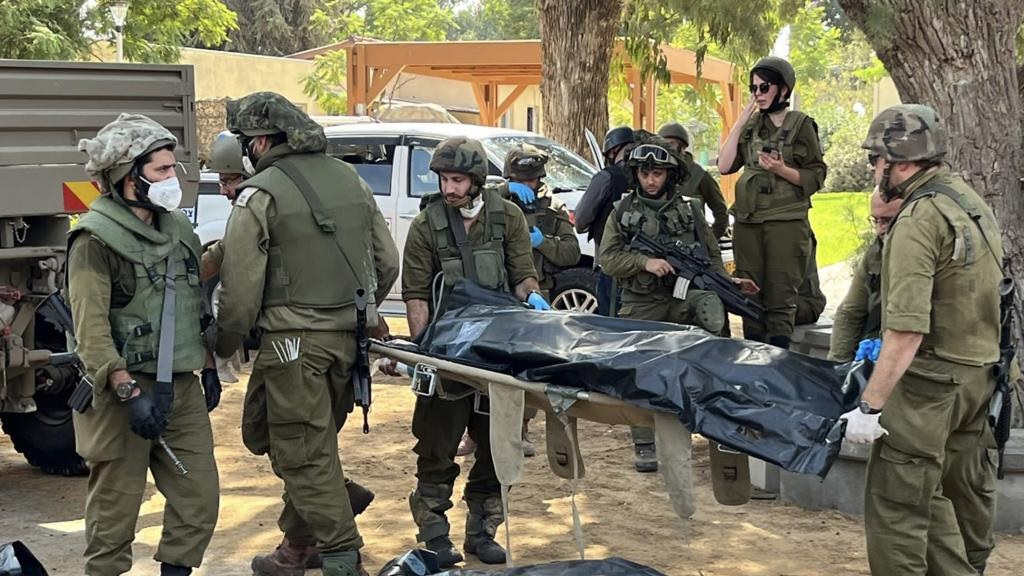
World
The Israeli Ministry of Defense has confirmed that 1,152 members of the country’s security forces have been killed since Hamas launched a large-scale attack on October 7, 2023. The casualties include personnel from the Israel Defense Forces, police, Shin Bet intelligence, special operations units, and readiness and reserve forces. Nearly half of those killed were under the age of 21, serving mandatory military service, while 141 were over 40. Most were reservists, career officers, or soldiers serving beyond their initial enlistment period. Among the fallen, 1,086 were men and 66 were women. The Ministry’s Families, Commemoration, and Heritage Division has been actively providing support to the relatives of the deceased. The conflict has added more than 6,500 bereaved family members to the system, including nearly 2,000 parents, 350 widows, 885 children, and over 3,400 siblings. A program worth 60 million Israeli shekels (approximately $18.1 million) has expanded these services, offering housing, counseling, financial aid, and tailored assistance for widows, orphans, and other relatives. Officials describe this as a moral responsibility to support the families of those who have fallen. The conflict that began on October 7 has continued to affect Israel, Gaza, and neighboring regions. Israeli military operations have extended across Gaza, Lebanon, and the West Bank, resulting in casualties on both sides. Gaza health authorities report more than 66,000 deaths, predominantly among civilians, raising concerns from international organizations about potential violations of international law. Economically, the war has imposed a significant burden on Israel. Preliminary estimates suggest that the conflict could cost the country more than 200 billion shekels, equivalent to roughly $51 billion, accounting for military operations, equipment, and other associated expenses. This spending represents a substantial portion of Israel’s GDP and highlights the broader financial impact of the ongoing conflict. The human and economic consequences of the war remain profound. The loss of over a thousand security personnel and the disruption to civilian life underscore the high stakes of the hostilities. At the same time, the financial implications reflect the sustained pressure on Israel’s resources as the situation continues to unfold.
Read More → Posted on 2025-10-06 14:41:43
World
Spain is reportedly considering the acquisition of Turkey’s next-generation KAAN fighter jet after shelving its plans to buy US-made F-35s earlier this year. According to Spanish newspaper El Economista, Madrid’s growing defense cooperation with Ankara has led to discussions about adopting the Turkish-built stealth aircraft as an interim solution while awaiting Europe’s own future fighter program. Spain dropped its F-35 purchase plan in August, favoring European-made platforms such as the Future Combat Air System (FCAS). However, with the FCAS not expected to enter service until the 2040s, defense officials are said to be exploring alternative options to maintain the country’s air capabilities through the 2030s. The KAAN, which Turkey aims to operationalize by that time, has emerged as one such candidate. The report links Spain’s interest to a series of recent defense collaborations with Turkey. Turkish defense firms had a major presence at the Madrid Defense Fair in May, and in July, Spain finalized a deal to purchase Turkey’s Hürjet training aircraft, strengthening bilateral defense ties. These developments have reportedly encouraged Madrid to evaluate Turkey’s growing aerospace industry as a viable partner. Spain’s decision to move away from the F-35 program was influenced by several strategic and economic factors. Rising program costs, the controversial presence of a “kill switch” system in the aircraft, and political tensions over Washington’s push for NATO allies to increase defense spending to 5 percent of GDP all contributed to the decision. Similar debates over the cost and control of the F-35 have emerged in Switzerland, Portugal, and Canada, delaying or complicating their respective procurement efforts. Turkey’s KAAN project, led by Turkish Aerospace Industries (TAI), began in 2016 as a replacement for the Turkish Air Force’s aging F-16 fleet. The program accelerated after Turkey’s removal from the F-35 project in 2019, a consequence of its acquisition of the Russian S-400 air defense system. The KAAN completed its first flight in February 2024, marking a significant milestone in Turkey’s ambitions to become a producer of advanced combat aircraft. With a 20-meter twin-engine design, 10-ton payload capacity, and stealth features, the KAAN is positioned as a capable fifth-generation platform. Turkish Aerospace claims that it can outperform the F-35 in certain areas, citing its larger payload and twin-engine configuration, which is designed to enhance speed, range, and survivability. Turkey plans to introduce the aircraft into service by the early 2030s, with exports already drawing interest from several nations. Indonesia is expected to acquire 48 KAANs, while Saudi Arabia has reportedly shown interest in purchasing up to 100 units. However, one of the key challenges facing the program is its dependence on US-made engines, which require approval from the US Congress for export. The delay in clearance poses a risk to production timelines and foreign sales. Turkey is therefore working to develop an indigenous powerplant to secure long-term independence for the platform. If Spain moves forward with the KAAN, it would represent a notable shift in Europe’s defense procurement trends, signaling greater openness to non-Western suppliers amid concerns over cost, technology access, and strategic autonomy. For Madrid, the Turkish jet could provide an effective stopgap solution until the FCAS becomes available, while reinforcing a broader push to diversify its defense partnerships within and beyond Europe.
Read More → Posted on 2025-10-06 13:36:21World
North Korea has revealed what appears to be a new short-range ballistic missile variant during its “Defense Development-2025” exhibition in Pyongyang. The Hwasong-11Ma, part of the KN-23 missile family, was displayed with a uniquely shaped front section resembling a hypersonic glide vehicle (HGV). The design suggests the missile could maneuver during its terminal phase, making interception significantly more difficult for regional defense systems. Photographs released by the Korean Central News Agency (KCNA) and shared by South Korean media show the missile mounted on a road-mobile transporter-erector-launcher (TEL). The upper portion features a faceted, wedge-like structure with small control surfaces, differing from the standard conical nose of earlier KN-23 versions. Analysts believe this shape is intended to produce aerodynamic lift, allowing the warhead to glide at high speed through the atmosphere after separating from its booster. The Hwasong-11Ma reportedly uses solid propellant, providing quick launch readiness and reducing detection time. Its overall dimensions appear similar to earlier models, estimated between 7 and 9 meters in length and 0.9 meters in diameter, with a range of roughly 600 to 800 kilometers. This range places most U.S. and allied bases in South Korea and parts of Japan within potential striking distance. The key innovation lies in the glide-type warhead. Instead of following a predictable ballistic arc, the missile could perform shallow, low-altitude flight while maintaining speeds above Mach 5. By maneuvering horizontally or vertically, the glide body can complicate radar tracking and shorten the window for interception. Even small trajectory changes can degrade the effectiveness of existing defense systems by disrupting their tracking and prediction models. Guidance for the missile likely depends on an inertial navigation system with possible satellite updates if available. No evidence of an optical or radar terminal seeker was shown in the exhibition images. Nonetheless, earlier KN-23 versions demonstrated a circular error probable (CEP) of 5 to 30 meters, which is sufficient for striking key tactical targets such as airbases, supply depots, or command facilities. The missile is paired with a mobile 8x8 launcher, weighing around 40 tons and capable of traveling up to 1,000 kilometers. The launcher’s high mobility allows quick dispersal and relocation, improving survivability. North Korea has also showcased tracked launcher variants for off-road use, emphasizing flexibility and resilience against pre-emptive strikes. If operational, this new variant would represent a significant enhancement of the KN-23 family’s capabilities. The design closely mirrors features seen in Russia’s Iskander missile, which also employs quasi-ballistic and low-apogee trajectories with maneuvering in the terminal phase. Such systems are intended to defeat layered missile defense networks, including the Patriot PAC-3, THAAD, and Aegis BMD systems used by the U.S. and South Korea. Experts note that the Hwasong-11Ma fits into North Korea’s broader strategy of refining proven systems rather than developing completely new ones. By modifying the missile’s front section while retaining its existing solid motor and chassis, Pyongyang can expand capabilities without overhauling production infrastructure. Other known variants—such as the Hwasong-11Da, which offers extended range and payload, and the Hwasong-11S, a submarine-launched version—reflect this incremental approach. However, many details remain uncertain. The operational readiness of the glide variant is unconfirmed, and no flight tests have been publicly documented. The displayed model could represent a prototype or conceptual design. Key performance factors such as separation stability, flight control, and accuracy will remain speculative until verified through observed testing. Despite these unknowns, the appearance of a glide-equipped SRBM underlines North Korea’s continued investment in technologies that challenge existing missile defense architectures. The introduction of such systems forces regional militaries to reconsider sensor coverage, interceptor sequencing, and response times in any potential engagement scenario. If the Hwasong-11Ma’s design proves functional, it would mark a new step in North Korea’s efforts to develop maneuverable, hard-to-intercept short-range systems. Even at an early stage, the missile’s exhibition signals Pyongyang’s intent to pursue greater sophistication in strike capabilities while maintaining a focus on mobility, survivability, and regional deterrence.
Read More → Posted on 2025-10-06 13:28:52
World
China’s future combat aviation concepts, represented by the J-50 and J-36 designs, illustrate a significant evolution in long-range strike and air dominance capabilities. The graphics analyzed here provide insight into their potential weapons configurations and the strategic intent behind these platforms. J-50: Multi-Role Stealth Fighter with Precision Payloads The J-50 appears to be a twin-engine, tailless stealth fighter featuring a full-flying wing design and an advanced aerodynamic layout similar to a blended body configuration. Its dimensions — approximately 21.2 meters in length, 18 meters in wingspan, and 2.2 meters in height — suggest a design optimized for reduced radar cross-section and high maneuverability. According to the diagram, the J-50 carries an internal weapons bay capable of housing a balanced mix of air-to-air, anti-radiation, and precision-guided munitions, indicating a multirole design philosophy. PL-10 Short-Range Missile (3m): This missile serves close-in dogfight roles, powered by a solid rocket motor with a range of 25–30 km. It uses advanced imaging infrared seekers for high off-boresight engagement, comparable to the AIM-9X or IRIS-T. PL-15 Medium-Range Missile (4m): A long-range beyond-visual-range (BVR) air-to-air missile with an active radar seeker and dual-pulse rocket motor, capable of engaging targets over 200 km away. It represents the mainstay of the J-50’s air superiority role. PL-17 Very Long-Range Missile (5.7m): Designed for strategic BVR combat, this missile reportedly reaches 500 km+, allowing the J-50 to target support aircraft such as AWACS and tankers far beyond frontline engagement zones. It likely uses a combination of radar guidance and data-link updates. YJ-91 Anti-Radiation Missile (4.7m): Positioned on side bays, the YJ-91 provides the J-50 with an anti-radar strike capability, useful for suppressing enemy air defenses (SEAD missions). AKF-98A Air-Launched Cruise Missile (4m): Though not clearly specified, it appears to be a smaller standoff missile designed for precision strikes against high-value targets. The overall loadout suggests that the J-50 aims to combine air dominance, suppression of enemy defenses, and standoff strike roles within one stealth platform — similar in philosophy to the U.S. F-35 but with a longer combat reach. J-36: Hypersonic Strike and Strategic Air Superiority Platform The J-36, as depicted, is a larger, stealthier aircraft optimized for long-range penetration and strike missions. Measuring 24 meters long, with a 21-meter wingspan and 2.9-meter height, it adopts a tailless configuration similar to sixth-generation fighter concepts. Its configuration shows internal weapon bays capable of carrying larger munitions, including hypersonic and heavy long-range missiles. The J-36’s mission profile appears to emphasize strategic deterrence, hypersonic delivery, and extreme-range air combat. The standout weapon integrated into the J-36 concept is the 2PZD-21 Air-Launched Hypersonic Ballistic Missile, which is approximately 7.5 meters long, 2 tons in weight, and capable of striking targets 1,500–2,000 km away. This missile could serve as a carrier-launched anti-ship or land-attack weapon, bridging the gap between conventional air-launched munitions and strategic ballistic systems. In addition, the J-36’s compatibility with the PL-17 missile extends its air-to-air reach beyond 500 km, making it capable of targeting strategic assets across vast distances — from airborne command centers to refueling aircraft. This combination of hypersonic and BVR weapons effectively transforms the J-36 into a dual-role platform — functioning as both a long-range interceptor and a deep-strike stealth bomber. Strategic Interpretation Together, the J-50 and J-36 represent a layered evolution of China’s next-generation airpower strategy. The J-50 focuses on tactical versatility and advanced BVR engagements, while the J-36 emphasizes strategic reach and hypersonic strike capabilities. Their weapon suites — particularly the PL-15 and PL-17 missiles — extend the envelope of Chinese air combat far beyond visual range, while the 2PZD-21 hypersonic ballistic missile hints at a shift toward air-launched strategic deterrence. By integrating these systems, China could significantly expand its air denial radius, challenging traditional assumptions about air dominance and long-range precision warfare in the Indo-Pacific region.
Read More → Posted on 2025-10-05 16:13:08
World
Cambridge Pixel has completed a five-year collaboration with BAE Systems, providing tracking technology that supports aircraft telemetry during live flight trials. The key products used are the SPx Fusion Server and ASD-100 display software, which help maintain accurate tracking of aircraft positions and support the recovery of telemetry links when connections are lost. In live trials, aircraft positions are tracked using a directional antenna at the ground station. However, tracking can fail if the aircraft moves out of line of sight, flies behind terrain, or enters areas with limited signal reception. To solve this, Cambridge Pixel’s system uses ADS-B (Automatic Dependent Surveillance-Broadcast) data collected from multiple receivers. The SPx Fusion Server combines this data to produce a fused track, which gives a more accurate and continuous estimate of the aircraft’s position. The fused track is displayed on the ASD-100, enabling operators to steer the antenna toward the aircraft and restore the telemetry link. This approach relies on data fusion, a method where information from multiple sources is combined to improve accuracy and reliability. By merging ADS-B data from several receivers, the system can maintain tracking even when some data points are missing or delayed. Over five years, this system has operated without failures, demonstrating its reliability in demanding test conditions. BAE Systems continues to receive updates and maintenance for the system, keeping it aligned with evolving operational requirements. Similar tracking technologies exist in both military and civil aviation. For example, Thales TopSky ADS-B tracking and Leonardo’s NCTR (Non-Cooperative Target Recognition) systems also use multiple sensors and data fusion to maintain aircraft tracking when direct radar or line-of-sight links are unavailable. In civil aviation, systems like Honeywell’s ADS-B solutions provide redundant tracking data to ensure aircraft position is known at all times, even in challenging environments. According to BAE Systems’ Ground Systems Lead Engineer, “Cambridge Pixel’s system provides a reliable method to recover telemetry links in challenging environments. Ongoing support helps us meet changing requirements.” David Johnson, Director at Cambridge Pixel, added, “We are glad to provide technology that helps BAE Systems manage aircraft tracking during flight trials. This project shows how our products can work with complex aerospace systems to support tracking and sensor control.” By using multiple ADS-B receivers, data fusion, and real-time display, Cambridge Pixel’s technology ensures consistent tracking of aircraft during flight trials. Such systems are increasingly important as flight testing becomes more complex, helping operators maintain reliable telemetry and safe operations.
Read More → Posted on 2025-10-05 15:50:33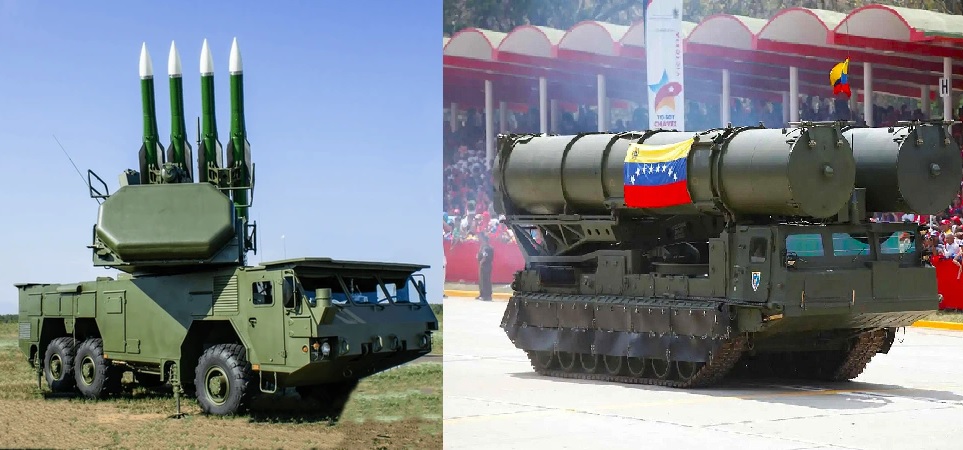
World
Venezuela has, over the last two decades, sought to modernize its air-defence and military posture, acquiring advanced systems from Russia and maintaining a mixed fleet of fighters and naval assets. On paper, these acquisitions suggest Caracas could pose a meaningful deterrent within its region. Yet, when considered against the full might of the U.S. military, the real effectiveness of Venezuela’s forces appears limited. The cornerstone of Venezuela’s air-defence is the deployment of long-range and medium-range surface-to-air missile (SAM) systems. Among the most capable are the S-300VM (Antey-2500) systems, reportedly organized into at least two battalions, providing long-range engagement potential against modern aircraft and cruise missiles. Complementing these are approximately a dozen Buk-M2 (SA-17) systems, offering medium-range coverage, and around two dozen S-125 Pechora-2M units, which cover lower altitudes and provide short-range defence. These systems are supported by a network of legacy Soviet and Russian-style radars, though much of the command-and-control infrastructure is older, potentially limiting response times and coordination. Venezuela’s air force is dominated by the Sukhoi Su-30MK2, of which roughly 24 were acquired, though only a portion—perhaps 15 to 20—are reportedly operational due to maintenance and spare-part limitations. These multirole fighters are capable of air superiority missions and maritime strike when armed with R-27, R-73, R-77 air-to-air missiles, and Kh-31 anti-ship missiles. The Venezuelan fleet also retains a handful of older F-16 Block 15 fighters, with only a few in serviceable condition. While these aircraft could, in theory, intercept intruding aircraft or strike coastal targets, readiness constraints and limited flight hours significantly reduce their immediate operational impact. In addition to air assets, Venezuela has invested in its naval forces primarily for coastal defence. The navy operates several small fast-attack missile boats, some of Iranian origin, capable of launching anti-ship missiles. The Su-30MK2 fighters add to this maritime strike capability. However, Venezuela’s larger surface combatants and submarines are few in number and largely older, limiting the navy’s ability to sustain high-intensity operations or contest U.S. naval forces over extended periods. Despite these acquisitions, the overall picture indicates that Venezuela’s forces function more as a deterrent than as a fully capable warfighting machine. While systems such as the S-300VM and Buk-M2 could pose a credible localized threat and complicate aerial operations near Venezuelan territory, they remain vulnerable to modern U.S. electronic warfare, standoff strike weapons, and suppression of enemy air defence operations. Similarly, the Su-30MK2 fleet, though technically capable, suffers from limited operational readiness and logistical support. In practical terms, Venezuela’s forces could increase the risk and operational cost for any adversary, particularly in the short term or in a localized conflict. However, against the United States’ integrated air and naval capabilities—including carrier-borne aviation, long-range precision strike, and persistent intelligence, surveillance, and reconnaissance—the Venezuelan force posture is unlikely to prevent U.S. operations or achieve strategic denial. At best, Venezuela can create temporary area-denial zones along its coastlines or around key air bases, but it cannot impose lasting operational constraints. Ultimately, Venezuela’s air and naval capabilities represent a measured attempt to modernize and signal deterrence. Advanced SAMs, multirole fighters, and missile-equipped naval assets demonstrate technological reach and ambition. Yet structural limitations, readiness issues, and the gap in operational integration underscore that Venezuela remains far from a peer competitor to the United States. Its defence posture may complicate planning and increase local risk, but it does not fundamentally alter the balance of power in the Western Hemisphere.
Read More → Posted on 2025-10-05 15:41:06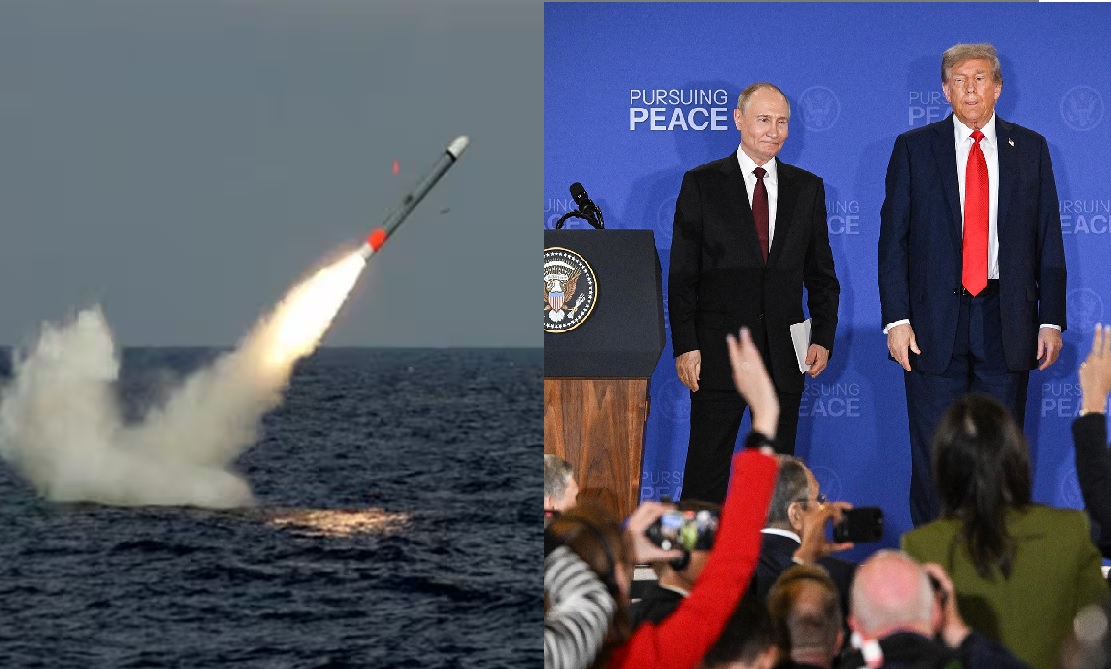
World
Russian President Vladimir Putin has warned that if the United States goes ahead with supplying Tomahawk long-range cruise missiles to Ukraine, it would destroy the recent improvement in U.S.–Russia relations and push the conflict into a dangerous new phase. His warning came less than two months after U.S. President Donald Trump and Putin held a summit in Alaska, which was initially seen as a small step toward stabilizing relations. However, that hope now appears to be fading as Russian forces continue to advance in Ukraine, U.S. officials discuss arming Kyiv with deep-strike weapons, and tensions grow between the world’s two largest nuclear powers. According to reports, Washington has been considering a Ukrainian request for Tomahawk missiles that could hit targets as far as 2,500 kilometers away — a range that would put almost all of European Russia, including Moscow, within reach. Although a final decision has not been made, discussions within the Trump administration have reportedly intensified after Ukrainian forces expressed interest in acquiring long-range strike capabilities. Vice President JD Vance confirmed that the idea was under review, while some U.S. defense officials cautioned that available stockpiles of Tomahawks are already committed to the U.S. Navy and other defense needs, making the transfer difficult in practice. For Russia, the issue goes beyond simple weapon supply. The Kremlin believes that if Ukraine receives Tomahawk missiles, the United States would have to play a direct role in their operation, since such advanced systems require American targeting and technical support. In Moscow’s view, that would mean U.S. military personnel becoming indirectly involved in combat operations inside Russia, something Putin described as a “qualitatively new stage of escalation.” He said that while Russia could intercept many of these missiles and continue improving its air defense network, their deployment would fundamentally alter the character of the war and make direct confrontation with Washington almost inevitable. One of the main reasons Russia fears the arrival of Tomahawk missiles is the country’s geographical scale. Russia is so vast that it cannot provide uniform air defense coverage across all regions. Its systems must be deployed selectively, protecting key strategic and industrial zones while leaving other areas less defended. Ukraine has already demonstrated its intent to strike not just military installations but also oil refineries, depots, and energy facilities deep inside Russian territory. If Kyiv gains weapons with a range exceeding 2,000 kilometers, the number of potential targets will multiply dramatically. Unlike smaller countries such as Israel, which can protect its entire territory with a limited number of missile defense batteries, Russia’s continental size makes such comprehensive coverage impossible. This geographic disadvantage is why Moscow views long-range Western missiles as an unacceptable threat, even if the individual weapon is not unstoppable. Despite this, Russian officials often downplay the Tomahawk’s technical capabilities. The missile, while reliable, is not invincible. Its accuracy rate is estimated to be around 70 to 80 percent based on past operations, including those in Afghanistan and Iraq. It is also not new technology; Pakistan once recovered an unexploded Tomahawk fired during the U.S. campaign in Afghanistan and used it for reverse engineering, leading to the development of its own cruise missile. For Russia, the issue is therefore less about the weapon’s performance and more about the political and strategic implications of its use by Ukraine. Putin’s statements also reflect his broader narrative about Russia’s relationship with the West. He often argues that the current conflict represents a turning point in Moscow’s post–Cold War history — a reaction to what he calls decades of Western encroachment on Russian influence after the fall of the Soviet Union. The expansion of NATO, in his view, eroded Russia’s security environment and left it with no choice but to assert its power in Ukraine. Western governments, meanwhile, see the situation differently. They describe Russia’s invasion as an act of aggression aimed at reestablishing imperial dominance. Western leaders insist that unless Moscow is defeated, it will eventually threaten NATO members — a claim Putin repeatedly denies. The U.S. debate over Tomahawk missiles underscores this clash of narratives. Supporters of the idea in Washington argue that Ukraine needs the ability to strike deeper into Russian territory to weaken Moscow’s military logistics and energy infrastructure. Opponents warn that such a step could escalate the conflict beyond control, especially if Russia interprets it as direct U.S. participation in the war. Intelligence reports also indicate that Washington has already been sharing targeting information with Kyiv for strikes on energy infrastructure inside Russia, suggesting that coordination between the two is already deep. For Russia, therefore, the proposed missile transfer is seen as both a military and political red line. Even if Tomahawks are not ultimately supplied, the very discussion signals to Moscow that Washington is willing to consider actions that could undermine any remaining diplomatic ties. The Kremlin’s warnings are designed to deter such a move and to remind the U.S. of the potential costs of escalation. Putin has made it clear that while Russia could adapt militarily to such a threat, the consequences for U.S.–Russia relations would be severe and long-lasting. Russia’s opposition is driven by a combination of strategic geography, political calculation, and the fear of direct confrontation. The Tomahawk missile itself may not be the most advanced or decisive weapon on the battlefield, but its deployment in Ukraine would mark a profound shift — turning what began as a regional conflict into a contest that directly tests the limits of great-power restraint.
Read More → Posted on 2025-10-05 13:52:31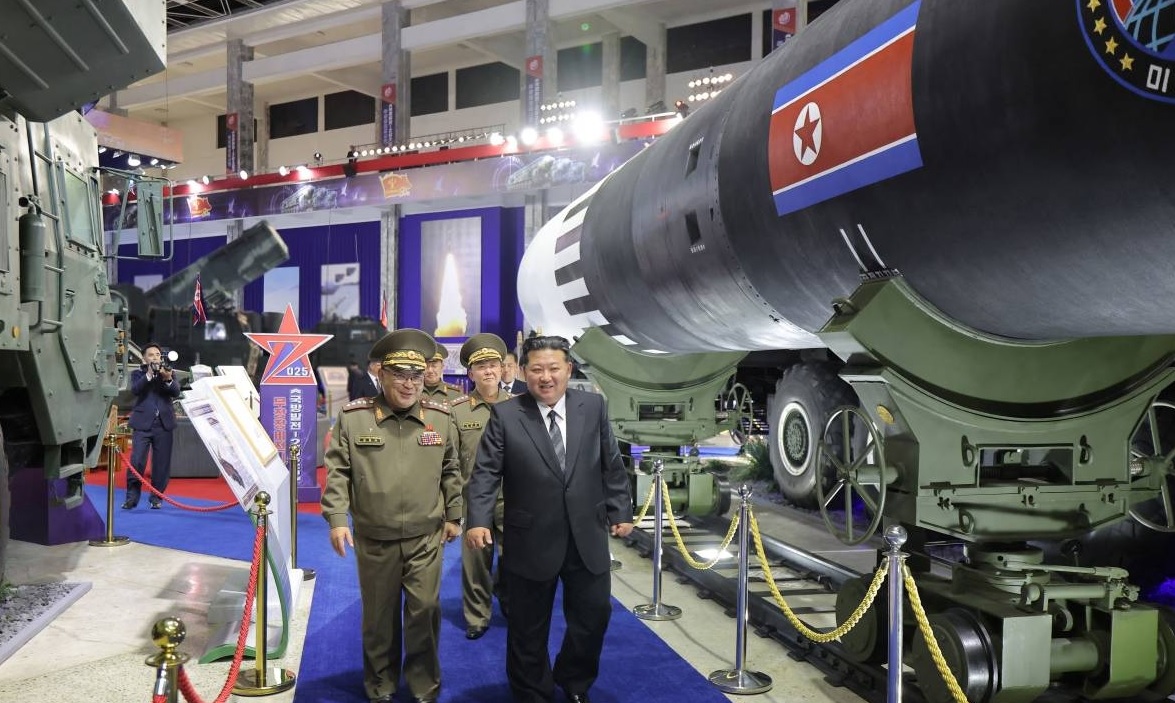
World
North Korea has announced the deployment of what it calls “special assets” in response to the strengthening of the United States and South Korea’s security alliance. Leader Kim Jong Un made the remarks during the opening of a weapons exhibition in Pyongyang, state media reported. The United States currently stations around 28,500 troops in South Korea, a presence that has been in place for decades as part of its defense commitment against threats from the North. In September, the U.S., South Korea, and Japan carried out a joint military exercise, a move that Pyongyang condemned as preparation for an attack, although Washington and its allies insist the drills are defensive. In his speech, Kim said that the US-ROK nuclear alliance is advancing quickly and that recent exercises are designed for “dangerous scenarios.” He added that North Korea’s strategic concern about the region has grown alongside the U.S. military buildup and that special assets have now been assigned to key targets. Kim did not specify what these assets were but noted that his government was “closely watching” developments across the border. State media images from the event showed Kim touring an indoor exhibition hall with senior generals, inspecting a variety of weapons including missiles. The weapons display was part of the activities marking the 80th anniversary of the ruling Workers’ Party of Korea. The announcement comes at a time of heightened tension. In recent years, Washington and Seoul have upgraded their security cooperation, including nuclear planning under the Washington Declaration, while North Korea has repeatedly emphasized that its nuclear arsenal is permanent. Pyongyang has declared itself an “irreversible nuclear state”, rejecting calls to give up its atomic weapons despite successive rounds of UN sanctions. Kim has at times suggested the possibility of renewed dialogue with the United States. He recalled having “fond memories” of his meetings with former President Donald Trump, but he has made clear that North Korea will not agree to disarmament. The 2019 Hanoi summit between the two leaders collapsed over disagreements on the extent of sanctions relief and the scope of denuclearization steps. By highlighting the deployment of unspecified “special assets,” Pyongyang appears to be signaling both its military readiness and its opposition to expanding U.S. military cooperation in the region. The announcement underscores the continuing standoff on the Korean Peninsula, where both sides maintain that their respective actions are defensive in nature.
Read More → Posted on 2025-10-05 11:57:25
World
The Israeli military announced on Saturday that it has been directed to begin preparations for the first phase of U.S. President Donald Trump’s peace plan aimed at ending the war in Gaza and securing the release of all remaining hostages. According to an official familiar with the matter, Israel has shifted to a defensive posture inside Gaza but has not withdrawn any forces from the territory. The development follows Trump’s call for Israel to halt its bombardment after Hamas signaled partial acceptance of the proposal earlier in the week. Trump welcomed the statement, saying he believed the conditions were forming for “lasting peace.” His administration has pushed to finalize a framework before the upcoming second anniversary of the October 7, 2023 attacks, which triggered the conflict. Support from Israeli Leadership Israeli Prime Minister Benjamin Netanyahu has endorsed the U.S.-backed plan, despite political pressure at home and abroad. On Friday night, Netanyahu issued a rare statement during the Jewish sabbath confirming that Israel was preparing to implement elements of Trump’s proposal. The announcement, according to Israeli officials, was made under direct U.S. pressure. A negotiating team is being assembled, though no specific date has been set for talks. Regional Mediation and Hostage Issue Diplomatic channels are also active. An Egyptian official confirmed that mediators are working on arrangements for the release of 48 remaining hostages in exchange for hundreds of Palestinian prisoners. The plan also calls for Hamas to disarm and transfer authority to other Palestinian groups, though Hamas has said further discussions are needed before committing to demilitarization. Meanwhile, Palestinian Islamic Jihad—previously opposed to the U.S. plan—announced it now supports Hamas’ response, signaling a shift among militant factions. Humanitarian Situation The humanitarian toll in Gaza remains severe. The Gaza Health Ministry reported more than 67,000 deaths since the conflict began, with women and children accounting for nearly half. The United Nations and independent experts generally view the ministry’s figures as the most consistent available, though the division between civilians and combatants is not specified. Large parts of Gaza City are still under siege, with the Israeli military warning civilians not to return, calling it an “active combat zone.” Food shortages have been documented, with experts warning that sections of the city are facing famine conditions. International and Domestic Reactions The plan has drawn broad international backing, with European governments and Arab mediators welcoming the potential breakthrough. However, skepticism remains over whether both sides will follow through. Demonstrations demanding an immediate end to the conflict have spread across European capitals, including large marches in Barcelona, Rome, and Lisbon. Within Israel, families of the hostages have expressed cautious optimism. Many argue that their trust now lies primarily in the U.S. administration, which they see as the only actor capable of bridging the divide. Critics in Israel, including retired military officials, have warned that if Hamas does not disarm, military operations could quickly resume. Outlook The next stage hinges on whether Hamas will agree to the disarmament clause and whether Israel will commit to a phased withdrawal as outlined in Trump’s plan. If implemented, the agreement would include a halt to military operations, the release of hostages, prisoner exchanges, expanded humanitarian access, and eventual reconstruction. For many in Gaza, the question is not about the proposals on paper but about their implementation on the ground. Residents say they want tangible relief after nearly two years of fighting. With active mediation underway and both Israel and Hamas signaling limited acceptance, the plan has created cautious hope, but the path forward remains uncertain.
Read More → Posted on 2025-10-05 11:46:34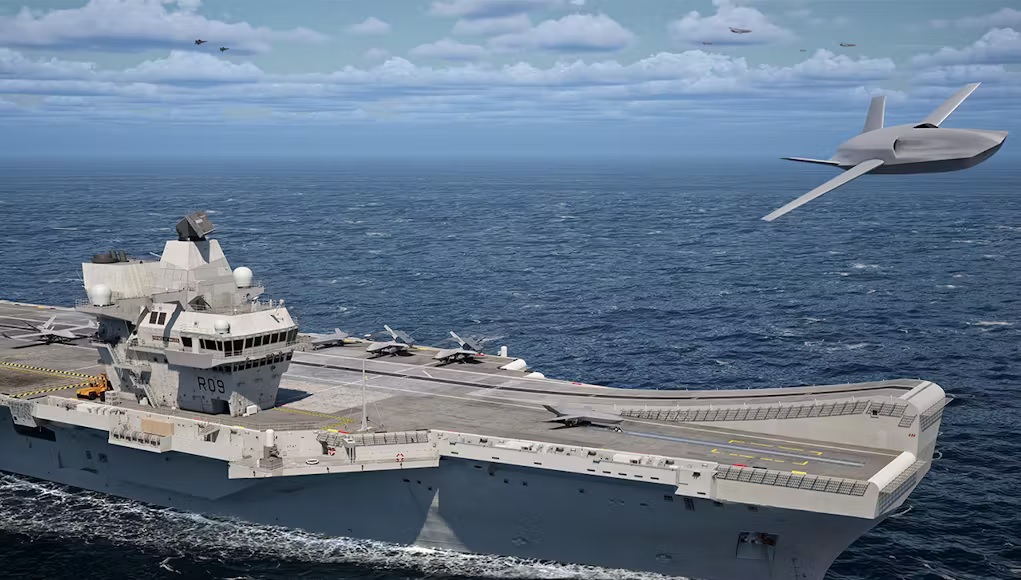
World
On 3 October 2025, the UK Ministry of Defence formally issued a Request for Information (RFI) for Project VANQUISH, an initiative to develop and demonstrate a Fixed-Wing Short Take-Off and Landing (STOL) Autonomous Collaborative Platform (FW STOL ACP). The system is intended to operate from Queen Elizabeth-class aircraft carriers without relying on catapults or arrestor gear, and the first sea demonstration is targeted for late 2026, with an allowable delivery window of 18 months. Scope and Objective Project VANQUISH is a technical demonstration effort intended to guide future procurement decisions for the Royal Navy’s evolving hybrid carrier air wing. Its goal is to assess how an attritable, jet-powered, high-subsonic unmanned aircraft can perform a mix of missions—such as intelligence, surveillance, reconnaissance (ISR), strike, and air-to-air refuelling—while operating autonomously alongside crewed aircraft from naval carriers. The term “attritable” signals that the aircraft will be designed with a balance between performance and cost—accepting a degree of loss risk in higher-threat operations, unlike conventional manned combat jets. The RFI calls for proposals across a flexible design space. The UK MOD does not prescribe a particular airframe layout, leaving room for tilt-wing configurations, blended wing bodies, folding wings, or hybrid propulsion systems. The emphasis is on achieving credible endurance, payload, and carrier compatibility, including ship-relative landing guidance, autonomous navigation, and mission management that can integrate with existing carrier strike networks. Timeline, Budget, and Process According to the published tender notice, the RFI (reference 2025/S 000-062294) estimates a contract value of £10 million excluding VAT (or up to £12 million including VAT). The anticipated period for the demonstration phase is from April 2026 to December 2027, a span of about 20 months. Respondents to the RFI have until 14 November 2025 to engage. The RFI stipulates a nominal target date of end-2026 for the first at-sea demonstration, with proposals allowed to shift deliverables up to 18 months beyond that target. After the demonstration phase, the MOD expects to use results to decide whether to pursue a production capability, likely in the early 2030s. Technical and Operational Challenge Launching and recovering a fixed-wing unmanned aircraft from a carrier deck without catapults or arrestor wires presents multiple technical challenges. The system must cope with deck motion, turbulent airflow, sea states, and precise ship-relative control in a dynamic maritime environment. Autonomous recovery is especially demanding, as it must reliably handle small approach margins, crosswinds, and deck motion—all without human pilots. The aircraft must also link into the Royal Navy’s wider command and data systems, coordinating in real time with F-35B aircraft, airborne early warning assets, and shipborne command and control systems. Maintaining secure communications, robust autonomy software, collision avoidance, and fault management under degraded conditions will be essential. Background and Precedents VANQUISH builds on prior Royal Navy experiments in carrier-based unmanned operations. In November 2023, General Atomics’ Mojave UAS achieved STOL operations from HMS Prince of Wales—making it the first such demonstration from a non-catapult carrier. That test confirmed that STOL capability is viable in naval flight deck environments. ( In addition, the Royal Navy has tested autonomous drones for logistics and shipboard operations. For instance, W Autonomous Systems (WAS) successfully landed a drone on HMS Prince of Wales for resupply missions, helping validate unmanned deck operations. Project VANQUISH complements other UK investments in autonomous systems. The ASW Spearhead programme has developed autonomous naval testbeds (e.g., CETUS, PROTEUS, SCYLLA) to advance unmanned maritime capability. Furthermore, under a broader £5 billion defense technology investment announced in mid-2025, more than £4 billion is earmarked for autonomous systems across the services.
Read More → Posted on 2025-10-05 11:20:19
World
Former President Donald Trump recently announced a Gaza peace plan, which has raised questions about its purpose and long-term impact. Many critics suggest that the plan was less about achieving lasting peace and more about creating an opportunity for Trump to win a Nobel Peace Prize, but the more important question is what Israel actually gained from the agreement. In reality, after years of conflict, Israel has gained almost nothing. The plan promised a temporary pause in fighting and the release of hostages, but it did not provide any permanent security guarantees, nor did it remove Hamas from power in Gaza. Israel also gained no land and no long-term strategic advantage. After Many Years of war and repeated sacrifices, Israel’s situation remains largely unchanged, facing the same threats across its border. The plan included billions of dollars in investment for Gaza’s reconstruction, aiming to rebuild schools, hospitals, and infrastructure. While this appears beneficial on paper, the reality is that Hamas controls Gaza. Even if international authorities or technocrats are assigned to manage the funds, Hamas will likely retain influence over how resources are spent. This means that the investments could strengthen Hamas rather than weaken it, giving the organization the resources to reorganize and potentially resume attacks in the future. A central question is who will take responsibility to ensure that Hamas does not attack Israel again. The plan mentions temporary international oversight and Palestinian technocrats to administer Gaza, but practical enforcement remains weak. If Hamas violates the agreement, the United States will not fight Hamas directly. The U.S. may provide weapons, intelligence, and political support to Israel, but it will not deploy its own troops. Trump did not sign a formal, binding treaty guaranteeing Israel’s protection; the best Israel can expect is political assurance that it has the U.S. backing to respond if Hamas attacks again. This means the responsibility for defense remains entirely with Israel, and if the group renews hostilities, Israel will have to confront it alone. History shows that terrorist organizations rarely maintain long-term compliance with agreements. Hamas has repeatedly used ceasefires as opportunities to rebuild, then resumed attacks. Without strict enforcement and control over reconstruction funds and military capabilities, there is little reason to believe that this time would be different. If Hamas takes advantage of the plan, Israel may face renewed conflict within a few years. After decades of war, Israel has not gained any territory from Gaza and has not eliminated Hamas, leaving the cycle of conflict intact. The Gaza peace plan provides no real long-term gain for Israel. While it temporarily pauses fighting and releases hostages, it does not remove the threat posed by Hamas, and the investments intended to rebuild Gaza may inadvertently strengthen the group. After many years of conflict, Israel has gained nothing in terms of land or permanent security, and the same risks remain. Critics argue that the plan reflects Trump’s interest in global recognition, including a Nobel Peace Prize, rather than a solution that ensures lasting peace. The responsibility for Israel’s security remains unchanged, and without strong enforcement, the cycle of violence may continue.
Read More → Posted on 2025-10-04 17:55:43Search
Top Trending in 24 Hours
-
 Tulsi Gabbard Releases Declassified Files Detailing U.S.-Backed Network of 120 Biolaboratories Across 30+ Countries
-
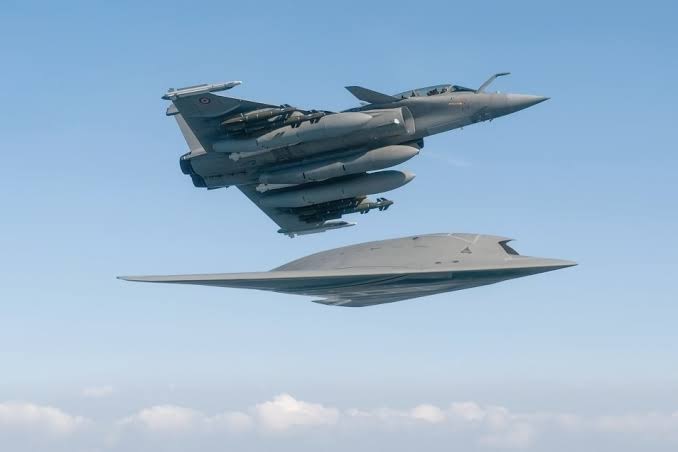 France Agrees to Equip Future Indian Rafales with AI, MUM-T and Secure Satellite Links Under F5 Standard
-
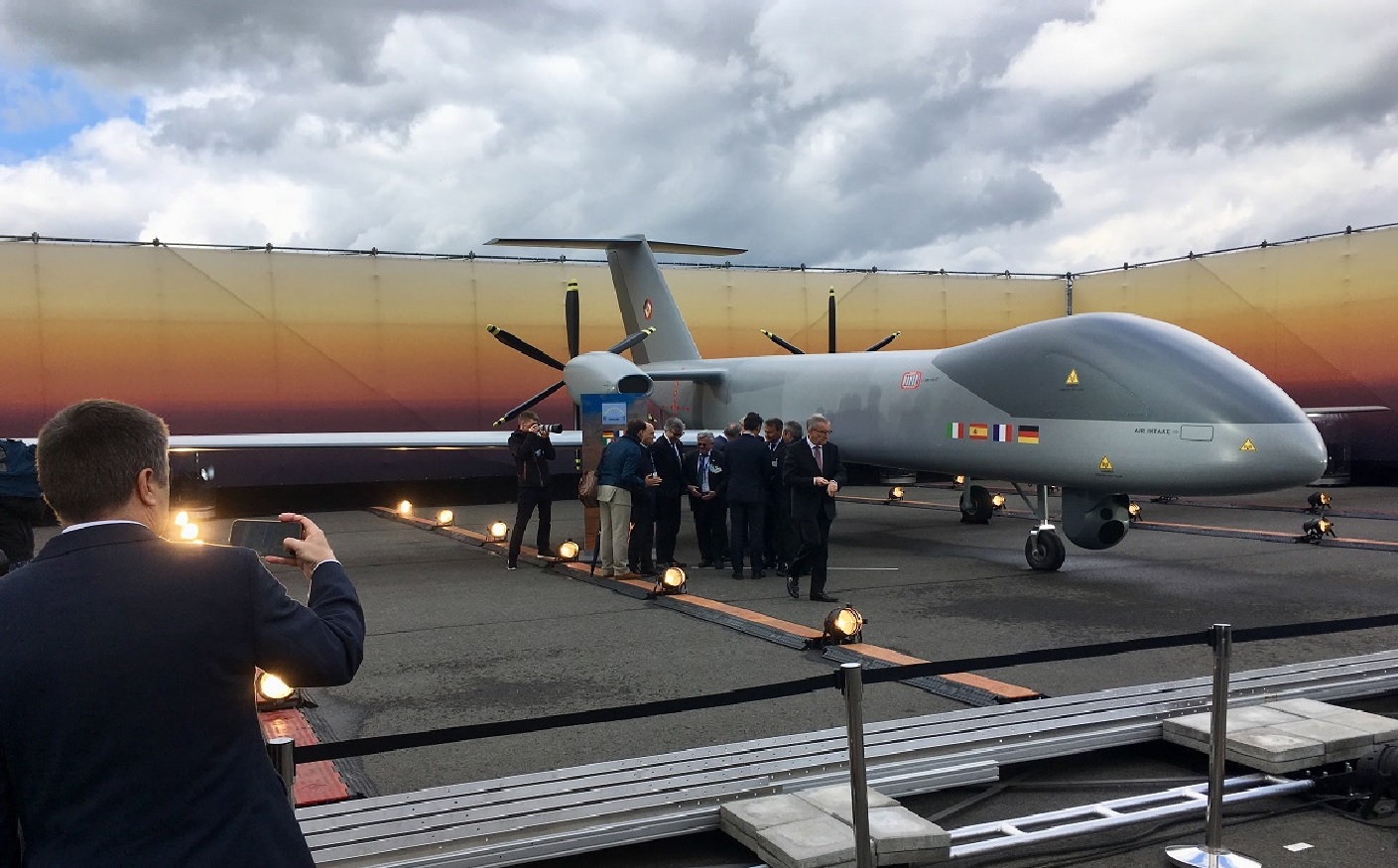 Dassault Seeks Compensation From Airbus as Eurodrone Dispute Erupts After FCAS Collapse
-
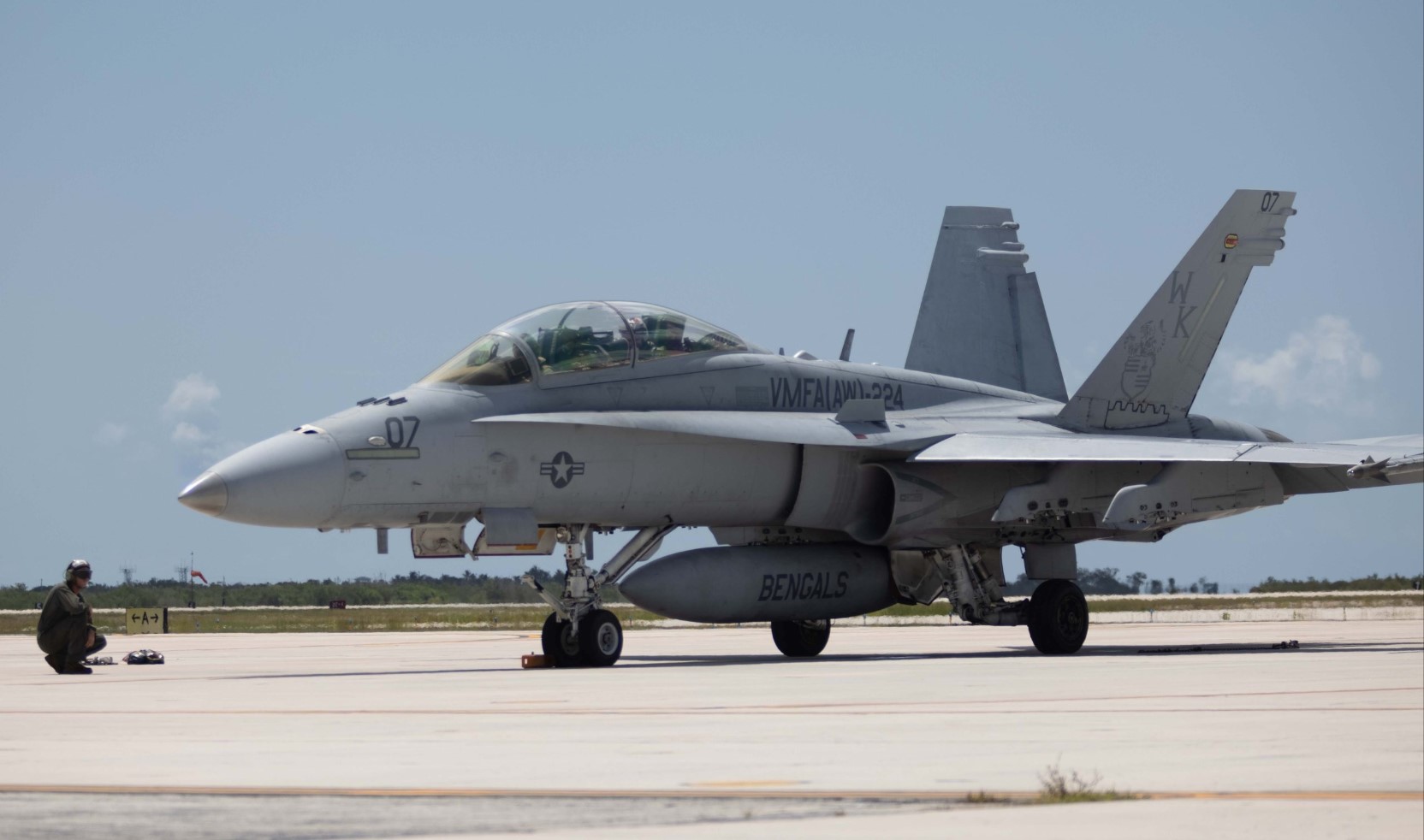 US Marine Corps F/A-18D Hornet Crashes During Training Flight in Washington Mountains; Pilot Ejects Safely
-
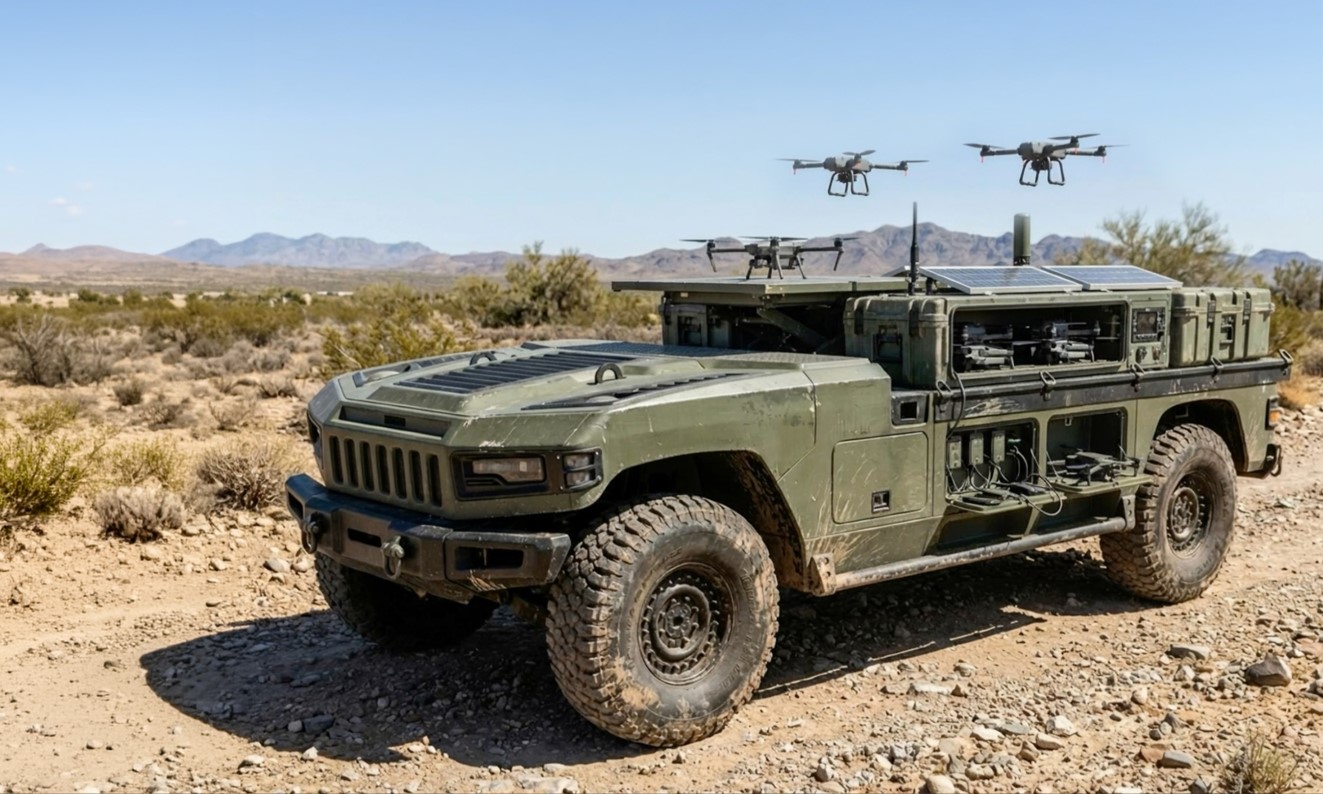 AM General Unveils Next-Generation UGV and JLTV A2 with Counter-Drone Systems at Eurosatory 2026
-
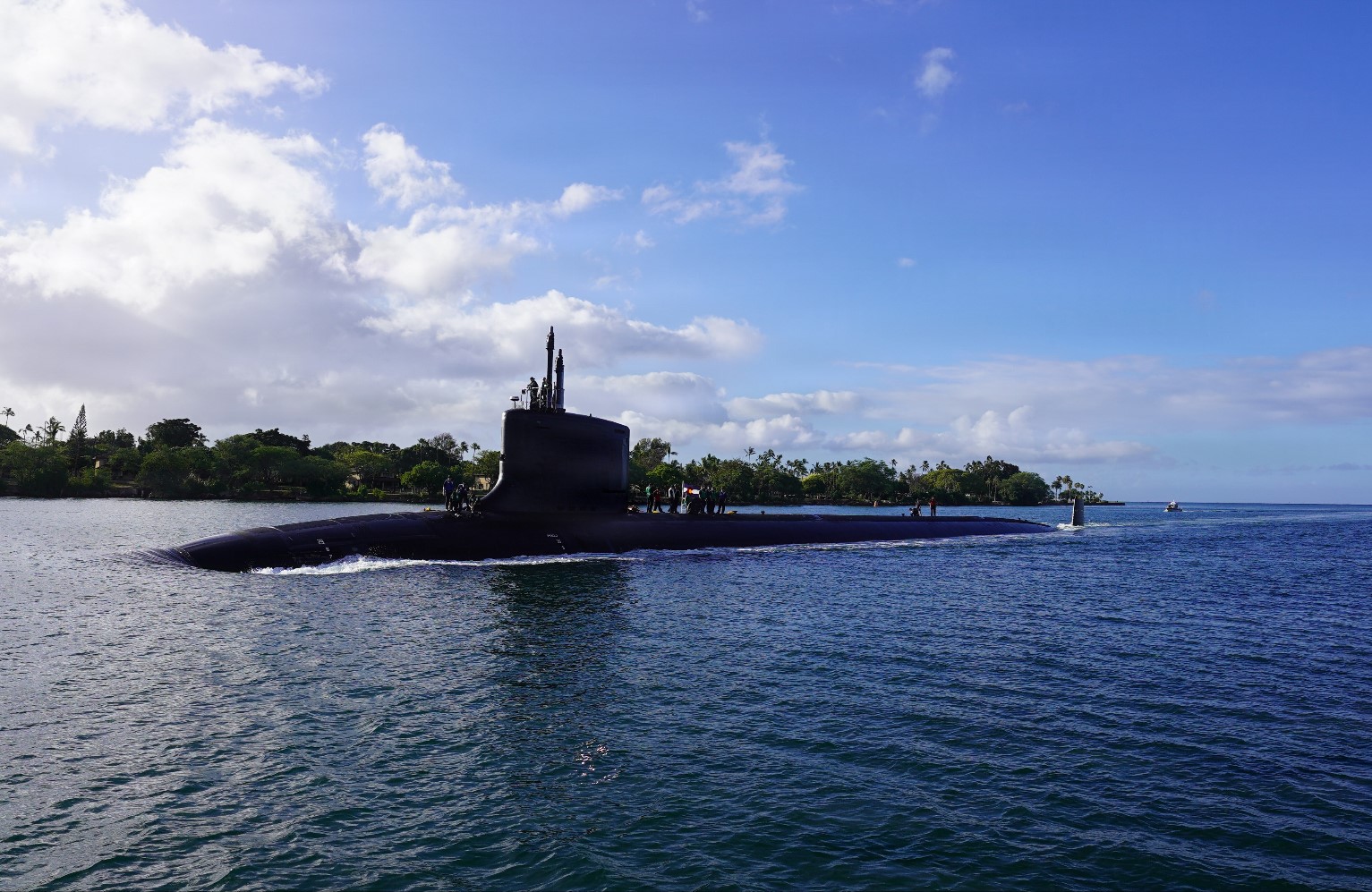 U.S. Navy's USS Colorado Submarine Returns to Pacific Fleet 29 Days Early After Major Pearl Harbor Overhaul
-
 Pakistan Raises Defence Budget from $9 Billion to $10.8 Billion as J-35 Fighter and Hangor Submarine Programs Advance
-
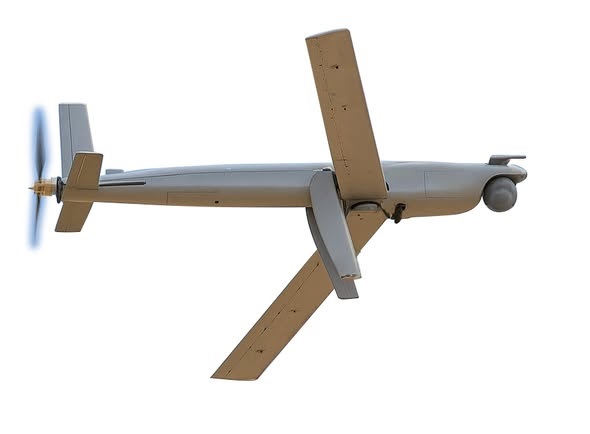 Elbit Systems and Diehl Defence Partner to Offer SkyStriker Loitering Munition to German Armed Forces
Top Trending in 4 Days
-
 Iranian Media Leaks 14-Point U.S.-Iran Peace Framework Amid Ongoing Negotiations
-
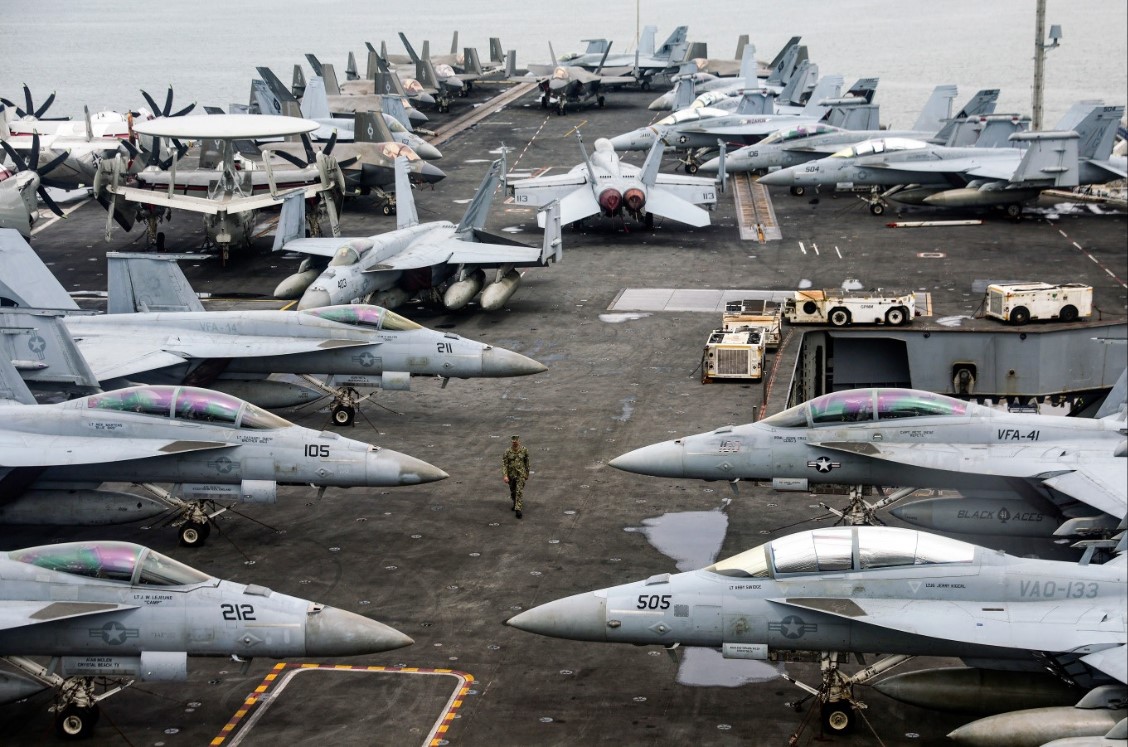 US Plans Significant Reduction of Fighter Jets and Warships for NATO Operations in Europe
-
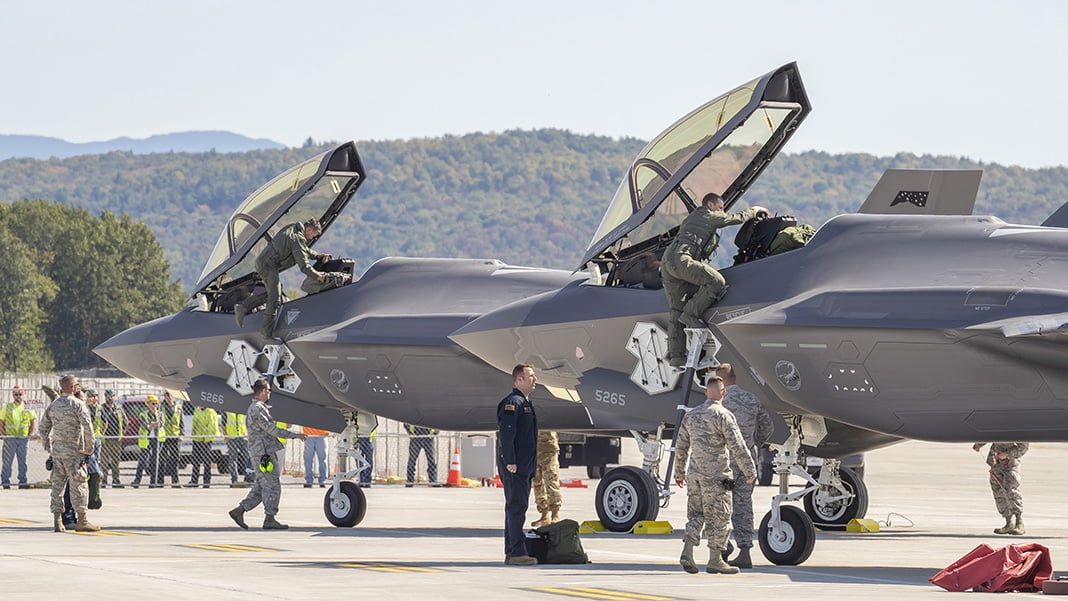 F-35 Fleet Readiness Falls to 25% Amid Parts Shortages and Software Delays: GAO Report
-
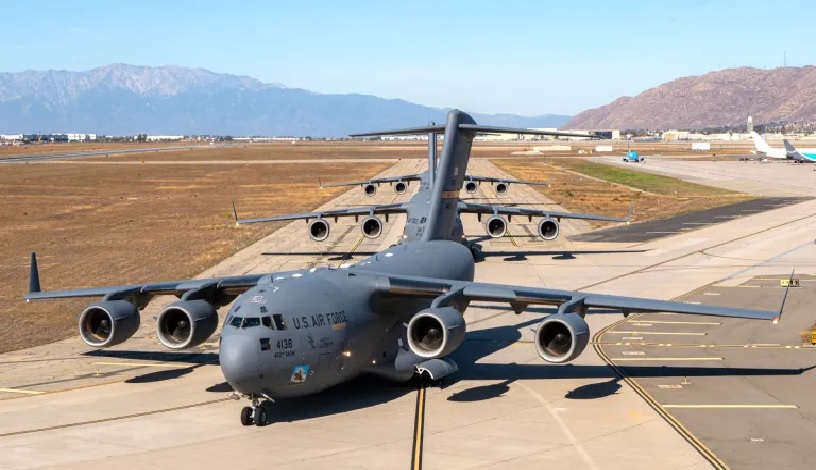 U.S. Air Force Faces Strategic Airlift Shortfall as C-17 Production Restart Remains Uncertain
-
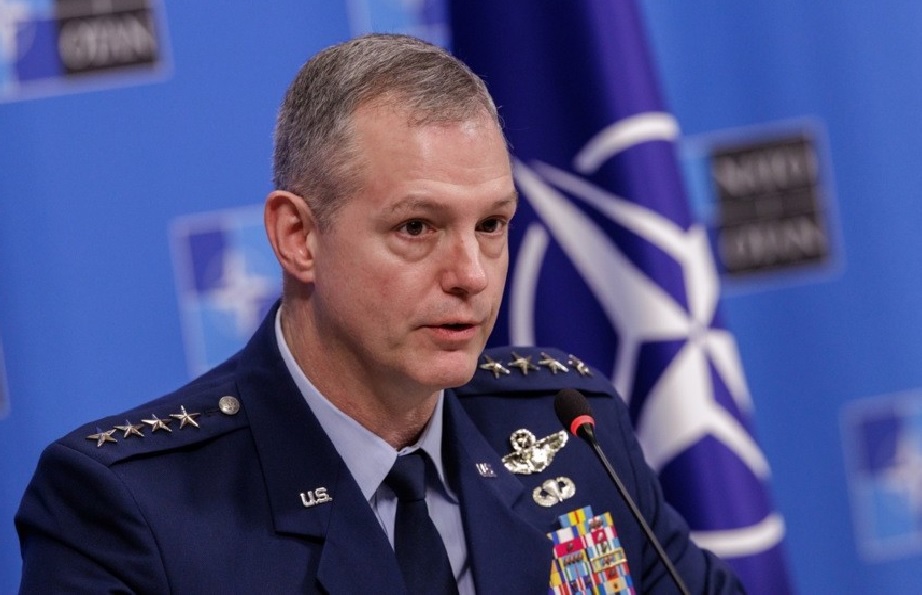 NATO Commander Says Russia Not Seeking Conflict With Alliance Despite U.S. Force Reductions
-
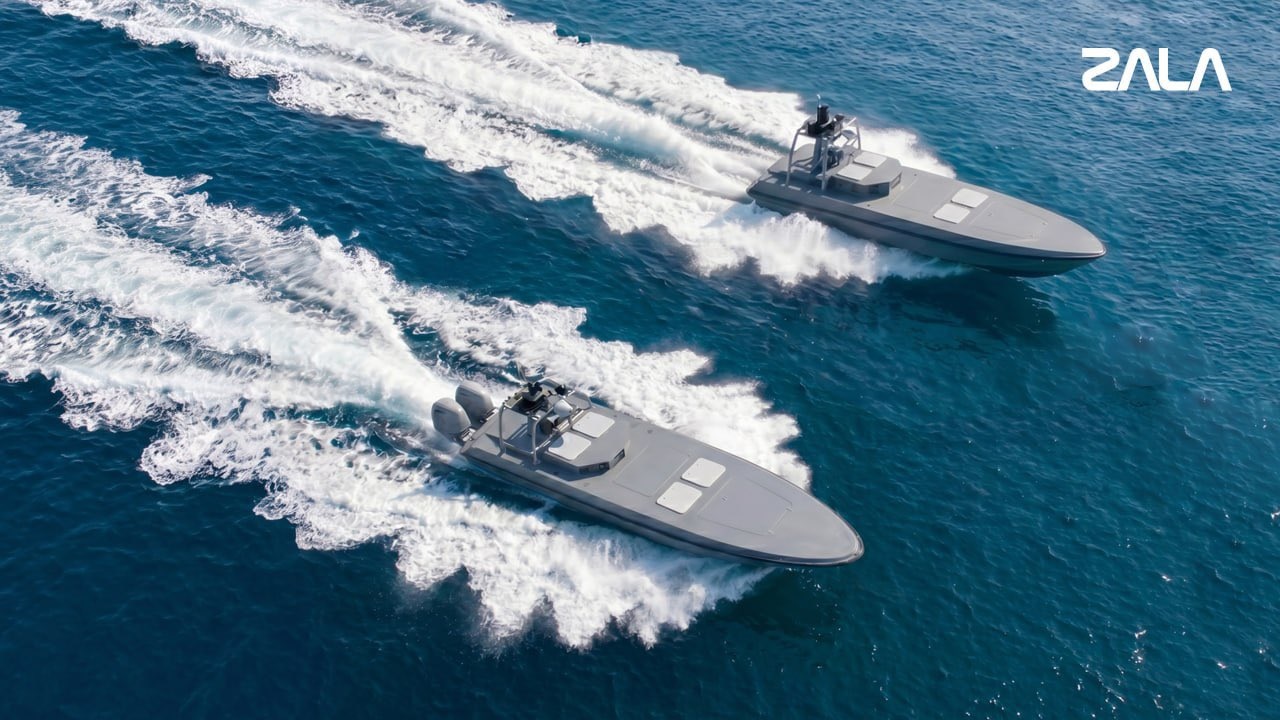 Russian Defense Firm ZALA Unveils KAMA Unmanned Surface Vessel Family at FLOT-2026 Naval Exhibition
-
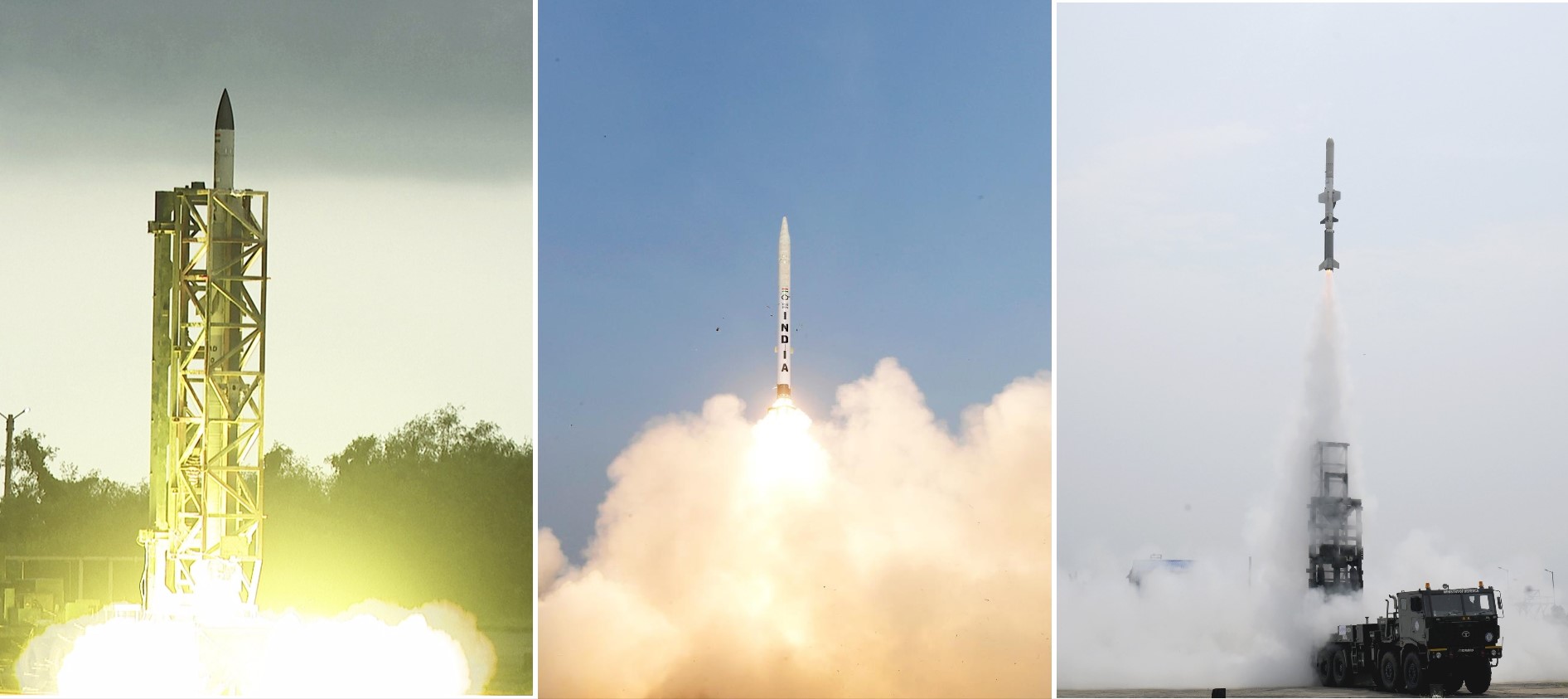 India Successfully Conducts AD-1, AD-2 Interceptor Tests and Maiden NASM-MR Flight Trial
-
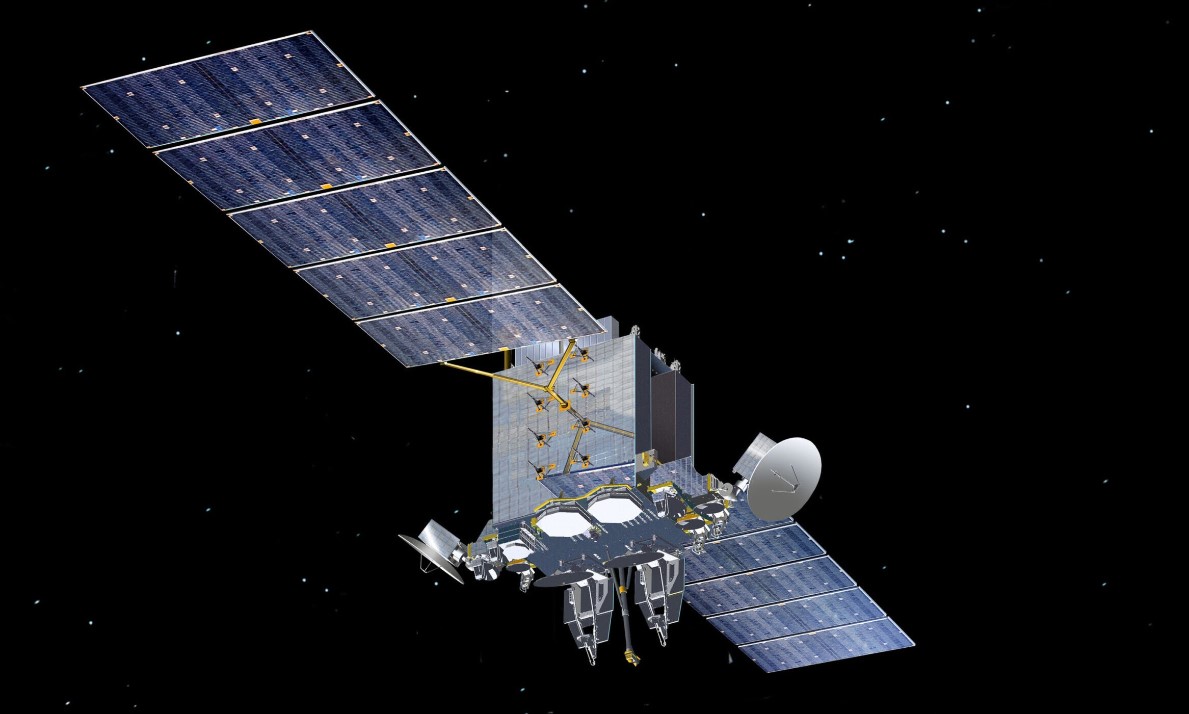 U.S. Space Force Awards $437.7 Million Contracts for First PTS-G Swarm 1 Anti-Jam Satellites