World
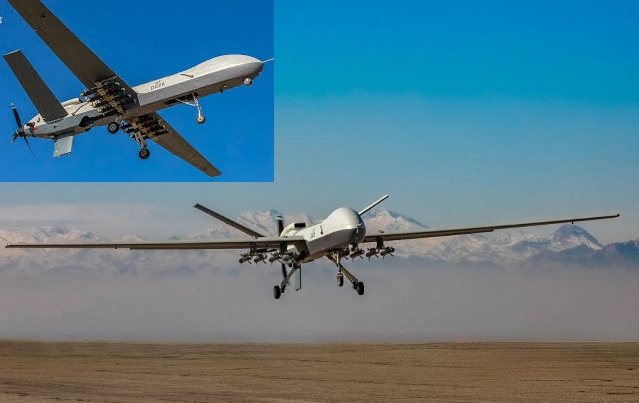
On September 29, 2025, Iranian media reported that Iran has started actively promoting its most advanced long-endurance combat drone, the Shahed-149 “Gaza”, at defense exhibitions around the world. This move signals a notable shift in Tehran’s military export strategy, positioning the drone not merely as a regional deterrent but as a serious contender in the global UAV market. Now in confirmed operational service and with international promotion underway, the Gaza UCAV marks a change in Iran’s defense approach, transitioning from limited domestic production to active international marketing. Footage from a prominent Islamic Revolutionary Guard Corps (IRGC) exercise shows the drone carrying out a precision-guided strike, demonstrating its capabilities and emphasizing Tehran’s efforts to attract foreign buyers. The drone has also been showcased at recent exhibitions in Central Asia and North Africa, where Iranian officials reportedly engaged with potential state and non-state clients seeking alternatives to Western and Chinese drones. Overview of the Shahed-149 'Gaza' Unveiled on May 21, 2021, the Shahed-149 'Gaza' is a high-altitude, long-endurance UAV developed by Iran's Shahed Aviation Industries. It is named in honor of the Palestinian struggle against Israeli occupation and was delivered to the Islamic Revolutionary Guard Corps (IRGC) Aerospace Force in 2022. Technical Specifications Wingspan: 22 meters Length: Approximately 8 meters Height: 3.1 meters Maximum Takeoff Weight: 3,100 kg Endurance: Up to 35 hours Maximum Speed: 350 km/h Operational Range: Up to 4,000 km Payload Capacity: 500 kg Armament: Up to 13 precision-guided bombs or missiles Powerplant: 750-horsepower turboprop engine The Shahed-149 is Iran's first UAV powered by a turboprop engine, marking a major advancement in its drone technology. It is equipped with advanced radar and navigation systems, reportedly using Chinese or Russian technology to avoid reliance on GPS systems. Comparison with the MQ-9 Reaper The Shahed-149 'Gaza' shares several similarities with the U.S. MQ-9 Reaper, both in design and function. Feature Shahed-149 'Gaza' MQ-9 Reaper Wingspan 22 meters 20 meters Length ~8 meters ~11 meters Height 3.1 meters 3.8 meters Maximum Takeoff Weight 3,100 kg 4,760 kg Endurance 35 hours 27 hours Maximum Speed 350 km/h 400 km/h Operational Range 4,000 km 1,850 km Payload Capacity 500 kg 1,700 kg Armament 13 bombs/missiles Hellfire, GBU-12, GBU-38 While the Shahed-149 has a longer operational range and endurance, the MQ-9 Reaper has a higher payload capacity and speed. Both drones are designed for multi-role missions, including intelligence, surveillance, reconnaissance (ISR), and precision strikes. The development and international showcasing of the Shahed-149 'Gaza' underscore Iran's growing capabilities in unmanned aerial systems. By participating in global defense exhibitions, Iran aims to position itself as a significant player in the UAV market, potentially attracting interest from countries seeking advanced drone technology. The Shahed-149's capabilities make it a formidable asset for long-endurance surveillance and precision strikes, significantly enhancing Iran's strategic reach and influence in the region. Video coverage and analyses of the Shahed-149 provide further insights into its operational capabilities and testing, demonstrating its potential in both reconnaissance and combat roles. Representing a major advancement in Iran's drone technology, the Shahed-149 combines extended endurance, long operational range, and versatile payload capabilities. While it draws comparisons to the MQ-9 Reaper, it introduces unique features that enhance its strategic value, and its international debut signals Iran's clear intent to assert its presence in the global UAV market.
Read More → Posted on 2025-09-30 11:51:40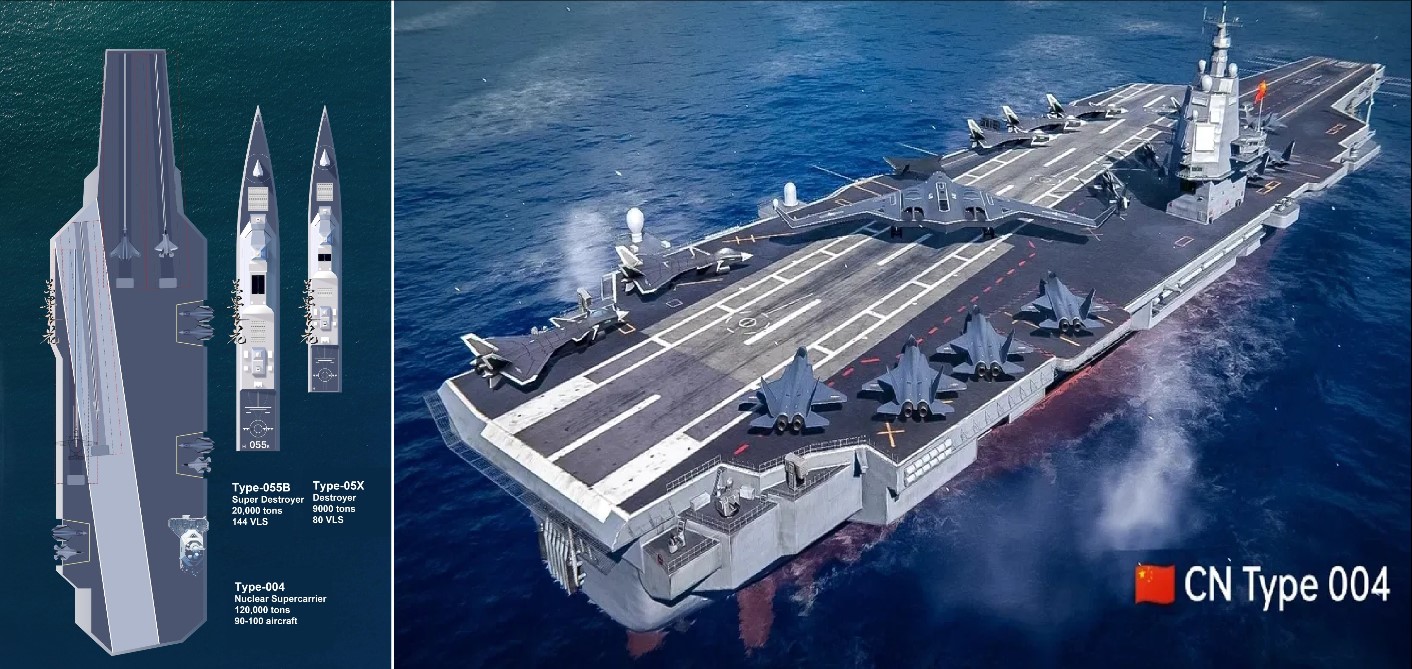
World
China appears to have started building its next-generation supercarrier — the Type 004 — and early public reporting suggests it will be a very different animal from Beijing’s first three carriers. If current assessments are right, the Type 004 will be nuclear-powered, use electromagnetic aircraft launch systems (EMALS), carry a much larger air wing (est. 90–100 aircraft), and displace on the order of 110,000–120,000 tons — comfortably at or above the U.S. Gerald R. Ford-class in size. Those facts have analysts openly asking whether Beijing is now building the hardware to contest U.S. carrier dominance in the Indo-Pacific. What We Actually Know (and What Are Reasonable Inferences) Public open-source reporting and satellite imagery have shown large carrier-like modules and catapult-related infrastructure at Chinese yards, and multiple analysts have summarized the same technical trajectory: Type 004 is being laid out as a CATOBAR-type, nuclear-propelled supercarrier with EMALS and a very large air wing — estimates range, but many place full-load displacement in the 110k–120k ton band and an air group well north of 60 and possibly in the 90–100 range (fighters, AEW, EW, ASW helicopters and a growing number of unmanned air systems). China’s Fujian (Type 003) already introduced electromagnetic catapults into the PLAN inventory and has conducted catapult launch/recovery tests for carrier aircraft — a major step that proves the underlying launch technology works at sea and helps explain why Beijing would confidently scale that architecture up to a nuclear supercarrier. For context, the U.S. Gerald R. Ford-class displaces roughly 100,000 tons full load; the Type 004’s reported 110k–120k ton estimate would put Beijing in the same class or slightly larger in sheer displacement (though displacement alone is only one metric of combat capability). Where Type 004 Fits Into China’s Carrier Program China already fields Liaoning and Shandong, and the Fujian (Type 003) has completed or been in extensive sea trials — putting China at three carriers active or nearly active, with Type 004 the next and possibly the first nuclear carrier for the PLAN. Beijing’s program is explicitly iterative: learn from the Soviet-derived hull (Liaoning), build a domestic conventional deck (Shandong), field catapult-equipped conventionals (Fujian), then scale to nuclear CATOBAR with the Type 004. Observers have long expected China to aim for a multi-carrier fleet; internal Chinese projections and outside analysts sometimes point to five or more carriers by the 2030s if production continues. Industrial Muscle: How China Can Build Big Ships Fast The Type 004 story is not just about a single warship — it reflects China’s shipbuilding machine. Chinese shipyards dominate global commercial shipbuilding and have enormous production throughput and modular-construction experience that translate readily into warship construction capacity. Recent data show Chinese yards handling a large share of global orders by tonnage and rapidly turning out large hulls; that industrial base materially lowers the time and cost barrier for producing large naval platforms. In short: China has the capacity to scale hull production in ways U.S. yards currently do not. Strategic Implications — A Sober, Multi-Angle Think-Tank Read Capability Jump, Not Instant Parity. A nuclear CATOBAR supercarrier with EMALS and a 90+ aircraft air wing would be a generational jump for the PLAN: longer endurance, heavier/varied air groups (AEW, heavier EW/ASW planes, UCAVs), and far greater power projection. That said, platforms are not just iron and reactors — training, logistics, command and control, carrier strike doctrine, and integrated fleet systems matter. The U.S. retains decades of carrier experience, global logistics networks, and a larger network of allies. Carriers Are Survivable Only With a Modern Supporting Ecosystem. Increased Chinese missile reach, ISR, submarines and integrated A2/AD systems make surface fleets — especially carriers — more contestable in a Taiwan-or-Western-Pacific scenario. More and bigger carriers increase Beijing’s options and complicate U.S. calculus, but they do not make carriers invincible. Quantity + Quality + Logistics = Pressure on U.S. Margins. Even if a single Type 004 does not change the strategic balance overnight, the combination of more advanced individual ships (Fujian, Type 004), very high shipbuilding output, and complementary missile/submarine/air systems creates cumulative pressure on the U.S. Navy’s ability to project power unilaterally in certain theaters. If Conflict Happens, Costs Would Be High. In a high-intensity war in the Western Pacific, U.S. carriers and supporting ships would face meaningful threats from Chinese anti-ship missiles, submarines and land-based strike systems. That does not equal a guaranteed U.S. defeat, but it implies heavy costs and a contested battlespace where purely numerical or technological superiority is insufficient without doctrine, allies, and resilient logistics. The Timeline Question: “Within a Decade US Will Face It” — Realistic or Alarmism? Predicting exact timelines is risky. If China keeps pace — maturing reactors, catapults, carrier aviation and sustaining yards that can build multiple large hulls in series — the PLAN could field several more large carriers by the early-to-mid 2030s. Many analysts project multiple Chinese carriers within the next decade or two, and Chinese official pronouncements and shipyard activity are consistent with an accelerated program. That trajectory matters because a larger fleet of modern carriers — backed by missiles, submarines and shore-based logistics — would materially complicate U.S. strategy in distant theaters. But the U.S. still retains technological strengths, global basing and alliance networks that matter a great deal. Geopolitics: U.S. Policy and India’s Regional Role Certain U.S. foreign policy moves in recent years have introduced friction into U.S.–India economic and diplomatic ties; analysts note that tariffs and immigration policy shifts complicate trust and cooperation even as defense and strategic dialogues continue in parallel. Some commentators argue that this policy volatility makes New Delhi more cautious about relying solely on Washington and encourages India to preserve strategic autonomy. From a military balance angle, India is one of the few regional powers capable of contesting China’s influence in the Indian Ocean and nearby waters: New Delhi currently operates two carriers (INS Vikramaditya and INS Vikrant) and is actively planning future carriers and naval expansions. Beyond its navy, India’s powerful land forces are capable of pushing back China in a high-intensity border scenario, as seen in past clashes along the LAC (Line of Actual Control). India’s geographic position, growing surface and subsurface forces, and diplomatic reach (Quad, partnerships across Africa and the Indian Ocean) make it a central regional balancer — but India still faces industrial and scale gaps relative to China, although its defense industry is developing rapidly with an aim to close those gaps and match China’s production capacity in the coming decade. However, after the U.S.’s new foreign policy direction — particularly the imposition of tariffs on India — the equation is shifting, and India increasingly feels that the U.S. is not always a reliable partner to fully trust. Those moves have strained U.S.–India ties and, in turn, nudged India and China to cautiously improve their relationship. Both countries are now working to address their border disputes and prevent escalation, with economic pragmatism and trade cooperation emerging as new incentives. India is central — but not a lone bulwark. New Delhi’s navy, land forces, and strategic partnerships are crucial to regional balance; however, effective deterrence or crisis management will require a networked approach — India, U.S., Japan, Australia, SE Asian partners and others.
Read More → Posted on 2025-09-30 11:23:43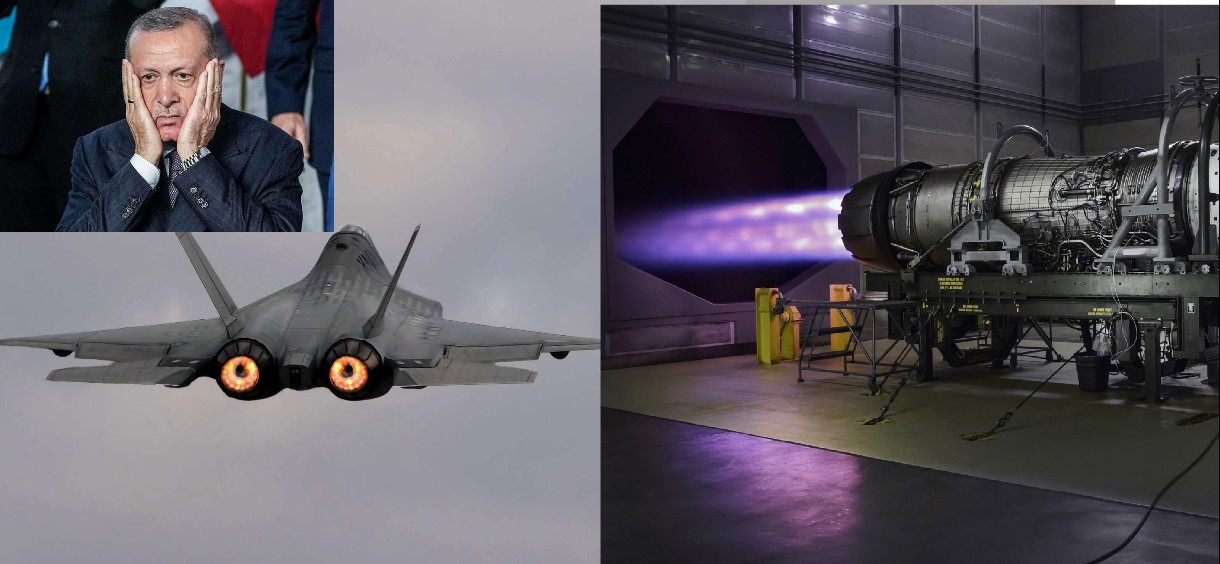
World
Turkey’s ambitious KAAN fifth-generation fighter jet program has encountered fresh turbulence after Turkish Foreign Minister Hakan Fidan revealed that the US Congress has suspended export licenses for the General Electric F110 engines intended to power the first prototypes. Speaking on the sidelines of the Trump–Erdogan meeting in New York on September 26, 2025, Fidan bluntly stated that “the KAAN’s engines are waiting for approval in the US Congress,” confirming that political considerations in Washington are now entangled with Ankara’s most important defense program. The F110 engine is the backbone of several frontline aircraft worldwide, including the F-16. Turkey had initially secured access to the engine to fast-track the KAAN prototype phase until an indigenous engine solution became viable. Now, however, the suspension adds uncertainty to the KAAN timeline and highlights how the United States continues to use defense exports as a tool of leverage. Why is Washington Blocking the Engine? The official reasoning from Washington remains unspoken, but defense analysts point to deep political rifts between Turkey and the United States. Ankara’s acquisition of the Russian S-400 air defense system in 2019 continues to haunt bilateral defense cooperation, leading to Turkey’s expulsion from the F-35 program. Beyond that, Washington is wary of enabling Turkey to develop a direct competitor to the F-35 Lightning II in the export market. By holding back engine licenses, the US is signaling two things: first, a continued punishment for Turkey’s flirtation with Russian defense technology; and second, a broader strategy of preserving American aerospace dominance in the lucrative fifth-generation fighter export market. Another layer to this is commercial pressure—the United States still wants to sell the F-35 to Turkey, and the engine blockade is seen as a way to push Ankara back toward the American fighter. Could the Same Happen to India’s AMCA? The Turkish experience inevitably sparks questions in India. The Advanced Medium Combat Aircraft (AMCA), New Delhi’s fifth-generation fighter program, is set to use the US-made General Electric F414 engines for its initial production runs. The AMCA is already being touted as a possible competitor to the F-35 in Asia and the Middle East once it matures. India, like Turkey, also continues to buy Russian military equipment—from the S-400 system to nuclear submarines—and could even consider next-generation platforms such as the S-500 missile defense system or the Su-57 fighter if its strategic environment demands it. Facing the dual challenge of Pakistan and China, India may end up purchasing even more Russian hardware than Turkey ever did, raising the specter of similar American retaliation in the future. While Washington has deepened strategic ties with India under the Indo-Pacific framework, the fundamental truth remains: engine exports are a political weapon. If the AMCA begins to threaten US defense sales, Congress could resort to the same playbook it is now using against Turkey. The US has already offered India the F-35, but New Delhi has not shown any response, signaling its preference for indigenous projects like the AMCA instead. From a purely commercial standpoint, Washington may not want to empower another rising competitor. If the AMCA reaches export maturity, it could become an alternative for nations unwilling or unable to buy the F-35. That competition, paired with India’s defense independence drive, could be viewed in Washington as a threat rather than a partnership. Another Angle: Trust Deficit in US Alliances The broader angle is not just about Turkey or India—it is about the erosion of trust in US defense commitments. By suspending or weaponizing export approvals, Washington risks signaling to allies and partners that even the most critical defense projects are hostage to domestic politics in Congress. This problem is compounded under Donald Trump’s second presidency, where America’s foreign policy is already seen as unpredictable and transactional. Defense cooperation with the US, once marketed as a pathway to strategic independence, is increasingly perceived as a trap of dependency. For Turkey, the KAAN case confirms that even NATO allies are not immune. For India, the episode serves as a stark warning: relying too heavily on American propulsion technology could jeopardize AMCA’s timeline and autonomy. The Worst Foreign Policy Trap Seen from a global perspective, this moment might mark one of the weakest phases in US foreign policy. Washington is simultaneously alienating Turkey, frustrating India’s long-term defense vision, and sending a chilling message to other allies who may now reconsider dependence on US technology. European, Asian, and Middle Eastern states may instead accelerate cooperation with alternative suppliers—Russia, France, or even China—to avoid being held hostage by congressional politics. In effect, the KAAN blockade is more than just an engine dispute. It is a demonstration that America is willing to sacrifice the trust of its allies in order to maintain market dominance and punish disobedience. For defense planners worldwide, the message is unambiguous: the United States cannot be relied upon as a stable partner when strategic ambitions collide with its own. For Turkey, the setback may delay KAAN but will likely reinforce efforts to achieve engine independence. For India, the shadow of KAAN’s struggle looms large over AMCA’s future. And for the United States, this episode may be remembered as a moment when its foreign policy dependence on sanctions and blockades pushed allies further away, undermining its long-term influence in the global defense arena.
Read More → Posted on 2025-09-30 10:43:32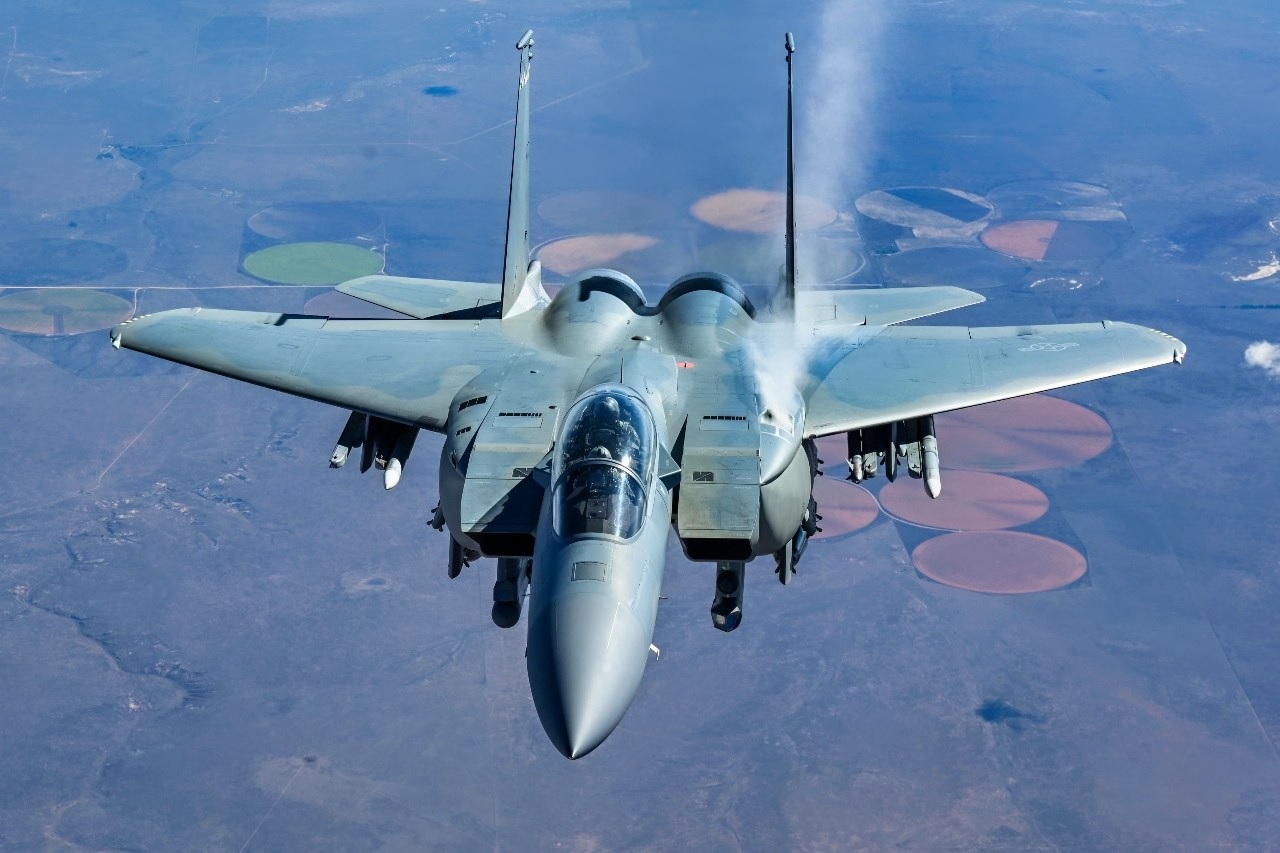
World
In May 2025, a significant fuel venting issue emerged in some of the U.S. Air Force's new Boeing F-15EX Eagle II fighters, leading to several jets being temporarily grounded. This problem raised concerns about the aircraft's readiness and prompted investigations by both Boeing and the Air Force. What Is Fuel Venting? Fuel venting is a standard procedure in high-performance aircraft. It allows excess fuel to be released from the tanks through designated ports, usually near the wing tips. This process helps maintain optimal fuel pressure and prevents tank over-pressurization. While all aircraft experience some level of fuel venting, the F-15EX has specially designed systems to manage this safely. The Issue with the F-15EX In certain F-15EX units, fuel venting has occurred at a higher-than-expected rate, leading to unintended fuel discharge. This anomaly has caused concern among engineers and resulted in the temporary grounding of affected aircraft. The exact cause of the problem is still under investigation. Investigations and Potential Causes Boeing and the U.S. Air Force are working together to identify the root cause of the excessive fuel venting. Preliminary investigations suggest the problem may involve: Valve Malfunctions: A potentially faulty batch of valves could be causing irregular fuel flow. Improper Torque on Connectors: Incorrectly torqued connectors might affect the fuel system's performance. To address these concerns, Boeing is testing several potential fixes, including new factory work instructions to ensure proper torque on connectors and examining the quality of the valves used in the aircraft. Impact on Operations The grounding of several F-15EX jets due to this fuel venting issue poses challenges for the U.S. Air Force, especially in regions like the Indo-Pacific, where air superiority is crucial. The affected aircraft were scheduled for deployments, including missions to Japan, and their unavailability may impact operational readiness. Boeing's Offer to India Despite current challenges, Boeing has offered the F-15EX Eagle II to India under the Medium Multi-Role Fighter Aircraft (MMRCA) program. India is evaluating this offer as part of efforts to modernize its air force. The outcome of the ongoing investigations into the fuel venting issue will likely influence India’s decision regarding the F-15EX.
Read More → Posted on 2025-09-29 17:19:30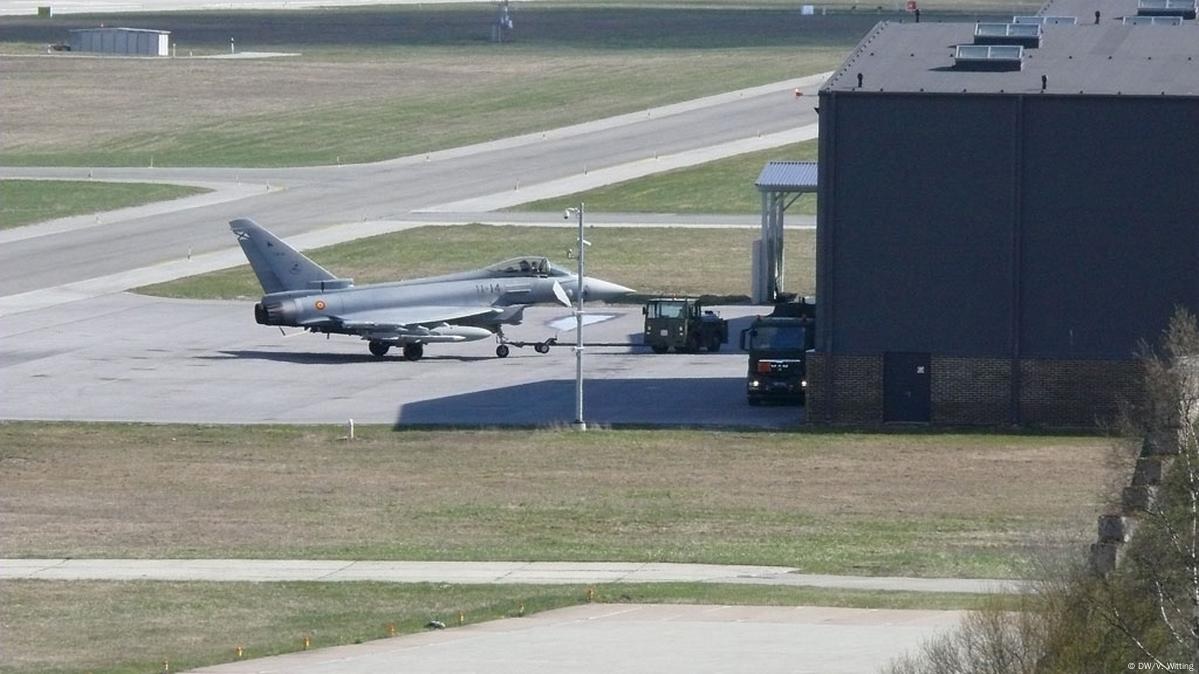
World
Poland temporarily closed part of its airspace southeast of Warsaw on Sunday due to “unplanned military activity”, following a fresh wave of Russian strikes on Ukraine. The closure affected the cities of Lublin and Rzeszow and was expected to last until early morning, according to Polish armed forces. The Polish military scrambled aircraft to secure its skies, emphasizing that the measures were preventive, aimed at protecting citizens and maintaining the integrity of national airspace. Meanwhile, Ukraine’s air force activated nationwide air raid alerts from 03:00 GMT on Sunday in response to the new Russian attacks. Rising Tensions in NATO Borders Earlier this month, Polish and NATO forces intercepted Russian drones that entered Polish airspace, marking the first direct military engagement with Moscow since Russia’s invasion of Ukraine in 2022. In response, Russian Foreign Minister Sergey Lavrov warned that “any aggression against my country will be met with a decisive response,” while asserting that Moscow has no intention of attacking the West unless provoked. In a broader regional context, NATO announced an upgrade of its mission in the Baltic Sea, deploying an air defence frigate and additional intelligence, surveillance, and reconnaissance (ISR) platforms. This move followed reports of unidentified drones near Danish military installations, described as hybrid attacks. Danish Prime Minister Mette Frederiksen called the incidents “the most serious attack on Danish critical infrastructure to date.” As a result, Copenhagen Airport, the busiest in the Nordic region, temporarily closed, along with five smaller civilian and military airports in the following days. Neighbouring countries have also reported potential drone threats. In Norway, police are investigating drone sightings near Oerland Air Force Base, the central hub for the country’s F-35 jets. In Germany, Interior Minister Alexander Dobrindt reported a drone swarm over Schleswig-Holstein, proposing revisions to air safety laws to allow the military to shoot down drones if necessary. EU Plans to Strengthen Drone Defences In response to rising threats, defence ministers from around 10 EU countries announced plans to prioritize building a “drone wall” to secure their borders. However, Russia’s Ministry of Foreign Affairs warned that these measures could increase military and political tensions in Europe, describing the initiatives as the personal ambitions and political games of EU ruling elites. Strategic Implications The incidents highlight growing concerns over airspace security in Europe amid the ongoing Russia-Ukraine conflict. NATO’s rapid response, including upgrades to Baltic Sea defences and cooperation with member states like Poland, Denmark, and Germany, underscores the alliance’s commitment to regional security and deterrence against hybrid threats. As drone and airspace incidents continue across multiple countries, European nations are accelerating efforts to strengthen border security, protect critical infrastructure, and prevent potential escalation stemming from Russia’s military actions.
Read More → Posted on 2025-09-29 16:15:05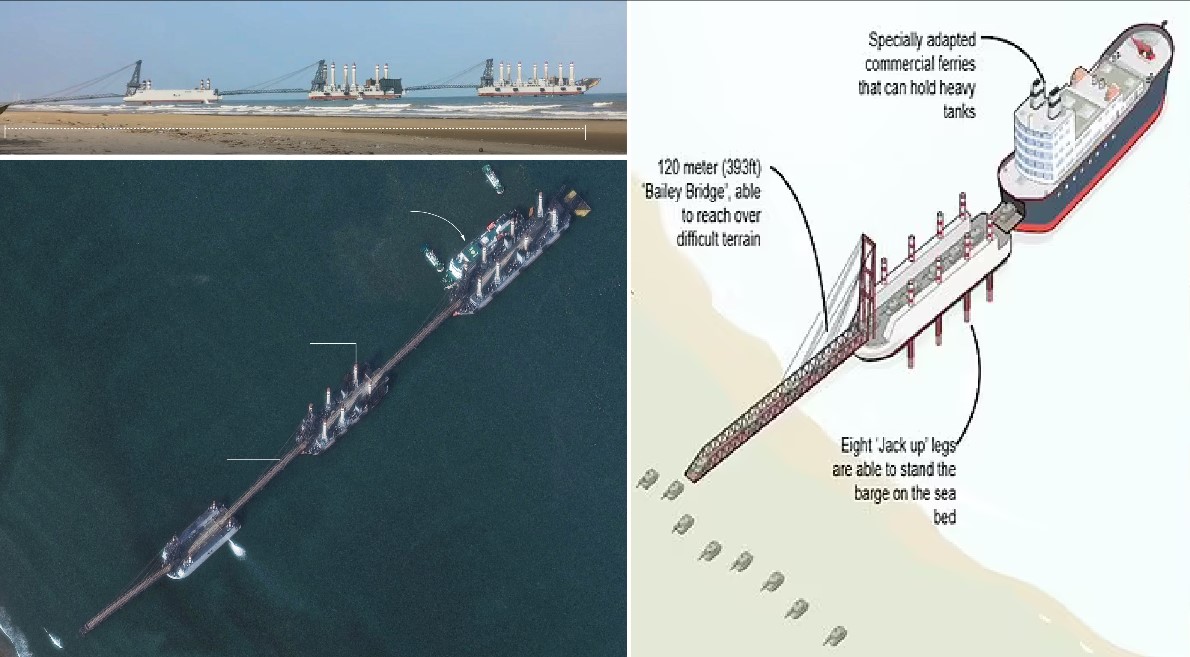
World
U.S. intelligence has revealed that China is rapidly developing civilian ferries with hidden military capabilities, raising serious concerns about a potential amphibious invasion of Taiwan. The new findings indicate that Beijing is integrating its civilian infrastructure with military ambitions, demonstrating advanced strategic foresight in planning for conflict. Dual-Use Ferries: Design and Capabilities These ferries, while appearing civilian, are built with reinforced structures that allow them to carry tanks, artillery, and logistics vehicles. Unlike traditional roll-on/roll-off vessels, these ships feature: Strengthened bow doors for rapid beach landings. Advanced ballast systems enabling shallow-water operations. Modular configurations to quickly switch between civilian and military roles. Payload capacity sufficient to transport multiple armored vehicles and hundreds of troops. Satellite imagery confirms that over 30 ferries were used in 2022 PLA exercises, operating alongside amphibious ships to practice landing operations on austere coastlines. An additional 70 ferries are under construction, with completion expected by 2026, aligning with China’s broader military modernization timeline. Strategic Implications for Taiwan The expansion of dual-use ferries is not just a military innovation but also a demonstration of China’s meticulous war planning. Analysts suggest that the PLA is carefully analyzing potential conflict scenarios, identifying possible obstacles during an invasion, and developing specialized assets to overcome them. This includes the ability to quickly surge mechanized forces across the Taiwan Strait, which is only 130 kilometers at its narrowest point, potentially overwhelming Taiwan’s coastal defenses in the first hours of a conflict. Taiwan’s Ministry of National Defense has noted that China’s sheer shipbuilding scale cannot be countered by traditional naval parity alone. As a result, Taipei relies heavily on asymmetric strategies, including coastal missile batteries, fast-attack craft, and drone swarms, to deter an invasion. However, the rapid construction and deployment of dual-use ferries suggest that China could outpace Taiwan’s defensive preparations if the island continues to prepare at current speeds. Deep Analysis – China’s War Preparation Mindset Beyond the hardware itself, these developments showcase China’s meticulous pre-war analysis and problem-solving approach. Beijing has studied every weakness in its invasion capability, particularly the difficulty of moving large mechanized units quickly across the Taiwan Strait. The creation of dual-use ferries demonstrates that China is not only building weapons but also engineering solutions to anticipated wartime challenges. This reflects a bigger threat to Taiwan: if Taipei continues its current pace of defense preparation without shifting to a wartime readiness mindset, it may face devastating disadvantages. China’s ability to mobilize its commercial infrastructure for military purposes—part of its civil-military fusion strategy—ensures that it can fill critical gaps and adapt faster than Taiwan’s traditional defense planning. Taiwan and U.S. Response Taiwanese defense officials have long warned that the scale of Chinese shipbuilding cannot be matched ship-for-ship. Instead, Taiwan is relying on asymmetric defenses like coastal missile batteries, fast-attack craft, and drone swarms. However, analysts warn that unless these measures are deployed and scaled rapidly, Taiwan may struggle against the surge capacity China could unleash through ferries. For the United States, the intelligence findings narrow the timeline of risk. Some Pentagon officials already warn that China could mount a credible invasion by 2027, but the rapid expansion of dual-use ferry construction may bring that window even closer. China’s ferry program represents more than shipbuilding—it reflects strategic foresight, adaptability, and preparation for high-intensity war. By blending civilian and military assets, China is building a flexible invasion capability that could outpace Taiwan’s defenses. If Taipei does not accelerate its military preparations and shift into a true war-ready posture, the balance of power across the strait may tilt decisively in Beijing’s favor.
Read More → Posted on 2025-09-29 16:10:47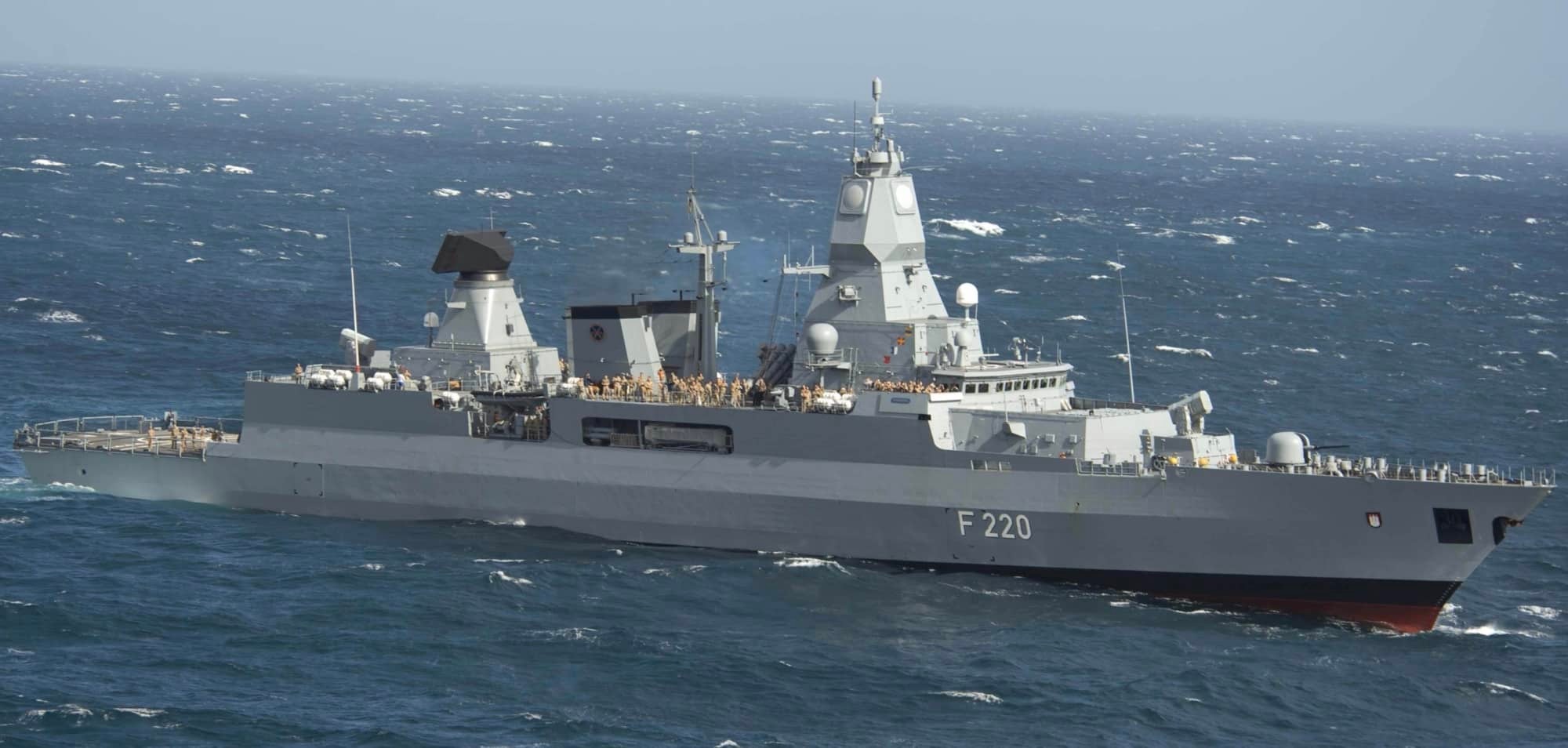
World
Germany has redirected the Sachsen-class frigate Hamburg to Copenhagen to strengthen air defense during a high-profile EU summit, following a series of drone sightings over Danish military sites and infrastructure. In response, Denmark has imposed a temporary nationwide civilian drone ban from September 29 to October 3, while authorities increase security around the meetings. Strategic Deployment of Hamburg The German Navy’s Hamburg, the second ship of the Type 124 Sachsen-class, is a multirole frigate optimized for area air defense and sensor-to-effects integration. Measuring 143 meters in length and displacing about 5,700 tons, Hamburg is designed for survivability, reduced signature, and sustained operations in coastal urban environments. The frigate’s combat system integrates: Thales APAR four-face active phased array radar, capable of tracking small, slow targets at low altitude as well as conventional aircraft. SMART-L long-range surveillance radar, which supports simultaneous multi-target tracking and early warning. Mk 41 Vertical Launch System (VLS) with mixed missiles: SM-2 Block IIIA for long-range conventional aerial threats. RIM-162 ESSM for maneuverable targets, loitering munitions, and larger drones. RAM (Rolling Airframe Missile) system for close-in defense against small UAVs and fast-moving aerial objects. Additional armament includes the 76 mm OTO Melara gun with proximity-fused rounds, remote weapon stations, light machine guns, and Harpoon anti-ship missiles, providing layered defenses against drone swarms and potential surface threats. Sensor and Electronic Warfare Advantages Hamburg’s sensor suite and electronic warfare systems provide significant counter-UAV capability: Electronic support measures (ESM) detect and classify drone control links, telemetry, and GNSS anomalies. Integrated communications link the frigate to NATO and Danish air-defense networks, enabling a coordinated response across maritime, aerial, and ground sensors. The embarked helicopter, either Sea Lynx or NH90, extends detection capabilities, monitors low-level approaches, and can insert intervention teams if required. Tactical Significance Positioning Hamburg in central Copenhagen achieves three major effects: Sensor effect – continuous surveillance of approach axes toward airports, ministries, and summit venues. Firing effect – layered missile and gun systems provide graduated responses, balancing cost and collateral risk. Network effect – integration with Danish counter-drone units and NATO air-defense assets enhances situational awareness and rapid response. Operational and Geopolitical Context This deployment occurs under Baltic Sentry, a NATO maritime mission countering gray-zone activities in the region. Denmark has reported repeated drone overflights since September 22, affecting military sites and Copenhagen airport operations. While authorities have not publicly named a perpetrator, investigations suggest the use of merchant vessels as drone launch platforms, potentially linked to Russian entities. From a strategic perspective, the deployment is intended against state-directed or proxy drone operations, which could disrupt the EU summit or threaten critical infrastructure. By positioning an air-defense frigate like Hamburg, Denmark and Germany aim to deter opportunistic or hostile actors, including foreign intelligence services, that might exploit small drones for surveillance, harassment, or attacks during sensitive political gatherings. The presence of Hamburg highlights the increasing vulnerability of urban centers to modern drone threats, particularly during political summits and critical infrastructure operations. Unlike traditional air defense challenges, low-signature, slow-moving drones require continuous sensor vigilance and integrated countermeasures combining kinetic and electronic options. The deployment also underscores NATO’s adaptation to hybrid threats, where adversaries may exploit commercially available drones and maritime staging to challenge national security. By deploying a platform like Hamburg, Denmark and its allies demonstrate that layered air-defense architecture, including sea-based assets, can enhance urban security, deterrence, and rapid intervention. The German Navy’s Hamburg plays a crucial role in ensuring airspace security during the EU summit in Copenhagen. Its advanced sensors, layered missile-gun systems, and networked electronic warfare capabilities exemplify modern counter-drone strategy. Beyond tactical defense, the deployment sends a clear geopolitical signal: during sensitive international events, Copenhagen will be defended against state-directed or proxy drone threats, closing pathways that opportunistic or hostile actors might try to exploit.
Read More → Posted on 2025-09-29 15:52:46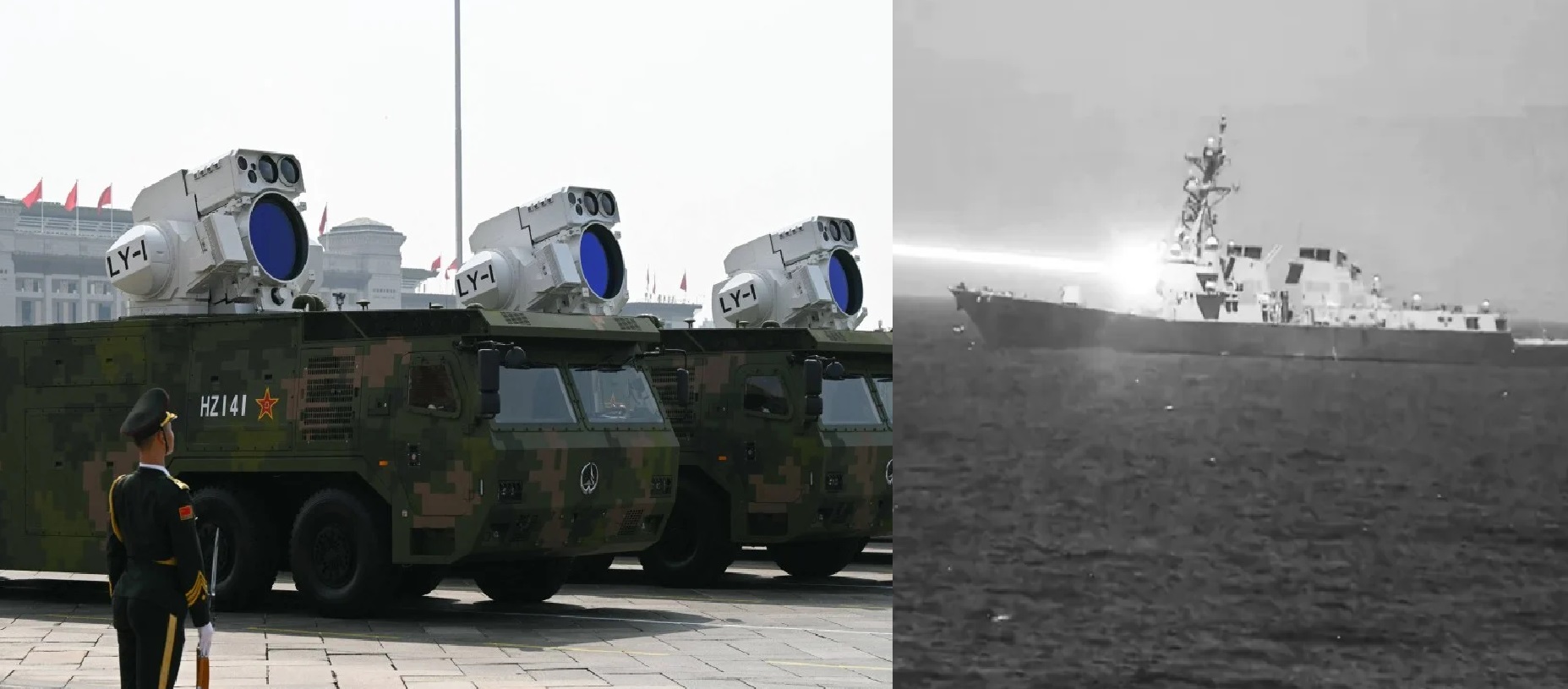
World
China’s recent Victory Day parade in Beijing offered a rare glimpse of its advanced Liaoyuan-1 (LY-1) shipborne laser weapon, sparking global attention and debate. According to the Chinese military journal Ordnance Industry Science Technology, the LY-1 has been designed to act as the “last line of defence” against drones, missiles, and other incoming aerial threats. Technical Specifications of LY-1 Estimated Power Output: 180–250 kilowatts Effective Role: Close-range interception of drones, missiles, and small unmanned maritime systems Design Features: A lens aperture nearly twice the size of the US Navy’s Helios system Advanced auxiliary equipment, sensors, and elevation mechanisms Large housing structure, suggesting space for additional power generation units Deployment: Claimed to have already entered service, though China has not disclosed which warships are carrying it Potential Range: Exact figures remain classified, but analysts believe LY-1 could be effective within several kilometers, especially against low-altitude threats India’s Laser Weapon Capability India is also developing shipborne laser weapons for naval defence. The Indian Navy has been testing high-energy laser systems with power ratings around 30–50 kilowatts, primarily intended for intercepting drones and small boats. While India’s current systems are lower-powered than LY-1, they demonstrate the country’s growing interest in directed-energy weapons and the ability to protect critical assets in littoral waters. But India DRDO Developing 300-kilowatt (kW) directed-energy weapon named ‘Surya’, expected to be tested by the year 2027 Comparison with US Laser Systems The LY-1 has been openly compared to America’s Helios system, deployed on the USS Preble destroyer. While Helios is rated at around 60–150 kW, the Chinese system is believed to exceed this, potentially reaching 250 kW. The LY-1 was also compared with the LWSD Mark 2 MOD 0, a larger 150 kW-class laser tested on the USS Portland in 2020. If estimates are correct, LY-1 represents one of the most powerful operational naval laser weapons globally. Advantages and Potential of Laser Weapons Laser weapons represent a transformative step in modern naval warfare. Their precision against small, fast-moving targets such as drones or unmanned vessels is remarkable, giving operators a sense of confidence that conventional missiles might not always provide. Because they rely on energy rather than physical ammunition, these systems can fire repeatedly without worrying about running out of munitions, which is a significant logistical advantage during prolonged operations. The cost per engagement is also considerably lower than traditional missiles, making lasers a more sustainable choice for frequent interceptions. Beyond these practical benefits, the near-instantaneous speed and silent operation of laser beams introduce a psychological edge, deterring adversaries who may now face threats that are invisible and immediate. This is particularly important in the era of drone swarms, where rapid response times can make all the difference. Limitations and Real-World Challenges Despite their promise, laser weapons are far from perfect. Their effectiveness can be significantly compromised by environmental factors such as rain, fog, or dust, which scatter the beam and reduce its impact. High-powered lasers also demand substantial energy generation, which can strain a ship’s power systems and limit sustained firing. Moreover, they remain largely ineffective against ballistic missiles or high-altitude, high-speed targets, meaning they cannot fully replace traditional defensive systems. In practice, this means that while lasers can revolutionize certain aspects of defence, they will likely coexist alongside missiles and close-in weapon systems, complementing them rather than replacing them entirely. Strategic and Symbolic Importance The name Liaoyuan, meaning “flames spreading across the wilderness,” comes from Mao Zedong’s famous quote: “A spark can start a prairie fire.” By choosing this name, Beijing signals that the LY-1 is not just a weapon but a symbol of emerging technological momentum with vast potential to grow. Showcasing LY-1 during the Victory Day parade was a carefully planned signal to the world. It reflects: China’s ambition to compete directly with the US in directed-energy weapons An attempt to project itself as a pioneer in next-generation naval defence Reinforcement of its claim to be a maritime power with indigenous innovations A Deeper Perspective: The Future of Directed Energy Warfare From a deep strategic angle, the LY-1 highlights how naval warfare is shifting. In the past, naval supremacy was defined by large cannons, then missiles, and now potentially by energy-based systems. If China can scale up laser output beyond 250 kW to 500 kW or more, future systems might even target supersonic anti-ship missiles, which are currently among the most difficult threats to counter. India, by comparison, is building a foundation with smaller systems, but the technology is scalable for future higher-powered deployments. Moreover, laser weapons create psychological deterrence. Their silent, invisible, and instantaneous strike capability can unsettle opponents, especially when paired with AI-driven detection systems. The unveiling of the Liaoyuan-1 (LY-1) laser weapon marks a major milestone in China’s defence technology. While it is still limited by physics and power generation, its potential output and integration into China’s layered naval defence strategy show that Beijing is serious about closing the gap with the United States.
Read More → Posted on 2025-09-29 15:10:46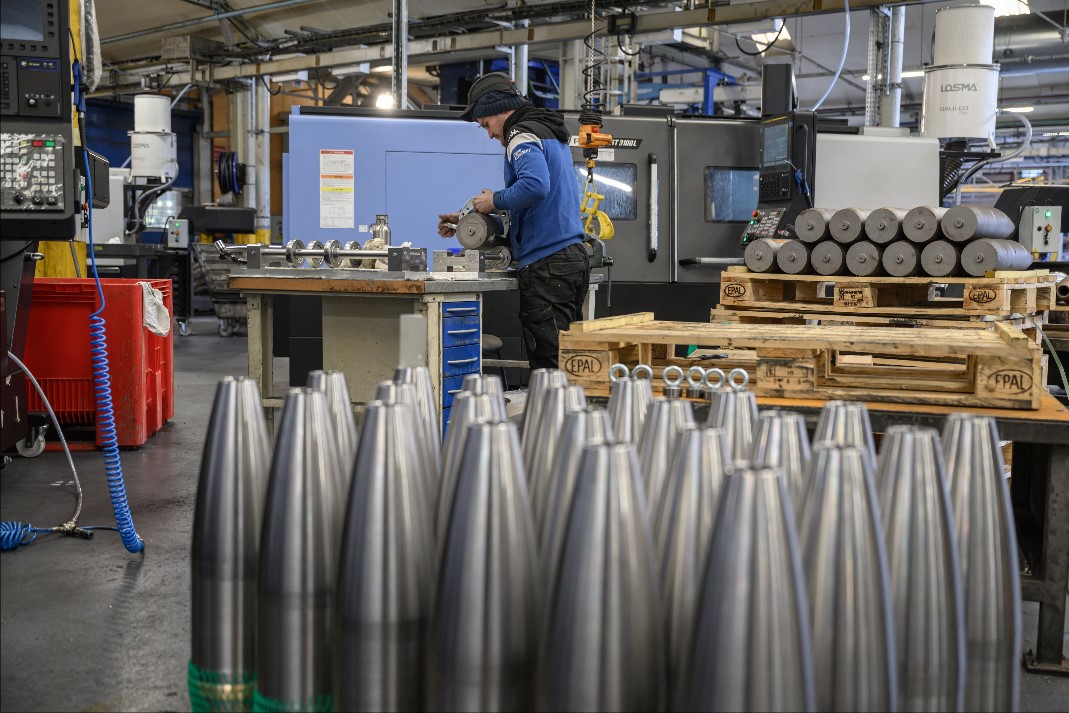
World
German defence company Rheinmetall has secured a €444 million contract to supply artillery ammunition to an Eastern European customer, underlining the region’s growing demand for large-calibre munitions amid heightened security concerns. The deal comes as part of a U.S. government contract awarded to Global Military Products, with Rheinmetall acting as a subcontractor. Details of the Contract The contract, executed through Rheinmetall Expal Munitions, covers the supply of 155 mm M107 projectiles with M4A2 propellant charges and 105 mm M1 projectiles. Deliveries are scheduled to begin in 2026 and completed by June 2027. Of the total value, €170 million has already been booked as a pre-order, while a further €274 million has been confirmed as new orders. Rheinmetall highlighted that the deal reinforces its position as a leading global manufacturer of large-calibre ammunition. Expansion of Production Capacity Since 2022, Rheinmetall has been rapidly expanding its production facilities across Europe. The company aims to produce up to 1.5 million 155 mm artillery shells per year by 2027, a dramatic increase compared to its pre-2022 output. This expansion aligns with NATO’s push to strengthen supply chains, as the Russia-Ukraine conflict has exposed vulnerabilities in Western ammunition stockpiles. Alongside artillery ammunition, Rheinmetall manufactures medium-calibre rounds for armoured personnel carriers and anti-aircraft systems, tank and artillery ammunition, aircraft armaments, and is also investing in high-energy laser applications for next-generation warfare. Strategic Angle: Why This Matters The timing and structure of the deal highlight several important dynamics: Eastern Europe’s Security Concerns – With the ongoing war in Ukraine and rising tensions in the region, Eastern European nations are ramping up their stockpiles to ensure long-term deterrence and self-defence. While the customer is not named, analysts suggest countries like Poland, Romania, or the Baltic states could be potential end-users, as they have been heavily investing in artillery systems and NATO-standard ammunition. U.S. as a Coordinator – The U.S. government’s role in contracting Rheinmetall through Global Military Products indicates Washington’s active effort to coordinate defence supplies for allies. This subcontracting also helps streamline delivery timelines while ensuring NATO interoperability. Industrial Pressure and Ammunition Shortage – The war in Ukraine has demonstrated the sheer consumption rates of artillery ammunition, often exceeding production capacity. Ukraine alone is estimated to fire thousands of 155 mm rounds per day. Western militaries, therefore, require long-term contracts like this to rebuild their own reserves while sustaining ongoing support to Kyiv. From a broader perspective, Rheinmetall’s deal is not just about supplying shells—it reflects the industrialization of warfare in Europe. For decades, European armies operated with limited stockpiles under the assumption of relatively low conflict risk. The Ukraine war has shattered that assumption, forcing NATO to revive Cold War-era production levels. This contract also indicates that European defence autonomy is still dependent on U.S. leadership. While Rheinmetall is a European giant, the involvement of the U.S. as the primary contracting authority shows that America remains the key enabler in coordinating military supply chains for the region. Another layer is geoeconomic competition. By expanding its capacity, Rheinmetall is not only catering to NATO demand but also positioning itself as a global supplier for non-European partners in Asia and the Middle East, where artillery demand is rising. This global strategy could increase Europe’s defence industry clout, but it also ties the continent’s security industry closer to global geopolitical fault lines. Rheinmetall’s €444 million ammunition order for Eastern Europe is more than just another contract—it is a signal of Europe’s shifting defence posture. With large-scale ammunition production ramping up and long-term delivery timelines locked in, the region is preparing for sustained security challenges. For Rheinmetall, the deal cements its reputation as a backbone of NATO’s artillery supply chain, while for Eastern Europe, it represents insurance against uncertainty in an unstable neighbourhood.
Read More → Posted on 2025-09-29 14:55:41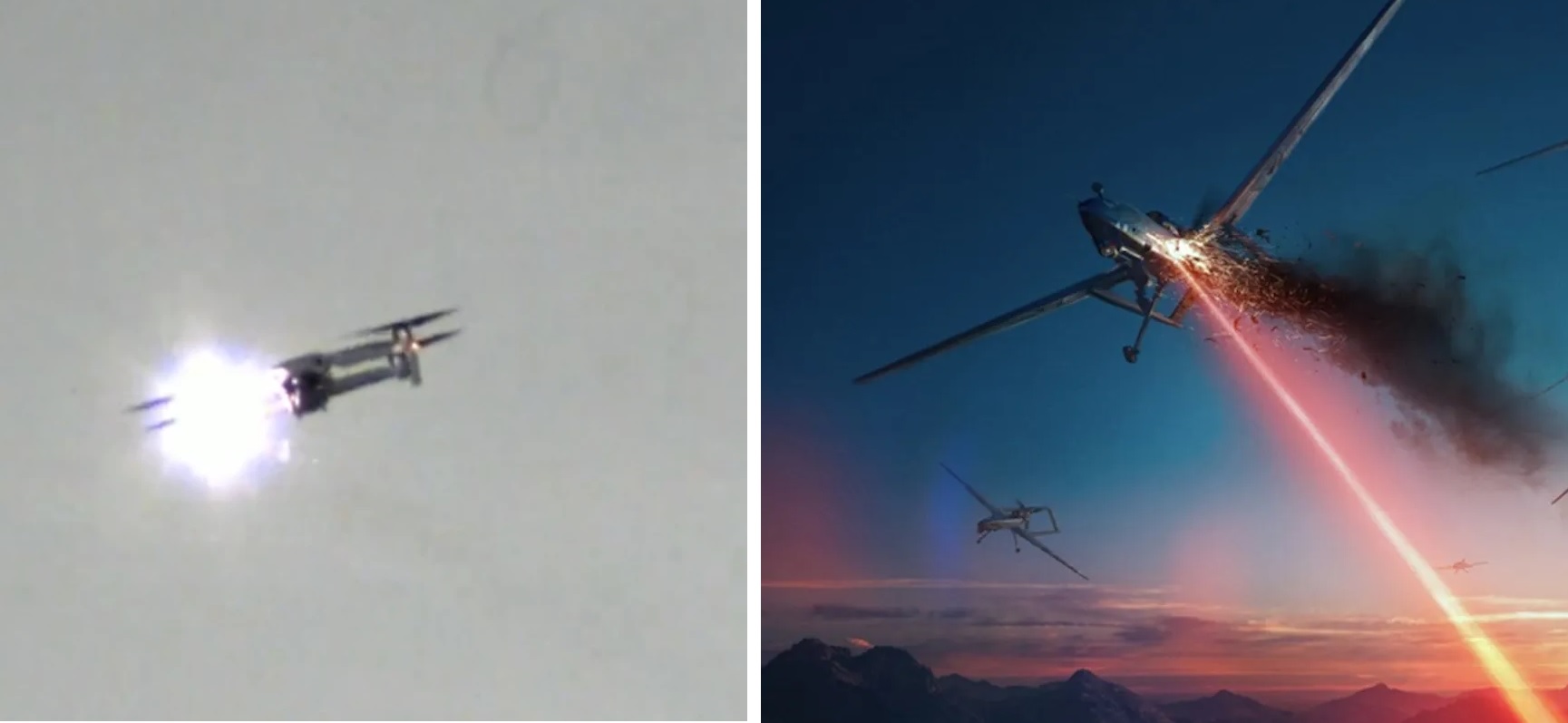
World
Taiwan’s Aerospace Industrial Development Corporation (AIDC) has unveiled an 8-kilowatt fiber-optic LASER system at the Taipei Aerospace & Defense Technology Exhibition. The compact, truck-mounted weapon strengthens the island’s asymmetric defence posture against small unmanned aerial systems (UAS) by offering a low-cost way to detect, track and disable hostile drones at short to medium ranges. While the system is a clear technical advance, it is important to understand both what it can realistically do and where its limits lie. The weapon is a solid-state fiber laser that emits near 1.07 micrometers, a wavelength chosen because it performs relatively well in humid coastal air. The complete package weighs under 500 kilograms and is designed to mount on a standard five-ton truck, making it road-mobile across Taiwan’s crowded terrain. In constrained trials the beam can be focused to roughly a 10-centimetre spot at 1 kilometre with under two milliradians of spread, allowing concentrated energy delivery on small targets. Under test conditions the laser required up to about five seconds of sustained heating — or dwell time — to induce structural failure on Group-2 quadcopters (those under about 25 kilograms). Simulations shared by developers indicate a high probability of success against individual, non-maneuvering quadcopters: roughly 90 percent at 1.5 kilometres and somewhat lower effectiveness against aggressive, maneuvering swarms. Sensors and fire control are integral to the system. A mid-wave infrared (IR) camera provides visual cueing and can pick out small drones out to several kilometres in clear conditions, while a Ku-band radar tracks many objects in a sizeable surveillance bubble and cues a gimbal-mounted beam director with adaptive optics to stabilize the shot in turbulent air. Processing runs on commercial off-the-shelf cores with low latency. Power is supplied by a portable diesel generator and thermal loads are handled by a liquid cooling circuit. For safety and regulatory reasons, current live trials are being conducted at limited ranges (around 150 metres), but the system is designed to operate at 1–2 kilometres in suitable conditions, and the company aims to scale the design to about 12 kilowatts in the next development phase. Technically, the system’s strengths are clear: low marginal cost per engagement, mobility, and sensor fusion that improves detection and targeting. A laser’s cost per shot is mainly energy and wear on components and so is dramatically lower than interceptor missiles, making lasers attractive for economically addressing low-value threats without expending expensive kinetic interceptors. Mounted on a truck, such a system can be redeployed to protect critical infrastructure, forward positions or choke points as needed. Yet practical limits are equally important. Optical weapons suffer from atmospheric effects: humidity, haze, rain and typhoons common in Taiwan’s climate degrade optical propagation, increase required dwell time, and reduce effective range. Urban density and safety constraints also limit opportunities for long-range high-power testing on land, forcing many trials offshore or at night and slowing realistic evaluations. Most critically, lasers engage targets sequentially and need measurable dwell time on each target; even with fast reacquisition, one emitter can only defeat a limited number of targets per minute. Against large, coordinated swarms that send dozens or hundreds of drones from multiple vectors, a small set of lasers can be overwhelmed unless deployed in numbers or supported by other measures. This numerical vulnerability is amplified by attacker production capacity. According to a report, China’s industry can produce at least ~3.17 million civilian drones per year, a scale that highlights how an opponent with vast manufacturing and logistical resources can field massed swarms or sacrificial units to saturate point defences. In such a contest, relying on single-beam lasers alone risks being outpaced by sheer numbers and redundancy tactics; defenders must either scale defensive systems to match throughput, deny the attacker mass launch capability, or accept attrition. Given these realities, the most prudent posture for Taiwan is to treat systems like AIDC’s 8 kW LASER as one layer in a broader, integrated air-defence architecture rather than as a standalone solution. That means accelerating production so multiple laser units provide overlapping coverage; pairing lasers with electronic warfare measures that jam or spoof drone guidance; retaining kinetic interceptors for high-value threats; investing in automation and distributed fire control so multiple beams can be cued quickly across many targets; and conducting realistic, high-tempo mass-engagement testing to measure true throughput and logistical costs. Strategically, lasers fit well into Taiwan’s asymmetric approach: they are low cost, mobile and scalable, and are particularly useful for defending fixed points or thinning out attacker swarms before higher-cost interceptors are used. But against a near-peer adversary with the capacity to mass-produce inexpensive drones and launch multi-axis swarms, lasers must be integrated into layered, networked defences and supported by production scale, sensor depth, electronic attack and active counter-launch measures. In short, the AIDC 8 kW LASER is a practical and welcome addition to Taiwan’s toolkit. It sharpens the island’s ability to deal with everyday UAS threats at low cost. Yet it will only reach its full defensive value if Taipei treats it as one component of a layered strategy, invests in realistic mass-engagement testing, and scales both production and complementary technologies to blunt the numerical advantages of a large adversary.
Read More → Posted on 2025-09-29 14:36:56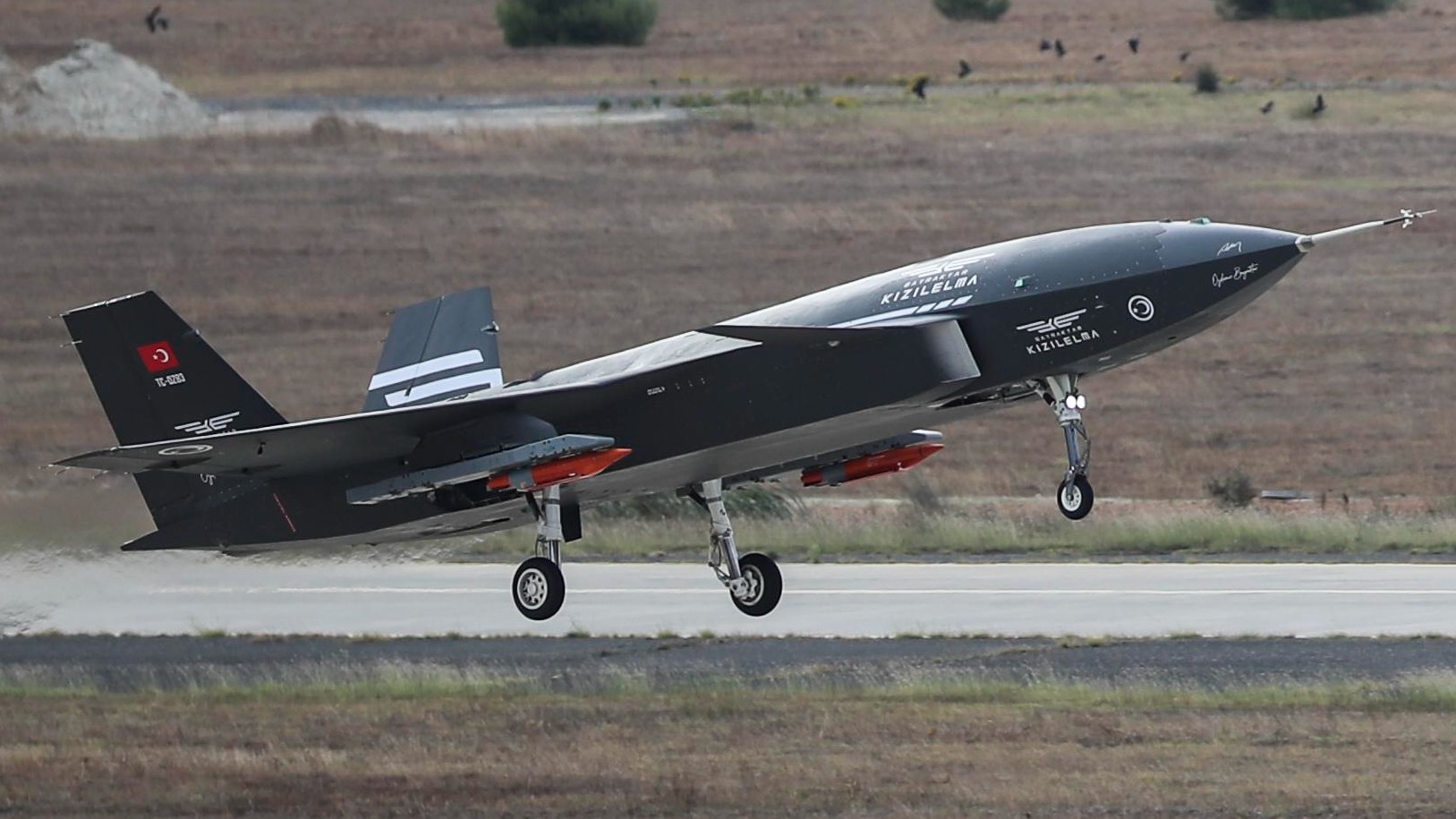
World
On September 27, 2025, Türkiye's Bayraktar Kızılelma unmanned combat aerial vehicle (UCAV) completed two flight tests. These tests show Türkiye's development of autonomous air combat systems and have implications for defense planning. Key Flight Test Highlights First Armed Flight with TOLUN Precision-Guided MunitionsThe first test flight involved the Kızılelma's third prototype (PT-3) carrying two ASELSAN TOLUN small-diameter bombs on the SADAK-4T smart rack system. This was the first time the UCAV operated with live munitions. The TOLUN munitions use GPS/INS guidance and a foldable wing design to reduce radar visibility, compatible with the Kızılelma's design. Afterburner-Assisted Takeoff with Retractable Landing GearThe second test flight showed the Kızılelma performing an afterburner-assisted takeoff while retracting its landing gear mid-ascent. This maneuver is part of testing its high-speed flight performance. The PT-3 prototype uses an afterburning engine for this capability. Technical Specifications Maximum Take-Off Weight (MTOW): Approximately 8.5 tons Payload Capacity: Up to 1.5 tons Cruise Speed: Mach 0.6 Maximum Speed: Mach 0.9 Combat Radius: 500 nautical miles Operational Altitude: Up to 25,000 feet Endurance: Approximately 5 hours These specifications allow the Kızılelma to carry out a variety of missions with required efficiency. Development Timeline 2013: Conceptual studies for the Bayraktar MIUS (Unmanned Fighter Aircraft) project started. July 2021: Project design and characteristics disclosed publicly. November 2022: First prototype assembly completed. December 14, 2022: First flight of the Kızılelma UCAV. September 25, 2024: First flight of the PT-3 prototype with structural and aerodynamic updates. September 27, 2025: Completion of two flight tests, including armed operations and takeoff tests. 2026 – 2027: Final prototype testing and flight envelope validation for operational readiness. 2027 – 2028: Initial operational capability (IOC) expected, potentially including carrier-based deployment from TCG Anadolu. 2028 – 2030: Full production and deployment of operational Kızılelma UCAVs across the Turkish Air Force and Navy. This timeline shows Türkiye's progress in developing indigenous defense technology. Strategic and Geopolitical Implications The integration of TOLUN munitions and demonstration of flight performance show the Kızılelma's role in Türkiye's defense capabilities. Its design allows for flexible military operations. The Kızılelma also reflects the trend of using unmanned systems as alternatives to manned aircraft. This may influence defense planning and procurement decisions for other countries. The Kızılelma may integrate additional munitions such as the Roketsan Cakir cruise missile and TÜBİTAK SAGE's Bozdoğan air-to-air missile. This will expand its operational capabilities for a range of missions. Türkiye continues to develop unmanned combat aviation with the Kızılelma, aiming for more self-reliant military systems and operational autonomy.
Read More → Posted on 2025-09-29 14:12:04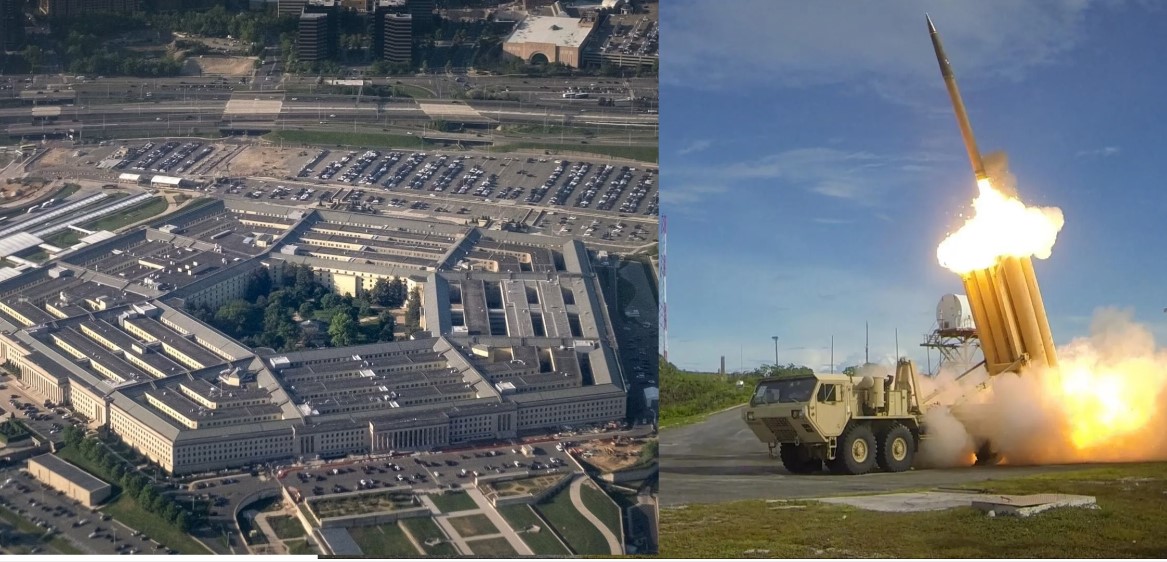
World
The United States is confronting a severe shortfall in its missile stockpiles, prompting the Pentagon to press defense contractors for a rapid surge in production. Critical systems—including Patriot interceptors, Standard Missile-6 (SM-6), Long-Range Anti-Ship Missiles (LRASM), Joint Air-to-Surface Standoff Missiles (JASSM), and Precision Strike Missiles (PrSM)—are affected. Officials have set an ambitious goal of boosting output by up to 2.5× within the next 6–24 months, using private capital investment, technology licensing, and expanded production capacity. Current Missile Stockpile Status As of mid-2025, U.S. missile inventories are at critically low levels. Defense sources indicate that the Pentagon holds only about 25% of the Patriot interceptors required for operational needs. The current production rate of roughly 600 Patriot missiles per year falls short of both U.S. defense requirements and commitments to allies. The U.S. Navy faces similar pressures, with its estimated 1,500 SM-6 missiles being rapidly consumed by ongoing deployments. Limited production of LRASM and JASSM further strains strike capabilities, while the PrSM program—considered vital for countering near-peer adversaries—remains in its early fielding stages. Impact of Global Conflicts Recent conflicts have accelerated the depletion of U.S. missile reserves. In Ukraine, Patriot interceptors have been employed extensively against Russian aerial threats. Meanwhile, substantial U.S. missile transfers to Israel for defending against Iranian attacks have further stretched stockpiles. These commitments underscore the challenge of balancing U.S. homeland defense with the need to supply partners and allies engaged in active combat zones. NATO’s Vulnerability The shortage extends beyond the United States. NATO allies also face serious gaps in missile defense capacity. Germany, the Netherlands, and Spain have launched joint programs to expand Patriot launcher and missile production, including through the European Sky Shield Initiative (ESSI). However, most of these projects will not begin large-scale production until 2026 or later, leaving the alliance exposed in the near term. Russia’s Expanding Production By contrast, Russia has demonstrated a comparatively robust missile production base. Western intelligence estimates suggest that Moscow is producing 840 to 1,020 units annually of key systems such as the 9M723 Iskander short-range ballistic missile and the Kh-47M2 Kinzhal air-launched missile. This sustained output provides Russia with a significant advantage in long-term conflicts and places further pressure on NATO to accelerate its own production timelines. Strategic Risks for the U.S. and Allies The current missile shortage poses serious risks to U.S. and NATO defense strategies. In the event of a high-intensity conflict with an adversary possessing substantial missile arsenals, U.S. forces may struggle to protect critical assets such as aircraft carriers, forward-deployed bases, and logistics hubs. Limited stocks of offensive missiles could also reduce strike options, weakening deterrence and operational effectiveness. Outlook: Building a Resilient Missile Supply Chain The crisis highlights the fragility of the U.S. missile production ecosystem, which relies heavily on a small number of manufacturers and long production lead times. Defense analysts recommend: Diversifying suppliers to avoid single points of failure. Increasing public and private investment in manufacturing infrastructure. Accelerating new technologies, including advanced manufacturing and modular missile designs, to cut production timelines. Whether the Pentagon can achieve its ambitious 2.5× production goal within two years remains uncertain. What is clear is that missile supply has become a central factor in U.S. and NATO deterrence strategy—one that will shape the balance of power in future conflicts.
Read More → Posted on 2025-09-29 11:40:17
World
China is preparing to take a bold step in naval warfare with the upcoming sea trials of its first drone-carrying amphibious assault vessel, the Sichuan. Launched in December 2024, this Type 076-class ship represents a fusion of cutting-edge technology and strategic ambition, marking a significant milestone in the modernization of the People’s Liberation Army Navy (PLAN). The Sichuan has attracted global attention because it is designed as a dedicated drone carrier, a concept that could reshape modern naval combat. Unlike traditional amphibious assault ships, the Sichuan integrates an electromagnetic catapult system and arresting gear, enabling it to launch and recover fixed-wing aircraft efficiently. This makes the ship a critical platform for unmanned aerial vehicle (UAV) operations, including surveillance, electronic warfare, and precision strikes, particularly with advanced drones like the GJ-11 "Sharp Sword". Key Features and Specifications: Dimensions: Approximately 260 meters in length and 50 meters in width. Displacement: Over 40,000 tons, making it China’s largest amphibious assault ship to date. Flight Deck: A full-length deck capable of hosting various aircraft, including drones and helicopters. Electromagnetic Catapult: Equipped with an electromagnetic catapult system for launching fixed-wing aircraft, a first for an amphibious assault ship. Arresting Gear: Features arresting gear for recovering aircraft, enhancing operational flexibility. Hangar and Elevators: Includes internal hangar space and large elevators for efficient aircraft handling. Amphibious Capability: A well deck at the stern allows for the deployment of landing craft and amphibious vehicles. Troop Capacity: Can carry up to 1,000 marines, allowing for large-scale amphibious operations. Strategically, the Sichuan is expected to play a pivotal role in China’s regional military objectives, especially in scenarios involving Taiwan. The Type 076 expands the operational reach of China’s strike groups in contested waters like the South China Sea, demonstrating China’s intent to enhance maritime power projection. From a global perspective, the Sichuan highlights a growing trend in modern naval warfare: the integration of unmanned systems and electromagnetic launch technology into large amphibious platforms. This development is being closely monitored by other nations, as it has the potential to reshape naval strategy in East Asia and influence maritime operations worldwide. In essence, the Sichuan is more than a ship—it is a strategic statement. Its design, capabilities, and role in unmanned aerial operations reflect China’s naval modernization ambitions. As the vessel prepares for its sea trials, the international community will be watching closely, recognizing that this ship may usher in a new era of amphibious and aerial naval operations.
Read More → Posted on 2025-09-28 16:36:55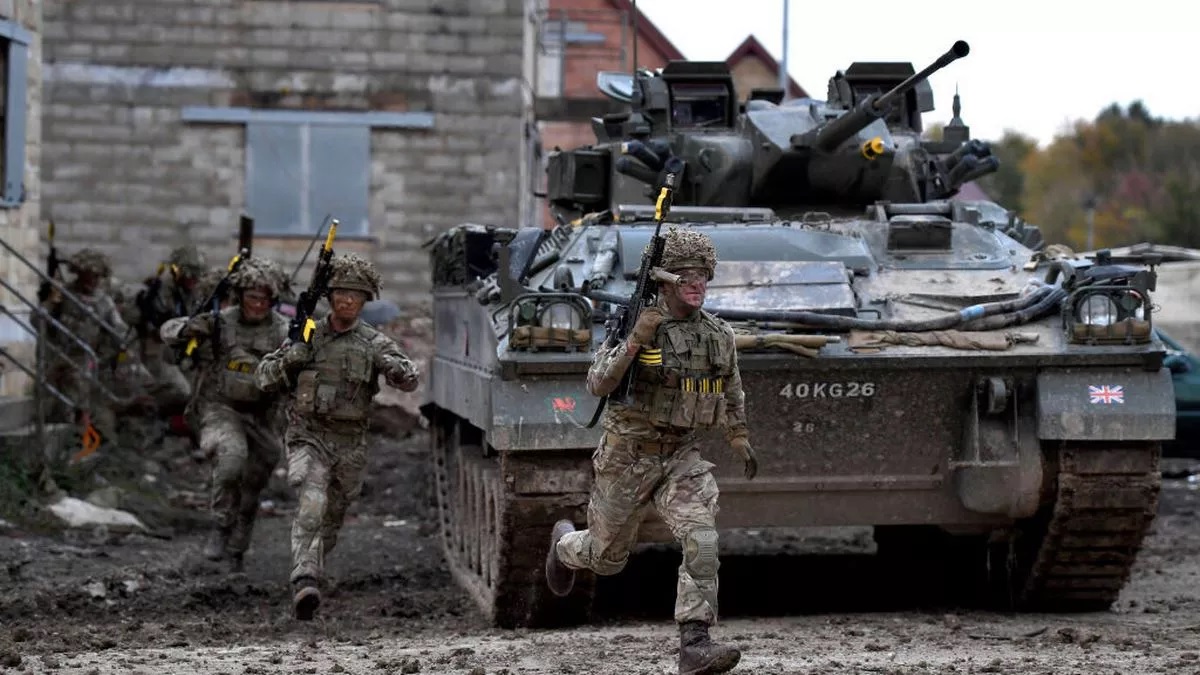
World
One of Britain’s most respected defense analysts, Nicholas Drummond, has triggered a fresh debate over the country’s military preparedness, arguing that the British Army is too small and structurally flawed to meet the challenges of a more dangerous world. His comments, posted on his X (formerly Twitter) account, highlight deep concerns within the defense community about how the Army Reserve is being used and whether the U.K. can fulfill its NATO and global security commitments. Drummond’s central warning is stark: Britain’s current land forces are not credible. With just 73,000 regular soldiers, the Army is operating far below what he considers the minimum requirement for a nation of Britain’s global stature. He suggests that at least 90,000 regulars and 30,000 reservists are necessary to provide a force capable of meaningful action in war, alongside the Royal Navy and Royal Air Force. Why this debate has resurfaced The backdrop is a rapidly changing security environment. Russia’s war in Ukraine has exposed how major land wars are still possible in Europe, directly threatening NATO’s eastern flank. At the same time, growing tensions in the Indo-Pacific — particularly around China and Taiwan — are stretching Western defense resources and commitments. Britain, as a key NATO member and permanent UN Security Council power, faces rising expectations to contribute not just ships and jets but also a credible ground force. Drummond argues that the Army Reserve is being misused, forced to backfill gaps in the Regular Army instead of fulfilling its intended missions: acting as a second echelon force, supplying battlefield replacements, and enabling wartime expansion. In his view, this undermines both the Reserve’s readiness and the Regular Army’s credibility. For him, the solution is twofold: reform the Reserve so it functions as cohesive units that train and deploy together, and expand the Regular Army so it can operate independently. Why the Army shrank in the first place Britain’s land forces have been steadily reduced since the Cold War. At its height, the British Army had around 160,000 regulars, positioned to counter the Soviet Union in Europe. But after the Cold War ended, defense budgets shrank and priorities shifted to naval power, air superiority, and expeditionary missions in the Middle East. As an island nation, Britain historically leans on its Navy and Air Force, but this has often left the Army underfunded. Drummond acknowledges that the U.K. does not need Cold War–level manpower, but he insists that today’s 73,000 is dangerously low for NATO operations and homeland defense. The main reason for concern The core of Drummond’s argument is credibility. Britain has global defense responsibilities — from NATO’s collective defense commitments to overseas deployments and counterterrorism operations. If the Army is too small to deploy without relying on reserves in peacetime, then in a real emergency, there will be no second line of defense left to call upon. This structural weakness could leave Britain unable to respond decisively in a crisis. What this means going forward Drummond’s intervention comes at a time when NATO is pressuring allies to meet higher readiness targets, especially as deterrence against Russia requires deployable ground forces. His call for a bigger Regular Army and a reformed Reserve suggests that Britain must “bite the bullet” and increase manpower despite financial and political reluctance. If the government takes his advice seriously, the U.K. may see a significant shift in defense policy: larger Army recruitment drives, structural reforms to the Reserve, and a renewed emphasis on land warfare, even as naval and air power remain top priorities. The debate reflects a broader question facing Britain and its allies — whether their armed forces are truly prepared for the wars of tomorrow.
Read More → Posted on 2025-09-28 16:30:52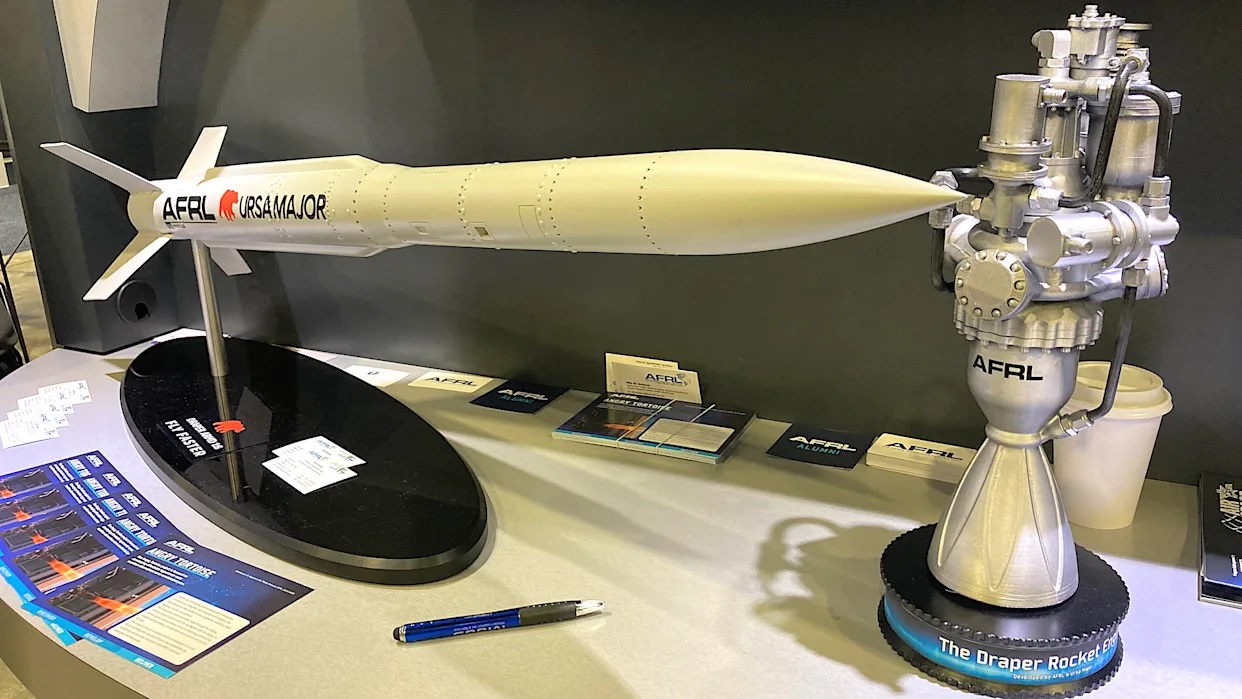
World
The United States Air Force (USAF) is pushing forward with an unusual but potentially game-changing experiment in hypersonic missile development. The program, informally known as “Angry Tortoise,” is designed to test whether existing components can be combined into a cheaper, more practical weapon system that still delivers the extreme speed advantages of hypersonics. The idea behind Angry Tortoise is straightforward but ambitious. Engineers are taking the front section of a ballistic missile target vehicle, normally used to simulate enemy threats during tests, and pairing it with a new liquid-fuel rocket motor. Unlike conventional liquid rocket systems that rely on cryogenic fuels and require delicate handling, this motor uses storable propellants that can be kept at room temperature for extended periods, making it far more suitable for operational deployment. By marrying an already proven aerodynamic body with an advanced propulsion system, the Air Force hopes to avoid the long and costly process of developing a missile entirely from scratch. The experimental motor, known as Draper, is a 4,000-pound-thrust class engine that has already been fired hundreds of times on the ground. Its hydrogen peroxide and kerosene combination is designed to offer reliable performance without the logistical challenges that normally come with liquid fuels. What makes the program particularly attractive is its potential affordability. Hypersonic projects around the world, including several American efforts, have been plagued by escalating costs and technical setbacks. The Air Force believes Angry Tortoise could serve as a low-cost demonstrator that shows a different, more accessible path forward. The first flight test of Angry Tortoise is scheduled before the end of this year at White Sands Missile Range in New Mexico. In its initial configuration, the missile will only reach around Mach 2, partly due to range restrictions. Later versions are expected to push into true hypersonic speeds of Mach 4 or Mach 5, which would place the weapon in the same league as some of the more advanced systems currently being developed by Russia and China. After the New Mexico trials, the Air Force plans to take the project to longer-range testing over the Pacific in 2026. Behind the unusual nickname lies a serious purpose. The United States has struggled to keep pace with rival nations in the hypersonic race, and previous flagship projects such as the AGM-183 ARRW suffered delays and cancellations. By re-thinking the process, focusing on affordability, and using commercial partnerships, the Air Force hopes Angry Tortoise will provide valuable lessons about how to make hypersonics more practical for widespread use. If successful, this design could help shift the balance of hypersonic weapons from experimental showpieces into operational tools that can be deployed in numbers. The broader significance is clear. Hypersonic weapons are difficult to detect, track, and intercept, which is why they are considered critical to the next era of modern warfare. If the United States manages to create a cheaper and scalable option, it could dramatically strengthen its strategic posture while forcing adversaries to accelerate their own programs. For now, all eyes are on the first test flights. They will determine whether the “Angry Tortoise” is just a quirky experiment or the beginning of a new chapter in hypersonic missile development.
Read More → Posted on 2025-09-28 15:55:15Search
Top Trending in 24 Hours
-
 Tulsi Gabbard Releases Declassified Files Detailing U.S.-Backed Network of 120 Biolaboratories Across 30+ Countries
-
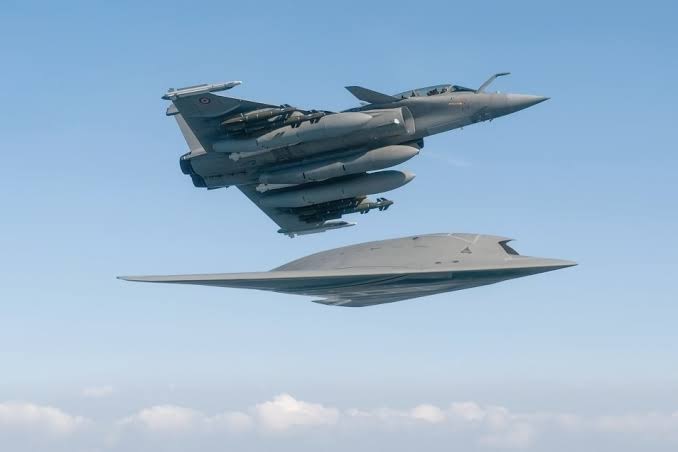 France Agrees to Equip Future Indian Rafales with AI, MUM-T and Secure Satellite Links Under F5 Standard
-
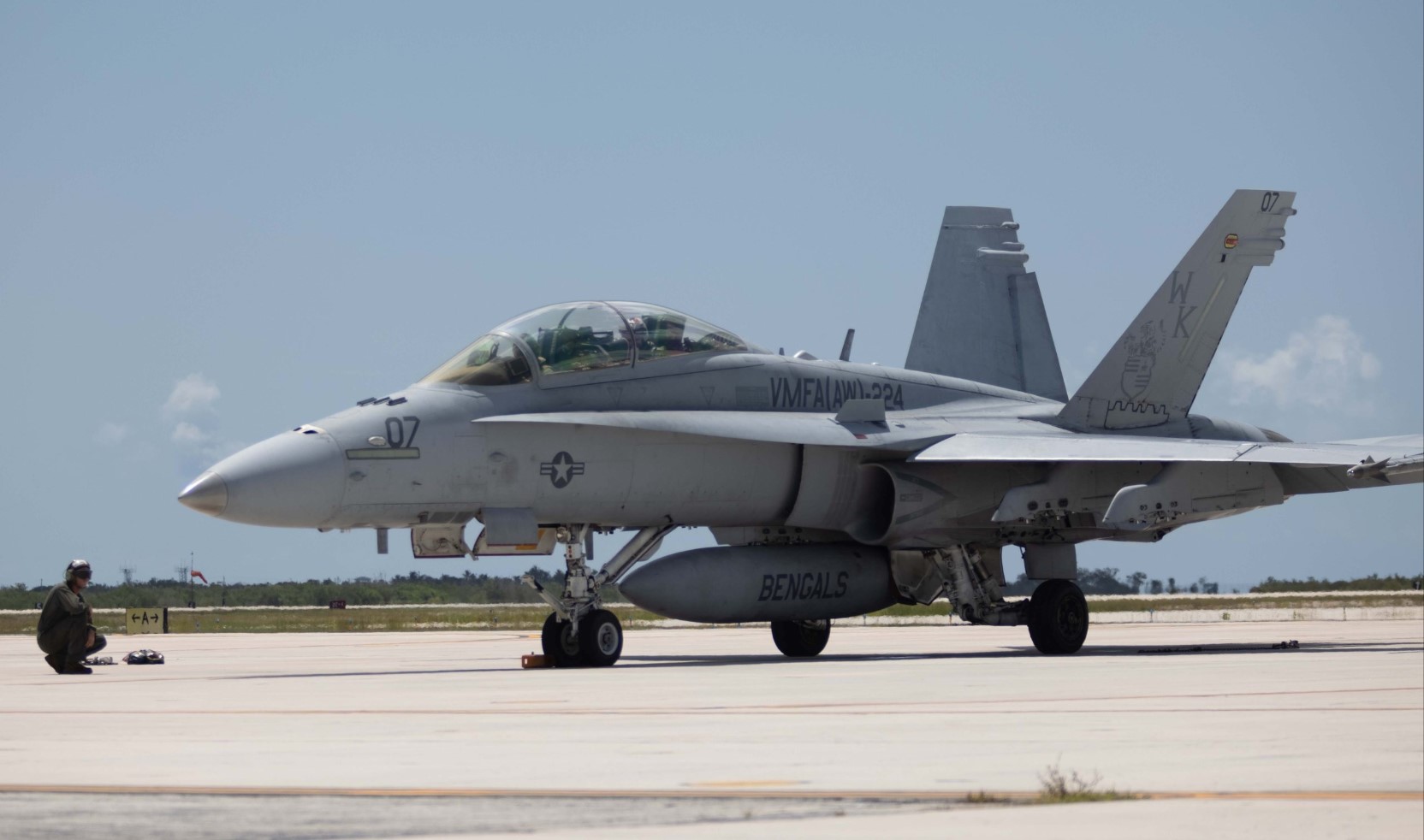 US Marine Corps F/A-18D Hornet Crashes During Training Flight in Washington Mountains; Pilot Ejects Safely
-
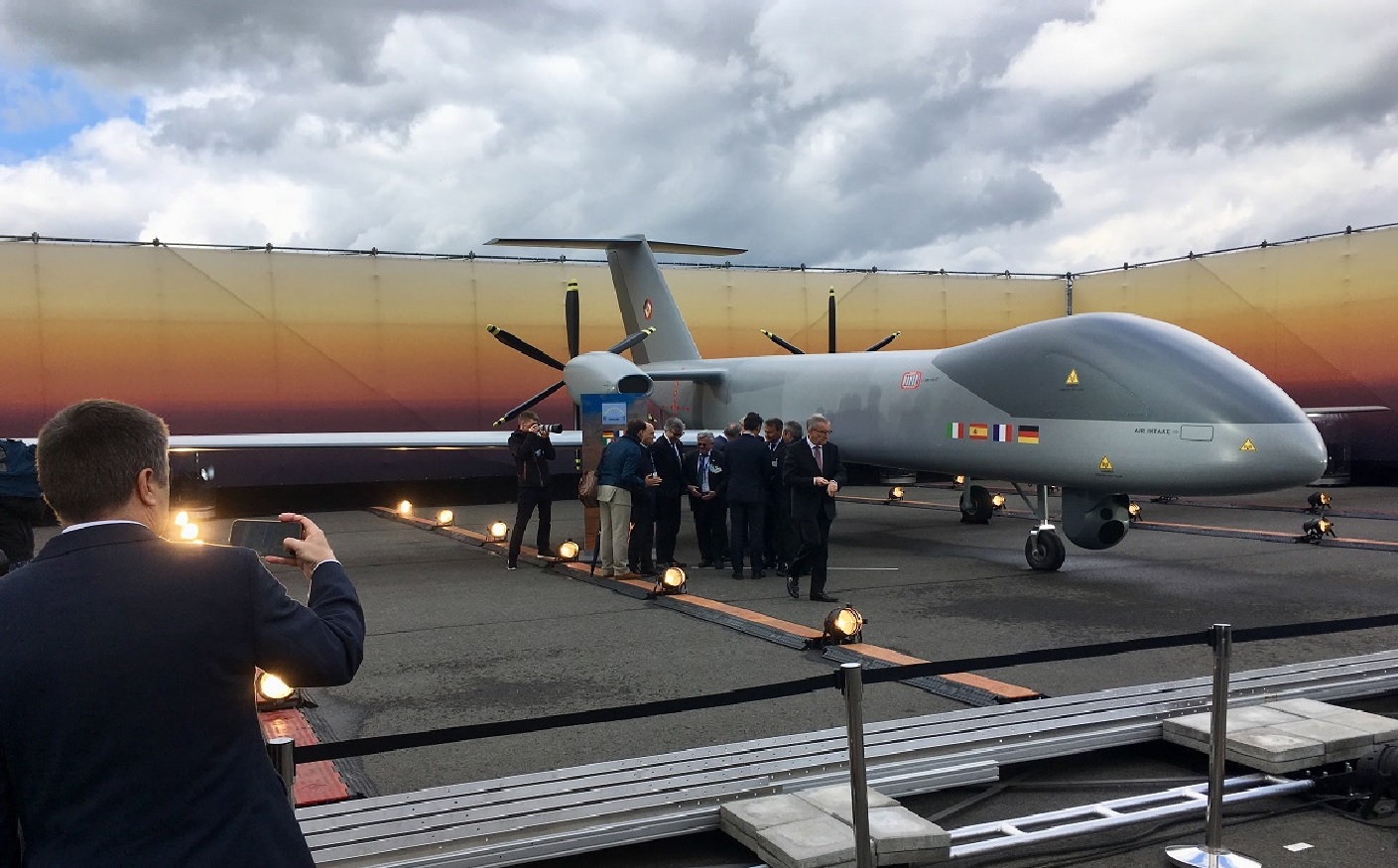 Dassault Seeks Compensation From Airbus as Eurodrone Dispute Erupts After FCAS Collapse
-
 AM General Unveils Next-Generation UGV and JLTV A2 with Counter-Drone Systems at Eurosatory 2026
-
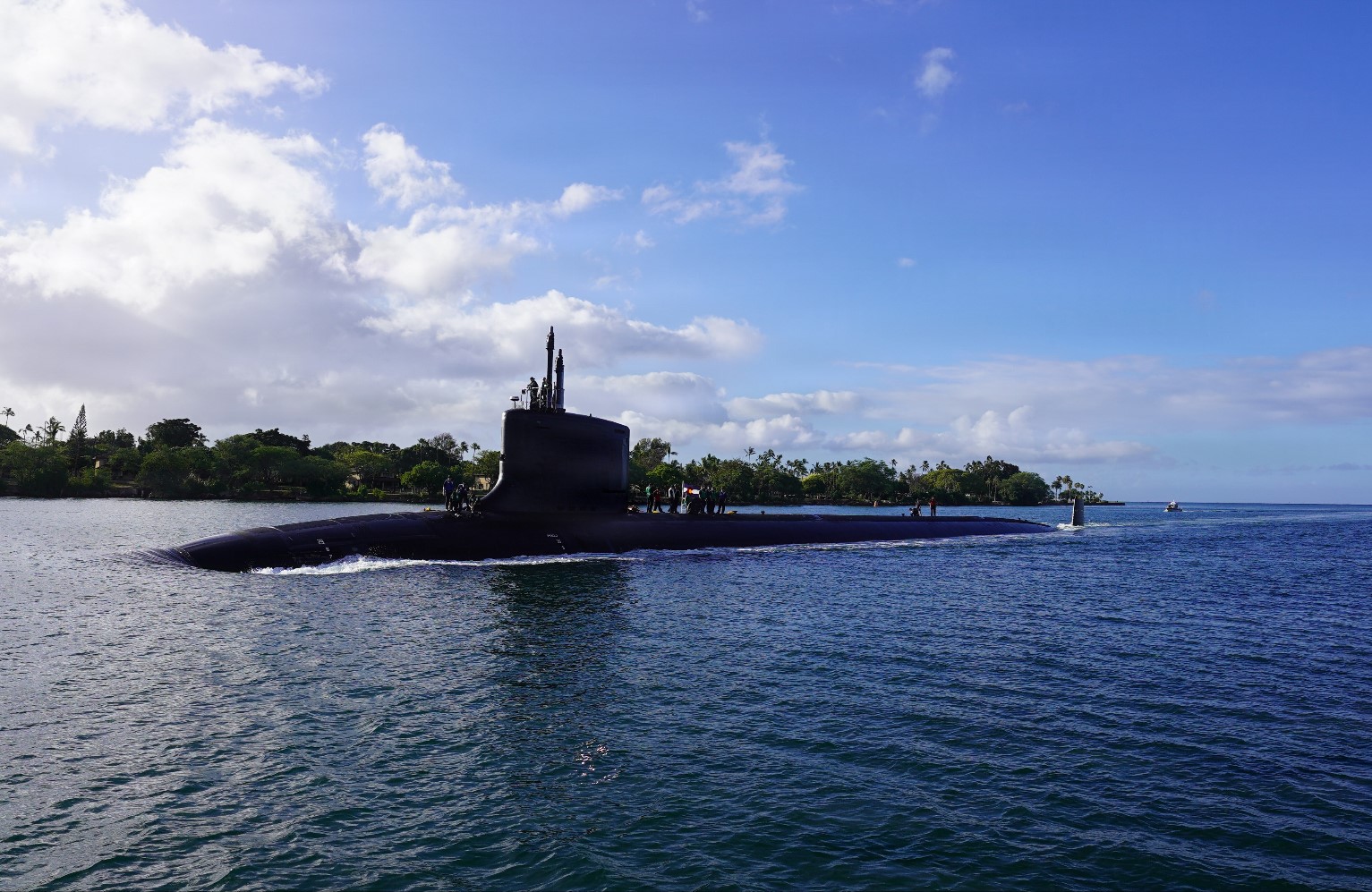 U.S. Navy's USS Colorado Submarine Returns to Pacific Fleet 29 Days Early After Major Pearl Harbor Overhaul
-
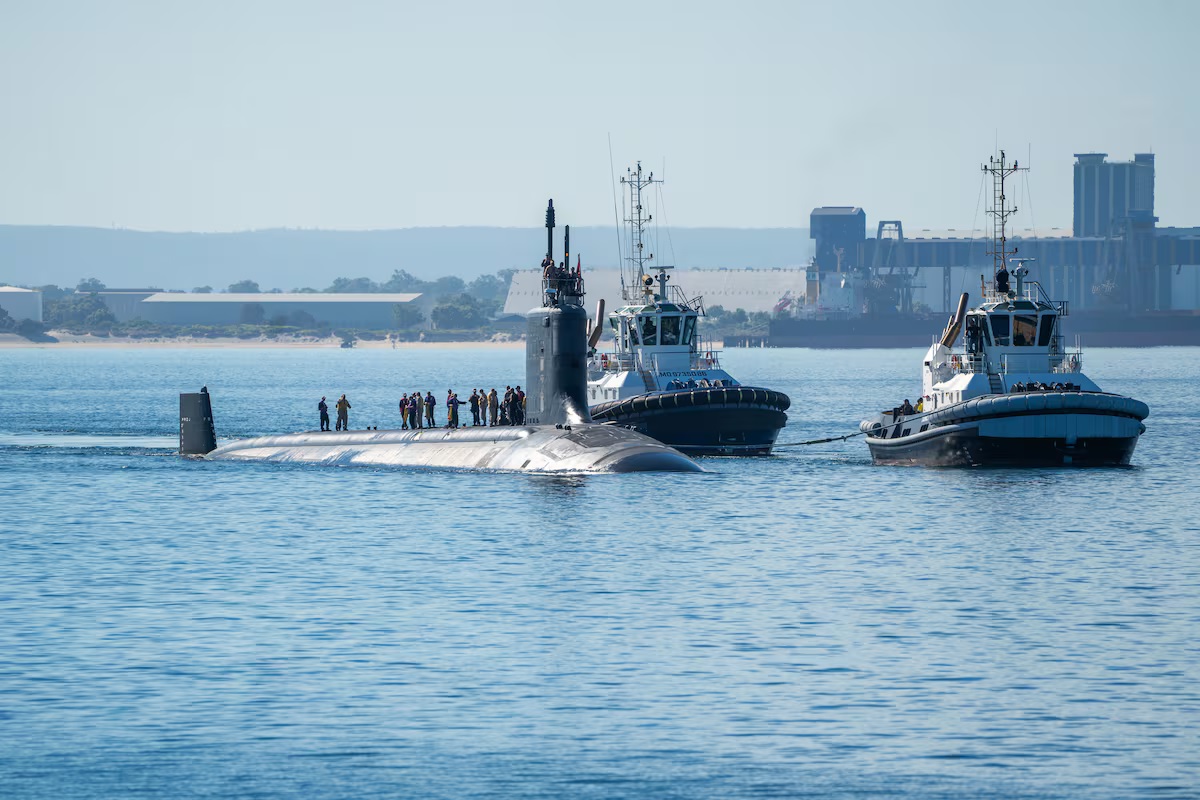 U.S. Navy Reestablishes Submarine Squadron 3 at HMAS Stirling to Support AUKUS Rotational Force
-
 Pakistan Raises Defence Budget from $9 Billion to $10.8 Billion as J-35 Fighter and Hangor Submarine Programs Advance
Top Trending in 4 Days
-
 Iranian Media Leaks 14-Point U.S.-Iran Peace Framework Amid Ongoing Negotiations
-
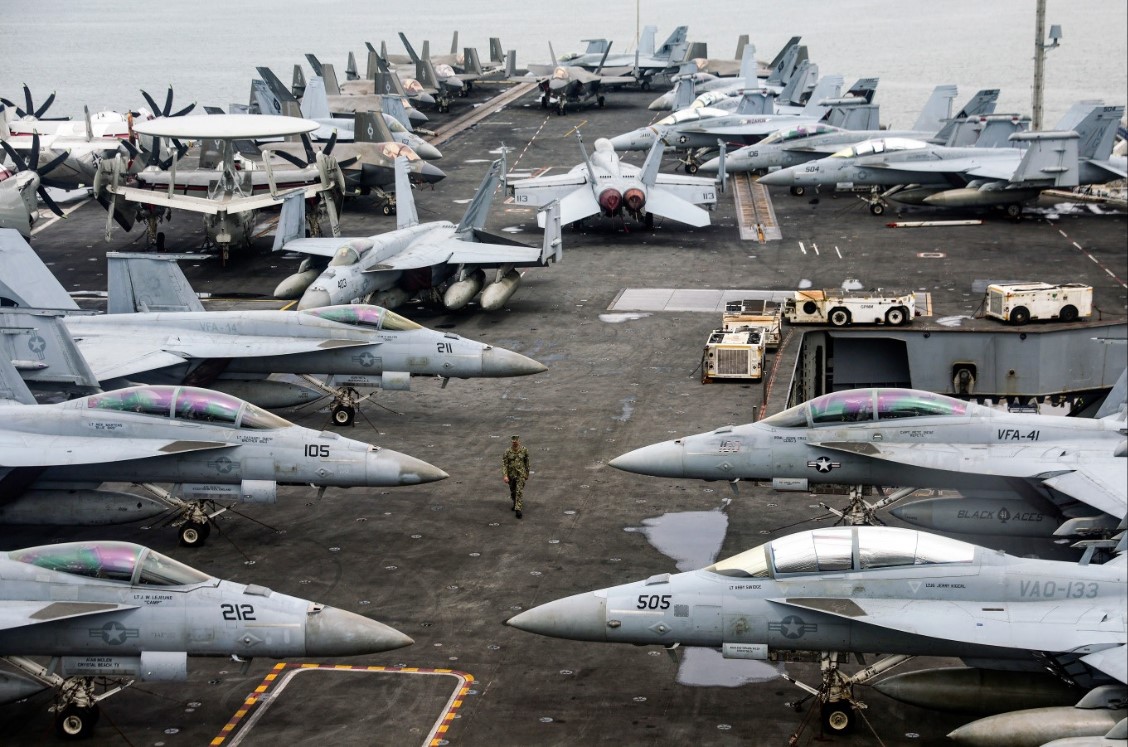 US Plans Significant Reduction of Fighter Jets and Warships for NATO Operations in Europe
-
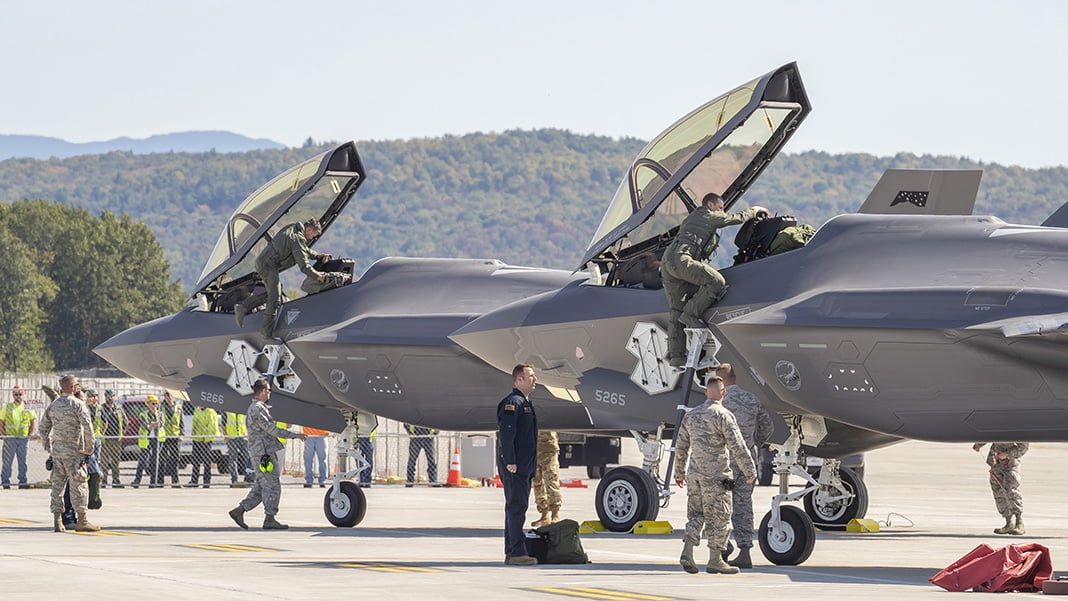 F-35 Fleet Readiness Falls to 25% Amid Parts Shortages and Software Delays: GAO Report
-
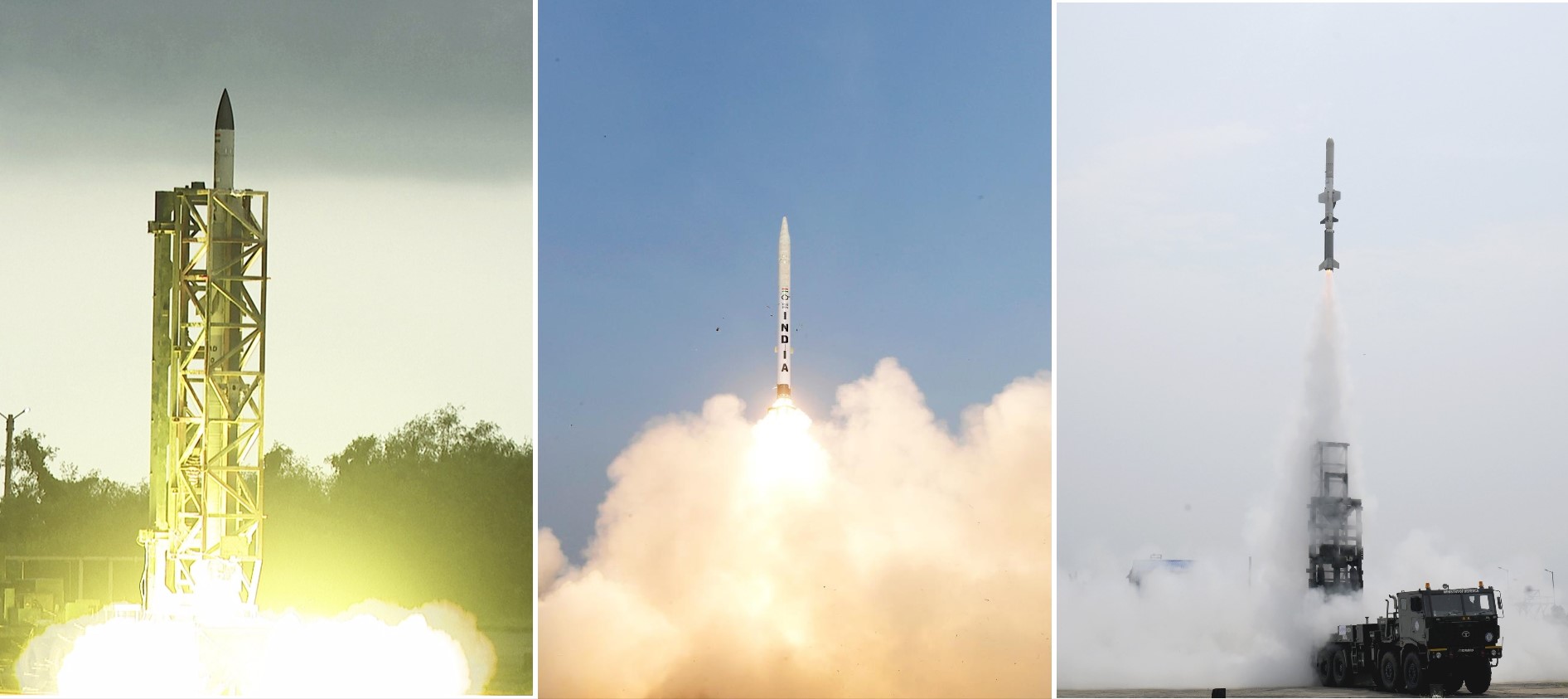 India Successfully Conducts AD-1, AD-2 Interceptor Tests and Maiden NASM-MR Flight Trial
-
 U.S. Air Force Faces Strategic Airlift Shortfall as C-17 Production Restart Remains Uncertain
-
 NATO Commander Says Russia Not Seeking Conflict With Alliance Despite U.S. Force Reductions
-
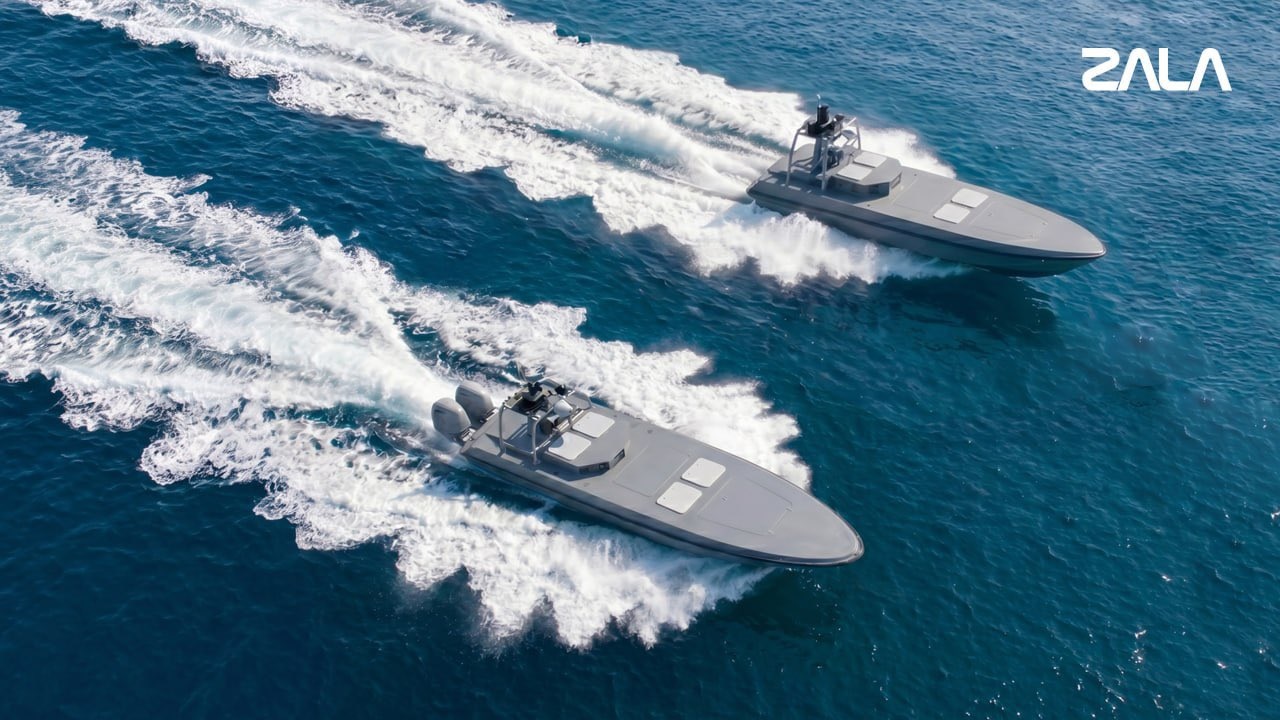 Russian Defense Firm ZALA Unveils KAMA Unmanned Surface Vessel Family at FLOT-2026 Naval Exhibition
-
 U.S. Space Force Awards $437.7 Million Contracts for First PTS-G Swarm 1 Anti-Jam Satellites